6 Tips For Storing Offseason Clothes, According To Organizers
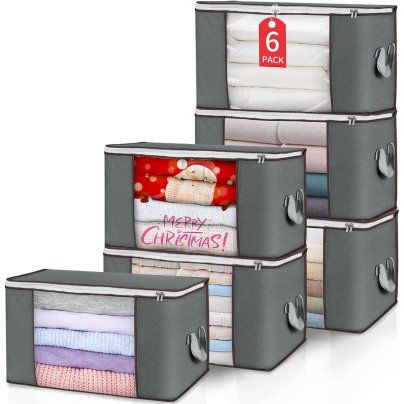
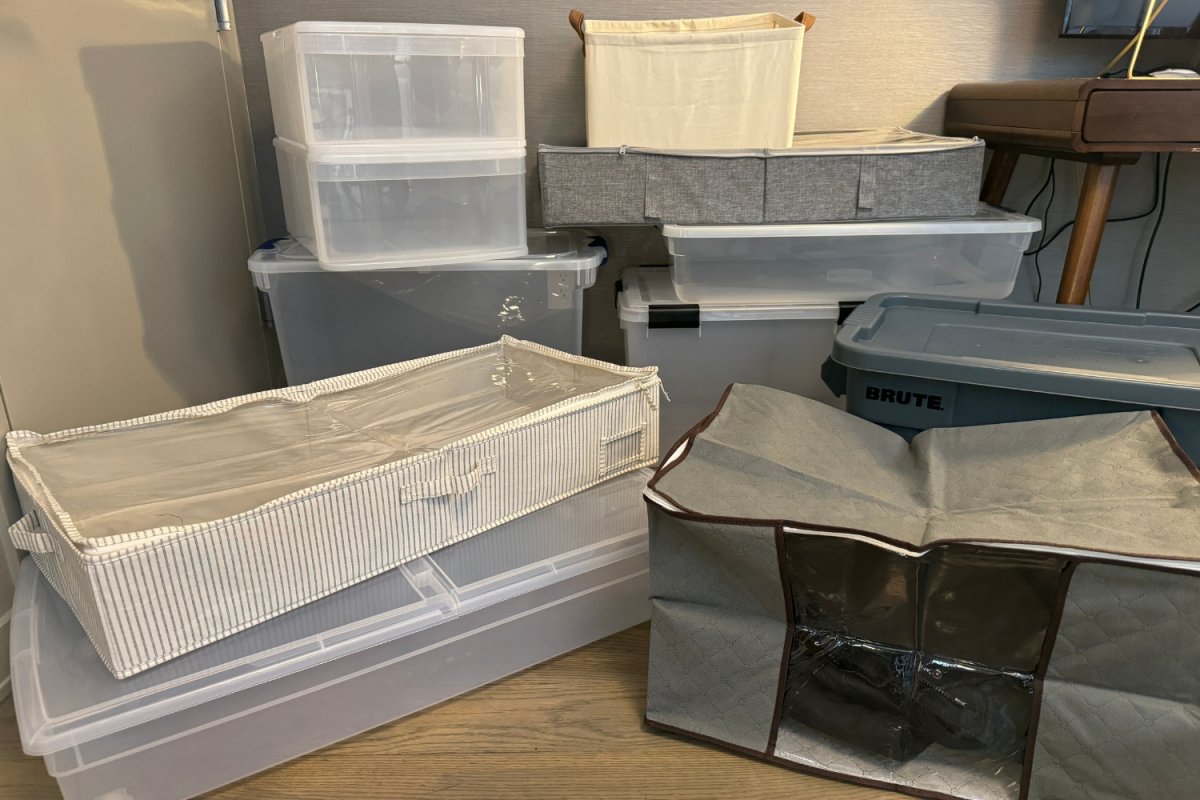
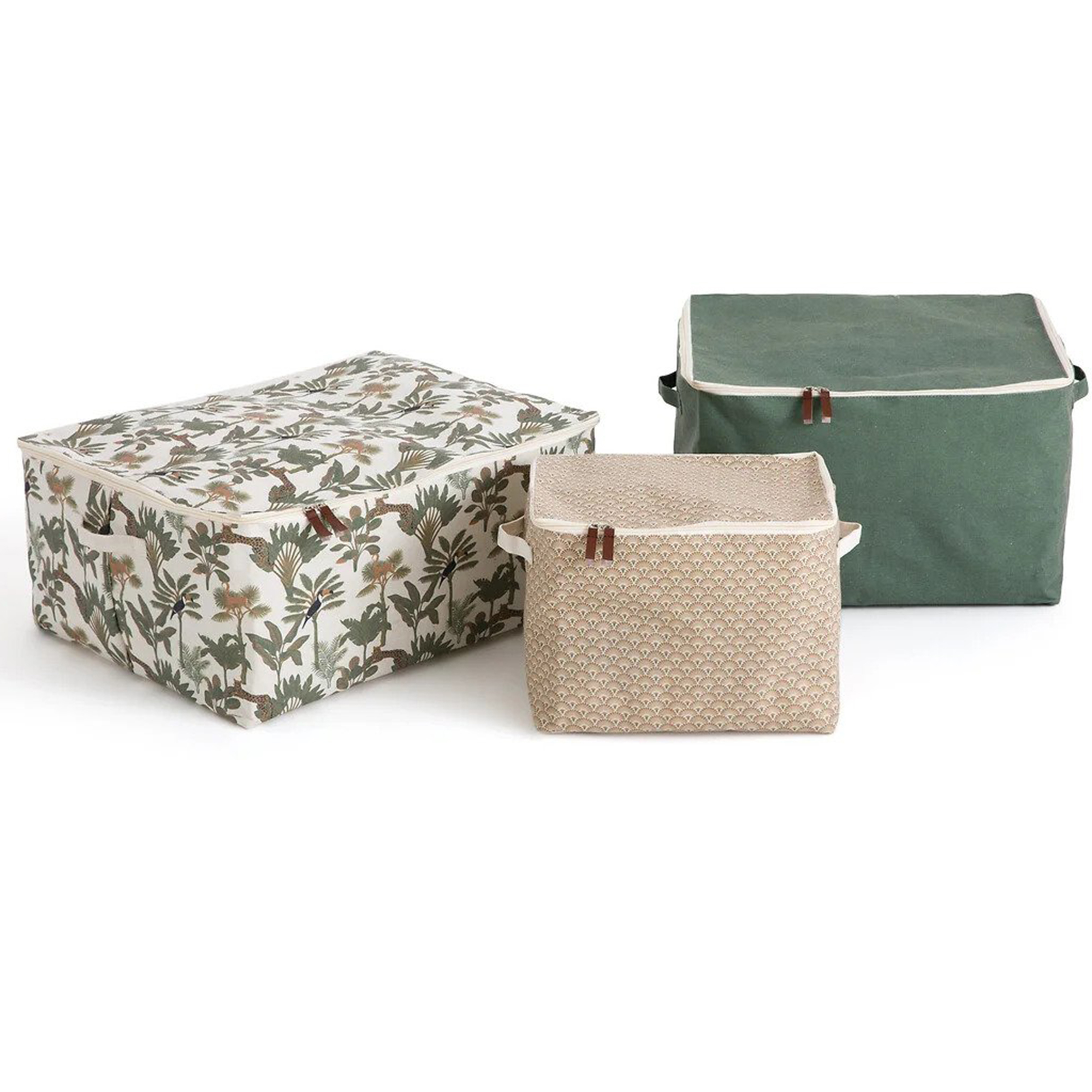
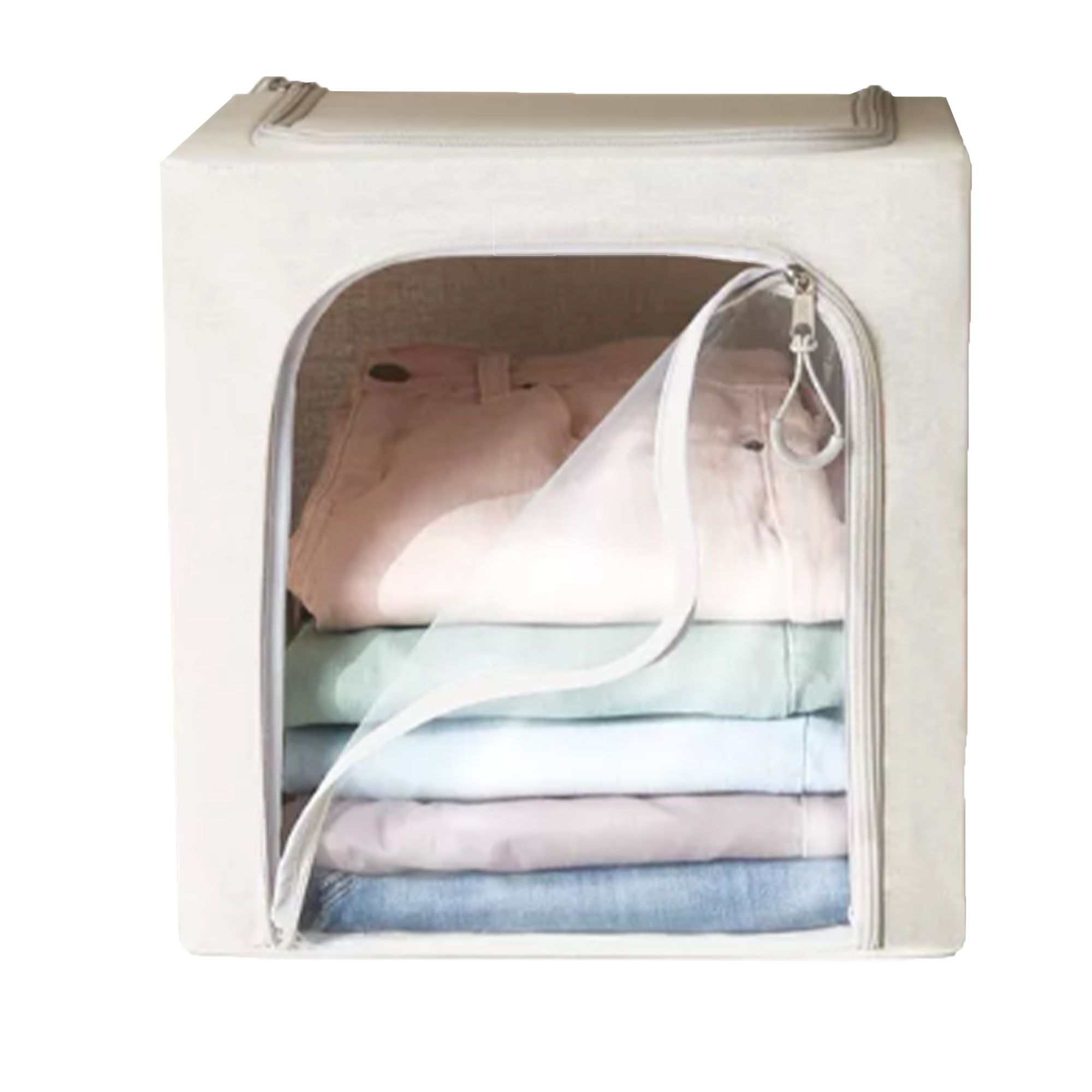
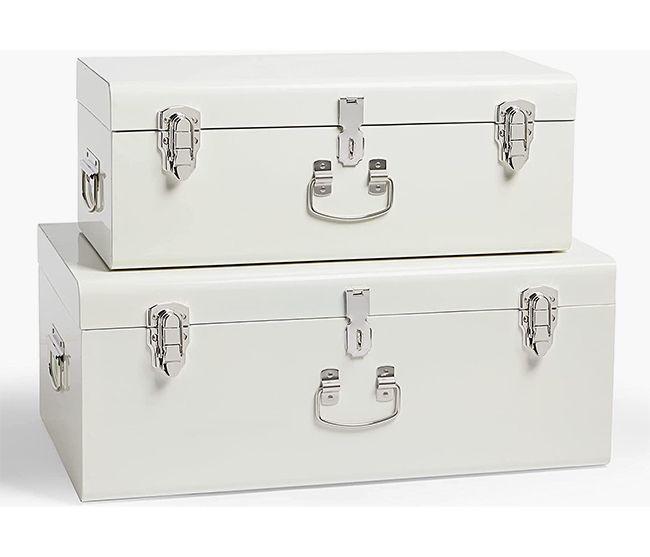
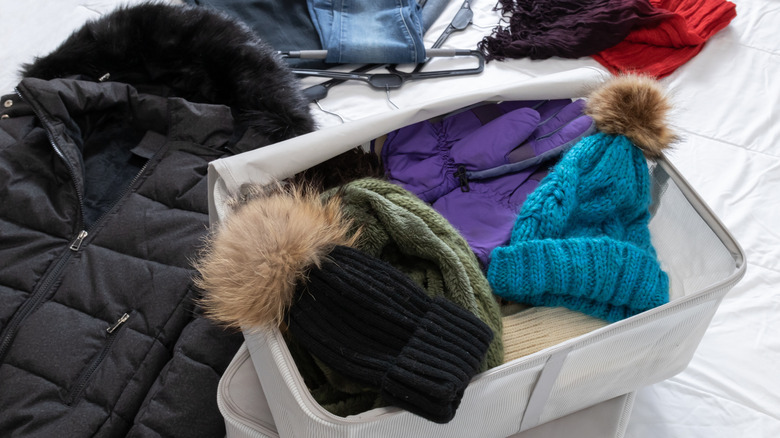
Storing off-season clothes efficiently is a common challenge, whether one lives in a small space or possesses an extensive wardrobe. Professional organizers offer practical advice to streamline the process of packing and unpacking seasonal clothing, ensuring garments remain organized and free from damage. The initial step involves selecting appropriate storage containers. It is recommended to use breathable storage bags made of materials like linen or cotton. These materials facilitate air circulation, which is crucial for preventing the growth of mold or mildew on stored items. To further safeguard clothing, incorporating cedar blocks or lavender sachets is advised, as these natural deterrents help ward off pests.
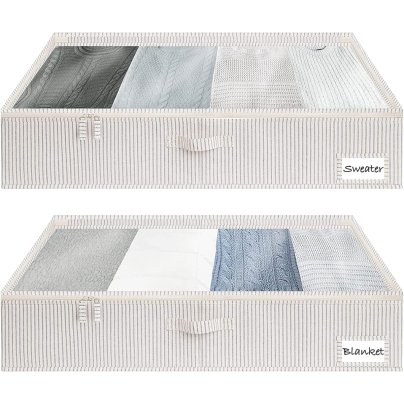
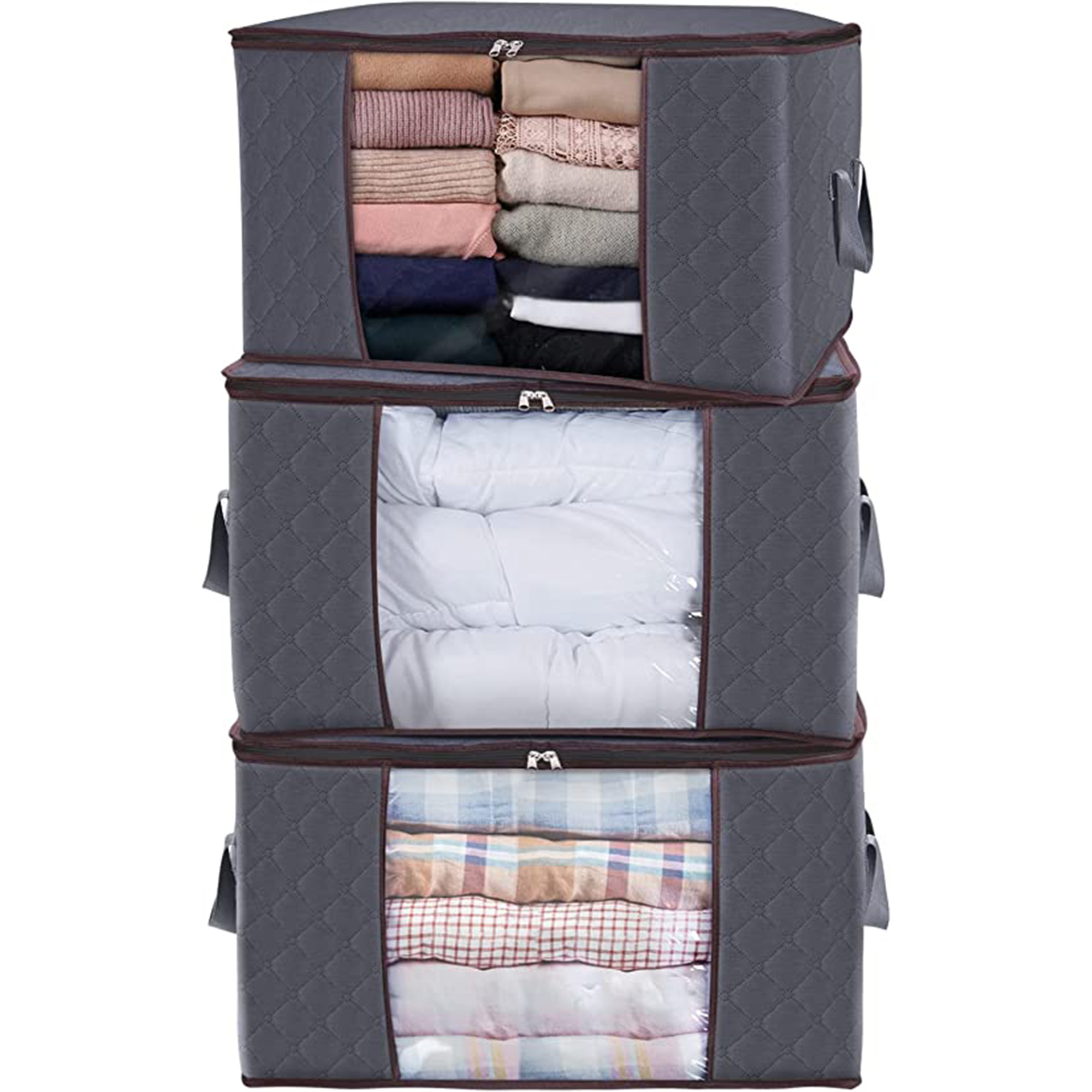
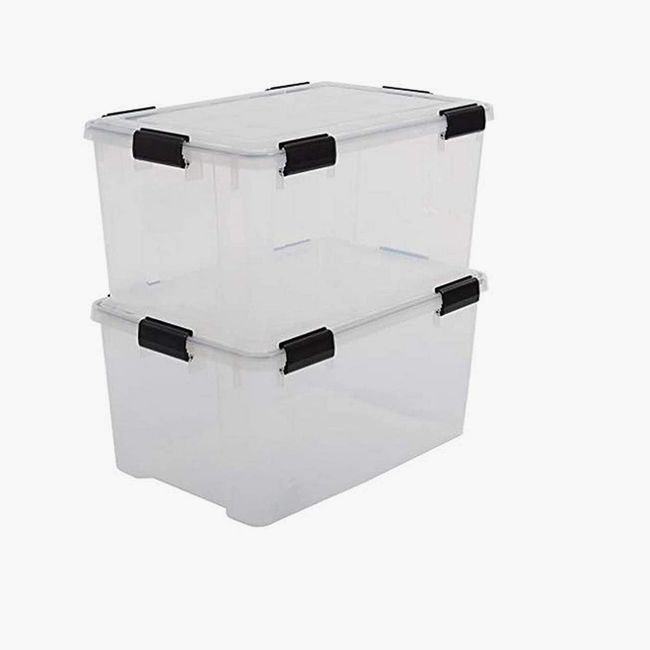
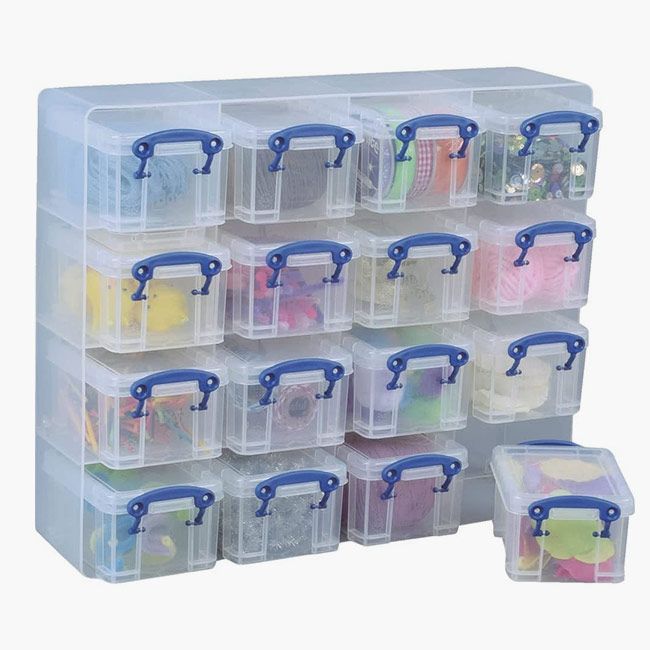
Beyond selecting the right bags, proper organization is key. Instead of haphazardly piling clothes, grouping items by category—such as all swimsuits in one bag and all skirts in another—simplifies retrieval. Labeling each storage vessel is a highly recommended practice to ensure easy identification and access to specific items in the next season. When packing, it is vital not to overstuff storage containers. Cramming too many clothes into a limited space can impede air circulation, leading to moisture buildup, which fosters mildew and attracts insects. To enhance protection, especially for valuable items, professional organizers suggest placing sealed airtight bags within larger bins.
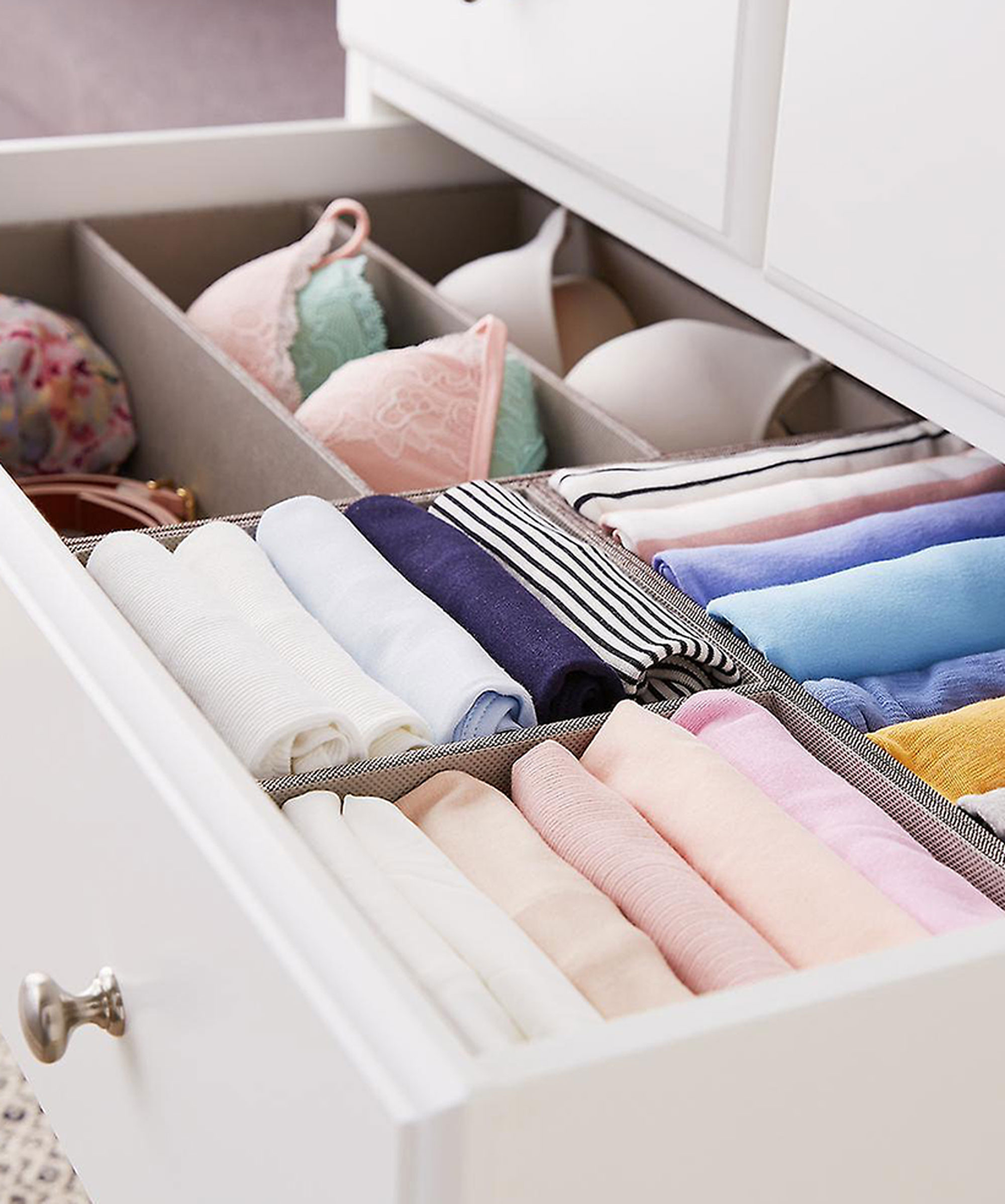
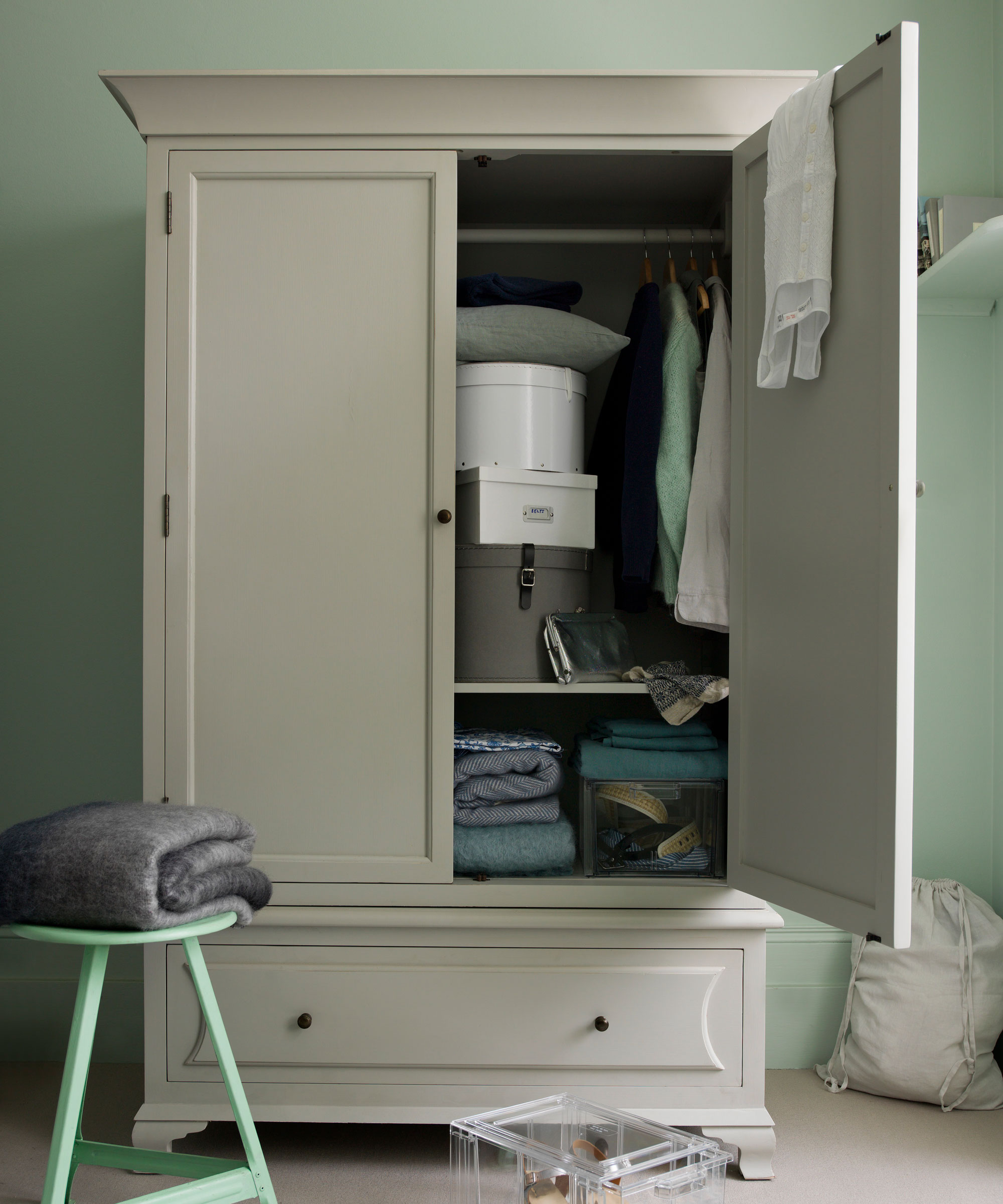
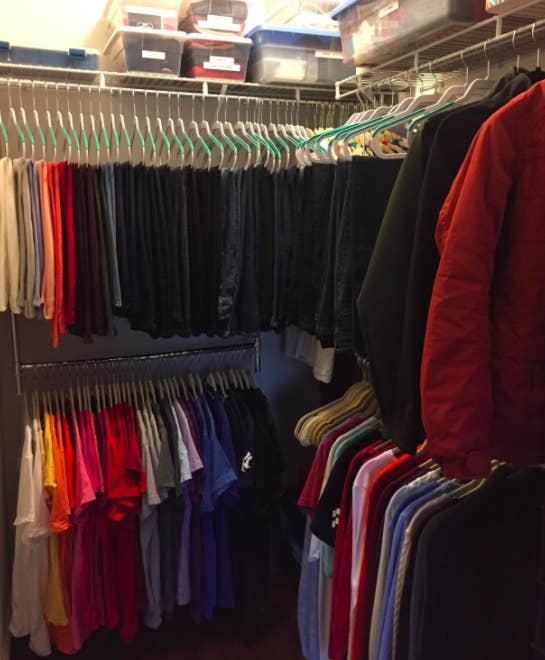
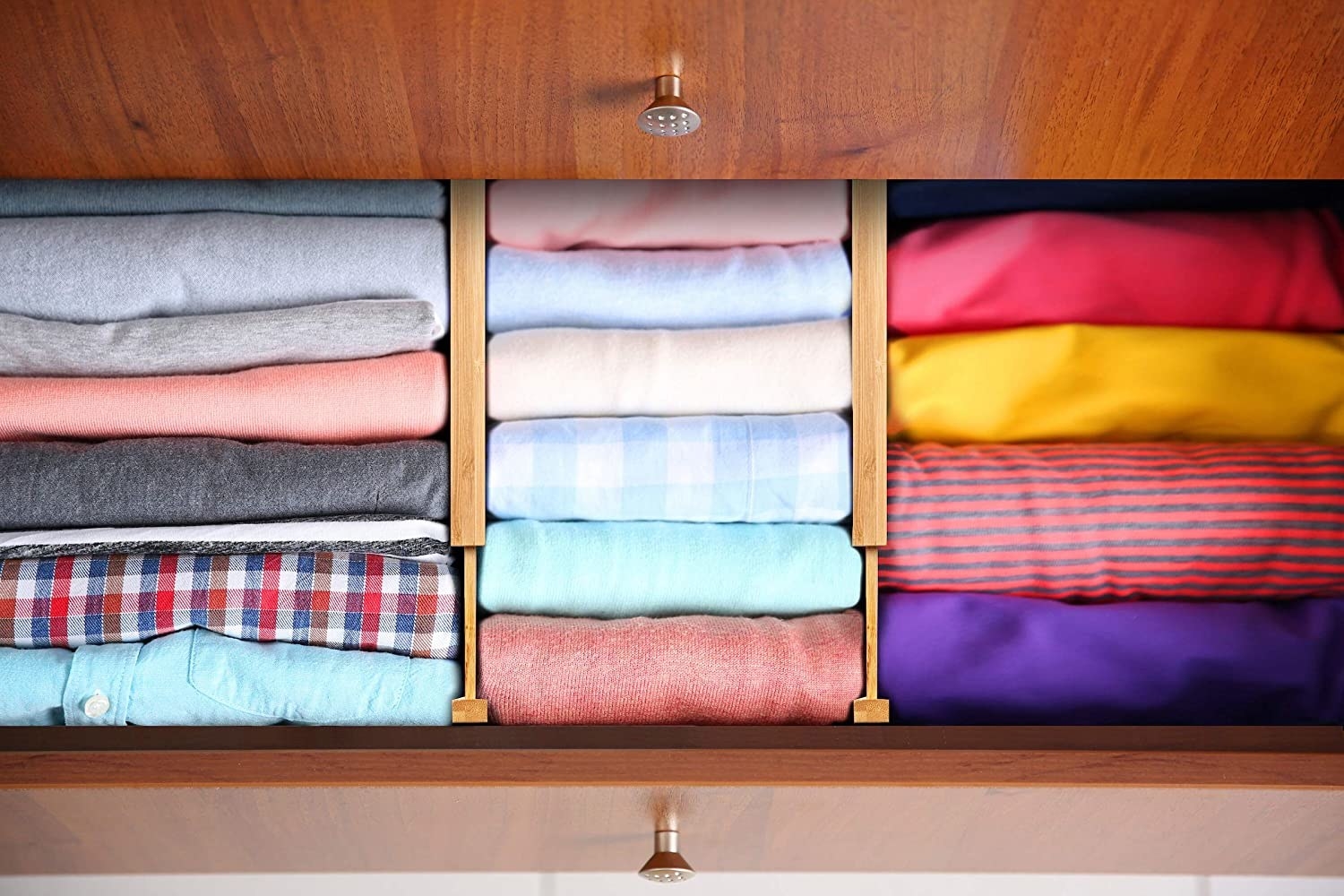
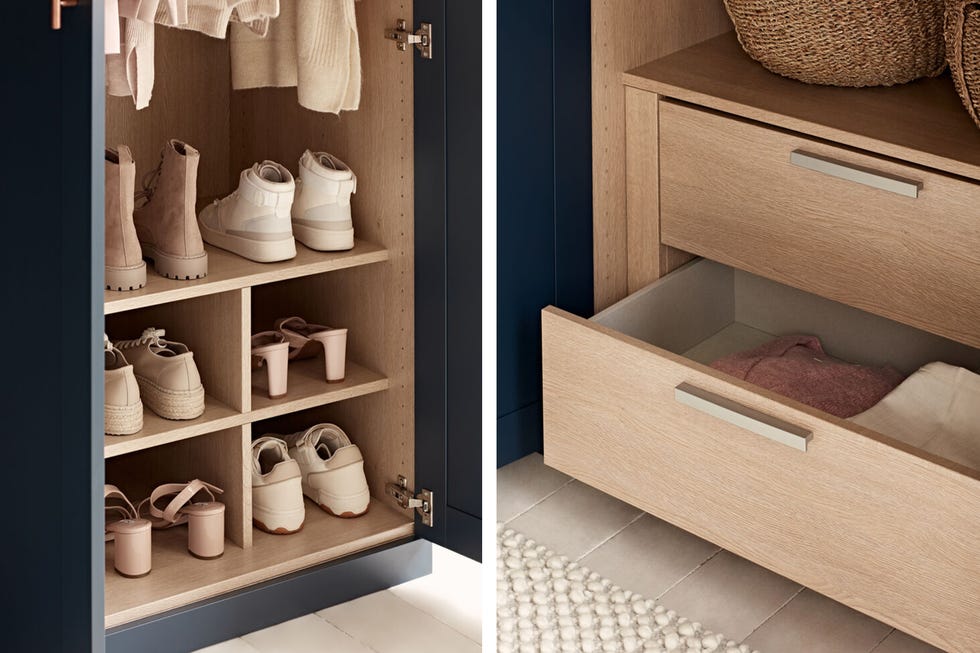
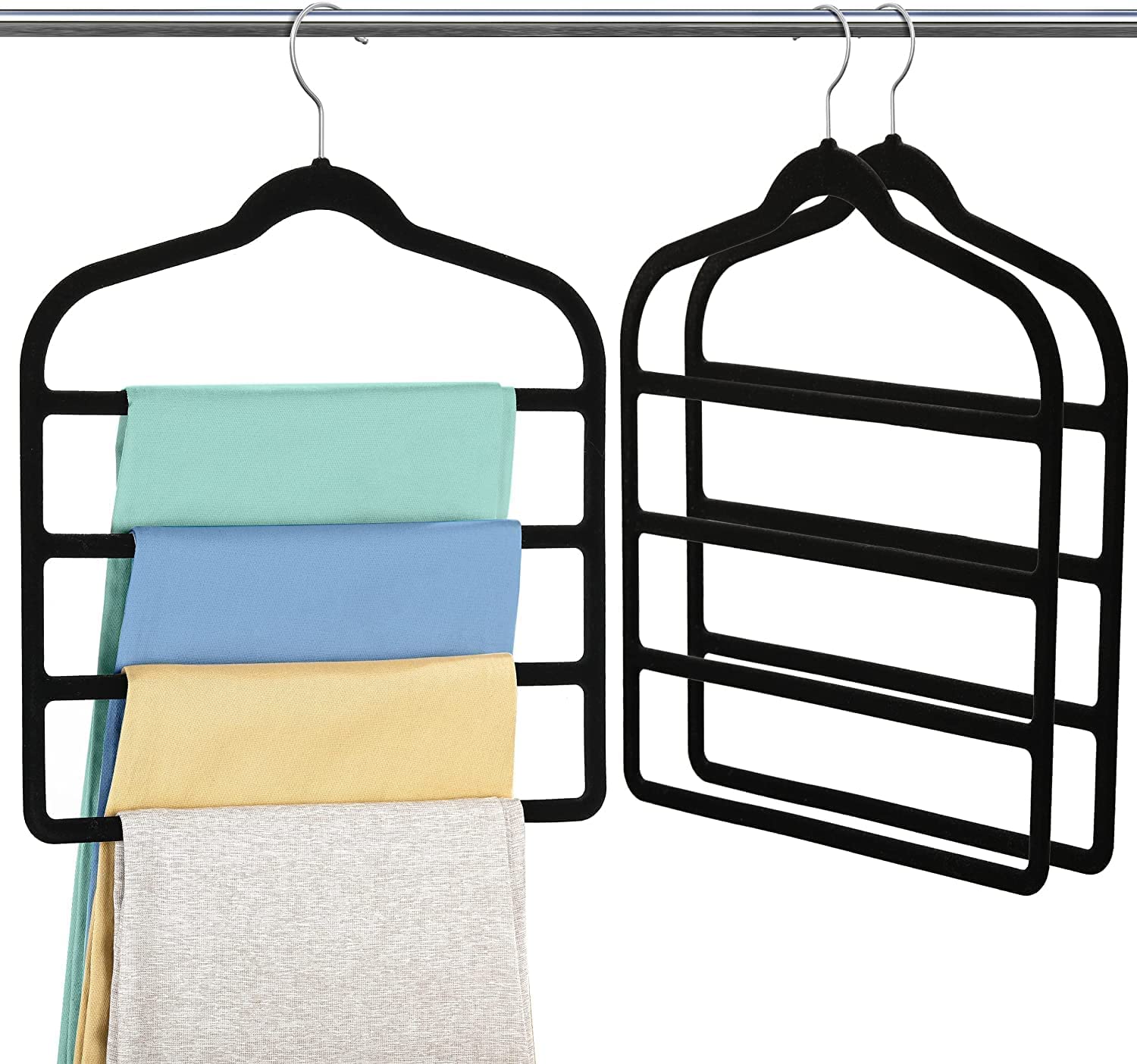
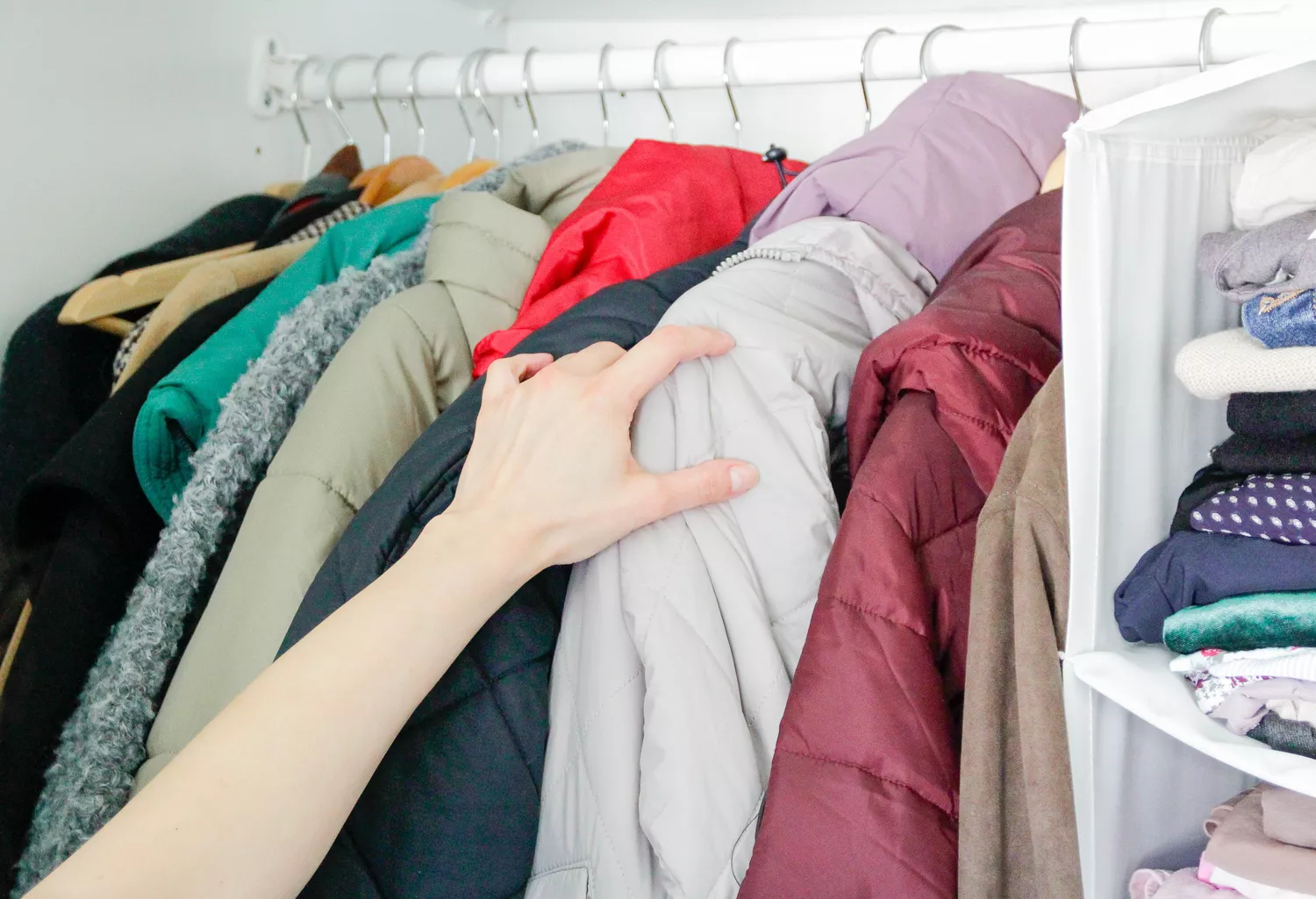
Optimizing storage location is another critical aspect. Whenever feasible, off-season clothing should be stored in accessible areas like the back of a main closet, a secondary closet, or under the bed. Storing clothes on hangers in these locations allows for an effortless transfer between closets when seasons change. For under-the-bed storage, which typically involves shallow bins, file-folding clothes is an effective technique. This method ensures that each item is readily accessible, should it be needed during the off-season. It is also important to choose a temperature-controlled environment for storage. Garages or sheds are generally not suitable due to their exposure to fluctuating temperatures and external elements, which can damage fabrics. Prioritizing climate-controlled spaces helps preserve the quality and longevity of garments.
Finally, an essential part of the off-season clothing storage process is decluttering. Before packing items away, it is an opportune moment to evaluate each piece of clothing. Donating or discarding items that are no longer loved or do not fit eliminates unnecessary clutter and simplifies the storage task each year. This proactive decluttering not only makes the current storage process smoother but also significantly eases future seasonal rotations, preventing the accumulation of unused or unwanted clothing. By following these guidelines, individuals can ensure their off-season wardrobe is stored effectively, protected from damage, and easily manageable.
#OffseasonClothesStorage #HomeOrganization #ProfessionalOrganizers #BreathableStorage #Decluttering #TemperatureControlledStorage #WardrobeManagement #SeasonalClothing #ClosetOrganization #OffseasonClothesStorage #HomeOrganization #ProfessionalOrganizers #BreathableStorage #Decluttering #TemperatureControlledStorage #WardrobeManagement #SeasonalClothing #ClosetOrganization
0 comment in total
 No comments yet
You may also like
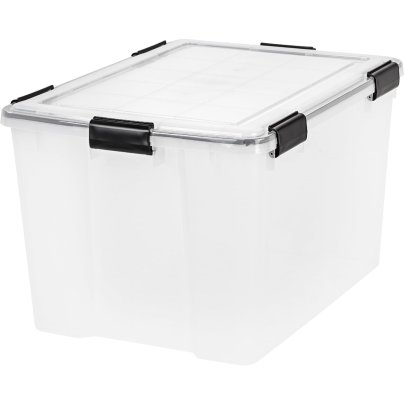
The Best Containers for Storing Clothes During the Offseason, Tested


16 best wardrobe storage ideas for your spring clean closet refresh

19 Ways To Neatly Store All The New Loungewear You've Been Buying

The Chicest Ways To Store Your Winter Gear

How to store clothes long term: 7 ways pros love

21 Ways To Organize Your Clothes If You Can’t Bring Yourself To Downsize Your Wardrobe
I’m Just Now Packing Up My Summer Clothes, and I Found 11 Clothing Storage Solutions on Sale at Amazon

Genius Tension Rod Hack Makes Your Winter Gloves and Hats So Easy to Find


6 Tricks for Storing Bulky Winter Clothes Away Without Eating Up All of Your Closet Storage Space

7 Fashion Lovers Share Their Seasonal Closet-Organizing Strategies

How To Declutter Your Wardrobe Like A Pro: Expert-Approved Tips And Easy Storage Hacks


Think twice before throwing out this often recycled item – it's the key to crease-free clothes in your closet

Is Your Garage A Safe Spot To Store Off-Season Clothes? Experts Weigh In
Never Make These Closet Organization Mistakes, Warn Experts
12 Organizers That Will Help Keep Your New Fall Wardrobe From Ending Up on the Floor—Starting at $8


20 GENIUS Expert Tricks for Organizing a Tiny Closet


ATTN, closet stuffers — these are 12 of the best clothes storage bags for out-of-season fits


6 warning signs it is time to quickly reorganize your closet and make stressful mornings easy to navigate again
Creative Organization Tips For Winter Scarfs And Hats You'll Wish You Knew Sooner

Are You Making These Closet Organization Mistakes? Read Our Expert Tips on What Not to Do