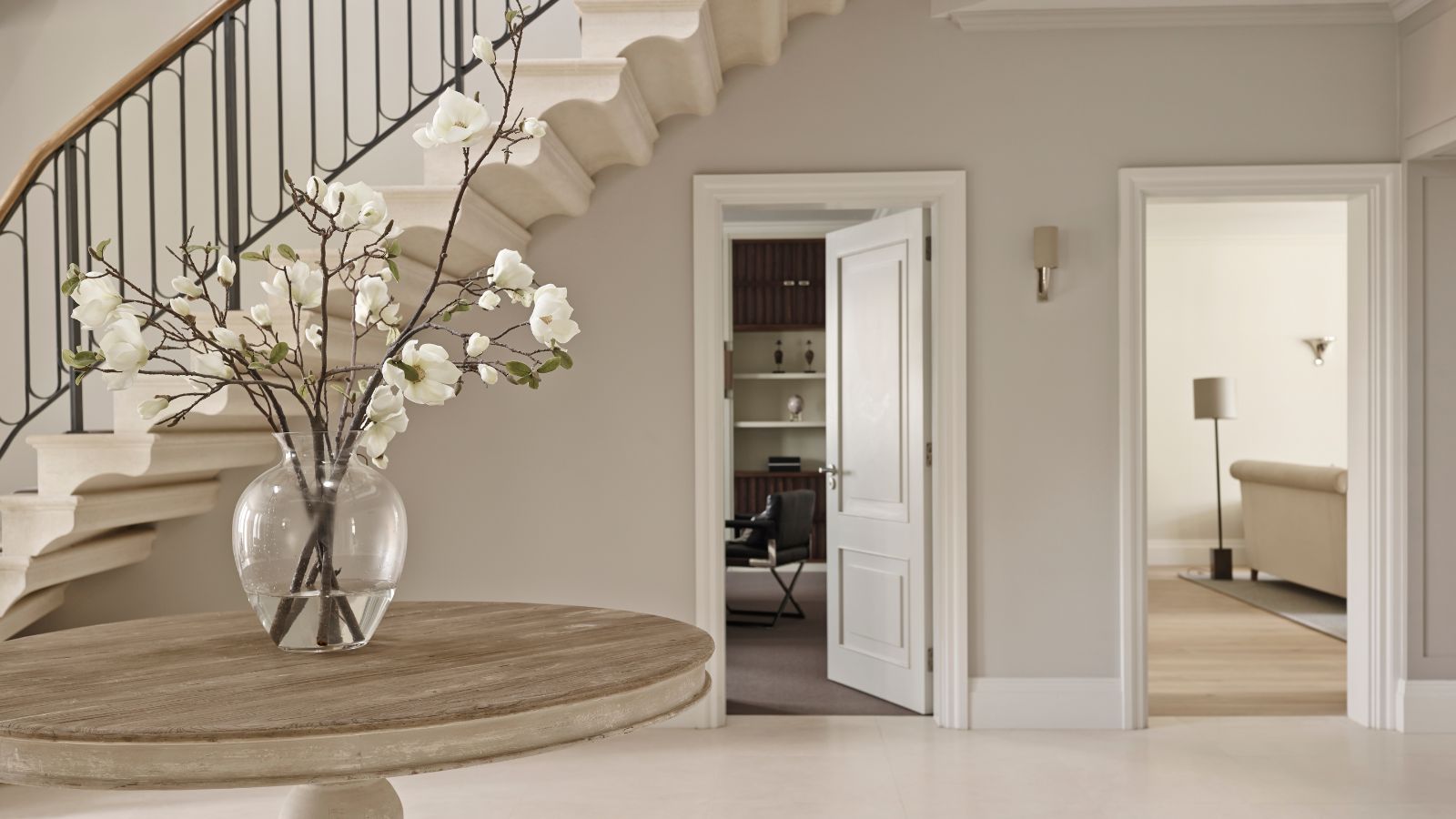
1/6
5 things to get rid of for a minimalist entryway – according to designers and organizers
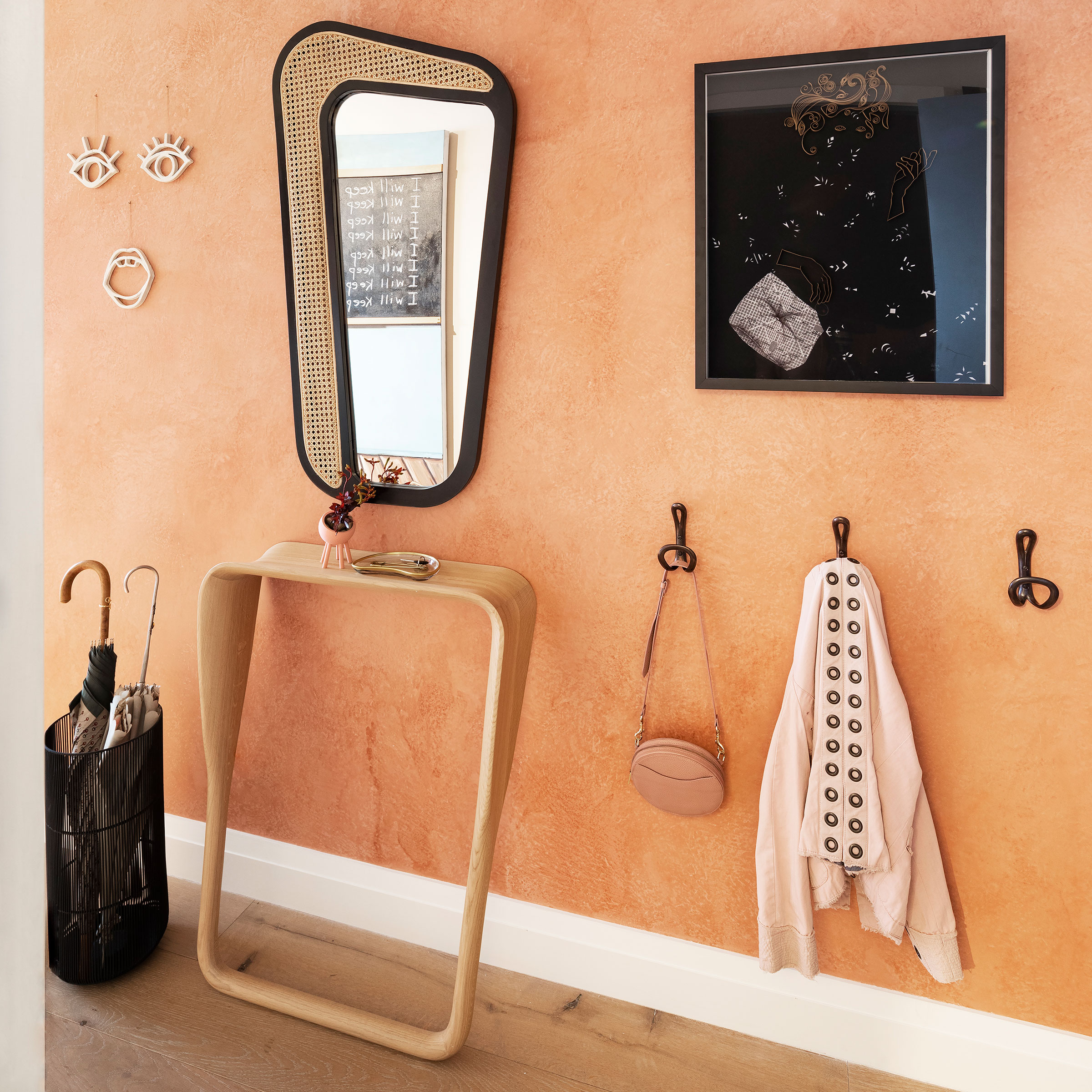
Achieving a minimalist entryway is possible by focusing on decluttering and optimizing storage, rather than merely adding more storage solutions. Designers and organizers emphasize the importance of removing specific items to create a functional yet pared-back space. Open-air storage, such as umbrella stands, can contribute to visual clutter and should be replaced with concealed options like closets or designated storage areas. Even practical items like umbrellas should be stowed away when not in immediate use to maintain a clean aesthetic.
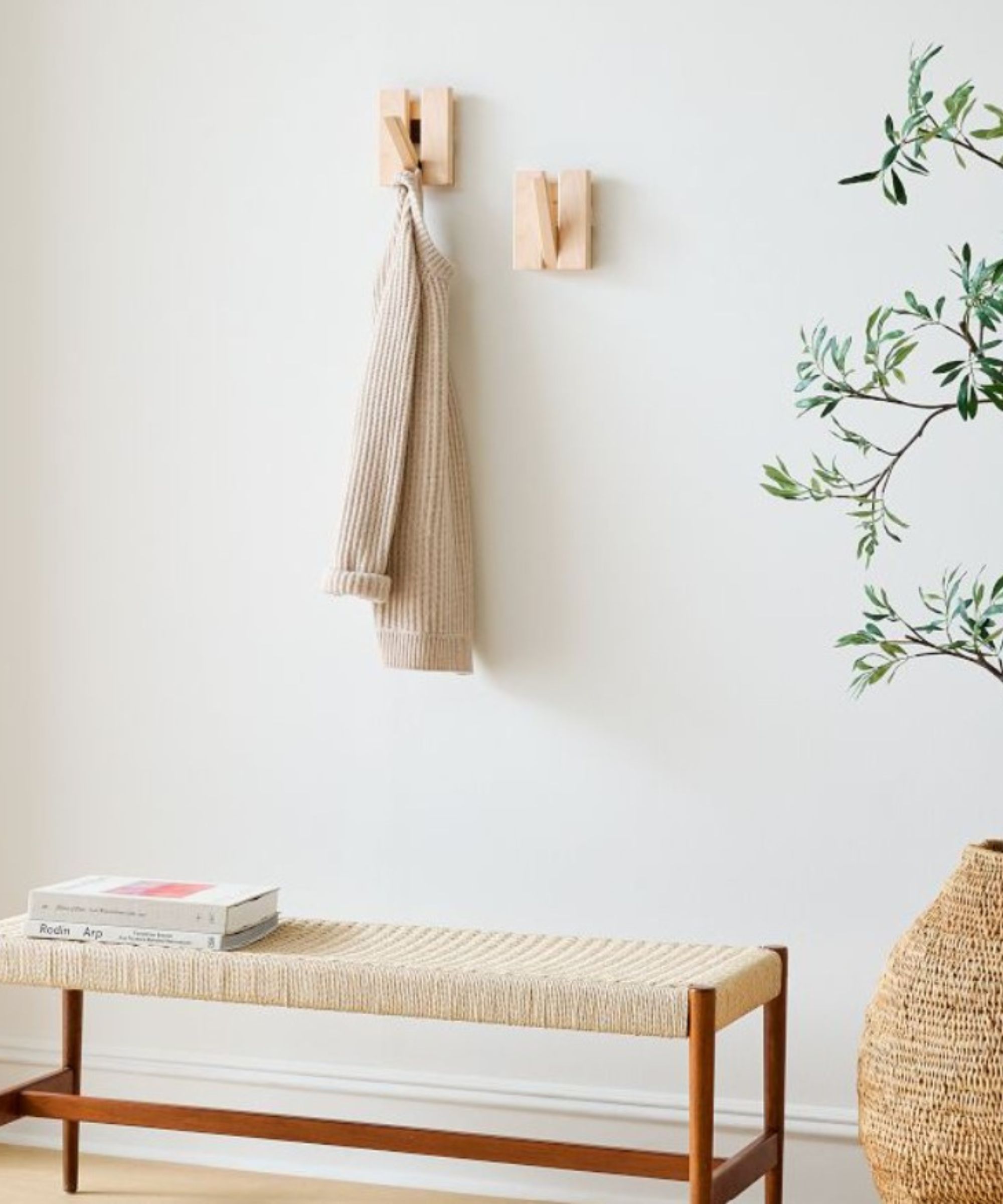
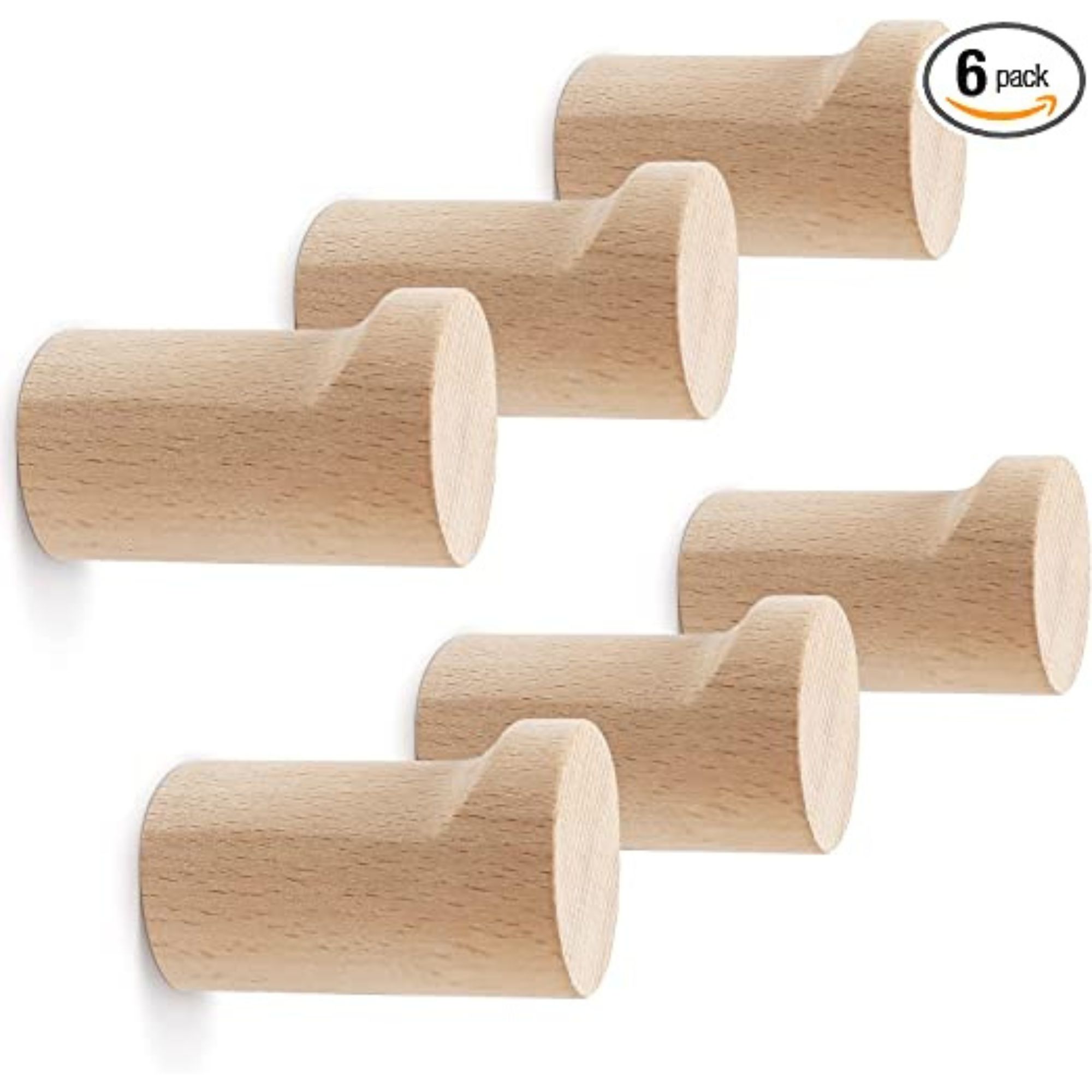
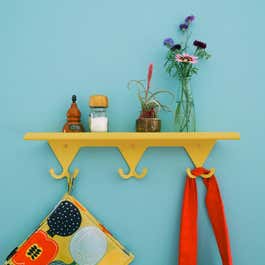
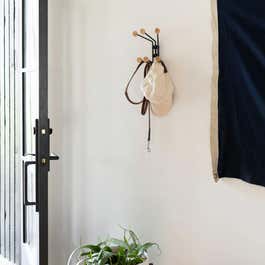
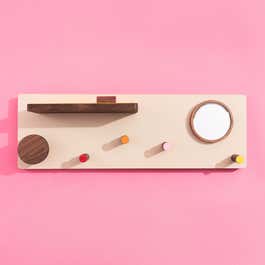
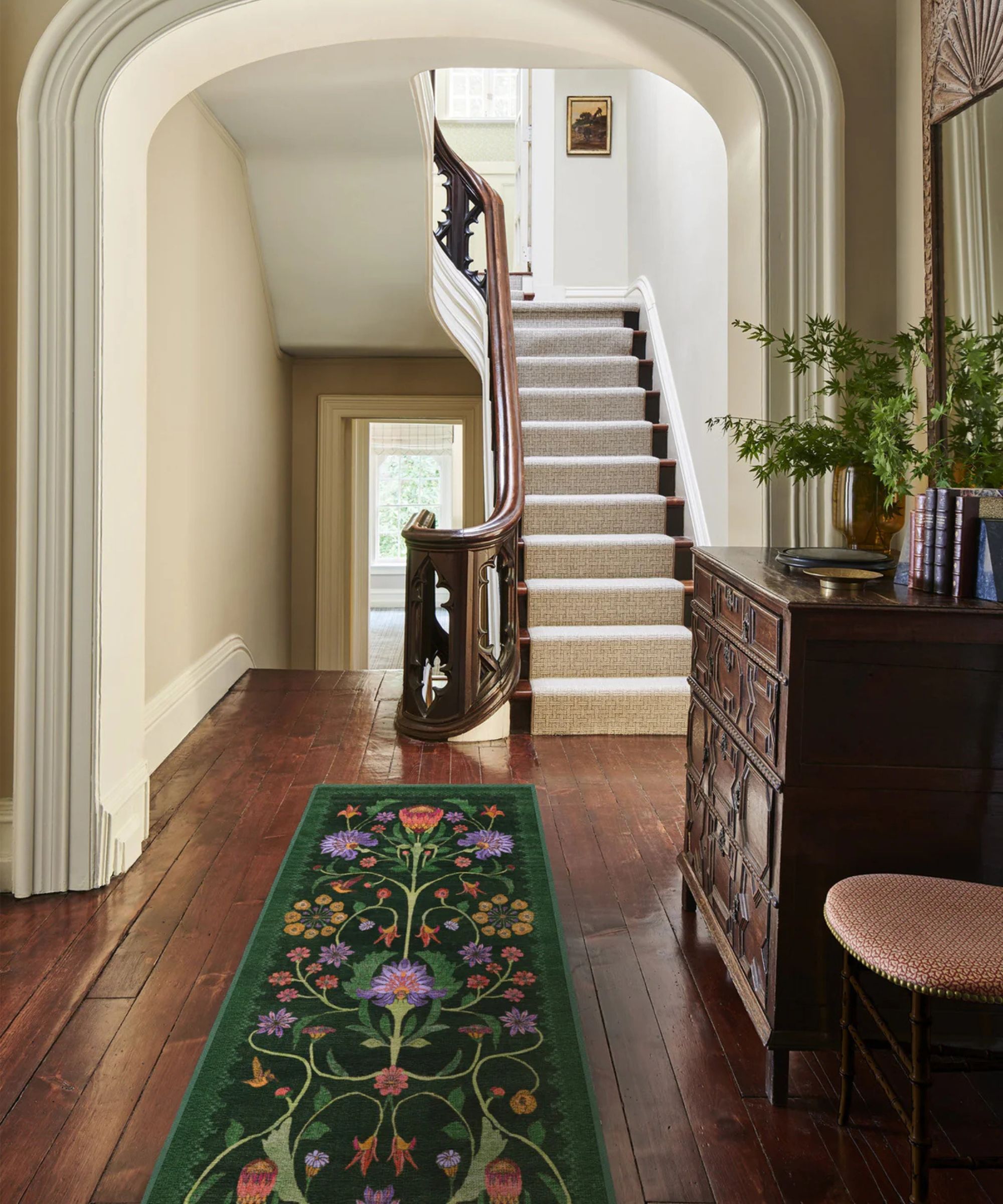
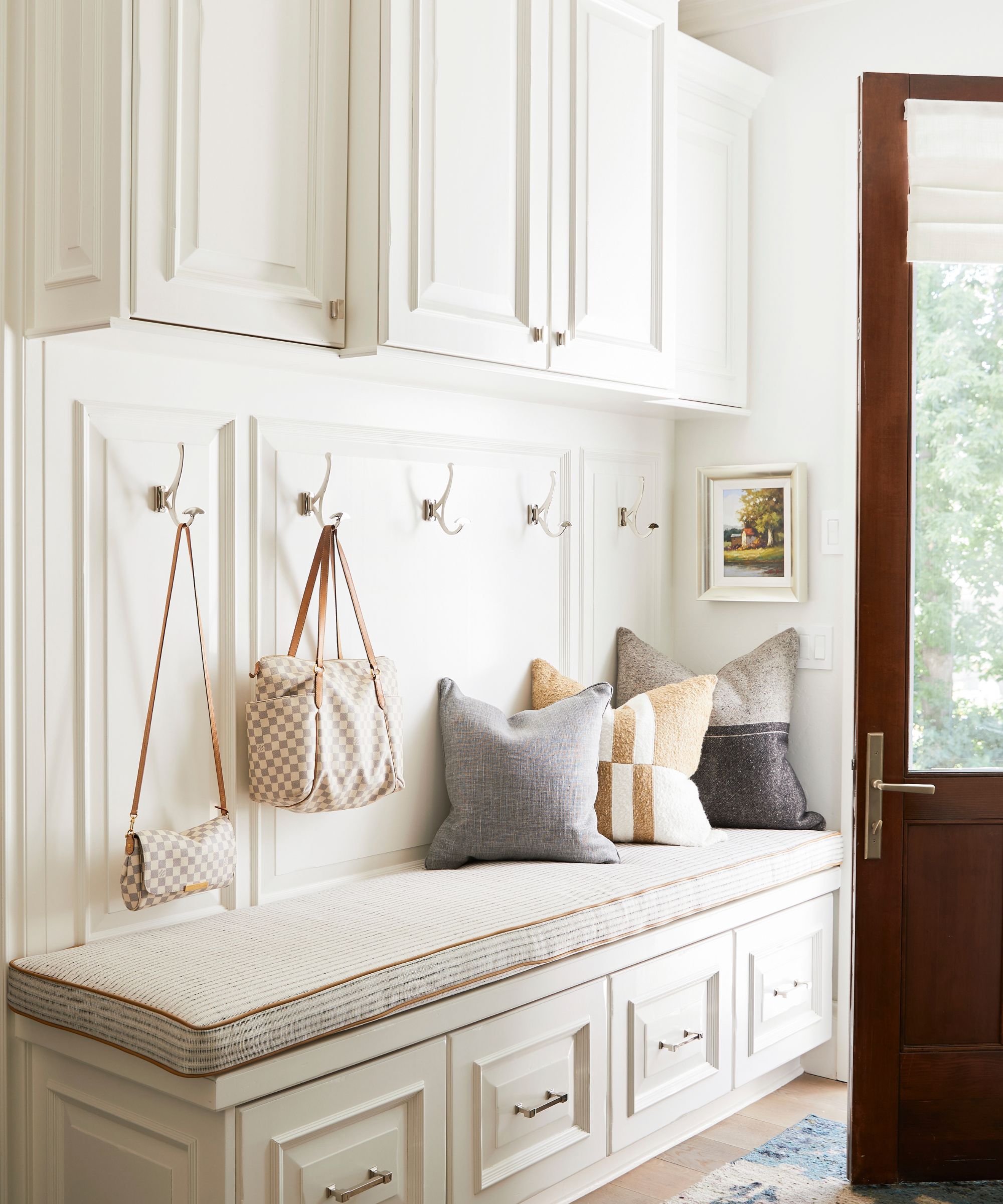
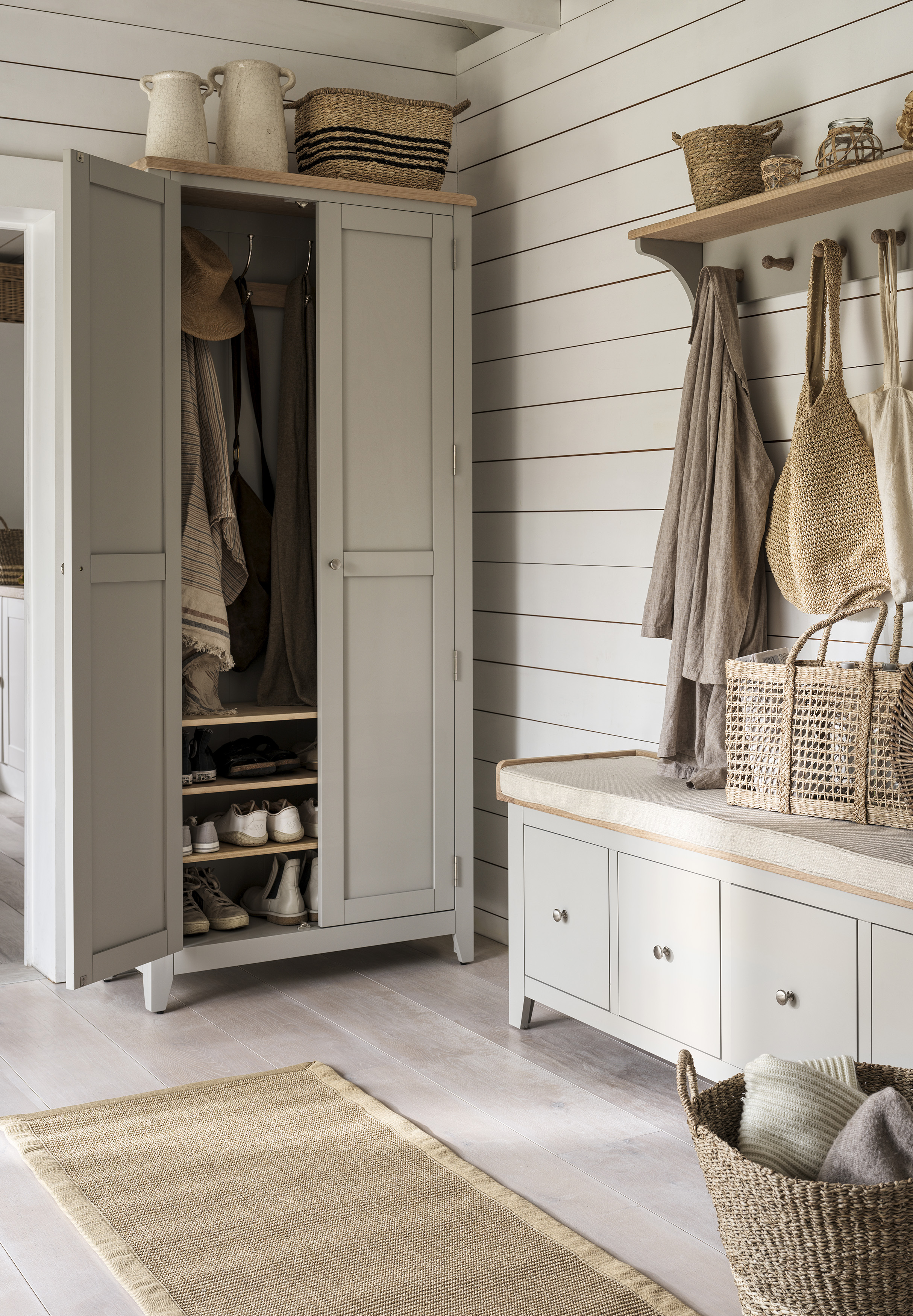
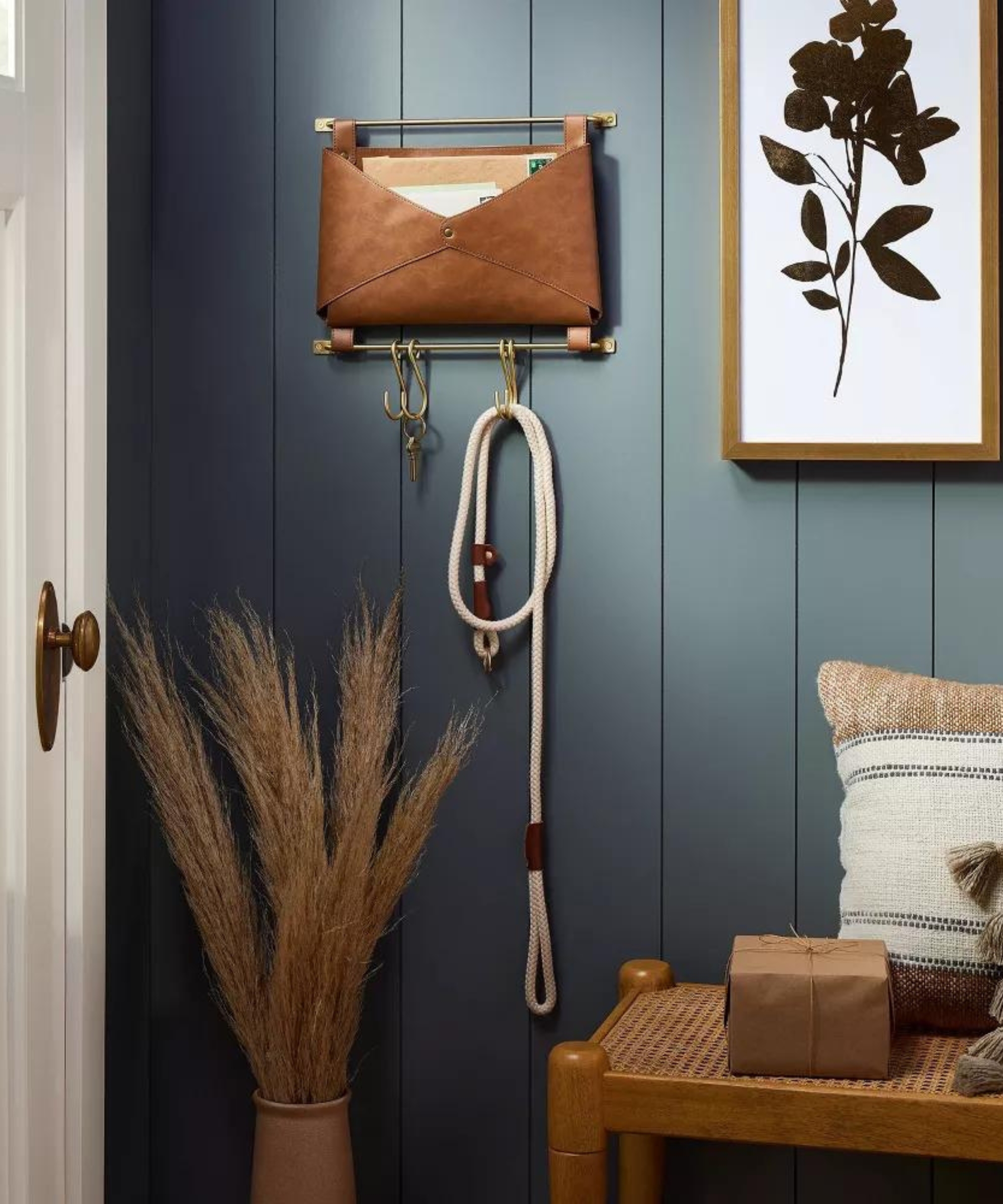
Coats on display are another significant source of visual clutter in an entryway. For a truly minimalist look, visible coat hooks and standing racks should be eliminated. Instead, incorporating well-organized entryway closets is recommended. If a closet is not feasible, wall hooks can be a suitable alternative, as they keep the floor clear and create the illusion of more space. Regular assessment of hanging items is crucial; infrequently used or out-of-season coats should be removed to prevent overcrowding and maintain a tidy appearance.
Excessive shoes can quickly accumulate and take up valuable space. To achieve a minimalist entryway, it is best to store shoes out of sight after each use. Designated shoe racks, cabinets, or even bedroom closet storage are preferred over leaving them in the entryway. This practice helps to reduce clutter and maintain a streamlined environment, contributing to a stress-free entry and exit experience.
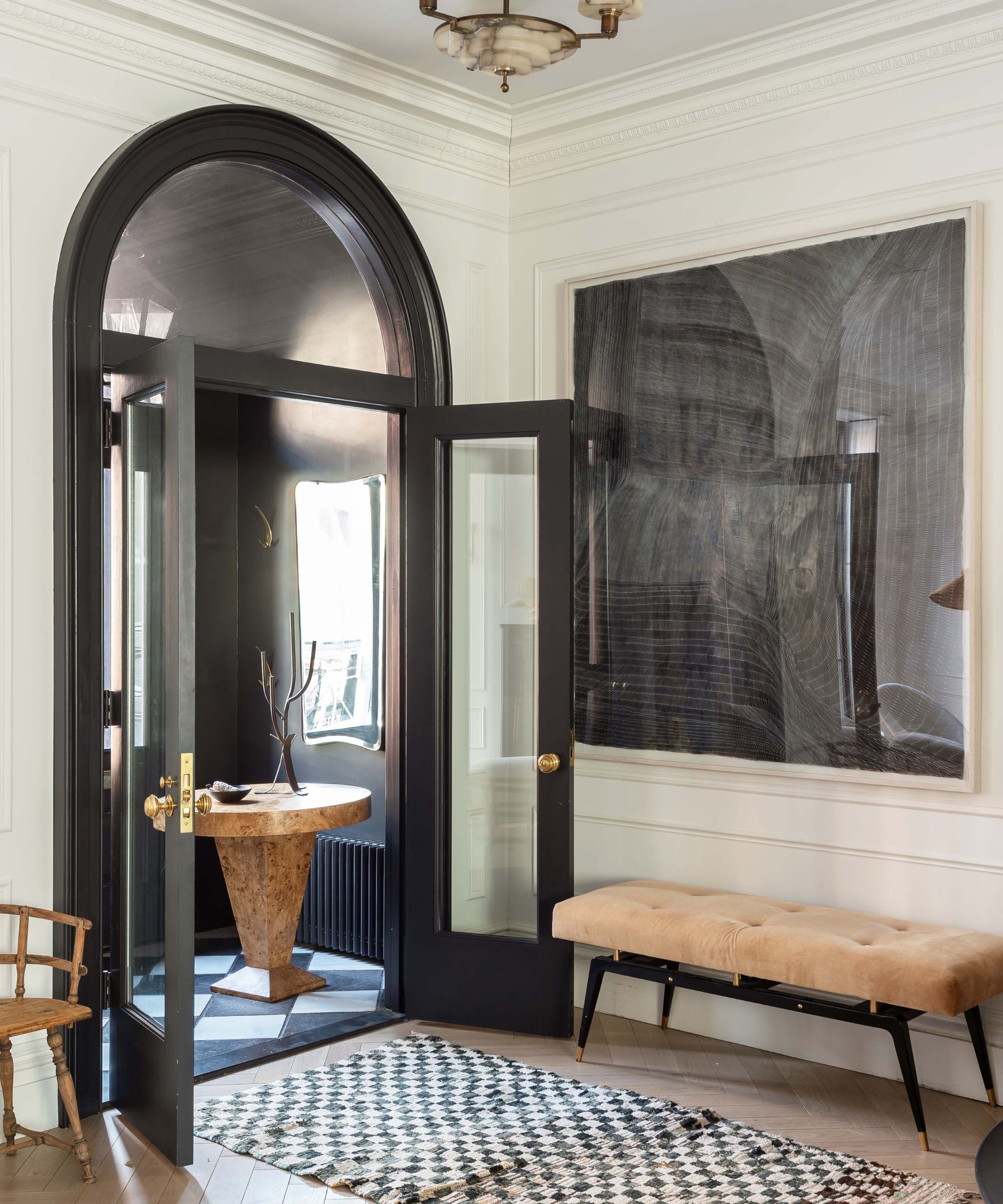
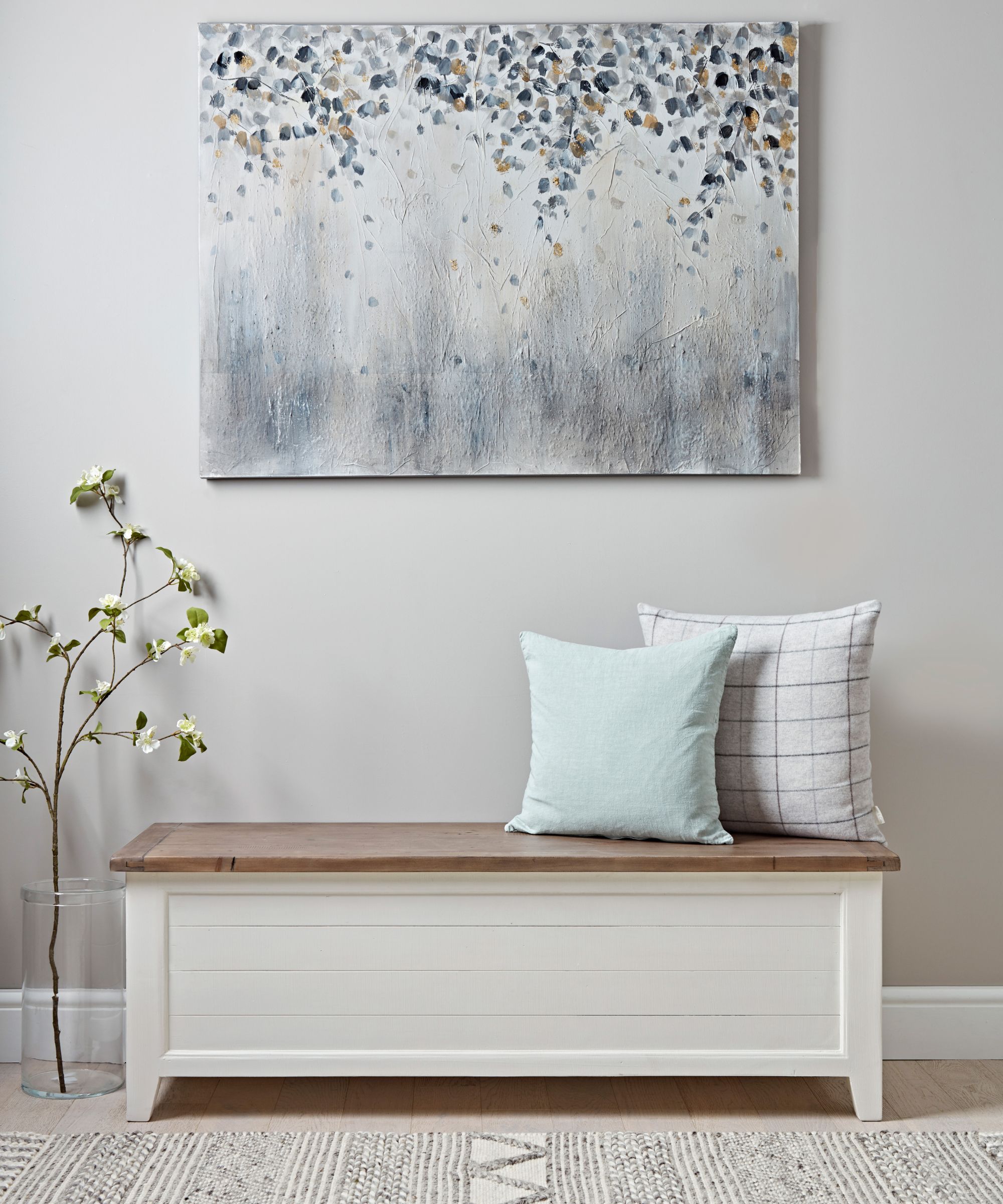
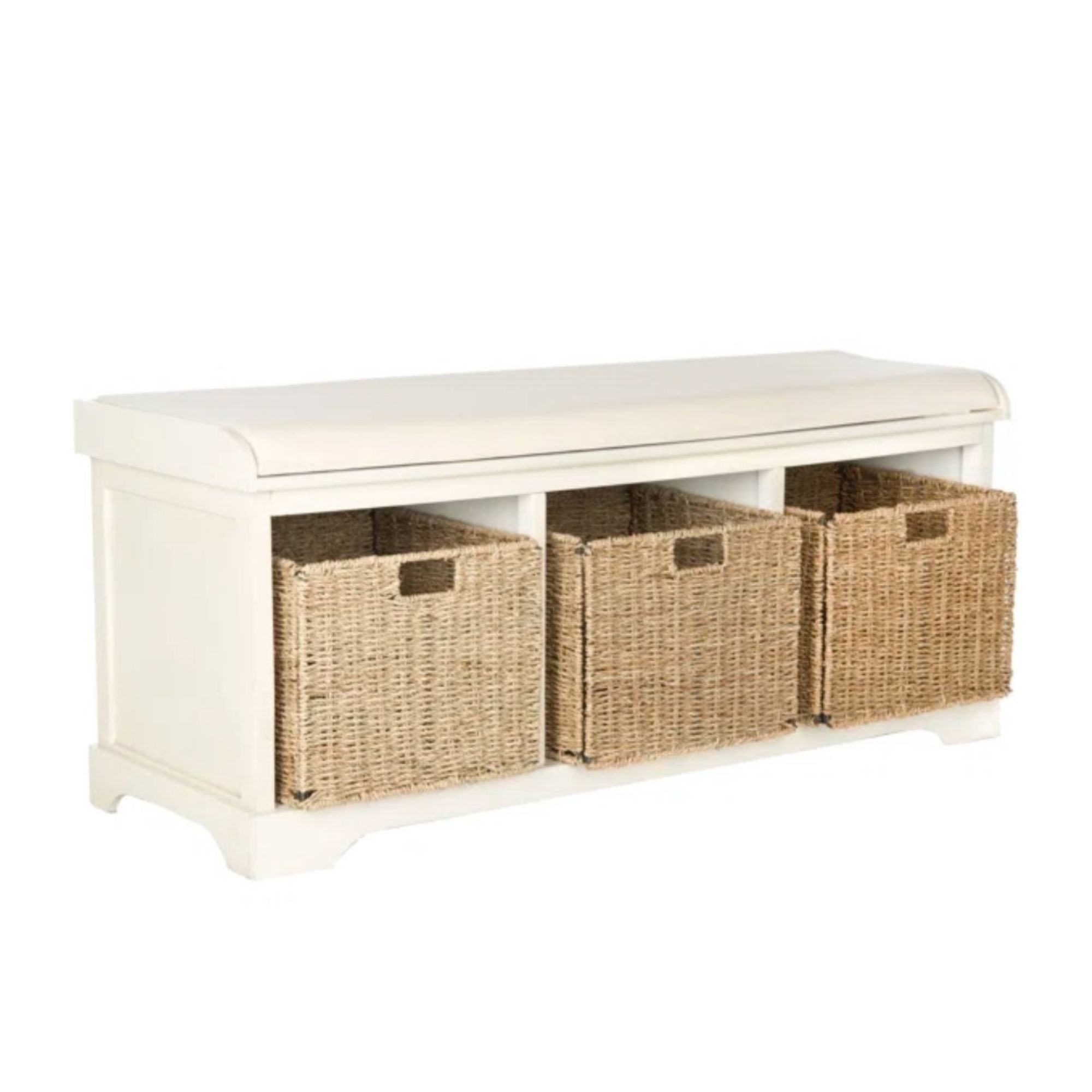
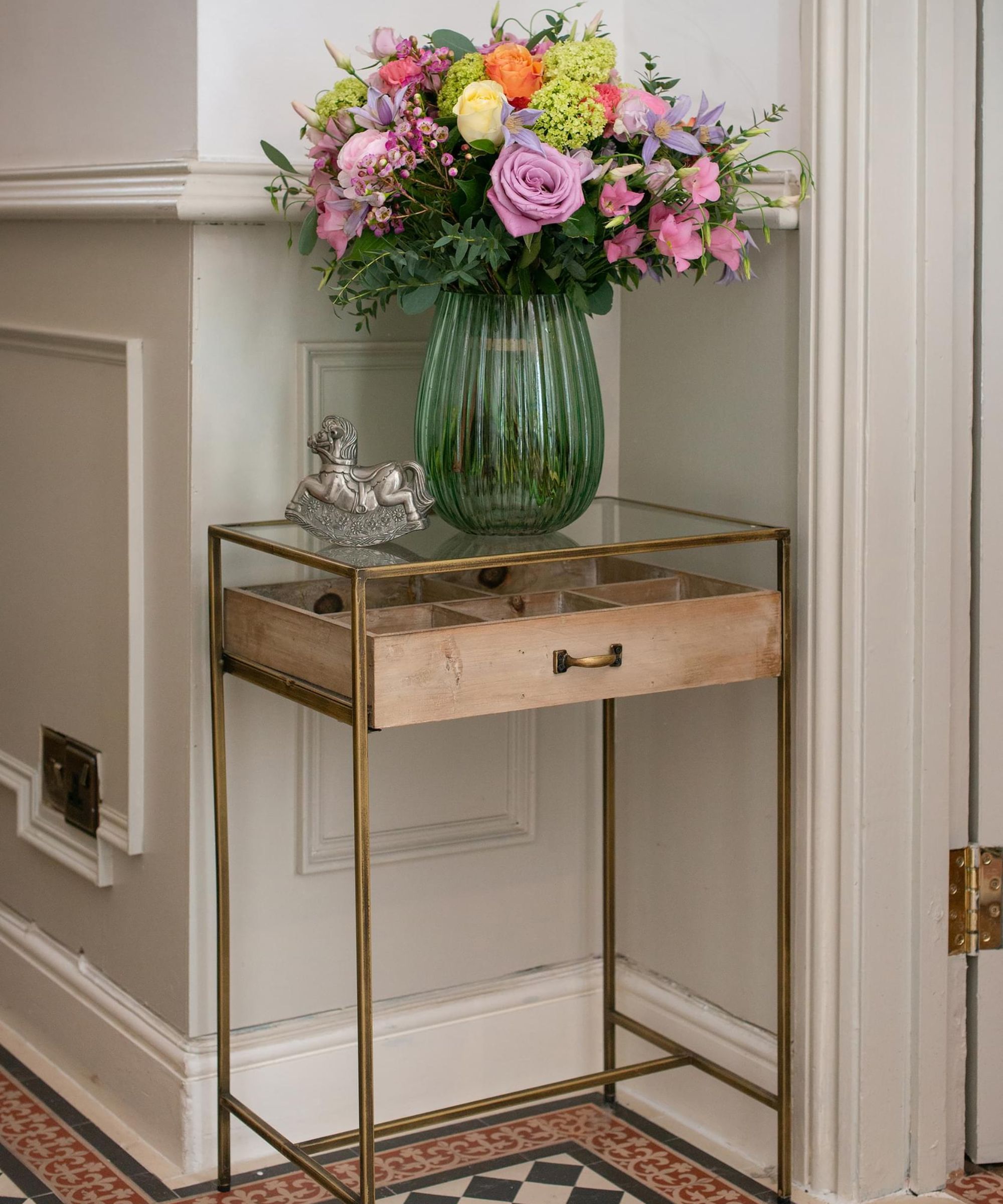
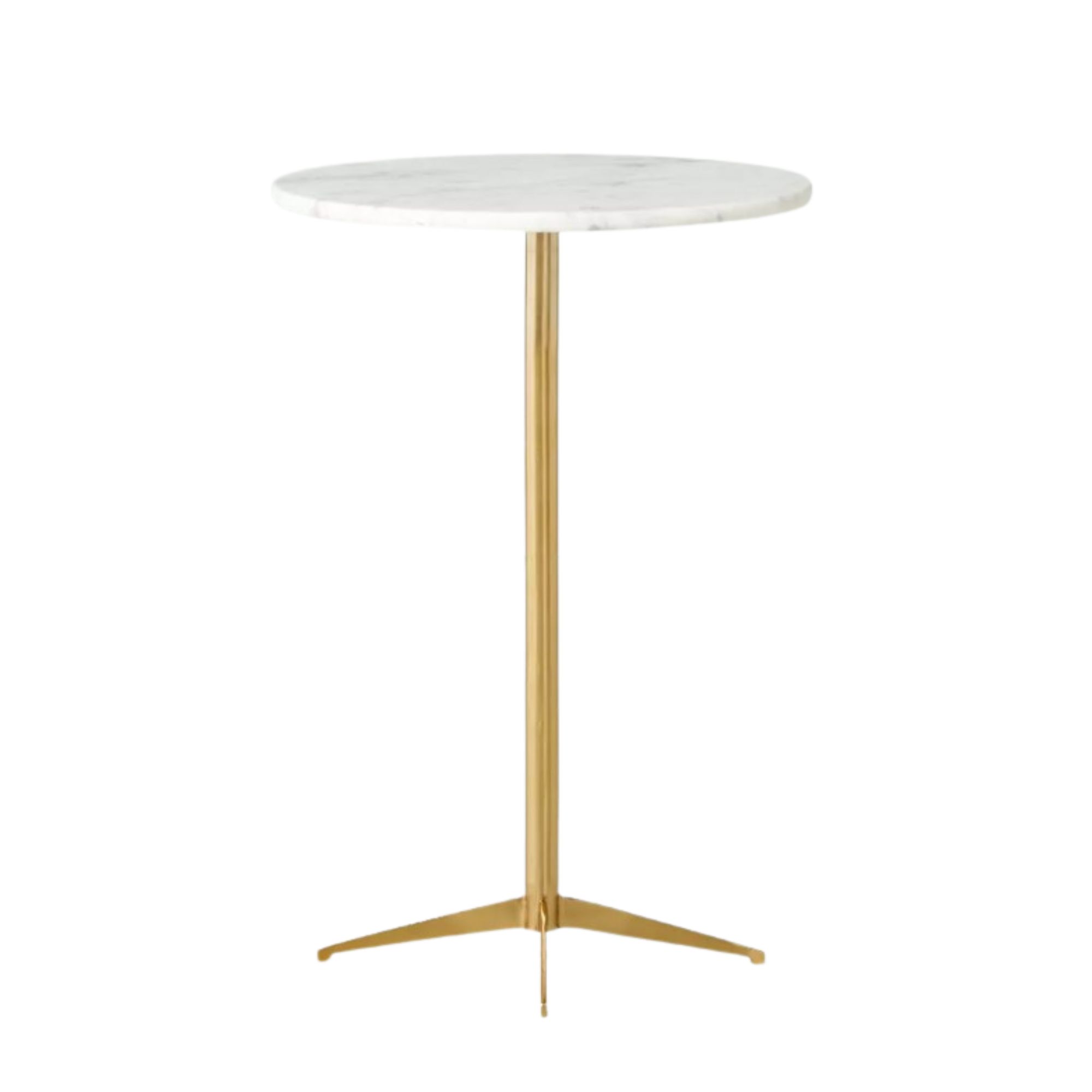
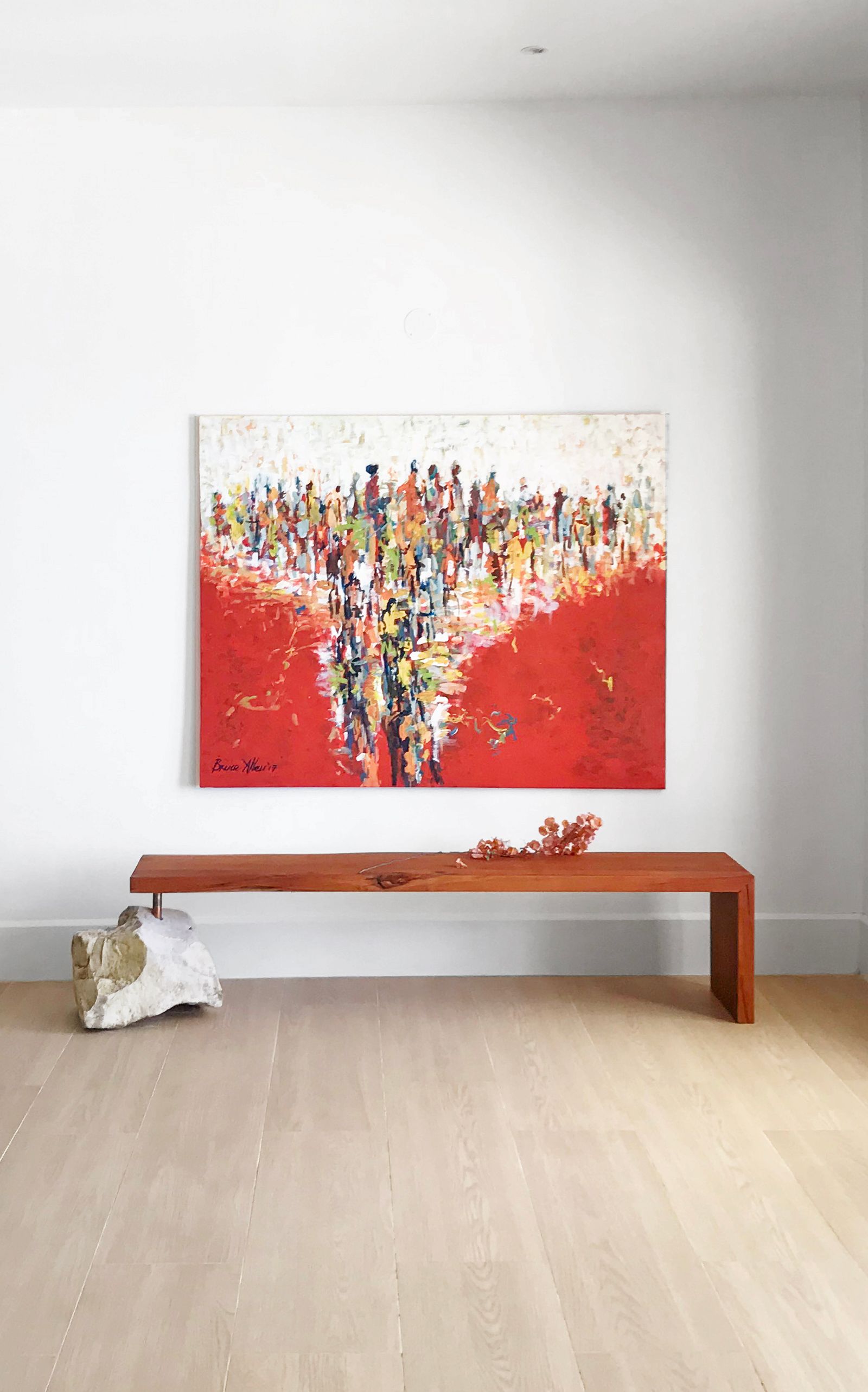
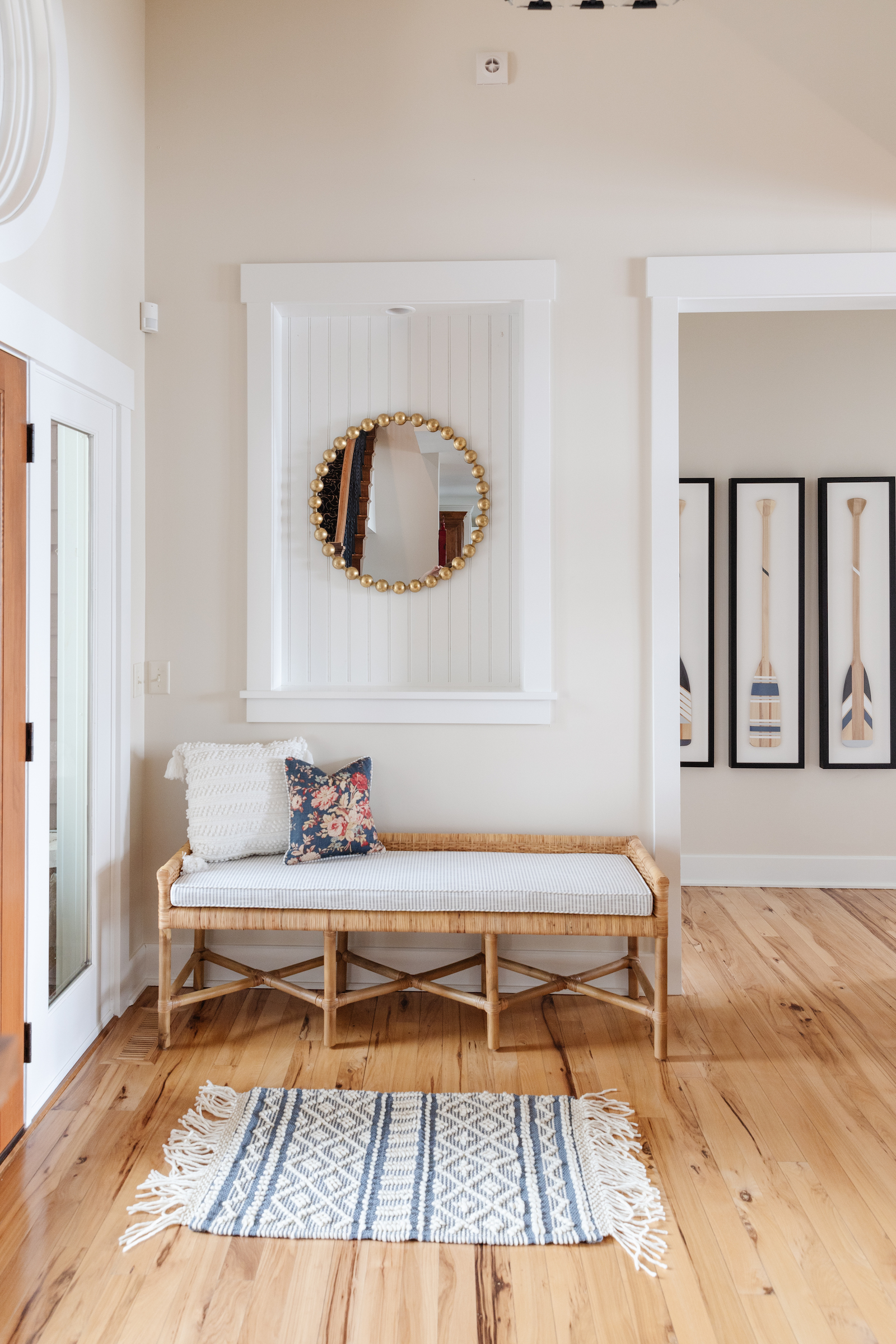
Large, single-purpose furniture pieces are generally unsuitable for a minimalist entryway, especially given the often-limited space. Instead, multifunctional furniture with sleek lines and minimal patterns is highly recommended. Examples include benches with hidden storage or tables with integrated compartments. The key is to select pieces that serve multiple purposes without overcrowding the area. Furniture choices should prioritize utility and space efficiency, catering to the specific needs of the household rather than adhering to typical entryway setups.
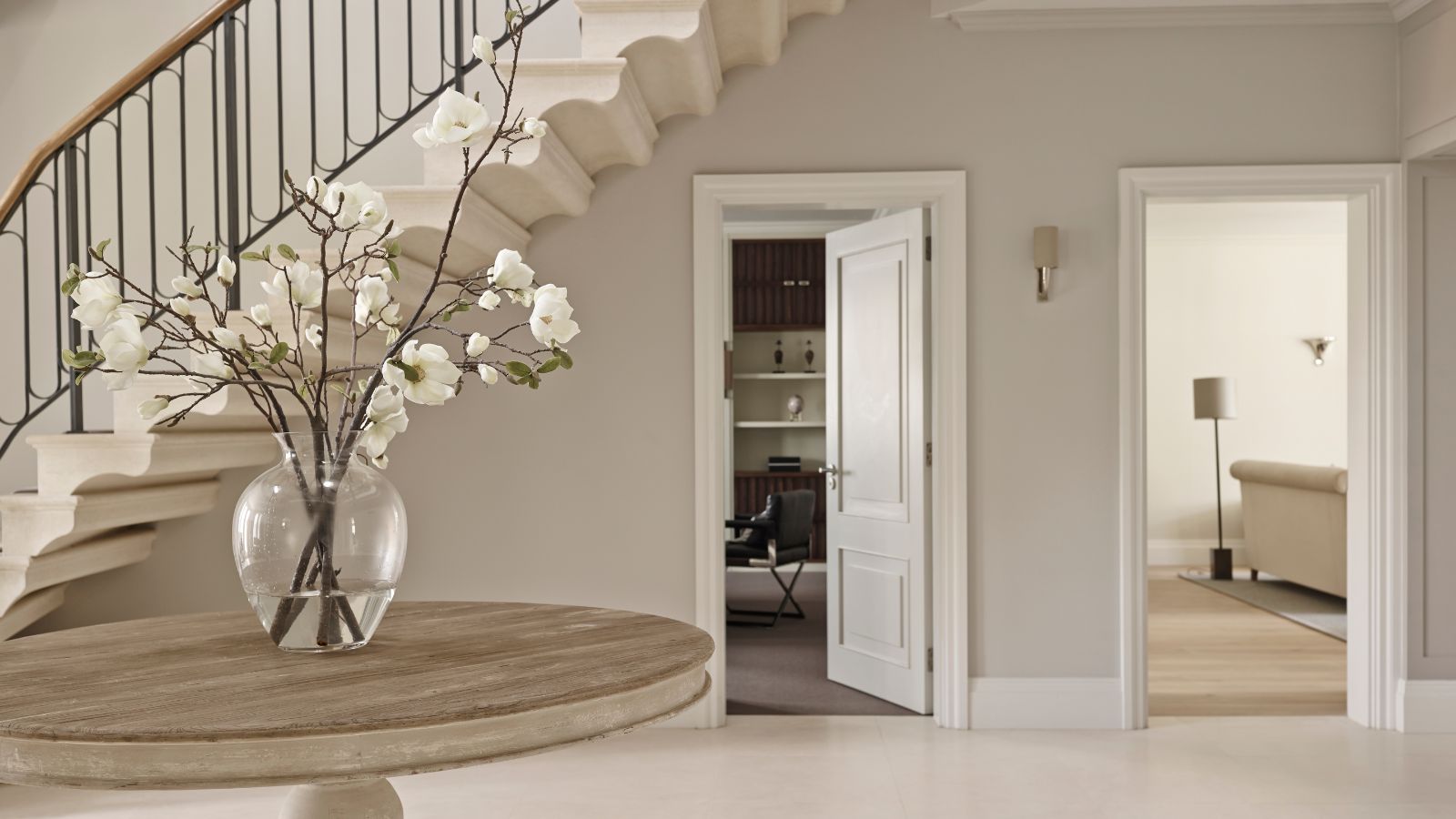
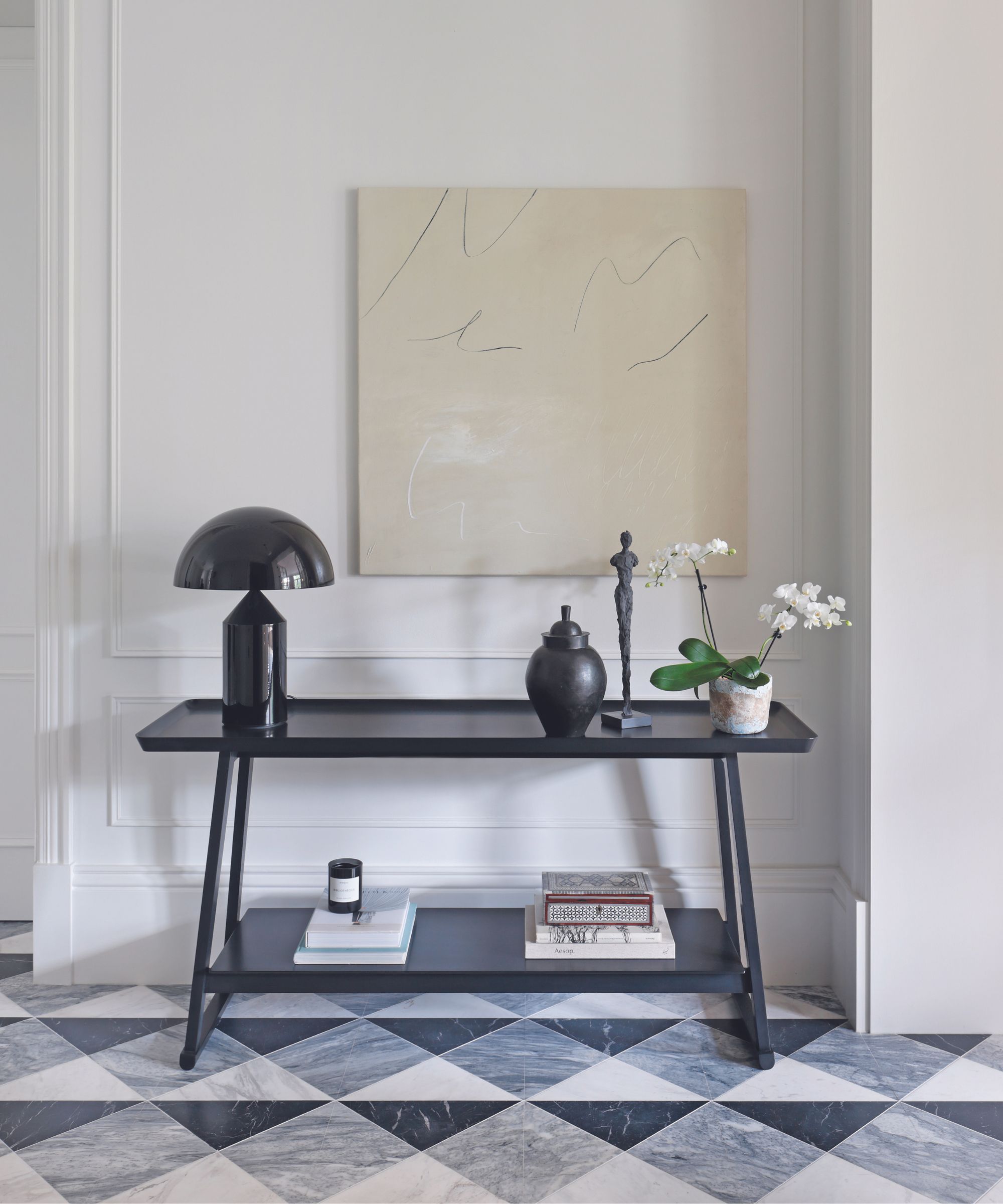
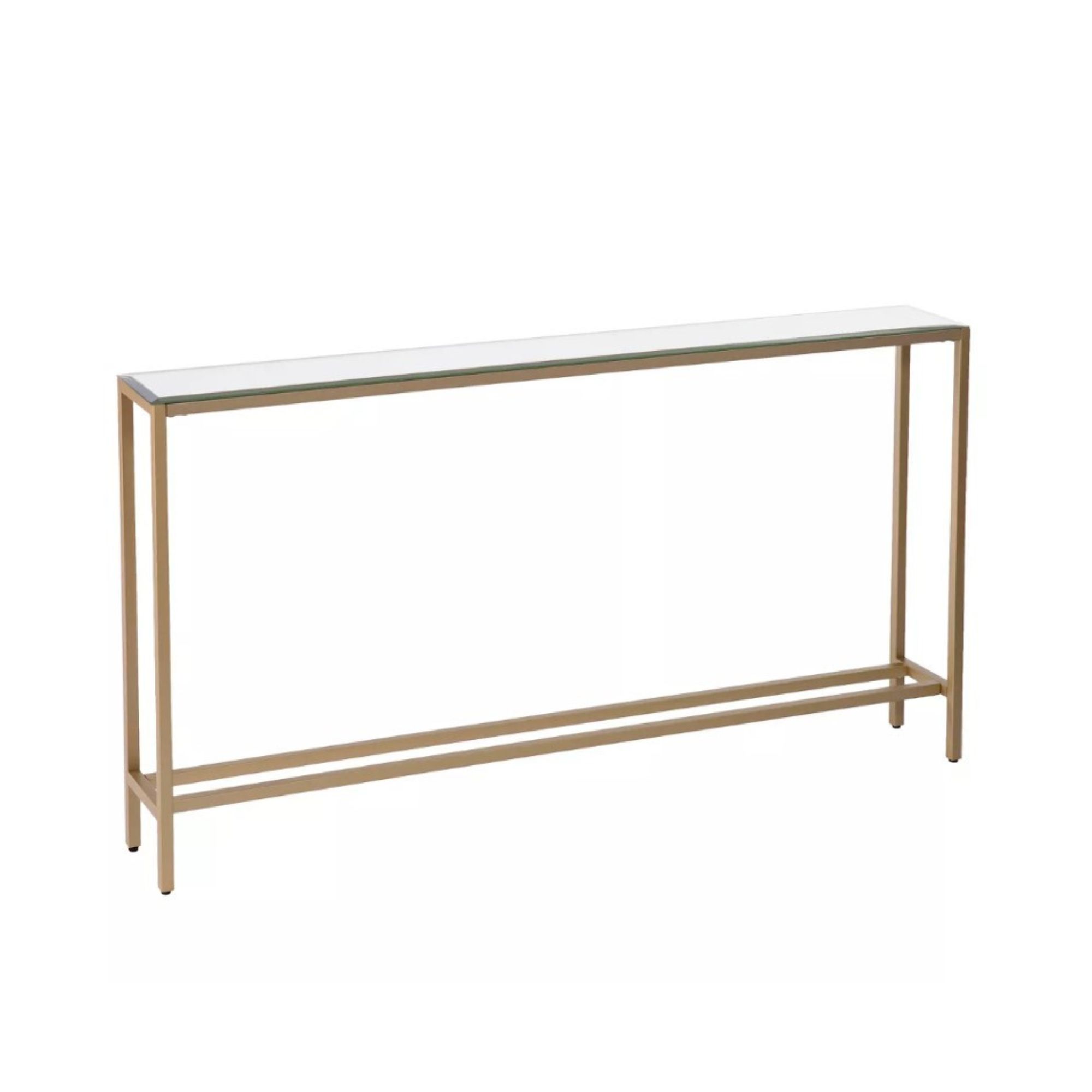
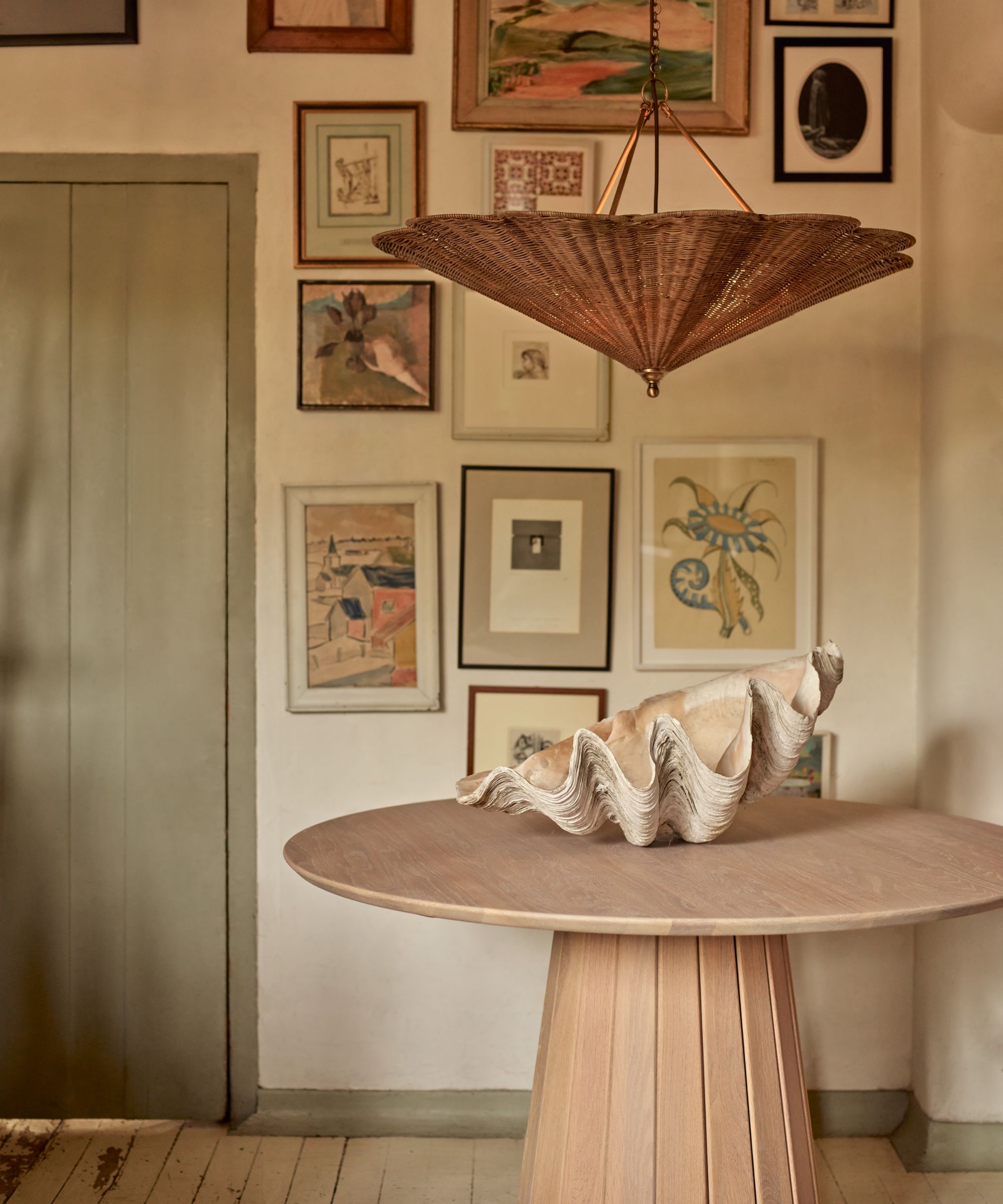
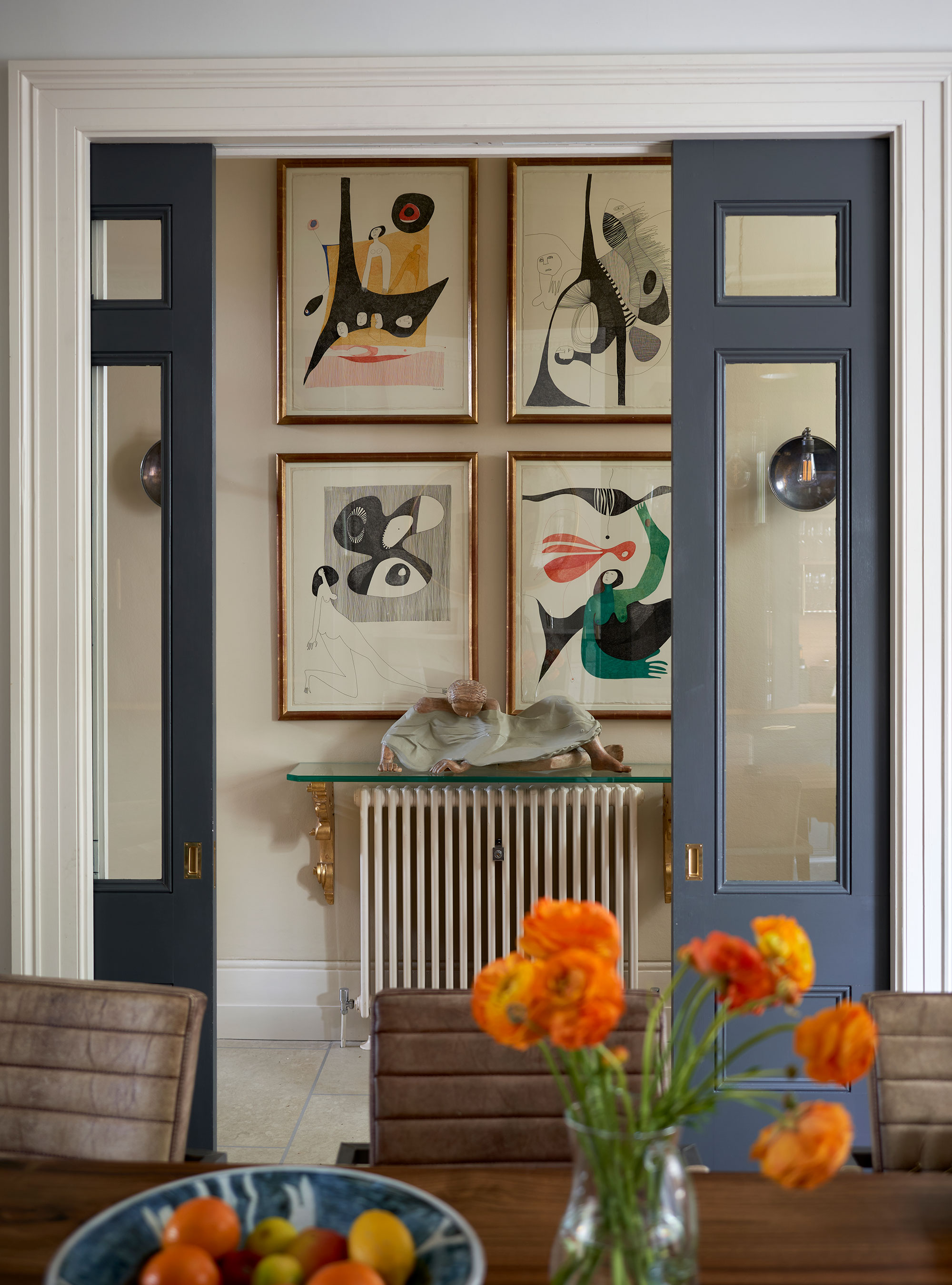
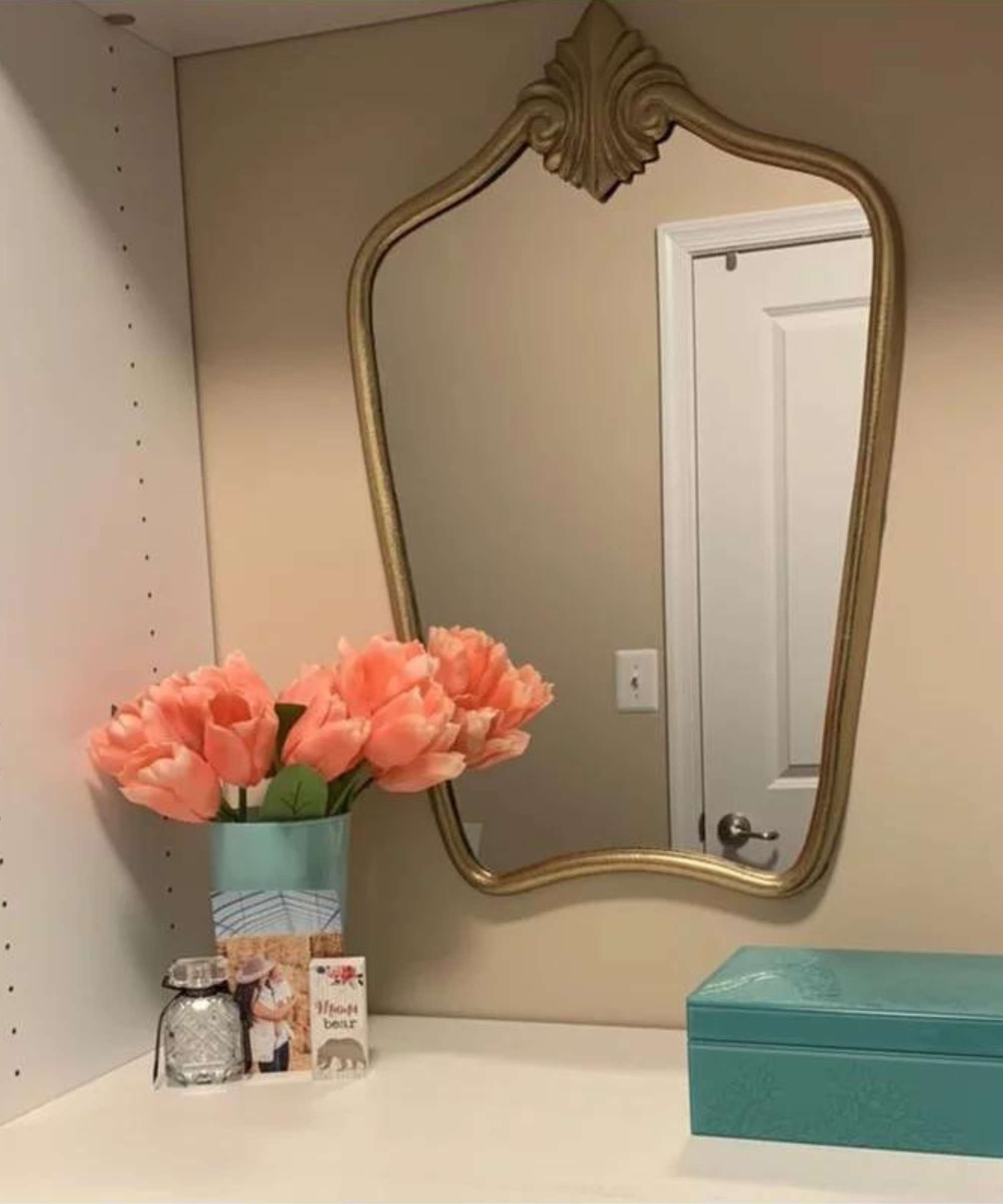
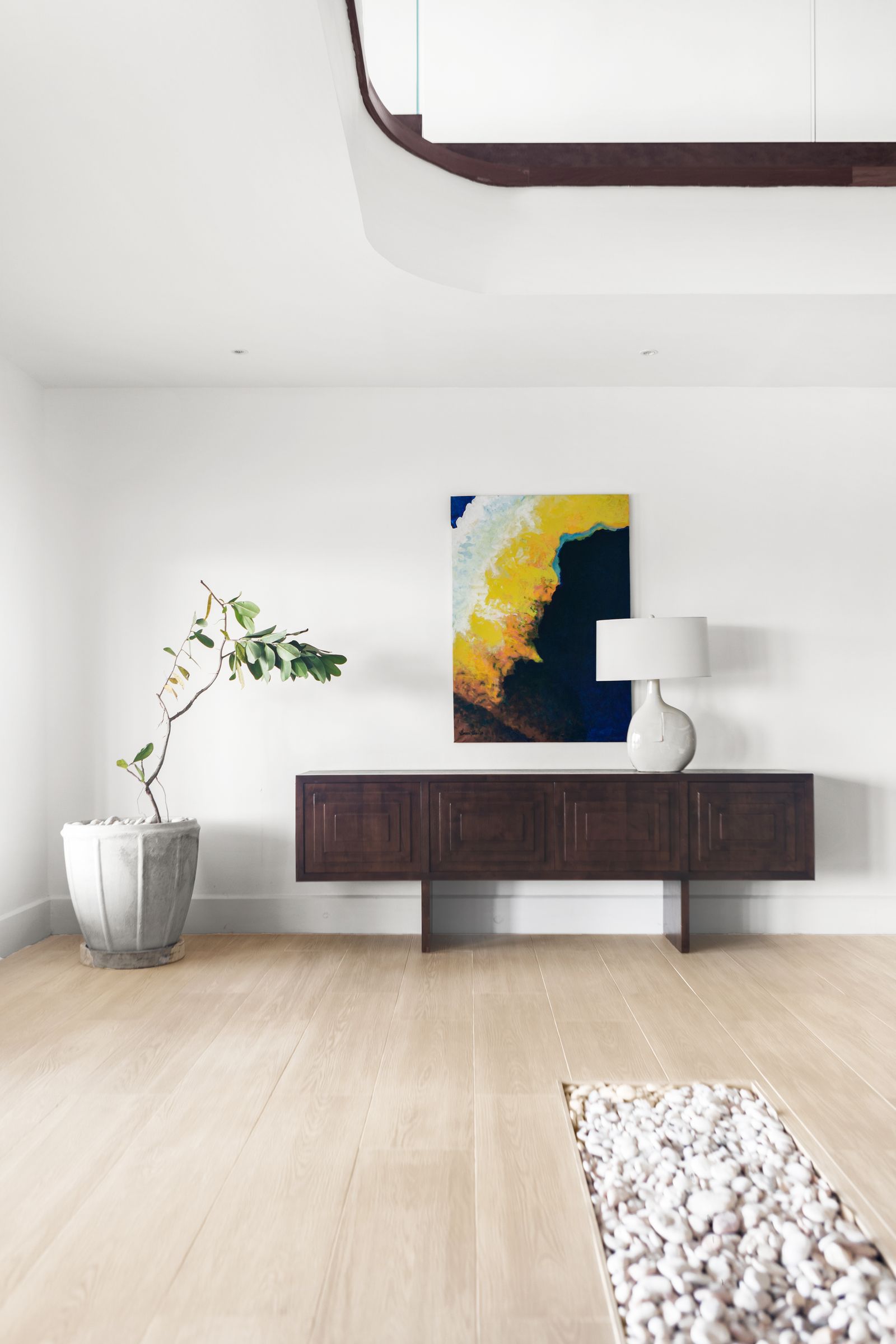
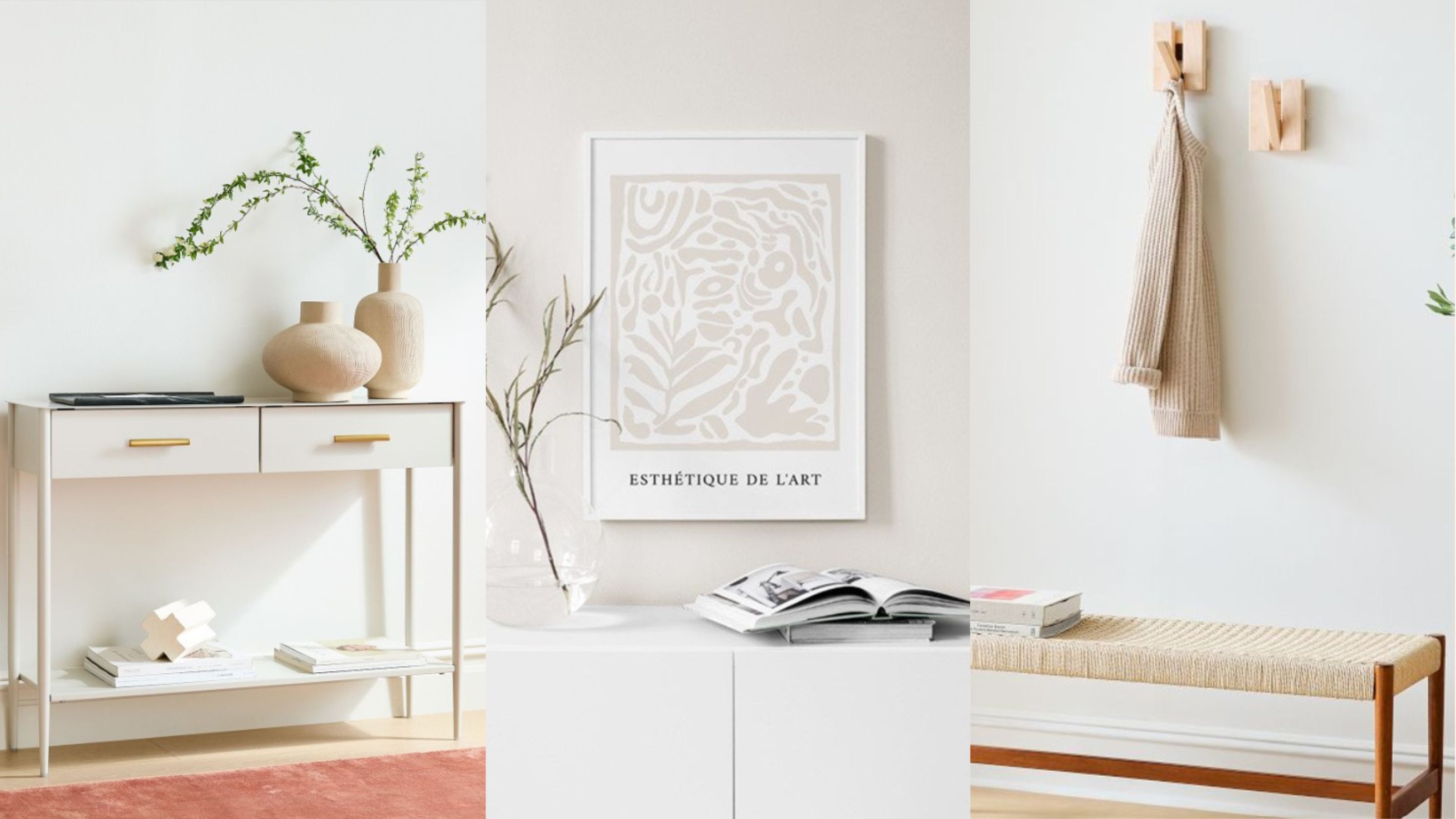
Unusable decor, which adds little to no functionality, should be avoided in a minimalist entryway. While some decor can enhance the space, it should be purposeful and compact. Items like small plants or narrow vases with fresh flowers can provide a welcoming touch and pleasant aroma without consuming excessive space. Wall art can also be a functional addition, provided it is thoughtfully selected and does not dominate the area. Decorative bowls can corral keys while adding a stylish element. However, flat surfaces such as console tables should be kept clear of extraneous decorative items like picture frames and tabletop sculptures, as these areas are essential for placing belongings upon entering the home. The goal is to create an inviting atmosphere through functional beauty rather than unnecessary embellishments.
Ultimately, a practical minimalist entryway balances essential storage and seating with a clutter-free environment. It involves choosing multifunctional furniture and maintaining a pared-back color palette. The trick is not to empty the space completely but to pare it back to its bare essentials, ensuring a clean, relaxing, and highly functional area.
#MinimalistEntryway #HomeOrganization #InteriorDesign #DeclutteringTips #EntrywayStorage #FunctionalDecor #SmallSpaceSolutions #MinimalistEntryway #HomeOrganization #InteriorDesign #DeclutteringTips #EntrywayStorage #FunctionalDecor #SmallSpaceSolutions
0 comment in total
 No comments yet
You may also like
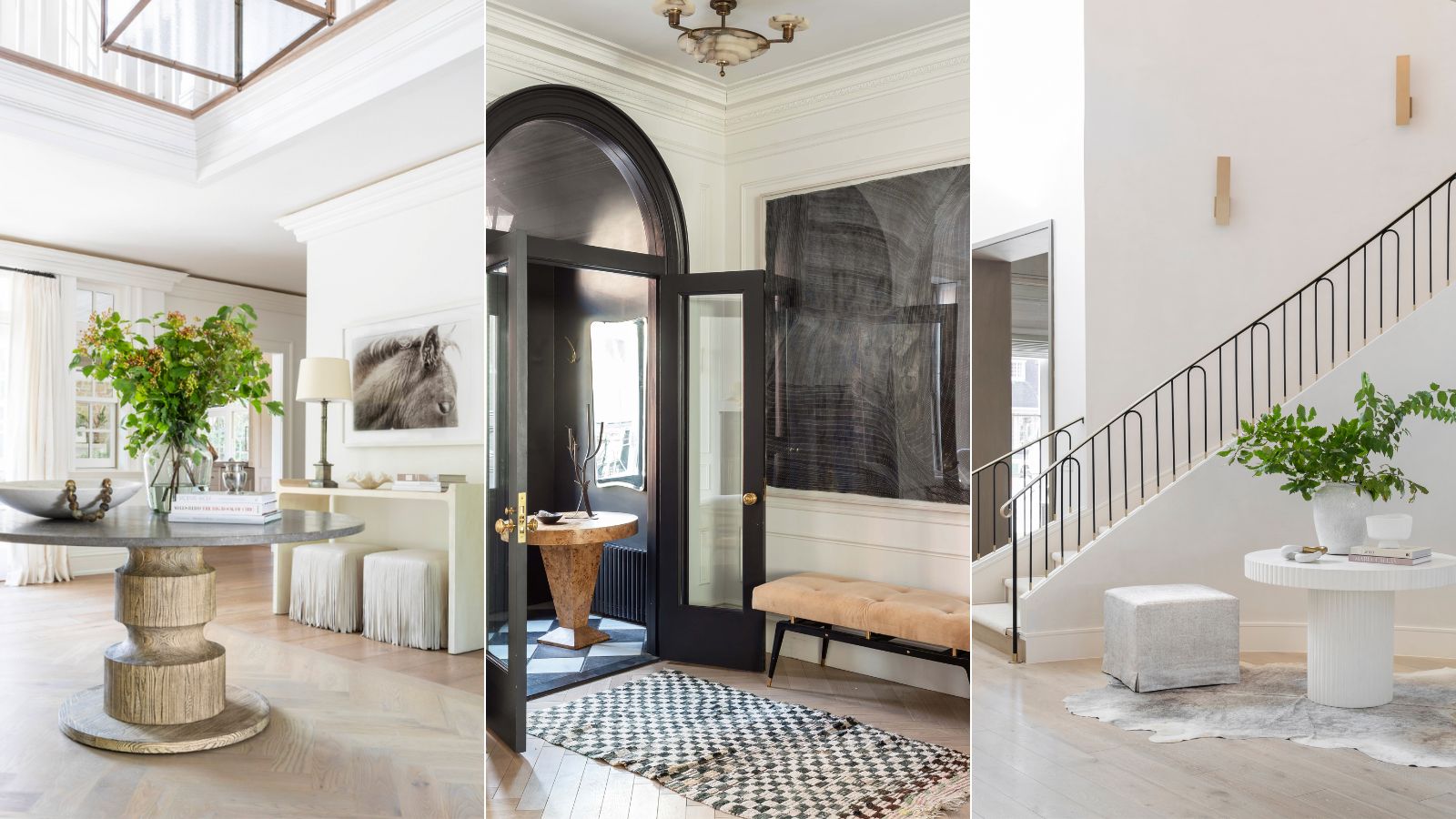
5 things minimalists never have in an entryway – items to ban for clutter-free style
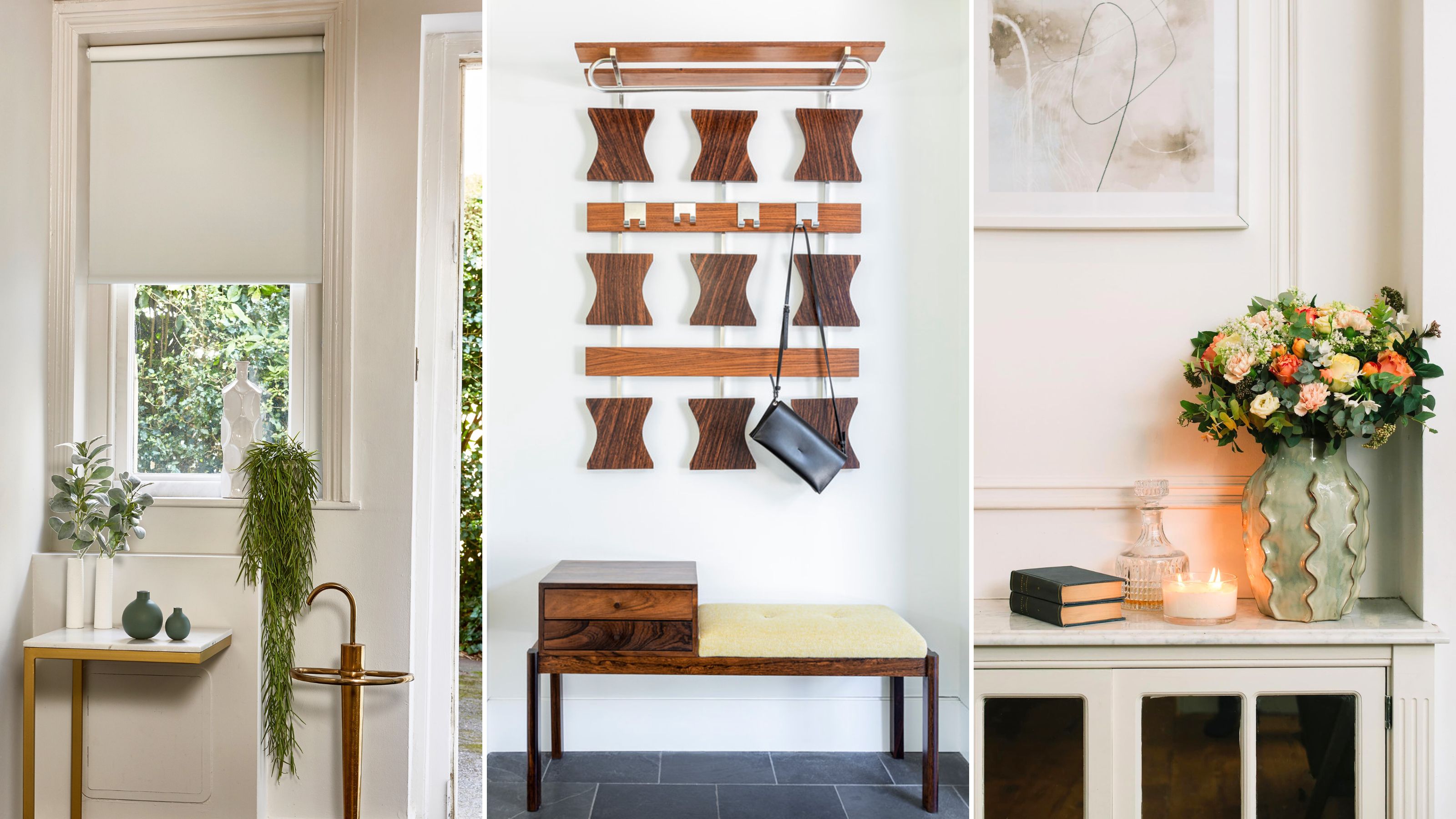
Minimalist entryway ideas — 6 ways to boost a tight space

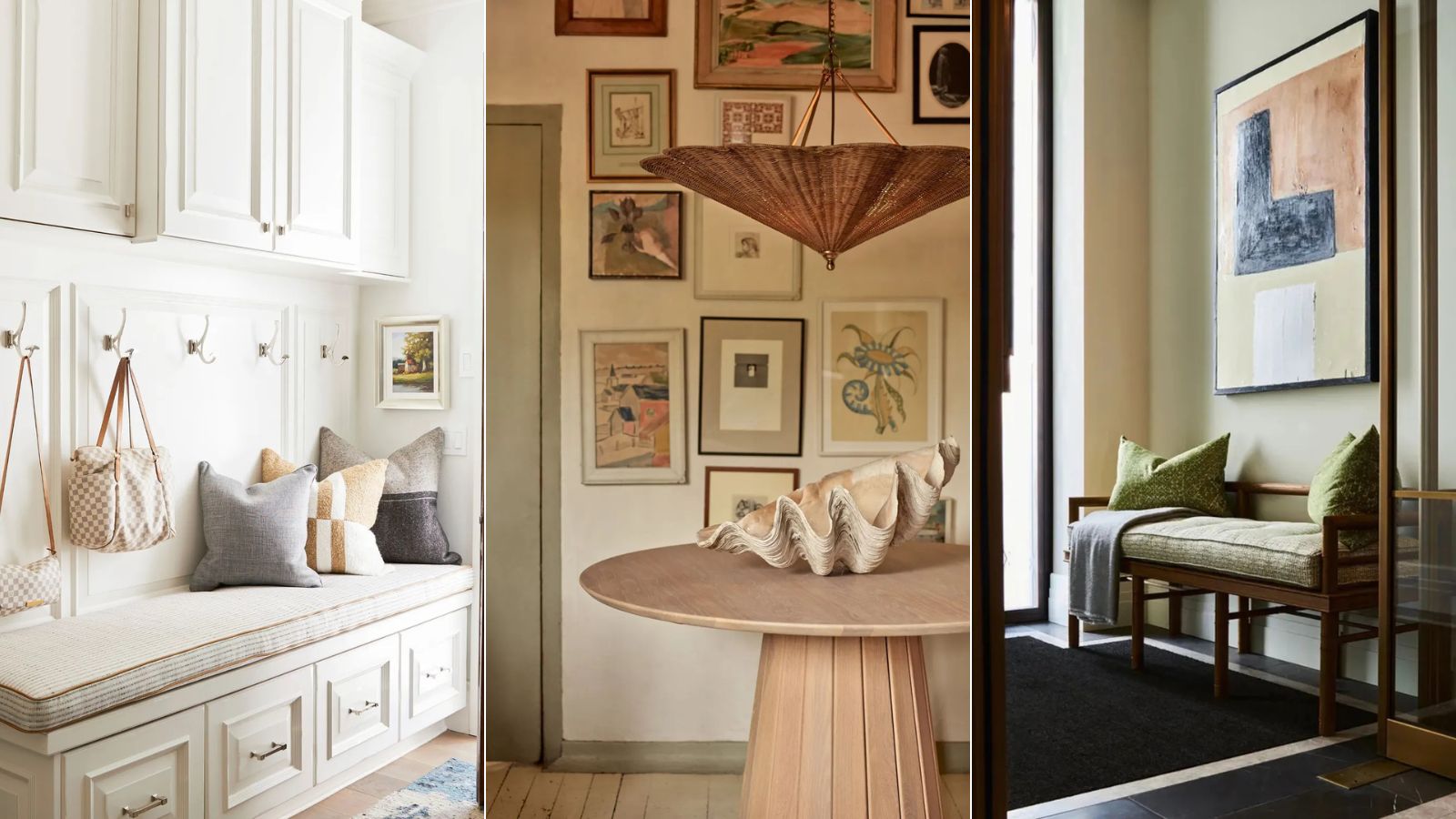
What makes an entryway look cheap? 6 mistakes to immediately switch out in 2025
5 (Fresh!) Tips for a Minimalist Kitchen

5 things minimalists never have in a small entryway

5 things minimalists never have in a bathroom – and what to use instead
4 Things To Keep Out Of Your Entryway, According To Designers
Minimalist Interior Design: Everything You Need to Know About This Intentional and Pared-Down Style

5 Things You Shouldn't Keep on Your Countertops if You Want an Uncluttered, Minimalist Kitchen

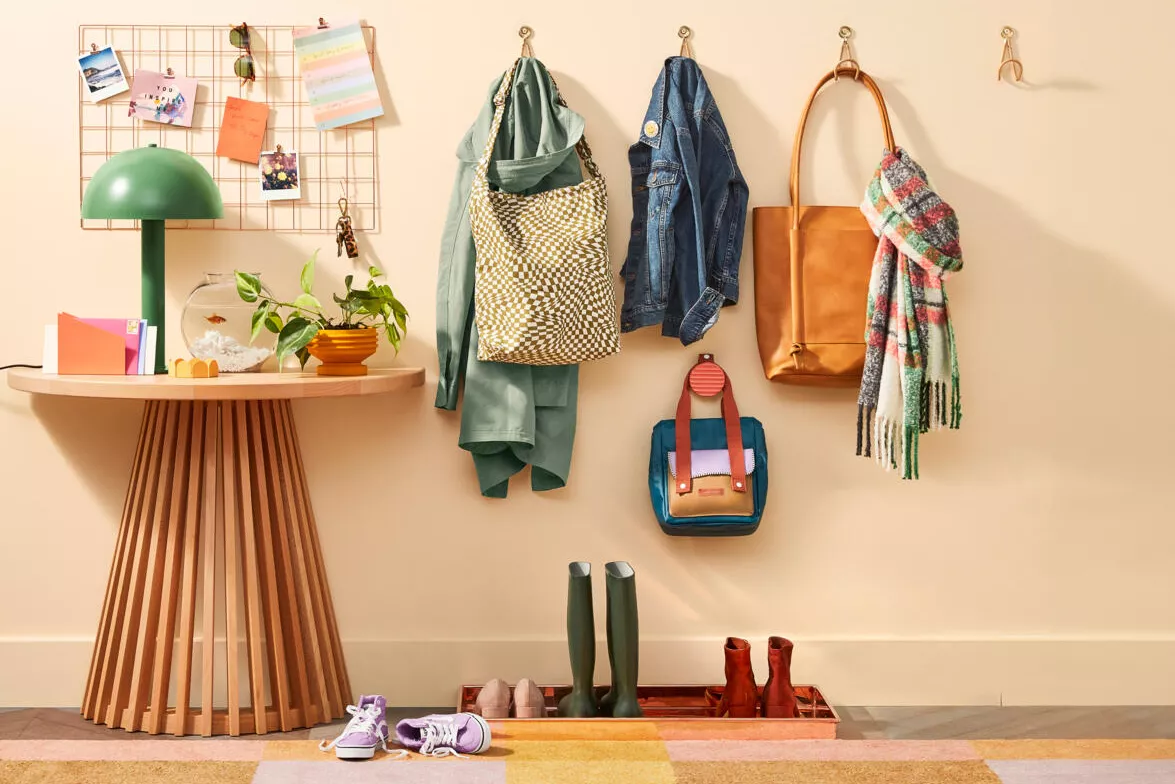
7 Hacks That Will Keep Your Small Entryway Clutter-Free, According to Pro Organizers

5 surprising storage essentials minimalists avoid – and what they use instead
6 decor essentials that I'm taking when me when I downsize
5 Minimalist Decorating Mistakes Designers Always Notice

5 small entryway storage mistakes designers want you to stop making
How to Design a Minimalist Living Room

Don't make these 5 entryway decor mistakes

How to Declutter a Small Entryway, According to Professional Organizers
6 things to never put in an entryway, according to interior designers
12 small entryway ideas for a cute but very functional nook
5 Essential Bathroom Decluttering Tips Minimalists Wish Everybody Knew