1/13
12 small entryway ideas for a cute but very functional nook
This article offers twelve creative and practical design ideas for optimizing small entryways, aiming to make these compact spaces both welcoming and highly functional. It emphasizes that despite their size, small entryways can make a significant first impression and should prioritize function alongside aesthetic appeal. Interior designers and experts contribute valuable advice, focusing on smart solutions to common challenges in tiny welcome areas.
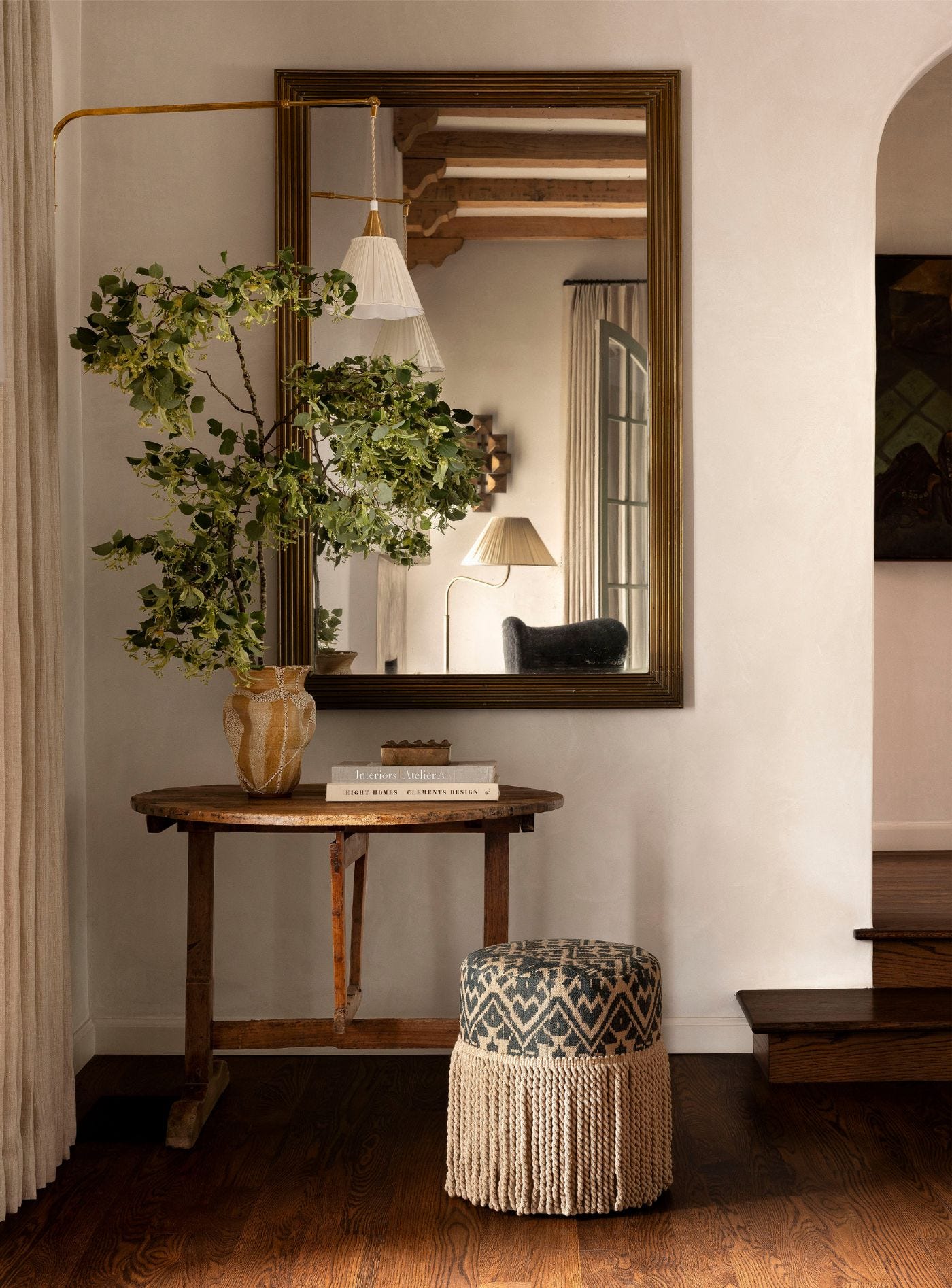
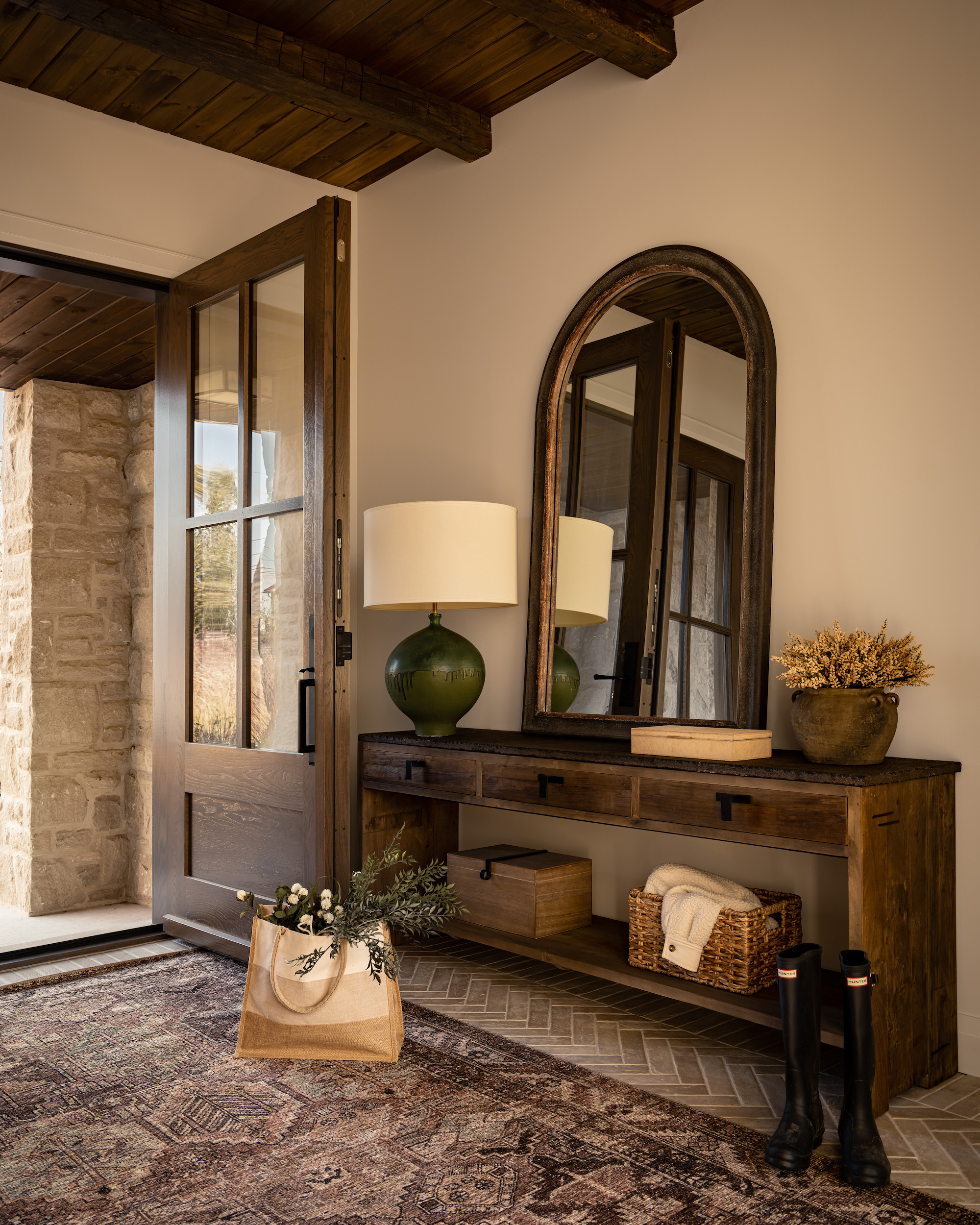
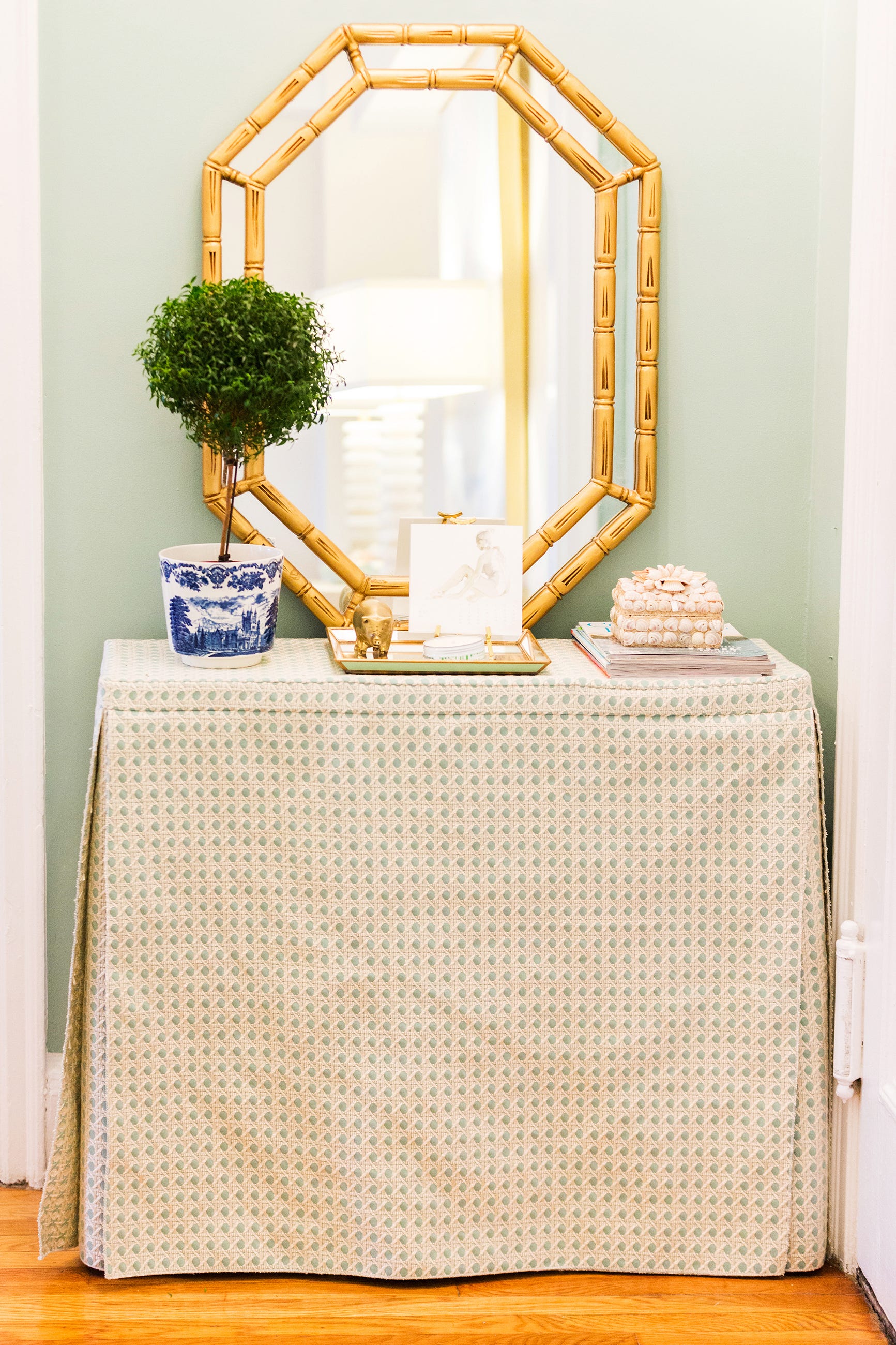
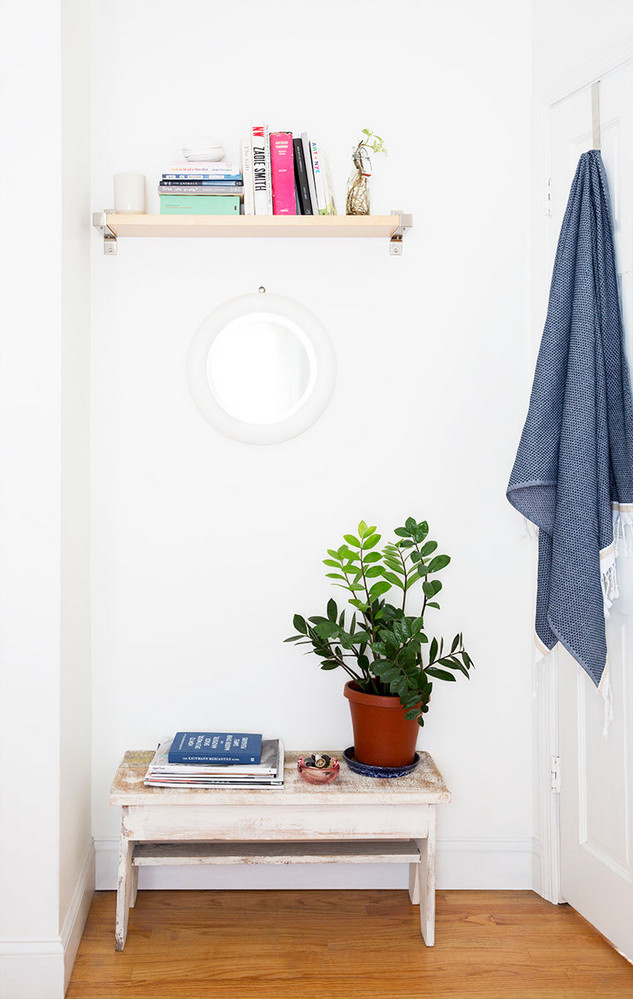
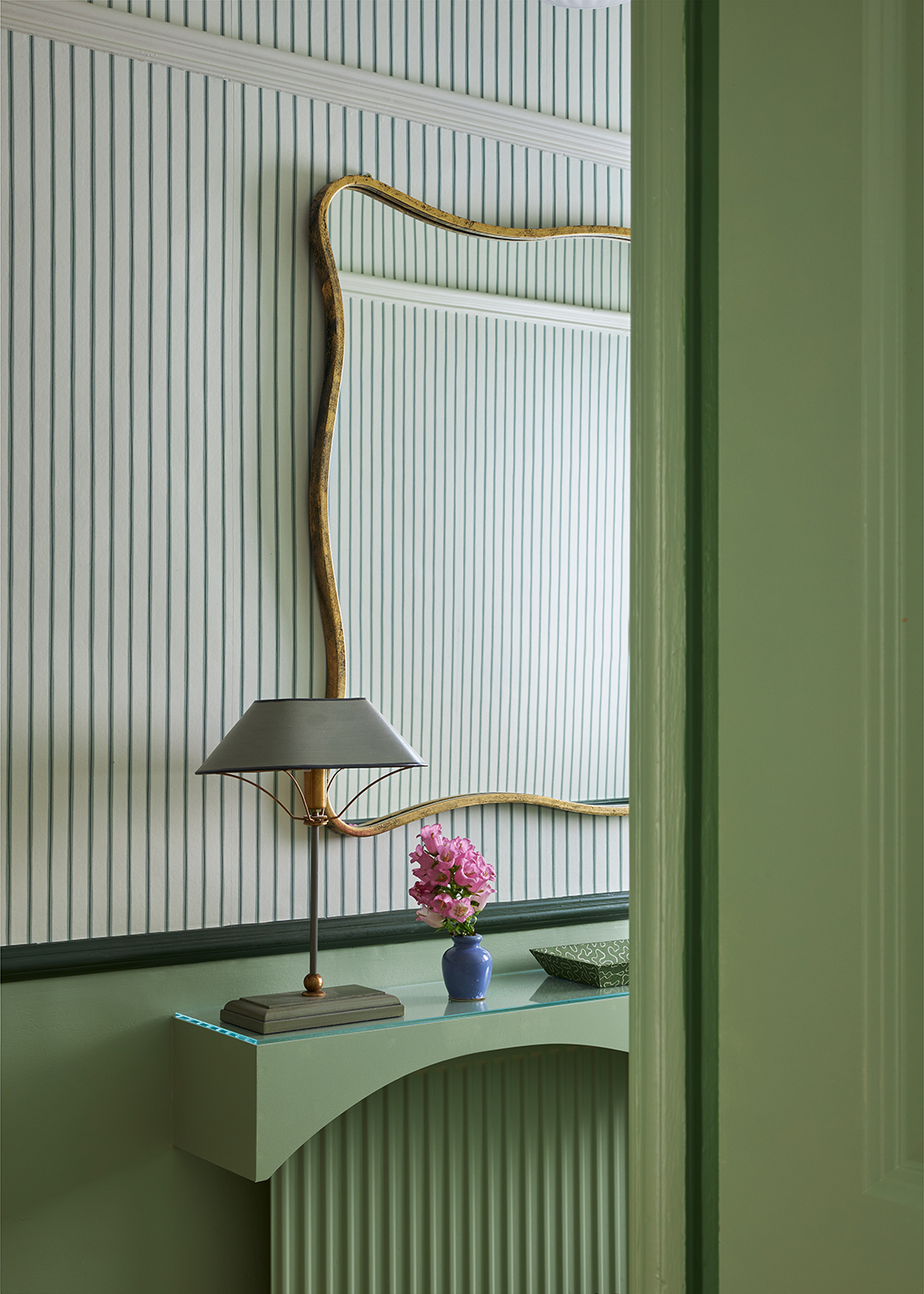
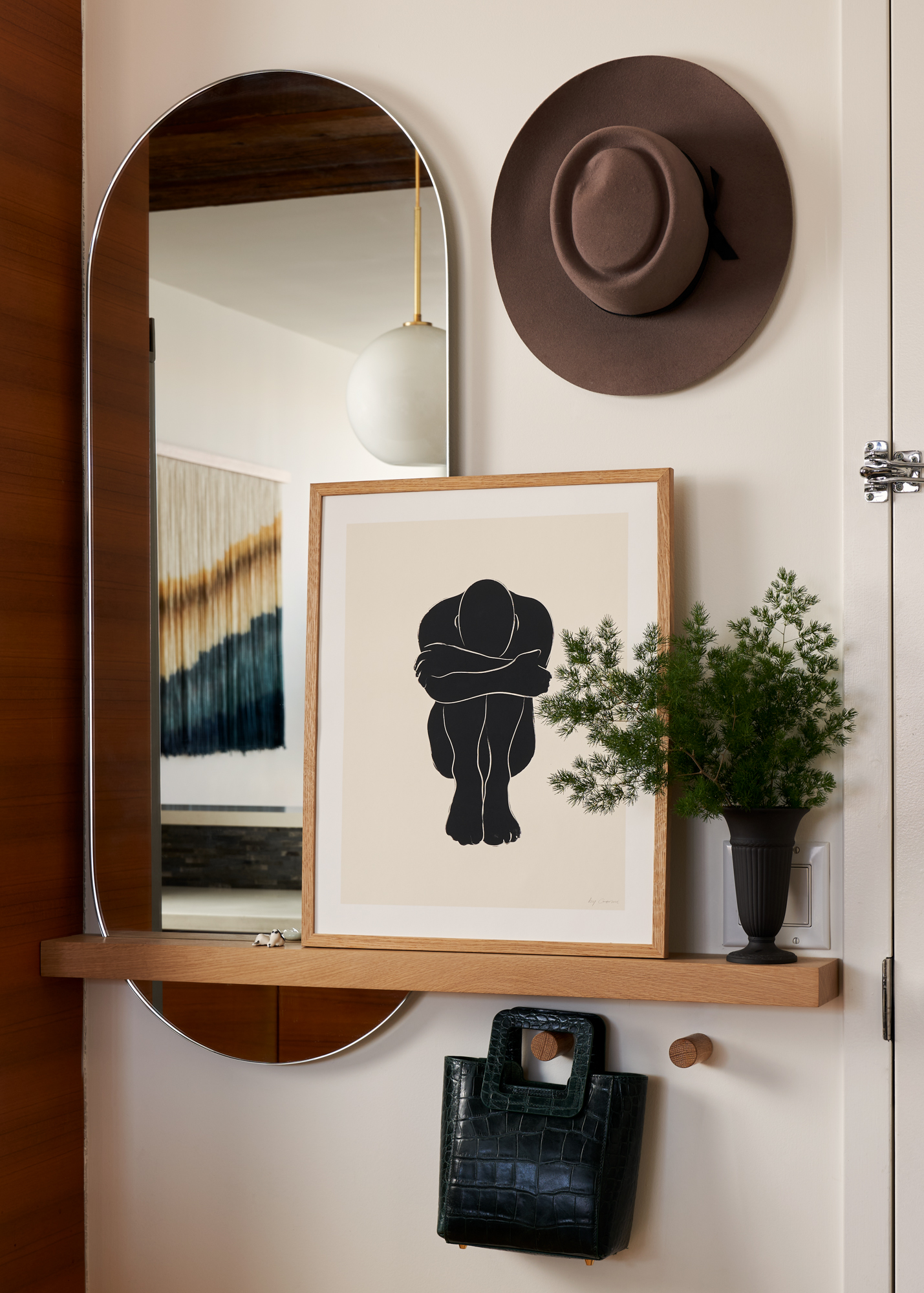
The first suggestion involves maximizing natural light and enhancing the perception of space by incorporating mirrors. Lilli Morgan of LS Design Studio recommends placing a mirror above a thin console table, not only for practical use like checking one's appearance before leaving but also for its ability to add depth. The article highlights various mirror options, including decorative wall mirrors and those with built-in storage, to merge style with utility.
Decluttering is presented as a crucial strategy for small entryways. Megan Dufresne, principal designer at MC Design, stresses that eliminating clutter instantly makes a small space feel larger. Tina Barisky of @smallspacebiglife advocates for a minimalist aesthetic with clean, simple pieces that can conceal clutter and neutral accents that prevent visual overwhelm, ensuring functionality remains the top priority.
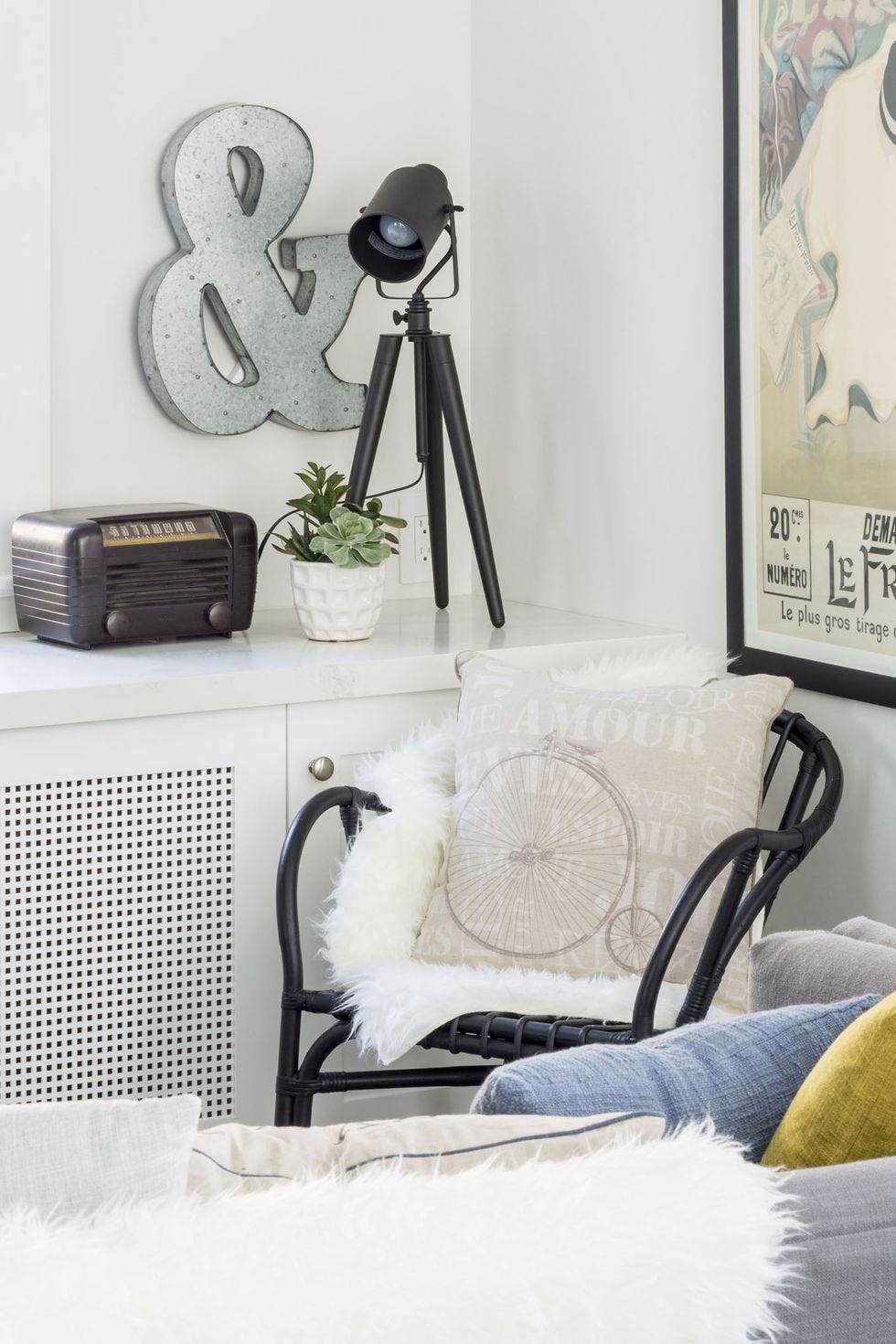
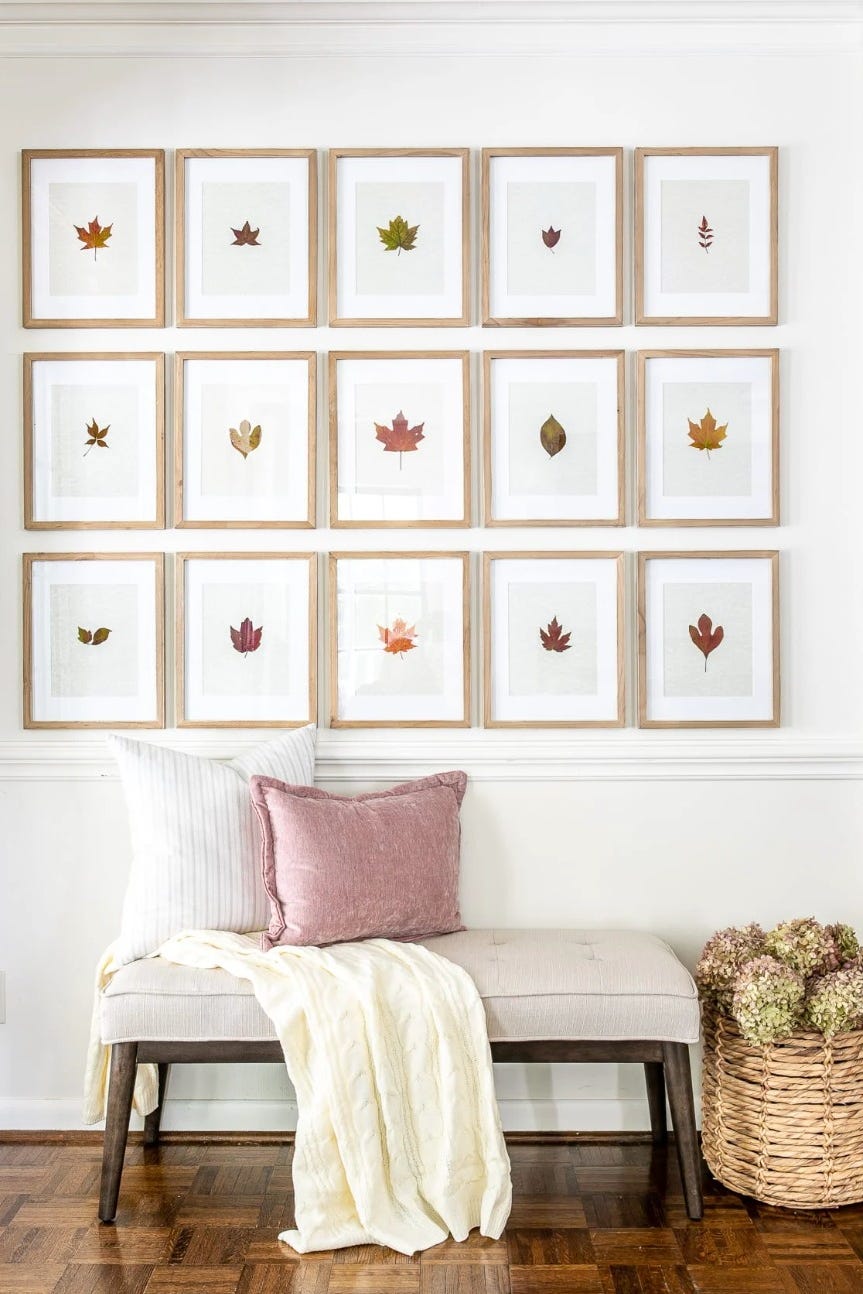
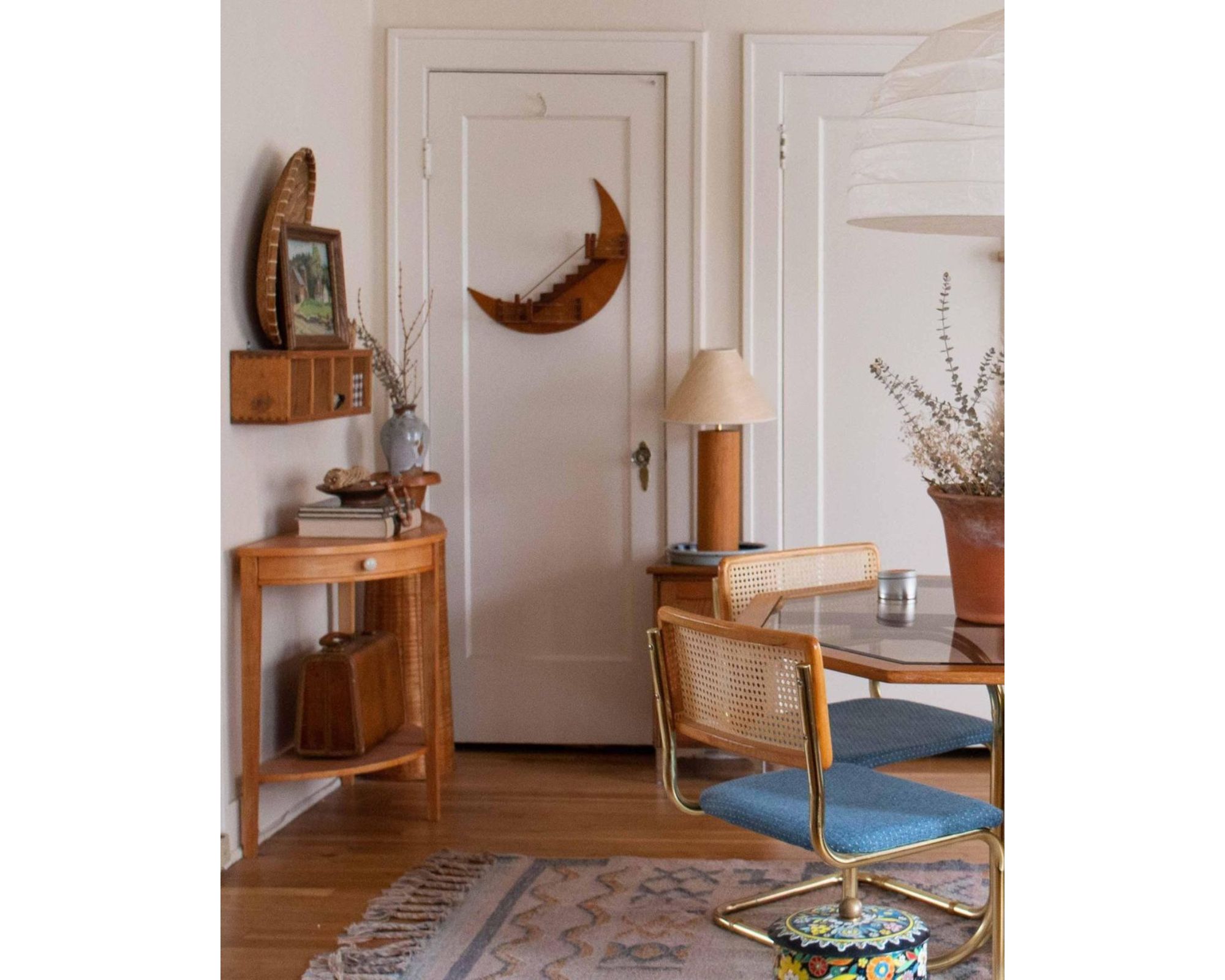
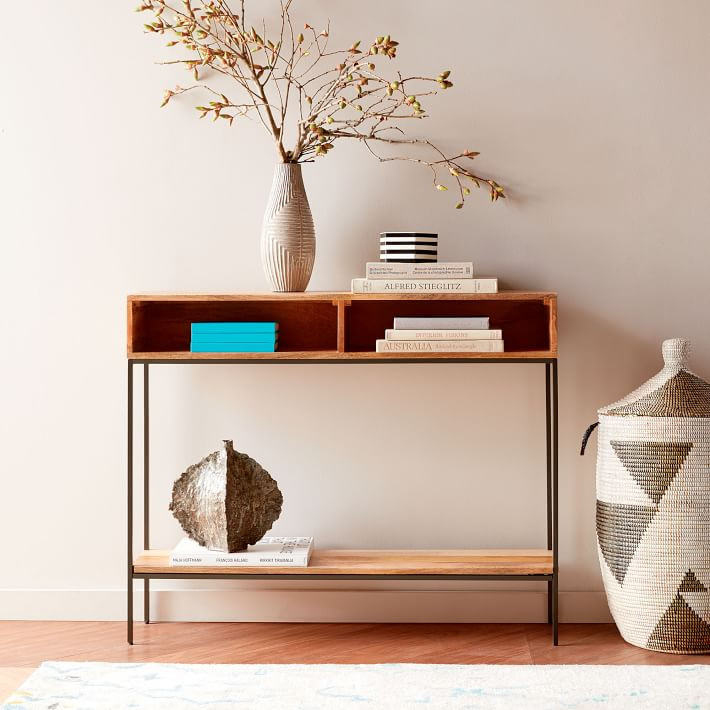
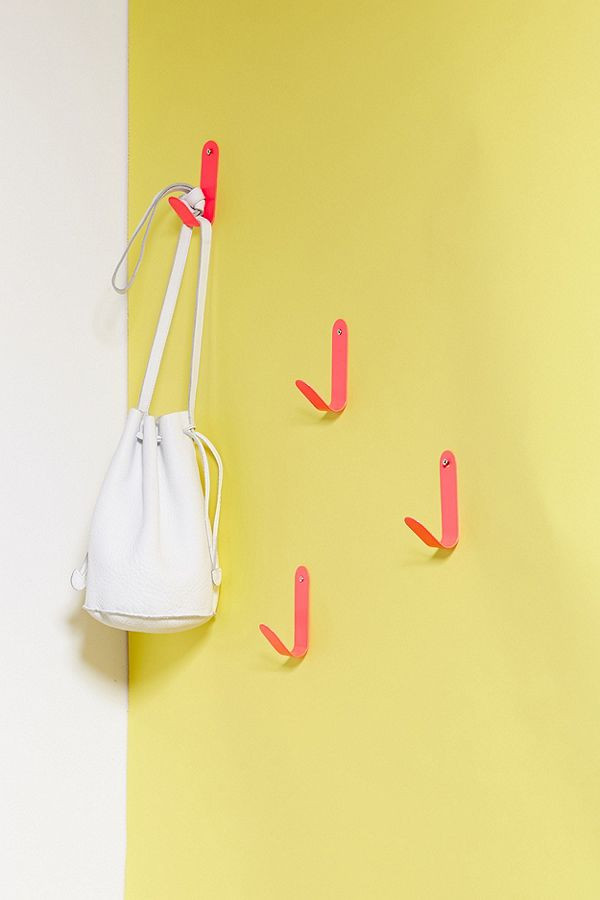
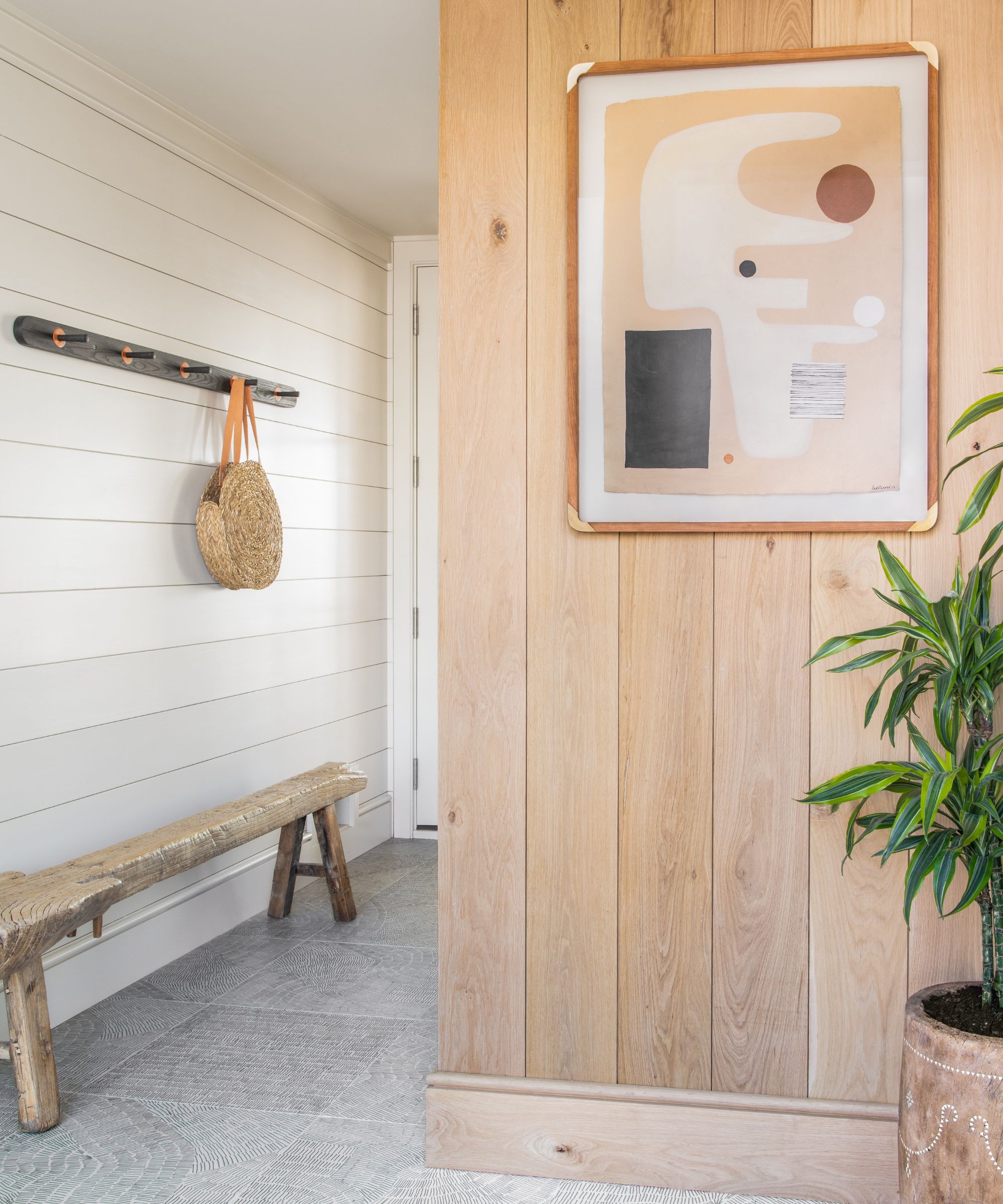
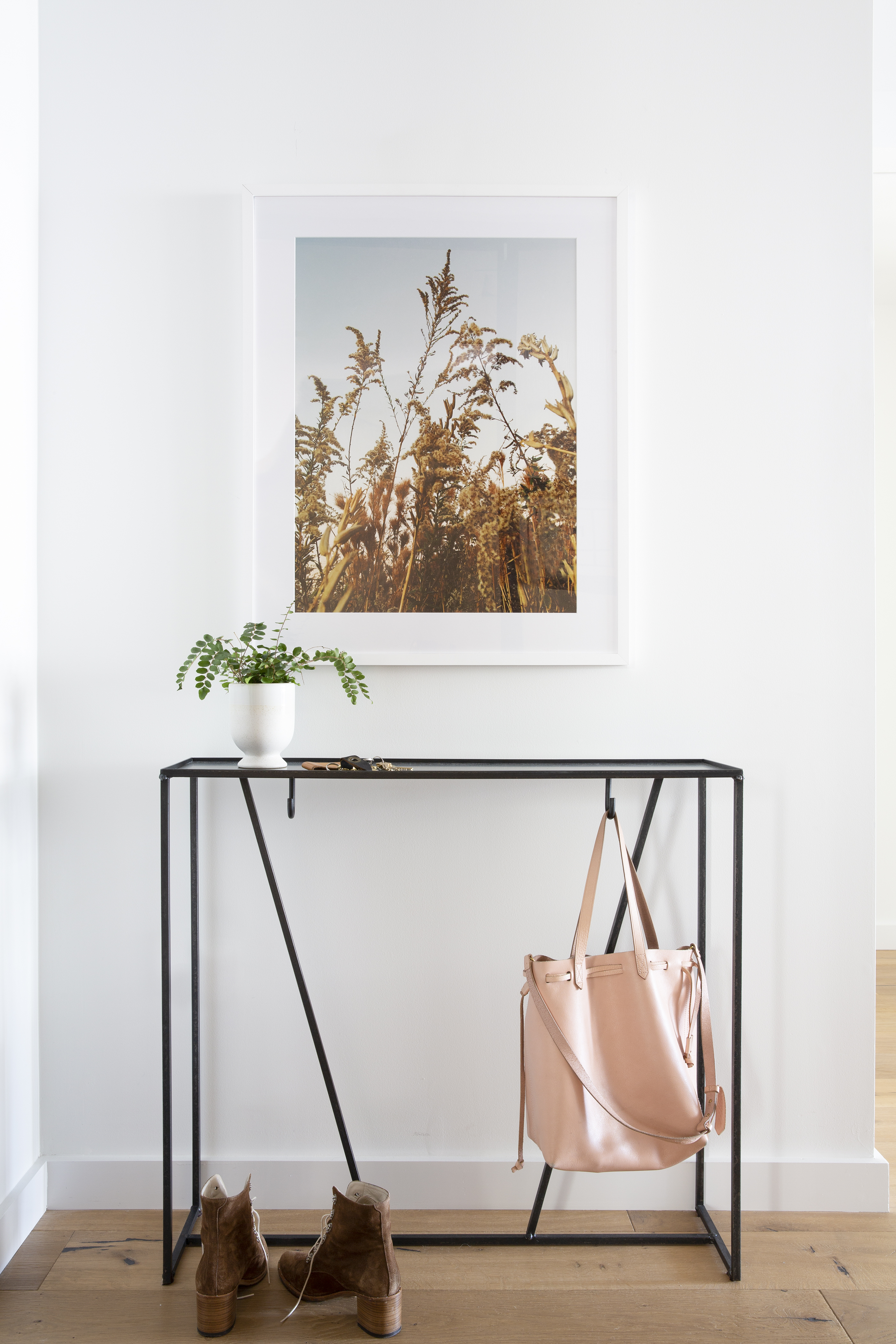
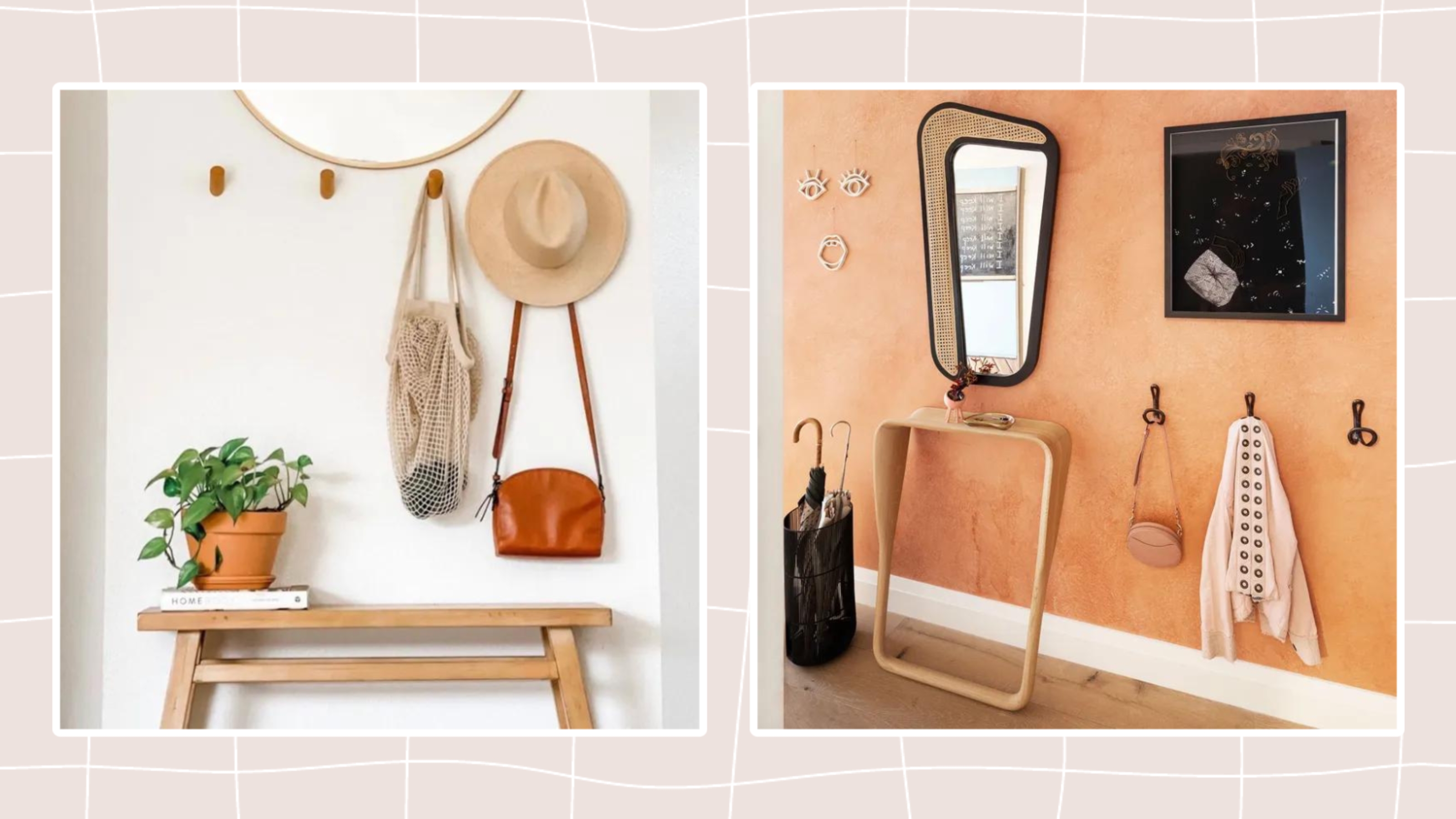
The article also encourages homeowners to infuse their personality into the entryway, as it serves as the initial introduction to their home. Morgan suggests combining wall art with practical hooks for coats and essentials. A skinny leaning console can serve as a convenient spot for mail and keys. Unique, one-of-a-kind pieces from sources like Etsy are recommended to make a statement and reflect individual style.
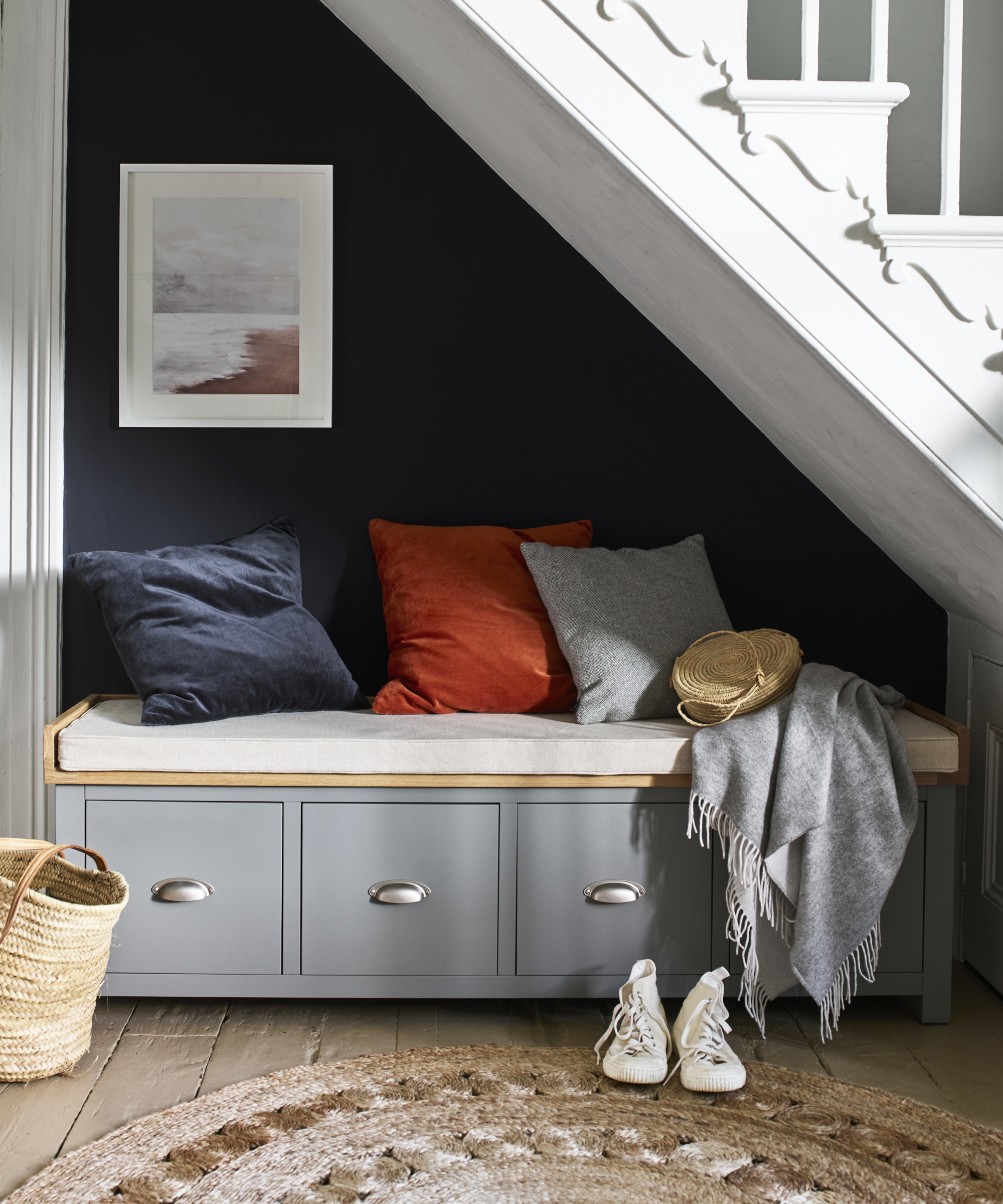
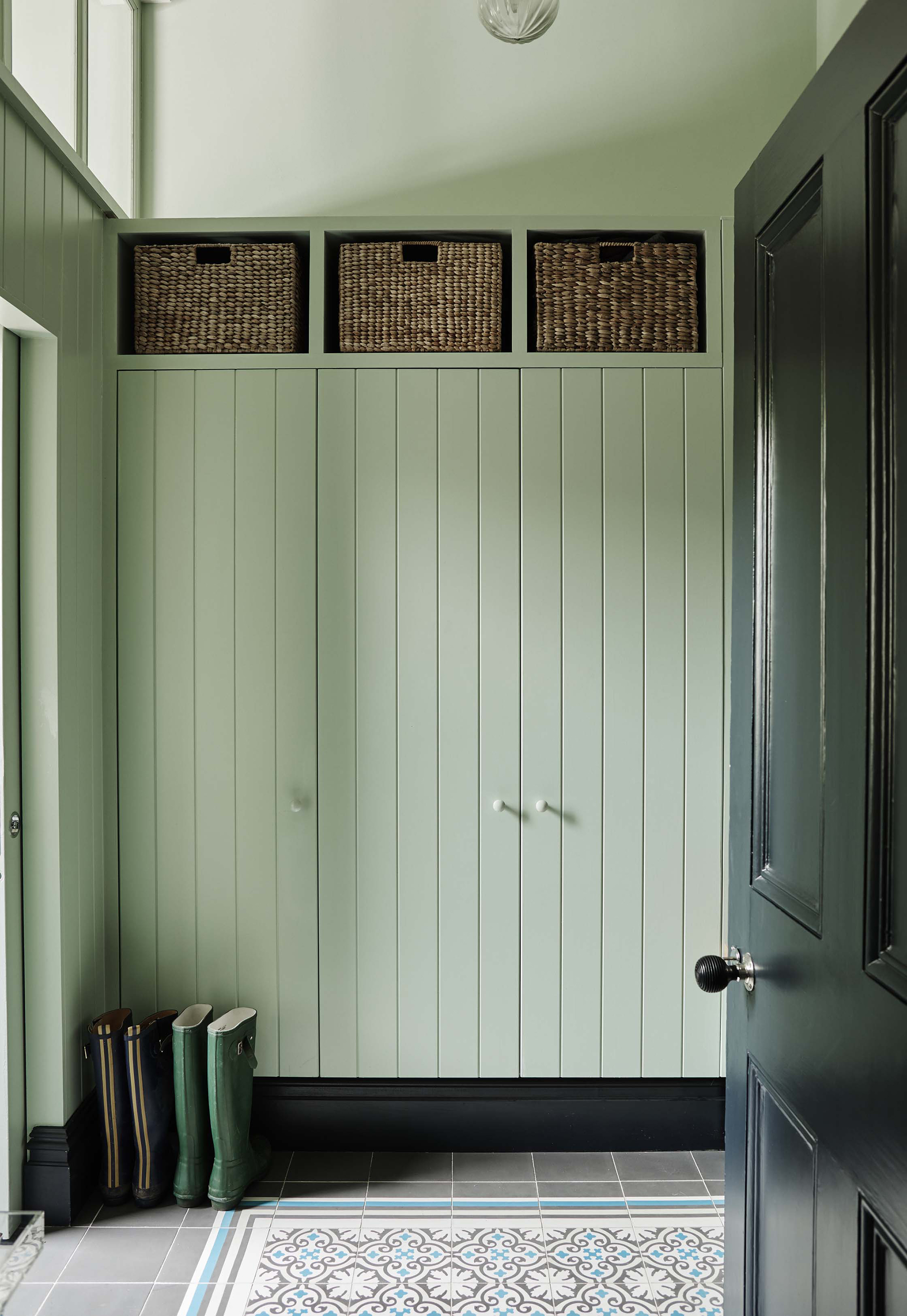
To address shoe storage, the article proposes using cabinets that conceal footwear while providing an additional surface. Ikea's TRONES shoe storage cabinet is cited as an example of a good tall shoe rack. Utilizing vertical space with coat hooks and shelving is also advised. The importance of maintaining a balance between practicality and aesthetic appeal is reiterated, suggesting that inviting and efficient spaces result from careful consideration of daily items and accessibility.
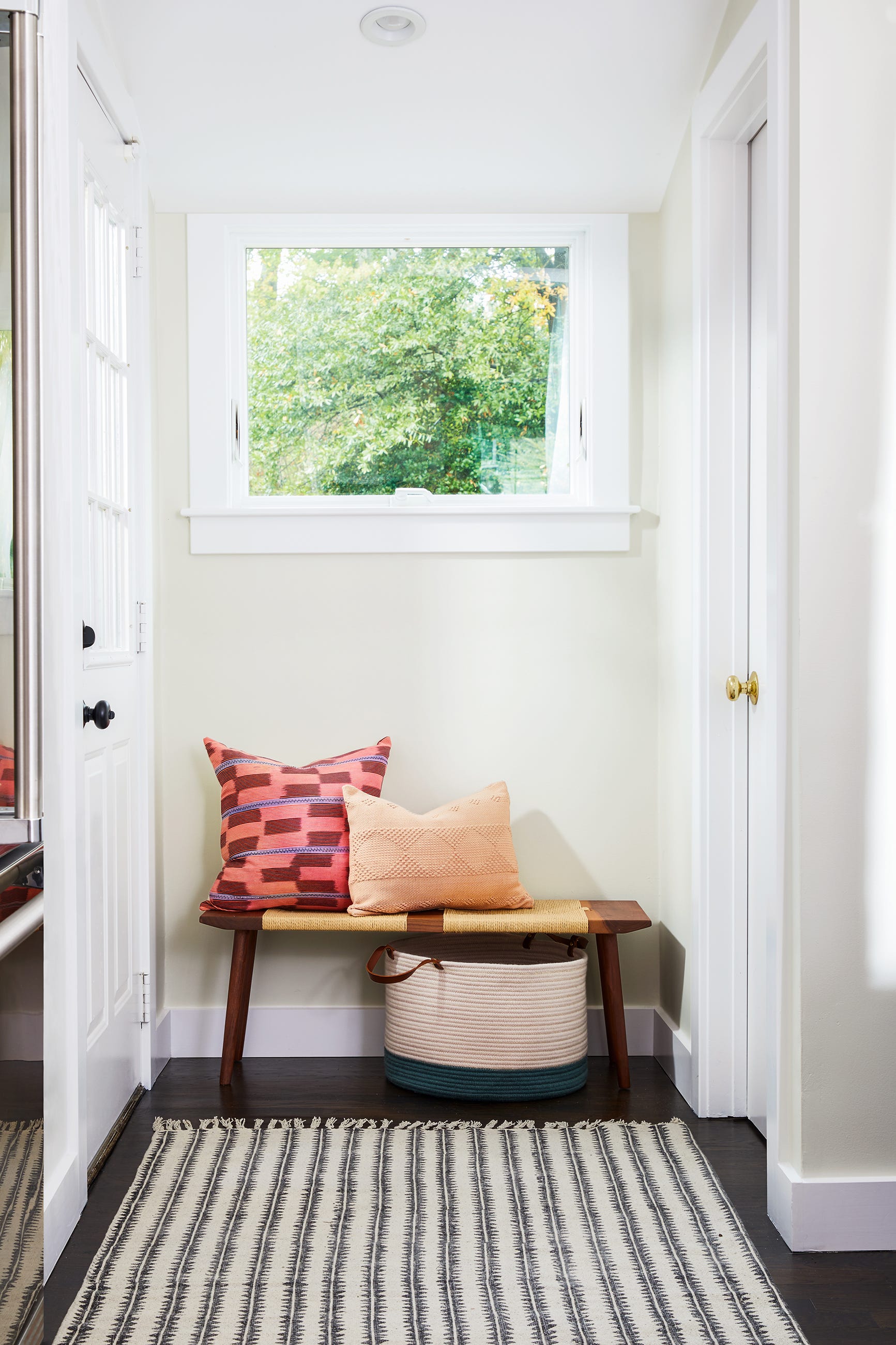
Making the most of awkward spaces is another key theme. What might initially seem like an unusable nook can be transformed into a functional area. Over-the-door hangers are highlighted as effective solutions for storing guests' coats and jackets when space is limited. The article showcases how compact shoe racks and multi-hooks can fit into small or irregular areas.
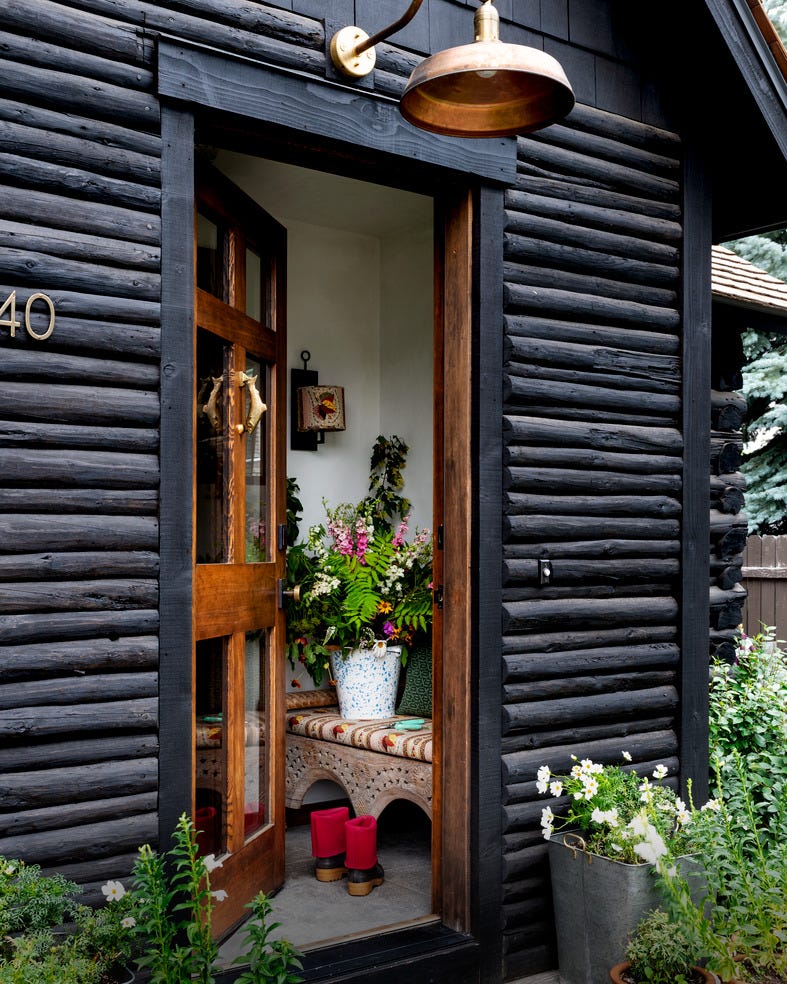
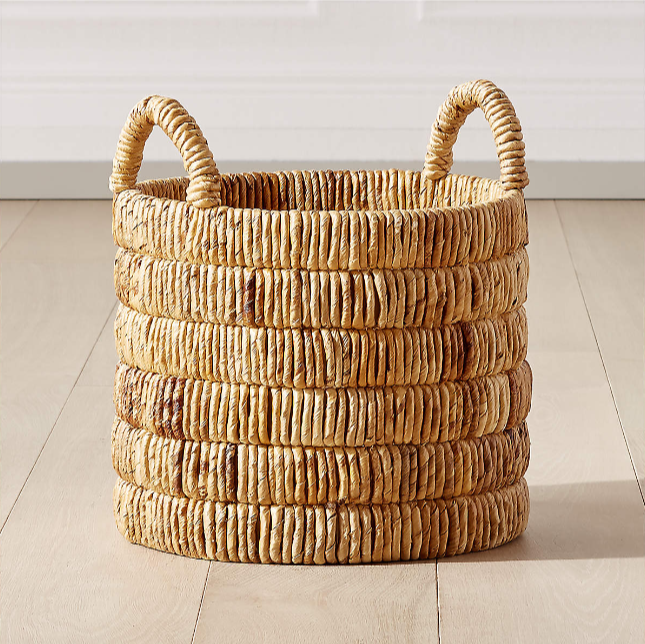
Creating focal points and managing clutter are essential for making small entryways interesting and seemingly larger. Strategic placement of a single decorative item, such as a mirror, an area rug, or a patterned cushion, can add character without overwhelming the space. Betsy Moyer, co-founder of Retreat, recommends a combination of wall hooks, coat racks, cubbies, and attractive baskets for organization, complemented by greenery and fresh flowers to add a touch of nature.
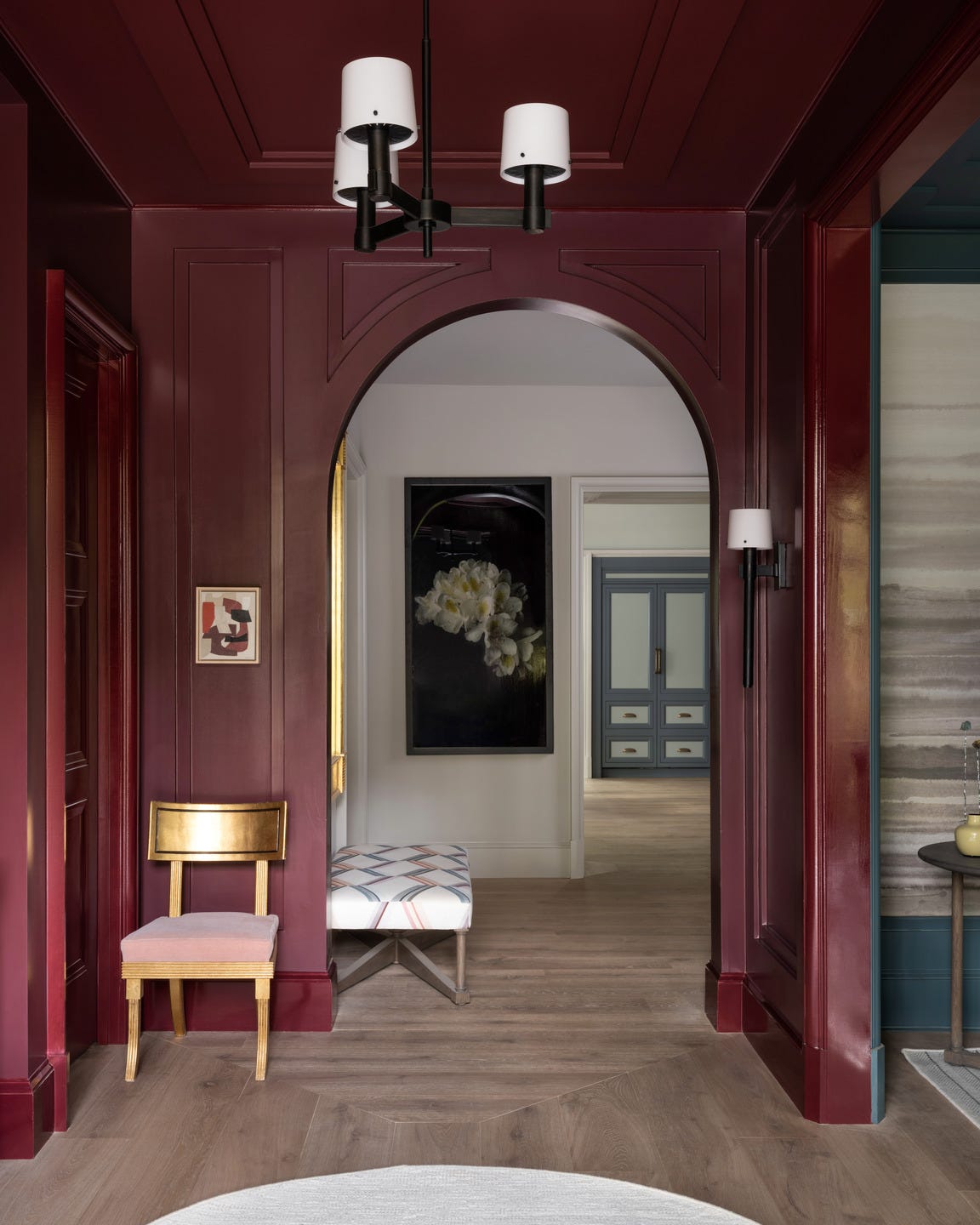
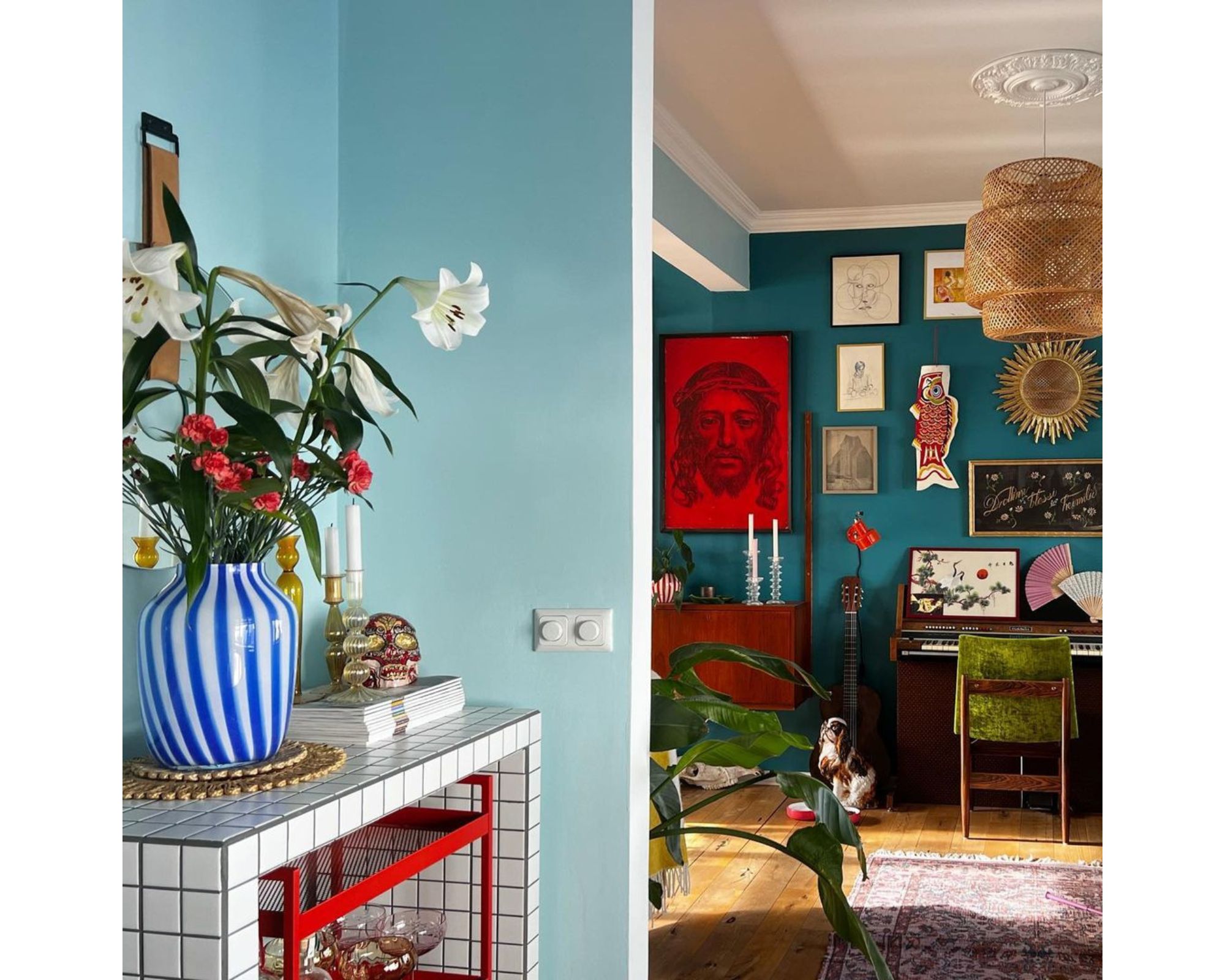
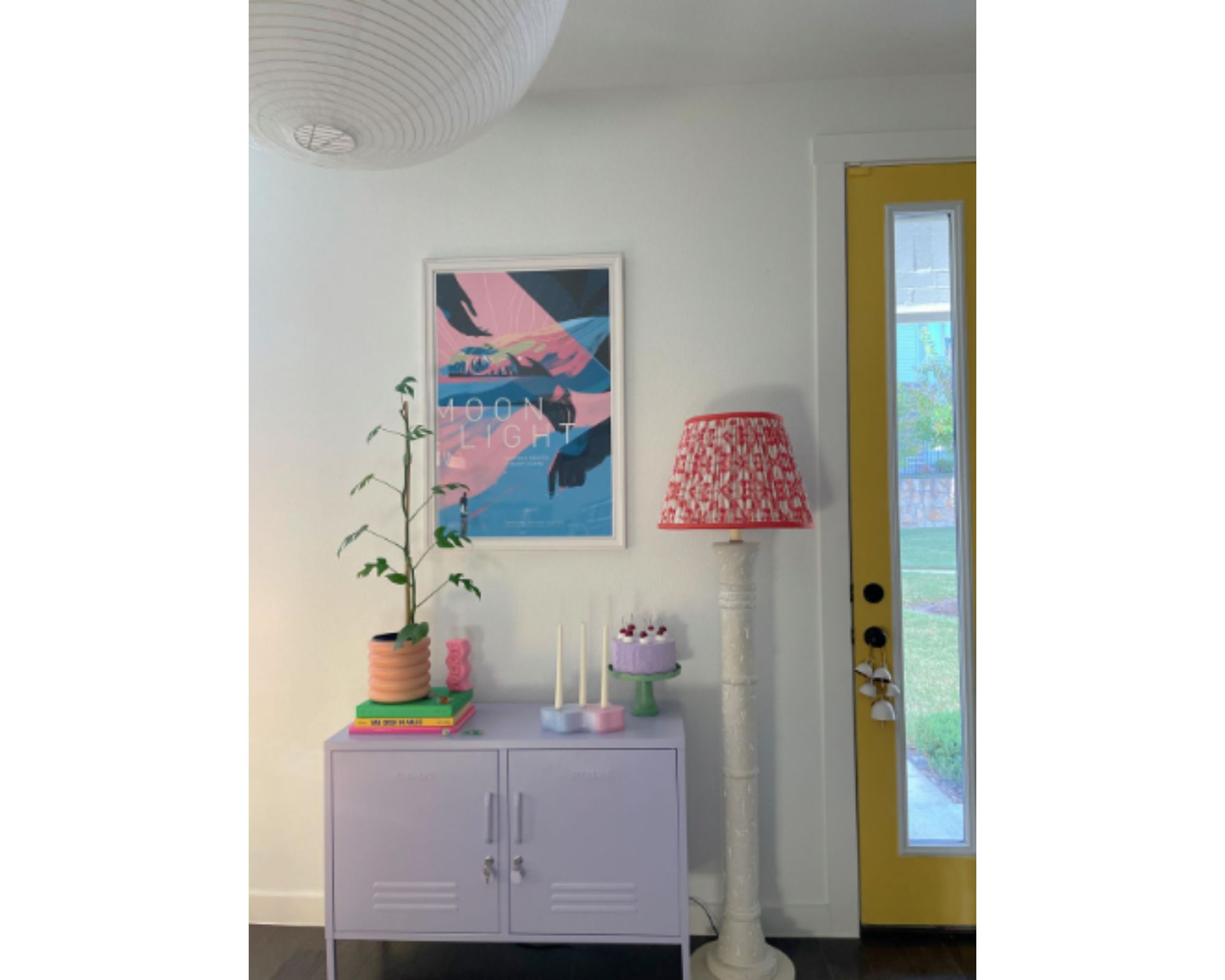
The use of color and pattern is explored as a tool to define and unify small entryways. Michelle Berwick Design's approach of using a solid block of color on a front door and floor tiles, extending into the hallway, is presented as an effective way to create a cohesive look. The article also touches upon the use of area rugs to introduce color and pattern, with Amy Leferink of Interior Impressions advising against overly small rugs, as a larger rug can ironically make a space feel more expansive. Soft, ambient lighting is also recommended to create a warm and inviting atmosphere.
For wall decor, the article suggests using large-scale wall murals or peel-and-stick wallpapers to create a 'wow' factor. While hand-painted designs are an option, wallpaper offers an affordable alternative, and peel-and-stick options provide flexibility for quick updates. Working with a lighter color palette in the hallway can ensure that illustrative designs stand out while maintaining a bright and airy feel, as demonstrated by Brexton Cole Interiors.
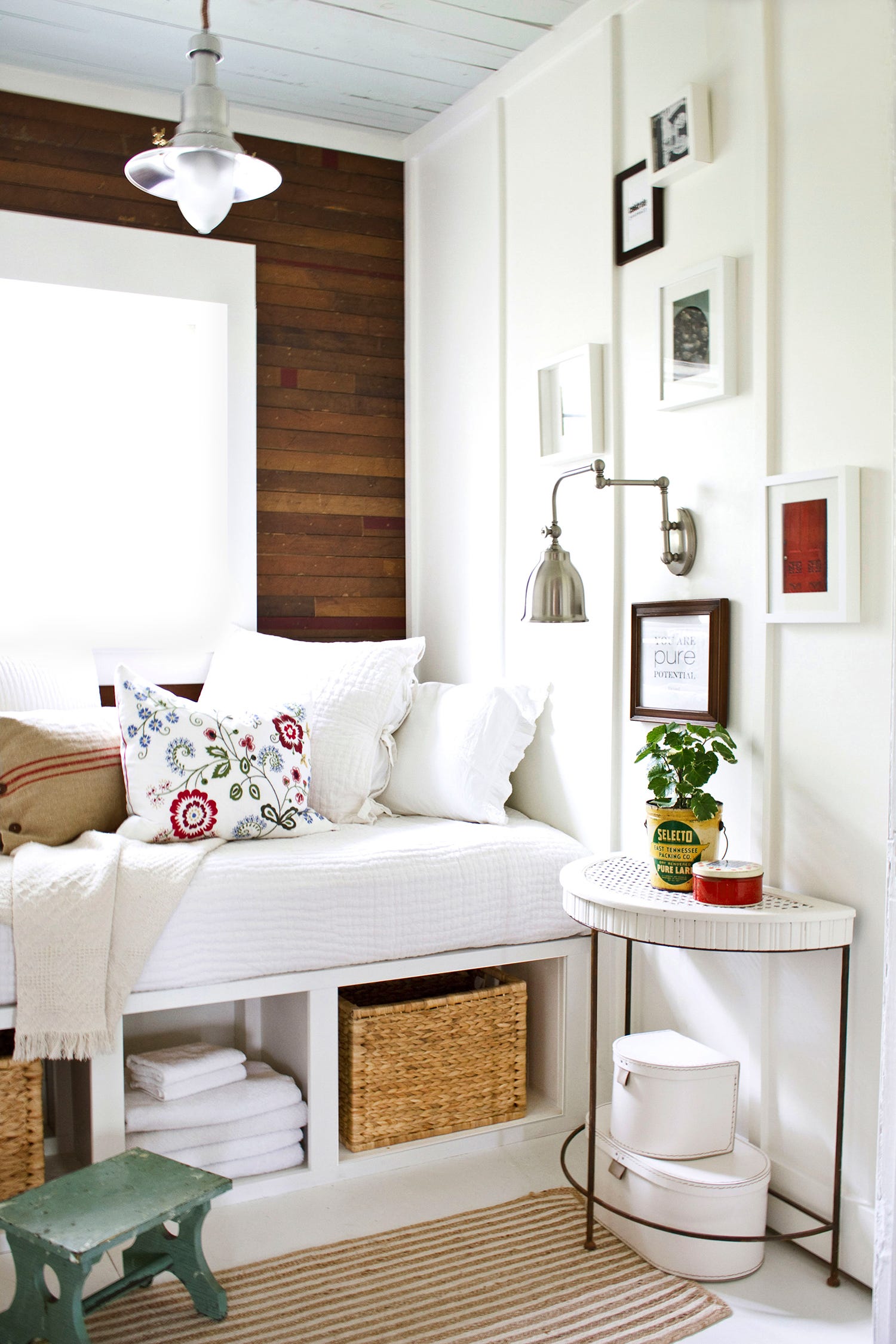
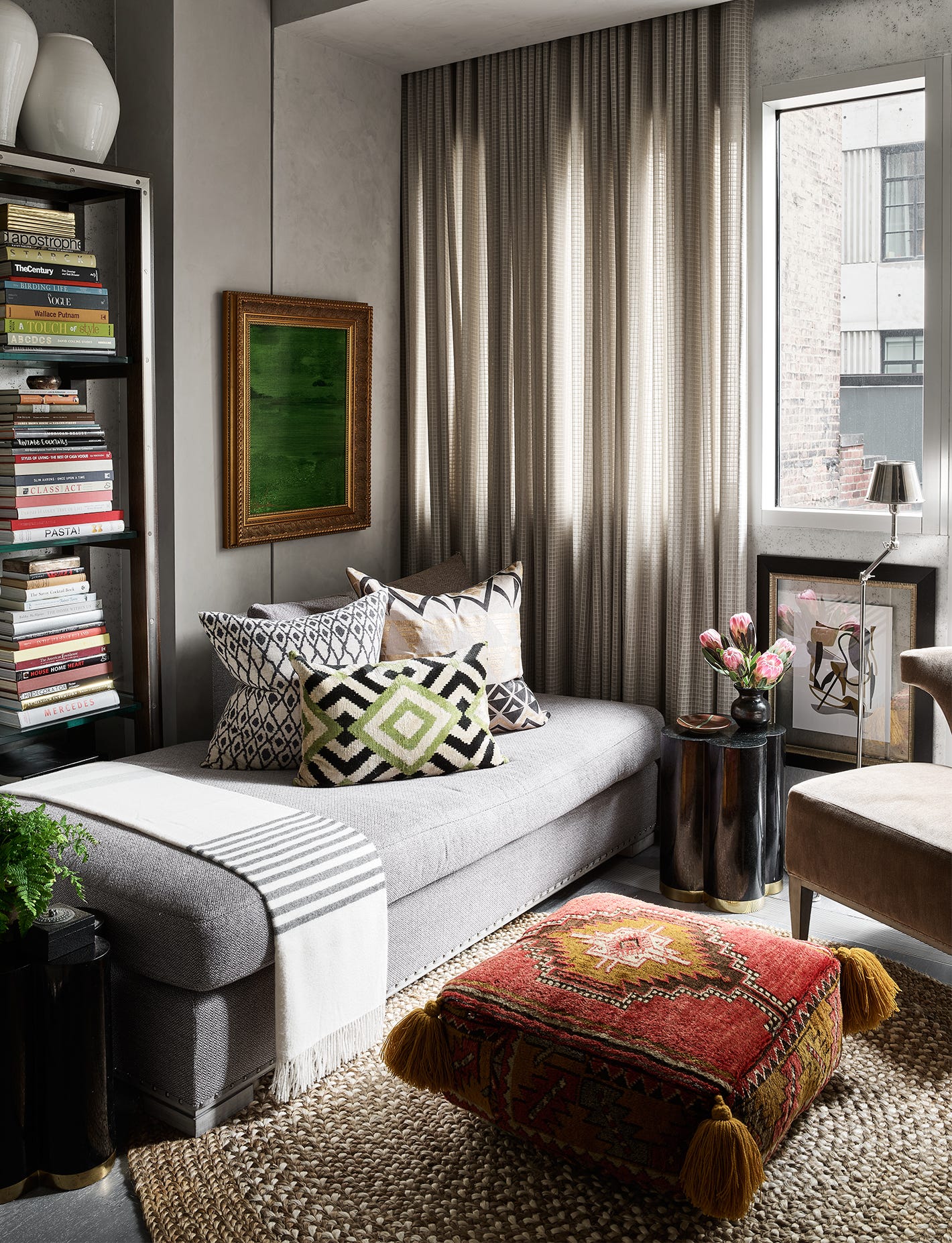
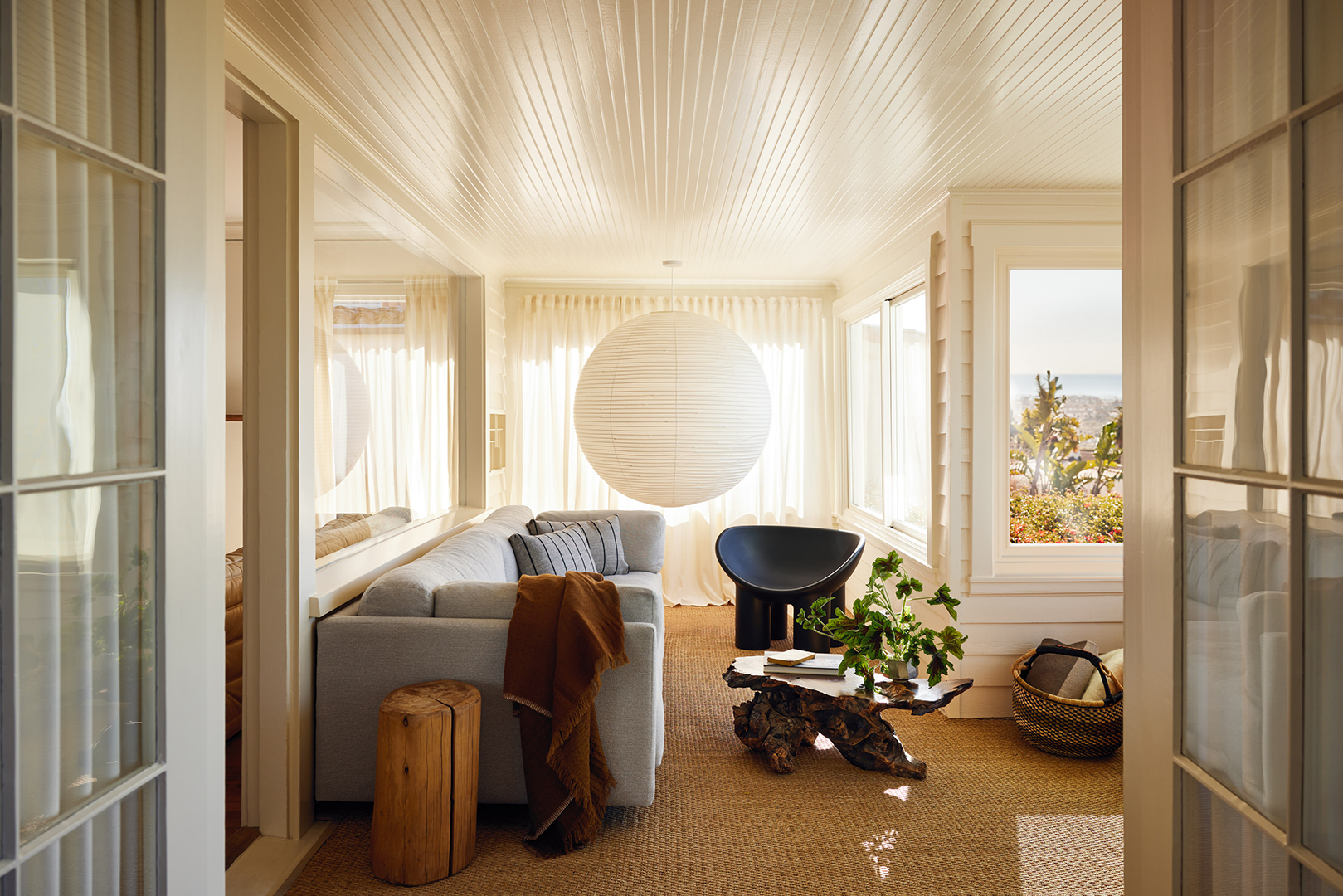
Finally, the article addresses the challenge of a non-existent entryway by suggesting ways to create the illusion of one. Jenn Pablo of Jenn Pablo Studio recommends positioning a small couch with its back to the entry door to create a 'hallway vibe,' then adding hooks, a floating shelf for keys and mail, and a bench or console table if space allows. The overall aesthetic should be consistent with the rest of the room, or an accent wall can be used to designate the drop-zone. Inventive use of wall space for stylish hats or handbags, combined with artwork, floating shelves, and hanging plants, can create a personalized and practical display, allowing for seasonal variations. The article concludes by emphasizing that an inviting entryway is achievable regardless of size, with thoughtful organization, lighting, and personal touches like scented candles contributing to a welcoming ambiance.
#SmallEntrywayIdeas #HomeDecor #InteriorDesign #EntrywayOrganization #SpaceSavingSolutions #DeclutteringTips #PersonalizedEntryway #FunctionalDesign #WallDecor #SmallEntrywayIdeas #HomeDecor #InteriorDesign #EntrywayOrganization #SpaceSavingSolutions #DeclutteringTips #PersonalizedEntryway #FunctionalDesign #WallDecor
0 comment in total
 No comments yet
You may also like
35 Small Entryway Ideas That Make a Stylish First Impression

This DIY Wood Slat Wall for a Small Entryway Will Wow You

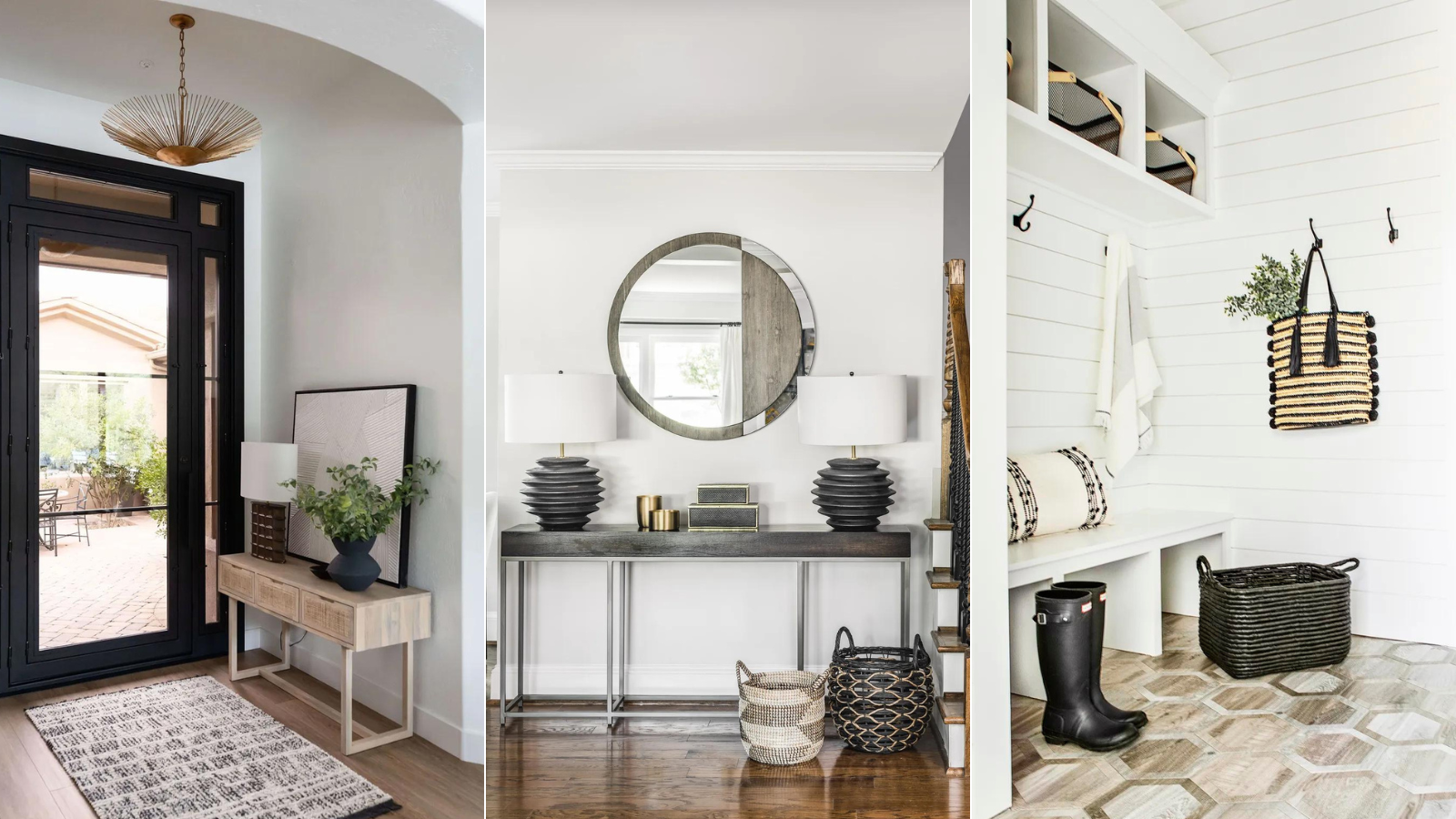
Pro organizers say these are the must-haves for small entryways

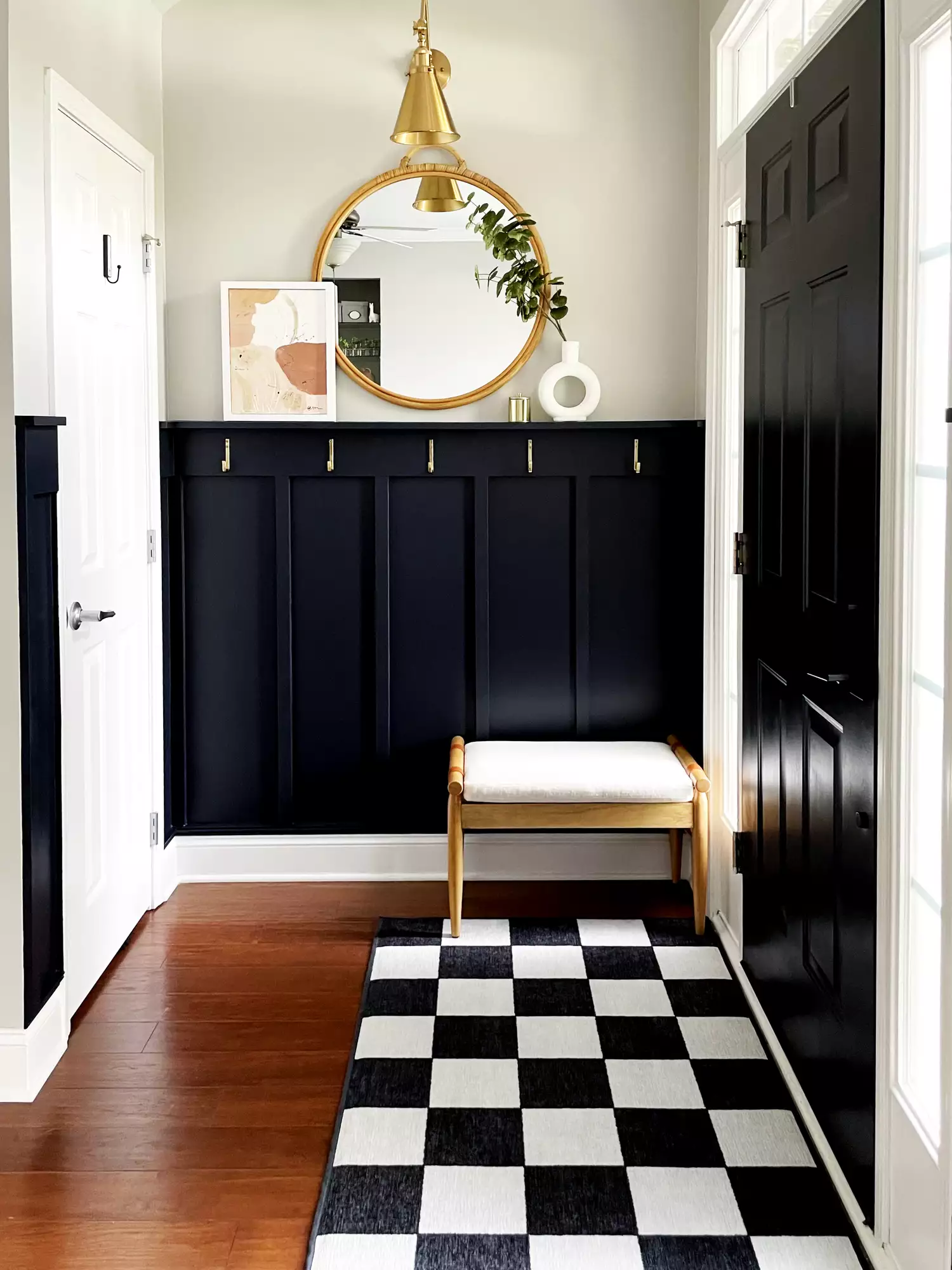
15 Small Entryway Ideas That Make a Big First Impression
22 Reading Nooks That Are Full of Creative Design Ideas
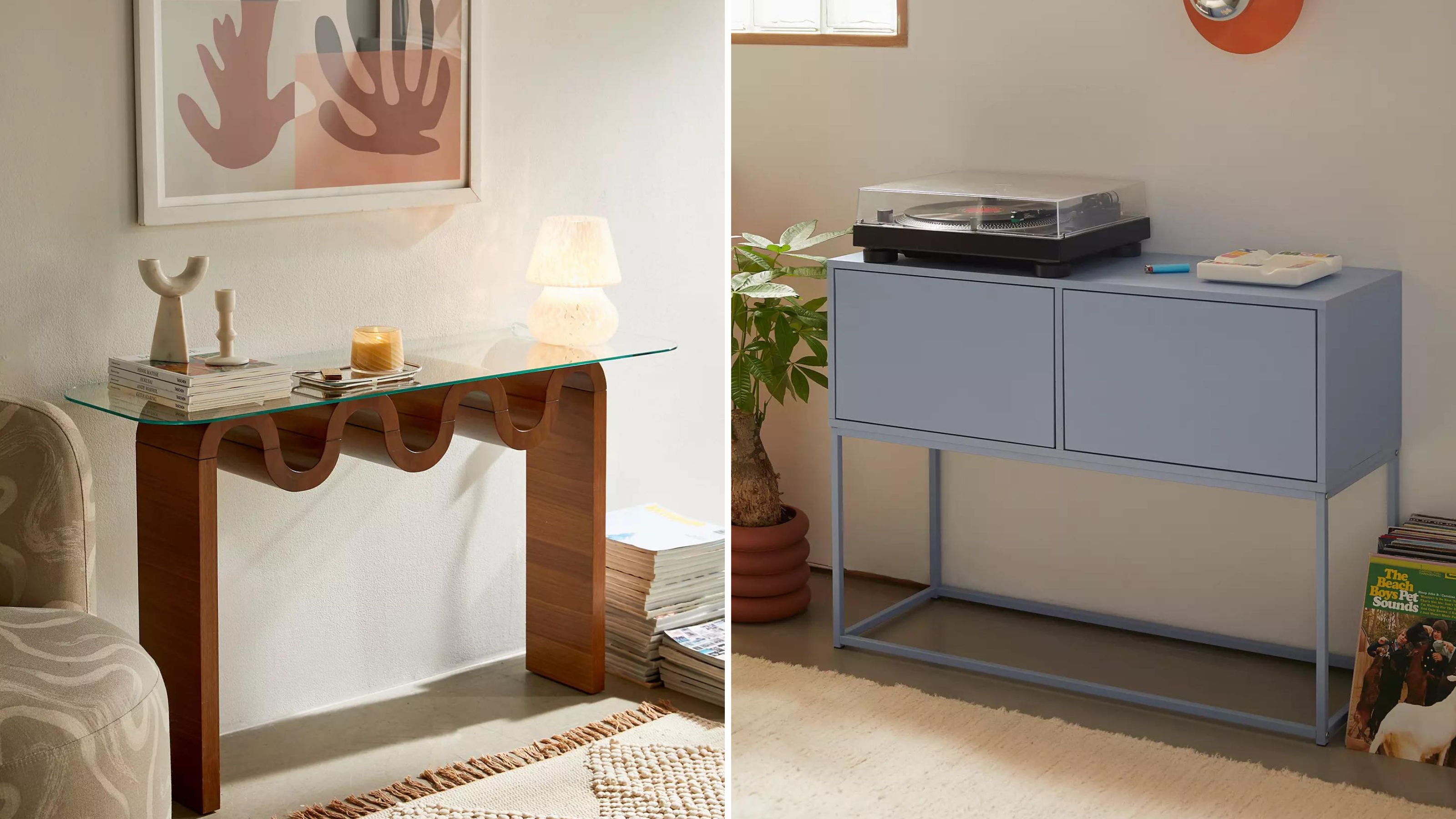
8 gorgeous small entryway table ideas, no matter the size of your space

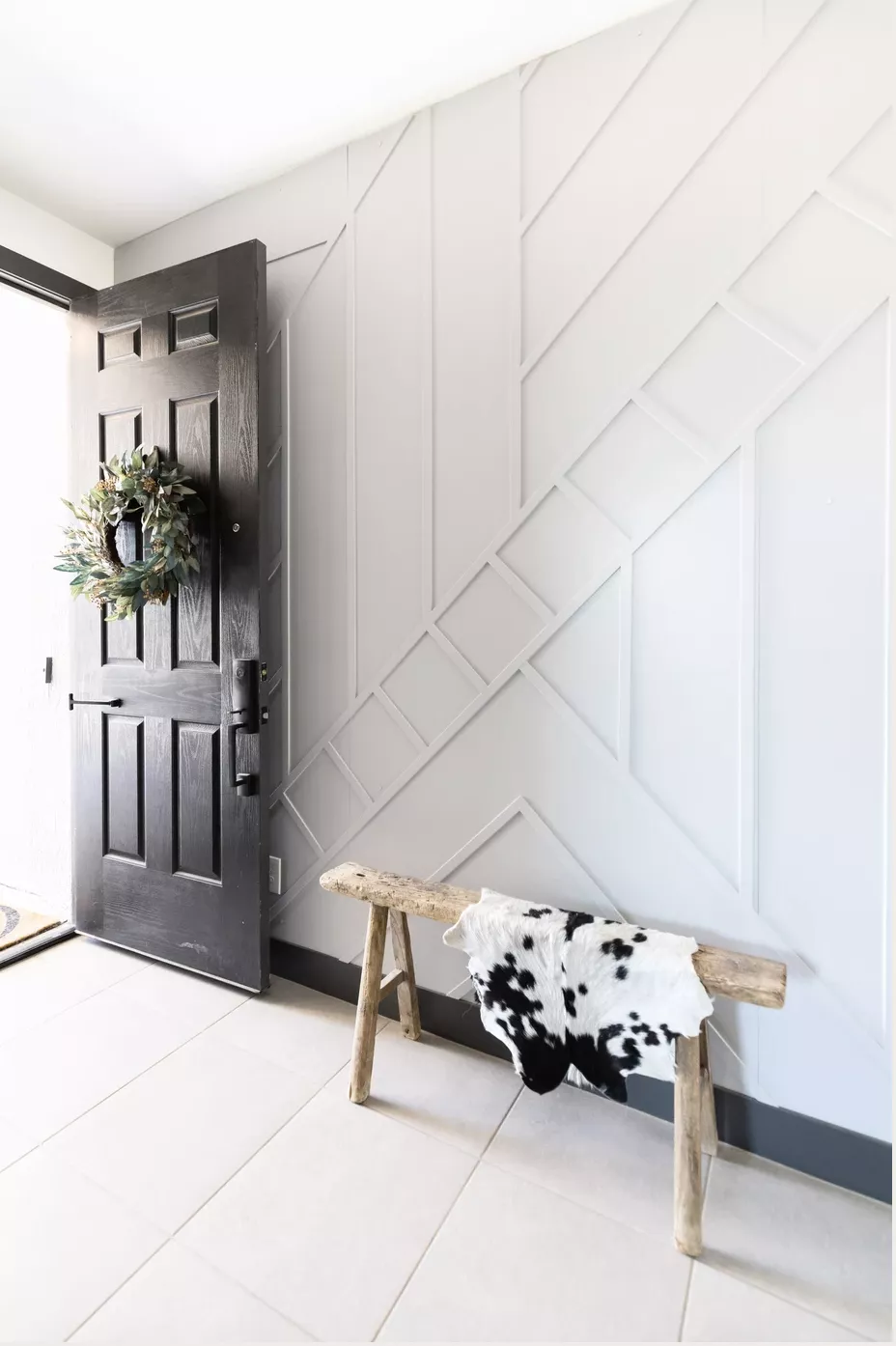
Give Your Small Entryway a Welcoming Boost With These 31 Ideas

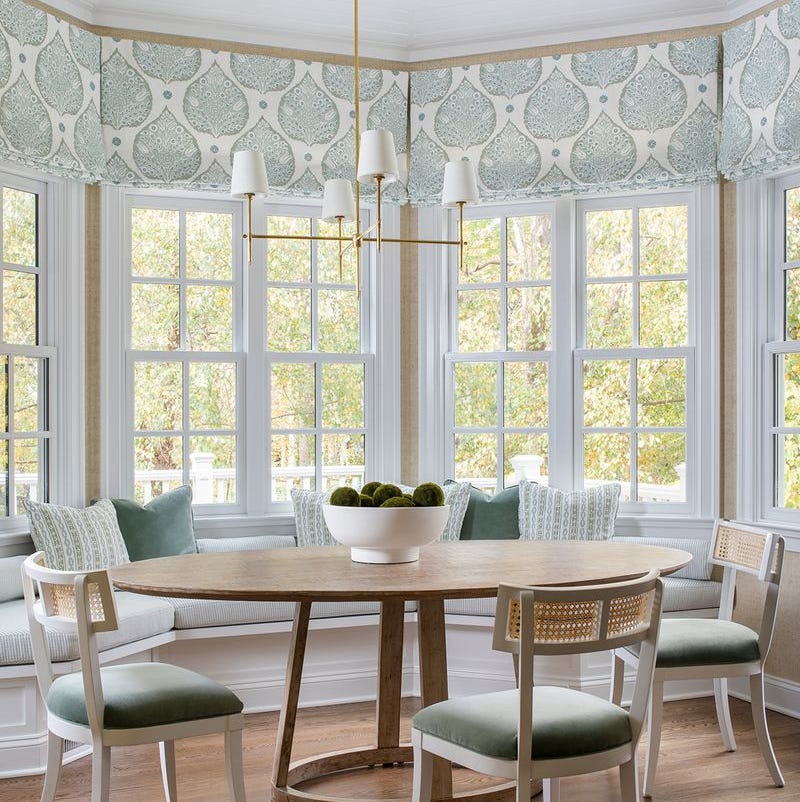
25 Cozy Breakfast Nook Ideas That Pack Style Into a Small Space
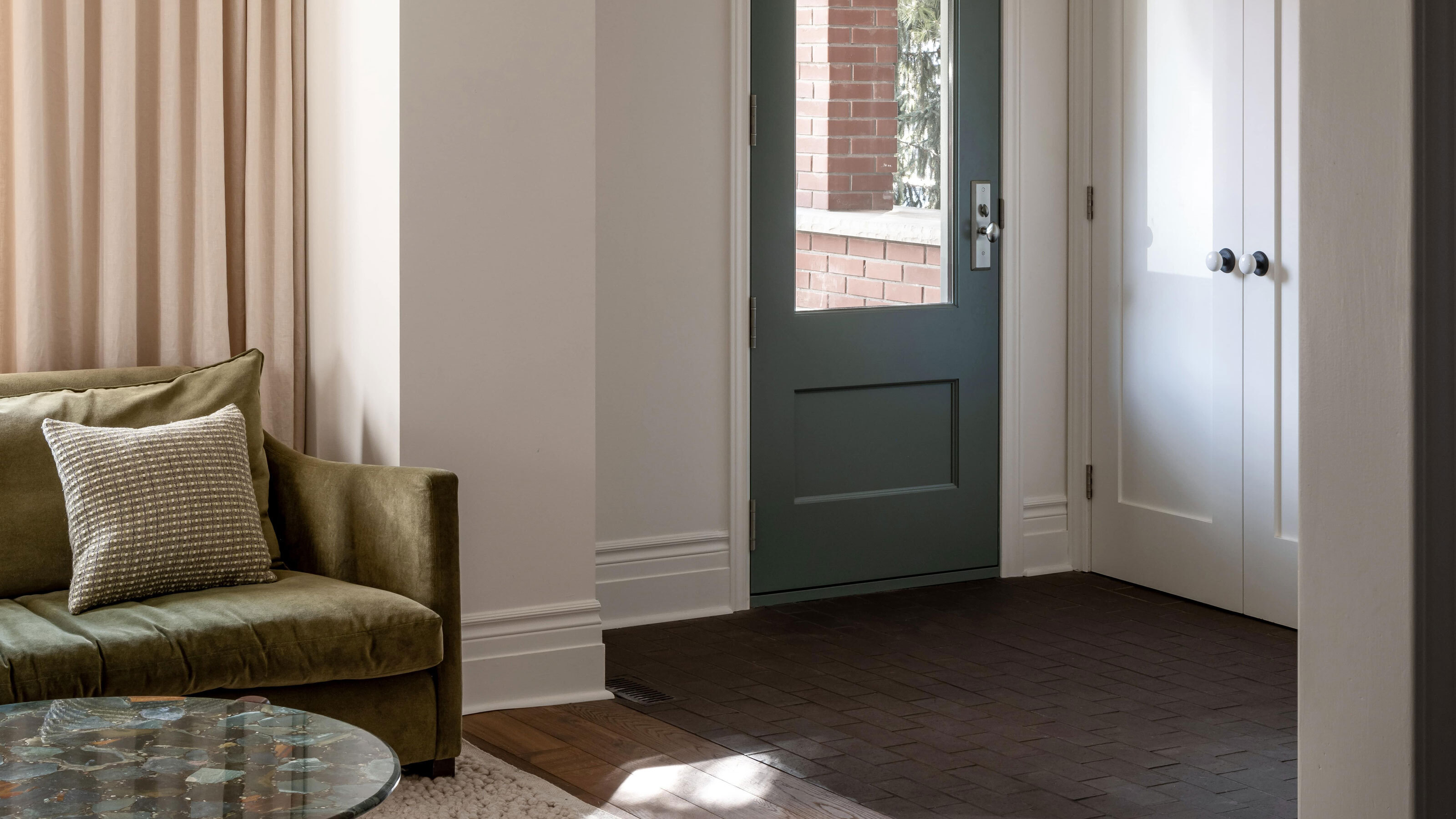
12 Small Entryway Ideas — This is How Top Designers Maximize Space for Function and Style

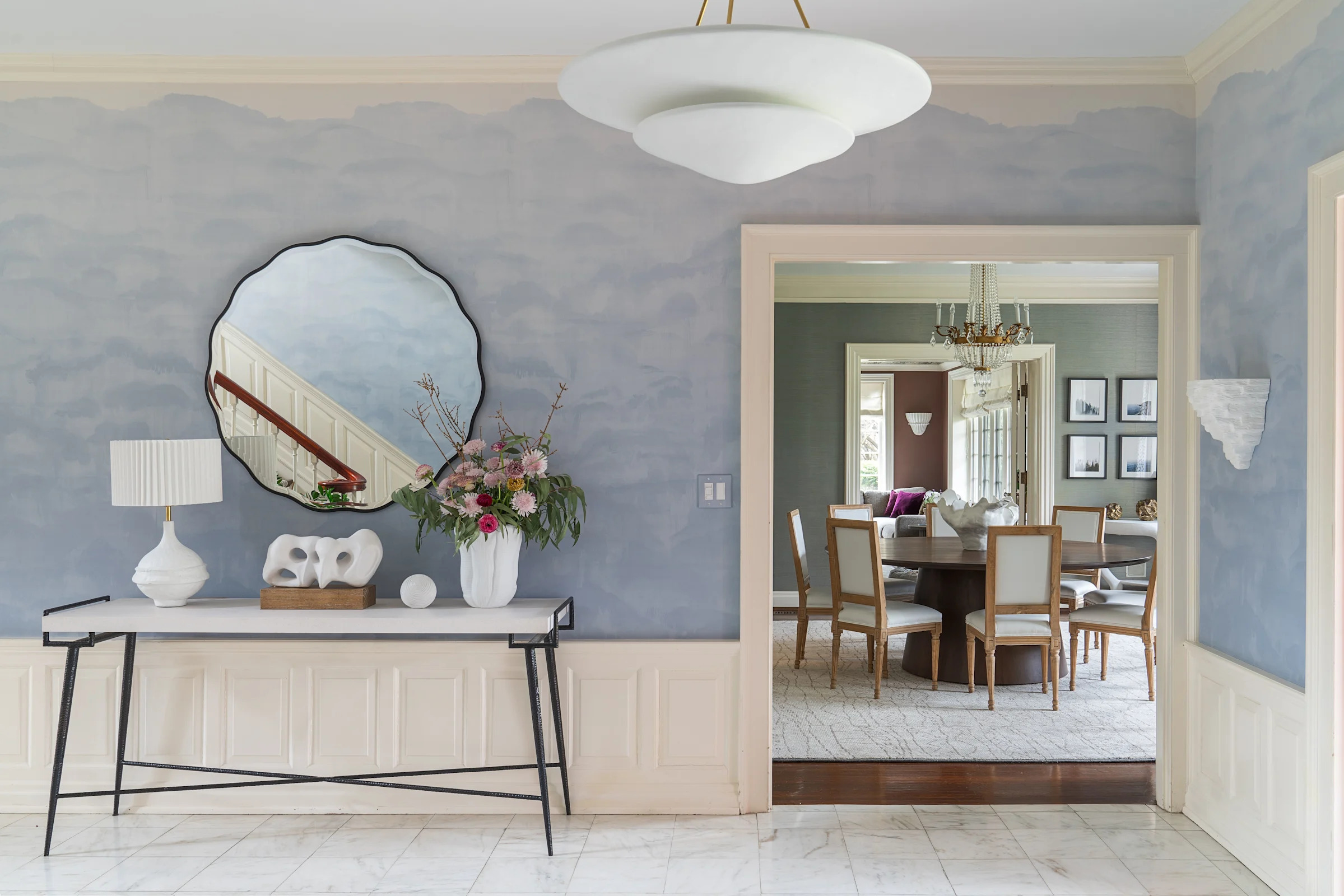
12 Small Entryway Ideas You—Yes, You!—Can Easily DIY
20 Cozy Reading Nook Ideas That Are Utterly Novel

How do you decorate an awkward entryway? 7 designer-approved tricks for tough-to-style entrances
21 Small Entryway Ideas That Maximize Space and Style
The Small-Space Entry Hack We’re Seeing Everywhere

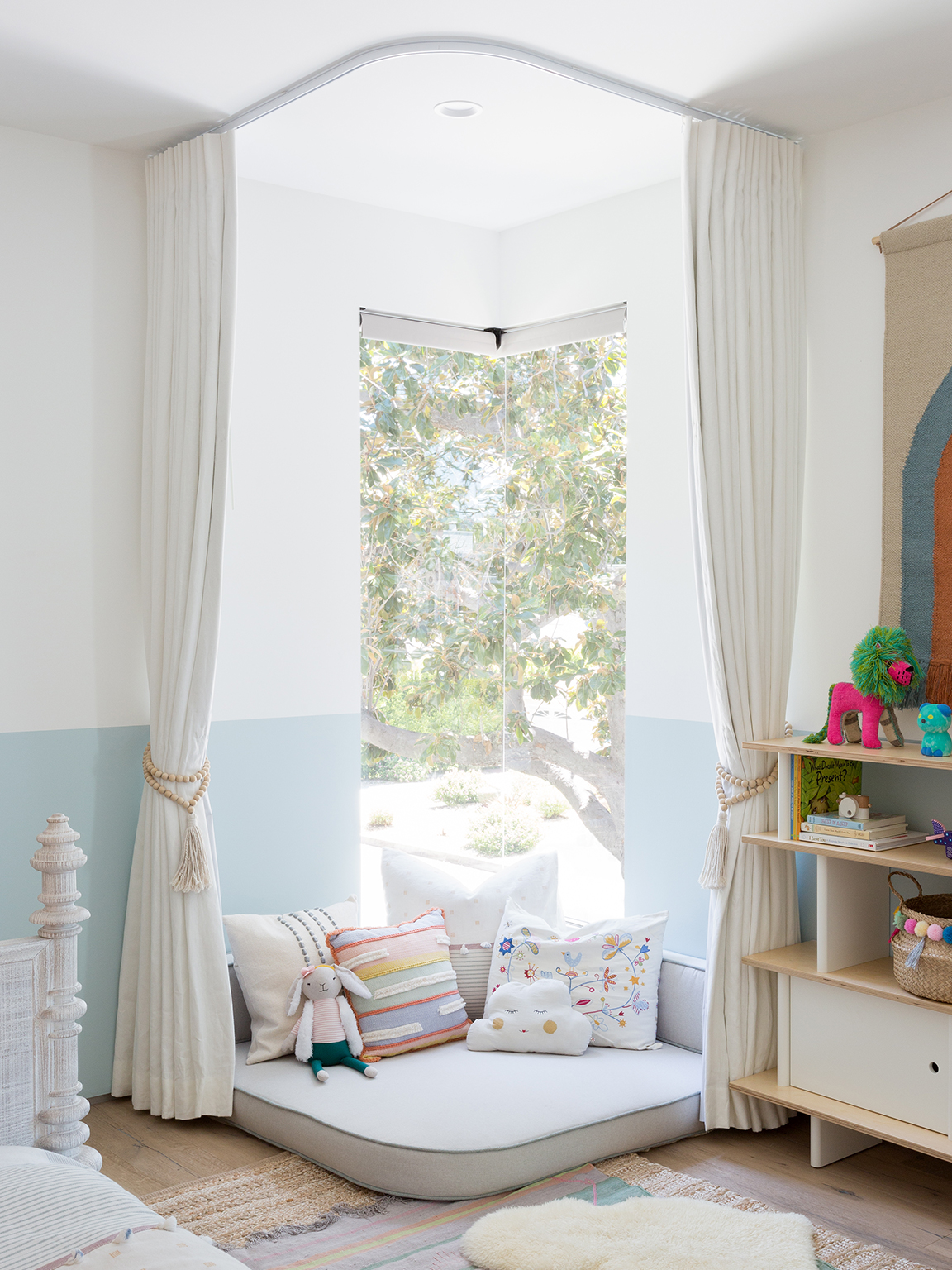
This Little Girl’s Bedroom Reading Nook Is So Cool, We Want One, Too
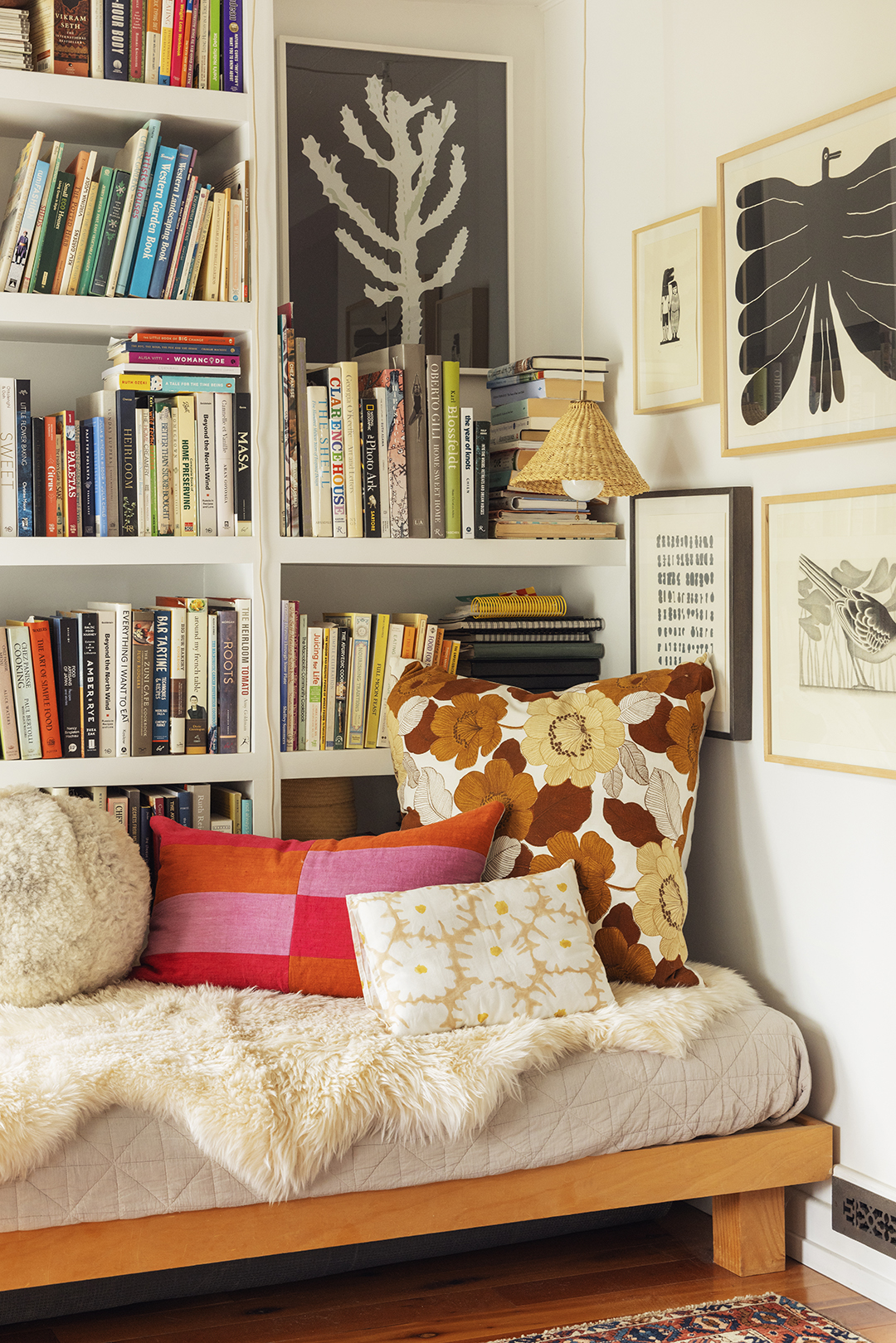
Searches for Reading Rooms Are Spiking—These Are the Best Ones We’ve Seen

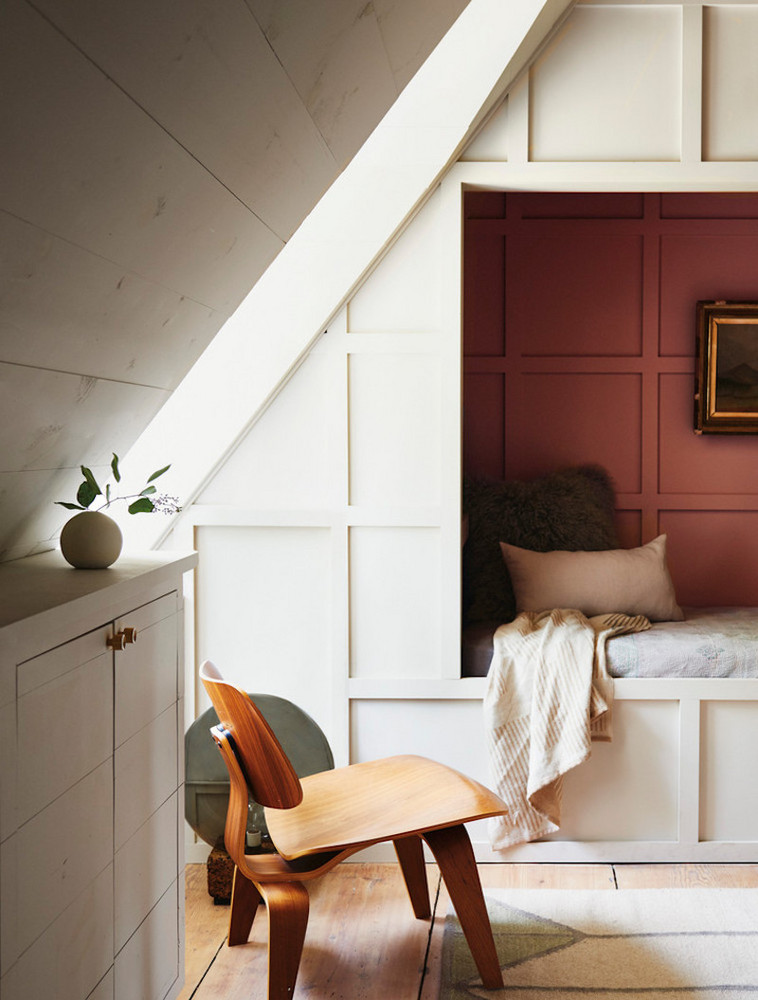
8 Book Nooks You’ll Want To Curl Up In Right Now
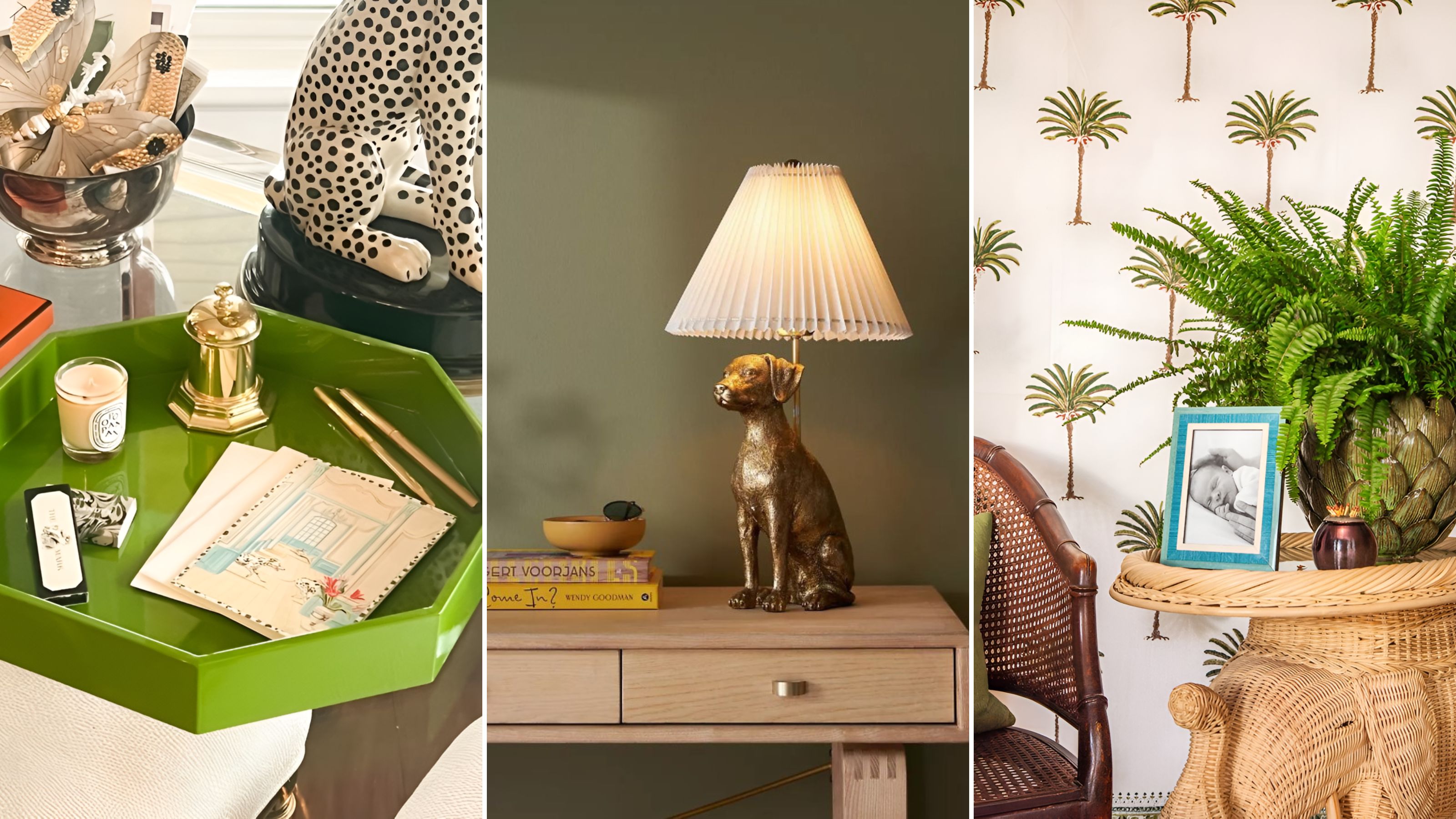
Small entryway table decor ideas — 5 quick ways to take this space from boring to beautiful
Small Room Ideas - Decorating Small Spaces
6 Clever Tips for Creating a Cozy Nook in Any Corner of Your Home, According to Designers