Organize Your Child's Closet With These Kid-Friendly Ideas
This article provides comprehensive ideas and tips for organizing kids' closets, focusing on creating functional, fun, and adaptable storage solutions that evolve with a child's growth. It emphasizes the importance of making closets easy for children to use and maintain, thereby fostering organizational habits from a young age.
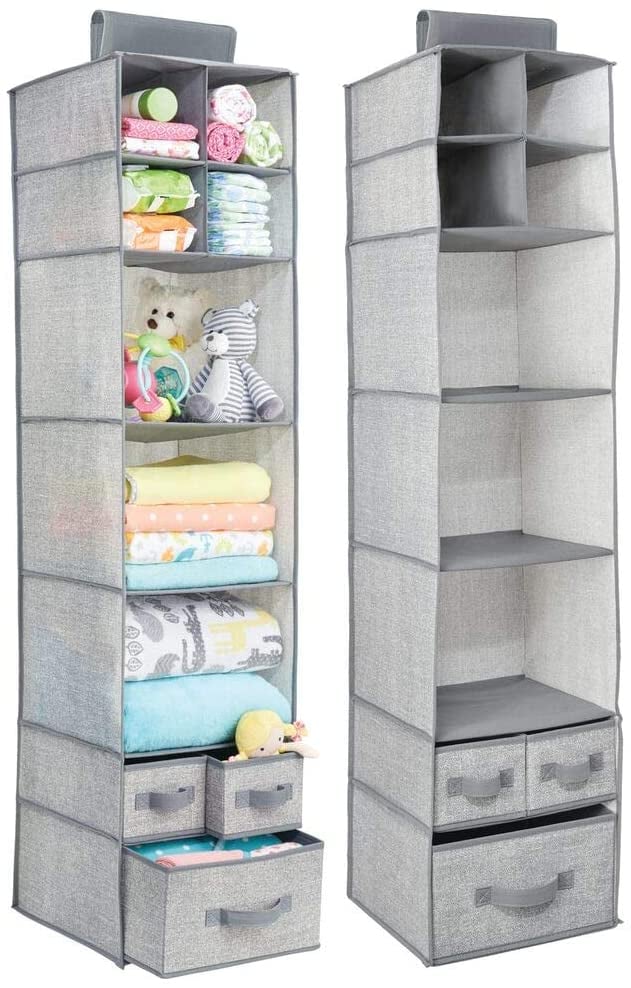
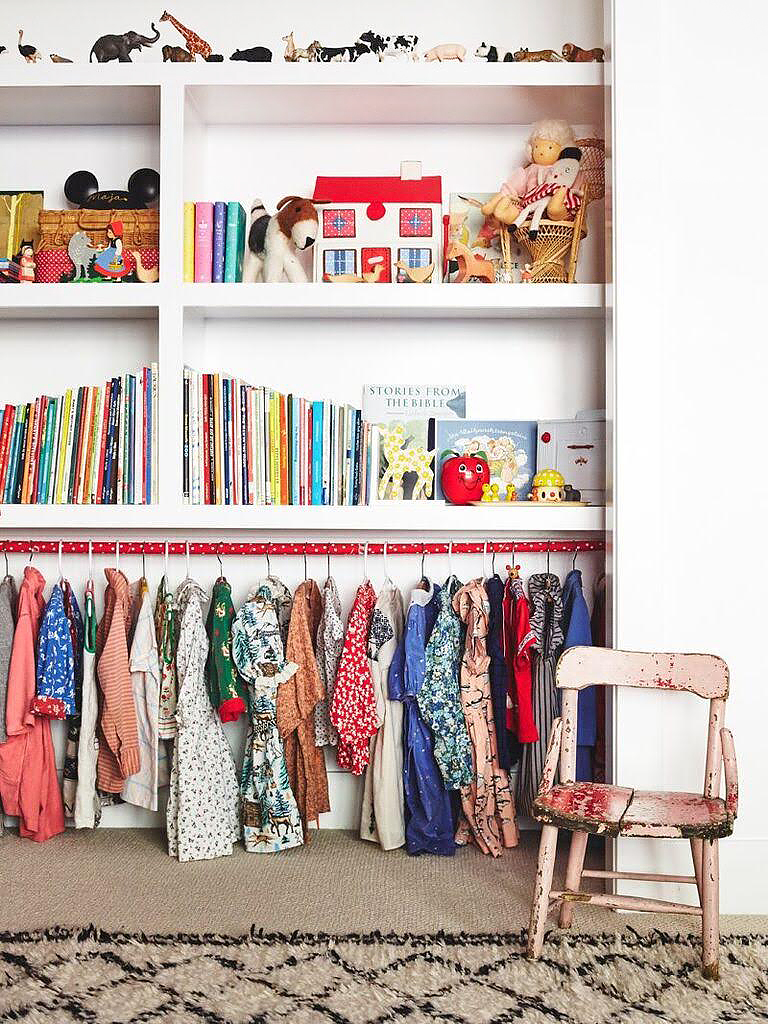
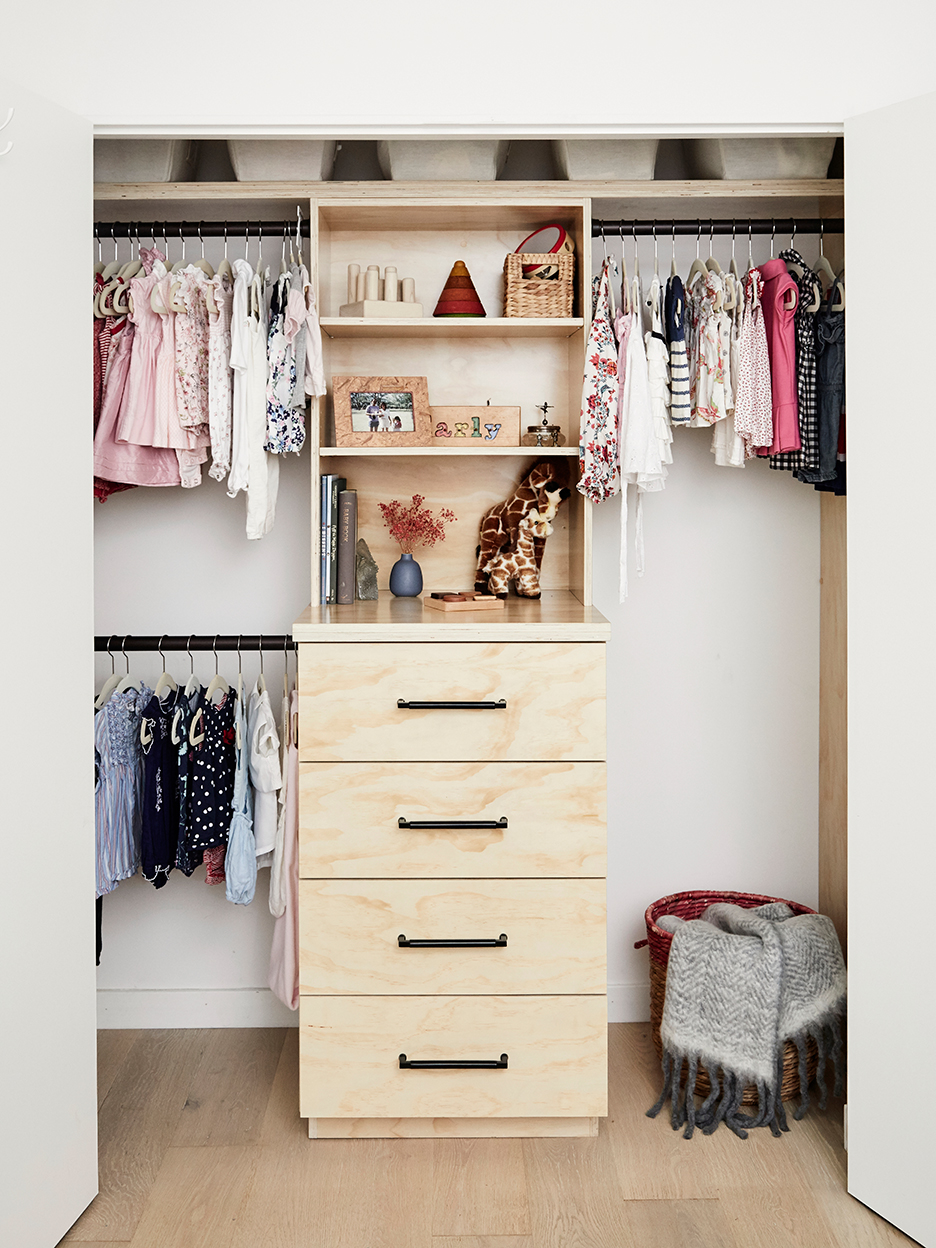
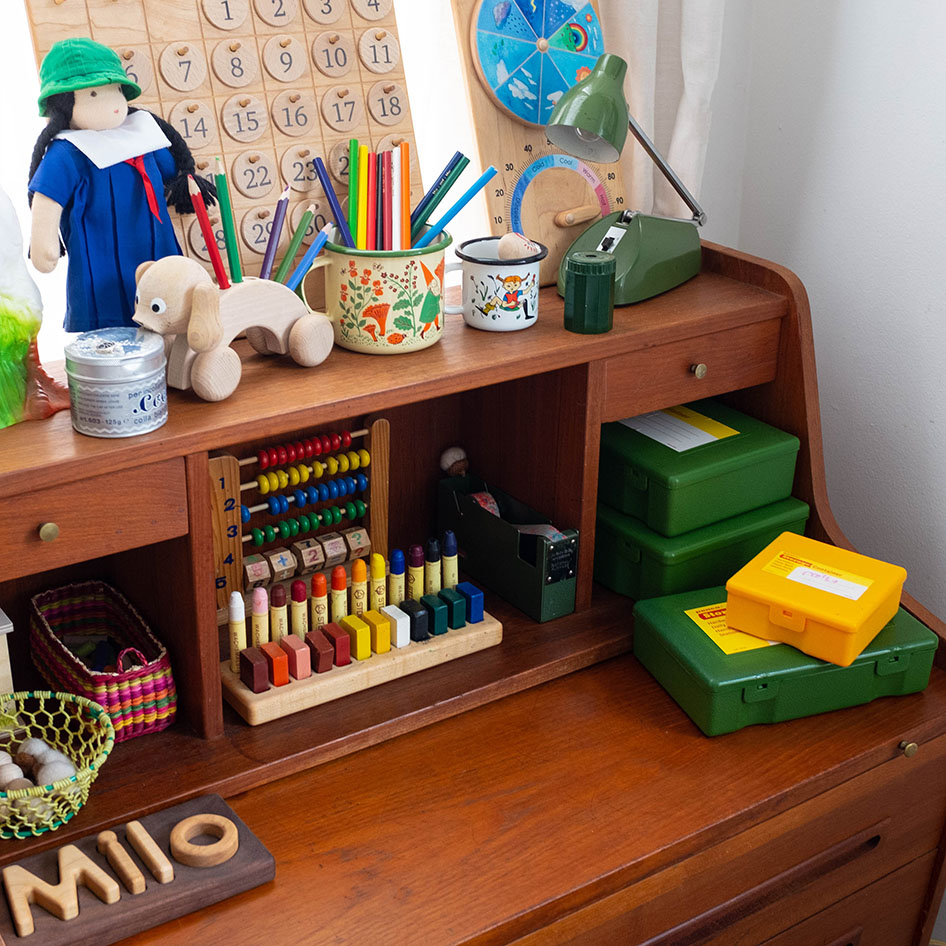
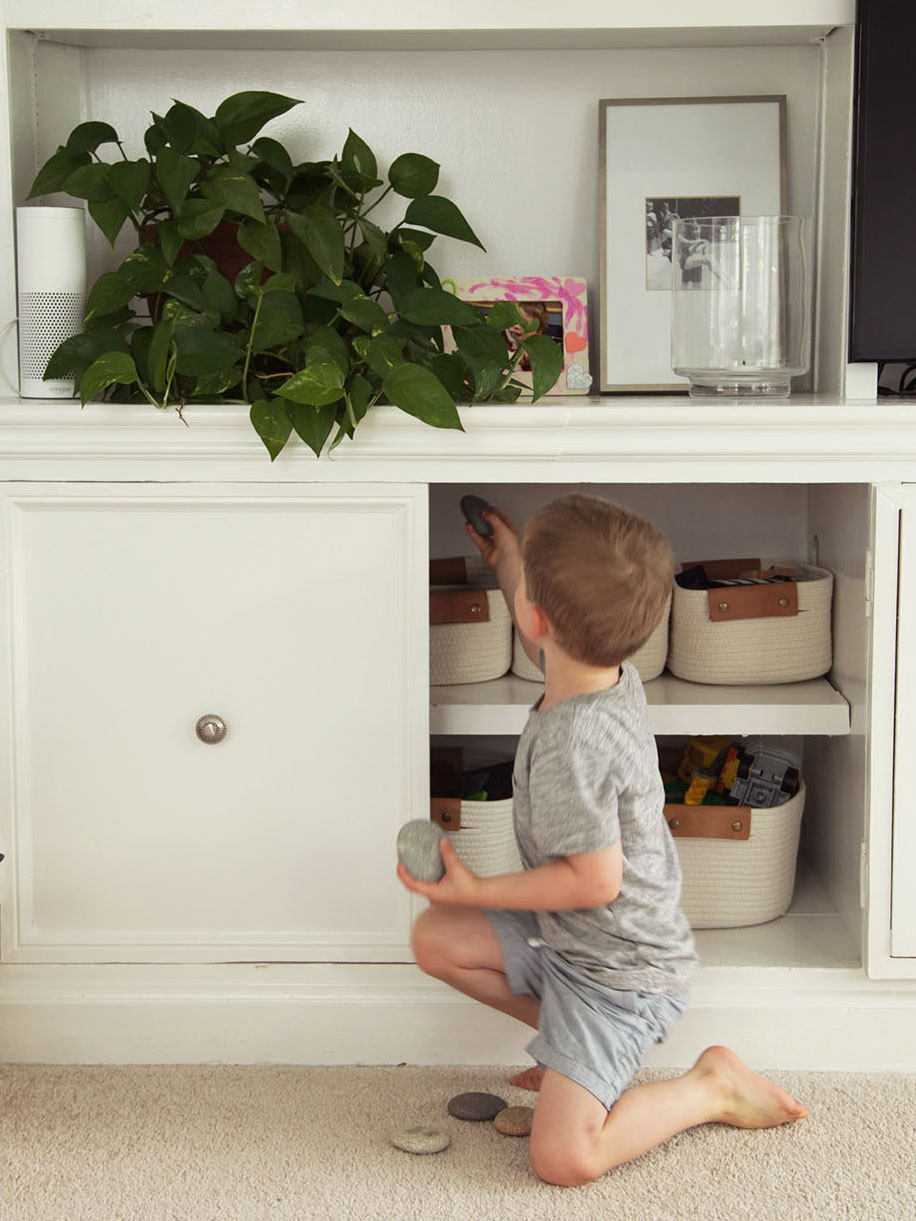
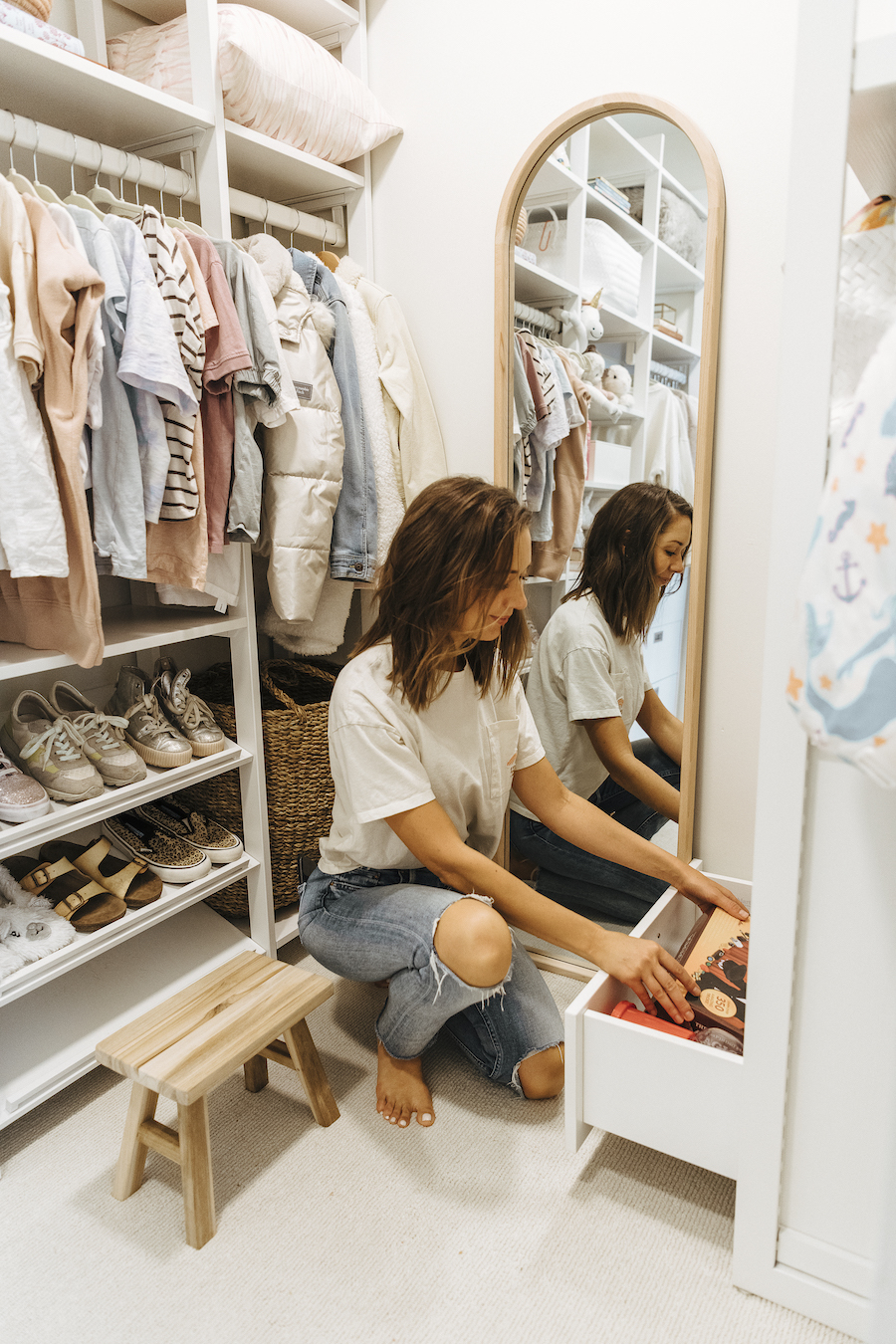
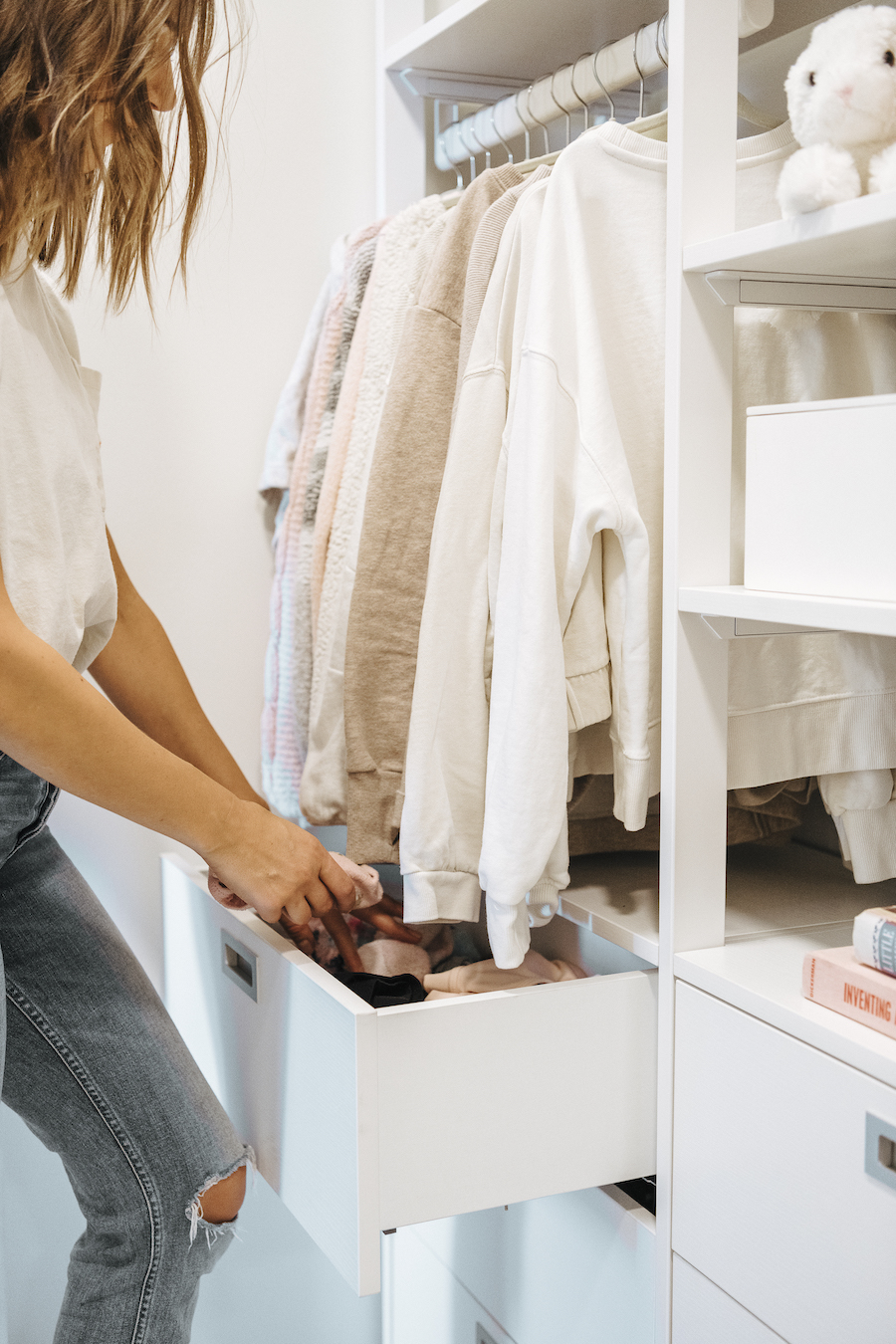
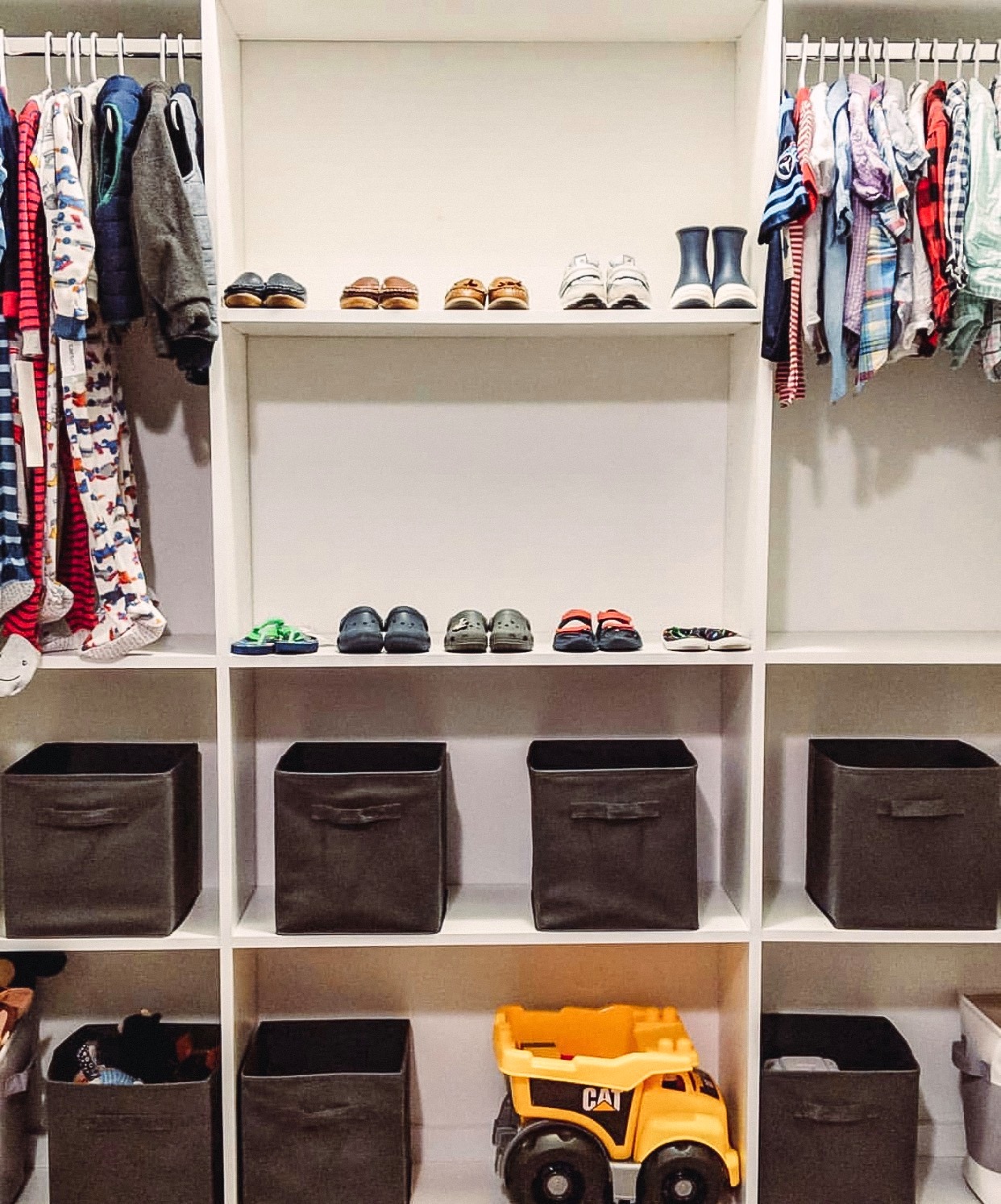
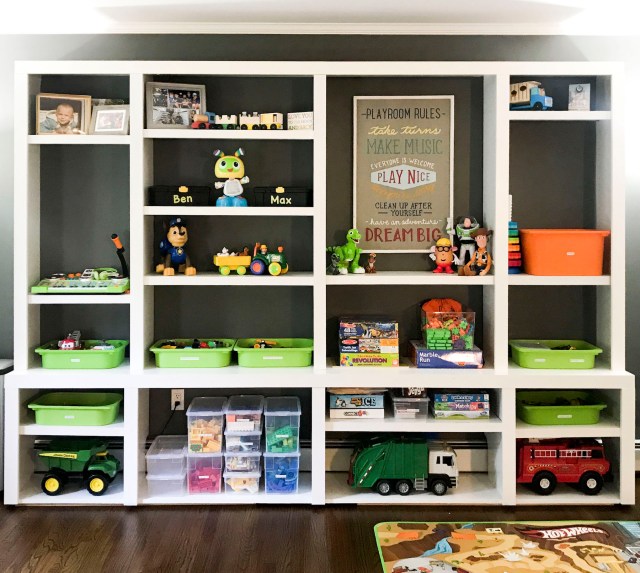
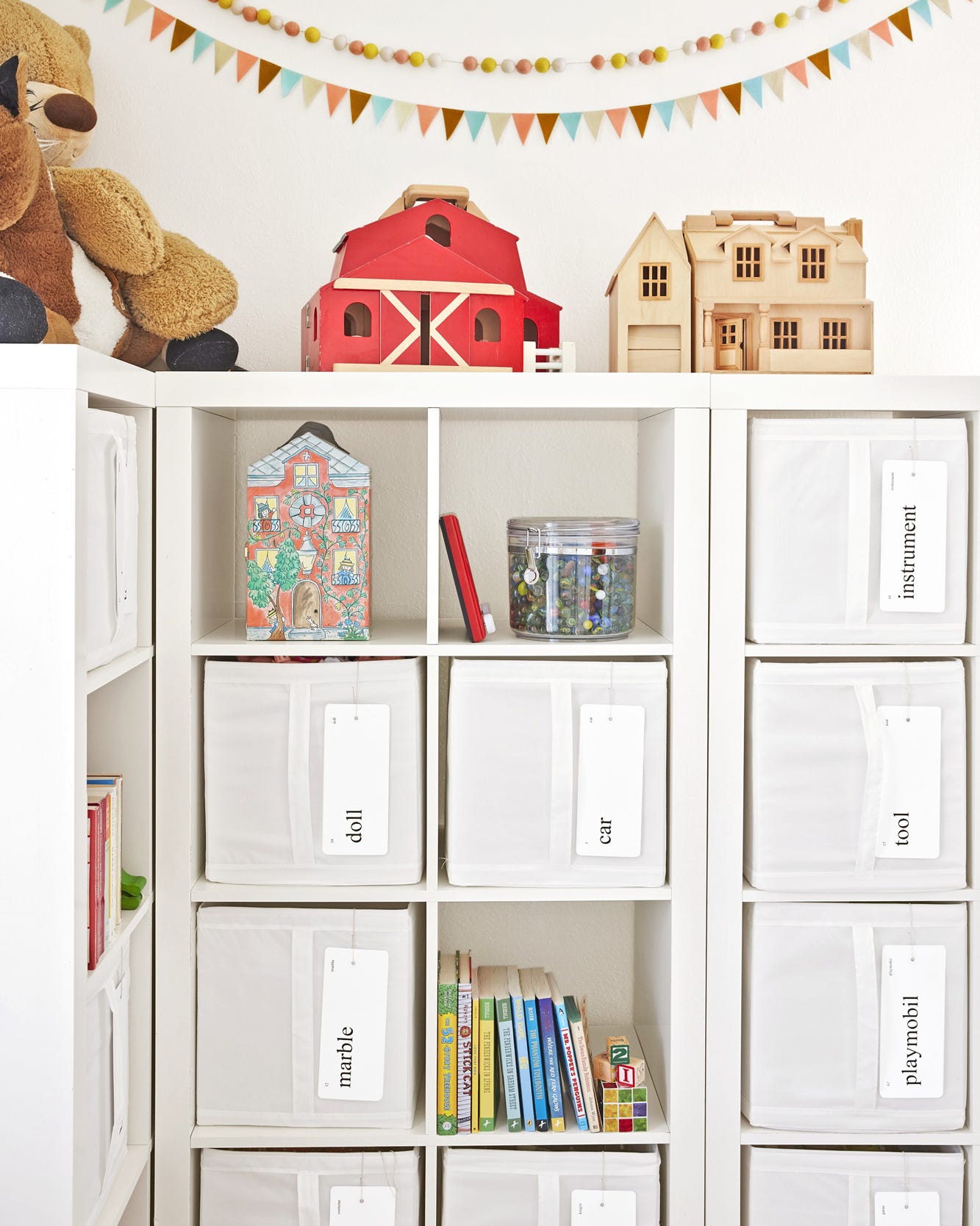
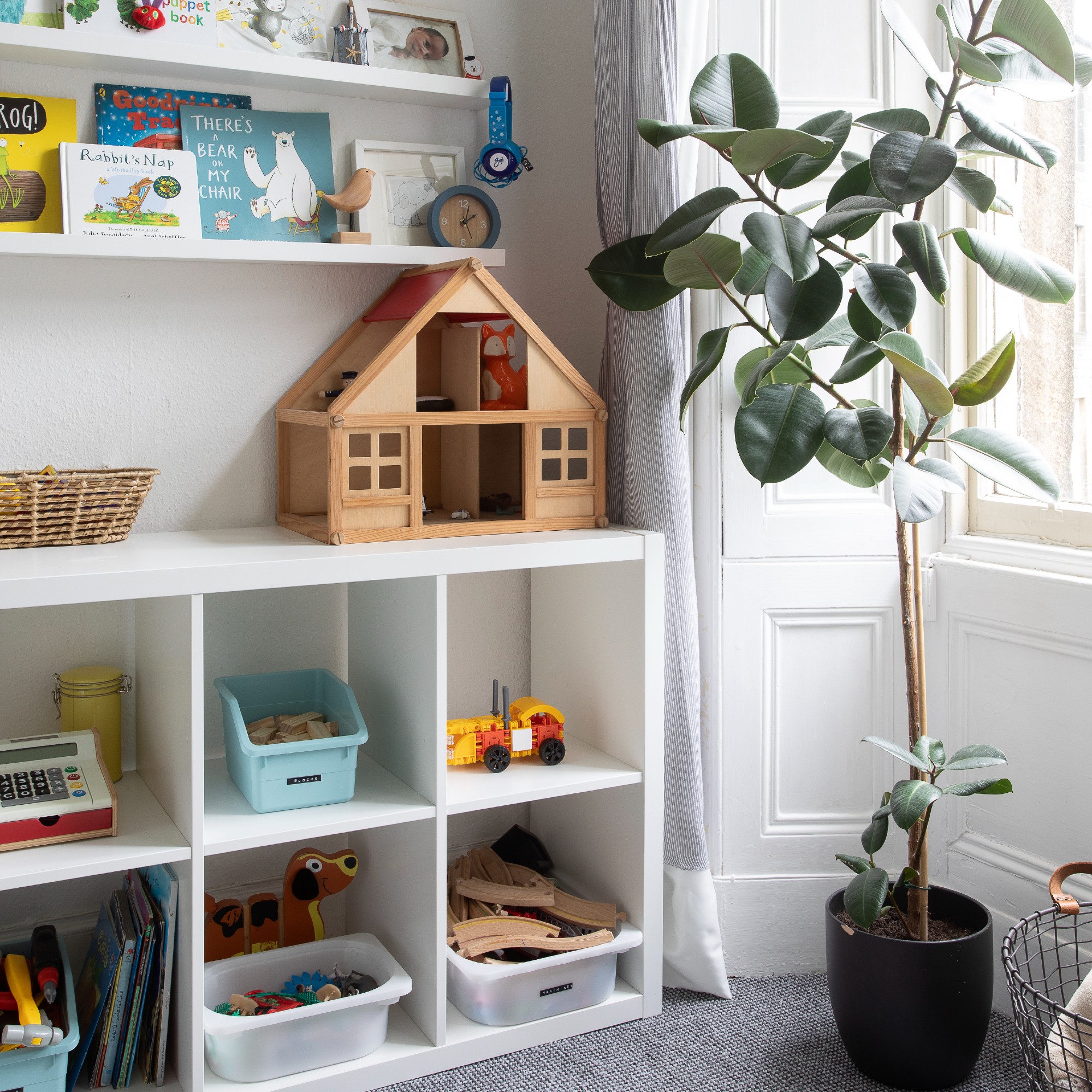
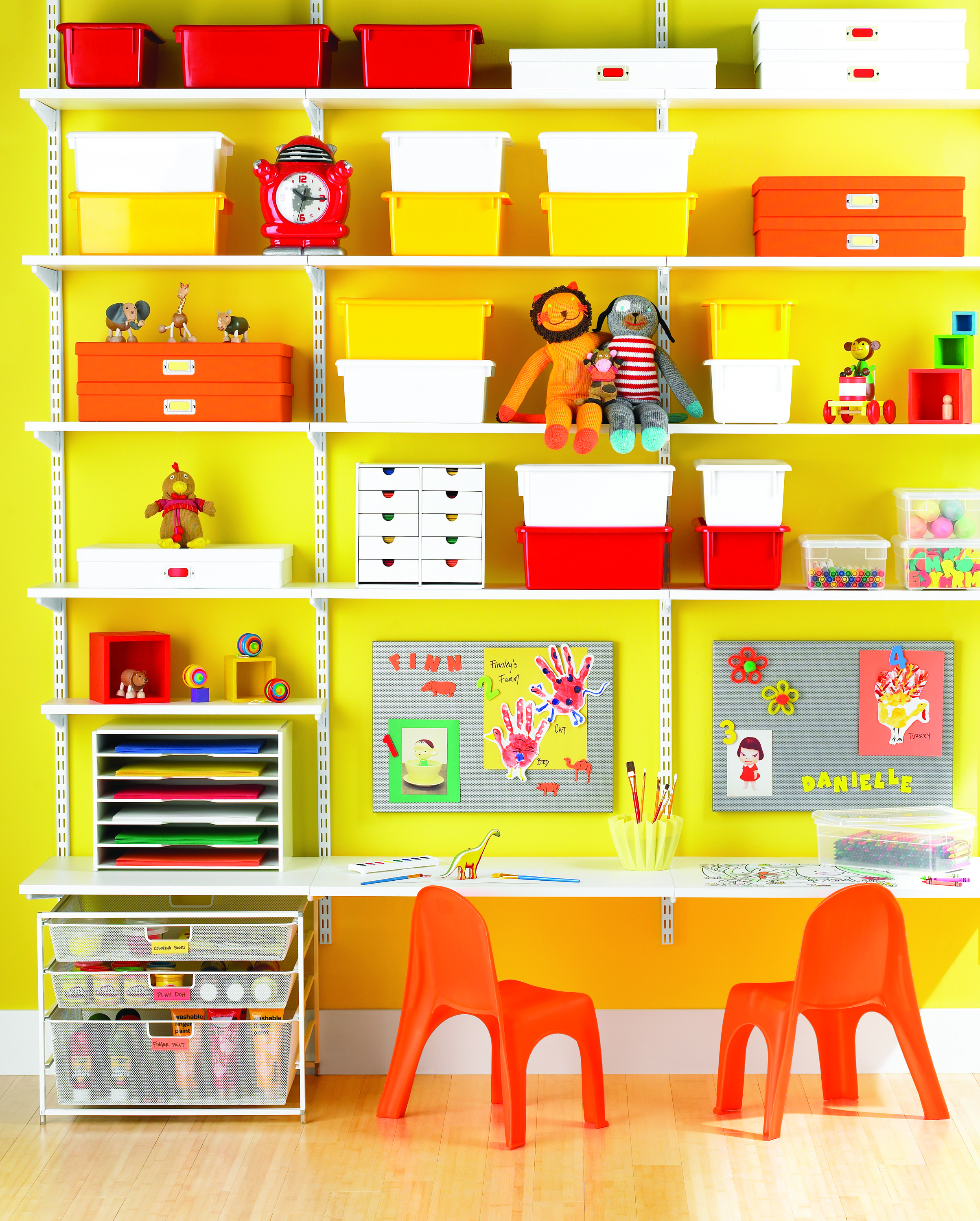
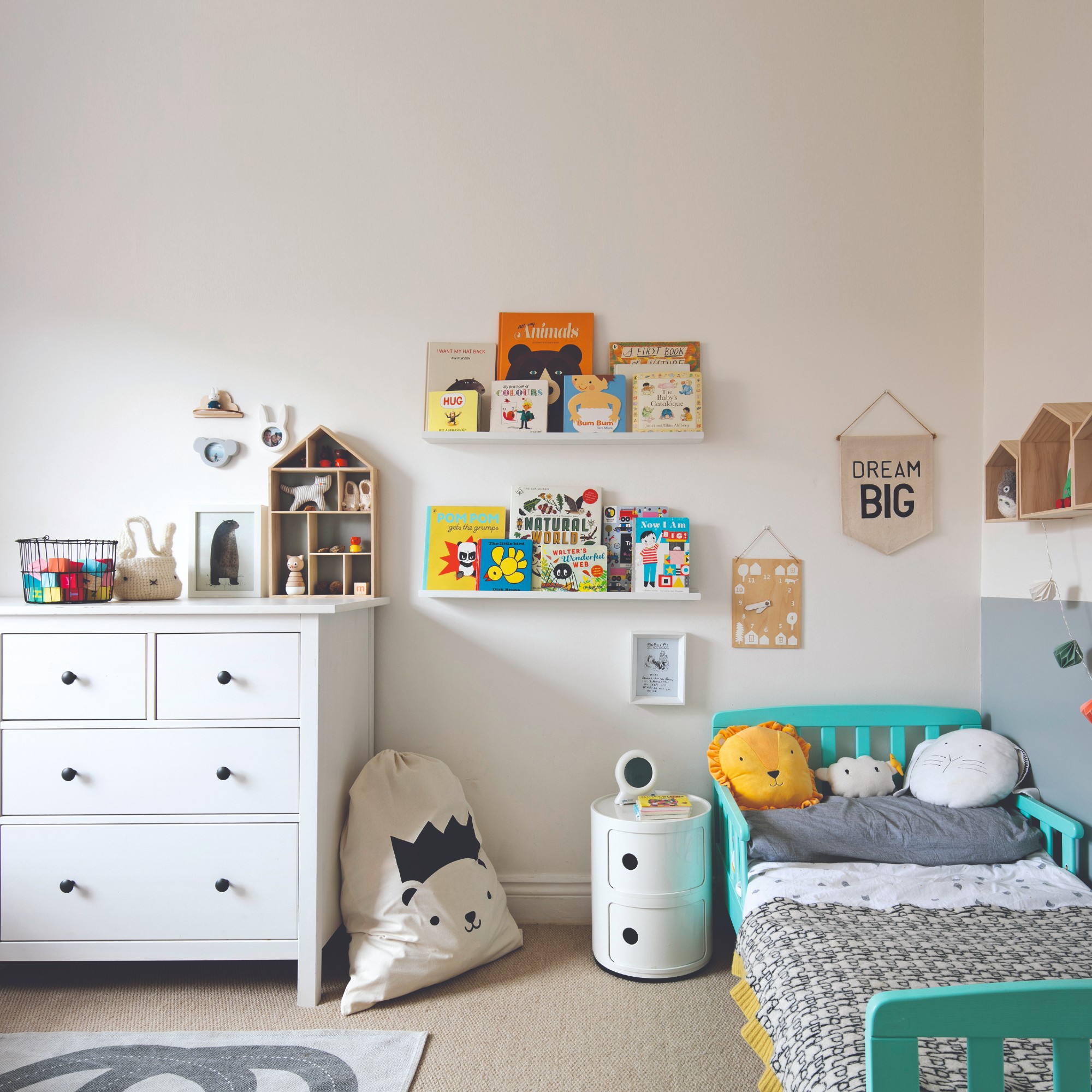
The article begins by highlighting general storage tips, suggesting the use of small drawers, cubbies, and bins to allow children quick access to their belongings and facilitate tidiness. It recommends keeping clothes in shallow stacks and placing toys and books on easily reachable open shelves. For safety, adult-only items should be stored out of children's reach.
For shared closets, the article suggests symmetrical layouts to give each child their own distinct space, utilizing racks on either side of a central unit. Bold labels are advised to avoid confusion and clearly mark ownership of drawers. A key tip for hanging rods is to choose adjustable ones that can be repositioned as the child grows.
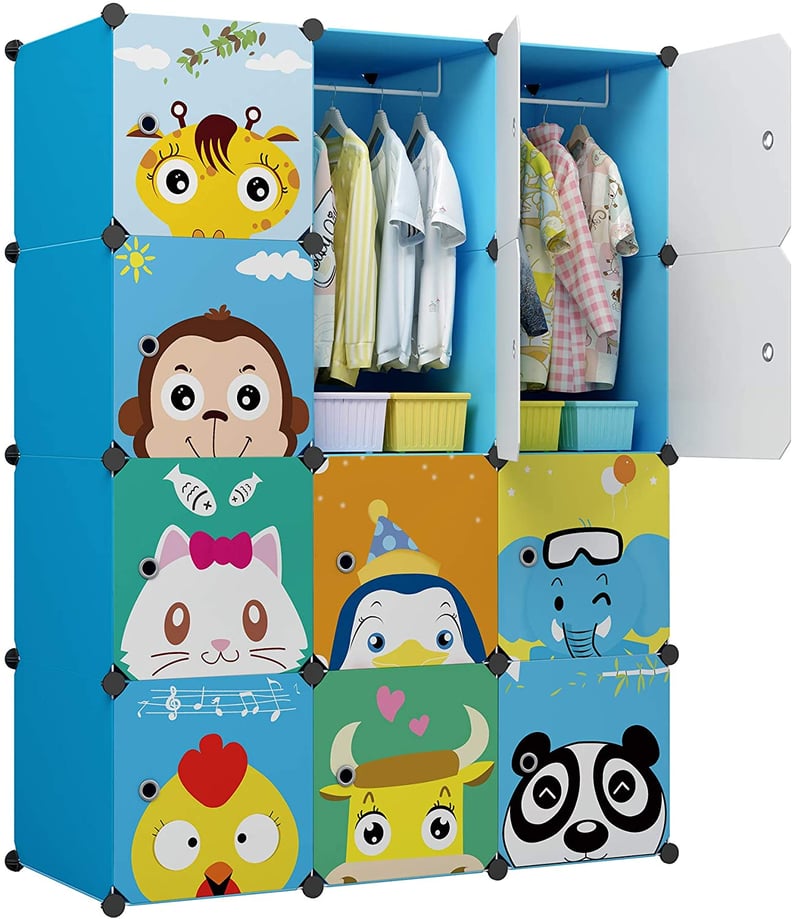
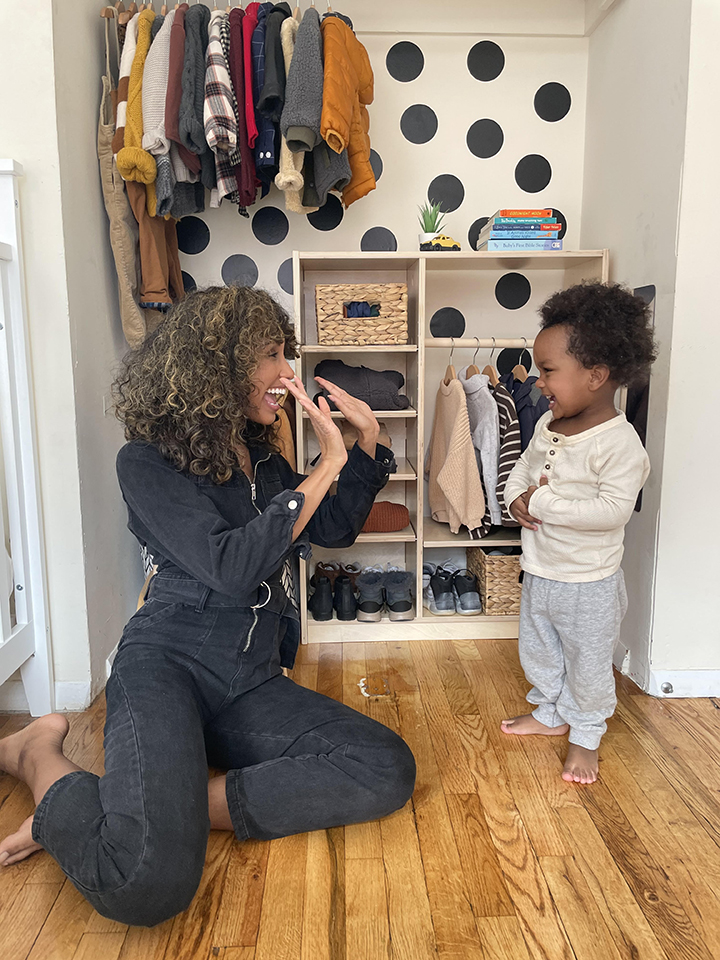
Maximizing storage space is another focus, particularly for toddlers who cannot reach high. Upper closet areas can be used for adult-accessed items, while two staggered rods can optimize vertical space. Ready-to-assemble storage cubes with cubbies, drawers, and shelves are recommended for toddler belongings, arranged in the lower part of the closet, with quarter-round molding adding a decorative touch.
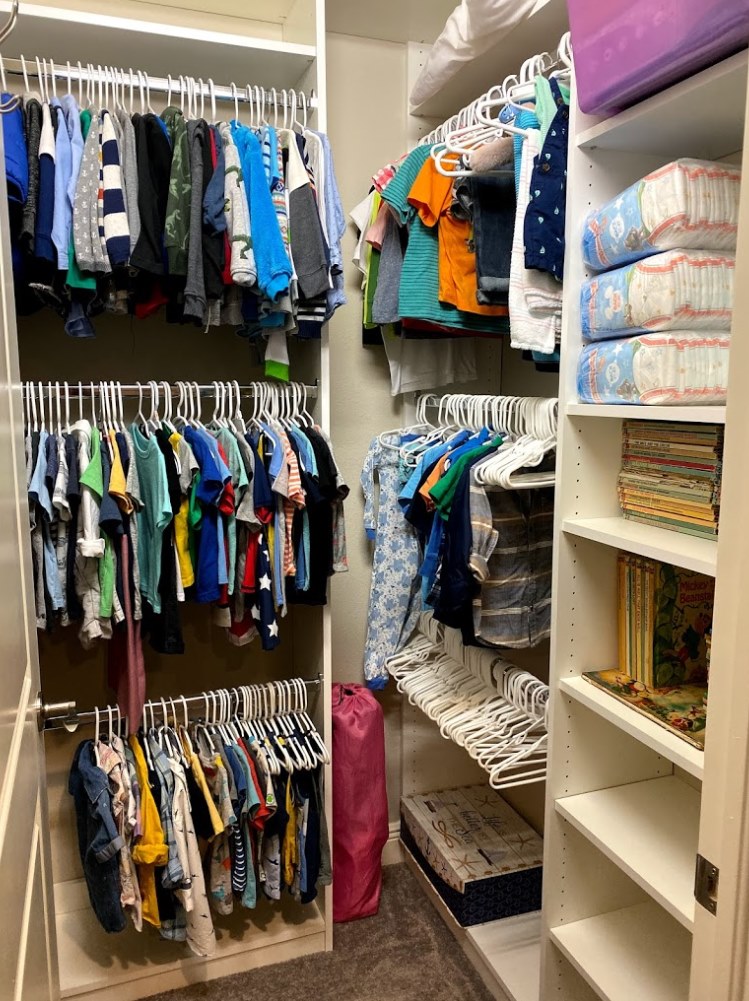
The article advocates for storage solutions that grow with the child, such as wire closet organizers with adjustable components. These systems can accommodate larger clothing and accessories over time, and extra hanging space can be created by repurposing slide-out drawer units. Specialty features like shoe shelves and hanging baskets can be added as needed.
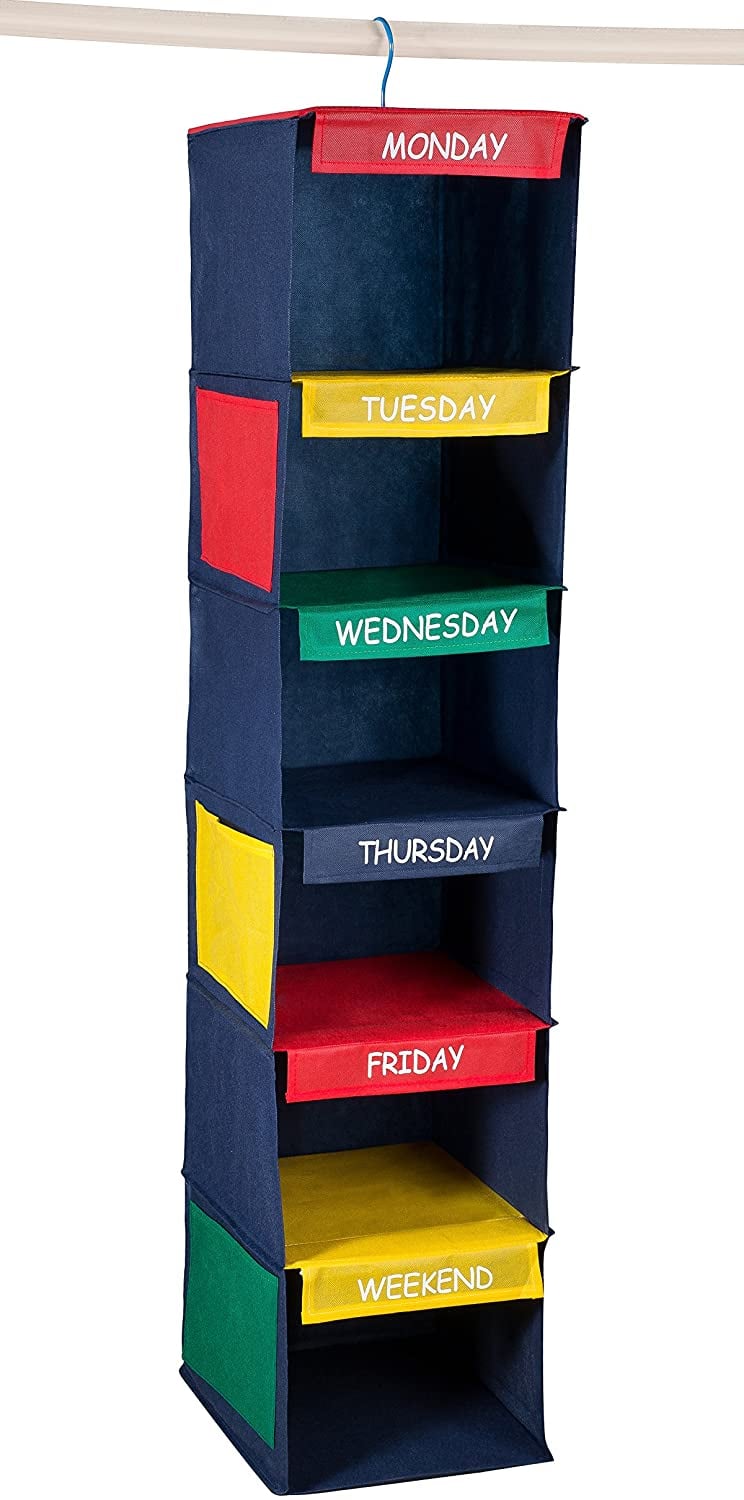
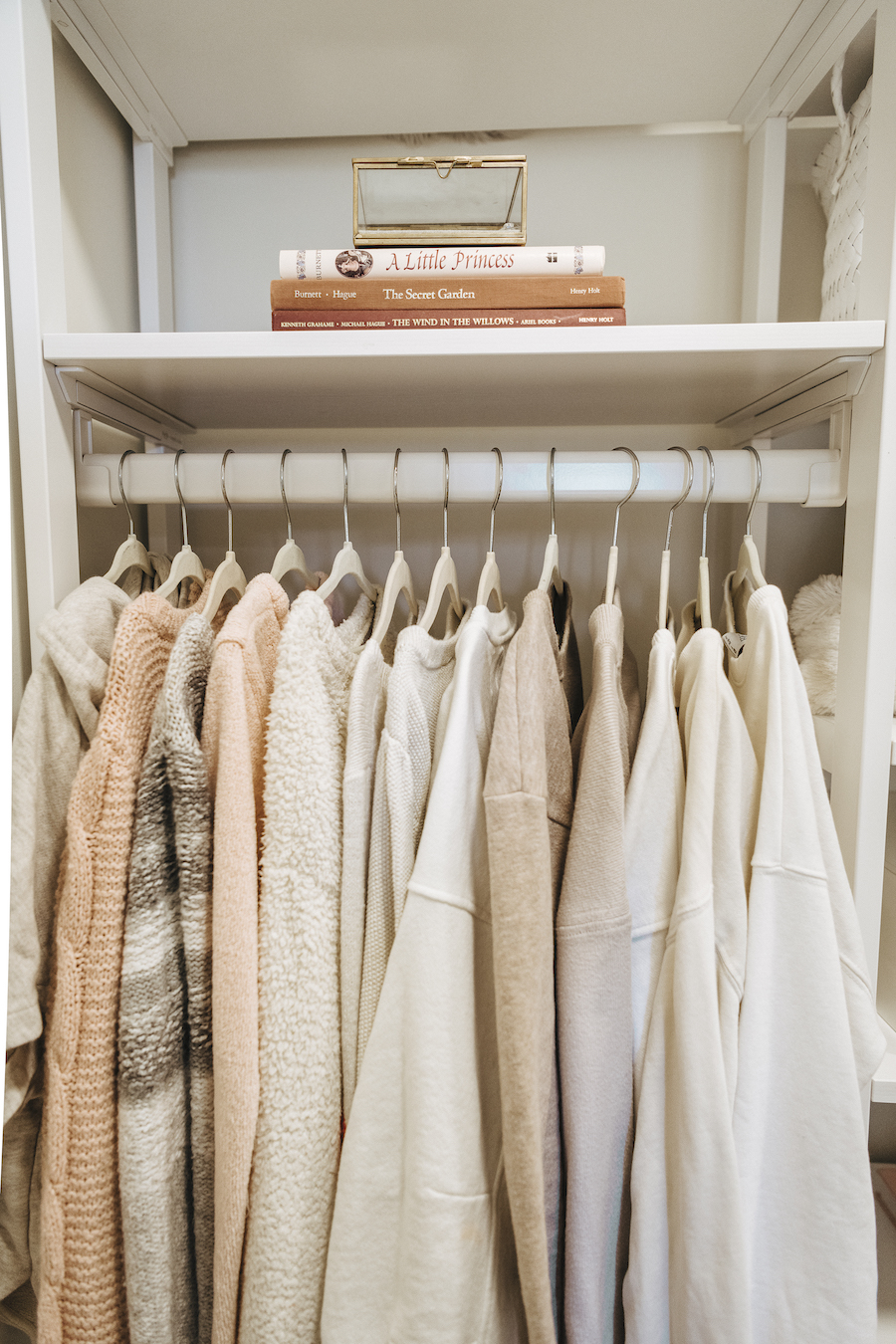
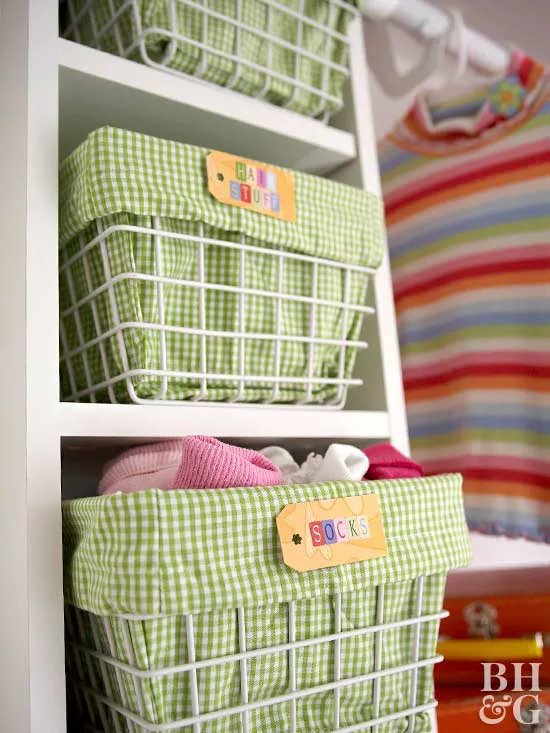
To promote organization, the article suggests labeling clothing types and accessories, and using color-coordinated containers. This approach helps children learn to distinguish items and understand the value of organization, allowing for personalization with their favorite colors. Store-bought organizers are an option, or DIY solutions can be made with craft supplies.
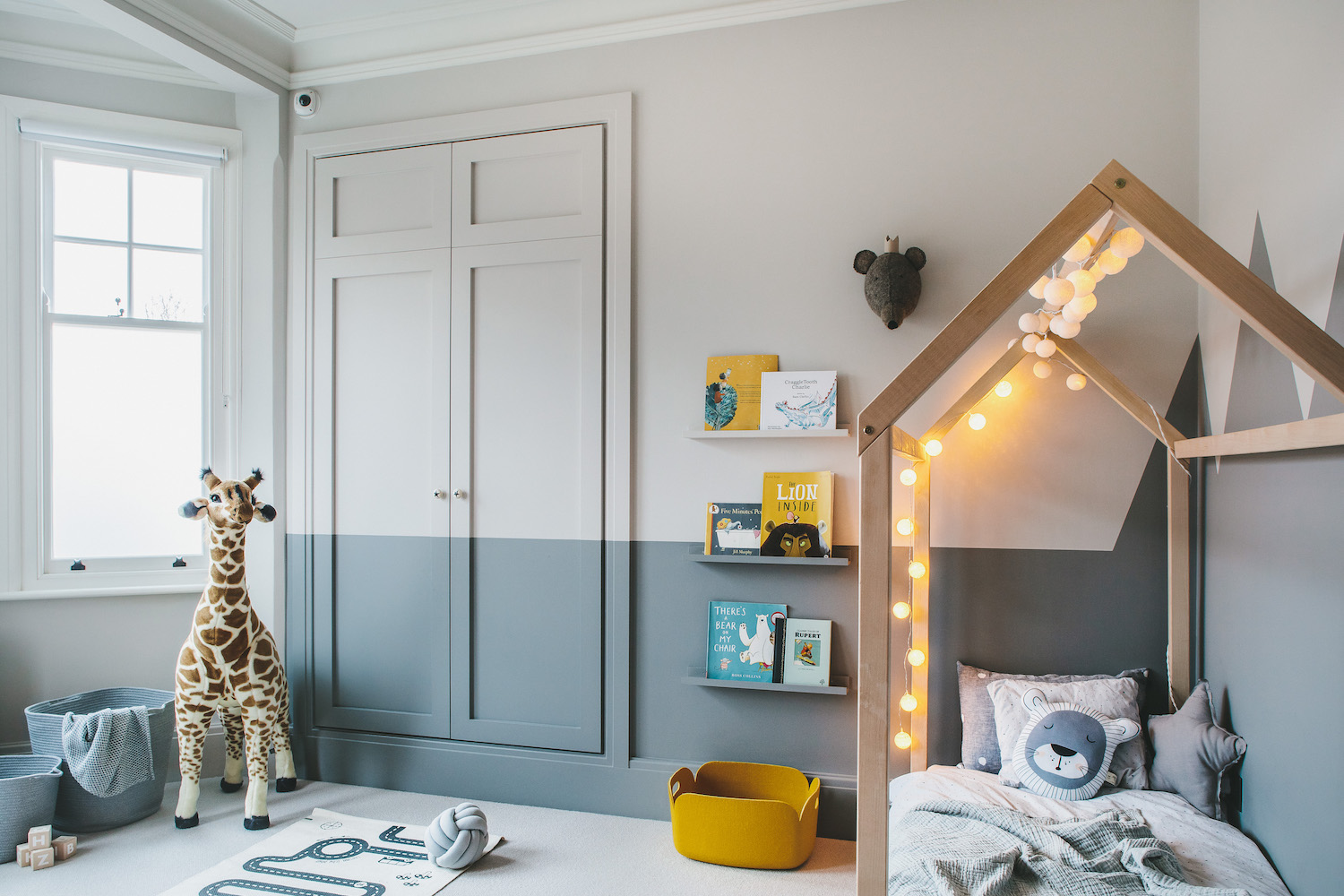
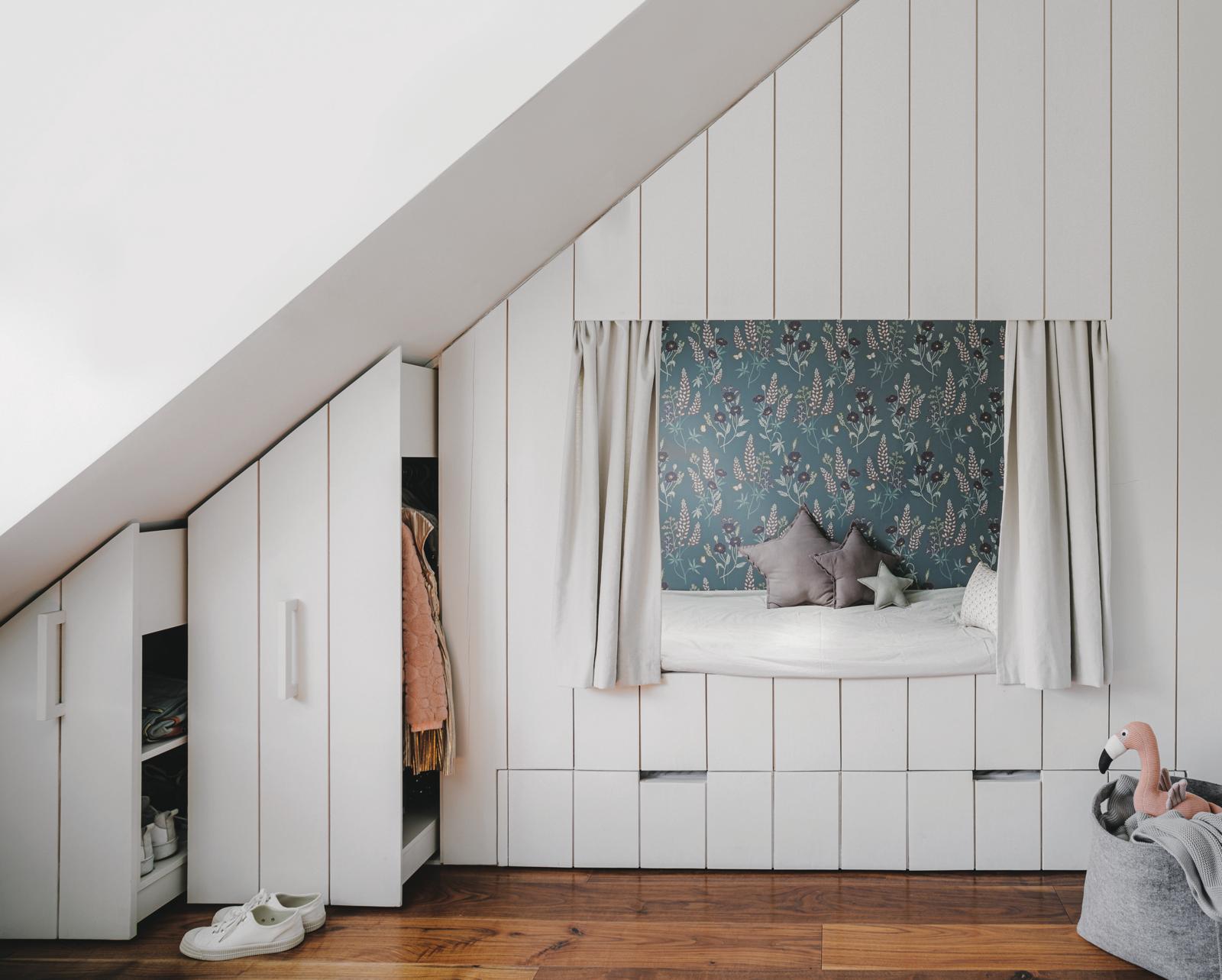
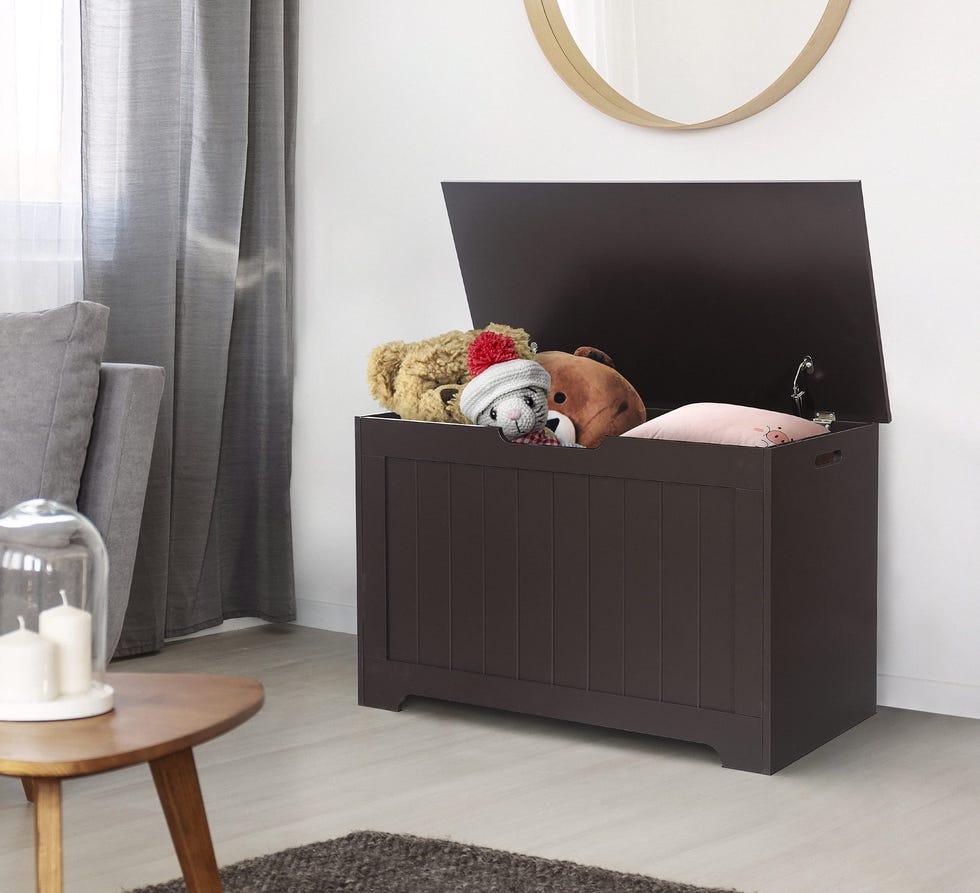
Custom closet ideas include replacing standard bifold doors with tempered-glass windowpanes enhanced with colorful fabric. Inside, a bench can be incorporated for sitting while putting on shoes, surrounded by drawer and cubby storage. A built-in look can be achieved without extensive construction by placing a cushion-topped toy or blanket chest between tall, narrow shelves or modular storage cubes.
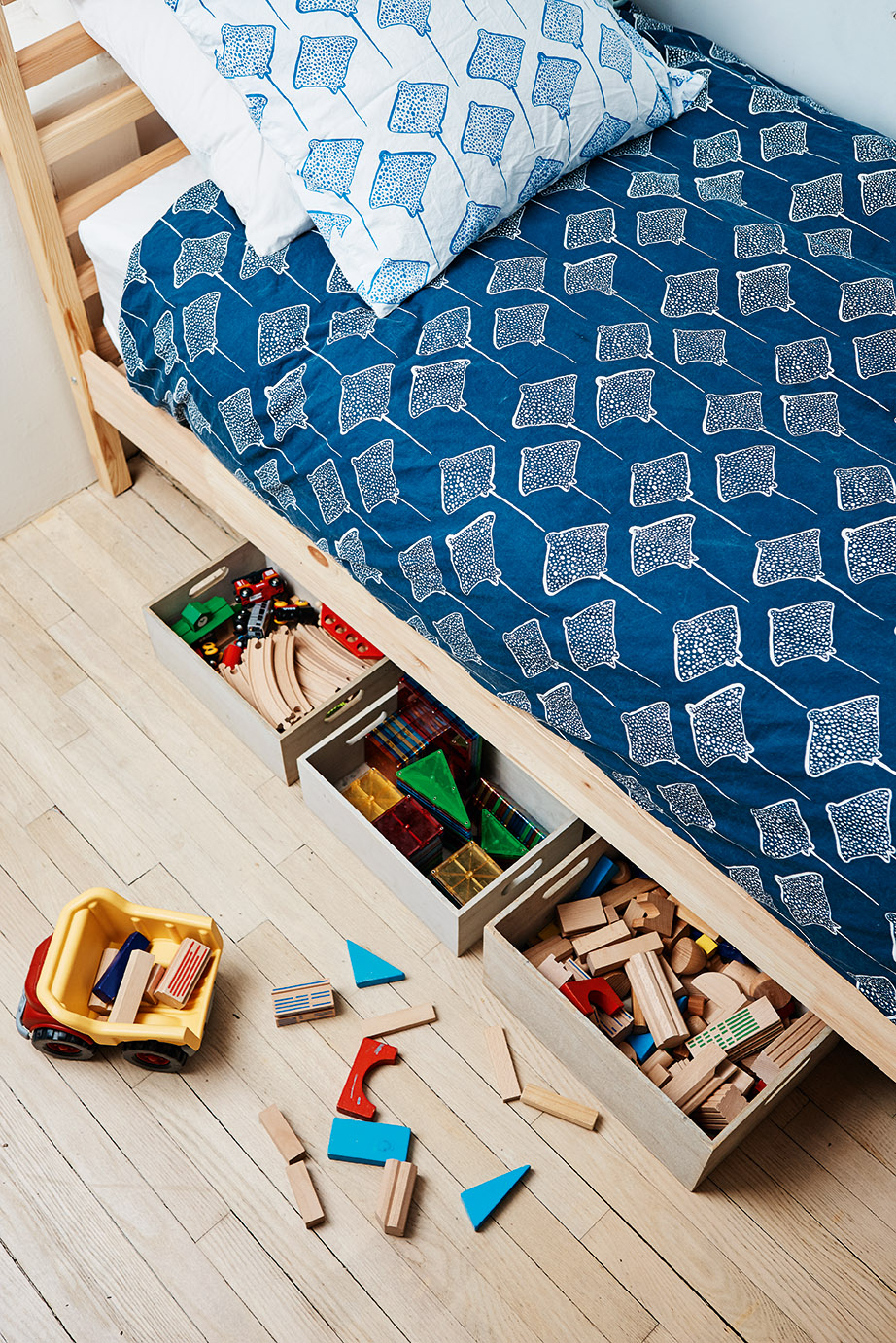
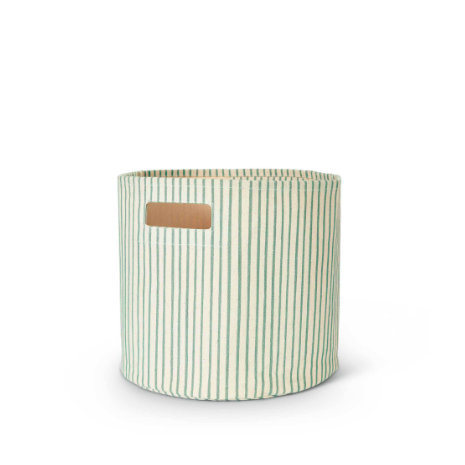
Stylish closet designs can incorporate bins and baskets for items not suitable for hangers or drawers, such as socks, underwear, and keepsakes. Lidless baskets are recommended for ease of use, encouraging children to put away items.
Involving children in the organization process is crucial. Allowing them to decide how to sort their items or choose dividers can increase their willingness to maintain a tidy space. Older children can be encouraged to decorate their closets.
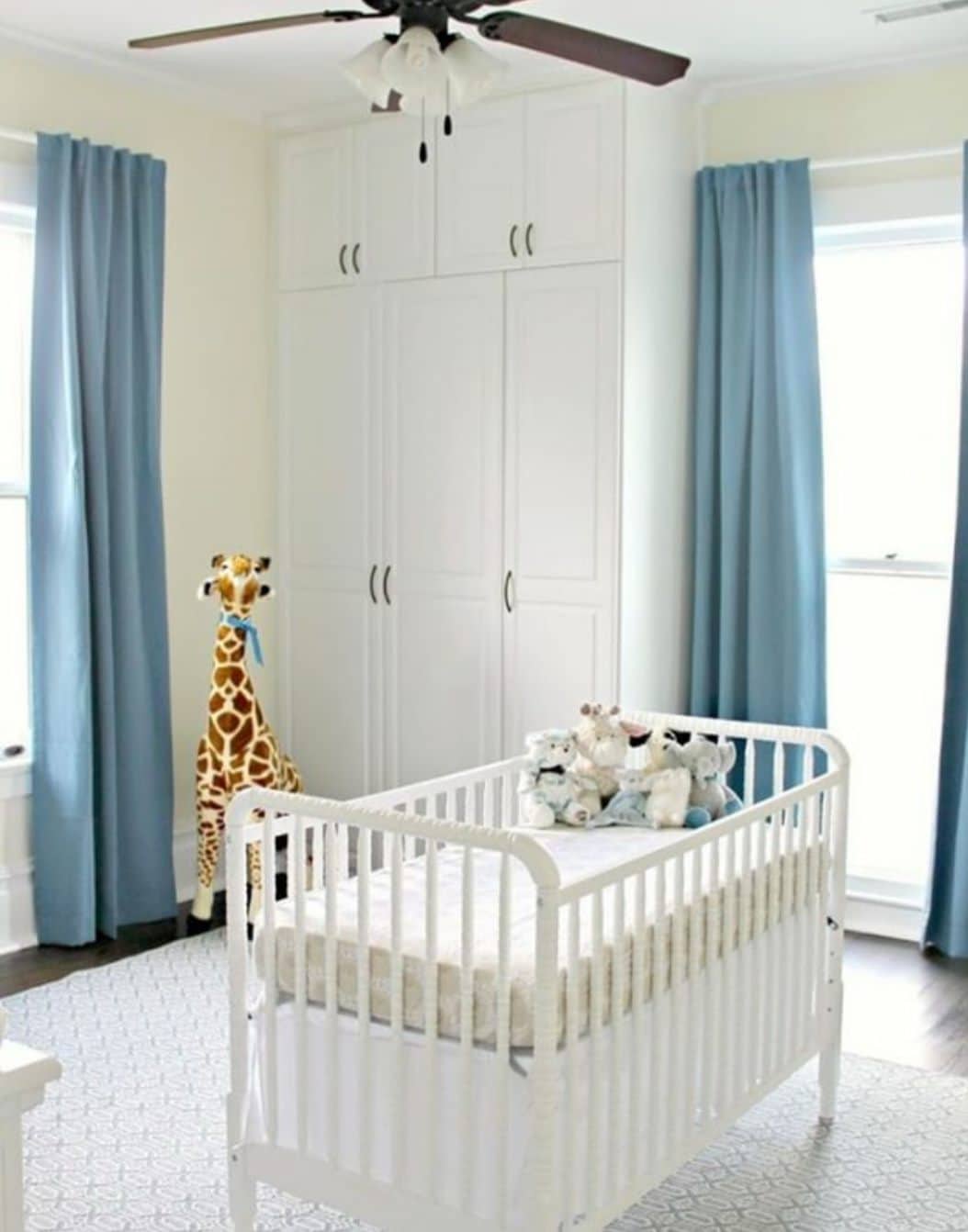
Creative alternatives to traditional closet doors are presented, such as removing doors and installing decorative curtains. This method can make a room appear larger, especially if the curtain extends from the top of the wall to the floor.
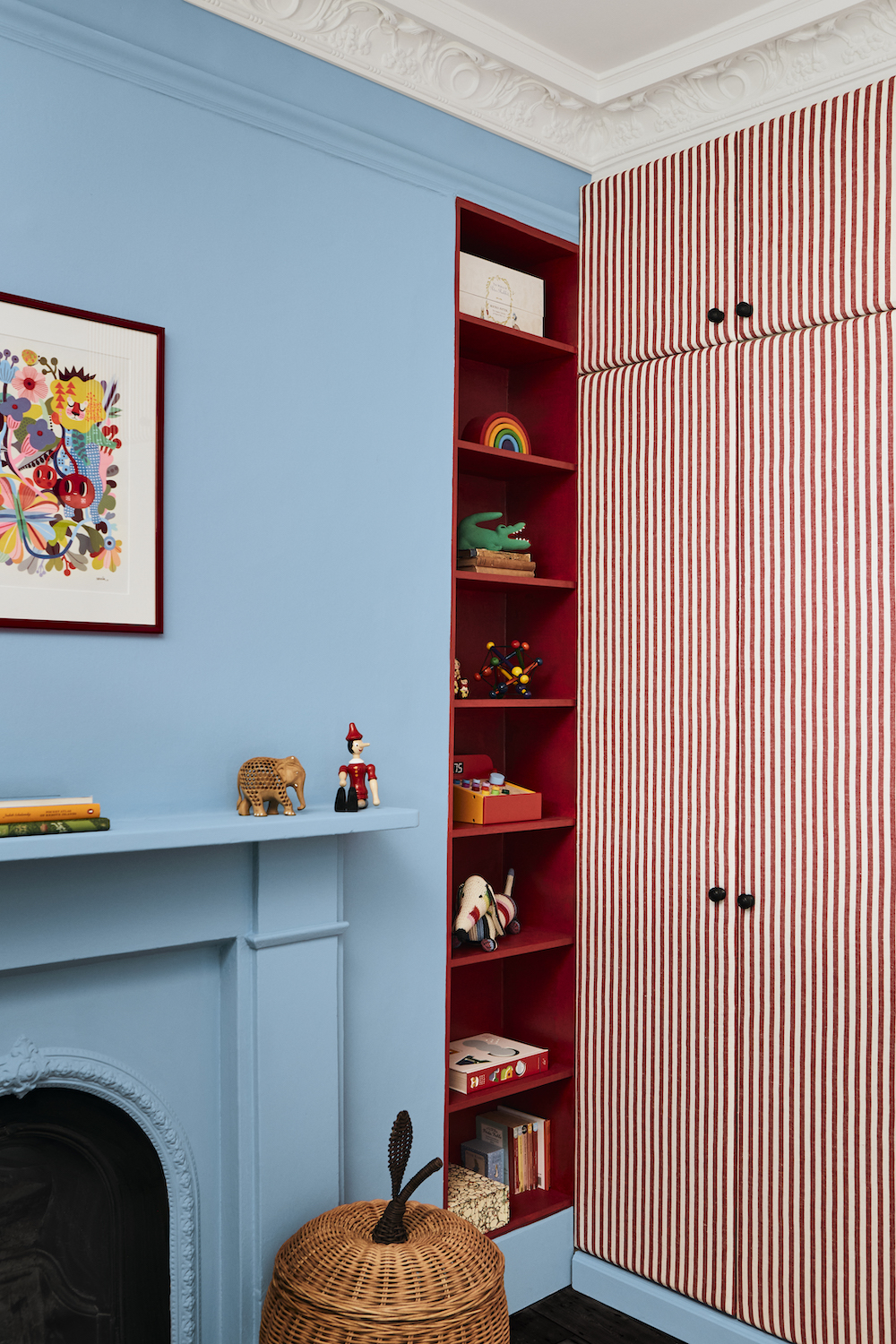
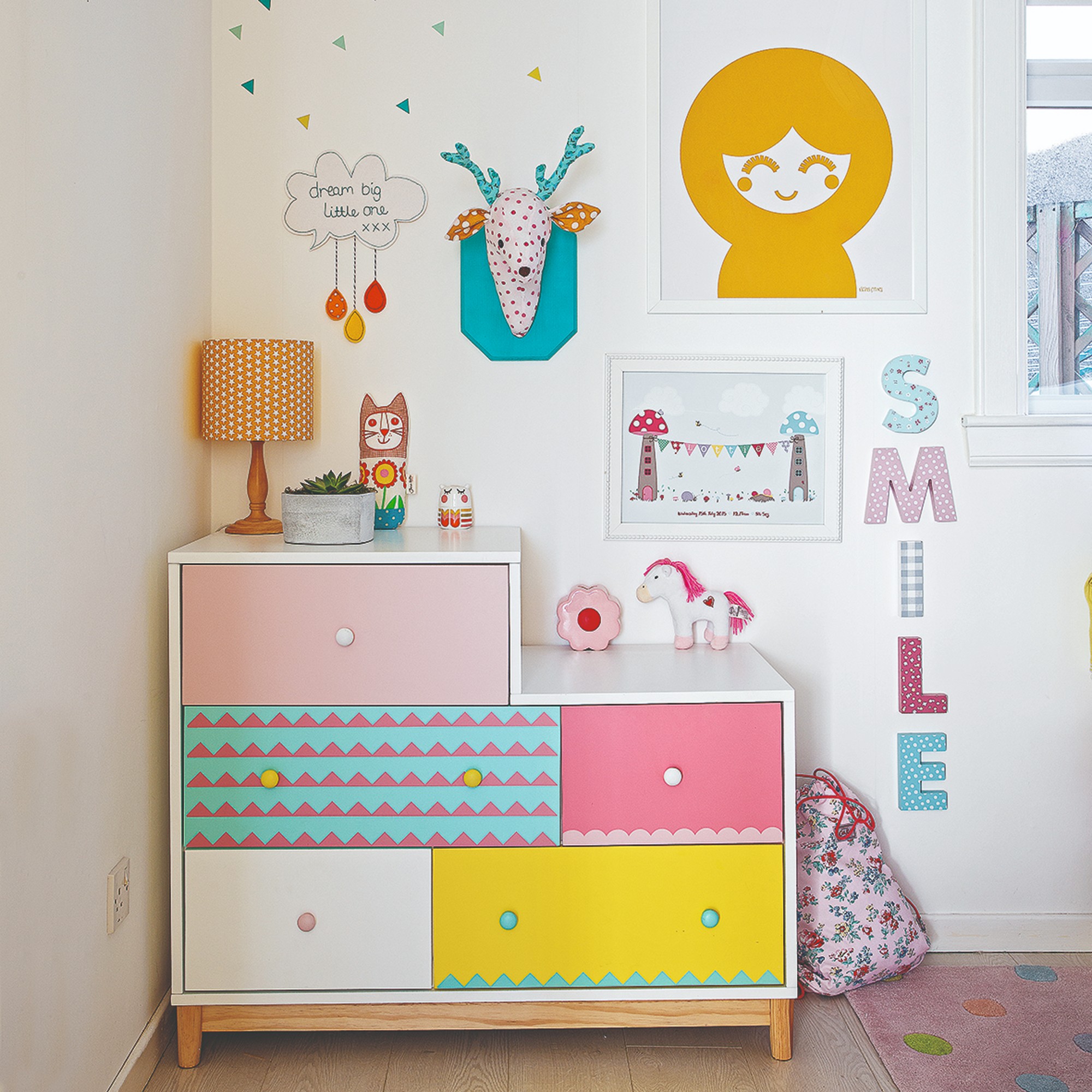
The article also suggests making storage units a focal point by painting armoires or dressers in vibrant colors. Easy-to-grasp drawer pulls, decorated boxes for out-of-season items, and tension rods for wrinkle-free hanging are practical additions.
For standard closets, the article advises simple tweaks to cut clutter, such as using existing high rods for out-of-season clothes and adding a second lower rod for everyday items. Floor space can be utilized for shoes, toys, and laundry hampers.
Planning is essential, which includes purging outgrown items and creating a design tailored to the child's accessibility needs. Modular systems offer versatility and can be adjusted over time, with low rods removable for longer clothes and high shelves transitioning to everyday storage. Keeping storage easy with accessible organizers for shoes, hats, and personal items like socks and underwear in oversized baskets is emphasized.
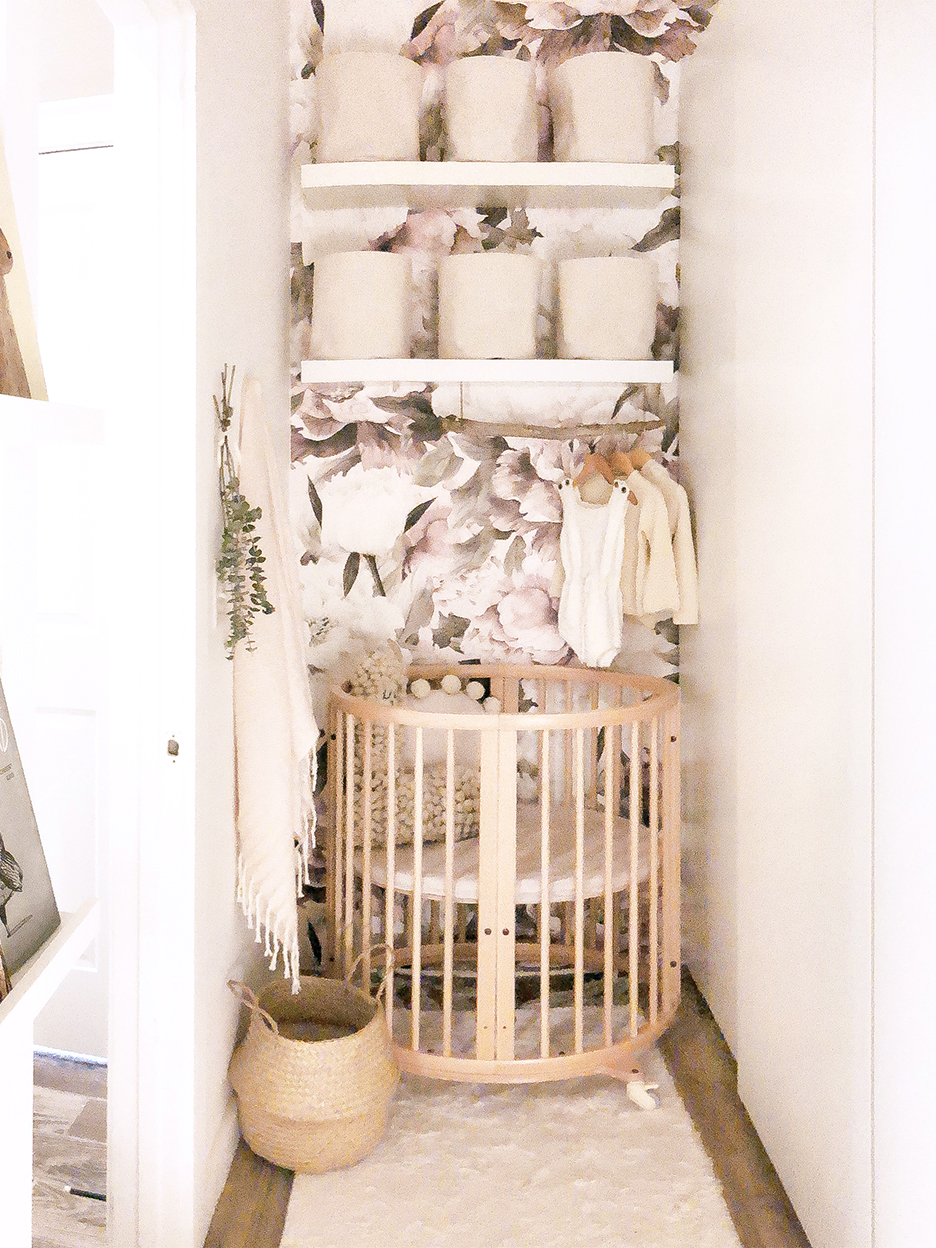
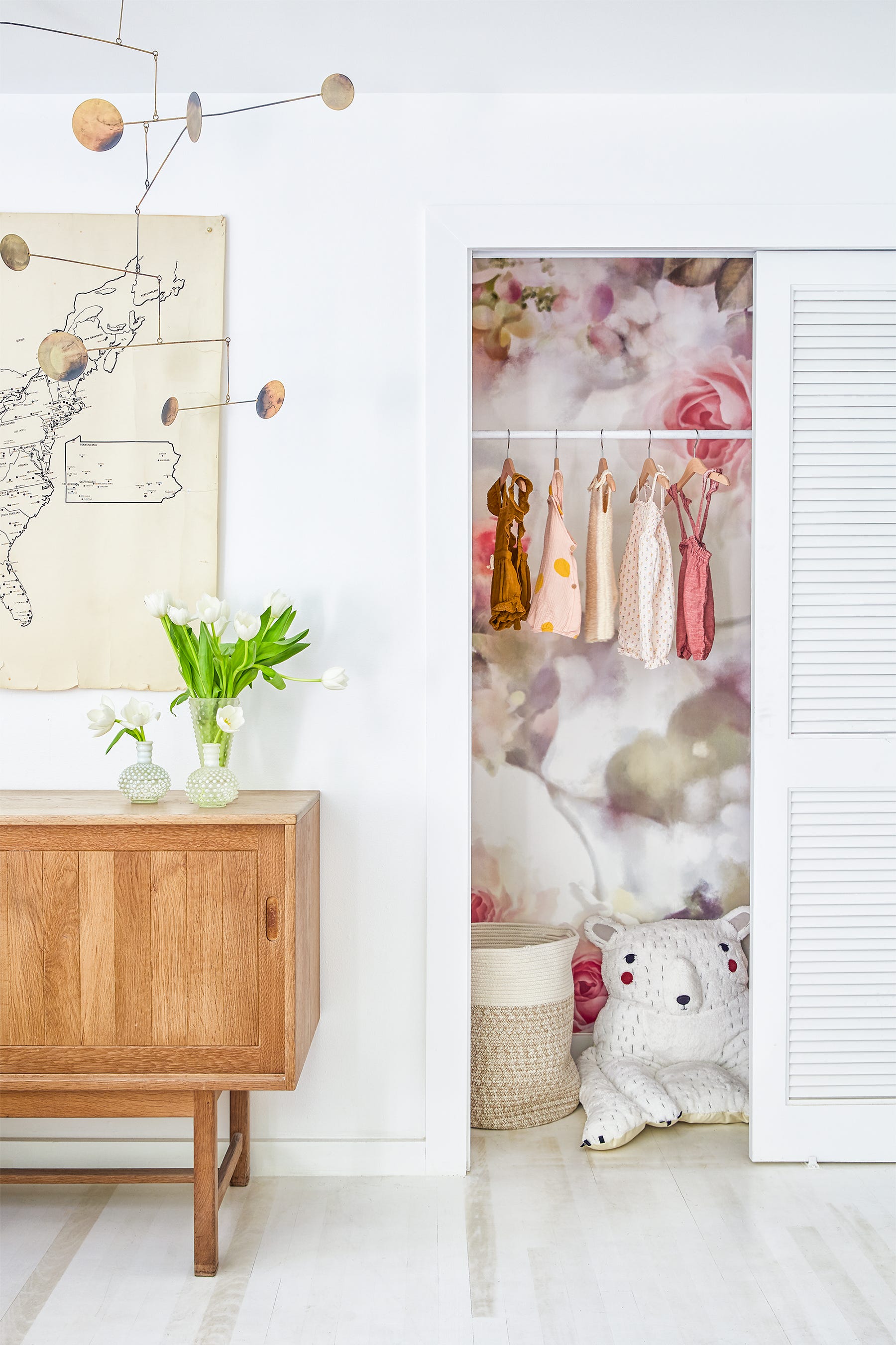
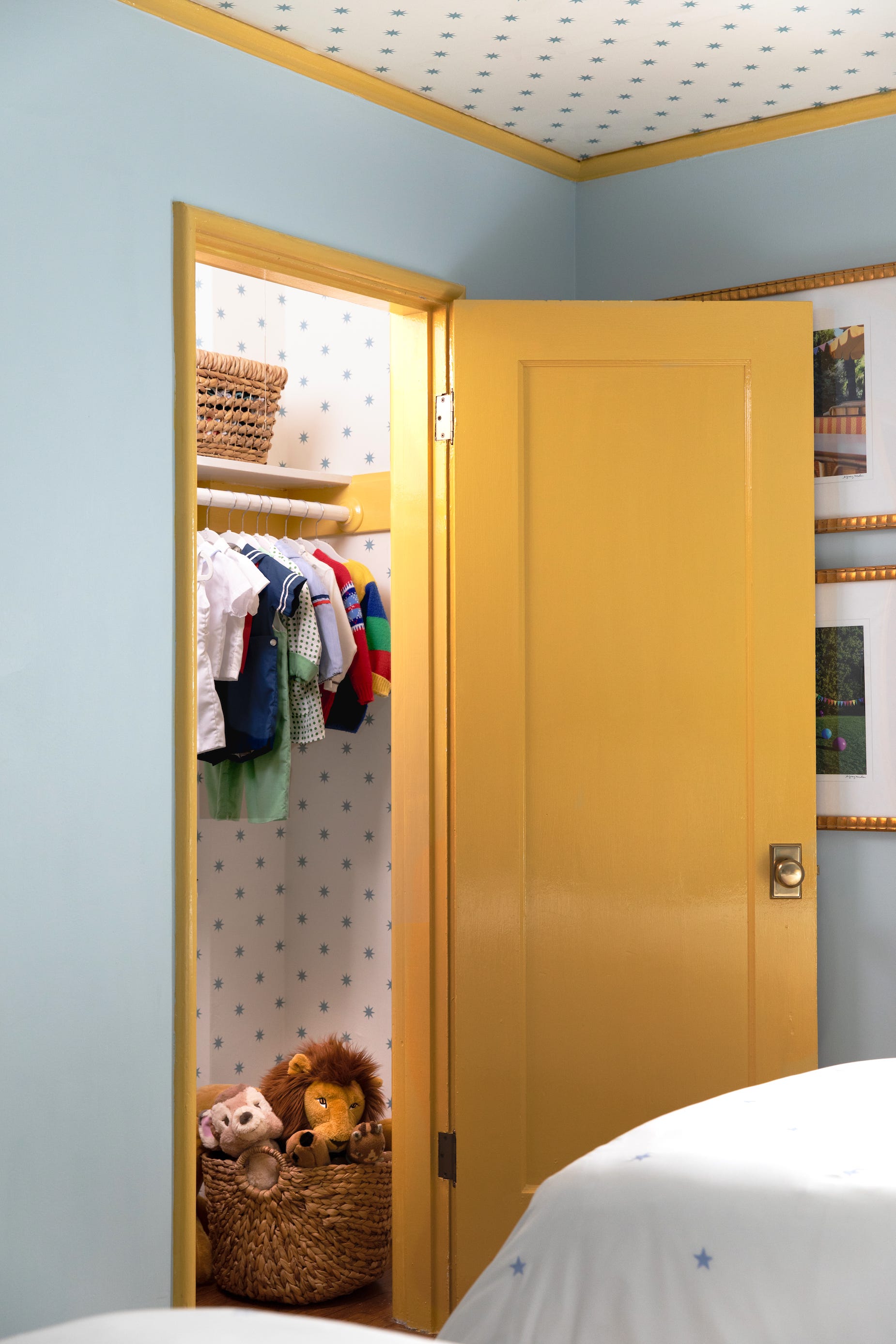
Finally, the article encourages making organization fun by incorporating room themes or personal interests, such as a princess-themed closet with a tension rod for dress-up clothes and baskets for accessories. It rethinks walk-in closets as mini bonus rooms, suggesting remodeling for toy cabinets and window seats, or even adding wallpaper to small closets and using hooks on walls and doors for extra storage. The overarching message is to focus on solutions that make it easy for children to stay organized.
#KidsClosetOrganization #ChildrensStorage #HomeOrganization #KidFriendlyDesign #ClosetSolutions #StorageTips #RoomDecor #SpaceSavingIdeas #DIYStorage #KidsClosetOrganization #ChildrensStorage #HomeOrganization #KidFriendlyDesign #ClosetSolutions #StorageTips #RoomDecor #SpaceSavingIdeas #DIYStorage
0 comment in total
 No comments yet
You may also like
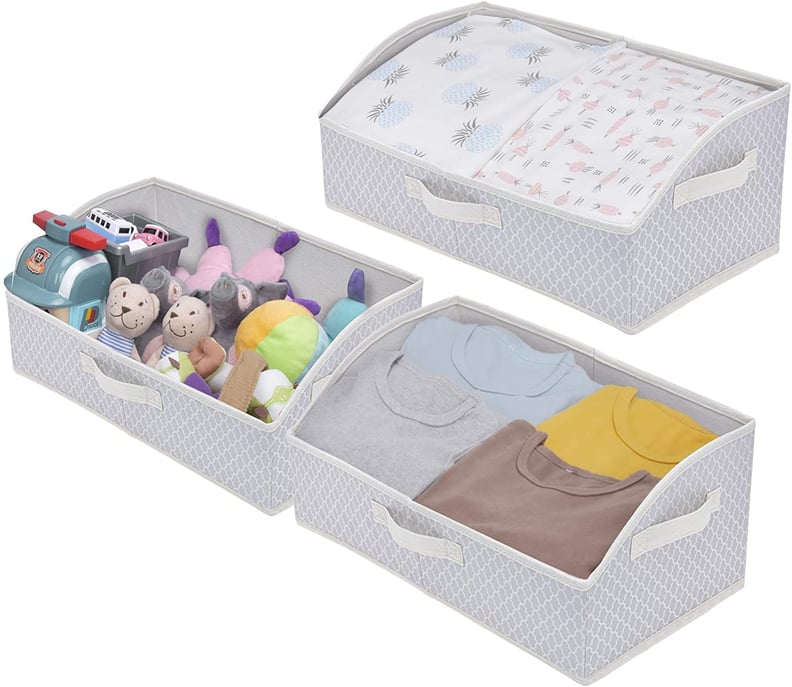
These Closet Organizers For Kids Will Transform Their Space
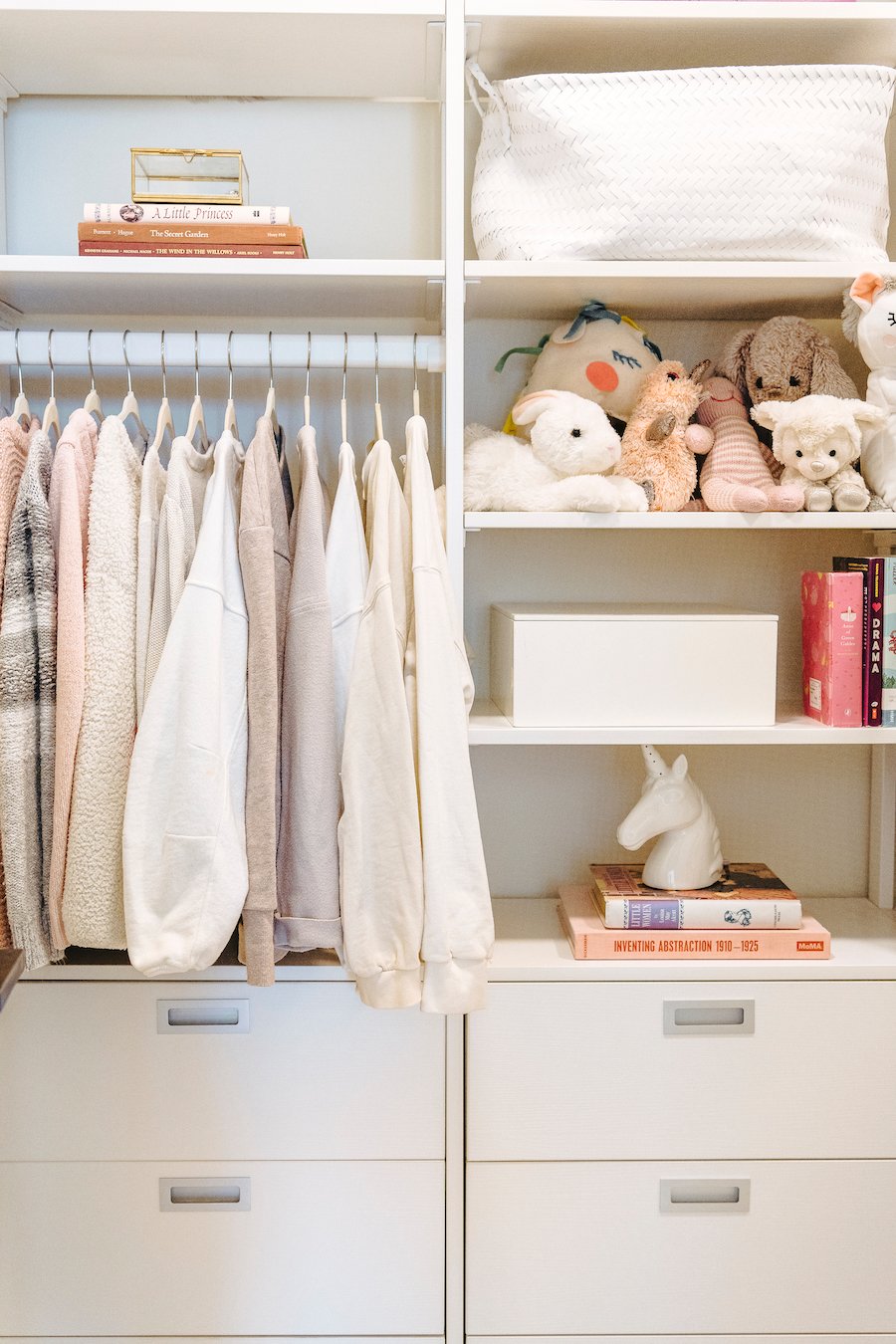
How I Organized One of the Trickiest Spots in Our Home—The Kids’ Closets!

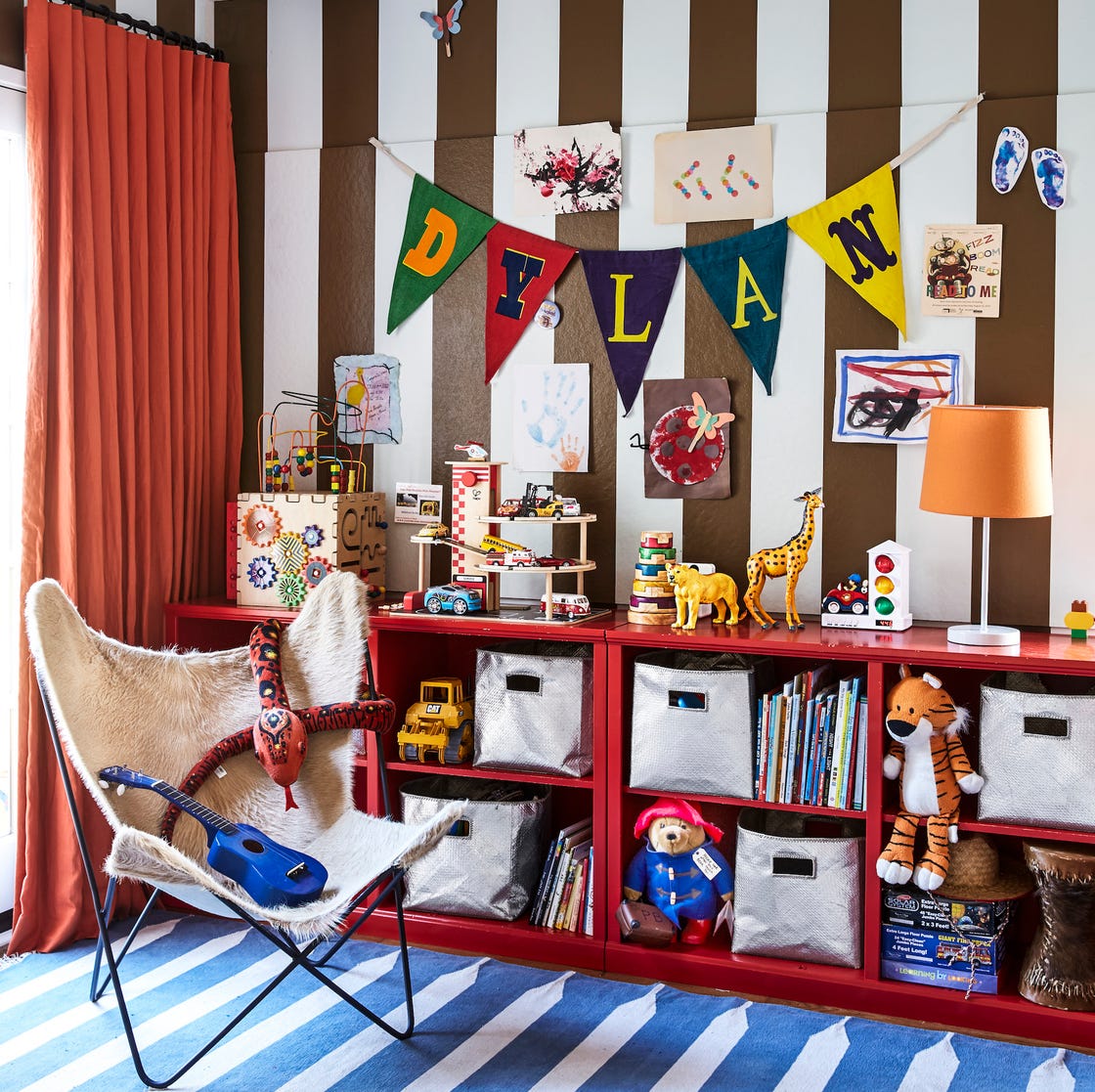
These 26 Clever Toy Storage Ideas Will Help Keep the Playroom Tidy
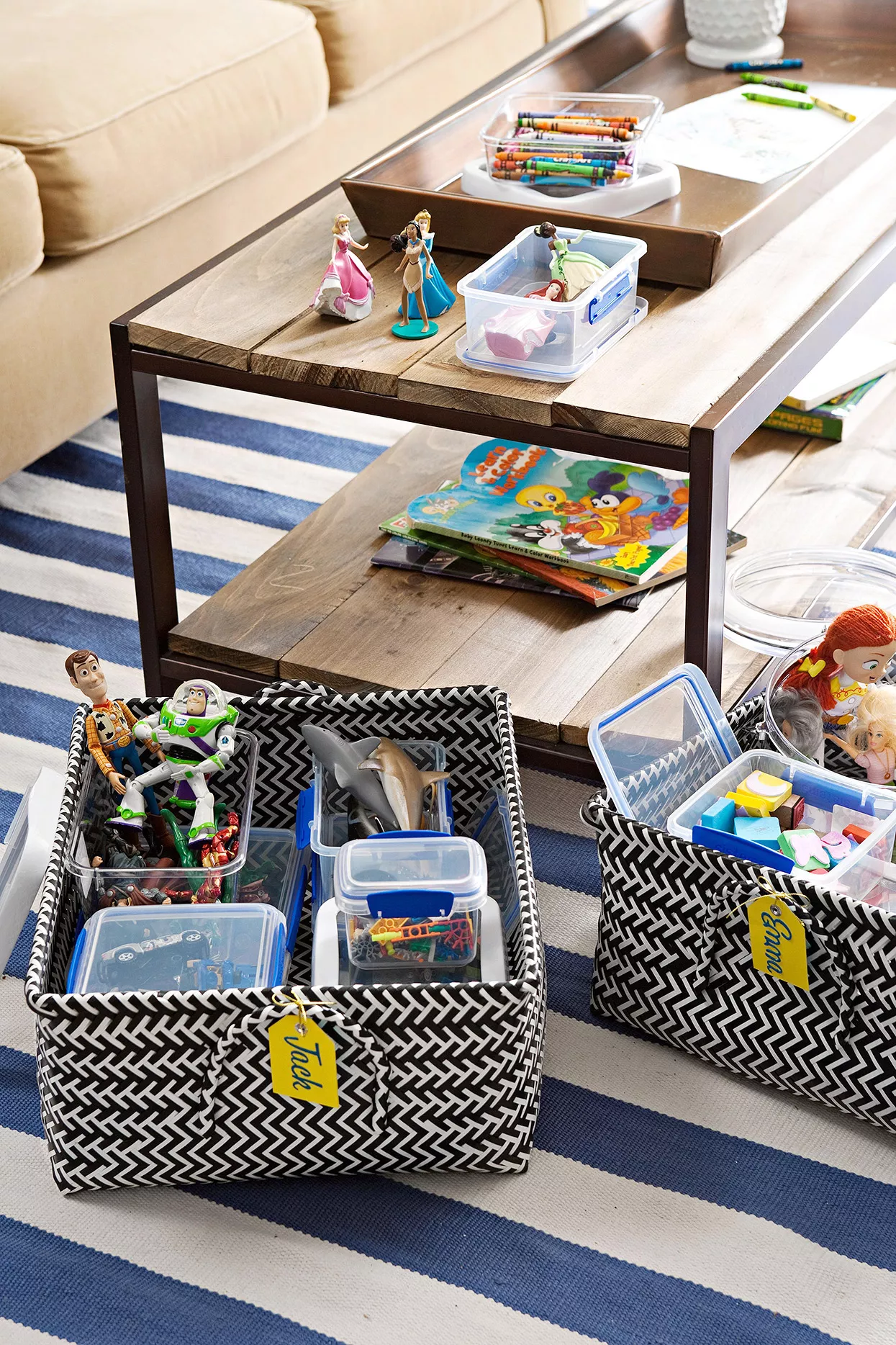
25 Toy Storage Ideas to Help You Tidy Up
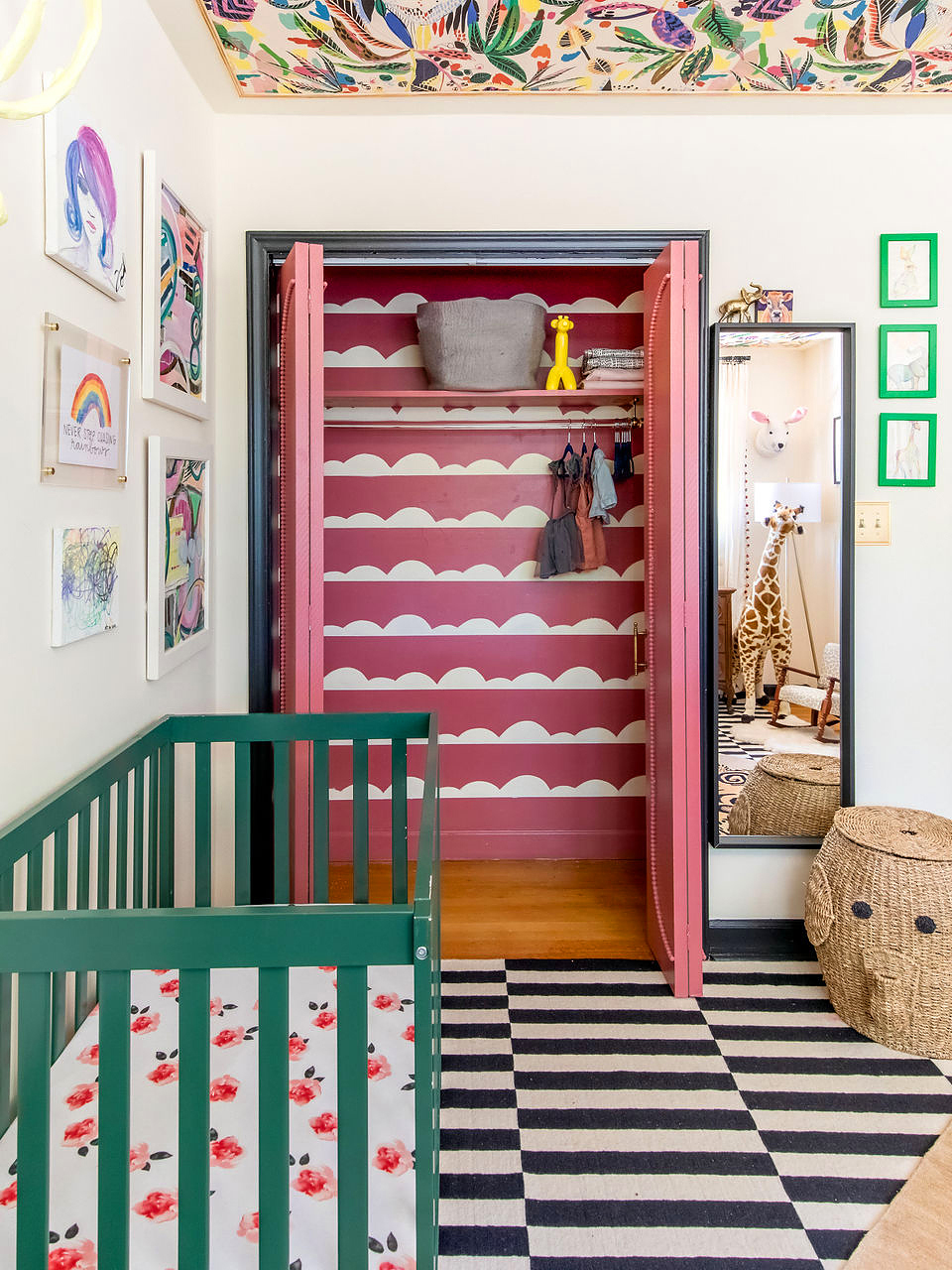
10 Creative Kids’ Closet Ideas (and Only Some Are for Storing Clothes)
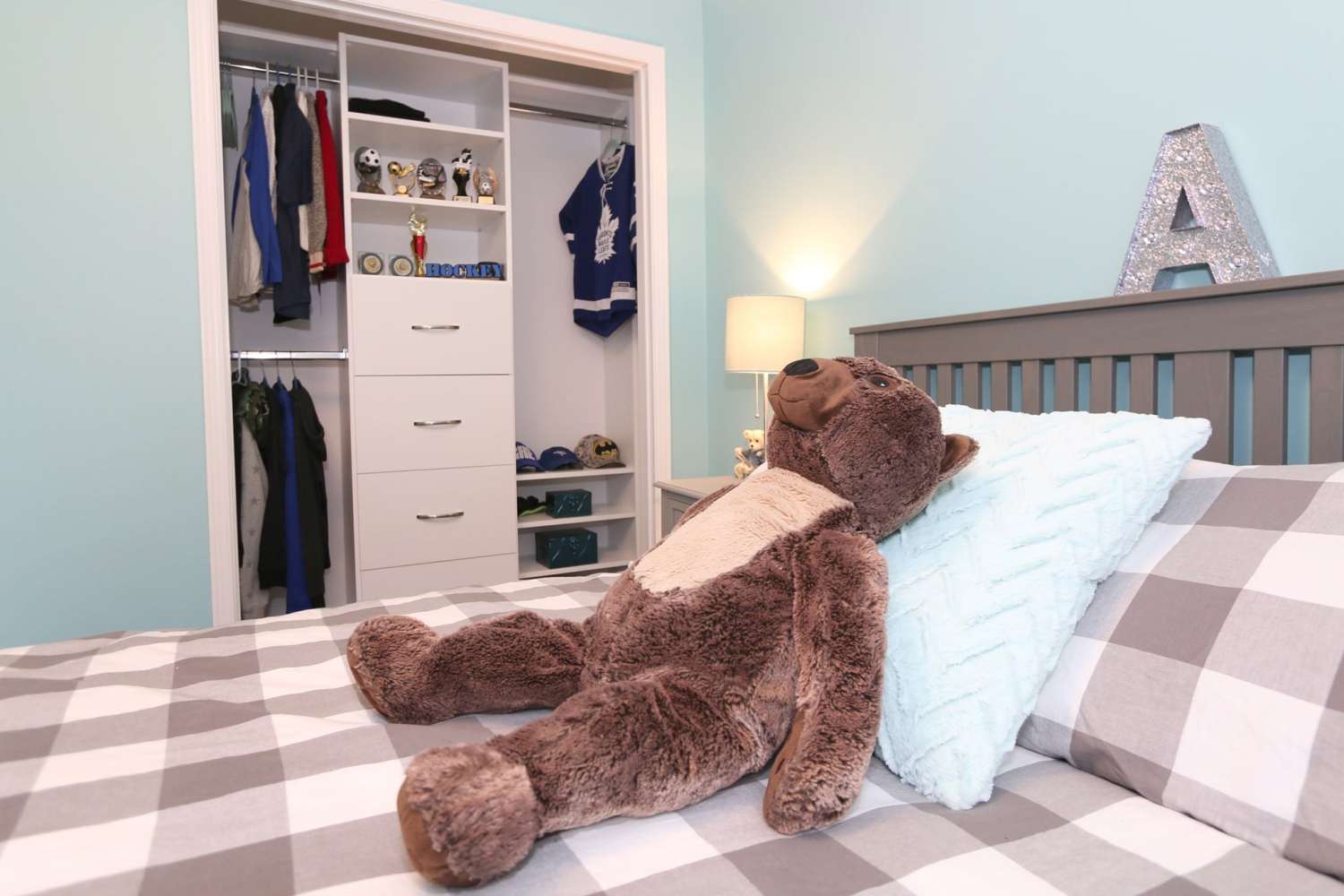
5 ways to organize your child’s room + make it fabulous

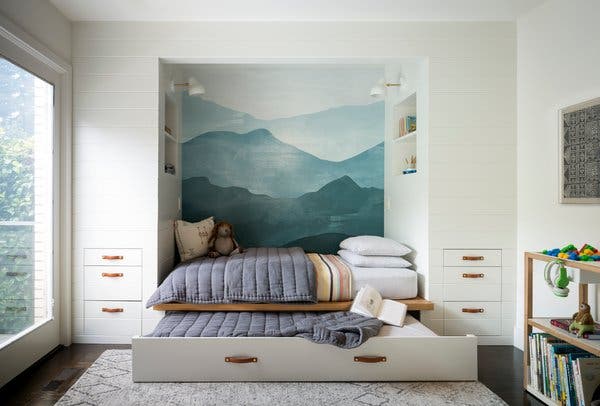
How to Contain Your Children’s Clutter (Published 2020)
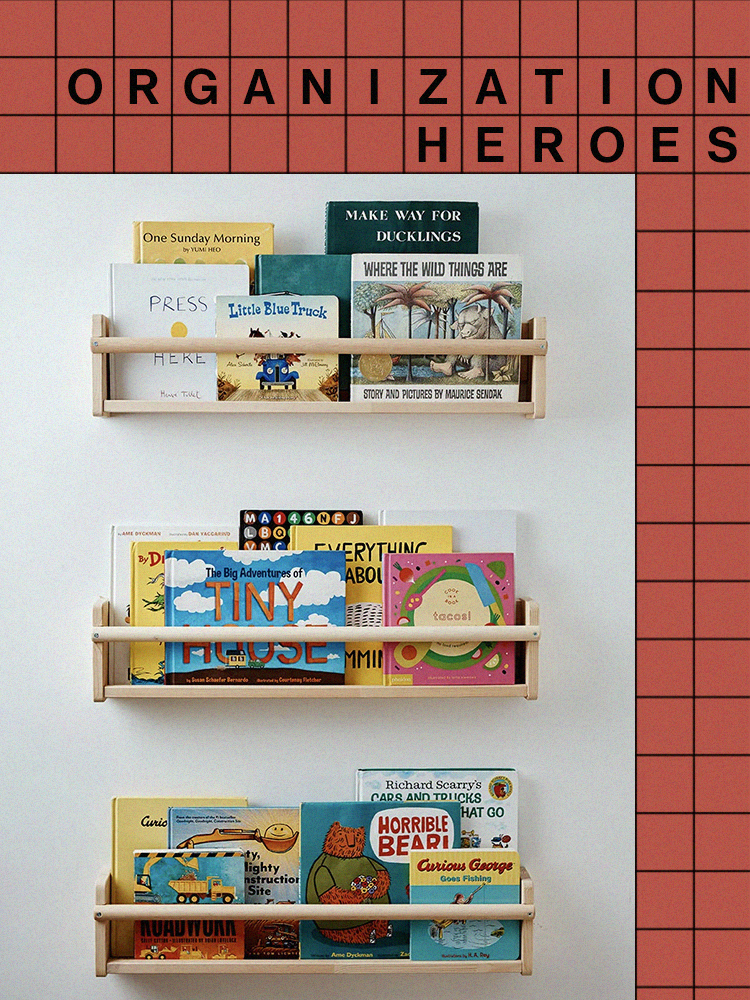
How I Created a Playroom Organization System I Can Actually Live With

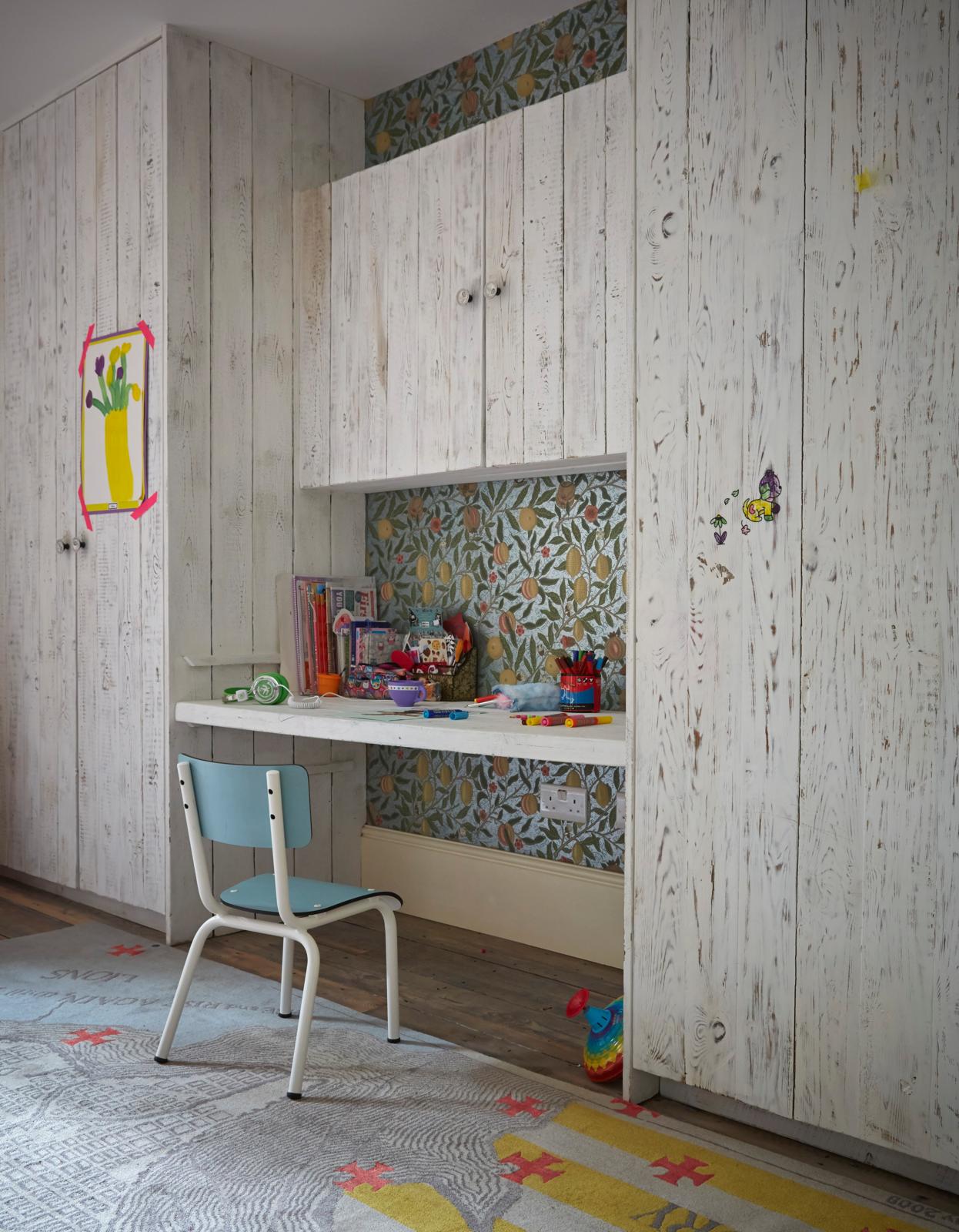
10 kids' closet ideas - decor experts provide the most stylish and simple ways to stay organised

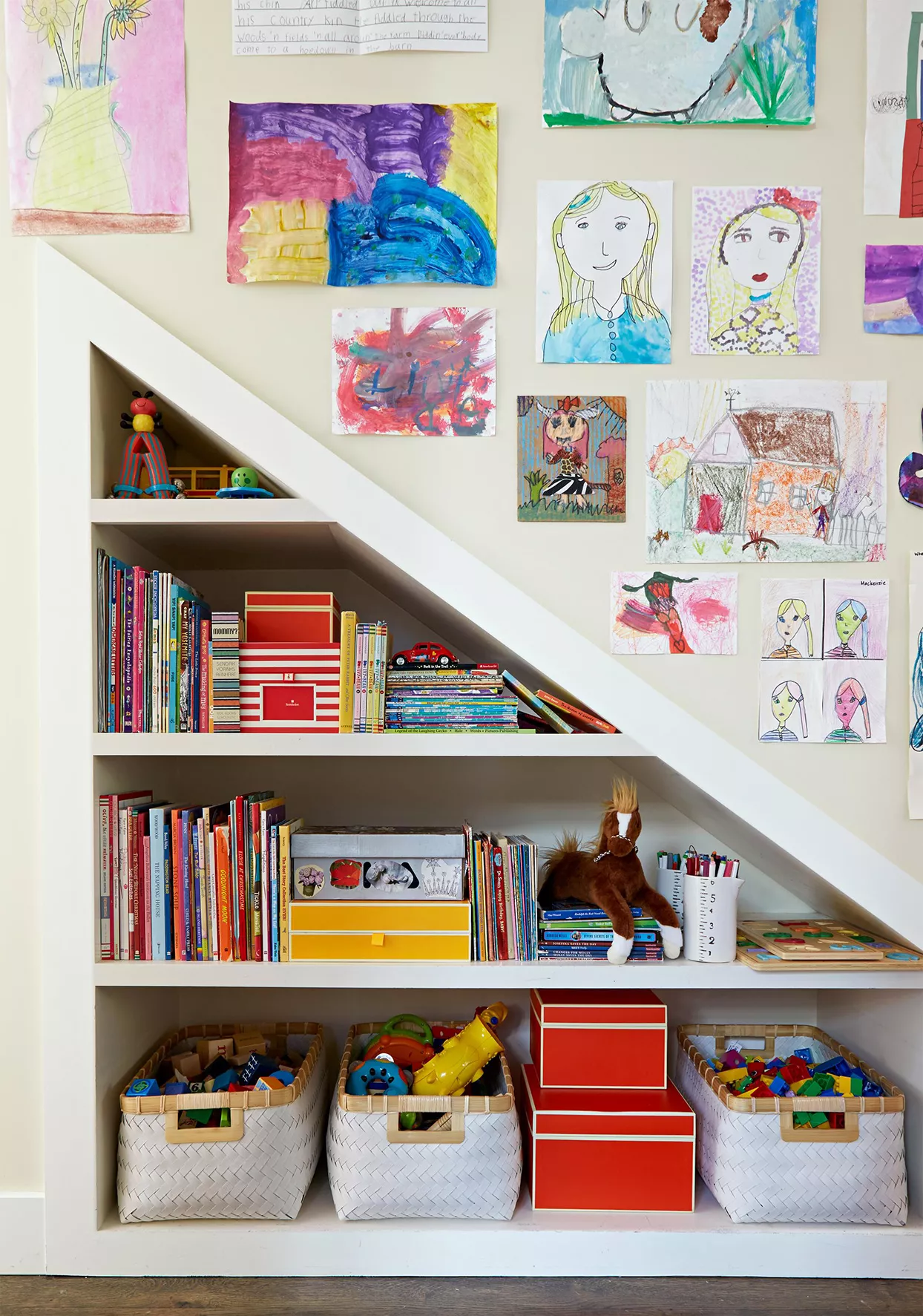
26 Kids' Storage Ideas to Control Clutter
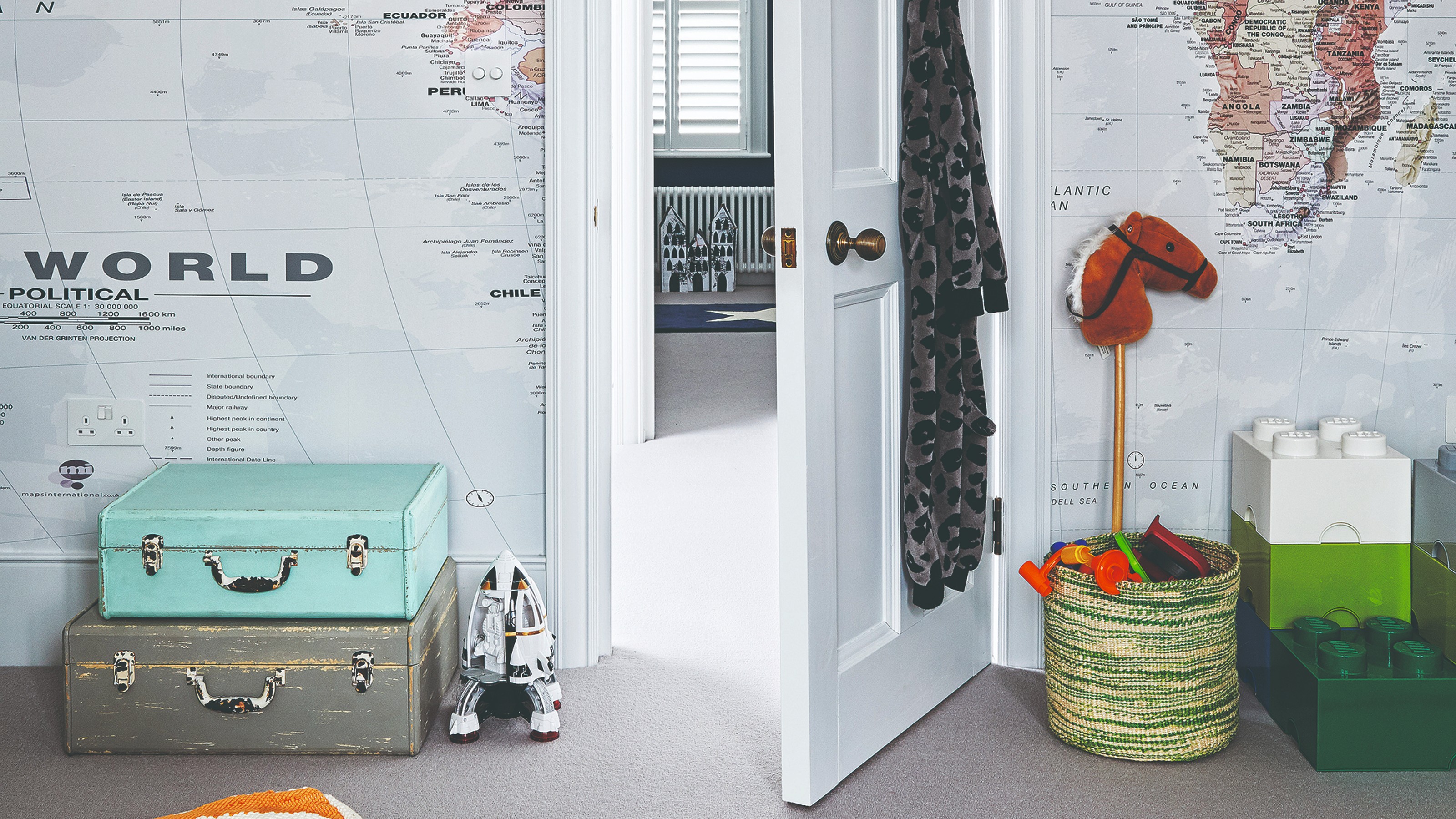
Playroom storage ideas – 8 ways to prevent your children's fun zone from becoming cluttered and chaotic
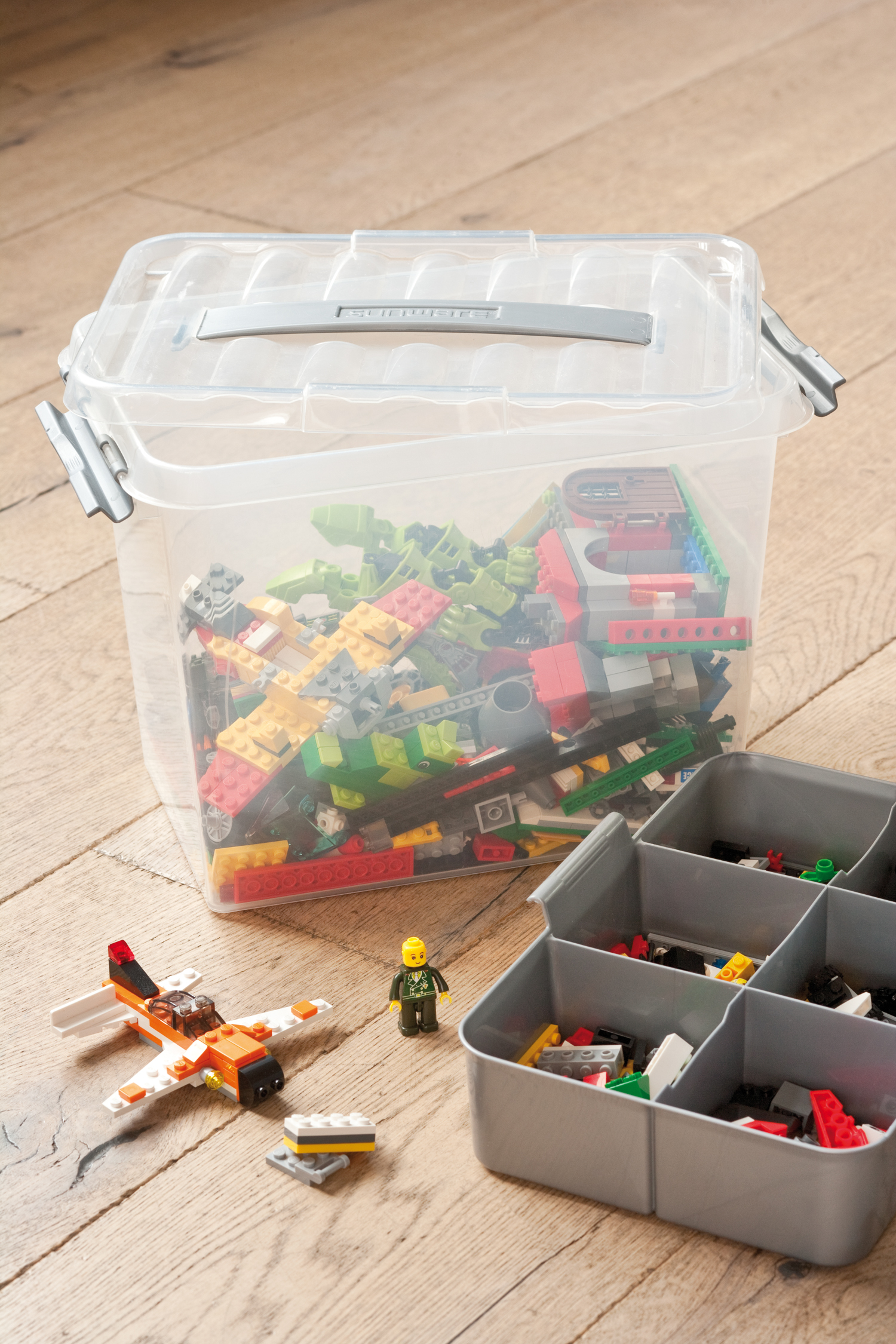
Kid loves Lego? Keep it all tidy with these storage ideas

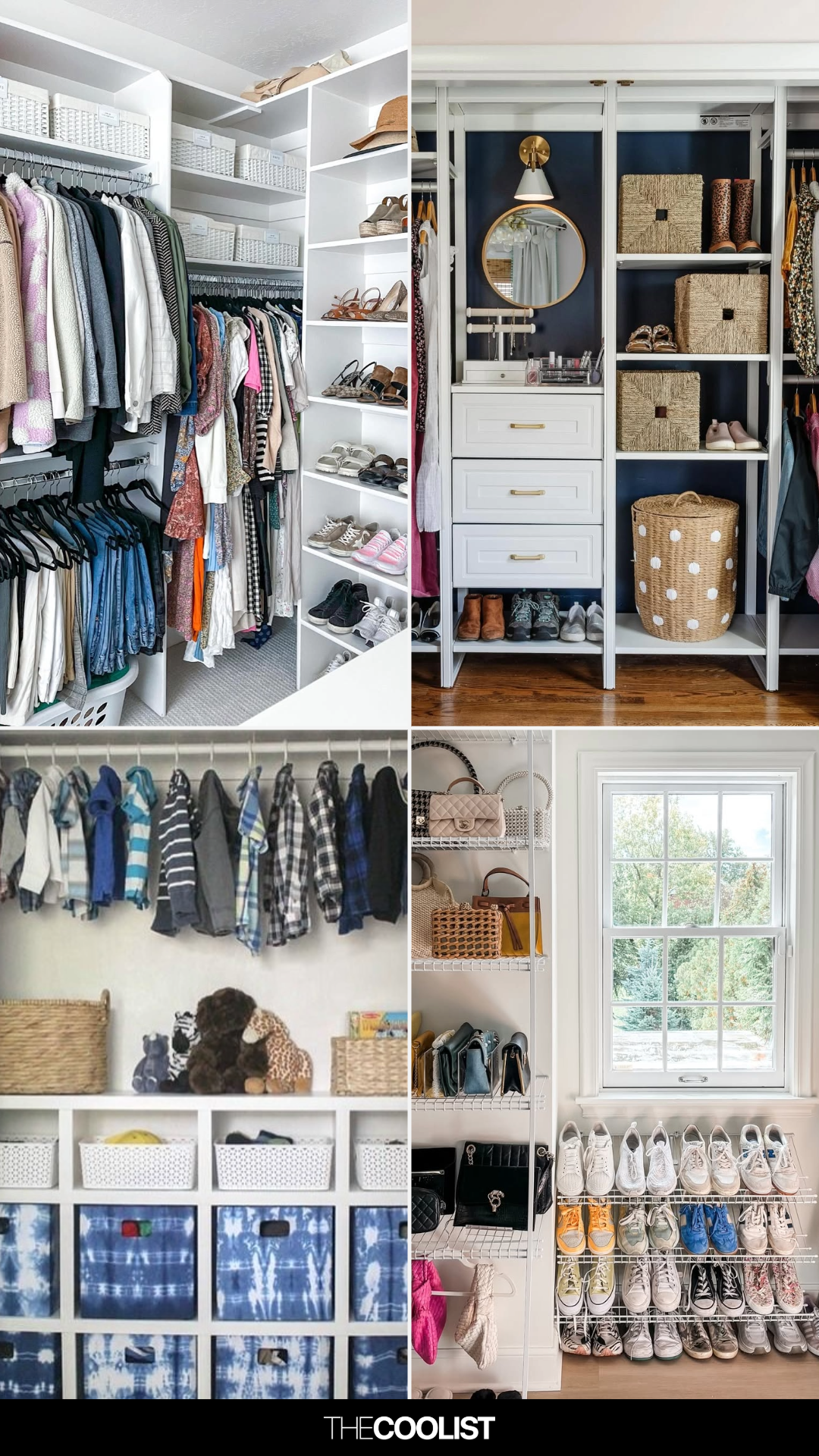
24 Insanely Genius Closet Organization Ideas That Will Change the Way You Store Everything
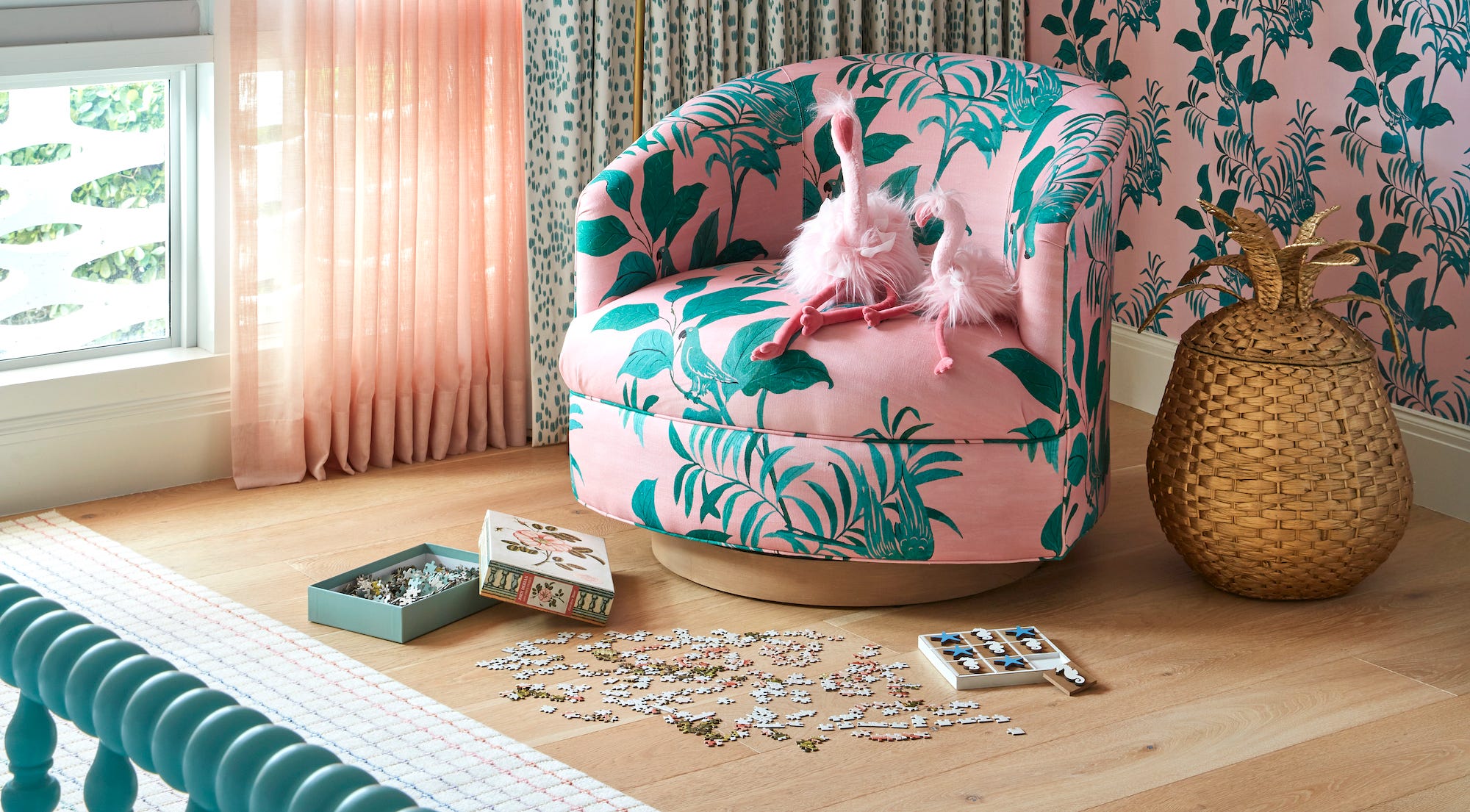
43 Clever Kids' Room Storage Ideas That Designers Swear By

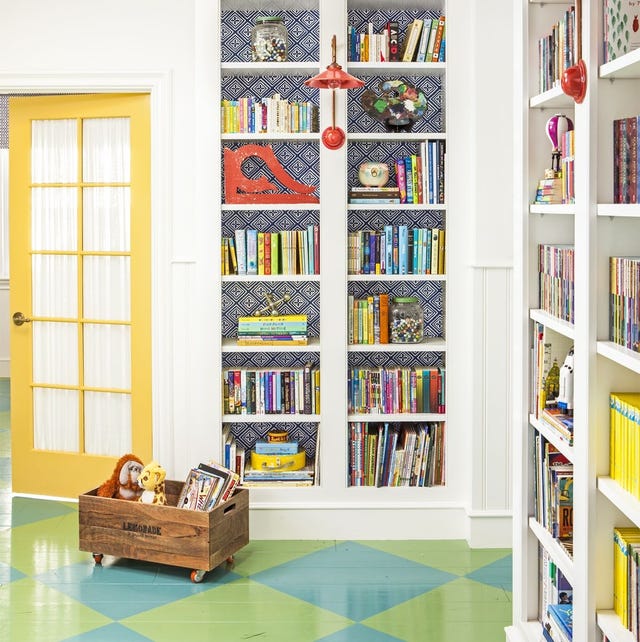
Clever Stuffed Animal Storage Ideas That Will Keep Kids' Rooms Tidy
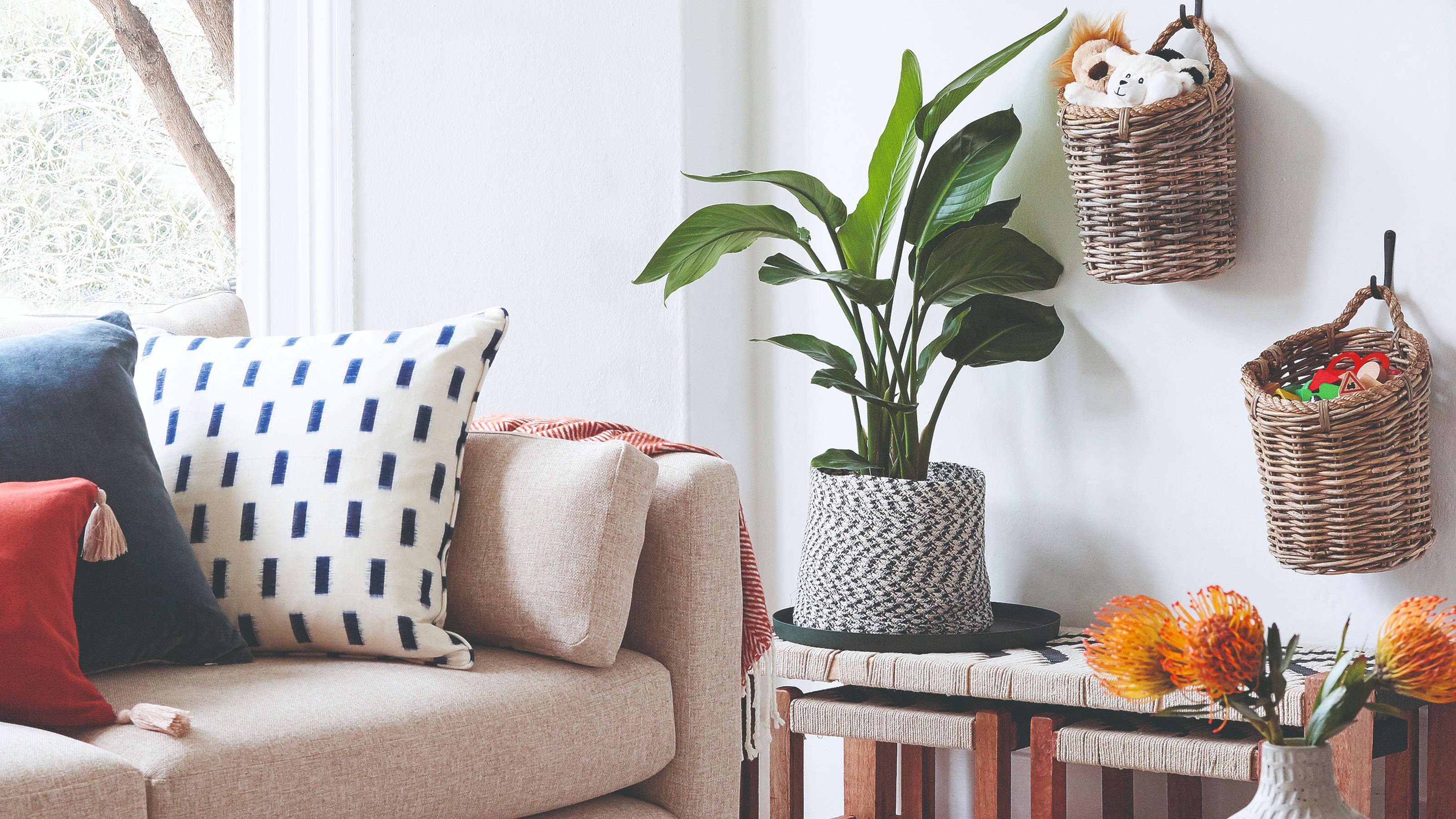
5 hidden toy storage ideas – how to make tidy up time quick and easy at the end of a busy day
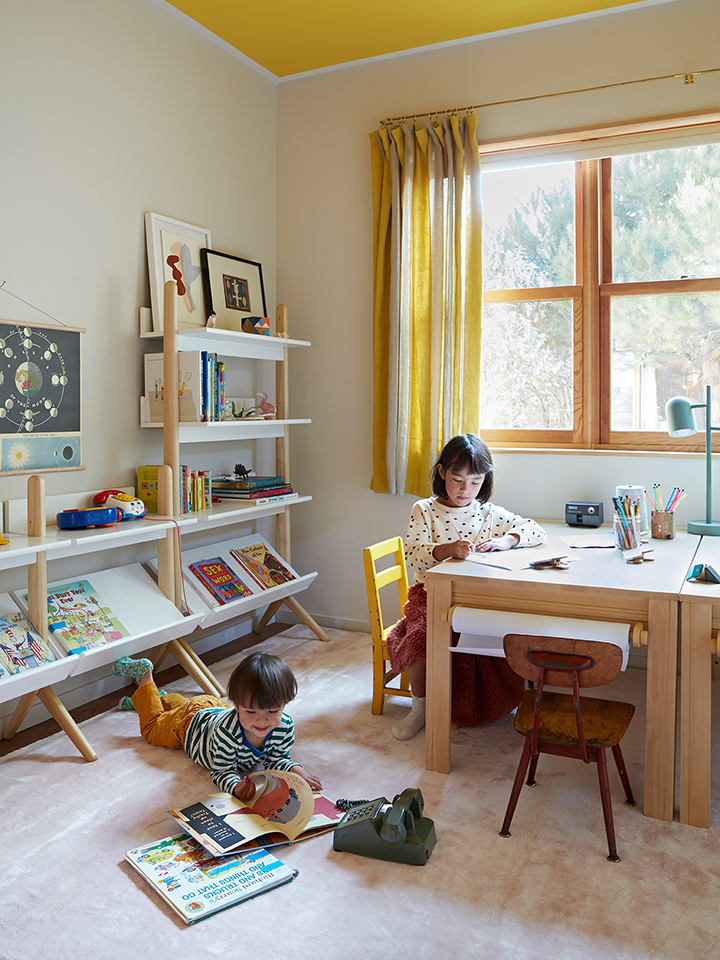
The Sanity-Saving Organization Products 7 Moms Swear By
A Stylist’s Guide to Creating a Kid-Friendly Living Room
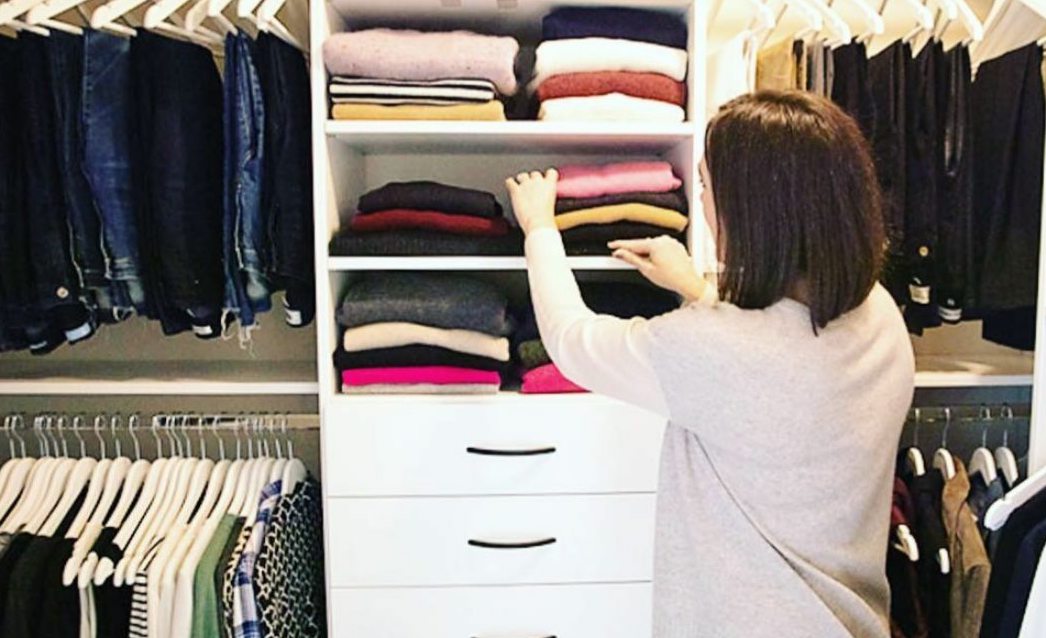
Make 2023 the year of home organization with these simple tips from a local design expert
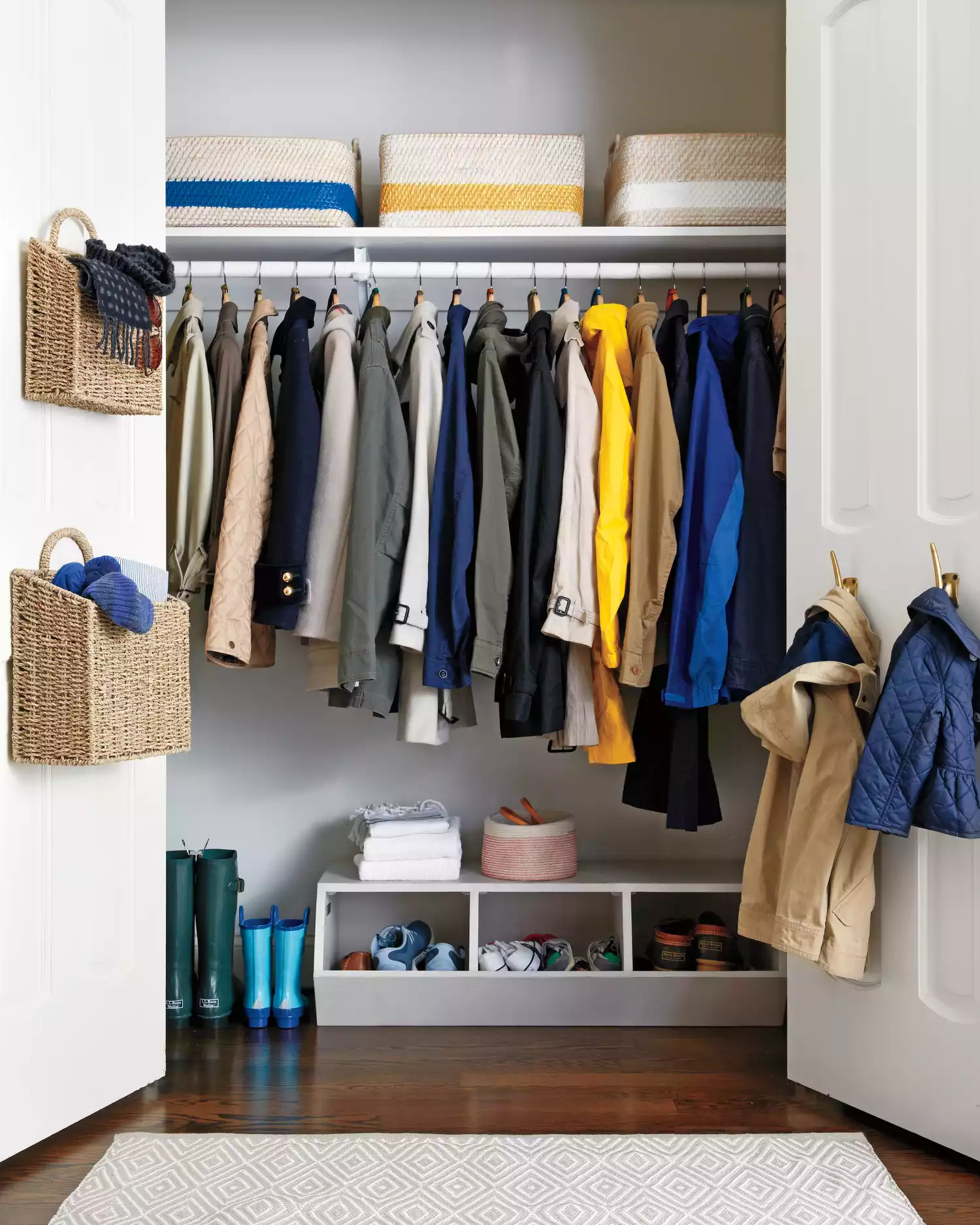
10 Small Closet Organization Ideas to Make the Most of the Space You Have