25 Toy Storage Ideas to Help You Tidy Up
This article presents 25 toy storage ideas designed to help parents and caregivers maintain an organized and clutter-free home while keeping children's toys accessible. It emphasizes creating simple systems to contain toys and board games, addressing the common challenge of toys spreading throughout the house. The solutions are practical, catering to various spaces and budgets, and aim to make cleanup easier for both children and adults.
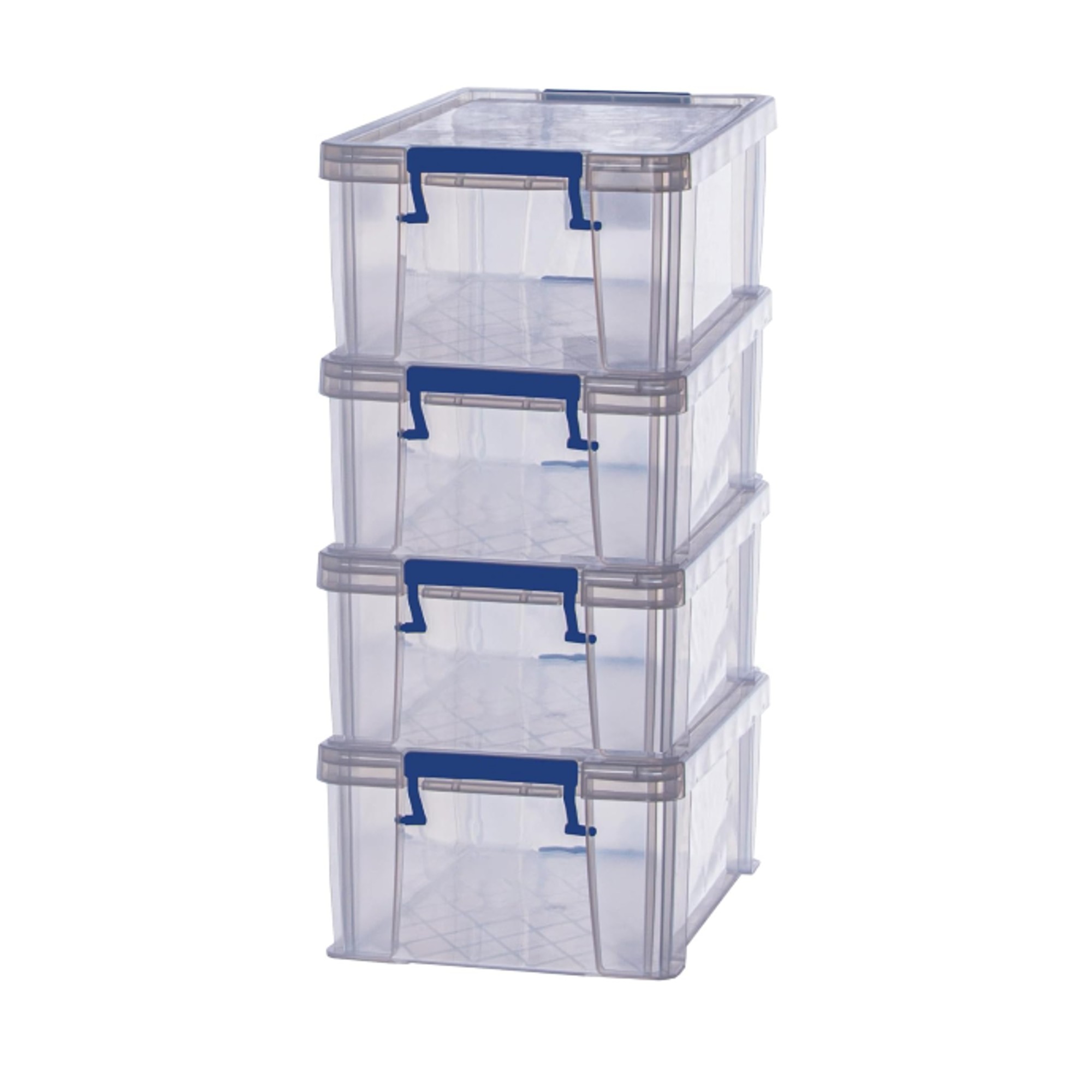
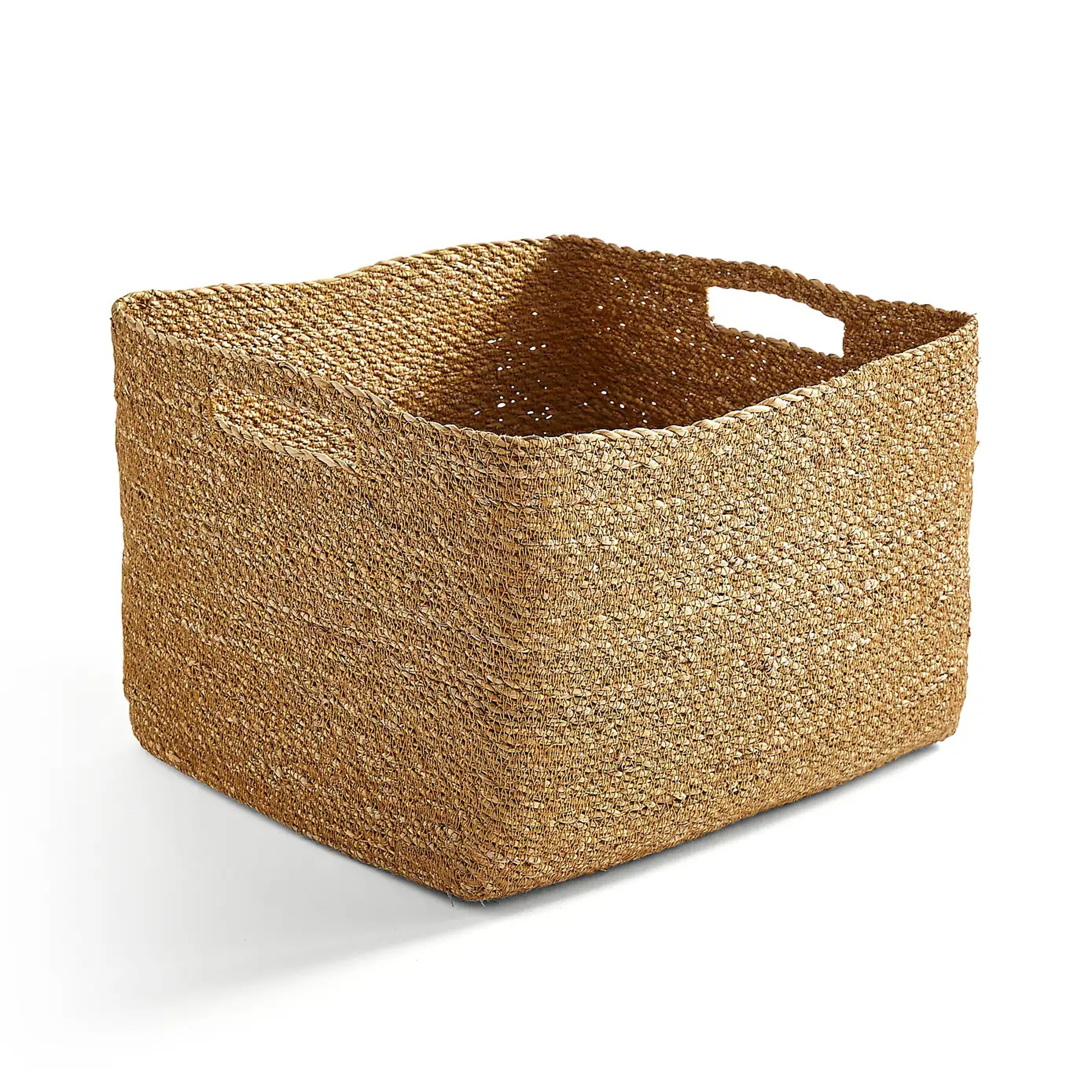
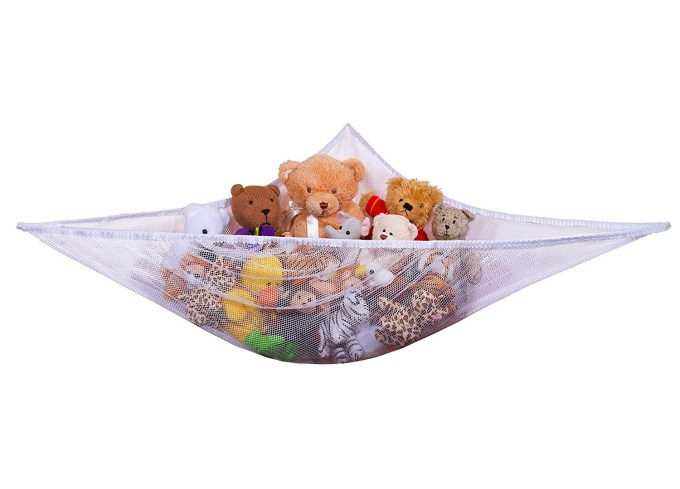
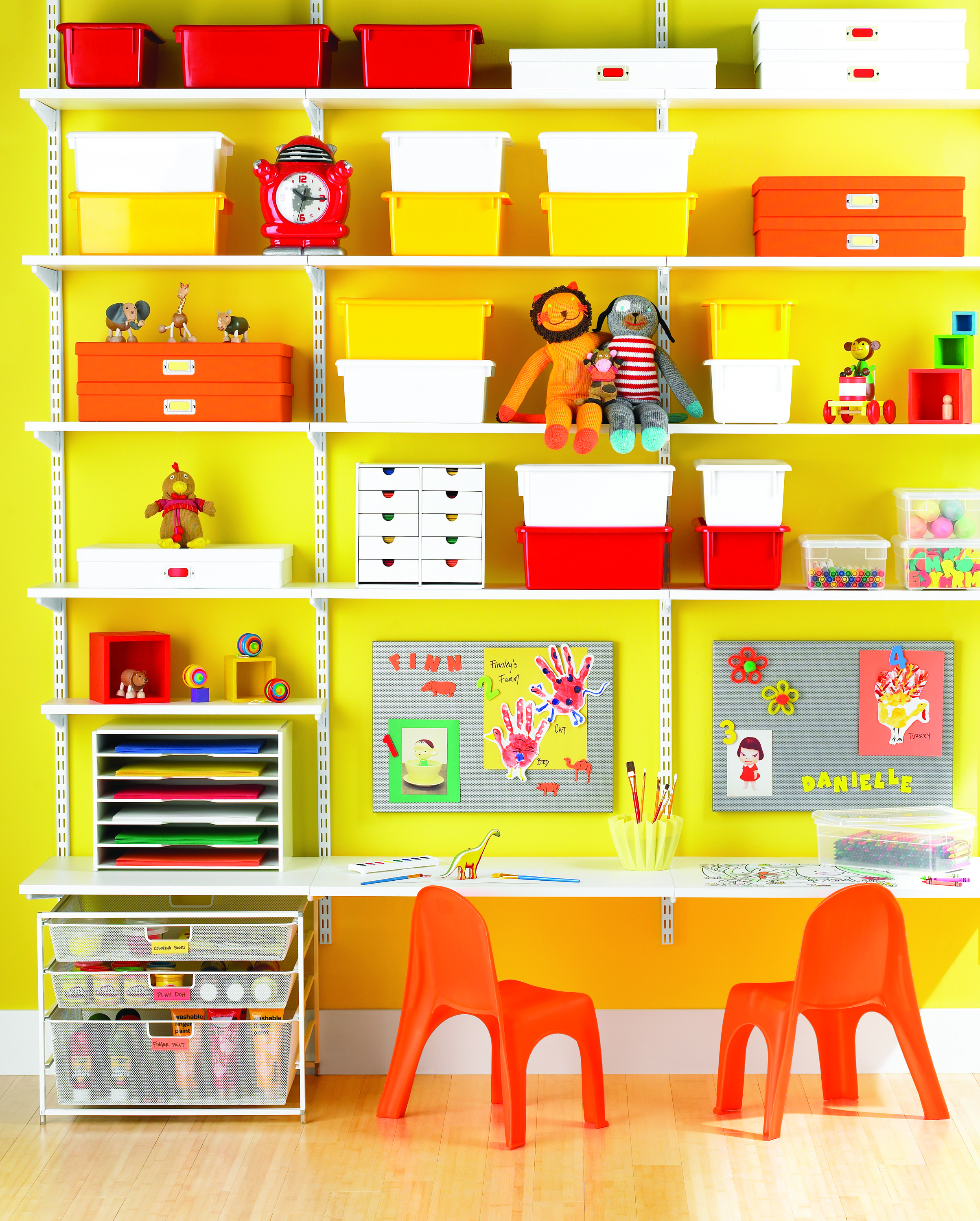
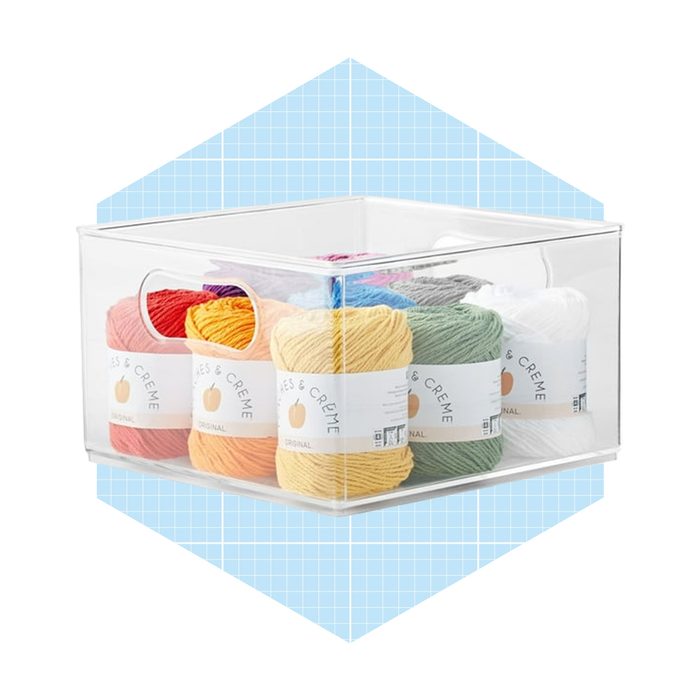
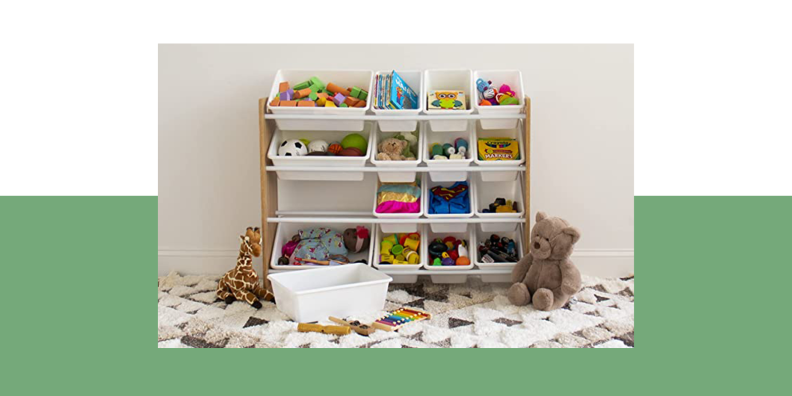
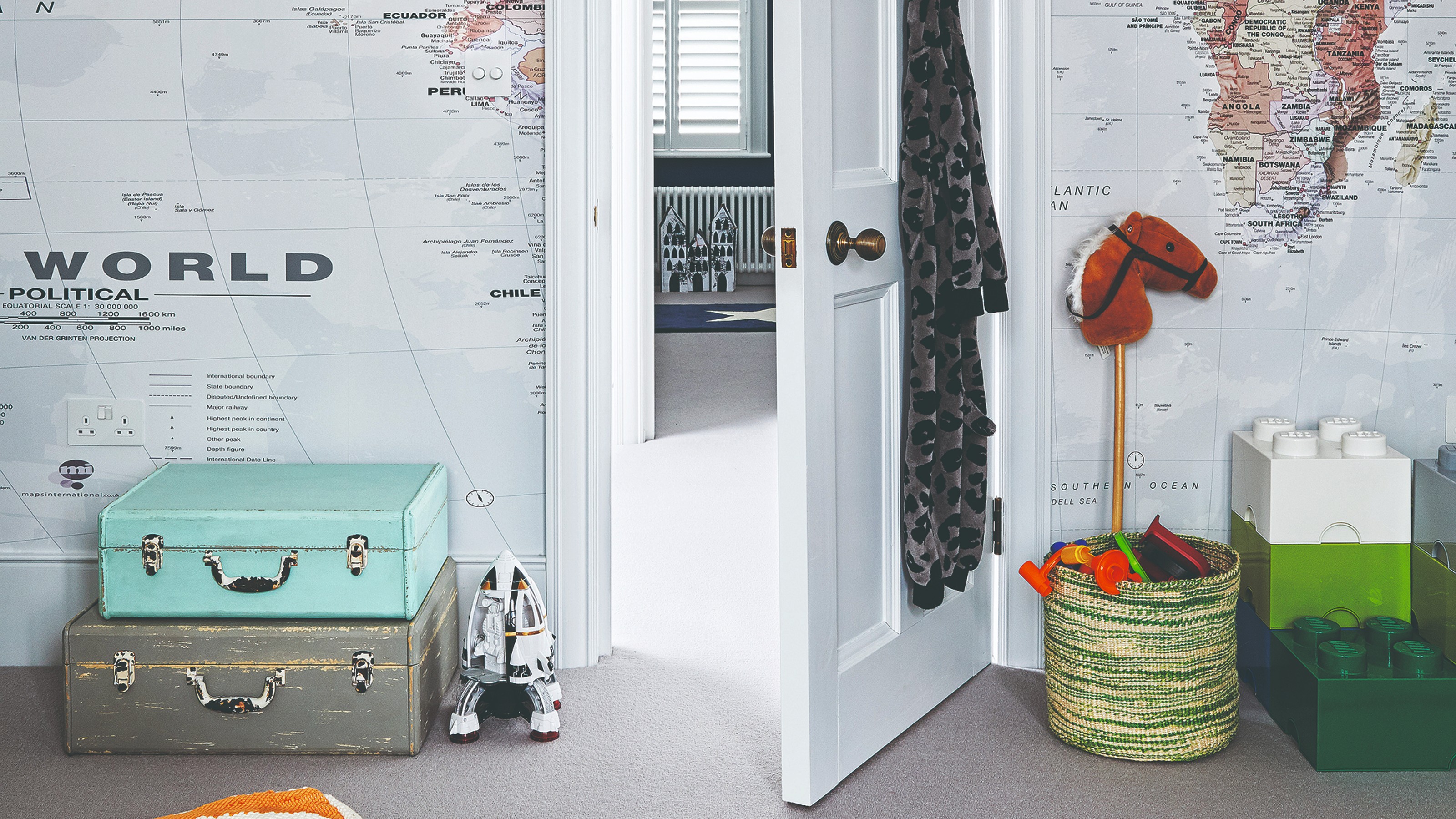
The article begins by suggesting the utilization of often-overlooked areas such as the back of doors. It recommends securing organizers to doors for holding toys, books, or small items, with the flexibility to adapt as a child's collection grows. Pegboards with hooks are also mentioned for hanging dress-up costumes. The next idea focuses on mixing and matching storage containers, advising against the need for perfectly uniform bins. Instead, it encourages using various containers already available at home and grouping similar ones. Open baskets are suggested for larger toys like stuffed animals, while lidded, stackable bins are recommended for smaller items. This approach is highlighted as budget-friendly and capable of maintaining a coordinated look.
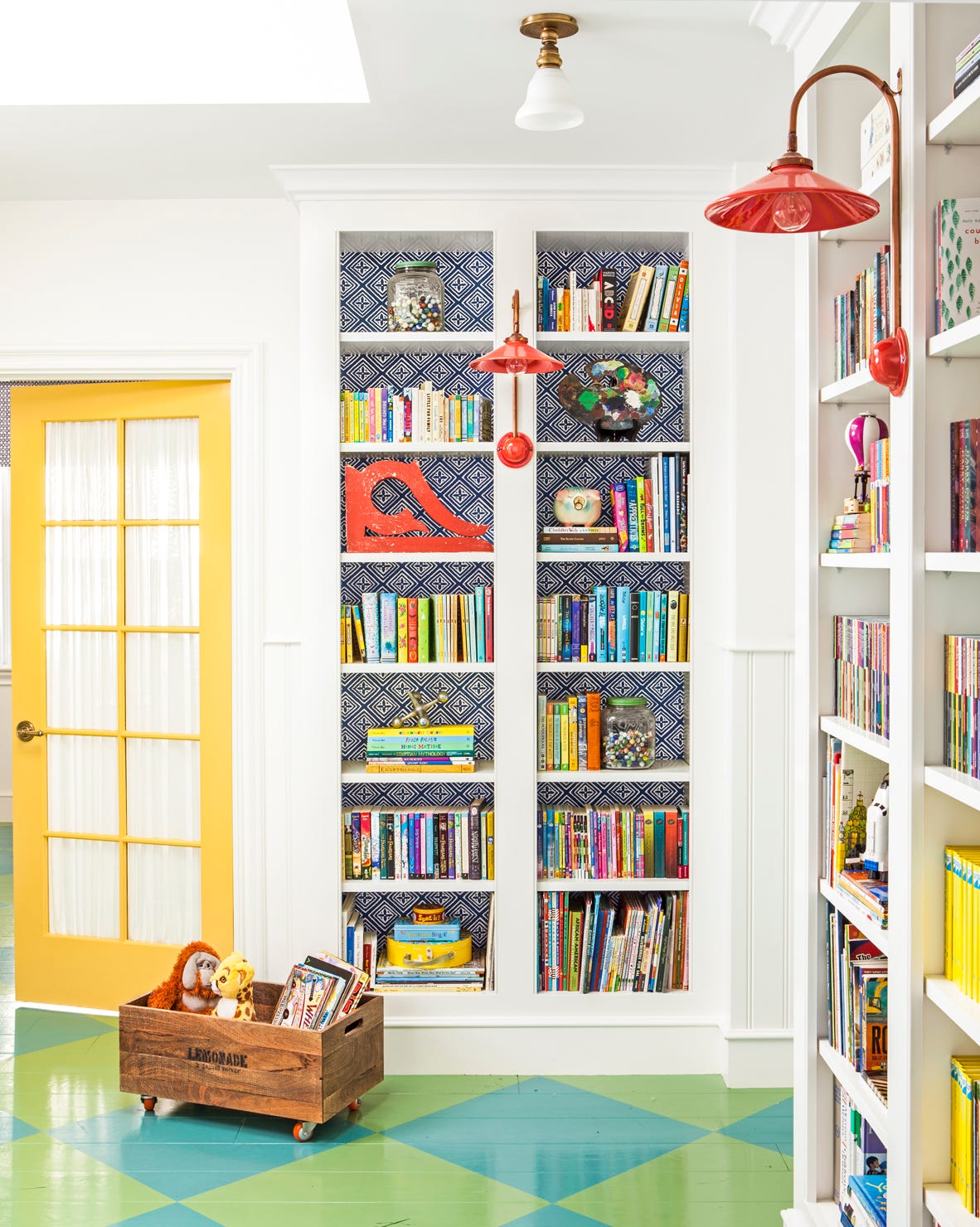
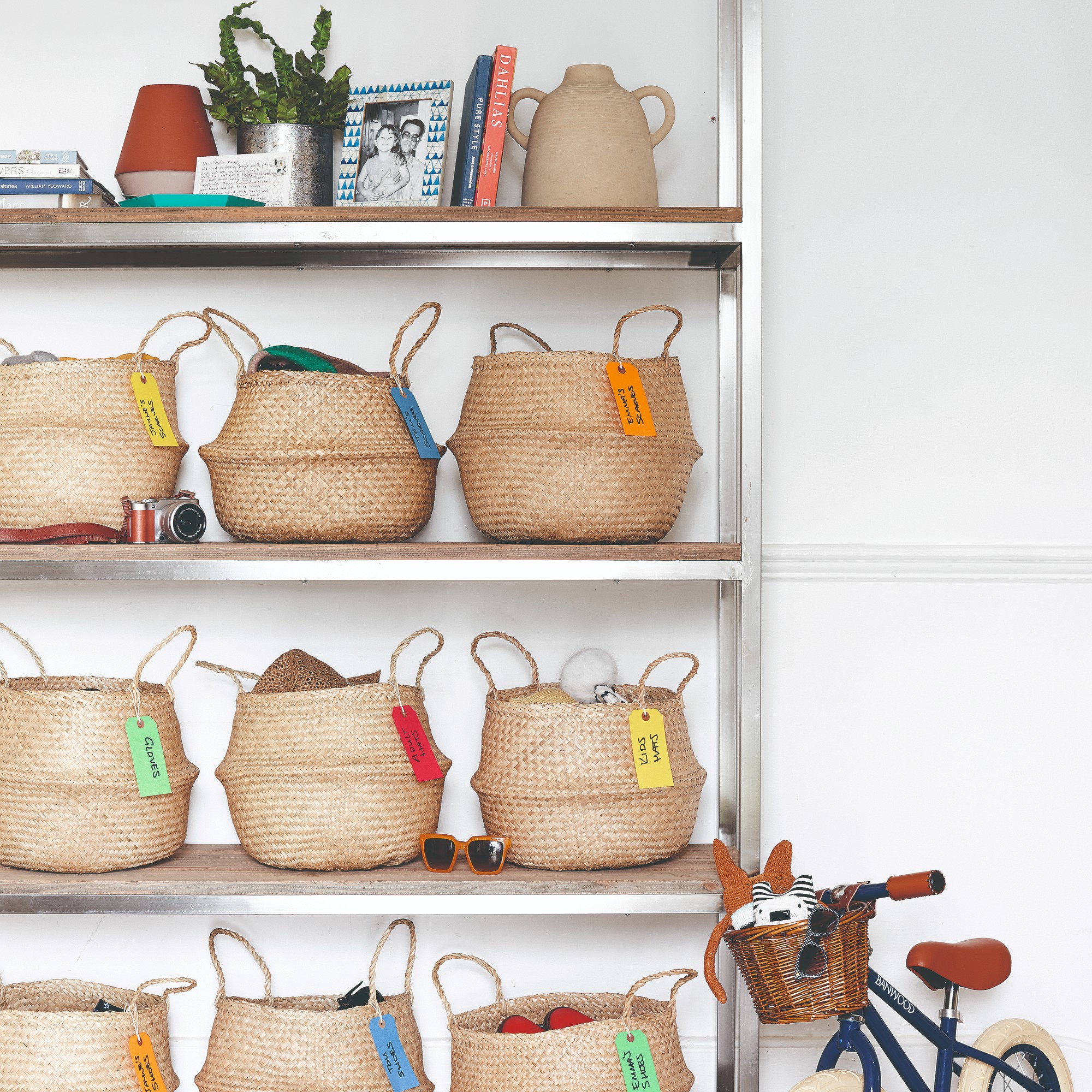
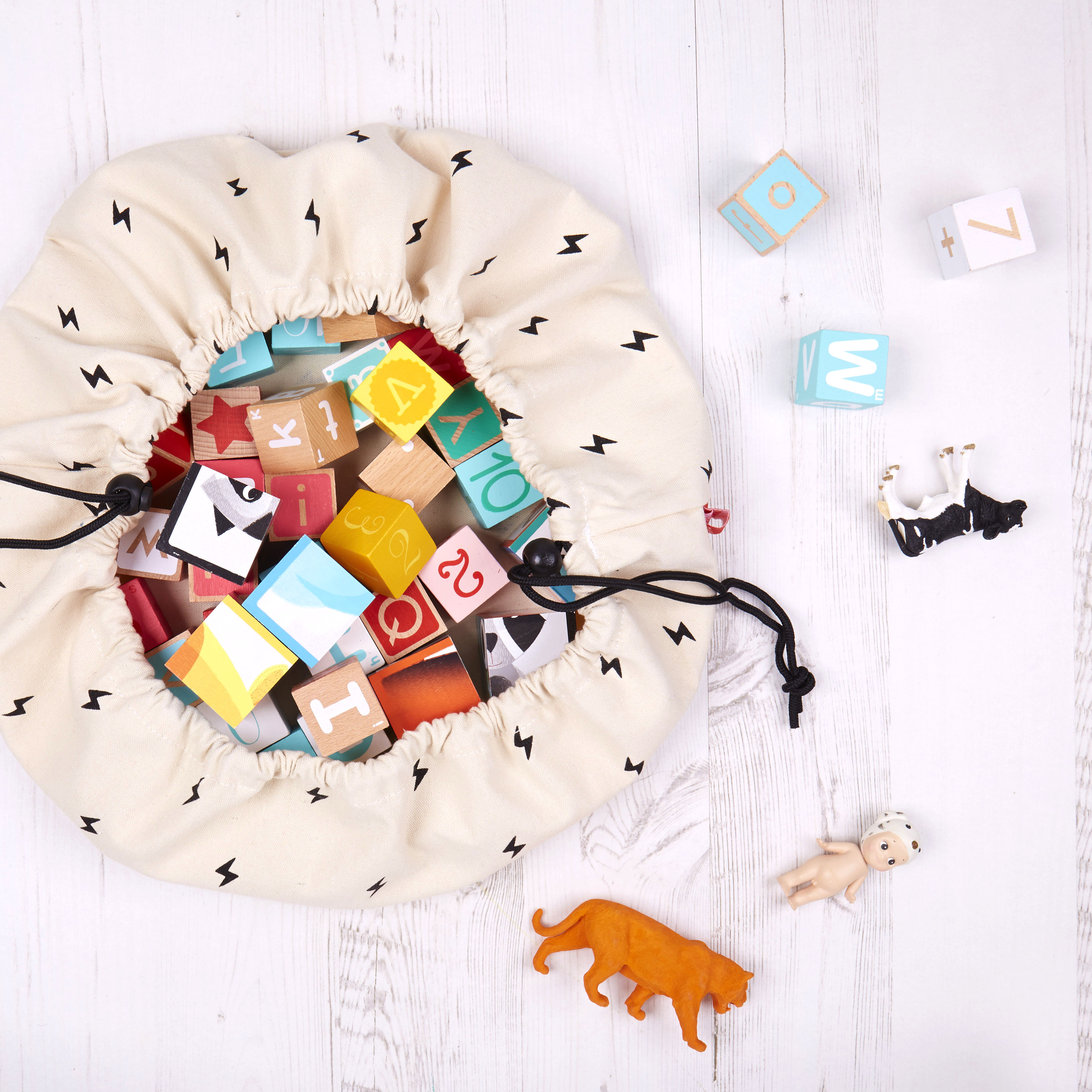
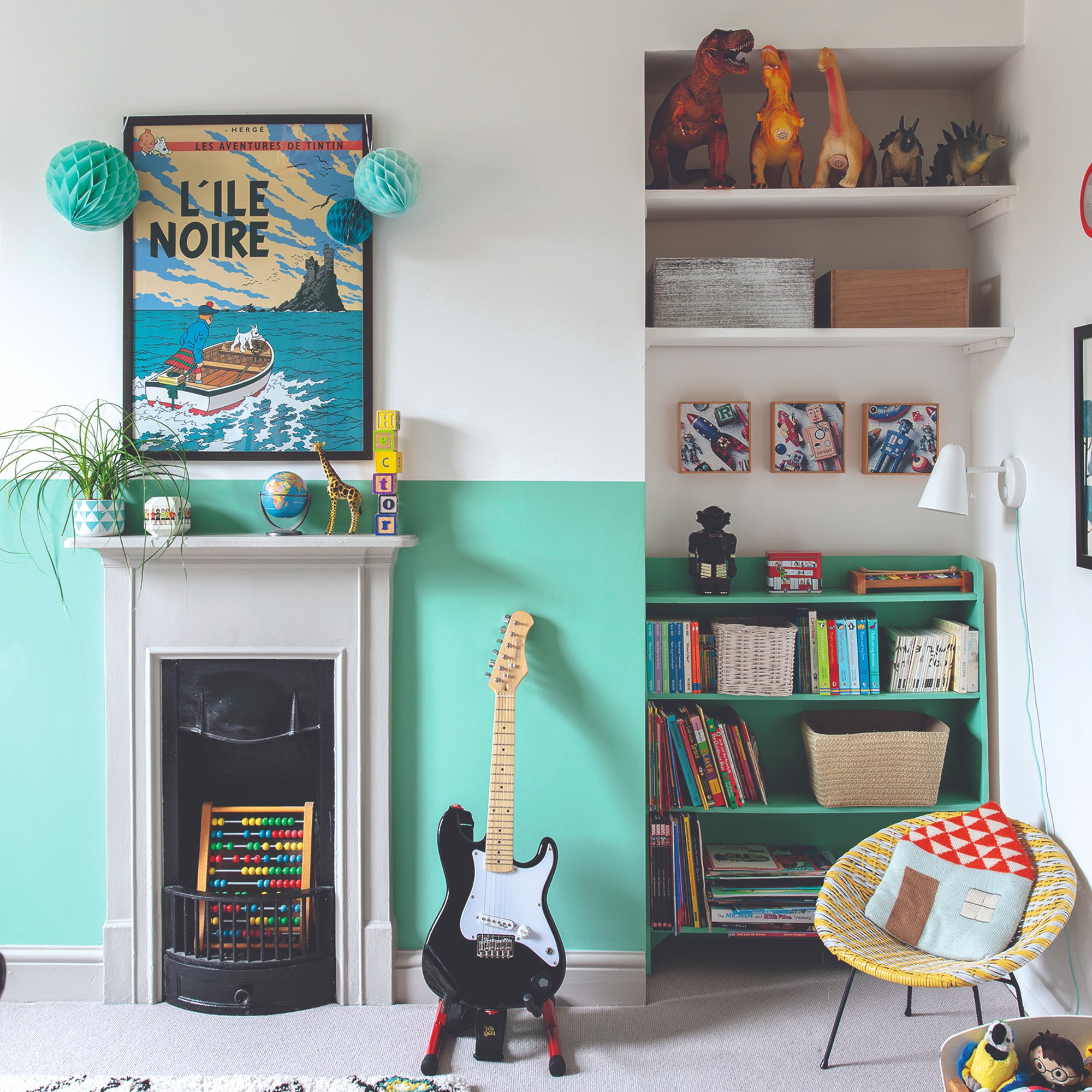
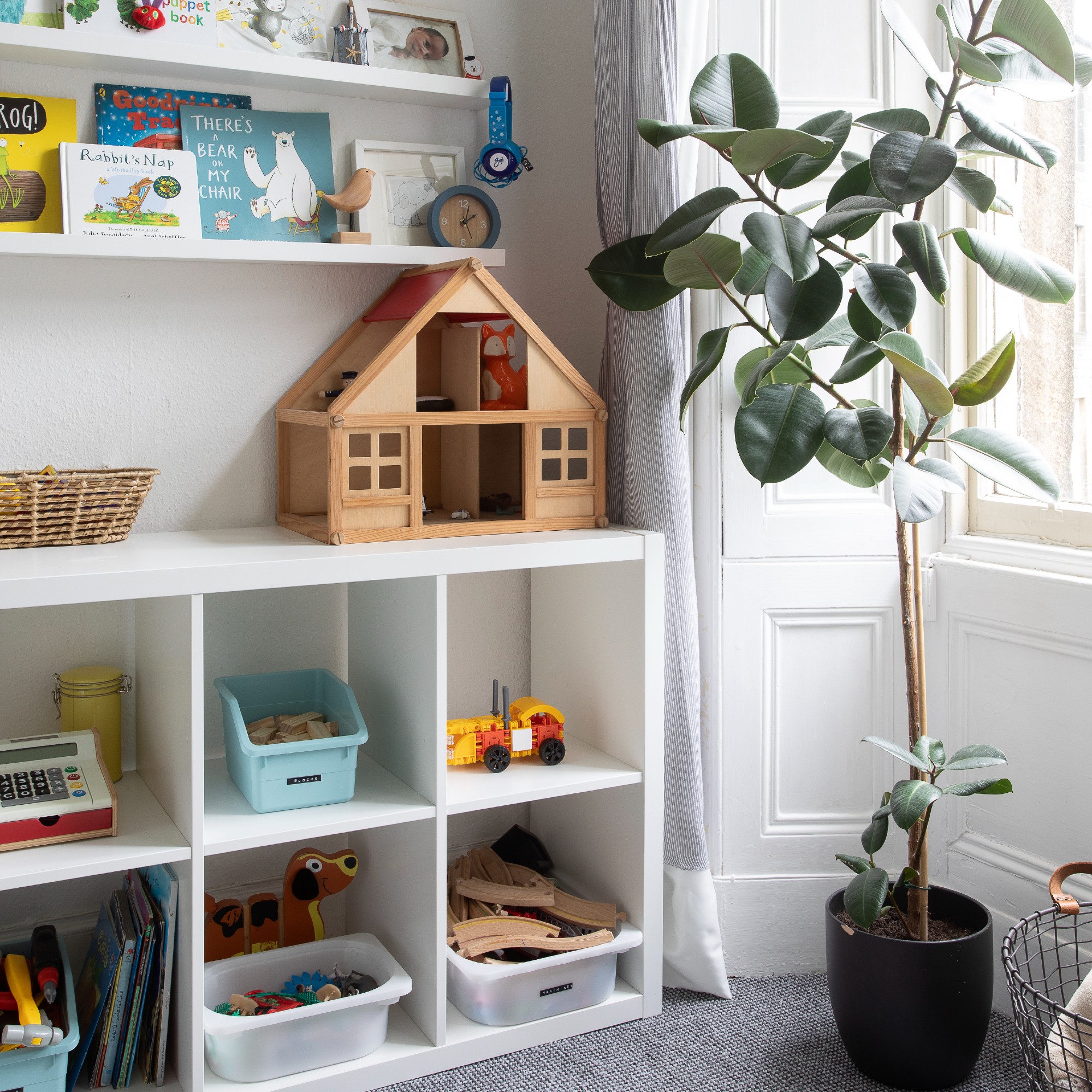
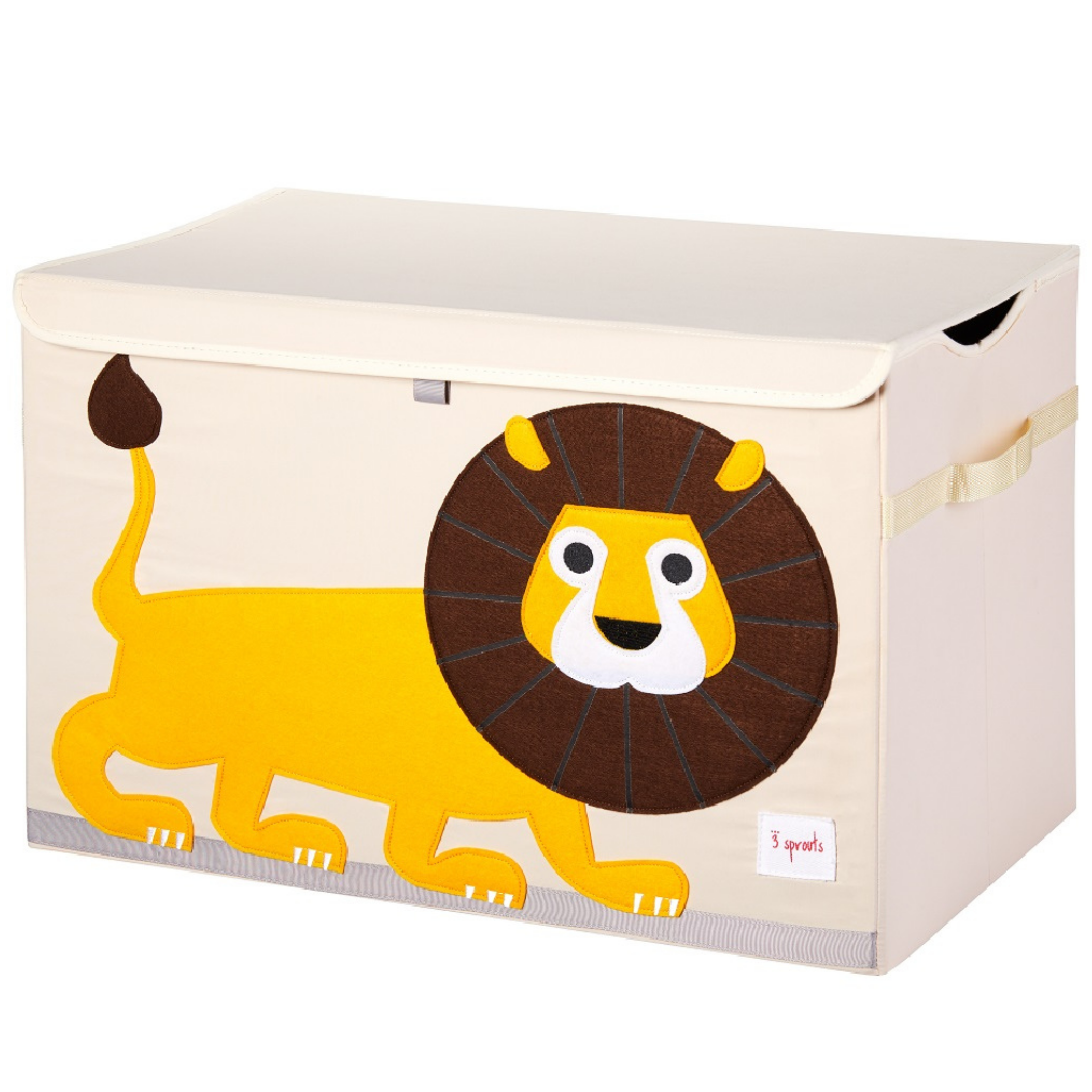
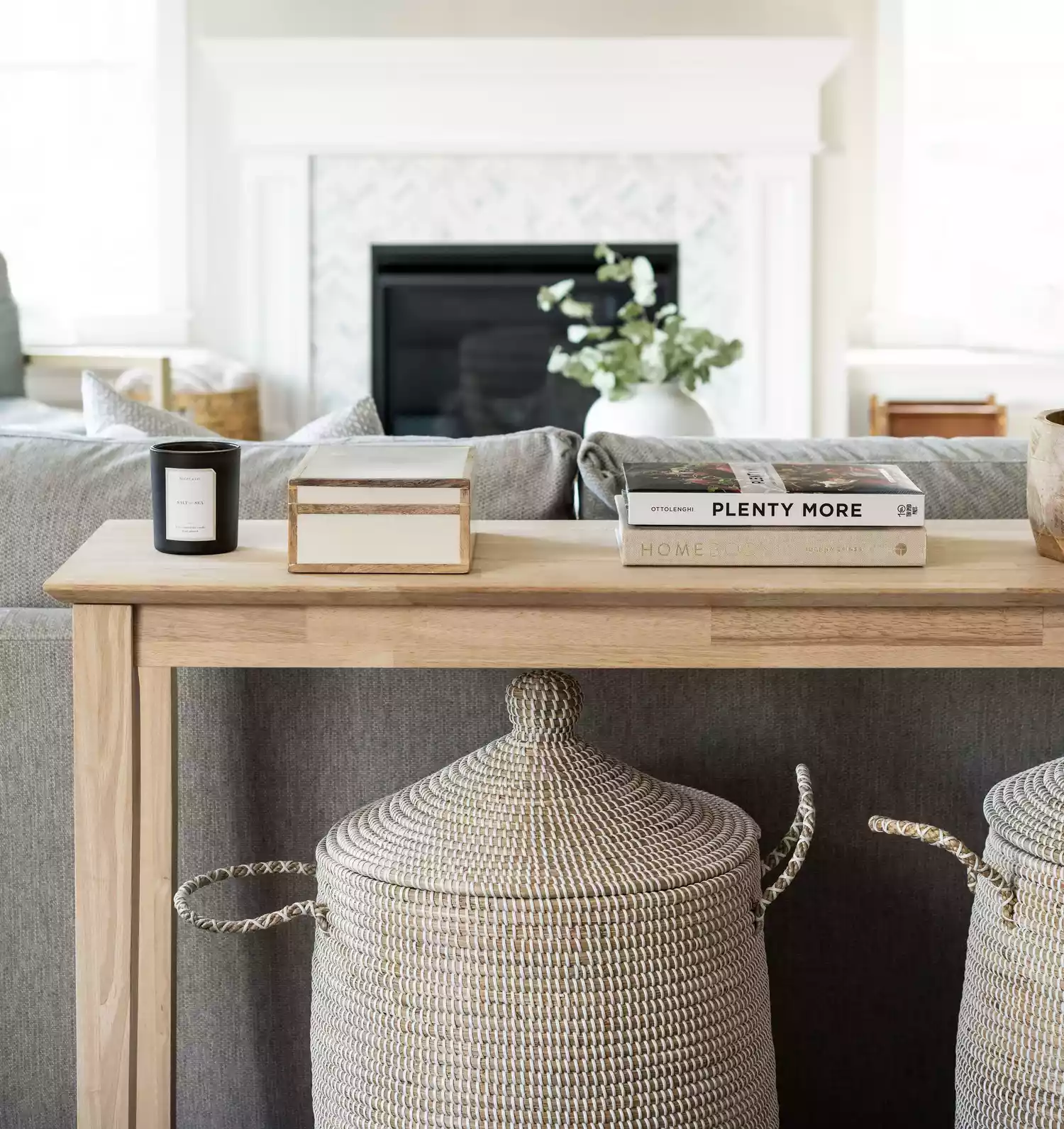
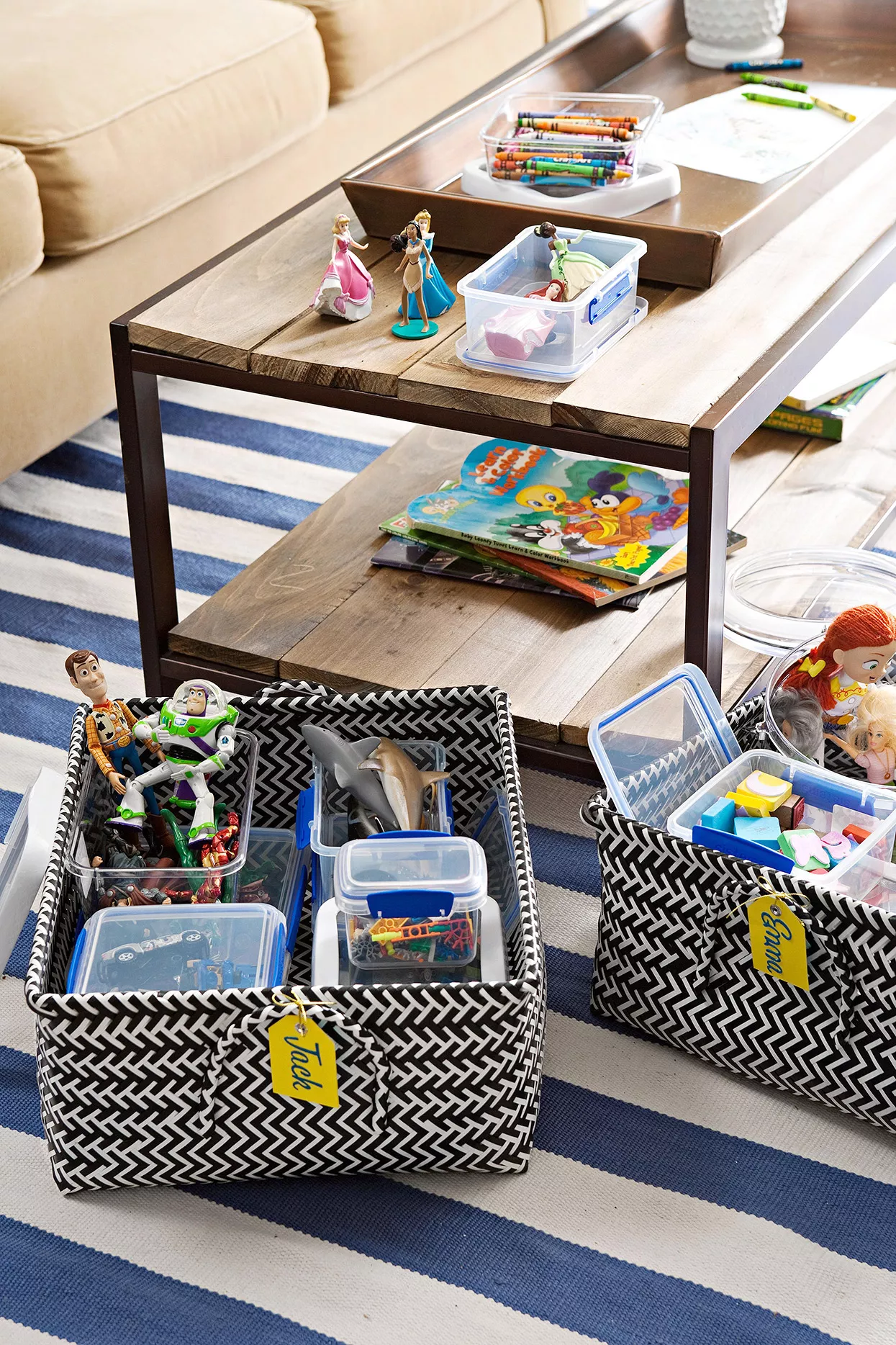
Baskets are further explored as a simple and quick cleanup solution. Strategically placed wide, open baskets can instantly clear floors of soft toys, dolls, and balls. For common areas, baskets with lids that blend with the existing decor are suggested. The article then moves to maximizing space with kids' storage shelves, particularly in corners or narrow wall stretches. Built-in shelving is presented as an effective way to store books and toys, with lower shelves being accessible to children. Food storage containers are introduced as a smart, space-saving option for organizing small items like toy cars, figurines, and crayons, with the added benefit of being stackable and portable when placed inside larger baskets.
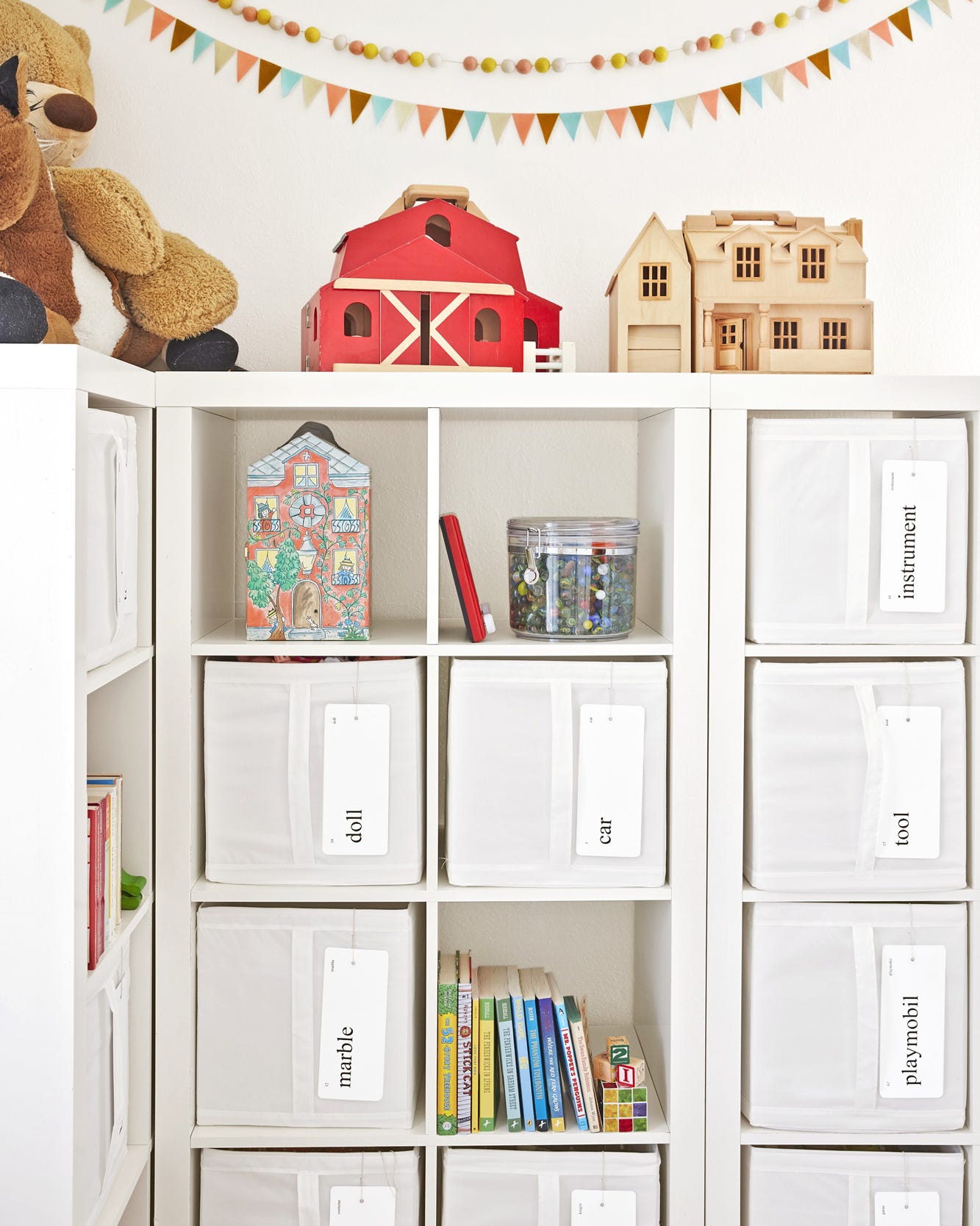
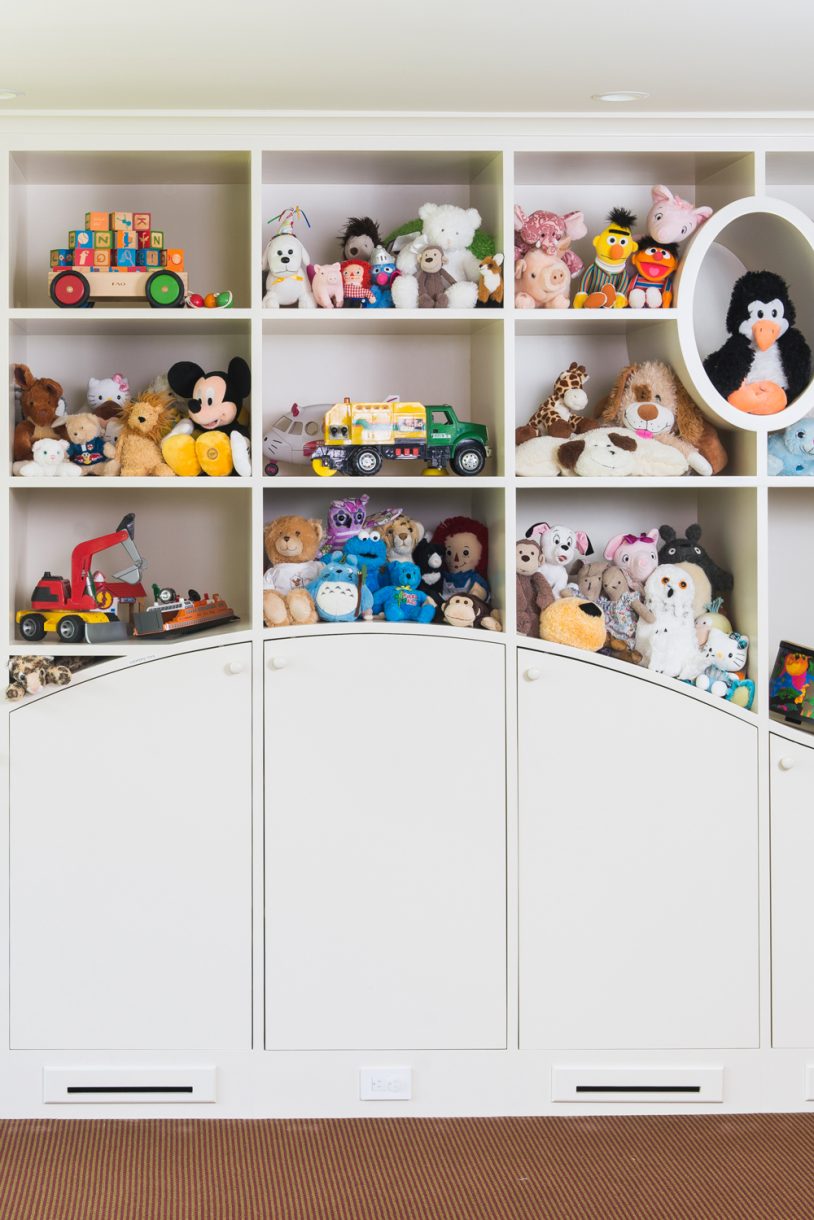
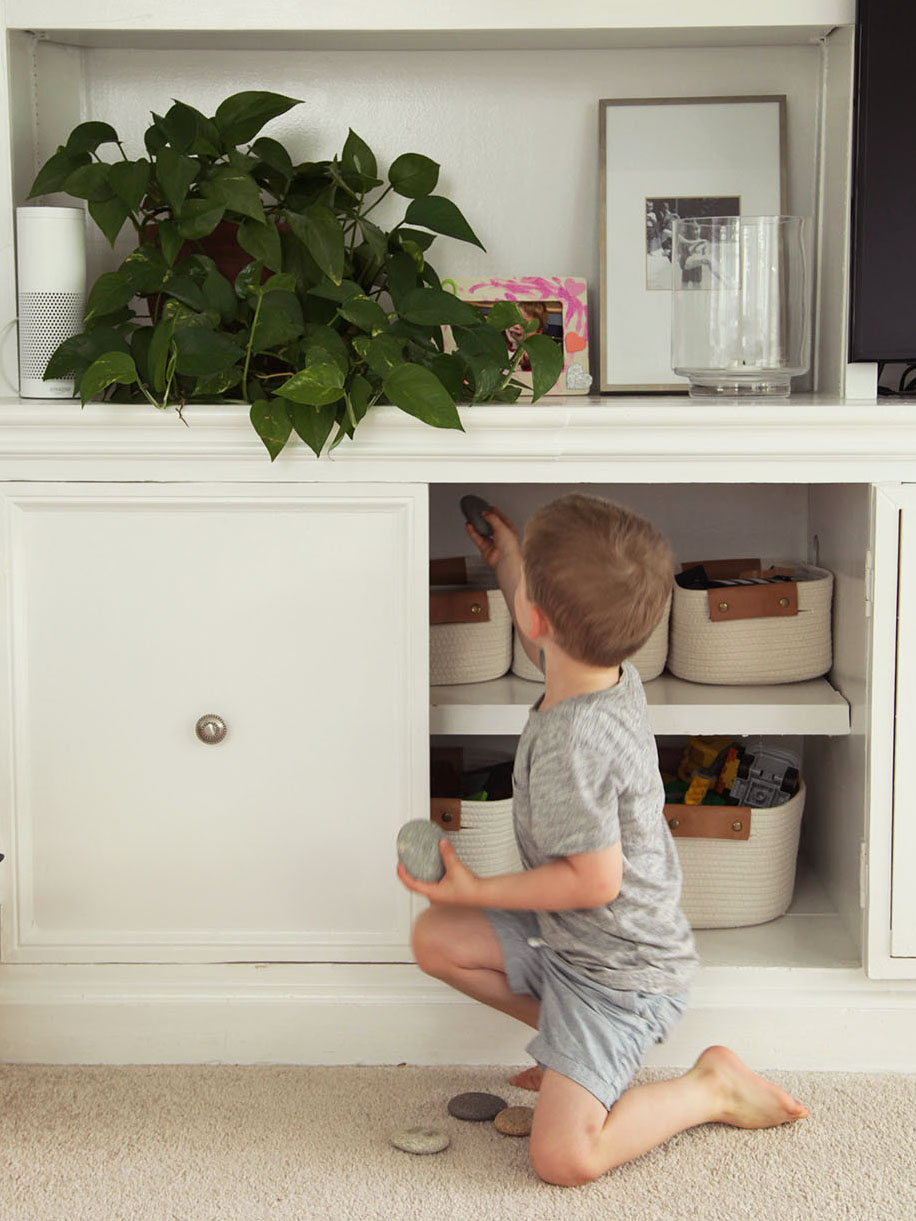
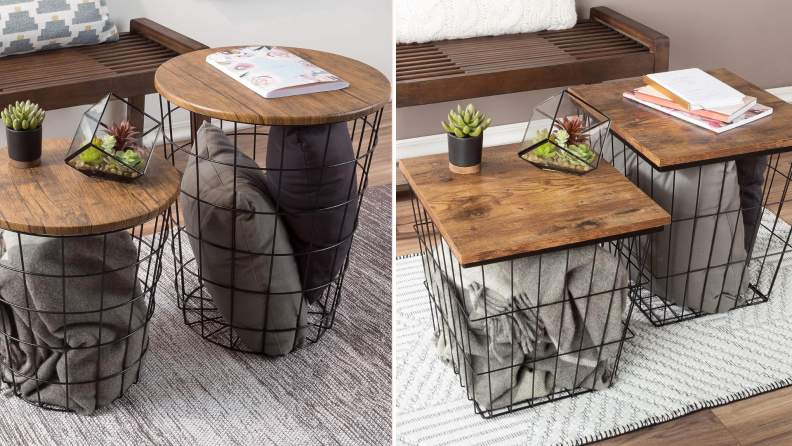
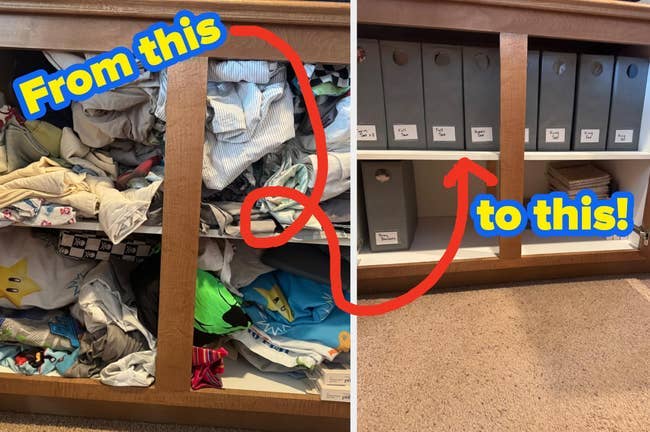
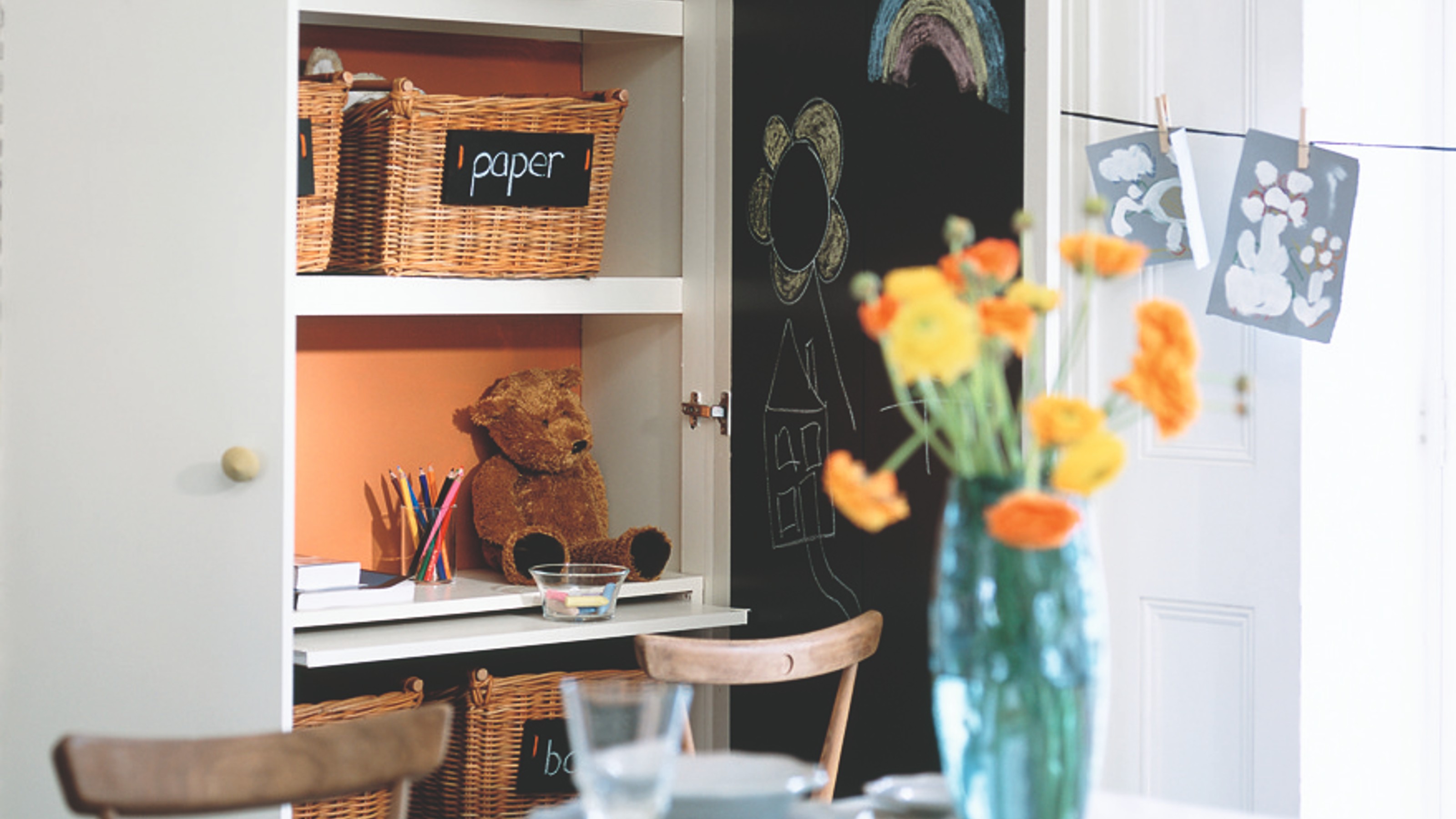
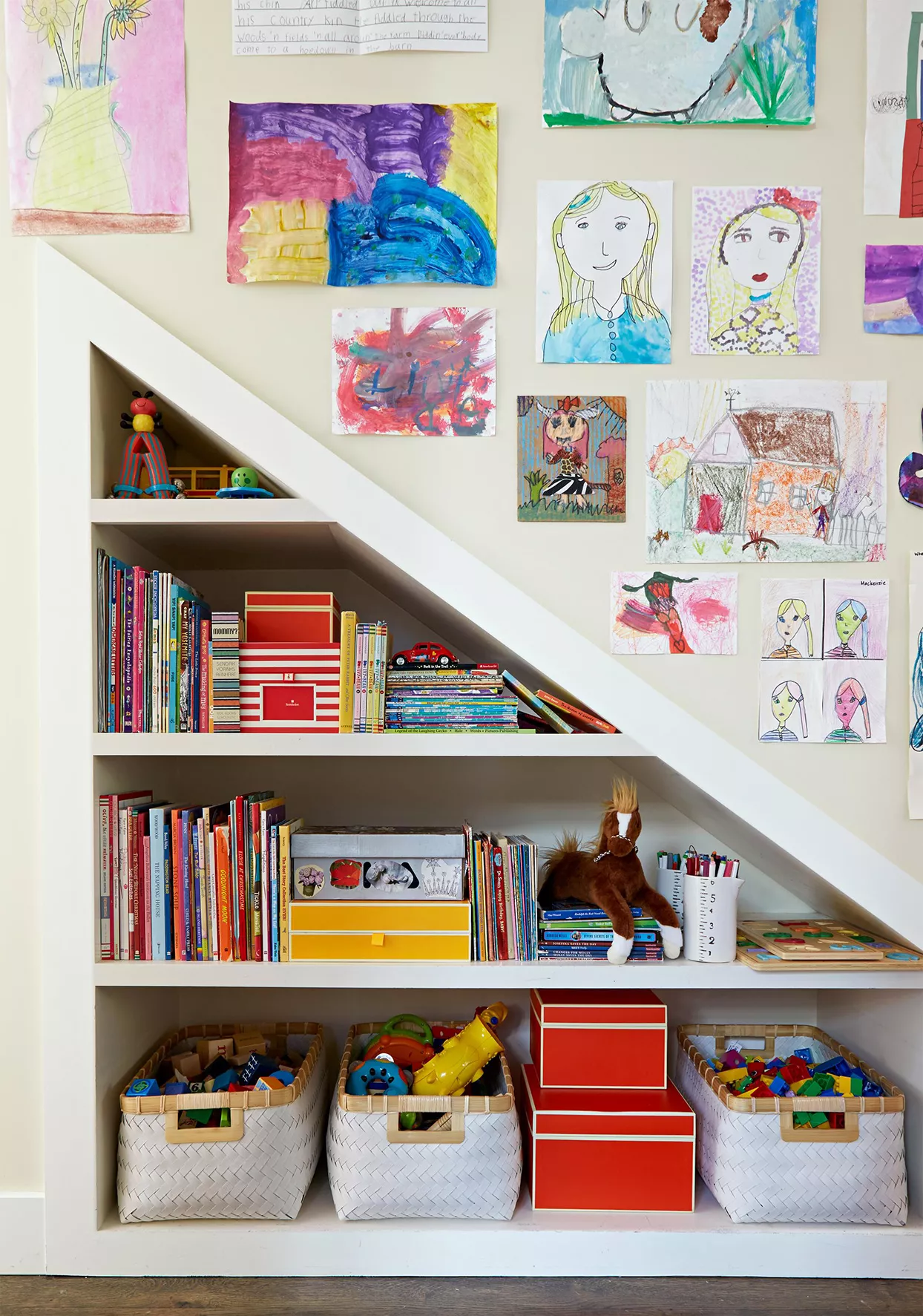
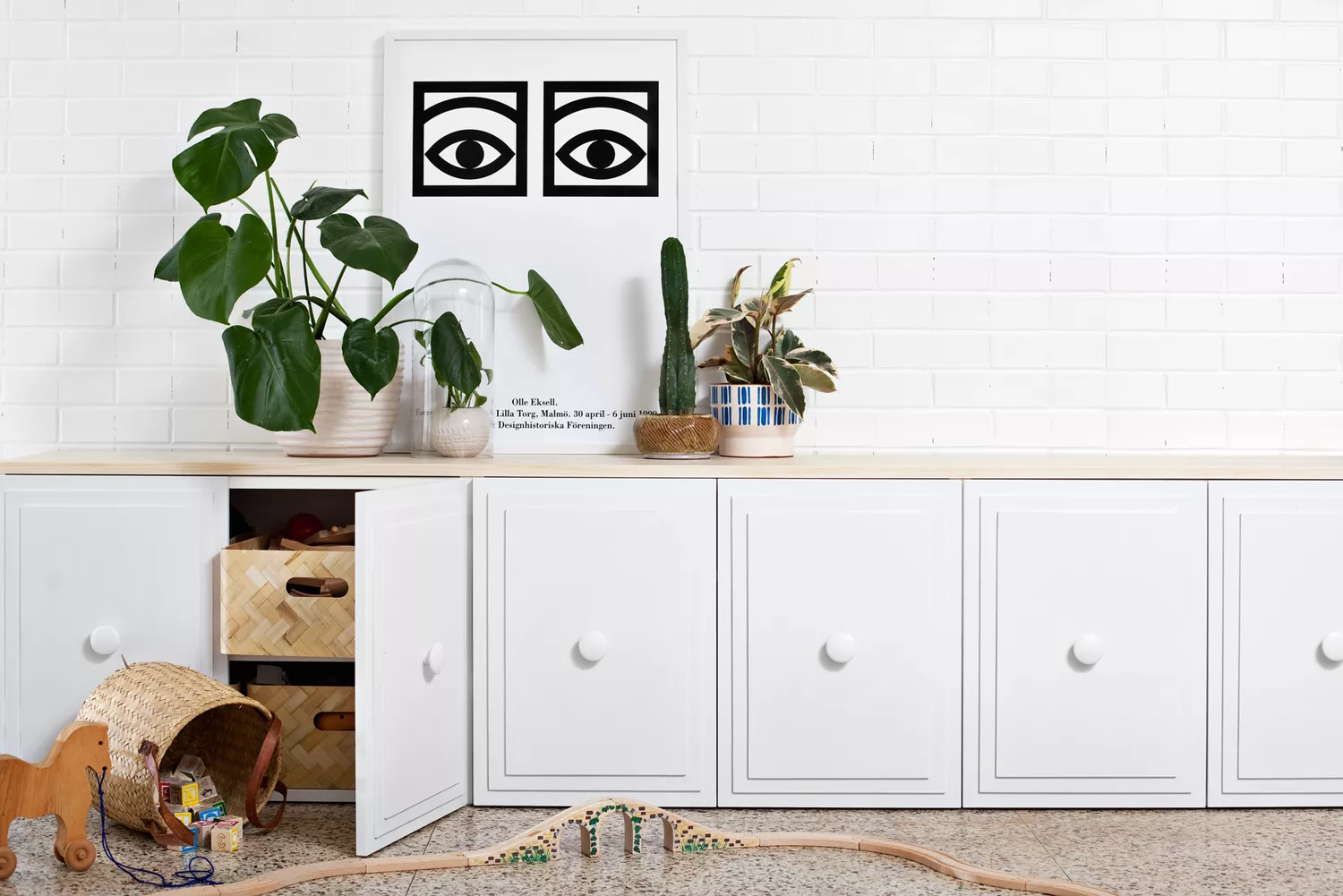
Creative use of awkward spaces is also covered, with a focus on under-stairs storage. This area can be transformed into hidden storage with shelves for containers, baskets, figurines, and Lego creations. Kid-friendly storage labels are another key tip, recommending the combination of words with photos on labels to assist young children and early readers in identifying and putting away toys. The article suggests built-in cabinetry as a method to hide toy storage in plain sight, offering examples like cabinets used for art supplies with pull-out shelves and bins for loose items. For family rooms that serve multiple purposes, a coffee table with storage is recommended for quick cleanup, providing space for board games and puzzles.
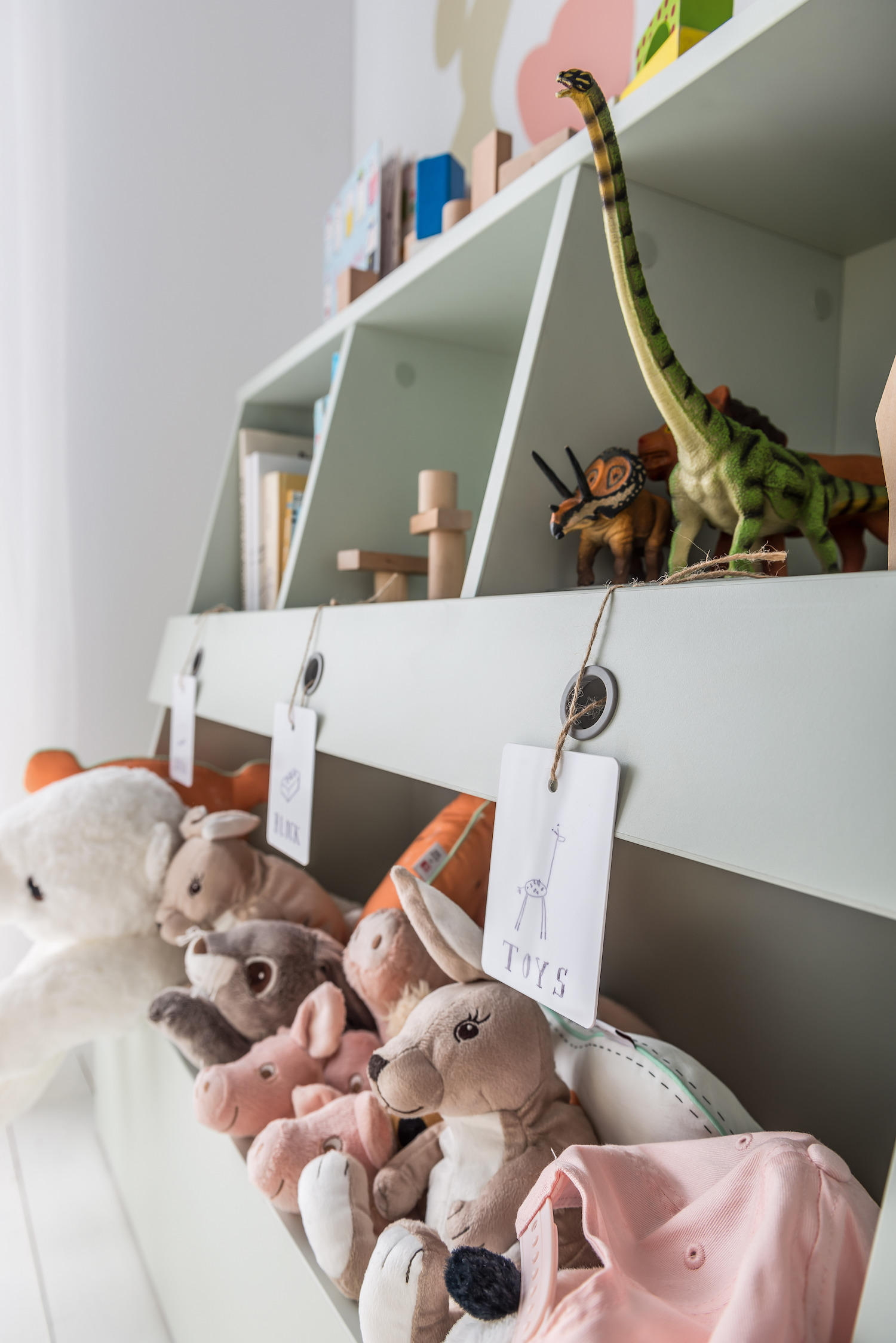
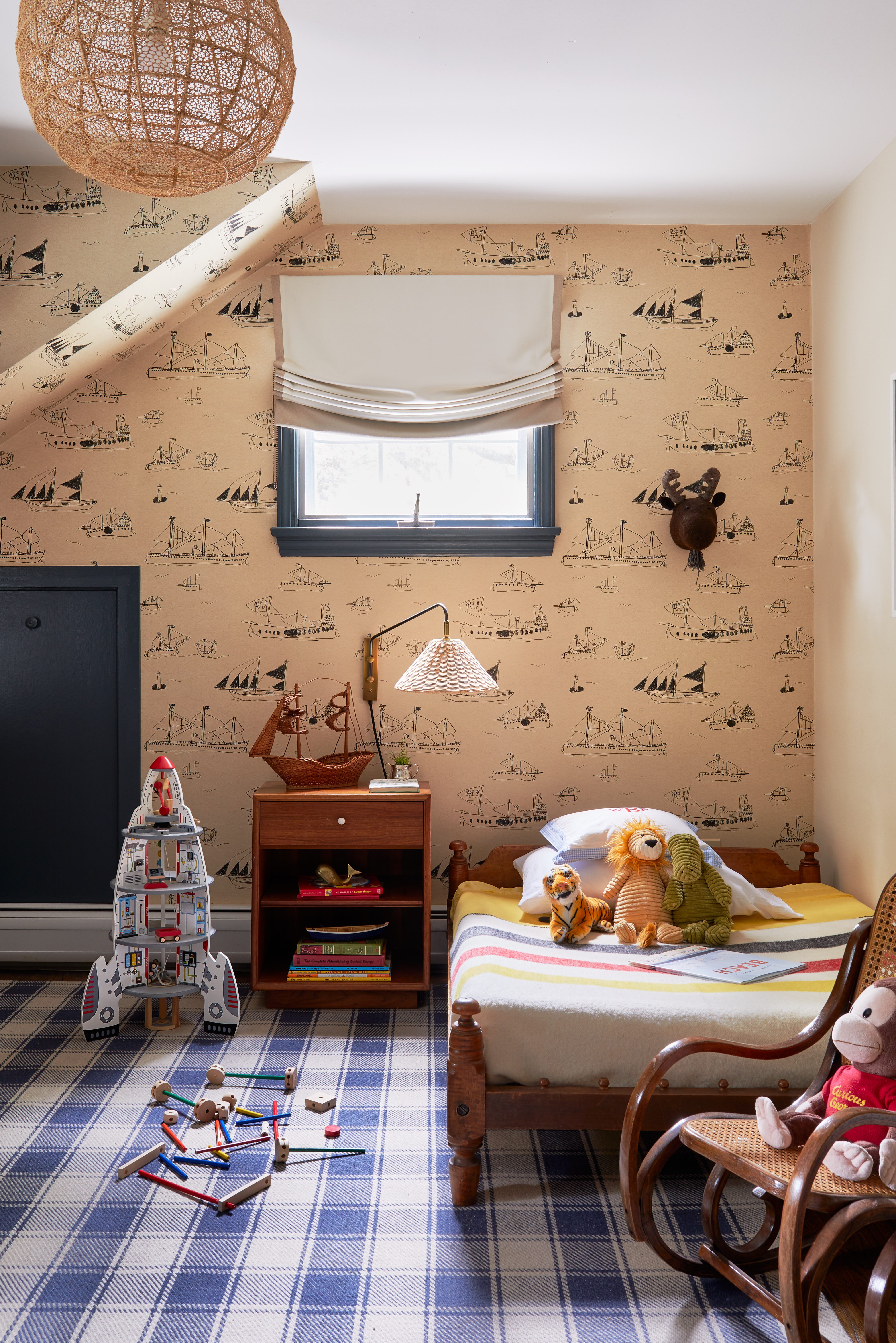
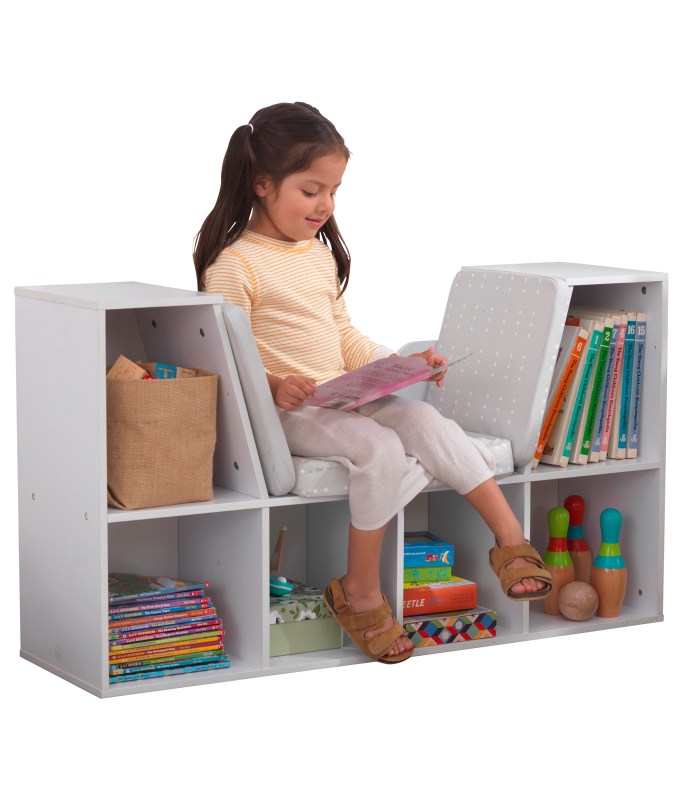
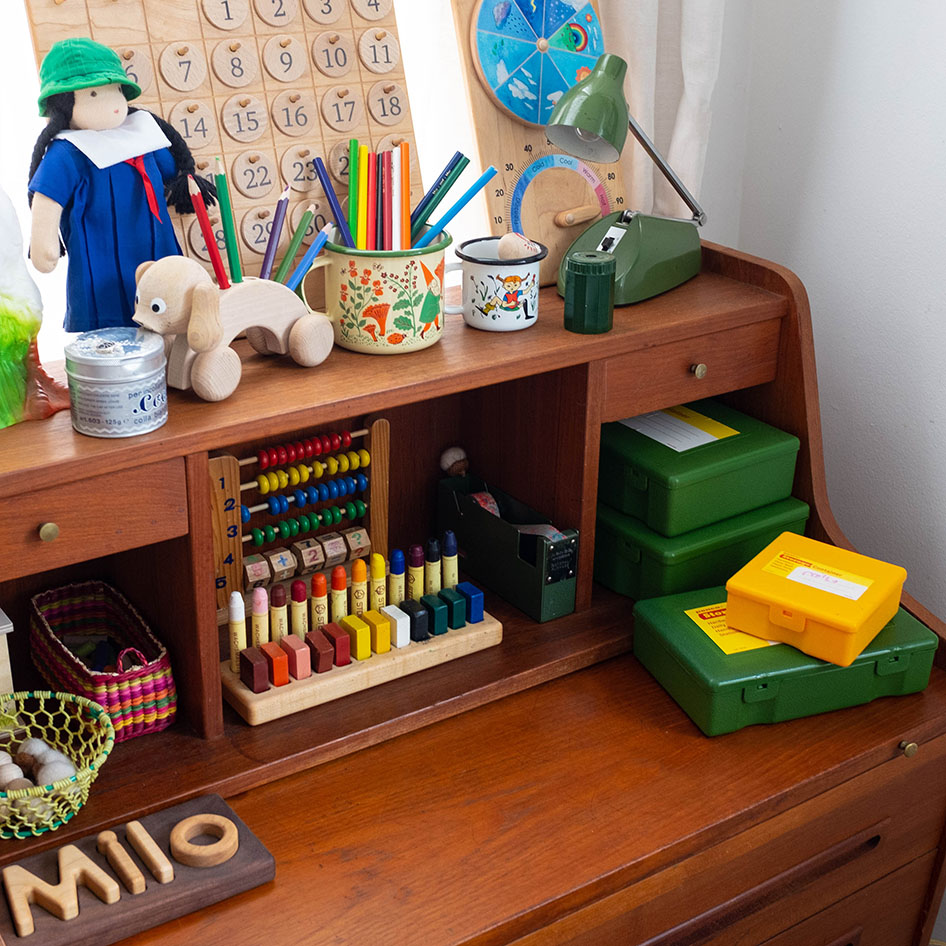
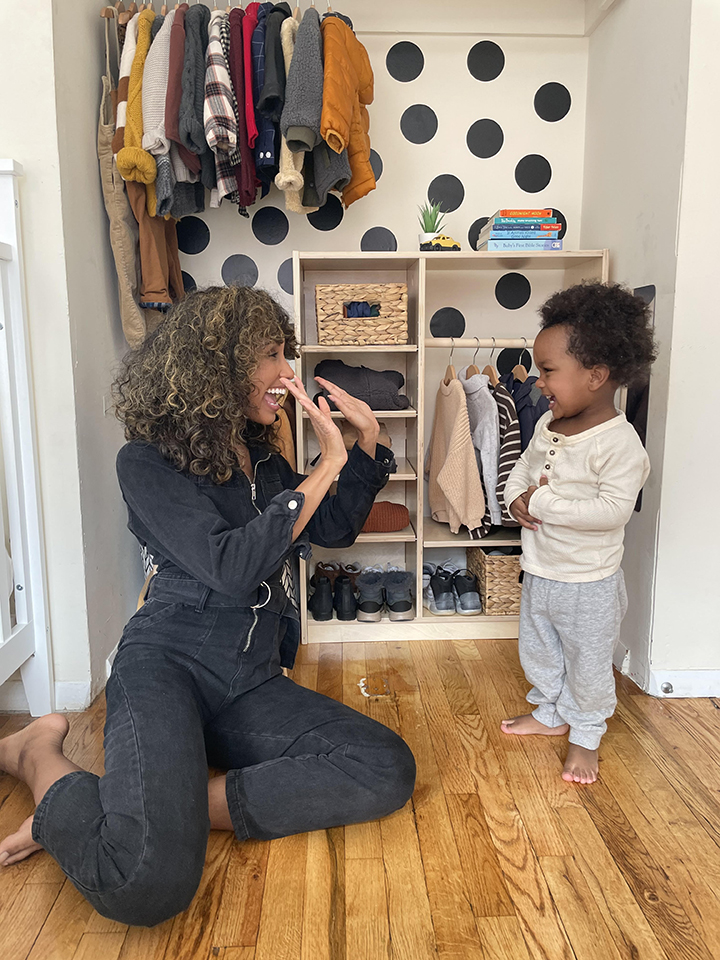
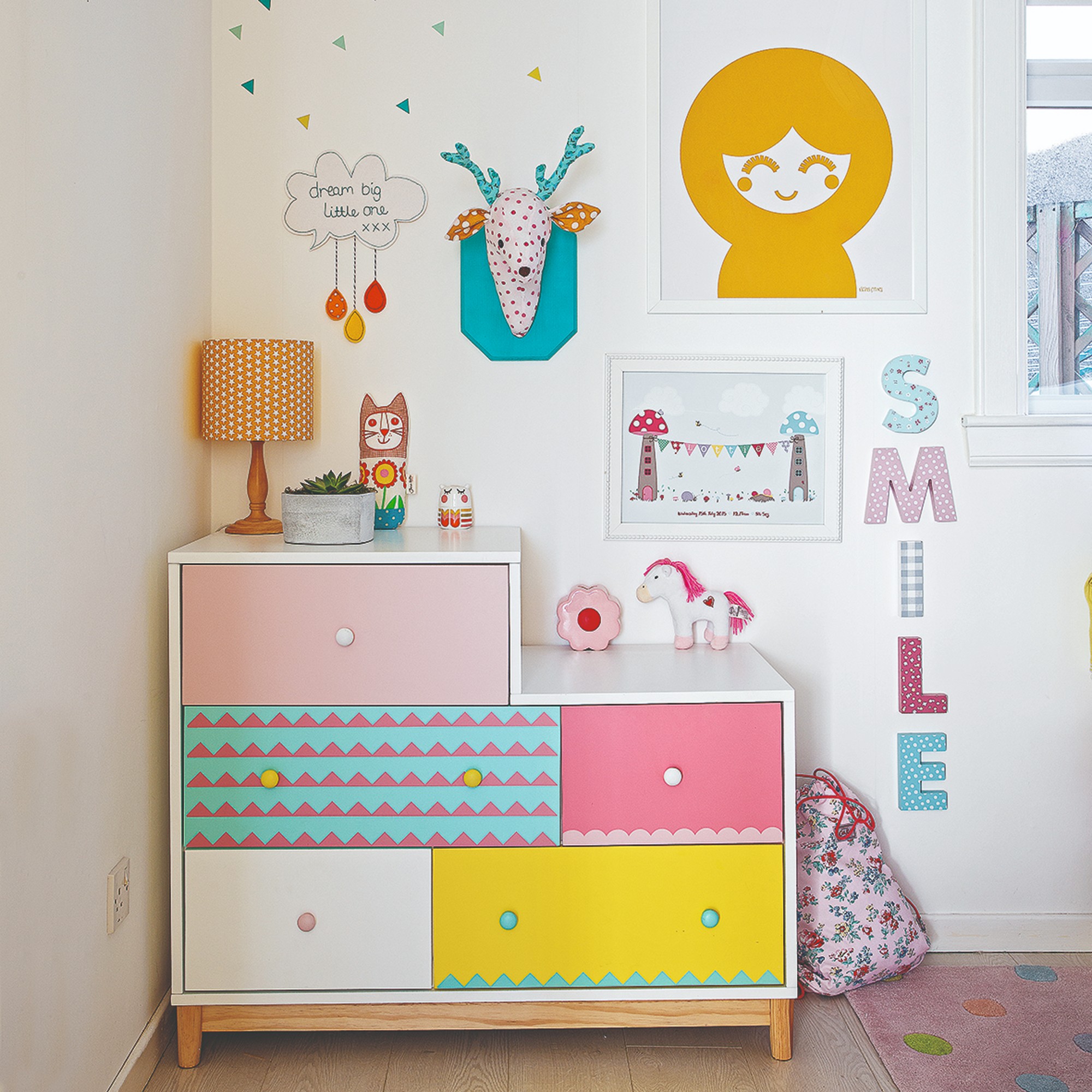
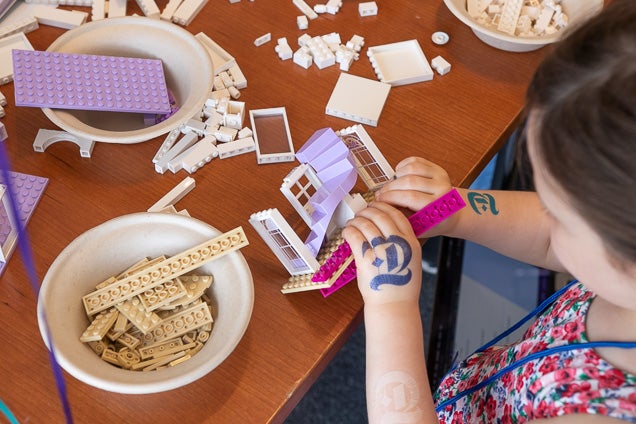
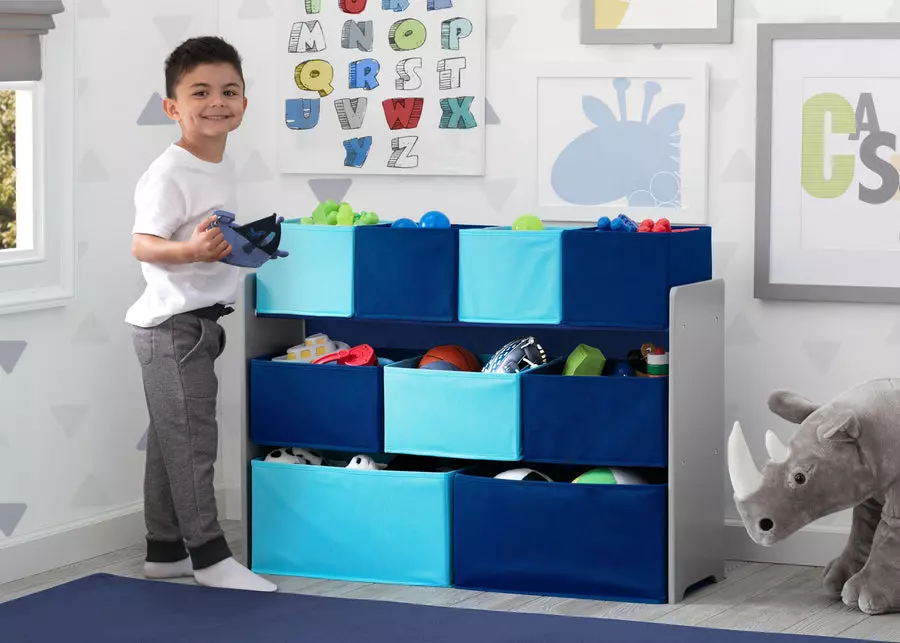
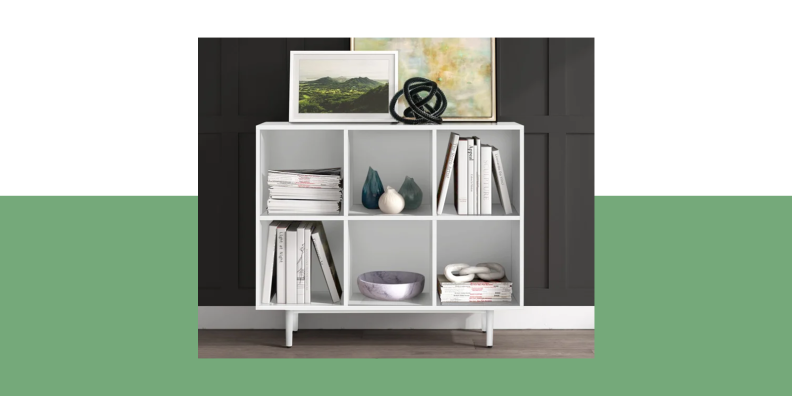
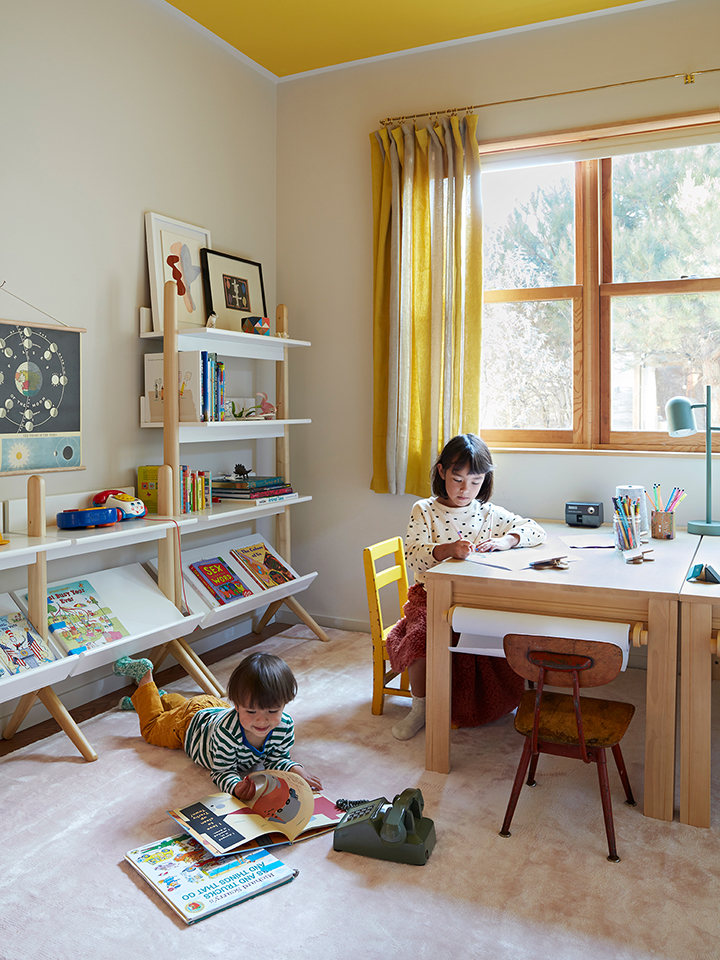
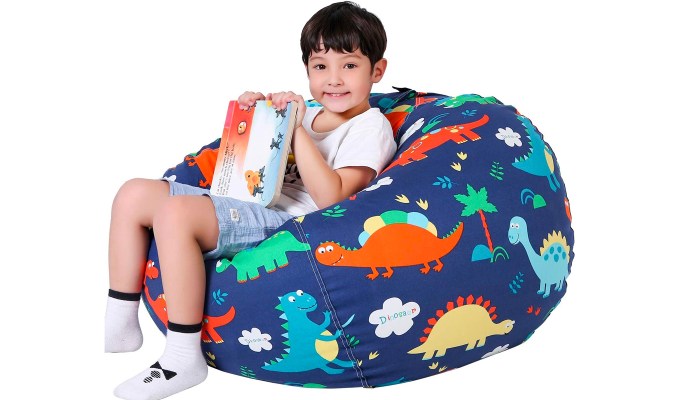
Toy storage baskets are revisited, highlighting their lightweight and colorful nature for organizing books, art supplies, and plush toys. Color-coding or labeling bins is suggested to simplify cleanup. Low, open shelving is presented as a kid-friendly option, allowing easy access for children to grab and put away toys, with soft-sided bins being particularly suitable. The article also touches upon color-coordinated toy storage, using colors to categorize items like Lego bricks, which can also aid in color learning. Stand-alone furniture pieces, such as tall bookshelves paired with benches, are proposed to boost storage and create reading nooks.
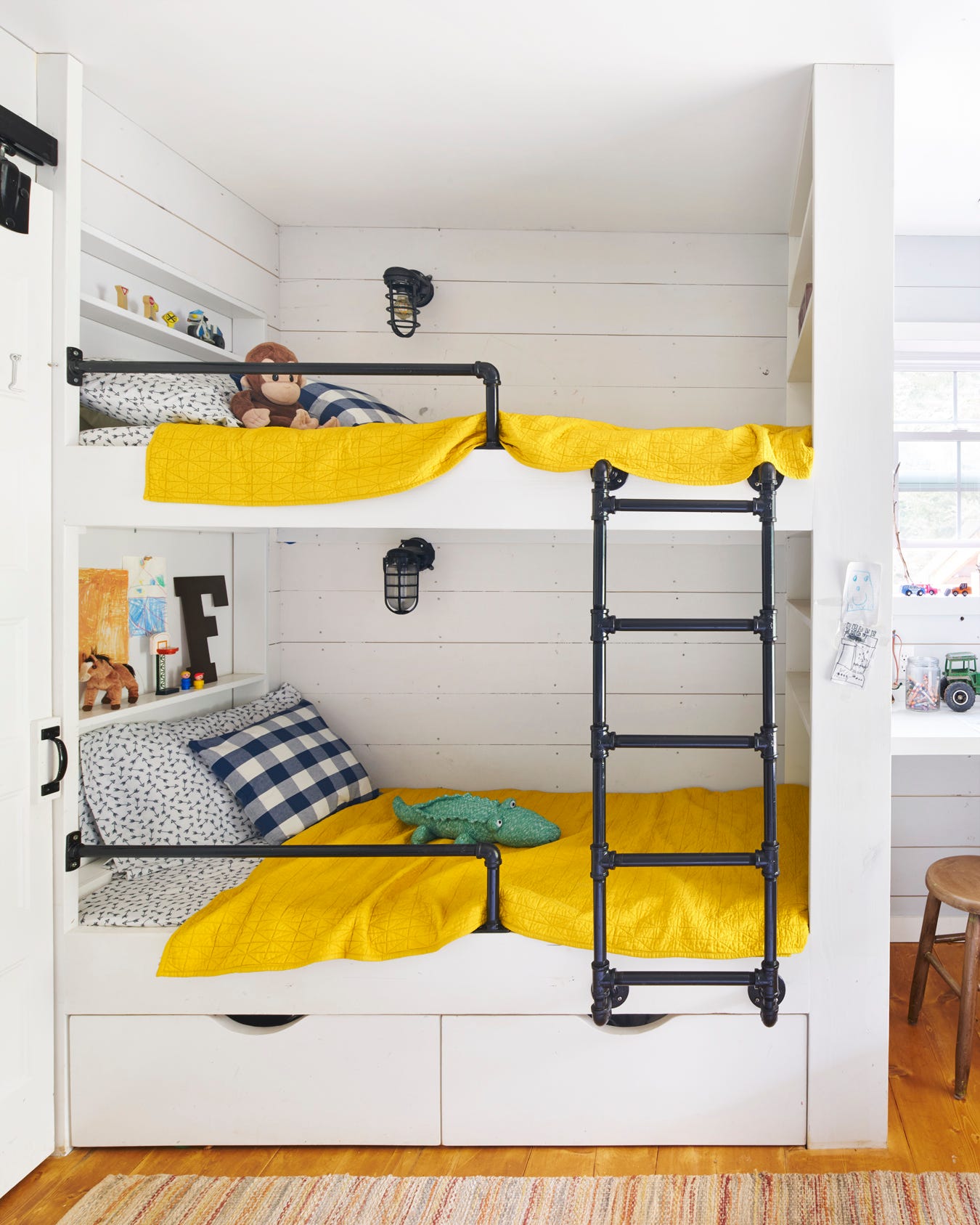
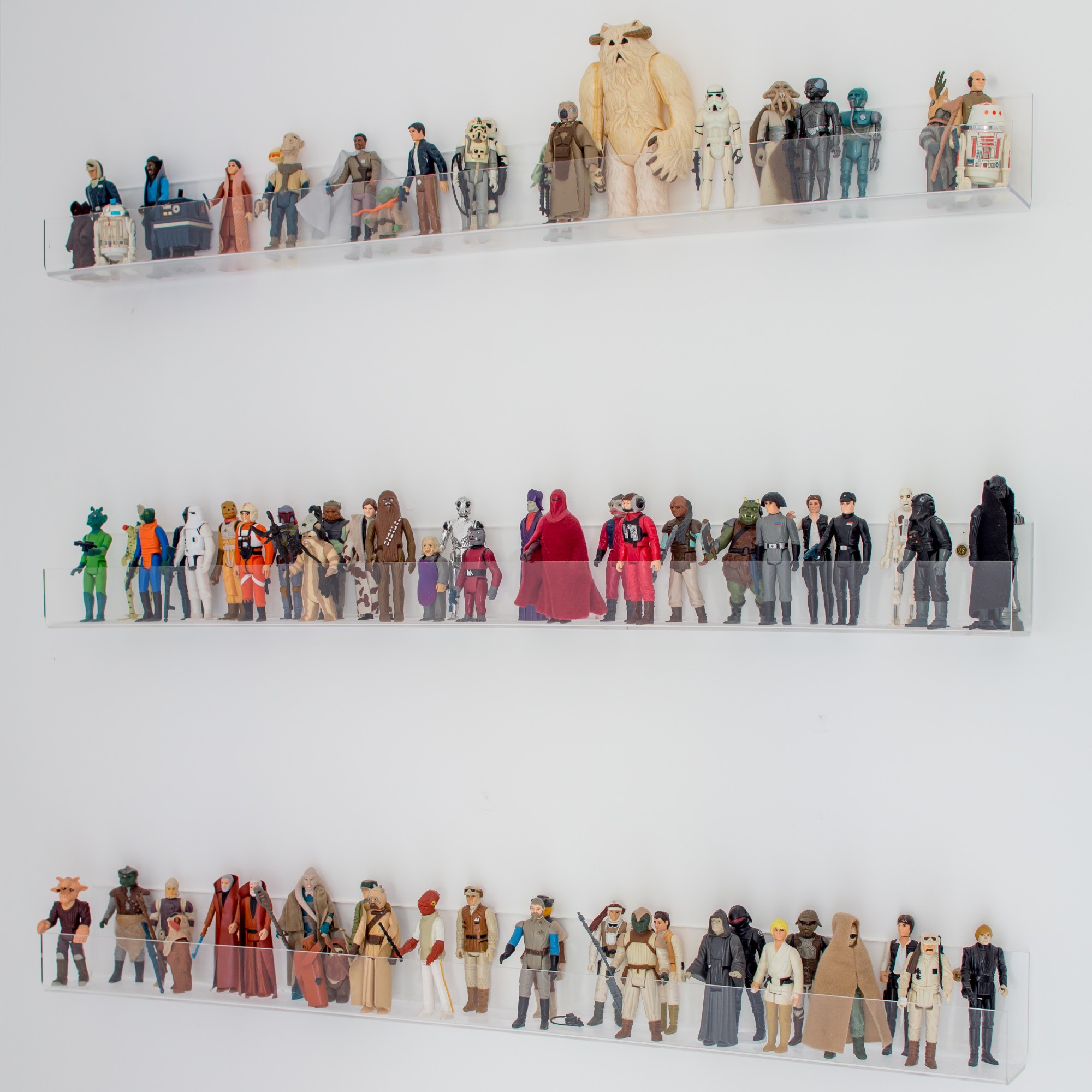
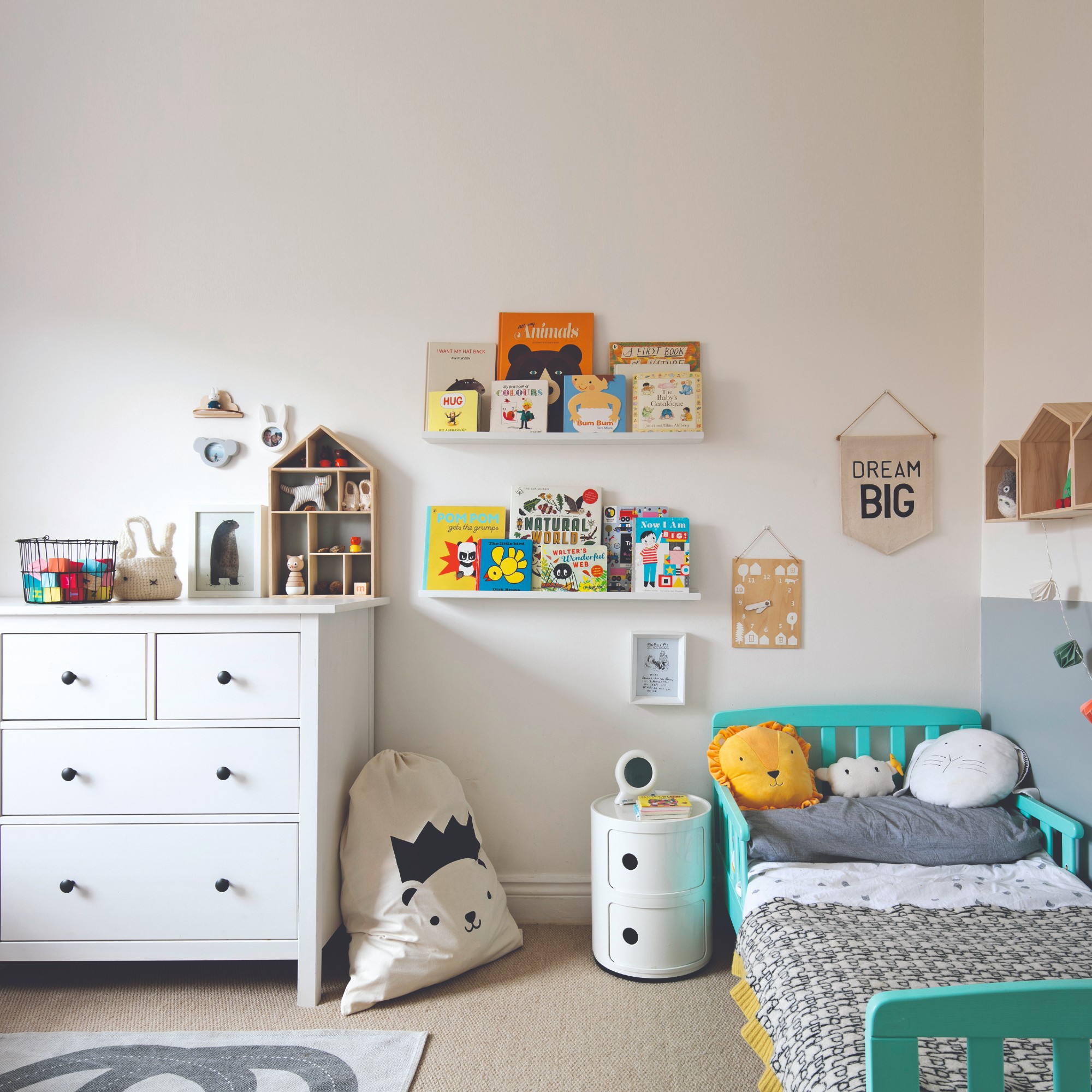
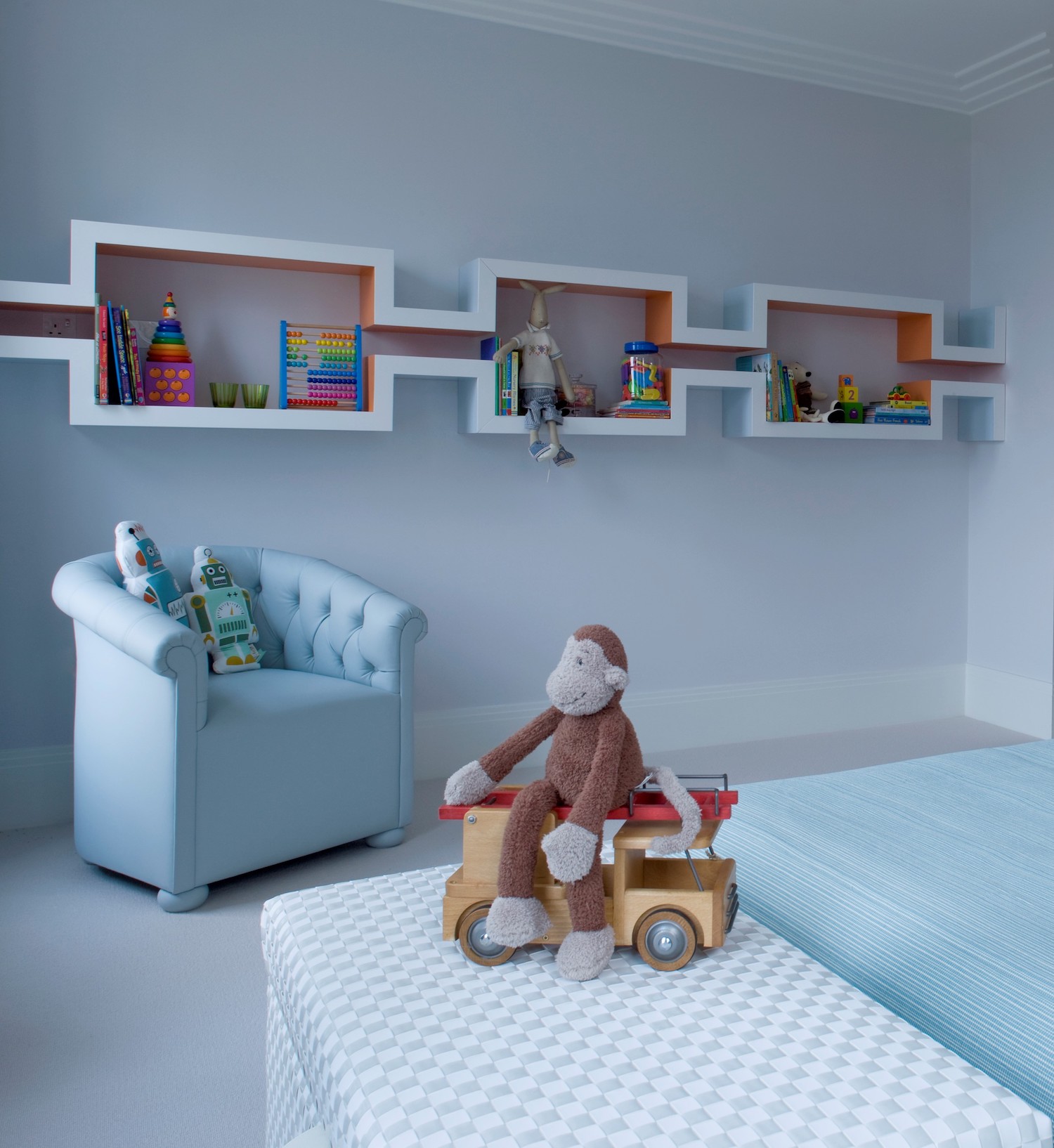
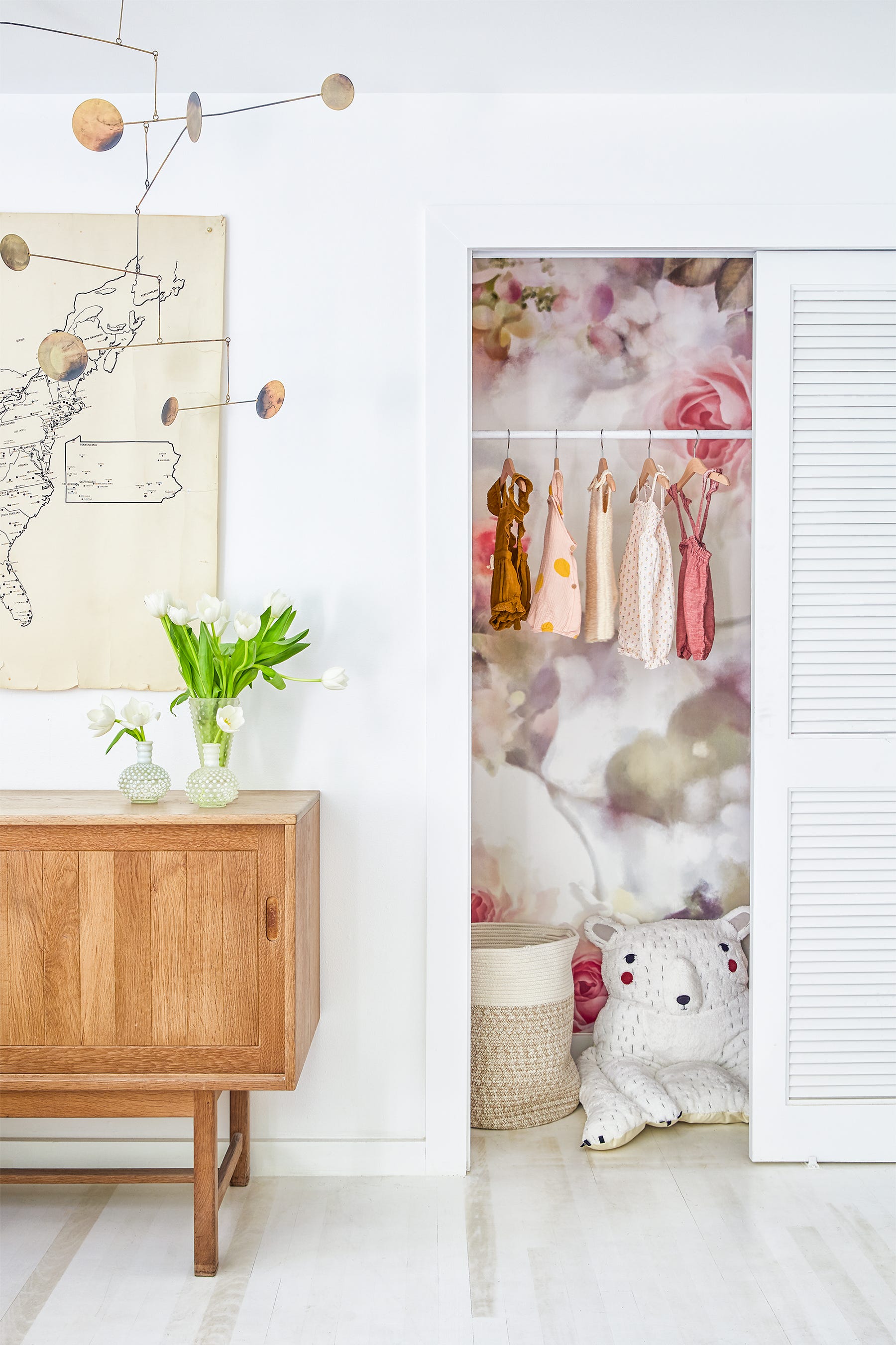
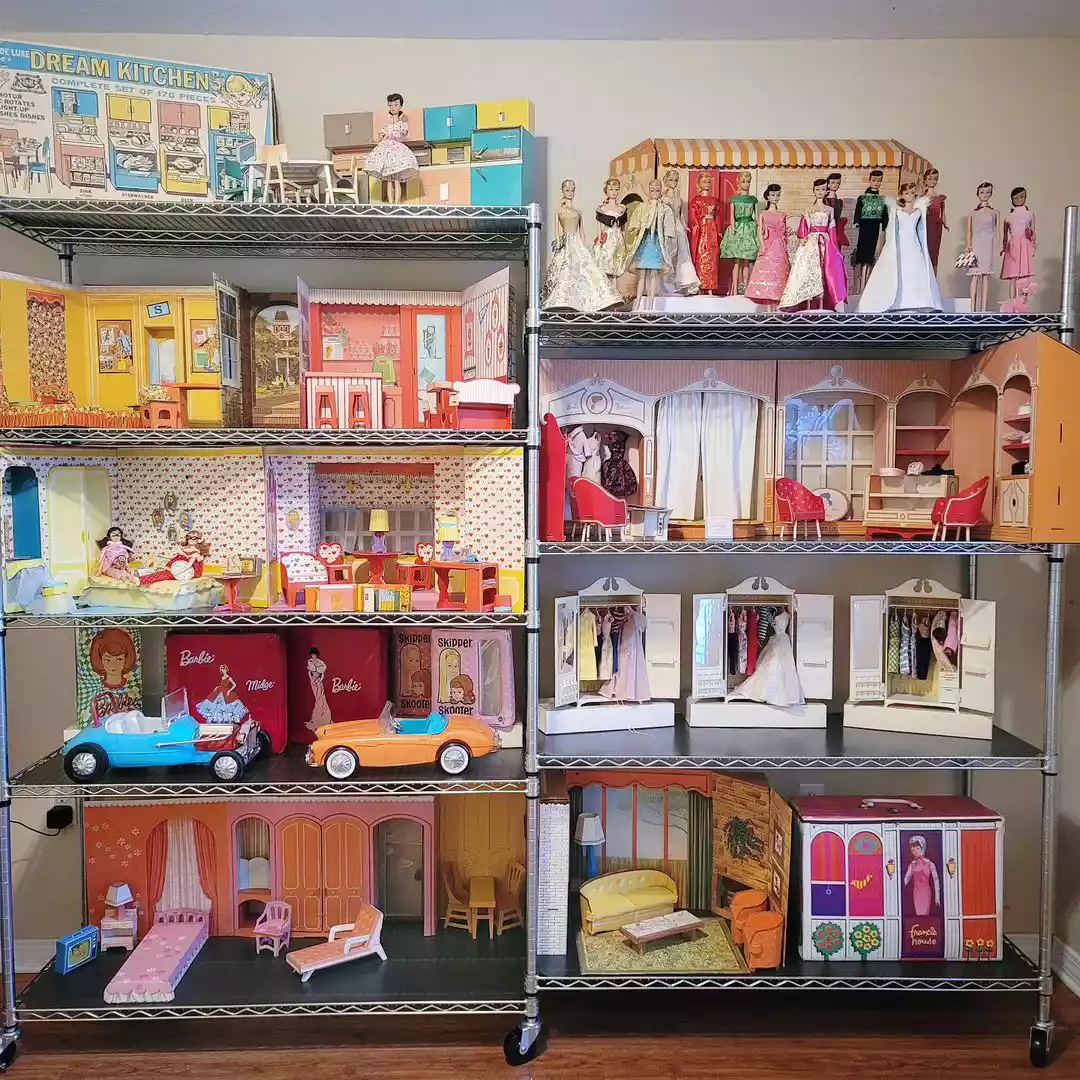
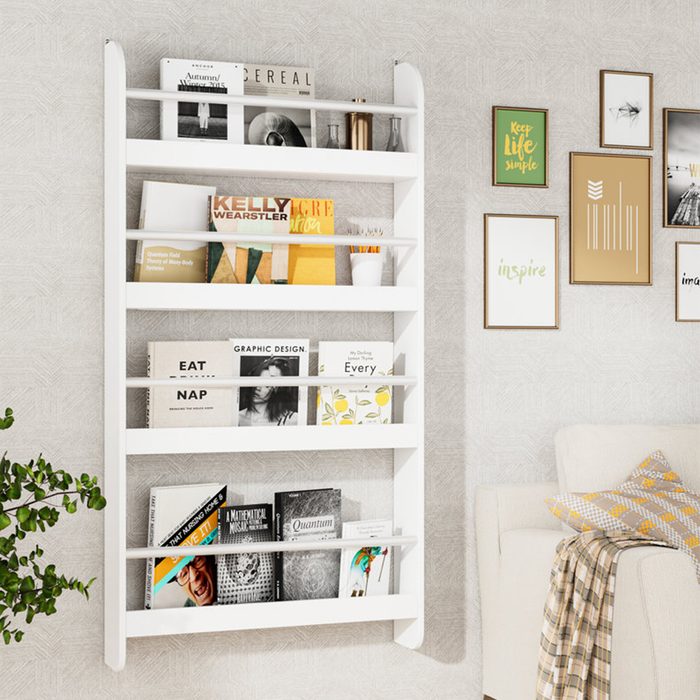
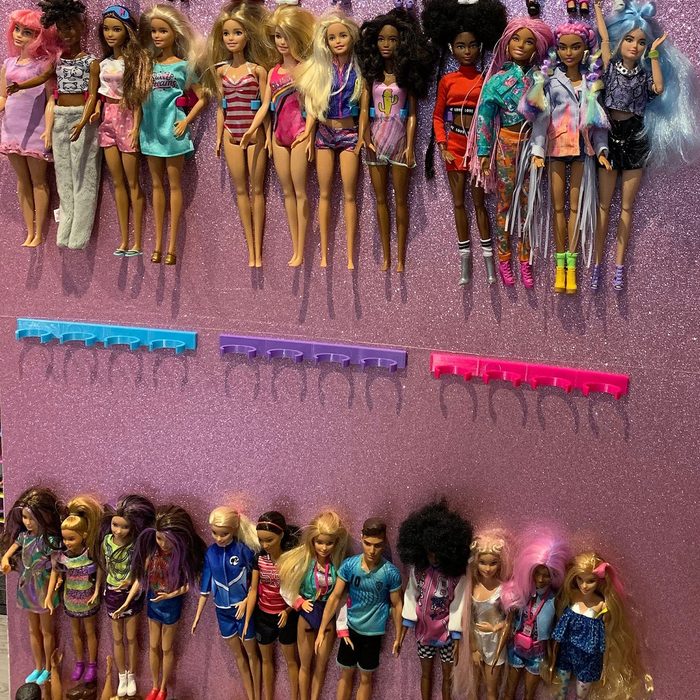
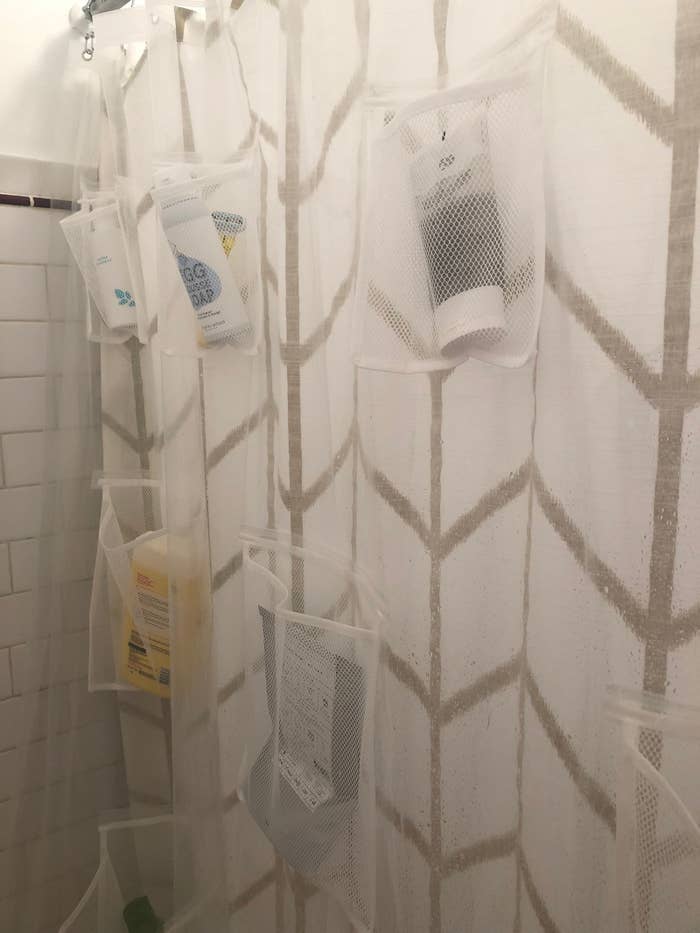
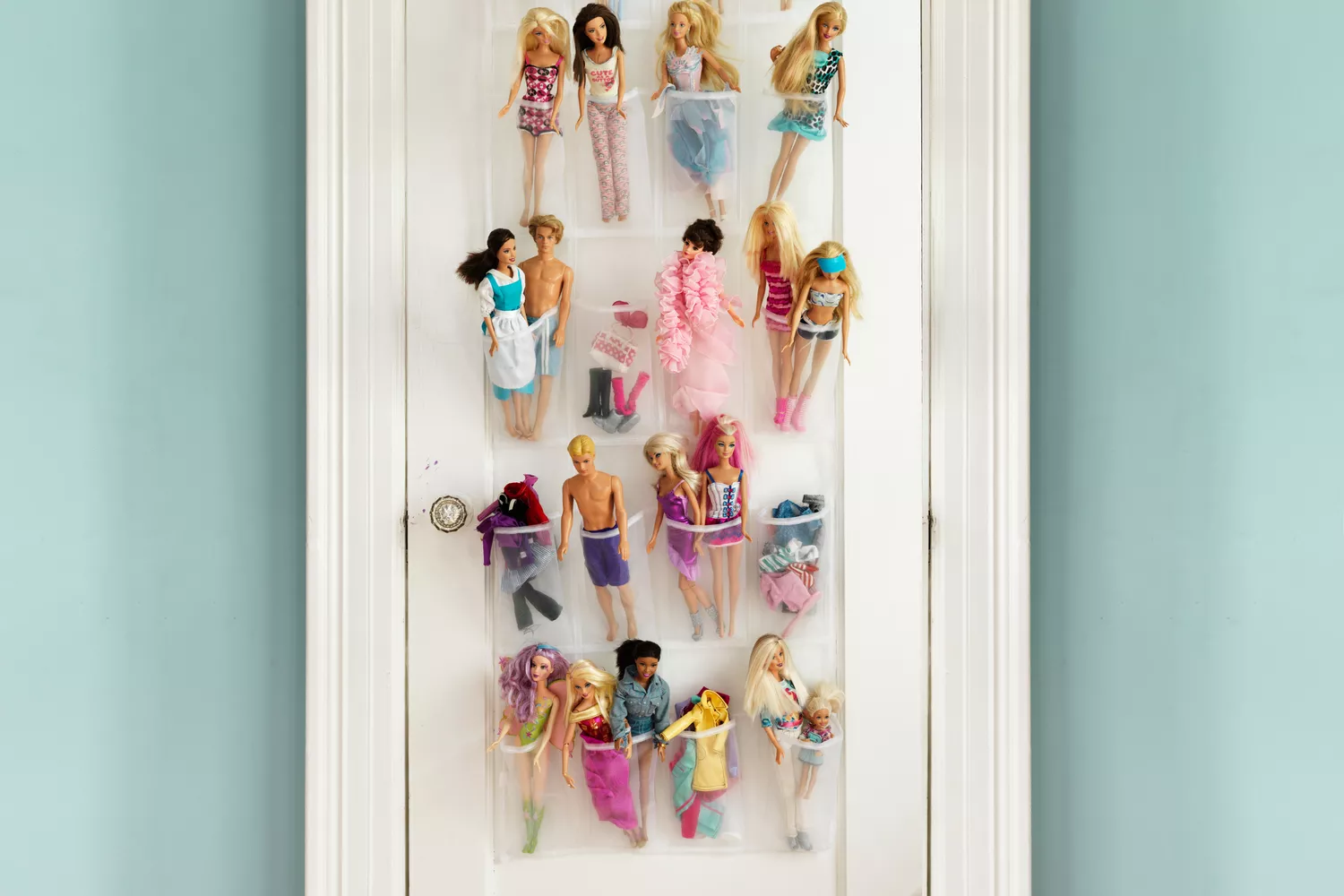
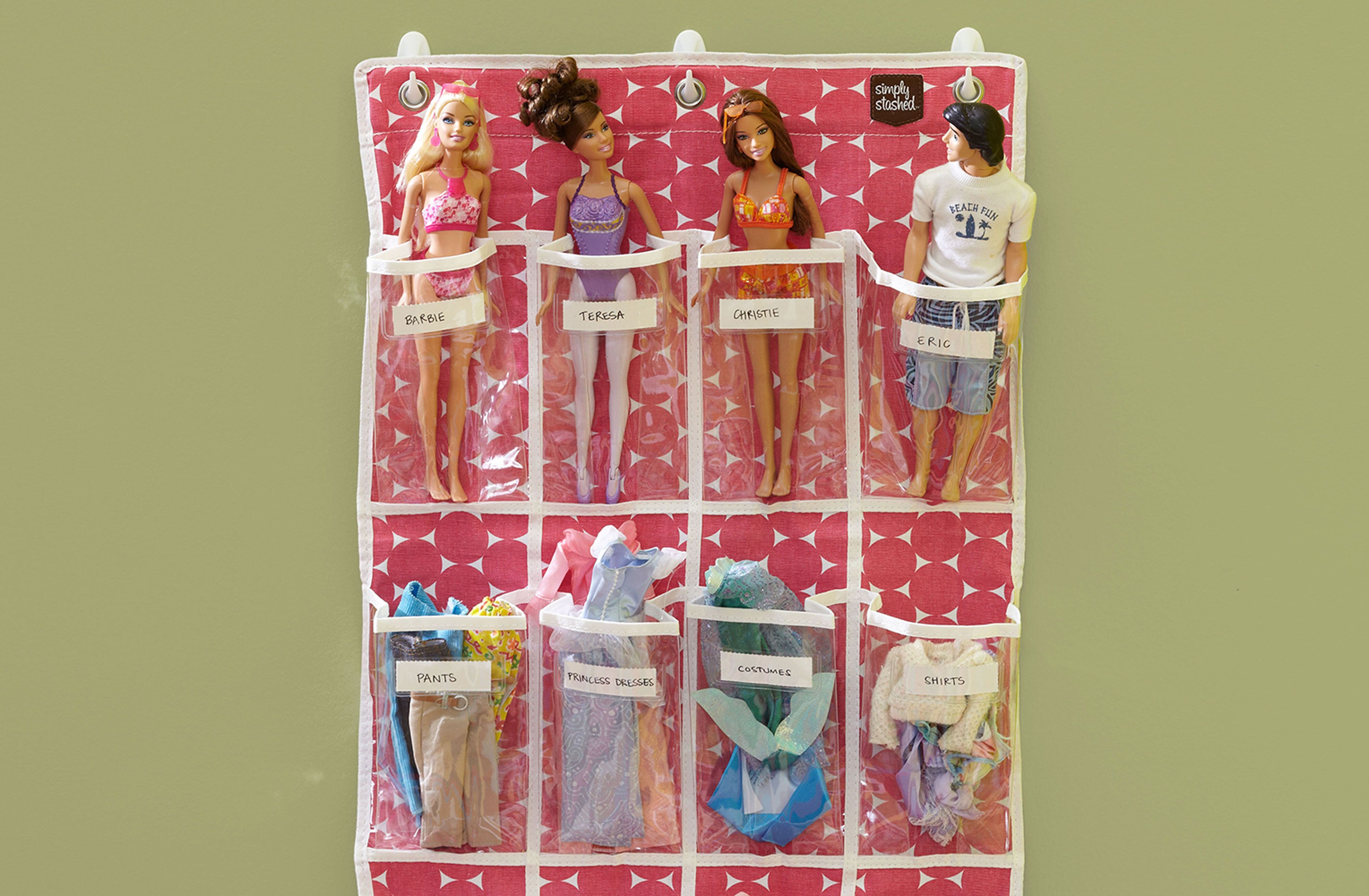
Decorative toy storage ideas include using acrylic display boxes mounted on walls to showcase children's creations or favorite toys, integrating them into the room's decor. Shallow floating shelves are recommended for displaying colorful books, encouraging reading while serving as decor. Under-bed storage with drawers is presented as a practical solution for out-of-season clothing or bulky sports equipment. Repurposing items is also covered, such as using over-the-door shoe organizers for dolls and accessories, and transforming armoires into toy storage units with bins and magnetic surfaces for artwork.
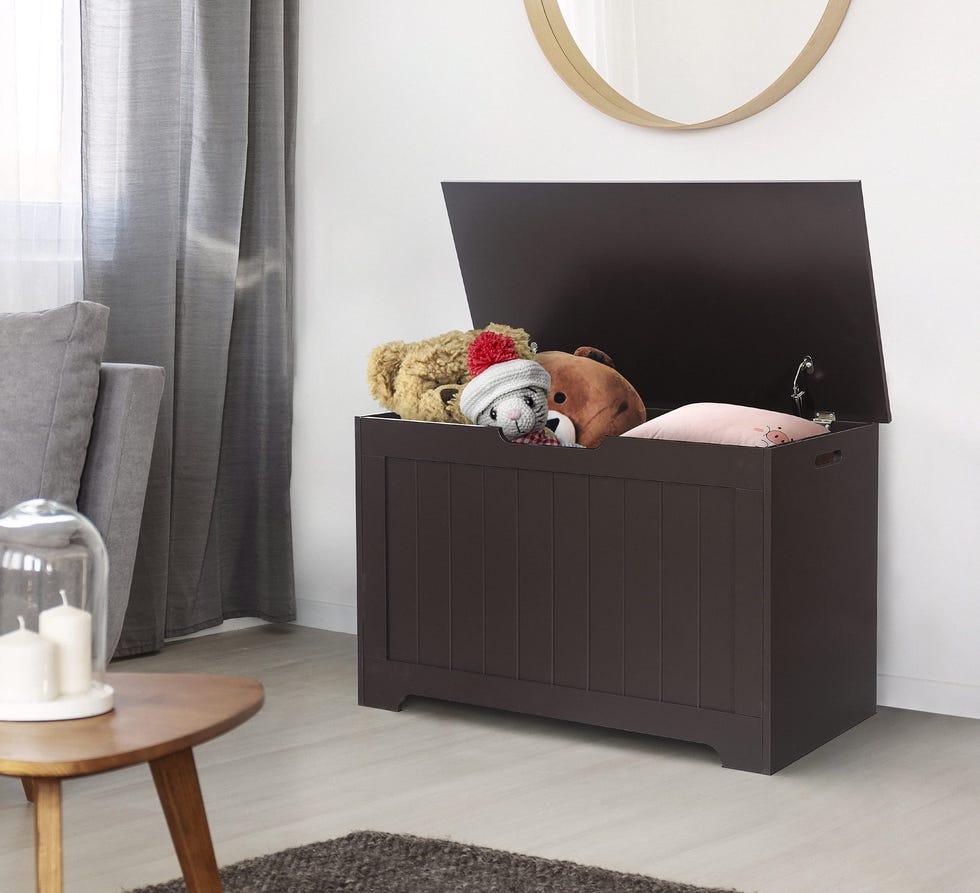
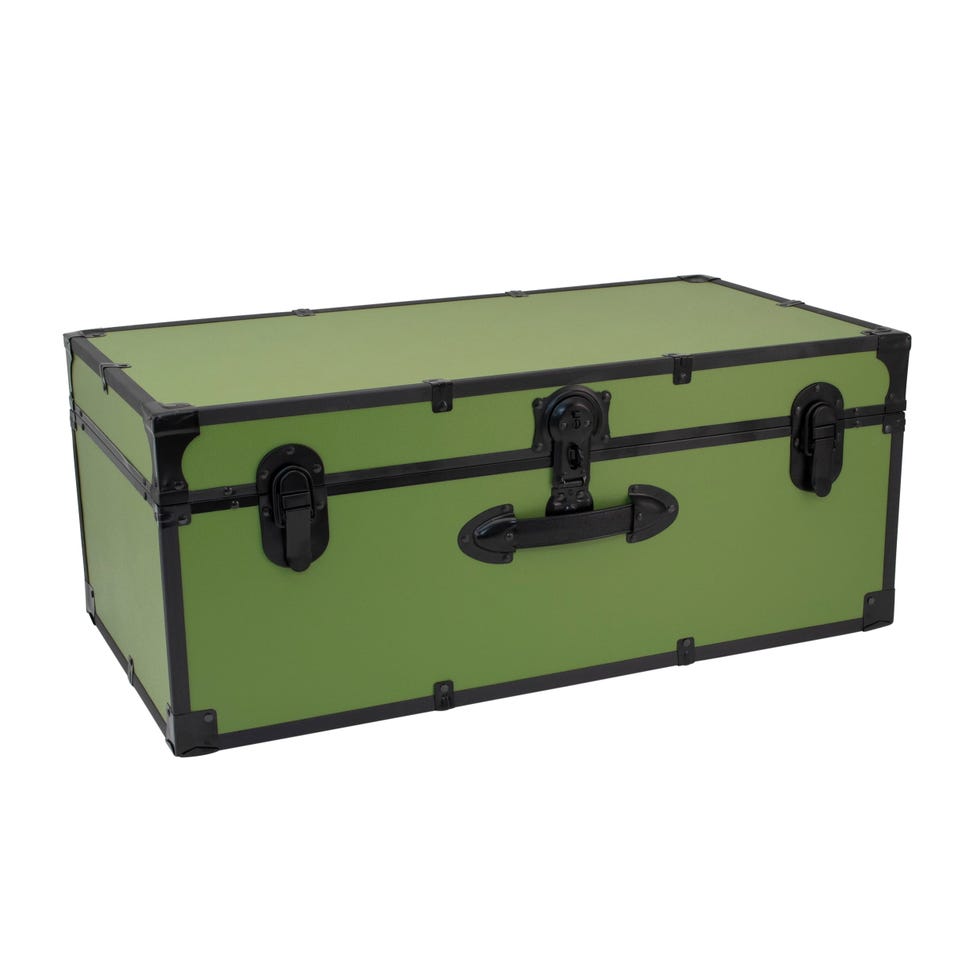
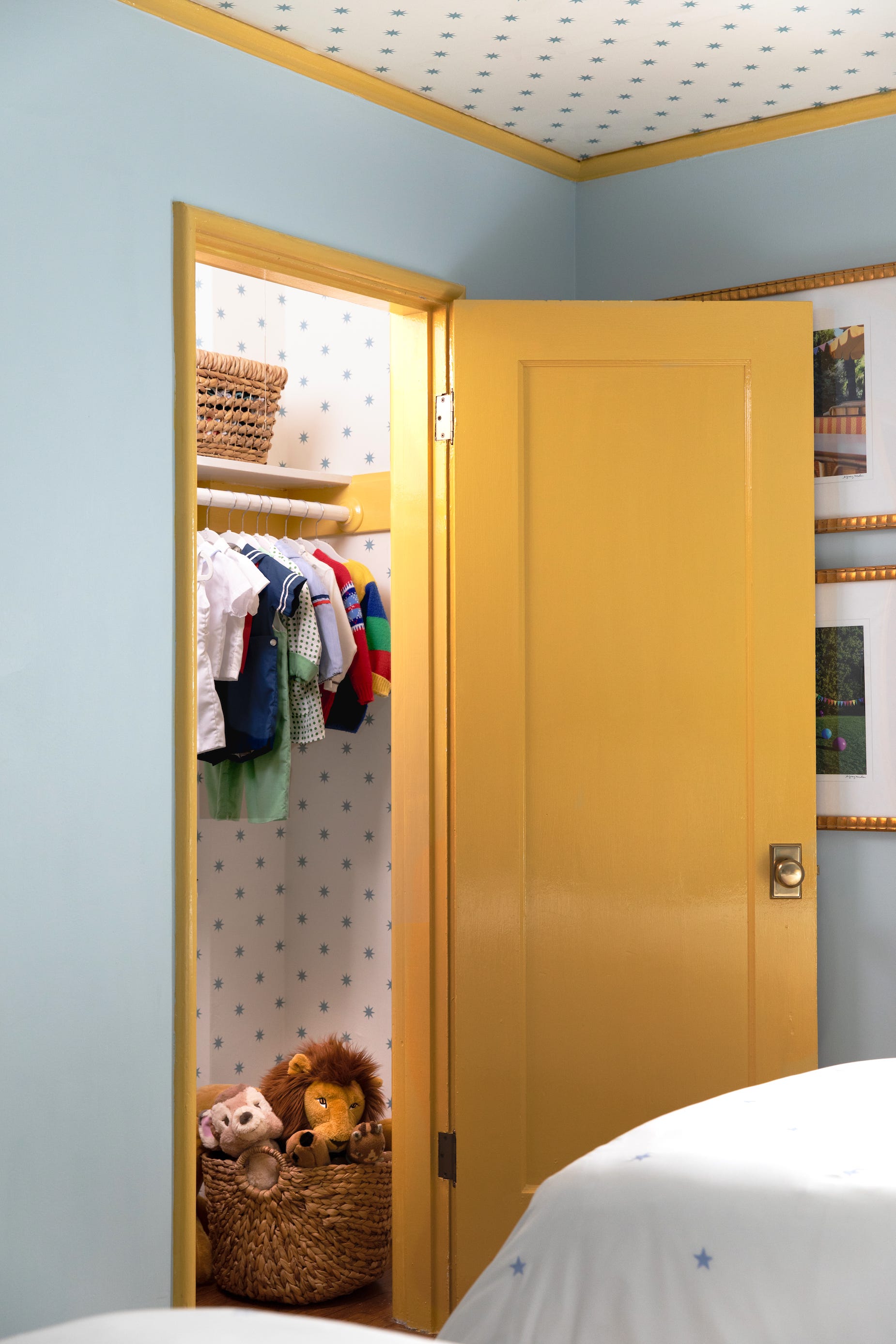
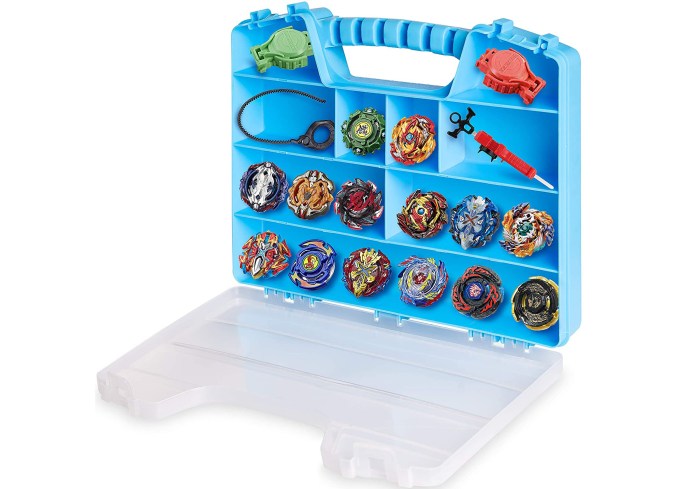
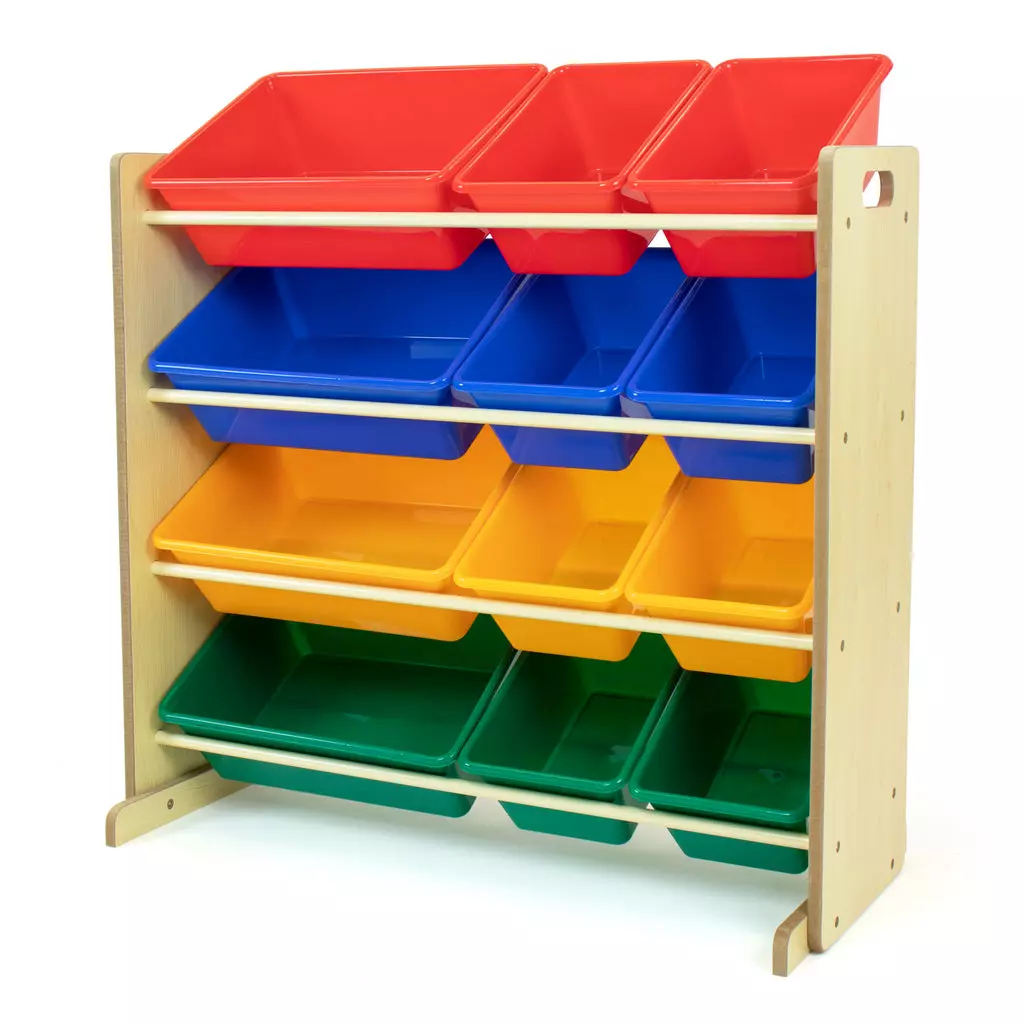
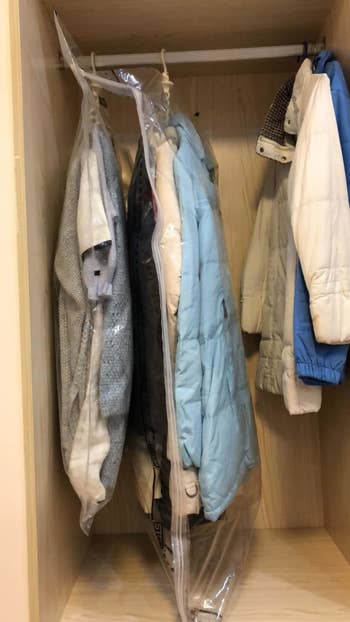
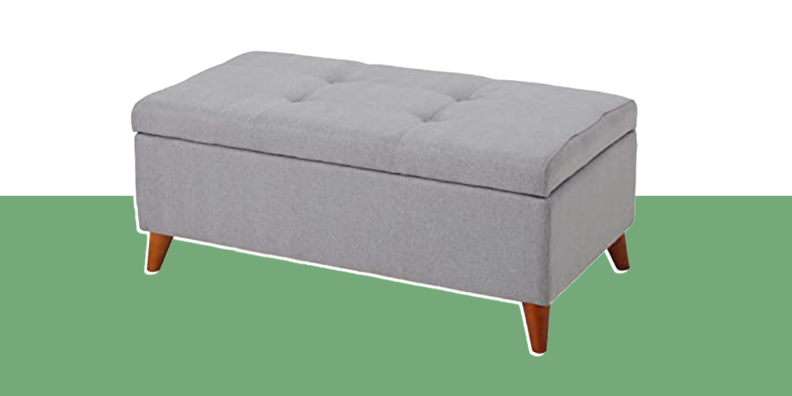
Mobile toy storage units with plastic bins are suggested for small items, allowing easy portability for playtime and quick cleanup. Multifunctional furniture like storage ottomans is highlighted for living rooms, offering seating and hidden storage. Finally, sideboards or cabinets are presented as attractive yet functional options for storing games and bulky toys in various rooms. The article concludes by encouraging readers to apply these principles to other areas of a child's room, such as closets and bathrooms, to maintain overall tidiness.
#ToyStorage #KidsRooms #HomeOrganization #Decluttering #PlayroomDesign #StorageSolutions #ChildFriendlyDesign #InteriorDesign #SpaceSaving #ToyStorage #KidsRooms #HomeOrganization #Decluttering #PlayroomDesign #StorageSolutions #ChildFriendlyDesign #InteriorDesign #SpaceSaving
0 comment in total
 No comments yet
You may also like
These 26 Clever Toy Storage Ideas Will Help Keep the Playroom Tidy
Clever Stuffed Animal Storage Ideas That Will Keep Kids' Rooms Tidy
The Sanity-Saving Organization Products 7 Moms Swear By

49 of the Best, Most Versatile Storage Ideas to Declutter Every Room of the House

34 toy storage ideas to prevent a cluttered living room and a messy play area
43 Clever Kids' Room Storage Ideas That Designers Swear By

7 Barbie Storage Ideas for Dolls, Accessories, and More

8 Barbie Storage Ideas You and Your Kids Will Love

5 hidden toy storage ideas – how to make tidy up time quick and easy at the end of a busy day
12 Barbie Storage Ideas for a Clutter-Free Dream House
Playroom storage ideas – 8 ways to prevent your children's fun zone from becoming cluttered and chaotic
10 creative ways to hide clutter before company arrives

26 Kids' Storage Ideas to Control Clutter
16 Toy Storage Ideas That Make Cleanup a Breeze (and Cost as Little as $8)
The Best Lego Sorting and Storage Tools
If You Think You're Out Of Space In Your Home, It's Time To Check Out These 25 Storage Ideas
Stylish Childrens' Toy Storage Ideas — 33 Clever and Chic Ways to Keep the Mess at Bay

Kid loves Lego? Keep it all tidy with these storage ideas

13 Best Toy Chests And Boxes In 2025, As Per Baby Product Experts
36 Hidden Toy Storage Ideas to Keep Your Living Room Looking Its Best