1/16
Playroom storage ideas – 8 ways to prevent your children's fun zone from becoming cluttered and chaotic
This article explores various strategies for organizing a playroom, emphasizing the balance between functionality and a child's natural inclination to play freely. It acknowledges the common challenge of children's toys spreading throughout the house and offers solutions to contain them within the playroom while maintaining order. The core idea is that a well-organized playroom enhances a child's enjoyment of the space rather than hindering it. The article features insights from Siân Pelleschi, a professional declutterer, organizer, and president of APDO, who stresses the importance of effective organization from the outset to prevent chaos.
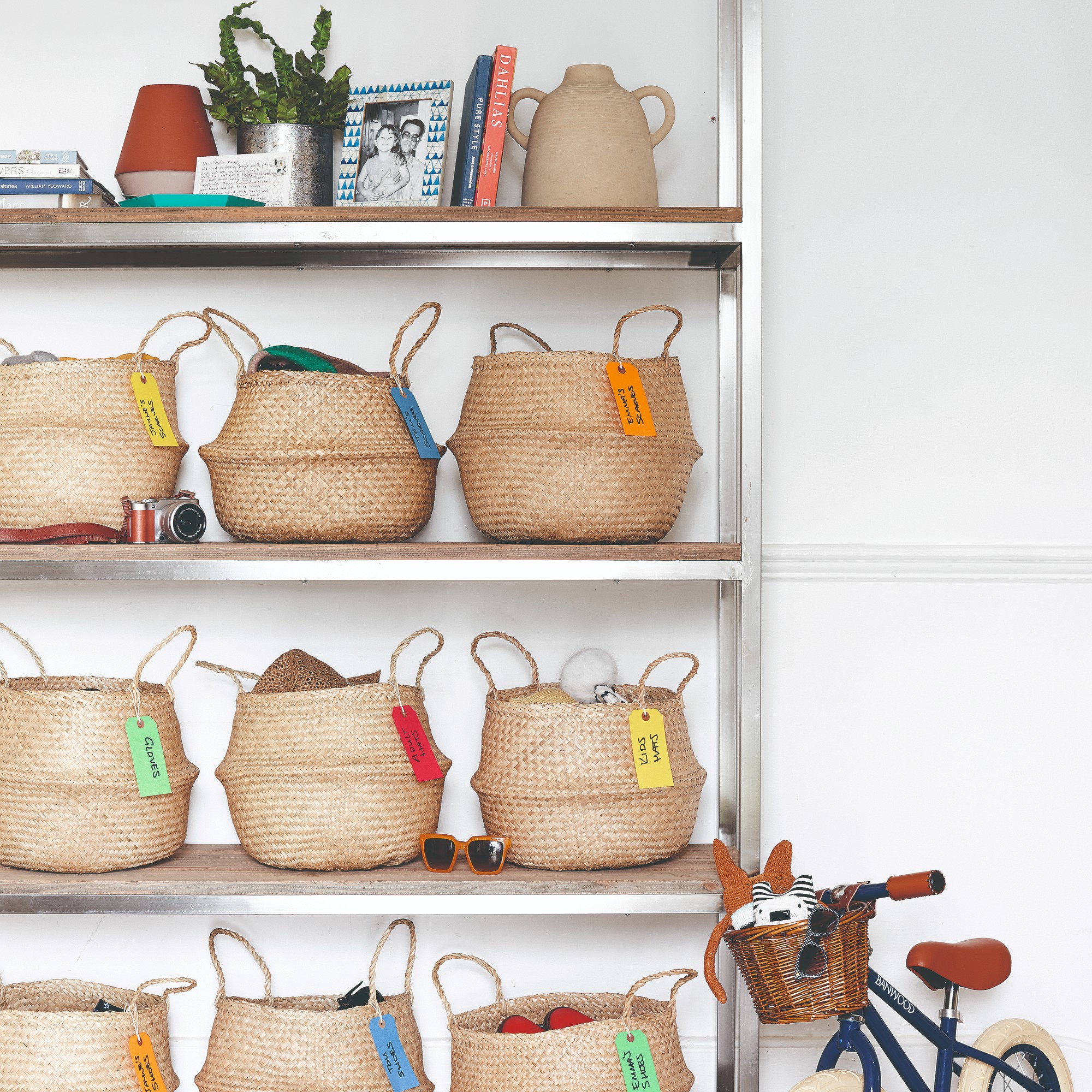
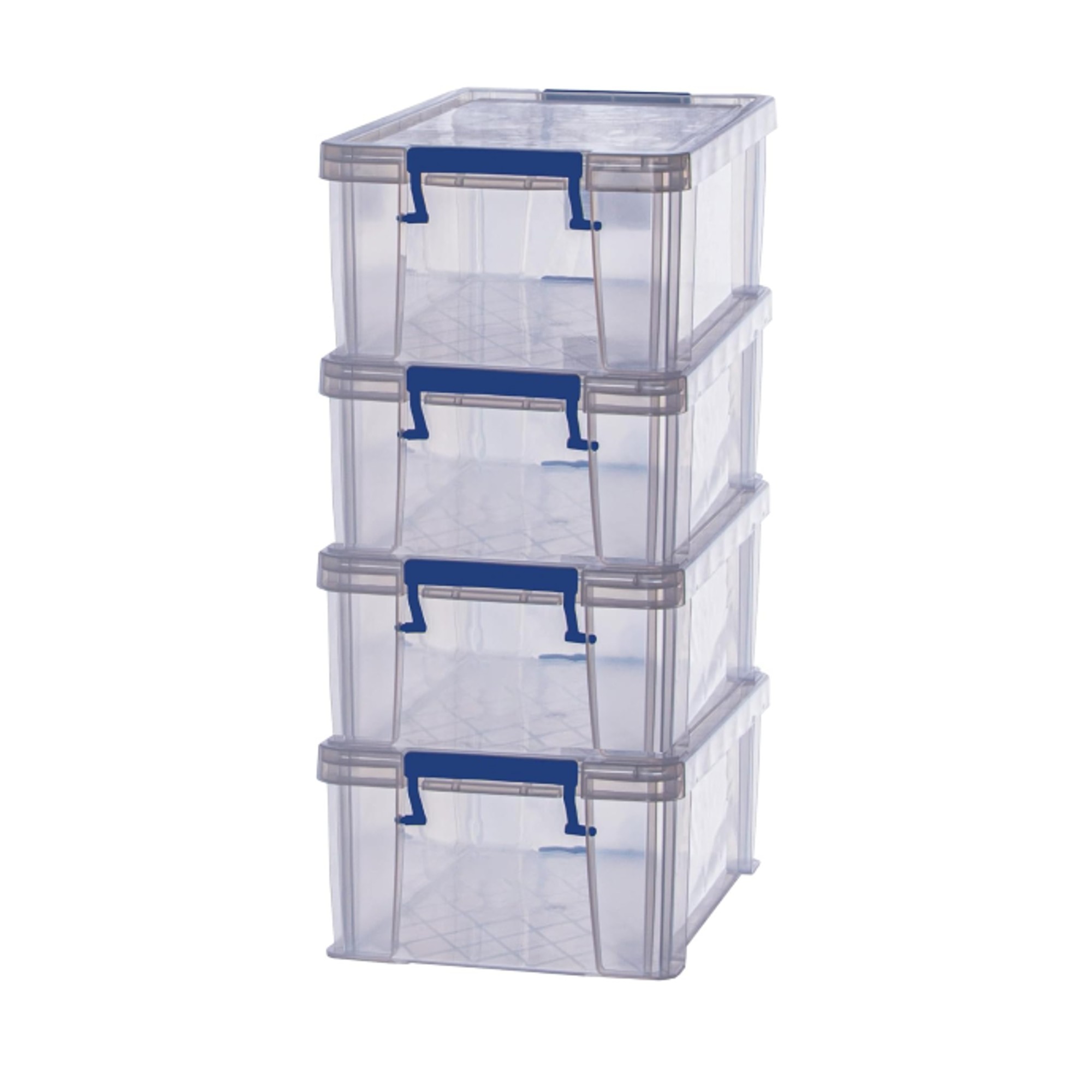
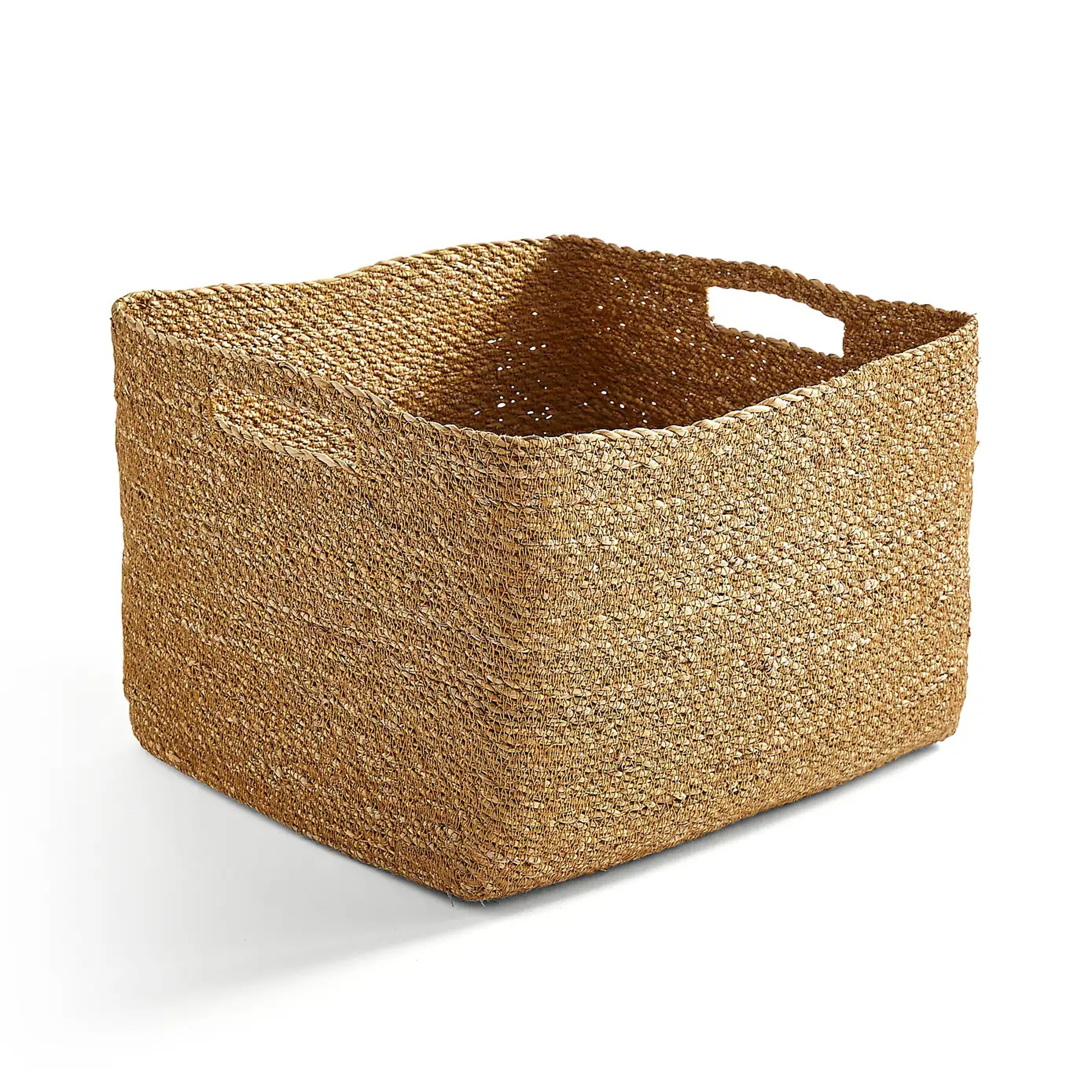
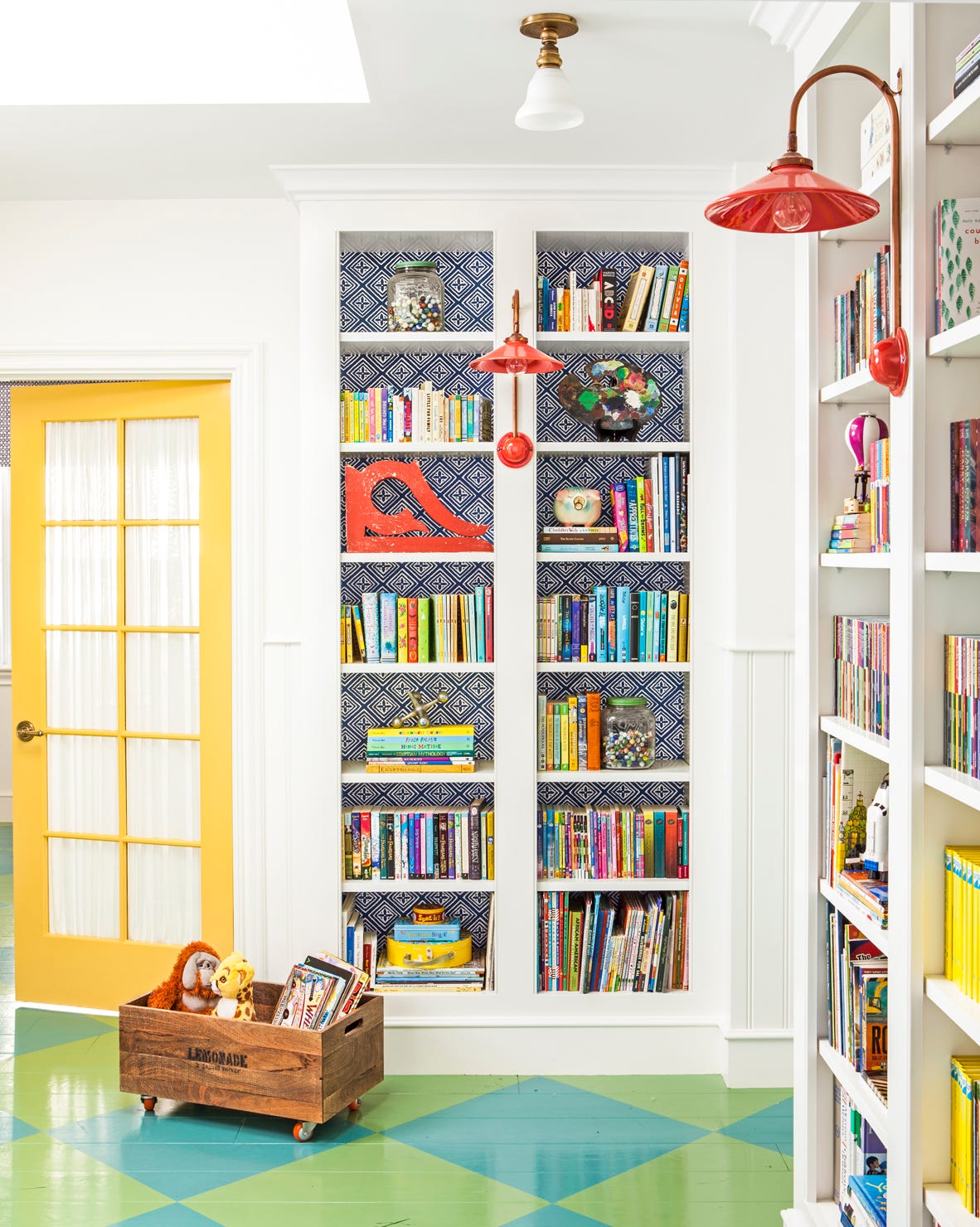
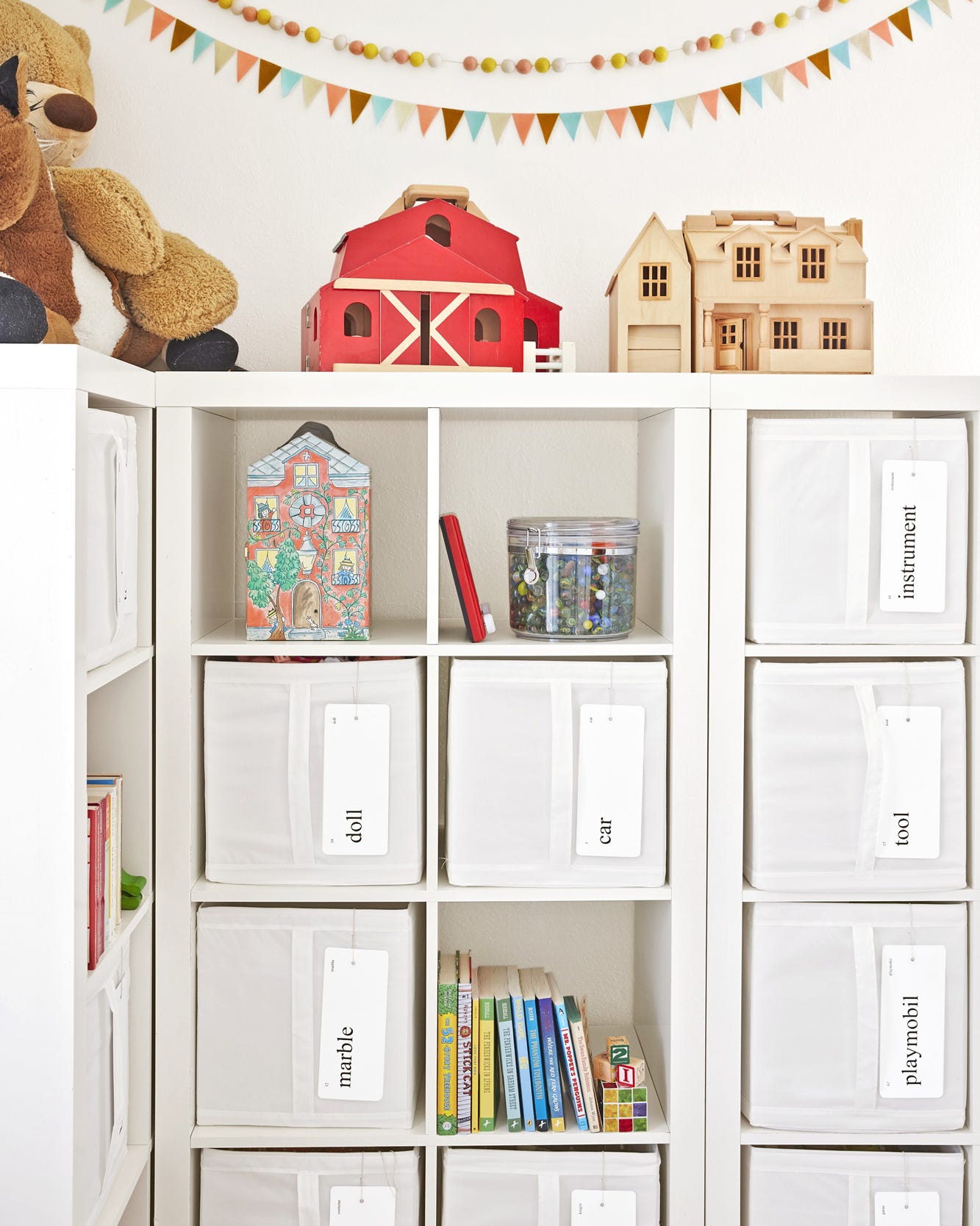
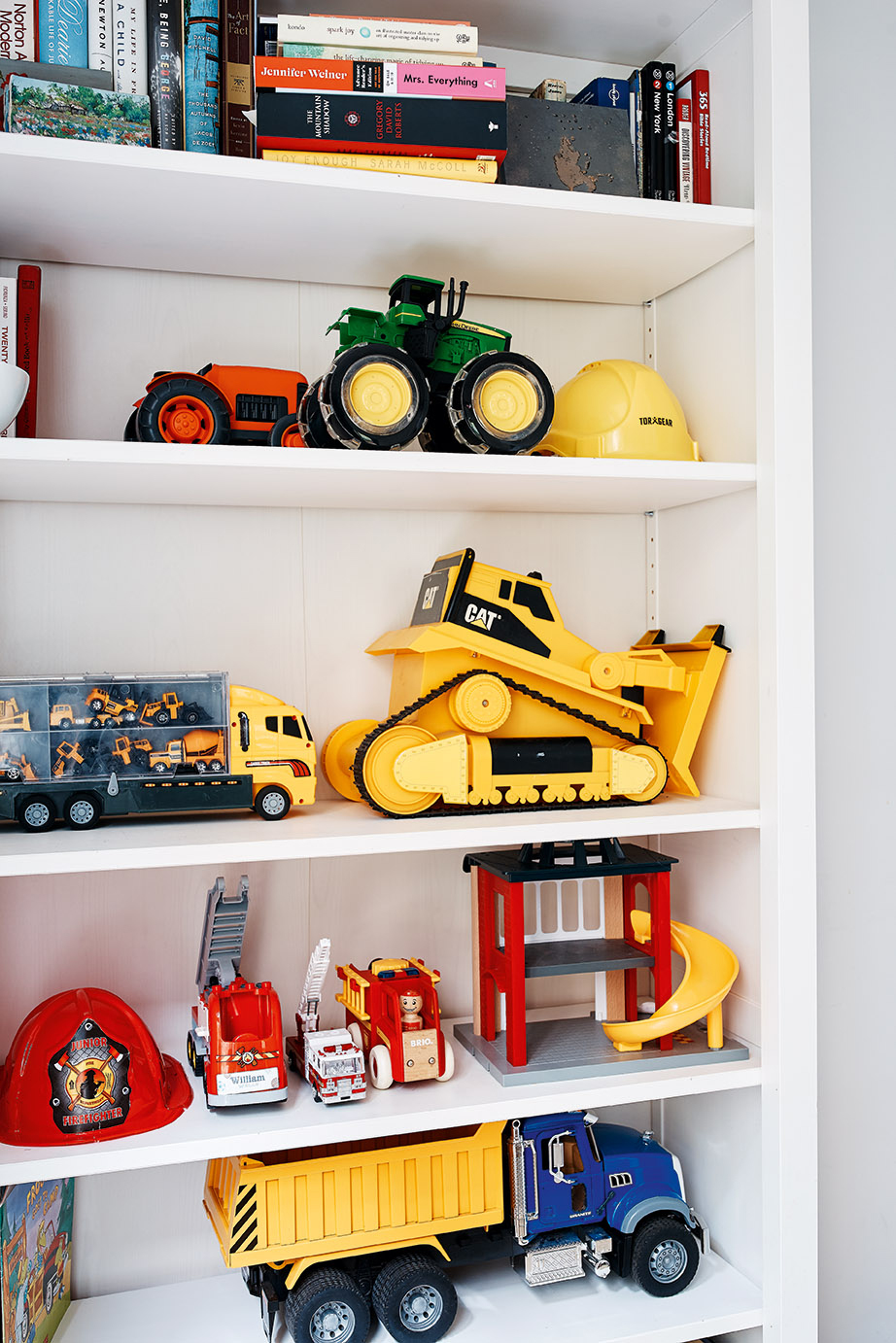
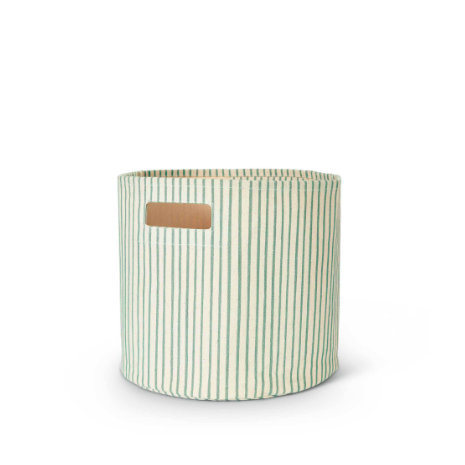
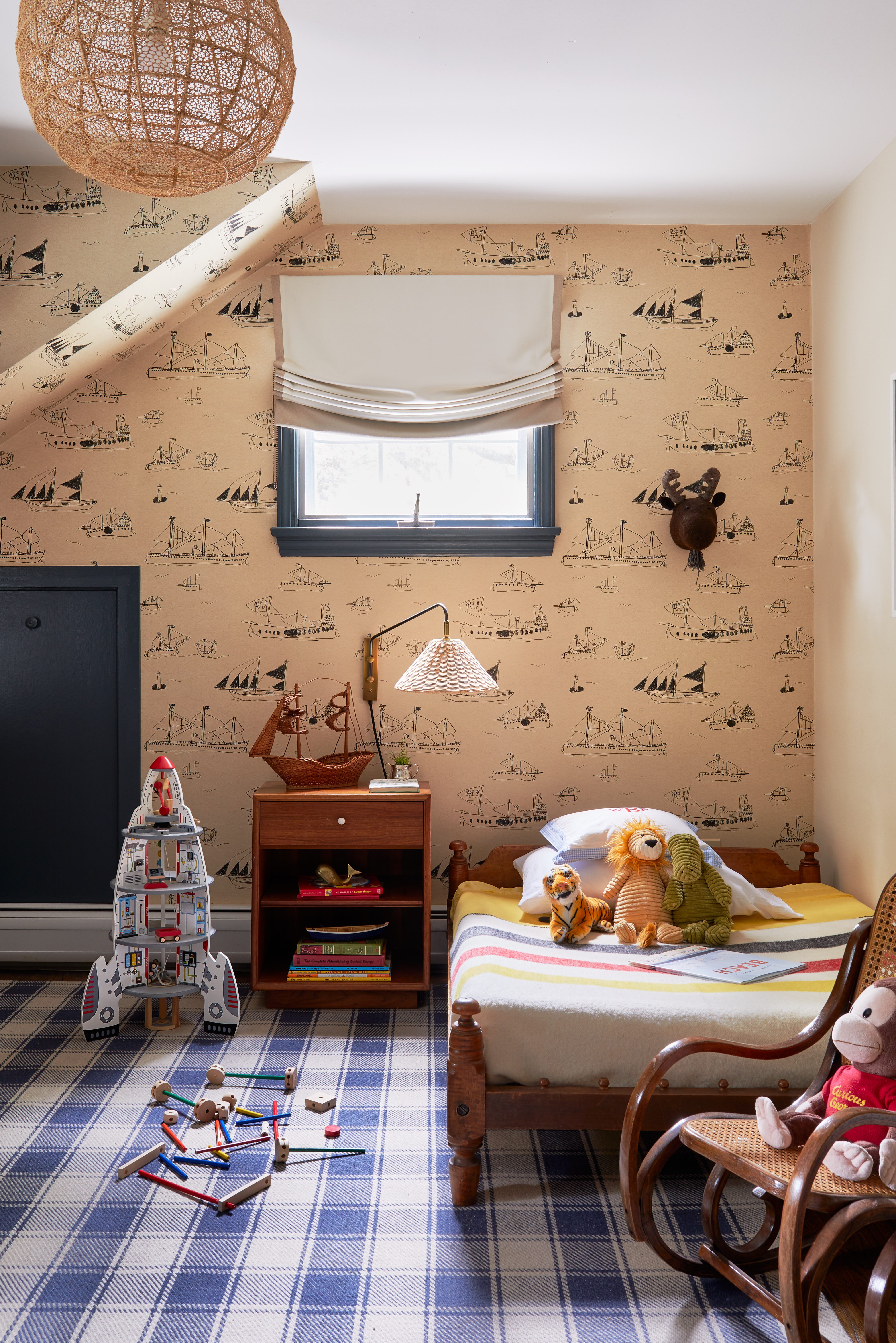
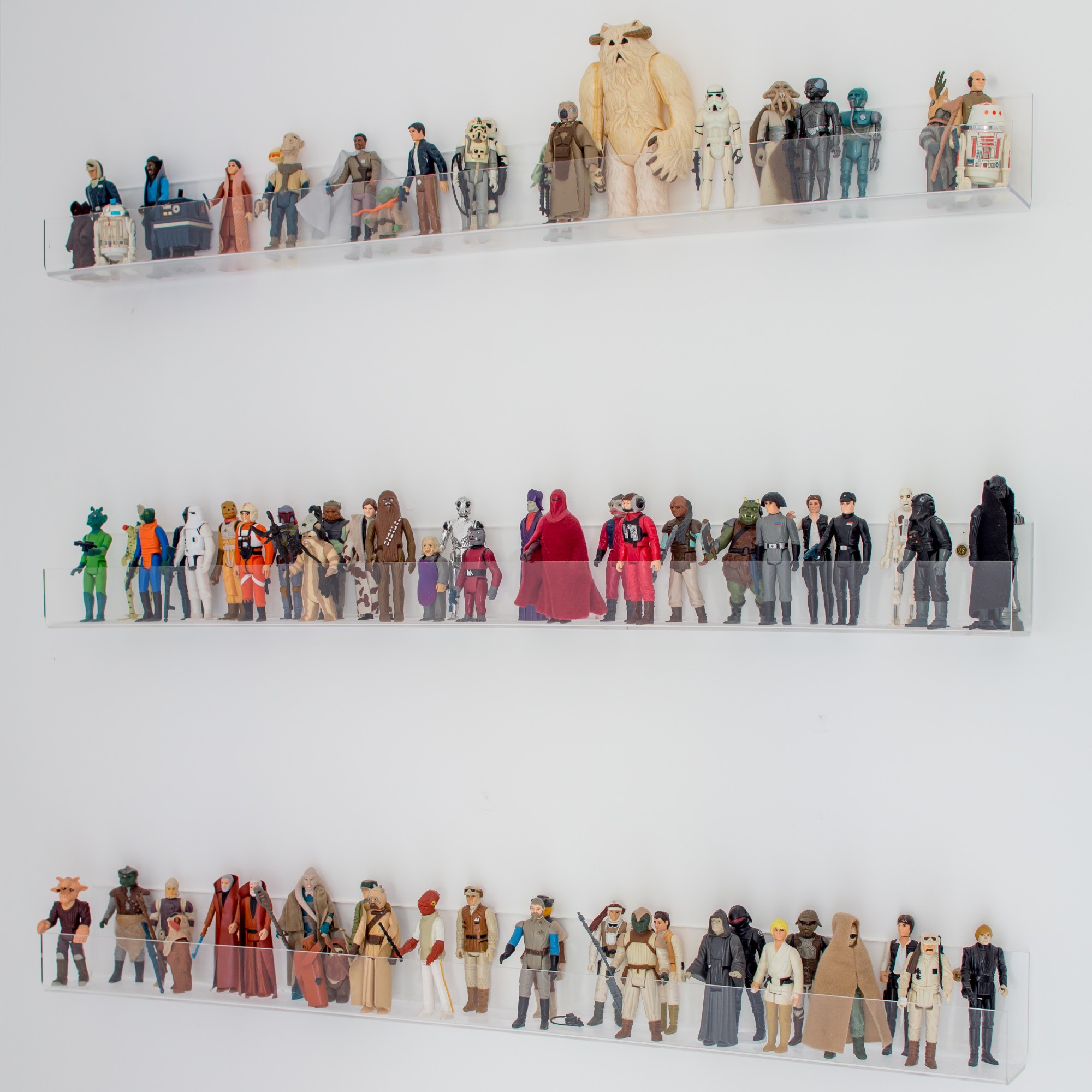
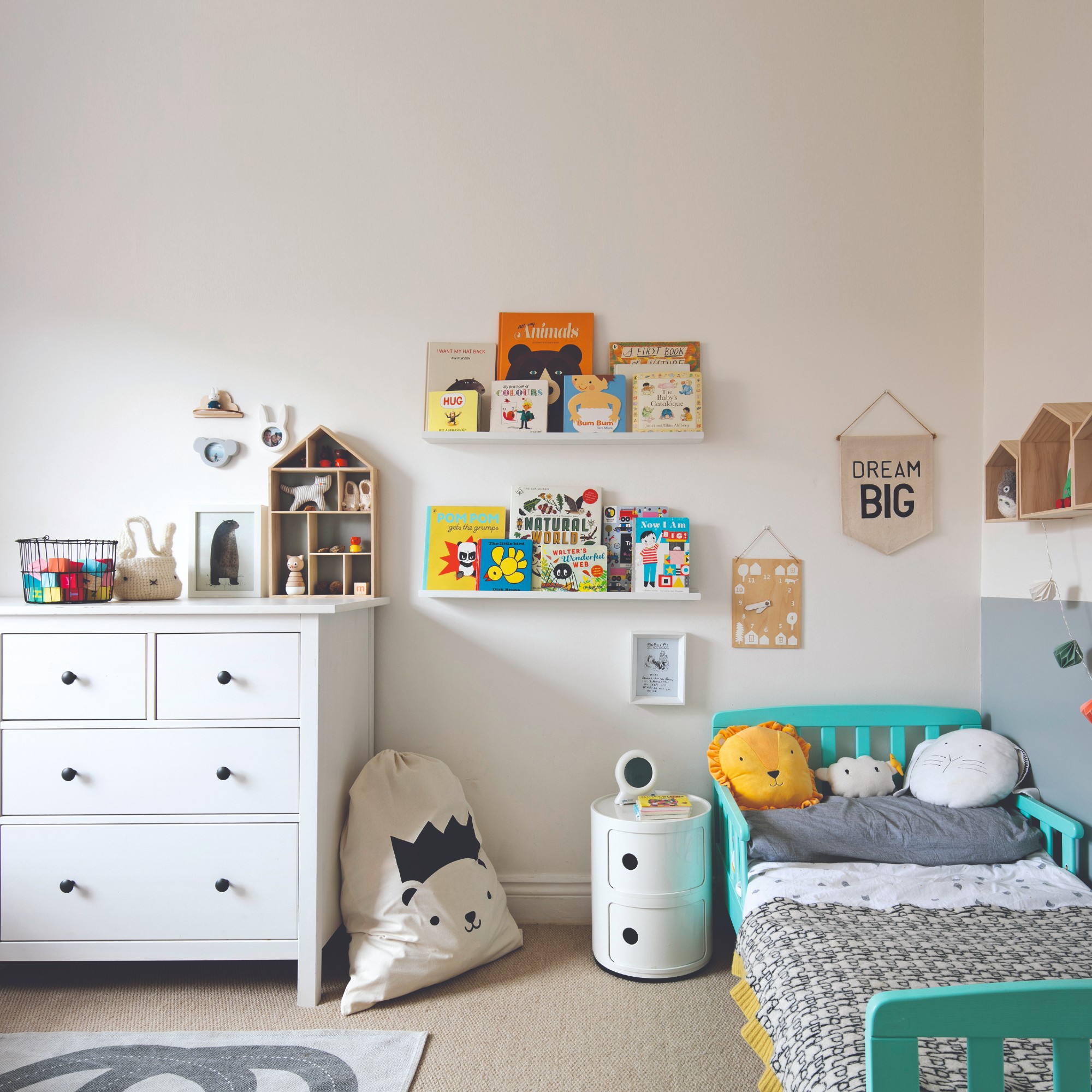
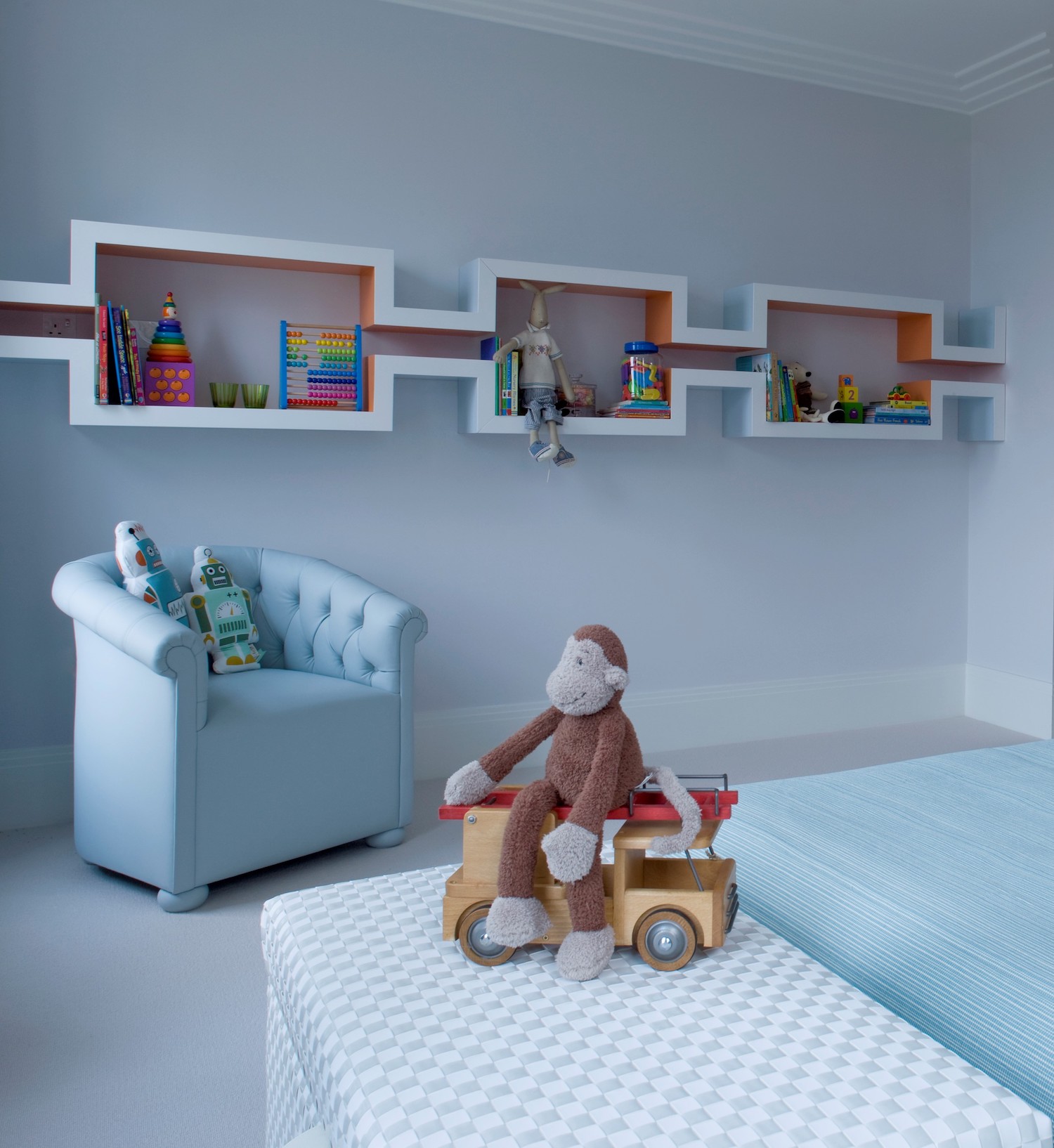
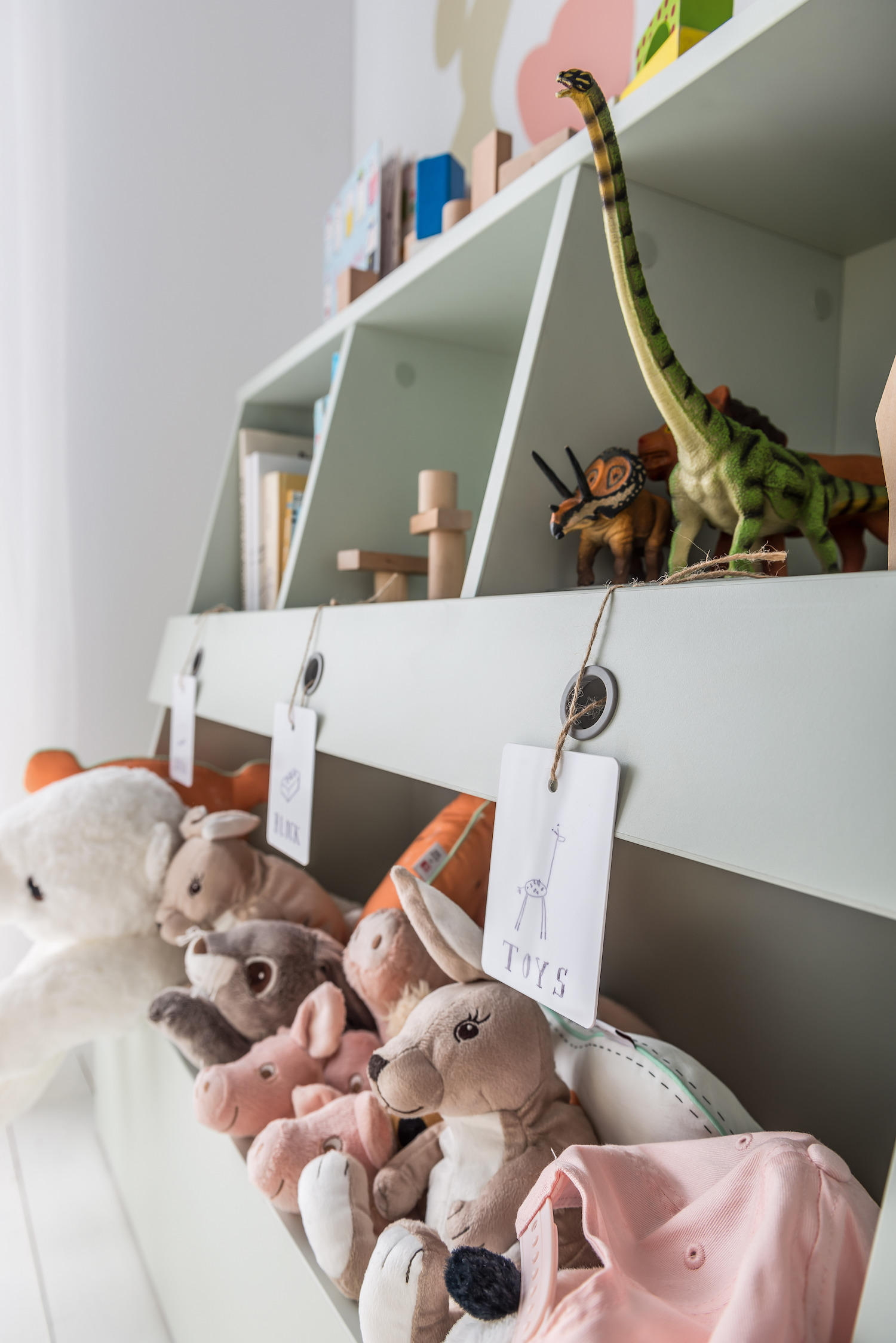
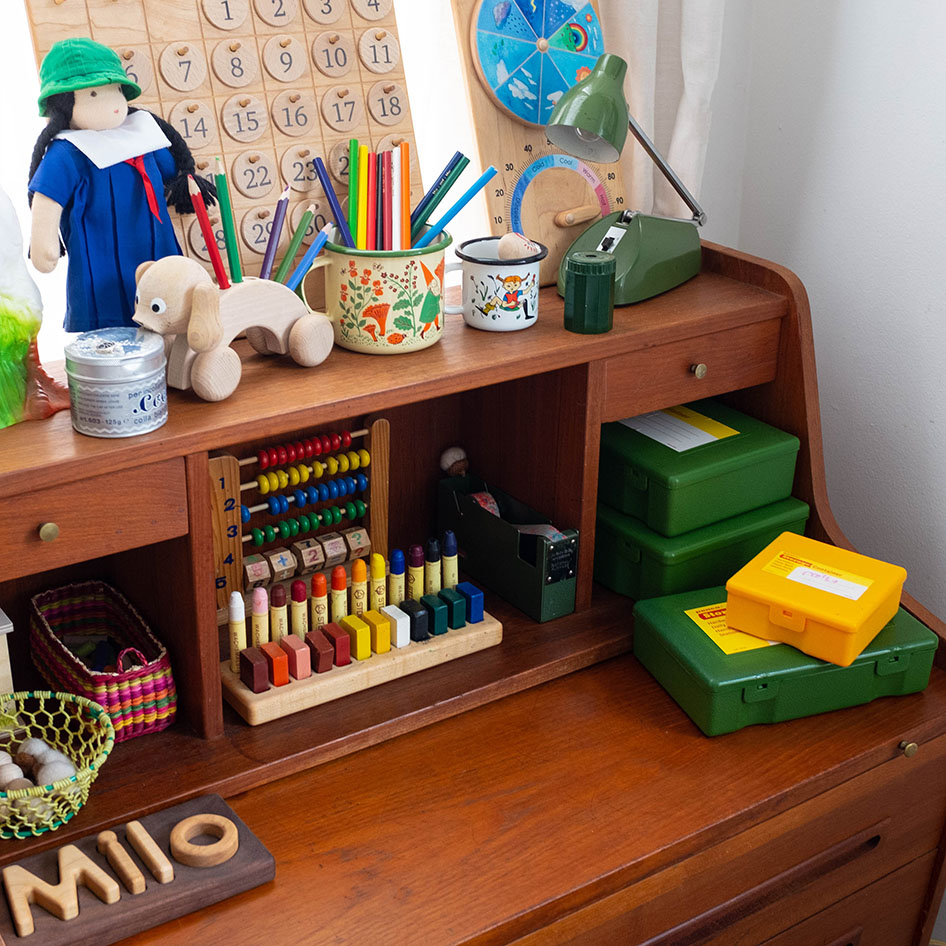
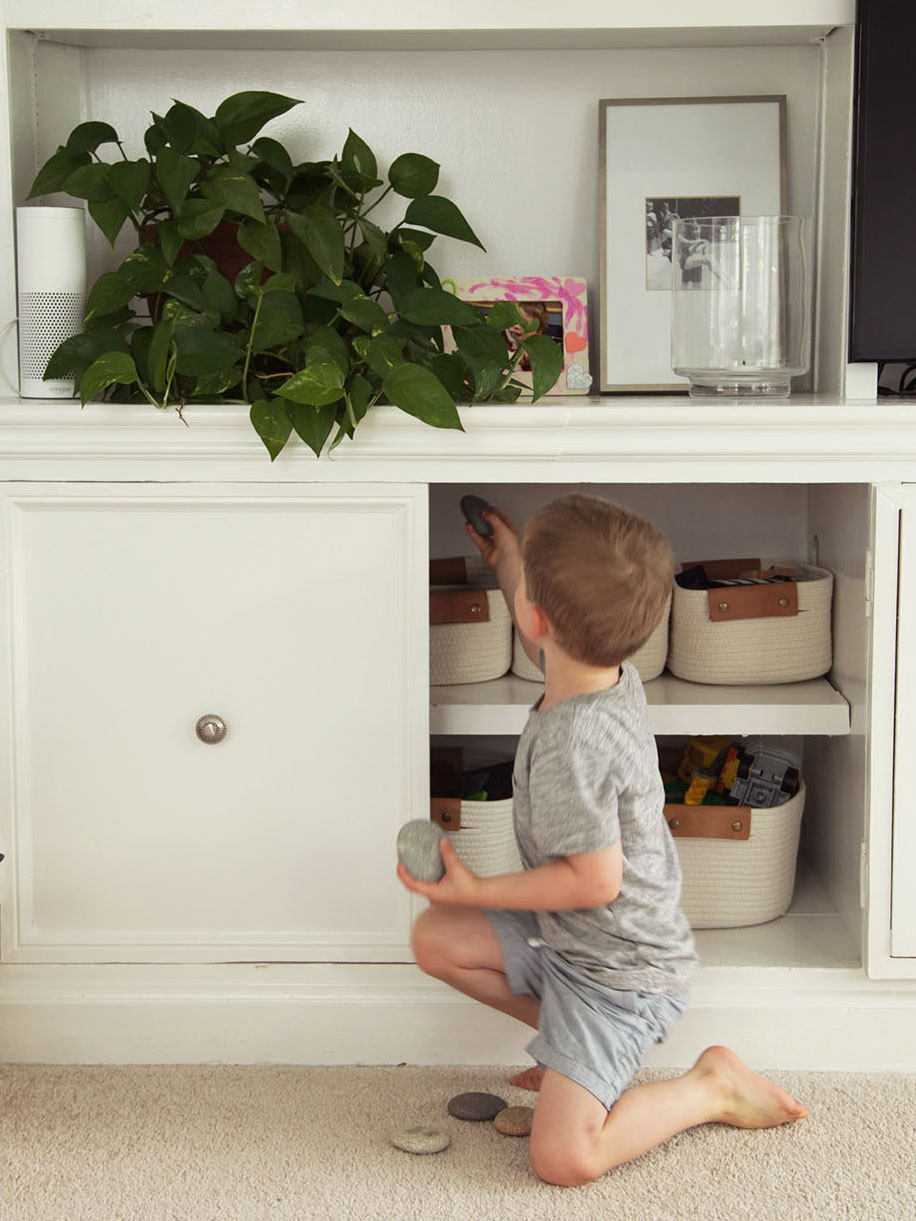
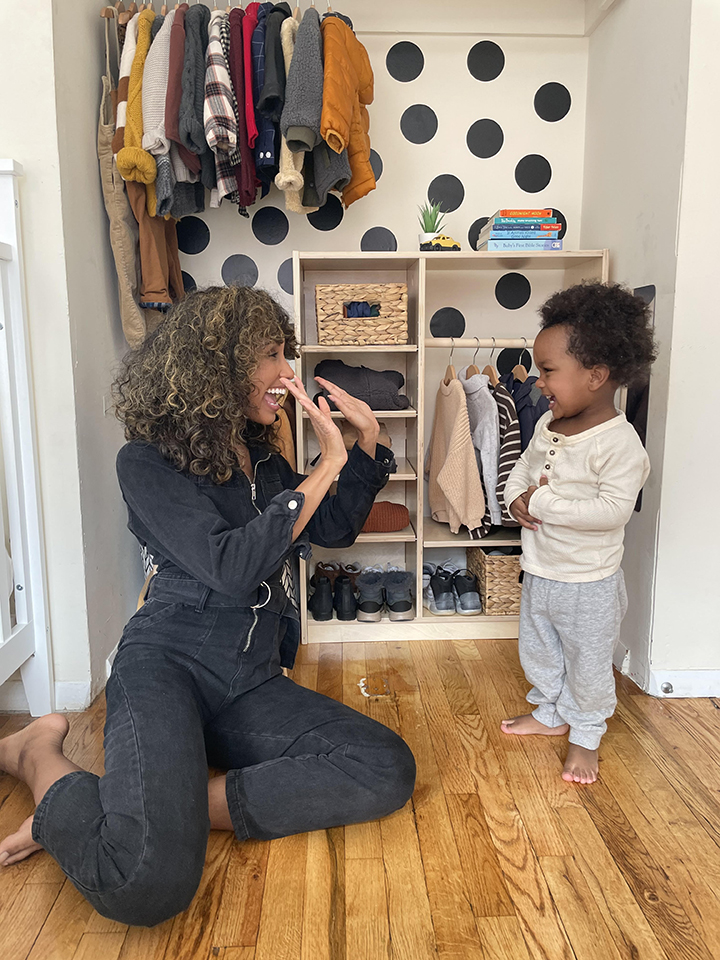
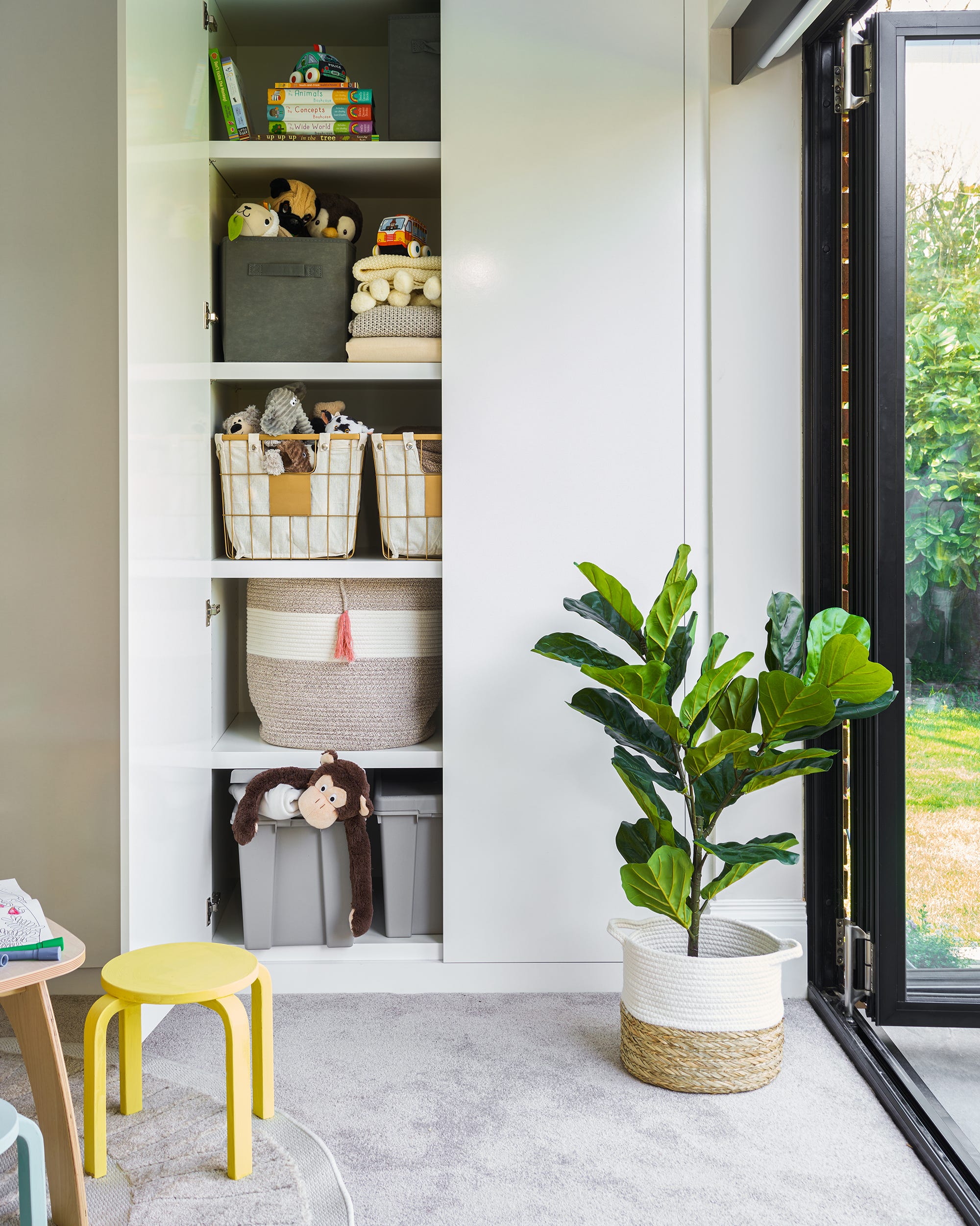
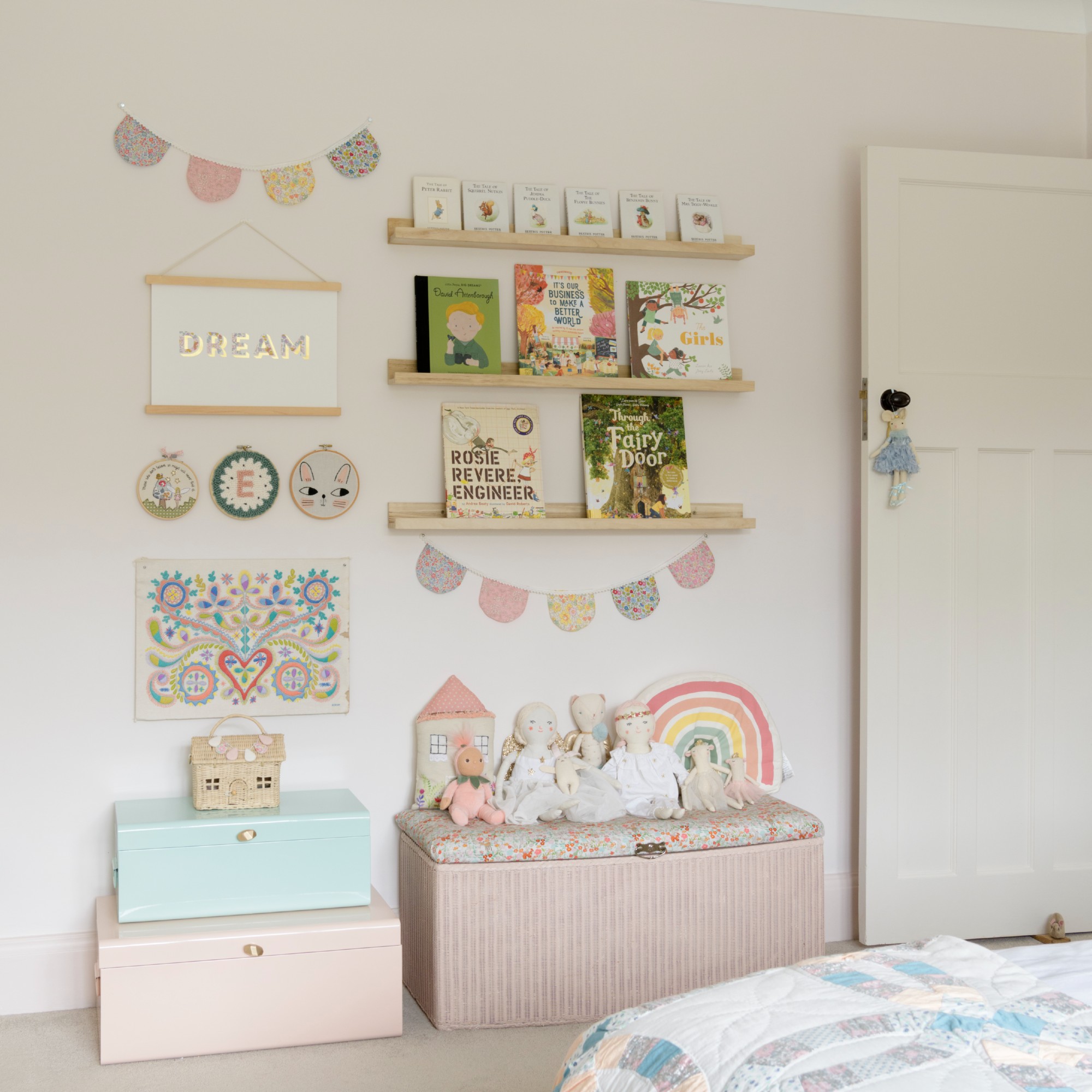
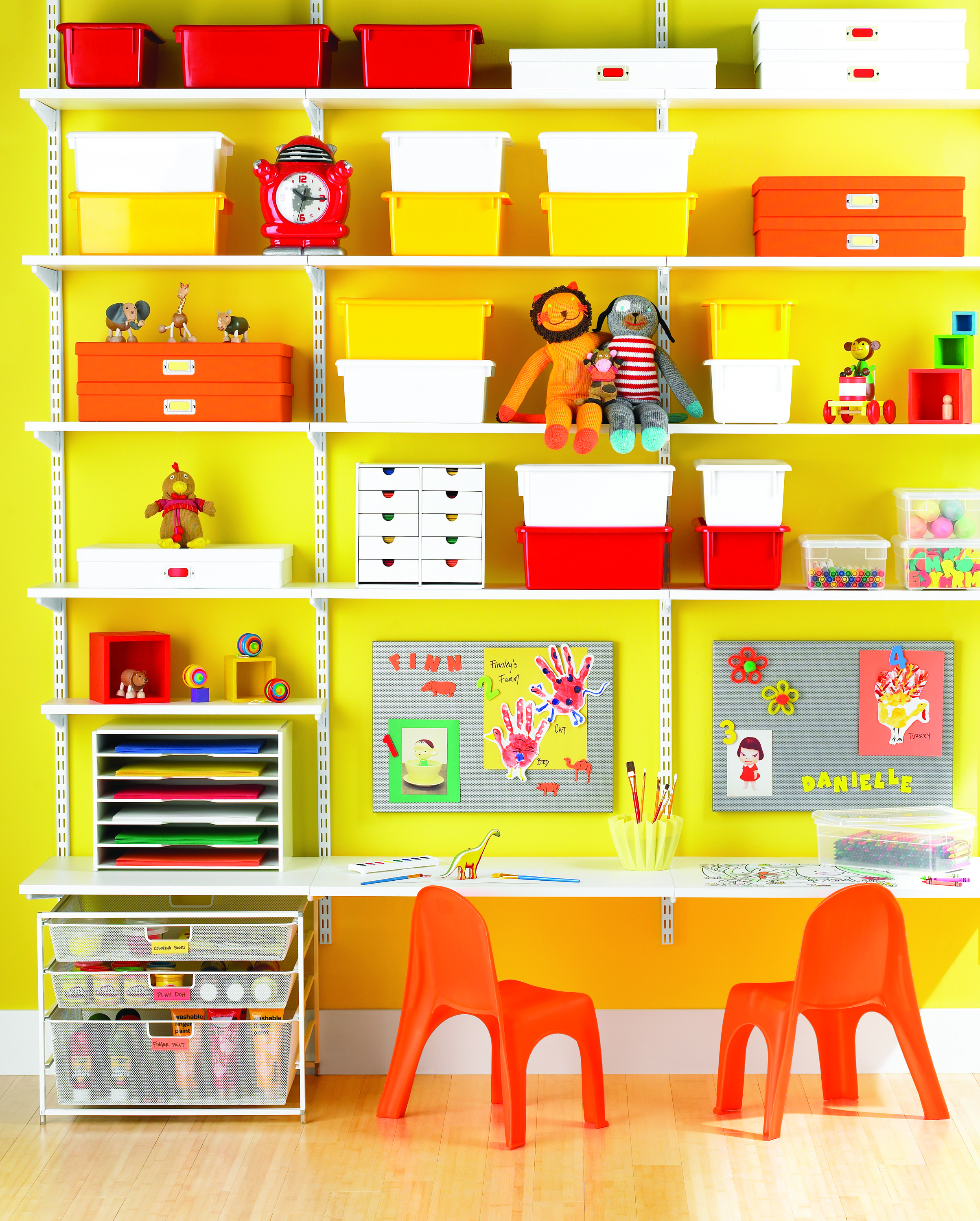
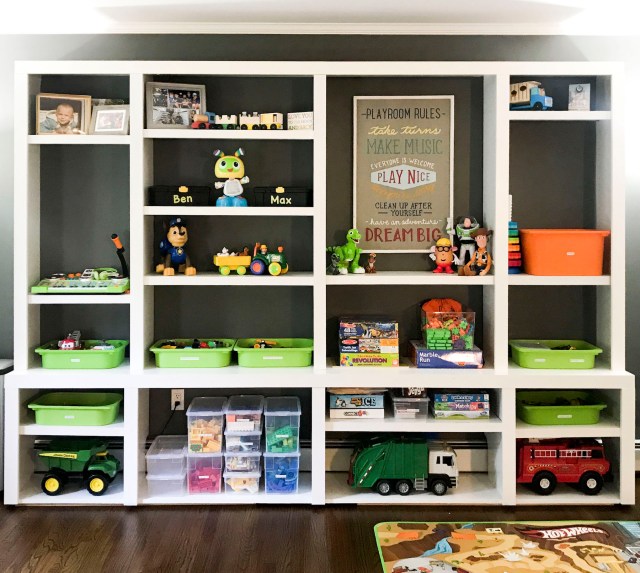
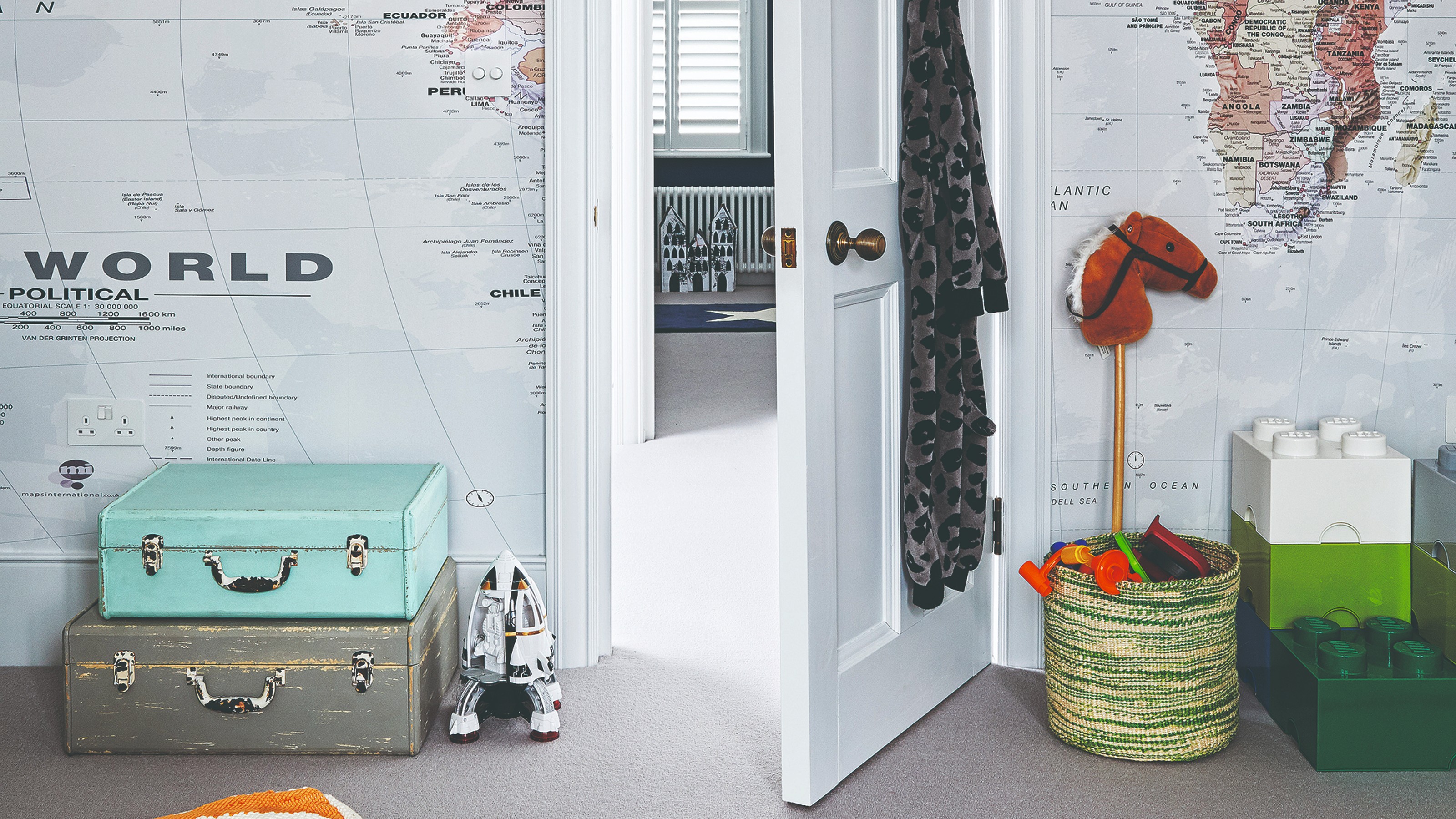
Eight practical storage ideas are presented. The first suggestion involves installing open shelving, which is described as an accessible and relatively inexpensive solution. To prevent a cluttered appearance, the use of storage baskets and boxes for toy categorization is recommended. Clear storage containers are highlighted for their ability to allow children and adults to easily identify contents without extensive searching. The second strategy focuses on the principle of 'keeping like with like,' advocating for grouping similar toys in labeled containers, using words or pictures depending on the child's age, and involving children in the labeling process to encourage them to remember where items belong.
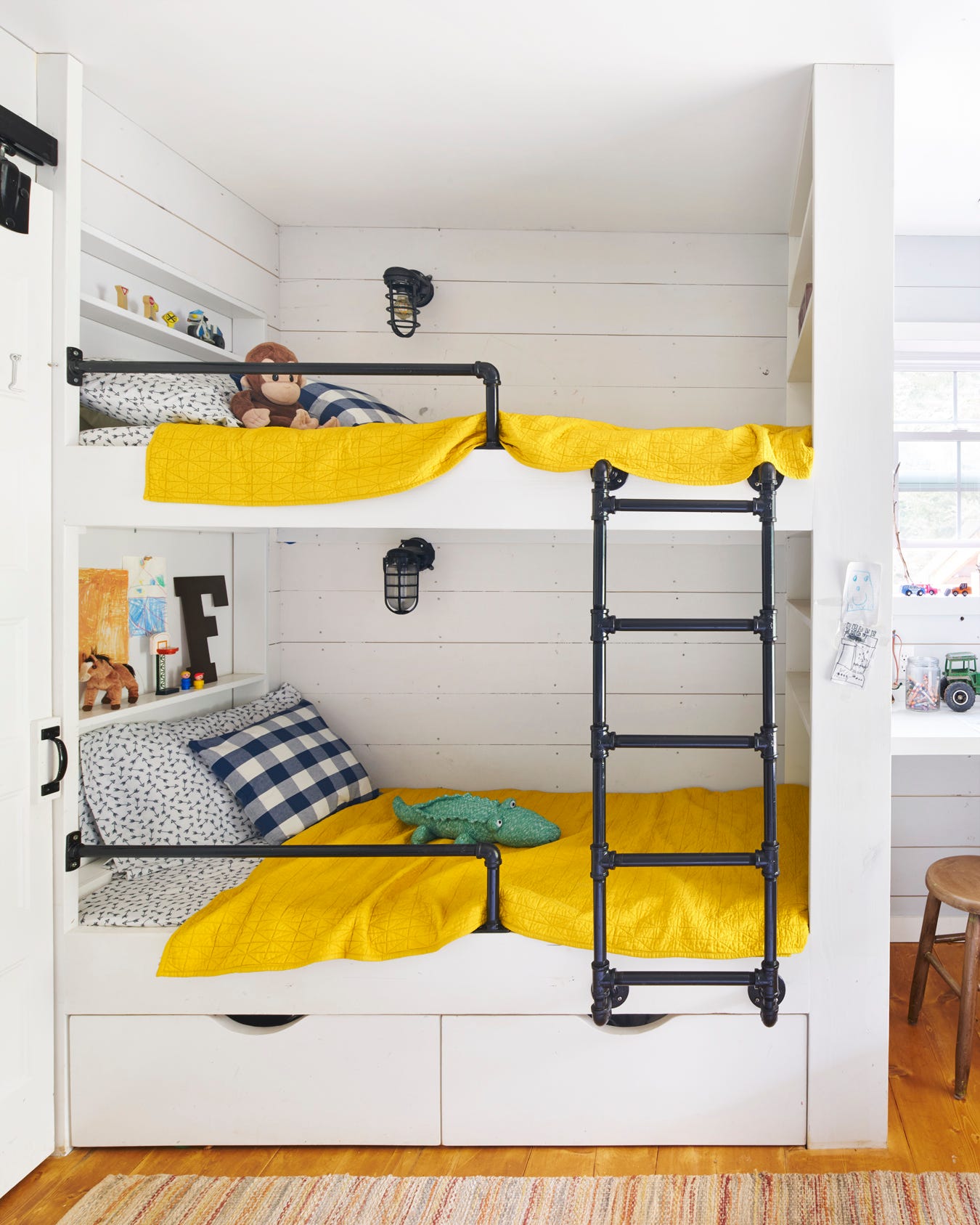
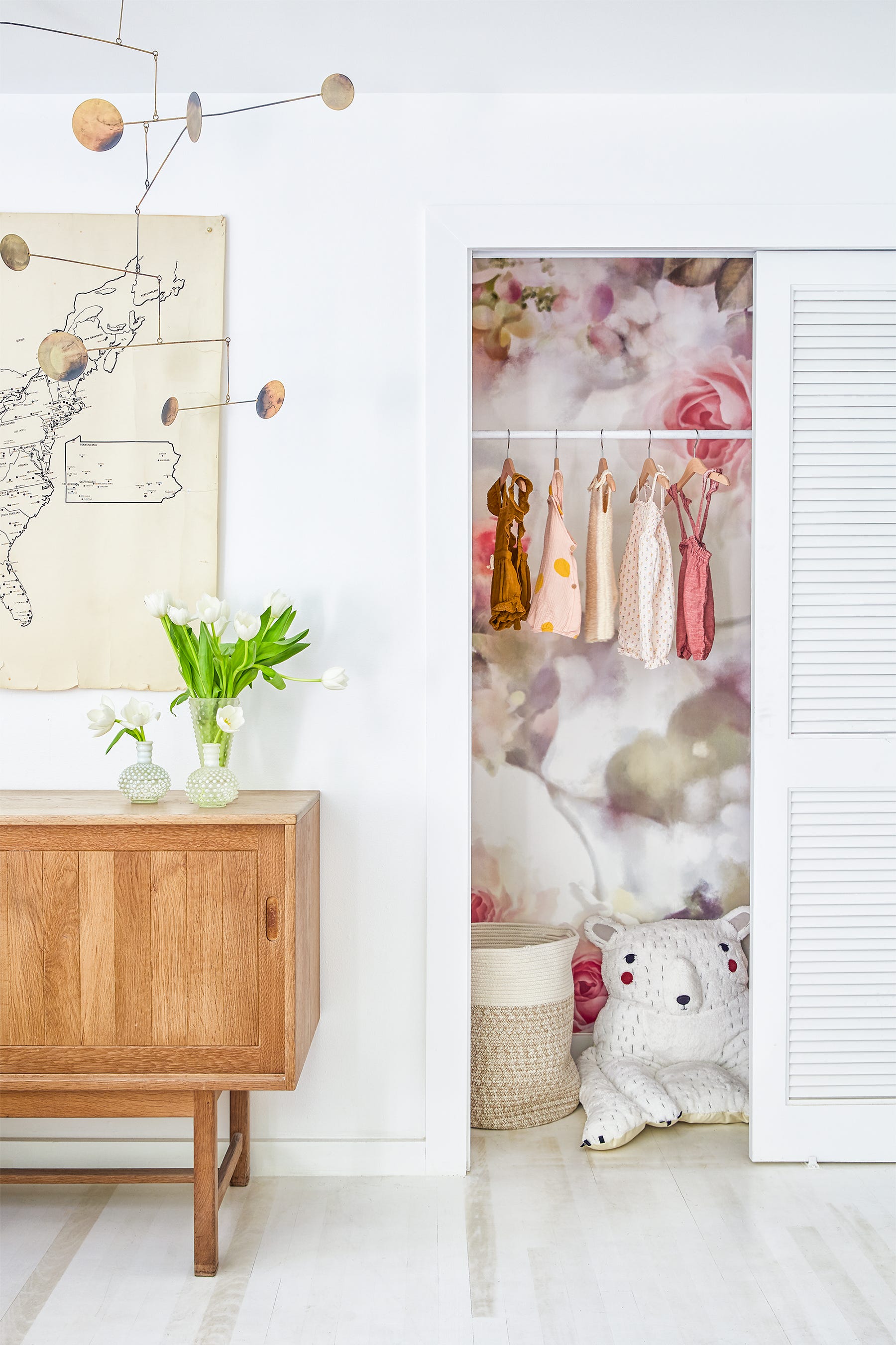
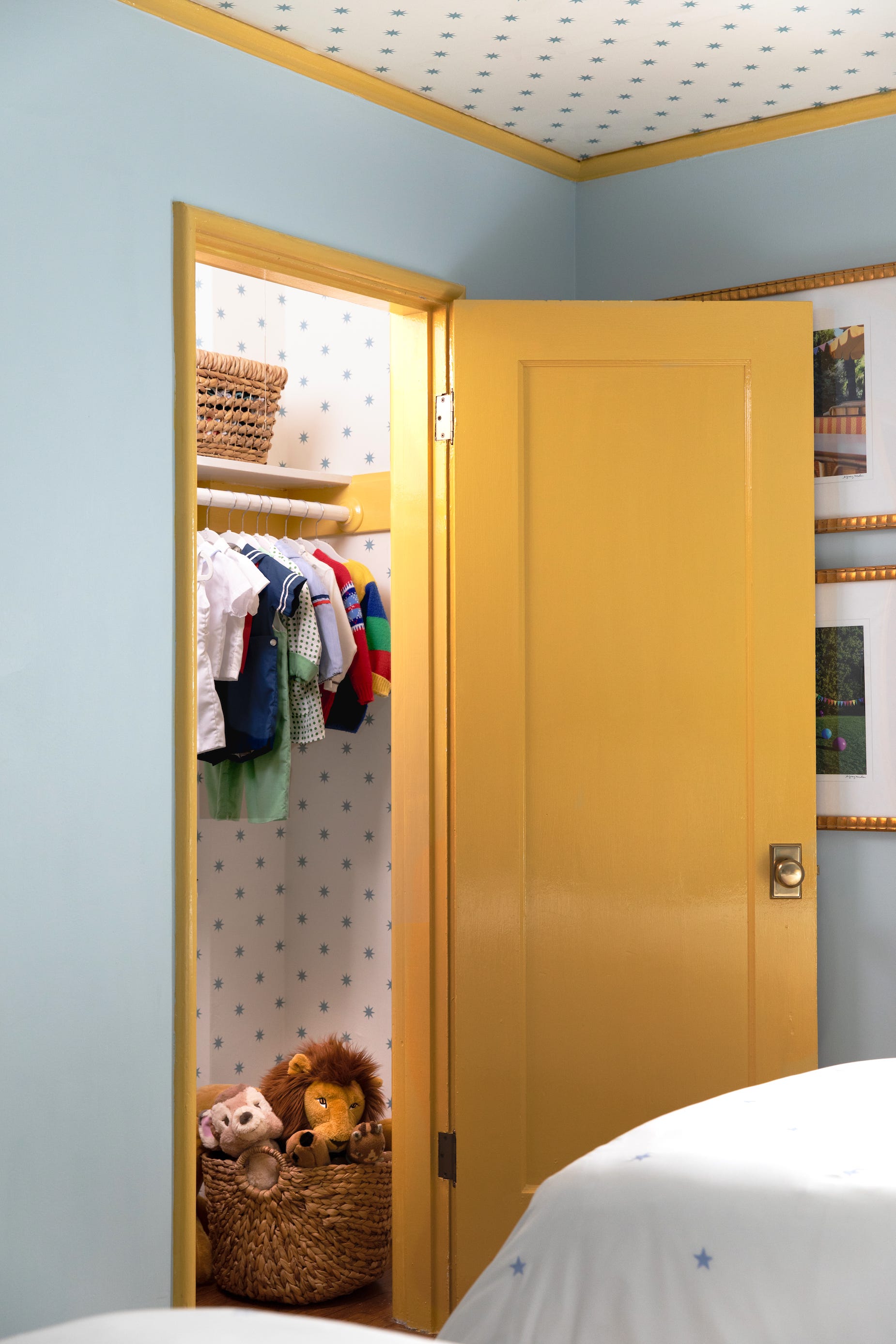
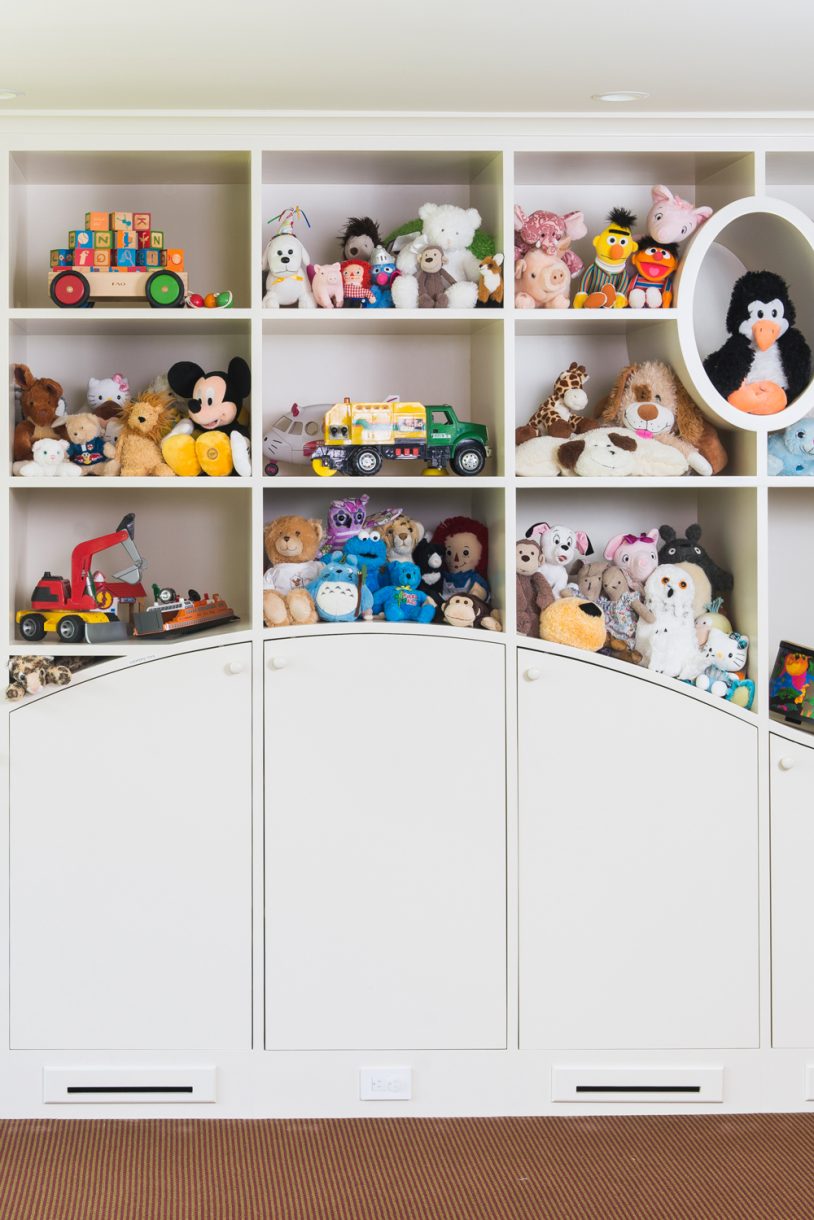
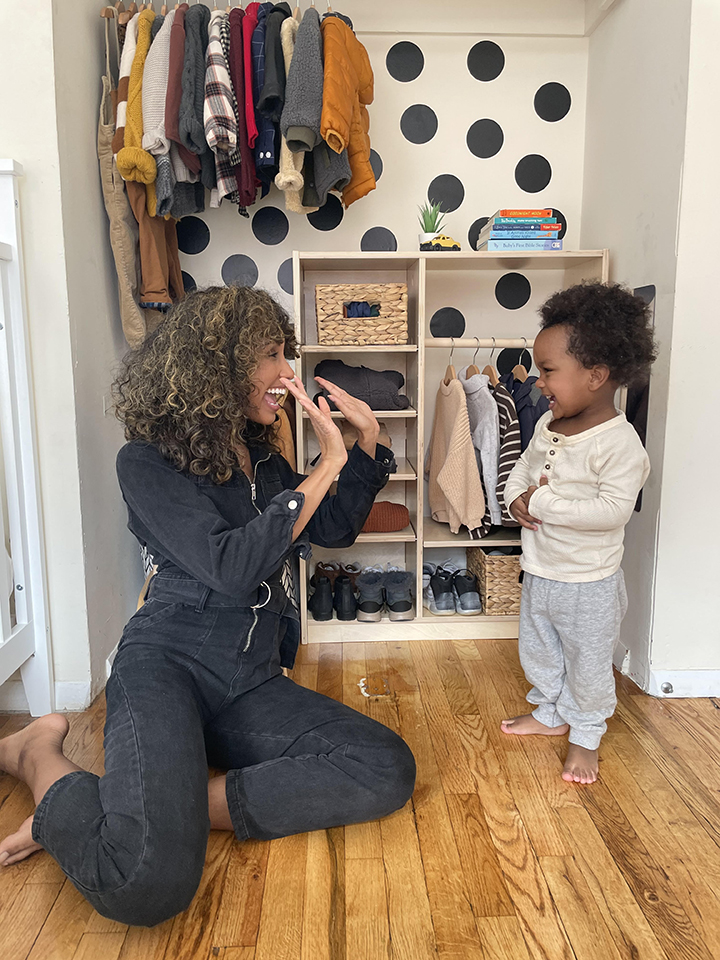
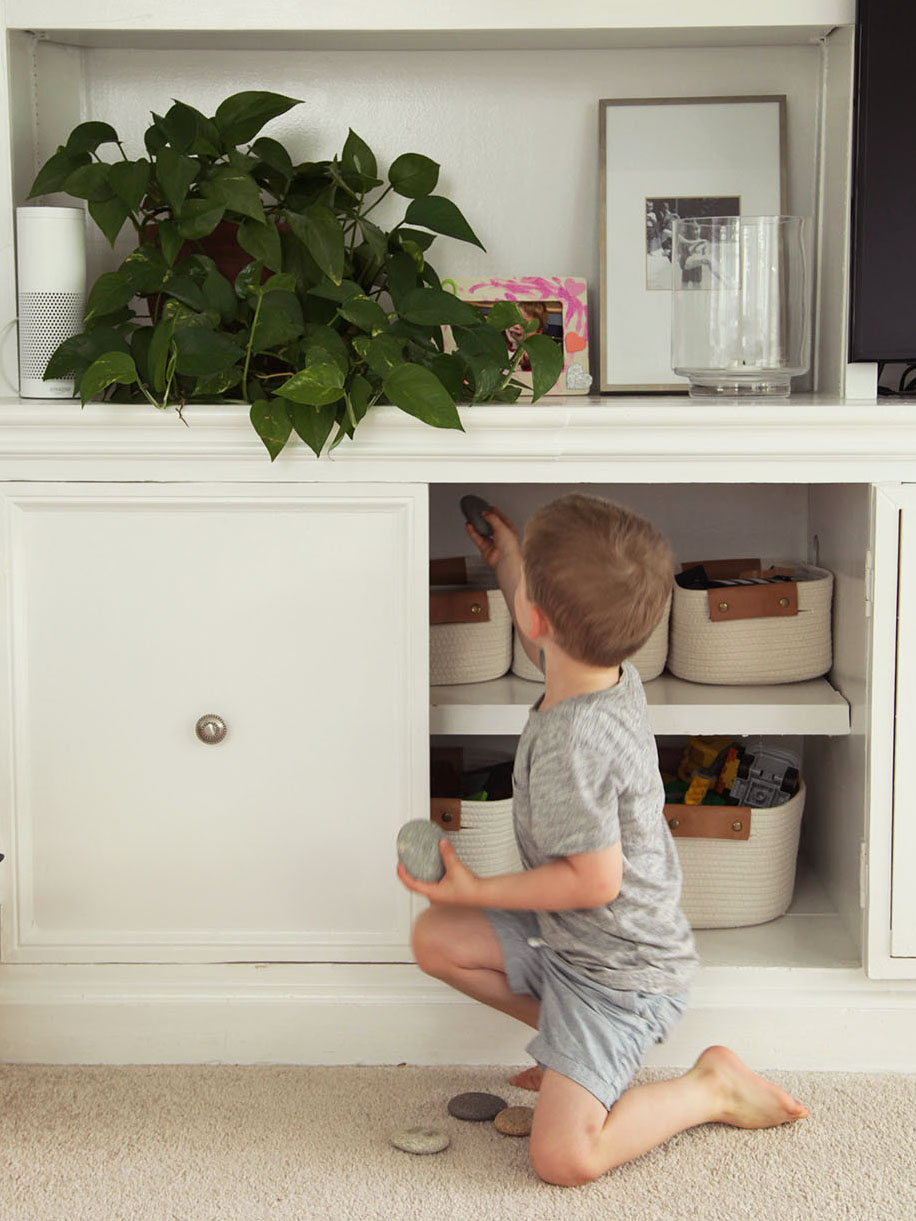
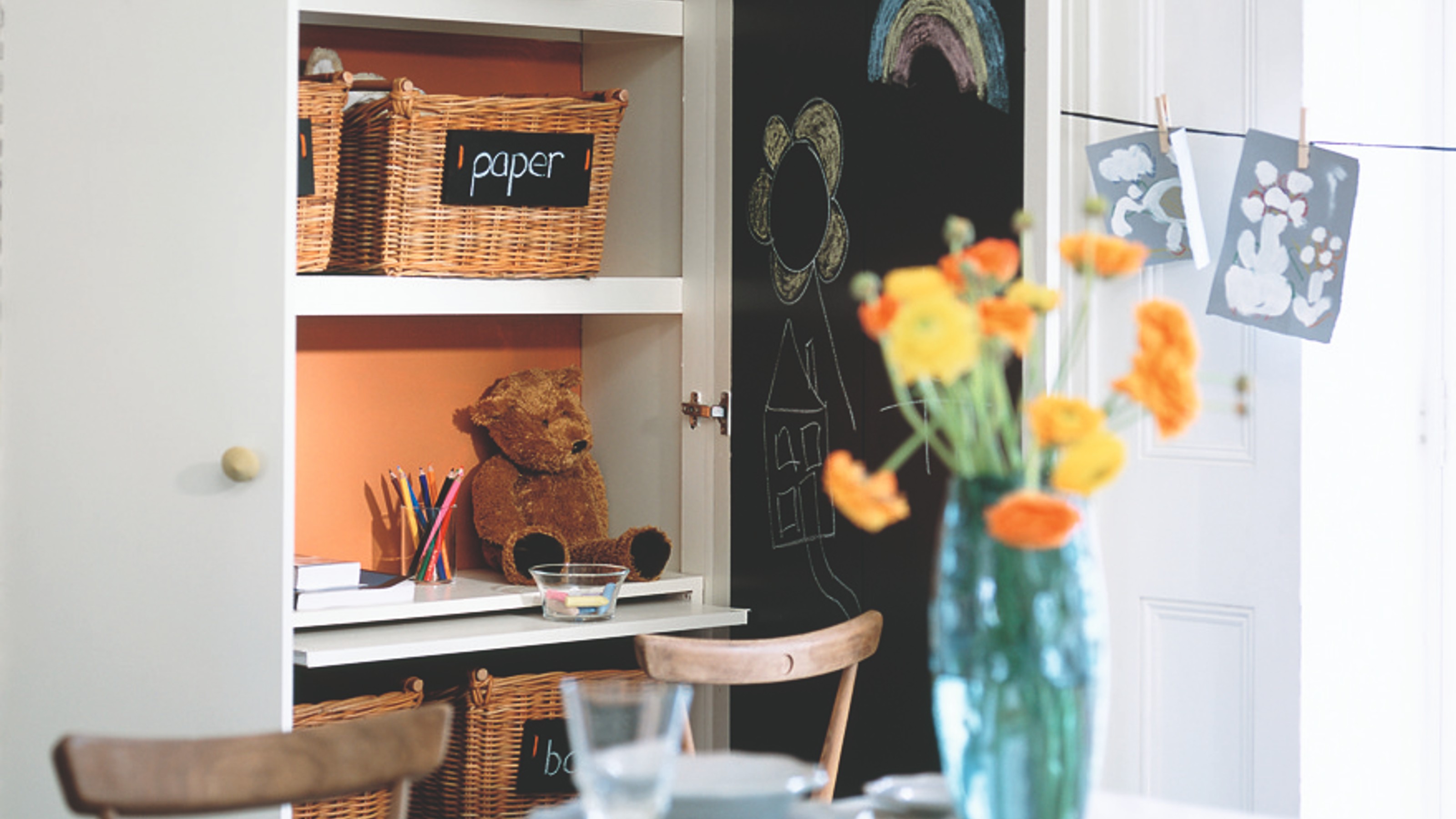
The third idea proposes adding a sizable storage cupboard to conceal items not in current rotation or those that are less aesthetically pleasing. These cupboards are deemed easy for both children and adults to access, promoting independent tidying. The fourth strategy involves creating zoned areas within the playroom for different activities like reading, crafting, or active play. This method ensures that relevant toys are stored nearby, facilitating structured play and easy access. The fifth tip introduces moveable storage solutions, such as rolling carts, which are ideal for craft supplies or toys that might be used in various parts of the house.
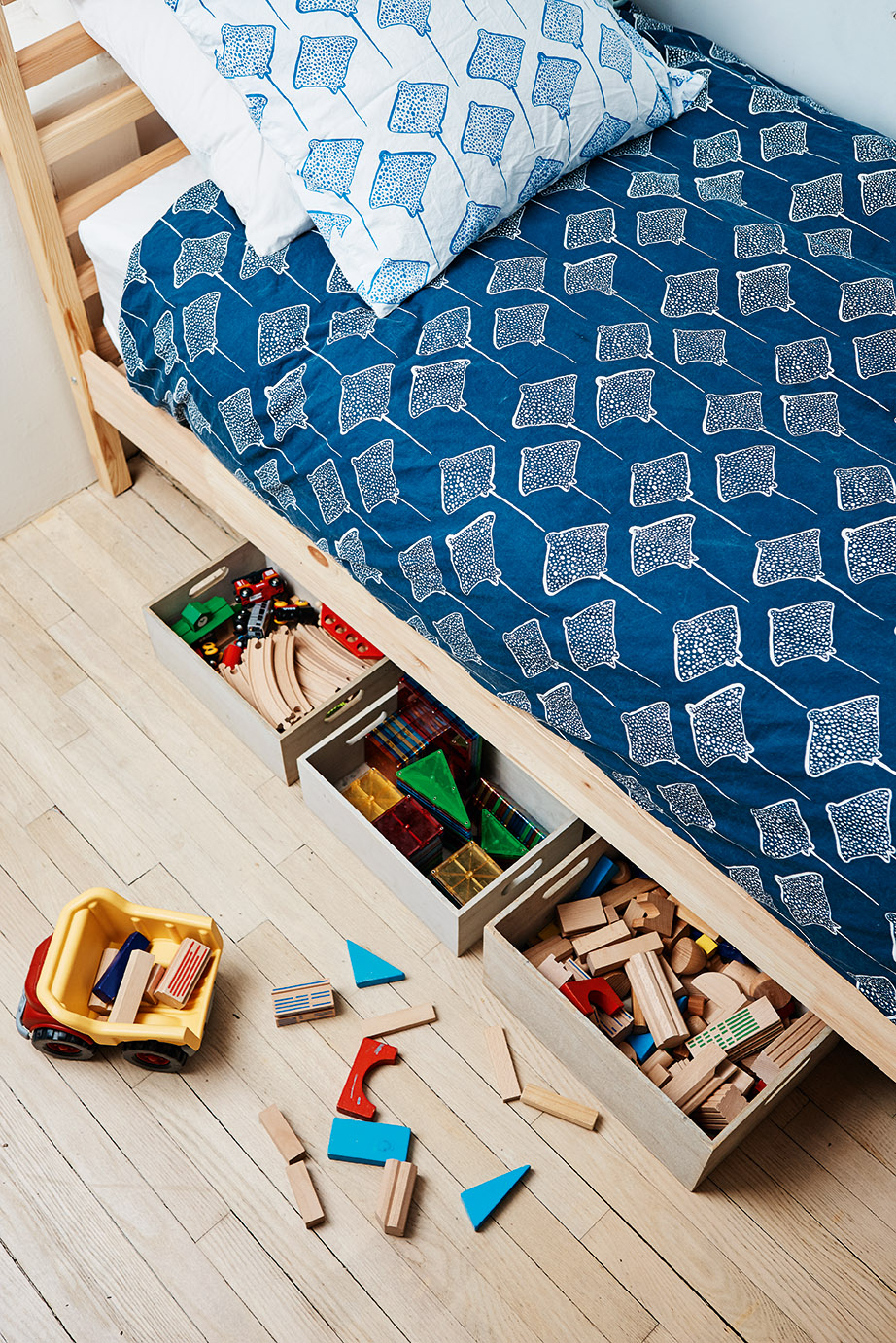
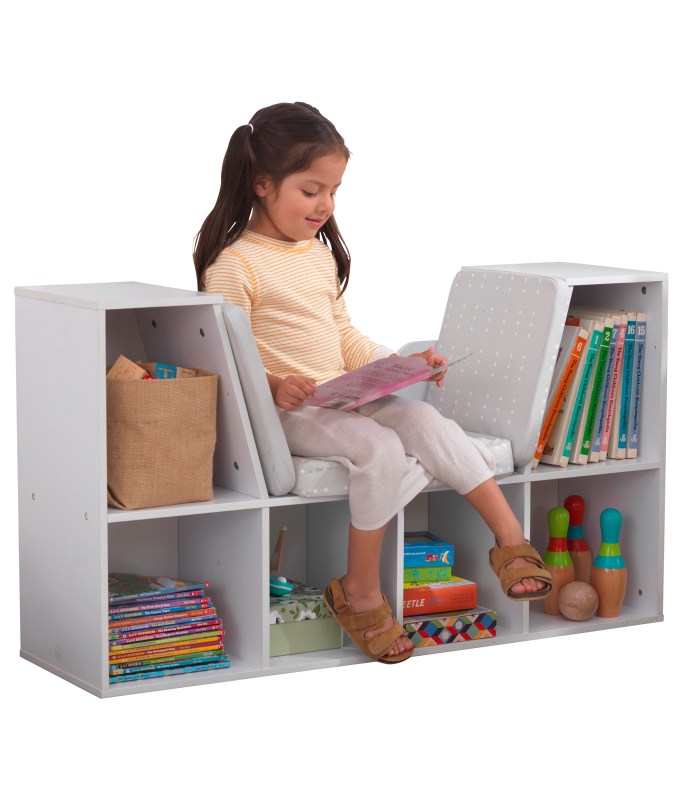
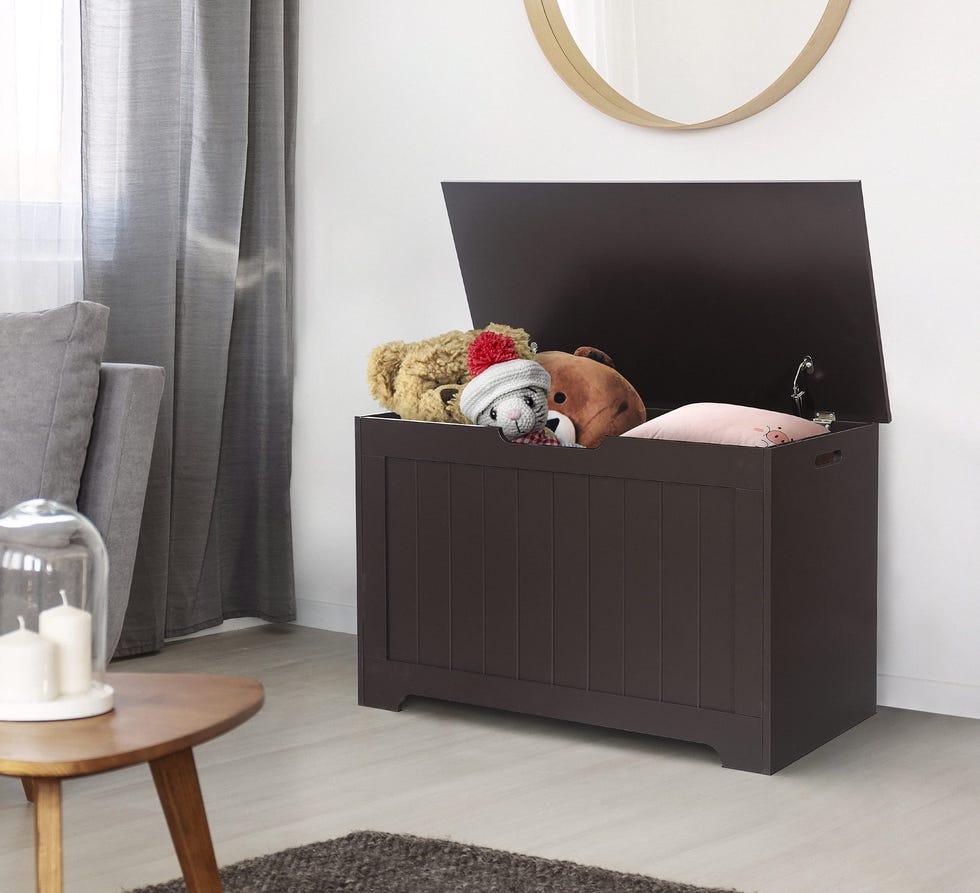
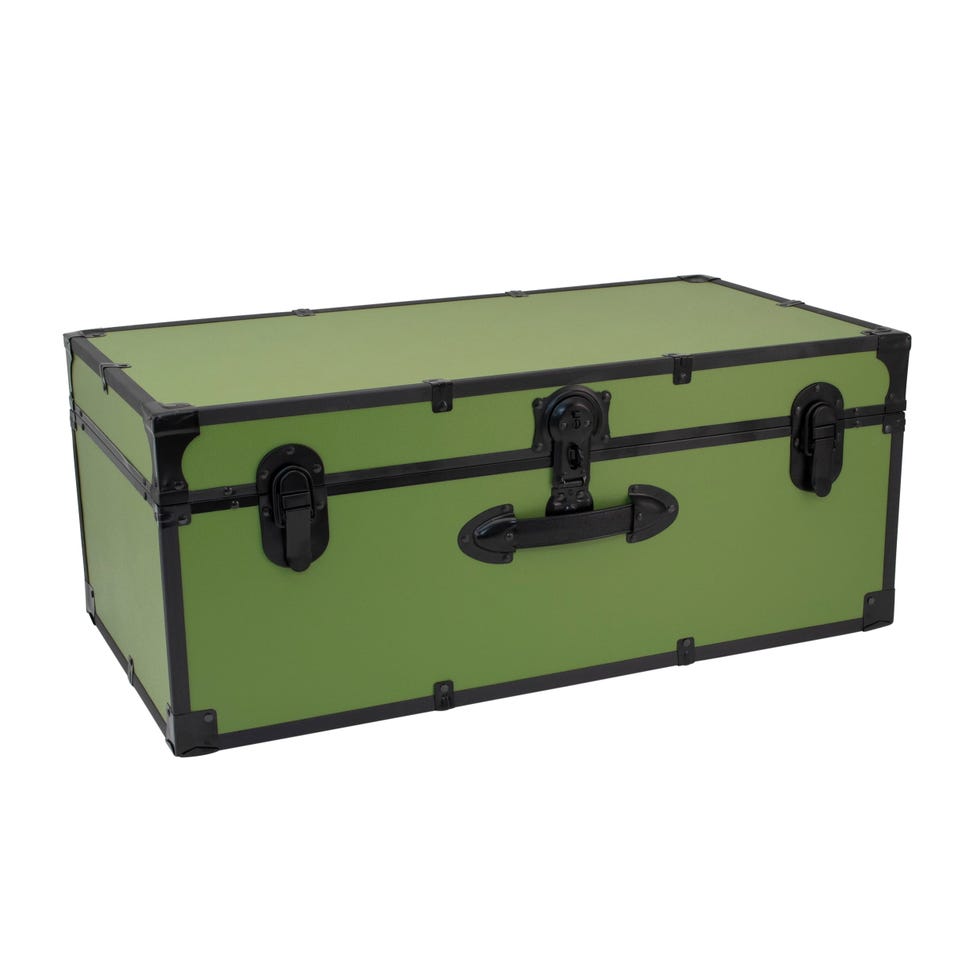
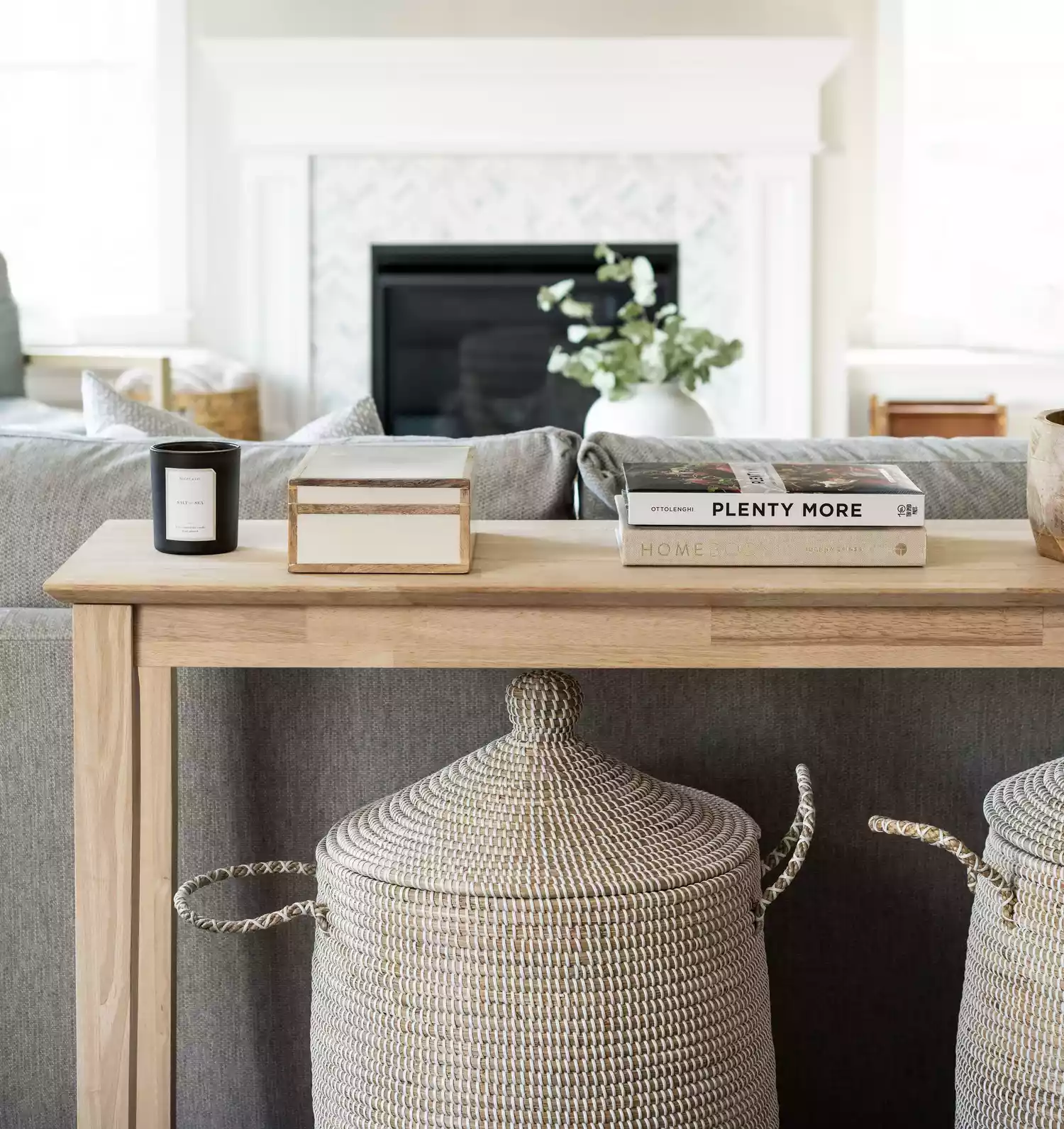
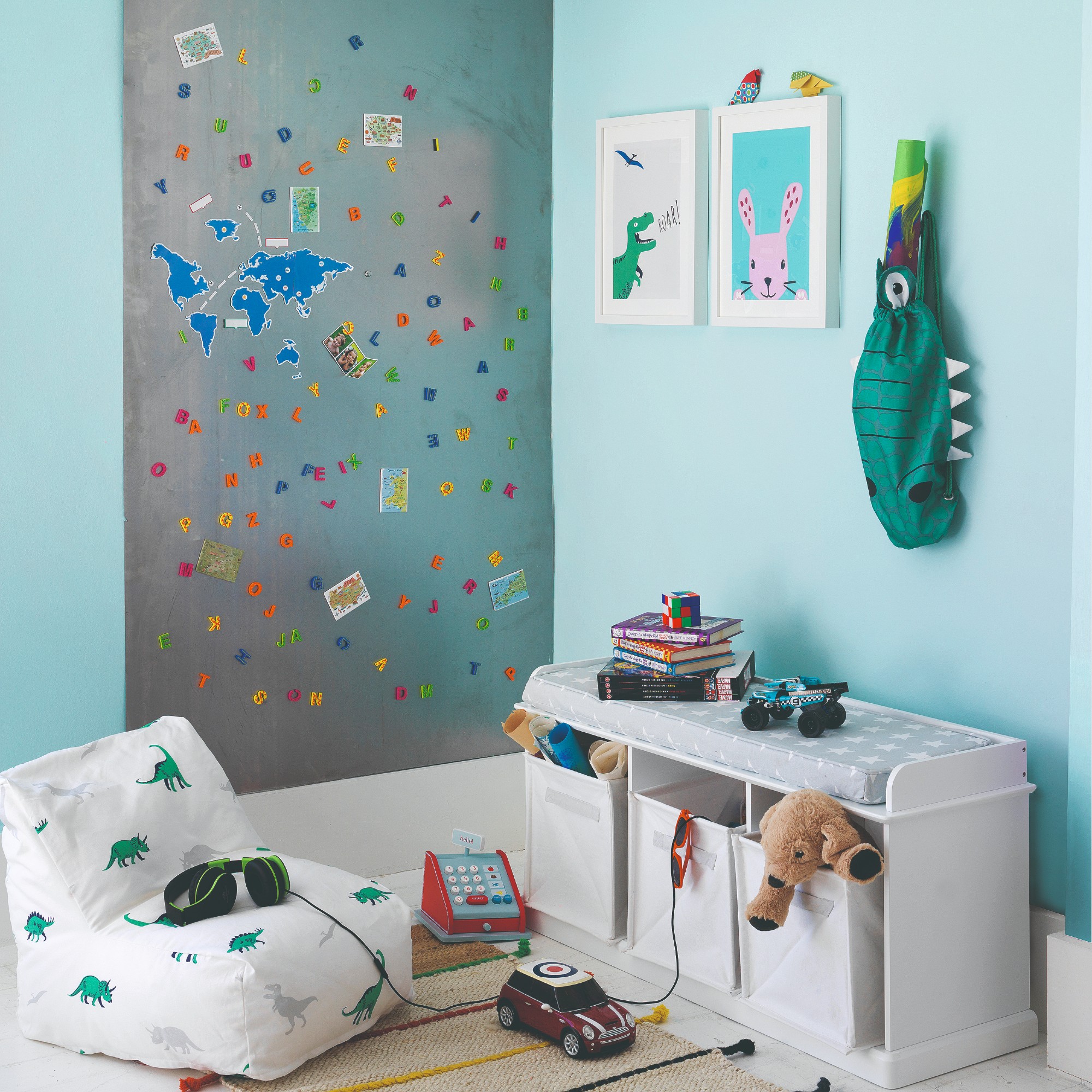
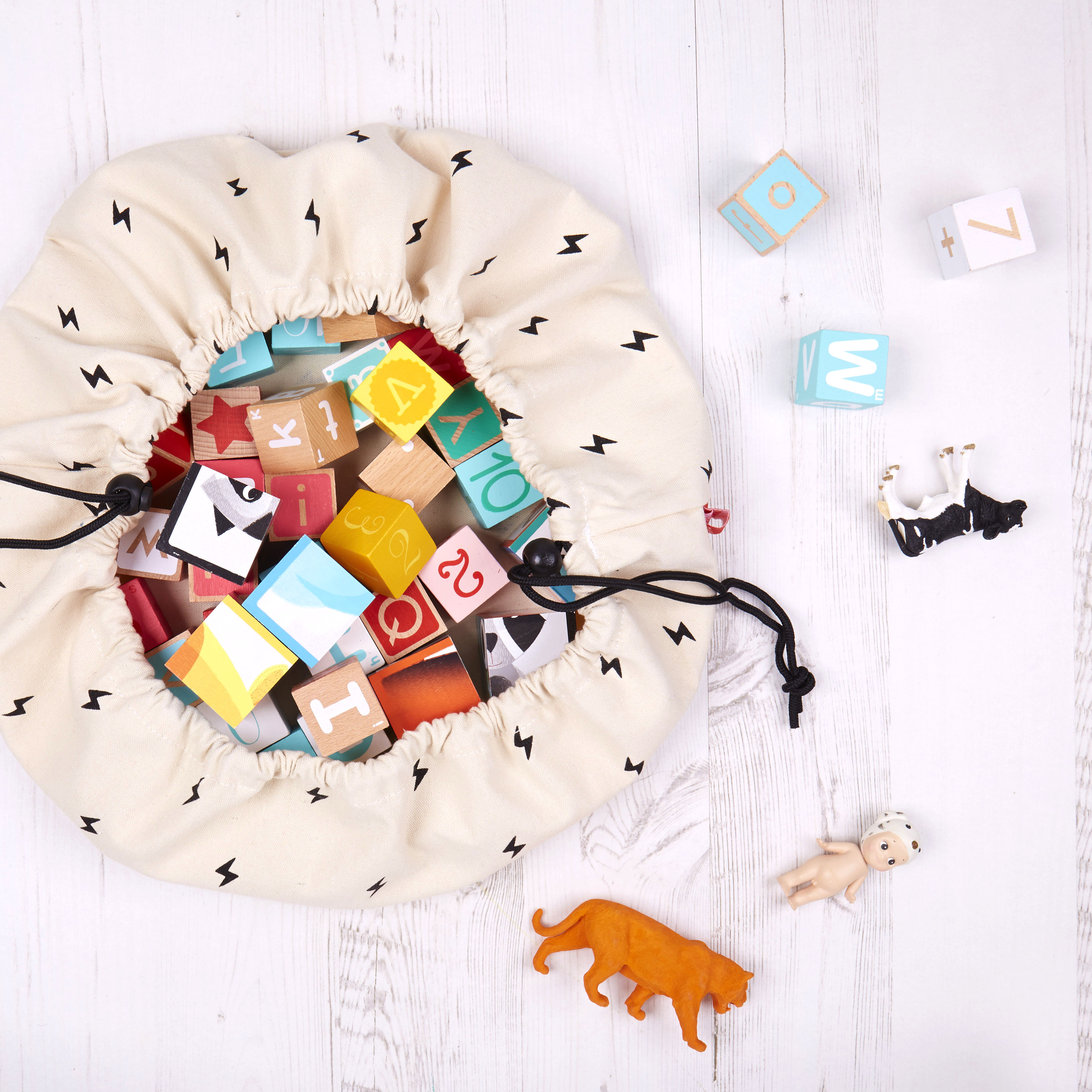
Multifunctional furniture is the sixth recommendation, with examples like storage ottomans or benches that provide both seating and hidden storage. These pieces are particularly beneficial for playrooms, maximizing space and offering convenient hideaway spots for toys. The seventh idea suggests choosing activity toys and play tables that incorporate built-in storage. The Stokke MuTable play table is cited as an example, with its multi-sided activity boards and optional storage bag, demonstrating how play items can also serve a storage function. Finally, the article advocates for including a traditional toy box or chest for quick tidying, especially for larger items, and mentions closed storage baskets and bins for their effectiveness in rapid clean-ups.
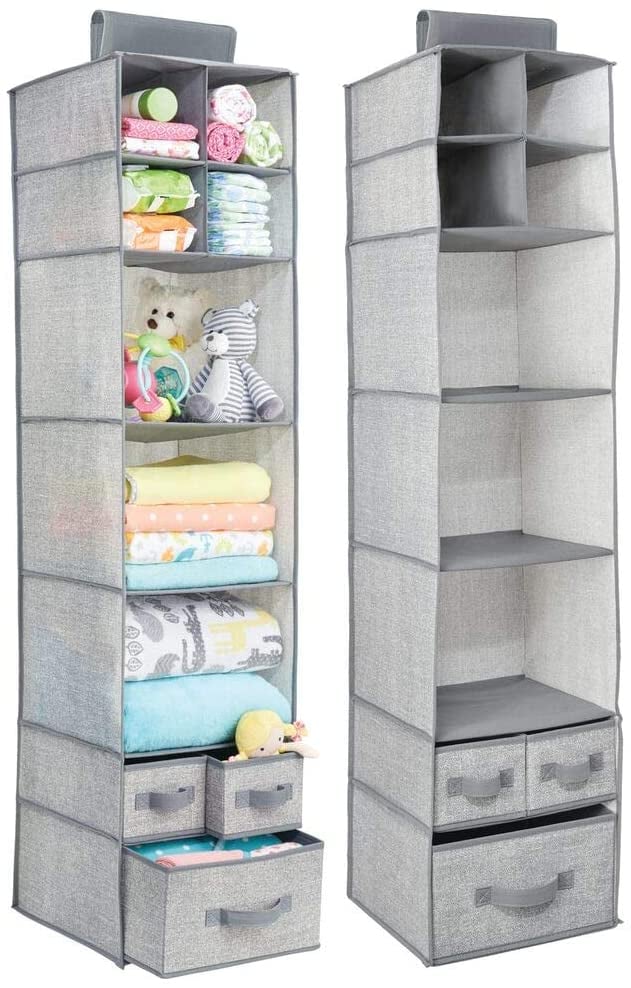
In addressing frequently asked questions, the article reiterates that minimizing visible toys through rotation and utilizing closed storage are key to an uncluttered playroom. It also emphasizes the importance of toy rotation to maintain children's interest. For small spaces, the advice is to leverage underutilized areas, particularly vertical space, and to opt for multifunctional furniture and stackable storage solutions. The overall message is to implement thoughtful storage designs to transform a chaotic playroom into an organized and enjoyable environment.
#PlayroomStorage #KidsOrganization #ToyStorageIdeas #DeclutteringTips #ChildrensRooms #HomeOrganization #MultifunctionalFurniture #OpenShelving #ZonedPlayAreas #PlayroomStorage #KidsOrganization #ToyStorageIdeas #DeclutteringTips #ChildrensRooms #HomeOrganization #MultifunctionalFurniture #OpenShelving #ZonedPlayAreas
0 comment in total
 No comments yet
You may also like
34 toy storage ideas to prevent a cluttered living room and a messy play area
5 hidden toy storage ideas – how to make tidy up time quick and easy at the end of a busy day
These Closet Organizers For Kids Will Transform Their Space
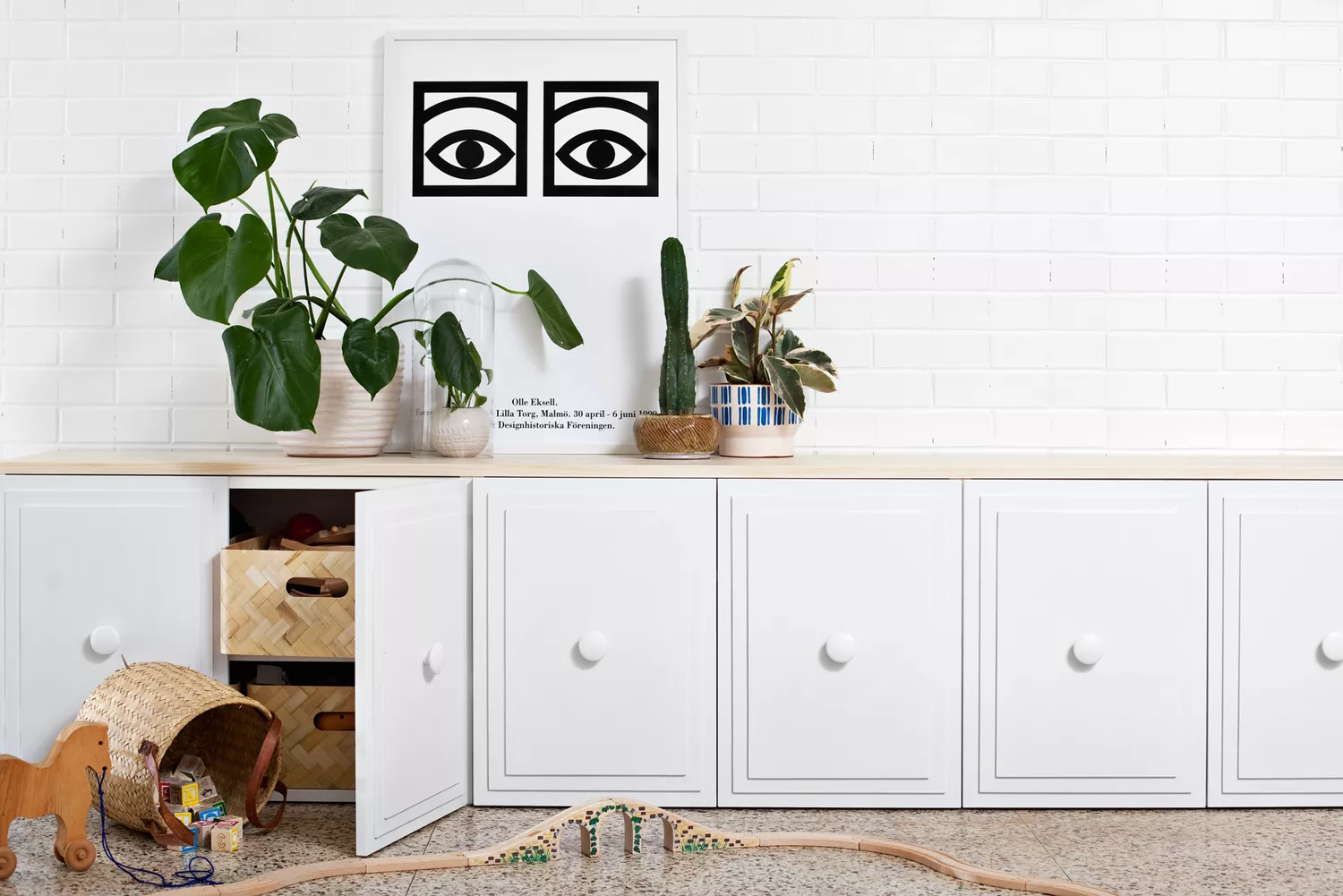
36 Hidden Toy Storage Ideas to Keep Your Living Room Looking Its Best

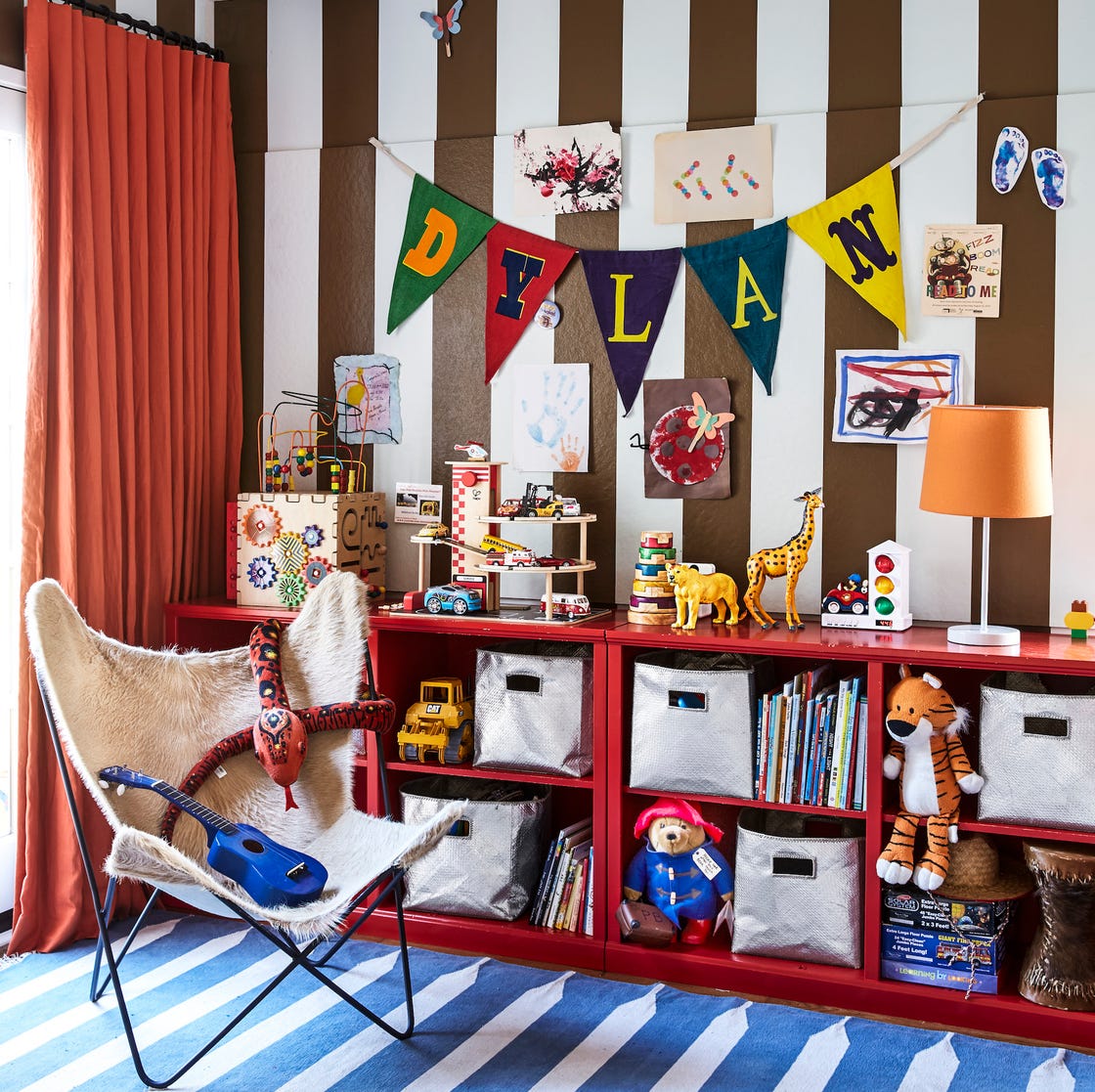
These 26 Clever Toy Storage Ideas Will Help Keep the Playroom Tidy
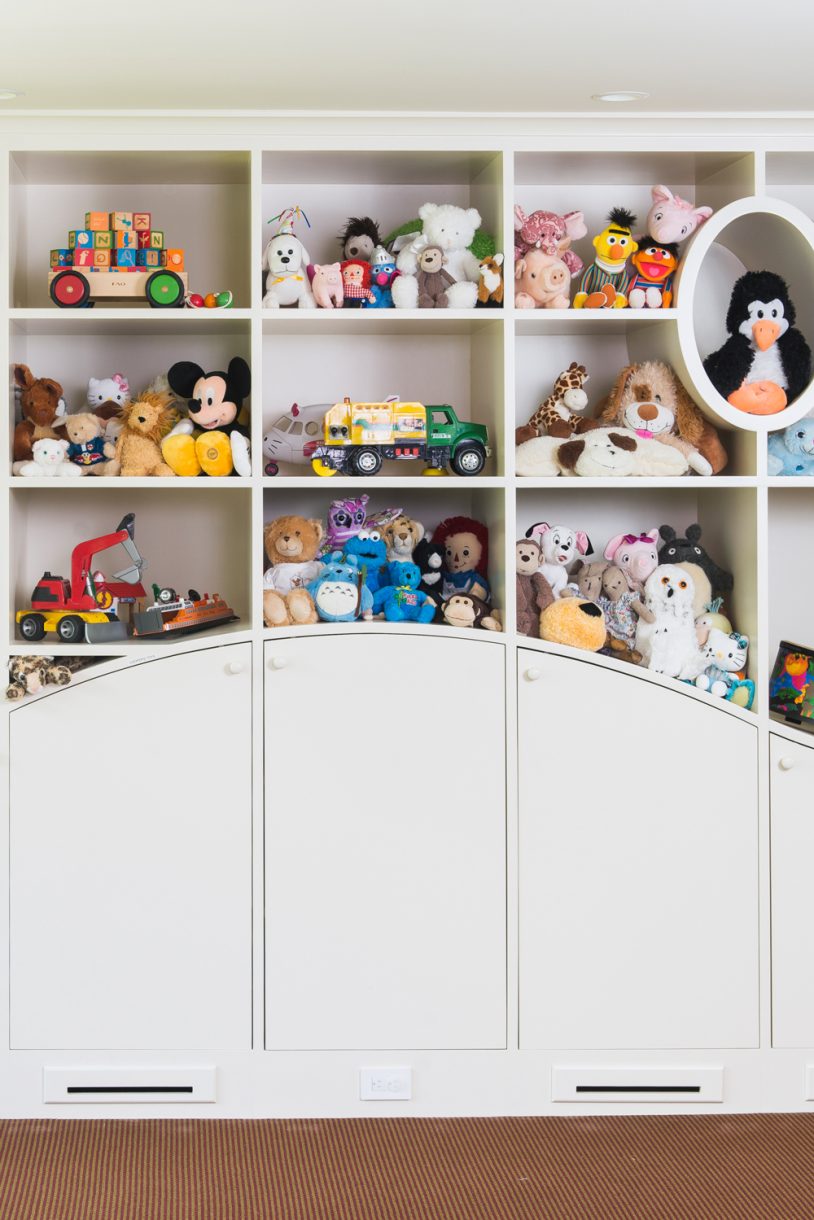
Stylish Childrens' Toy Storage Ideas — 33 Clever and Chic Ways to Keep the Mess at Bay

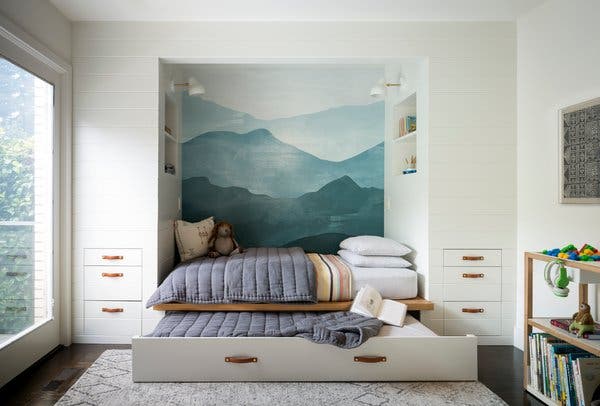
How to Contain Your Children’s Clutter (Published 2020)
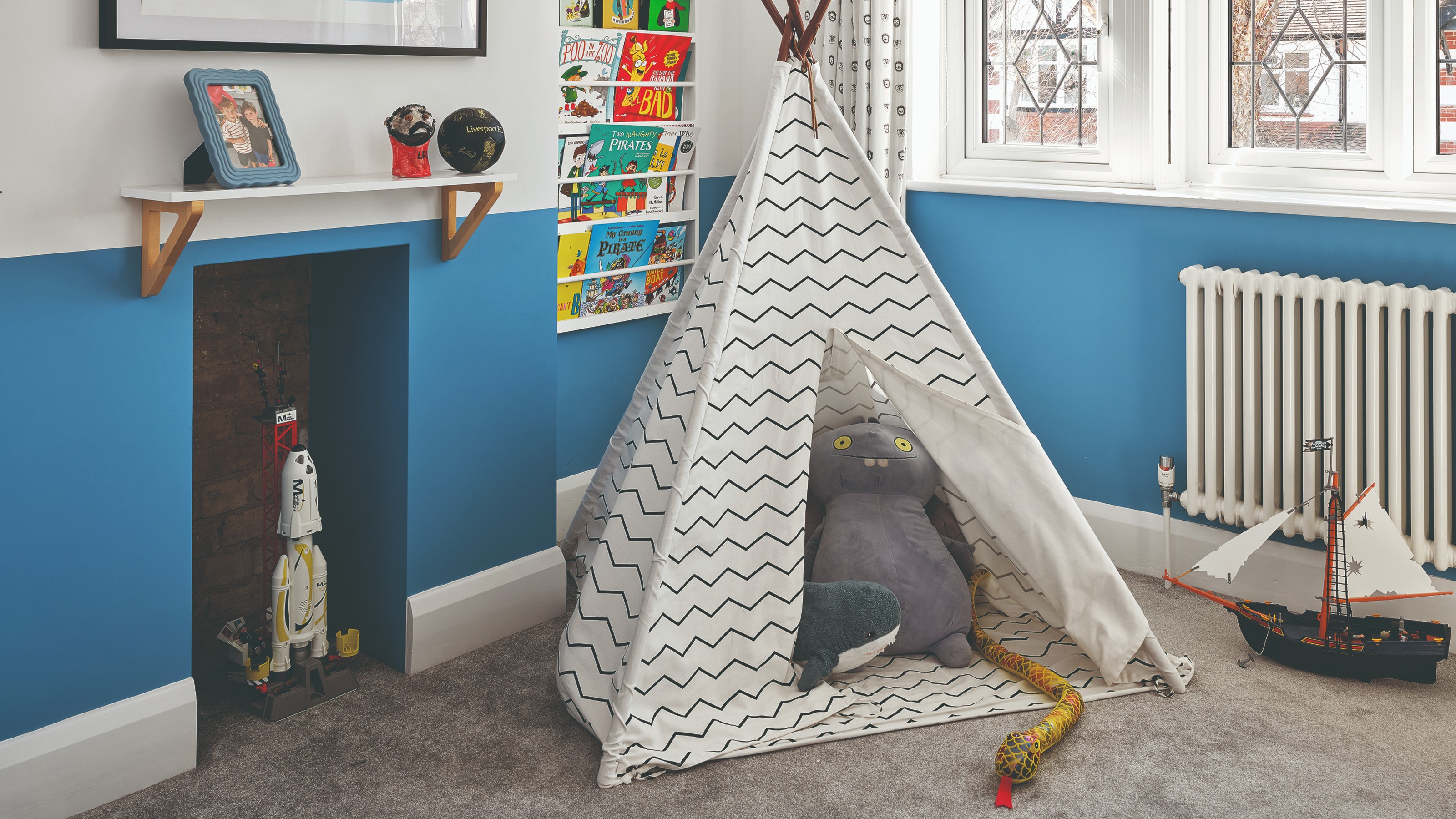
24 playroom ideas to help you create a space that’s fun and inspiring yet practical for your little ones’ play time
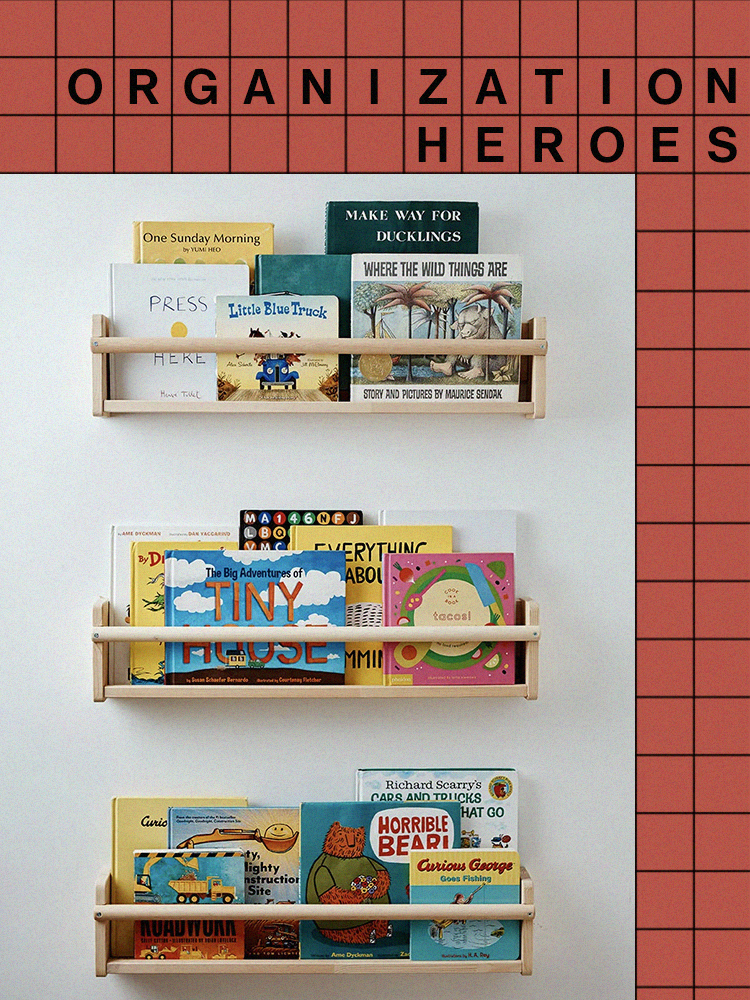
How I Created a Playroom Organization System I Can Actually Live With

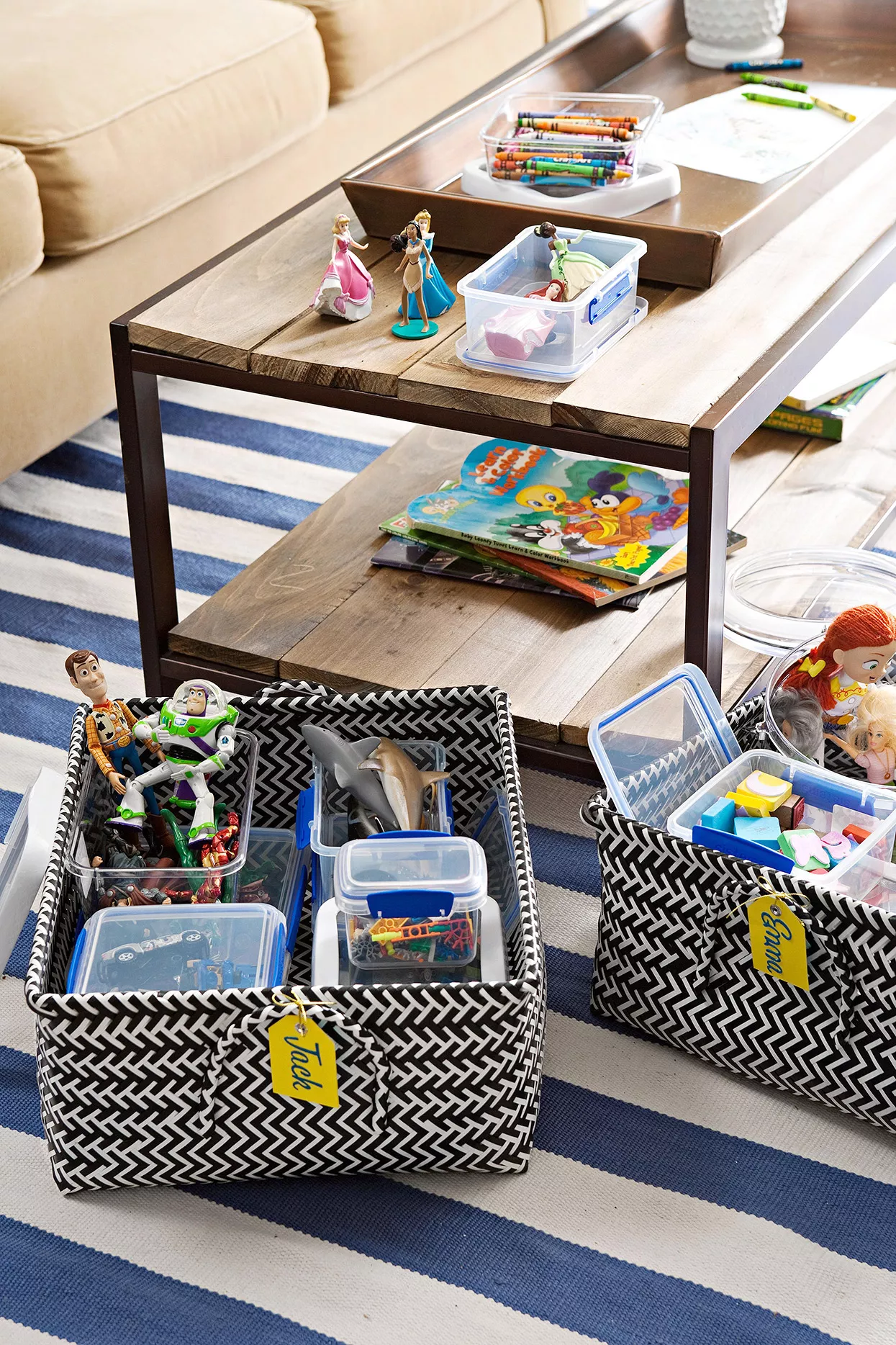
25 Toy Storage Ideas to Help You Tidy Up

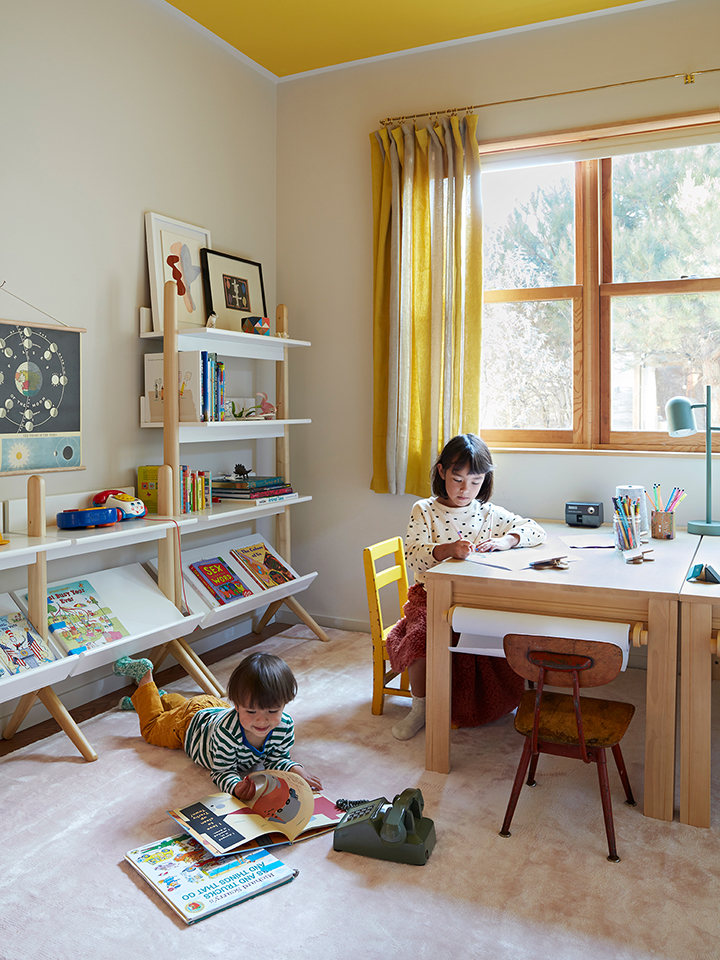
The Sanity-Saving Organization Products 7 Moms Swear By

Kid loves Lego? Keep it all tidy with these storage ideas

26 Kids' Storage Ideas to Control Clutter
16 Toy Storage Ideas That Make Cleanup a Breeze (and Cost as Little as $8)
21 fabulous playroom ideas to encourage creativity and play


A Stylist’s Guide to Creating a Kid-Friendly Living Room
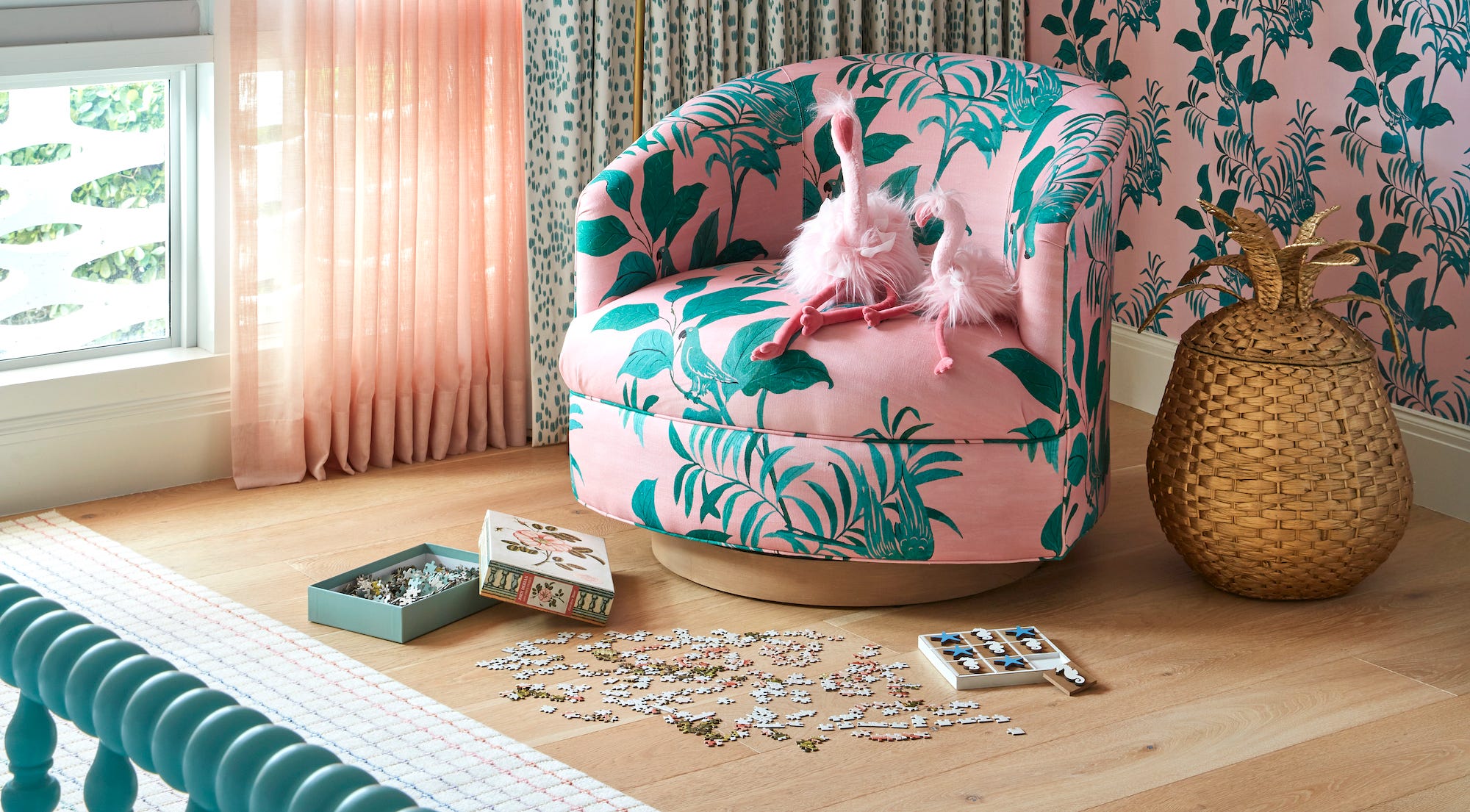
43 Clever Kids' Room Storage Ideas That Designers Swear By
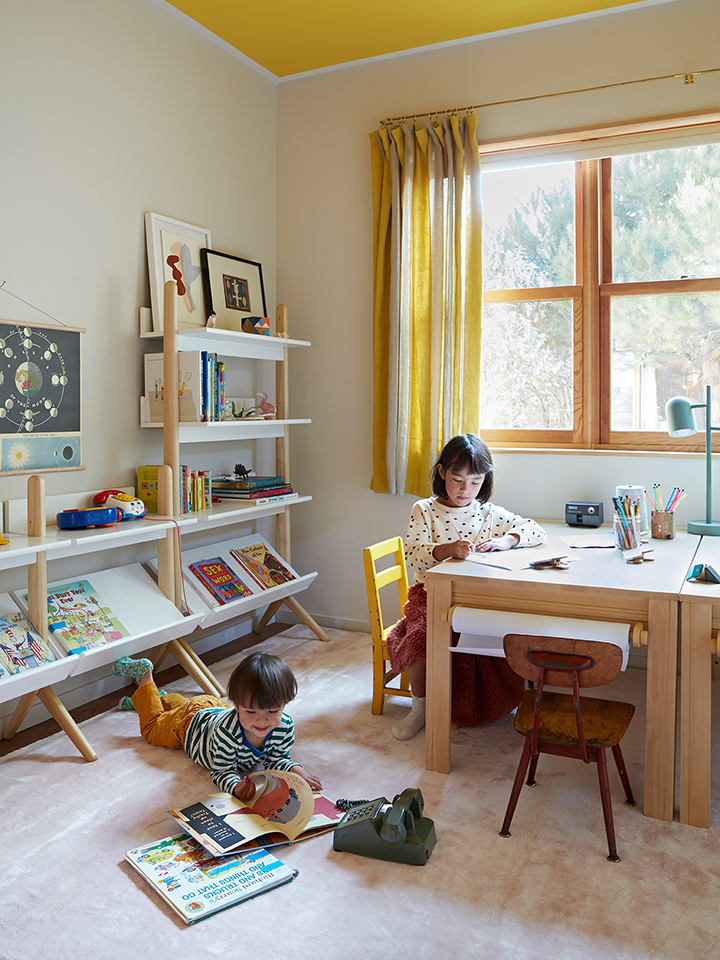
The Sanity-Saving Organization Products 7 Moms Swear By
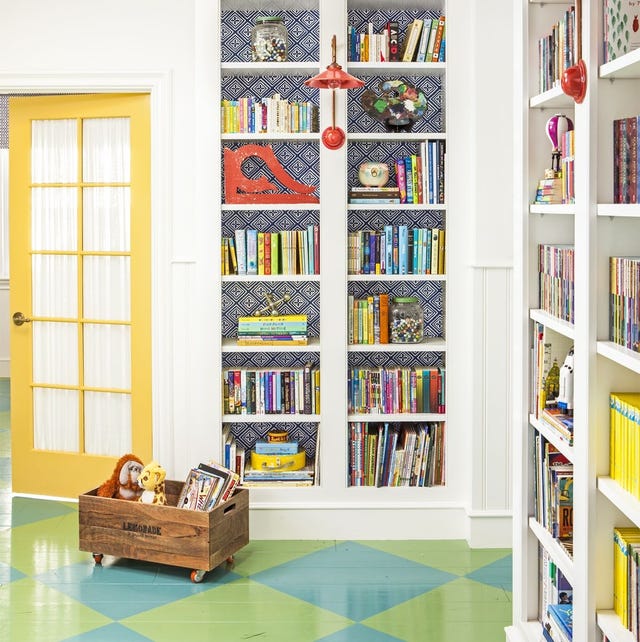
Clever Stuffed Animal Storage Ideas That Will Keep Kids' Rooms Tidy
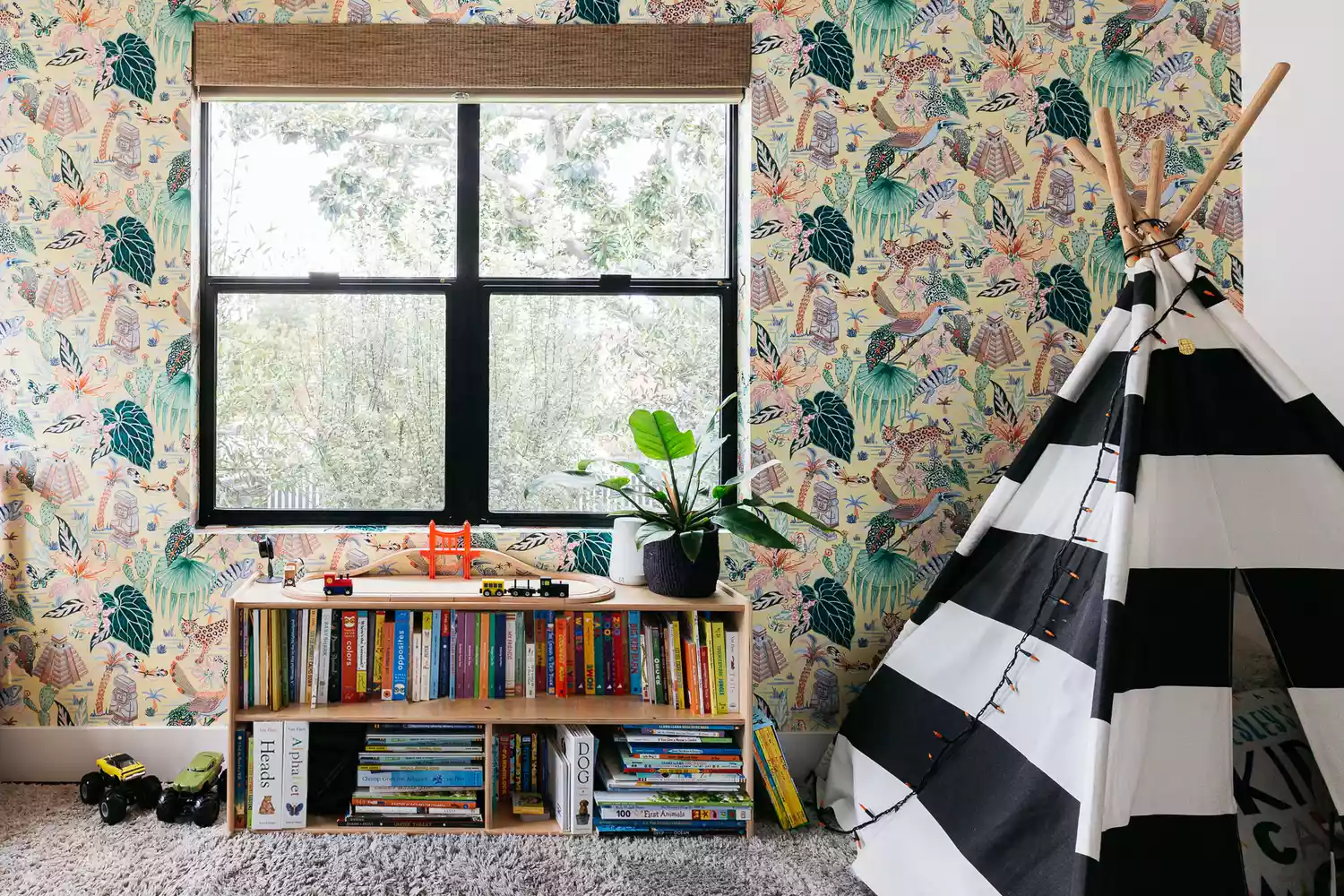
42 Whimsical Playroom Ideas Designed for Hours of Endless Fun