Hanging curtains: You’re probably doing it wrong
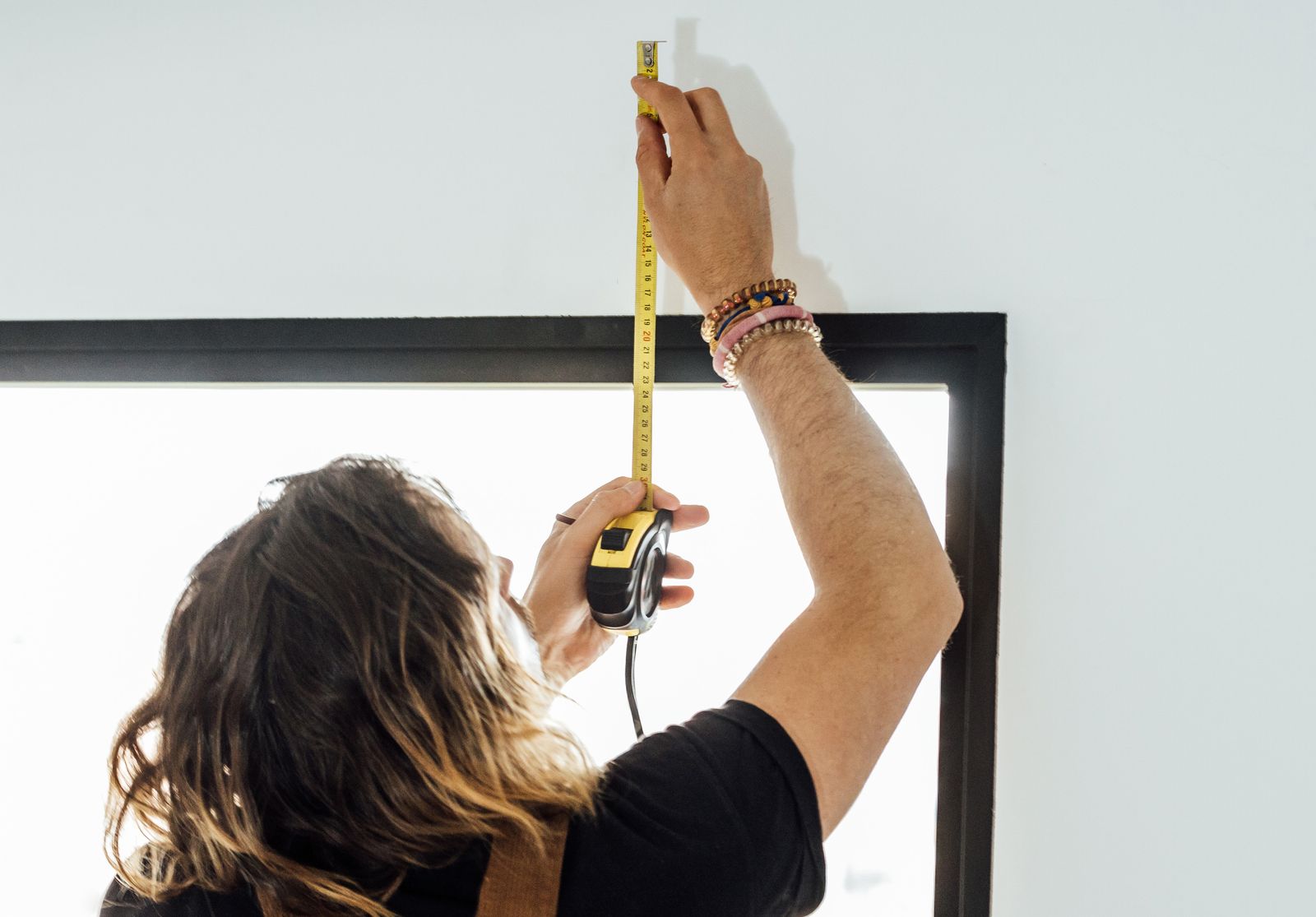
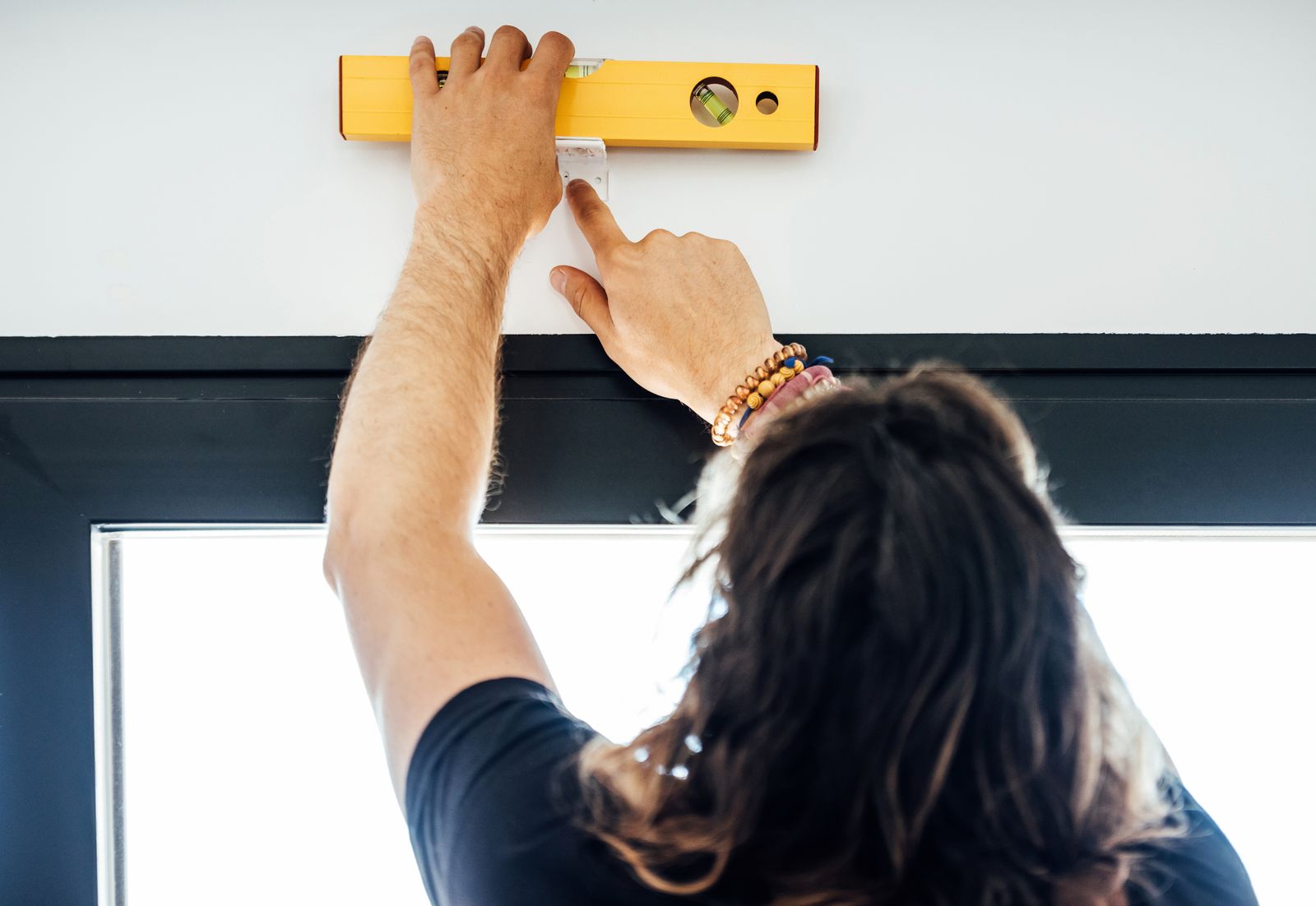
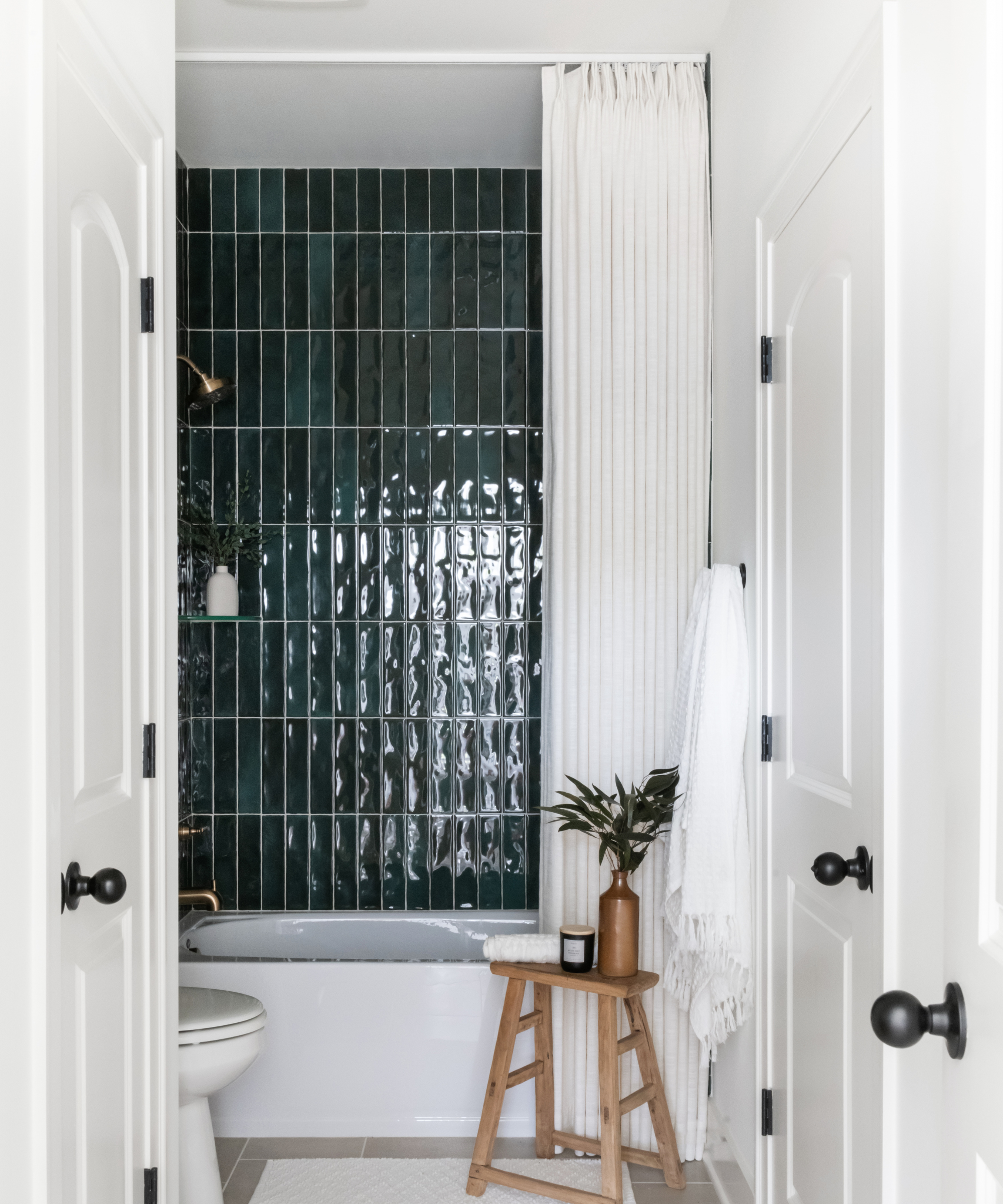
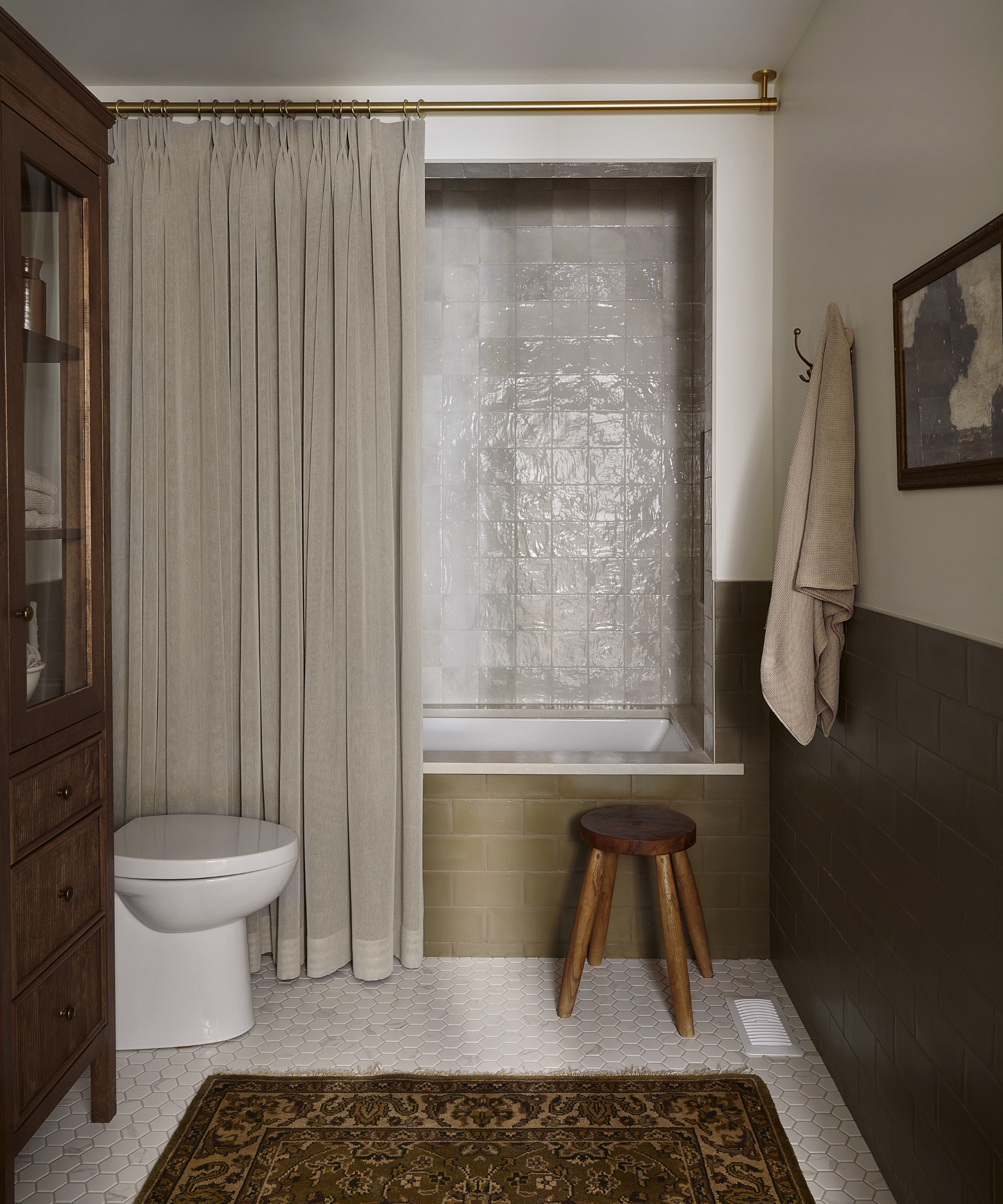
Curtain panels are a fundamental element in interior design that, when chosen and installed correctly, can significantly enhance a room's aesthetic by making ceilings appear higher and windows look wider. Many homes lack proper window treatments, or they are installed incorrectly, often due to the perceived complexity of choosing and hanging draperies, which involves various unfamiliar terms and considerations such as pinch pleats, returns, drapery hooks, measuring, installation, and cost.
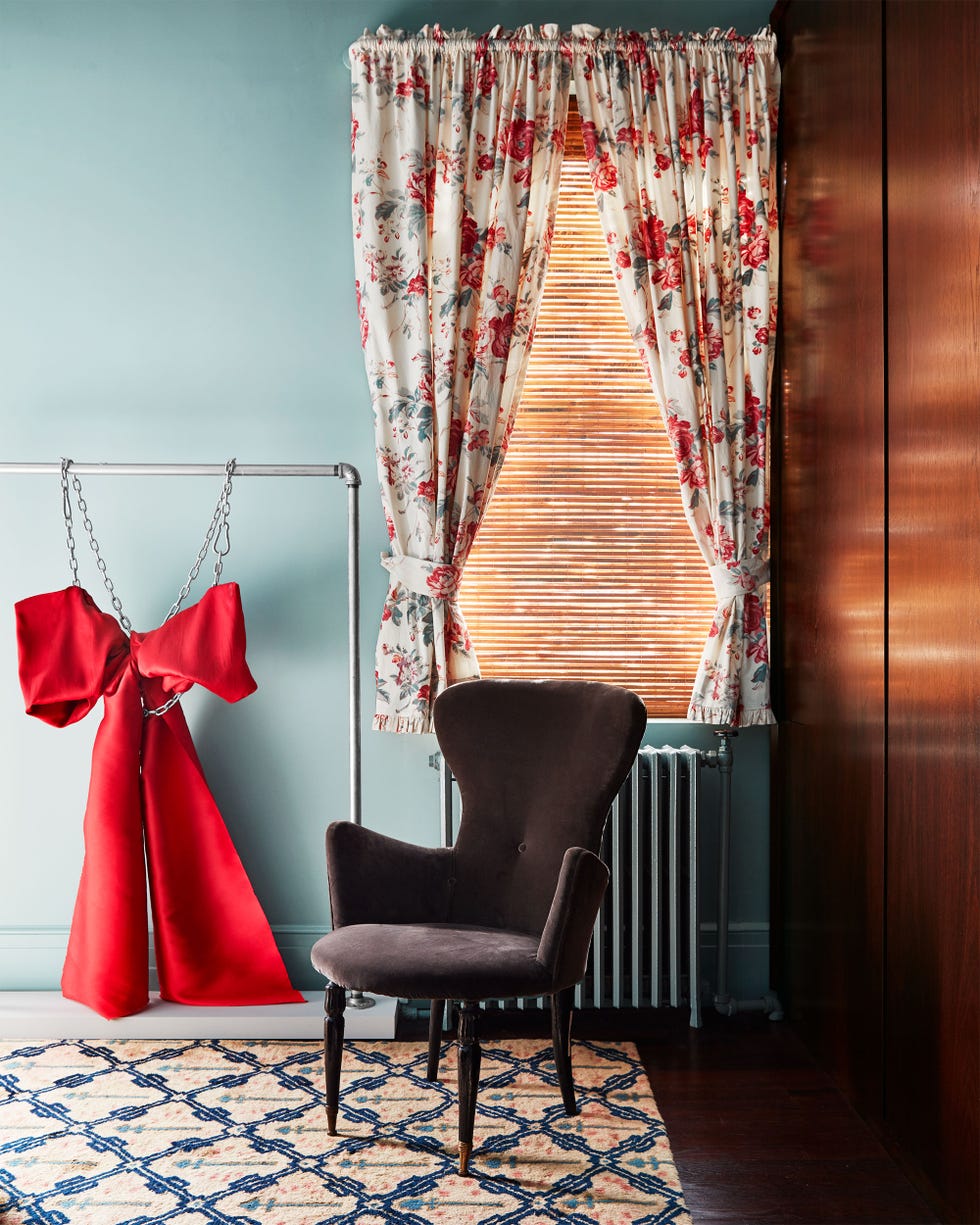
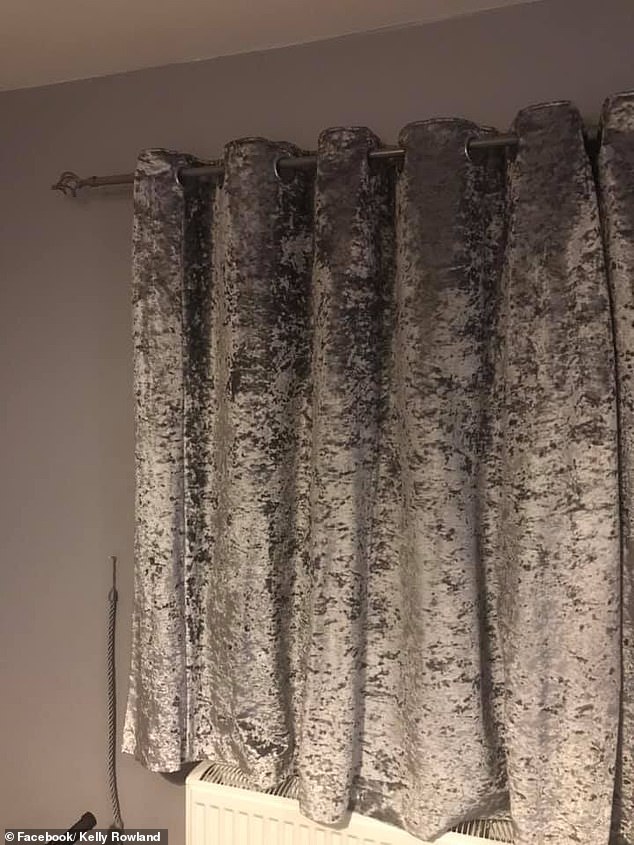
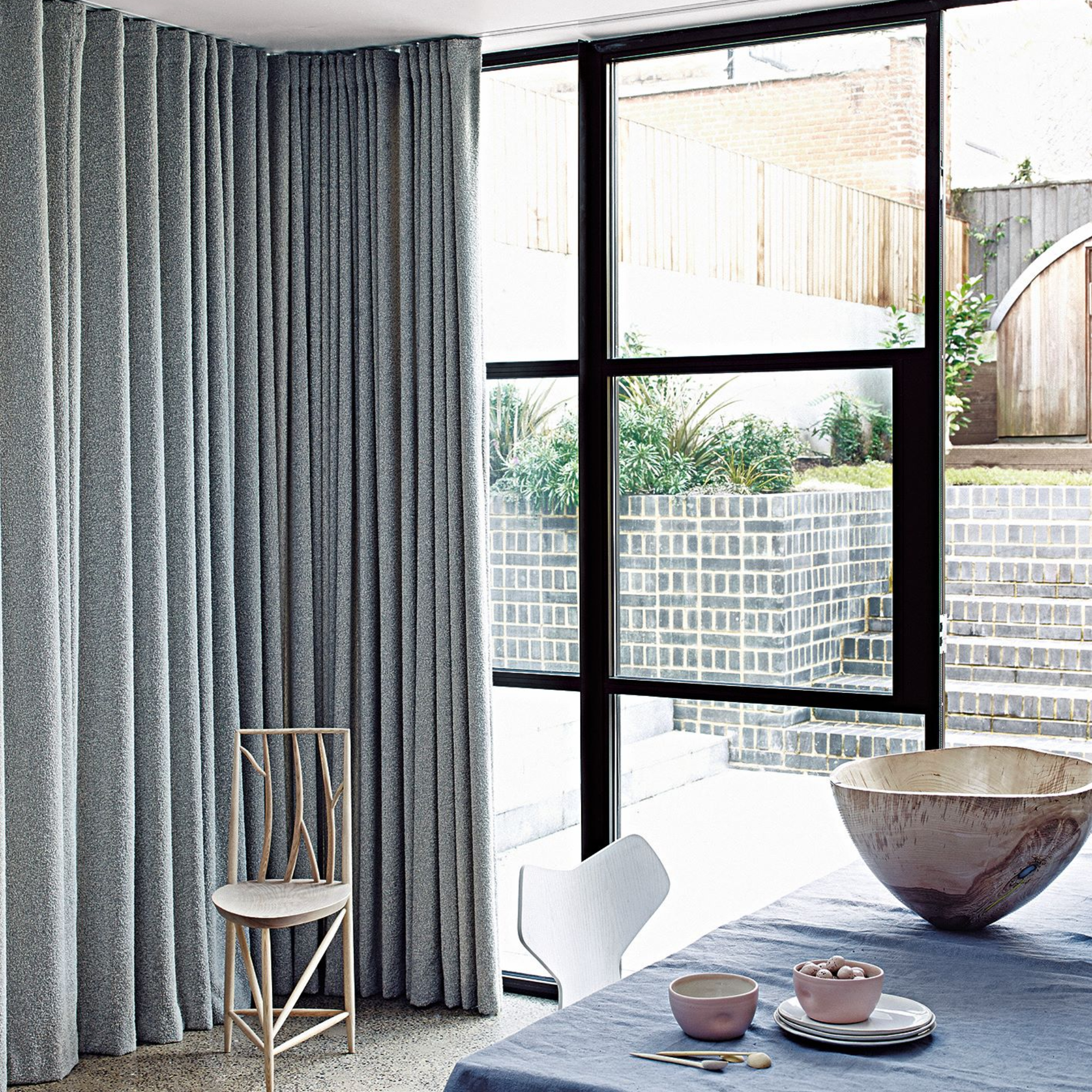
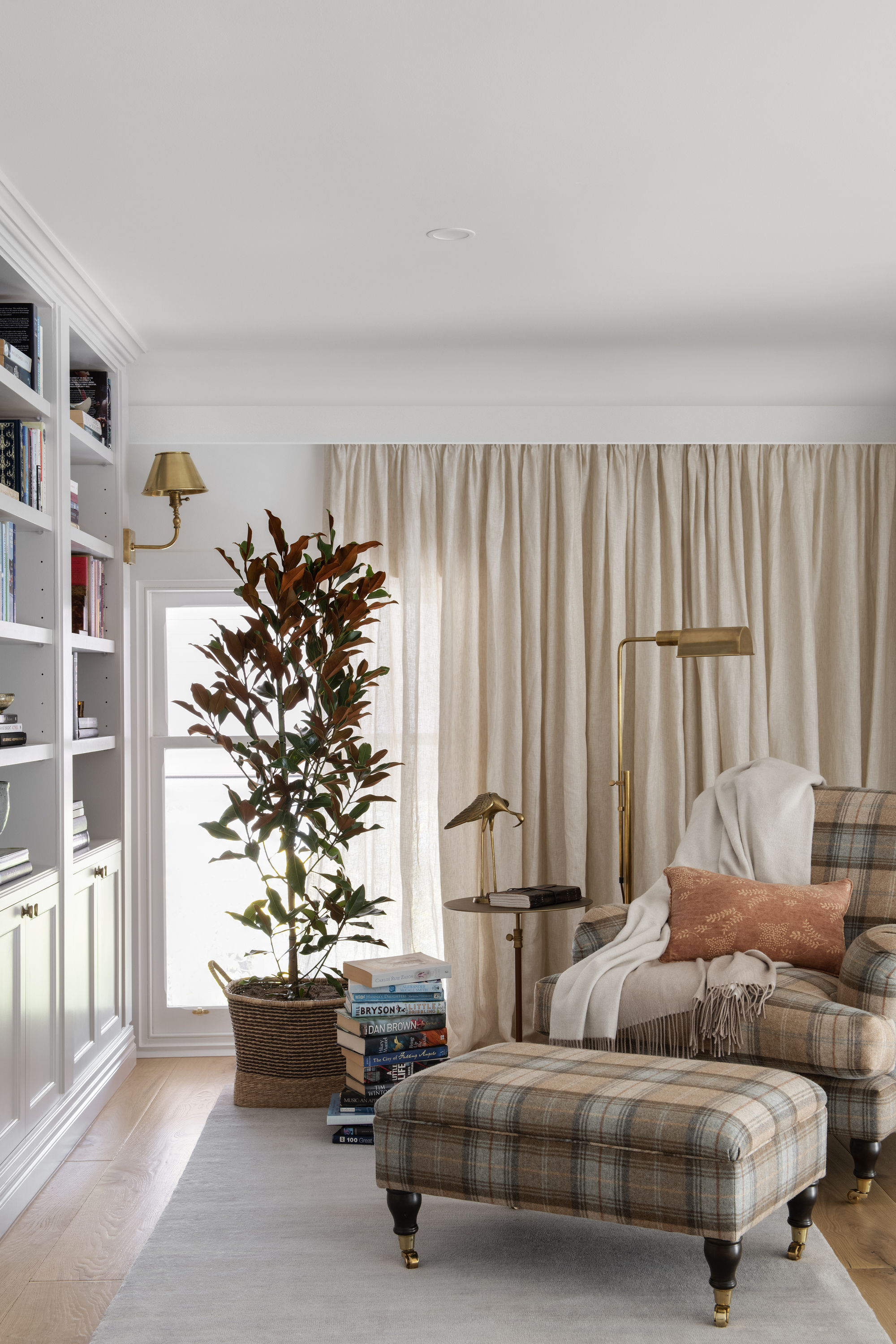
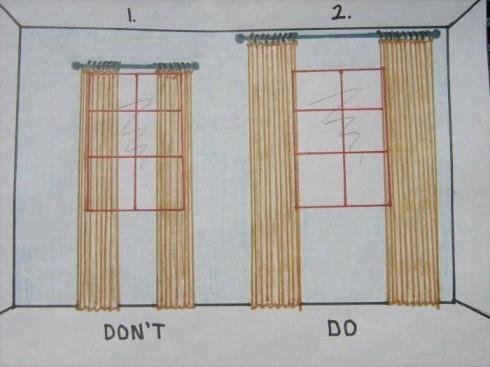
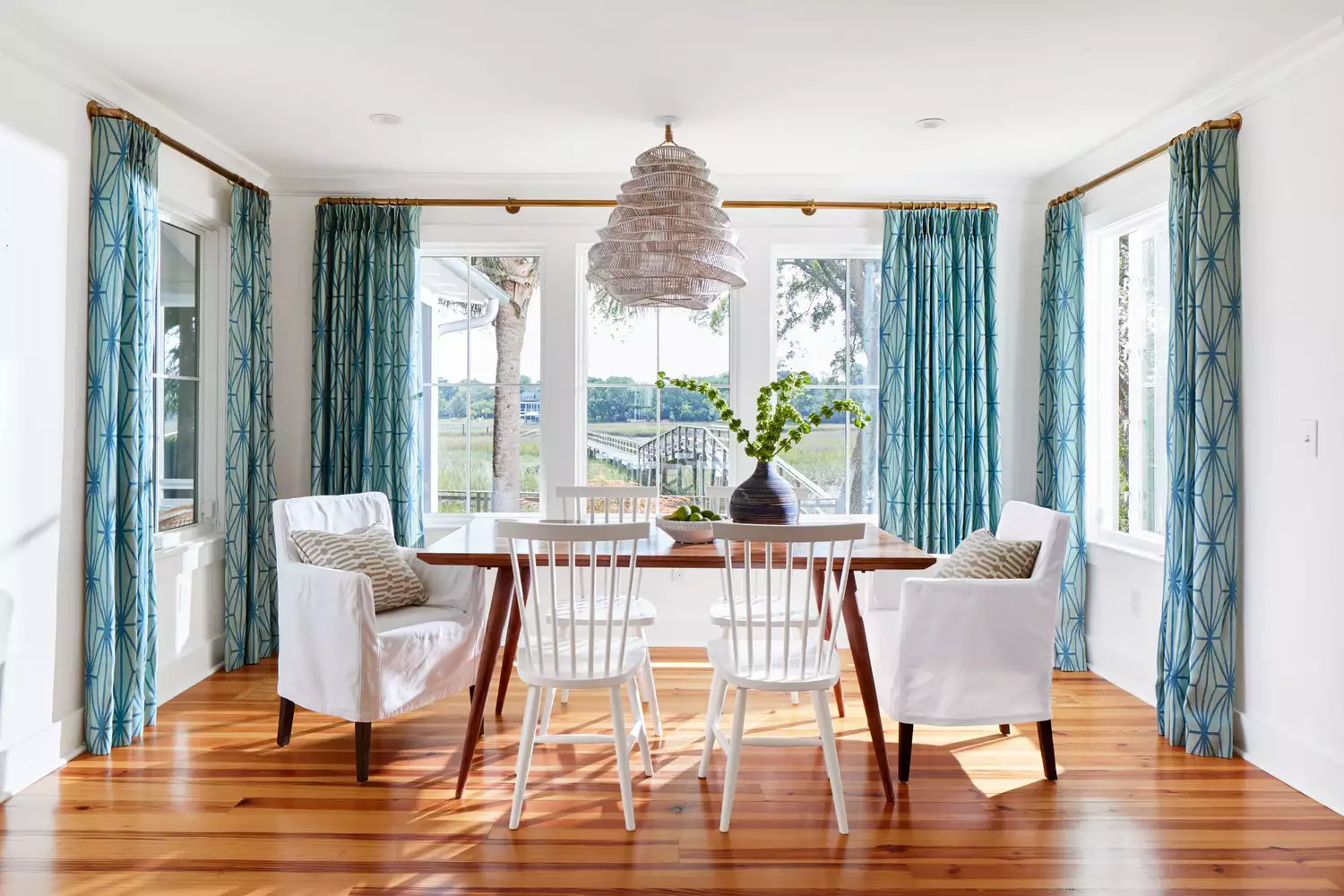
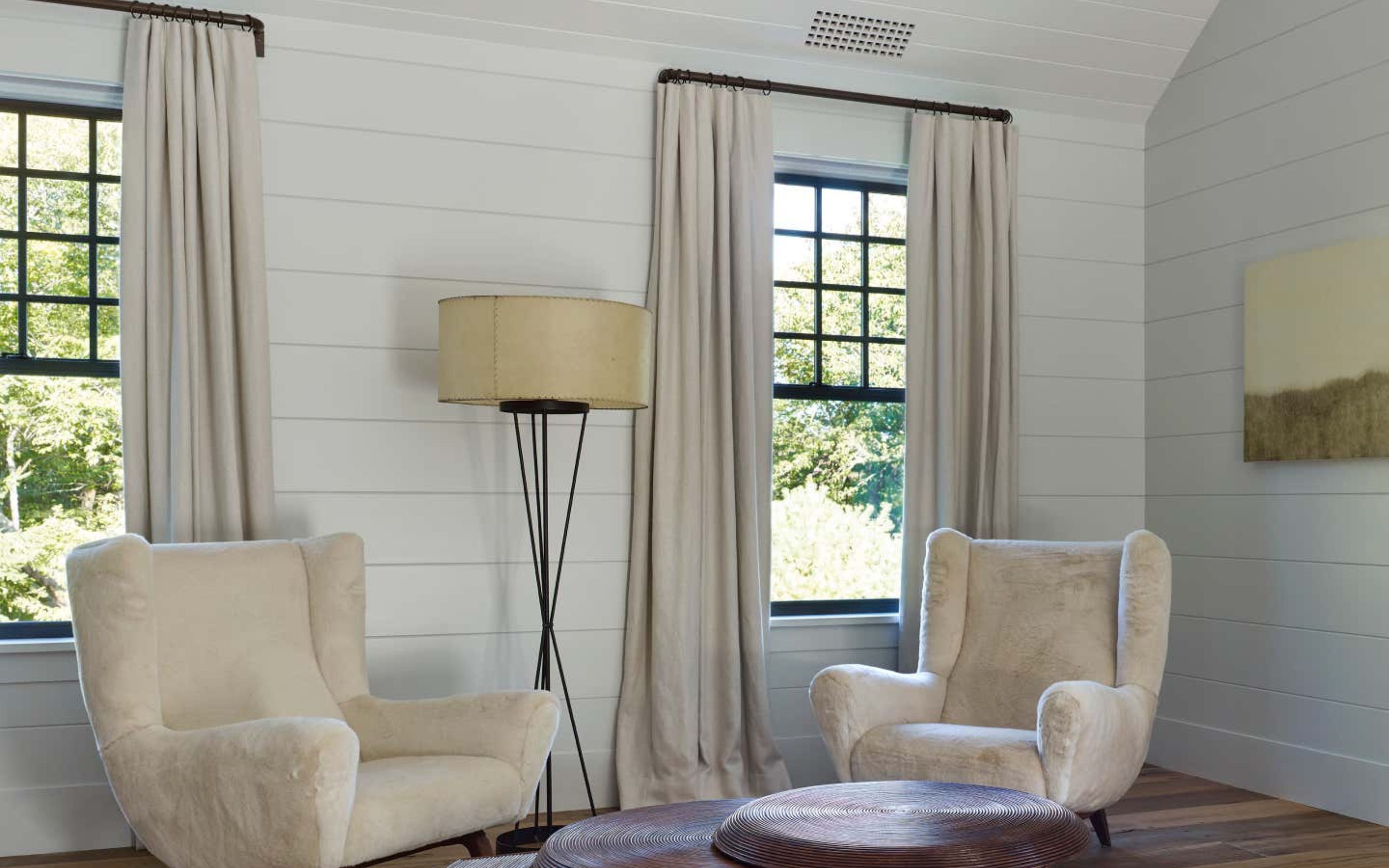
The most common mistake observed in hanging curtains is positioning the curtain rod directly above or on the window frame. To rectify this, designers recommend adhering to two key principles: hanging curtains "high" and "wide." For optimal visual impact, the curtain rod should be installed higher than the window frame, ideally 3 to 5 inches below the ceiling or crown molding. This placement extends the visual line of the wall, creating an illusion of greater ceiling height. Achieving this often necessitates using longer curtain panels; for an 8-foot ceiling, panels approximately 91 inches long are suitable. If custom panels are not an option, standard 96-inch panels can be purchased and hemmed to fit, ensuring they skim the floor and avoid a "high-water" look.
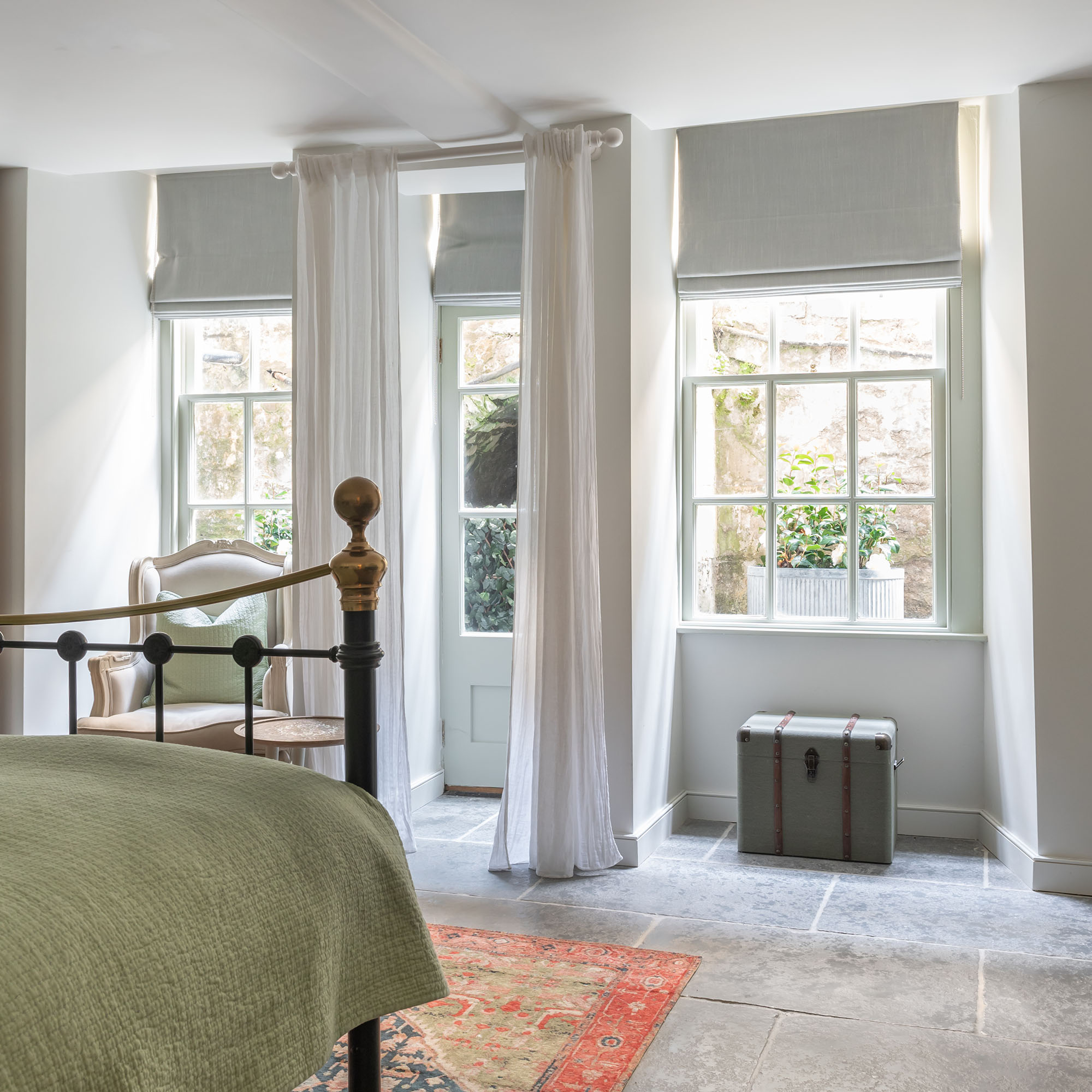
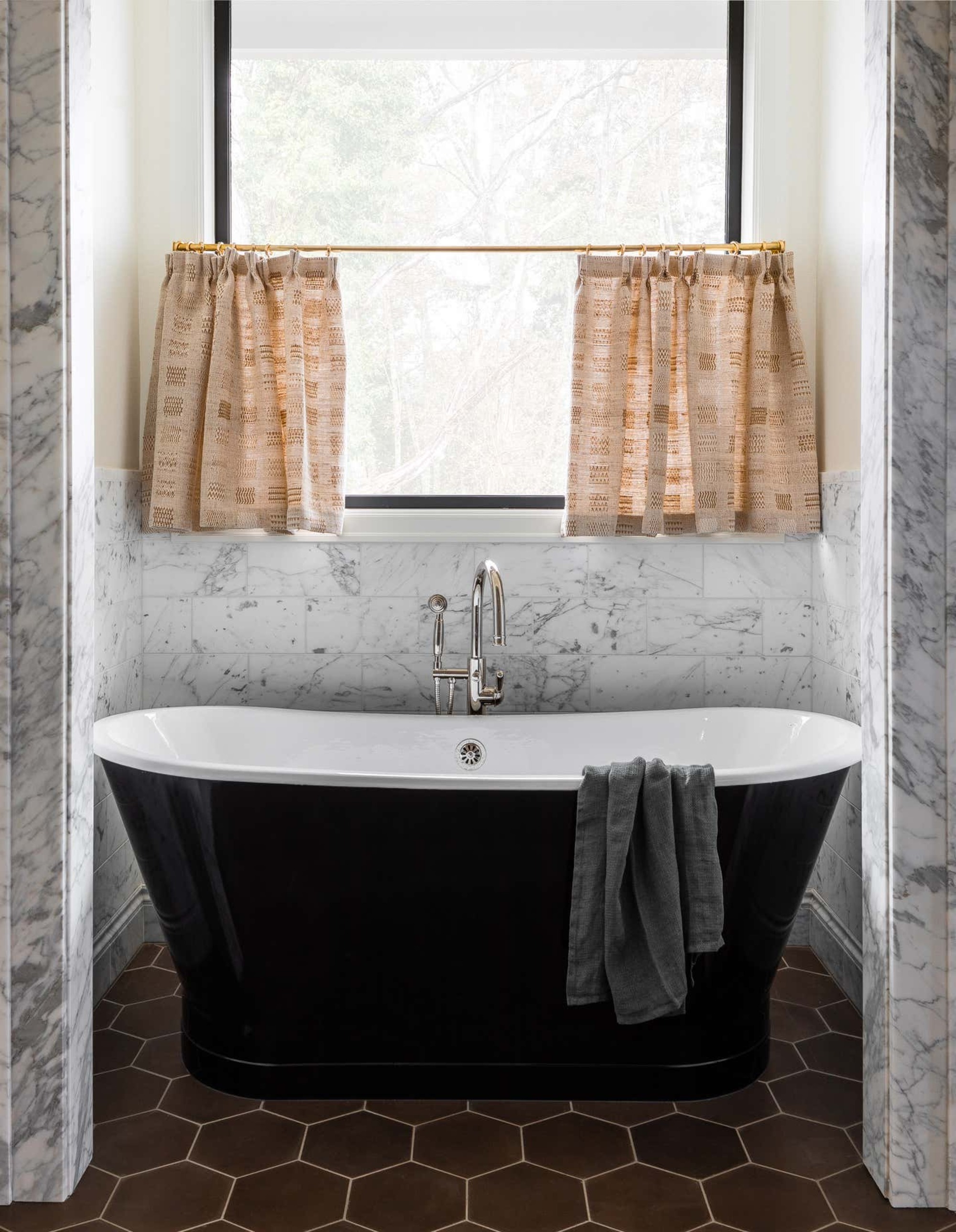
Another prevalent error is selecting curtain rods that match the exact width of the window. This common practice causes the curtain panels to obstruct a portion of the window, thereby making it appear smaller and limiting natural light. Instead, the objective should be to frame the window, not to block it. This can be achieved by extending the curtain rod beyond the window frame, ensuring that the inside edge of the curtain panel just grazes the inside edge of the window frame. This technique visually broadens the window, maximizes the amount of natural light entering the space, and enhances the overall view. A visual comparison demonstrates this principle, showing how a window with a low and short curtain rod appears significantly smaller than an identical window with a high and wide curtain rod placement.
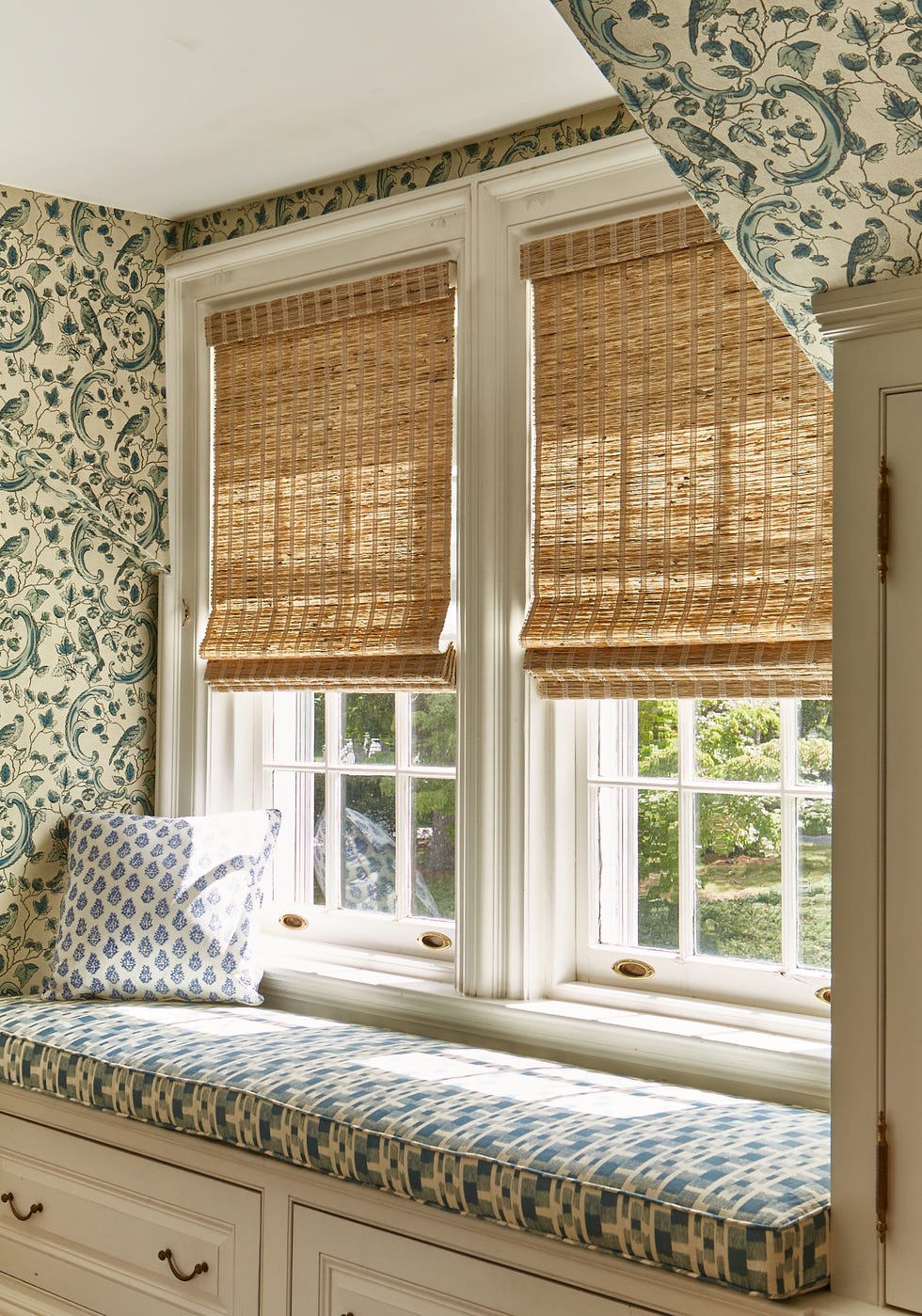
Adopting these two guidelines—hanging curtains high and wide—can transform the perception of space within a room, making it feel larger, more open, and aesthetically finished. When selecting window treatments, it is also advisable to layer functional blinds with decorative drapery panels. Blinds offer essential light control and privacy, while the drapery panels contribute color, pattern, and texture, further elevating the room's style. By implementing these simple yet effective design strategies, homeowners can avoid common mistakes and achieve a more sophisticated and expansive interior.
Readers are encouraged to share their window treatment transformations on social media using specified hashtags to showcase their before-and-after results and engage with the design community.
#InteriorDesign #WindowTreatments #CurtainHanging #HomeDecor #CeilingHeightIllusion #WindowAppearance #DraperyPanels #DesignTips #InteriorDesign #WindowTreatments #CurtainHanging #HomeDecor #CeilingHeightIllusion #WindowAppearance #DraperyPanels #DesignTips
0 comment in total
 No comments yet
You may also like

Why You Should Never Skip Curtains, According to Top Designers

Why aren't we all hanging our shower curtains from the ceiling? I'm convinced this is the cheapest, easiest switch to make your bathroom look more chic


How to Hang Curtains the Way an Interior Designer Would — To Balance, Blur Lines, and Bring Impact to a Room

How To Hang Curtains Like A Professional

How to Hang Curtains: A Hassle-Free 5-Step Guide

This Is the Right Way to Wash Your Curtains, According to Experts


How to Hang Curtains From the Ceiling And Why It’s Better Than Using a Rod

Psst: The Country-Chic Curtains in My Speedy Bedroom Makeover Aren't Curtains at All | domino

Why You Should Be Extending Your Drapes Beyond the Window Frame
Should You Hang Curtains Above the Window Frame? We Asked Designers


How high should I hang my curtains? The rules designers follow
5 finishing touches that will elevate your curtains and make them look a hundred times better

The Easiest, Foolproof Way to Hang Curtains, According to Design Pro

Woman reveals how she achieves neat pleats in her curtains using empty TOILET tissue rolls
How to hang a curtain pole


An easy add-on to your curtains makes rooms look expensive - designers explain
This Simple Curtain Trick Is an Instant Mood Booster


4 renter-friendly ways to hang curtains without drilling, according to both DIY and interior experts
Experts warn not to hang washing to dry on your bannisters or doors – it can create a 'serious issue'


Skip the Window Treatments, This Designer Says — Here's Why