6 Window Treatment Mistakes Designers Are Tired of Seeing
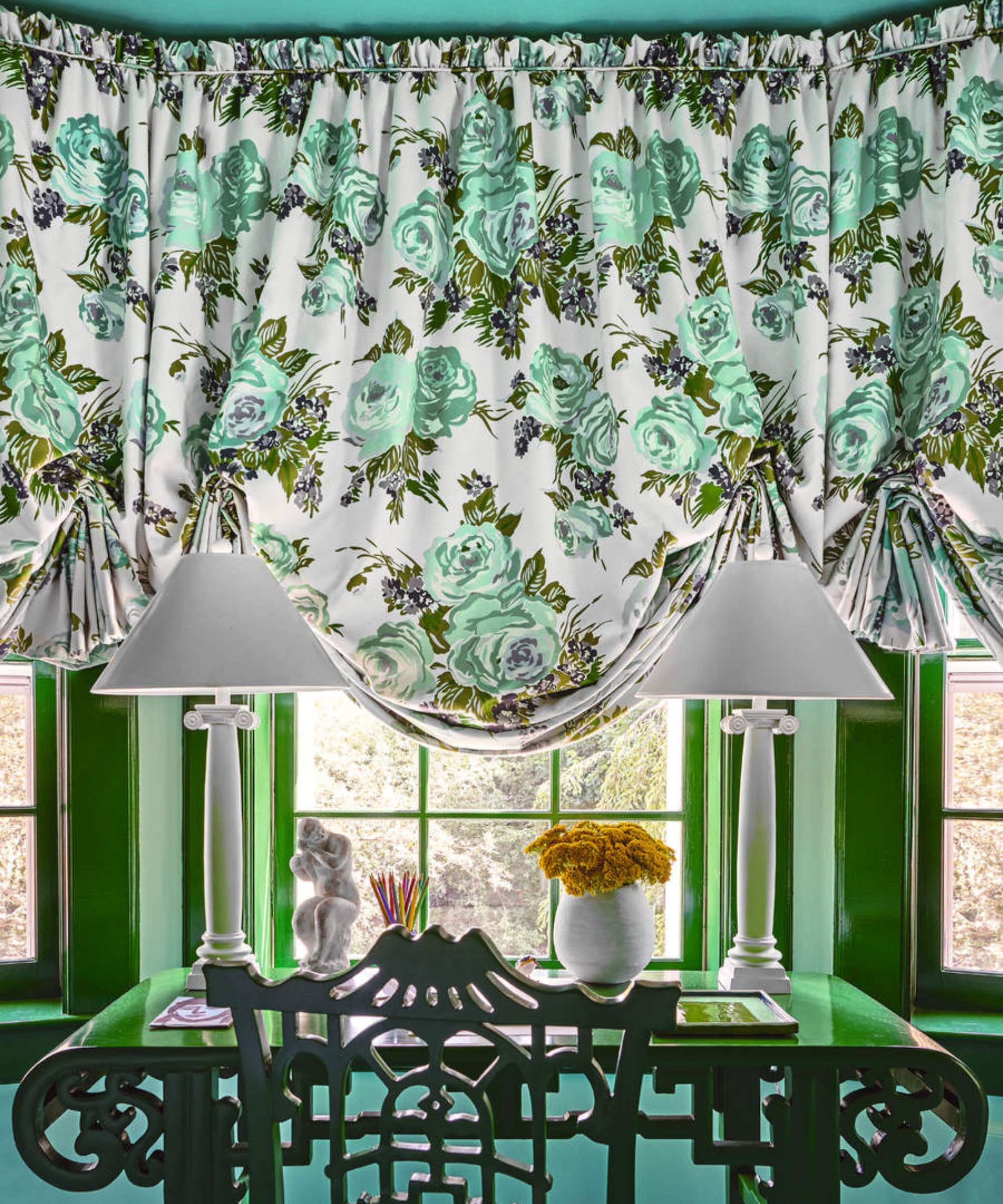
Window treatments, encompassing various styles such as curtains, drapes, blinds, and shades, are integral to both the aesthetics and functionality of a living space. However, common errors in their selection and installation can diminish their intended benefits. Experts highlight six frequent mistakes to avoid, emphasizing the importance of a thoughtful approach to window dressing.
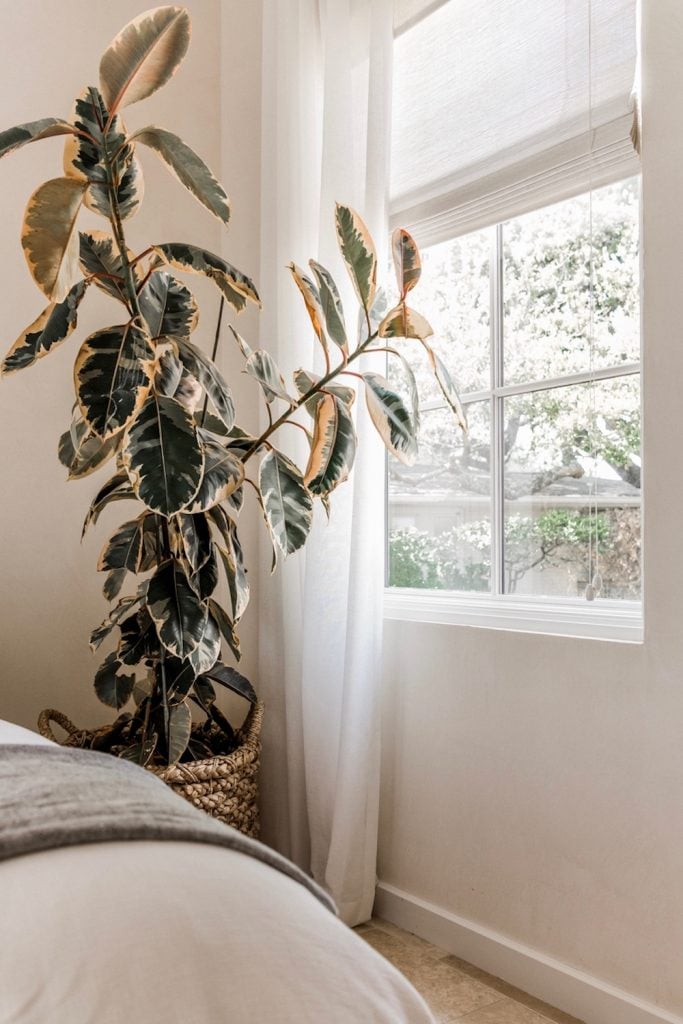
The first critical error is to overlook the functional aspects of window treatments in favor of purely aesthetic considerations. While visual appeal is important, treatments serve crucial roles in light control, privacy, and insulation. To address this, it is recommended to test physical swatches of fabrics in the intended room. This allows for a comprehensive assessment of how they perform throughout the day and night, ensuring they meet both design and practical needs.
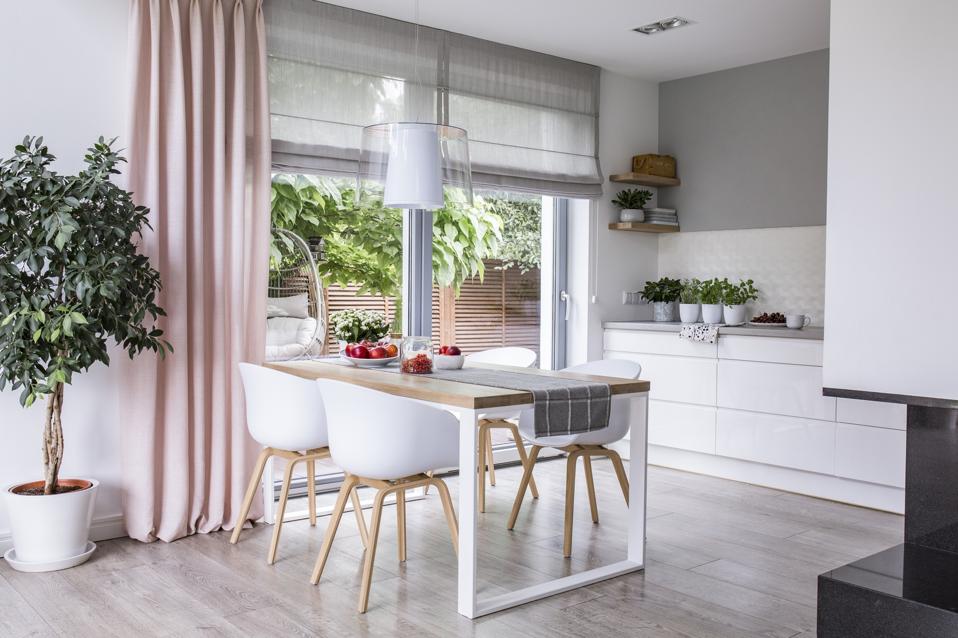
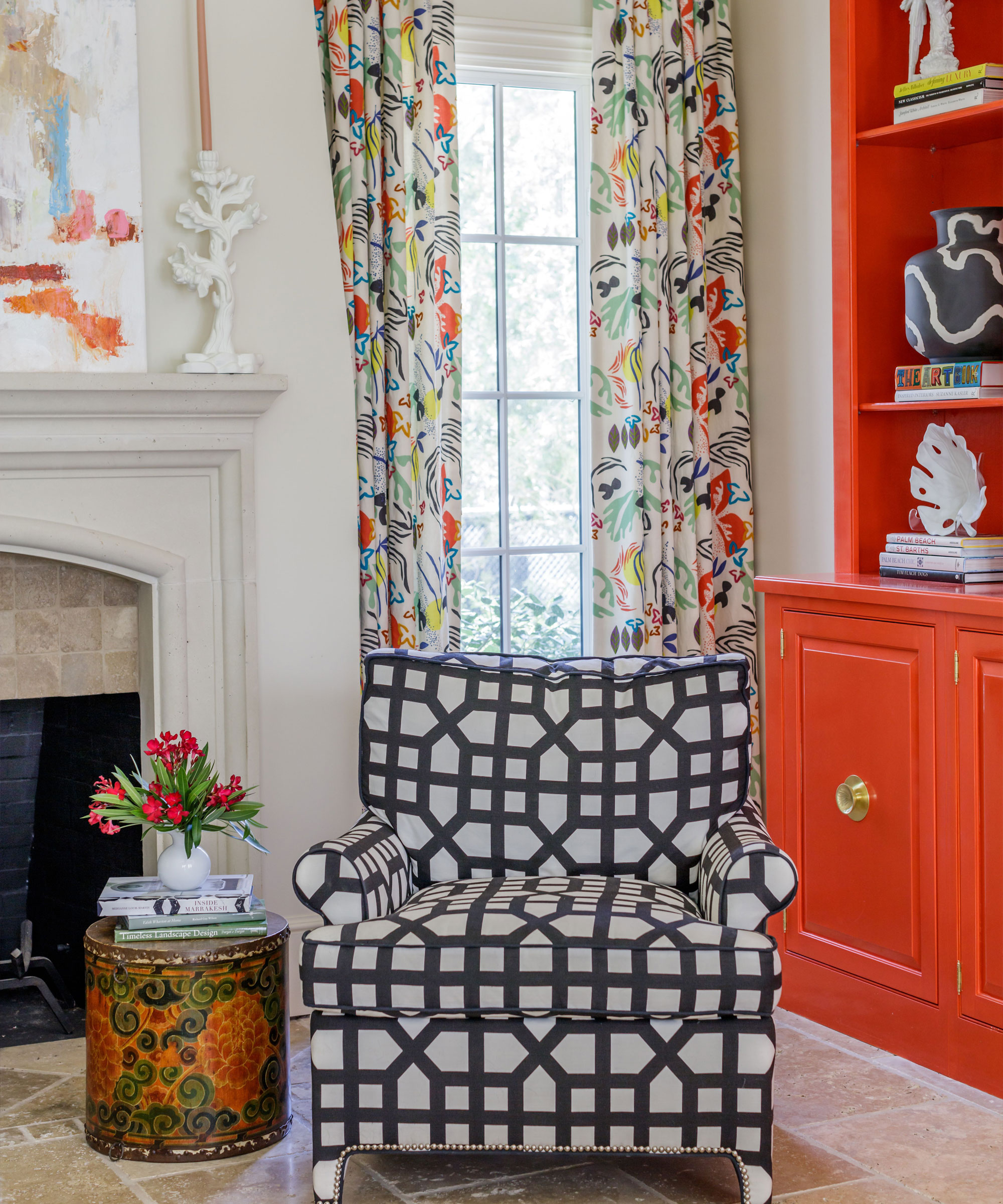
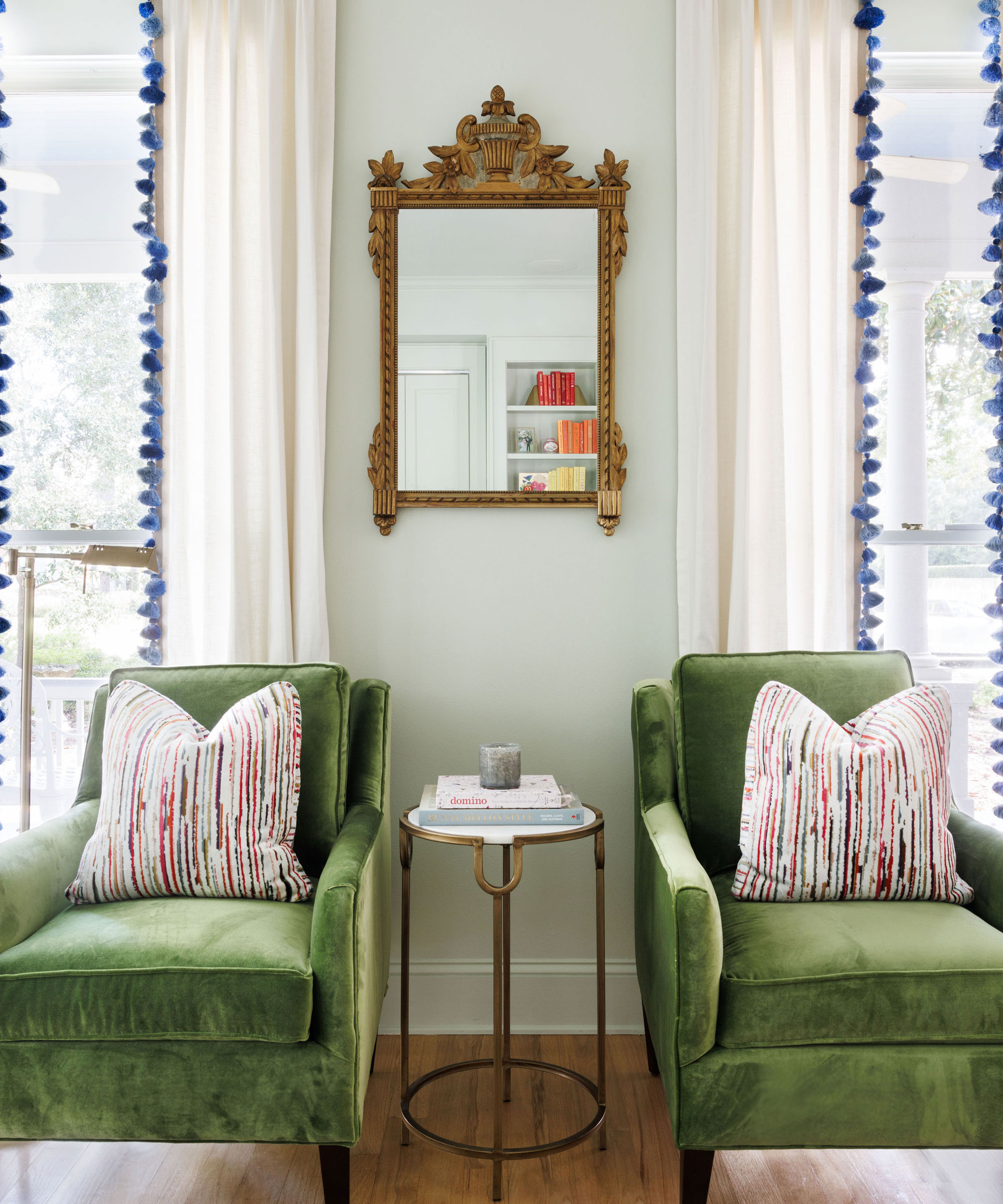
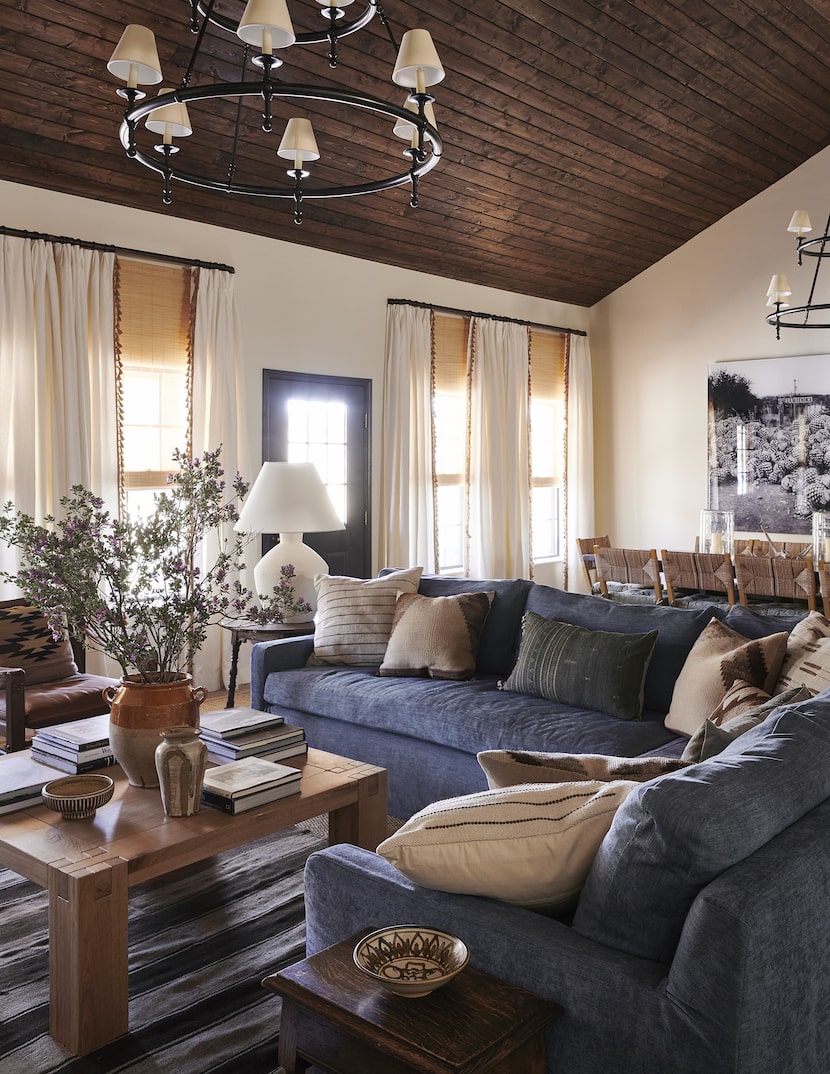
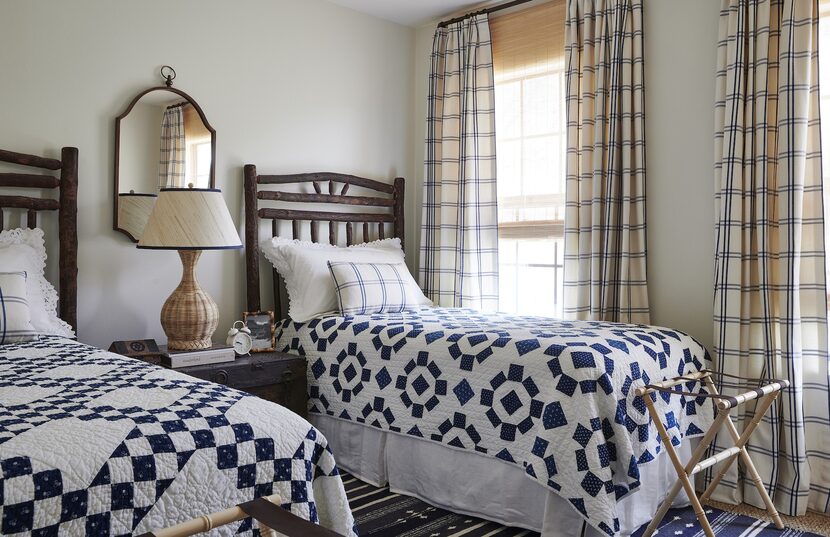
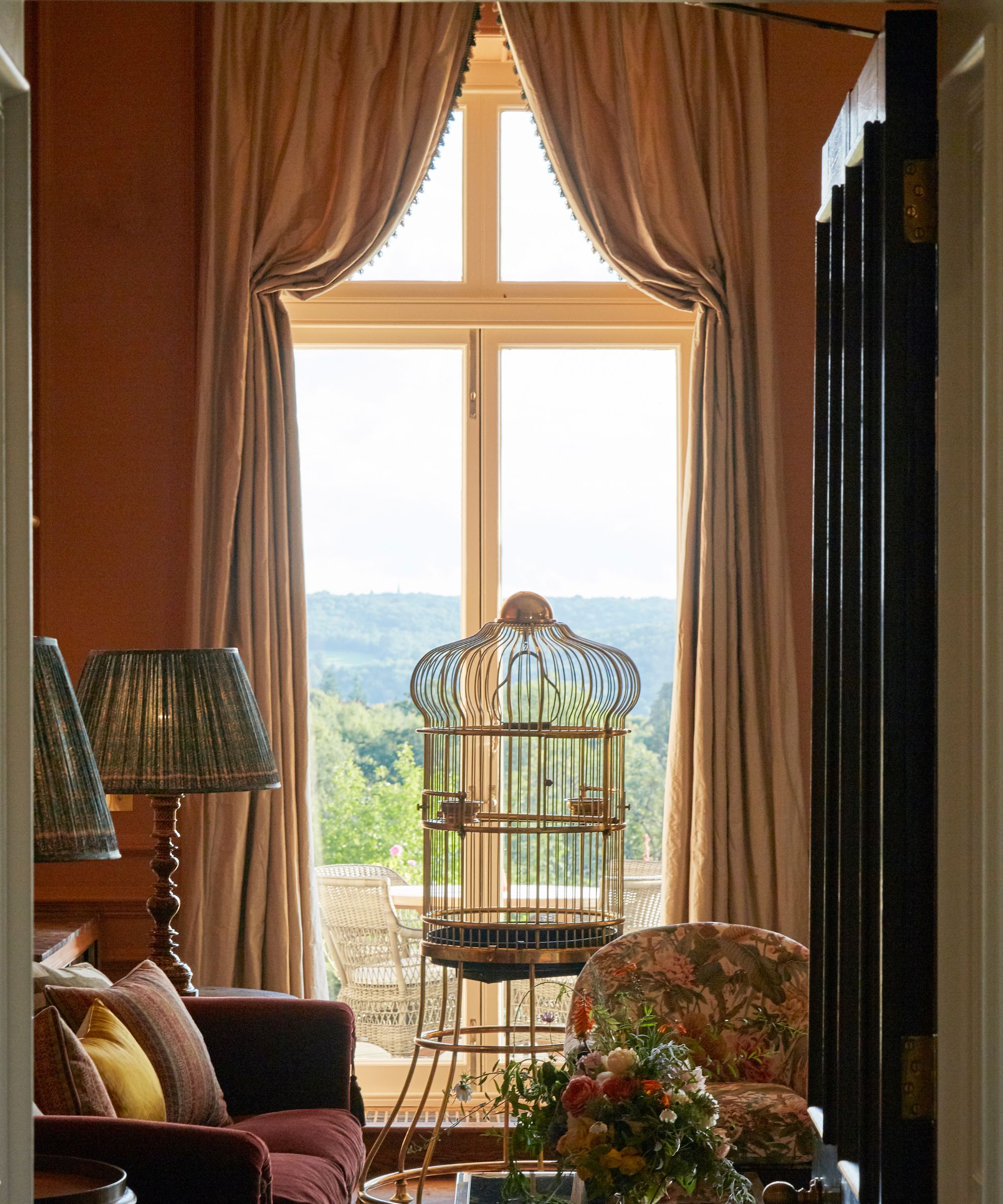
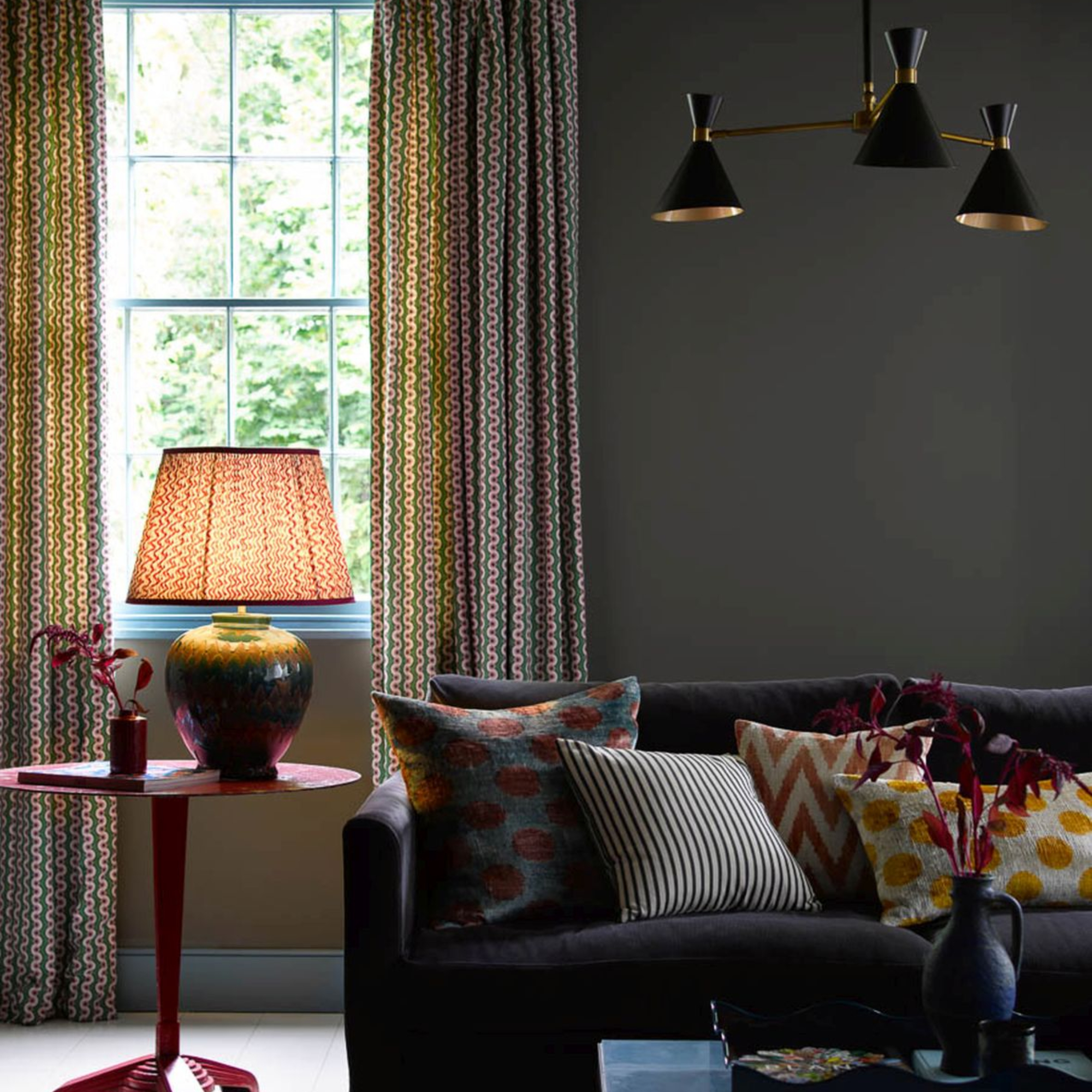
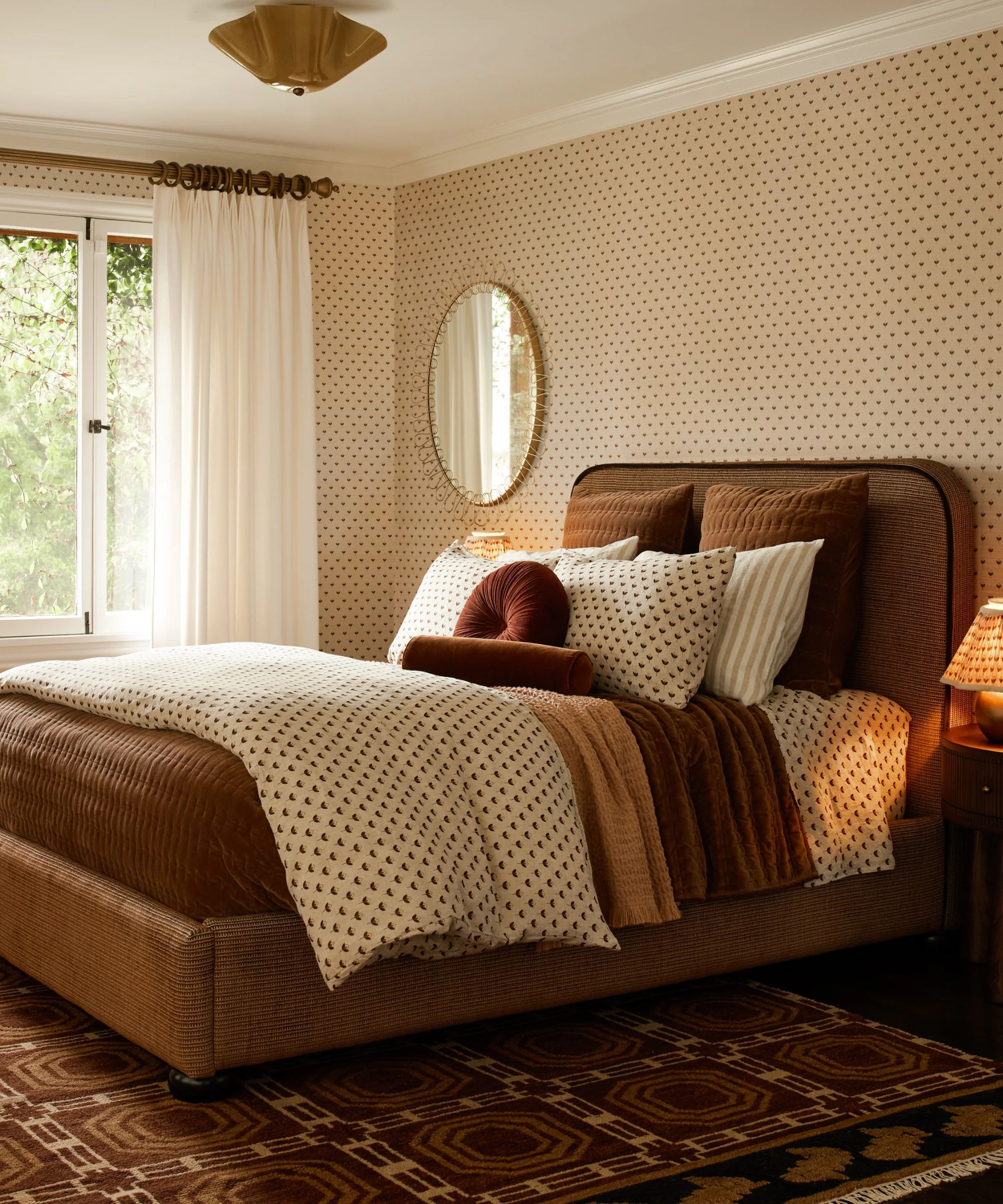
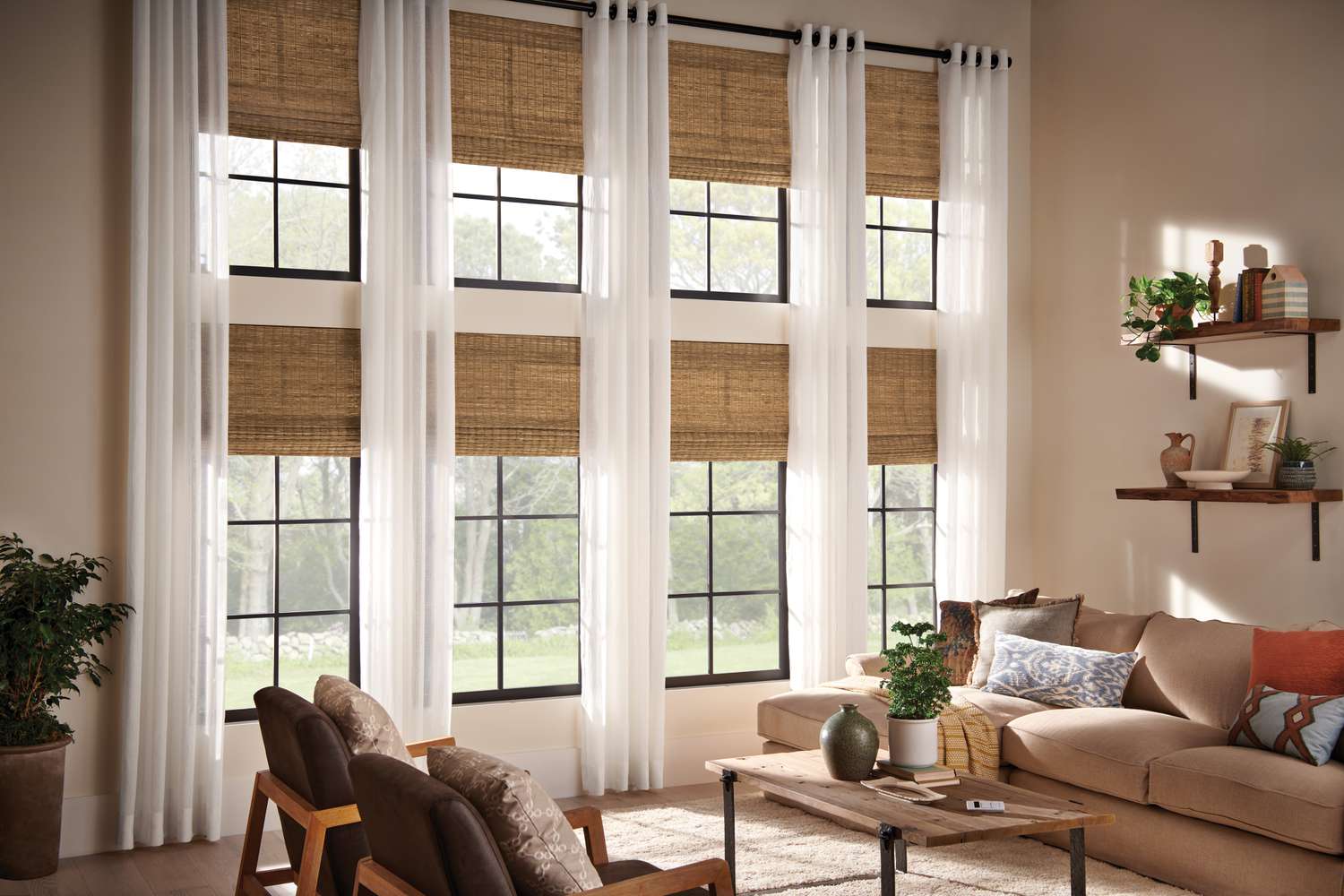
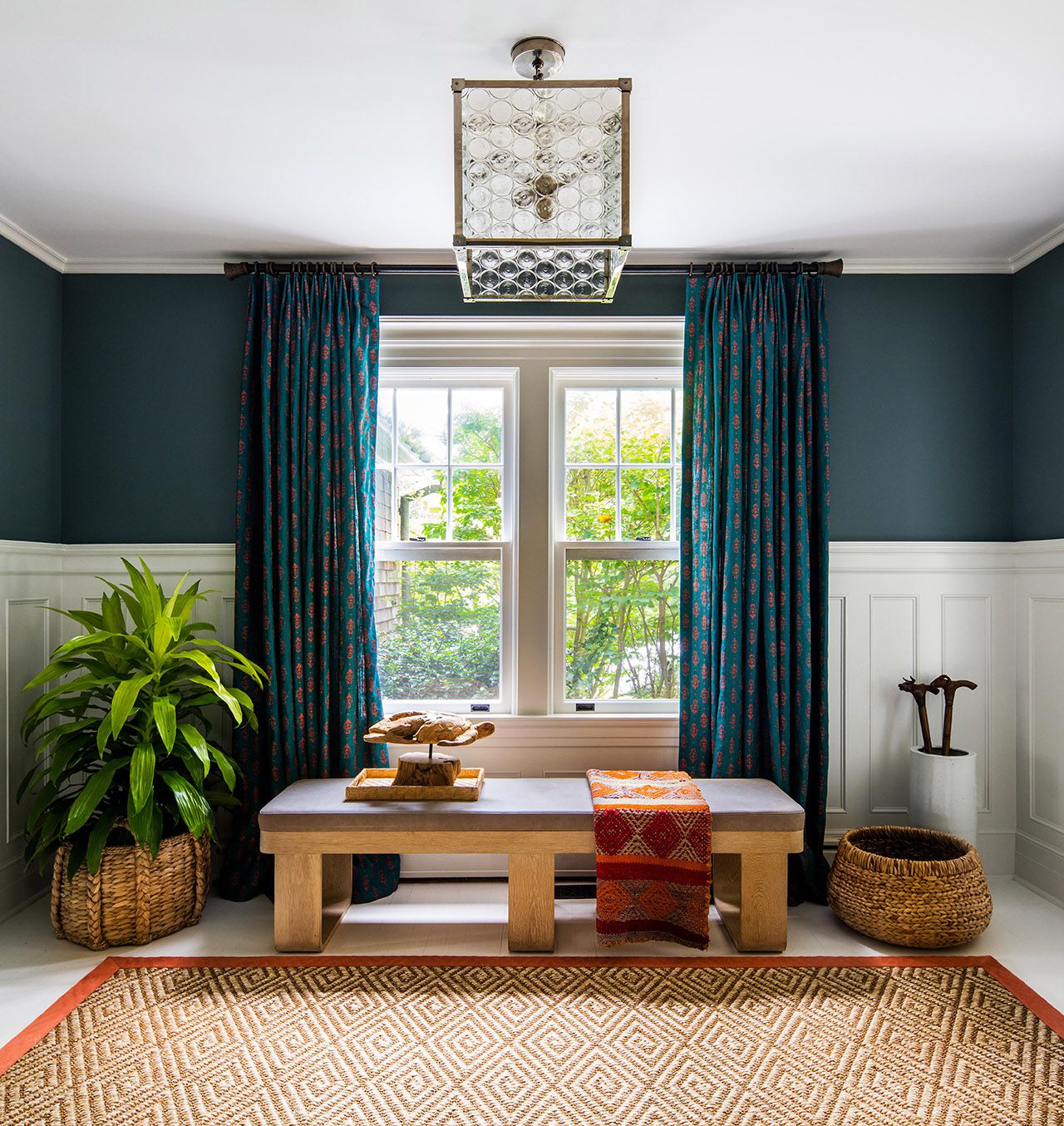
Another common mistake involves incorrectly fitting drapery. When installing curtains, rods should be placed several inches above the window trim, and the fabric should be long enough to gently touch the floor. Hanging rods too low or too close to the window frame can make the window appear shorter and less grand. Additionally, failing to extend drapery rods sufficiently beyond the window frame can result in the fabric blocking a significant portion of the window when drawn open, obstructing views and natural light.
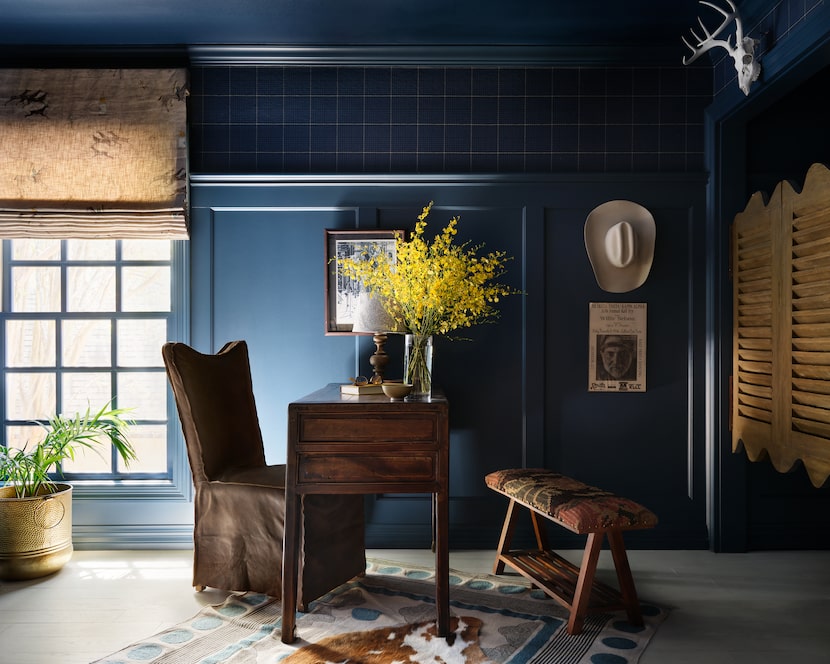
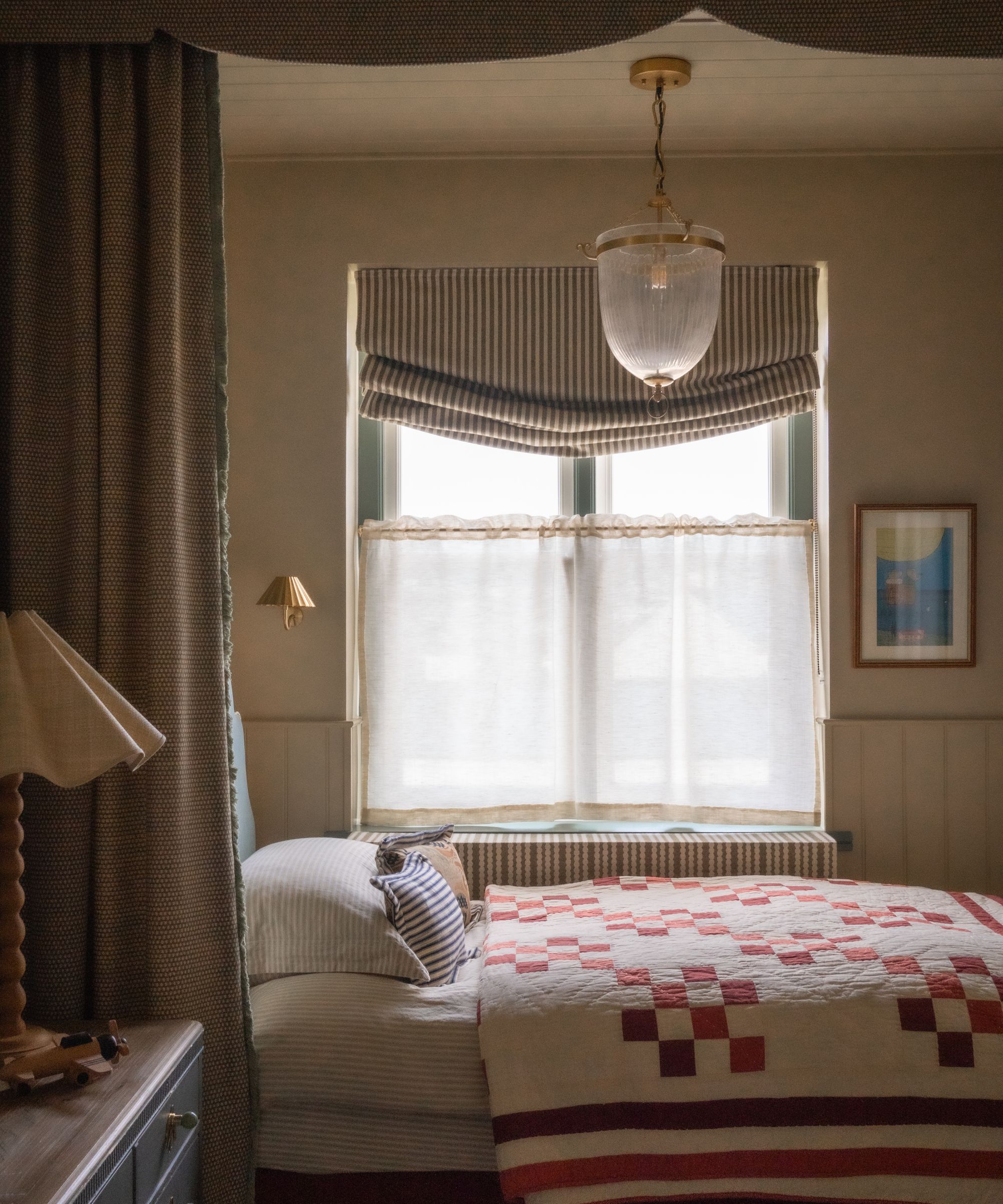
Conversely, with shades and blinds, precision in measurement is paramount. These treatments require an exact fit to prevent light gaps and maintain privacy. For windows with unusual dimensions, custom-made options are often the best solution. If existing blinds or shades are ill-fitting, adding curtain panels can effectively conceal gaps and introduce additional texture and dimension to the room.
Blocking heating or air conditioning vents with window treatments is a functional oversight that can lead to constant fluttering or billowing of the fabric, which is both distracting and counterproductive to the room's climate control. In such cases, or when a radiator or heating unit is located beneath a window, Roman shades are a recommended alternative as they do not interfere with airflow.
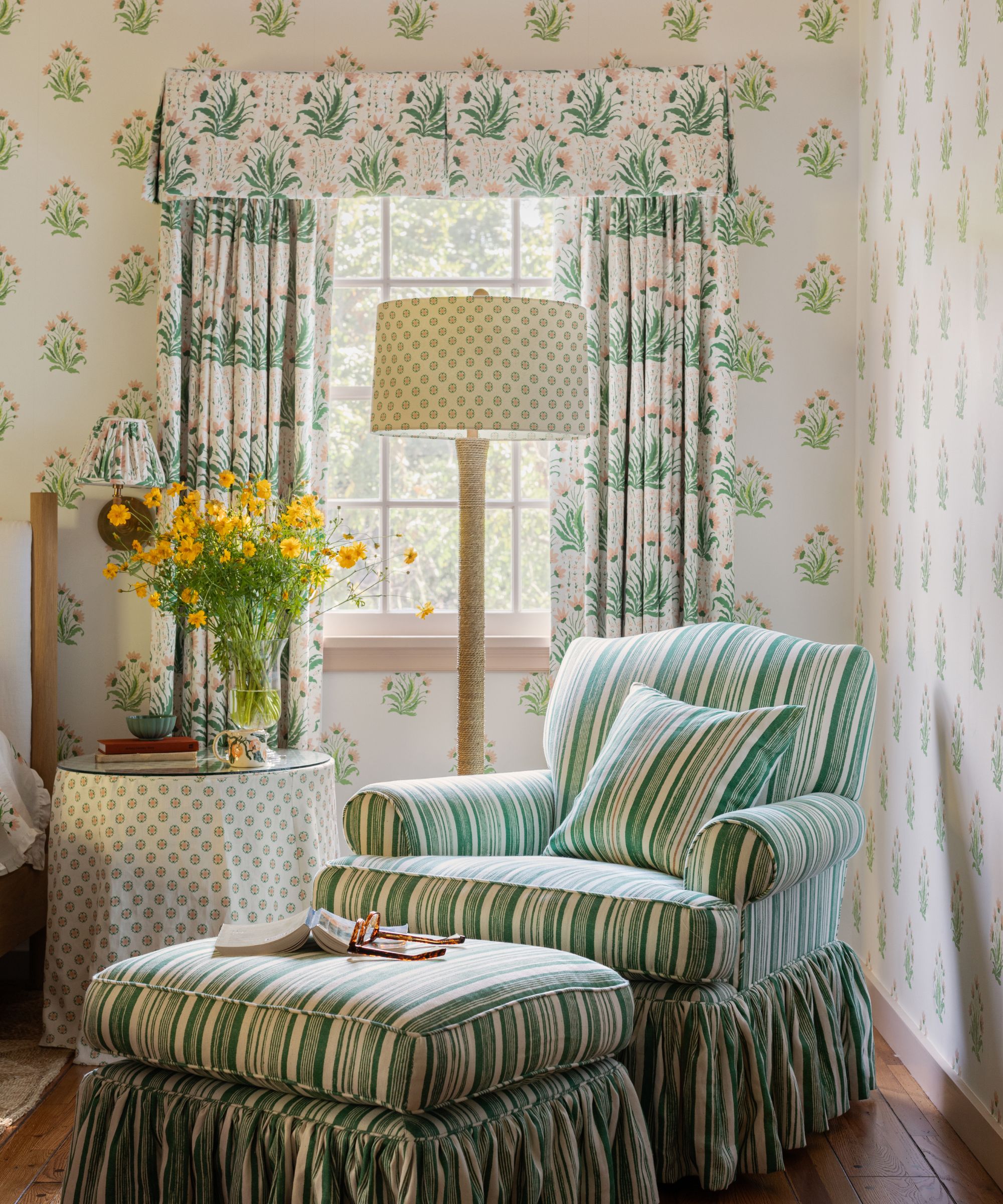
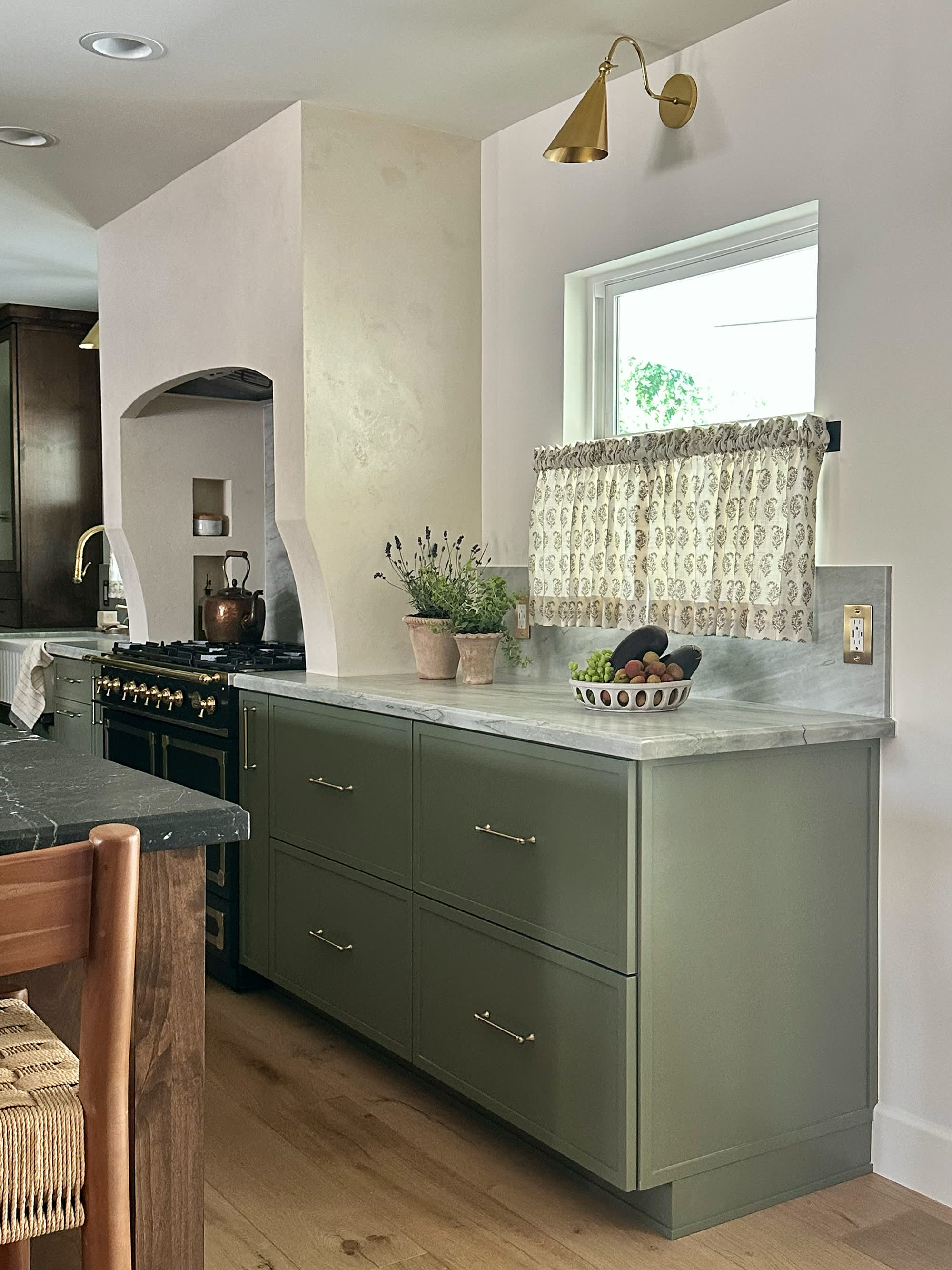
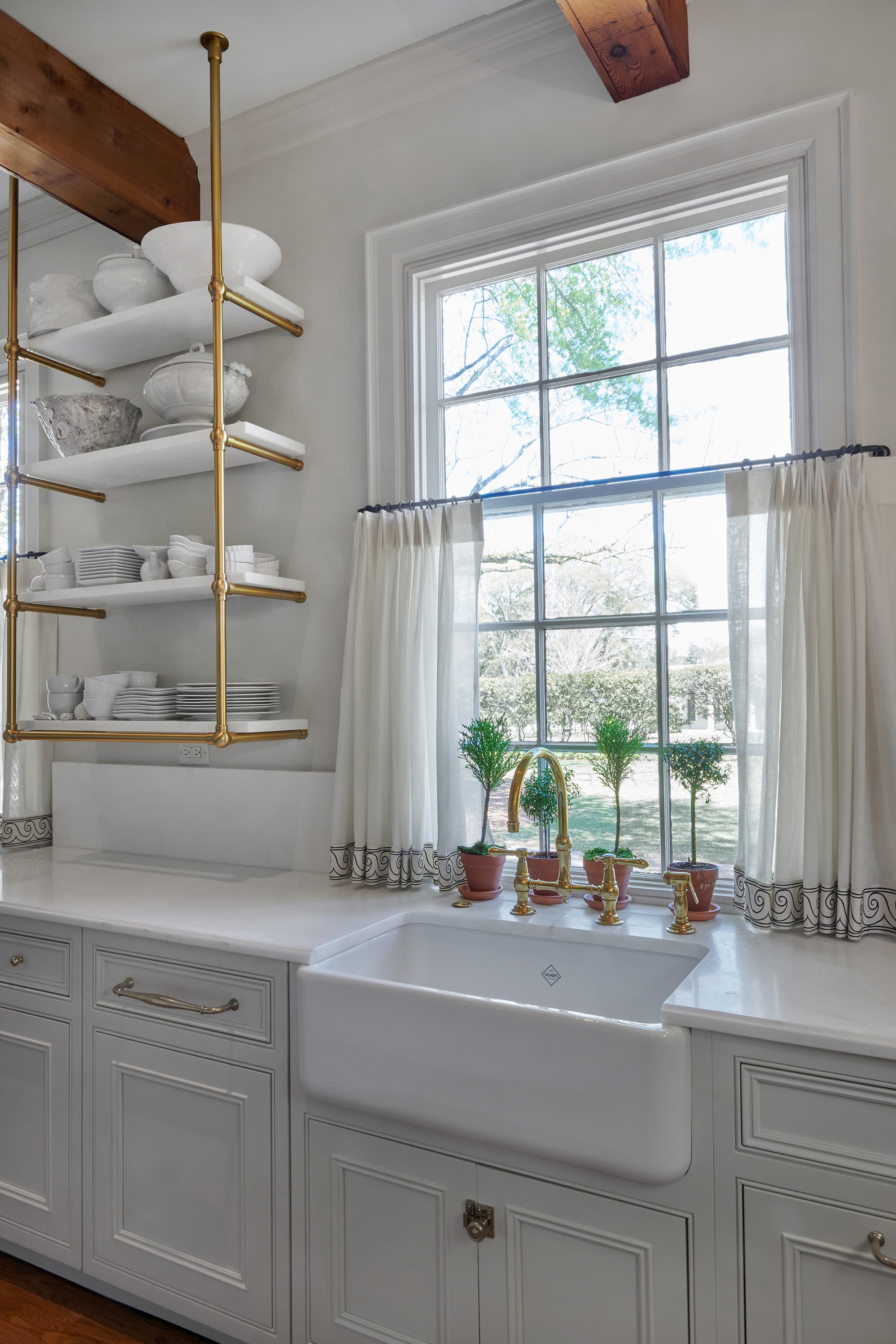
Aesthetic excess is another pitfall, particularly when the 'stack' of curtains becomes too bulky or busy. Overly full stacks can overwhelm a room and complicate furniture arrangement. For windows where treatments are primarily decorative, simple panels are often a more appropriate choice than layered, heavy fabrics. This approach ensures that the treatments enhance the room without dominating it.
Finally, neglecting user accessibility and safety, especially concerning the lift systems of blinds and shades, is a significant oversight. Considerations such as the physical capabilities of users, the height of the windows, and the presence of children or pets should guide the choice of lift system. Cordless options offer safety for households with children and pets but may be impractical for very tall windows, where motorized systems provide a convenient solution. Ultimately, selecting window treatments should involve a holistic consideration of the space, its inhabitants, and daily interaction with the chosen solutions.
#WindowTreatments #HomeDecor #InteriorDesign #Drapery #Blinds #Shades #DesignTips #HomeImprovement #Functionality #WindowTreatments #HomeDecor #InteriorDesign #Drapery #Blinds #Shades #DesignTips #HomeImprovement #Functionality
0 comment in total
 No comments yet
You may also like
7 Design Mistakes Interior Designers Always Notice


From the Wrong Rug Size to Too-Short Curtains, Interior Designers Share Their Biggest Pet Peeves


The 10 Biggest Interior Design No Nos According to Decorators
6 Home Décor Mistakes Interior Designers Notice Right Away—and How to Fix Them
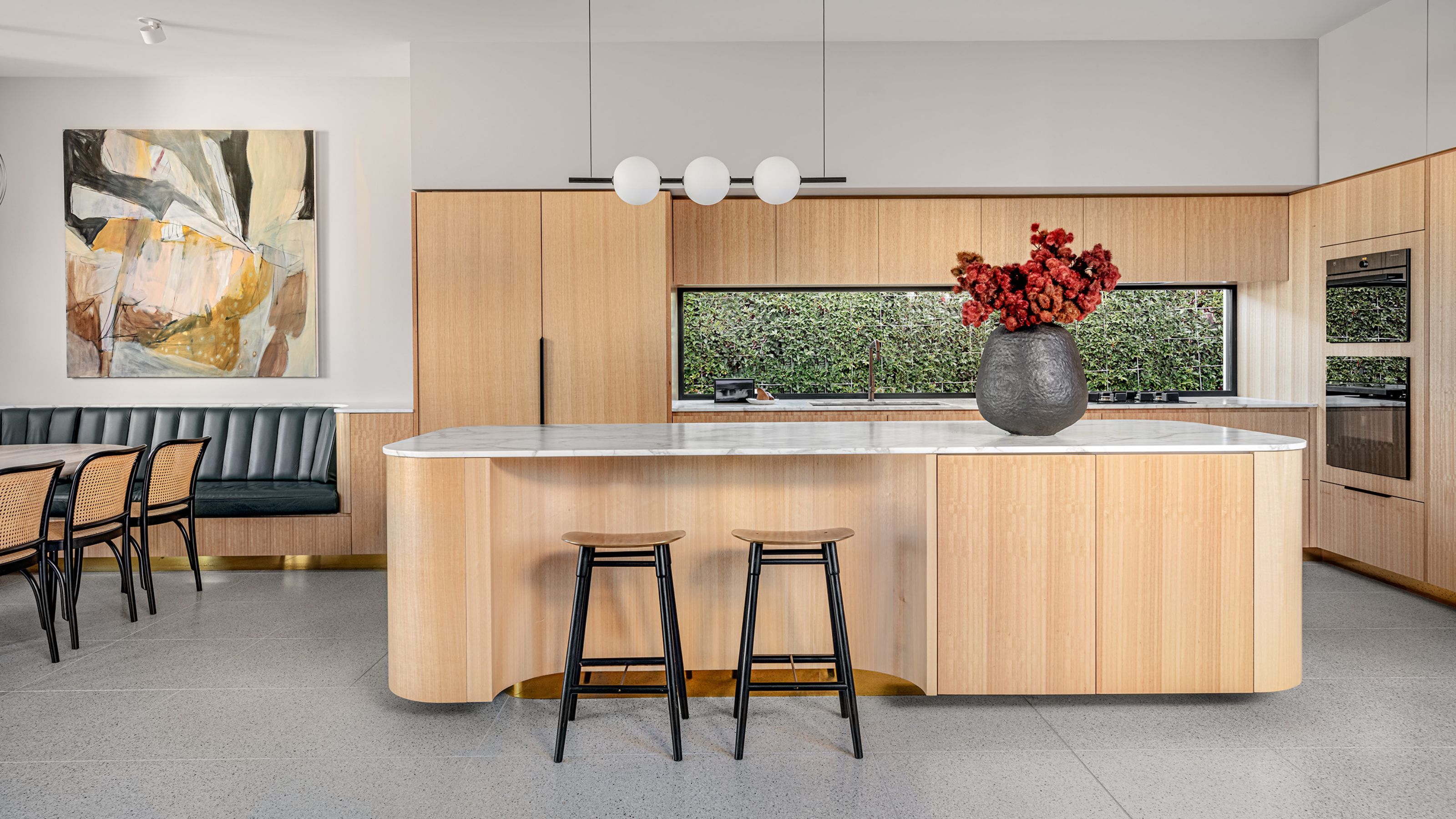
5 Kitchen Window Mistakes to Avoid, According to an Architect — Some May Seriously Surprise You

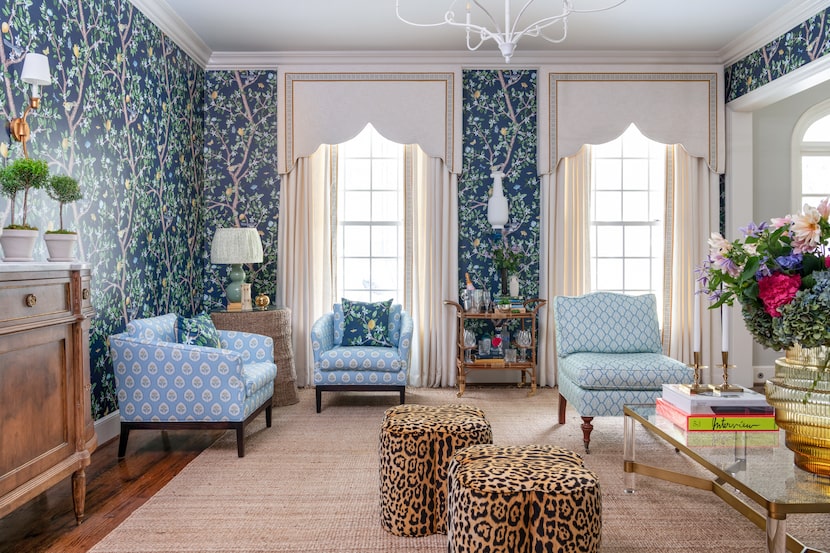
D-FW designers reveal the do’s and don’ts of window treatments

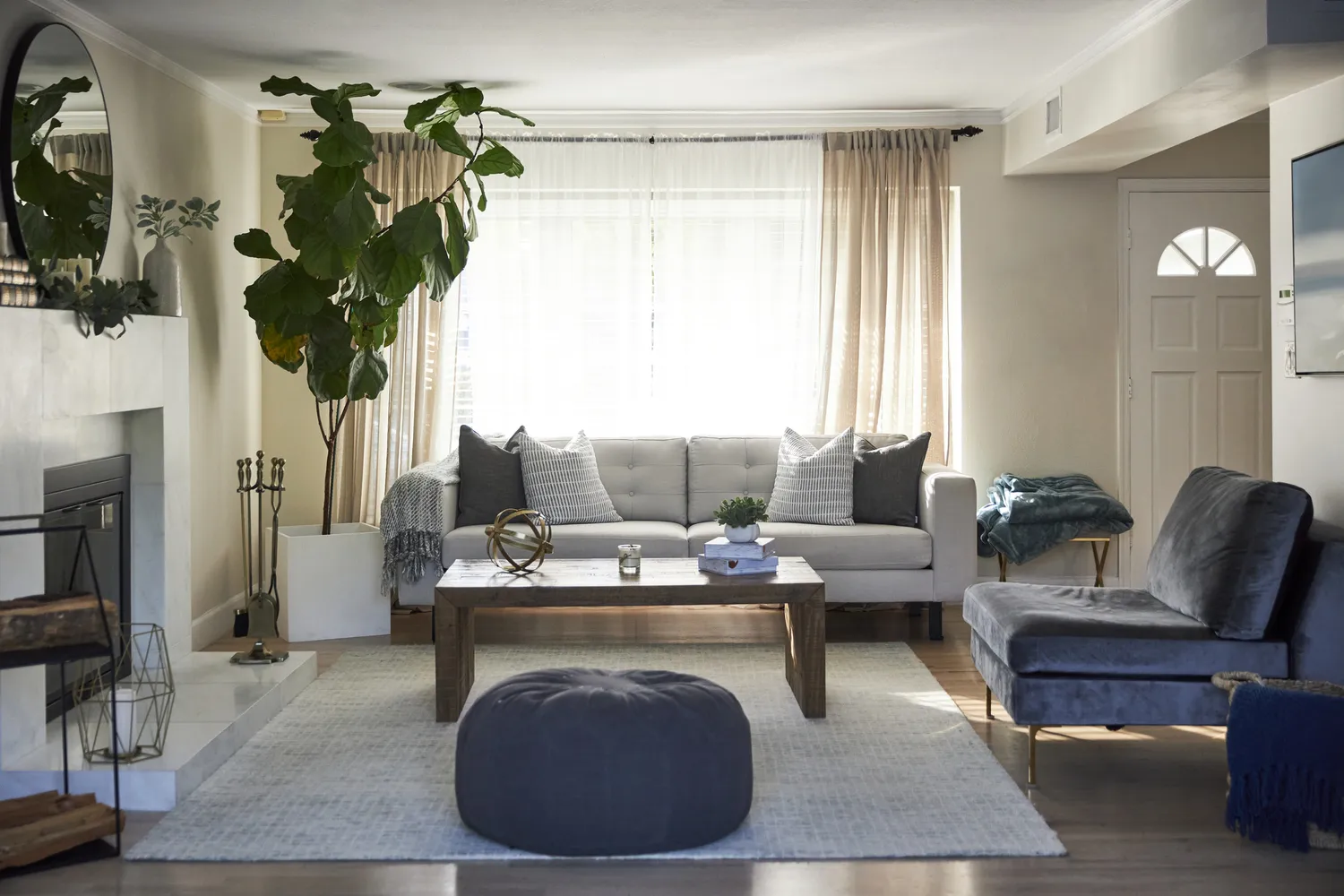
We Asked Designers Which Window Treatments People Always Regret—These 6 Came Up the Most
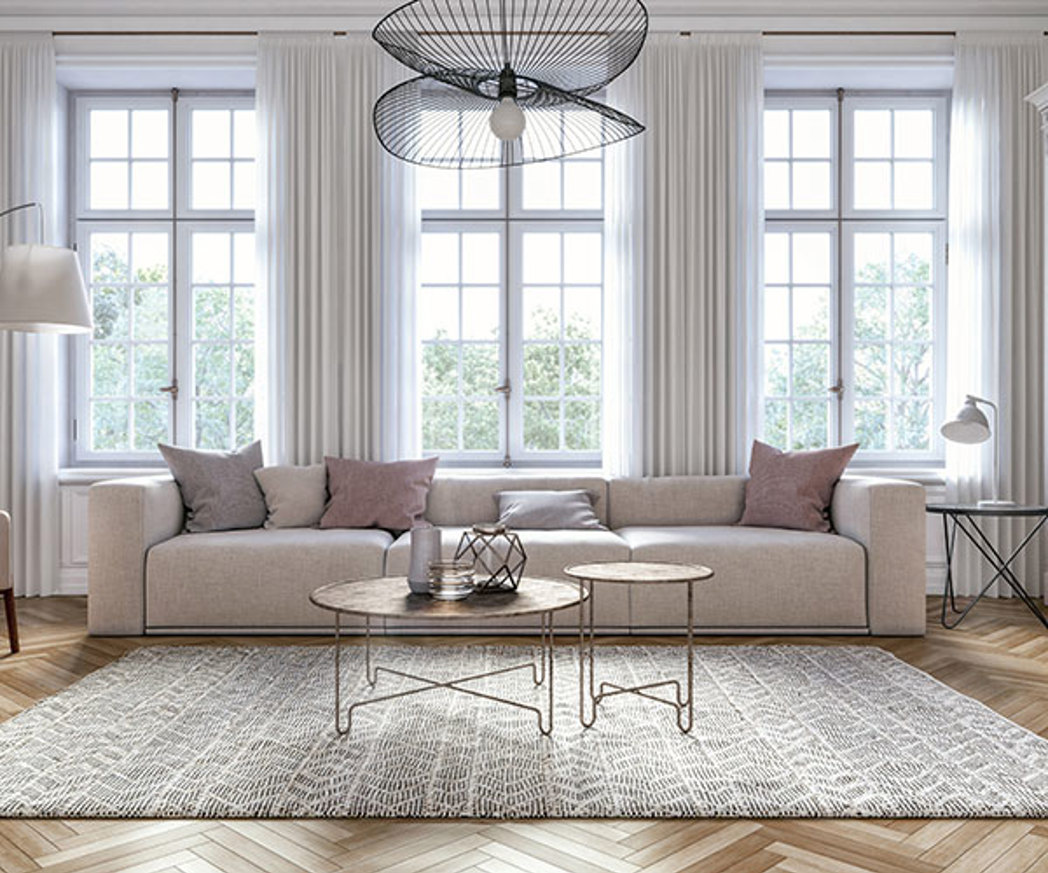
Window Pros Break Down Six Styles

6 window treatment trends that interior designers swear by for a quick and easy update

6 Outdated Window Treatments Interior Designers Are Tired of Seeing
9 CONTROVERSIAL Decor Choices Designers Secretly Wish You’d Stop Making

6 interior design mistakes that could be affecting your sleep
7 Window Treatment Mistakes You Might Be Making

These are the dated window treatments interior designers are encouraging you to avoid in 2024
10 common living room design disasters experts warn against falling for
6 things to never put in an entryway, according to interior designers
6 mistakes design experts instantly notice in your home – and how to fix them
10 Mistakes Designers IMMEDIATELY Notice When They Walk Into Your Home
We Asked 6 Designers Their Favorite Way to Dress Up a Kitchen Window, and They Did Not Disappoint
7 Decorating Mistakes That Always Make Interior Designers Cringe