1/10
Small kitchen flooring ideas – the best options for tiny spaces
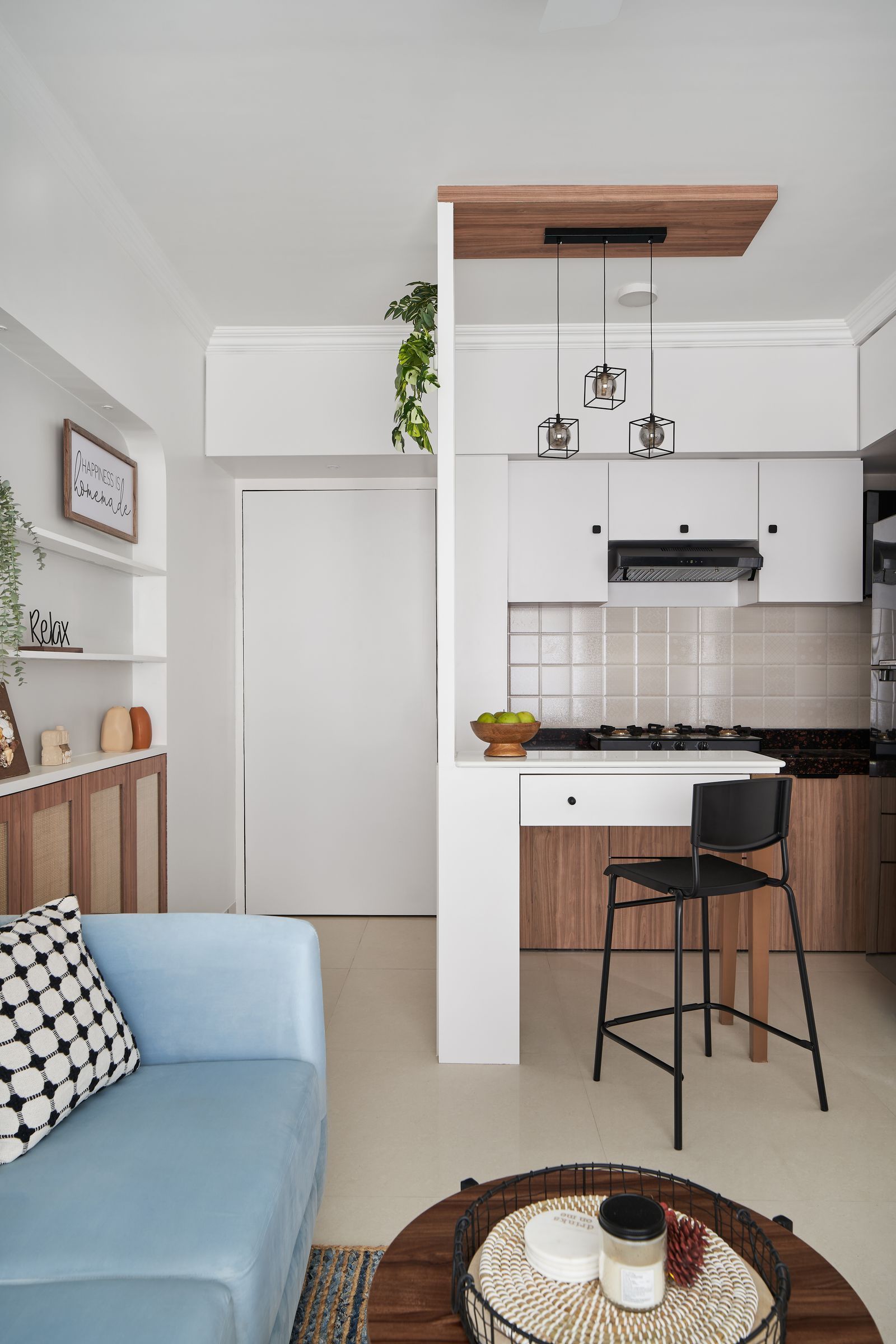
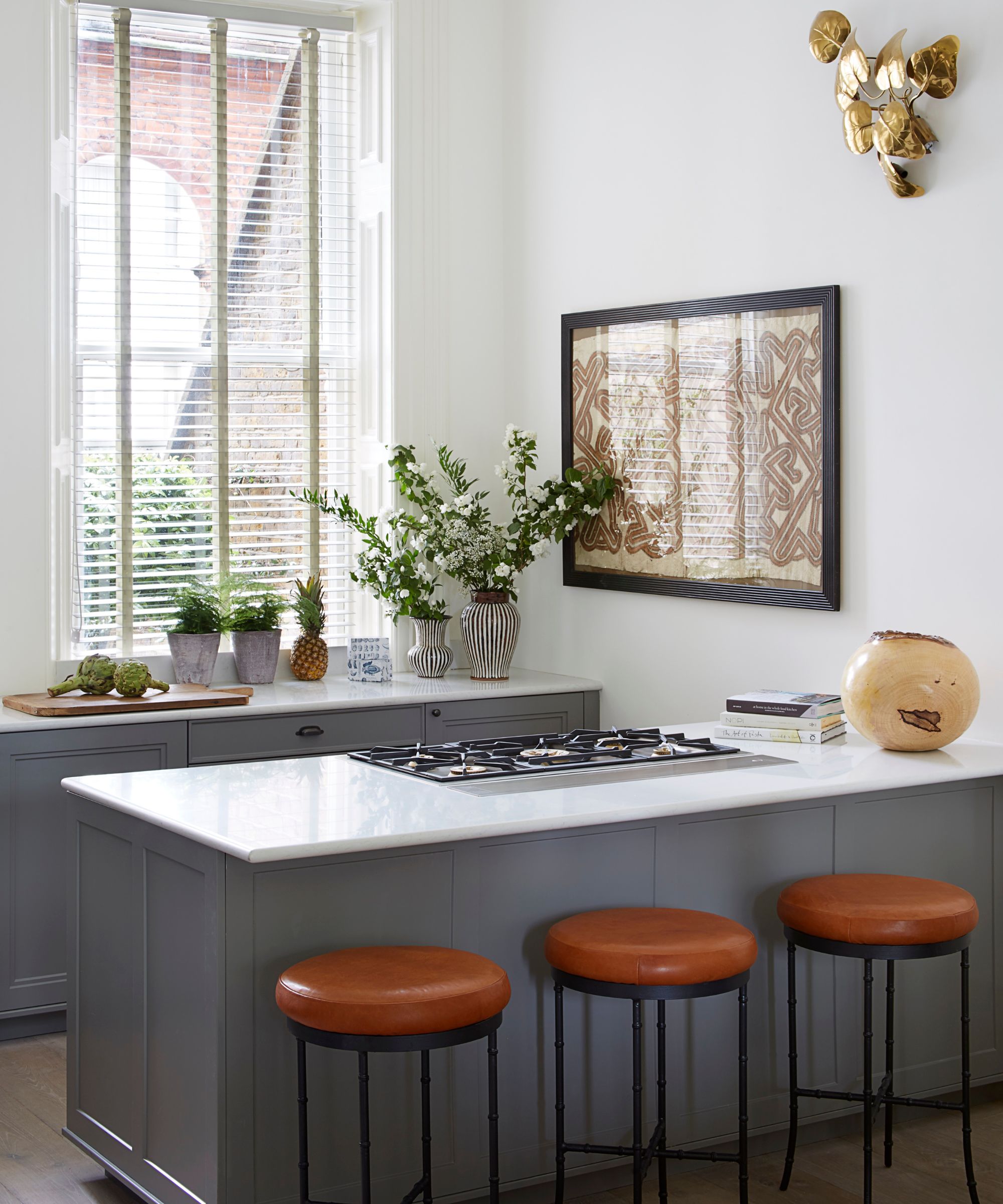
Small kitchens, despite their limited footprint, demand functionality, ease of use, and practicality in every aspect, including flooring. The right flooring in a small kitchen can serve multiple purposes: introducing a significant design element, creating an illusion of a larger space through clever layouts, and injecting diverse colors and patterns. According to Rajesh Bhandari, Director of A-Class Marble, materials like ceramic, glass, or natural stone tiles can enhance small kitchens with their patterns and geometry. Illustrious stone tiles with unique veining also offer a dramatic impact. He suggests choosing tiles in various options from pastels to prints, mosaics to lacquered glass, and natural stones to visually expand the area.
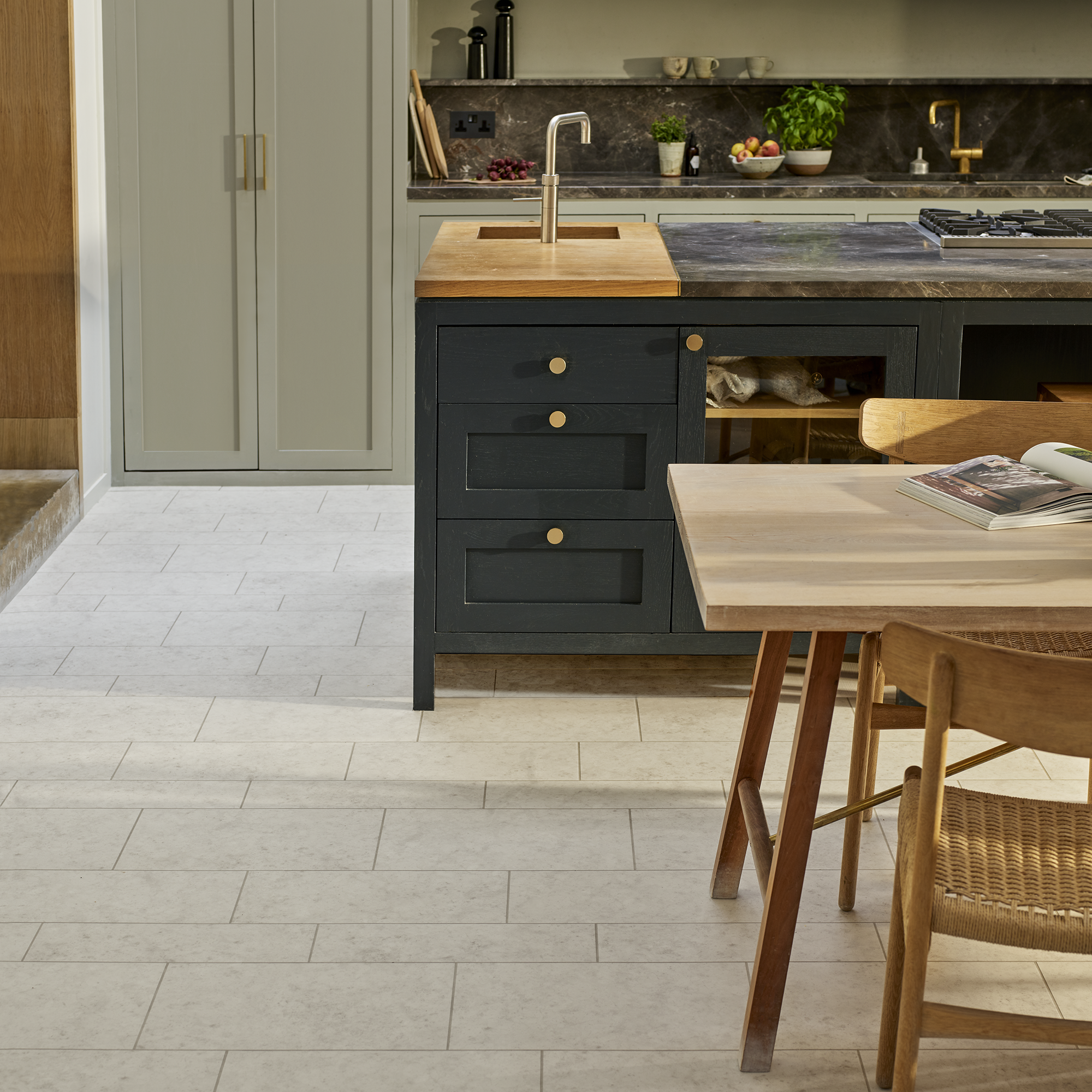
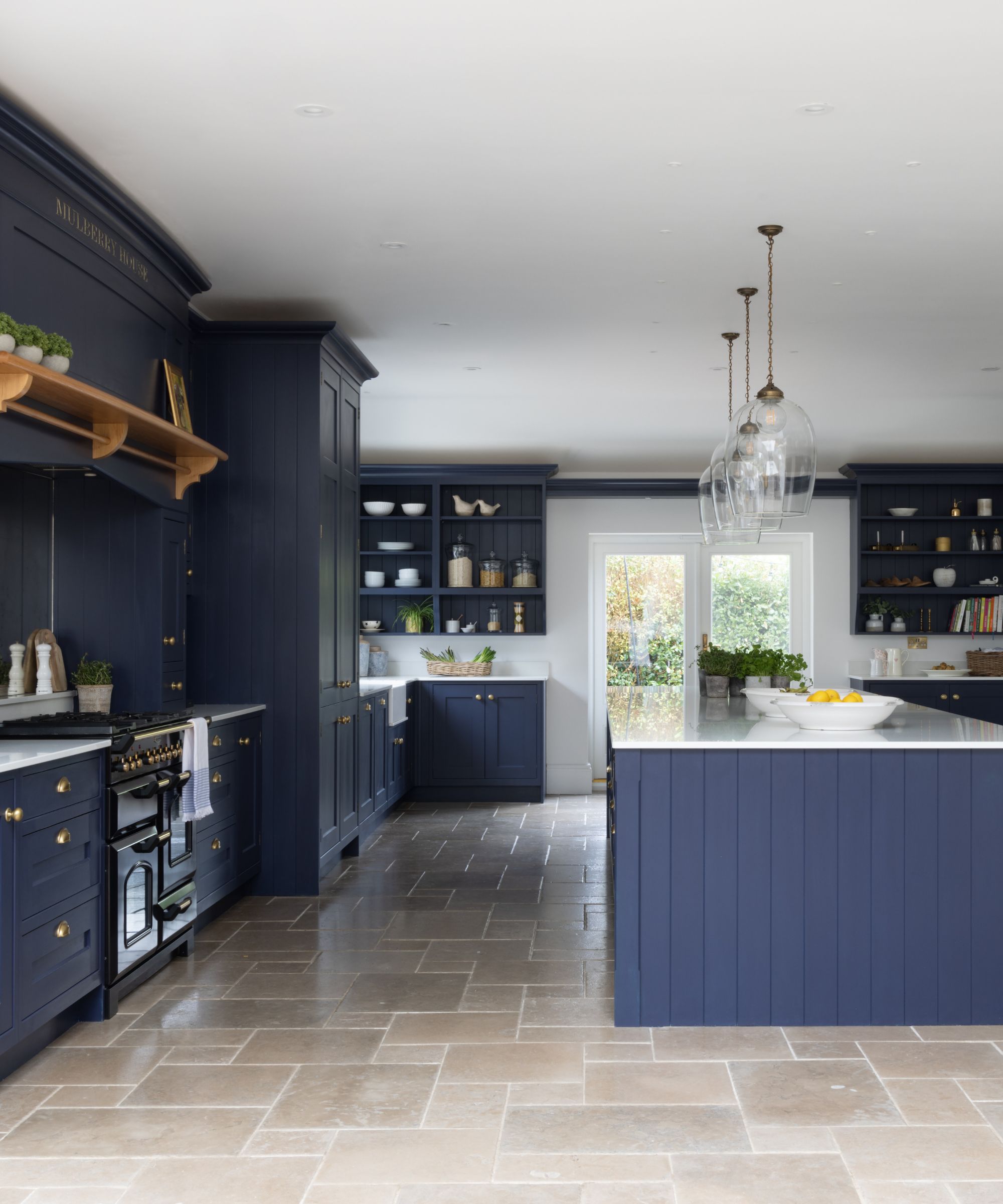
Selecting the appropriate tile material is crucial. Practicality should be prioritized, opting for anti-skid, durable, and strong materials suitable for high-traffic areas, without compromising on style. Porcelain and ceramic tiles are highly recommended due to their hardiness, resistance to stains and water, and wide availability in colors and patterns. Natural stones such as marble, limestone, travertine, or slate are also popular, though they require sealing and specific cleaning products due to their alkaline nature. Wooden tiles, or their more affordable counterpart, wood-effect tiles, provide warmth and durability. Cement tiles, suitable for modern and industrial kitchens, offer numerous designs and colors but require regular sealing to maintain their lifespan.
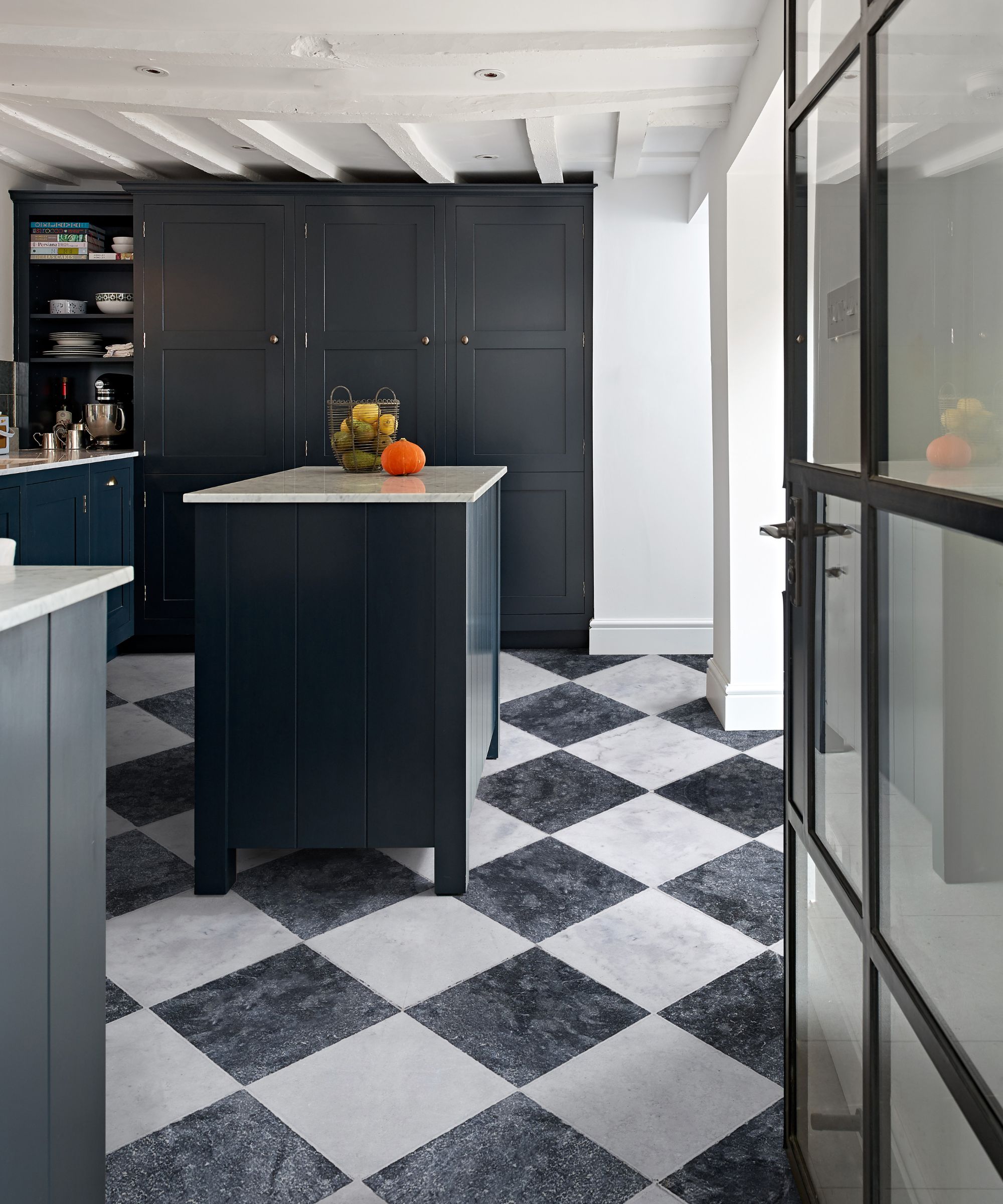
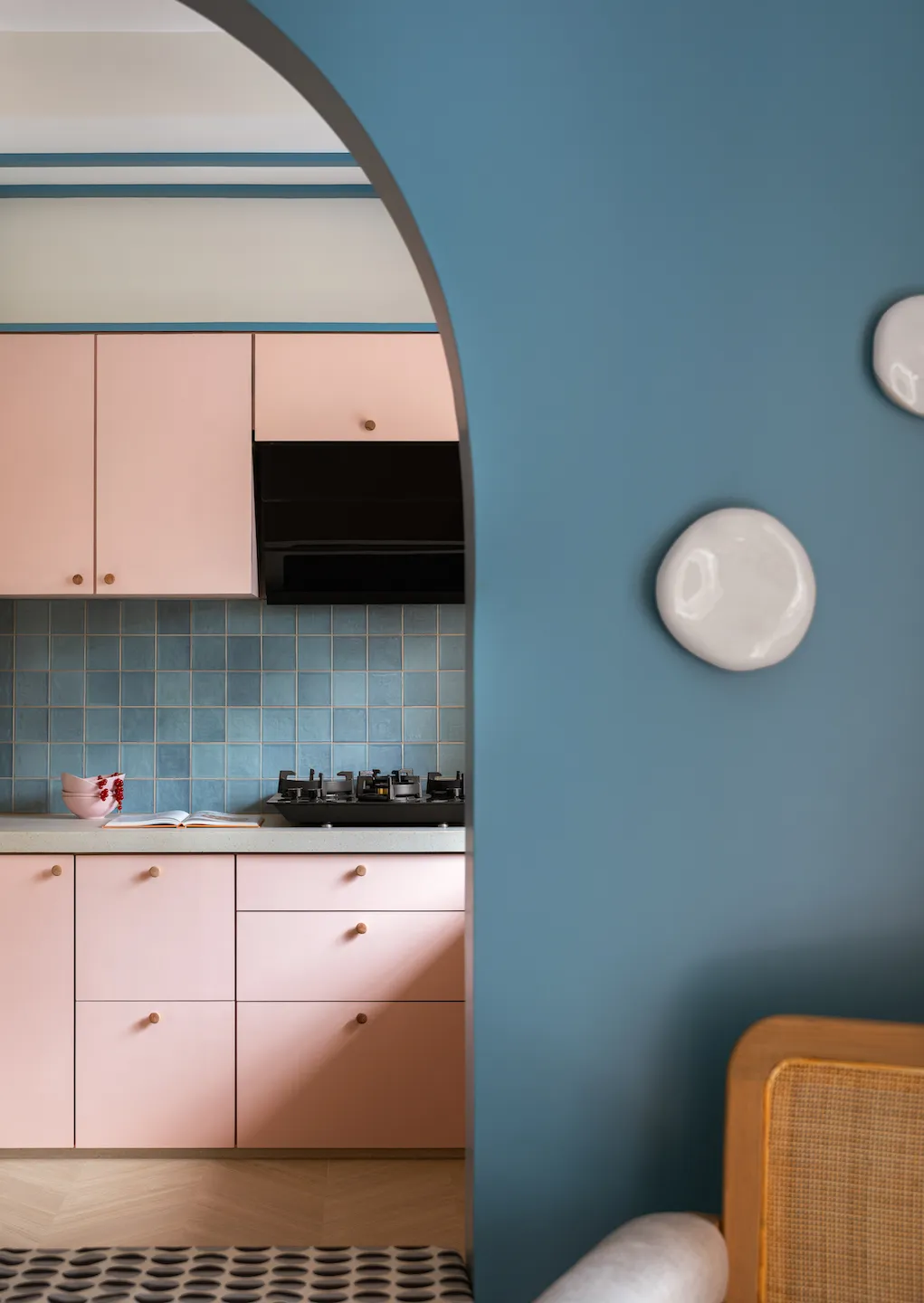
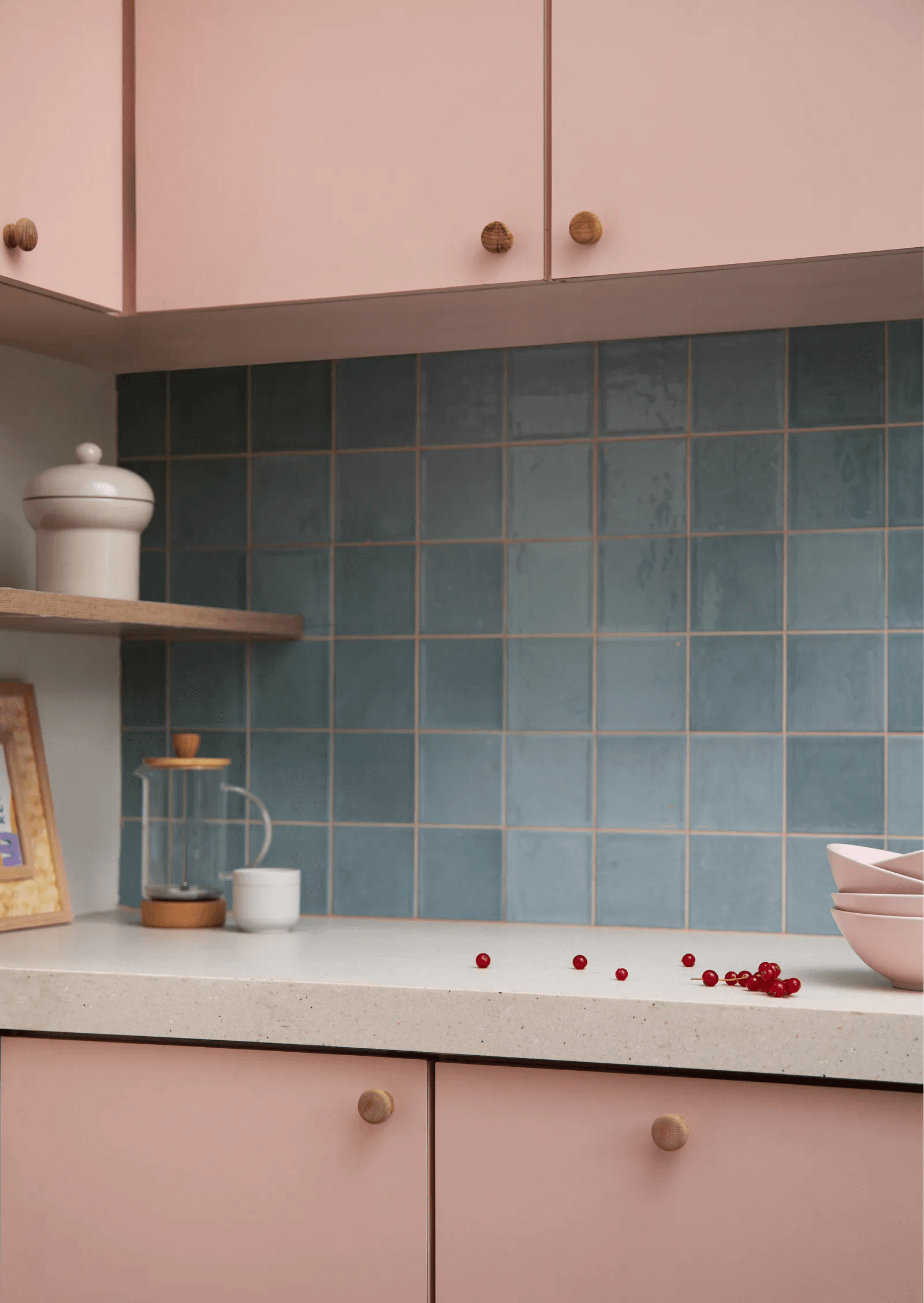
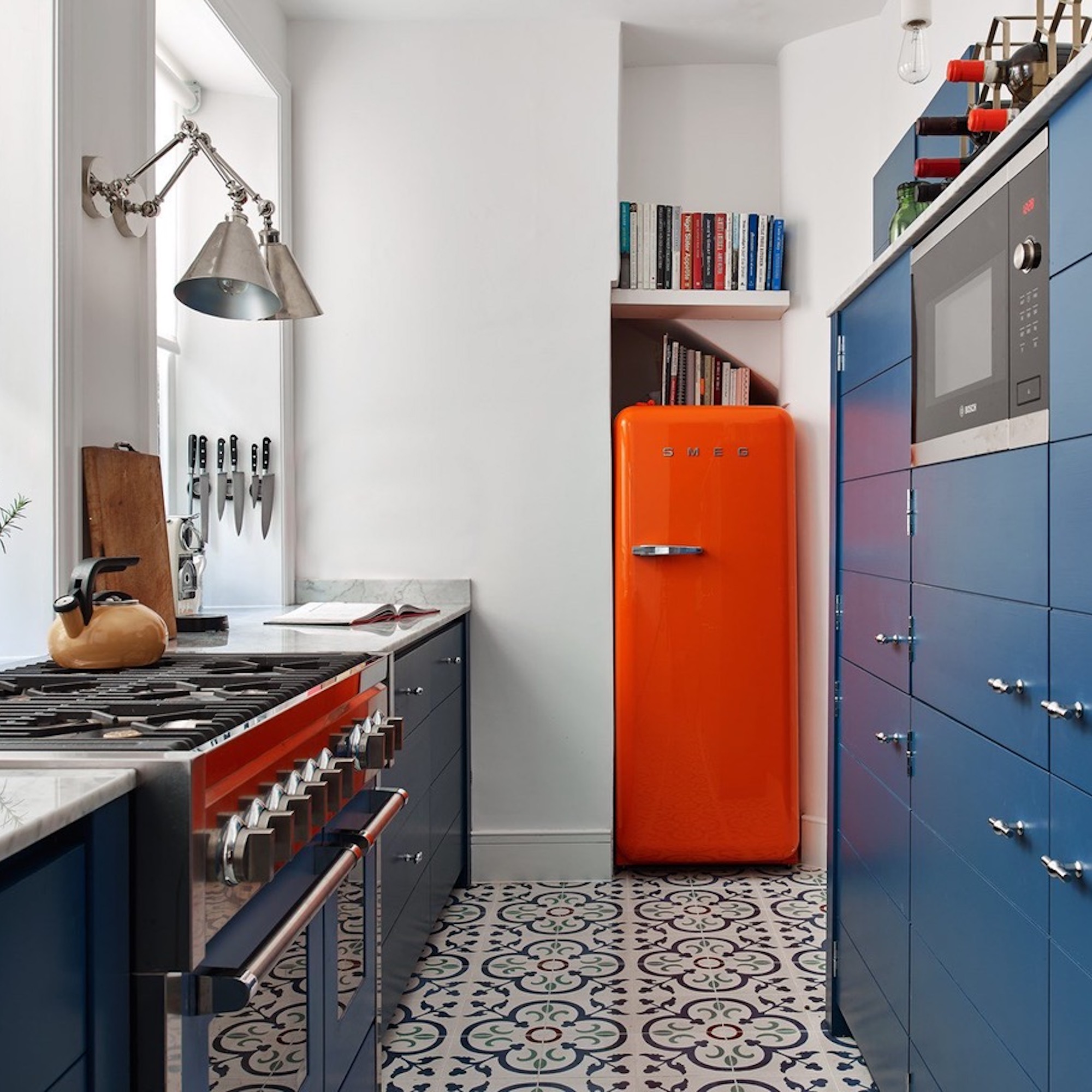
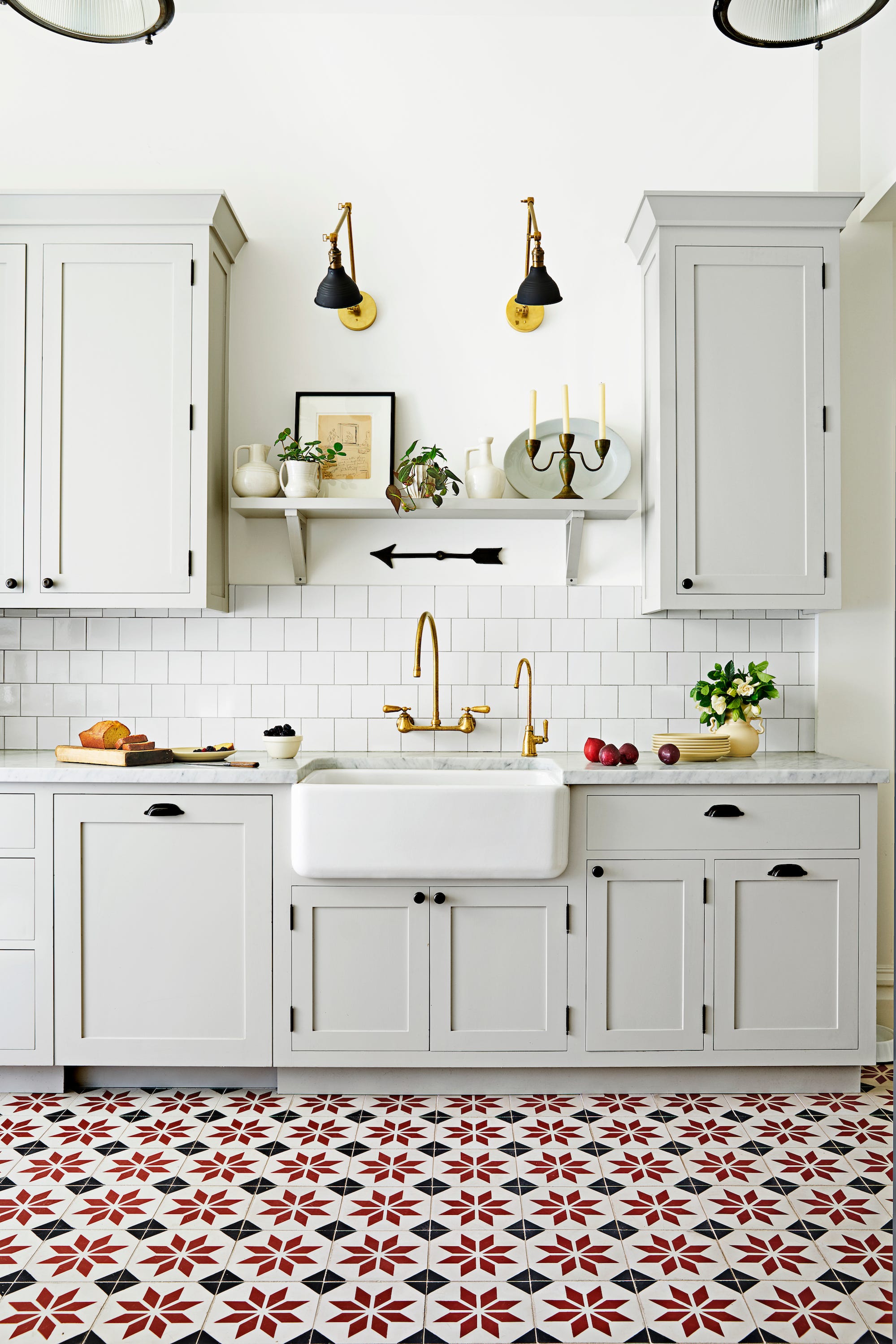
Patterned tiles can give a small kitchen a distinct personality. The key is to select a pattern and color that complements the existing kitchen color scheme to ensure a coordinated and uniform look. Interior designer Iman Lalji suggests using geometric tiles, in either larger or smaller scales, to create unique patterns and highlight specific areas or paths. Mosaic tiles also add a bold and luxurious touch, whether used in a section or across the entire floor. Natural light further enhances colorful tiles, bringing out their true tones and fostering a warm ambiance. Materials like terracotta, encaustic, or ceramic tiles are excellent for incorporating patterns and prints, and for those desiring a vintage aesthetic, aged-look tiles are an option.
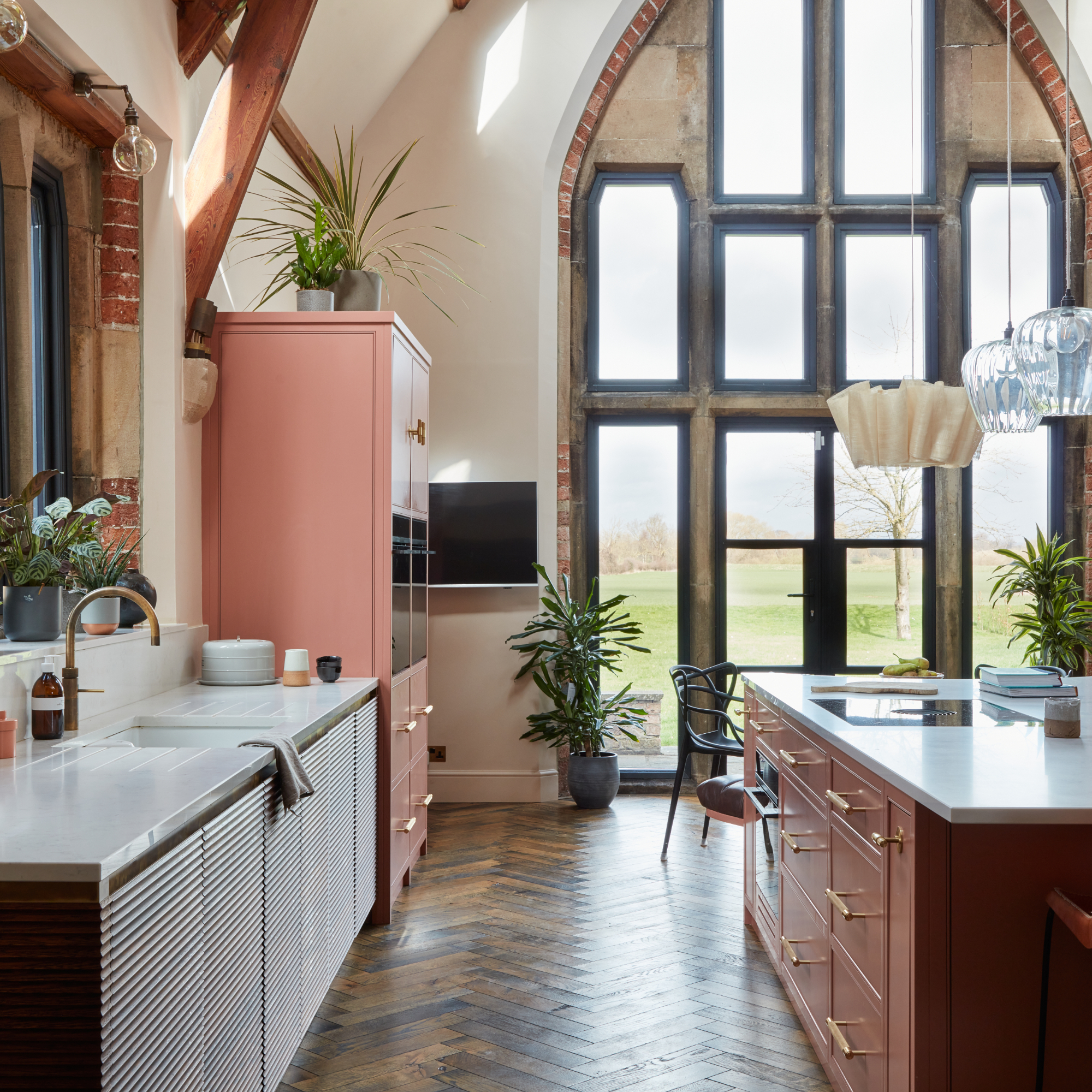
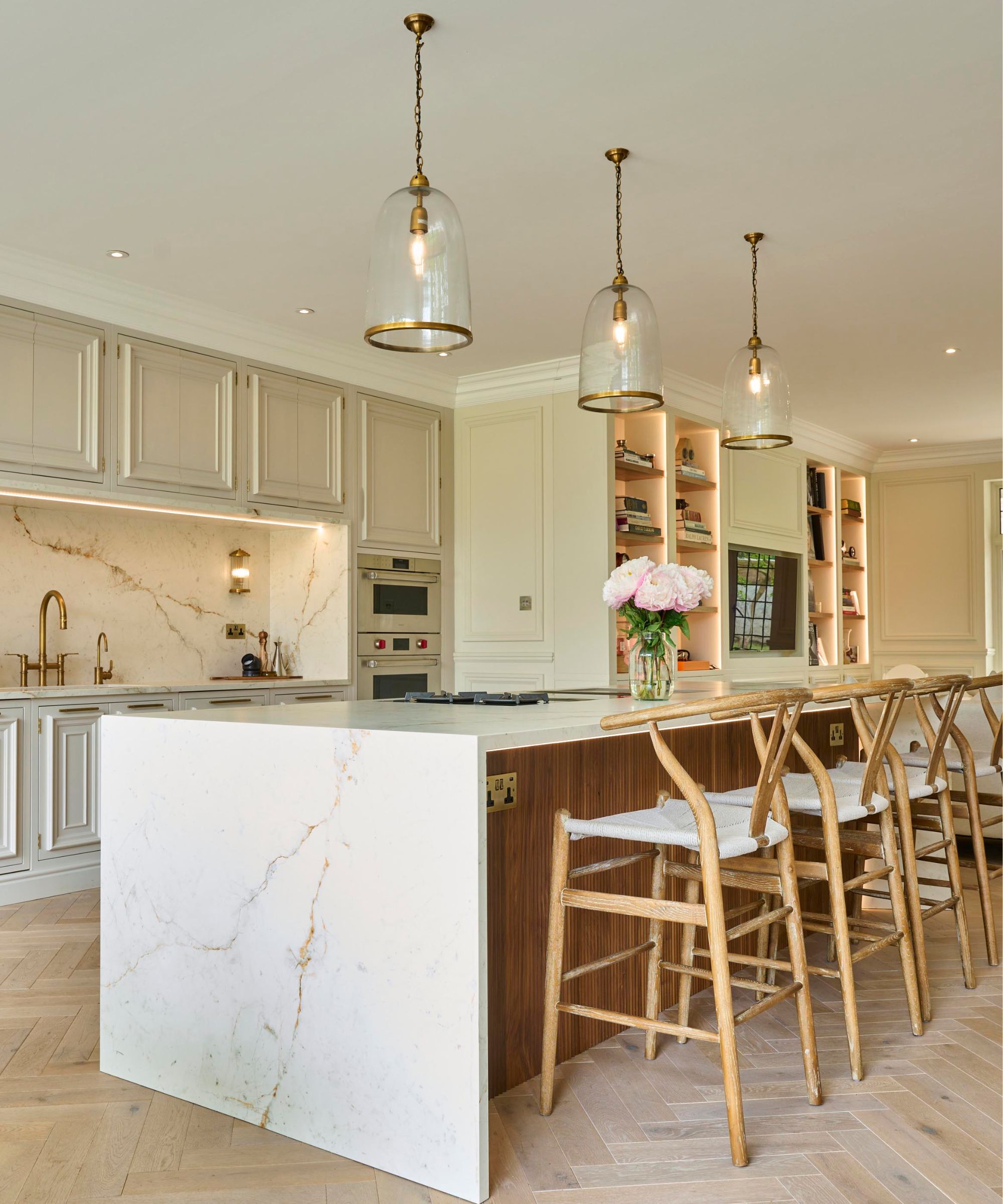
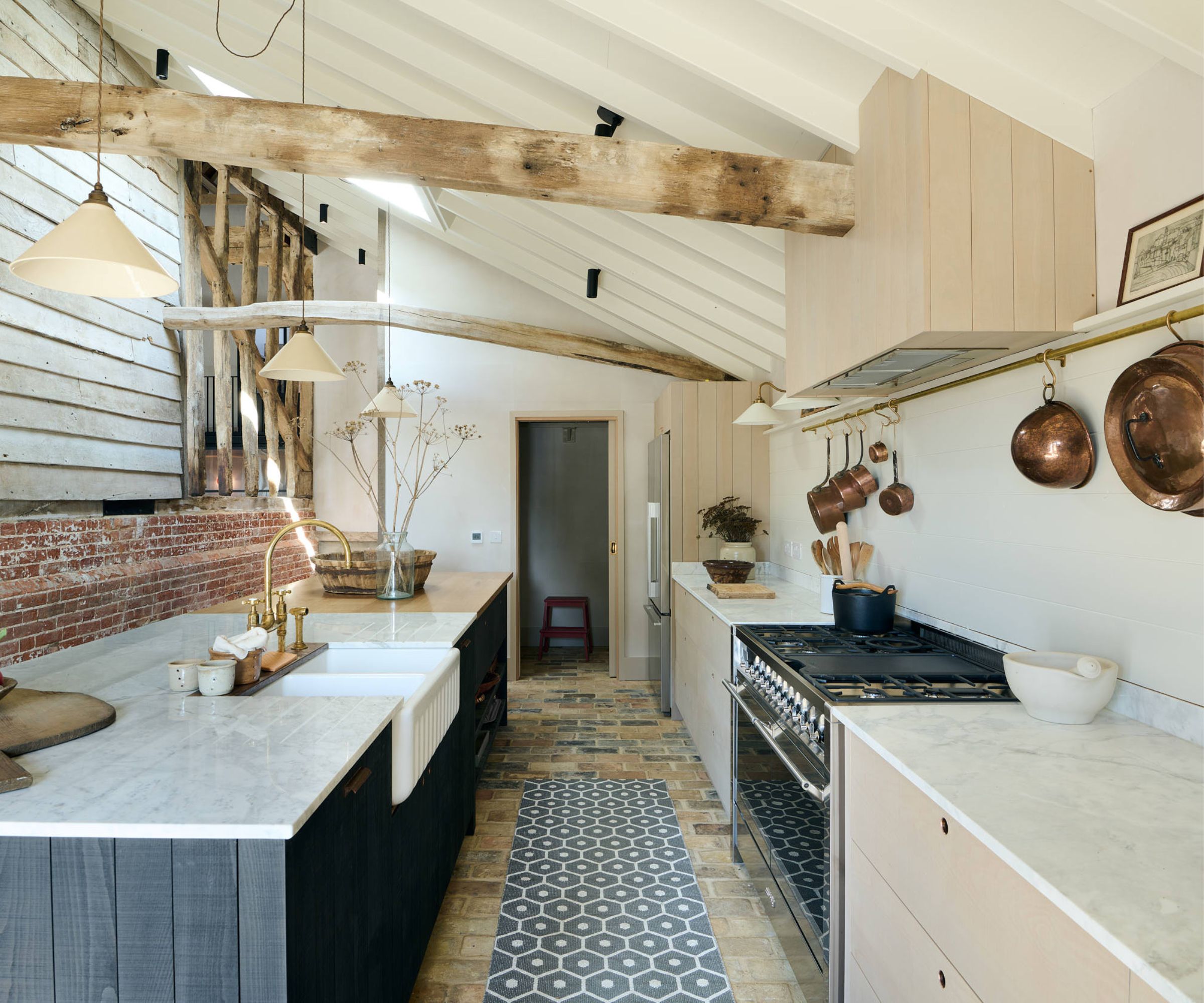
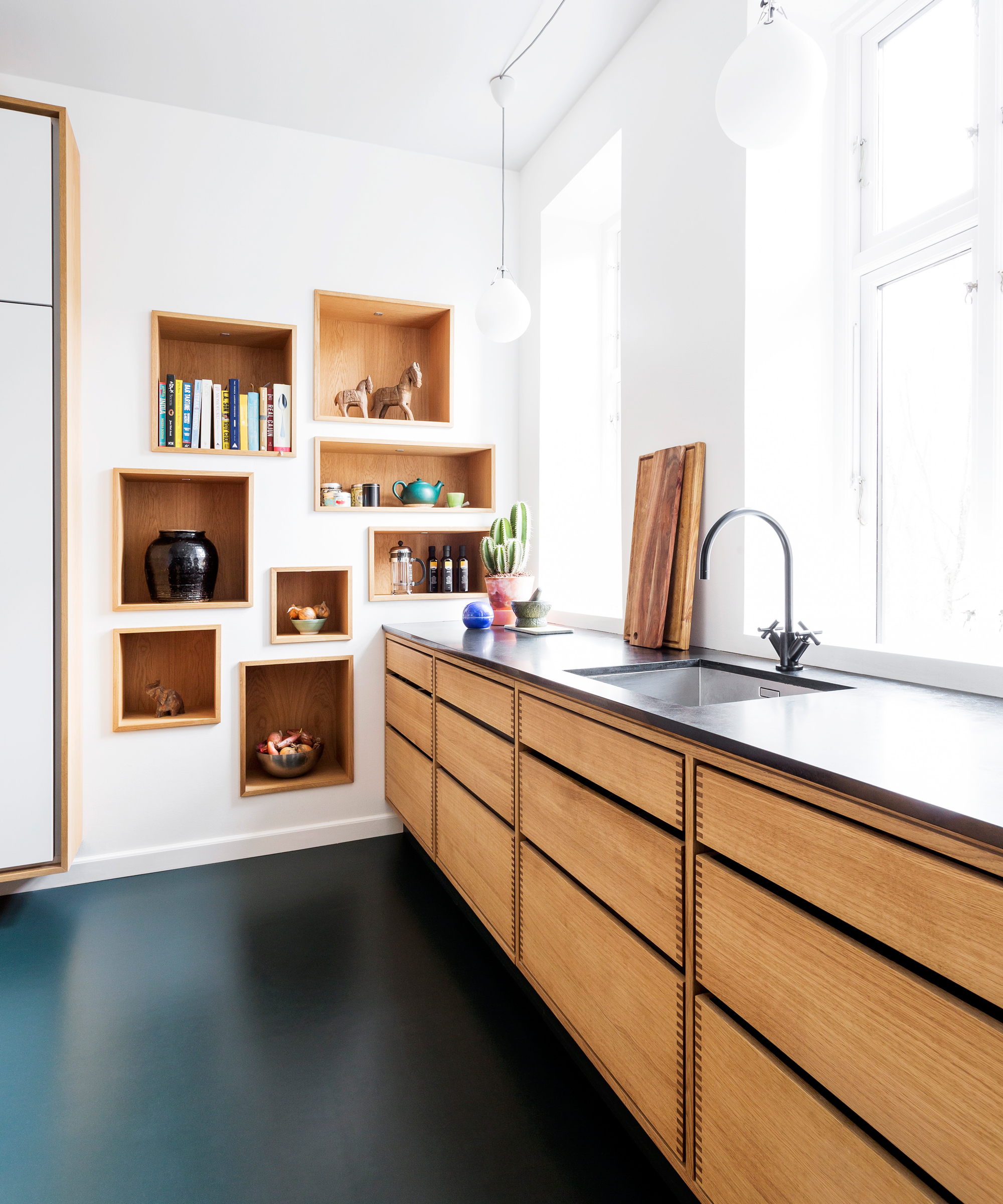
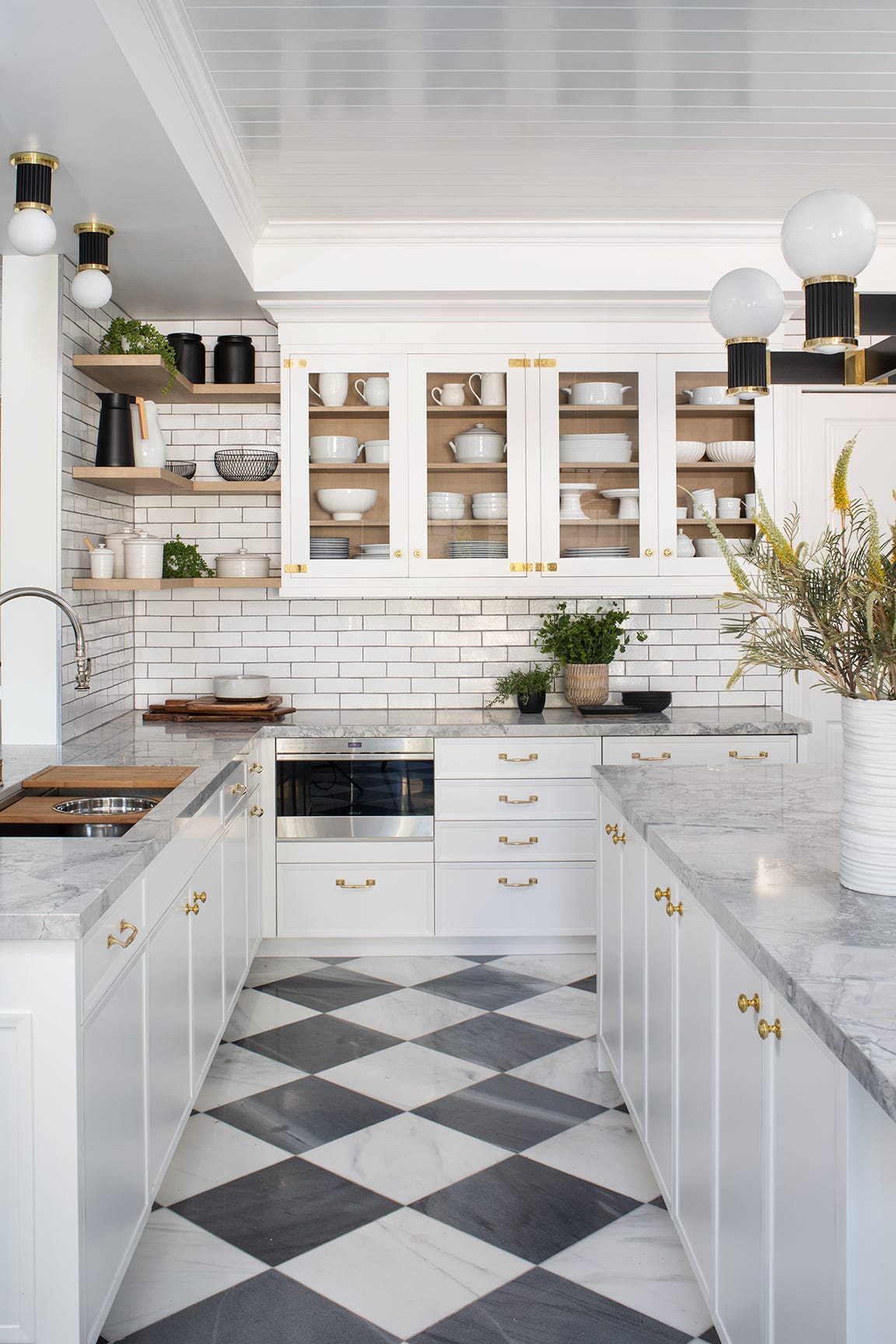
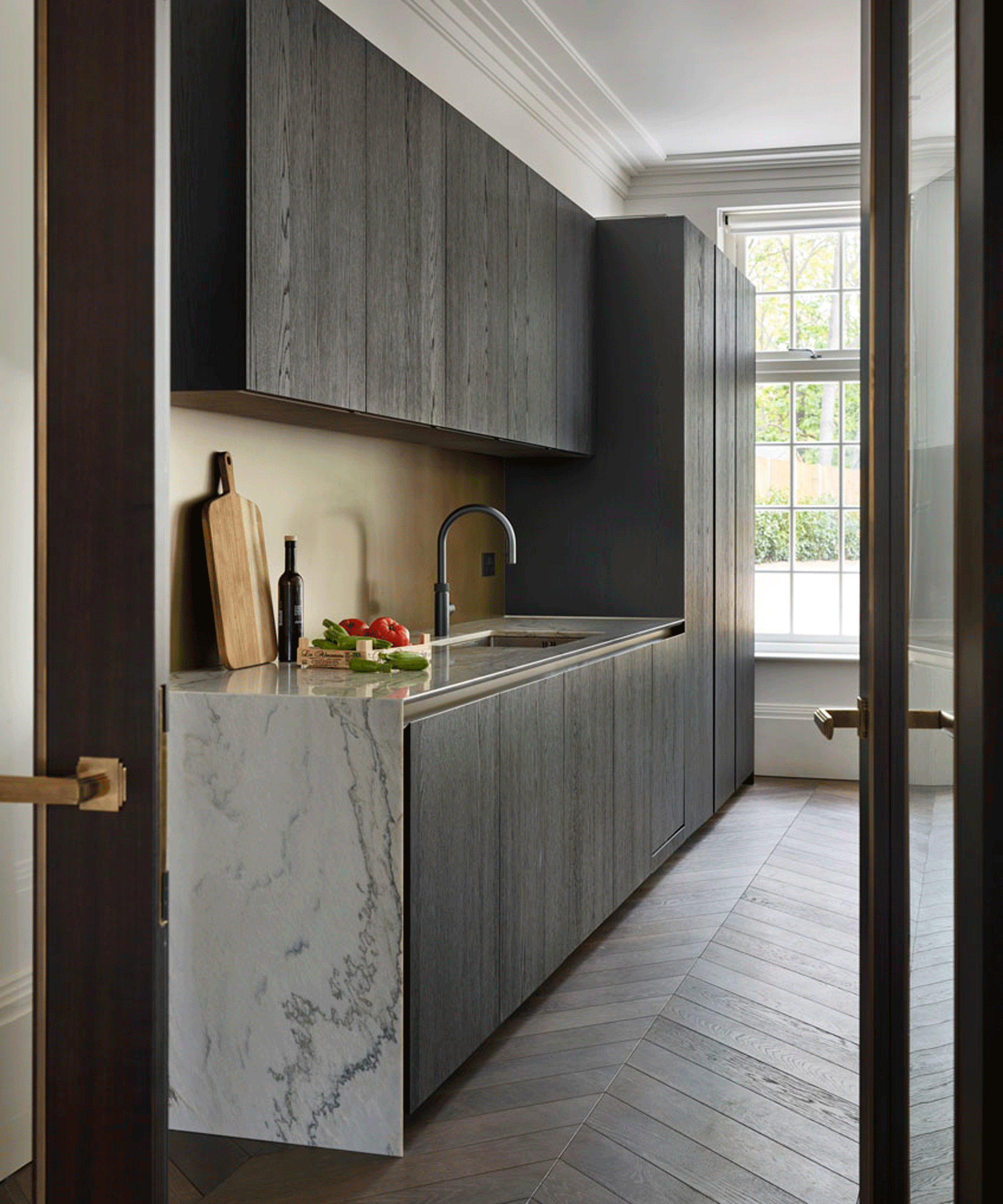
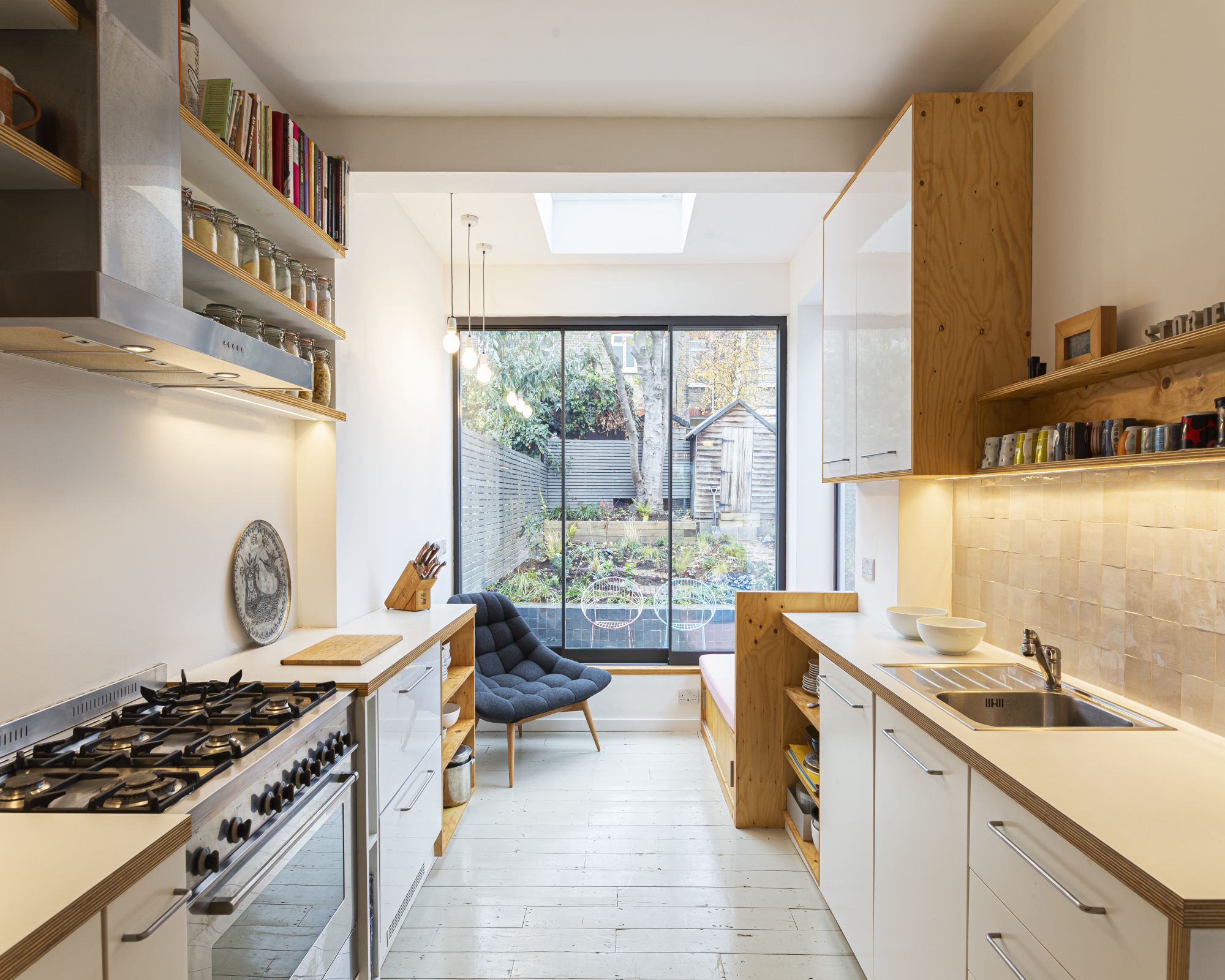
To make a small kitchen appear larger, minimizing visual breaks is effective. A unified color scheme throughout the room can create an airy and spacious feel. Surprisingly, dark hues can also expand a space by blurring the room's edges, as demonstrated by a narrow galley kitchen with dark flooring. Herringbone layouts can draw the eye, making the room seem longer. Flooring can also be used to zone a tiny kitchen, especially in open-plan homes or studio apartments, by using geometric tiles in creative layouts or a patchwork effect. This helps define the kitchen area and imbues it with its own character.
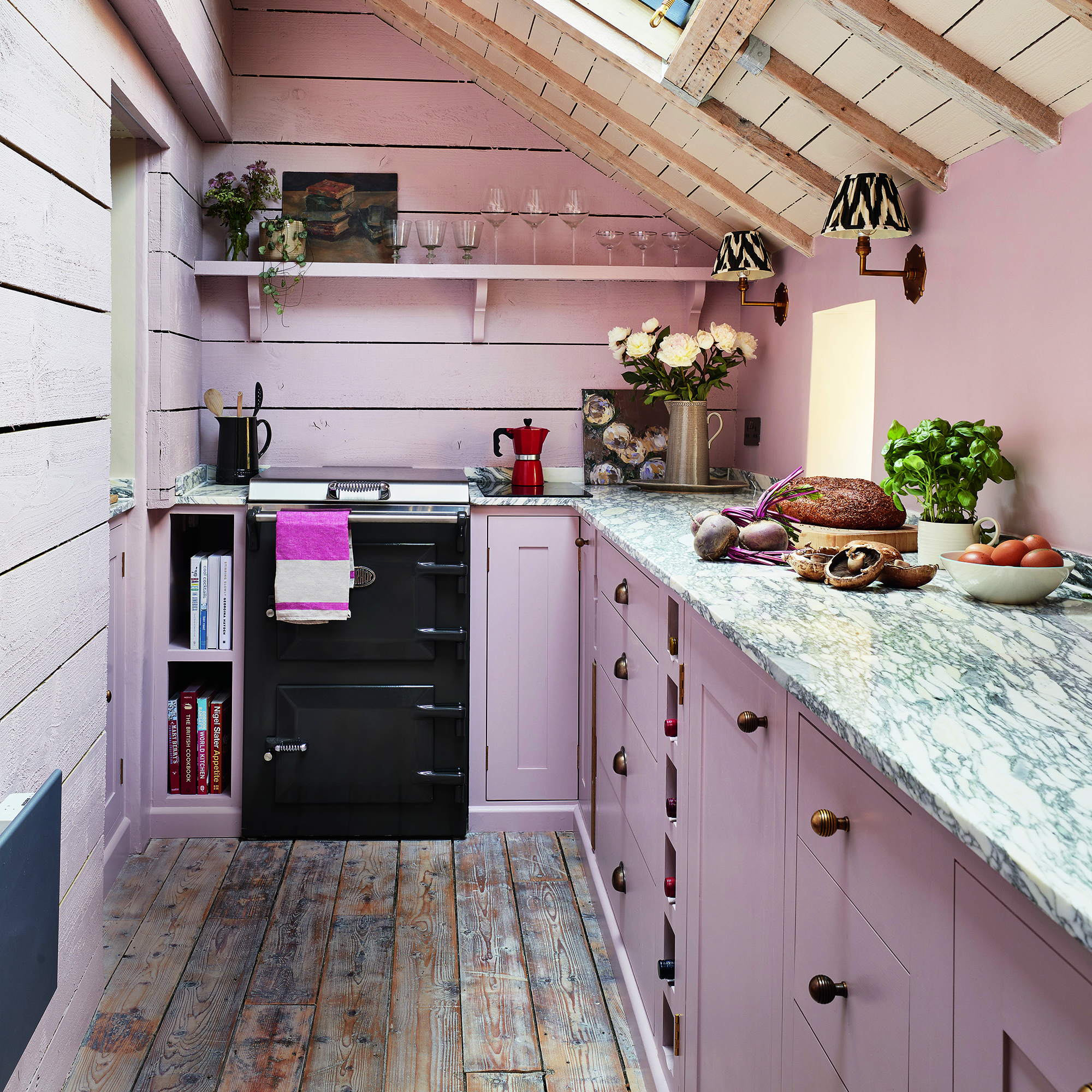
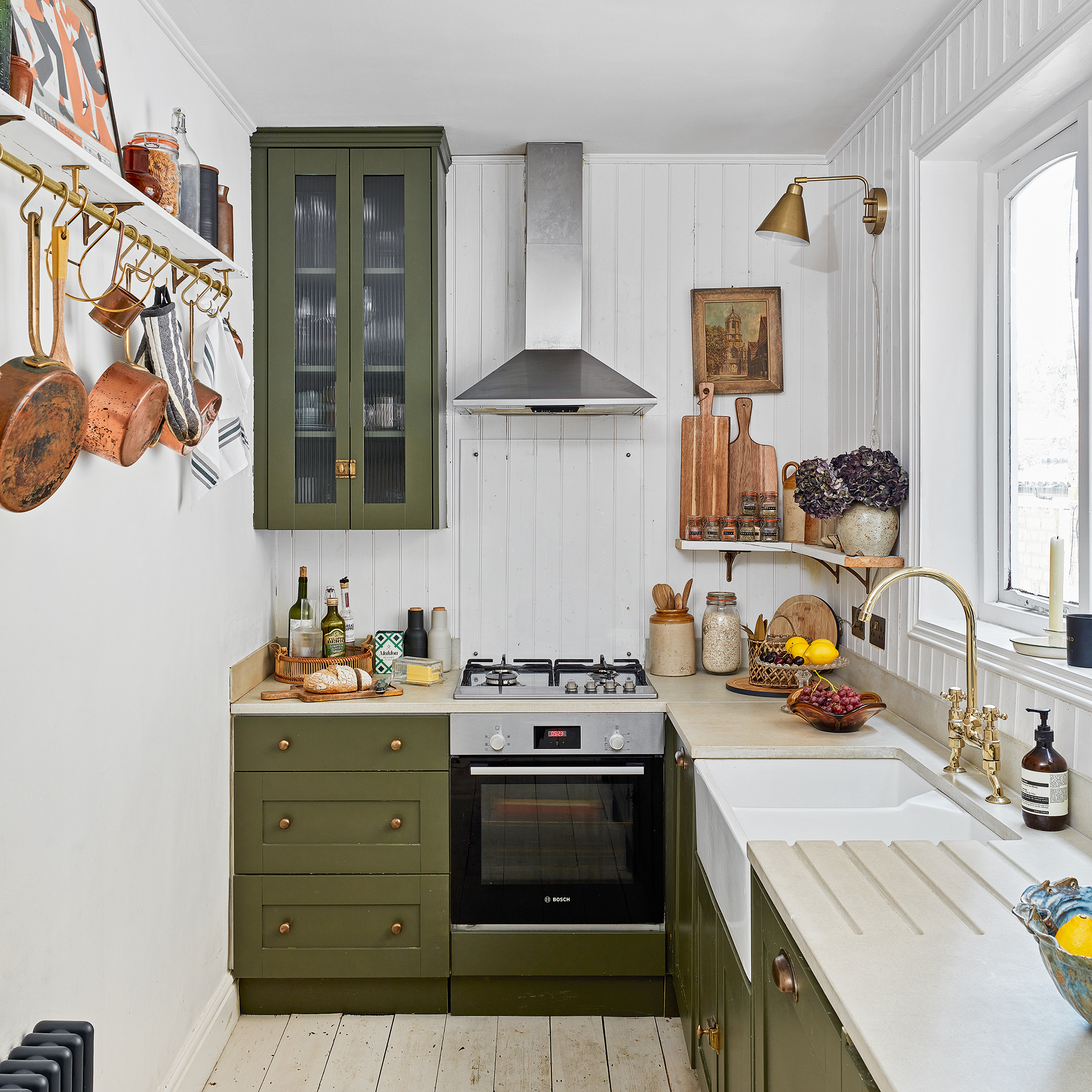
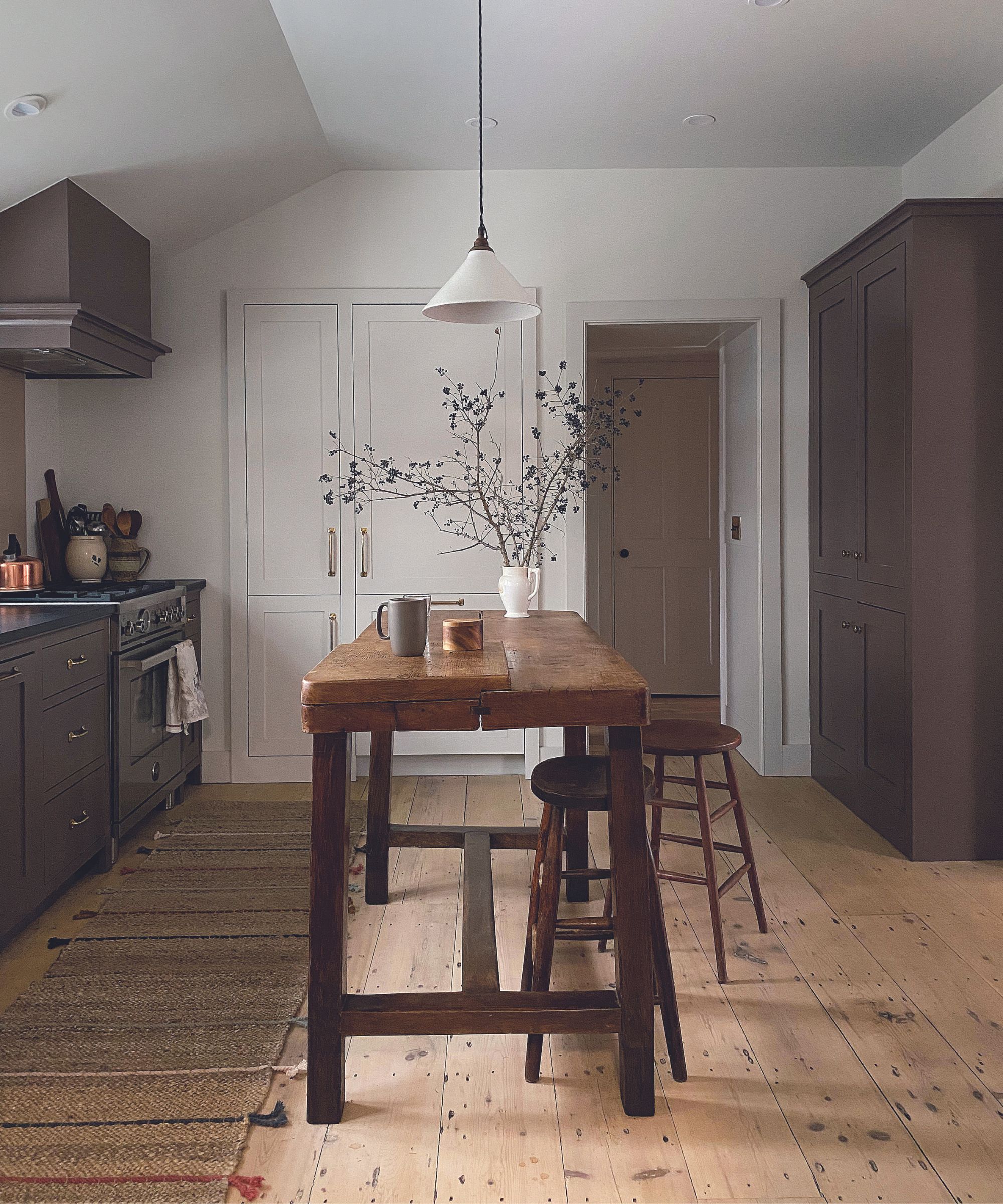
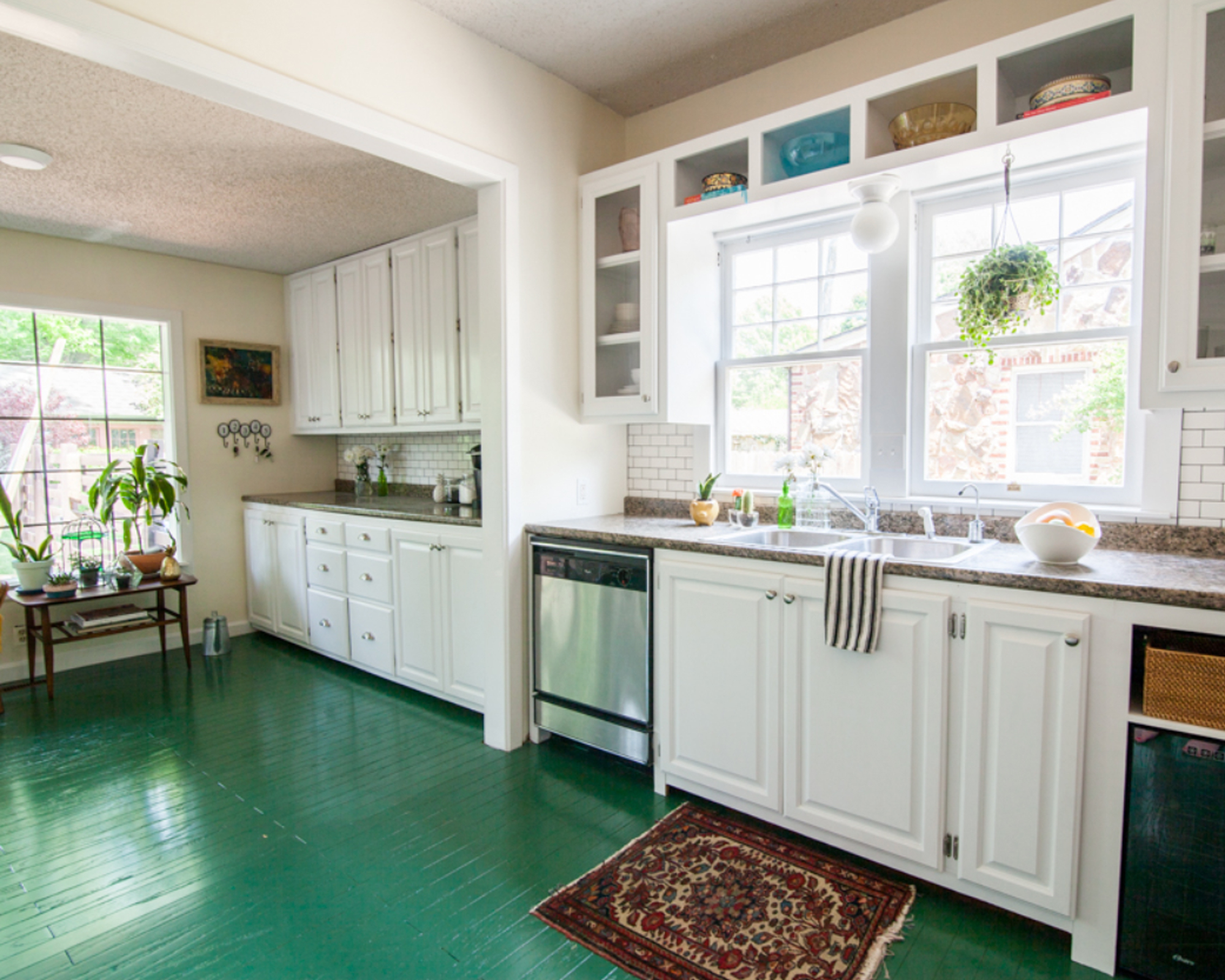
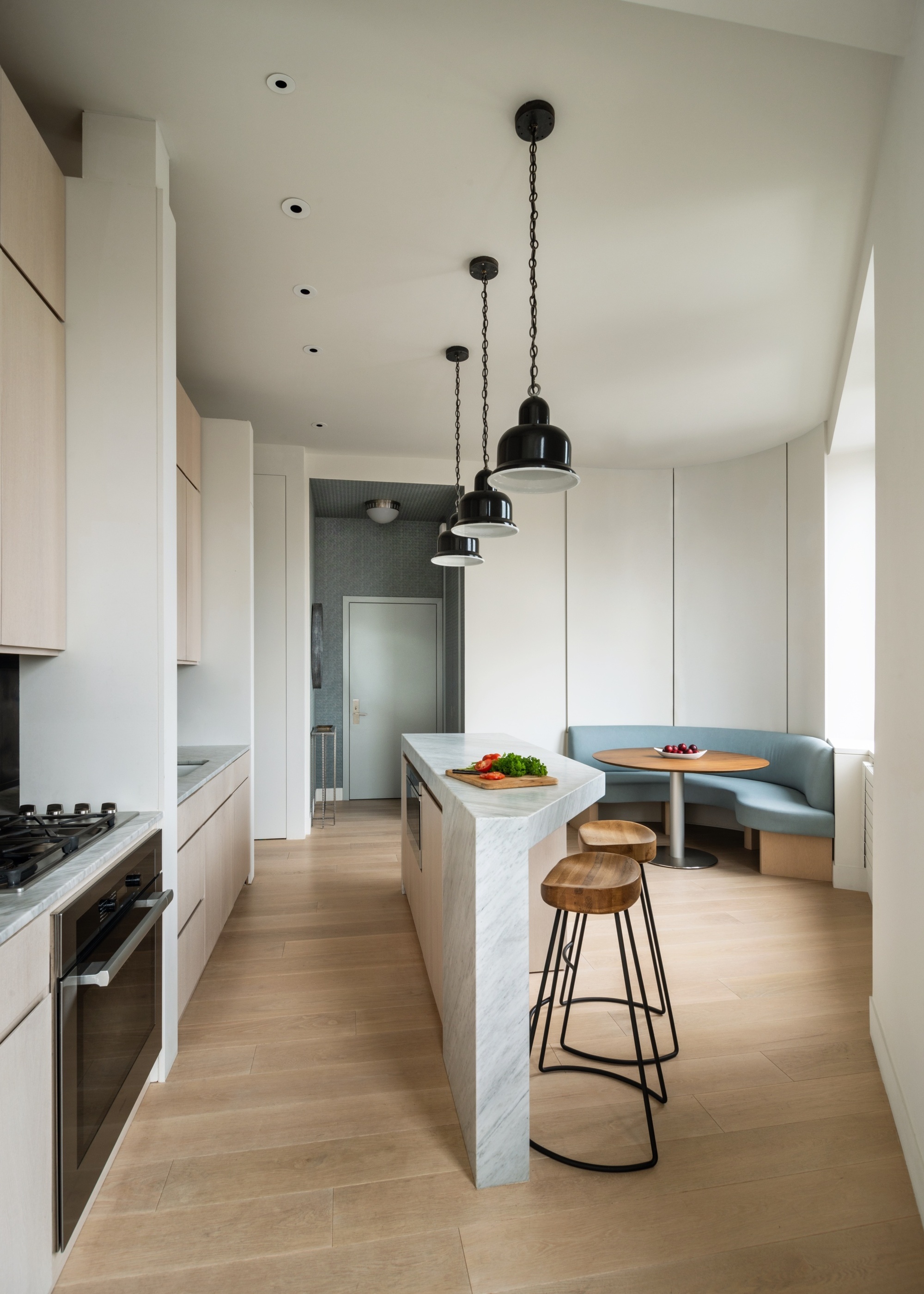
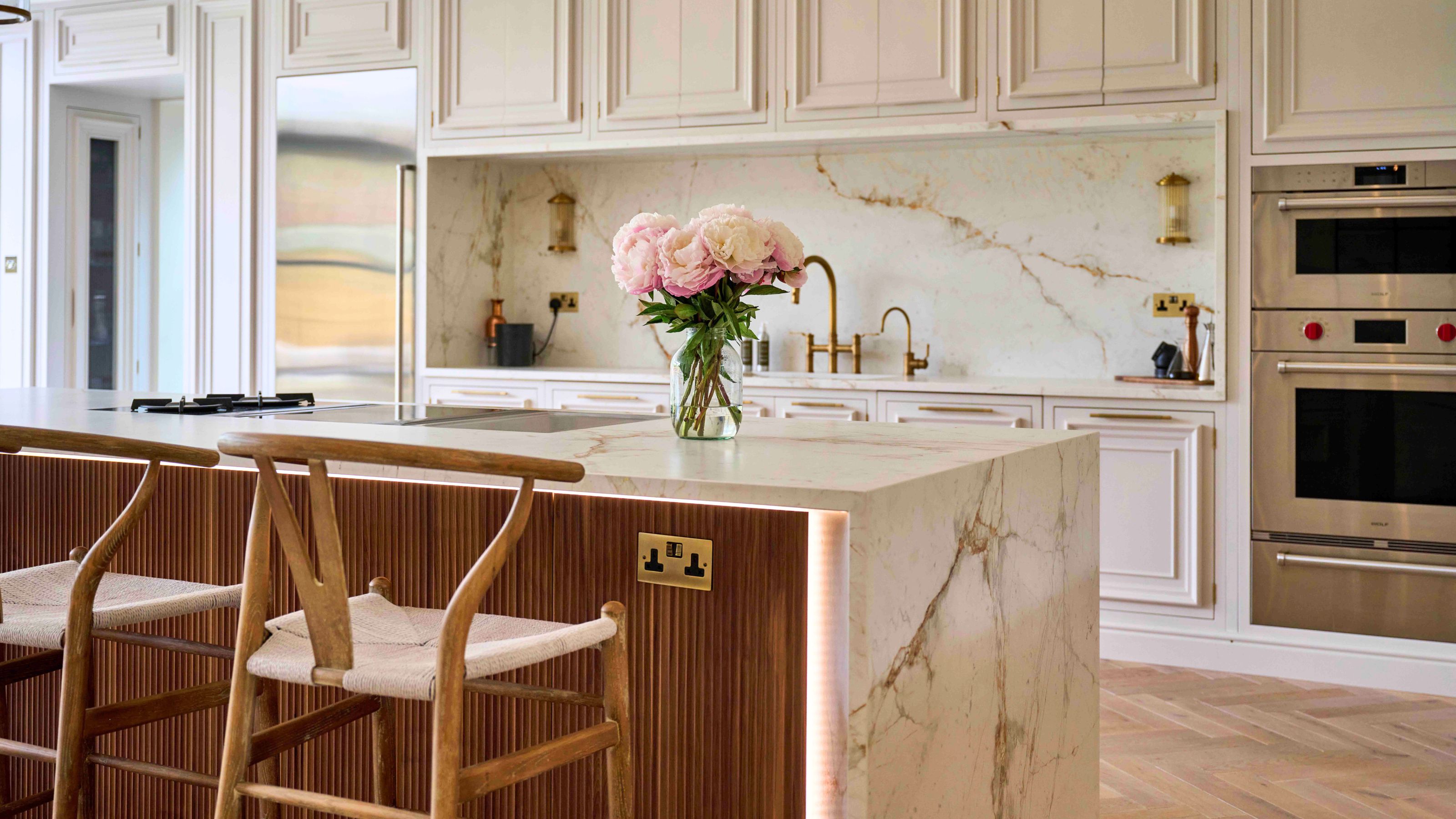
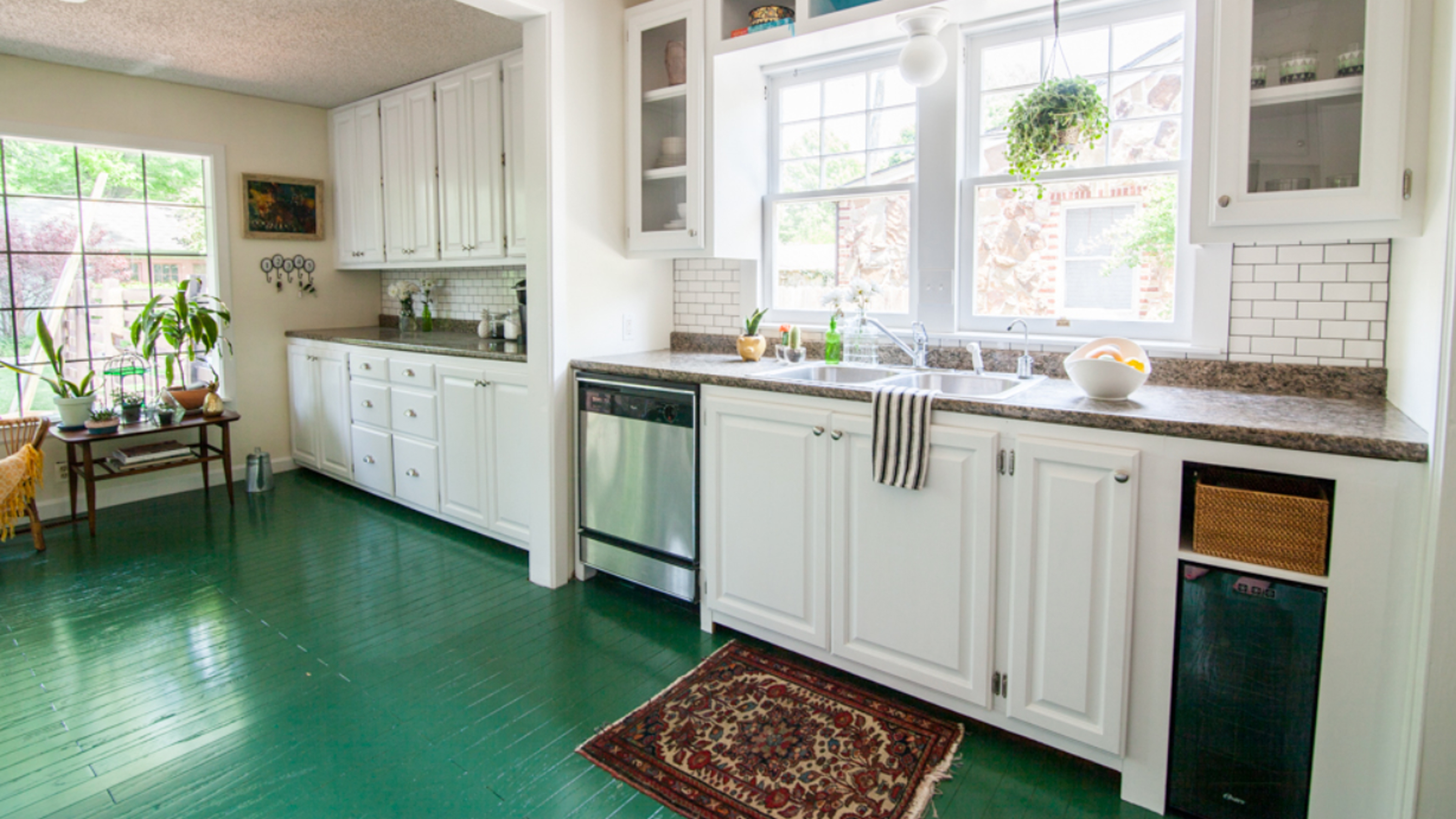
Another practical consideration is choosing grout-less flooring, which simplifies cleaning. Large slabs of marble or natural stone can be installed as grout-less tiles, creating a seamless, expansive, and breezy feel in a small kitchen. These tiles, often held together with strong sealants or stainless steel wire mesh, are durable and long-lasting. Alternatively, light and bright floorboards, such as soft, pale wood or white-painted floors, can anchor the room, create a calm environment, and divert attention from the small size. Painting floorboards is a feasible DIY project that can transform the space.
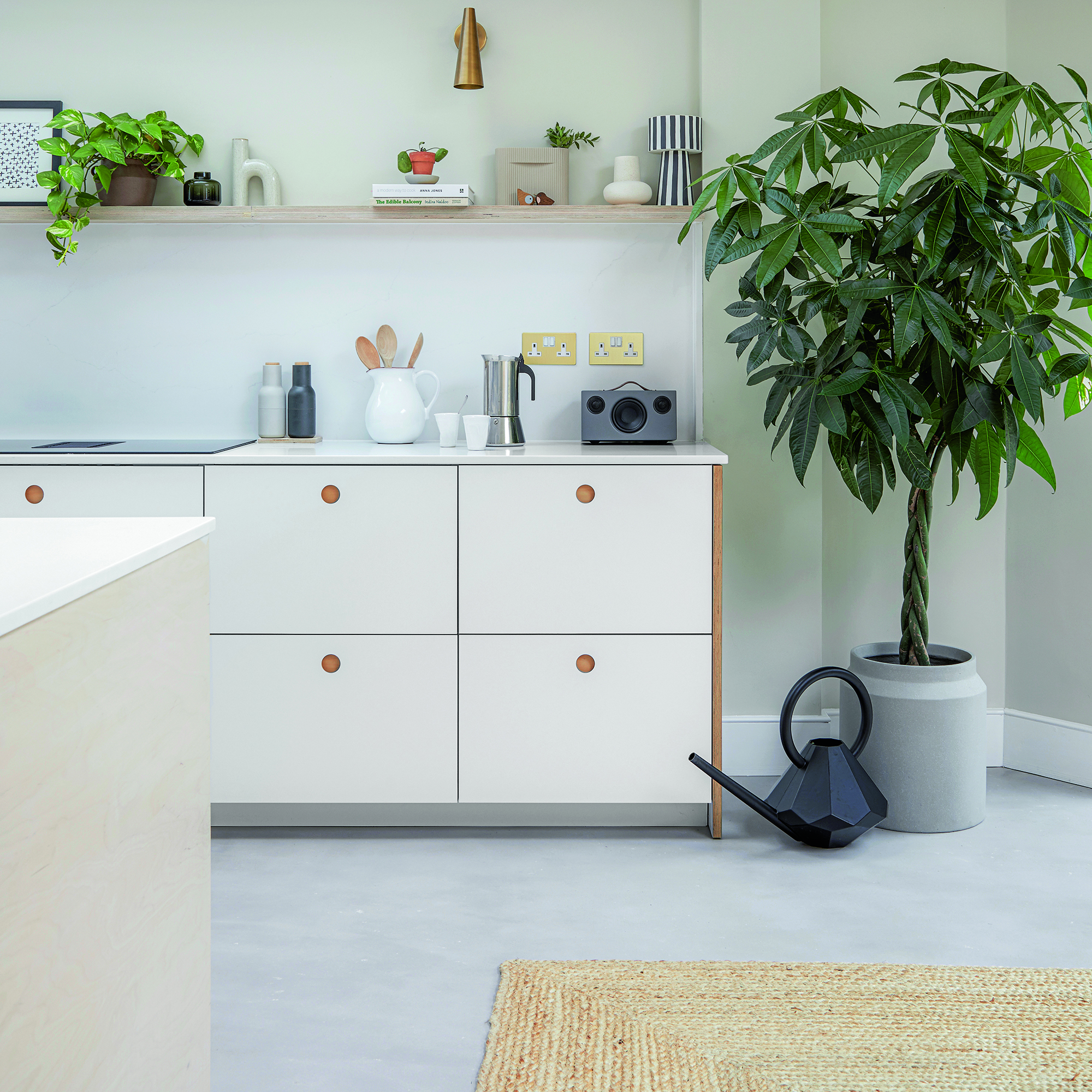
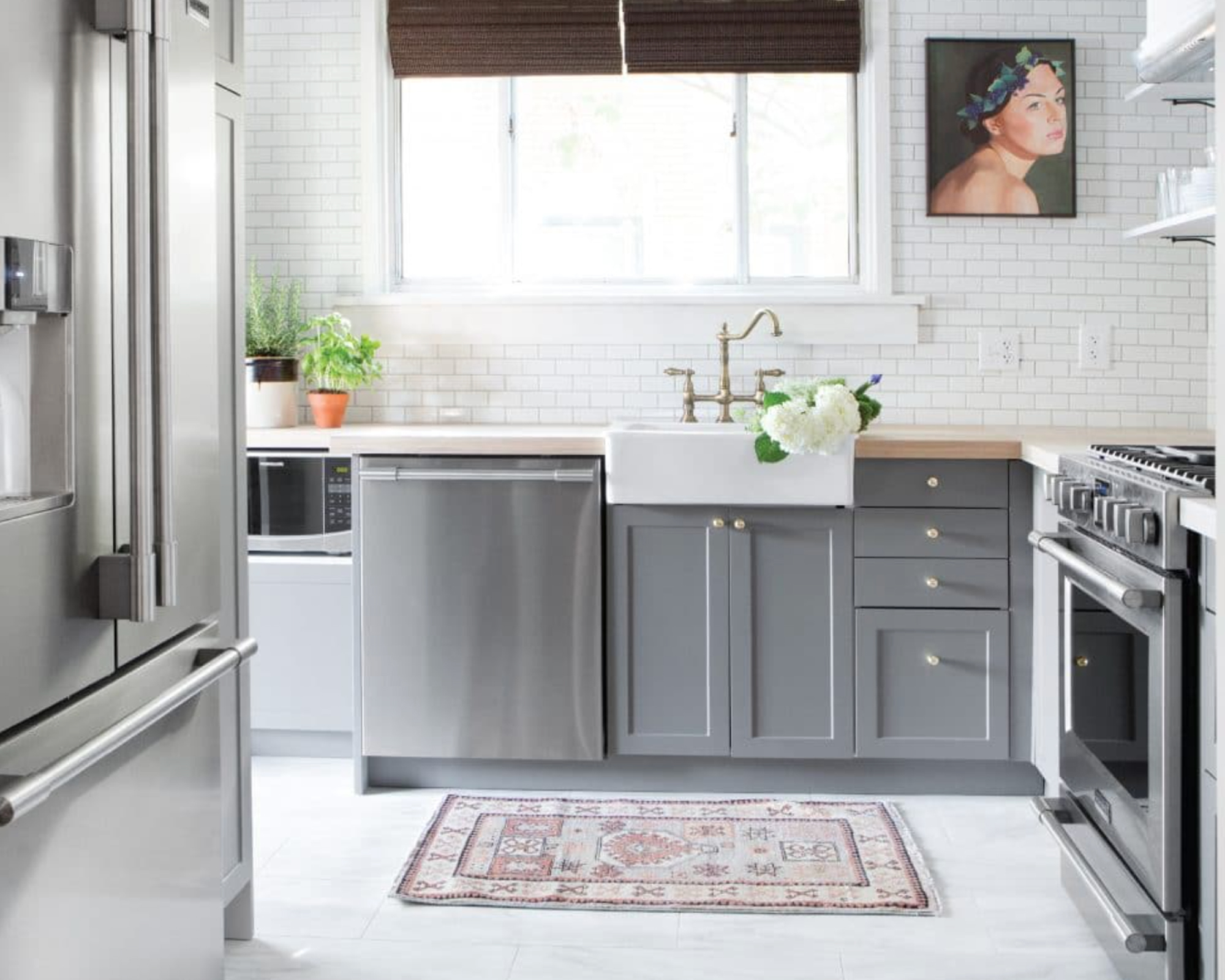
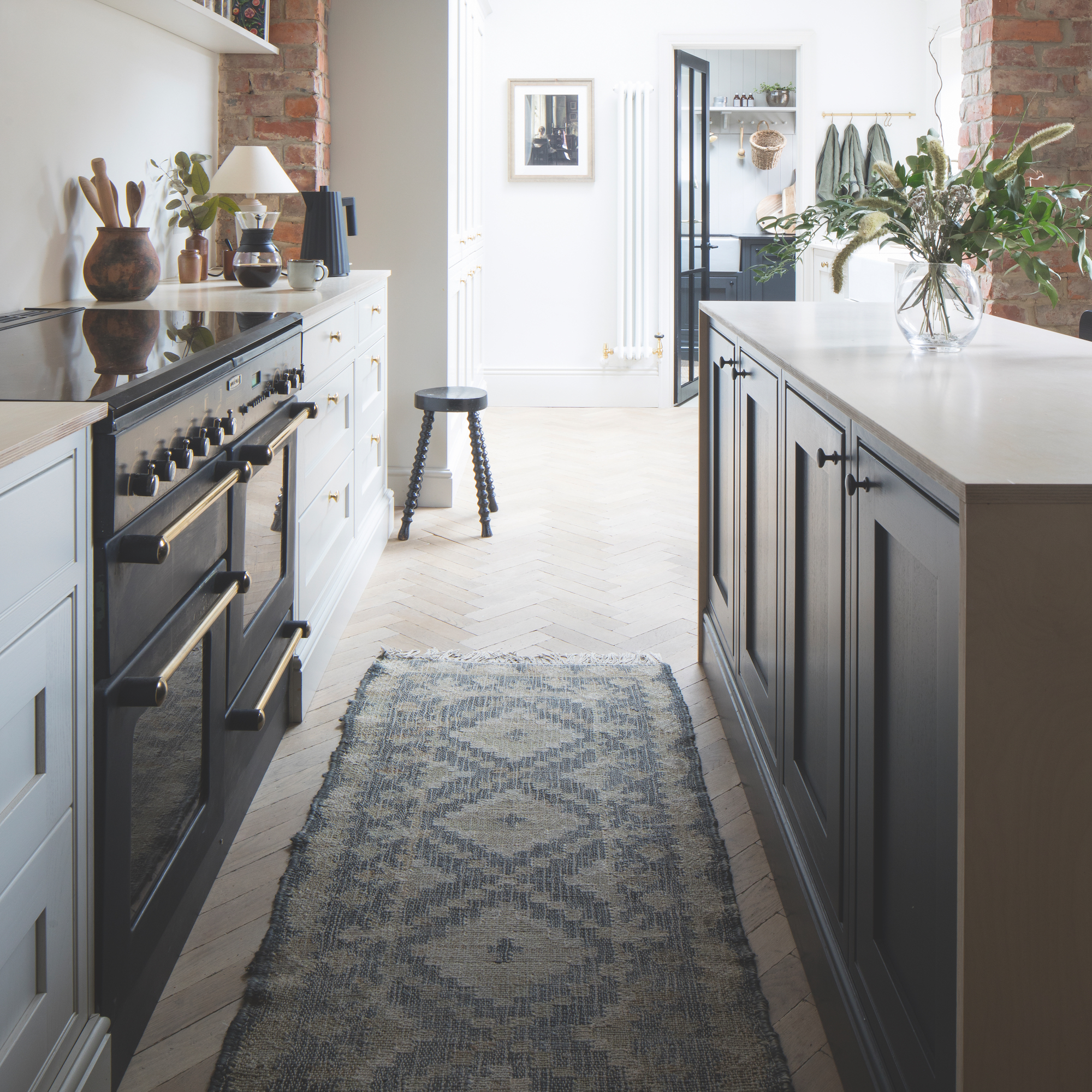
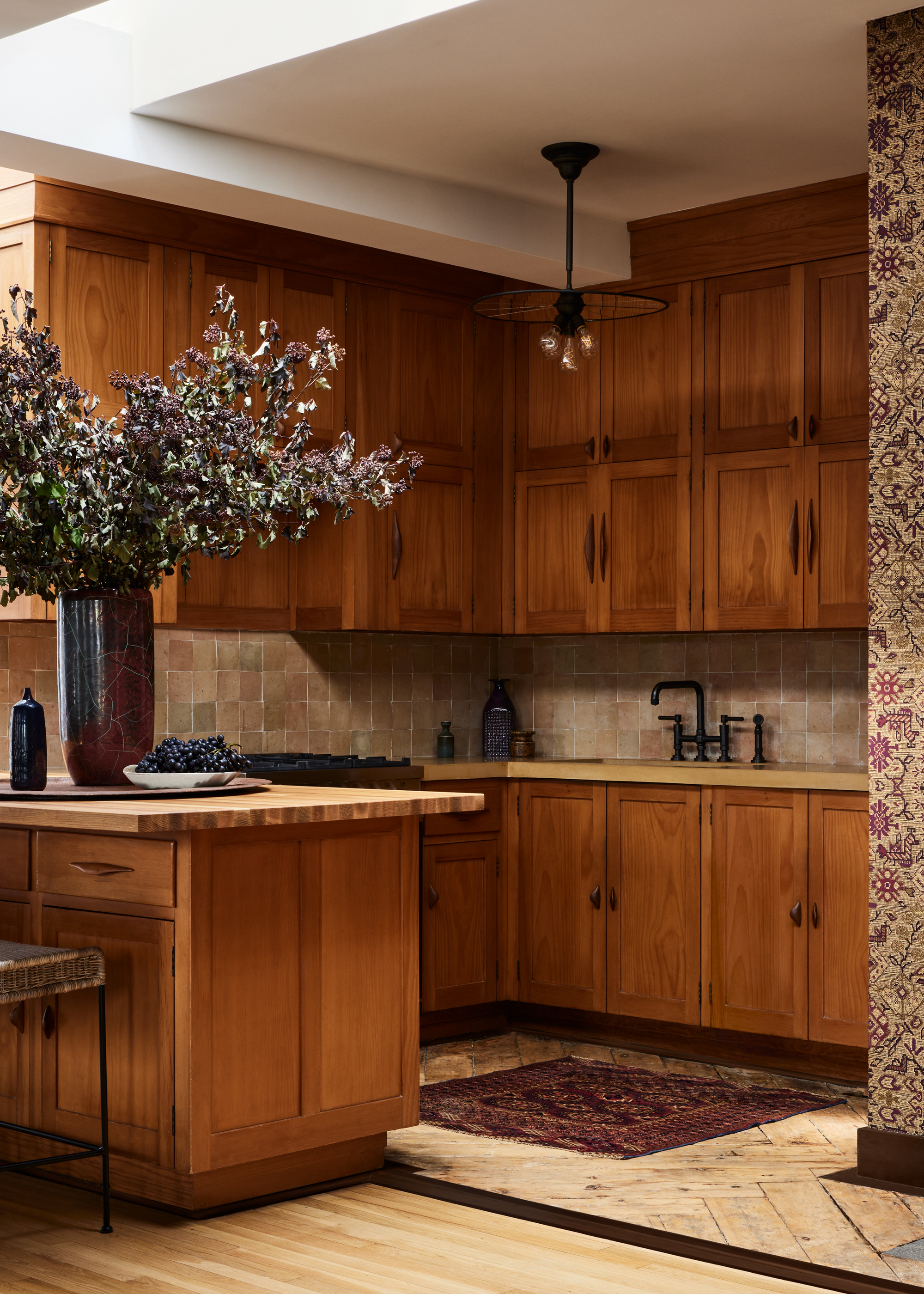
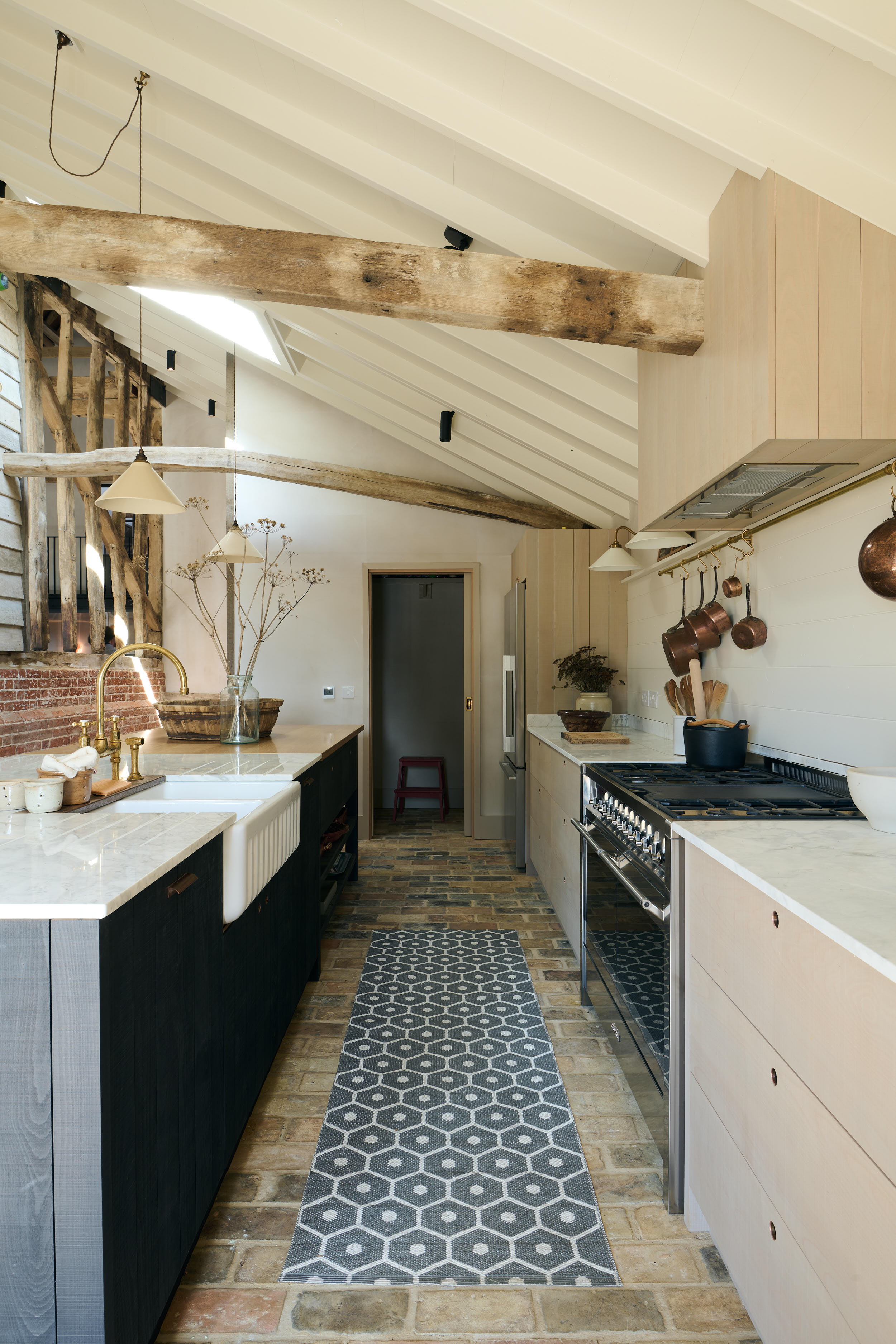
Layering with a rug can also enhance a kitchen's appeal. While kitchens can be prone to spills, a rug adds color, cushioning, and a personal touch. A long, vertical rug can visually elongate a narrow space. Washable fabrics and bold colors are advisable for kitchen rugs to manage potential stains. Lastly, large format tiles are an effective illusion technique for making a small kitchen appear bigger. Large, light-toned stone tiles are particularly effective, as super large and dark colors can have the opposite effect. Natural stone, when properly sealed, offers a timeless and hard-wearing choice, providing inherent beauty and variation that can last a lifetime. Wooden flooring, including reclaimed wood for an eco-friendly option, offers warmth and can be laid in patterns like chevron to make the floor seem larger. Overall, the best flooring for small kitchens prioritizes durability, resistance to wear and tear, and aesthetic appeal to maximize both form and function.
#SmallKitchenFlooring #KitchenDesignIdeas #TileMaterials #PatternedTiles #SpaceSavingFlooring #GroutlessTiles #WoodenFlooring #LargeFormatTiles #InteriorDesign #SmallKitchenFlooring #KitchenDesignIdeas #TileMaterials #PatternedTiles #SpaceSavingFlooring #GroutlessTiles #WoodenFlooring #LargeFormatTiles #InteriorDesign
0 comment in total
 No comments yet
You may also like
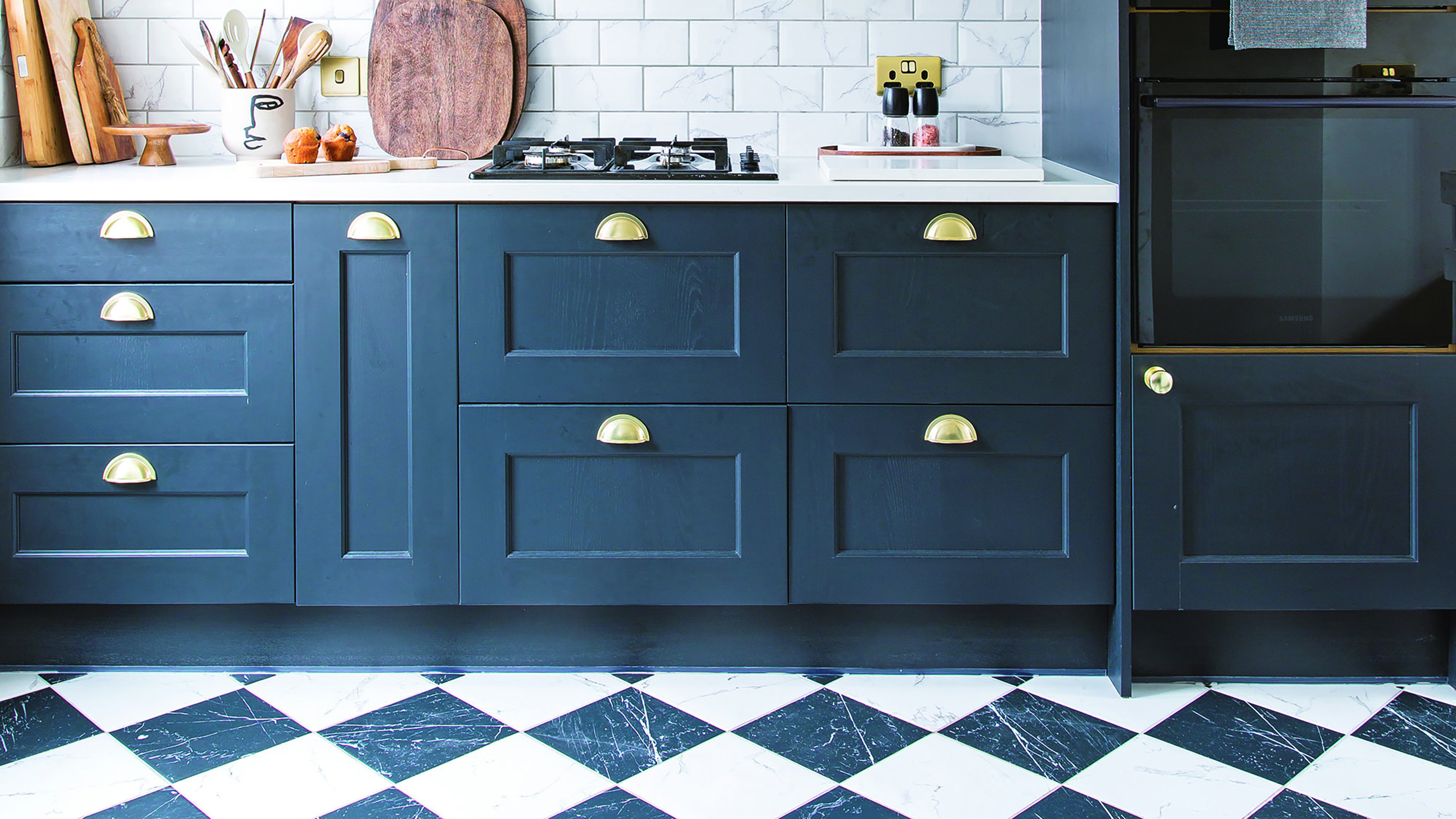
The best floor colours to make a small kitchen look bigger - experts say these are the shades to go for
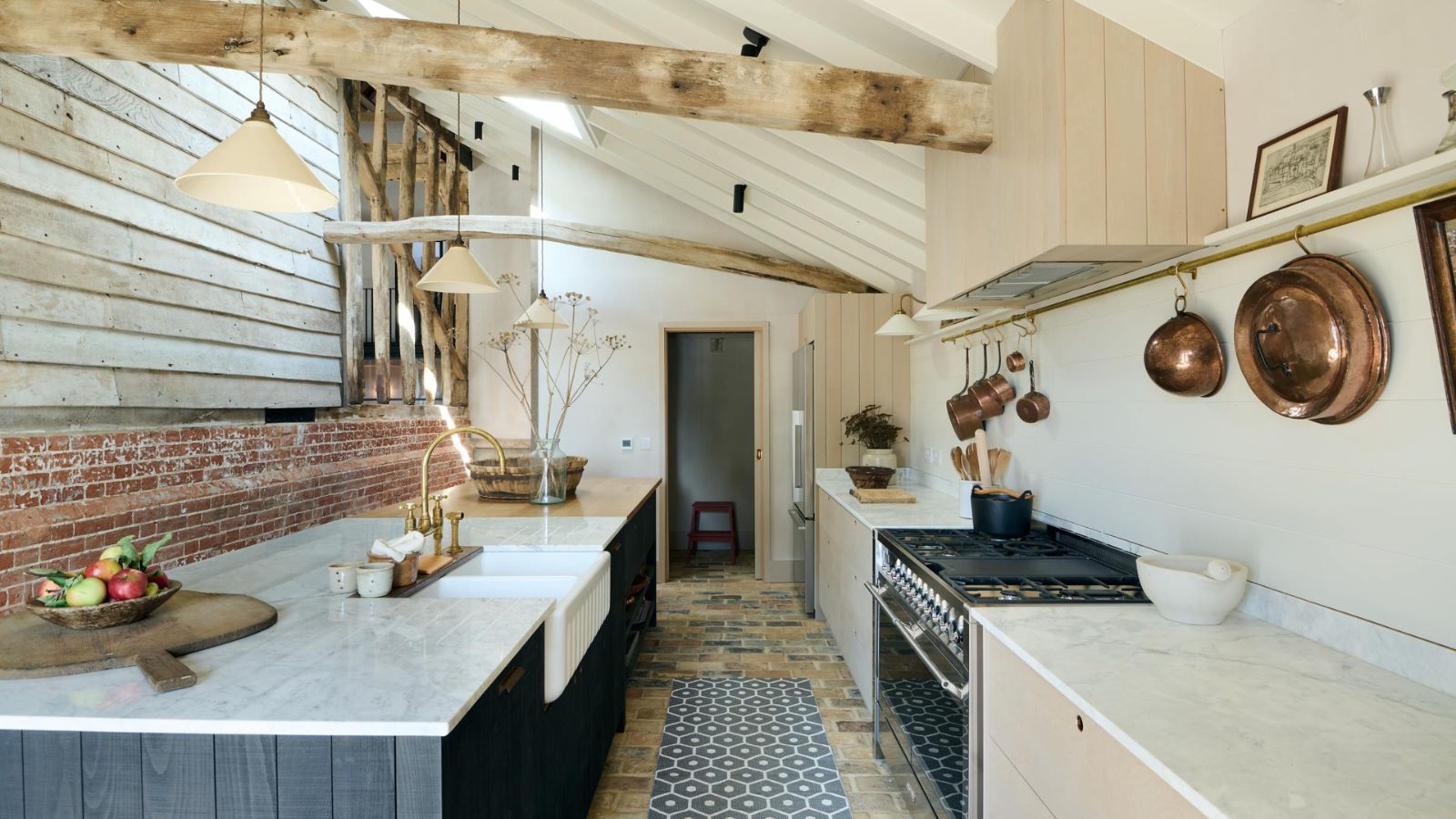
9 narrow kitchen layout rules designers say will make your space look wider and function better

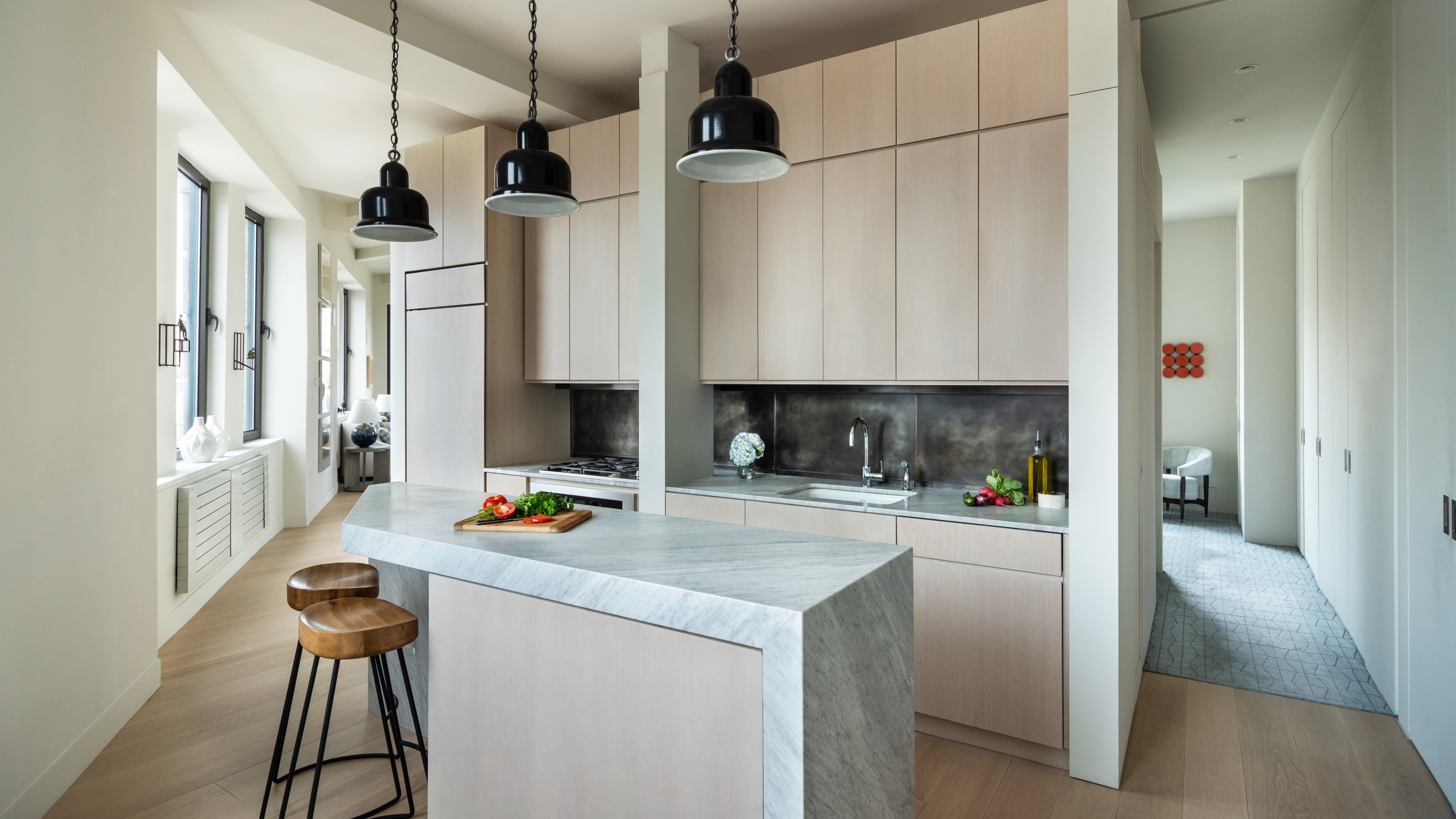
10 Small Kitchen Layout Mistakes Designers Will Always Urge You to Avoid for a Better Working Space
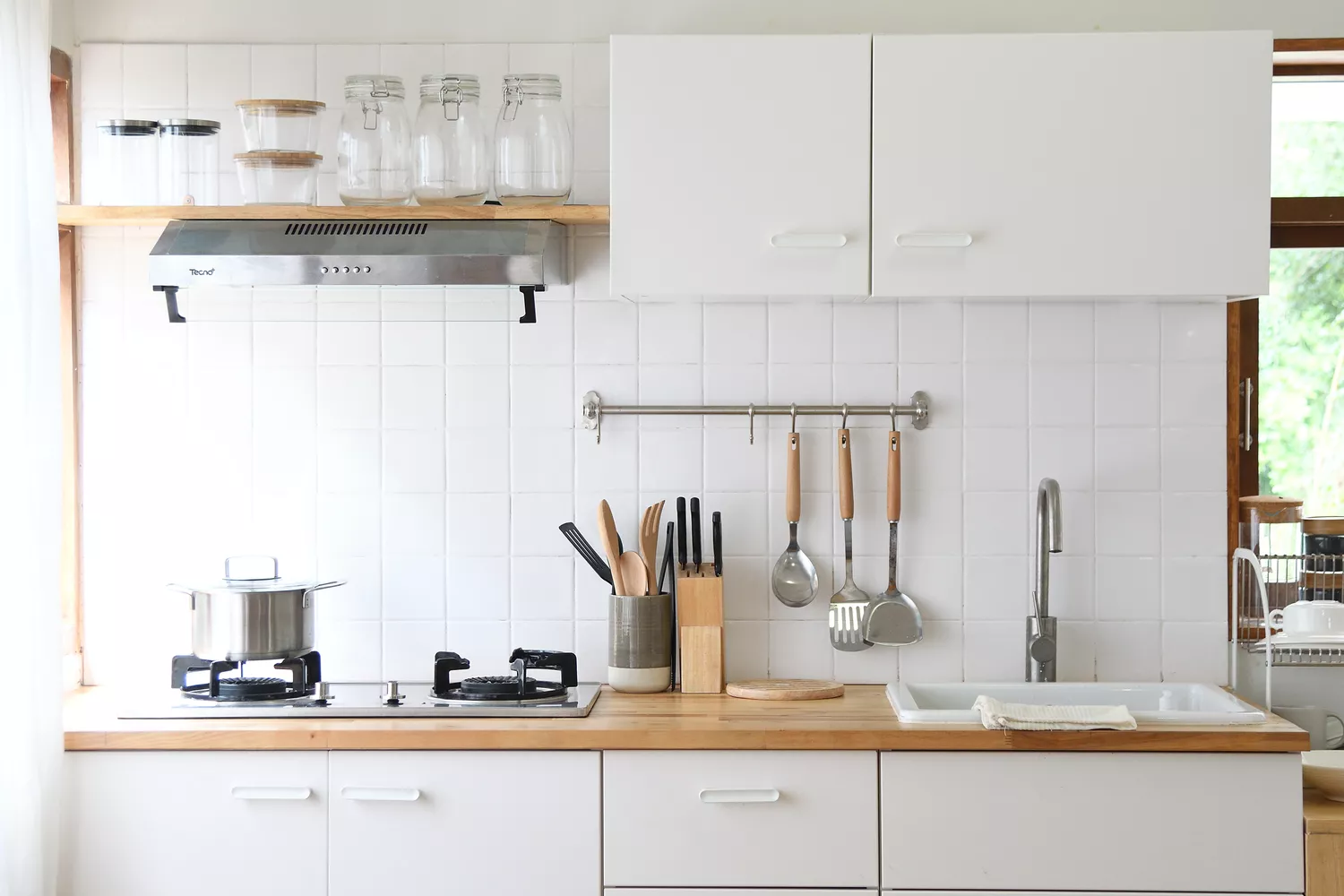
7 Tiny Kitchen Ideas That Will Optimize Even the Smallest of Spaces

What kitchen floor colors make a small space look bigger? Interior pros spill their secrets

9 inexpensive kitchen flooring options – budget-friendly ideas you can DIY
15 Kitchen Flooring Ideas For A Practical And Stylish Space
7 narrow kitchen island ideas that will work in even the smallest of spaces

5 small kitchen ideas that make the most of a compact space

9 Affordable Kitchen Flooring Ideas That Don’t Compromise on Style

Modern small kitchen ideas – 10 clever design tricks to make a compact kitchen appear bigger
7 narrow kitchen island ideas that will work in even the smallest of spaces

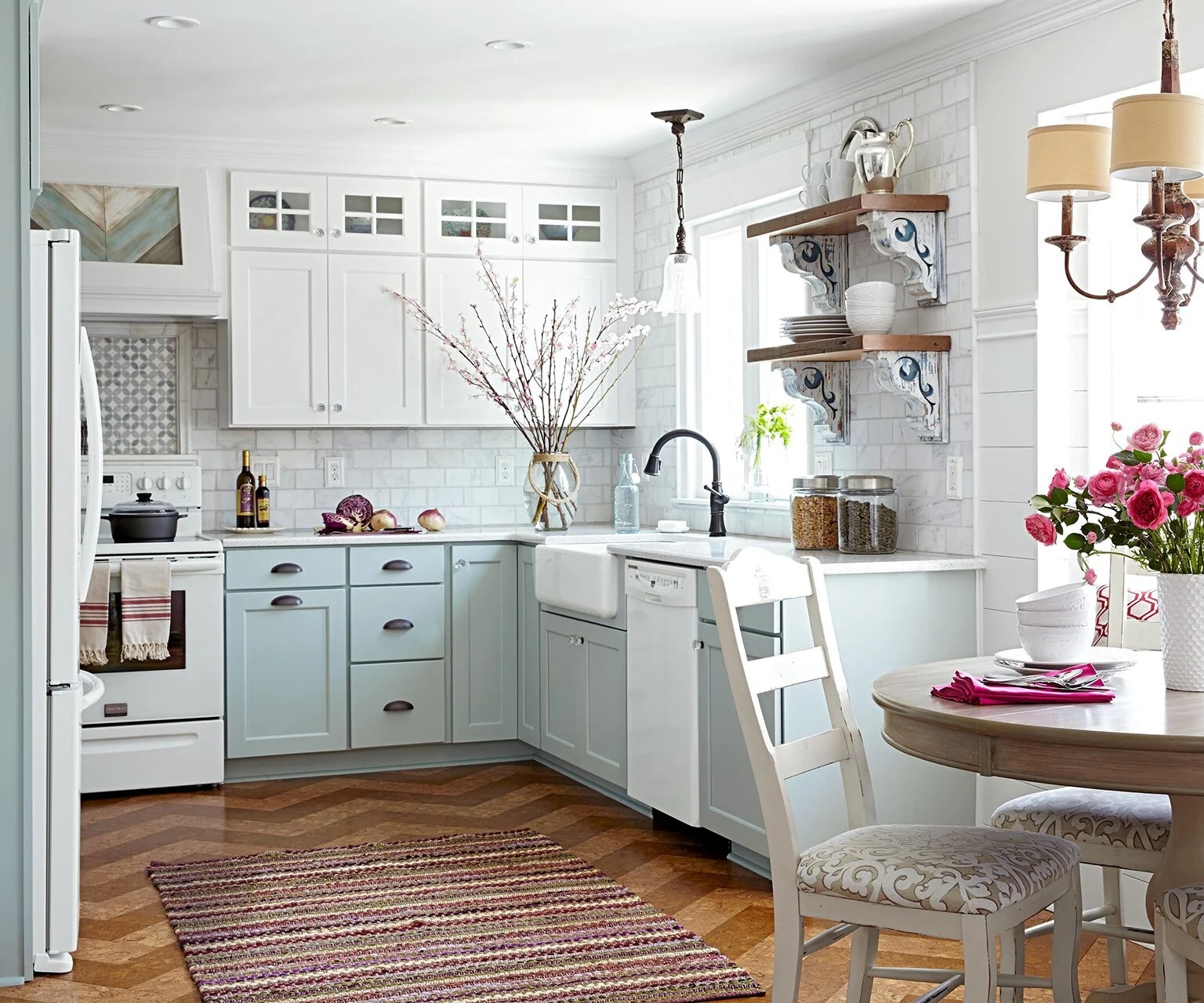
9 Affordable Kitchen Flooring Options for Your Next Remodel

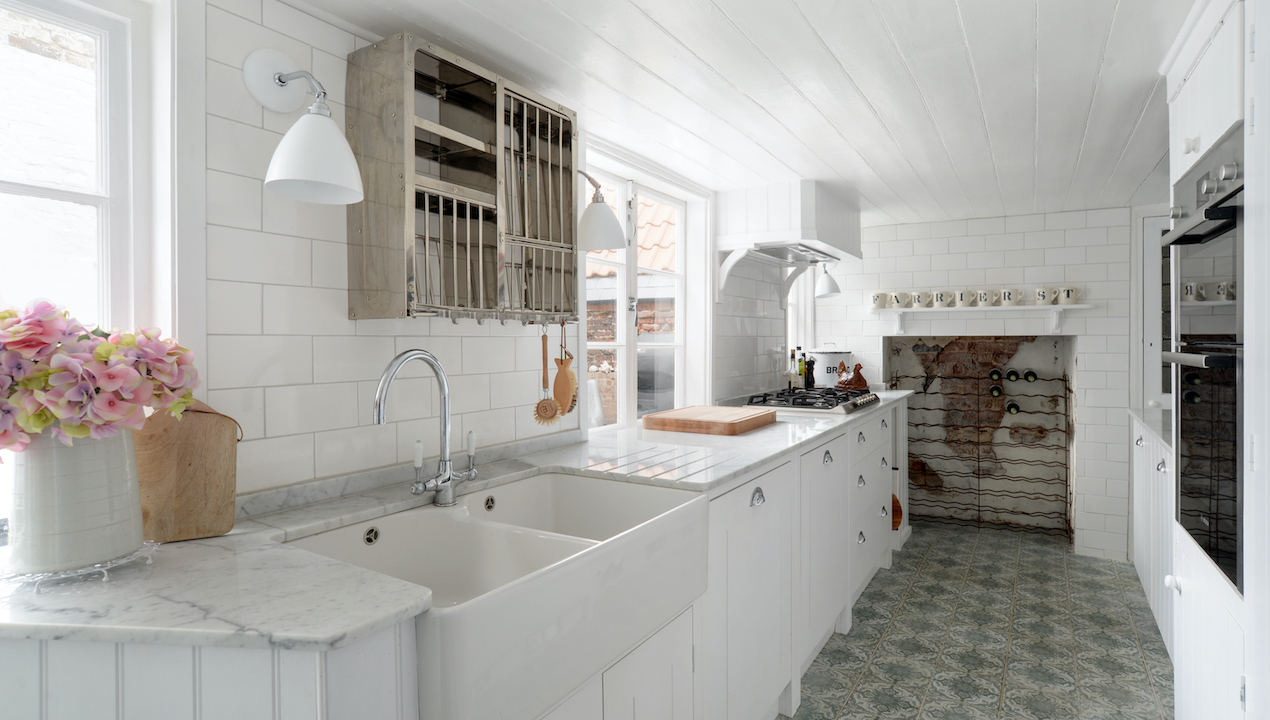
Narrow kitchen ideas – 10 genius ways to turn this tricky shape into a showstopper
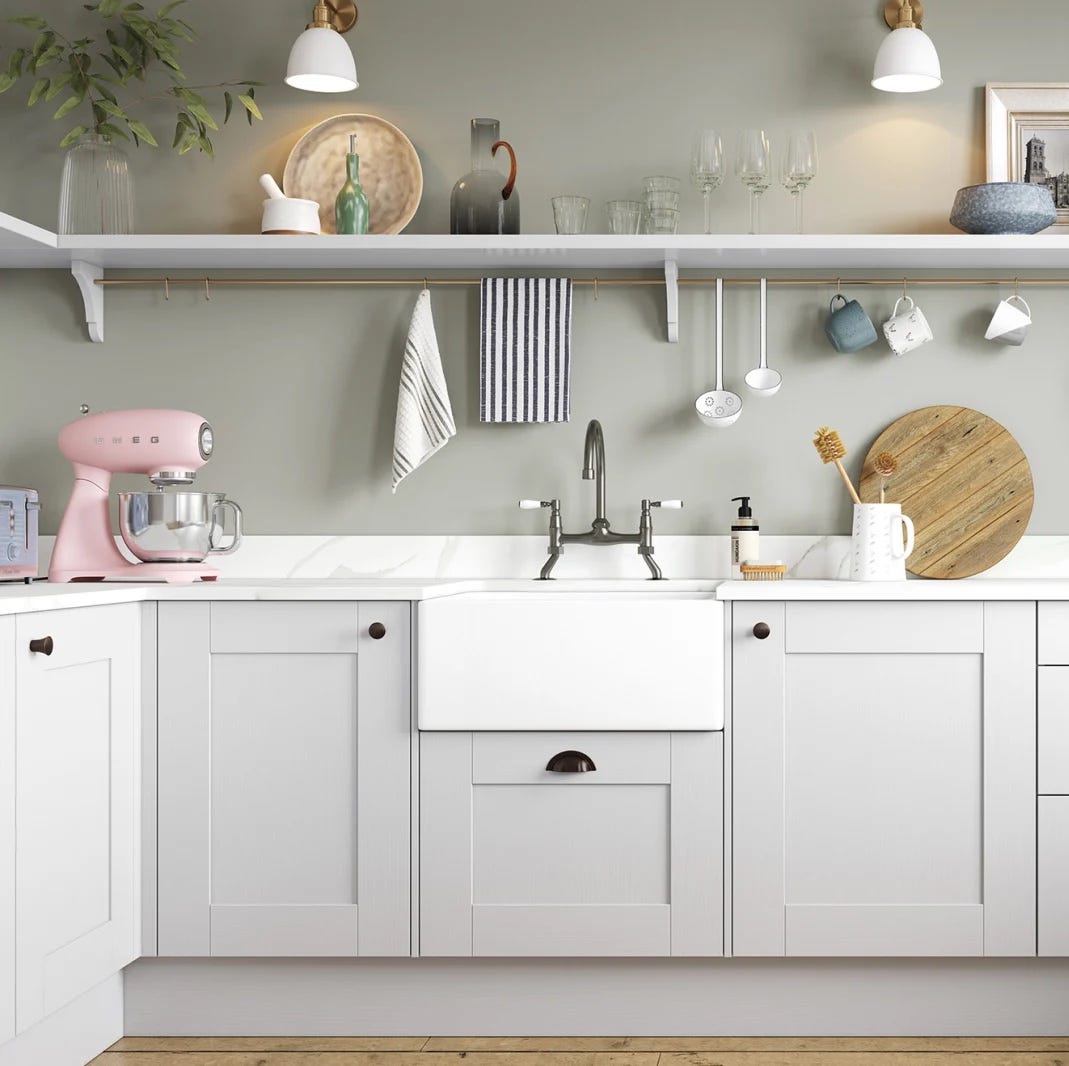
6 things to avoid to make your small kitchen look bigger

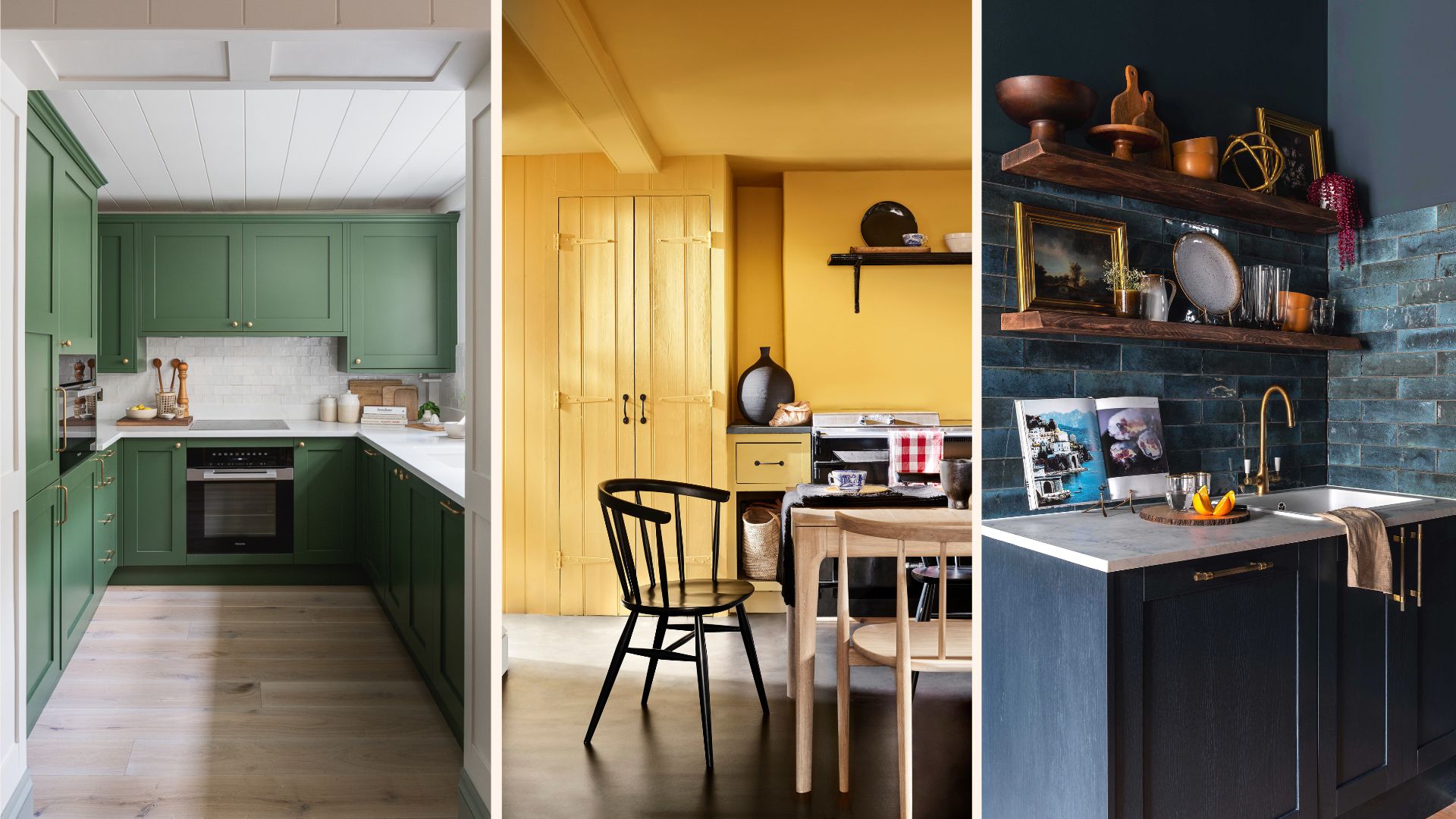
Experts reveal the best small kitchen color ideas to maximize compact spaces

Clever small kitchen layouts that will maximise even the tiniest of spaces
The Most Popular Kitchen Flooring Ideas for Every Style

15 Modern Kitchen Flooring Ideas

26 Small Kitchen Ideas To Make The Most Of Your Space