1/3
12 Interior Trends Designers Are Officially Ditching in 2025
The field of interior design is characterized by a dynamic interplay of evolving trends, where certain aesthetics rise to prominence only to recede as new preferences emerge. This comprehensive overview, based on insights from leading designers, identifies twelve interior design trends from 2024 that are expected to be phased out in 2025, offering guidance on creating timeless and personalized spaces.
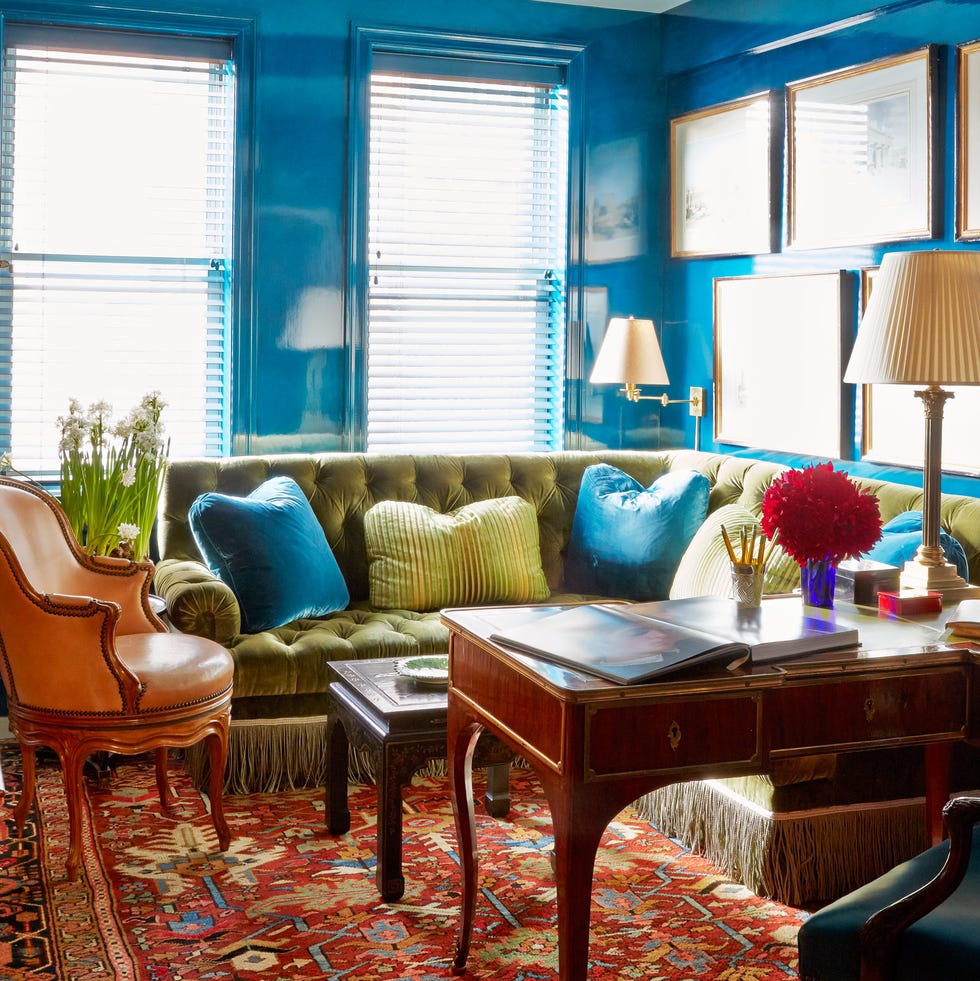
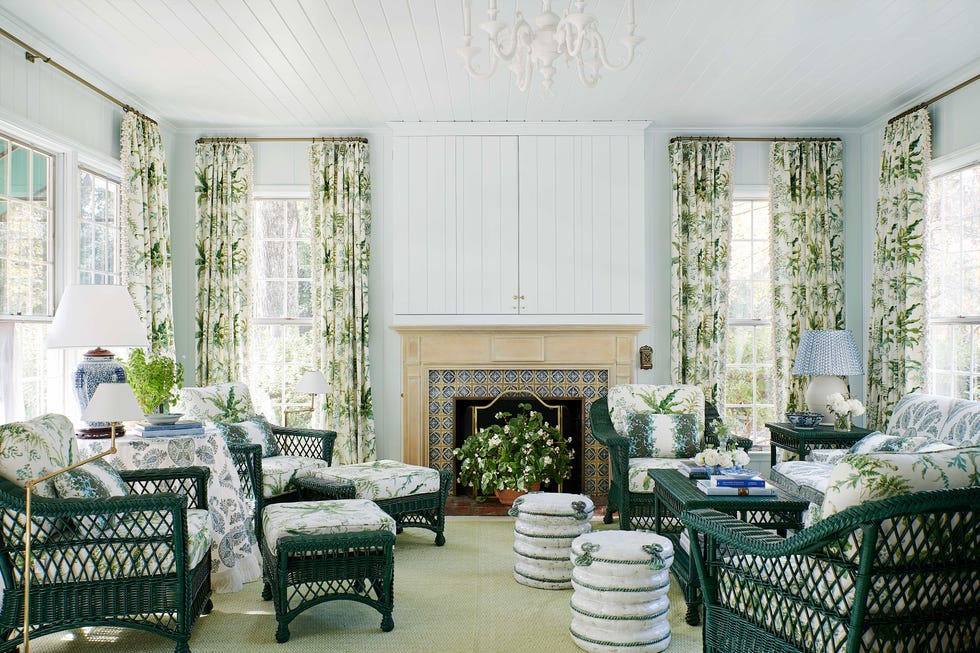
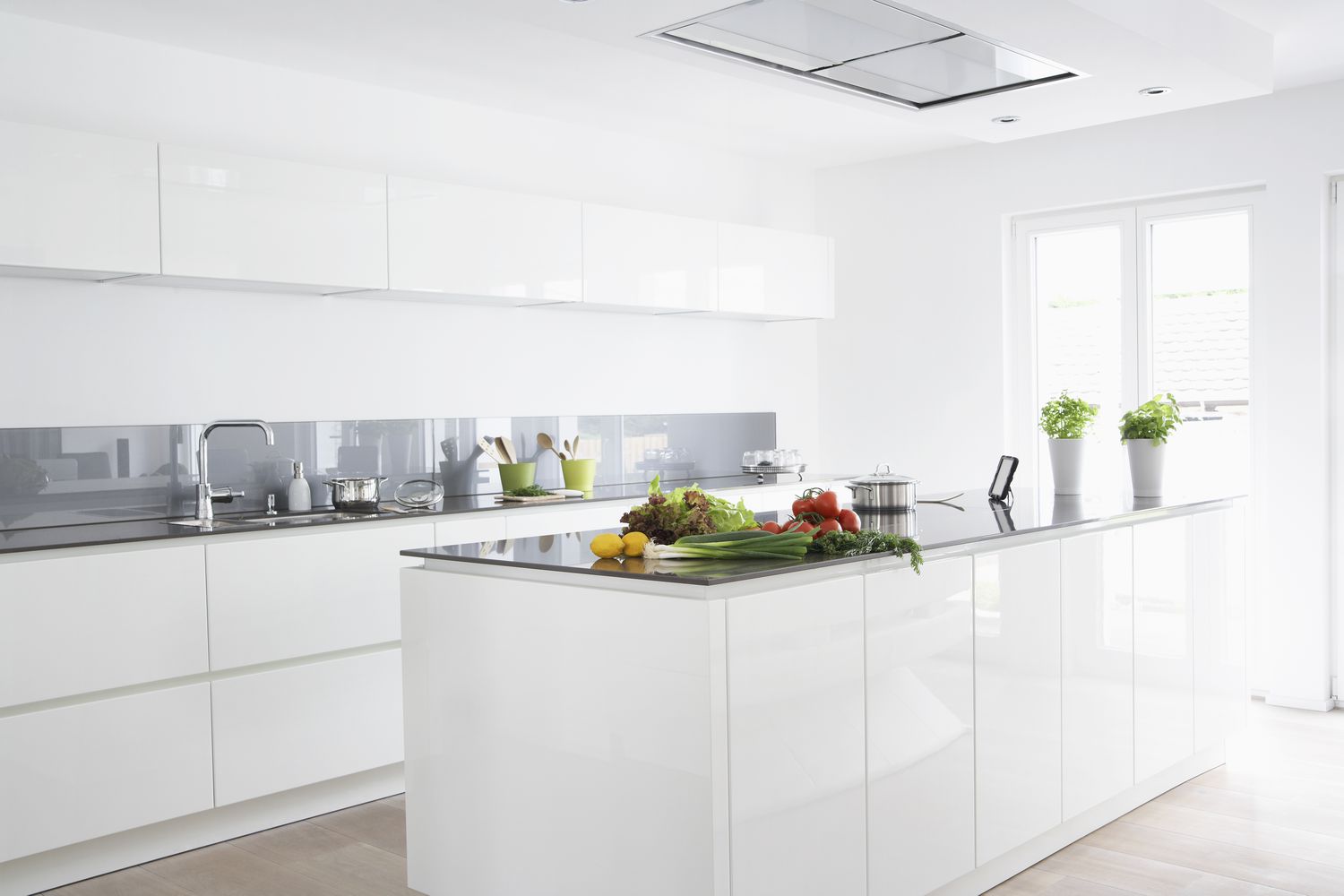
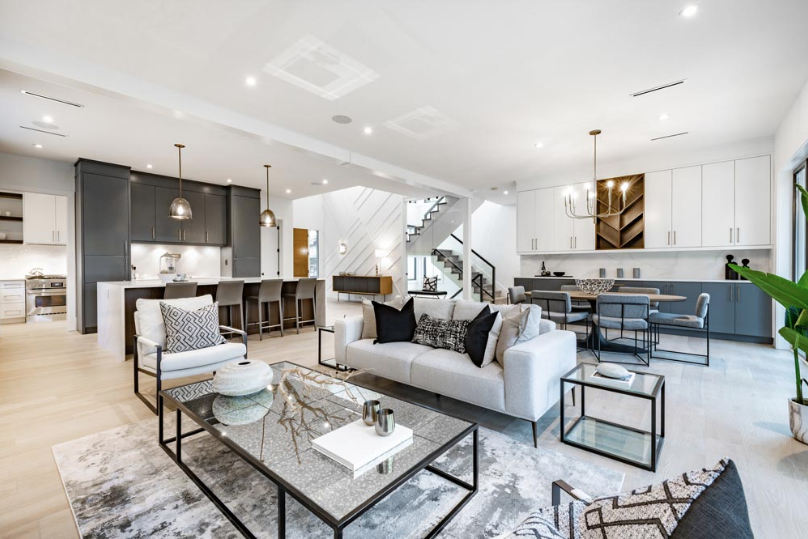
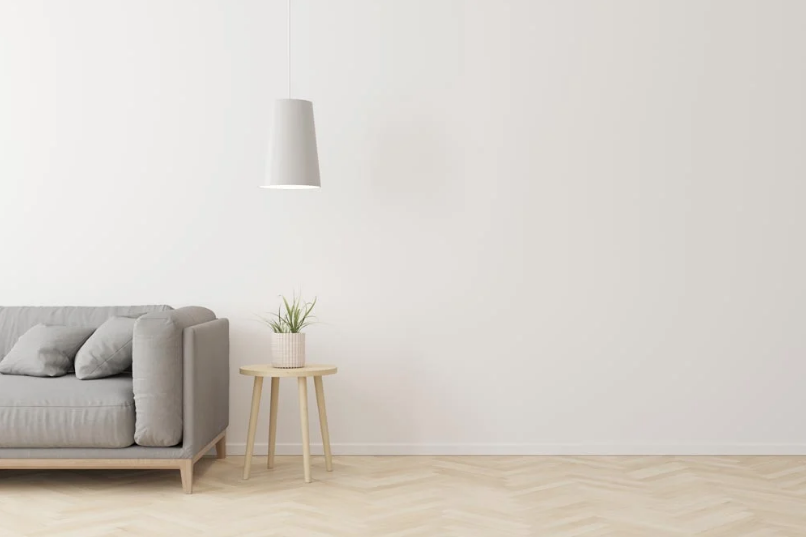
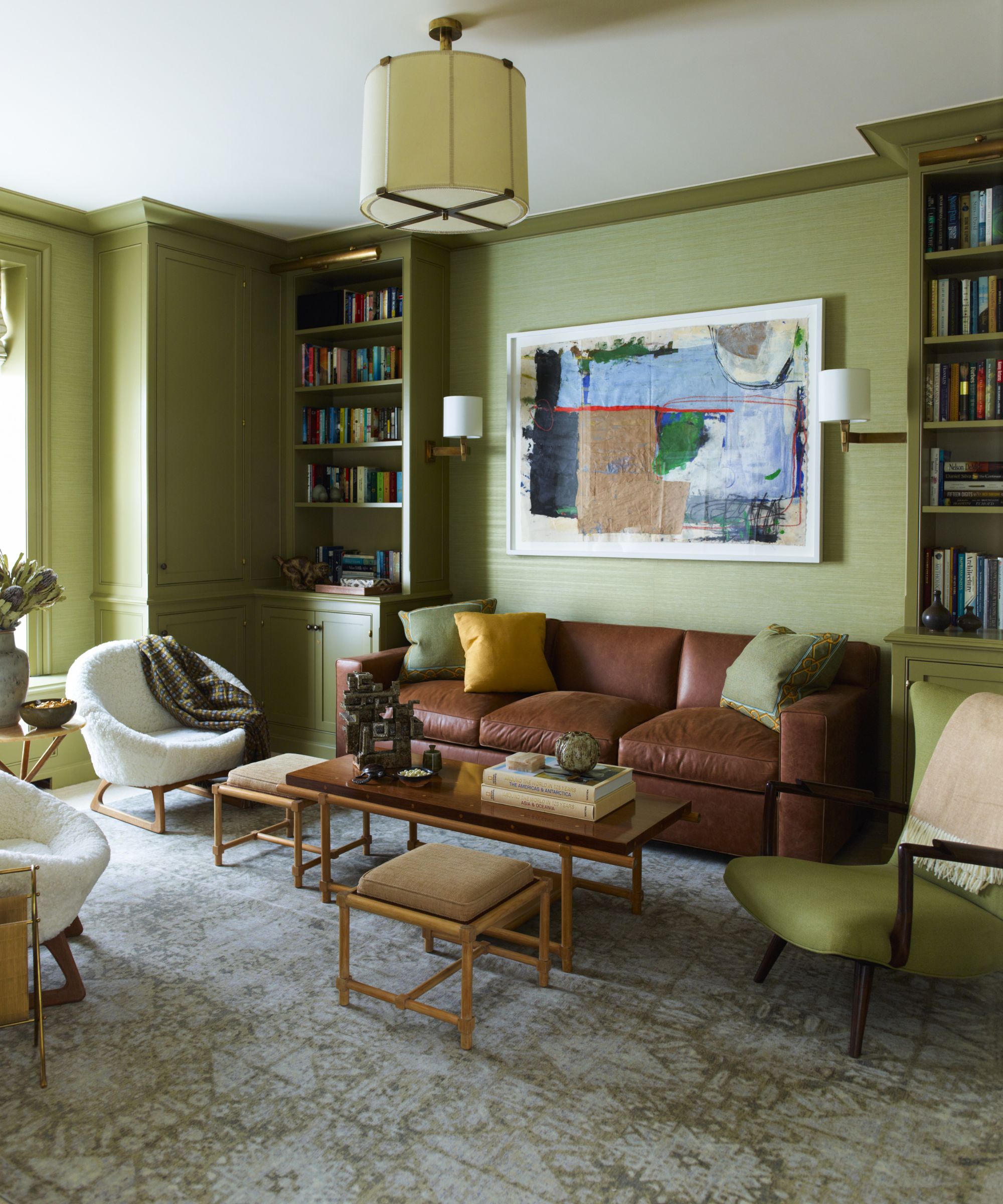
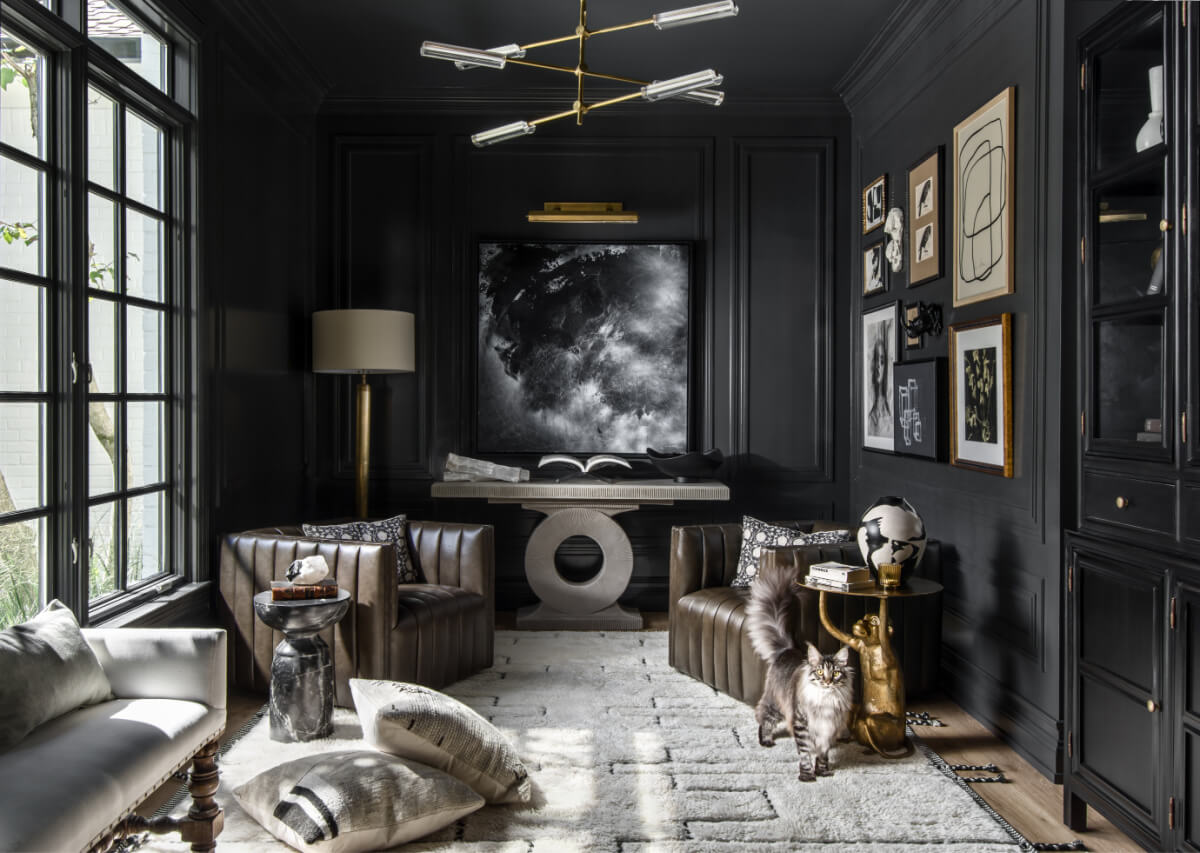
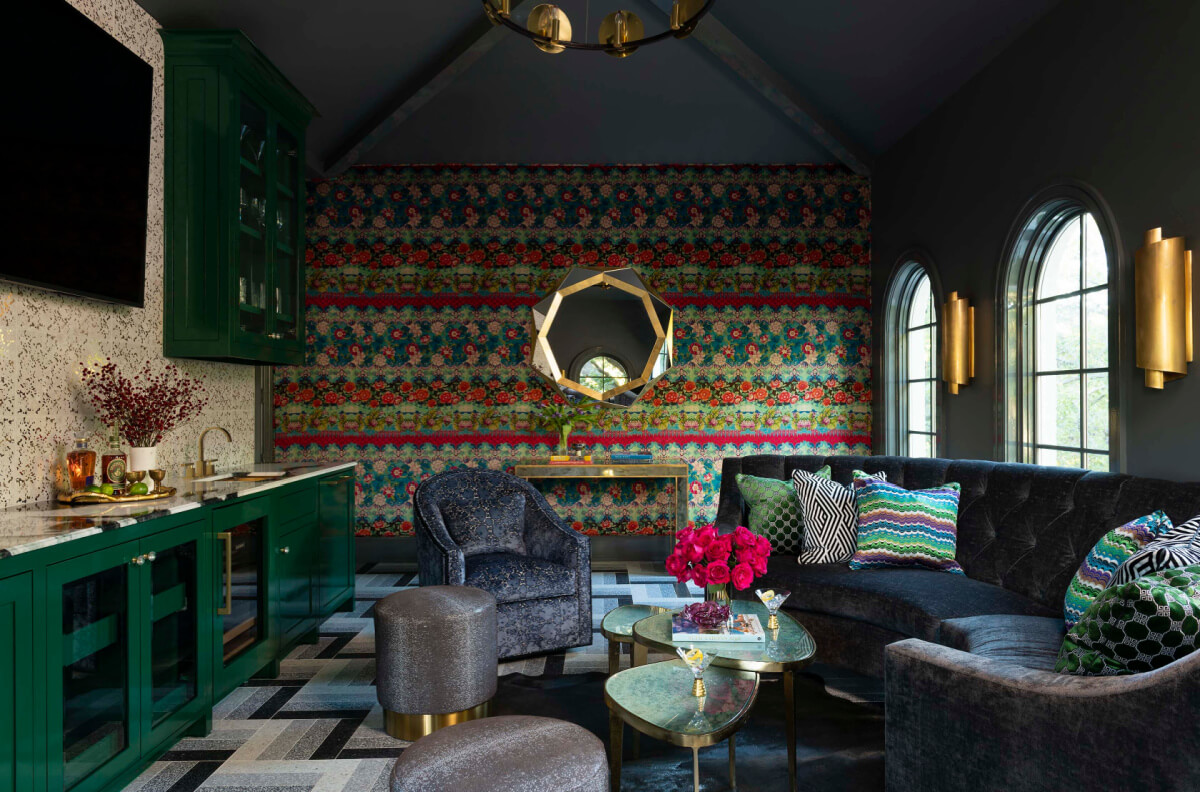
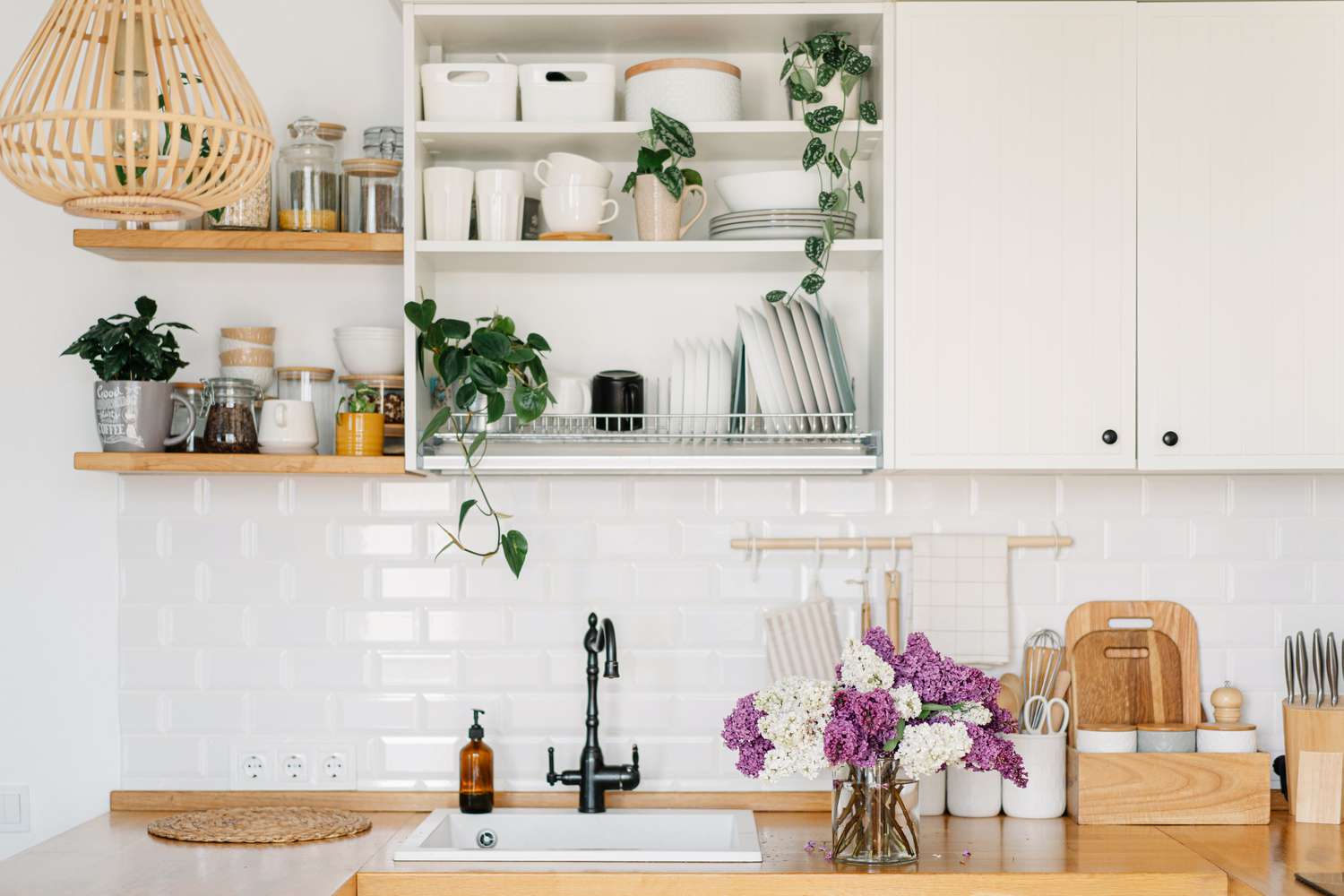
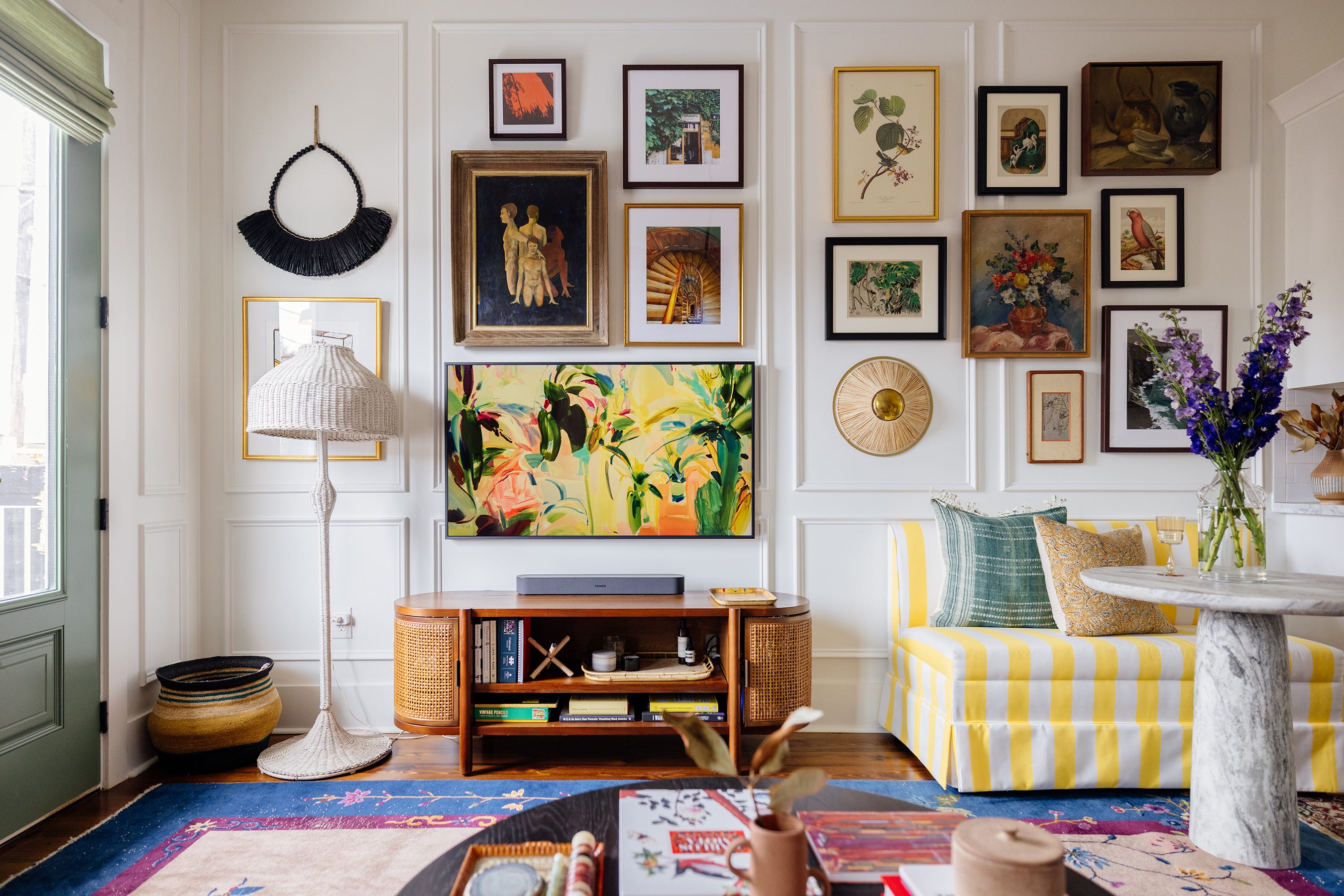
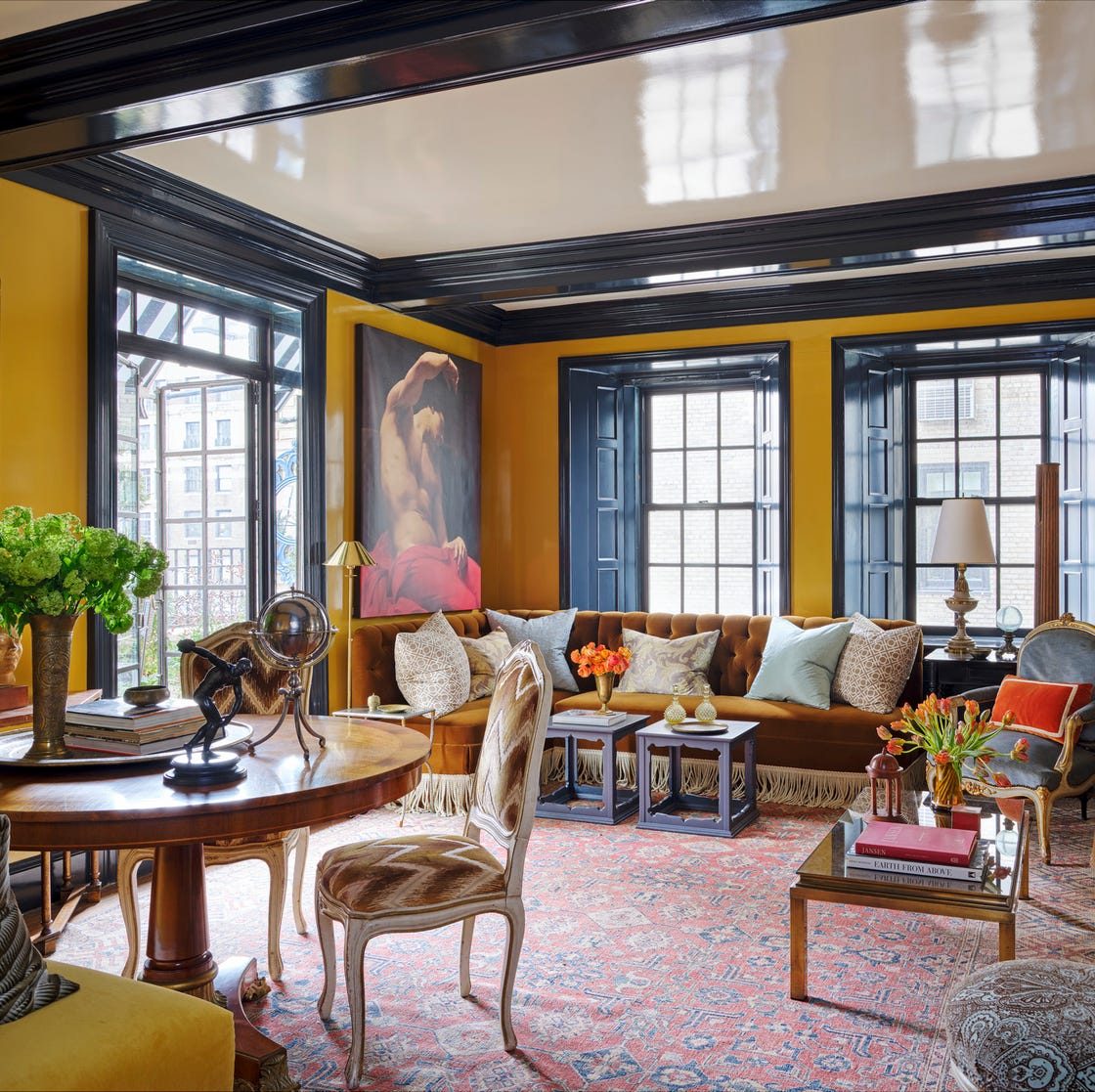
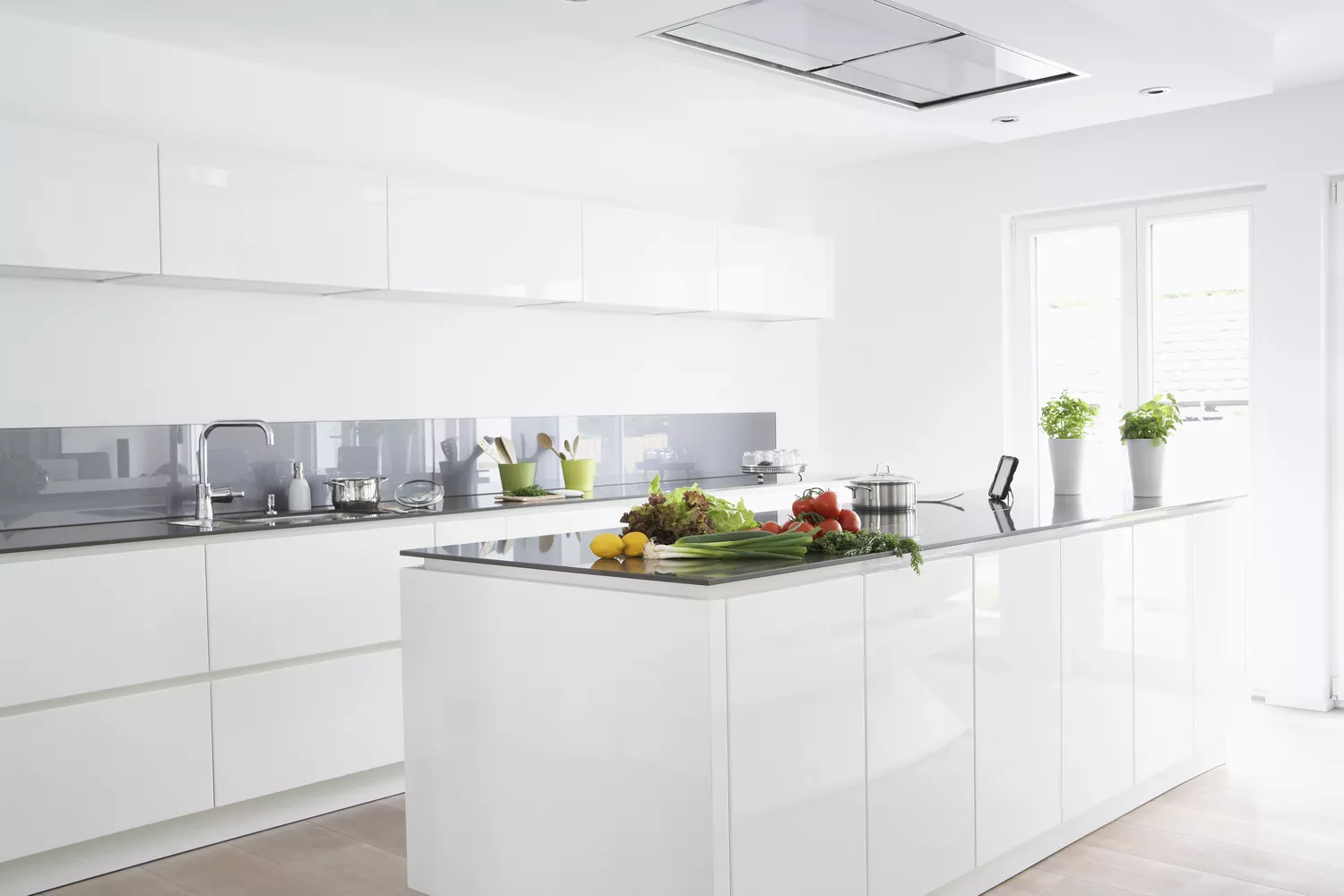
One significant trend slated for departure is 'extreme maximalism.' While maximalism, characterized by layering colors, patterns, and textures, can be sophisticated, its extreme iteration often results in cluttered and overwhelming environments. Designers advocate for a more thoughtful and restrained approach, emphasizing intentional curation over excessive accumulation, allowing individual pieces to harmonize with the architectural context of a room. Conversely, 'sterile minimalism' is also losing favor. Although minimalism promotes clean lines and uncluttered spaces, an overly bare interior can appear cold and impersonal, lacking warmth and character. Experts suggest incorporating elements that add life and personality, moving away from entirely white or stark environments.
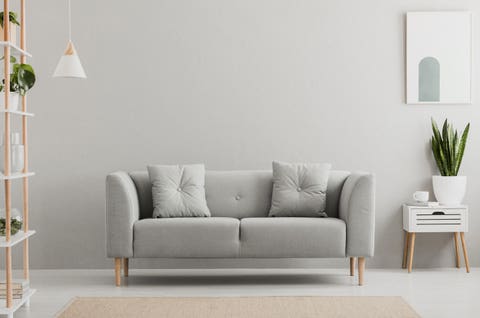
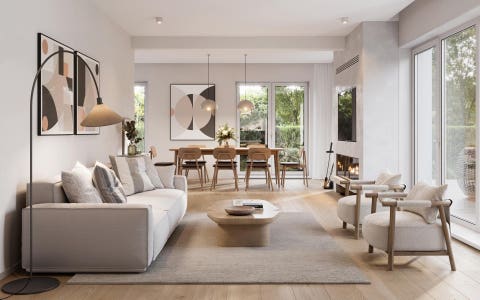
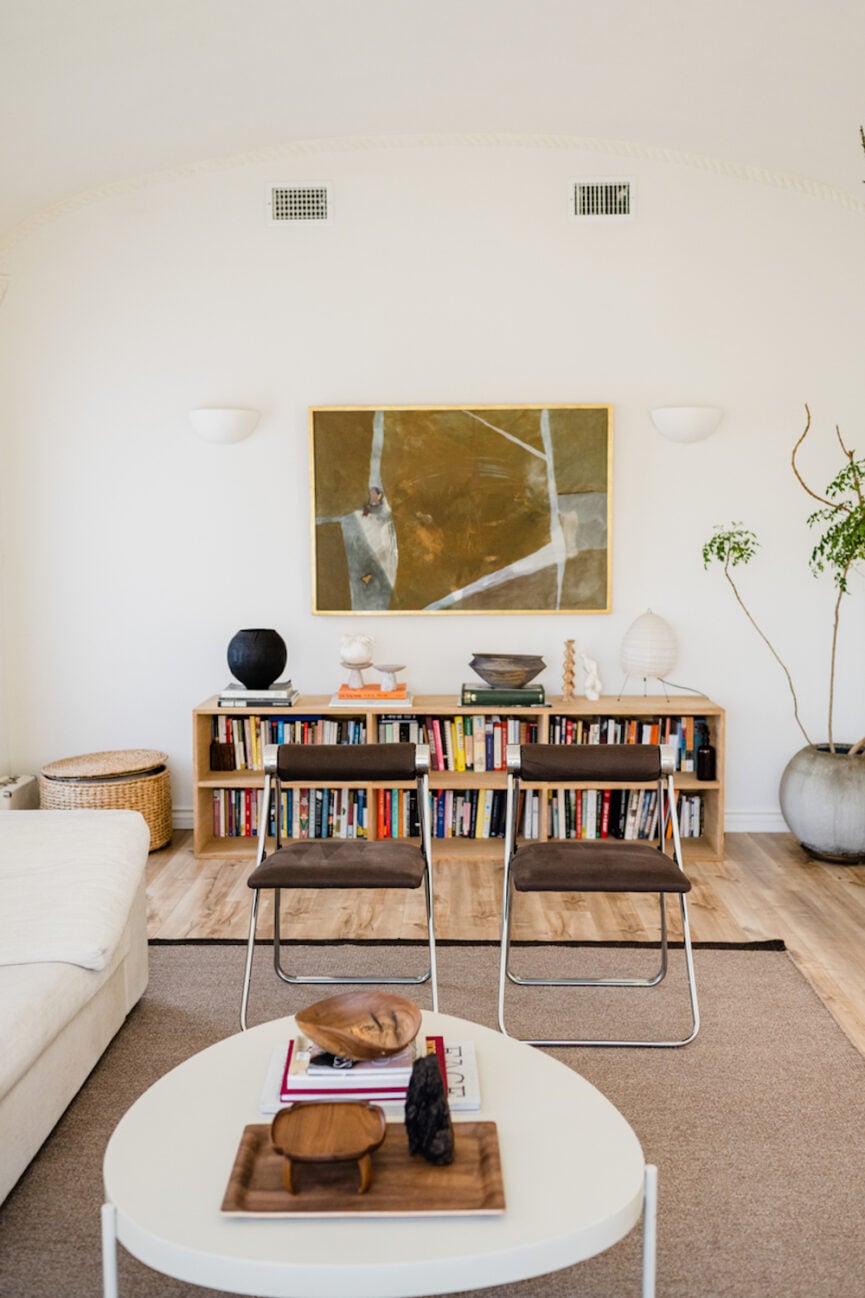
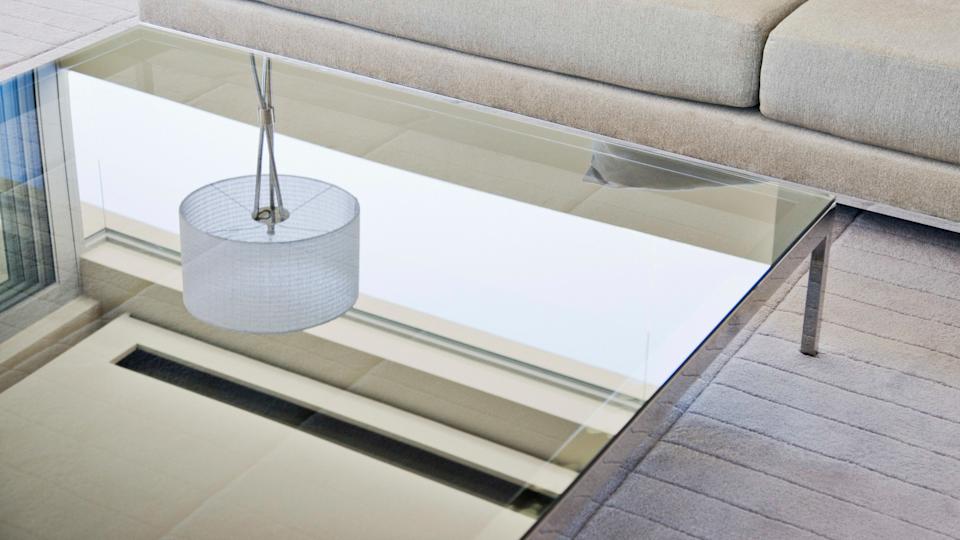
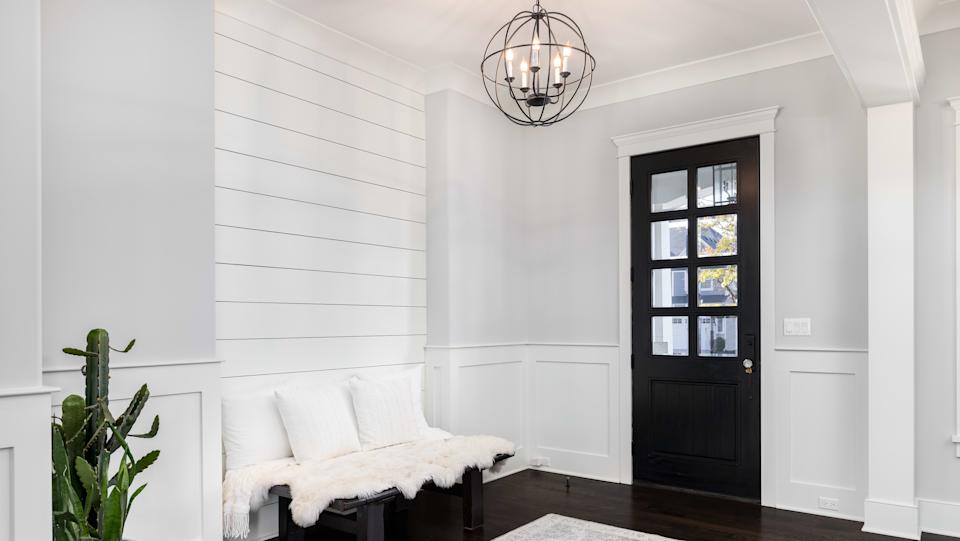
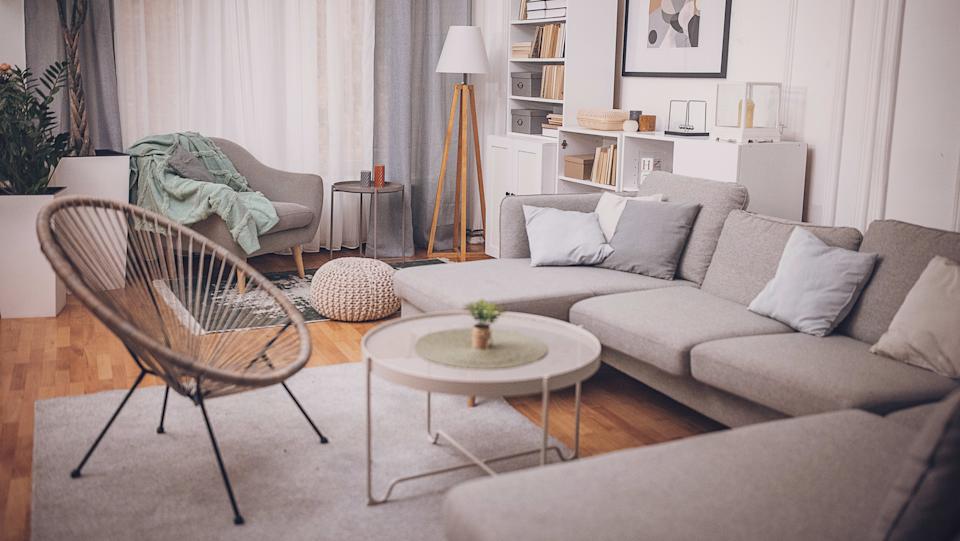
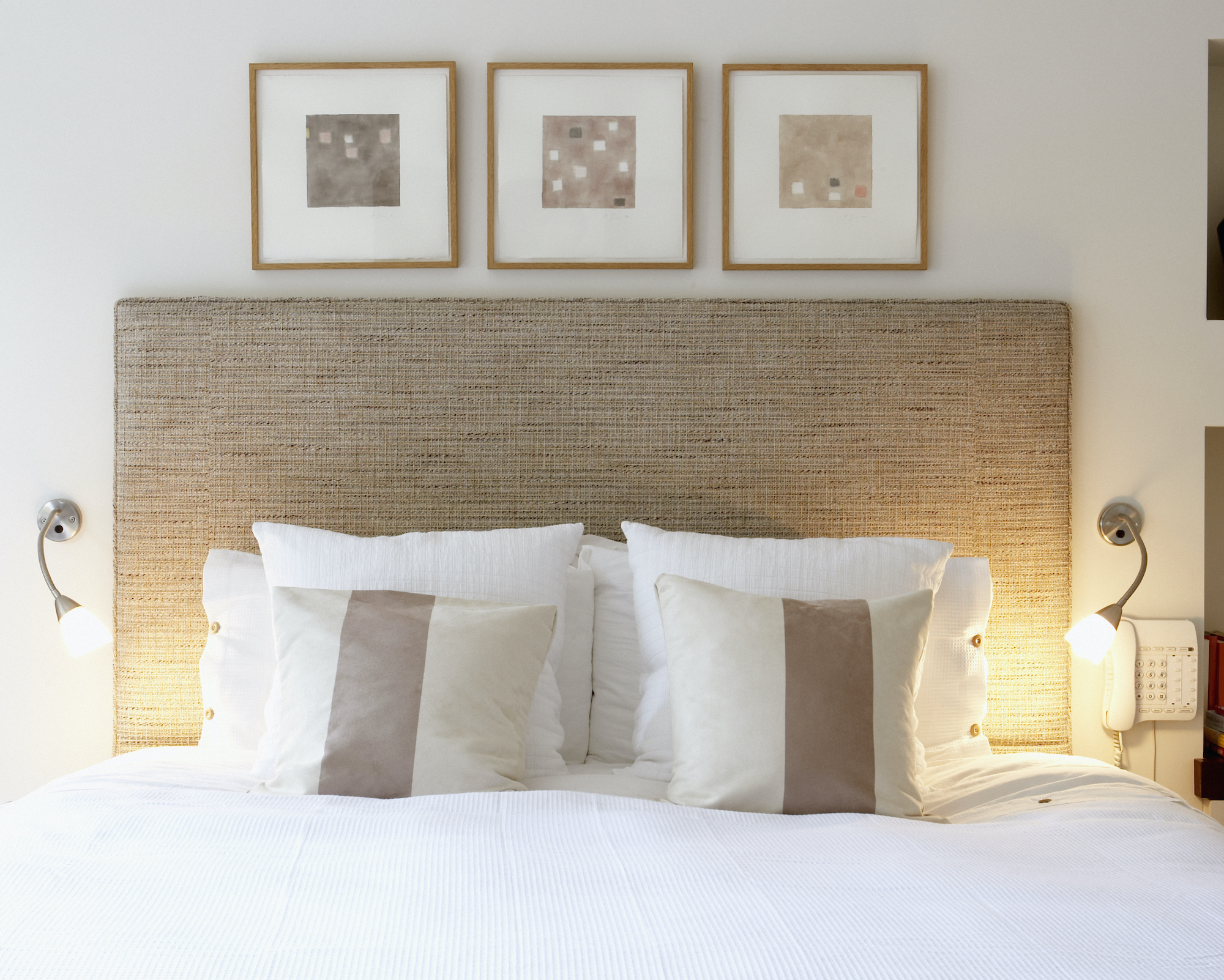
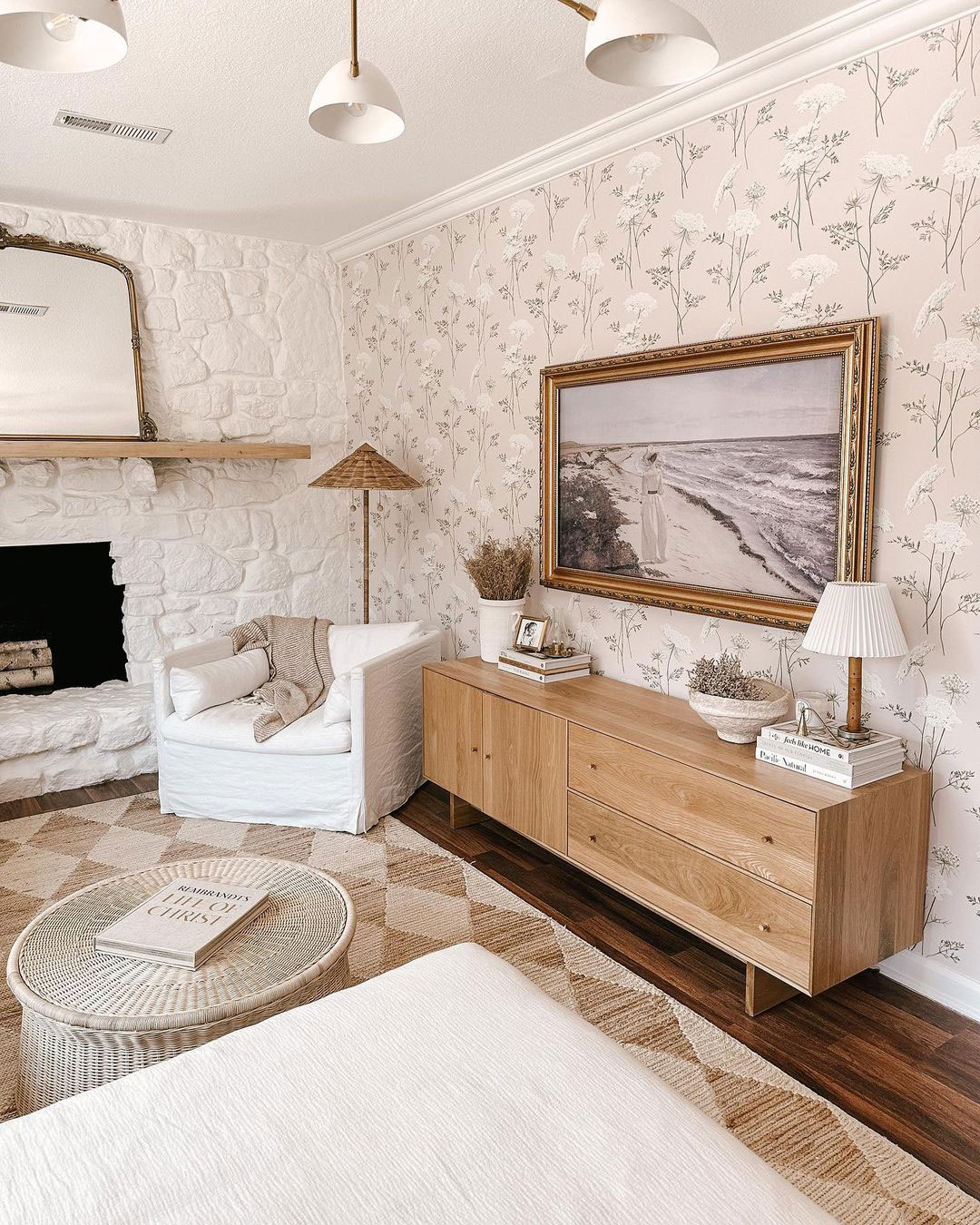
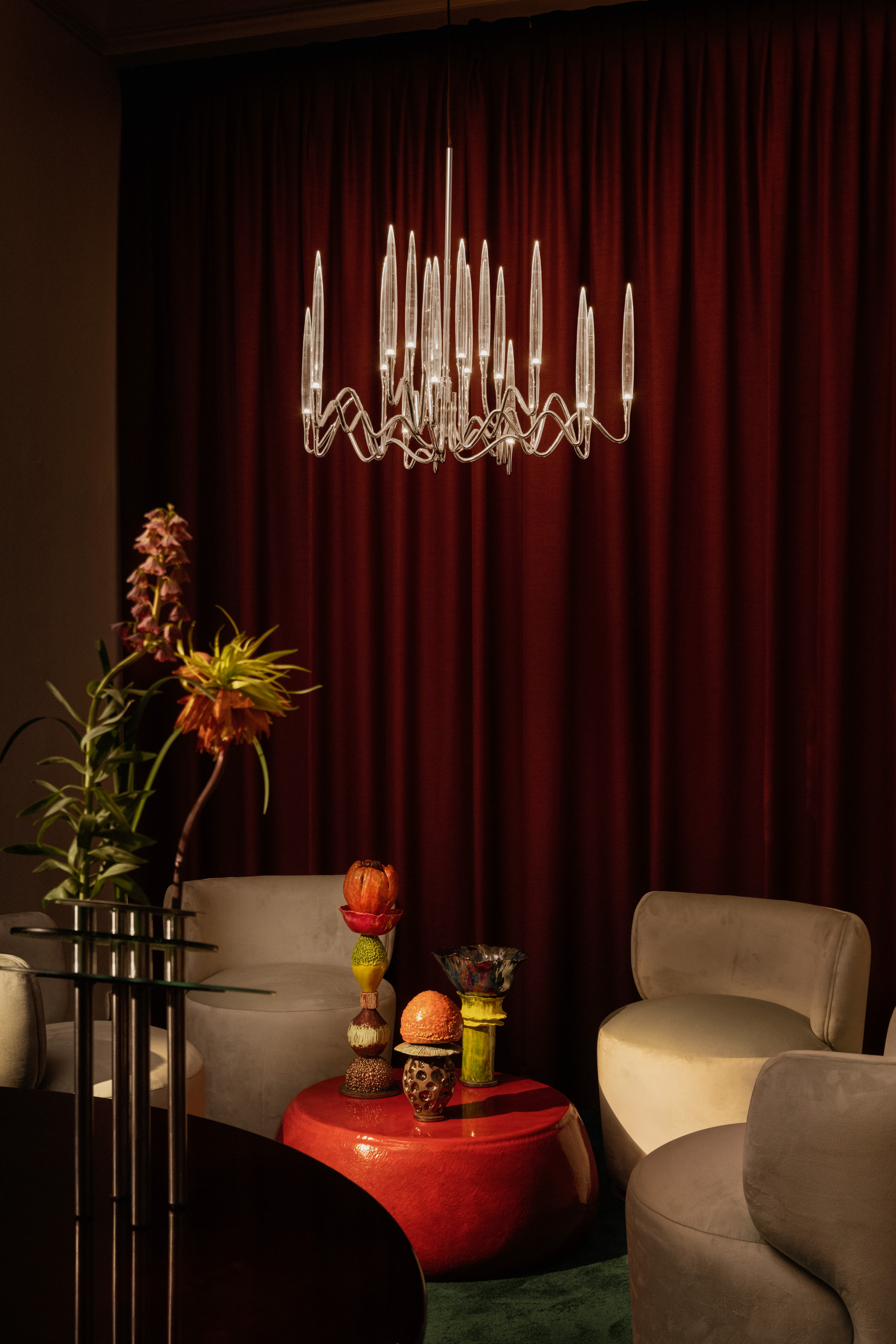
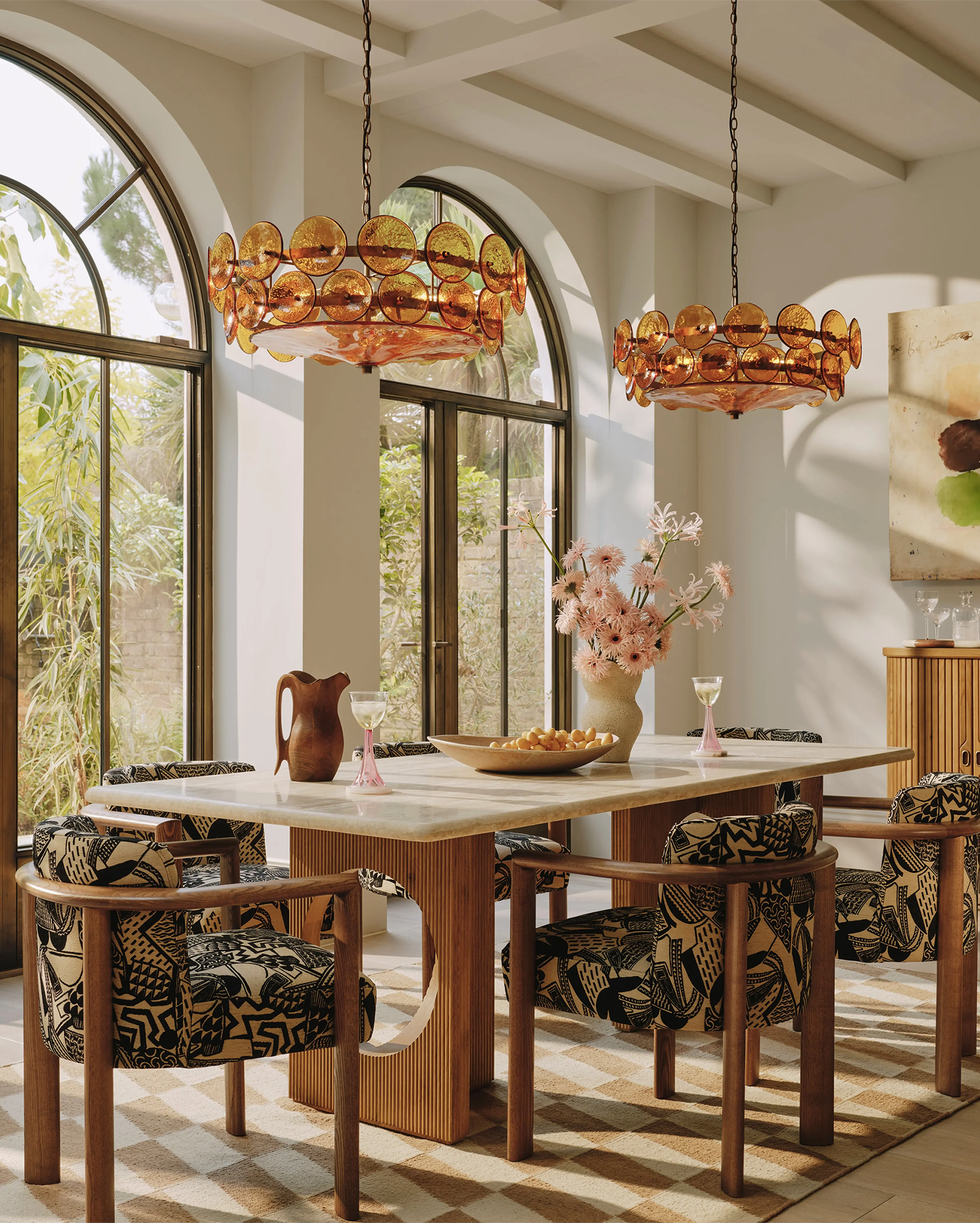
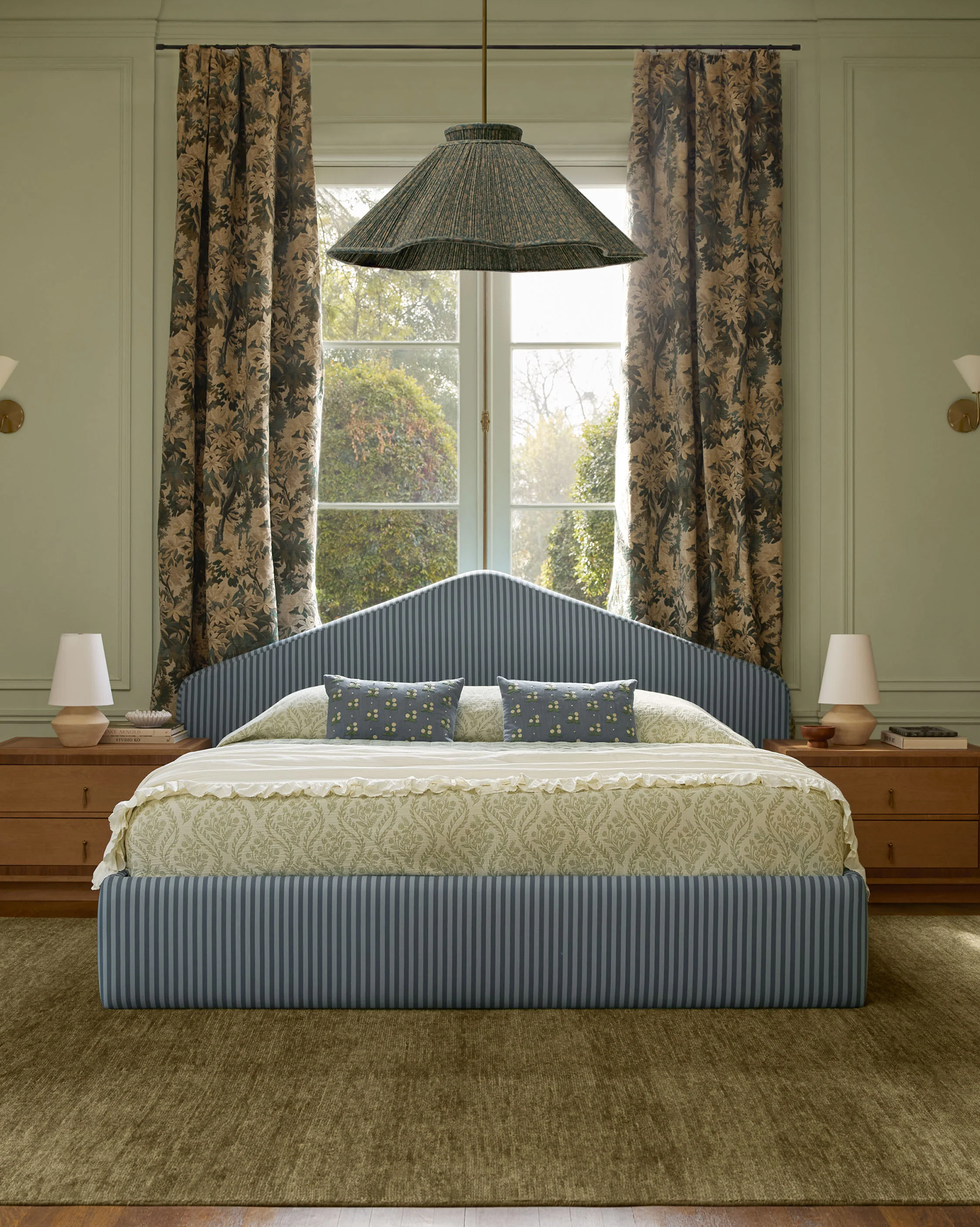
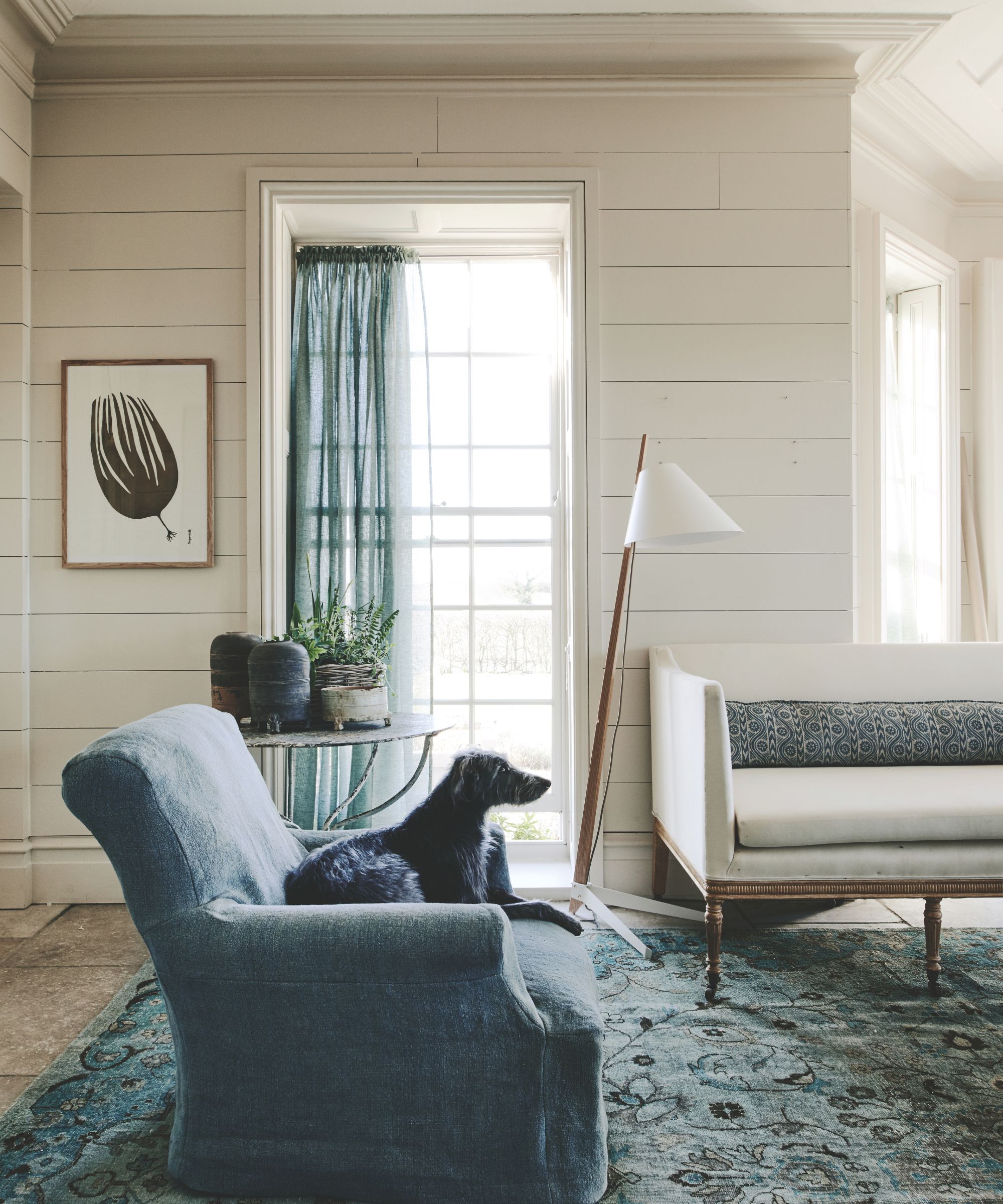
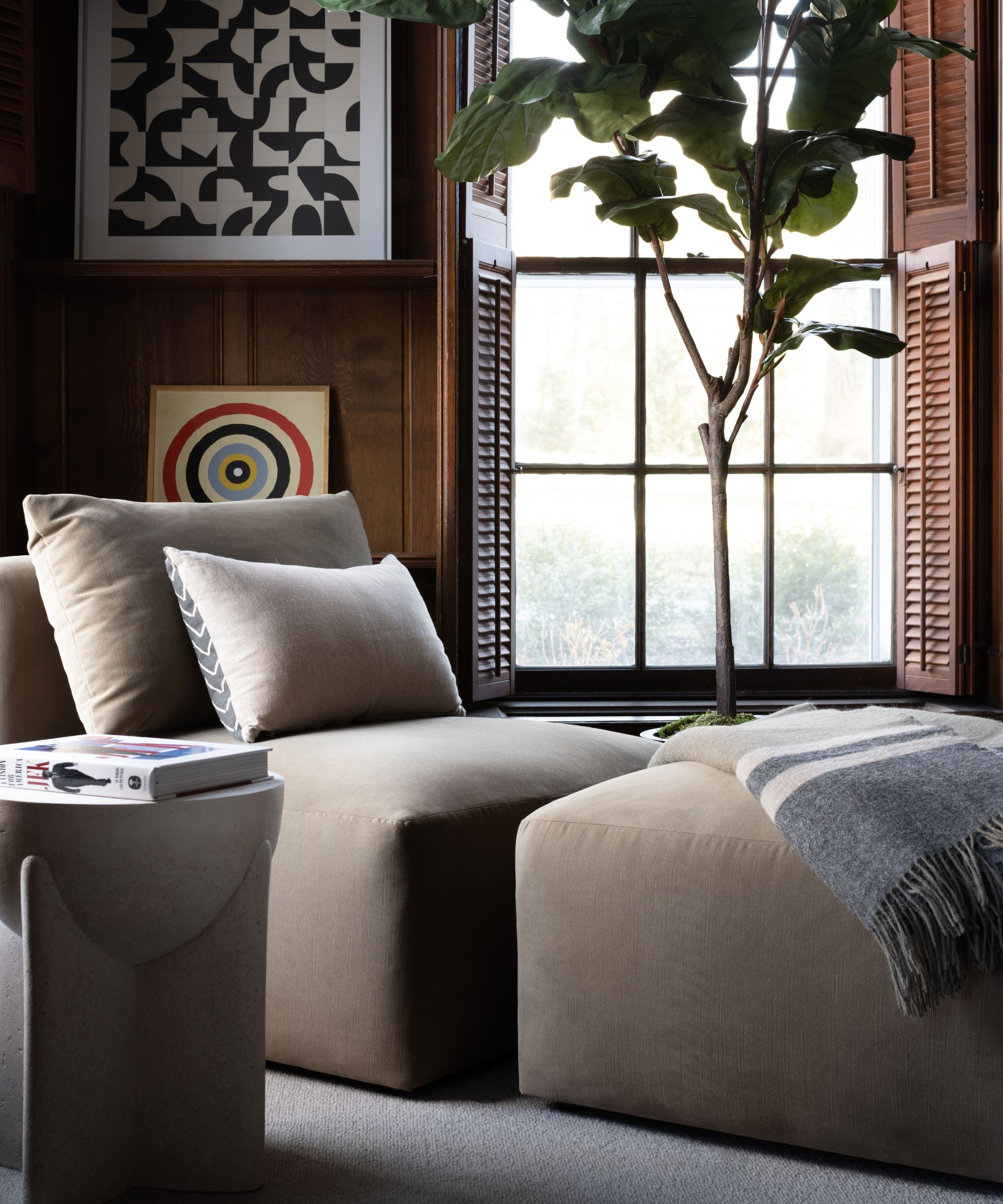
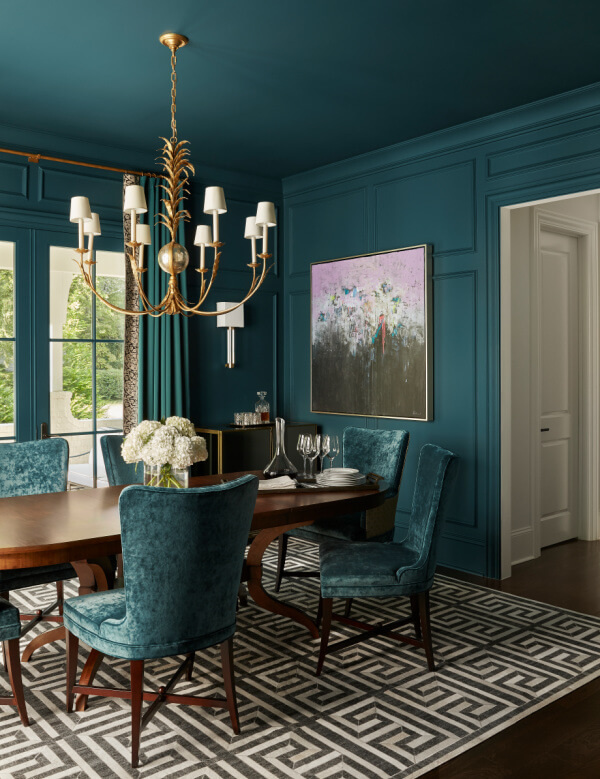
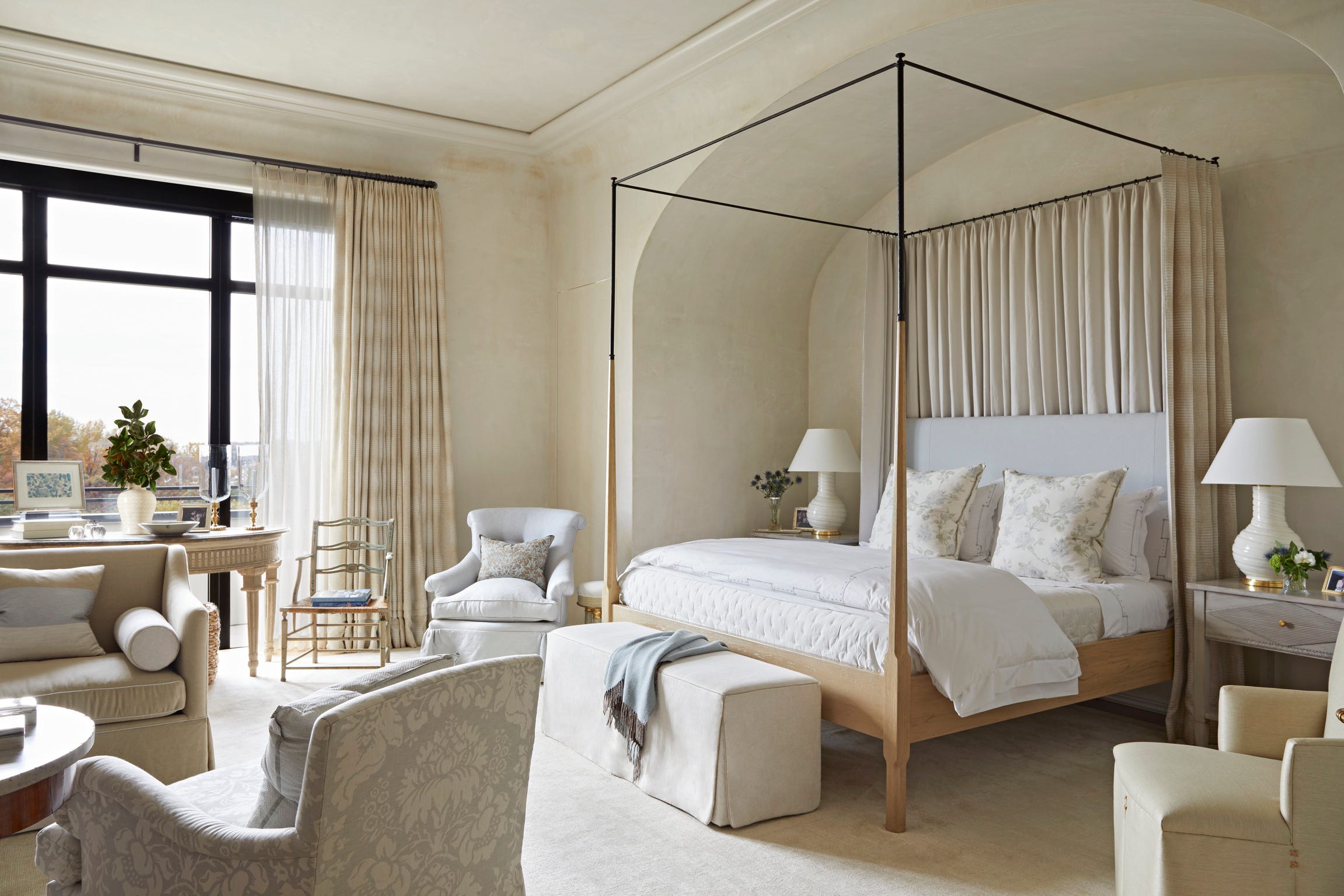
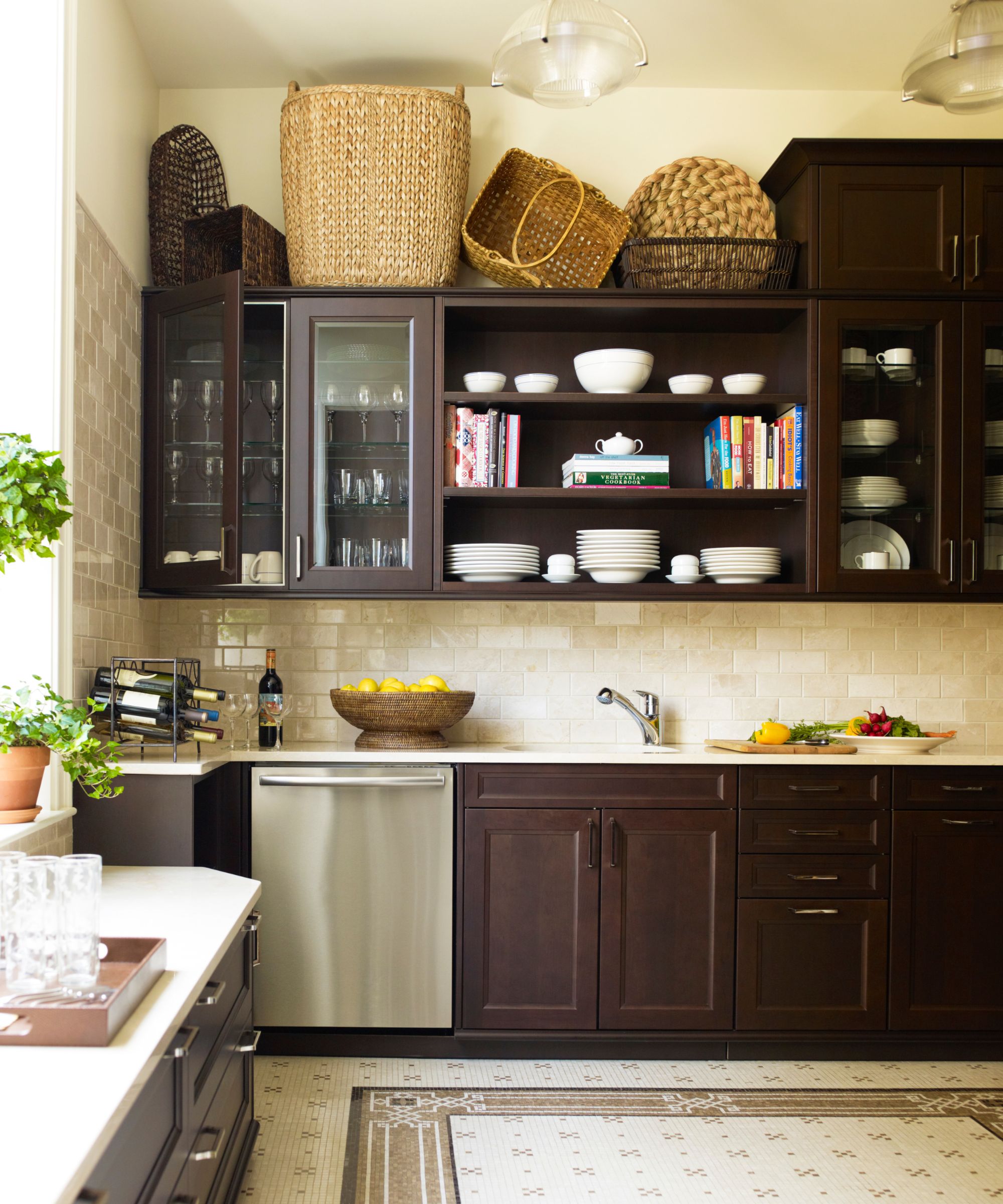
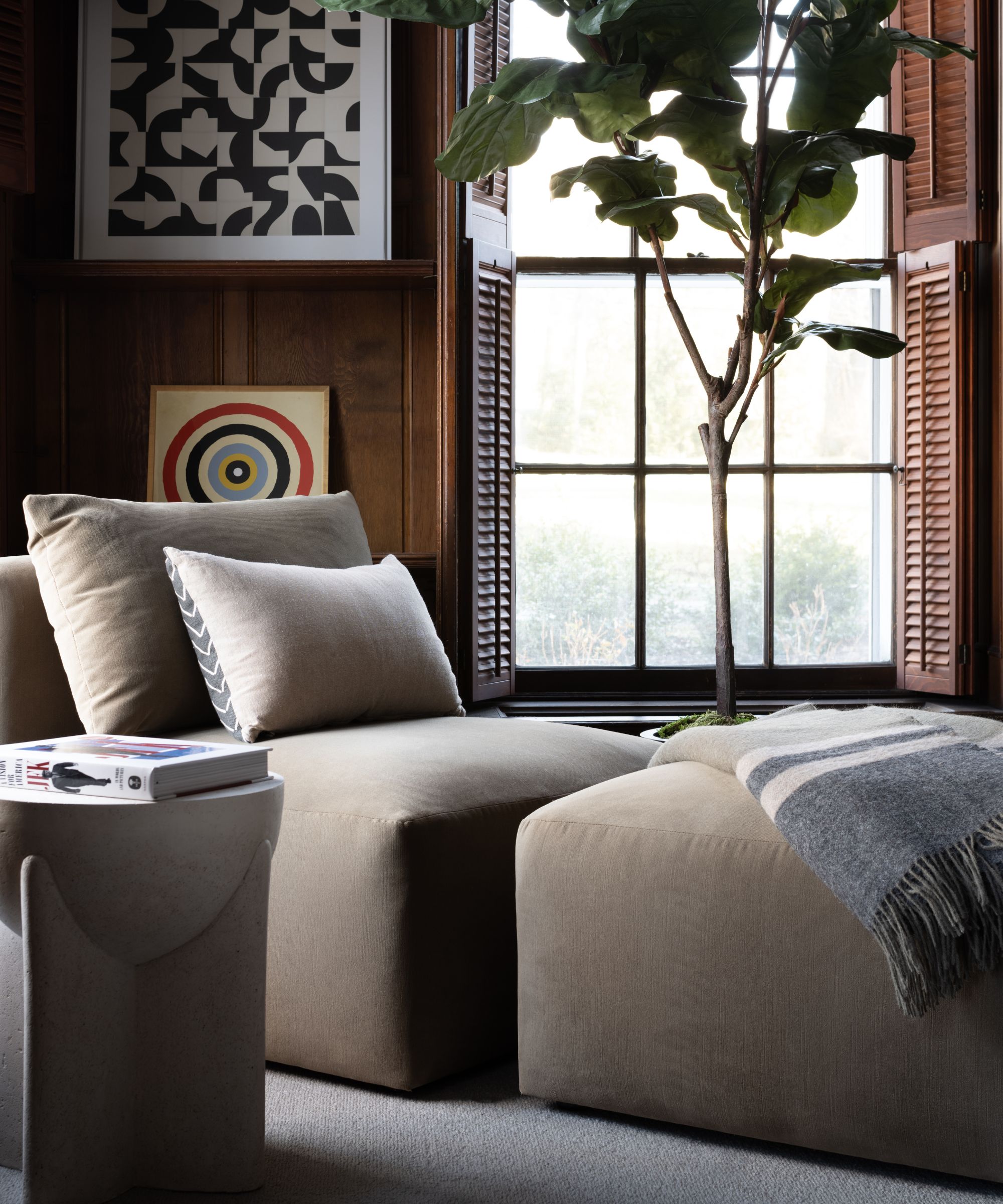
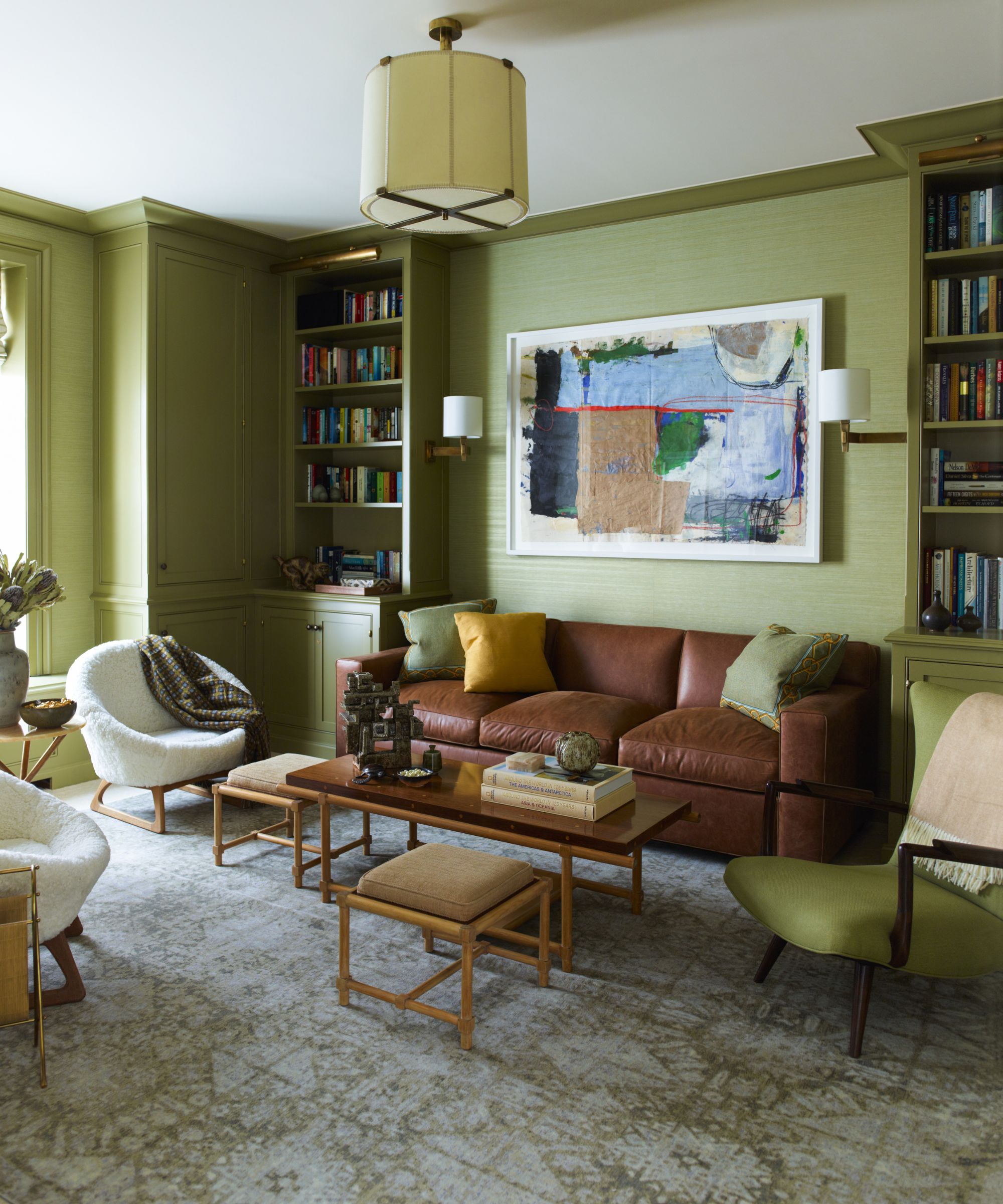
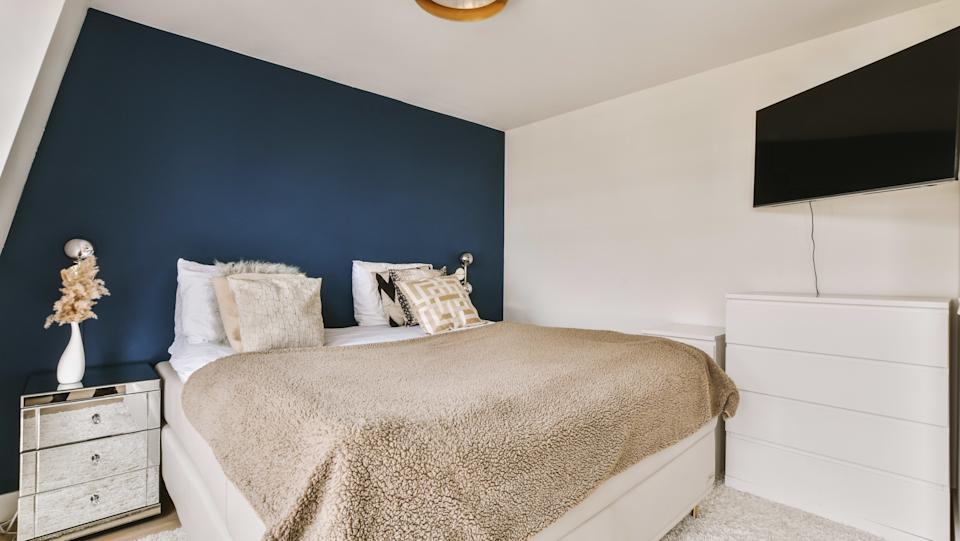
Following suit is the 'all beige everything' aesthetic, a close relative of sterile minimalism. While neutral tones offer a calming effect, an excessive reliance on beige throughout a home can lead to monotony. Designers are now encouraging more dynamic color palettes, integrating playful tones to add visual interest and vibrancy to interiors. 'Large central light fixtures,' often referred to as 'Big Lights,' are another trend being phased out. These fixtures, while capable of creating dramatic focal points, frequently fail to establish an inviting atmosphere. The preference is shifting towards layered and moody accent lighting, which can create more cozy and intimate settings.
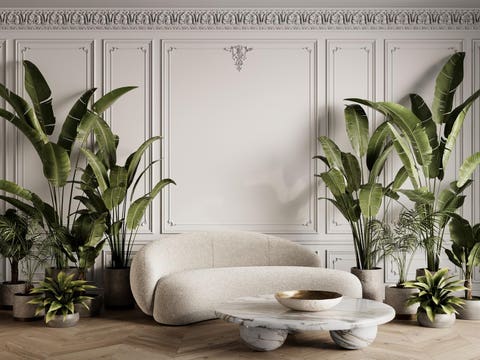
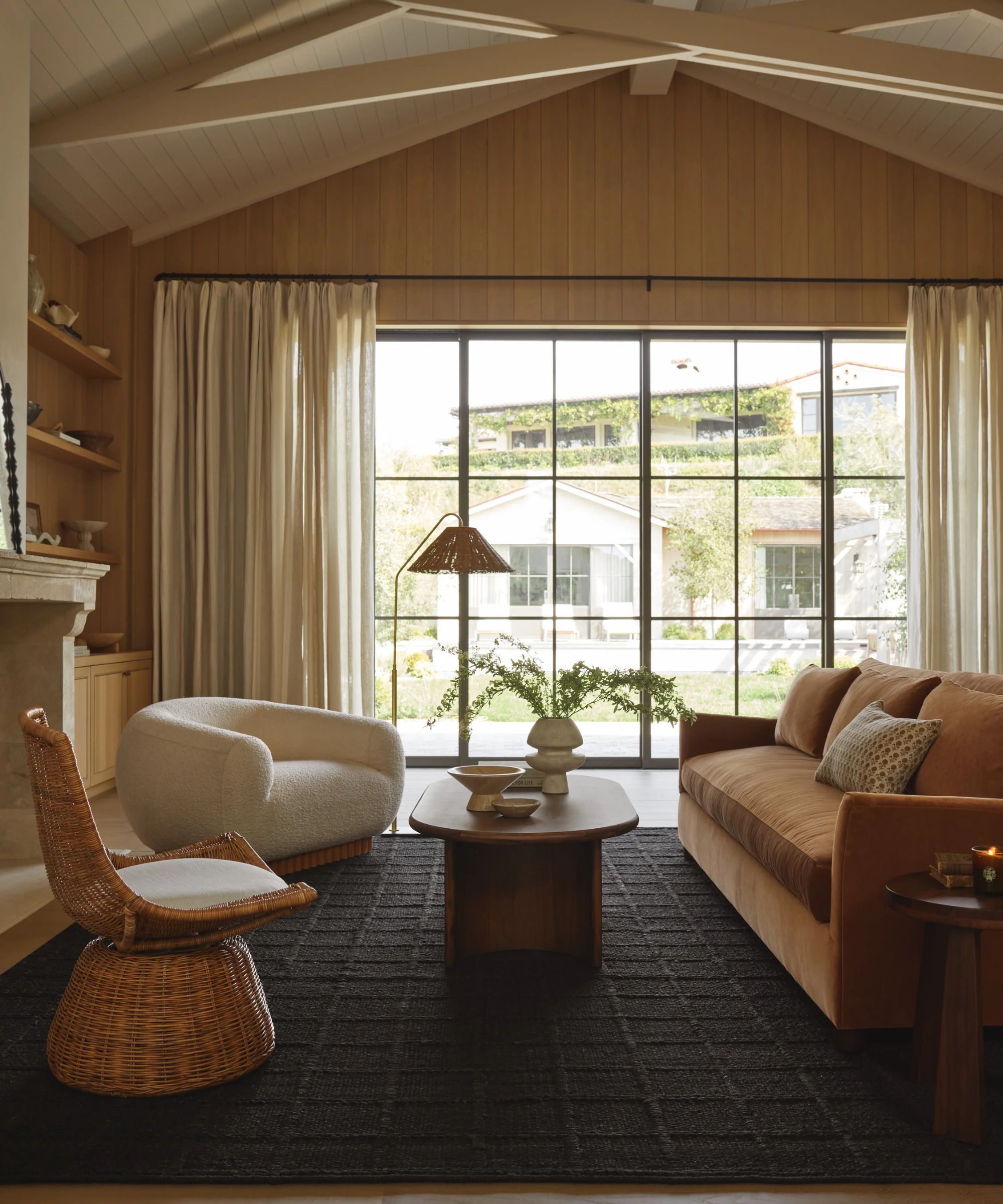
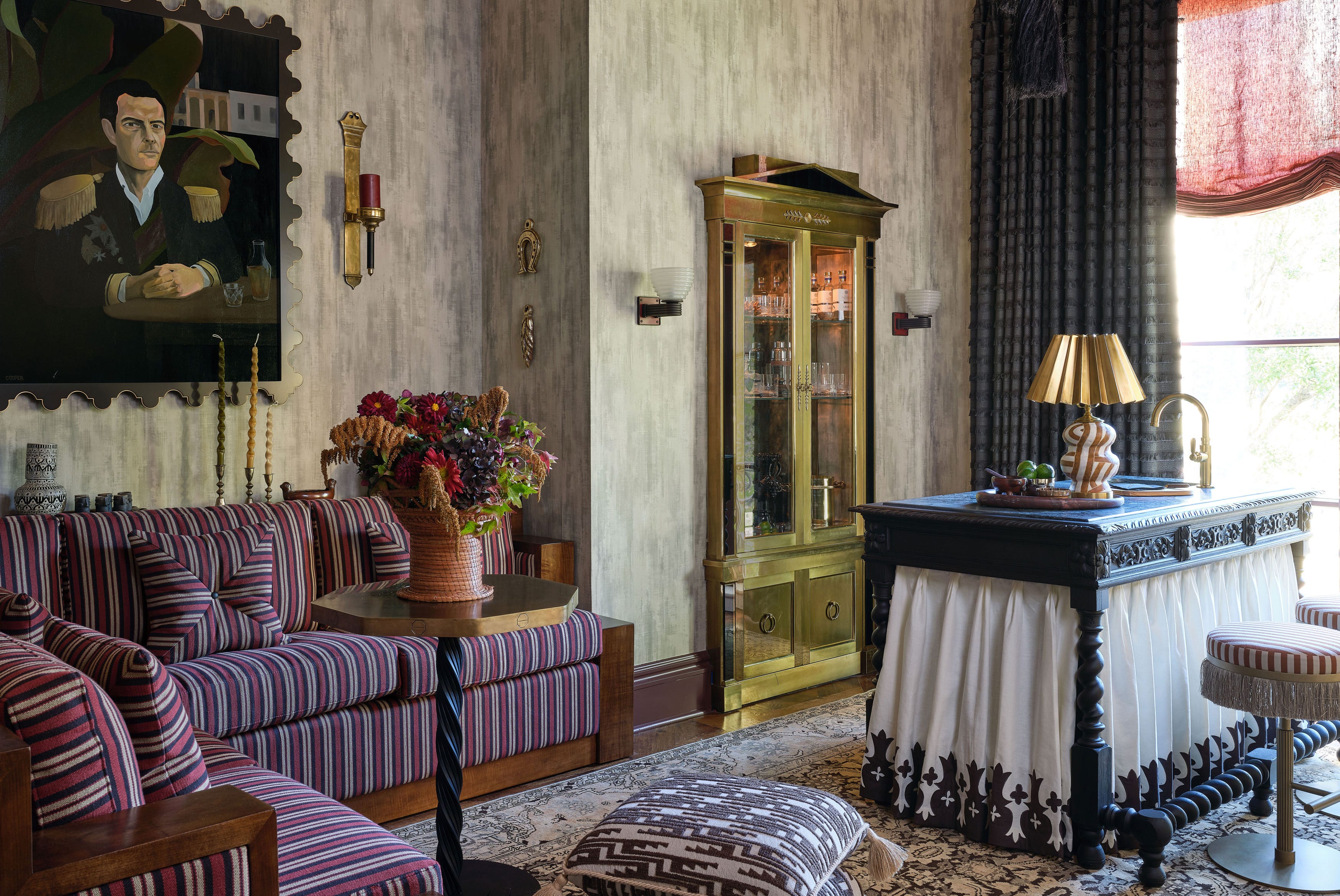
'Scallop detailing' in interior design, while inherently timeless in moderation, has become overused to the point of appearing juvenile rather than elegant. Originally intended to introduce organic shapes and whimsy, the ubiquity of scallop accents has diminished their impact. Similarly, 'organically-shaped furniture,' particularly kidney-shaped coffee tables or those resembling tree trunks, is deemed tired and overdone. While organic elements are valued, literal interpretations are seen as out of place when juxtaposed with more refined pieces in a room. Designers prefer varied mediums and shapes that contribute to a cohesive design without being overly literal.
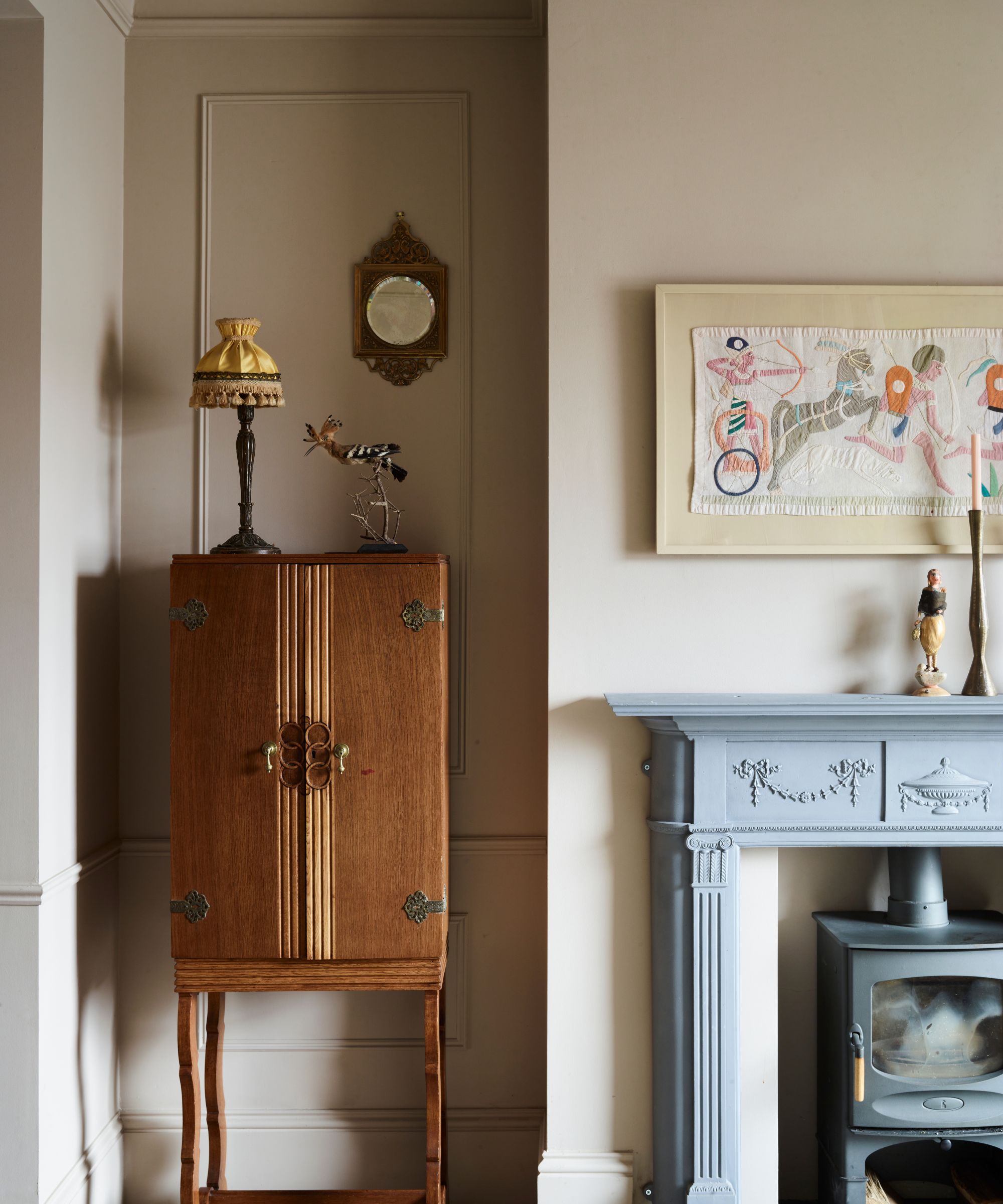
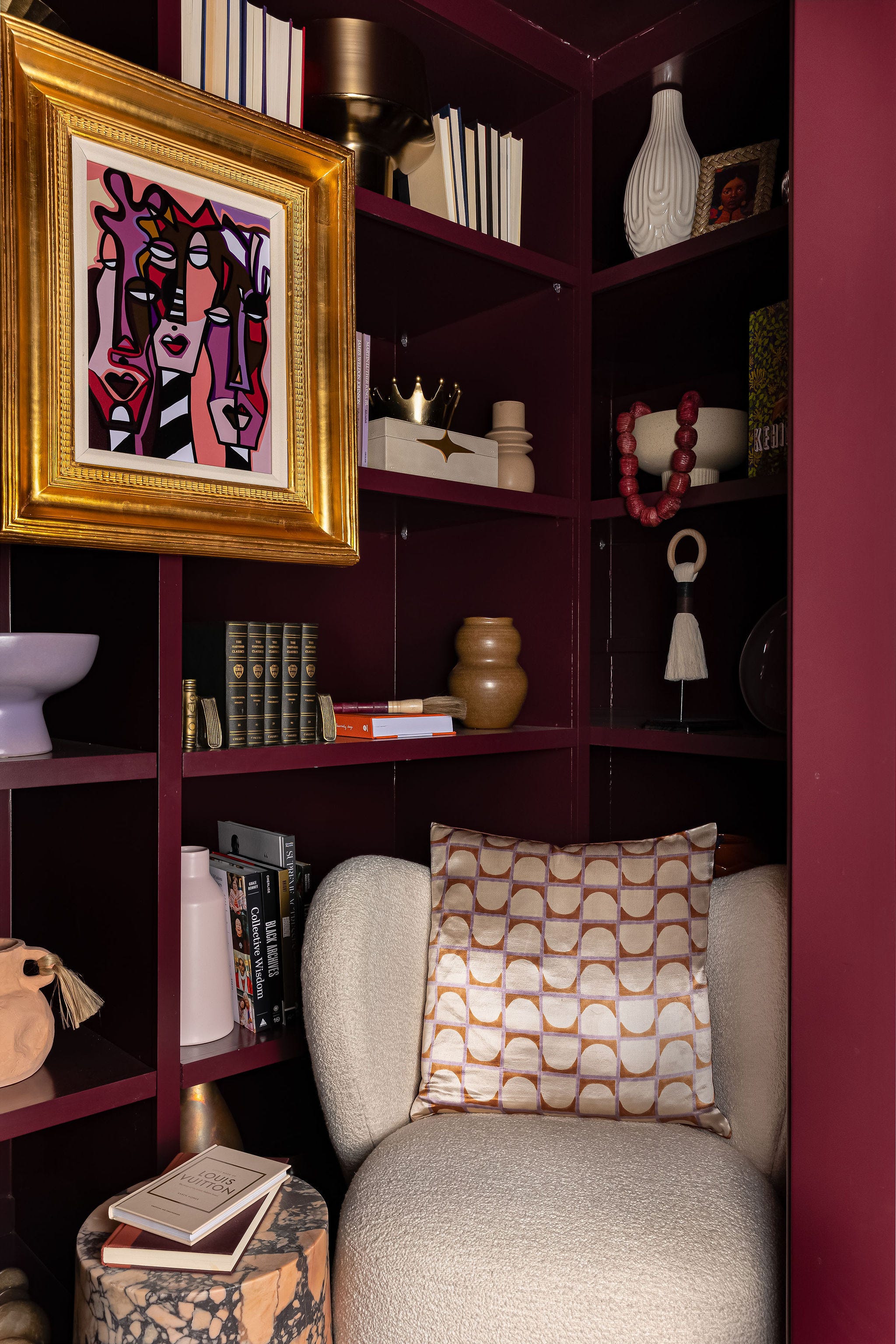
Another trend facing obsolescence is 'too much fluting' and channeling. While fluting in low relief on elements like pilasters and credenzas can exude sophistication, its overuse across all furniture pieces becomes repetitive and overwhelming, diminishing its elegant effect. 'Clunky, curvy furniture,' despite being a recent Gen Z trend, is also on its way out. While it has a place in modern interiors, its indiscriminate application can make a room feel bulky and awkward. Designers emphasize that curvy furniture should be integrated thoughtfully into a curated space, rather than merely being adopted because of its trendy status.
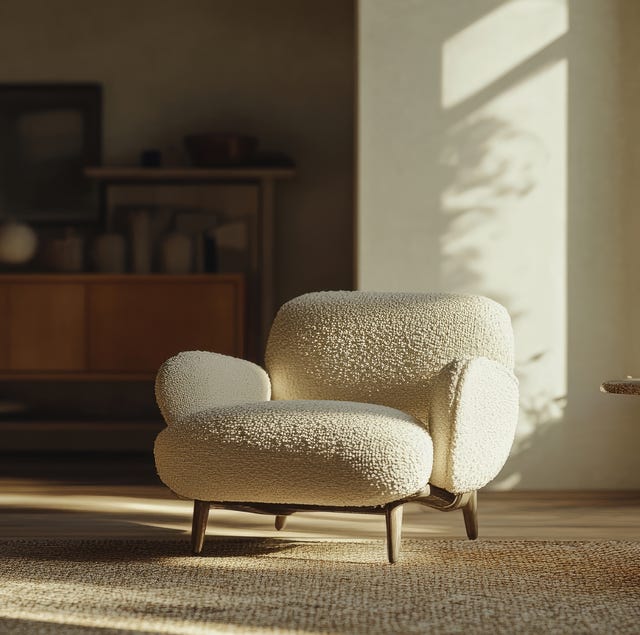
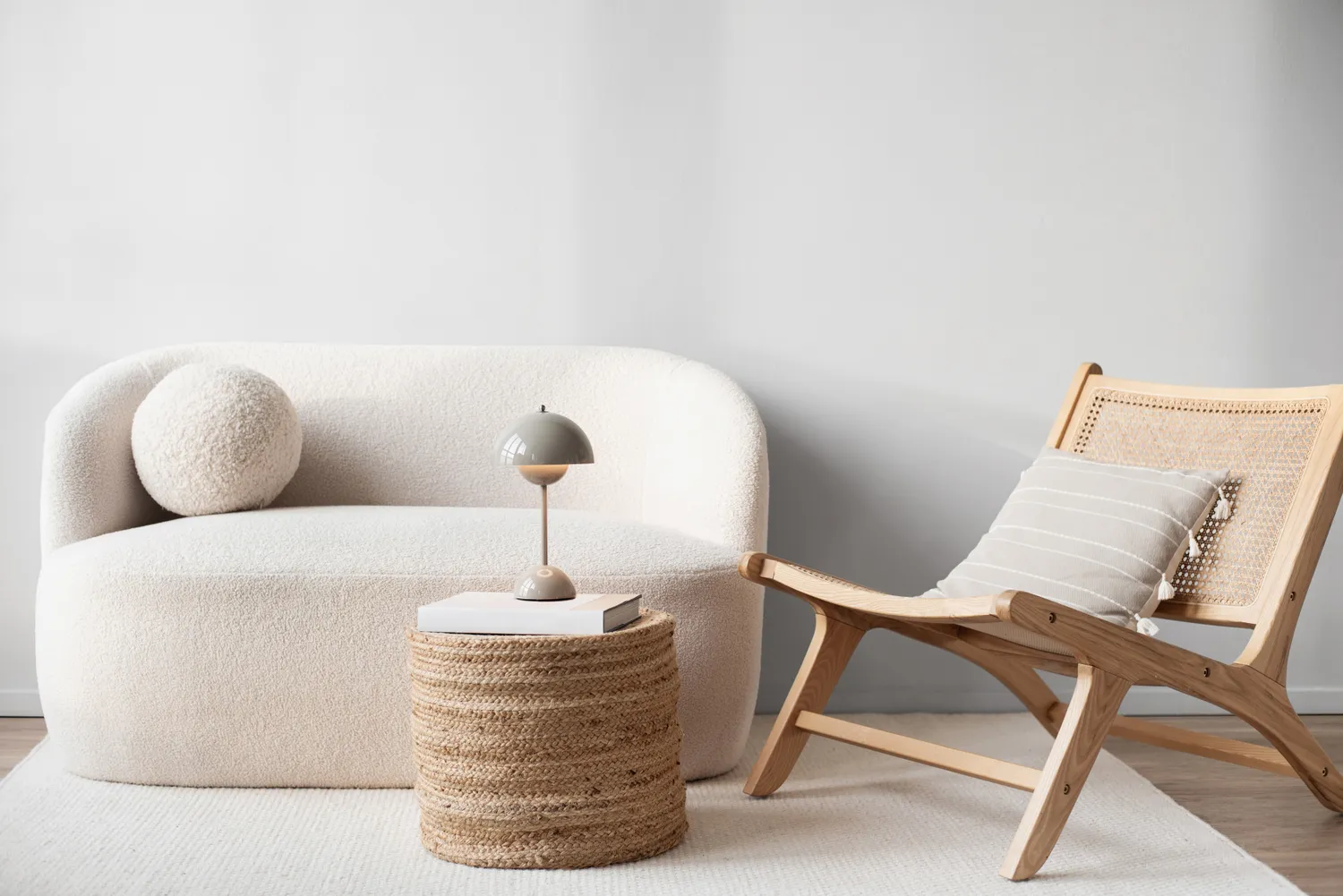
'So much bouclé' is another material trend that has reached its saturation point. While the texture and coziness of bouclé are appreciated, its widespread overuse, particularly in less authentic polyester blends, has led to a loss of its original impact. Designers advise using authentic wool bouclé in moderation to maintain its luxurious appeal. The proliferation of 'knock-off furniture,' or 'dupes,' which mimic classic designs with lower quality, is also a concern. This trend is viewed as undermining original design and craftsmanship, with designers advocating for greater support for original makers and their unique creations.
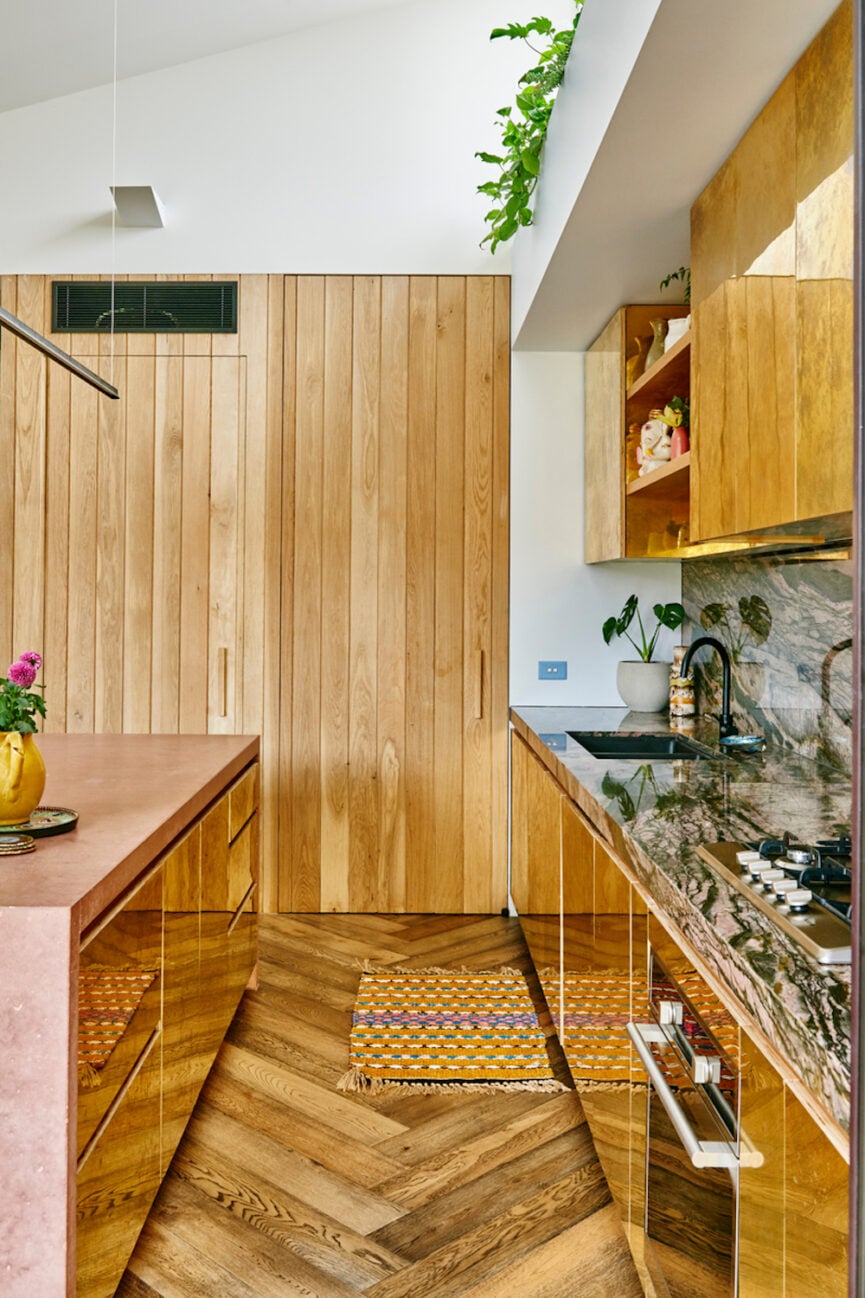
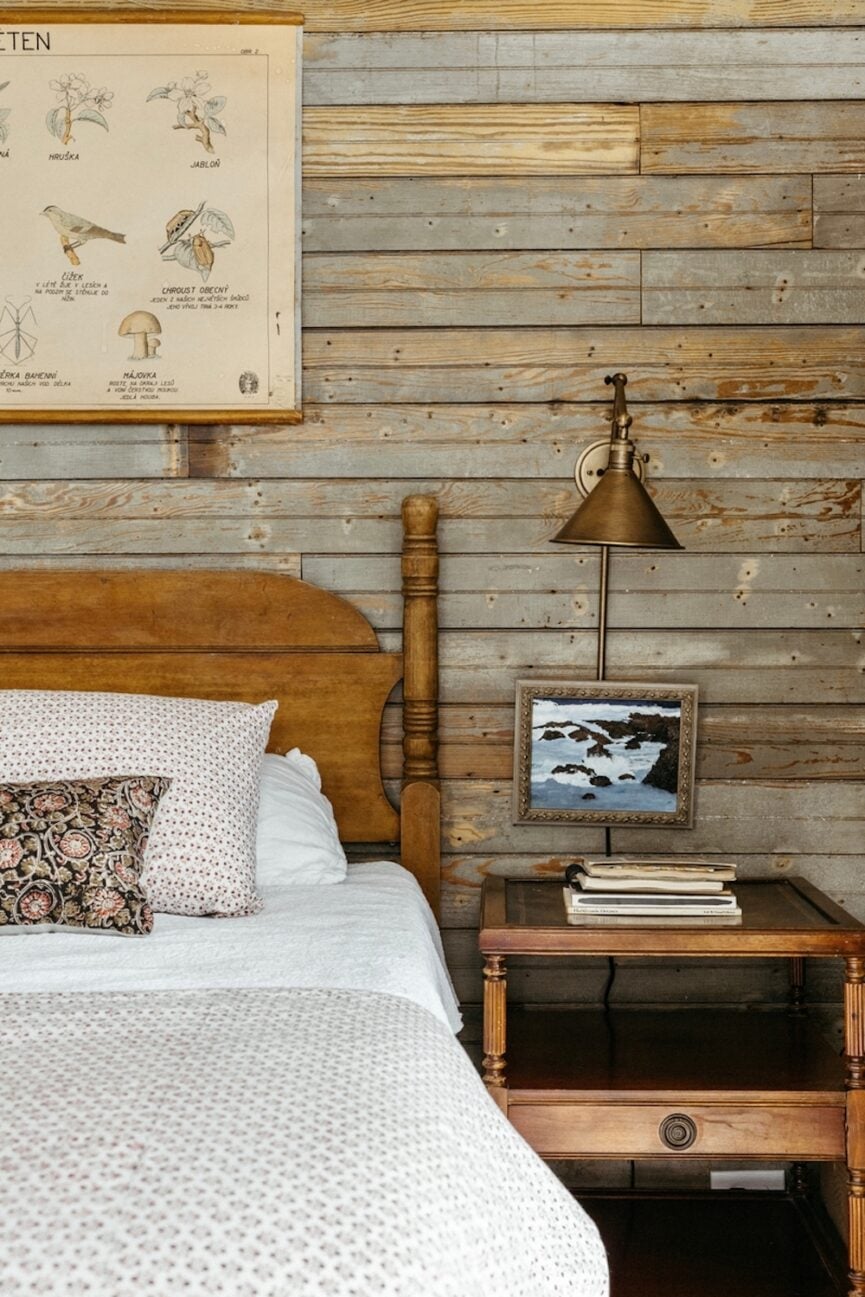
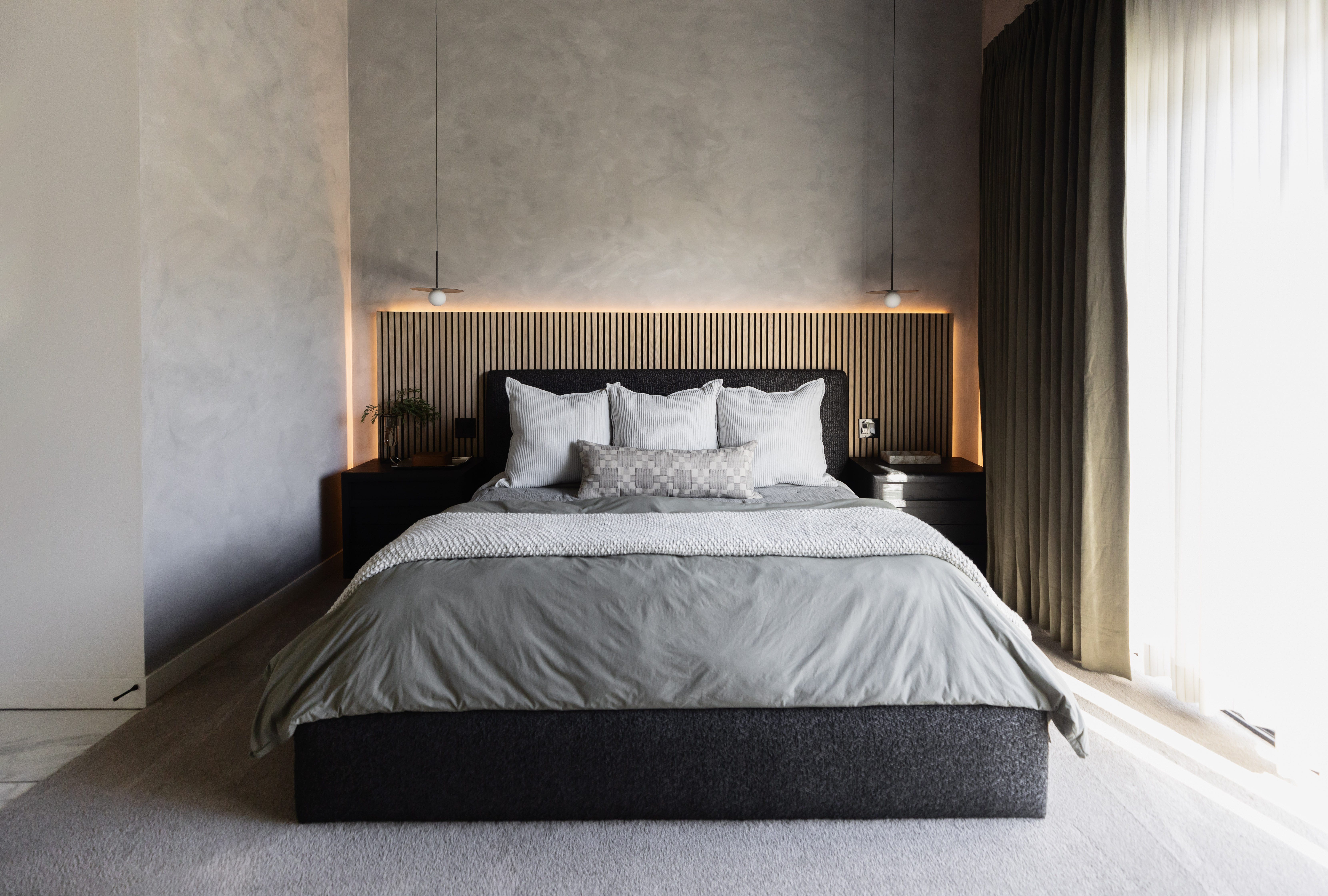
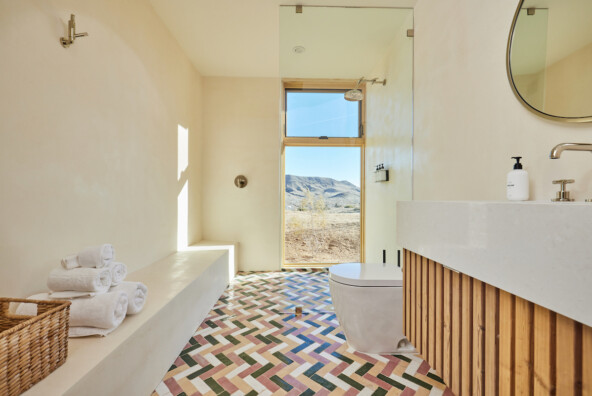
The 'wiggle trend,' a playful and bold Gen Z aesthetic, is also considered fleeting by designers. While visually appealing, its lack of timelessness makes it unsuitable for creating spaces that are intended to age gracefully. Lastly, 'slatted wood accent walls' are identified as a time-stamped detail, akin to shiplap or painted accent walls. While they offer texture, they can often appear forced or unfinished if not executed flawlessly, making them a less desirable long-term design choice.
#InteriorDesignTrends #HomeDecor #Maximalism #Minimalism #ColorPalettes #LightingDesign #FurnitureDesign #TextileTrends #SustainableDesign #InteriorDesignTrends #HomeDecor #Maximalism #Minimalism #ColorPalettes #LightingDesign #FurnitureDesign #TextileTrends #SustainableDesign
0 comment in total
 No comments yet
You may also like
10 Interior Design Trends Going Away In 2025

Sorry, But It’s Time to Retire These 5 Interior Design Trends in 2024

Ready to Redecorate? 2025’s Top Design Trends Just Dropped

9 Home Décor Trends on Their Way Out in 2025, According to Interior Designers
Interior Designers are Ditching These Home Trends in 2024
How to decorate in 2025: Skip these tired trends, interior designers say
5 Home Renovation Trends That Interior Designers Are Ditching in 2026
Designers Predict These 7 Interior Design Trends Will Be Everywhere in 2025

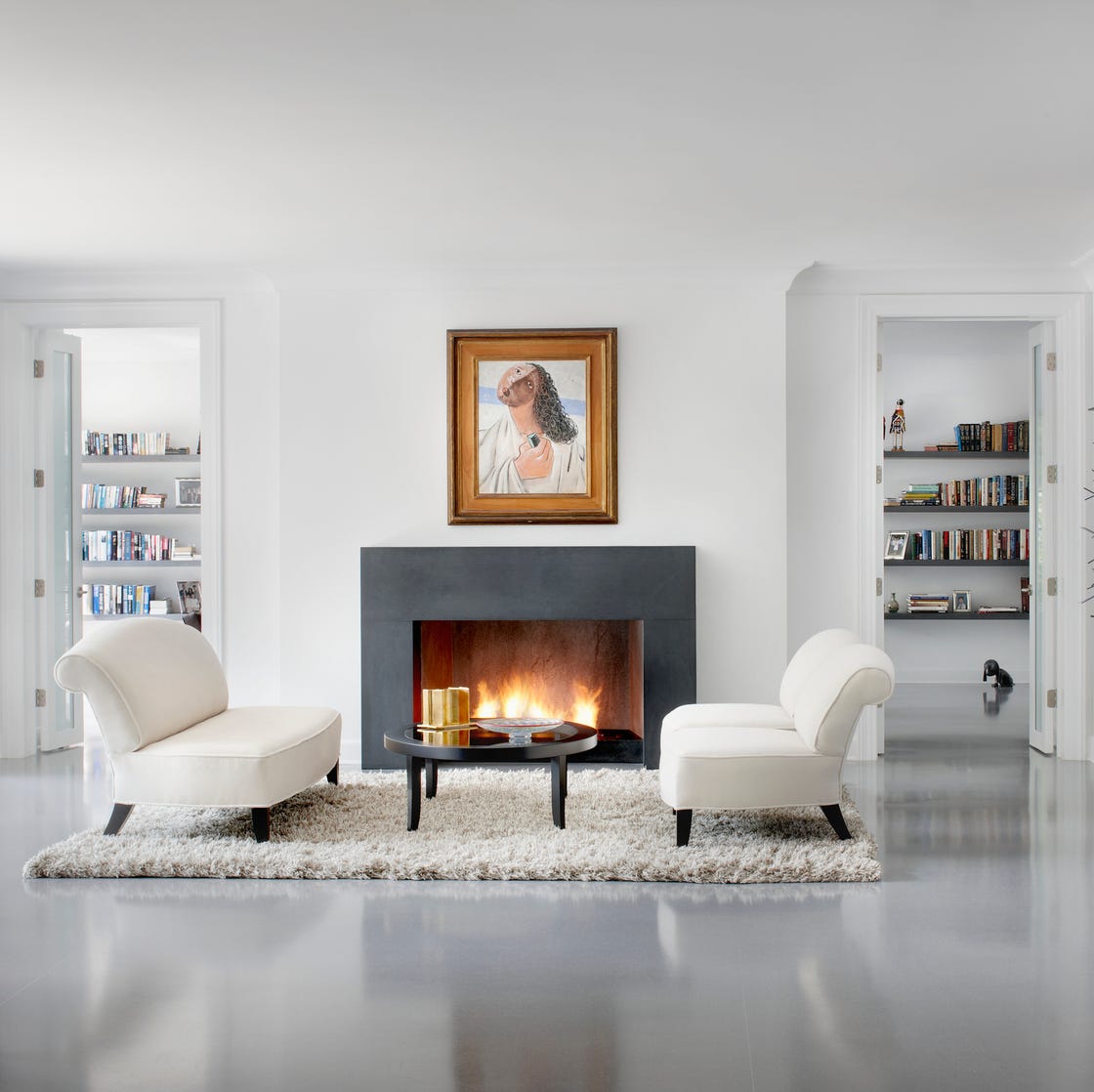
8 Decorating Trends Designers Wish Would Go Away in 2025
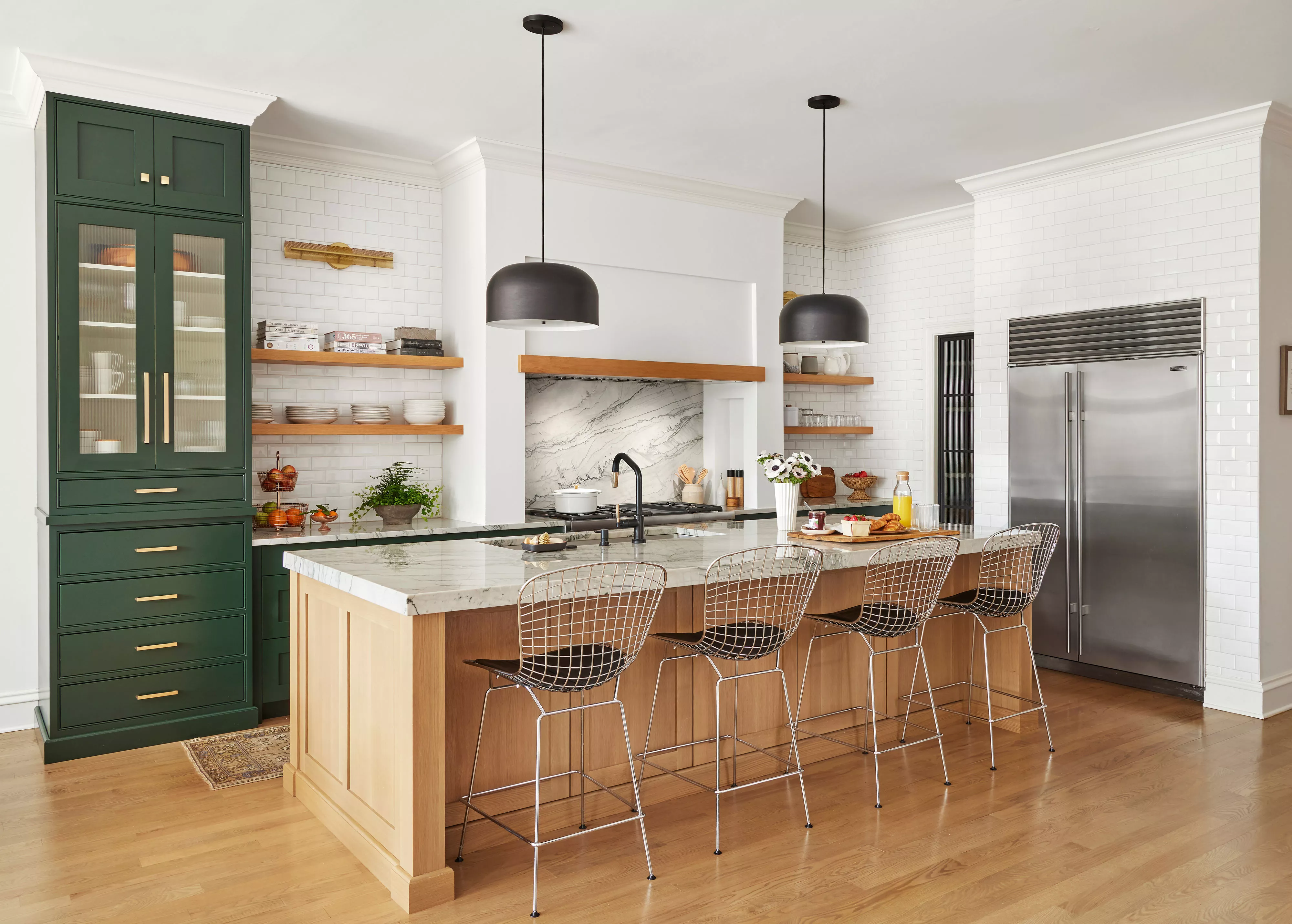
7 Interior Design Trends We're Saying Goodbye to in 2024

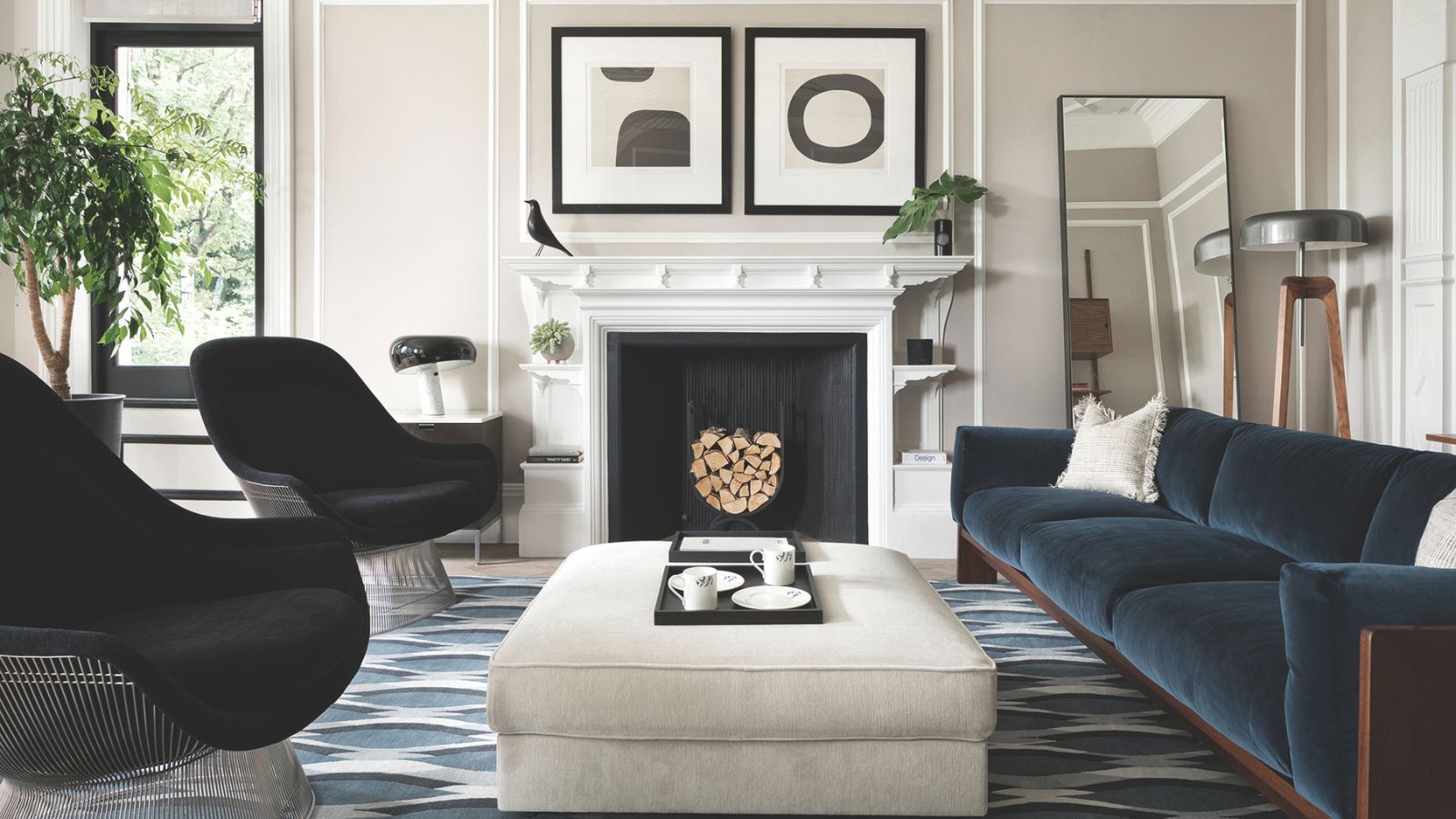
I asked interior designers what trends they are already sick of seeing in 2025
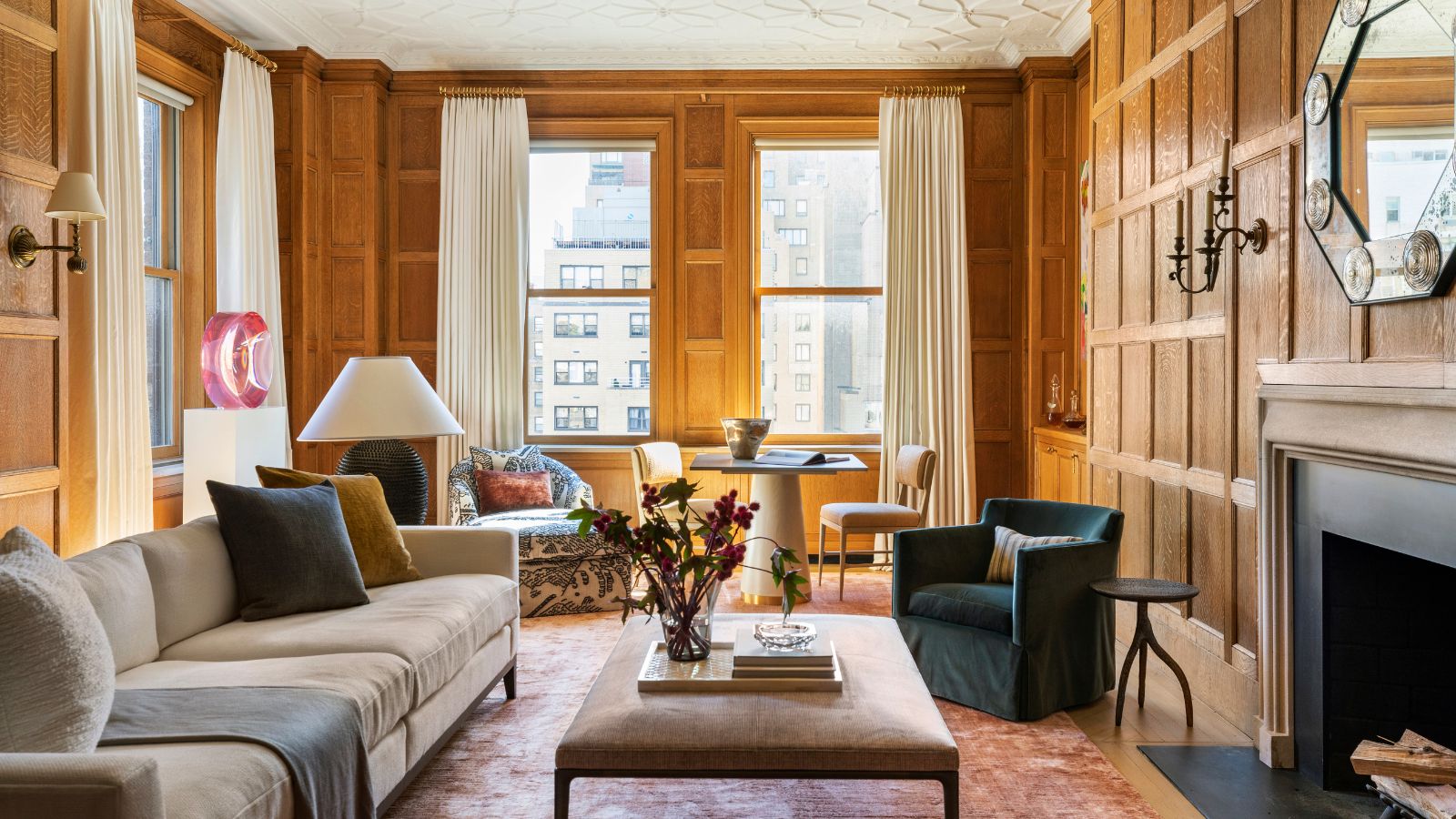
12 Must-Know Interior Design Trends That Have Defined Our Homes in 2025

5 Design Trends Interior Designers Can't Wait to Say Goodbye to in 2025

5 outdated home decor trends interior designers want you to kiss goodbye in 2024, and what to do instead

12 must-know interior design trends that will be defining our homes in 2025
The Pros Have Spoken: These Interior Design Trends Will Define 2025

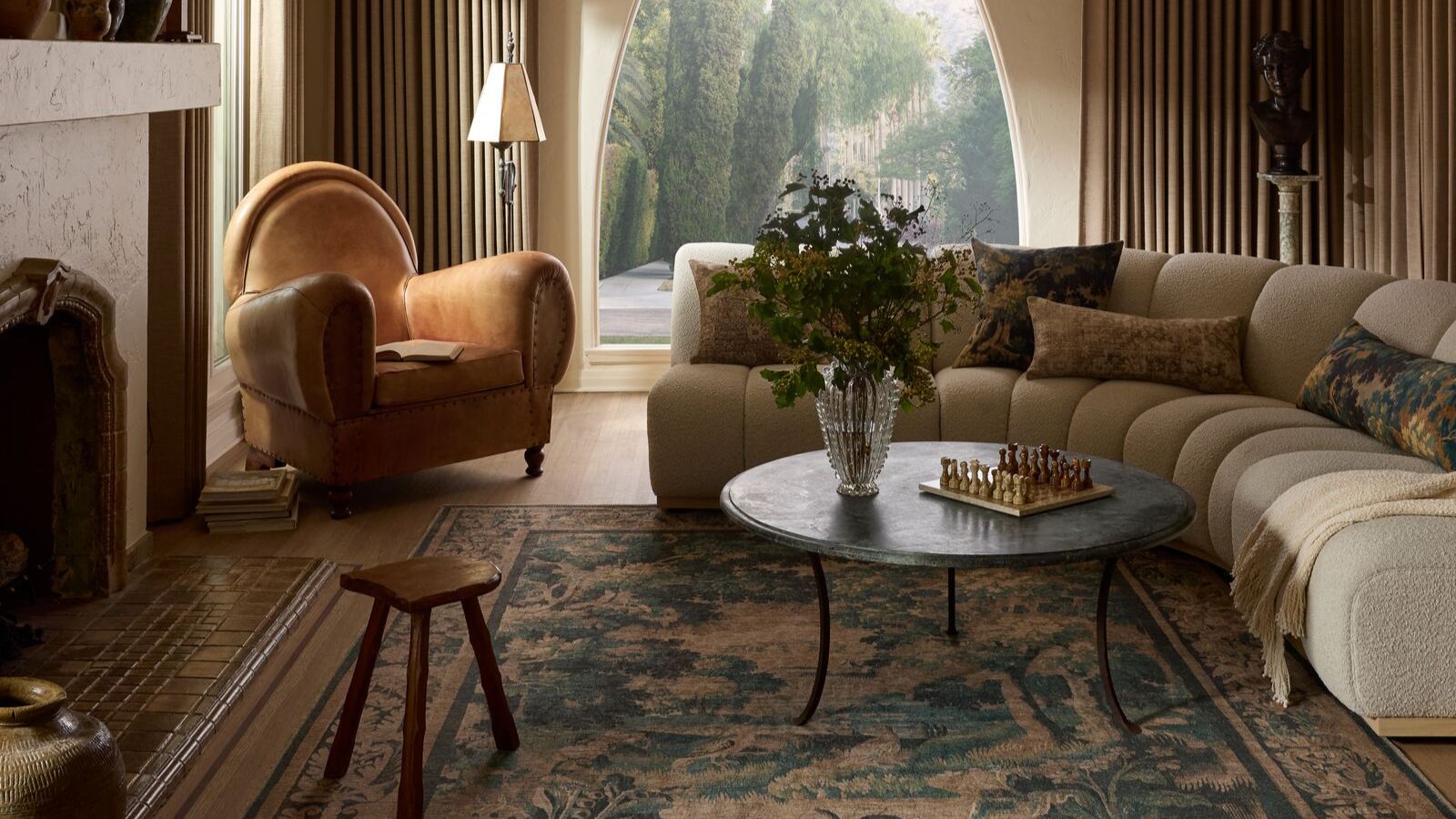
The decorating trends designers definitely want you to leave behind in 2025 – from fads to faux pas
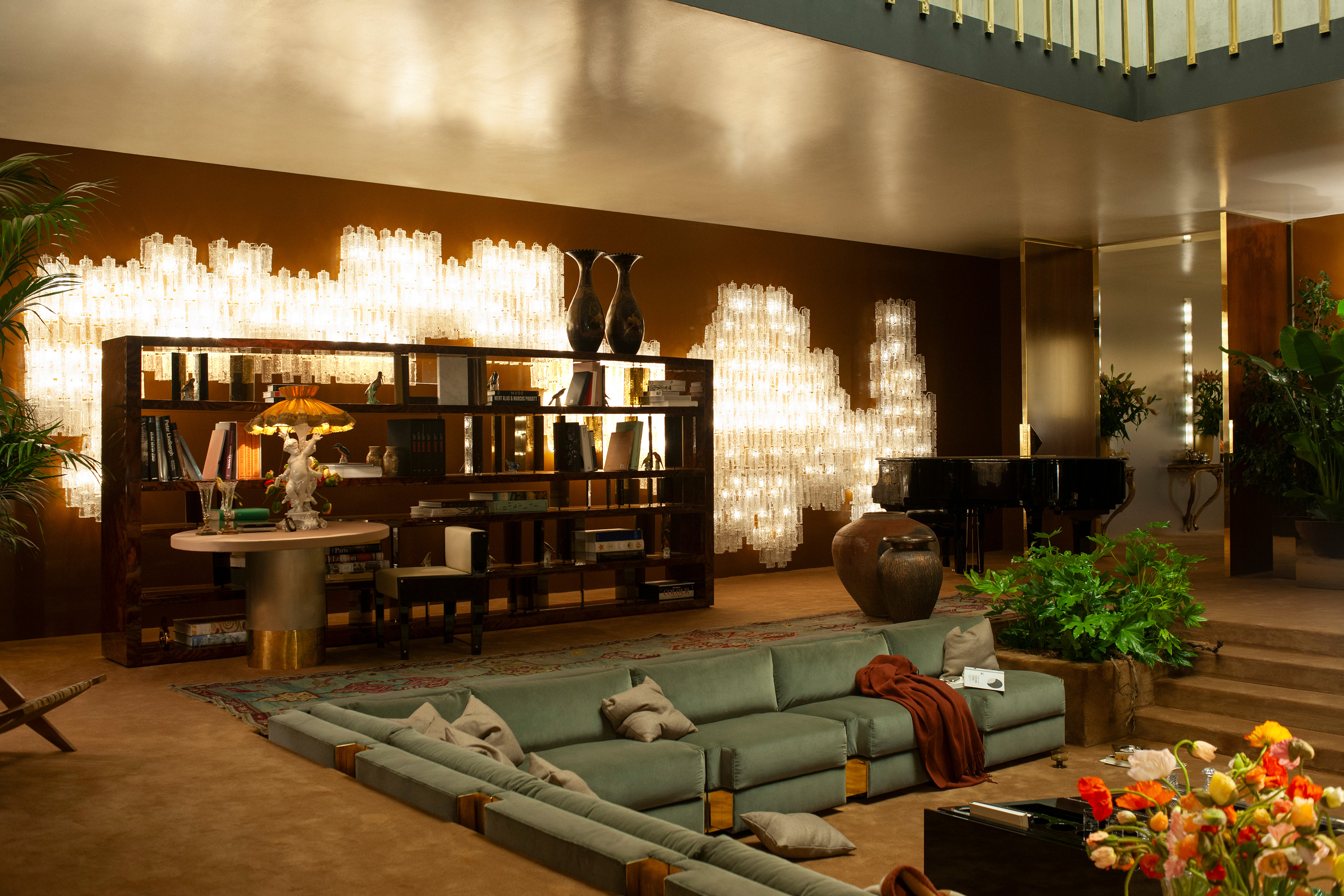
The Biggest Interior Design Trends for 2025

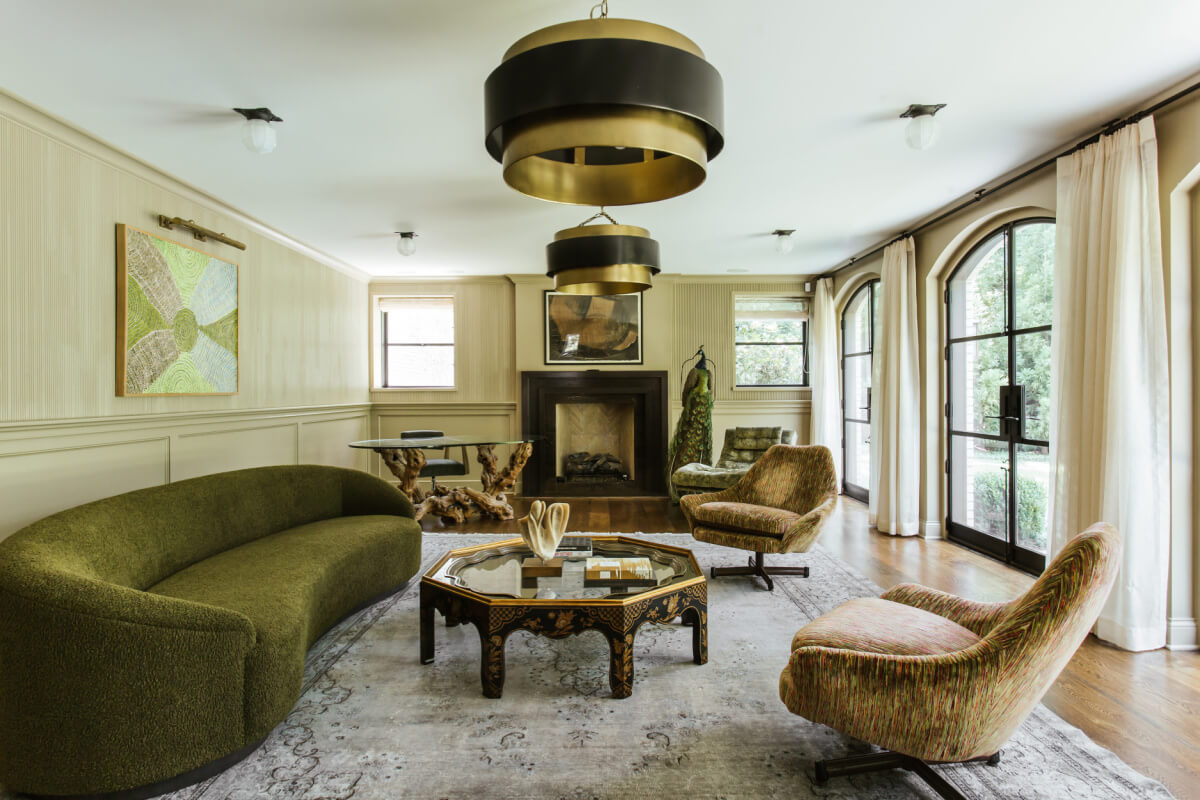
10 Interior Design Trends to Watch in 2025

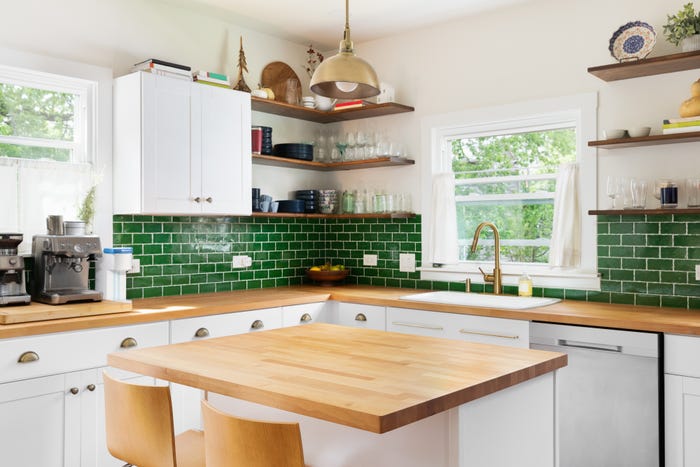
I'm an interior designer. Here are 10 trends I won't be wasting money on in 2025.