
Avoid Rigidity And Drive Innovation By Rewiring Marketing And Comms
The digital landscape is rapidly evolving, with artificial intelligence (AI) emerging as a transformative force across various industries. For chief experience officers (CXOs), this presents both a challenge and an opportunity to redefine traditional marketing and communication strategies. Organizations often struggle with change due to ingrained habits and legacy processes, leading to resistance and a preference for established, albeit outdated, methods. This inertia can hinder innovation and prevent businesses from fully leveraging new technologies. However, AI offers a pathway to overcome these hurdles by fundamentally rewriting how businesses operate, communicate, and connect with their audiences.
Successfully integrating AI into marketing and communications requires more than just adopting new tools; it demands a complete reimagination of existing workflows. Traditional methods, designed for human speed and prone to bias and fatigue, are inadequate in an AI-driven environment. Instead, businesses must focus on rewiring their information engines and governance processes to ensure that AI is fueled by accurate and relevant data. This strategic shift transforms AI from merely a tool into an enabler for profound organizational change.
Several key areas within marketing and communications can be reshaped by AI. Firstly, change management can evolve into 'change intelligence.' Rather than relying on static plans, AI can monitor real-time engagement and adapt communication strategies dynamically. By identifying points of resistance, AI can facilitate immediate adjustments, such as deploying chatbots to answer questions, thereby creating a more responsive and valuable feedback loop. This transitions campaigns from reactive to proactive, enhancing their effectiveness.
Secondly, internal communications can shift towards 'conversational engagement.' AI enables two-way dialogues, personalizing content based on individual roles, behaviors, and sentiments. This moves beyond mass announcements to foster strategic, ongoing conversations that resonate more deeply with employees, replacing fragmented messages with a more cohesive and interactive approach.
Thirdly, customer segmentation can be replaced by 'predictive personas.' Traditional demographic data offers a limited view of customers. AI, however, can build evolving personas based on real-time intent and behavior, continuously refining its understanding with every click, search, and scroll. This allows for highly targeted, intent-based marketing that is significantly more effective.
Fourthly, campaign optimization can become 'autonomous orchestration.' Instead of time-consuming A/B testing, AI can dynamically reallocate marketing spend, instantly scaling successful strategies. This transforms campaigns into self-driving vehicles where marketers define the objectives, and AI optimizes the journey.
Finally, employee enablement can be enhanced through 'AI-augmented productivity.' AI agents can function as digital knowledge workers, providing valuable insights, automating routine tasks, and offering troubleshooting suggestions. This reduces friction, frees up human capital, and unleashes team creativity, leading to a more productive and engaged workforce.
To foster a culture of change necessary for AI integration, leaders must demonstrate vision, grit, and courage. Practical steps include starting small with pilot programs, such as deploying an AI chatbot for FAQs during a product launch. Focusing on personalization, AI tools can tailor employee-centric strategies, delivering communications and training specific to diverse workforce needs. A commitment to continuous iteration is also crucial; AI thrives on feedback loops, requiring real-time insights to refine approaches and learn from mistakes, ensuring relevance and impact as strategies scale. Embracing AI as a rewiring approach is essential for leaders to drive innovation, uphold brand promises, enhance customer experience, and ensure market agility.
#ArtificialIntelligence #Marketing #Communications #ChangeManagement #Innovation #DigitalTransformation #CustomerEngagement #EmployeeProductivity #Leadership #ArtificialIntelligence #Marketing #Communications #ChangeManagement #Innovation #DigitalTransformation #CustomerEngagement #EmployeeProductivity #Leadership
0 comment in total
 No comments yet
You may also like

Meet Ben Chesney


Meet Tiffany Clark Interior Designer

How to Start a Painting Business

Drybar's Brother-Sister Duo Says the Secret to Their Salon Empire Is to Be the Best at One Thing

25 Bestselling Print-On-Demand Products (2026)


Designers Agree: Open Concept Is Out, Tradition Is In


Designers Agree: Open Concept Is Out, Tradition Is In


Drive Profitability with These 3 Emerging Door Trends

DeVol’s Creative Director Dishes on How to Get the Brand’s Covetable Old-New Look

How Sweeten Built Trust Into the Home Renovation Process

RH bets big on new designer collaborations

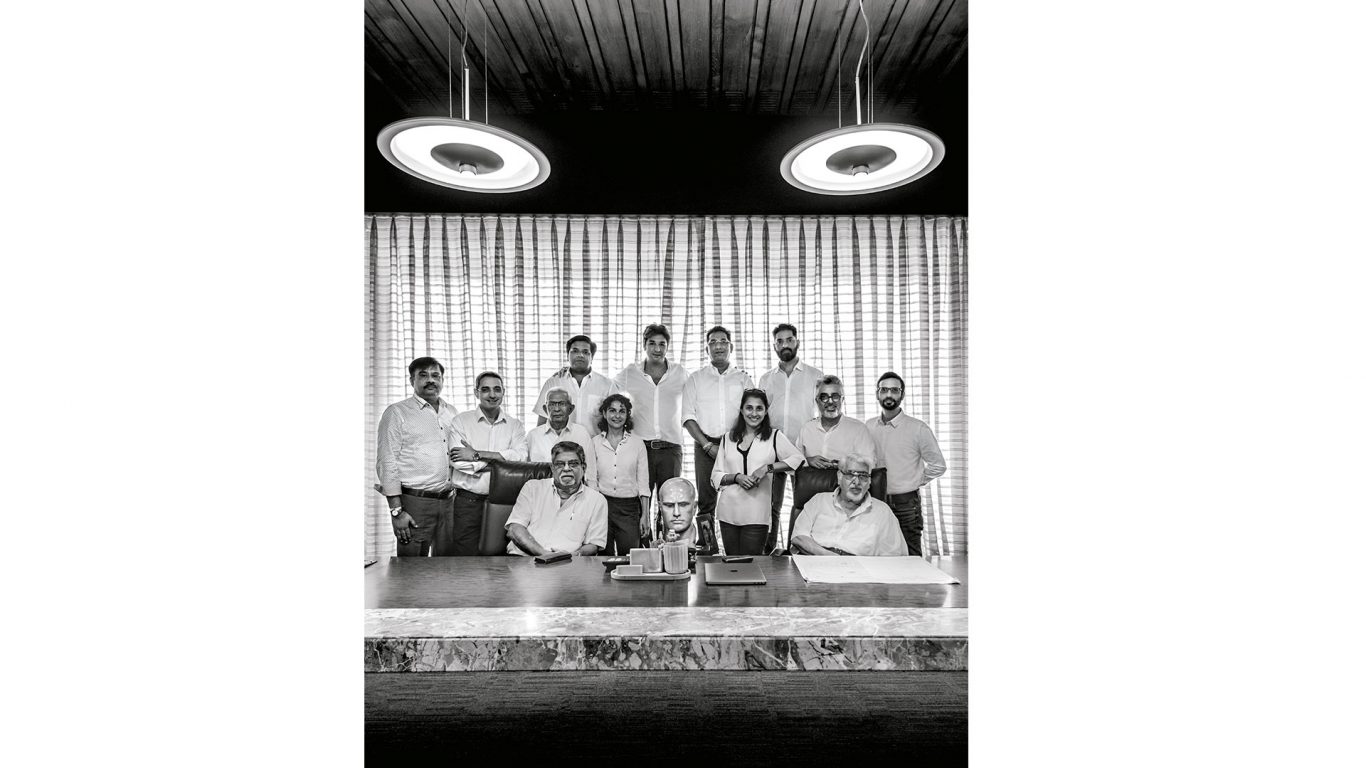
One of India’s oldest design firms gets a fresh burst of life


Shama Hyder and Jared Skinner Shake Up the Architectural Design Space
I’m an expert freelance project manager. How come no one’s hiring me?

Showroom Strategies

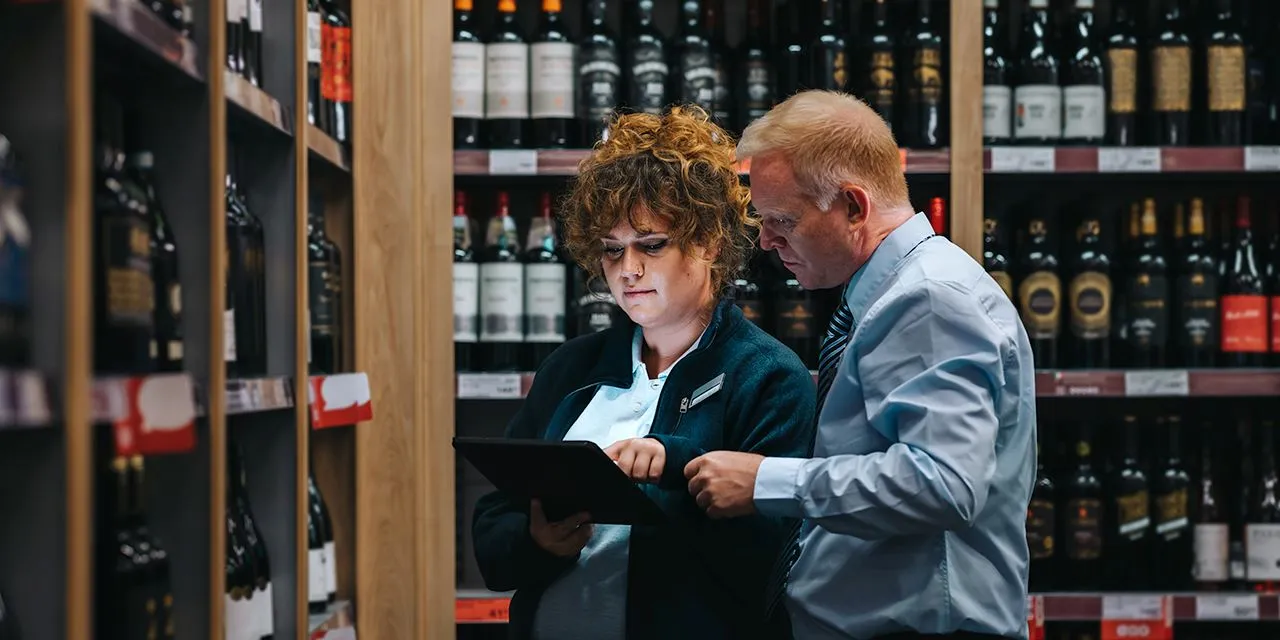
The future of category management: Revolutionize planning with AI-enabled solutions


Design Holding CEO Daniel Lalonde on the group’s mission to innovate and inspire

"Neutral Maximalism" Is Trending—Here's How to Make It Work, According to Designers


Monte Design doubles its traffic goals by upgrading its ecommerce strategy

5 Super Effective Growth Strategies From Digital Interior Design Startup Sheraspace