1/3
Drive Profitability with These 3 Emerging Door Trends
The article discusses how evolving homeowner preferences, influenced by increased time spent at home, are creating new opportunities for door, millwork, hardware, and lumber dealers, as well as home improvement retailers. It emphasizes that doors are no longer merely functional separators but crucial elements in defining the look, feel, and functionality of a home. With families spending more time indoors due to remote work and learning, there's a growing need for spaces that are both flexible and aesthetically pleasing. Homeowners are re-evaluating their living environments and looking for ways to adapt their homes to accommodate diverse activities, prompting a demand for innovative door solutions.
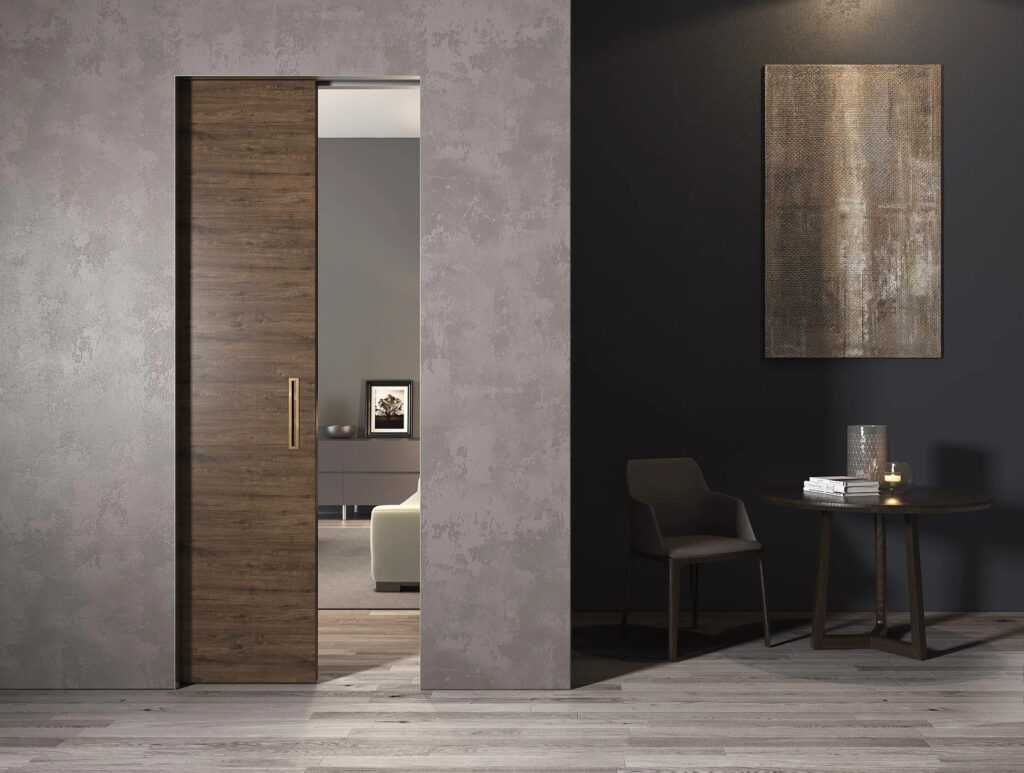
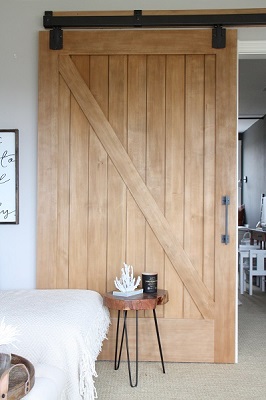
The article highlights three emerging door trends that dealers can recommend to customers to meet these evolving demands and boost sales. The first trend is the increasing popularity of sliding barn doors. While open-concept floor plans have been a long-standing trend, the need for privacy and distinct spaces for various activities (like virtual school, remote work, and playtime) has led to a desire for more adaptable layouts. Sliding barn doors offer a creative design solution to introduce privacy within open floor plans, allowing homeowners to easily close off areas like kitchens or living rooms. These doors are versatile and no longer confined to the 'modern farmhouse' aesthetic; virtually any door style can be adapted with barn track hardware.
The second trend identified is the interior application of Dutch doors. Traditionally found as exterior entries, Dutch doors are now being incorporated into interior spaces such as kitchens, laundry rooms, and home offices. Their unique split design allows the bottom half to remain closed, effectively containing children or pets, while the top half can be left open for adults to monitor activities in adjacent rooms. This functionality combines privacy with connectivity. Homeowners have the option to stain natural wood Dutch doors to highlight wood grains, creating a visually appealing contrast with painted casing and trim, or they can choose to paint them to match their interior decor.
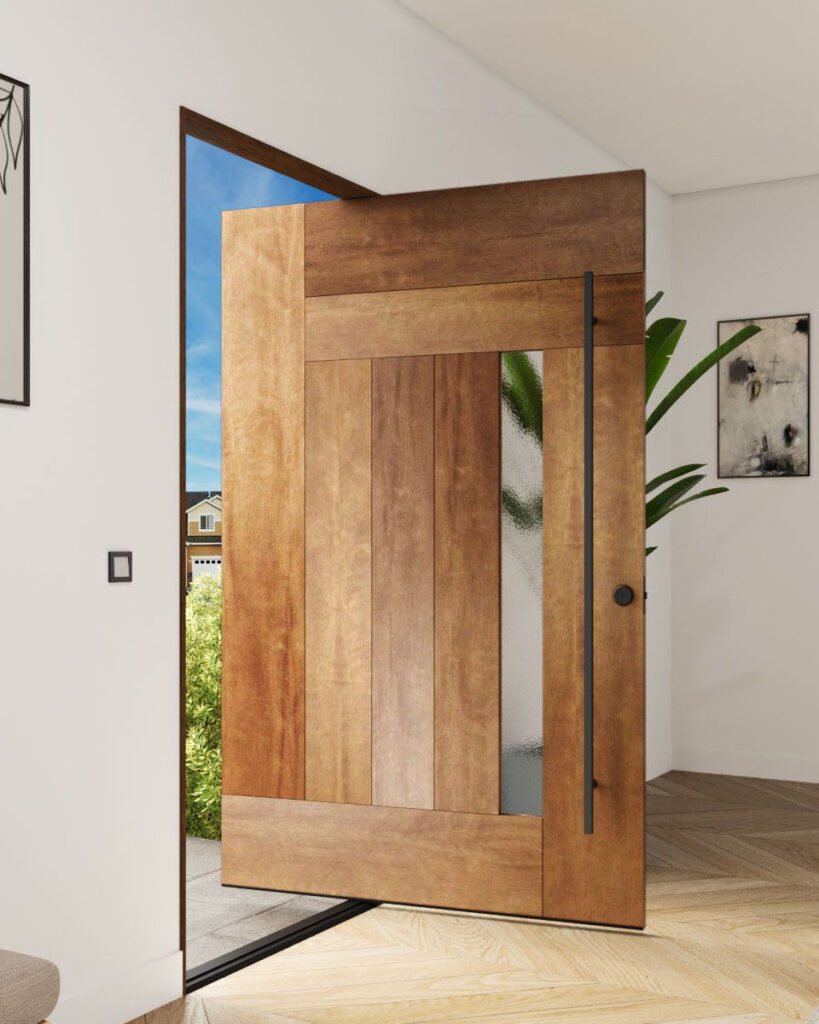
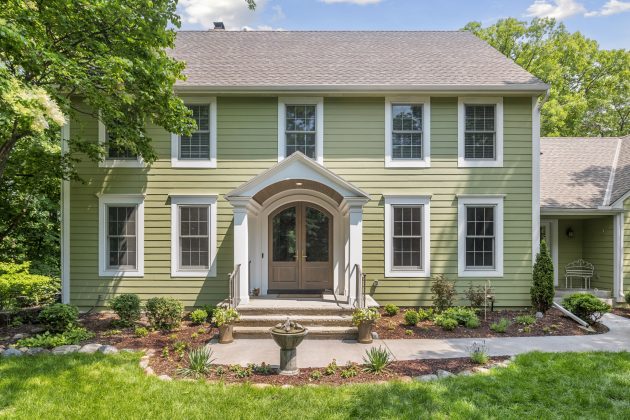
Finally, the article points to natural wood front doors as a significant trend. This trend aligns with the growing interest in biophilic design, which emphasizes integrating natural elements into home environments. Homeowners are increasingly drawn to products and furnishings that feature neutral, earthy tones, organic materials, and natural wood grains. Natural wood front doors fulfill this desire, offering a way to complement a wide range of architectural styles. They can be crafted from various wood types, each offering a distinct aesthetic: cherry and walnut provide a sophisticated, furniture-like appearance, exotic woods like sapele mahogany present unique patterns, knotty alder lends a rustic charm, and Douglas fir and Western Hemlock offer a timeless appeal. The article notes that modern manufacturing techniques, proper protection, and regular maintenance ensure that today's exterior wood doors can maintain their beauty and durability for many years, even in diverse climates.
By focusing on these three trends, door dealers can effectively cater to customer preferences for functional and beautiful living spaces, ultimately driving door sales and maximizing profitability in the current market and beyond.
#DoorTrends #HomeDesign #InteriorDesign #SlidingBarnDoors #DutchDoors #NaturalWoodDoors #HomeImprovement #ResidentialDesign #BiophilicDesign #DoorTrends #HomeDesign #InteriorDesign #SlidingBarnDoors #DutchDoors #NaturalWoodDoors #HomeImprovement #ResidentialDesign #BiophilicDesign
0 comment in total
 No comments yet
You may also like
2020 Industry Trends | Part 3

The 7 small entryway trends you need to try in 2024


Ticking Trends: What’s New, Now, Next

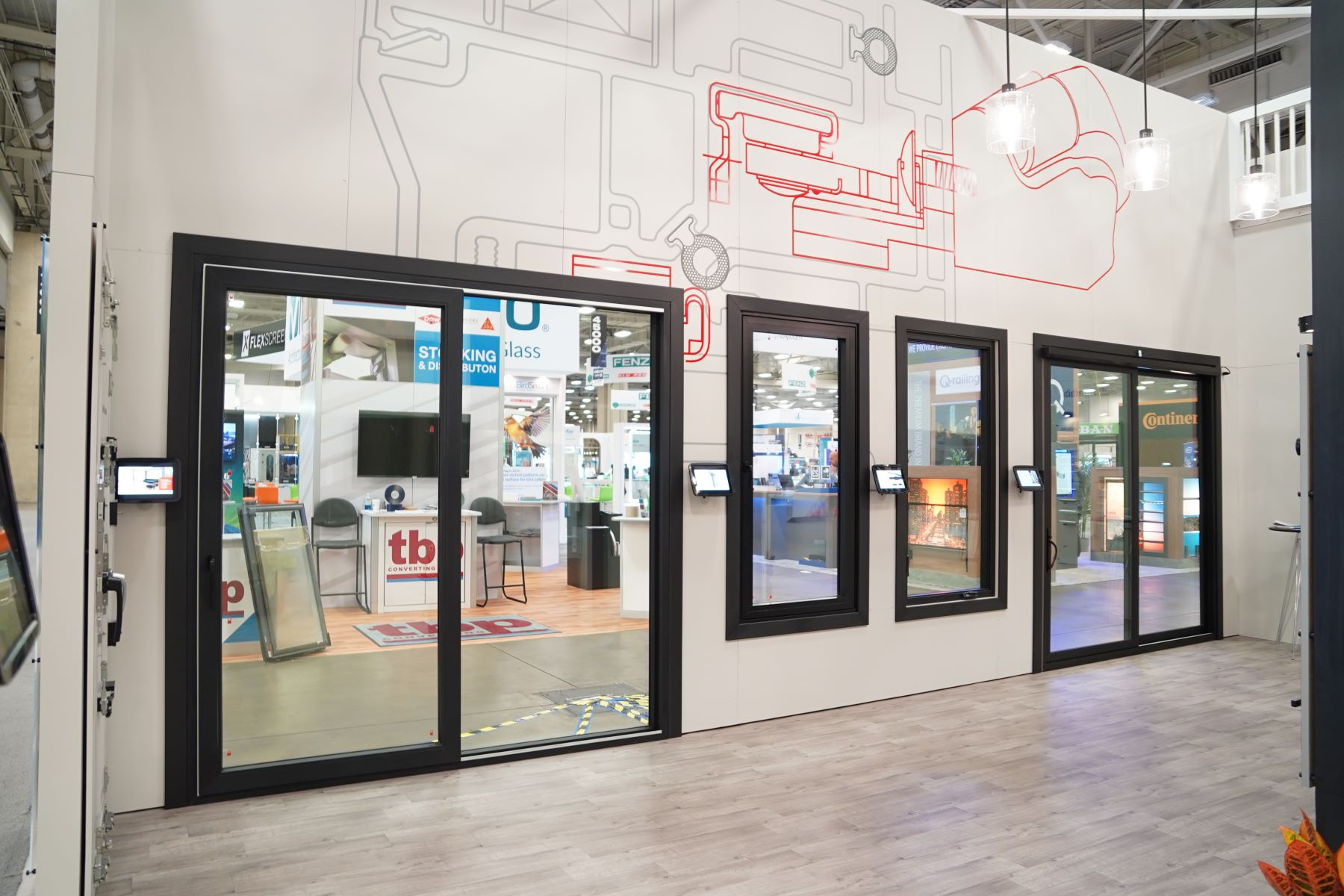
Q + A with Roto Frank North America | Innovative Solutions Shaping the Future

Tired of the Barn Door Trend? These Alternatives Are on the Rise
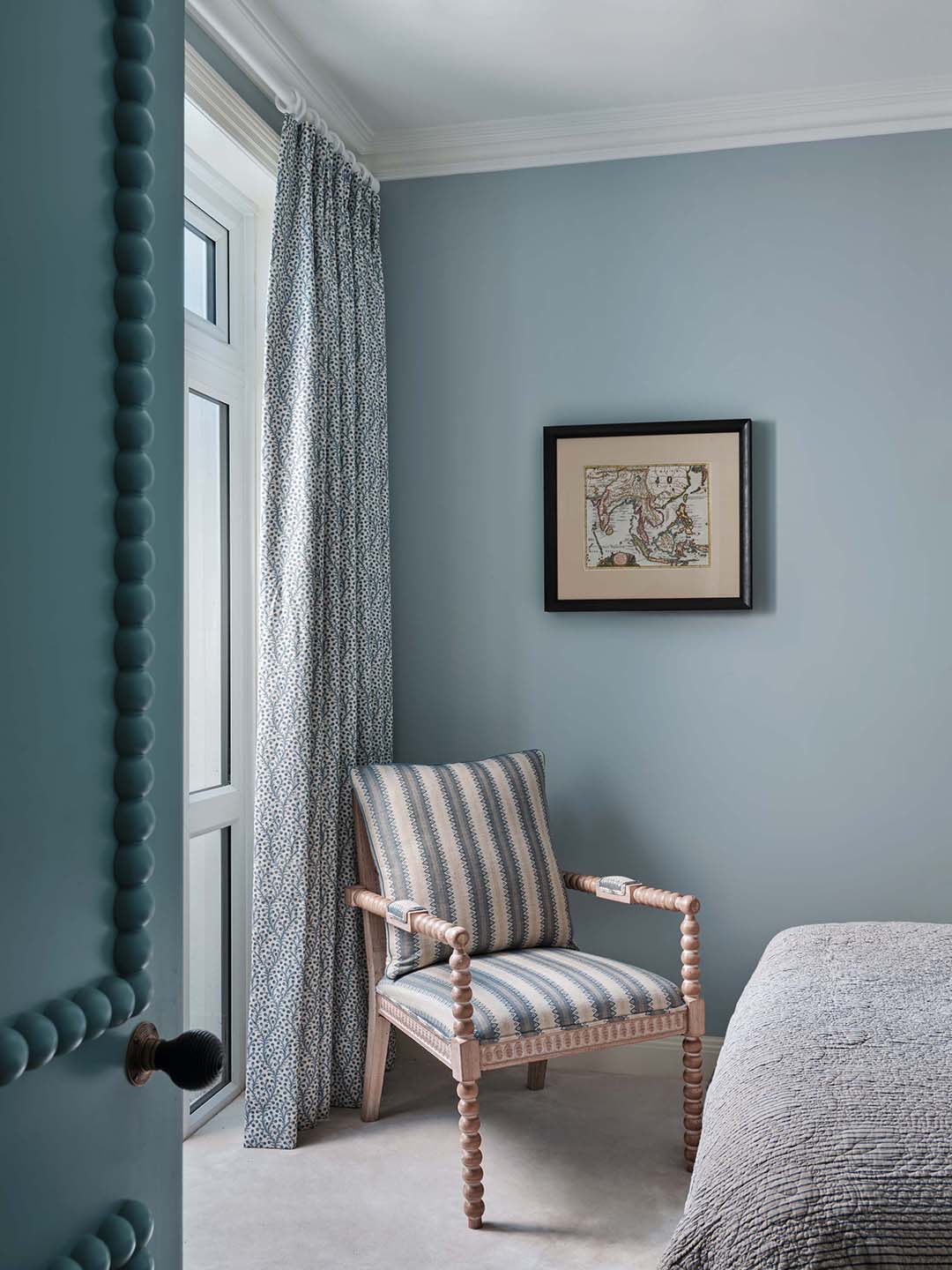
The Next Big Molding Trend Instantly Elevates Basic Doors

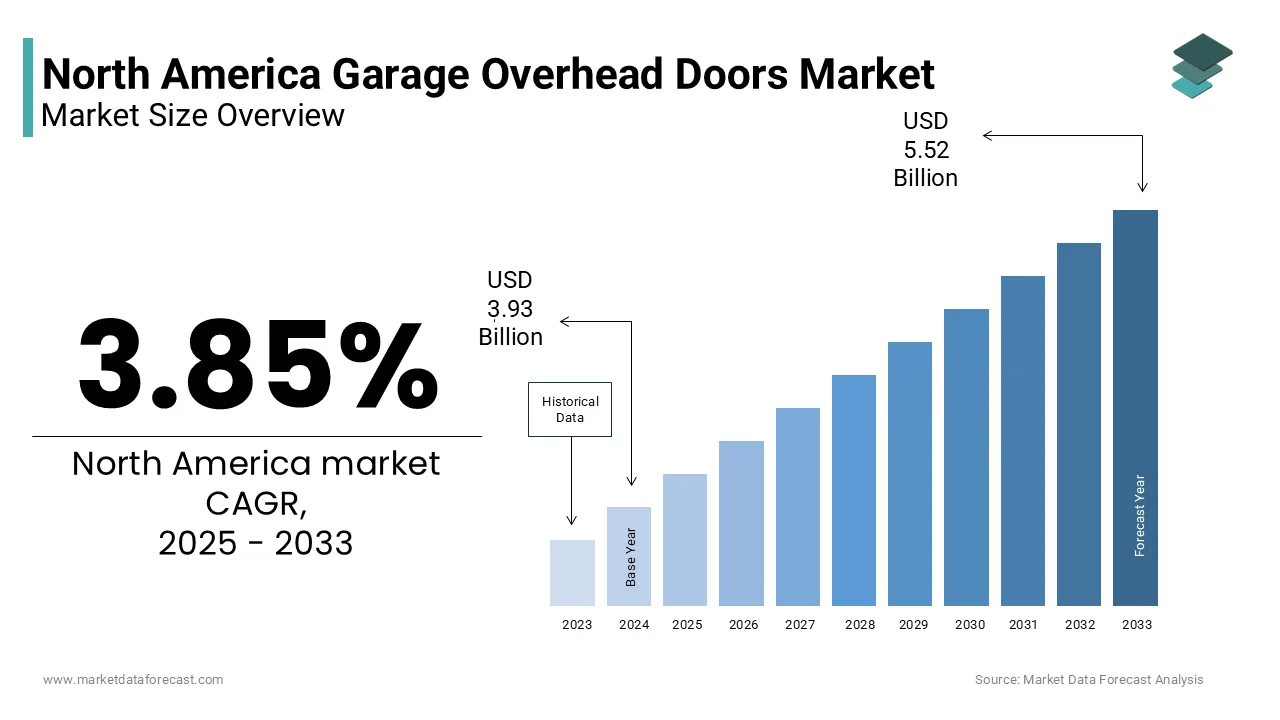
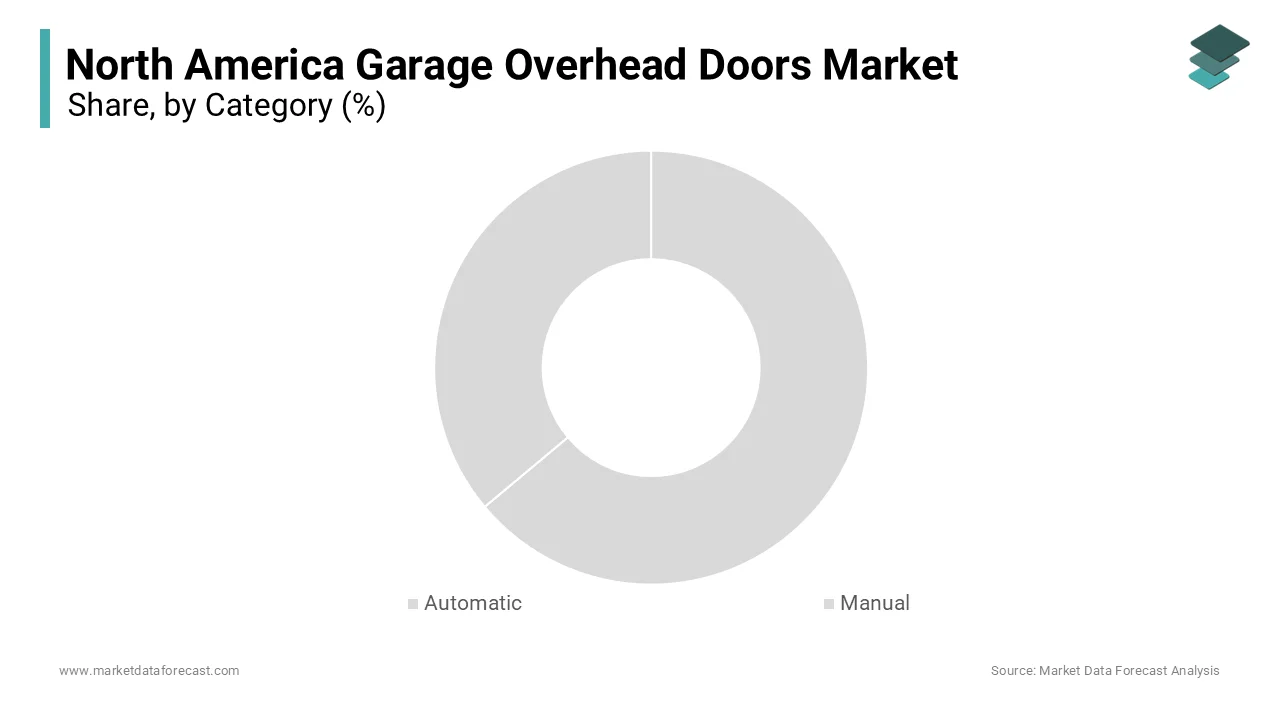
North America Garage Overhead Doors Market Size, Share, 2033

3 key gardening industry trends to embrace for 2024

![Doors Market, Industry Size Growth Forecast Report, [Latest]](https://gstatic.ideal.house/news/images/49bdcee660bd4d108750313d21923184.webp)
Doors Market, Industry Size Growth Forecast Report, [Latest]
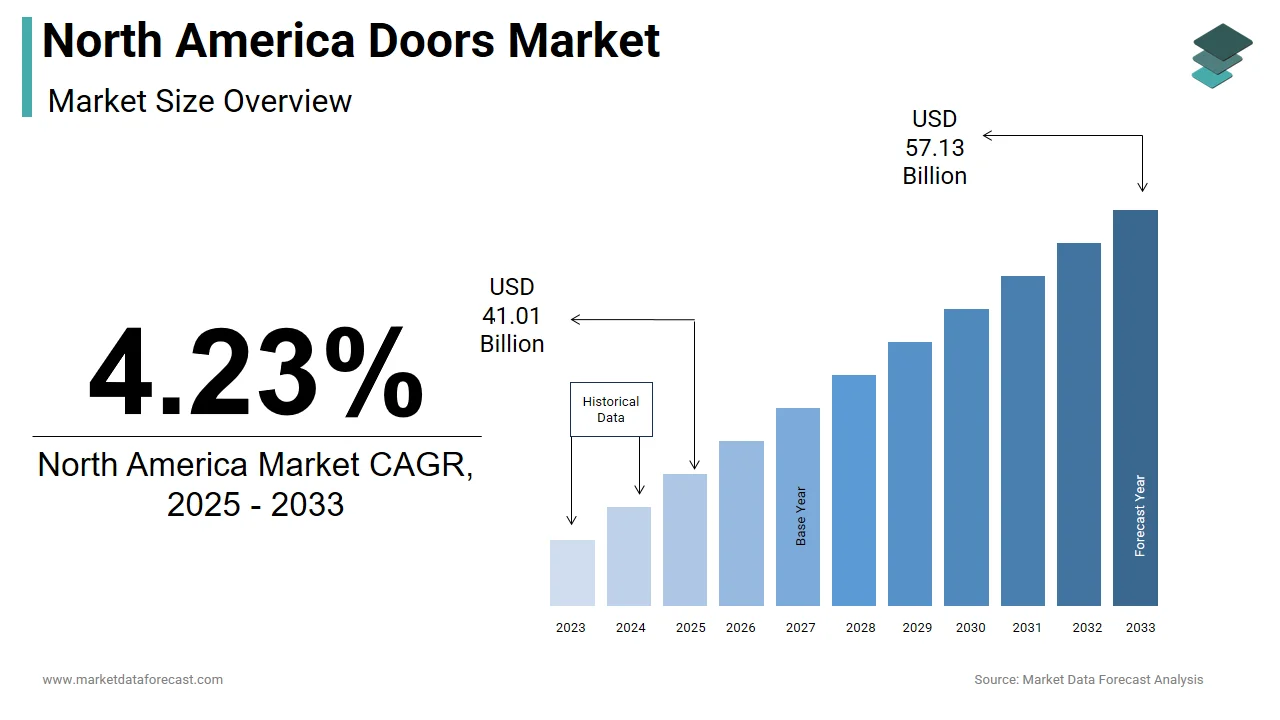
North America Doors Market Size, Share & Growth, 2033
5 outdated entryway trends to wave goodbye to, and what to do instead


Meet Tiffany Clark Interior Designer


3 Reasons Home Improvement Is The Fastest-Growing Retail Category, And What To Watch For


Ideas For Business – Call #1: Meet the three winning projects


30 Easy and Profitable Crafts to Make and Sell in 2026

In Depth: Trim & Moulding

Why Entryway Upgrades Are the New Must-Have for Clients


How Builder's Cabinet Supply Reached New Markets

the best entryways of 2015

Avoid Rigidity And Drive Innovation By Rewiring Marketing And Comms