Why Your Toilet Is Hissing and How to Fix It
A persistent hissing sound from a toilet is a common issue that can often be resolved with simple, DIY fixes. This sound typically indicates a slow leak within the toilet tank, leading to constant refilling and water waste. Addressing these issues promptly can prevent higher water bills and potential damage to the plumbing system and the home. The main culprits behind a hissing toilet include an incorrectly sized or damaged flush chain, a dirty or cracked flap valve and its seal, and excessively high water pressure affecting the fill valve.
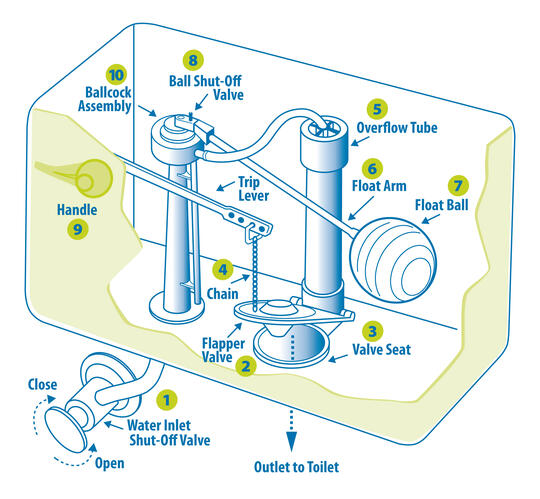
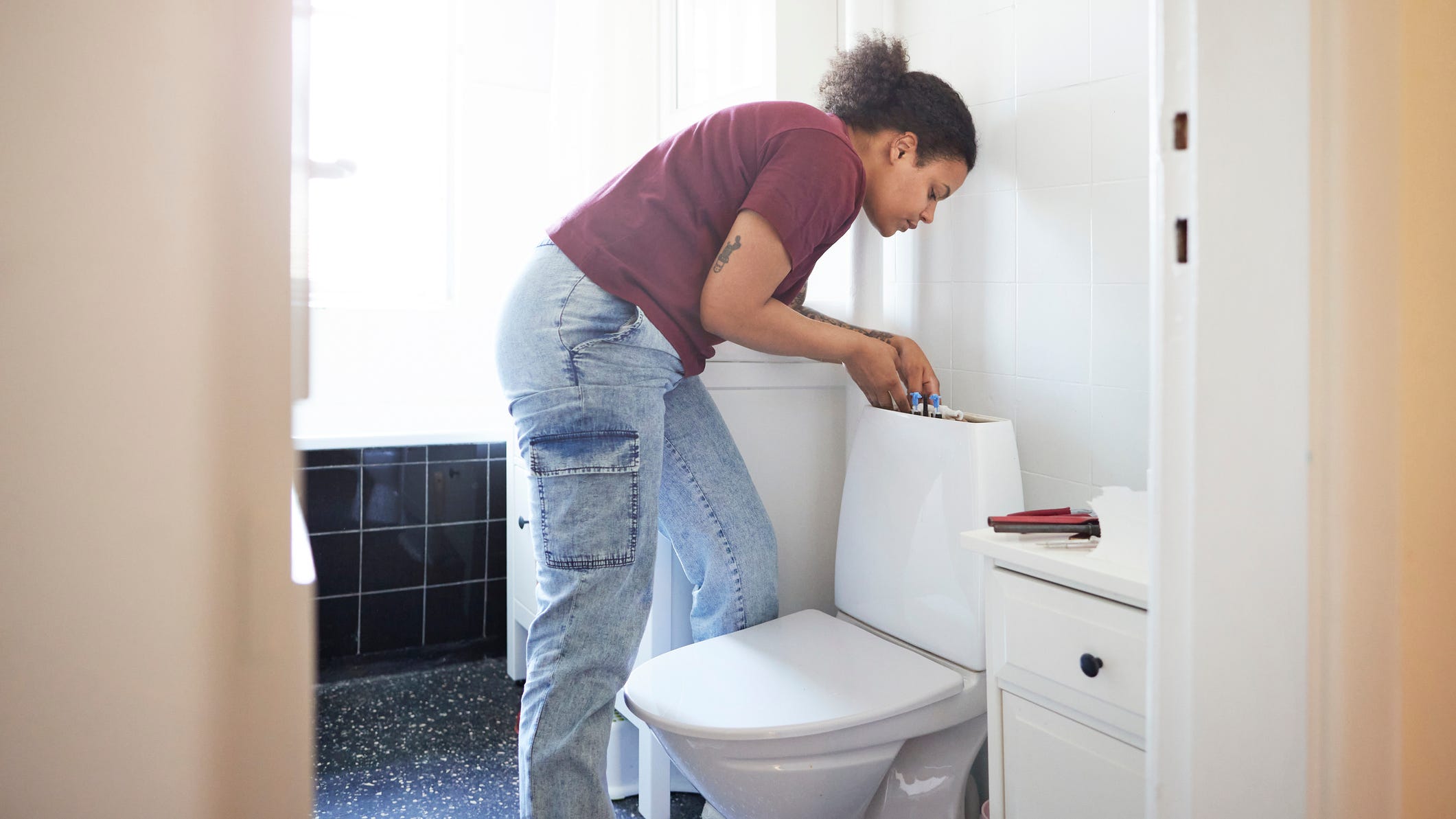
An improperly adjusted or damaged flush chain can prevent the flapper at the bottom of the toilet tank from sealing correctly. The flapper is responsible for holding water in the tank when the toilet is not in use. If the chain is too long, too short, twisted, or caught, it can leave a small gap, allowing water to leak into the bowl and causing the fill valve to activate intermittently, producing the hissing sound. To fix this, one should first remove the tank lid and inspect the chain for twists or obstructions. If twisted, it can be straightened. If the issue persists, the water supply to the toilet should be turned off, the tank flushed to empty it, and the chain readjusted to the correct length, ensuring the flapper closes fully. If the chain shows signs of wear or damage, a replacement is inexpensive and readily available.
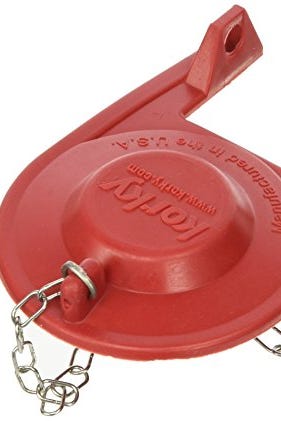
Another frequent cause is a dirty flap valve or its seal. Over time, these components can accumulate grime, sediment, mold, or slime, which compromises the seal's integrity and allows water to slowly escape. The flap valve, typically made of rubber or silicone, can be found at the tank's bottom in various colors. Cleaning involves turning off the water, draining the tank, and using a non-abrasive scrubbing pad to remove any buildup from both the flapper and the seal. After cleaning, wiping them down with a damp cloth and reassembling should resolve the issue if dirt was the cause.
If cleaning doesn't suffice, the flap valve and seal might be cracked or deteriorated. Since these parts are often made of rubber or silicone, they are susceptible to wear and tear, leading to small cracks that permit water leakage. In such cases, replacing these components is necessary. A universal 2-inch toilet flush valve repair kit, which typically includes a new flapper, seal, and chain, can be used. The replacement process involves turning off the water, emptying the tank, unclipping the old chain, removing the old flapper and seal, and then installing the new ones. It is crucial to test flush the toilet (with the water still off) to ensure the new flapper lifts and seals correctly before turning the water supply back on.
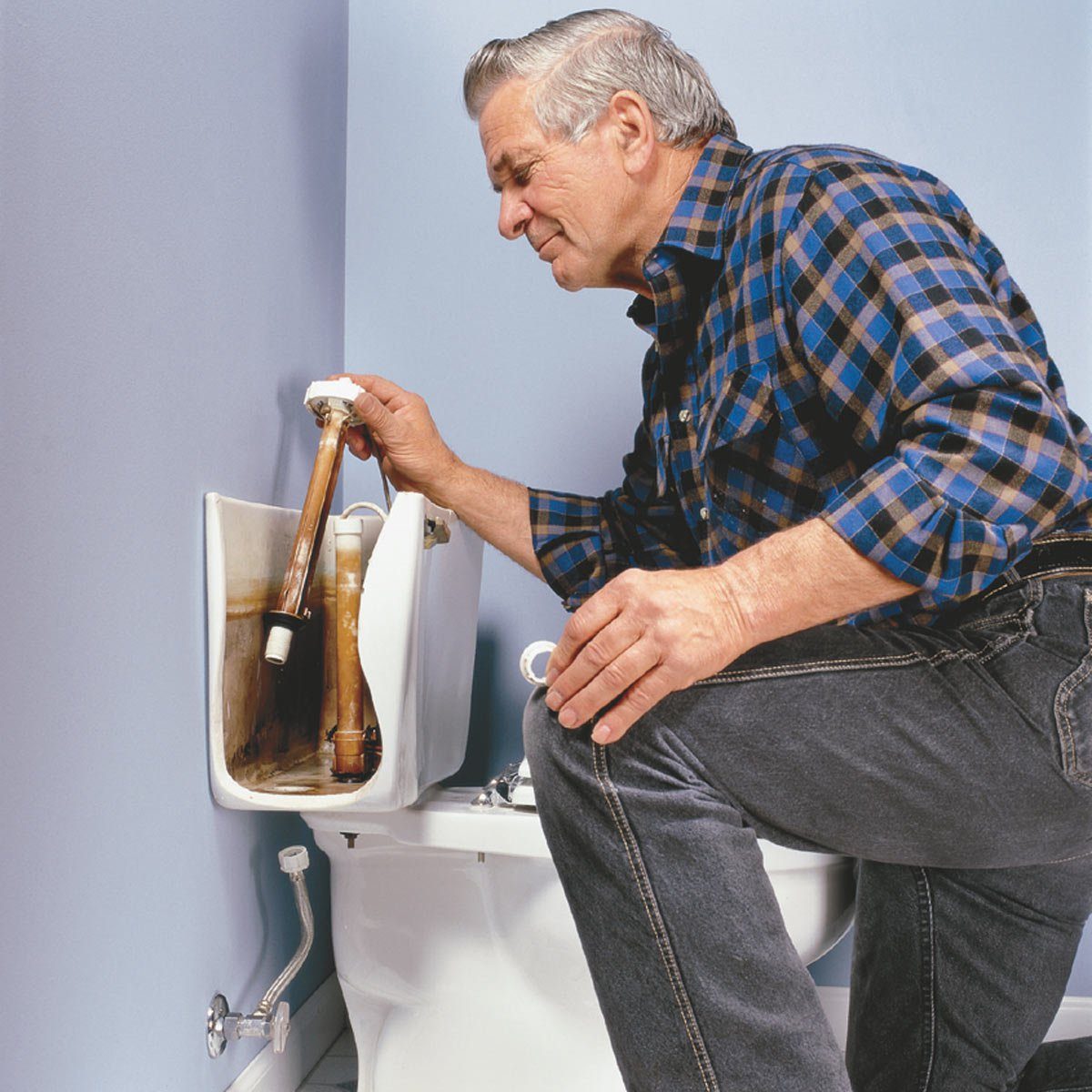
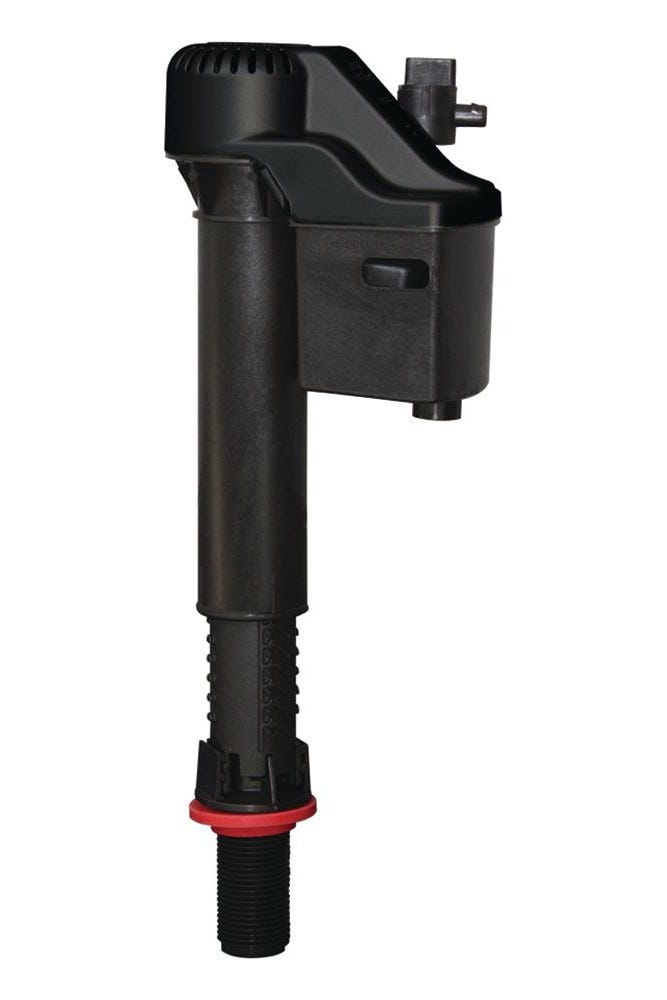
Finally, high water pressure can cause a vibrating, hissing noise as water passes through the supply line and the fill valve (also known as the ballcock). This is particularly noticeable if the fill valve is dirty or clogged, narrowing the passage for water. While recurring high water pressure issues might require a plumber to install a regulator, a first step is to clean the fill valve. This involves turning off the water, removing the cap and attached arm from the fill valve (located above the water level in the tank), and clearing any debris or sediment with a finger, pin, or water. If the fill valve is too worn or clogged to clean effectively, replacing the entire fill valve unit may be necessary. Ignoring a hissing toilet can lead to increased water bills, further damage to plumbing, potential flooding, and costly repairs, including water damage and mold behind walls.
#ToiletRepair #PlumbingProblems #DIYHomeRepair #WaterConservation #HomeMaintenance #ToiletFlapper #FillValve #HighWaterPressure #ToiletRepair #PlumbingProblems #DIYHomeRepair #WaterConservation #HomeMaintenance #ToiletFlapper #FillValve #HighWaterPressure
0 comment in total
 No comments yet
You may also like
14 Toilet Problems You Should Never Ignore

Everything That Goes Into the Cost to Replace a Toilet Flange

Toilets & Accessories

How to stop a gurgling toilet

Why quiet water flushes and showers are making waves in the bathroom
Why Your Bathroom Desperately Needs Cleaning Now

How to stop a gurgling toilet

What is a rimless toilet? Bathroom experts explain the advantages rimless toilets have to offer
How To Unclog a Toilet With or Without a Plunger
How to stop a gurgling toilet
After 25 Years of Testing Toilets, These Are My Top Picks for Every Bathroom


Bathroom organizing mistakes – experts explain where you're going wrong and how to fix it

How to stop a gurgling toilet

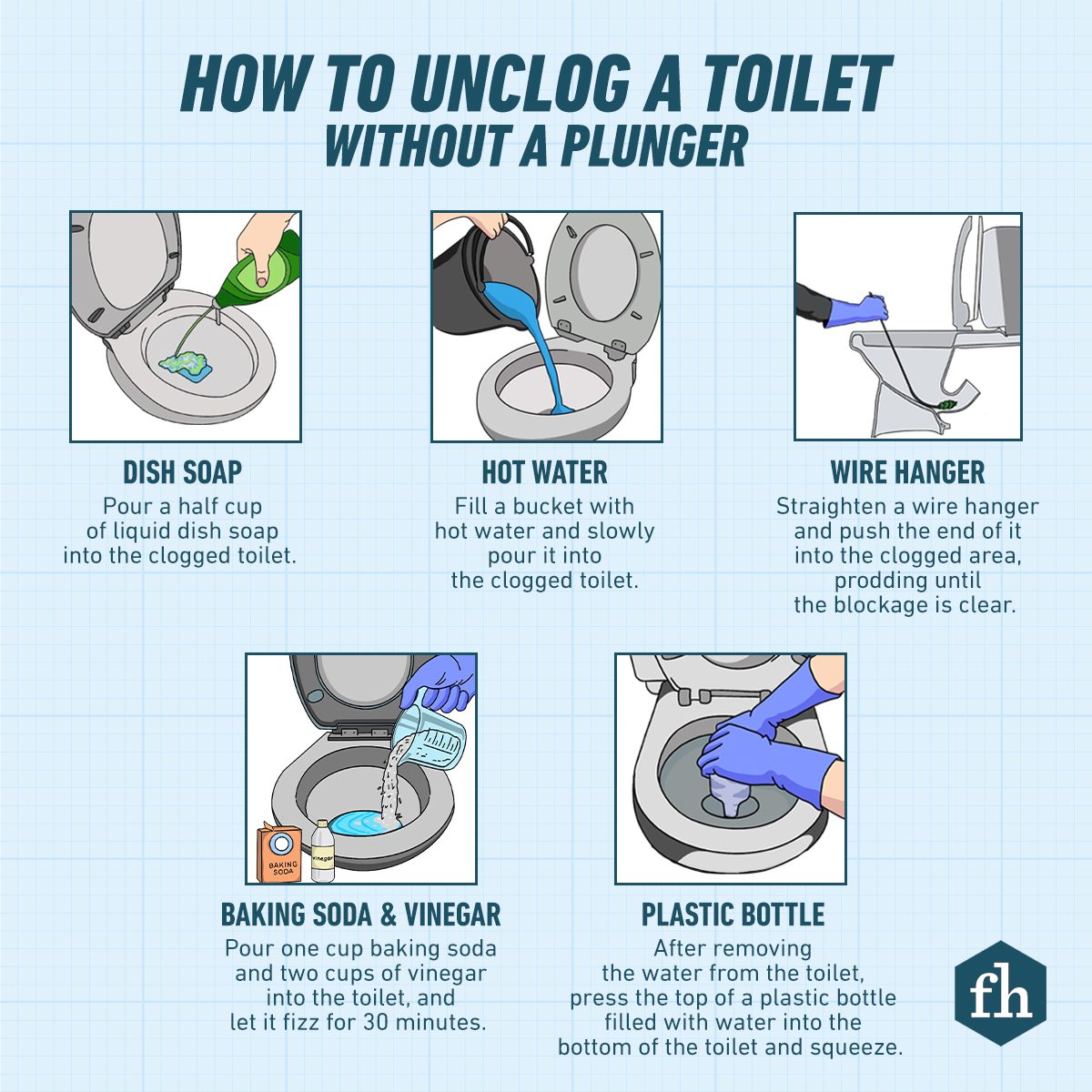
Bathroom Ideas, Cleaning and Repair
The Best Toilets for Today’s Home, Vetted

The 9 Best Toilet Seats to Buy in 2024
Here's How to Fix a Running Toilet Without Calling a Plumber
How to catch a running toilet
You're cleaning your bathroom floor wrong, experts warn – here's how to get it right
How to stop a gurgling toilet