1/7
A Google installation in Milan lets you measure which interiors are good for your health
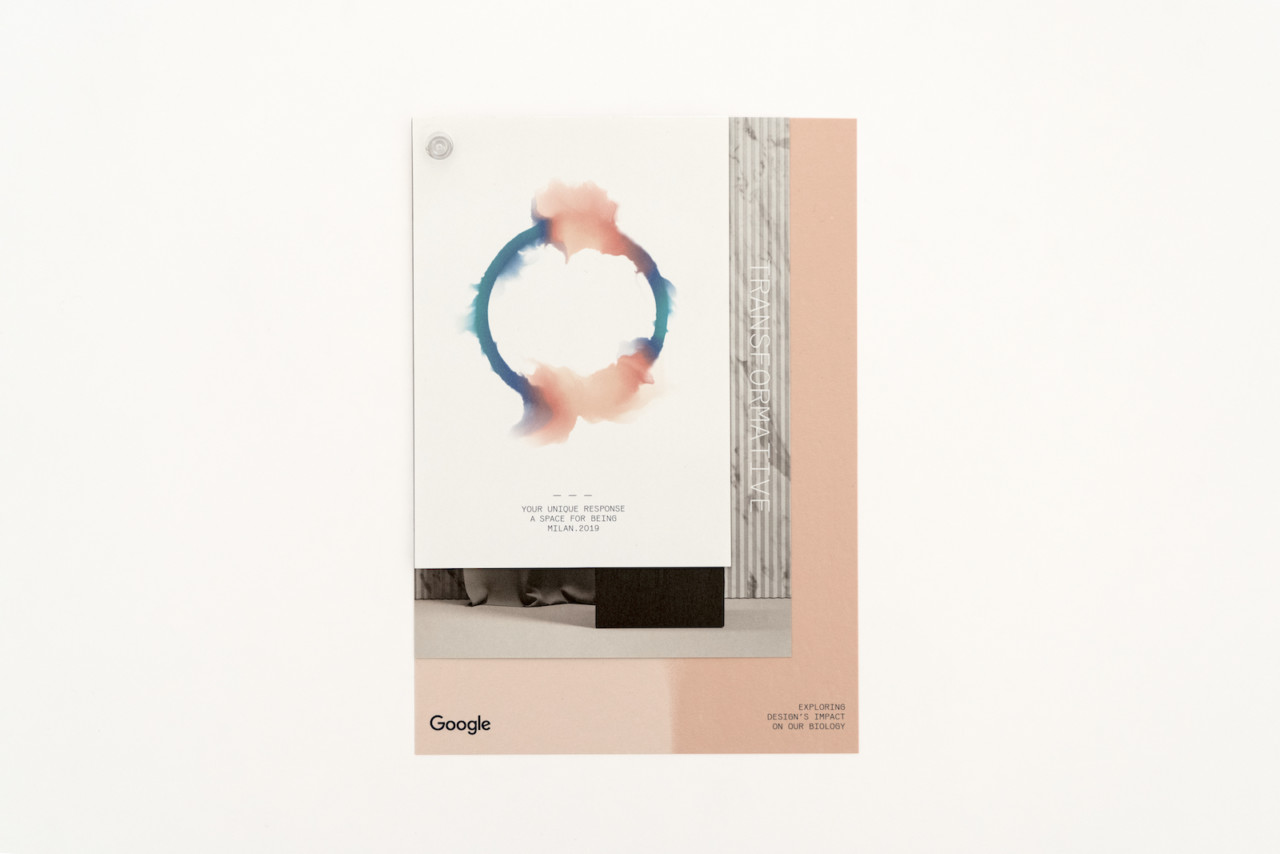
Google, in collaboration with Johns Hopkins University’s Arts + Mind Lab, unveiled an installation titled _A Space for Being_ at Salone del Mobile in Milan. This multi-room experience is designed to demonstrate how aesthetically pleasing environments can positively impact human physiology, moving beyond subjective perceptions to provide data-backed evidence. The installation is spearheaded by Ivy Ross, Google’s vice president and head of design for all hardware products, and features spaces designed by architect Suchi Reddy, furnished with pieces from Muuto.
_A Space for Being_ builds on Google’s previous Milan exhibition, ‘Softwear,’ continuing the exploration of design's impact on daily life. Ross, who also advises the Arts + Mind Lab as a Luminary Scholar, highlights that neuroscience can now prove what designers have long intuitively understood: that aesthetics, encompassing sensory systems like space, color, texture, music, and shape, influence brain activity, physiology, and overall well-being. The installation aims to be a thought leader in design, provoking discussions on the intersection of design and science.
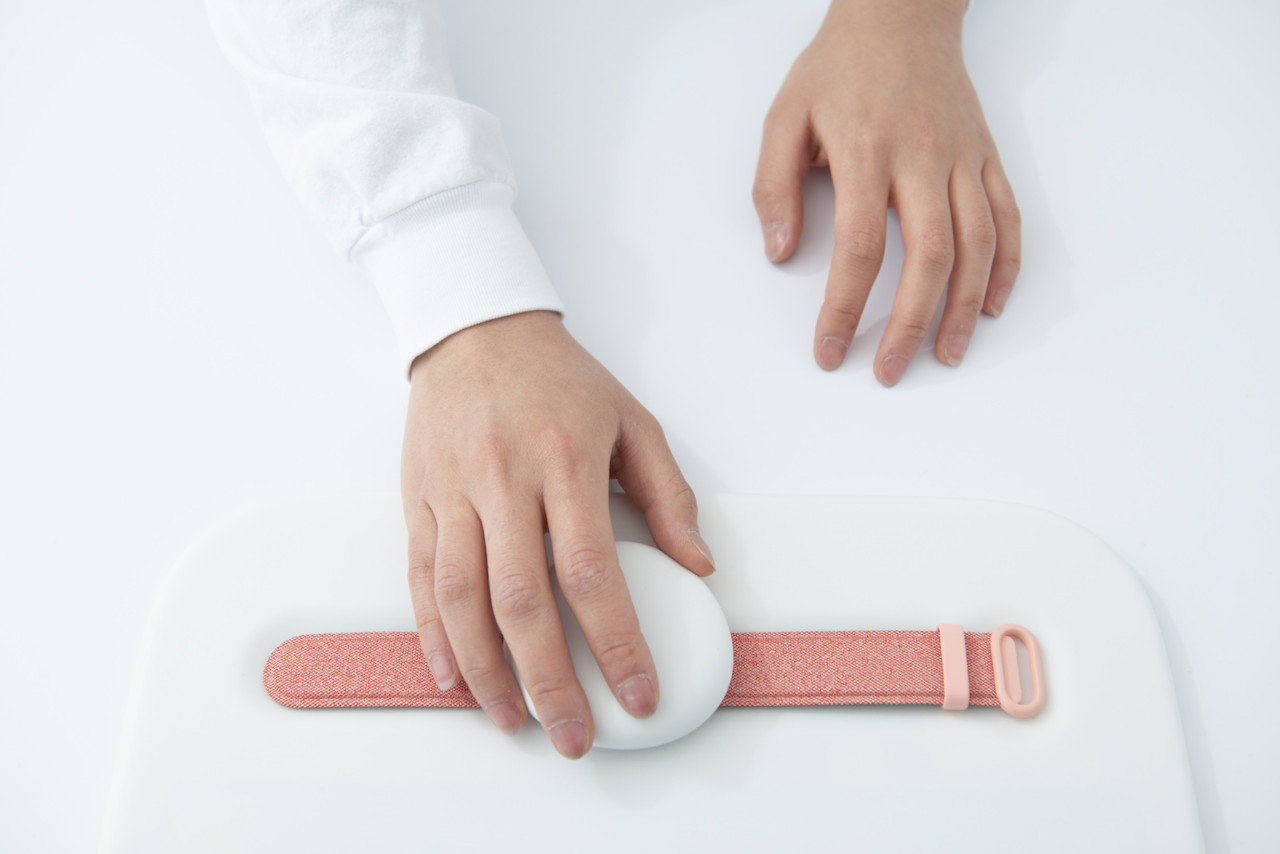
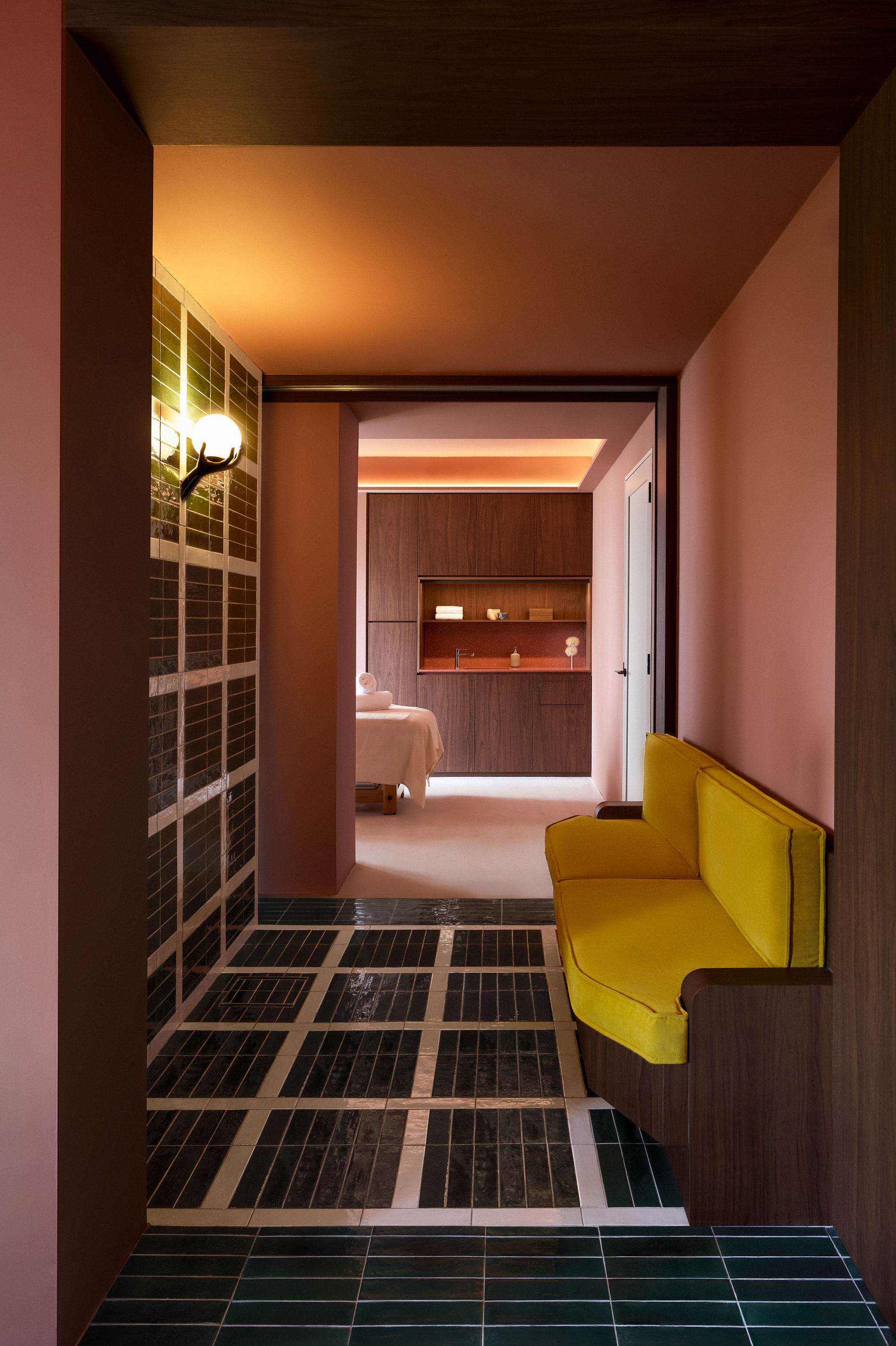
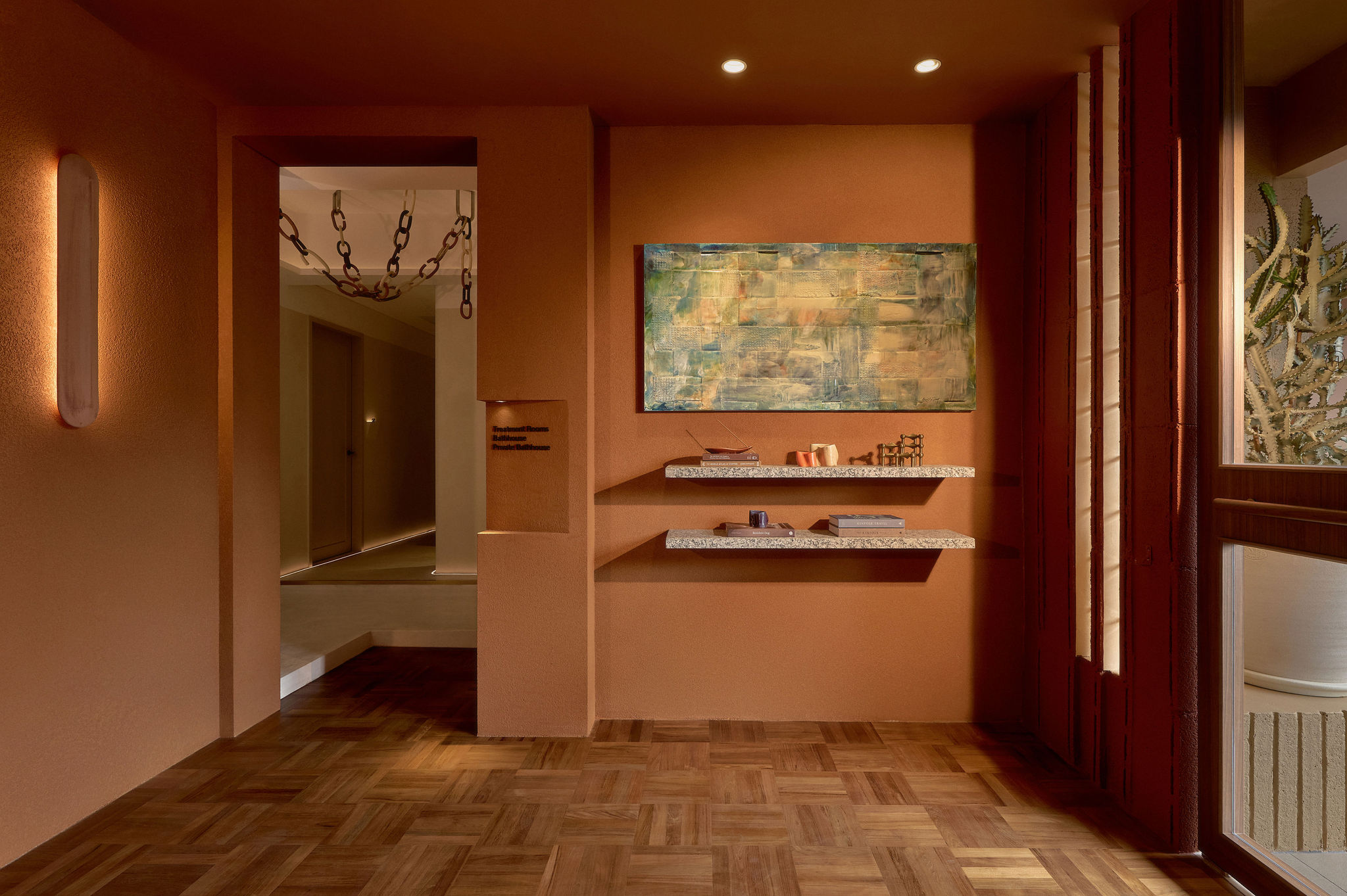
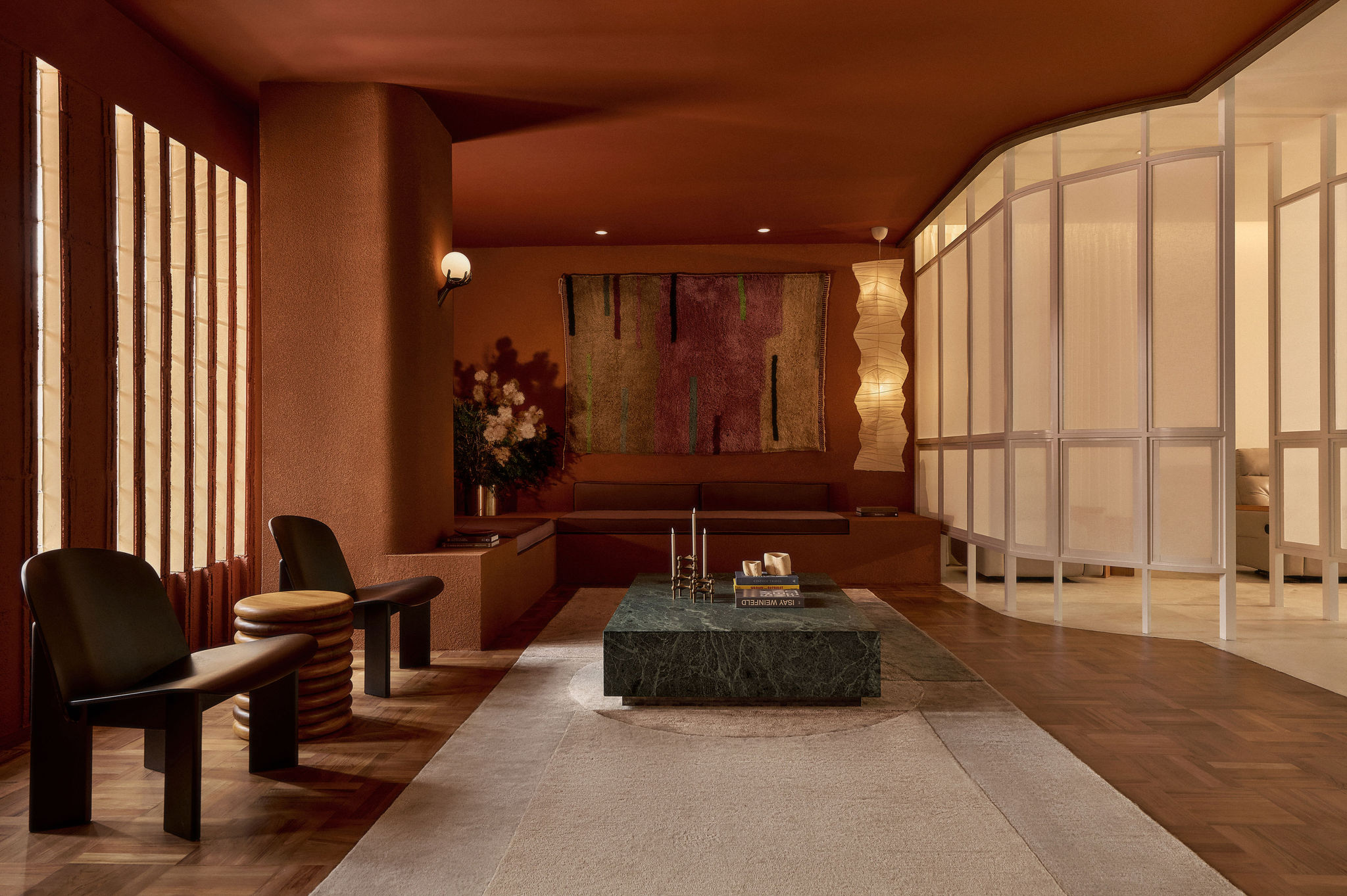
The installation consists of three distinct room environments: ‘Essential,’ ‘Vital,’ and ‘Transformative.’ Each room features subtle variations in lighting, scent, music, artwork, materials, and proportion, creating unique sensory experiences. Before entering, visitors are equipped with a specially designed band from Google Hardware and its Advanced Technology and Projects division. This wearable device measures physiological responses such as heart activity, breathing rate, skin conductance, temperature, and body motion. At the end of the experience, the collected data is downloaded and analyzed to provide visitors with insights into their personal reactions to the different environments.
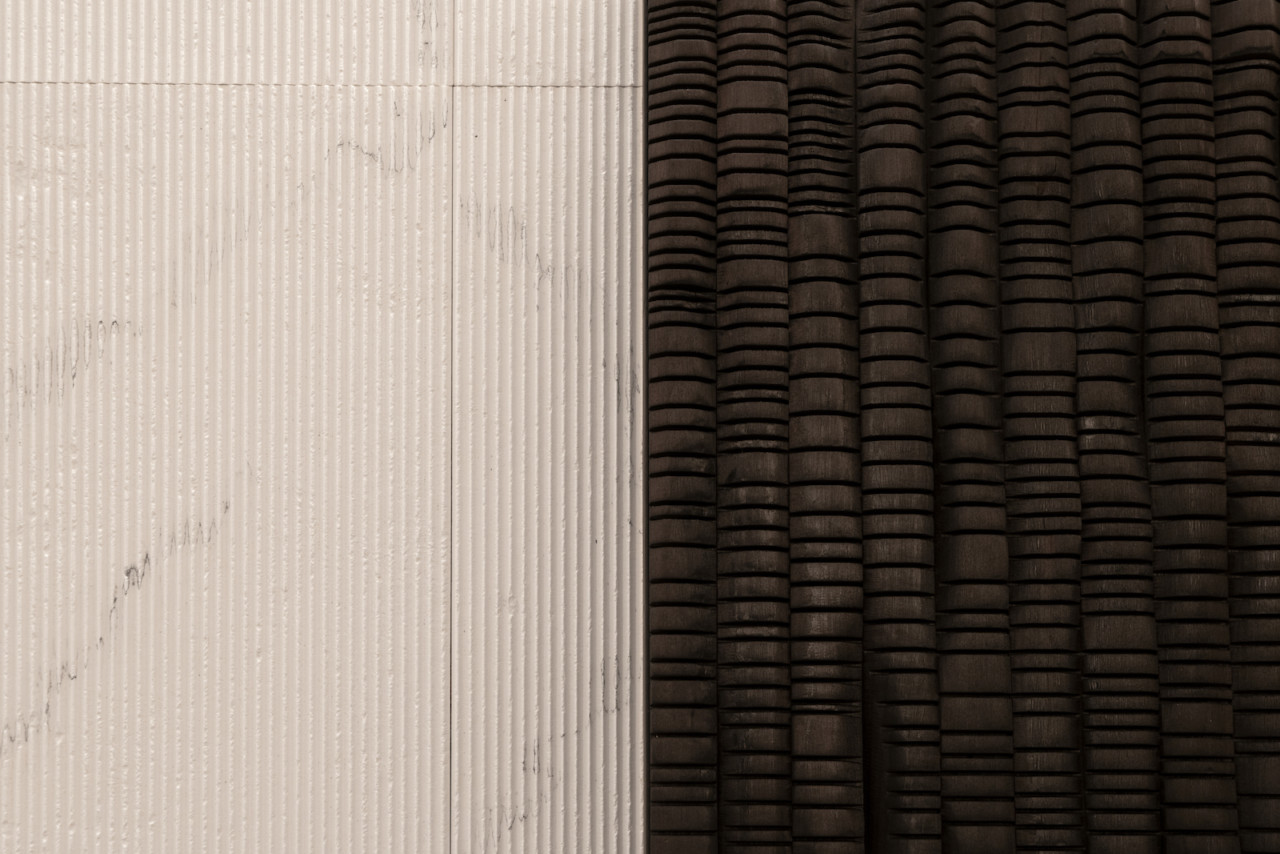
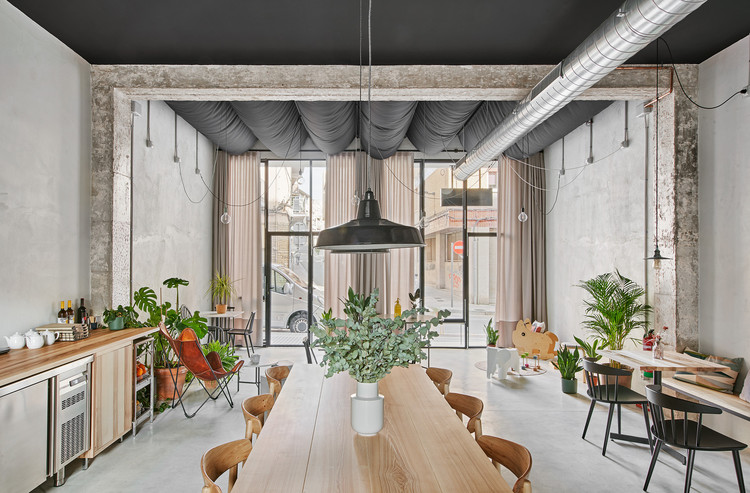
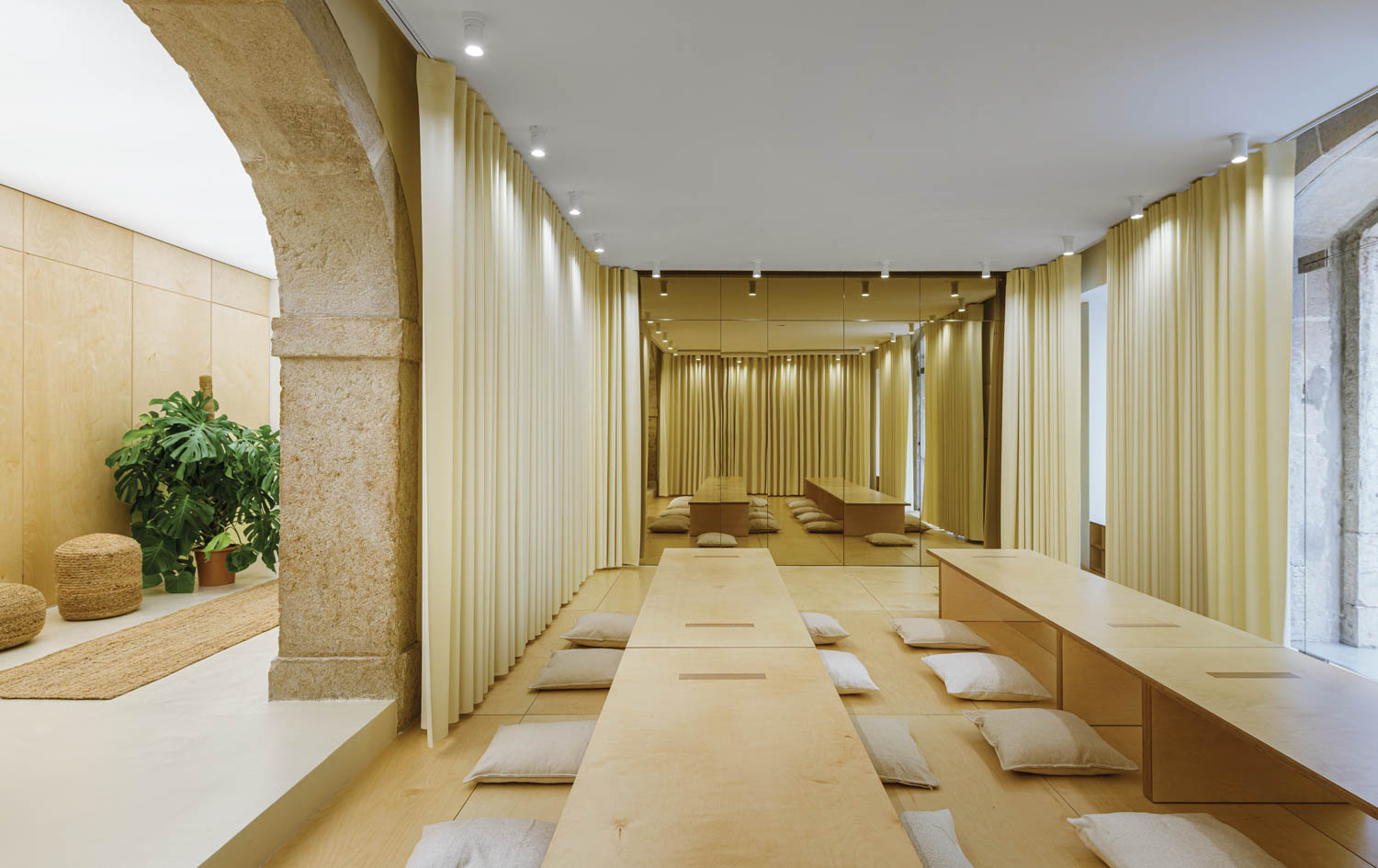
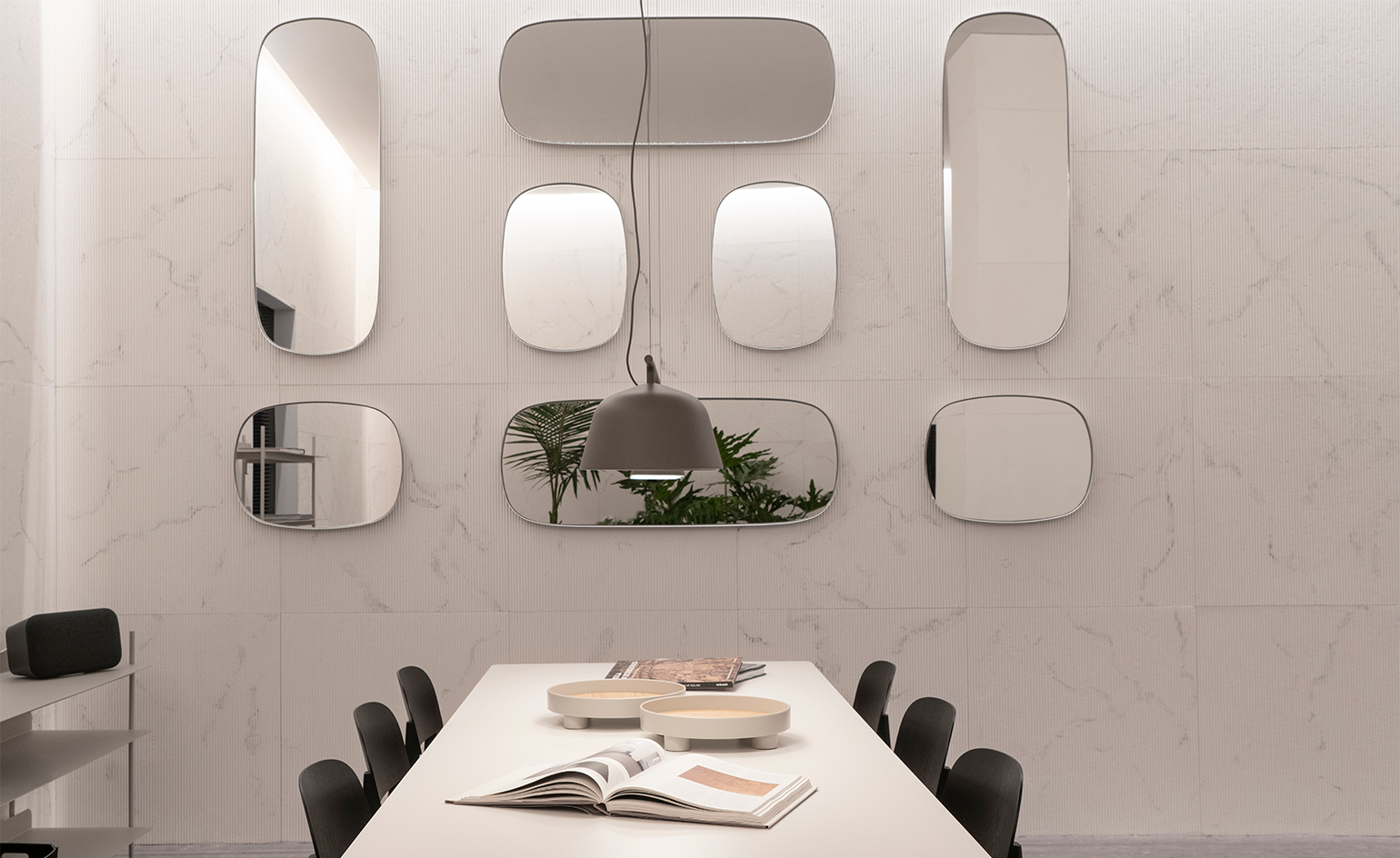
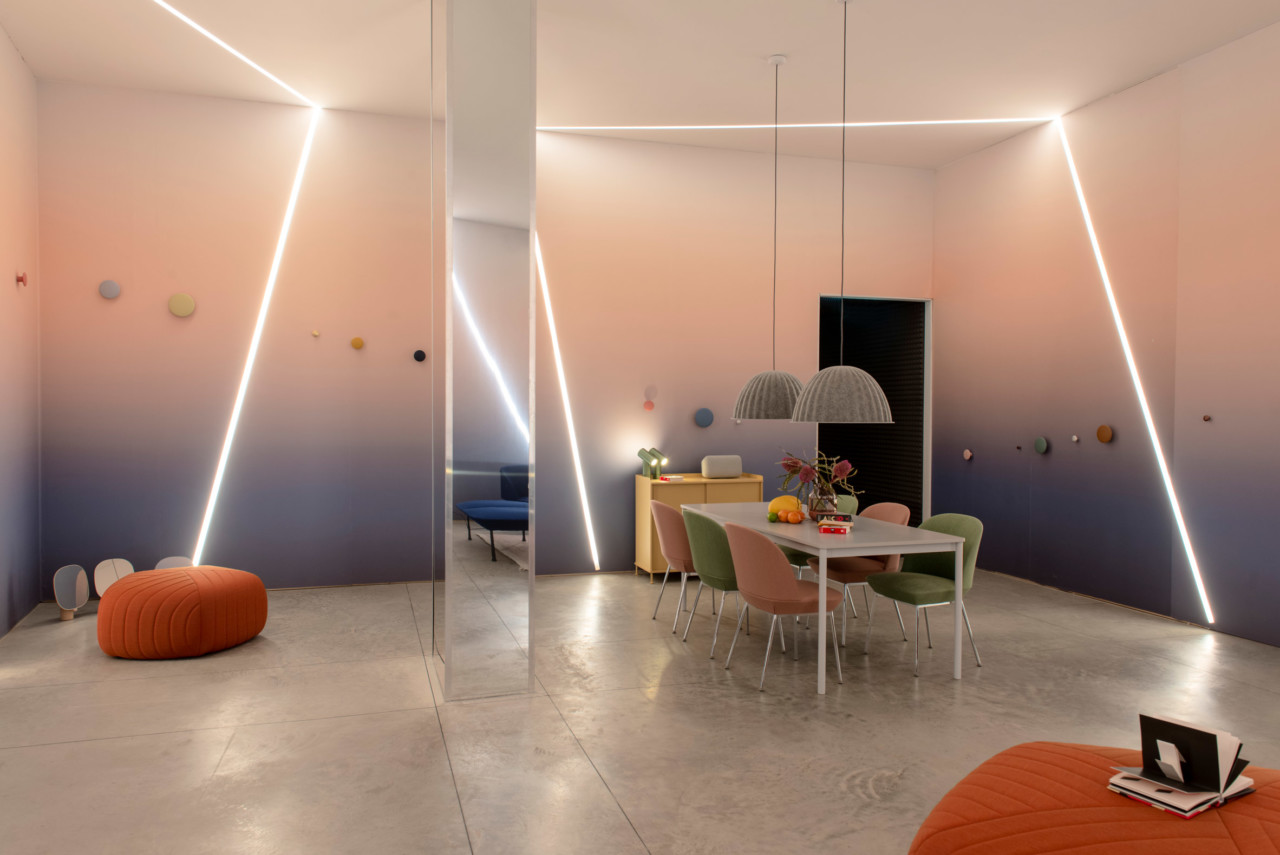
Suchi Reddy, the architect responsible for the interior and architectural design, describes her process as integrating art with science. She made conscious choices for every element and the sequence of the experience to evoke specific moods, balancing scientific research with aesthetic intuition. For instance, the ‘Essential’ room offers an intimate, earthy feel with curved walls, soft lighting, and touch-inviting surfaces, including a commissioned wool tapestry by Claudy Jongstra. The ‘Vital’ room is designed to be more playful with angled walls, concrete floors, bright colors, light patterns, and reflective surfaces. The ‘Transformative’ room features a natural, refined feel with a neutral palette, textured walls, indirect lighting, plants, and a minimal sculpture by Sabine Marcelis.
The interiors, furnished exclusively by Muuto, maintain a common aesthetic, ensuring that visitors’ physiological reactions are primarily influenced by sensory stimuli rather than personal taste. Christian Grosen, Muuto’s design director, emphasizes the project's ability to create a new language around aesthetics, helping individuals understand and articulate their preferences beyond mere words. Susan Magsamen, executive director of the Arts + Mind Lab, notes the growing interest among neuroscientists in how the brain responds to aesthetic experiences, focusing on practical applications for health, well-being, and learning, including personalized neuroaesthetics. The installation allows the public to engage with this cutting-edge research, offering feedback on their responses to different environments. To ensure privacy, all collected data is erased in front of participants after assessment. Ross emphasizes that the initiative underscores the profound impact of design on well-being, encouraging people to make informed choices about their environments to enhance their physiology and foster a more peaceful state.
#GoogleDesign #Neuroaesthetics #SaloneDelMobile #MilanDesignWeek #InteriorDesign #SensoryExperience #JohnsHopkinsUniversity #SuchiReddy #Wellbeing #DesignInnovation #GoogleDesign #Neuroaesthetics #SaloneDelMobile #MilanDesignWeek #InteriorDesign #SensoryExperience #JohnsHopkinsUniversity #SuchiReddy #Wellbeing #DesignInnovation
0 comment in total
 No comments yet
You may also like
Google’s Installation Tells You What Spaces Make You Feel Better than Others

Ottagono Packs a Full Workout into a Luminous Octagonal Column

Redefining bathroom design with Italian craftsmanship and innovation


Zen Decor and Meditation Spaces Are Taking Over Home Offices: a Look at Wellness Room Designs

Newsletter #50: 🏡 Place as medicine: How our homes can create health or disease
What to Expect from Interiors of the Future

9 yoga studios that achieve design nirvana

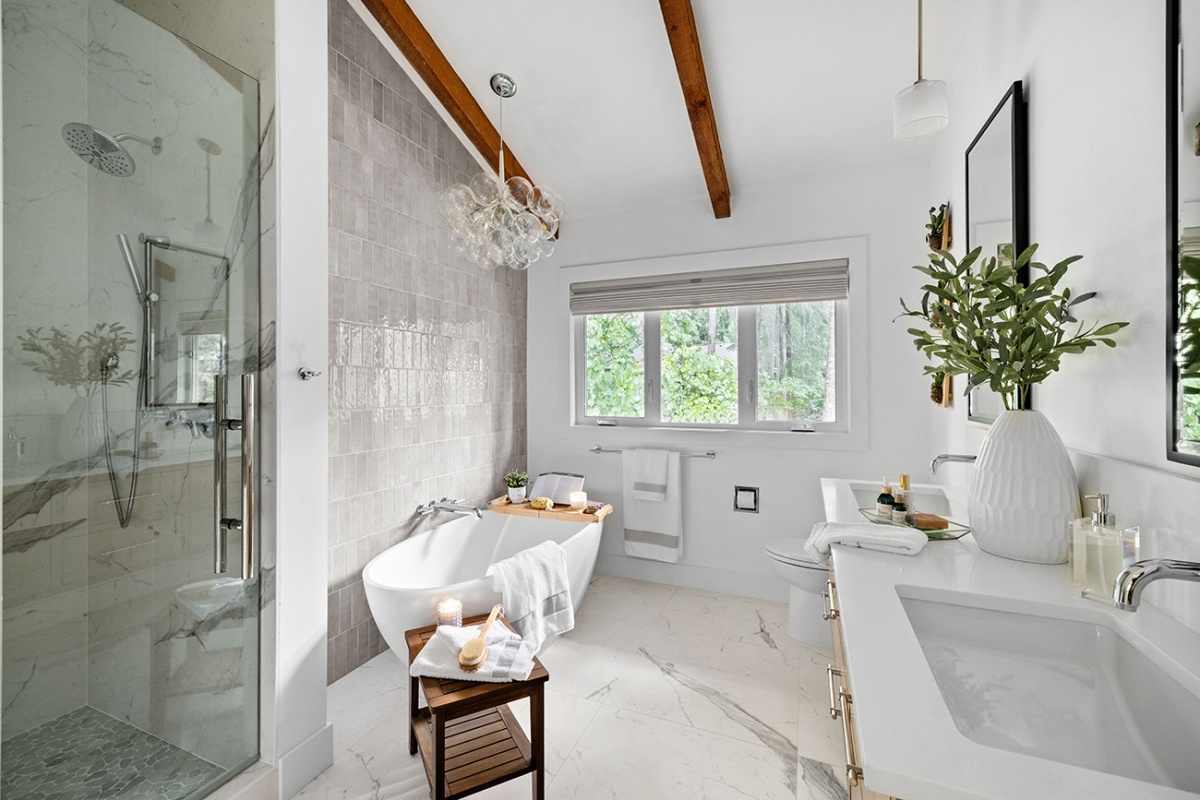
6 ‘Wellness’ Additions Taking Priority in Bathroom Updates
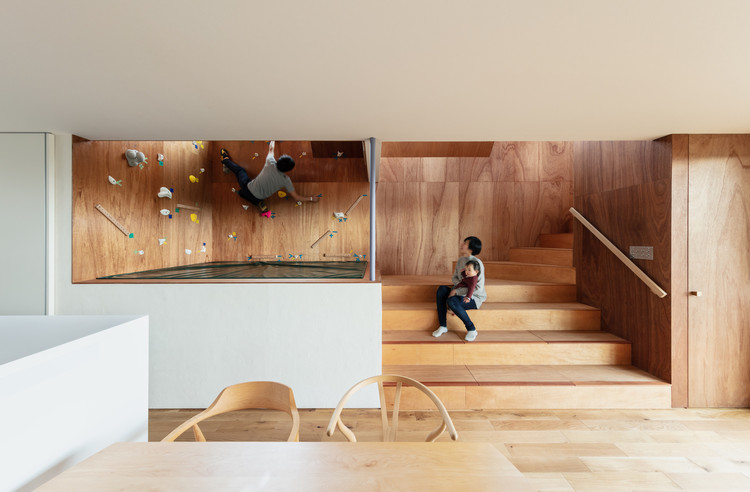
Spaces for Wellness: Integrating Fitness into Everyday Environments
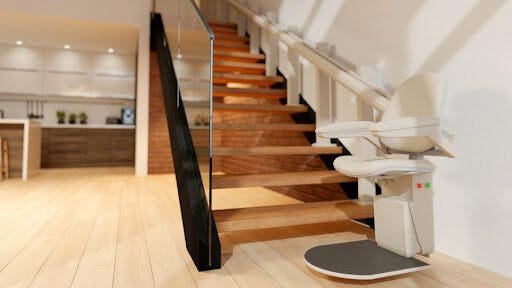
Aging In Place Remodeling: A Checklist For Senior Homes


Our Homes Have A Lot To Do With Mental Health — This Architect Is Sharing Ways To Make Yours Less Stressful

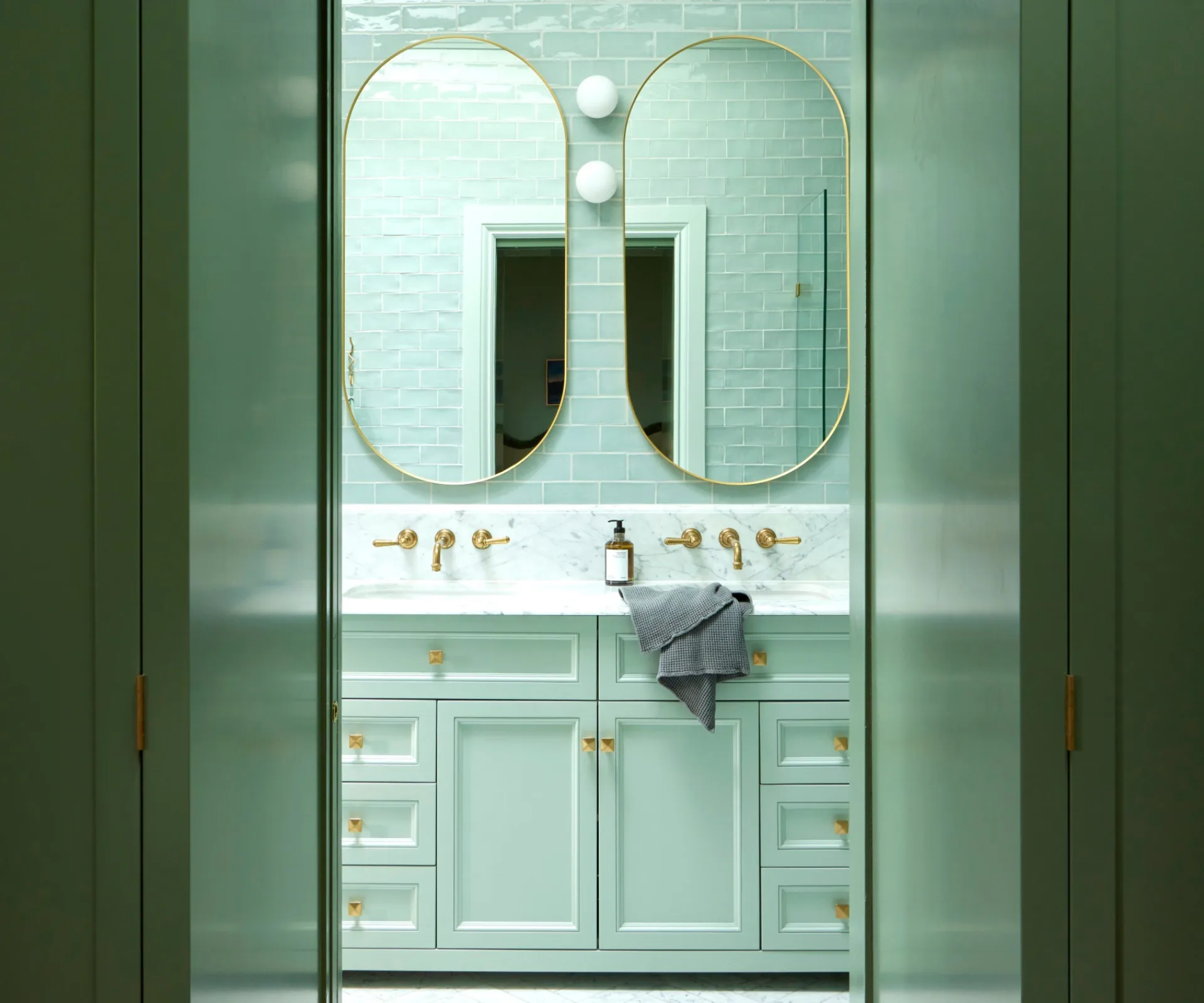
15 green interior design ideas that will have you green with envy

Five Tech Trends To Boost 2024 Wellness-Related Bathroom Design
The biggest wellness interior design trends for 2025

Contrast therapy meets neuroaesthetic design at this Singapore spa and bathhouse

15 Relaxation Rooms Designed to Create Calm


I moved and Gemini helped in surprising ways — but the final touch is missing

7 aging-in-place remodeling products with major style


The environment in which we live and our mental health are intricately connected
Case study: Specifying the surfaces at Juno Rooms