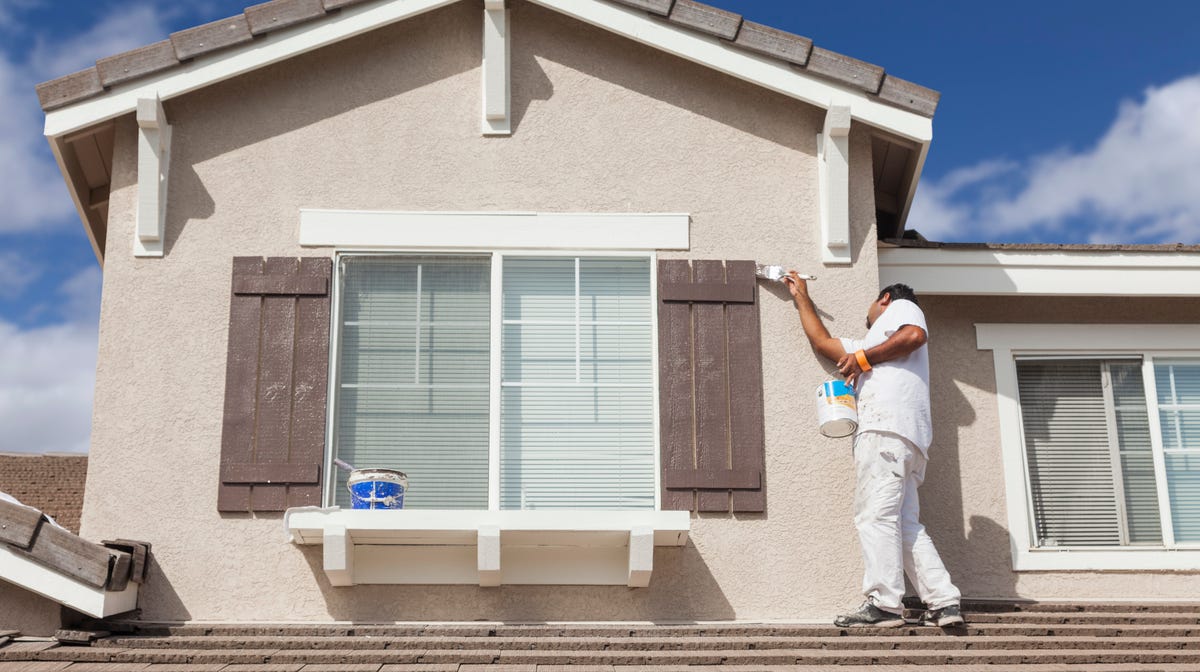
Story from Arizona Painting Company: Strategies for painting in Arizona’s hot, dry weather
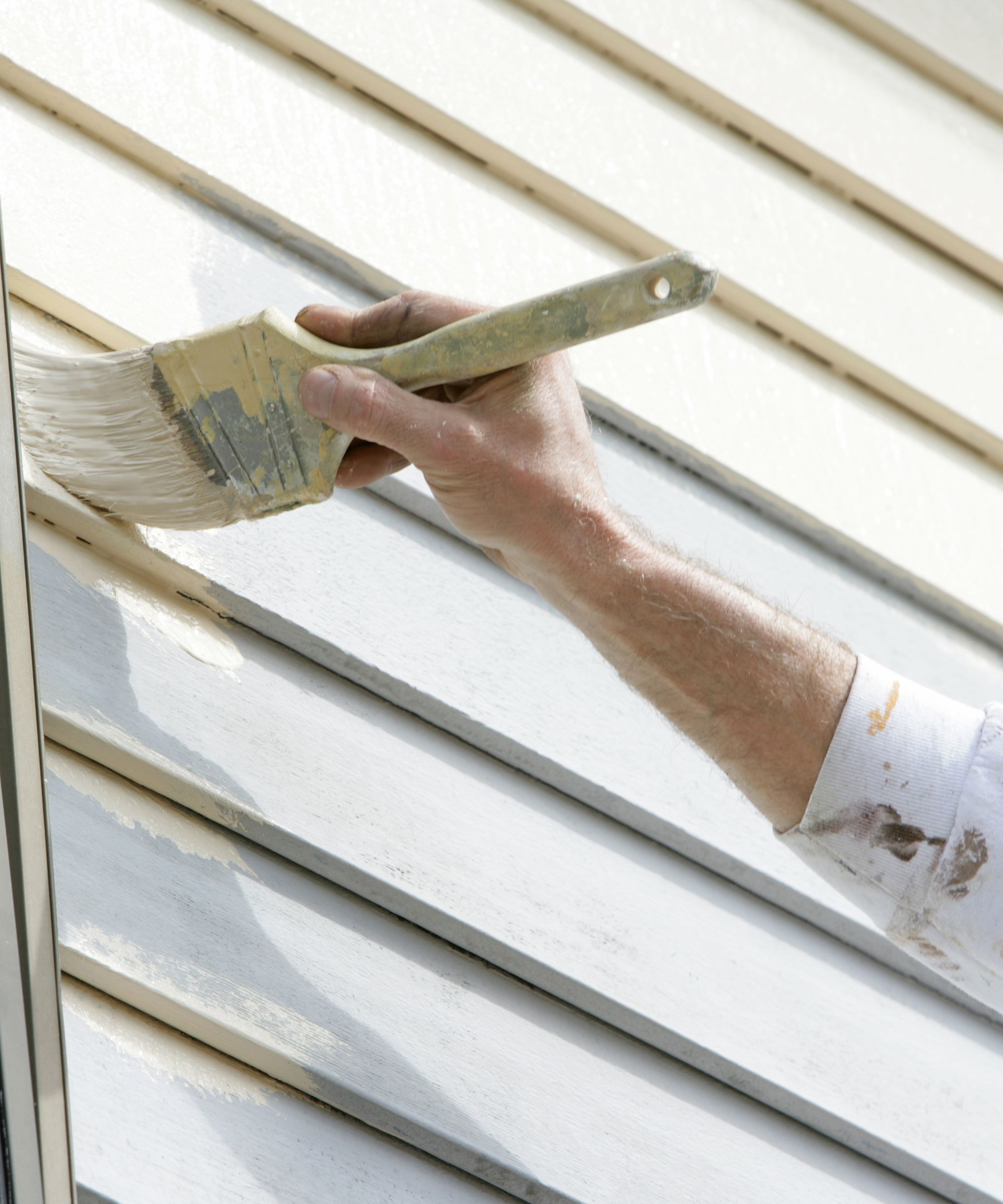
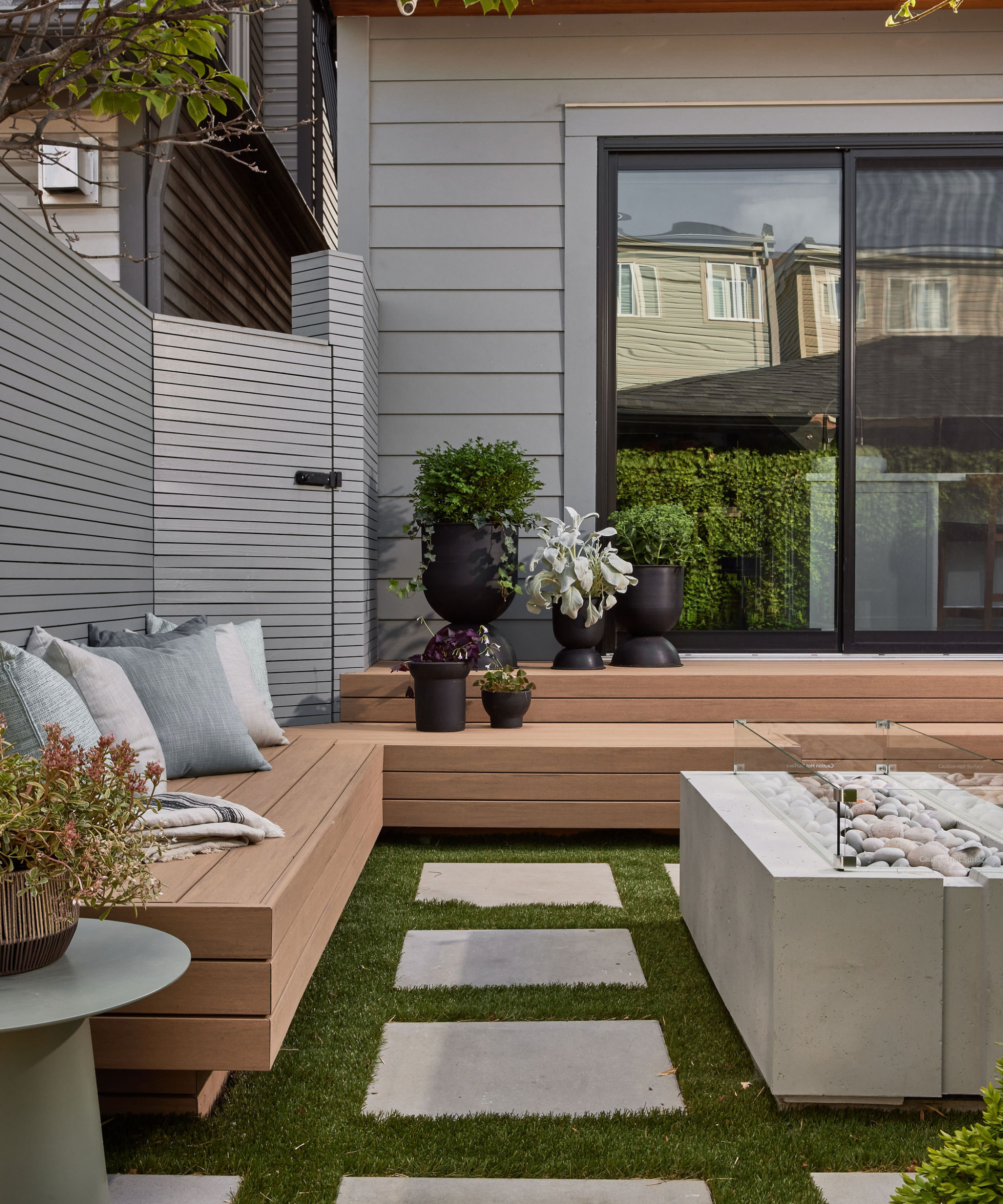
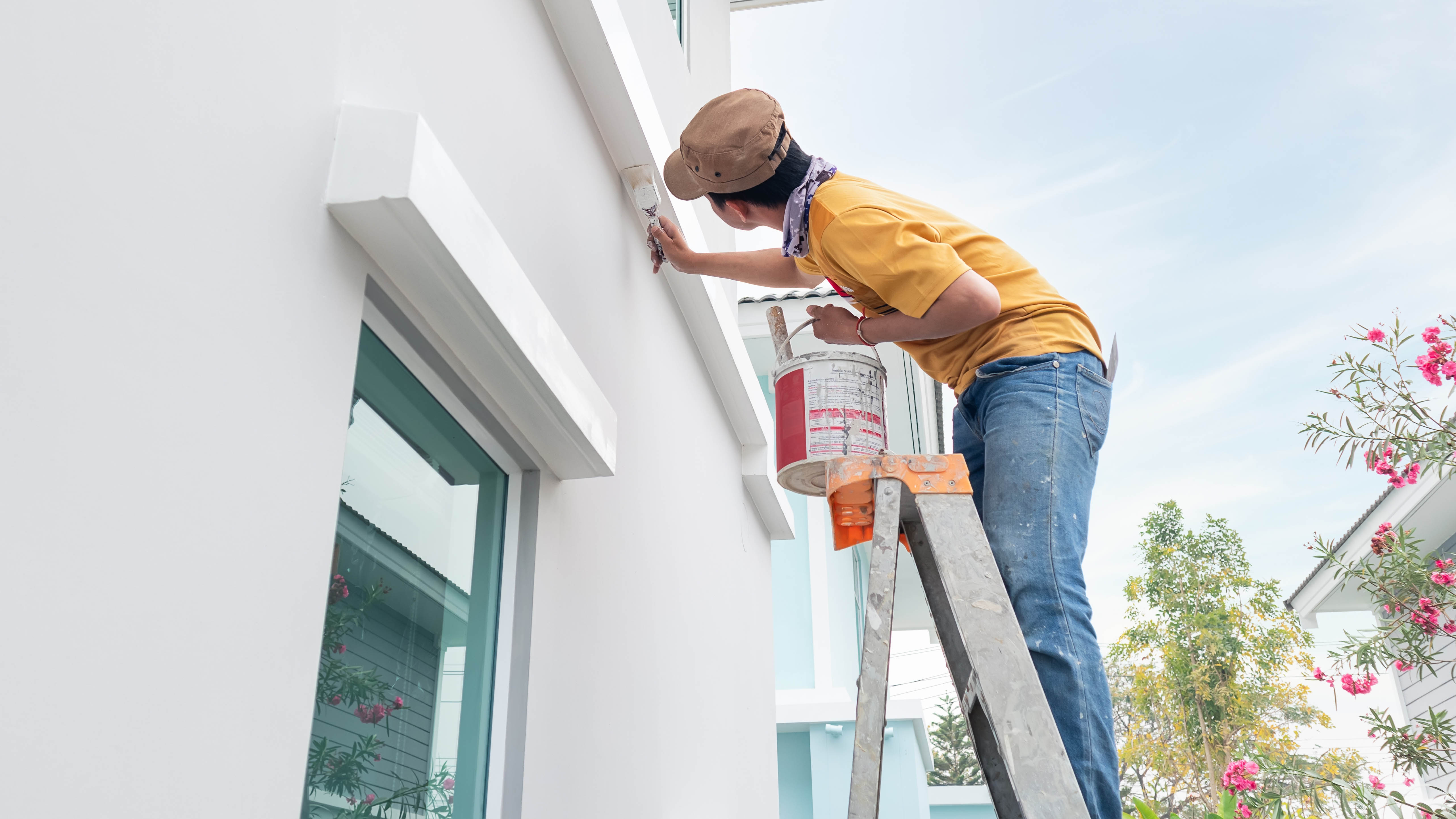
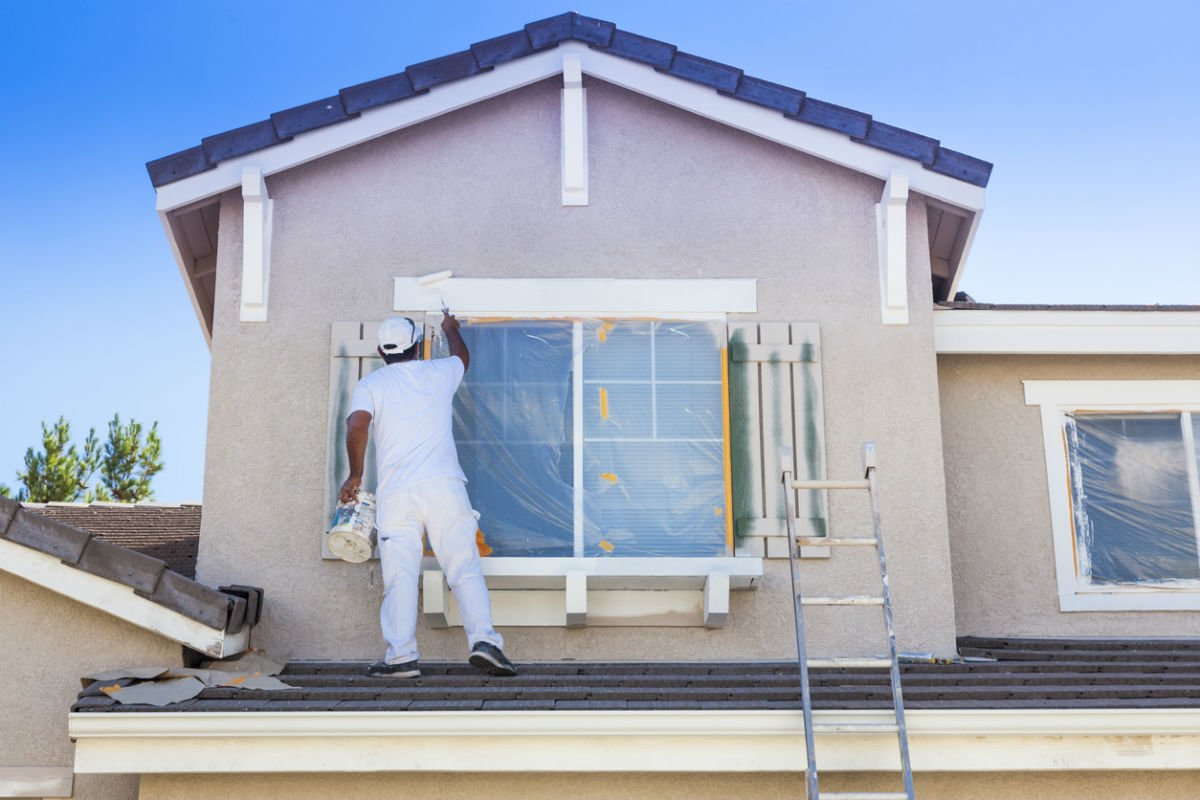
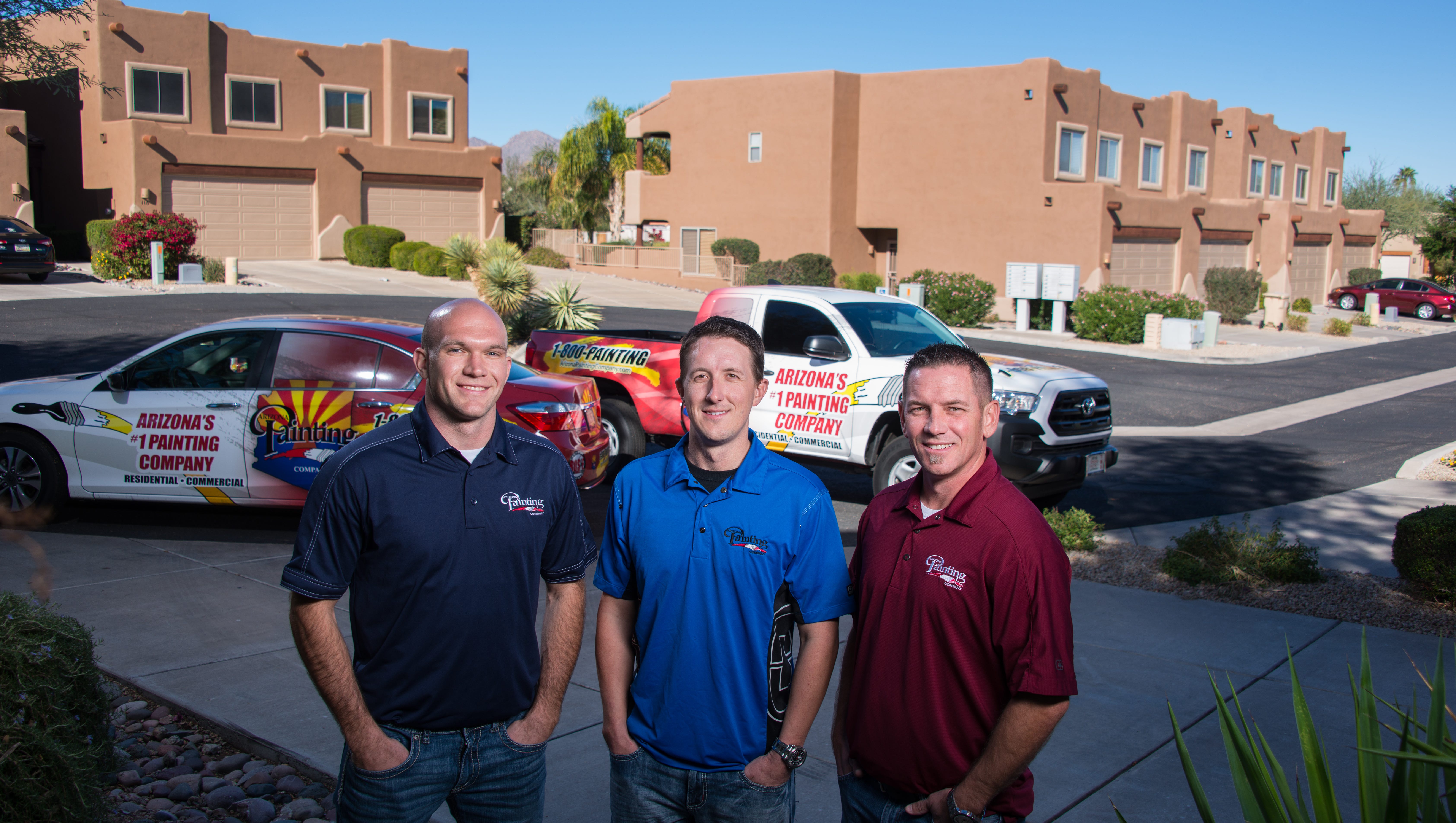
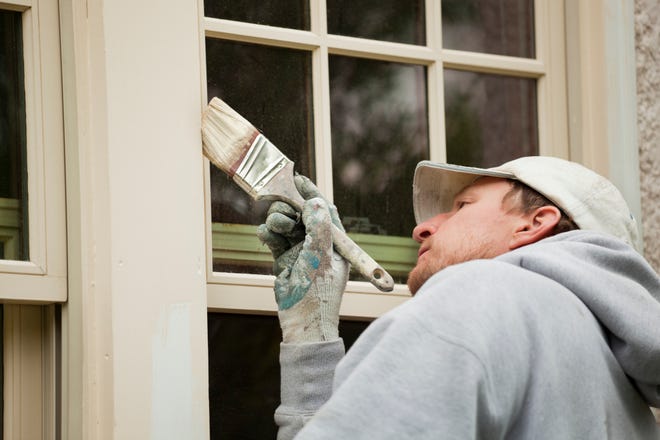
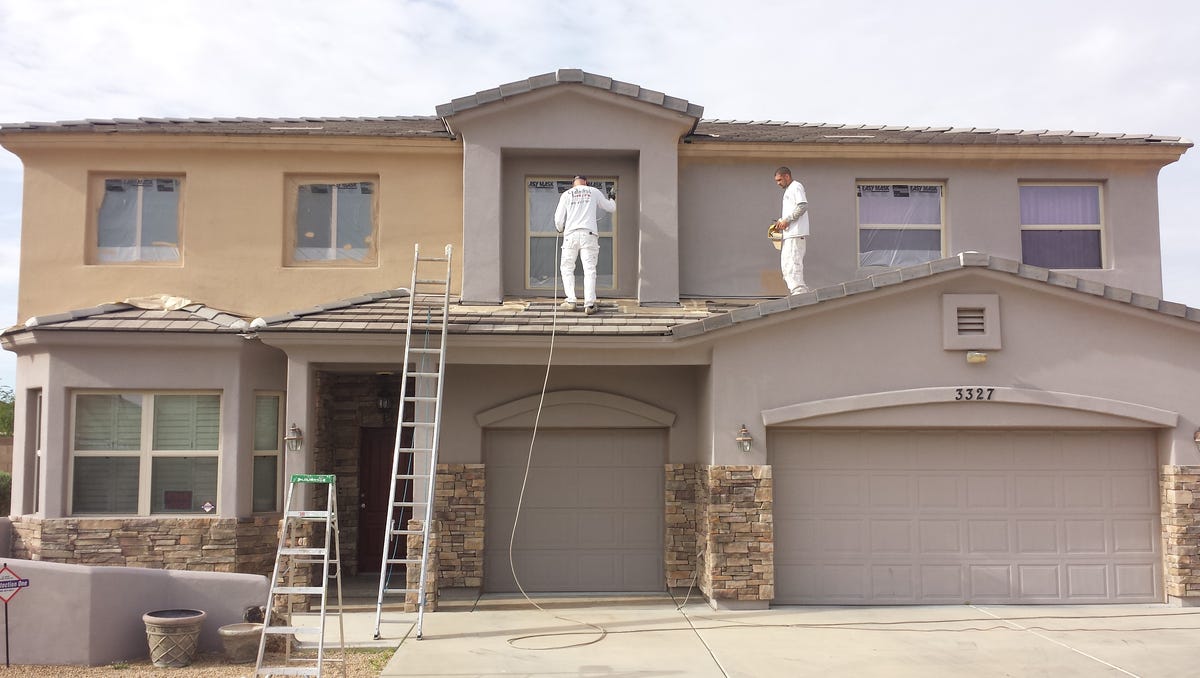
Living in Arizona's hot, dry climate presents unique challenges for painting professionals, necessitating specific strategies to ensure quality and durability. The article, featuring insights from Joe Campbell, co-owner of Arizona Painting Company, highlights essential guidelines for exterior house painting in such conditions. One of the primary recommendations is to start painting early in the morning, ideally around 4:30 AM during the summer, when temperatures are milder. This early start is crucial for both crew safety and paint application quality. Painting the south and west-facing walls first in the cool morning hours allows the paint's water or solvent to remain on the surface longer, maximizing adhesion and preventing premature cracking. This extended drying time ensures that binders and pigments have sufficient time to cure properly.
The high surface temperatures in Arizona's heat can cause paint to dry too quickly, leading to issues like uneven coats, visible brush strokes, or lap marks. Therefore, Campbell's teams prioritize painting metal doors and fencing in the early morning as well, as these surfaces absorb and retain heat rapidly. Most crews aim to complete their work by 2 p.m. to avoid the intense afternoon heat. Furthermore, the article emphasizes the importance of avoiding direct sunlight when painting, even on days without extreme heat, by seeking out shaded areas as the day progresses. This practice helps maintain optimal drying conditions for the paint.
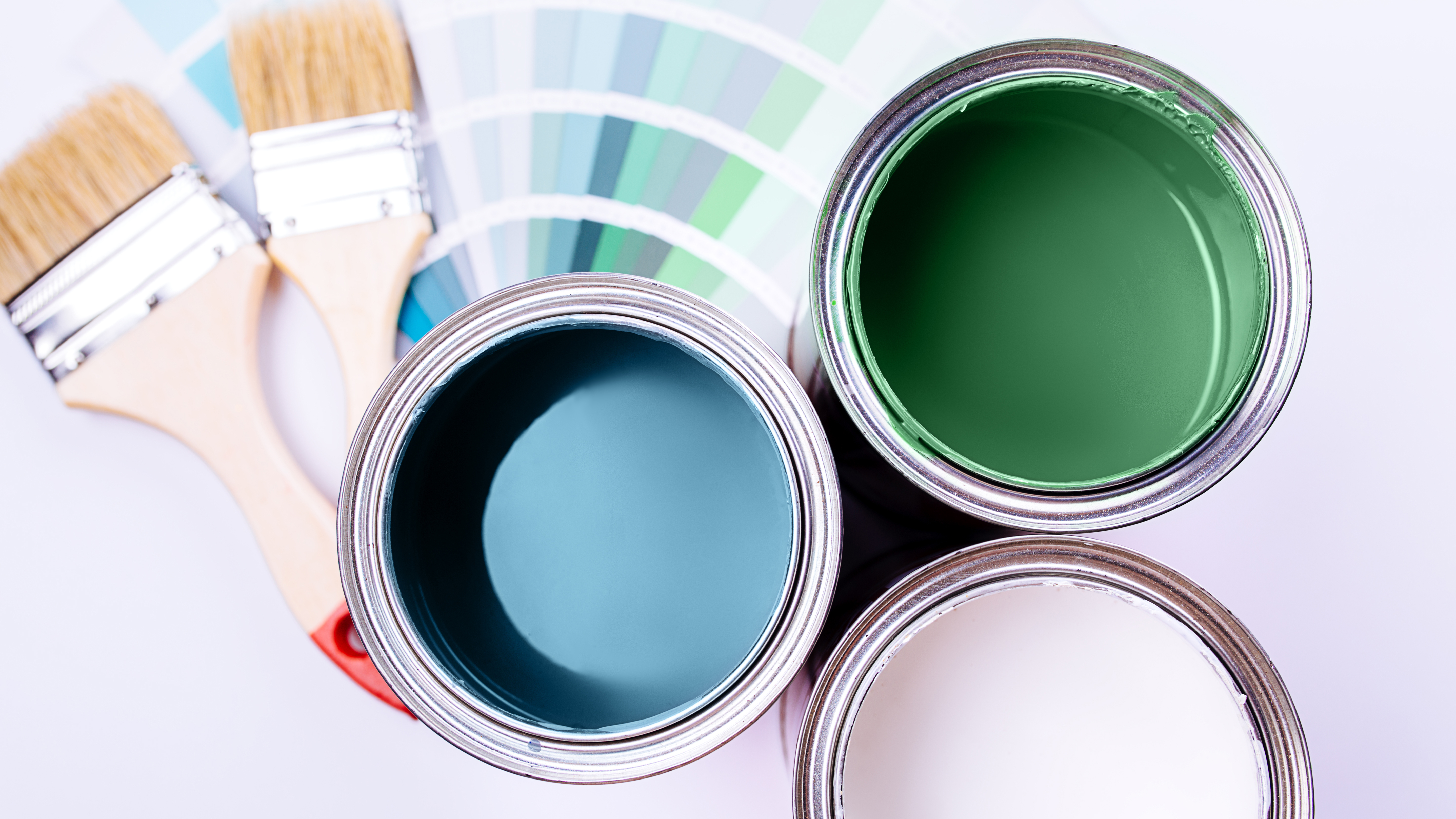
Paint quality is another critical factor discussed, with a strong emphasis on the adage, "you get what you pay for." In an environment with direct sun and extreme heat, a cheaper, contractor-grade paint can quickly fade and flake, sometimes within a year. The article advises homeowners to work with contractors who are transparent about the type of paint they use and can explain why a particular product is suitable for the local climate. Contractors should be able to guide clients through a paint can's data sheet to help them make an informed decision, ensuring the chosen coating has adequate binders and pigments to withstand the elements.
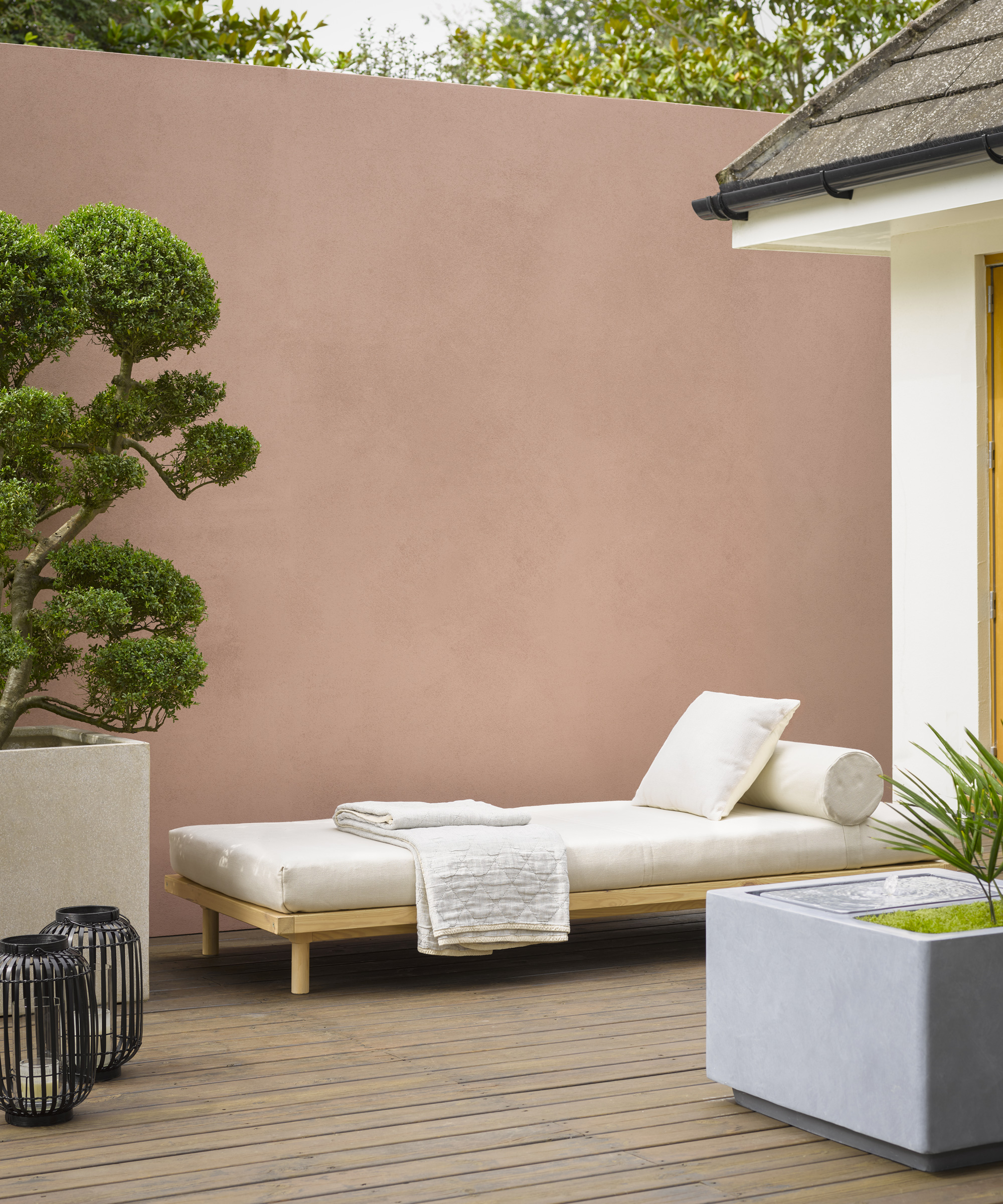
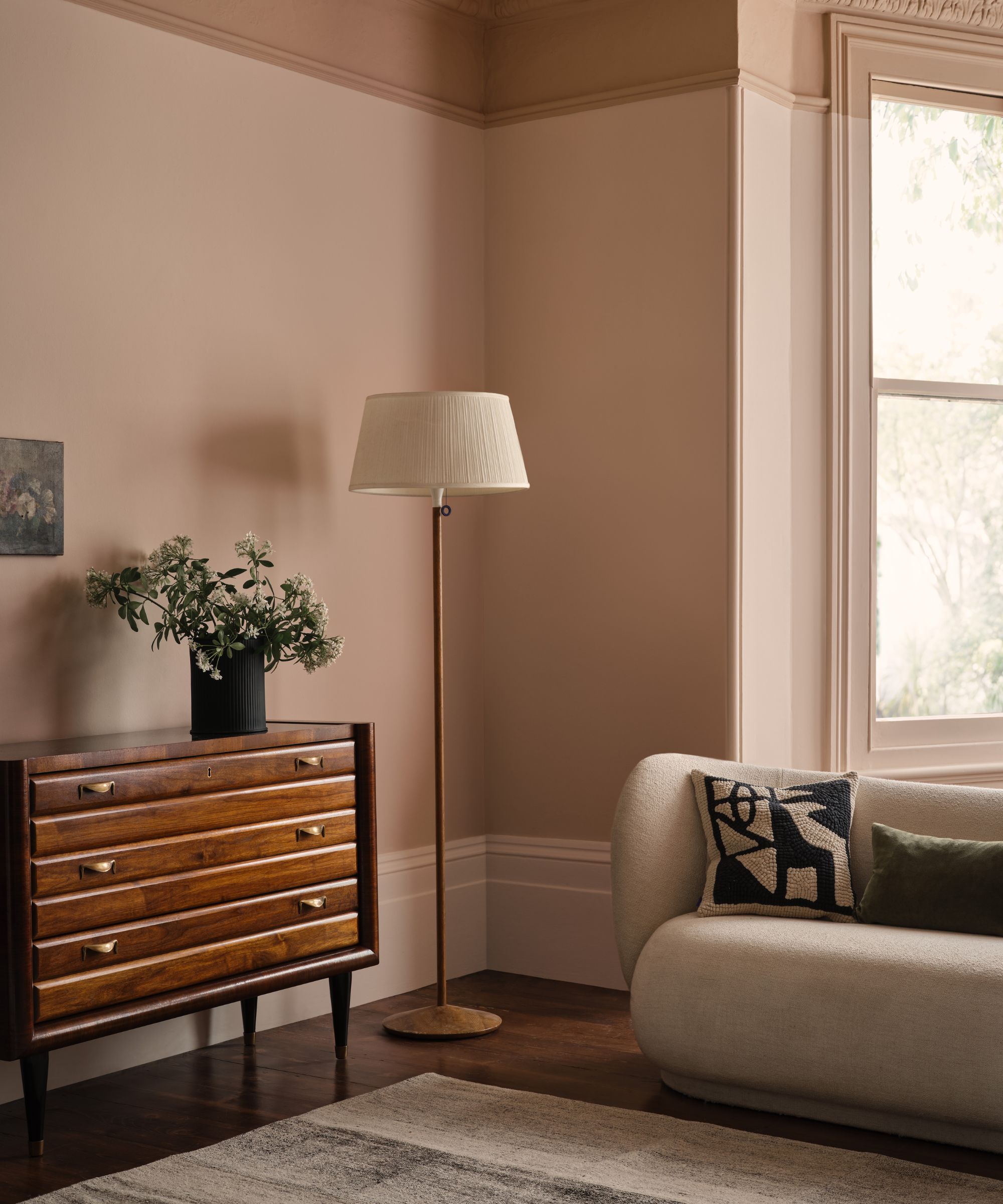
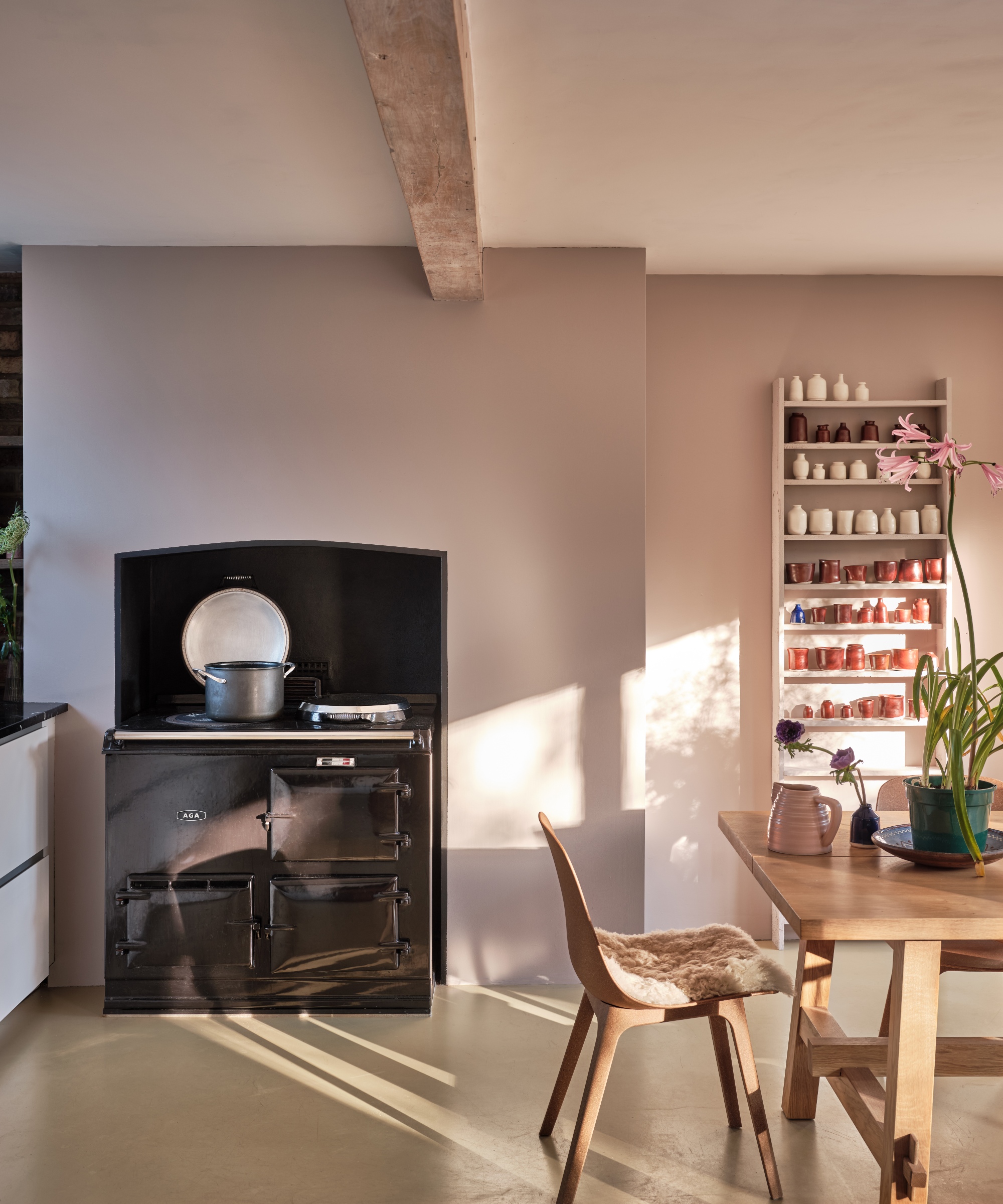
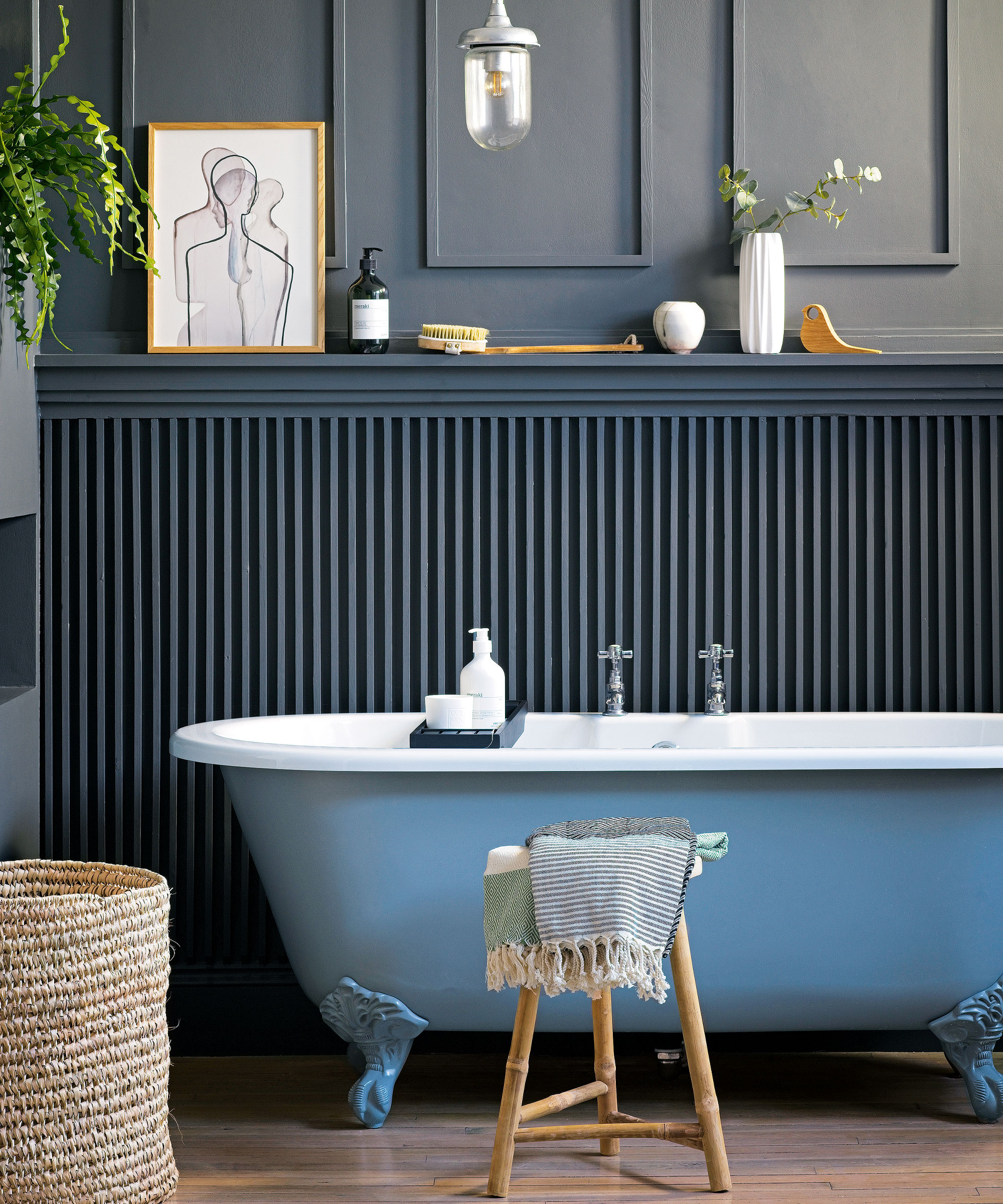
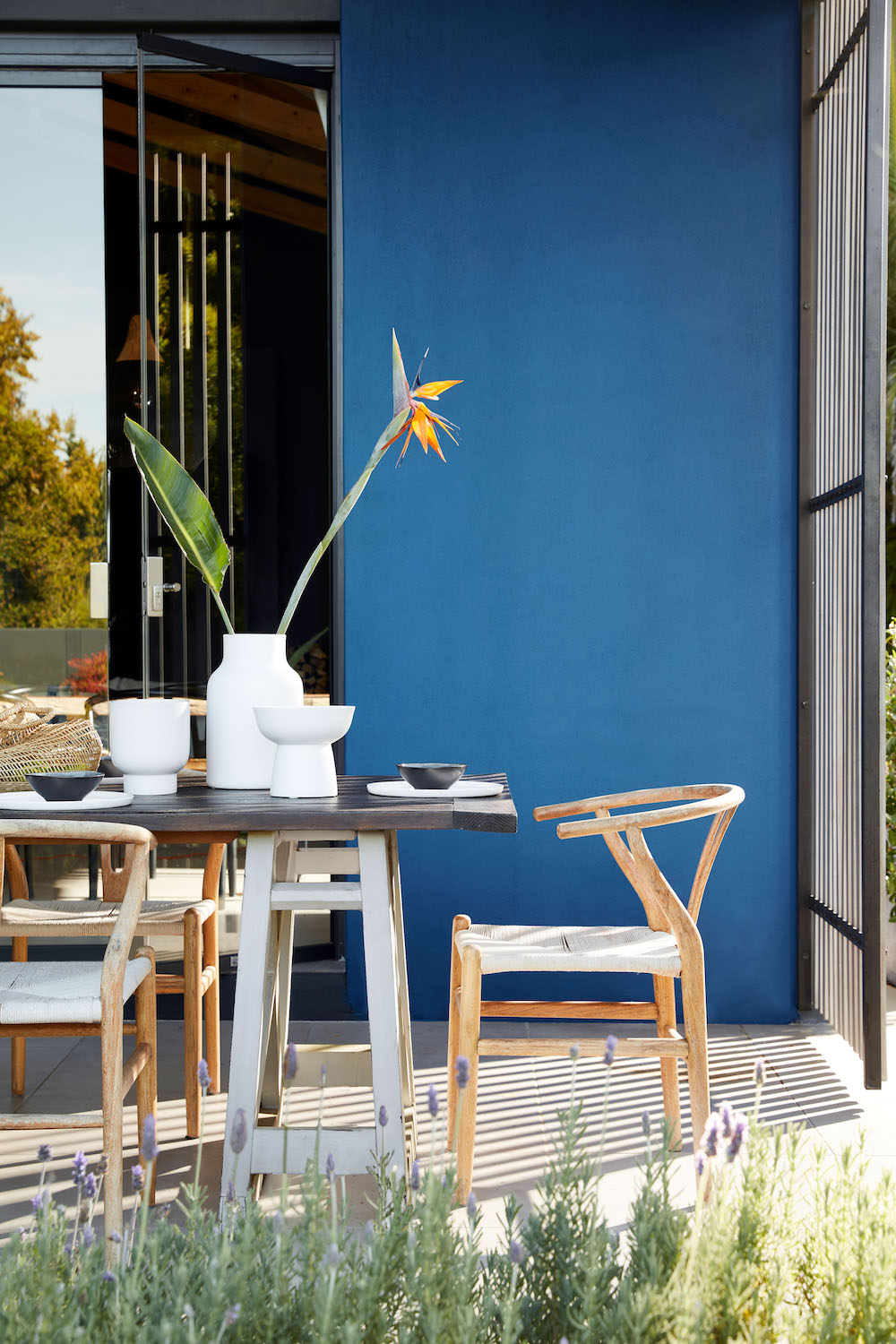
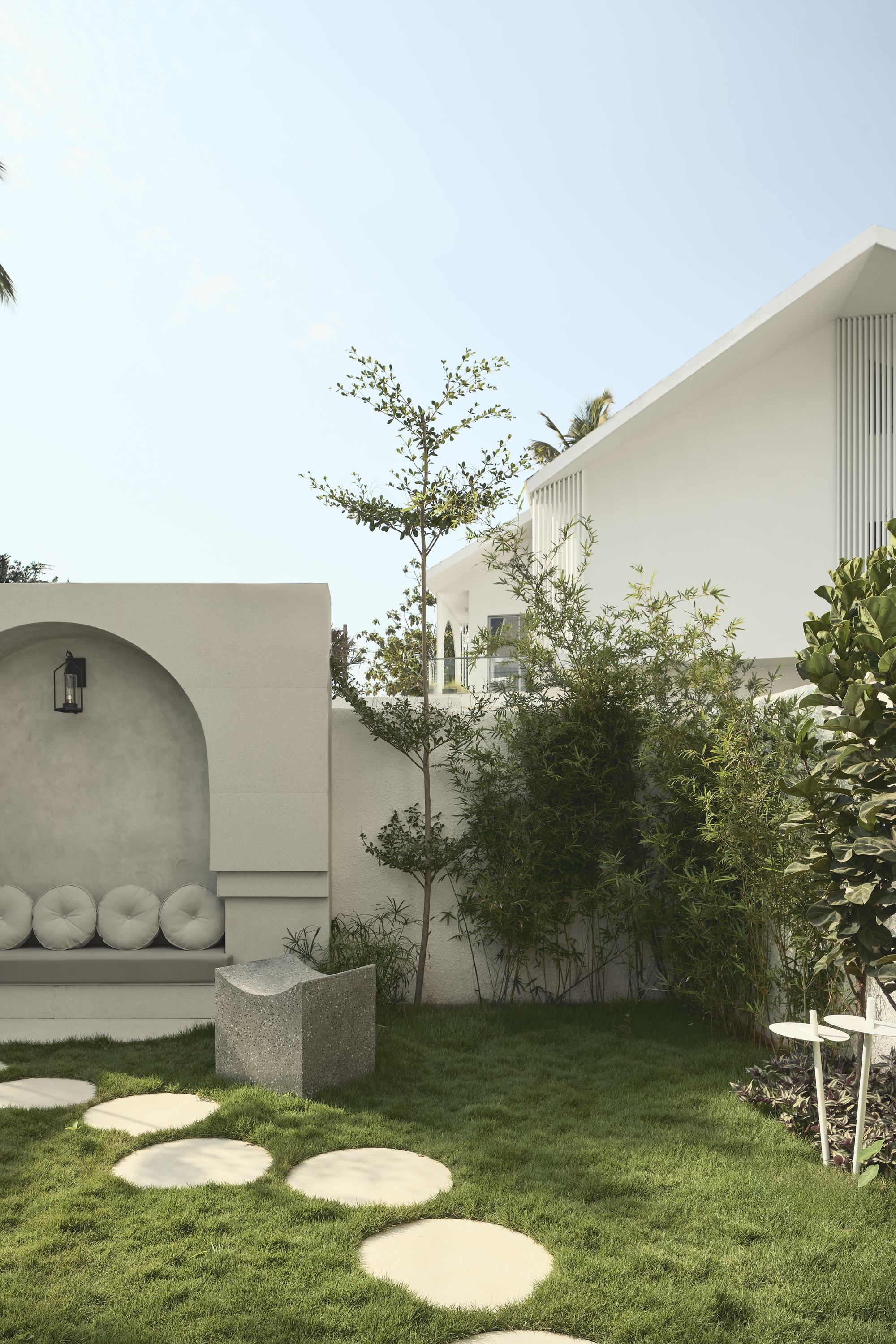
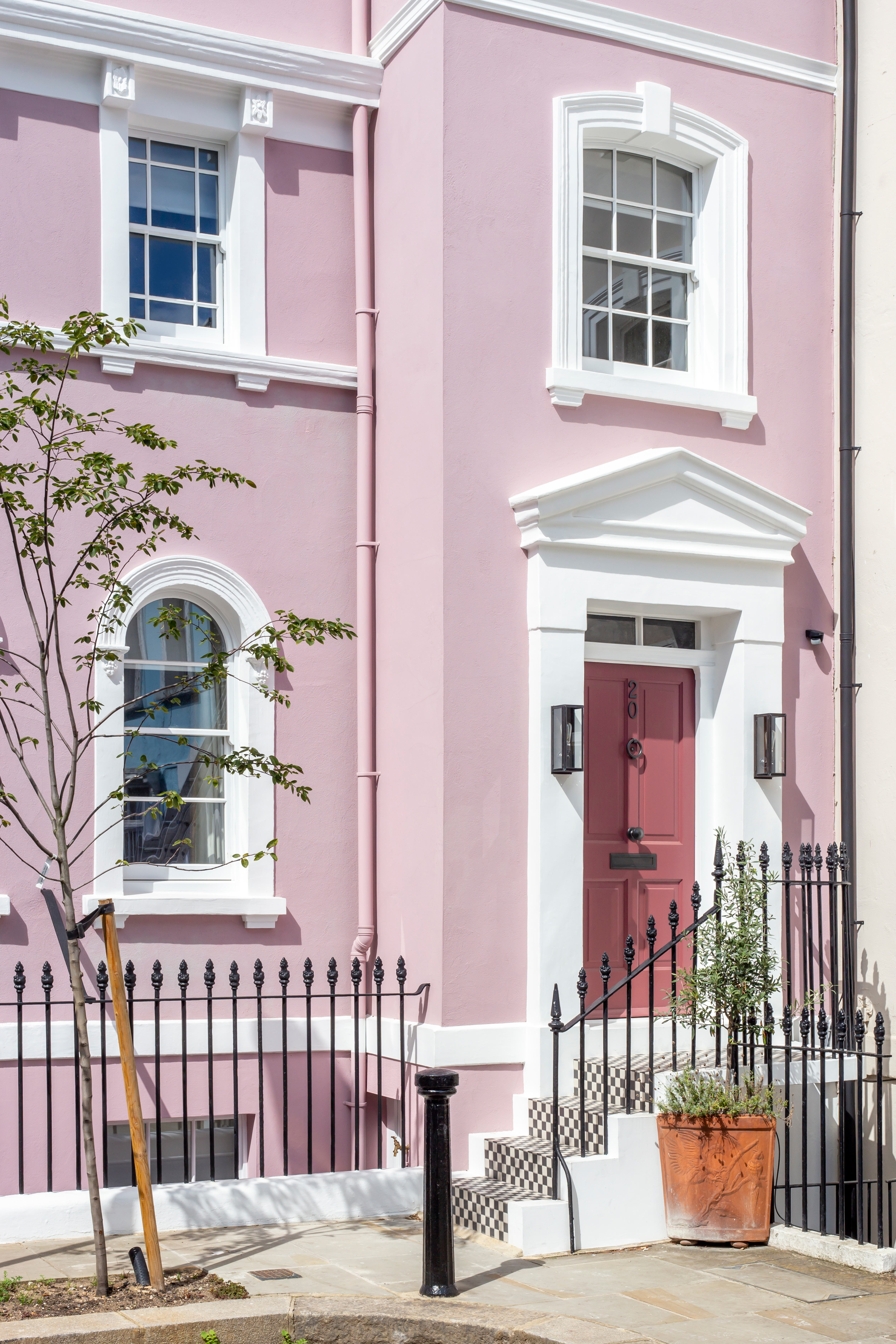
Color selection also plays a significant role in paint longevity in Arizona. Darker colors, while potentially appealing, absorb more heat and tend to fade much faster. Lighter colors, on the other hand, reflect heat, contributing to greater durability. The article recommends checking a paint's Light Reflective Value (LRV) rating, with higher ratings (closer to 100) indicating better heat reflection. Some dark colors may even void a contractor's warranty due to the increased risk of premature deterioration. Therefore, choosing lighter shades is a practical and protective measure for exterior painting in Arizona's harsh climate. Adhering to these strategies can significantly enhance the lifespan and appearance of exterior paint jobs.
#ArizonaPainting #HotWeatherPainting #ExteriorPainting #PaintApplication #PaintQuality #ColorSelection #LightReflectiveValue #HeatResistance #ArizonaPainting #HotWeatherPainting #ExteriorPainting #PaintApplication #PaintQuality #ColorSelection #LightReflectiveValue #HeatResistance
0 comment in total
 No comments yet
You may also like
The best time to paint a house exterior, according to pros

15 Best Oil Paint Brands

The Best Exterior Paints for Every Outdoor Surface
Arizona painting contractor pays it forward for the holidays and throughout the year
Exterior Paint | Outdoor Painting & Decorating

I’m a paint expert - the £1.25 buy pros swear by for a flawless finish on walls

Story from Arizona Painting Company: Painting contractor establishes industry firsts in Arizona
Story from Arizona Painting Company: 5 tips to keep your home’s new paint looking great
How often to paint a house – and three things that impact longevity
How this Arizona company can offer a 10-year exterior paint job warranty
Best Mold- and Mildew-Resistant Paints for 2025

Professional painters reveal how to make paint dry faster – without compromising on quality
It’s the best time of year to paint your Arizona home, but not for the reasons you may think
5 Exterior Paint Mistakes to Avoid If You Don't Want Your House to Become the Worst-Looking on the Street

The best exterior paints to transform a rundown garden in a weekend

How Long Paint Takes to Dry and Cure

How to prolong the life of your paint job, according to painters and decorators
Decorating expert reveals this is the best time of year to paint your home

Why You Should Think Twice Before Painting Your Home's Interior On A Rainy Day
Don't Wait Much Longer—This Is the Best Time of Year to Paint a House, Reno Pros Say