How Long Paint Takes to Dry and Cure
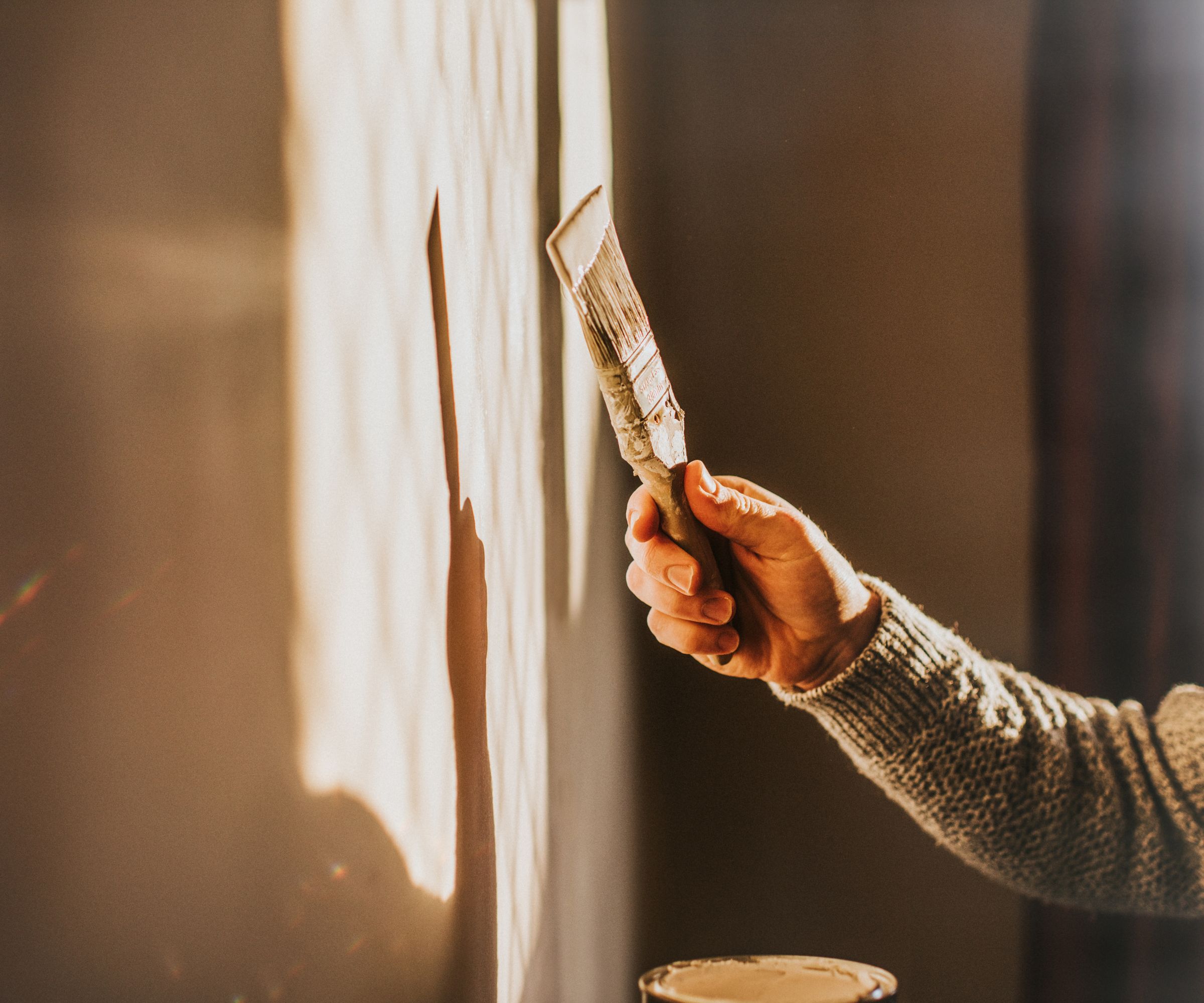
Achieving a perfect, even wall with paint depends significantly on understanding and adhering to proper drying and curing times. While paint may feel dry to the touch, this initial stage, known as 'dry to touch,' indicates only superficial dryness, with underlying layers remaining wet. Applying a second coat prematurely can lead to cosmetic imperfections and impact the paint's overall durability and finish. The duration for paint to become dry enough for a second coat, and then to fully cure, varies based on the type of paint and several environmental factors.
For common paint types, specific guidelines exist for both dry-to-touch times and the interval required before reapplying paint. Latex and acrylic paints typically feel dry to the touch within 30 to 60 minutes, but it is recommended to wait 2 to 4 hours before applying an additional coat. Oil-based paints, on the other hand, require a longer initial drying period, taking 4 to 6 hours to feel dry and necessitating an 8-hour wait before a second application. These times are crucial for ensuring proper adhesion and an even finish across coats.
The concept of 'curing' refers to the process where paint hardens completely, becoming fully durable and scratch-resistant. This stage extends well beyond simple dryness and is vital for the longevity of the paint job. Latex and acrylic paints typically take 14 to 30 days to cure fully, while oil-based paints cure in about 7 days. During this curing period, it is advisable to avoid placing furniture against freshly painted walls, hanging heavy items, or cleaning the painted surfaces to prevent damage and allow the paint to achieve its maximum hardness.
Several external factors significantly influence both drying and curing times. Temperature plays a critical role; cold environments can thicken paint coats and slow down evaporation, prolonging drying. Conversely, excessively hot temperatures can cause the paint surface to dry too quickly, leaving the underlying layers soft and inadequately dried. Humidity is another major factor, with high moisture levels in the air extending drying times by hindering the evaporation of water from latex or acrylic paints. Proper ventilation, such as opening windows or using fans, can improve air circulation and accelerate drying, provided exterior conditions are moderate.
Painting technique also impacts drying and curing. Applying paint too thickly or adding subsequent coats before the previous one has fully dried can trap solvents, extending the overall dry and cure times. Overly thick coats can prevent proper drying of the paint film, leading to a compromised finish and reduced performance. Conversely, applying coats that are too thin may lead to inadequate adhesion and compromise the paint's protective qualities. Adhering to manufacturer guidelines for application and drying times is essential for achieving a high-quality and long-lasting paint finish.
#PaintDrying #PaintCuring #HomeImprovement #DIYProjects #InteriorDesign #PaintingTips #LatexPaint #AcrylicPaint #OilBasedPaint #PaintDrying #PaintCuring #HomeImprovement #DIYProjects #InteriorDesign #PaintingTips #LatexPaint #AcrylicPaint #OilBasedPaint
 No comments yet
Everything you need to know about painting over new plaster - including how long to wait before painting
When Should You Use Oil-Based vs. Water-Based Paint?

How Long Does Primer Take to Dry? Experts Share Their Best Advice
Professional painters reveal how to make paint dry faster – without compromising on quality

How Long Wall Paint Lasts—and How to Know If Yours Has Gone Bad, According to Painting Pros
How Long Should You Dry Firewood?