1/11
Bitable: AI in the design and build world
Artificial Intelligence (AI) is transforming various facets of the design and build sector within the real estate industry, from conceptualization and design to project management and construction. AI tools are enhancing efficiency, automating administrative tasks, and ultimately improving client engagement. The integration of AI, however, emphasizes the continued importance of human creativity and expertise in delivering successful projects.
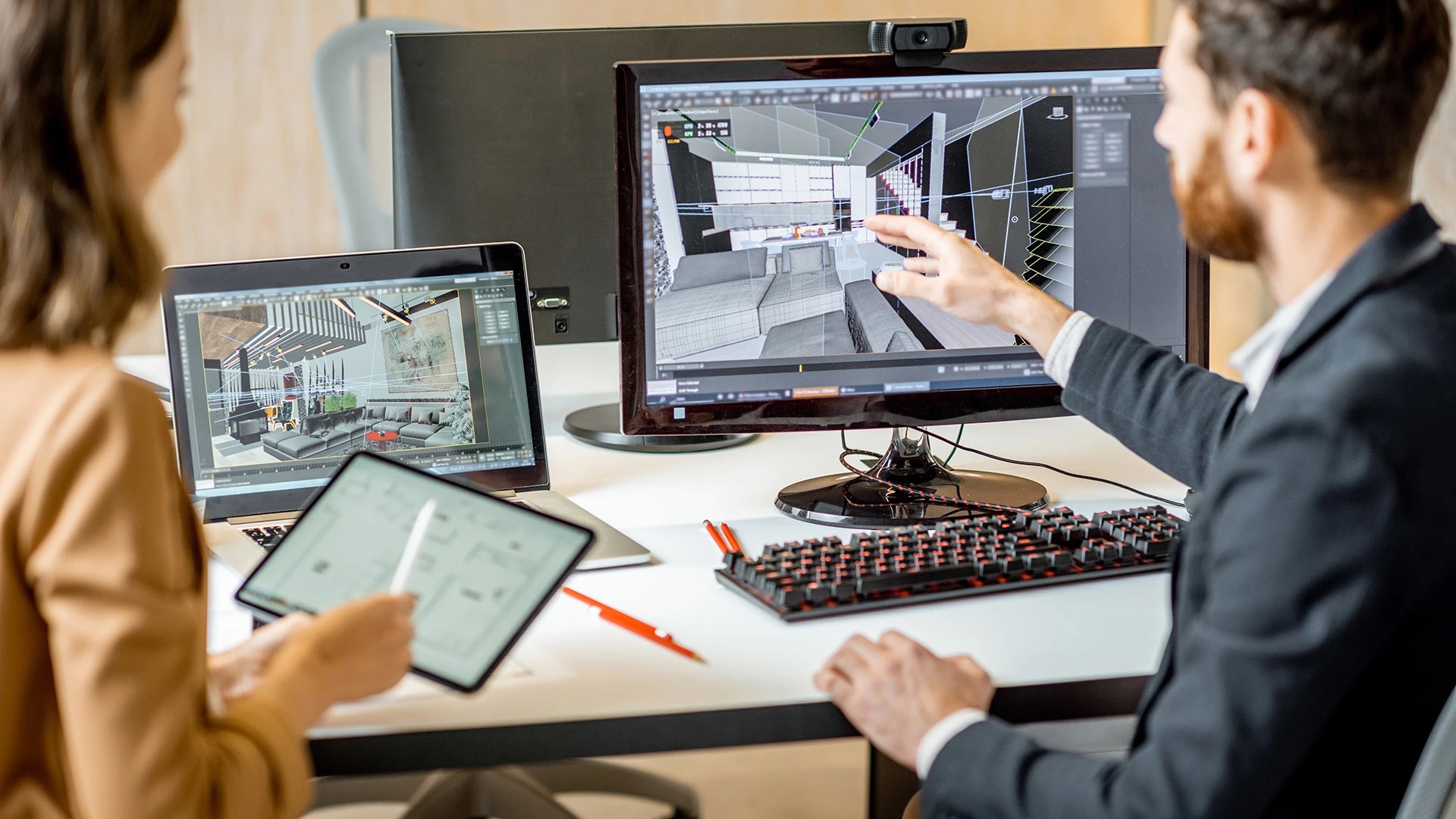
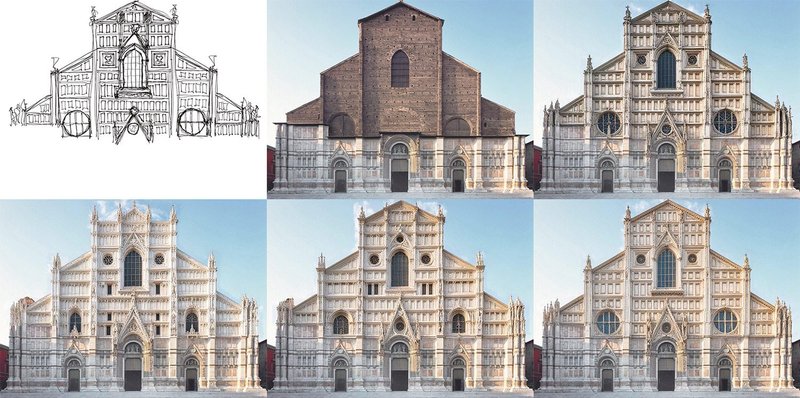
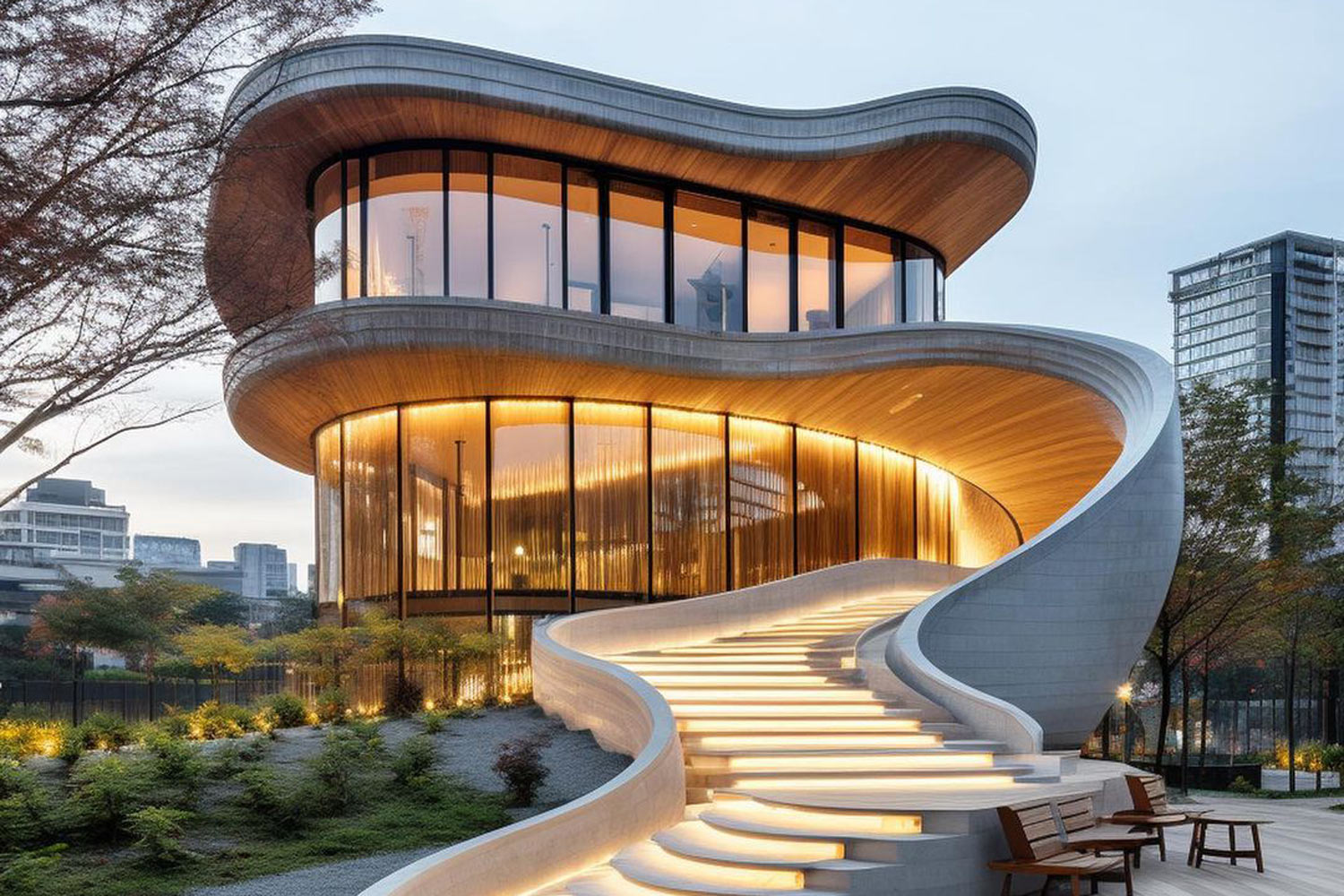
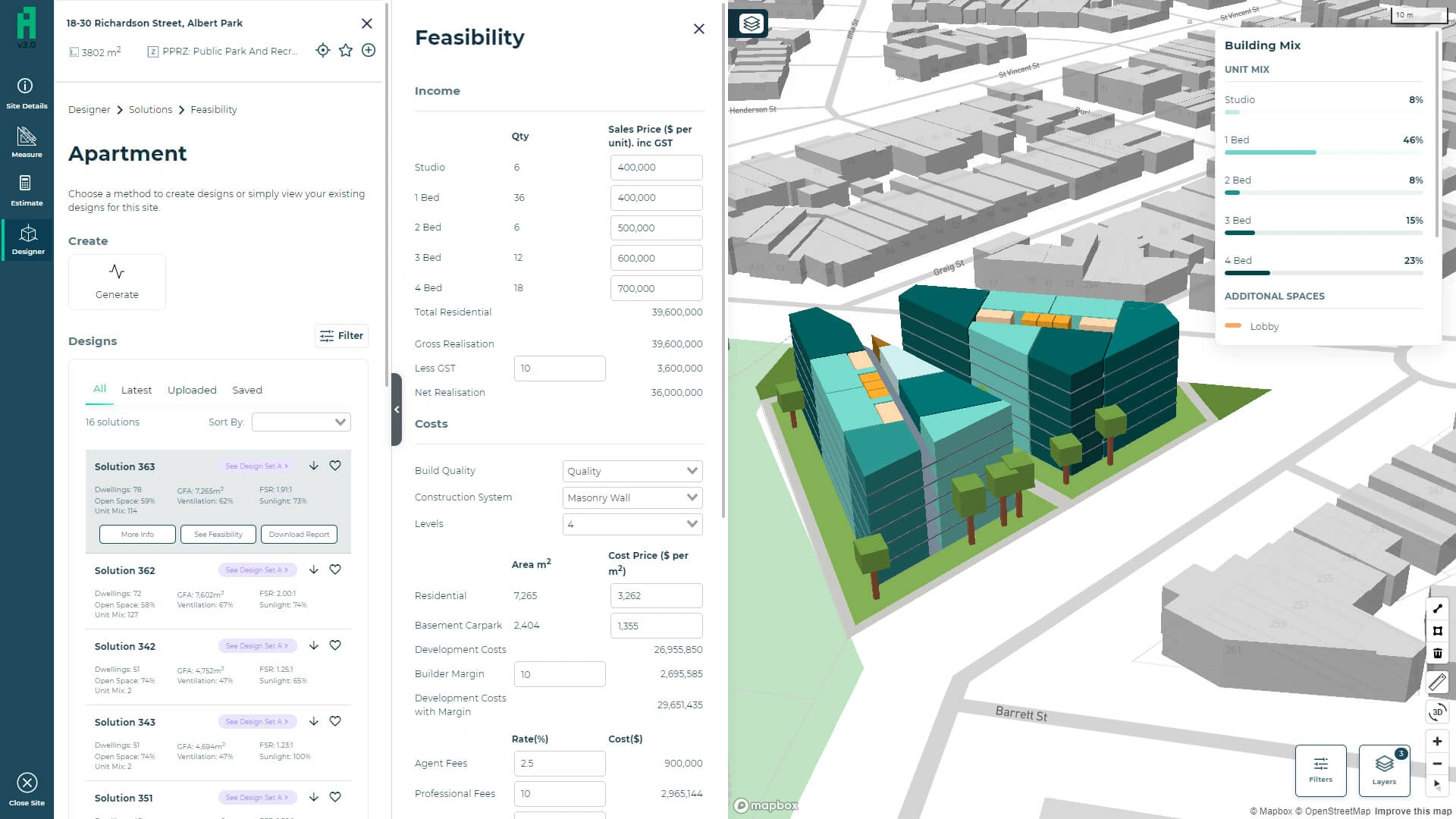
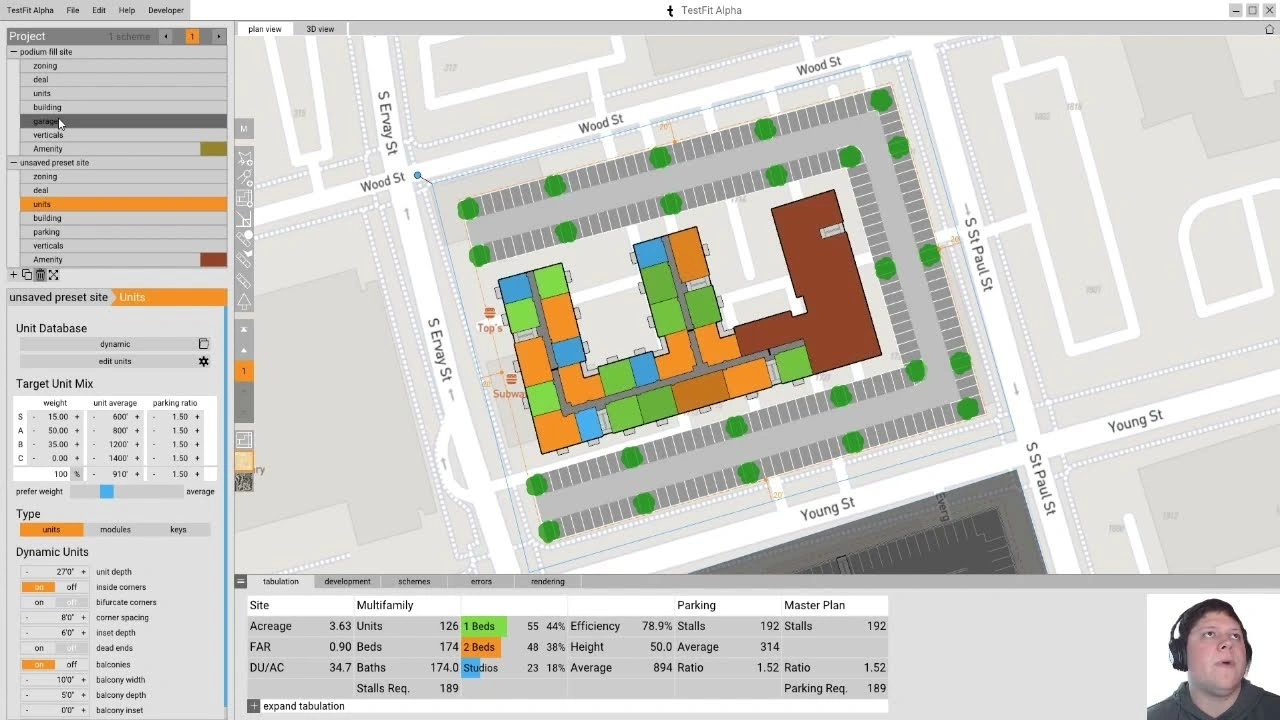
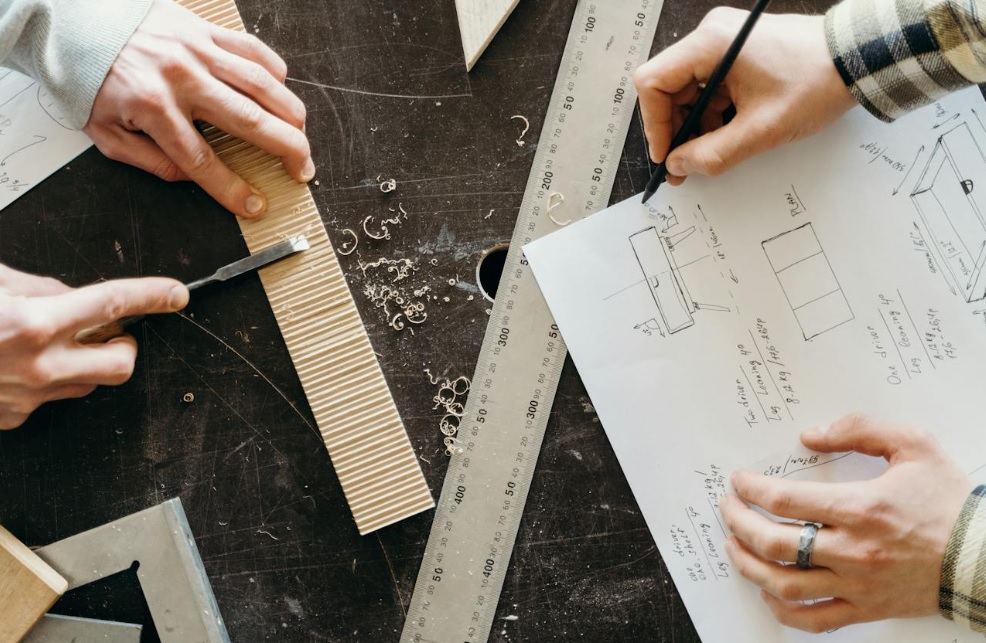
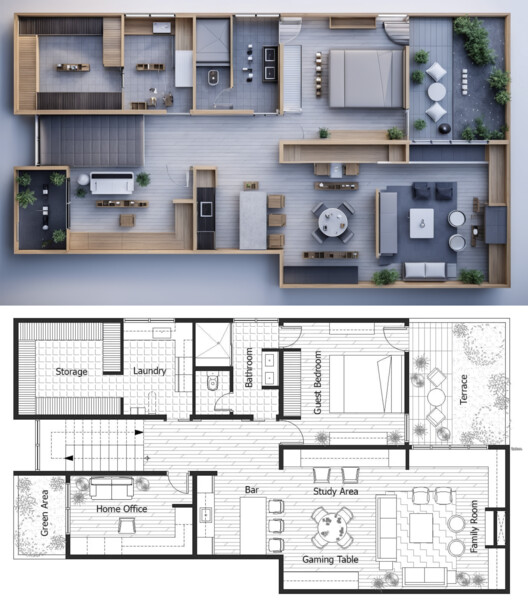
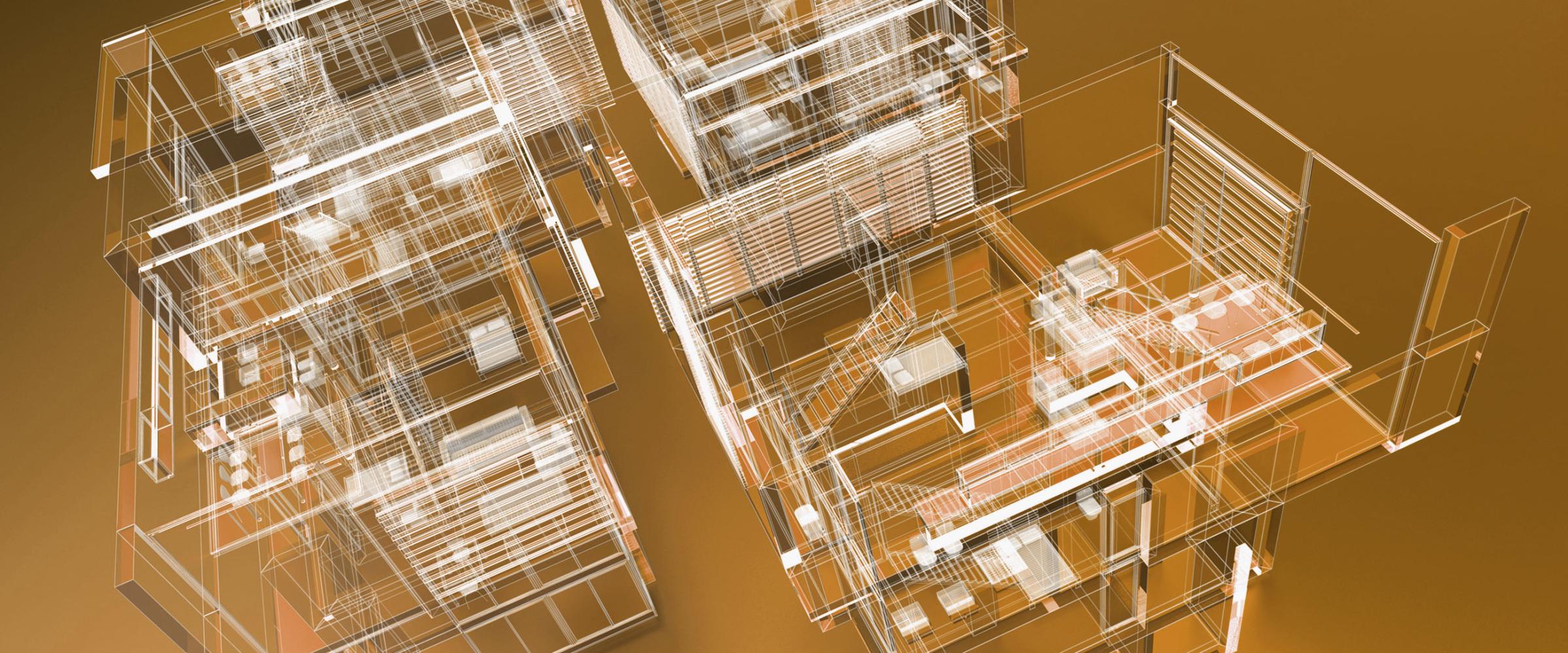
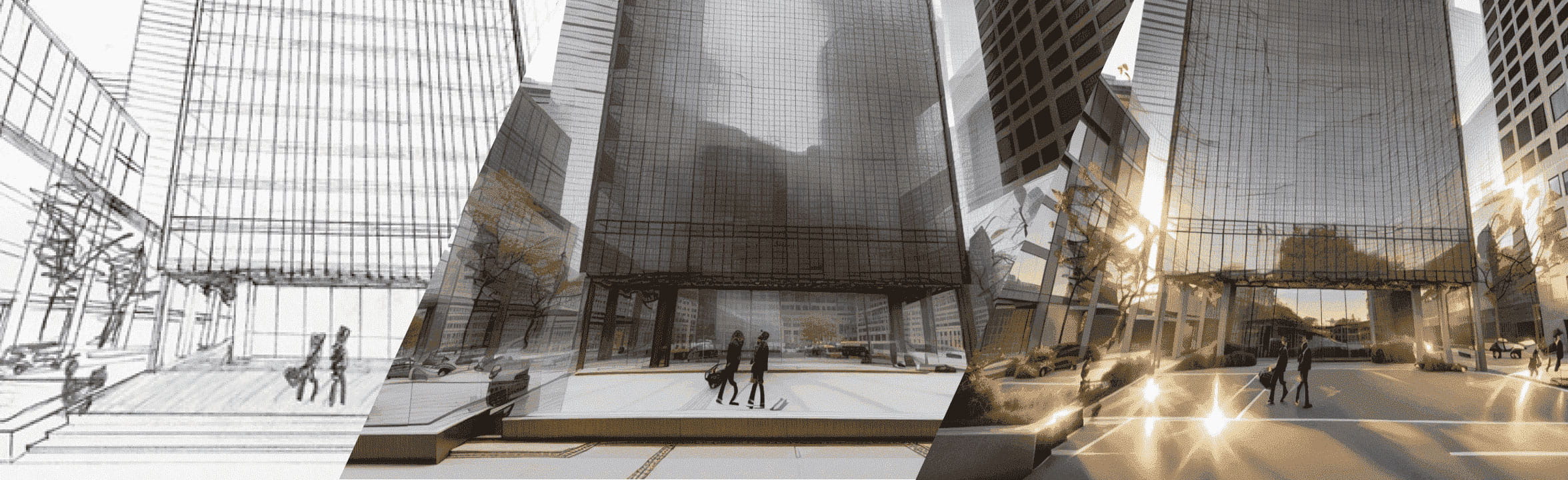
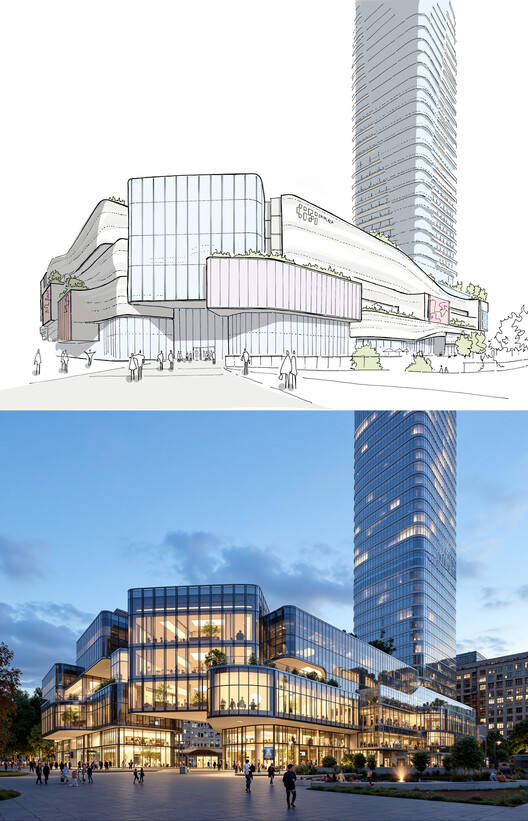
In the design phase, AI offers several benefits. For instance, AI algorithms can analyze space dimensions and propose optimized layouts for 'Test Fits,' considering functionality, flow, and aesthetics. Despite their capabilities, these algorithms often lack the ability to incorporate country-specific legislation and cultural norms, highlighting the indispensable role of in-country space planners. 'Sketch enhancement' technologies, which transform initial sketches into concept visualizations, demonstrate AI's ability to expedite the visual development process. However, the quality of final visualizations still heavily relies on designer input. Text-to-image generators, such as Lexica and Midjourney, aid in creating mood boards by generating unique images from textual descriptions, although human experience is crucial in filtering the diverse outputs these platforms can produce. Virtual Reality (VR) and Augmented Reality (AR) applications, powered by AI, enable designers and clients to visualize designs realistically before physical implementation, facilitating informed decision-making and reducing the need for costly physical prototypes. AI also assists in 'Material Selection' by recommending materials based on factors like durability, cost, sustainability, and aesthetic appeal. In 'Detailed Design,' AI software enhances coordination by integrating data and providing real-time insights, automating tasks like clash detection and scheduling. Furthermore, AI analyzes past and current 'Trend Data' to predict popular styles, helping designers stay current with client preferences.
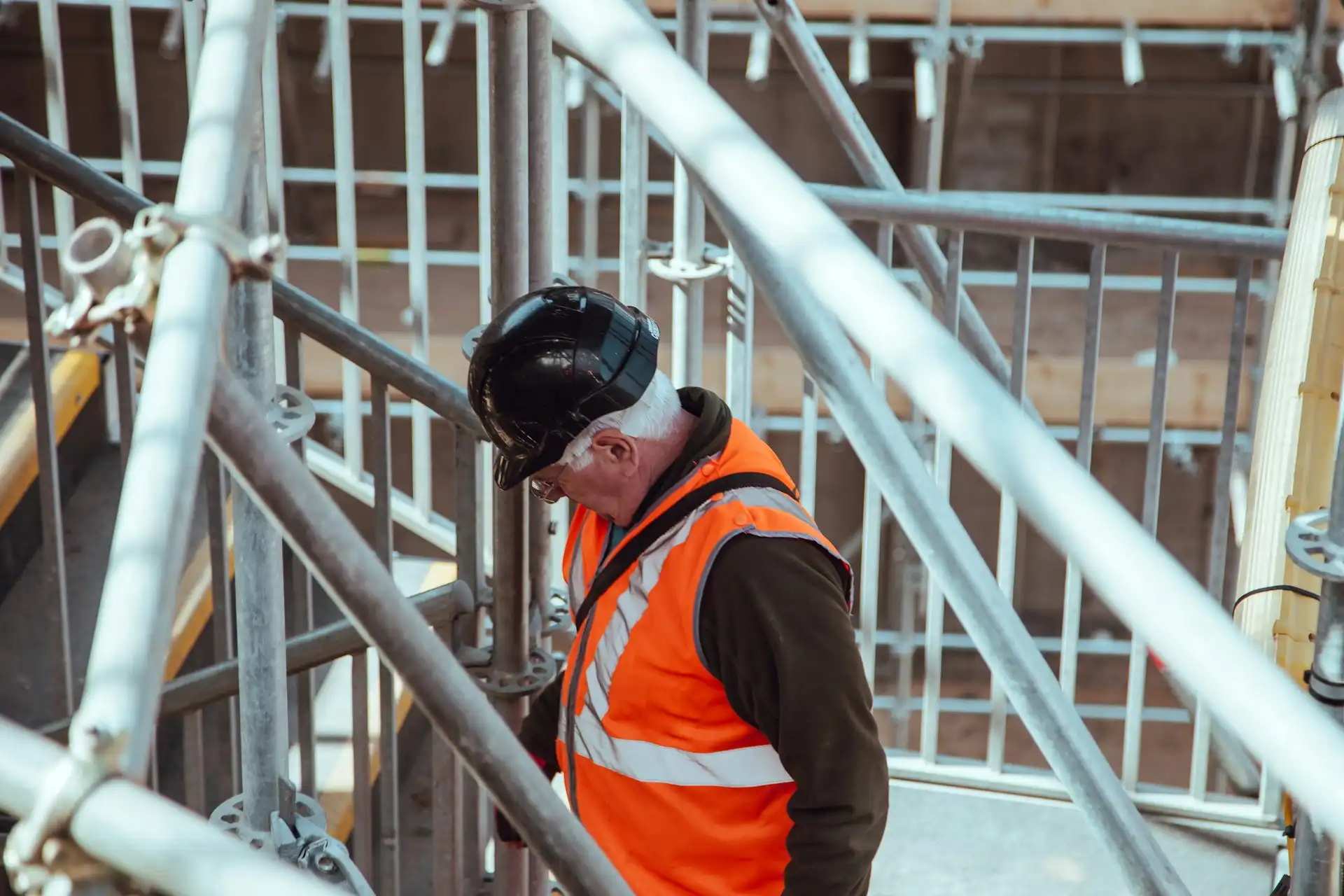
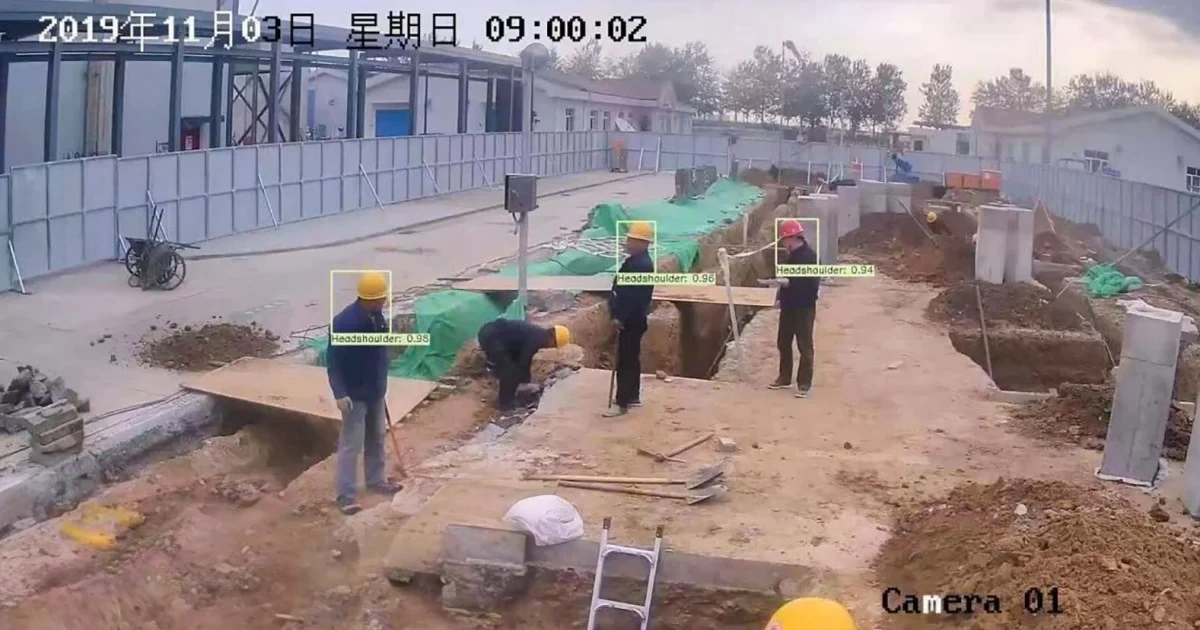
Beyond design, AI is increasingly being adopted in project management, procurement, and construction. In 'Market Intelligence and Supplier Selection,' AI algorithms analyze market trends and supplier performance to inform better sourcing strategies, including ethical and sustainable options. For 'Cost Management,' AI-driven analytics tools identify cost-saving opportunities and optimize procurement. 'Contract Administration' benefits from AI through assistance in contract creation and negotiation, reducing administrative burdens and ensuring compliance with legal and regulatory requirements. 'Project Management' tools leverage AI to track deadlines, create initial budgets, and automate administrative tasks like meeting minutes and project directories. In 'Health, Safety, and Quality Control,' technologies such as drones, sensors, and 3D cameras monitor construction sites in real-time, providing data on progress and safety, and offering clients virtual walkthroughs. 'Supply Chain Management' is optimized by AI through demand forecasting, inventory management, and logistics route optimization, ensuring timely material delivery and reducing waste. Finally, AI contributes to 'Sustainability' by optimizing building energy consumption, aiding in the selection of carbon-neutral products, and facilitating material recycling, thereby supporting client sustainability goals and reducing costs.
Ultimately, AI serves as a valuable tool within the design and construction industry, enhancing processes and improving outcomes. Despite its advanced capabilities, the technology consistently reinforces the ongoing necessity of human creativity, judgment, and expertise to create aesthetically pleasing and functional spaces that meet required standards and timelines.
#ArtificialIntelligence #RealEstate #DesignAndBuild #ProjectManagement #Construction #AIApplications #SustainableBuilding #ArtificialIntelligence #RealEstate #DesignAndBuild #ProjectManagement #Construction #AIApplications #SustainableBuilding
0 comment in total
 No comments yet
You may also like
The impact of machine learning on architectural design

10 Revolutionary AI Tools Reshaping Architectural Design
Generative Space Design: Exploring 8 Transformative Tools in Architecture

Can AI Save Me the Cost of an Interior Designer?

10 AI tools to generate interior and architectural images

The Influence of AI in the Interior Design Industry

Freepik AI Interior Design Tools review: visualizations

10 free AI interior design generators
The Transformative Power of AI in Architecture Design

How Does Architectural Design Change When the City Becomes Equipped with the “Most Recent Advances in Artificial Intelligence”? / Alessandro Armando, Giovanni Durbiano for the Shenzhen Biennale (UABB) 2019

Top 16 AI Tools for Interior Design
A review of artificial intelligence methodologies in computational automated generation of high performance floorplans

The Soul in the New Machines (Published 2008)

Will Artificial Intelligence Replace Designers?
How generative design is shaping the future of architecture?
How can AI and simulation tools transform sustainable building design?
Exploring the Impact of AI on Sustainable Building Design and Construction
How AI-Powered Rendering Crushes Bottlenecks in Architecture and Interior Design

Top 7 IoT Applications in Architecture and Design

form found design explores robotics + fabric in façade construction