1/6
I transformed my apartment with Spoonflower removable wallpaper. It's still the focal point of my space 3 years later.
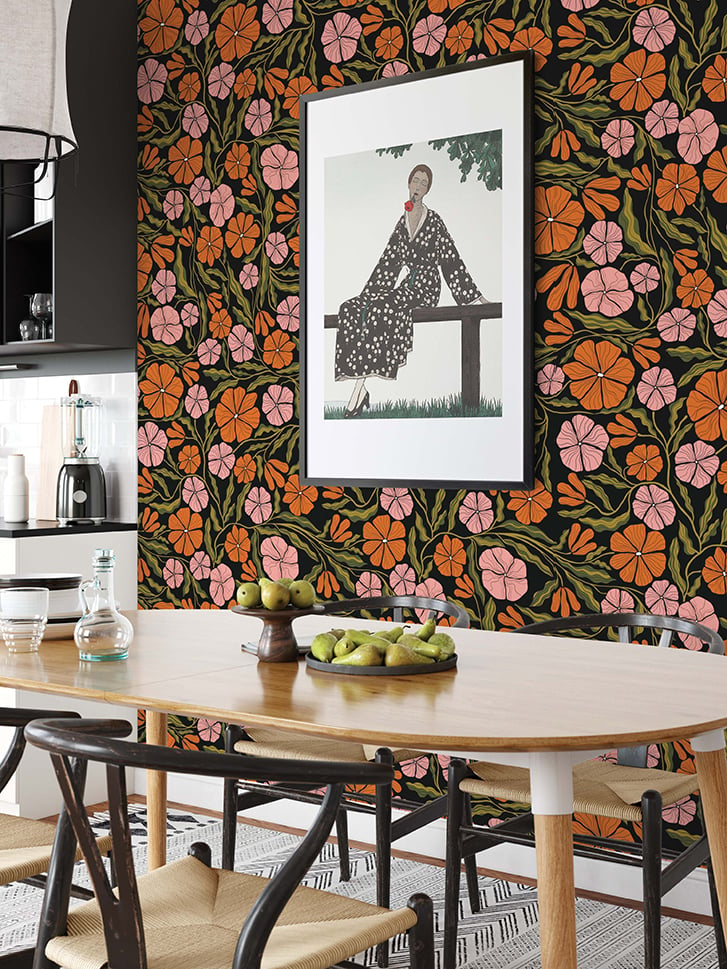
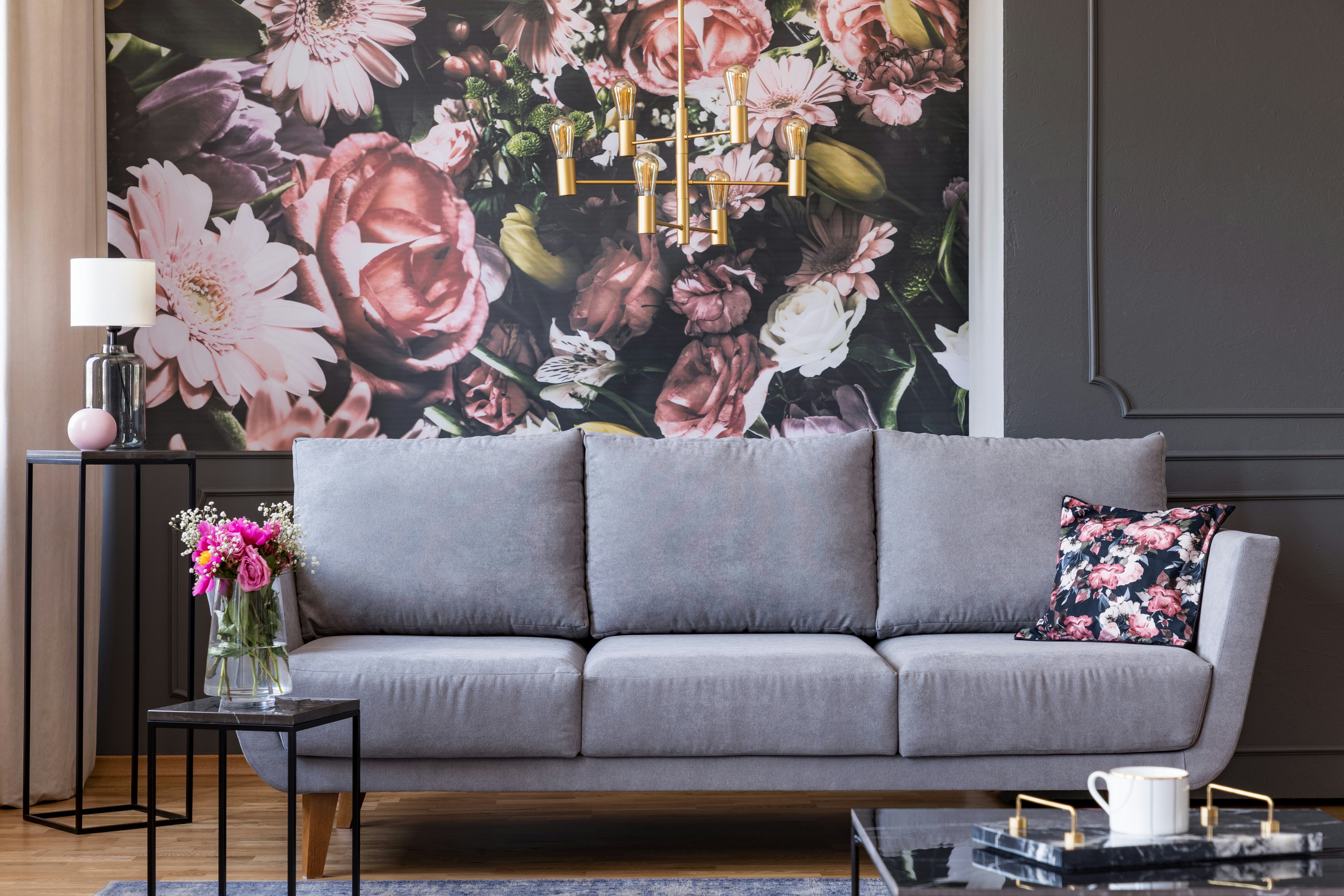
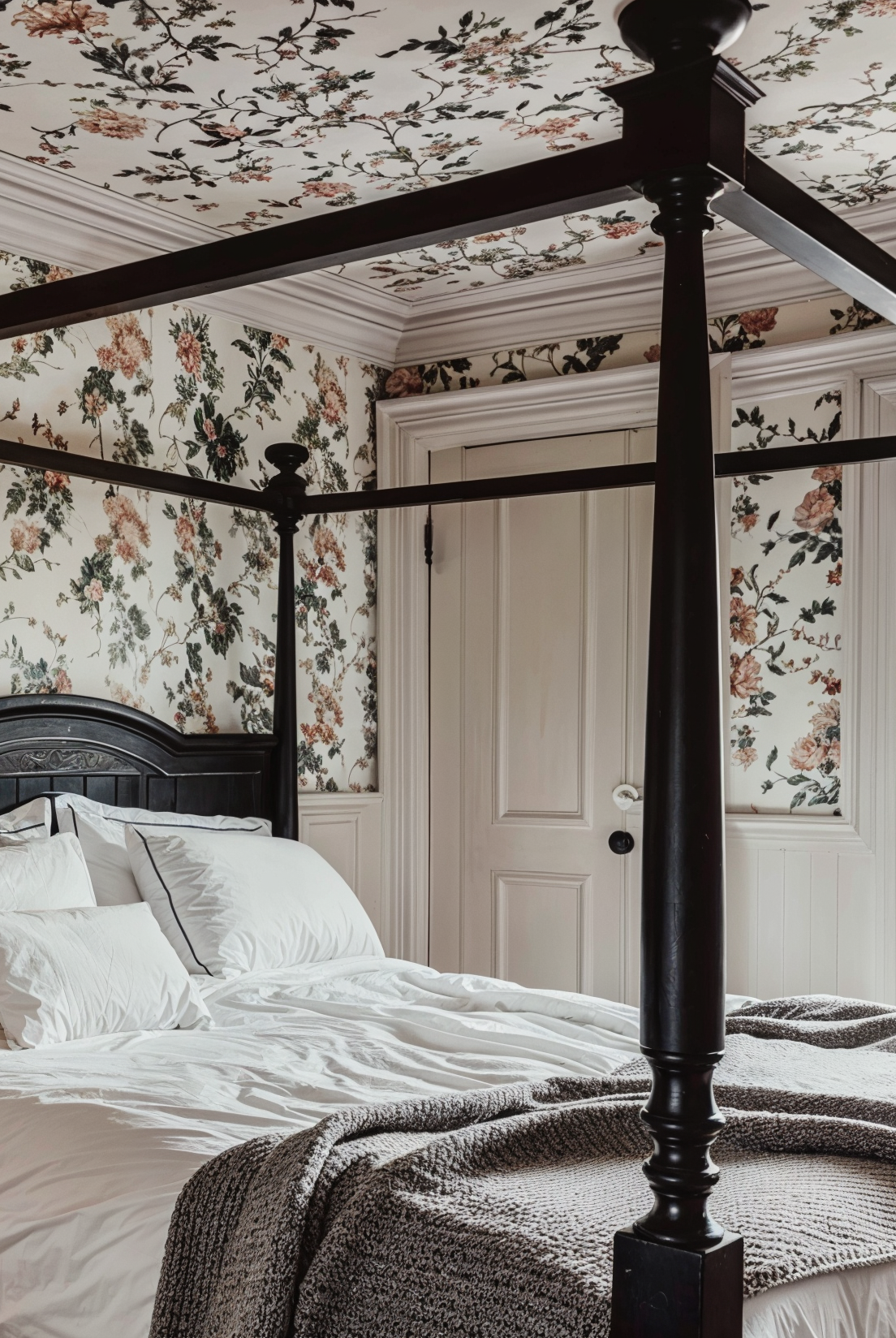
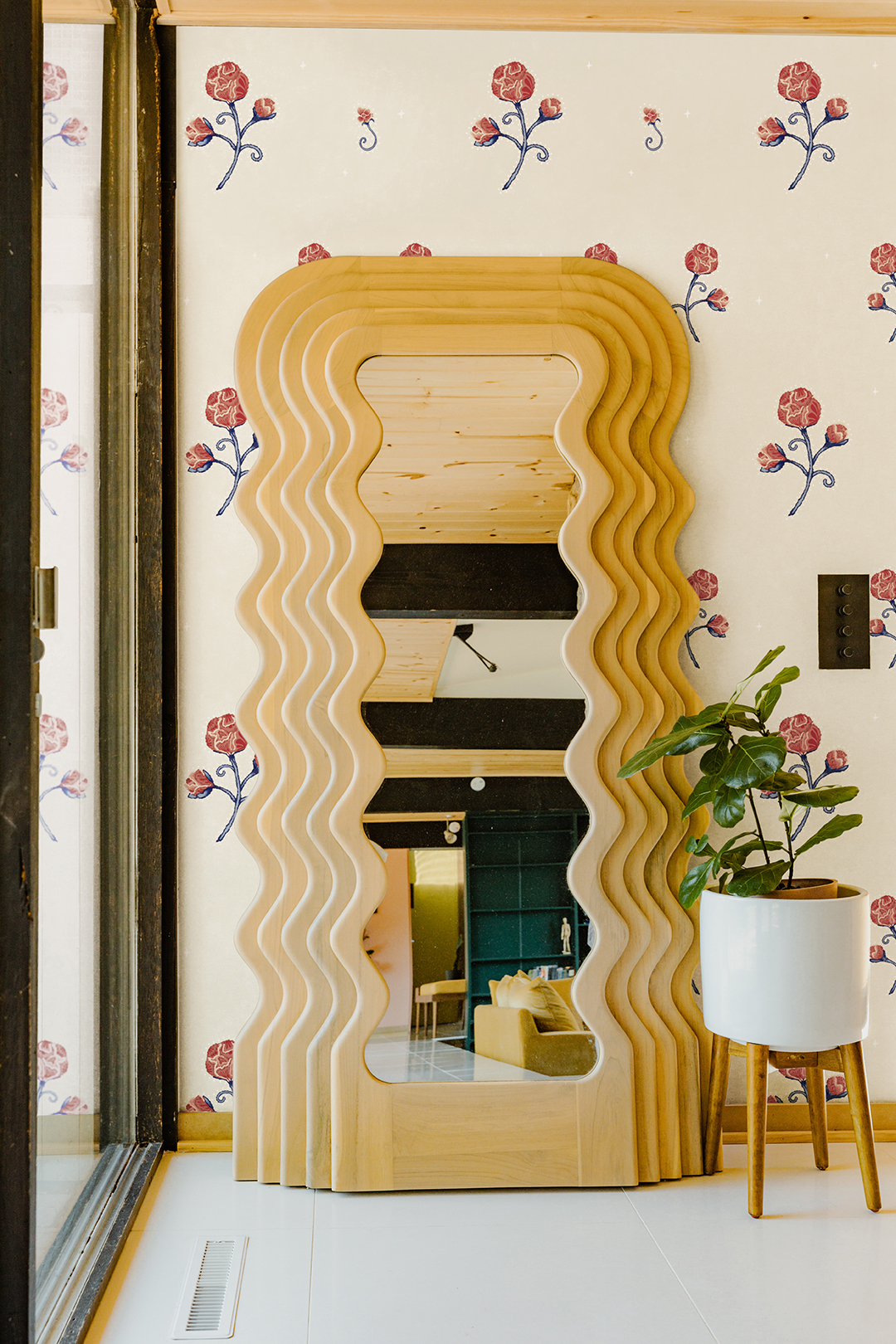
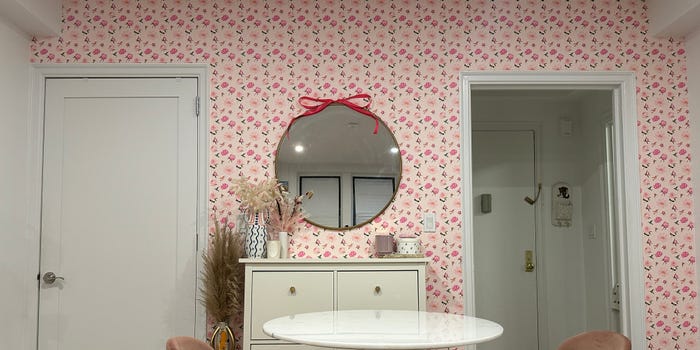
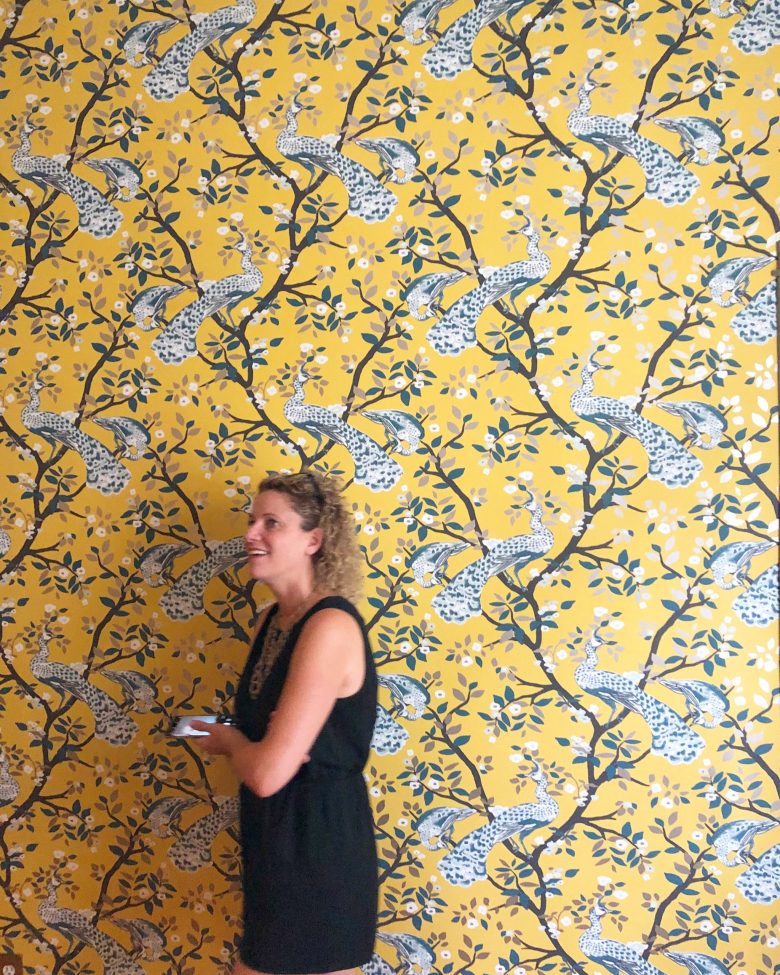
The author shares her experience using Spoonflower peel-and-stick wallpaper to decorate her rental apartment in New York City. Initially, she recounts a negative experience with low-quality removable wallpaper in a previous apartment, which left sticky residue and damaged paint, posing a risk to her security deposit. This led to initial hesitation about using removable wallpaper again. However, after moving to a more modern studio in 2022 and still desiring to add color, she discovered Spoonflower through social media. She chose a floral print featuring roses and hummingbirds for a statement wall, which has remained a central decorative element in her apartment for three years.
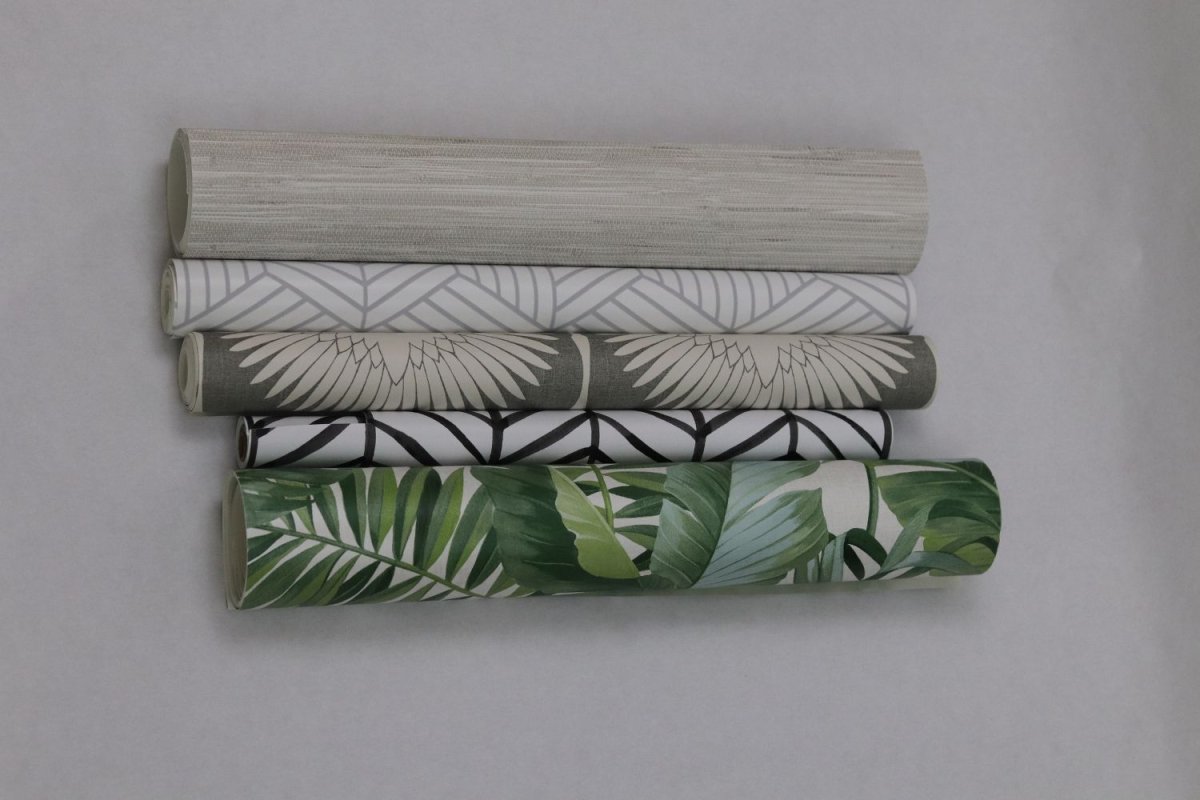
The article highlights Spoonflower's key features, such as its extensive design library provided by independent artists, who receive a 10% royalty on each purchase. The company utilizes a print-on-demand process to minimize waste. The peel-and-stick wallpaper is made from a woven linen material with a textured feel and matte finish, and is printed on FSC-certified paper using non-toxic, formaldehyde-, phthalate-, and PVC-free inks. Spoonflower also offers various other wallpaper types, including pre-pasted, non-pasted, grasscloth, vinyl, and metallic options, as well as fabric by the yard. While the wide selection can be overwhelming, curated collections and expert picks are available to assist customers.
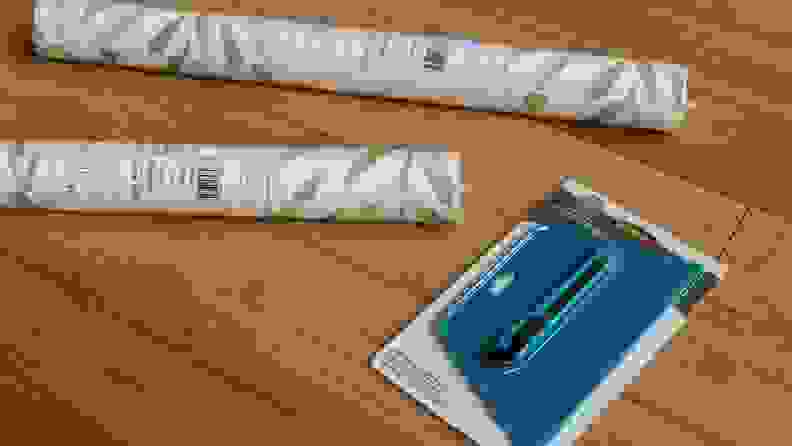
Ordering involves using the search bar and filters to navigate the vast design options. Spoonflower provides two-by-one-foot swatches for $9, which are larger than those from competing brands, aiding in assessing scale and color. The author used Photoshop to visualize the chosen pattern in her space. She utilized Spoonflower's wallpaper calculator to determine the required amount for her 12.5 x 9-foot wall, which included two doorways, and opted for four 2 x 9-foot panels at a cost of $356. The order arrived neatly rolled after about a week and a half.
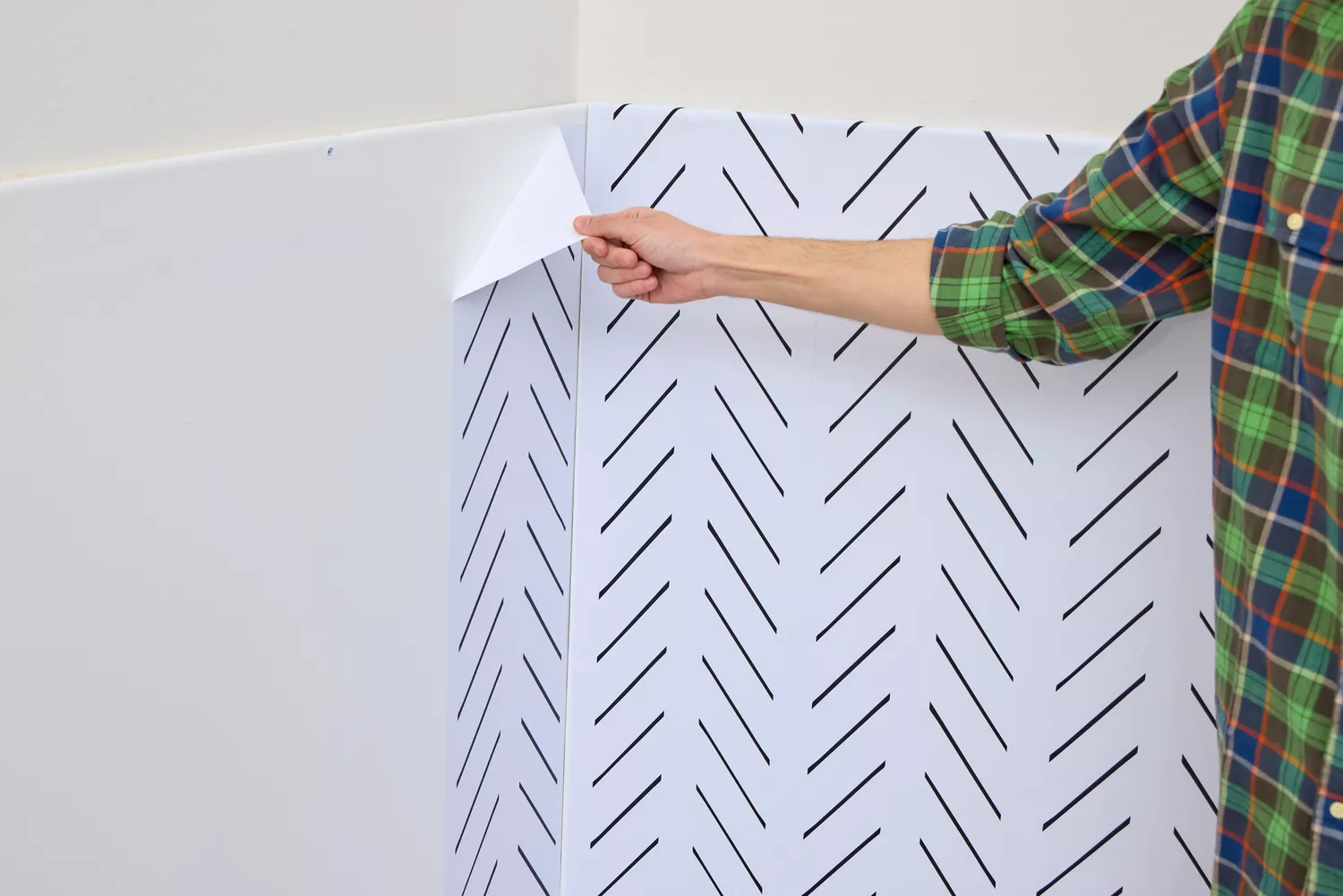
For installation, the author enlisted her brother's help, noting that the textured, heavy-duty paper was easy to apply to her matte-finished walls. Despite challenges posed by doorways, light switches, and molding, they successfully aligned the panels by pre-arranging them on the floor and working slowly from the middle outwards. A technique of peeling the backing gradually and using a smoothing tool helped prevent air bubbles. Precision was crucial for aligning the floral pattern. Three years post-installation, the wallpaper has shown no signs of peeling or ripping, maintaining a seamless appearance and acting as a vibrant focal point in her studio apartment, which lacks natural light.
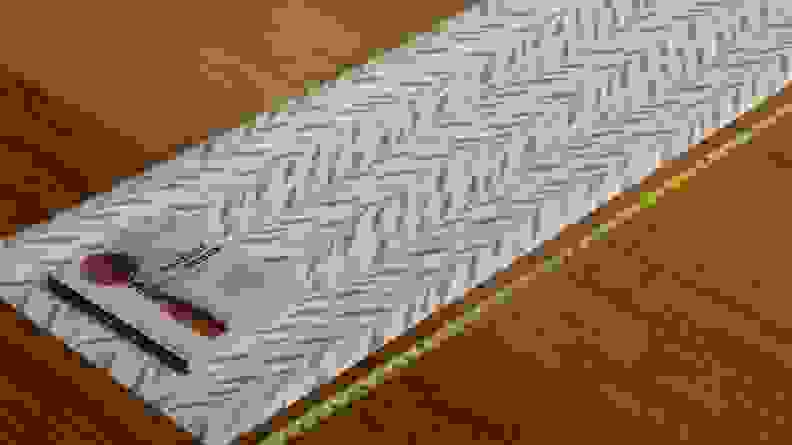
Regarding removal, a test swatch peeled off easily after two weeks, leaving no residue or damage, building confidence that the full removal process will be straightforward. However, the author acknowledges potential drawbacks, including the inherent risk to a security deposit in a rental property, despite Spoonflower's quality. She also reflects on how personal tastes can change, making the initial bright pink floral pattern less universally appealing over time and limiting future decor choices. The cost and effort of changing removable wallpaper, even if temporary, are also considered. Alternative brands like Chasing Paper and Tempaper are mentioned, with Chasing Paper offering comparable quality but being thinner, and Tempaper providing a more budget-friendly option, especially its grasscloth variety, which offered a good value for its textured finish.
#Spoonflower #RemovableWallpaper #HomeDecor #DIYHomeProjects #InteriorDesign #RentalFriendly #ProductReview #PeelAndStick #Spoonflower #RemovableWallpaper #HomeDecor #DIYHomeProjects #InteriorDesign #RentalFriendly #ProductReview #PeelAndStick
0 comment in total
 No comments yet
You may also like
Removable wallpaper apartment DIY: I transformed my living room in an afternoon
Peel On, Peel Off: The Indecisive Person's Cheap Solution To Trendy Home Decor

Even Wallpaper Skeptics Can Tackle The Trend With This Foolproof Tip
Tempaper Removable Wallpaper Product Review
I Transformed My Living Space Without Picking Up a Paint Brush Thanks to This Easy-to-Use Product


“I transformed my bathroom into a tranquil oasis using this trending paint colour”
Removable Wallpaper: The Temporary Trend That's Sticking Around
Backdrop Just Released This Award-Winning Wallpaper in a Removable Version

5 ways to transform your home now that wallpaper is back in style
I Waited 3 Years for the Right Window Treatments, And They Completely Transformed My Space

Explore 2025's Most Exciting Wallpaper Trends: From Botanical Murals To Curated Clashing

Everything you need to know about removable wallpaper

I Upgraded My Dining Nook With Peel-and-Stick Wallpaper and Here's How It Went

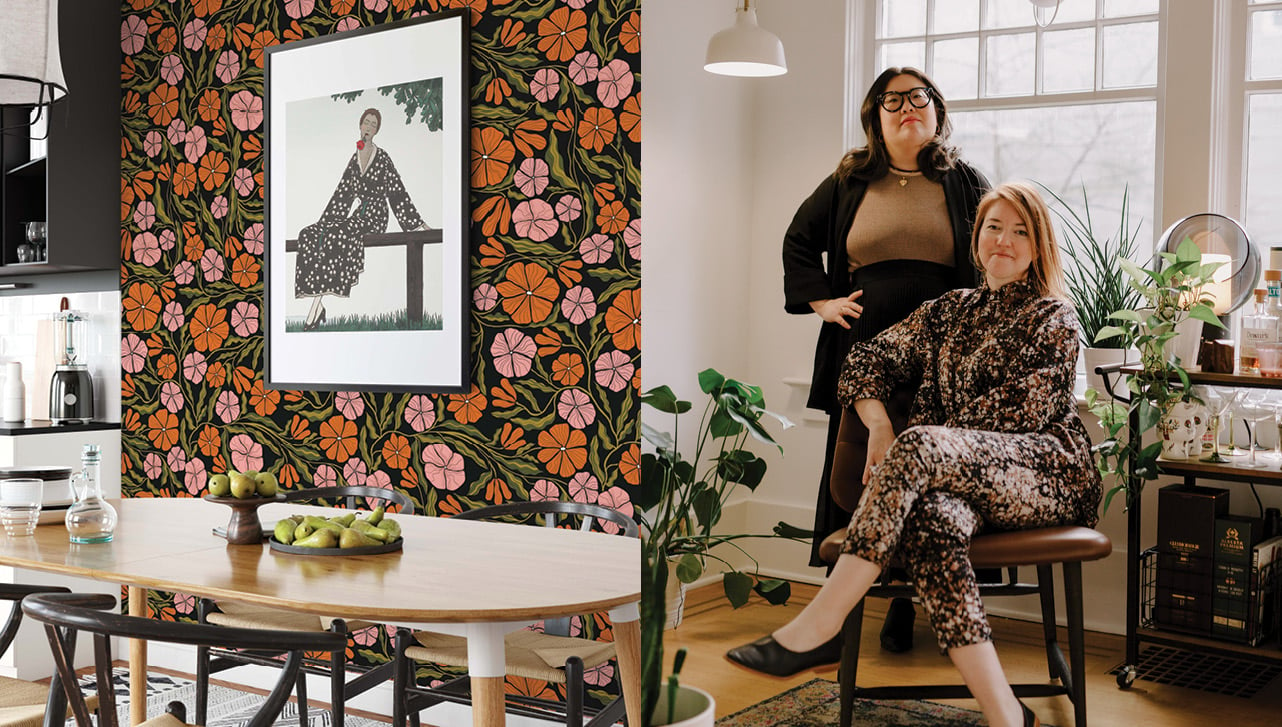
On the Rise: We Love Otto Studio’s Colourful, Removable Wallpaper

I tried Joanna Gaines’ removable wallpaper—and it's a home decor game-changer

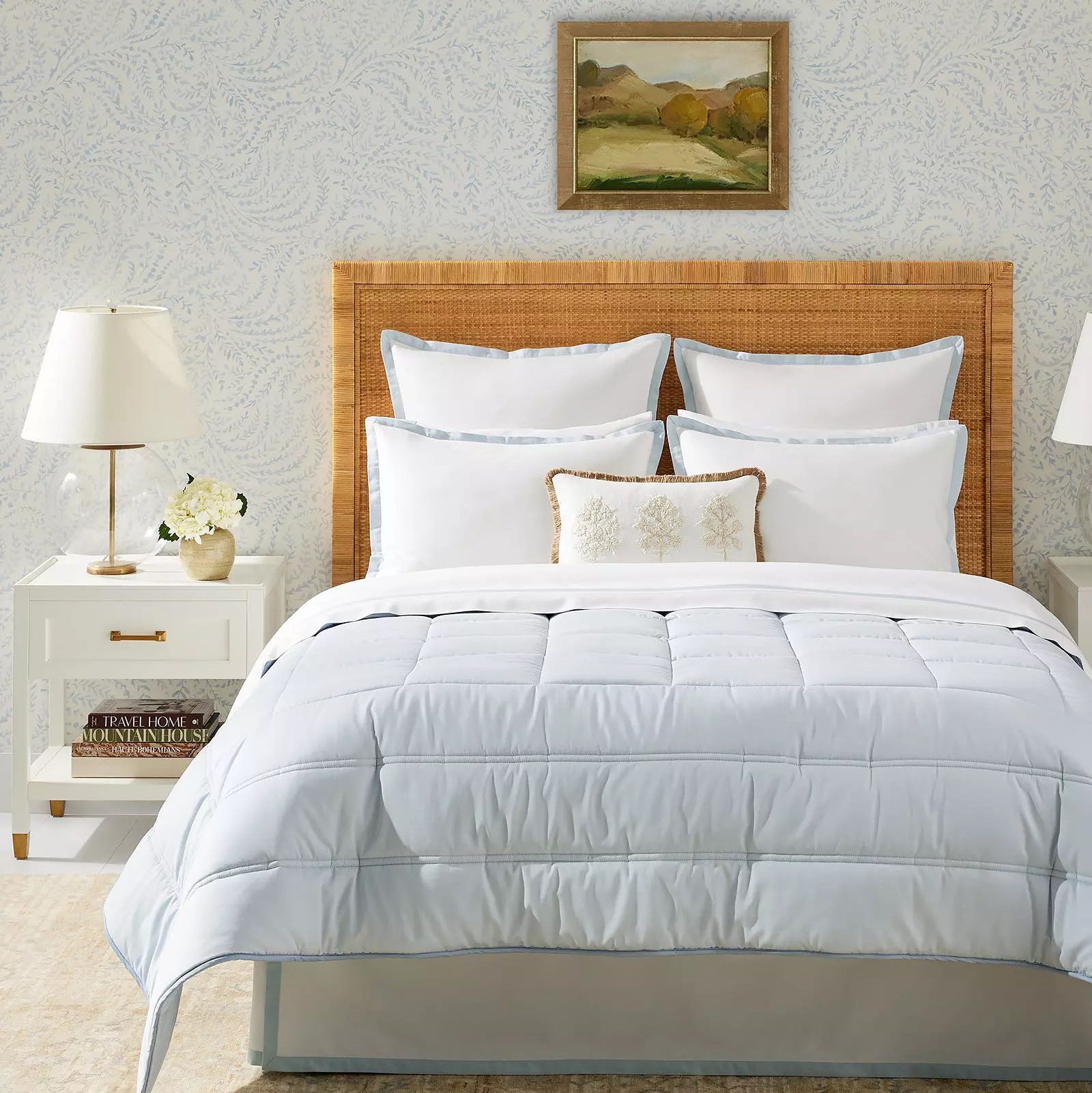
Serena and Lily Just Launched Its Spring Collection—Including the Chicest Removable Wallpaper

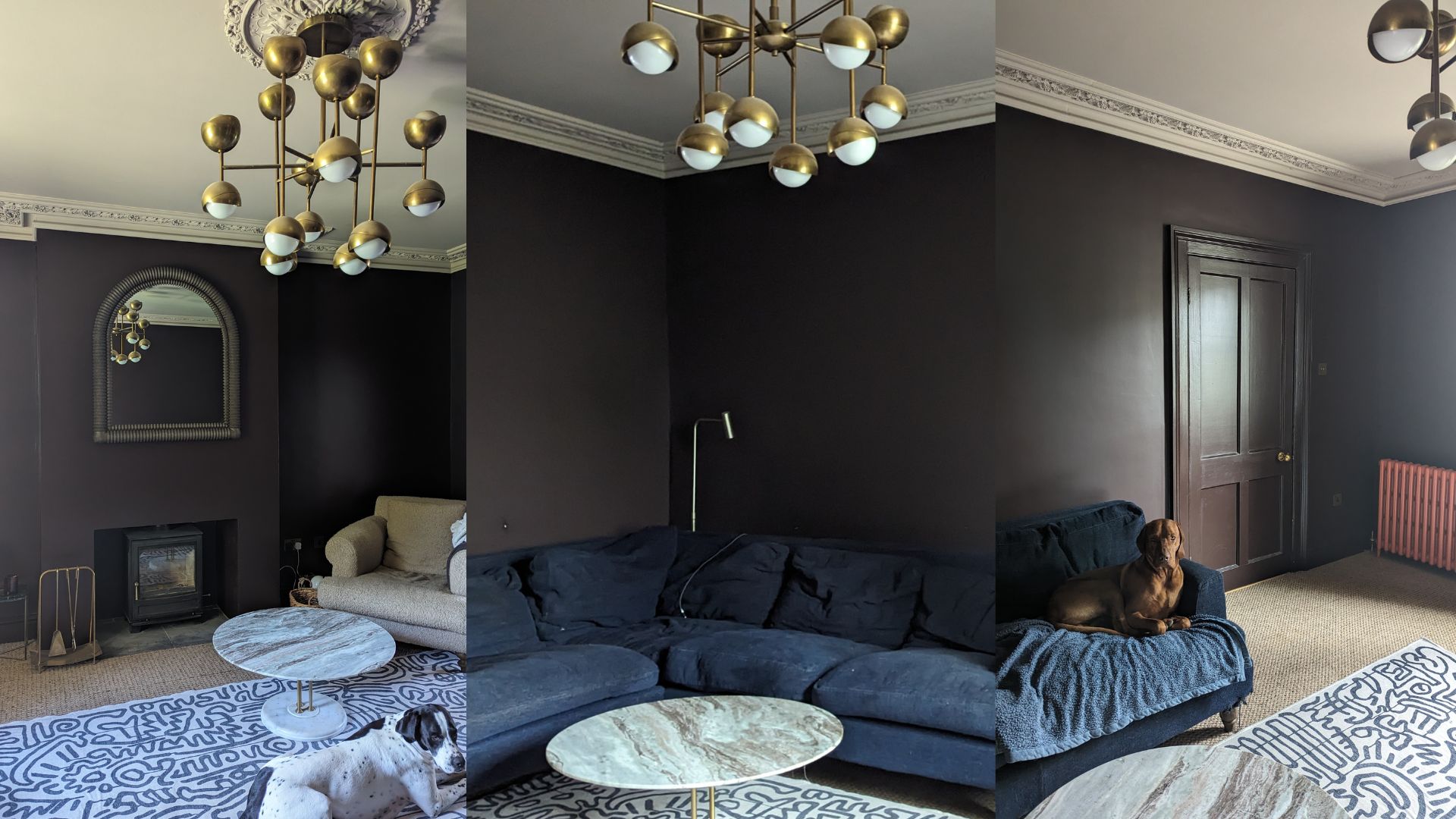
I used this unexpected Farrow & Ball paint in my living room – but this simple tweak transformed the space

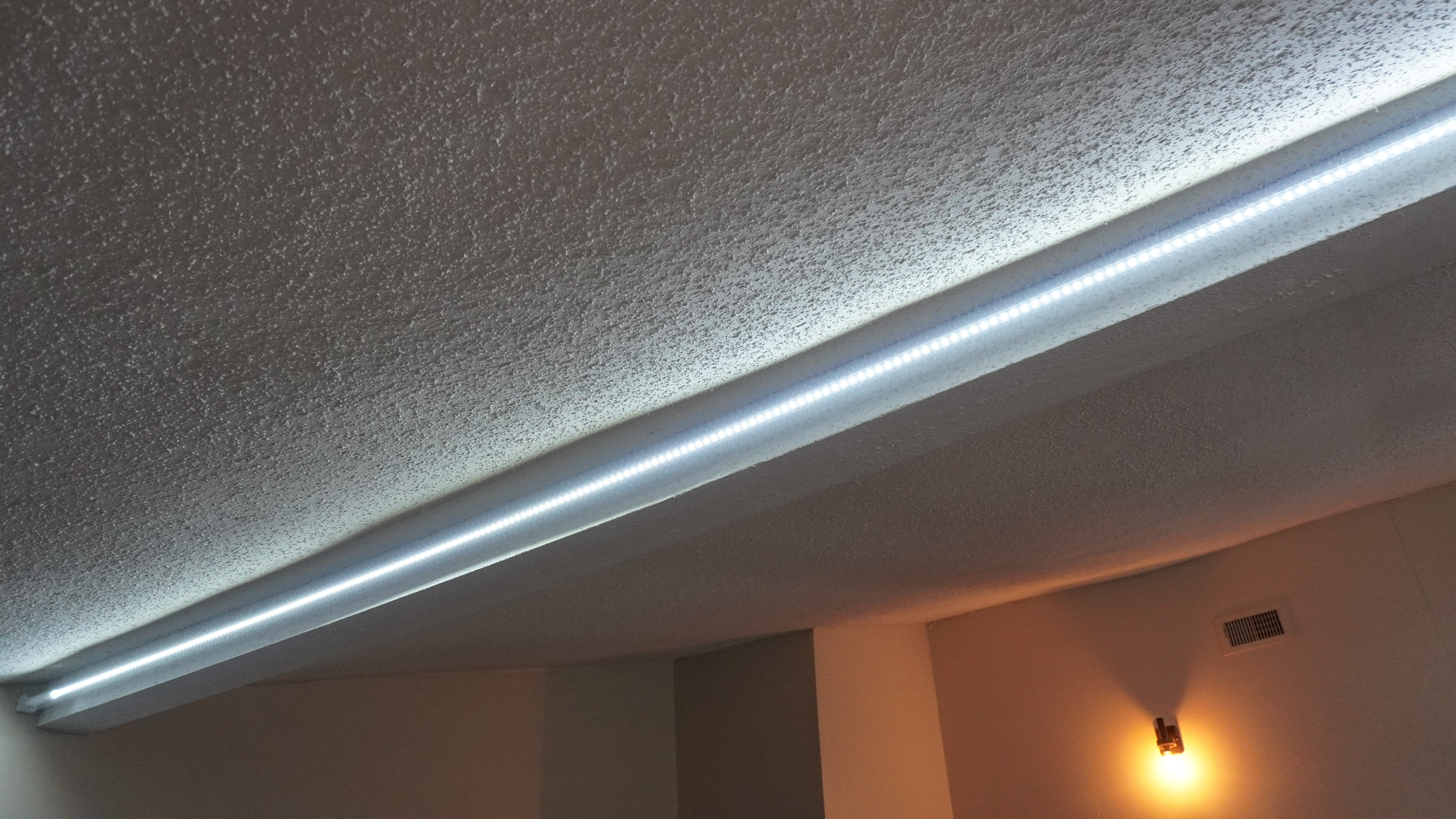
I used this smart light strip to transform my living room — and it's been a game changer for my home

Wallpaper is back, in a big way

We're Not Worried About Damaged Walls With These 6 Removable Wallpapers