1/2
17 Types of Aquatic Flowers to Grow in Water
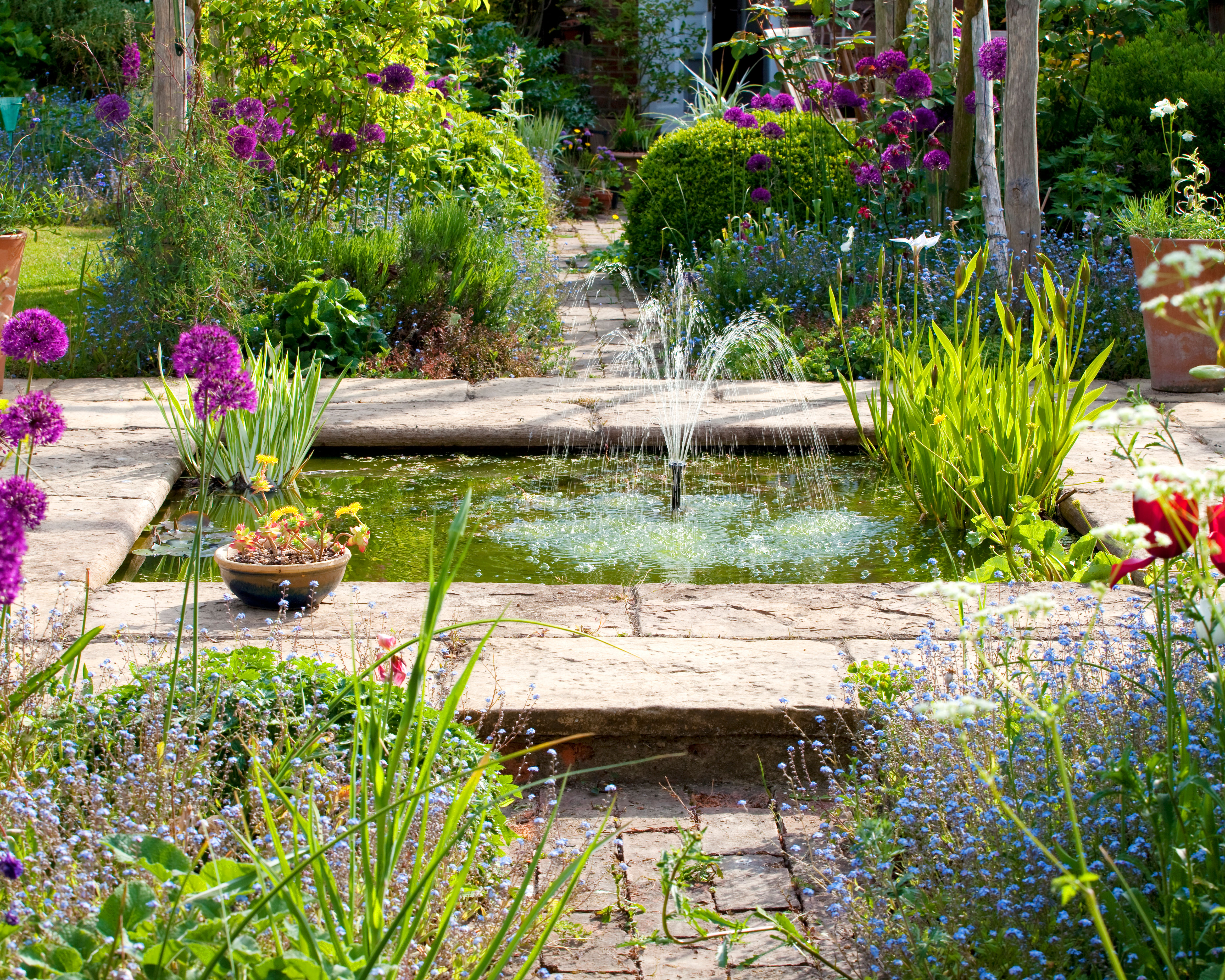
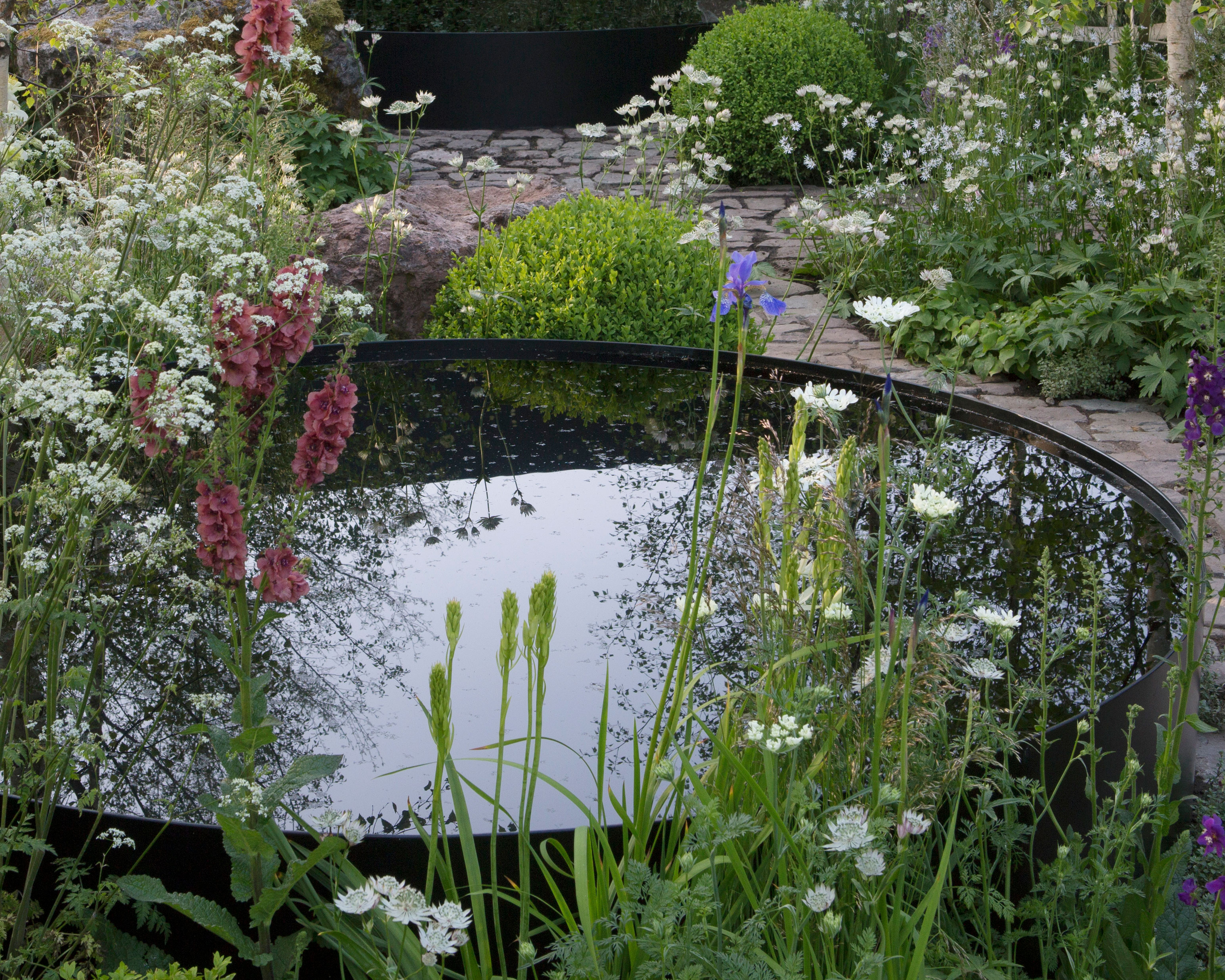
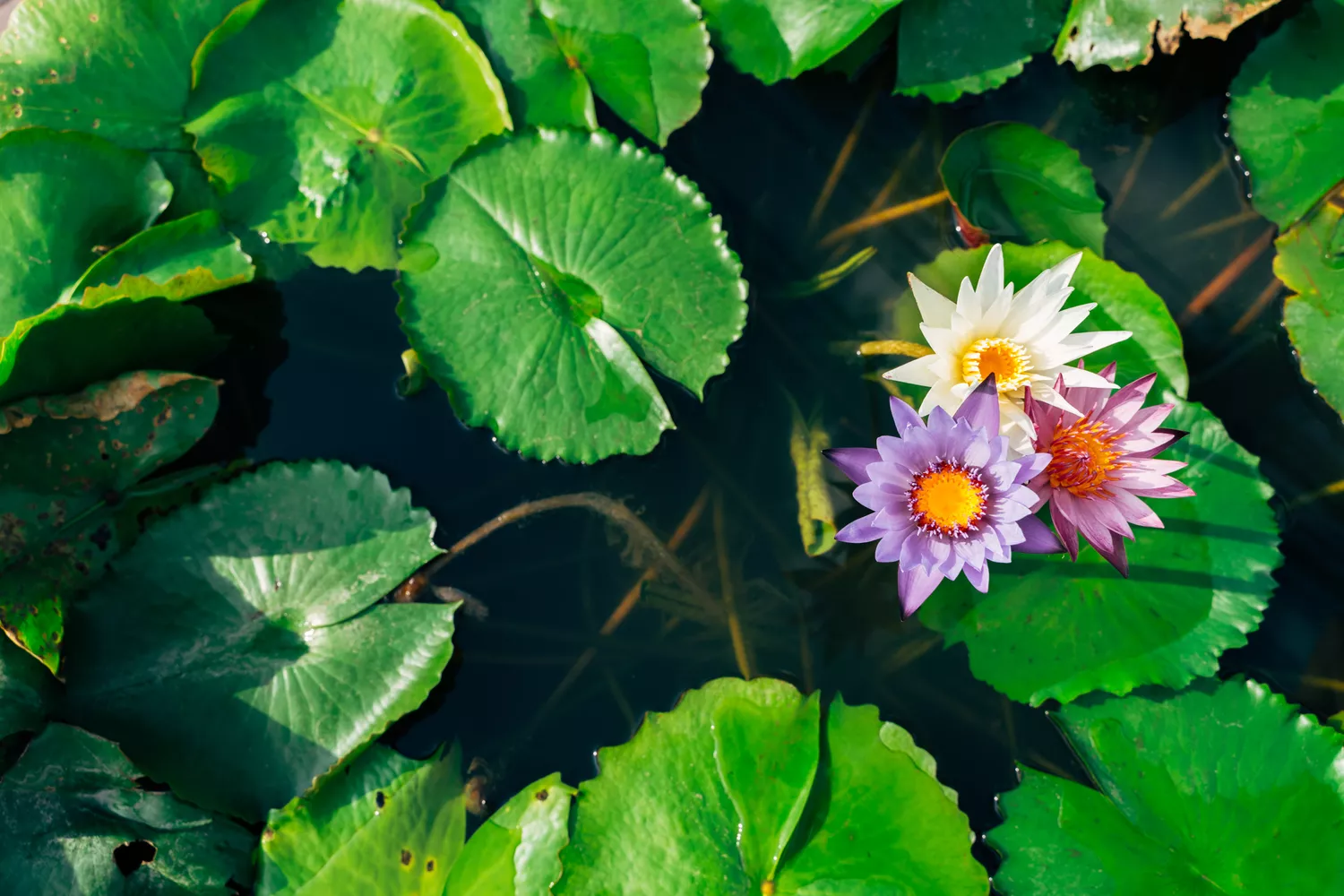
Aquatic flowers are plants that thrive in water, adding visual appeal to ponds and water features in gardens. These plants vary in their preferred growing conditions, sizes, and aesthetic contributions. For instance, water lilies, well-known for their diverse varieties, can be hardy to freezing temperatures or tropical for warmer climates. They also provide shelter for aquatic animals. Lotus flowers, often confused with water lilies, are distinct because their blooms rise above the water's surface, and their large foliage can spread up to 2 feet wide. Due to their rapid spreading, lotus flowers are often grown in containers within ponds.
Water poppies feature small yellow flowers and heart-shaped foliage, with blooms lasting a single day but continuing throughout summer. Their compact size makes them suitable for smaller water features. Water hyacinths are free-floating plants with purple and yellow stalks, growing up to 12 inches tall without needing soil. However, their fast-spreading nature necessitates containment, often in floating baskets or indoor containers. Water irises, while not typically associated with aquatic environments, thrive in shallow water up to 8 inches deep, producing three-petaled flowers that can reach 3 feet above the surface. Water forget-me-nots are a low-maintenance option for water gardens, with delicate blue and yellow flowers, best grown in shallow water or wet soil at the water's edge.
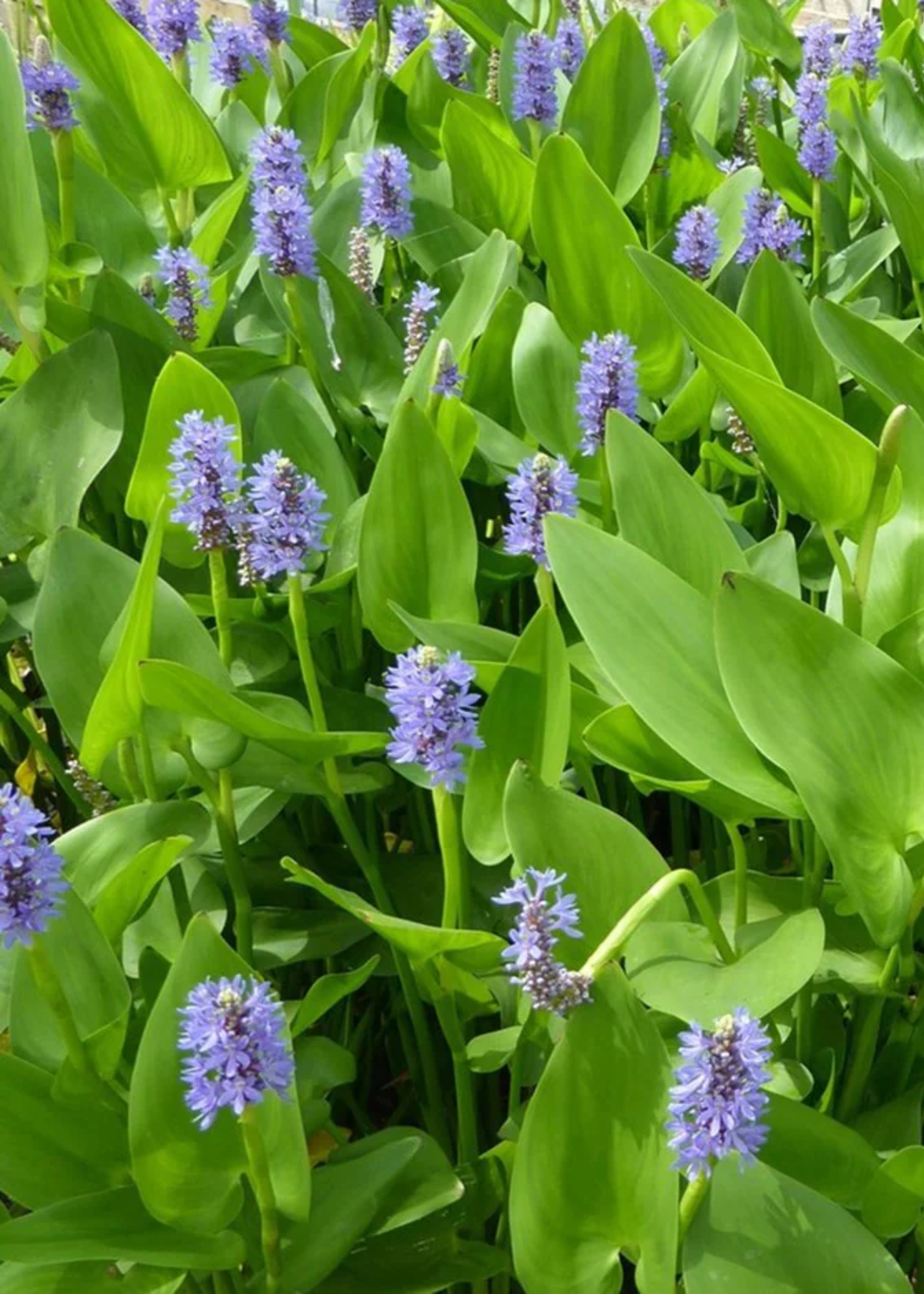
Water hawthorns are notable for their vanilla-scented white flowers, blooming from spring to early winter, preferring cooler, calm waters. Broadleaf arrowhead, also known as duck-potato plant, produces tubers that serve as a food source for wildlife and can add vertical interest to a water garden, growing up to 3 feet above the water. Pickerelweed, with its tall spikes of white, blue, pink, and purple flowers and heart-shaped leaves, prefers shallow waters and is beneficial for birds and pollinators. Mosaic flowers offer visual intrigue with diamond-shaped leaves that can turn red and small yellow flowers, though the flowers might not appear in alkaline water conditions.
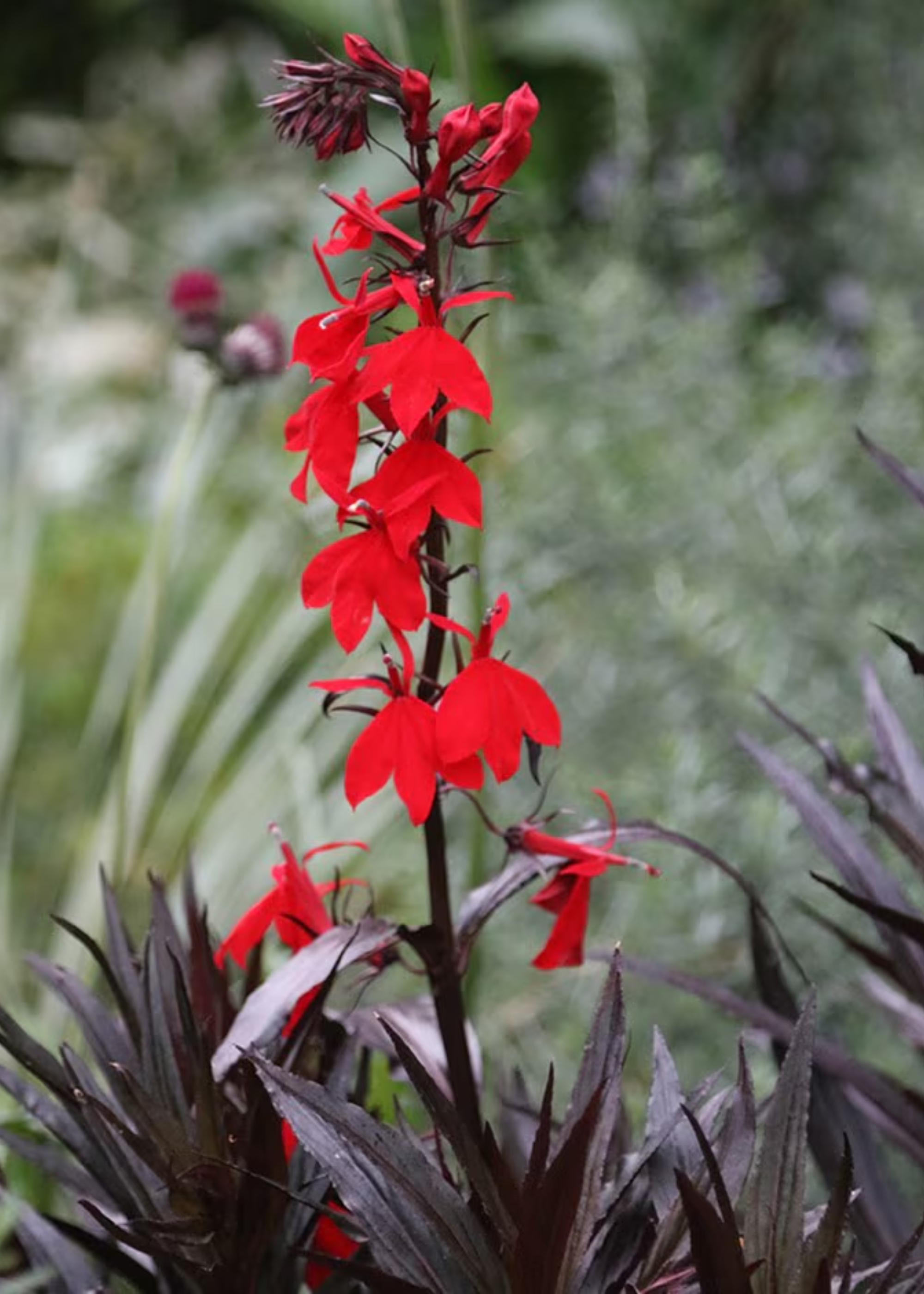
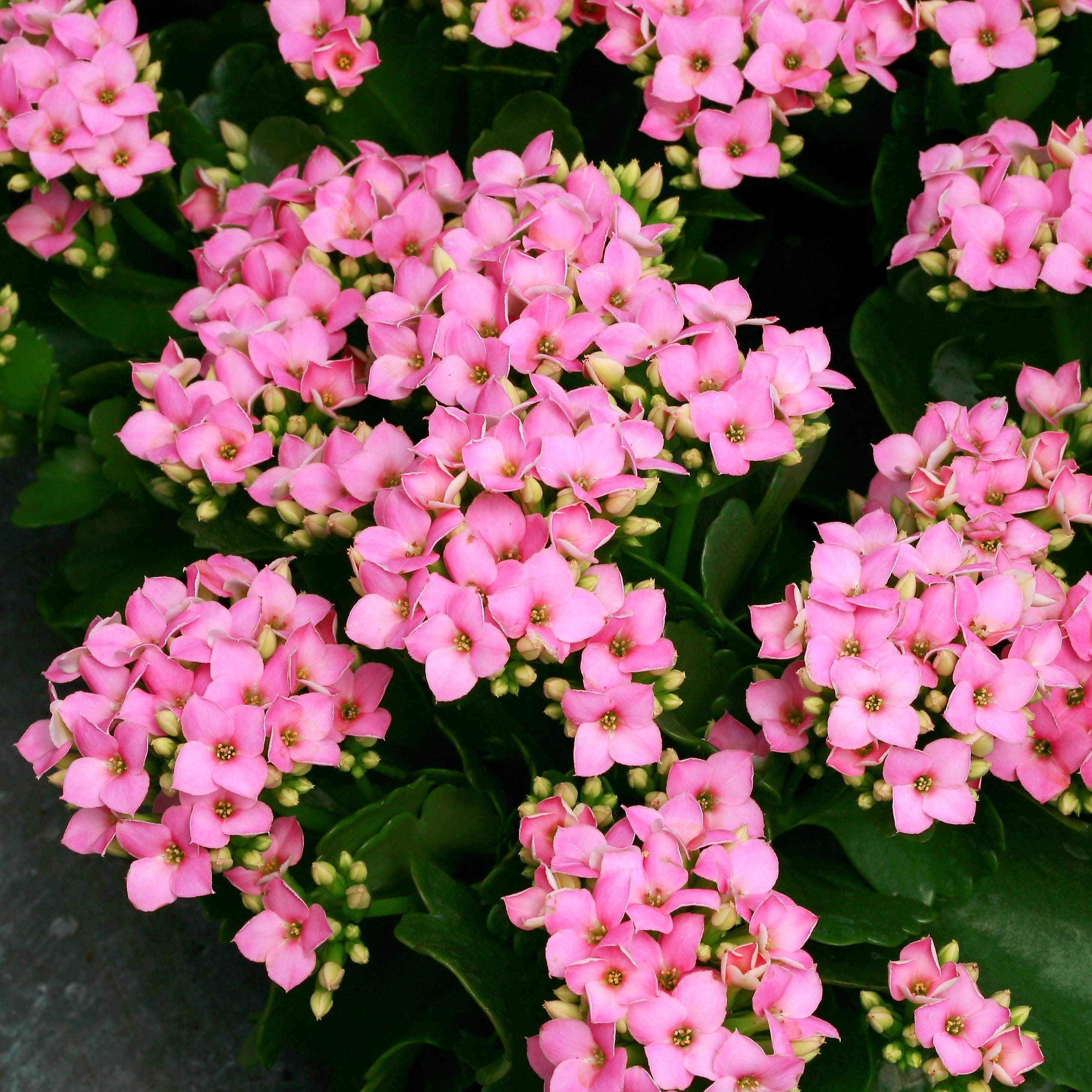
Calla lilies, which thrive in wet soil, are suitable for pond edges in shallow water, contributing wavy foliage and distinctive blooms. Swamp lilies, reaching over 6 feet in height, add a wild aesthetic with long, narrow petals and a sweet aroma, growing best in wet soil or shallow water. Blue flag irises provide an elegant touch with bright blue flowers and help stabilize pond borders, blooming from early spring to early summer. Cardinal flowers, with their tall, bright red blooms, are ideal border plants for ponds, thriving in shallow, standing water and attracting hummingbirds.
Marsh marigolds, characterized by heart-shaped leaves and bright yellow flowers, also flourish in shallow water along pond borders. Cattails, or bulrushes, are fast-growing perennials found in bog marshes and wetlands, reaching up to 10 feet tall. Some species can be invasive, so selecting native varieties is important. Lastly, swamp milkweed is a crucial plant for monarch butterflies, growing well along pond edges and in wetlands, producing pink to reddish-violet or white summer blooms. These aquatic plants offer a range of sizes, colors, and growth habits, allowing for diverse and vibrant water garden designs.
#AquaticFlowers #WaterGardening #PondPlants #WaterLilies #LotusFlowers #GardenDesign #PlantCare #DeerResistantPlants #PollinatorPlants #AquaticFlowers #WaterGardening #PondPlants #WaterLilies #LotusFlowers #GardenDesign #PlantCare #DeerResistantPlants #PollinatorPlants
0 comment in total
 No comments yet
You may also like
5 Aquatic Plants to Brighten Up Your Water Feature

10 Best Garden Water Features

20 Flowering Succulents That'll Give You Bonus Blooms Year-Round

11 Pretty Purple Flowers to Plant in Your Garden

These 33 Houseplants Are Easy to Grow in Water
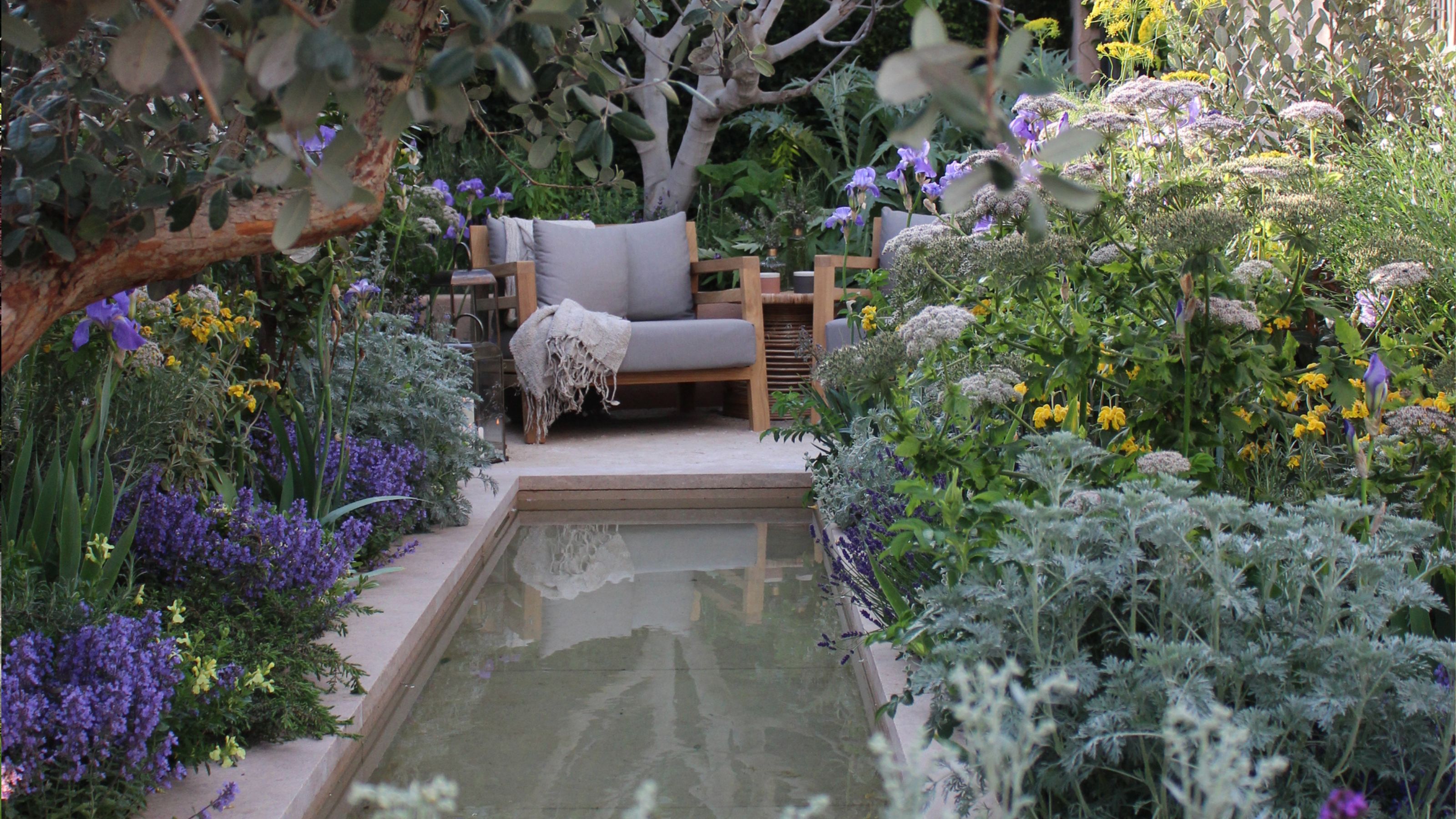
13 Water feature ideas to add a new sense of flow to your garden

8 Colorful Flowering Shrubs to Grow for Cut Flowers
14 Gorgeous Flowers That Start With V
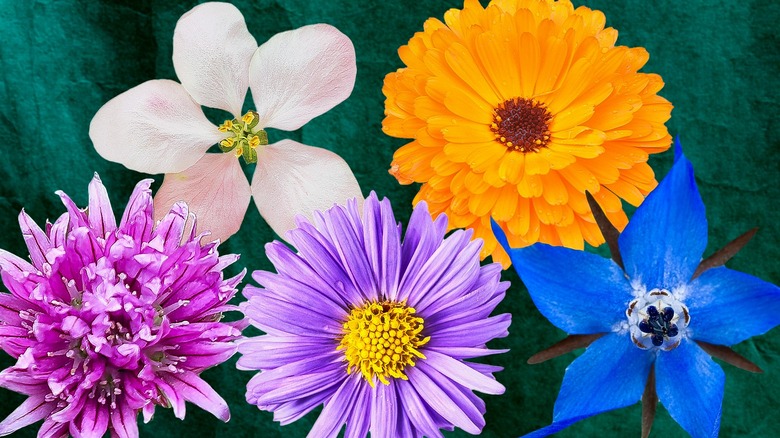
17 Edible Flowers You Absolutely Must Know About

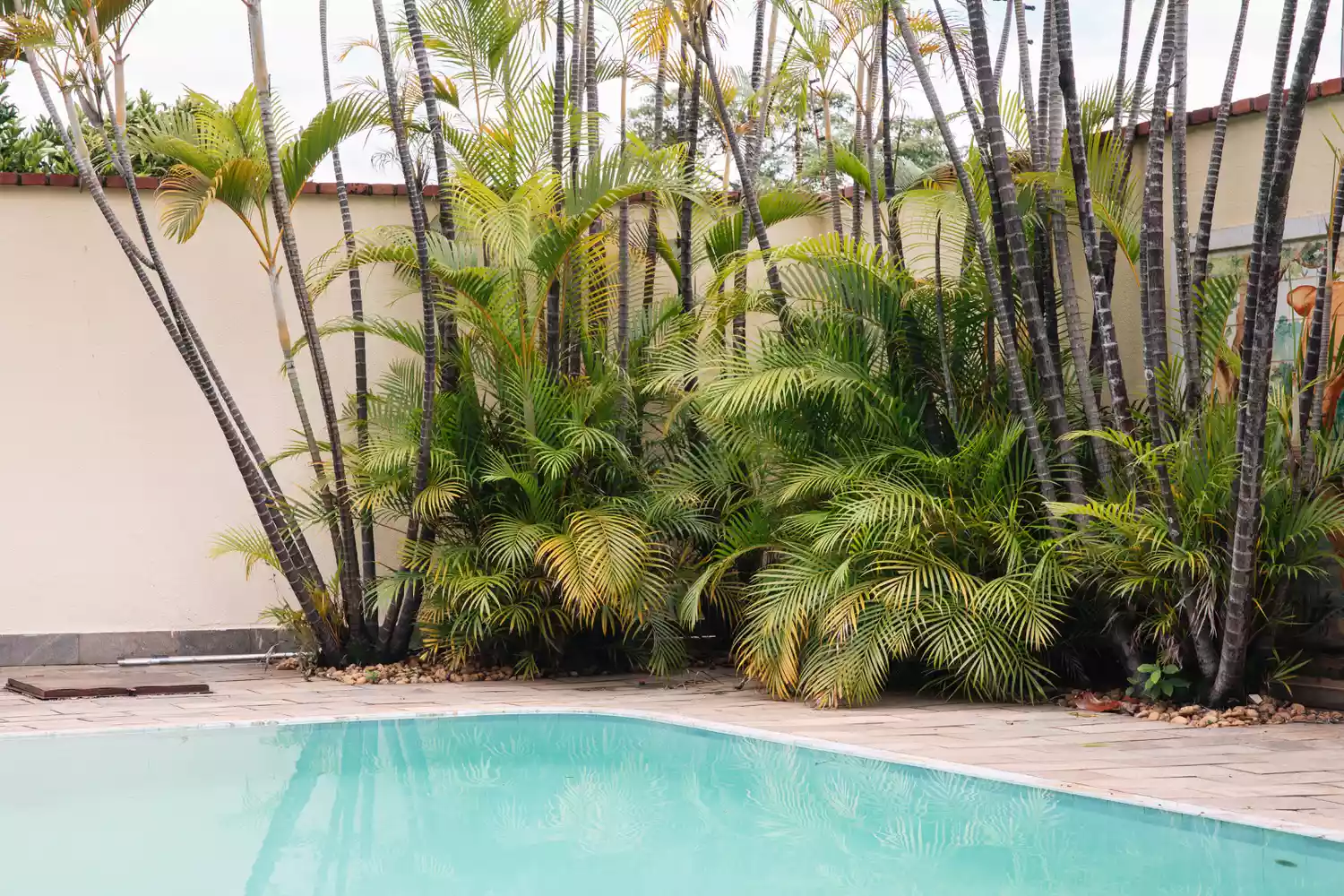
18 Poolside Plants That Will Make Your Landscape Look Like Paradise
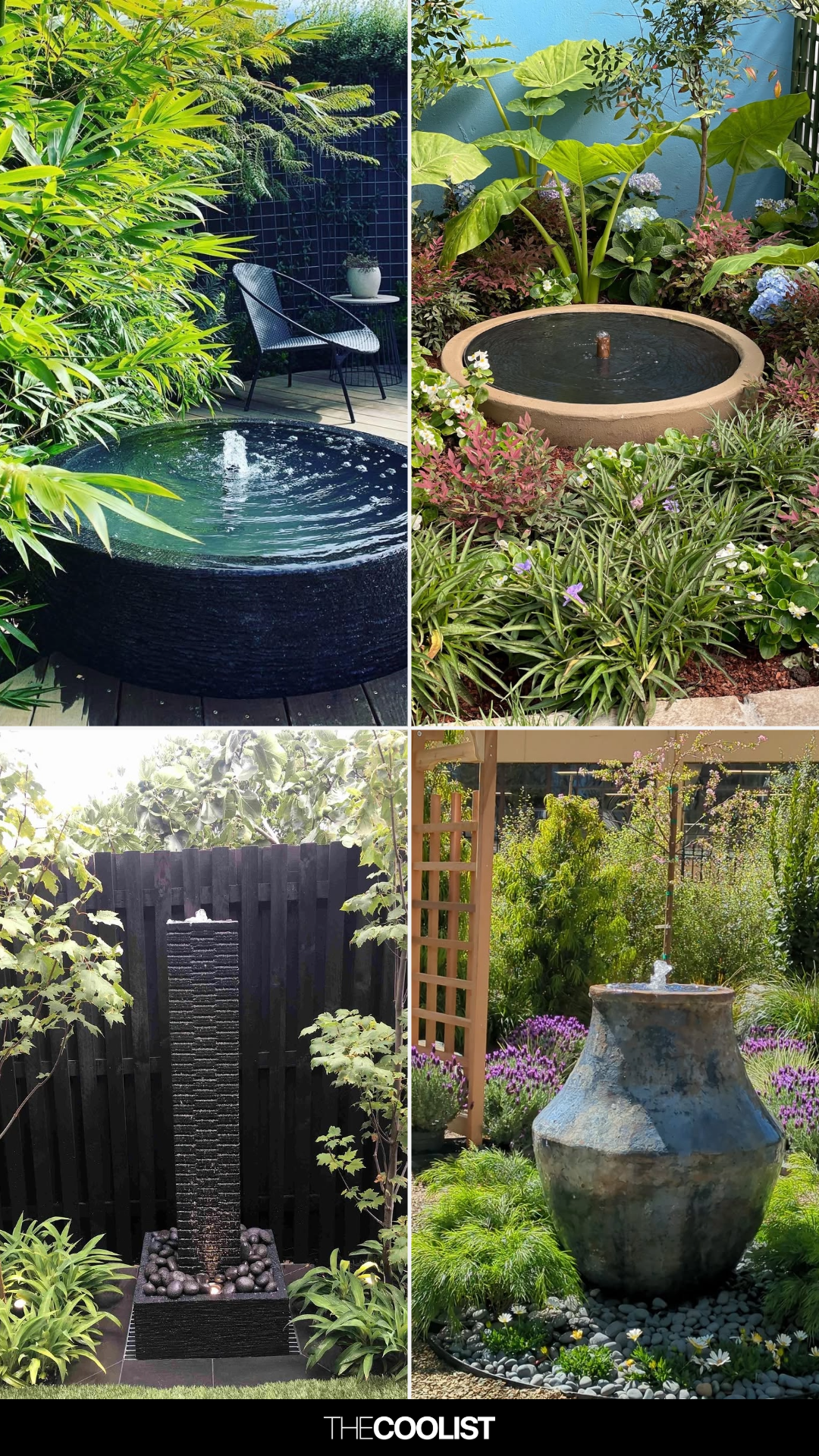
26 Stupidly Gorgeous Water Feature in the Garden Ideas That’ll Haunt Your Mood Boards

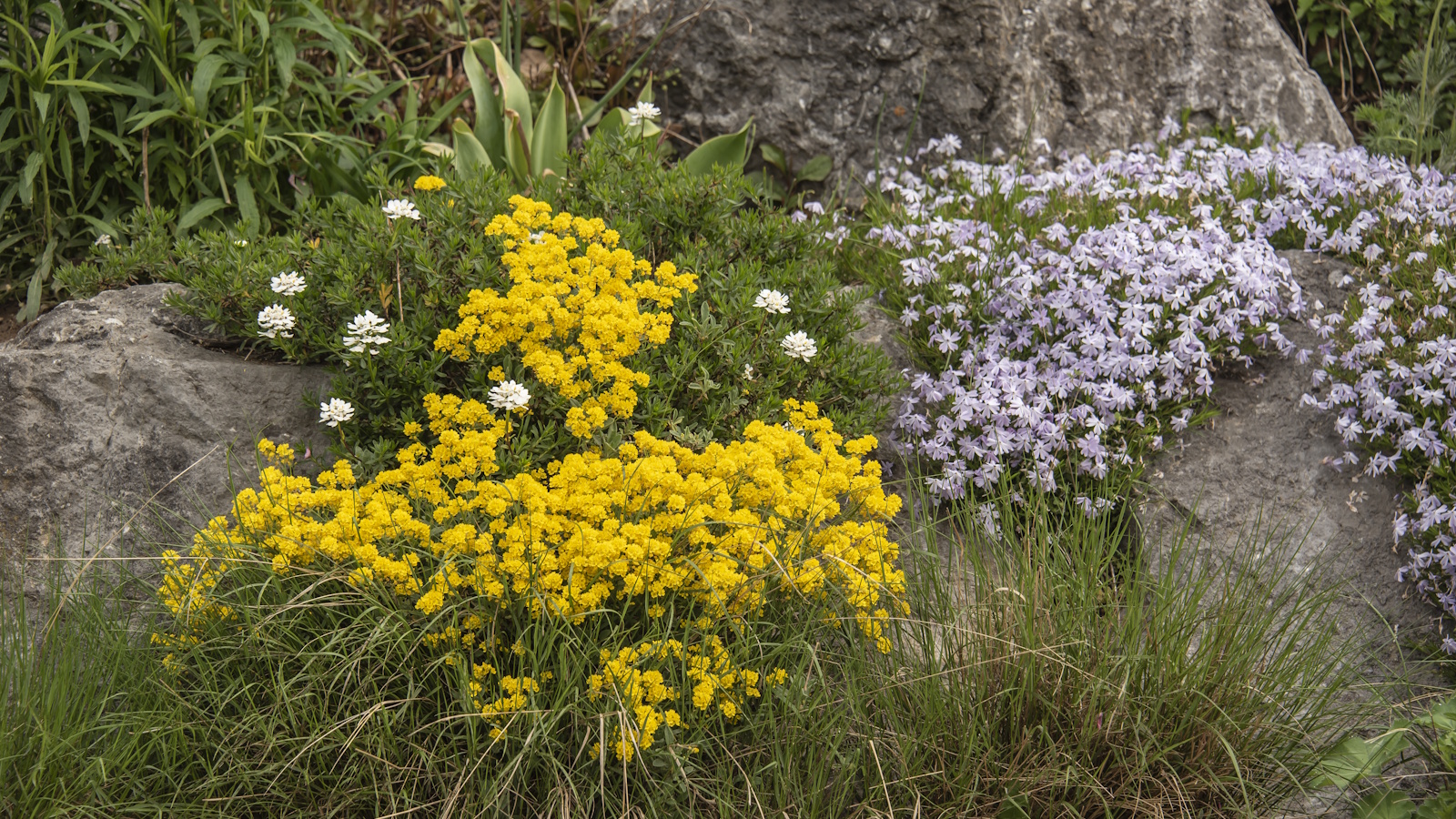
Best cascading plants: 5 joyful plants for pots and retaining walls

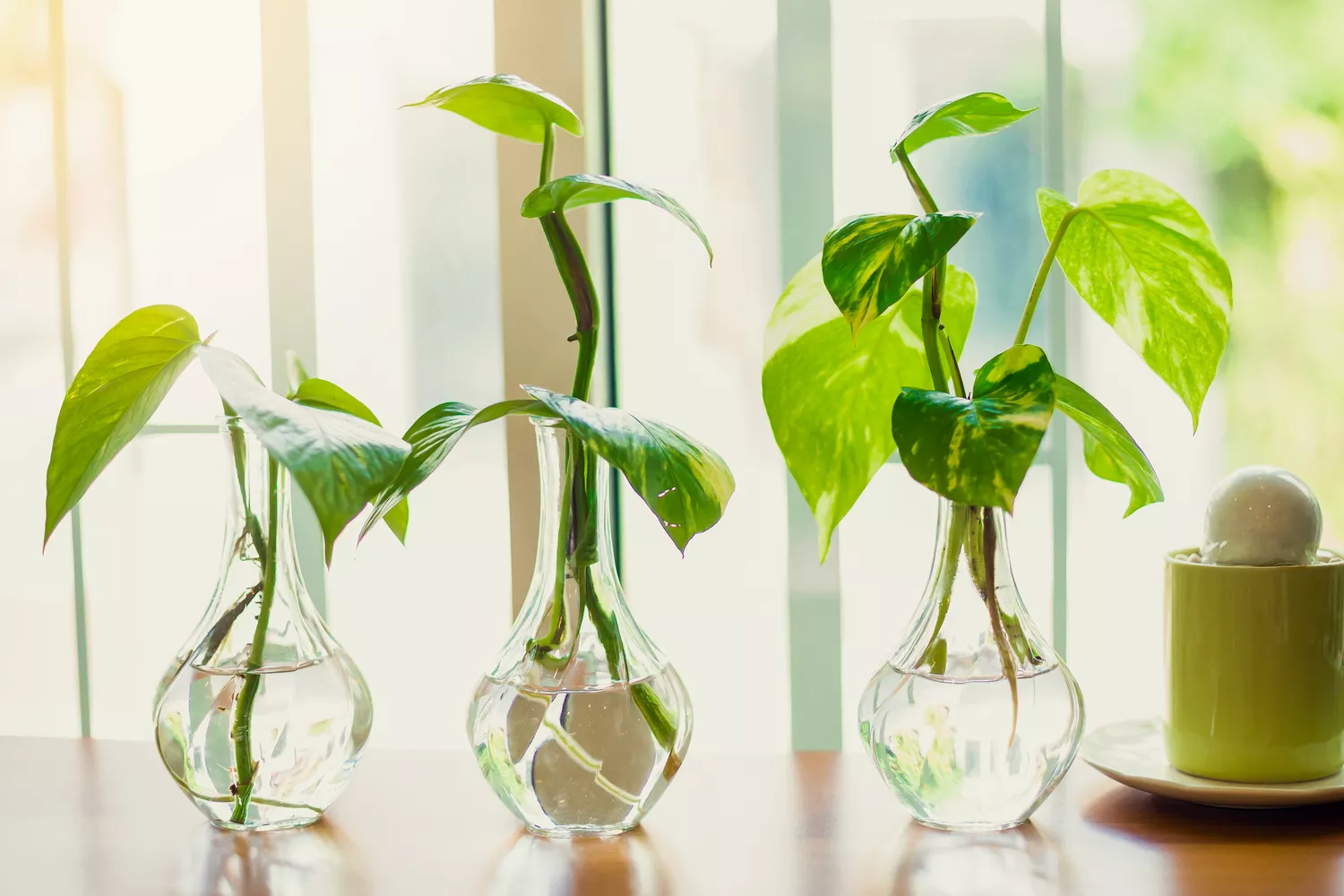
14 Houseplants That Can Grow in Water—No Soil Needed

15 Cut Flowers to Grow for Stunning Homemade Bouquets

10 Pretty Purple Flowers That’ll Make Your Garden Pop
Water feature ideas – 11 ways to add water to any backyard
15 Best Purple Plants For Your Flower Garden
12 Modern Gardens With Water Features

The 15 best flower vases for gifts, decor and more in 2023
14 Fabulous Flowers That Are Easy to Grow From Seed