Opinion | The Case for File Cabinets (Published 2021)
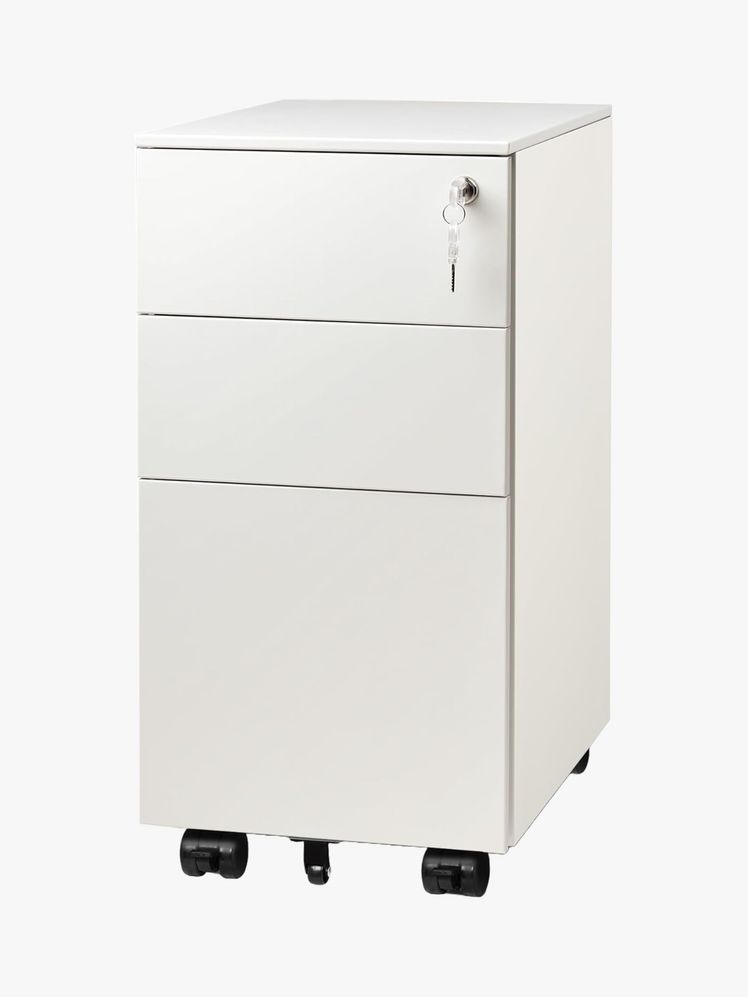
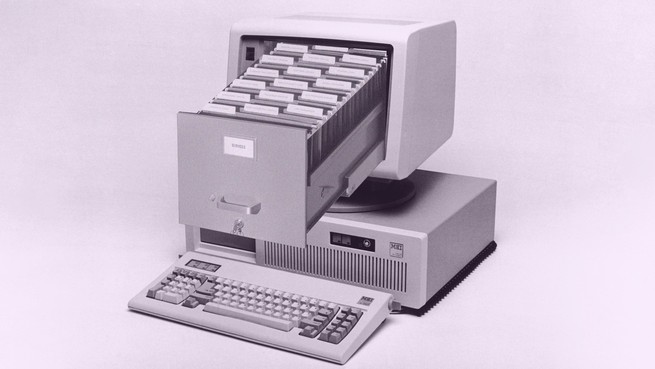
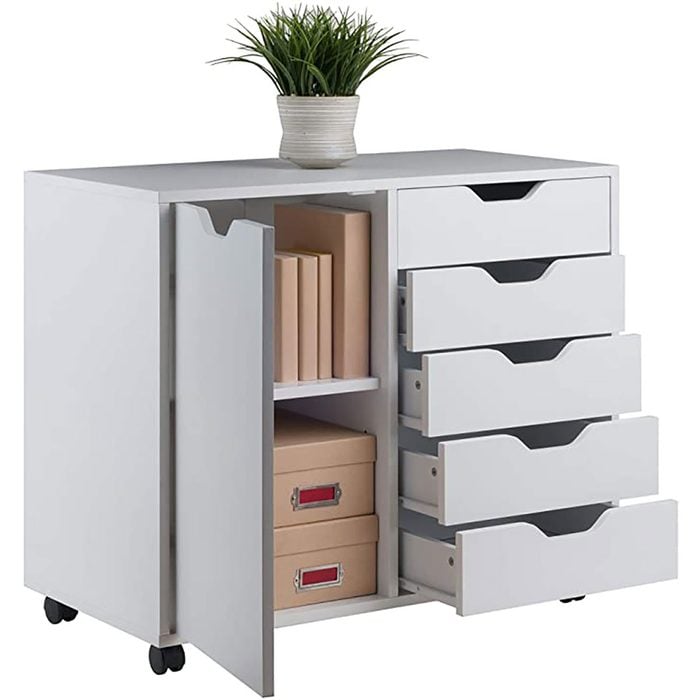
The article reflects on the traditional filing cabinet and its role in personal and professional organization, contrasting it with modern digital storage methods. Historically, filing cabinets were essential in workplaces, used by employees at various levels for organizing physical documents. They also played a significant role in personal lives, serving as a repository for important life documents such as birth certificates, insurance forms, and personal mementos like artwork and letters. The author highlights the meticulous, and at times arduous, process of physical filing, including re-centering metal rods and handwriting labels for Pendaflex folders.
The piece notes that for younger generations, particularly Gen Z, the concept of physical paperwork and filing might seem archaic, as they operate predominantly in a cloud-based environment. Digital natives utilize virtual spaces, scans, and various drives (flash, hard, shared) to store and transfer documents, eliminating the need for physical paper. This digital approach is perceived as more organized, efficient, secure, cleaner, and environmentally friendly, assuming the energy consumption of servers is disregarded. The digital realm also makes it harder for individuals to accidentally discover unintended information, as rifling through physical files once allowed.
However, the author posits that the shift to digital has resulted in a loss of certain intangible benefits. A well-maintained physical filing system could be inspiring, as observed through a colleague's color-coordinated system. The tactile process of physically filing documents helped to organize both work and personal lives, similar to how handwriting can improve information retention over typing. For individuals with a tactile or visual learning style, the physical placement of documents, their weight, and even their smell, served to imprint information in memory. The act of retrieving a physical document often came with the memory of where it was placed.
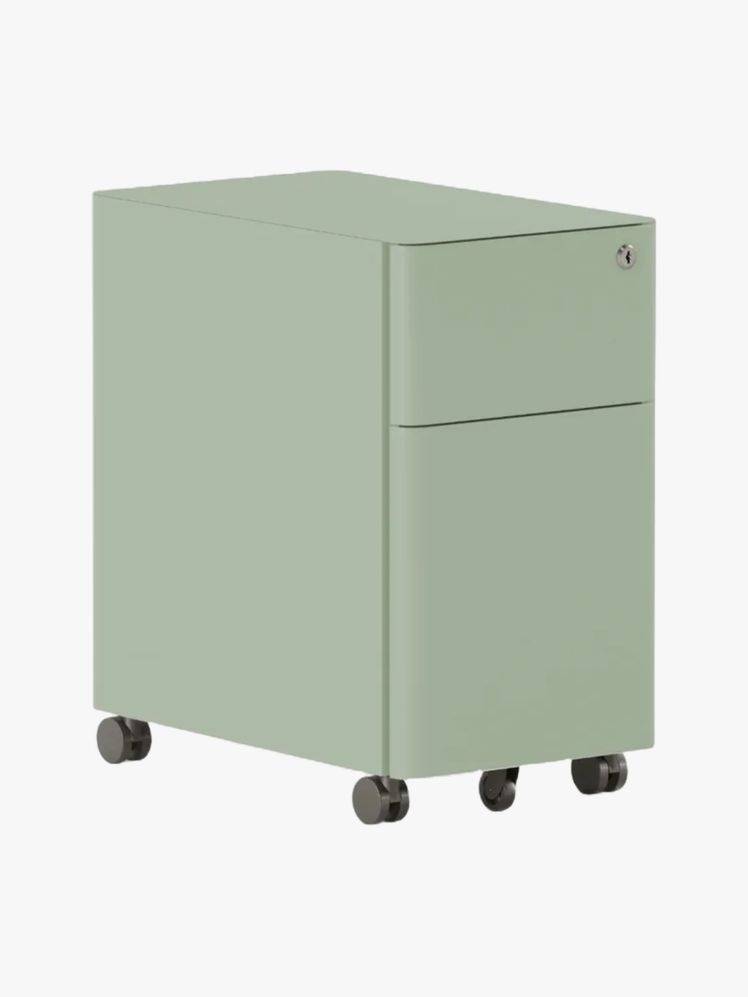
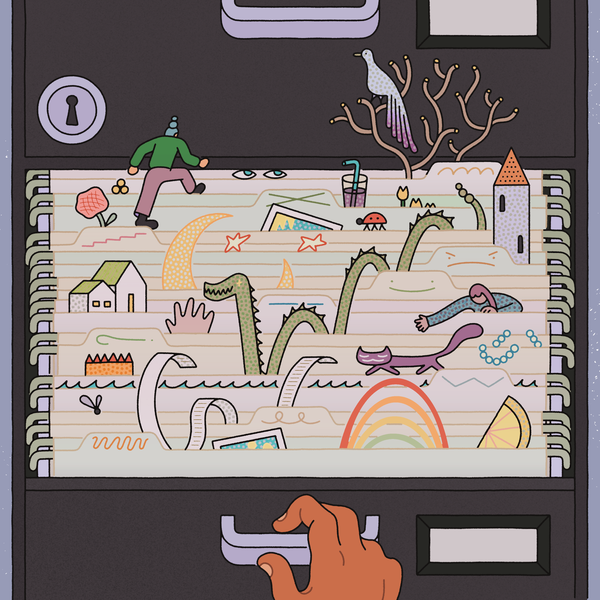
The author recounts a personal experience of discarding years of accumulated physical documents—magazine clips, book research transcripts, college essays, and a fourth-grade report—in an attempt to embrace modernity. This "Great File Purge" left behind empty file cabinets, which now stand as reproachful reminders. Despite the move to digital, the author expresses a lingering doubt about the absolute necessity of abandoning physical files. The rare occasions of revisiting these cabinets would often lead to unexpected discoveries and a sense of nostalgia, such as finding a forgotten term paper or a local newspaper clipping. Such serendipitous discoveries, the article concludes, are lost in the uniform, icon-based interface of cloud storage, where the contents cannot be unfolded to reveal unexpected handwritten notes or other hidden details.
#FilingCabinets #DigitalVersusPhysical #InformationOrganization #WorkplaceEvolution #Nostalgia #PersonalArchives #CloudStorage #MemoryAndTactility #DigitalTransformation #FilingCabinets #DigitalVersusPhysical #InformationOrganization #WorkplaceEvolution #Nostalgia #PersonalArchives #CloudStorage #MemoryAndTactility #DigitalTransformation
0 comment in total
 No comments yet
You may also like
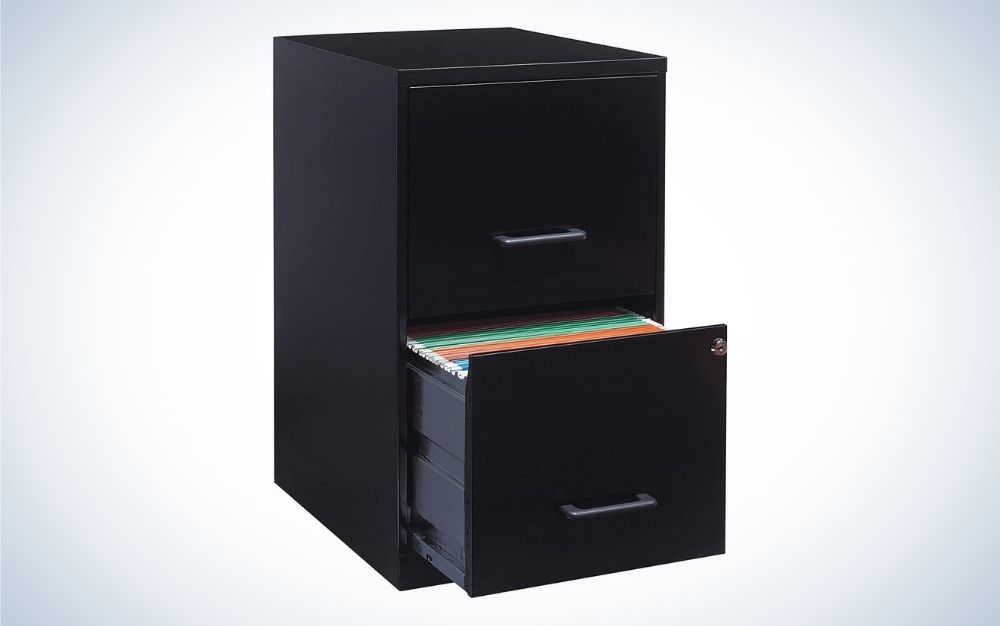
The best file cabinets of 2024
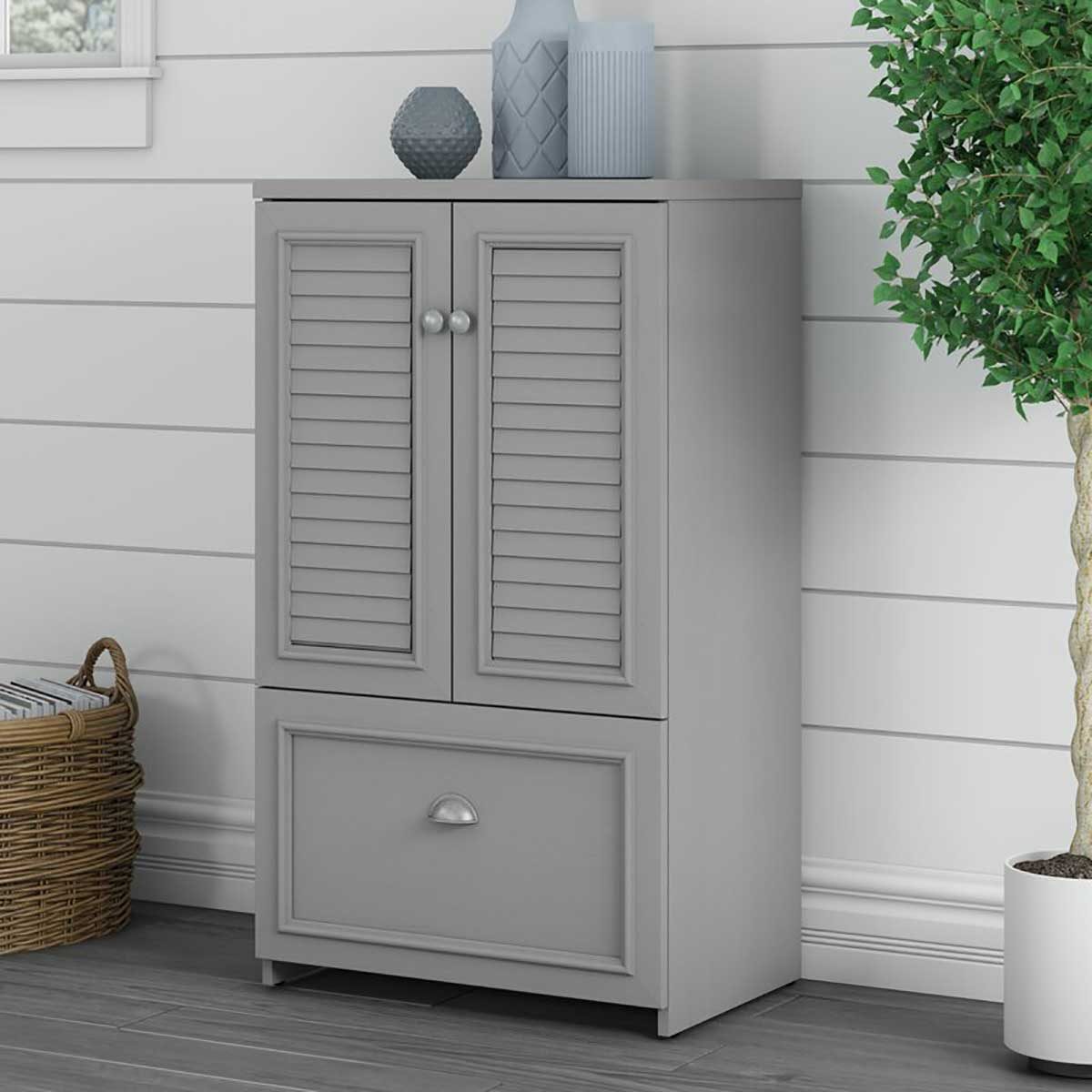
10 Best Storage Cabinets for Your Home Office

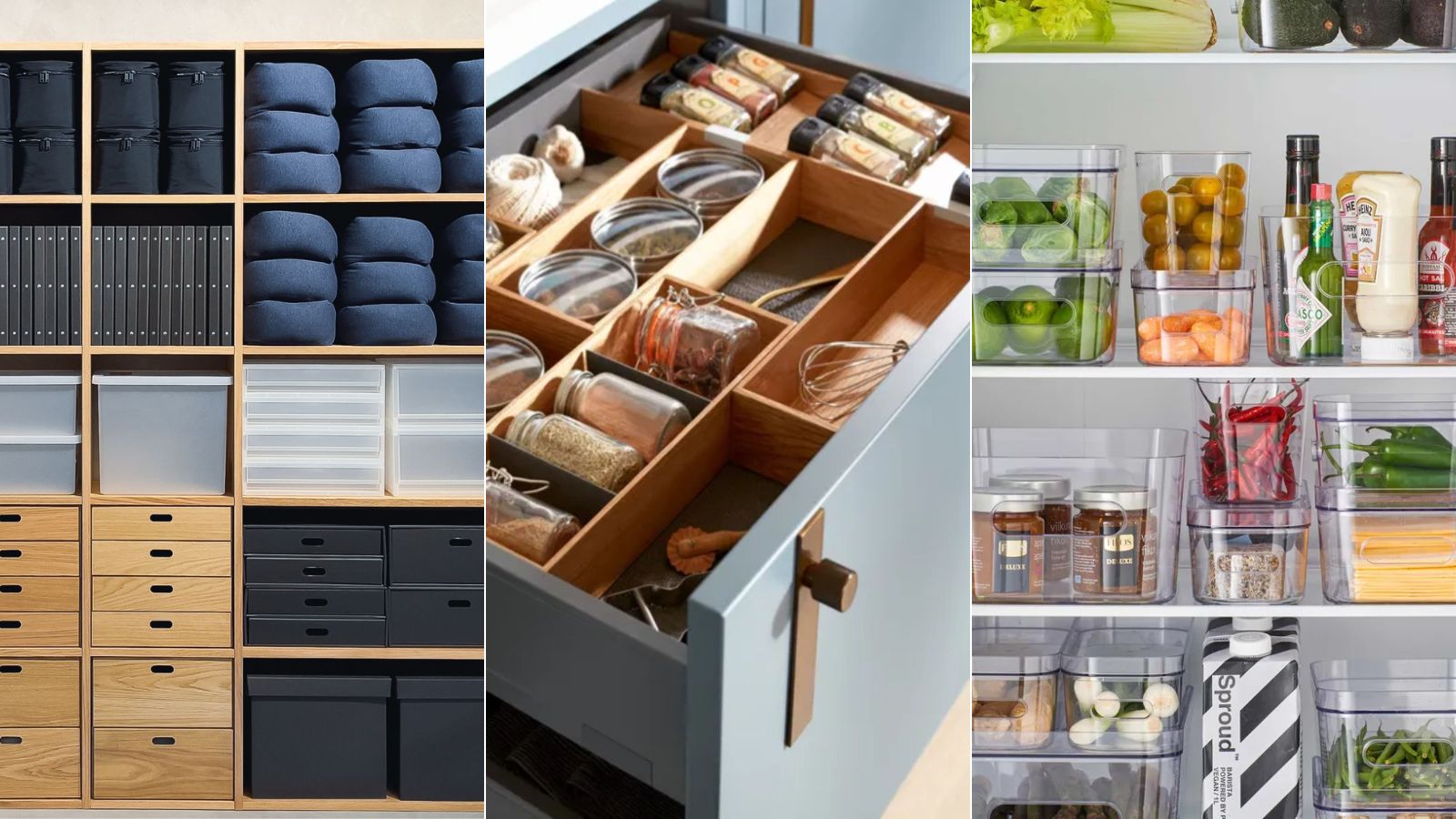
These 7 things should never be stored in plastic bins – don't risk damaging your possessions


Storage & Organization

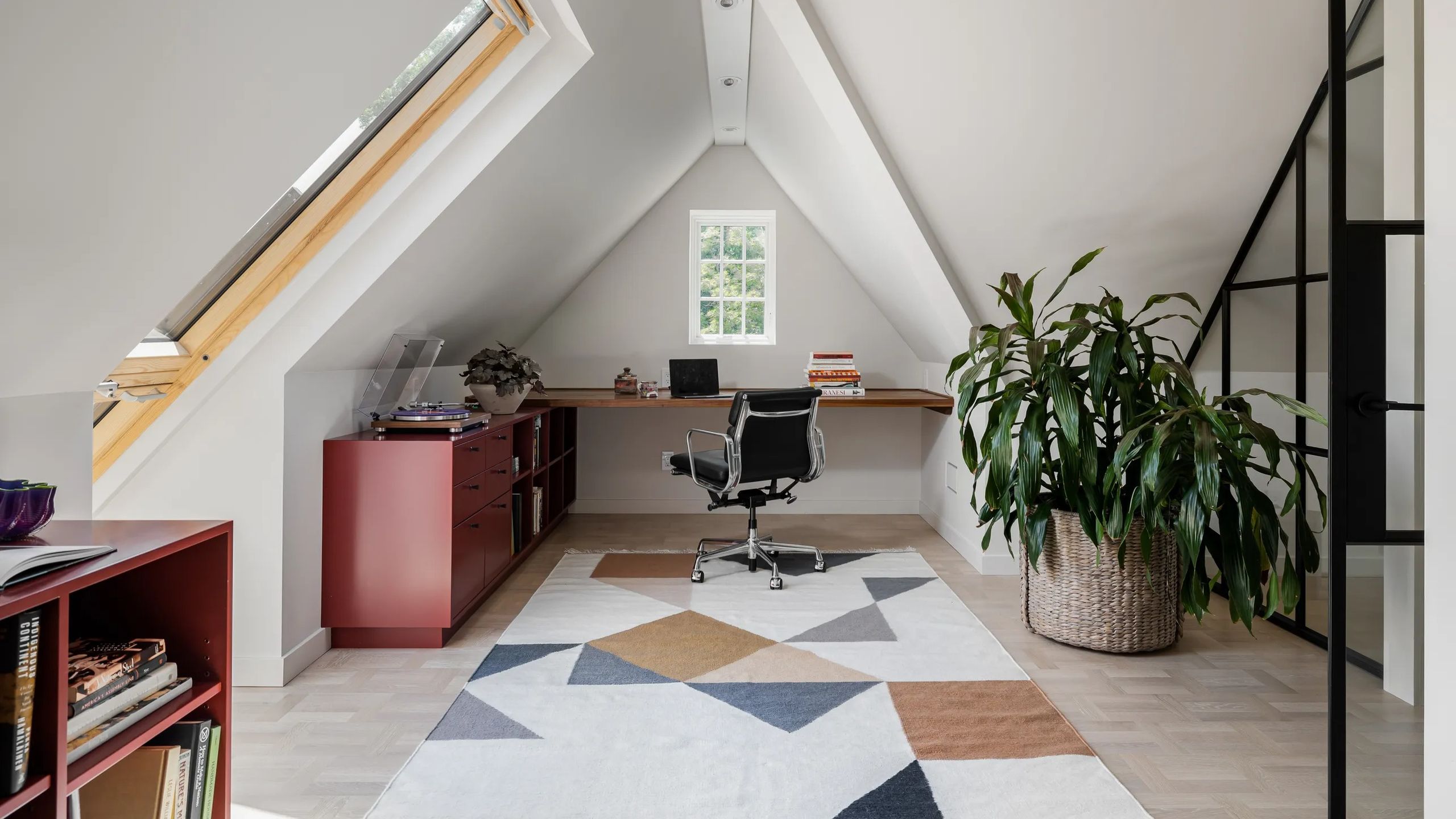
7 Stylish Filing Cabinets That Are Anything But Blah

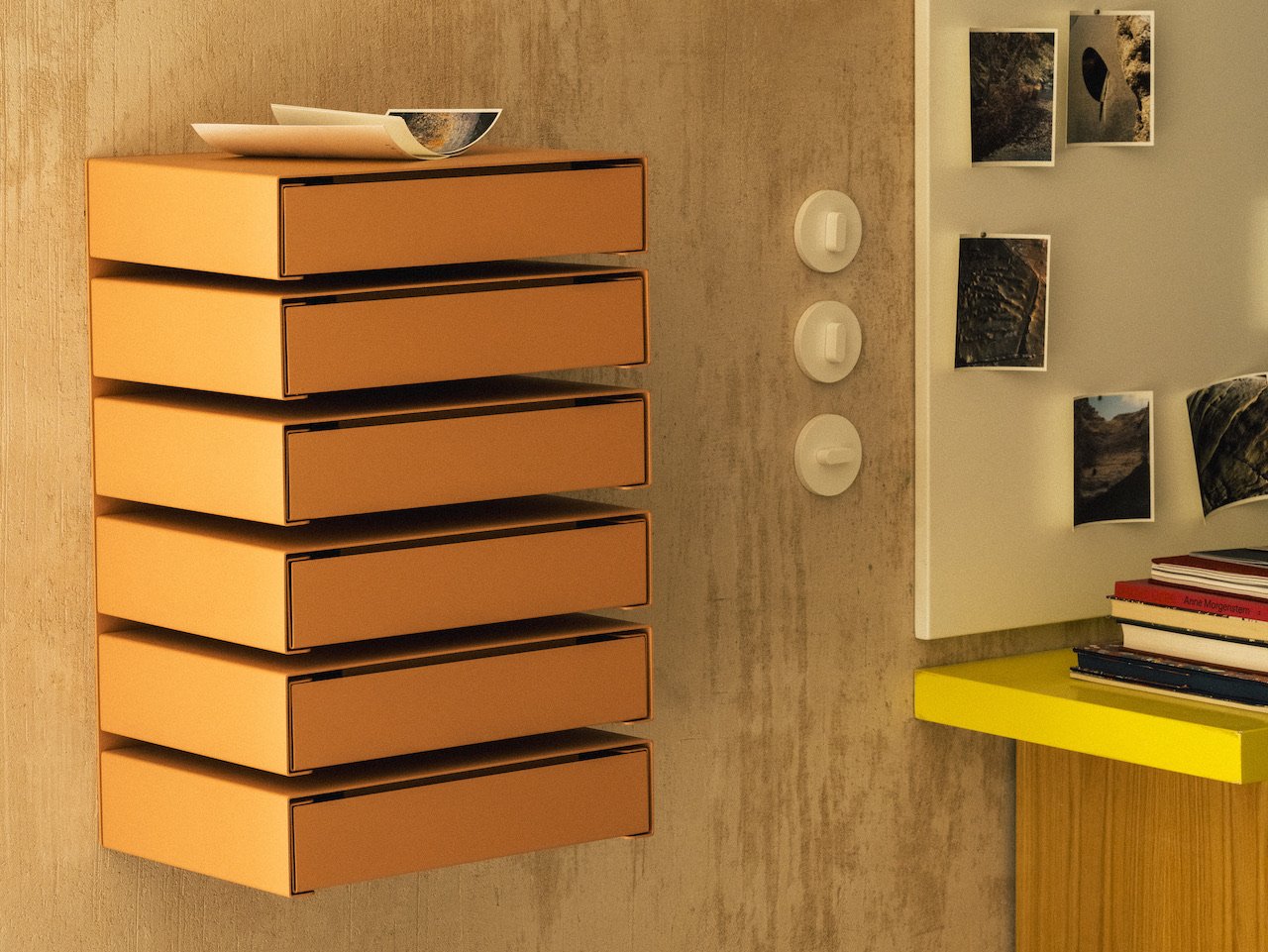
A Storage Box’s Next Evolution Is Wall-Mounted Drawers
Storage & Organization


The 5 Biggest Organising Trends For 2026

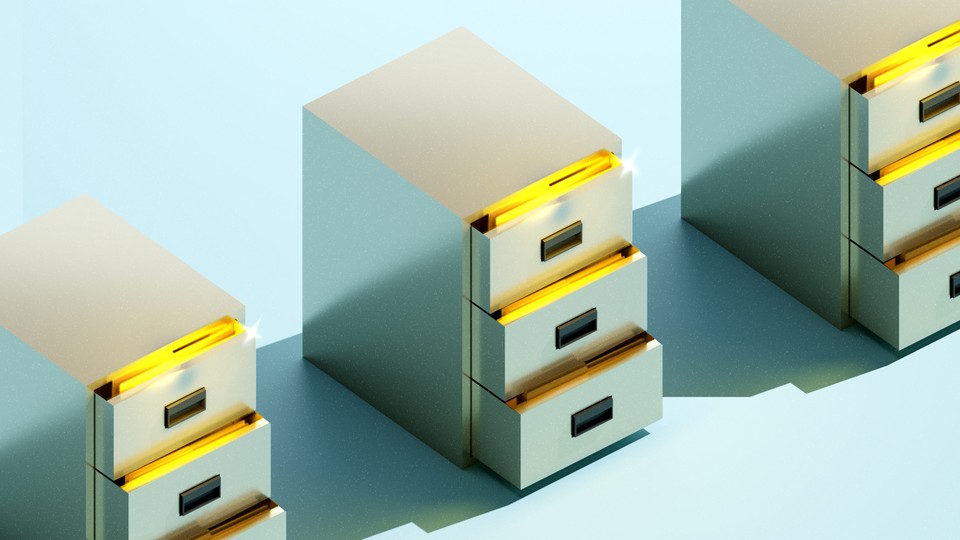
A New Way to Think About Our Filing Systems

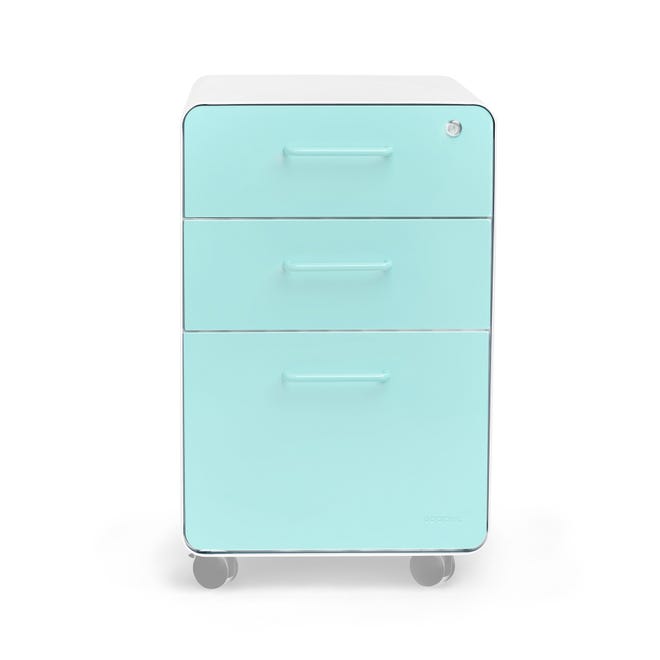
Your file cabinet doesn't have to be an eyesore

Our Best-Selling Storage Cabinet Shoppers Swear by for Organization Is on Sale

A Bookshelf With Doors is Your Storage Solution for 2024 (Here’s Why)
The 6 Best Filing Cabinets, Reviewed by BHG
A Houseful of Cabinets and Built-ins

The Best Bookshelves for Bulking Up Your Reading Collection
Space-Saving Solutions: 33 Creative Storage Ideas


21 Storage Solutions to Keep Your Home Office Shipshape

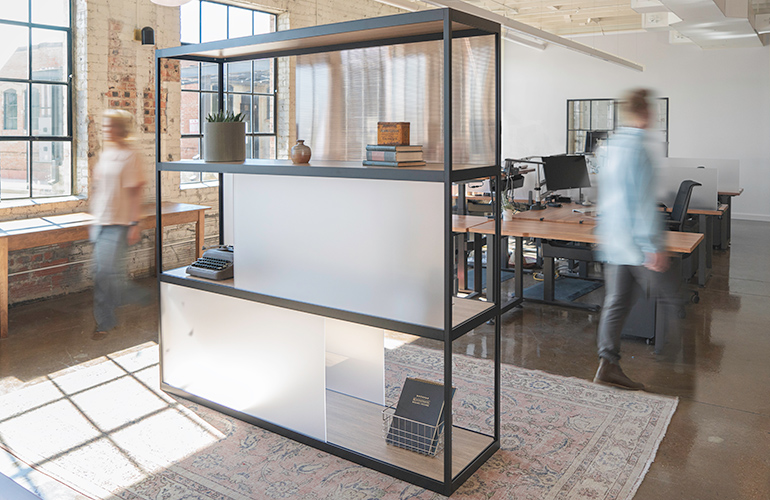
A New Solution for Open Office Shelving


Bookcases and shelving systems that evolve with your home

Best Cabinet Styles for Pakistani Homes in 2025