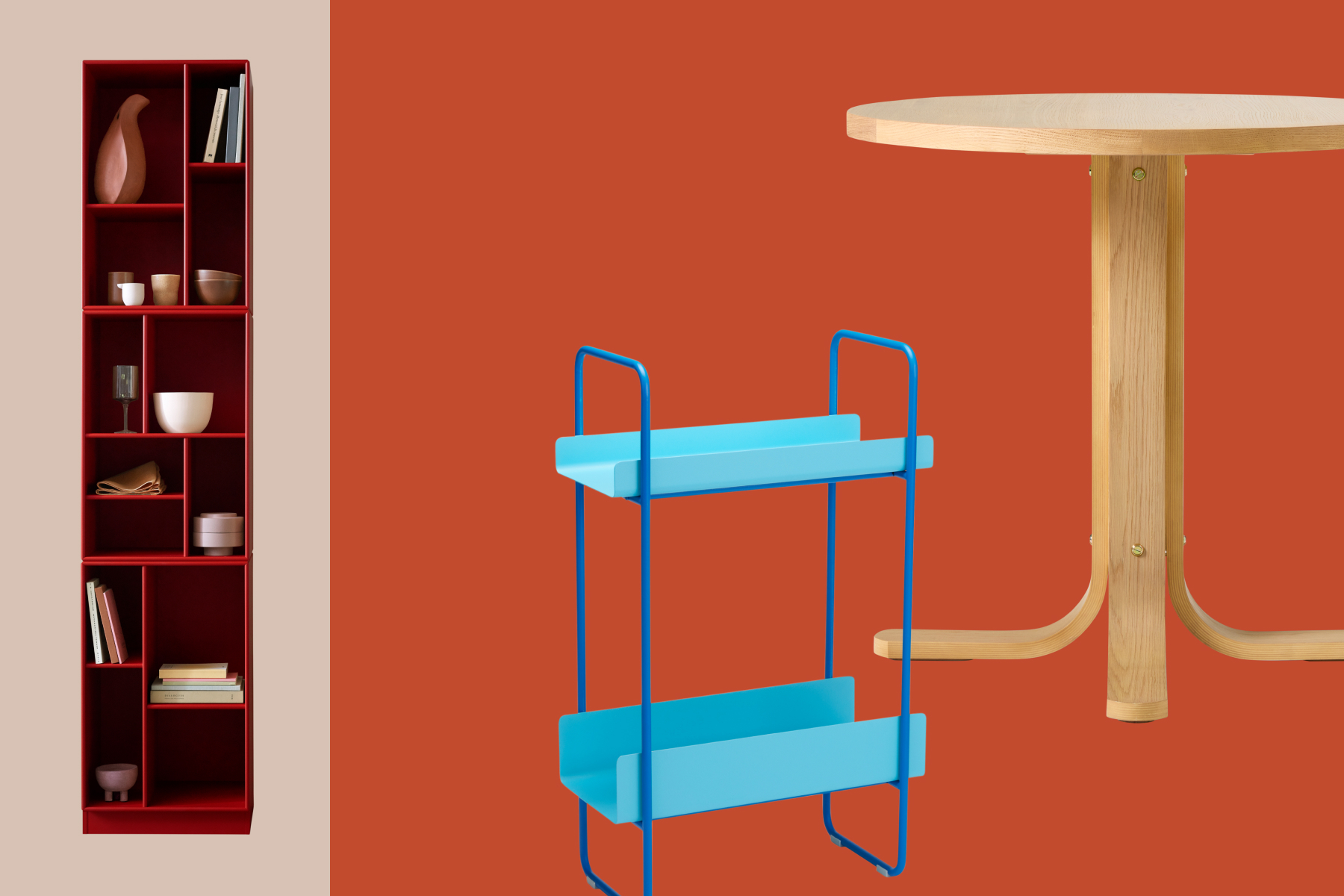
1/5
You Don’t Have to Sacrifice Style When Your Space Is Small
The article explores the evolving landscape of small space design, highlighting how architects and designers have long been intrigued by optimizing tight interiors. Early innovators such as Le Corbusier, Charlotte Perriand, Eileen Gray, and Frank Lloyd Wright established foundational principles for efficient small-scale living. Modern design continues to build upon this legacy, focusing on functionality and aesthetics in compact environments.
Ecuadoran architect Juan Alberto Andrade emphasizes the criticality of precision in small-scale design, stating there is minimal room for error. This necessitates careful selection of furnishings that are both visually appealing and highly functional. The article features insights from designers who have successfully tackled spatial organization challenges, offering practical advice and product recommendations for enhancing small living spaces.
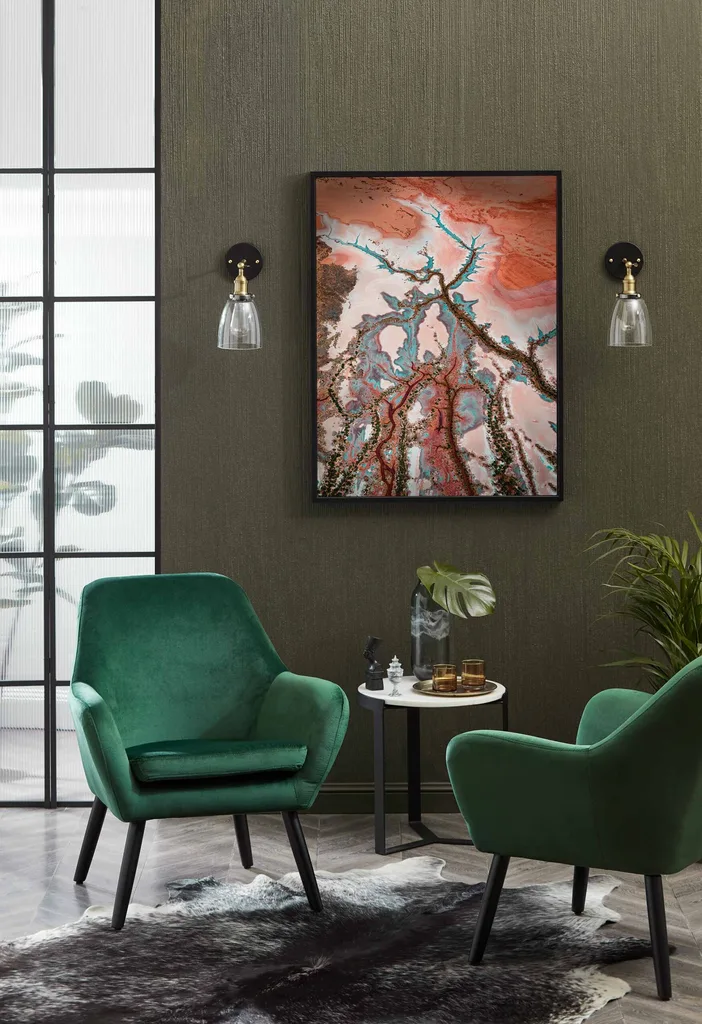
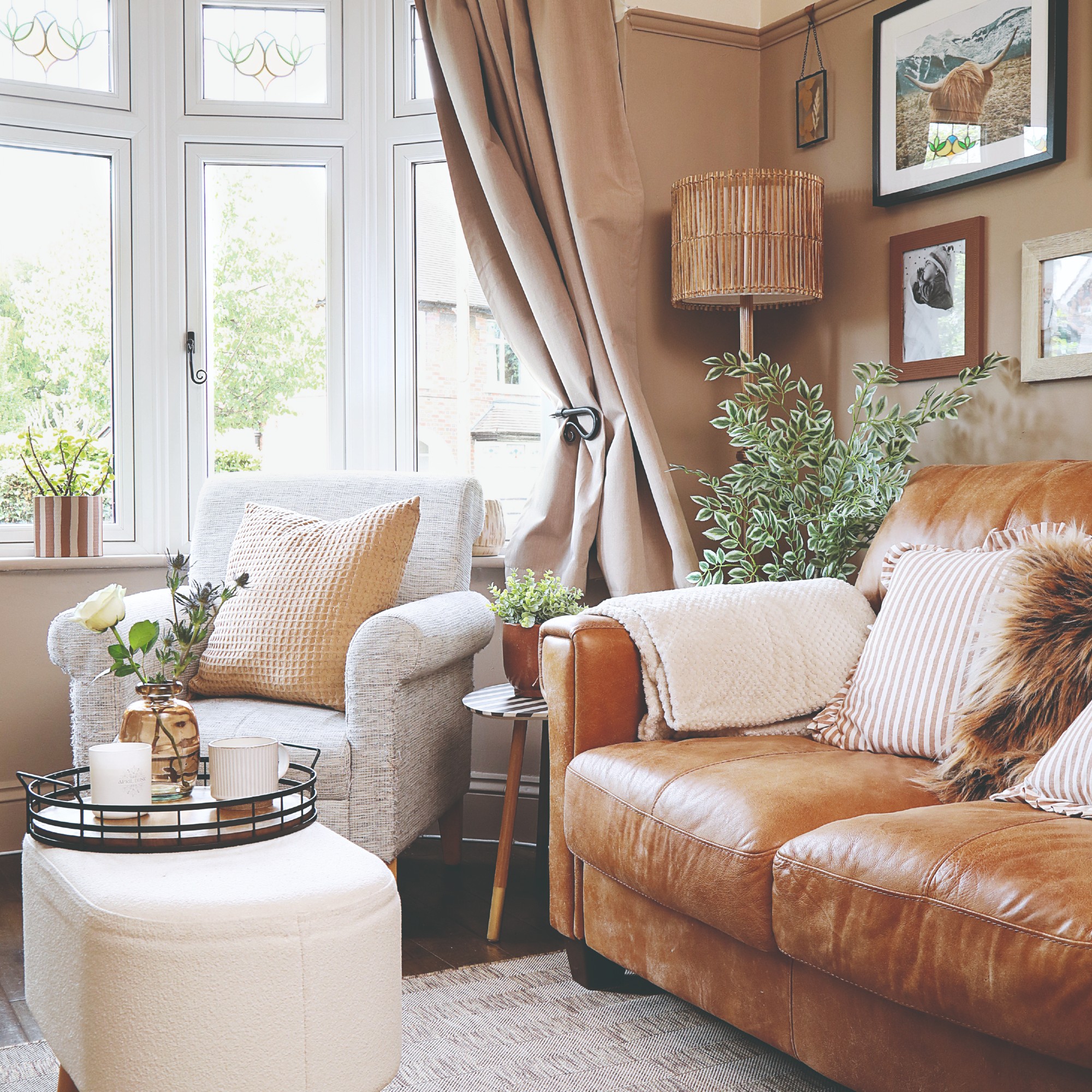
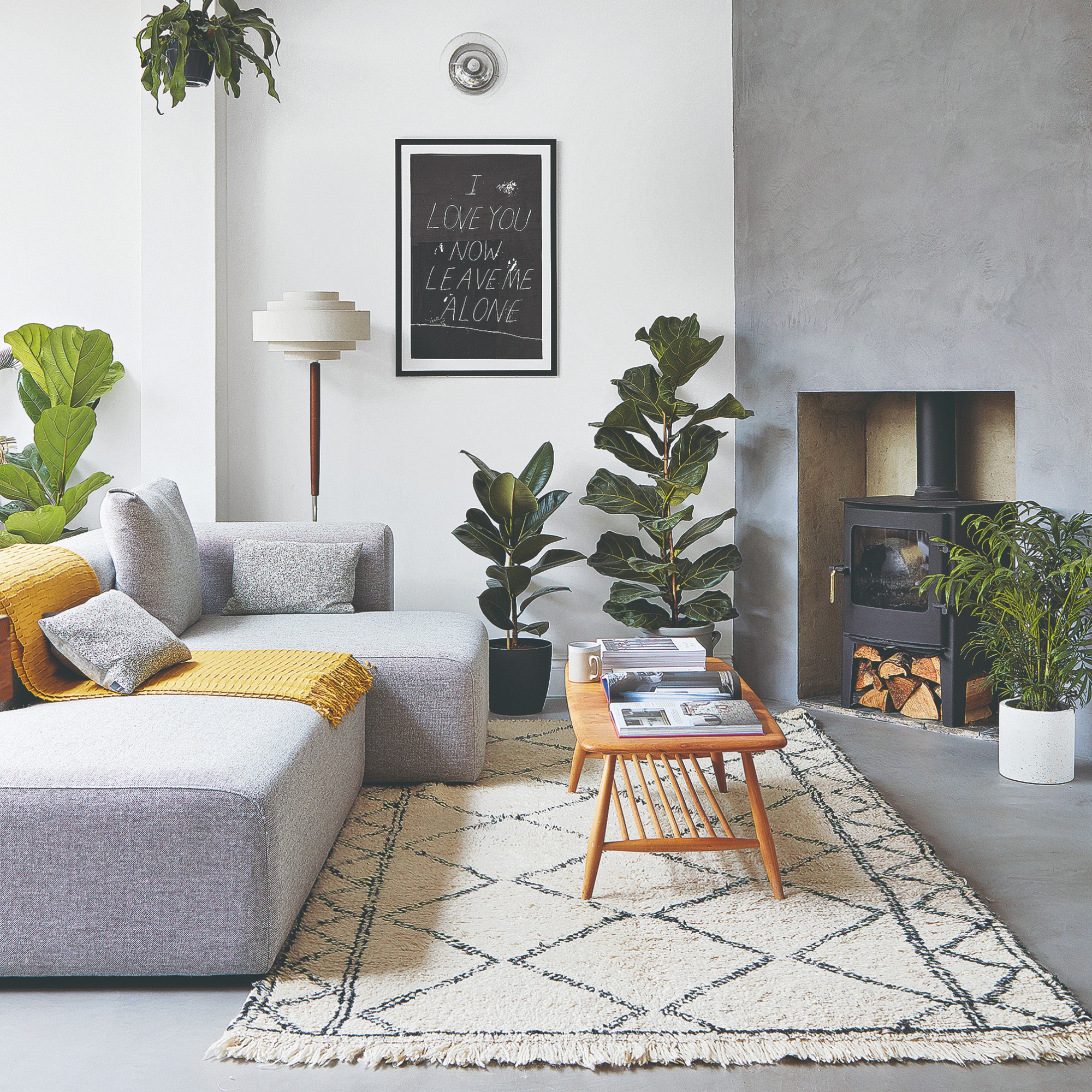
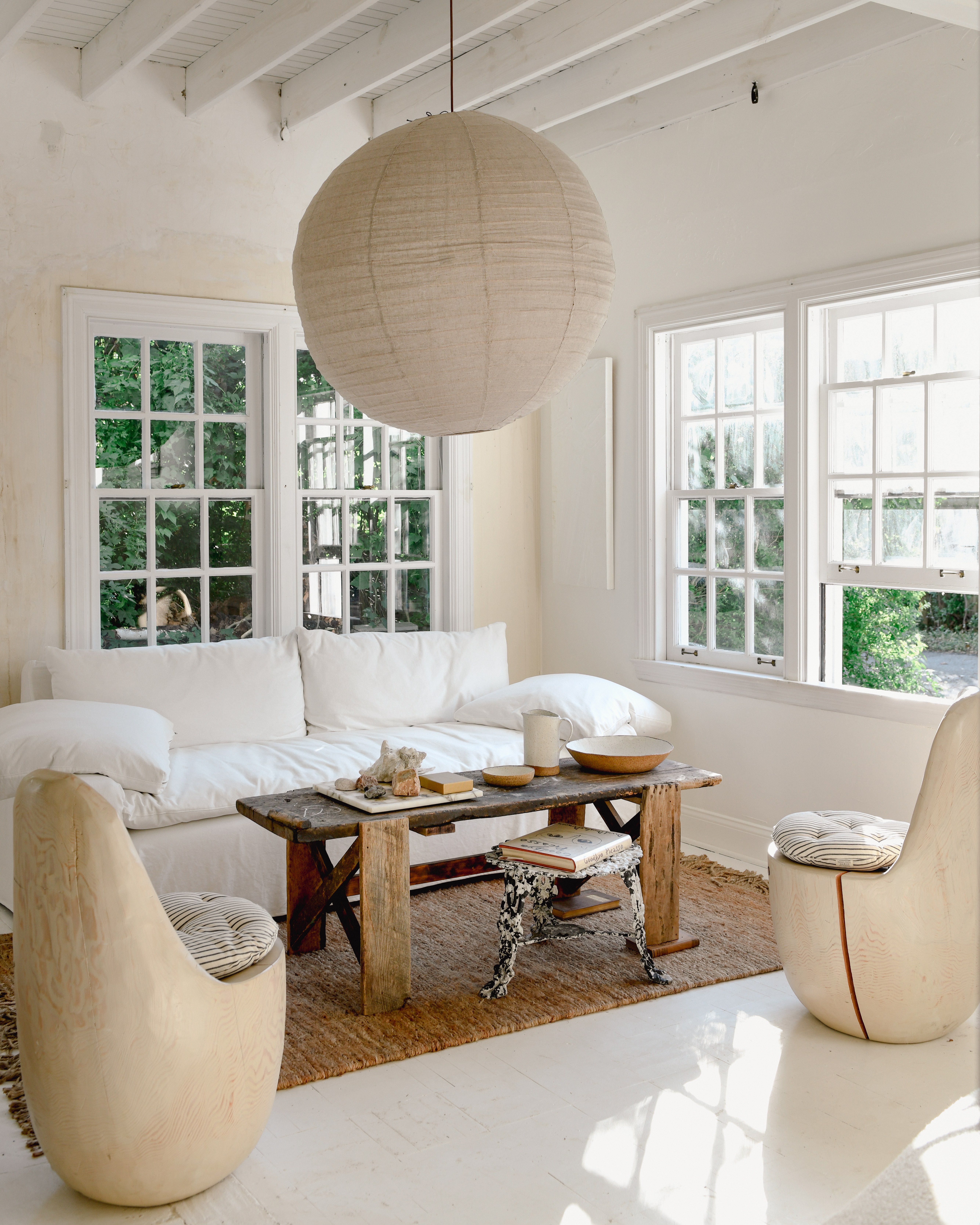

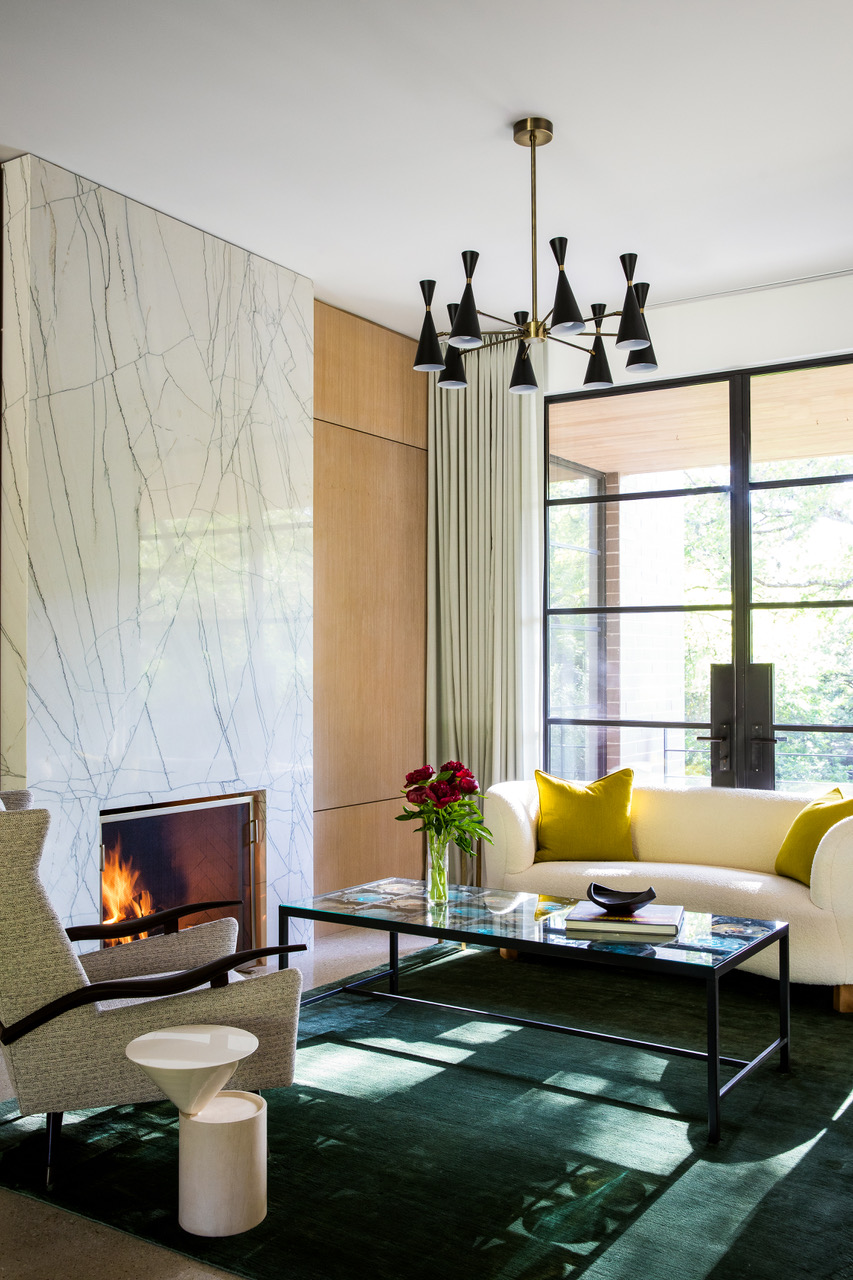
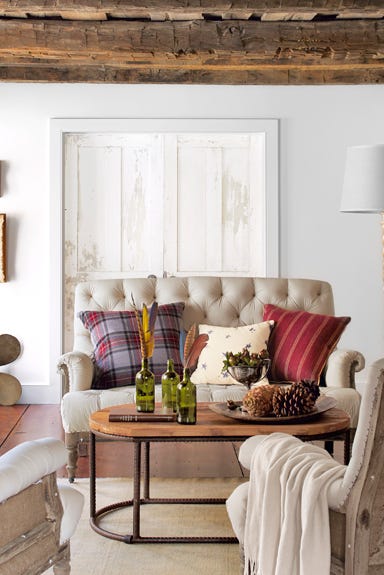
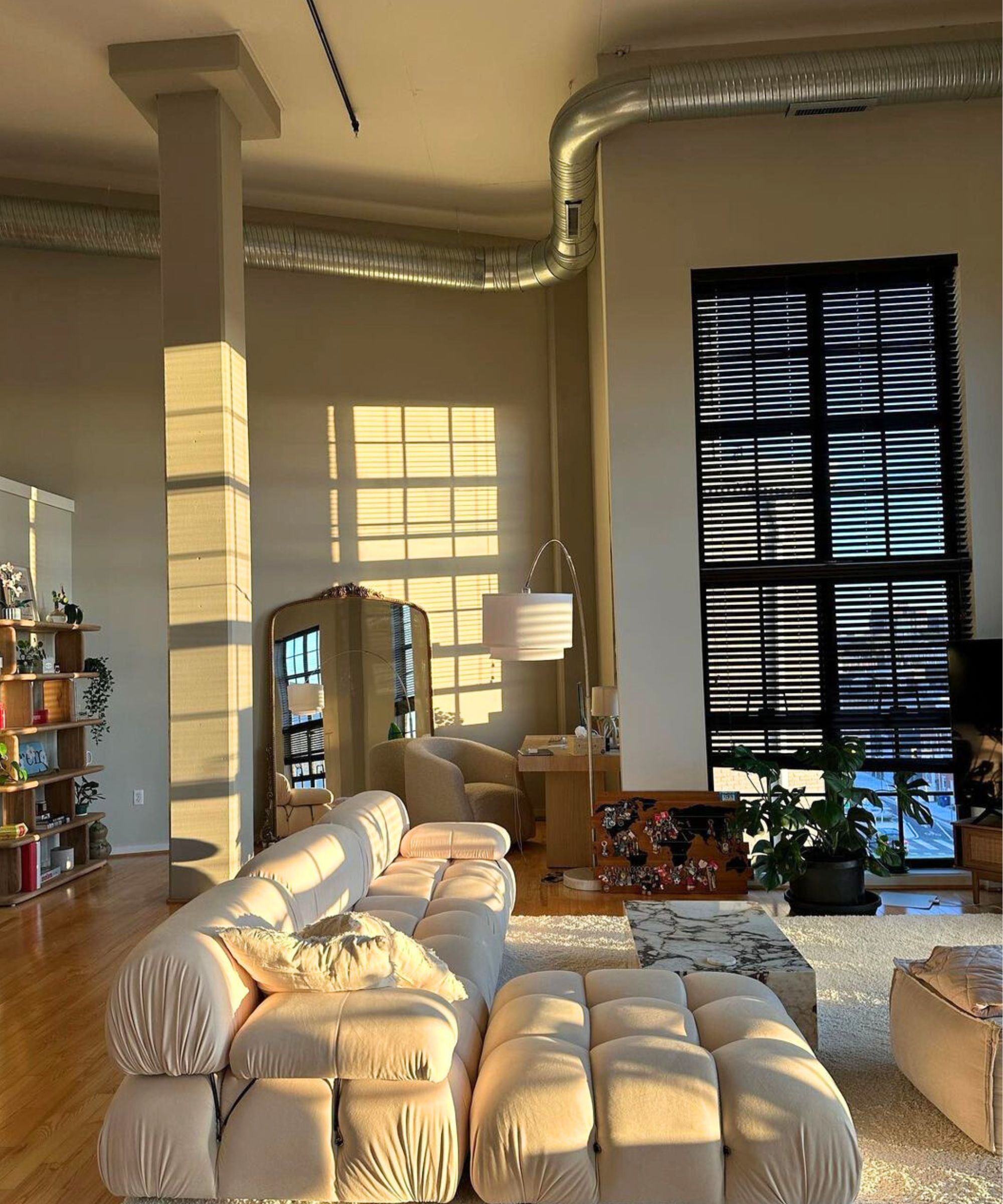
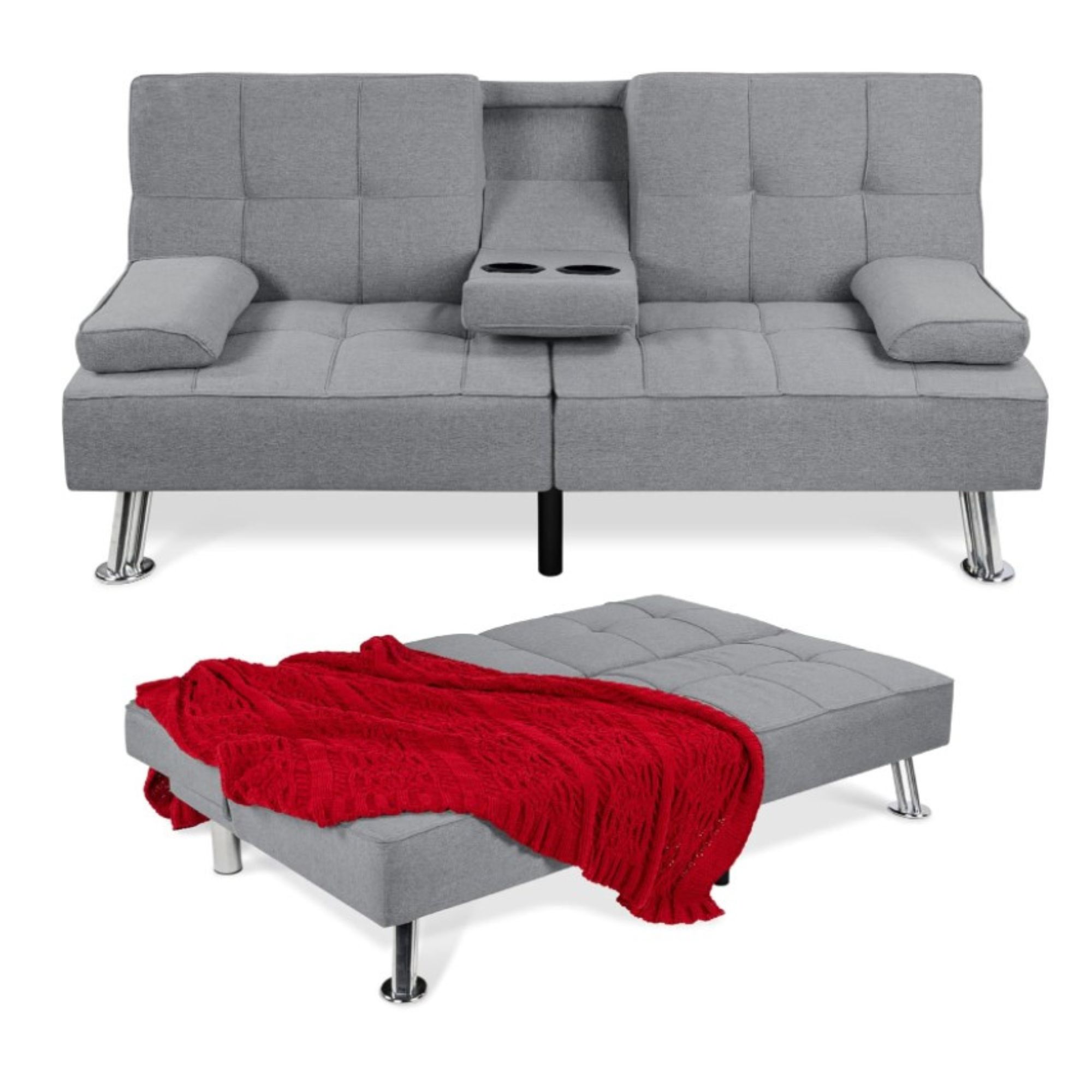
For compact living rooms, Andrade suggests two primary strategies: either utilizing the room's perimeters to create a central communal area or placing furniture centrally to free up the perimeters. Modular and multifunctional furniture is highlighted as a key solution. Retroloop's modular seating, for instance, can be configured as a loveseat or individual chairs, providing flexibility for social gatherings. Heller's SOS Stool offers a clever, space-saving solution for holding beverages and snacks, and its construction from recycled plastic makes it suitable for both indoor and outdoor use. Koto Design's Millie Bryant advises using large rugs to create an illusion of expansiveness. Specific living room furniture recommendations include the Corbel Desk by Audo Copenhagen, a wall-mounted desk designed for remote work; the Console Table by Zone Denmark, a minimalist storage unit available in exclusive colors at MoMA; the Parc 02 Pendant by Adrien Rovero for Lambert & Fils, a versatile mini pendant light; the Gere Easy Chair by Floyd, which blends 1970s design with contemporary materials; and the Curvature Wall Table by Ferm Living, a decorative and practical surface for small areas.
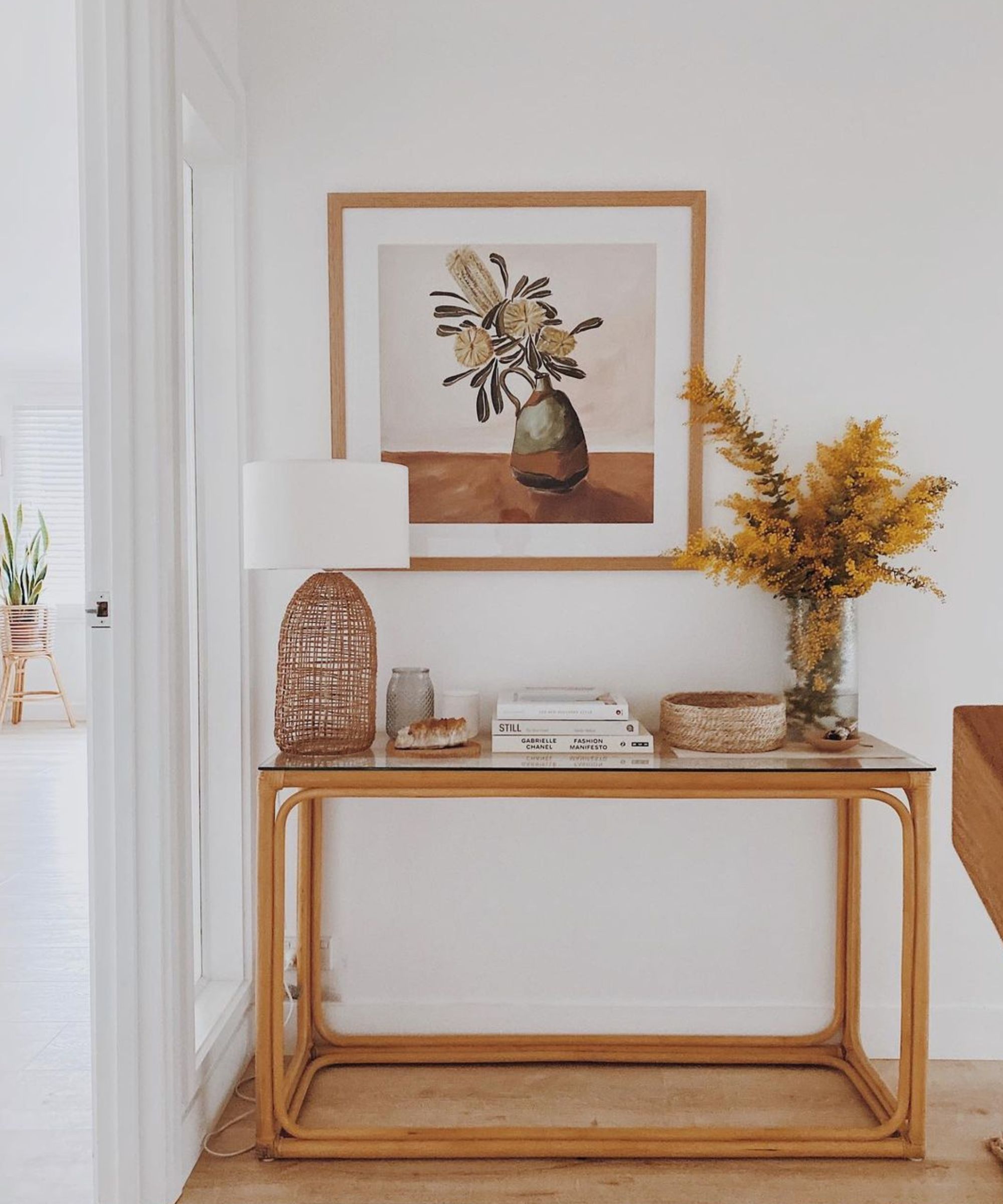
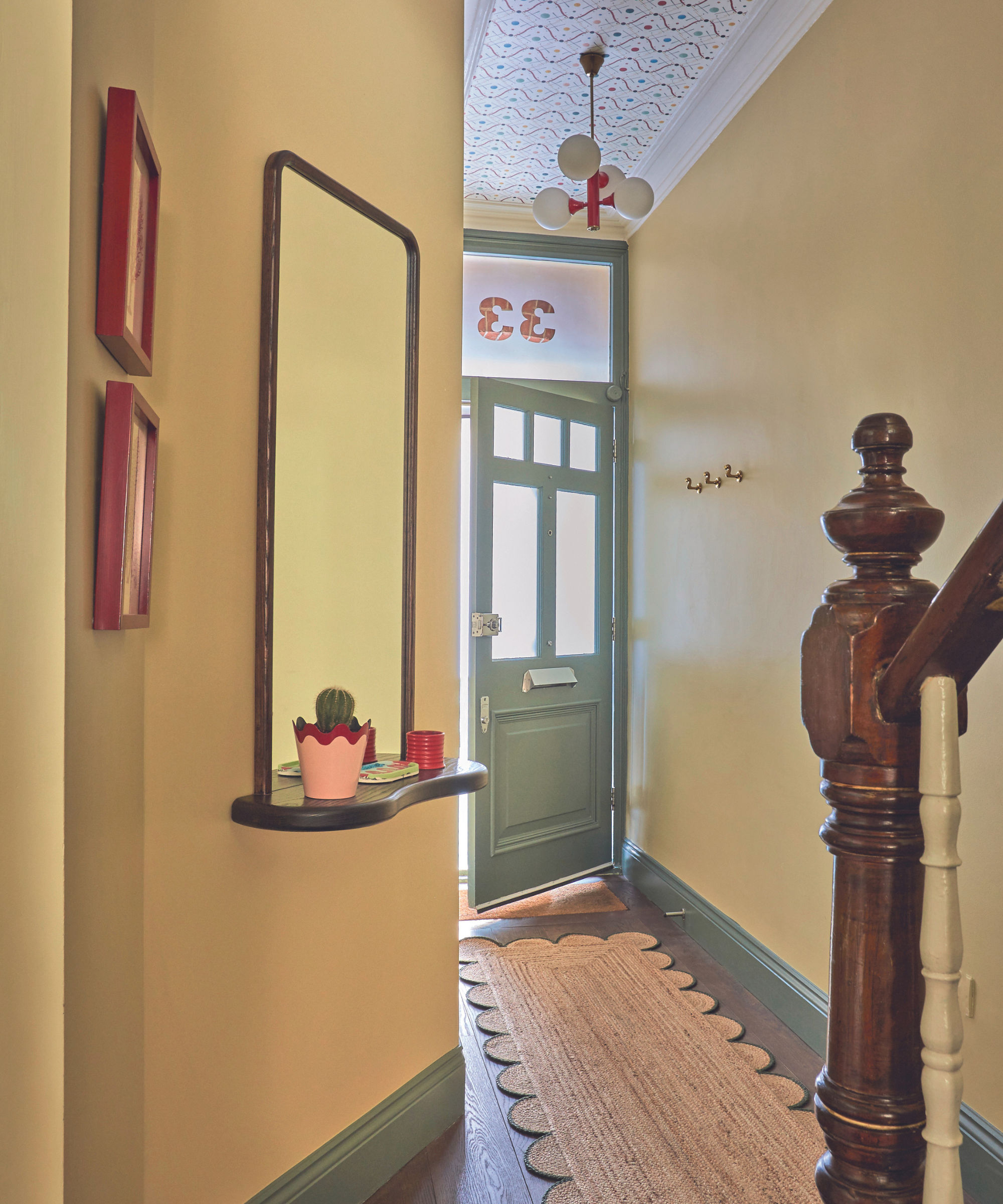
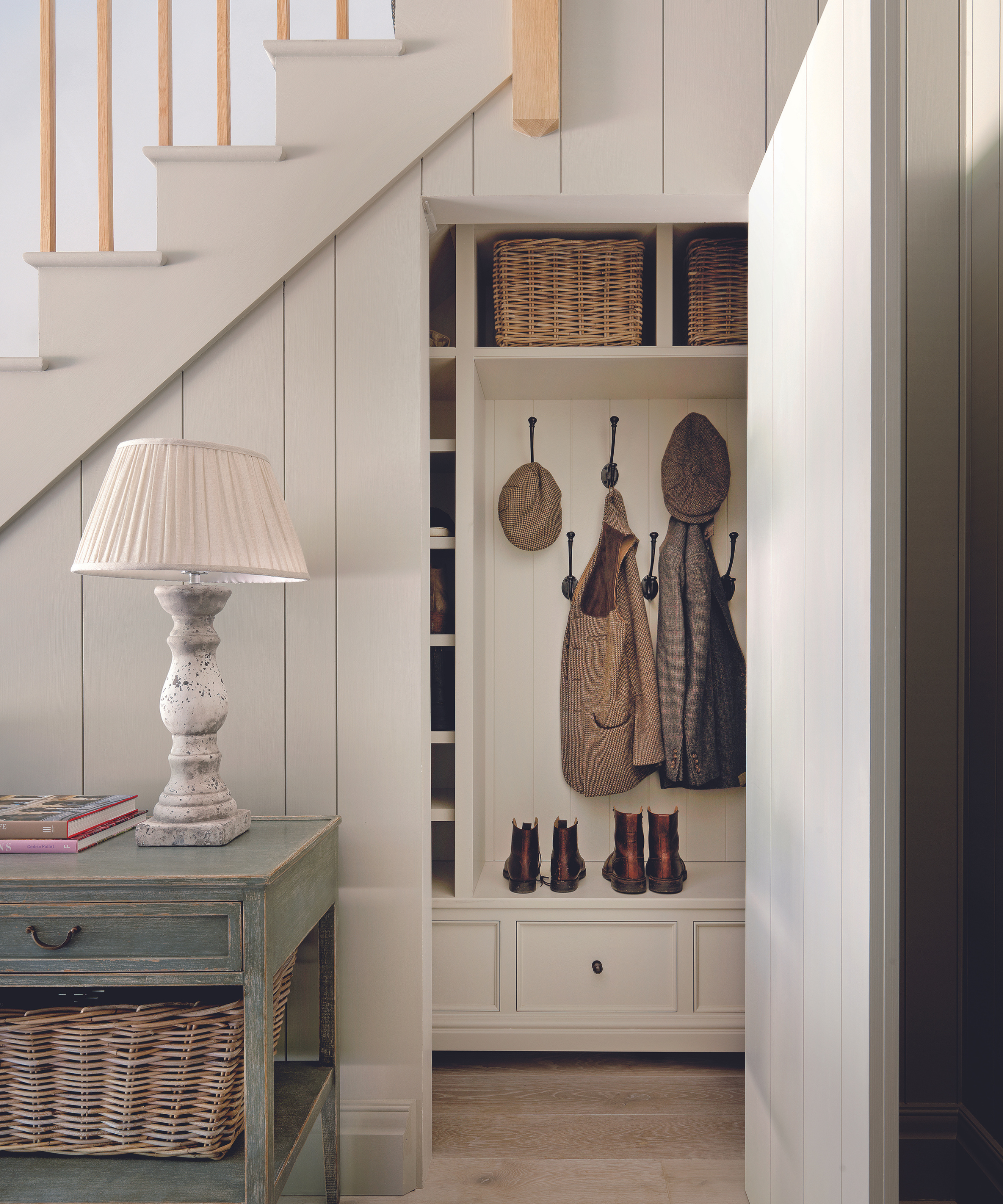
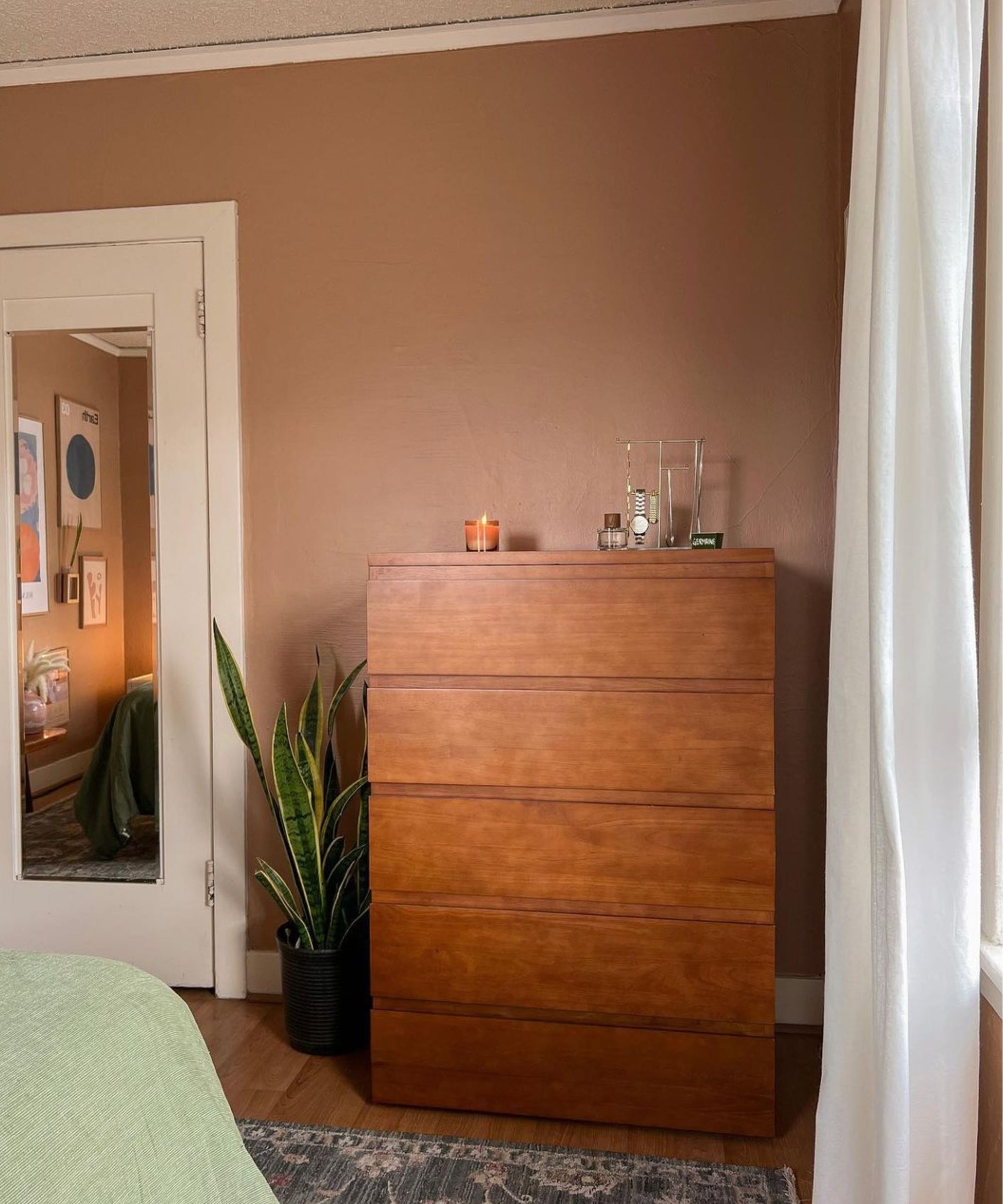
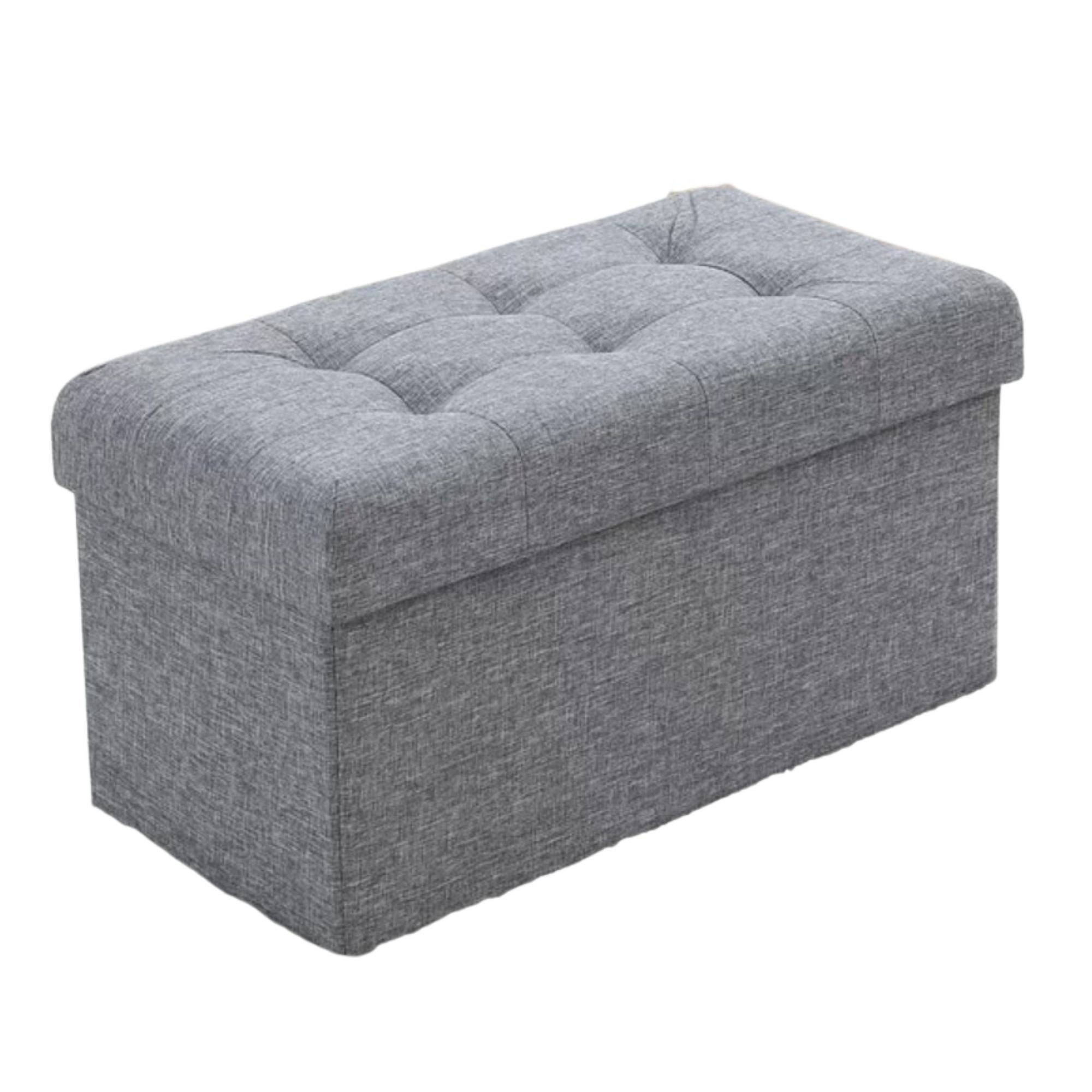
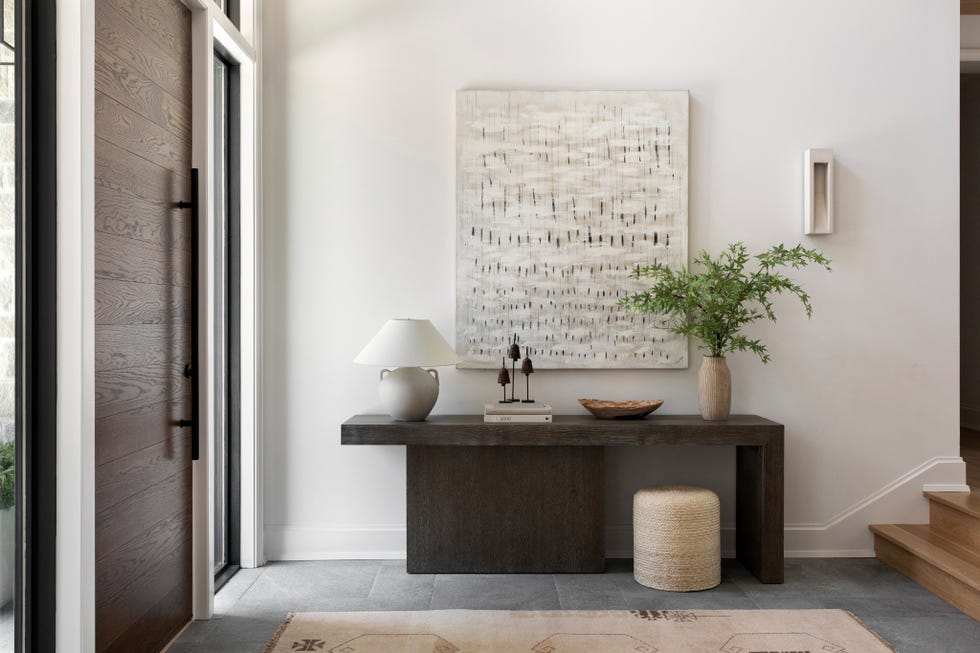
Effective storage in small spaces traditionally involves building upwards. However, Kevin Fritz, founder of Fritz Tiny Homes, recommends prioritizing storage from the waist down to avoid visual clutter. He explains that eliminating upper cabinetry can make a small room feel larger by preserving shoulder and visual space. For those with limited closet space, wall-mounted solutions like Ferm Living’s Bon Hallway Cabinet provide compact storage for coats, keys, and bags. Yamazaki’s slim console table, only eight inches deep, is presented as an ideal solution for narrow hallways or behind sofas. Fritz also suggests creative custom storage solutions, such as utilizing the space under a couch by removing its legs and placing it atop a cabinet or trundle bed. Additional storage recommendations include The Kit by Mustard Made (a reimagined medicine cabinet), the Shwall Shelf by Blu Dot (a powder-coated metal wall shelf), the 5x5 Shelf by Lucca House (a versatile shelving unit or room divider), the Cabinet of Memories by Thomas Yang Studio (an East Asian-inspired cabinet), and the Panton Wire Extended by Montana Furniture (a modular wire shelving system).
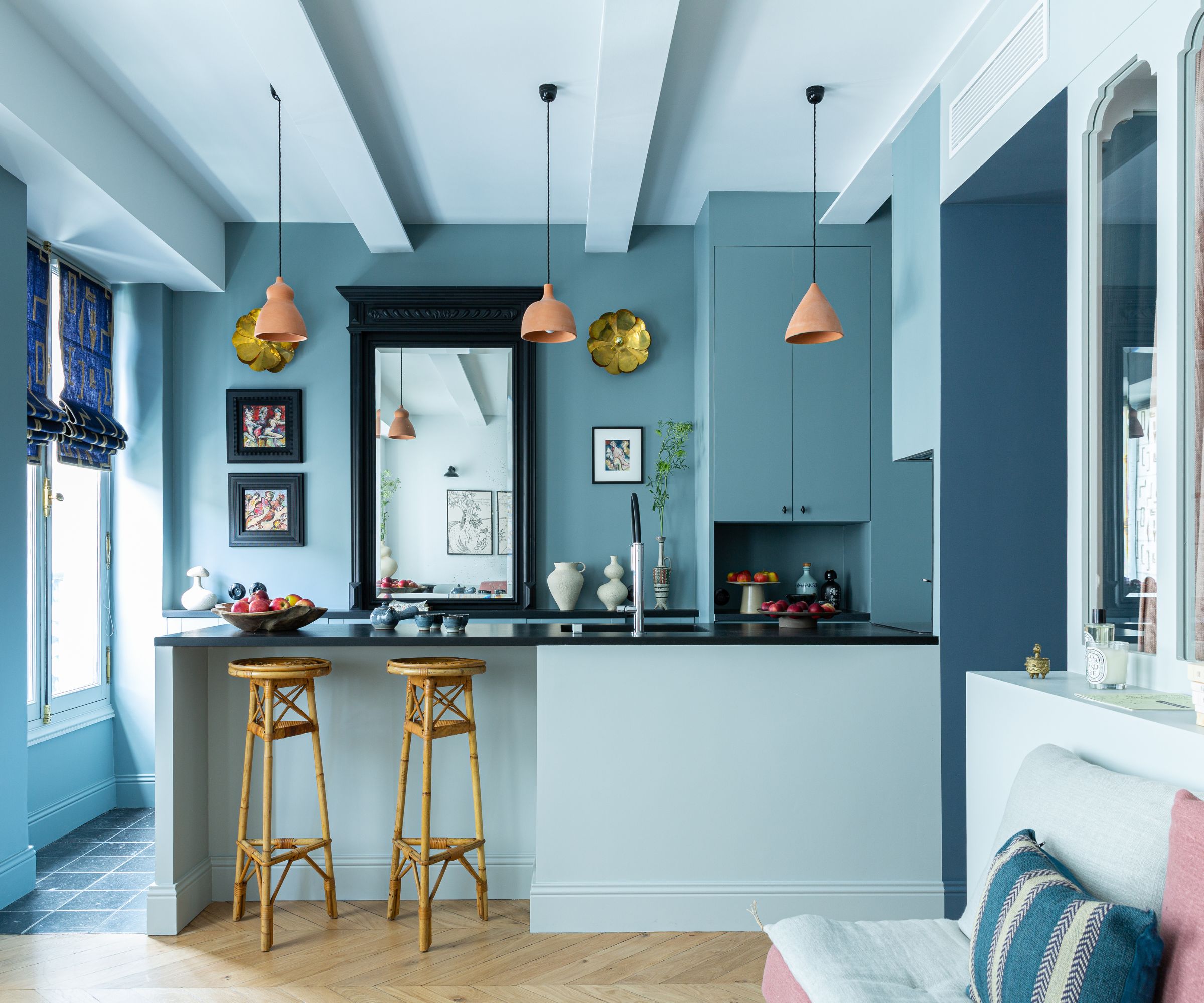
For diminutive dining areas, integrated and stowable options are ideal for micro-apartments. While custom solutions are effective, renters might find them less practical. Fritz advises against overly complicated foldable products that may prove cumbersome or have longevity issues, instead recommending small bistro tables. The article mentions chef Marcus Samuelsson's bistro table for West Elm as a suitable option. Kitchens, often the tightest spaces, can benefit from personalization; Fritz recounts a project where a client's wine and cocktail collection was incorporated into the design rather than hidden. Functional items can also be cleverly disguised, such as Patricia Urquiola's brutalist-inspired refrigerated drawers for SignatureKitchen Suite, which double as shelving or even a bench. Other kitchen and dining recommendations include the Otto Table and Chairs by Willett, the Jai Pendant by Muka Design Lab for Gantri, the Altura Step Stool by Patricia Perez for Case, The Super Smart Fridge by Rocco, and the Silo Wine Rack by Massproductions.
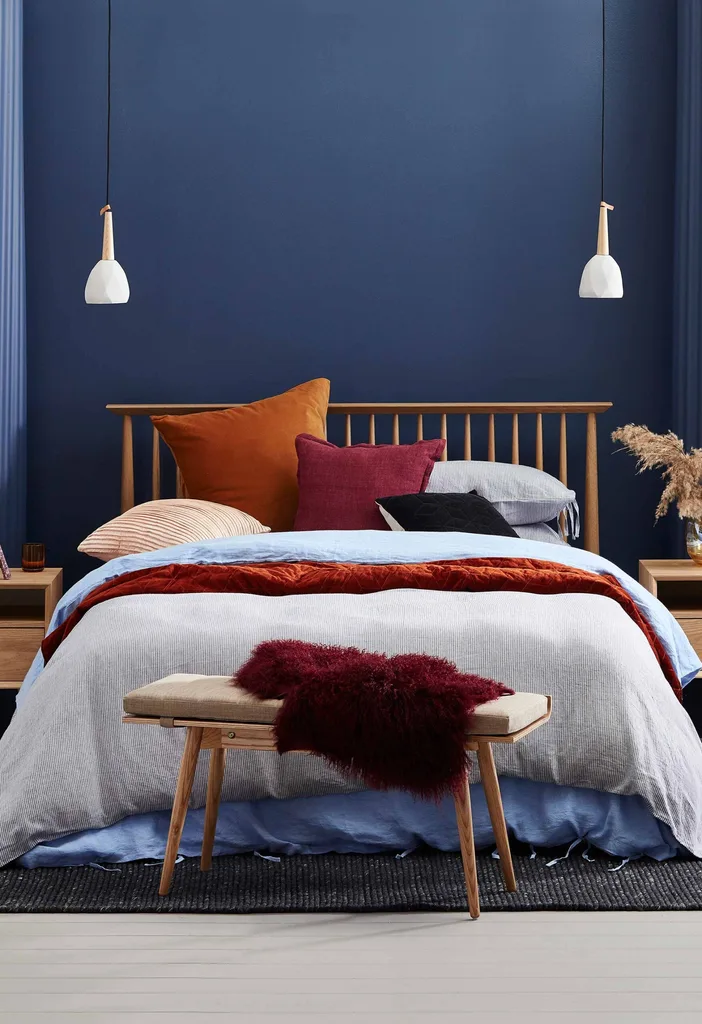
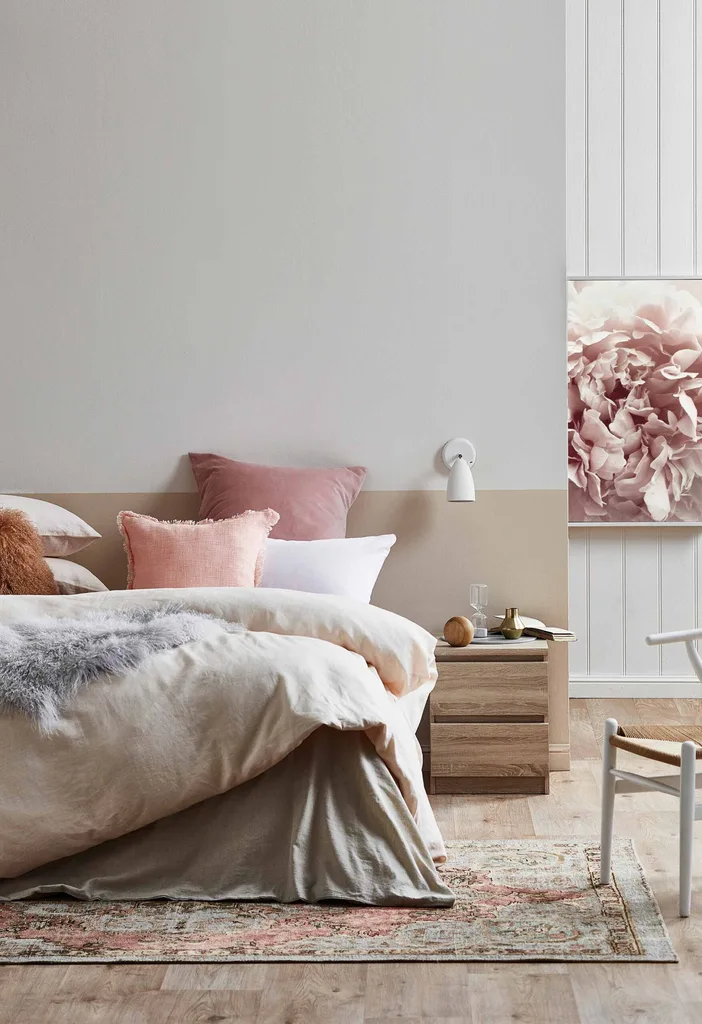
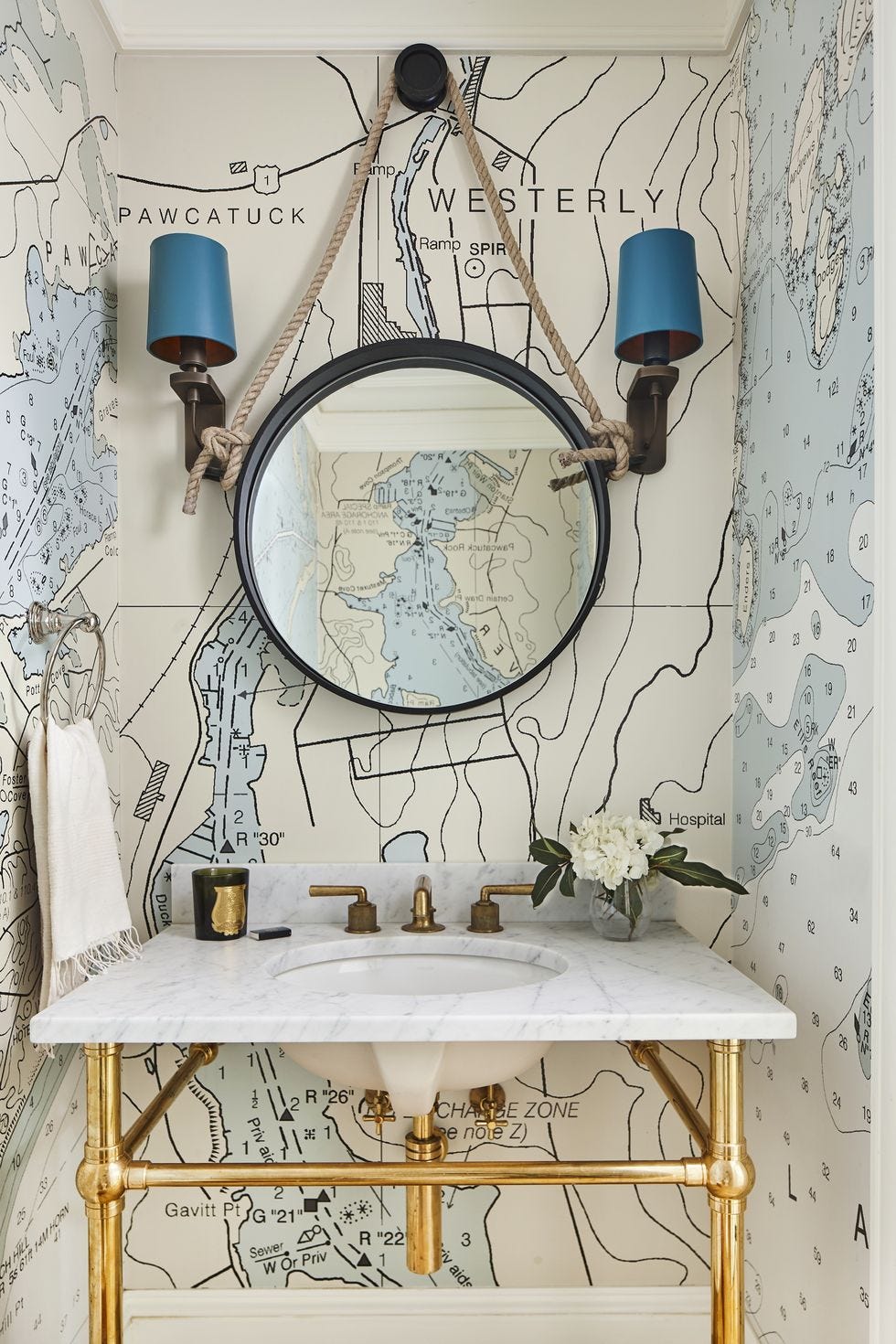
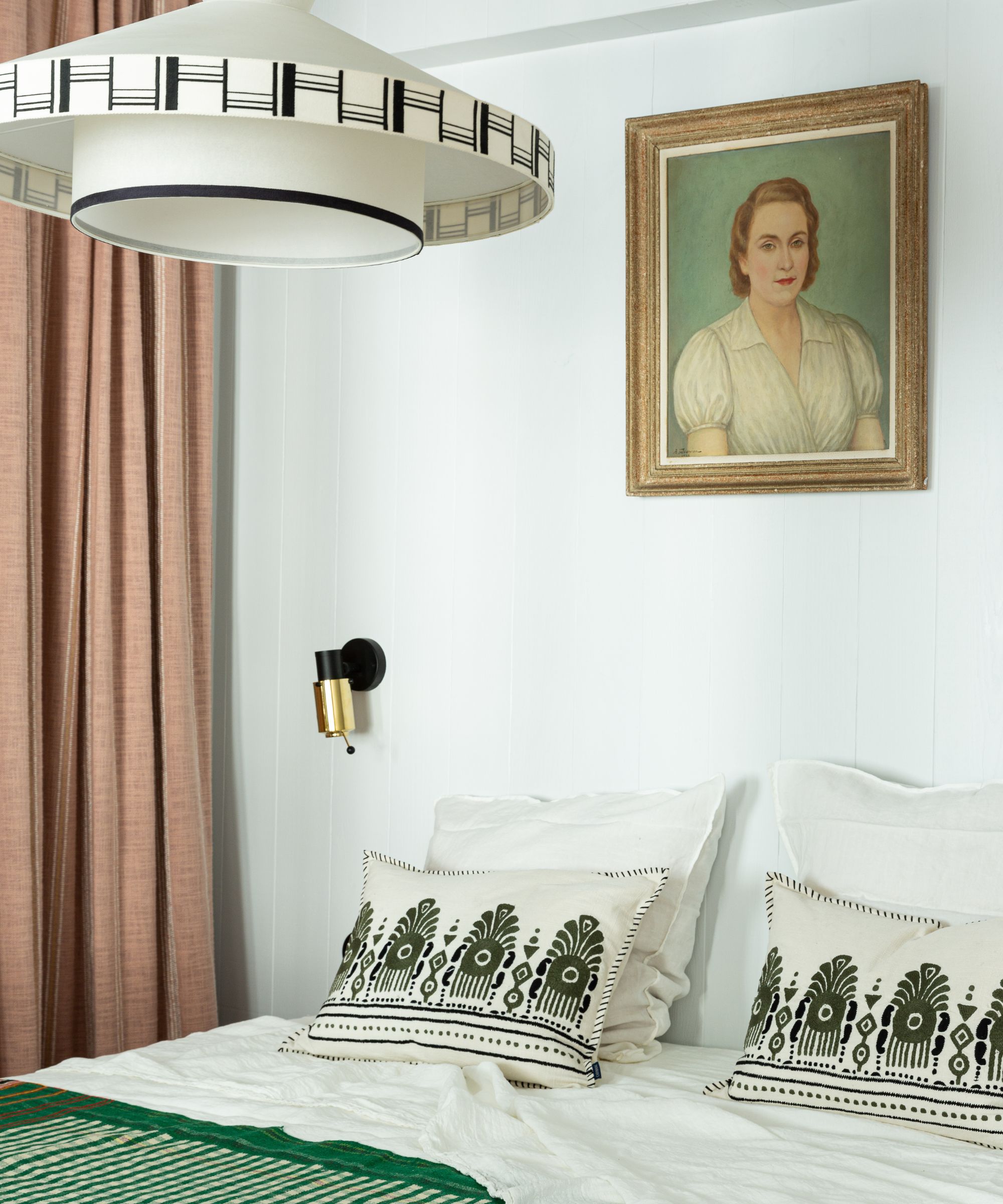
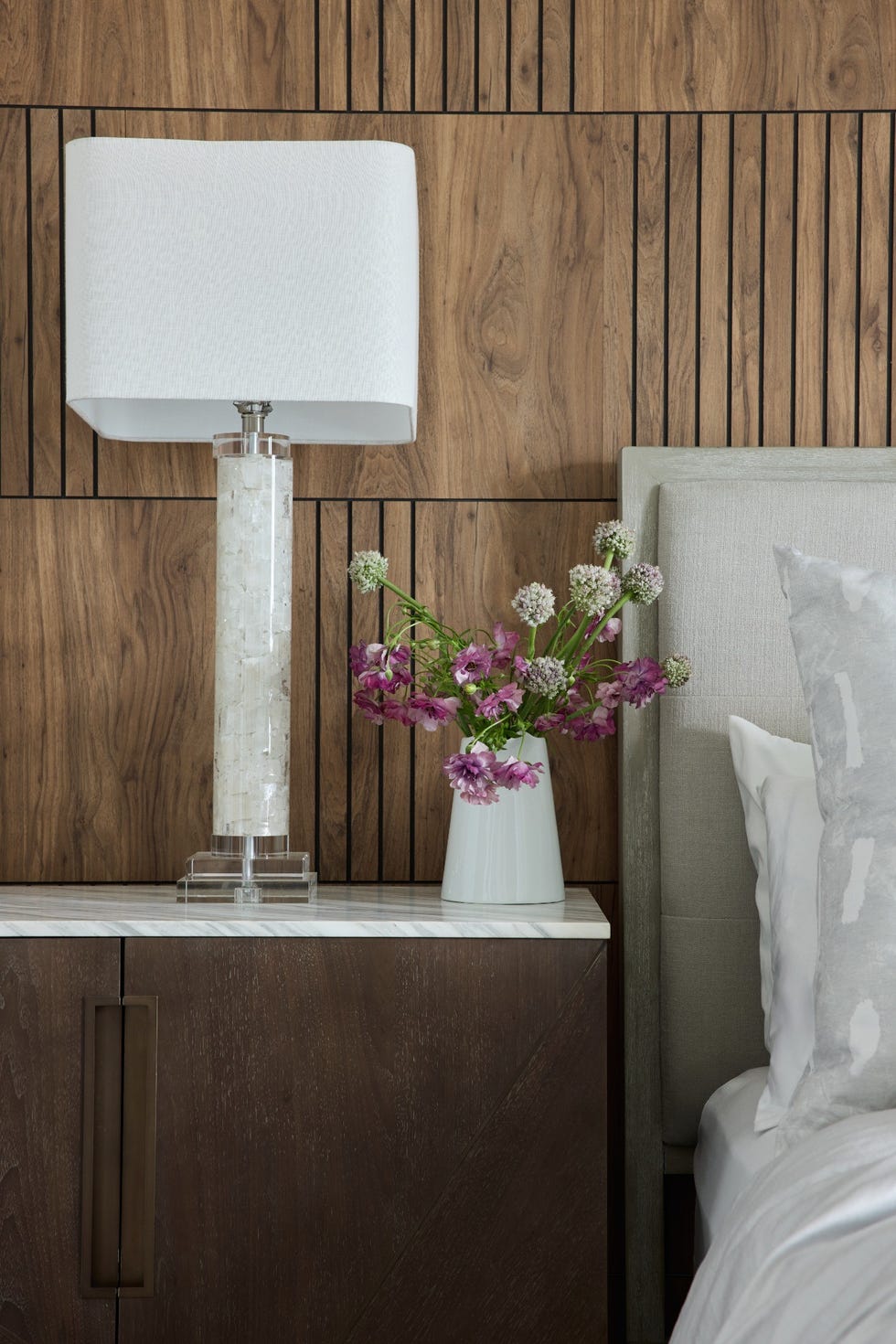
To optimize small bedrooms, maximizing functionality and character is essential. Storage beds are emphasized, with Sixpenny’s storage bed cited as an example, featuring drawers under the mattress to utilize every inch of space. Floating nightstands, like Goux Studio New York’s minimal design, are recommended to save floor space. Color and paint can effectively define spaces in studio apartments without requiring walls, according to Sara L’Espérance of SUPRBLK. Mirrors are also noted as a timeless trick to create a sense of openness and add character. Additional bedroom furniture suggestions include the Fernand Circle Mirror by Schoolhouse x Clare V., the Plot Room Divider by Poltrona Frau, the Knuckle Table Lamp by David Taylor for Hem, the Colour Rack by HAY, the Glamberget Wardrobe by Ikea, the Kelston Storage Bed by Case, and the Metal Locker & Side Table by MoMA Design Store.
#SmallSpaceLiving #FurnitureDesign #InteriorDesign #SpaceSavingSolutions #ModularFurniture #StorageIdeas #HomeDecor #ModernLiving #DesignerTips #SmallSpaceLiving #FurnitureDesign #InteriorDesign #SpaceSavingSolutions #ModularFurniture #StorageIdeas #HomeDecor #ModernLiving #DesignerTips
0 comment in total
 No comments yet
You may also like
7 small space decorating ideas that make a big impact

How to simplify a small living room – 10 designer approved tips for instantly more calming decor

Don't let a small space stop you – 3 Parisian design lessons I'm stealing for my tiny apartment

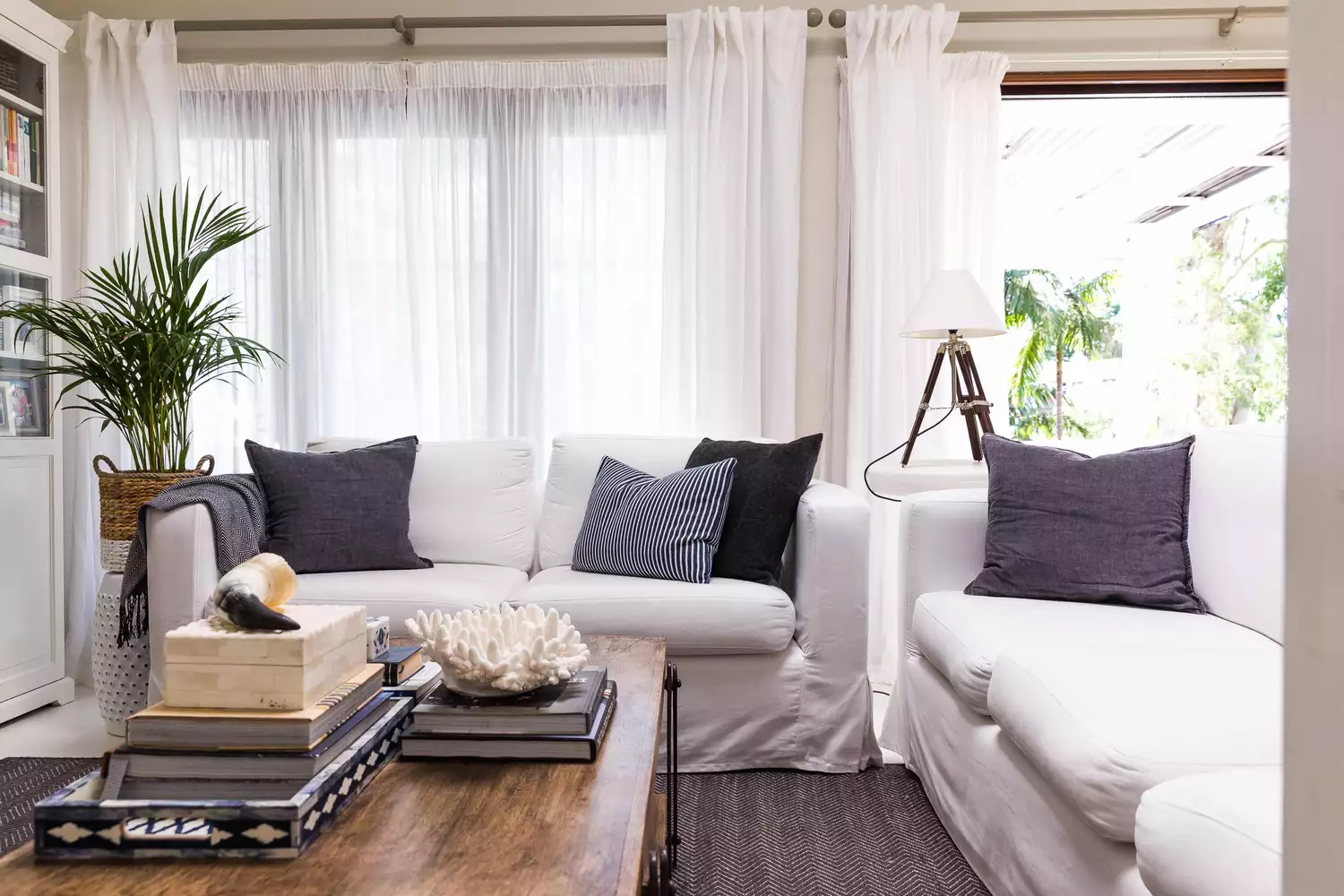
5 Things That Make Your Living Room Look Small—and How to Fix Them
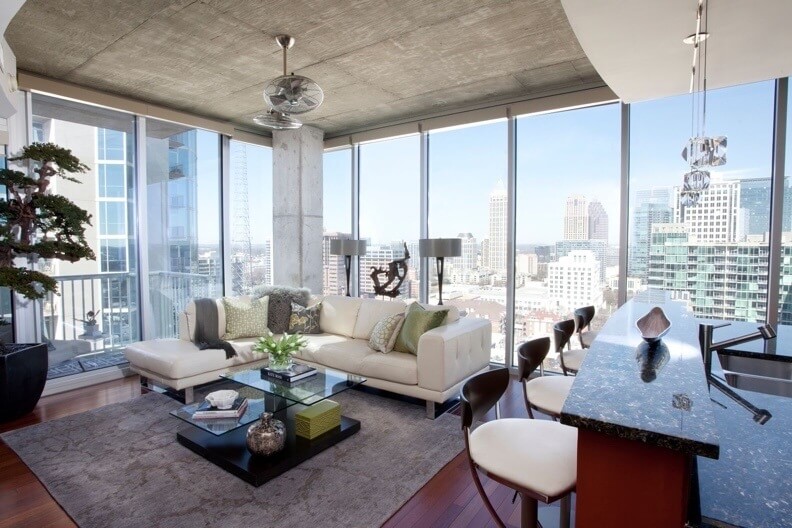
An Amazing Design Scheme for Small Space Living
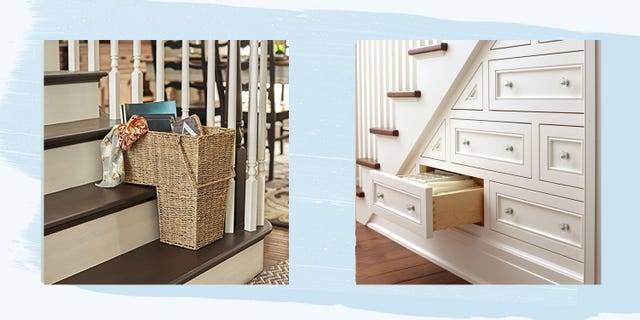
Small-Space Decorating Ideas for Making the Most of What You've Got

Kourtney Kardashian shows how to style oversized furniture in a small living room – designers say it’s genius
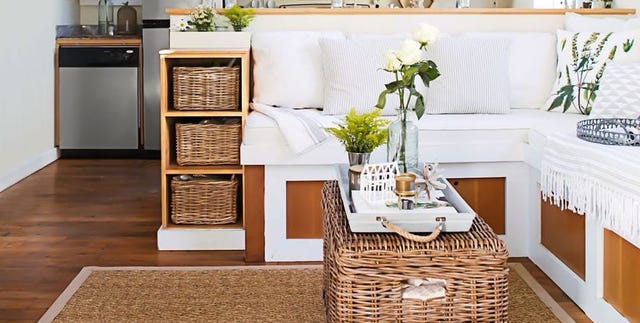
15 Small Living Room Decor Ideas That Won't Sacrifice Your Style

I asked 8 interior designers what you shouldn’t put in a small living room – these 3 things kept coming up
36 Small Apartment Decorating Ideas to Make Rooms Seem Bigger

Top interior design trends 2020

Minimalist Interior Design: Everything You Need to Know About This Intentional and Pared-Down Style

The One Thing Interior Designers Avoid in Small Rooms—and You Should Too

7 things interior designers never have in small living rooms

Designers Are Ditching the "Rule of Threes" for THESE Genius Styling Alternatives

How to make small spaces look bigger
Small living room ideas – 38 clever ways to plan and decorate a compact space
16 influential designers reveal their favorite small spaces and hacks for recreating the looks
6 things to avoid to make your small kitchen look bigger
We Asked Designers How to Make a Small Living Room Look Larger Instantly—And We're Trying This ASAP