1/8
Meet Malta's most influential postmodernist architect
The article highlights the prolific career of Richard England, an 89-year-old architect, artist, and poet from Malta, whose work significantly shaped the island's architectural landscape for over six decades. Despite his considerable influence, England is described as less globally recognized compared to other postmodernist architects. An exhibition titled 'Looking for Richard' in Marseille, hosted at Gallery Kolektiv Cité Radieuse within Le Corbusier's Unité d'Habitation, serves as his first retrospective outside Malta, bringing his extensive portfolio to international attention.
England's architectural journey began in 1962 with his first commission, the Church of St Joseph in Manikata, Malta, designed when he was only 25. This project marked a significant departure from Malta's traditional ecclesiastical architecture, which had previously adhered to Renaissance, Baroque, and Neo-Gothic styles. His early work became emblematic of Malta's post-war period, reflecting a shift towards more modern and experimental forms. Following this initial success, England expanded his practice into tourism and civic sectors, contributing to the nation's evolving identity during its post-war decades. His designs, informed by a broad network of peers and a keen interest in international architectural ideas, played a crucial role in Malta's transition into an independent nation.
By the 1980s, England's work gained recognition for embodying 'critical regionalism,' a term used by foreign architecture critics to describe designs that integrate modern architecture with local traditions and contexts. This approach resonated with the transdisciplinary zeitgeist of the newly formed Republic of Malta. A significant influence on England's early career was his internship with Italian architect, industrial designer, and writer Gio Ponti, who was instrumental in Italy's modern movement. During his five months working on Ponti’s Church of San Carlo Borromeo, England developed a deep interest in phenomenology, an architectural theory focusing on the physical experience of buildings. This interest was further reinforced by his continuous engagement with the works of Finnish architect Juhani Pallasmaa, particularly Pallasmaa’s theories on architectural embodiment and the total sensorial impact of built environments.
Pallasmaa's philosophical insights, along with quotes from other prominent figures like Swiss humanist architect Mario Botta and England's own reflections, are featured throughout the Marseille exhibition. These textual elements underscore England's philosophy of synthesis, where architecture is viewed as a medium for nurturing the intangible, or what he terms 'the soul.' The exhibition itself, curated by Laura Serra and Maxime Forest, deliberately focuses on the original purity of England’s designs. It showcases his early sketches, sourced from various collections in Malta and his personal archives, thereby highlighting the integrity of his initial vision.
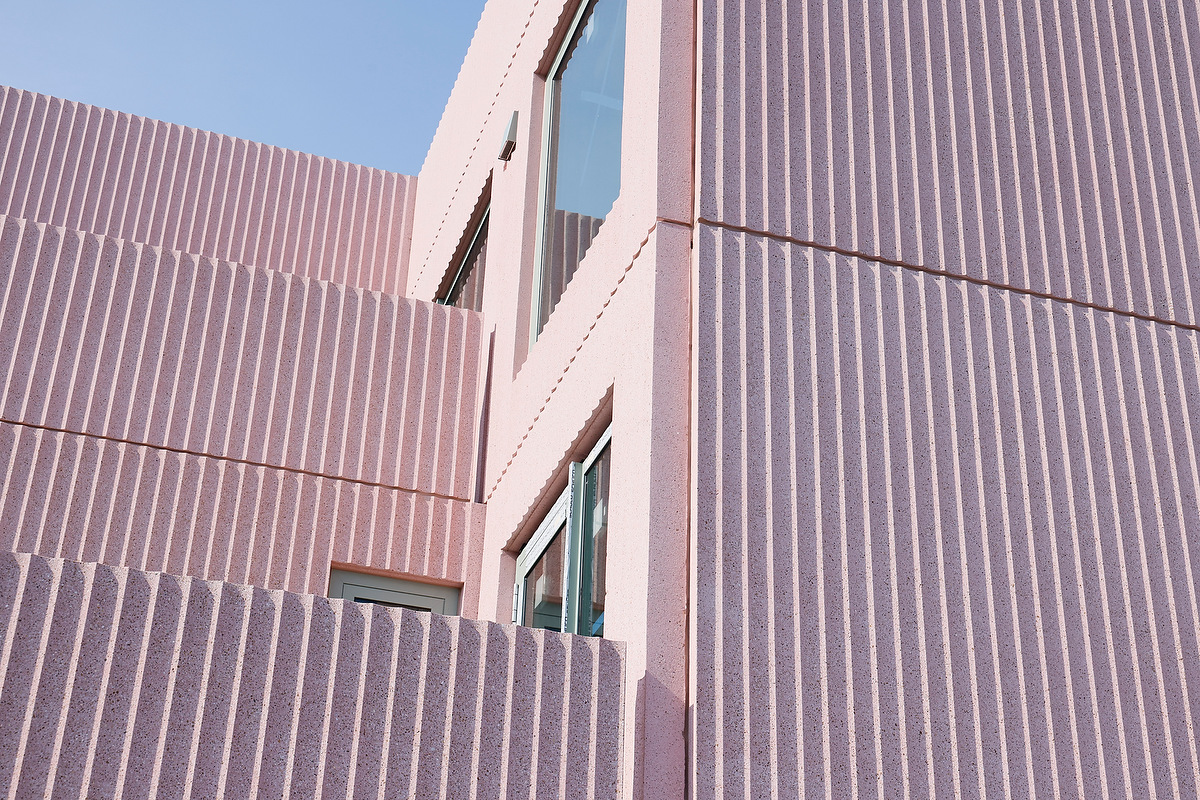
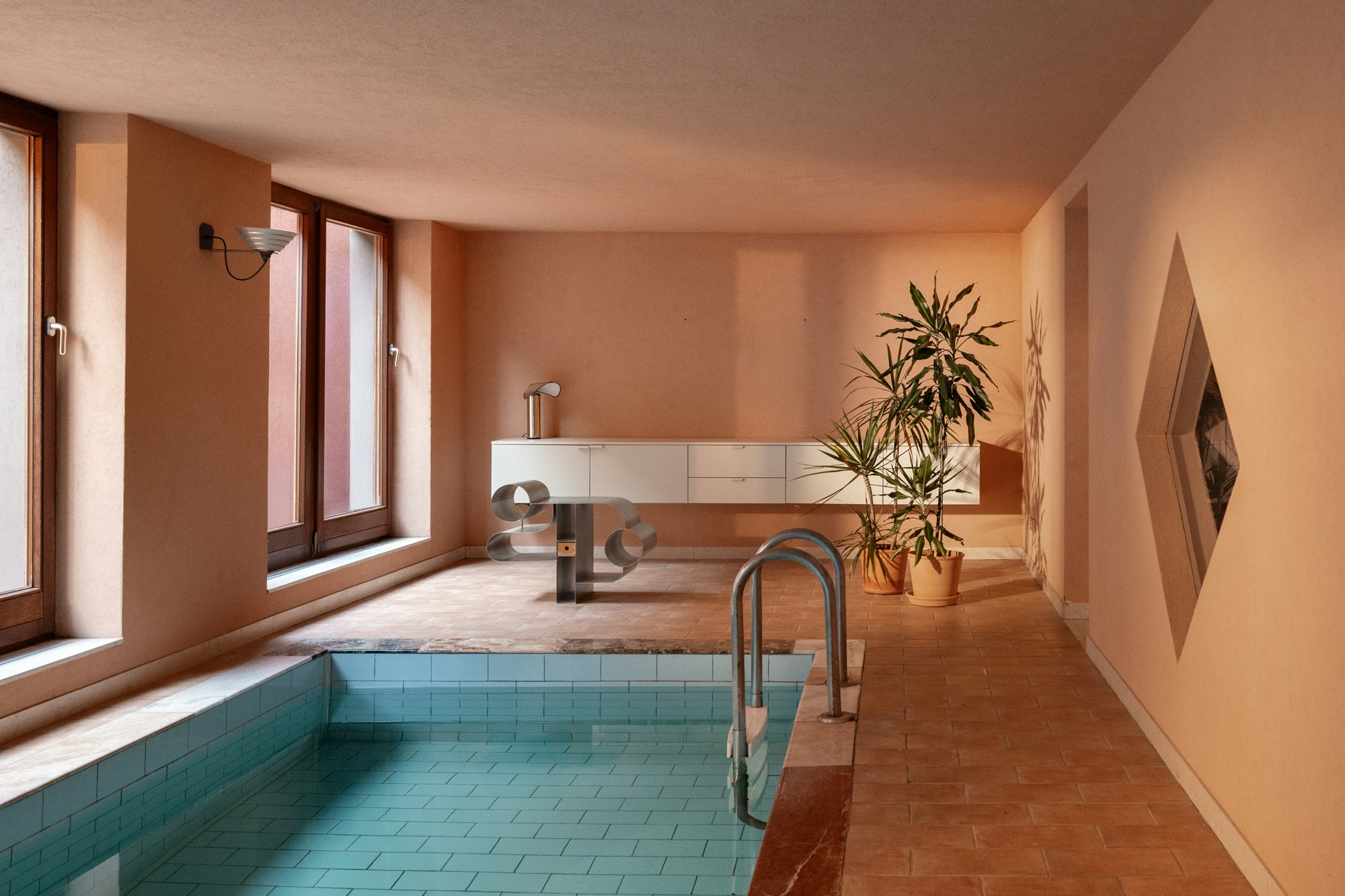
The retrospective also implicitly addresses the challenges England's legacy faces in his native Malta, where many of his original structures have been either demolished or significantly altered, diminishing their original architectural intent. Through a vibrant display of pale oranges, pinks, and aquamarines, complemented by his distinctive ink drawings, the exhibition traces England's vision for Malta. It draws parallels between England and Le Corbusier, noting how both architects leveraged a diverse range of creative outputs—including writing, designing, building, and public discourse—to profoundly influence and define their respective eras and locales. The exhibition thus provides a comprehensive overview of England's artistic and architectural contributions, re-establishing his importance in the postmodernist movement.
#RichardEngland #MalteseArchitecture #Postmodernism #ArchitecturalExhibition #LeCorbusier #GioPonti #JuhaniPallasmaa #CriticalRegionalism #ArchitecturalLegacy #RichardEngland #MalteseArchitecture #Postmodernism #ArchitecturalExhibition #LeCorbusier #GioPonti #JuhaniPallasmaa #CriticalRegionalism #ArchitecturalLegacy
0 comment in total
 No comments yet
You may also like
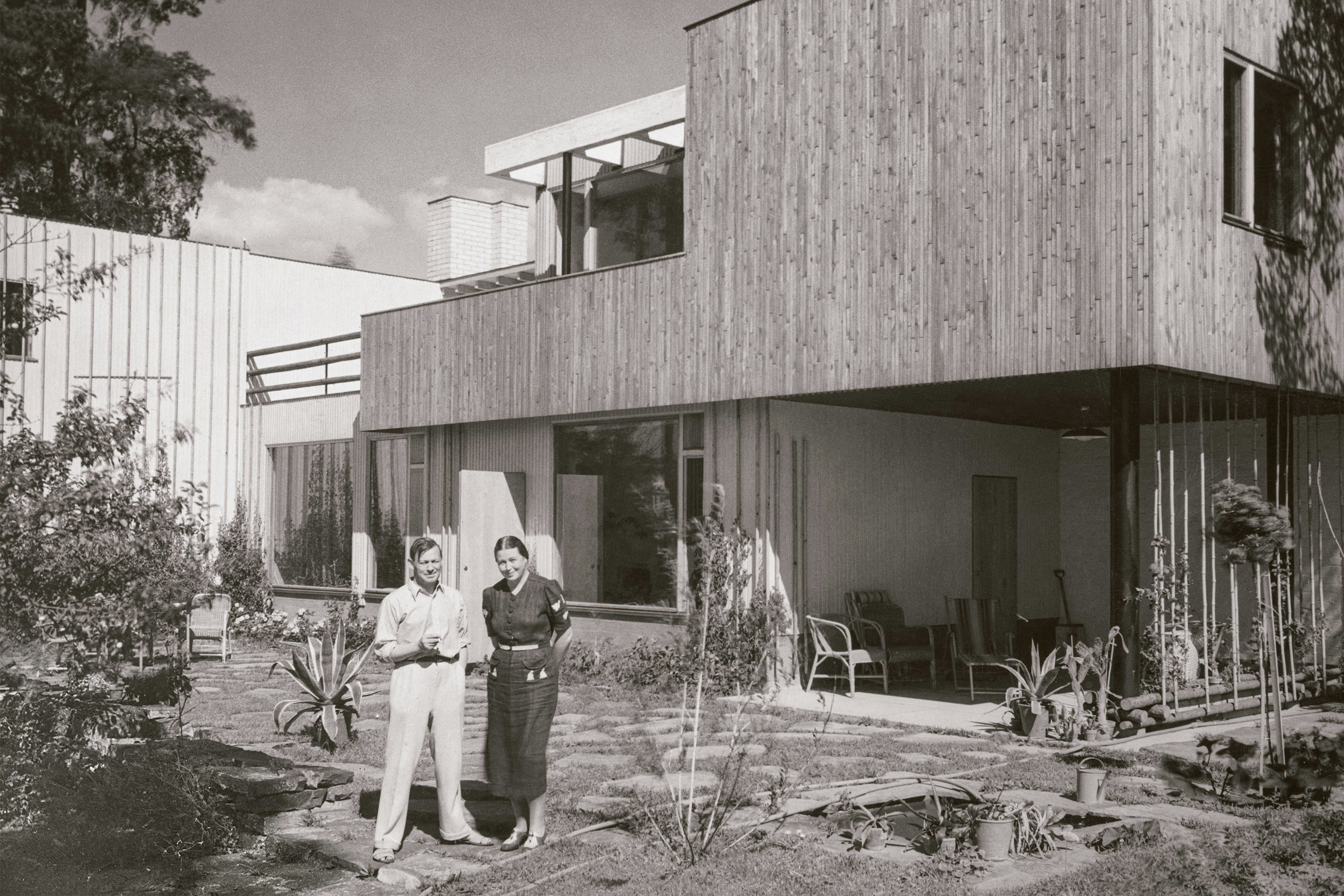
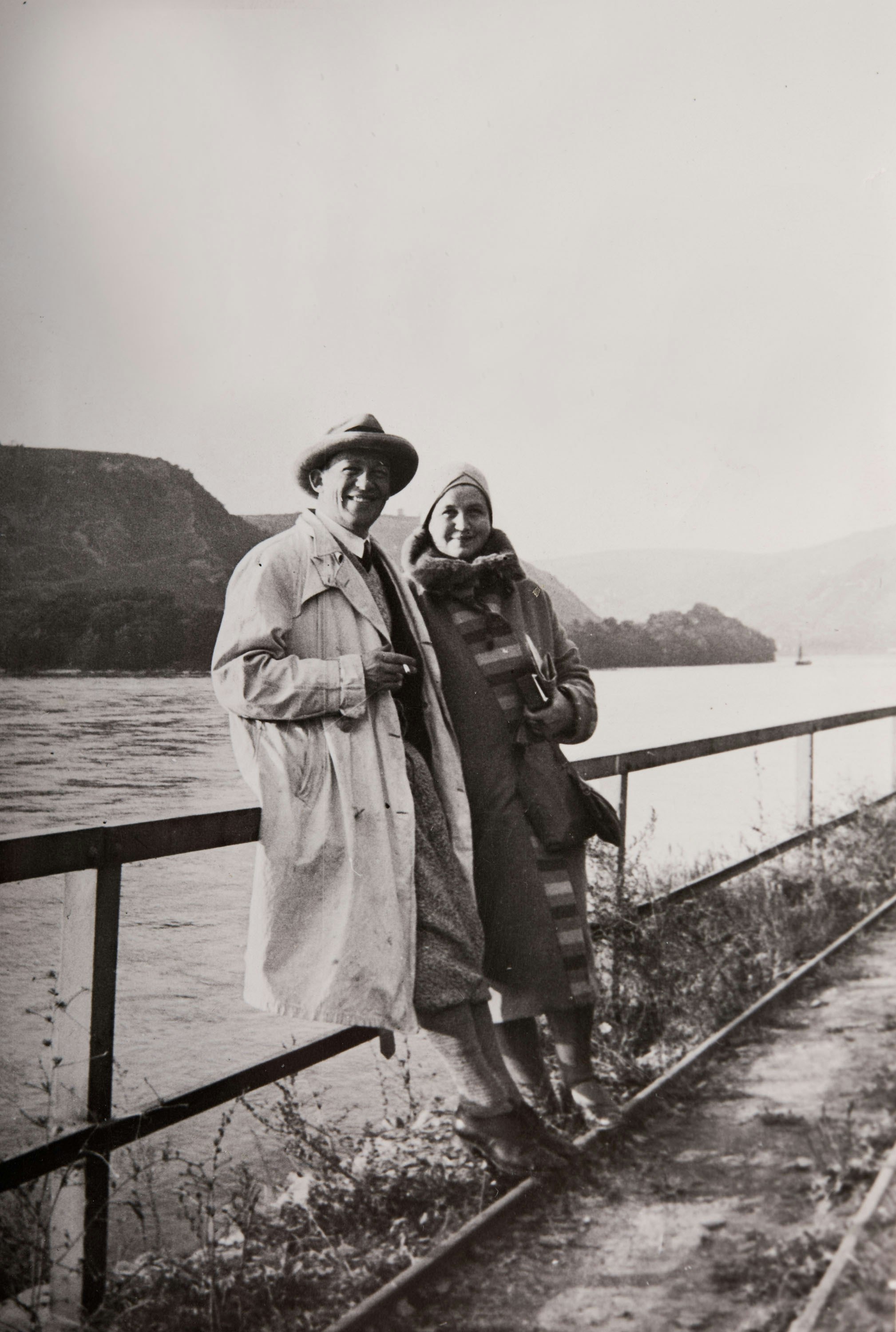
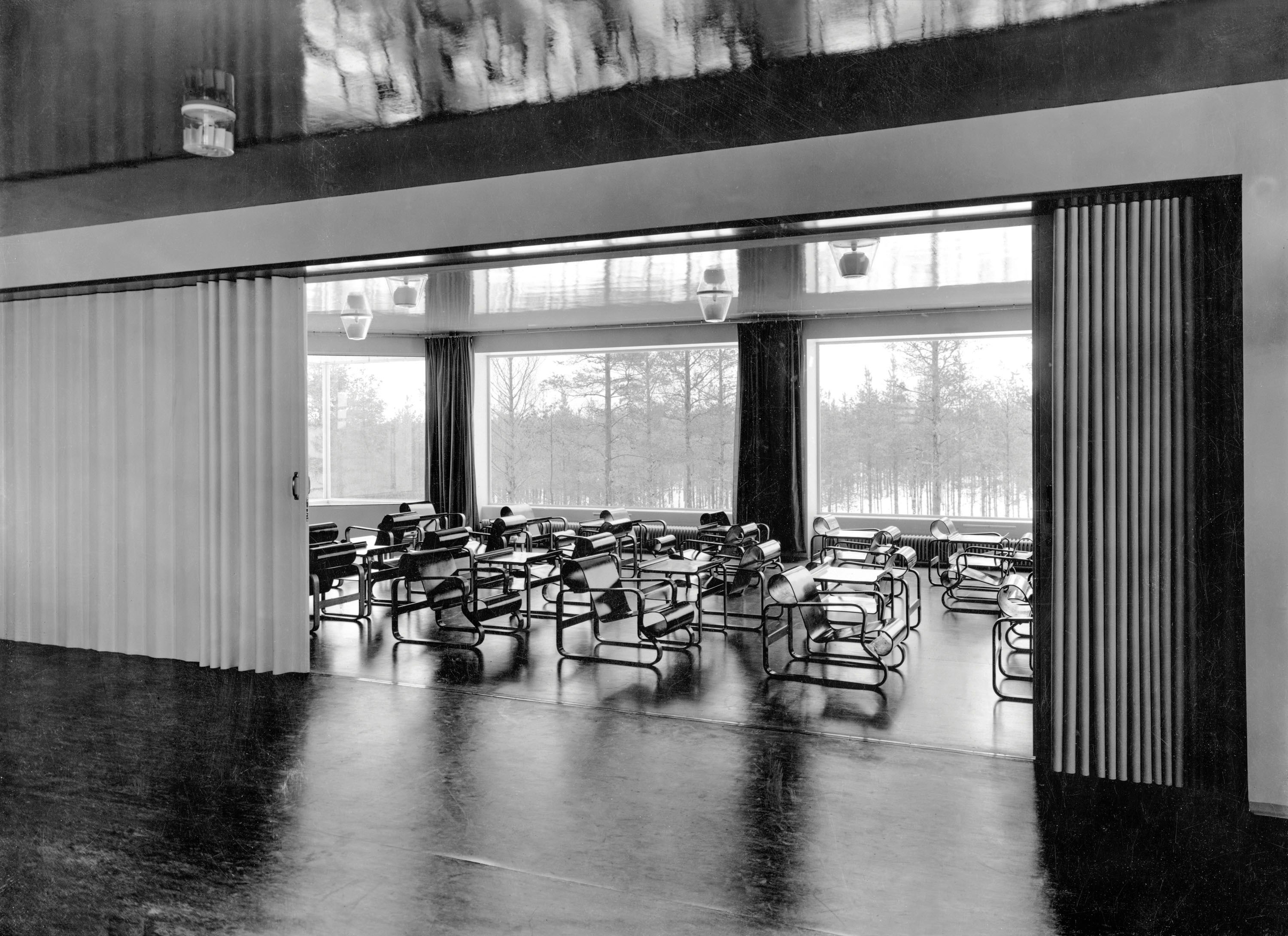
The Complicated Love Story of Modernist Design Duo Aino and Alvar Aalto

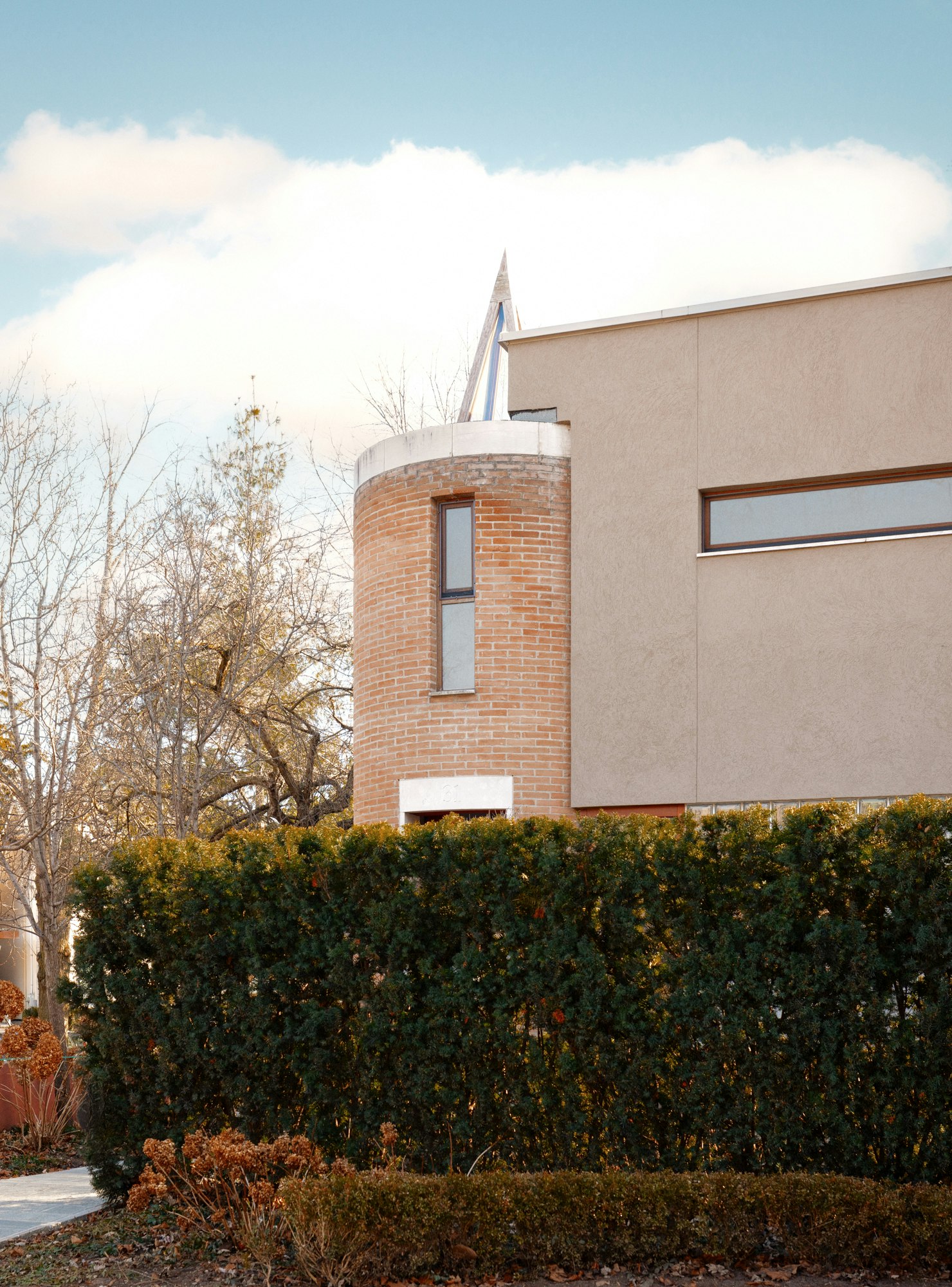
This Quirky Toronto Home Is Full of Geometric Cutouts and Natural Light

Architecture and design features and interviews | CLADglobal.com - Mariam Issoufou
314 Architecture Studio: The circle of (eclectic design) life

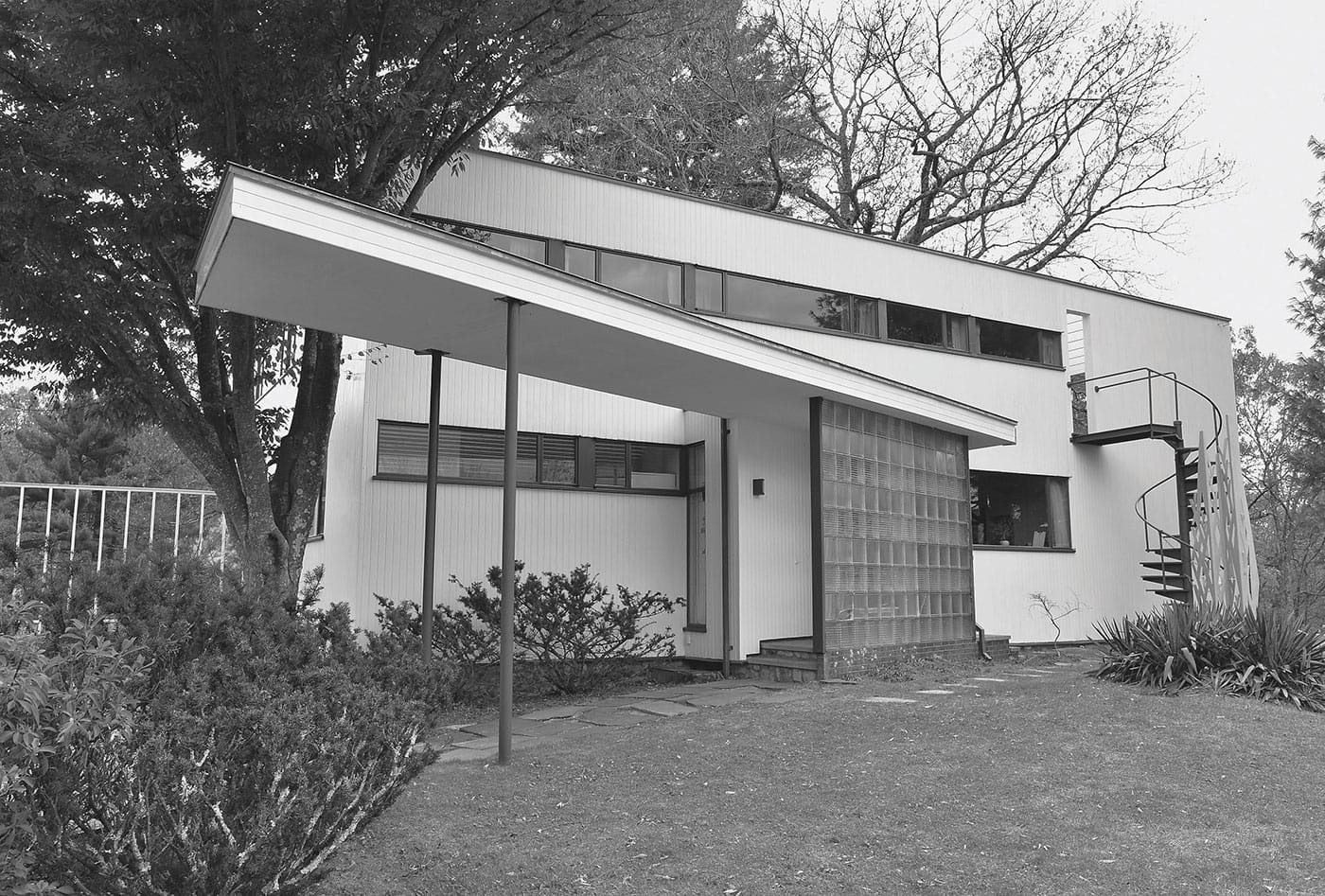
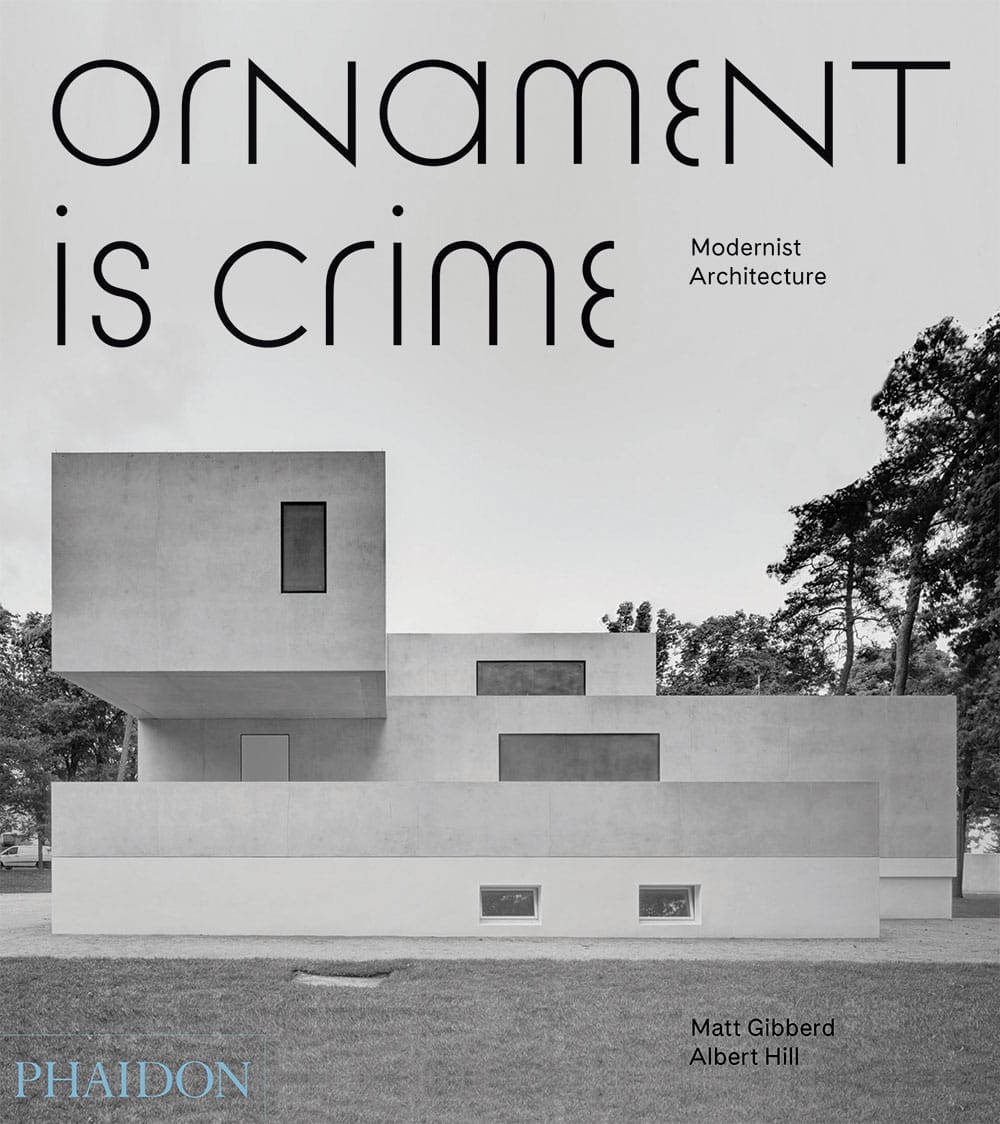
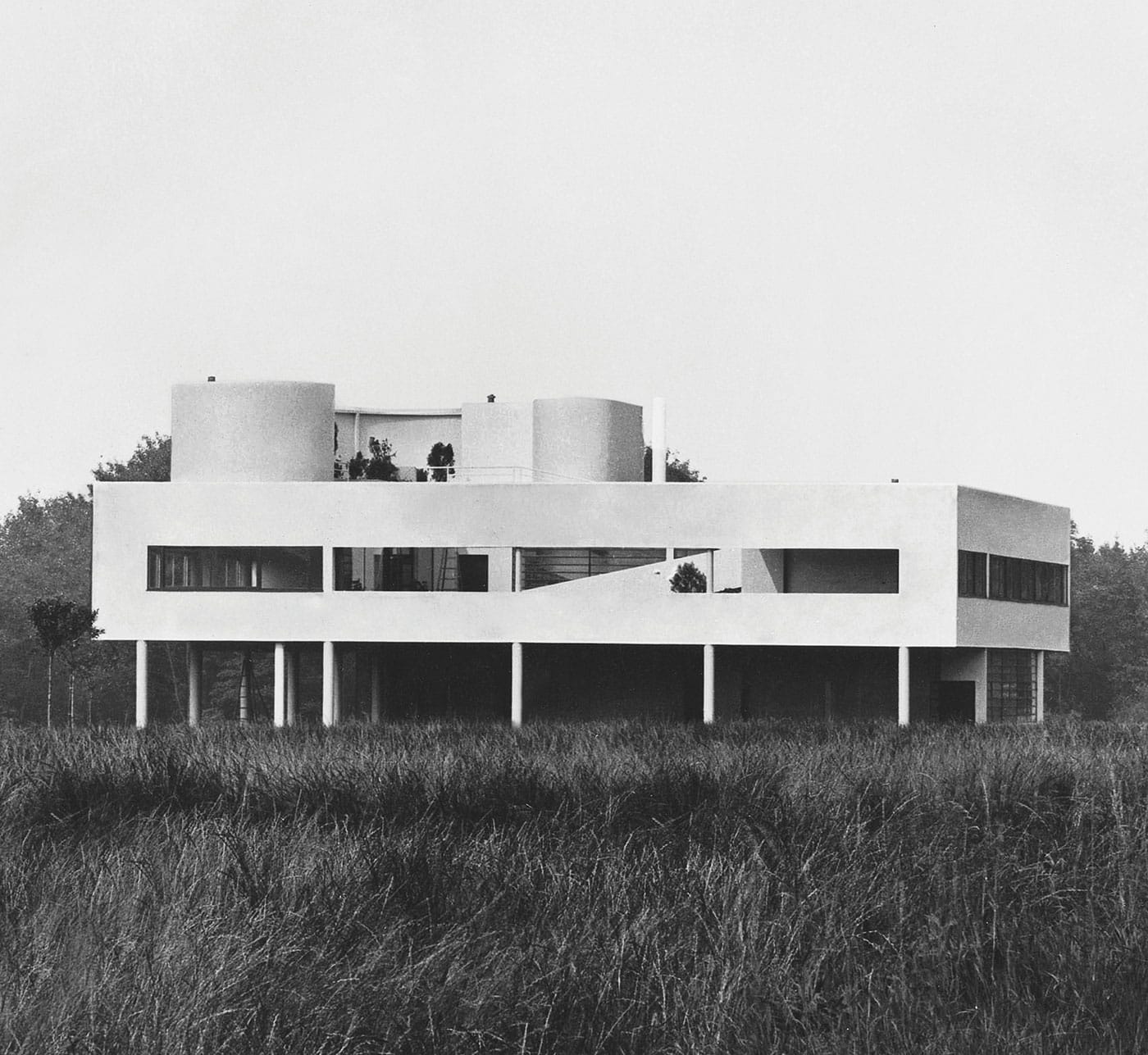
"Ornament Is Crime:" A Visual Manifesto for the Modernist Home

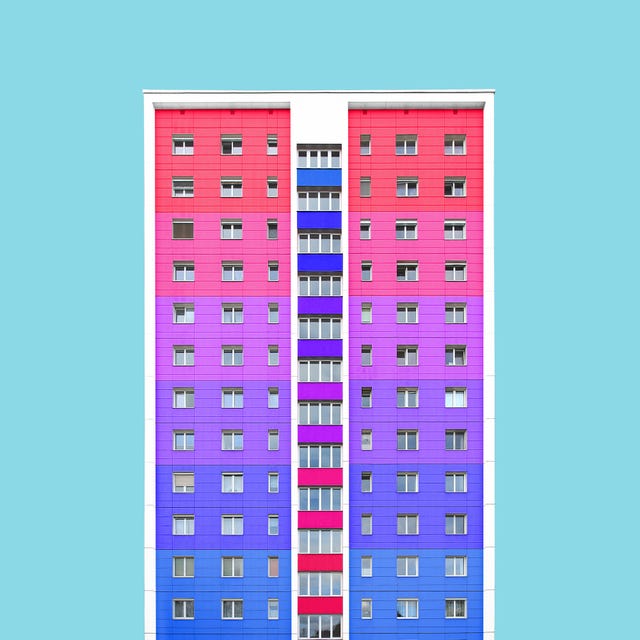
A World In Technicolor Would Look Just Like This

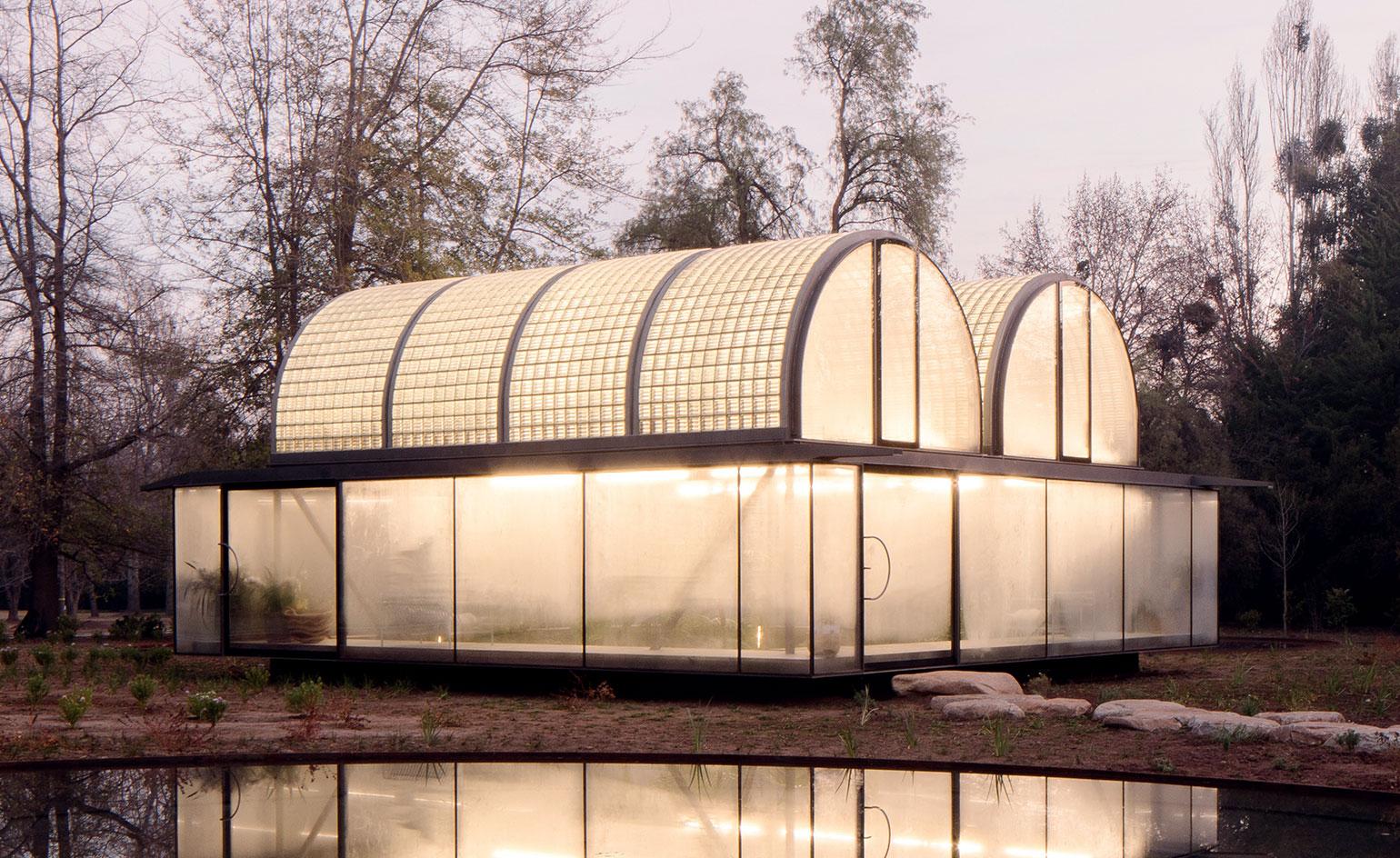
Max Núñez' greenhouse in Chile gives the impression of a floating glass box

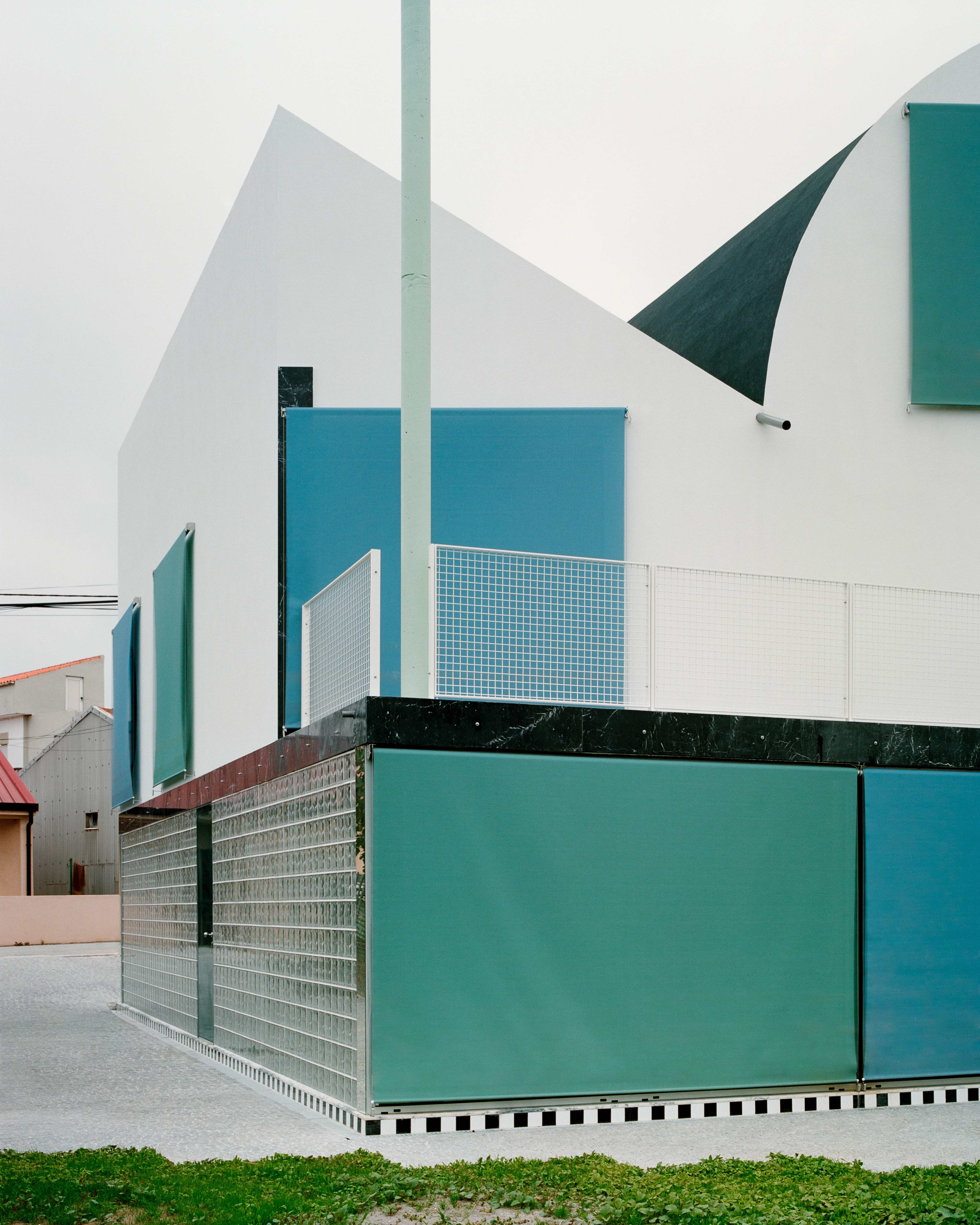
This Home in Portugal Turns Convention Upside Down—Starting With the Roof
Echo Chamber
Inside a Designer’s Theatrical Apartment and Studio in Rome (Published 2019)

An exclusive look at COS’ reflective installation by Phillip K Smith III at Salone del Mobile
Global Design: Be inspired by Art Nouveau spaces in Belgium and Singapore
memphis aesthetics and mid-century modernism blend together in milanese apartment
Interactive floor plan: Artist studio, Australia
Inside a 1930s Mansion Turned Eclectic Show House in Milan

A Contemporary Beach House With Modernist Allure
Are these the ultimate fantasy homes?
Why Australians love mid-century Modernism

Matt Gibson references Brazilian Modernism for concrete and stone house in Melbourne
Contemporary Architecture is More Common Than You Think — Here's How to Spot It