1/6
How They Pulled It Off: A “Superwall” That Adds Privacy (and Storage) to a 1970s Condo
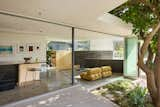
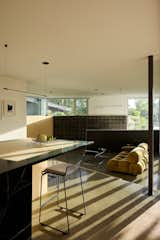
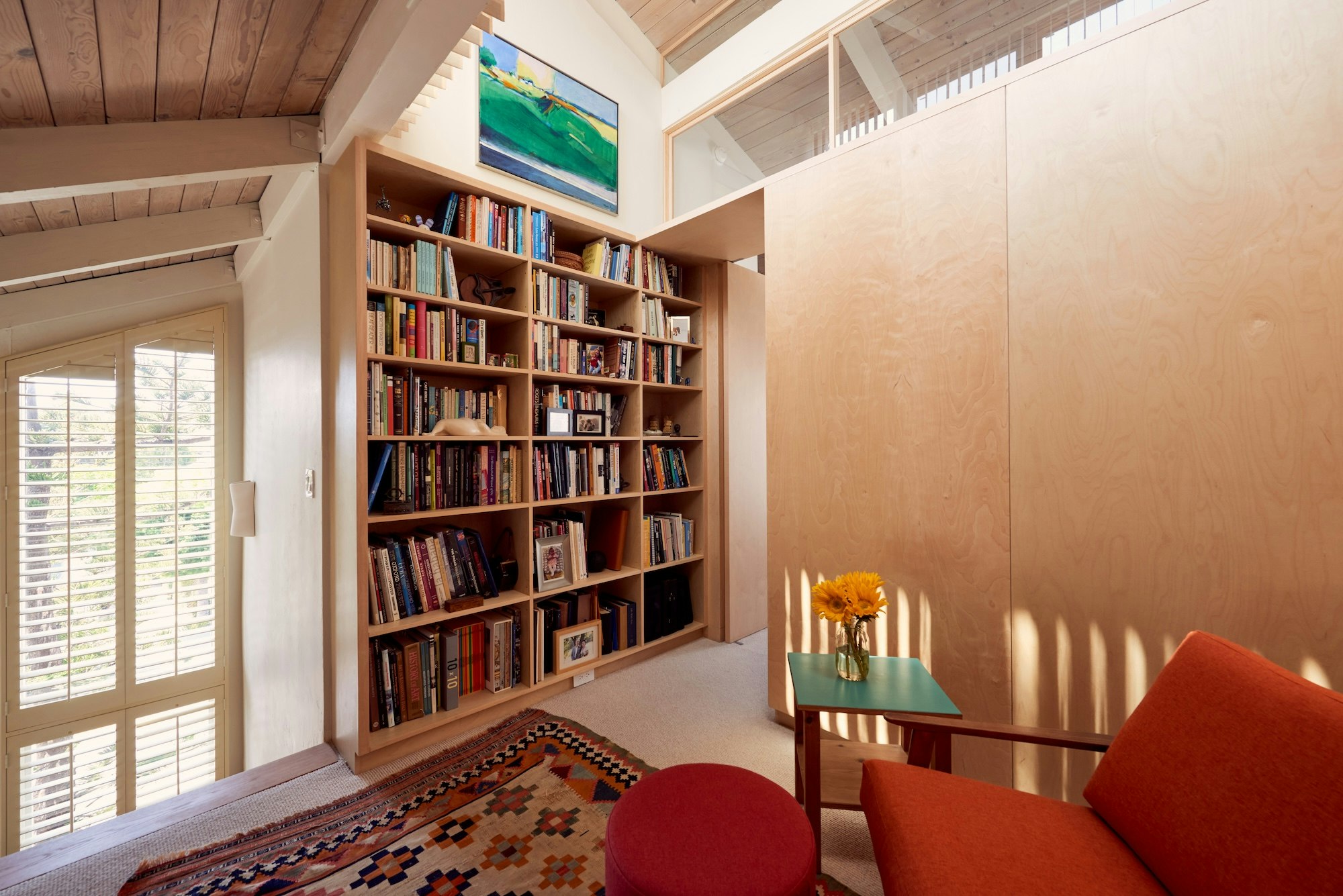
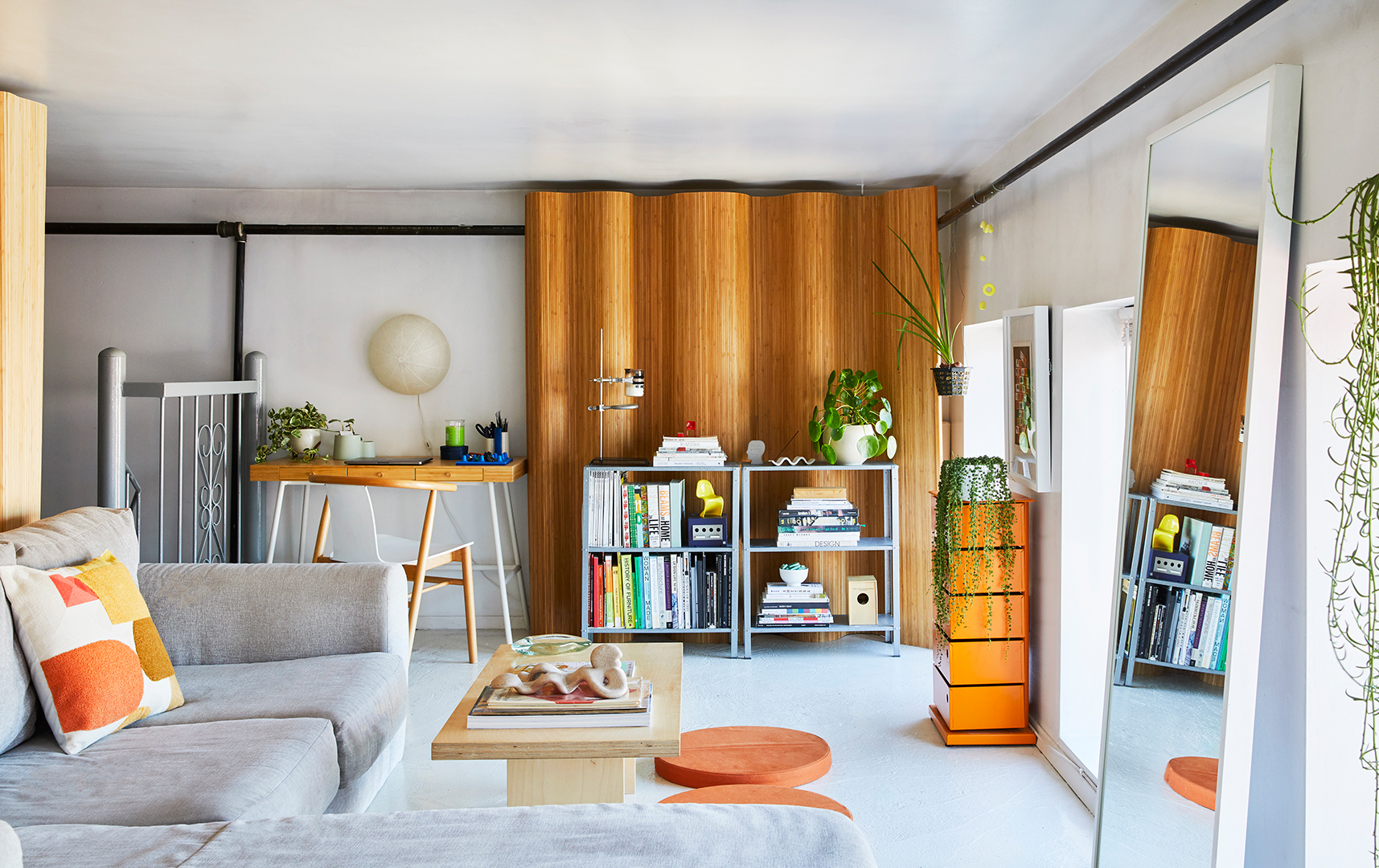
Architect Marisa Kurtzman, a partner at Frederick Fisher and Partners in Los Angeles, transformed her 1,100-square-foot 1970s split-level condo in Santa Monica’s Ocean Park neighborhood by designing a multi-purpose partition she named "the Superwall." She and her husband, Gideon Brower, initially rented the unit from its original owners starting in 2018. They eventually purchased it as their family grew and the need for more efficient space, particularly during the pandemic with increased work-from-home demands, became urgent. The open loft serving as the primary bedroom lacked soundproofing and wasted valuable space. The condo's initial appeal stemmed from its 1970s California charm, high ceilings, split-level layout, and proximity to the ocean, though Kurtzman consistently envisioned improvements.
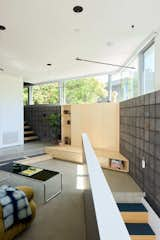
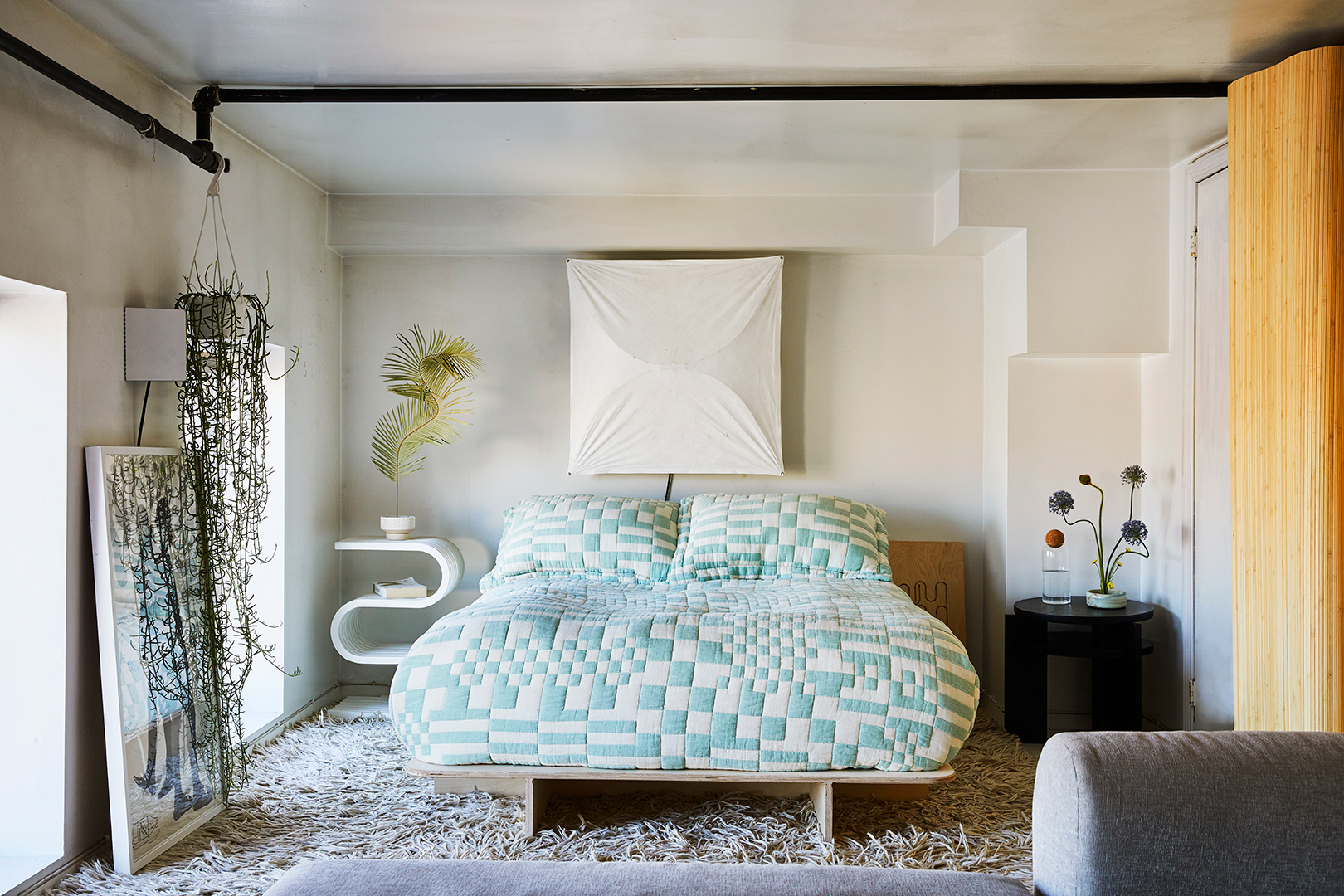
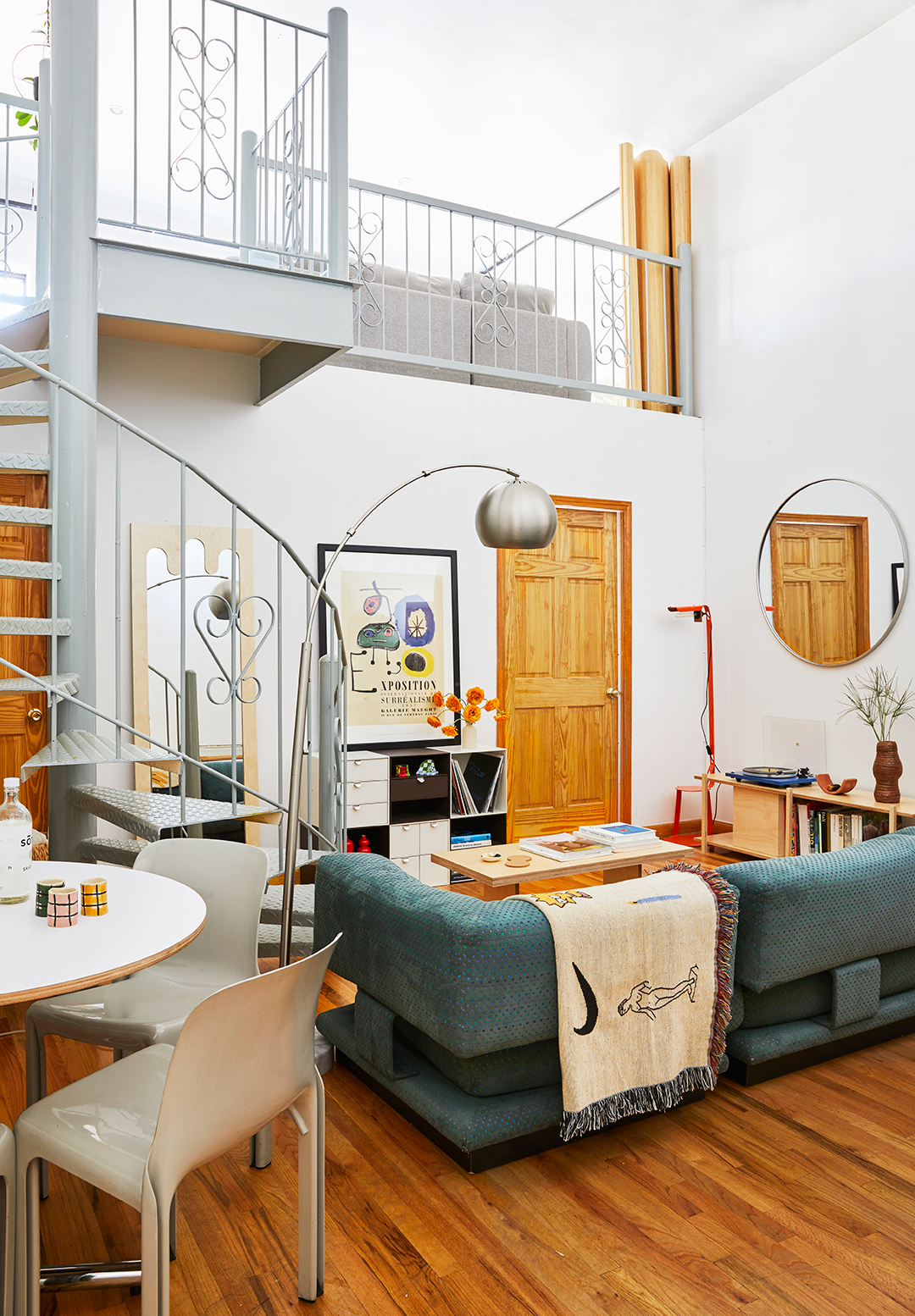
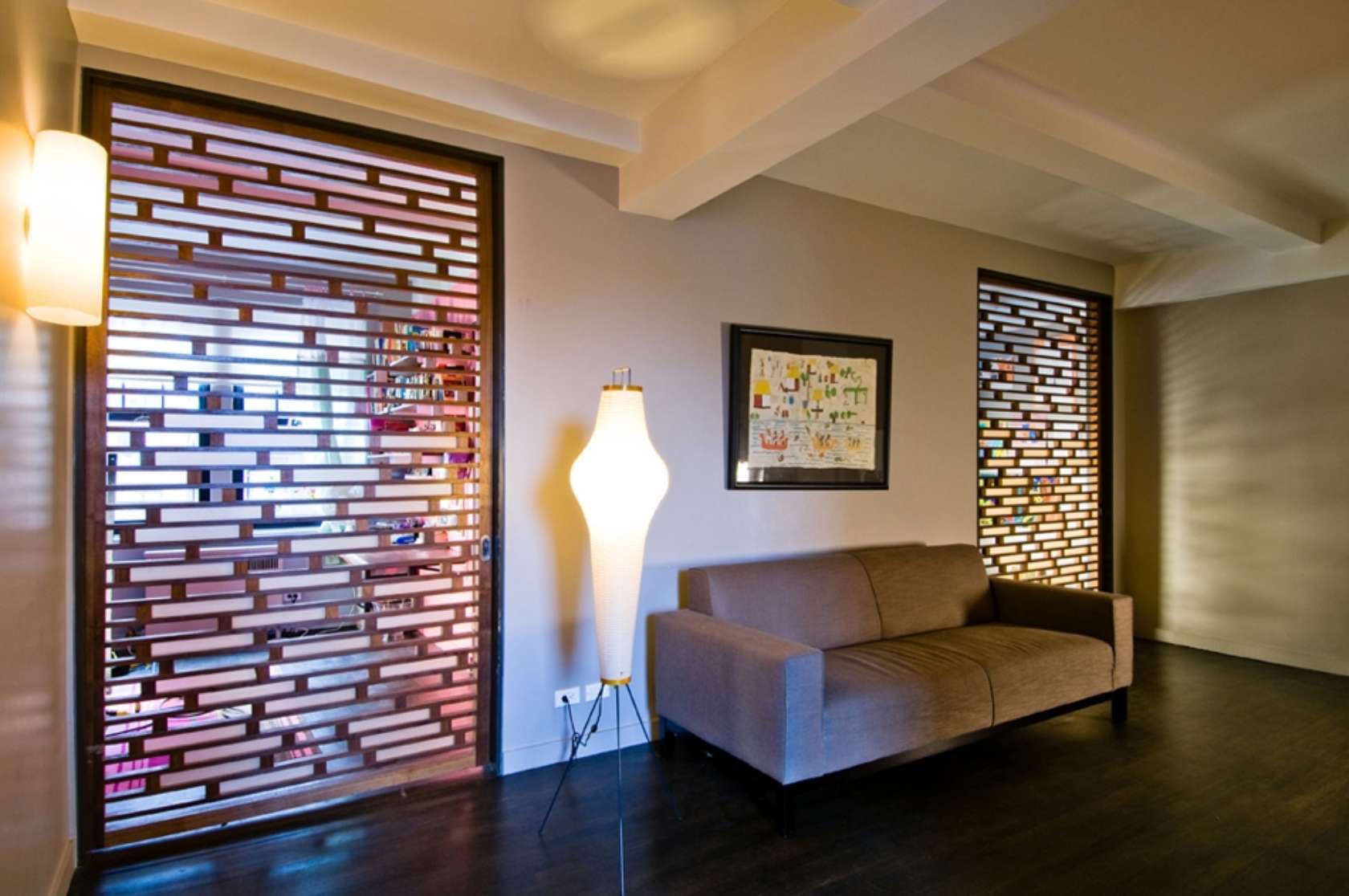
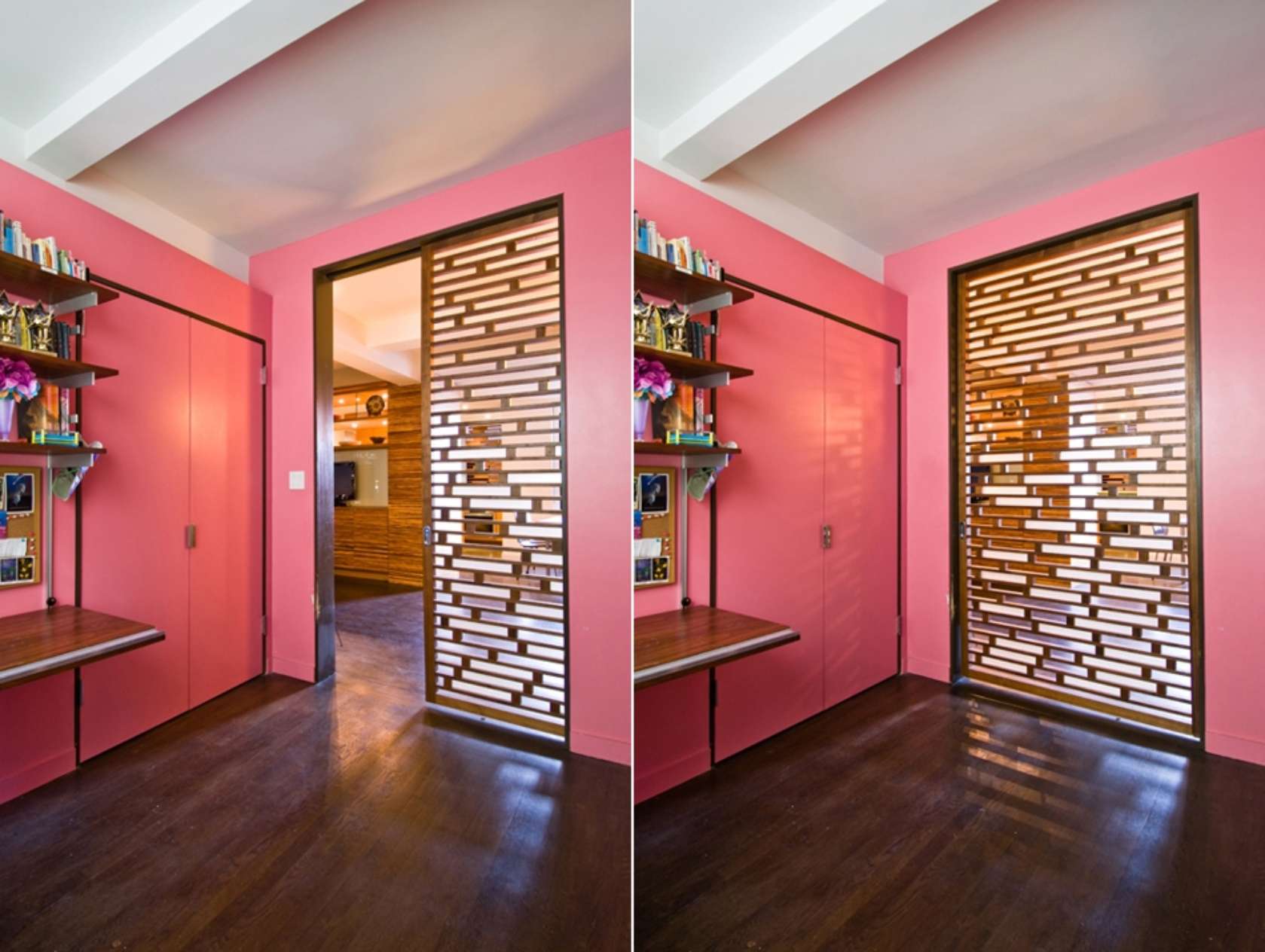
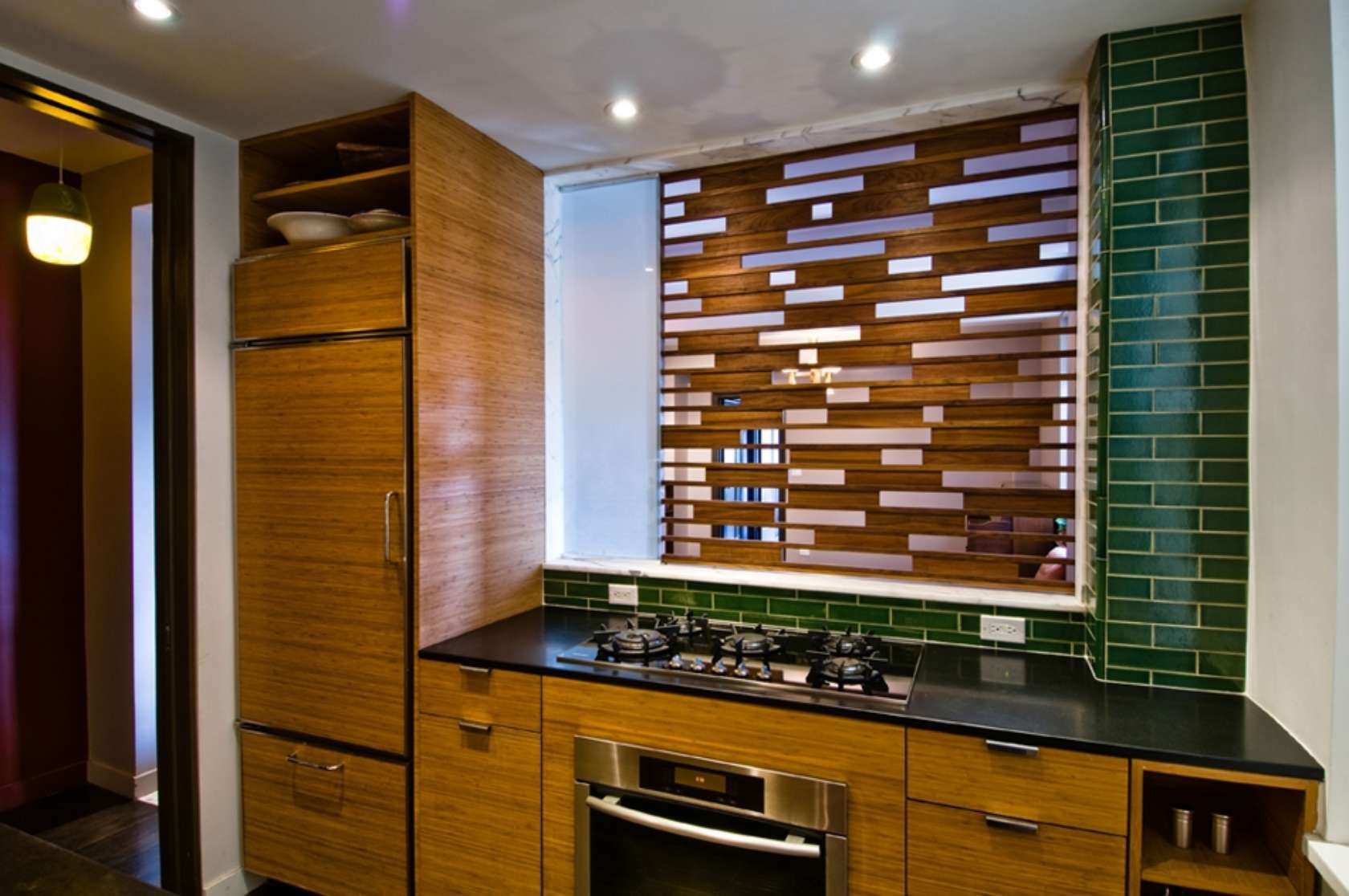
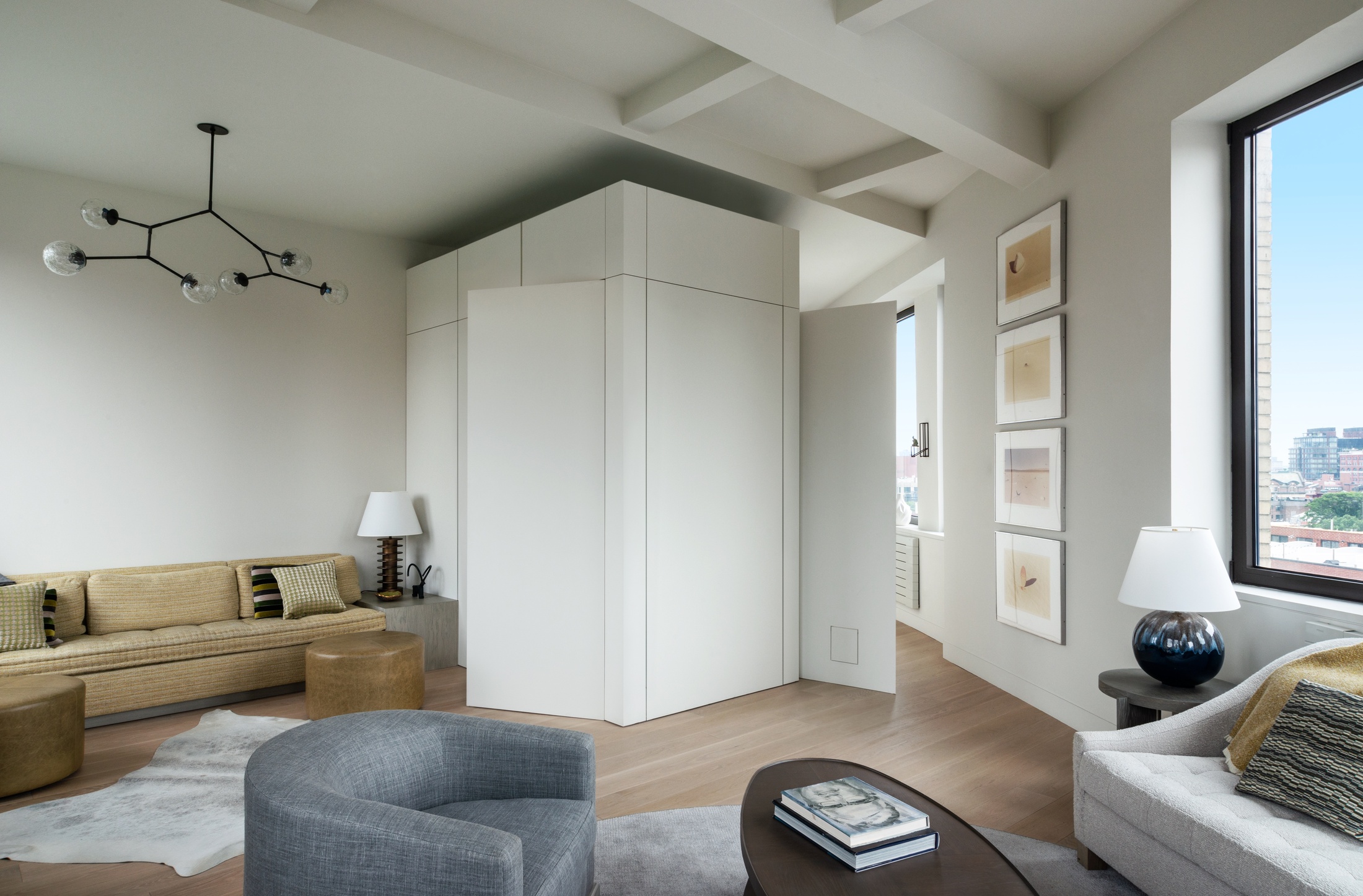
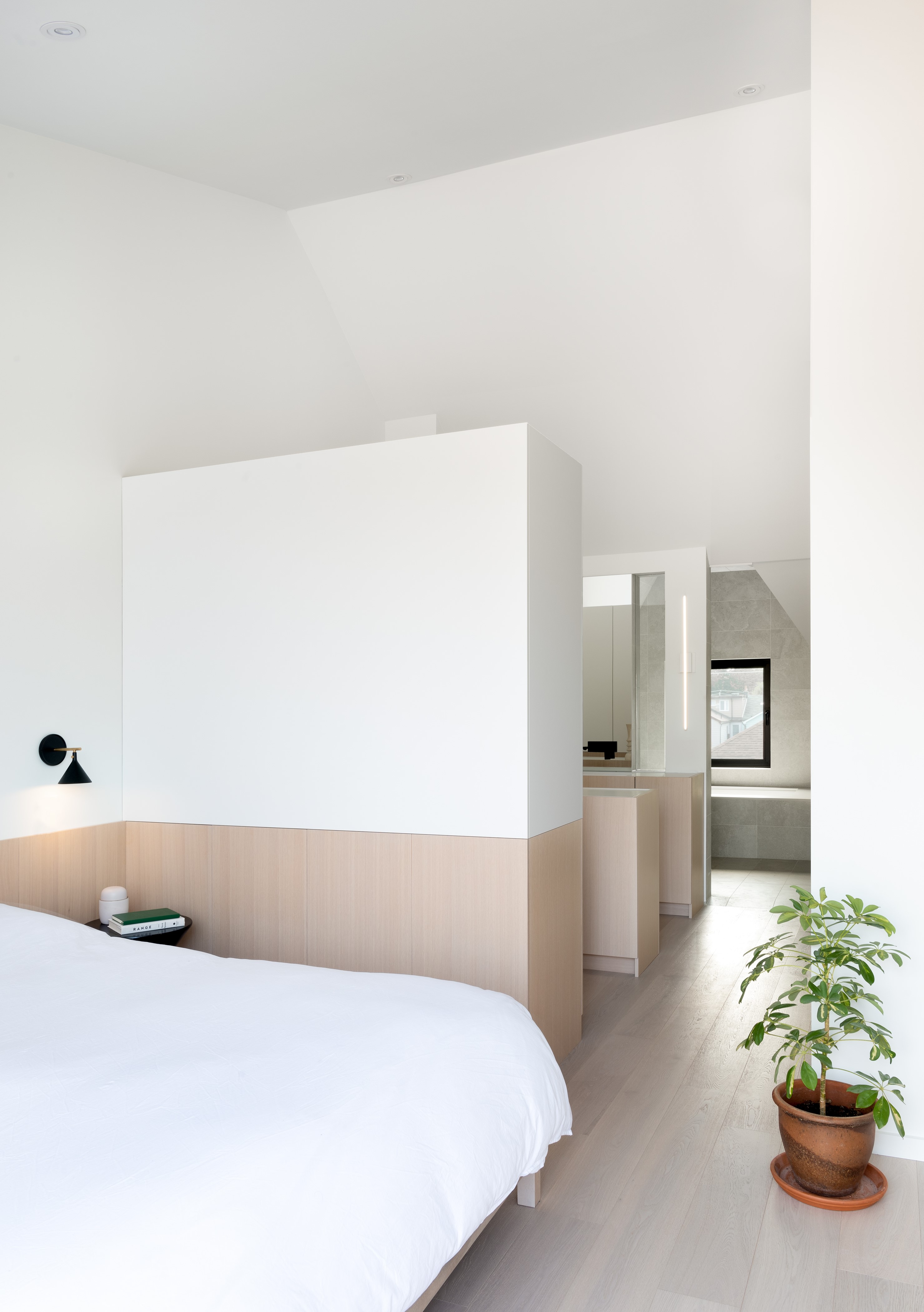
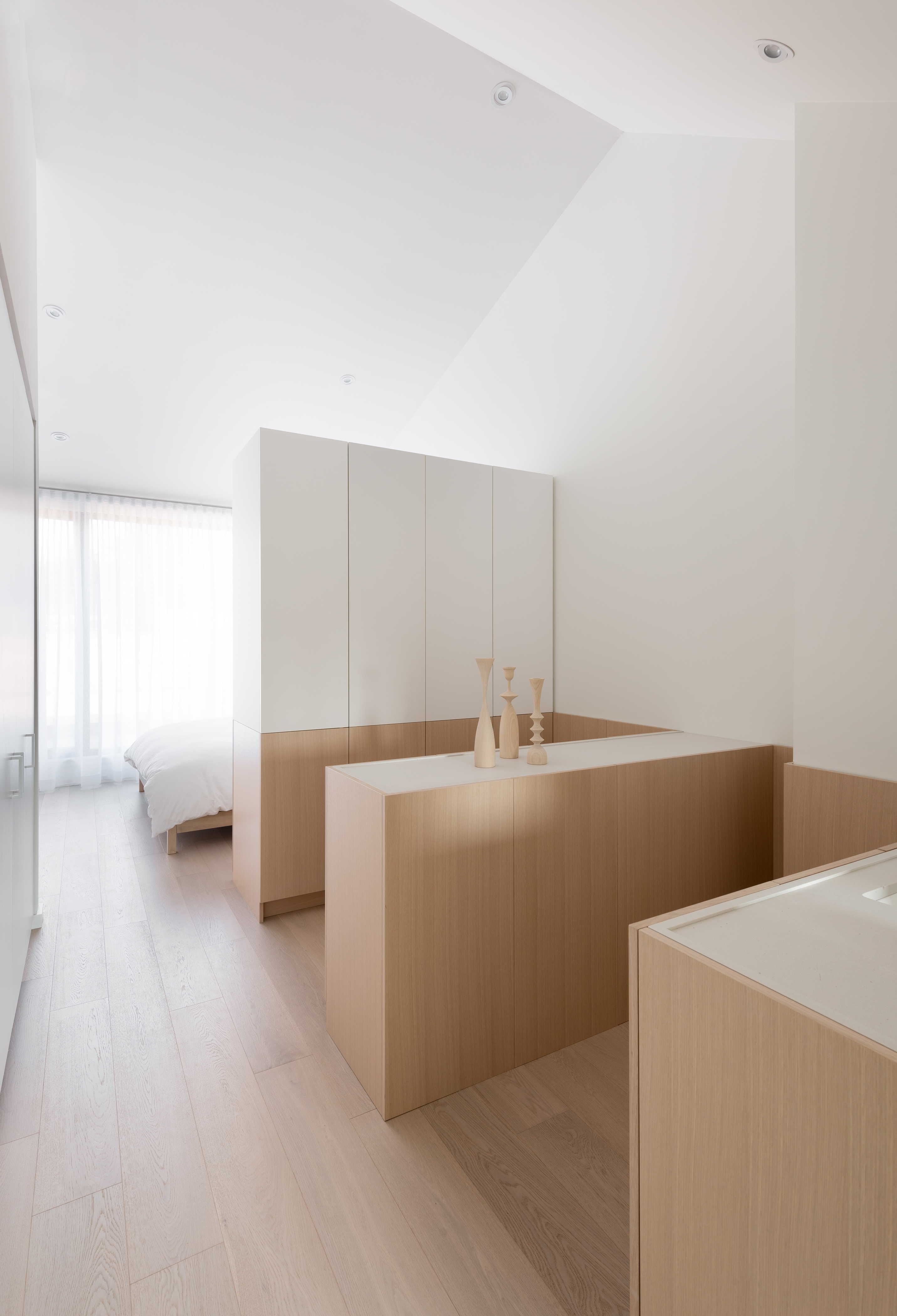
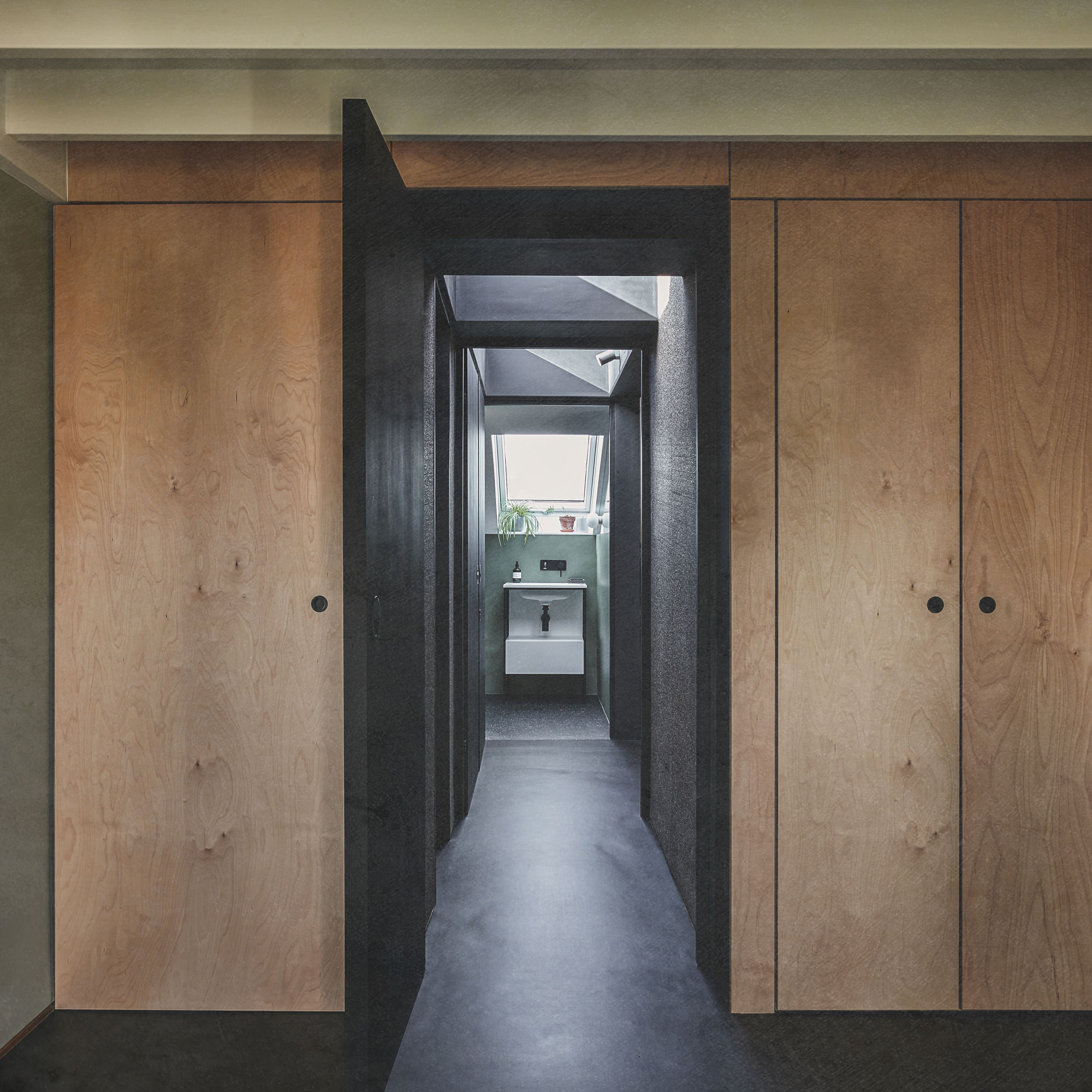
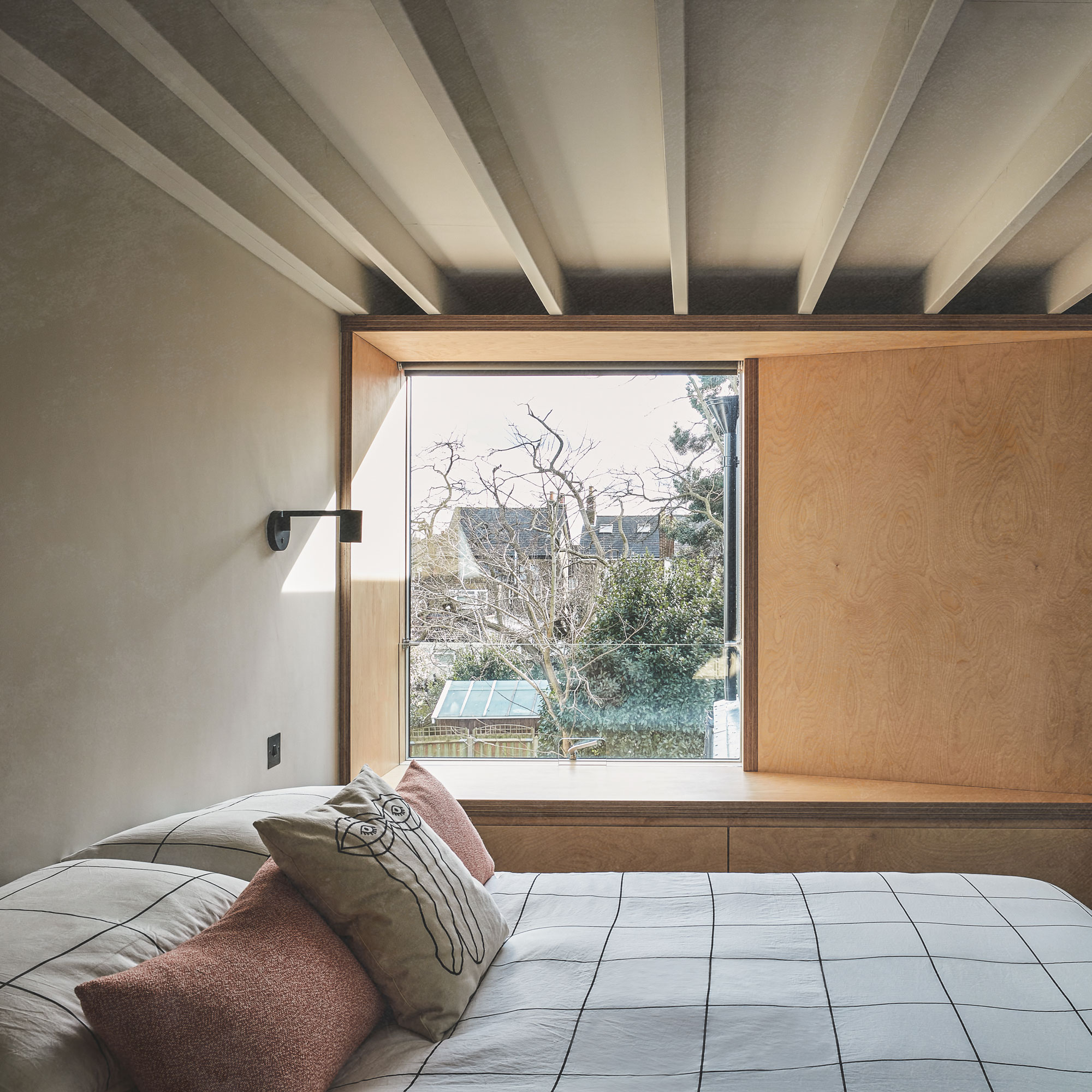
The Superwall, a partial-height blonde plywood partition, incorporates a band of operable windows that augment the existing clerestory. This design significantly enhanced the functionality of the space by providing additional storage, improving natural light and ventilation, and creating separation from the downstairs area. This intervention transformed the open loft into a 240-square-foot primary bedroom/office at the rear, complete with a cozy library alcove situated above the living room. Kurtzman views this once-transitional area as her favorite room in the house due to its newfound utility. The custom millwork behind the Superwall also offers discreet storage and visually delineates work and personal spaces, ensuring that a computer workstation is not visible from the bed.
During the renovation process, Kurtzman delved into the building's history, connecting with the son of the original architect, Bryan Greenfield. Greenfield shared memories of the townhouse and confirmed that renowned architectural photographer Julius Shulman had documented the complex after its construction. Additionally, Kurtzman obtained the original architectural drawings, which proved valuable given the similar layouts of four out of the five condos in the complex. This historical research informed her approach, aiming to respect and amplify the original architect's smart and creative design principles.
The project involved a structured approach, starting with a purpose statement developed by Kurtzman and Brower to define priorities and ensure flexibility. They collaborated closely with Seed, a millwork and furniture design firm that also served as the general contractor. Reeve Schley, Seed's founder, being a designer himself, actively contributed to refining the vision and ensuring meticulous execution. A crucial step involved obtaining a rough cost estimate midway through the design process, a practice more common in institutional projects, which helped align the project goals with the budget. Opting for plain-sawn plywood proved to be an economical choice that harmonized with the condo's existing rough lumber structure and wood plank ceiling. Architectural details, such as extending the closet top over the bedroom door to create a sense of threshold, were prioritized for their impactful aesthetic and functional contributions. Ultimately, the investment focused on elements that dramatically improved the home’s functionality and aesthetics, with Kurtzman noting that the Superwall successfully achieves privacy and focus, likening the effect of closing the door to being in an airlock.
#ArchitecturalRenovation #SmallSpaceDesign #MultipurposeFurniture #CondoLiving #HomeOfficeSolutions #InteriorDesign #StorageSolutions #HistoricalPreservation #ArchitecturalRenovation #SmallSpaceDesign #MultipurposeFurniture #CondoLiving #HomeOfficeSolutions #InteriorDesign #StorageSolutions #HistoricalPreservation
0 comment in total
 No comments yet
You may also like

How They Pulled It Off: A Secret Stair Hatch That Seals Off the Living Space
Two Pre-War Apartments Join to Make One Sustainable Home With Sliding Walls

'We built a smart new loft conversion for more space'
Q+A with Quanex | Advancing Home Security Innovation
How a Spacial Designer Created Privacy In Her Door-Less Loft with a Clever Divider
Air-Sealing a High-Performance House

Add Privacy and Expand Your Home's Use With This DIY Interior Wall Project

An Upper West Side Apartment, Now Fit for Families and Friends

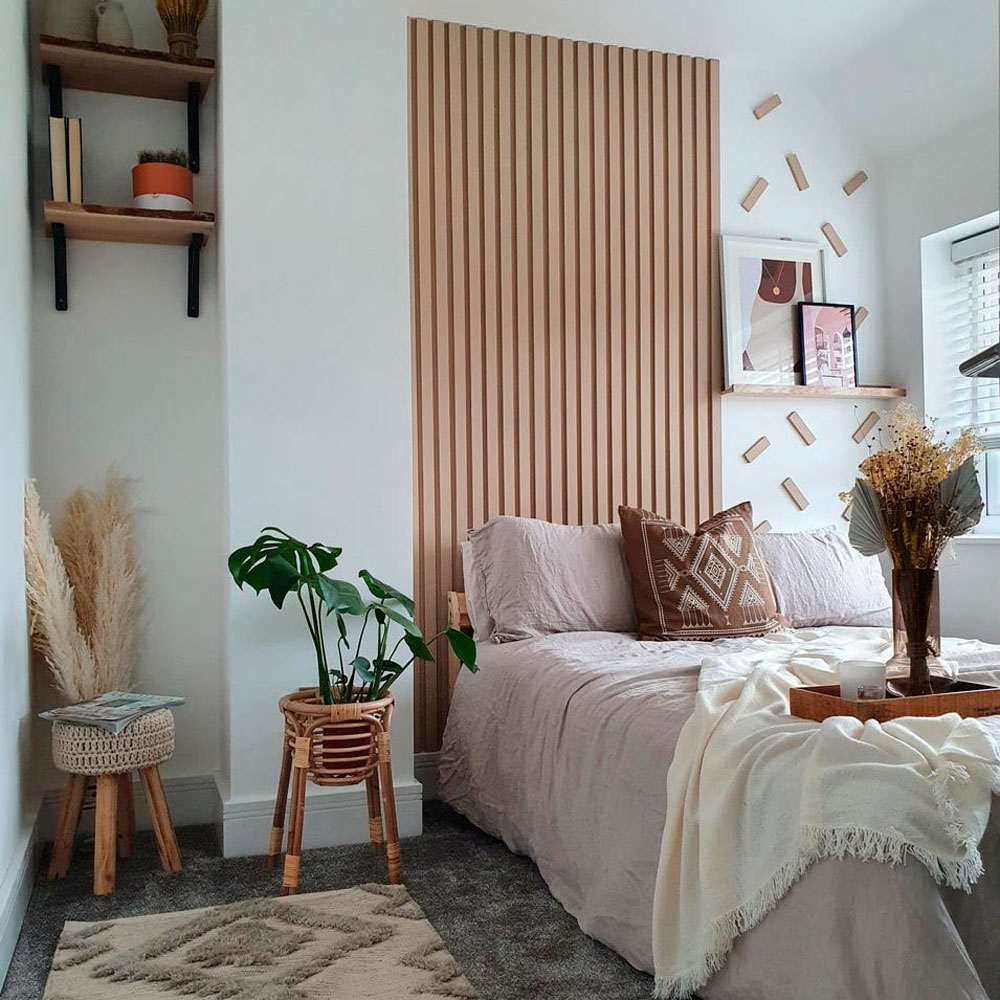
Homeowner wows with DIY version of latest feature wall trend – and the results are stunning!

Prefabricated wall panel system facilitates Passive House certification
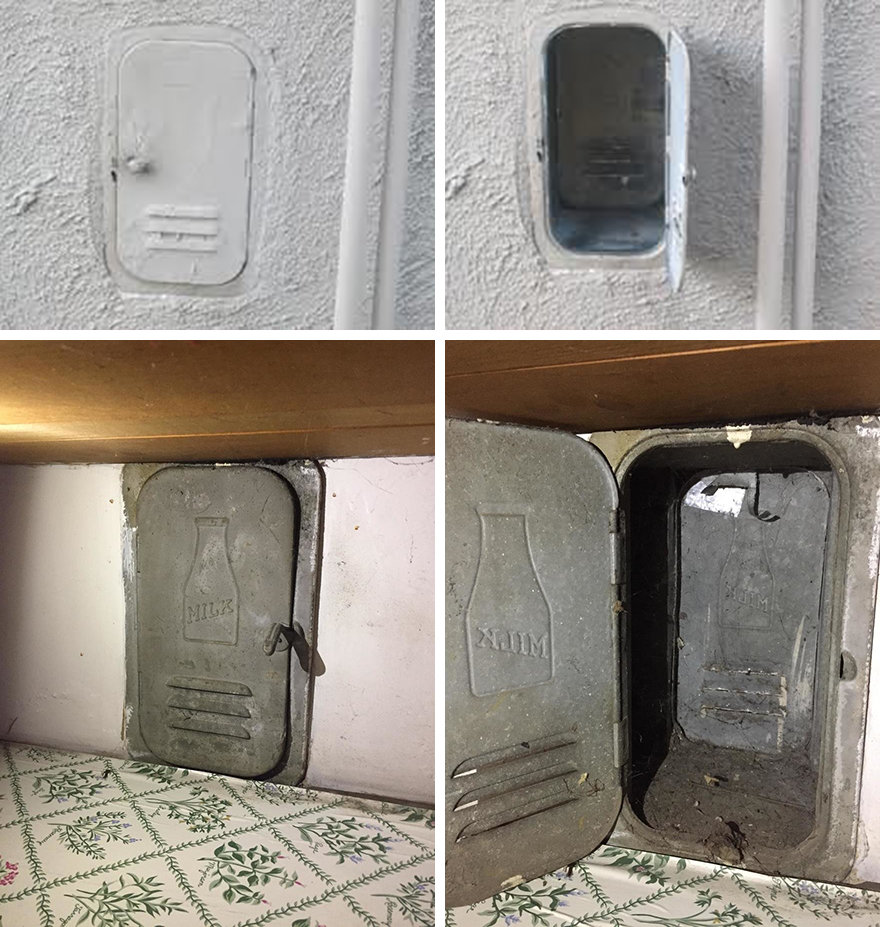
Anti-Package-Theft Delivery Doors Now Being Built Into Homes


San Francisco Residential Living Wall
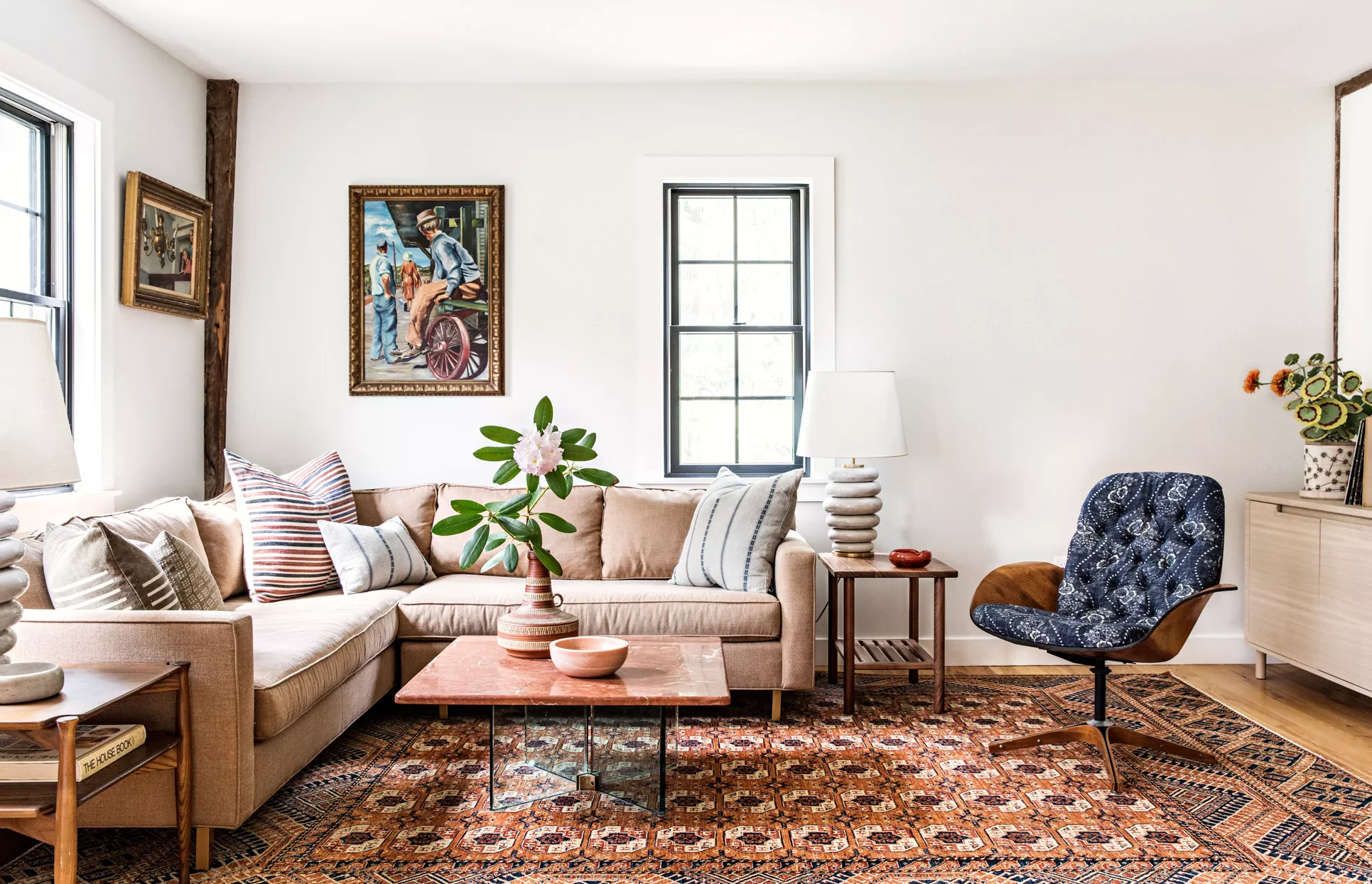
Goodbye, Open Concept—People are Adding Walls in Their Homes

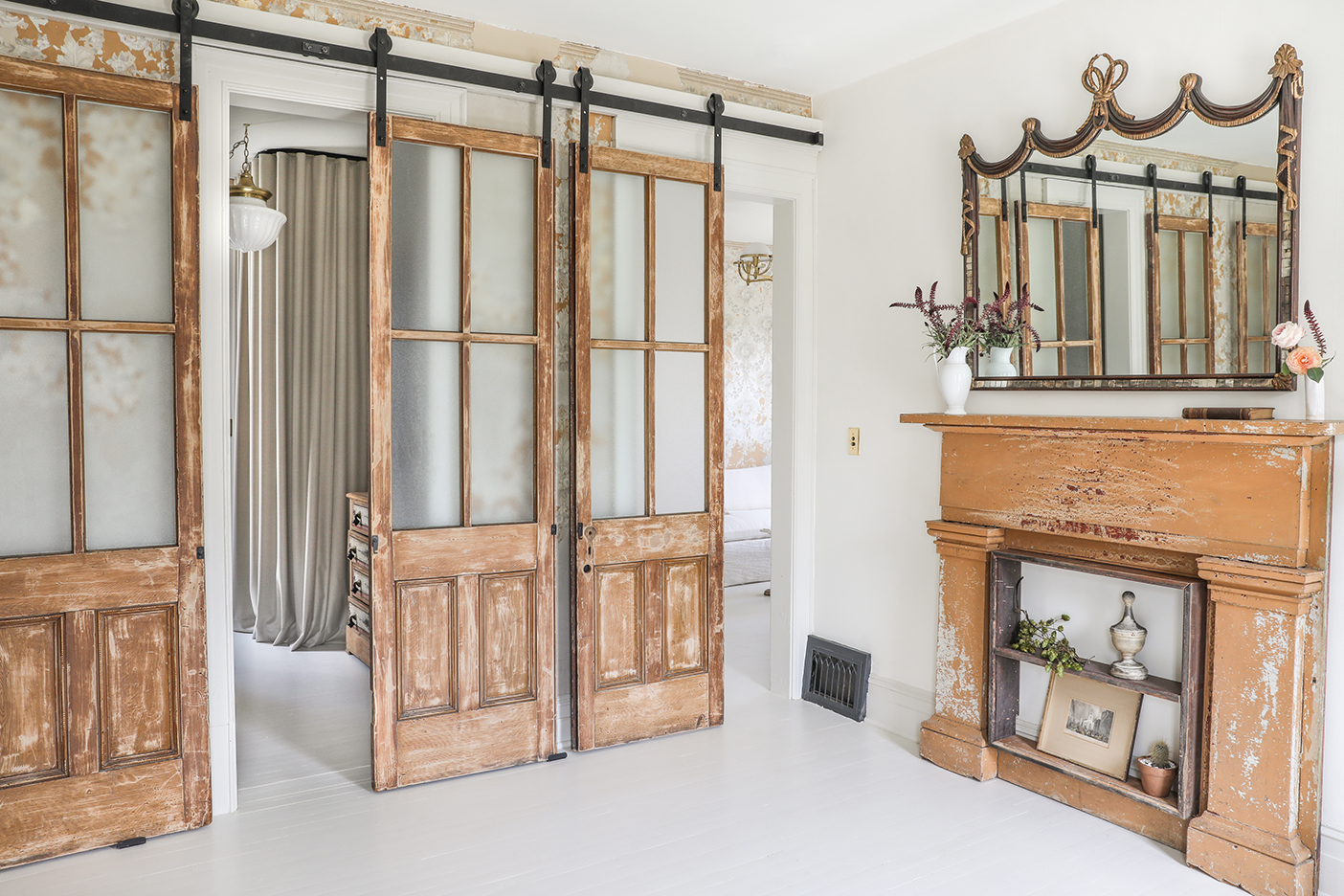
These 100-Year-Old Doors Make All Other Room Dividers Pale in Comparison
Wonder Walls
How They Pulled It Off: Floor-to-Ceiling Modular Shelving in a New Studio Extension
How a Designer Turned This "Modern White Box" Into a Lively—and Functional—Family Home

The New Trick Designers are Using To Zone Rooms and Create Privacy Is Both Beautiful and Functional

A sight to behold: The wonder walls in this New York home do all the talking

House Tour: A 3-Gen semi-detached with a large privacy screen outside the house