1/8
How to Build a Modernist Garden According to the “Mother” of the Genre
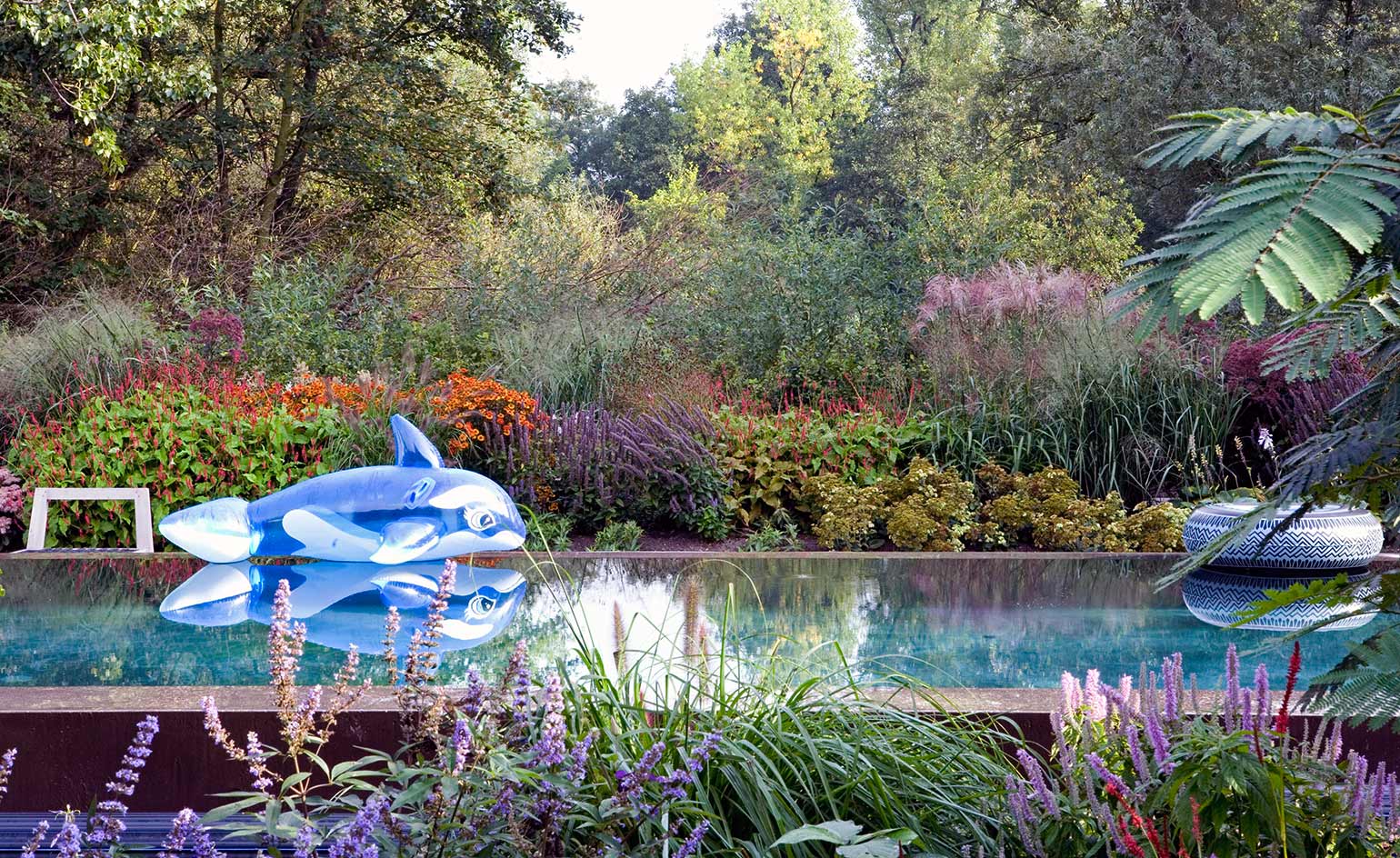
The article delves into the principles of modernist garden design, drawing inspiration from the pioneering work of Dutch landscape architect Mien Ruys, often called the "mother of the modernist garden." Conny den Hollander, a former life insurance specialist who transitioned to head gardener at the Mien Ruys Gardens, authored a biography on Ruys titled "The Gardens of Mien Ruys: Strong Design, Lush Planting, and the Origins of the Modernist Garden." Hollander's book highlights Ruys's innovative approach, which blended minimalist, geometric shapes and clean lines with lush plantings of perennials, influencing 20th-century garden aesthetics. Ruys's vision also aimed to democratize gardening, extending green spaces beyond the elite to social housing, an ethos Hollander also embraces.
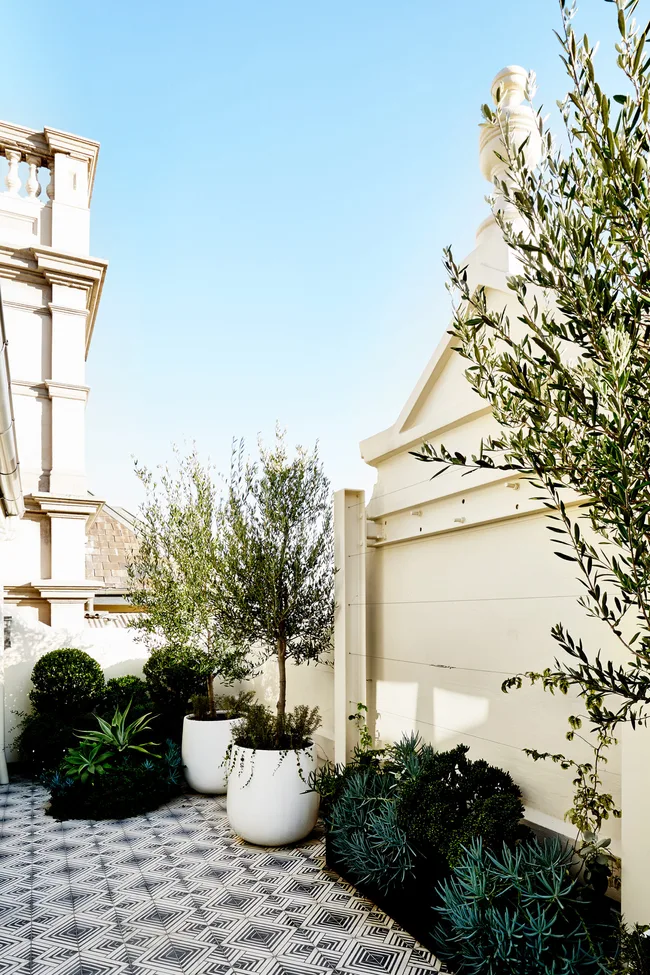
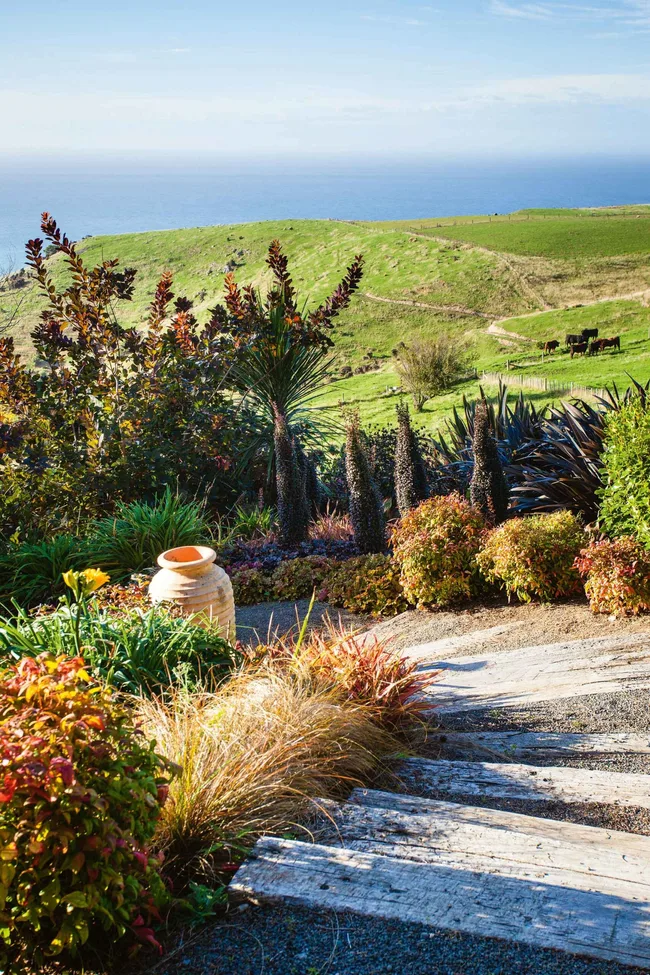
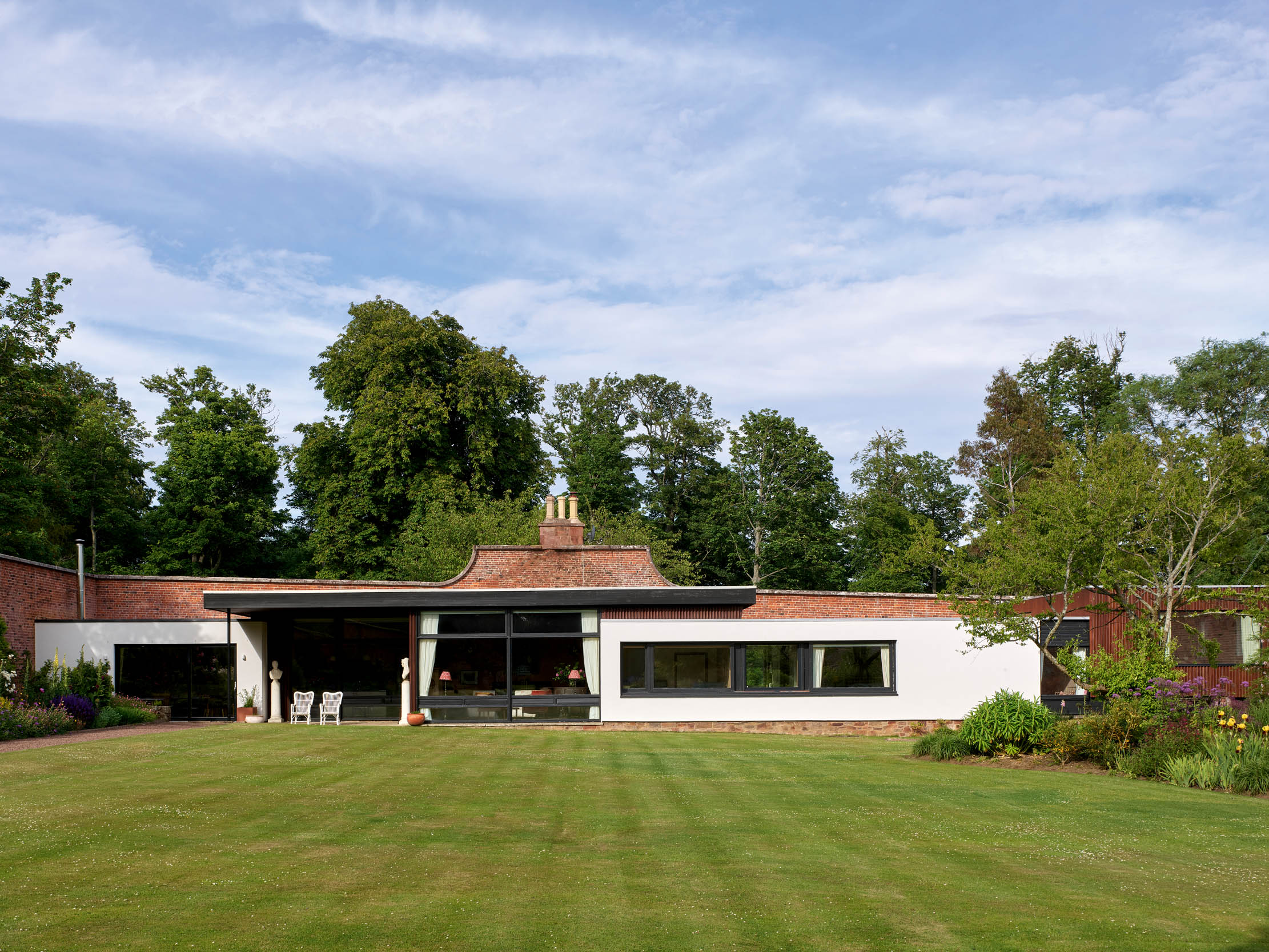
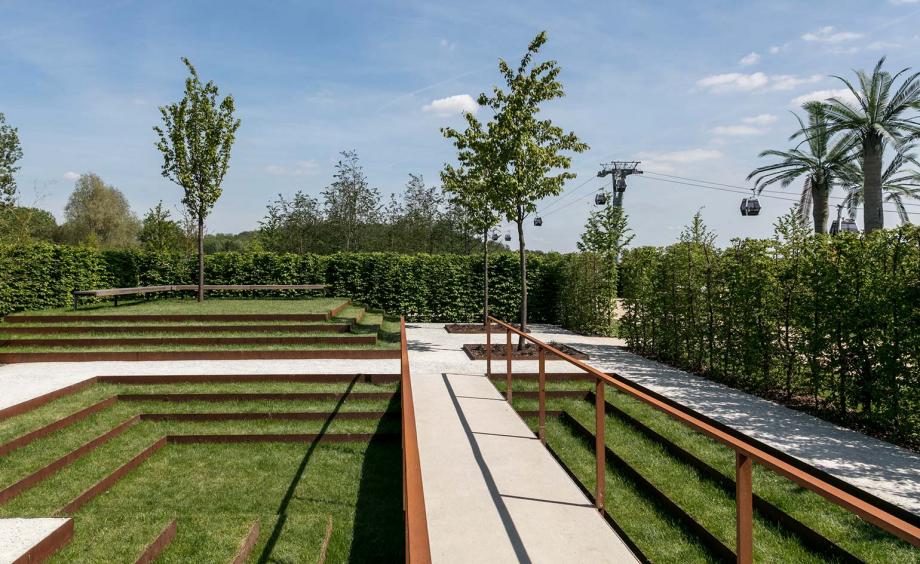
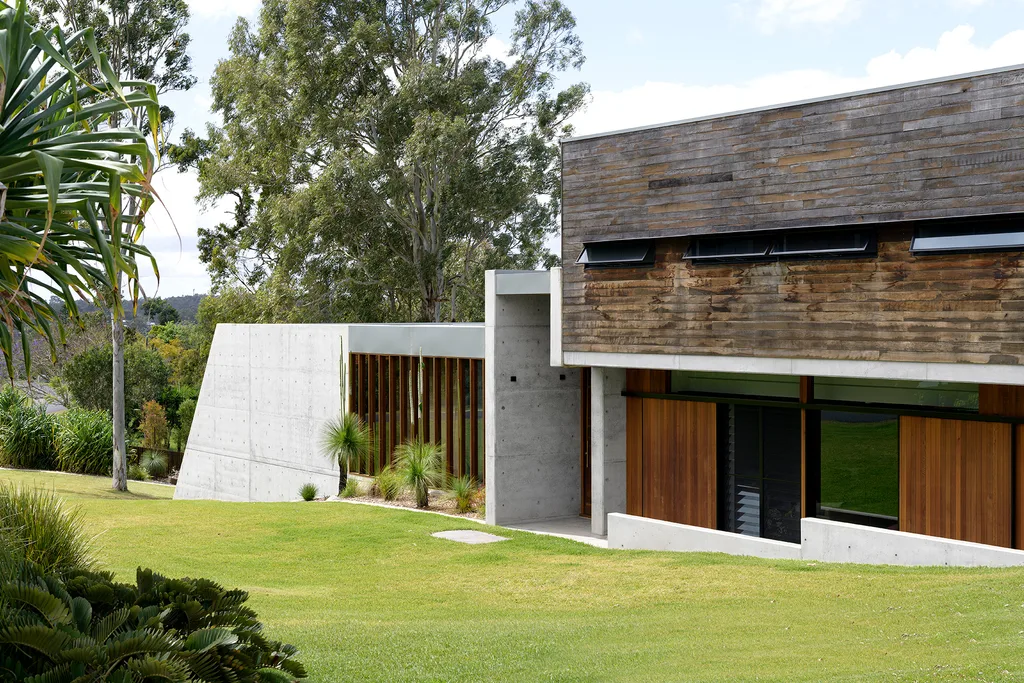
The article outlines key characteristics of modernist gardens, emphasizing simplicity, functionality, and a strong connection between humans and nature. Ruys frequently integrated industrial materials such as concrete and railroad ties with soft perennial flowers in her urban garden designs. Andrew Fisher Tomlin, director at the London College of Garden Design, notes that modernist gardens feature strong geometry that harmonizes with a home's architecture and simplified planting schemes, often using single species for ground cover or trees. This style is closely associated with midcentury-modern homes, with American landscape architects like Dan Kiley further refining it by incorporating bold, simple geometries. Jordan Clough of Richardson & Associates Landscape Architecture explains that these gardens utilize a minimalist material palette, but with meticulous detailing of joints, connections, and material transitions. Plant selection is typically restrained, with large expanses of single species creating a cohesive visual link to the surrounding architecture.
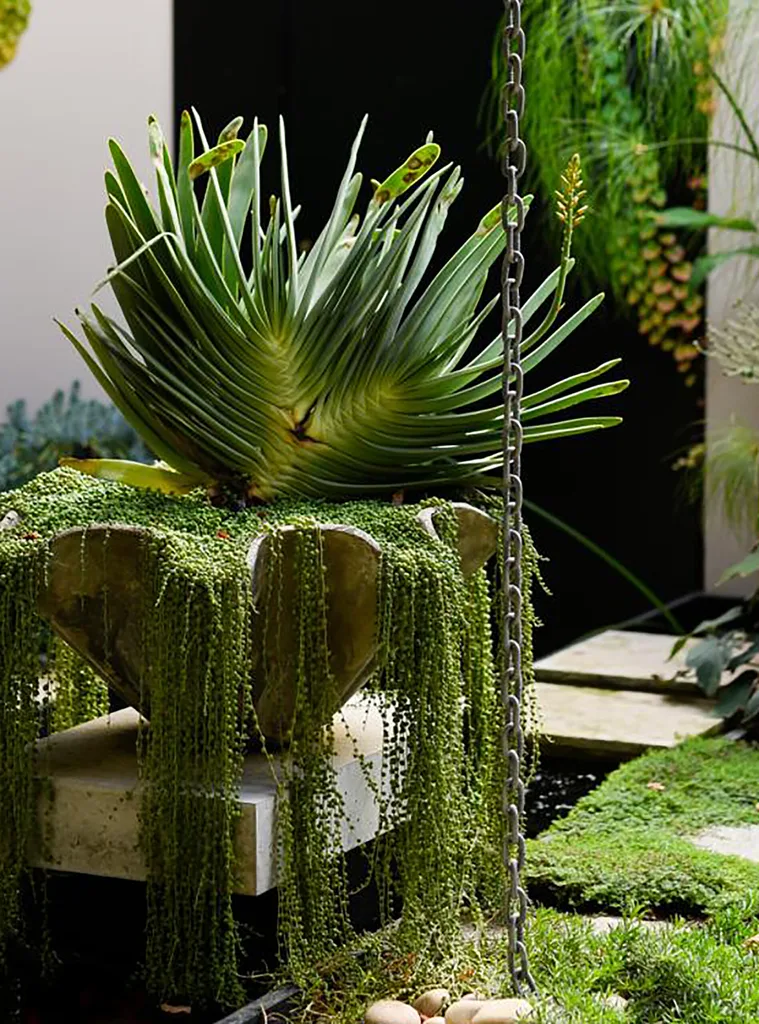
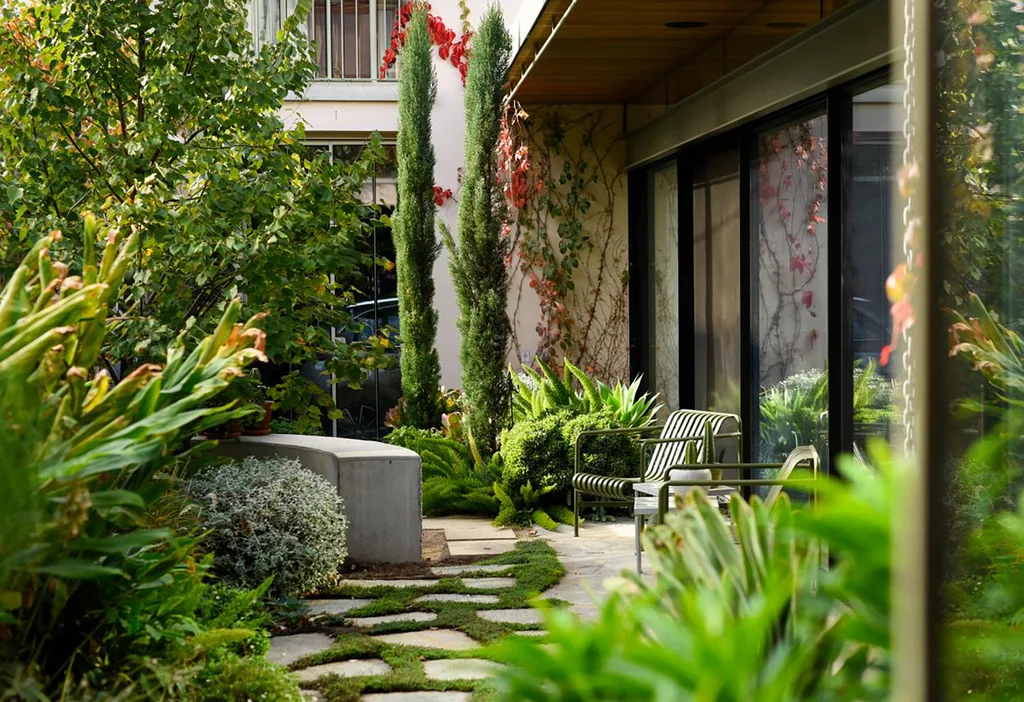
A significant aspect of modernist garden design involves creating a dialogue between artificial and natural elements. Clough points out that materials like concrete were initially employed artistically in these gardens. Homeowners are encouraged to extend their interior patterns and motifs into the garden, treating outdoor spaces as a continuation of their home's architecture. The article suggests incorporating bold features, particularly in urban settings where space is limited. Nate Fox of Foxterra Design recommends vertical green walls, strategically placed potted plants, or water-wall features to create visual impact. Modernist garden design thrives in industrialized environments, balancing natural softness and warmth against the sleekness of cityscapes. Clough adds that modernism aimed to elevate basic materials through their thoughtful application and finishing, suggesting the use of smooth metal sculptures or still water features to contrast with rough stone or sharp architectural lines.
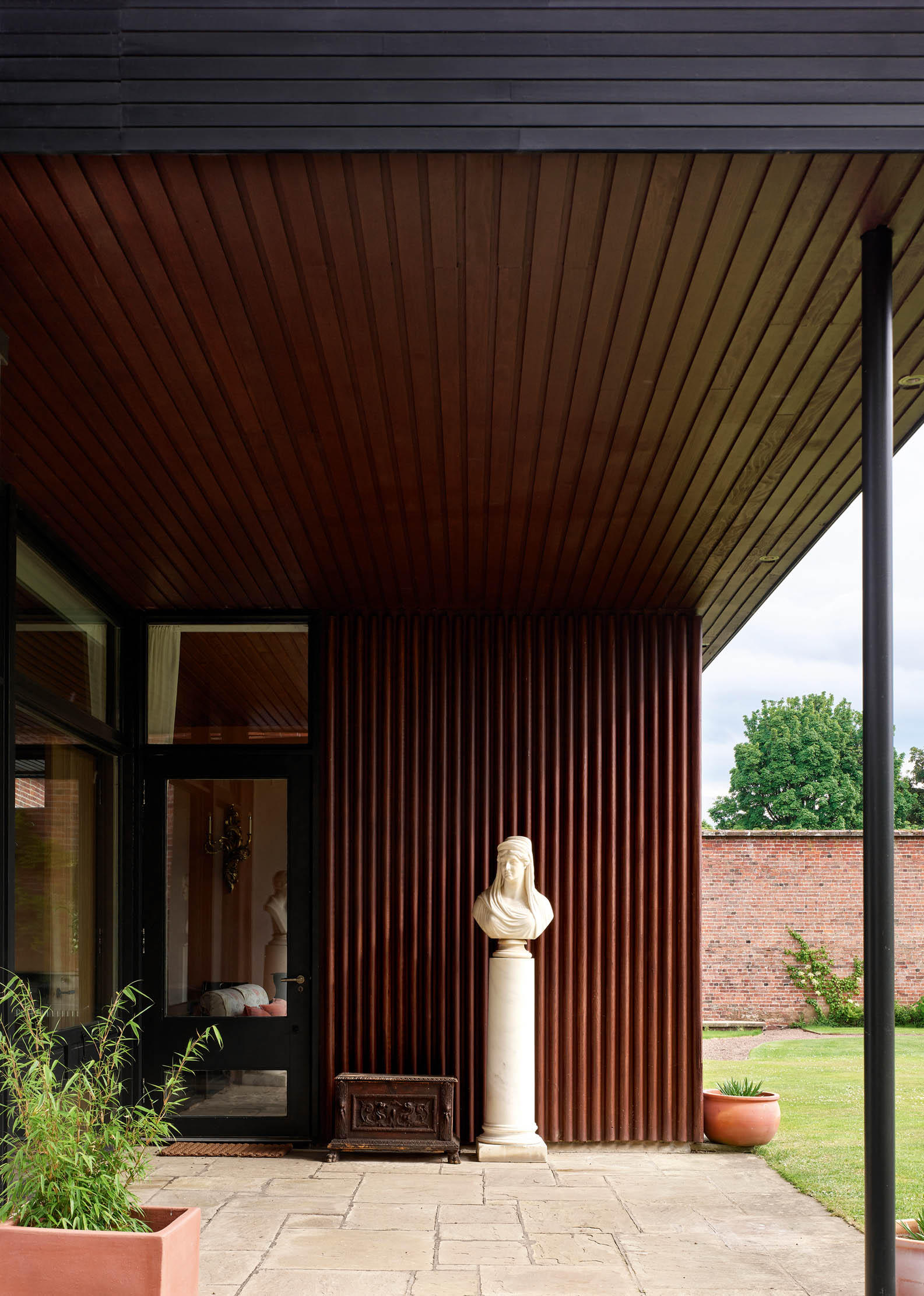
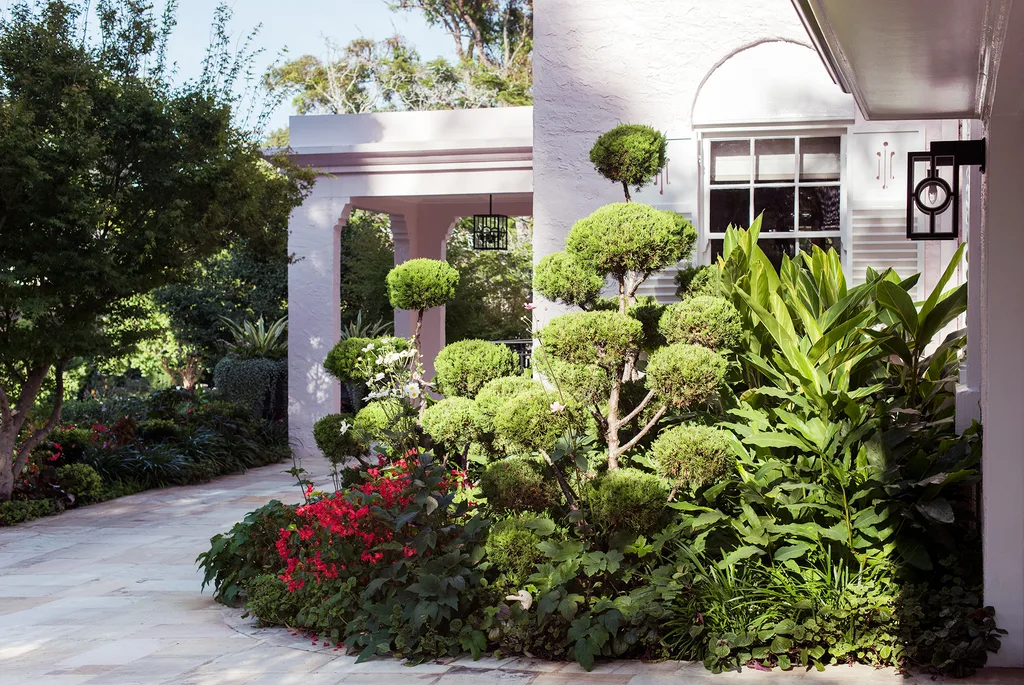
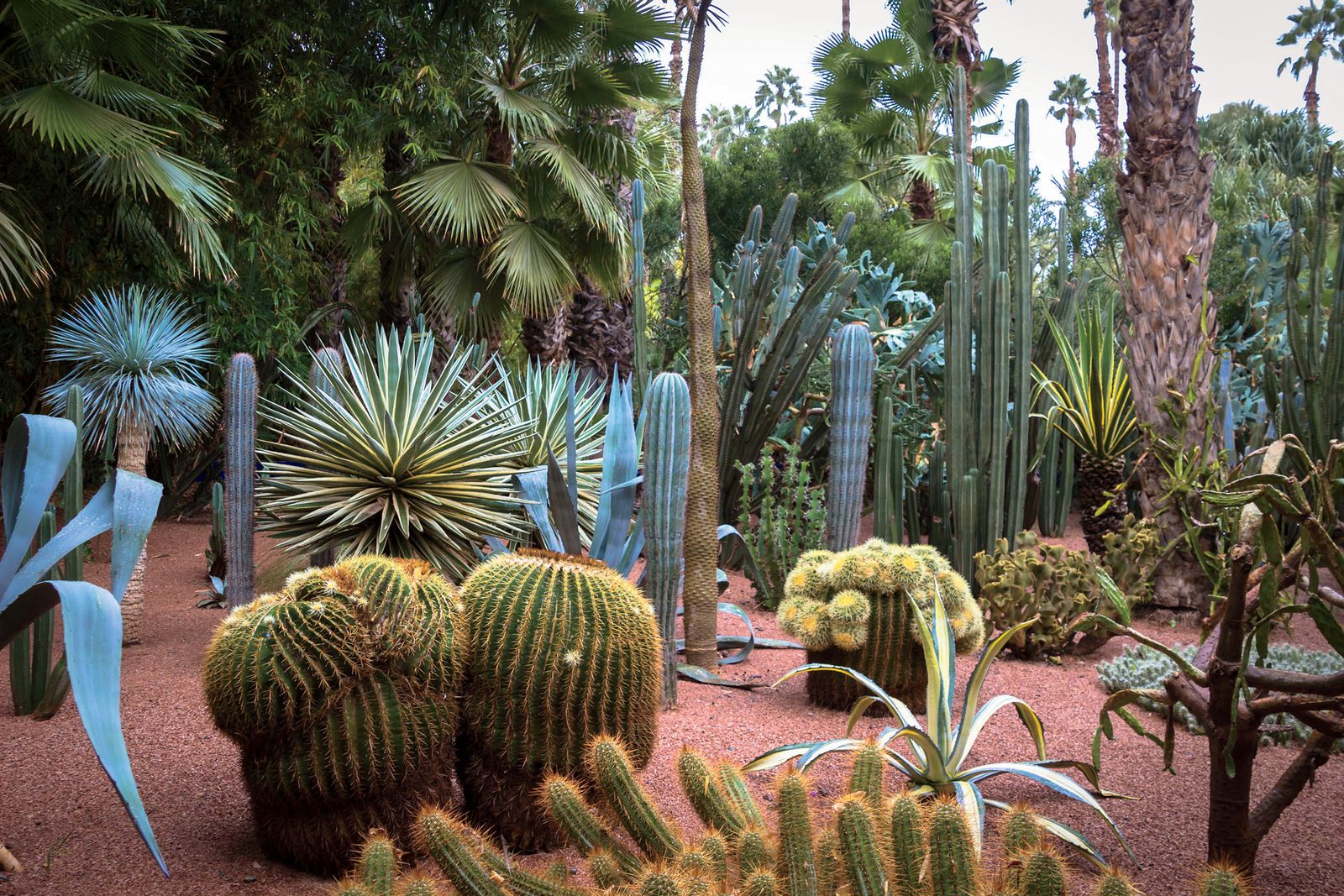
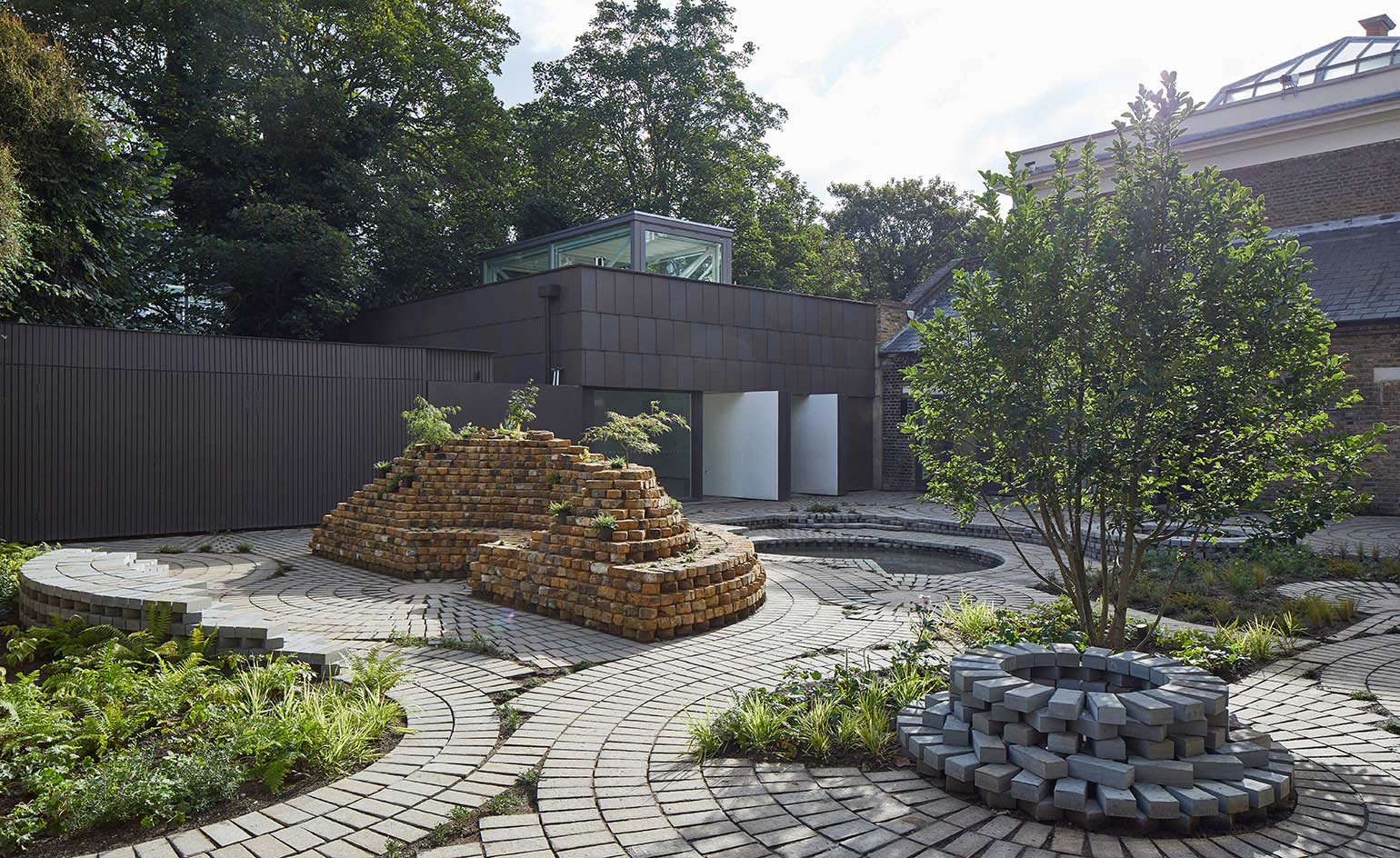
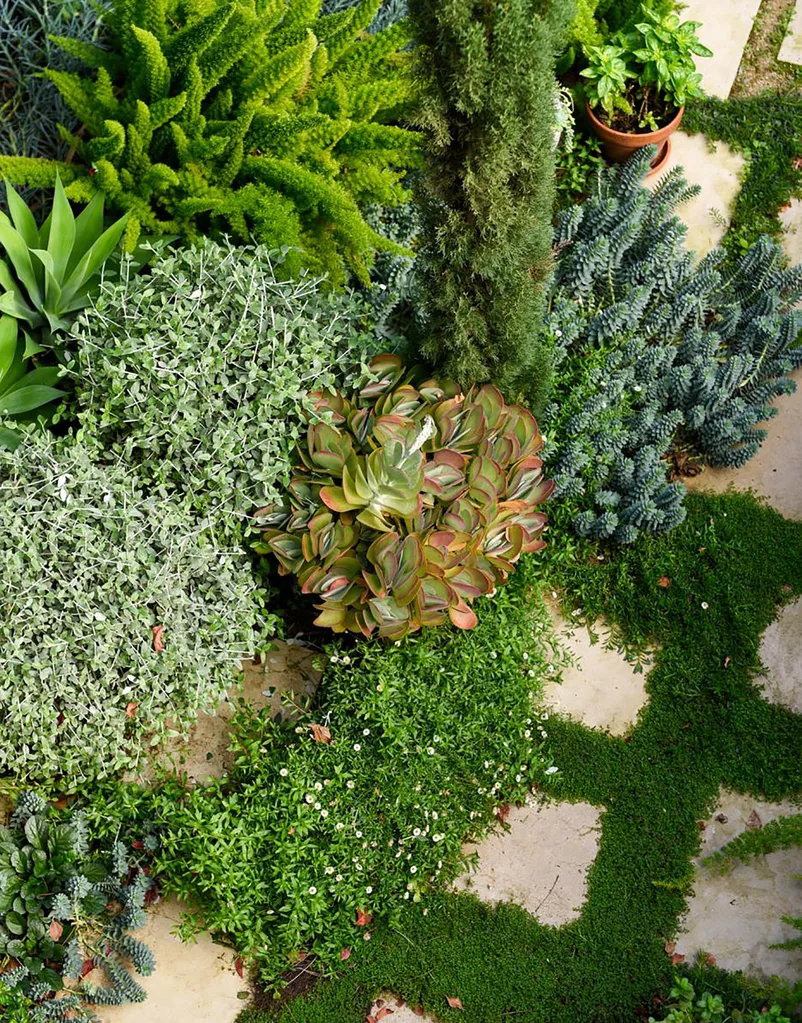
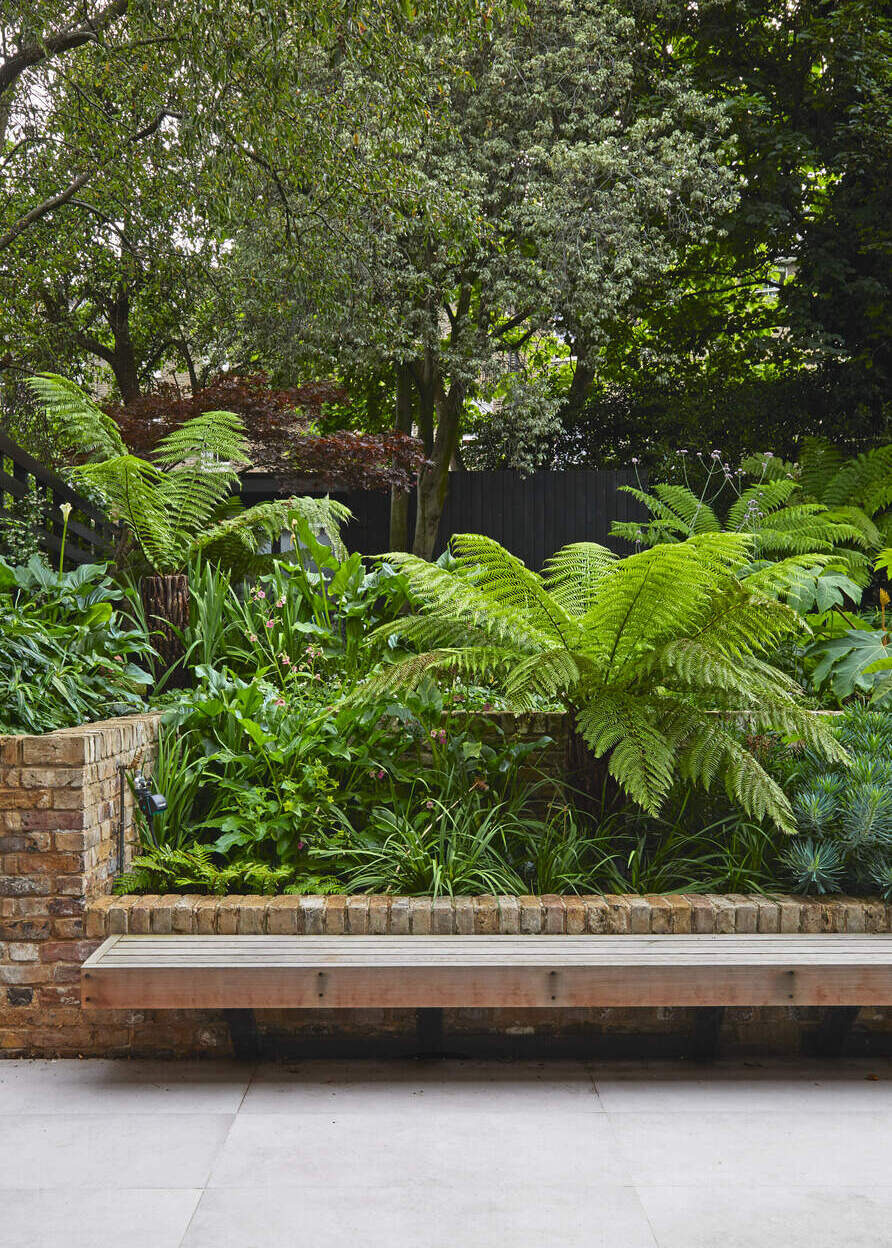
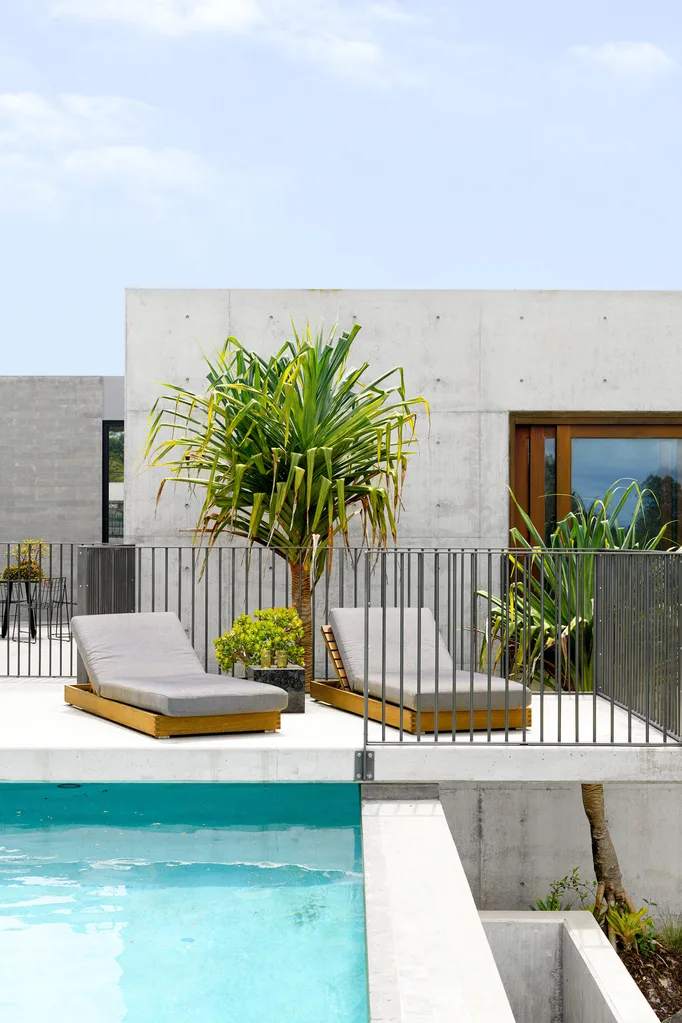
Shape plays a crucial role, with landscape designer Jonathan Fargion favoring geometric forms like rectilinear, circular, or semicircular paths over winding ones to achieve a cleaner aesthetic. Fox also advocates for clean lines and unconventional materials, such as Cor-Ten steel planters that develop a natural patina, poured concrete benches with sharp profiles, or large-format porcelain pavers in monochromatic tones. These elements provide structural integrity year-round, allowing carefully chosen plants to become focal points. Repetitive planting is another core principle, using mass plantings of single species to create rhythm and impact without visual clutter. Geometric plants like agaves, bamboo, or clipped boxwood spheres also function as living sculptures. Hollander finds enduring beauty in Ruys's gardens, appreciating the contrast between precise design and the natural lushness of plants, which fosters a sense of peace and connection with nature.
#ModernistGarden #MienRuys #LandscapeArchitecture #GardenDesign #ConnyDenHollander #Horticulture #GeometricShapes #SustainableGardening #ModernistGarden #MienRuys #LandscapeArchitecture #GardenDesign #ConnyDenHollander #Horticulture #GeometricShapes #SustainableGardening
0 comment in total
 No comments yet
You may also like
These Designers Make the Most Beautiful, Radical Gardens We’ve Seen
10 Modern Houses with Interior Courtyards & Gardens
Innovative landscape architecture and garden design around the world

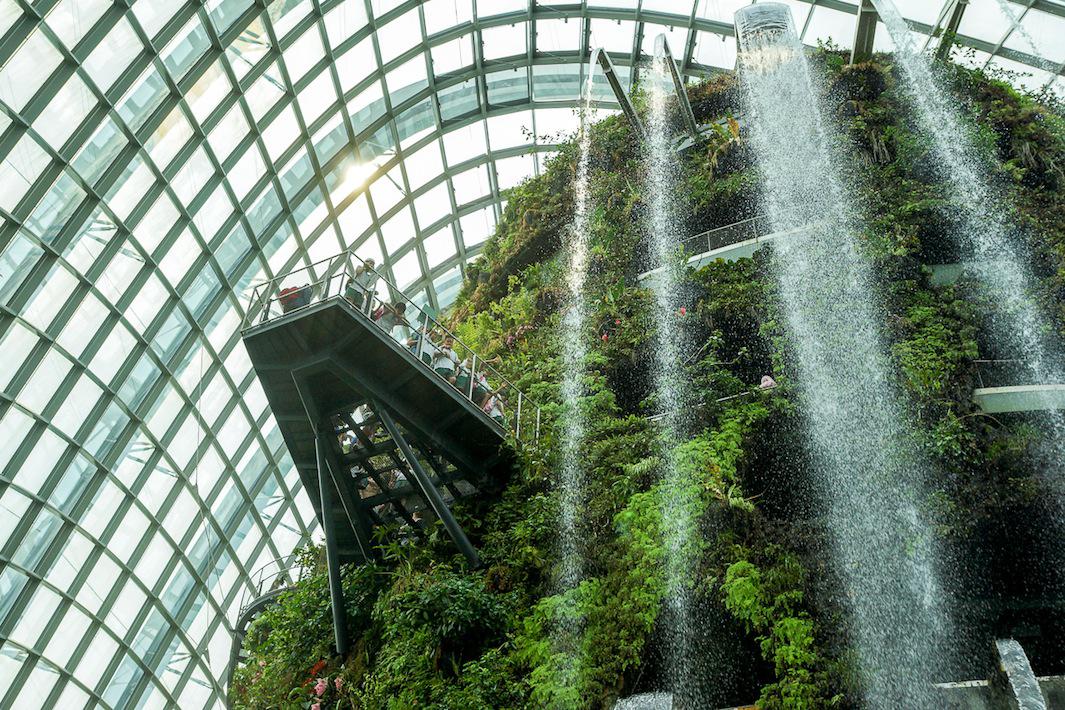
The Most Well-Designed Gardens in the World
7 key elements of a modern Mediterranean garden

A bold garden design with a hint of nostalgia
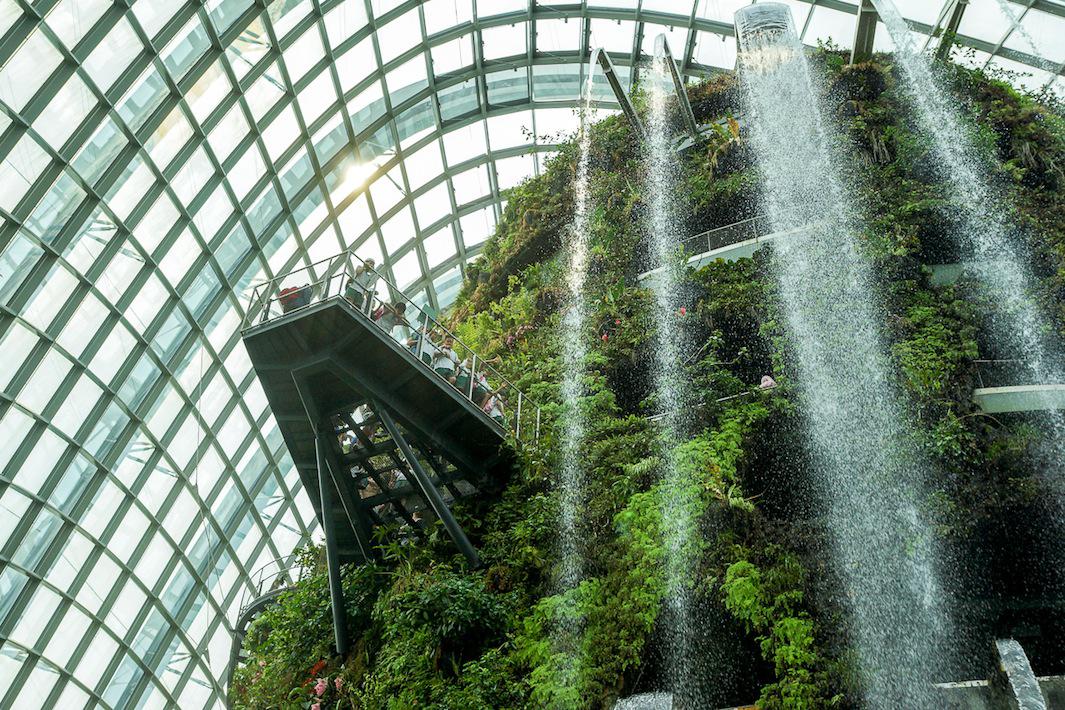
The Most Well-Designed Gardens in the World

The Most Iconic Houseplant Trends Through the Decades

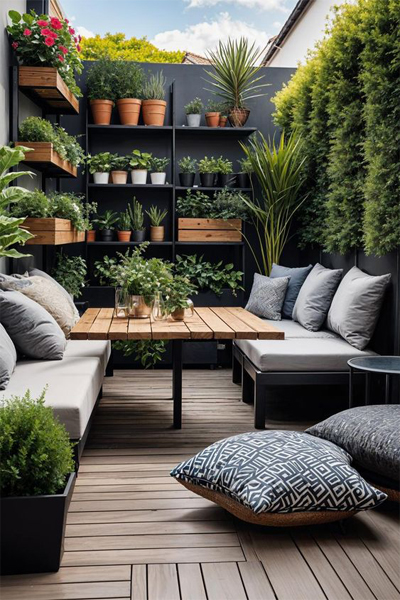
20 Beautiful Garden Design Ideas for Home In 2024

Jennifer Aniston's Japanese garden is the popular 2025 trend

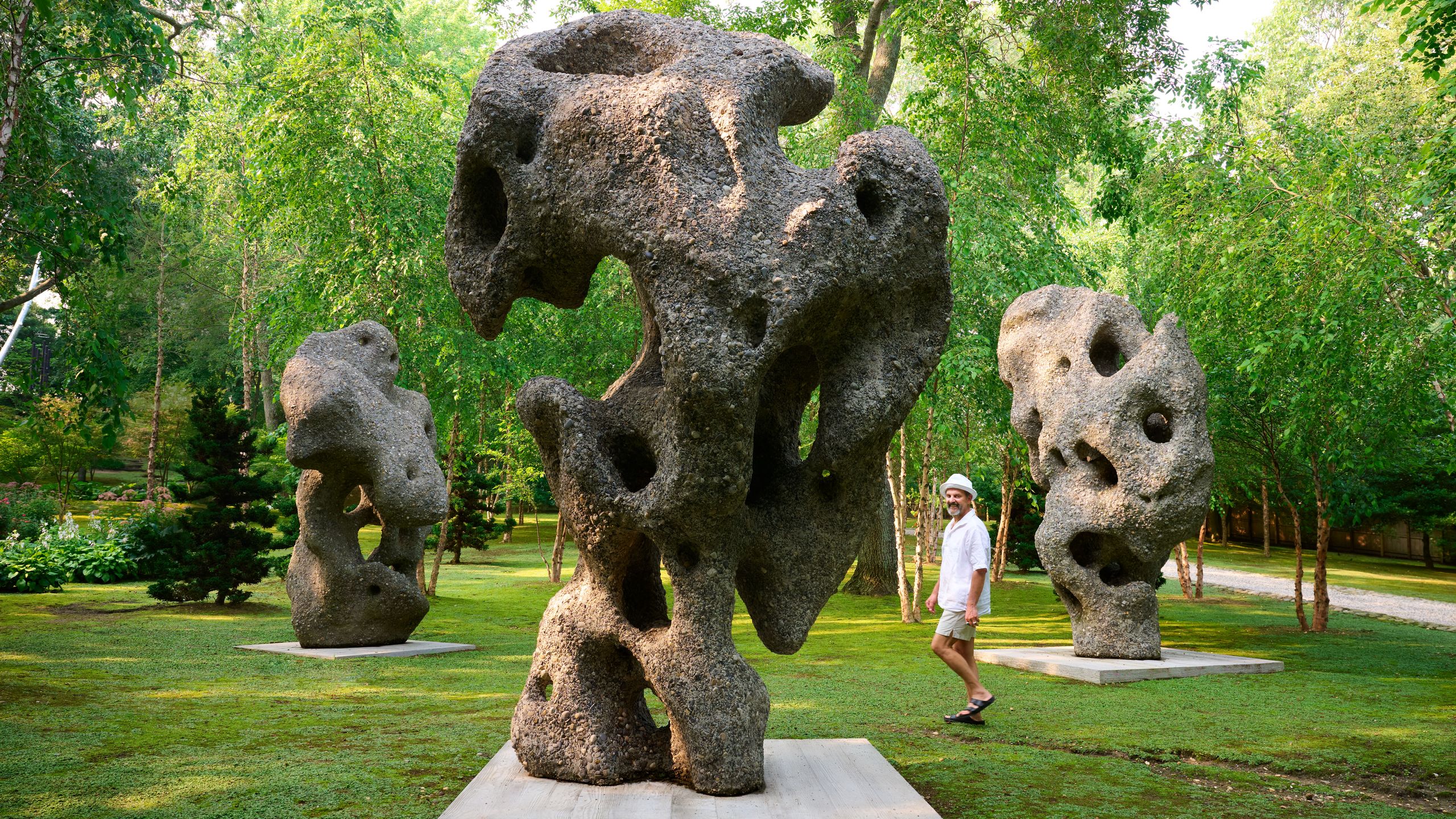
Artist Ugo Rondinone and Designer Dennis Schrader Create a Meditative Landscape Where Bold Sculptures Mingle With Moss
An Expansive New Book Cultivates Our Global Love for Gardens

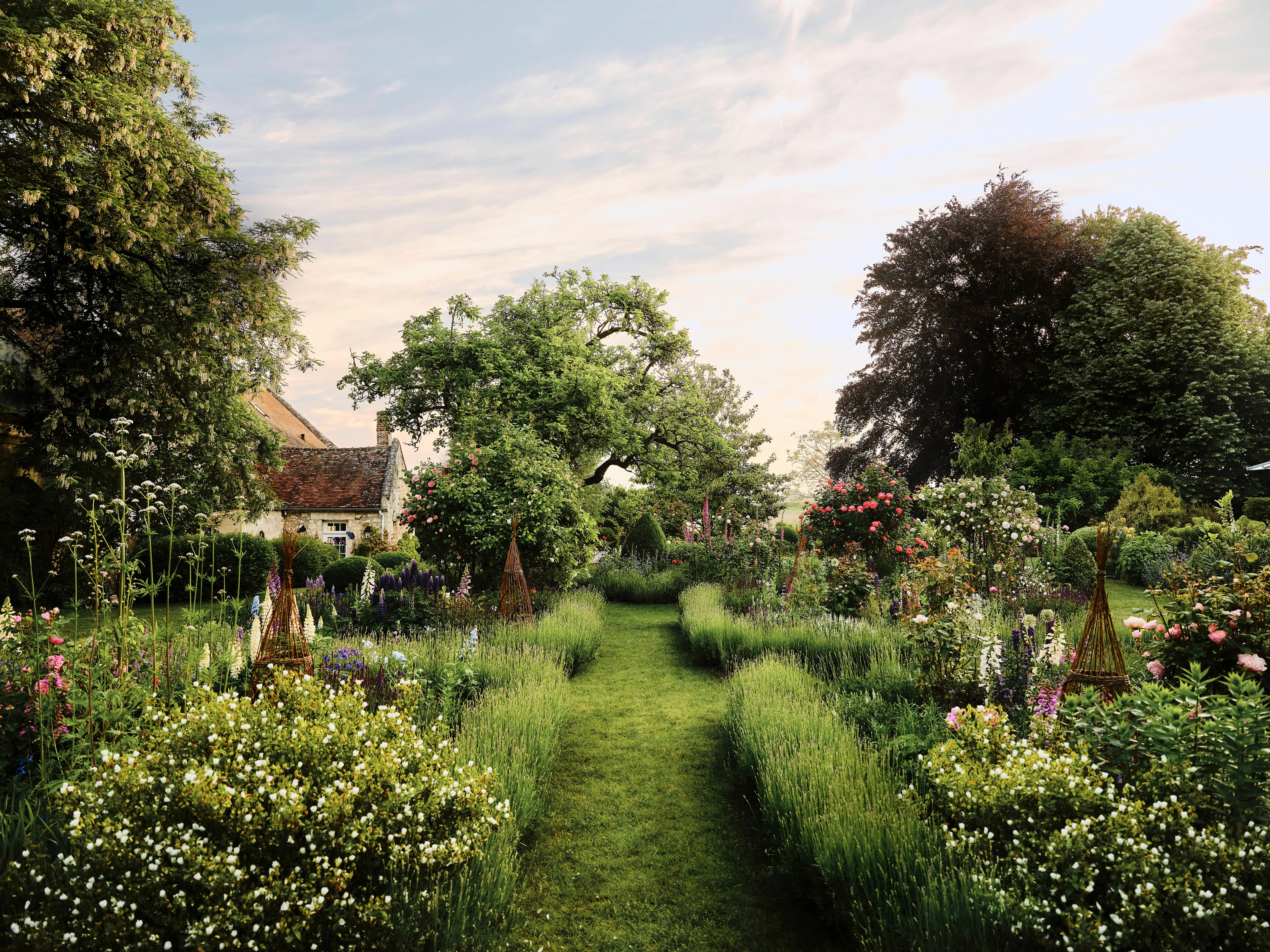
5 Design Ideas to Steal from a French Style Icon for an Effortlessly Beautiful Garden

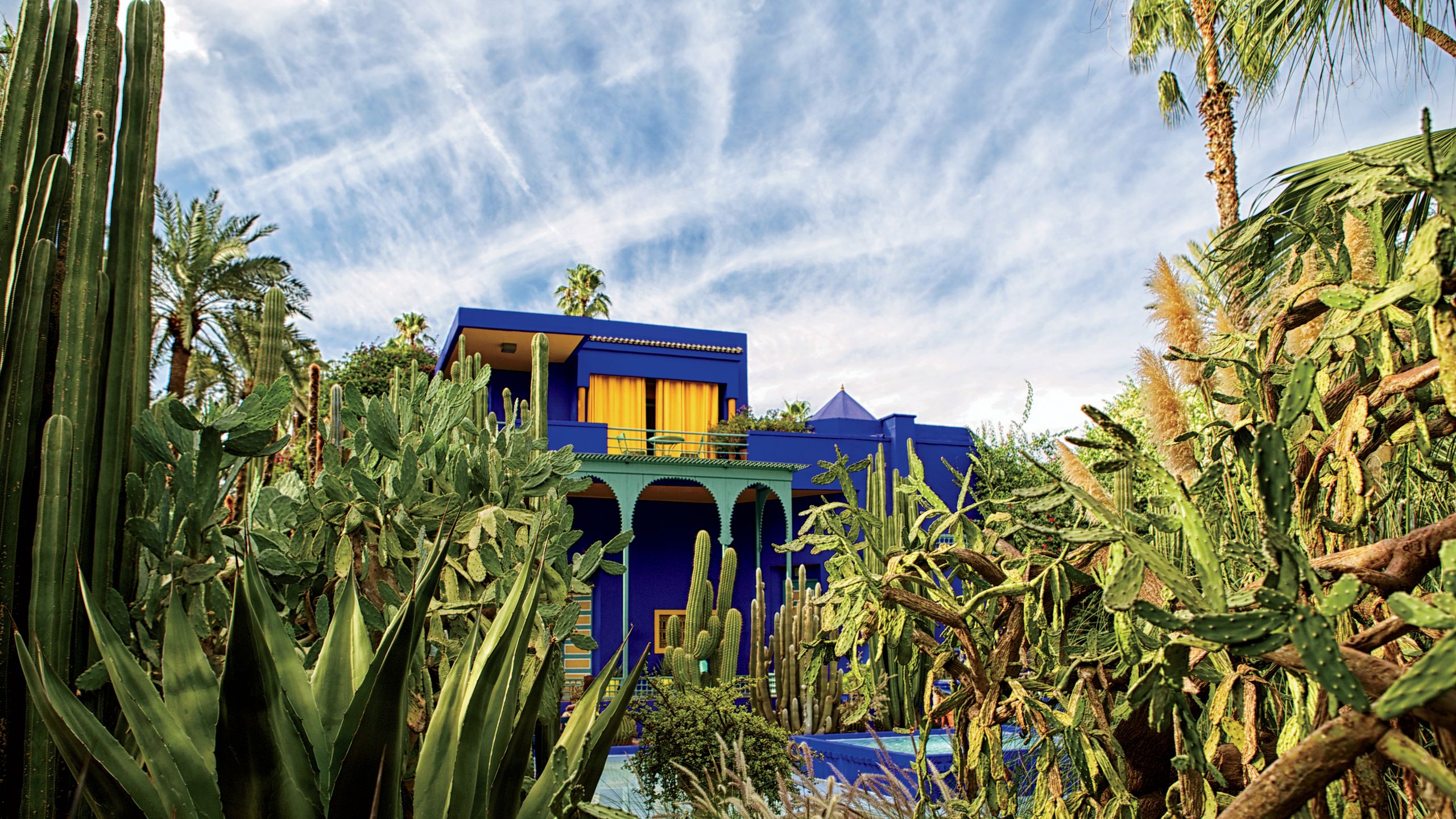
5 Great Landscape Designers and Photos of Their Most Spectacular Gardens
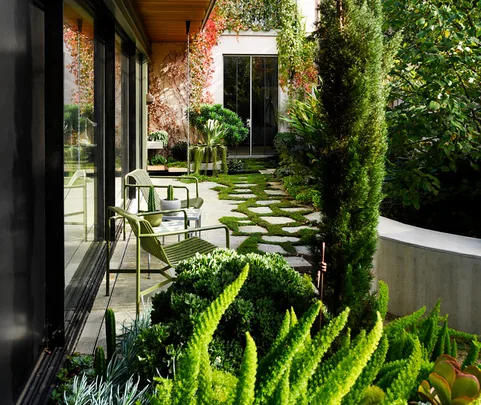
A private European-style courtyard garden
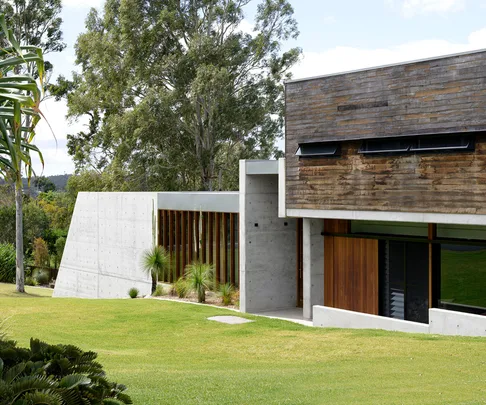
Drawing inspiration from modernist icons, this home rises organically from its landscape
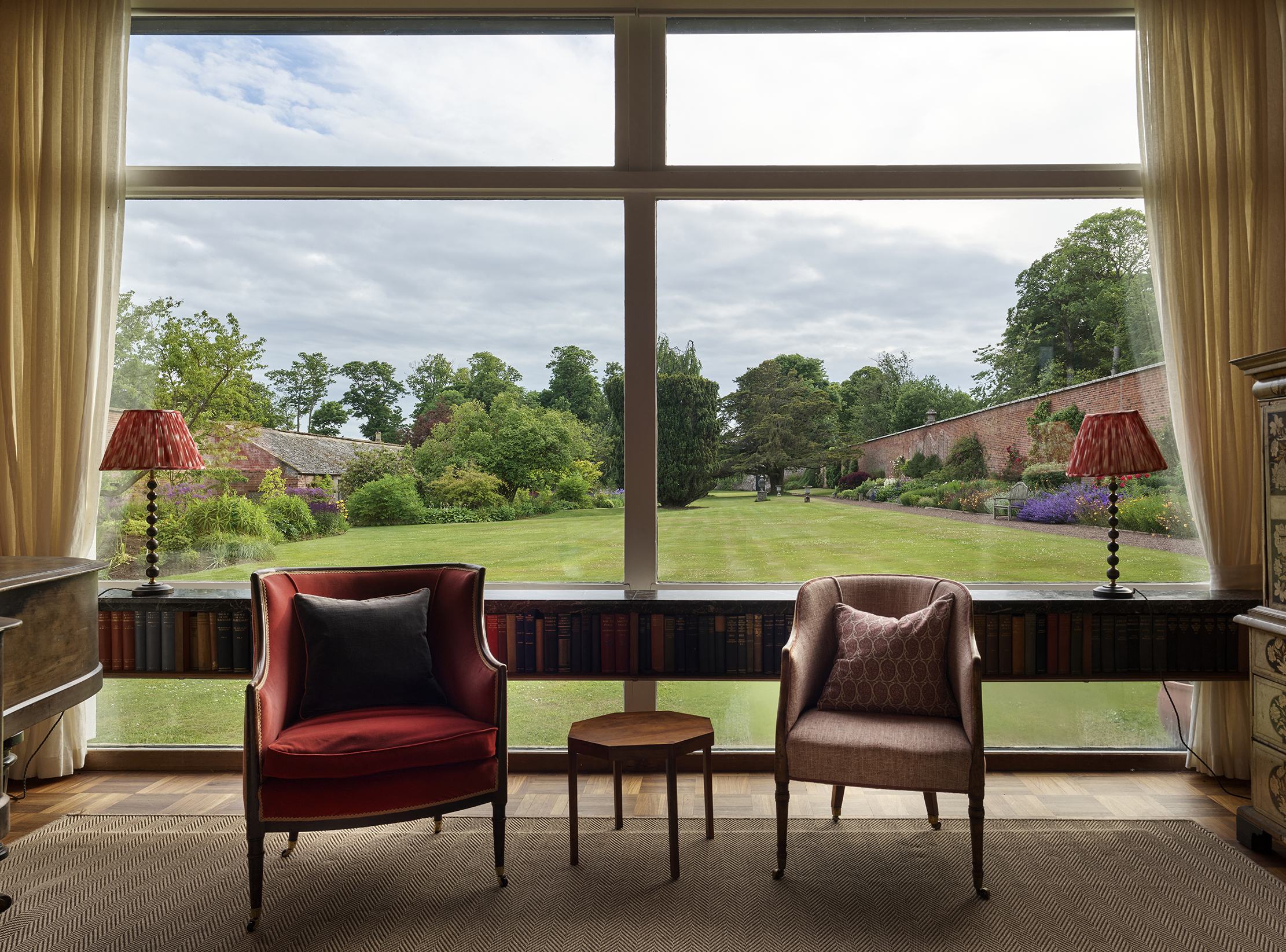
Leuchie: The house and garden where the 1960s meet the 1690s
Experts reveal how to plant a Japanese-inspired garden

Modern Garden Ideas — 38 Transformative Ways to Rejuvenate Your Outdoor Space

Garden Design Ideas, 2024