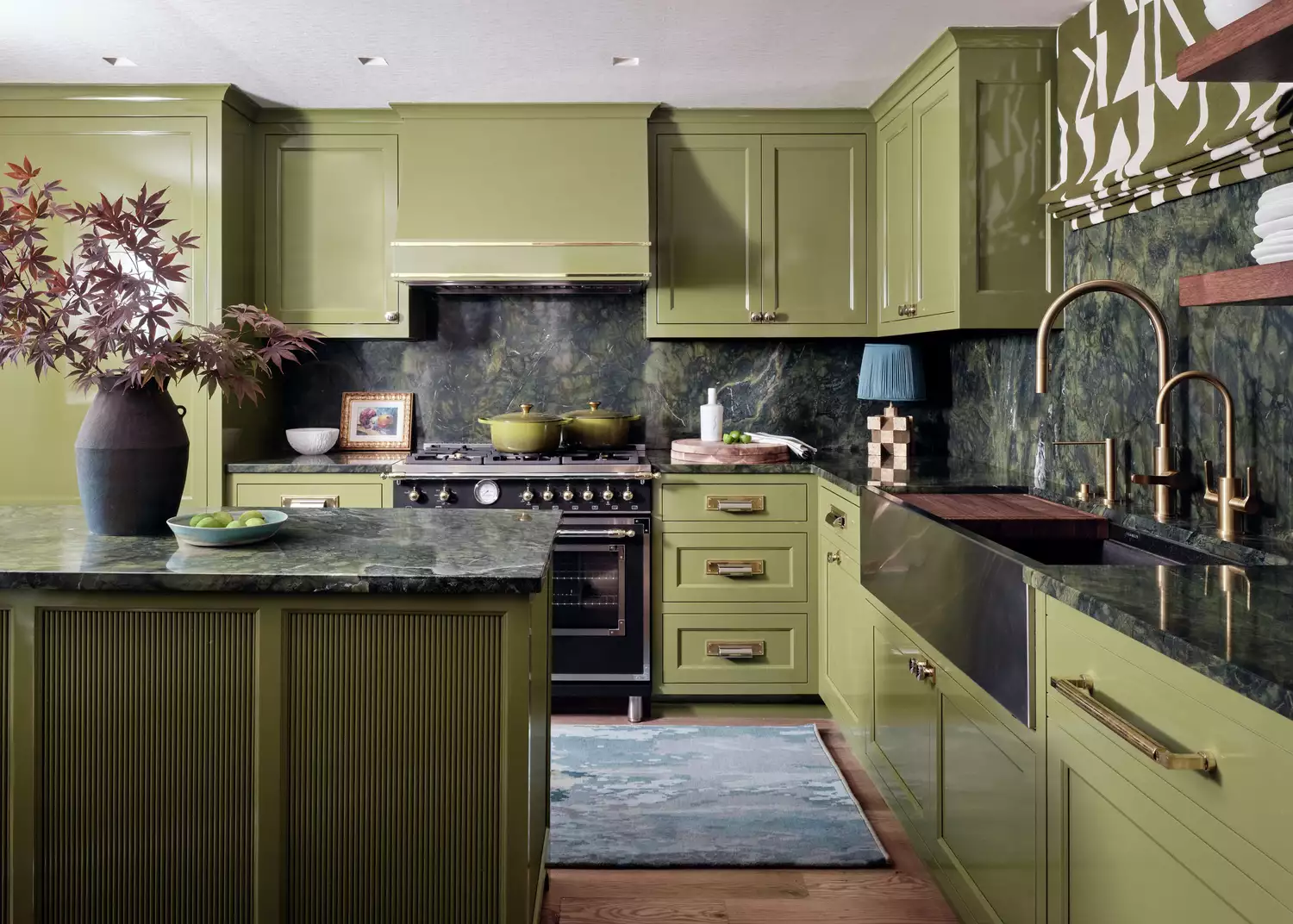
5 Home Decorating Rules Interior Designers Think You Should Break
The article delves into five traditional home decorating rules that interior designers believe should be challenged or broken to achieve more personalized and impactful spaces. These rules, often considered standard, are re-evaluated through the lens of modern design principles and expert insights. The discussion is based on perspectives from interior designers Haley Weidenbaum, Steven Graffam, and John Stivale, who advocate for a more flexible and rebellious approach to home decor.
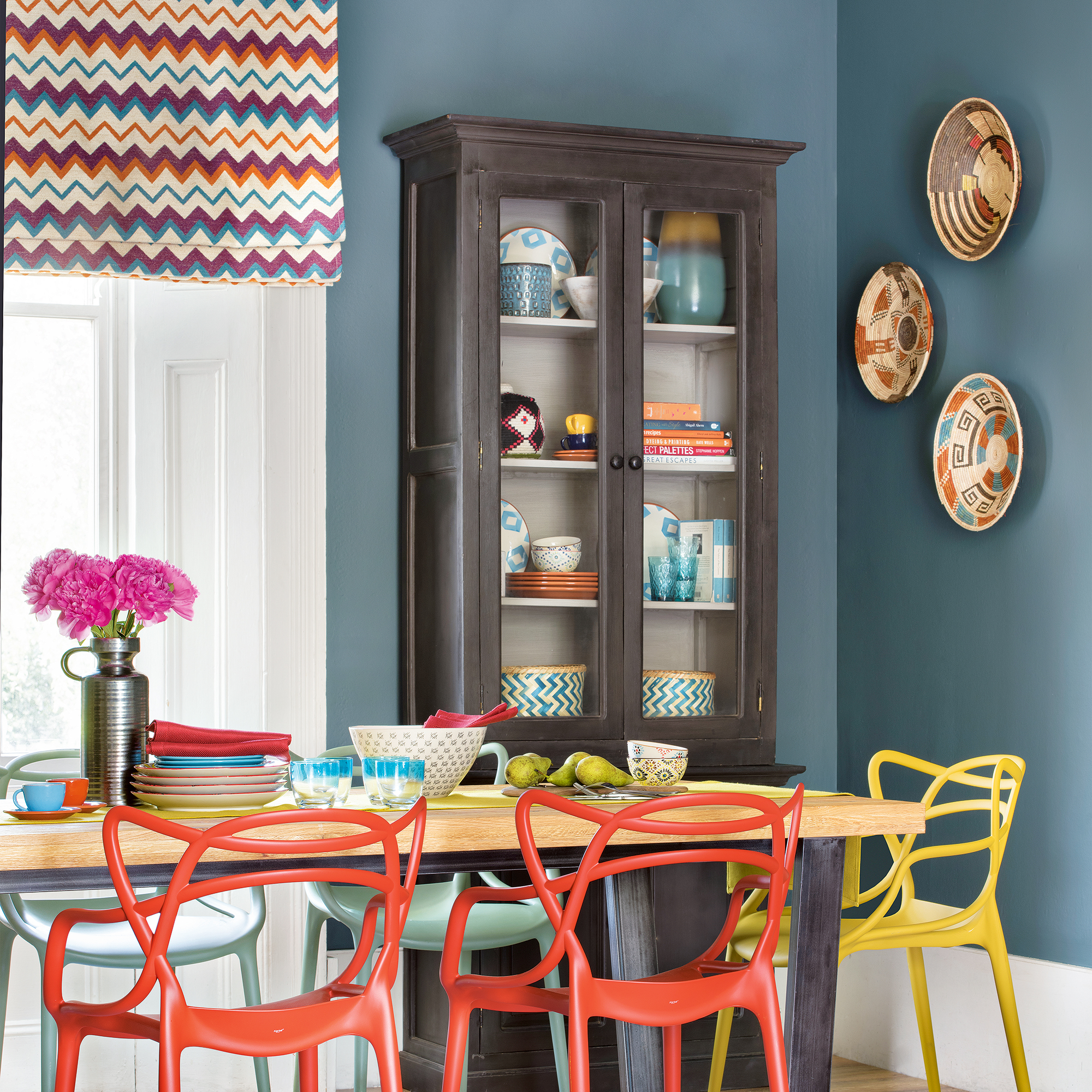
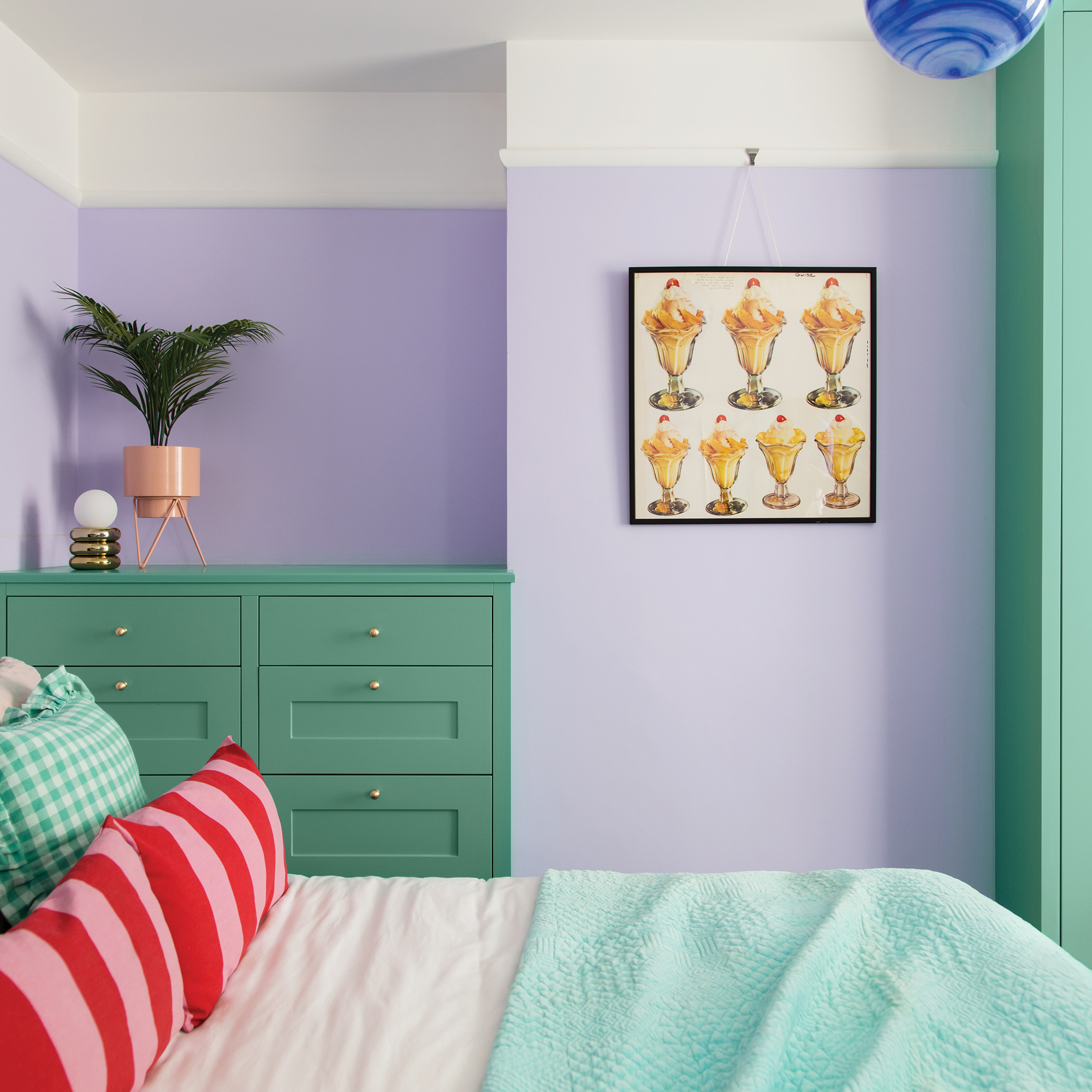
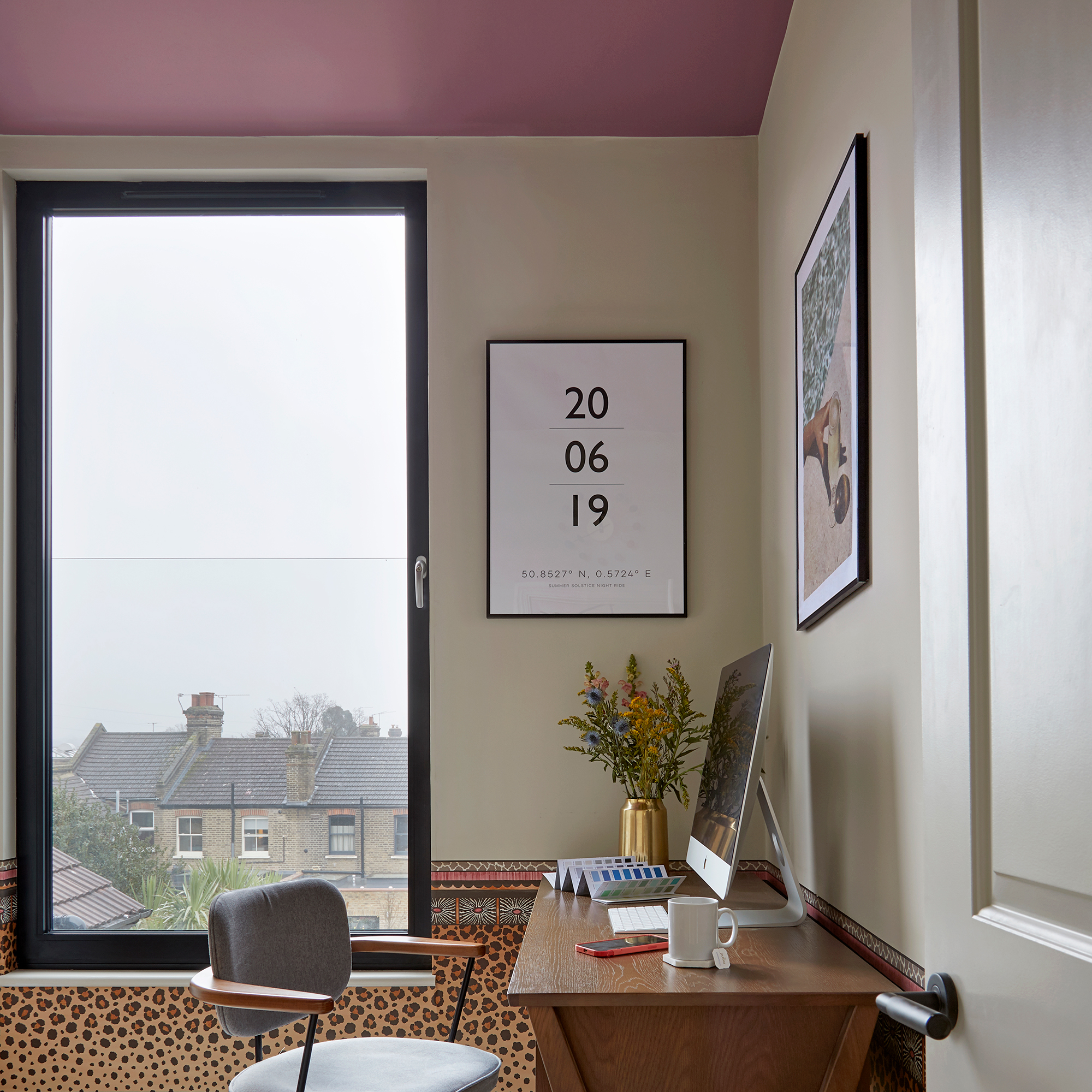
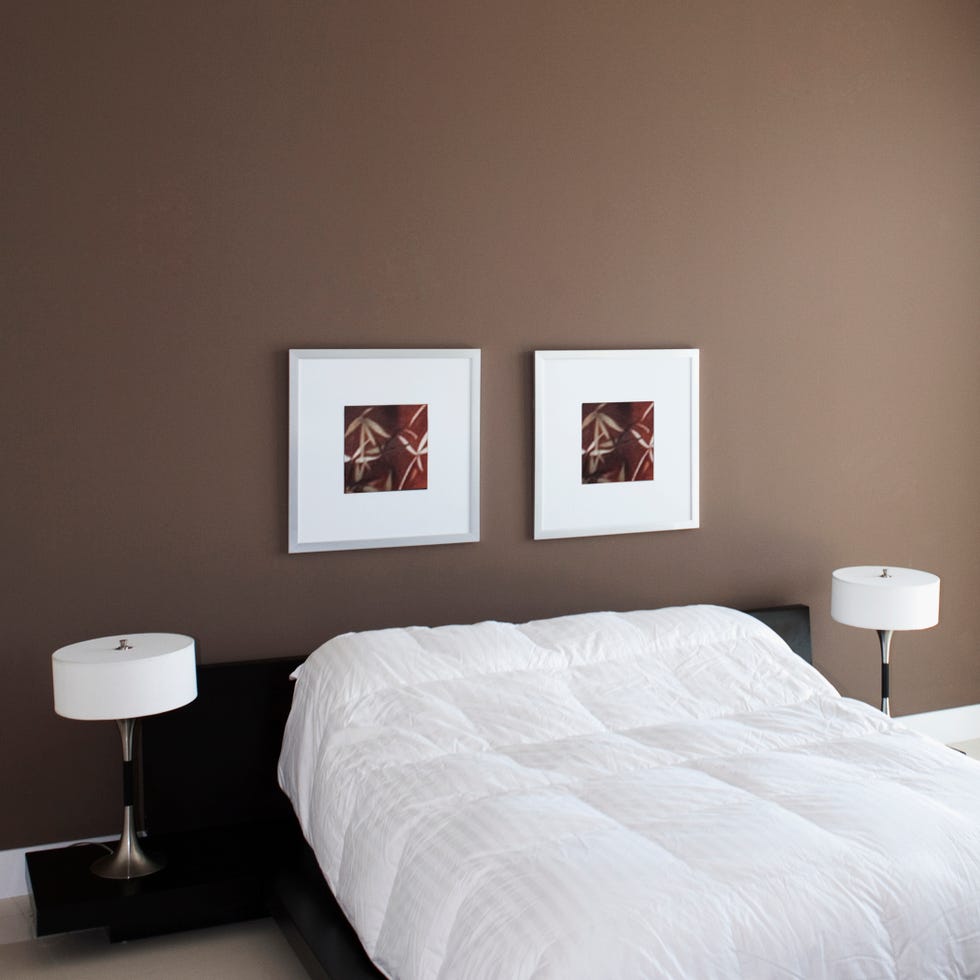
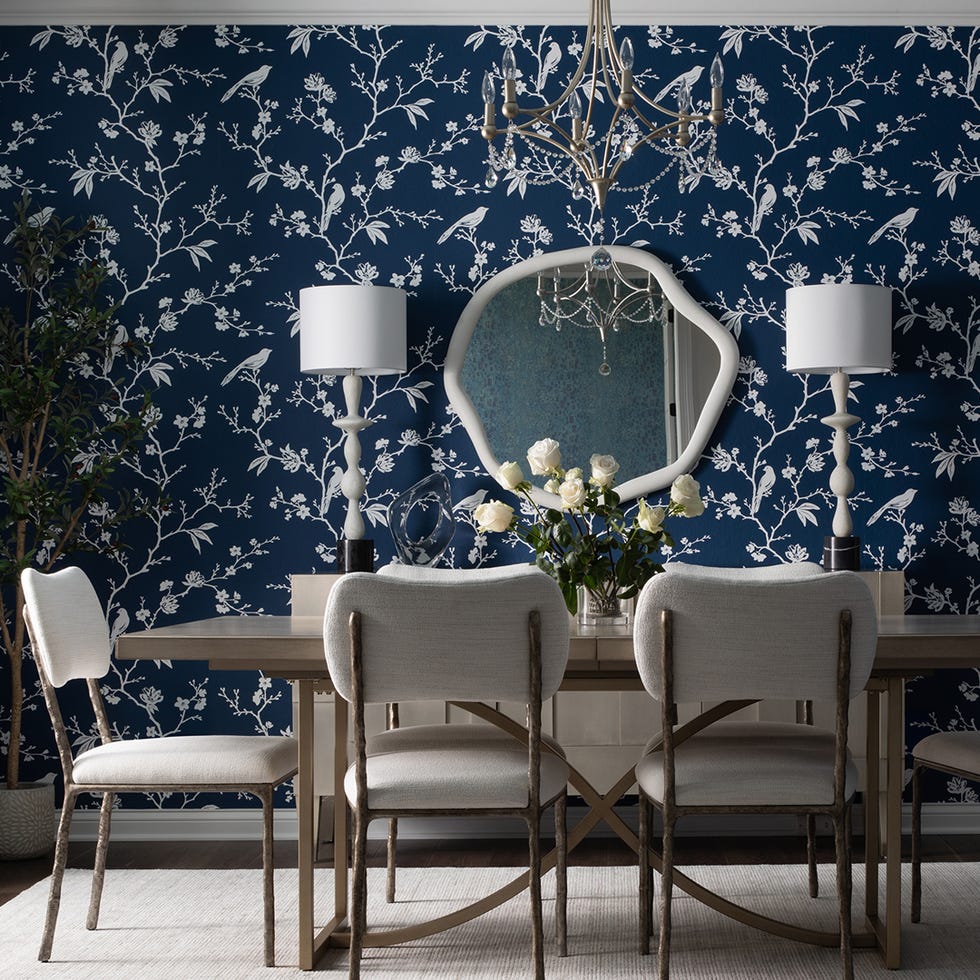
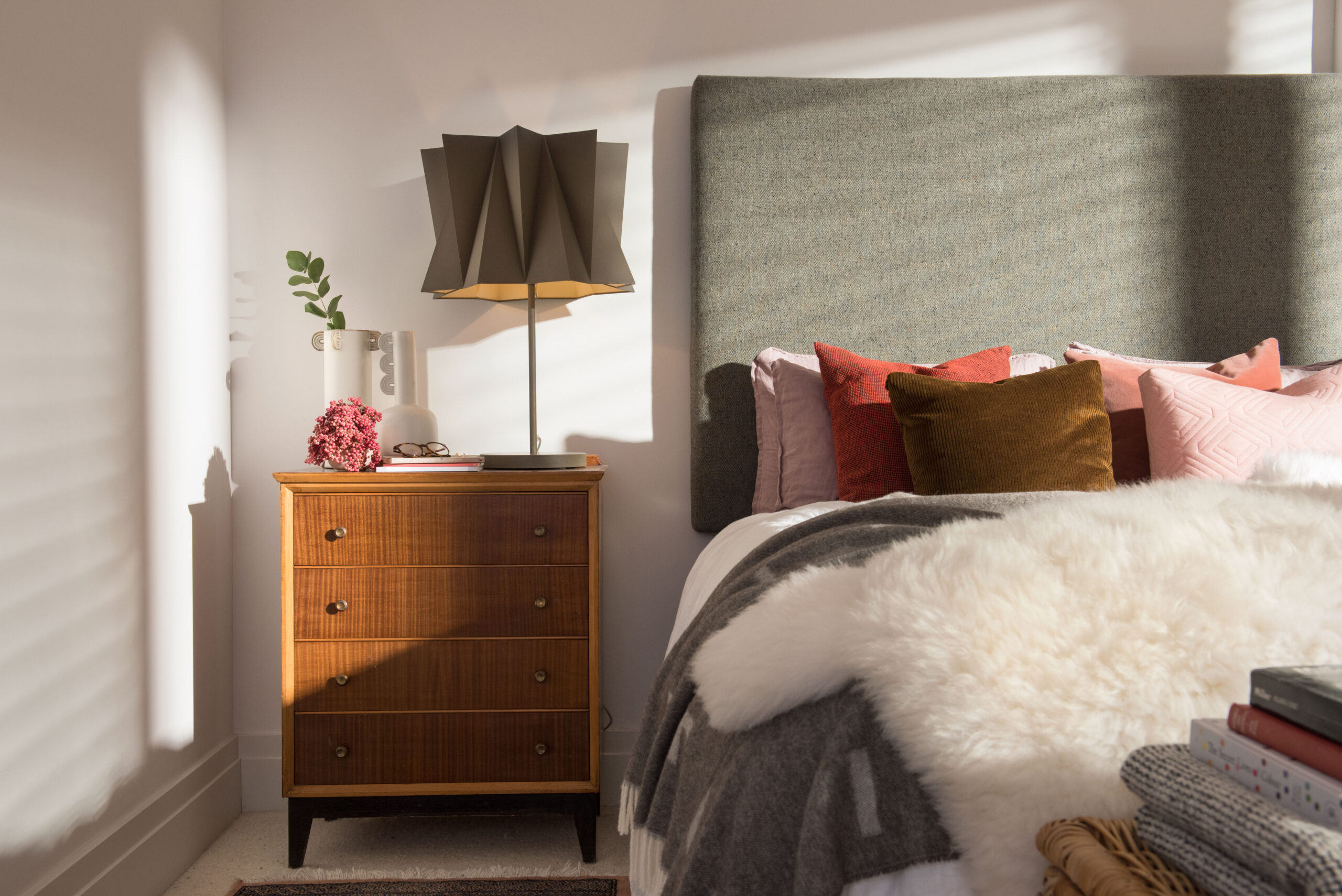
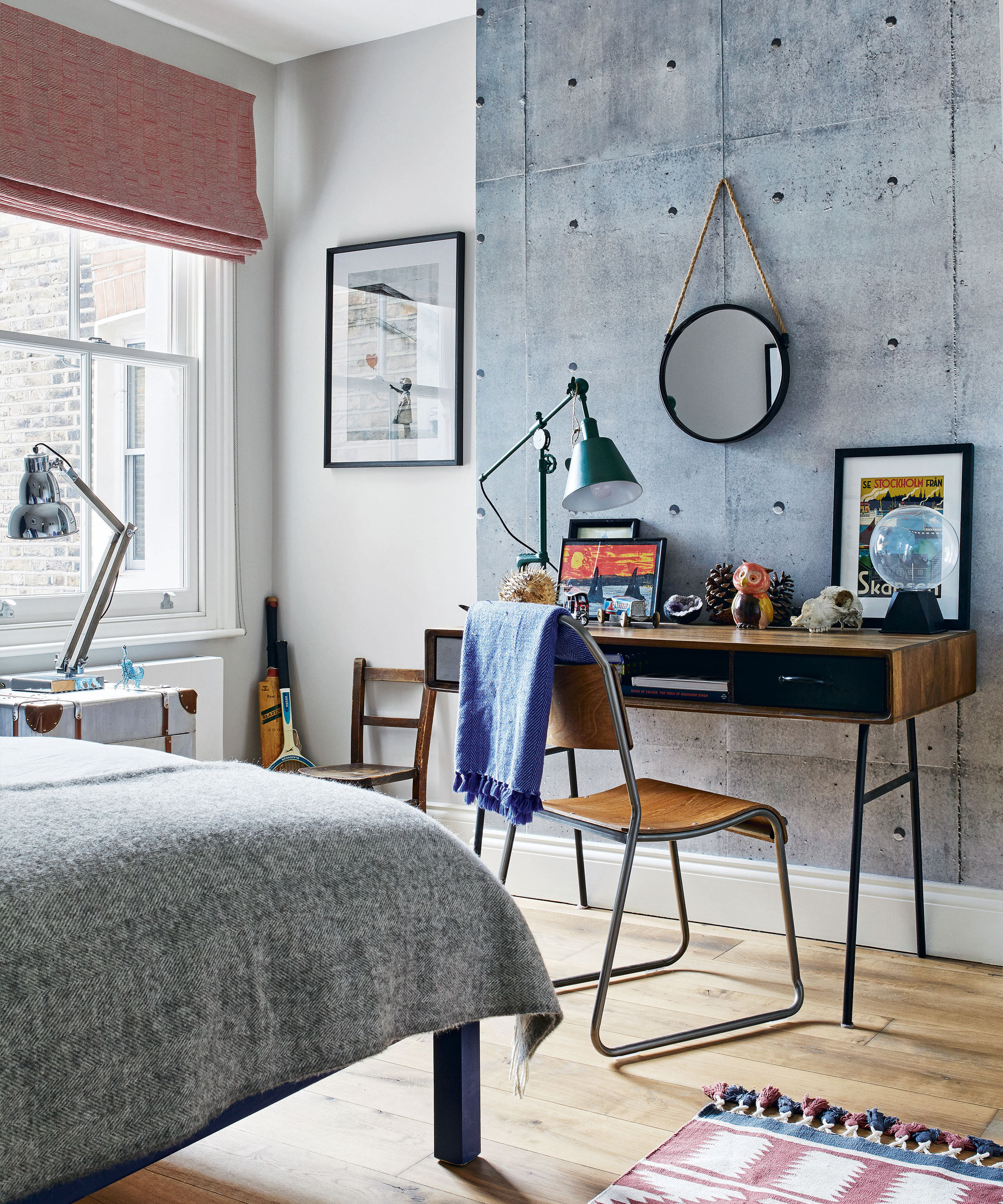
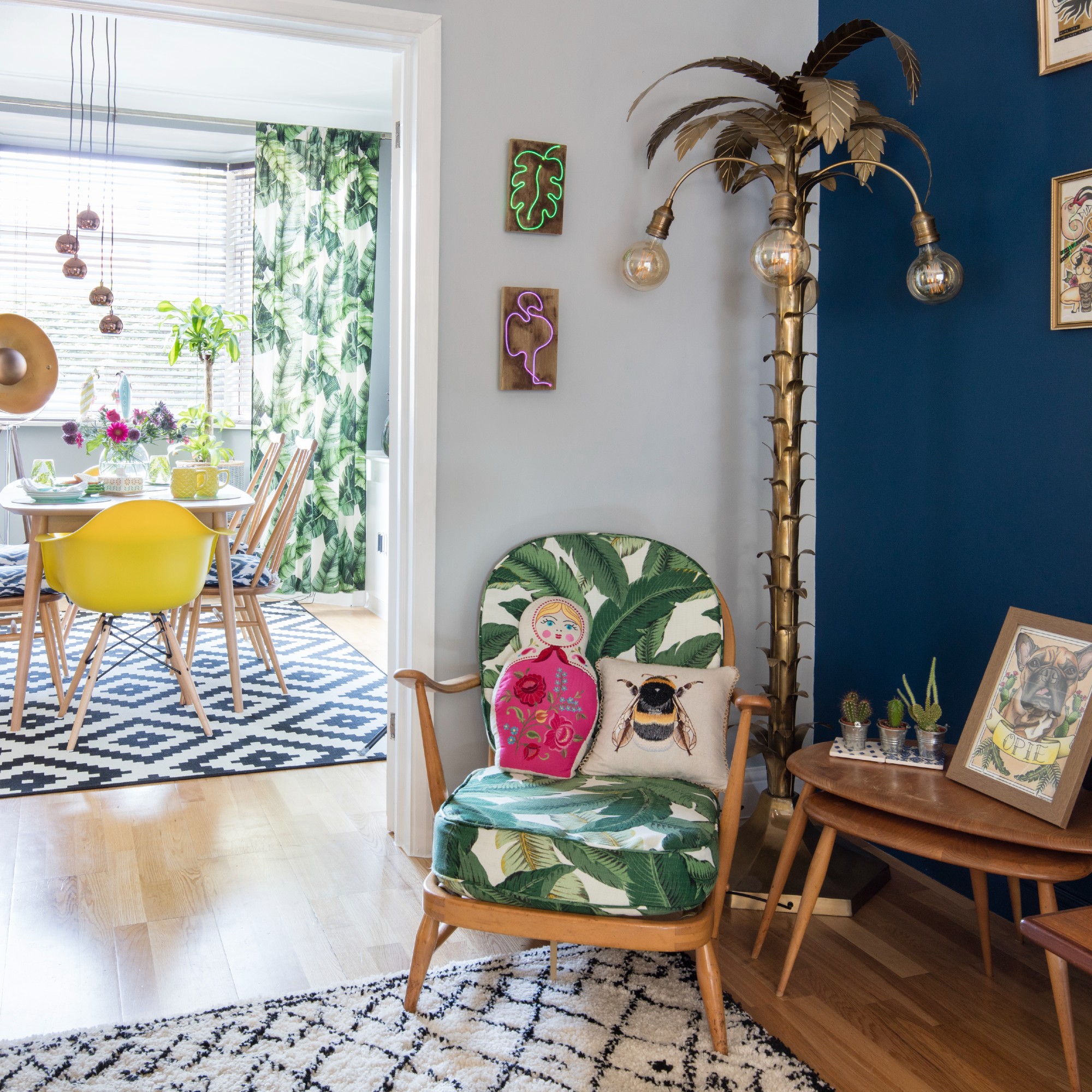
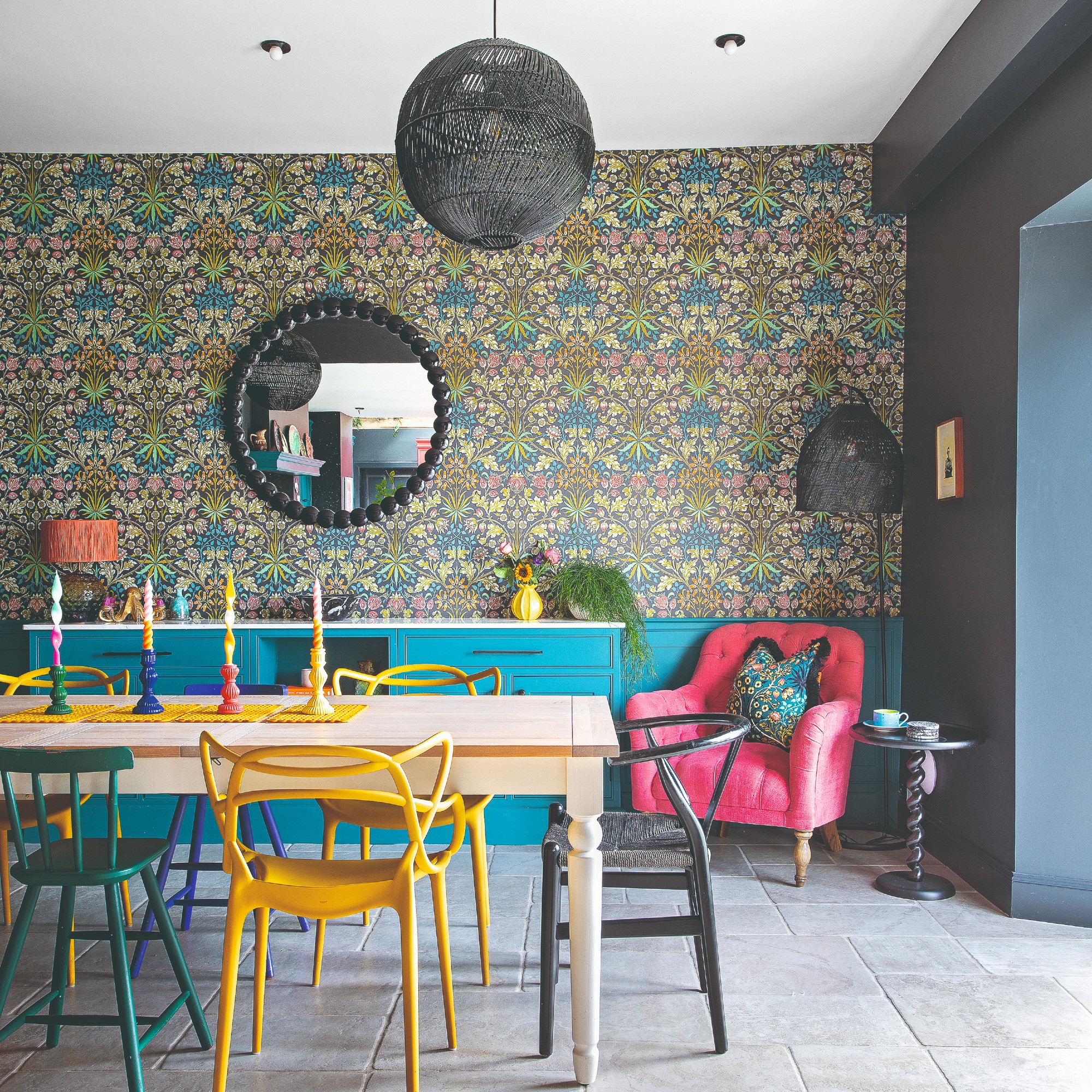
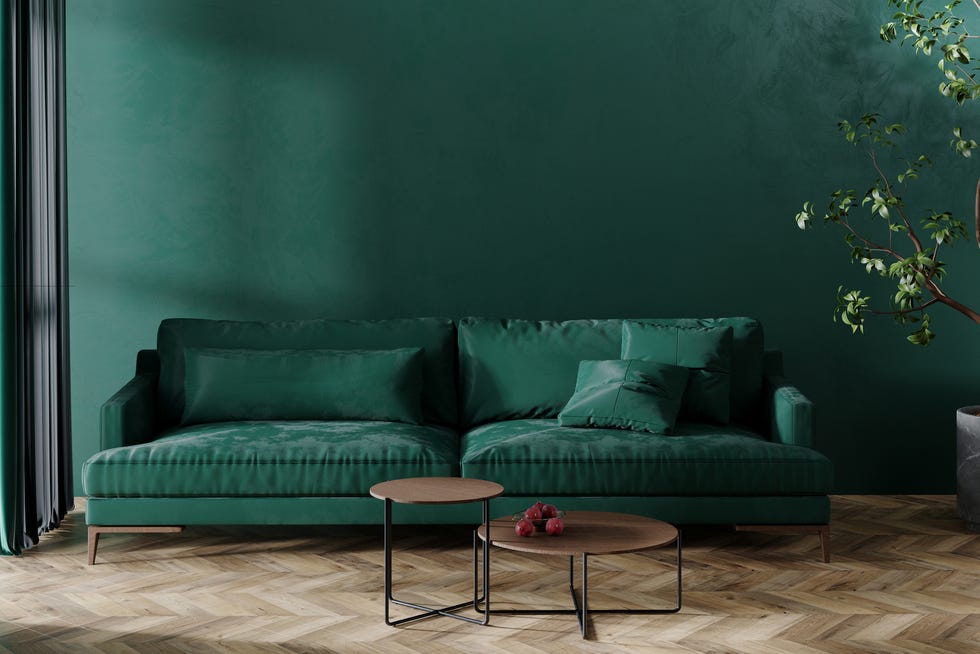
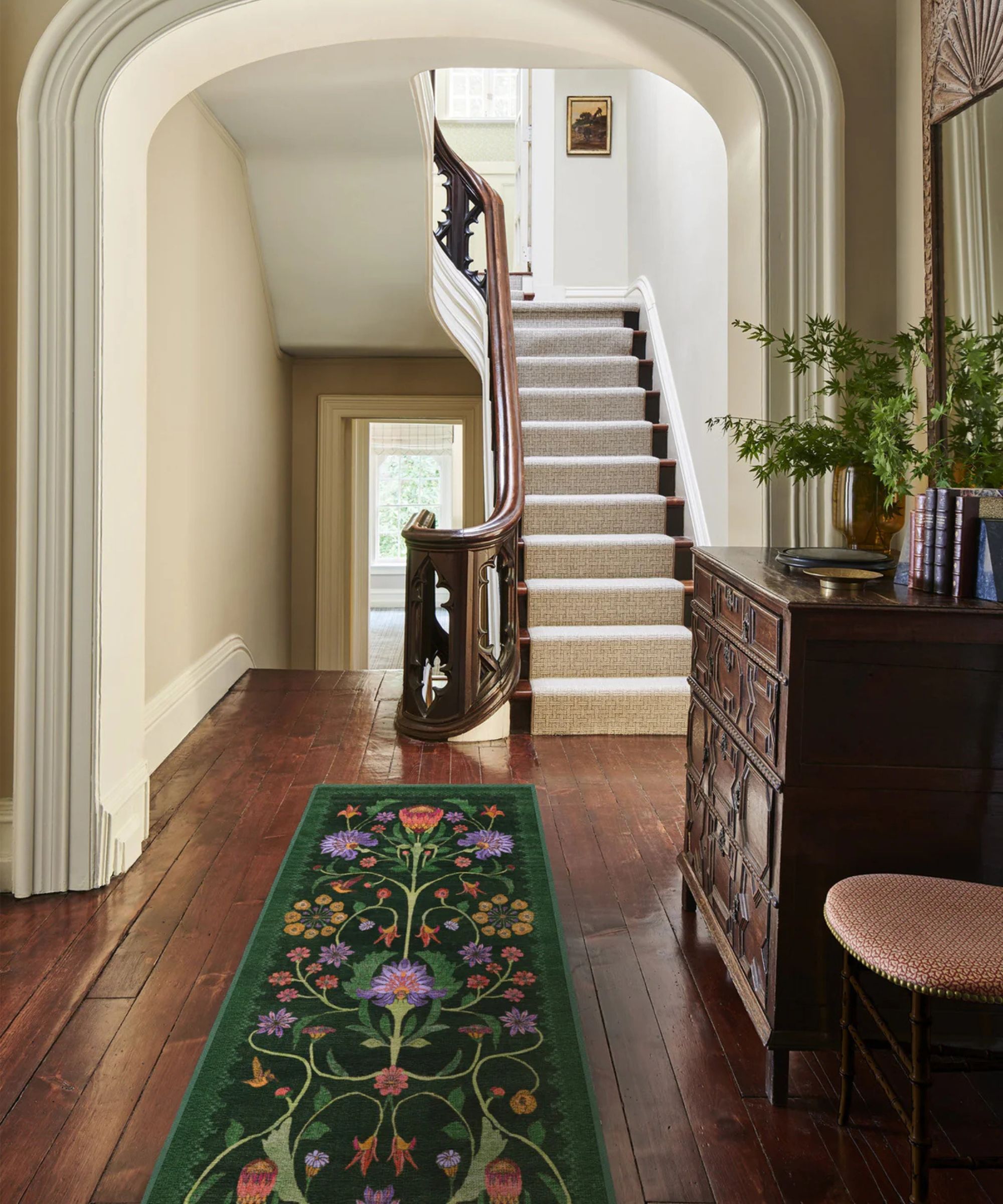
One of the primary rules challenged is the long-held belief that small spaces necessitate the use of light colors to appear larger. While this guideline suggests dark hues confine a room, designers argue that strategically applied deep, moody tones can introduce depth and coziness, making a small space feel intentional rather than cramped. This departure from conventional wisdom highlights that modern design prioritizes intrigue and personality over simply maximizing perceived space, encouraging the use of bold colors like deep brown or forest green, and even patterns, in compact areas.
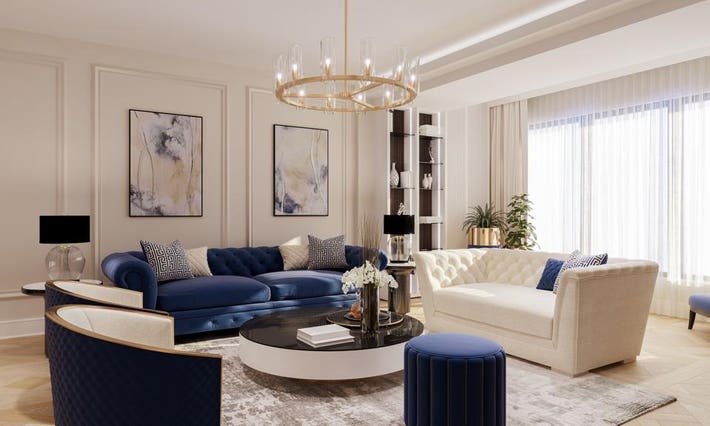
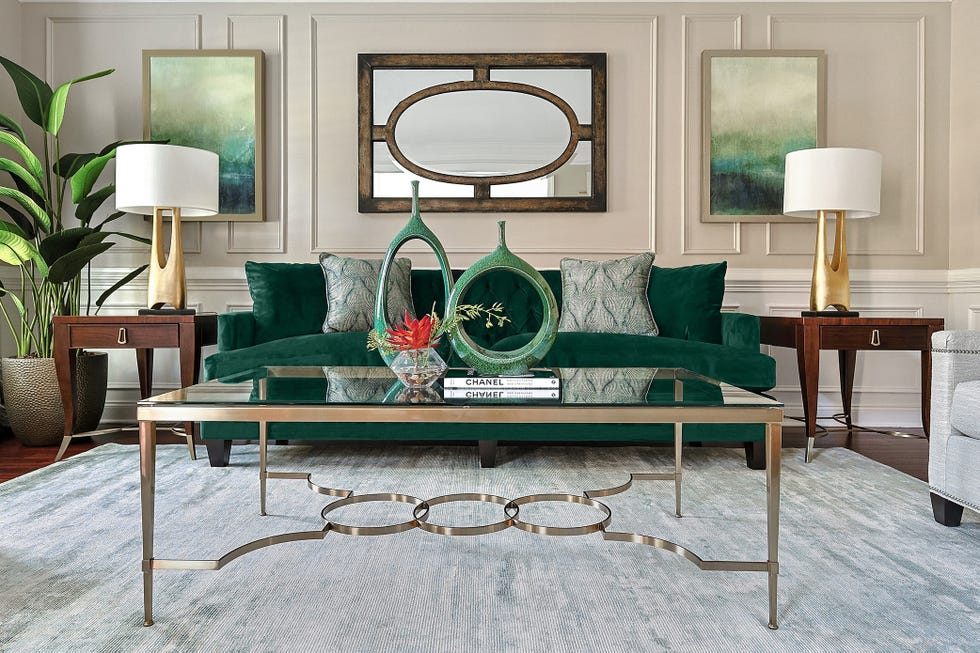
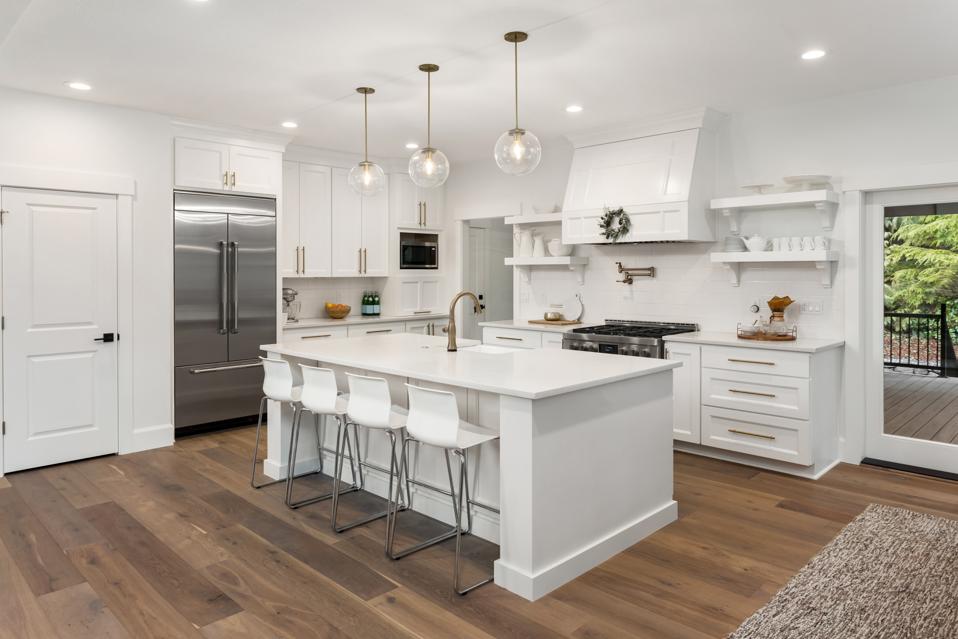
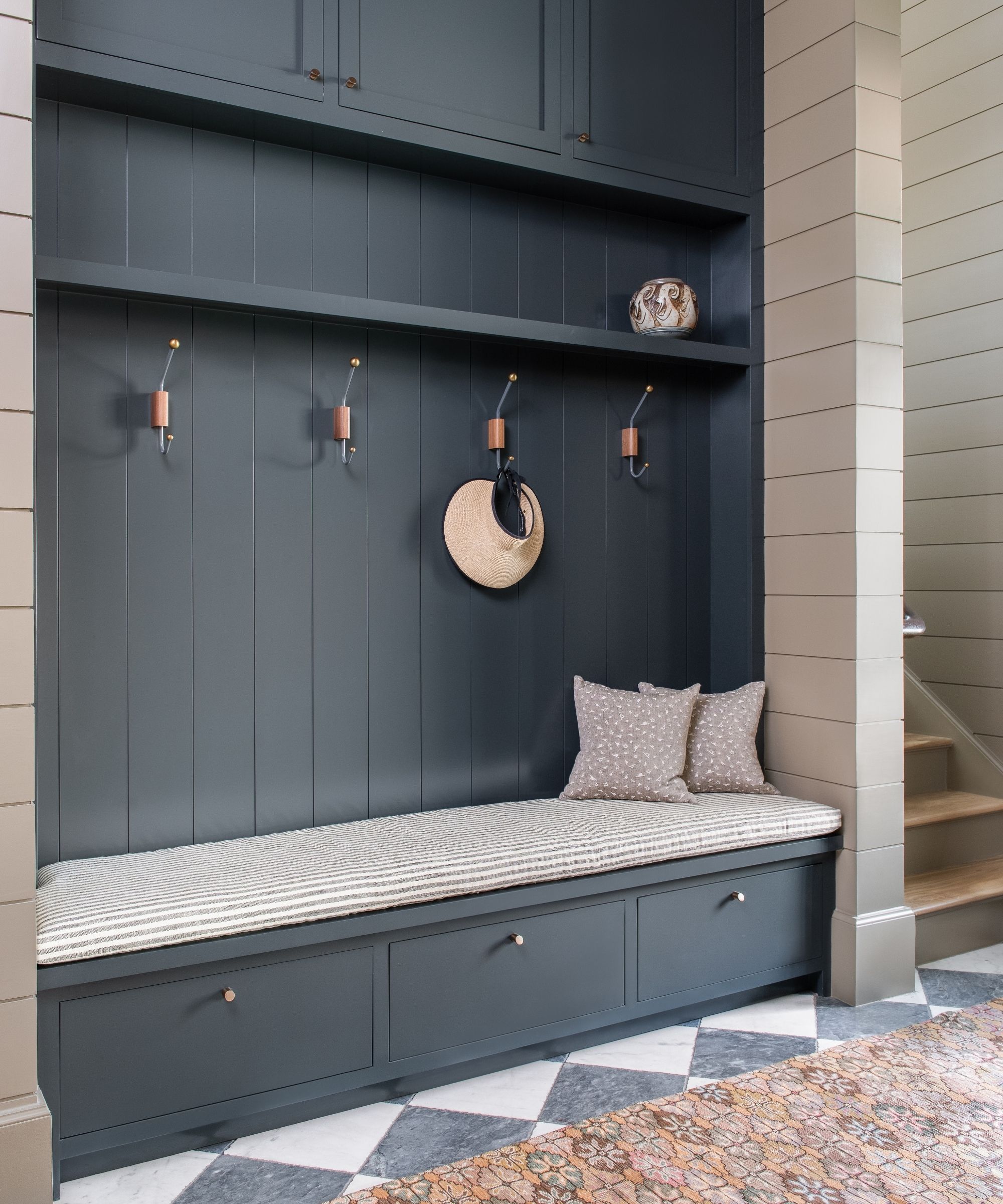
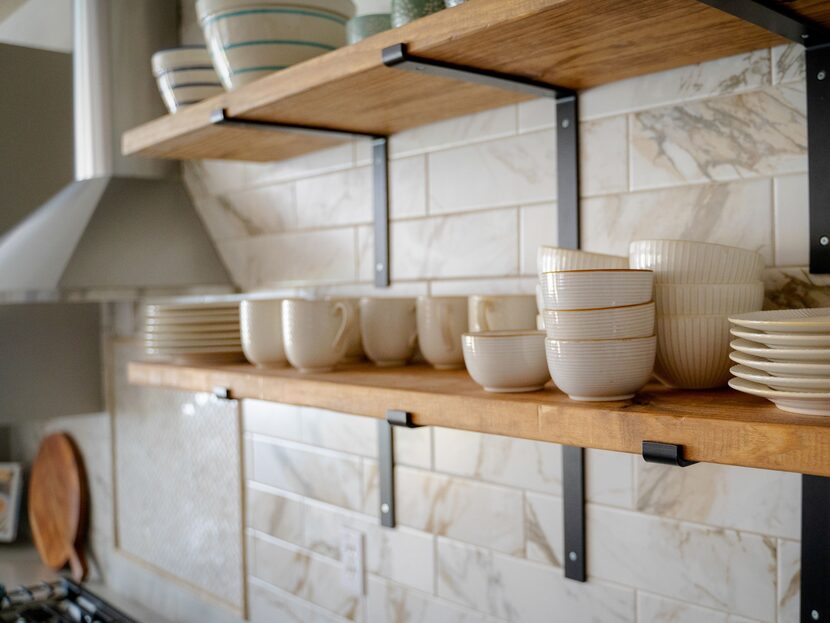
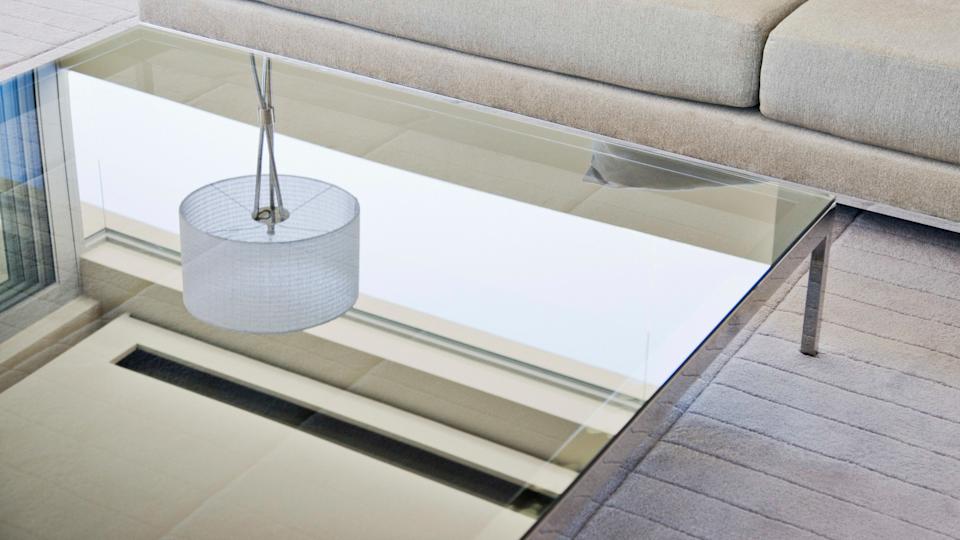
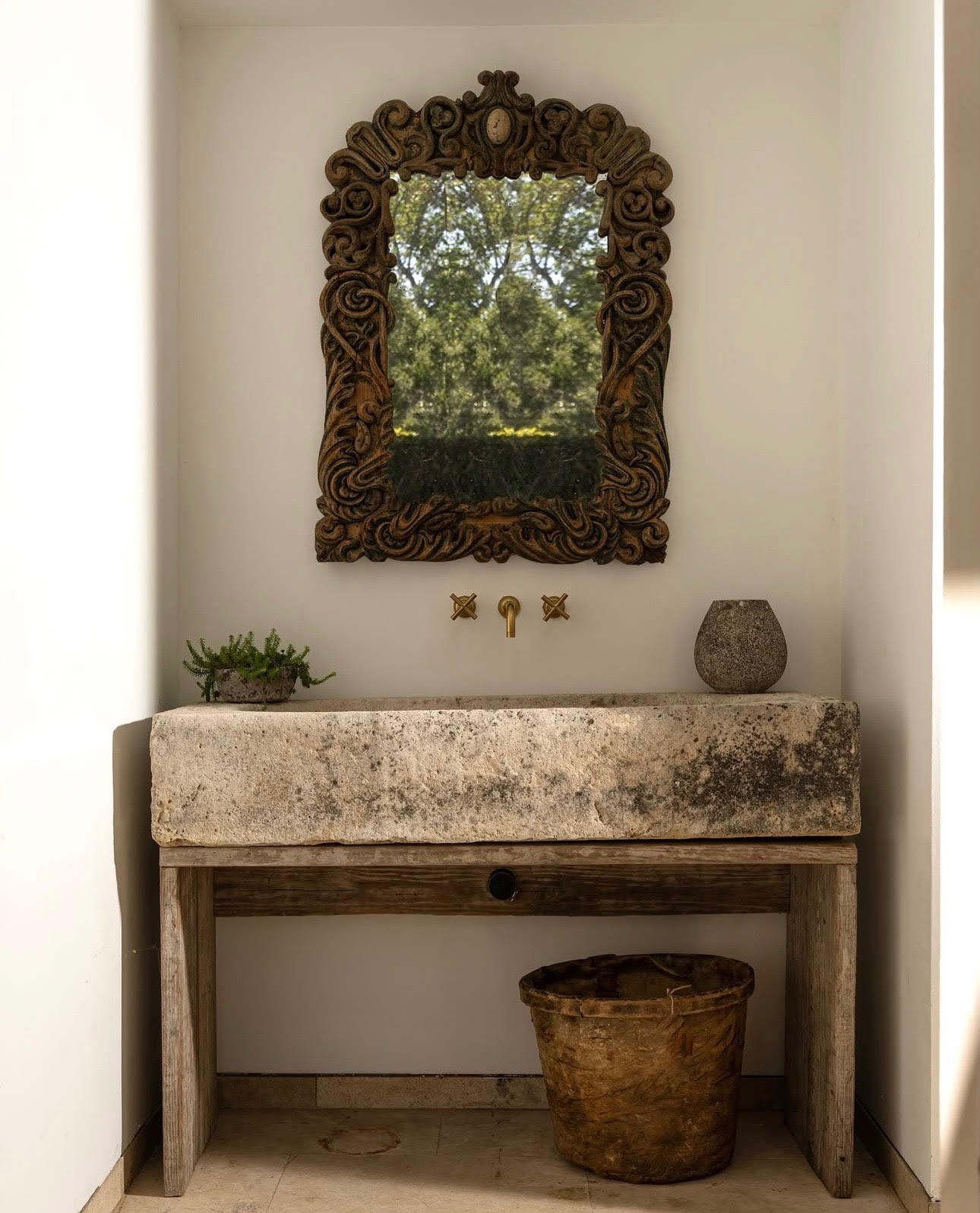
Another convention addressed is the avoidance of mixing metals or woods within a single room. Traditionally, uniformity in material tones was preferred, but contemporary designers contend that combining different finishes thoughtfully adds richness and dimension. The key to successful mixing, according to experts, lies in creating harmony through complementary tones and finishes. For instance, pairing warm metals with warm metals or cool with cool, and layering wood tones with similar undertones, can achieve a cohesive yet dynamic aesthetic.
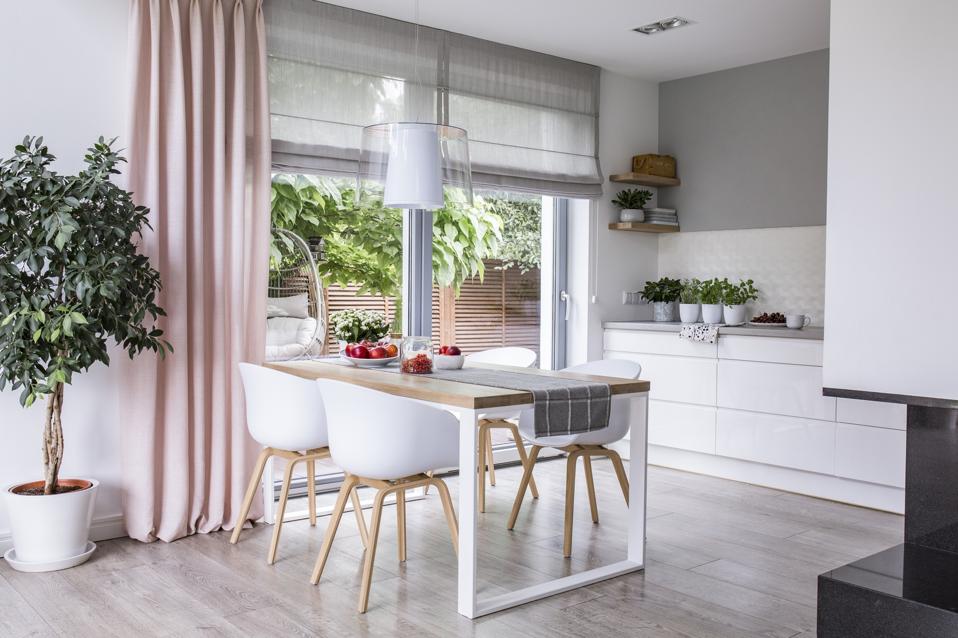
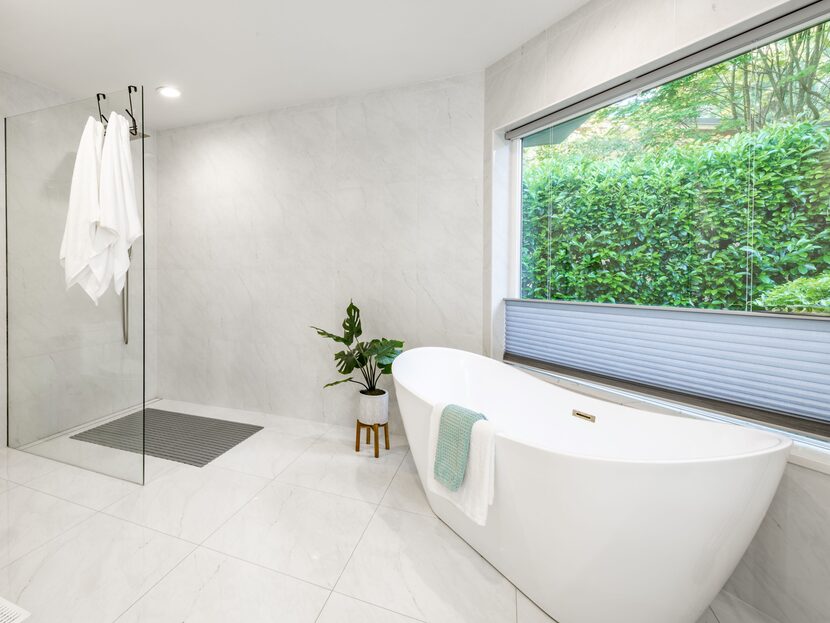
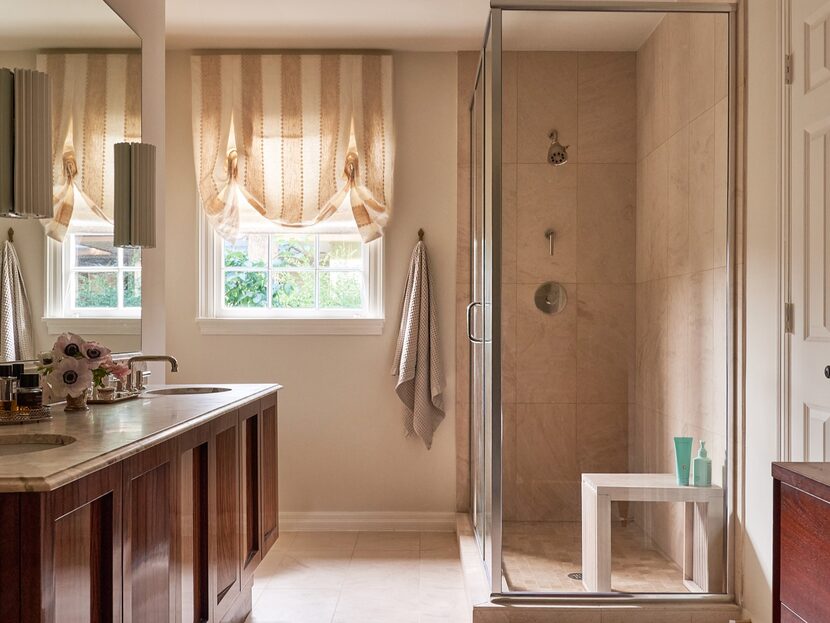
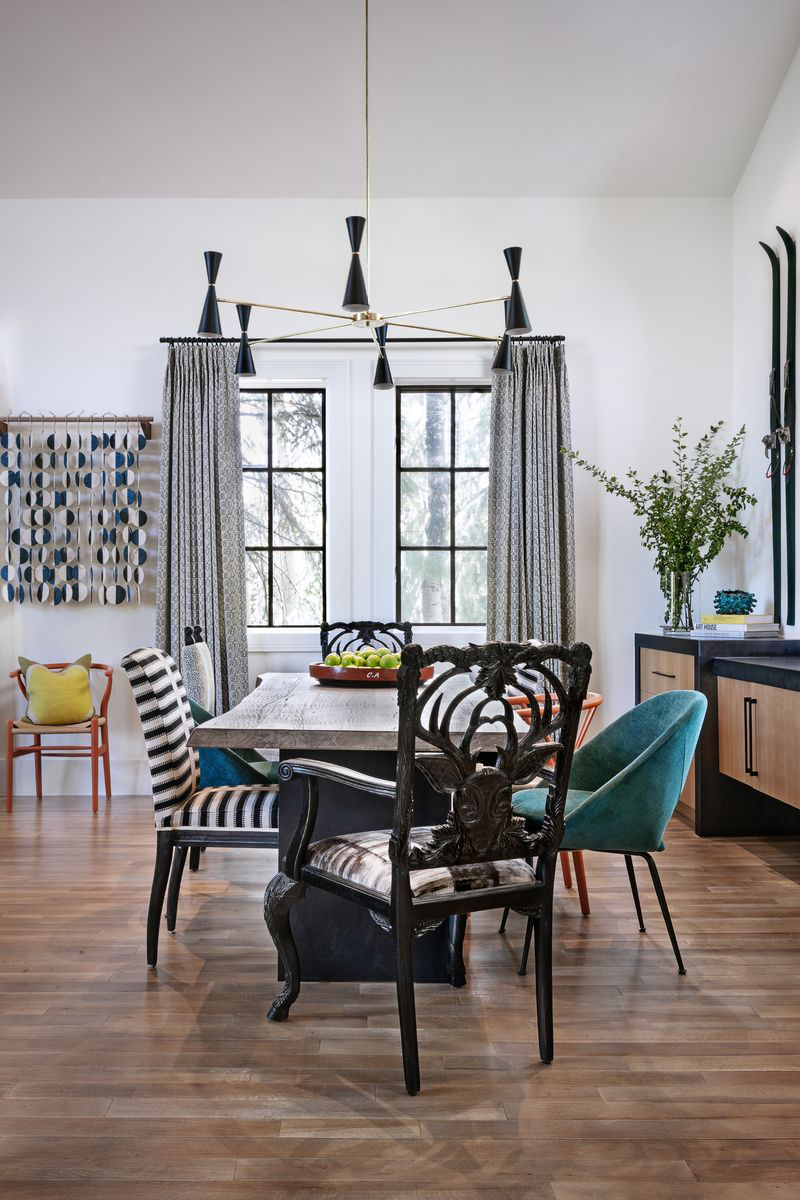
The article also disputes the notion that window shades are inherently less stylish than drapes. Drapes have historically been considered the more elegant and formal option due to their drape and hardware. However, designers argue that shades can be equally impactful, offering a clean and tailored appearance. Furthermore, shades can be layered with curtains to introduce versatility and create bold design statements, transforming the overall look of a space.
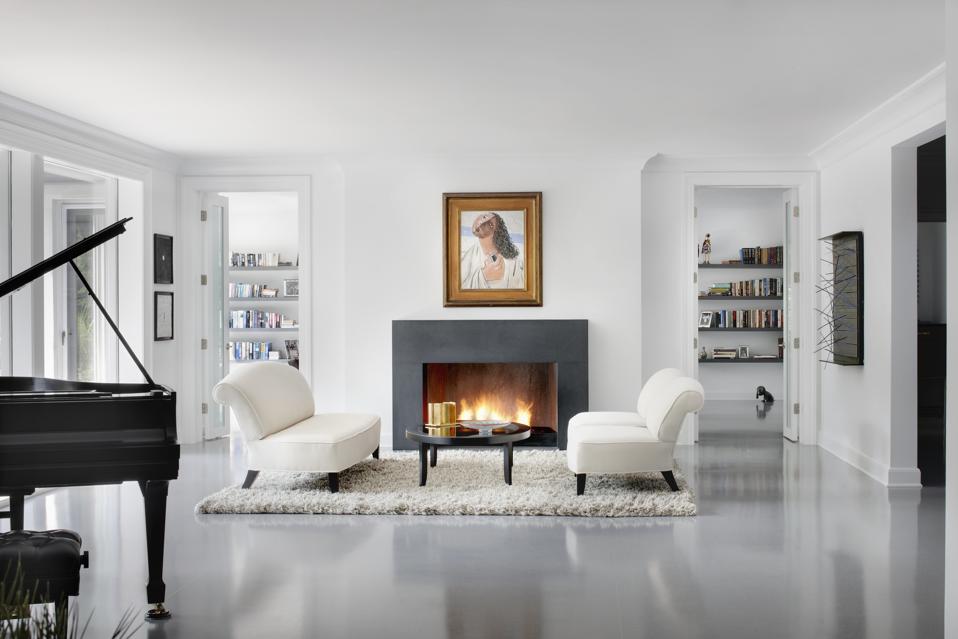
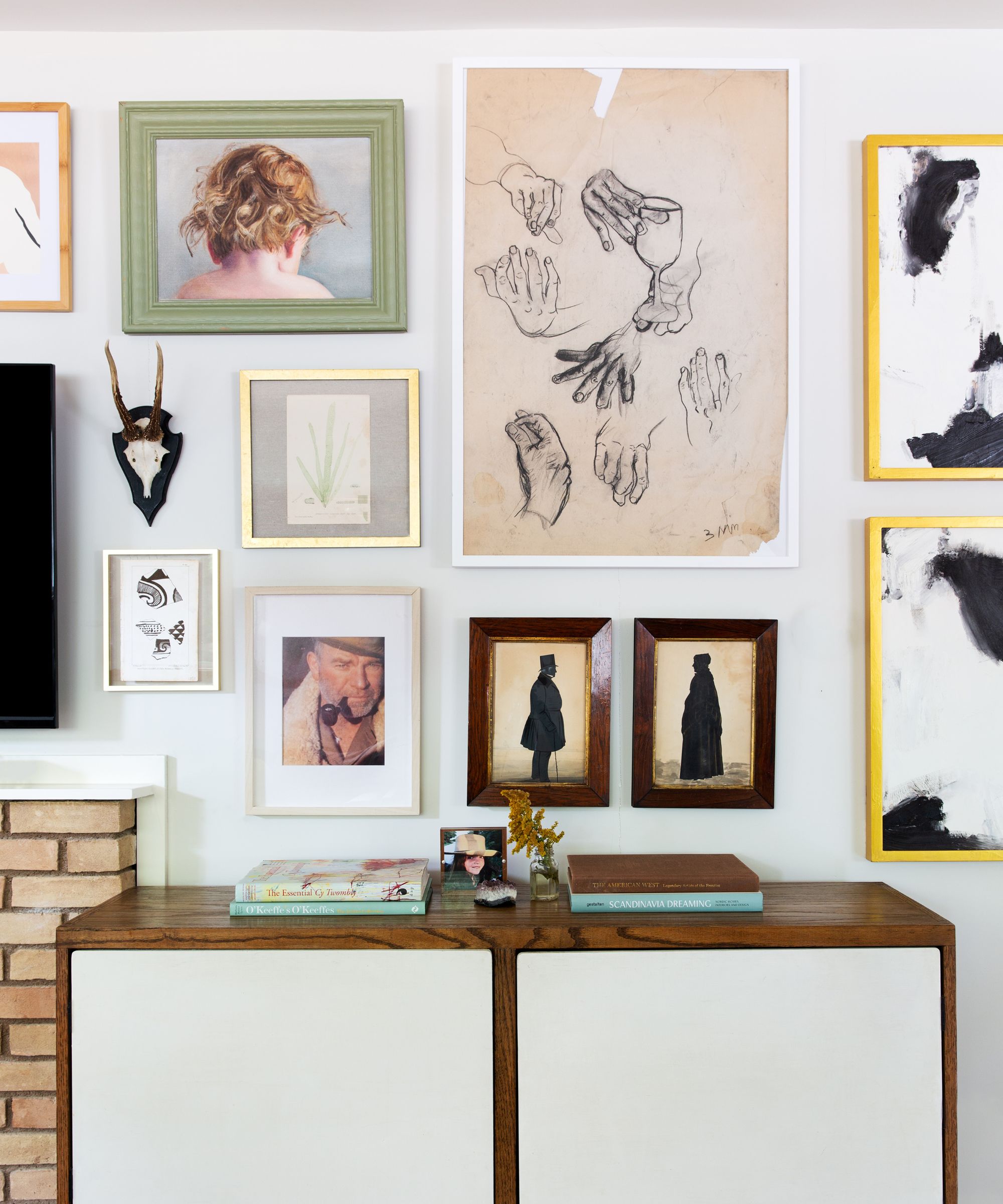
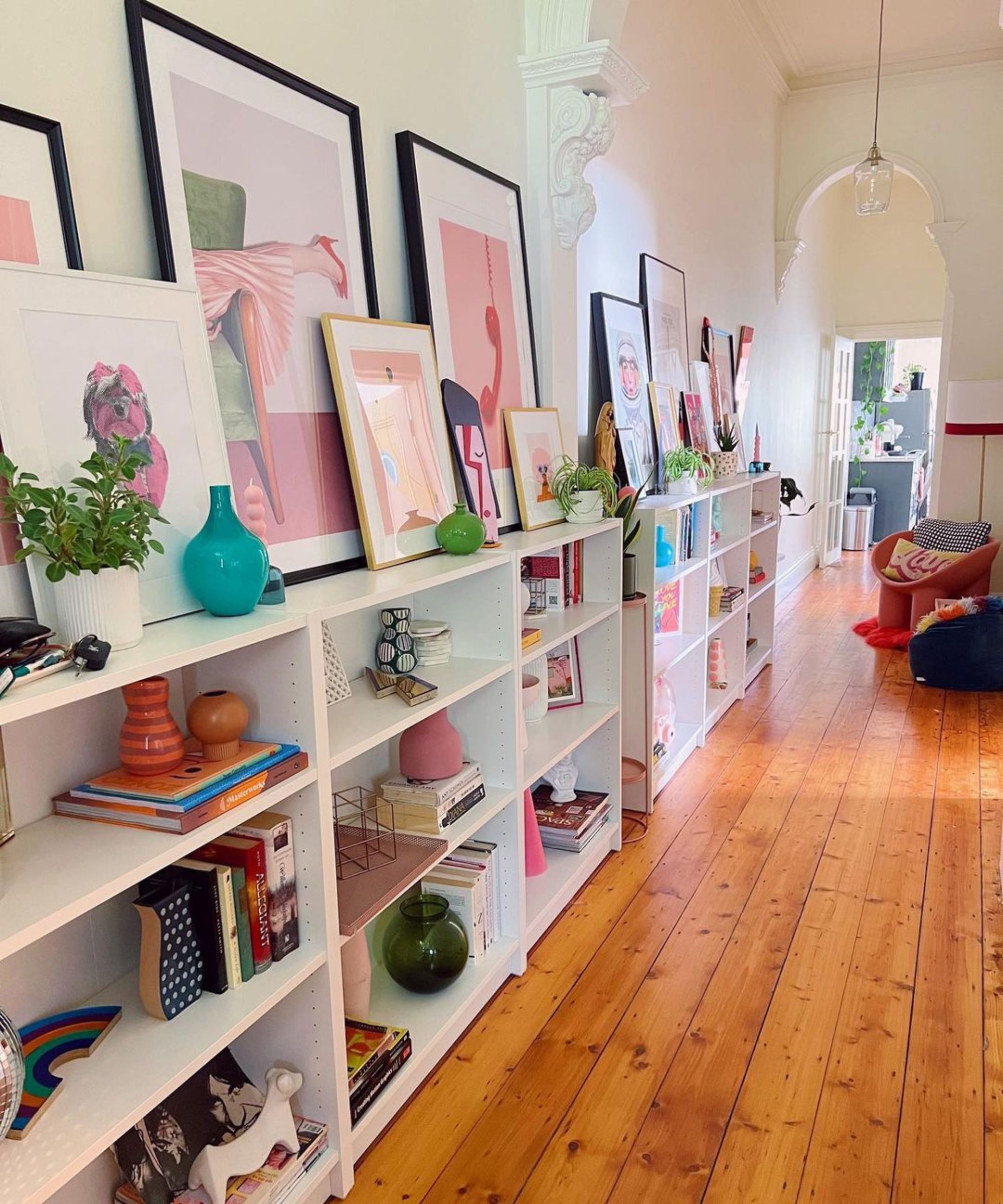
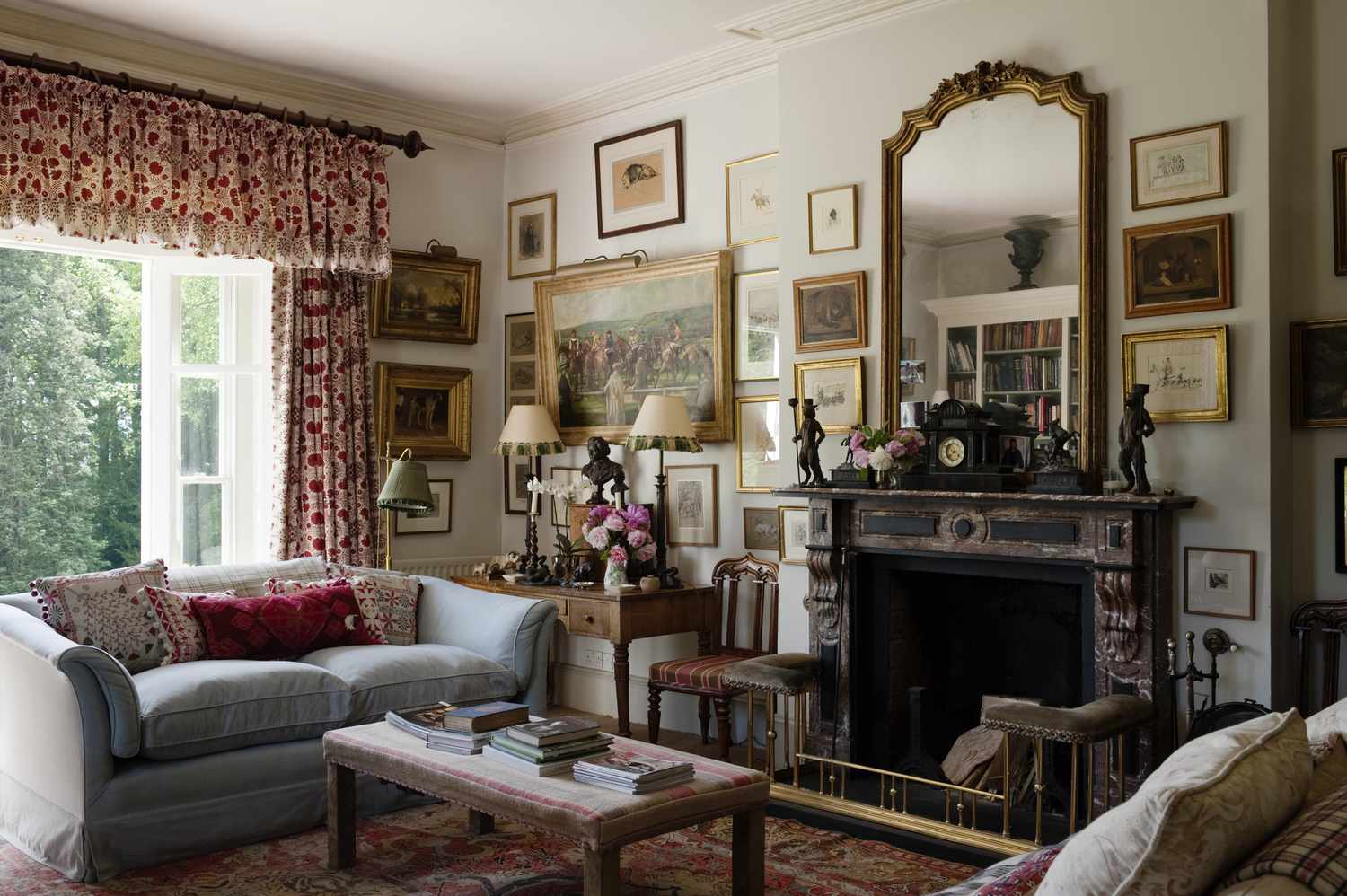
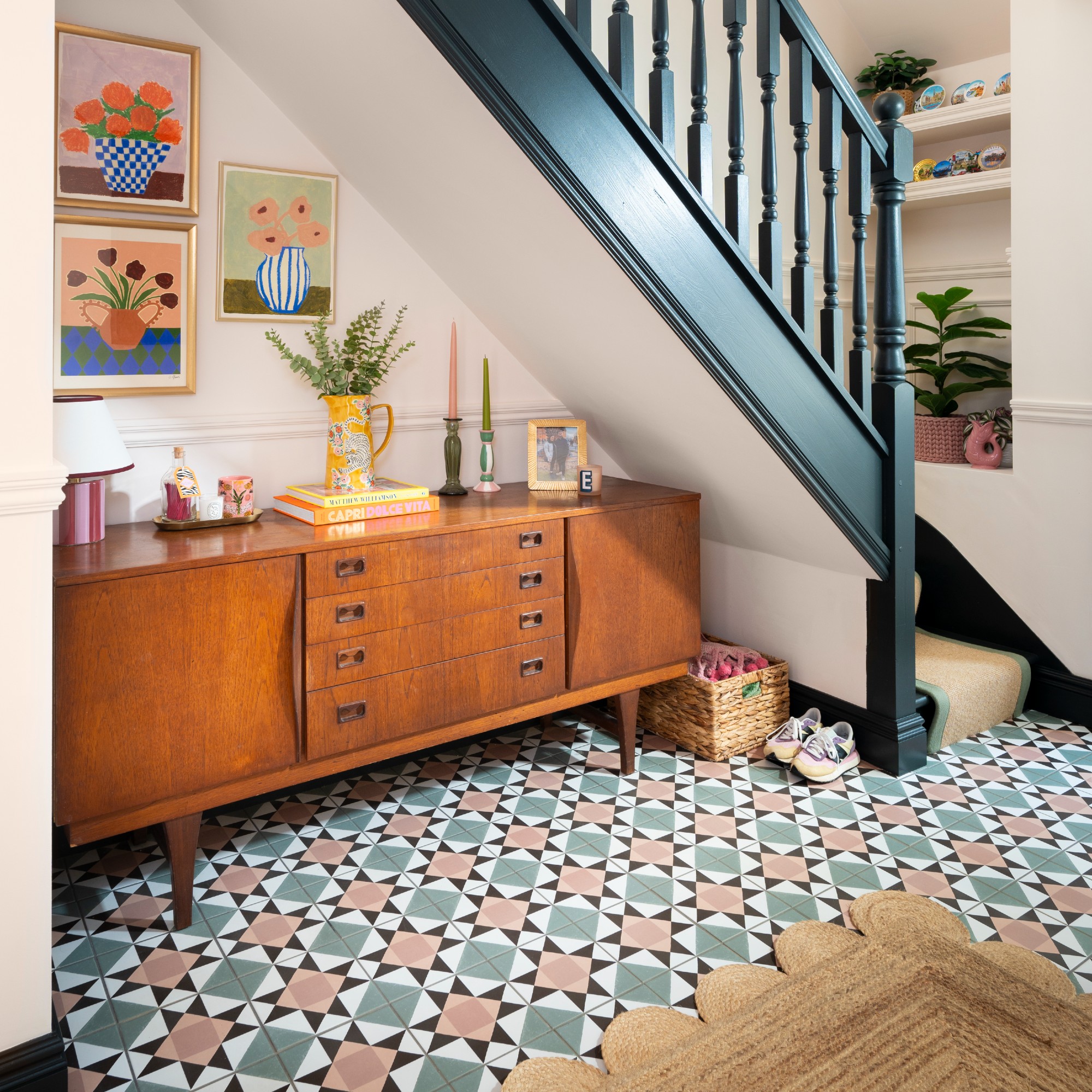
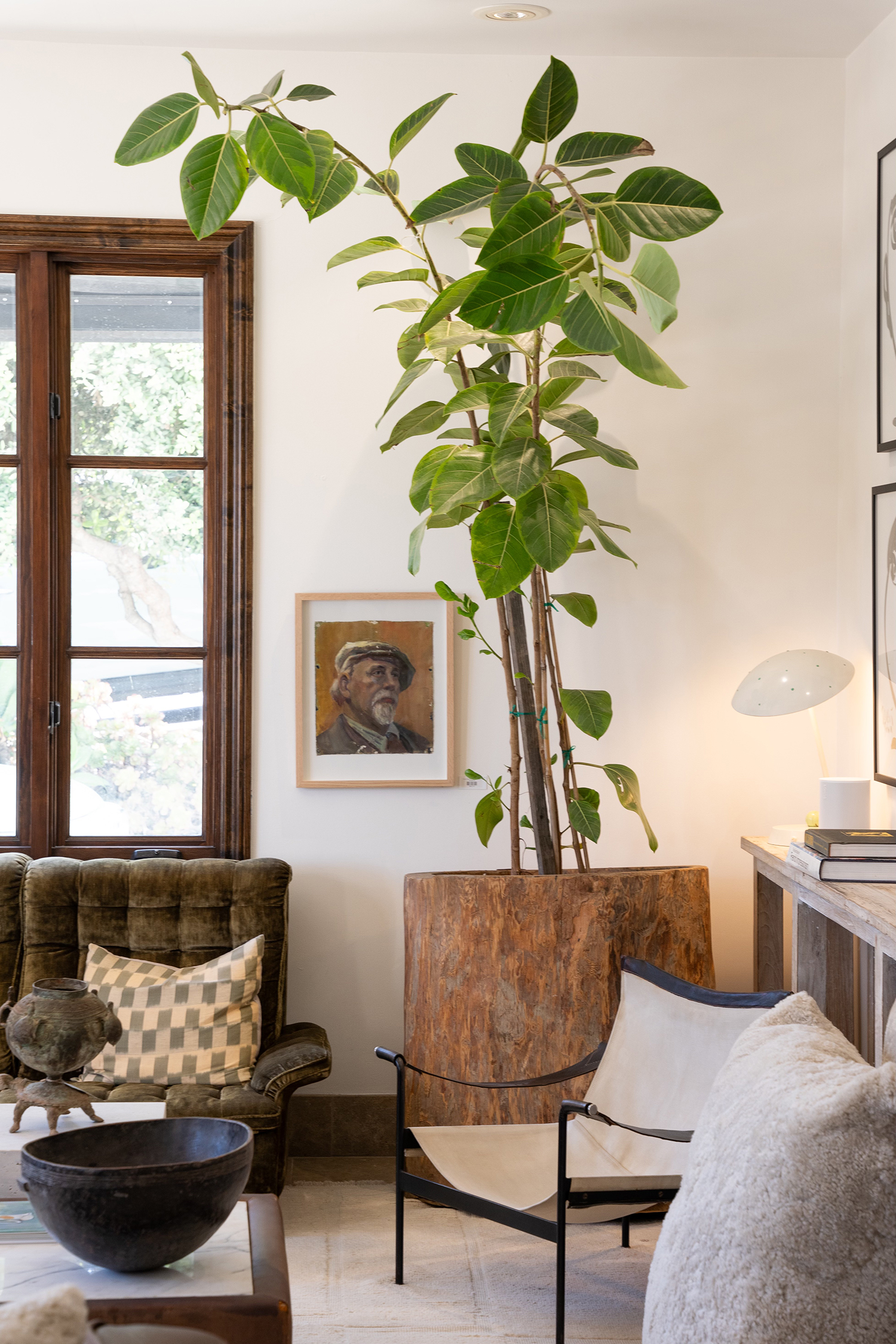
Regarding art placement, the rule dictating that art must always be hung at eye level is questioned. While visibility is important, adhering strictly to this rule can lead to a predictable and uninspired display. Instead, designers suggest that placing art lower or layering it on a ledge can tell a more interesting story. Effective art placement, in this view, considers scale, sightlines, and the interaction between the artwork, furniture, and architectural elements, resulting in a curated and dynamic feel rather than a rigid arrangement.
Finally, the practice of matching window treatments to wall colors is identified as another rule to break. This approach, often aimed at making window treatments blend in, is seen as a missed opportunity for a design statement. Designers advocate for using rich, saturated hues for window treatments to introduce an additional layer of depth and visual interest, making them a focal point rather than an overlooked element. By challenging these conventional rules, interior designers encourage individuals to embrace creativity and personal expression in their home decor, leading to more unique and engaging living spaces.
#HomeDecorating #InteriorDesign #DesignRules #SmallSpaces #ColorPalette #MixedMetals #WindowTreatments #ArtPlacement #ModernDesign #HomeDecorating #InteriorDesign #DesignRules #SmallSpaces #ColorPalette #MixedMetals #WindowTreatments #ArtPlacement #ModernDesign
0 comment in total
 No comments yet
You may also like
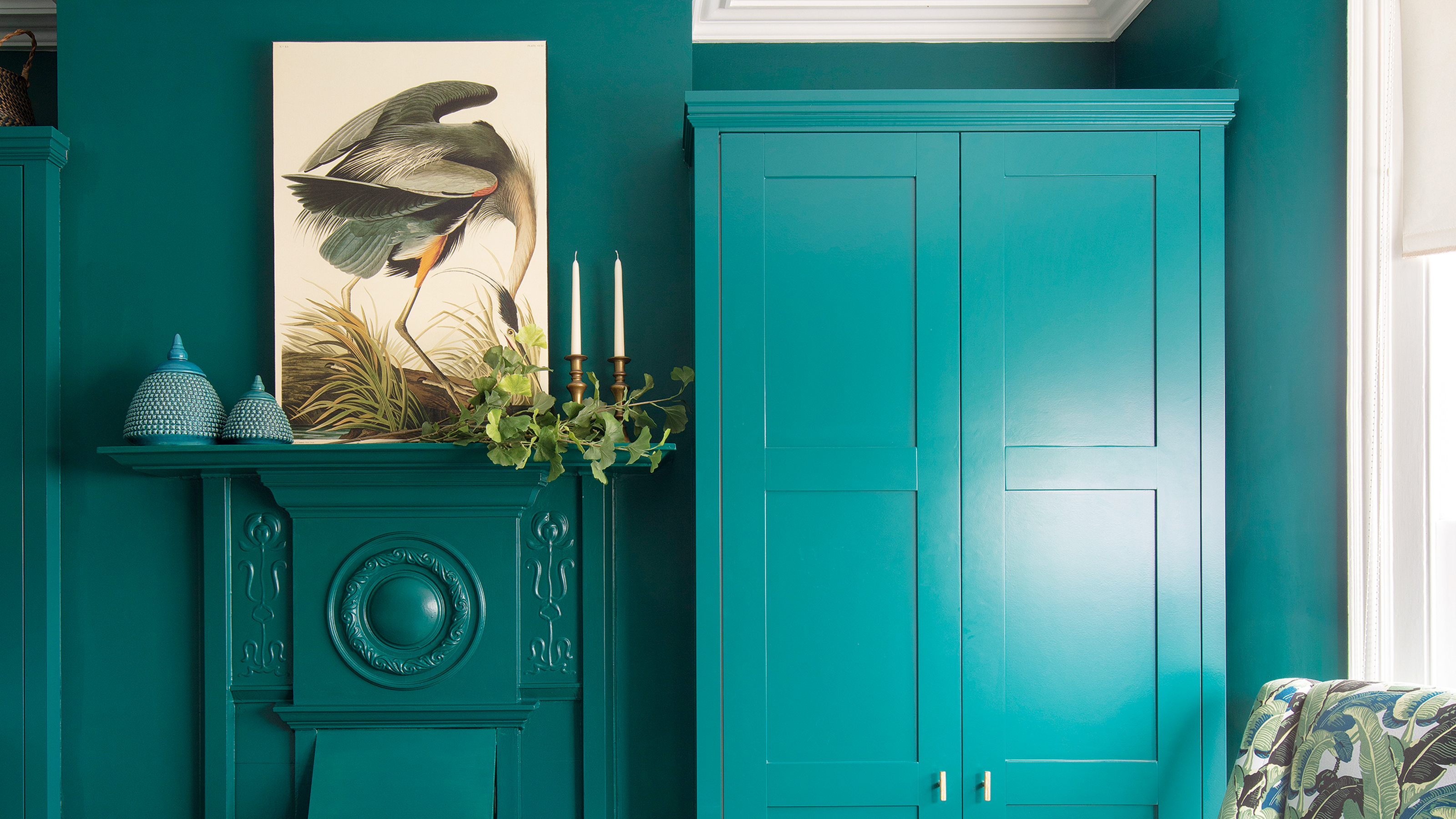
Interior design experts reveal the colour rules you should be breaking
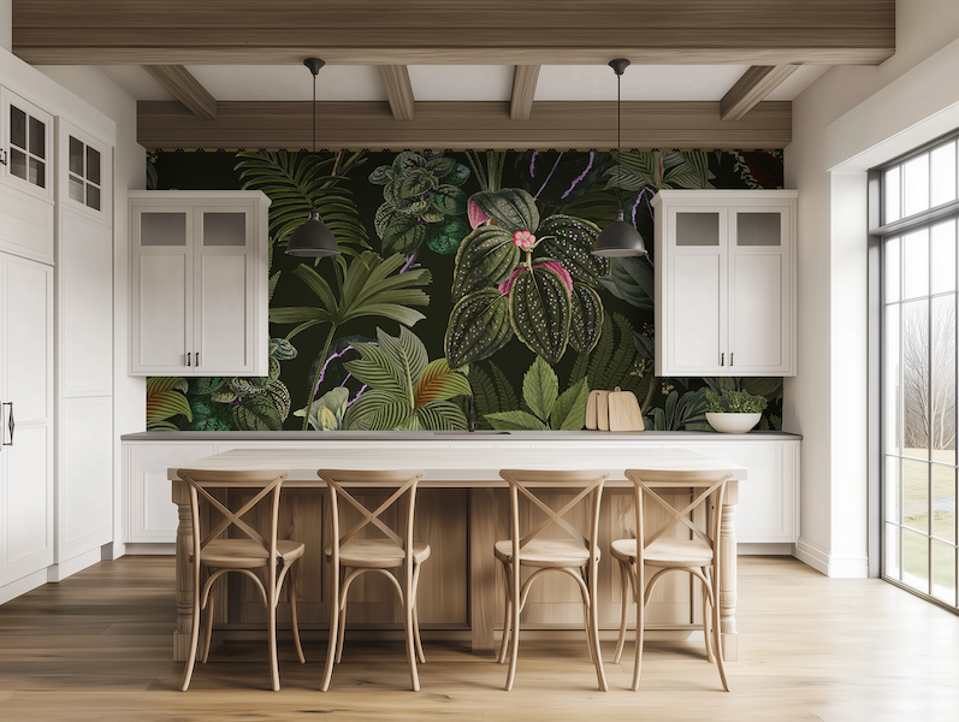
7 Design Mistakes Interior Designers Always Notice

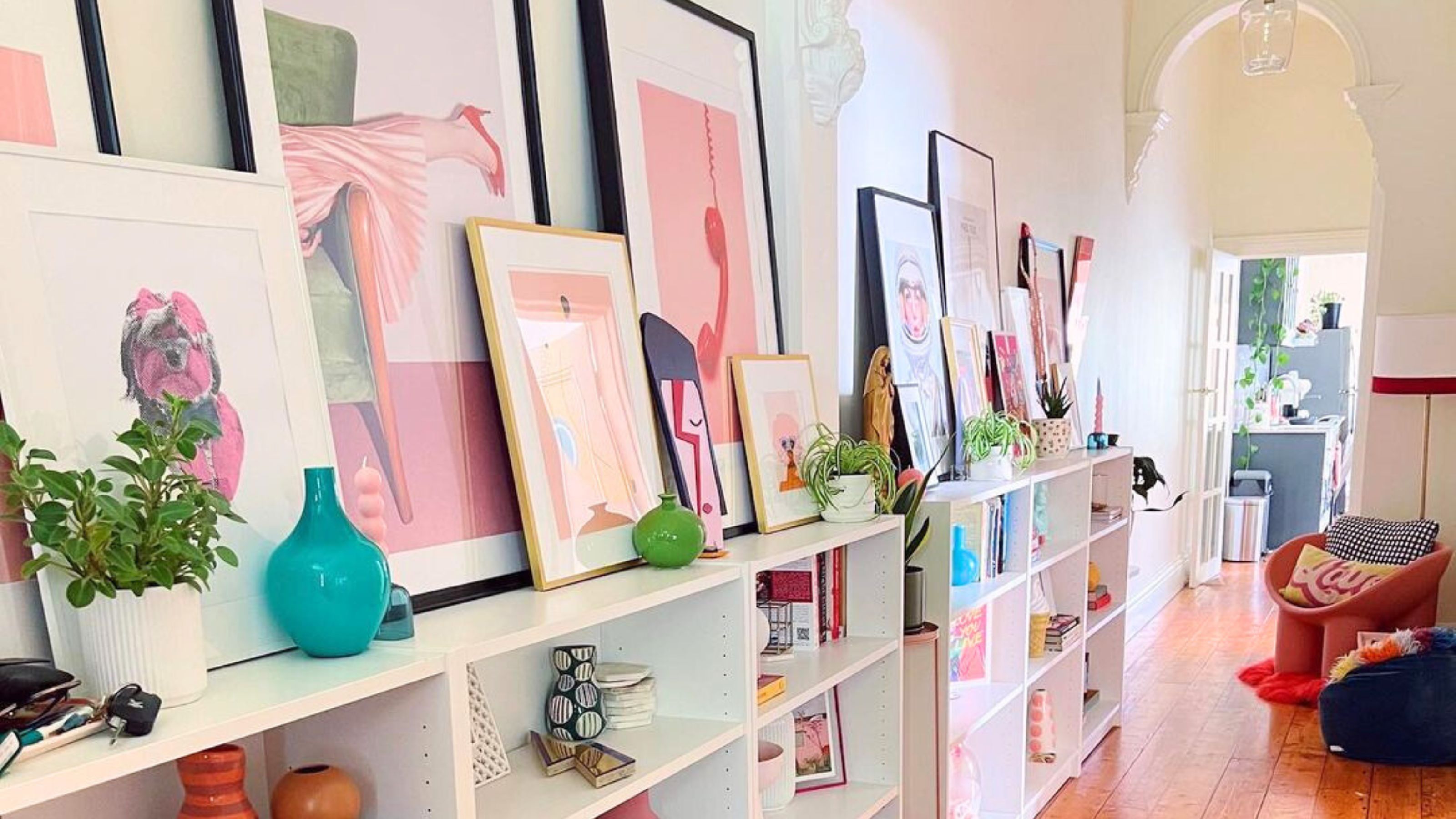
Don't make these 5 entryway decor mistakes

5 Red Flags to Avoid at All Costs When Thrifting Home Decor, According to Designers

10 Interior Design Mistakes Experts Avoid In Their Own Homes

5 golden rules of home décor from an Irish interior designer

5 Stuffy Living Room Decor Choices You Need to Stop Making, According to Designers
How to decorate in 2025: Skip these tired trends, interior designers say
9 CONTROVERSIAL Decor Choices Designers Secretly Wish You’d Stop Making

6 Home Décor Mistakes Interior Designers Notice Right Away—and How to Fix Them
5 TikTok home decor trends that interior design experts can't stand – are you guilty of any?
The 5 Design Rules That Are Meant to Be Broken—and What to Do Instead
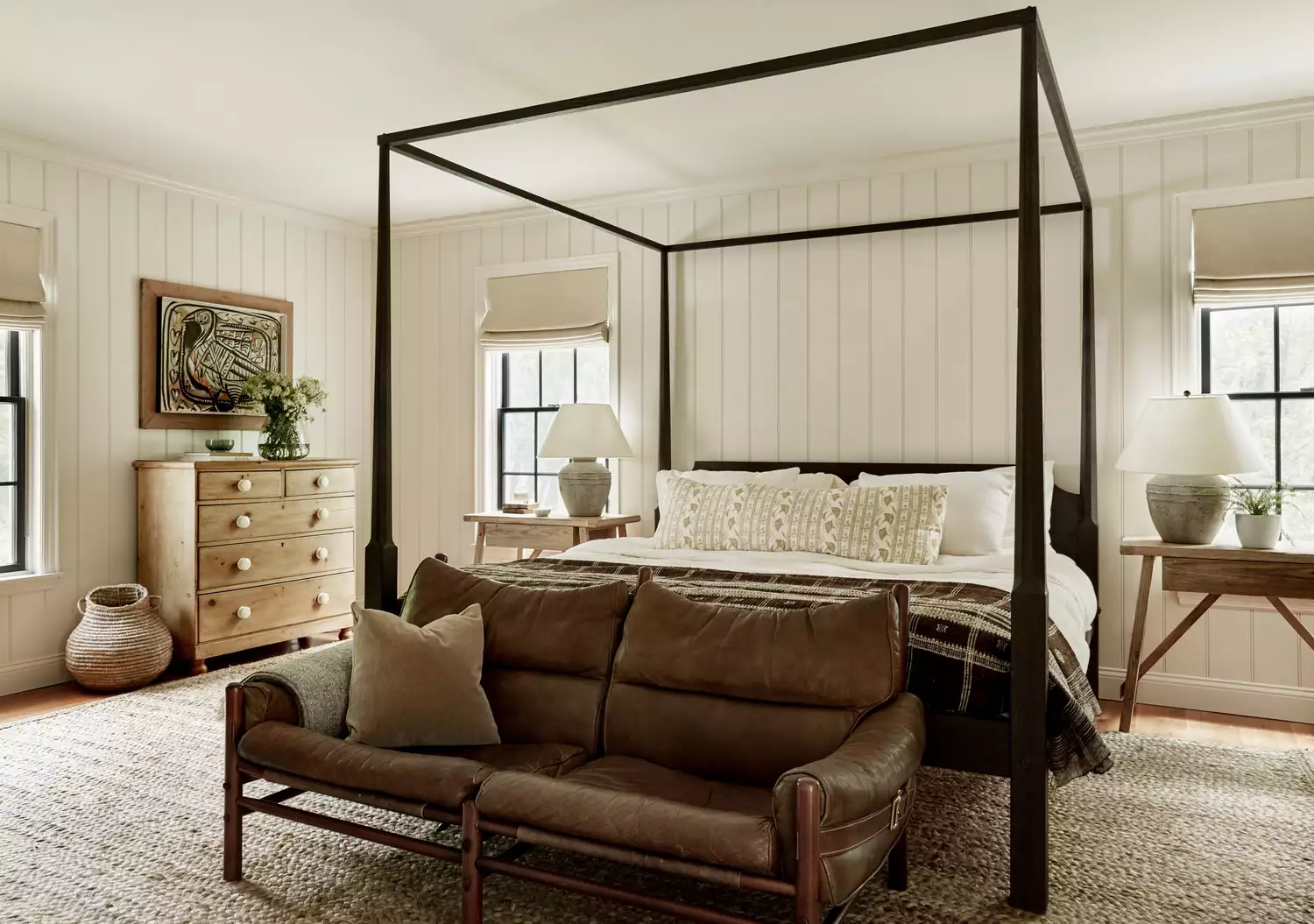
5 Rules You Should Always Follow When Decorating Your Bedroom, According to Designers
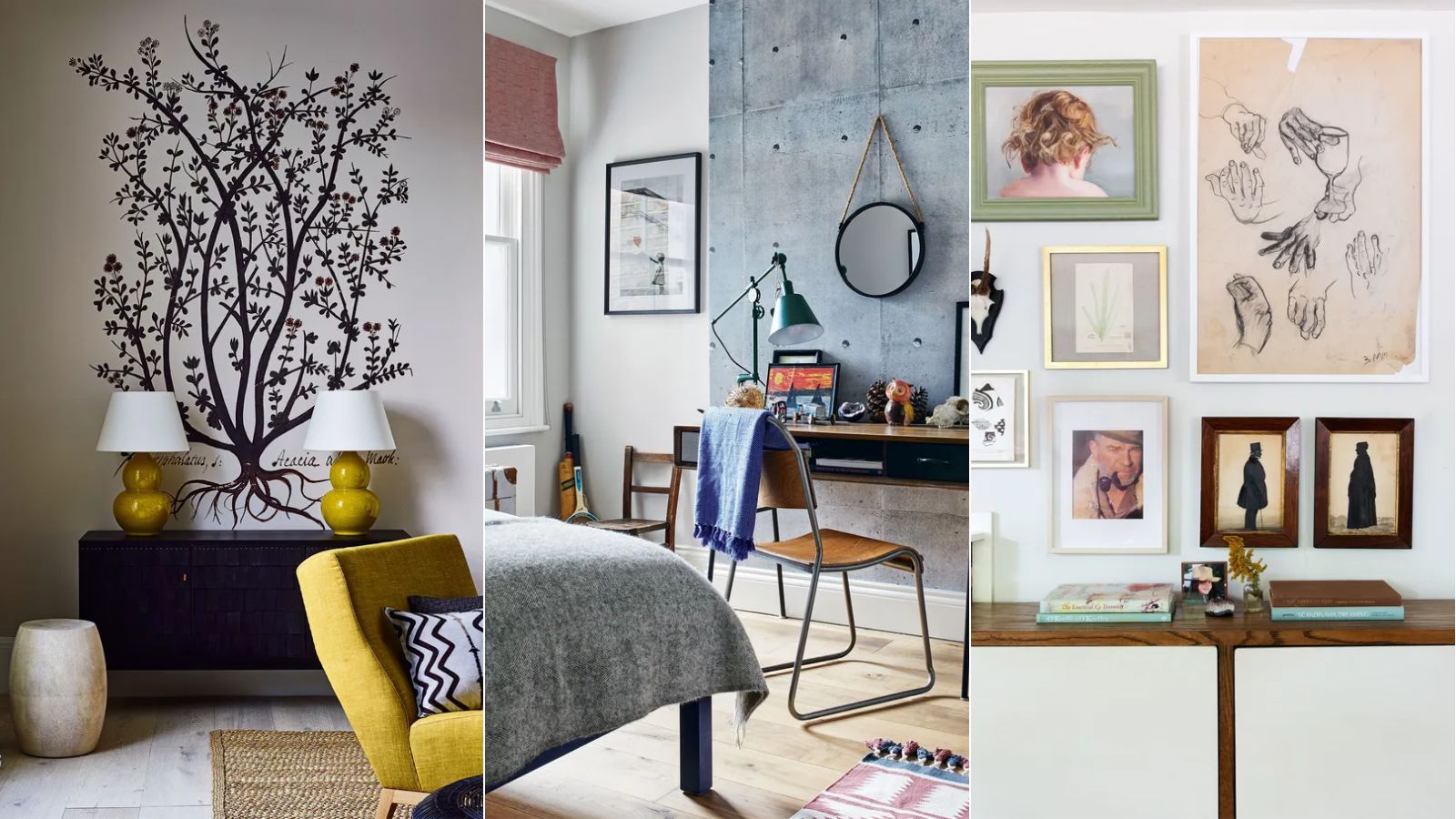
5 outdated wall decor trends designers warn to avoid – plus what we should be doing instead

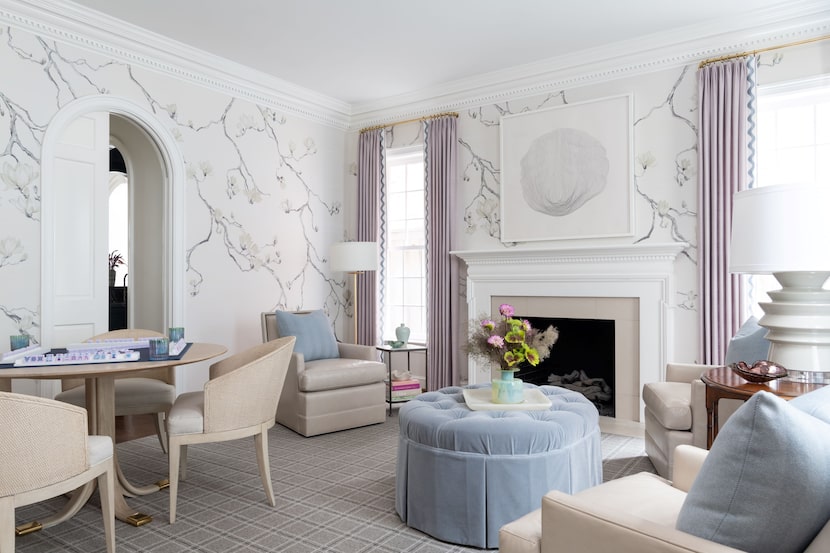
7 home design trends to skip (and what to do instead)

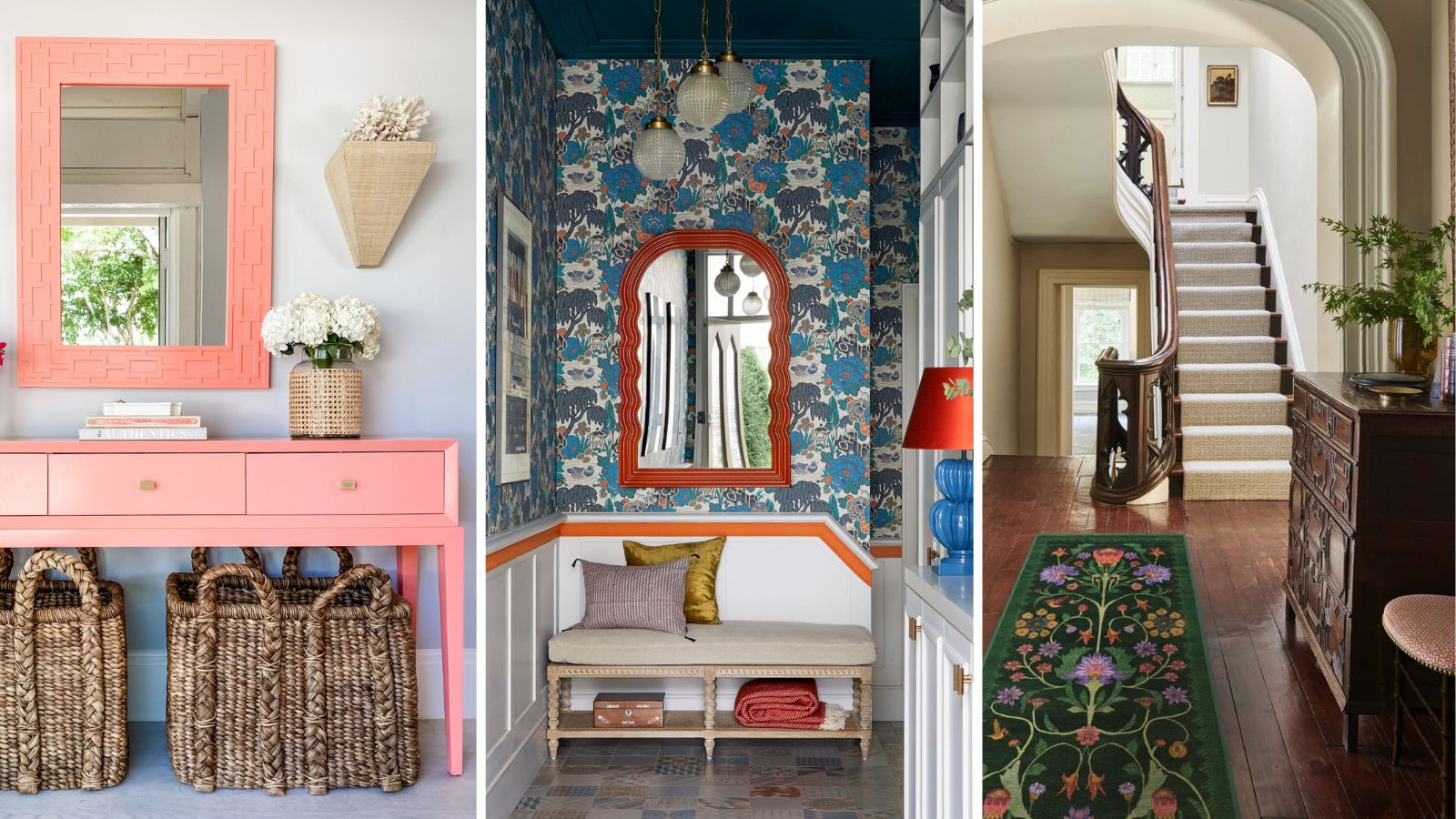
6 things to never put in an entryway, according to interior designers
5 Things Interior Designers Wish You Would Do

I'm an interior designer – these are 5 mudroom design rules I swear by
The #1 Home Trend You Should Avoid, According to Designers

Designers Say You Should NEVER Do These 5 Things When Decorating a Guest Bedroom