1/2
9 Ways to Maximize Natural Light in Your Home, According to Interior Designers
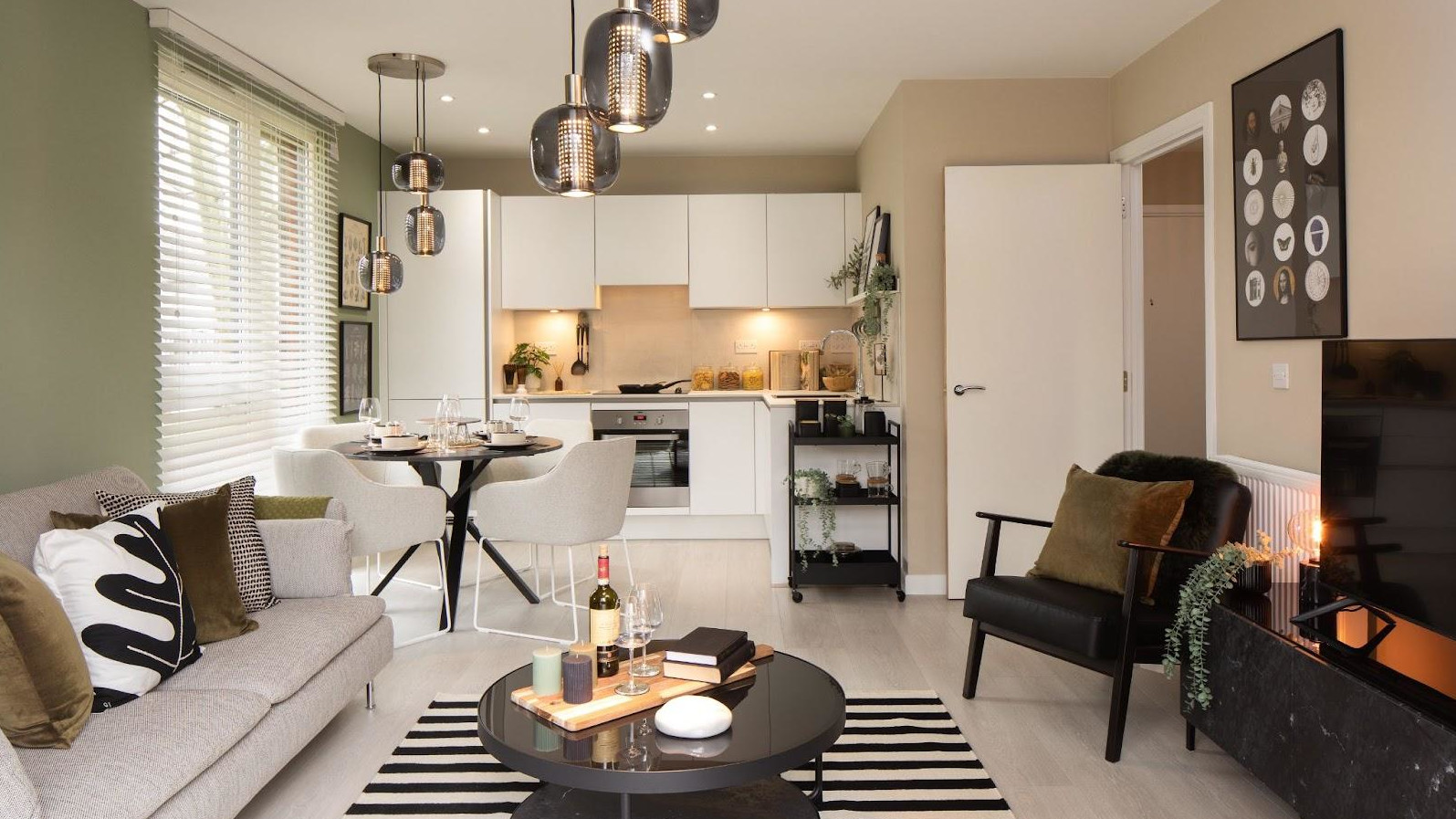
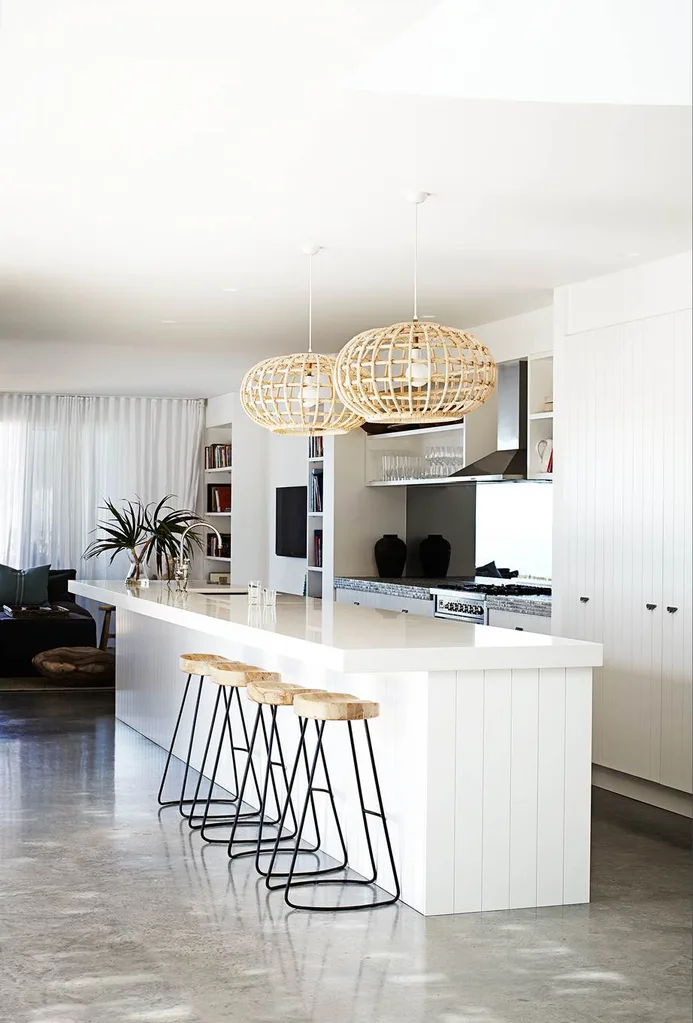
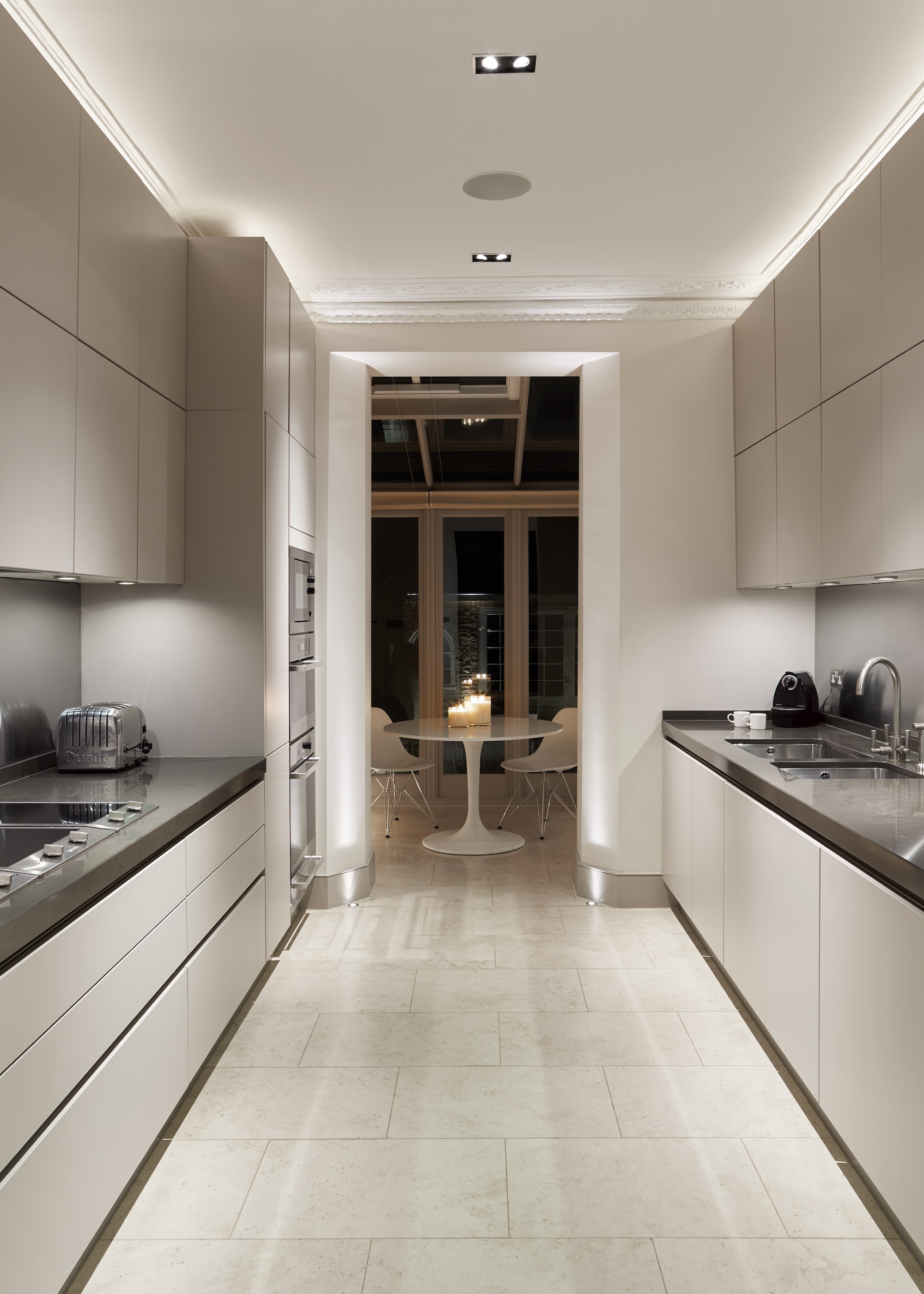
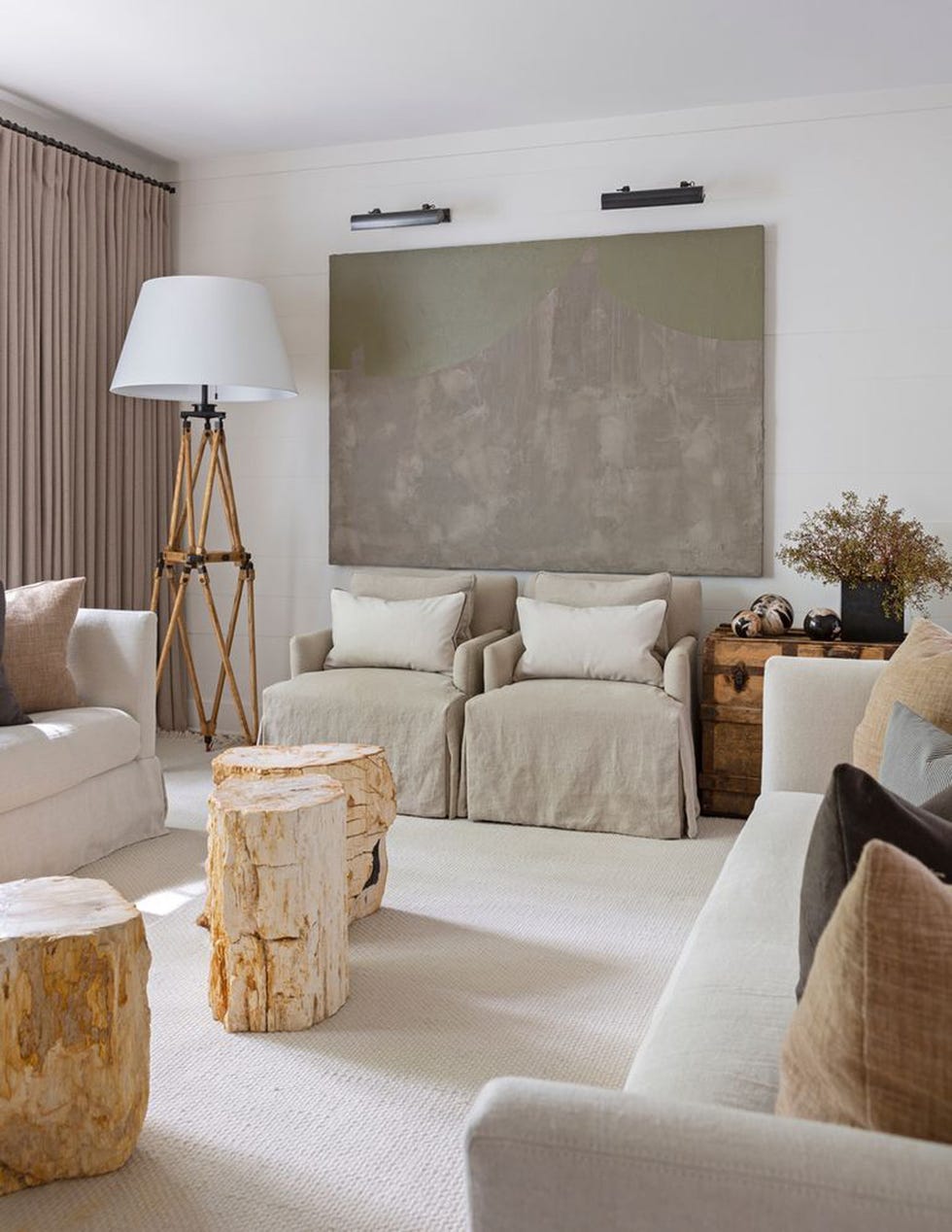
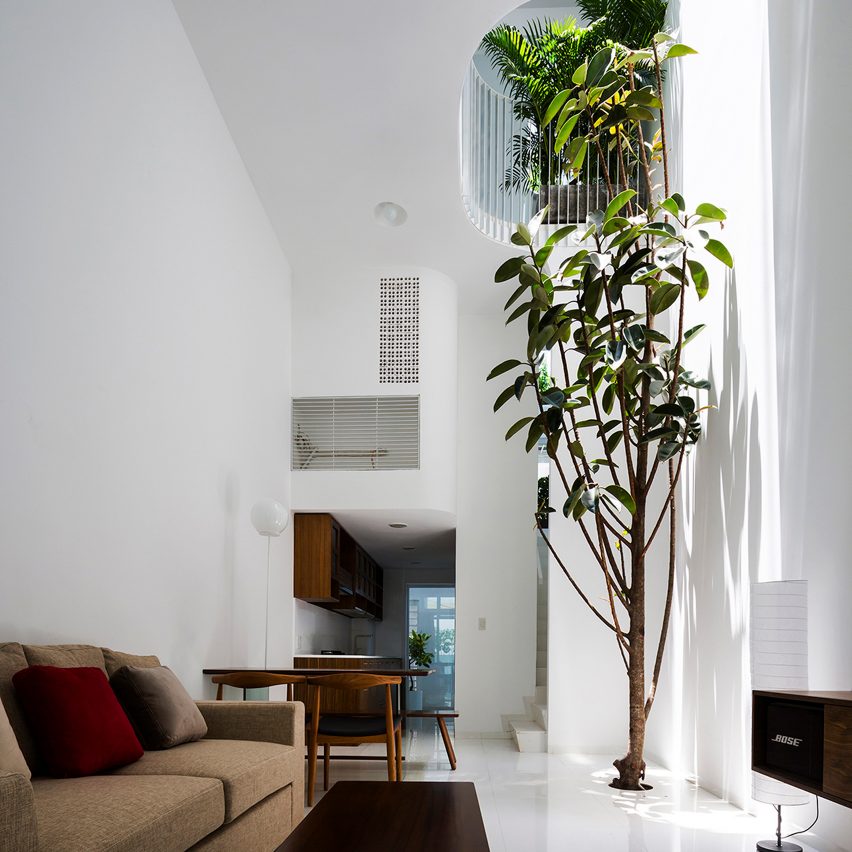
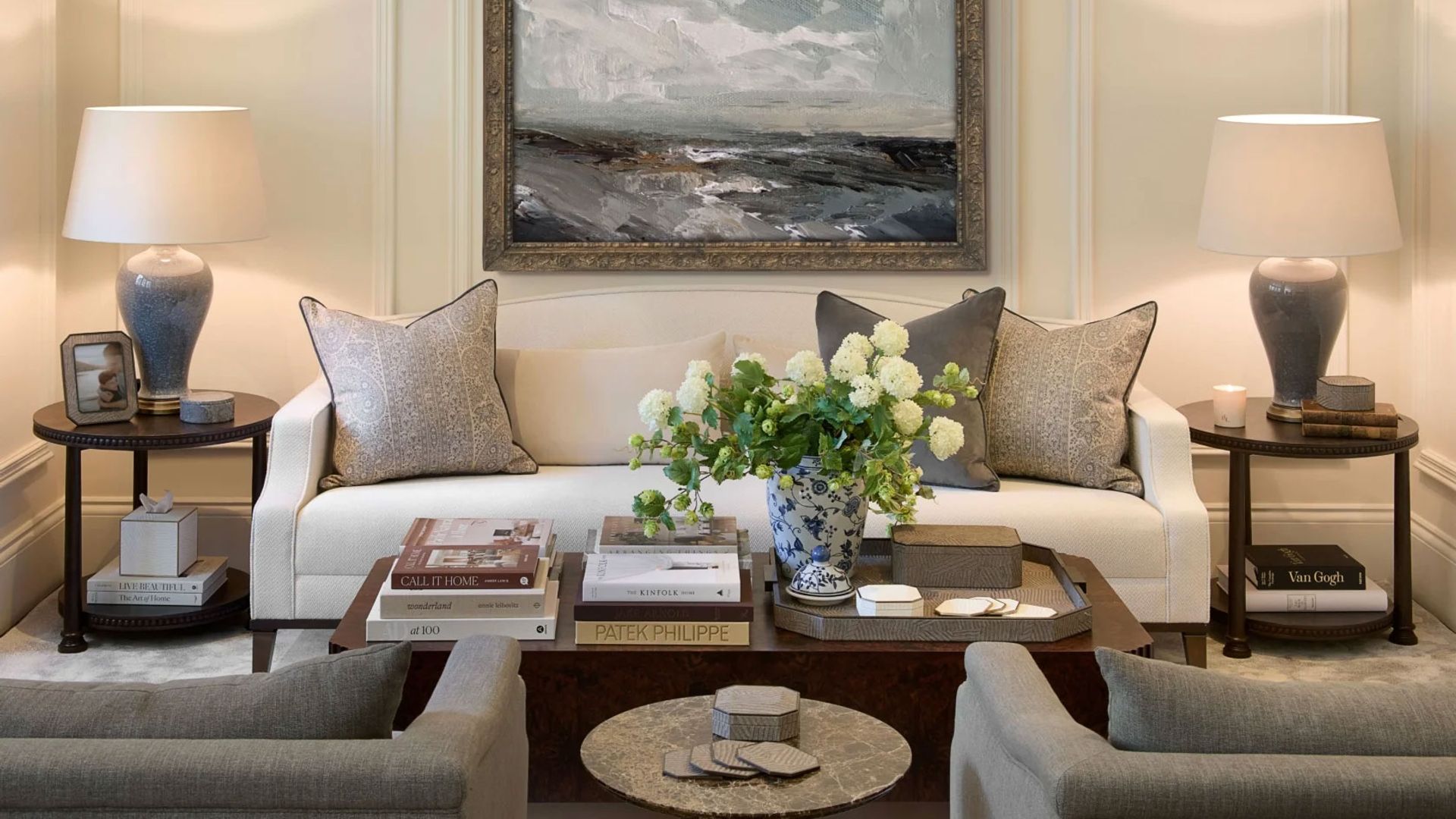
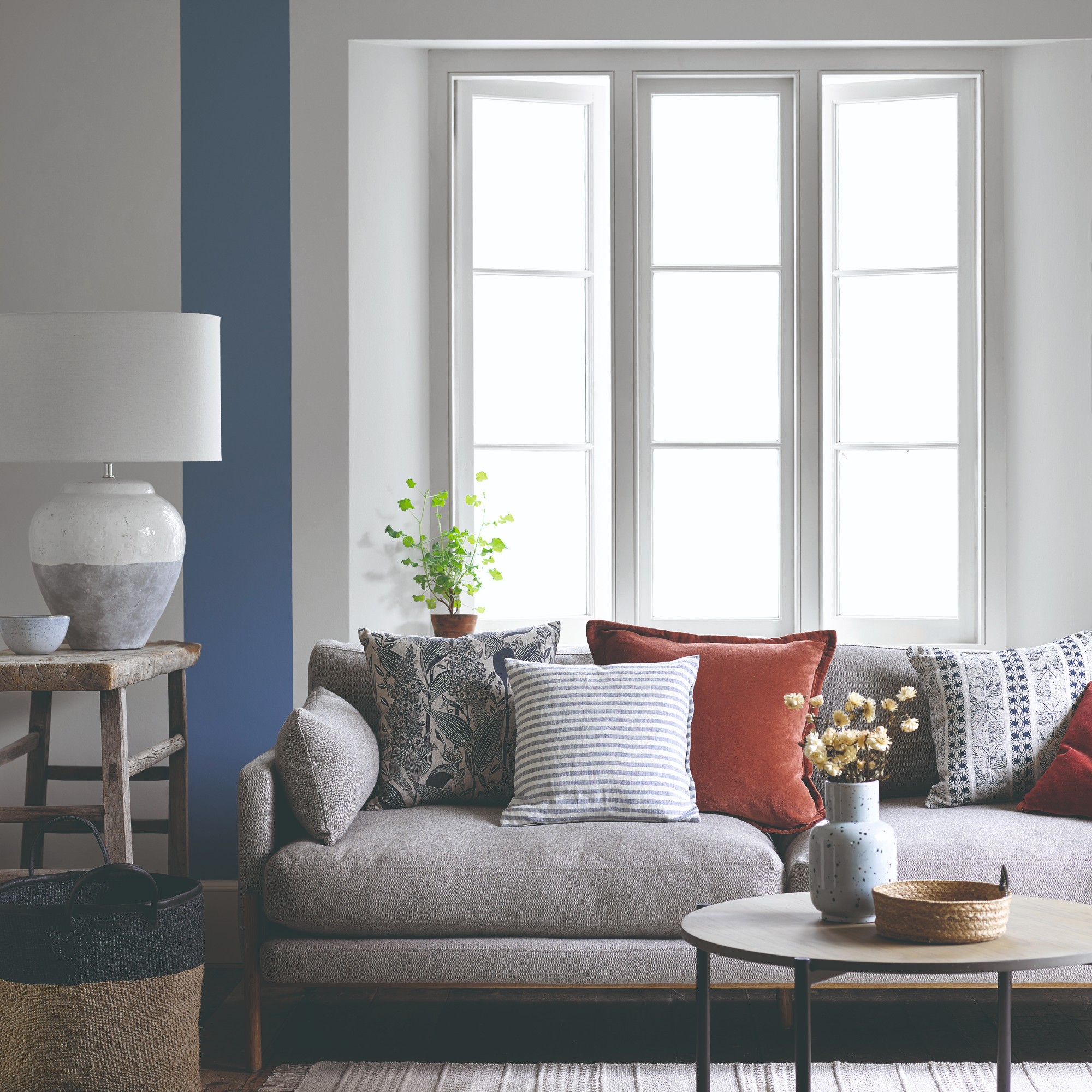
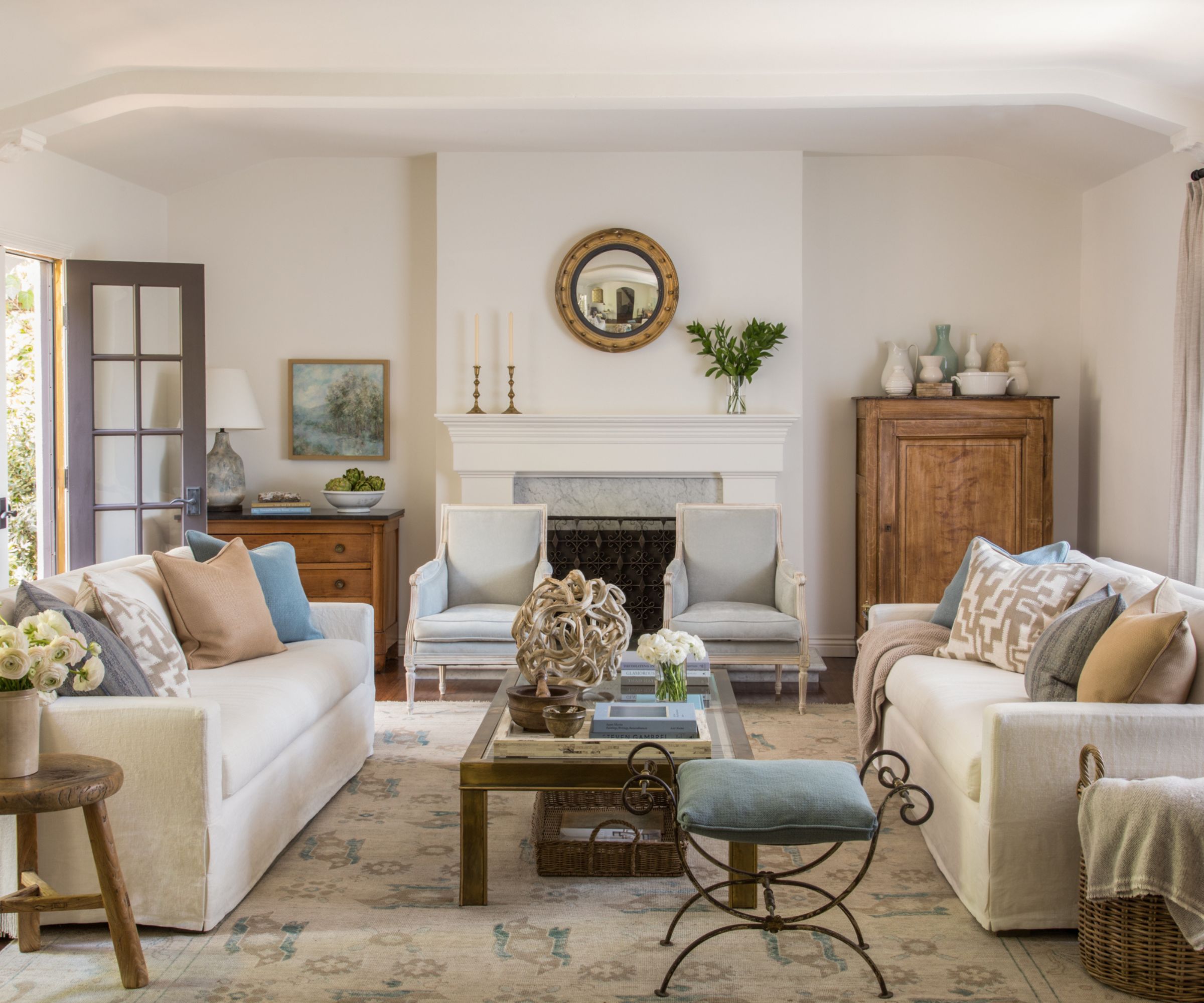
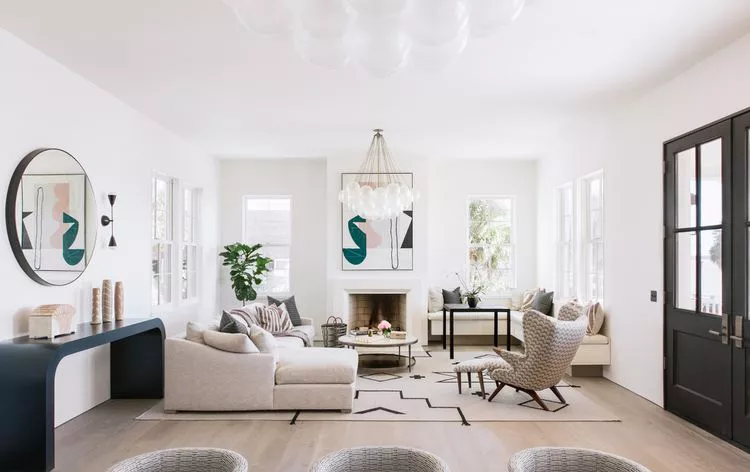
Maximizing natural light in a home is a key concern for interior designers, influencing the perception of space and contributing to well-being through increased productivity and improved mood. Several strategies can be employed to enhance sunlight within a living space. One effective method involves using light colors and reflective finishes for paint, textiles, and flooring. Lighter hues naturally make a room feel brighter and more expansive, while finishes like satin and semi-gloss paint help light bounce around. However, caution is advised with shinier paints, as they can accentuate wall imperfections, necessitating proper wall preparation.
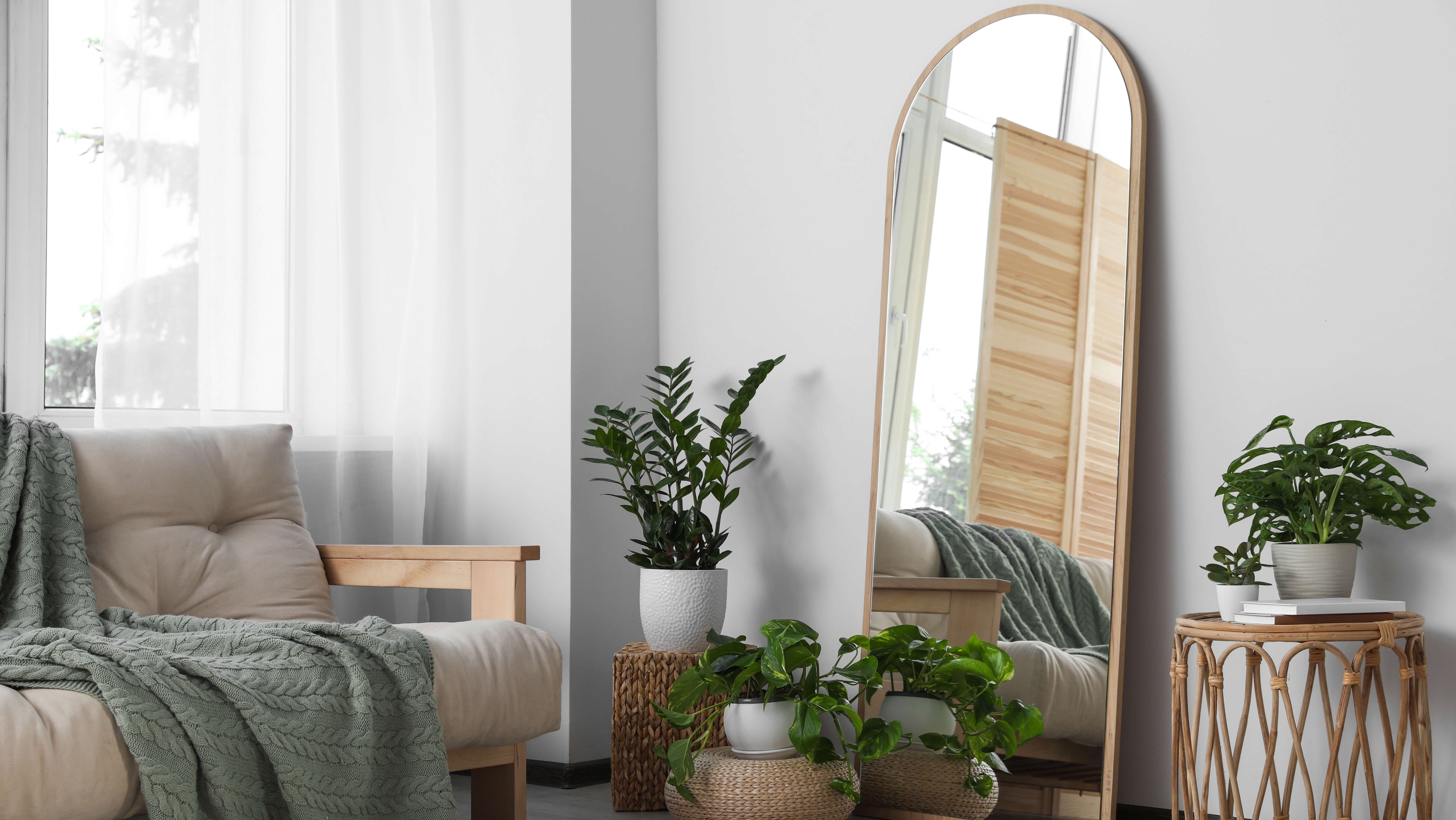
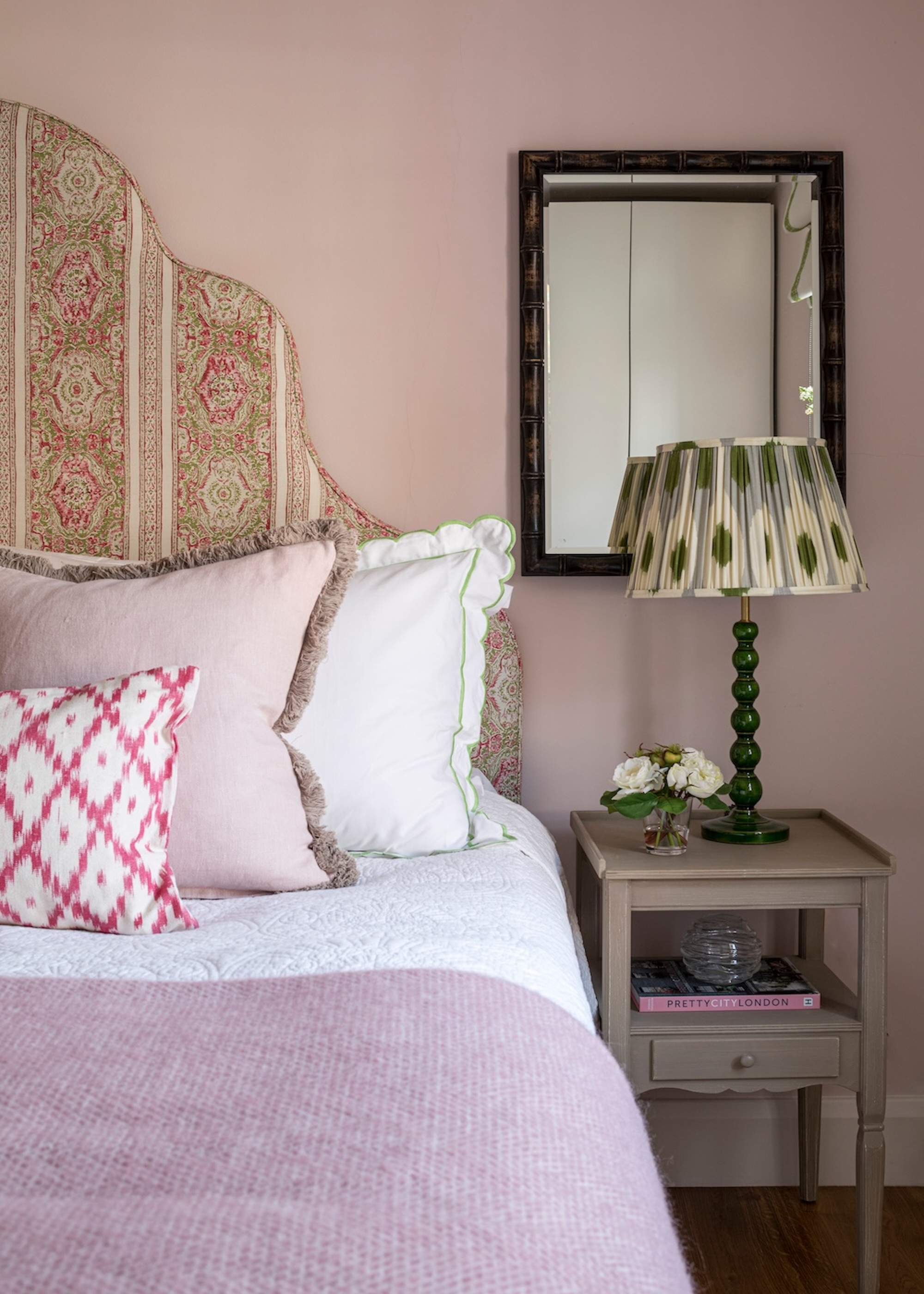
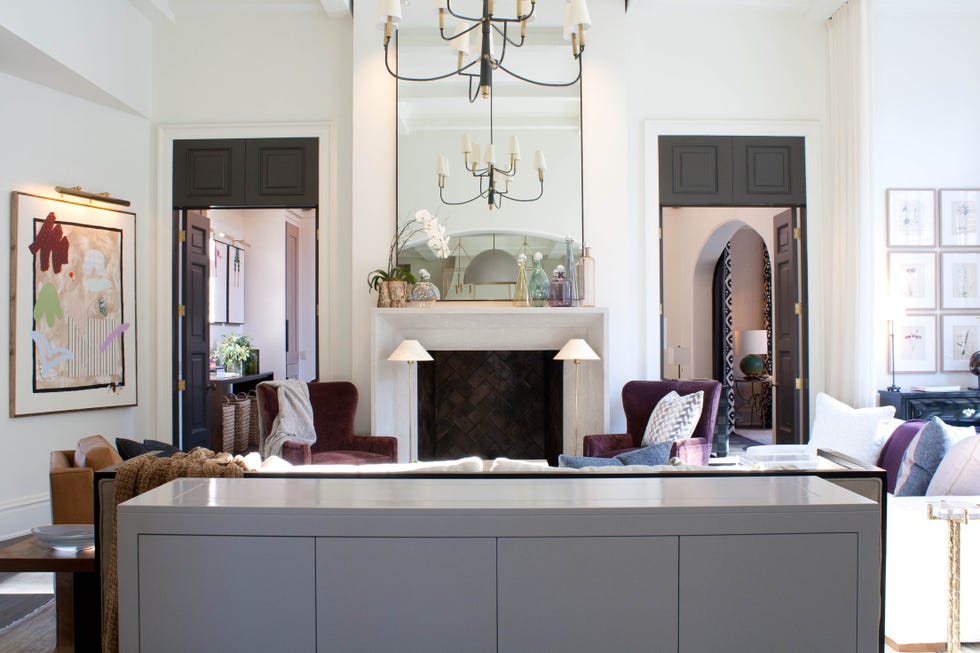
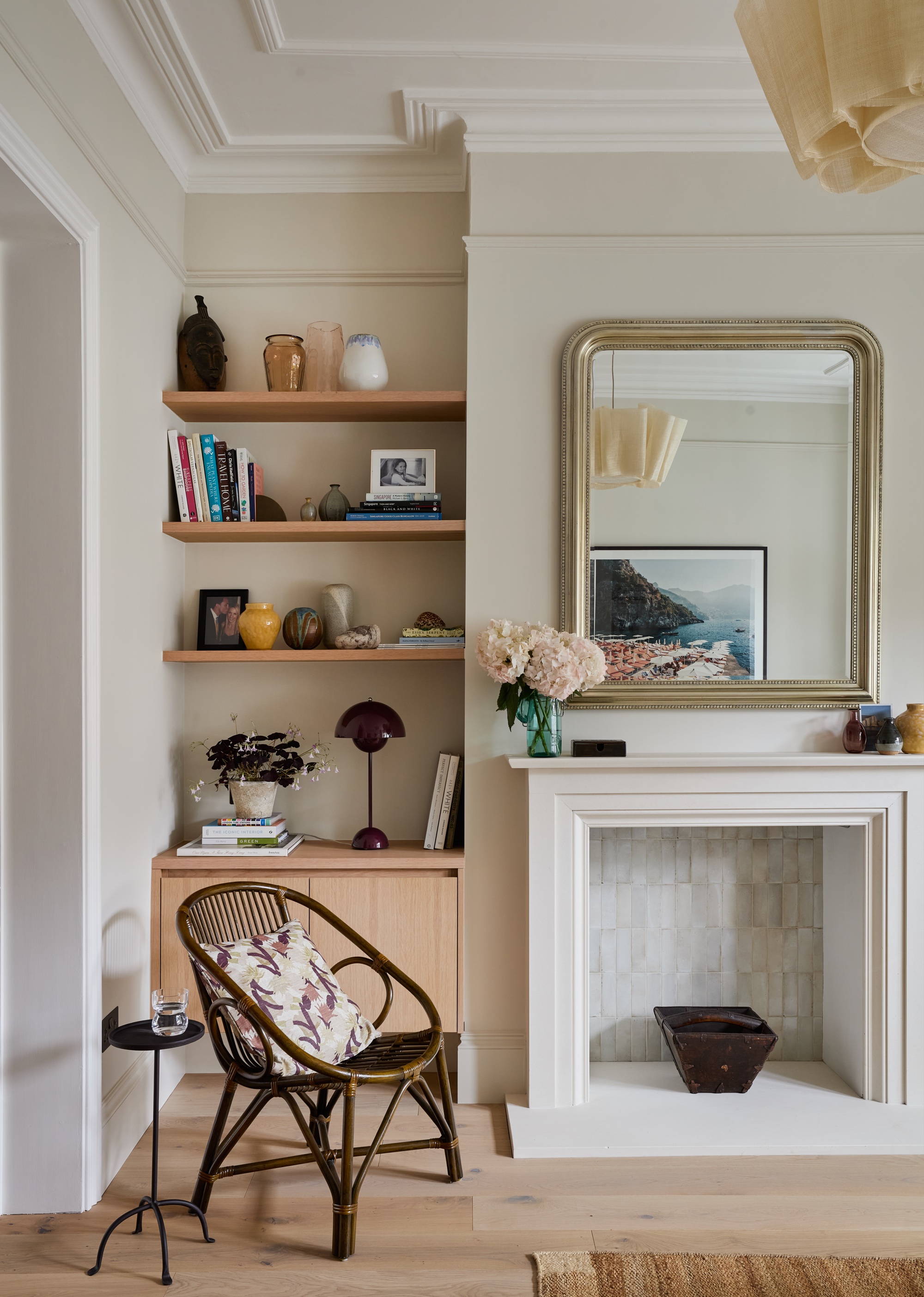
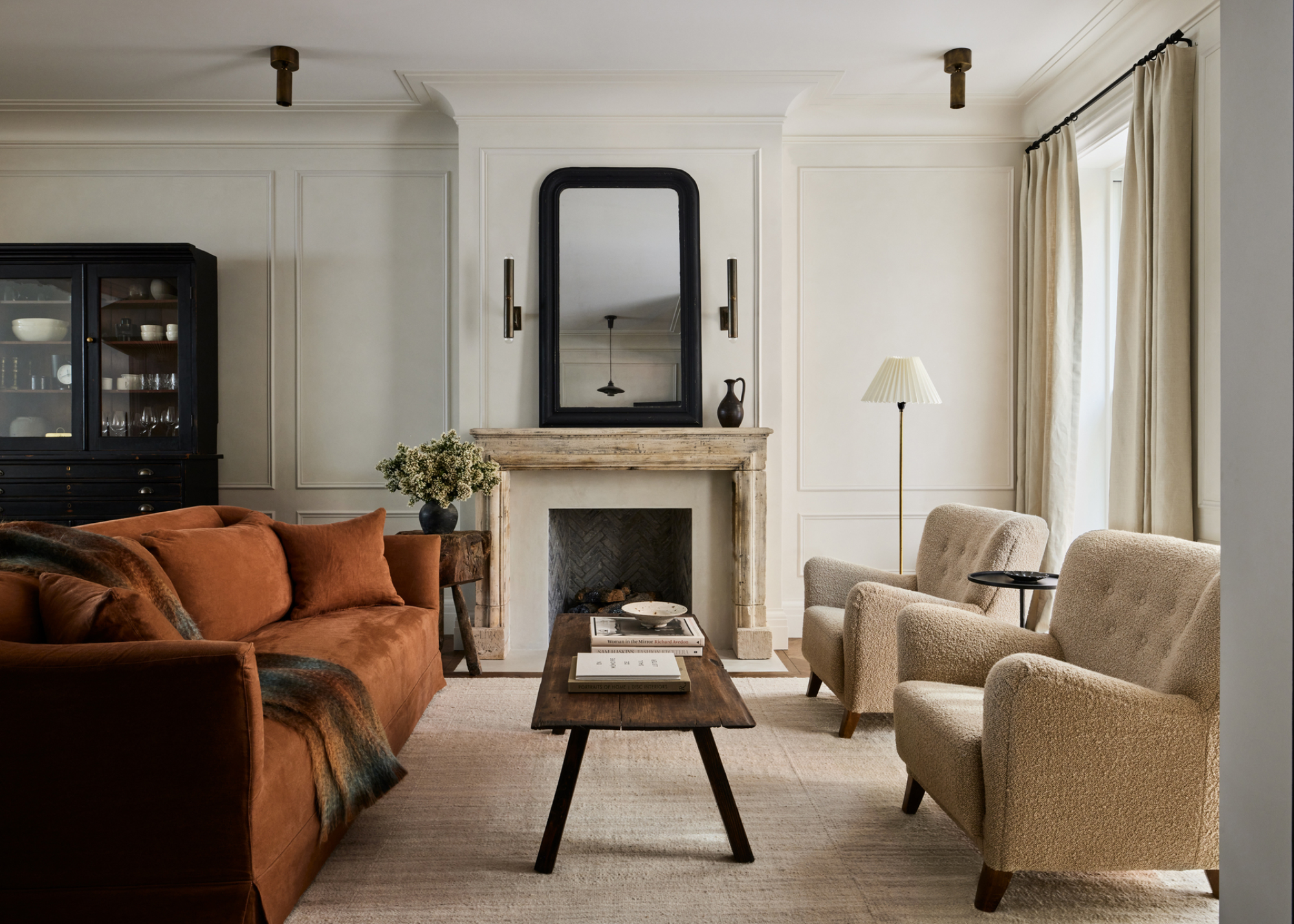
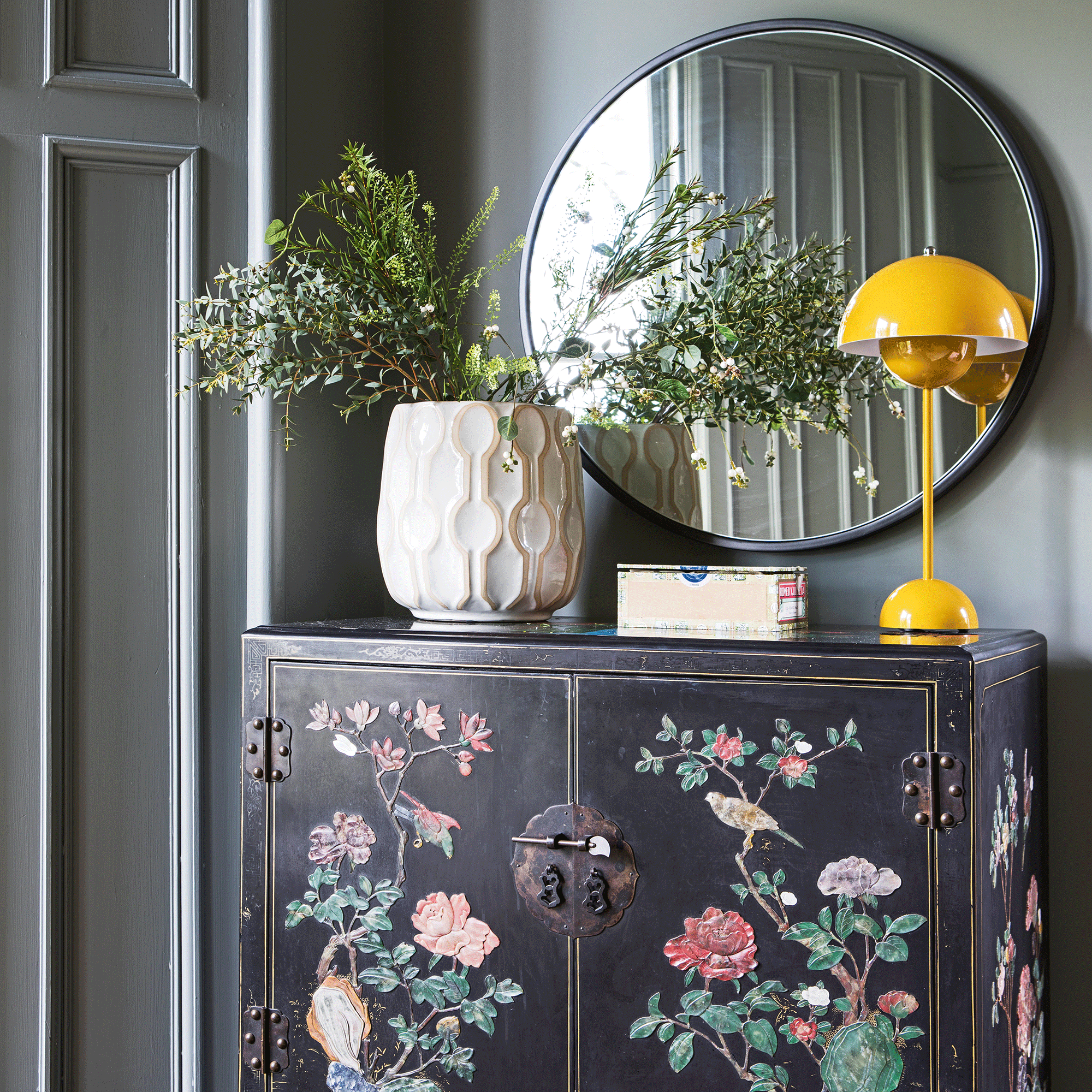
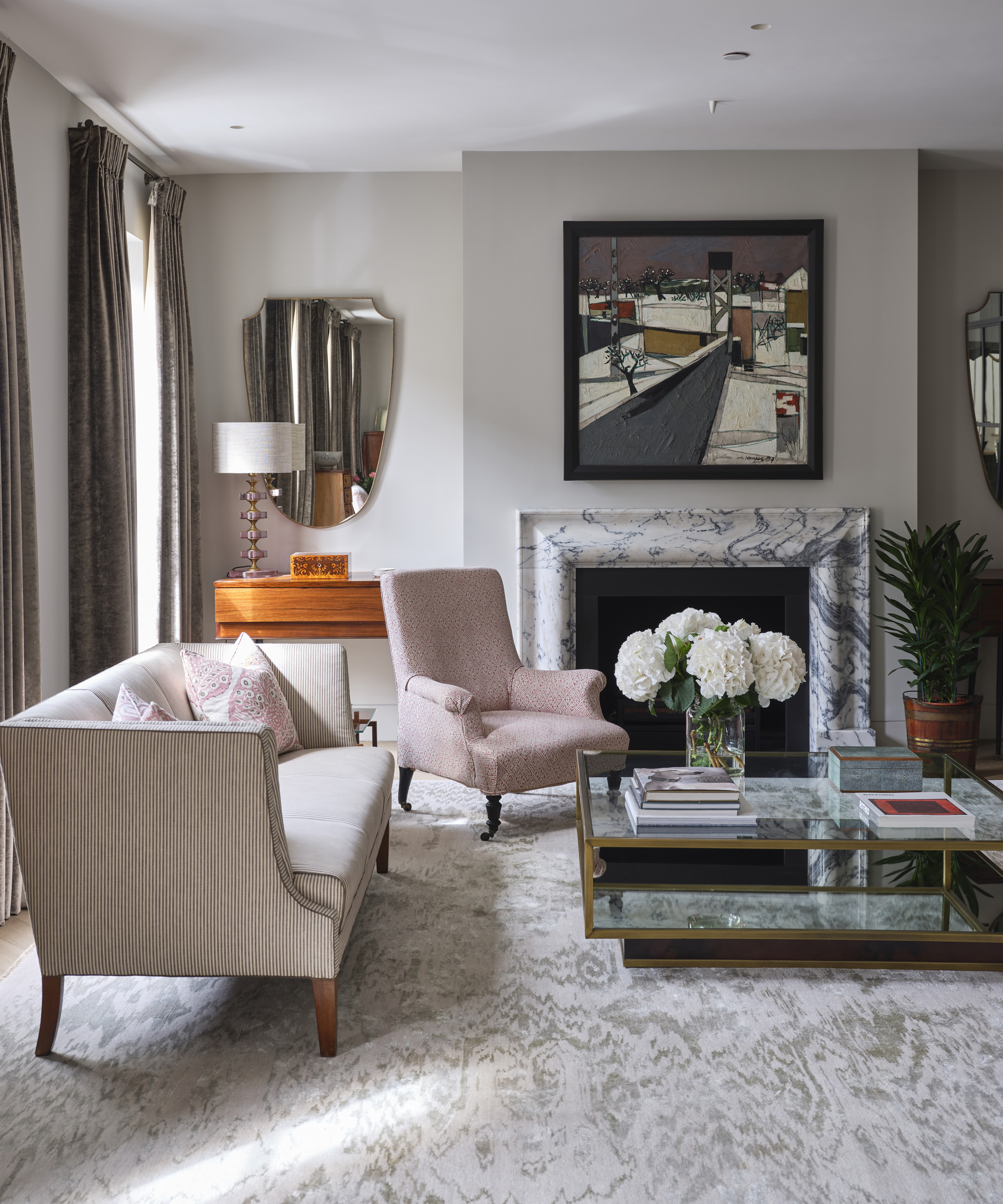
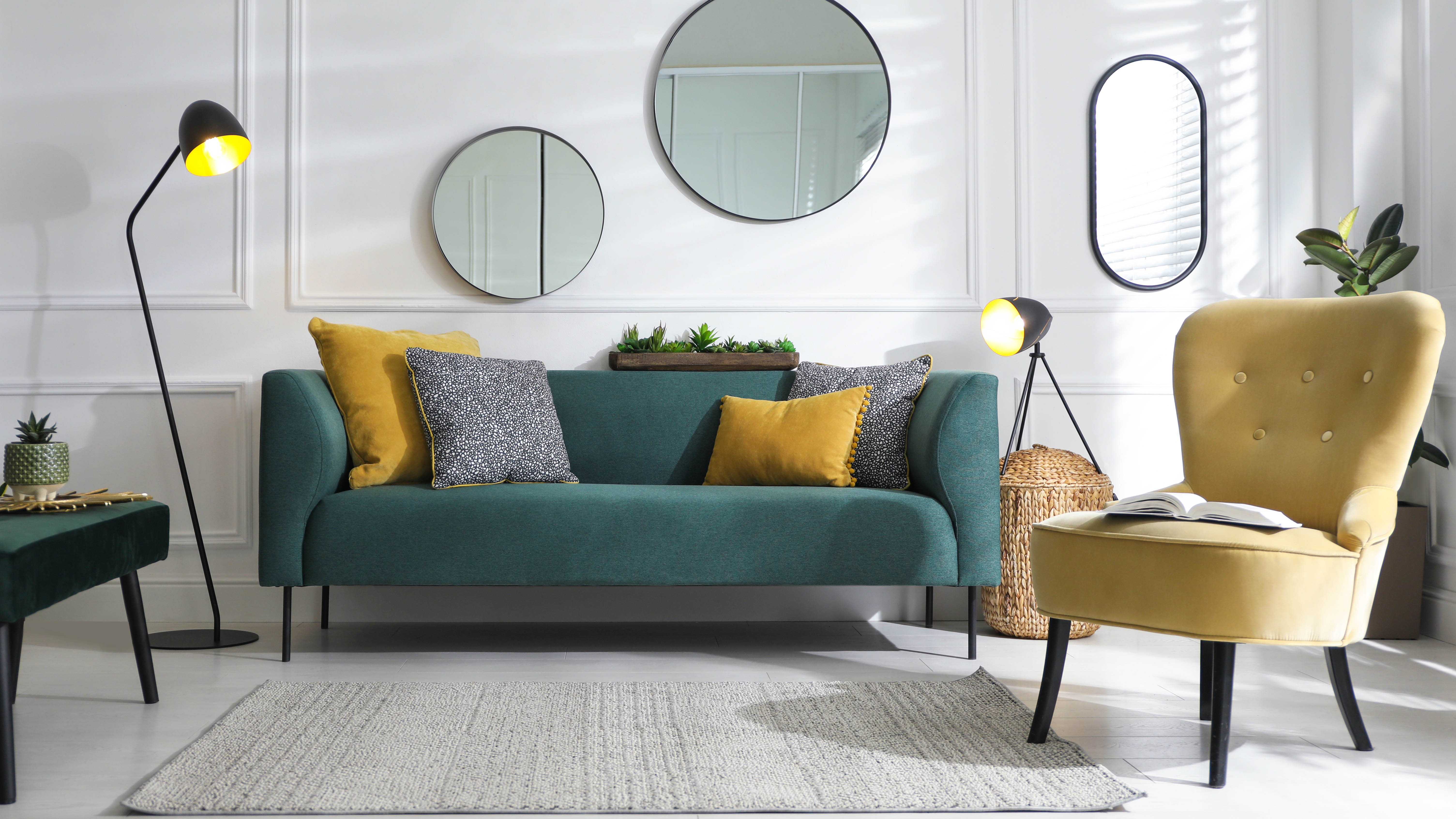
Another technique to eliminate shadowy areas is the strategic incorporation of glass and mirrors. These surfaces are highly effective at reflecting and multiplying natural light sources. Care should be taken to avoid placing large mirrors directly opposite windows, which can create unwanted glare. The layout of a room also significantly impacts light distribution. Designers suggest arranging furniture to prevent window obstruction and dark corners, recommending low-profile pieces and avoiding heavy, dark window treatments that can visually weigh down a space.
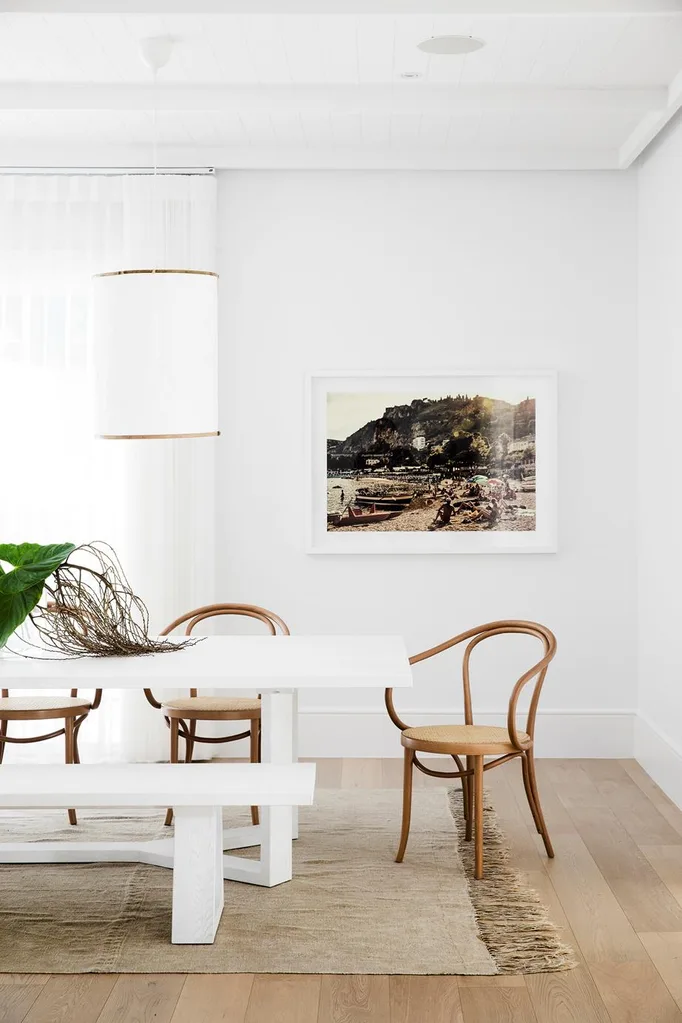
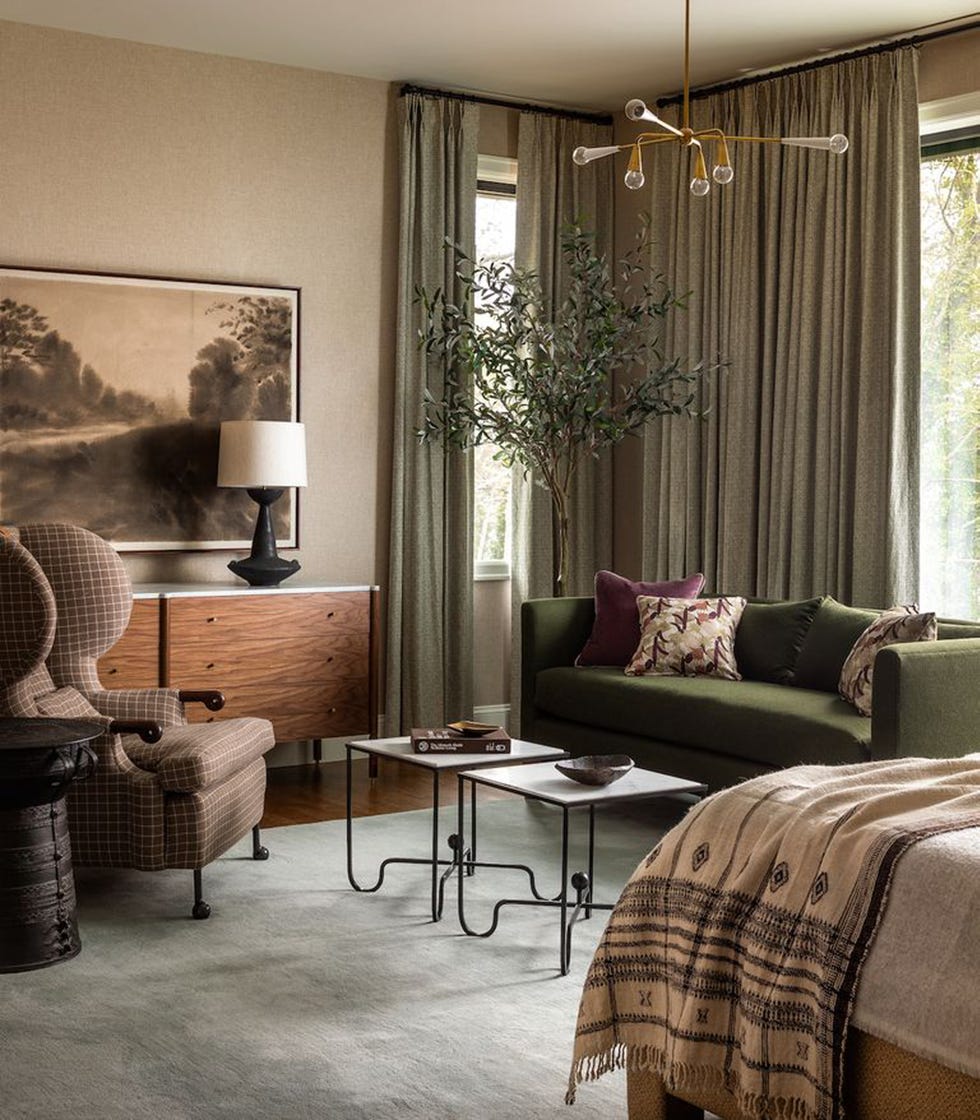
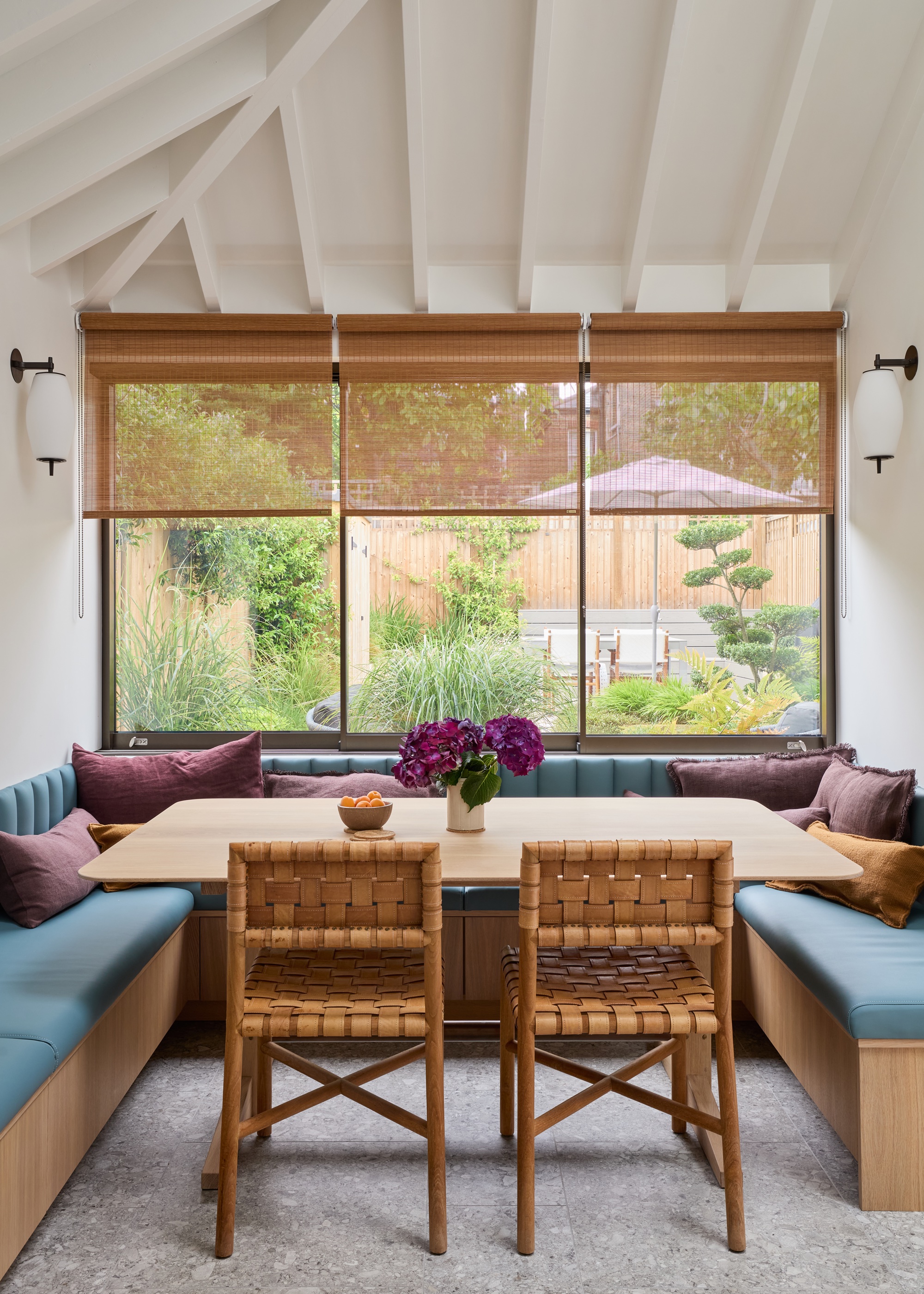
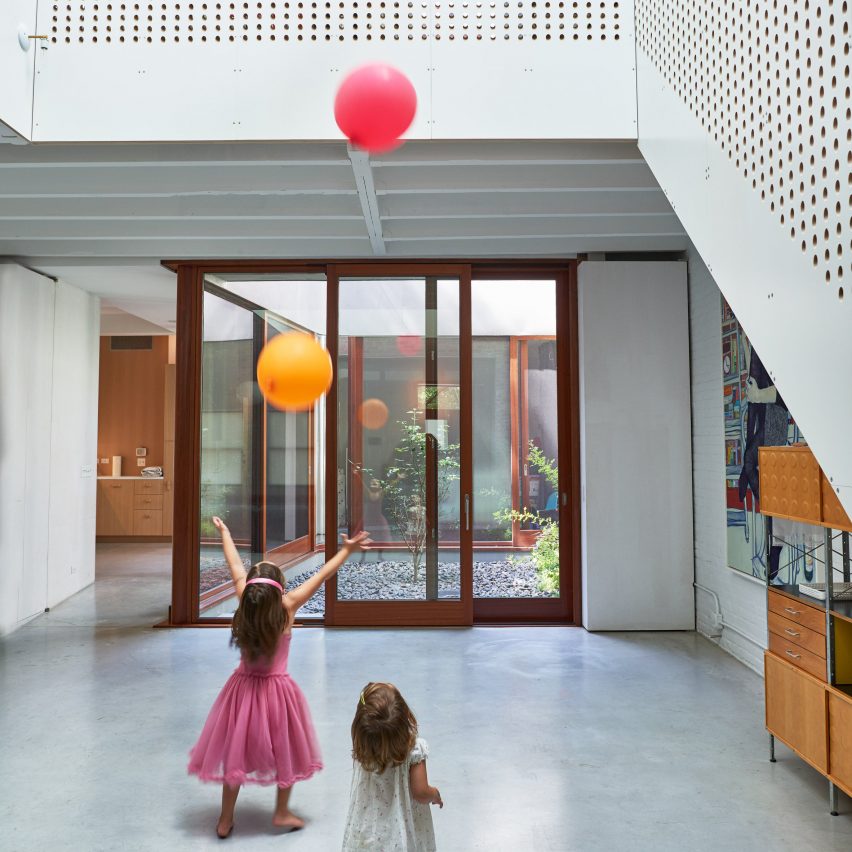
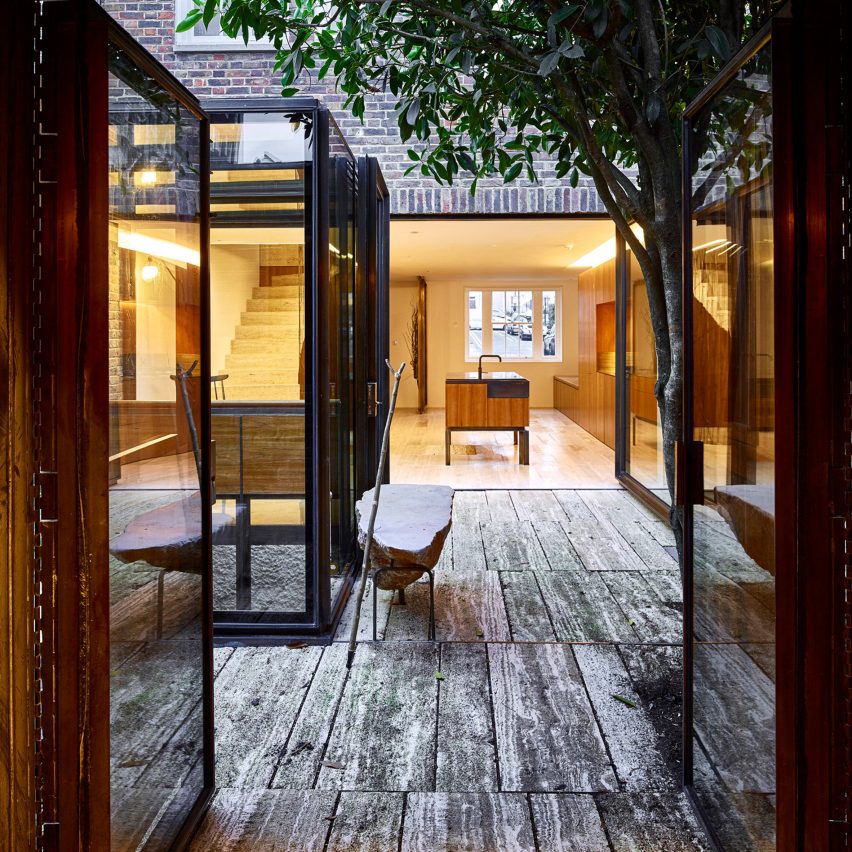
For those undertaking construction or renovation, the orientation of new windows is crucial. East-facing windows provide bright morning light, while west-facing windows capture the warm glow of the golden hour. North-facing windows offer indirect light, which may not be as effective for maximizing brightness. When it comes to window dressings, hanging drapes high and wide is a widely recommended practice. This technique not only makes windows appear larger but also allows maximum light entry. For privacy without sacrificing light, layering blinds or sheers under drapes can offer both beauty and functionality.
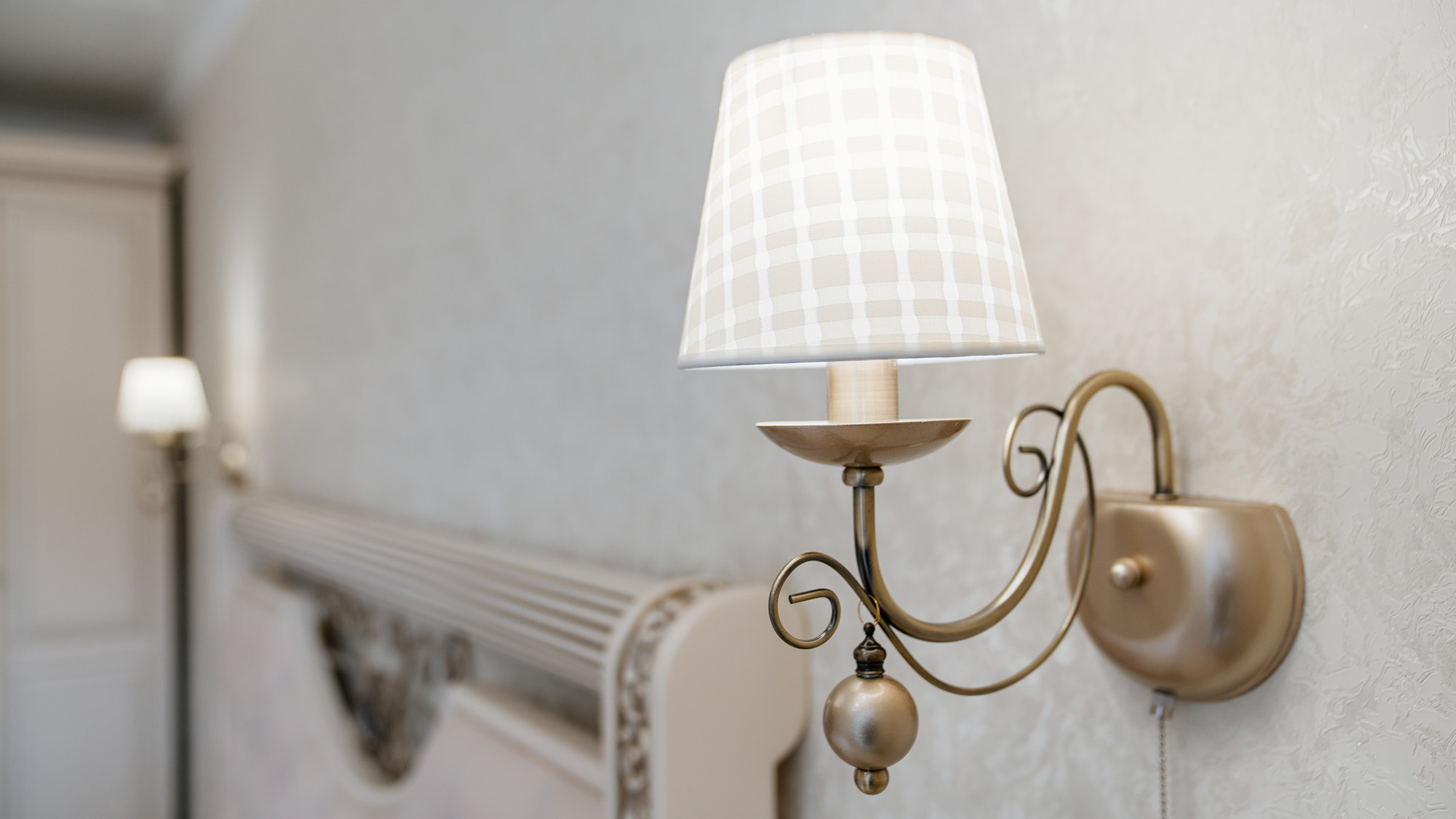
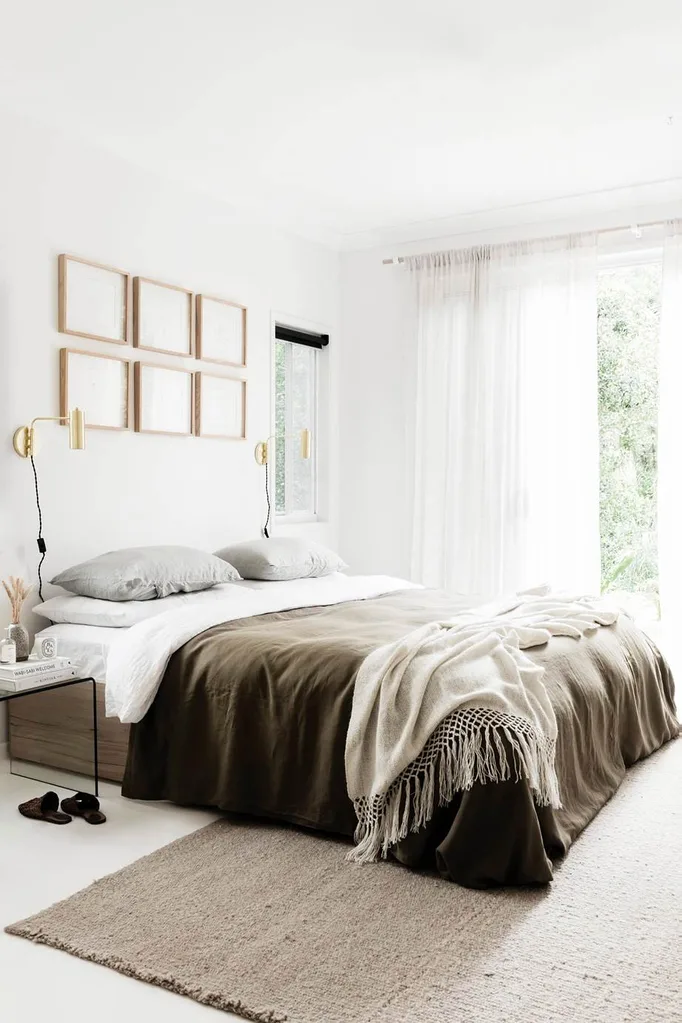
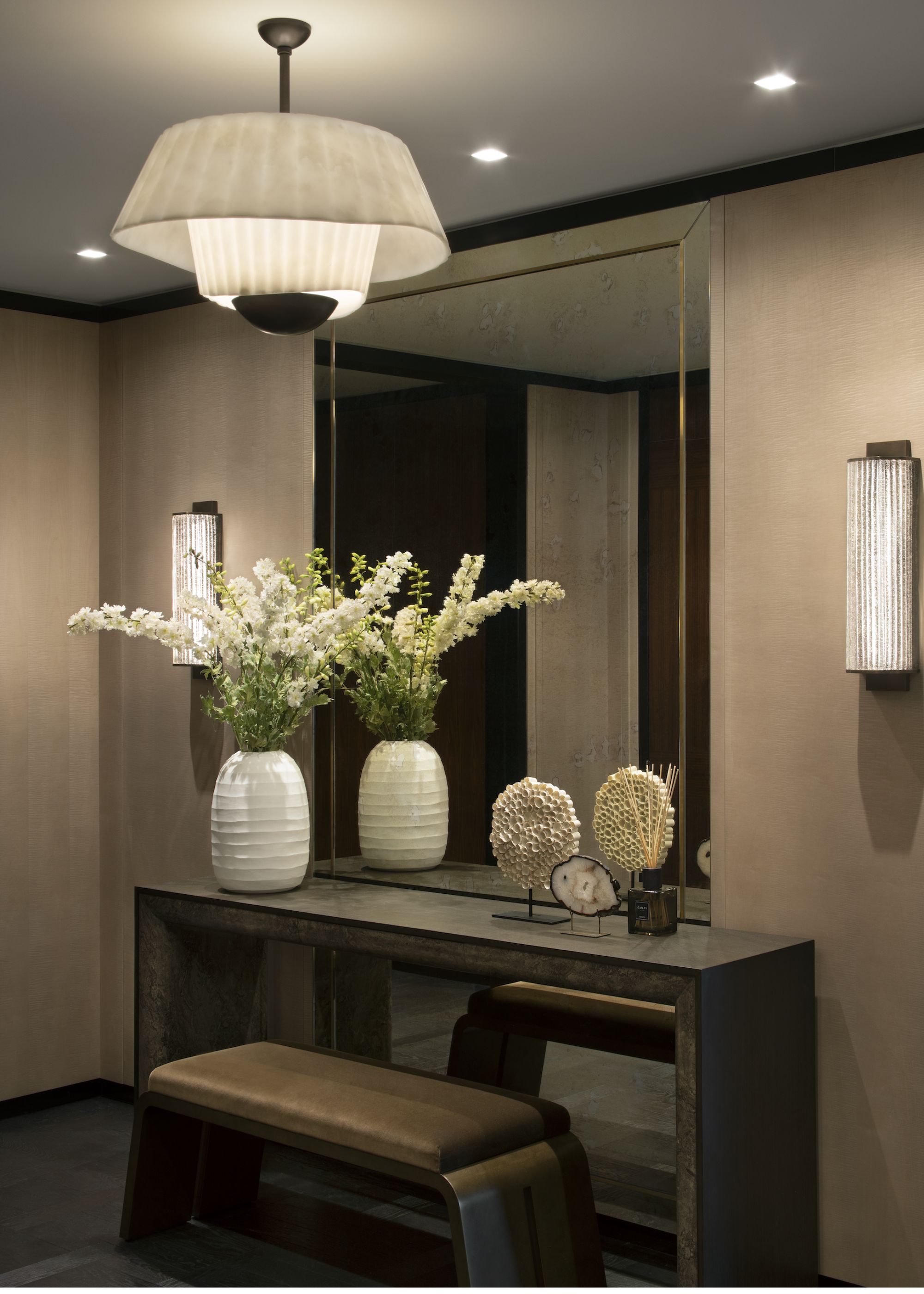
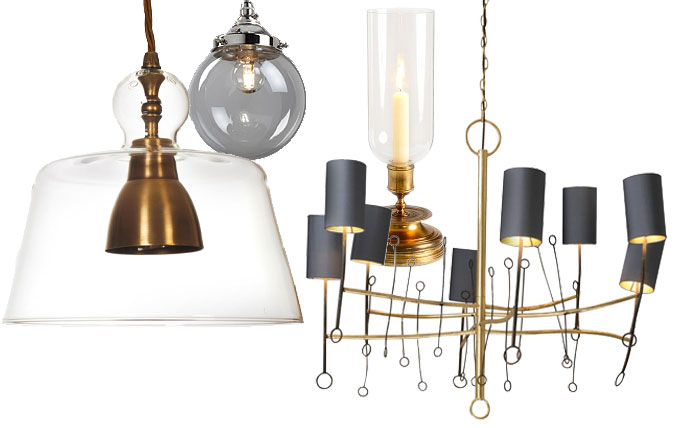
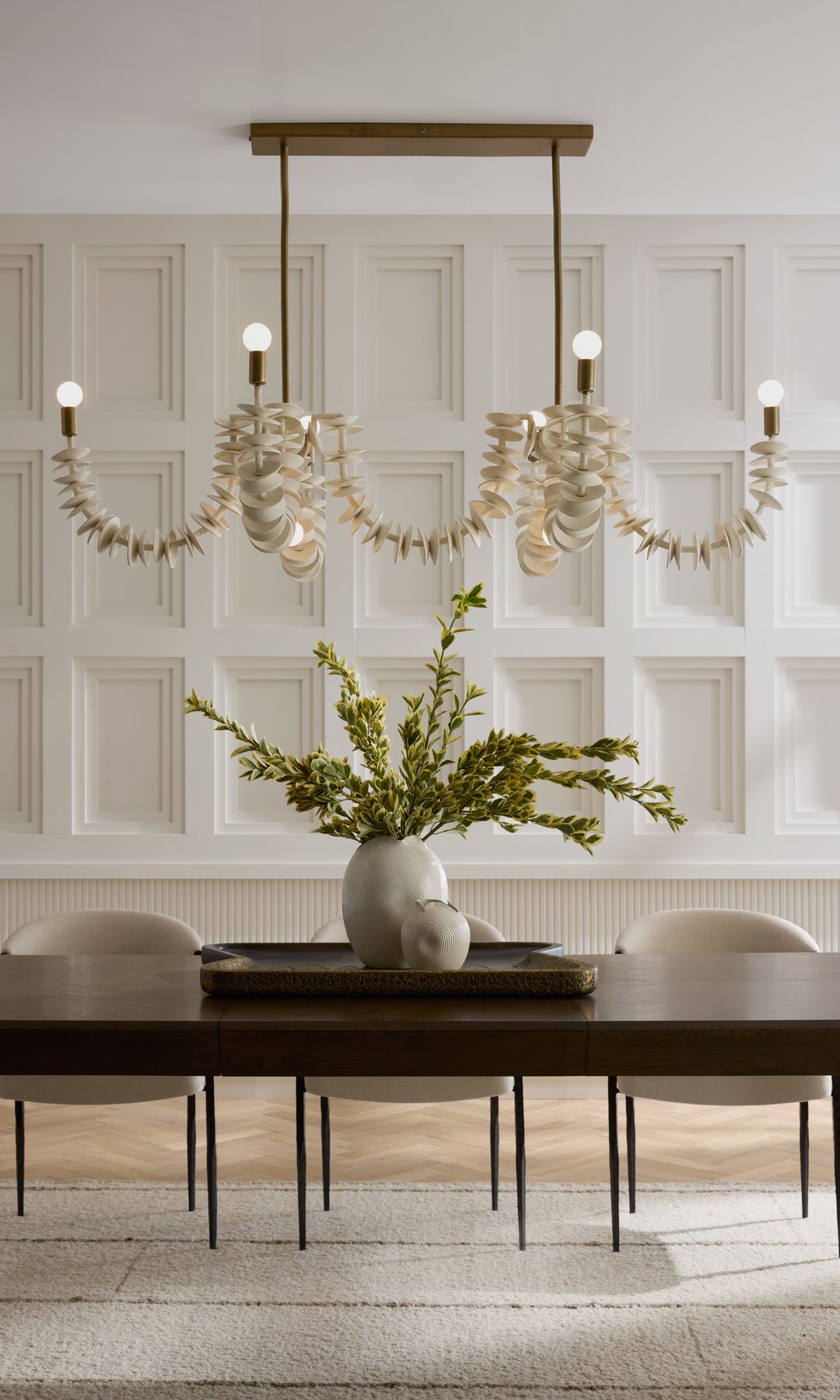
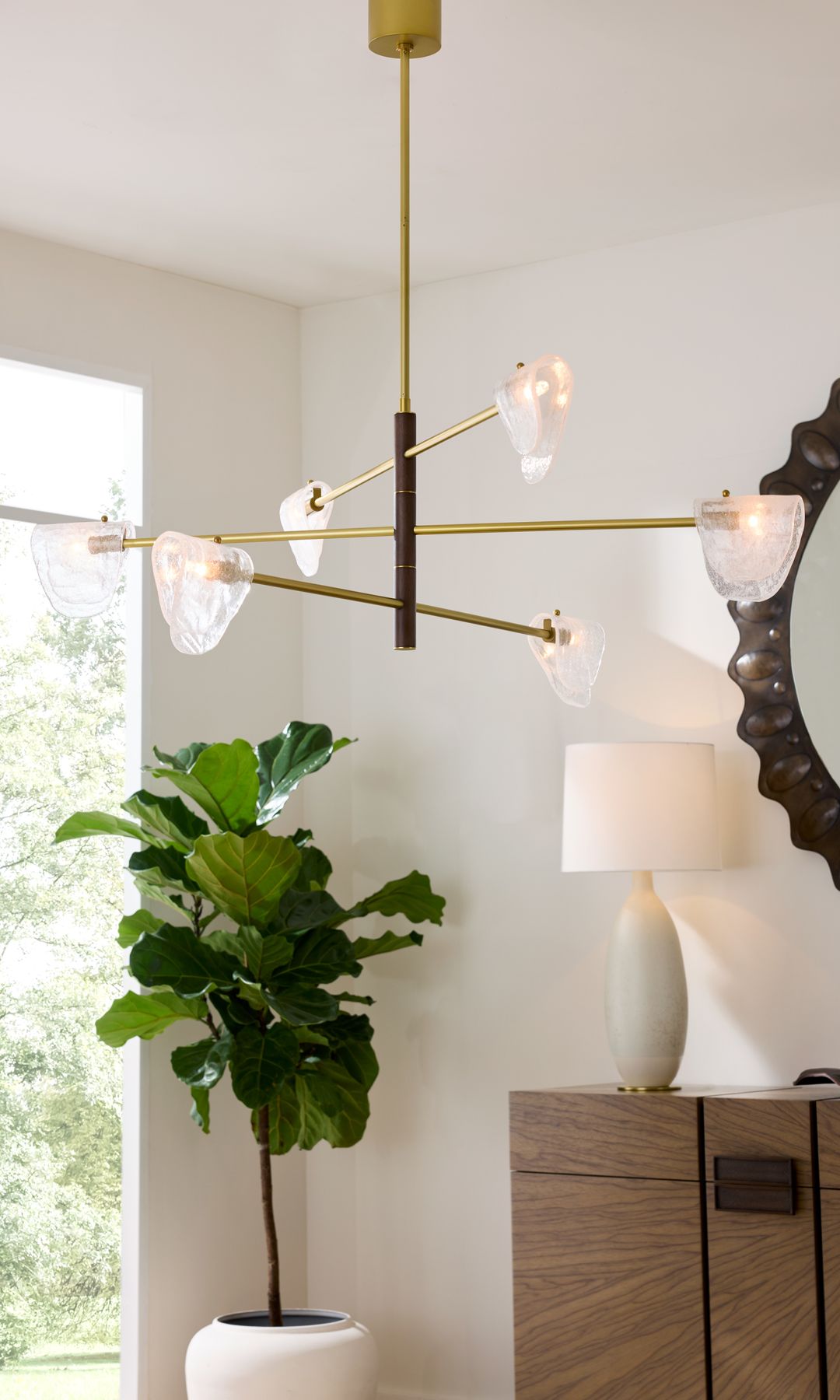
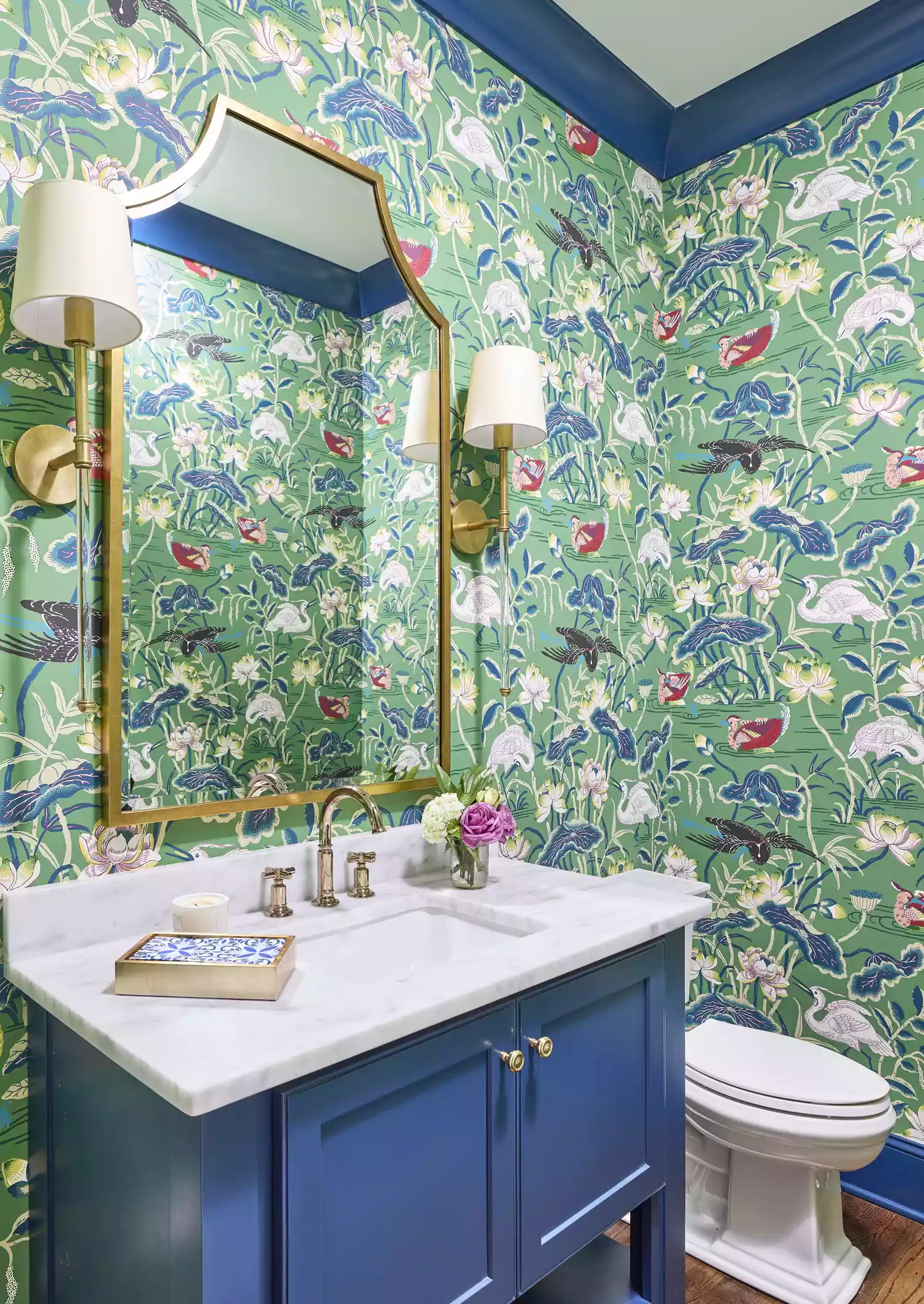
Integrating metallic accents into décor also aids in light reflection, preventing light from being absorbed by darker surfaces. Items such as chrome lamp bases, gilded light fixtures, and metal picture frames contribute to a brighter ambiance. In contrast to light-blocking drapes suitable for bedrooms, light-filtering drapery is preferred for communal areas where more sunlight is desired. Materials like bamboo or lace can diffuse harsh direct light while still allowing ample ambient light to brighten the room.
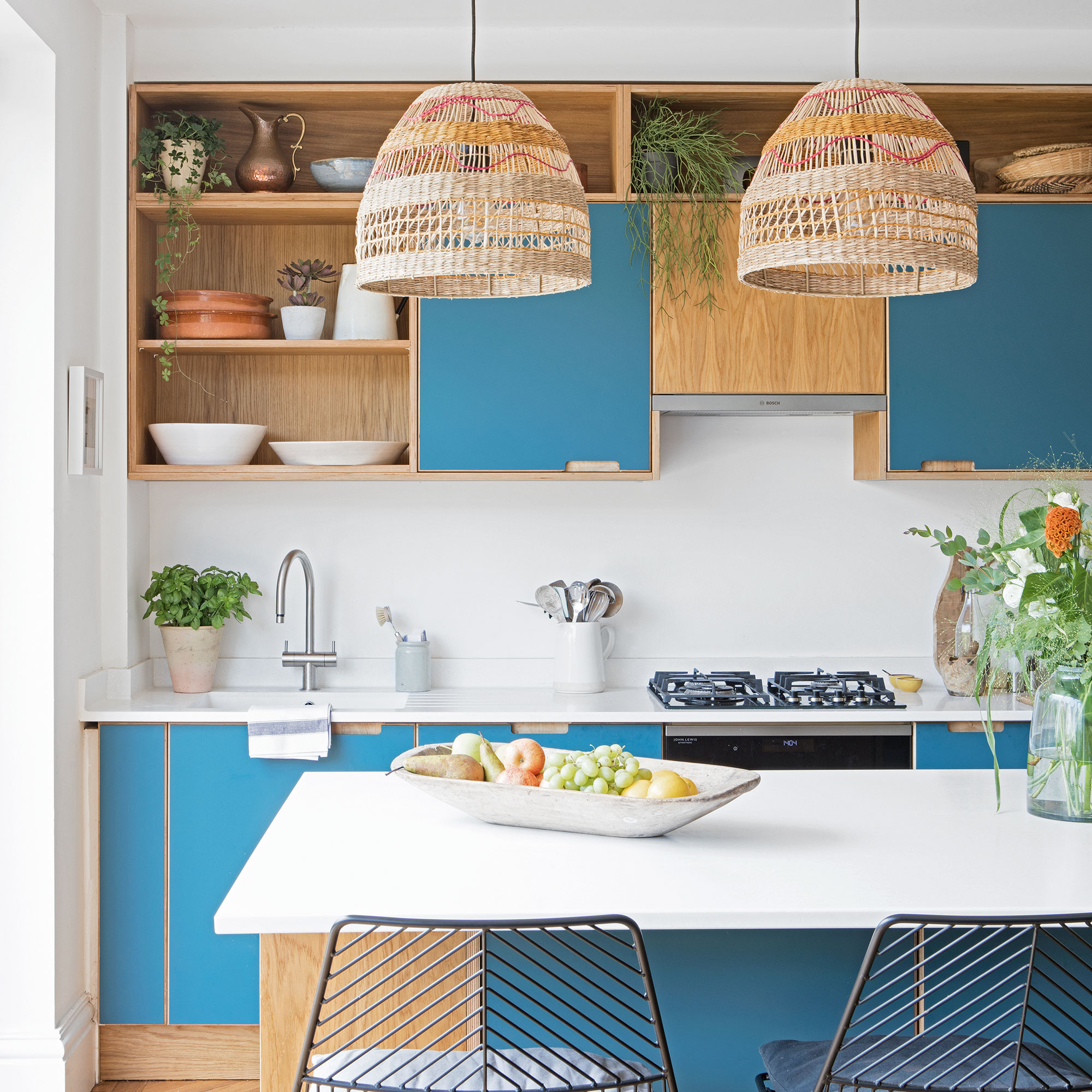
Furthermore, softening a space with organic materials like linen, rattan, bamboo, white oak, or soft wool can enhance natural light. These pale, natural materials provide a grounding and inviting feel without making the room appear sterile, striking a balance between reflective surfaces and soft textures. Finally, a simple yet often overlooked practice is maintaining clean windows. Dust, water droplets, and grime accumulate on windows, significantly reducing the amount of light entering a room. Regular cleaning of interior windows and seasonal deep cleaning of exterior windows and screens are essential for optimal light transmission.
#NaturalLight #InteriorDesign #HomeDecor #LightingTips #ReflectiveSurfaces #WindowTreatments #HomeImprovement #RoomLayout #ColorPalette #NaturalLight #InteriorDesign #HomeDecor #LightingTips #ReflectiveSurfaces #WindowTreatments #HomeImprovement #RoomLayout #ColorPalette
0 comment in total
 No comments yet
You may also like
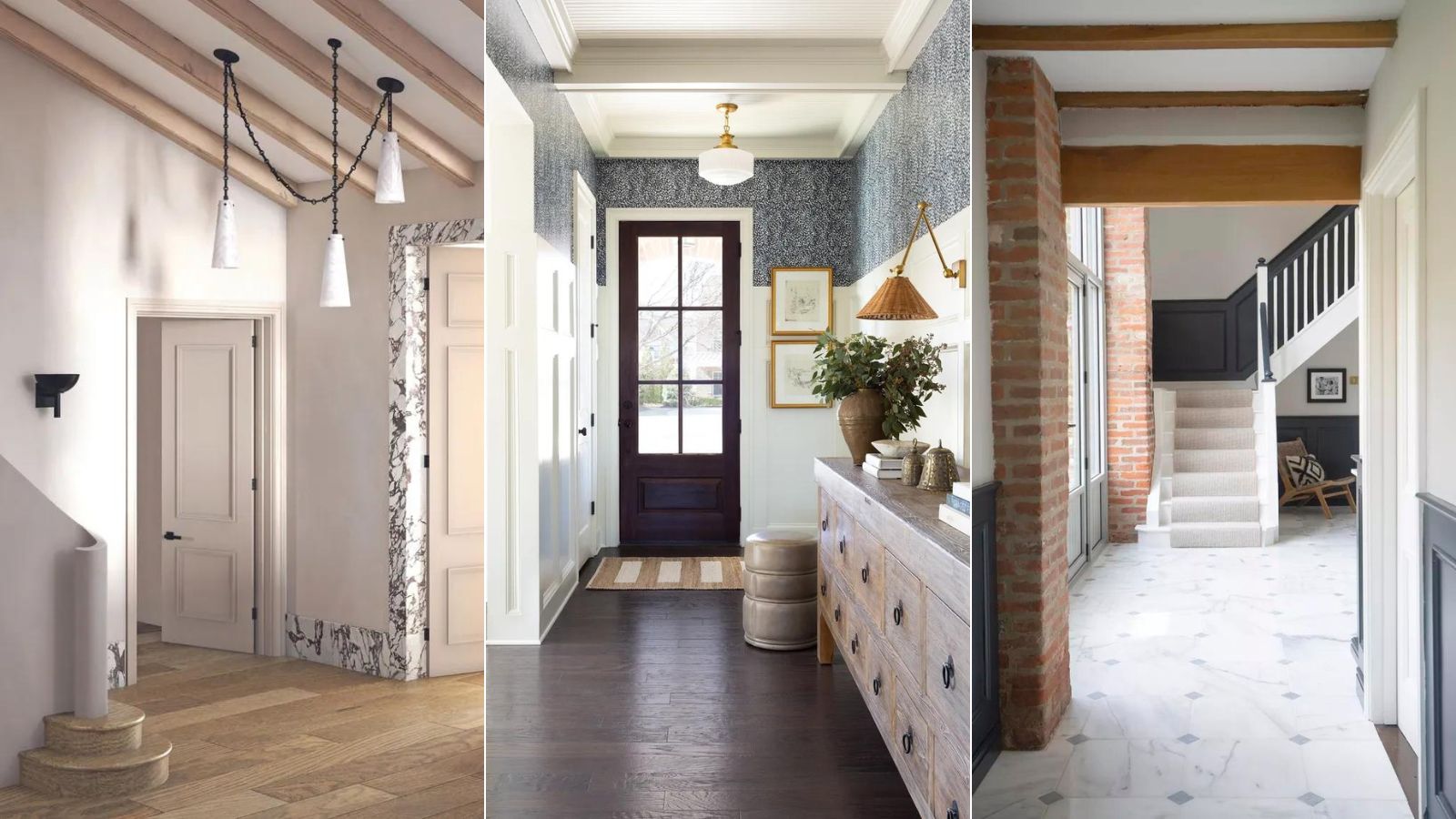
How to increase natural light in your entryway – 8 pro-endorsed solutions that experts love

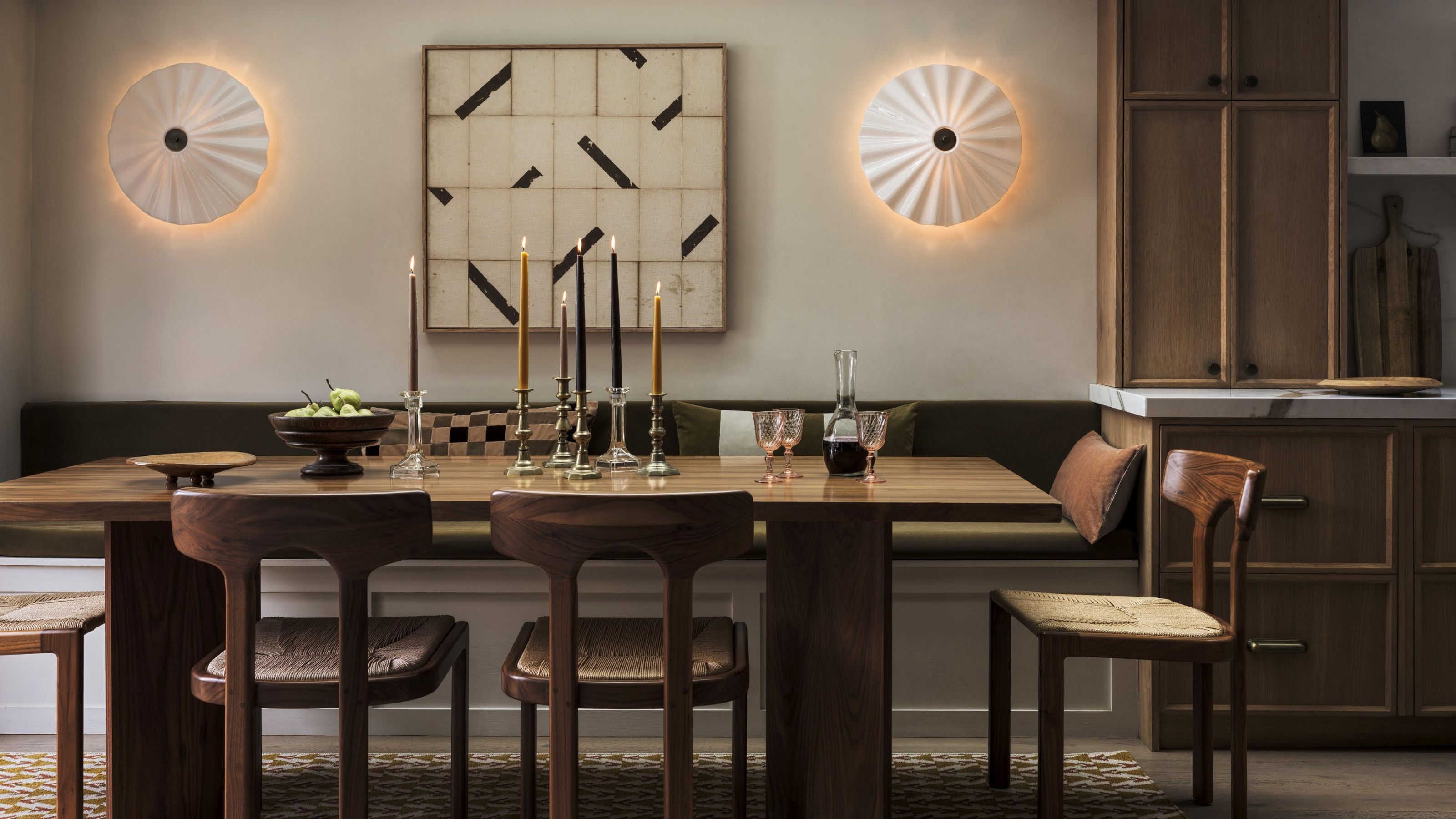
Let There Be Light — 10 Lighting Tricks That Will Transform Any Dark Room Into A Warm and Inviting Space

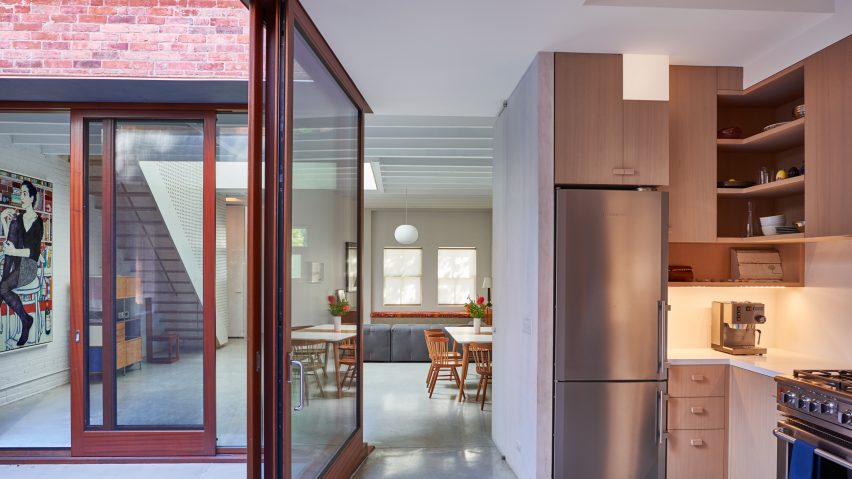
10 homes that make clever use of lightwells to bring daylight in
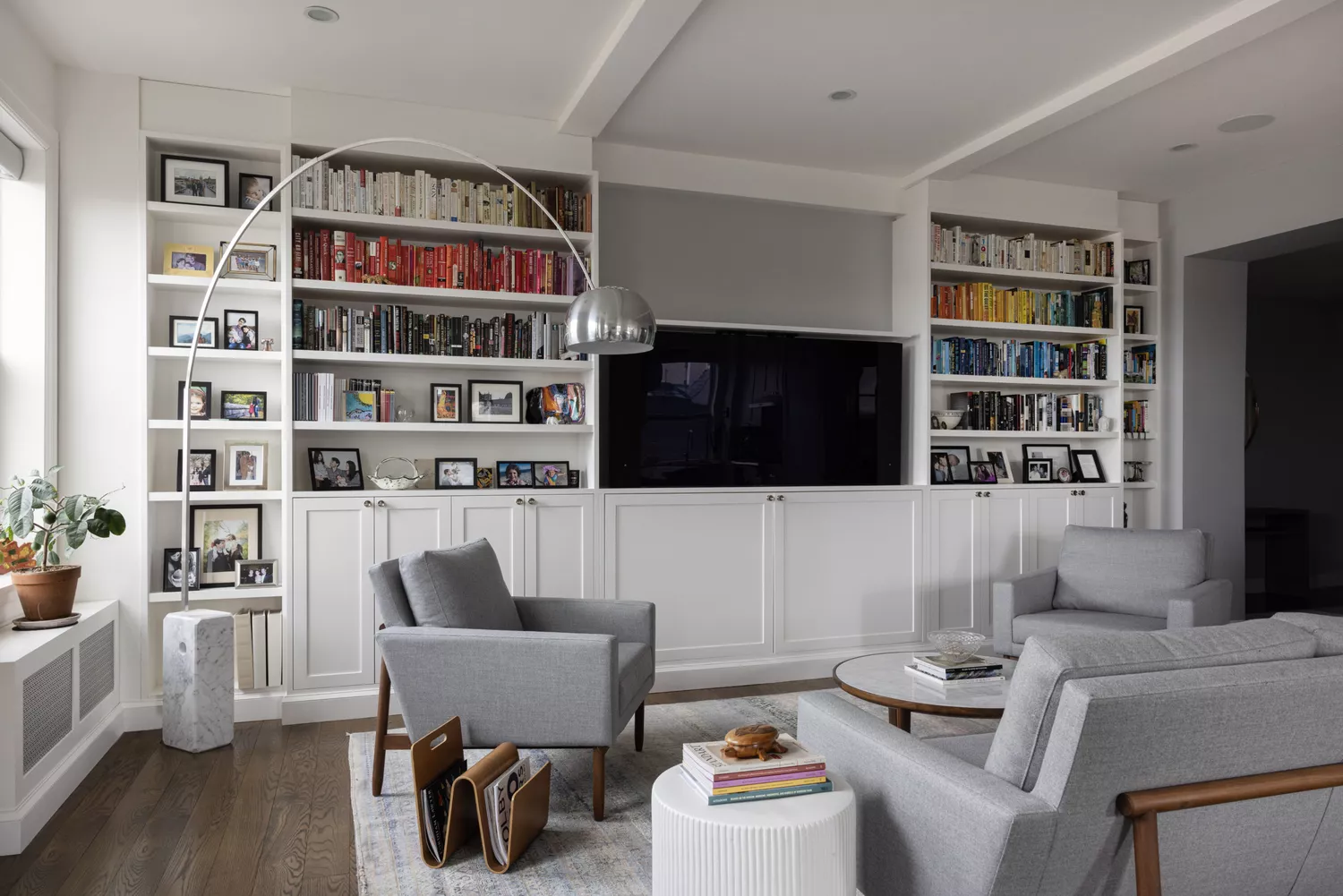
5 Easy, Designer-Approved Lighting Hacks to Brighten Up Your Home

5 Tricks to Maximize Your Home's Natural Light on Darker Autumnal Days Using Artificial Lighting
Designers Share Their Best Tips for Acing Ambience in the Living Room with Lighting
We Asked Designers How to Get More Natural Light in Our Homes and We're Following This Advice All Winter
How to fake natural light in a dark room - 5 design tricks to brighten up a gloomy space
How to brighten any room in your home — 5 tips from a lighting expert

No Natural Light? Here's How To Brighten Your Space, According To Designers
4 rules for luxurious lighting according to interior design experts

How to make a living room lighter – an interior designer's 10 tips for a creating brighter space
Turn Natural Light into Your Home's Best Feature: 8 Tips from an Interior Designer

10 Habits Interior Designers and Architects Want You to Adopt in Your 2026 Renovations
6 Ingenious Ways to Brighten Up a Room That Gets Very Little Natural Light

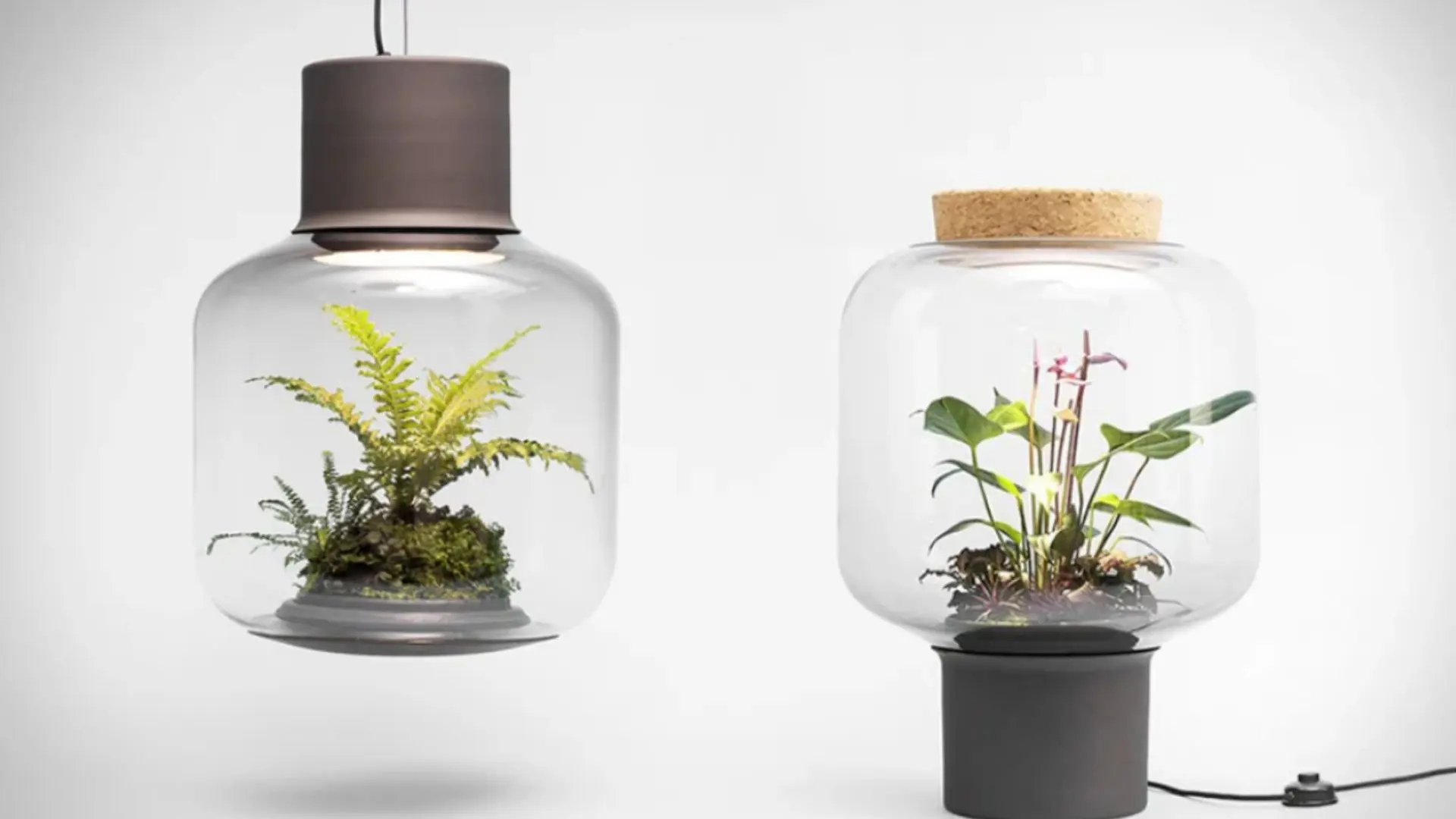
10 biophilic lighting designs that leverage the power of light

An interior designer’s guide to lighting your home

Get your home's lighting just right: Seven questions answered
5 Types of Lighting Designers Would Never Use —They're Harsh and Unflattering and Here's Why
Interior doors can add light, personality