6 Awkward Living Room Layouts That You Should Fix ASAP—and How to Do It
Living rooms, despite their central role in a home, often present design challenges due to various awkward layouts. These issues can range from narrow spaces and open-plan concepts to rooms with unusual architectural features like nooks, angled walls, random columns, or sloped ceilings. Overcoming these design hurdles requires thoughtful planning and creative solutions to transform dysfunctional spaces into stylish and functional areas.
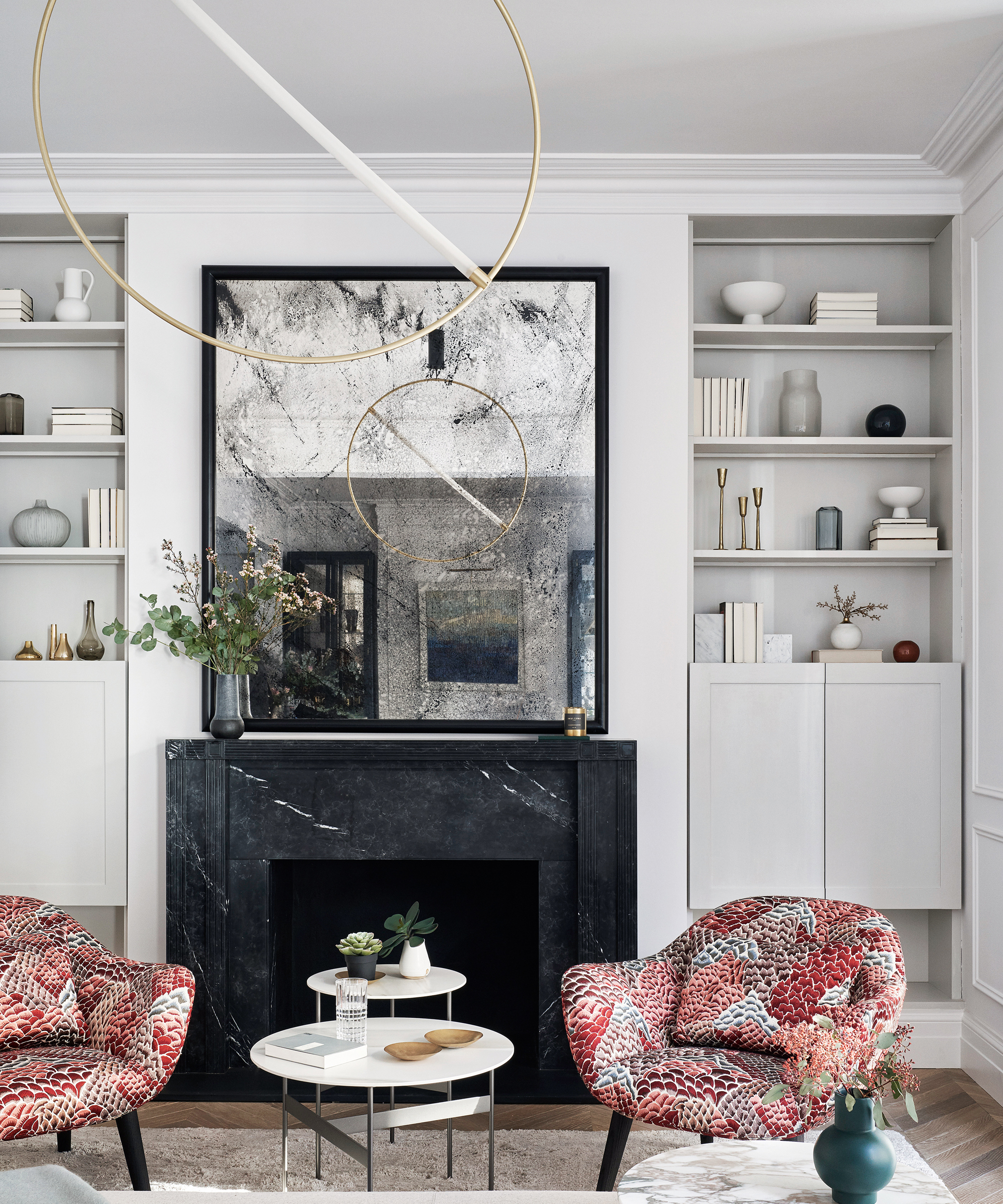
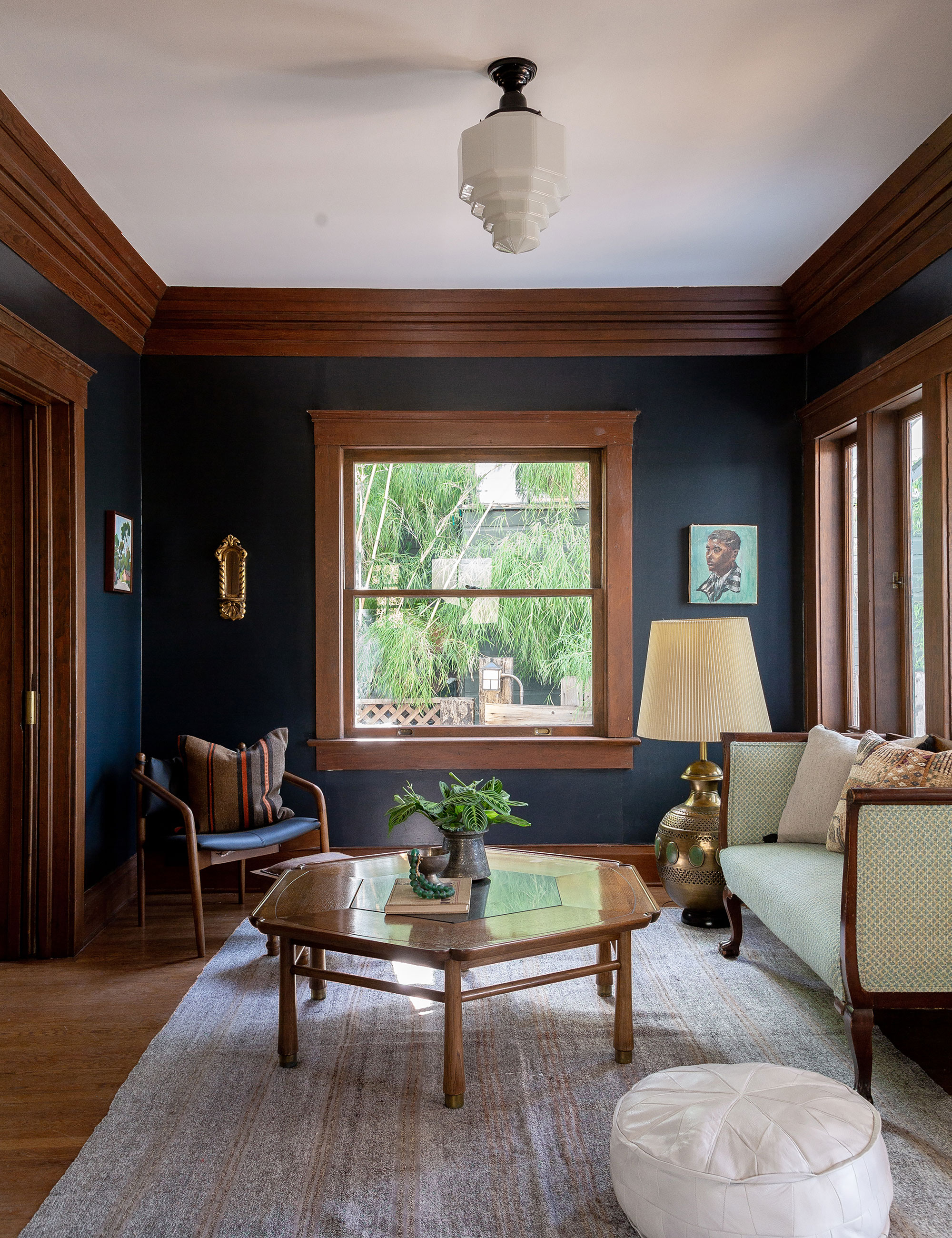
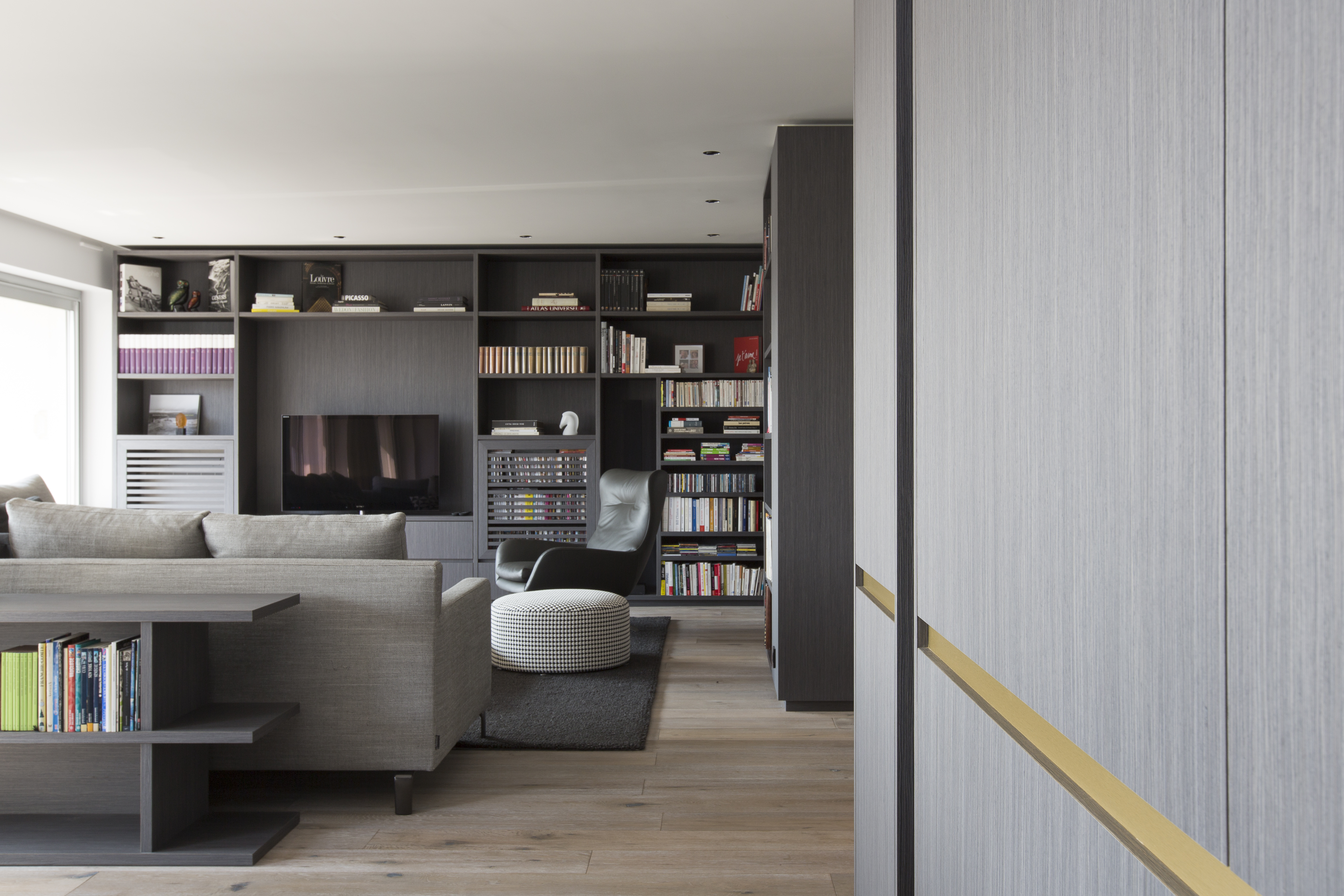
For long and narrow living rooms, the primary goal is to counteract the 'corridor' effect and make the space feel wider and more inviting. Interior designers recommend strategic use of light-reflecting elements, such as large mirrors. These not only amplify natural light but also create an illusion of greater depth and expanse. Minimalist or vintage-framed mirrors can serve as focal points, or simpler full-length mirrors can be horizontally placed above features like a fireplace or credenza to enhance the visual stretch of the room. Additionally, carefully chosen furniture arrangements that don't block the visual flow can help define functional zones without obstructing movement.
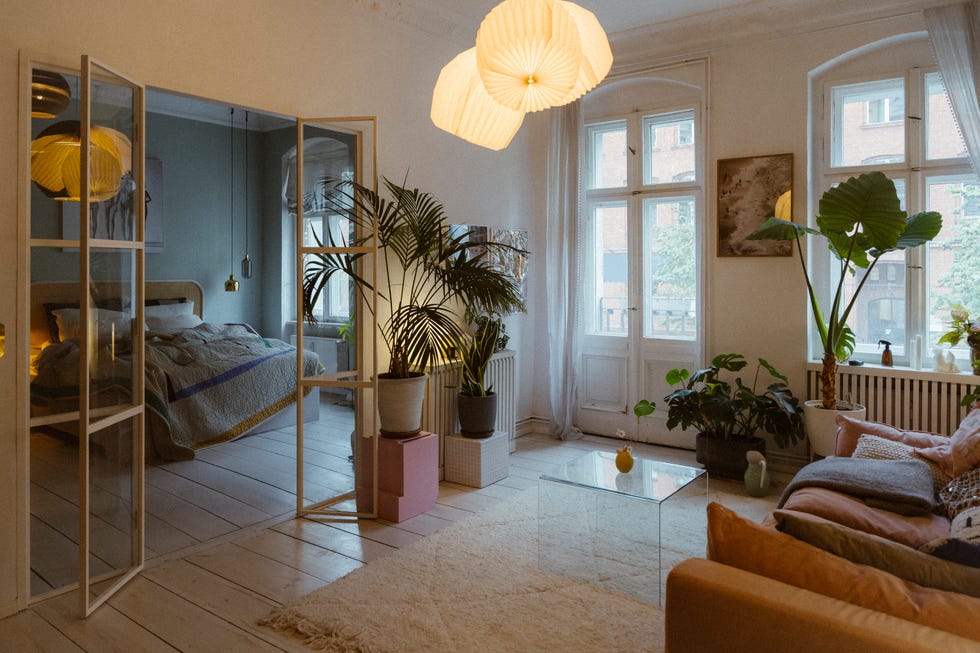
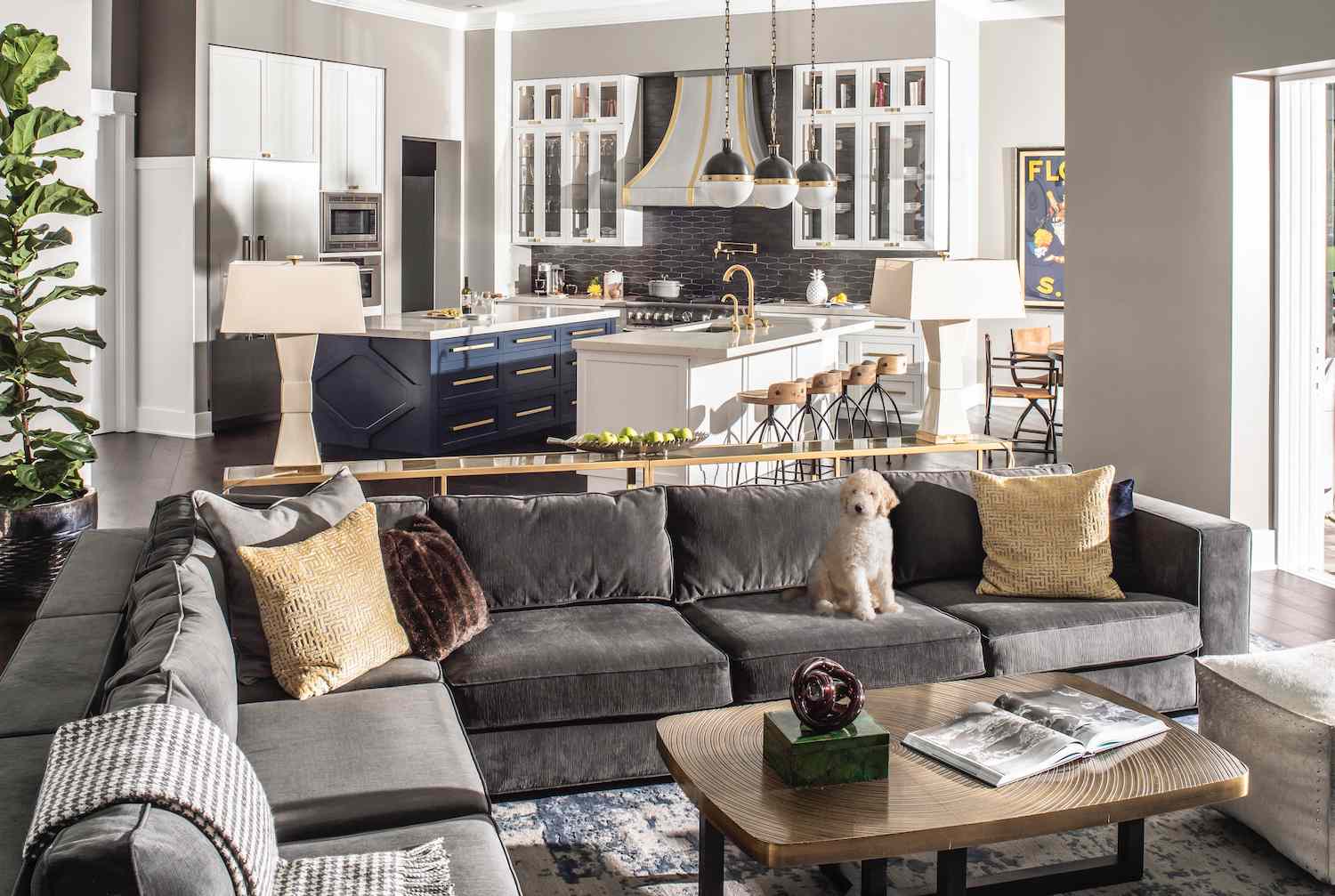
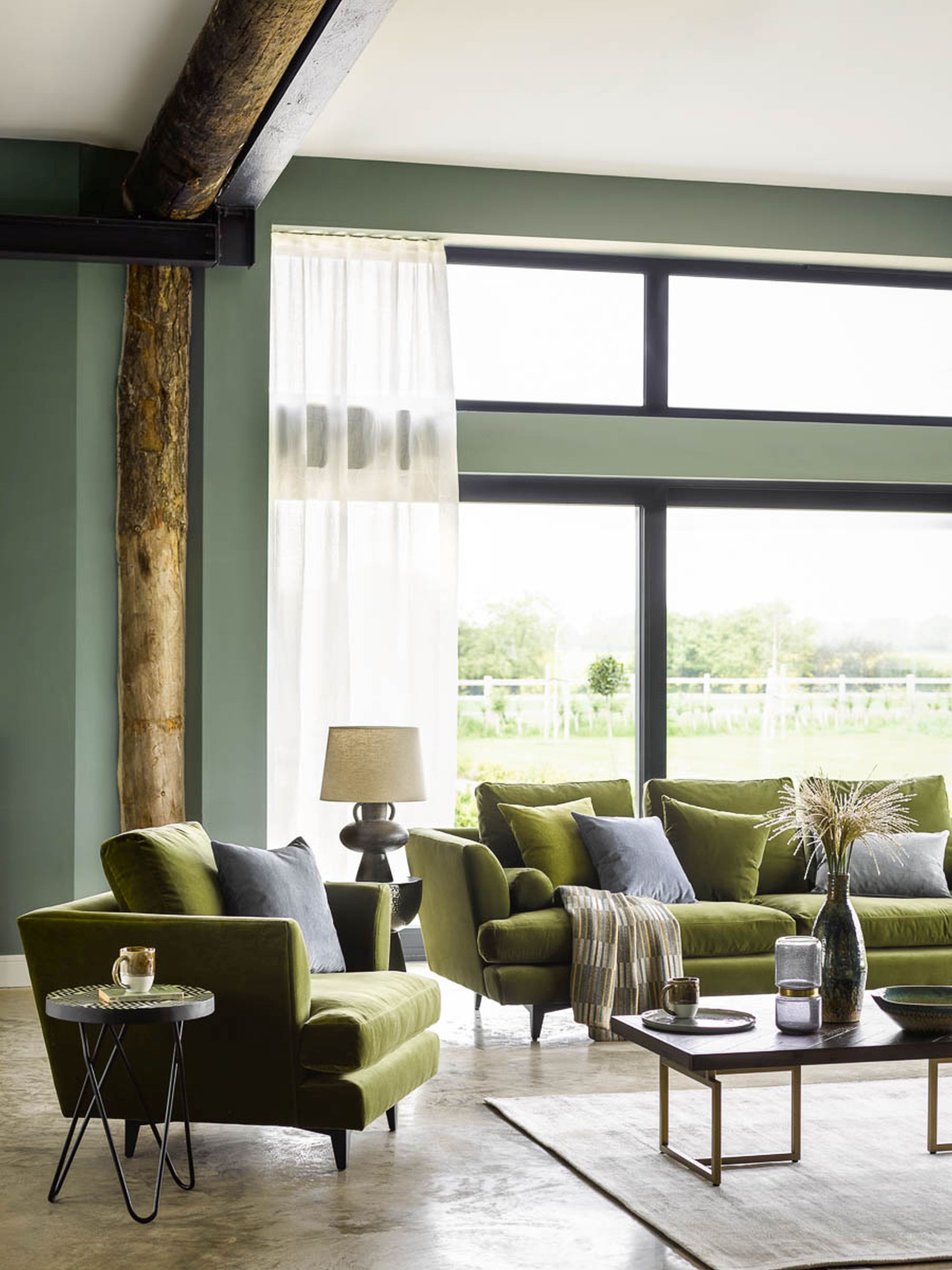
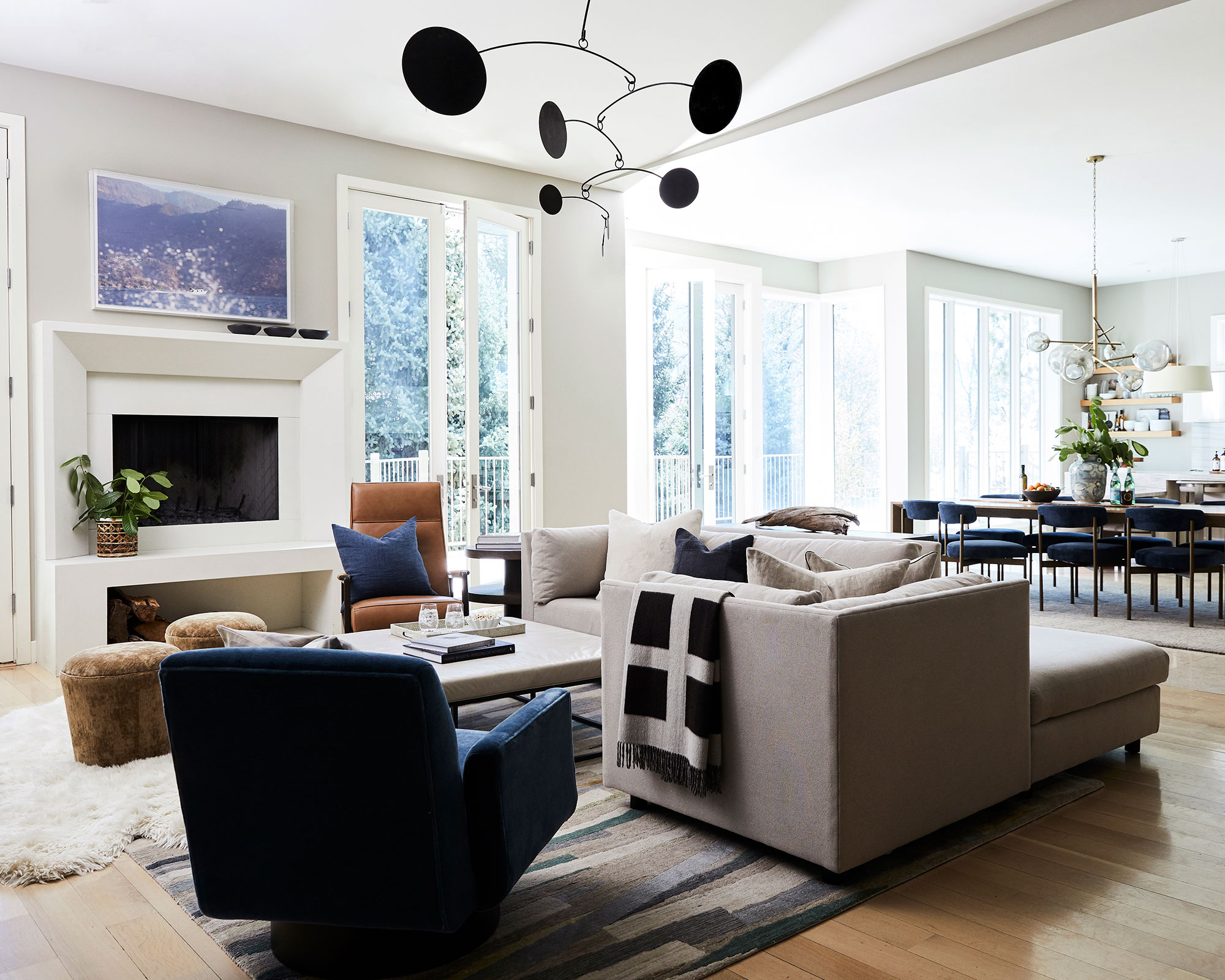
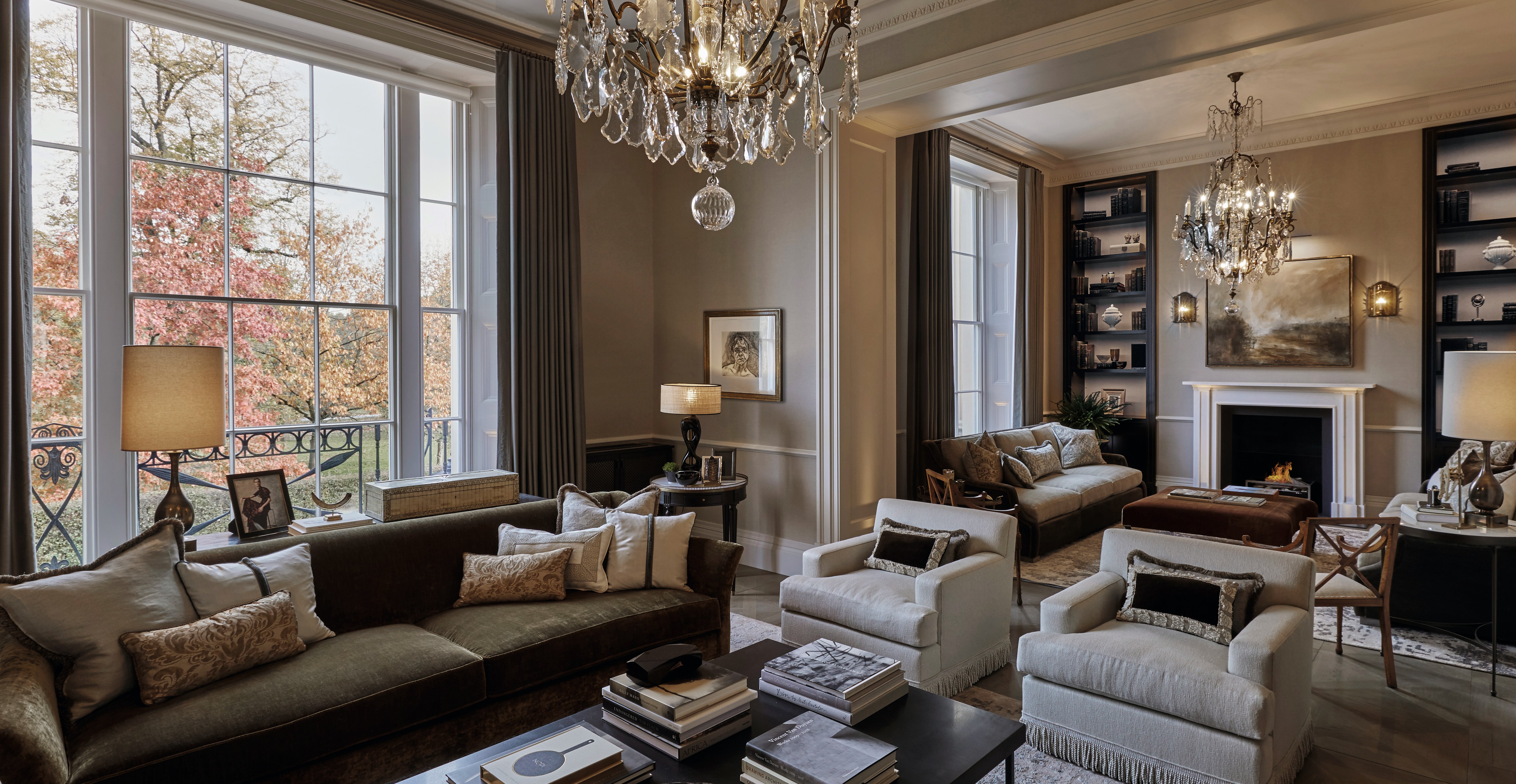
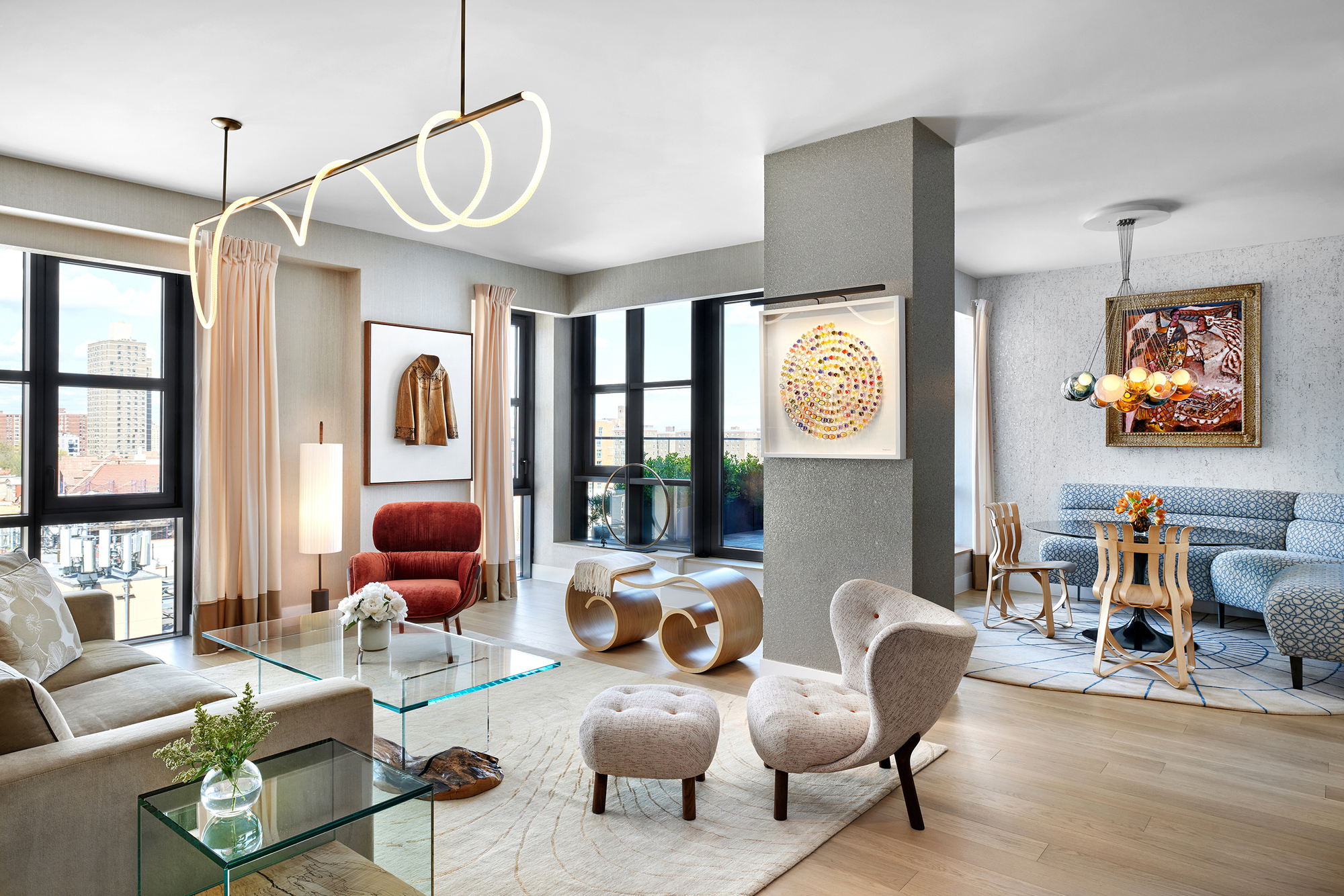
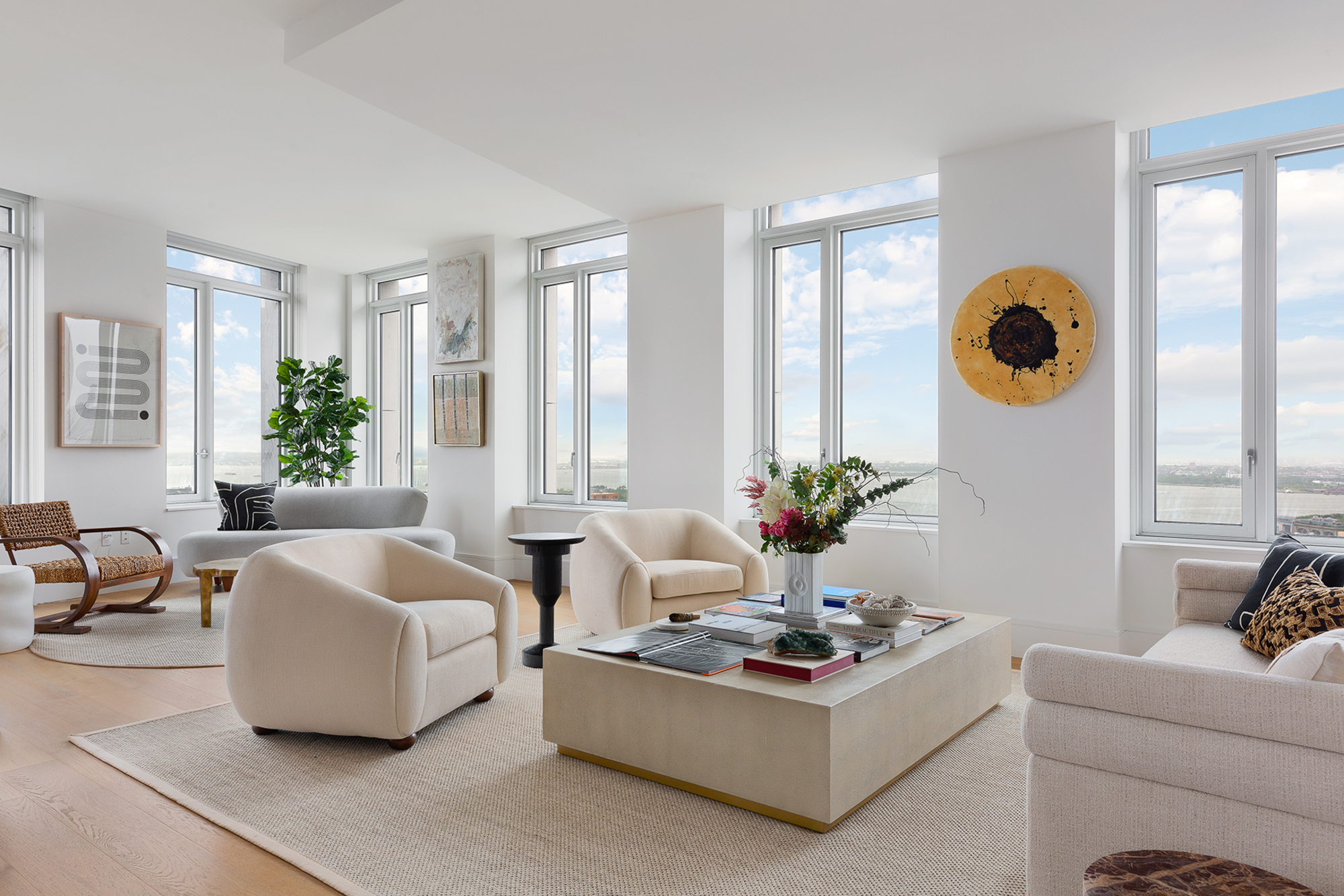
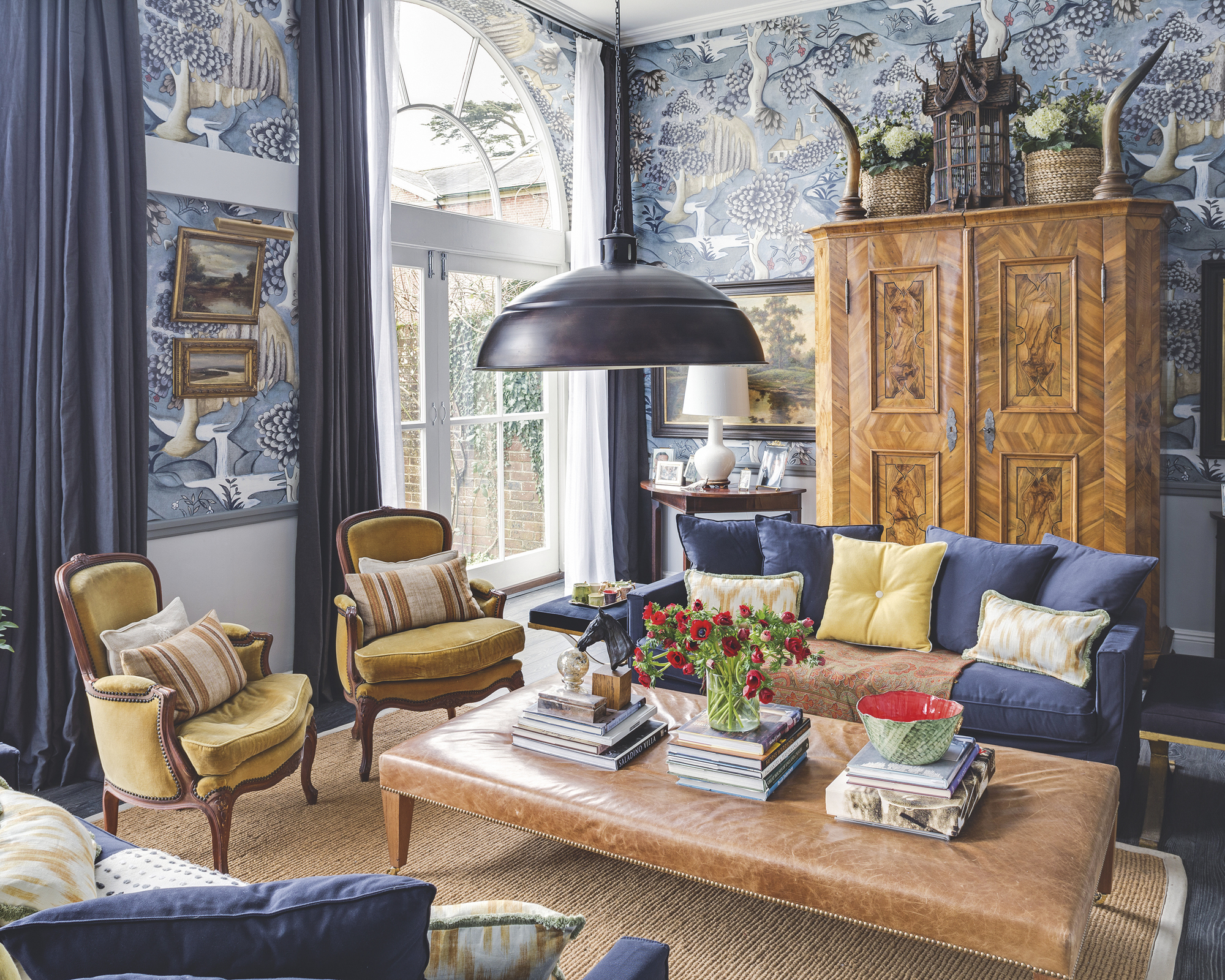
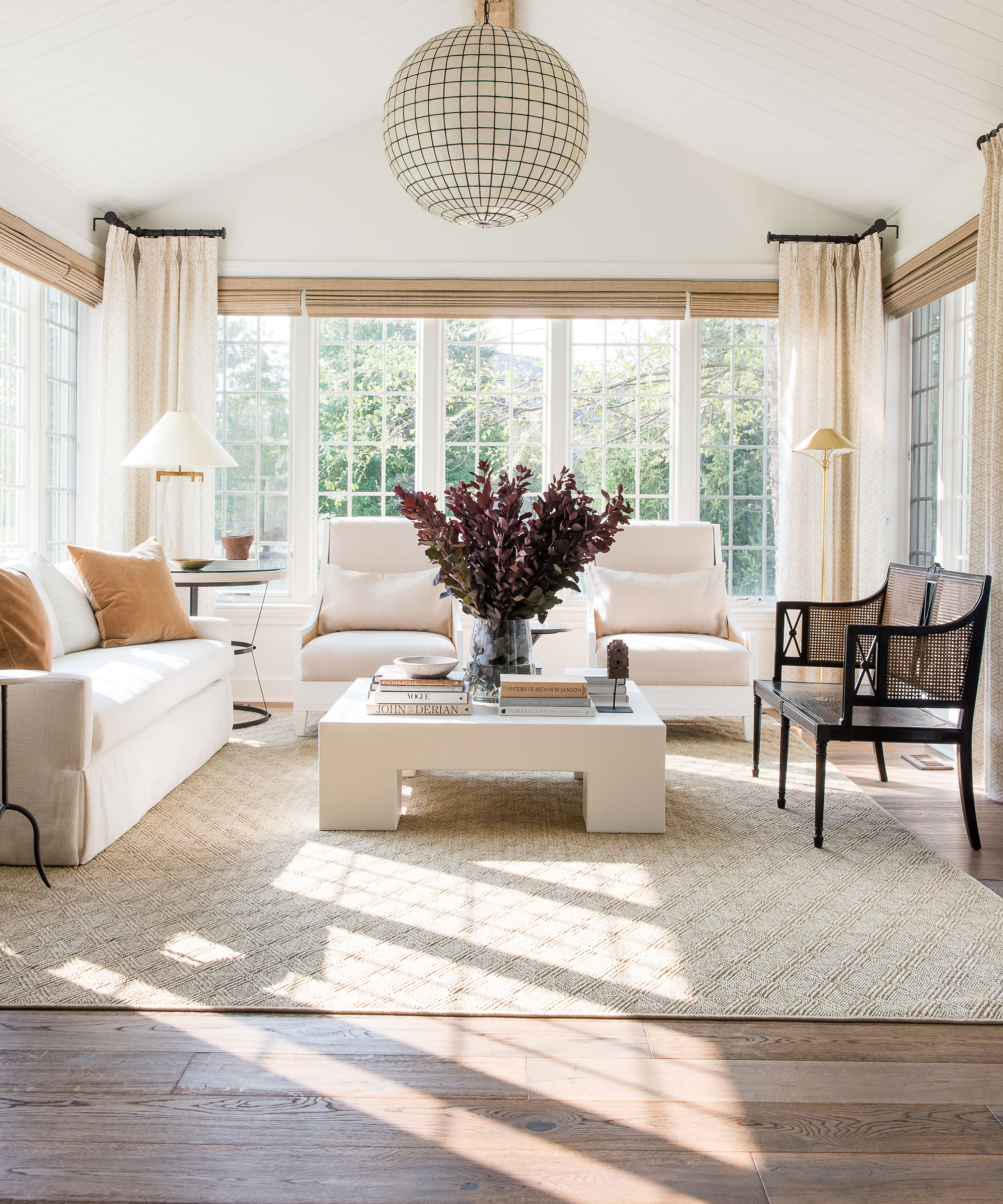
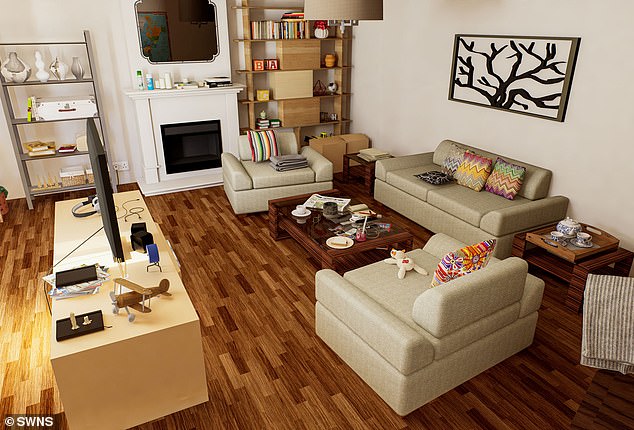
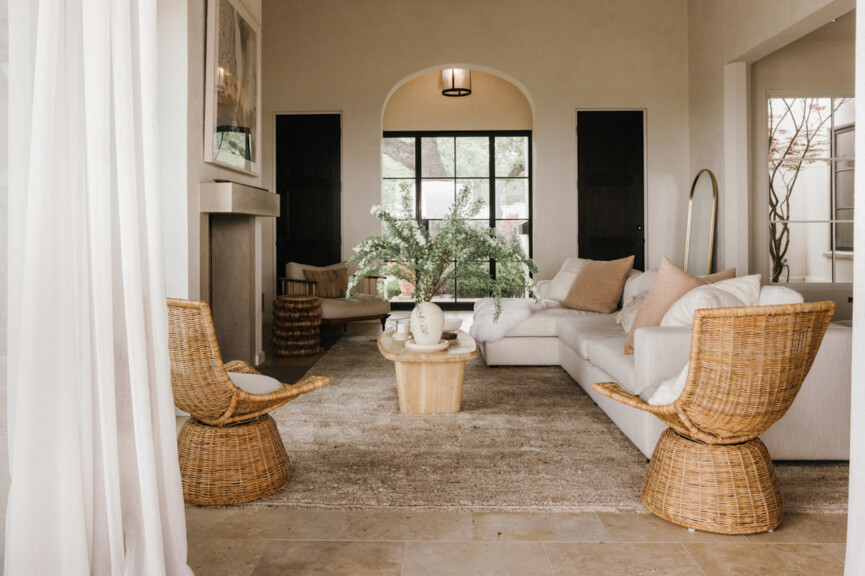
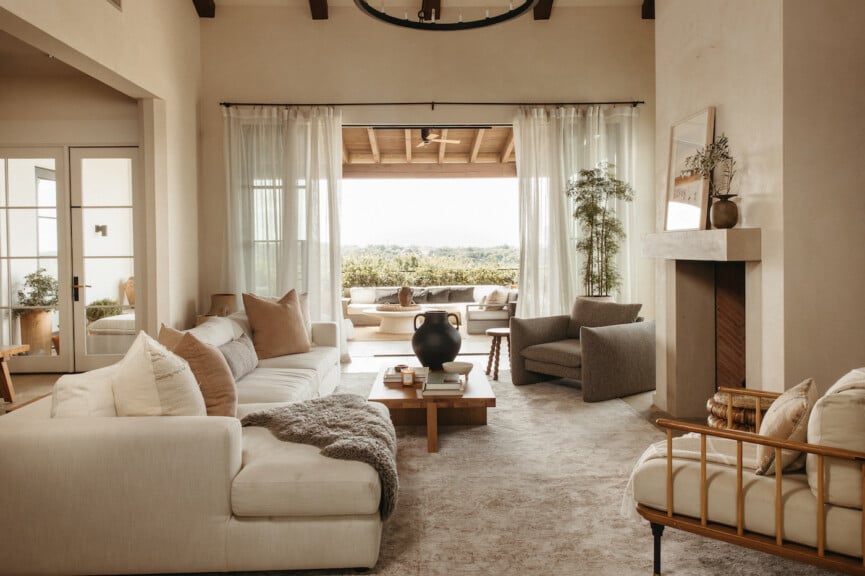
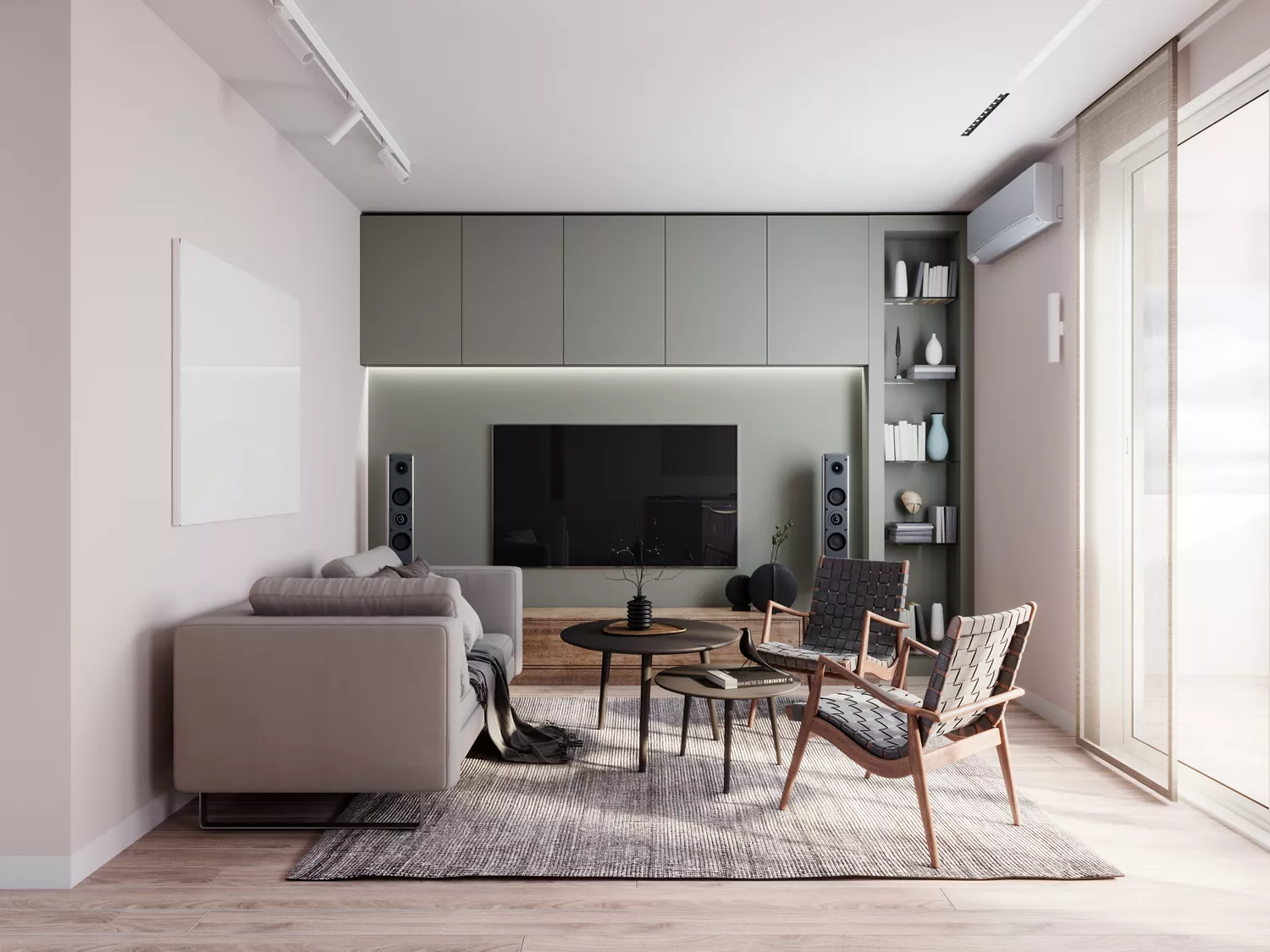
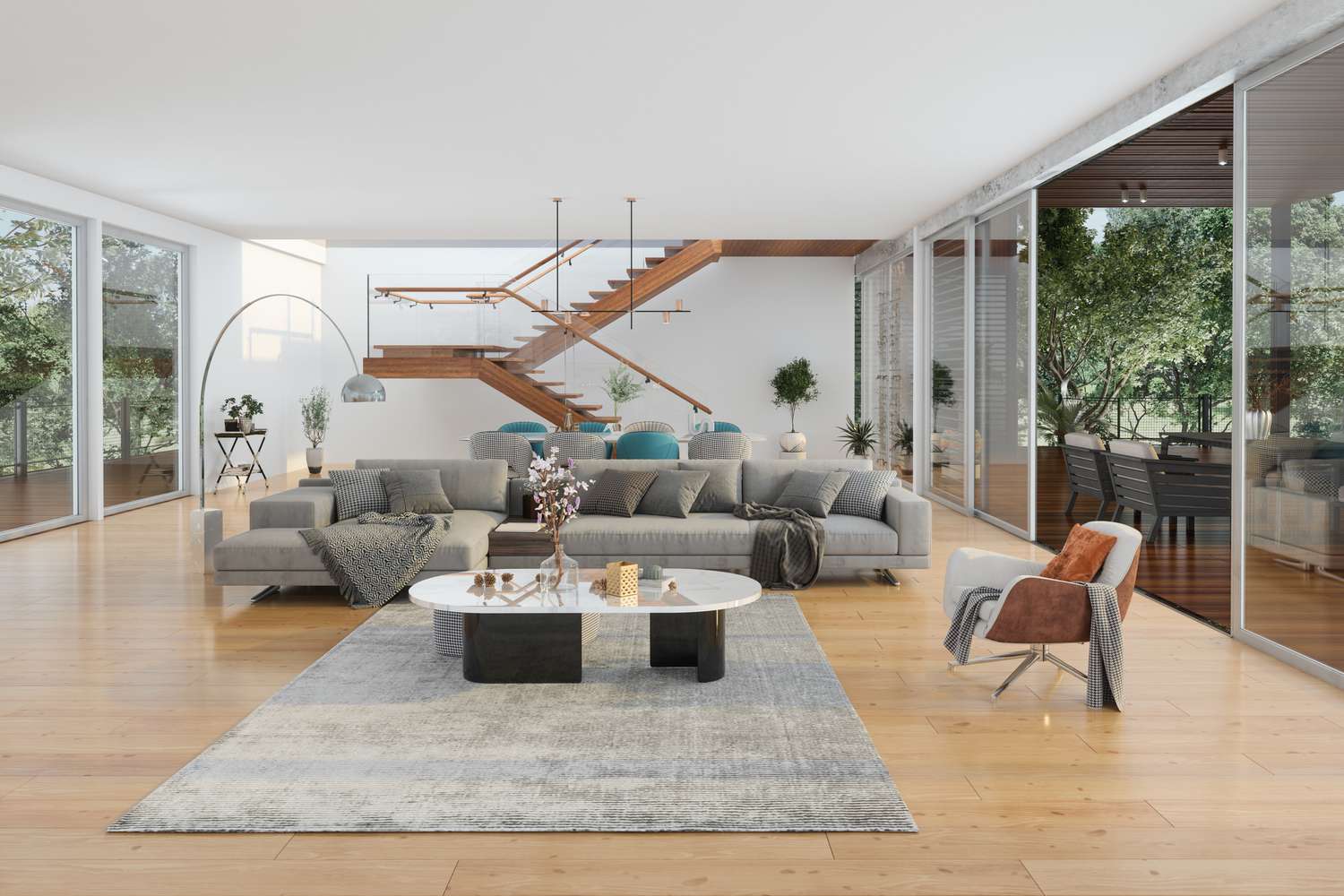
Open-plan living rooms, while seemingly versatile, can be difficult to furnish due to the lack of defined walls. The key to success in these spaces lies in establishing clear zones and anchoring furniture with appropriate scale. Designers suggest starting with substantial pieces, such as a large coffee table, and surrounding it with equally weighty seating, like a three-seater sofa and armchairs, to create a cohesive gathering area. A generous area rug is crucial for defining the boundaries of a living zone and visually grounding the furniture. Lighting, particularly a chandelier, can also serve as a central anchor, drawing the eye and providing a focal point in an otherwise expansive space.
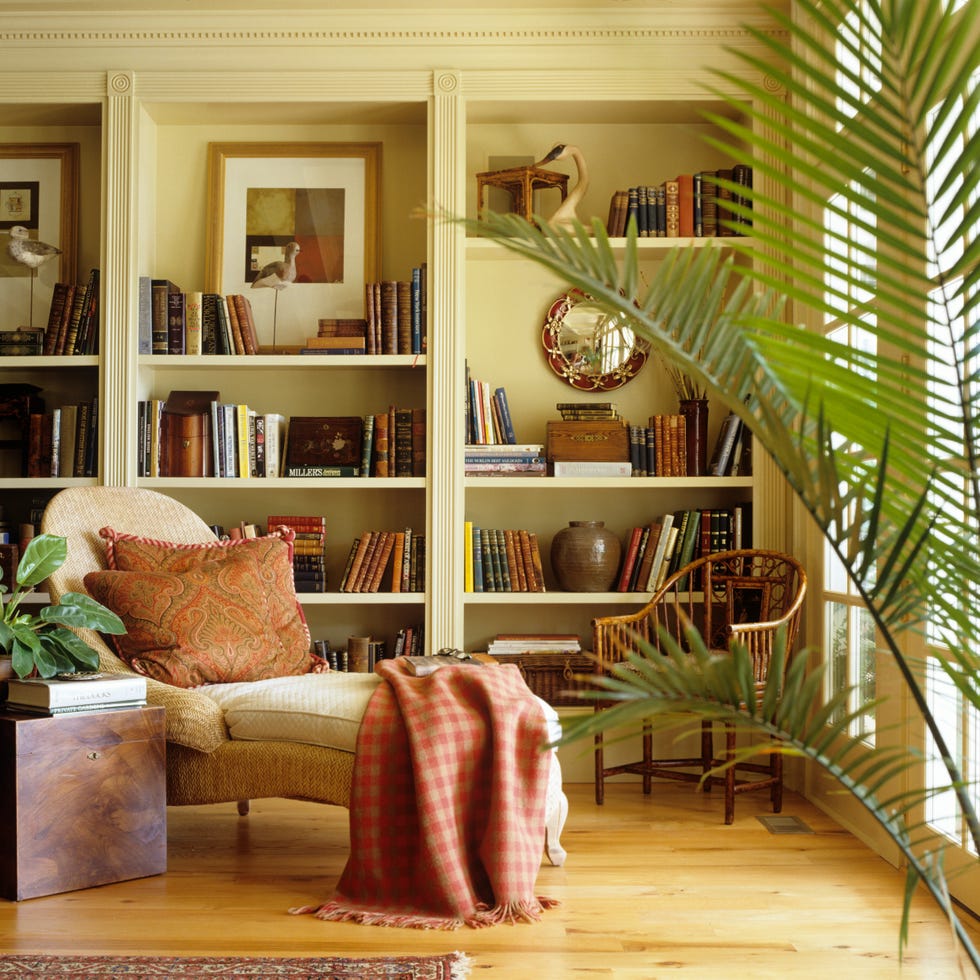
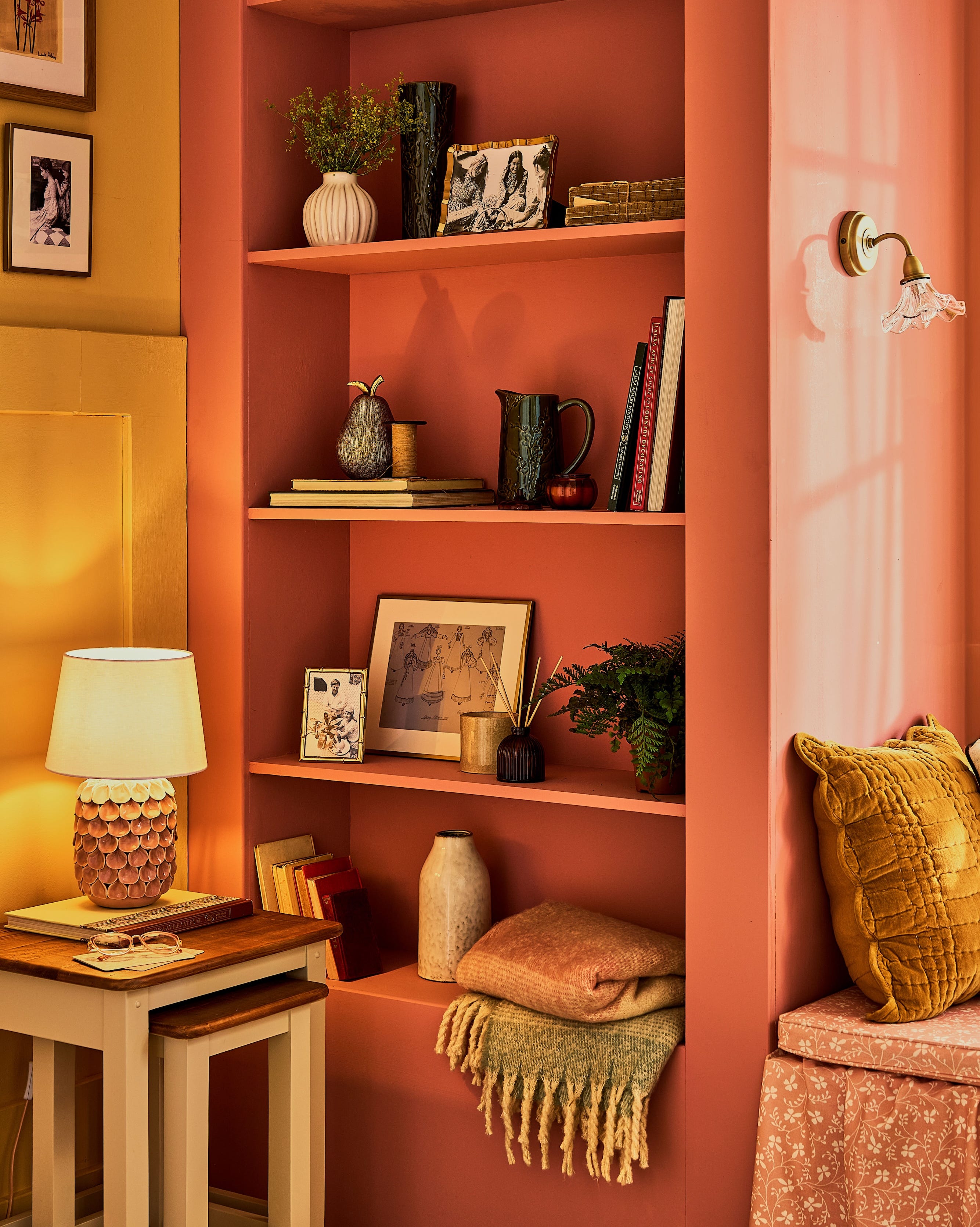
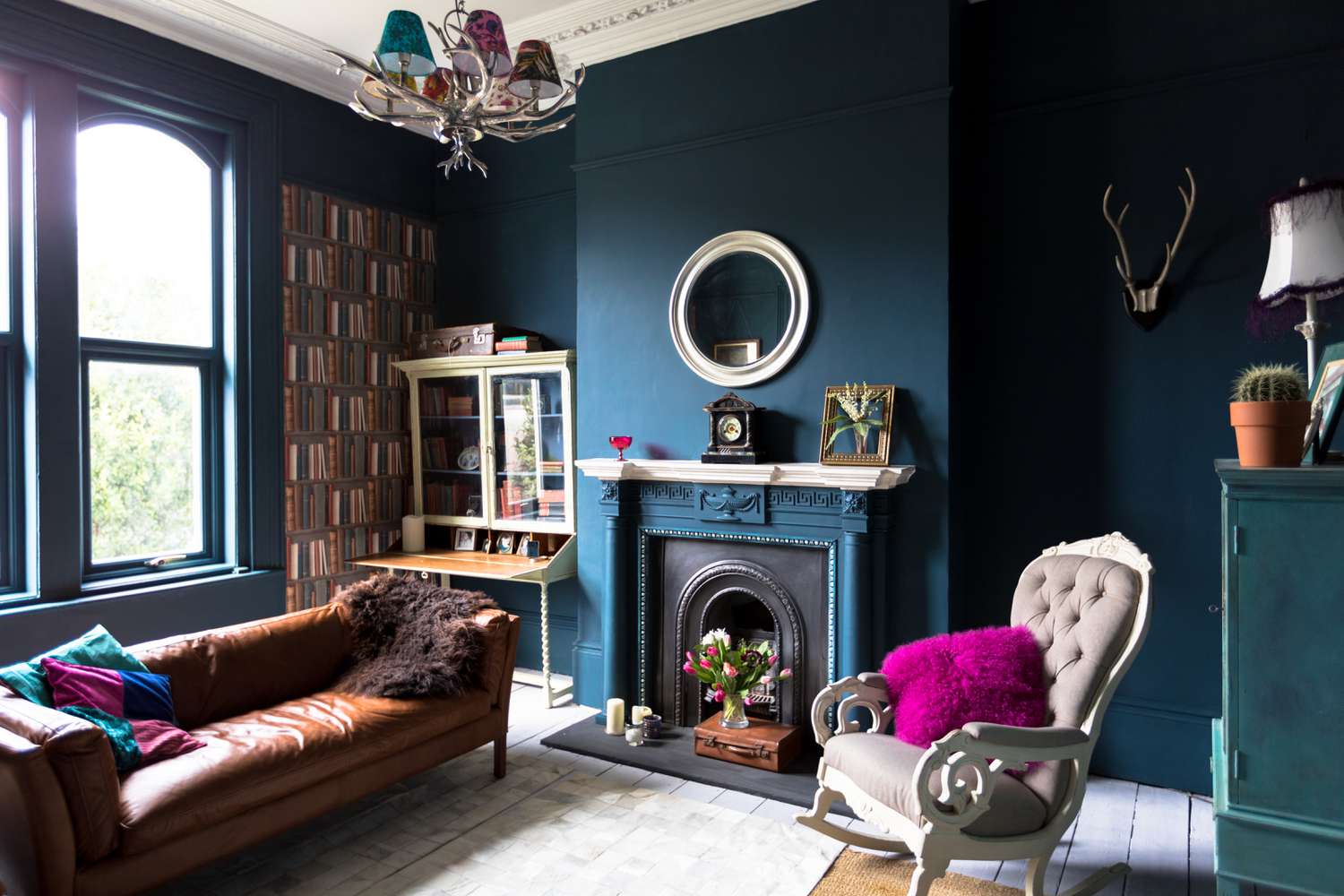

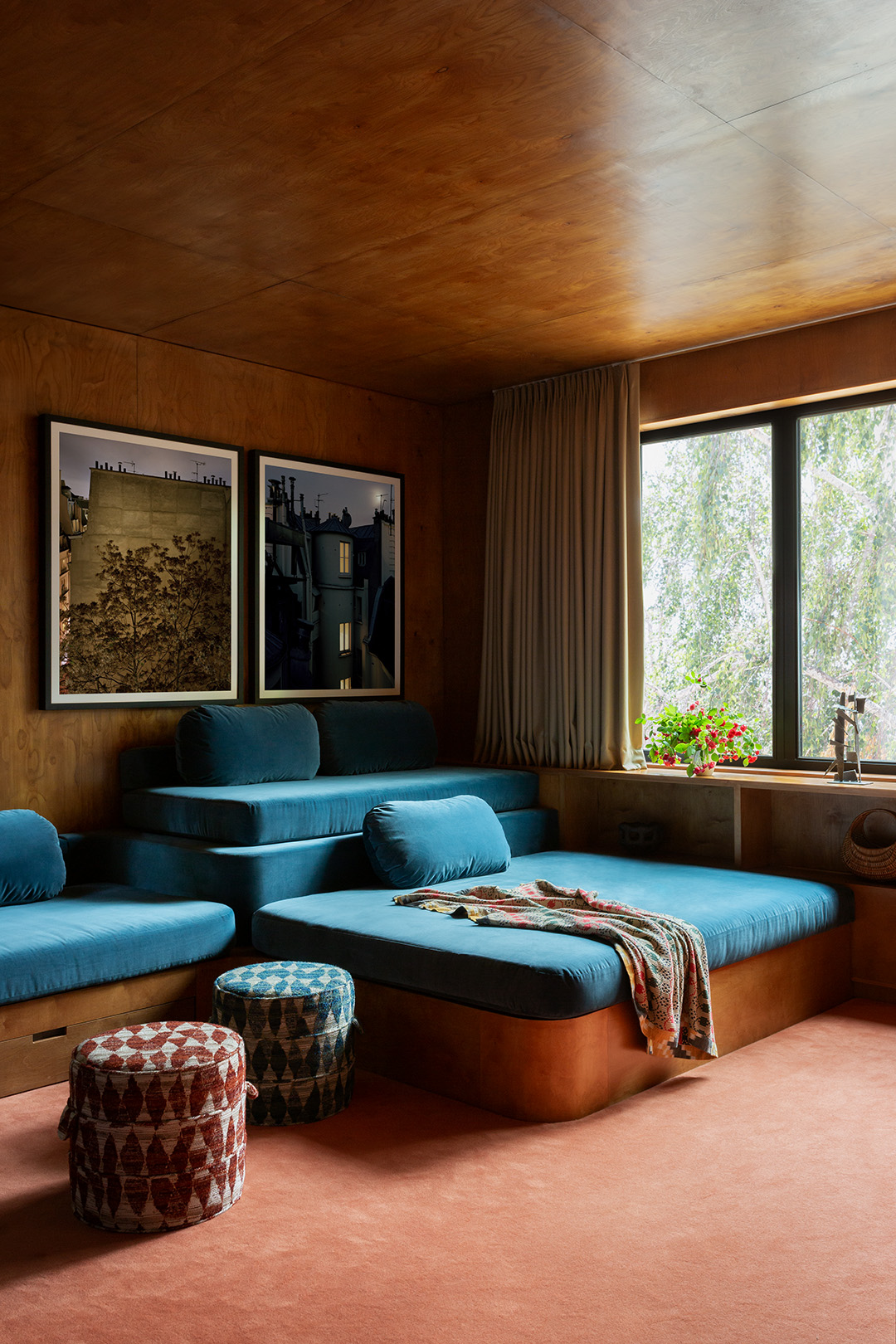
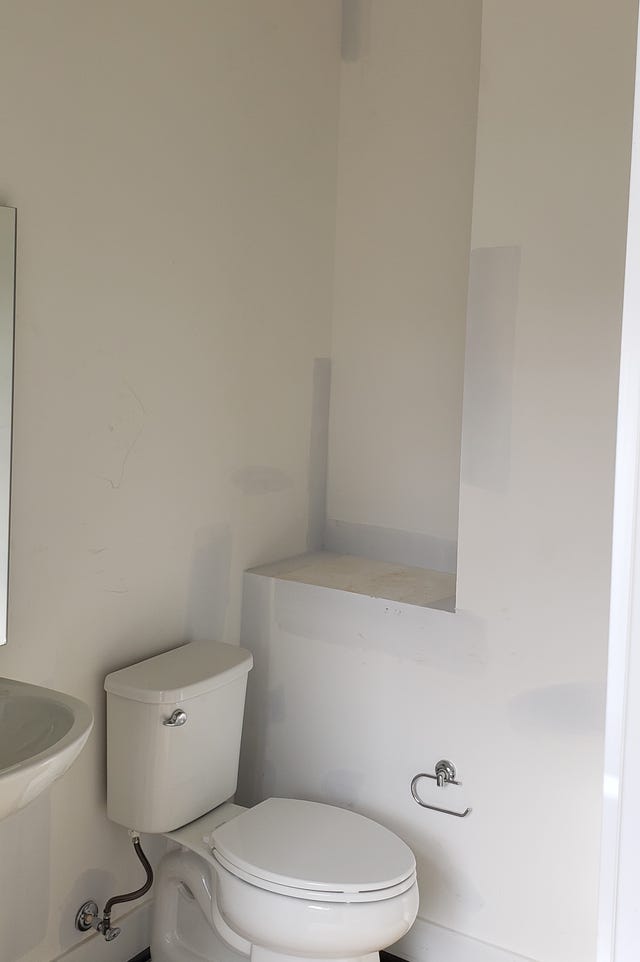
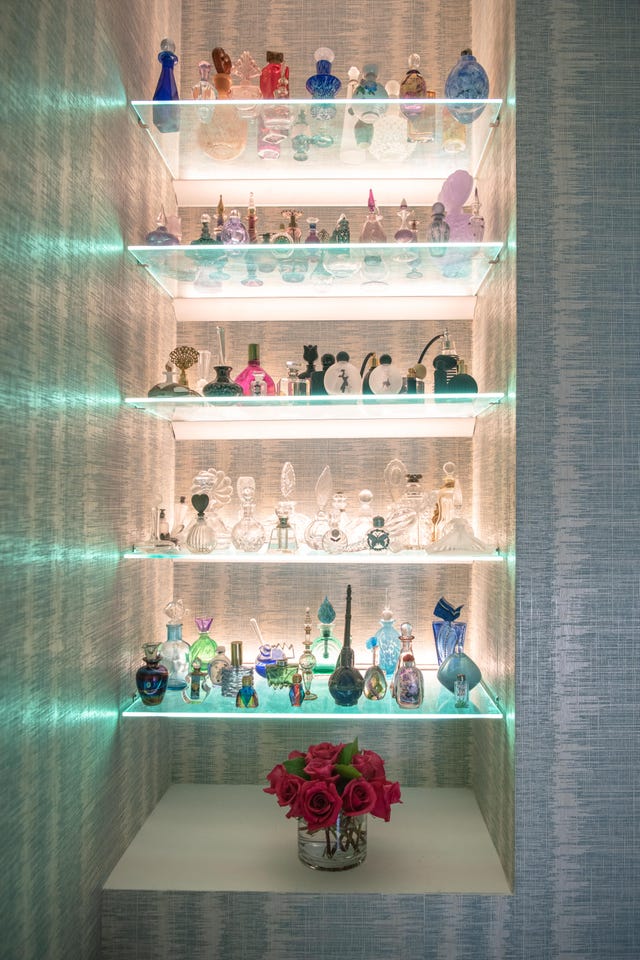
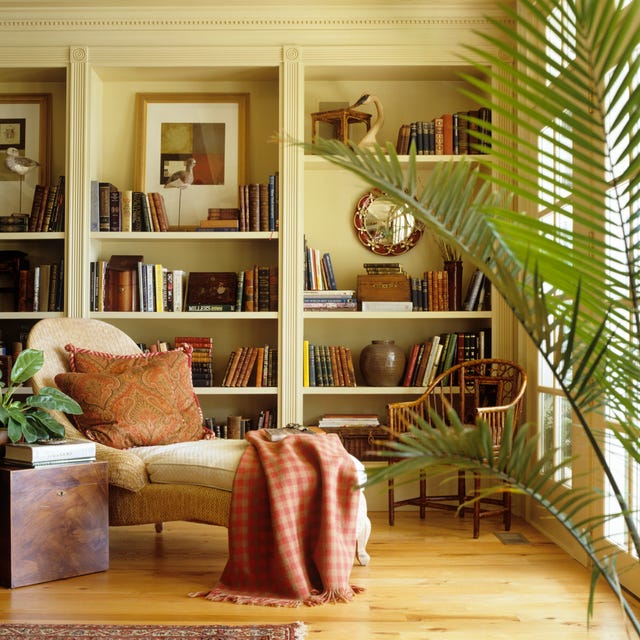
Rooms with weird nooks or angled walls present opportunities for creative customization rather than frustration. Instead of attempting to hide these architectural quirks, designers advise embracing them and integrating them into the room's design. Built-in features, such as benches in bay windows or custom shelving in niches, can transform awkward areas into functional and aesthetically pleasing elements. Turning a random corner into a cozy reading nook with a slim console and wall light adds intention to the space. For larger, oddly shaped rooms, strategic lighting can effectively define different zones, guiding the eye and imposing structure where the architecture might lack it.
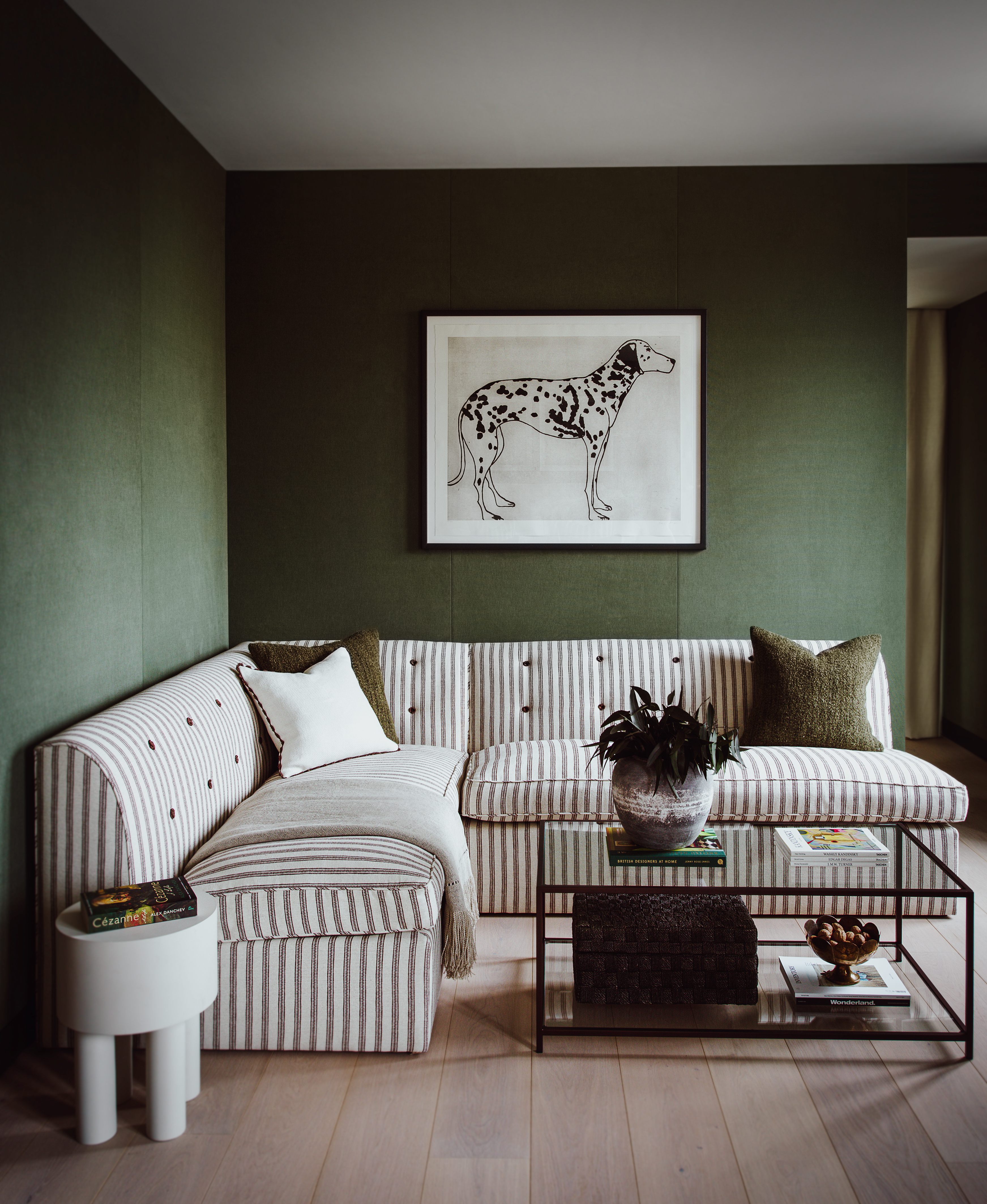
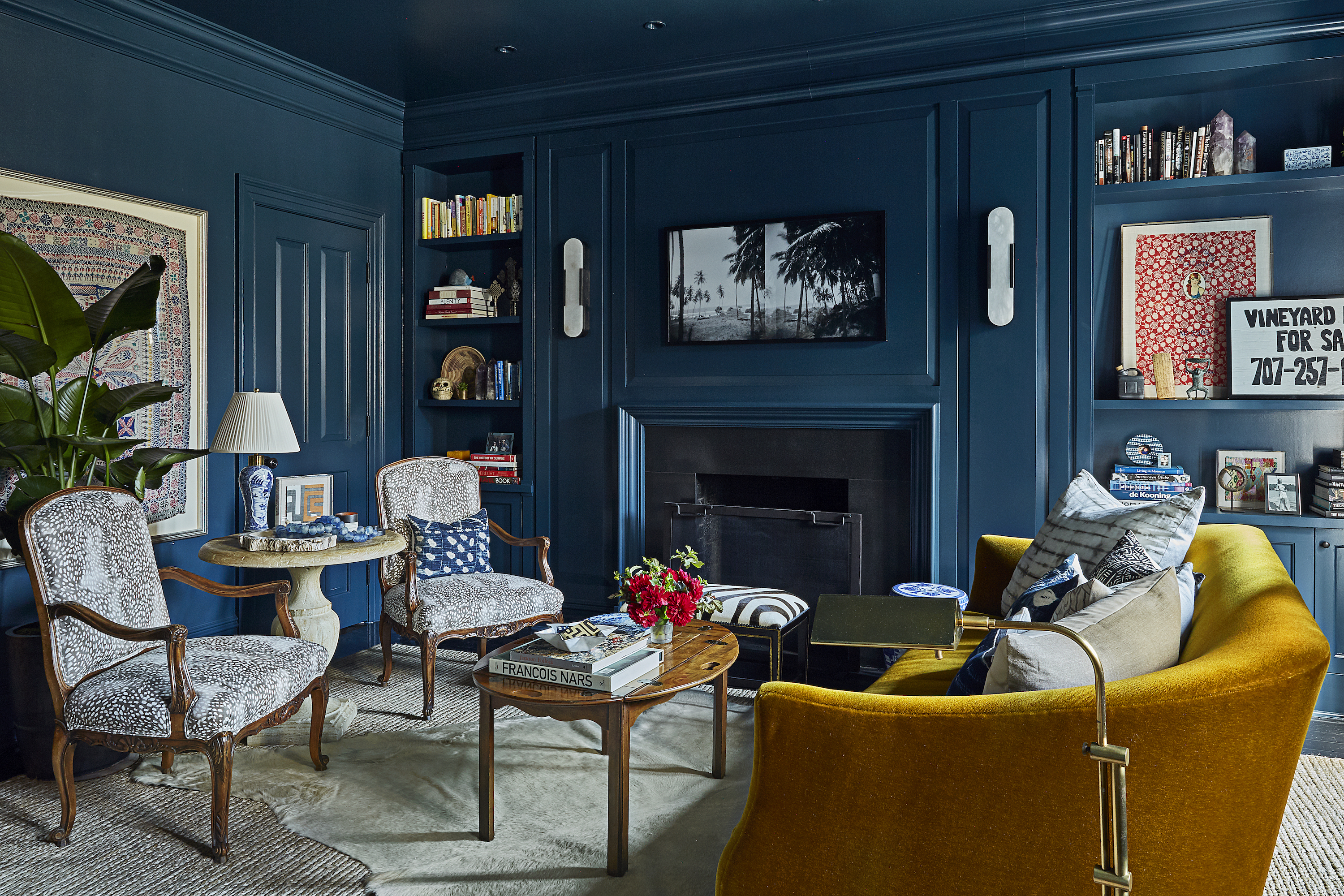
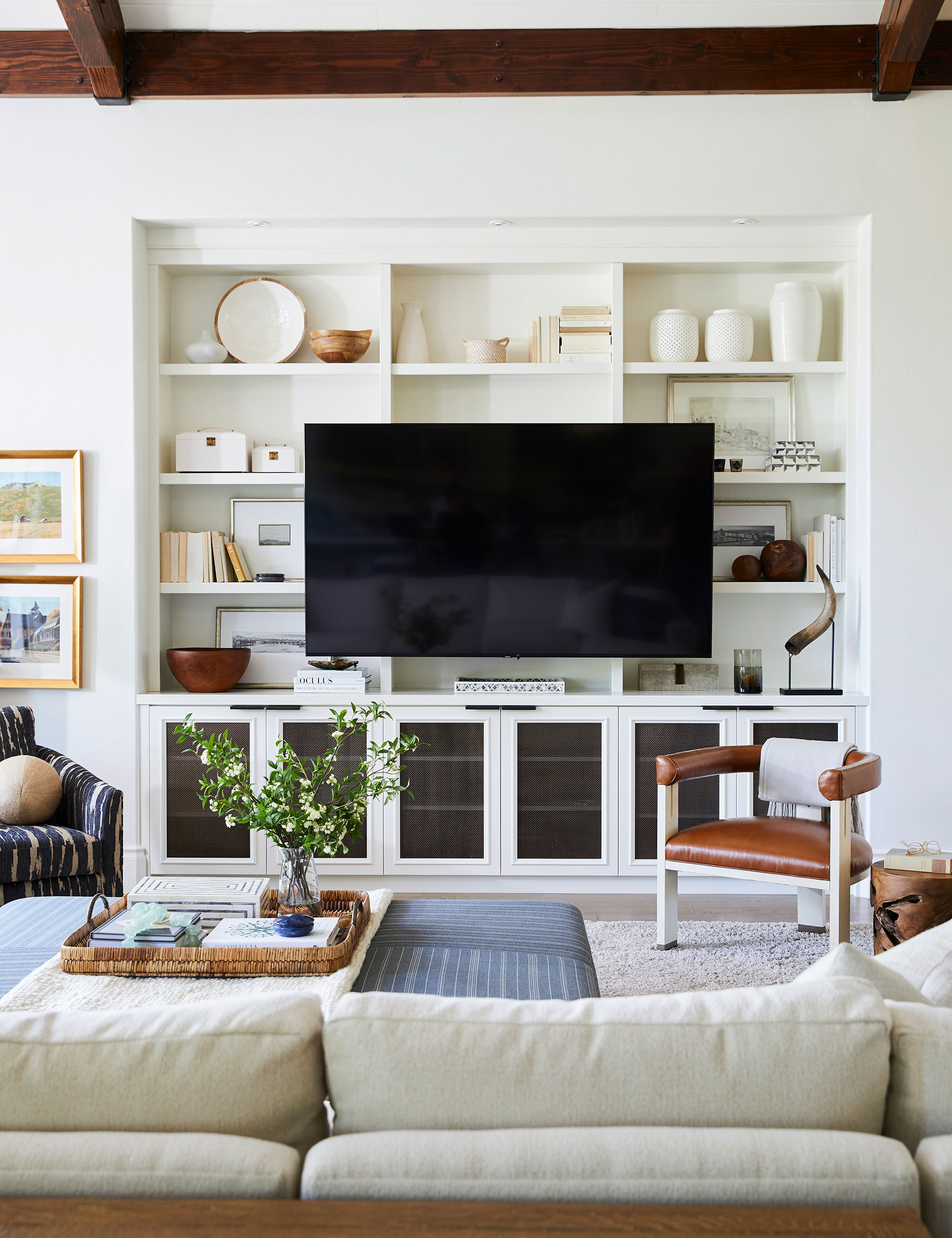
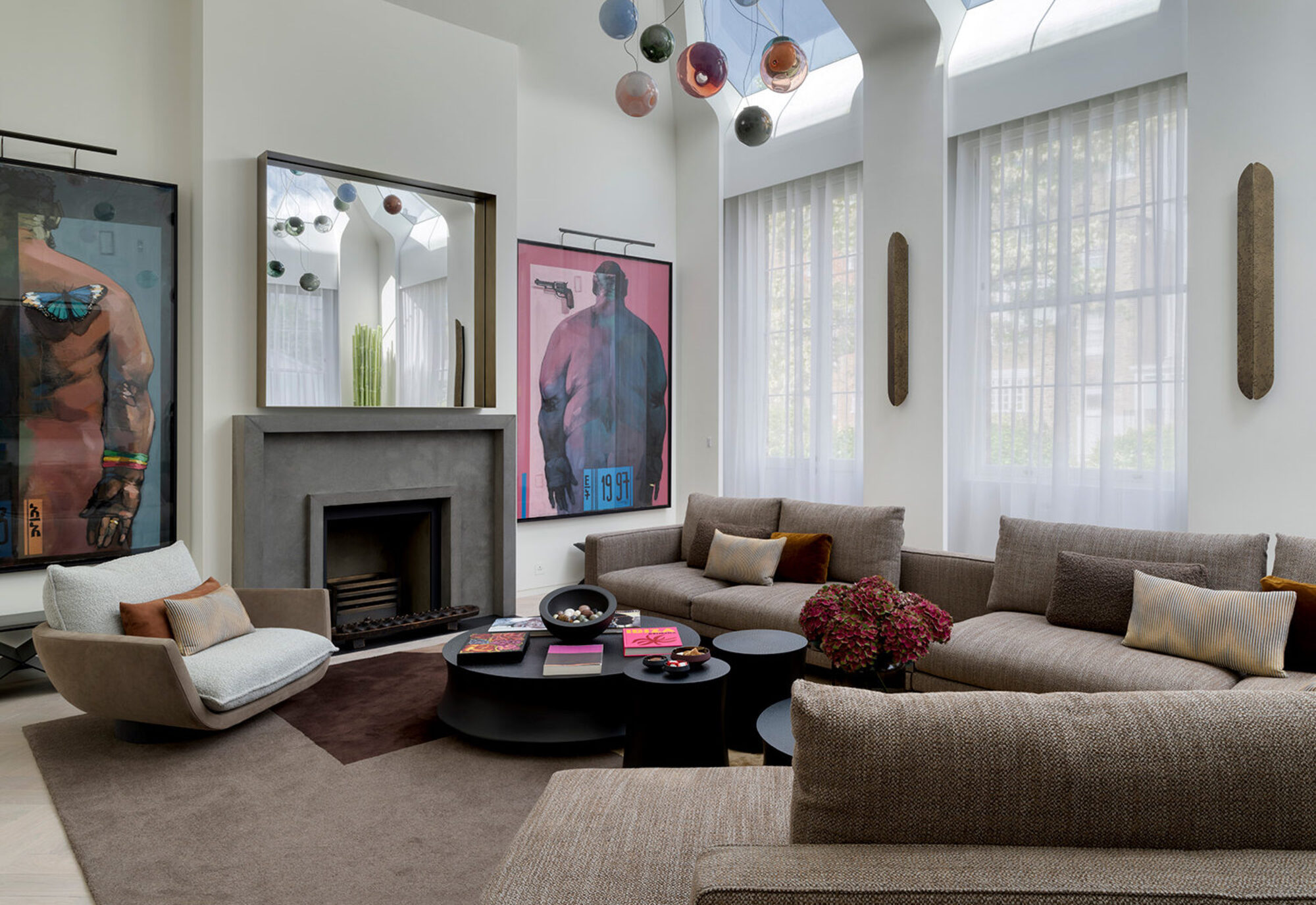
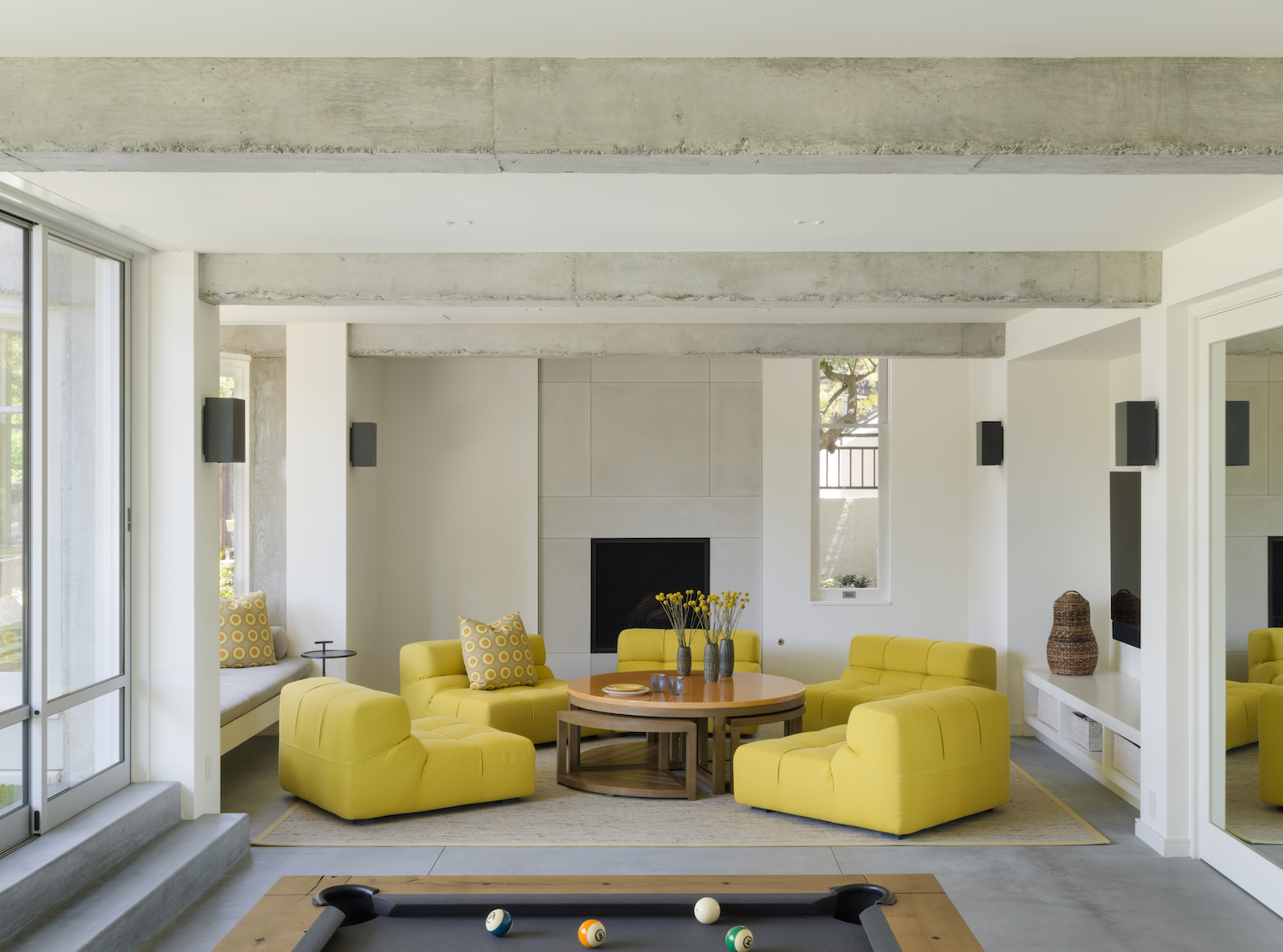
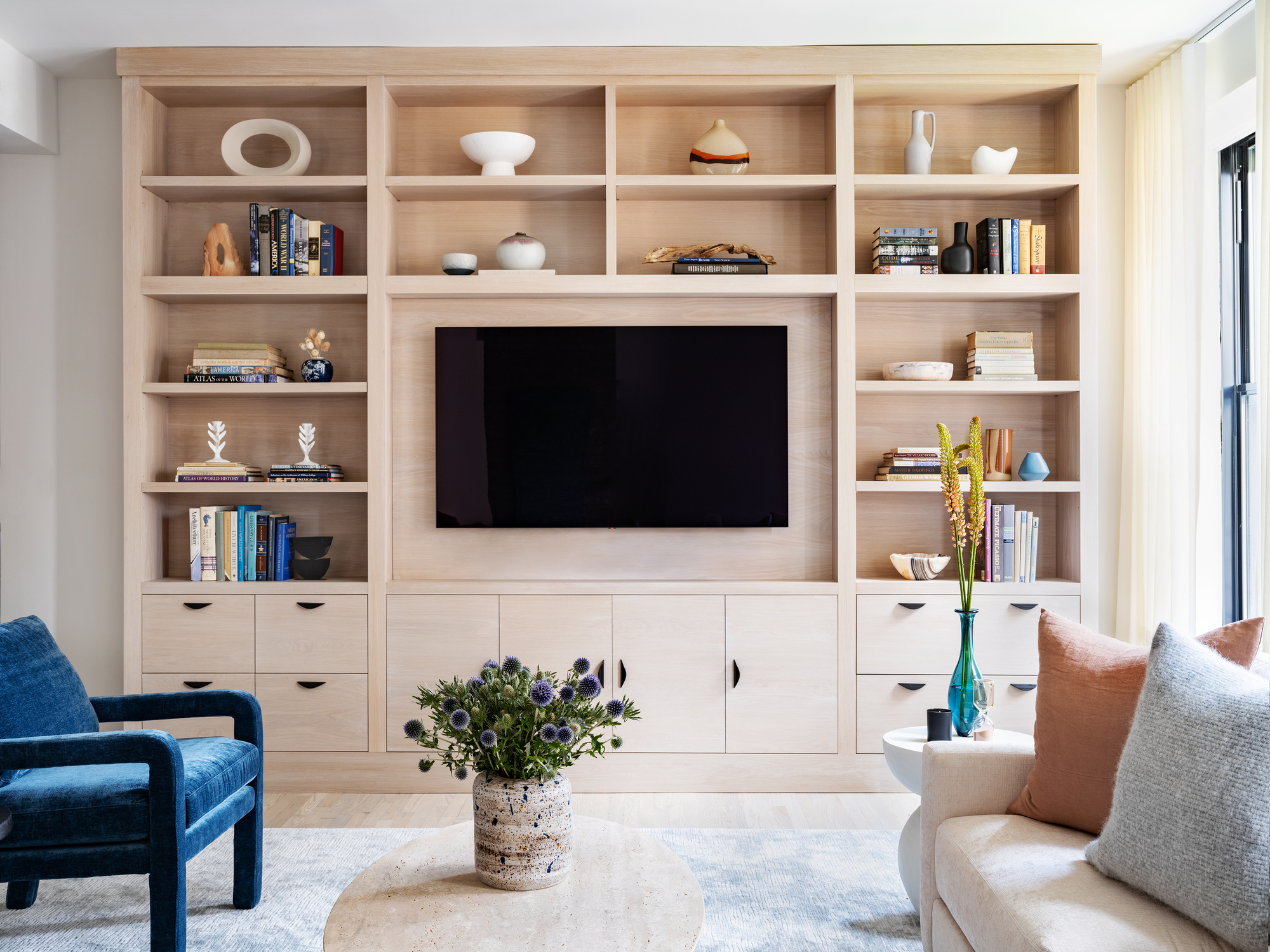
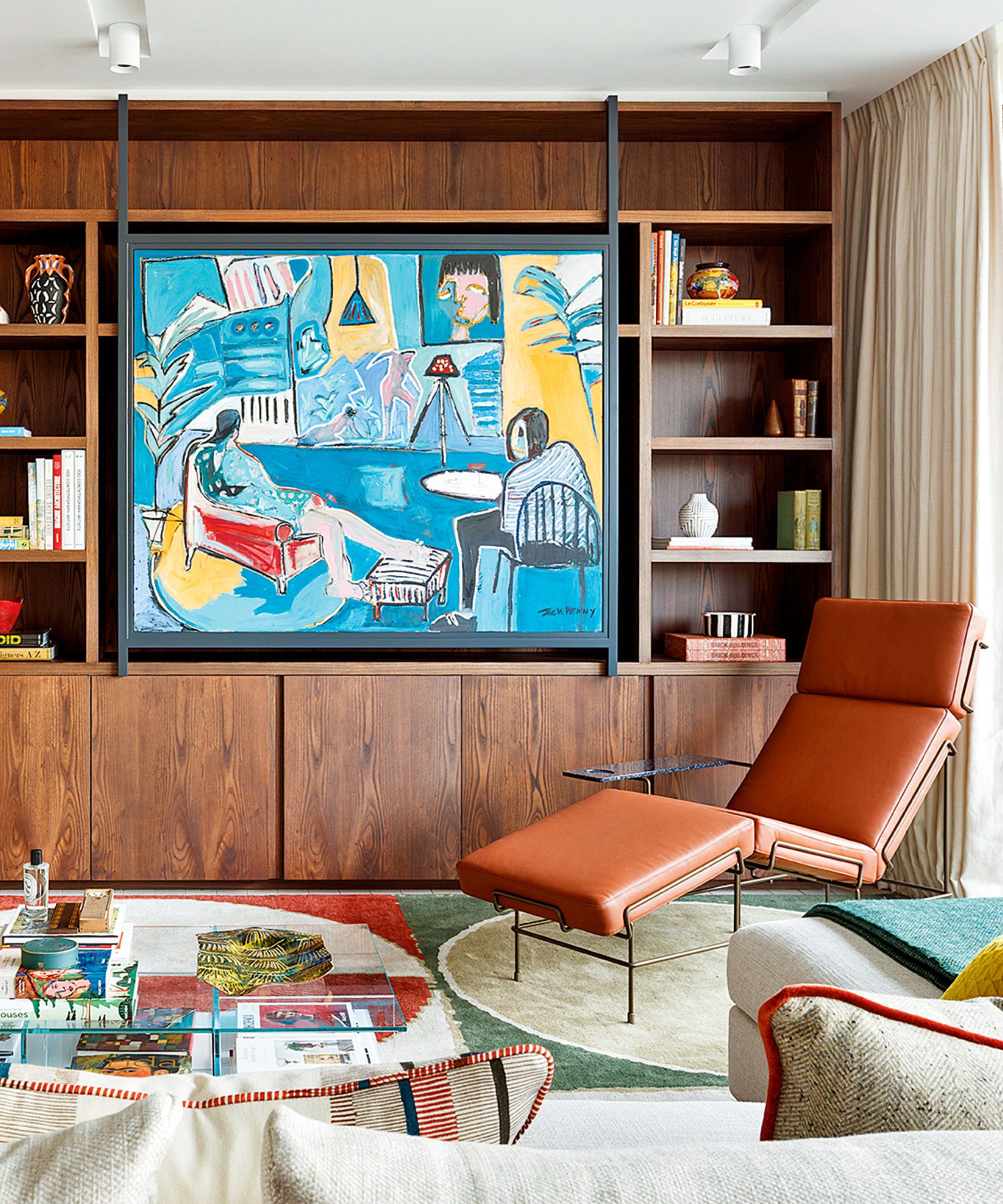
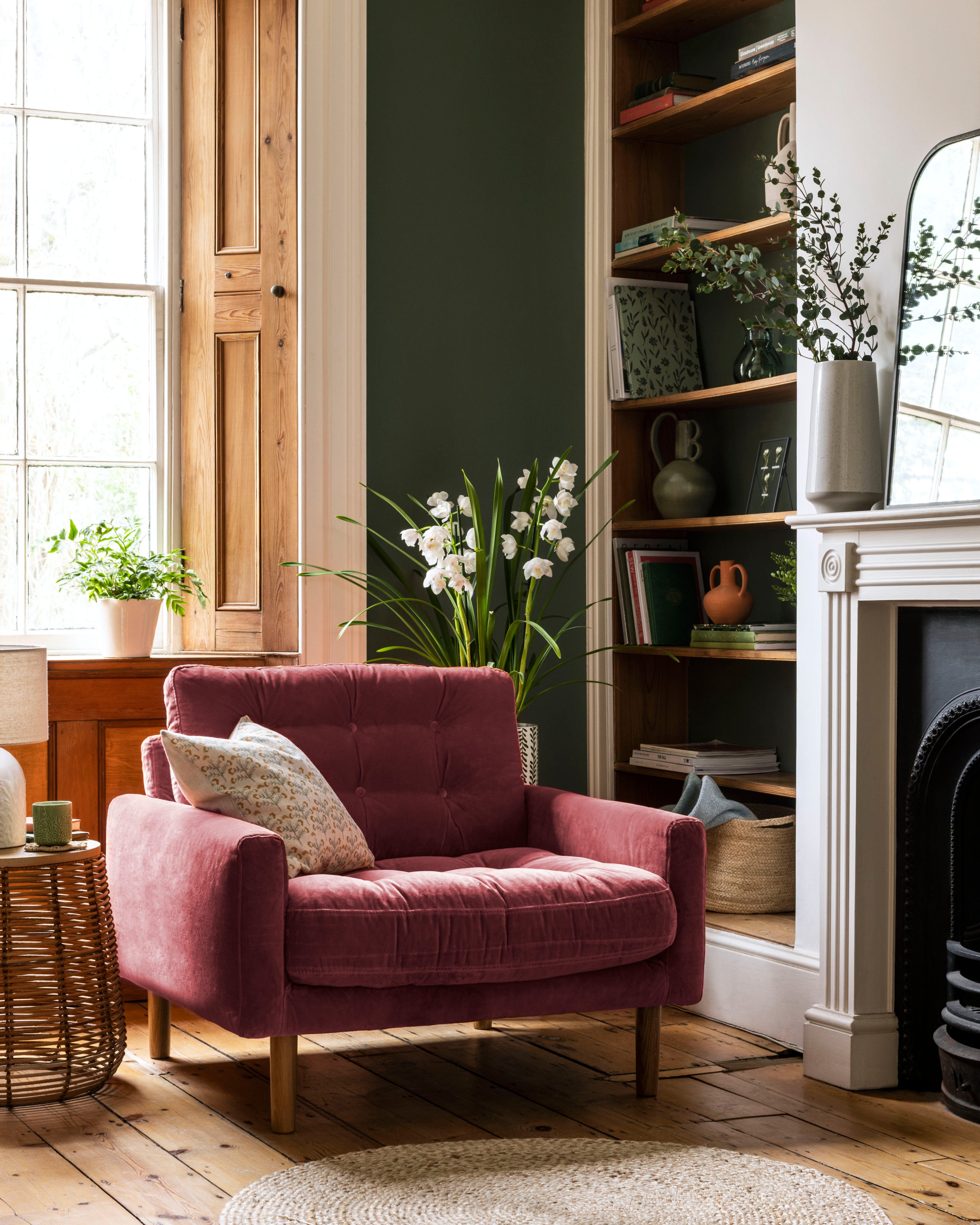
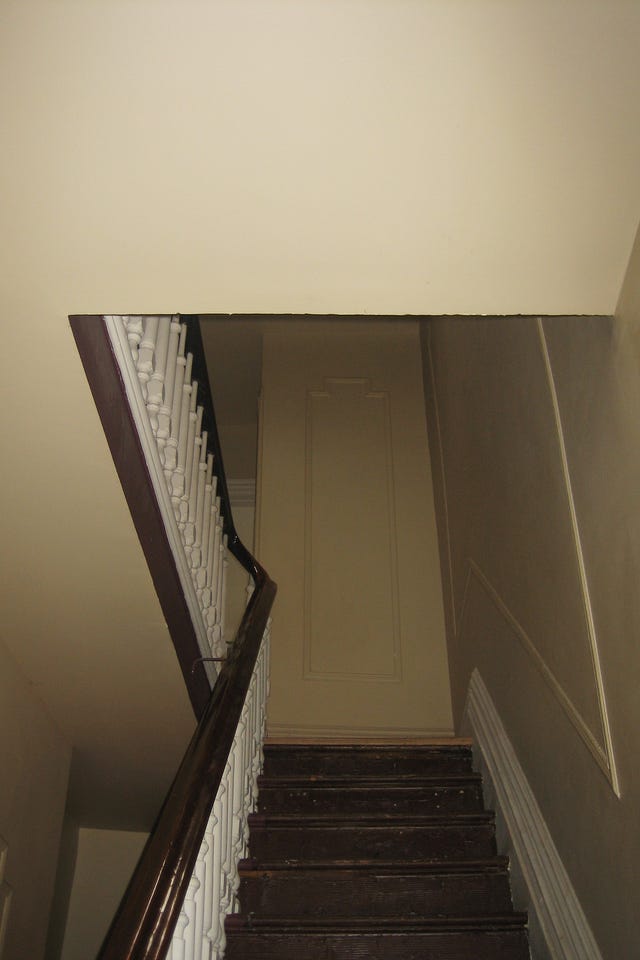
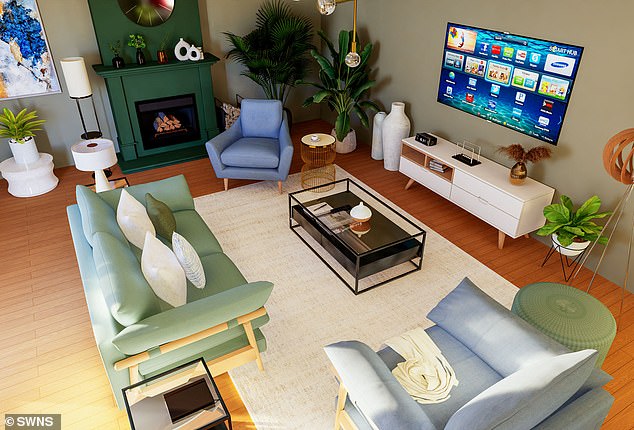
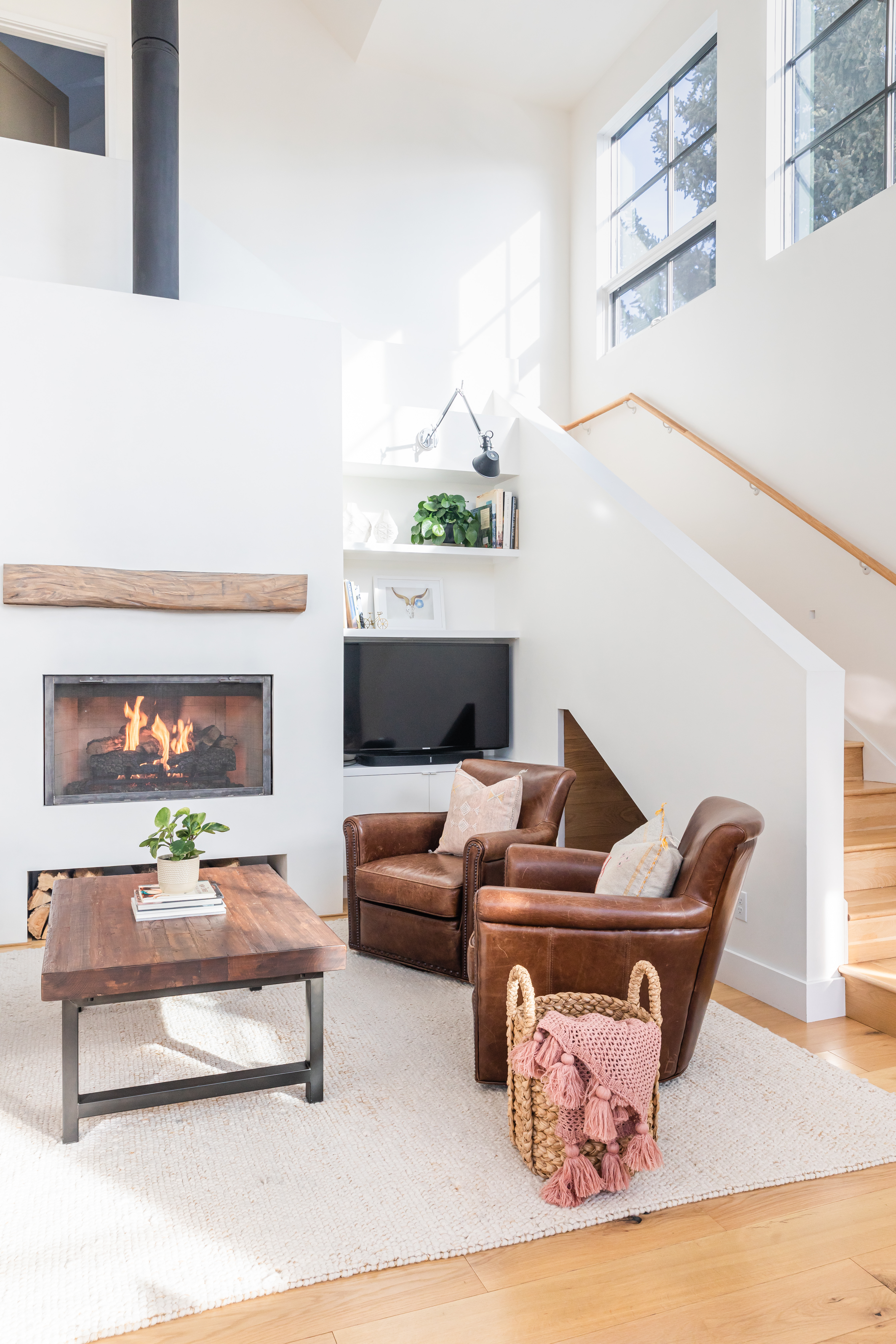
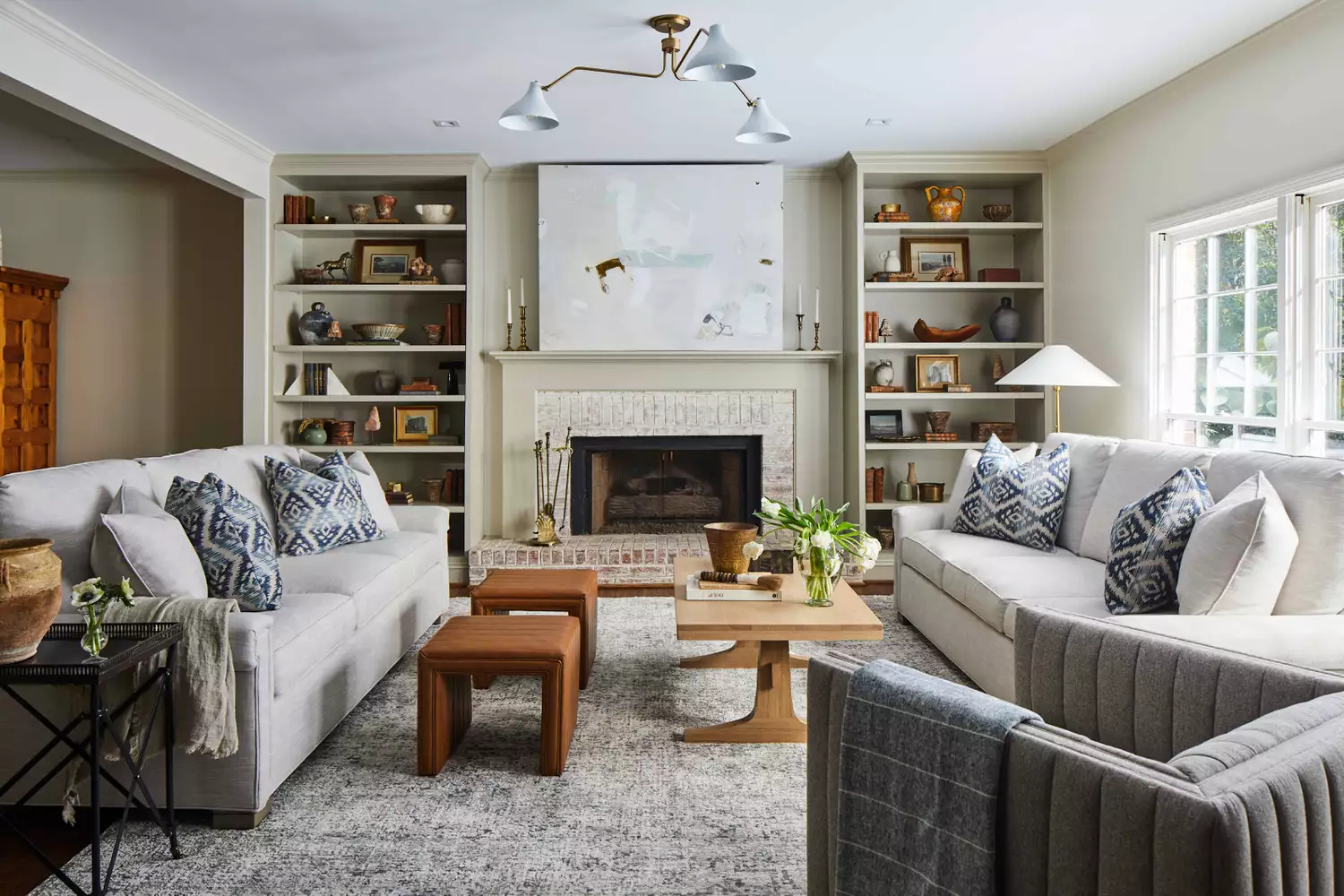
Living rooms with multiple competing focal points can lead to visual chaos. The solution is to acknowledge each feature while ensuring they work harmoniously. Designers suggest giving each focal point its own designated area. For example, a main sofa can face the fireplace, while accent chairs near a window create a reading nook. Swivel chairs are a versatile option, allowing flexibility between different zones. The objective is to achieve balance, ensuring each feature contributes to an overall intentional and aesthetically pleasing layout rather than creating a visual tug-of-war. Random columns, often perceived as obstacles, can be repurposed to add both personality and function. Simple modifications like mounting shelf brackets for a coffee station or using them to display art can transform a structural element into a unique design feature. Finally, sloped or lofted ceilings, which can make a room feel either cramped or overly cavernous, benefit from strategic furniture placement and zoning. Built-ins in lower ceiling areas, like low shelving or media units, maximize usable space. Defining a central gathering point in areas with higher ceilings creates distinct zones, using the varying ceiling heights to dictate the function of different parts of the room.
#LivingRoomDesign #InteriorDecorating #HomeLayouts #SpacePlanning #DesignTips #AwkwardSpaces #FurnitureArrangement #LivingRoomDesign #InteriorDecorating #HomeLayouts #SpacePlanning #DesignTips #AwkwardSpaces #FurnitureArrangement
0 comment in total
 No comments yet
You may also like
How to Fix the Most Common Living Room Layout Mistakes

Warning: These Living Room Ideas Will Make You Want to Redecorate
3 Dated Living Room Layouts That Have No Place in 2025 (and How to Fix It If You've Ended Up With One)

11 Living Room Layout Mistakes Designers Want You To Stop Making
Designers Share 4 Common "Mistakes" You're Making in Your Living Room—and How to Correct Them

5 small living room mistakes – designers share the worst decorating disasters that we need to stop doing right now

7 Things That Are Making Your Living Room Look Bad, Designers Say—and How to Fix It
Are YOU guilty of these living room layout mistakes? Decor expert reveals the 8 sins people make
5 Living Room Design Mistakes You Didn't Know You Were Making
6 Tacky Living Room "Upgrades" That Instantly Make Your Home Look Bad, Designers Say

6 things making your living room furniture look cheap – explore the key mistakes to avoid and what designers do instead
Designers Say This Is the #1 Living Room Mistake Everyone Makes
18 Clever Ways to Design Around an Awkward Living Room Layout
It's One of These 7 Sofa Layout Mistakes That Is Killing the "Flow" in Your Living Room
An interior expert reveals how to achieve the perfect living room – and the biggest mistakes made
10 small living room layout ideas to make you rethink your set up

7 small living room layout mistakes design experts want you to avoid – and what to do instead
9 Times Designers Made Awkward Living Rooms Work — And the Secrets Behind How They Did It
Here's What to Do With Those Awkward Spaces in Your House, According to Designers
6 Small Living Room Layout Mistakes You Should Never Make, According to Designers