7 Things That Are Making Your Living Room Look Bad, Designers Say—and How to Fix It
Achieving a stylish and elegant living room doesn't require a large budget, but common design choices can inadvertently diminish a space's sophistication. Interior designers identify several frequent mistakes that make living rooms appear less appealing, emphasizing the importance of avoiding these pitfalls to maintain a charming and refined aesthetic.
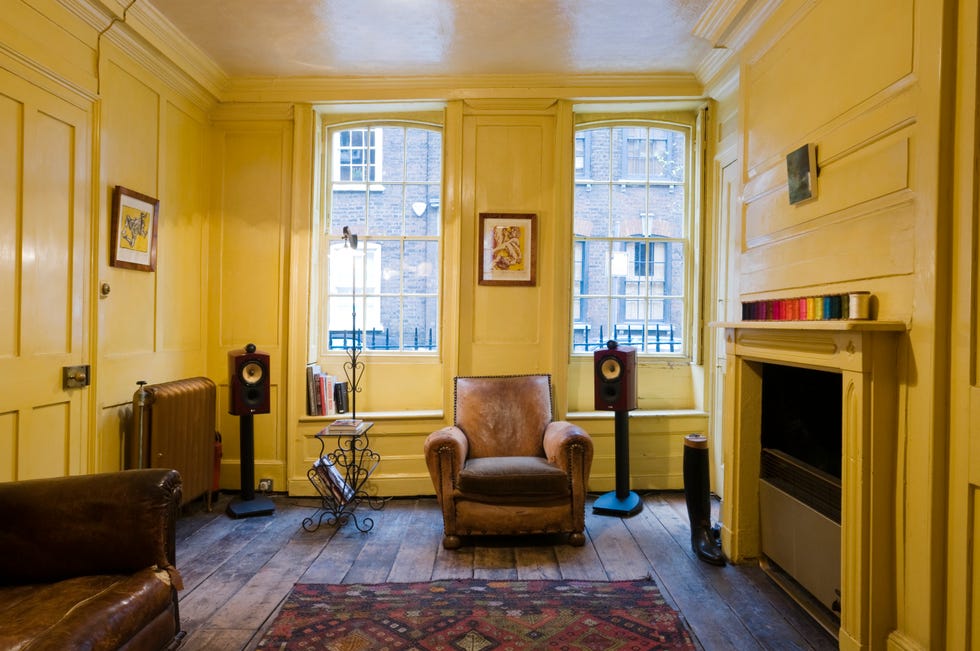

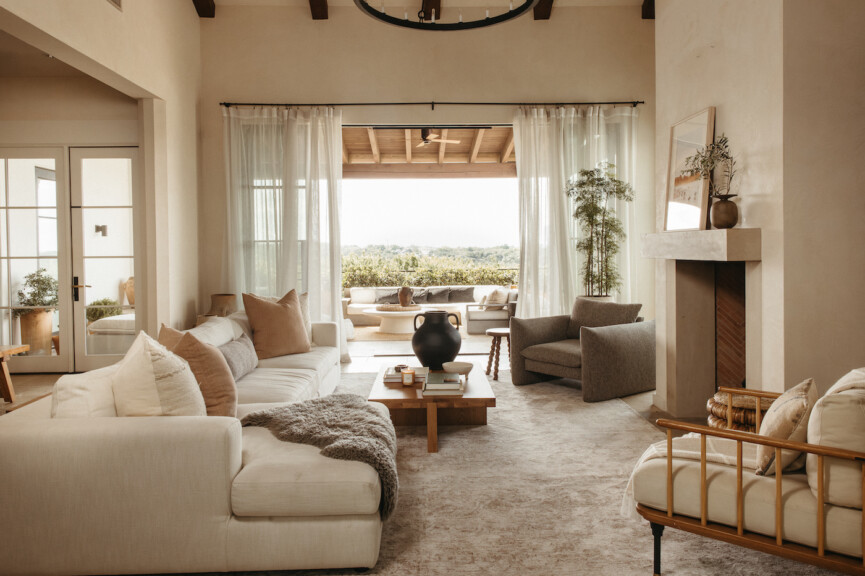
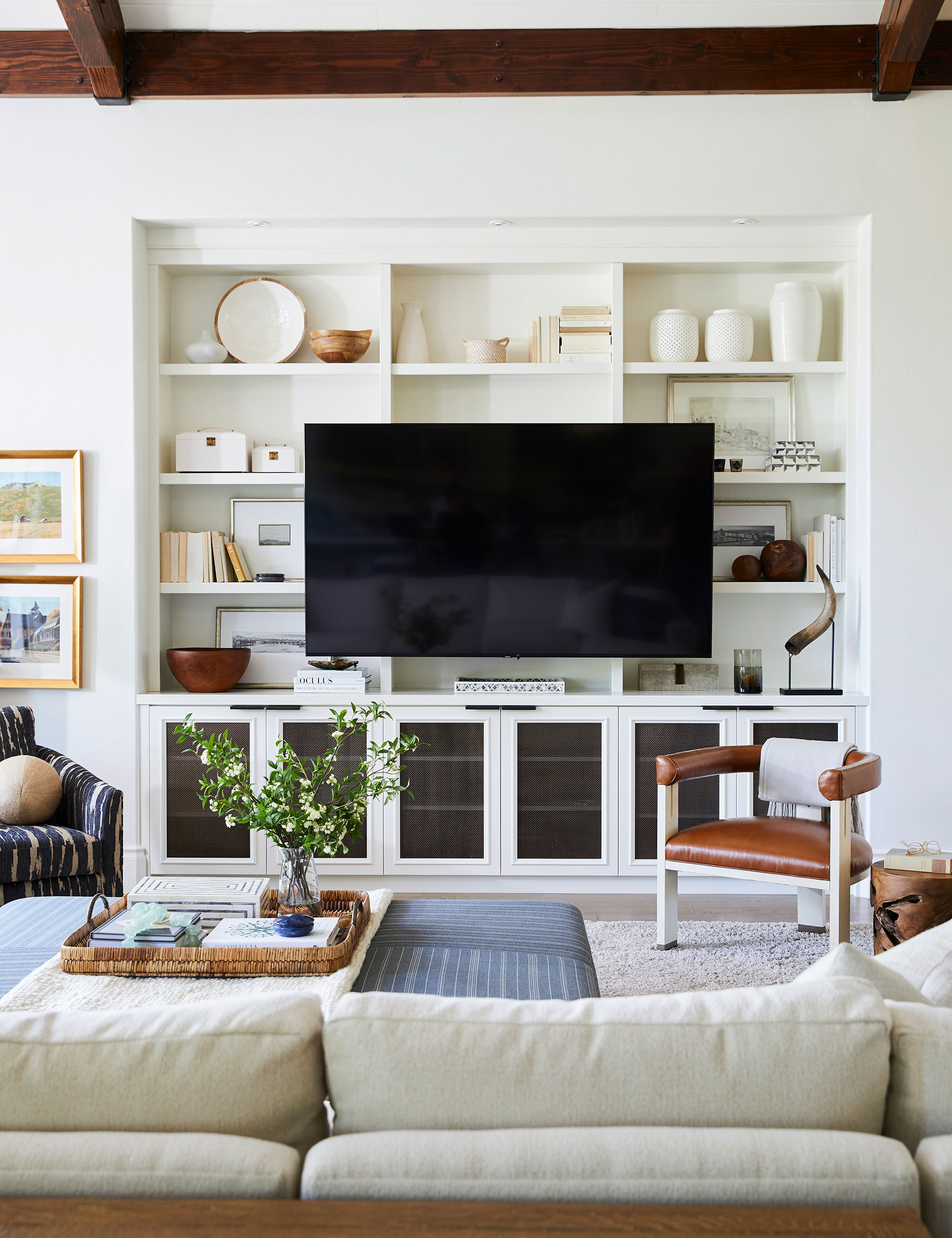
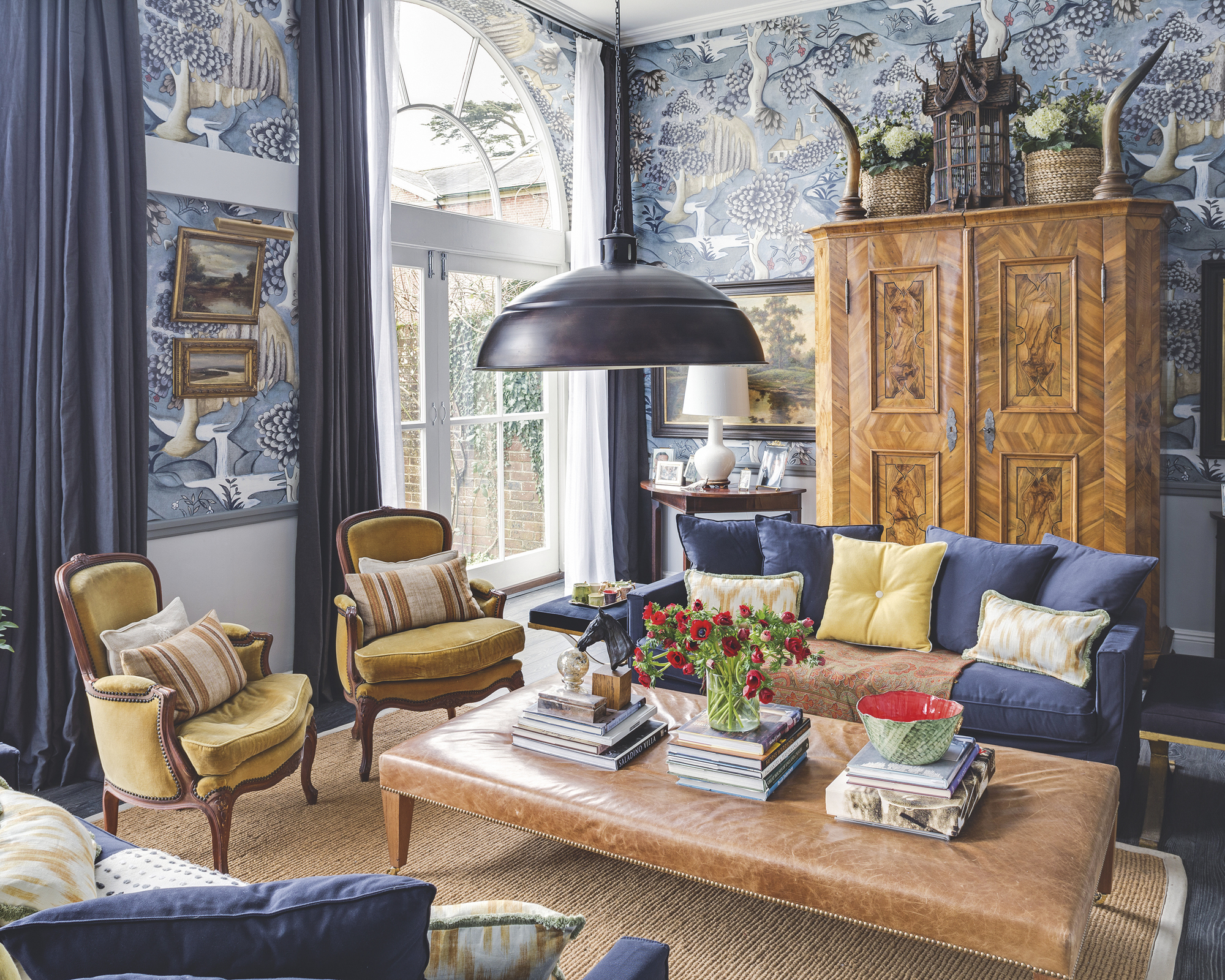
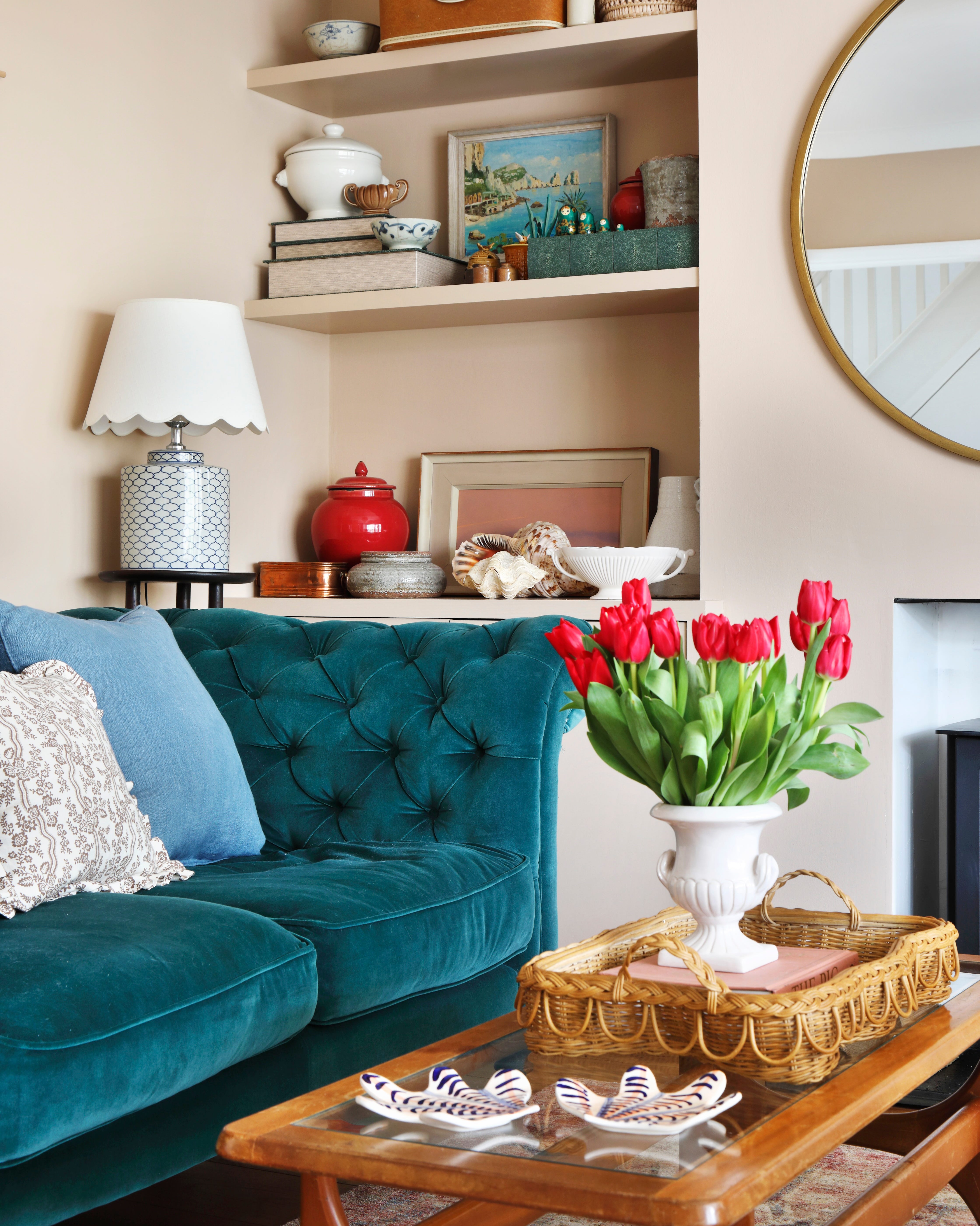
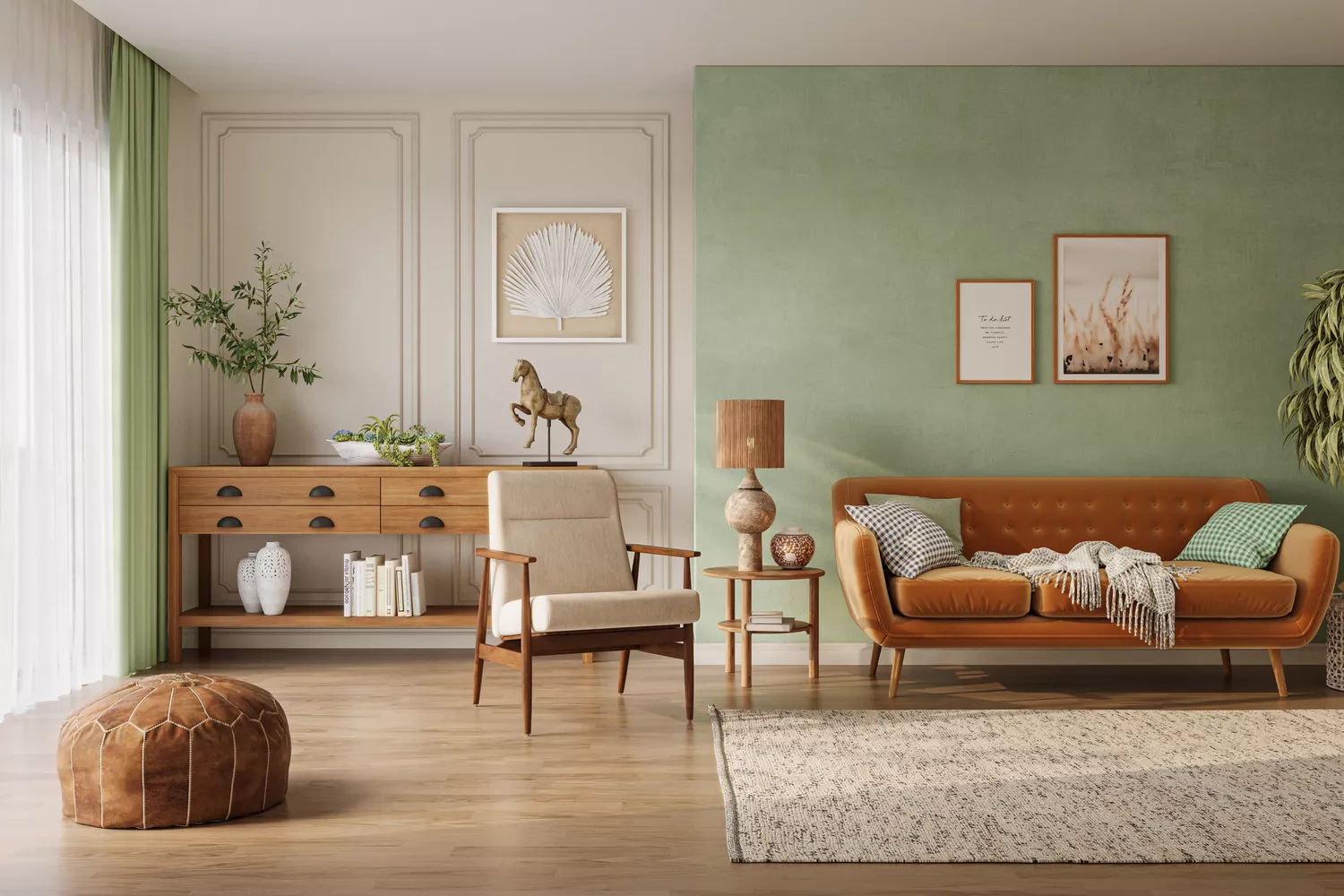
One significant mistake is furnishing a living room exclusively from a single store or vendor. While this might seem convenient, it often results in a uniform, uninspired look, regardless of the cost of the items. Matching sets, in particular, are considered a major red flag as they make a space appear one-note rather than thoughtfully designed. Instead, a more sophisticated approach involves mixing and matching pieces from various stores and incorporating vintage items. This eclectic strategy introduces unexpected and unique elements, allowing the living room to truly stand out and reflect a more curated sensibility.
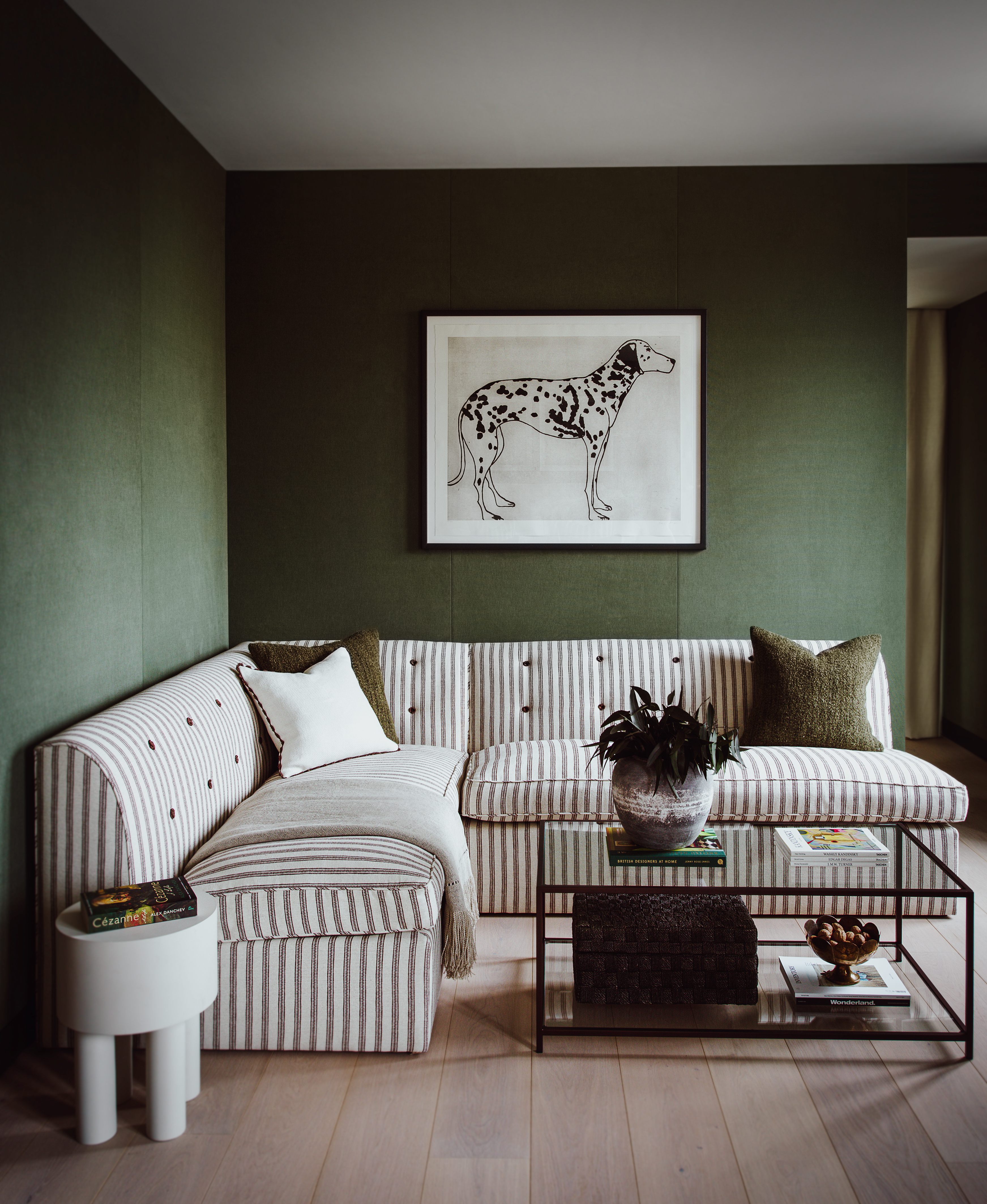
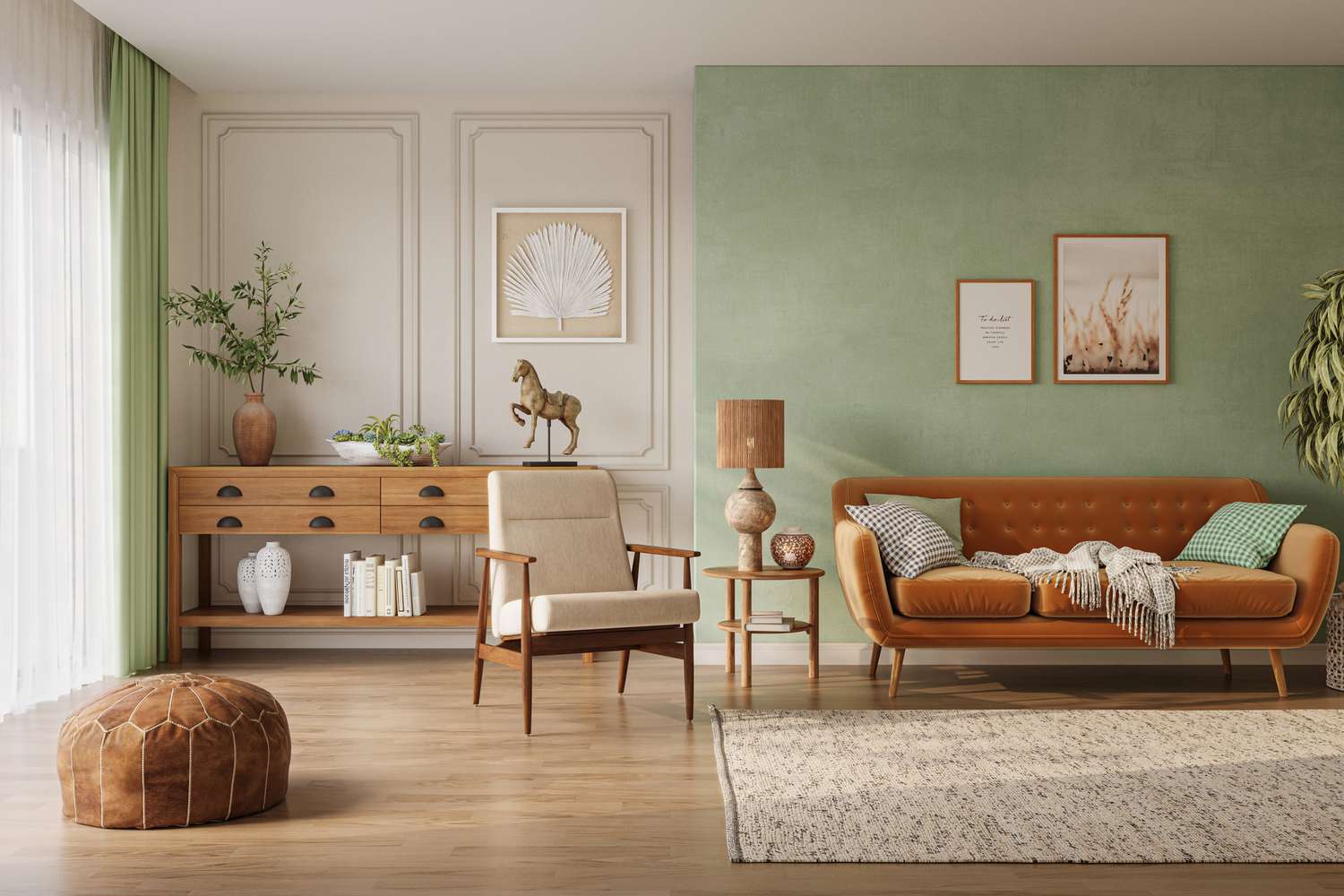
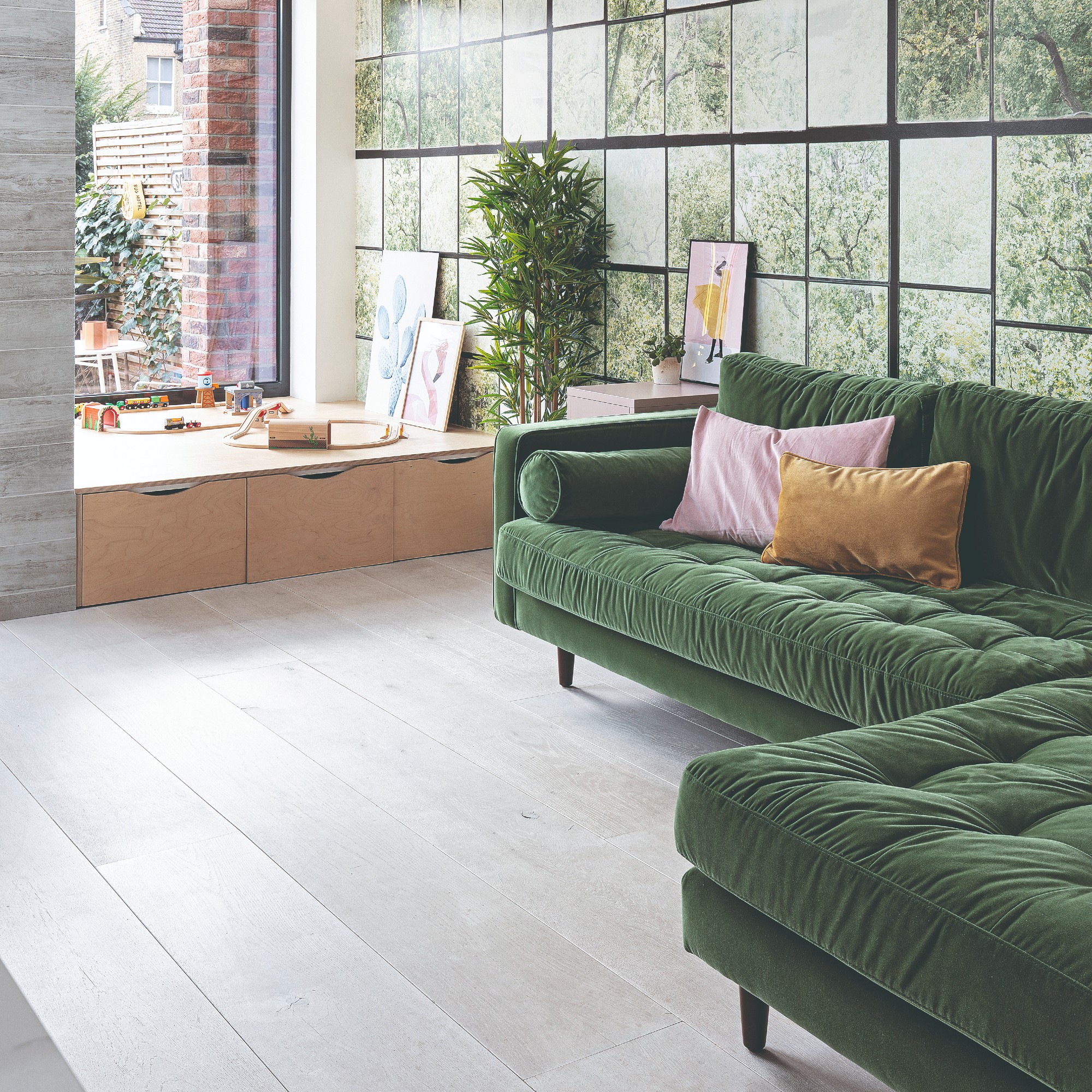
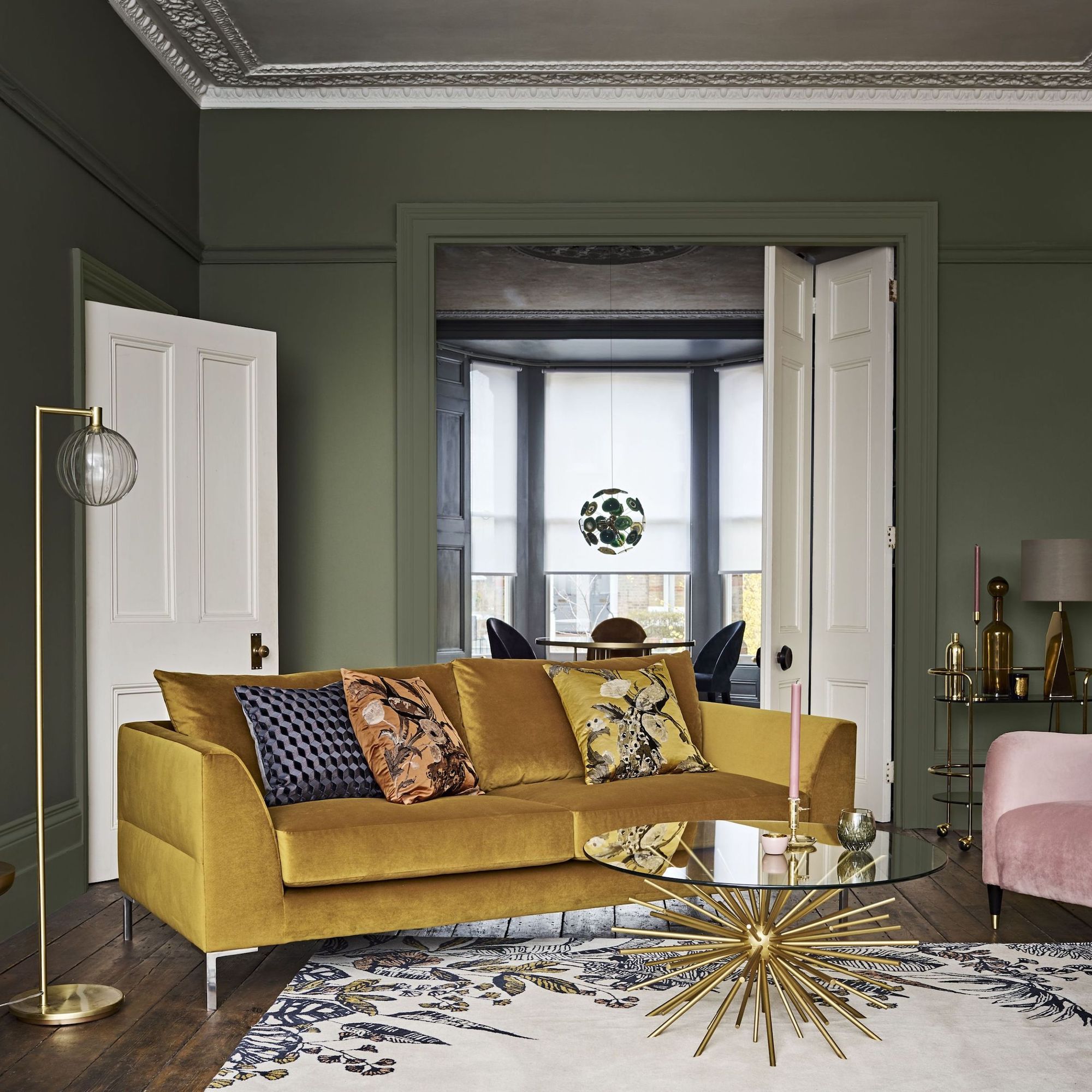
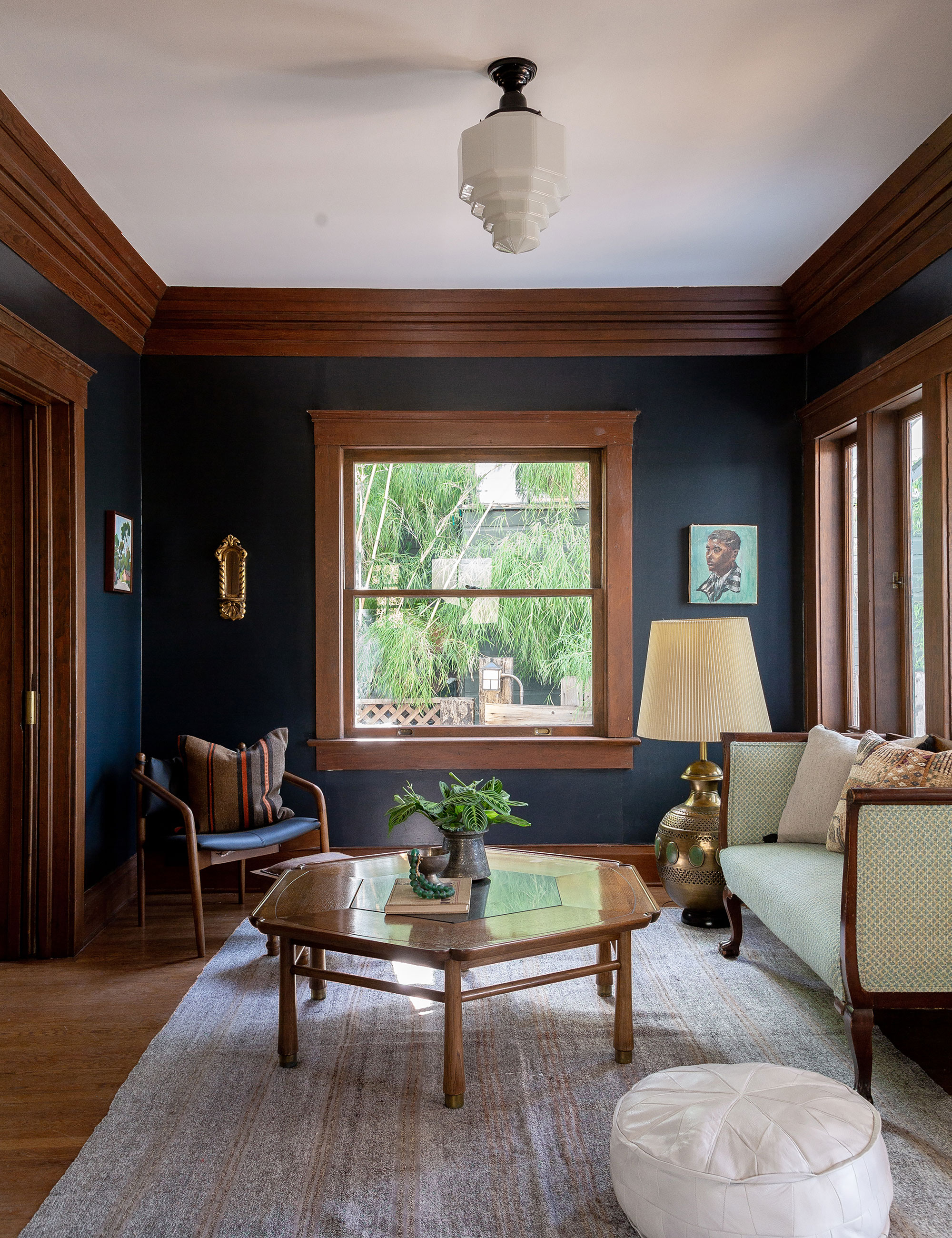
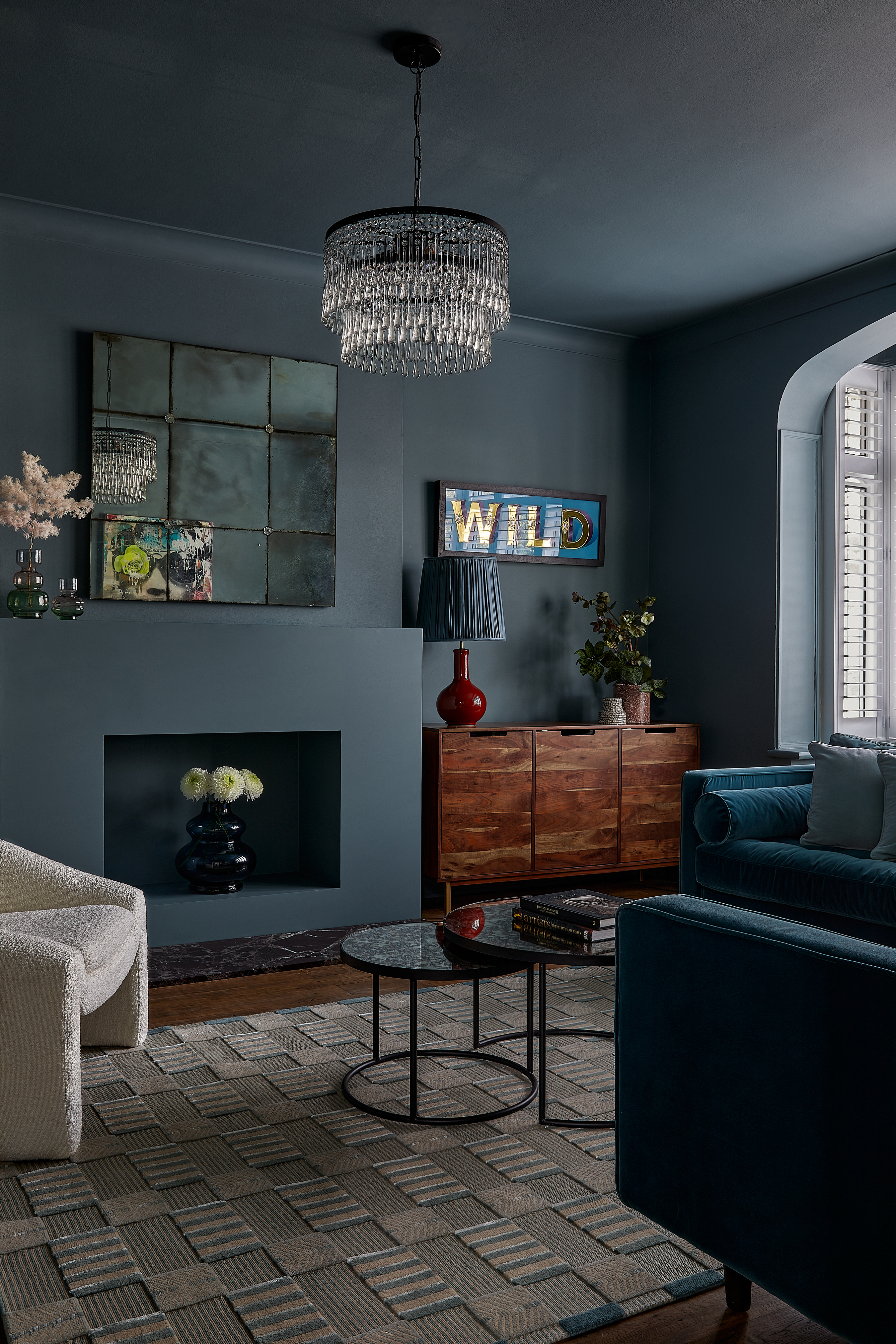
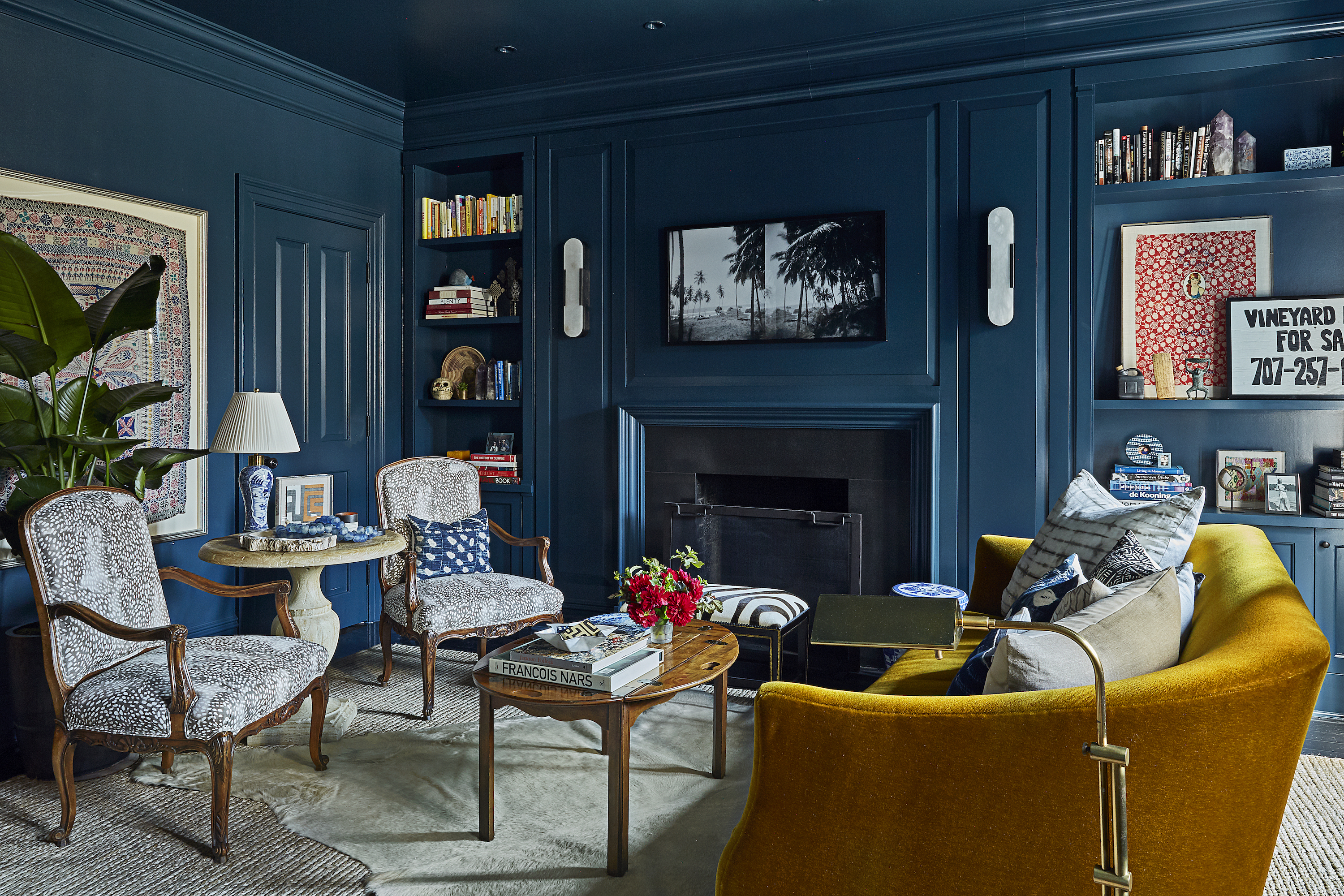
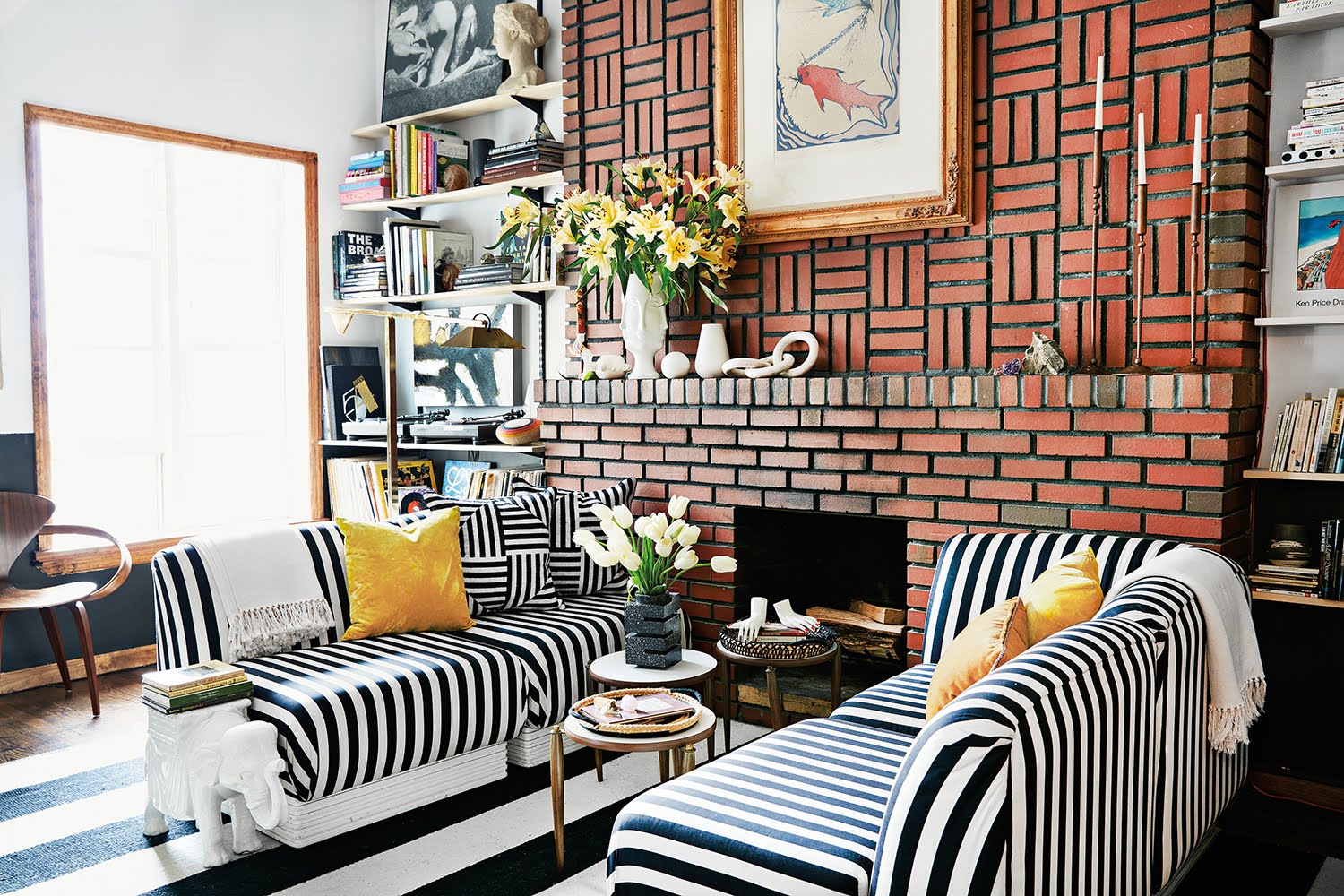
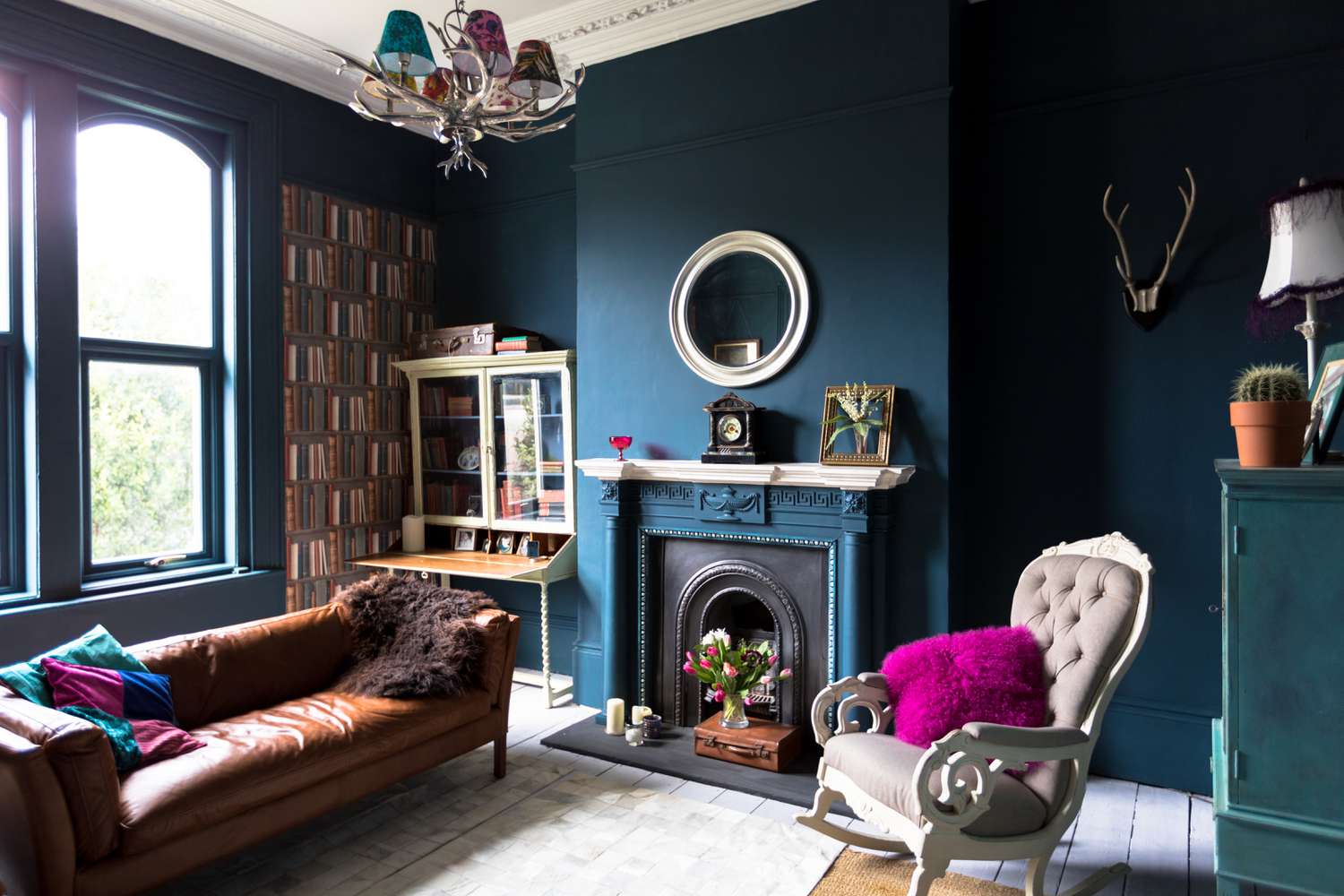
Accent walls are another divisive design element, with some designers strongly advising against them. The argument against accent walls is that they can make a room look unfinished, cheap, and amateurish. If the goal is to add trim work, paint, or wallpaper, applying it to all four walls of a room creates a more complete and elevated appearance, contributing to a cohesive and polished design.
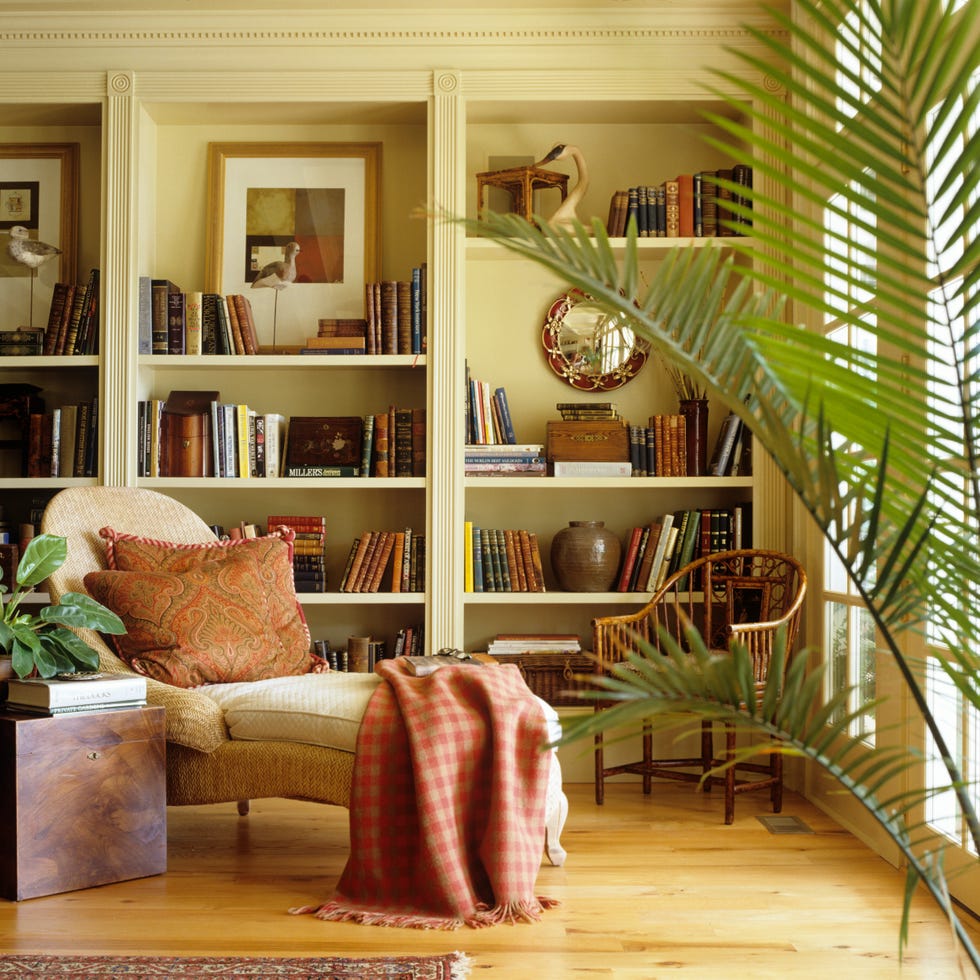
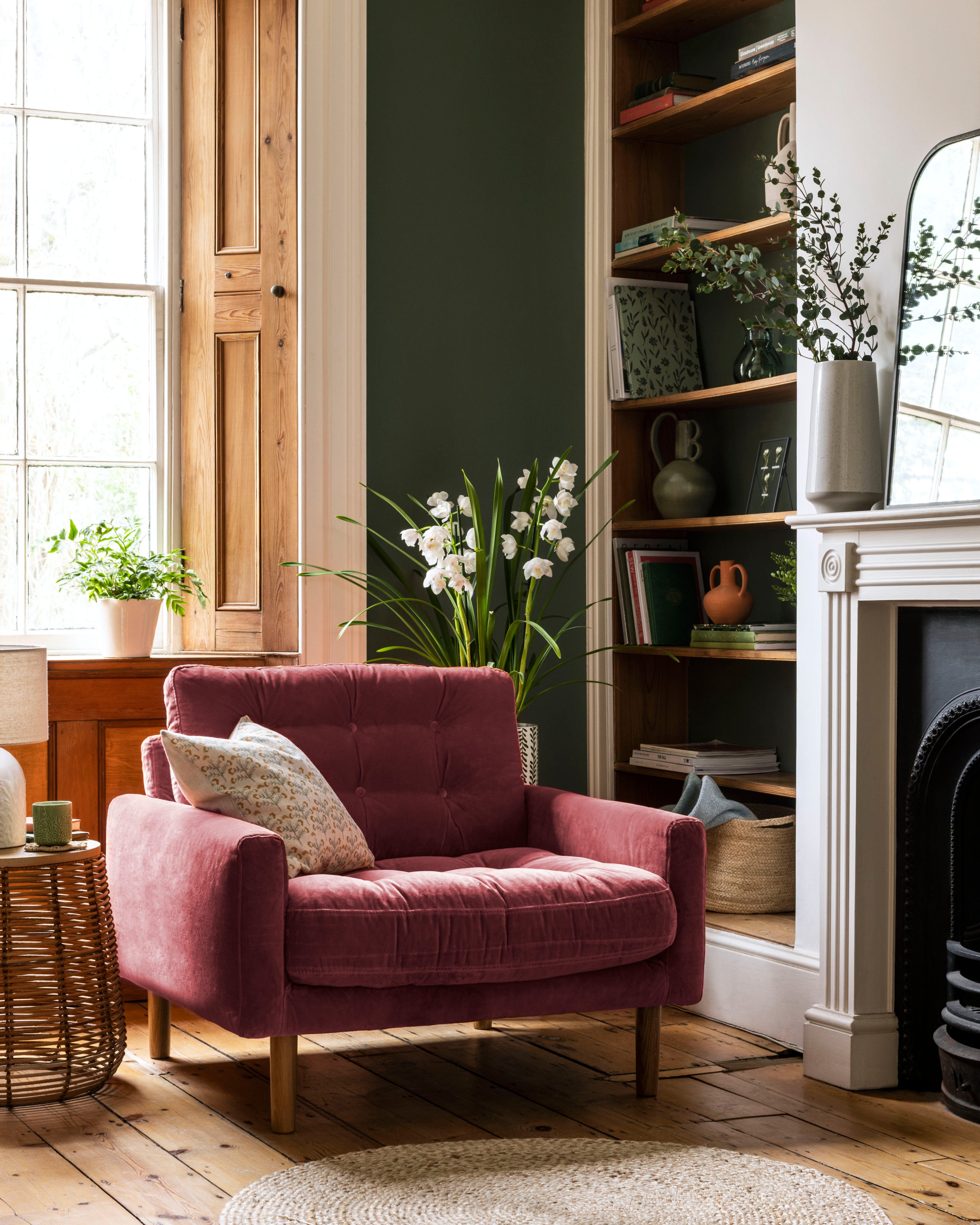
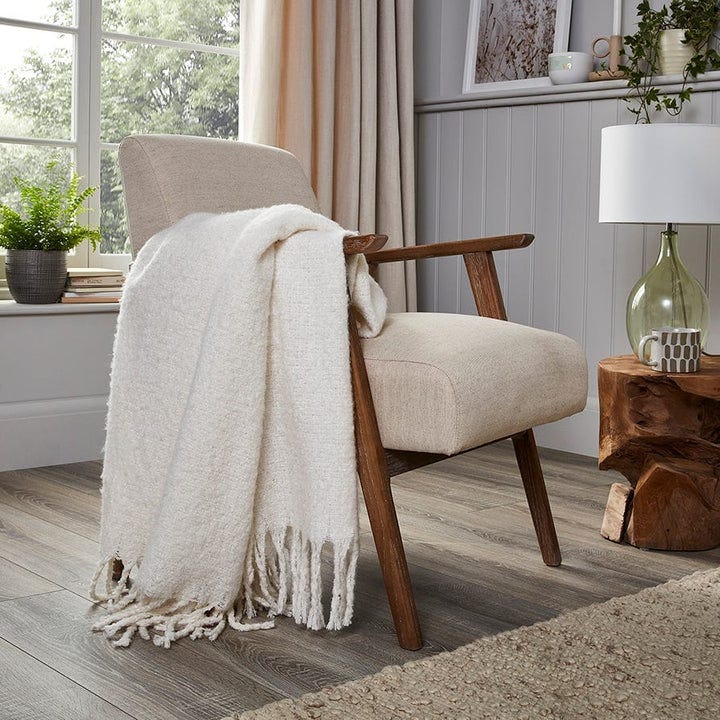
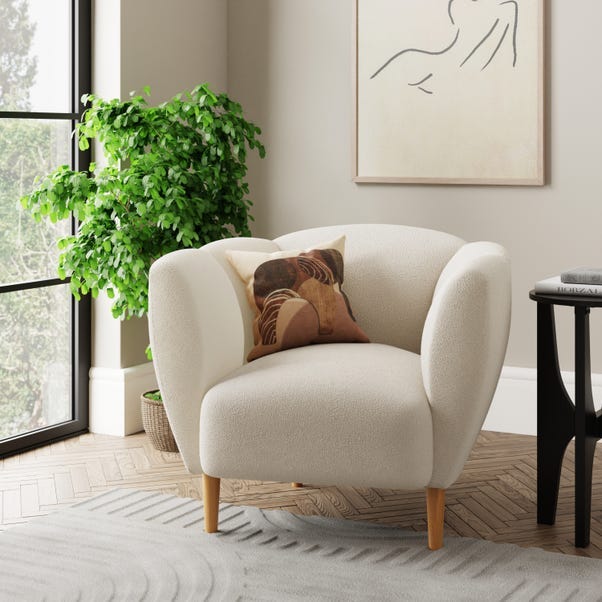
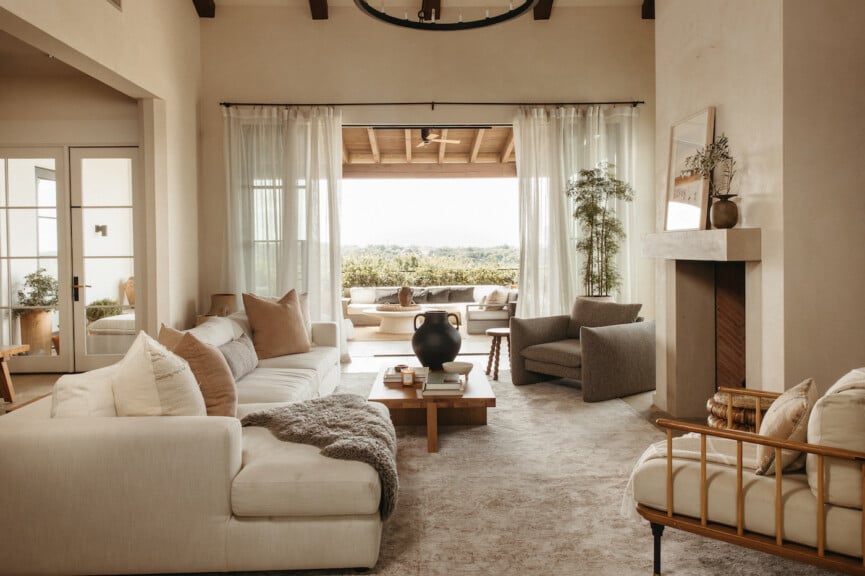
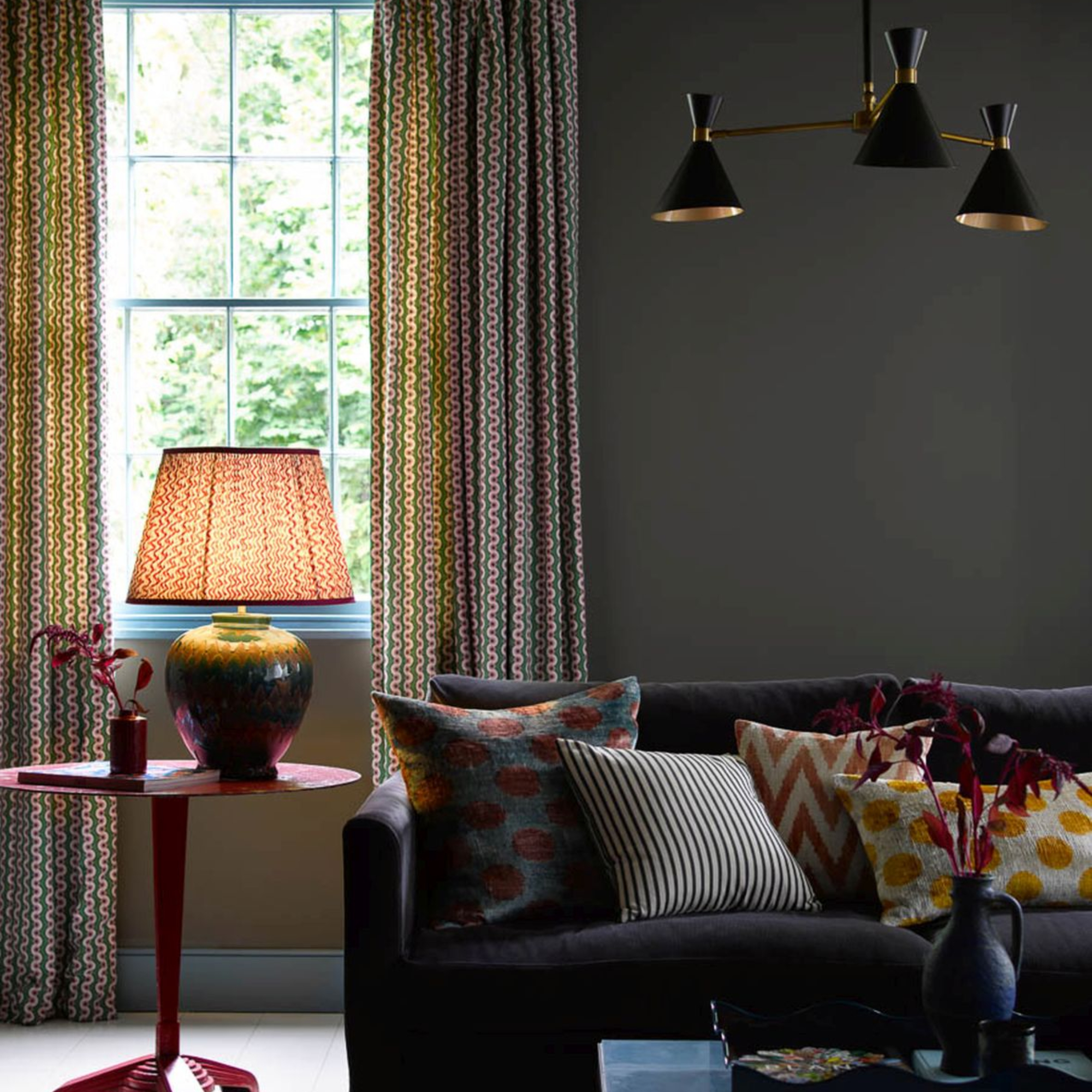
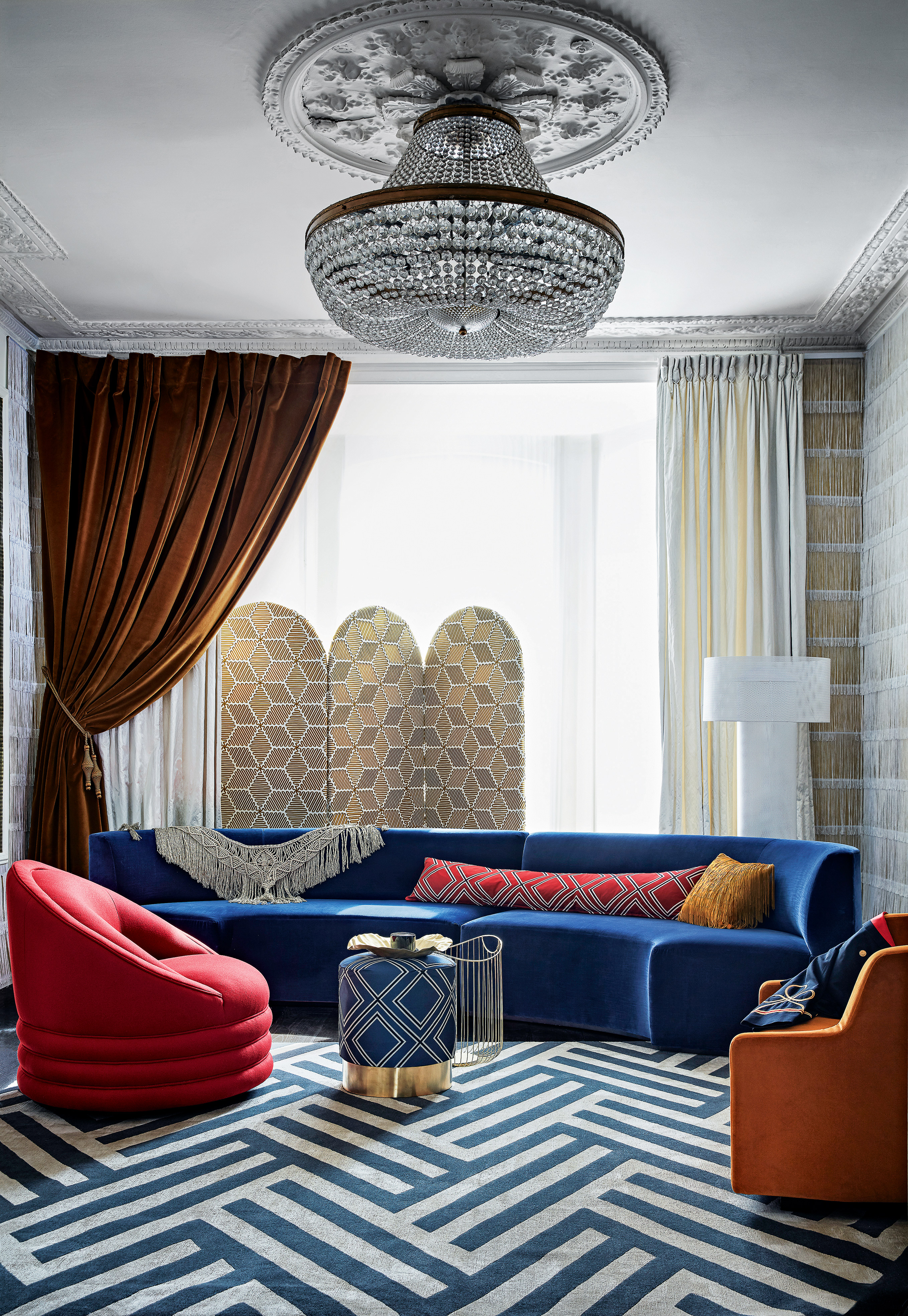
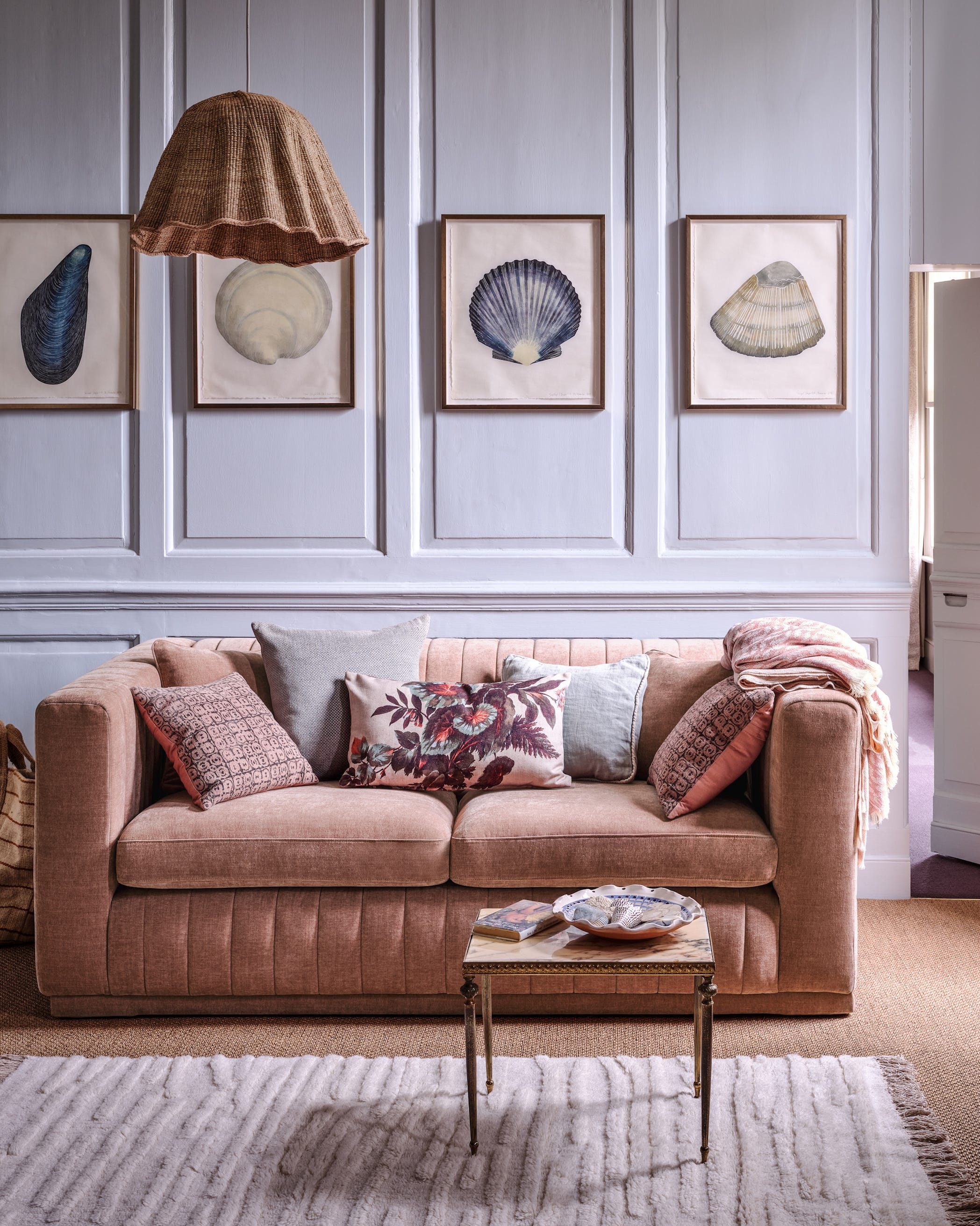
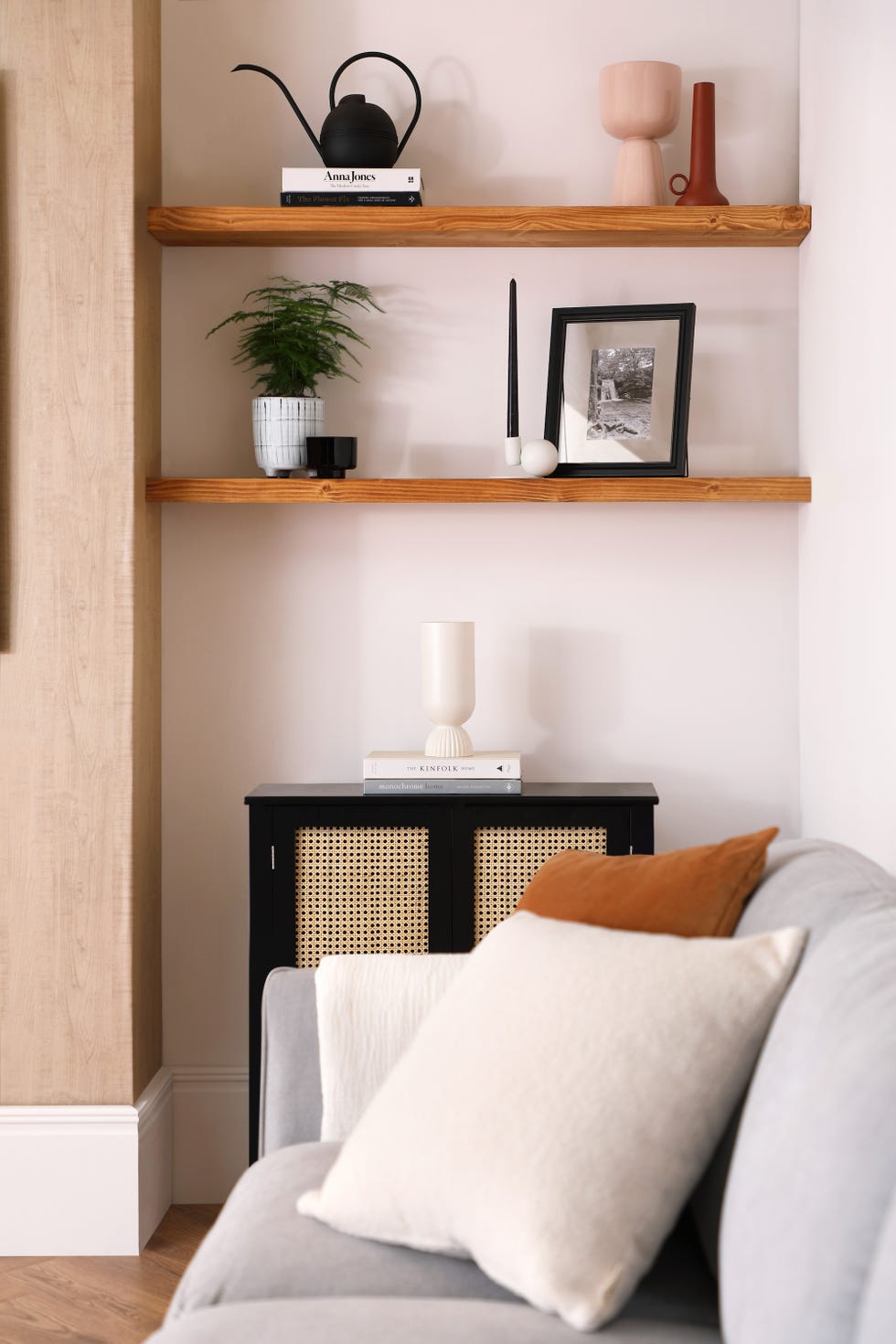
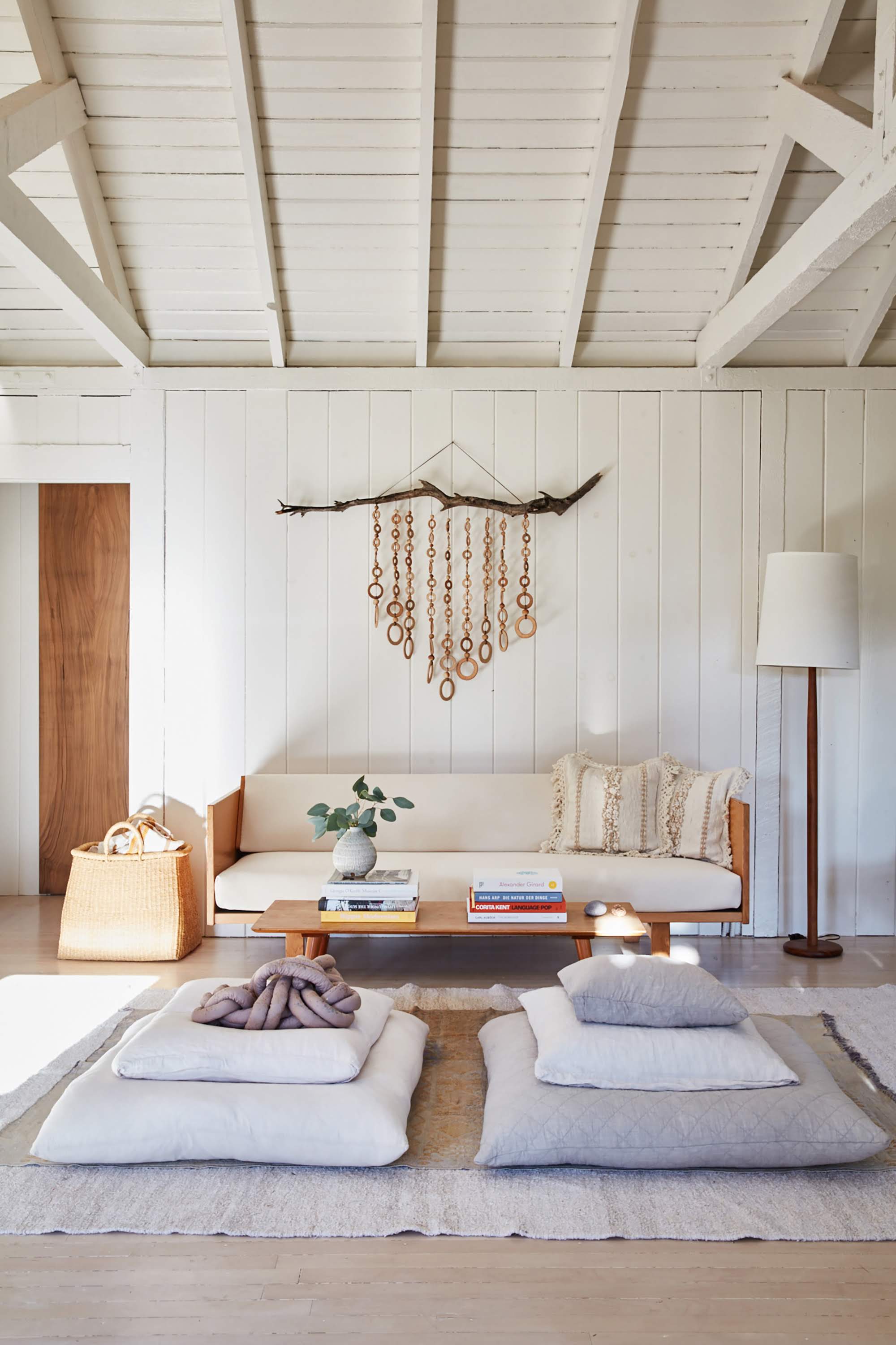
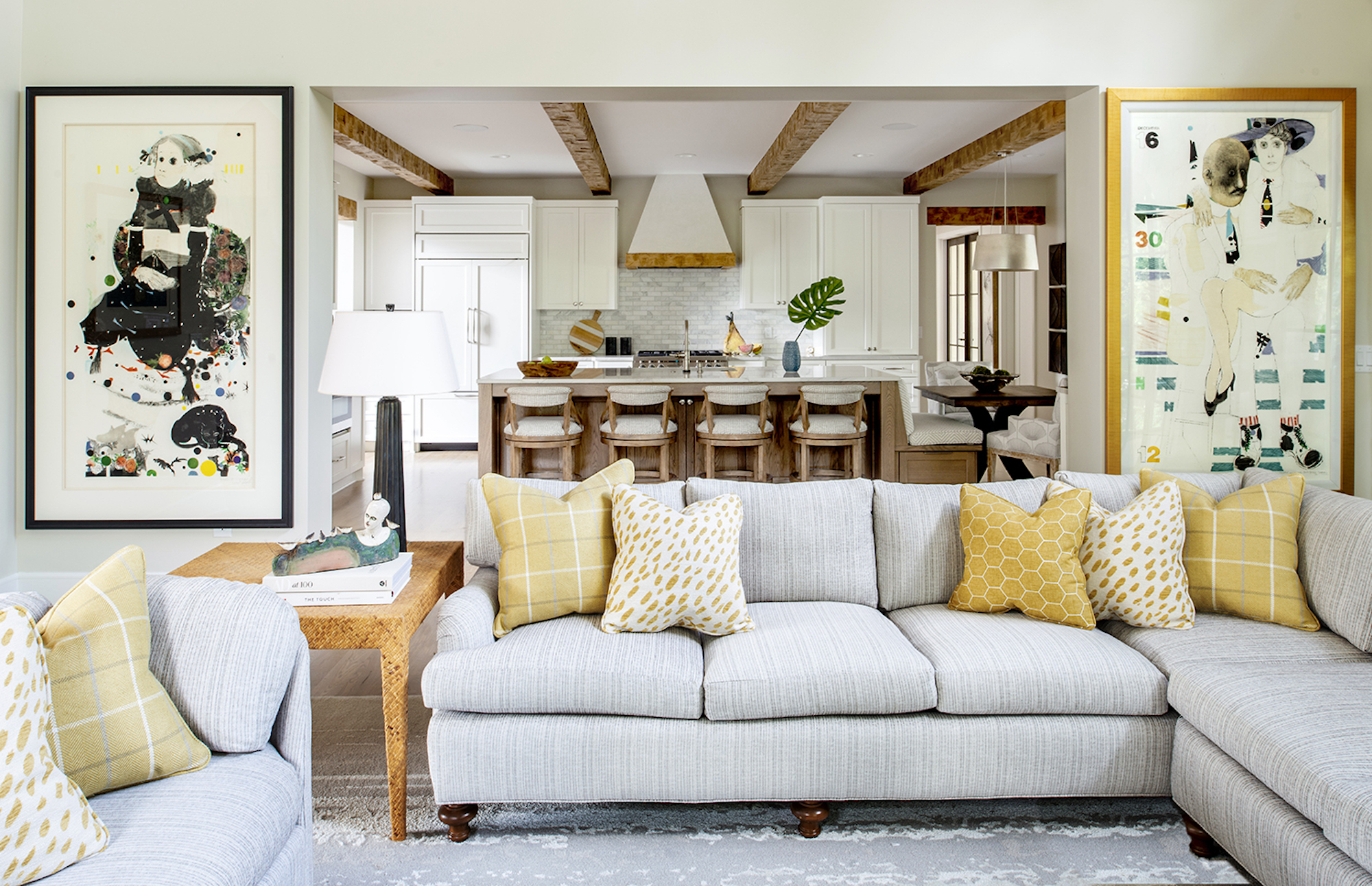
Failing to incorporate layers in a living room also contributes to an inexpensive look. Utilizing a variety of textile types is crucial for creating a luxurious feel. When selecting pillows, for instance, mixing textured fabrics like boucle with smoother options such as linen or velvet adds depth and visual interest to the space, enhancing its overall richness.
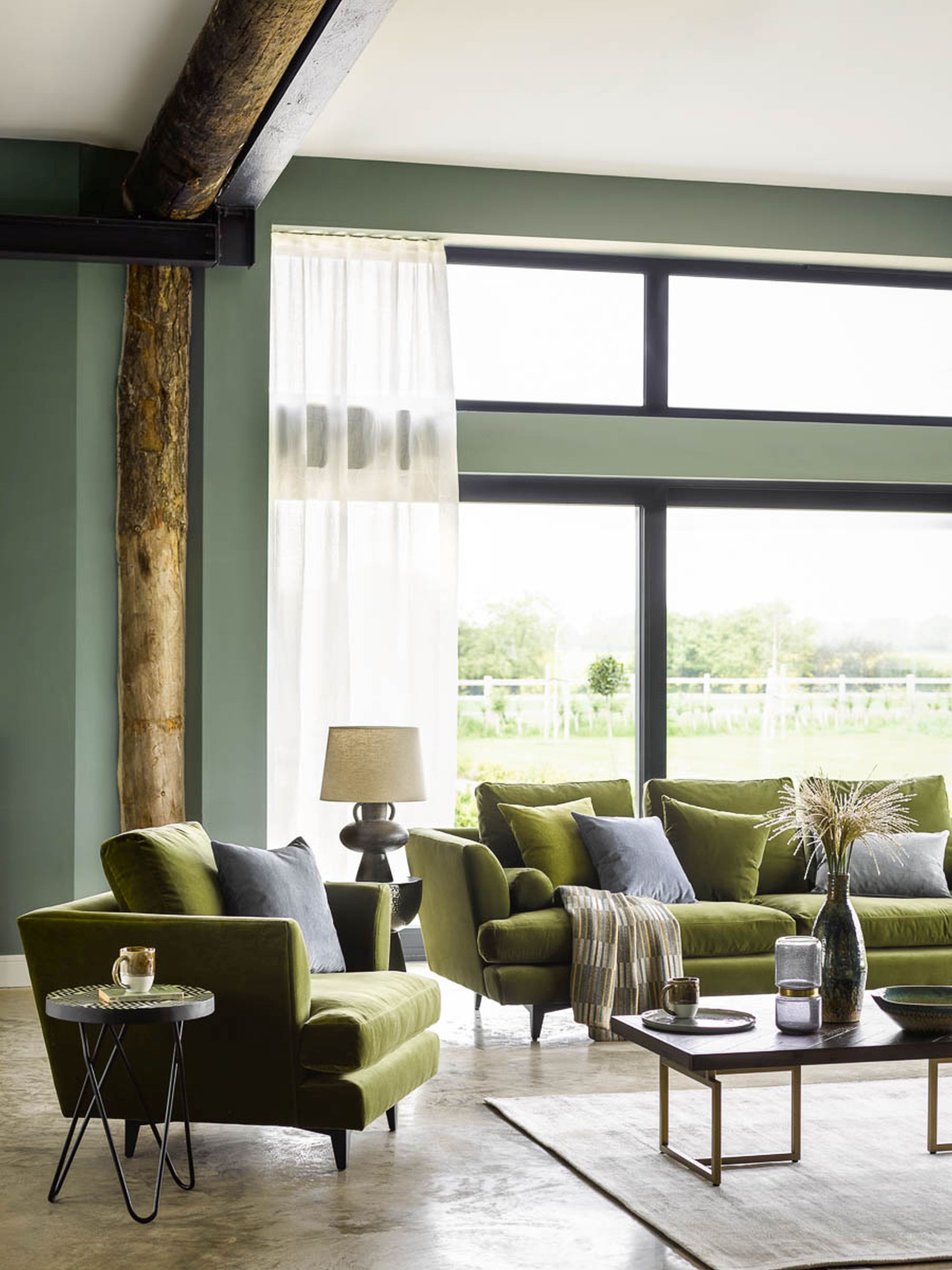
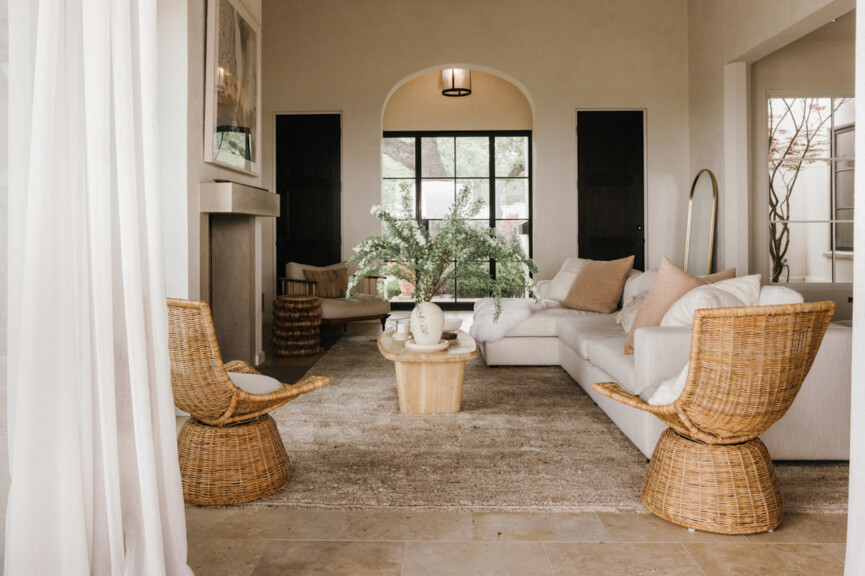
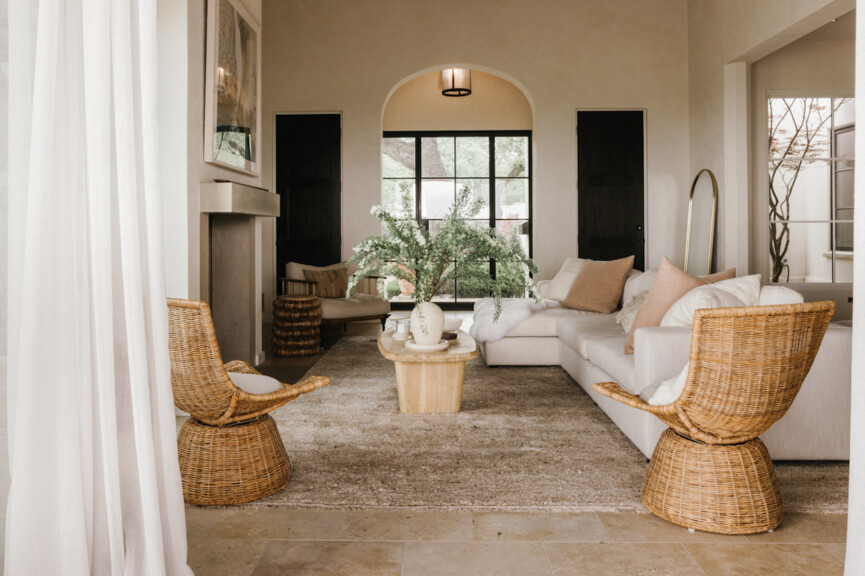
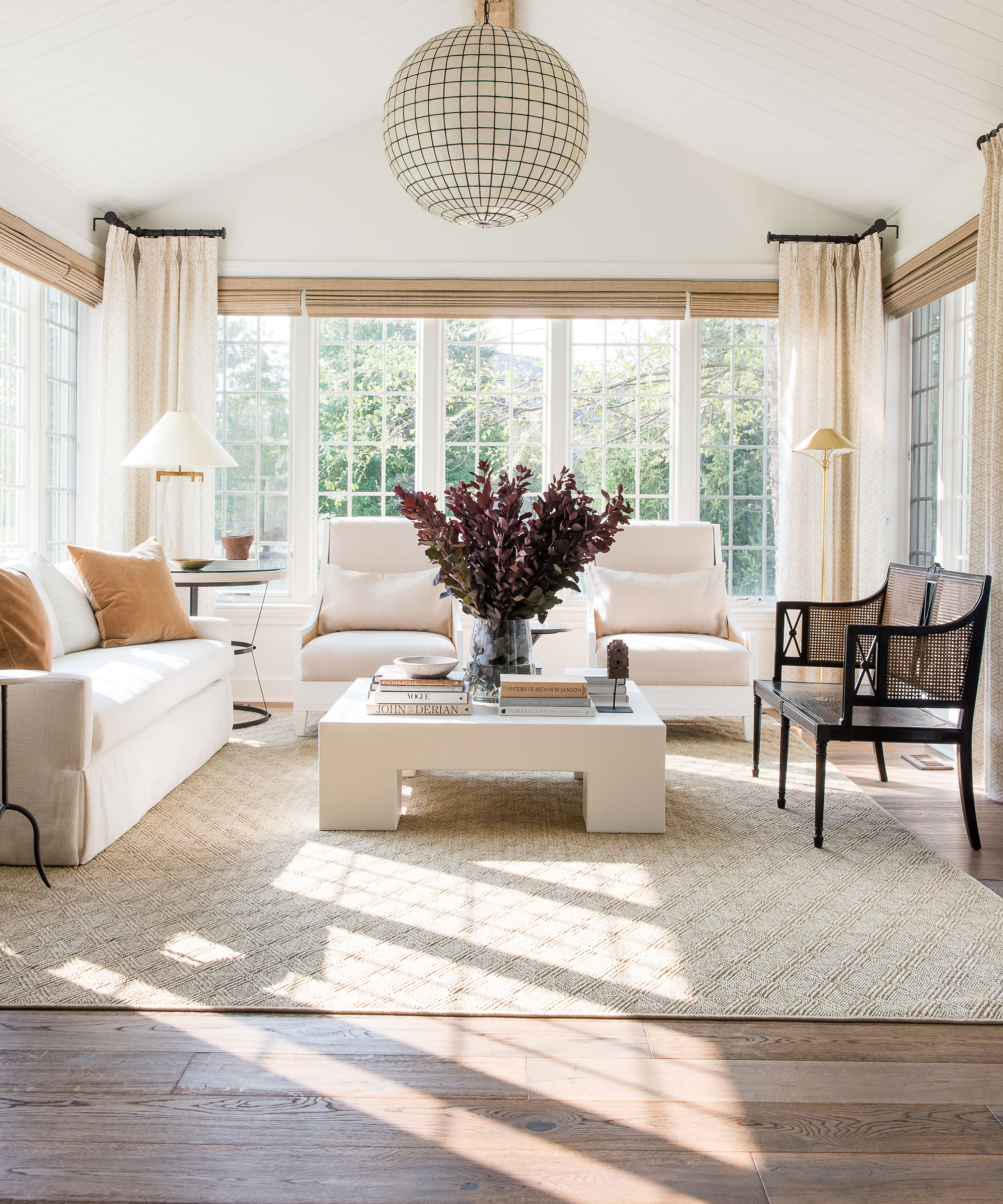
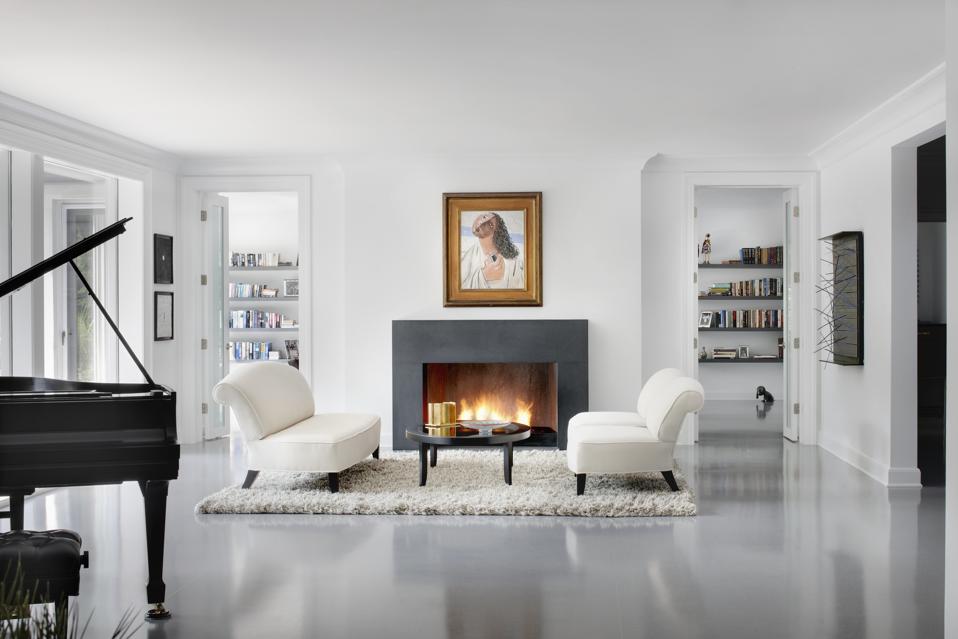
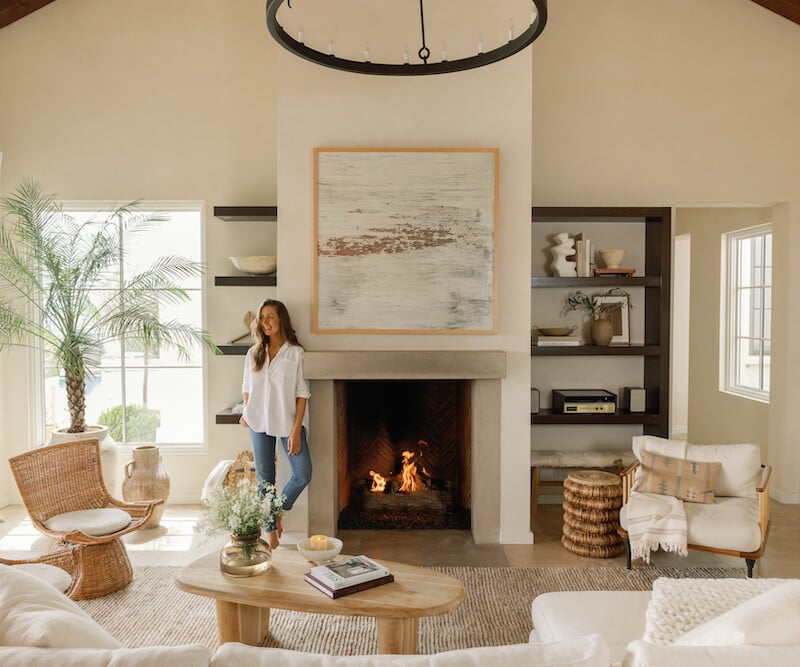
Using an undersized rug is another common error. Designers consistently recommend opting for a larger rug, ensuring that at least the front legs of all furniture pieces rest on it. This creates a sense of cohesion and anchors the furniture within the space. If an existing rug is too small but cherished, layering it over a larger base rug, such as a jute rug, can introduce additional color and texture while rectifying the size issue.
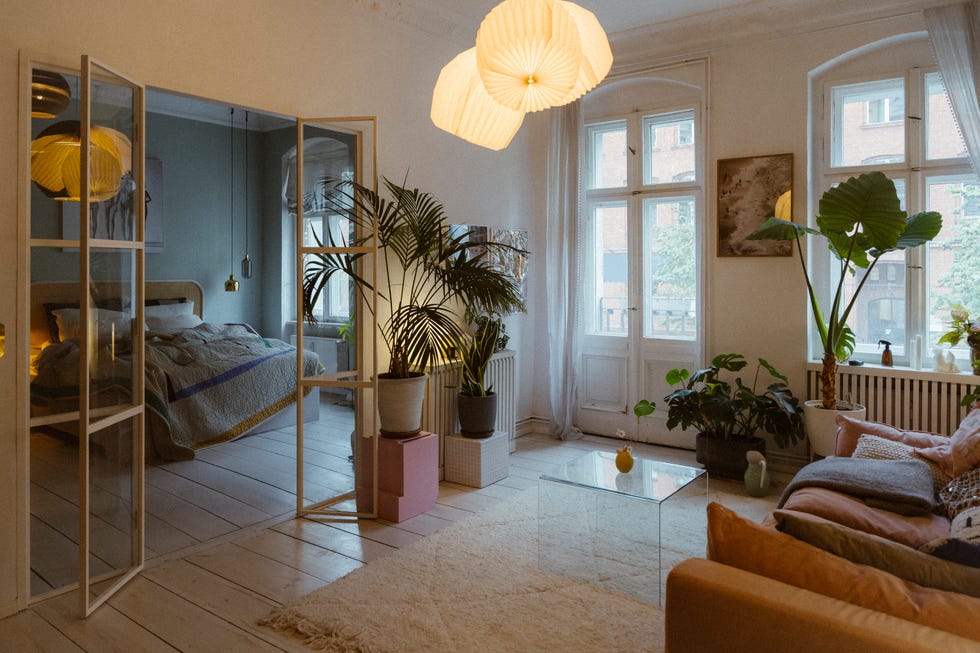
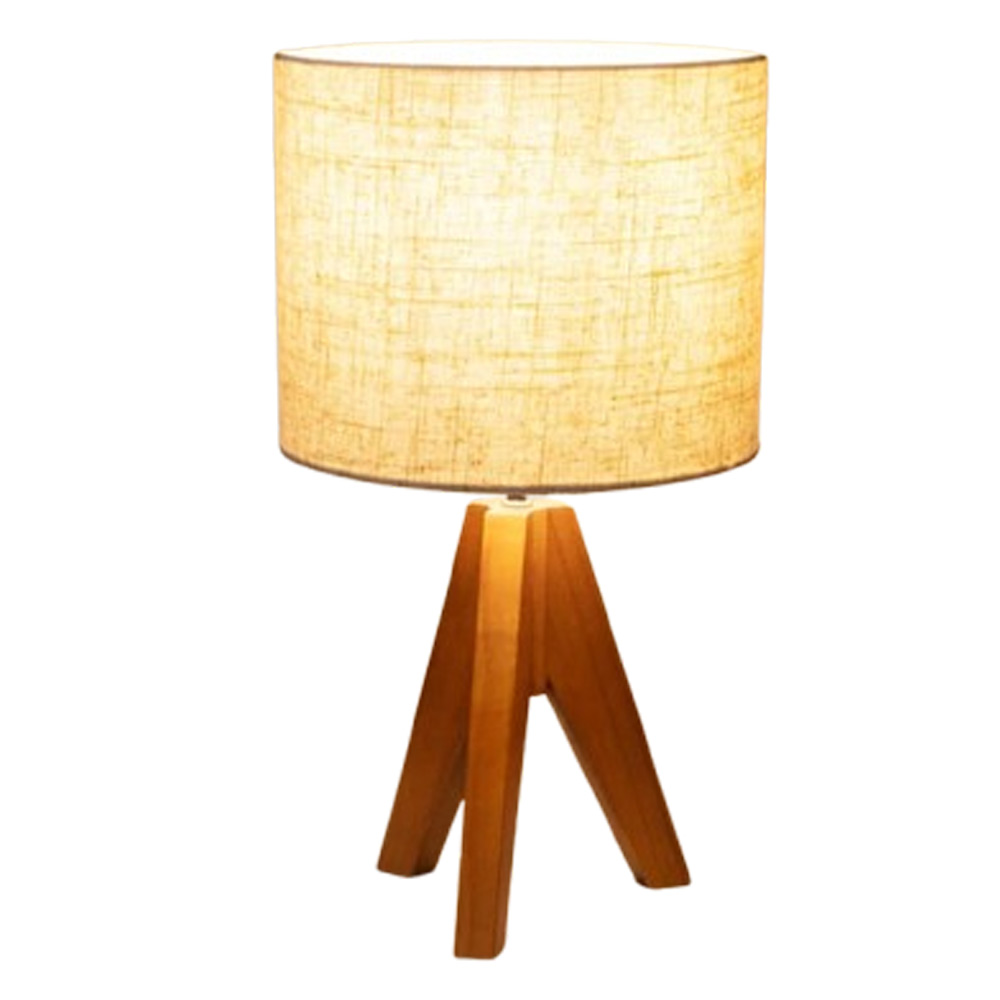
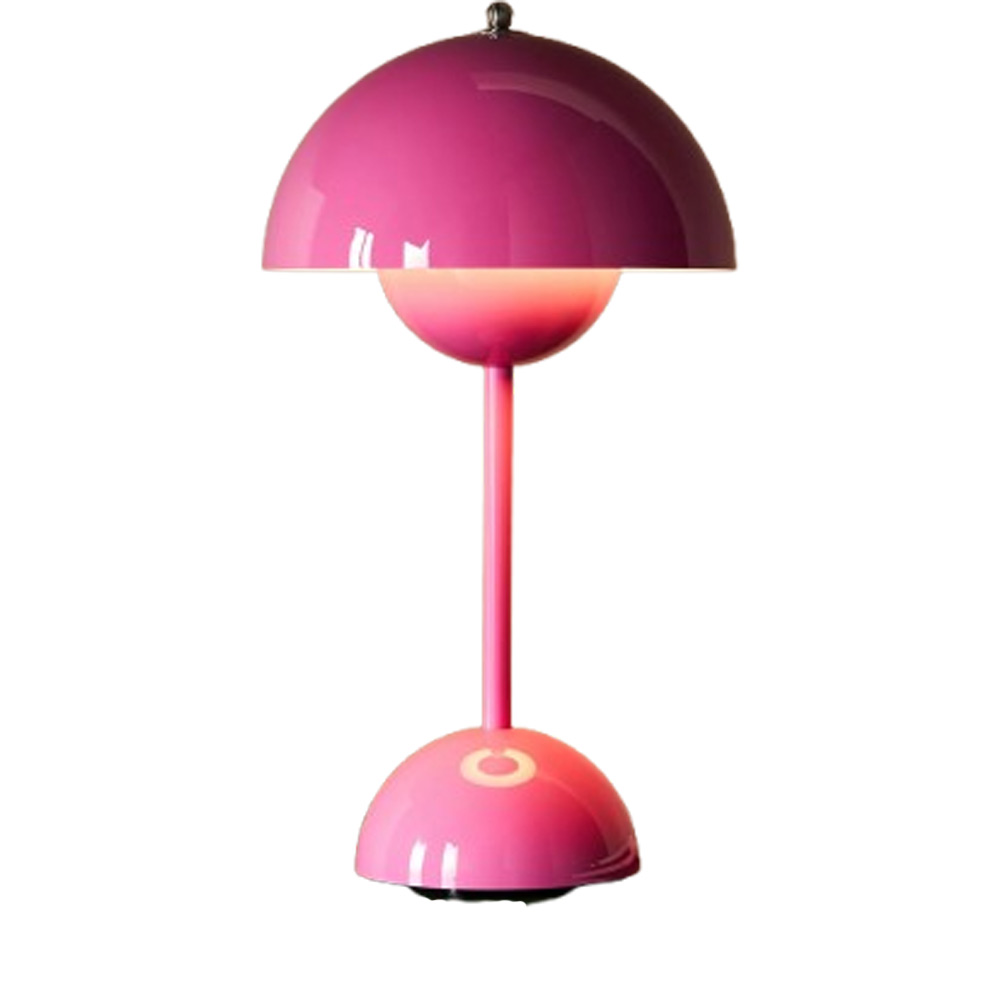
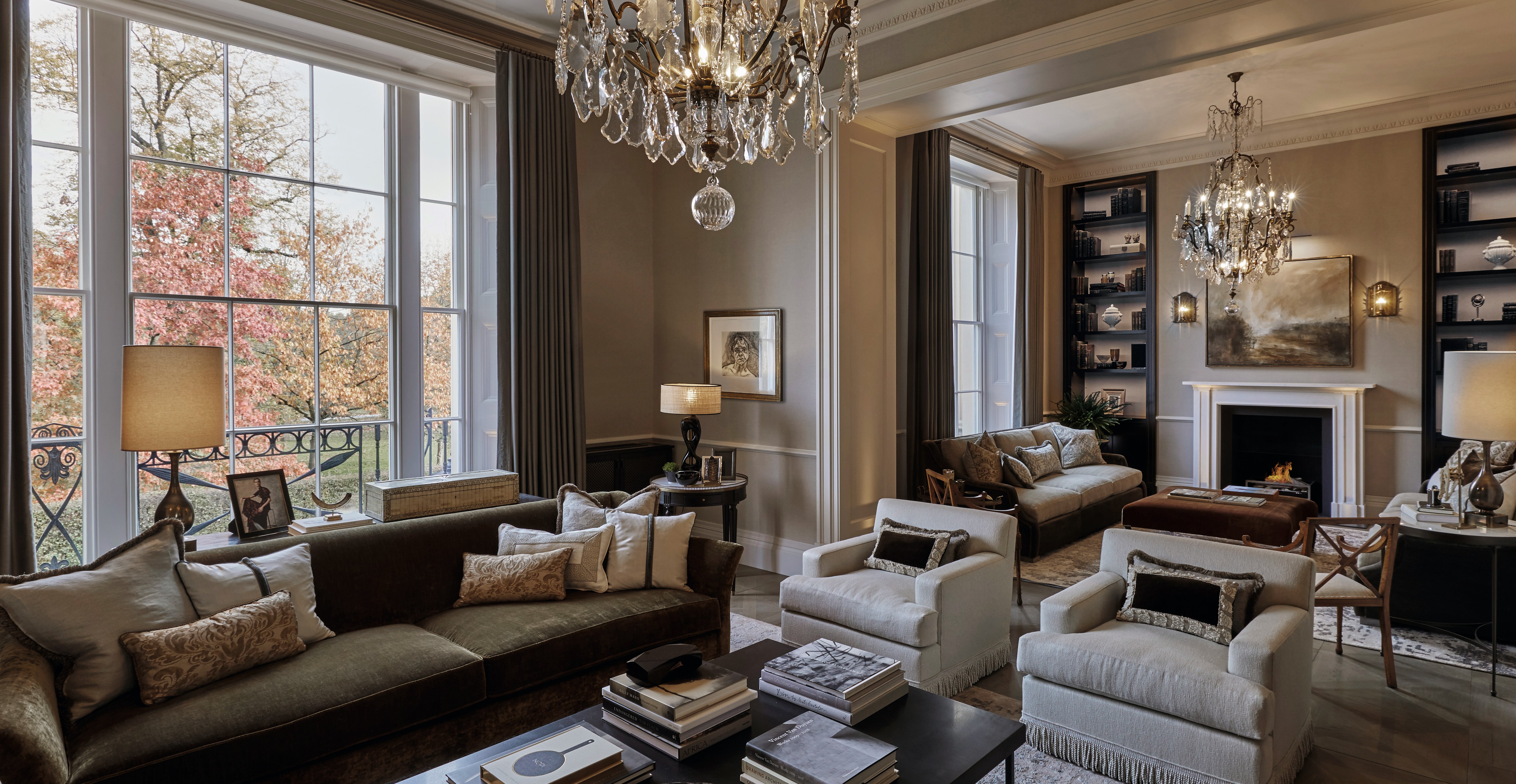
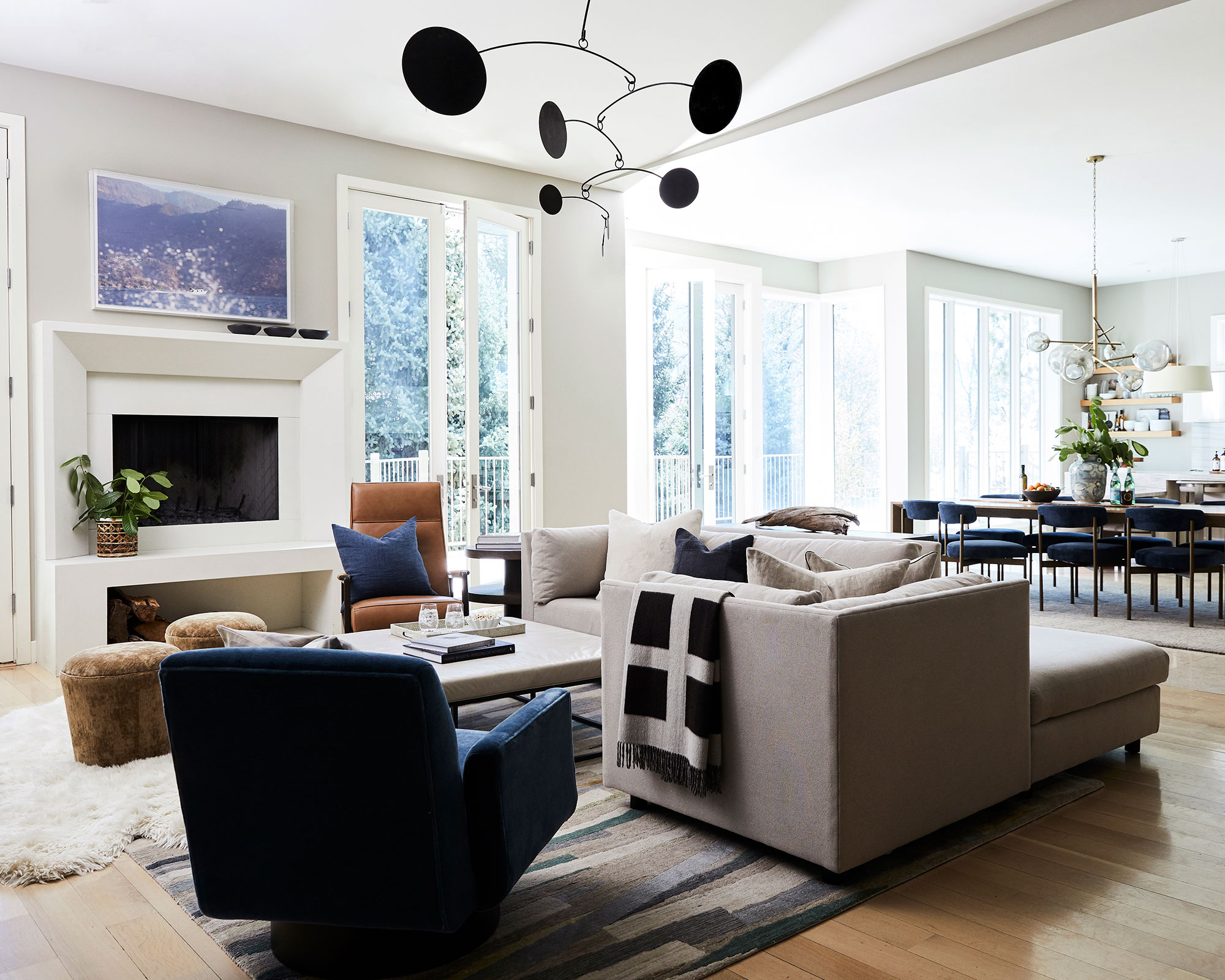
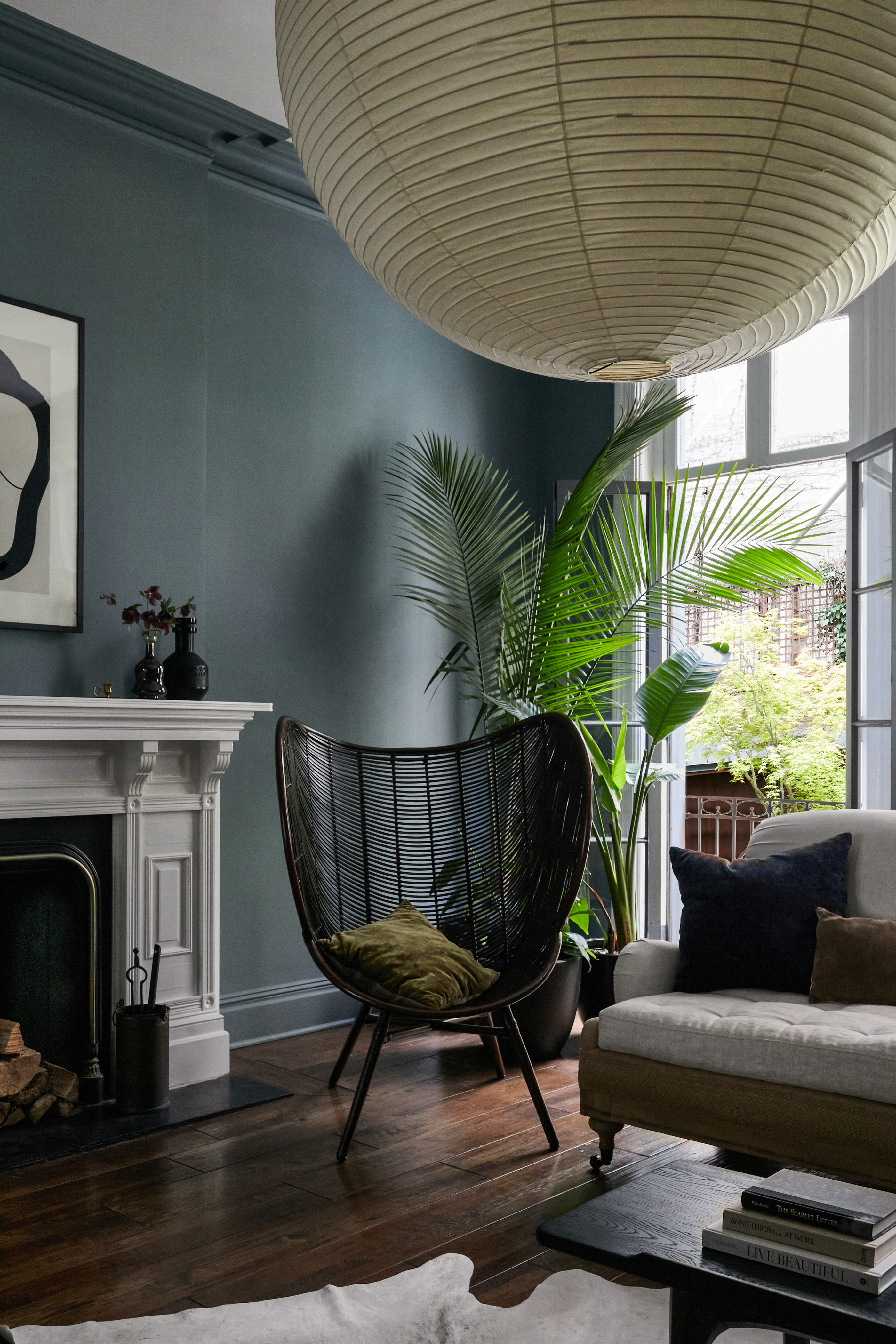
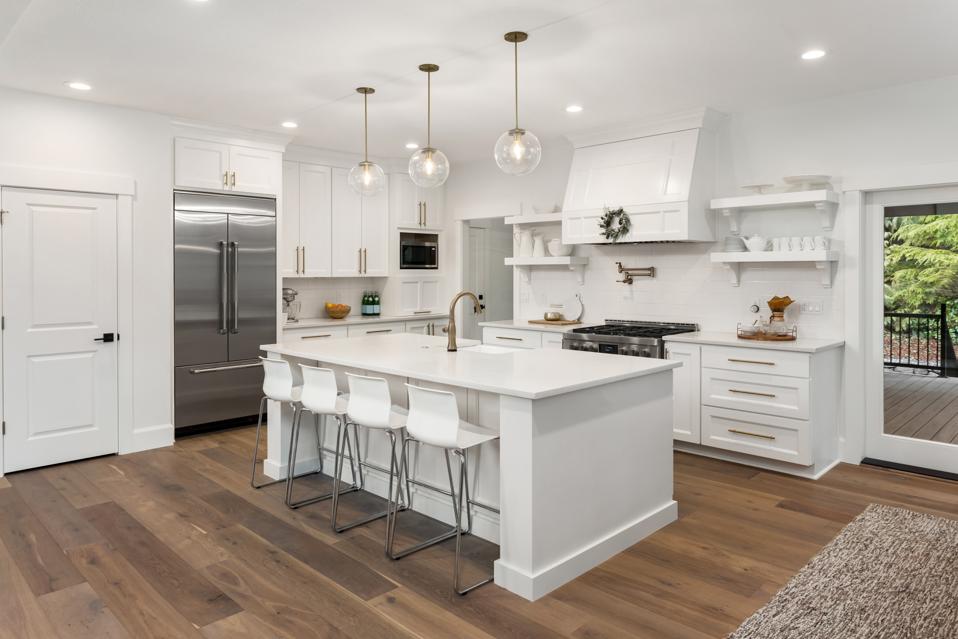
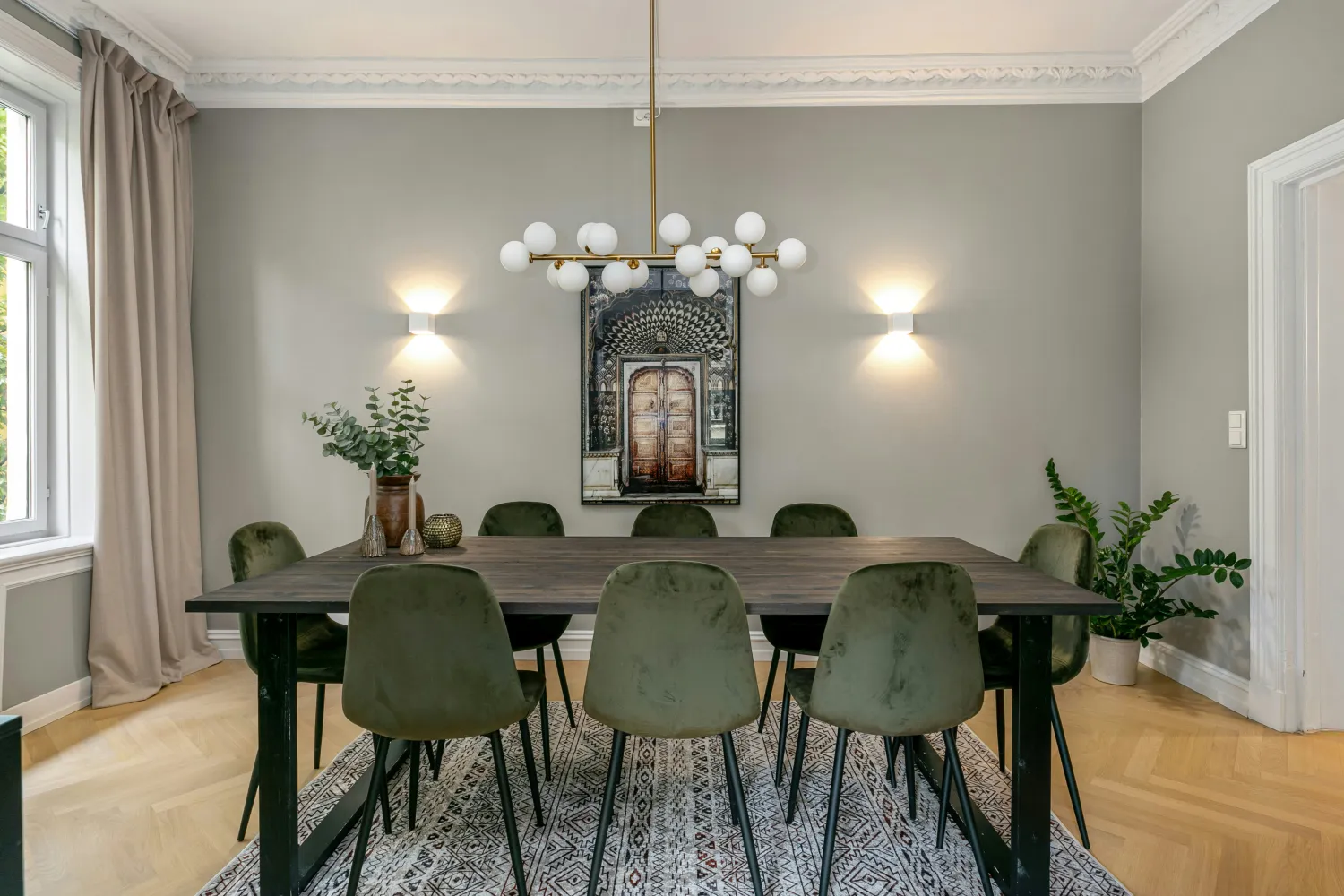
Similarly, settling for standard, builder-grade lighting fixtures can detract from a living room's design. Instead, selecting fixtures that align with the room's aesthetic adds artistic flair and elevates the space. Even for renters, swapping out light fixtures is feasible, provided the original fixtures are stored safely for reinstallation when the lease concludes.
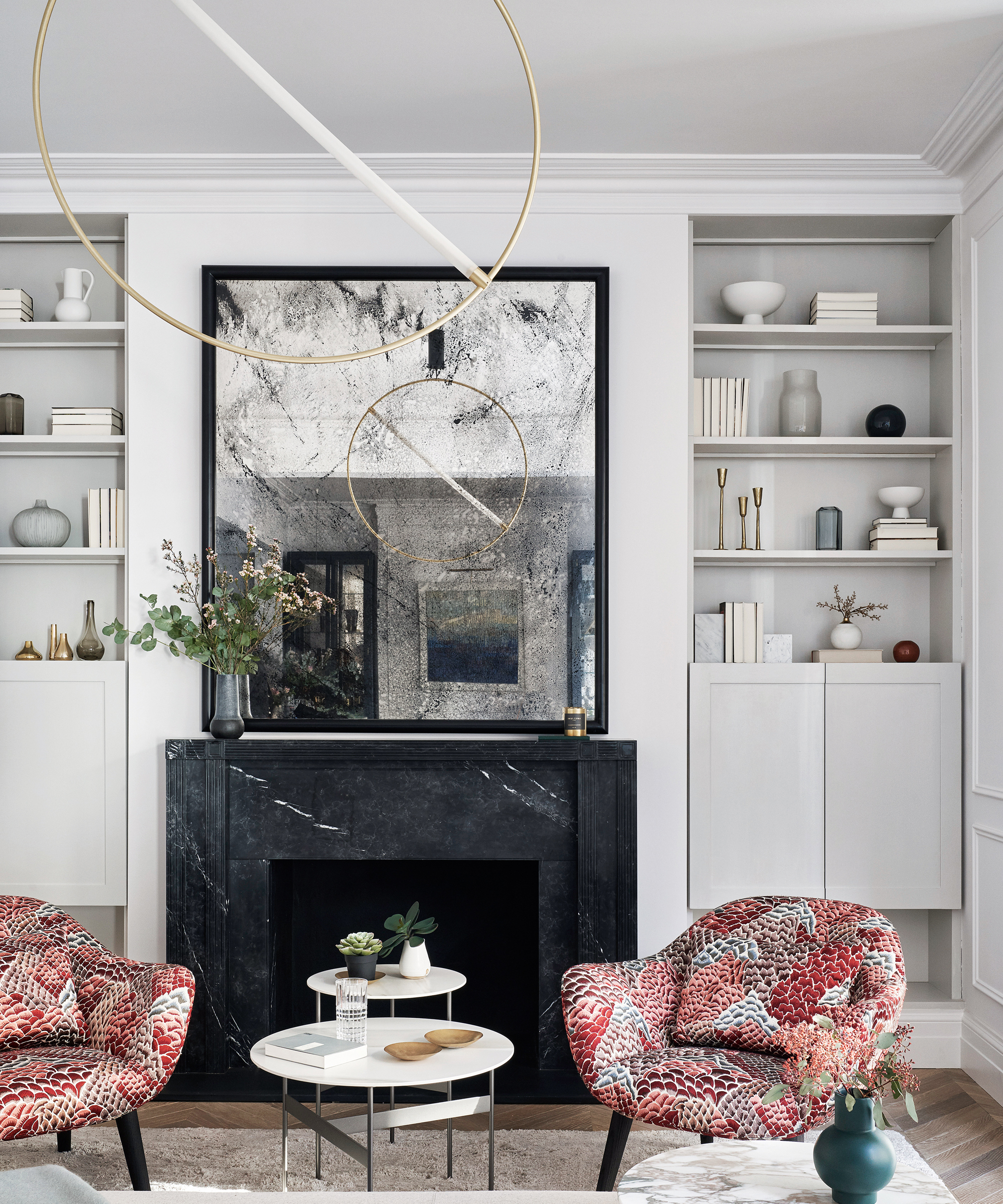
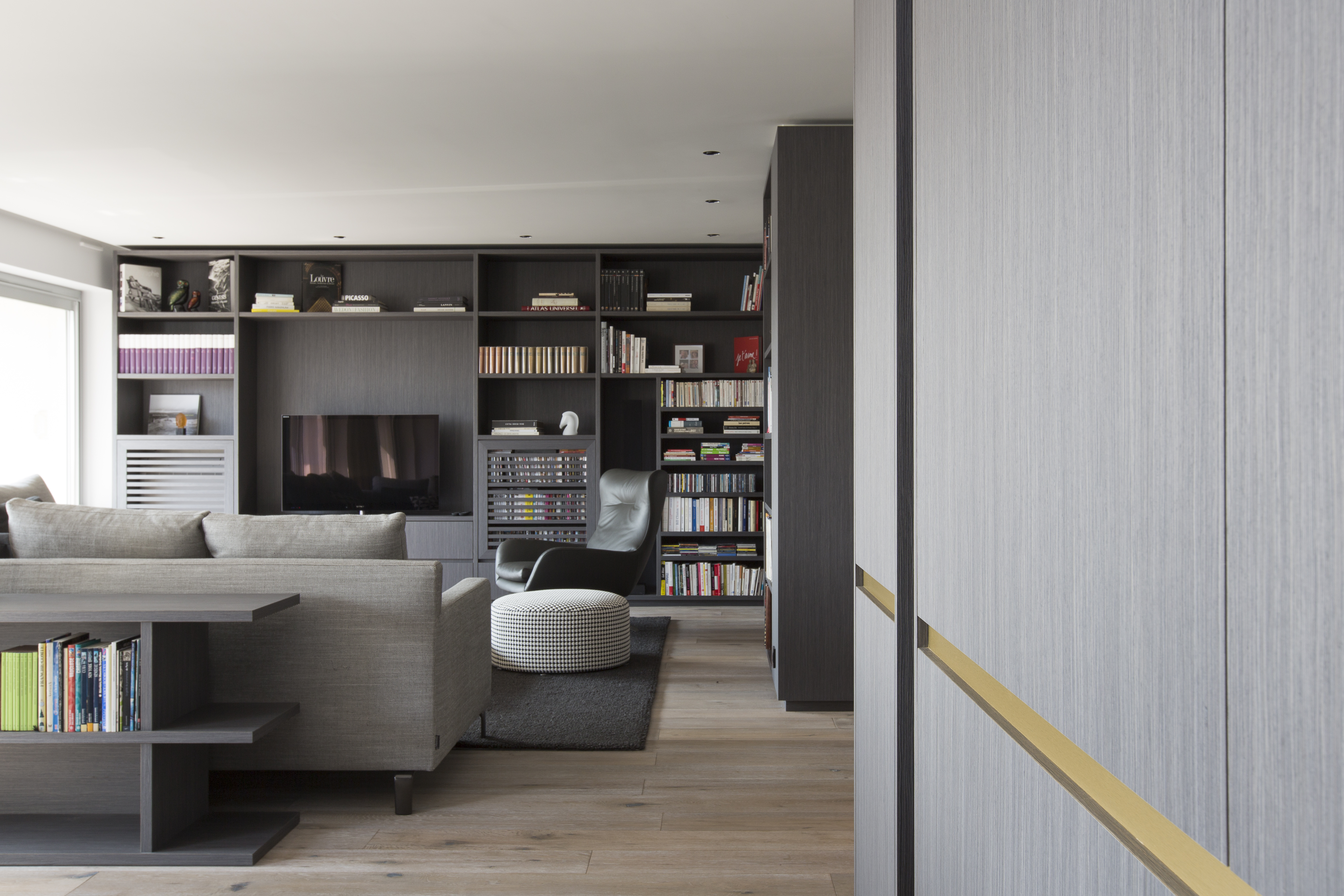
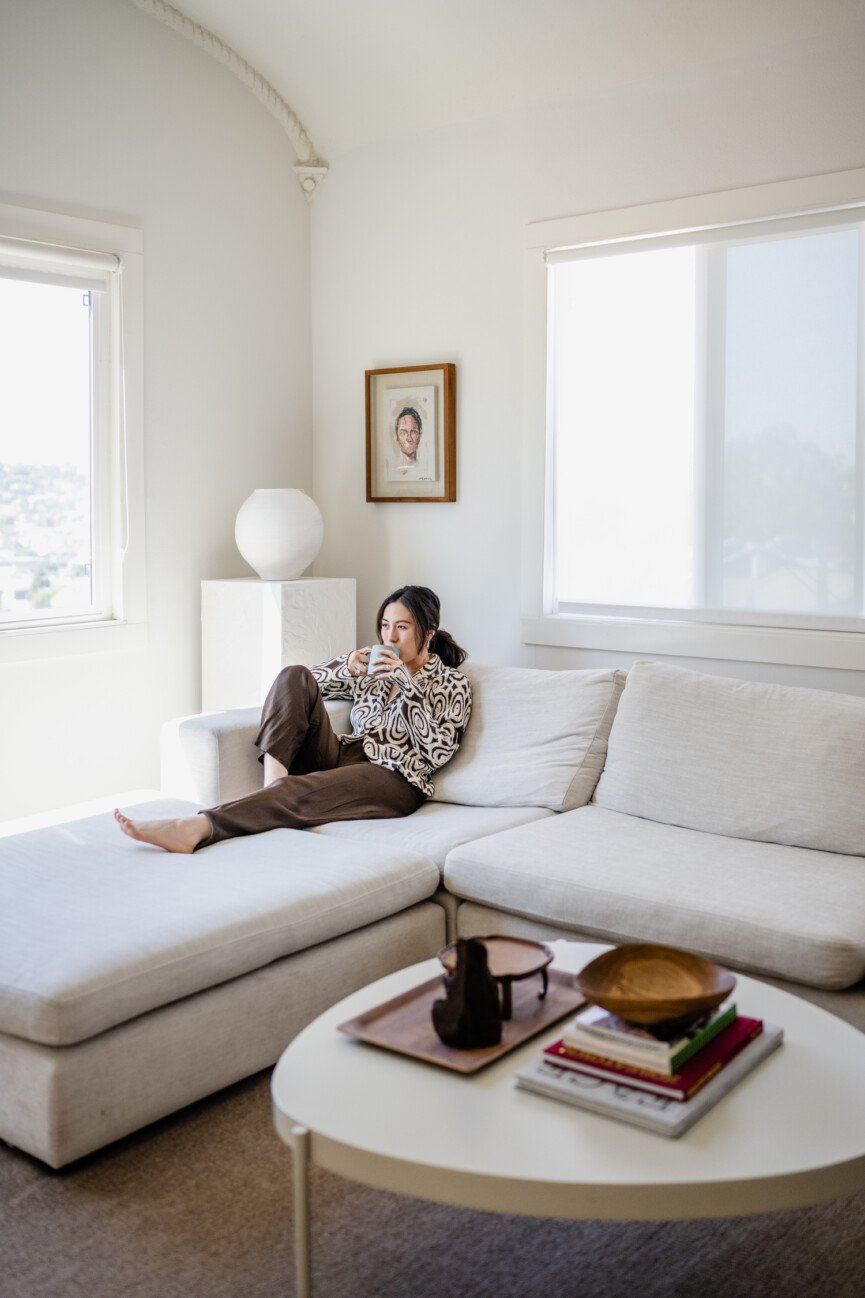
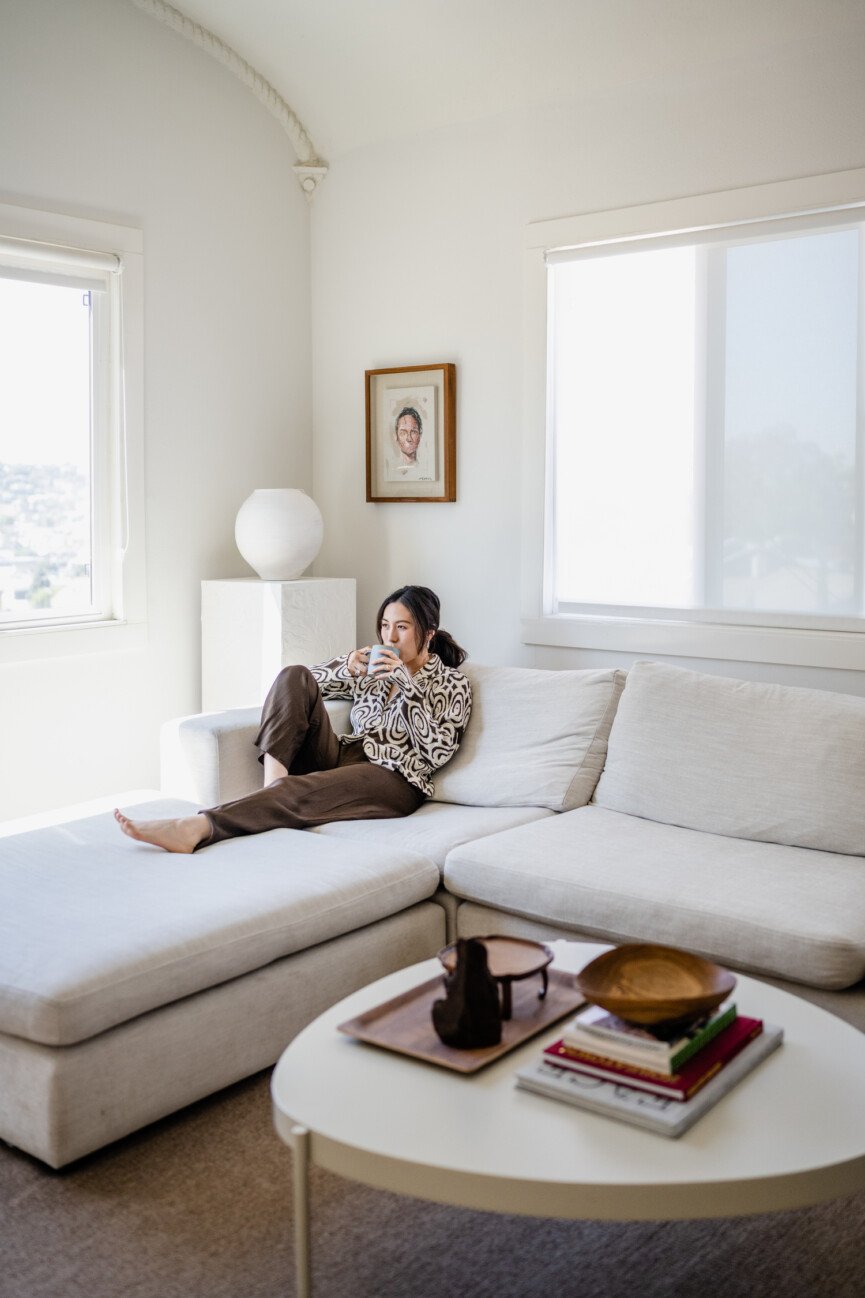
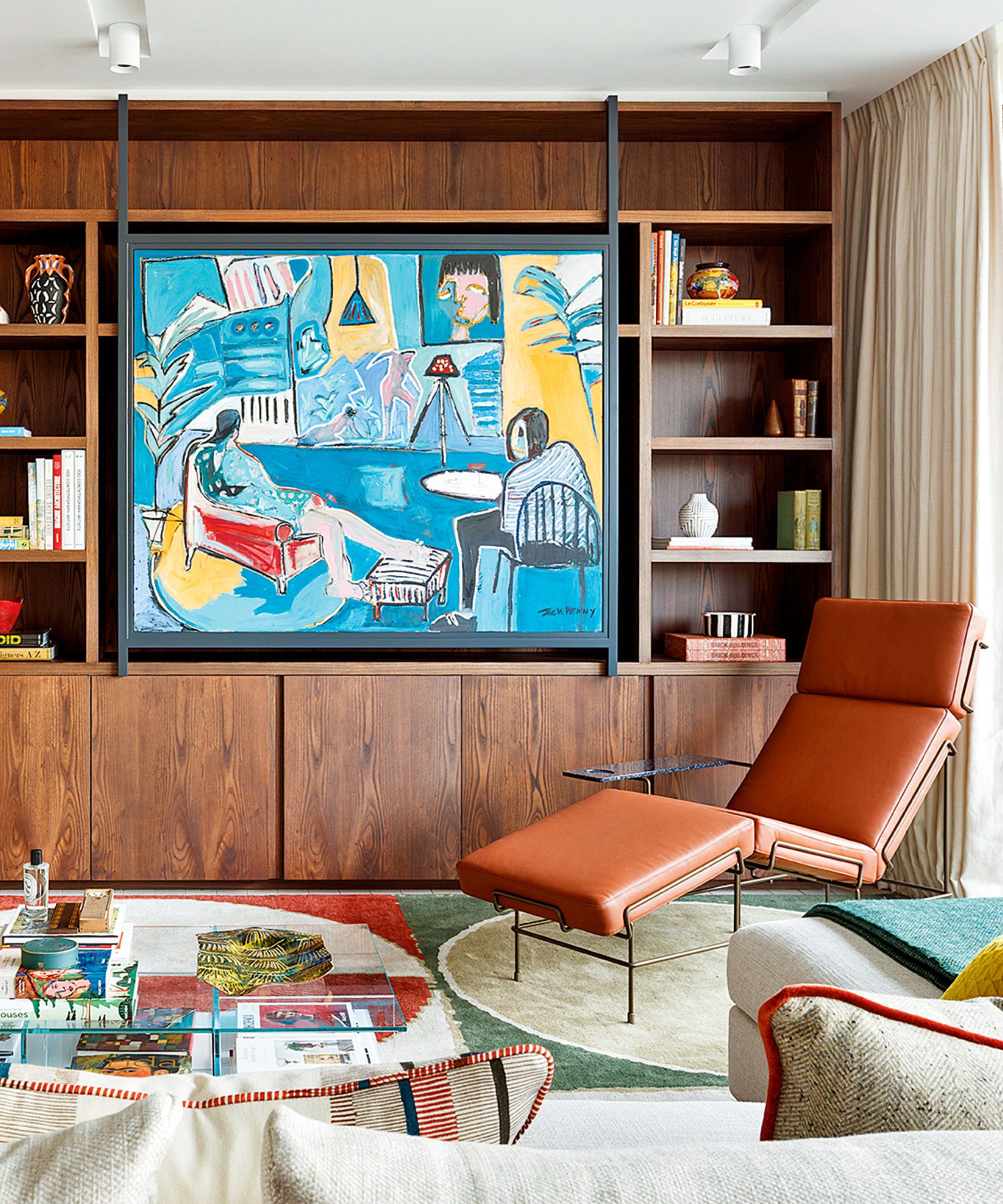
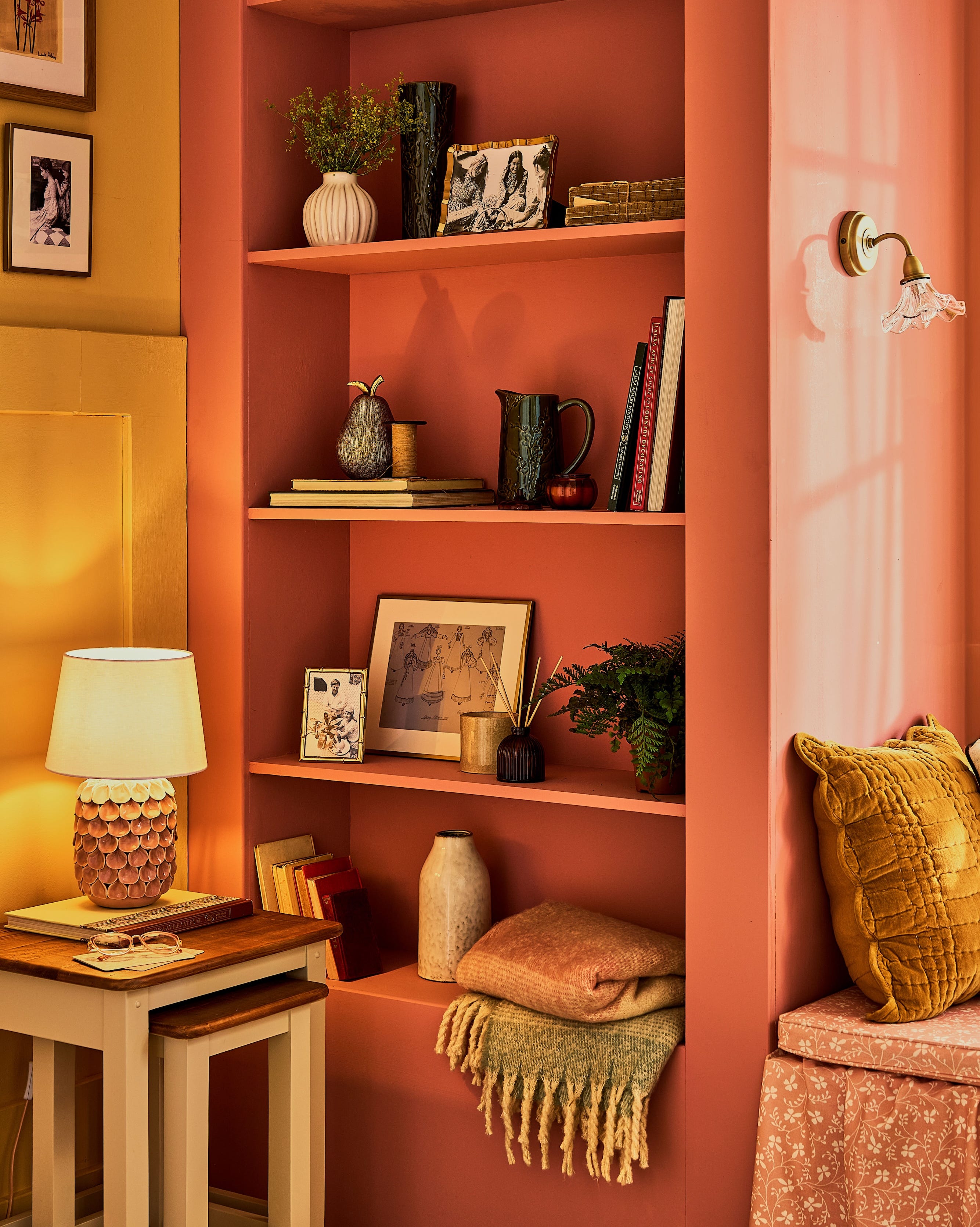
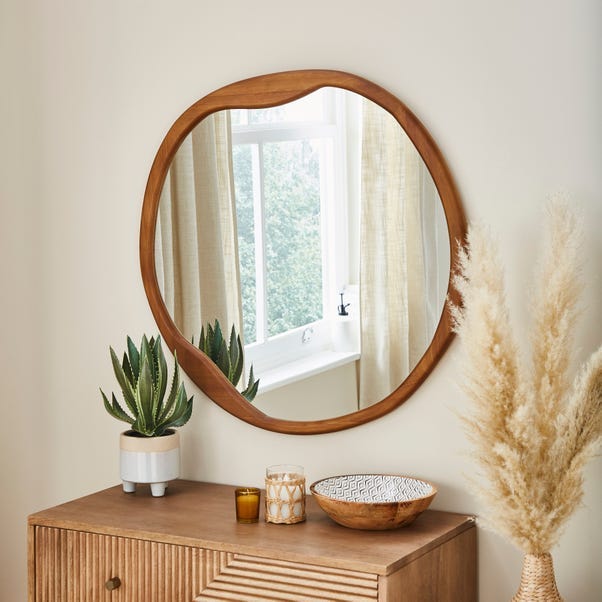
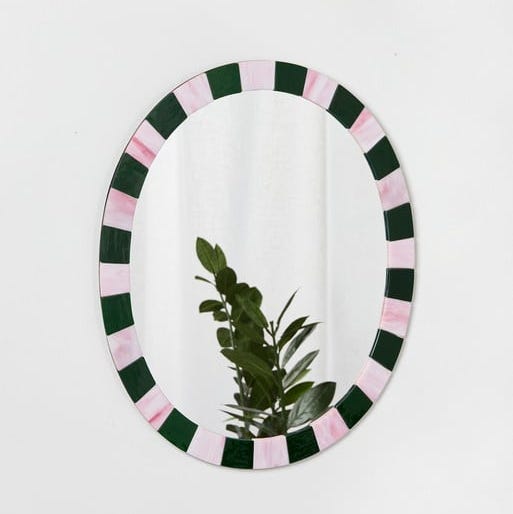
Finally, leaving walls bare for extended periods makes a living room appear unfinished and inexpensive. While finding the perfect artwork can be challenging, it's essential to adorn walls. High-cost art is not a prerequisite; affordable options like beloved photographs or vintage oil paintings can add personality and warmth. Alternatively, a statement mirror can serve as an effective and stylish wall decoration. The key is to infuse the space with unique personality and avoid leaving large expanses of wall blank.
#LivingRoomDesign #InteriorDecorating #HomeDesignMistakes #FurnitureArrangement #TextileLayering #RugSelection #LightingFixtures #WallDecor #DesignTips #LivingRoomDesign #InteriorDecorating #HomeDesignMistakes #FurnitureArrangement #TextileLayering #RugSelection #LightingFixtures #WallDecor #DesignTips
0 comment in total
 No comments yet
You may also like
Designers Share 4 Common "Mistakes" You're Making in Your Living Room—and How to Correct Them

An interior expert reveals how to achieve the perfect living room – and the biggest mistakes made
5 small living room mistakes – designers share the worst decorating disasters that we need to stop doing right now

7 Things That Always Make Your Living Room Feel Cramped, According to Designers

7 small living room layout mistakes design experts want you to avoid – and what to do instead
Designers Say This Is the #1 Living Room Mistake Everyone Makes

7 Things That Immediately Make Your Dining Room Look Bad, According to Designers
7 Design Mistakes Interior Designers Always Notice

7 Bedroom Lighting Mistakes — Experts Say They "Scream 'Wrong Vibe'" and Ruin Your Aesthetic

7 Things That Always Make Your Living Room Look Empty, According to Designers
7 Common Living Room Lighting Mistakes to Avoid at all Costs
How to make your living room look bigger: 7 tips to fool the eye
7 Things That Immediately Make Your Living Room Look Bad, According to Designers
10 common living room design disasters experts warn against falling for
6 things making your living room furniture look cheap – explore the key mistakes to avoid and what designers do instead
Warning: These Living Room Ideas Will Make You Want to Redecorate
It's One of These 7 Sofa Layout Mistakes That Is Killing the "Flow" in Your Living Room
How to Fix the Most Common Living Room Layout Mistakes
5 Living Room Design Mistakes You Didn't Know You Were Making
6 Tacky Living Room "Upgrades" That Instantly Make Your Home Look Bad, Designers Say