1/12
11 Plants We Predict Will Be Trending In Gardens For 2026
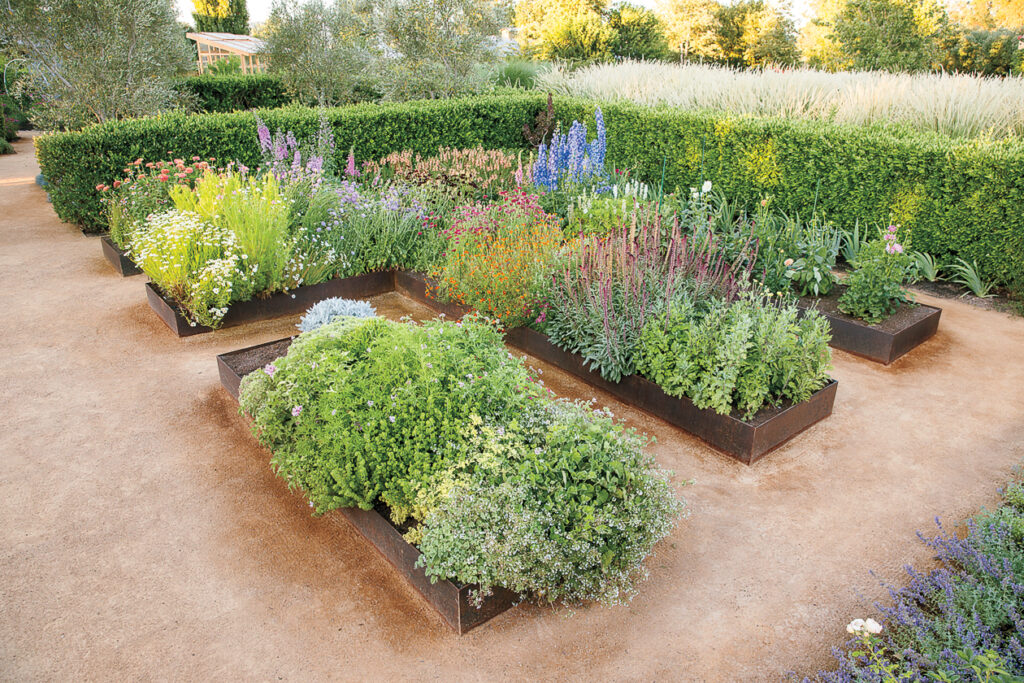
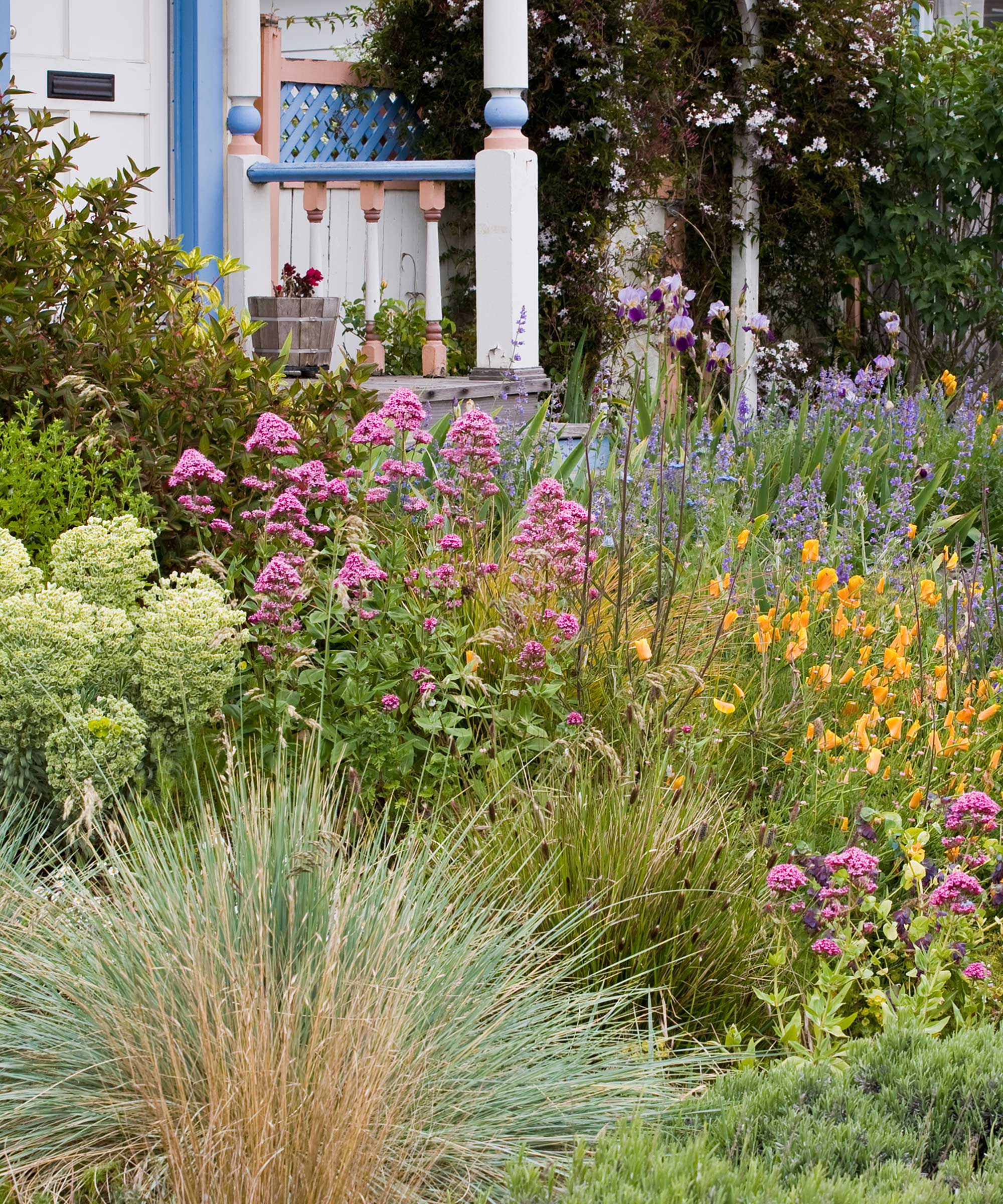
As gardeners begin to prepare for winter, planning ahead for the 2026 growing season offers an opportunity to select trending plants and optimize garden layouts. Emerging themes for 2026 include a soft, powdery color palette alongside vibrant jewel tones, an increased focus on edible plants, and a continued push towards incorporating native species to support local ecosystems.
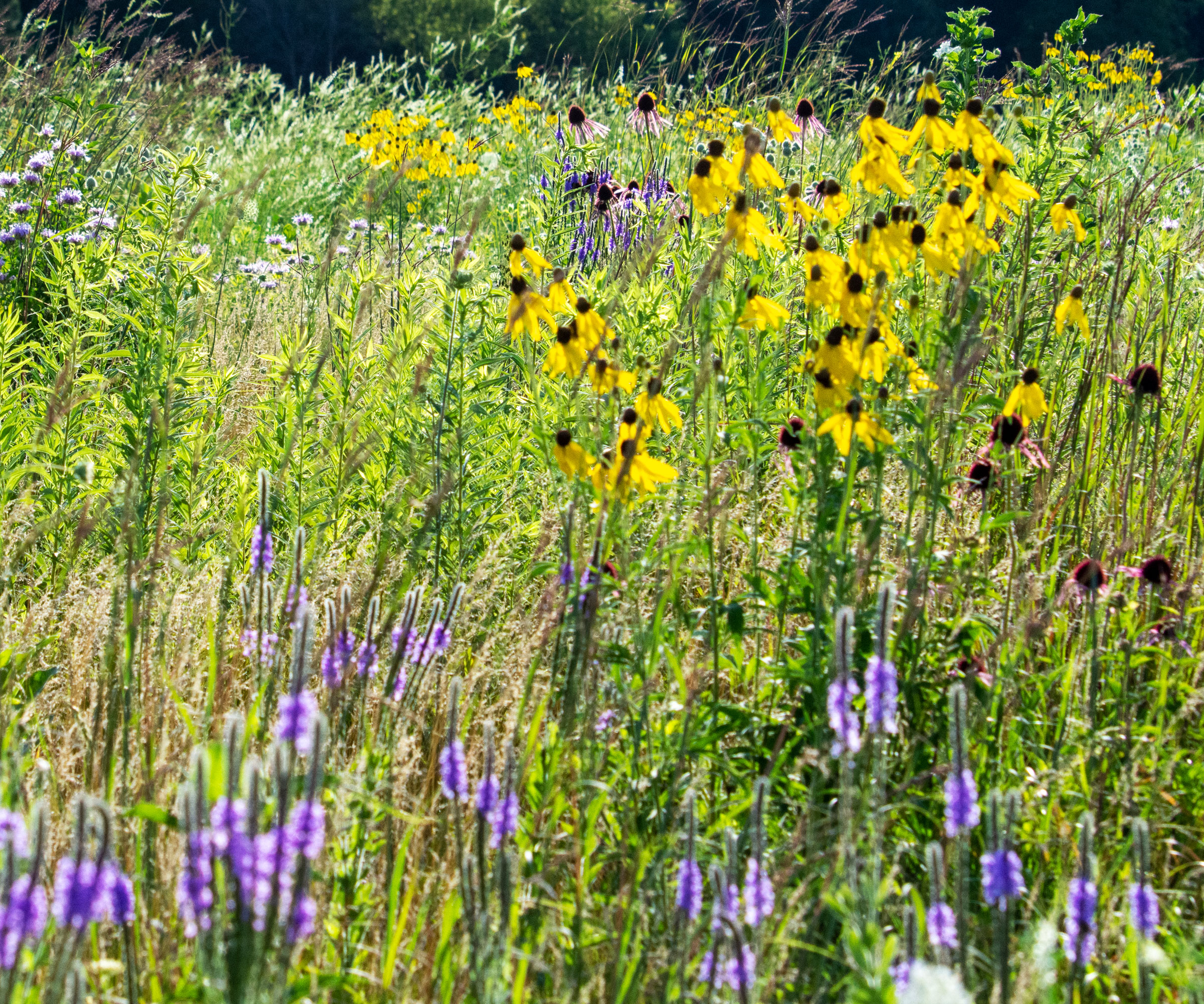
Among the predicted trends, the 'Iron Butterfly' (Vernonia lettermannii) stands out as the 2026 Plant of the Year. This herbaceous perennial, suitable for USDA hardiness zones 4 through 9, features fine, feathery foliage and bright purple, fluffy blooms, making it a resilient and beautiful addition to prairie or traditional border gardens.
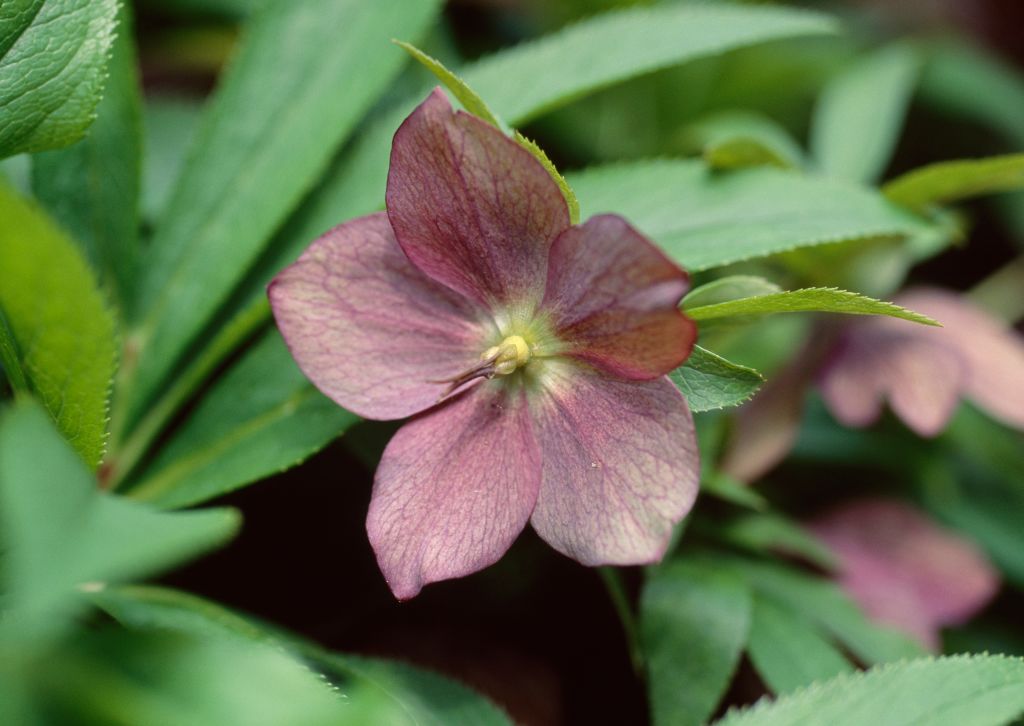
The 'Magnus' coneflower (Echinacea purpurea 'Magnus') is expected to be popular, aligning with the trend of faded petal pinks. Growing in zones 3 through 8, its blush-purple, daisy-like blooms perfectly embody this soft elegance. Microgreens are also set to trend, moving beyond traditional herbs. These tender, young shoots of vegetables like broccoli, radish, or kale can be grown both indoors and outdoors, making them ideal for limited spaces or patio gardens.
Nasturtiums (Tropaeolum majus) are another edible plant predicted to trend. All above-ground parts of this unique flower are edible, and it can be grown as an annual in colder regions or as a perennial in zones 10-11, reseeding itself year after year. The scotch bonnet pepper, a flavorful Caribbean variety, offers a unique crop option beyond traditional vegetables. Its sweet, tropical, and spicy fruit, available in yellow, red, or red-brown, provides both visual appeal and a substantial harvest.
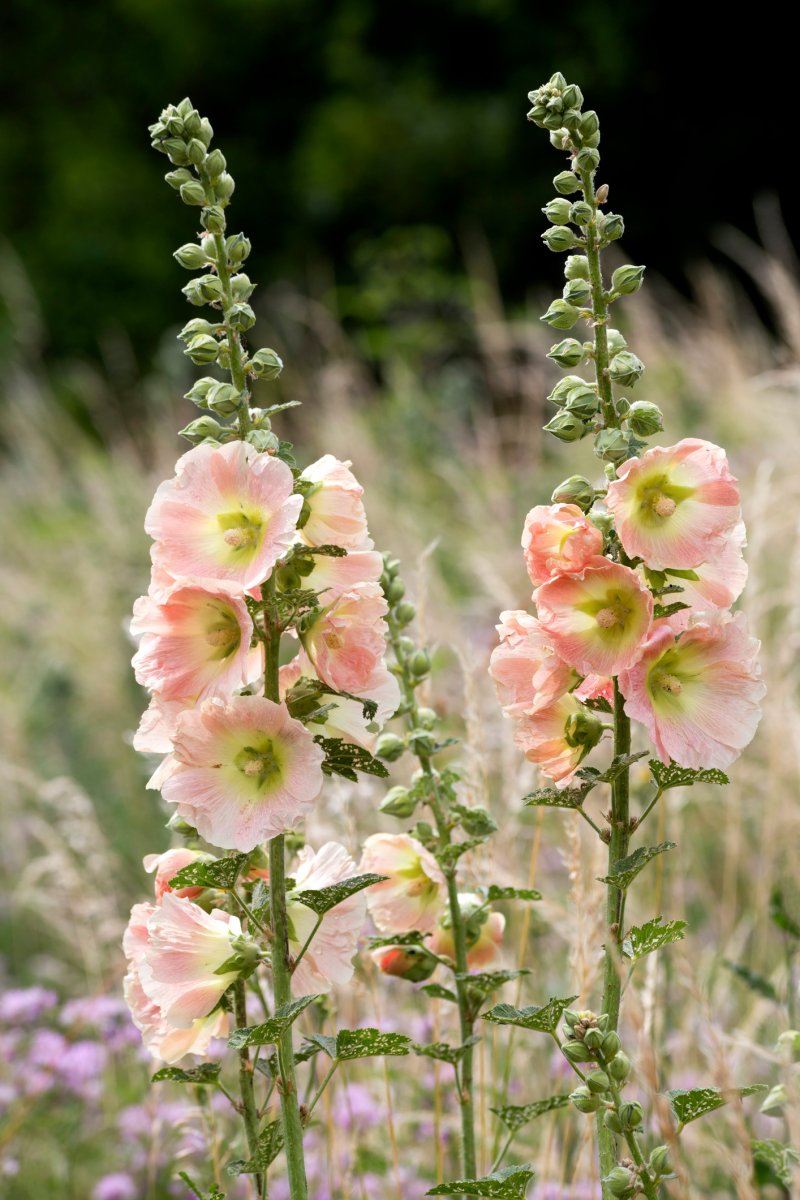
Sunflowers remain a garden staple, but 2026 will see a shift towards unique cultivars like the 'ProCut Plum' hybrid (Helianthus). This variety, growing up to 60 inches tall, features creamy yellow and muted plum blooms, complementing the faded petal pink trend and serving as an excellent choice for cut gardens.
For those drawn to jewel tones, Carolina allspice (Calycanthus floridus) is a native deciduous shrub with fragrant, burgundy flowers and silvery-green foliage, suitable for zones 4 through 9. The giant pincushion flower (Cephalaria gigantea), with its muted yellow blooms, offers a contrasting element to trending pinks and jewel tones. This herbaceous perennial, growing up to 6 feet tall, is low-maintenance and thrives in zones 3 through 7.
Milkweed (Asclepias spp.) is gaining popularity due to its role as a keystone plant, vital for supporting local ecosystems, particularly monarch butterfly populations. This beautiful native plant aids in conserving threatened species. The 'Nightrider' lily (Lilium 'Nightrider'), a striking purple-black hybrid, marks a return for lilies in garden trends. Growing up to 48 inches tall and blooming from early to mid-summer, it's a perennial in zones 3 through 9.
Finally, purple mullein (Verbascum phoeniceum) is a low-maintenance option that aligns with the faded petal pink trend. Its impressive spikes of flowers, available in various shades including 'Sugar Plum' and 'Jackie in Pink', bloom generously from late spring to late summer, offering aesthetic appeal and ease of care.
#GardeningTrends #PlantPredictions #EdibleGardening #NativePlants #GardenDesign #FloralTrends #EcosystemSupport #HomeGardening #LowMaintenancePlants #GardeningTrends #PlantPredictions #EdibleGardening #NativePlants #GardenDesign #FloralTrends #EcosystemSupport #HomeGardening #LowMaintenancePlants
0 comment in total
 No comments yet
You may also like
Add These 6 Plants to Your Landscape to be On Trend in 2026

I write about houseplants for a living and these are 5 indoor plant trends worth jumping on in 2026

3 key gardening industry trends to embrace for 2024

6 Patio Trends You're Going to See Everywhere in 2025, According to Designers

6 Trending Houseplants For 2025 That You Won't Want To Miss

Best Indoor Smart Gardens for 2026

6 Lighting Trends That Will Transform Your Space In 2026
Trending Houseplants Shaping the Year Ahead

2026 Garden Trends: What to Do, Grow, and Design in the New Year

Indoor plants that attract wealth and positivity: Where to place them according to Vastu Shastra in 2026 | Hindustan Times


10 Tile Trends You'll Be Seeing More Of In 2026
10 Best Herb Garden Planters and Kits of 2025

5 Houseplants That Are Going Out of Style in 2025, According to Pros
These 6 lighting trends are set to be big in 2026
10 Lighting Trends That Will Take Over Homes in 2026 — The Bright Ideas Shaping the Year Ahead

The best new annual flowers of 2025

9 Houseplants You’ll See Everywhere in 2024, According to Influencers
The Best Zen Gardens of 2026

Sorry florals, botanical patterns are trending for 2025
2026 Landscaping Trends: Transform Your Outdoor Space with Sustainable Design