
1/4
Top interior design programs in St. Louis
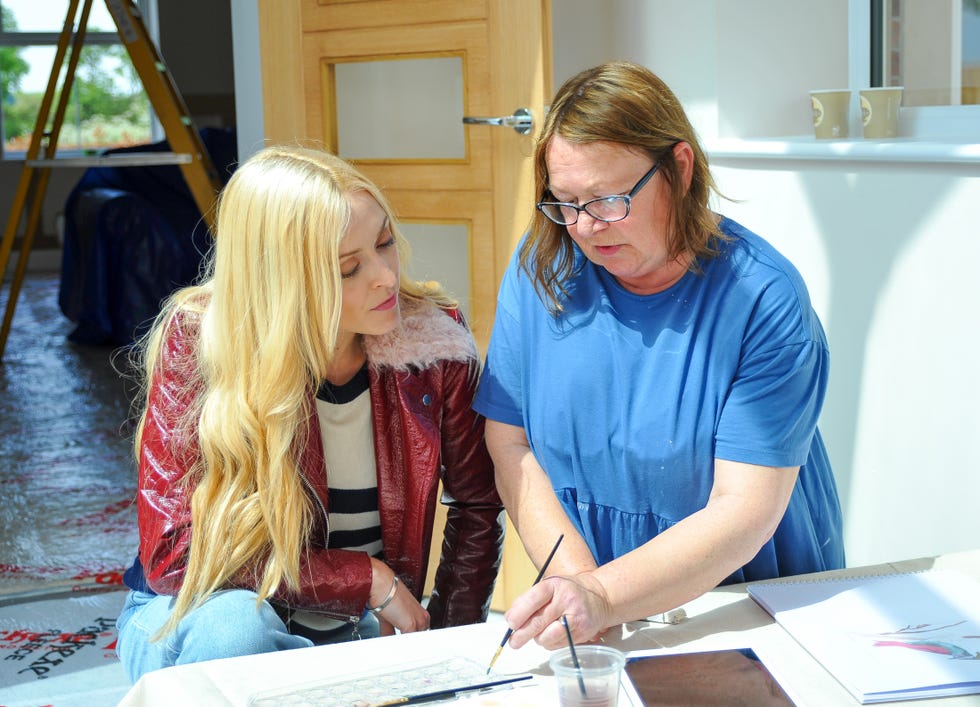
The St. Louis area boasts a strong architecture and design community, making it an excellent hub for aspiring interior designers. Three local educational institutions—St. Louis Community College at Meramec, Maryville University, and Stevens, The Institute of Business & Arts (SIBA)—offer comprehensive programs designed to prepare students for successful careers in either residential or commercial design. Each program leverages the local industry by incorporating practicing professionals as instructors and providing hands-on experiences beyond traditional classroom settings.
St. Louis Community College at Meramec offers a two-year Associate Degree program, requiring 60 credit hours that combine general education with major-specific courses. Key specialties include lighting design and the history of cultural environments, alongside a strong emphasis on fine arts such as drawing. The program aims to make students work-ready upon graduation, a feature particularly attractive to career changers and those with existing degrees. Erin LeClerc, program coordinator, highlights the program's cost-effectiveness and time efficiency, noting that many students transition directly into bachelor’s programs through transfer agreements with institutions like Maryville University. Graduates are equipped with a professional portfolio, resume, and website, benefiting from feedback from industry designers. Tuition rates are competitive, especially for local residents, and scholarship opportunities like the A+ Scholarship Program and various STLCC-specific options are available. The program also integrates a service-learning component, collaborating with organizations such as Habitat for Humanity and Our Little Haven, providing students with real-world experience and community engagement. Prospective students can explore the program through recruitment and outreach efforts, including a mobile classroom, or by requesting online information and campus visits.
Maryville University provides a four-year Bachelor of Fine Arts (BFA) in Interior Design, totaling 128 credit hours. This program, accredited by the National Council for Interior Design and the National Association of Schools of Art & Design, includes courses in interior design history and architectural graphics and technology. A mandatory internship, often leading to employment offers, is a distinguishing feature, with many students completing multiple internships. Darlene Davison, the program director, emphasizes specialties like designing for sustainability and health, and furniture design. The curriculum culminates in a senior show where graduating students present projects to a large audience. Maryville's diverse student body includes recent high school graduates, adult learners, transfer students, and international students. Full-time undergraduate tuition is $12,383 per semester, with part-time options available, and a significant portion of students receive financial aid through various scholarships based on GPA, test scores, or club participation. The program prides itself on its small class sizes, fostering personalized attention and careful matching of students with design firms based on cultural fit and specific requirements. Campus visits, department faculty interactions, and special events like Design & Visual Art Day are encouraged for interested individuals. Maryville operates on rolling admissions, requiring a high school diploma and a minimum GPA of 2.5 or equivalent.
Stevens, The Institute of Business & Arts (SIBA), offers both an Associate Degree (18 months) and a Bachelor Degree (36 months) in interior design at its Washington Avenue campus. The curriculum is structured into 10-week terms, featuring specialized courses such as kitchen and bath design, and healthcare facility design. Janelle Schrumpf, the department head, notes that the accelerated programs and term structure appeal to a wide age range of students, including a significant percentage of those aged 25 and older. Tuition is $285 per quarter credit hour, with additional application and textbook fees. SIBA provides scholarship opportunities through its own fund and external organizations like the St. Louis Graduates Scholarship. With an average class size of nine students, SIBA focuses on individualized learning, tailoring opportunities to students' diverse goals, whether in business, renovation, commercial, or residential design. Prospective students can sit in on classes or utilize a 30-day trial period, during which tuition is waived if the student decides not to continue. The application deadlines are structured around the 10-week terms, with specific academic requirements for admission, including a high school diploma with a minimum 2.5 GPA or equivalent test scores.
#InteriorDesign #StLouis #HigherEducation #DesignPrograms #CareerDevelopment #CommunityCollege #UniversityEducation #VocationalTraining #Accreditation #InteriorDesign #StLouis #HigherEducation #DesignPrograms #CareerDevelopment #CommunityCollege #UniversityEducation #VocationalTraining #Accreditation
0 comment in total
 No comments yet
You may also like
The best interior designers
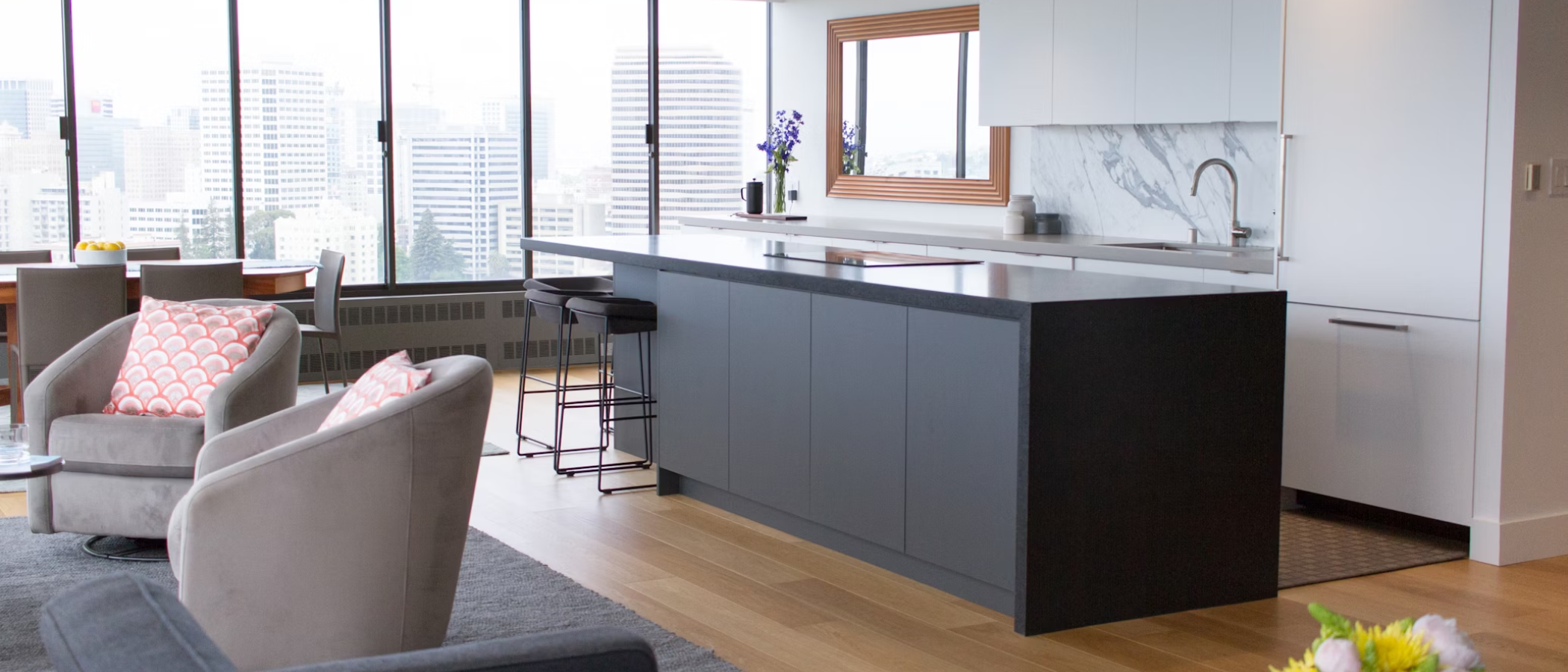
Best interior design software of 2025

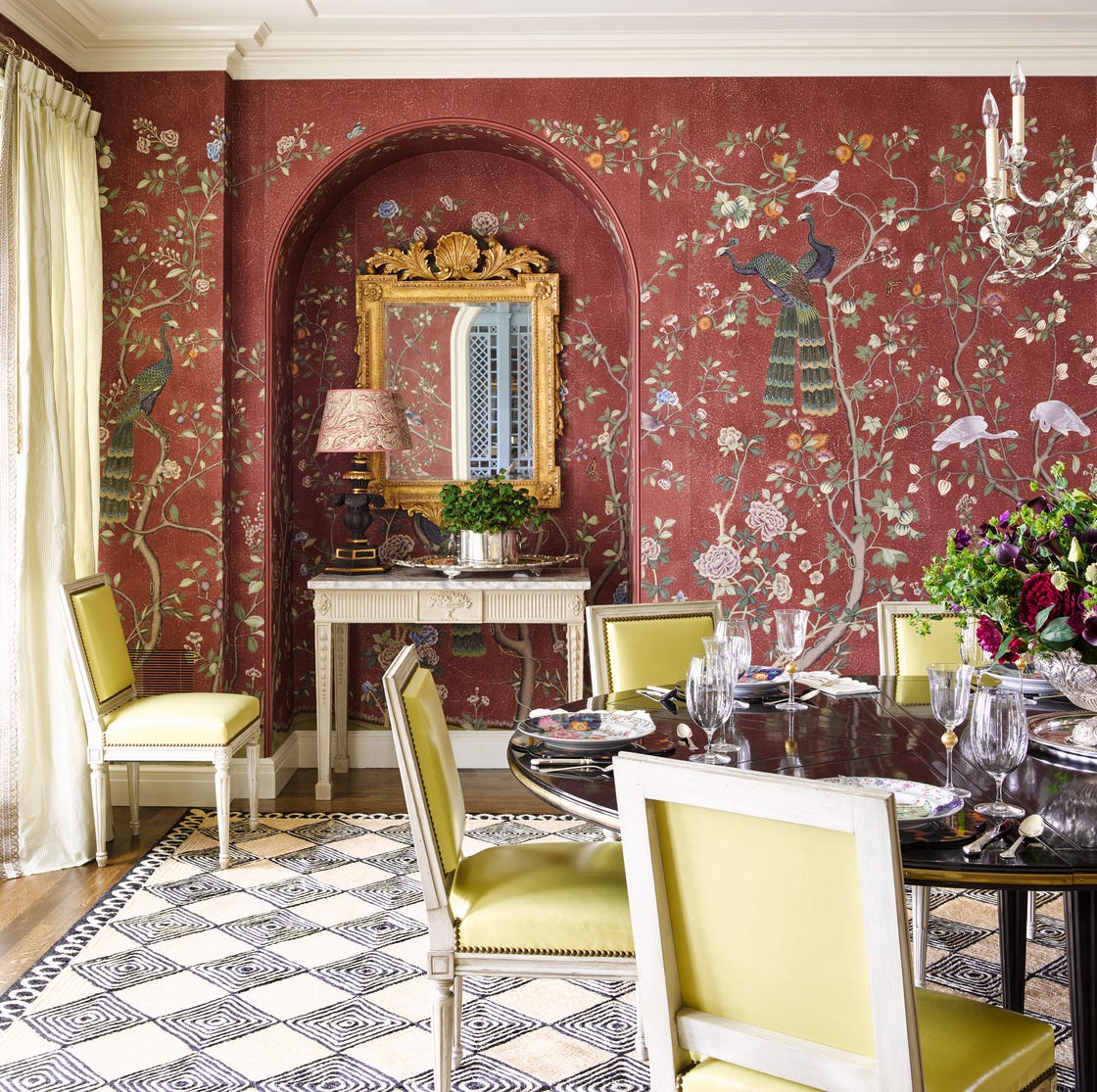
This Home's Blue Lacquered Lockers Are the Chicest Storage Idea Ever

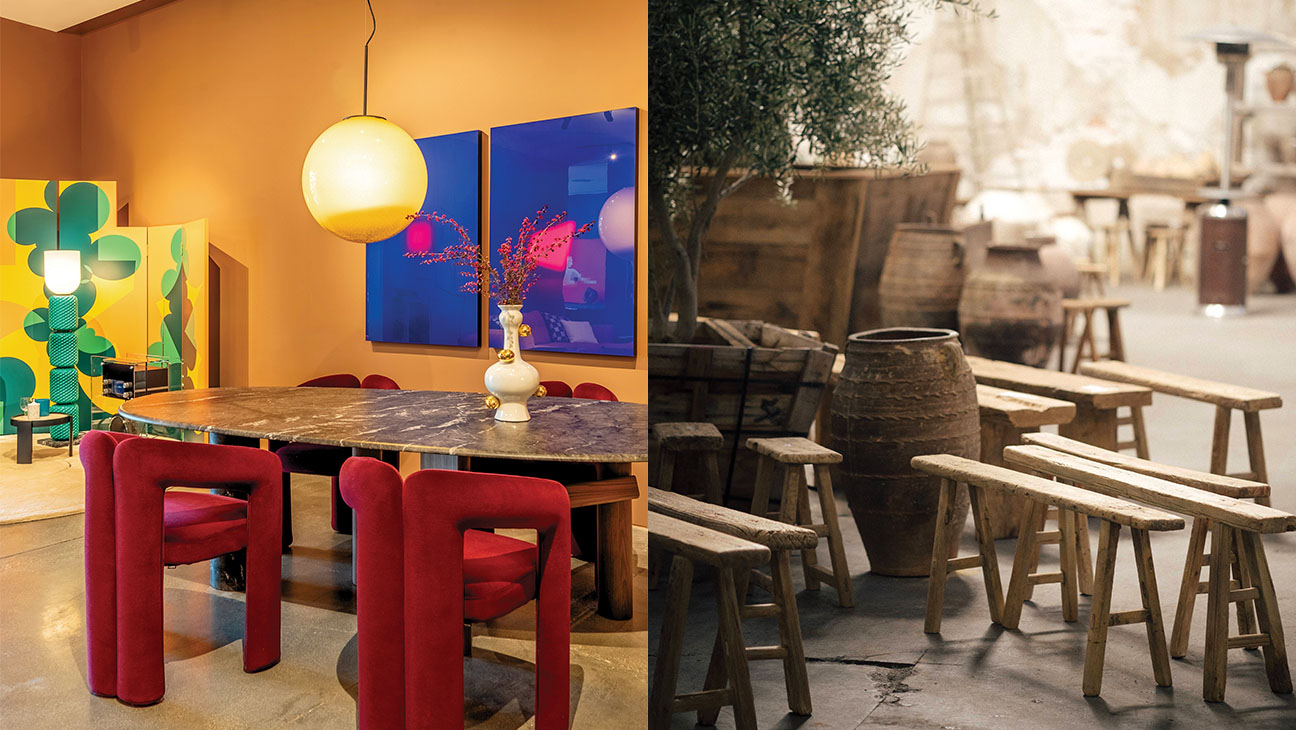
The Best New Home Design Shops in Los Angeles

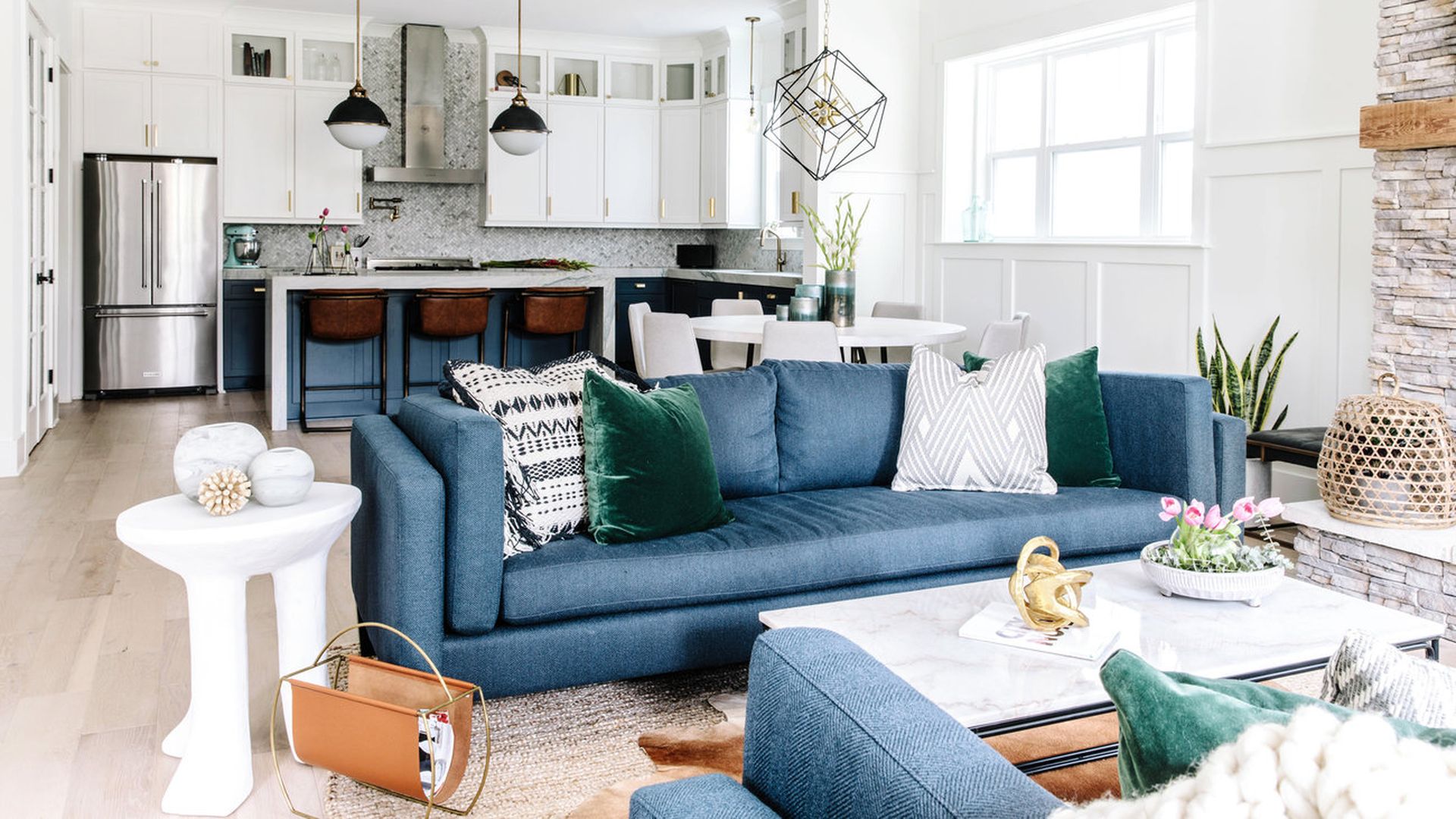
17 best interior designers in Charlotte

Interior Design Masters: all the details

Interior Design: Double Duty House

Interior Designer
Latinx-Owned Interior Design Studios That Should Be On Your Radar Right Now


13 of the Best Interior Design Schools That Are Actually Worth Applying To
A Parisian-Feeling Interior Design Studio in the Heart of Los Angeles

The best patios in St. Louis

Seven of St. Louis’ Top Designers

The Best Interior Design Apps, Tools, and Software

Best interior design software of 2025: Top home design tools fully tested
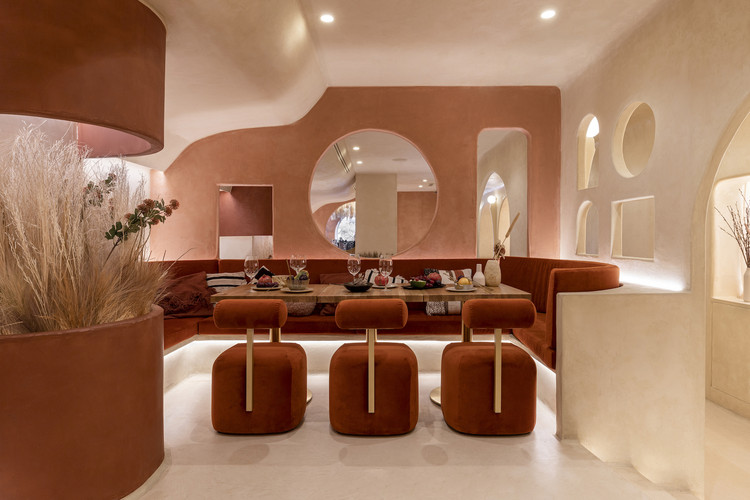
Interior Design Aesthetics: 22 Projects that Explore Trending Interior Styles

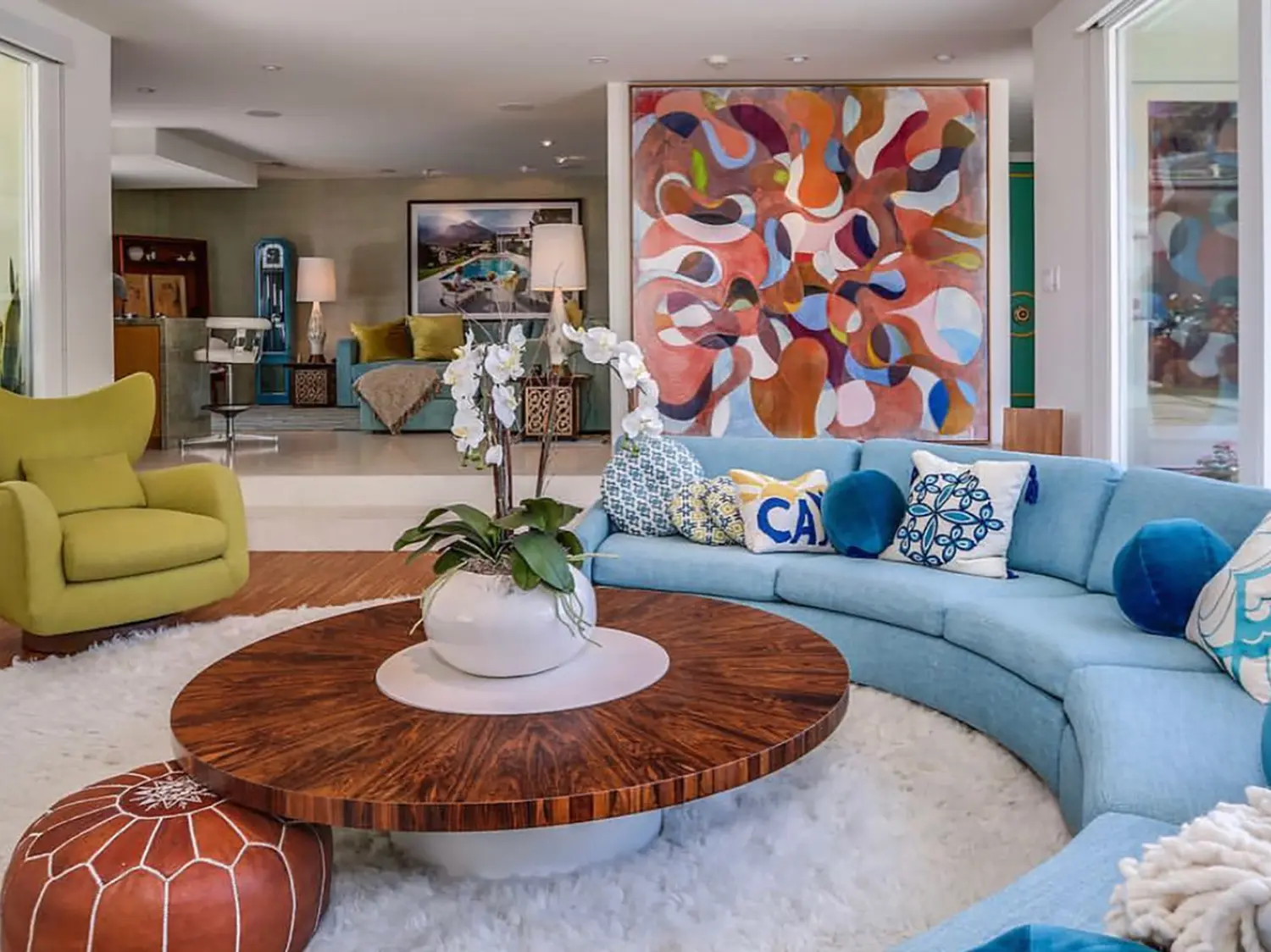
Local interior designers seek inspiration at industry events, shows, and markets away from St. Louis
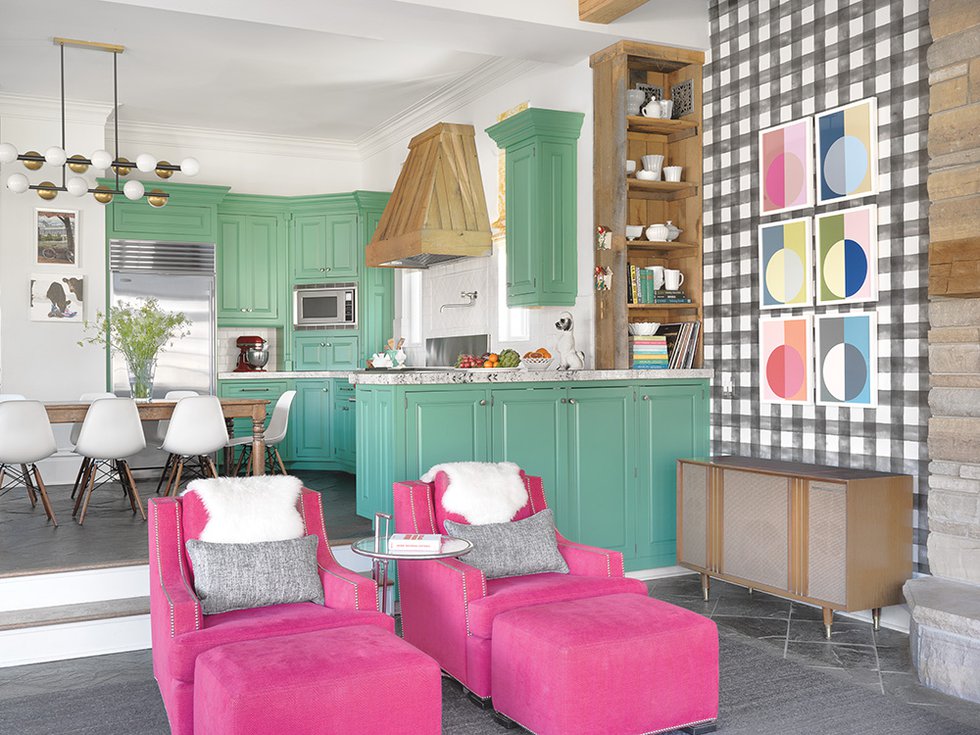
Kitchens and baths: St. Louis designers’ tips, remodel ideas, and looks to steal

Interior Design Masters and 7 more shows to watch for homes inspiration

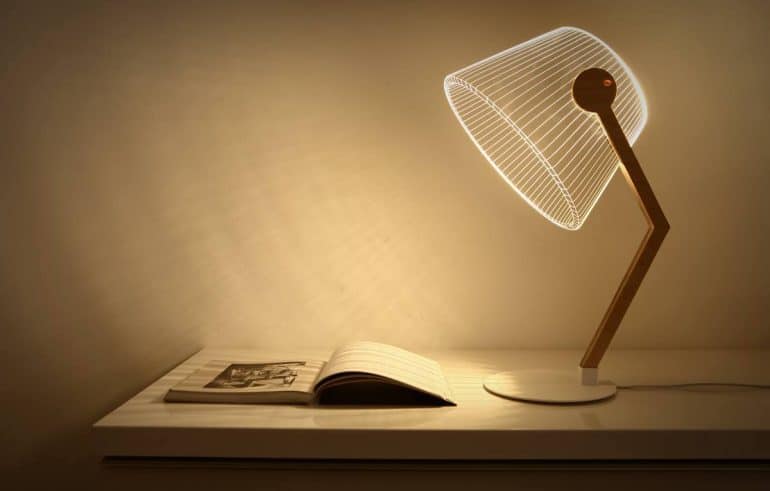
The Best Interior Design Stores in Rome