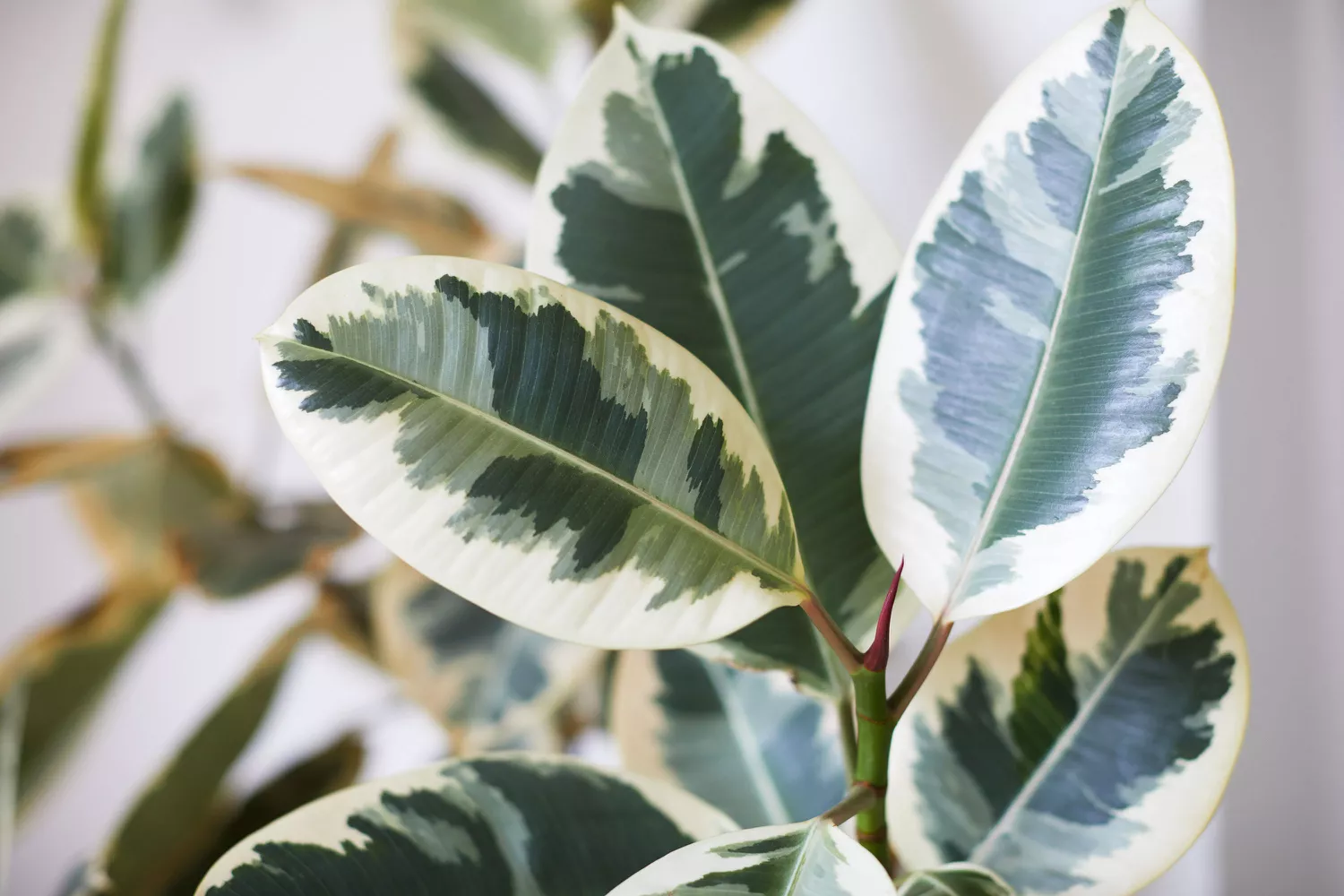
1/2
10 Types of Rubber Plants For Your Home
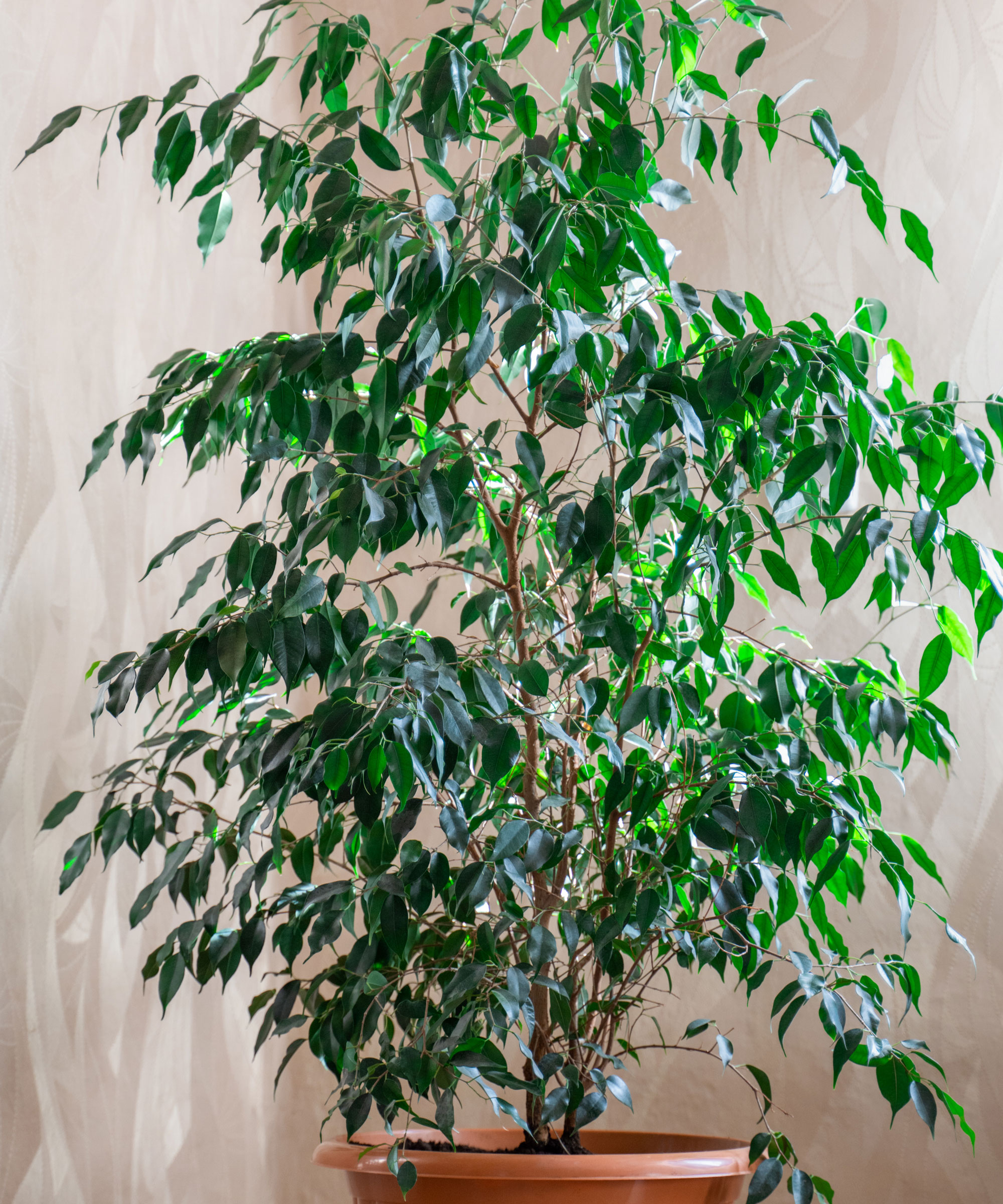
Rubber plants, scientifically known as Ficus elastica, are popular indoor plants celebrated for their diverse colors and sizes, featuring vibrant, waxy leaves that can be solid green or beautifully variegated. These plants are relatively low-maintenance, making them suitable for both novice and experienced gardeners, and thrive in bright, indirect sunlight, adding a lively touch to any home environment. It is important to note that rubber plants, belonging to the Ficus genus, are mildly toxic to pets if ingested.
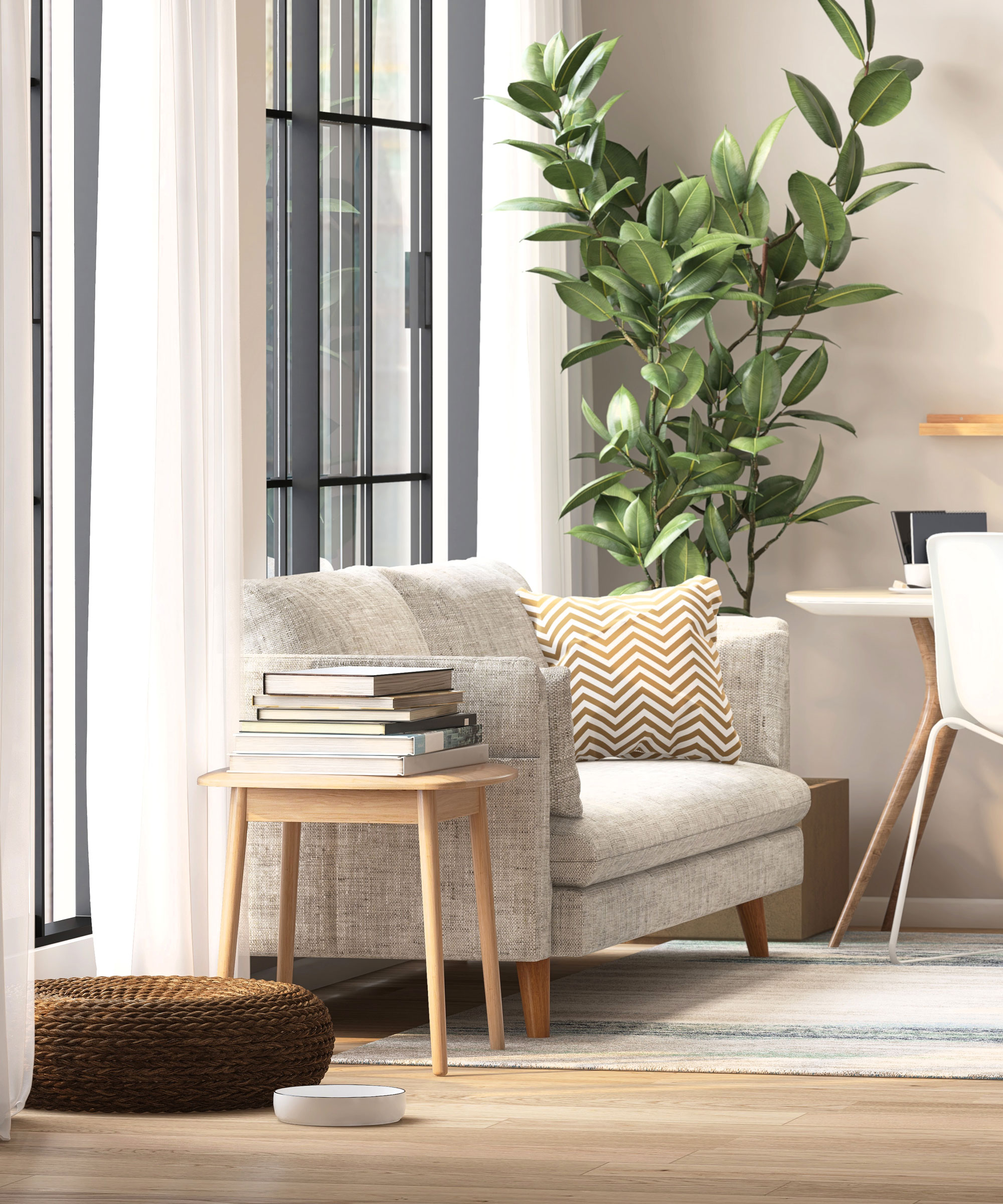
Several varieties of rubber plants offer distinct aesthetic qualities. The 'Robusta' is a commonly found type, characterized by deep green, waxy leaves and the potential to grow quite tall. It is an excellent choice for corner spaces by a window. The 'Tricolor' variety appeals to those who enjoy colorful houseplants, featuring leaves with a mix of cream, pink, and green, with new leaves emerging red before maturing. 'Tineke' is a rarer, newer variety showcasing variegated leaves in shades of green, cream, or pale yellow; maintaining bright, indirect light is crucial to preserve its strong variegation. 'Decora' stands out with its very dark, thick leaves that can grow larger than other types, and it also benefits from abundant bright, indirect light.
For those who appreciate patterned foliage, the 'Doescheri' offers splotchy leaves with hints of gray, cream, and green, complemented by pink stalks and midribs. In contrast, the 'Yellow Gem' provides a brighter option with golden-green and yellow leaves, offering a vibrant pop of color. The 'Burgundy' variety is known for its deep-colored foliage, with leaves so dark green that they appear to have a burgundy tint, often referred to as the 'black prince.' Similar to 'Burgundy,' the 'Abidjan' also presents very dark, leathery leaves with hints of deep red.
The 'Melany' is a more compact rubber plant with denser, smaller leaves that possess a bronze-green hue. This variety is often trained to grow with multiple stems, resembling a tree. The 'Red Ruby' is arguably the most vibrant option, displaying strokes of purple, red, and white on its leaves, with deep reddish-pink stems and ribs. New leaves on this variety are particularly red. The 'Sophia' variety features thick, glossy leaves in green and lime and prefers to remain in one spot once placed. Lastly, 'Triangularis' is a vibrant houseplant with distinctive triangular leaves in green and cream, capable of reaching up to 8 feet in height.
Successful cultivation of rubber plants involves several key care tips. They require six to eight hours of bright, indirect sunlight daily and prefer moderate to warm temperatures between 65°F and 85°F, with humidity levels between 40 and 50 percent. Consistent watering is essential, but it is crucial to avoid soggy soil. Fertilization during the growing season every two weeks is recommended, and pruning helps manage height. Always use a container with drainage holes to prevent root rot. While 'Burgundy' rubber plants prefer a bit of shade, 'Ruby' thrives in brighter light. Both rubber plants and rubber trees refer to Ficus elastica, a flowering plant from the Moraceae family. When properly cared for indoors, rubber plants can live for 15 years or more.
#RubberPlants #Houseplants #FicusElastica #PlantCare #IndoorGardening #HomeDecor #VariegatedPlants #LowMaintenancePlants #FoliagePlants #RubberPlants #Houseplants #FicusElastica #PlantCare #IndoorGardening #HomeDecor #VariegatedPlants #LowMaintenancePlants #FoliagePlants
0 comment in total
 No comments yet
You may also like
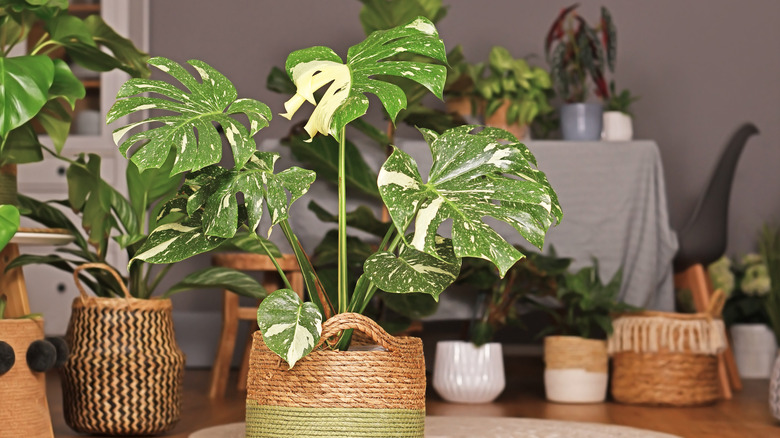
15 Variegated Plants To Spruce Up Your Indoor Spaces

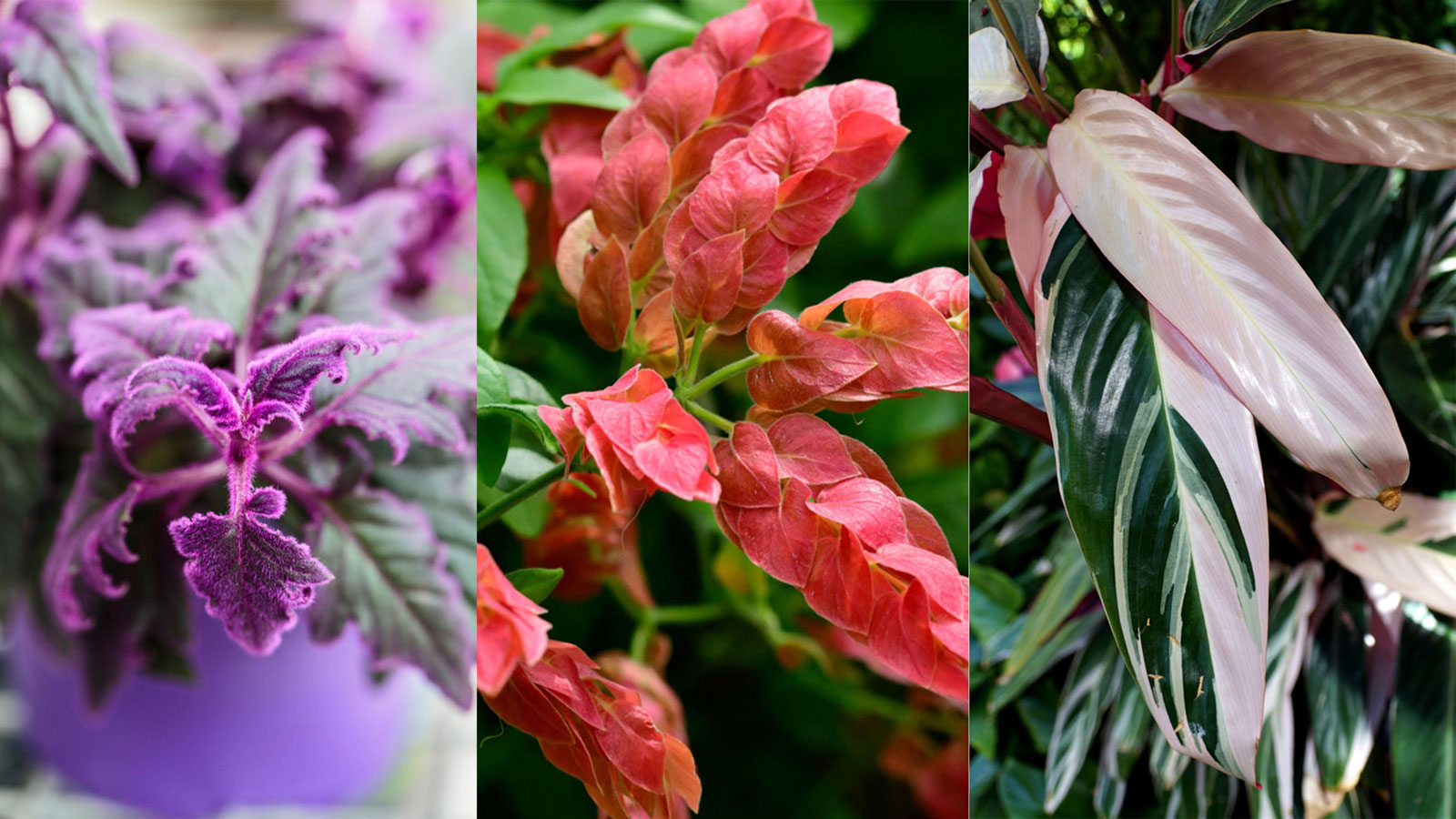
10 underrated houseplants – you won't regret adding these lesser-known beauties to your plant collection

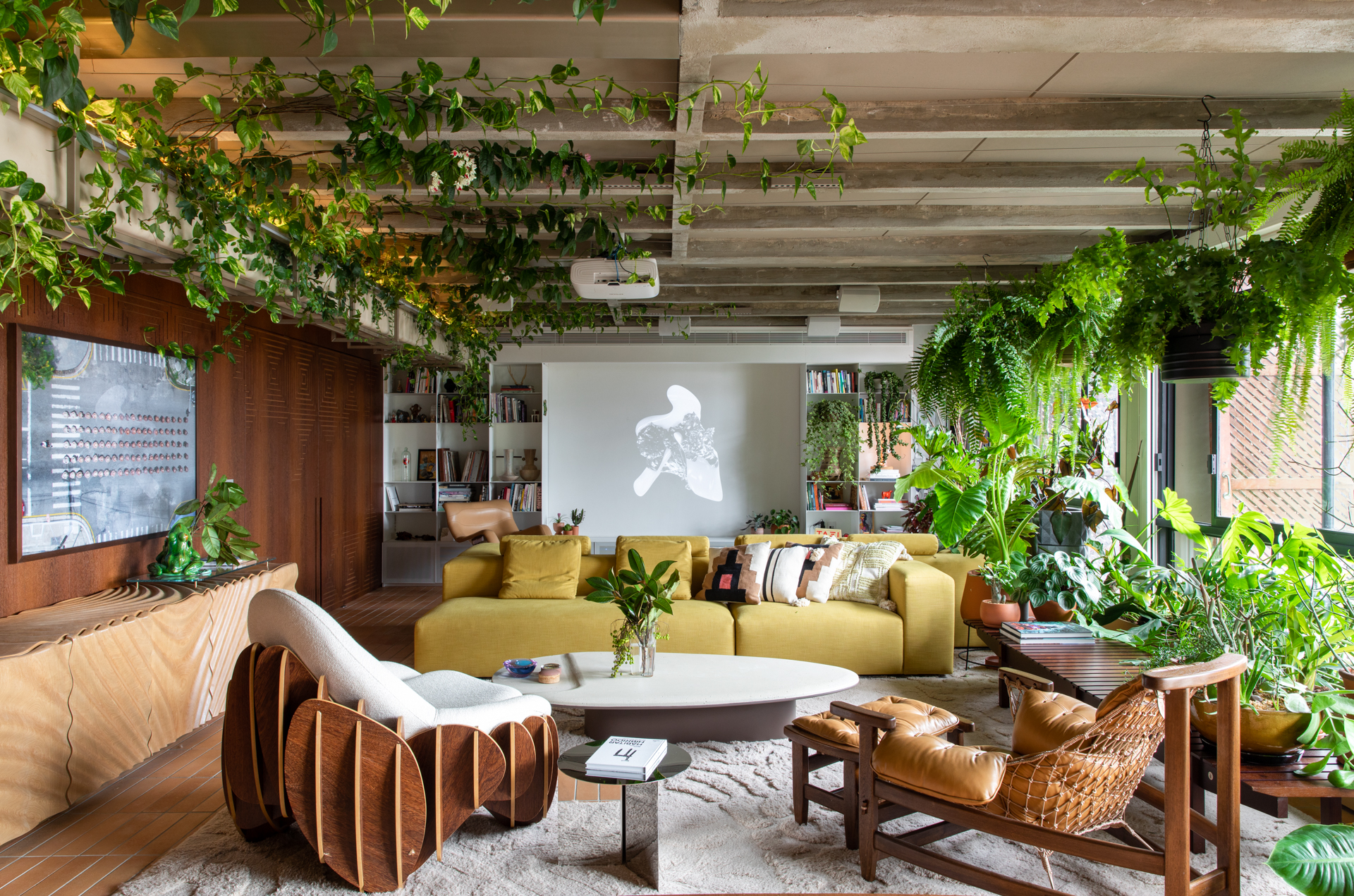
Indoor Garden Ideas —14 Ways To Live Amongst Greenery That Will Make Your Life Better

14 Indoor and Outdoor Hanging Plants for Your Home

25 Indoor House Plants To Buy If You Know Your Spider Plant From Your Aloe Vera

Types of spider plants – 8 varieties of this low maintenance favorite to grow at home
10 Pothos Varieties You'll Want to Add to Your Houseplant Collection

10 colorful indoor plants to give you a beautiful kaleidoscope of joy

10 Must-Have Indoor Plants To Liven Up Your Entryway

19 Ways to Design with Houseplants


10 Types of Fresh Christmas Greenery for Your Home


10 Tall Outdoor Plants for Landscaping
13 "String of" Plants to Grow At Home
10 Indoor Climbing Plants That Will Take Your Blooms to New Heights — And Make Your Home Look Lush

10 Beautiful Privacy Shrubs You'll Want To Grow Right Next To Your Windows
Indoor garden ideas: 9 ways to create a plant-filled haven
Best tall indoor plants – 10 statement plants, chosen by houseplant experts

6 Plants That Professional Stagers Say Will Actually Help You Sell Your Home
Best indoor plants: the best house plants for stylish greenery

10 Climbing Plants That Can Secretly Damage Your Home