1/2
Underfloor heating pros and cons
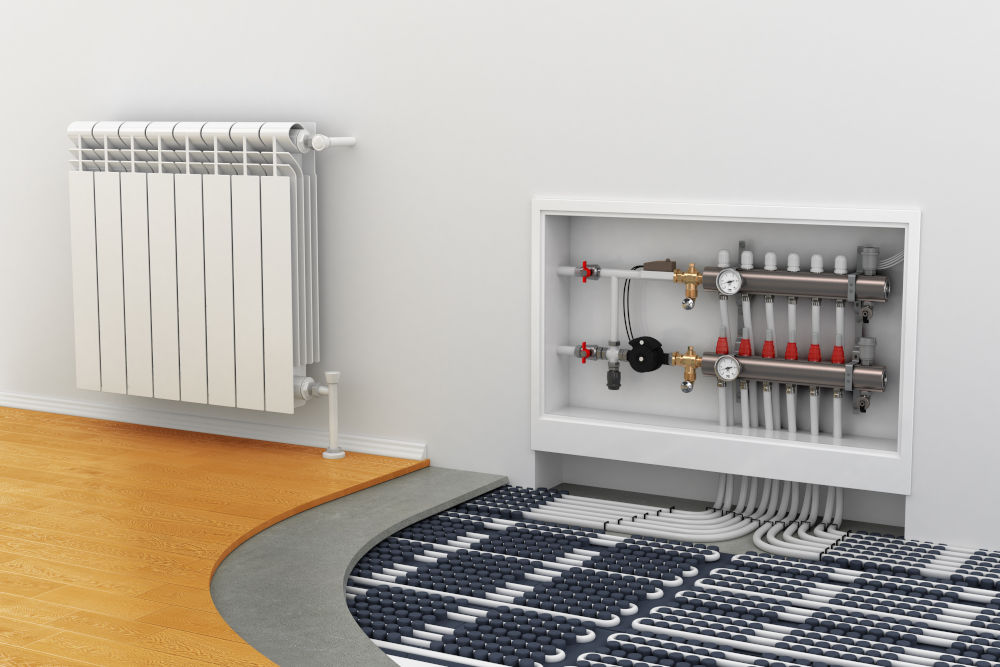
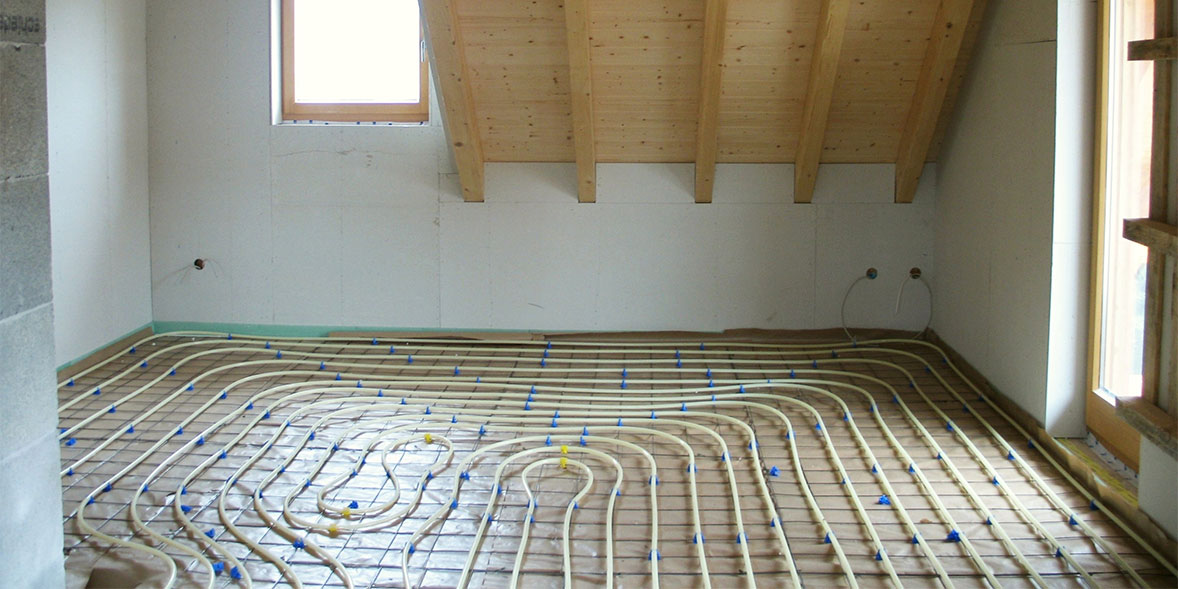
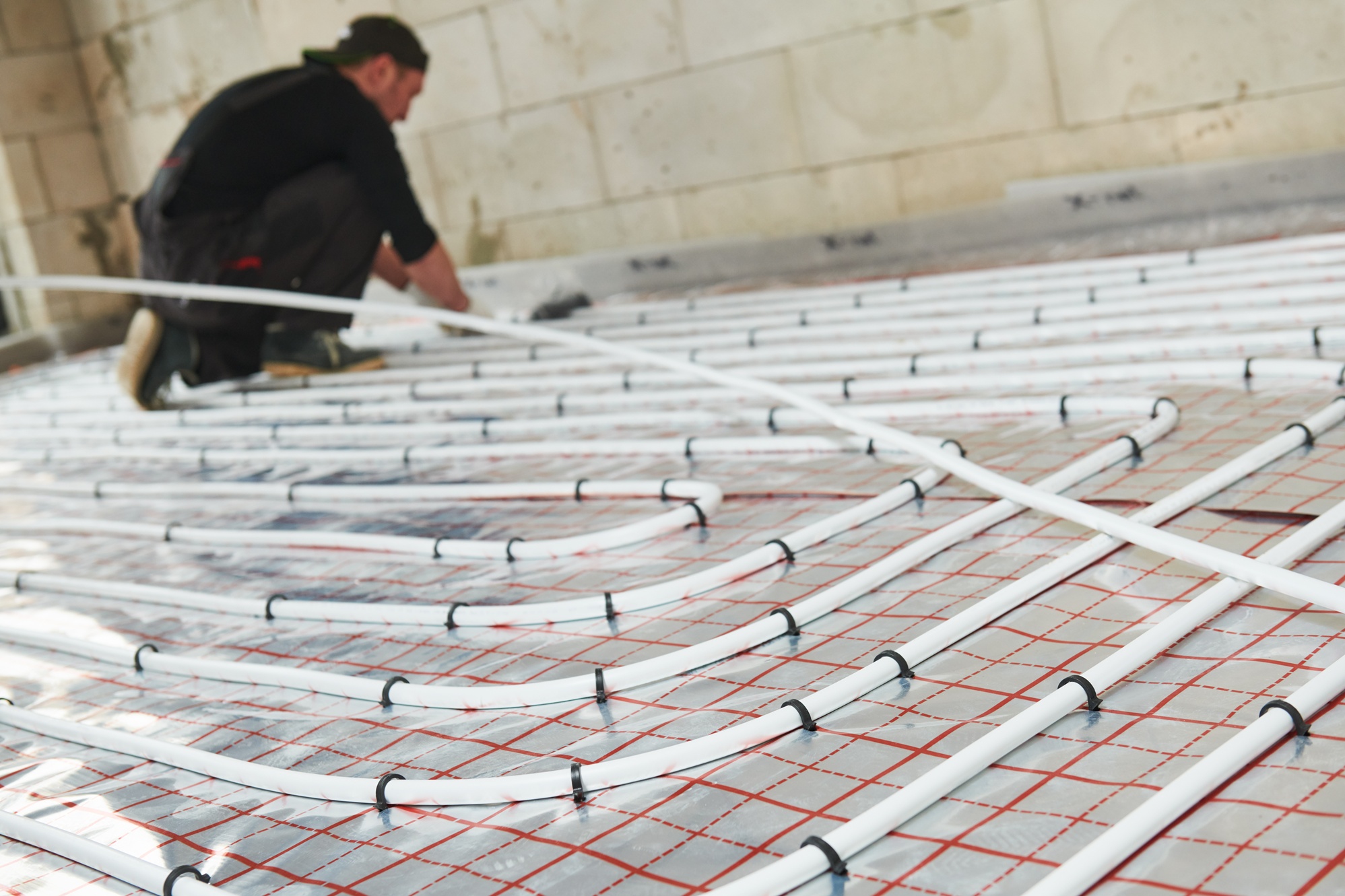
This article provides a comprehensive overview of the advantages and disadvantages of underfloor heating systems, drawing on insights from heating experts and real owners. It addresses key considerations such as installation costs, efficiency, and suitability as a primary heat source. The article highlights that while underfloor heating can be an expensive and disruptive installation, it offers an efficient method for heating rooms without radiators. Insights from a May 2024 survey of over 100 Which? members with underfloor heating are referenced, indicating overall satisfaction levels among users, though specific data points are reserved for members.
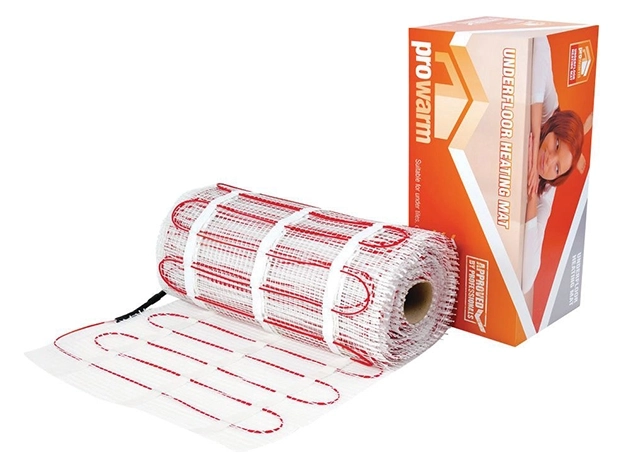
The guide details how underfloor heating can serve as a room's sole heat source, recommending a system output of at least 200W per square meter for electric systems and coverage of 80-90% of the floor area. It emphasizes the importance of low thermal resistance in floor coverings and the need for insulation boards beneath the system to prevent heat loss. The article also advises that older properties with poor insulation may find underfloor heating insufficient as a standalone solution. Heating times vary, with electric systems typically taking 1-1.5 hours, though insulation quality can influence this. Recommended temperature settings range from 23 to 27 degrees Celsius, with a caution against exceeding 27 degrees for engineered wood or laminate flooring to prevent damage. Maintaining a consistent, lower temperature is advised for efficiency, as it consumes less energy than frequent heating and cooling cycles.
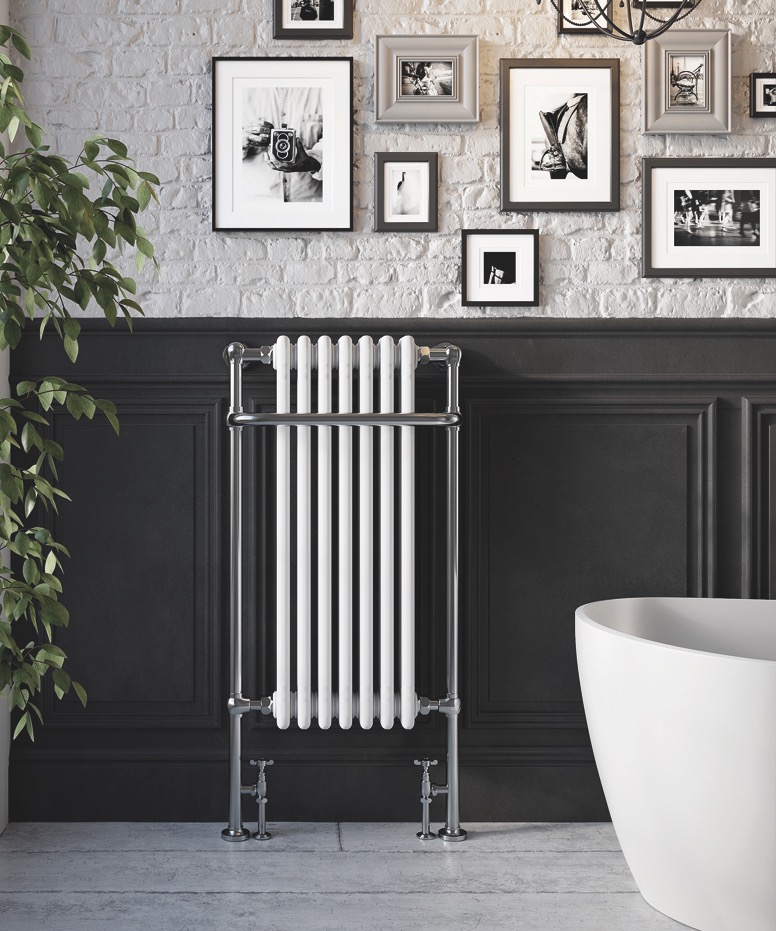
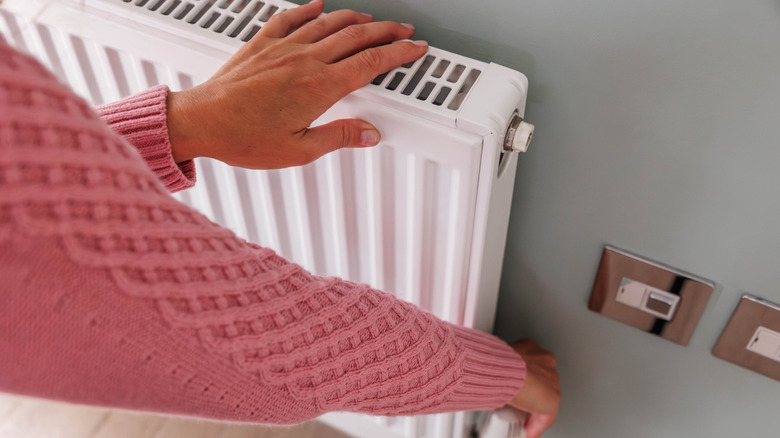
Underfloor heating is presented as a highly efficient heating method due to its ability to warm a large area at lower temperatures (35°C compared to 55-65°C for central heating) and the natural rise of heat from the floor. Efficiency can be further enhanced through programmable thermostats, allowing precise control over heating schedules and temperatures, and by creating independent heating 'zones' within a home. The article contrasts underfloor heating with traditional radiators, noting that while radiators are less efficient due to their smaller surface area, running costs can vary, and gas radiators might be cheaper for heating a single room than electric underfloor heating, depending on the specific systems and energy prices.
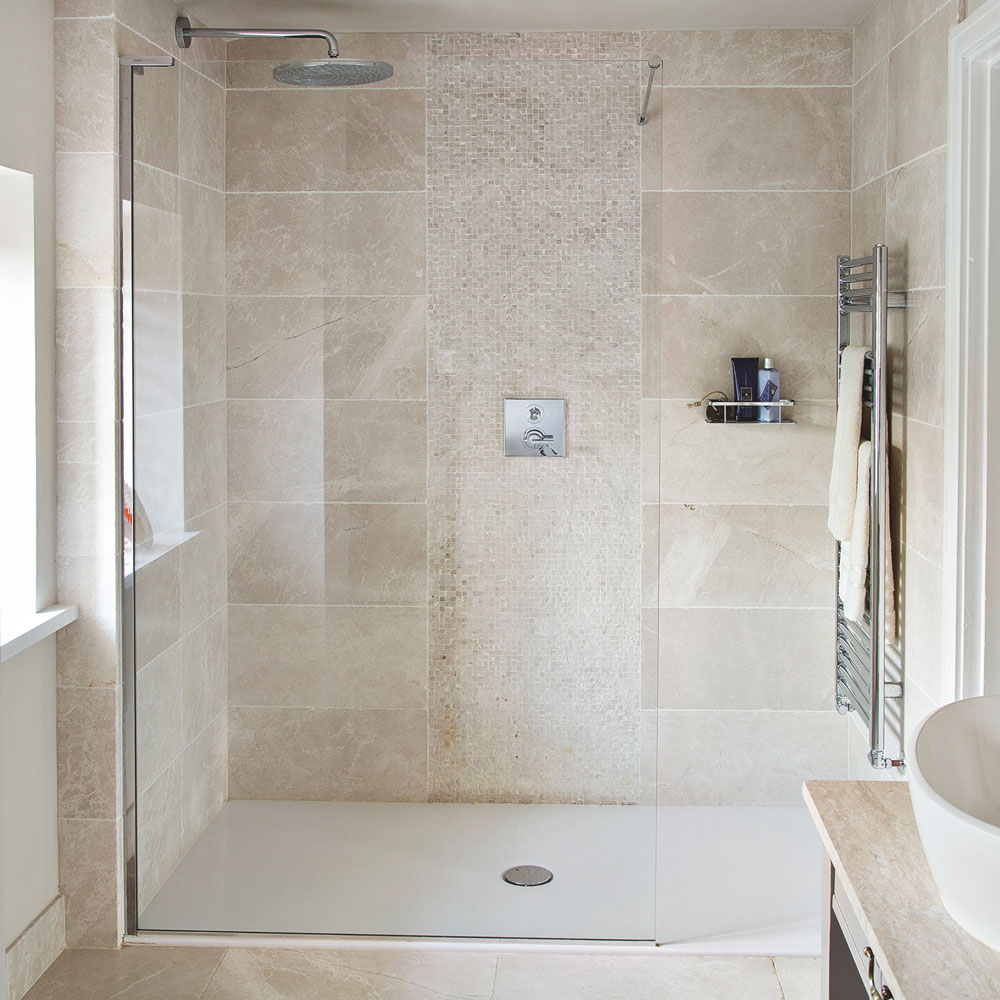
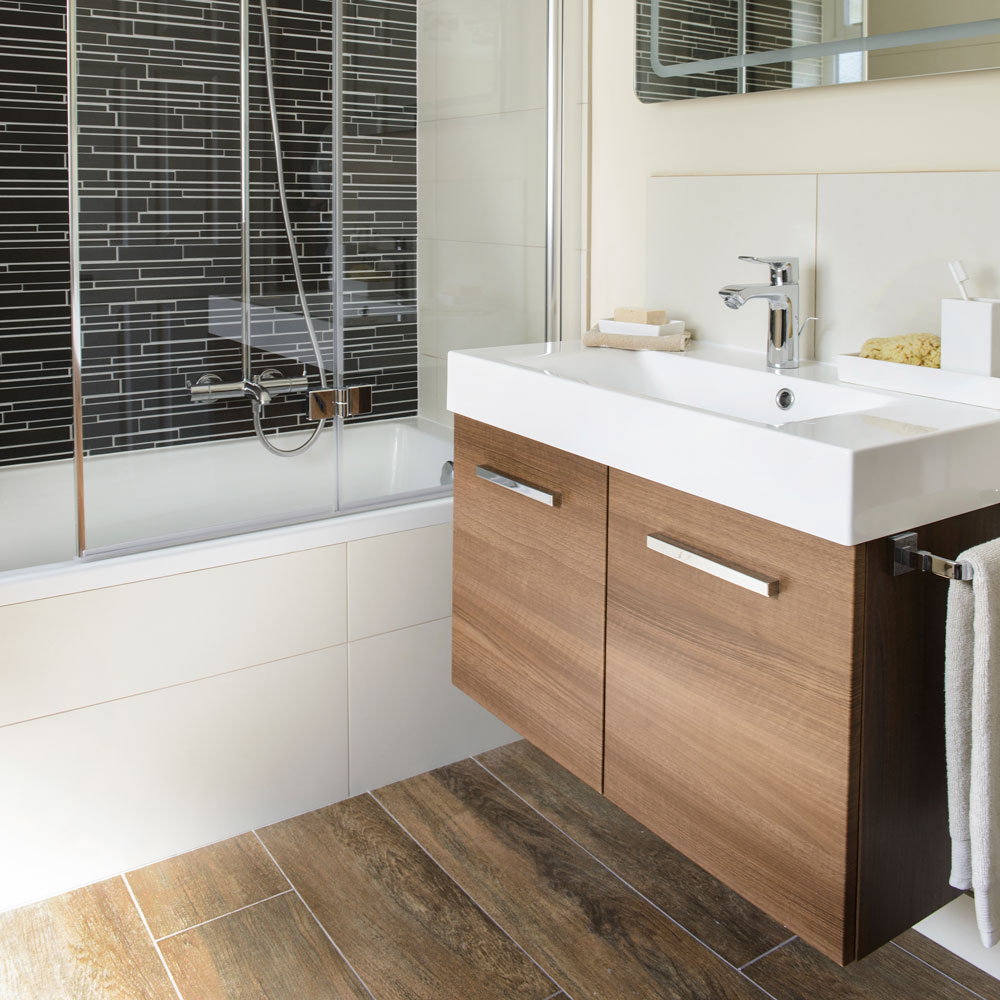
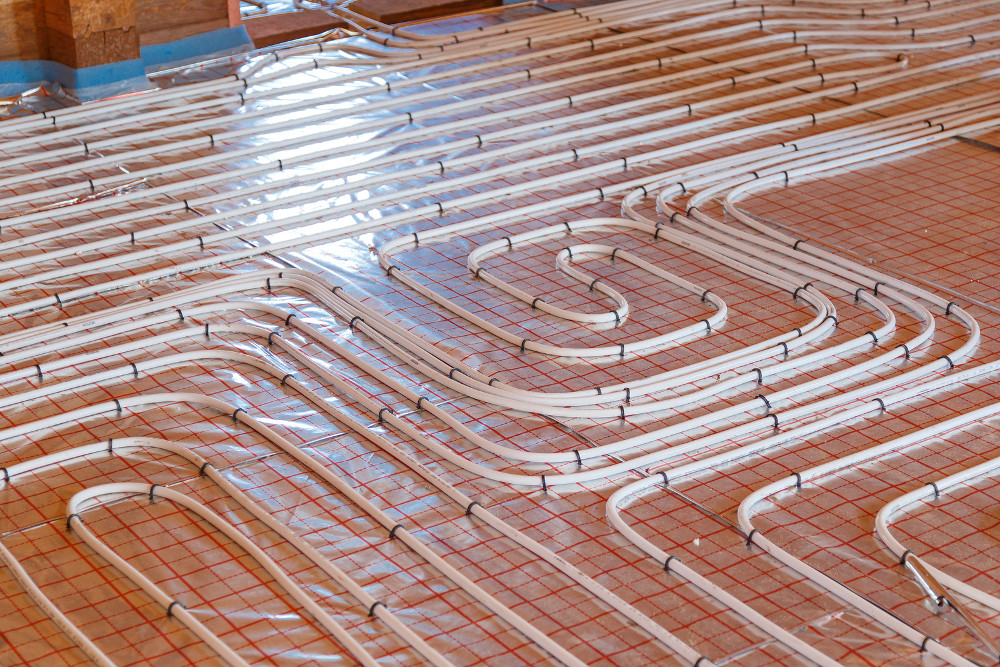
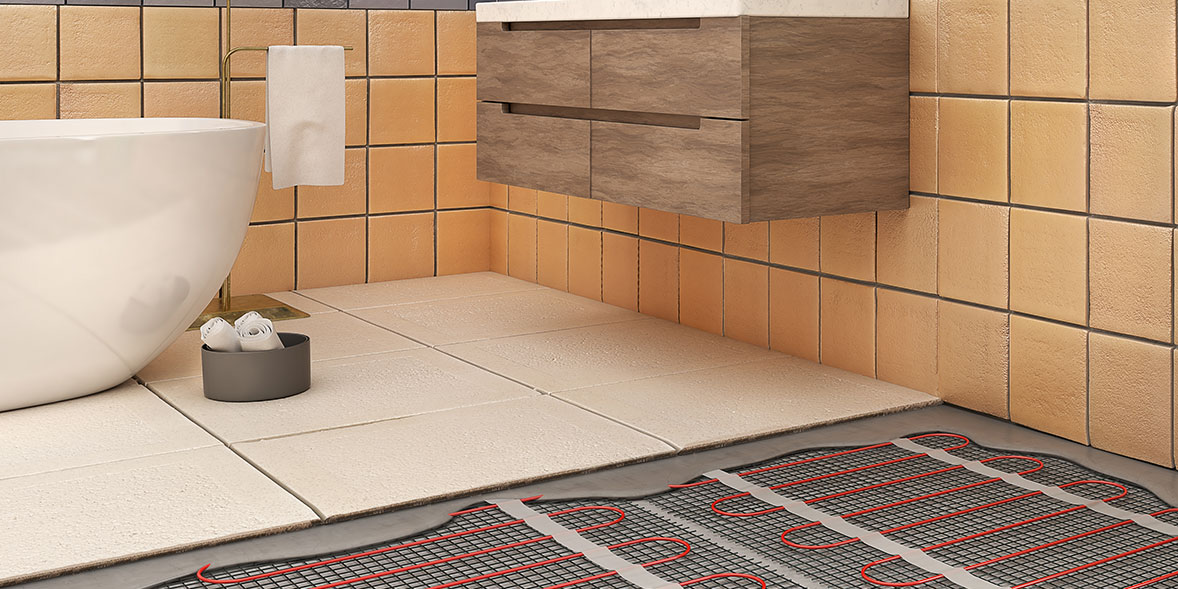
Regarding reliability, underfloor heating systems are generally robust once installed, with damage more likely to occur during installation than through normal use. Common issues are reported as infrequent. In the event of a fault, specialist engineers are required for repairs, capable of pinpointing issues precisely with tools like thermal cameras or moisture testers for water systems. The article suggests looking for warranties or lifetime guarantees from manufacturers for peace of mind. Information on system thickness indicates water systems are bulkier (around 130mm, or more if retrofitted) than electric systems (as thin as 42mm). The best flooring materials for underfloor heating are tiles and stone due to their high thermal conductivity, while thin carpet, engineered wood, vinyl, and laminate are also suitable. Thick carpet and solid wood are not recommended due to heat trapping and potential warping, respectively.
#UnderfloorHeating #HomeImprovements #HeatingEfficiency #HomeHeatingSystems #InstallationCosts #EnergySaving #Thermostats #FloorCoverings #HomeRenovation #UnderfloorHeating #HomeImprovements #HeatingEfficiency #HomeHeatingSystems #InstallationCosts #EnergySaving #Thermostats #FloorCoverings #HomeRenovation
0 تعليق إجمالاً
 لا توجد تعليقات بعد
قد تعجبك أيضًا
10 tips for using underfloor heating in a bathroom
How to keep your mudroom warm – 5 expert-recommended tips


The best floor insulation options for your home, explained
Simple and efficient underfloor heating system
3 reasons I regret not putting underfloor heating in my home office – it’s definitely moving up my priority list

I used to struggle to keep my open plan layout warm in winter — but these 4 methods now keep it cosy all day long
How to retrofit underfloor heating – a complete guide

The 7 Best Energy-Efficient Space Heaters, Tested and Reviewed


Why electric underfloor heating is gaining popularity in high-end interiors in 2025


Five underfloor heating myths debunked
How Radiant Heat Can Transform Your Home for the Better With Barron Heating, AC, Electrical & Plumbing


5 Design Mistakes Making Your Heating Less Effective in Your Home — And the Easy Ways to Fix Them

Underfloor Heating

Ways To Heat A Basement Without An Electric Space Heater (And The Pros & Cons To Consider)

Radiant heat can be used indoors or outside
The Best Space Heaters for Basements


How to make a conservatory warmer - ways to heat and insulate for all-year round use
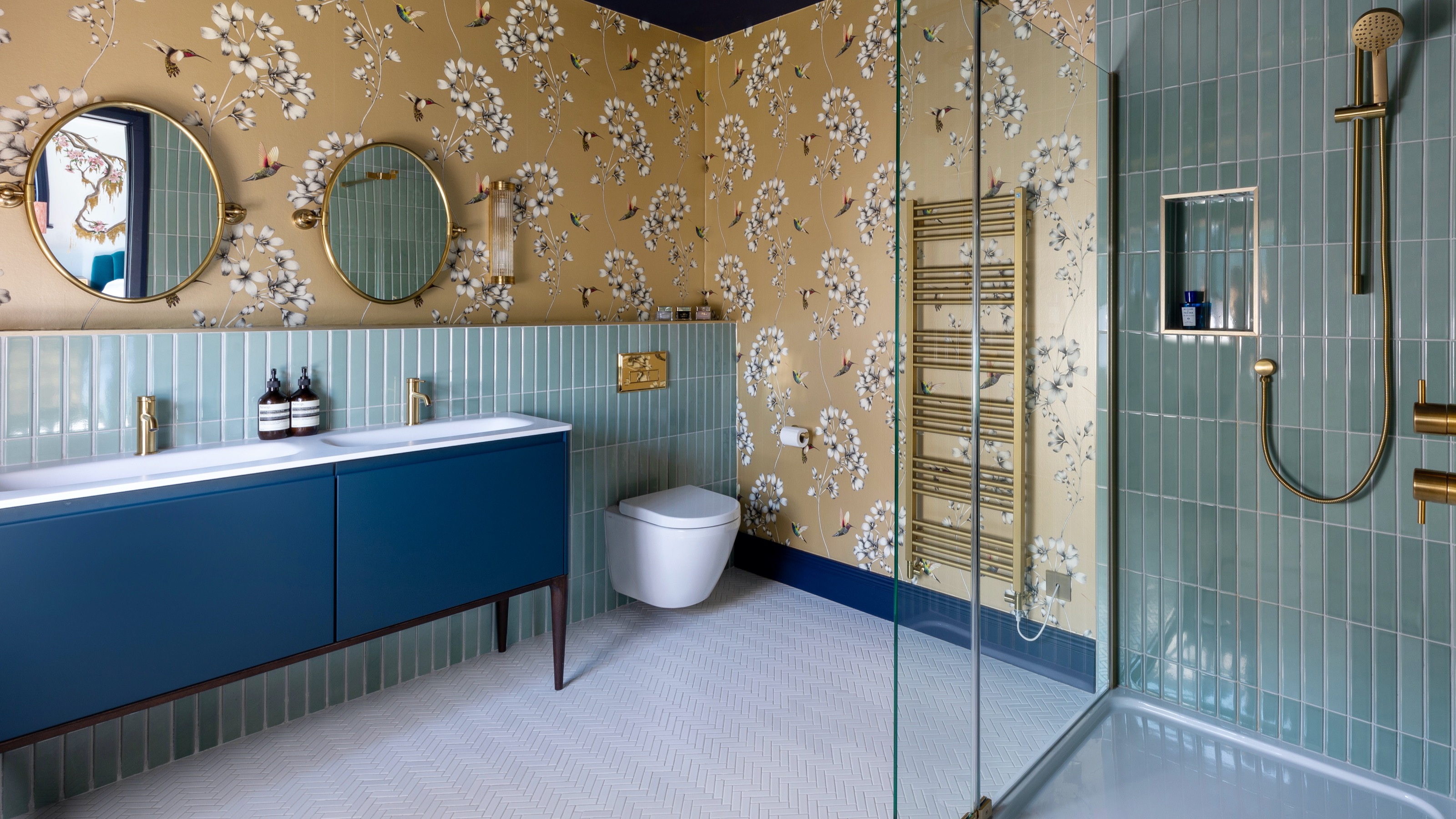
5 bathroom heating options, and our expert advice on which is best for you
6 affordable ways to heat your bathroom in winter


Electric vs water underfloor heating: installation, efficiency and user reviews compared