1/3
This one basement conversion mistake could leave your space completely uninhabitable
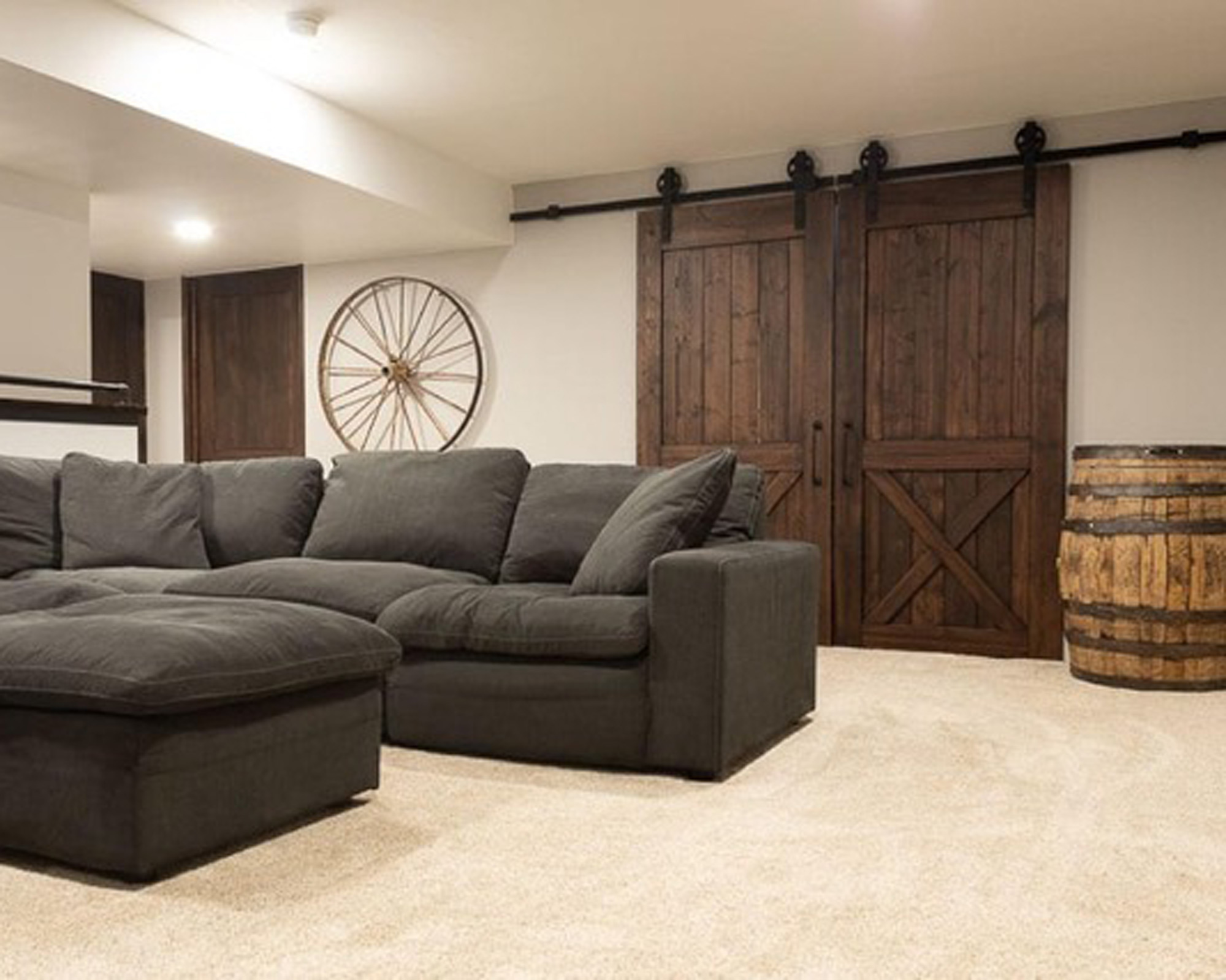
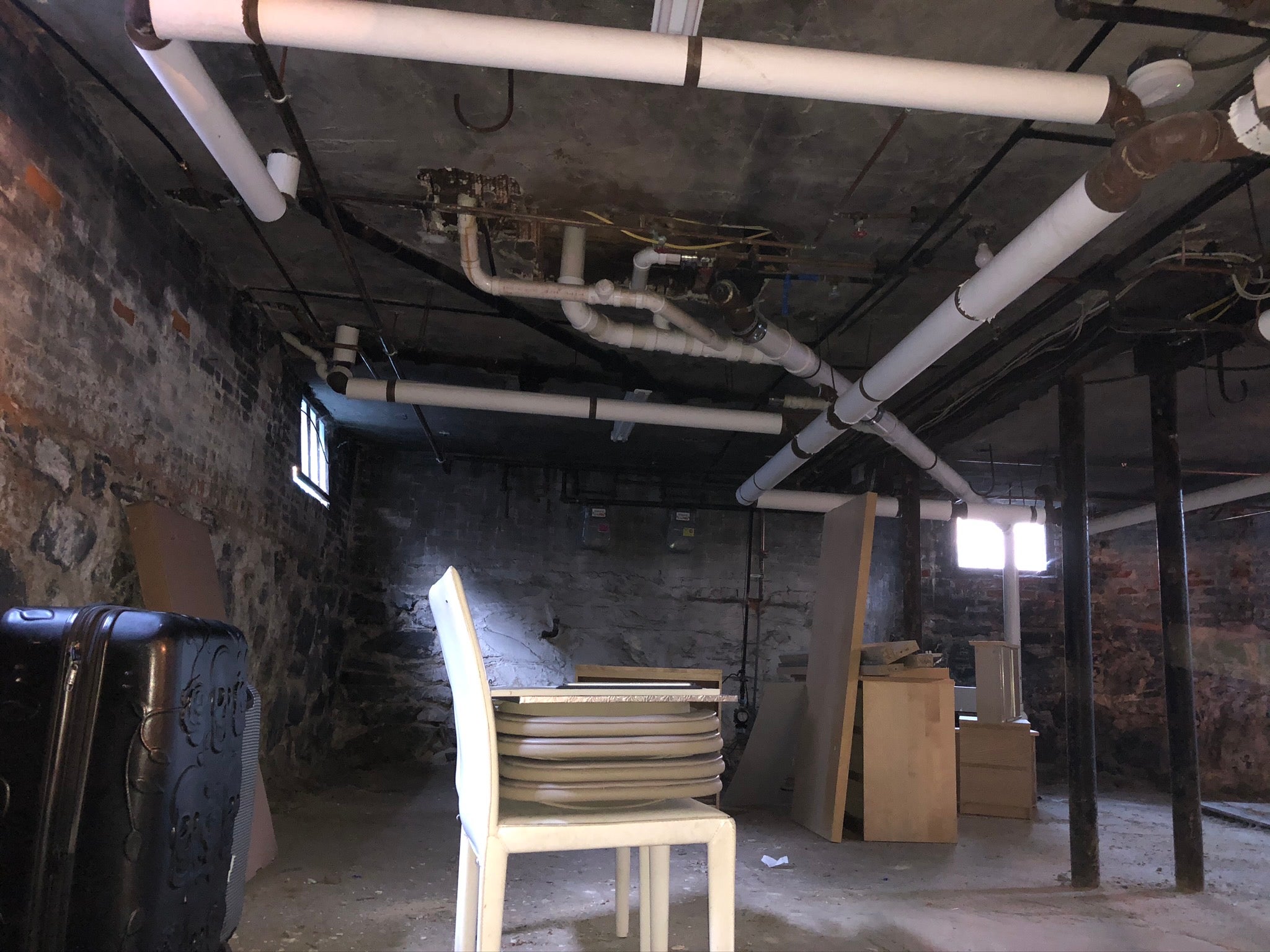
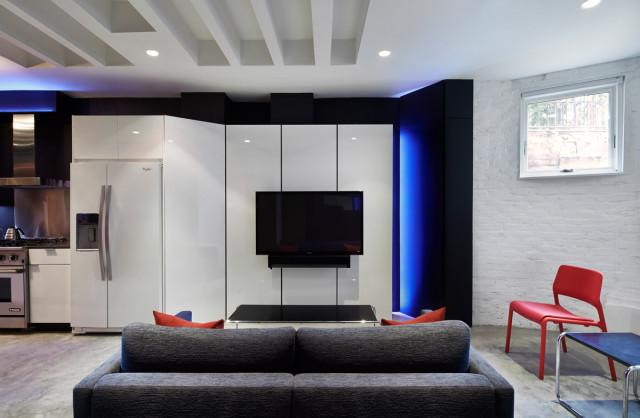
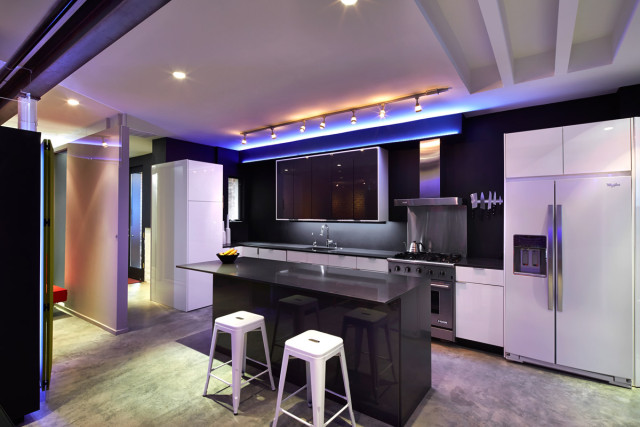
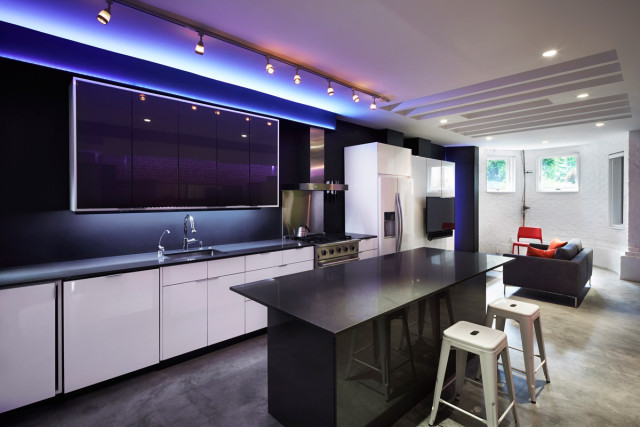
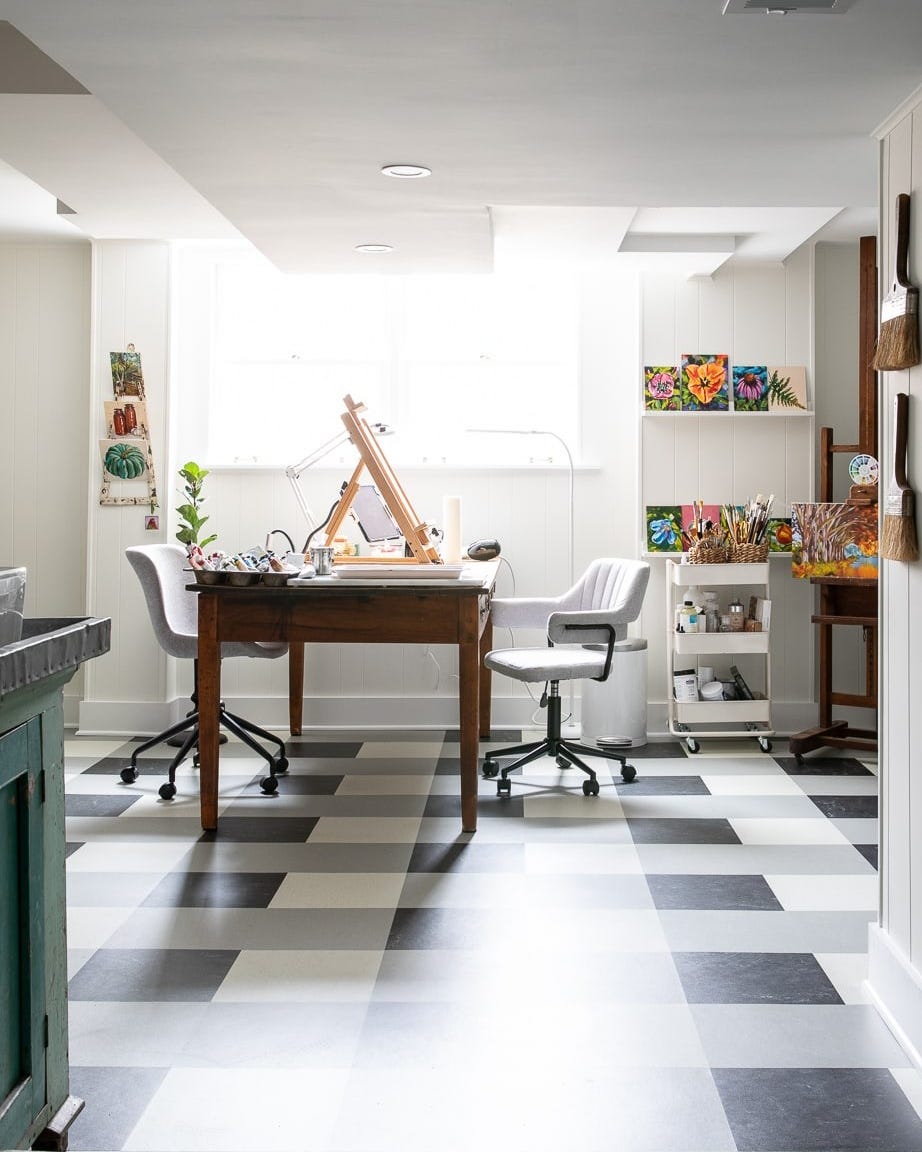
Converting a basement into a habitable living space can significantly enhance a home's utility and value by adding extra rooms without the need for an extension. However, this type of subterranean conversion presents unique challenges, with experts emphasizing the critical importance of proper waterproofing and ventilation. Neglecting these aspects can lead to severe and costly consequences, rendering the newly converted space uninhabitable.
Basements are inherently susceptible to water and moisture issues due to their below-ground location and often lack adequate natural ventilation. Andy Kille of Andy Kille Building and Property Maintenance points out that most basements are not initially designed with water resistance in mind, making them prone to dampness and mold growth. These conditions can cause extensive damage to walls, floors, and ceilings, and pose significant health risks to occupants. A particularly vulnerable area is the joint where floors and walls meet, as rainwater or melted snow can seep through, causing long-term structural problems.
Craig Dean, residential services director at Geobear, further elaborates on the structural implications of water ingress. He explains that water softens the surrounding ground, reducing its capacity to support the base walls and potentially washing away soil around the foundations. Over time, this can result in cracks, structural movement, and even subsidence. Dean notes that homeowners often discover these underlying issues when they observe symptoms like sticking doors or uneven floors on the upper levels of their homes. Addressing these problems retrospectively is far more expensive and disruptive than implementing proper waterproofing measures from the outset.
Given the substantial investment involved in basement conversions, it is crucial not to compromise on steps related to water and moisture management. Thomas Oldham, Co-Founder of UK Construction Blog, stresses that waterproofing is a one-time investment that safeguards all other components of the conversion. Therefore, careful planning and execution of waterproofing are paramount to the project's success.
To ensure effective basement waterproofing, experts recommend integrating water protection strategies from the initial planning stages. Consulting a waterproofing specialist early on is essential for identifying potential vulnerabilities. A damp survey, which typically costs around £300, is advisable if the basement has not been previously used as a living area. The insights gained from these assessments guide the selection of appropriate waterproofing methods, such as waterproof membranes, sealer treatments, or specialized damp-proof paints.
Beyond internal measures, evaluating the ground surrounding the basement is also critical. Craig Dean advises that a thorough structural survey to assess soil conditions and water tables is part of a good basement conversion plan. This information helps in designing a robust waterproofing system, which may include cavity membranes or tanking, adhering to standards like BS 8102 for below-ground waterproofing. A holistic approach, incorporating waterproofing and contingency plans into the design, ensures the basement remains dry, structurally sound, and liveable for many decades.
Ultimately, selecting high-quality materials and professional installation is non-negotiable. Thomas Oldham recommends choosing a proven waterproofing system and having it installed by specialists with expertise in basement environments. Involving a qualified surveyor or structural waterproofing designer early in the project is vital to specify the correct system and ensure compliance with building regulations for basement conversions, thereby guaranteeing the longevity and safety of the new living space.
#BasementConversion #Waterproofing #DampProofing #HomeRenovation #PropertyMaintenance #StructuralIntegrity #MoistureControl #BuildingRegulations #HomeImprovement #BasementConversion #Waterproofing #DampProofing #HomeRenovation #PropertyMaintenance #StructuralIntegrity #MoistureControl #BuildingRegulations #HomeImprovement
0 تعليق إجمالاً
 لا توجد تعليقات بعد
قد تعجبك أيضًا
29 basement ideas to convert your downstairs space into a hidden gem of possibility


Dope Basement Renovation
Replacing the Foundation Wasn’t Even the Hardest Part of This Cabin Renovation

Why Ignoring the Ceiling Could Ruin Your Room, According to Interior Designers

See this scary basement gets a clean and colorful DIY makeover

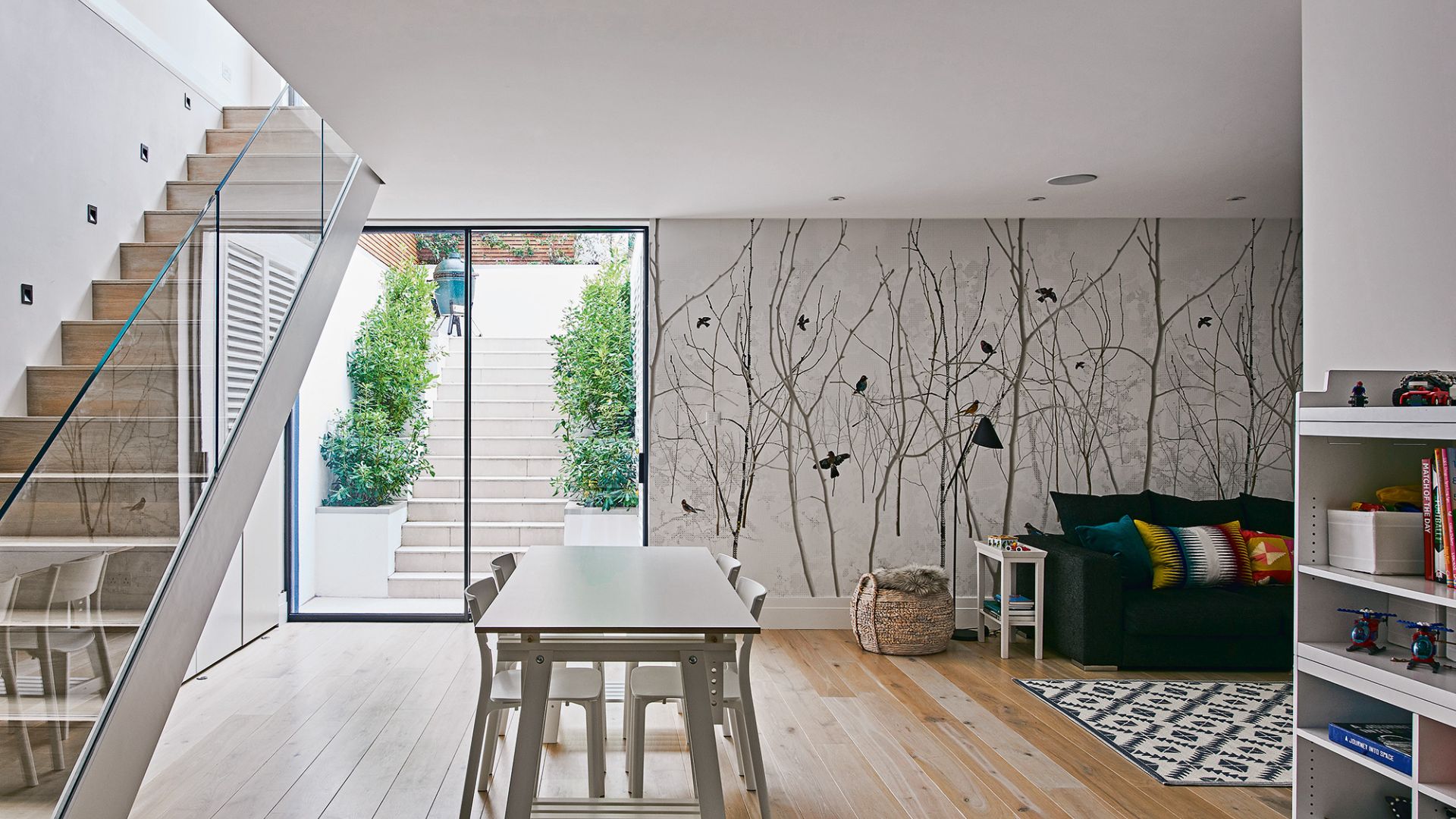
15 things you should never store in your basement – and why


The One Home Renovation Mistake I Wish I Never Made
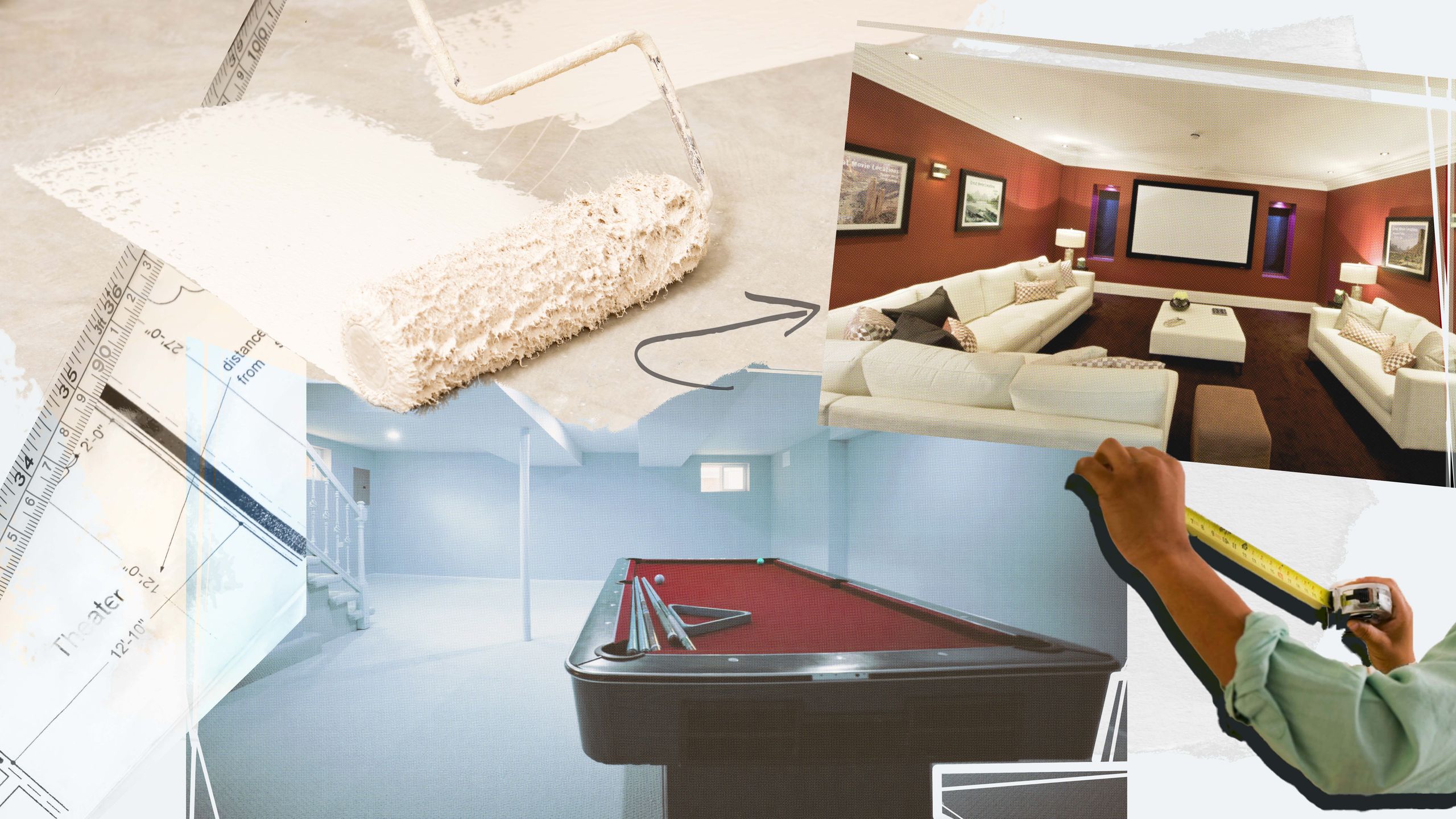
13 Creative Basement Ideas That Go Beyond Adding a Ping-Pong Table


Designers Say This Is the #1 Living Room Mistake Everyone Makes

These Features Instantly Kill a Home’s Renovation Potential

Can't Stand Your Generic Basement Ceiling? This DIY Project Will Make It Stunning

How They Pulled It Off: A One-Bedroom Penthouse That Transforms Into a Four-Bedroom Apartment

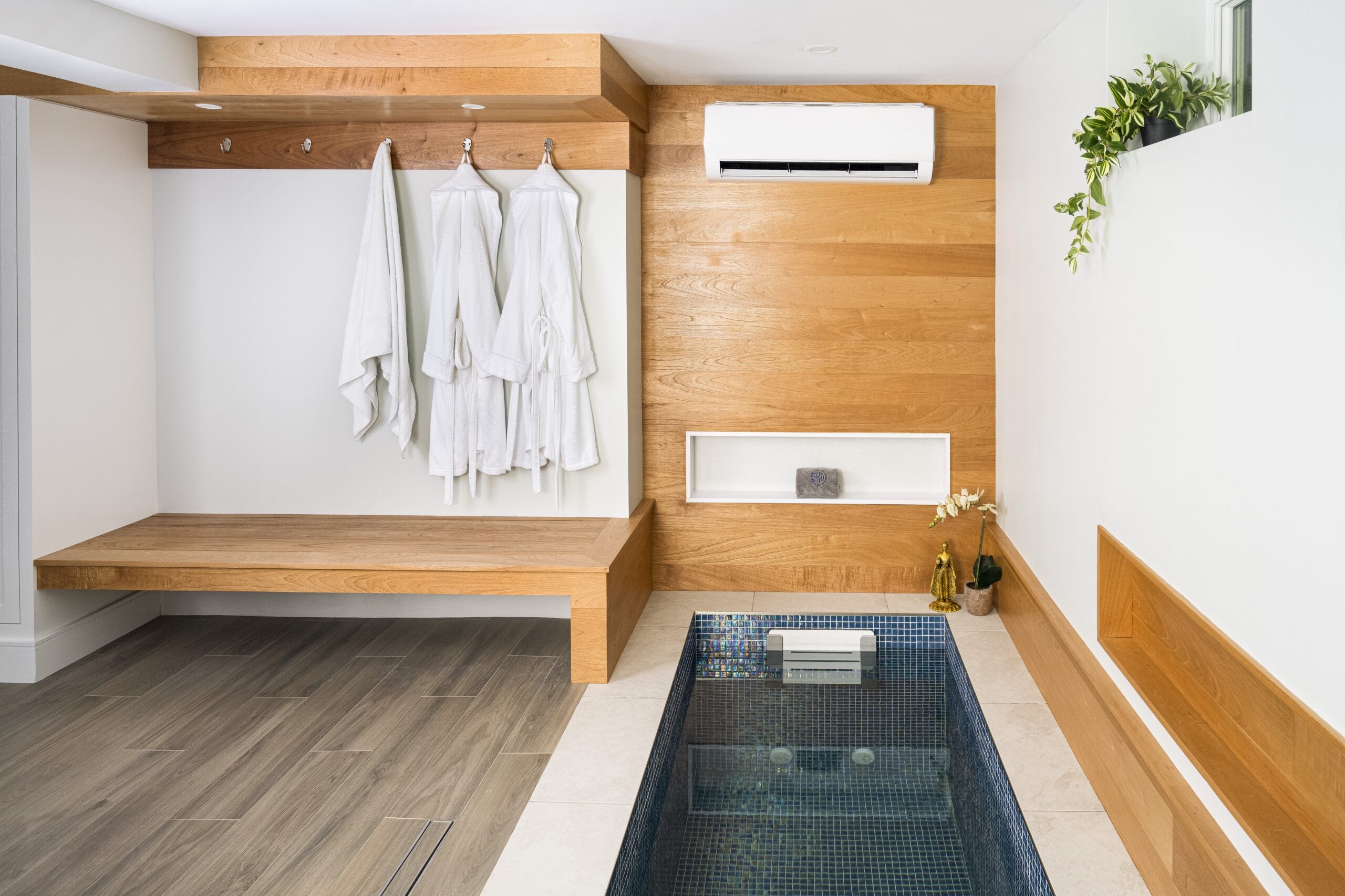
Taking the plunge on a basement renovation — literally
25 Finished Basement Ideas to Inspire Your Next Remodel

A Finished Basement Is Just What Your Home Needs in 2025

Finished basements

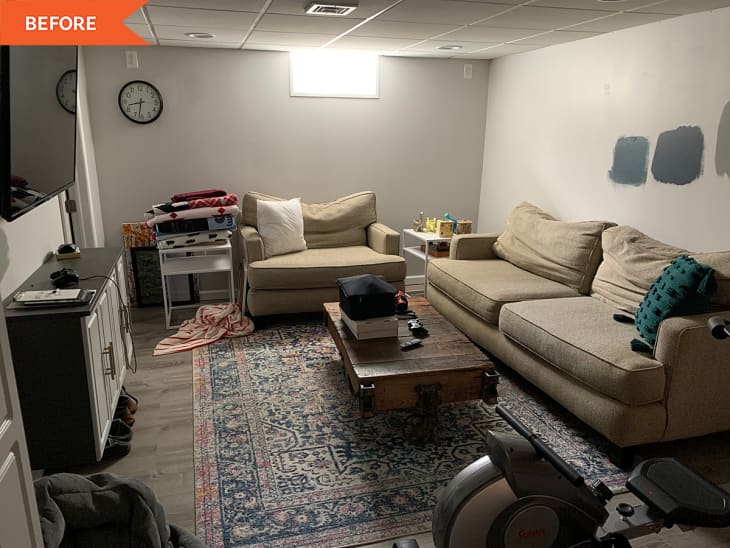
Before and After: After a Glam Yet Cozy Redo, This Basement Doesn’t Even Look Like a Basement

Beautiful Basements: 13 Surprisingly Cool Underground Amenities in Real American Homes
7 things construction pros spot in bad bathroom remodels

These Basement Remodel Ideas Will Change the Way You Think of This Space