1/5
The impact of architectural form on physiological stress: a systematic review
This systematic review investigates the relationship between architectural forms and physiological stress responses, utilizing technological advancements in physiological body sensor networks and virtual reality to further the field of neuroarchitecture. The study highlights that individuals in developed nations spend a significant portion of their lives indoors, underscoring the importance of understanding architectural design's impact on human physiology. The review's primary aim is to identify clinical biomarkers used to measure physiological stress, categorize architectural forms correlated with elevated stress responses, and assess limitations in current research methodologies.
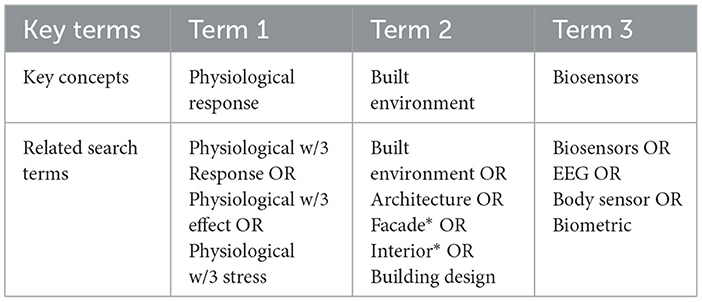
The review adheres to PRISMA-P guidelines, a rigorous framework for systematic reviews, to analyze controlled studies that isolate physiological stress responses to specific architectural forms. Studies focusing on indoor environmental quality, street design, biophilia, or combined intervention characteristics were excluded to maintain a clear focus on geometric configurations. Both virtual and physical environments were considered, and stress responses were measured using clinical biomarkers such as electroencephalography (EEG), functional Magnetic Resonance Imaging (fMRI), Heart Rate Variability (HRV), Galvanic Skin Response (GSR), pupil dilation, and salivary cortisol. Self-reported stress levels were excluded to ensure objective empirical measurements.
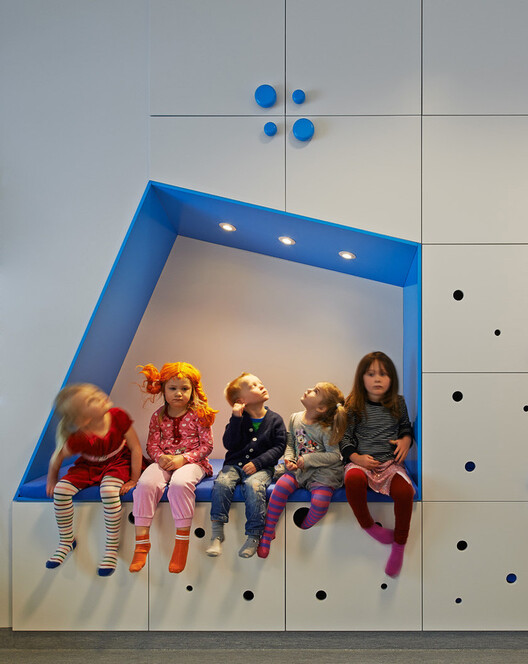
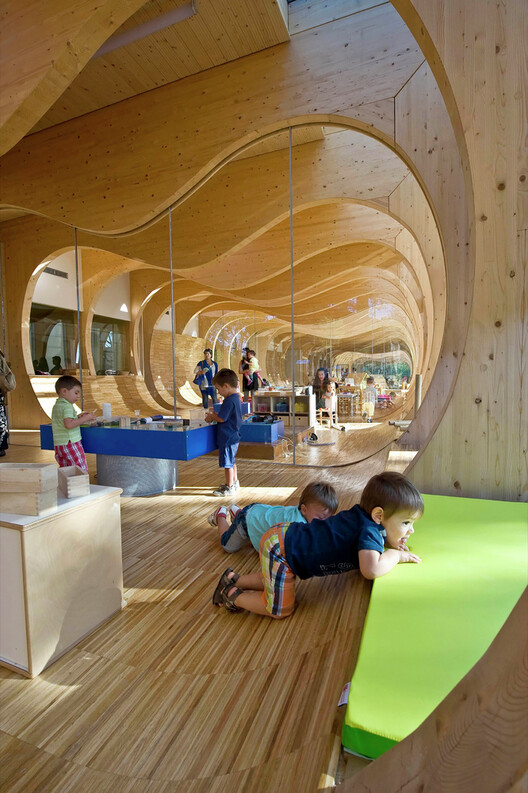
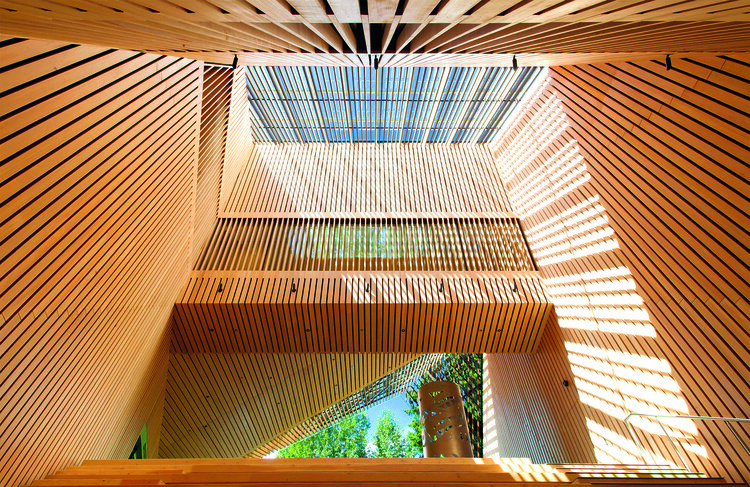
Key findings reveal several clinical biomarkers are effectively used to assess physiological stress responses to architectural forms. These include EEG (specifically Alpha to Beta Wave Ratio), fMRI, HRV, GSR, pupil dilation, and salivary cortisol. The review identifies three main categories of architectural forms linked to elevated stress responses: curvature, proportion, and enclosure. Curvature, defined as variations in wall and ceiling shapes, has shown a positive correlation between minimal wall curvature and increased physiological stress, as evidenced by augmented pupil diameter and increased GSR amplitude. However, studies on curvature often lack uniformity in definition and measurement, ranging from continuous scales to binary distinctions like linear or curved, complicating comparative analysis.
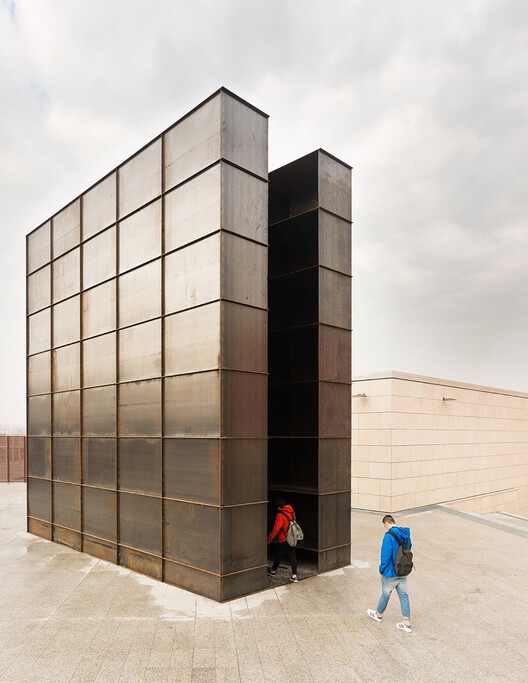
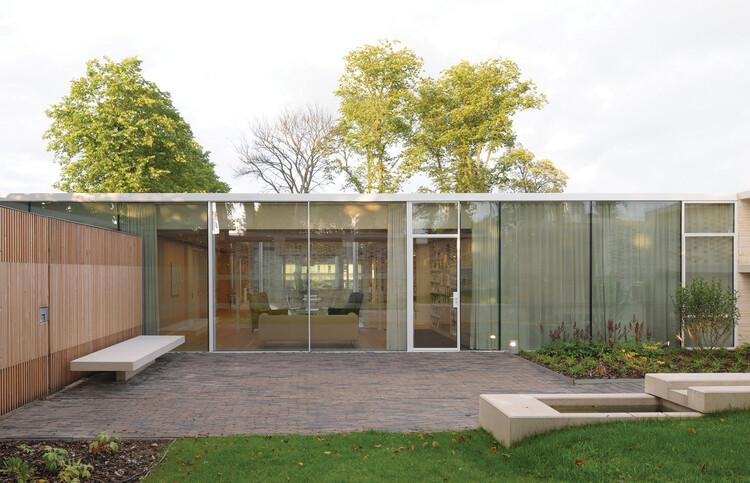
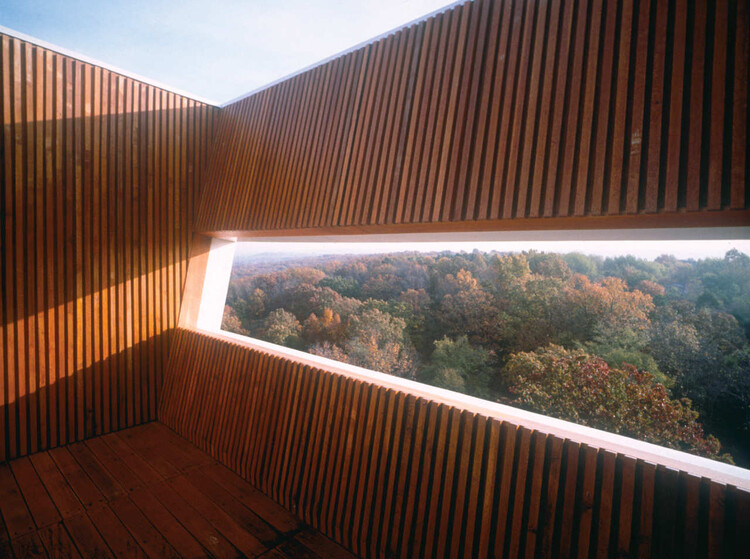
Proportion, which encompasses aspects like ceiling height, aspect ratio, and scale, also influences physiological stress. Studies indicate that narrow spaces are associated with increased physiological stress, reflected in larger pupil diameters and heightened Beta Wave activity in EEG. Similarly, lower ceiling heights, smaller window ratios, and specific length-to-width aspect ratios are linked to reduced Alpha/Beta Wave ratios, suggesting higher stress levels. Enclosure, pertaining to window configurations, sizes, and arrangements, demonstrates that enclosed spaces with limited openings or smaller window views can lead to increased acute stress responses, evidenced by pronounced increases in salivary cortisol and heart rate, and heightened activation in brain regions associated with fear responses.
Despite these insights, the research field is nascent, with significant limitations. There is a scarcity of studies directly linking architectural forms to physiological stress, and those available often lack uniformity in defining and measuring architectural elements, hindering comparability and generalizability. The contextual nature of architectural experiences, such as specific room types or environments, also limits the transferability of findings. Furthermore, many studies rely on virtual reality or 2D images as proxies for physical architecture, potentially overlooking the multisensory aspects of real environments and the confounding factor of cybersickness. The focus on acute, short-term physiological responses means the long-term impacts of chronic exposure to stress-inducing architectural forms remain largely unexplored, pointing to a need for longitudinal studies and a broader range of clinical biomarkers and clinimetrics to capture these effects more comprehensively.
In conclusion, the review affirms the potential of clinical biomarkers in assessing the impact of architectural forms on physiological stress. However, it calls for standardized metrics for architectural forms, more robust scholarship, and longitudinal studies to provide a comprehensive understanding of how the built environment influences human health and well-being. Future research could also explore the interactive and dynamic nature of media architecture as a potential means to mitigate physiological stress responses by adapting environments based on real-time biometric feedback.
#ArchitecturalForm #PhysiologicalStress #Neuroarchitecture #ClinicalBiomarkers #VirtualReality #BuiltEnvironment #Curvature #Proportion #Enclosure #ArchitecturalForm #PhysiologicalStress #Neuroarchitecture #ClinicalBiomarkers #VirtualReality #BuiltEnvironment #Curvature #Proportion #Enclosure
0 تعليق إجمالاً
 لا توجد تعليقات بعد
قد تعجبك أيضًا
The Power of Scale: How Proportions Shape Human Experience


How the sound in your home affects your mood
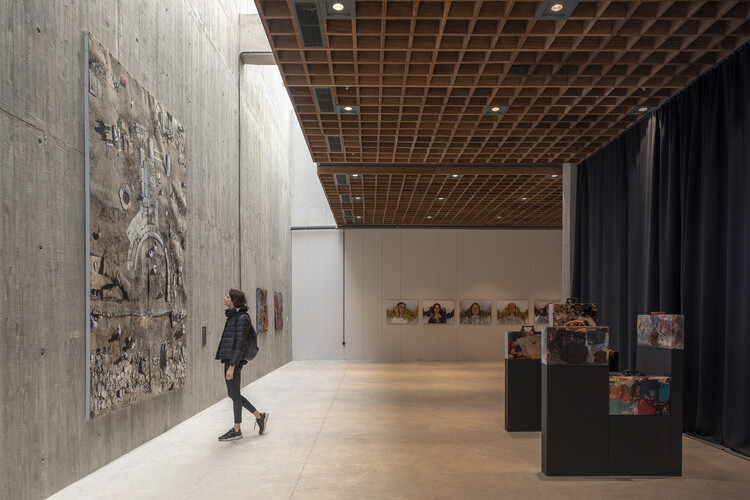
How Can Architecture be Designed to Reflect Human Behavior?
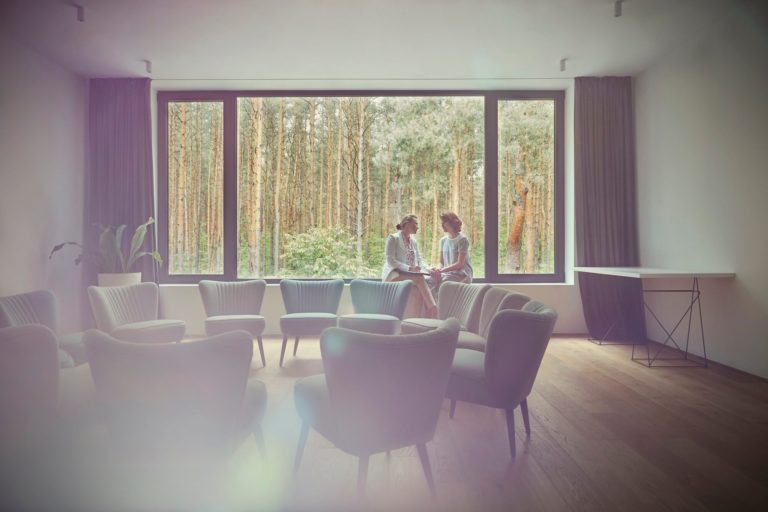
Designing the Therapeutic Space: Using Layout, Color, and Other Elements to Get Patients in the Right Frame of Mind

5 Ways architectural epidemiology redefines design impact
Exploring the Impact of AI on Sustainable Building Design and Construction

In Praise of Stairs
How can biophilic design impact an interior space?
How Architectural Theory Distances People from Design

Reimagining Care Through Nature: The Case for Biophilic Design


Our Homes Have A Lot To Do With Mental Health — This Architect Is Sharing Ways To Make Yours Less Stressful

Can a Bad Floor Plan Affect Your Mental Health?


Why buildings fail: damp can become dangerous
Biophilic Architecture without Plants: Invisible Design for Wellbeing
Performance-Based Design of Tall Timber Buildings Under Earthquake and Wind Multi-Hazard Loads: Past, Present, and Future
Why you should fill your rooms with rounded, curvy furniture

How bio-inspired solutions have influenced the built environment design in hot and humid climates
The impact of machine learning on architectural design
Looking at buildings can actually give people headaches – here’s how