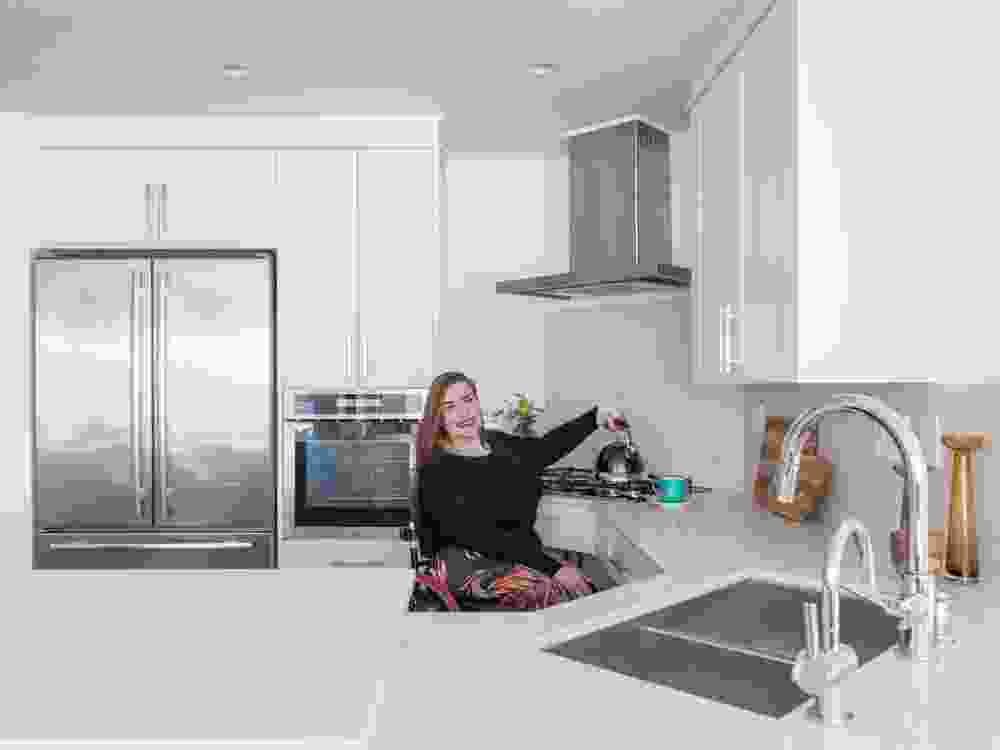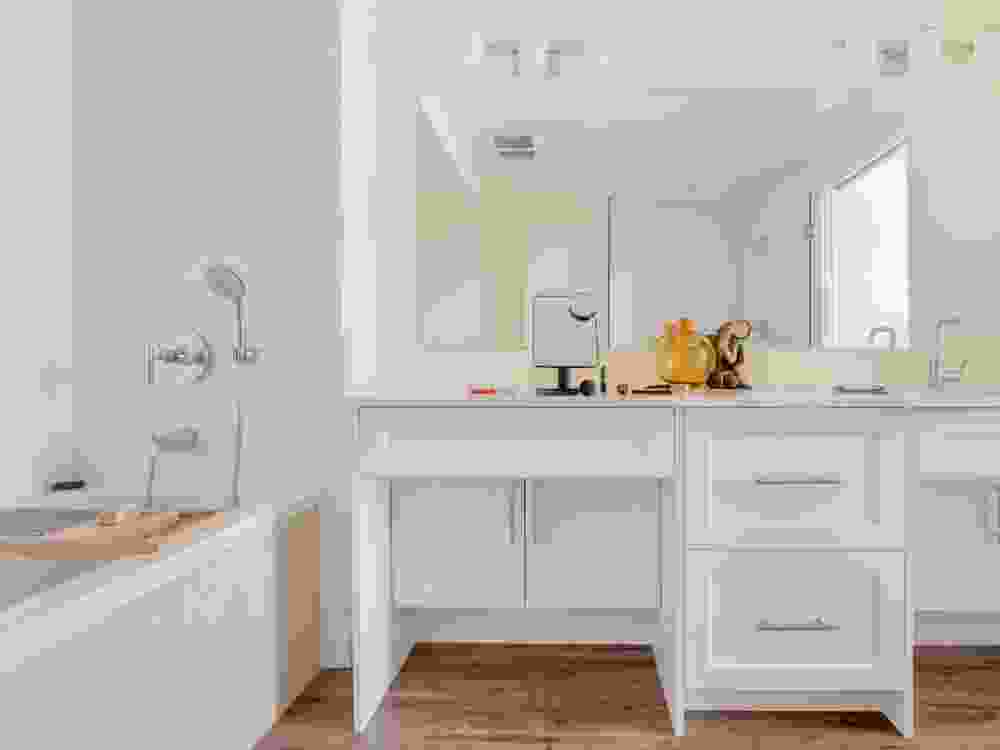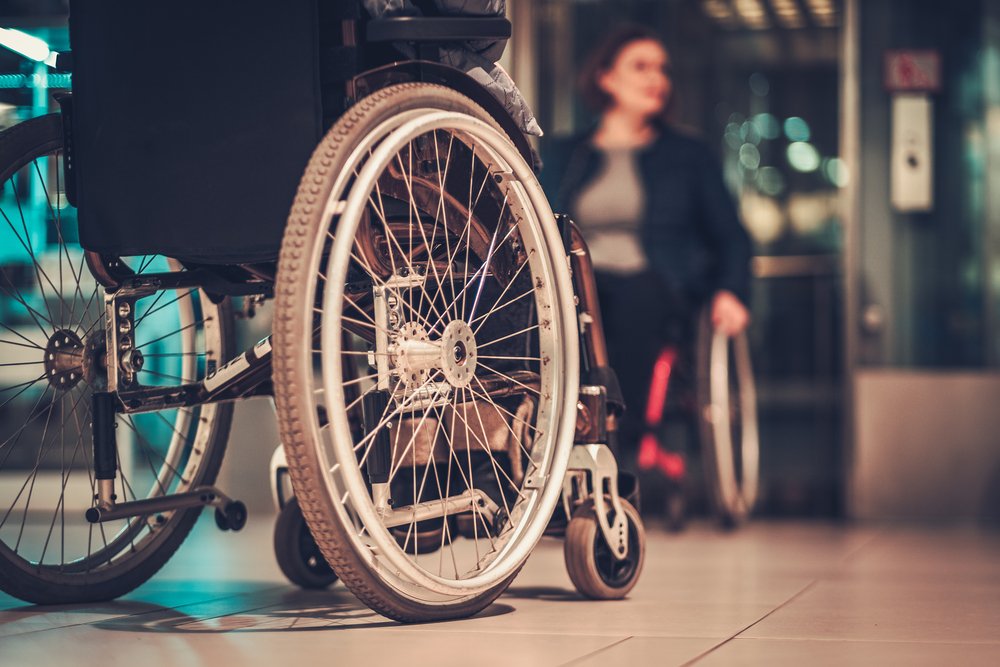
Importance of Elevators for Universal Housing
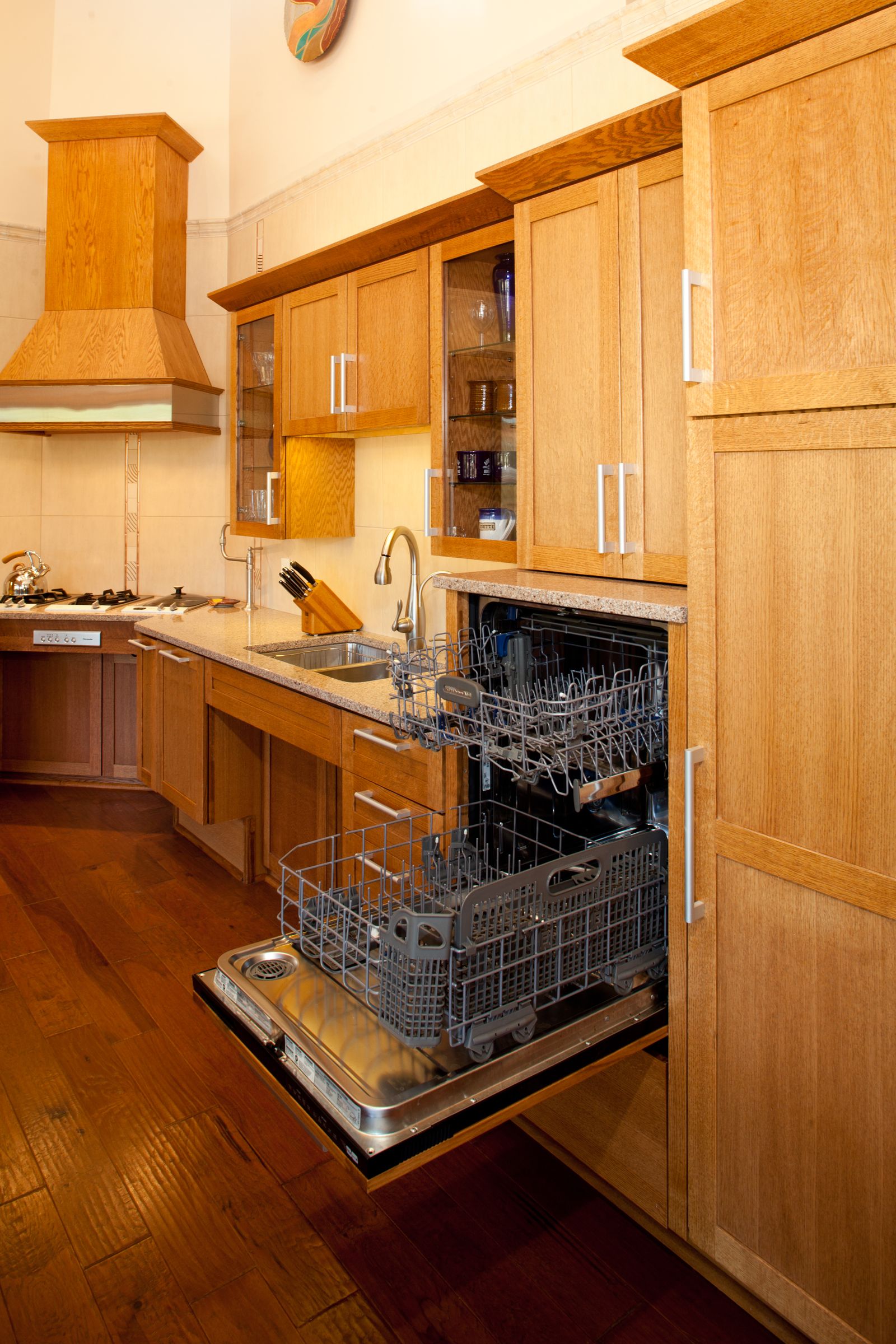
The Fair Housing Act does not mandate elevators in all multifamily buildings, even those with four units. While ground-floor units must be accessible, this policy significantly limits housing options for individuals with disabilities. True fair housing would necessitate universal design standards, making all housing accessible, which would benefit everyone, not just those with disabilities. The concept of the “curb cut effect,” where accommodations for a minority group inadvertently benefit the wider population, illustrates this point.
A primary objection to mandating elevators in all multistory residences, including single-family homes, is cost. However, universal mandates would increase demand, subsequently driving down costs. Currently, able-bodied individuals can select from any available housing and visit any home, a luxury often denied to people with conditions such as multiple sclerosis (MS). Features like basement laundry rooms, manageable for able-bodied individuals, pose significant challenges for those with disabilities, disproportionately impacting their daily lives.
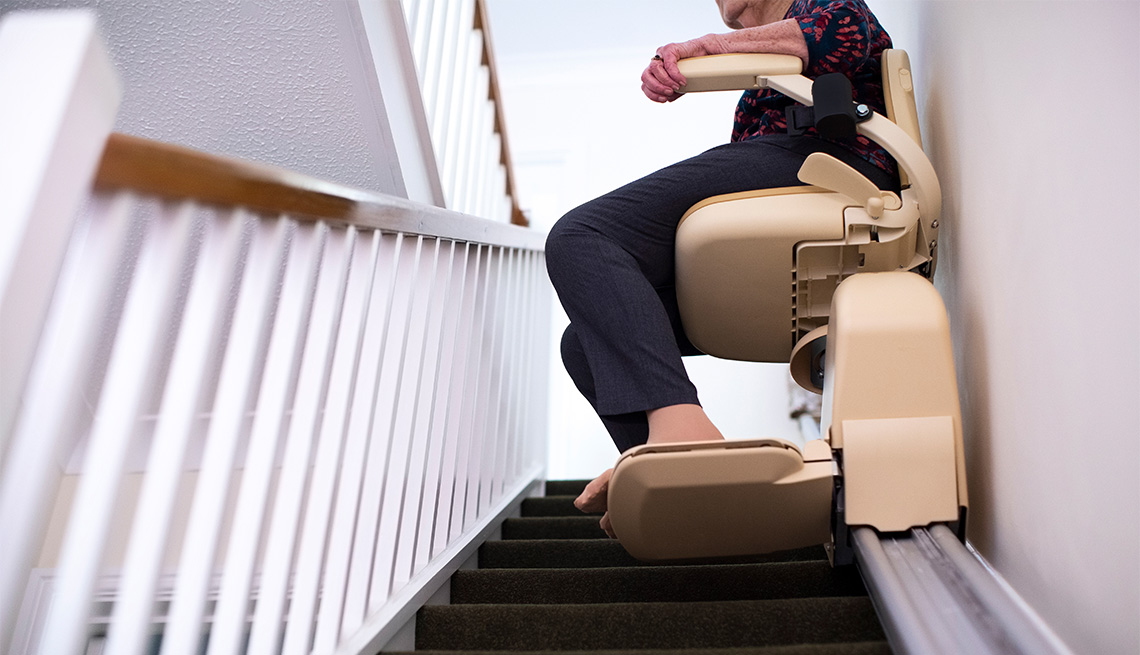
Mandating residential elevators in future housing construction would greatly facilitate “aging in place,” allowing individuals to remain in their homes as they age and their mobility changes. The current high cost of residential elevators is attributed to low demand, creating a negative feedback loop: high cost deters demand, and low demand keeps costs high. A report from the U.S. Department of Housing and Urban Development, “Accessibility of America’s Housing Stock: An Analysis of the 2011 American Housing Survey (AHS),” reveals that only about a third of U.S. housing is potentially modifiable for individuals with mobility disabilities, less than five percent is accessible for those with moderate mobility difficulties, and less than one percent is accessible for wheelchair users.
Accessible housing is crucial for people with disabilities to maintain independence and participate in society by visiting friends and family. This need is becoming increasingly vital as the U.S. population ages. The Americans with Disabilities Act (ADA) addresses civil rights, but some resist mandatory elevators due to notions of rugged individualism and private property rights. Yet, bathrooms, despite their cost, are universally required in buildings. Developers and municipalities should be persuaded of the advantages of universal design, including elevators, emphasizing its benefits for primary sales and resale values.
Companies like Visilift and Pneumatic Vacuum Elevators offer residential elevator solutions, including models that can accommodate wheelchairs. While mandating the space for a future elevator installation (which could otherwise be used for closets) might seem like a compromise, it would likely double the cost burden for disabled buyers to install one later. The conversation needs to begin with municipalities and developers to highlight the long-term benefits and economic viability of universally designed housing, promoting accessibility for all.
#UniversalHousing #Elevators #DisabilityAccess #FairHousingAct #AgingInPlace #HomeAdaptations #Accessibility #MultipleSclerosis #UniversalDesign #UniversalHousing #Elevators #DisabilityAccess #FairHousingAct #AgingInPlace #HomeAdaptations #Accessibility #MultipleSclerosis #UniversalDesign
0 تعليق إجمالاً
 لا توجد تعليقات بعد
قد تعجبك أيضًا
We need more flexible housing for 21st-century lives

Housing and Residence Life

Loft conversions: The ultimate guide
Council will not accept area of loft flat where roof slopes – Help?

We need more flexible housing for 21st-century lives

Disability-Forward Design Across Multiple Cities

Home Sweet Home for Life
14 Bathroom Updates for Now and Later as You Age in Place

Floors, Stairs, Lifts and Wayfinding
Comment - A foreign perspective on second staircase regulations
How to make a home more accessible – 7 universal design tips to improve your space


Erick Mikiten Has a Vision for the House You’ll Grow Old In

Universal Design: The Essential Tool for Intergenerational Communities

8 Ways to Make the Stairs Safer at Home

9 Inspiring Accessible Homes That Champion Inclusive Design
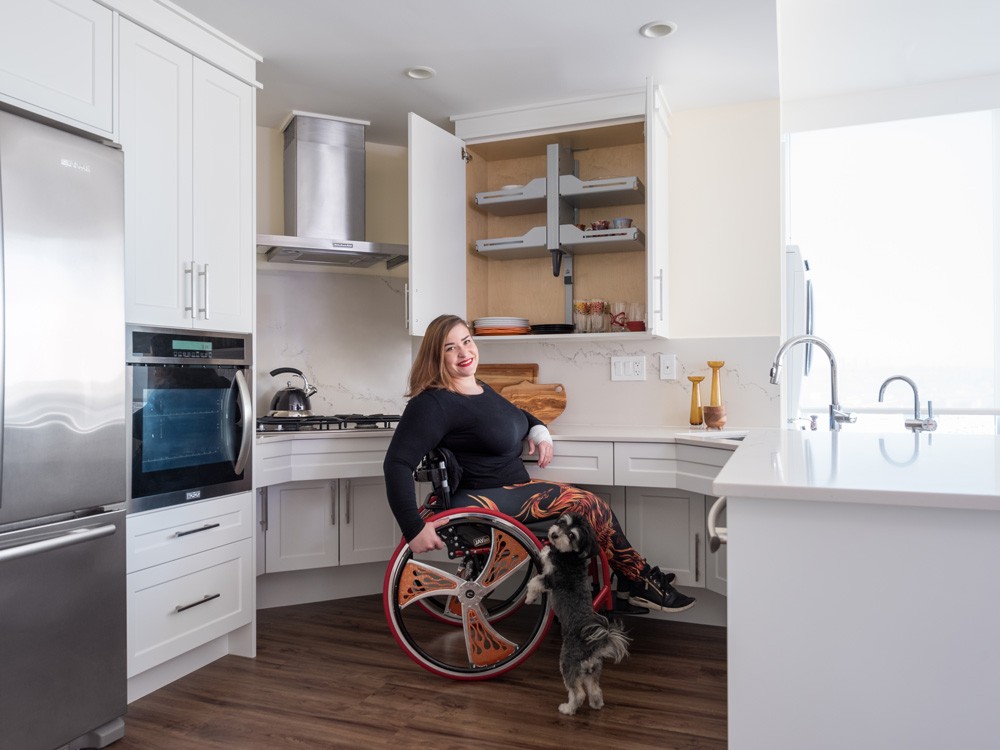
Universal design hits home for all

A Modern Stairway That Brings Homes to the Next Level

Universal Design: Why Americans Need Home Design That Welcomes Everyone

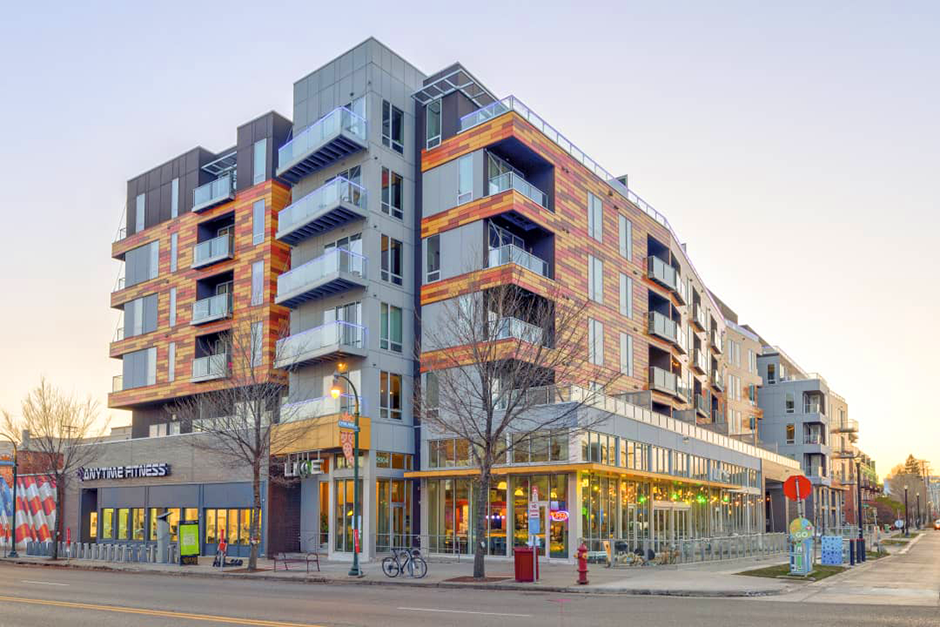
The Minnesota building code should loosen up about single-stair buildings


A surprising theory of what’s wrong with North American apartment buildings.