1/5
I'm an interior designer - how to create a gallery wall without it looking tacky - people always make the same mistakes
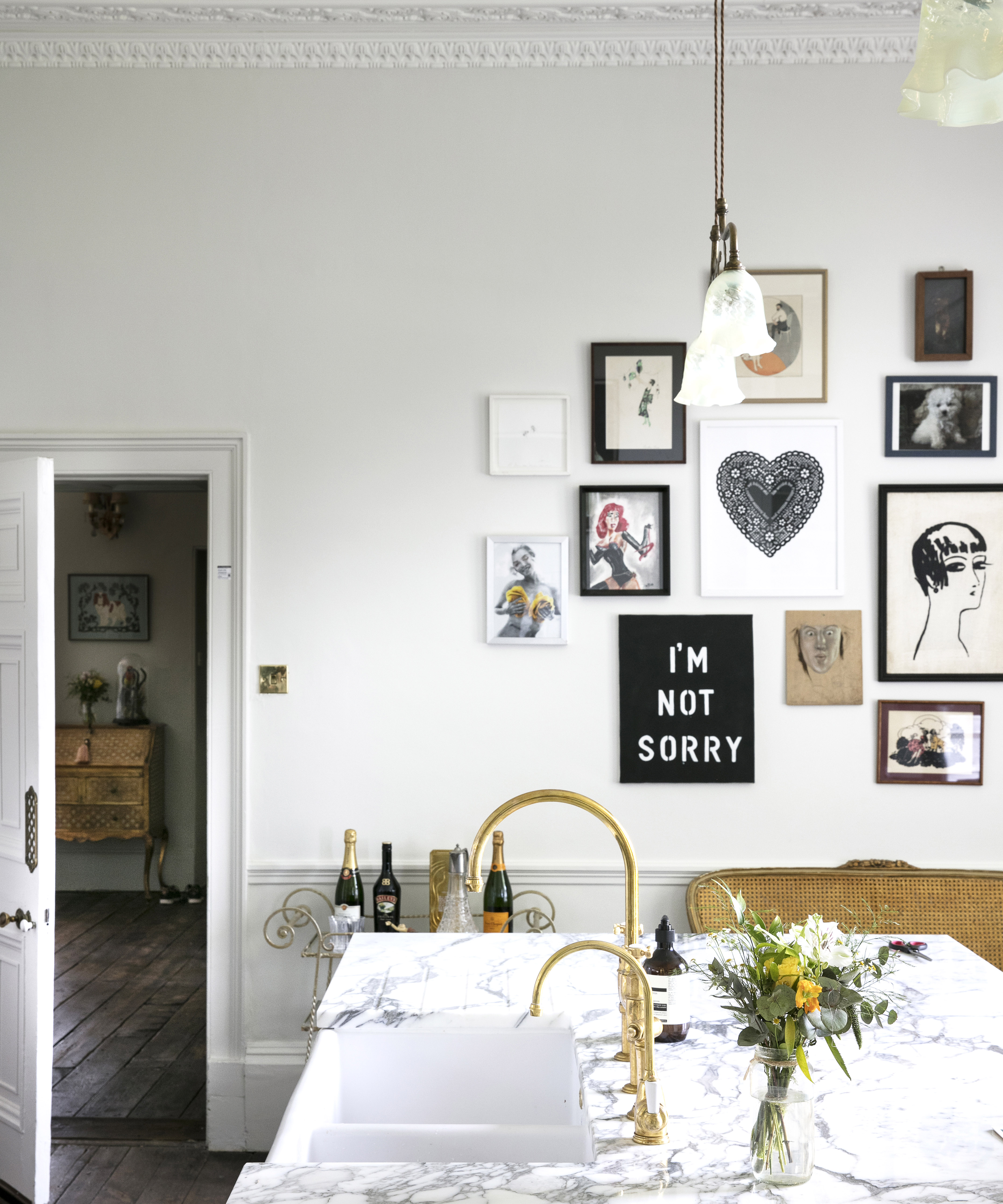
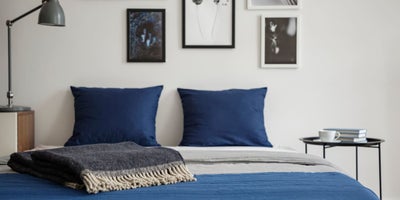
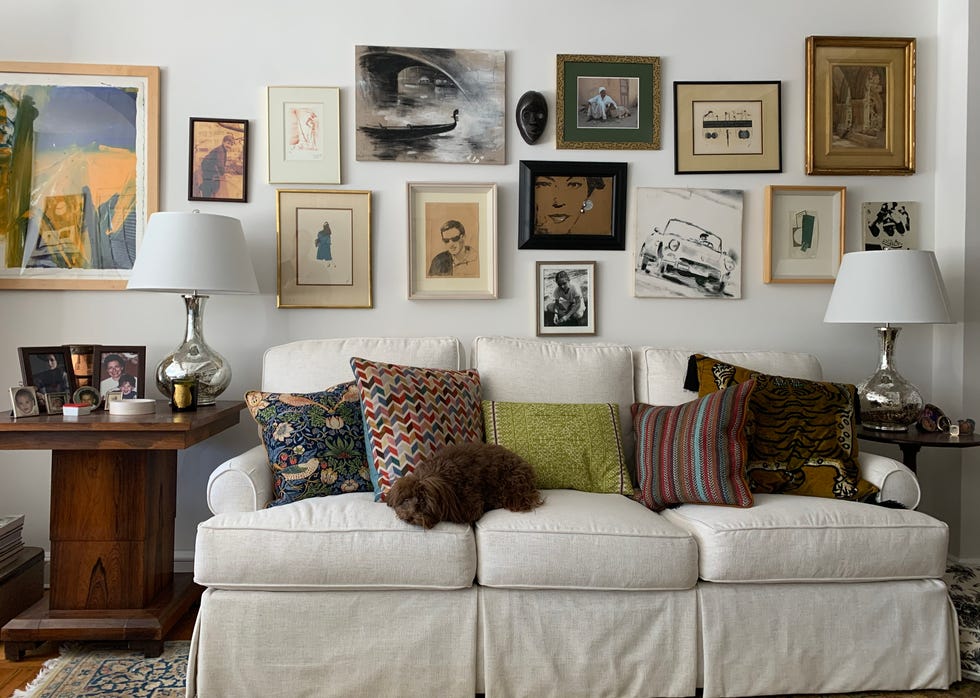
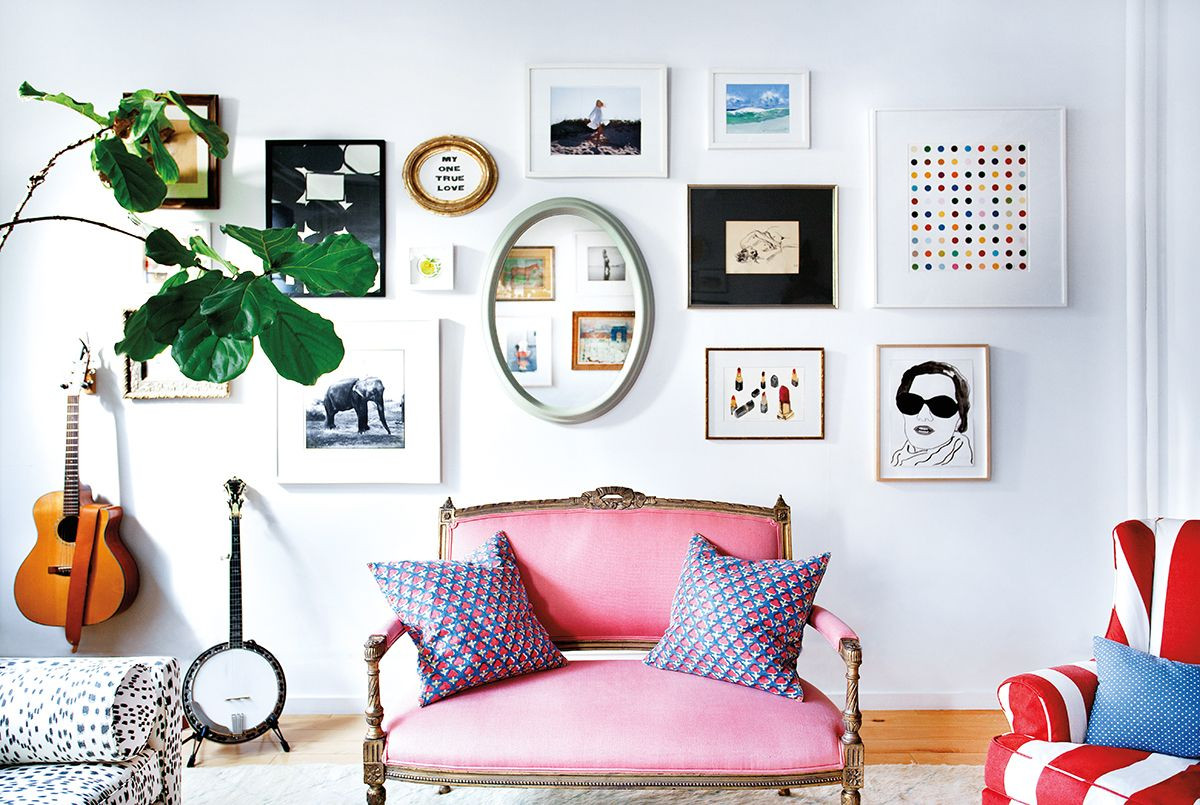
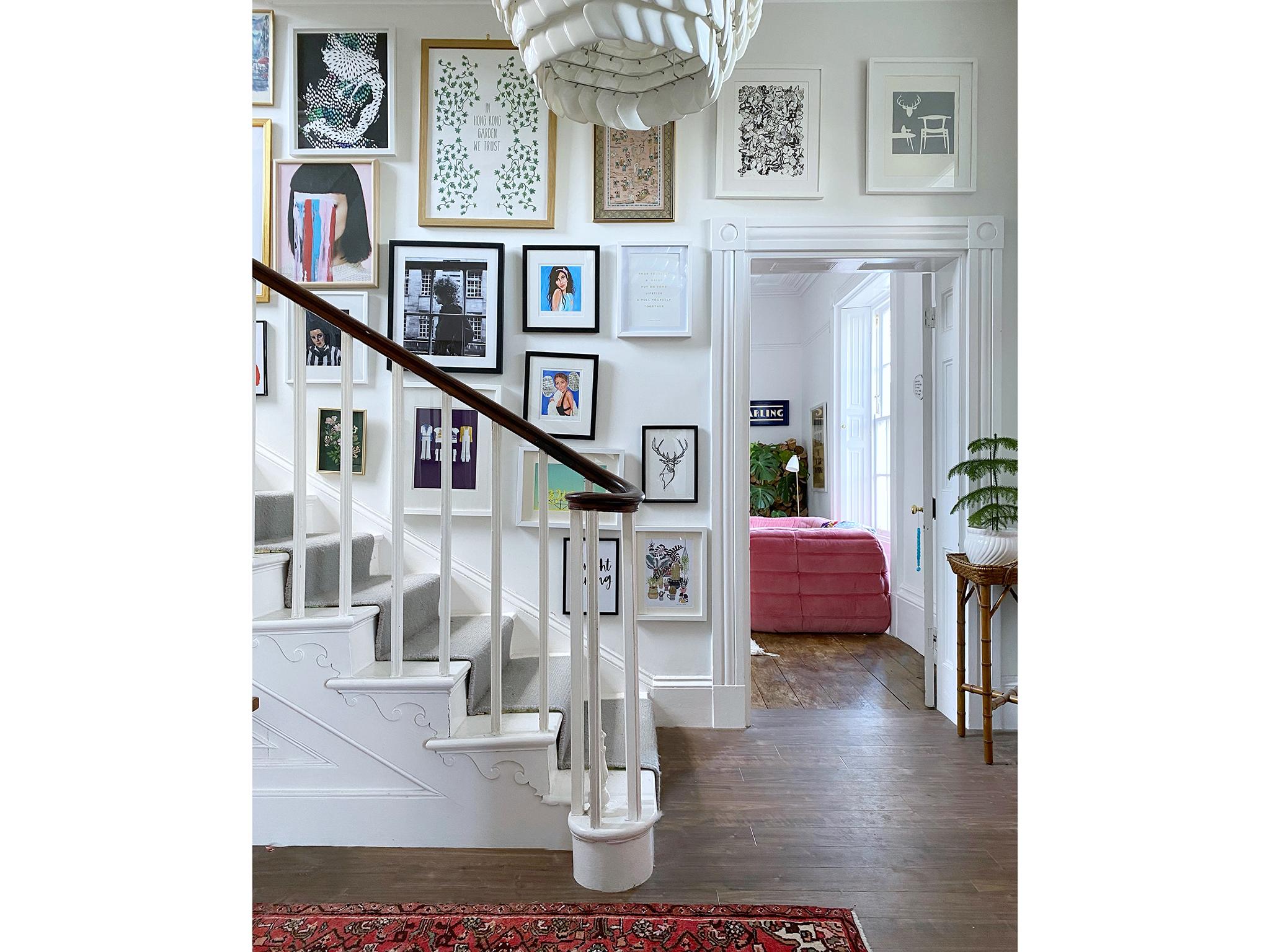
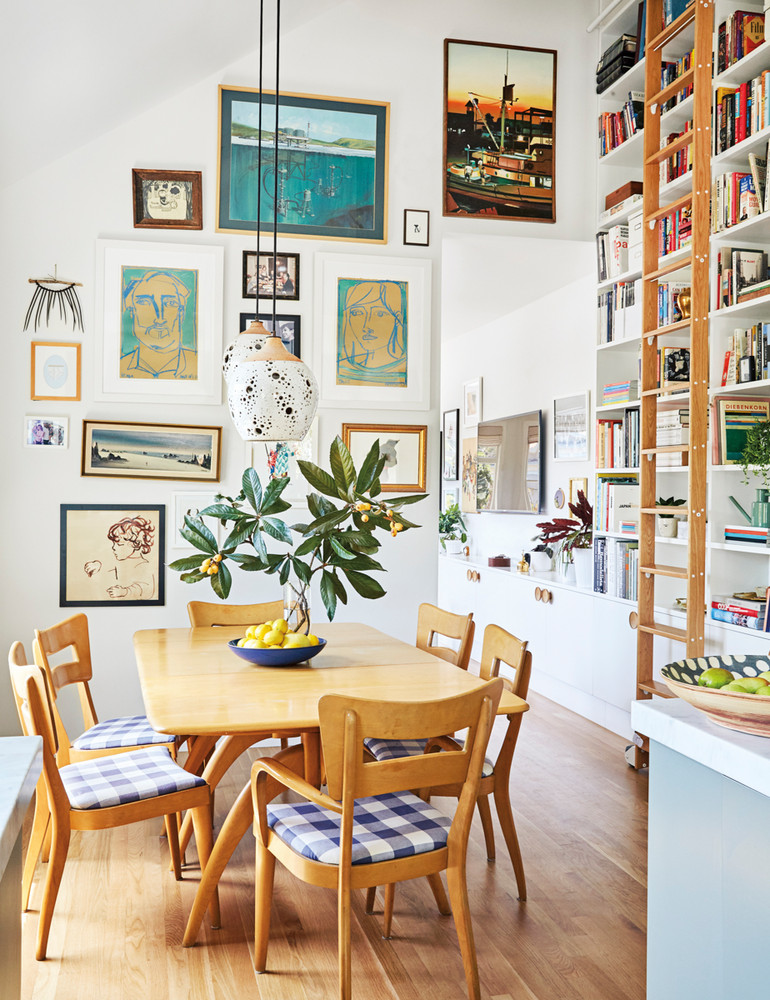
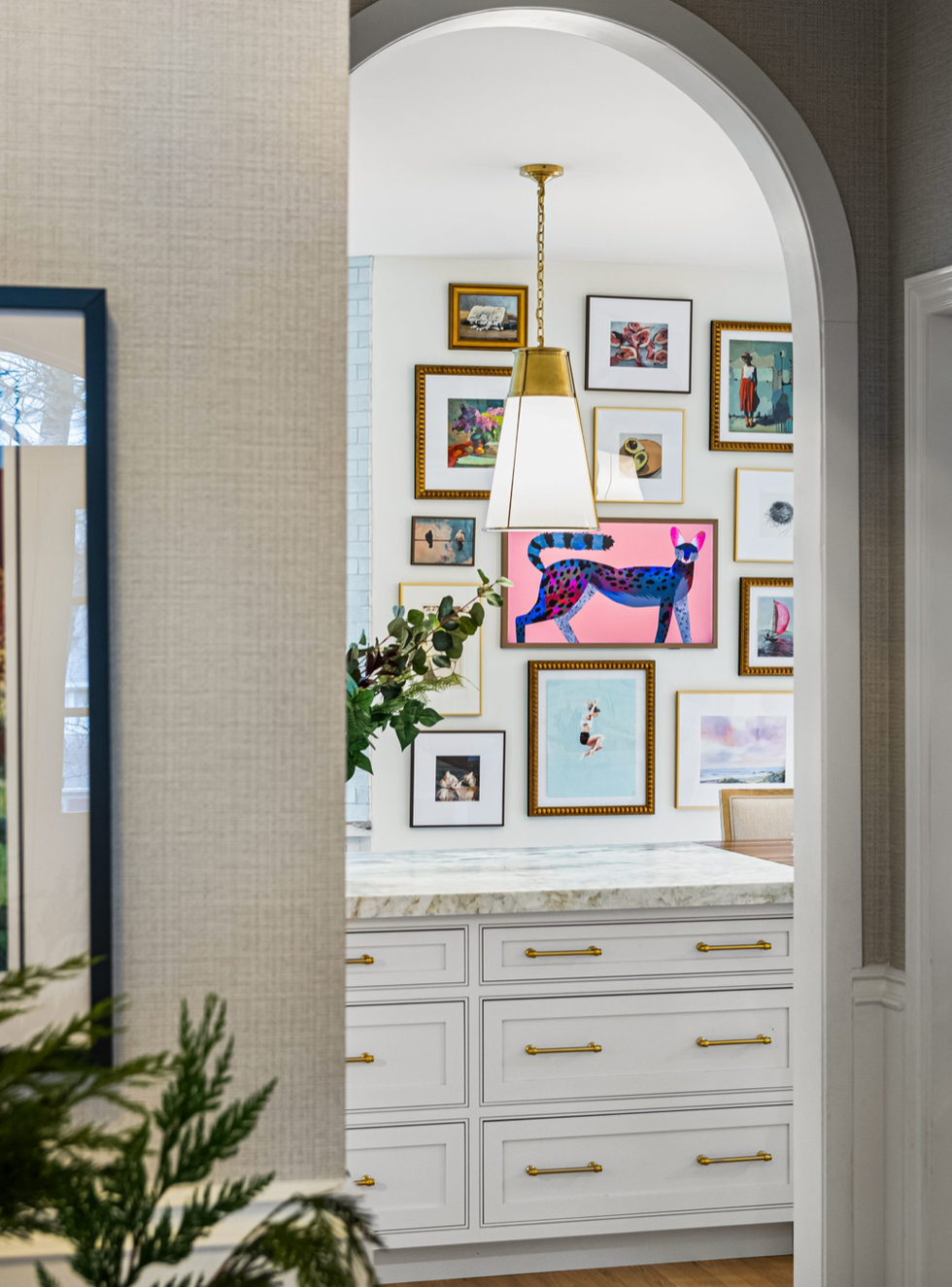
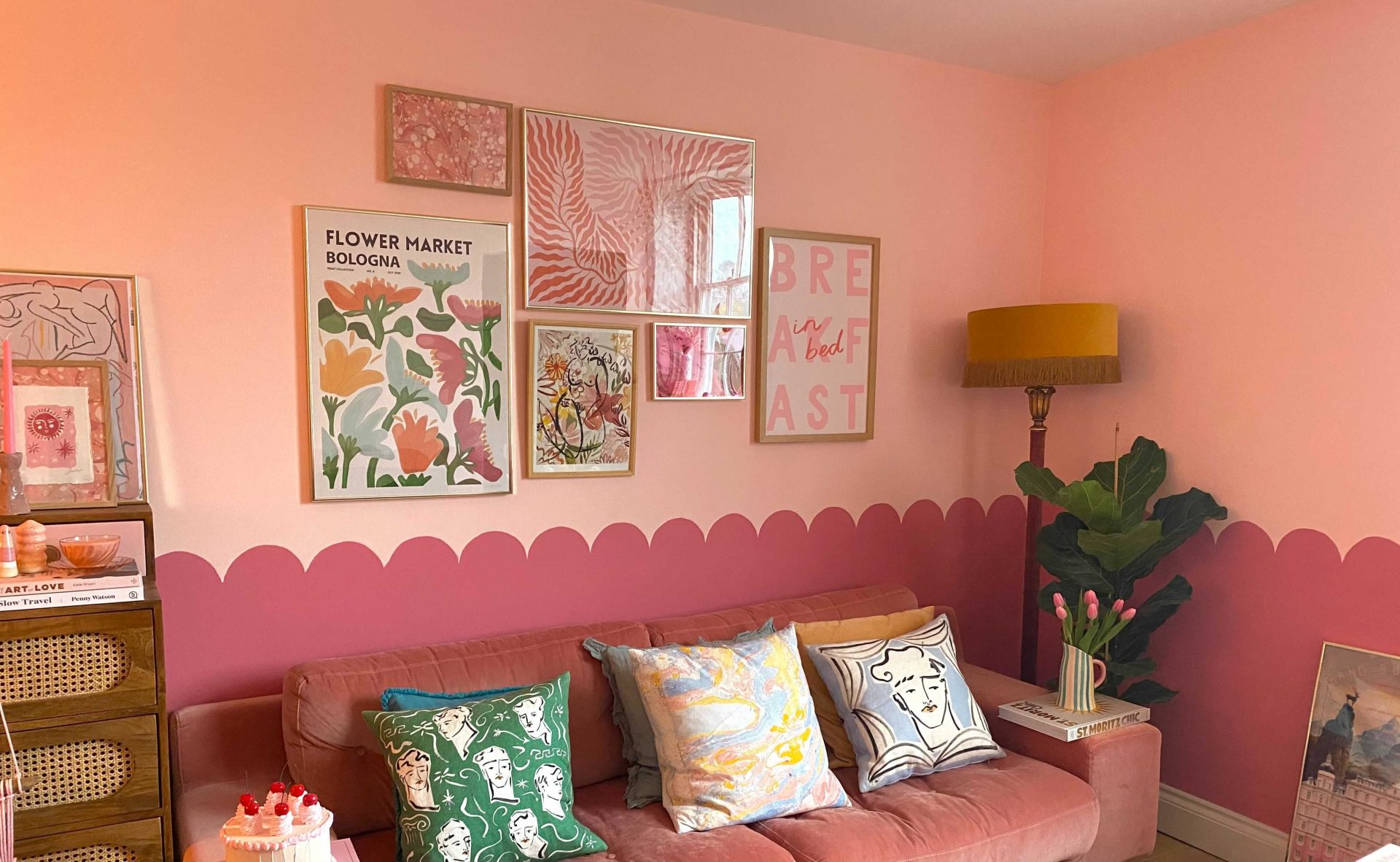
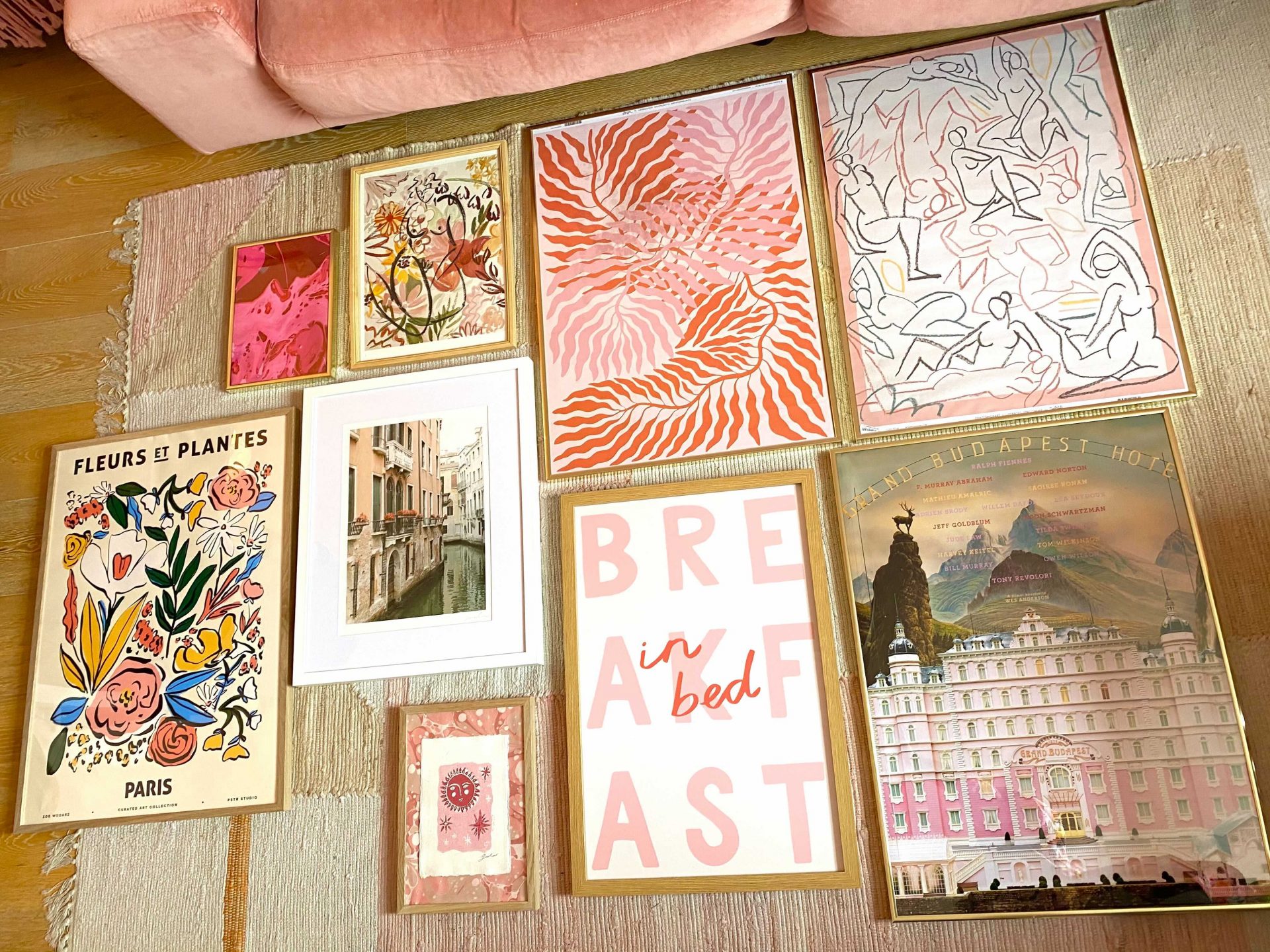
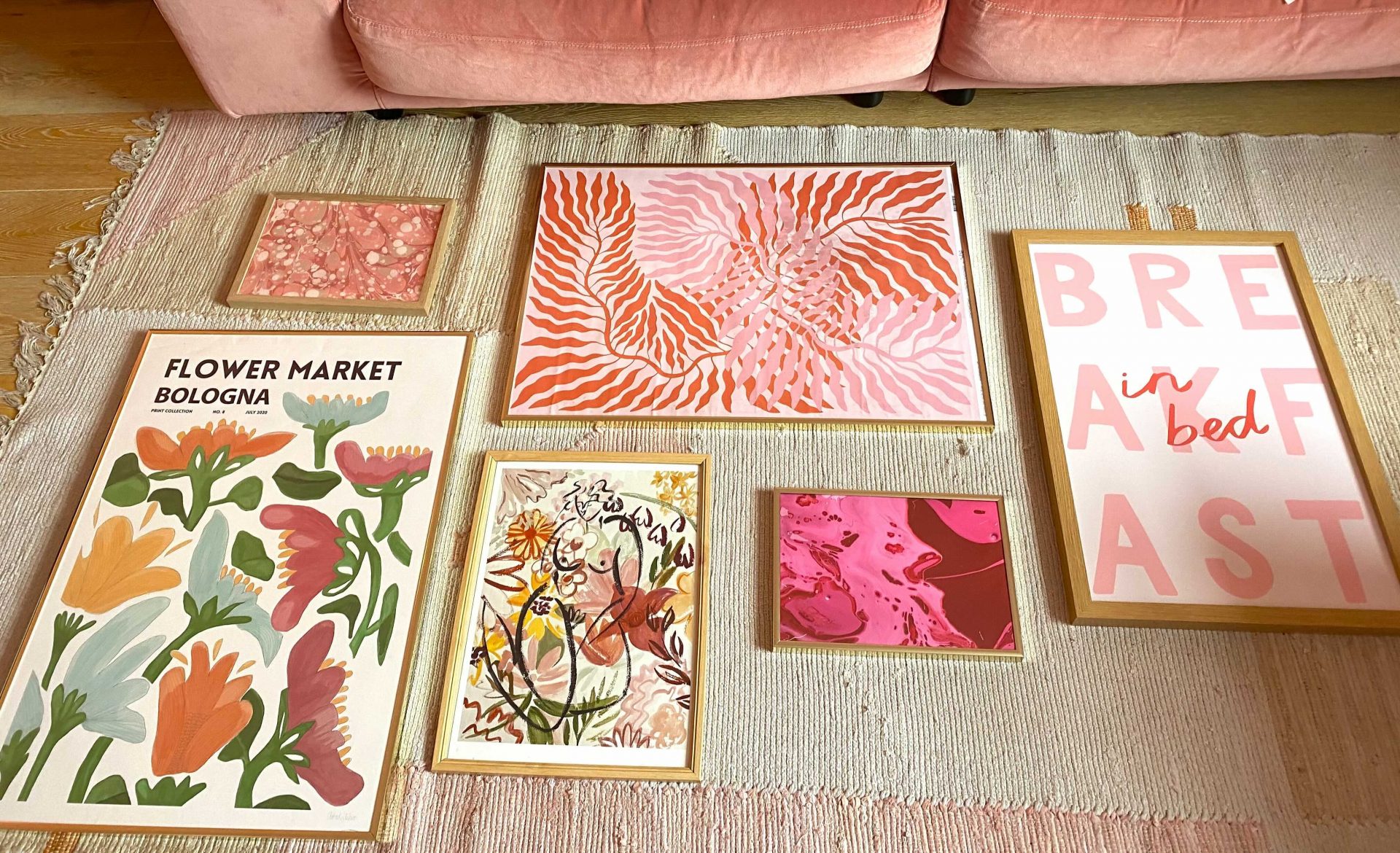
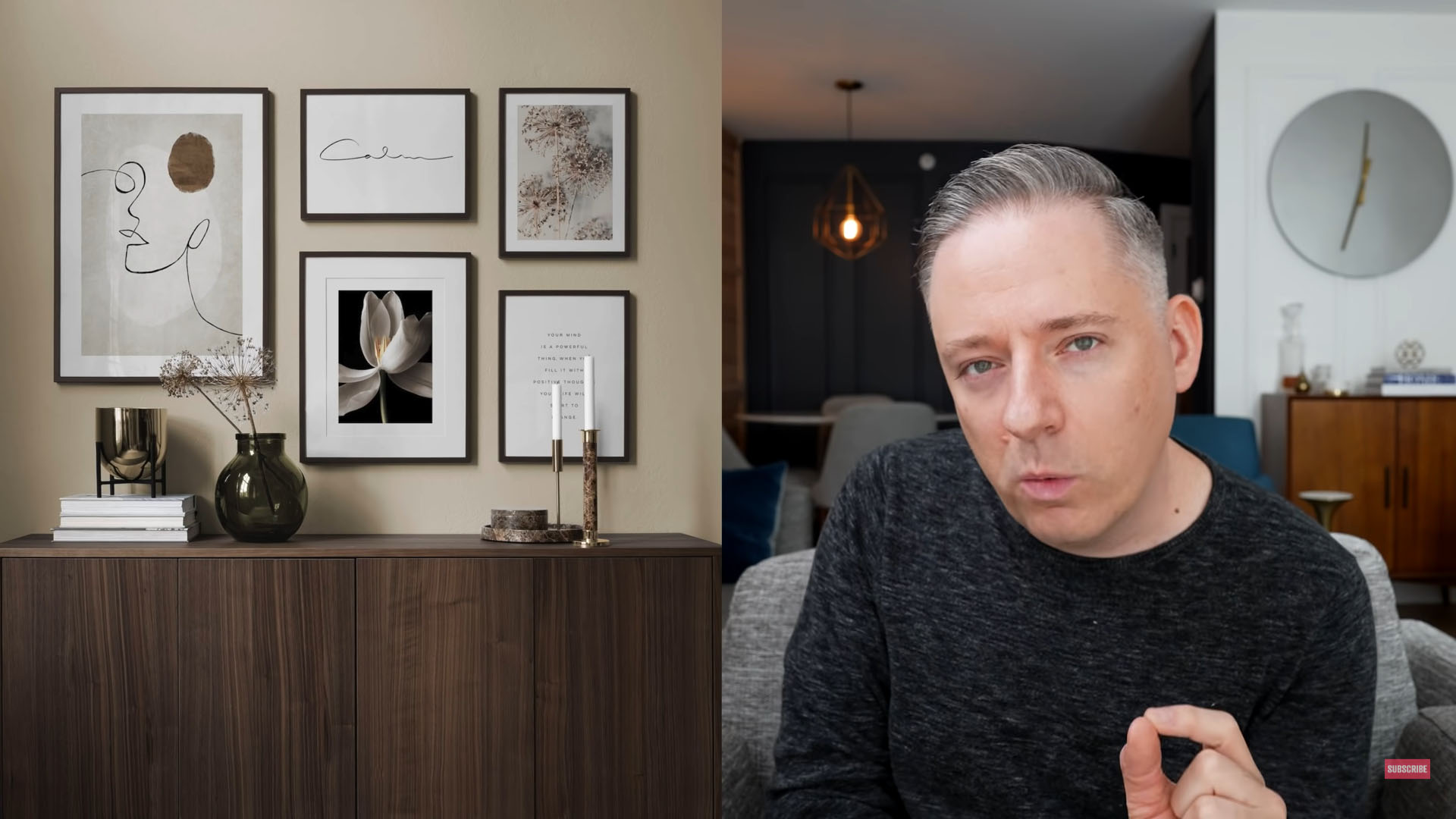
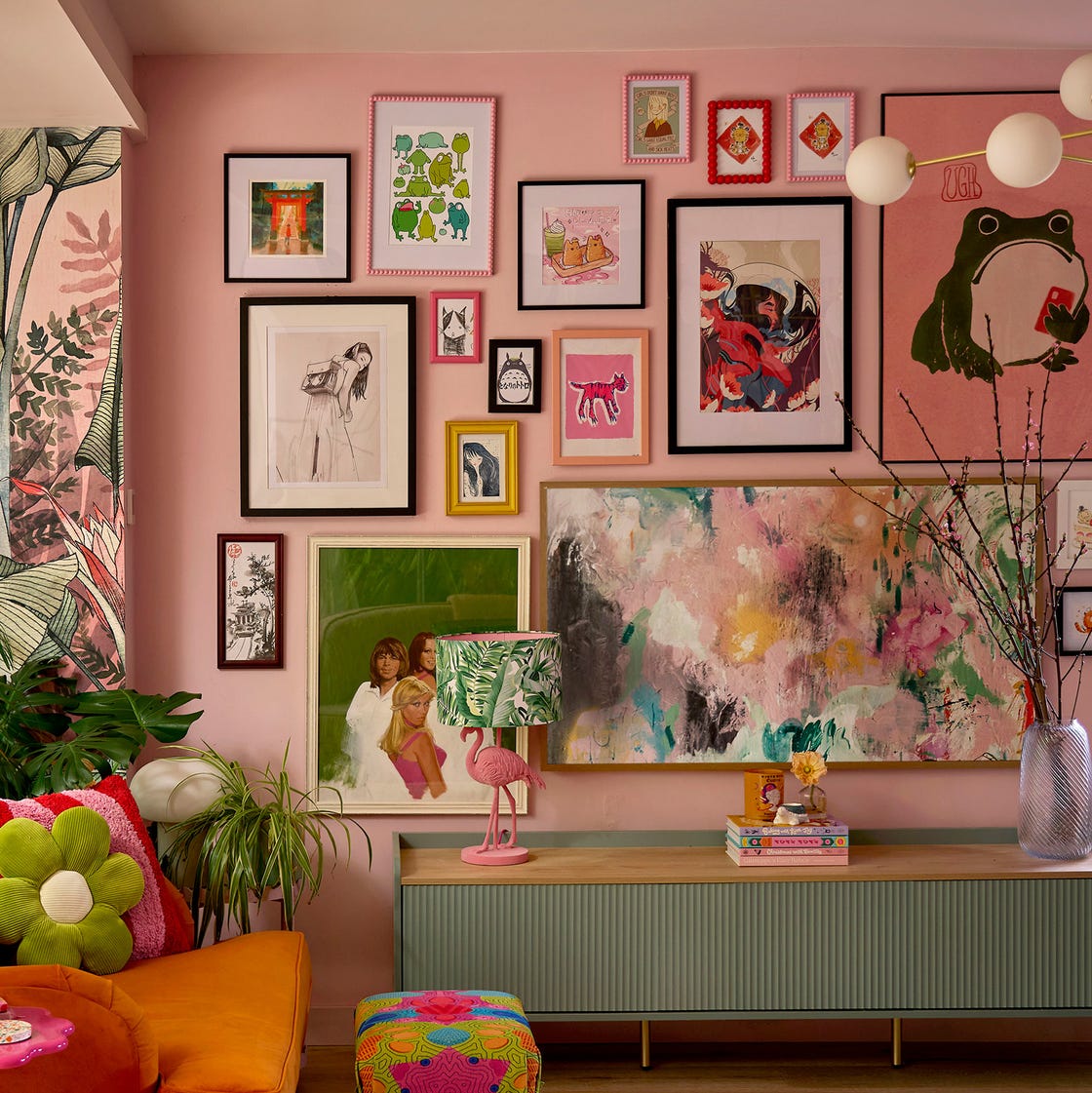
Creating a visually appealing gallery wall requires careful planning and attention to detail to avoid a cluttered or tacky appearance. Interior design expert Nick Lewis emphasizes the importance of a holistic approach, where individual pieces contribute to the overall aesthetic rather than standing alone. A key recommendation is to plan the layout meticulously before hanging anything, mapping out the placement and spacing of each object to ensure a cohesive look. This pre-planning helps prevent a haphazard arrangement and ensures the gallery wall integrates seamlessly with the room's design.
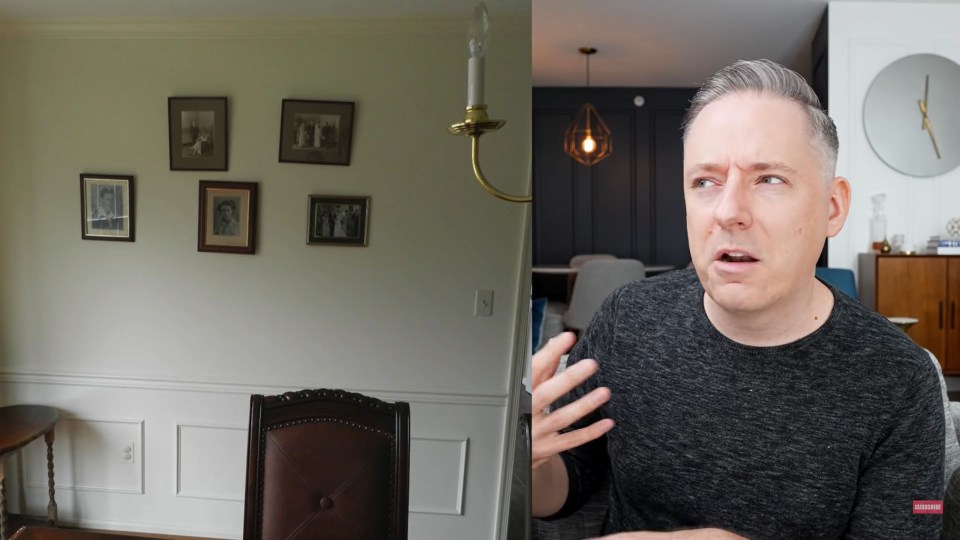
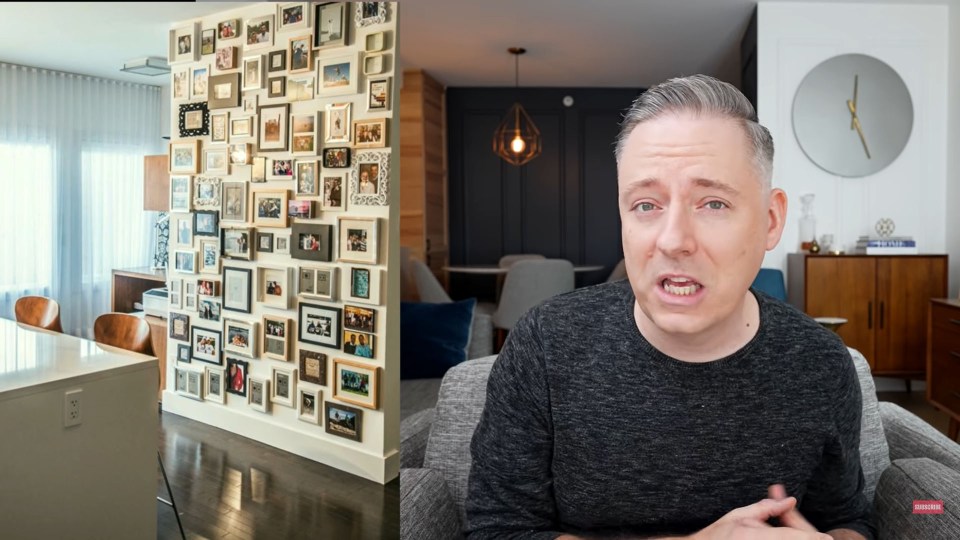
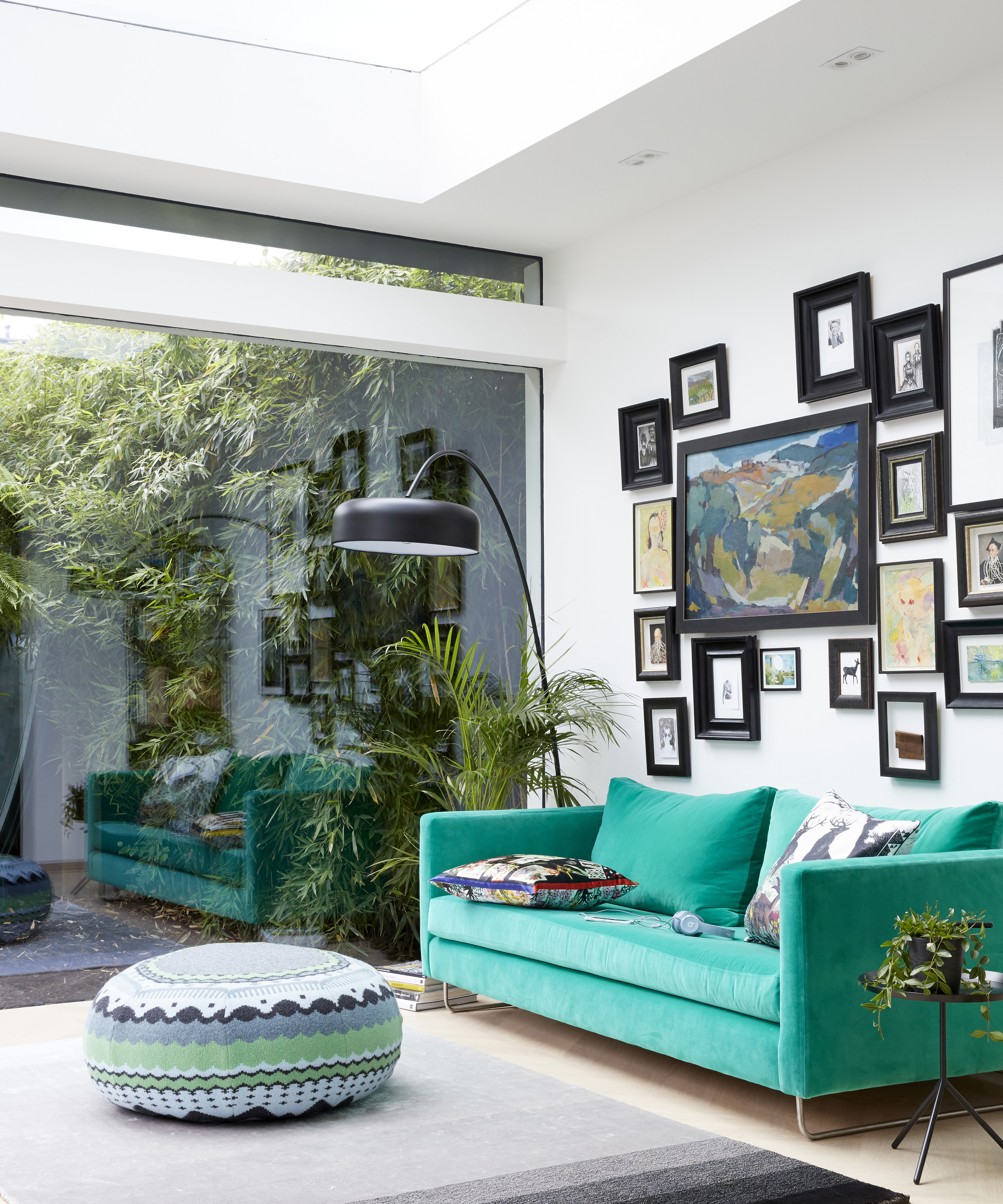
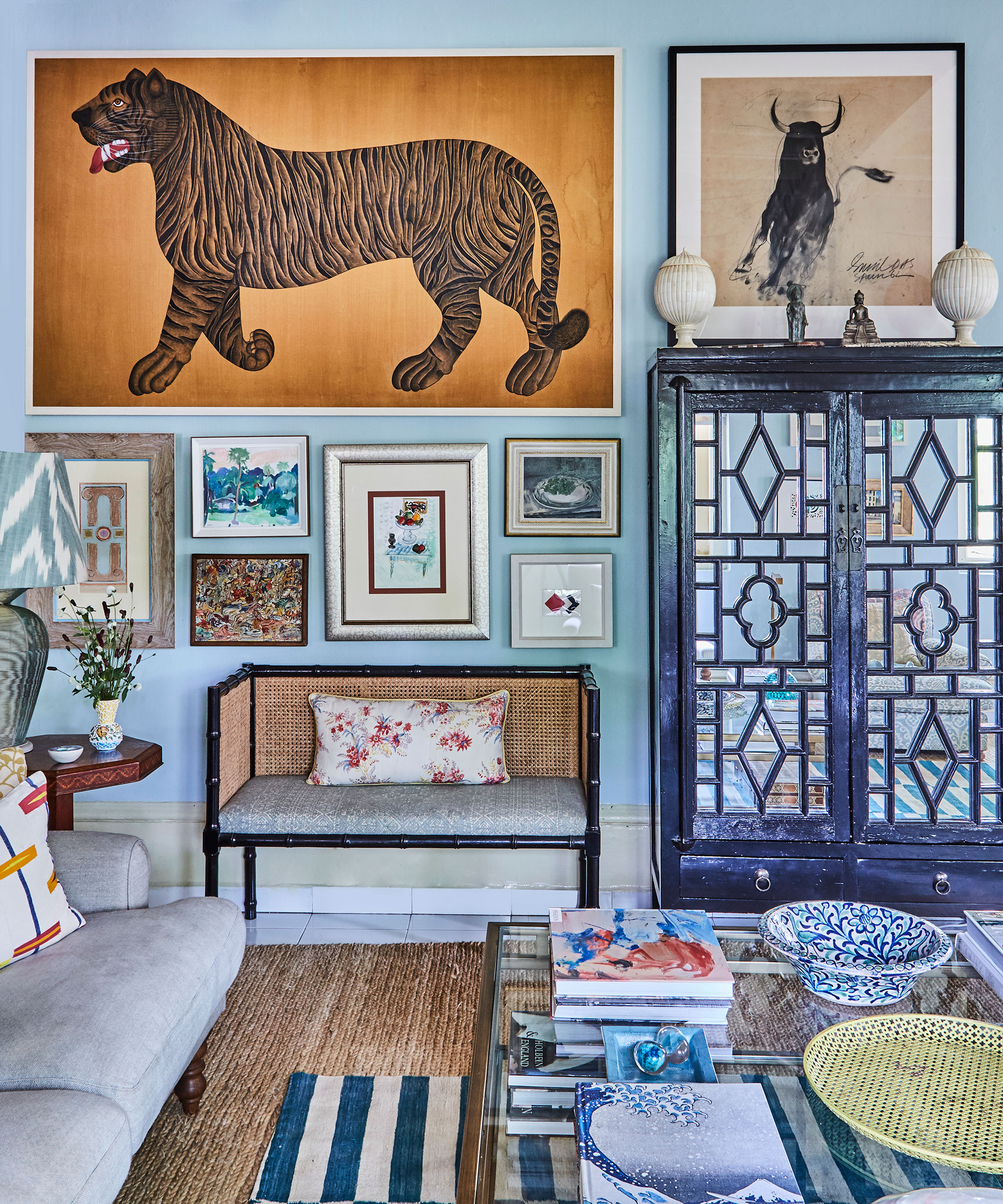
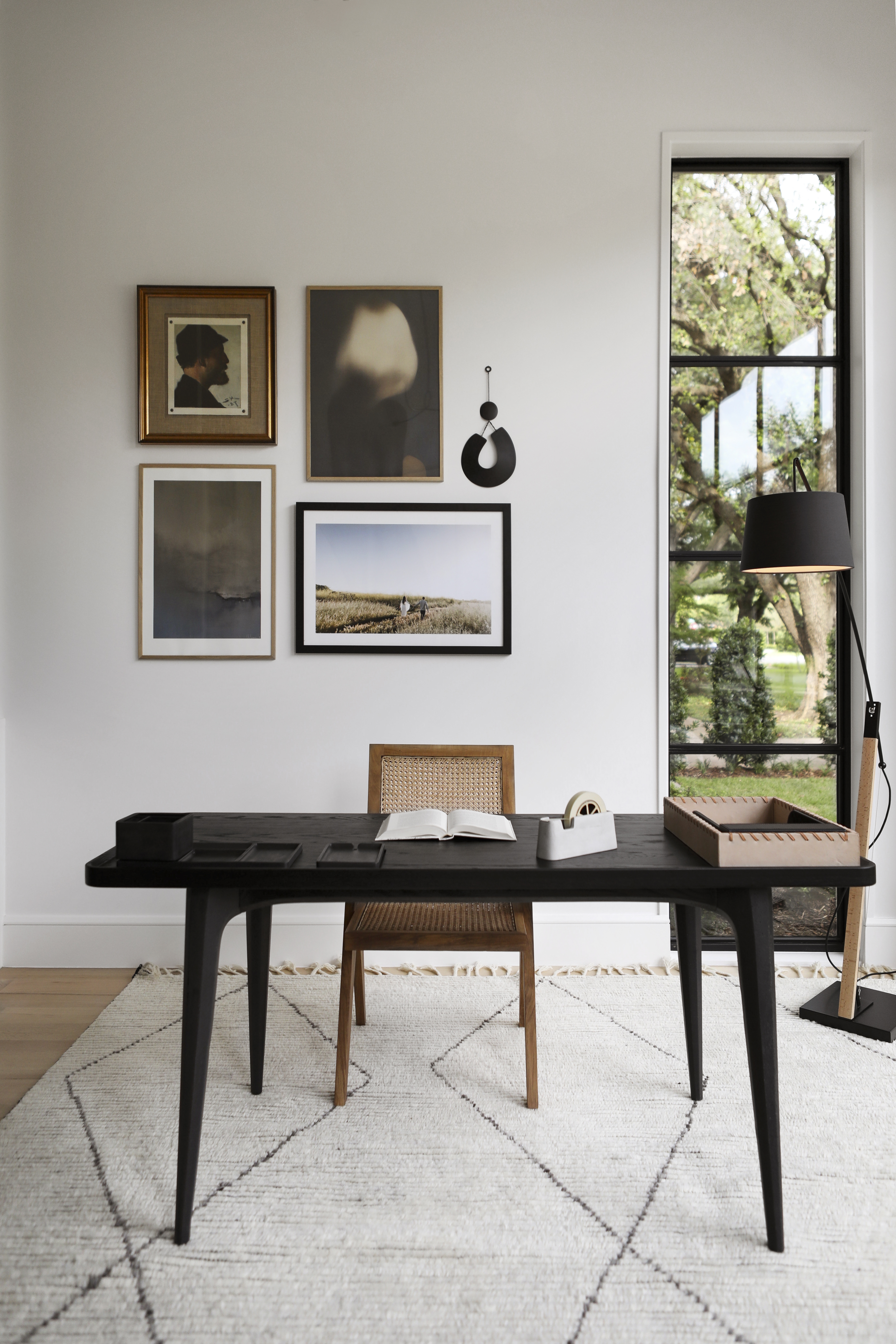
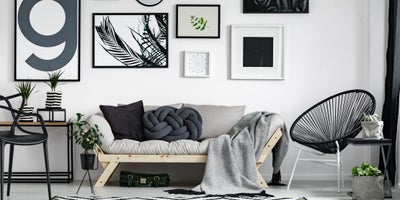
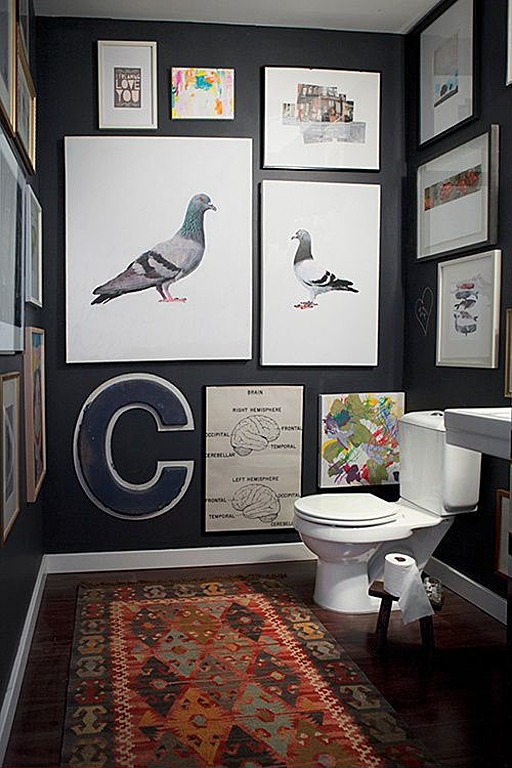
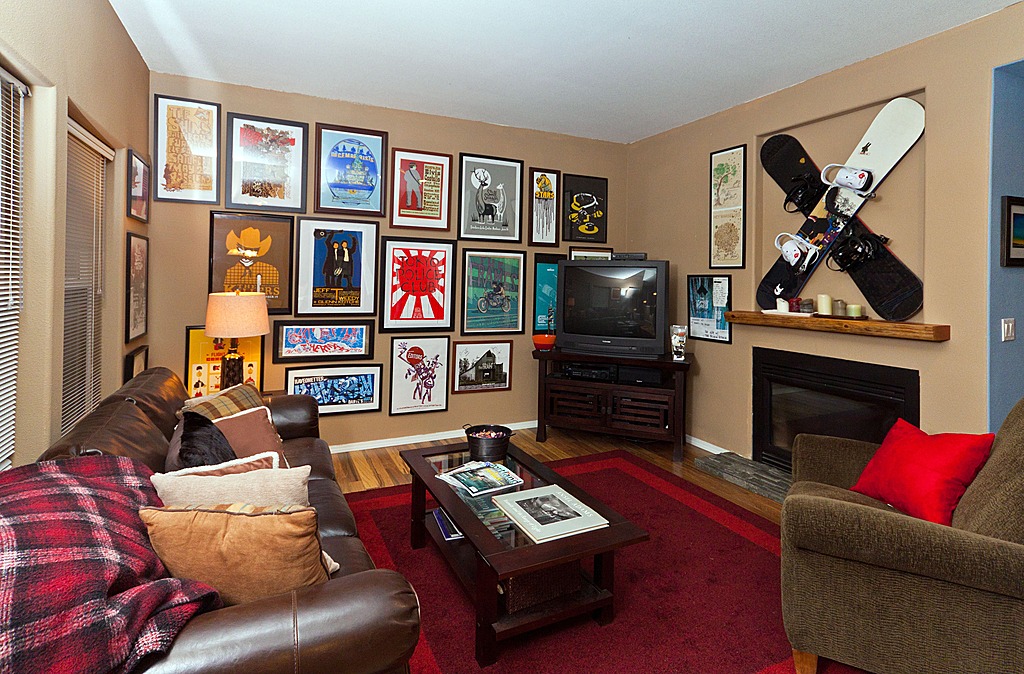
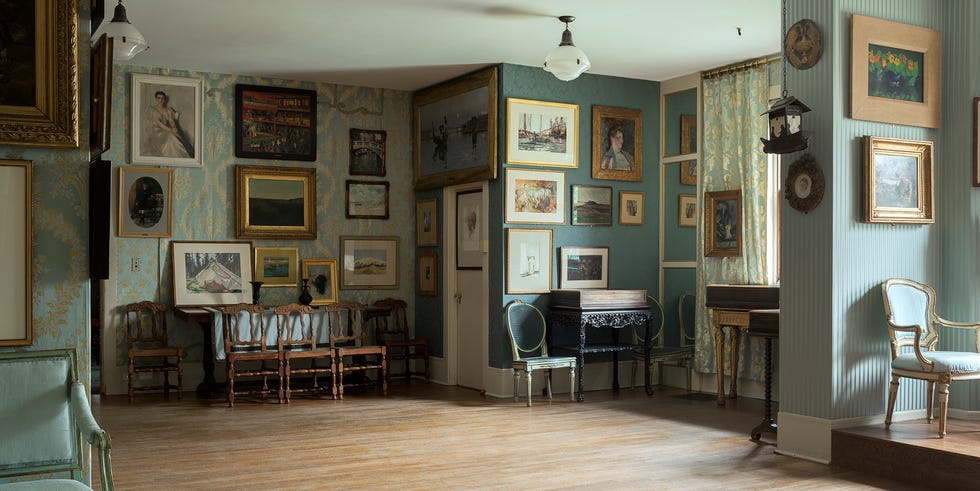
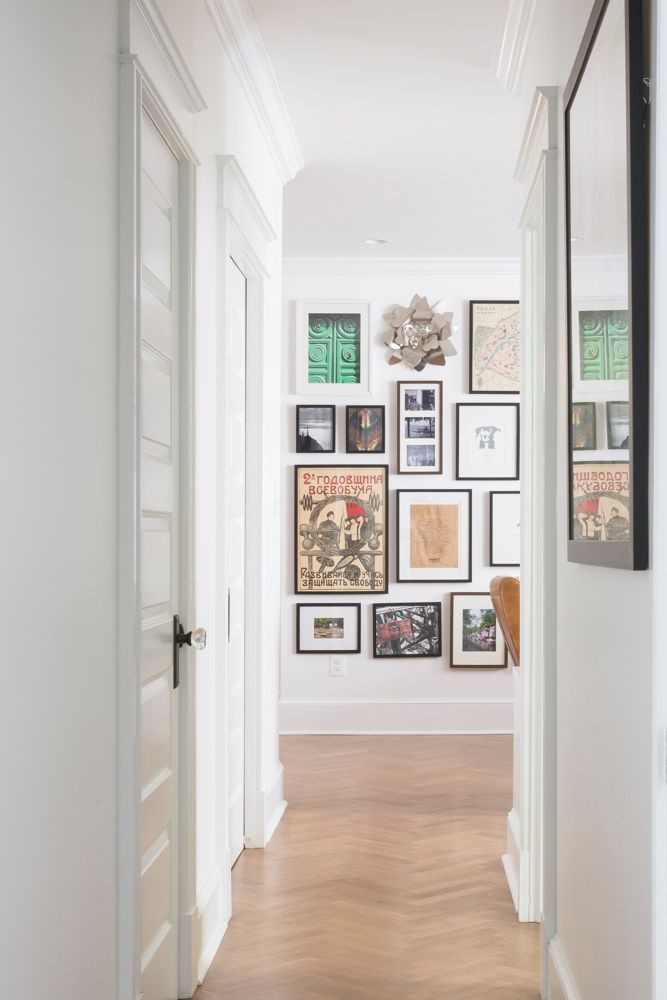
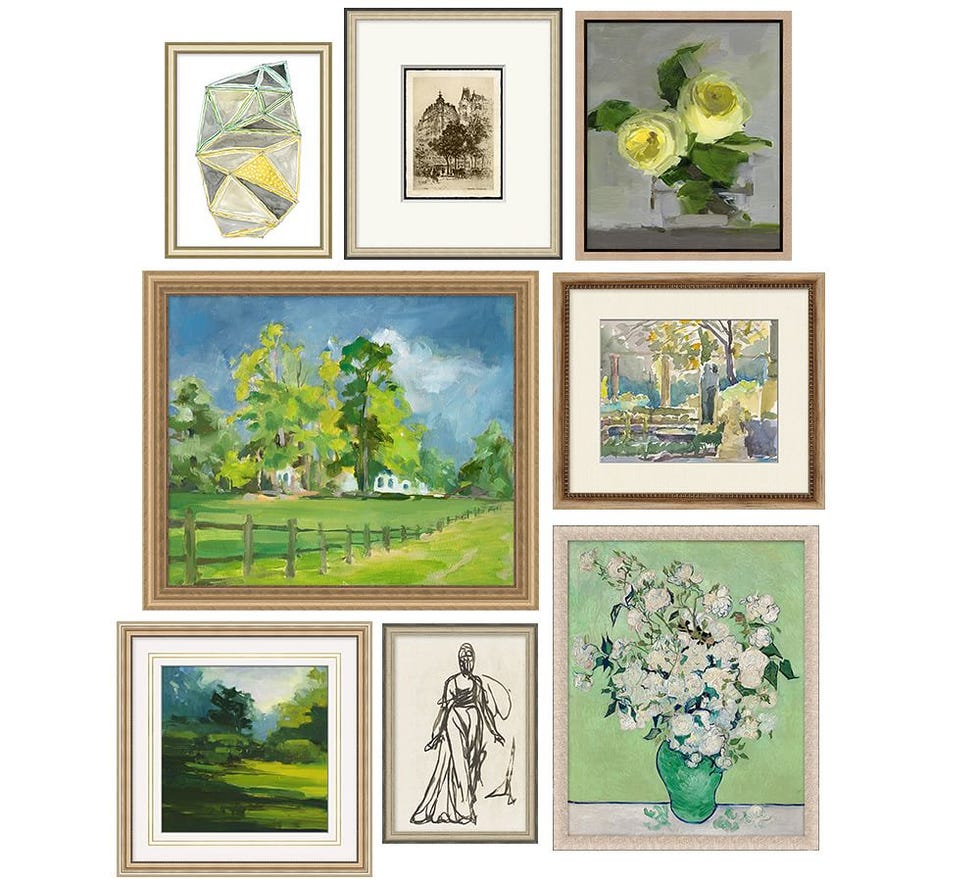
Overcrowding is a common pitfall, and Lewis advises against filling every available space. Instead, he suggests leaving "breathing space" around the gallery wall, ensuring it doesn't extend to the very edges of the chosen wall. The size and scale of the art pieces should correspond to the wall's dimensions; a large wall benefits from fewer, larger pieces rather than numerous small ones that can look chaotic. The goal is to achieve a balanced look that is neither too sparse nor too busy.
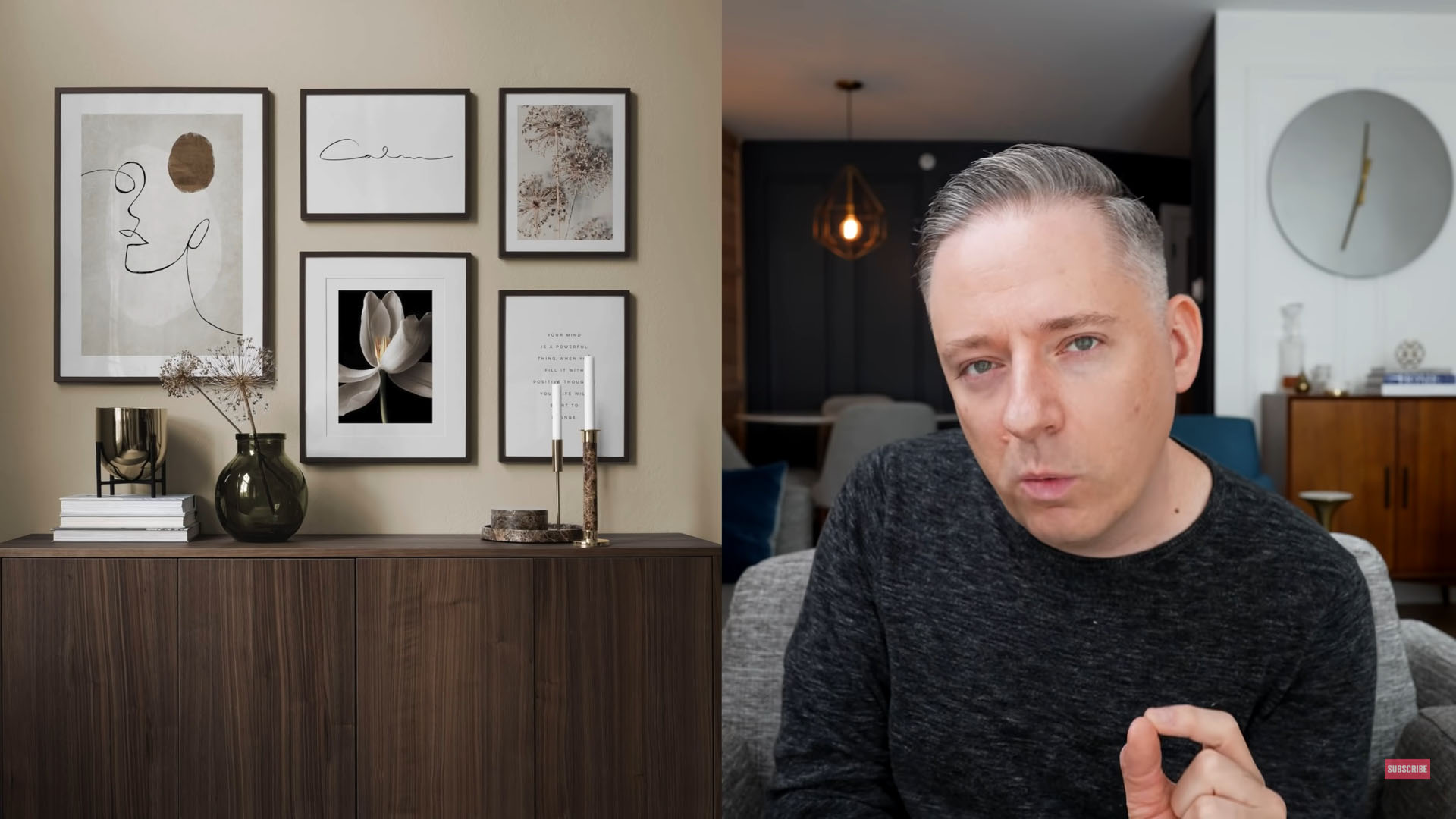
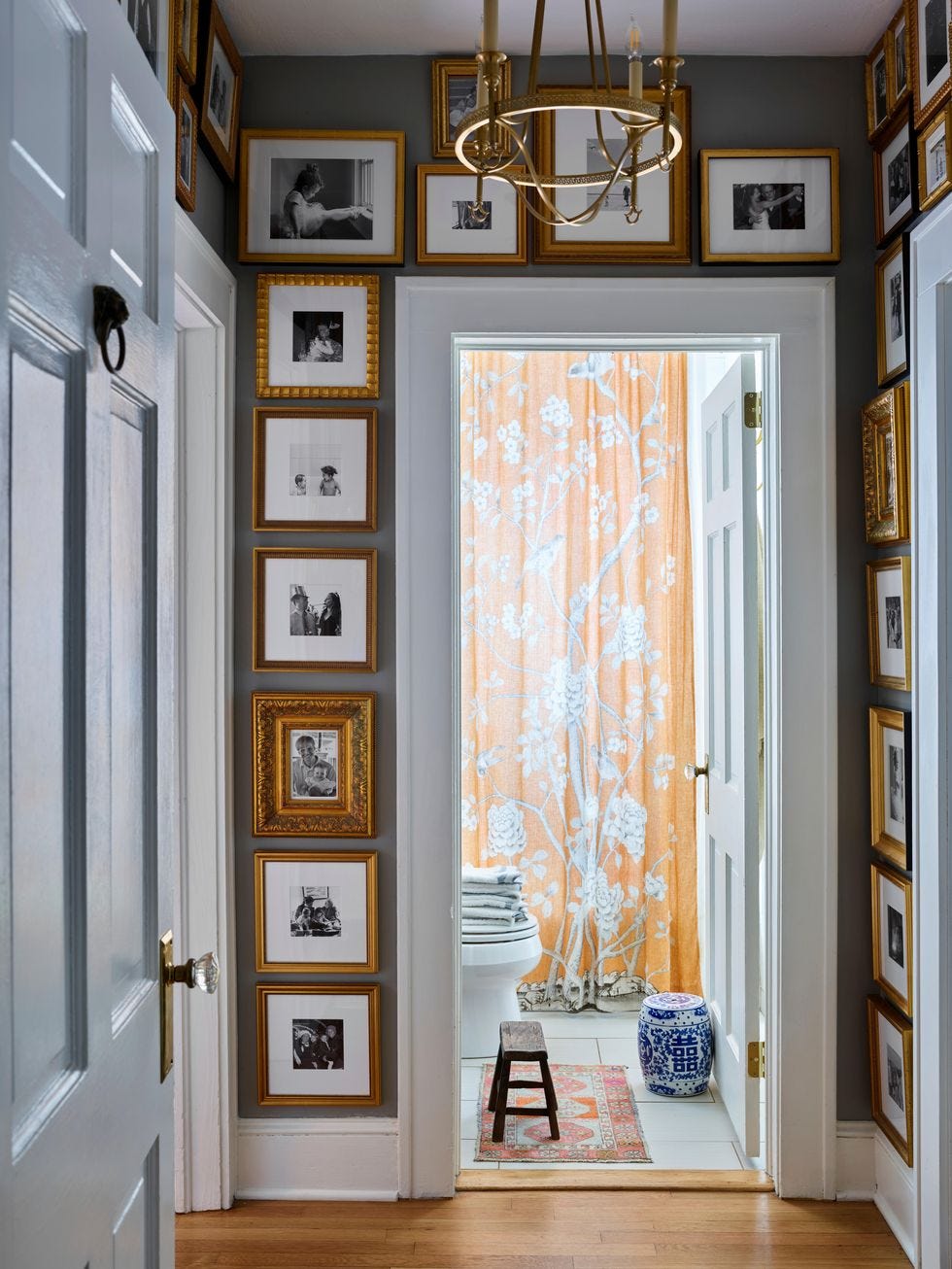
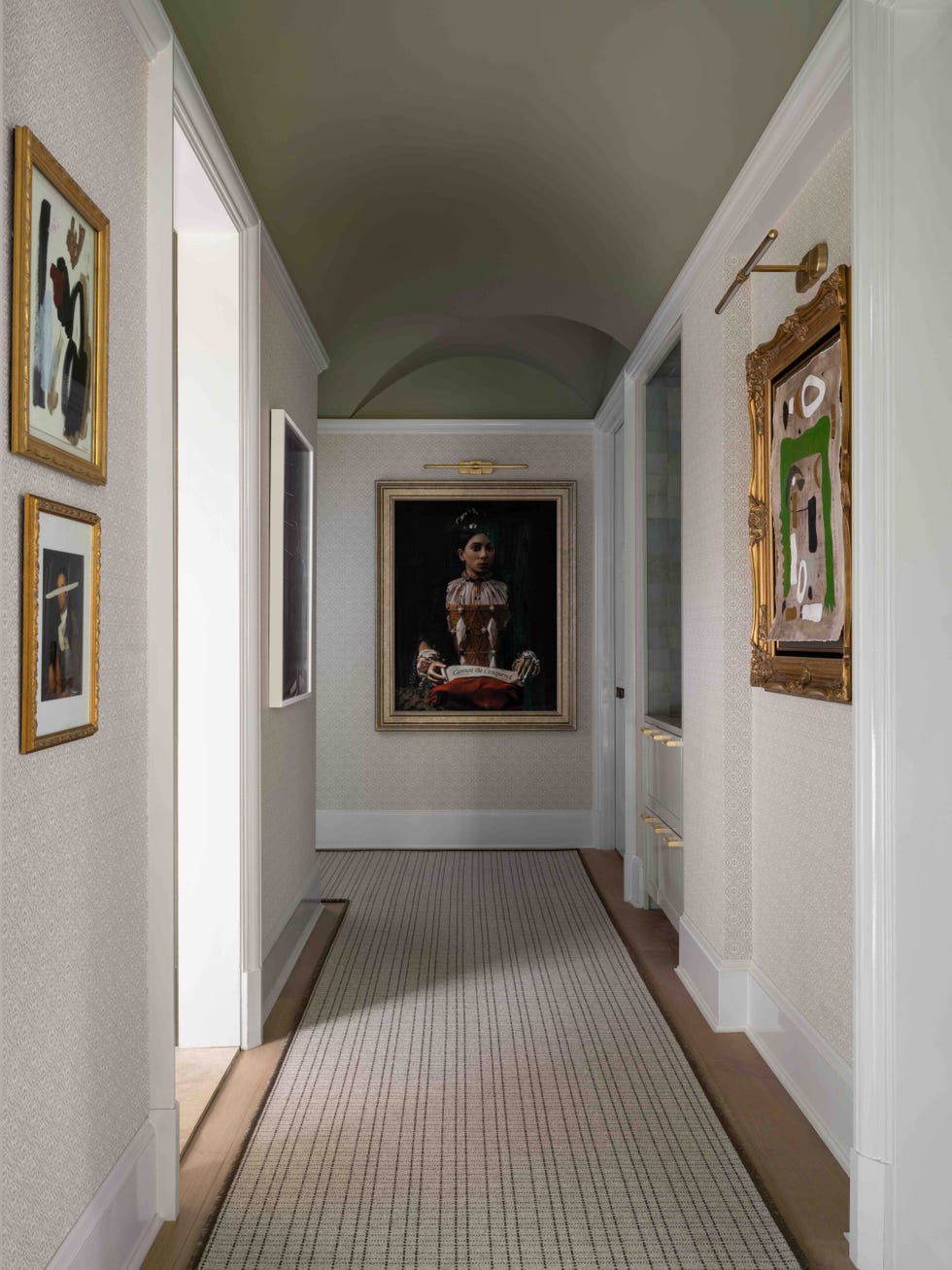
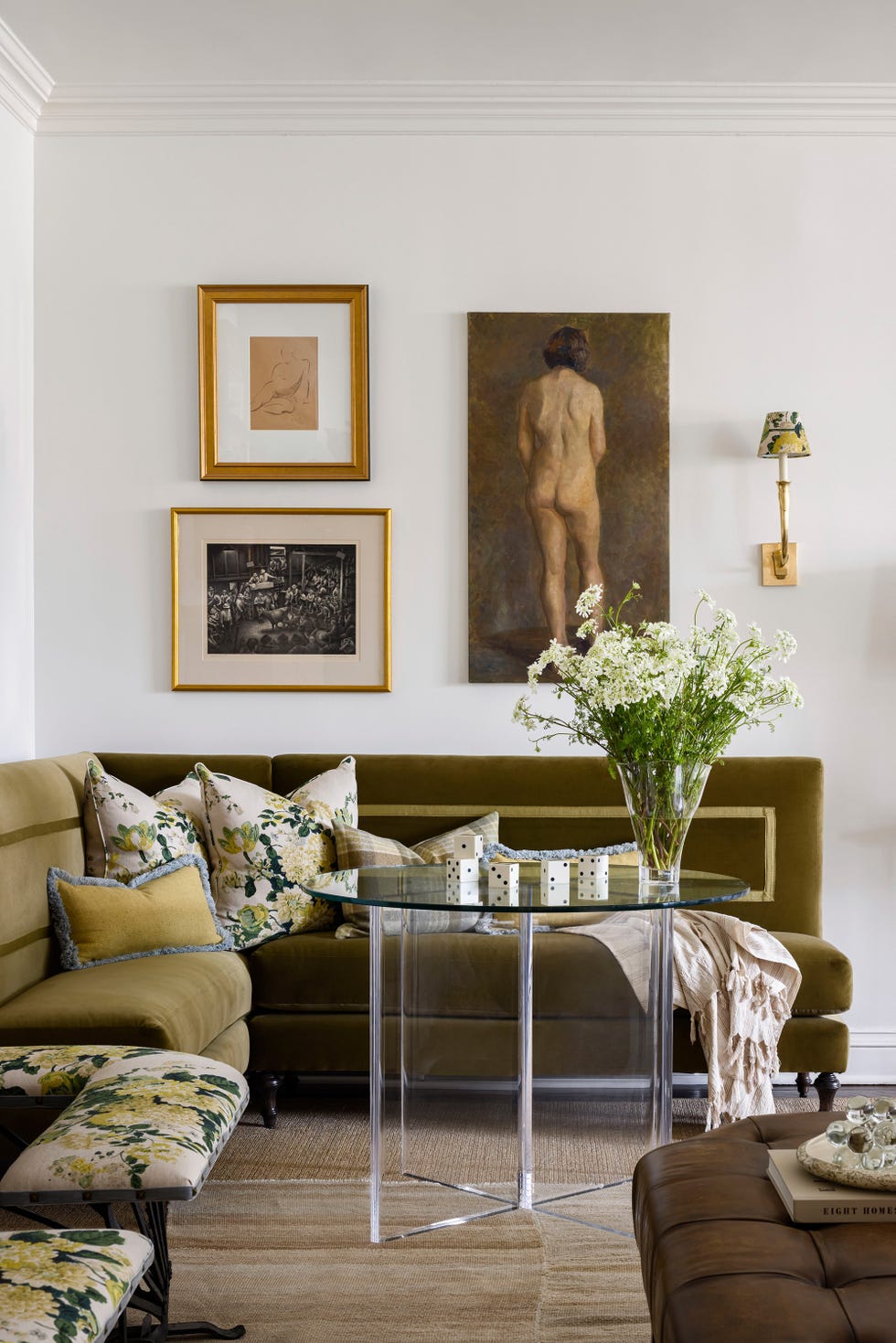
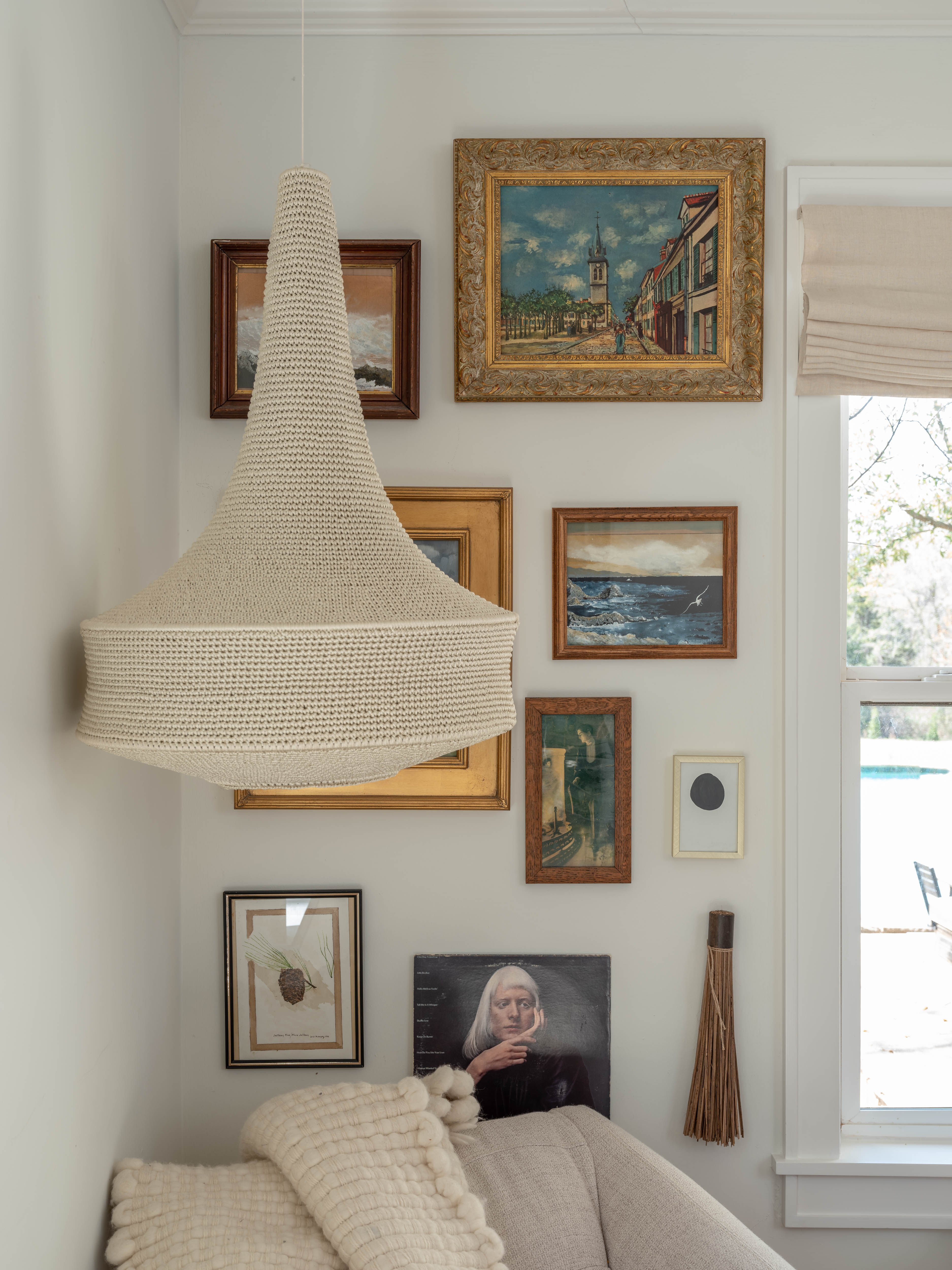
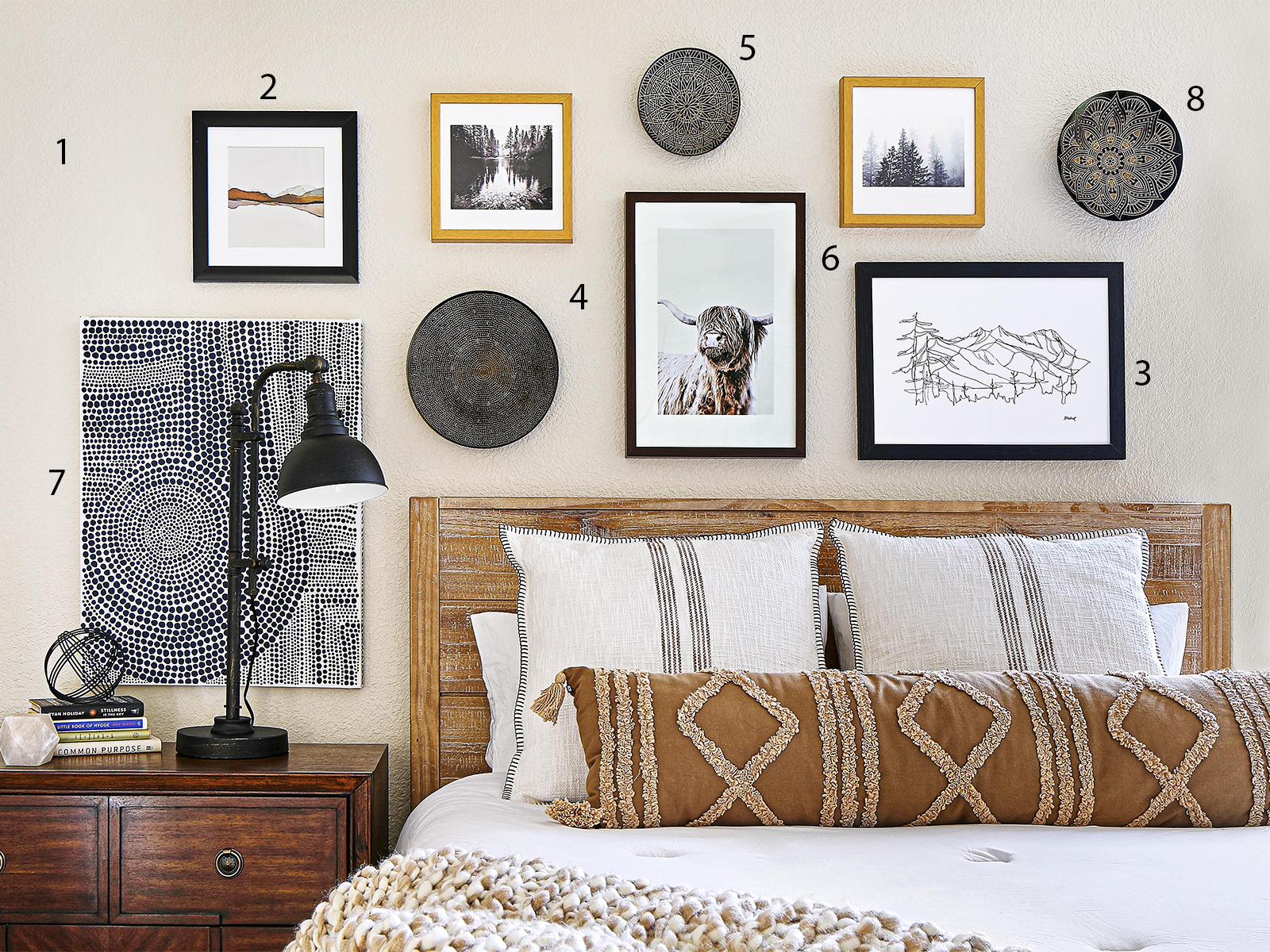
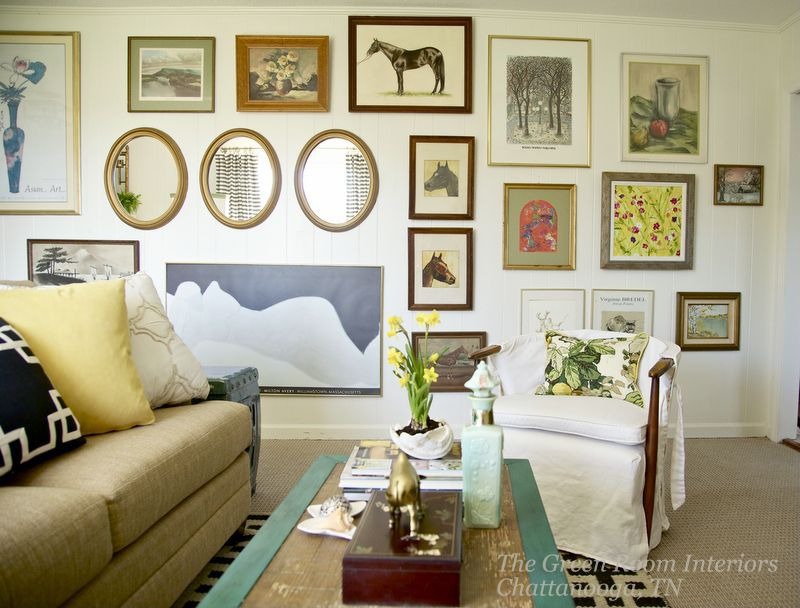
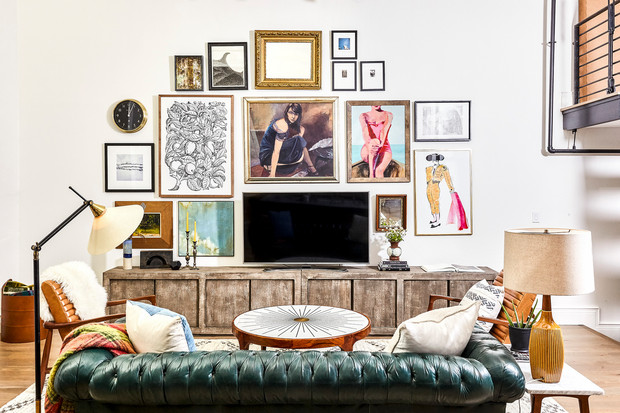
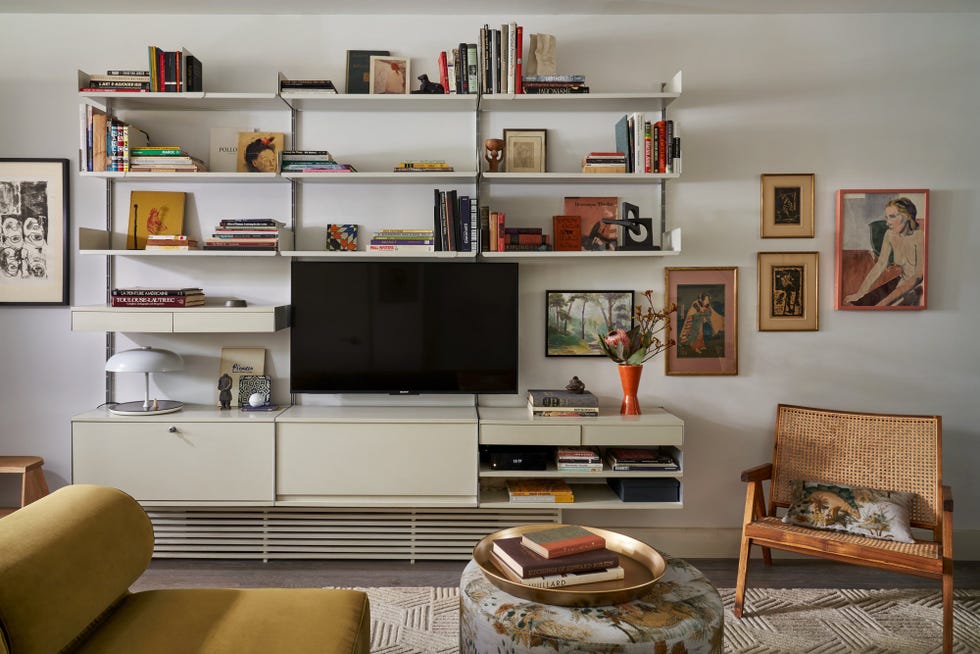
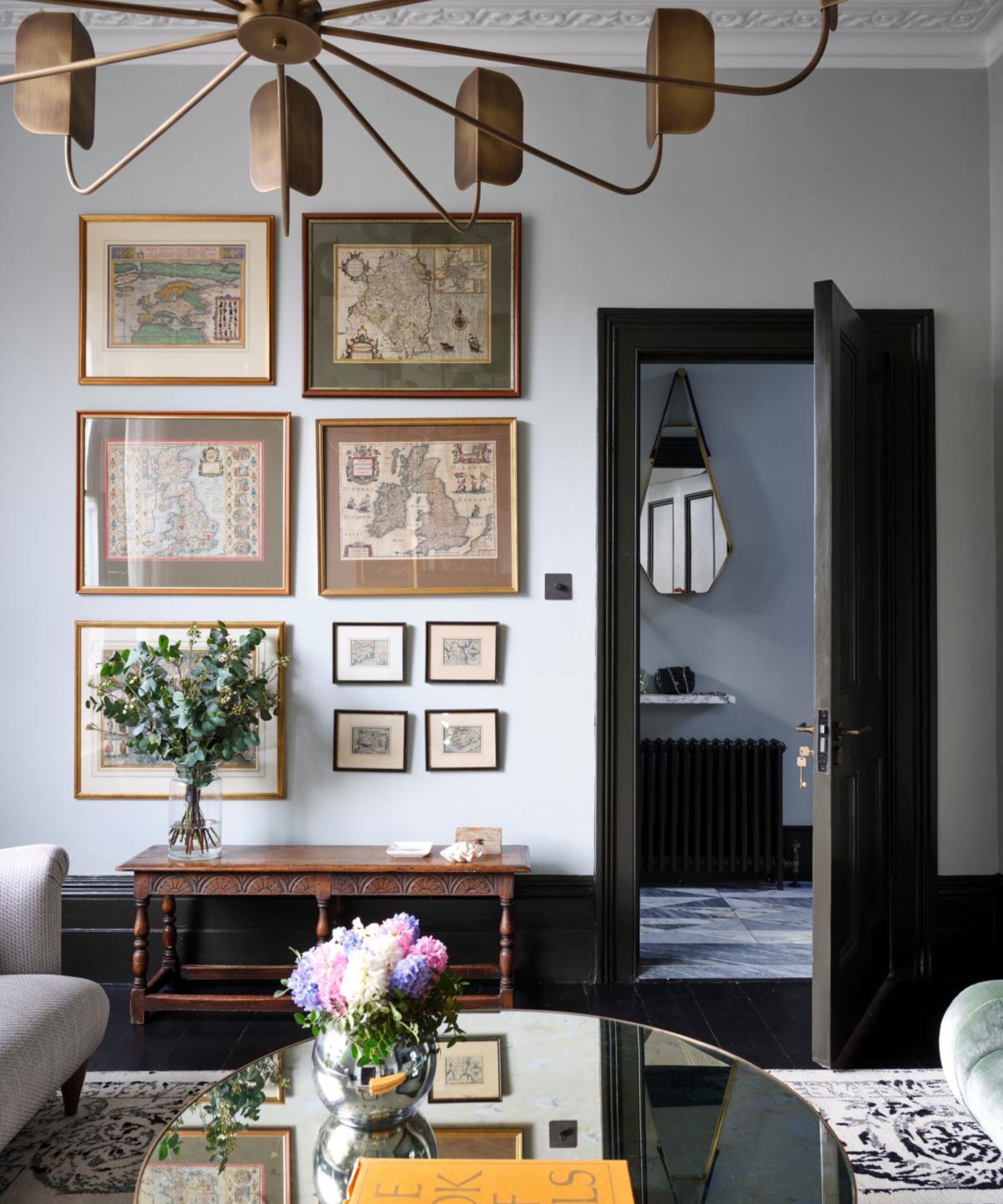
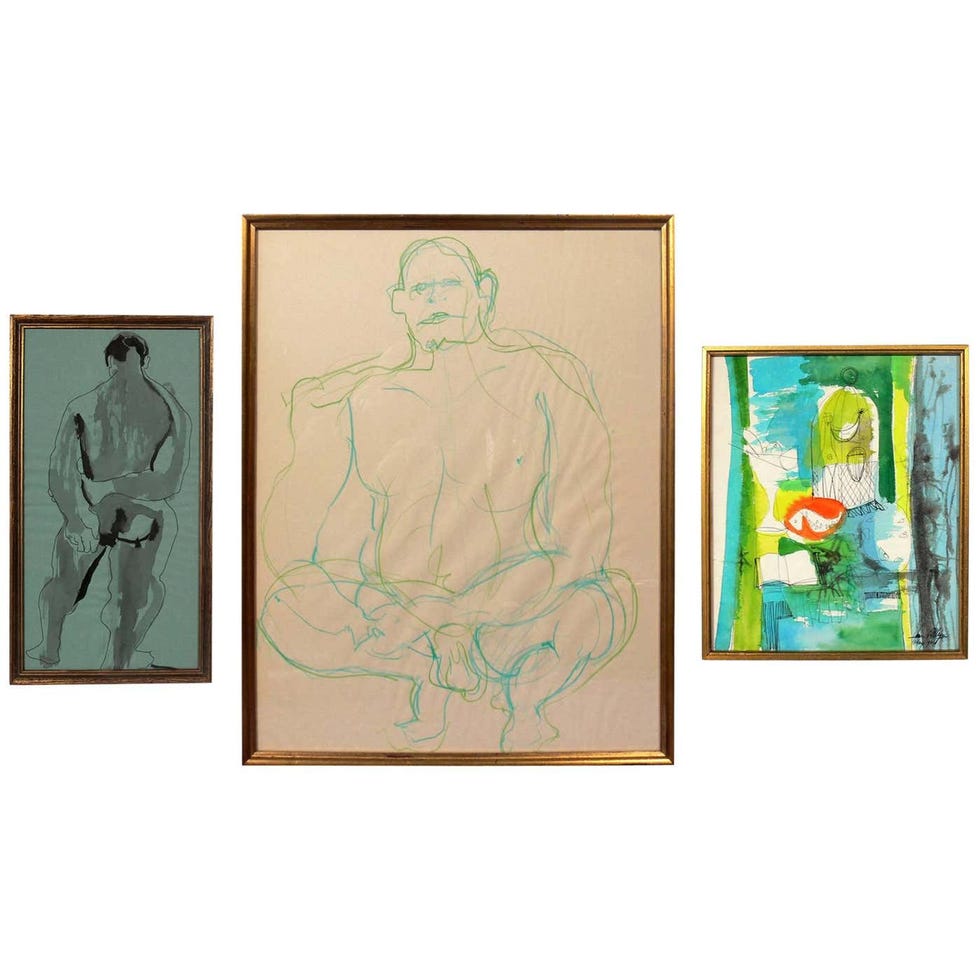
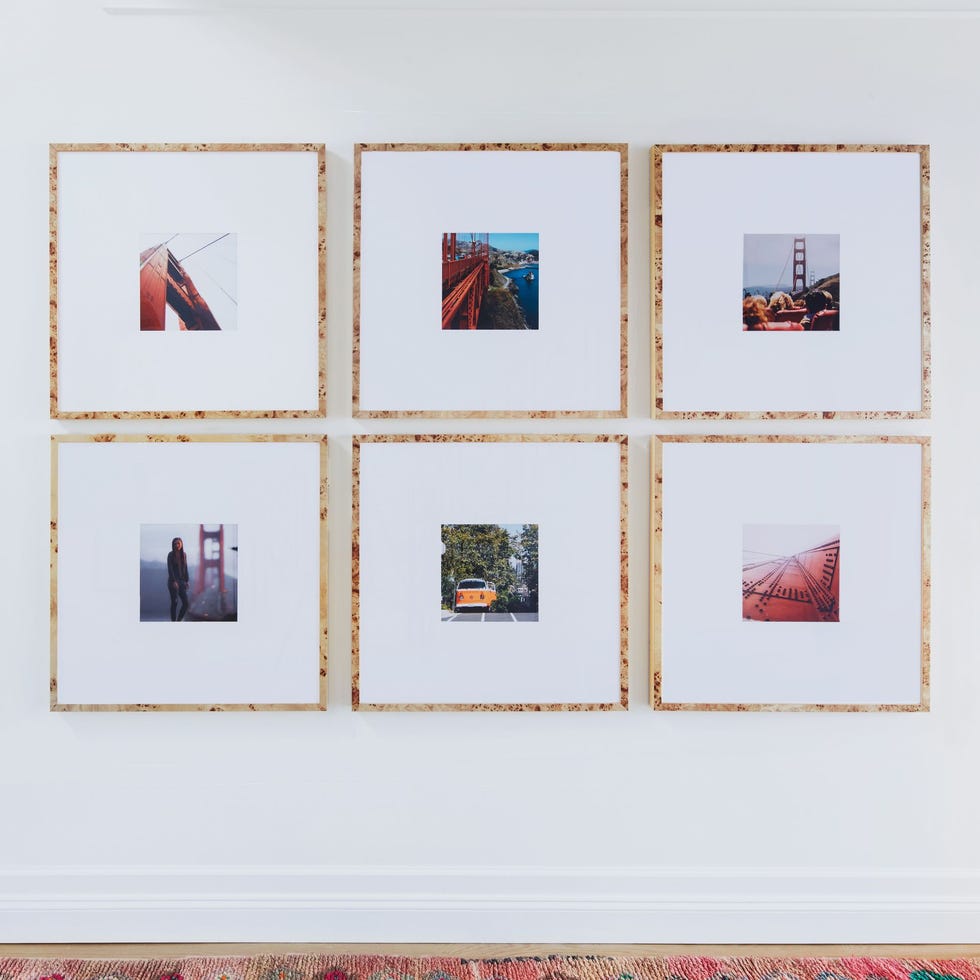
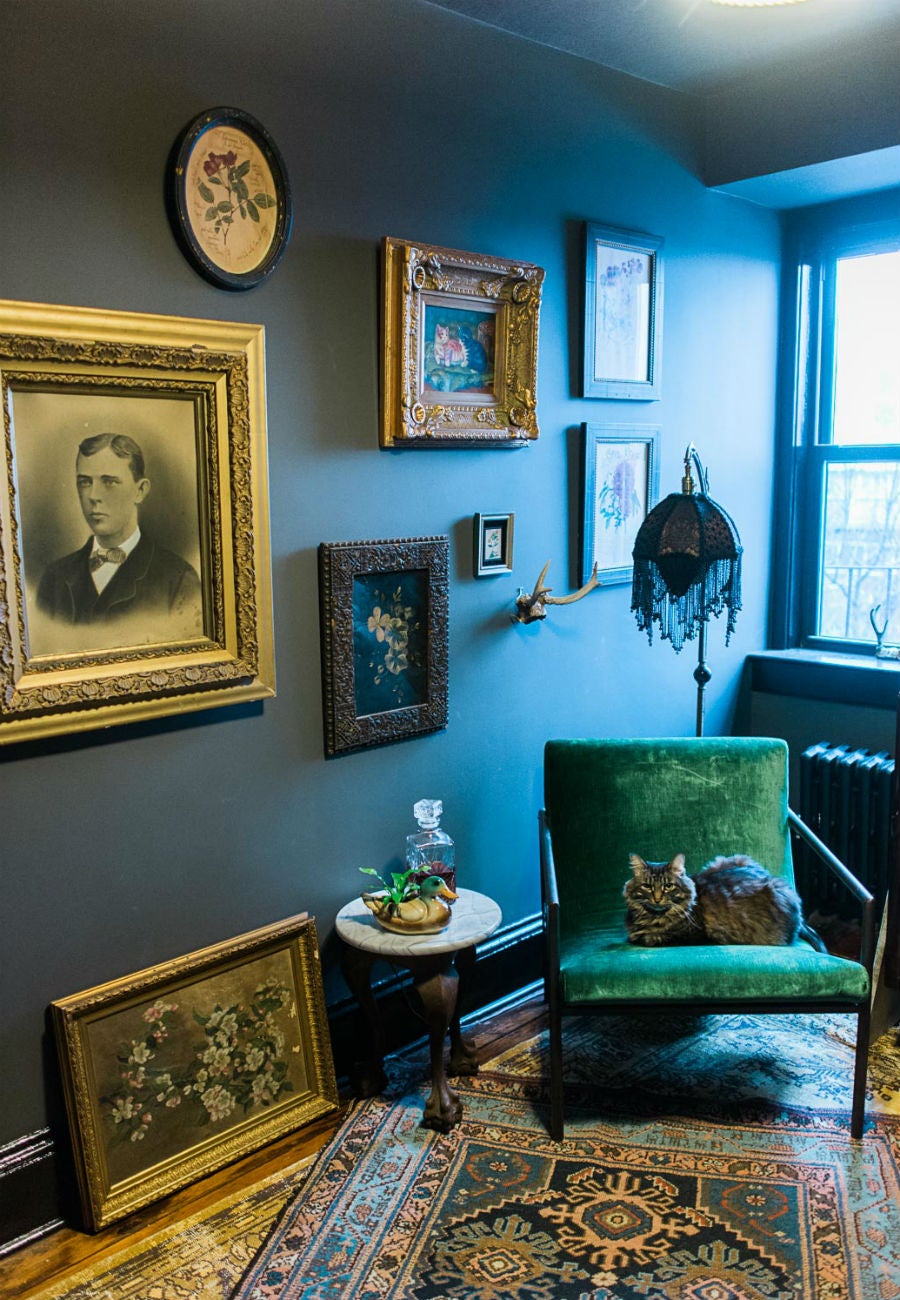
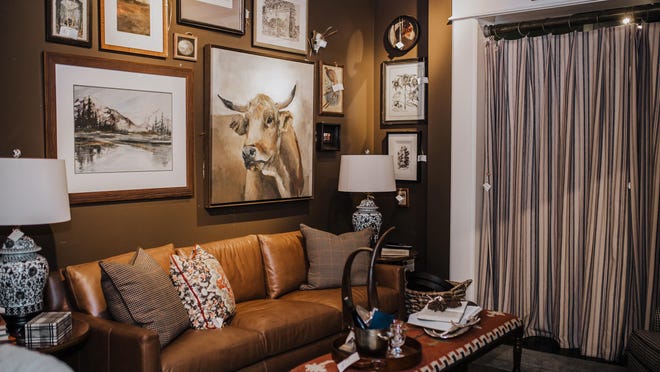
Integrating the gallery wall with the rest of the room's decor is crucial for a harmonious interior. Using consistent frame styles, such as all gold frames to match a gold lamp or wooden frames to complement wooden furniture, can create a unified and less overwhelming visual impact. This approach helps the gallery wall function as an integral part of the room's design, rather than an isolated element. The height at which the gallery wall is hung also plays a significant role. Lewis recommends considering the entire arrangement as a single unit and hanging it at an appropriate eye level, typically five to eight inches above furniture like a sofa, headboard, or sideboard, to prevent it from looking out of place or disproportionate.
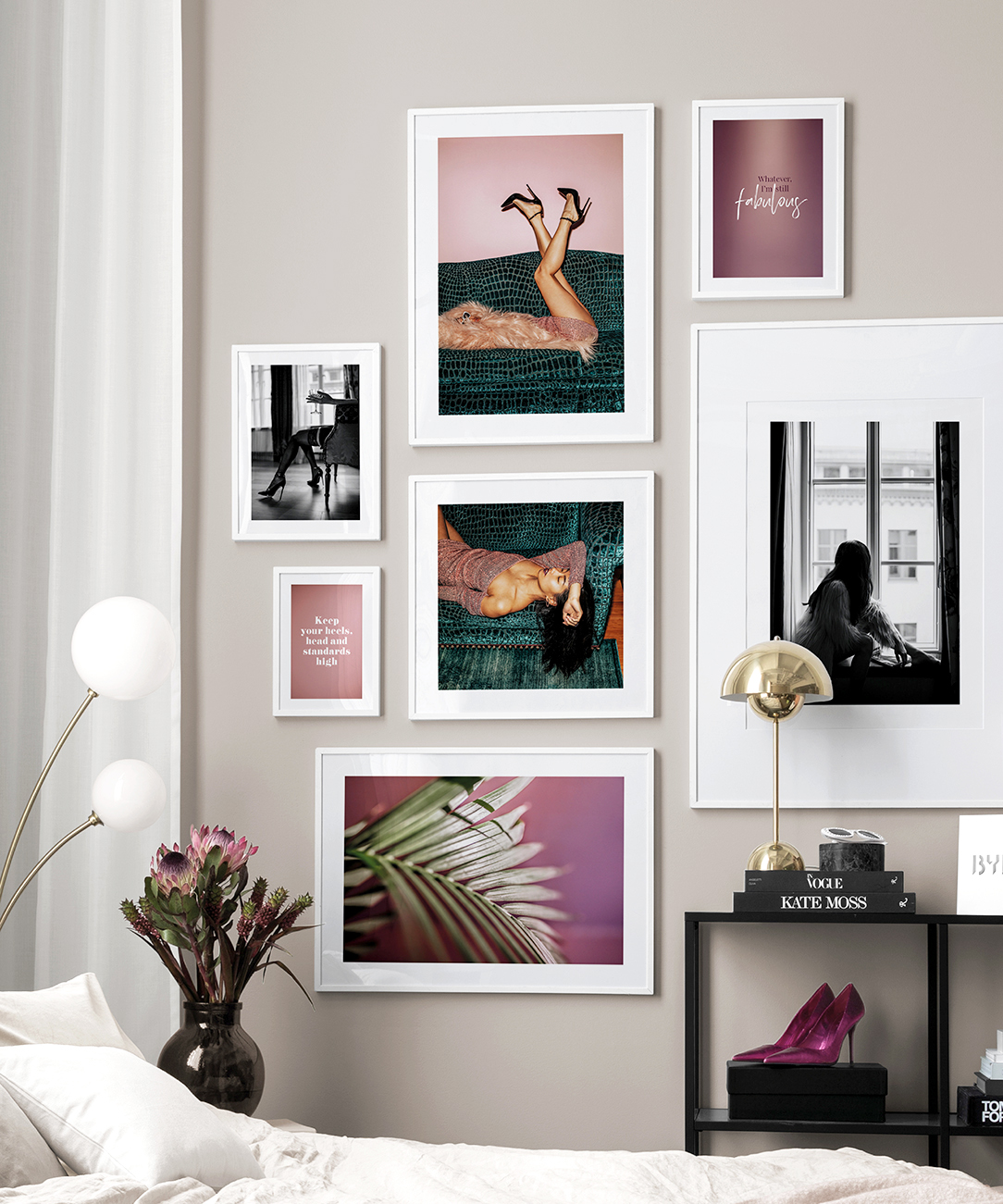
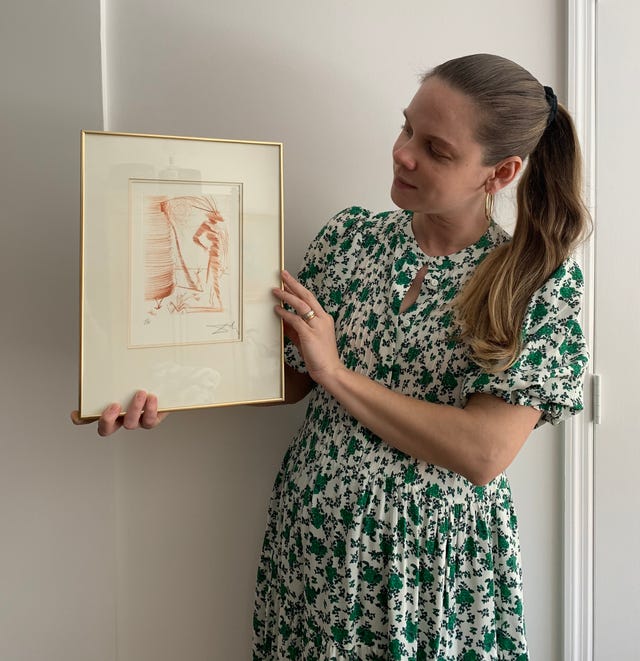
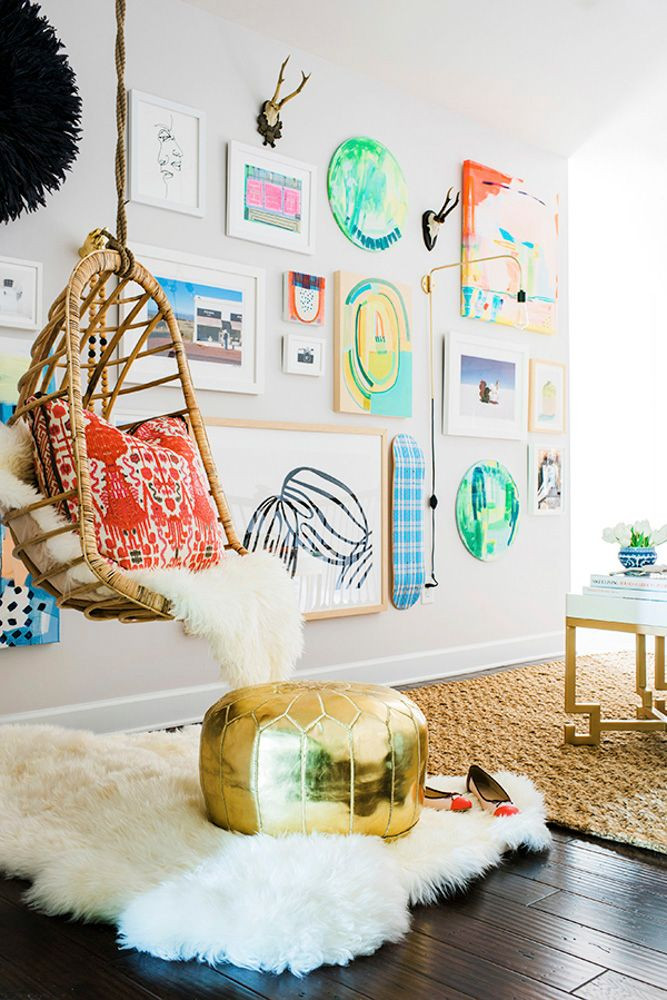
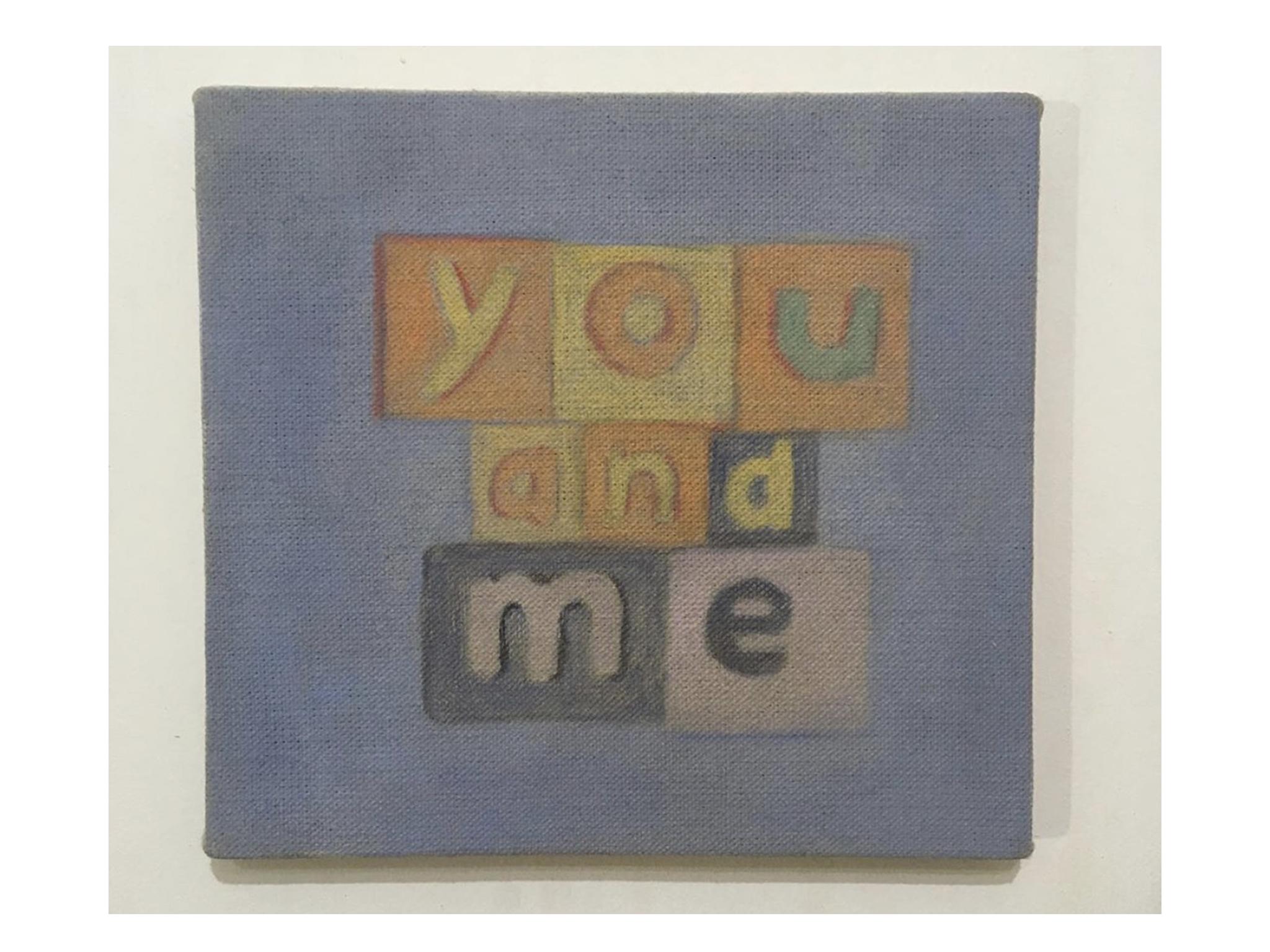
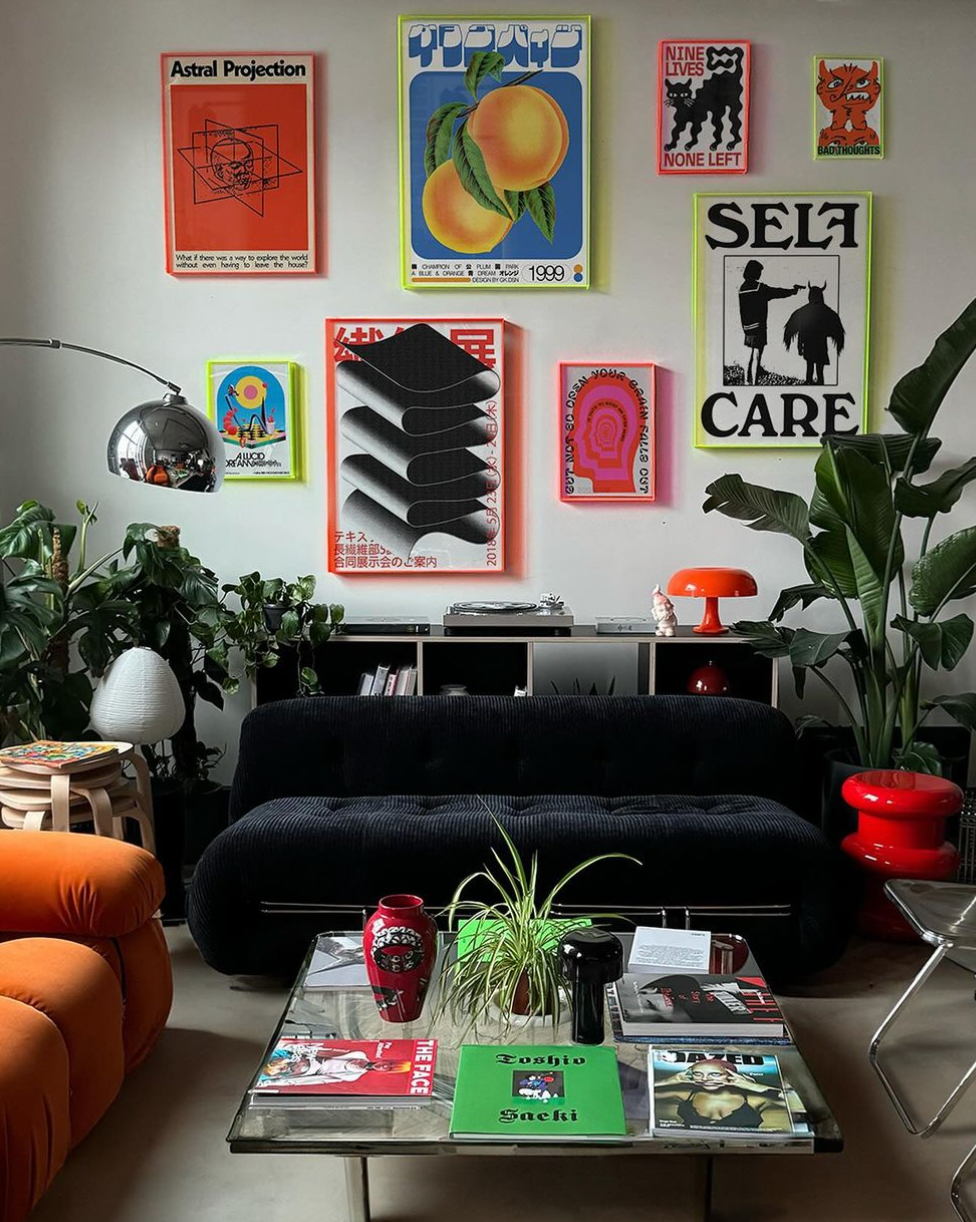
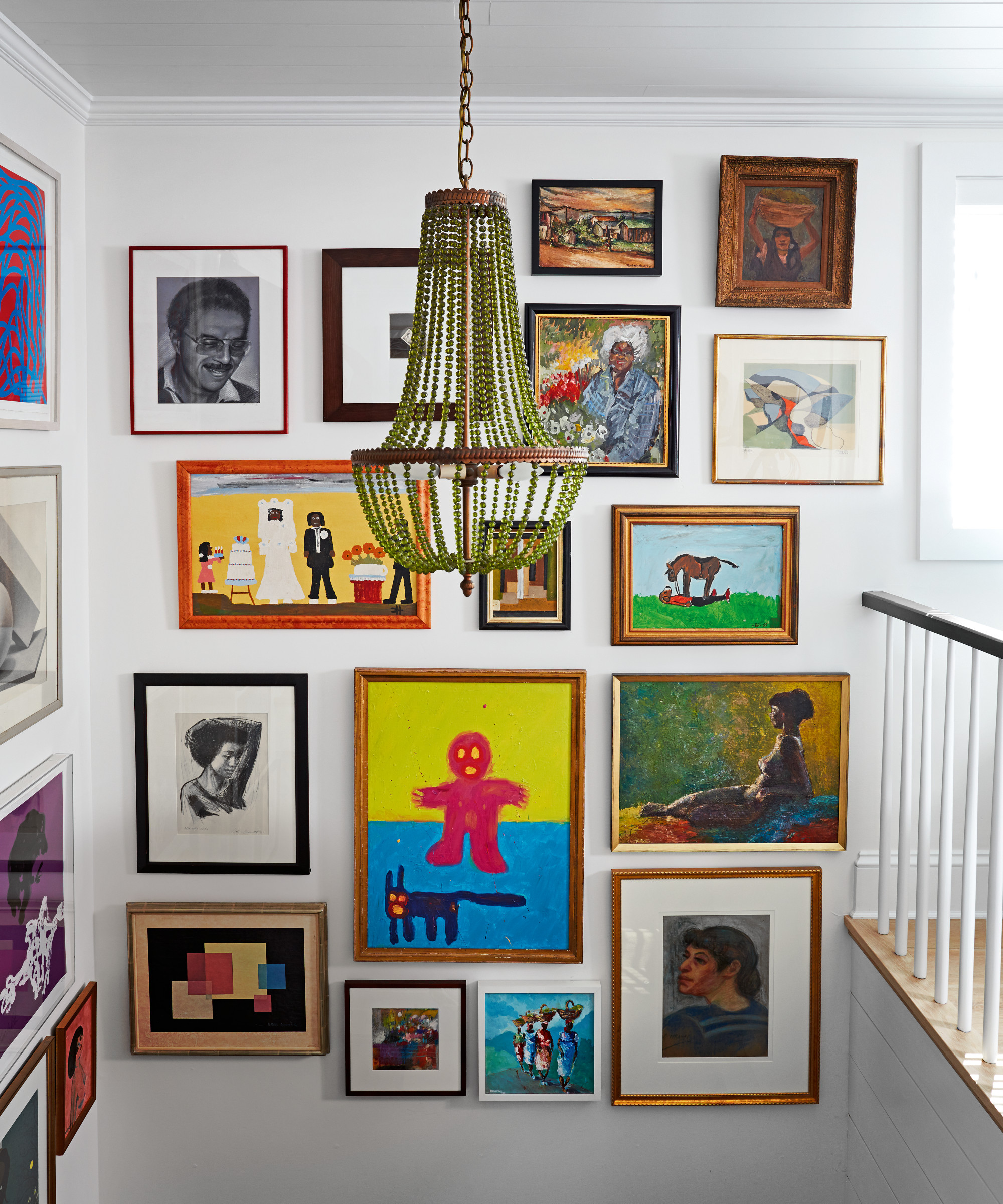
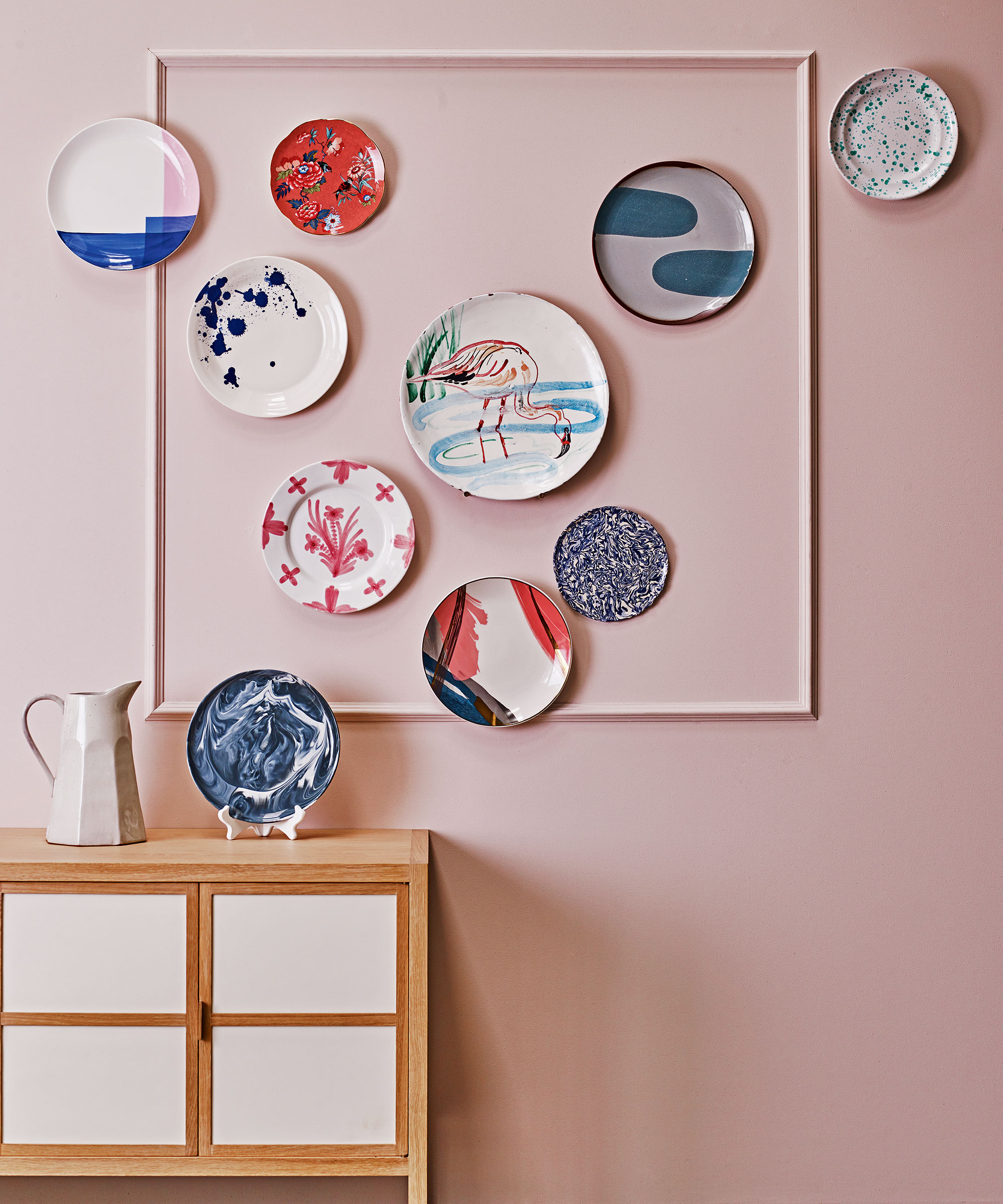
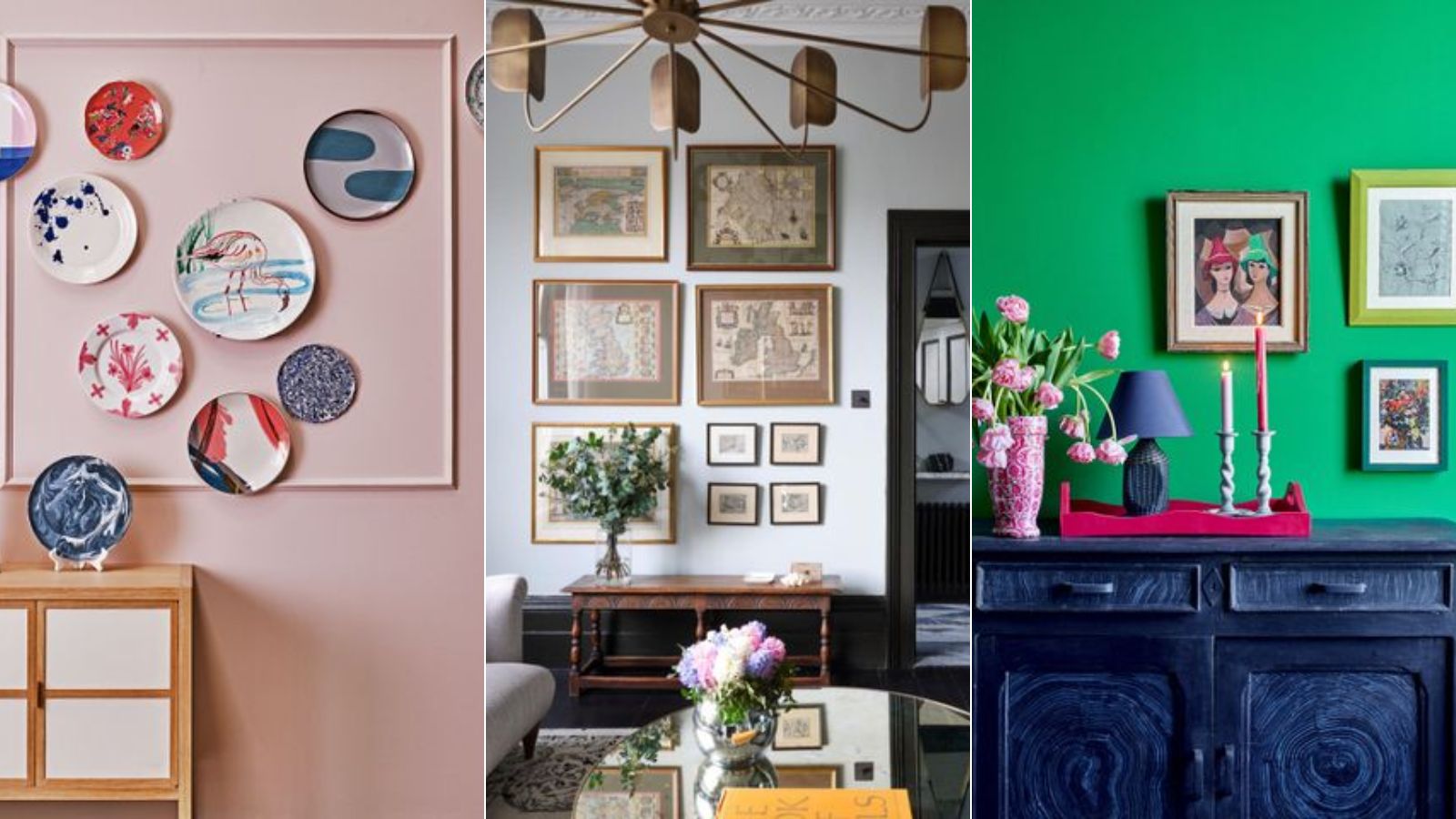
To add depth and visual interest, incorporating different textures is highly recommended. This can involve using a variety of frame materials such as wood, metal, or even macrame, moving beyond traditional picture frames. Furthermore, the gallery wall doesn't have to be limited to framed art; objects like clocks, mirrors, or hanging plants can introduce dimension and break up the uniformity of flat images. The content of the gallery wall should also reflect personal taste and meaning, rather than relying on generic or mass-produced art. Lewis strongly advises against using cliché phrases or readily available prints, such as those from large retailers, as these can make the wall appear uninspired and tacky. Instead, he encourages displaying personal photographs, postcards from travels, or unique artwork that holds sentimental value. The aim is to create a personalized display that tells a story and resonates with the homeowner's identity, making the gallery wall a true reflection of individuality and style.
#InteriorDesign #GalleryWall #HomeDecor #DesignTips #WallDecor #PersonalizedDecor #FrameSelection #ArtPlacement #InteriorDesign #GalleryWall #HomeDecor #DesignTips #WallDecor #PersonalizedDecor #FrameSelection #ArtPlacement
0 تعليق إجمالاً
 لا توجد تعليقات بعد
قد تعجبك أيضًا

I'm an interior designer - how to create a gallery wall without it looking tacky - people always make the same mistakes

to create a gallery art wall - Ideas & Advice

how to style a 3D gallery wall
Style at Home: Creating the perfect gallery wall

You're Styling Your Gallery Wall All Wrong—Here's How to Get It Right, According to Experts

The key to building a great gallery wall is, well, thinking a little off-the-wall

Style at Home: Creating the perfect gallery wall

7 DIY tips for how to hang a gallery wall from experts

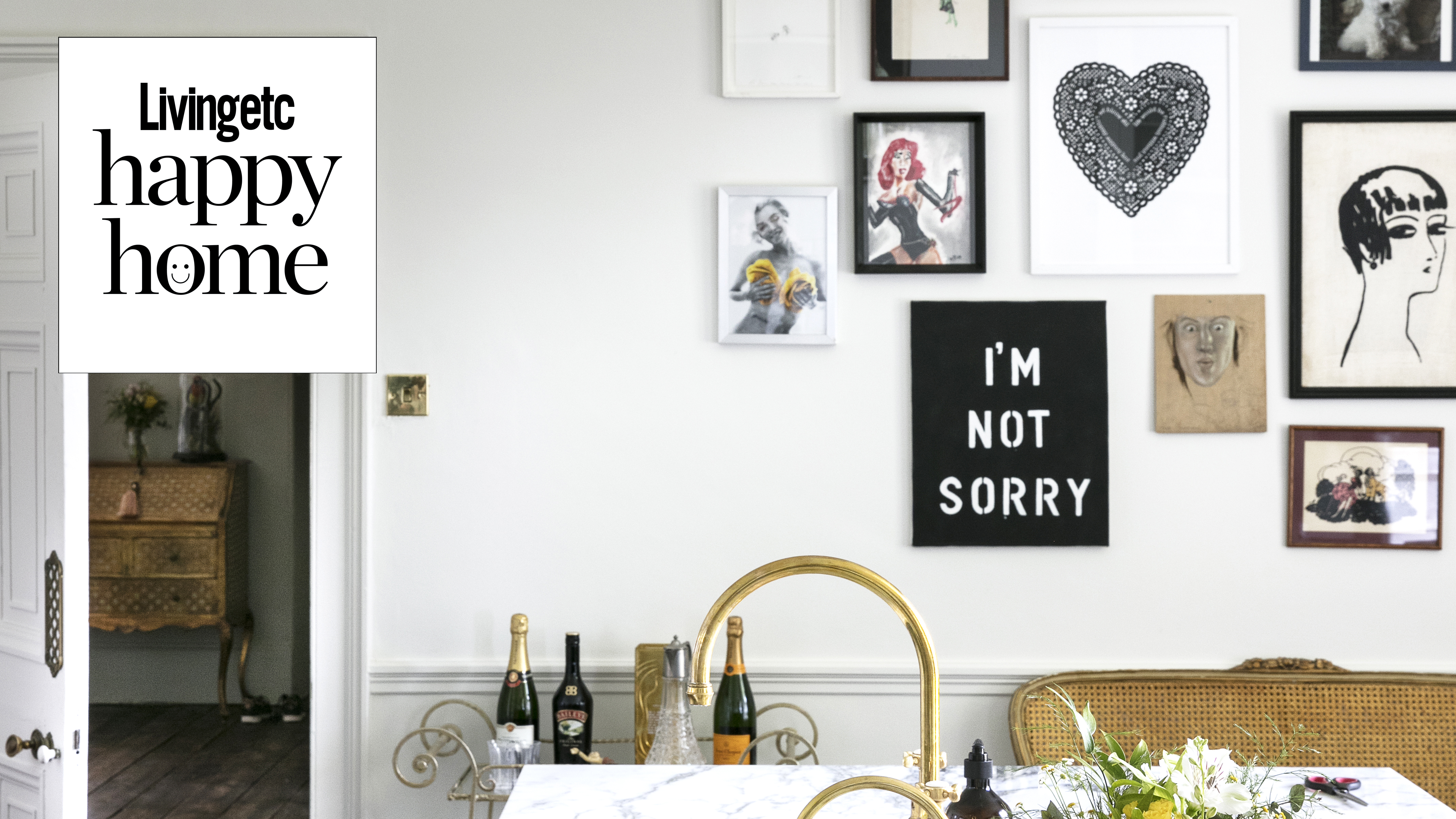
Expert tips for creating a happy gallery wall without sacrificing style

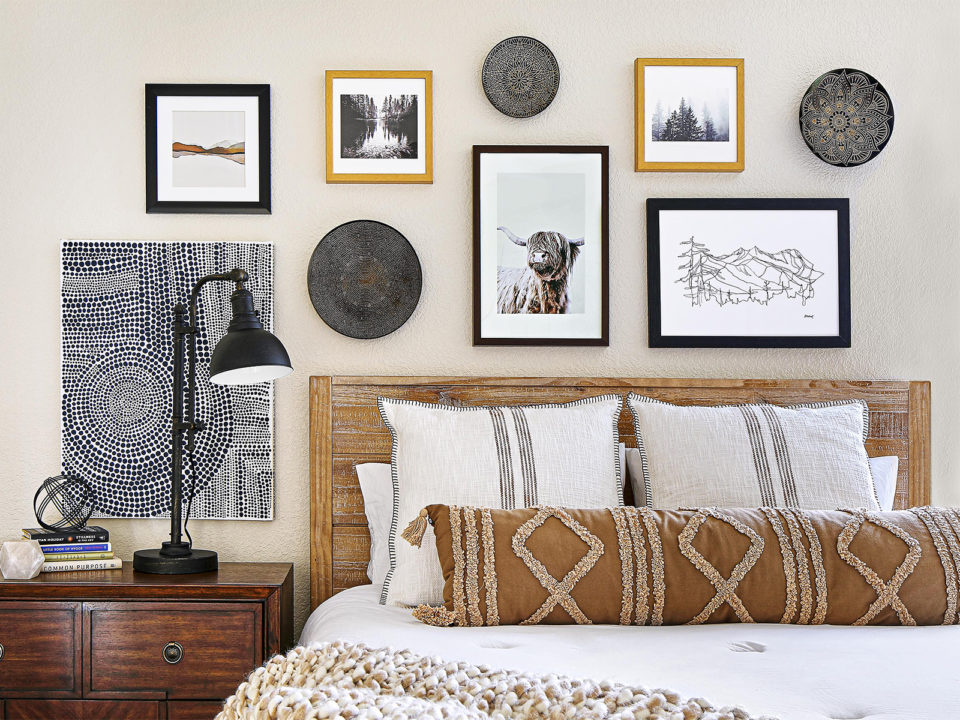
How to Create a Gorgeous Gallery Wall in Your Home

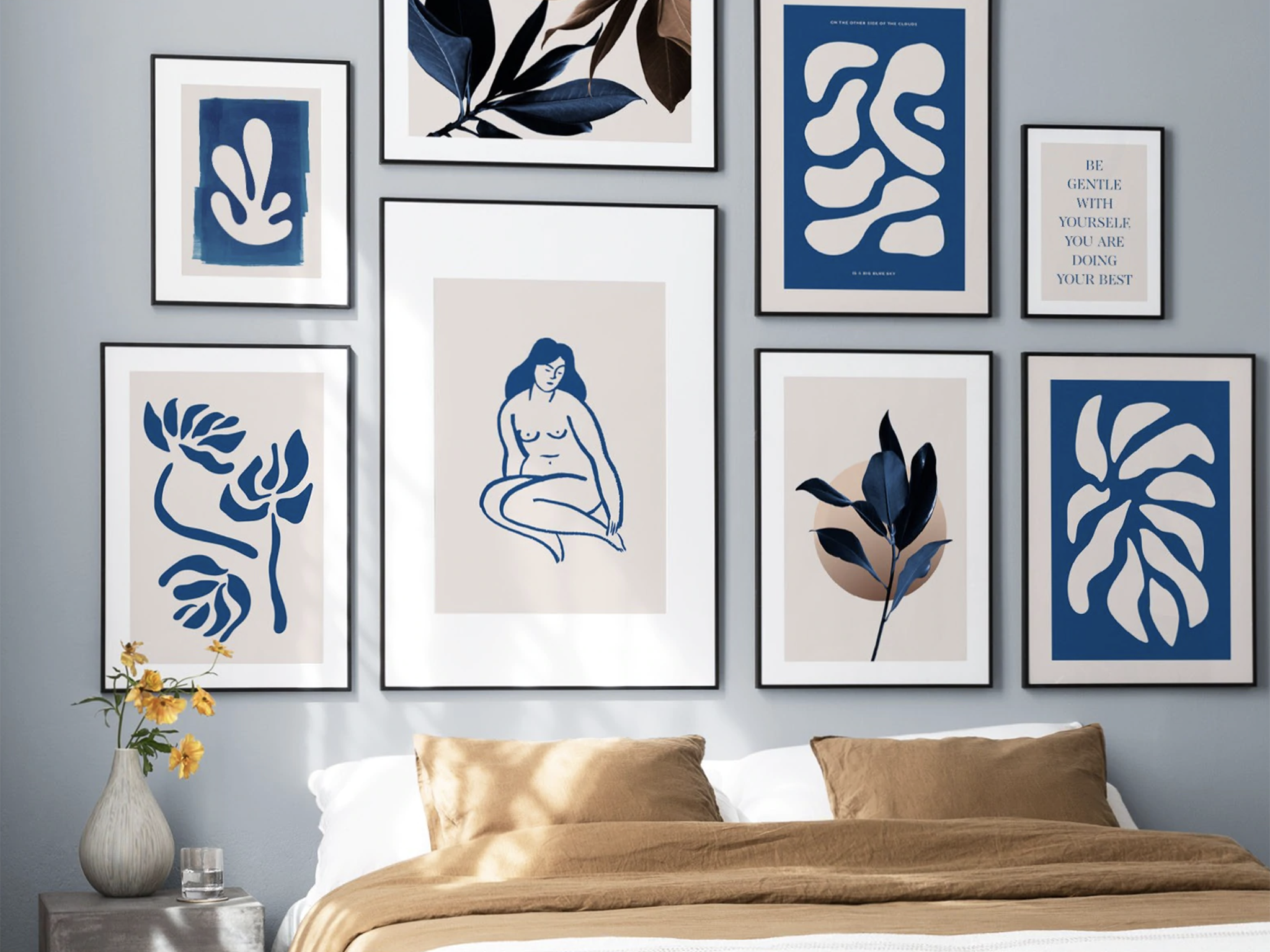
How to create an Instagram-worthy gallery wall: Interiors experts on framing and displaying your art
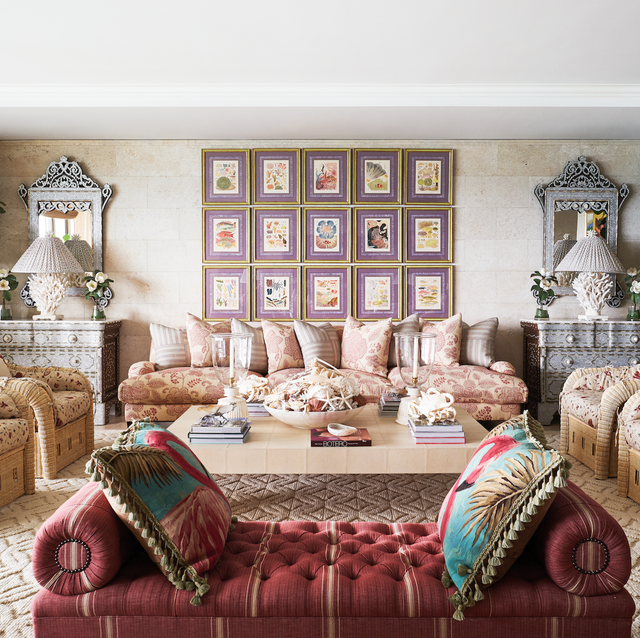
Are Gallery Walls Still in Style? Here’s What Designers Say

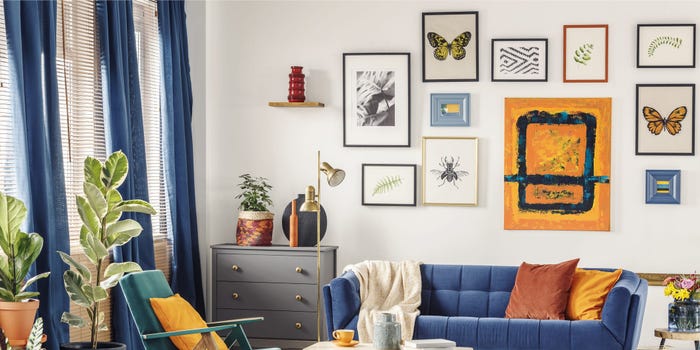
How to put together a gallery wall according to design professionals
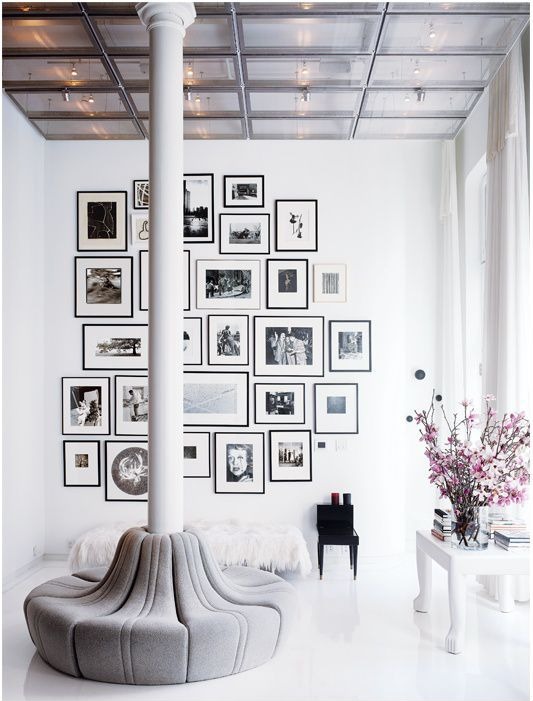
How to create a gallery wall in your home
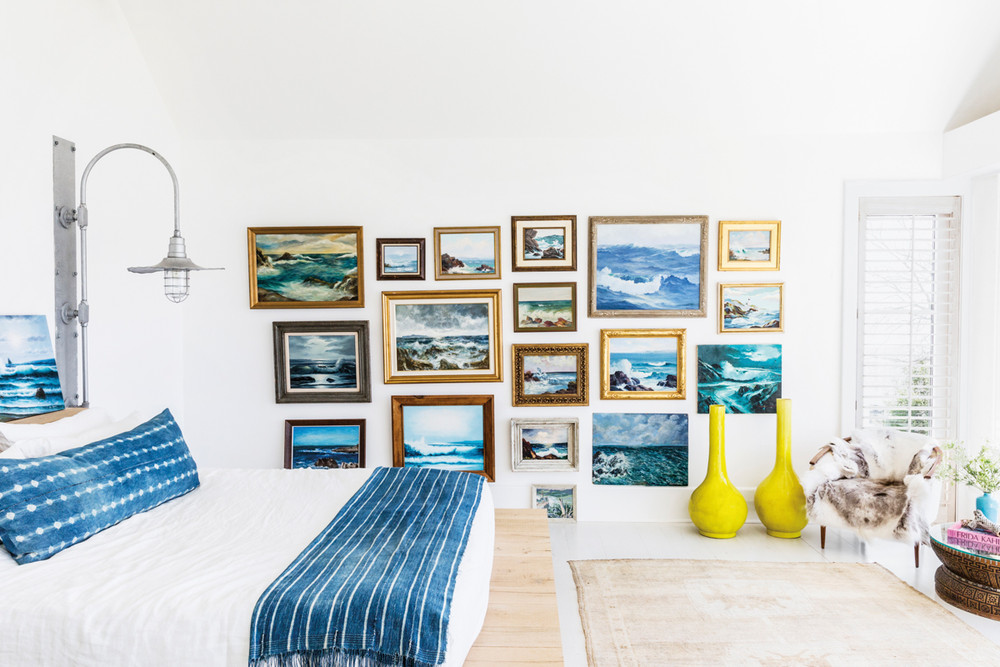
The Best Gallery Wall Ideas Right Now

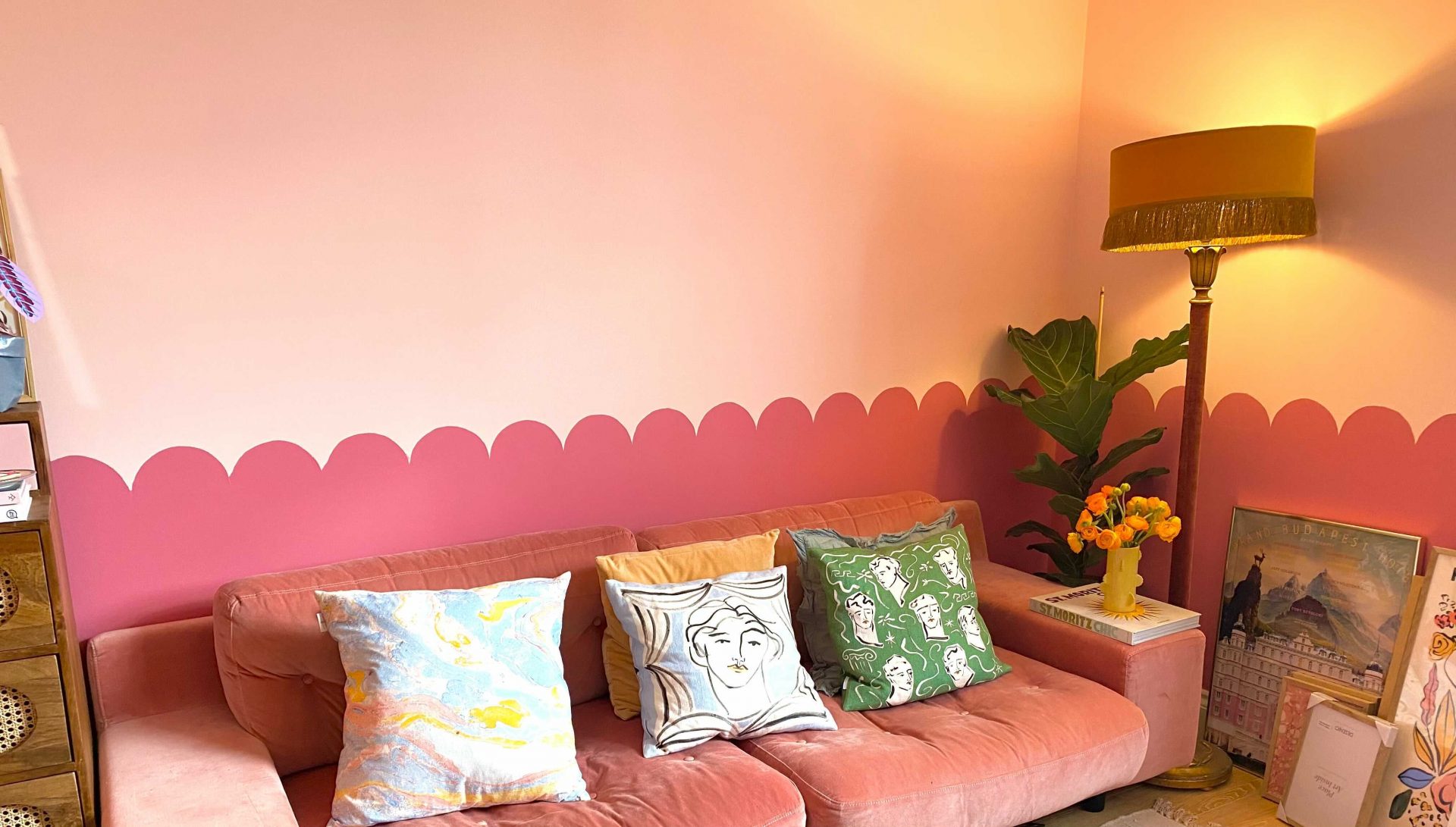
Big Trends Small Spaces: how to create a tonal gallery wall in 8 steps
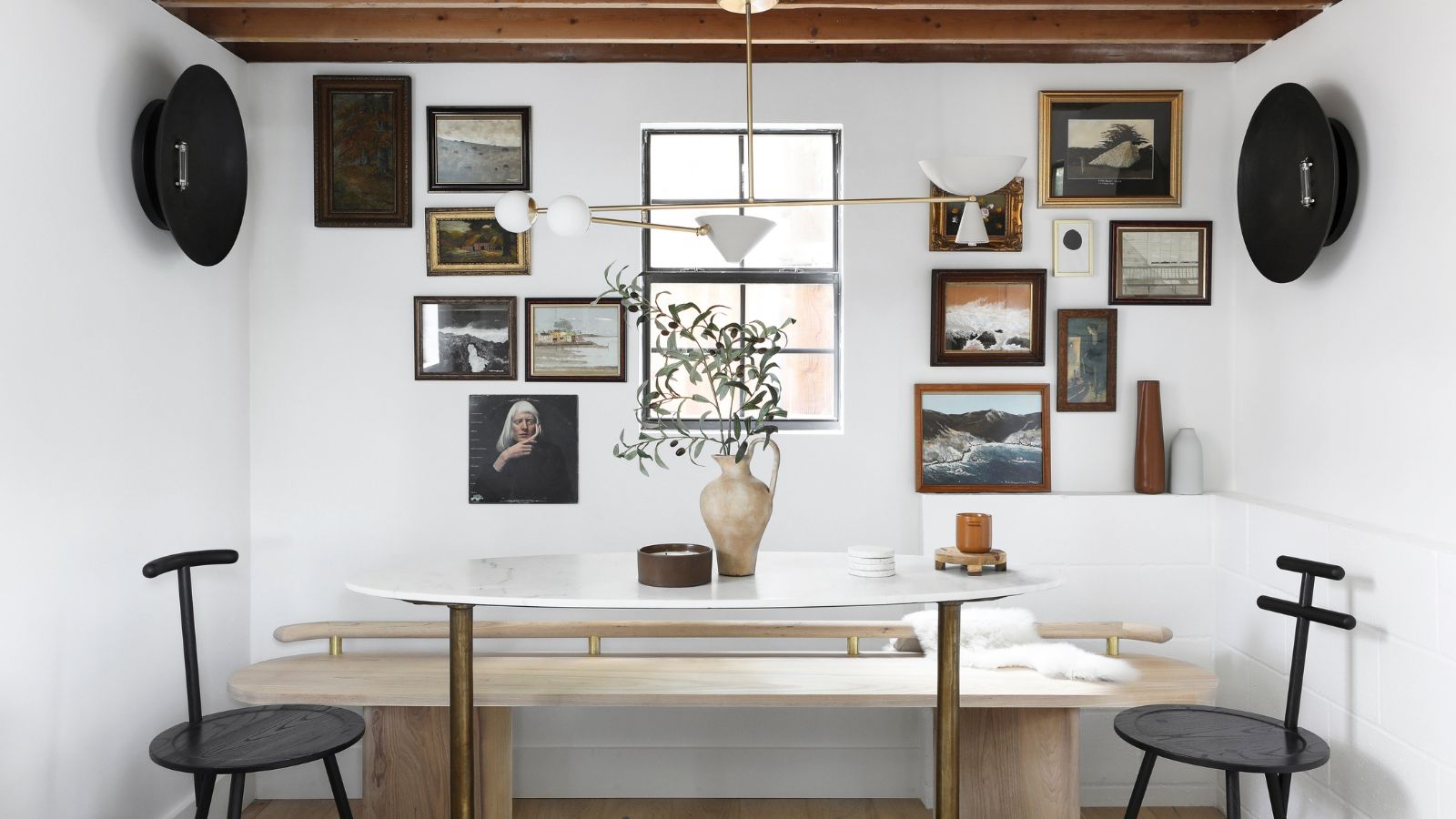
5 common gallery wall mistakes designers warn to always avoid – to create the chicest of displays
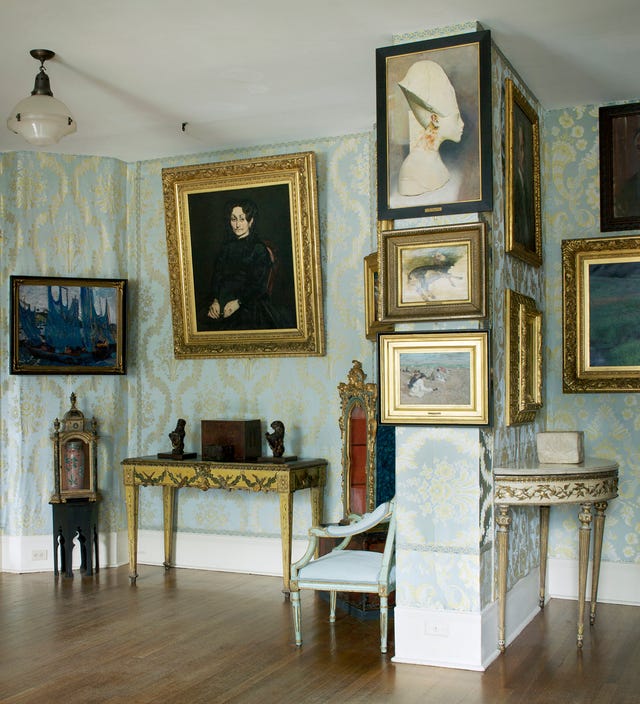
How to Make a Gallery Wall Like an ELLE Decor Editor
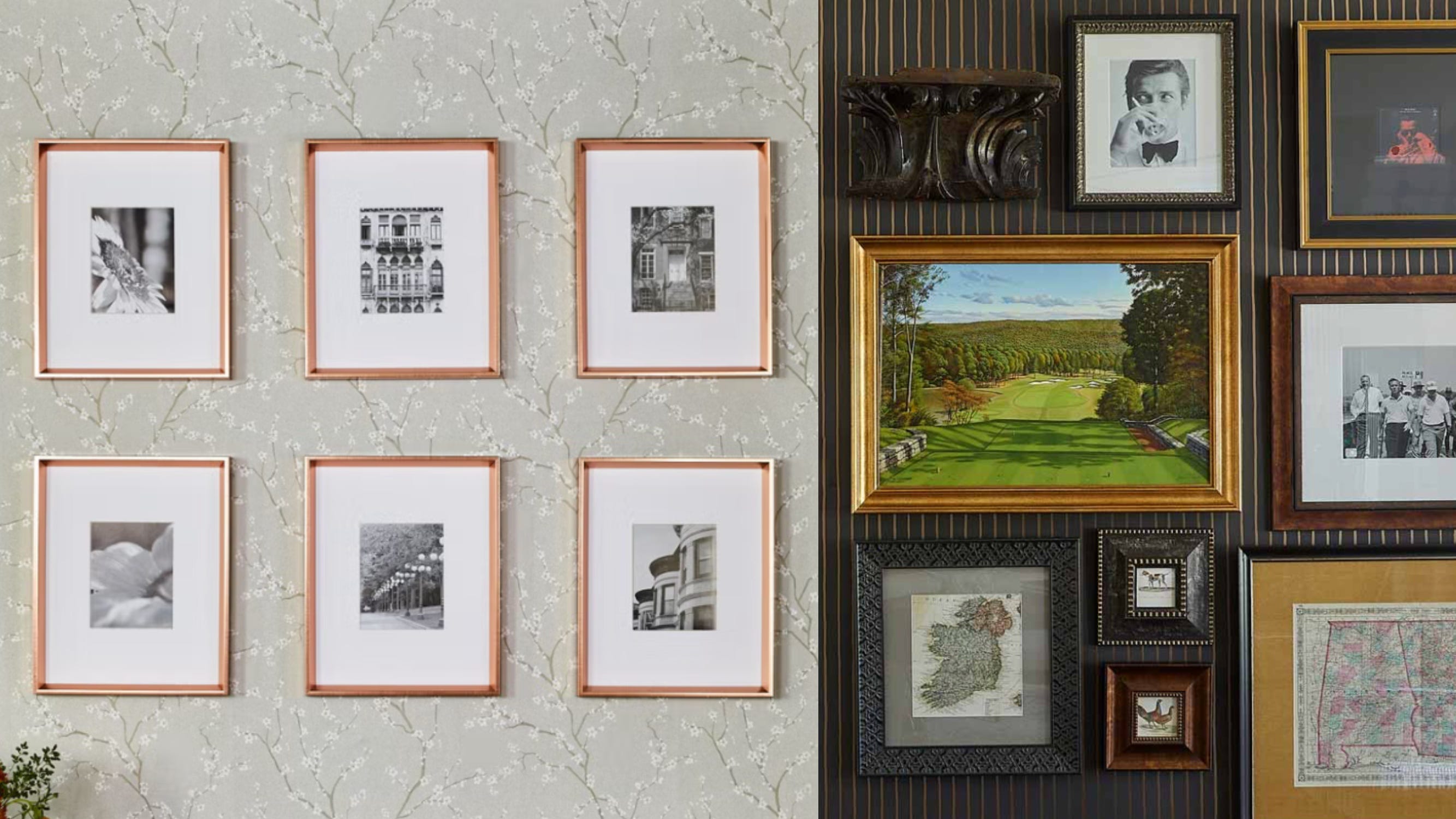
Matching or Mismatched Gallery Wall? Big-Time Designers Have a VERY SPECIFIC Preference

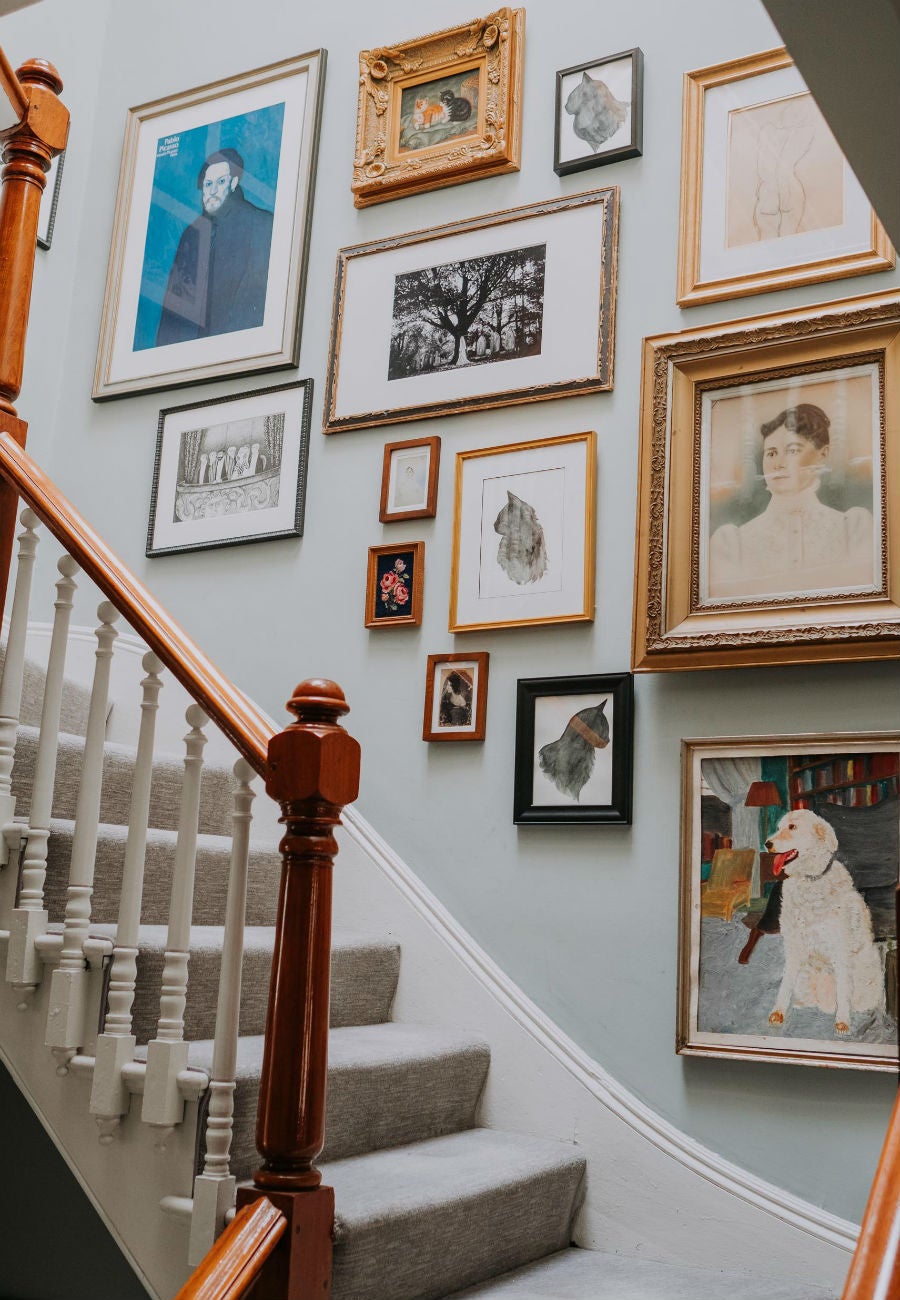
Ask The Expert: How To Create A Gallery Wall