
How to Make Your Home Handicap Accessible
The article discusses the importance and methods of making homes handicap accessible, addressing the needs of a growing population with disabilities and aging individuals. With nearly 50 million people in the U.S. having some form of disability, and projections indicating a significant increase in the elderly population, accessible housing is becoming increasingly crucial. While federal standards exist for certain types of housing, there are no universal federal regulations for all non-federally funded, detached single-family homes. However, guidelines from acts like the Americans with Disabilities Act (ADA) and the Fair Housing Act, along with universal design principles, offer valuable assistance.
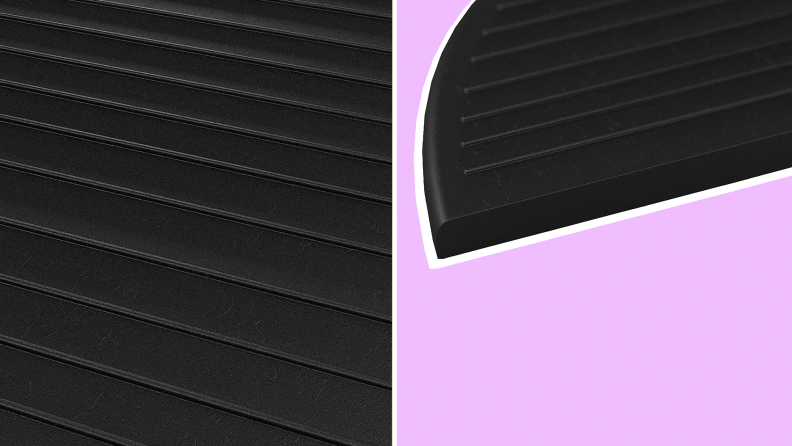
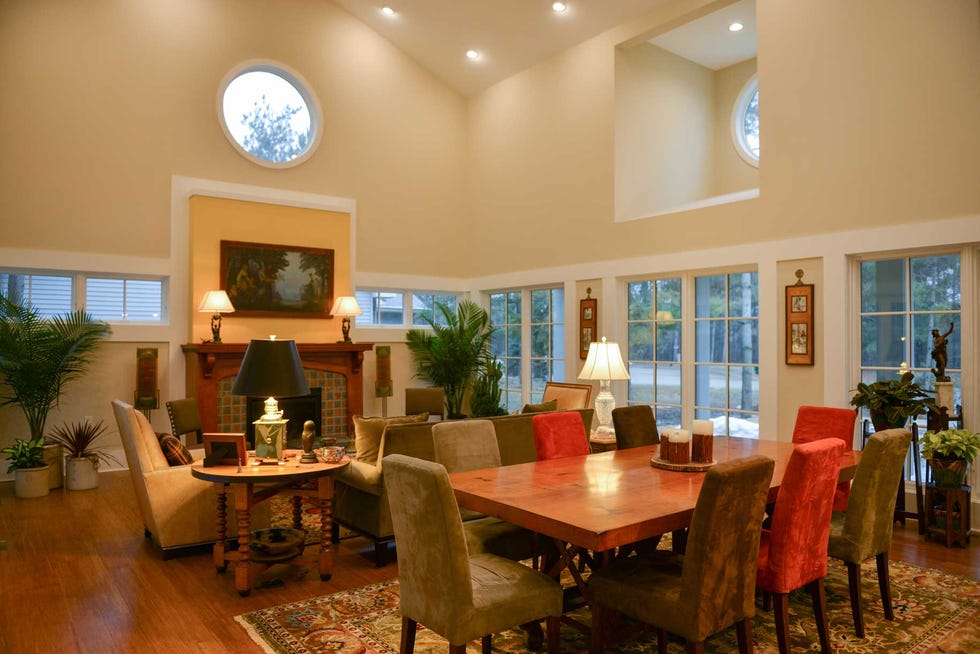
Making a home handicap accessible involves considering both the exterior and interior spaces. For the yard, paths should be firm, level, and offer traction, ideally at least 36 inches wide for wheelchair users, with appropriate edging. Entrances should have thresholds no higher than half an inch and be sloped or rounded. Ramps are a common solution, requiring minimal slope, a width of at least 36 inches, and features like handrails and curbs for safety. Protecting the entry area from weather also enhances safety. Inside the home, universal design suggests having a bedroom, kitchen, entertainment area, and a full bathroom on the main floor to maximize usability.
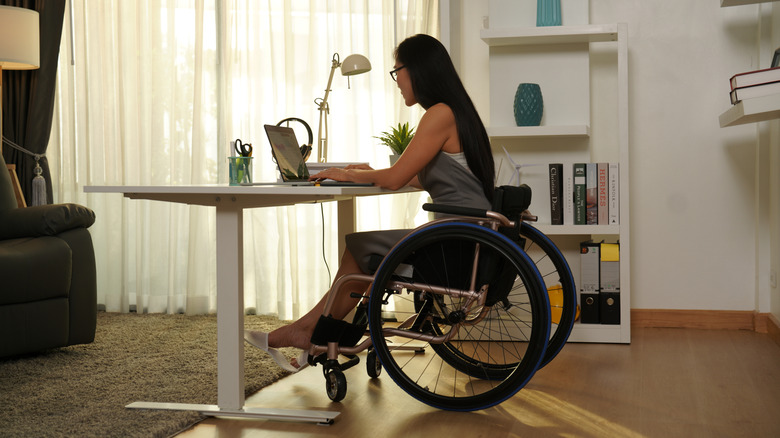
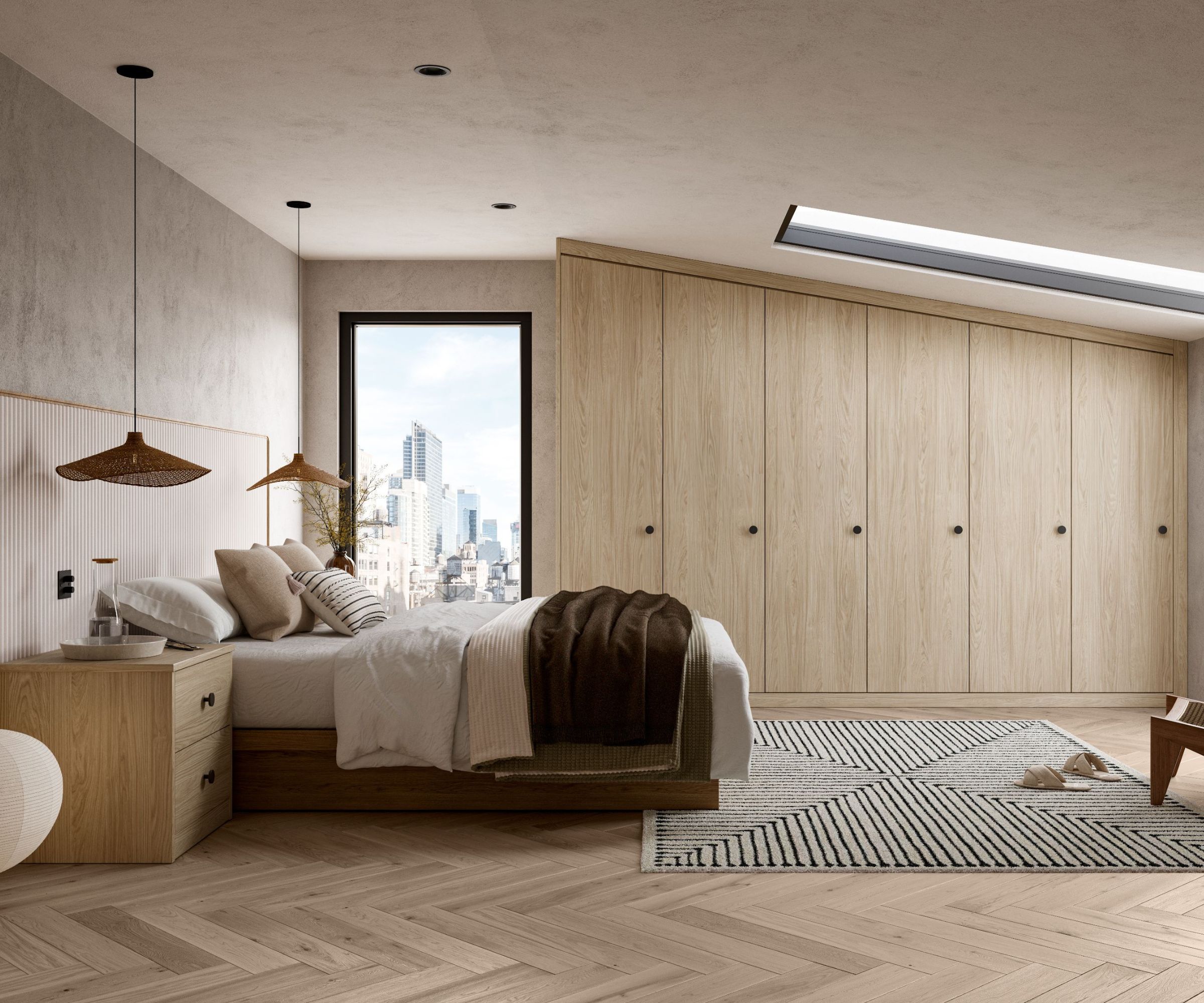
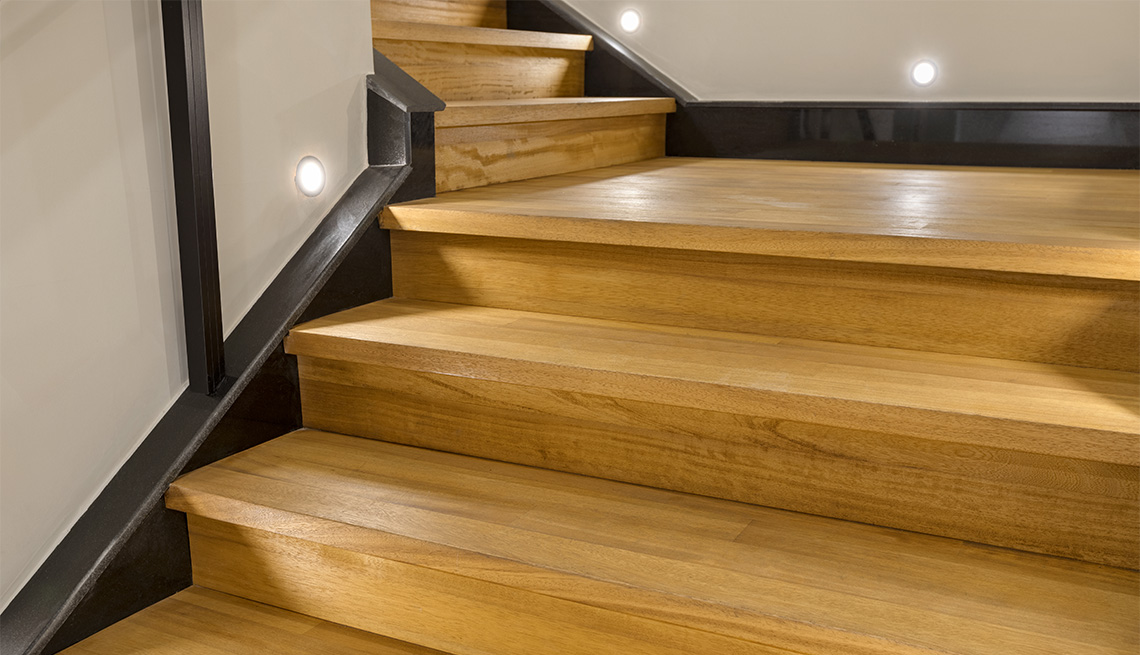
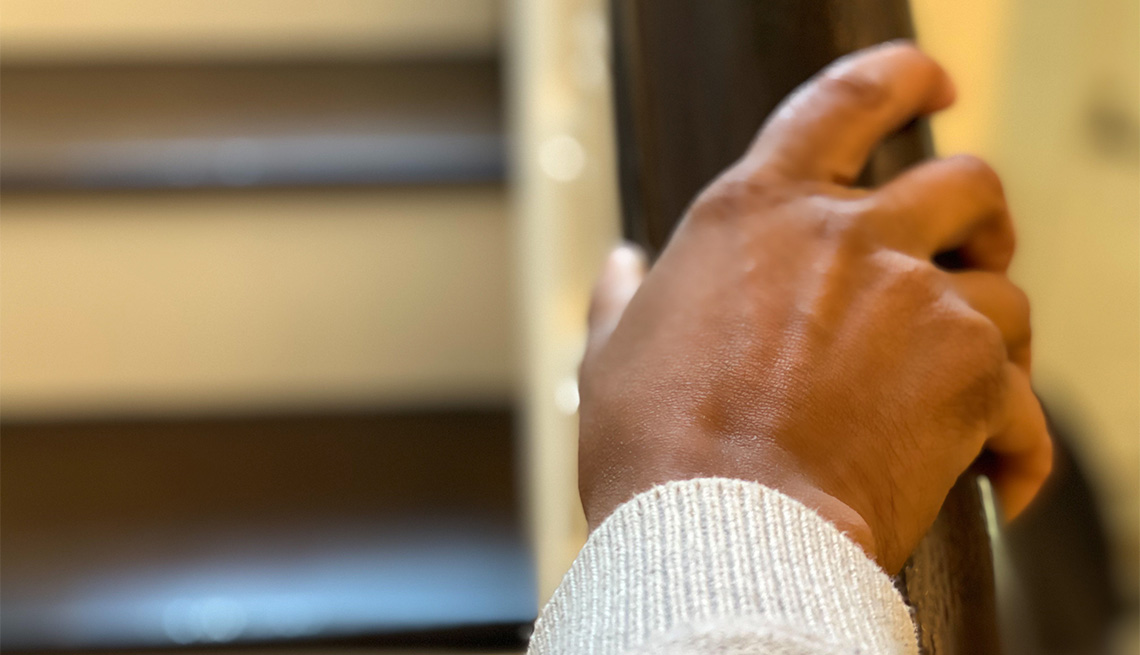
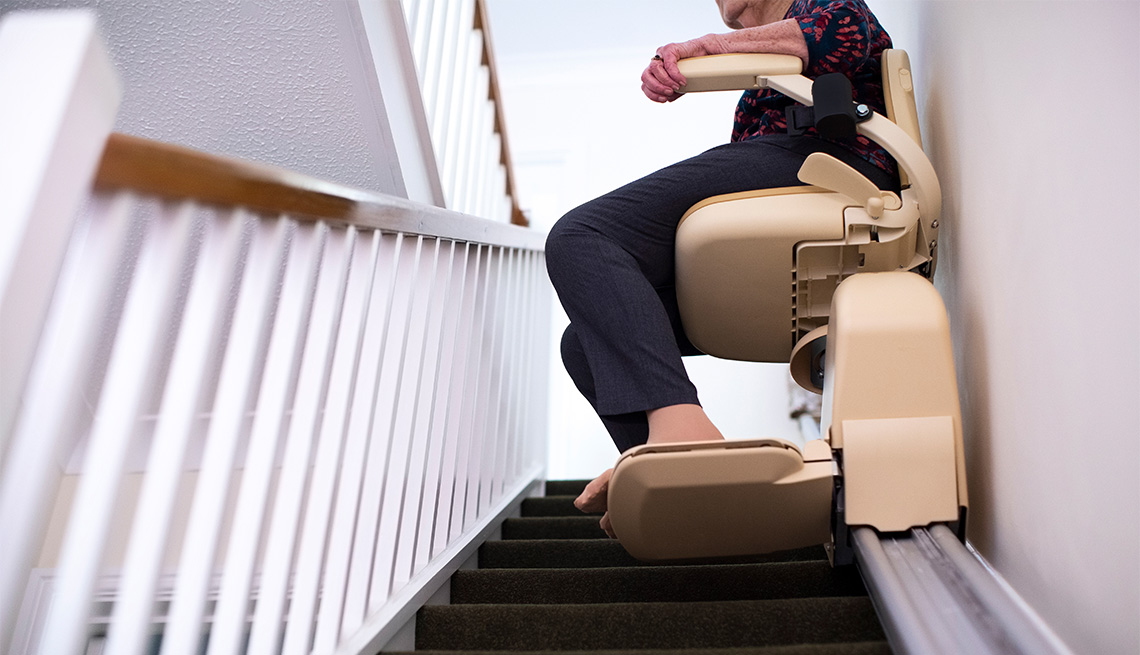
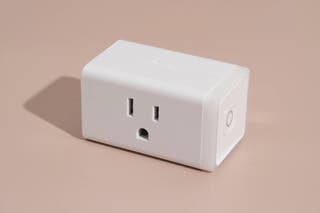
Interior accessibility focuses on clear paths of travel. Doorways should have at least a 32-inch clear opening, and thresholds should be low and rounded. Hallways need to be at least 36 inches wide, with wider spaces for sharp turns. Stairs, if present, should have treads at least 11 inches wide with rounded edges, and handrails on both sides extending beyond the first and last step. Walk-in closets require 32-inch wide doorways and adjustable rods, such as pull-down hydraulic options, for varied storage needs. Flooring choices are also important; carpeting pile should not exceed half an inch, and throw rugs are generally not recommended due to their tendency to shift. Electrical outlets should be placed at least 15 inches above the floor, and light switches and thermostats no higher than 48 inches.
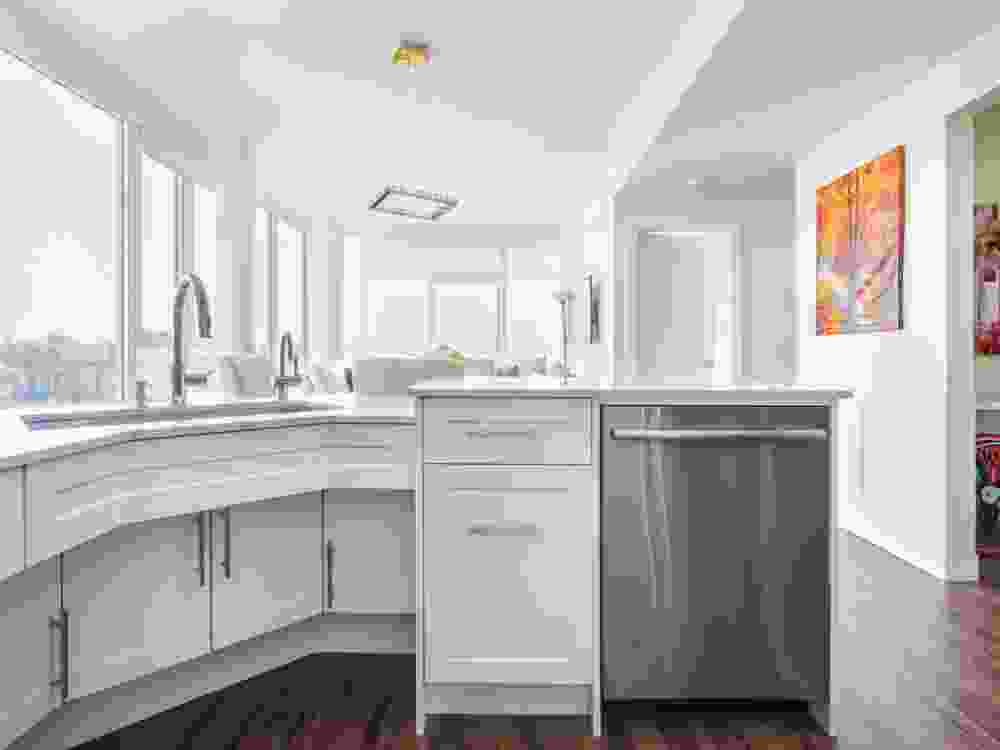
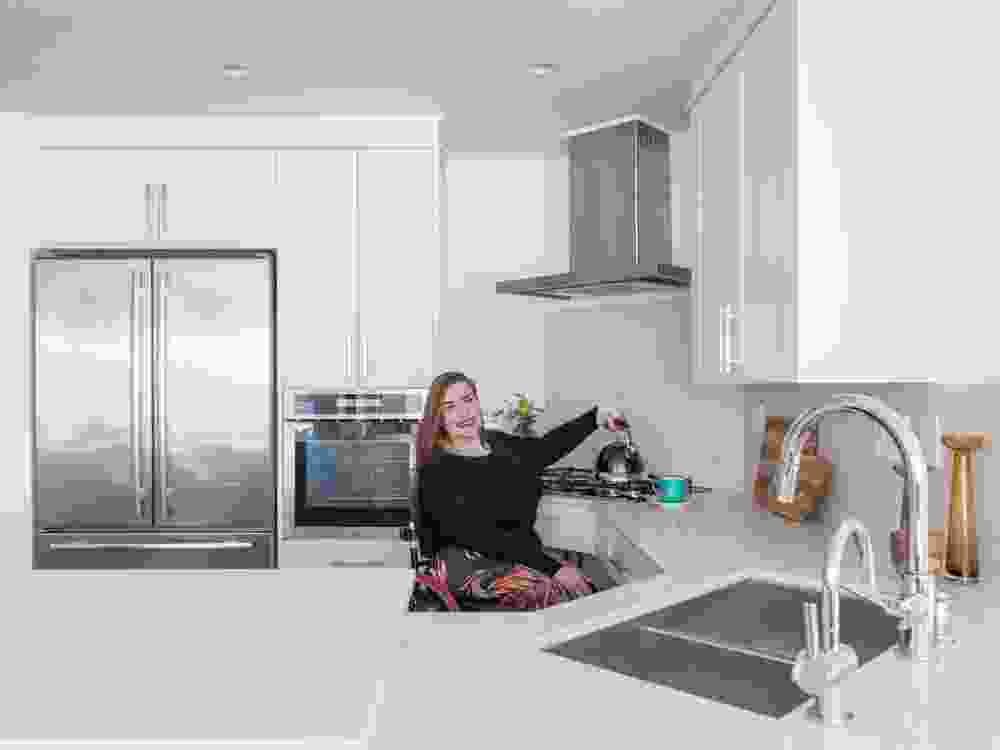
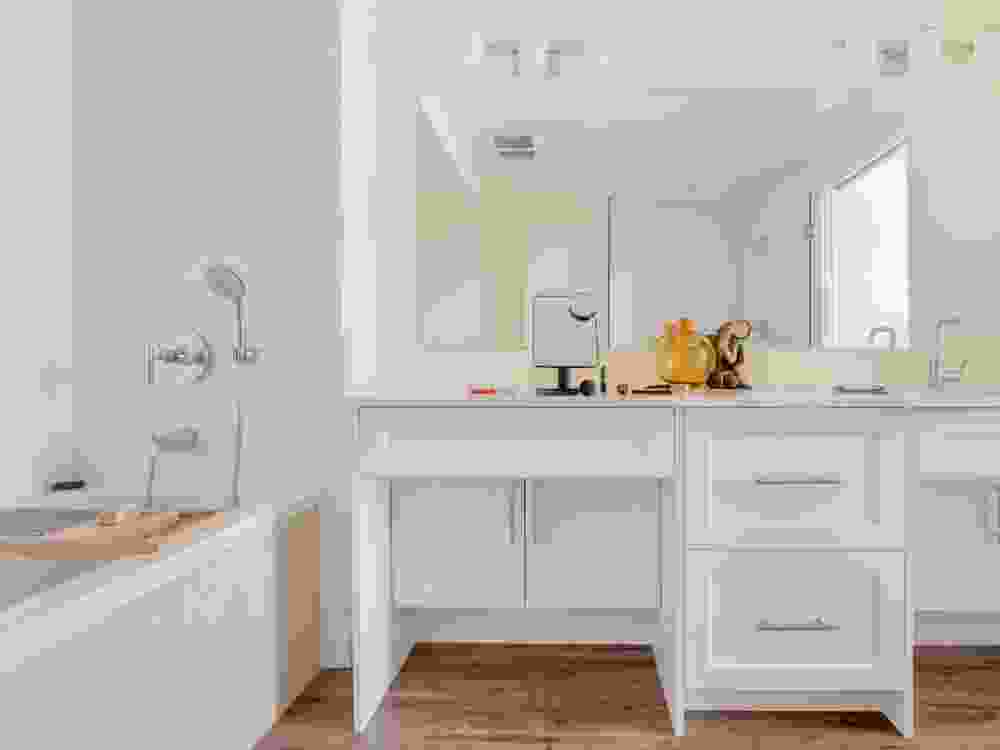
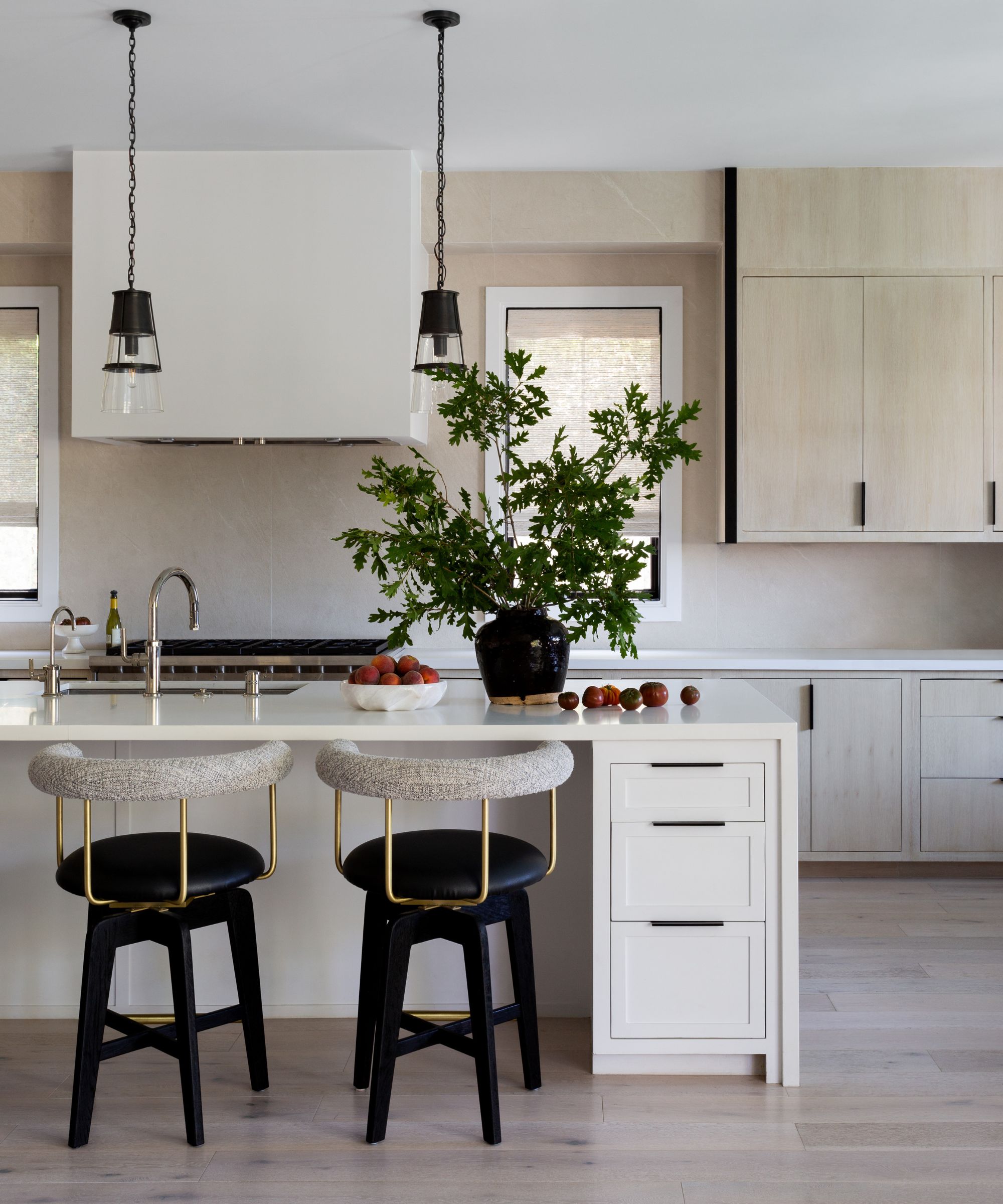
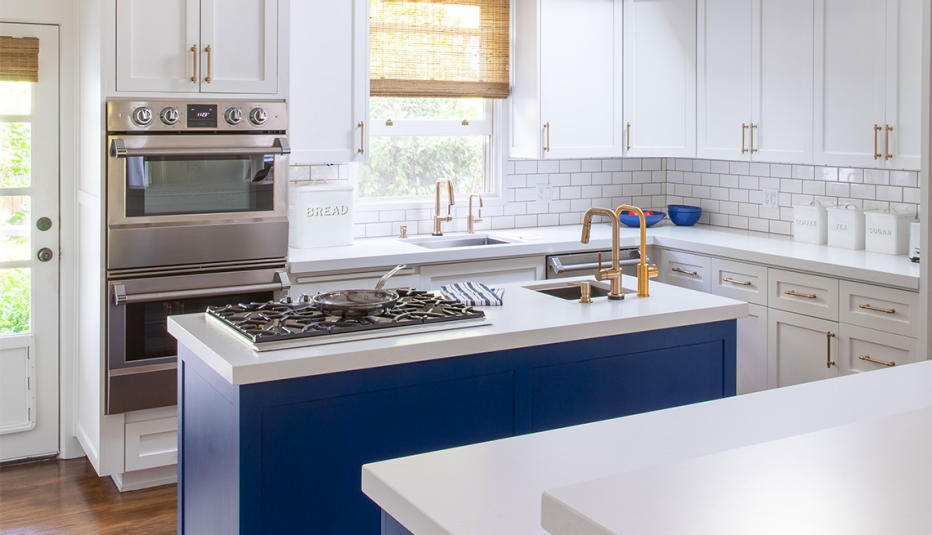
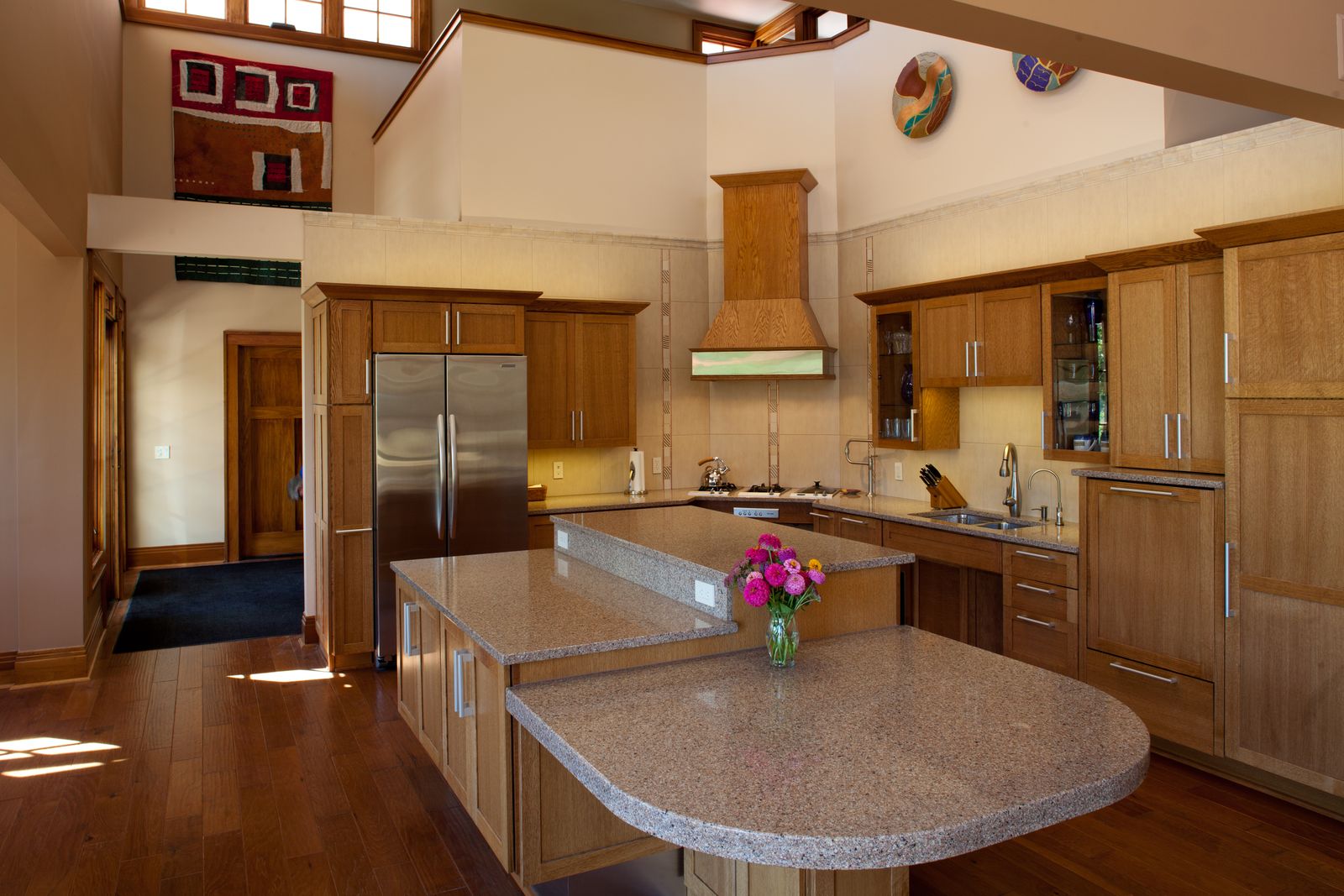
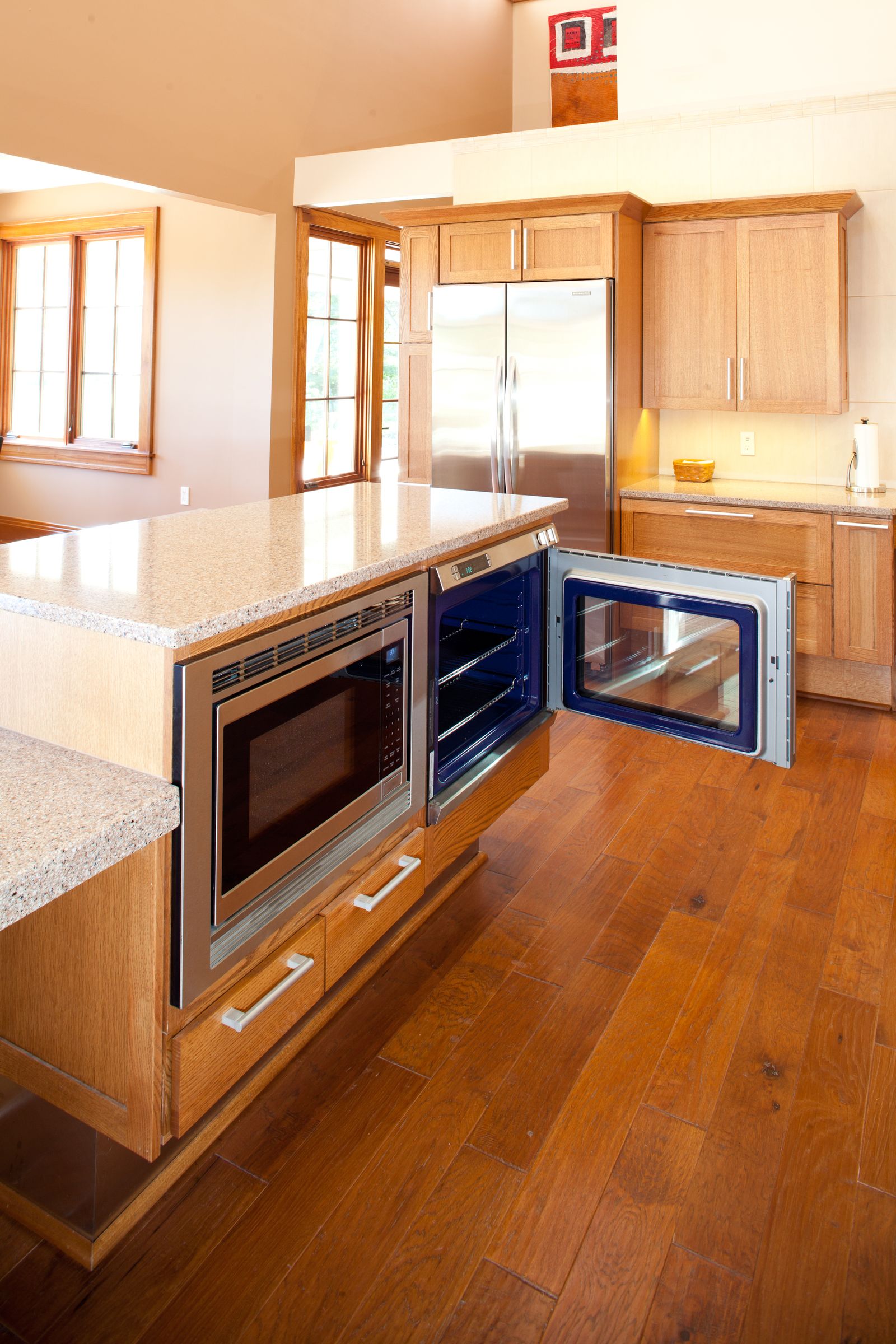
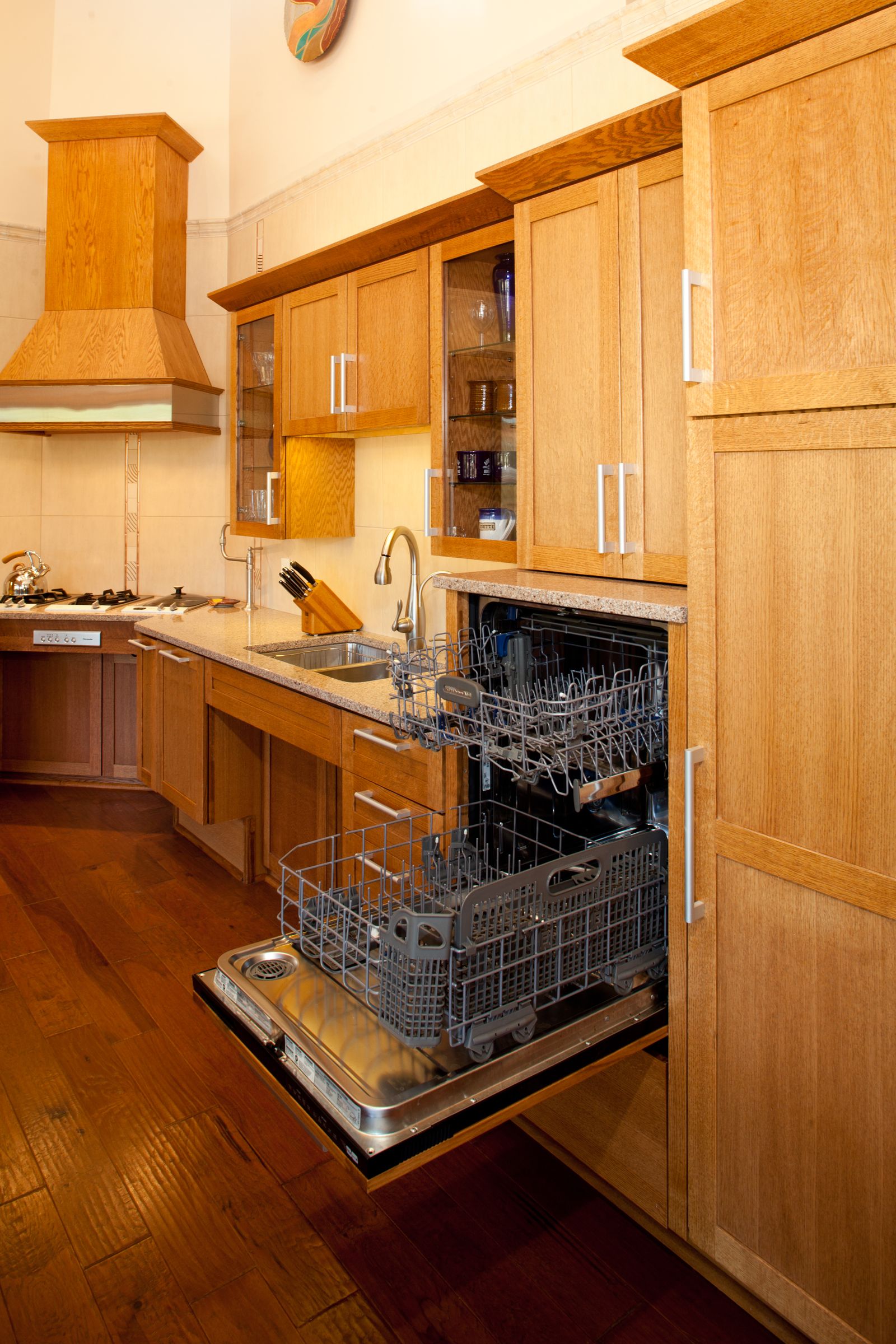
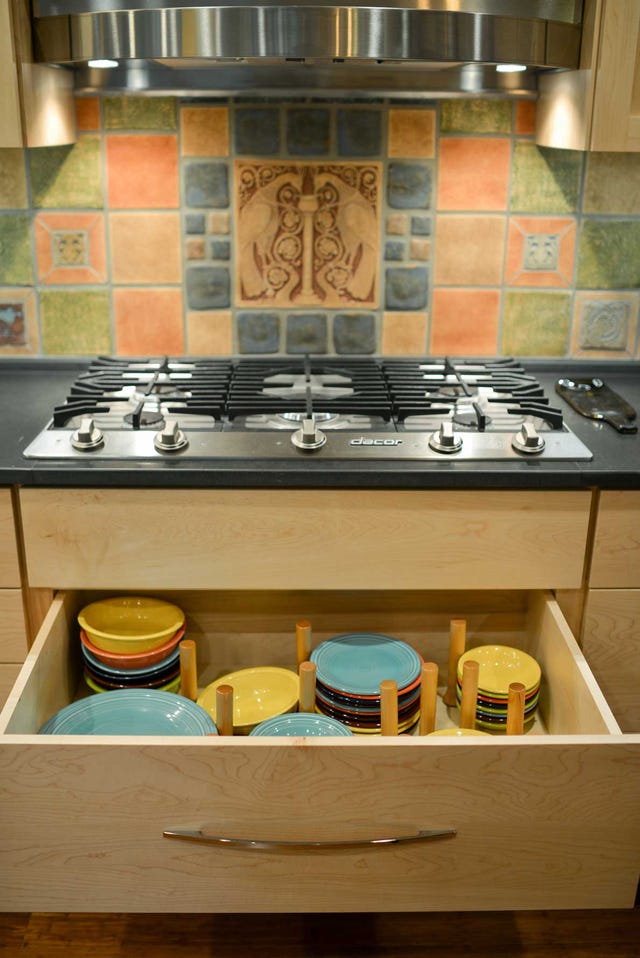
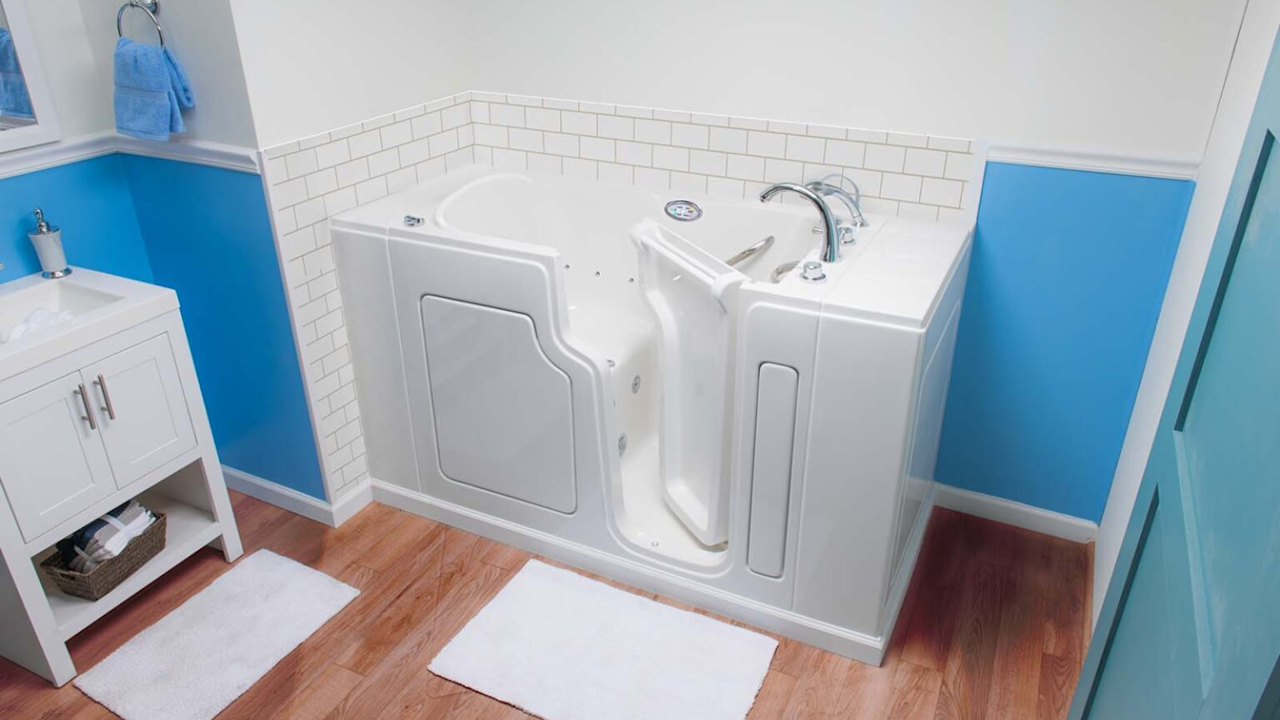
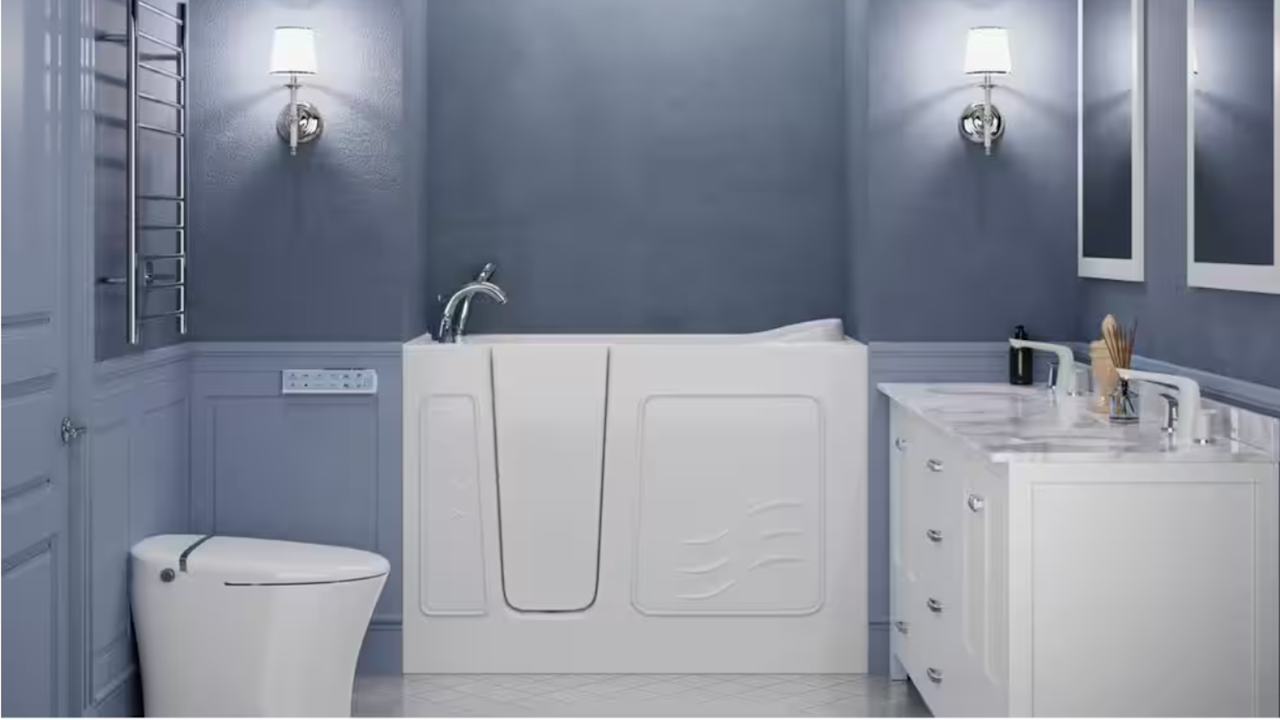
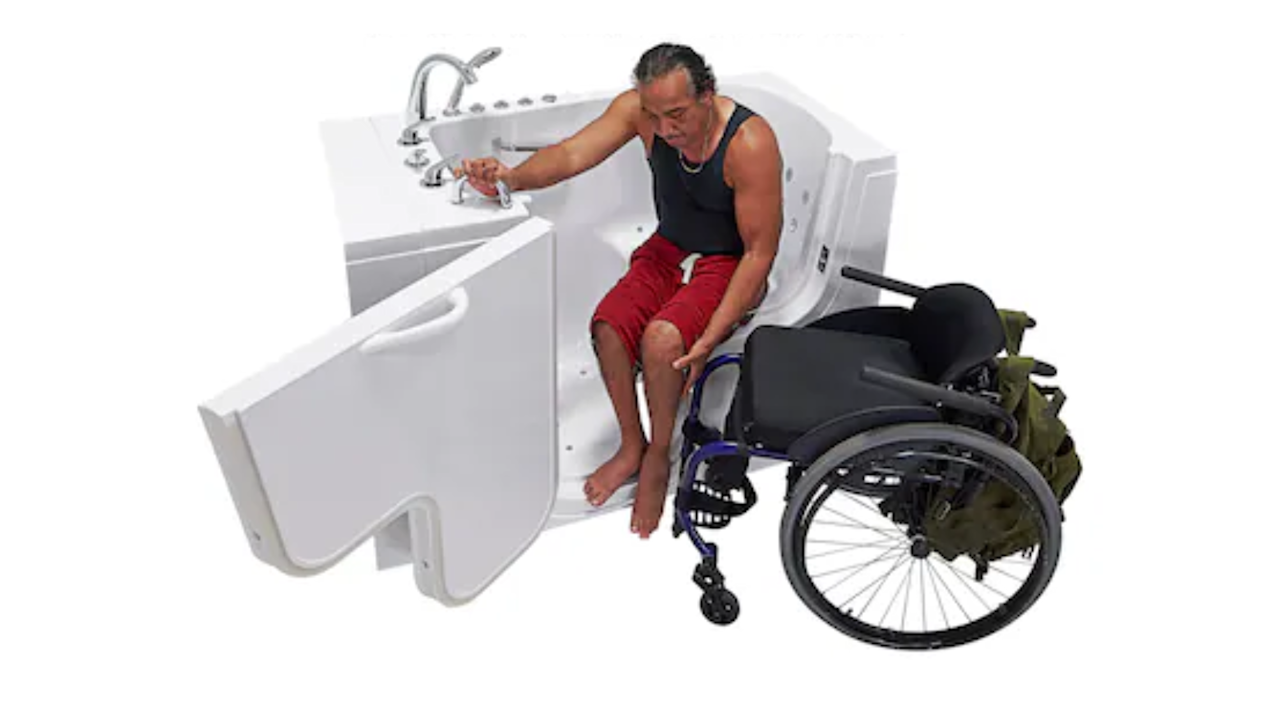
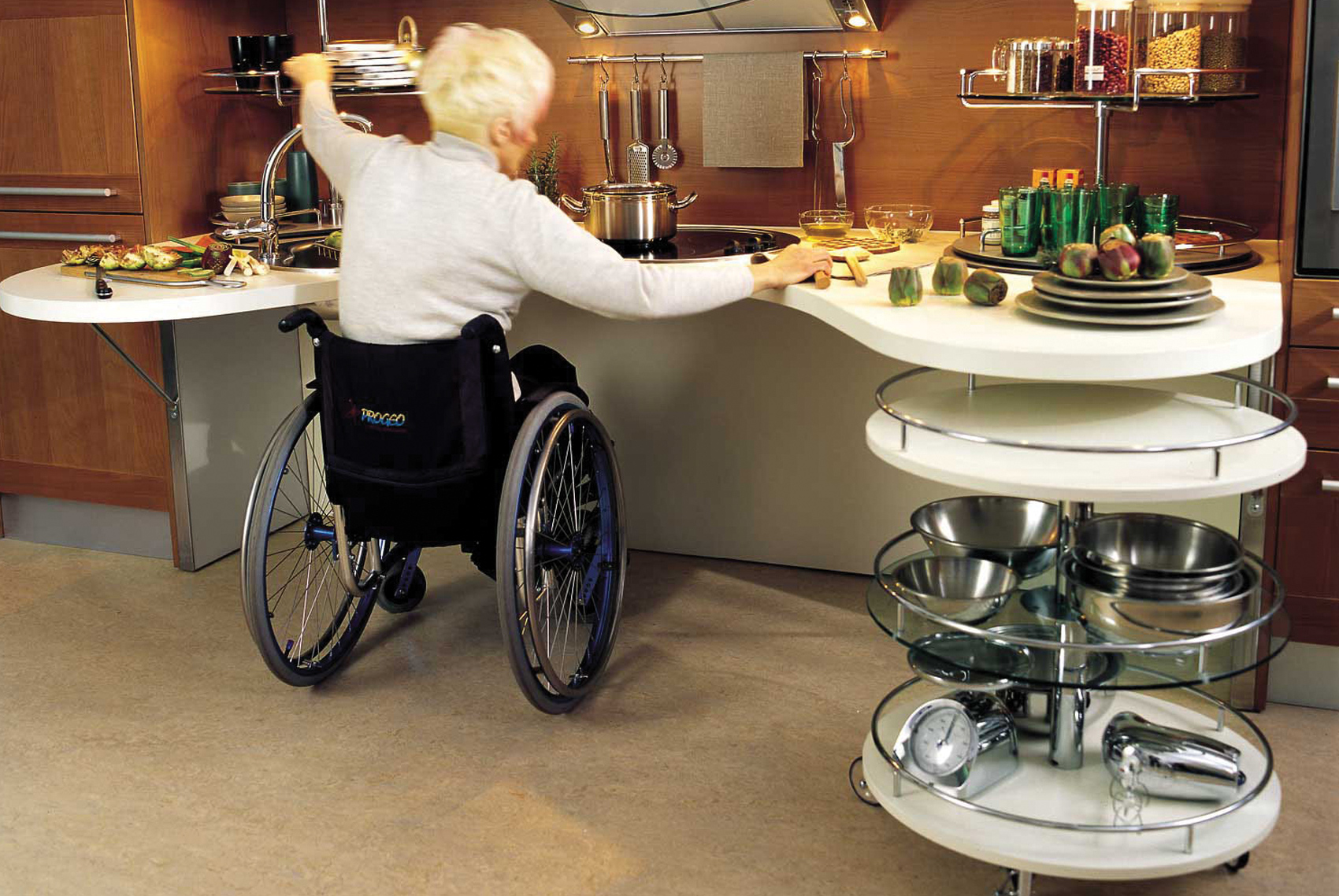
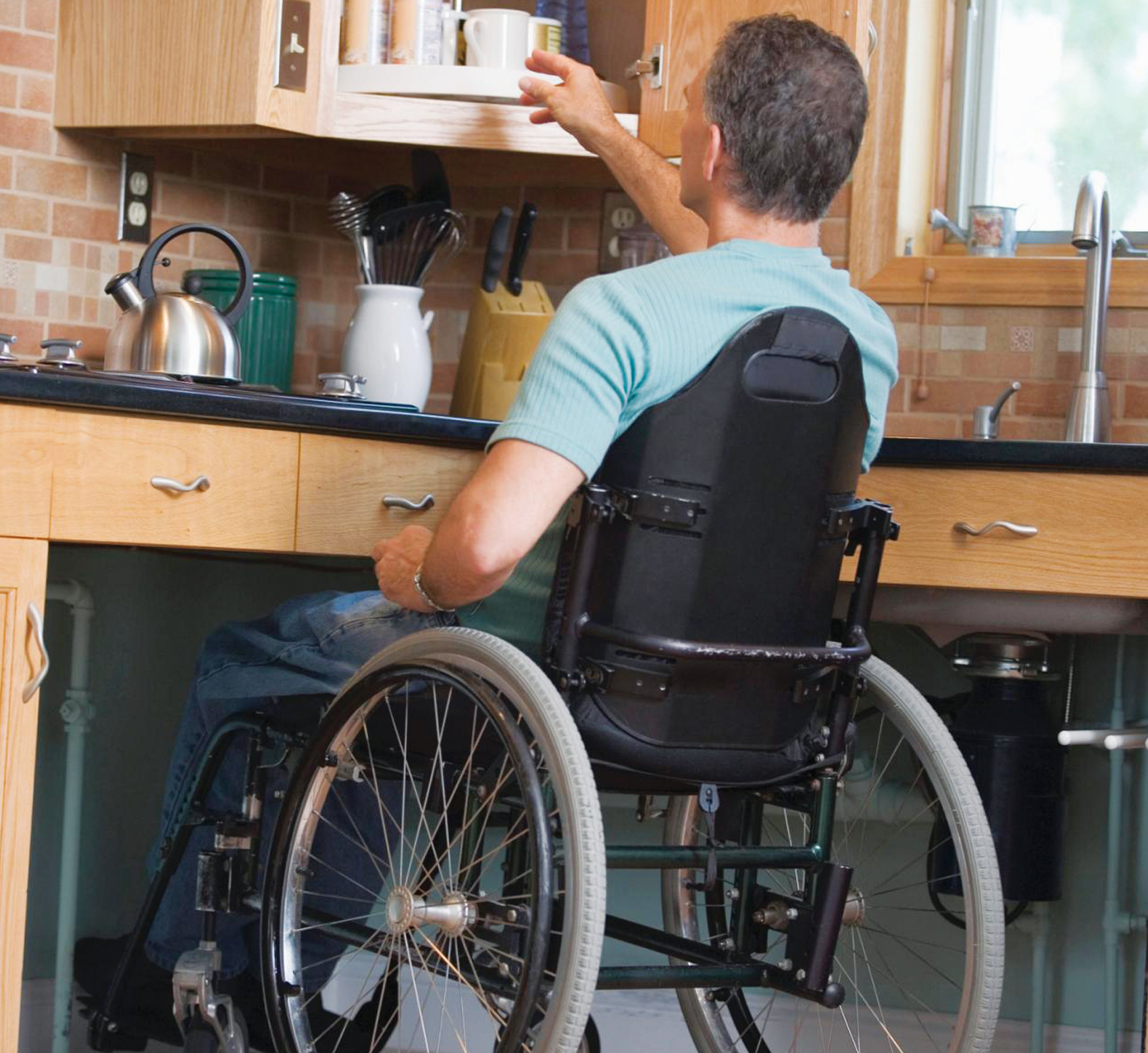
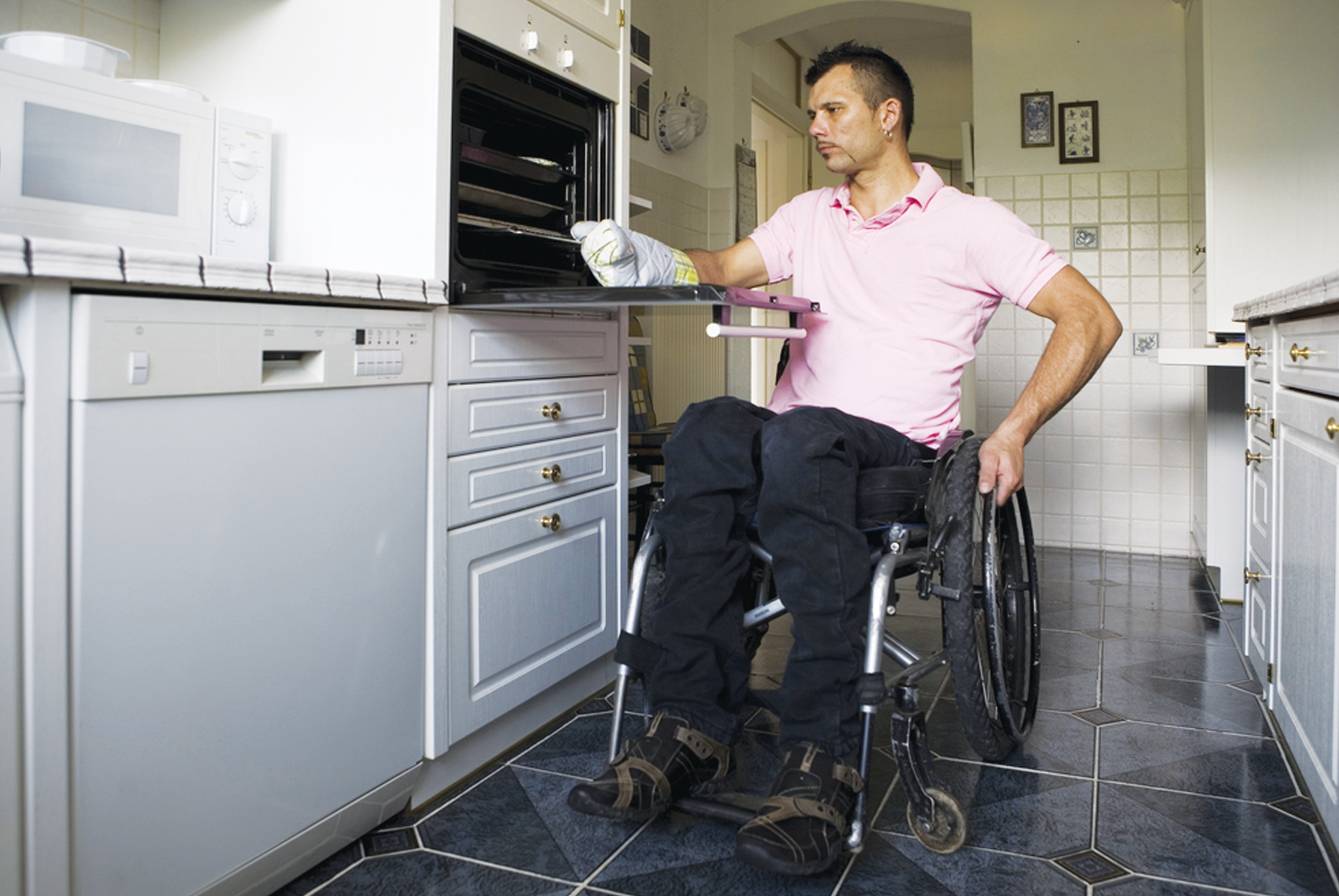
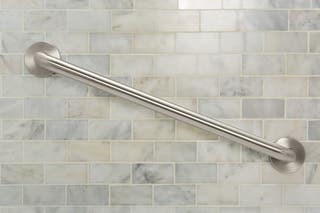
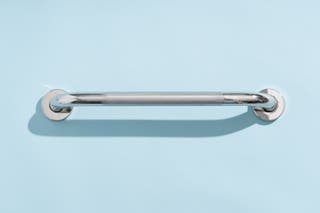
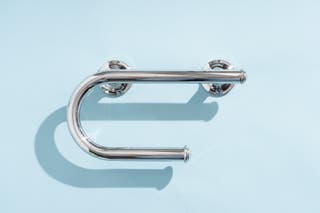
Bathrooms and kitchens are critical areas for accessibility modifications. Replacing bathtubs with roll-in showers, equipped with seats and hand-held showerheads, is a common change. Water heaters should be set to 120 degrees Fahrenheit to prevent scalding, and lever-operated, push-type, or electronically controlled faucets are recommended. Grab bars, capable of withstanding 250 lbs of stress, should be installed in bathing areas and near toilets, often requiring reinforced walls. Taller toilets can aid mobility, but sufficient clear floor space (30x48 inches) around the toilet and sink is essential for wheelchair users. In the kitchen, similar clear floor space is needed for sinks and ranges. Multi-level countertops, offering heights for both seated and standing individuals, are beneficial. Appliance choices like side-by-side refrigerators, ranges with front controls (considering child safety), and touch or color-contrasted controls for vision impairment, as well as raised dishwashers, can significantly enhance accessibility. The article also provides fall prevention tips, such as good lighting in bathrooms and stairways, fixing uneven outdoor pavement, storing supplies in lower cabinets, and using non-slip bath mats.
#HandicapAccessibleHome #UniversalDesign #HomeModification #AgingInPlace #DisabilityAccessibility #HomeImprovement #AccessibleBathroom #AccessibleKitchen #SafetyMeasures #HandicapAccessibleHome #UniversalDesign #HomeModification #AgingInPlace #DisabilityAccessibility #HomeImprovement #AccessibleBathroom #AccessibleKitchen #SafetyMeasures
0 تعليق إجمالاً
 لا توجد تعليقات بعد
قد تعجبك أيضًا
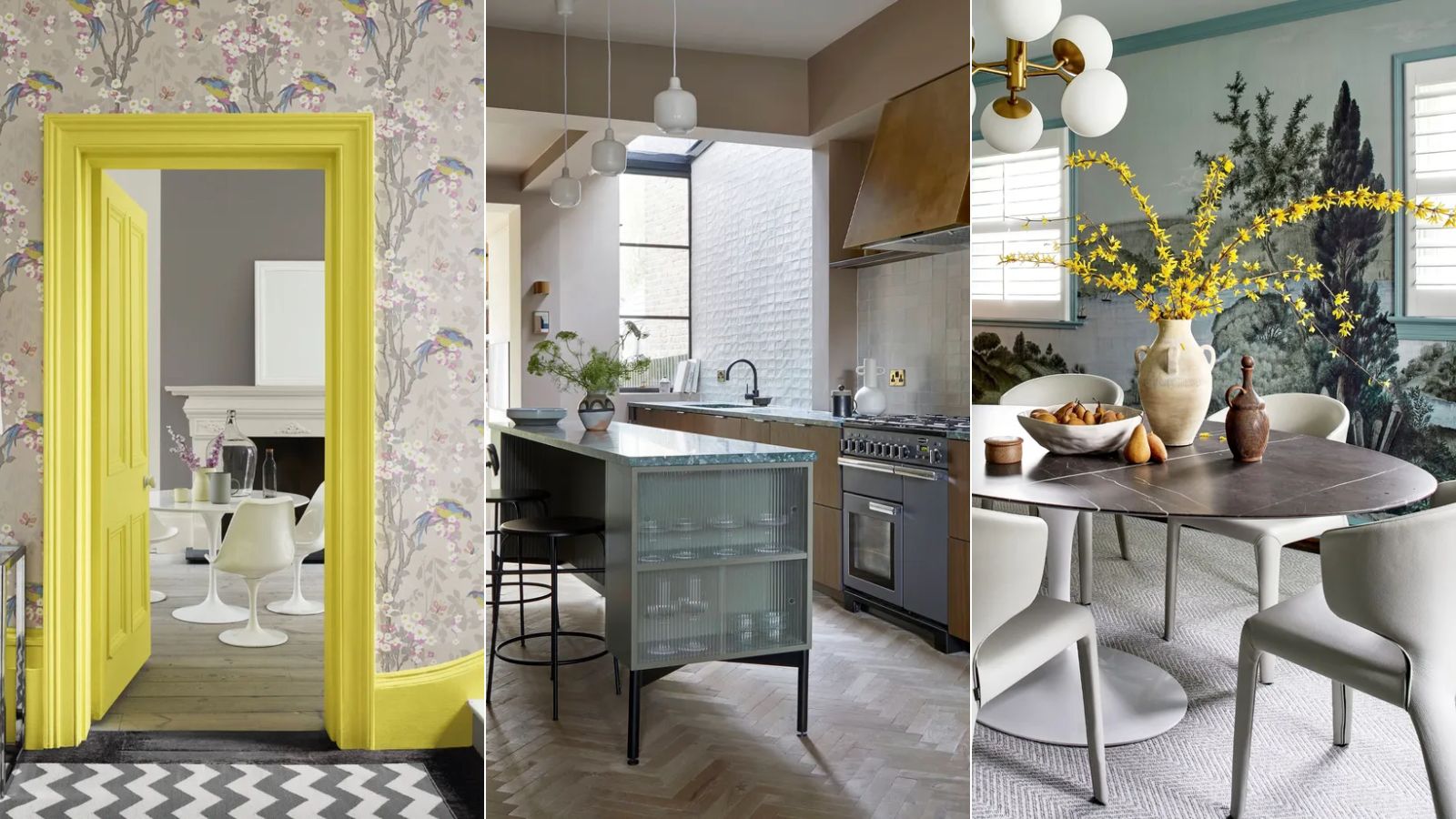
How to make a home more accessible – 7 universal design tips to improve your space

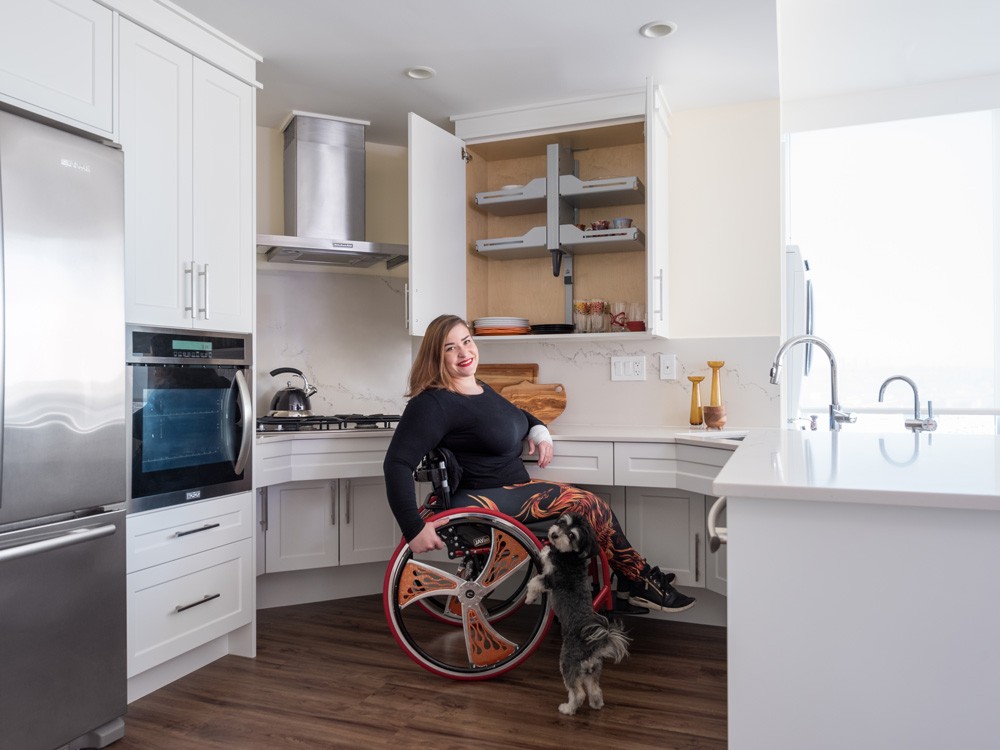
Universal design hits home for all


Michael Graves's 'Forever House' is Changing the World of Universal Design

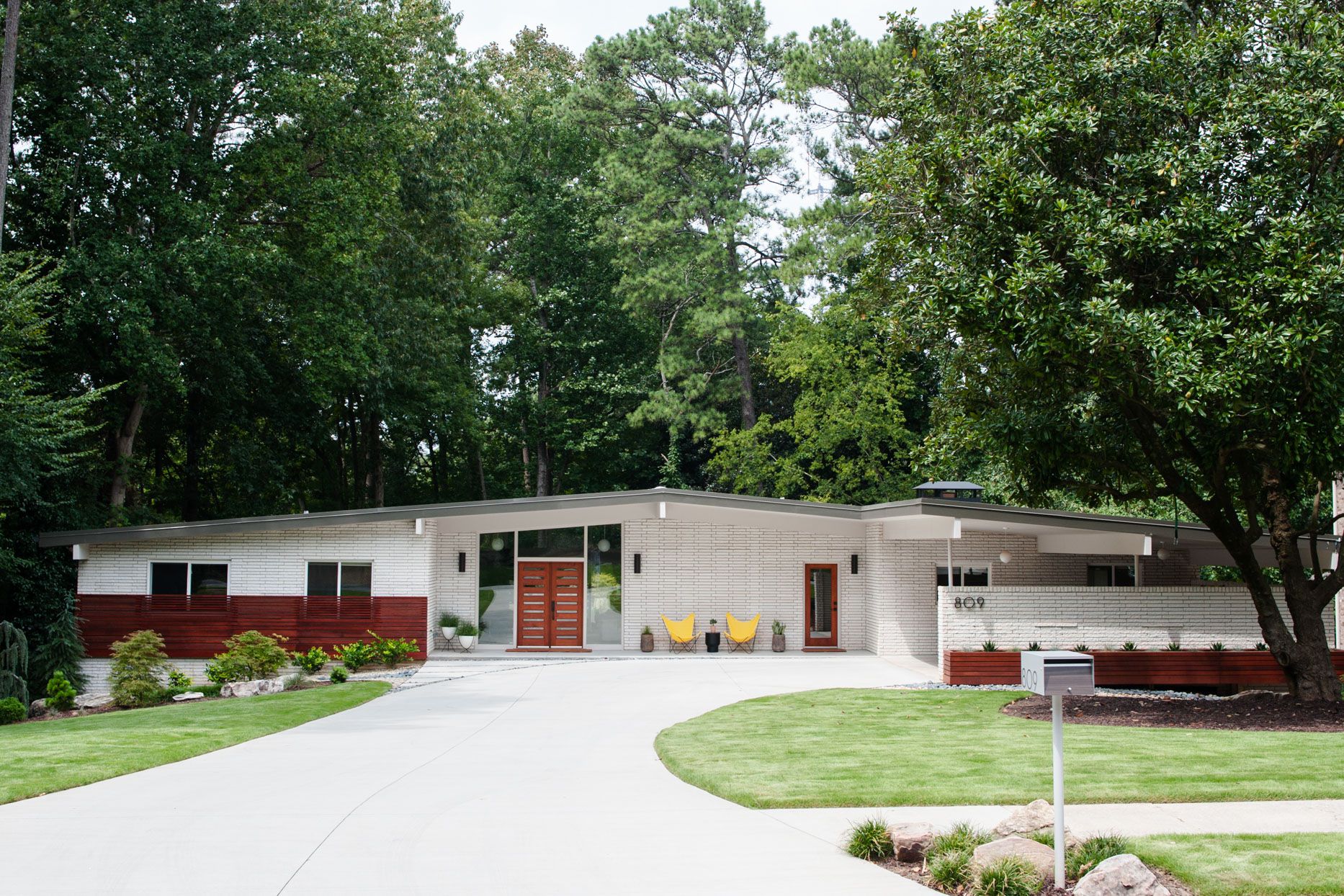
5 Essential Home Design Ideas to Make Aging in Place Easier

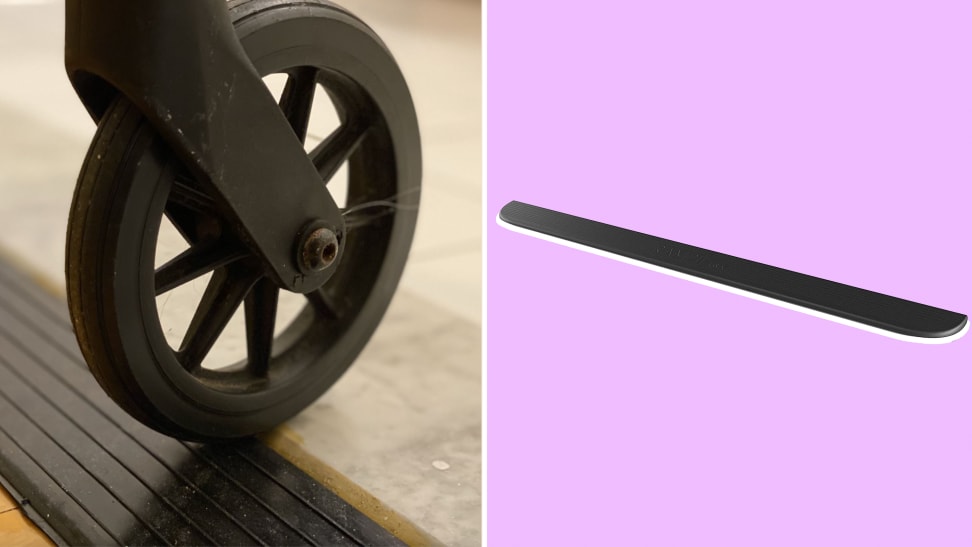
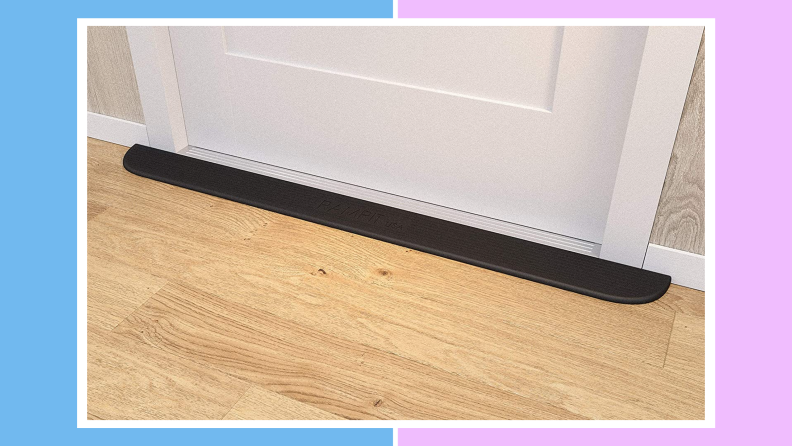
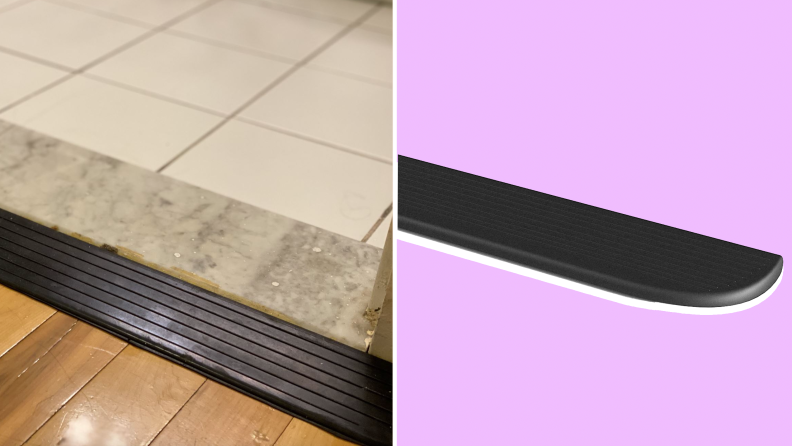
This rubber ramp makes transitions between uneven surfaces much easier

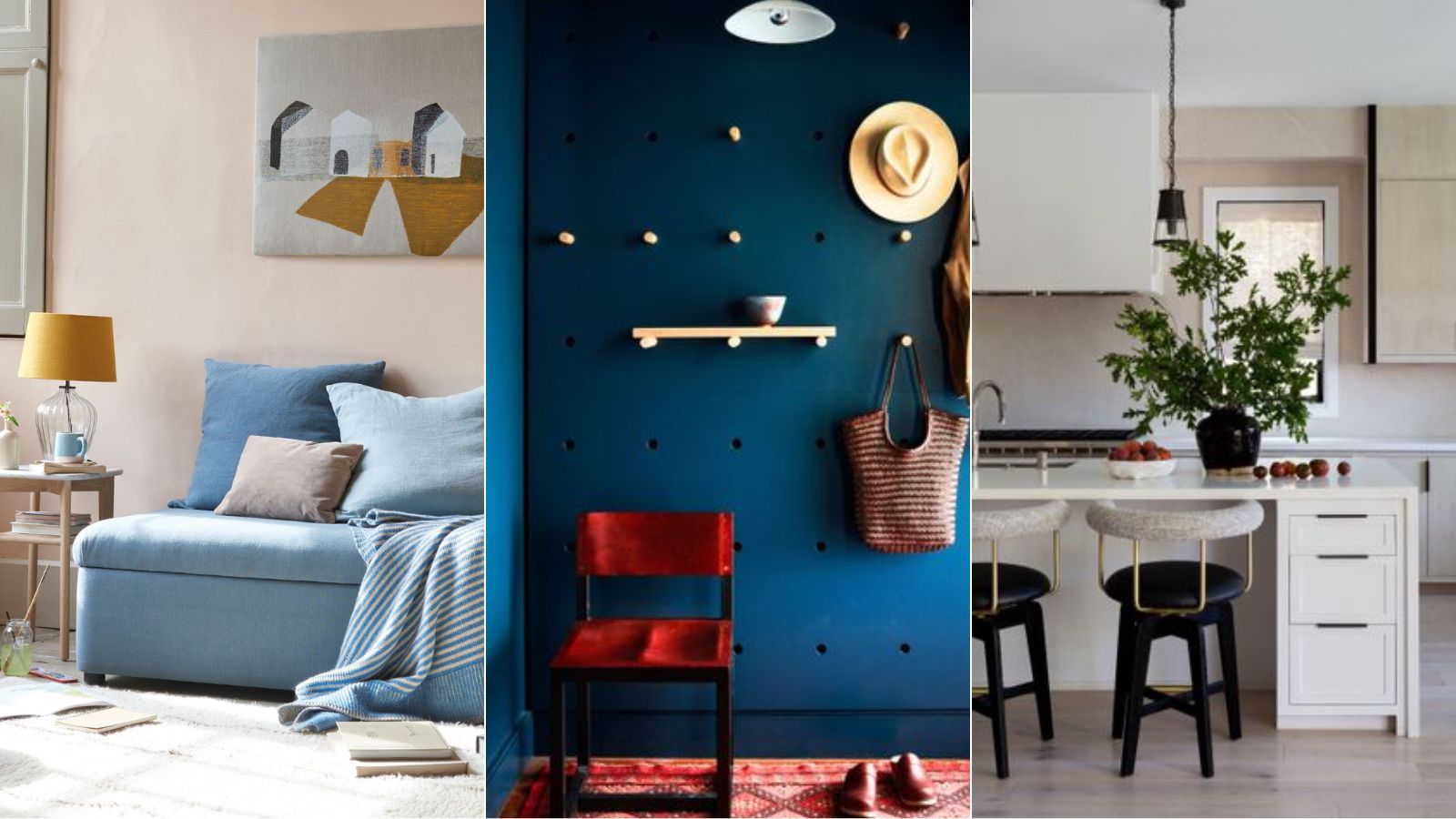
8 clever storage ideas for increased accessibility at home, as shared by designers
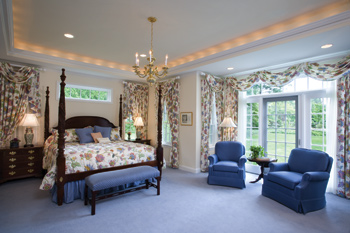
Home Sweet Home for Life
The 4 Best Grab Bars of 2026 | Reviews by Wirecutter


9 Inspiring Accessible Homes That Champion Inclusive Design

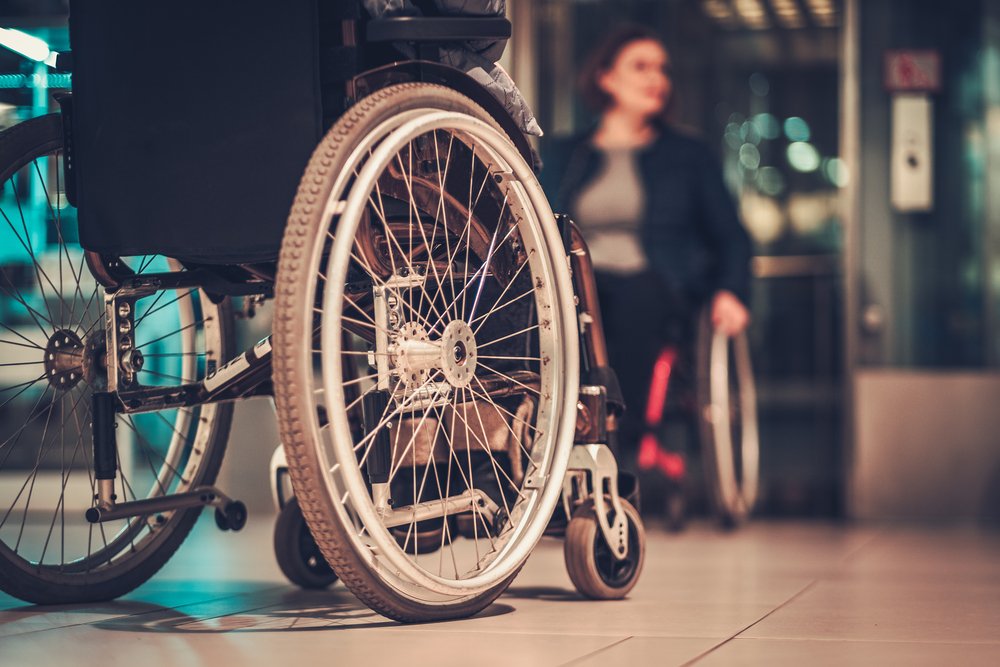
Importance of Elevators for Universal Housing
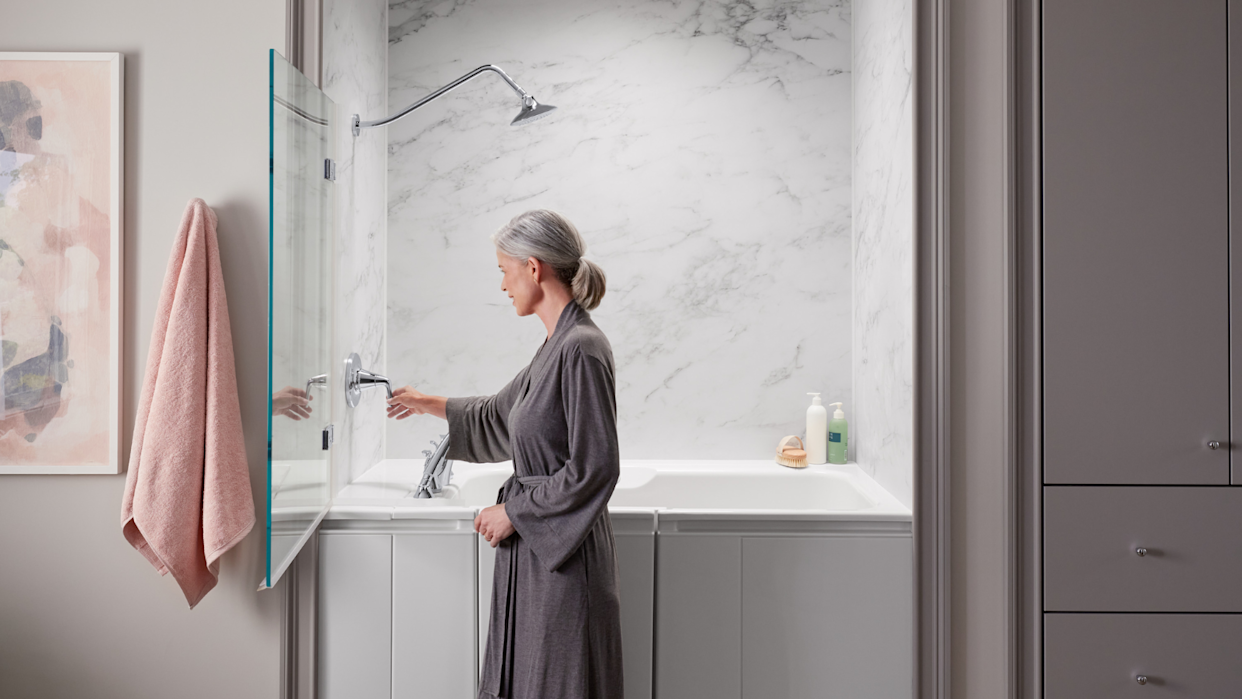
The best walk-in tubs, according to mobility experts

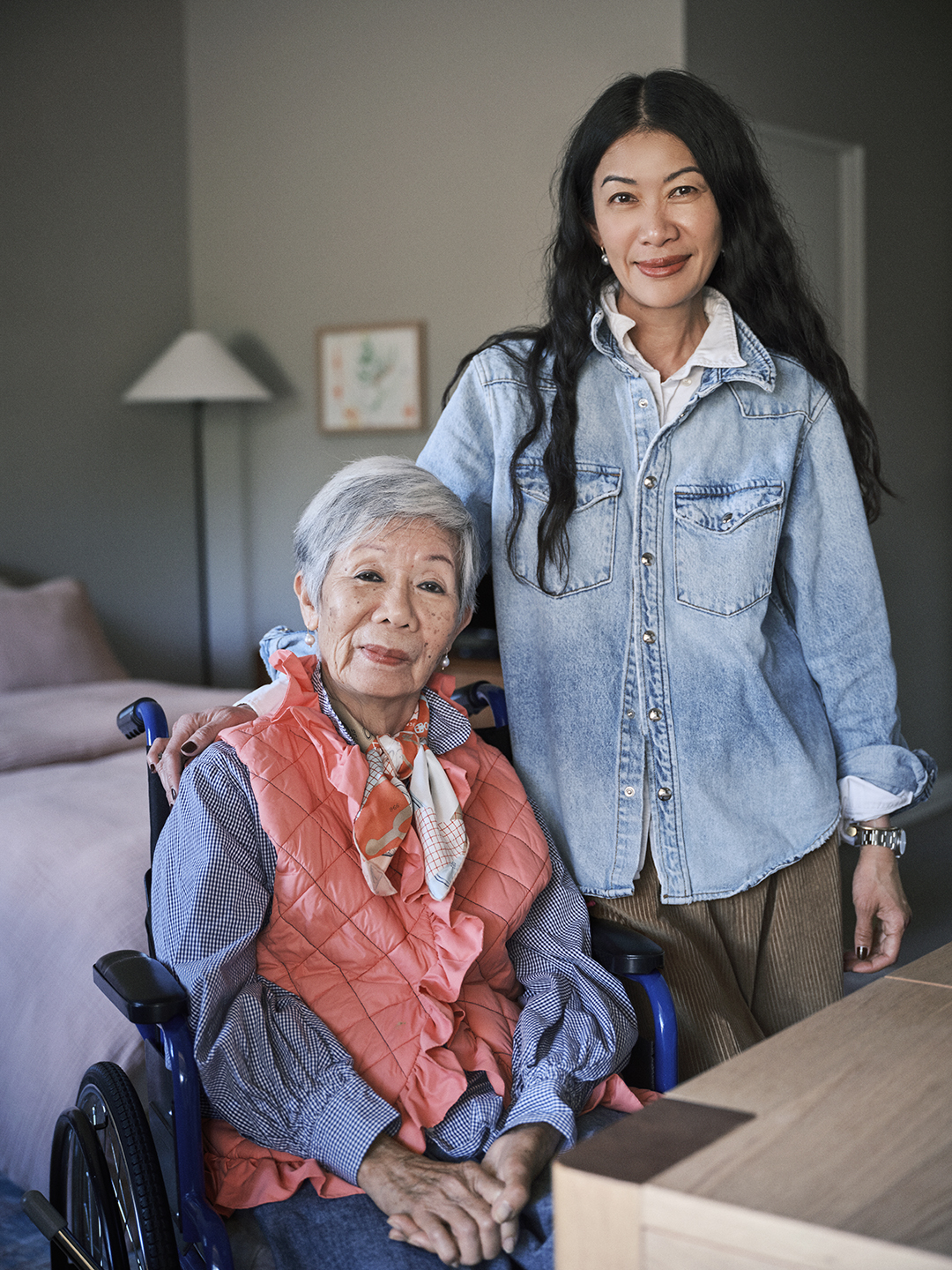
When My Mom Had a Stroke, My Goal Was to Make Her Assisted Living Apartment Calm and Cozy


The Best Floors For Wheelchair Accessible Homes, According To Mike Holmes' Podcast
Your Home Checklist for Aging in Place
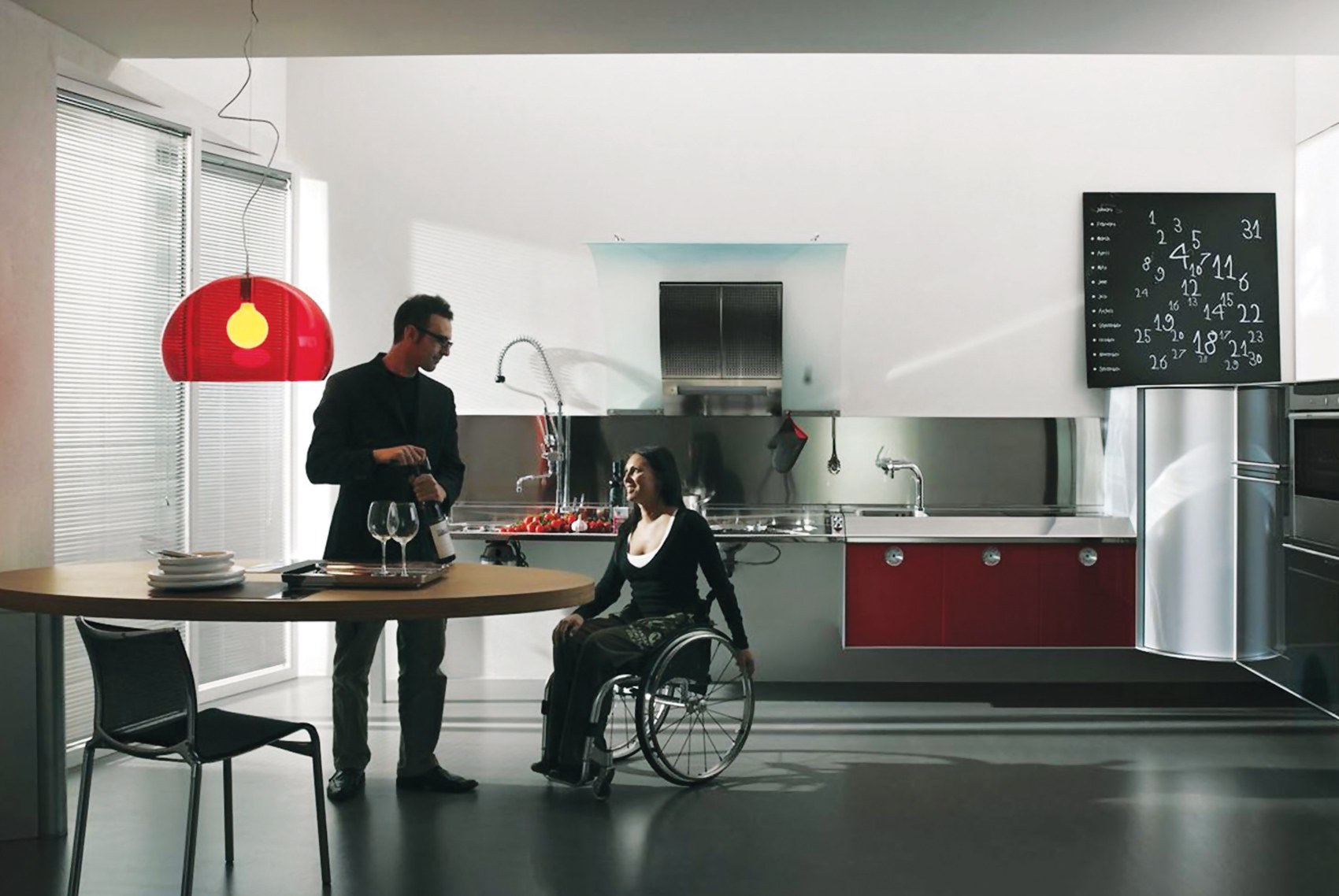
Chef’s corner


The Best Smart Assistive Devices for People With Disabilities
This Colorful House Was Ingeniously Designed to Be Wheelchair Accessible

Universal Design: Why Americans Need Home Design That Welcomes Everyone

8 Ways to Make the Stairs Safer at Home

This Mid-Century Modern Home Welcomes Accessibility Through Universal Design