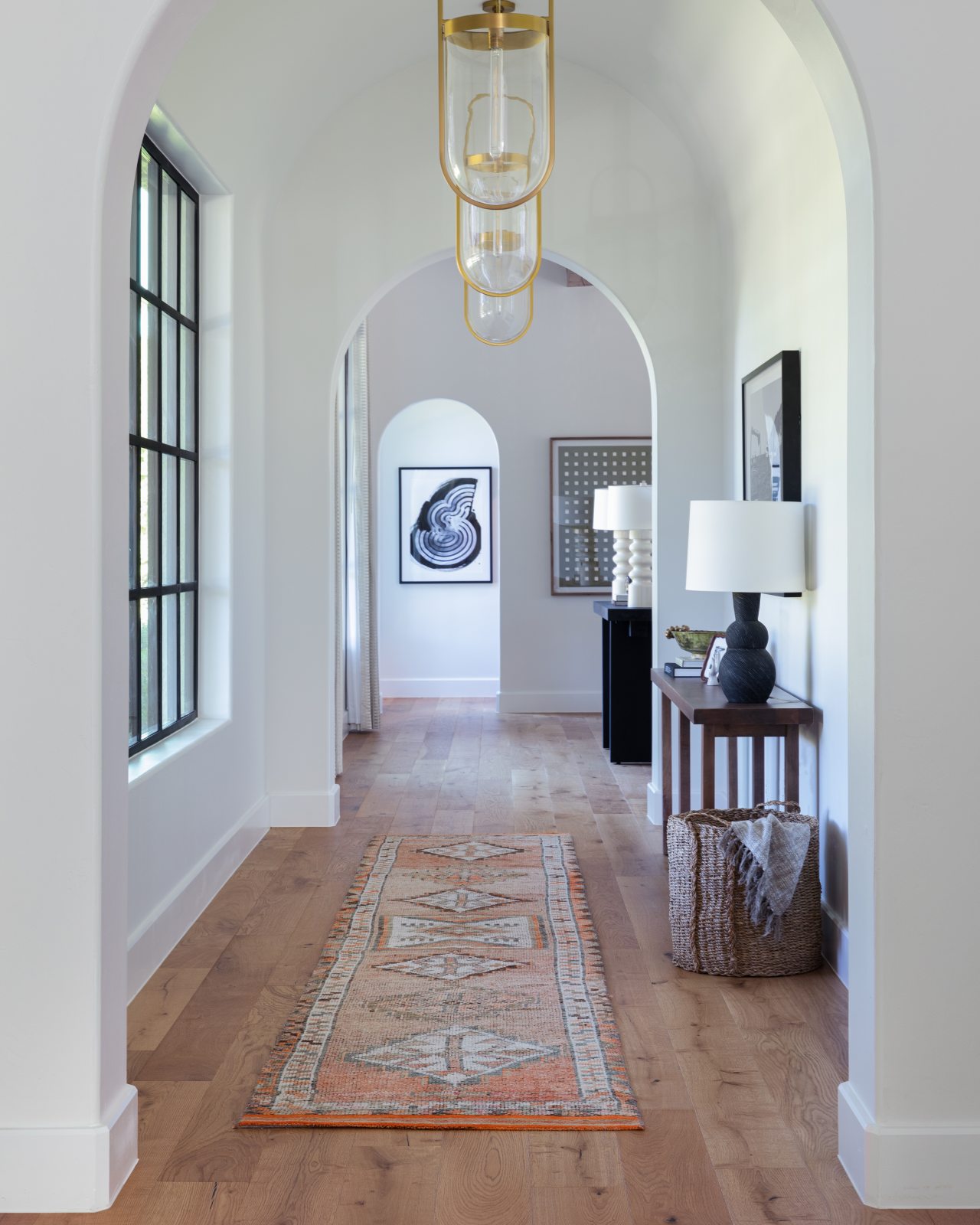
How to Avoid the 5 Worst Hallway Design Mistakes
Hallways, despite being central to a home's flow and connecting various rooms, are frequently overlooked in design, often treated as mere transitional spaces. This neglect leads to common blunders that detract from a home's overall aesthetic and functionality. Interior designers emphasize that with thoughtful planning, hallways can be transformed into integral and engaging experiences. Neglecting hallways can result in them appearing uninviting or functionally inadequate.
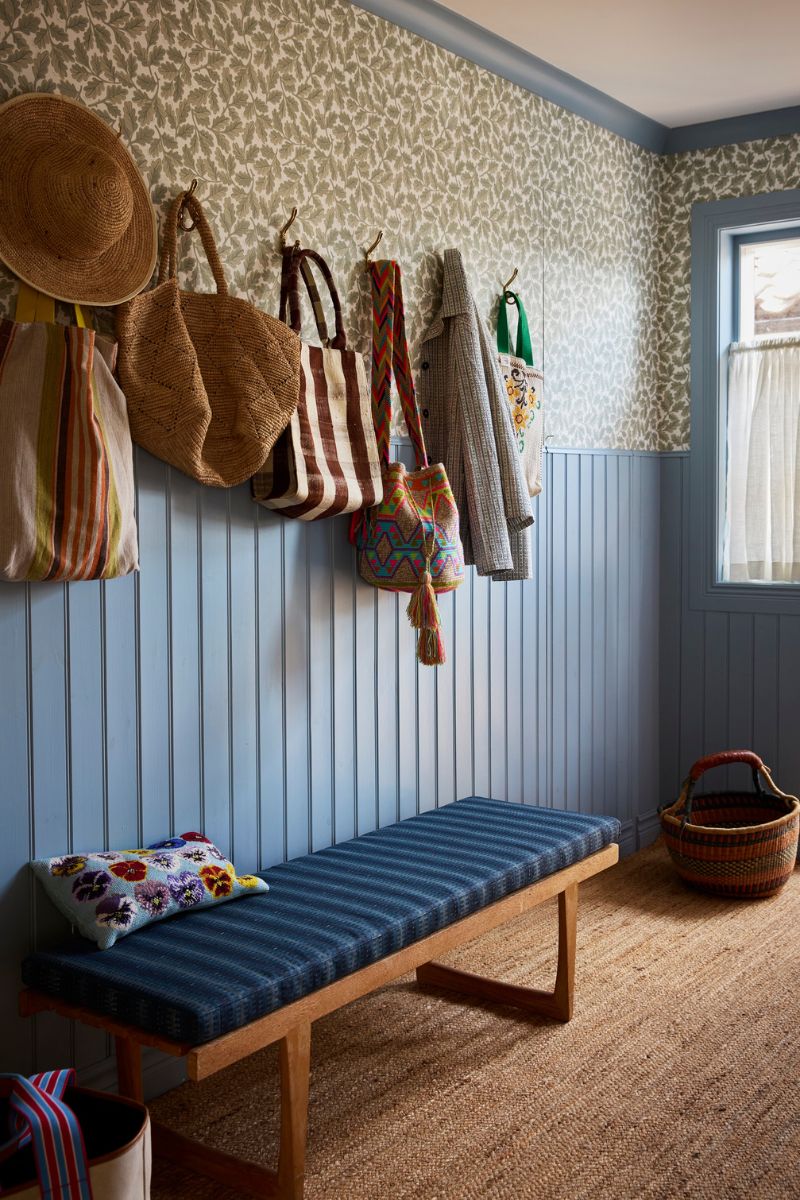
One significant mistake is selecting finishes that are not durable enough to withstand the high traffic characteristic of hallways. These areas endure constant footfall, moving furniture, and daily wear and tear. Choosing delicate wallpapers or easily scuffed paints can quickly lead to a worn-out appearance, necessitating frequent repairs or redecoration. Instead, designers recommend opting for robust, washable paints, durable wainscoting, or high-quality wall coverings that can resist abrasions and are easy to maintain, ensuring longevity and sustained visual appeal.
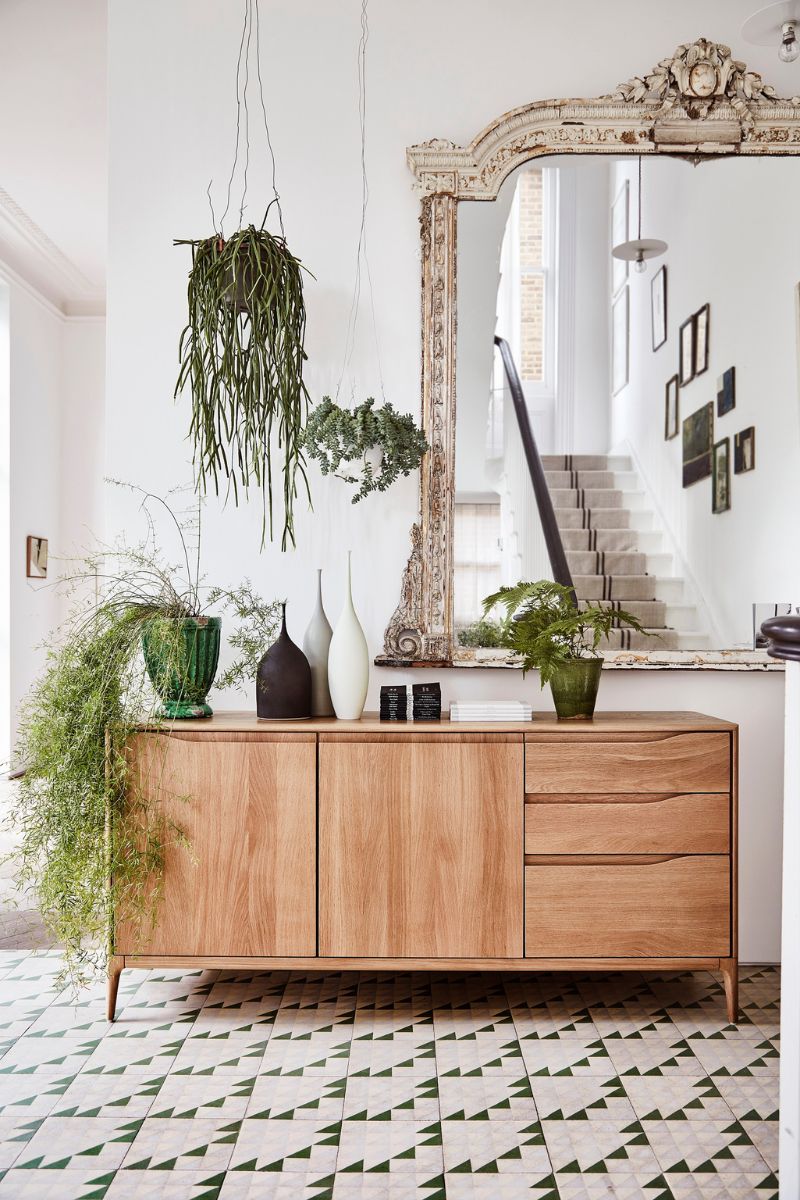
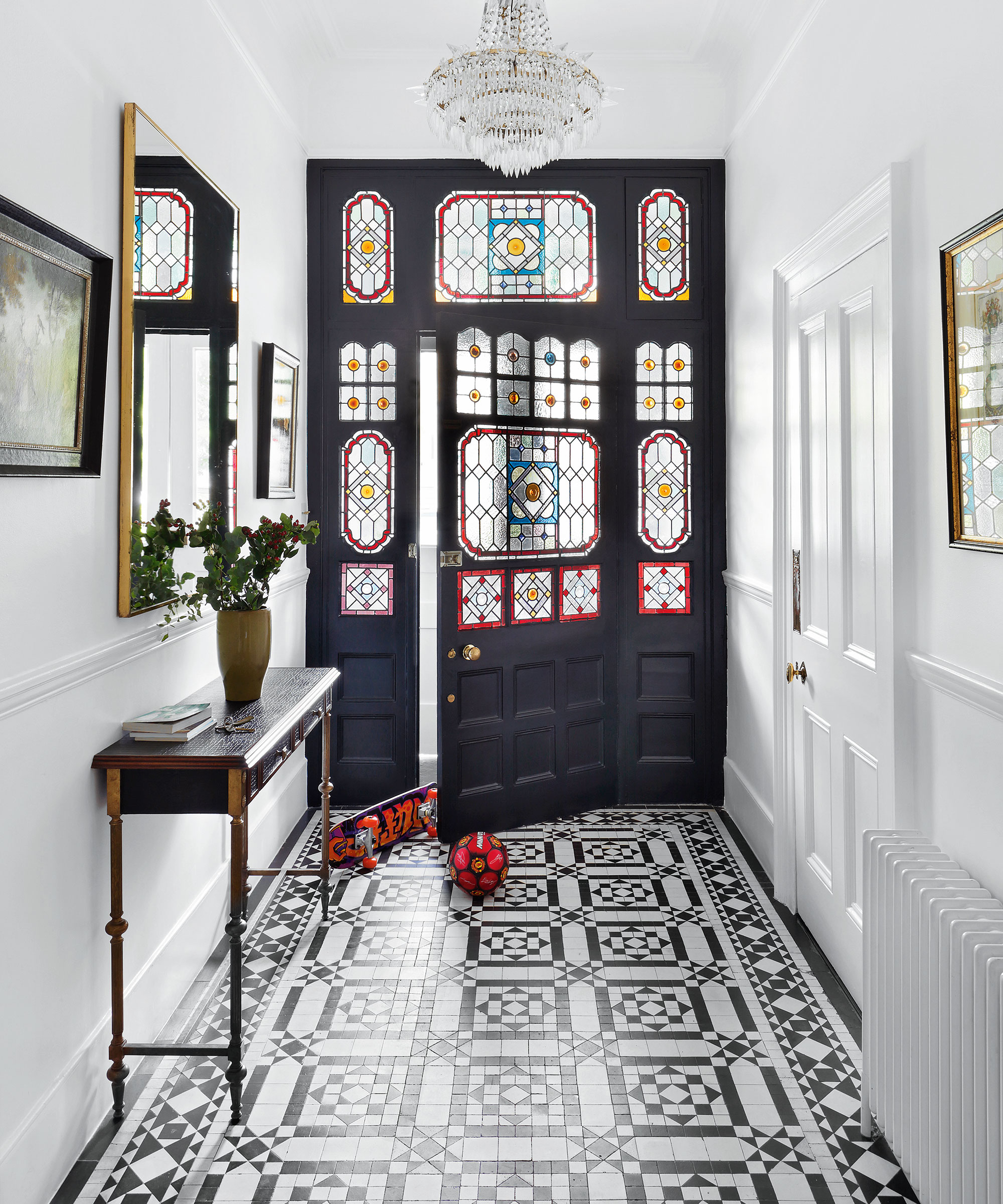
Another common error is leaving floors bare or choosing inappropriate flooring materials. Bare floors can make hallways feel cold and unwelcoming, and hard surfaces like unadorned concrete or wood can amplify noise. Furthermore, slick surfaces pose a slip hazard, especially in busy households. Ideal solutions include durable, non-slip flooring options such as high-quality runners or carpets that provide comfort underfoot, absorb sound, and add a layer of texture and warmth. For hard flooring, selecting materials like engineered wood, durable tiles, or resilient vinyl with good slip resistance is crucial.
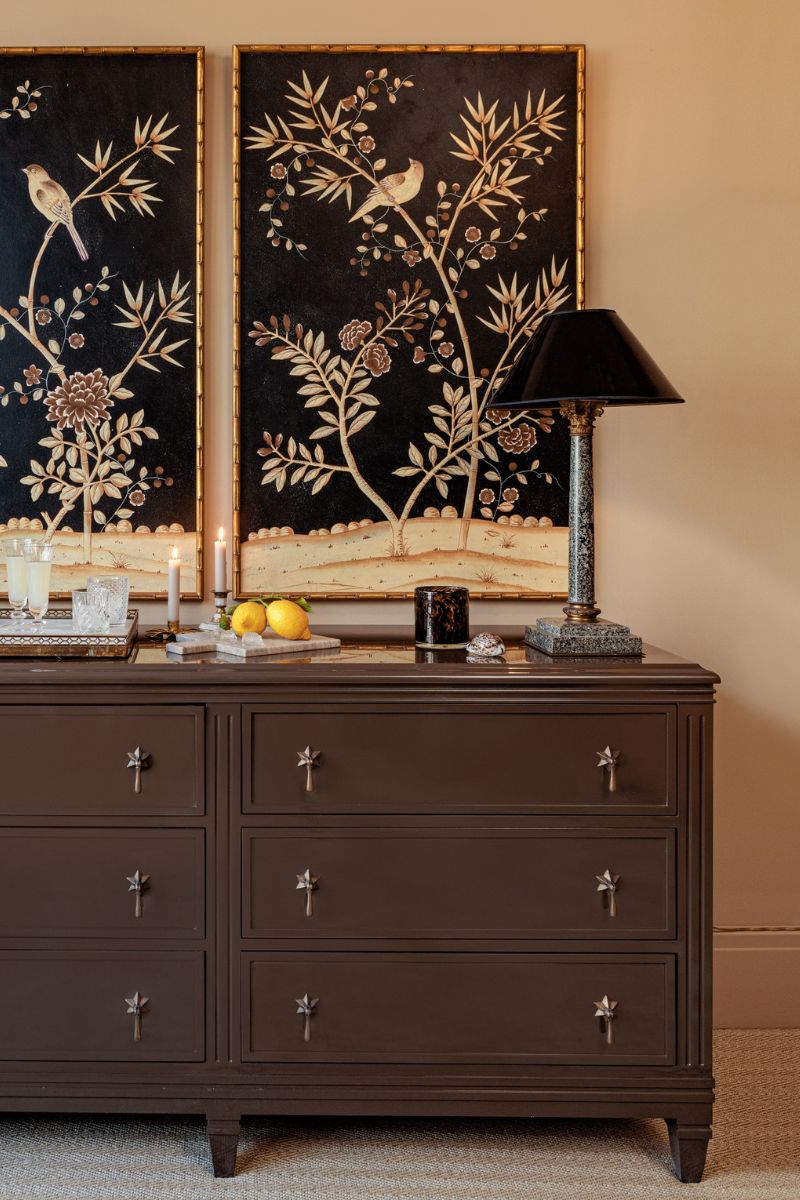
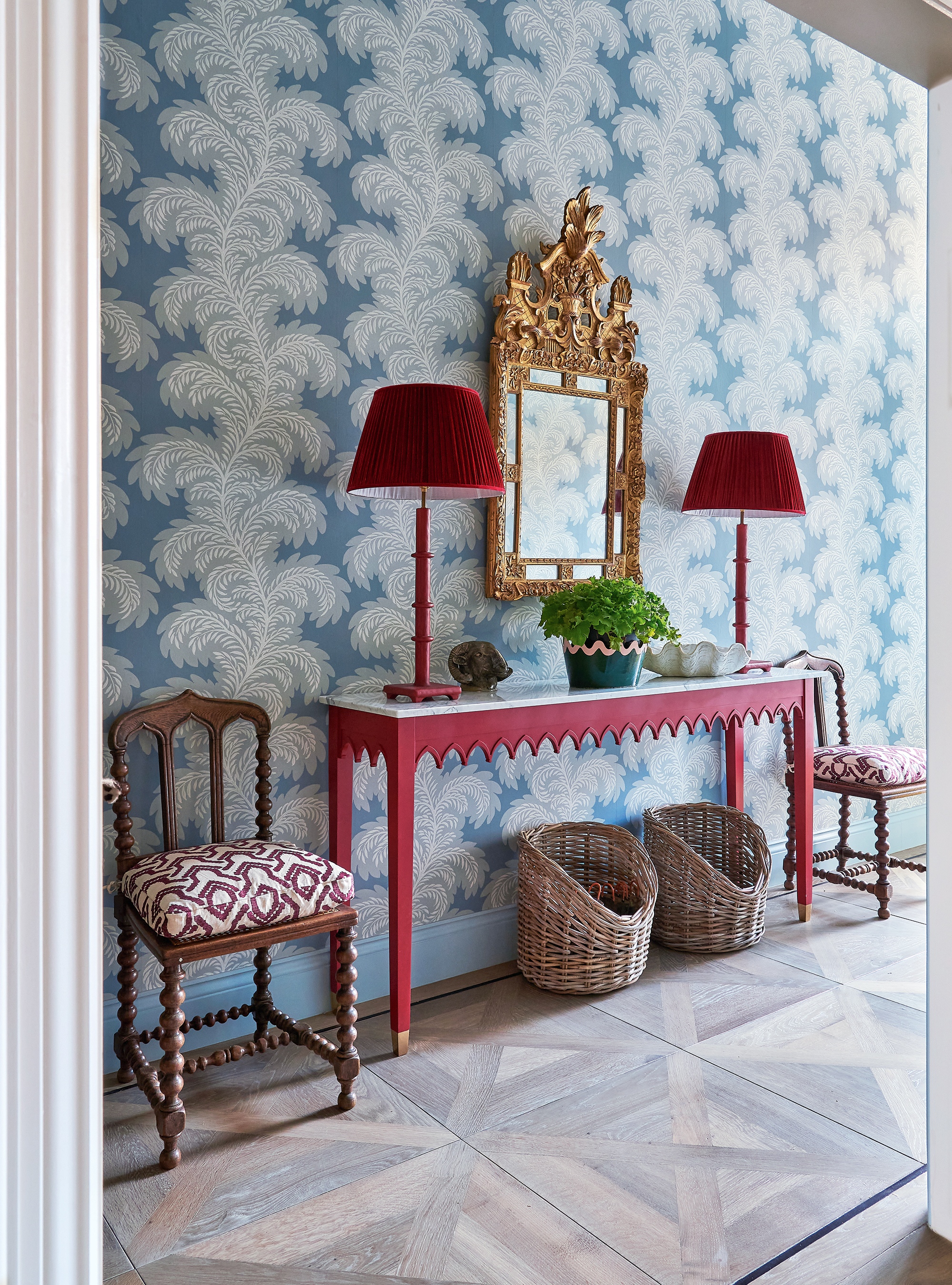
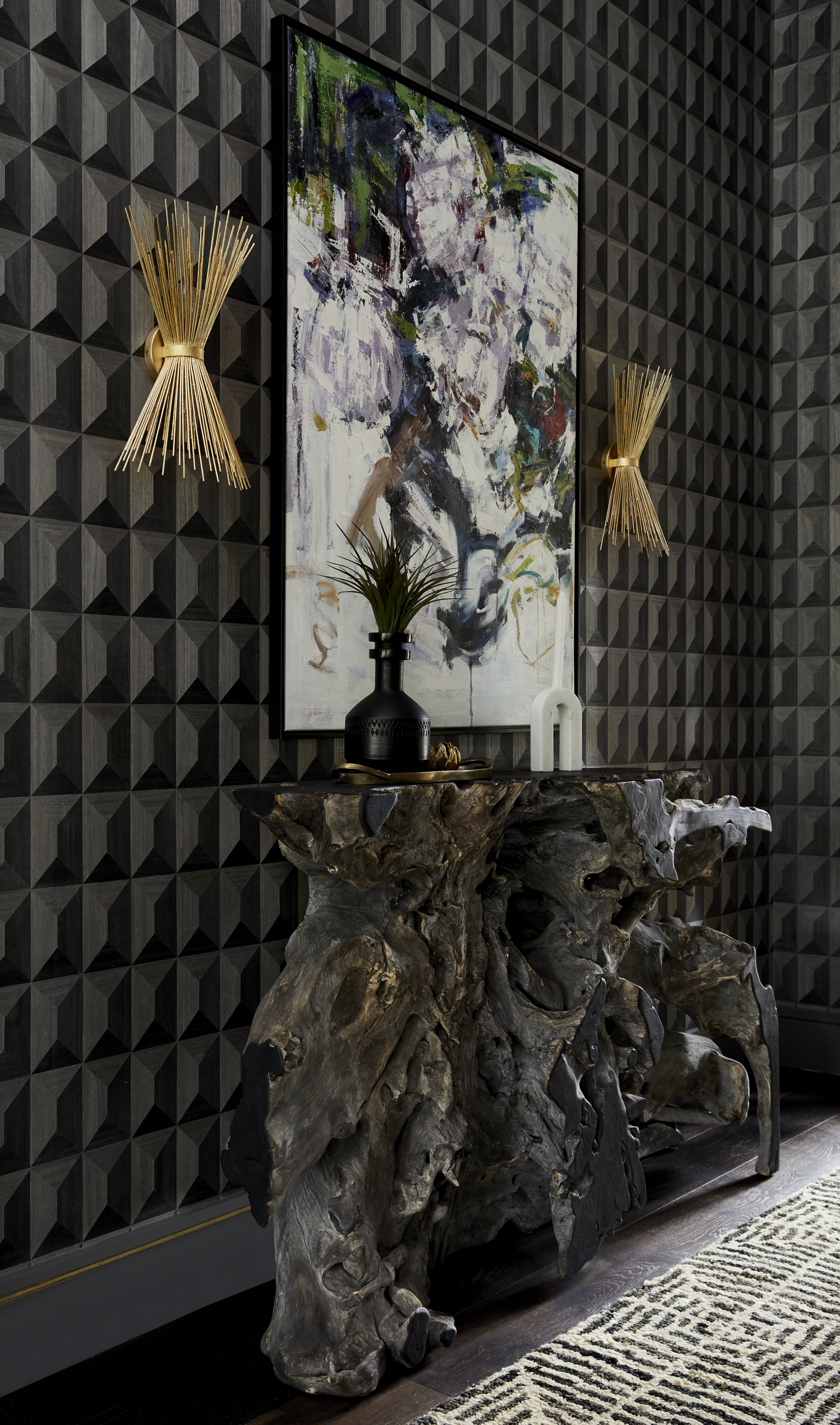
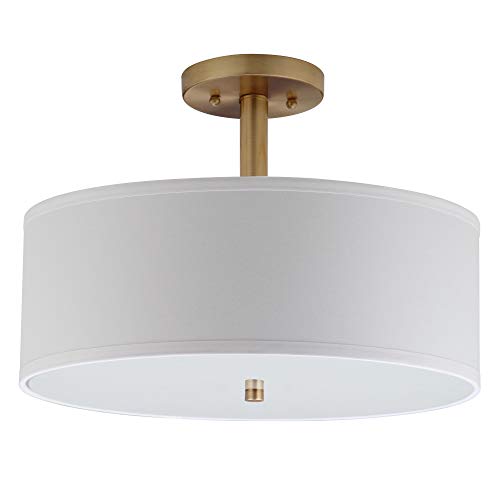
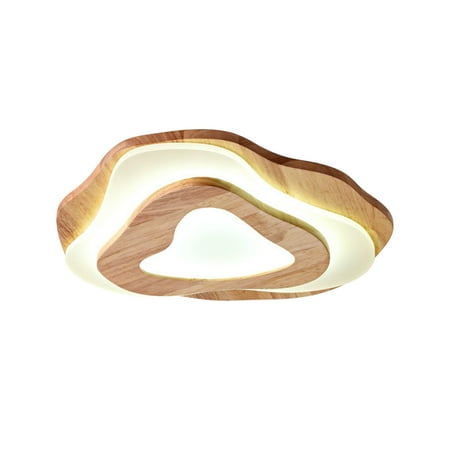
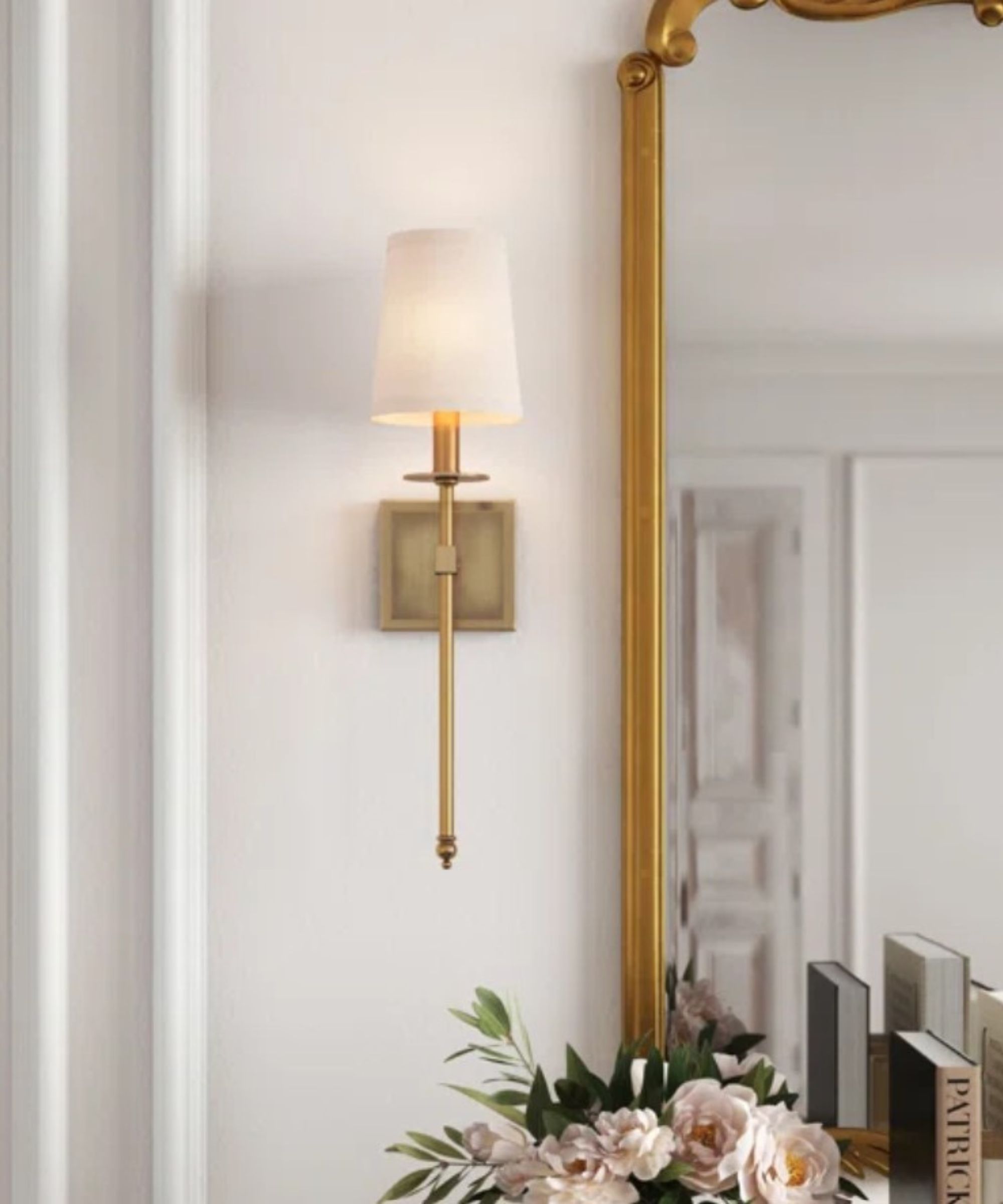
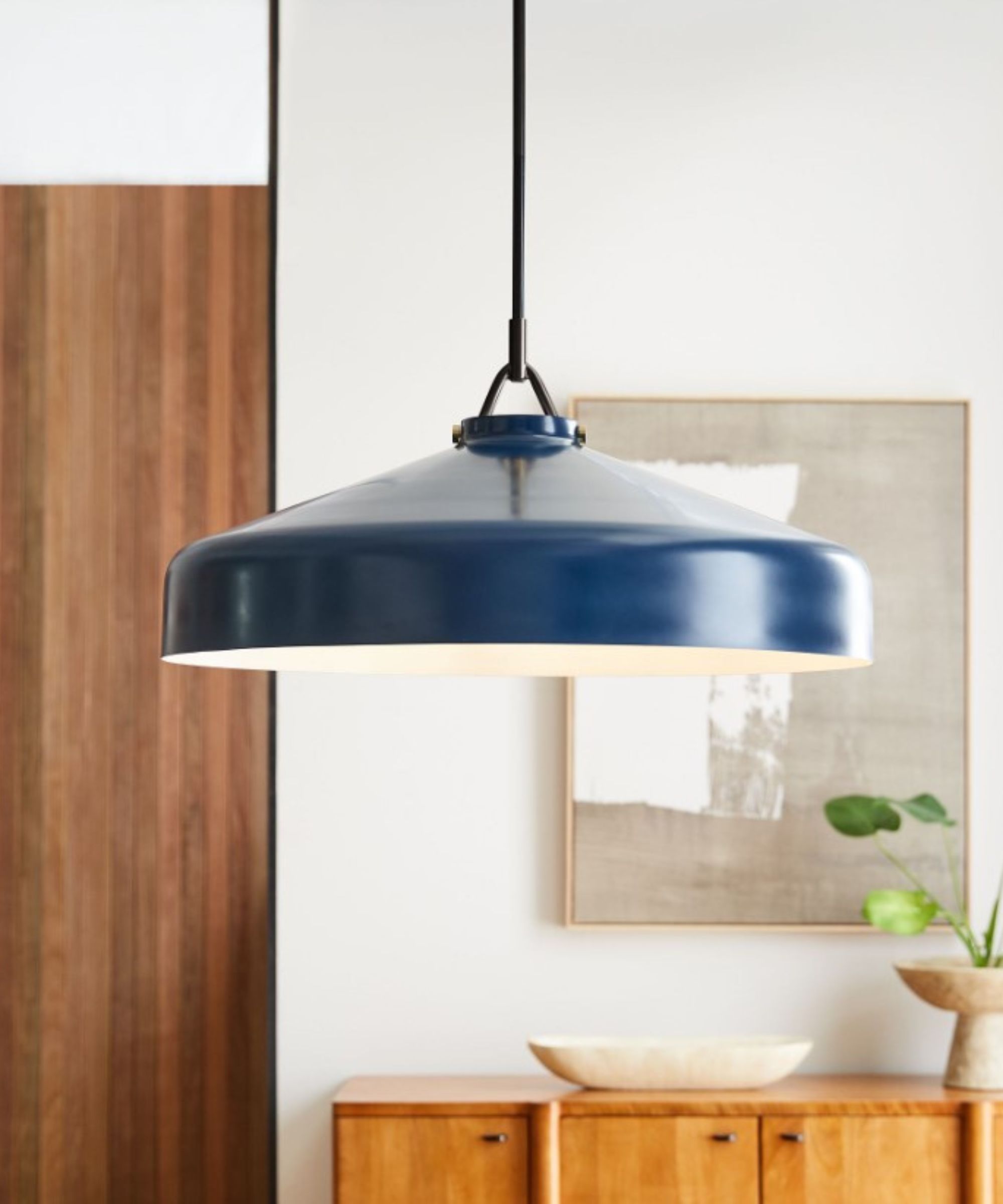
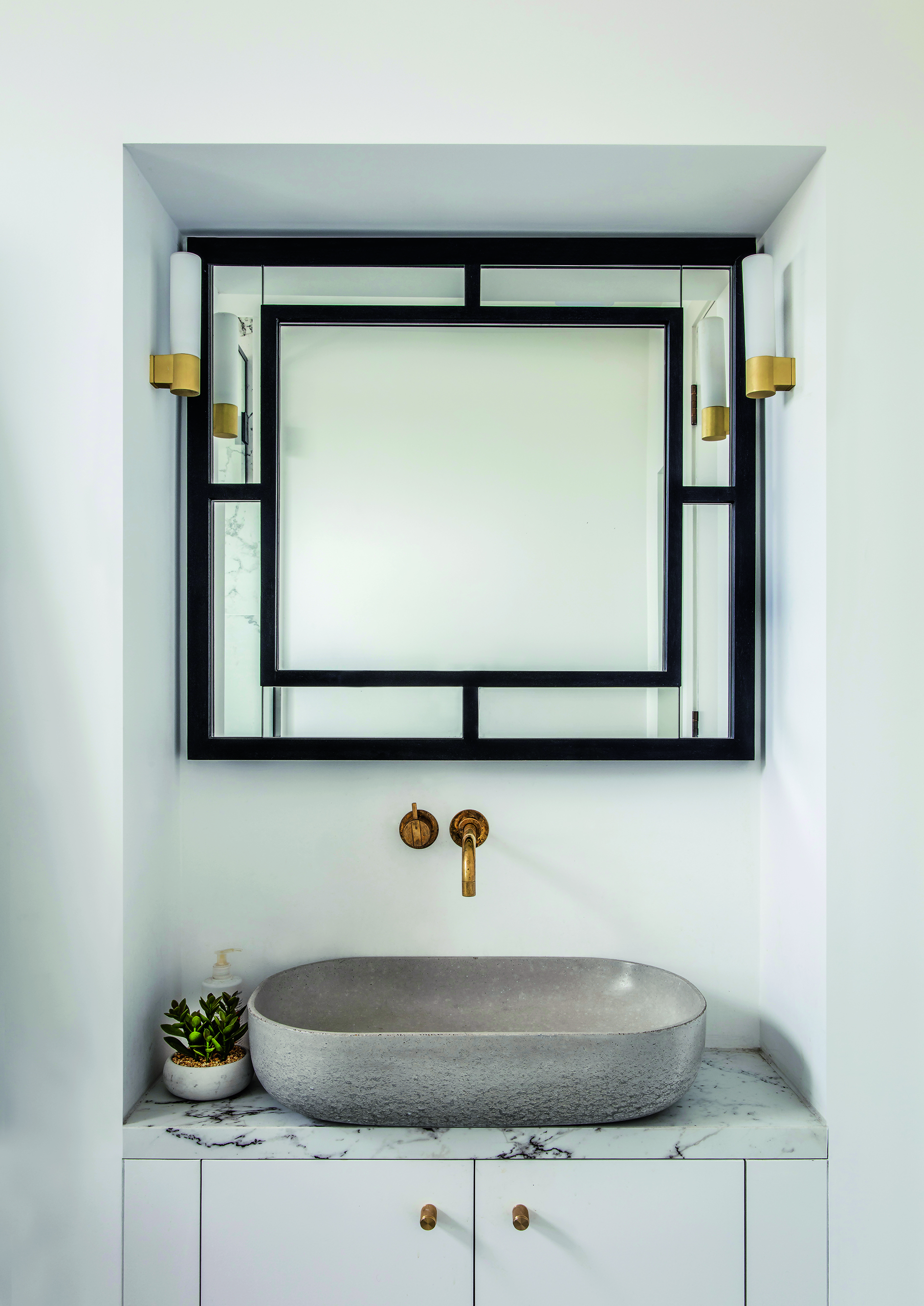
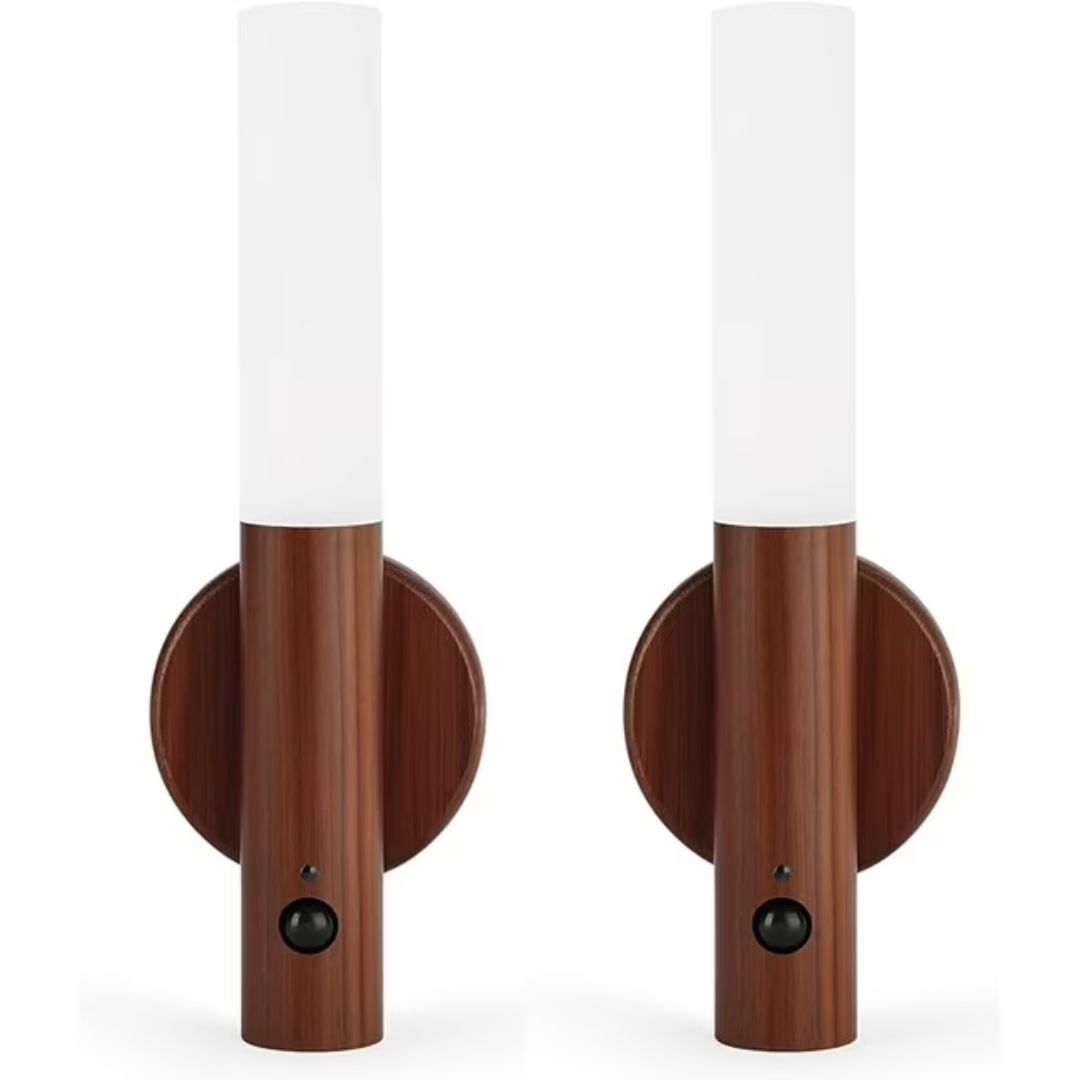
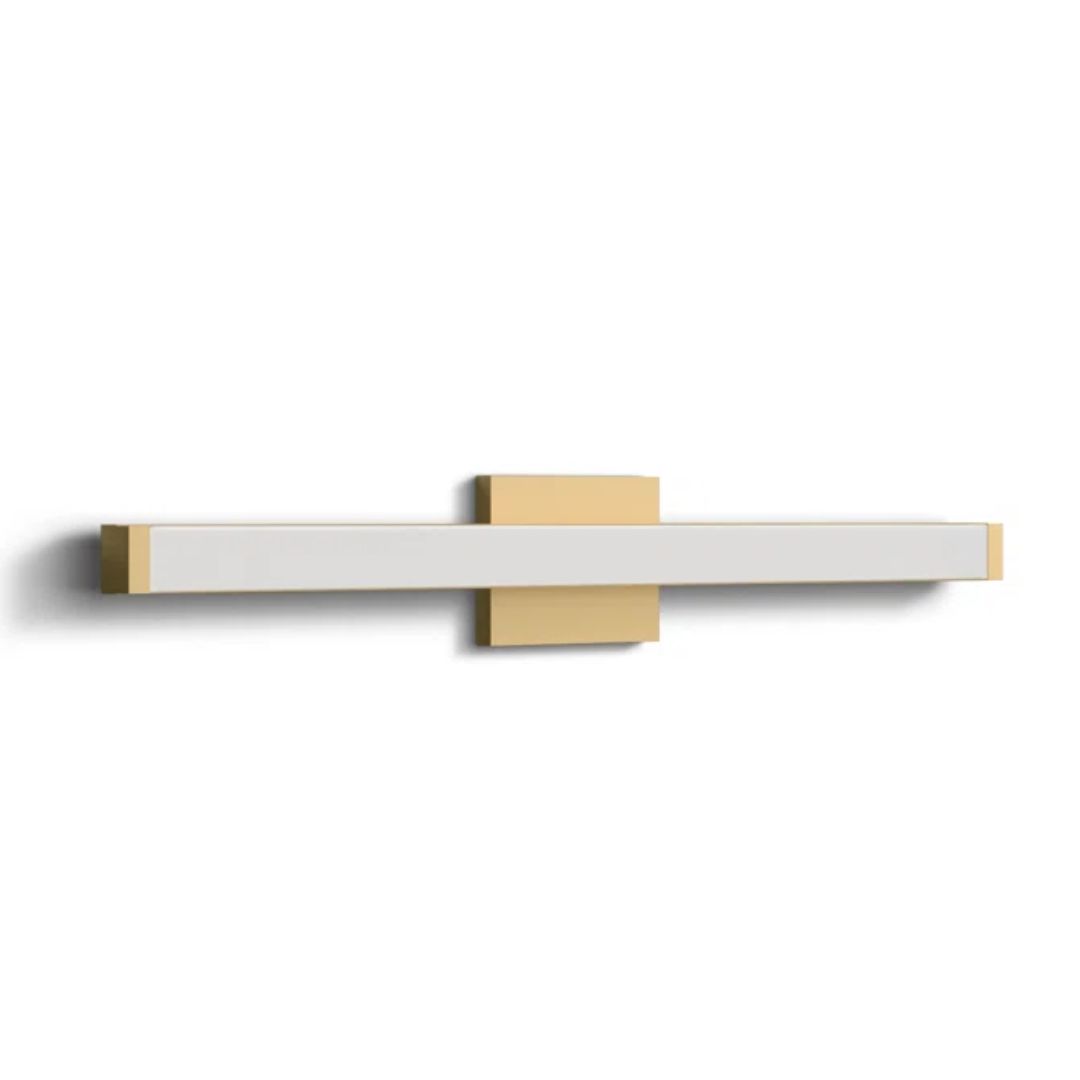
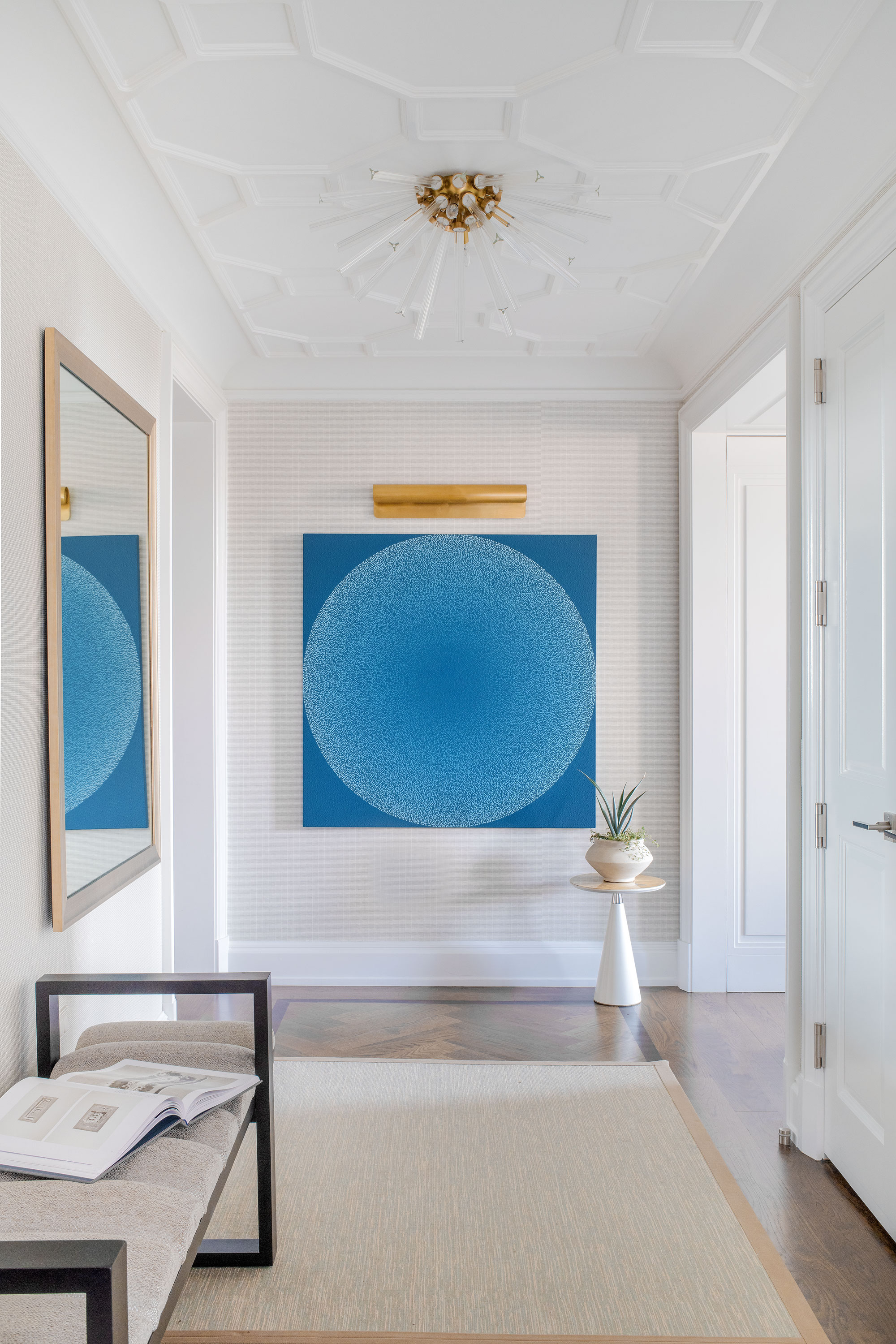
Inadequate or supermarket-like lighting is another frequent design misstep. Hallways often lack natural light, making artificial illumination essential. Relying on a single, harsh overhead light can create an uninviting and poorly lit tunnel effect, failing to highlight any architectural features or decor. Designers suggest a multi-layered lighting approach, incorporating ambient, accent, and task lighting. This can include flush mounts, sconces, recessed lights, and even small table lamps on consoles to create a welcoming glow, enhance depth, and ensure practical visibility.
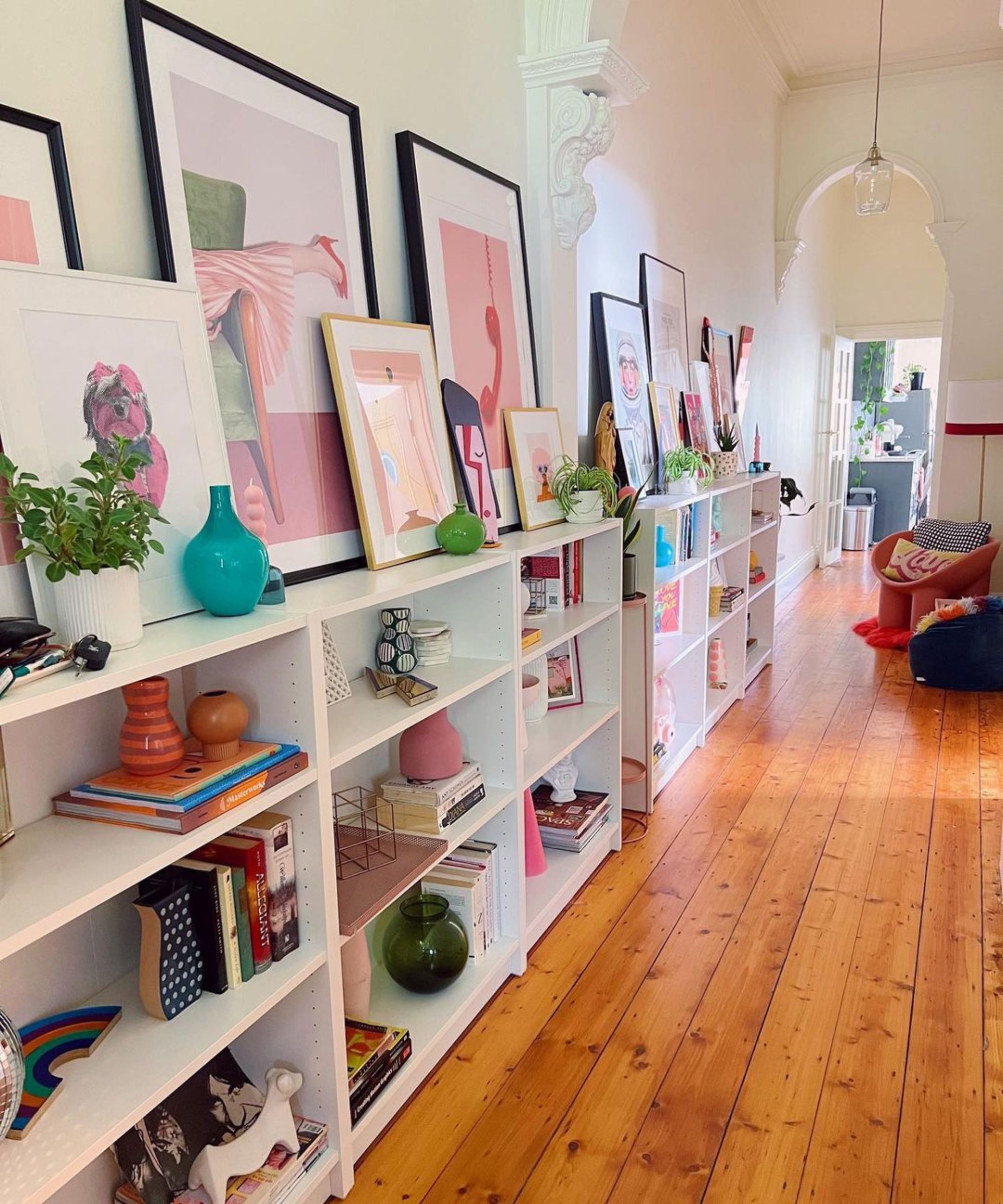
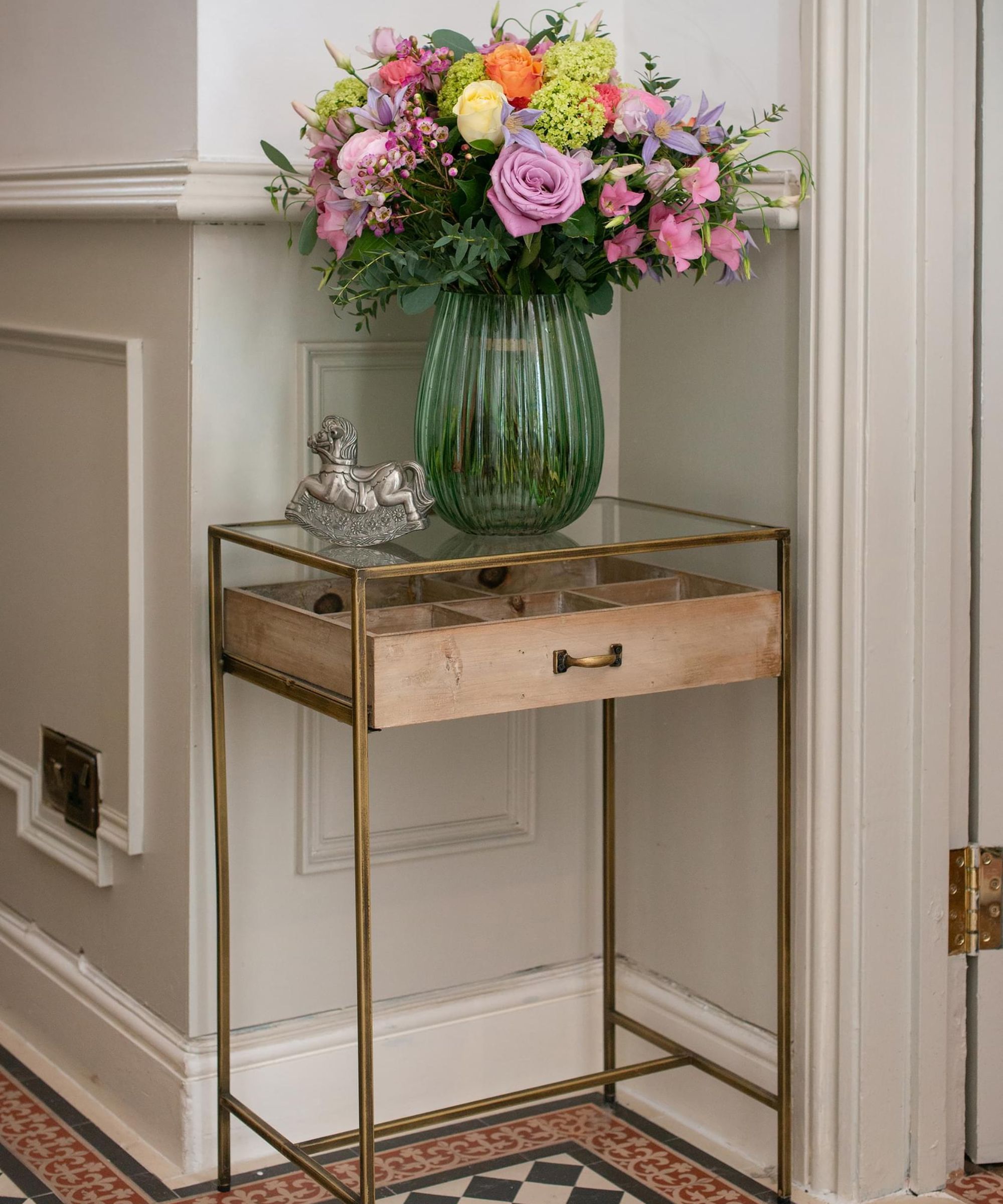
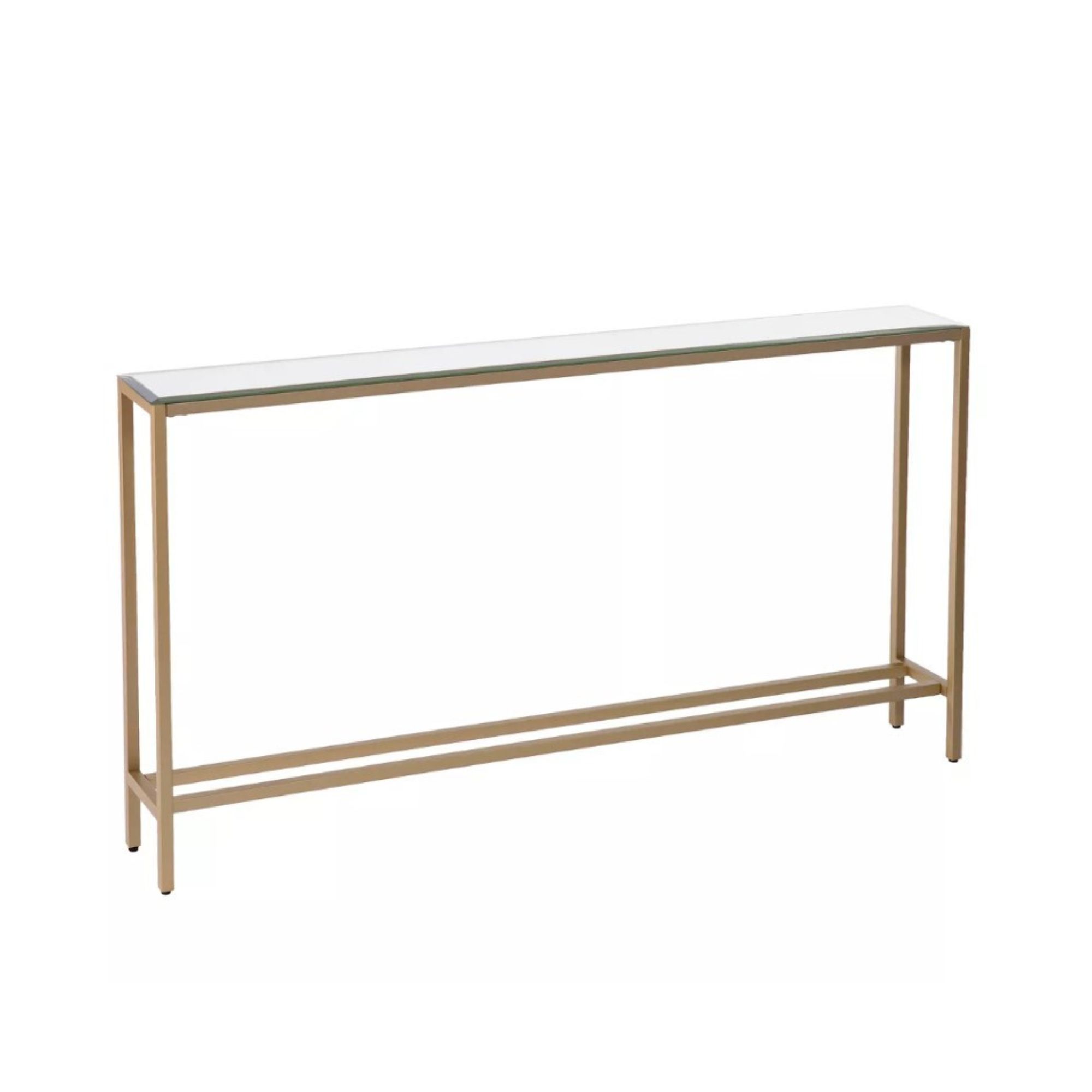
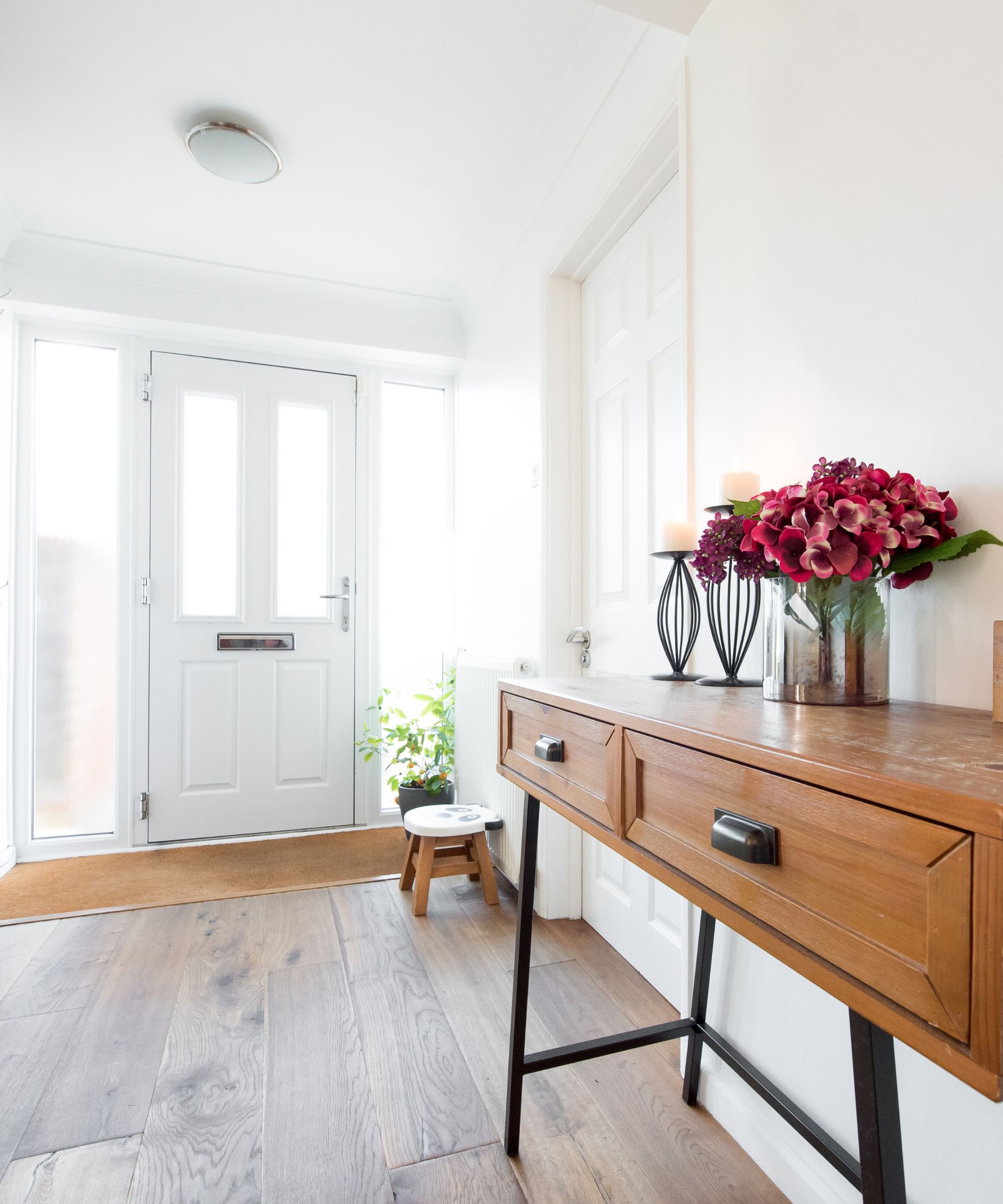
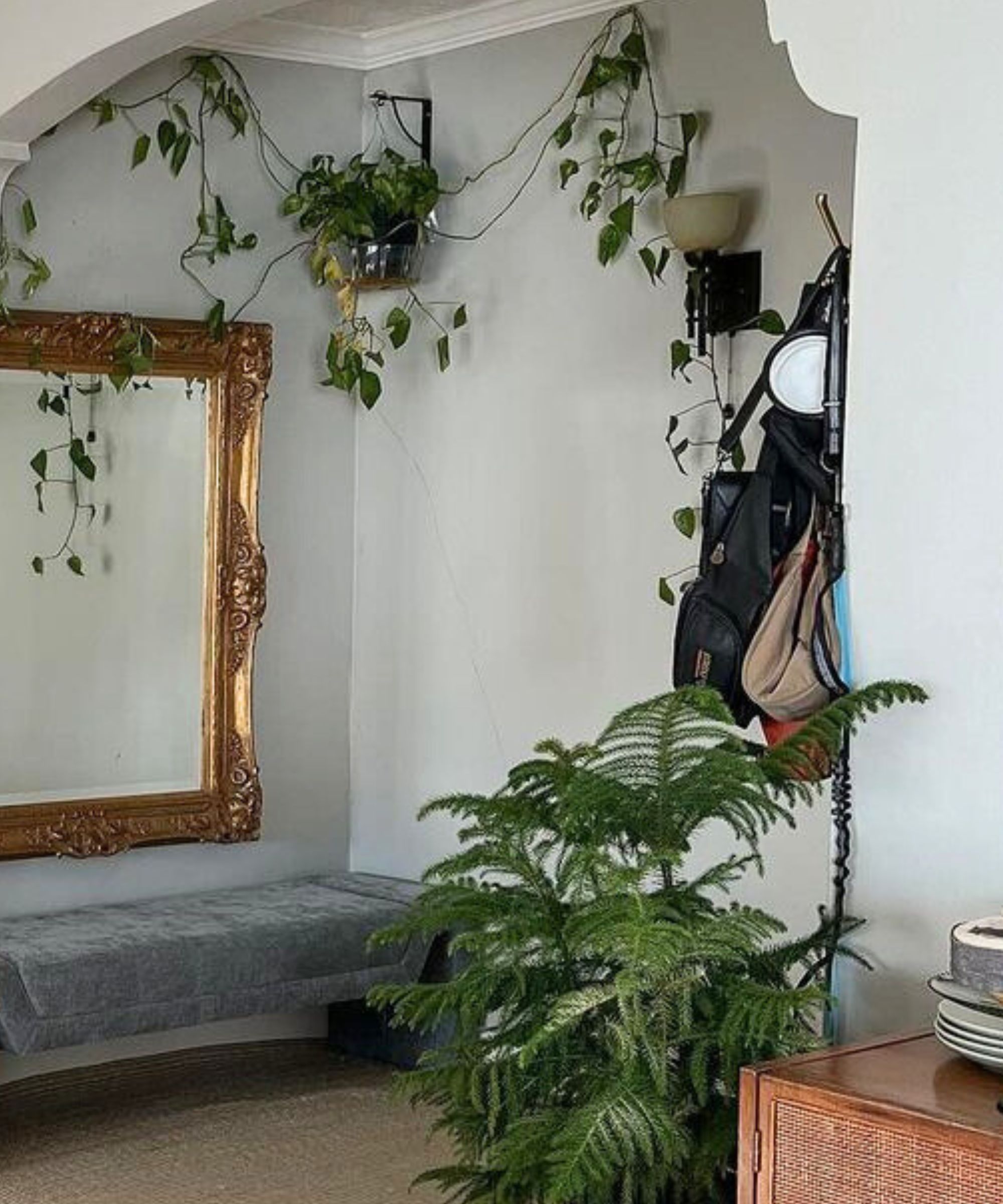
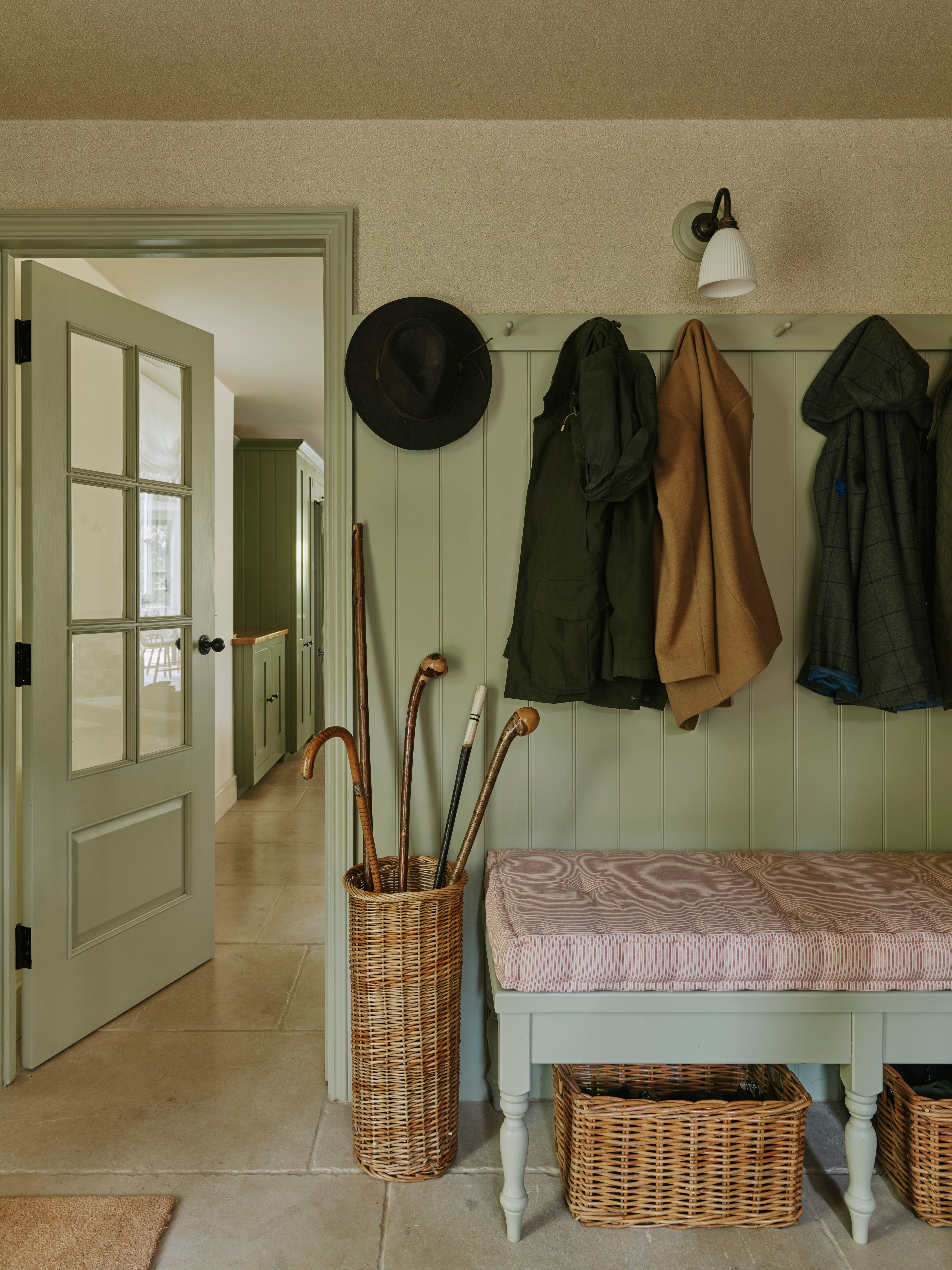
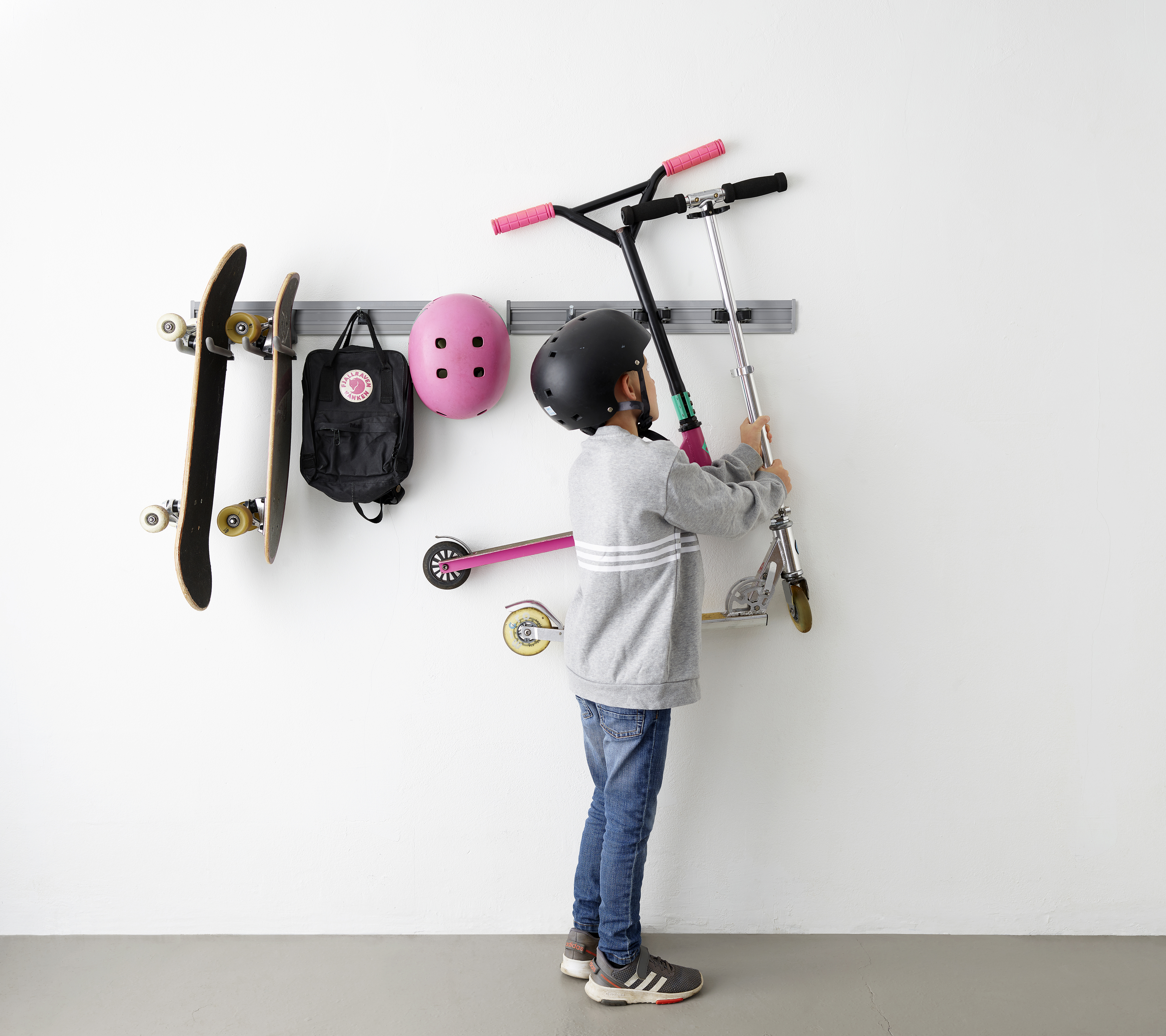
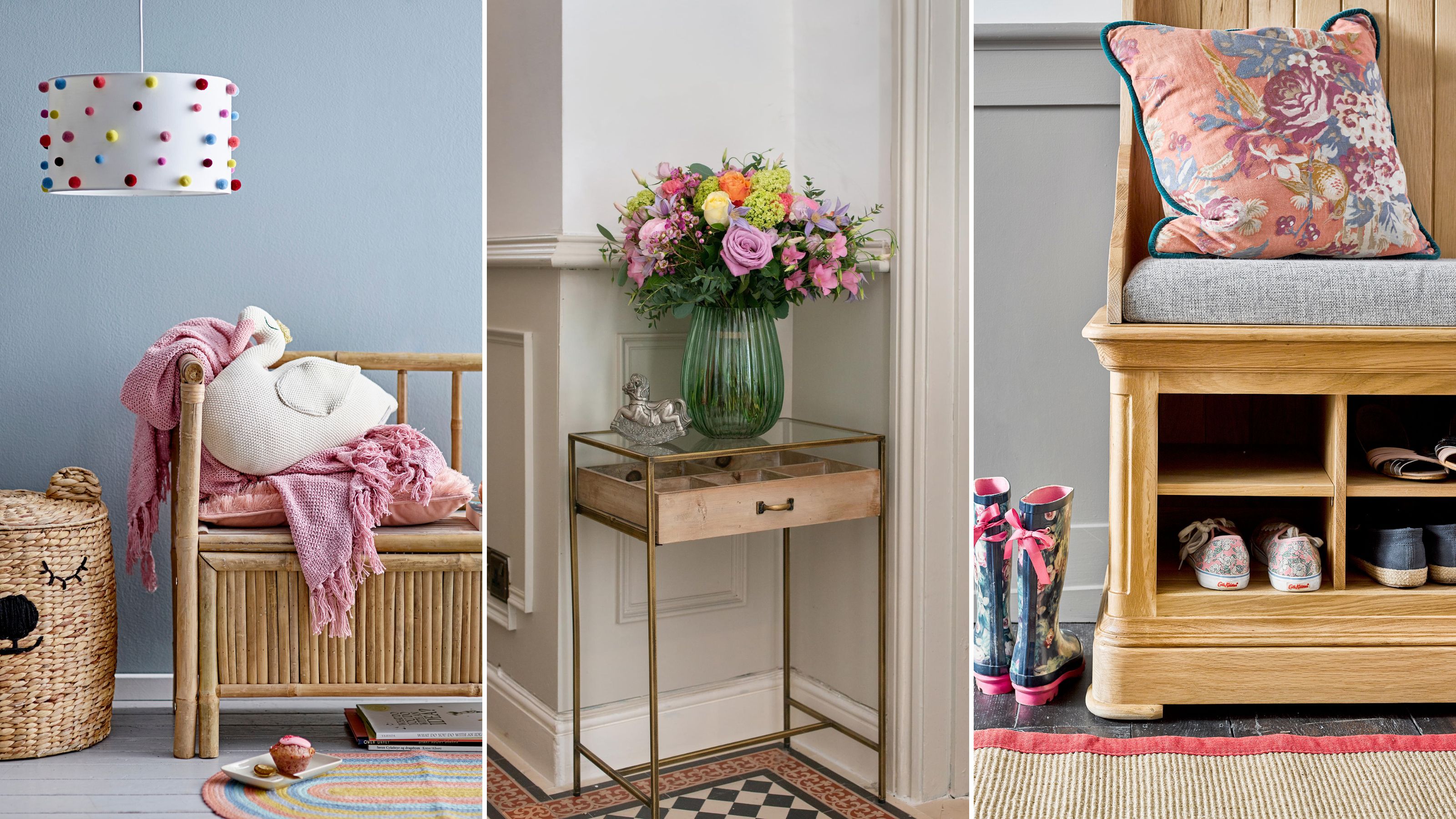
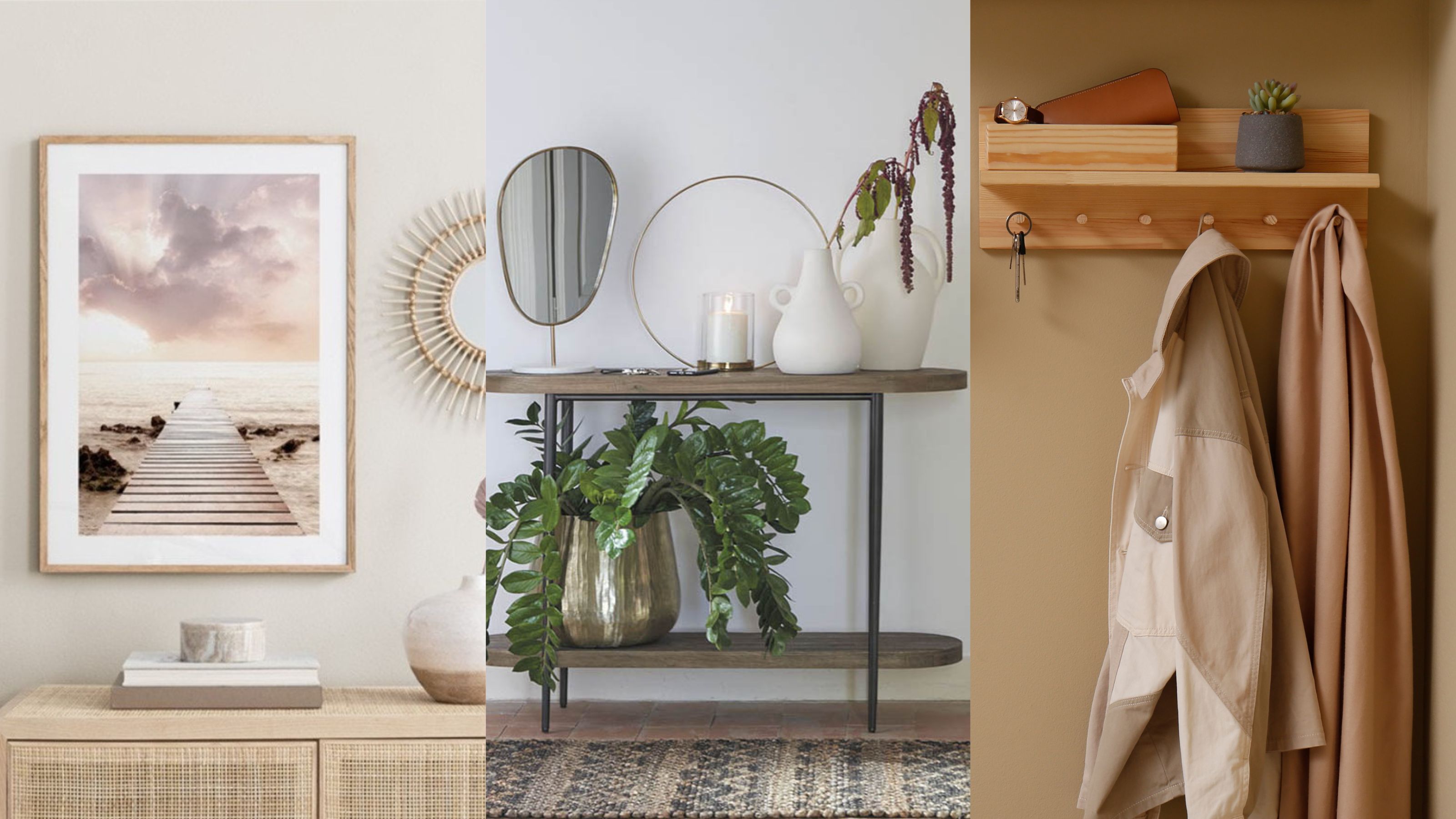
Overlooking the opportunity to incorporate storage or functional elements is also a common mistake. Hallways are often narrow and can feel cluttered if not planned properly. Ignoring potential storage solutions can lead to shoes, bags, and coats being left out, creating disarray. Smart design includes integrating built-in shelving, slim console tables with drawers, wall-mounted hooks, or even recessed niches that offer practical storage without impeding traffic flow. These additions can declutter the space and add to its utility.
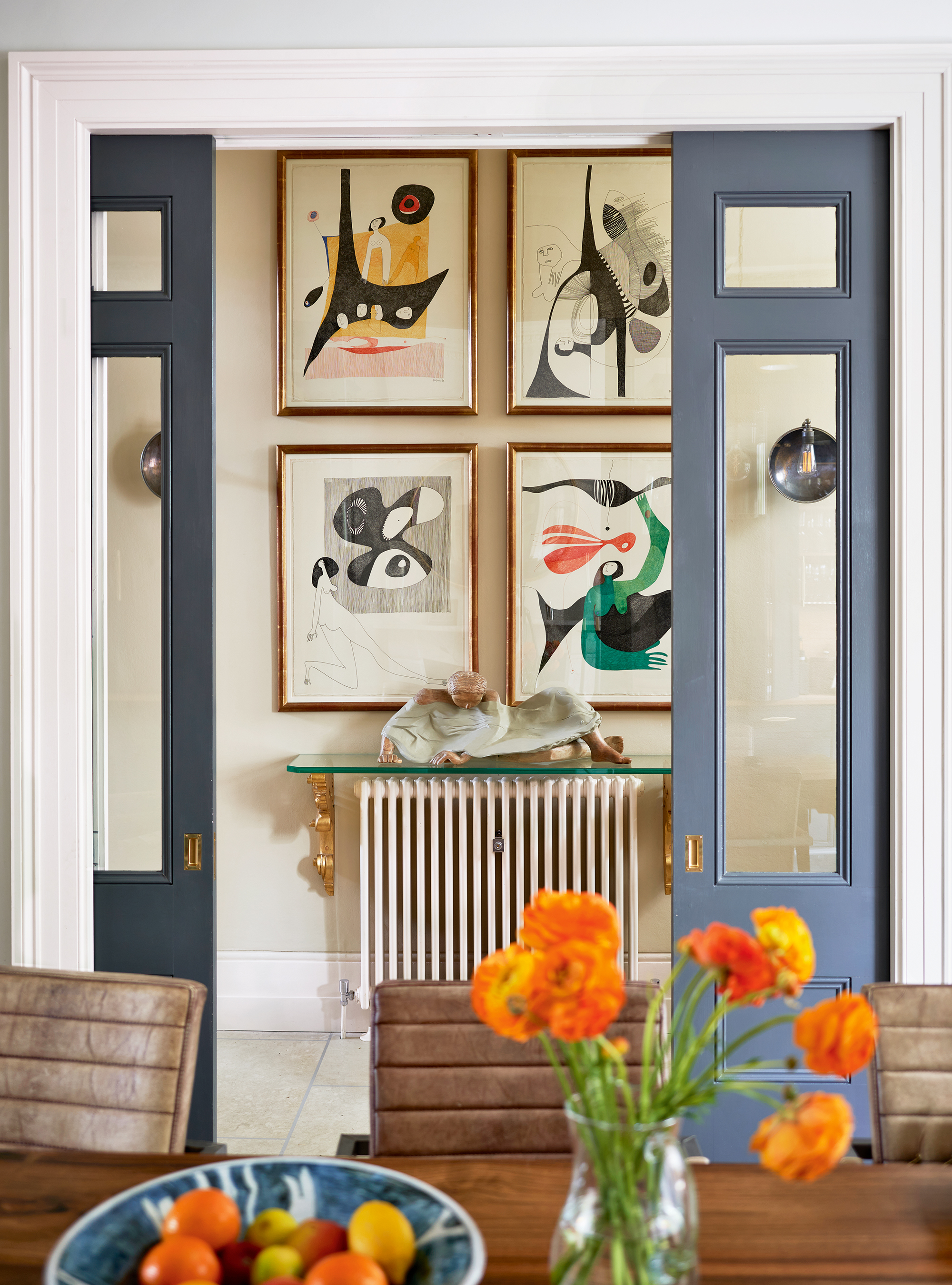
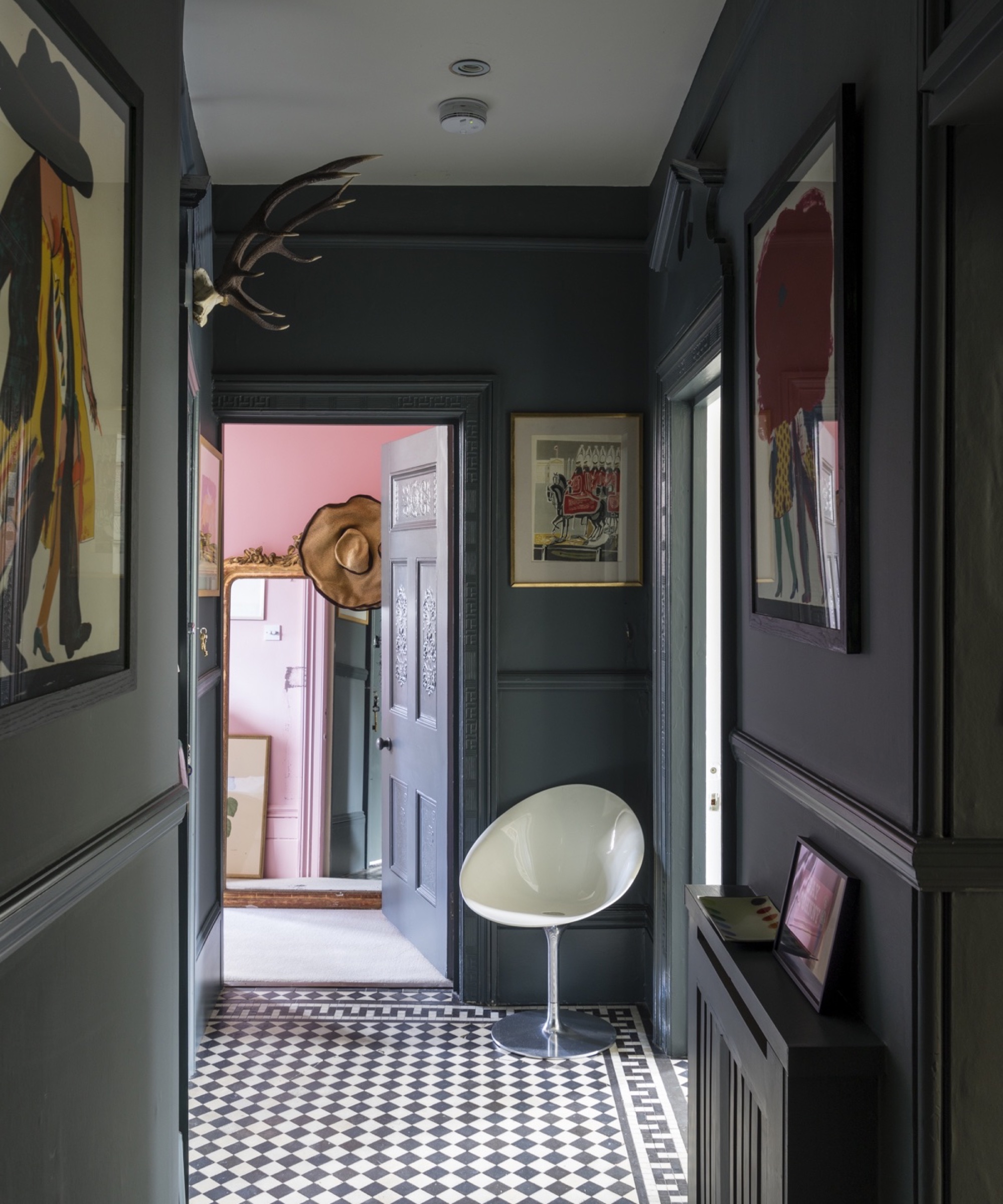
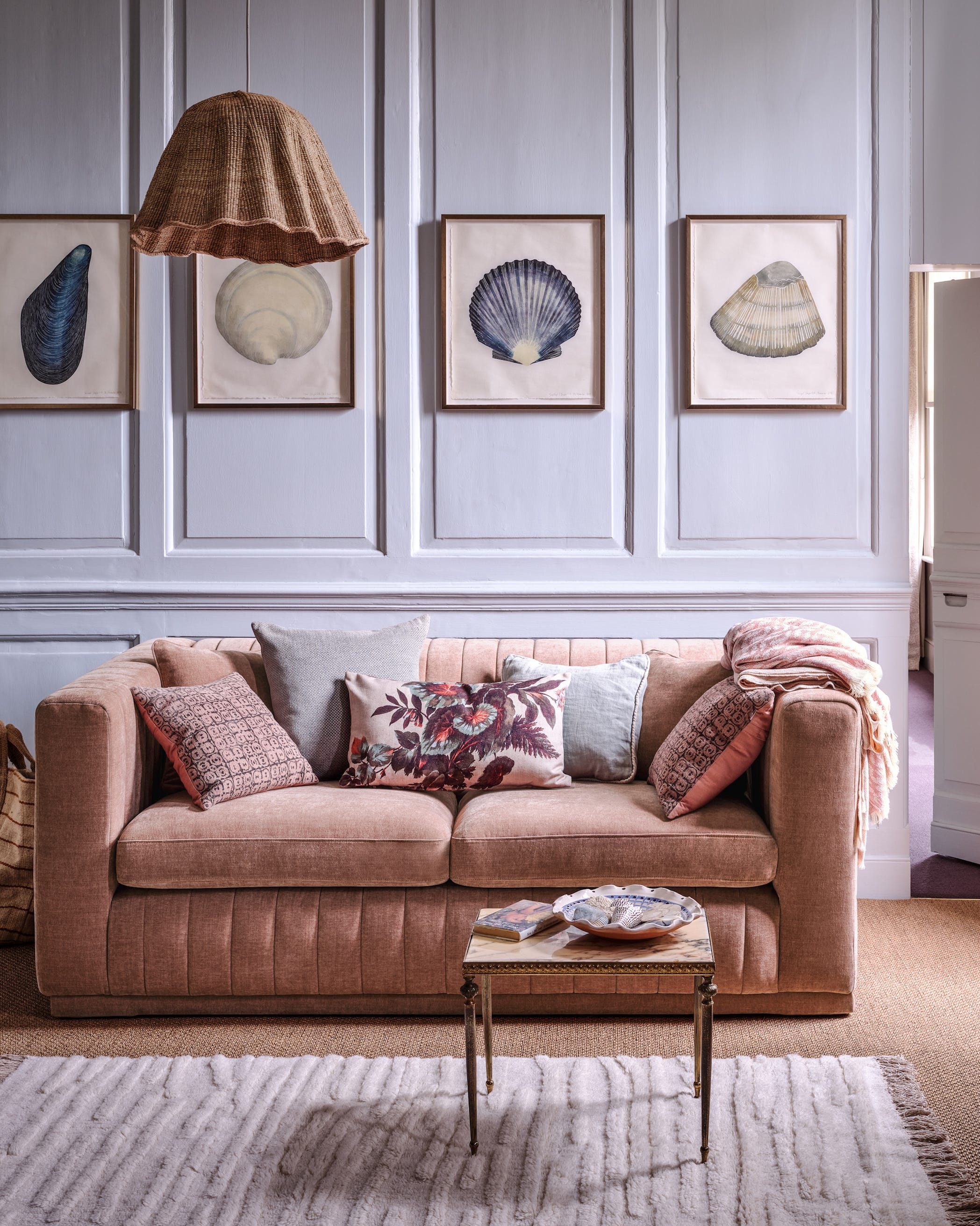
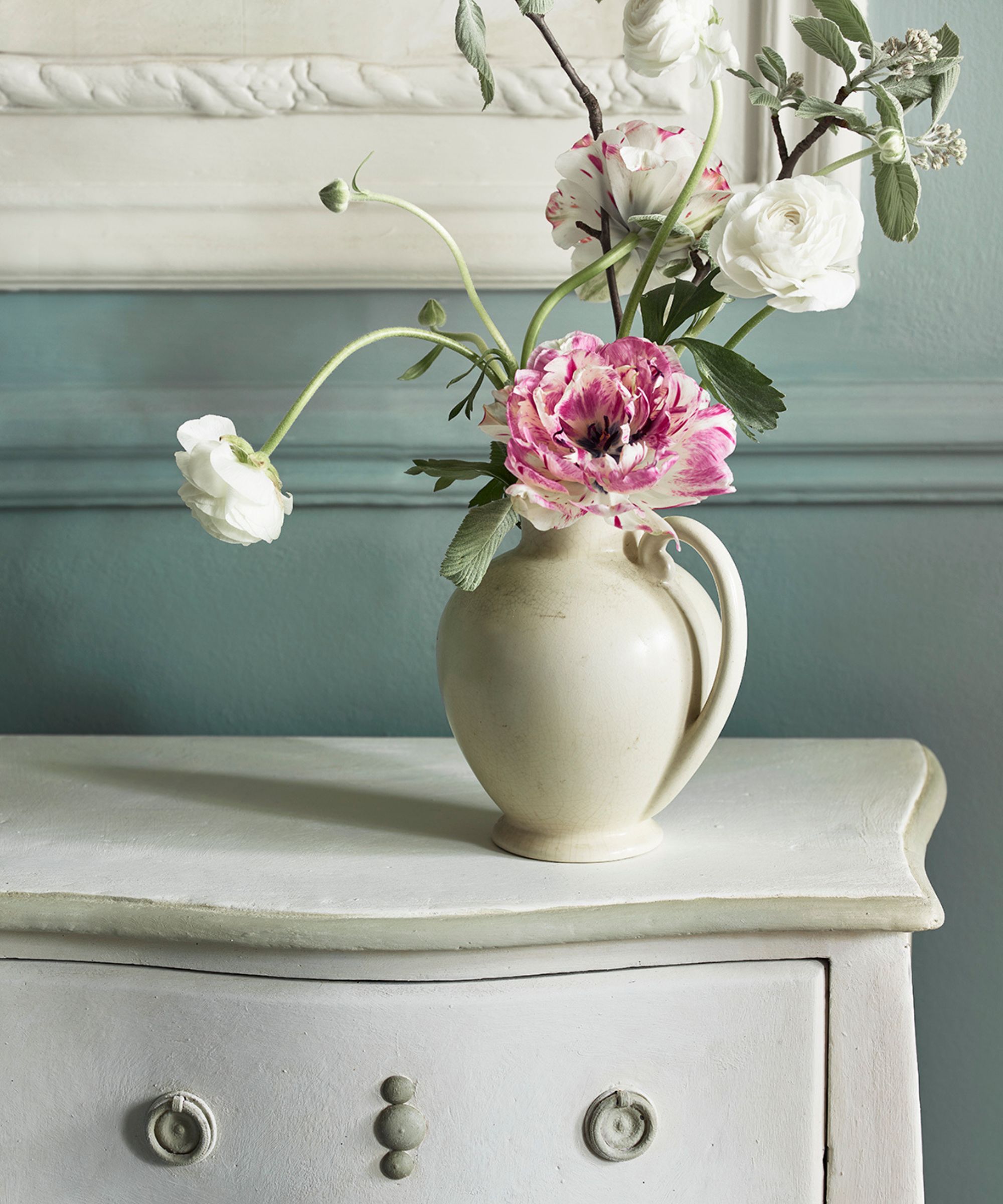
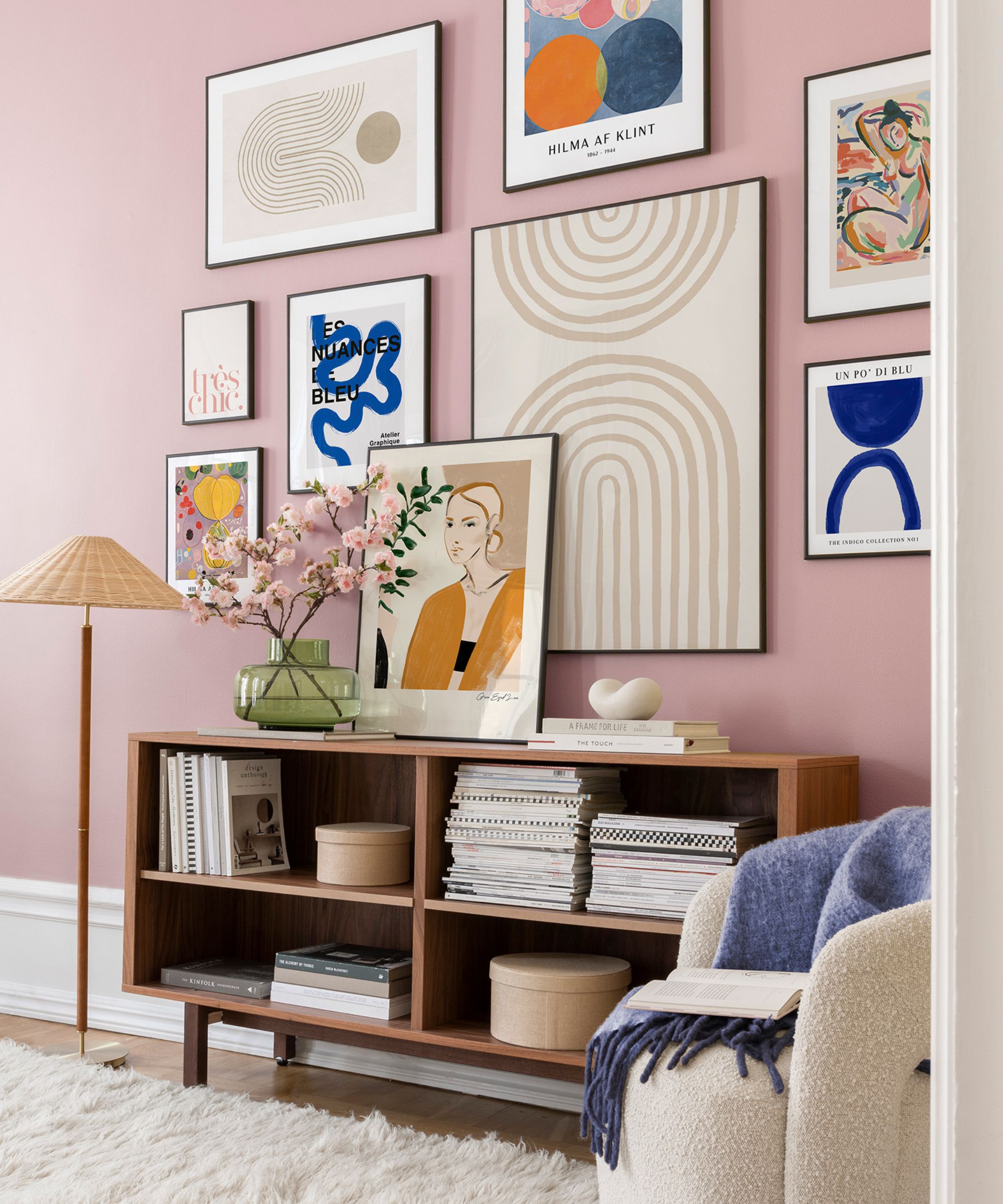
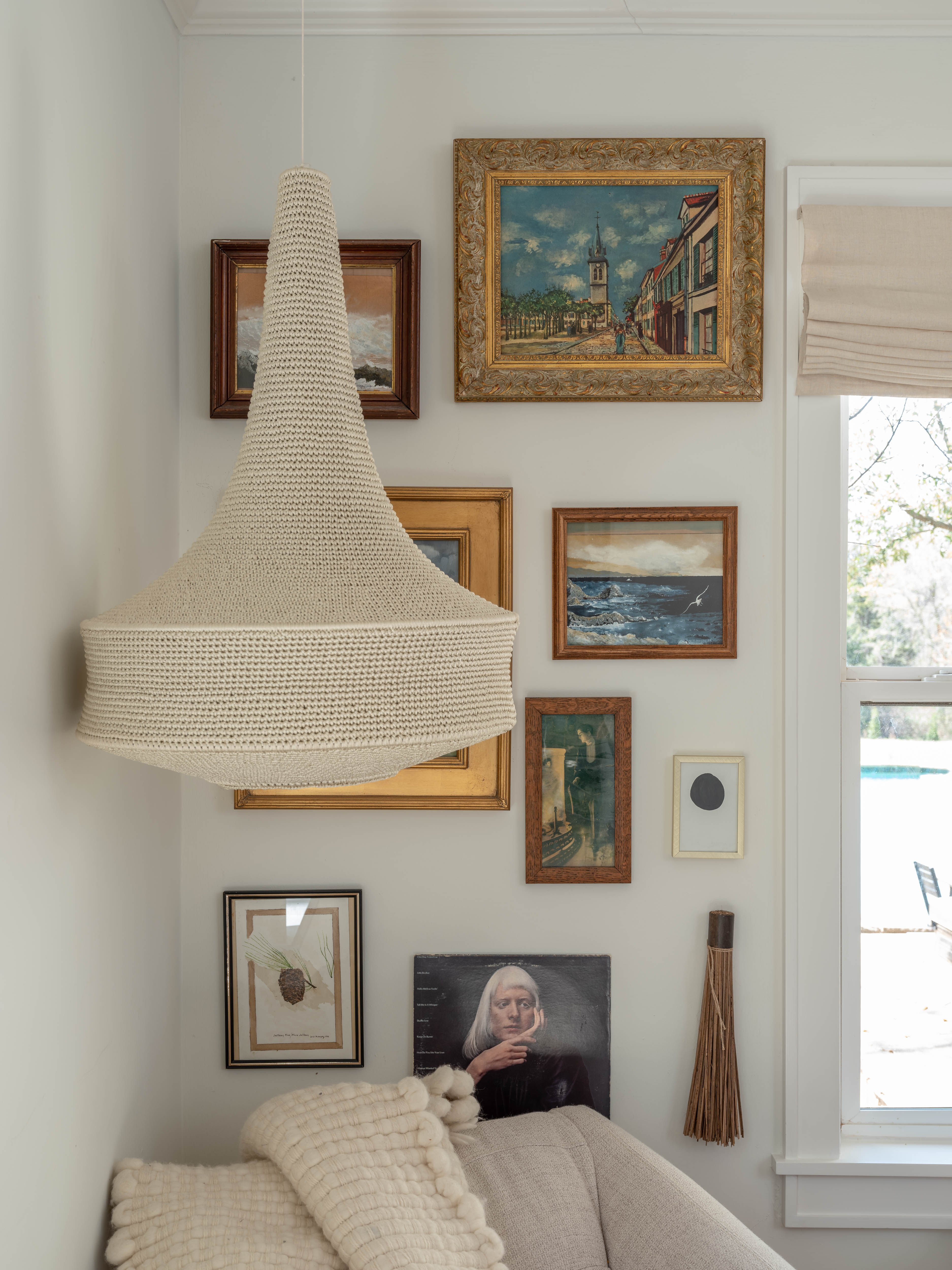
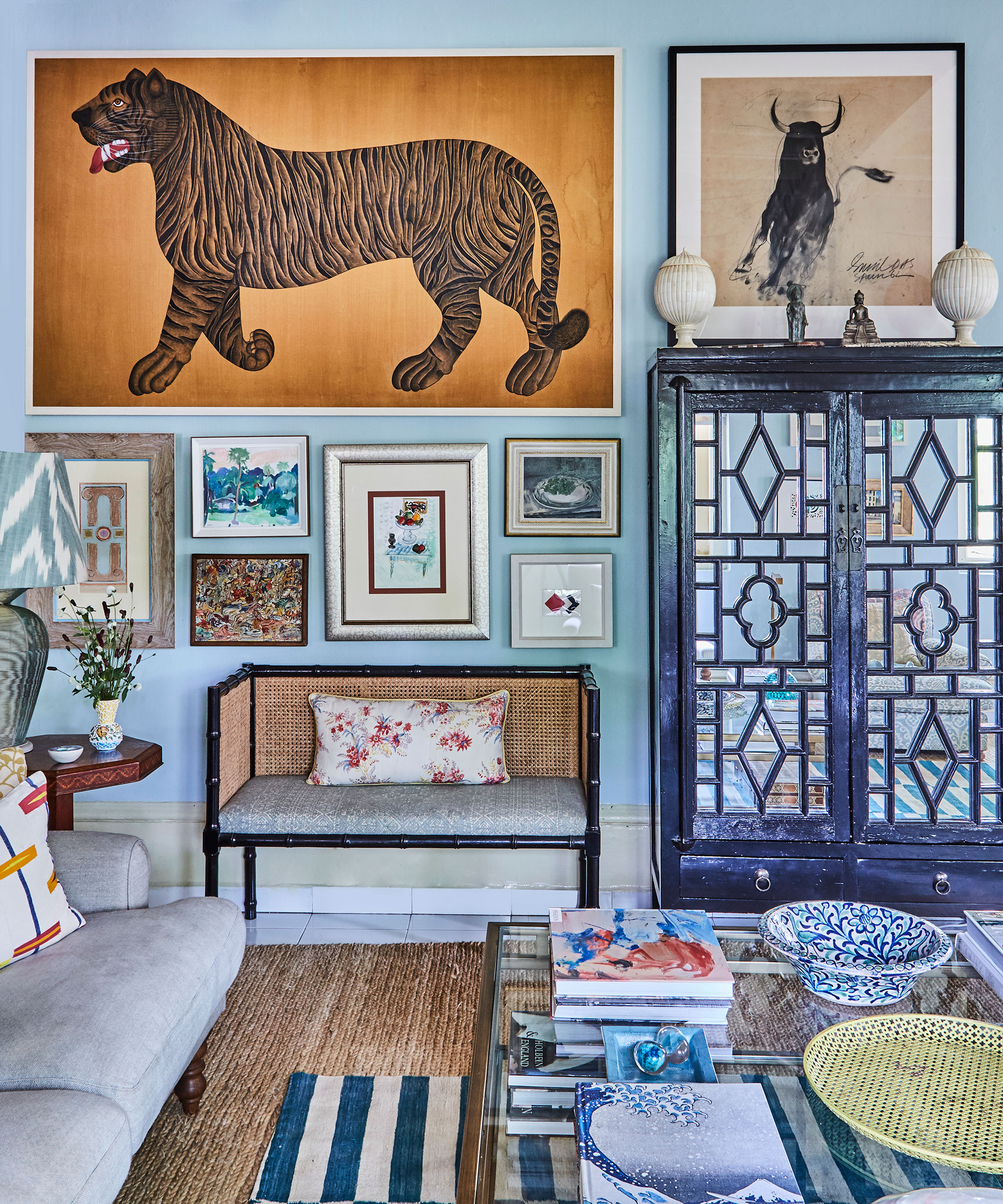
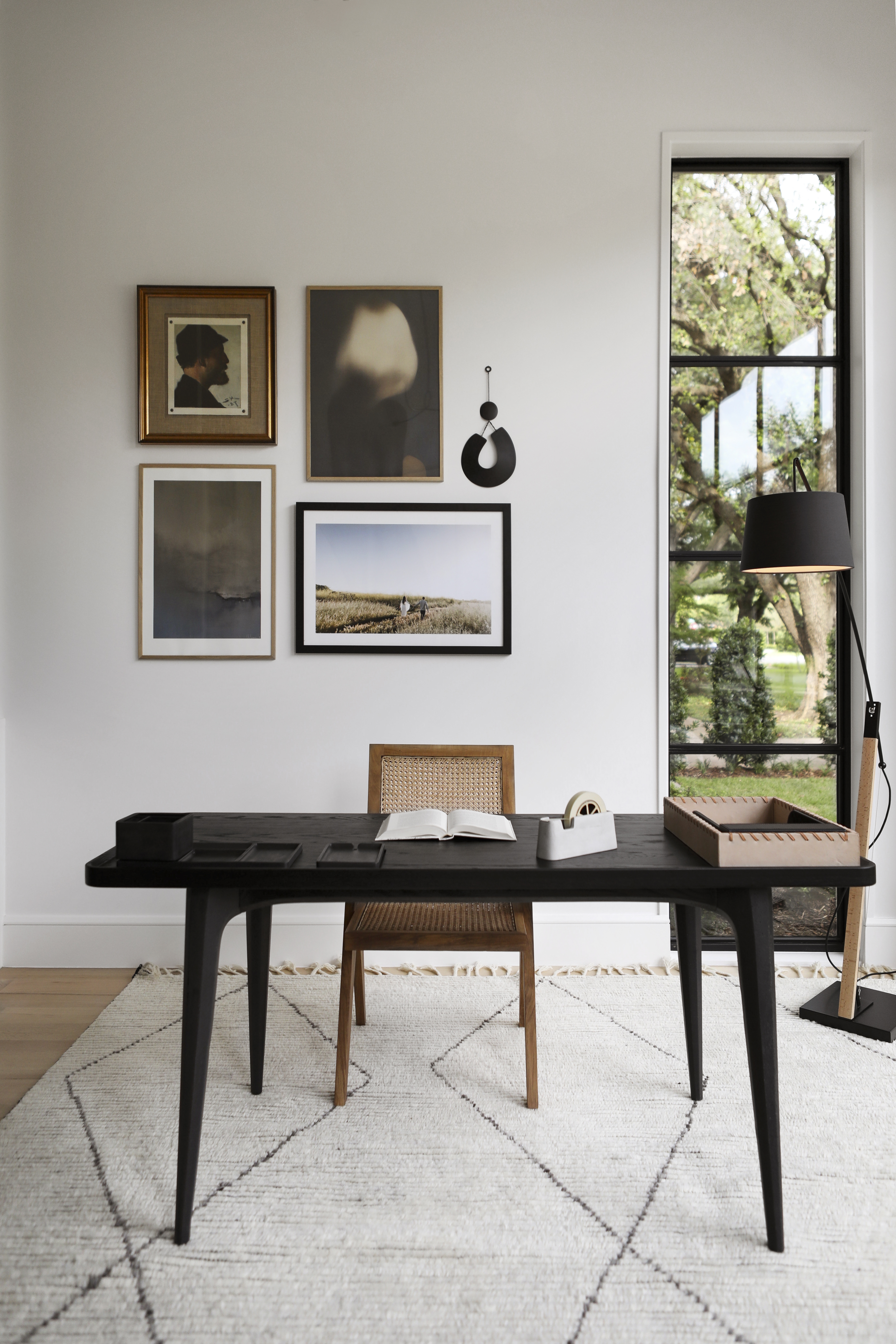
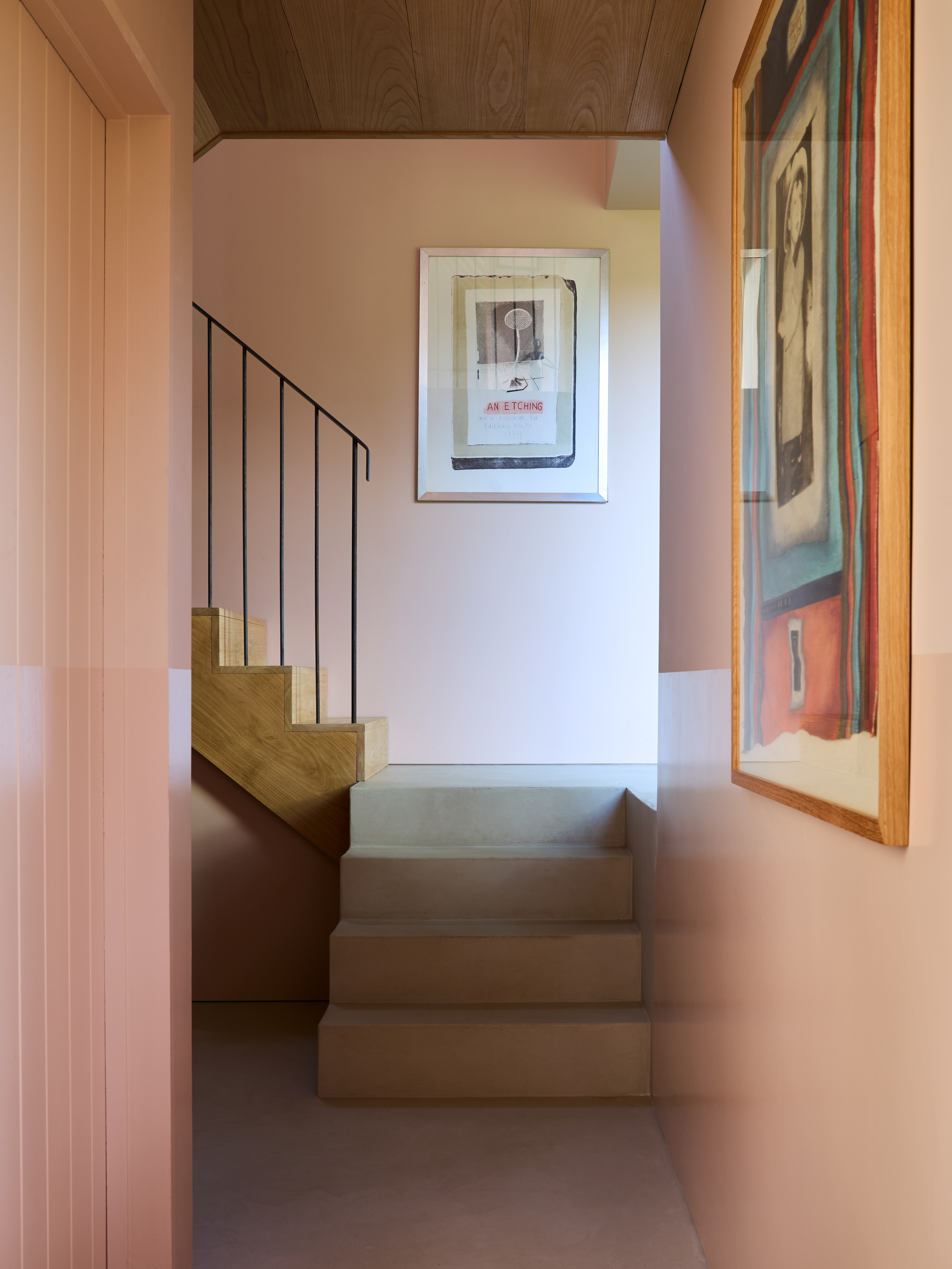
Finally, failing to infuse personality and aesthetic appeal transforms hallways into bland, forgettable passages. These spaces offer an excellent canvas for showcasing art, family photos, or unique decorative elements. A common error is treating them as purely utilitarian. Designers encourage treating hallways as extensions of the home's overall design theme, incorporating elements like gallery walls, strategically placed mirrors to expand the perception of space, or a bold accent color. These thoughtful touches can make hallways feel like an integrated and vibrant part of the home, rather than just corridors between rooms.
#HallwayDesign #HomeDecor #InteriorDesignMistakes #Durability #LightingDesign #FunctionalStorage #AestheticAppeal #DesignTips #HallwayDesign #HomeDecor #InteriorDesignMistakes #Durability #LightingDesign #FunctionalStorage #AestheticAppeal #DesignTips
0 تعليق إجمالاً
 لا توجد تعليقات بعد
قد تعجبك أيضًا
5 mistakes making your hallway look smaller and how to fix them, according to designers

5 Living Room Design Mistakes You Didn't Know You Were Making

The 5 small entryway color mistakes design experts say are big bloopers

Common design mistakes you're making in every room of your house
5 entryway mistakes we all make – and how designers suggest we avoid them

5 flooring mistakes to avoid – according to architects and interior designers
Avoid These 5 Laundry Room Design Mistakes, Pros Warn

5 Bathroom Lighting Mistakes to Avoid — Designers Advise How to Dodge The Most Common Problems

Don't make these 5 entryway decor mistakes

5 Colors You Should Never Paint Your Hallway, According to Designers

5 common gallery wall mistakes designers warn to always avoid – to create the chicest of displays

13 reasons everyone hates your hallway — and ideas to fix it
5 Mistakes That Are Making Your Entryway Look Bad, According to a Designer
5 small living room mistakes – designers share the worst decorating disasters that we need to stop doing right now
5 small entryway lighting mistakes — experts share what to avoid
5 coffee table mistakes you should always avoid, according to interior designers
5 Common Entryway Lighting Mistakes Designers Never Fail to Notice — I'll Always Avoid These Now
5 small entryway storage mistakes designers want you to stop making
Small entryway Feng Shui mistakes — 5 things the pros always avoid
5 Common Entryway Mistakes That Make The Wrong First Impression