1/10
HOUSE TOUR: A Colonial Connecticut Home That Embodies Country Life
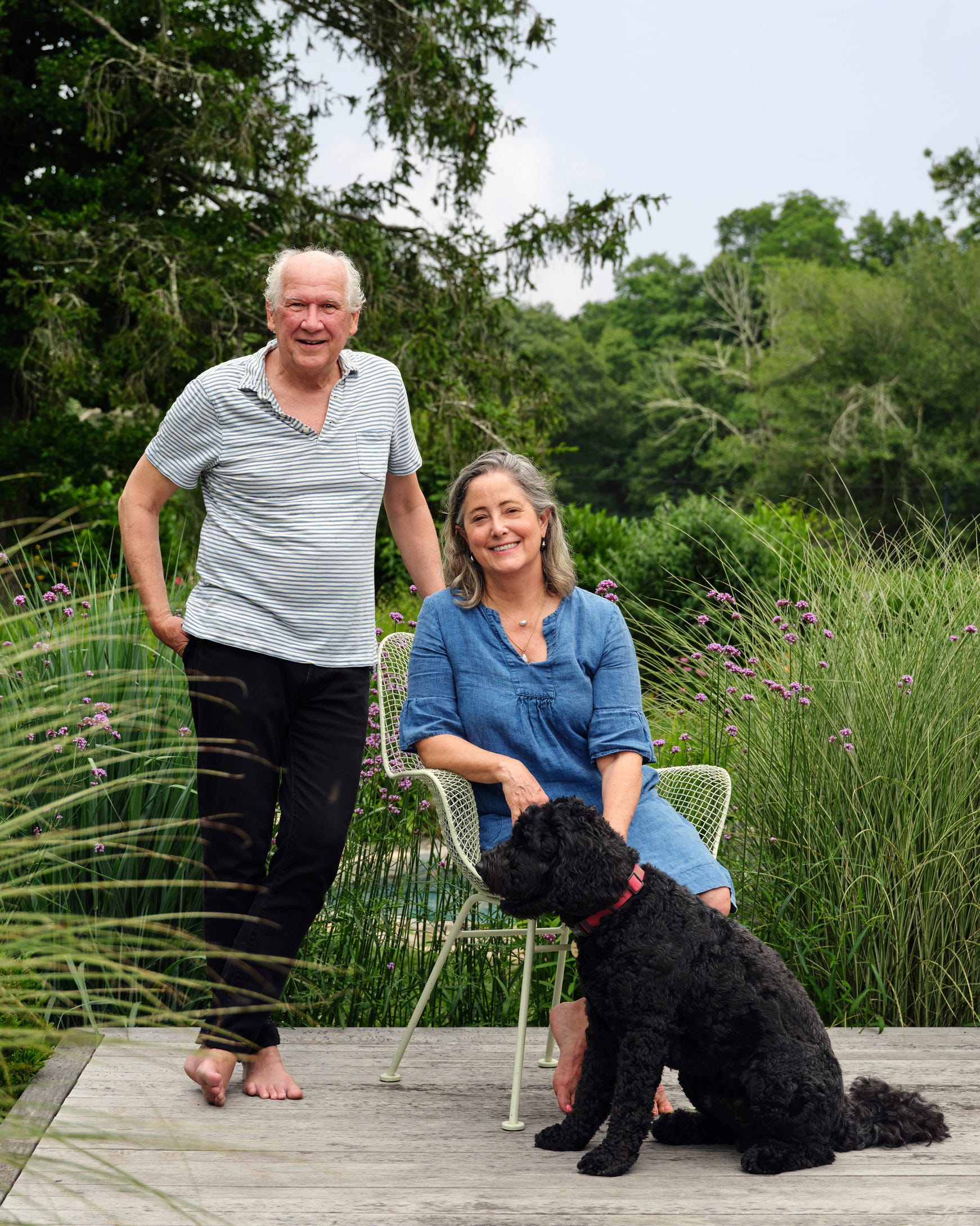
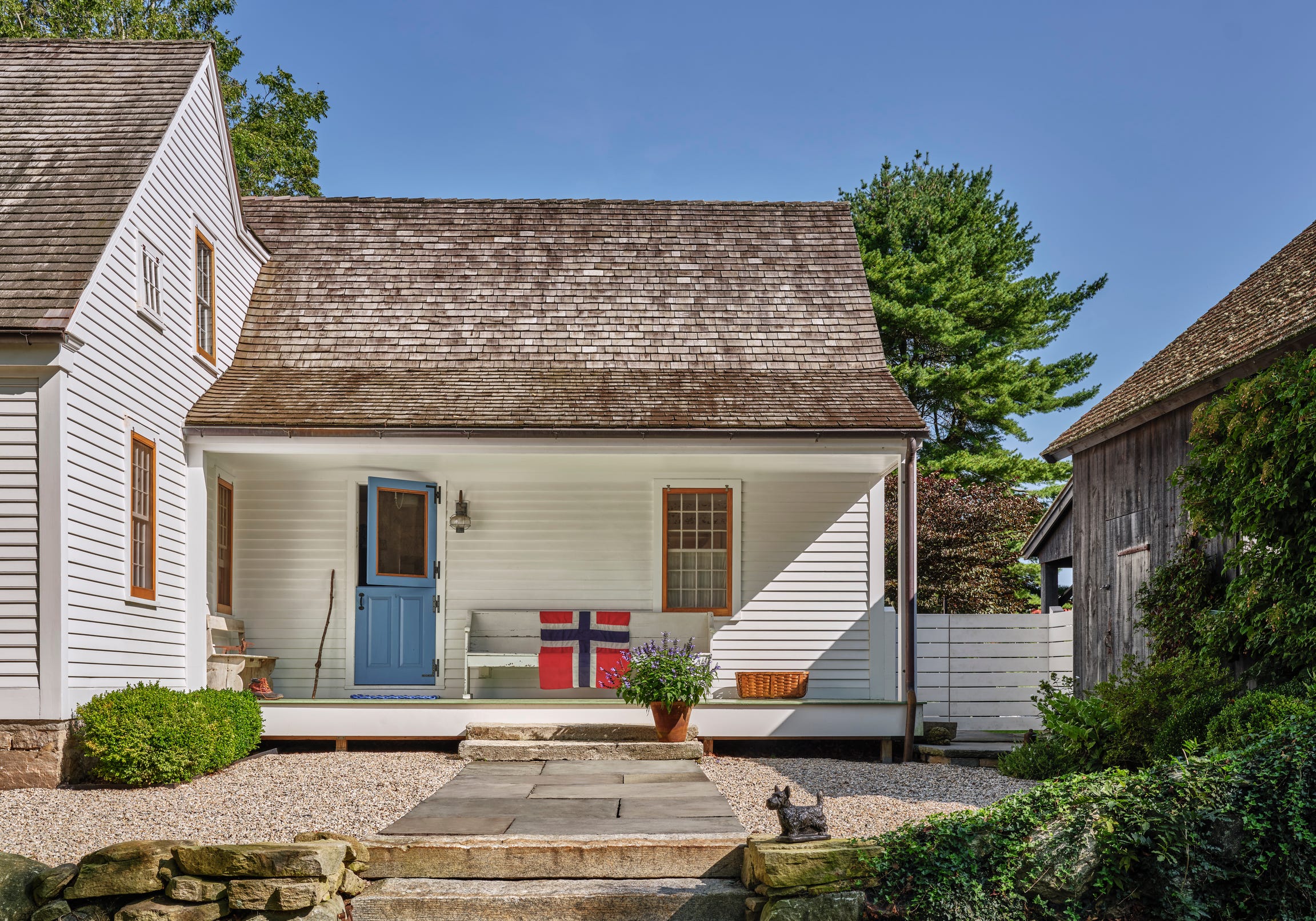
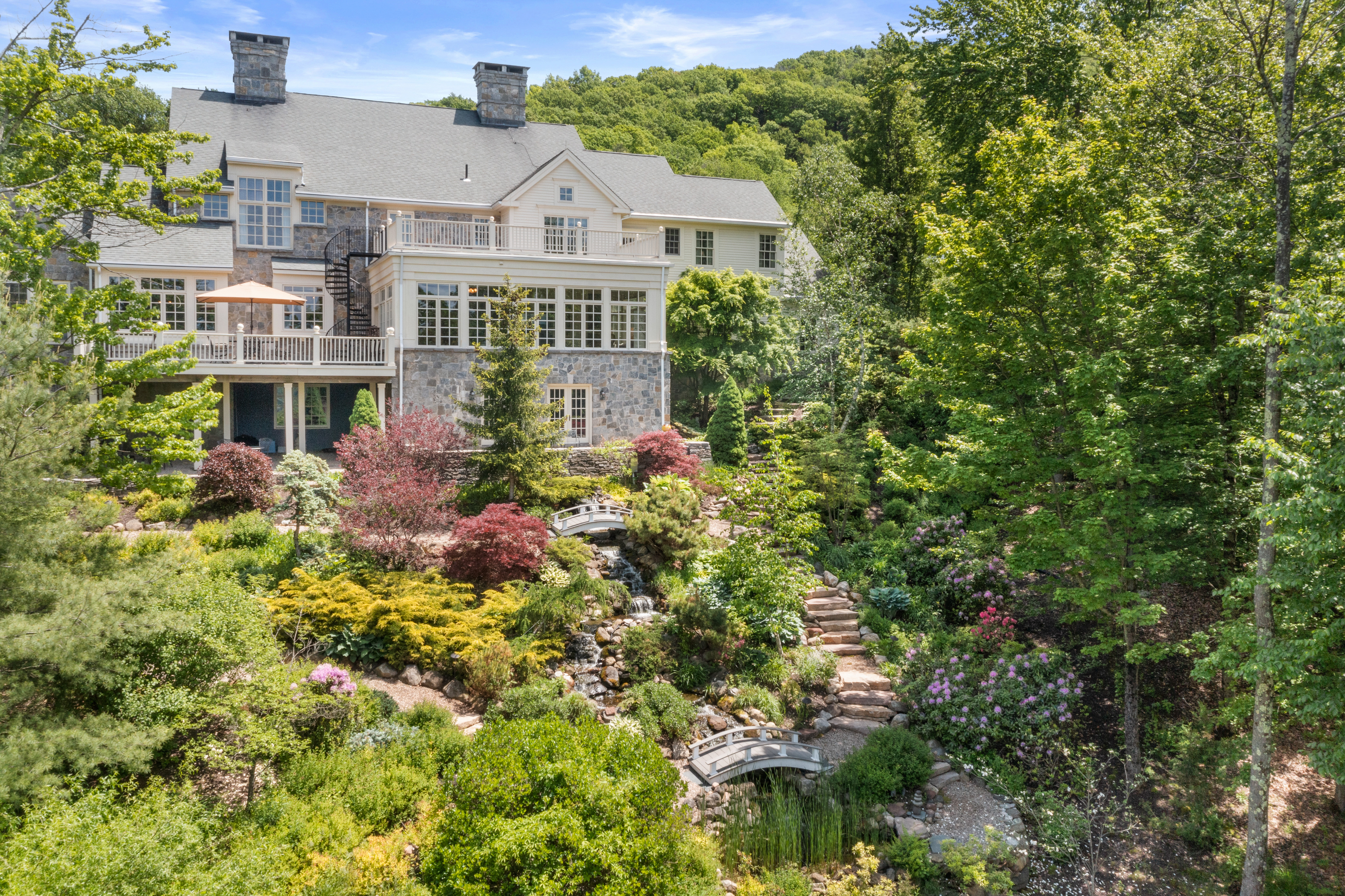
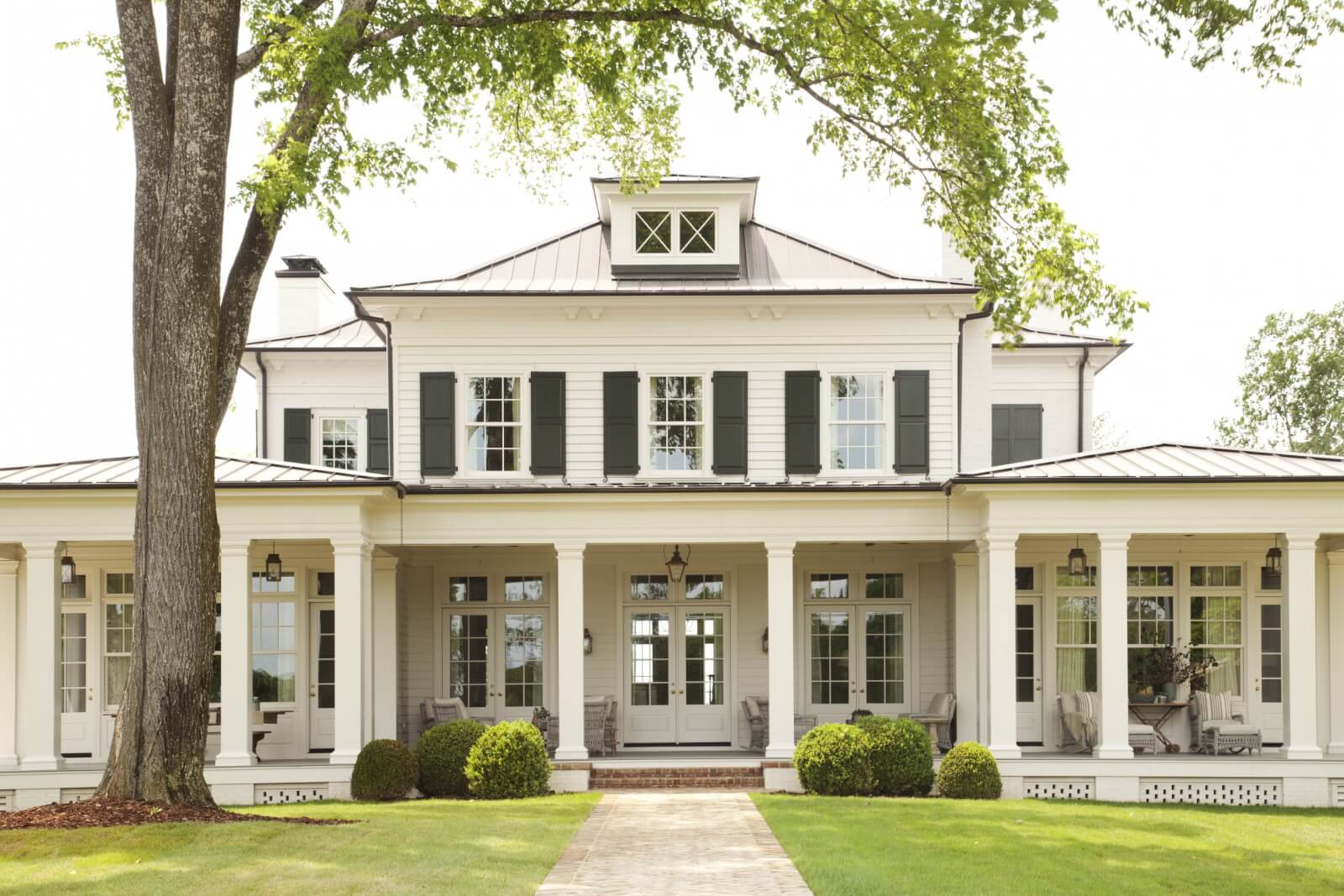
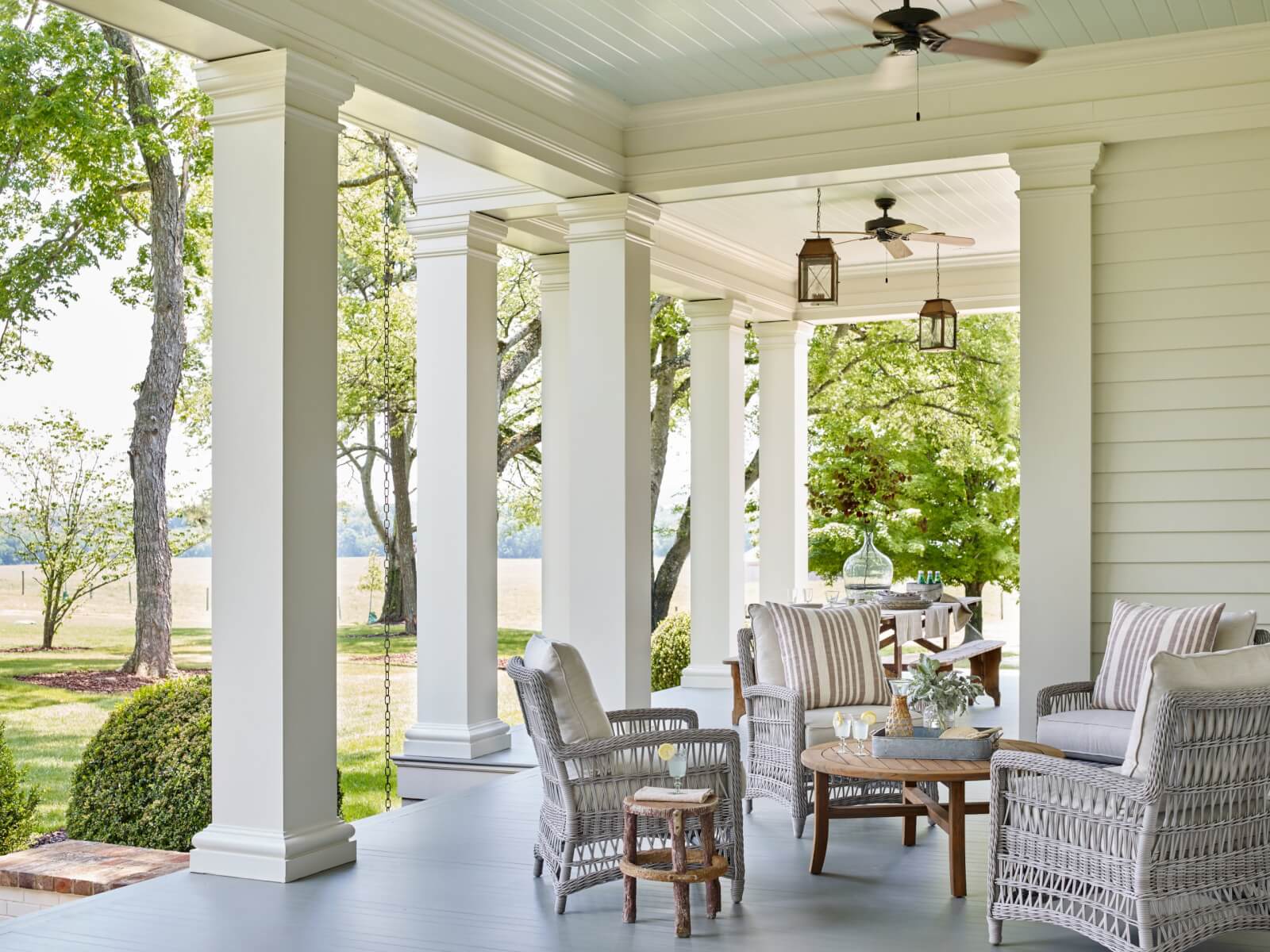
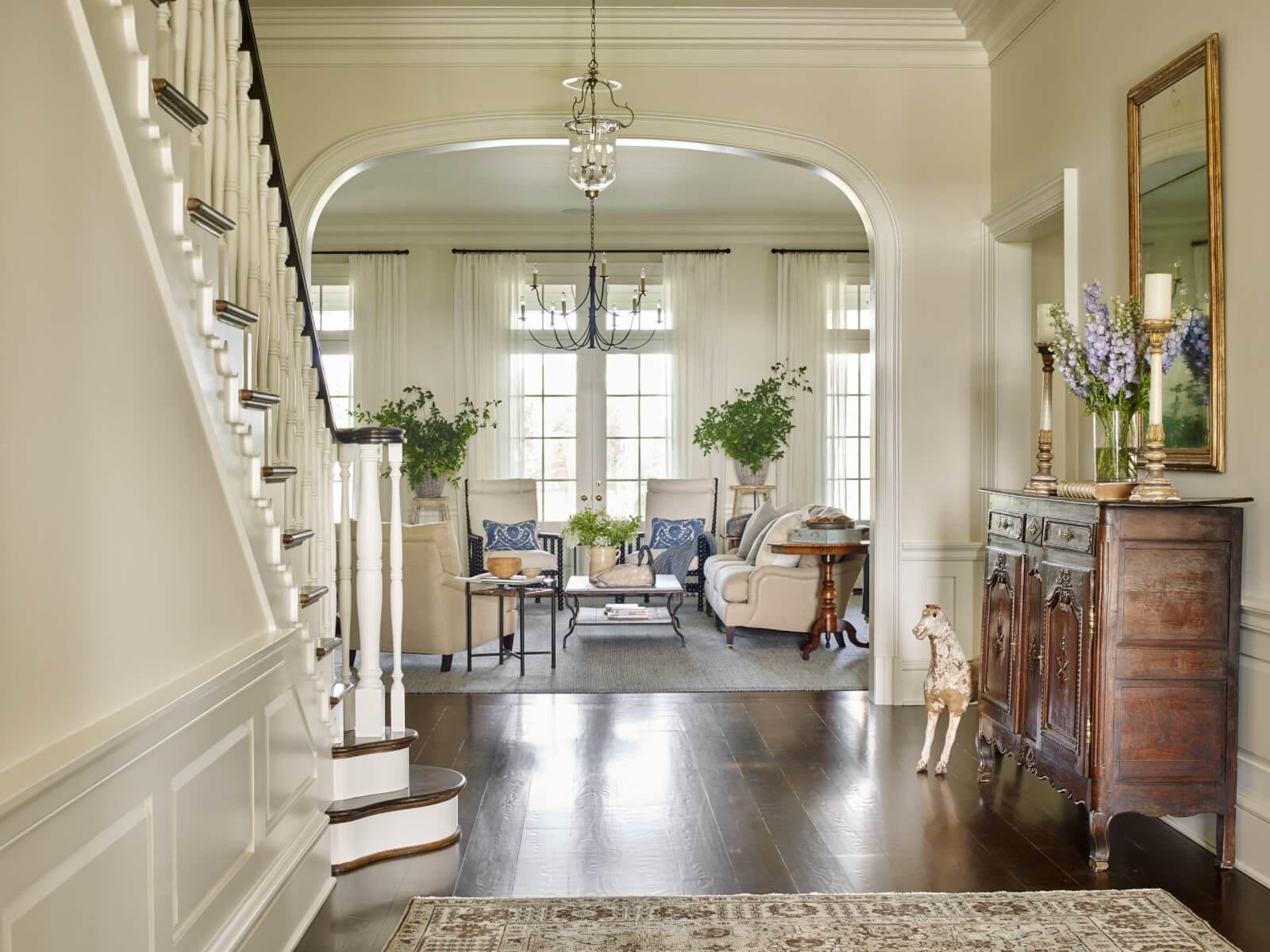
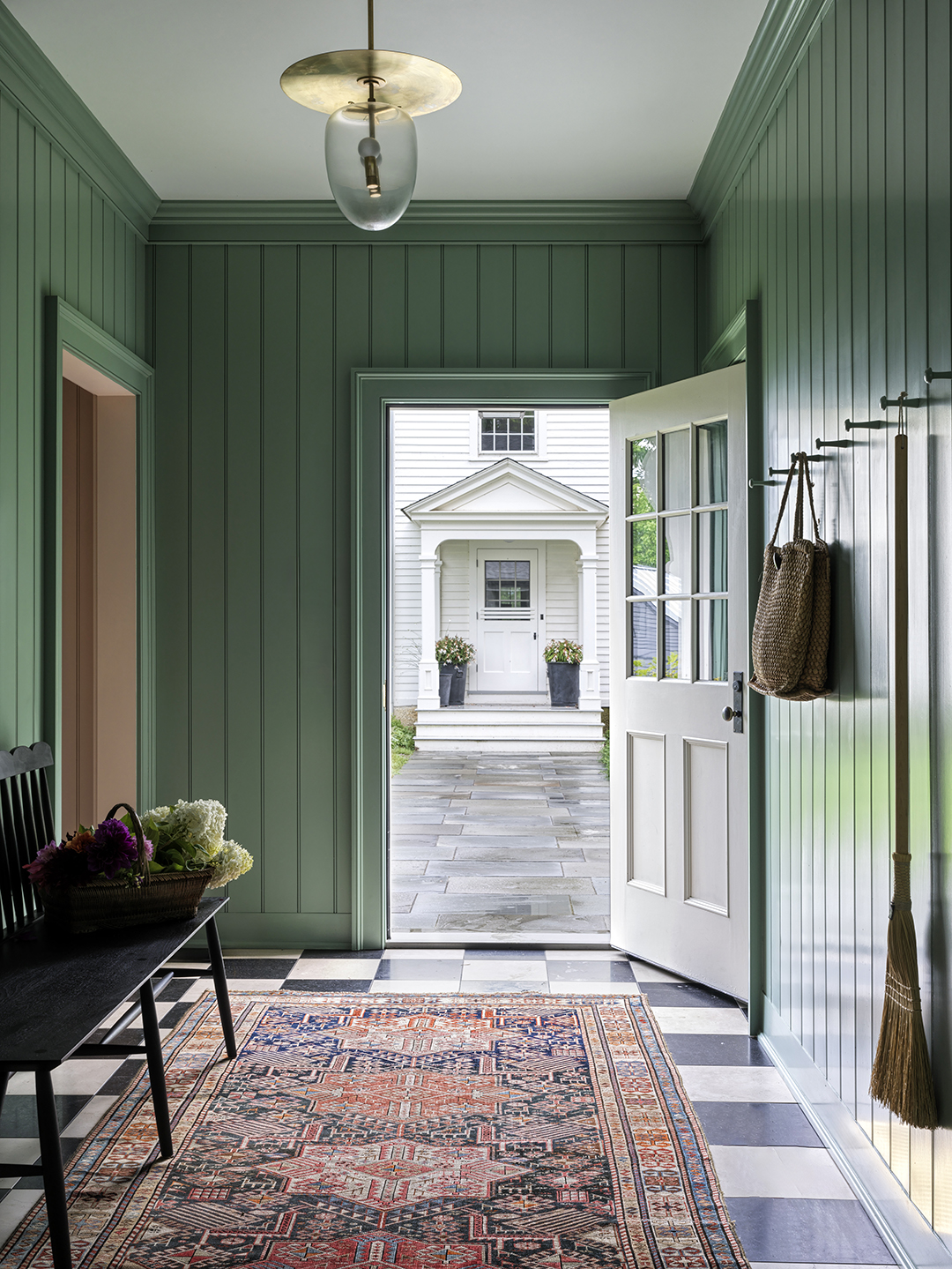
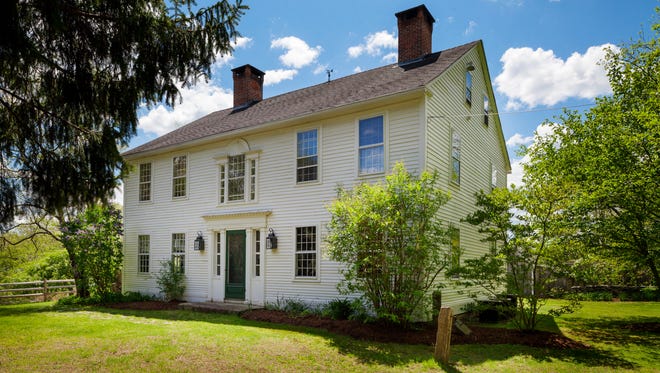
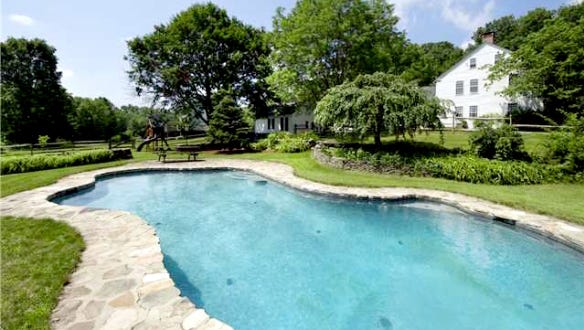
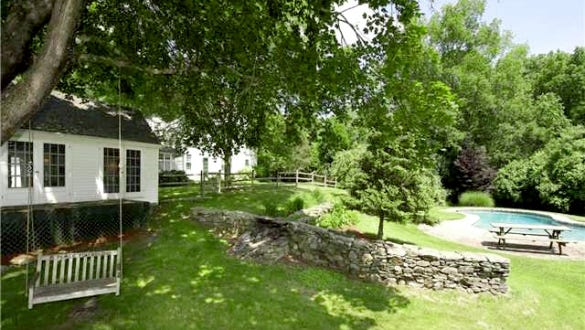
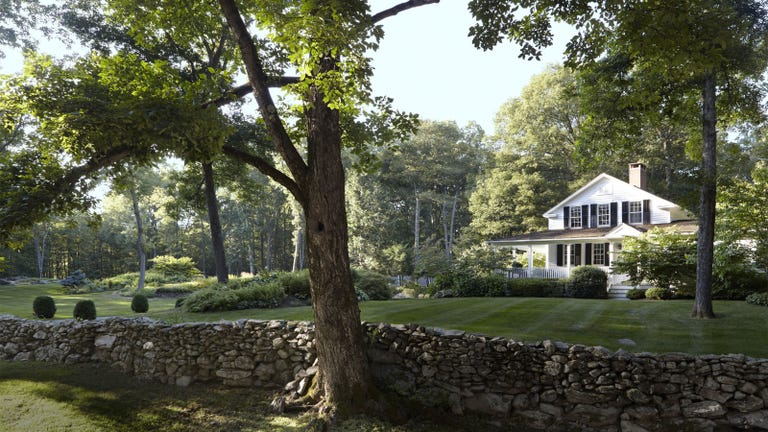
Designer Philip Gorrivan and his wife, Lisa Rossi, purchased an 1840 farmhouse in Washington, Connecticut, six years prior to the article's publication. The 3,800-square-foot home was intended as a weekend retreat from Manhattan life for their family and two children. The house possesses a unique history, having been moved to its current seven-acre plot in the 1950s after avoiding a flood. This relocation provided the home with desirable country living attributes: historic charm, a substantial land parcel, and a full basement.
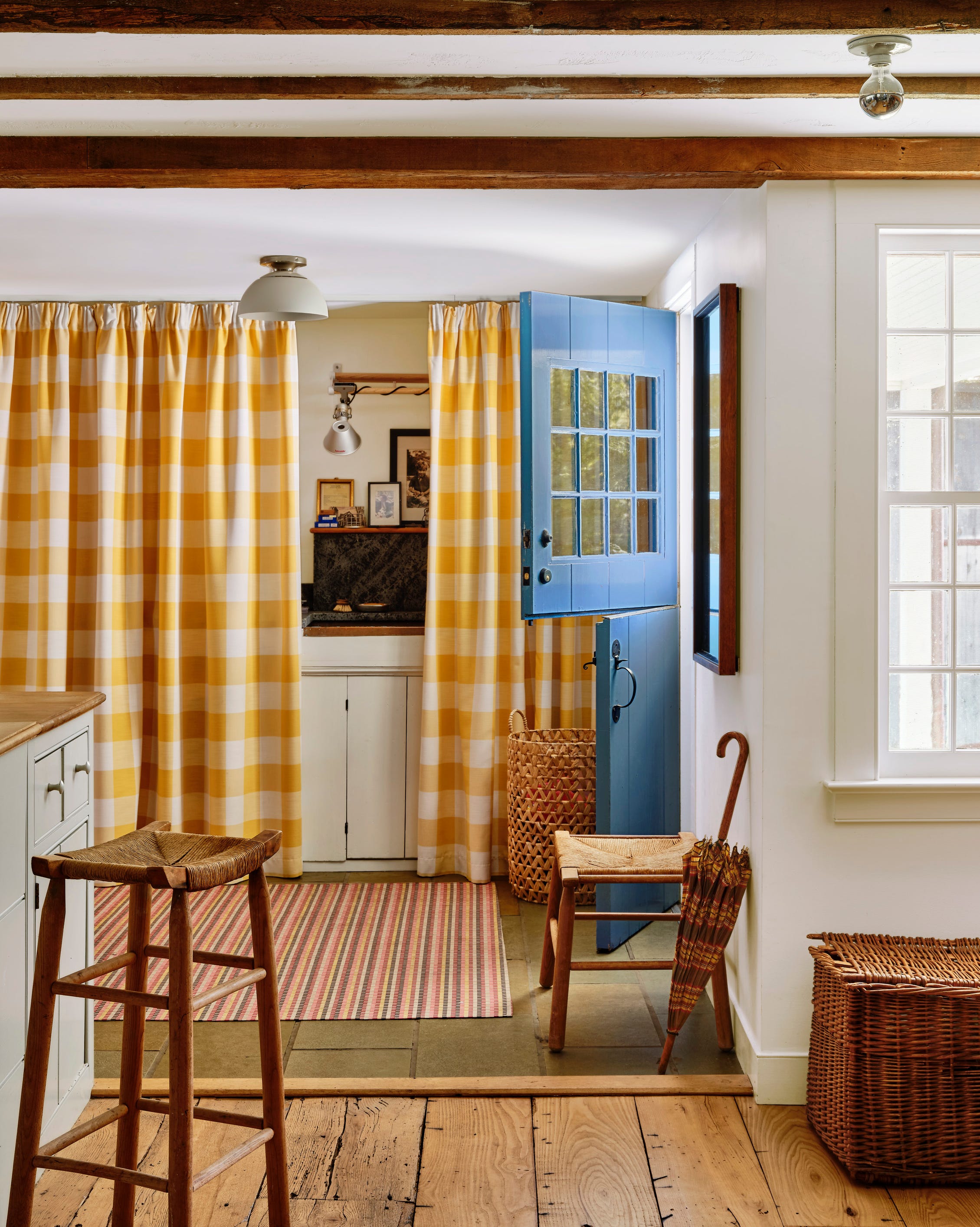
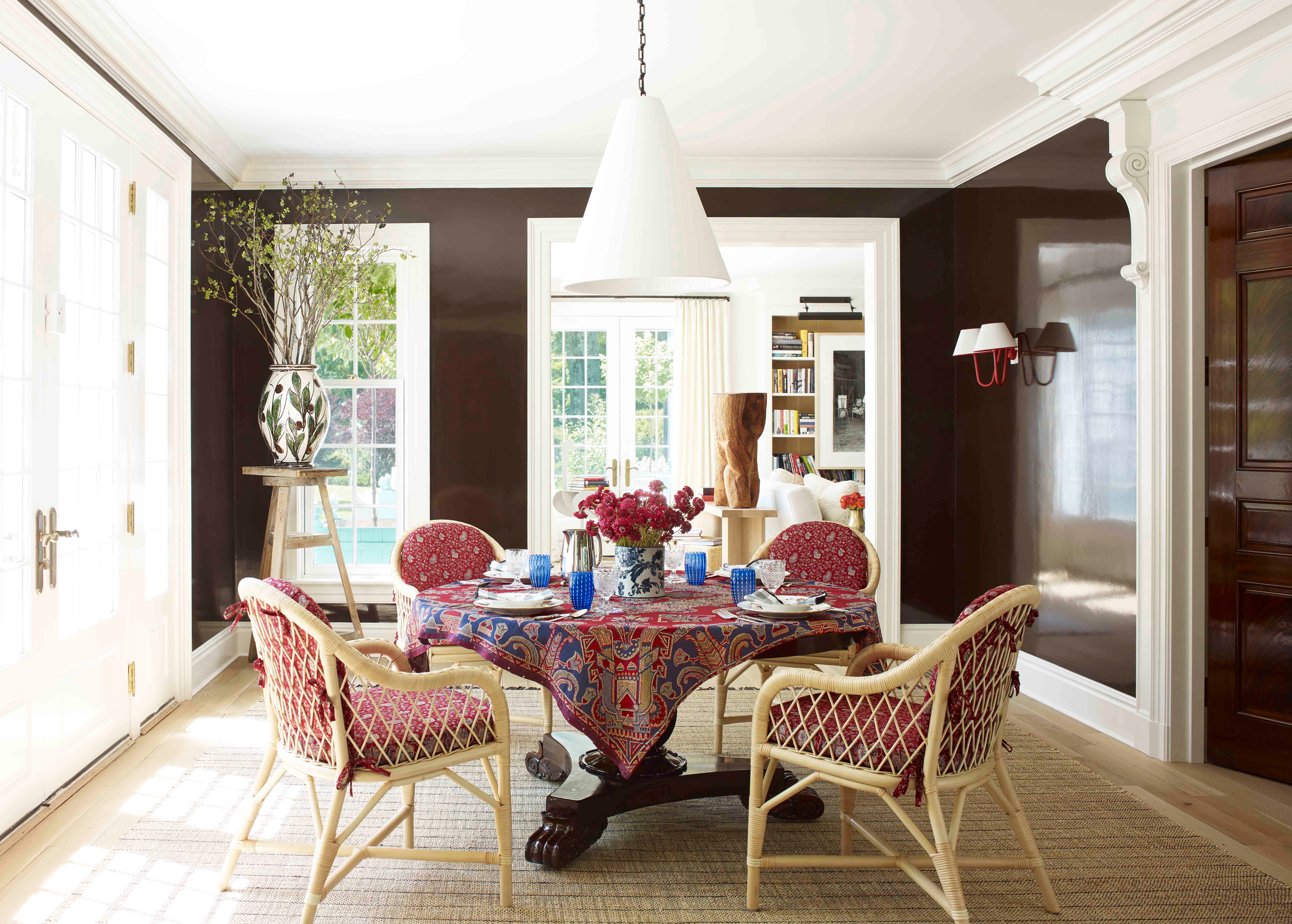
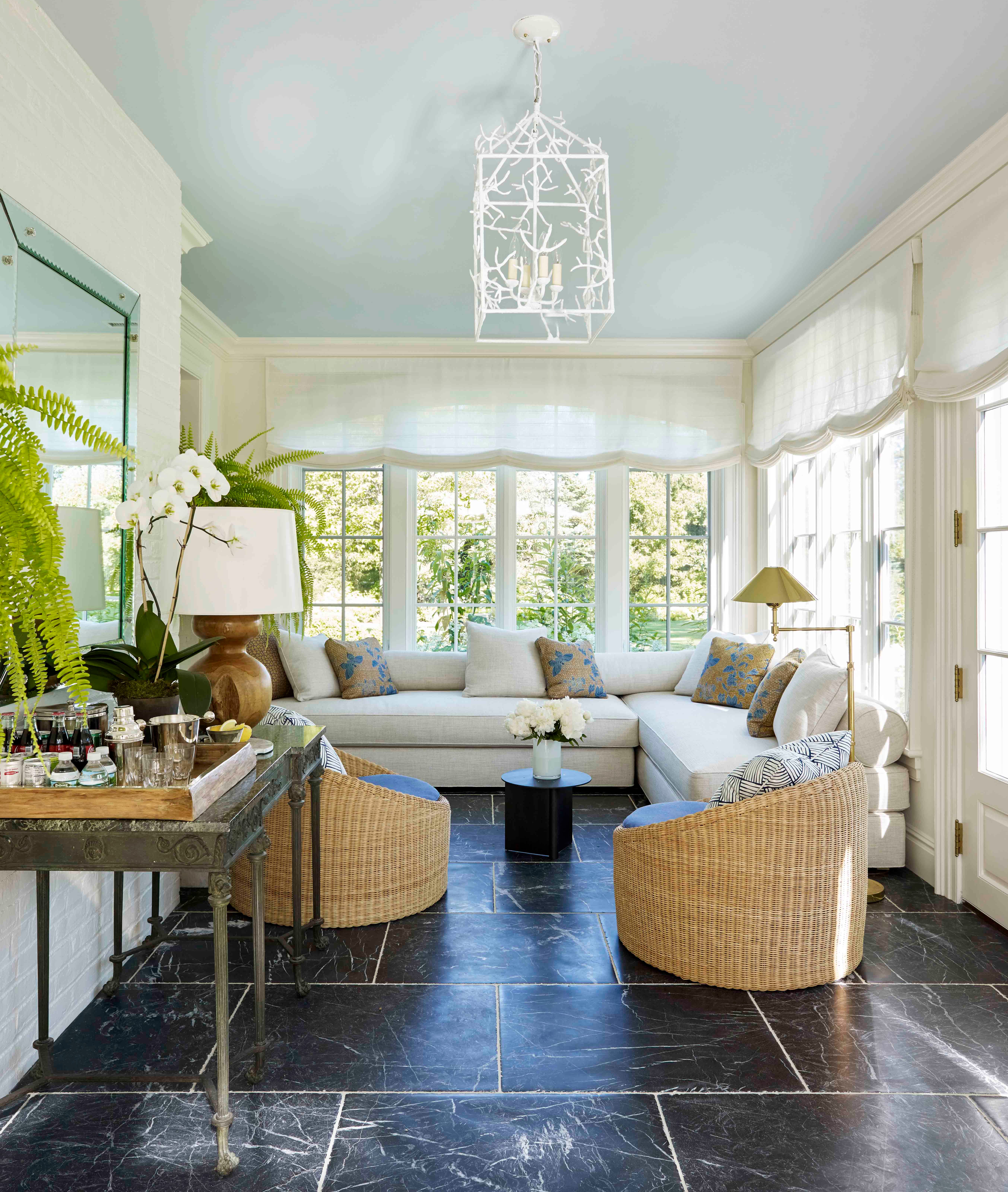
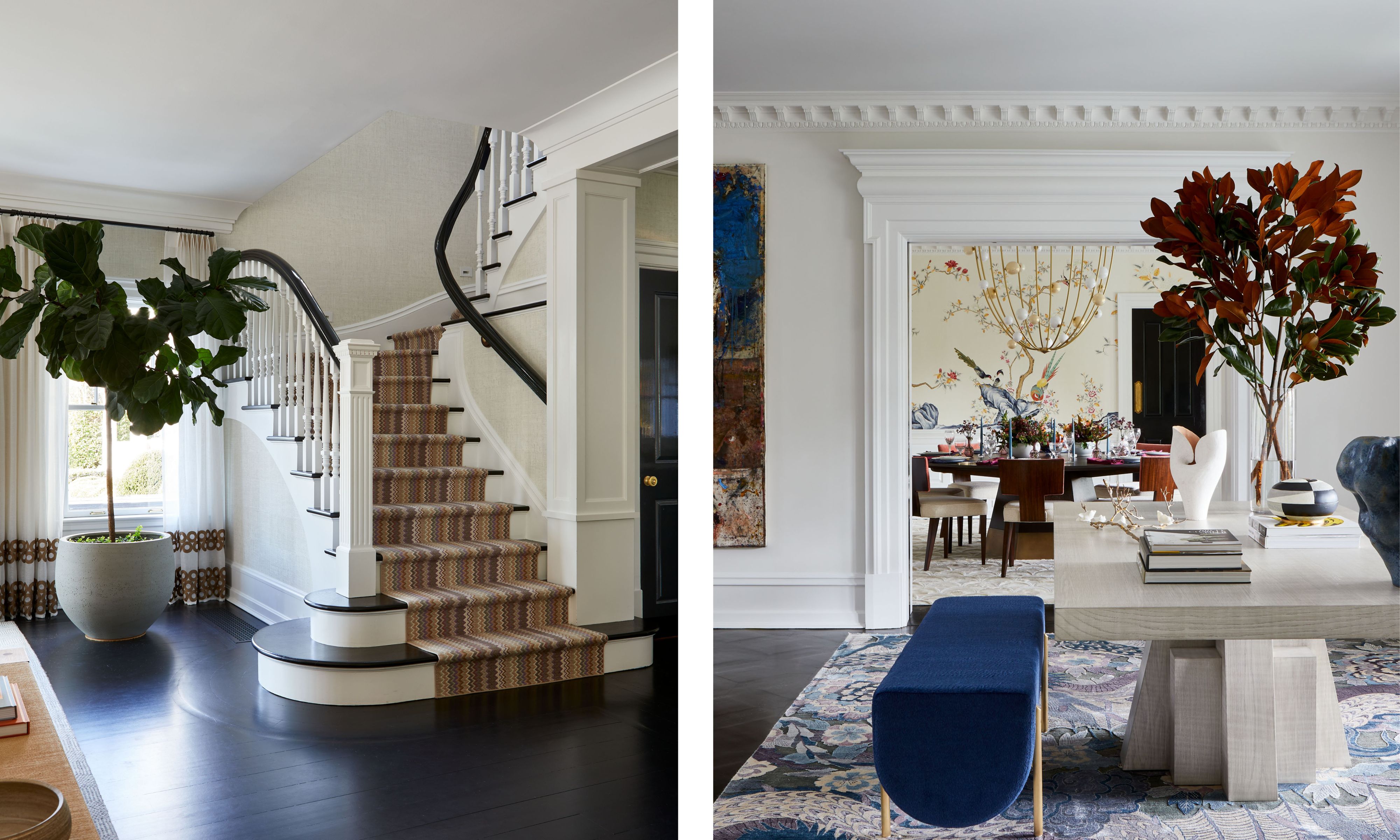
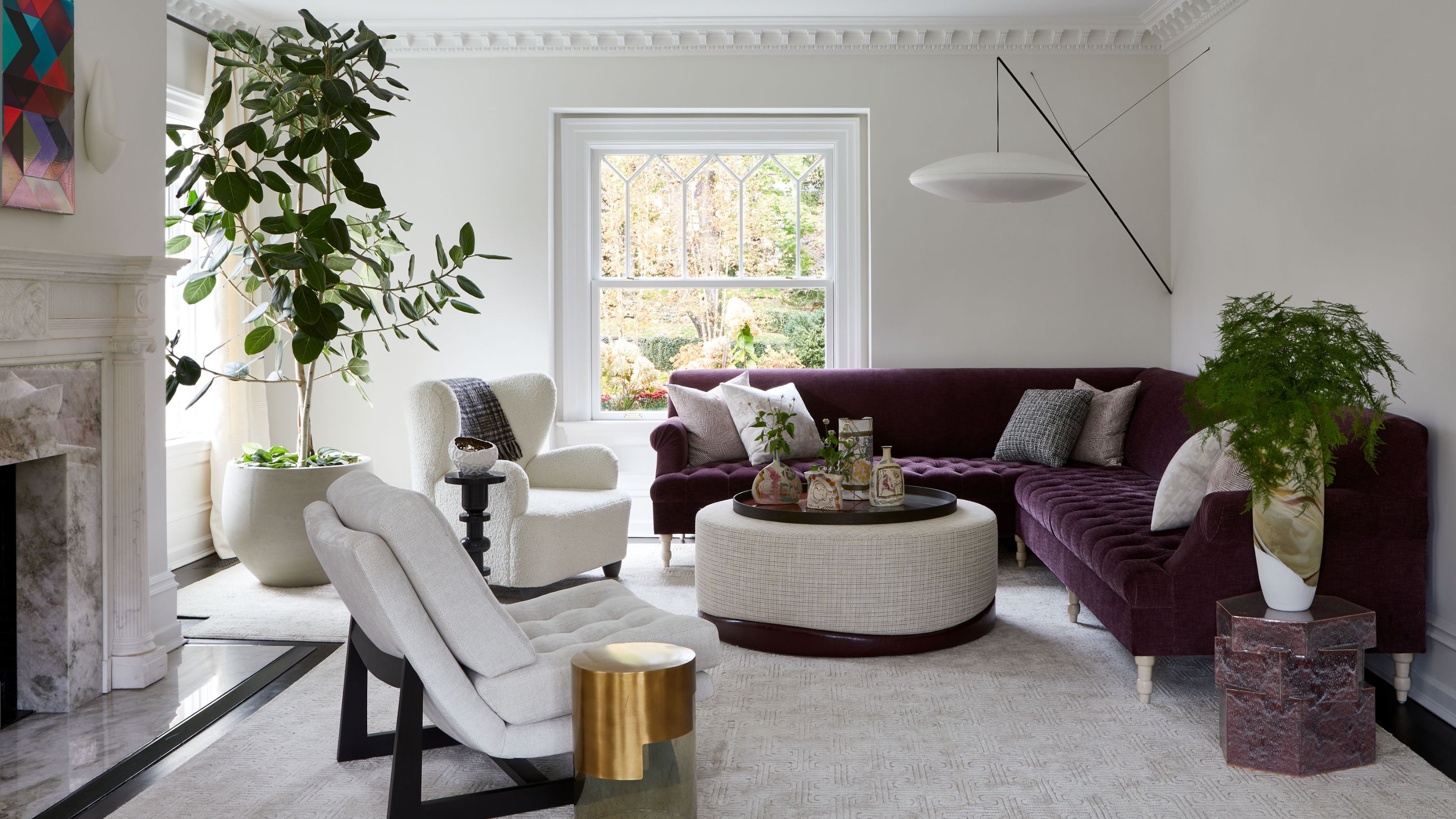
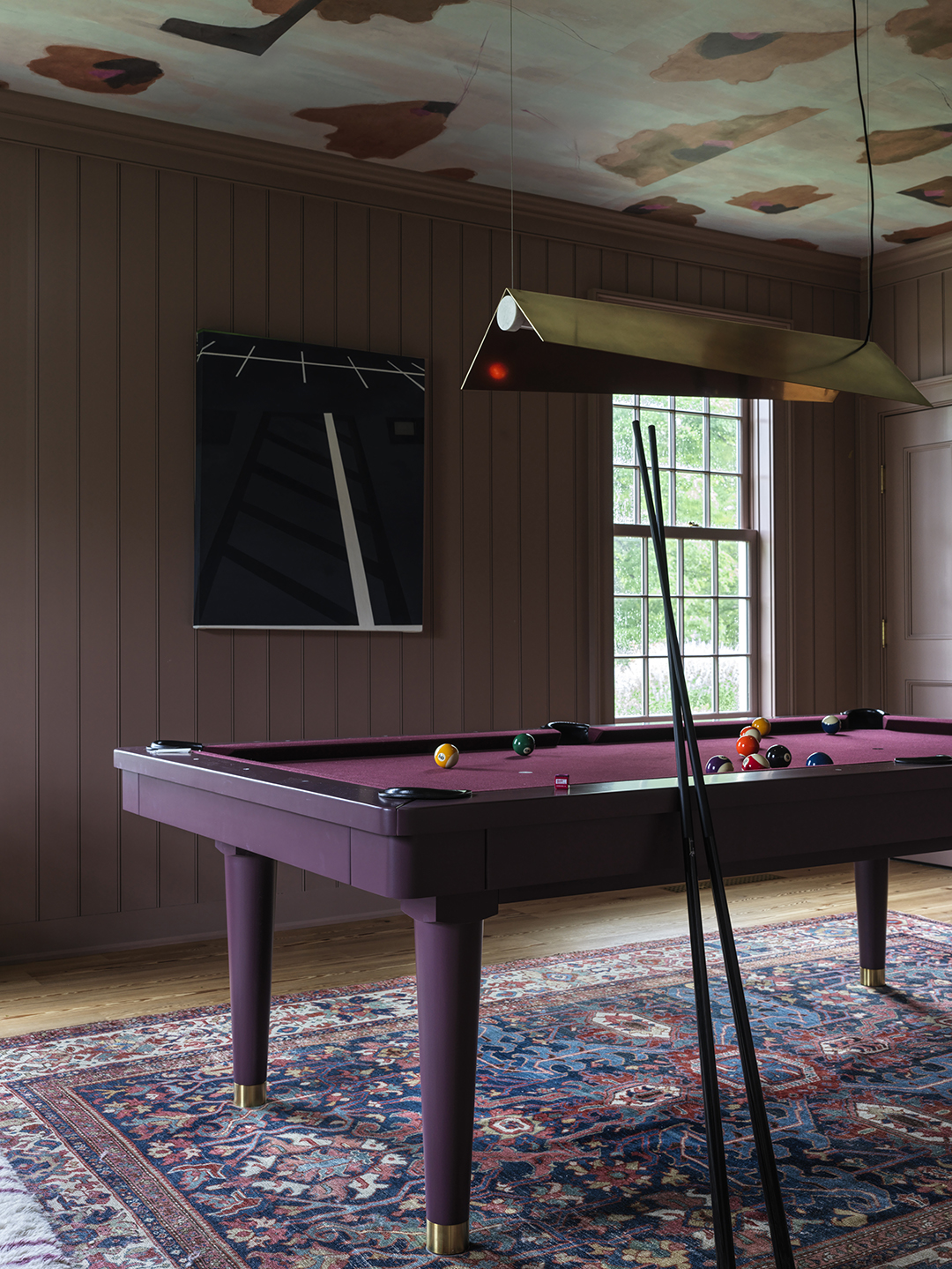
Gorrivan meticulously oversaw the interior design and landscaping of the property. The home features vibrant wallcoverings, some from his own designs for Holland & Sherry, alongside carefully selected furnishings. The expansive gardens are cultivated with hydrangeas and rare boxwood varieties. Gorrivan's personal design philosophy, influenced by his upbringing in Maine with a Yankee father and French-Moroccan mother, incorporates a blend of vivid, saturated colors and strong patterns with neutral tones like taupe and dove grays. He humorously refers to certain patterns, such as pink camouflage in a guest bedroom, as his "favorite neutral." This combination results in an aesthetic that is both timeless and modern.
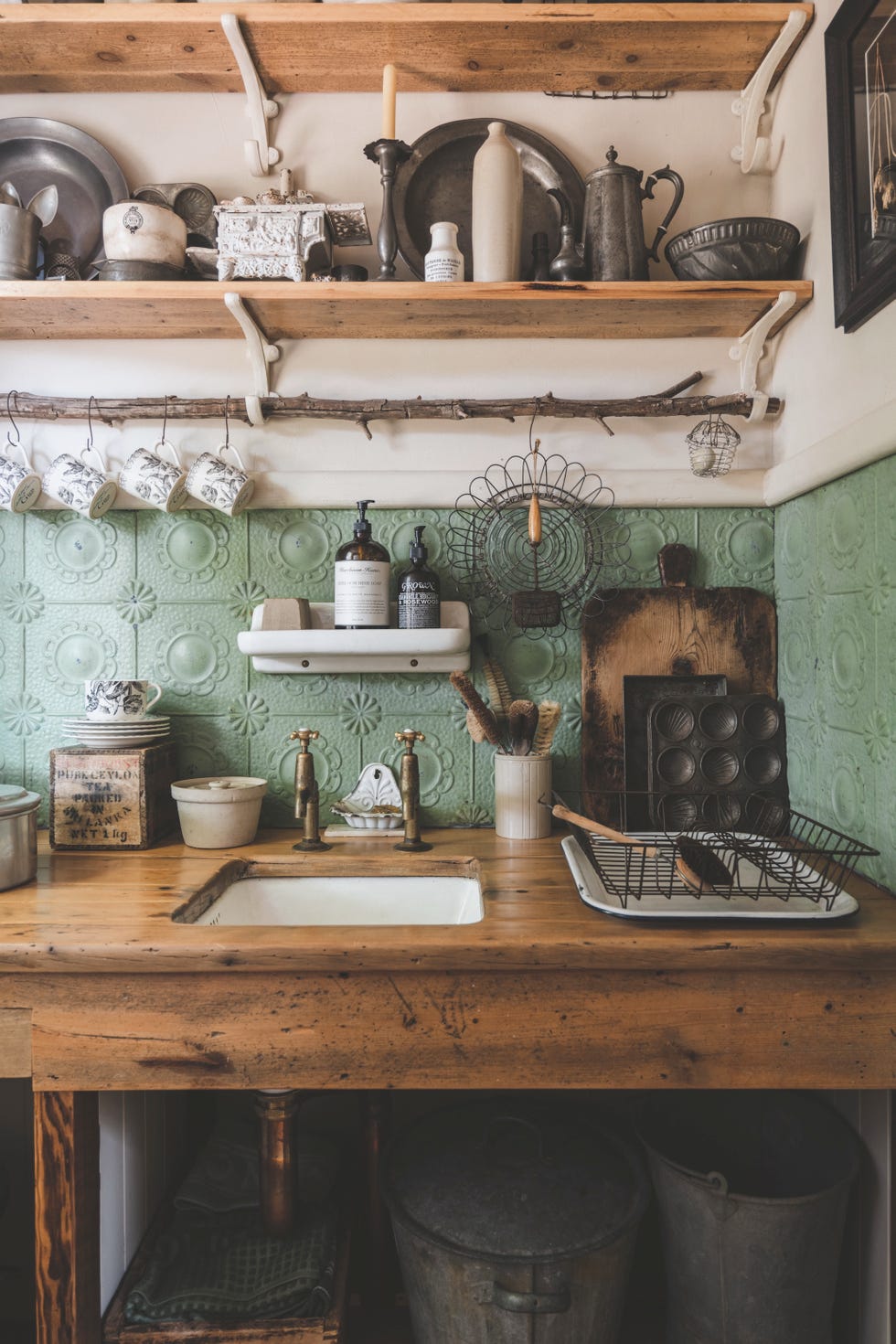
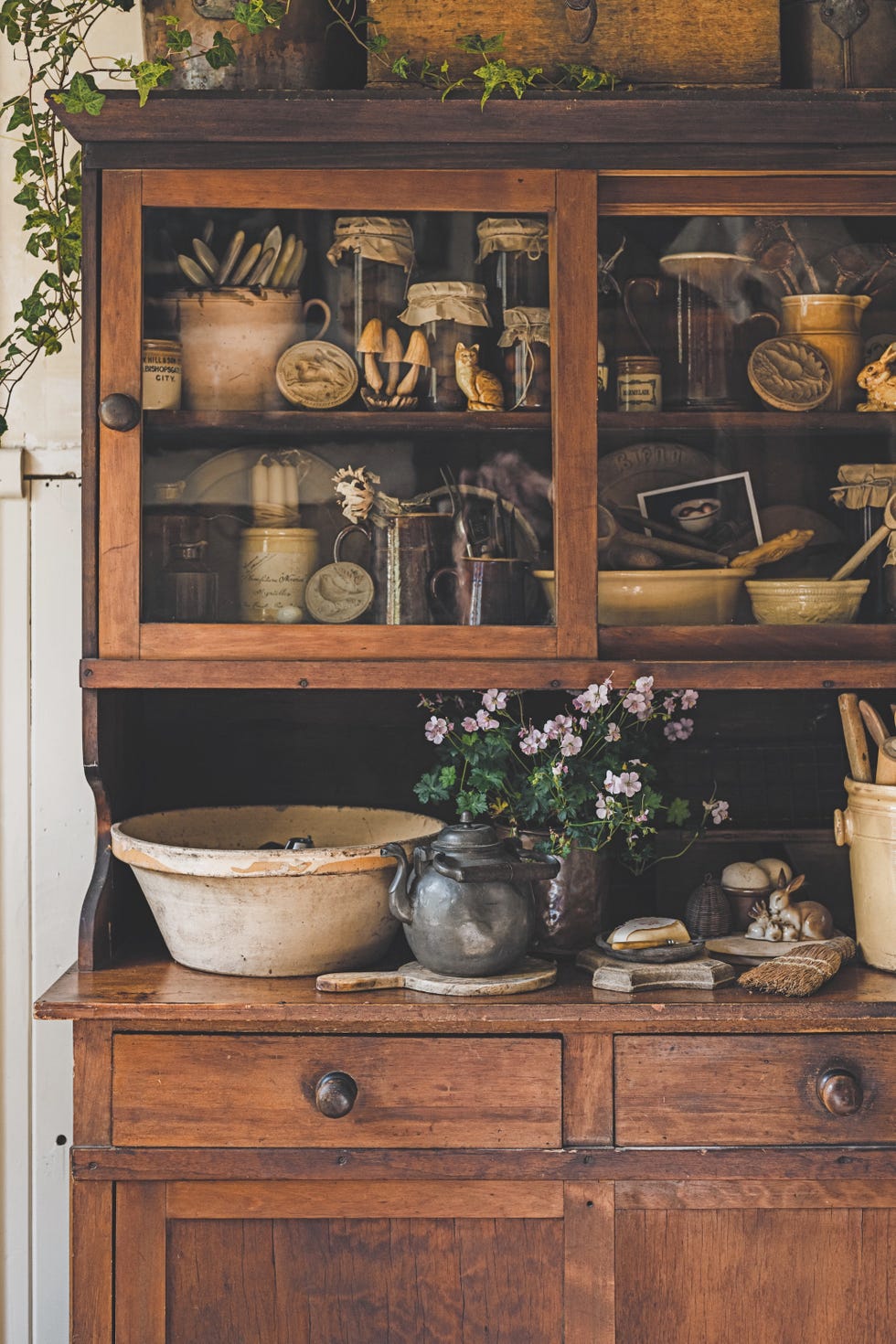
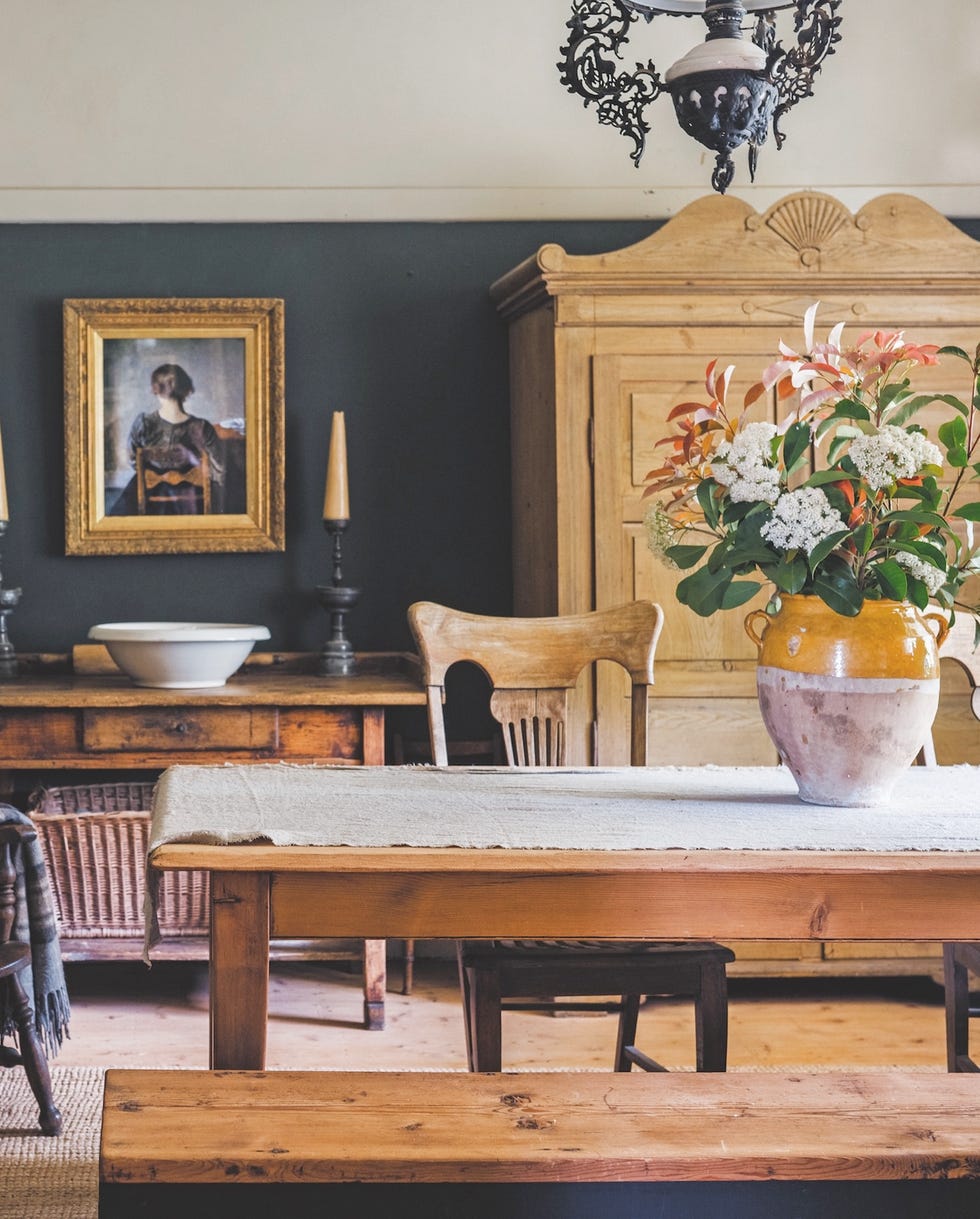
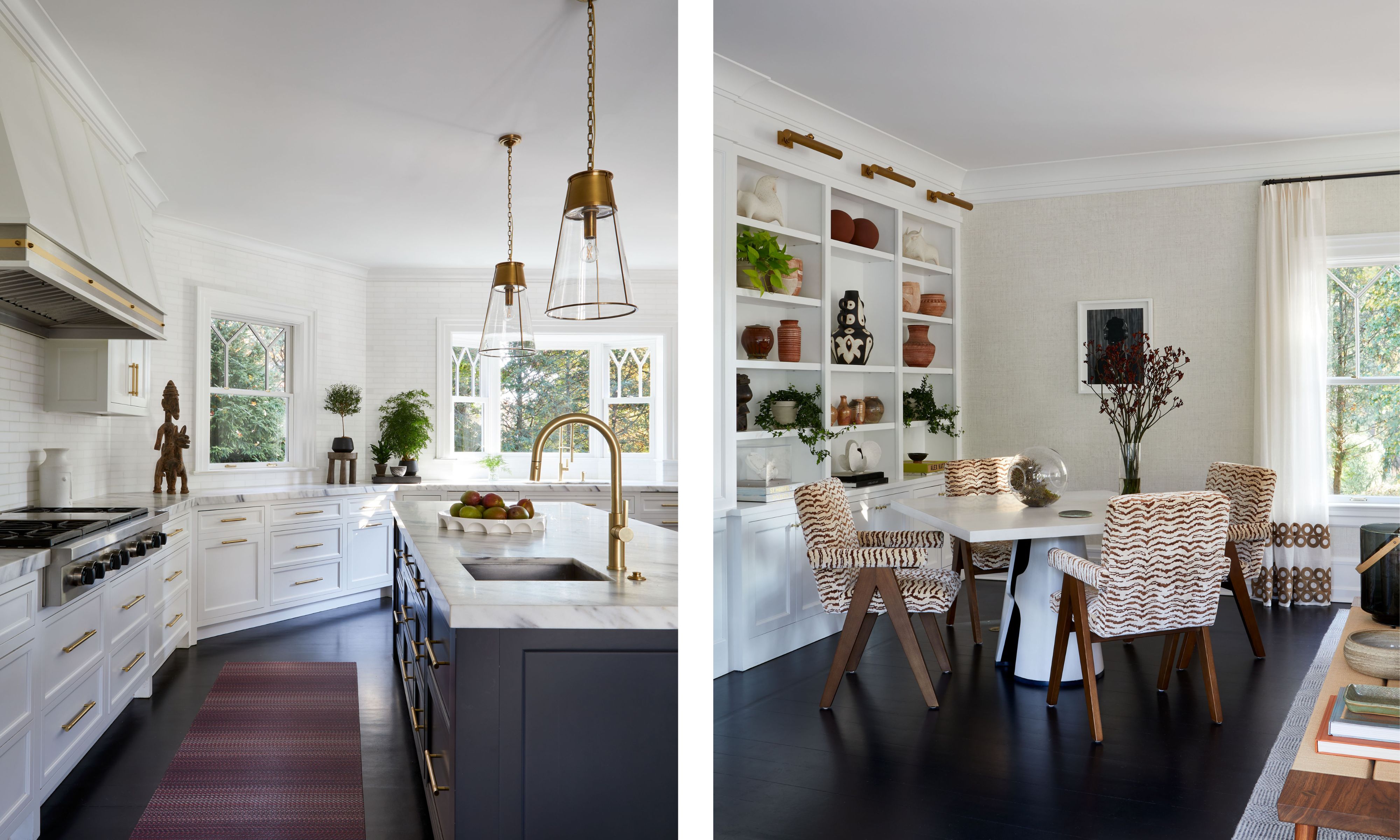
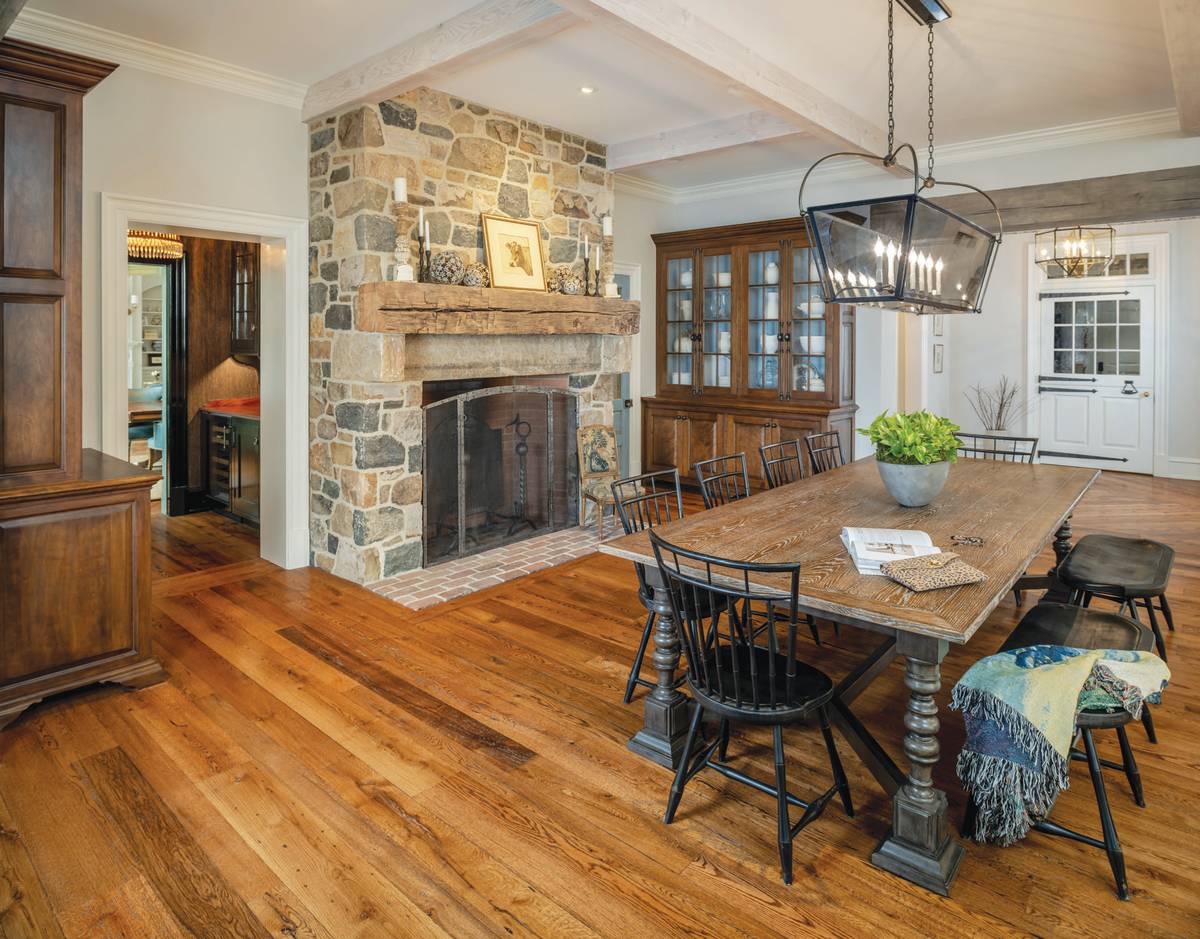
Quirky elements are integrated throughout the home, possibly as a nod to his mother's whimsical taste. Examples include an acid yellow-glass vessel in the dining room, a den wall adorned with small antlers, and zebra-print fabrics in his daughter's bedroom. The influence of his New England heritage is evident in antique side tables, a Wallace Nutting stool, and a 19th-century Vermont rocking chair, which is a family heirloom. Gorrivan employs a design technique he calls "massing," involving the display of groups of similar small objects to highlight their shape or color. This is demonstrated by the arrangement of 18th-century creamware in the kitchen, amethyst glass lining a dining room window, and vintage crystal glassware in an antique armoire used as a bar. Additionally, ancient bottles, some discovered by his children in the backyard, are showcased on a den étagère, reflecting his appreciation for beauty over strict provenance.
In 2012, the family's weekend routine was disrupted when Rossi was transferred to London, necessitating a move for the family from New York to South Kensington. While Gorrivan was able to manage his work remotely and felt little attachment to their New York apartment, he found it impossible to part with the Connecticut home. Despite the logistical challenges of maintaining the property from overseas, including its distance from an airport and harsh climate, Gorrivan cherishes the home deeply. He makes efforts to return, spending weeks in the summer with his family or occasional winter weekends alone, finding solace and a sense of belonging in the environment he created. He acknowledges the impracticality but views his attachment as an emotional necessity.
#ColonialHome #ConnecticutDesign #InteriorDesign #PhilipGorrivan #CountryLiving #HomeDecor #HistoricHomes #DesignInspiration #ColonialHome #ConnecticutDesign #InteriorDesign #PhilipGorrivan #CountryLiving #HomeDecor #HistoricHomes #DesignInspiration
0 تعليق إجمالاً
 لا توجد تعليقات بعد
قد تعجبك أيضًا
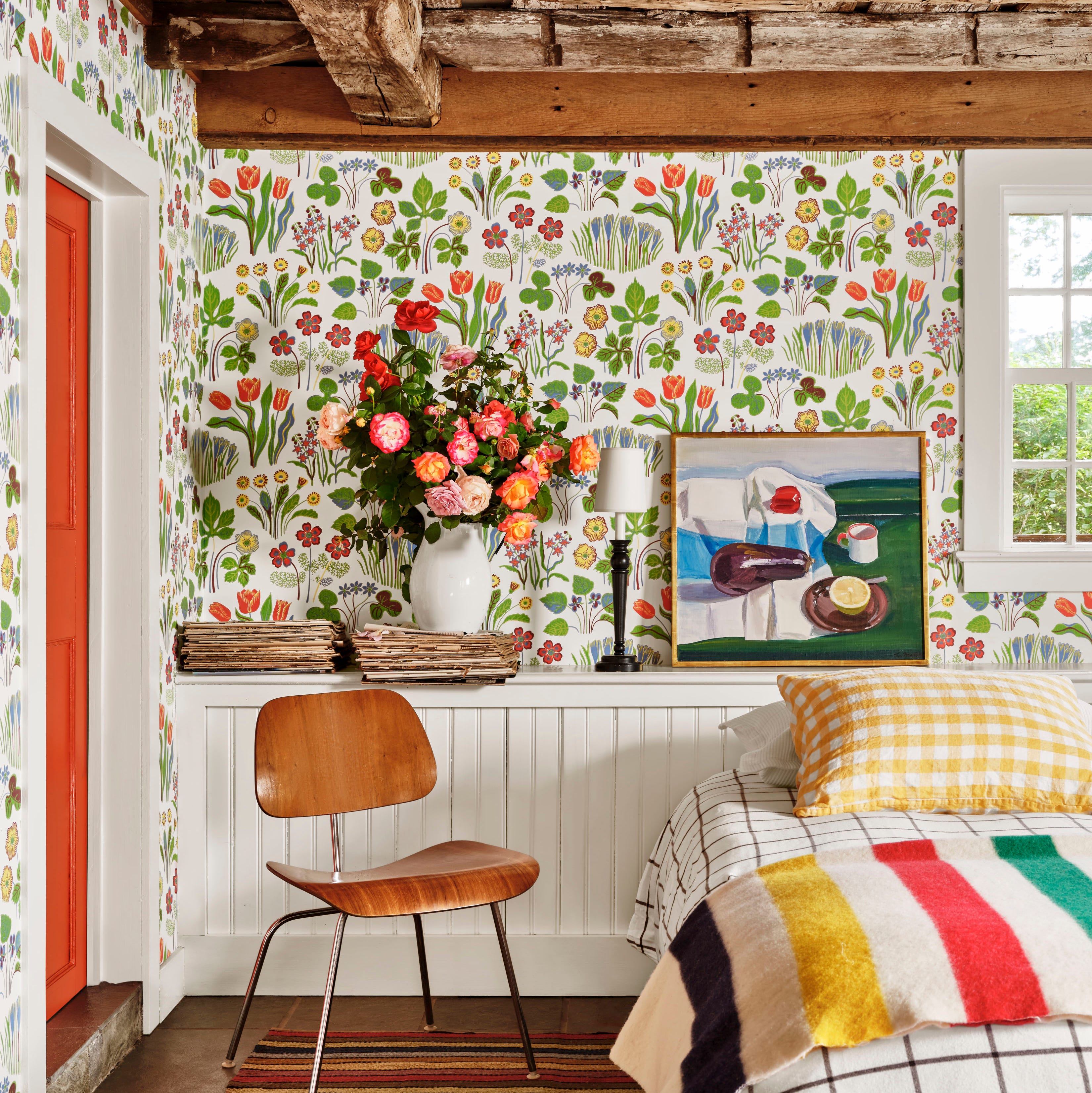
Step Inside the Most Colorful Cottage on the Connecticut Coast
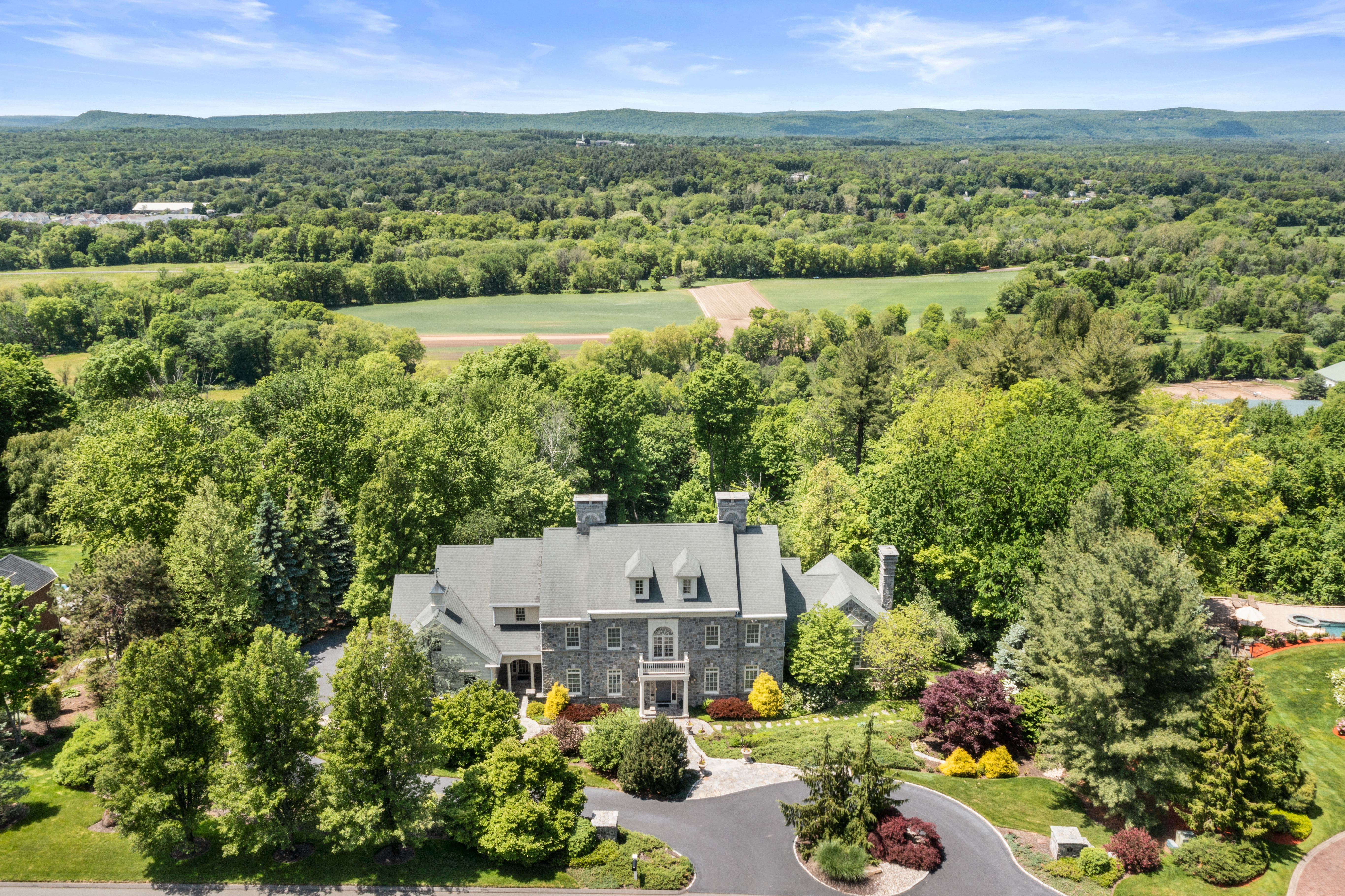
Property of the week: A luxury CT home that takes full advantage of its mountain setting
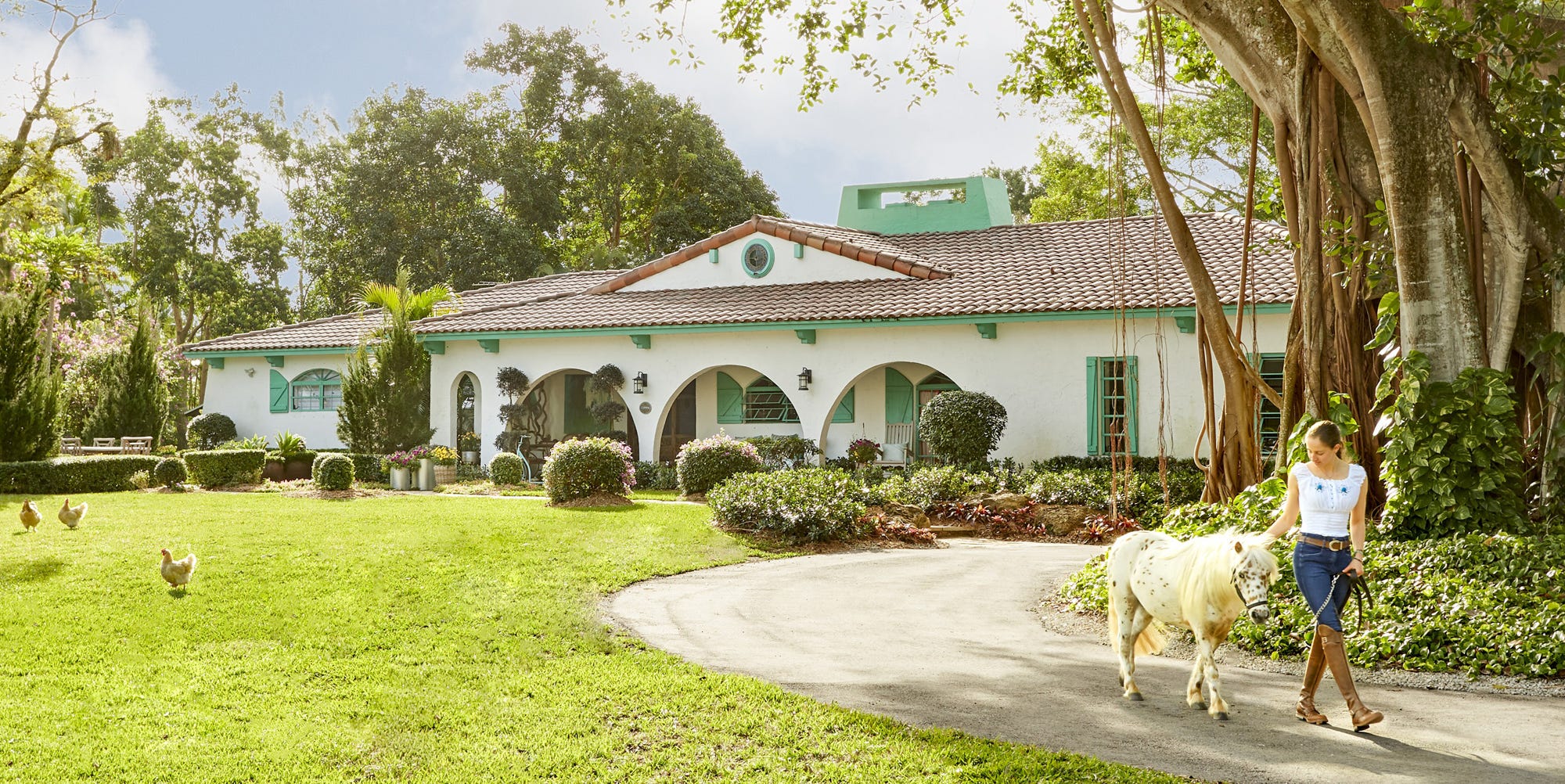
Believe It: This Family's Colorful Ranch Is Home to 95 Animals
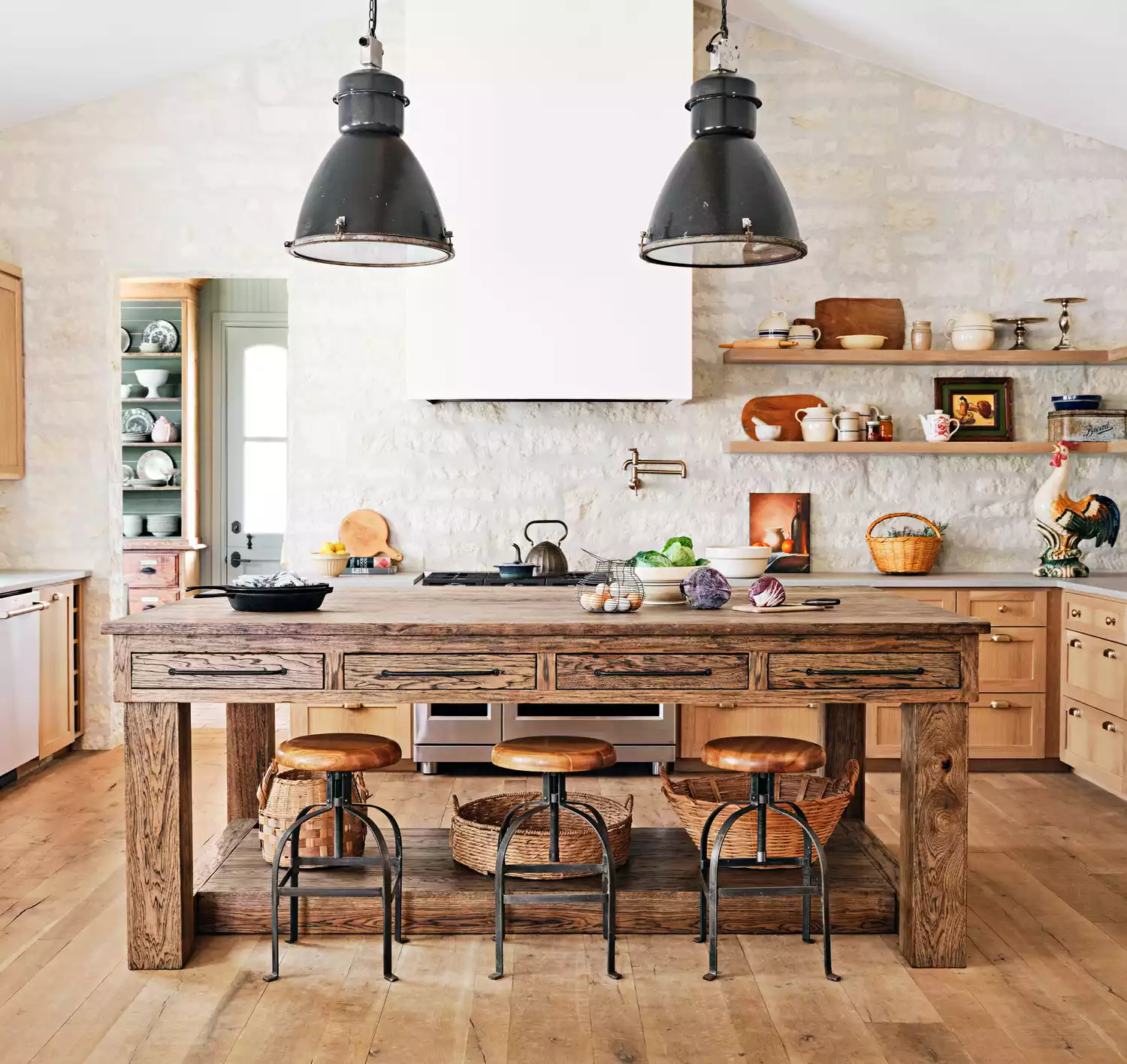
See Inside This Charming Texas Farmhouse Built For Family

A Connecticut Home With A New Take On Traditional

Step inside this chalet-style family home in Hampshire
Charlestown home built on family foundation
Hedgemoor Cottage Becomes Family's Dream Home

Inside A Character-Filled Cottage That Captures The Spirit Of English Country Living
Step inside this suburban ranch home and you'll swear it's a Victorian mansion
A Soulful Carriage House Where the Garage Is as Chic as the Billiards Room

Rustic Charm


Coming home to an 1880 English country manor in Montgomery County
Explore a vibrant New England home that honors the original features

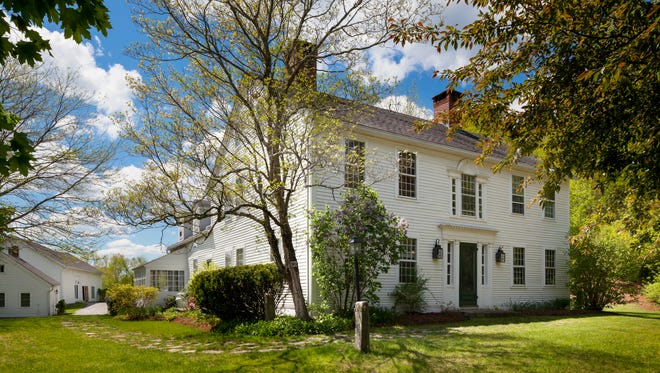
Renee Zellweger's Connecticut farm house
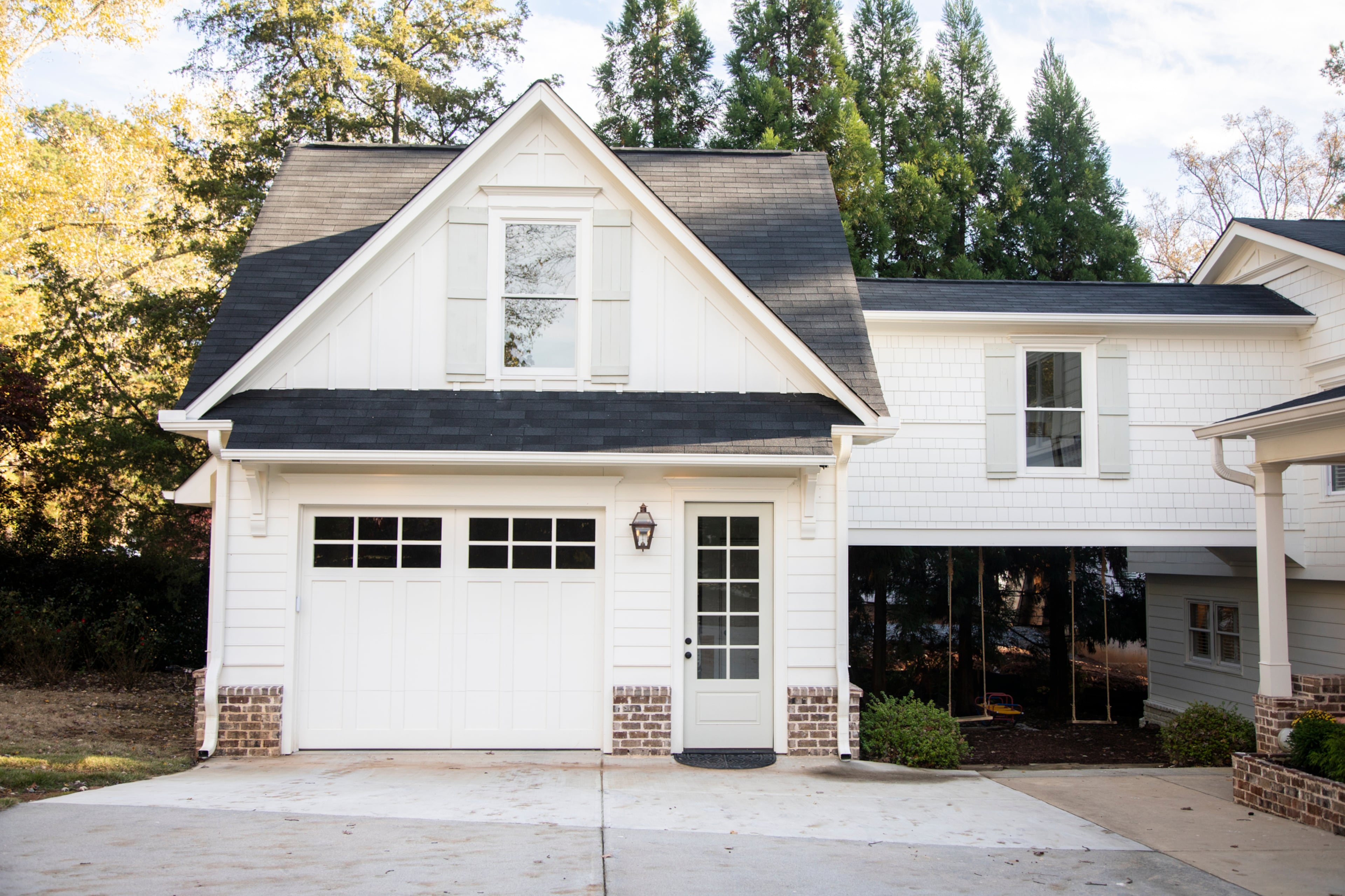
Cobb County family plans to ‘make memories’ in converted farmhouse-style home
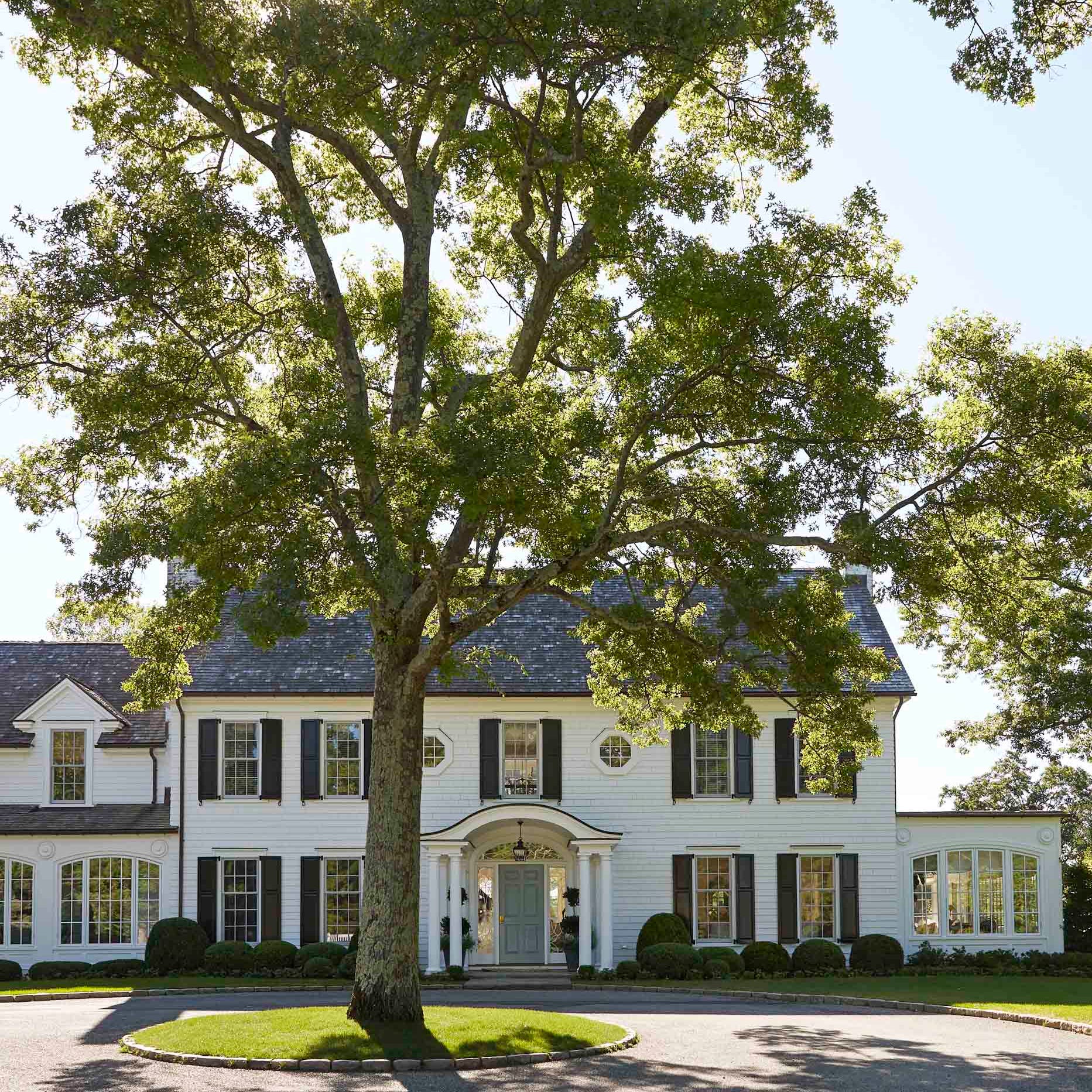
David Netto Brings Big Design to a Sleepy Colonial for a Young Family
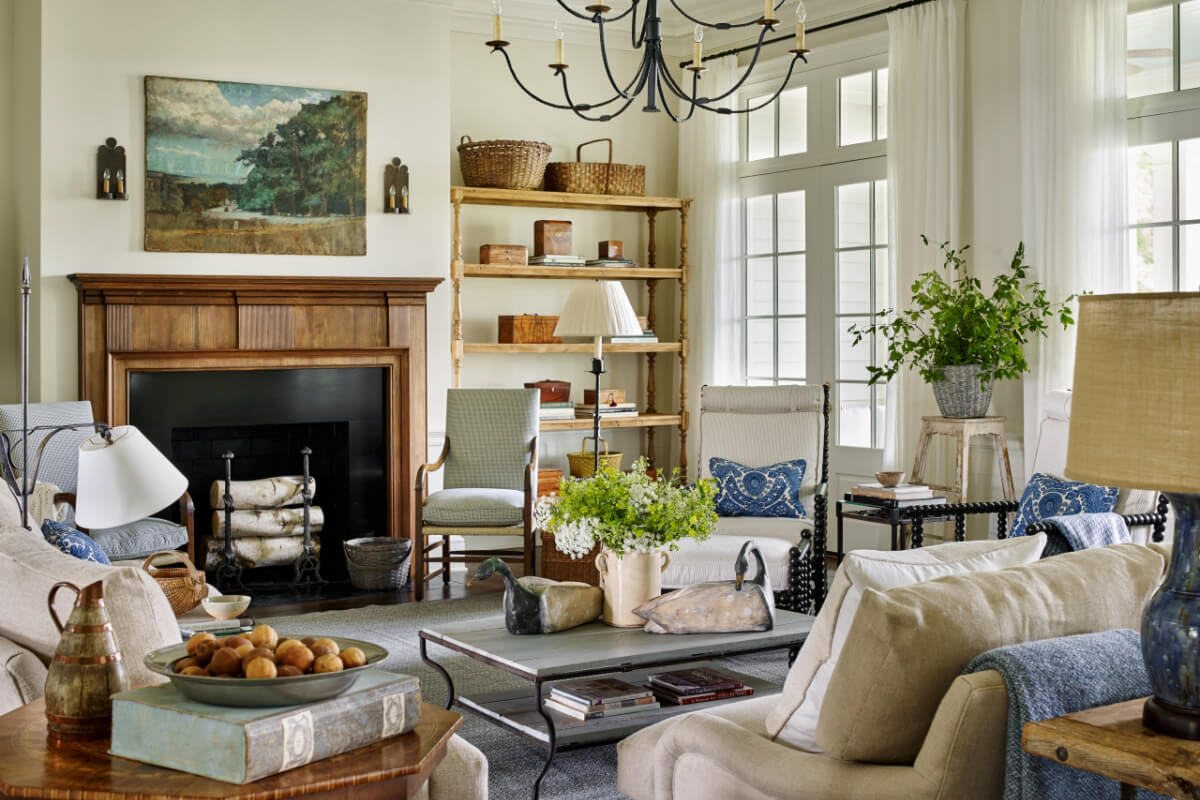
Look Inside This Quintessential Southern Farmhouse
This Home Blends Pennsylvania Farmhouse & Chateau Aesthetics

Tour This Modern Farmhouse in Wilmette