1/23
Colors Of the Earth: Ghana's Incredible, Rammed Earth Walls
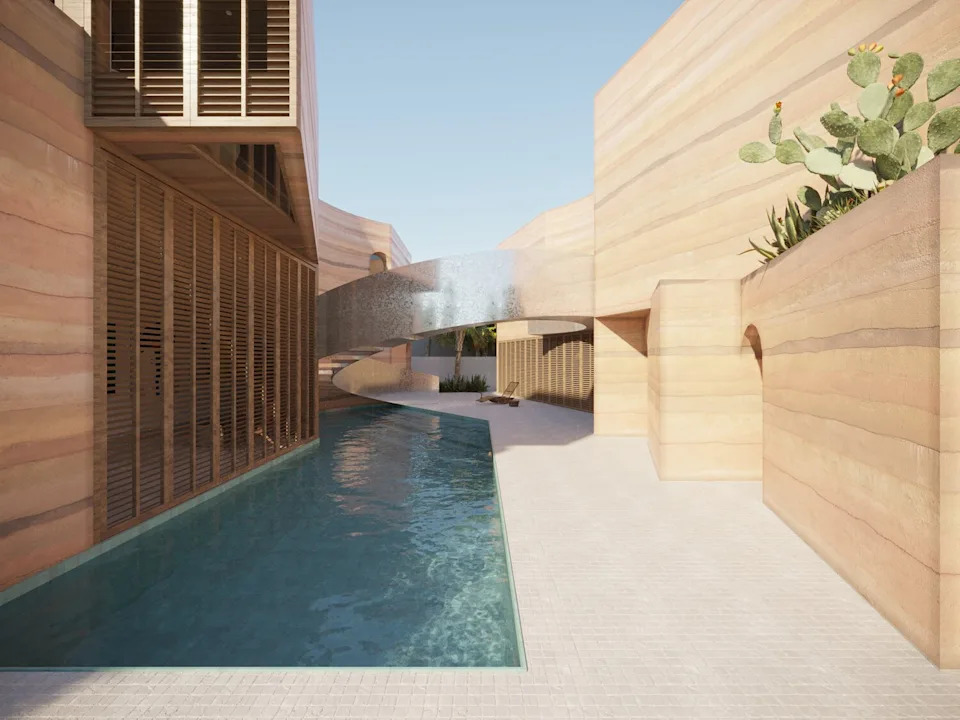
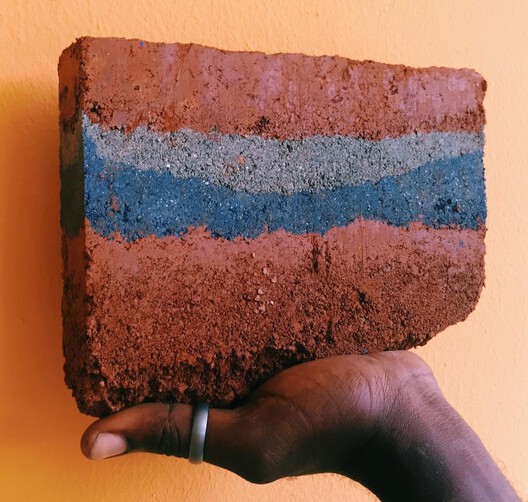
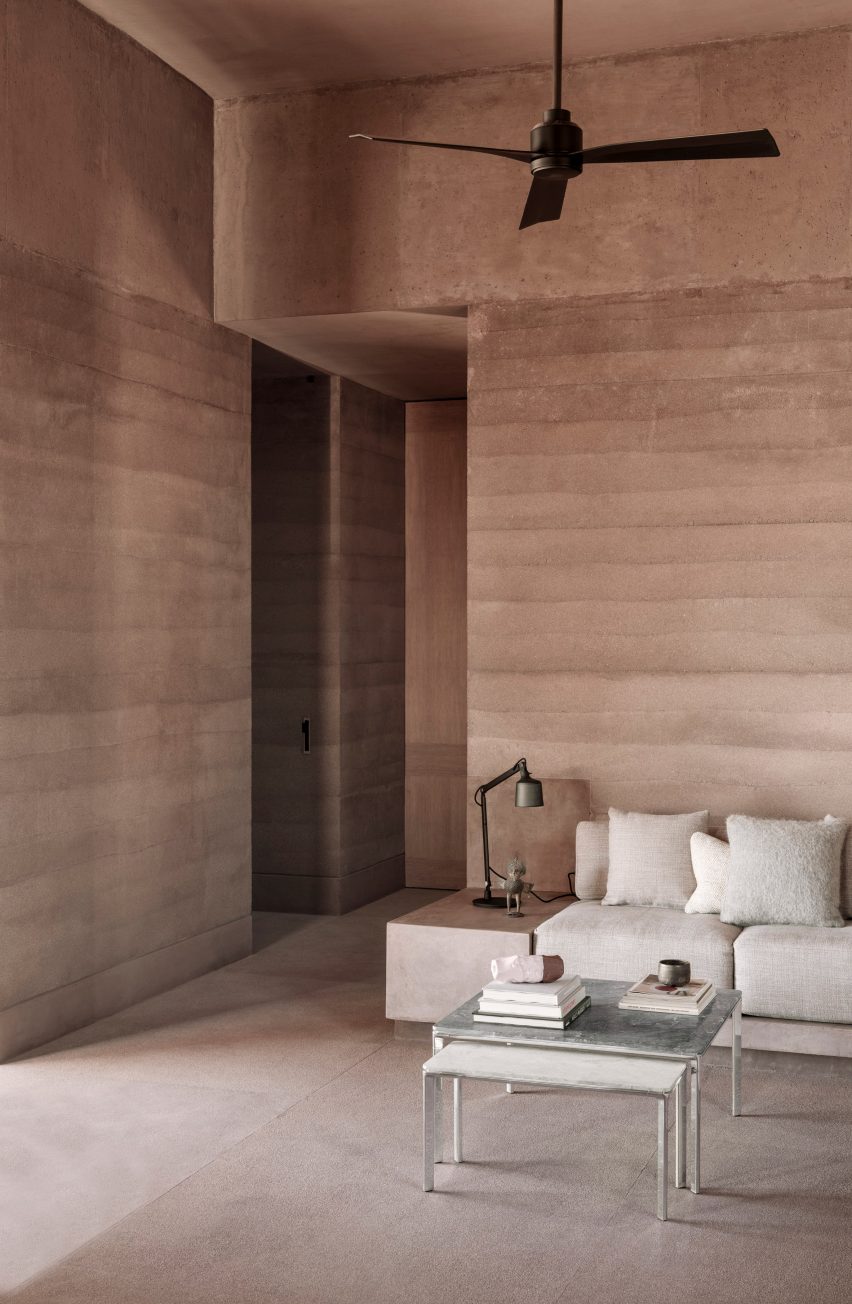
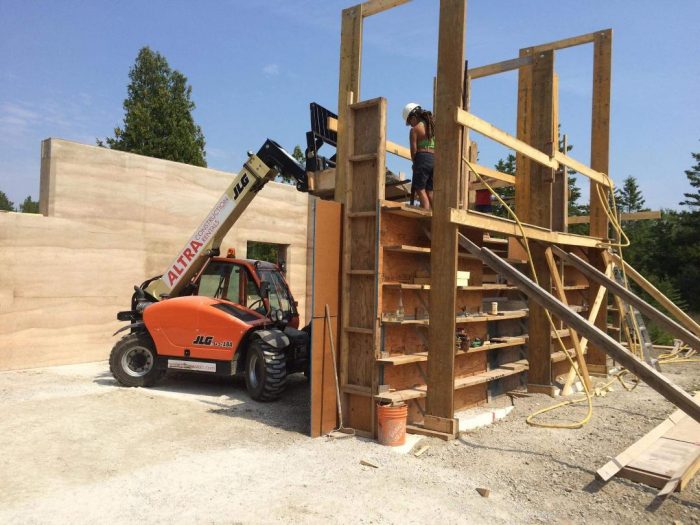
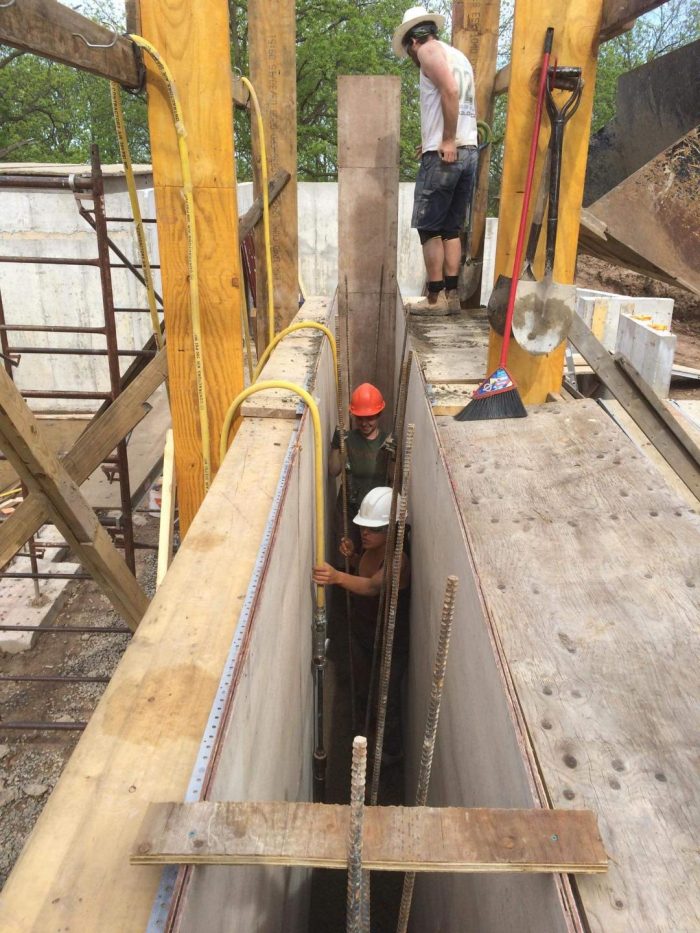
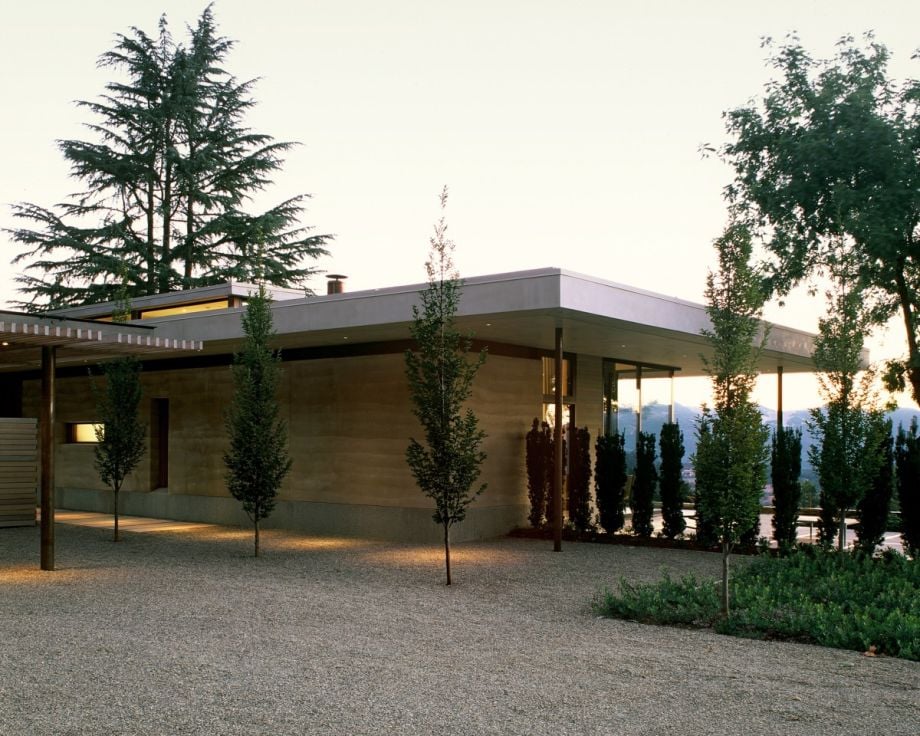
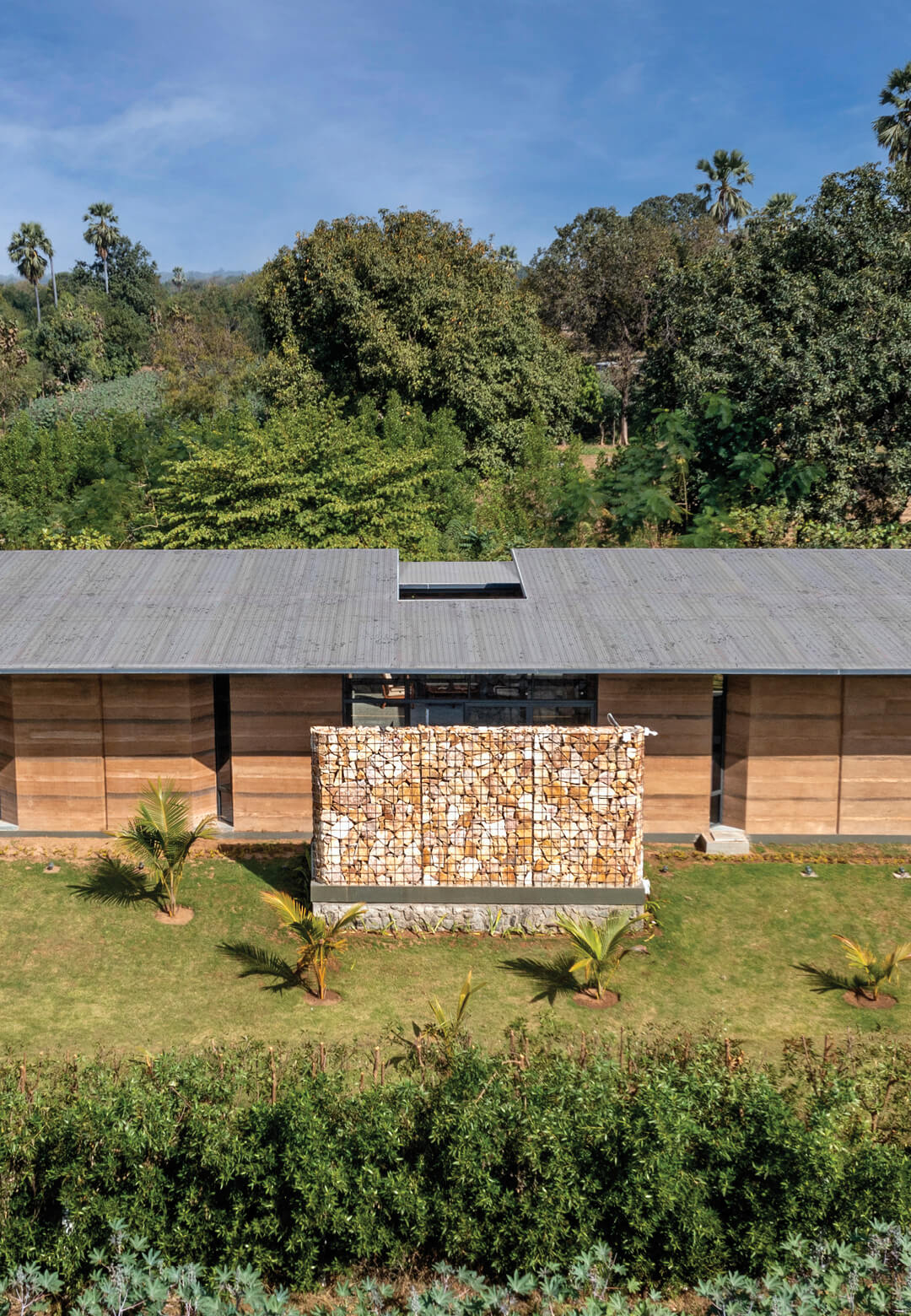
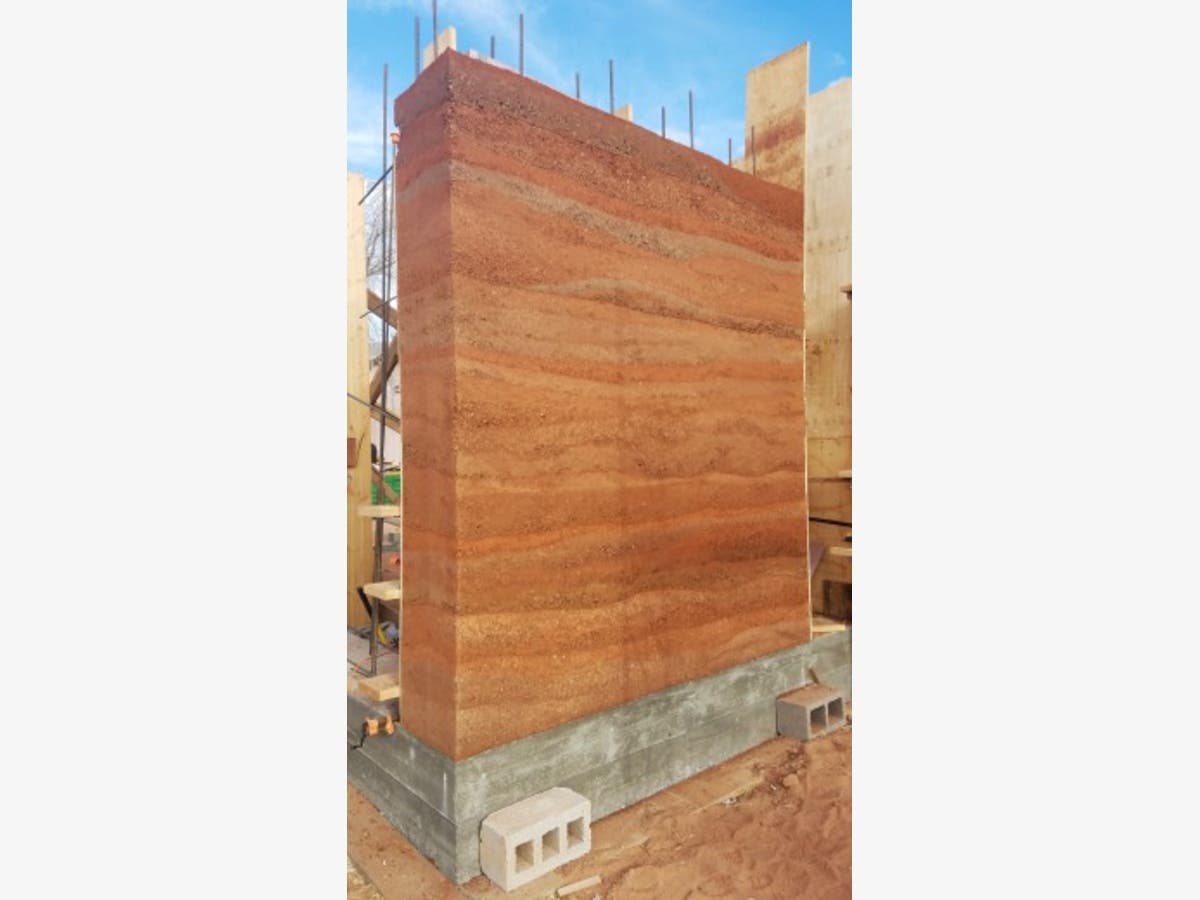
Rammed earth construction, a technique with historical roots evident in structures like parts of the Great Wall of China, is experiencing a resurgence as a sustainable, economical, and environmentally friendly building method. This rudimentary system involves compressing layers of earth, typically 15 cm high, into wooden formwork using manual or pneumatic tools to achieve the required density, resulting in robust and durable structures. This ancient building method, which had been largely replaced by modern construction techniques, is now being reconsidered for its inherent benefits. Joelle Eyeson, an entrepreneur in Ghana, is a proponent of this method, believing it can address the housing deficit in her region.
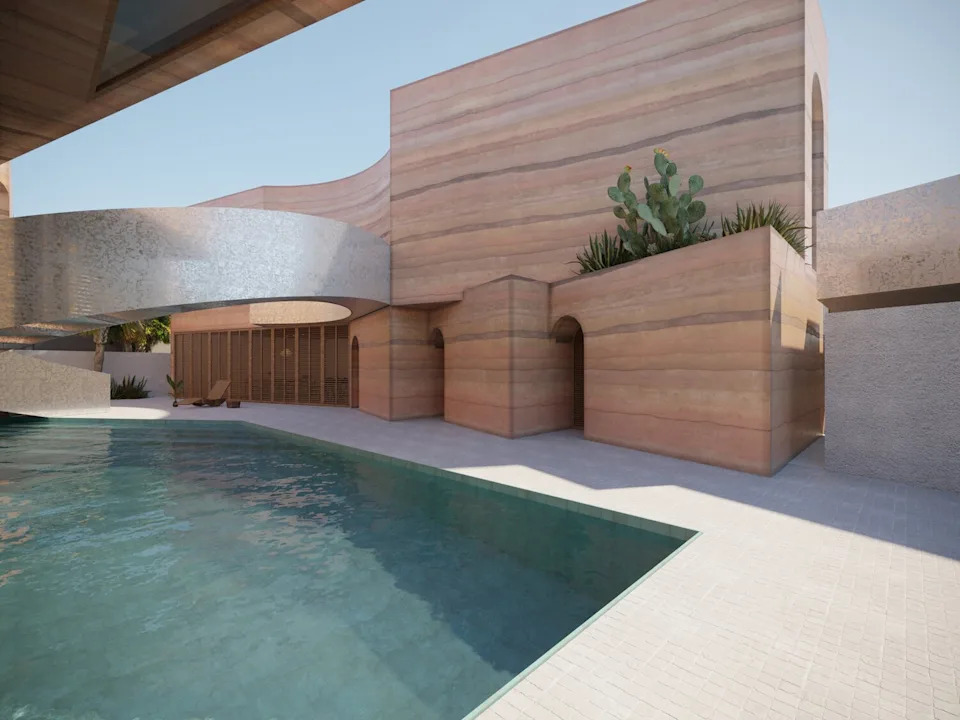
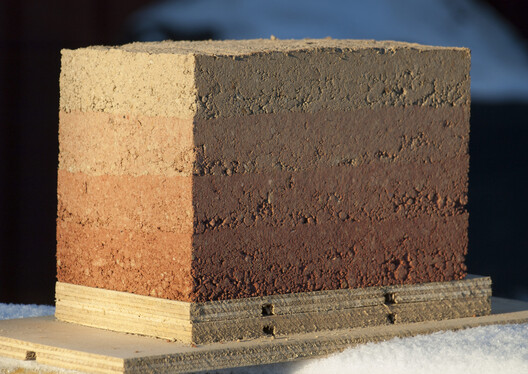
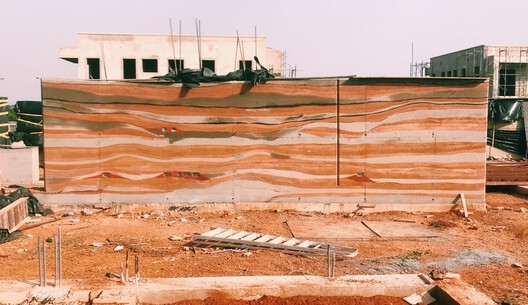
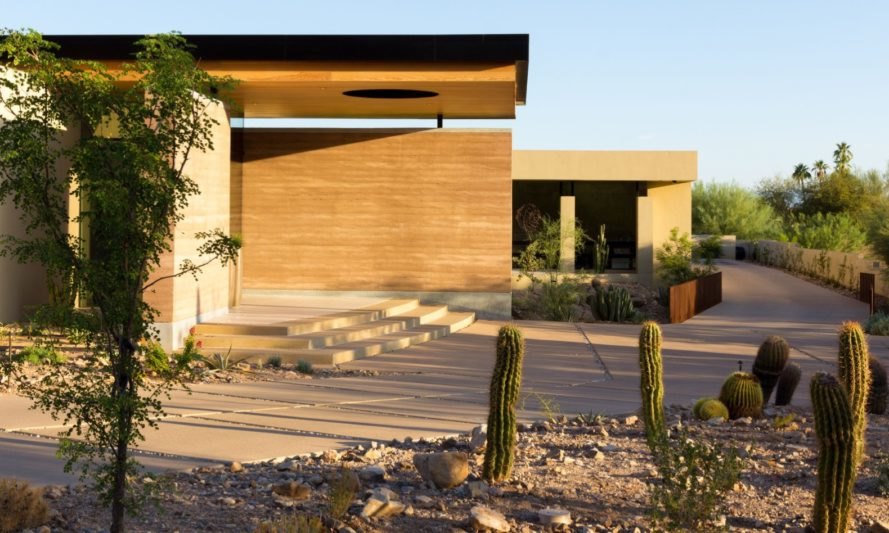
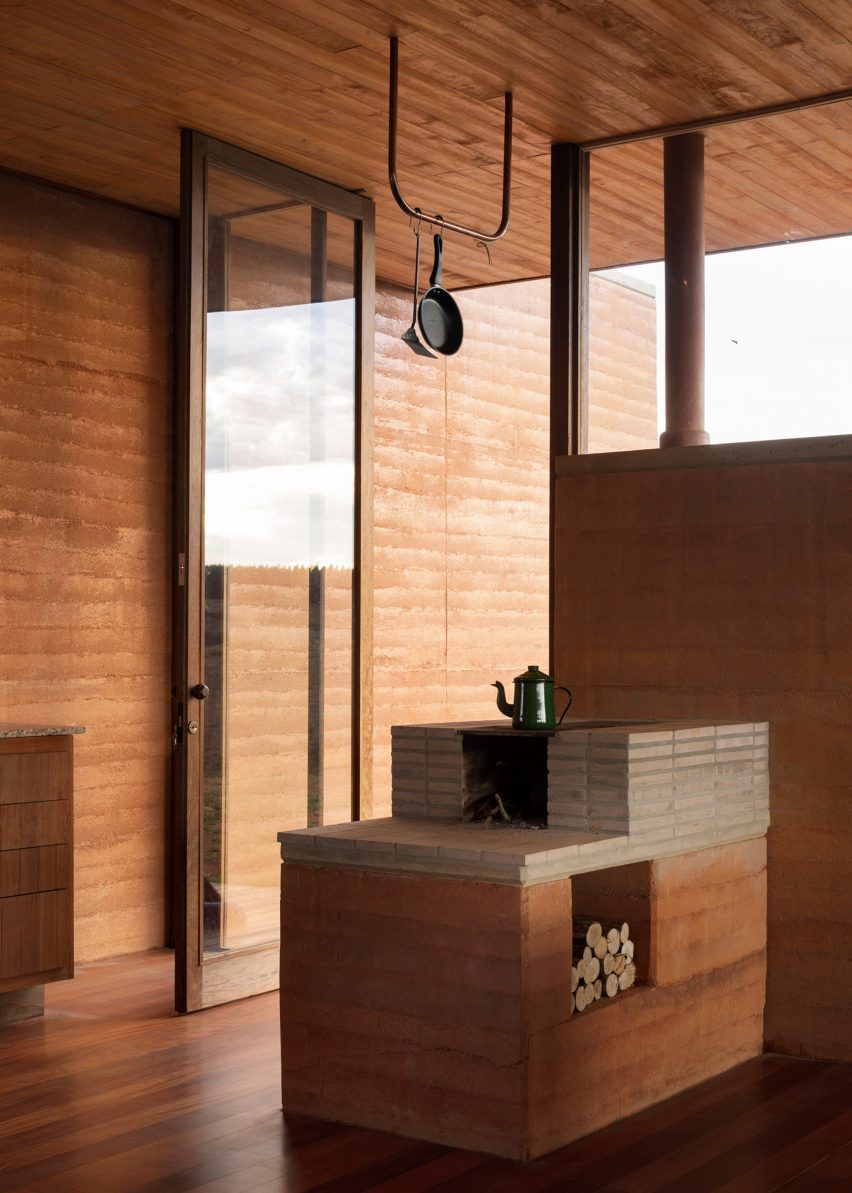
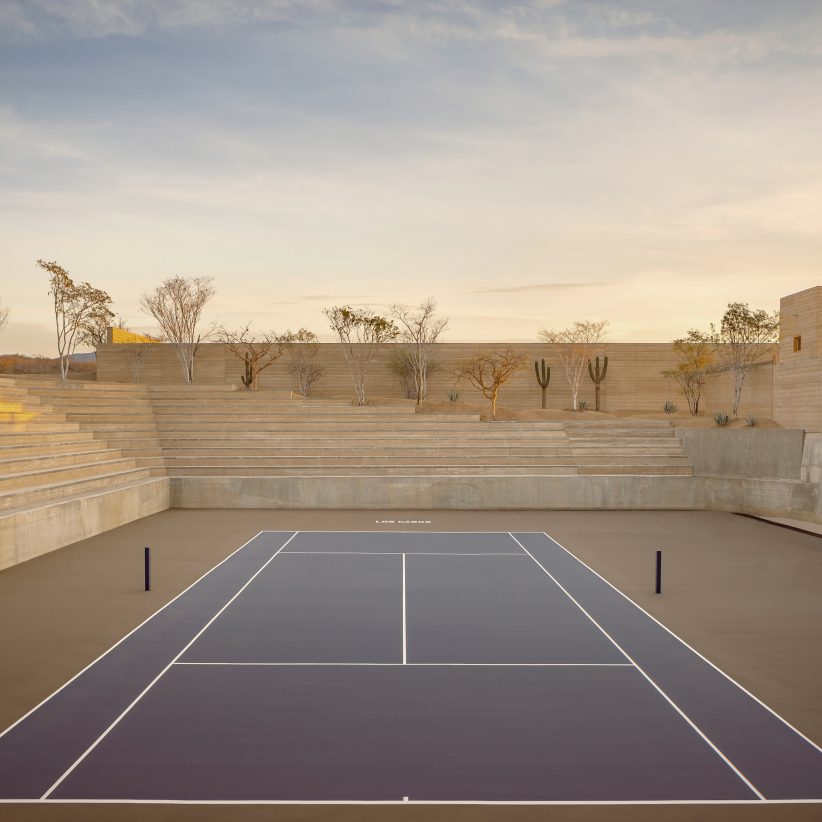
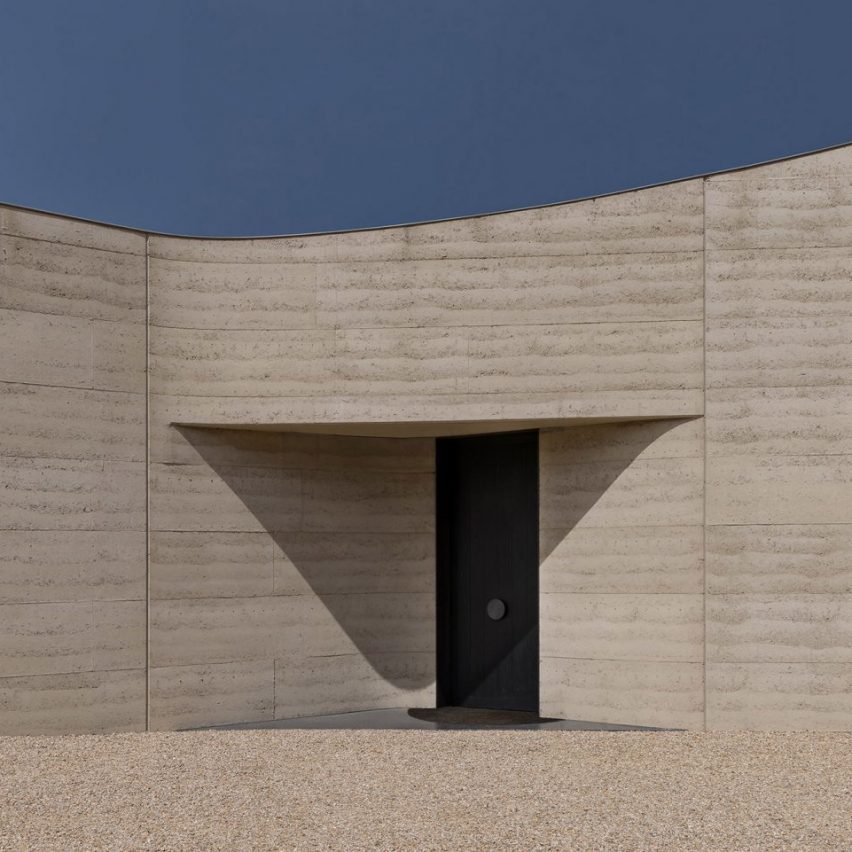
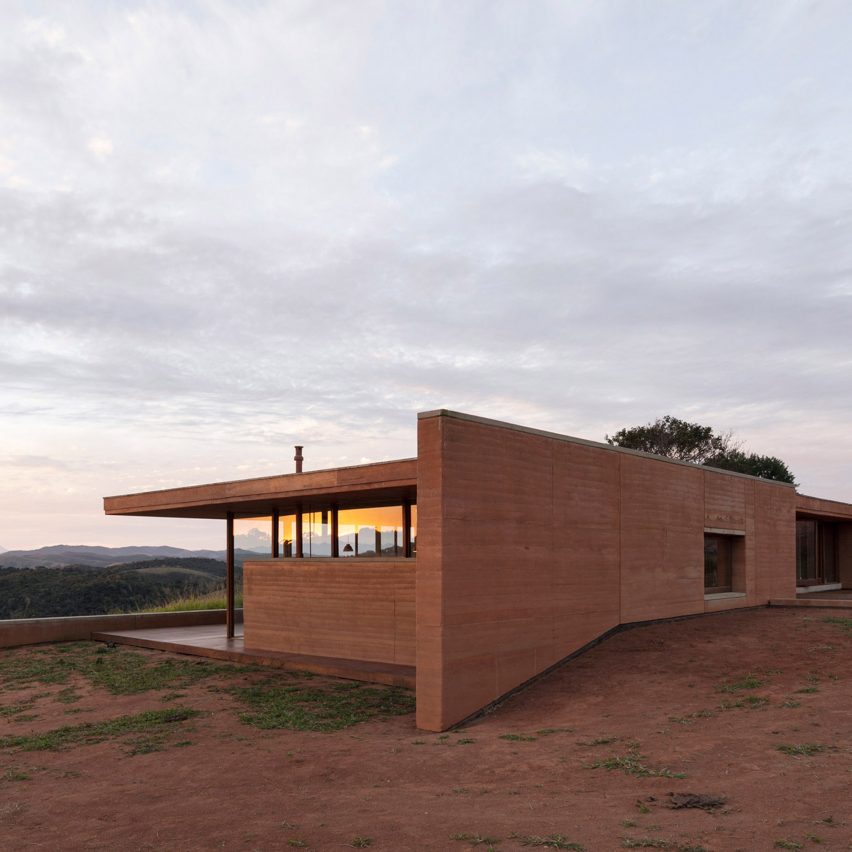
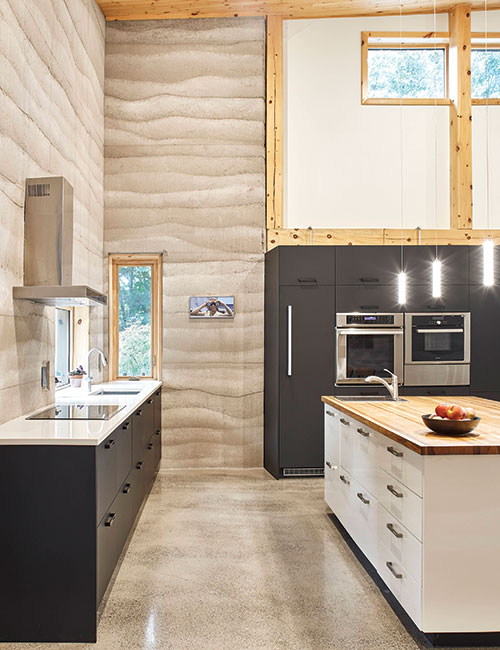
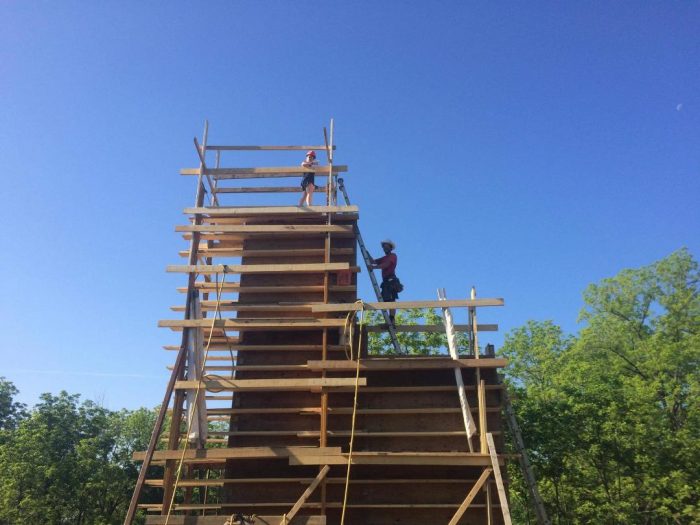
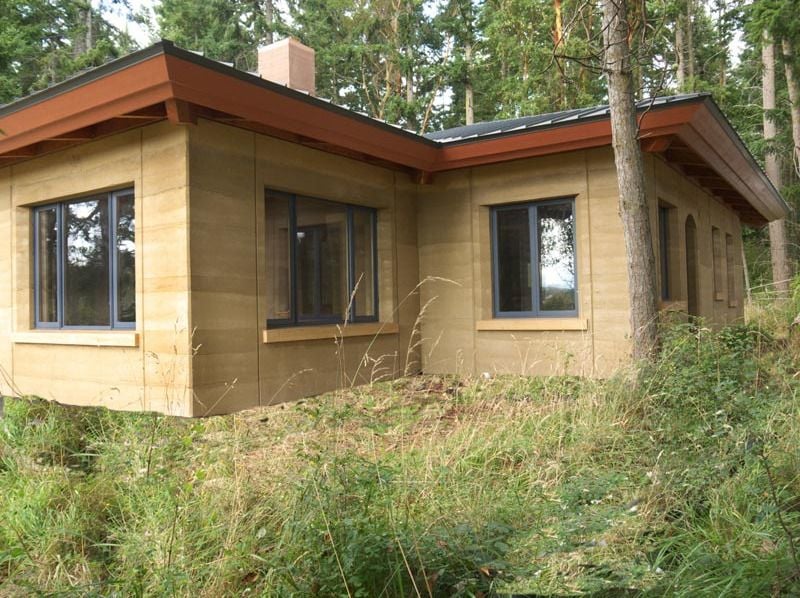
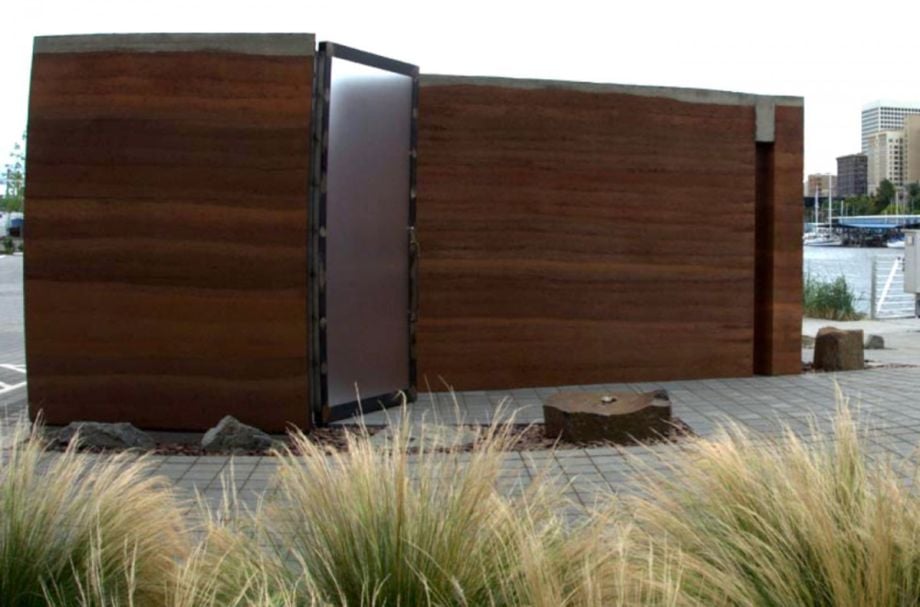
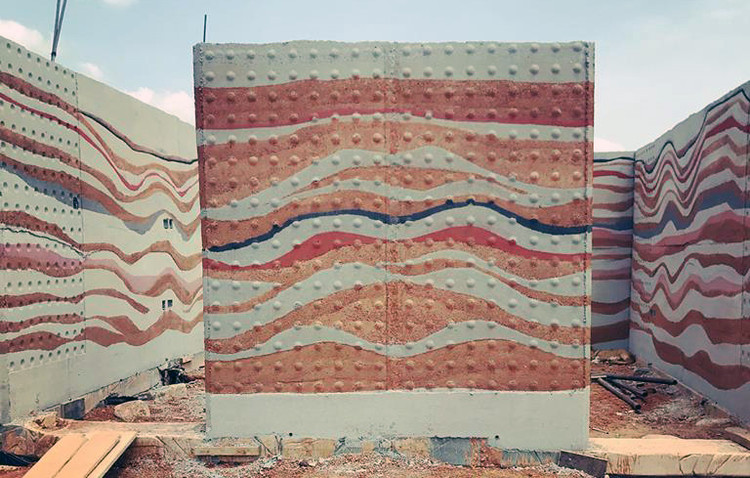
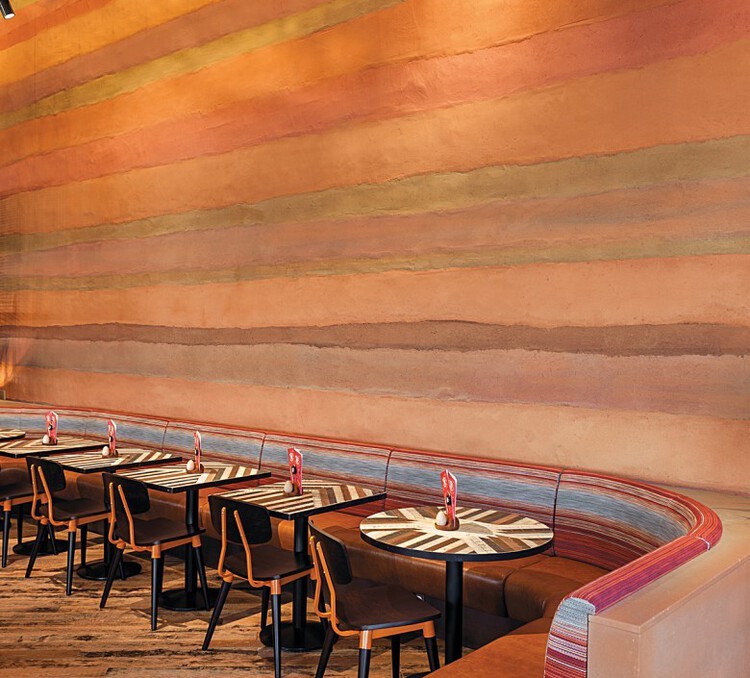
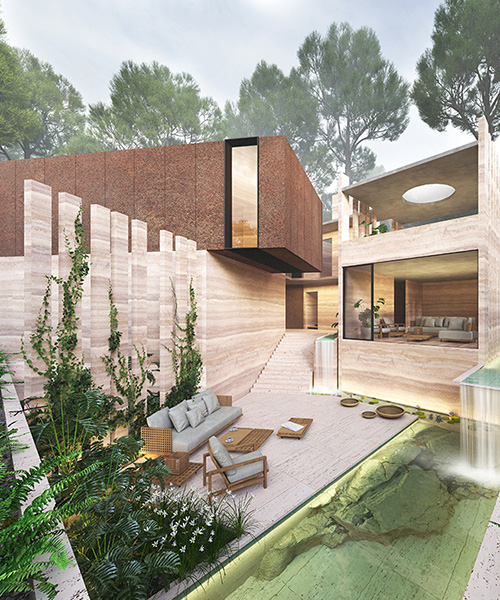
The process of rammed earth construction involves sourcing local soil, often a mix of sand, silt, clay, and gravel, which is then carefully mixed with a small amount of water and, occasionally, a stabilizer like cement or lime. The moist earth mixture is then placed into temporary formwork, which defines the shape and thickness of the wall. Each layer is meticulously compacted, traditionally by hand using a rammer, or more recently with pneumatic compactors, until it reaches a high density. This compaction process removes air pockets, increasing the material's strength and durability. The formwork is then removed, revealing the distinctive layered aesthetic of rammed earth walls. The natural colors and textures of the local soil become a prominent feature of the finished structure, creating a unique and earthy appearance. The inherent thermal mass of rammed earth provides excellent insulation properties, helping to regulate indoor temperatures naturally, which is particularly beneficial in diverse climates like Ghana's. This reduces the need for artificial heating or cooling, leading to lower energy consumption and operational costs for buildings.
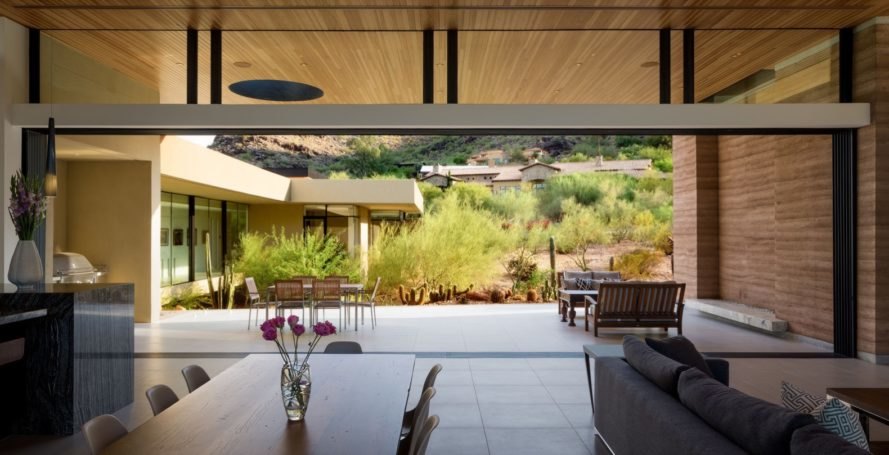
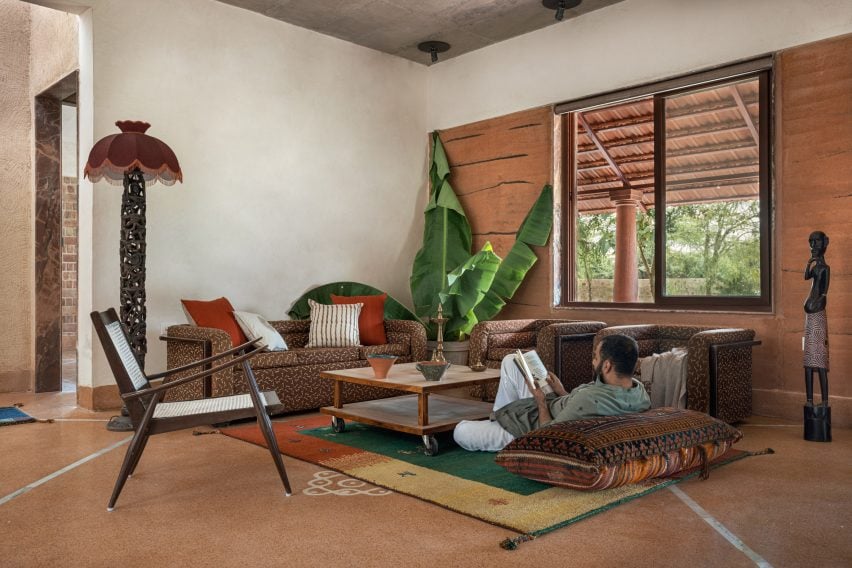
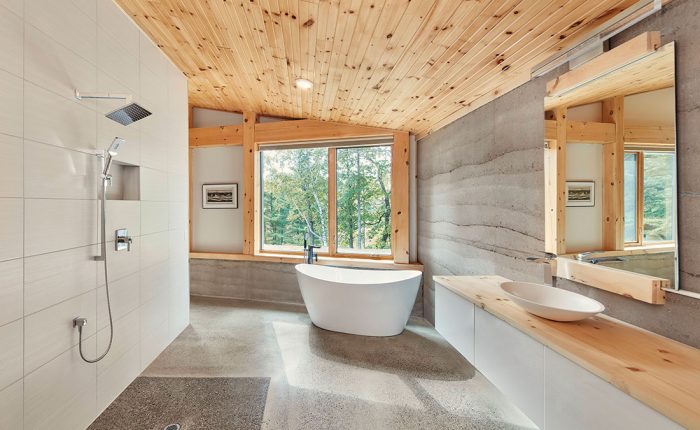
Beyond its environmental and economic advantages, rammed earth construction offers significant aesthetic appeal. The varied colors and strata created by the layering and compaction process give each wall a unique, organic beauty that reflects the local geology. This natural aesthetic integrates well with the surrounding landscape and can contribute to a sense of place and cultural identity. The material's breathability helps to create healthy indoor environments by regulating humidity and improving air quality. Furthermore, the simplicity of the technique means that, with proper training, it can be implemented using locally available resources and labor, fostering local economies and empowering communities to build their own homes. The long lifespan of rammed earth structures, coupled with their minimal maintenance requirements, further enhances their sustainability profile. The renewed interest in rammed earth in Ghana, championed by individuals like Joelle Eyeson, highlights a global trend towards rediscovering and innovating with traditional, eco-conscious building practices to address contemporary challenges such as affordable housing and environmental sustainability.
#RammedEarth #SustainableConstruction #GhanaArchitecture #EarthenBuilding #HousingSolutions #EcoFriendlyMaterials #TraditionalTechniques #JoelleEyeson #MaterialInnovation #RammedEarth #SustainableConstruction #GhanaArchitecture #EarthenBuilding #HousingSolutions #EcoFriendlyMaterials #TraditionalTechniques #JoelleEyeson #MaterialInnovation
0 تعليق إجمالاً
 لا توجد تعليقات بعد
قد تعجبك أيضًا
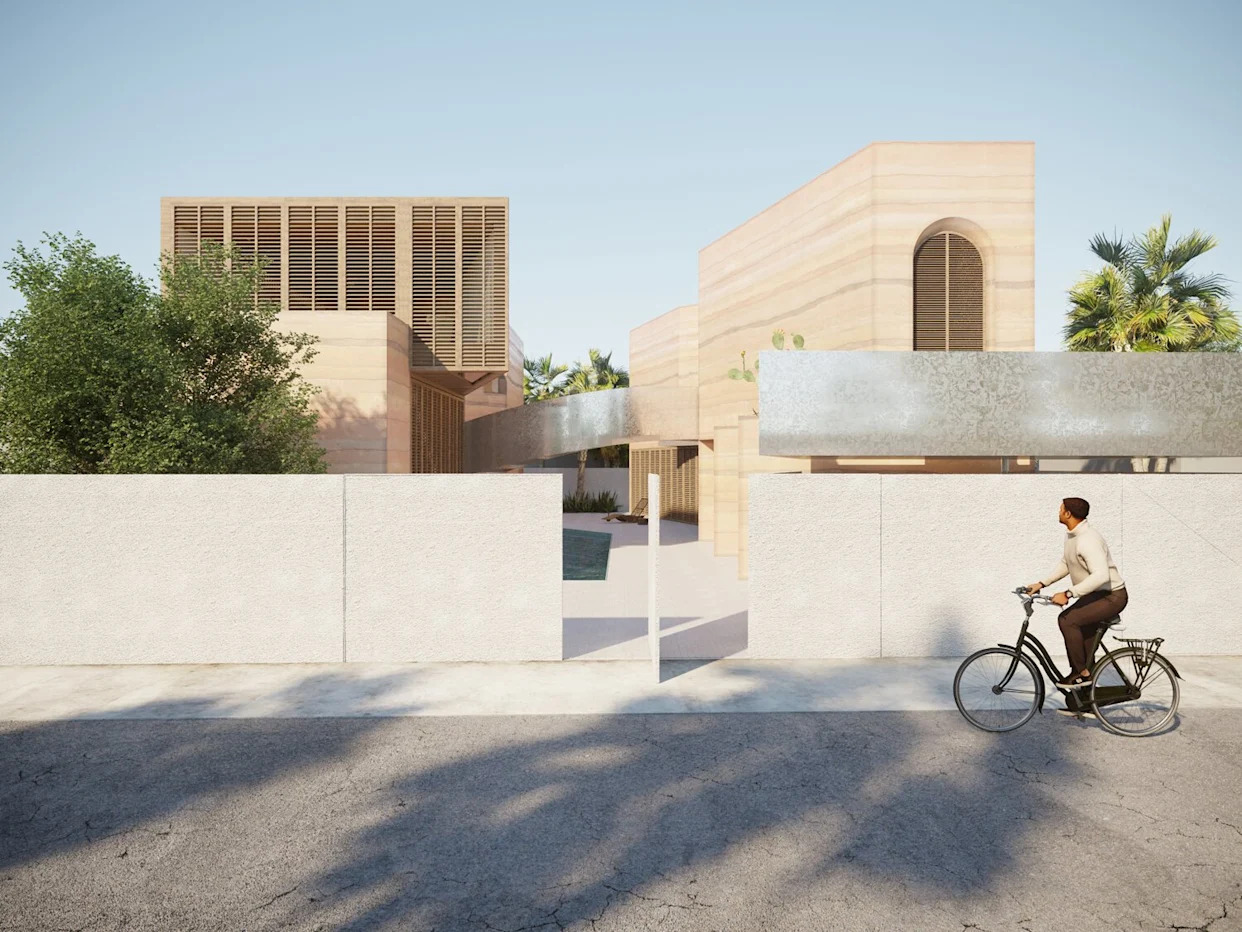
House Gallery Boafo: Modern Rammed Earth in Ghana
Rammed Earth Walls Tie This Eco-Friendly Home to the Desert

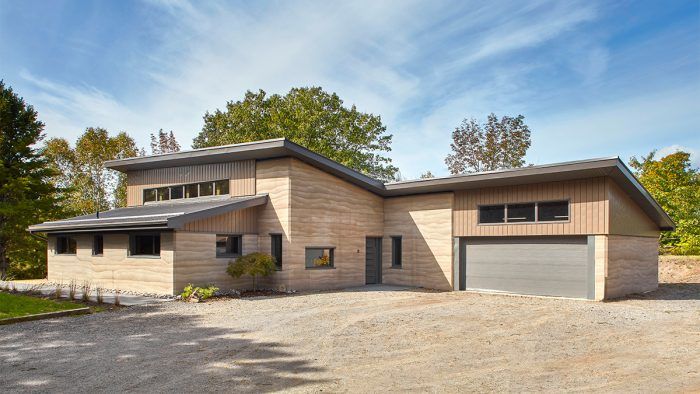
Rammed Earth Construction

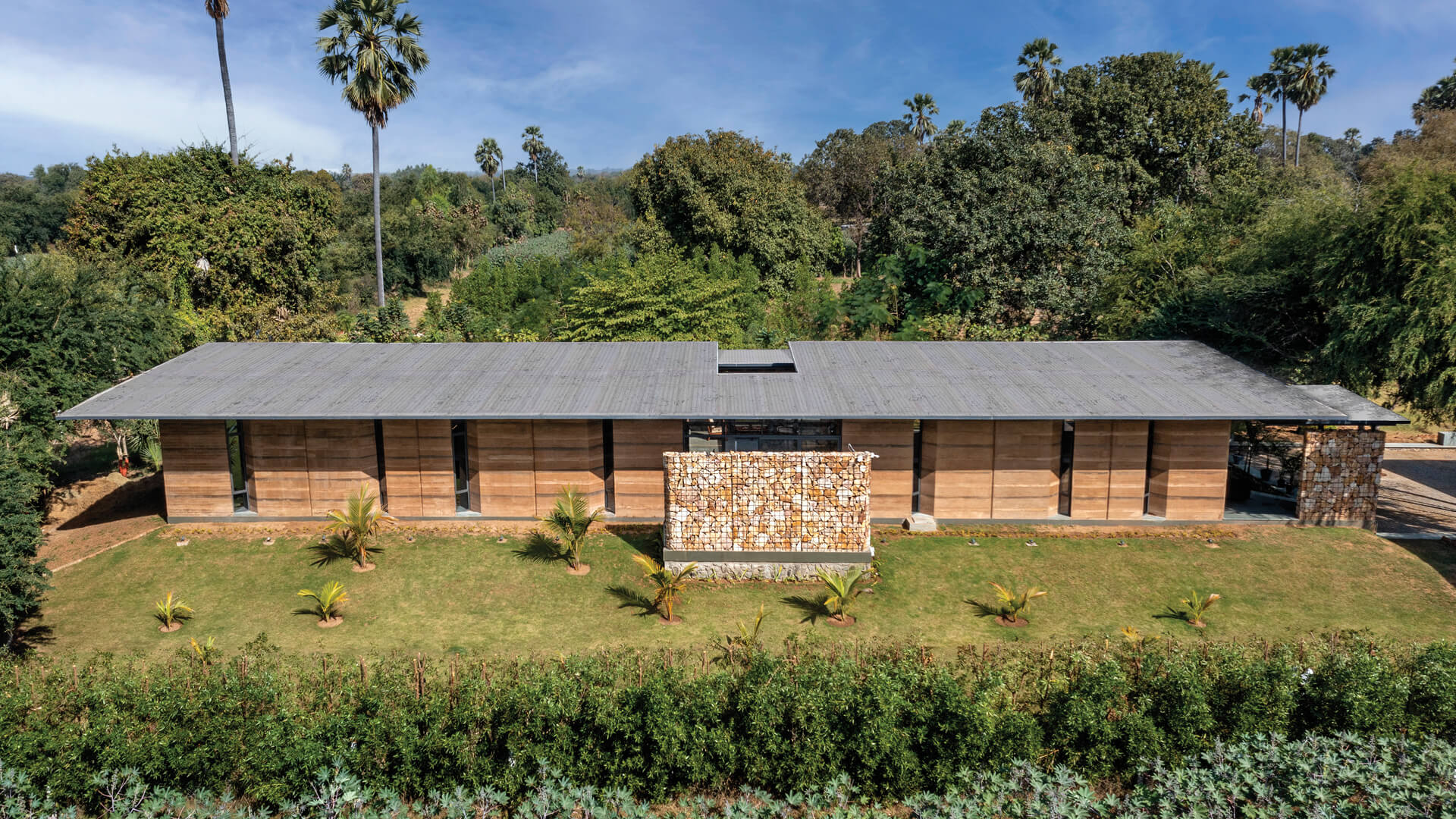
The Earth House in Gujarat, India, advocates for local ingenuity with rammed earth

Wonder Walls
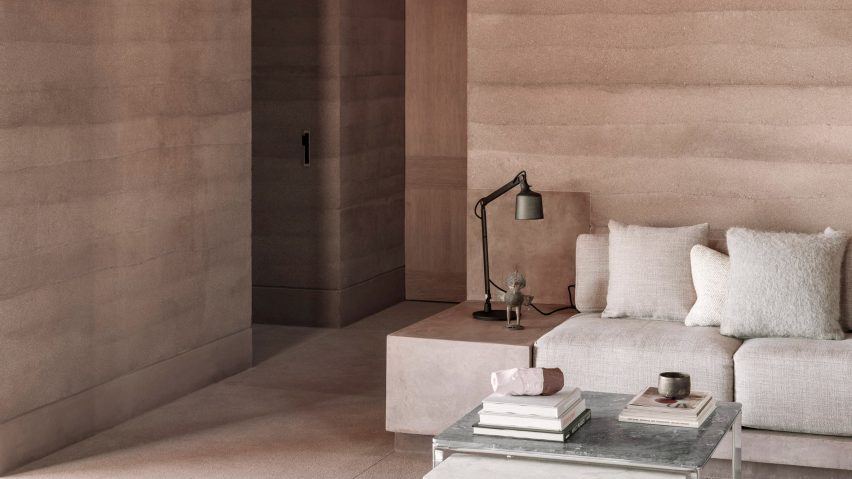
Eight living areas that make a feature of exposed rammed-earth walls
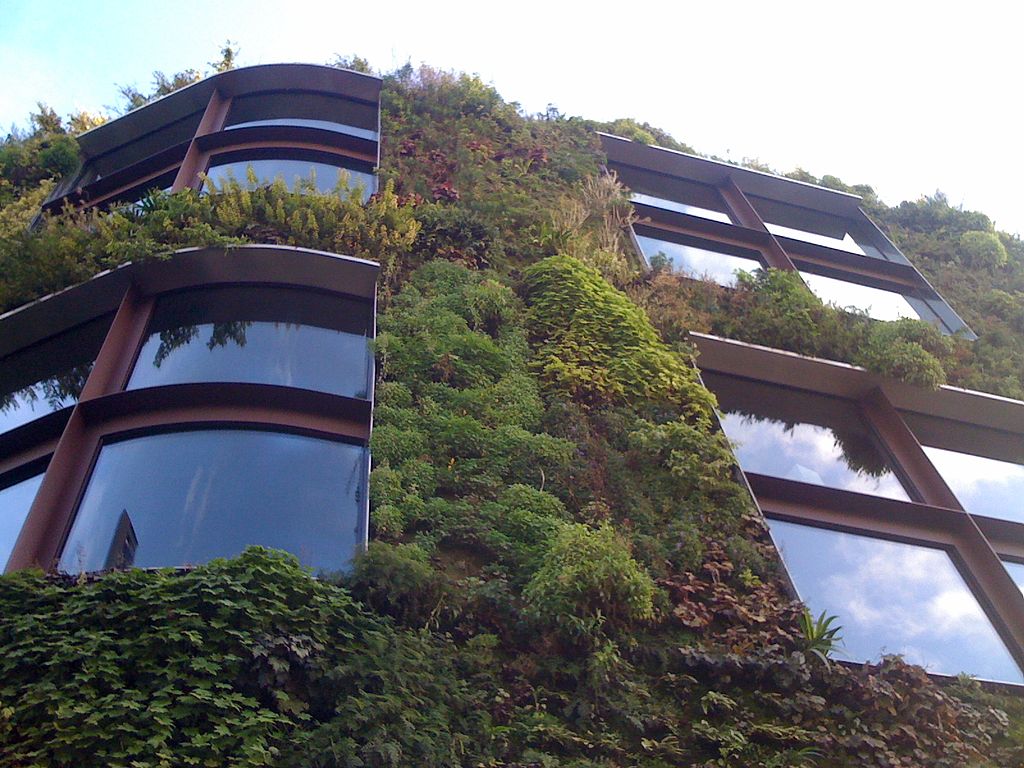
Living green walls are having a moment but face a steep challenge

Designing the Appearance of Rammed Earth Walls: The Interplay Between Natural Clay Colors and Pigmentation
Earth Wall Builders Unite!
Rammed Earth Fits Into Urban Architecture’s Sustainable Future
rammed earth walls and steel platforms complete artist's house/studio in ghana
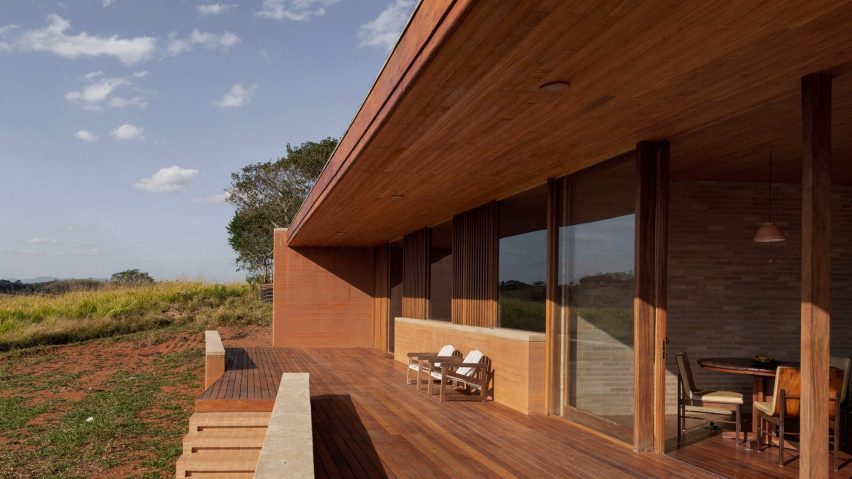
Eleven rammed-earth buildings from around the world
Earthy Glam

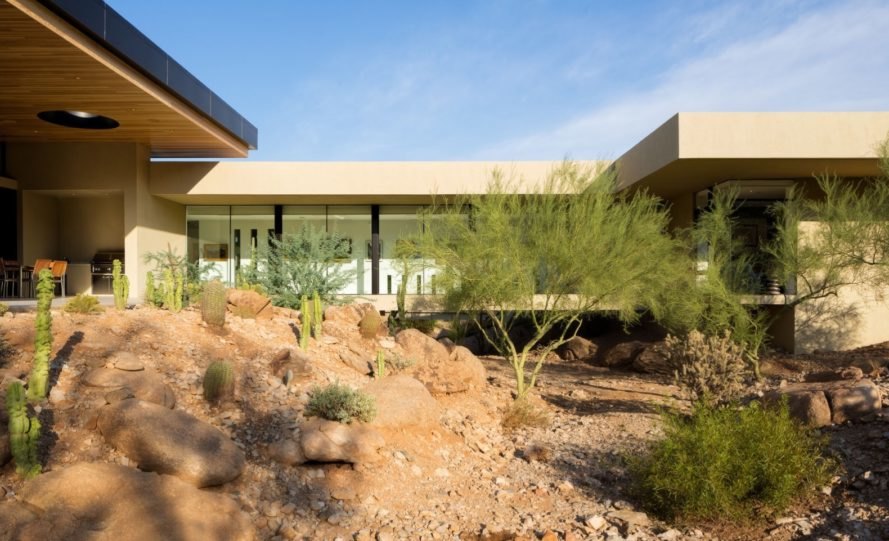
Rammed earth walls tie modern home to the desert landscape
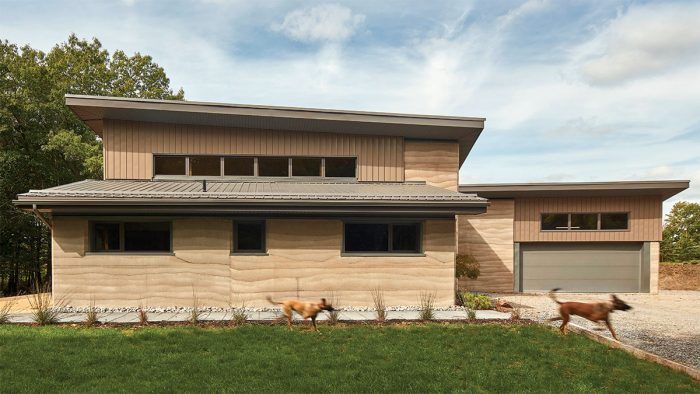
Rammed Earth: Creating a 500-Year House
rammed earth walls build this tropical retreat with waterfalls in india