1/11
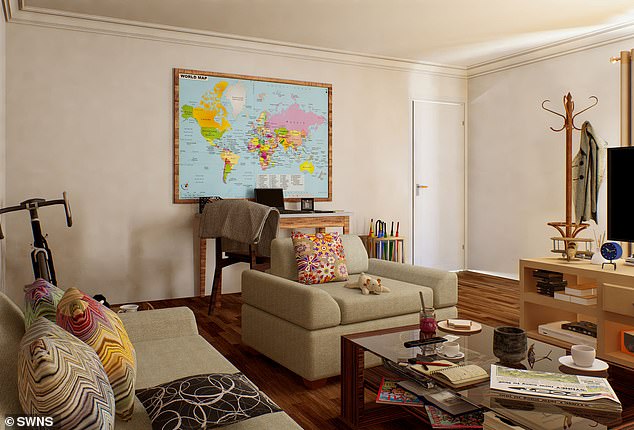
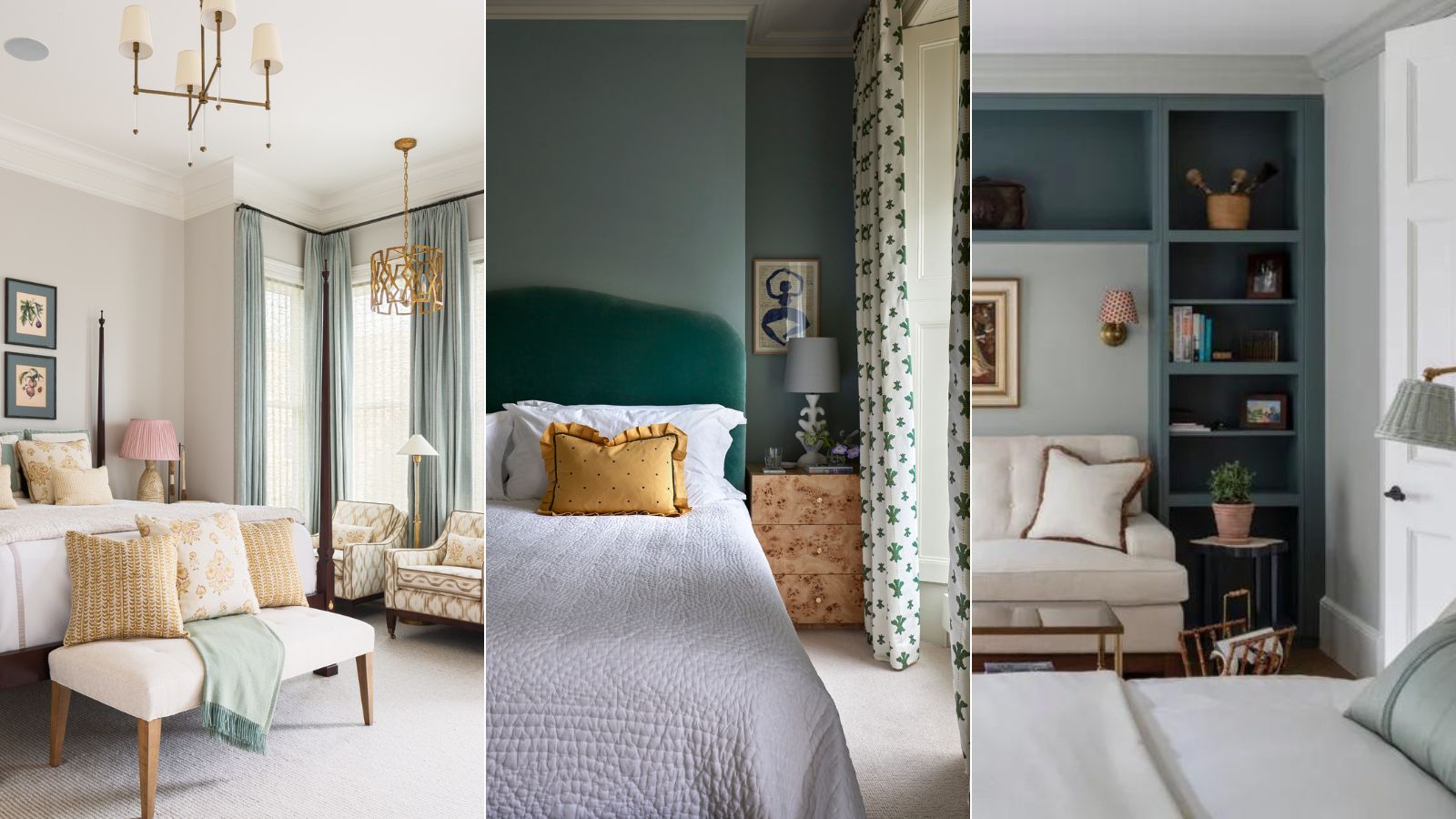
Bedroom layout mistakes – 9 errors experts warn against, and how to fix them
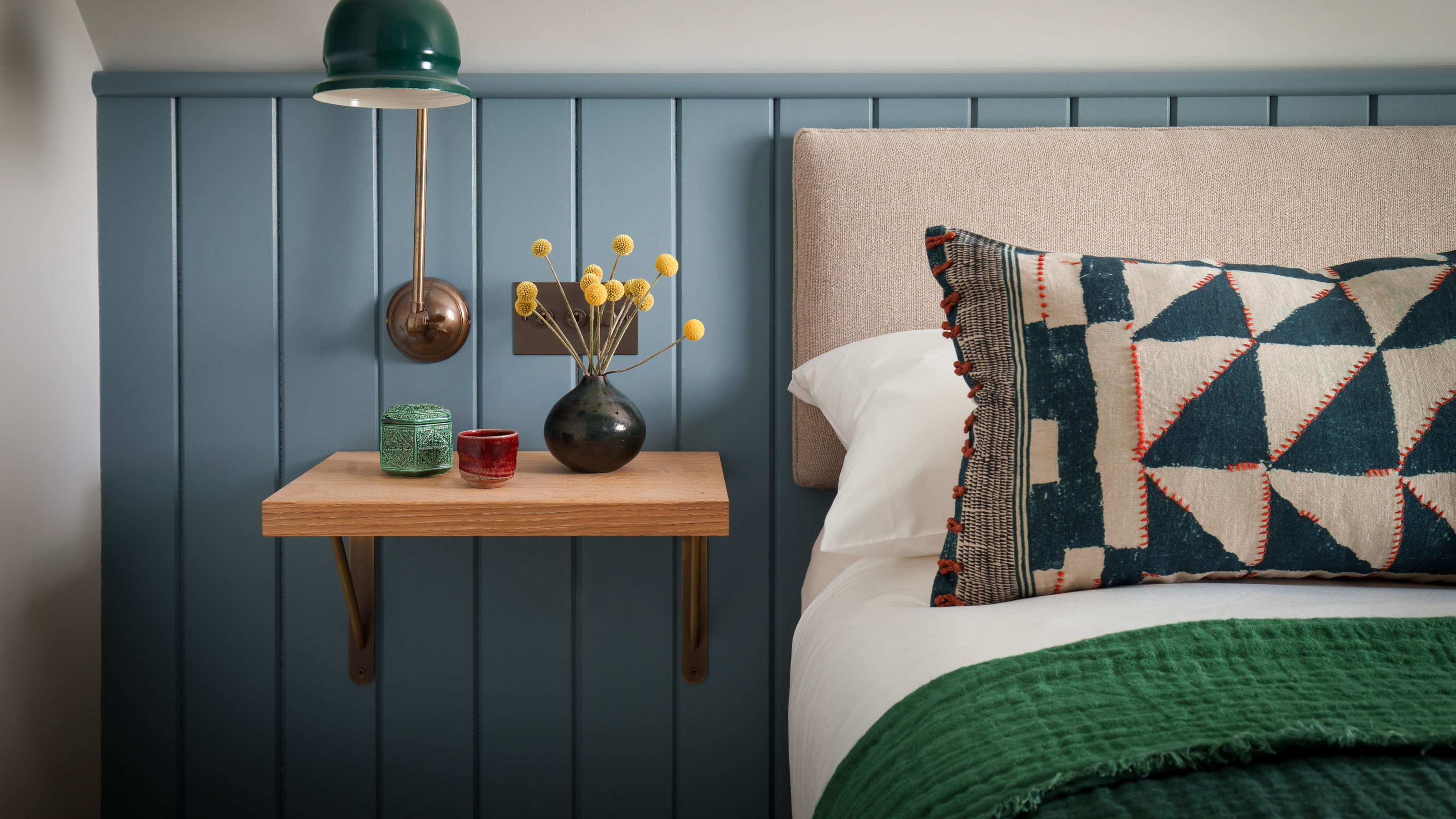
This article discusses common bedroom layout mistakes that can make a bedroom feel cluttered and impractical, even if the space is large. It provides insights from interior designers on identifying and correcting these errors to create a more functional and aesthetically pleasing bedroom environment. The nine key mistakes covered include incorrect bed placement, using an inappropriately sized bed for the room, excessive furniture, insufficient furniture, under-utilizing niches and alcoves, ignoring natural light and window treatments, inadequate lighting, neglecting closet storage, and selecting disproportionate rug sizes.
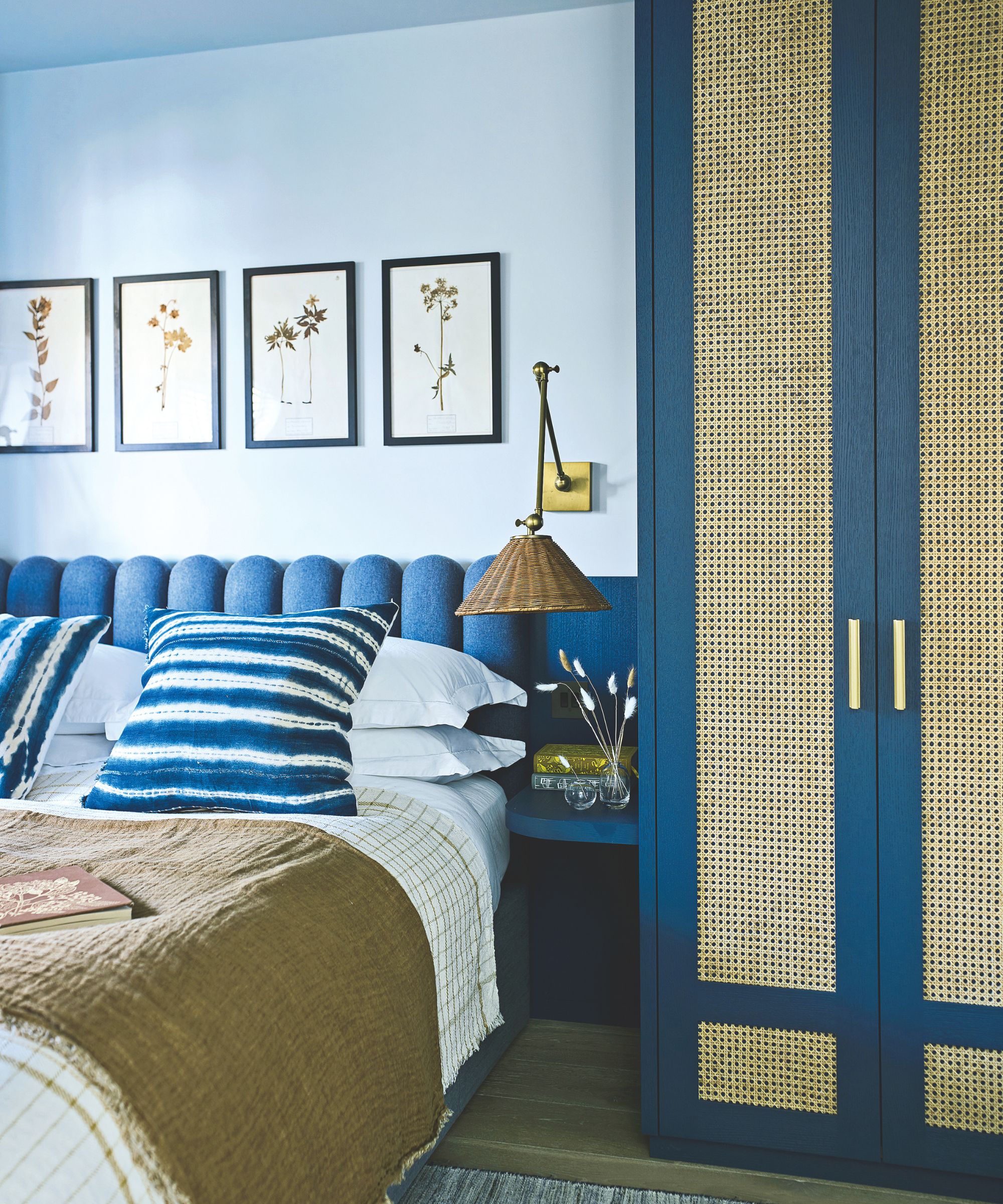
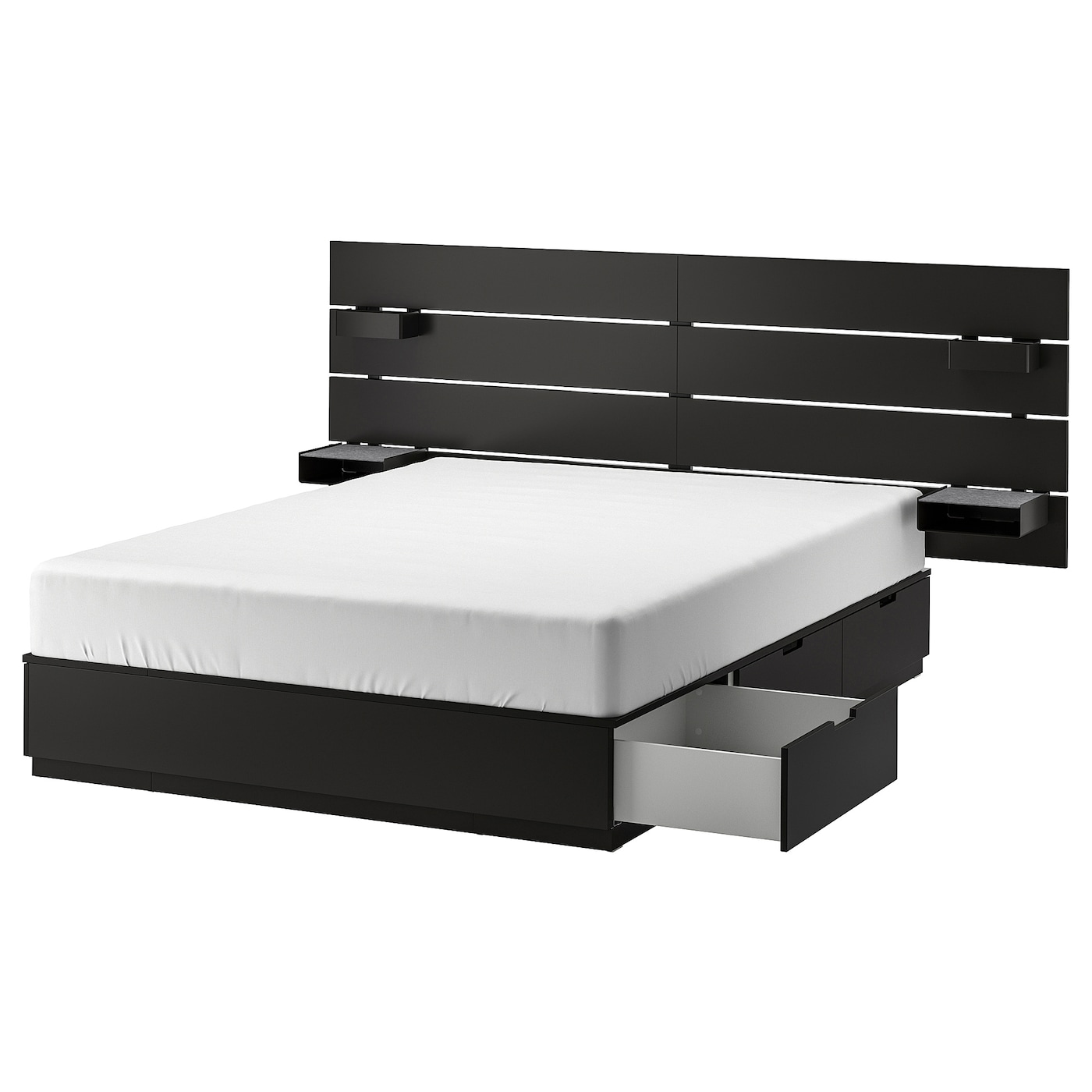
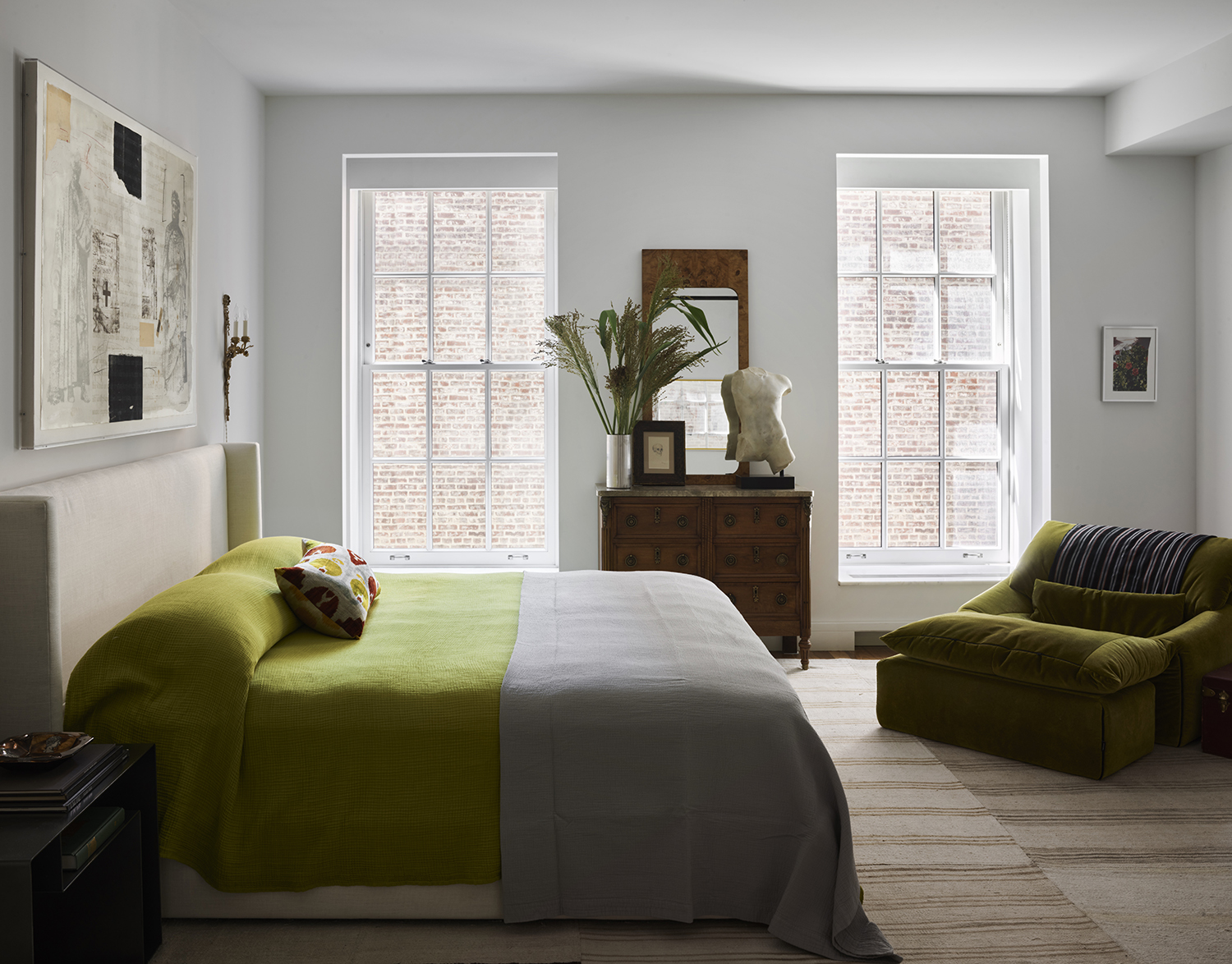
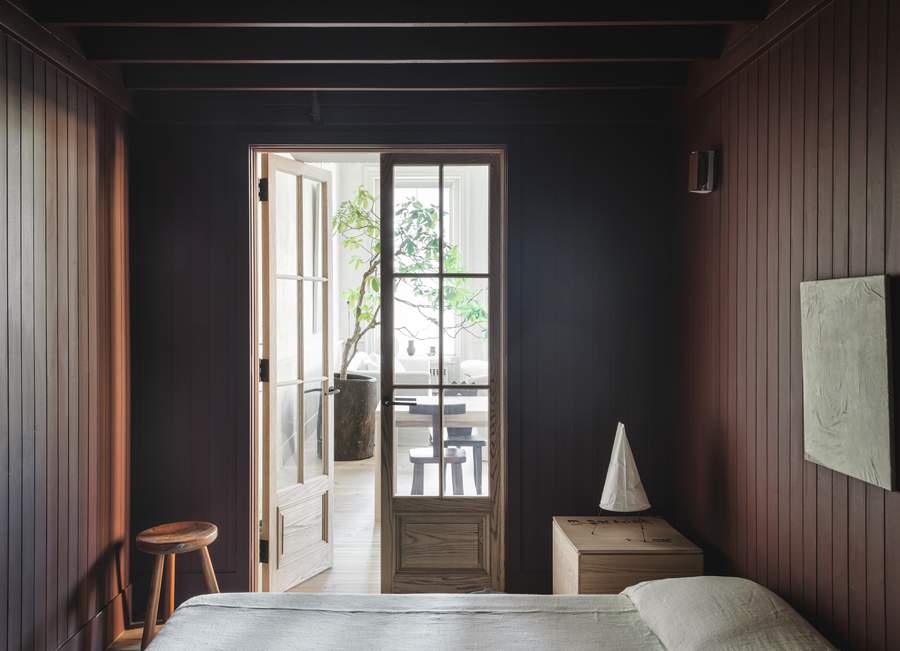
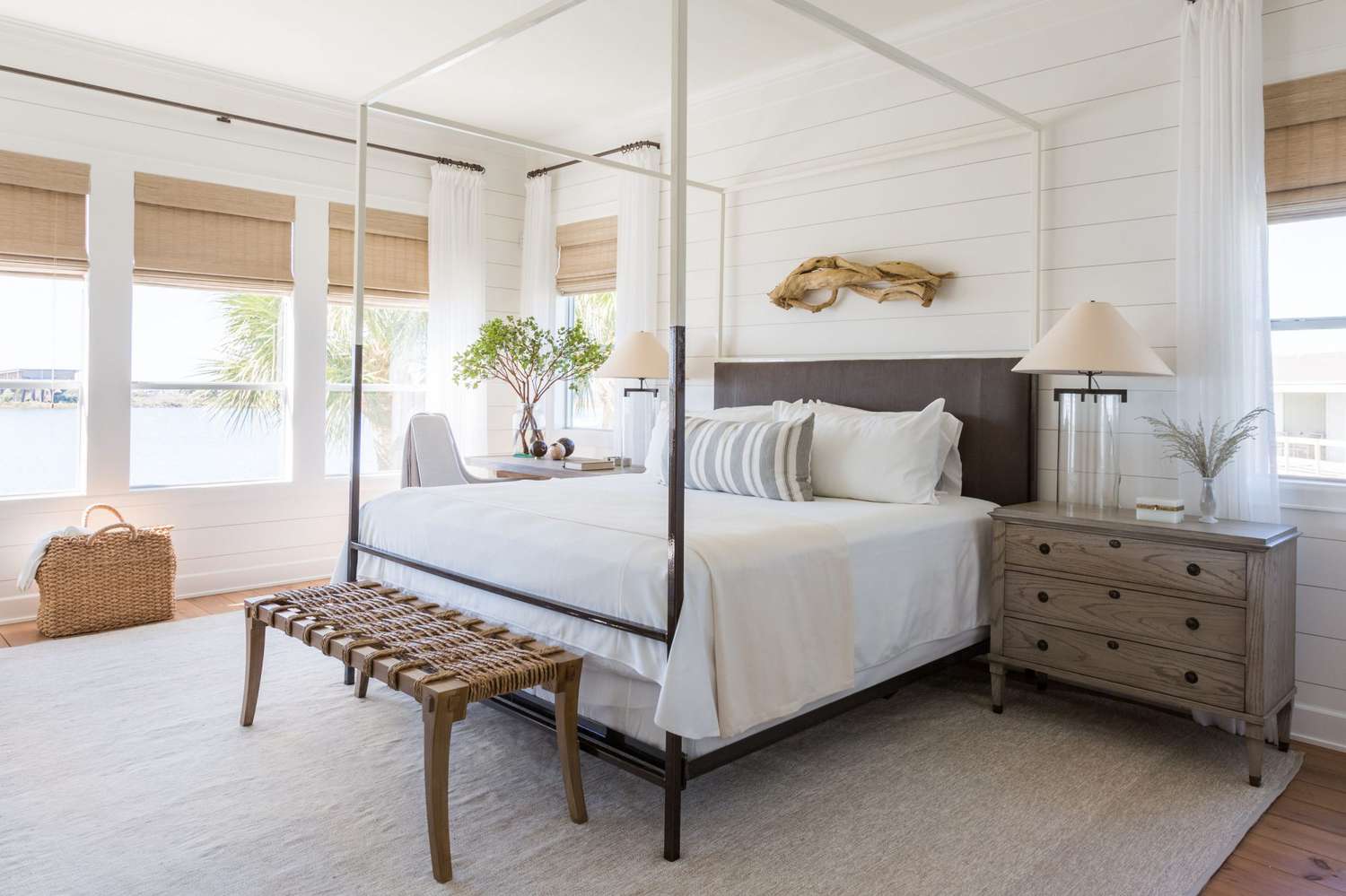
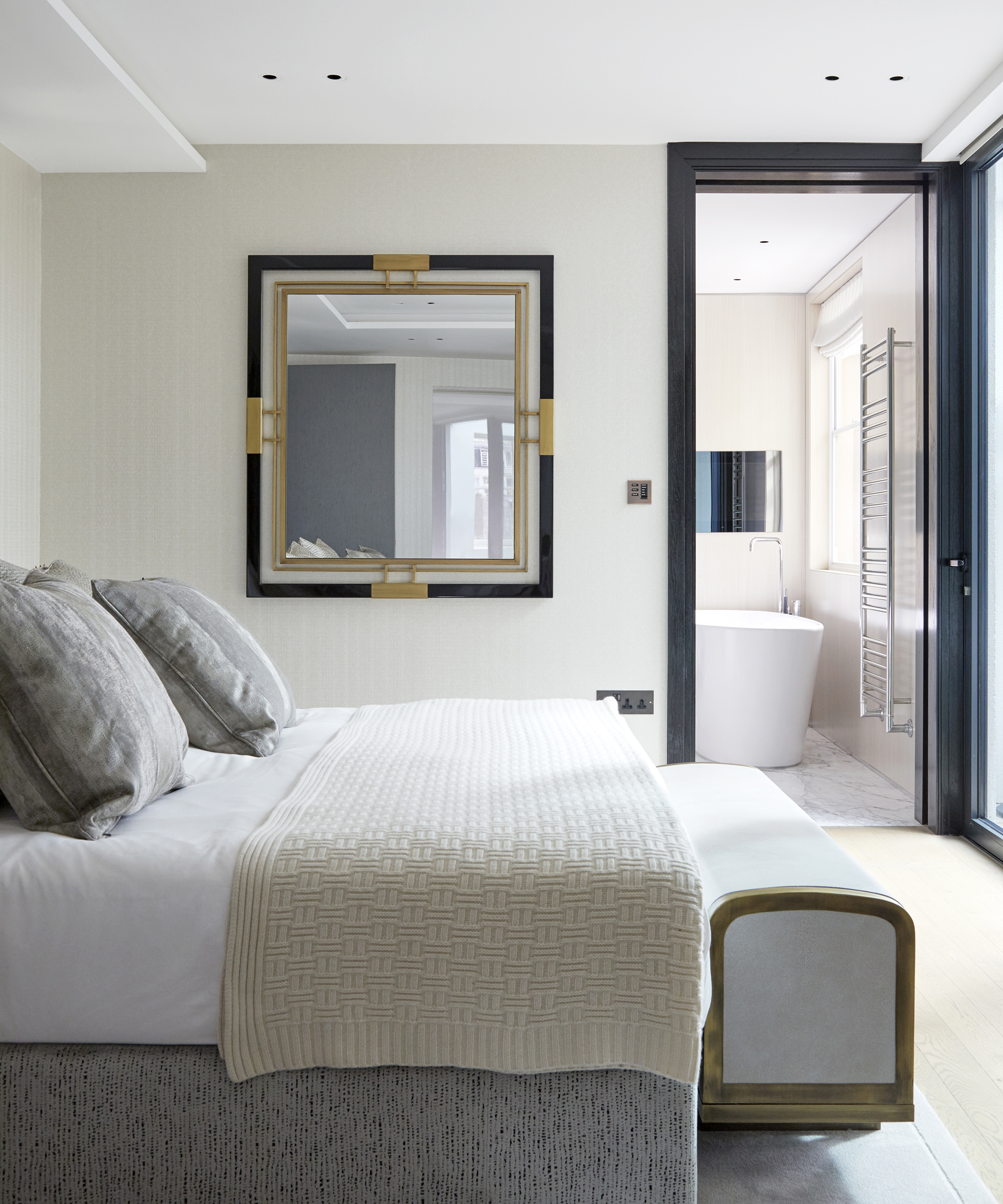
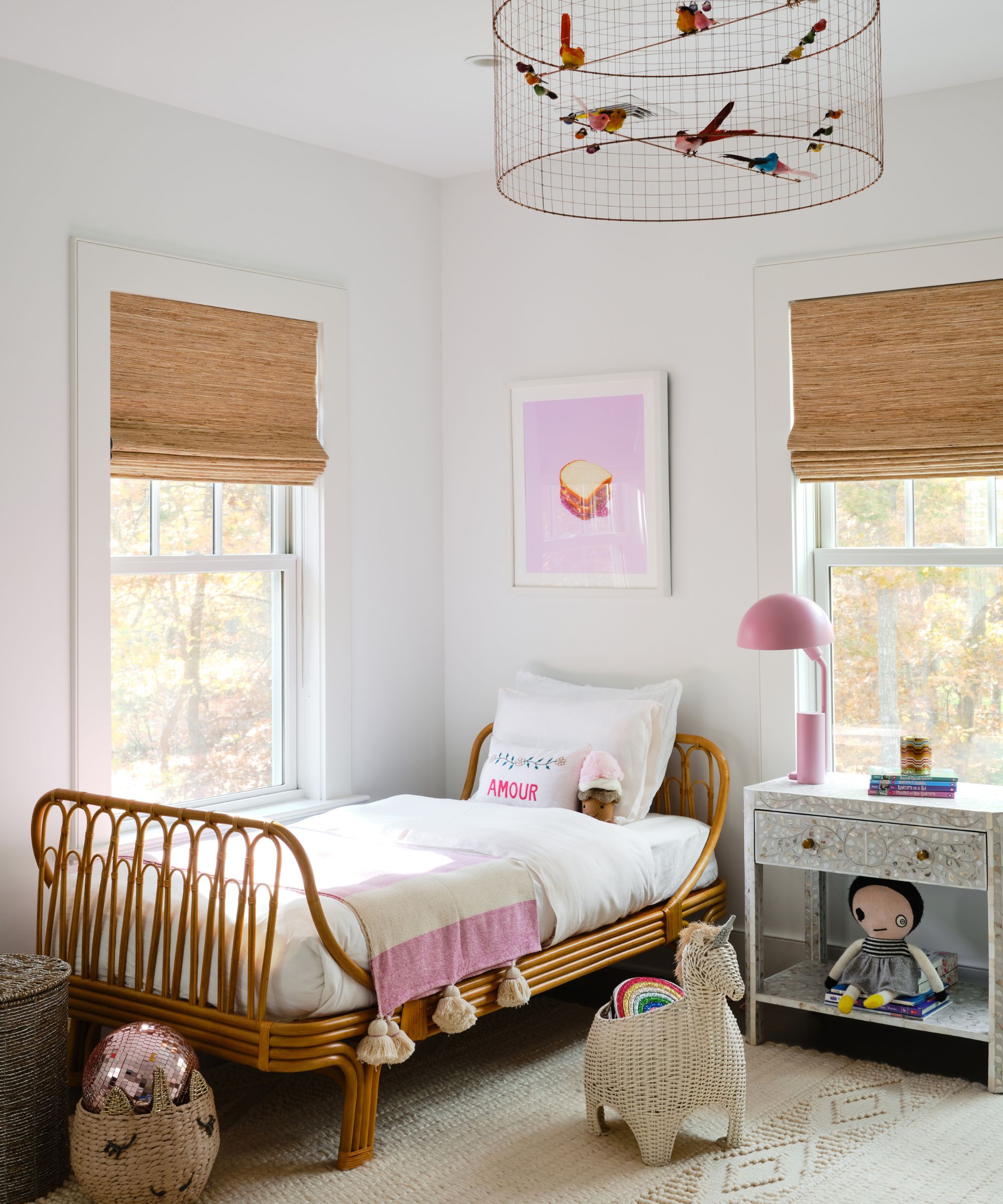
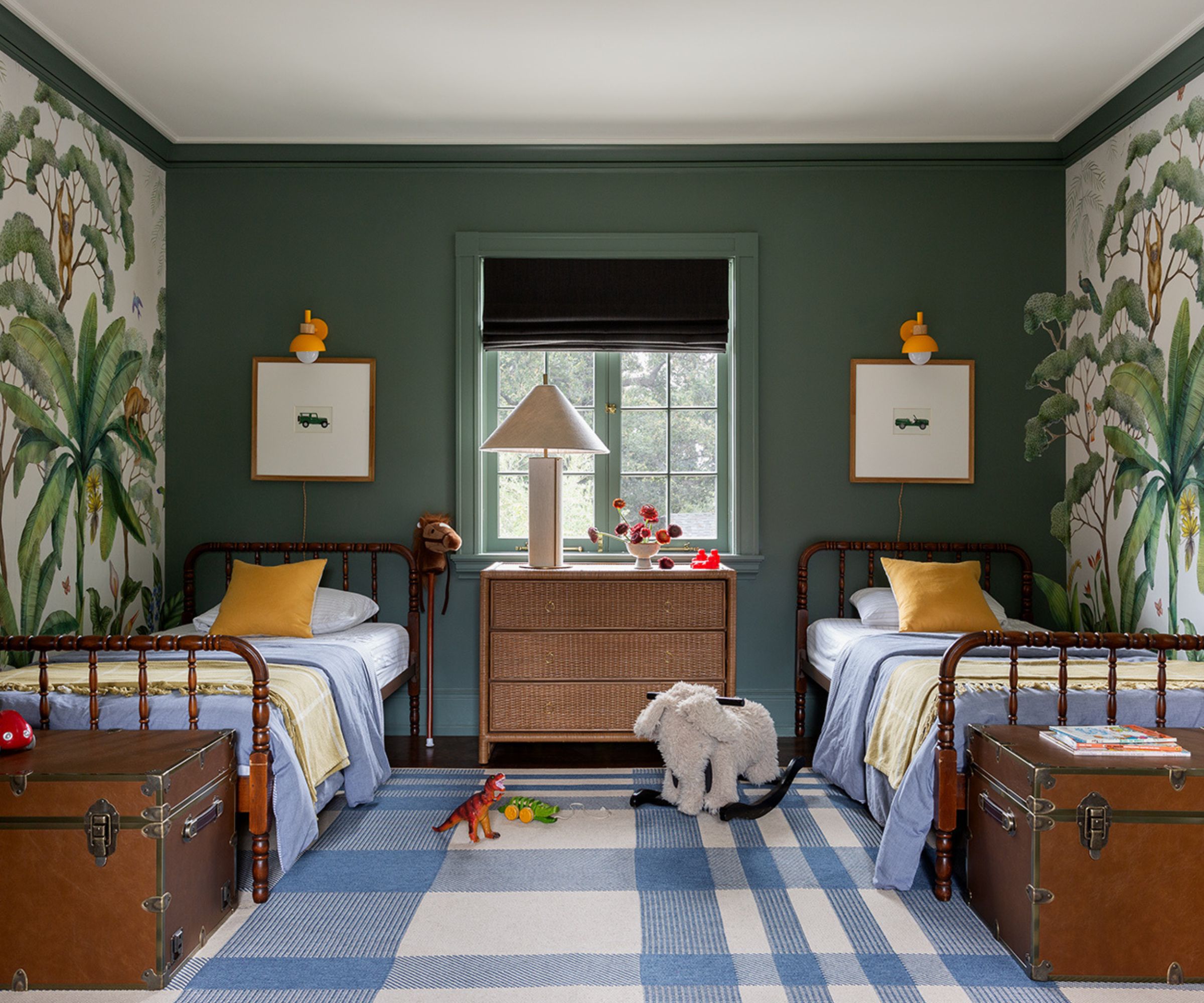
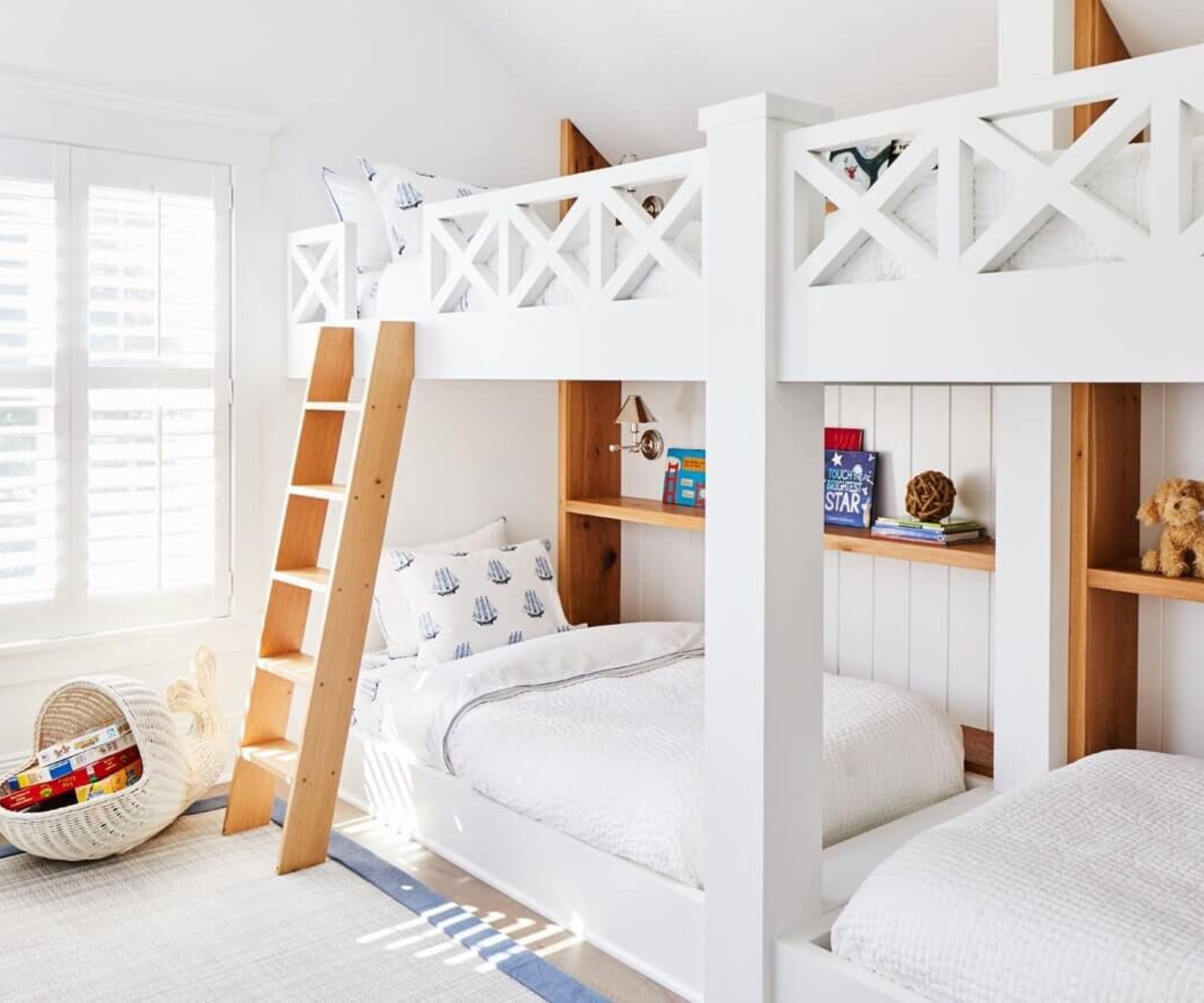
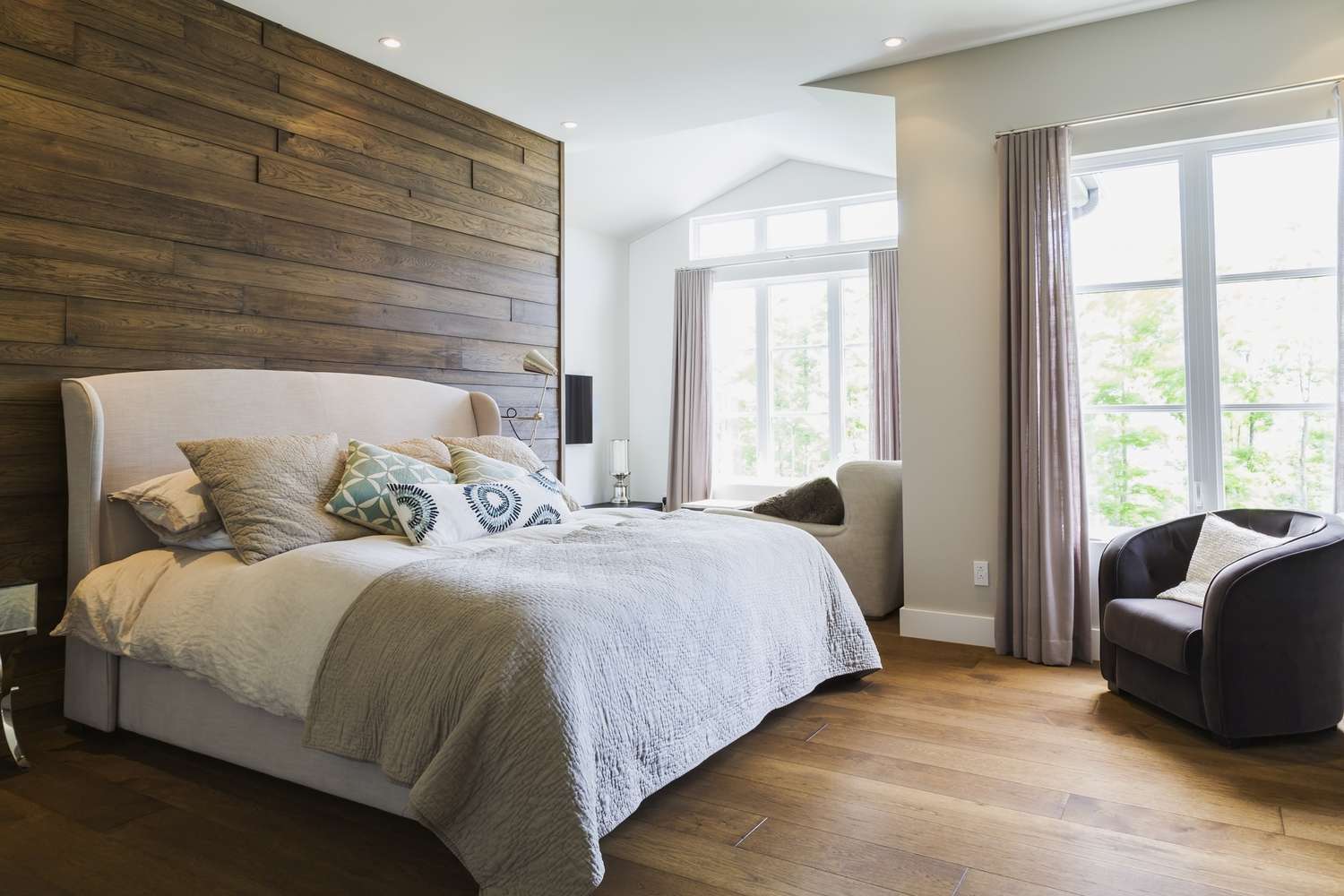
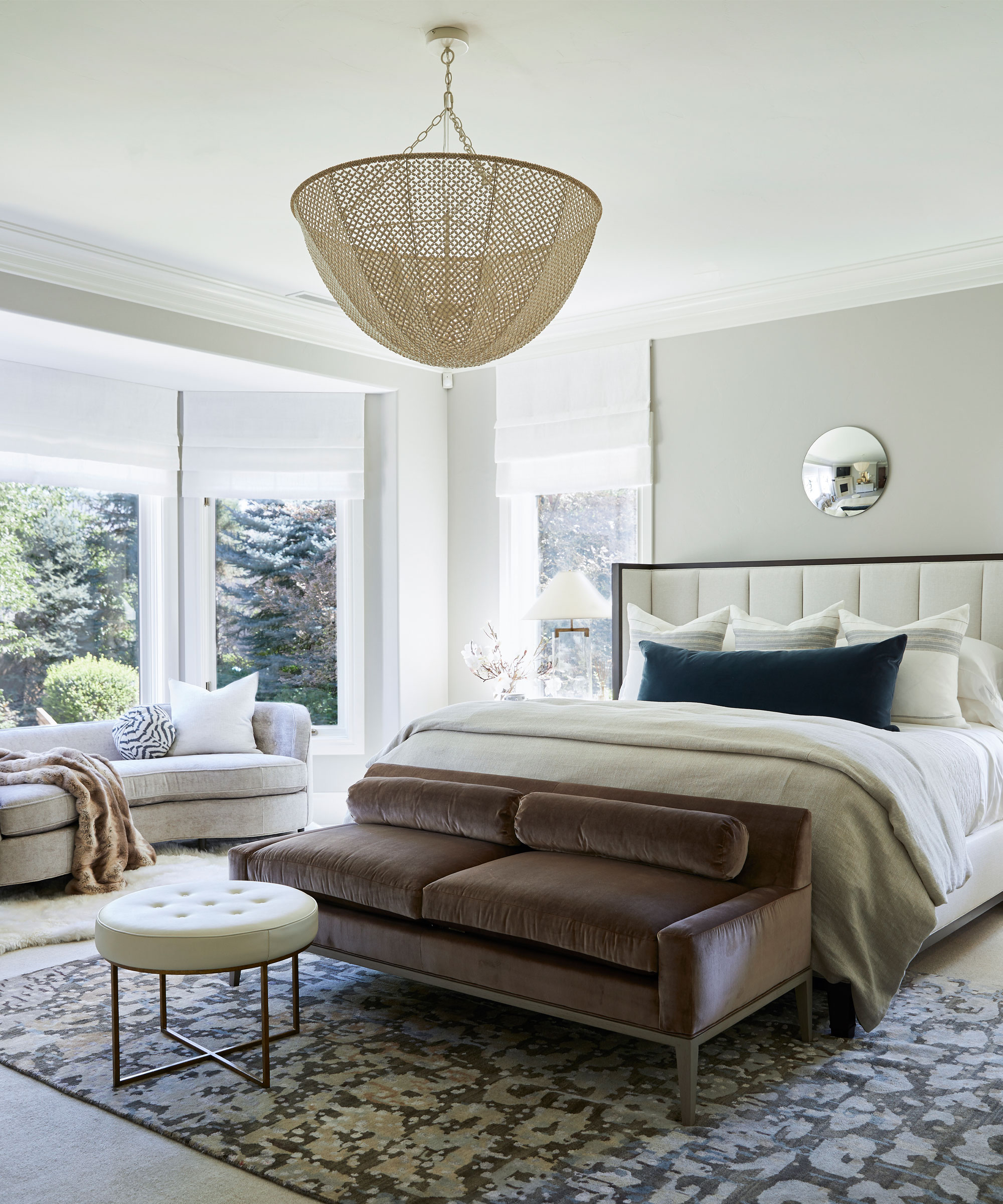
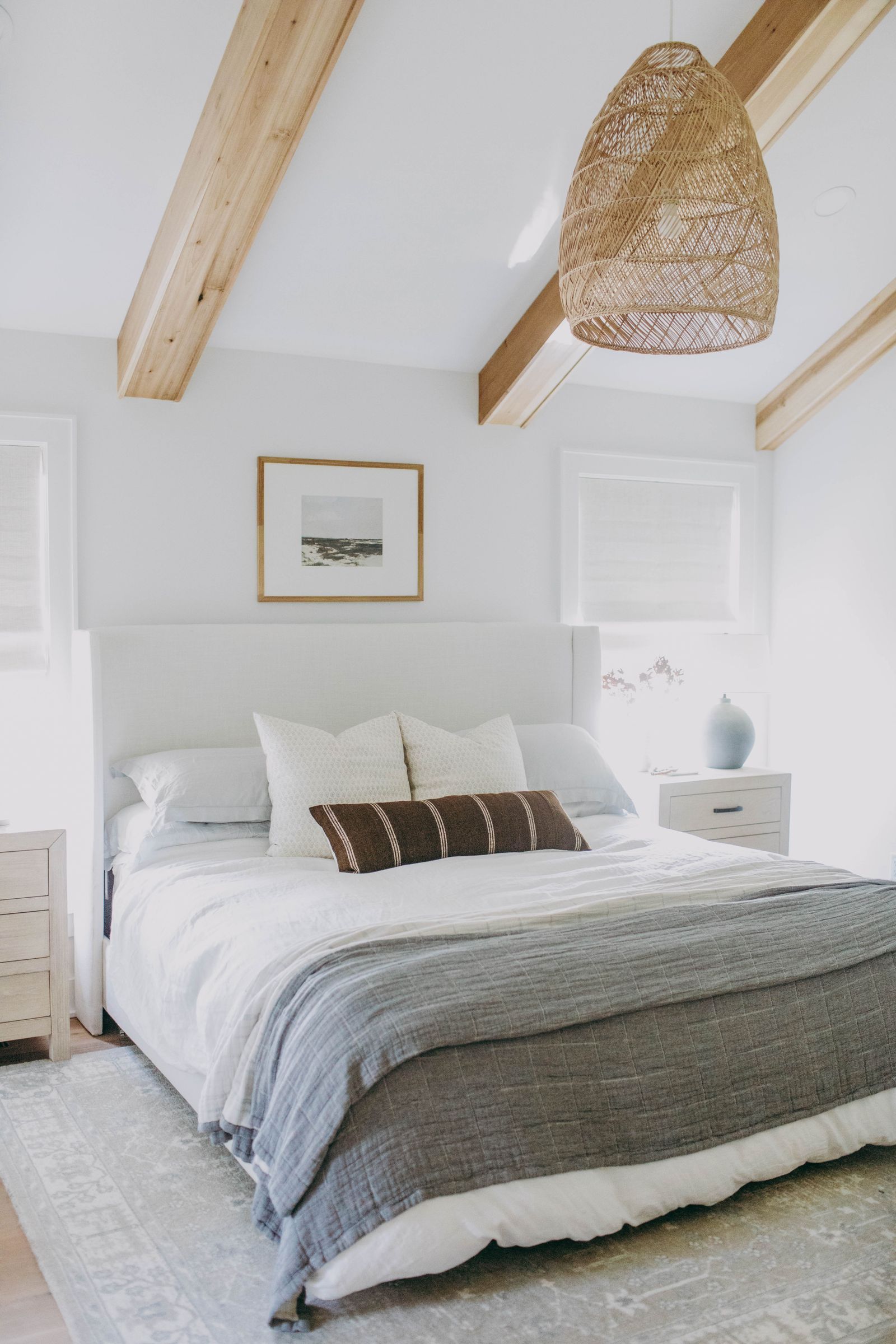
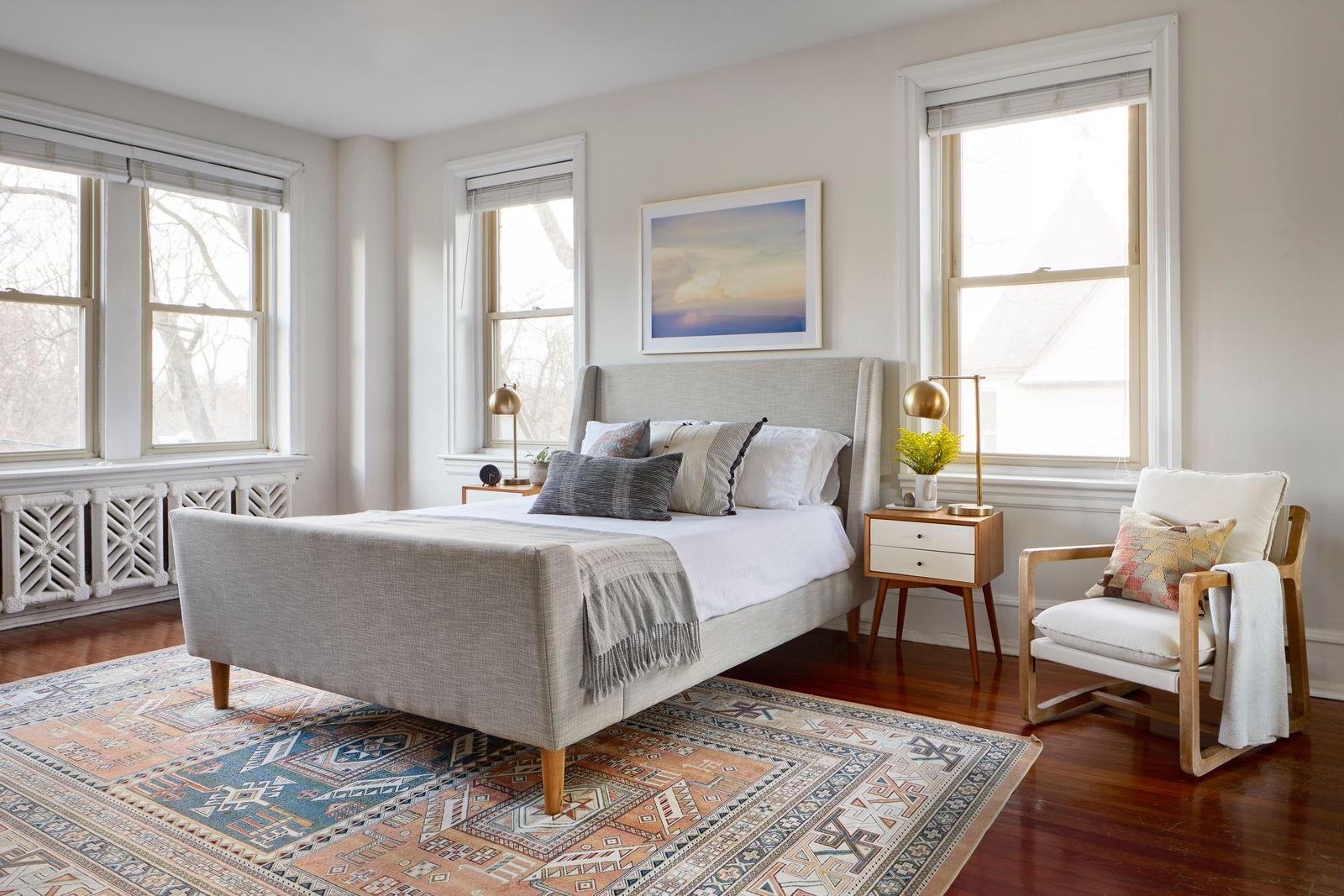
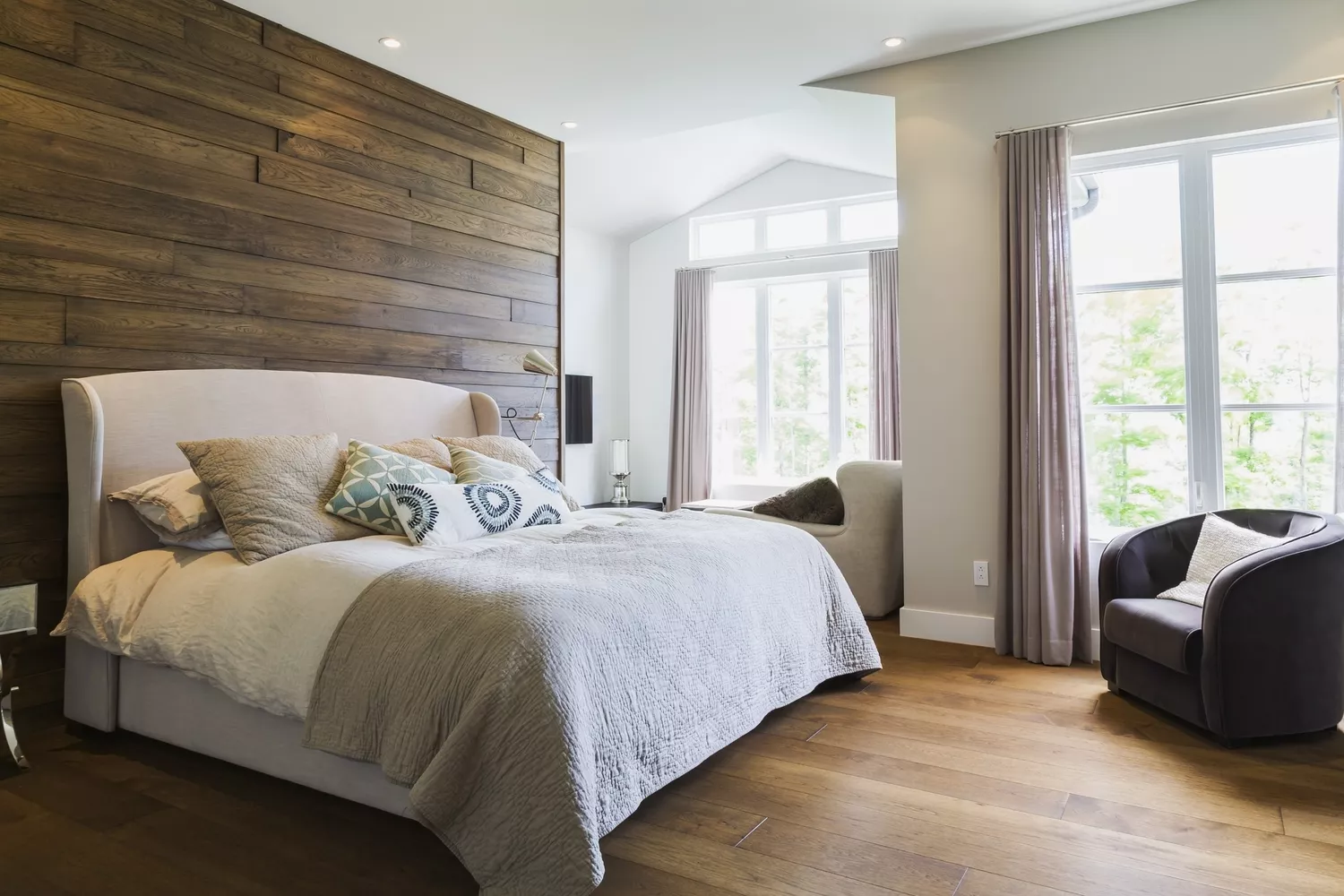
The most significant mistake highlighted is failing to prioritize bed placement. The bed is considered the focal point, and its position dictates the room's flow and overall feel. Experts recommend ensuring ample space around the bed and positioning it to allow a clear view of the door and at least one window. Another critical error is choosing a bed that is too large for the room, which can lead to a cramped, claustrophobic atmosphere. The article advises opting for a smaller bed size, like a queen instead of a king, in smaller bedrooms to maintain mobility space. Conversely, under-furnishing a large bedroom can make it feel sparse and disconnected; for such spaces, incorporating larger built-in units or a separate seating area is suggested.
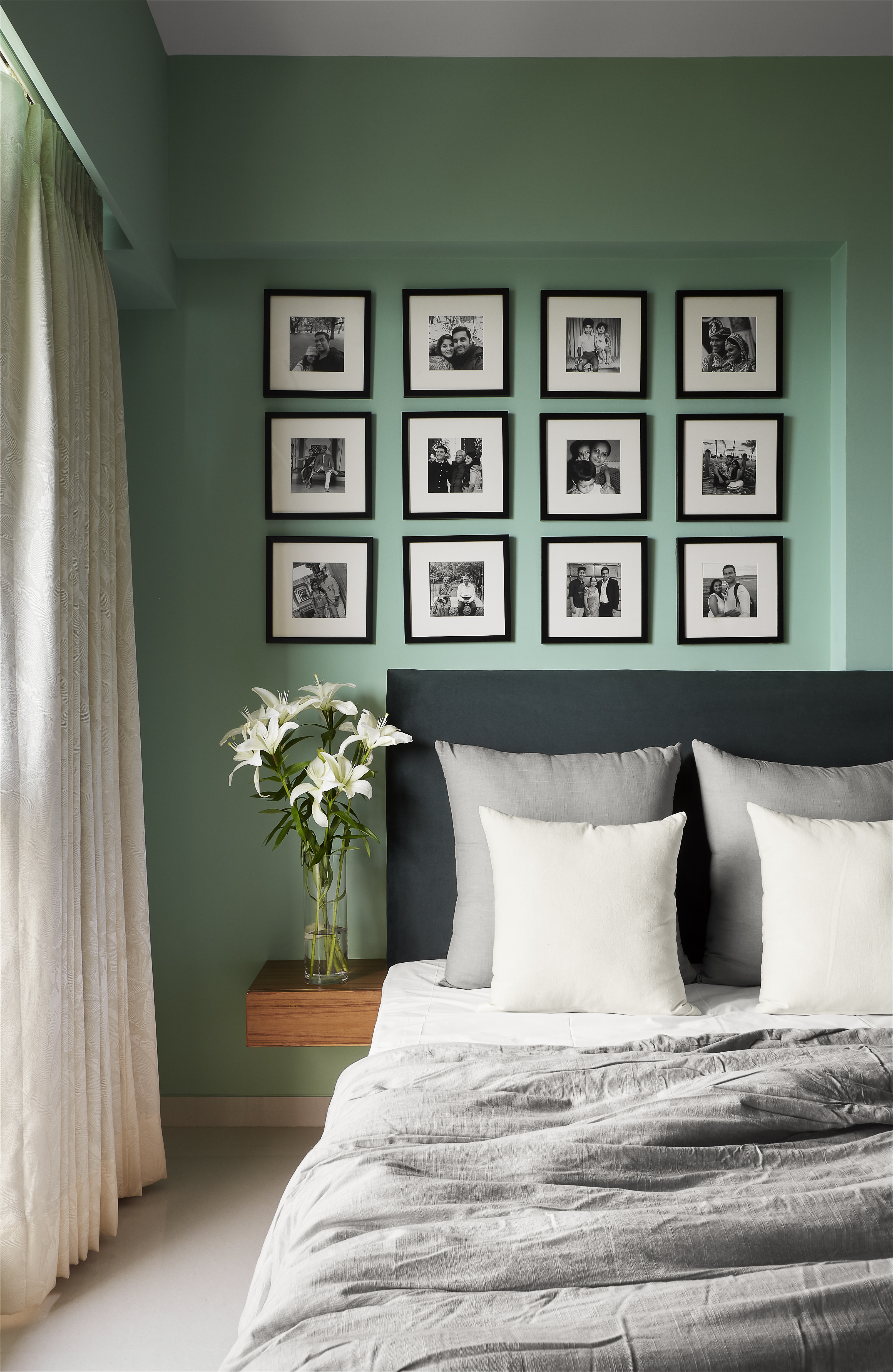
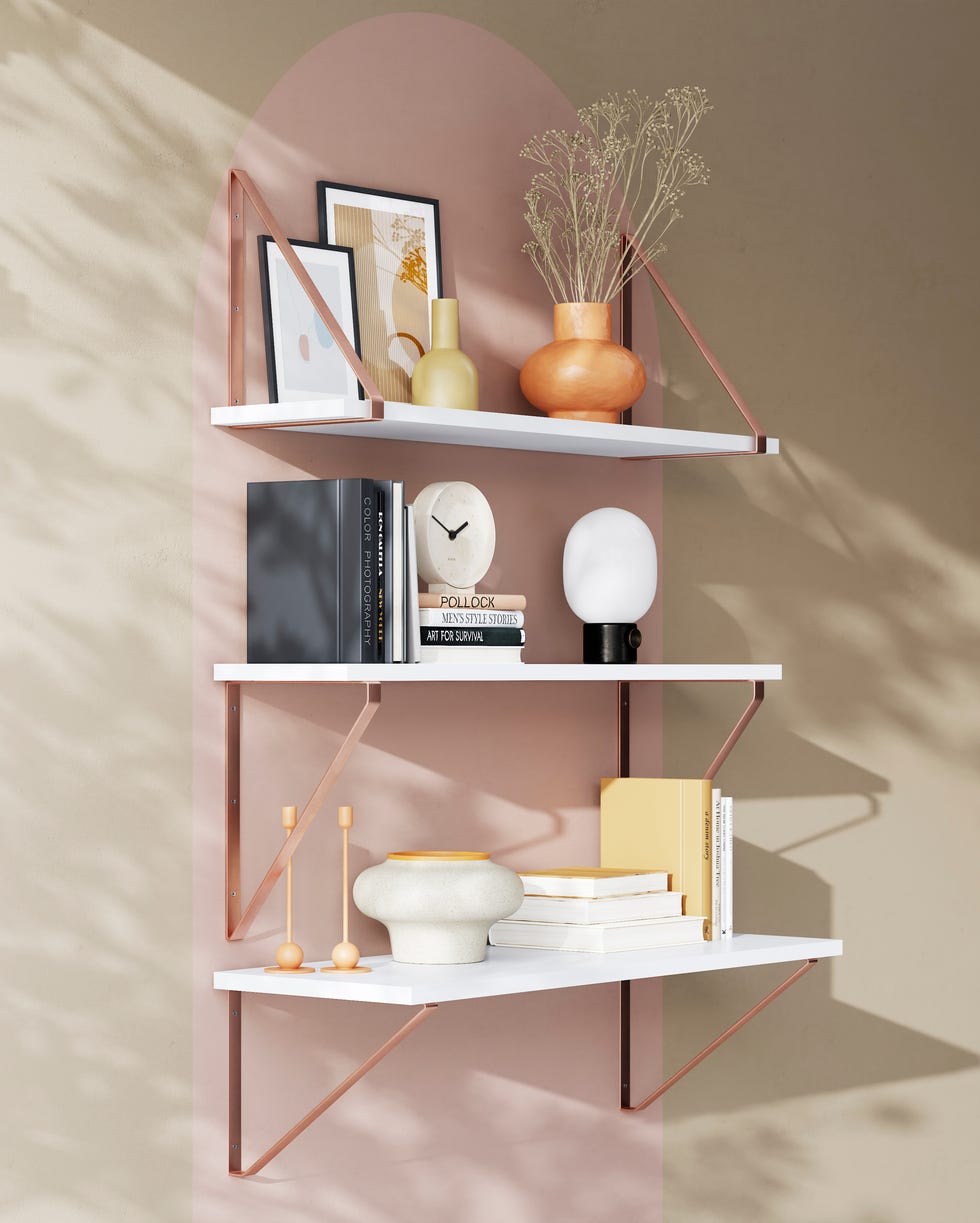
Overloading a bedroom with furniture, even in spacious rooms, creates clutter and disrupts traffic flow. The article advocates for a minimalist approach, suggesting built-in storage and multi-functional furniture, especially in small bedrooms. Walkways should be at least two feet wide to ensure comfortable movement. Under-utilizing architectural features like niches and alcoves is also identified as a missed opportunity for character and storage. These areas can be fitted with custom cabinetry or shelves to maximize space.
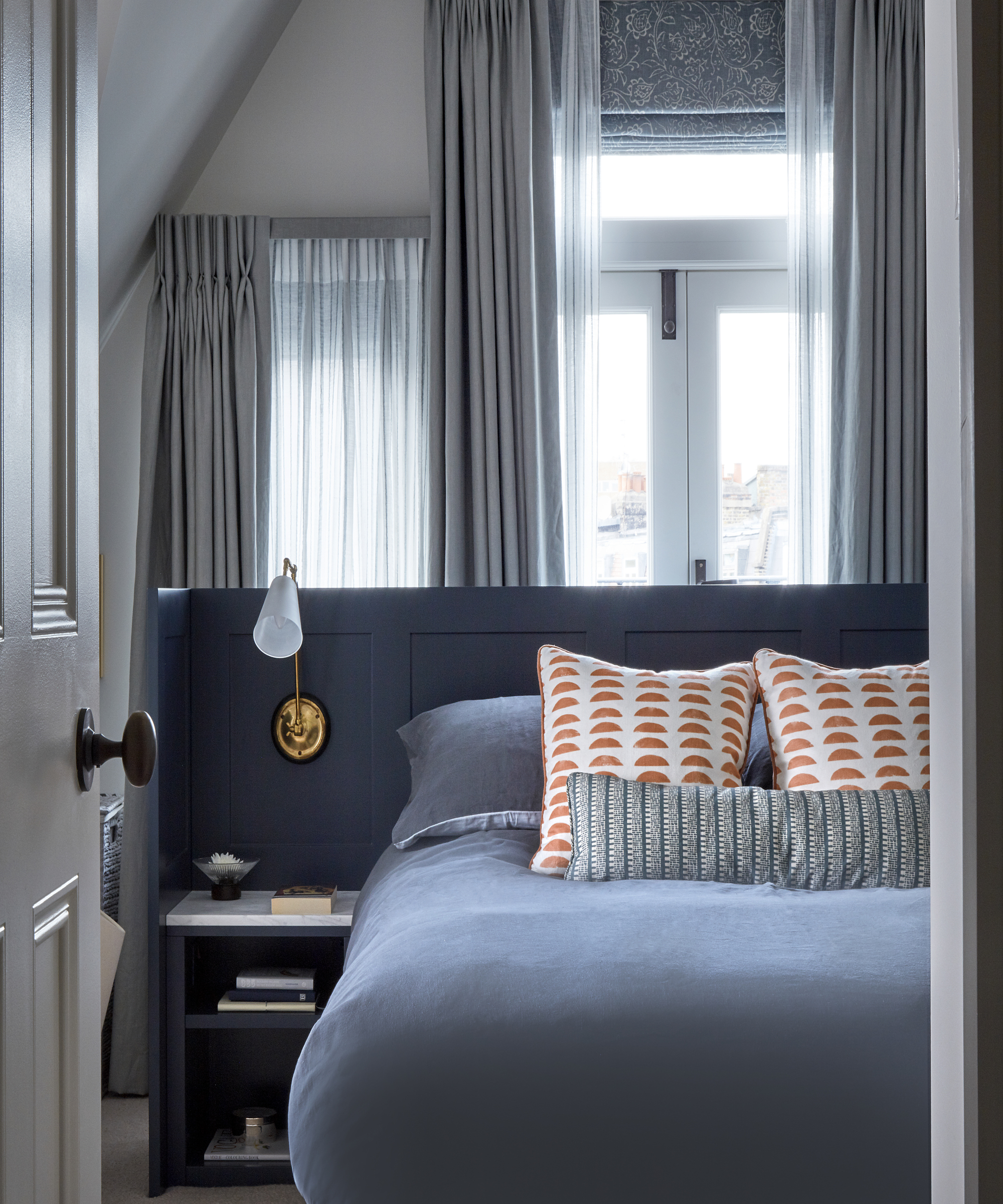
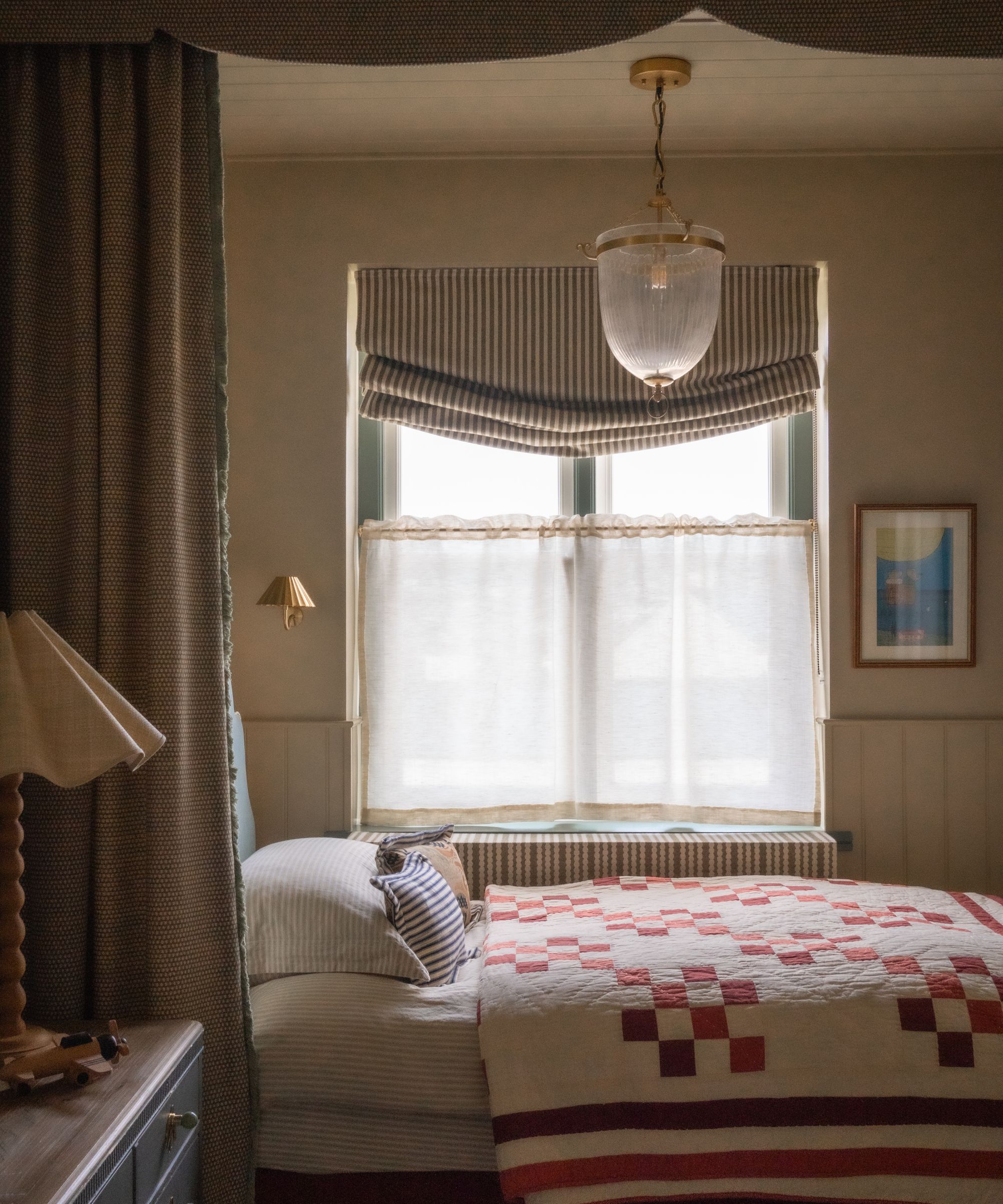
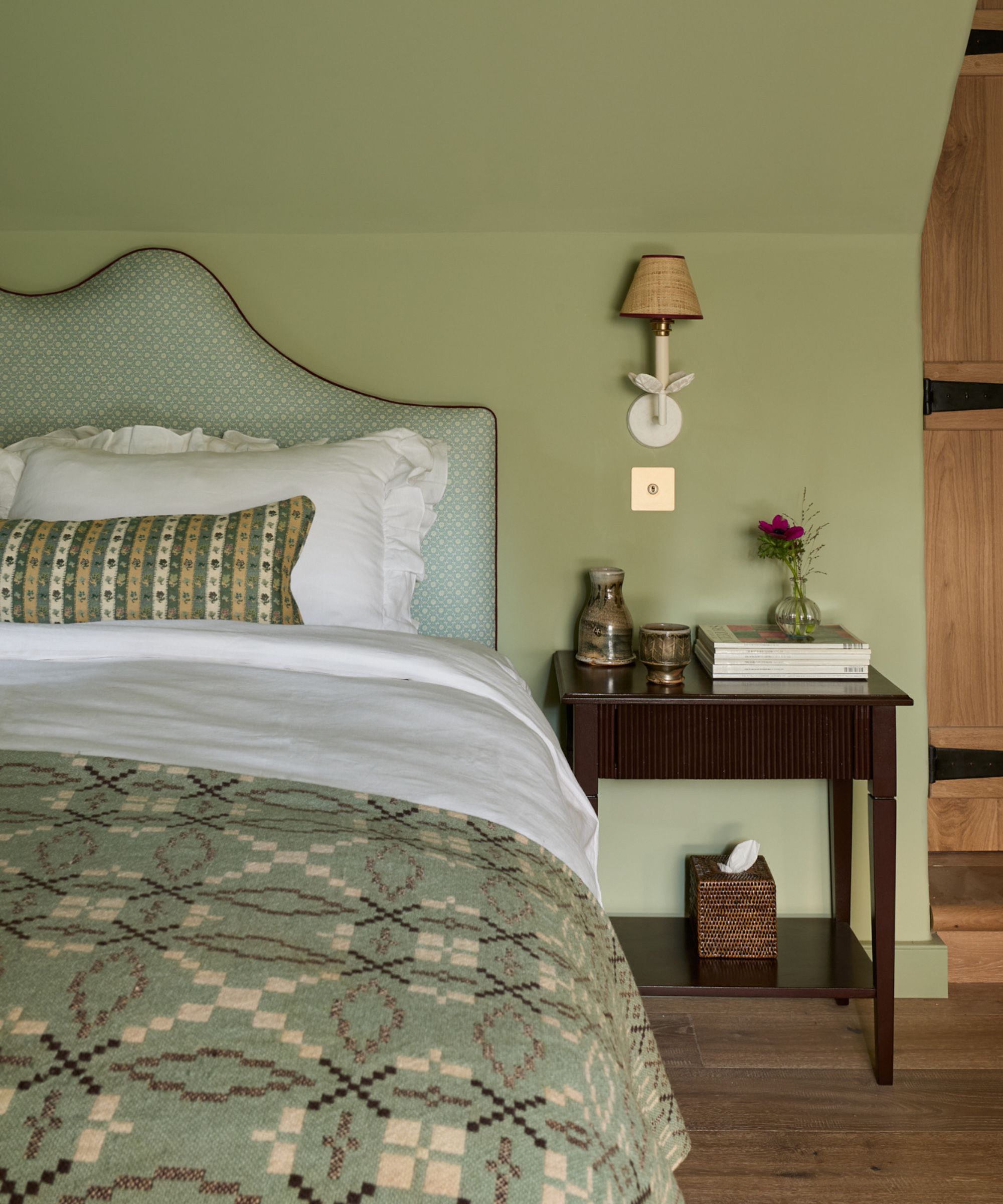
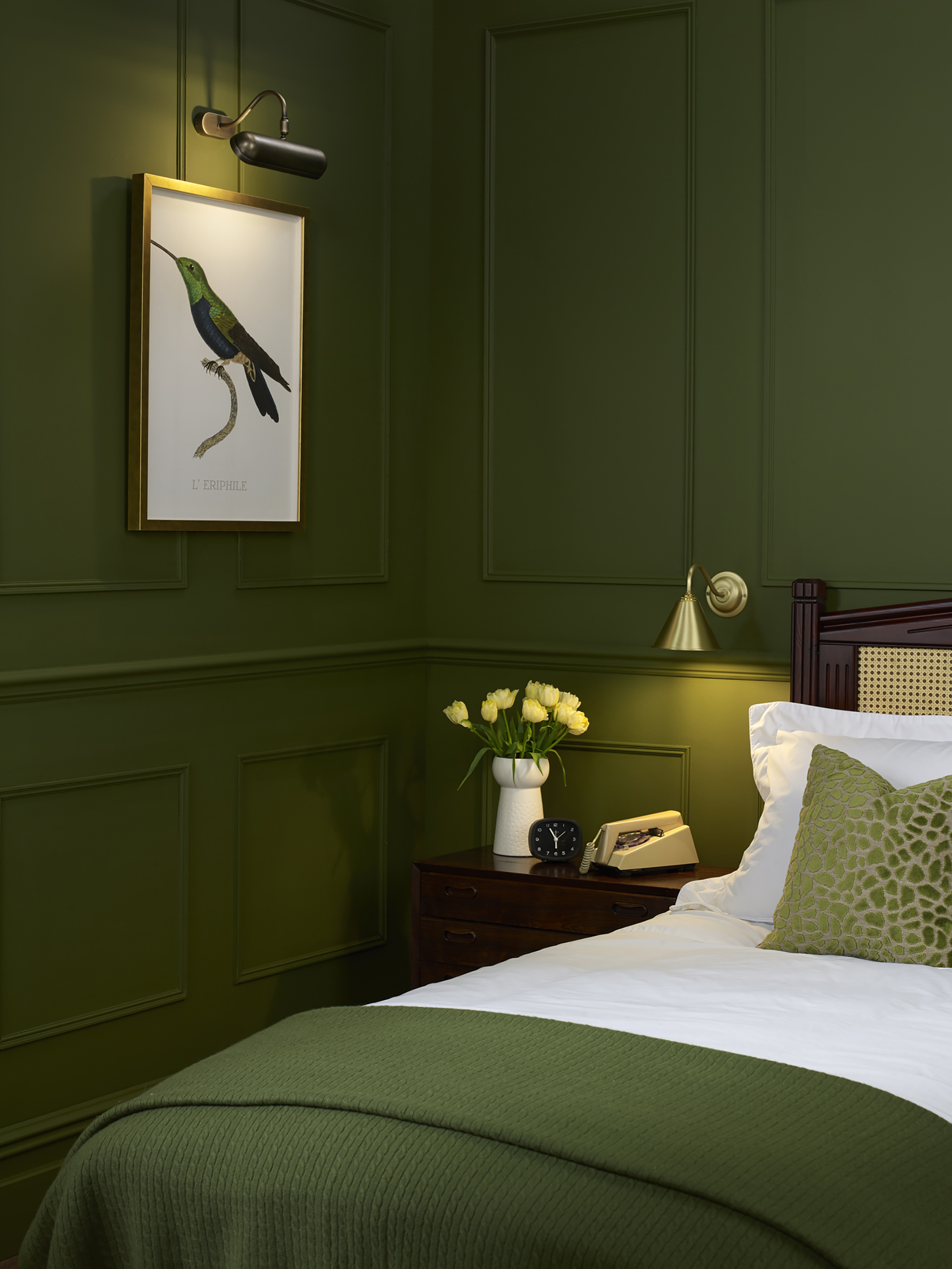
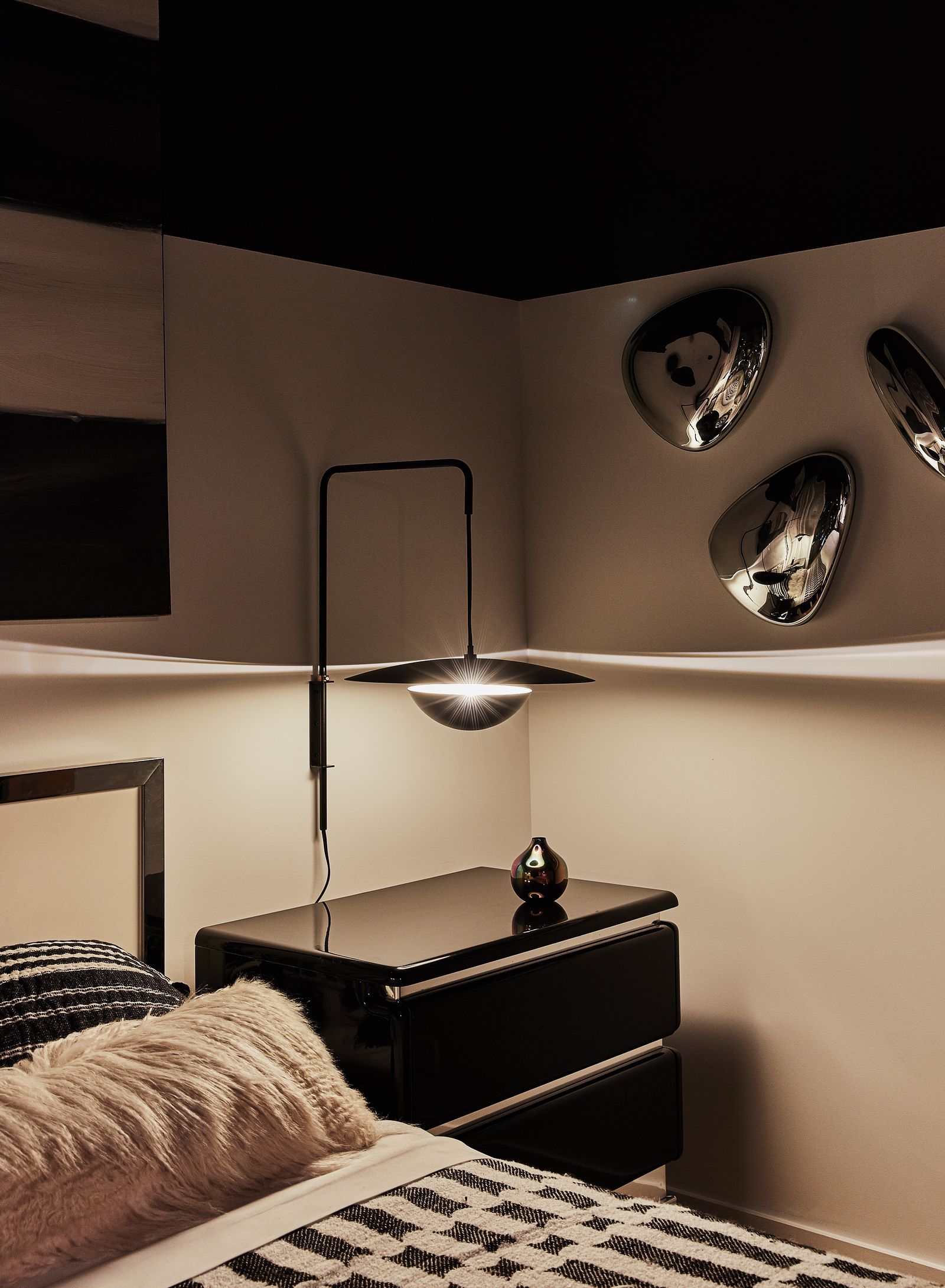
Windows and natural light are valuable assets that are often misused. Blocking windows with furniture or heavy curtains can diminish brightness and make a room feel smaller. The article suggests placing the bed opposite a window or using a low headboard beneath it to optimize light and flow. Furthermore, proper and layered lighting is crucial but often overlooked. Ignoring ambient, task, and accent lighting can leave a room feeling dim. Integrating sculptural wall lamps or floor lamps can address this issue and add visual interest.
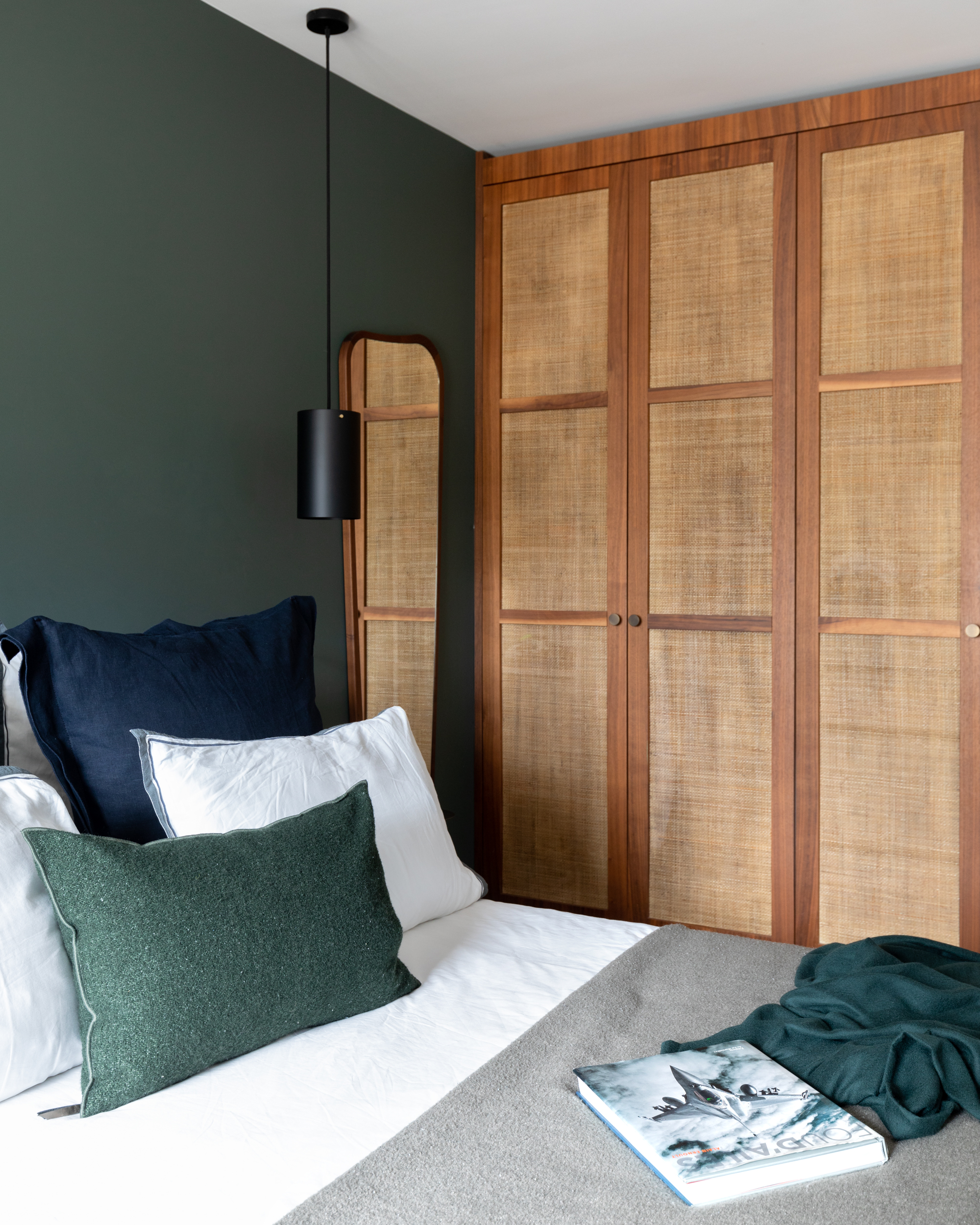
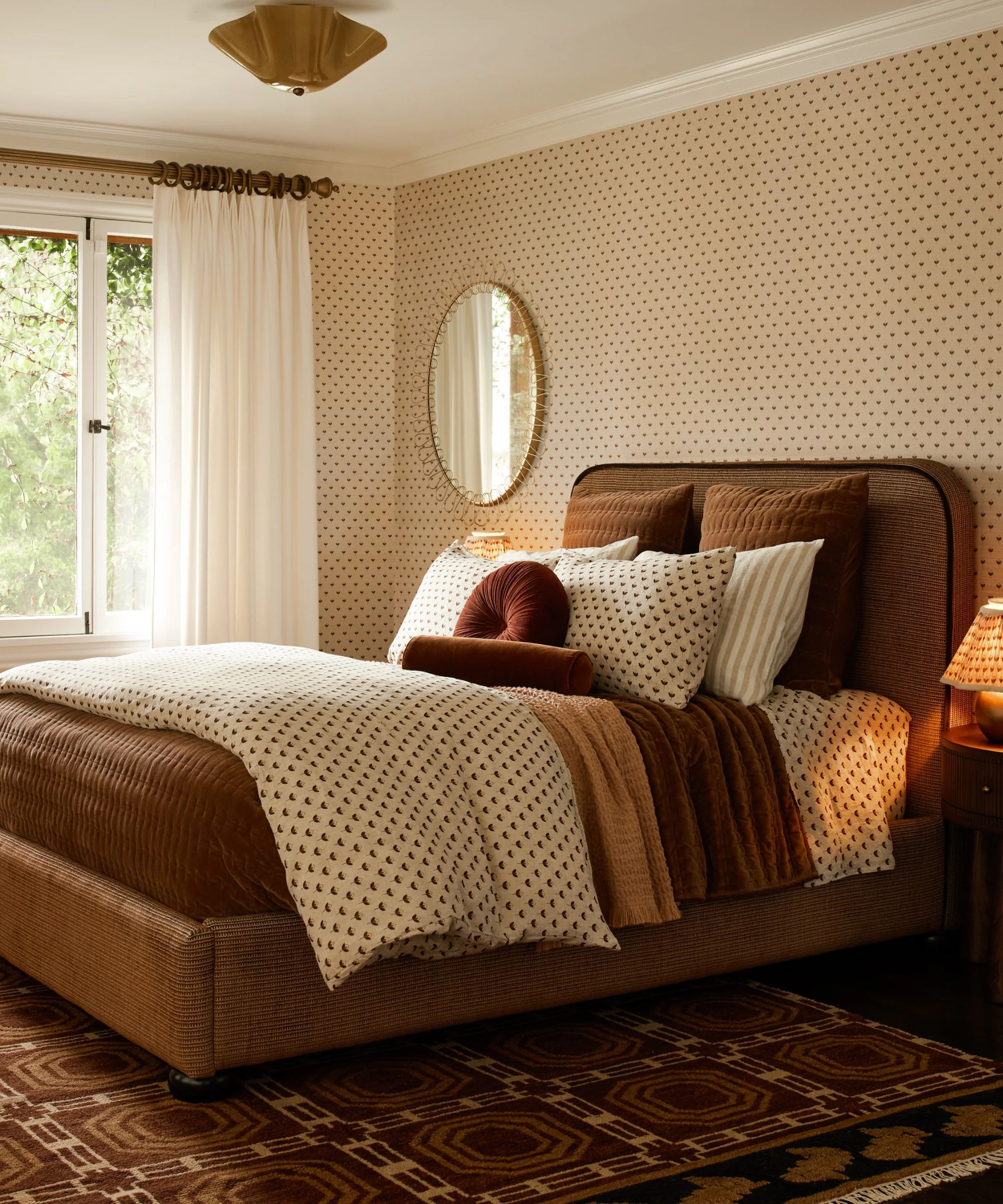
Inadequate closet storage is another common pitfall, leading to clutter and detracting from the room's aesthetic. It is preferable to have surplus storage than too little, with fitted furniture offering both practical and aesthetic benefits. Finally, selecting an incorrect rug size can disrupt the entire layout. A rug that is too small appears as an afterthought, while one that is disproportionate can throw off the room's balance. Rugs should extend beyond the bed's edges to create a cohesive look, typically 8x10 feet or larger for queen or king-sized beds, ensuring some floor space is still visible around the perimeter.
The article also touches upon Feng Shui principles, advising against placing the foot of the bed directly facing the door, known as the 'death position.' By addressing these common layout errors, individuals can transform their bedrooms into restful, functional, and inviting sanctuaries. The advice provided emphasizes thoughtful planning and a balanced approach to furniture selection and placement, ensuring that every element contributes positively to the room's overall ambiance. #BedroomDesign #InteriorDecorating #HomeOrganization #FurnitureArrangement #SpacePlanning #LightingDesign #StorageSolutions #FengShui #HomeImprovements
0 تعليق إجمالاً
 لا توجد تعليقات بعد
قد تعجبك أيضًا
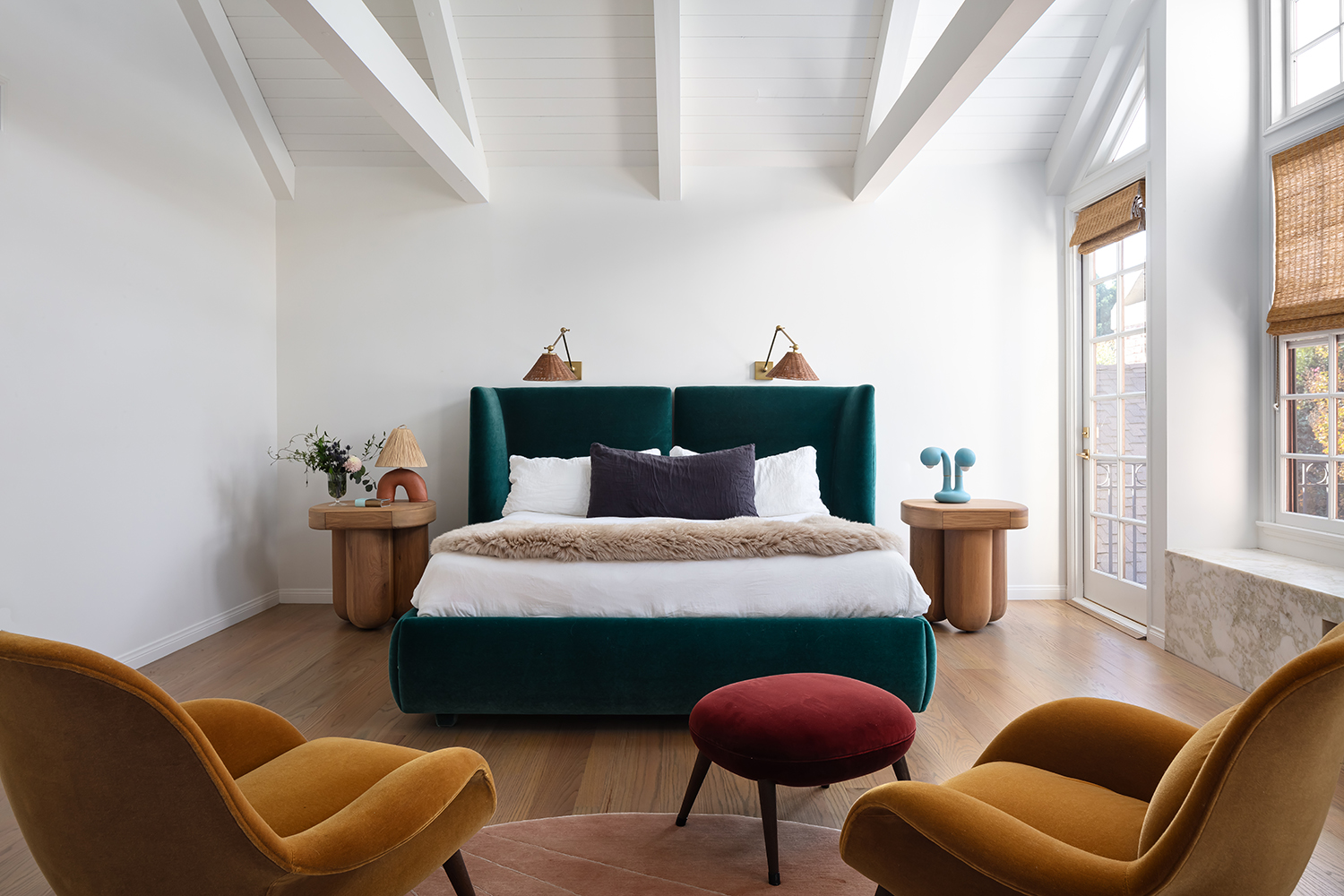
7 of the worst bedroom layout mistakes and how to avoid them

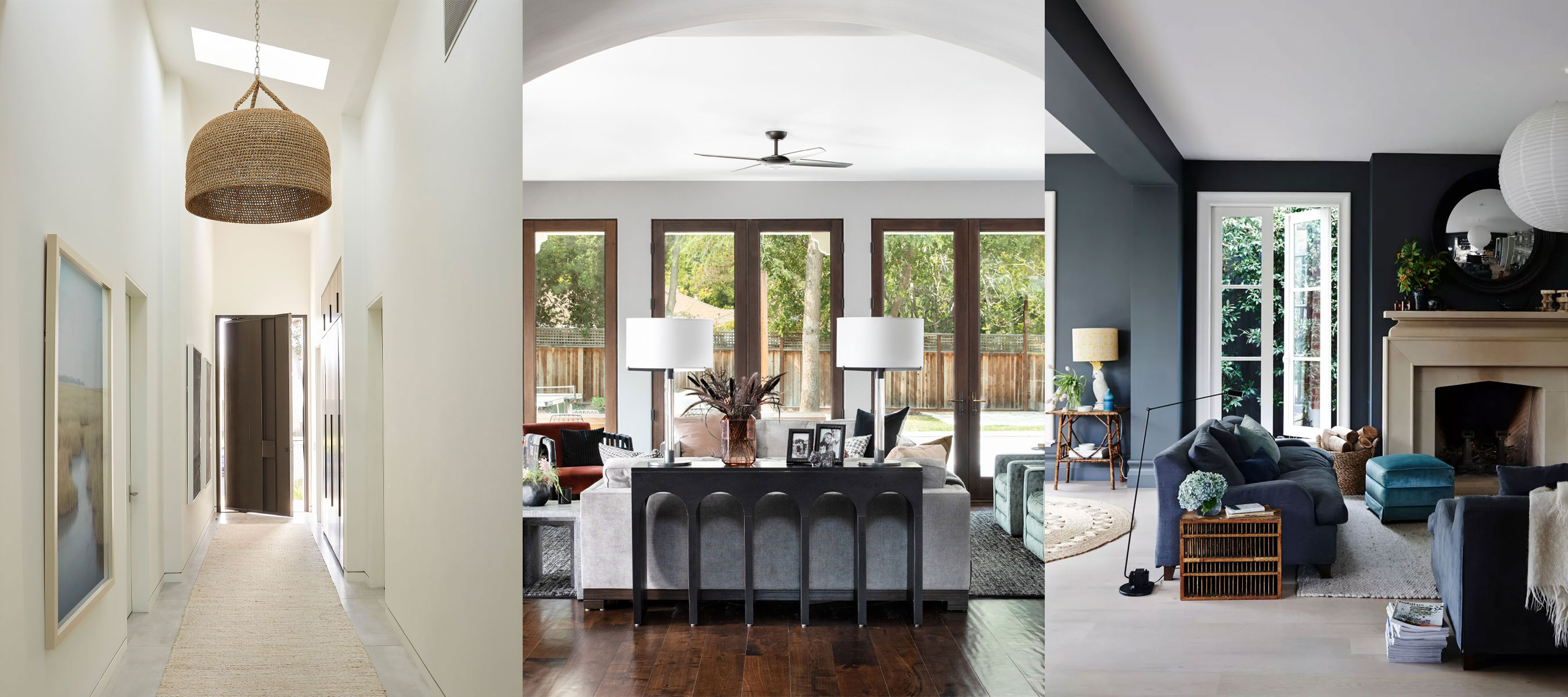
9 whole house layout mistakes – avoid these common floor plan flaws

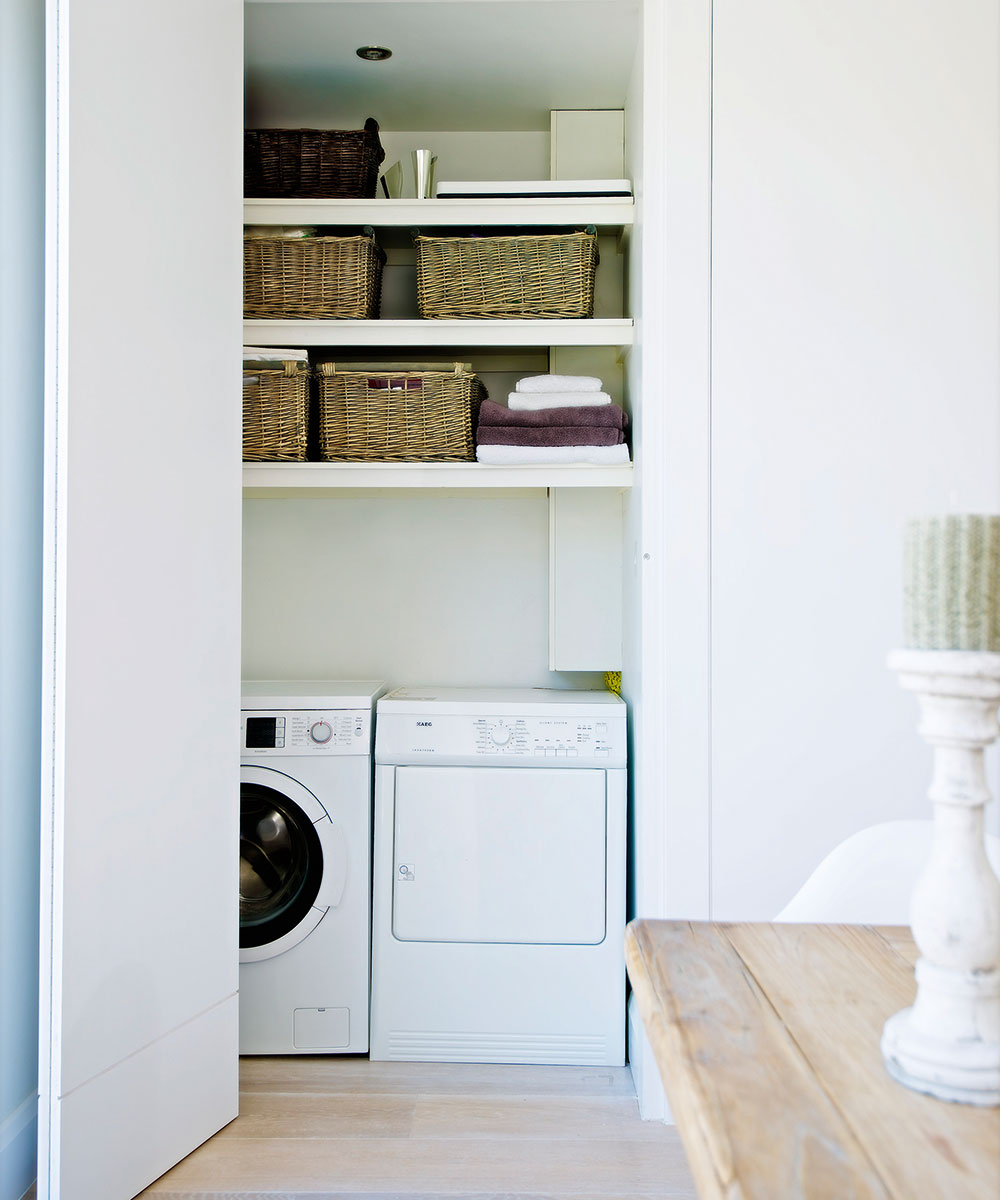
9 Utility room design mistakes and how to avoid them
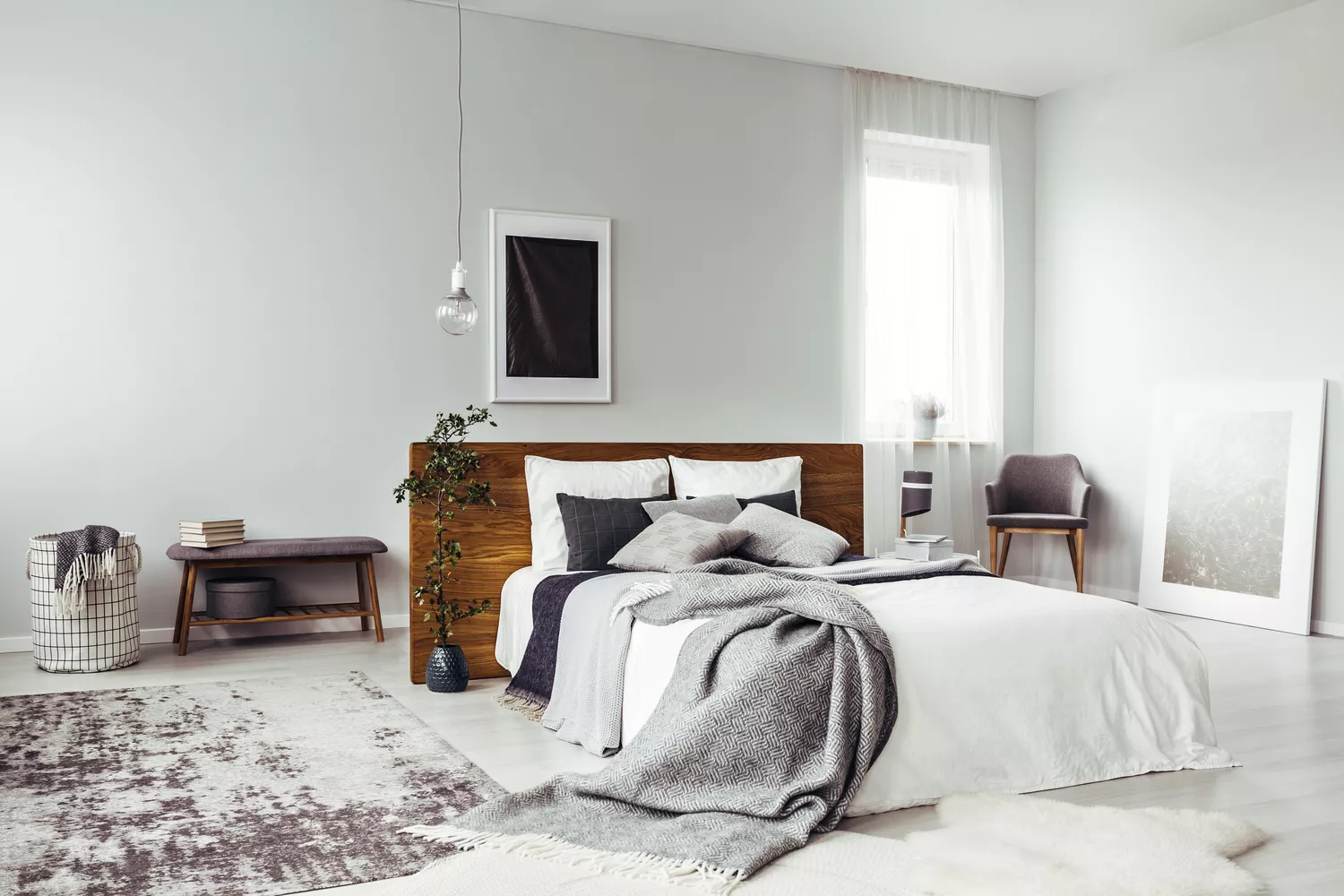
8 Bedroom Décor Mistakes That Make it Hard to Relax
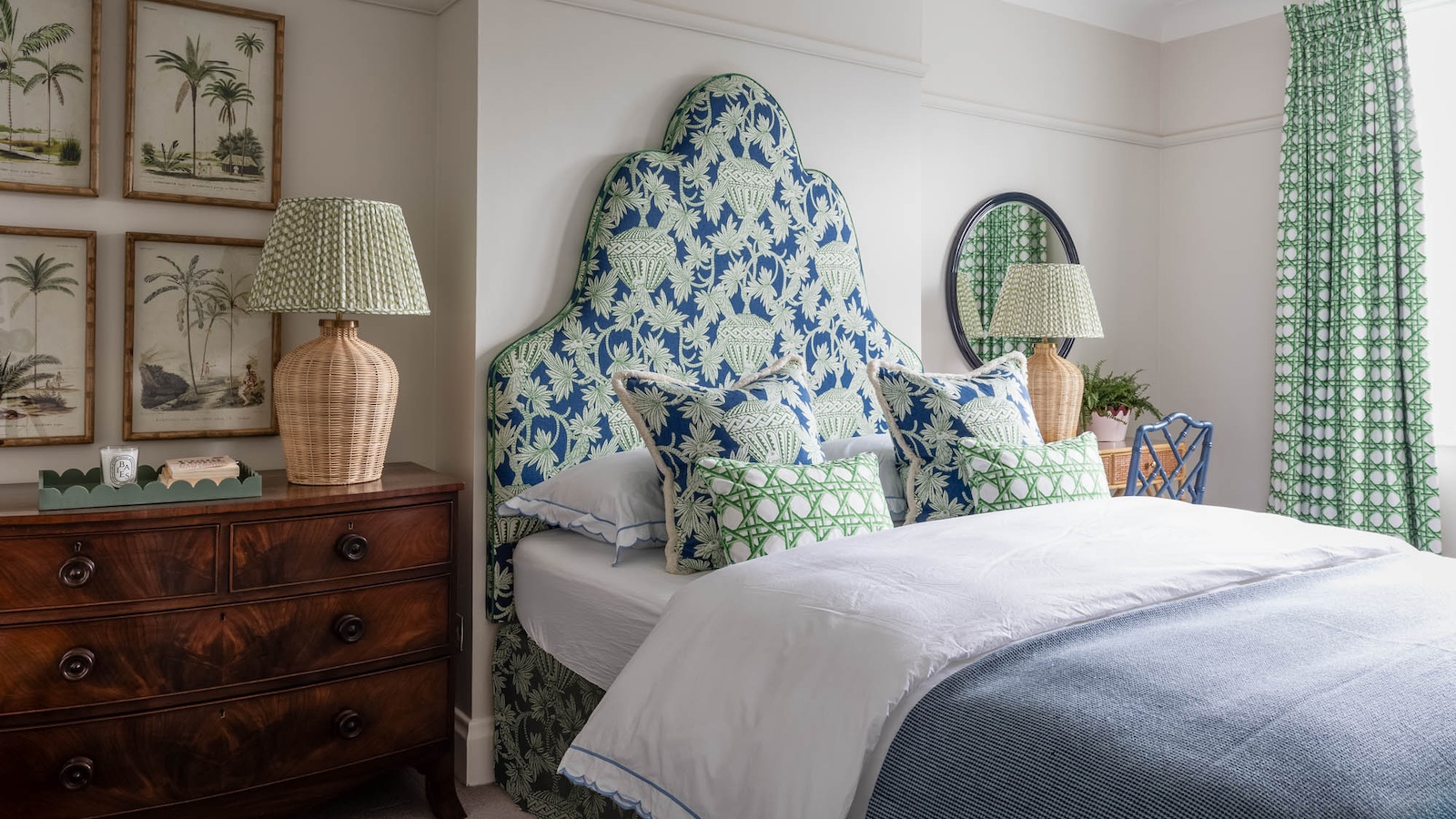
8 of the biggest small bedroom layout mistakes designers see time and time again
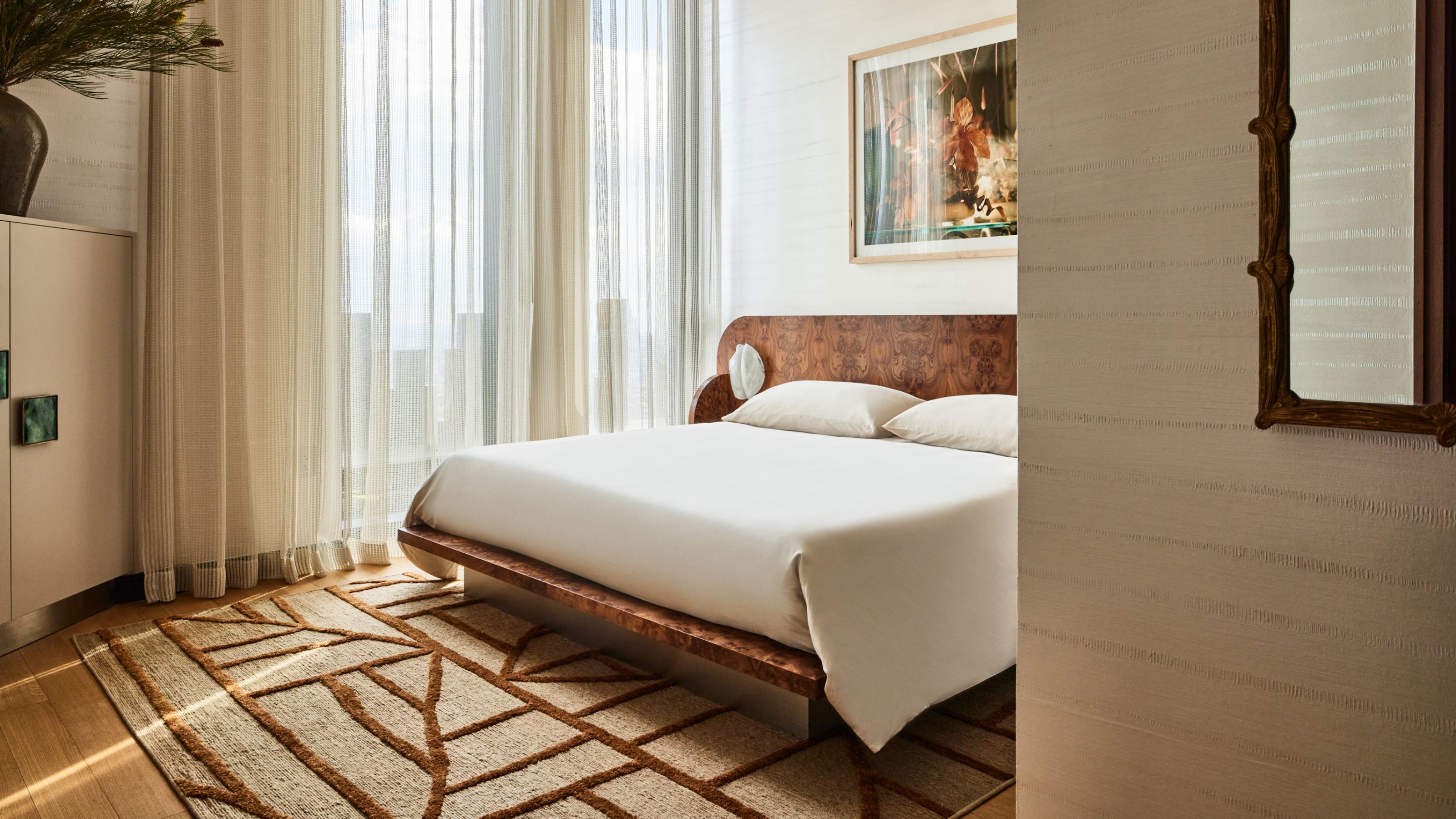
7 Guest Bedroom Design Mistakes That Will Make Them Wish They'd Booked a Hotel Instead
5 Bedroom Design Errors That Are Making Your Space Less Relaxing

Kelly Hoppen shares 5 design mistakes to avoid in small bedrooms

The 10 biggest bedroom furniture mistakes that interior designers always notice – and how to fix them

9 Things That Immediately Make Your Bedroom Look Bad, According to a Designer
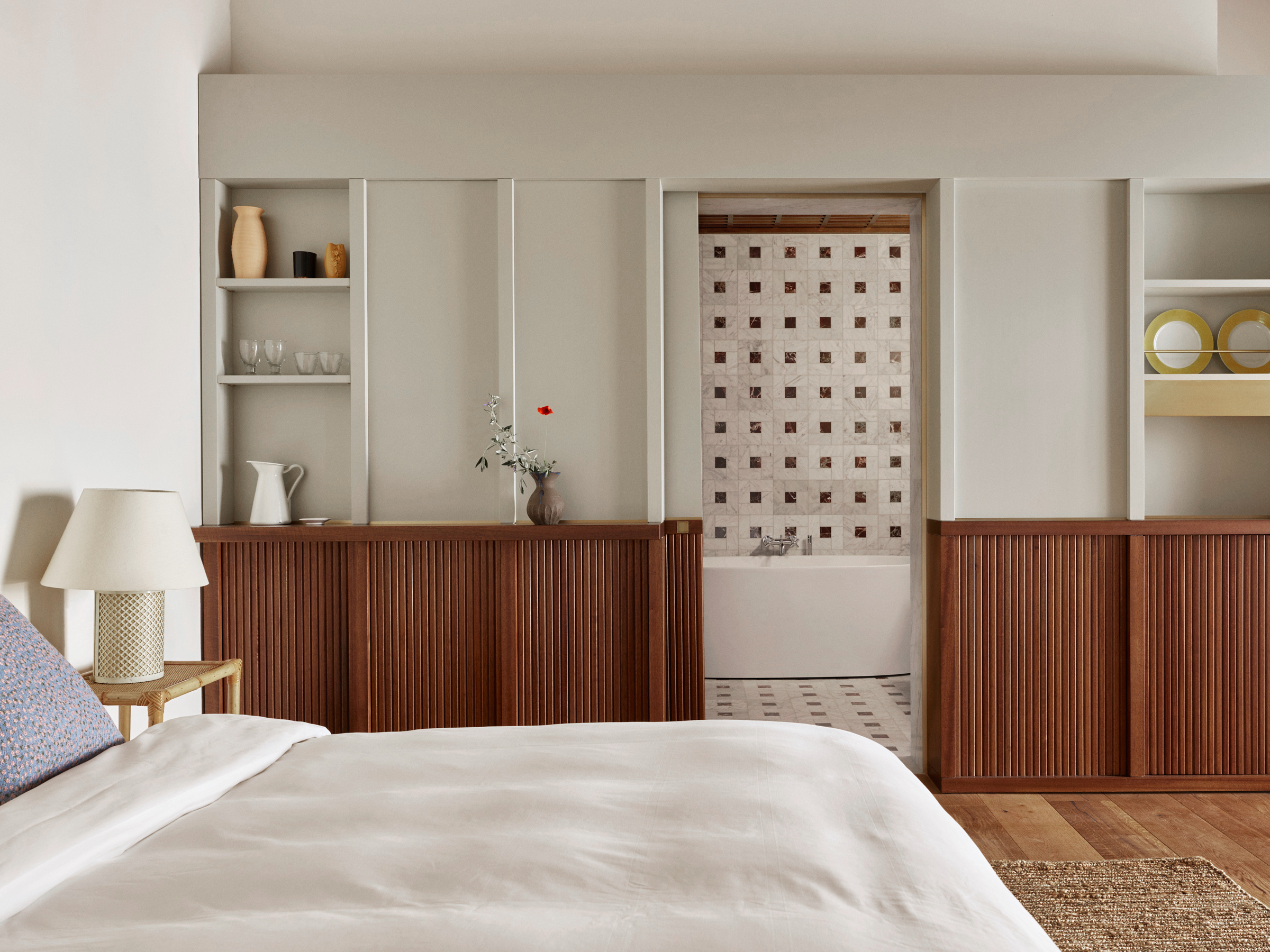
7 Bedroom Lighting Mistakes — Experts Say They "Scream 'Wrong Vibe'" and Ruin Your Aesthetic
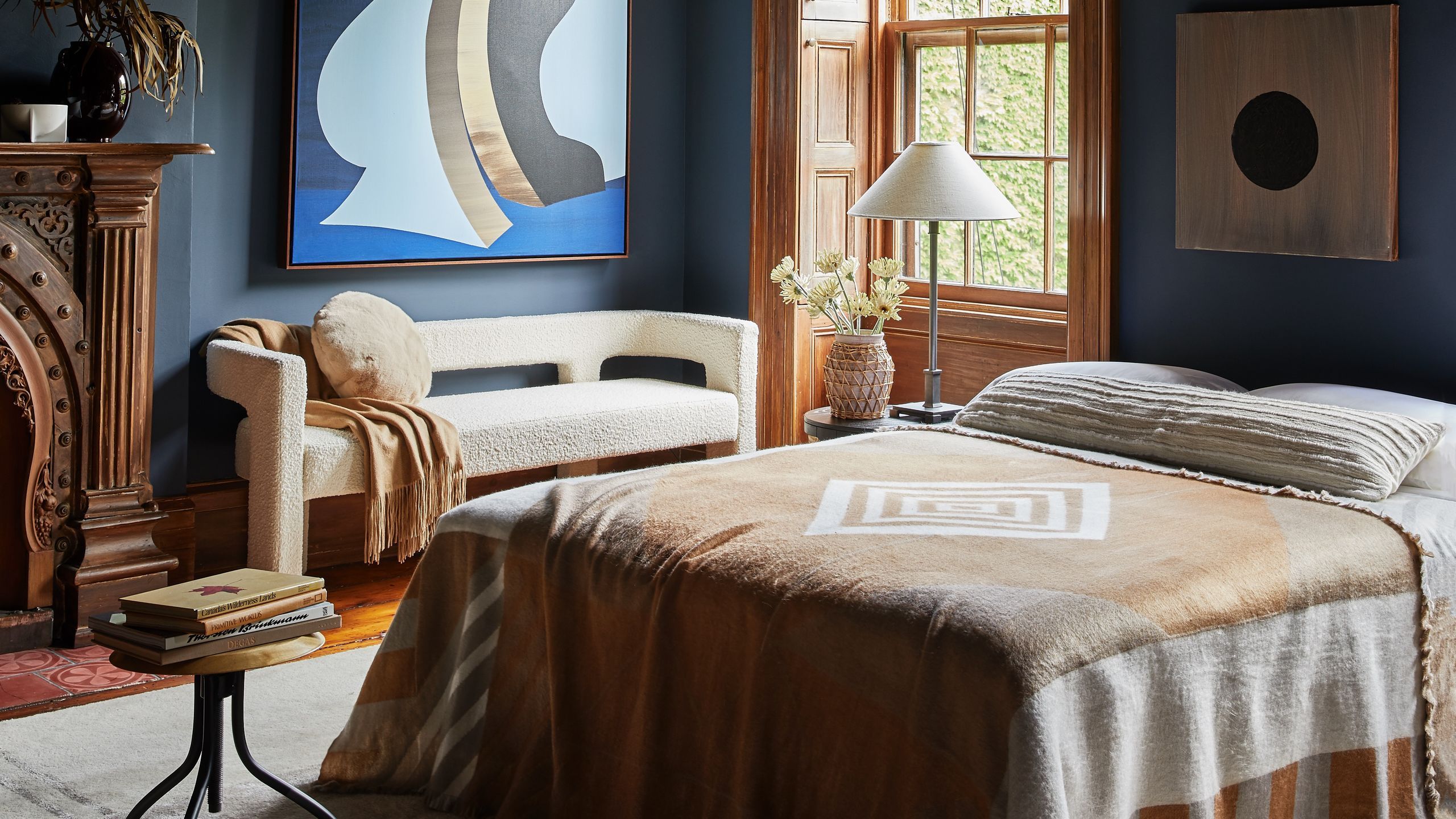
9 bedroom design ideas designers swear by

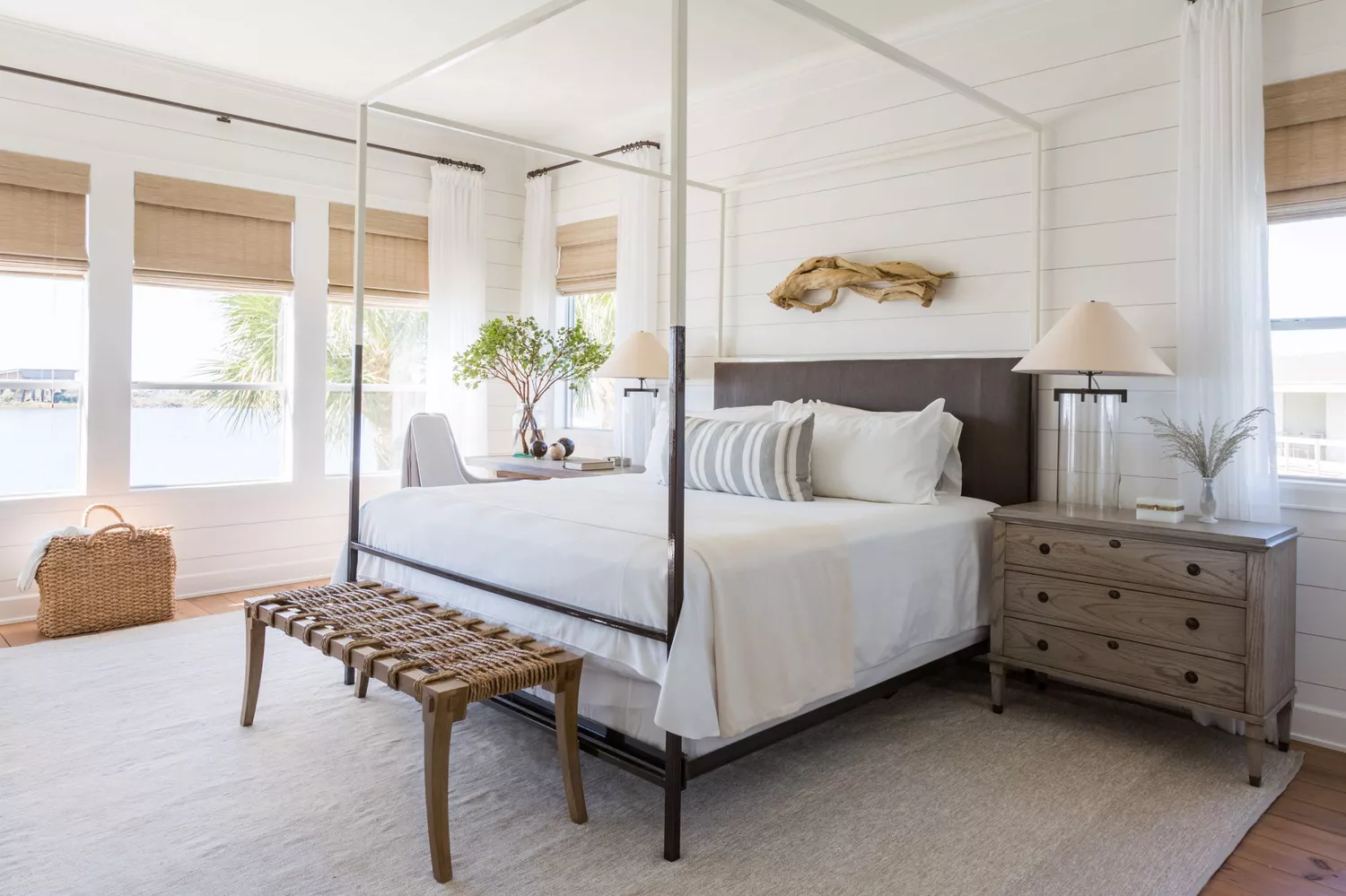
8 Bedroom Decorating Mistakes You Should Never Make
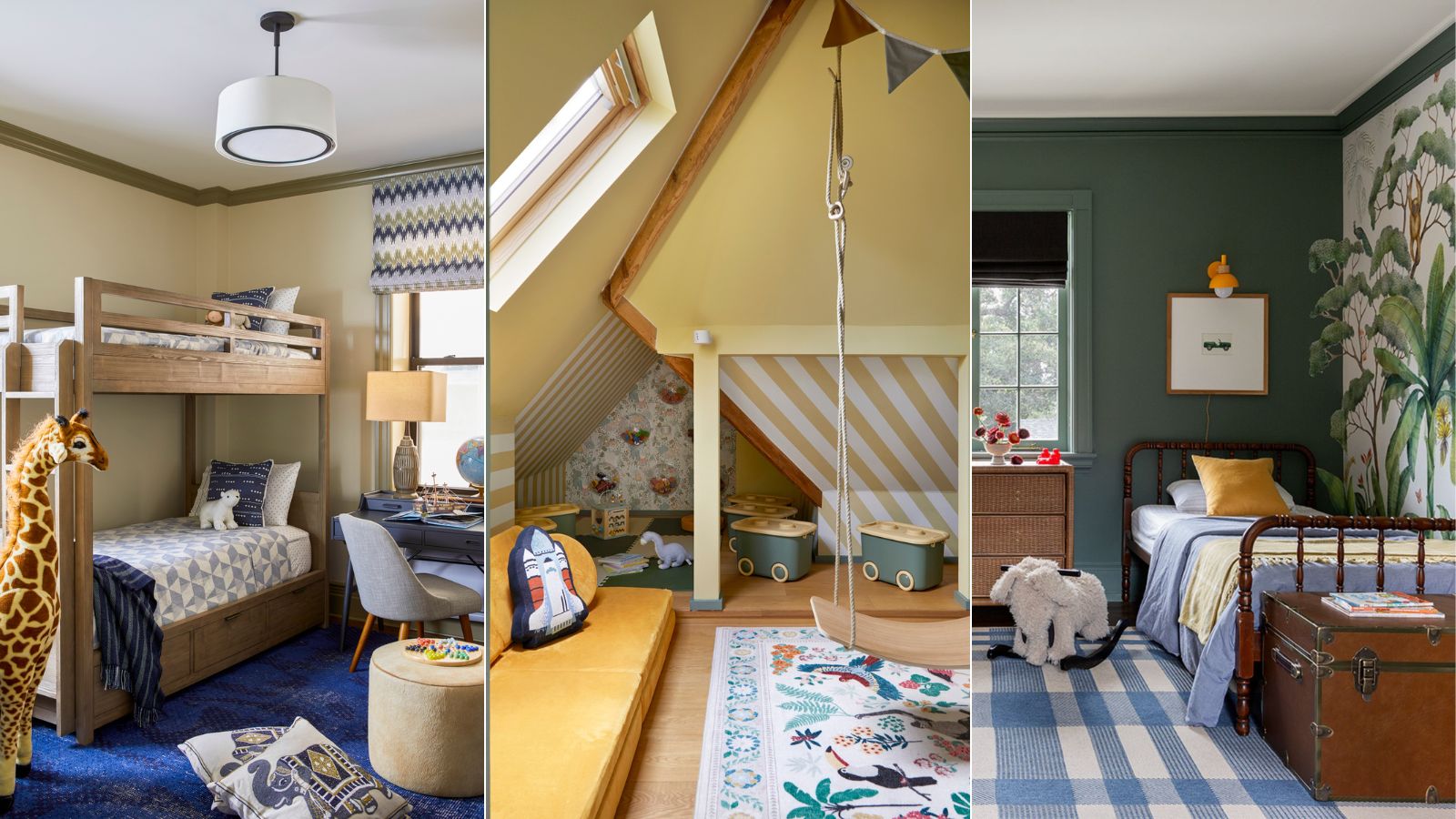
Here are all the most common mistakes to avoid when decorating a kids' bedroom according to interior designers

How to Fix the Most Common Living Room Layout Mistakes

Are YOU guilty of these living room layout mistakes? Decor expert reveals the 8 sins people make

10 Bedroom Decor Mistakes Keeping You From Your Best Sleep Ever

6 interior design mistakes that could be affecting your sleep
11 bedroom lighting mistakes – why your space looks uninviting and feels impractical, and how to fix it
This furniture layout is one of the biggest Feng Shui mistakes you can make in a bedroom - here's how to fix it