1/4
An opinionated guide to using small and large scale pattern
Pattern is a transformative element in interior design, capable of altering the perception of space and mood within a room. The key to successful pattern integration lies not merely in color or motif, but in the scale of the pattern. Understanding how to appropriately choose between large and small repeat patterns is crucial for achieving visual harmony rather than chaos.
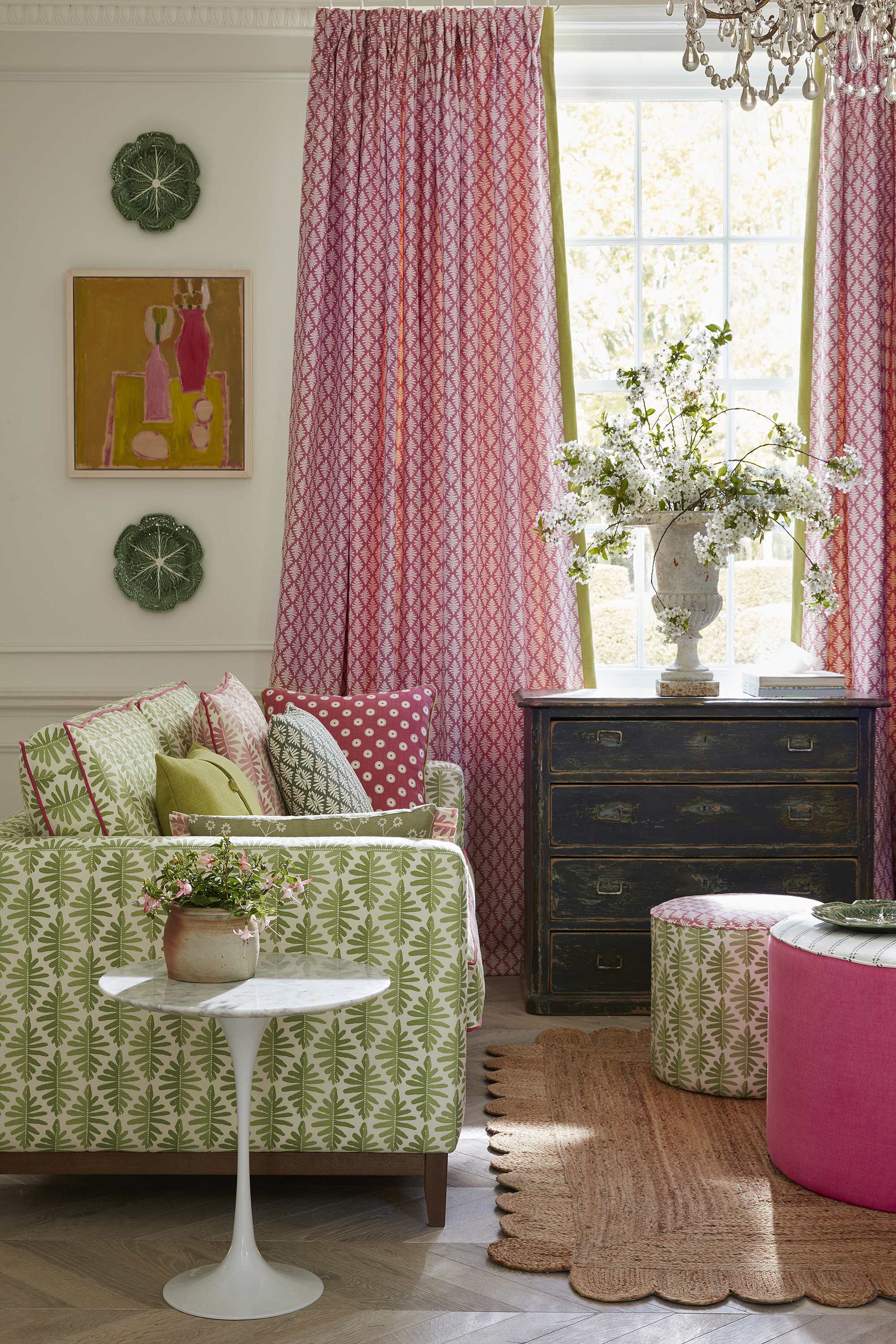
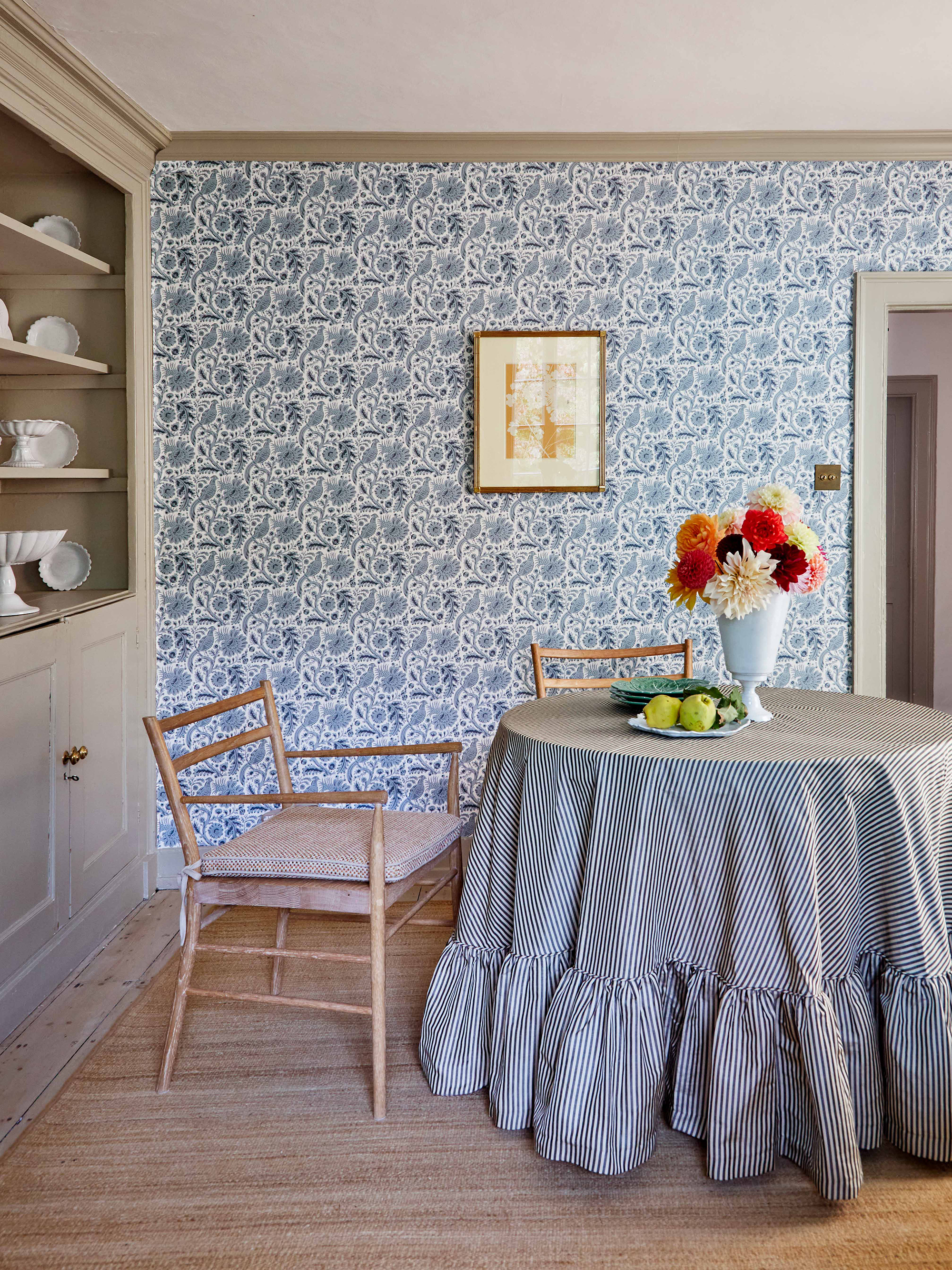
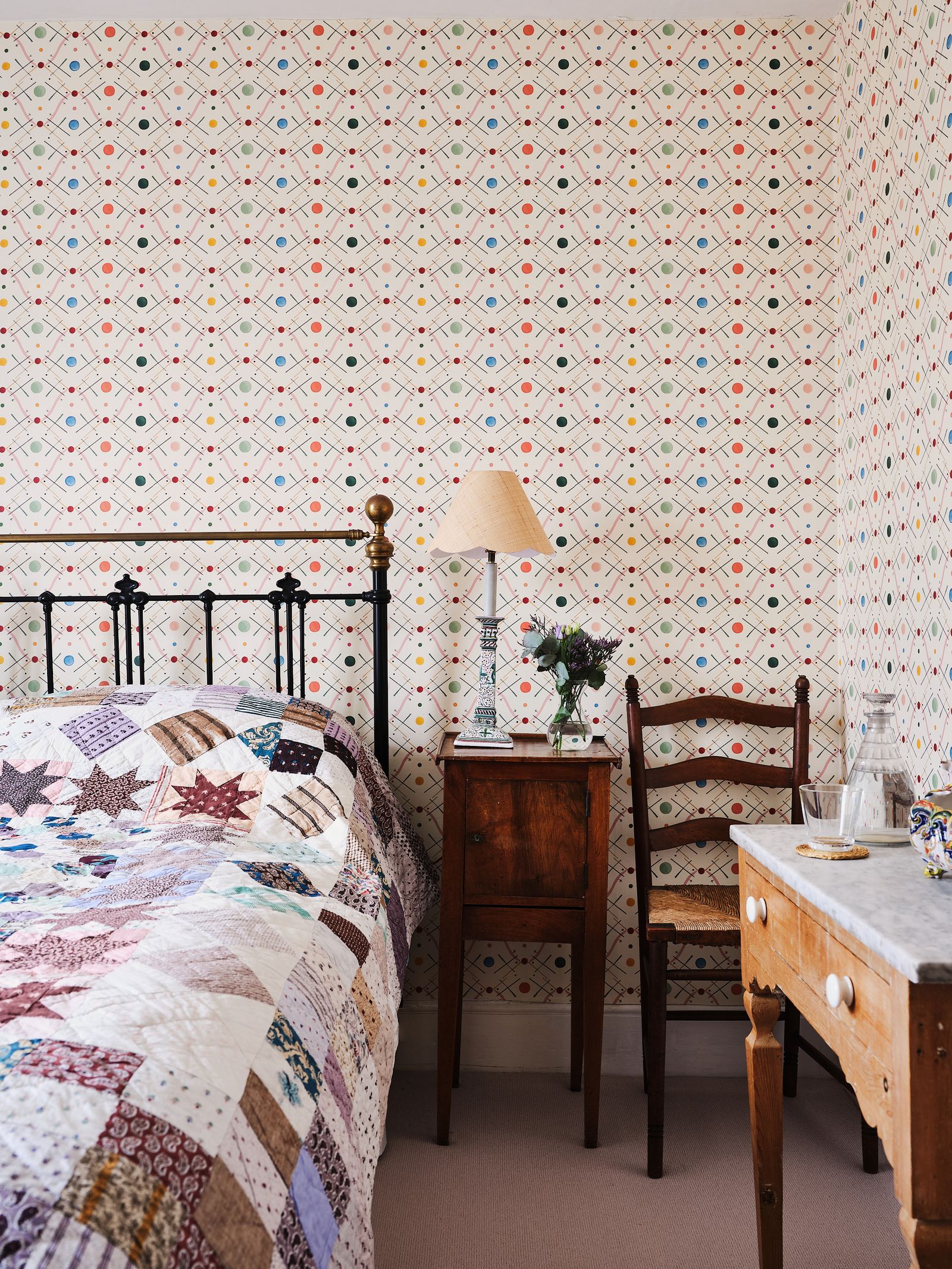
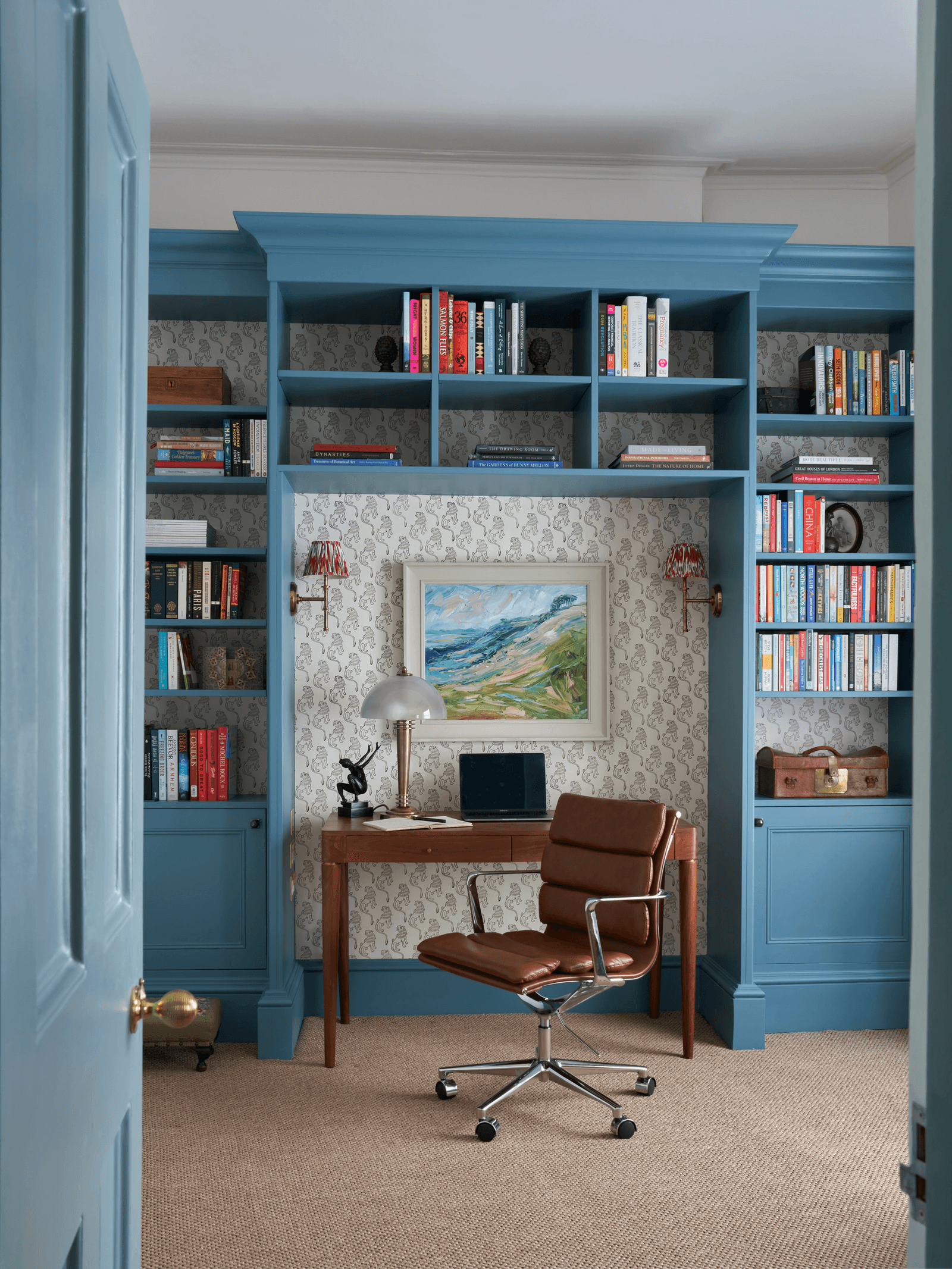
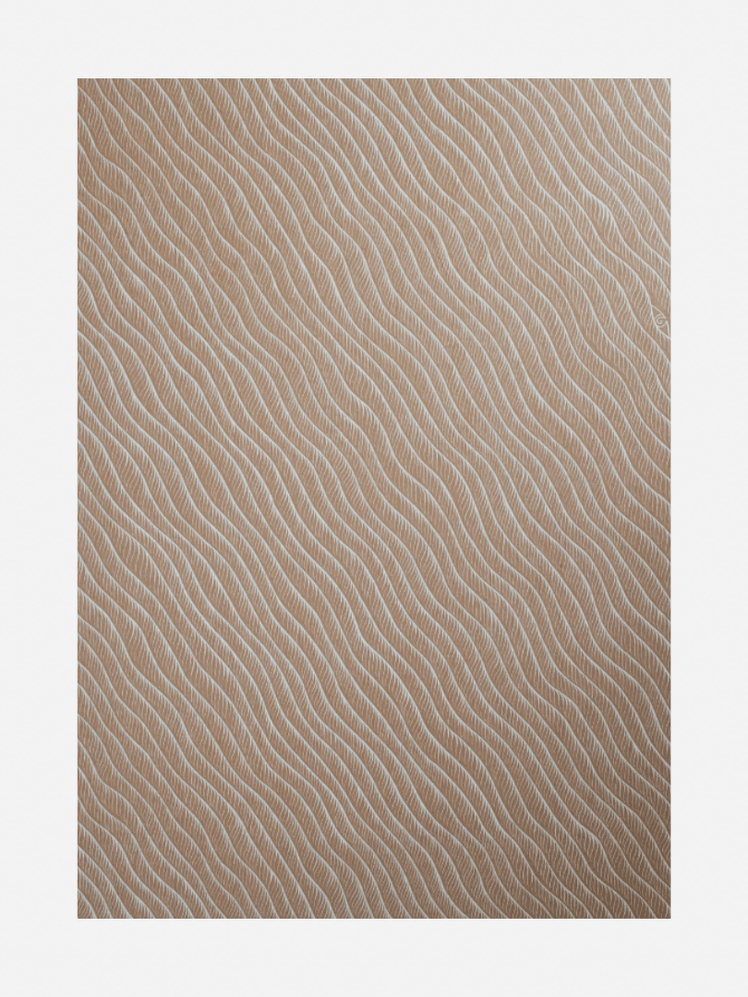
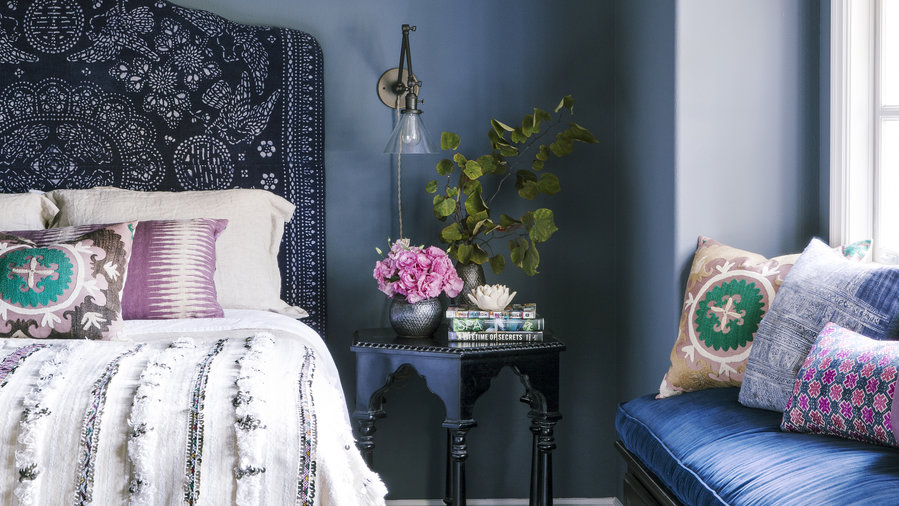

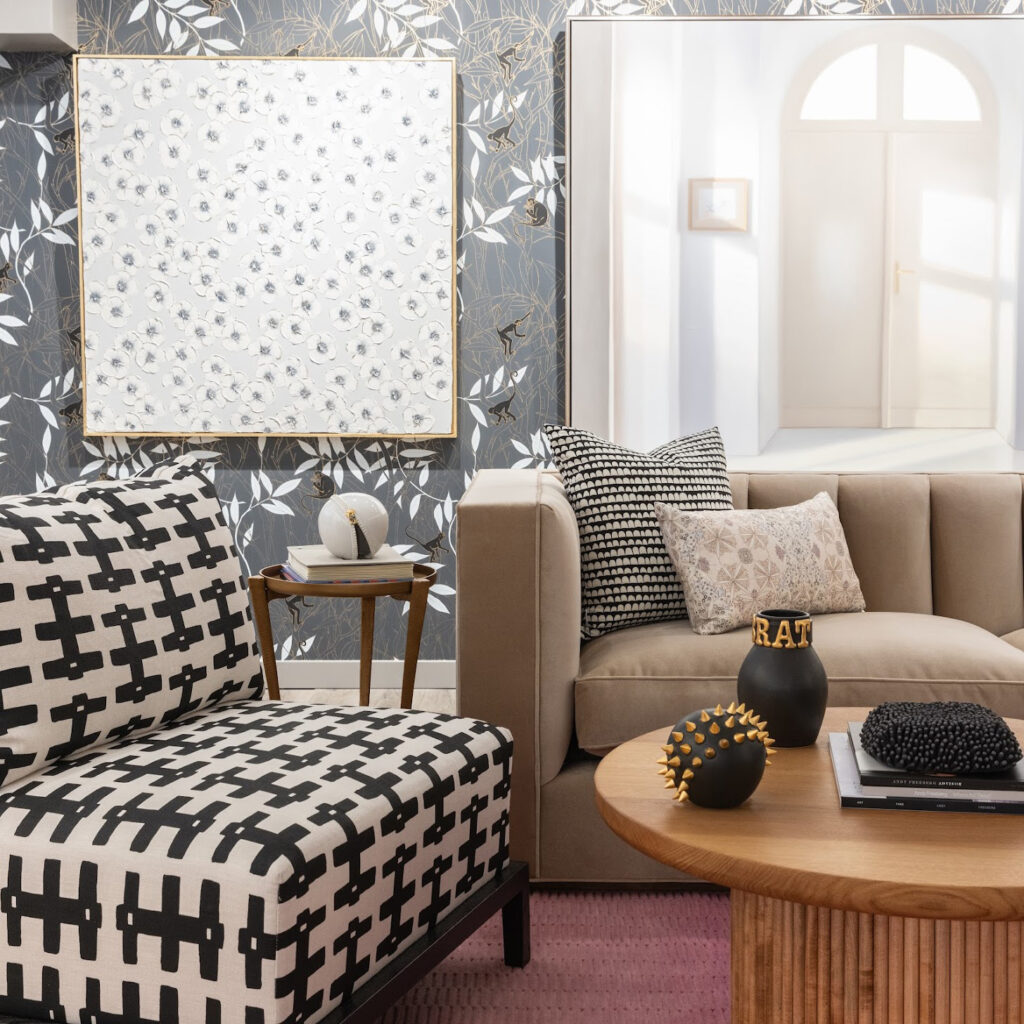
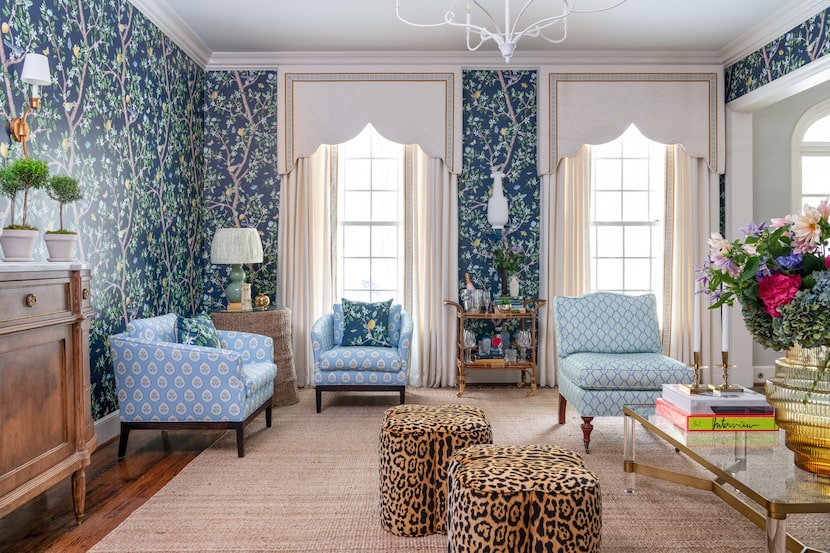
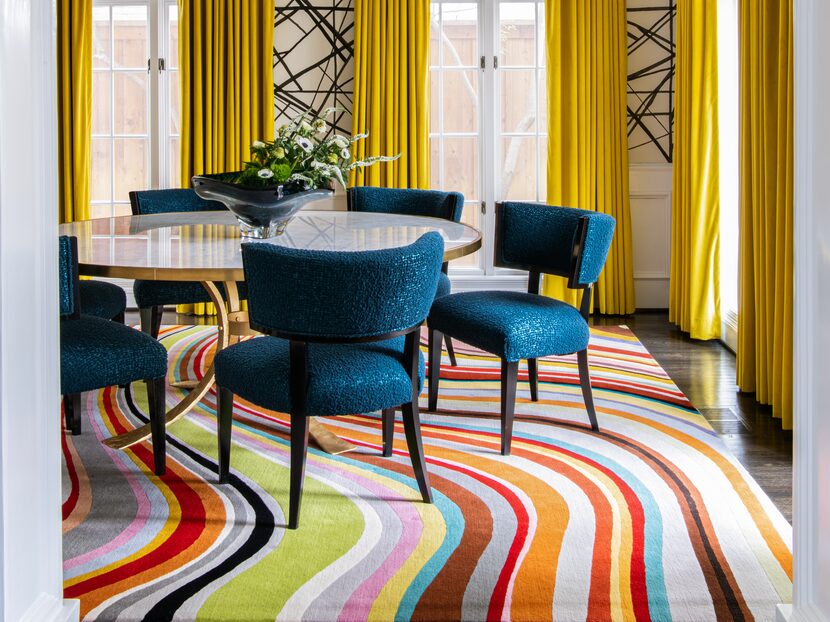
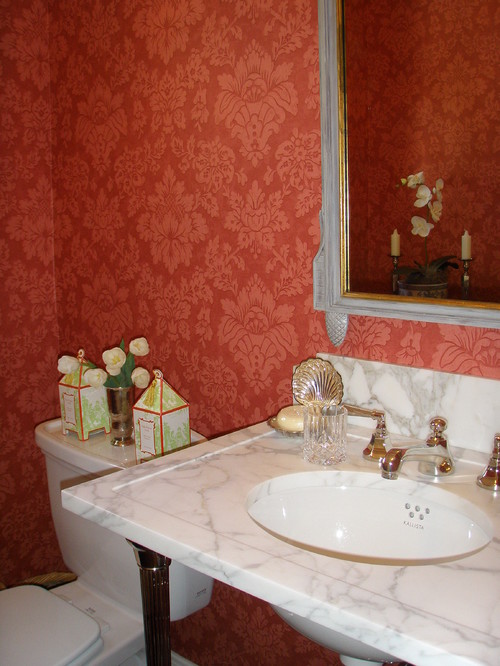
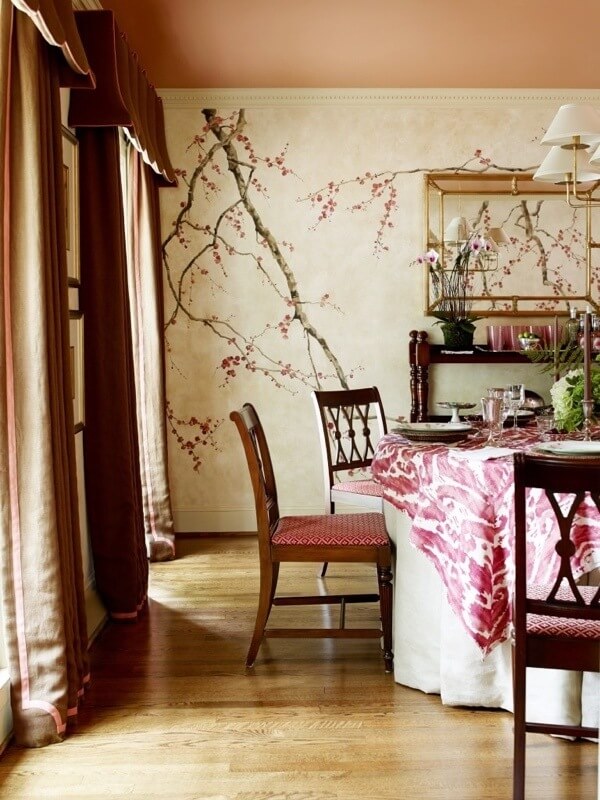
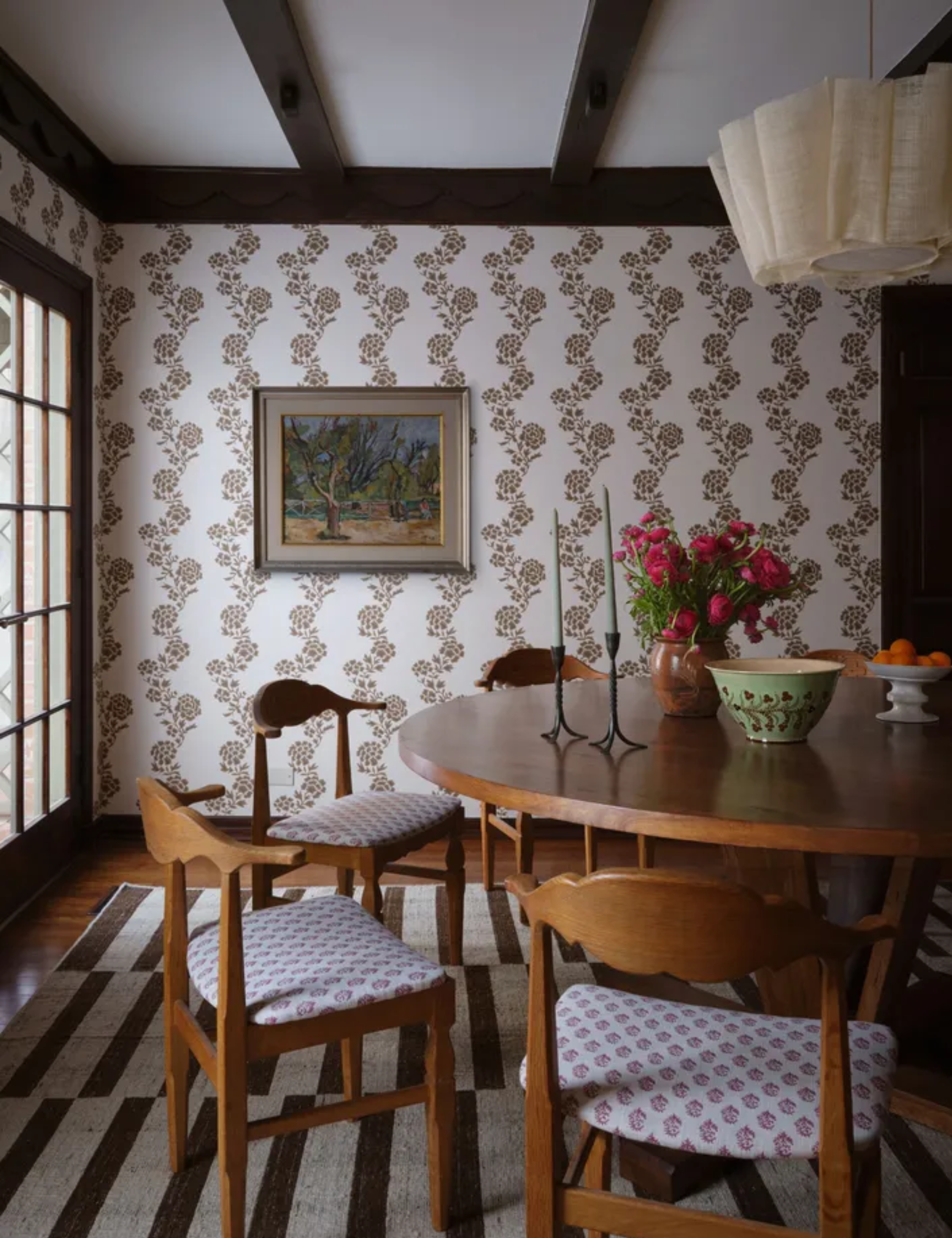
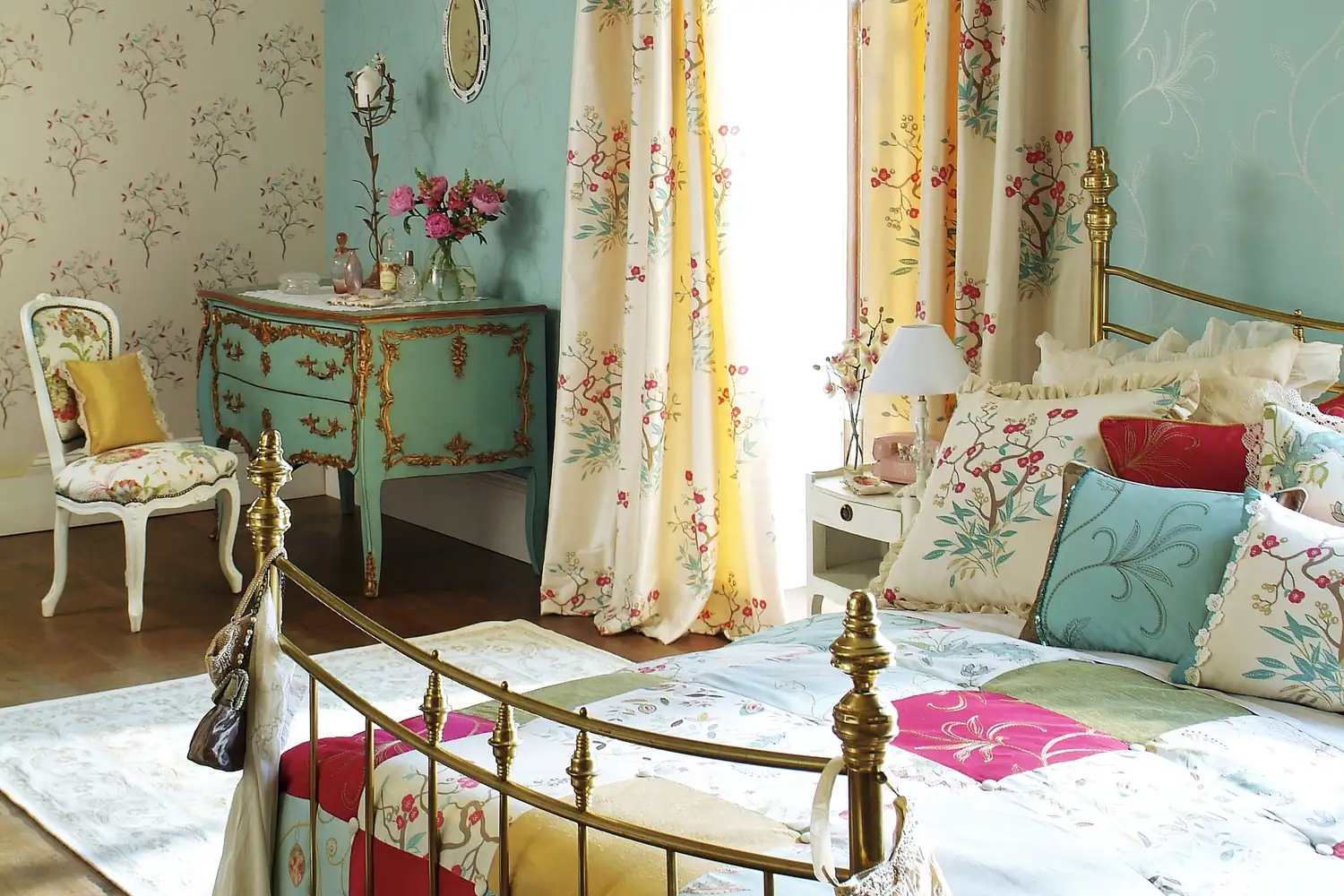
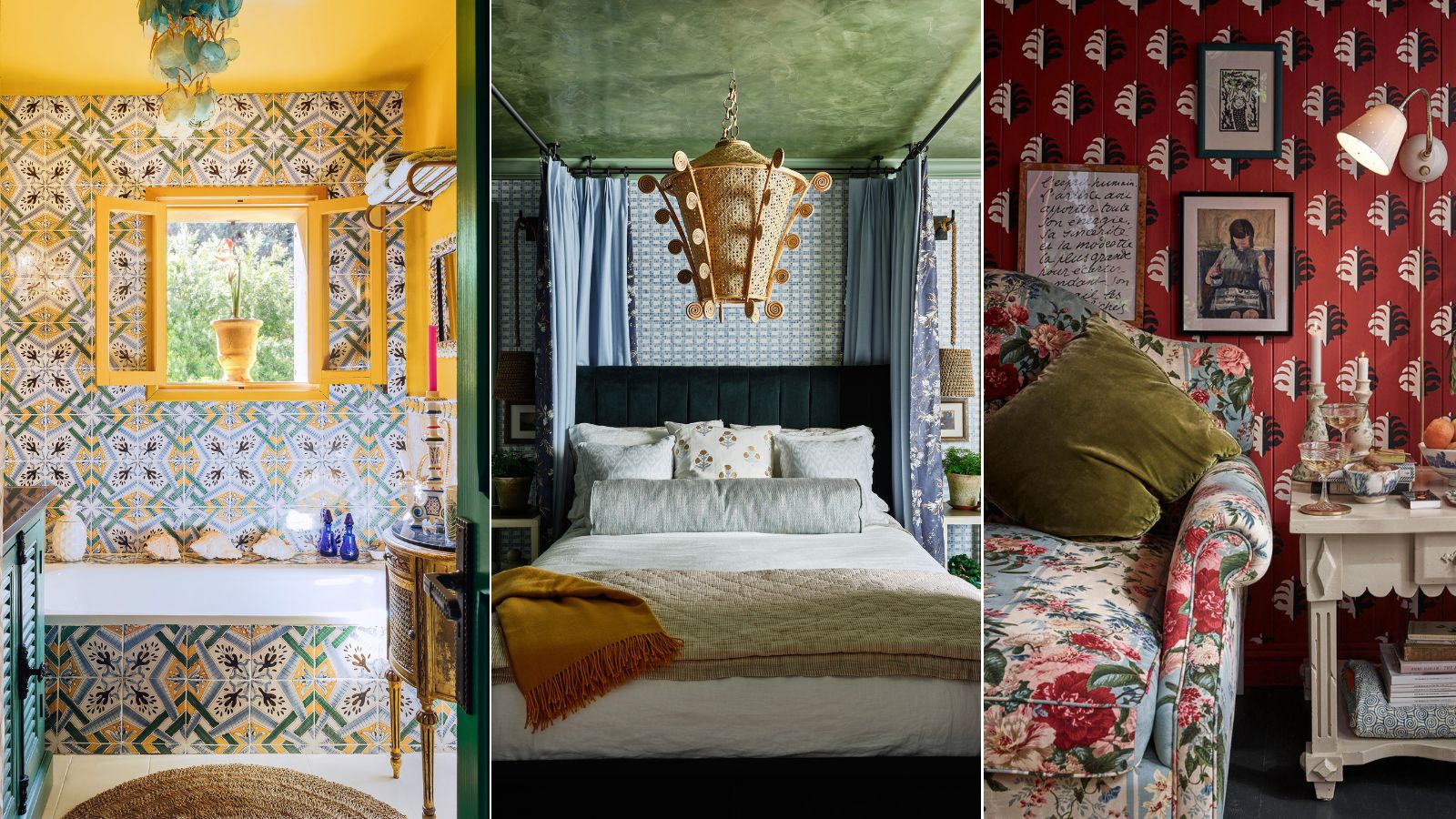
Contrary to a common misconception, small rooms are not exclusively suited for diminutive prints. Interior designers suggest that large-scale patterns can be remarkably effective in smaller spaces, introducing significant color and movement. While a large sample might appear overwhelming, when applied across an entire wall and adorned with decor, the pattern can recede, acting as a dynamic backdrop. Conversely, smaller-scale prints can be utilized in larger rooms, though there is a risk of them losing their impact in expansive areas, appearing as a plain texture from a distance, which applies equally to curtain fabrics.
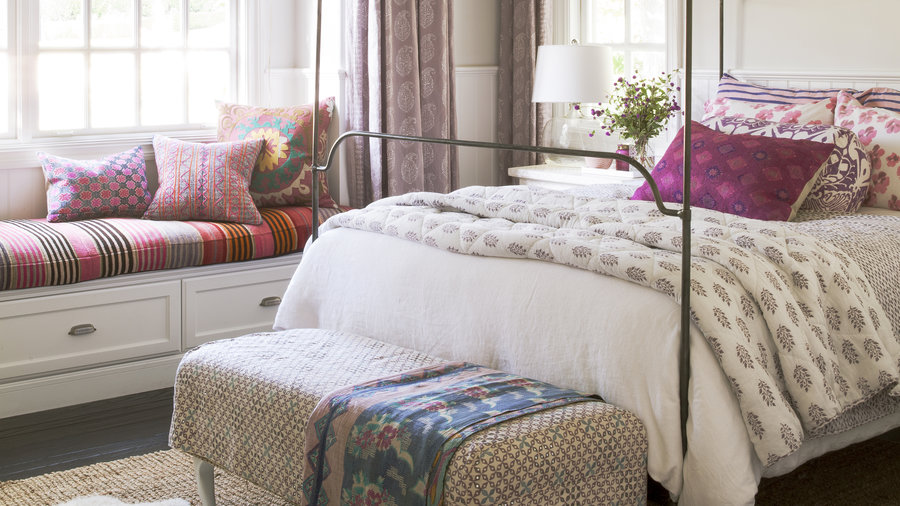
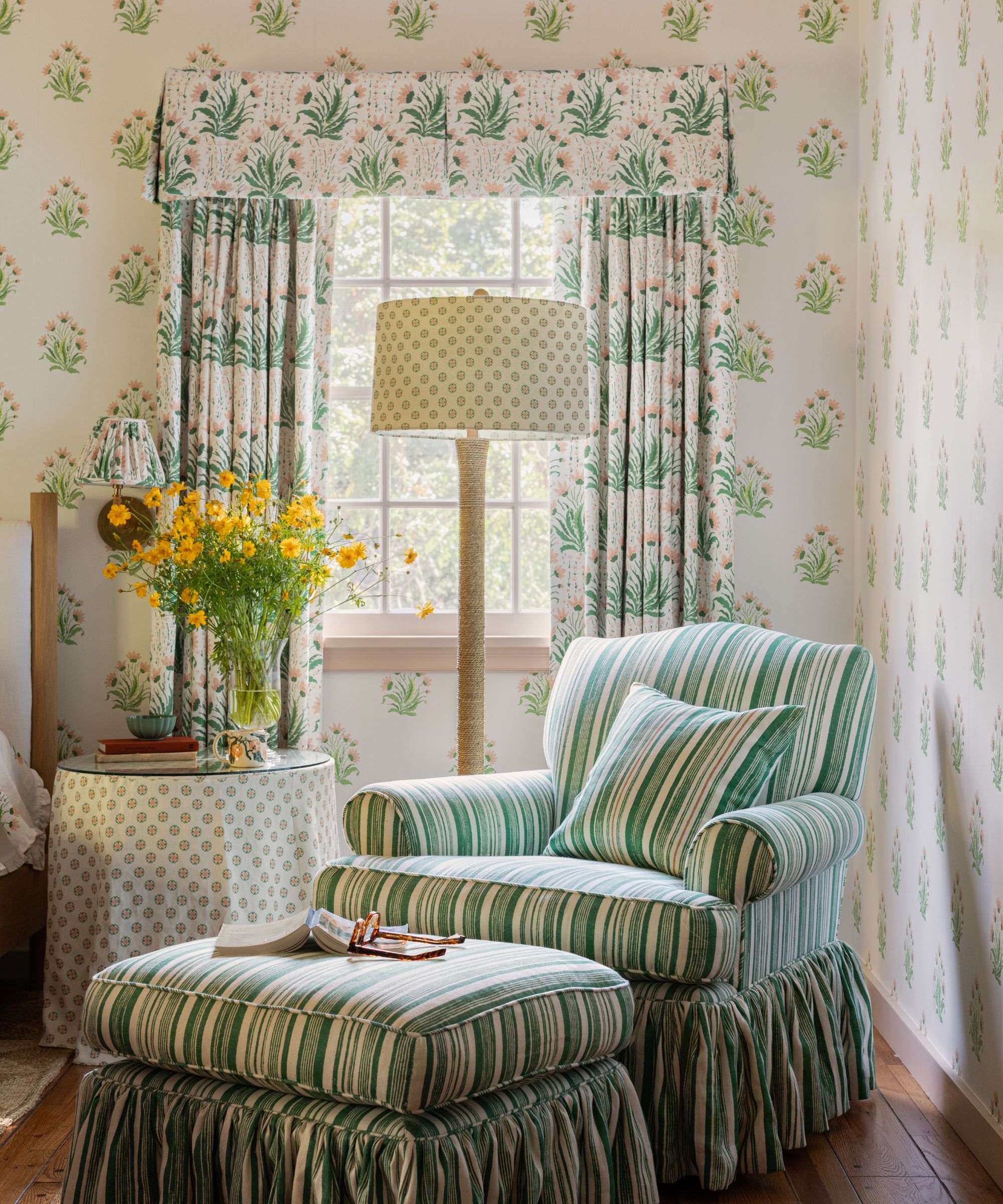
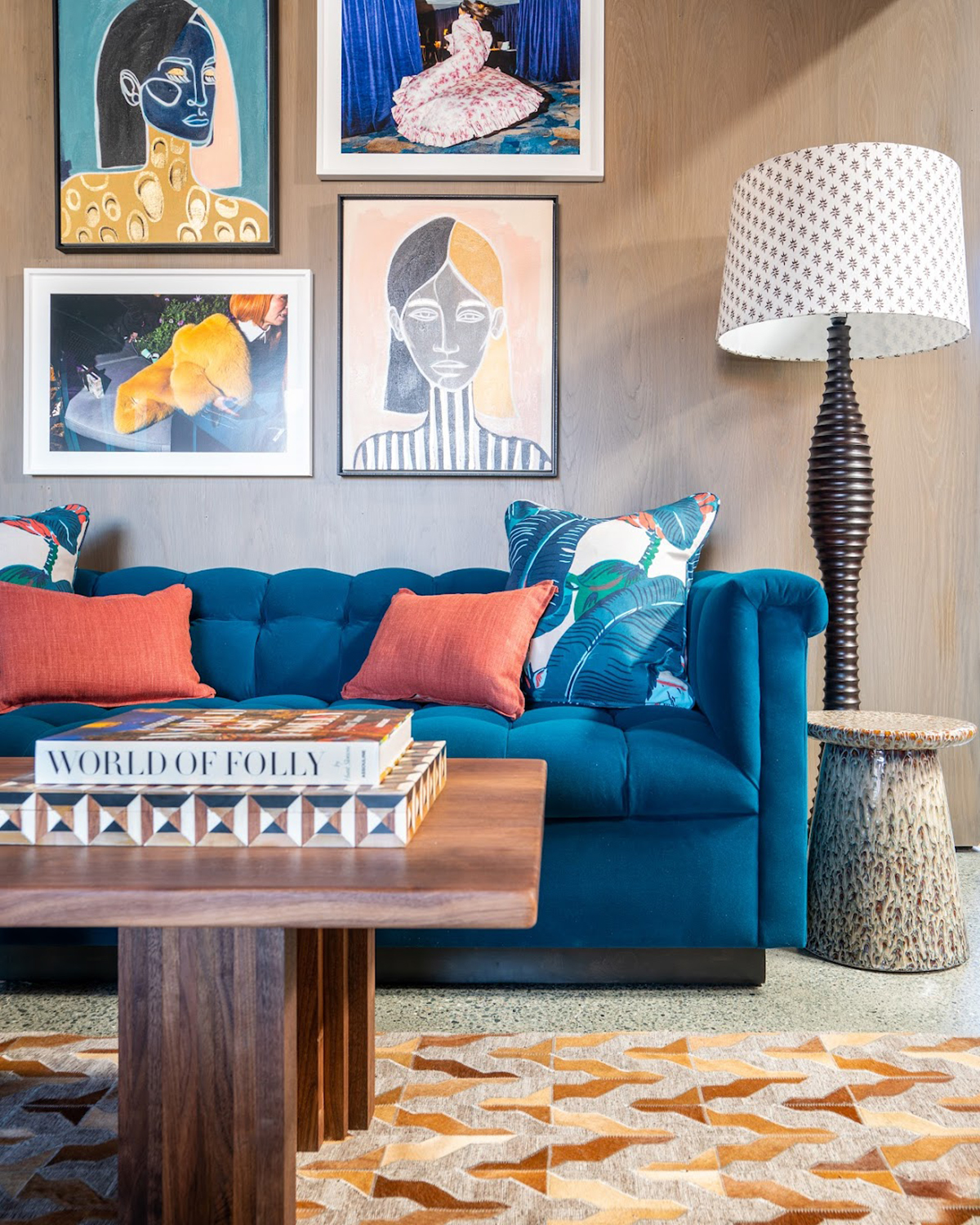
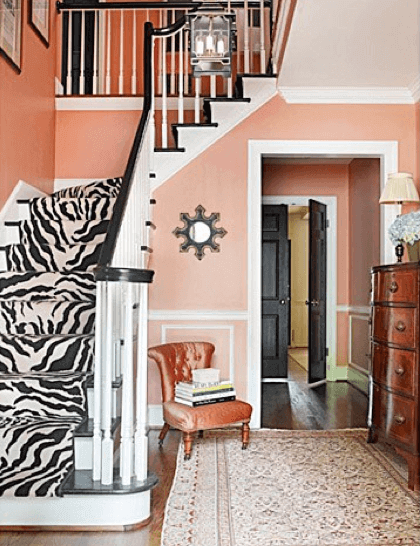
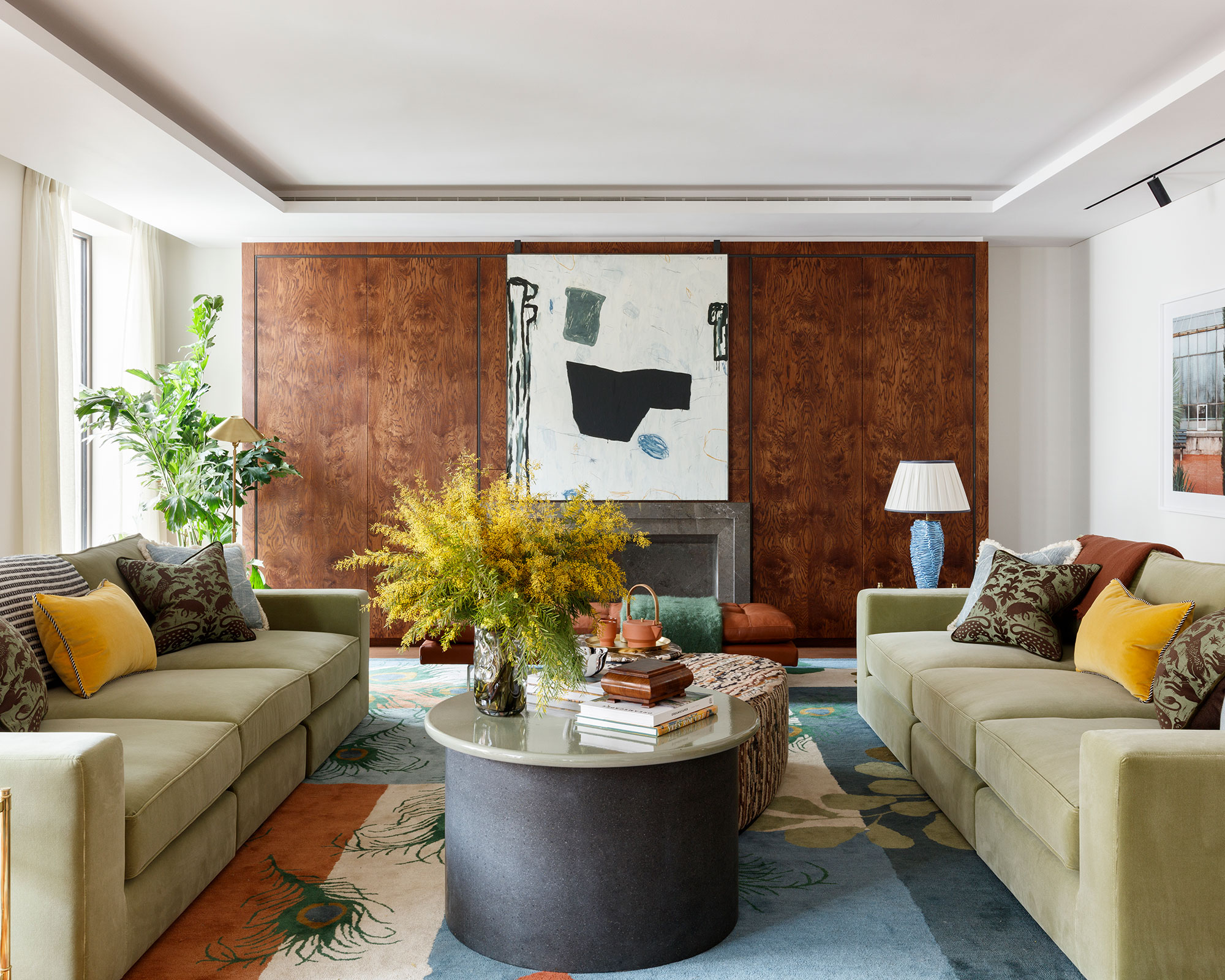
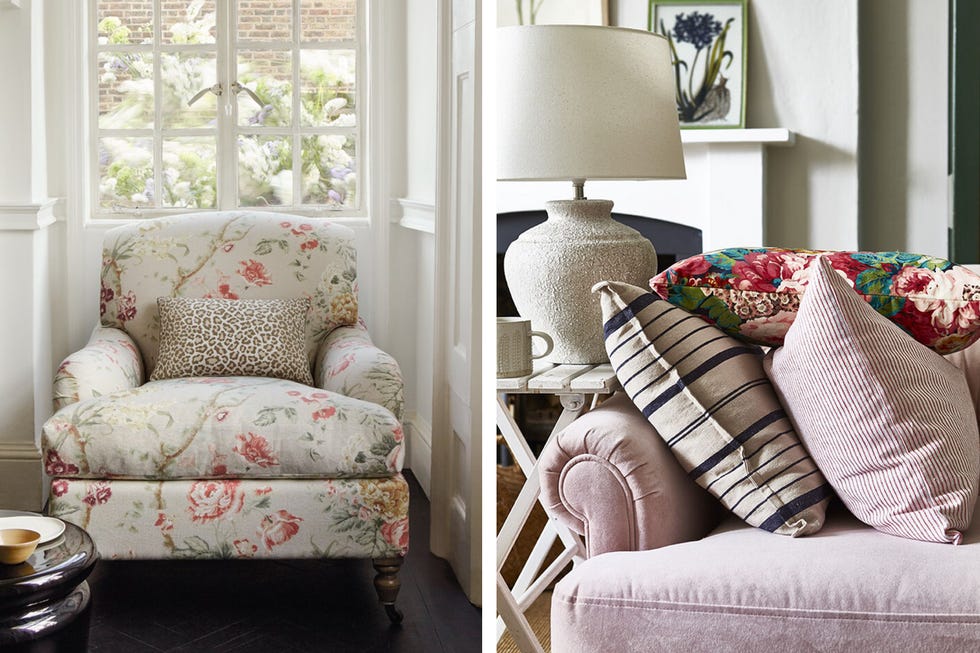
For more generous rooms, small patterns might visually disappear, resulting in flat-looking surfaces. To counteract this, designers often recommend increasing the contrast in hue or tone to ensure the pattern remains clear from afar, or layering different scales together. Small prints are generally best reserved for accent pieces such as lampshades and cushions. In contrast, large-scale patterns are more appropriate for significant surfaces like curtains, wallpapers, rugs, or large upholstered items, where the motif requires ample space to be fully appreciated and appear proportionate.
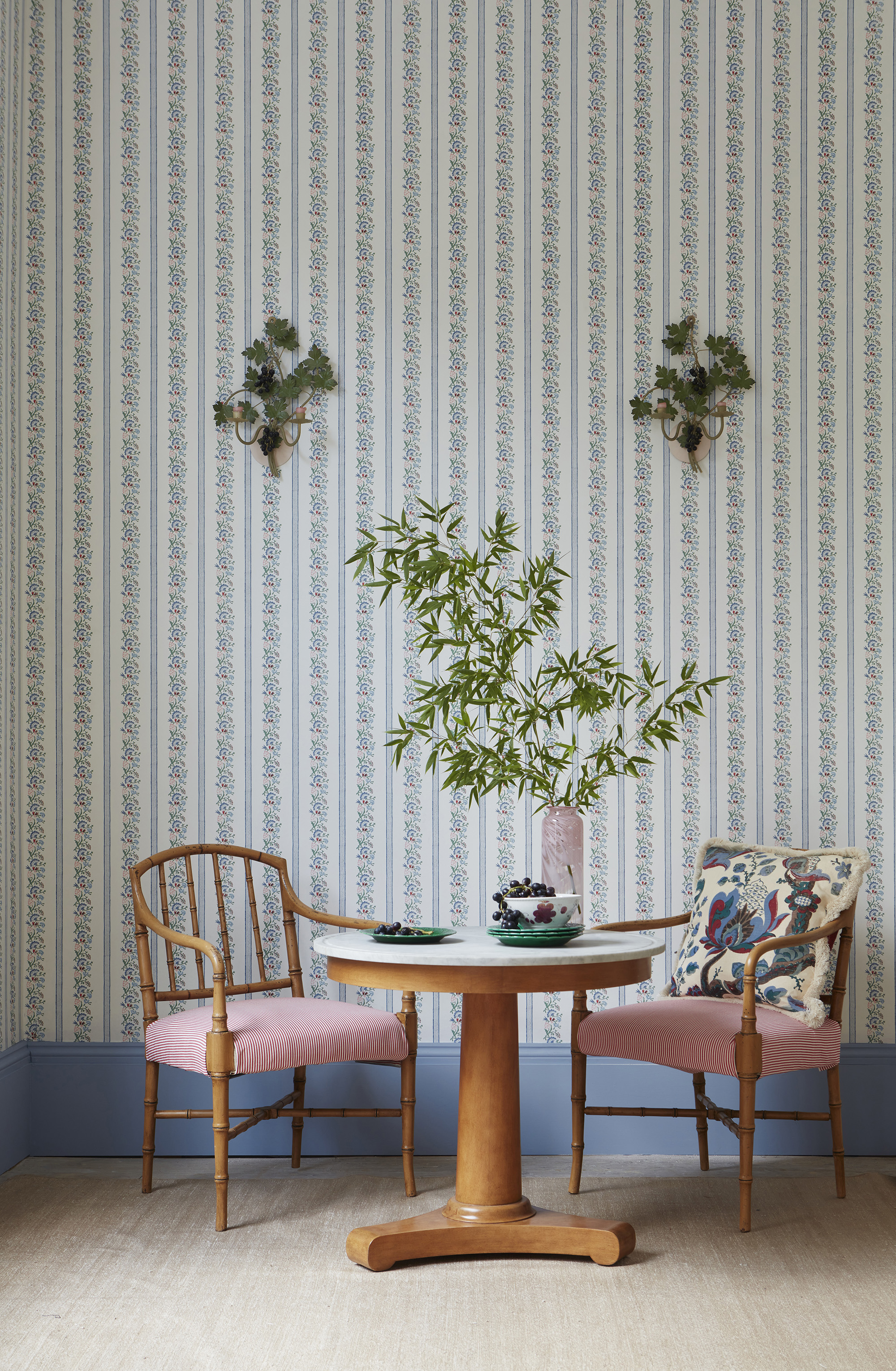

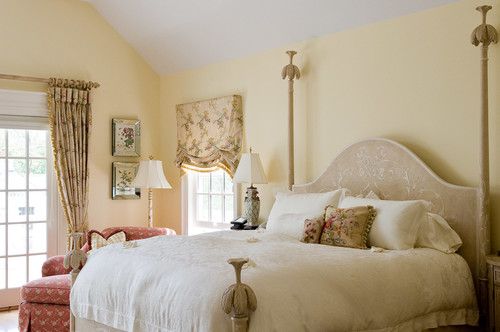
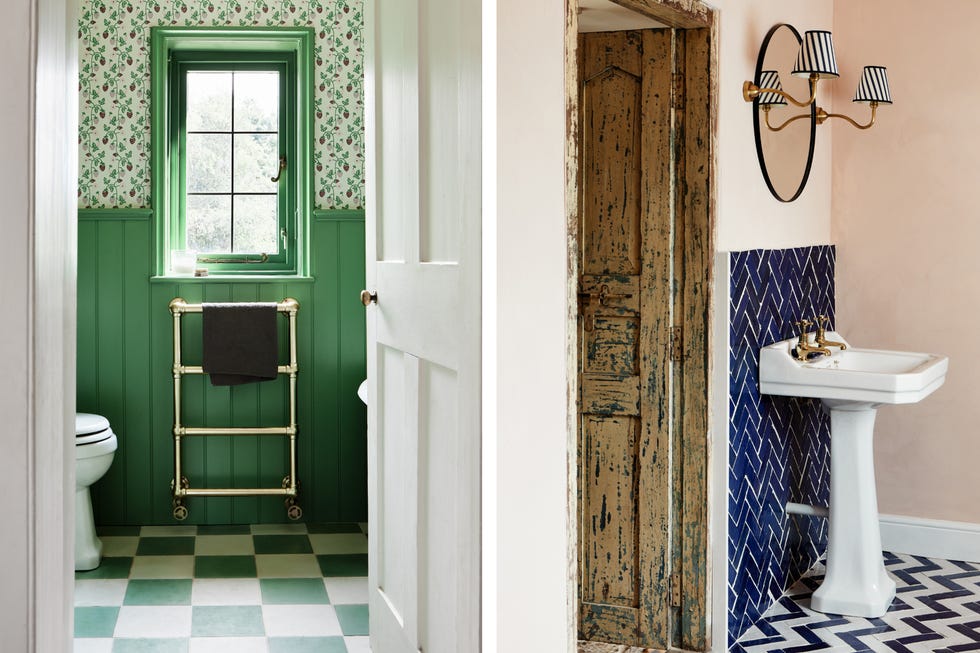
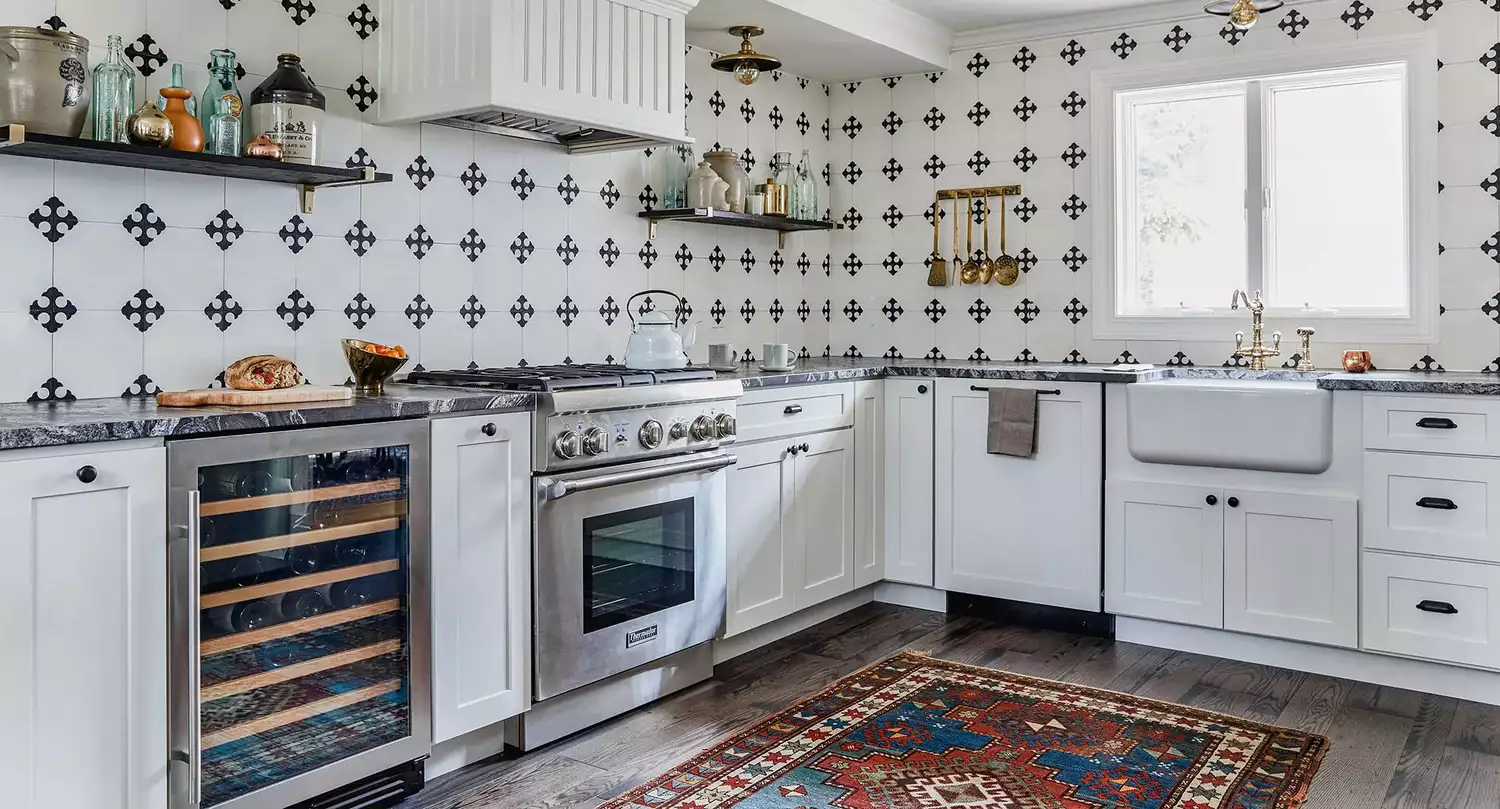
However, large-scale patterns can also be successfully deployed in smaller doses, for instance, on an under-counter sink curtain in a room where fabric opportunities are limited or where other elements are neutral. Headboards and benches at the foot of a bed are also excellent candidates for showcasing large prints to create maximum impact. If the goal is not dramatic flair, small-scale wallpaper in a small room can foster a cozy atmosphere, especially when complemented by a well-chosen woodwork color.
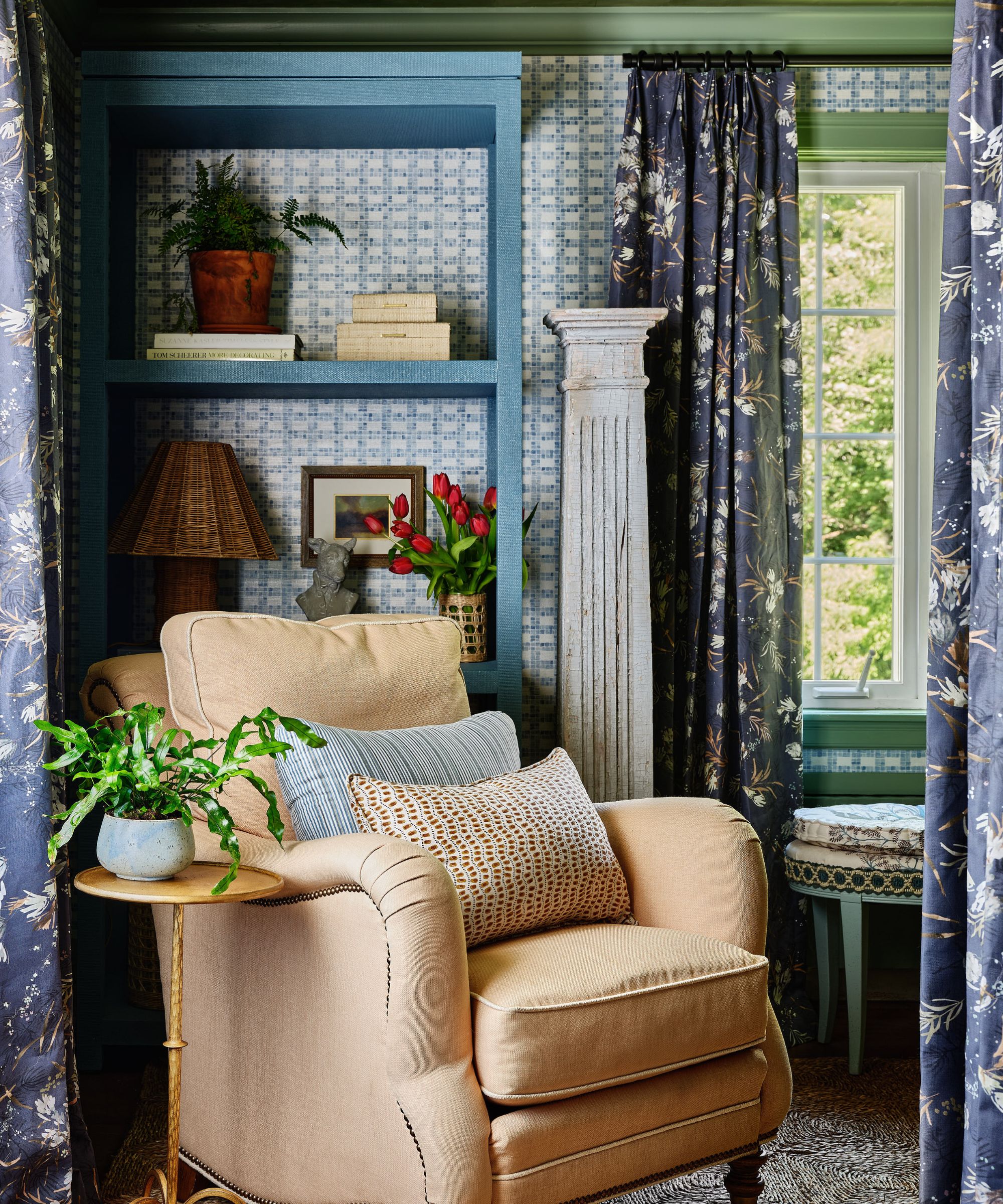

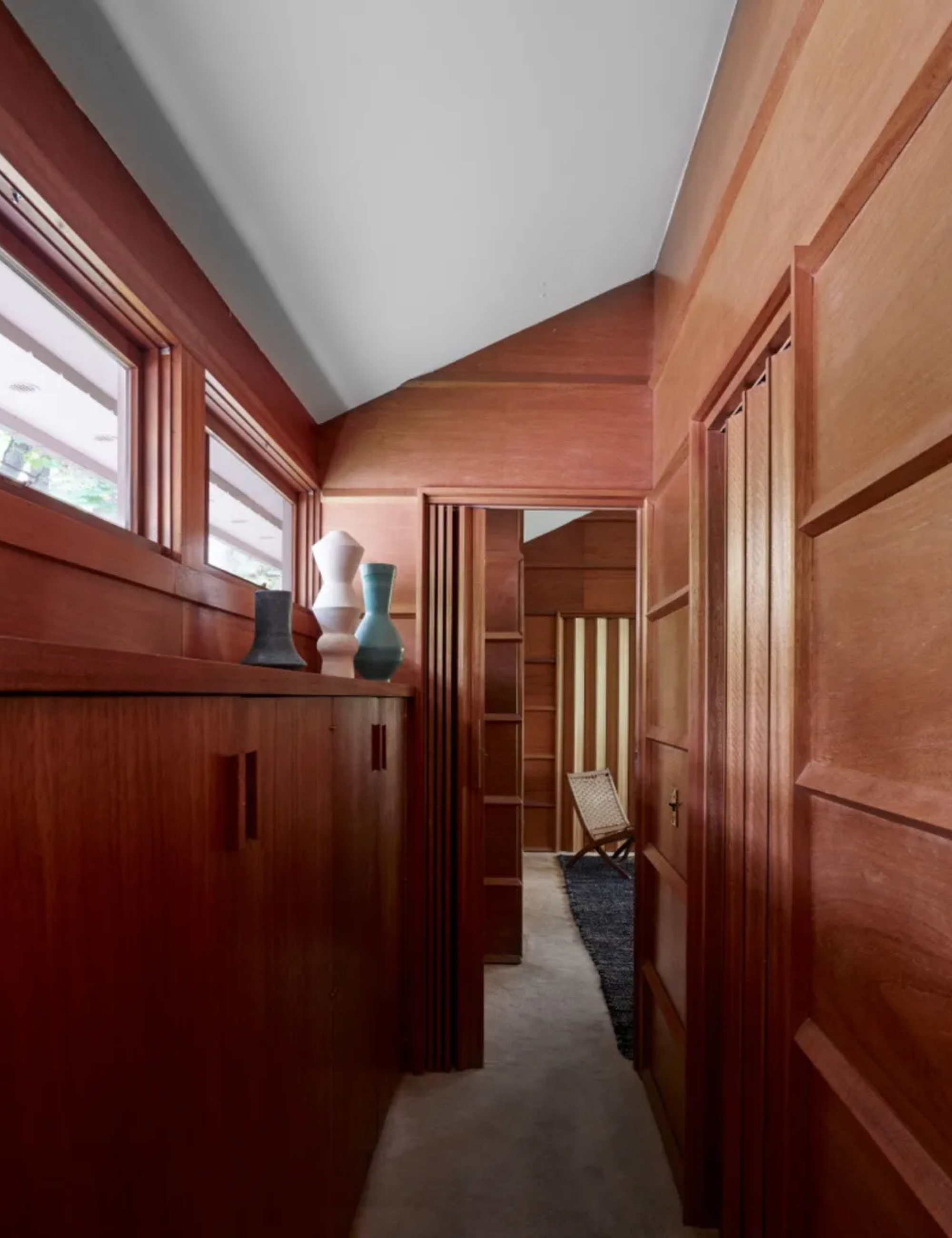
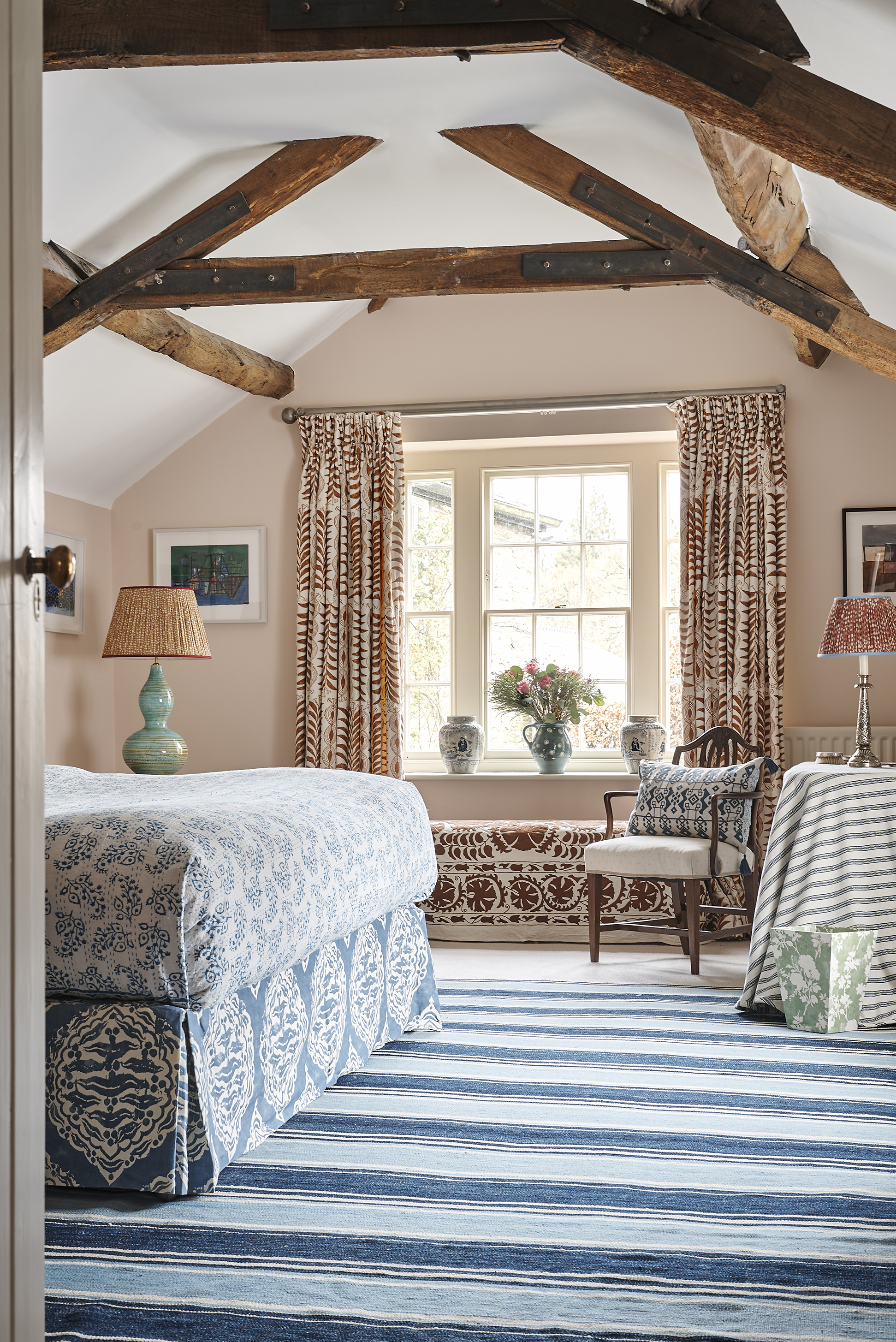
Beyond primary surfaces, patterns can be introduced in unexpected places for subtle yet impactful touches, such as a curtain lining, akin to a suit with an interesting inner lining. Sloped walls and ceilings present unique design opportunities; wrapping an entire room, including the ceiling, in pattern can blur architectural lines and create a jewel-box effect. Both large and small-scale patterns can work on pitched ceilings, though large-scale patterns demand more meticulous pattern-matching, particularly with geometric designs.
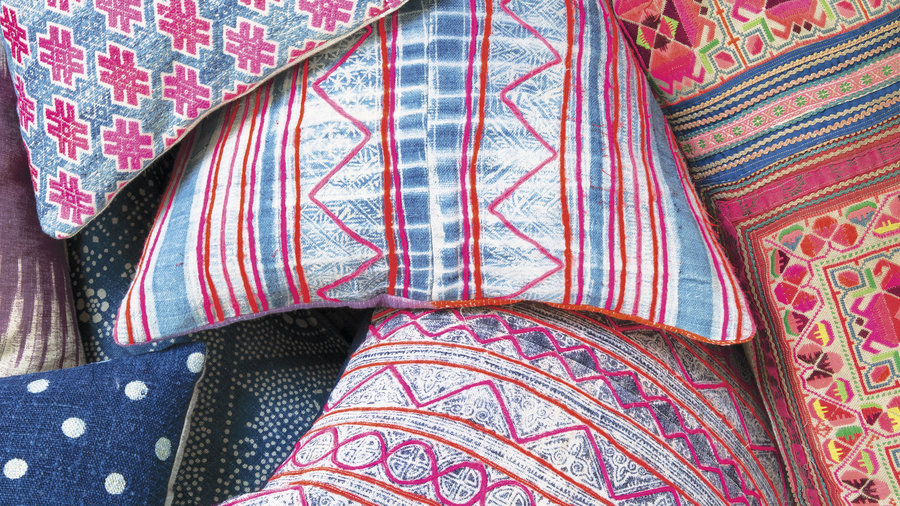
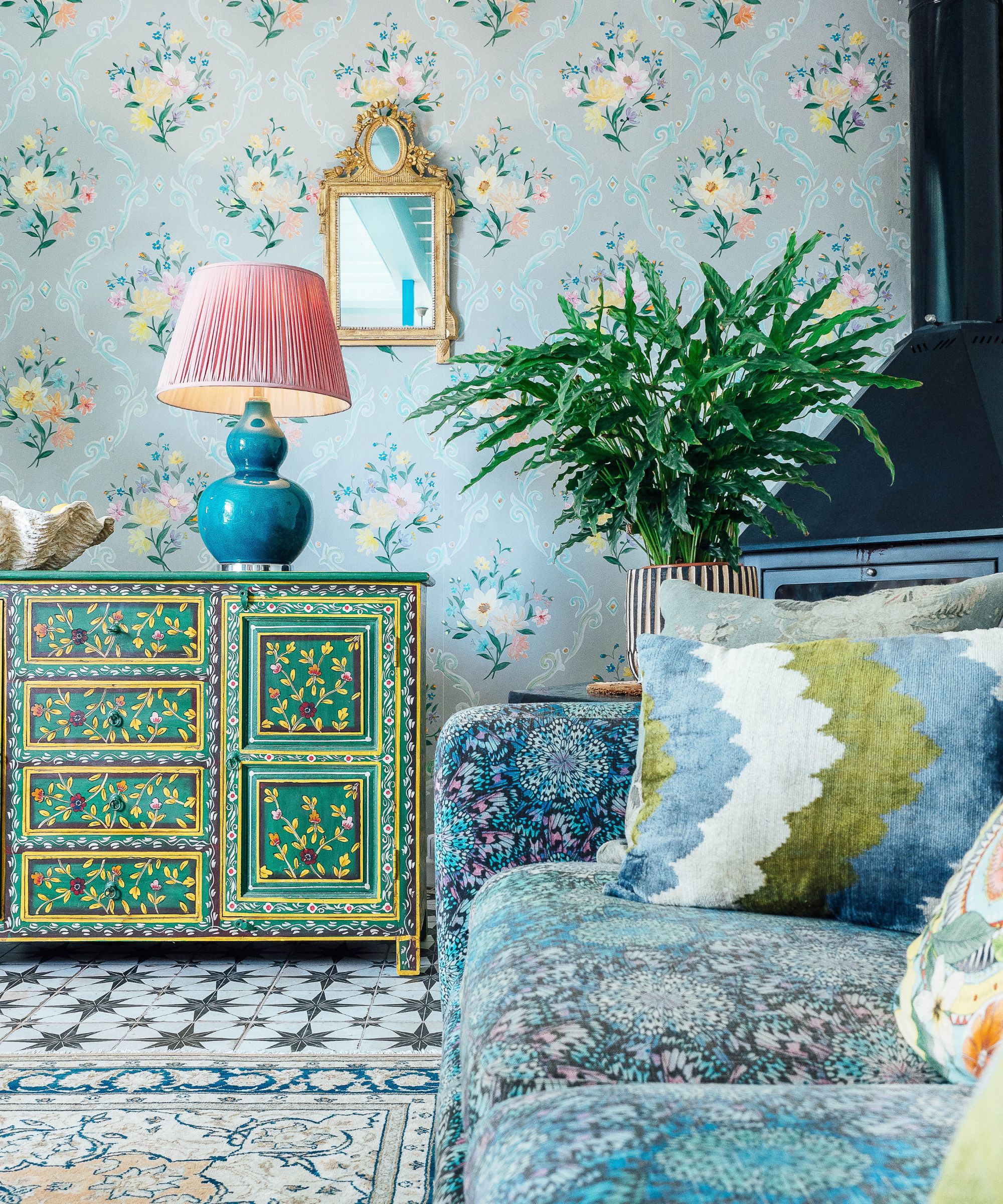
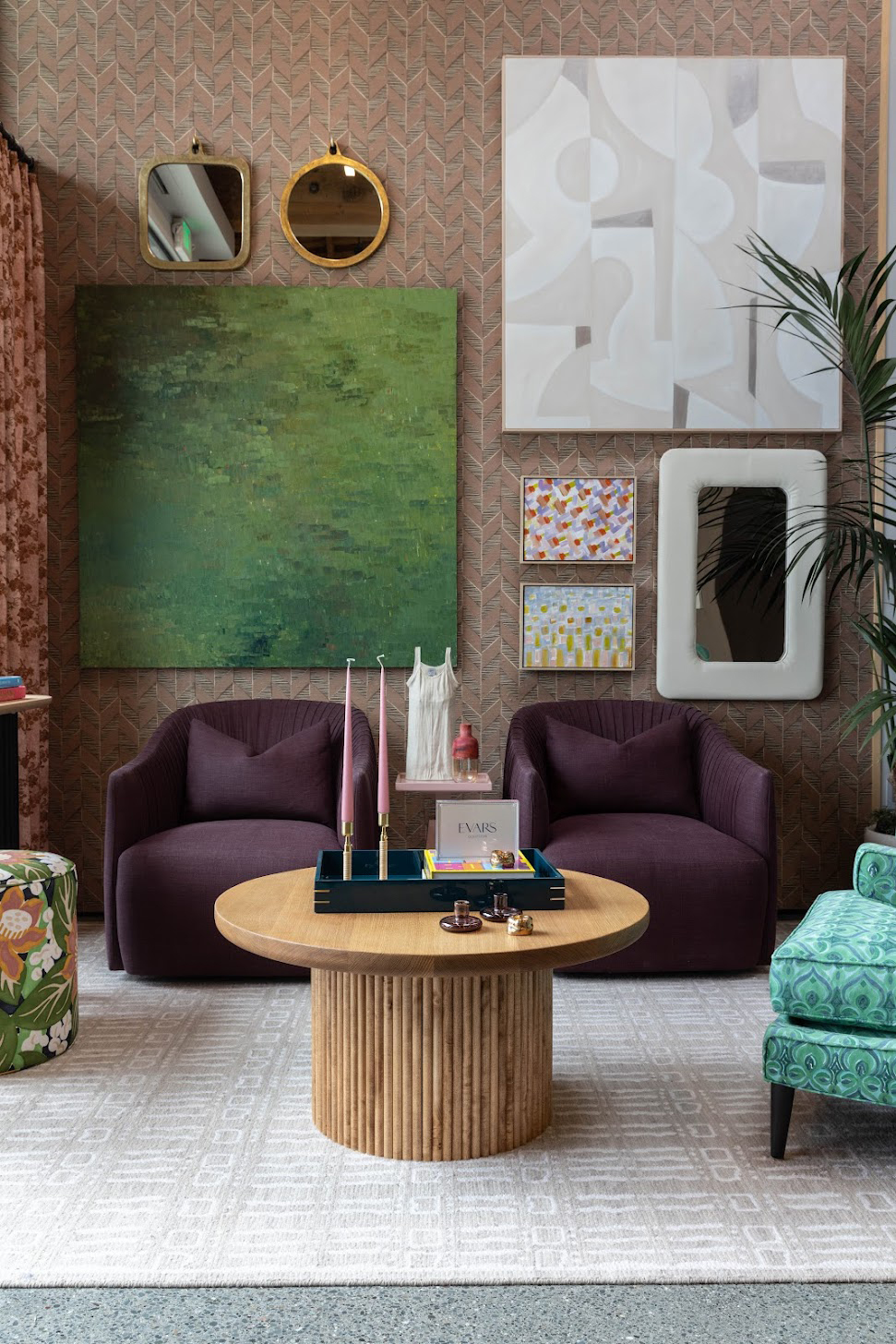
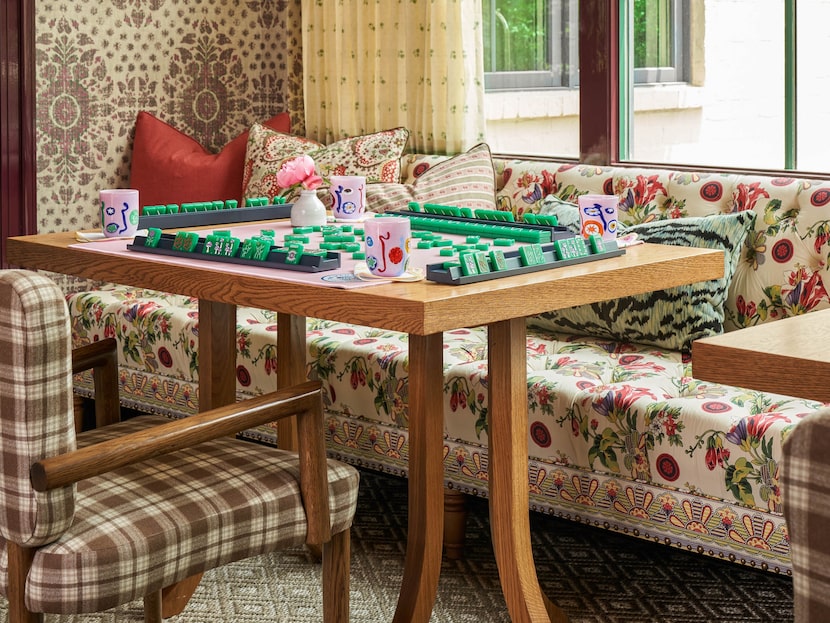
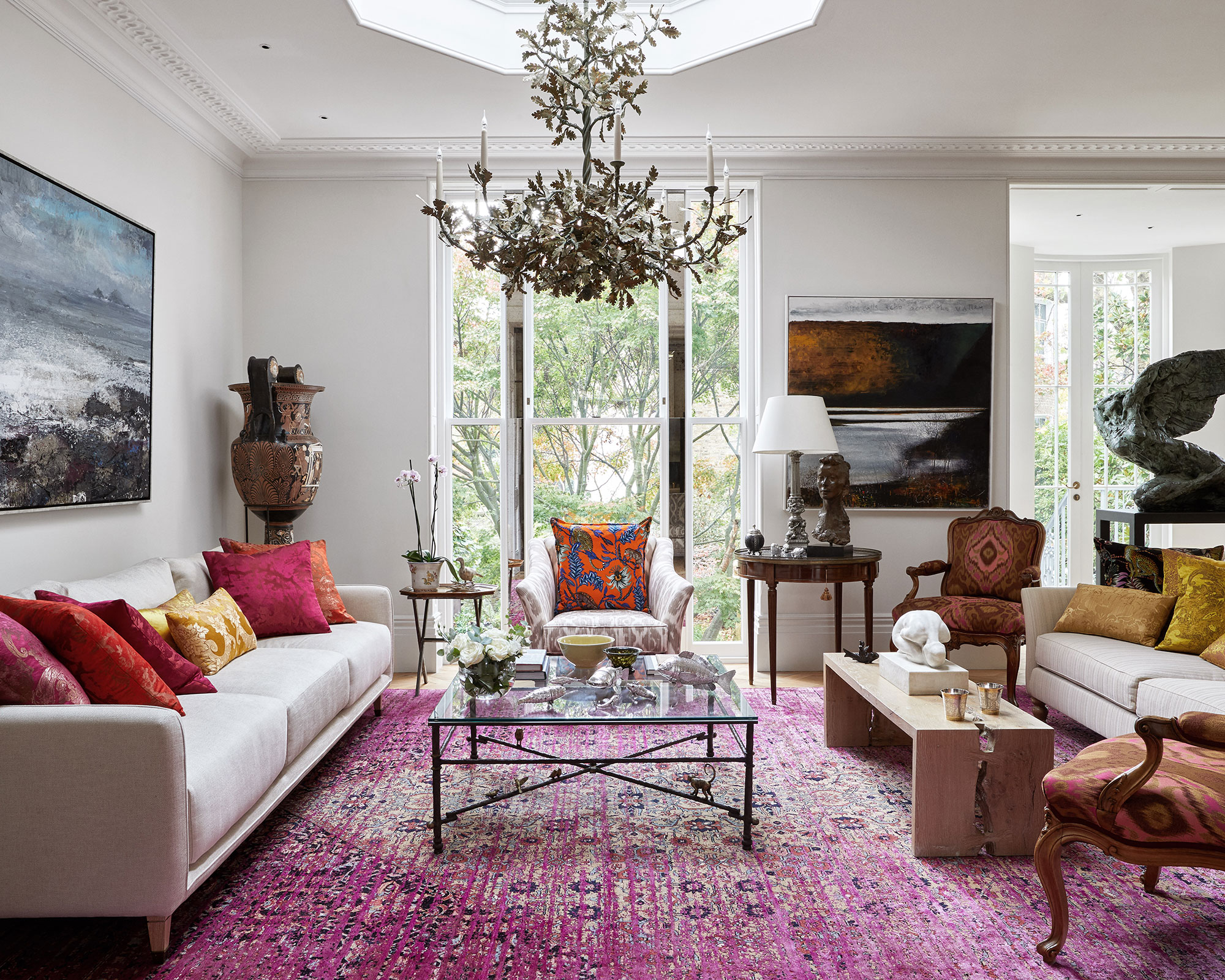
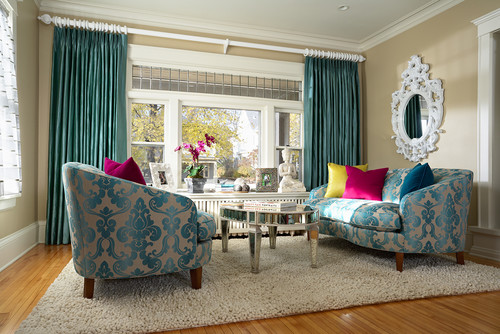
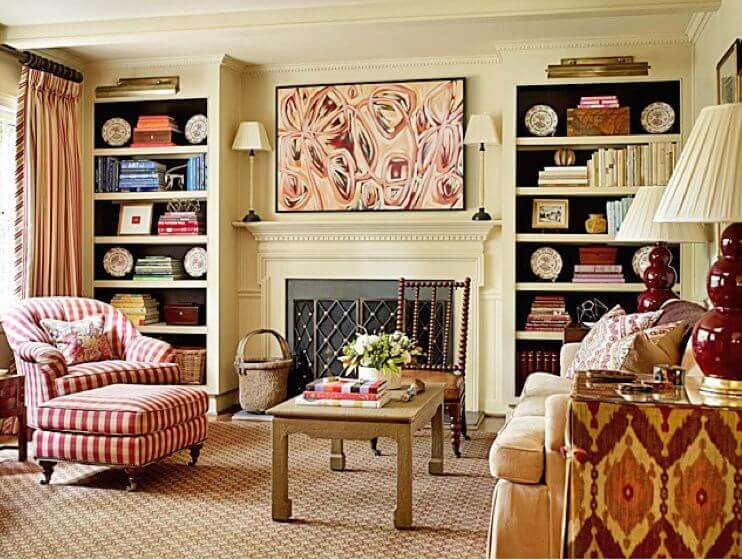
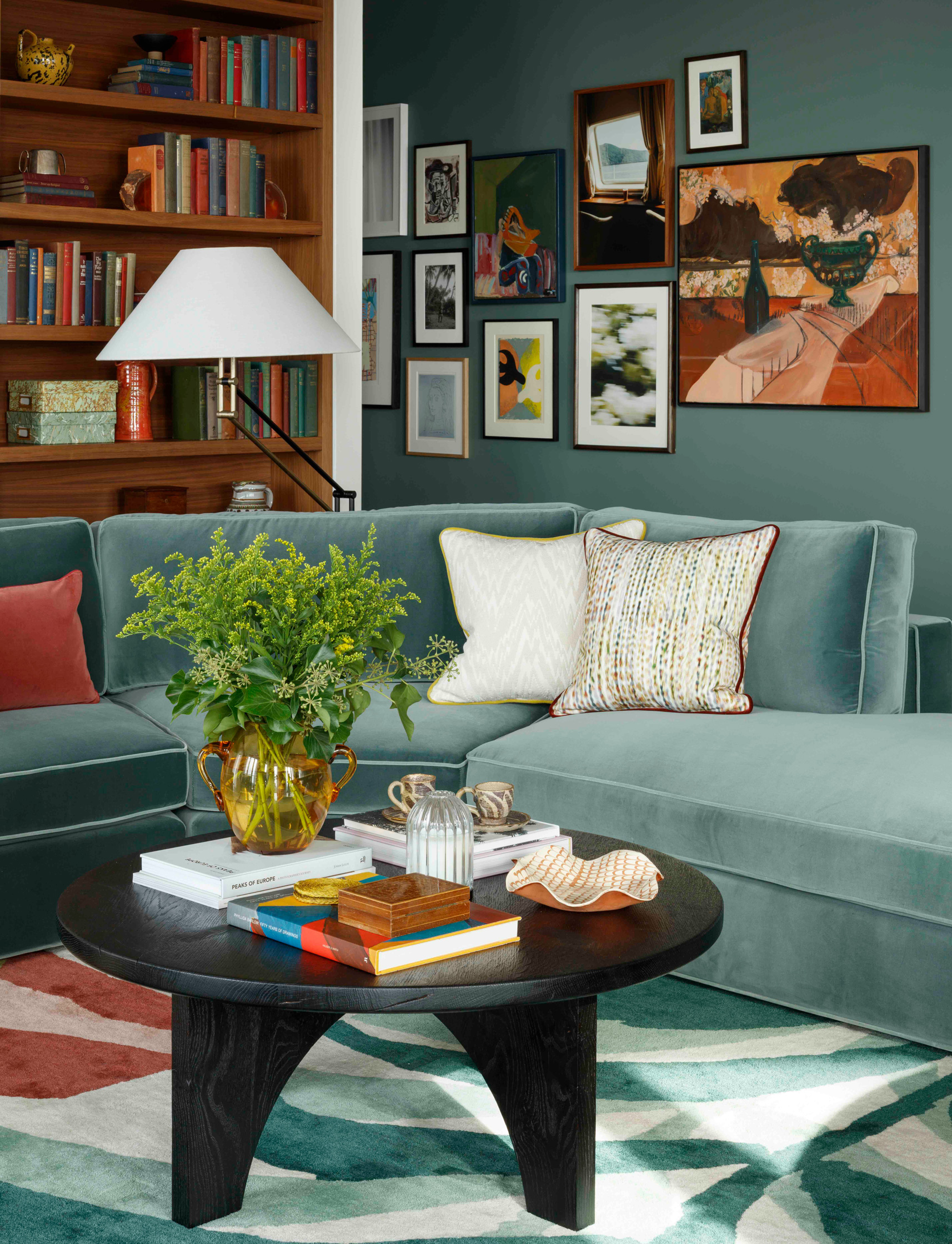
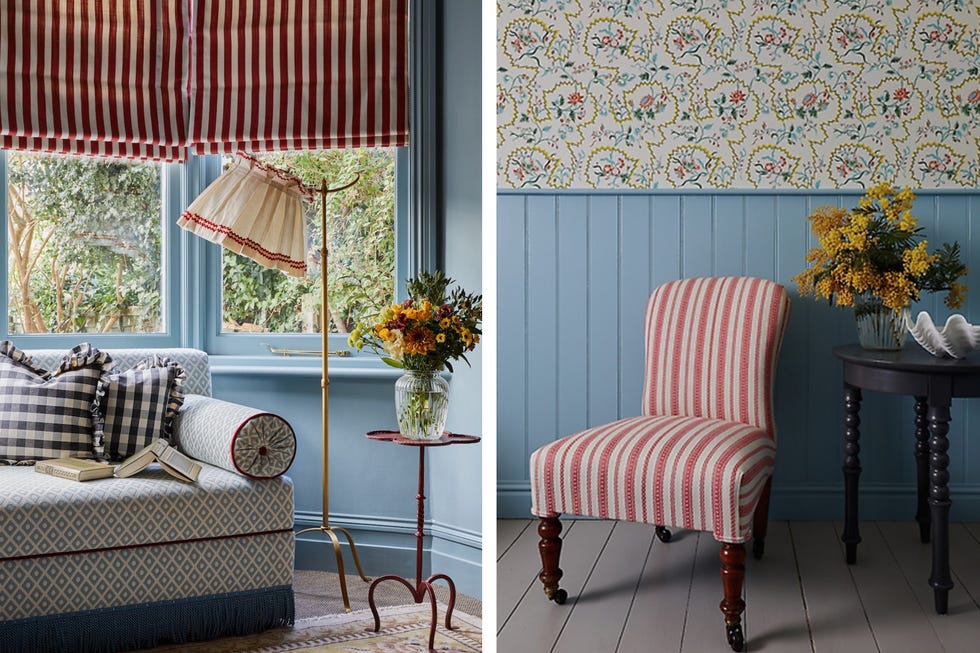
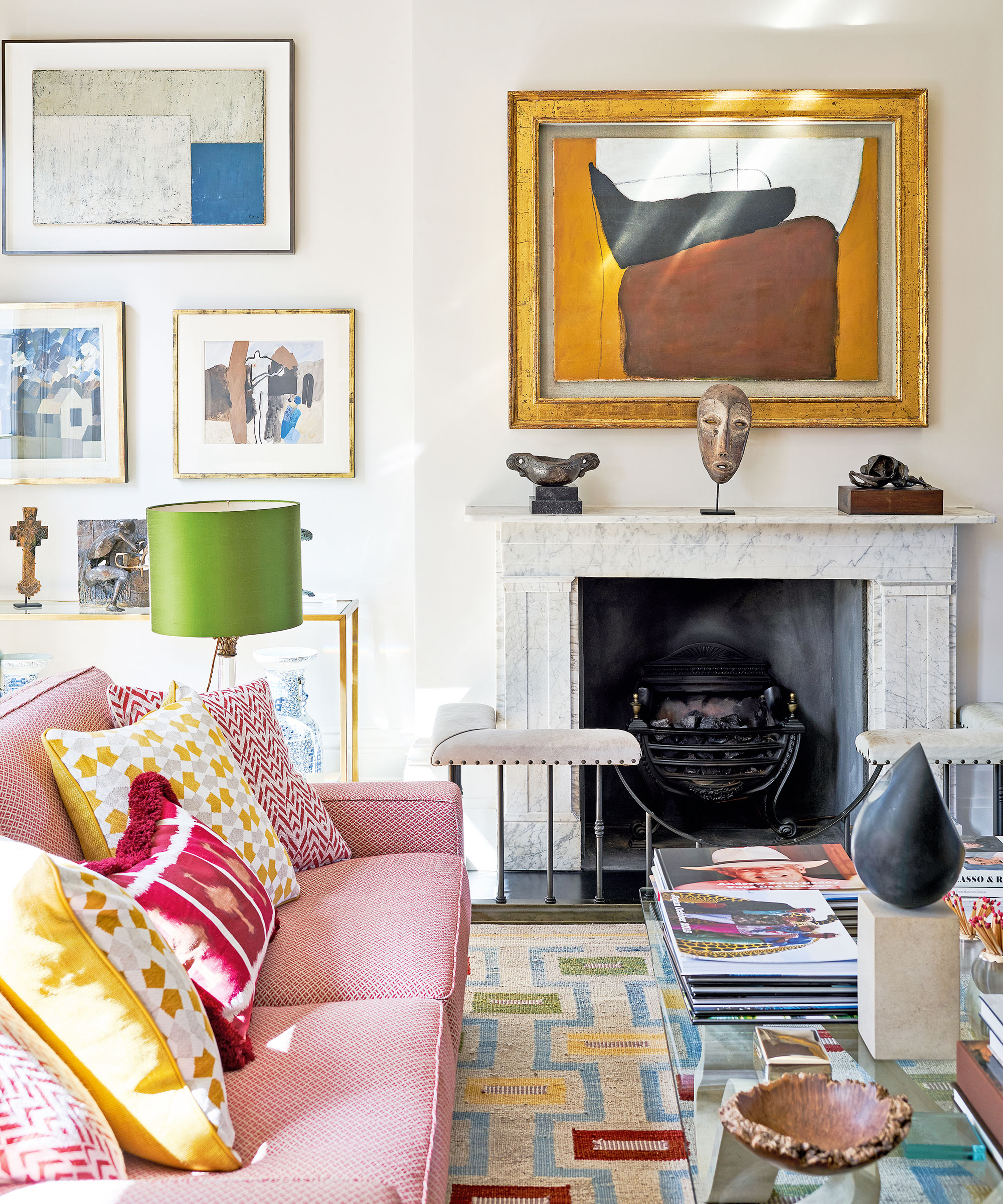
Truly layered interiors often integrate a variety of patterned scales to establish rhythm and contrast. This might involve pairing a large floral wallpaper with a medium-scale ikat on a sofa and a tight geometric on a cushion. Mixing scales is a deliberate choice, requiring connection between elements, often achieved through color continuity. An innovative technique involves using the same pattern in varying scales, such as large checks on wallpaper and small checks on fabric. Lighting also plays a critical role, as natural light can enhance contrast, while strong sunlight can diminish delicate details. Ultimately, the choice of pattern scale is driven by the desired mood and purpose, with balance being key to a successful outcome.
#PatternScale #InteriorDesign #HomeDecoration #WallpaperTrends #FabricPatterns #RoomDesign #DecorativeTechniques #DesignerTips #HomeStyling #PatternScale #InteriorDesign #HomeDecoration #WallpaperTrends #FabricPatterns #RoomDesign #DecorativeTechniques #DesignerTips #HomeStyling
0 تعليق إجمالاً
 لا توجد تعليقات بعد
قد تعجبك أيضًا
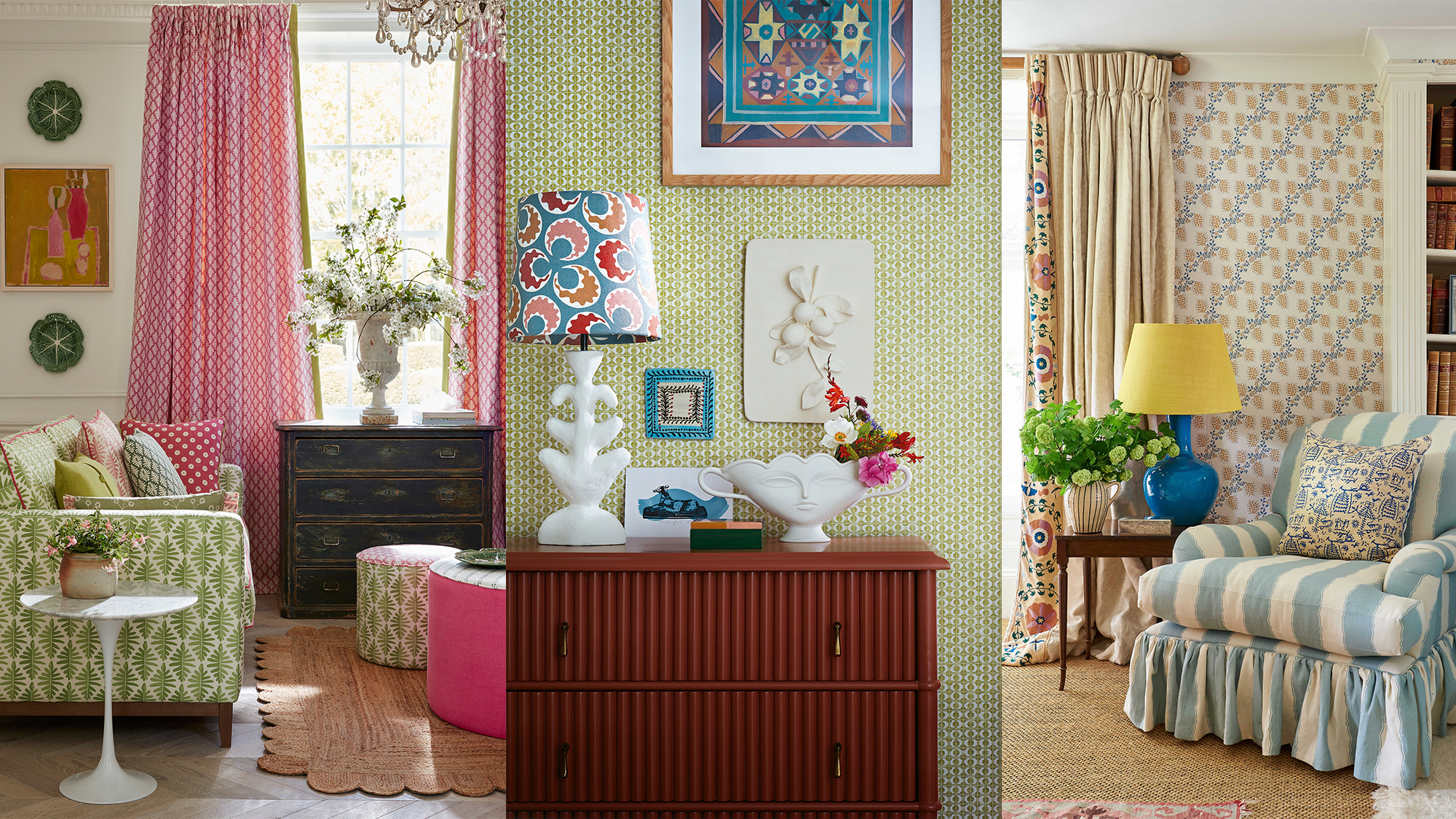
Decorating with pattern – 11 ways to embrace print at home


More is more: Mastering the art of pattern drenching
Light sizing – 5 essential expert tips for choosing the right size ceiling light
Pattern perfection - 4 Oct 2023 - The English Home Magazine

How and why we should be decorating with small-scale wallpaper
The 8 Dos and Don’ts of Mixing Patterns in Your Home
Pattern Drenching Is the Latest Maximalist Approach to Home Decor—Here’s How to Embrace It Without Feeling Overwhelmed

Mixing patterns and prints in interior design – a 12-step masterclass
9 Ways to Decorate with Patterns
7 Golden Rules for Mixing and Matching Patterns That Designers Swear By


A Wild Guide to Gingham, Jacquard, Damask, and Other Fabric Patterns
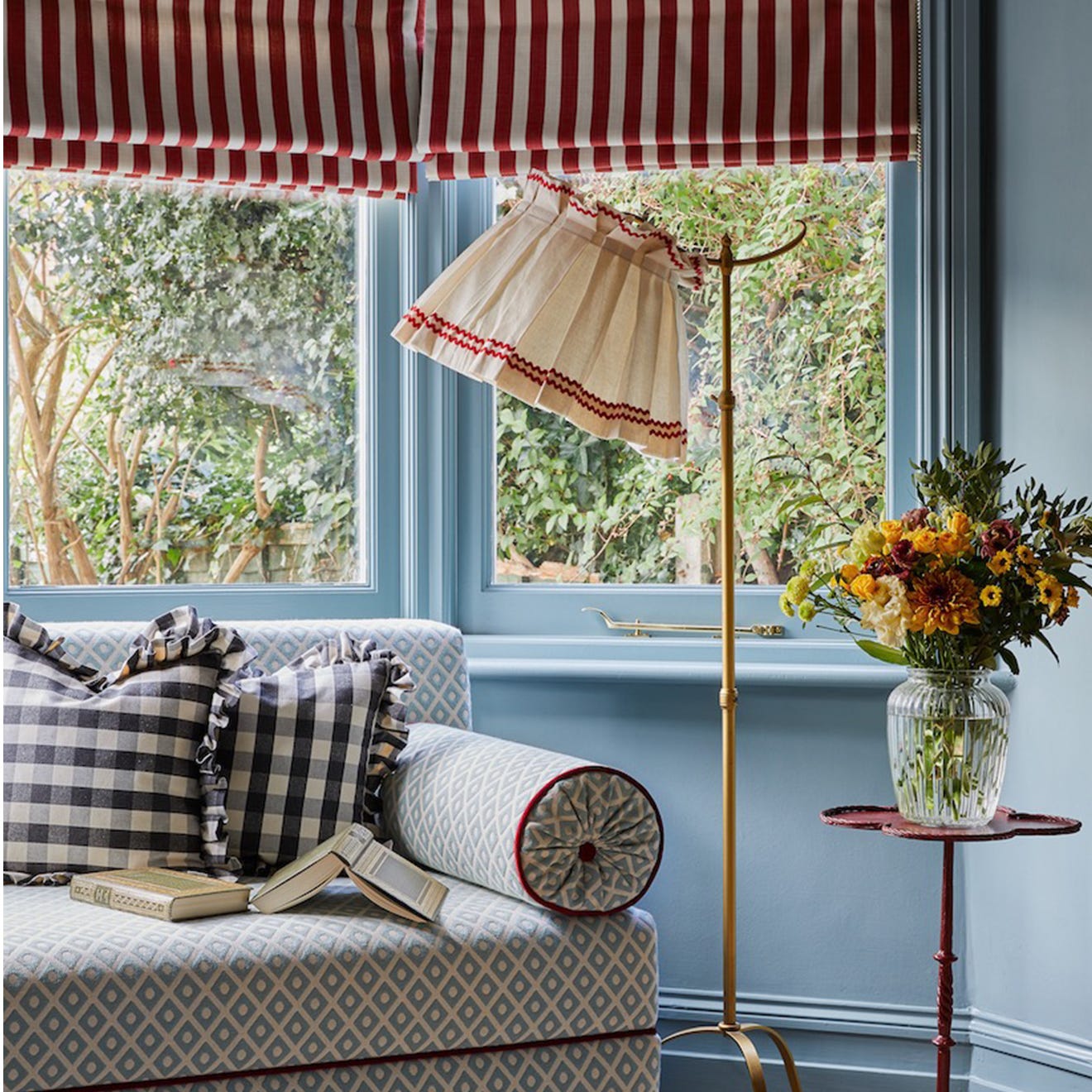
How to use clashing patterns in your home, according to design experts
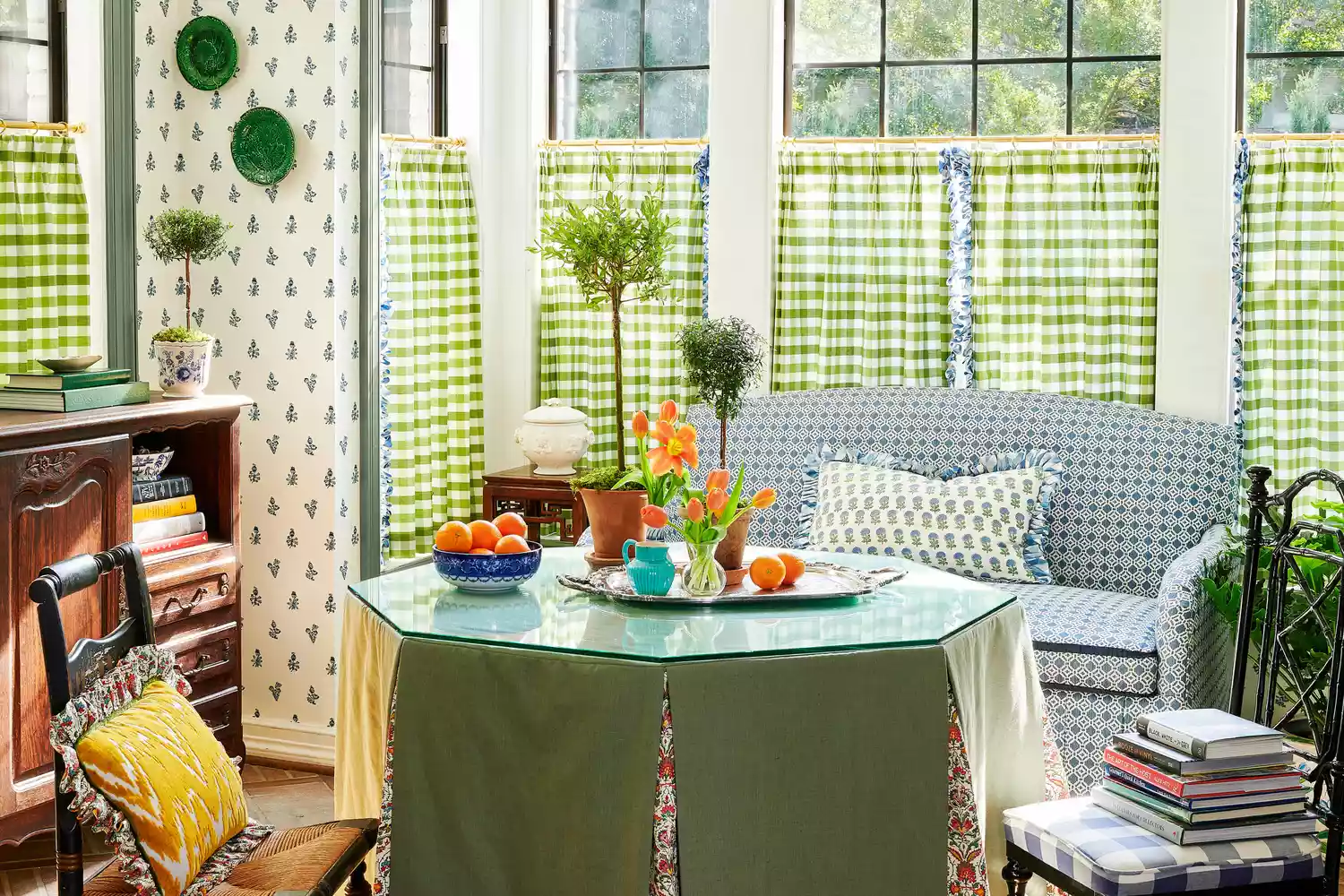
This Bold Decor Trend Is Proof That Grandma Is Always Right
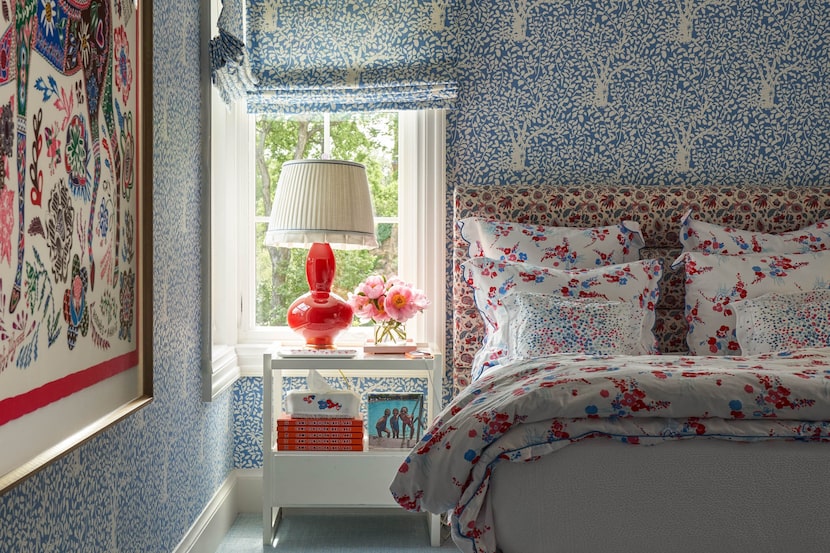
Pattern play: These 15 rooms by Dallas designers will inspire mixing and matching
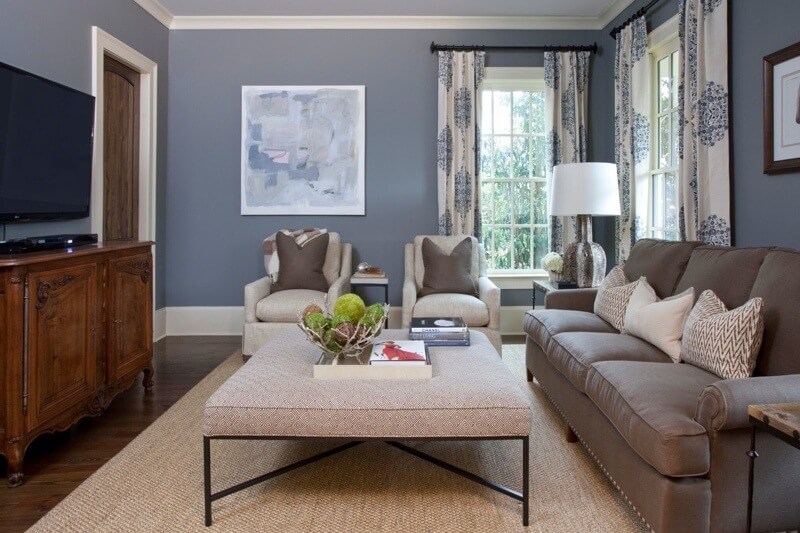
The ONLY Advice You Need to Mix Patterns Like a Pro!


Enter the world of pattern drenching

Pattern clashing is the tricky trend we are loving – 10 rules designers always follow to ensure it works
‘Size really is everything’ – experts reveal how big your hallway runner should be and how to get the right size every time
5 Ways Designers Use Scale to Make Rooms Feel Right
5 Designer-Approved Ways to Decorate a Large Living Room Without Breaking the Bank