5 Stair Safety Tips for Dogs
Ensuring the safety of dogs around stairs is a critical concern for pet owners, as stair-related incidents can lead to injuries ranging from muscle strains to more severe conditions like fractures, head injuries, or even fatalities. While many dogs inherently learn to navigate stairs, certain groups, including puppies, older dogs, and breeds predisposed to back problems like Dachshunds, Basset Hounds, and Corgis, are at a higher risk of accidents. Owners must proactively implement safety measures to protect their canine companions.
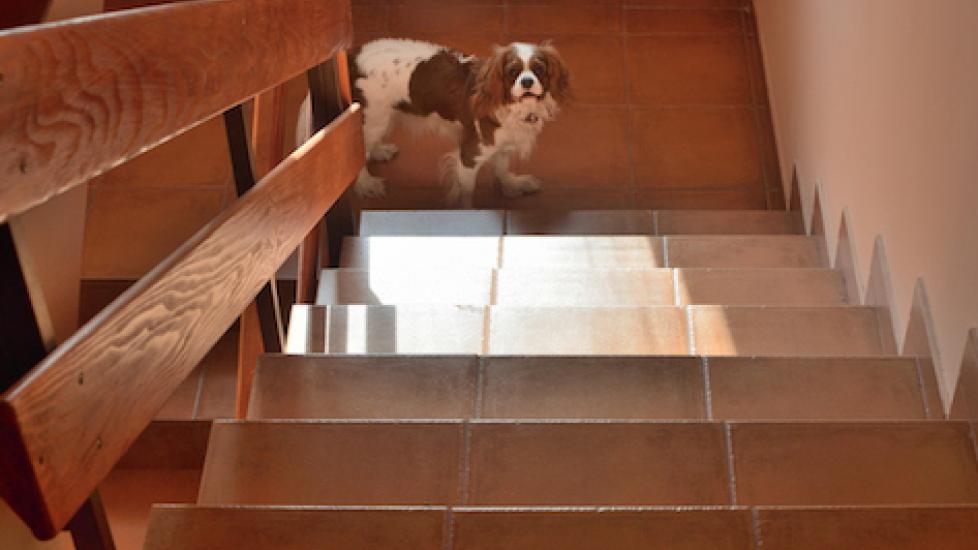
Supervising dogs on stairs is not merely about preventing immediate falls but also serves as a crucial diagnostic tool. Observing how a dog ascends and descends stairs can reveal underlying health issues. For instance, dogs with orthopedic problems affecting their hips, knees, or hind legs may struggle to climb stairs but descend with ease. Conversely, difficulty descending, accompanied by reluctance or pain, often indicates issues with elbows or shoulders. Neurological problems, such as those involving the spine, neck, or discs, can manifest as pain when a dog lifts or lowers its head on stairs. Additionally, dogs with vestibular disease, which impacts balance, might hug walls for support. Detecting these signs early through observation can prompt timely veterinary intervention, potentially preventing serious injuries or worsening conditions.
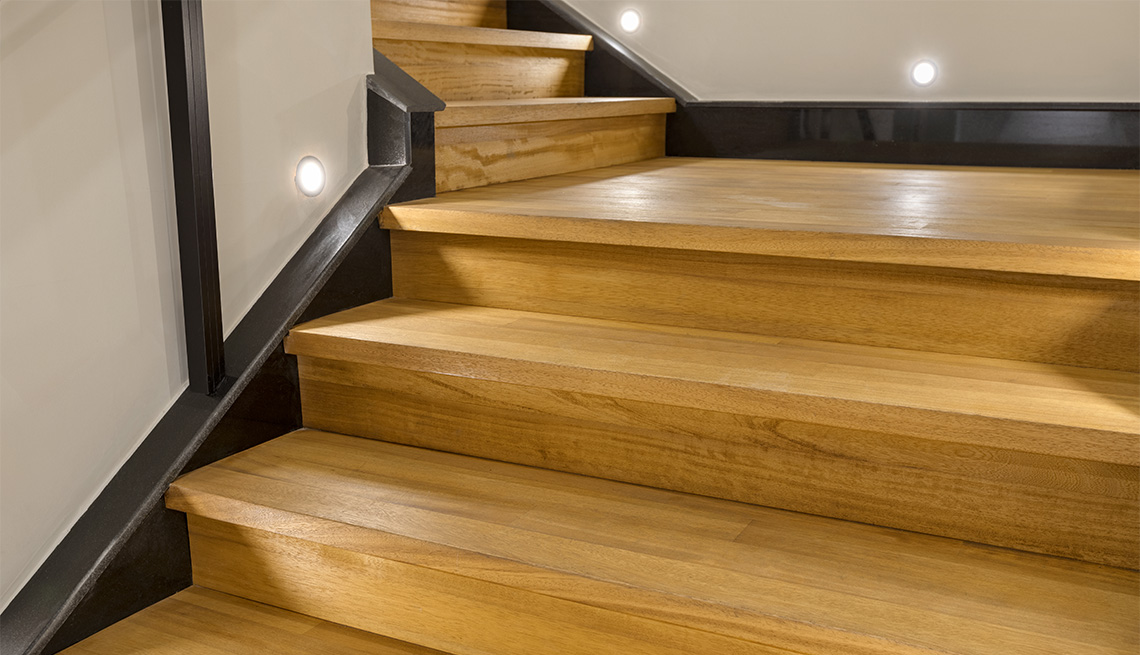
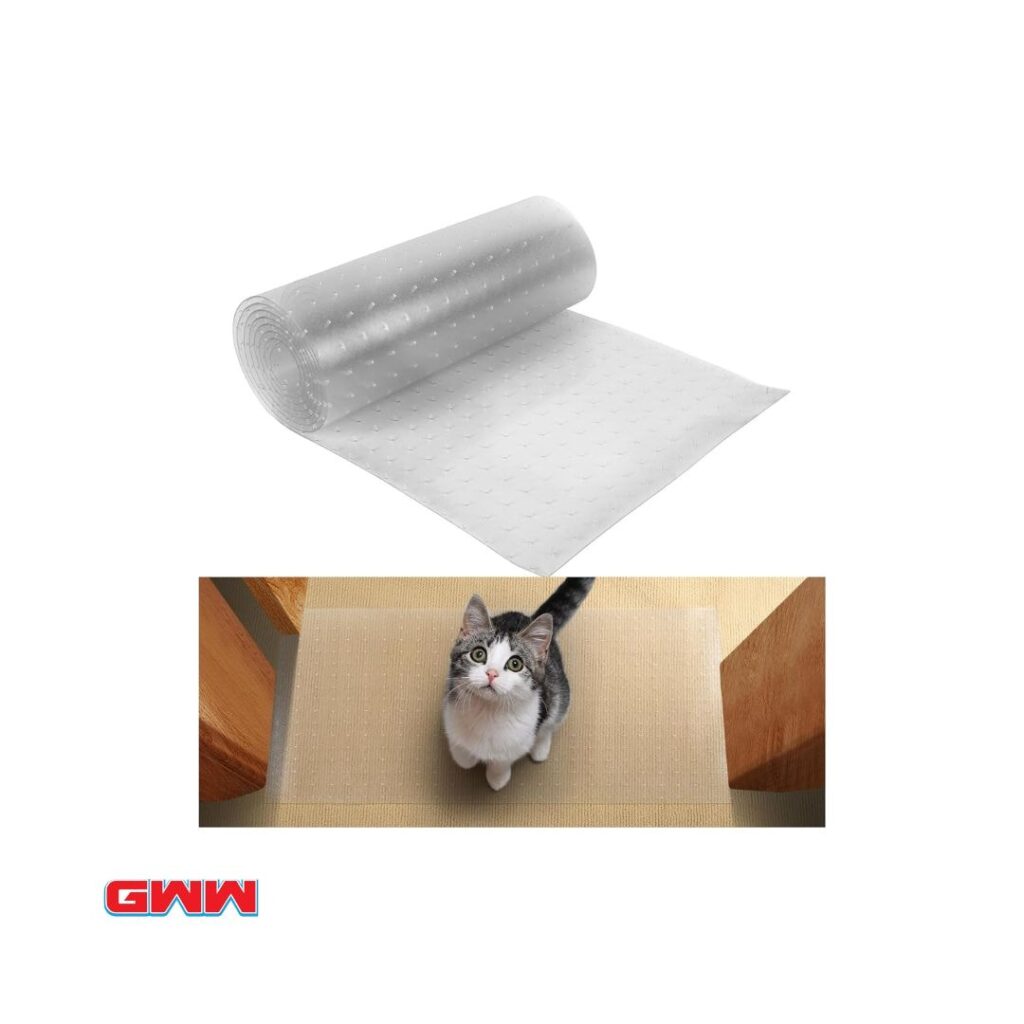
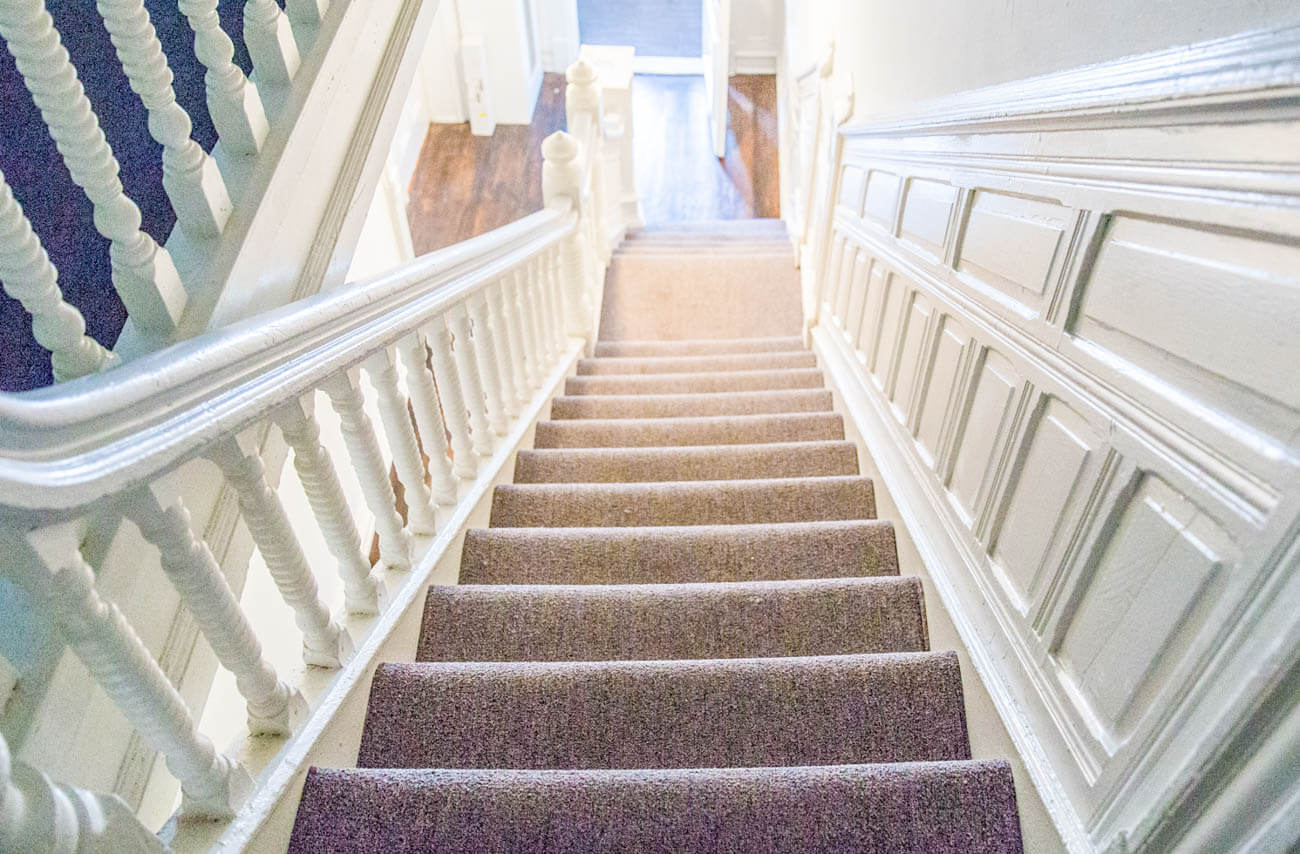
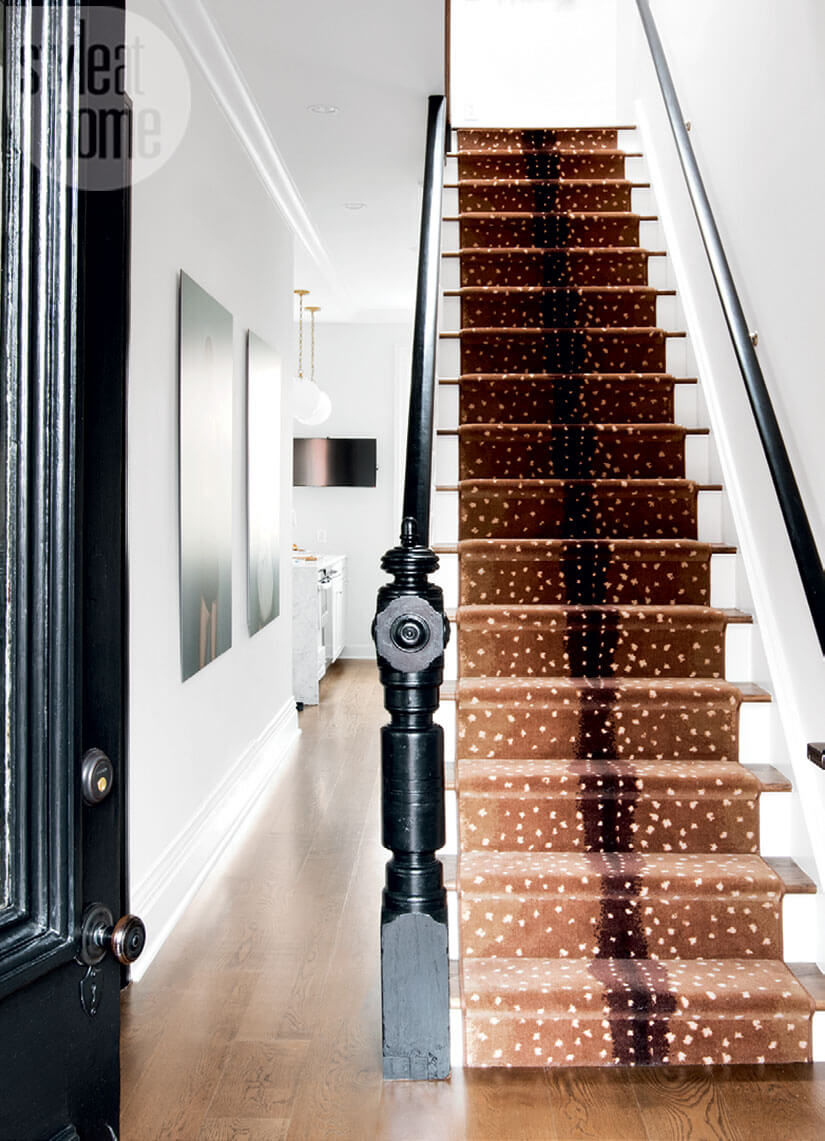
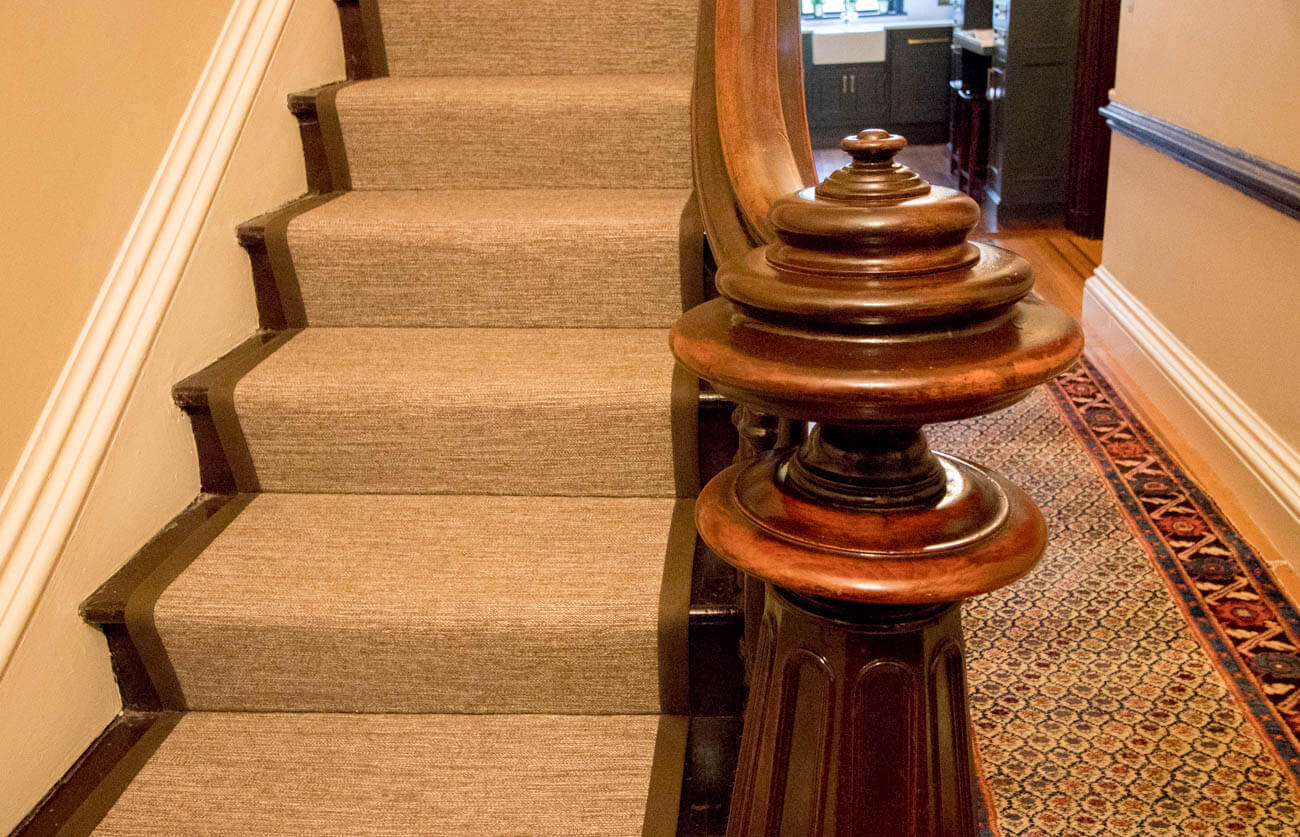
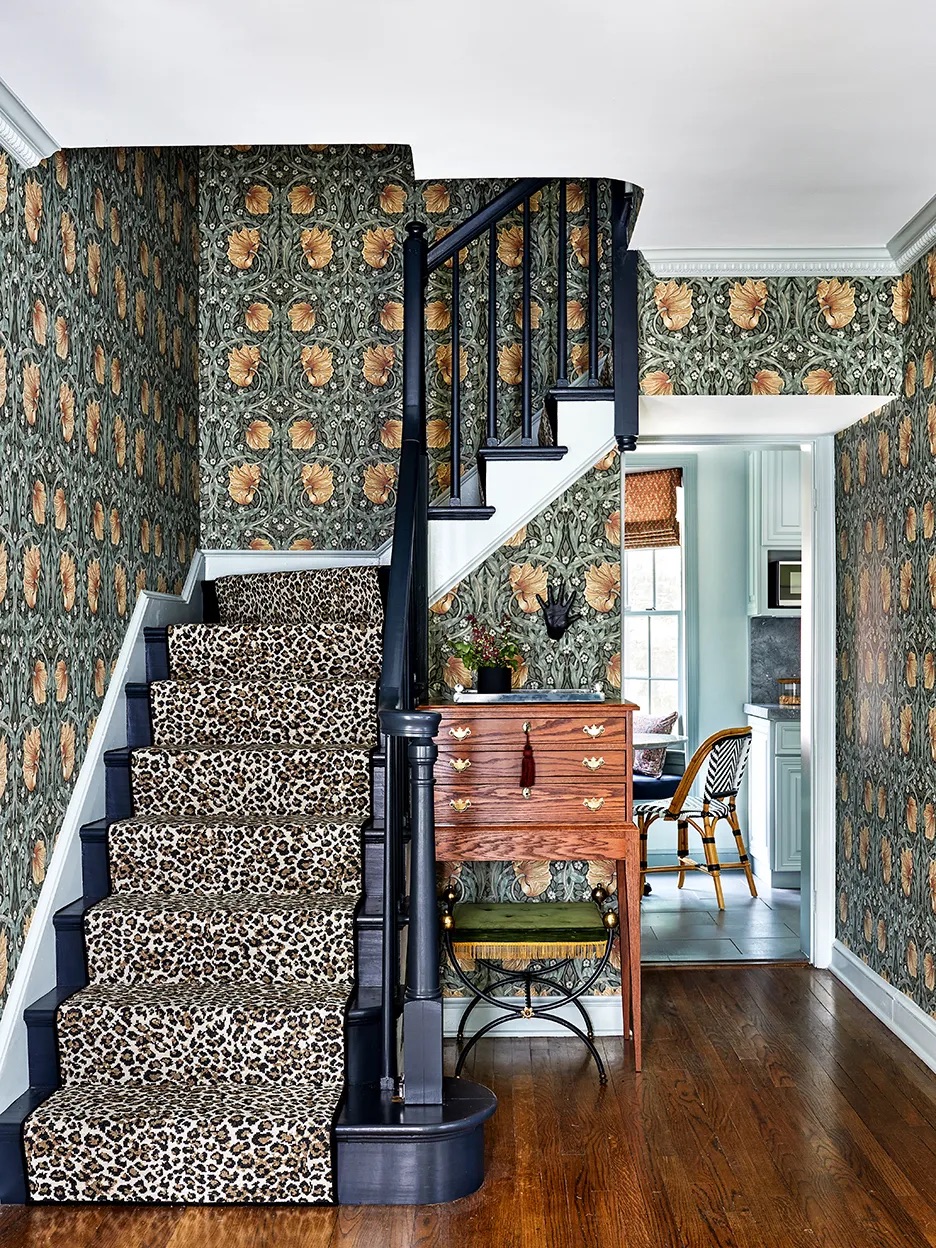
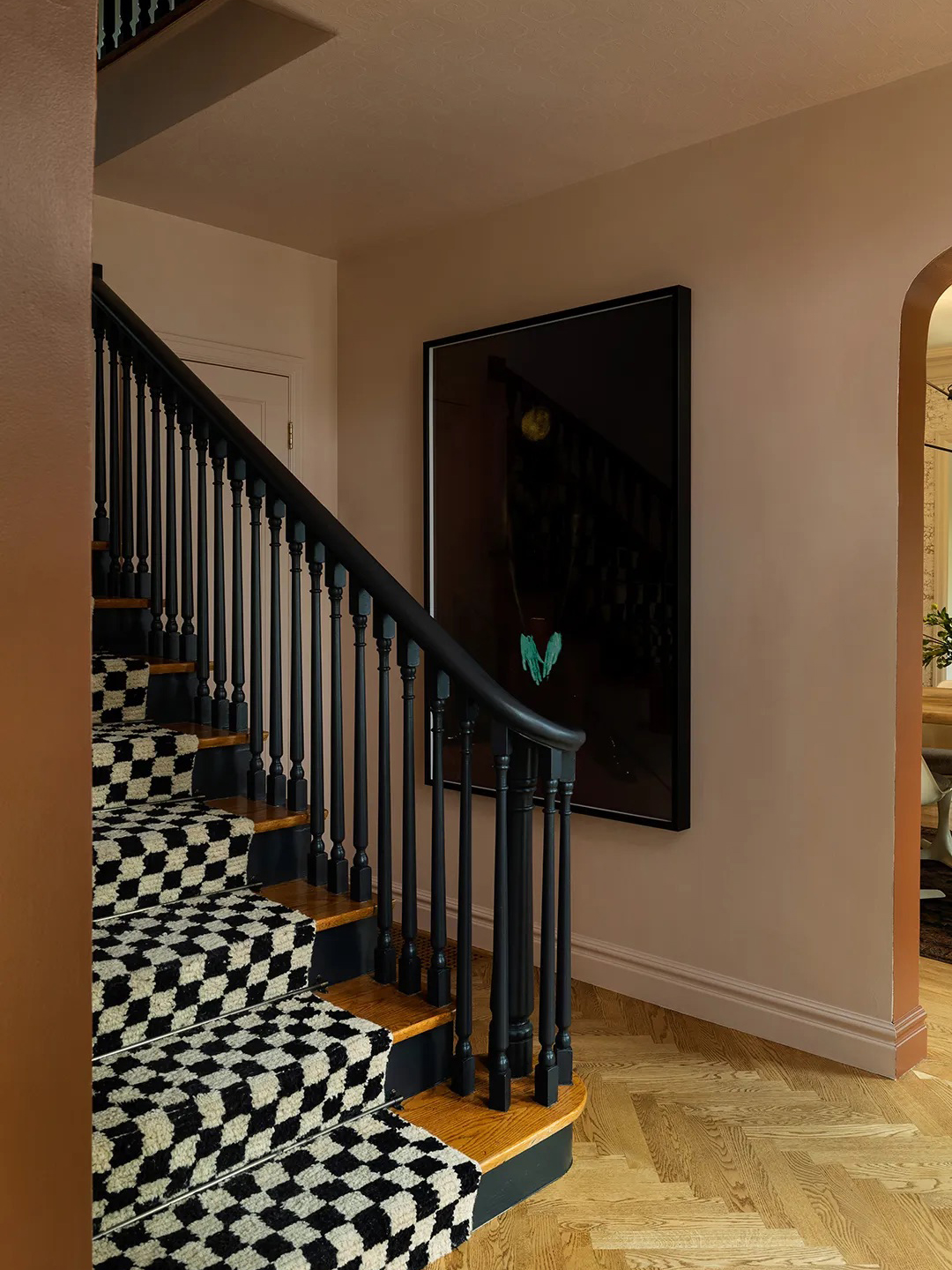
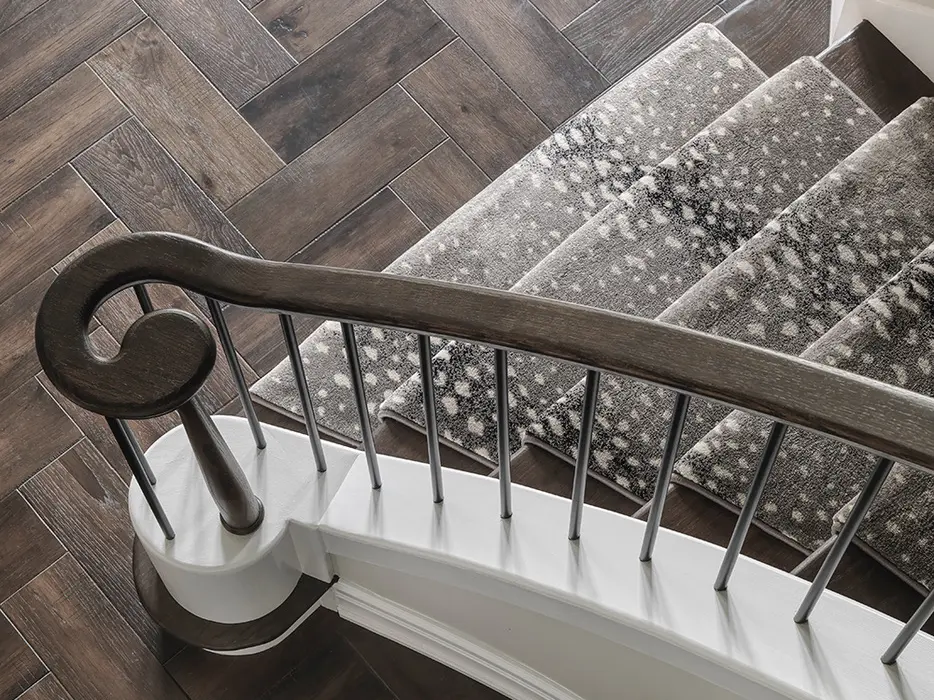
Improving visibility on staircases is a straightforward yet effective safety measure. Poorly lit areas pose a significant risk, especially for dogs with impaired eyesight, depth perception challenges, weakness, or limited mobility. Adequate lighting allows dogs to better perceive the stairs and engage their natural caution, reducing the likelihood of missteps. Installing stair runners or carpeting is another essential tip. While hardwood floors are a popular aesthetic choice, a carpeted surface or a stair runner provides superior traction, minimizing the risk of slipping. For homes with uncarpeted stairs, alternative solutions like toe grips, which are small rubber bands worn over the toenails, can offer additional traction, proving to be a practical and tolerated option for most dogs who might refuse to wear boots.
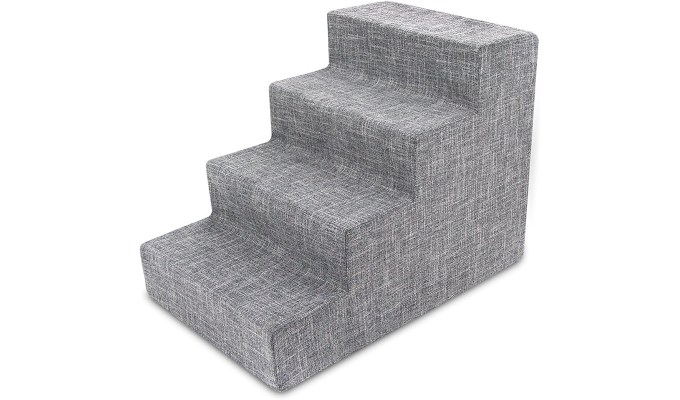
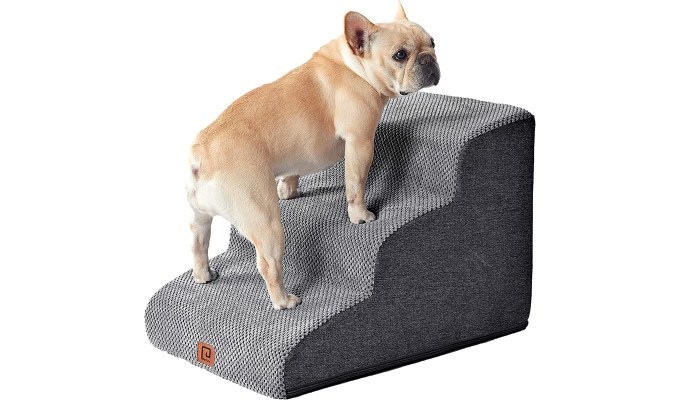
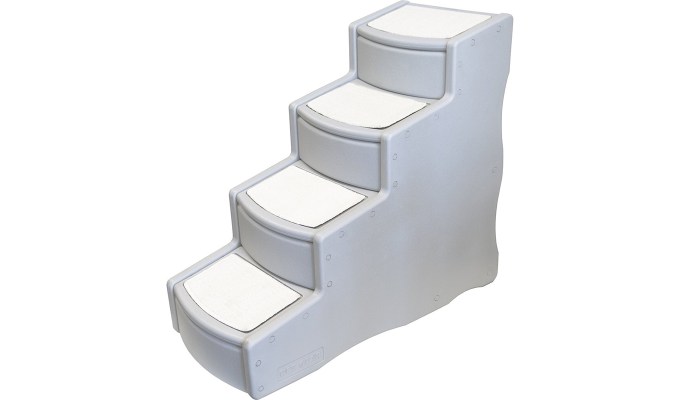
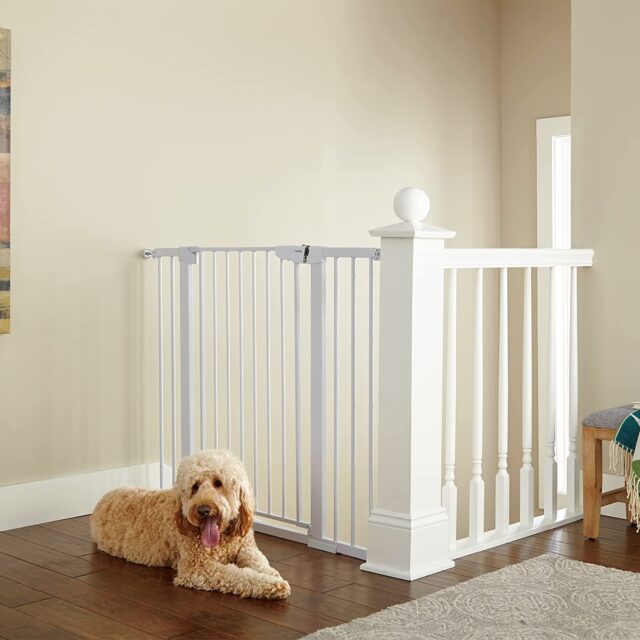
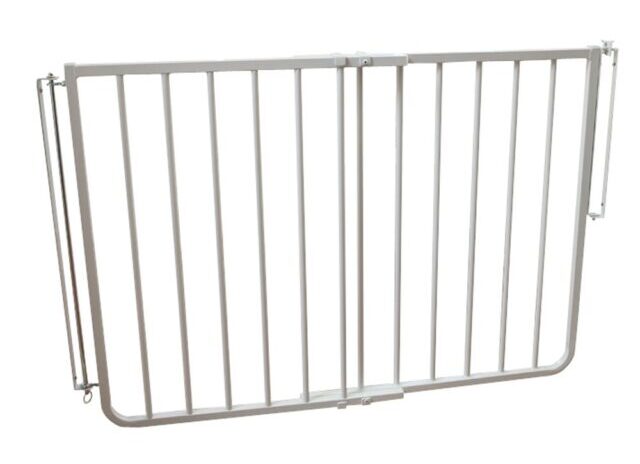
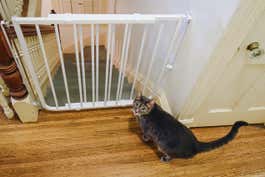
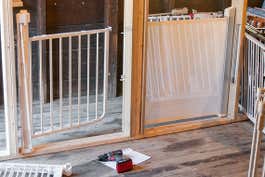
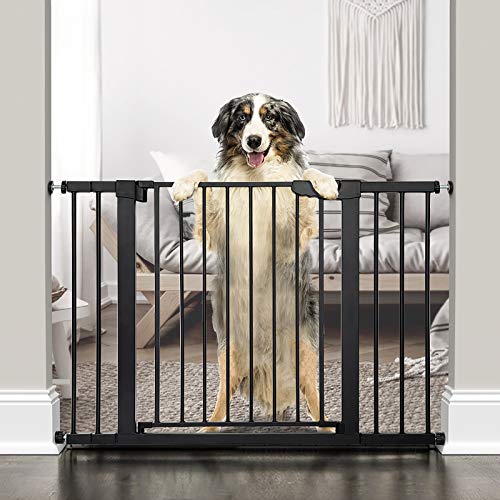
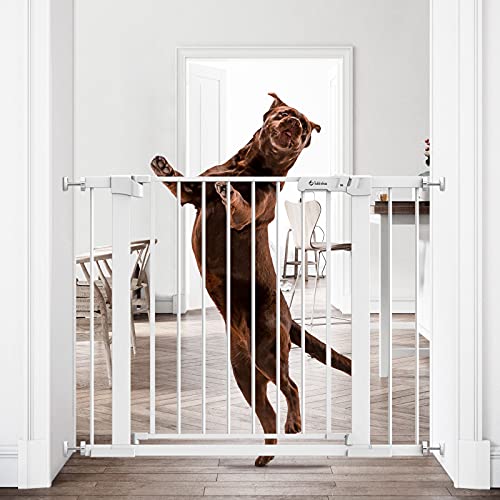
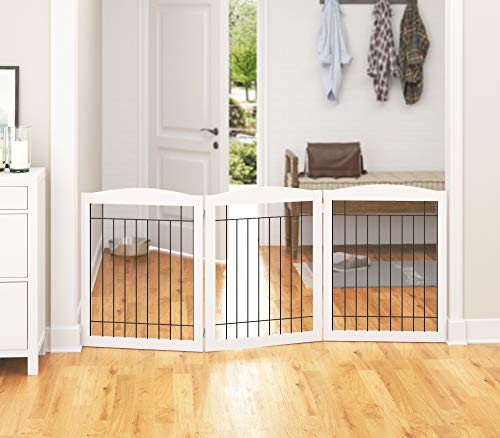
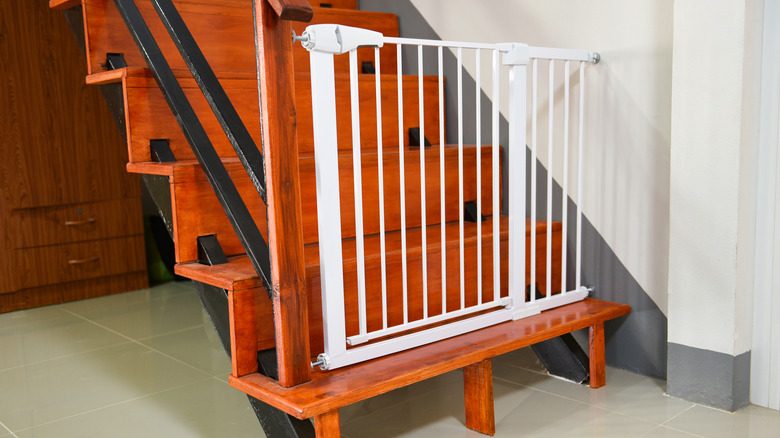
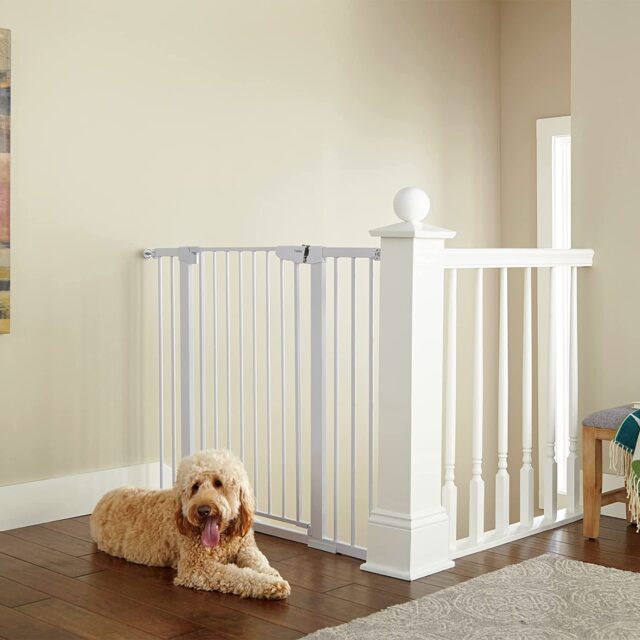
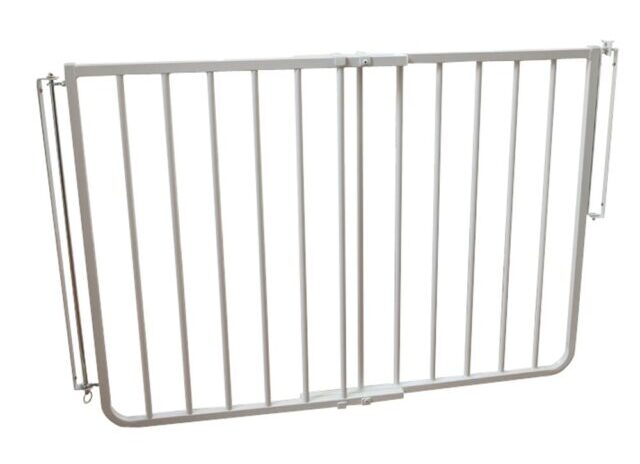
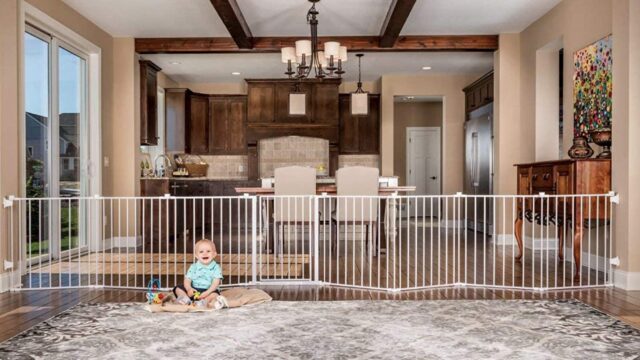
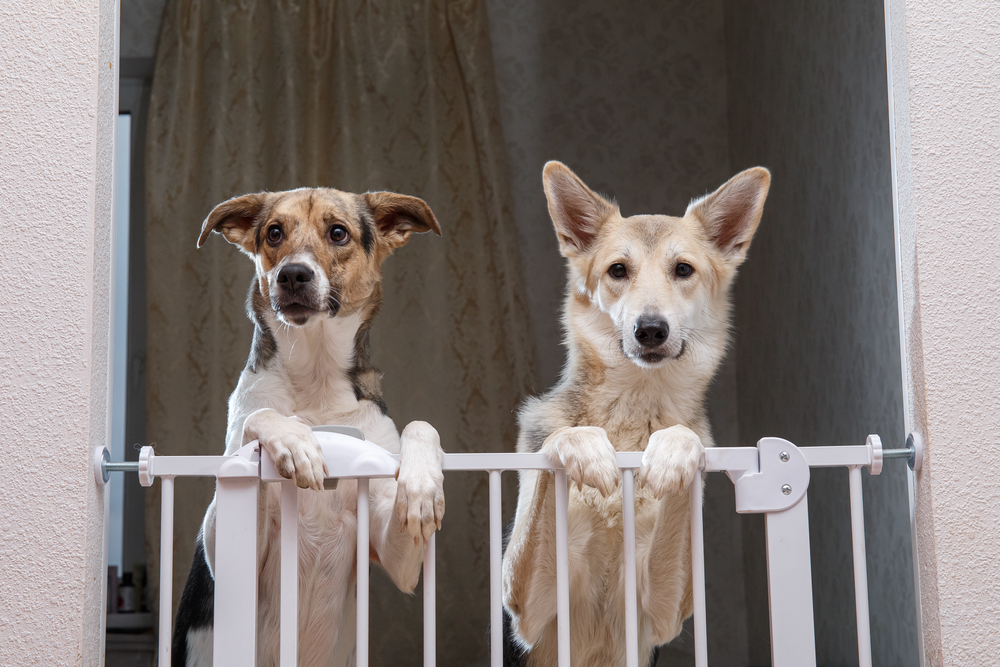
For dogs that can no longer manage stairs, installing ramps offers a viable alternative for shorter flights, such as those leading to a porch or between rooms. Non-slip ramps are recommended, and owners should train their dogs using positive reinforcement, a leash, harness, or sling to ensure they navigate the ramp safely and confidently. The ramp should only be used as long as the dog tolerates it. In situations involving smaller dogs, recently operated dogs, or those on sedative medications, carrying them up and down stairs can be a safe option for both the pet and owner. For larger dogs that cannot be carried, it is advisable to minimize their need to use stairs. This can be achieved by ensuring all essential items and favorite activities are located on the main floor. Blocking off stairs when not at home or when separated from the dog for extended periods can also prevent accidents. When assistance is needed for larger dogs, a veterinarian-guided use of a sling or a long towel positioned under the belly or chest can provide support during stair navigation. These measures collectively contribute to a safer home environment for dogs, particularly those with physical limitations or health concerns.
#DogSafety #StairSafety #PetCare #HomeSafety #DogHealth #OrthopedicIssues #NeurologicalConditions #PetSupplies #DogTraining #DogSafety #StairSafety #PetCare #HomeSafety #DogHealth #OrthopedicIssues #NeurologicalConditions #PetSupplies #DogTraining
0 تعليق إجمالاً
 لا توجد تعليقات بعد
قد تعجبك أيضًا
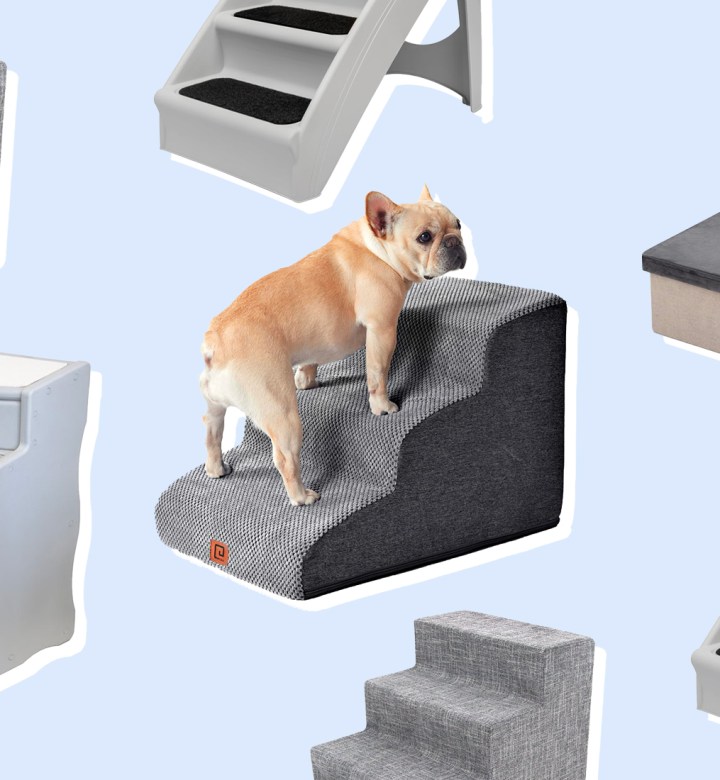
The 10 Best Dog Stairs and Ramps to Give Your Pup a Leg Up

The Best Dog Gates | Reviews by Wirecutter


Taking the stairs

Stairs well done
8 Ways to Make the Stairs Safer at Home
The Best Dog Gates For Doorways


Stair Base Rails


Guide to Choosing a Stair Runner, Brooklyn Townhouse Edition
10 Best Dog Gates

Ask Veronica: Why decorate with a stair runner?

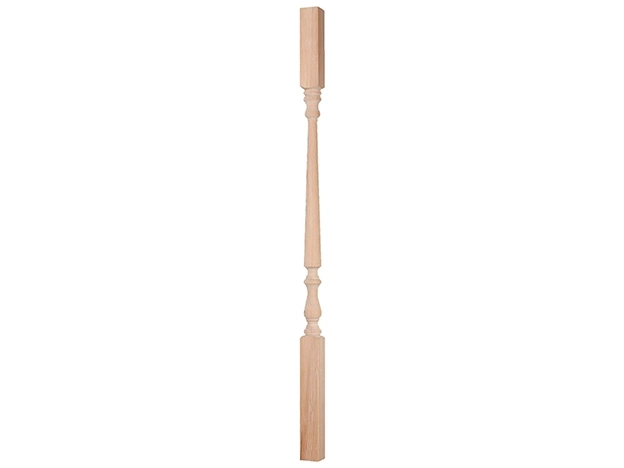
Staircase Parts


Floors, Stairs, Lifts and Wayfinding
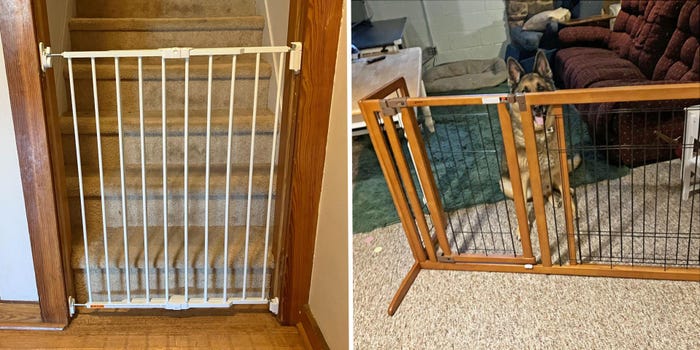
The right dog gate can keep pets and people safe — here are the best options for big dogs, stairs, and more
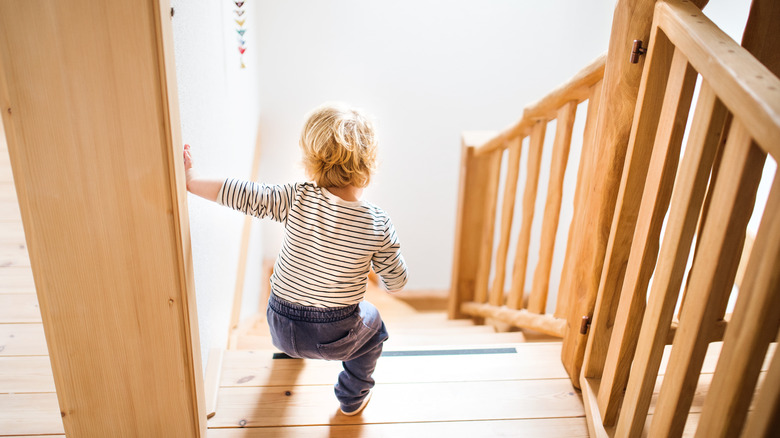
Tips On How To Make Your Stairs Child-Proof


6 Rules for Staircases in Feng Shui You Should Know About for Better Chi in Your Home

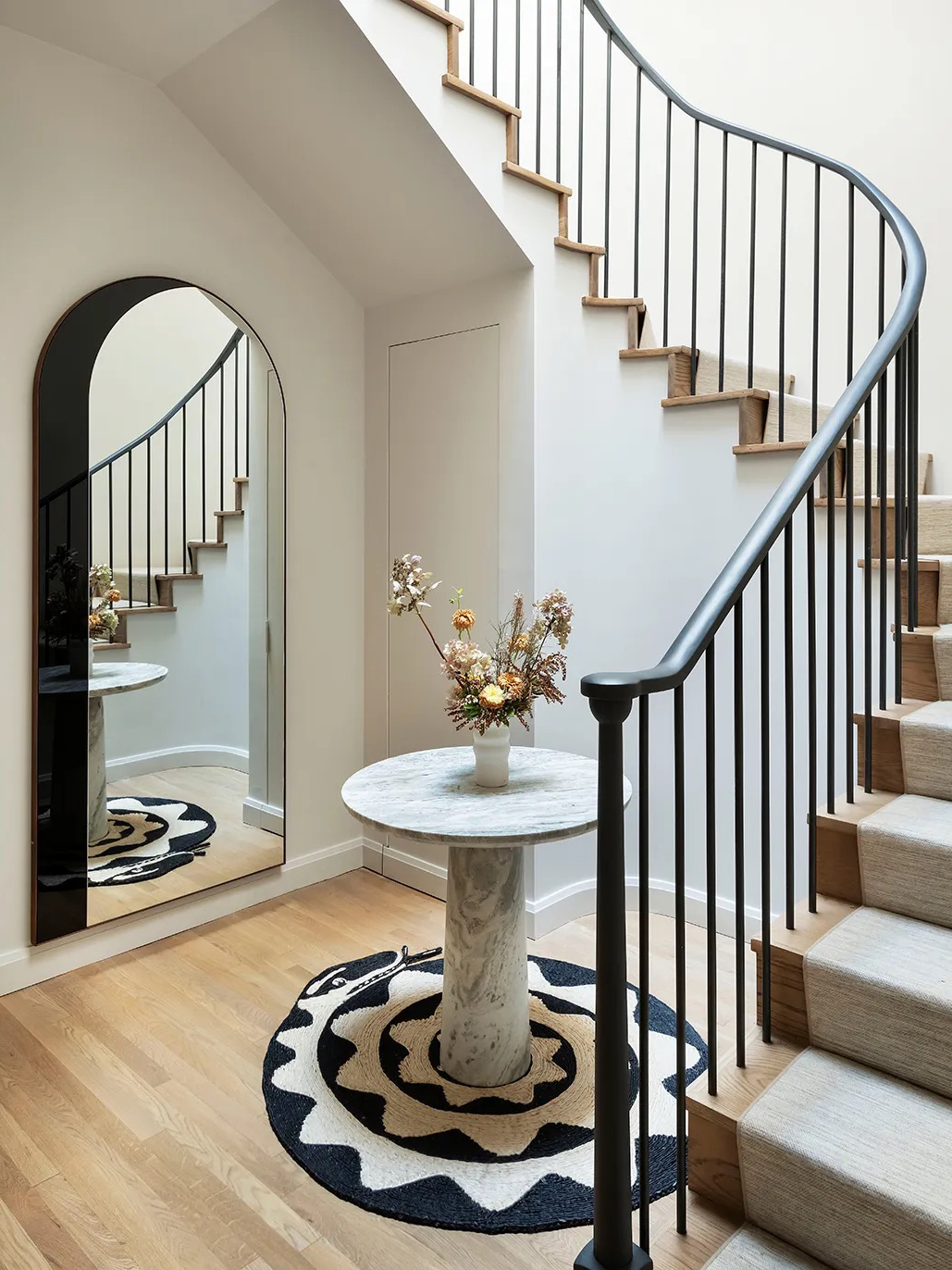
An Oft-Overlooked Staircase Project Is Gaining Traction With Remodelers


10 Best Covering for Stairs with Cats: Safe & Durable Picks

10 Best Dog Gates for Rottweilers
10 Best Dog Doors for Your Furry BFF

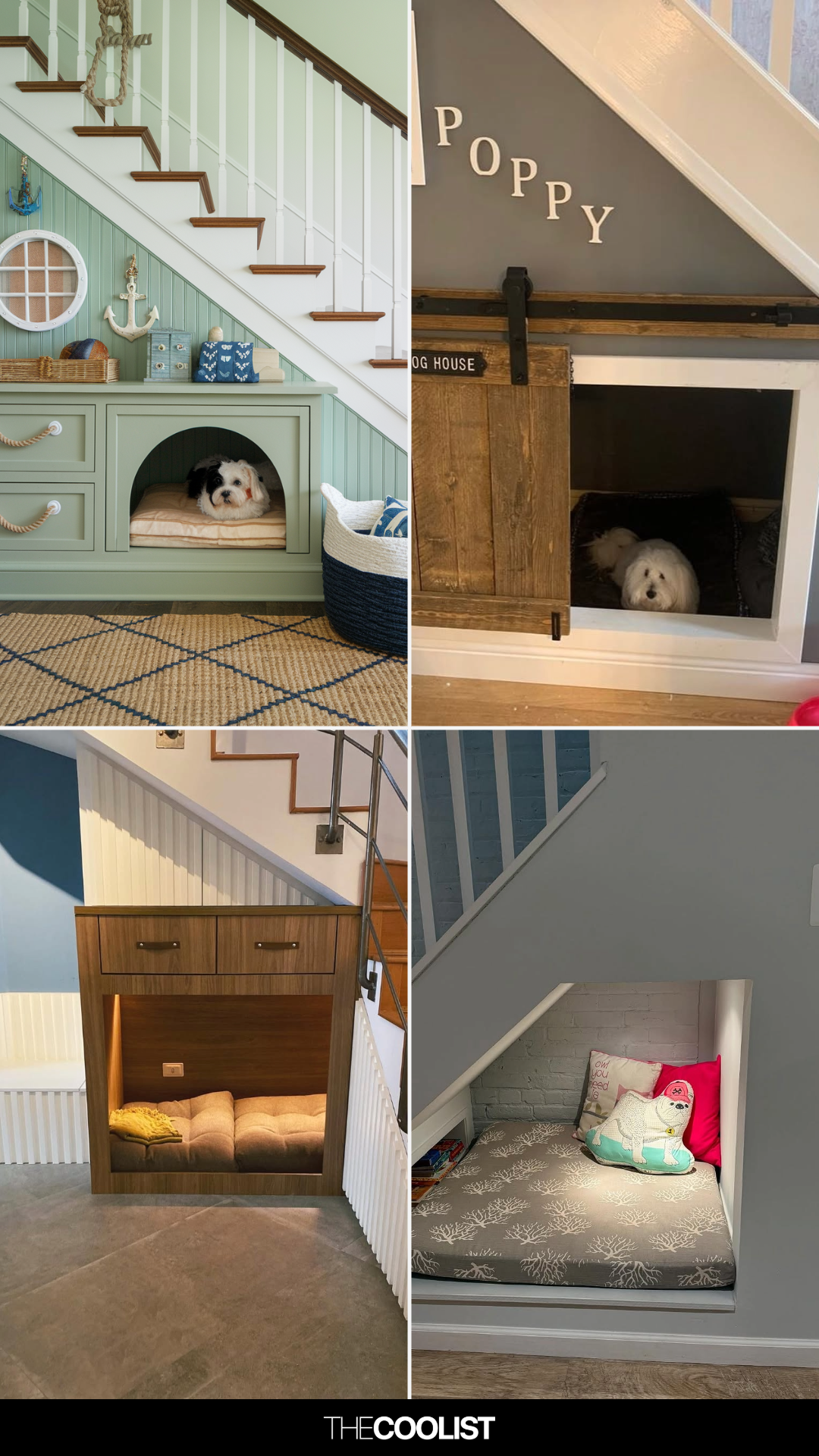
18 Stylish Under Stairs Dog House Ideas That Don’t Sacrifice Aesthetic