1/11
Tips On How To Make Your Stairs Child-Proof
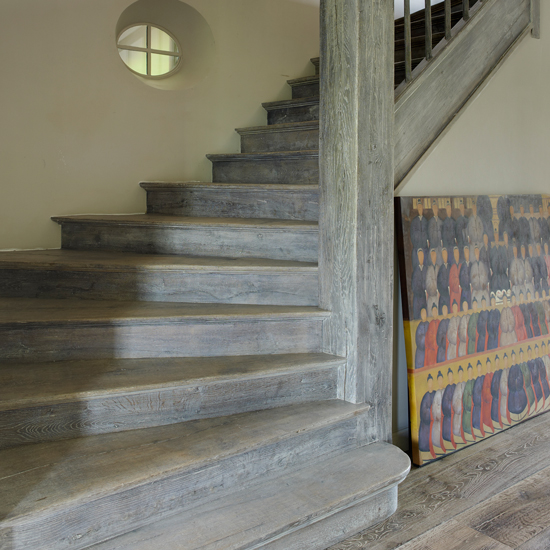
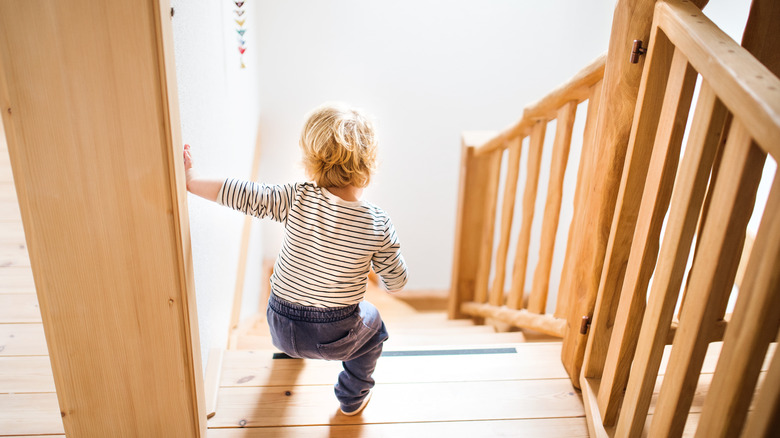
Ensuring the safety of children, particularly around household stairs, is a critical aspect of childproofing. While statistics indicate that fatalities from stair-related incidents are low for children under 15, non-fatal injuries remain a significant concern, with children under five experiencing a higher injury rate compared to childhood cancer. The potential danger of household stairs is influenced by various factors, including their condition and the presence of safety features like banisters and handrails. A 2004 survey revealed that a significant percentage of homes, especially those with young children, have stairs lacking these essential safety components.
Building codes play a fundamental role in mitigating stair-related injuries. These codes specify aspects such as the maximum variation in stair riser height, as even small differences can lead to tripping. It is crucial for homeowners, particularly those in older houses, to ensure their stairs comply with current building codes or to implement modifications to address any shortcomings. Resources like the Stairbuilders and Manufacturers Association provide visual interpretations and guides to help understand and adhere to these codes. While codes establish a baseline for safety, exceeding these standards can further enhance protection. For instance, installing handrails on both sides of a staircase, even when the code only requires one, or incorporating a landing partway up the stairs, has been shown to reduce injury likelihood.
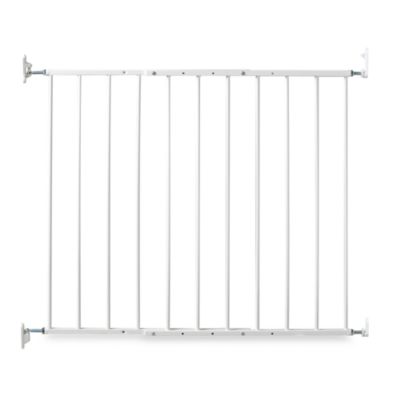
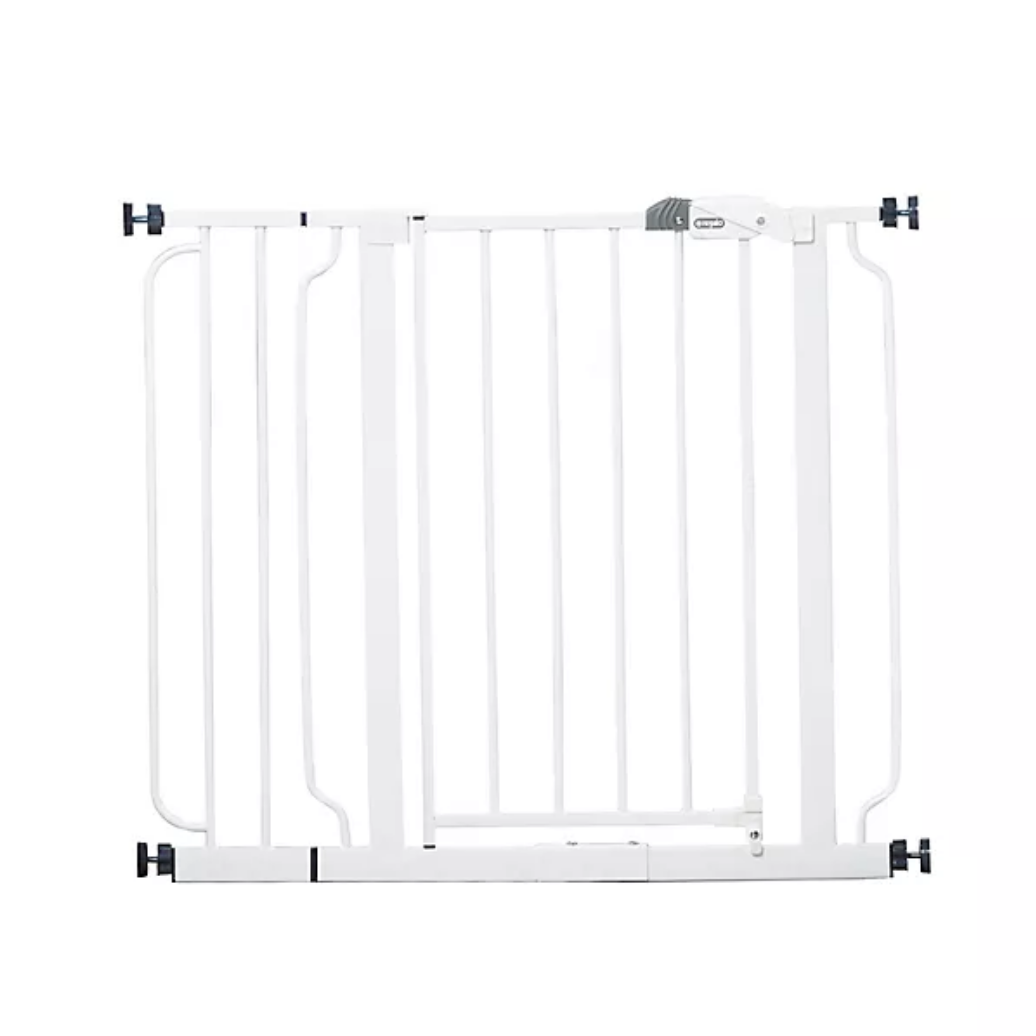
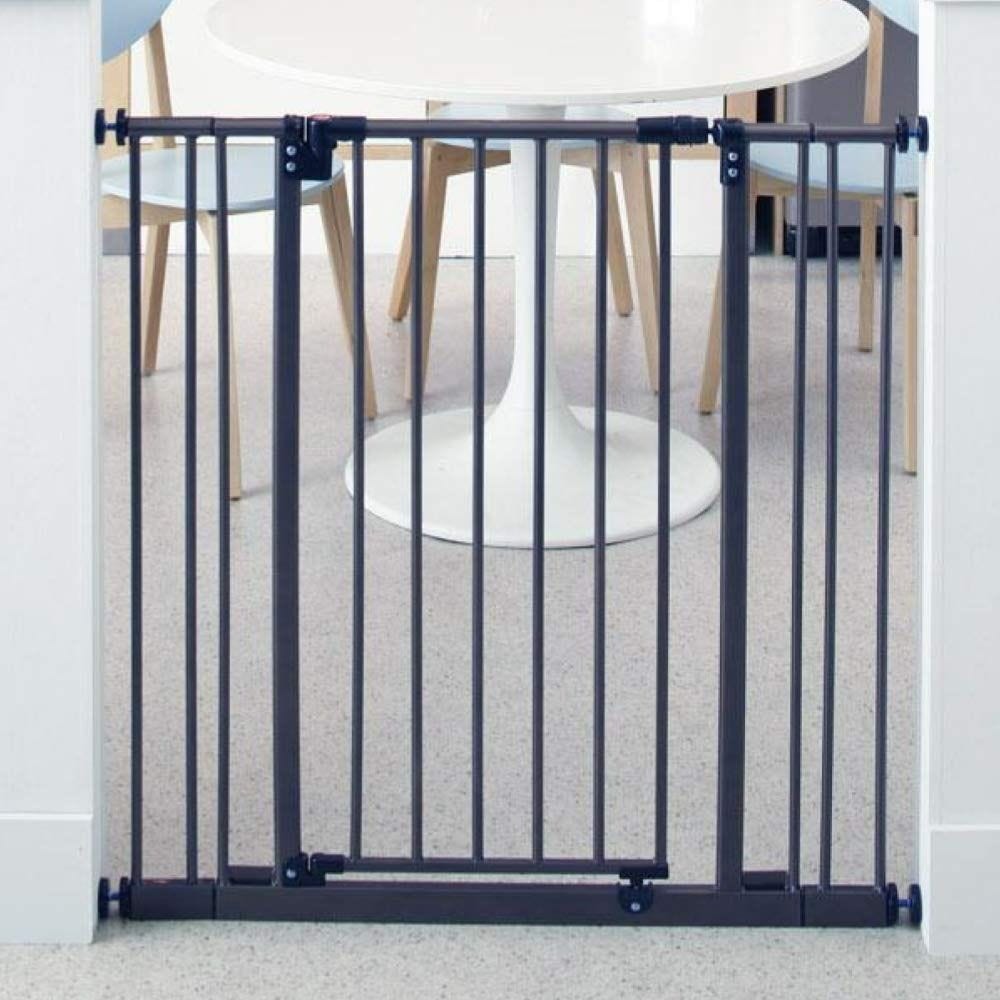
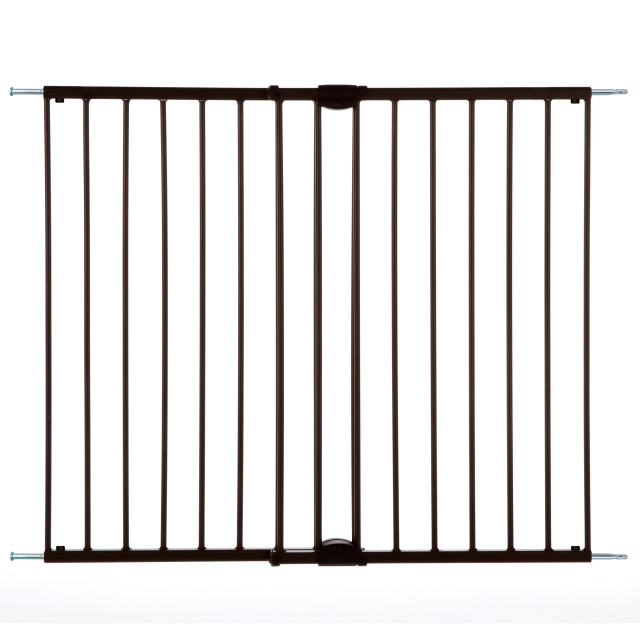
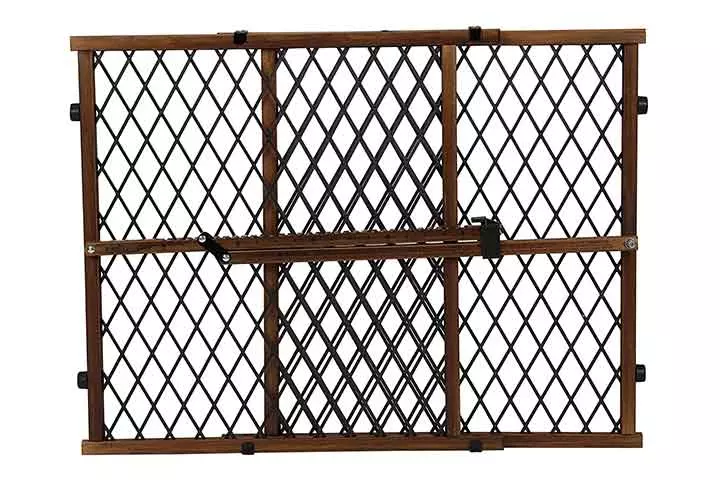
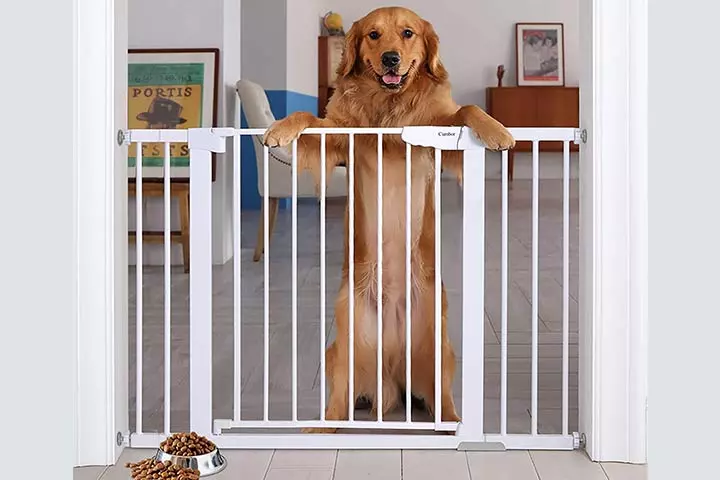
Baby gates are a highly effective childproofing measure when consistently used and properly installed at both the top and bottom of stairs. Studies demonstrate that a substantial percentage of injuries can be prevented by closed stair gates. Various types of baby gates exist, including foldable, roller, pressure, and wall-mounted gates, each suited for different stair configurations. It is important to follow manufacturer instructions for proper anchoring and to select a gate appropriate for its intended location. Hardware-mounted gates are generally more secure than pressure gates, and caution should be exercised with accordion-style gates due to potential entrapment hazards. Utilizing doorway gates can also prevent stair access from a child's room.
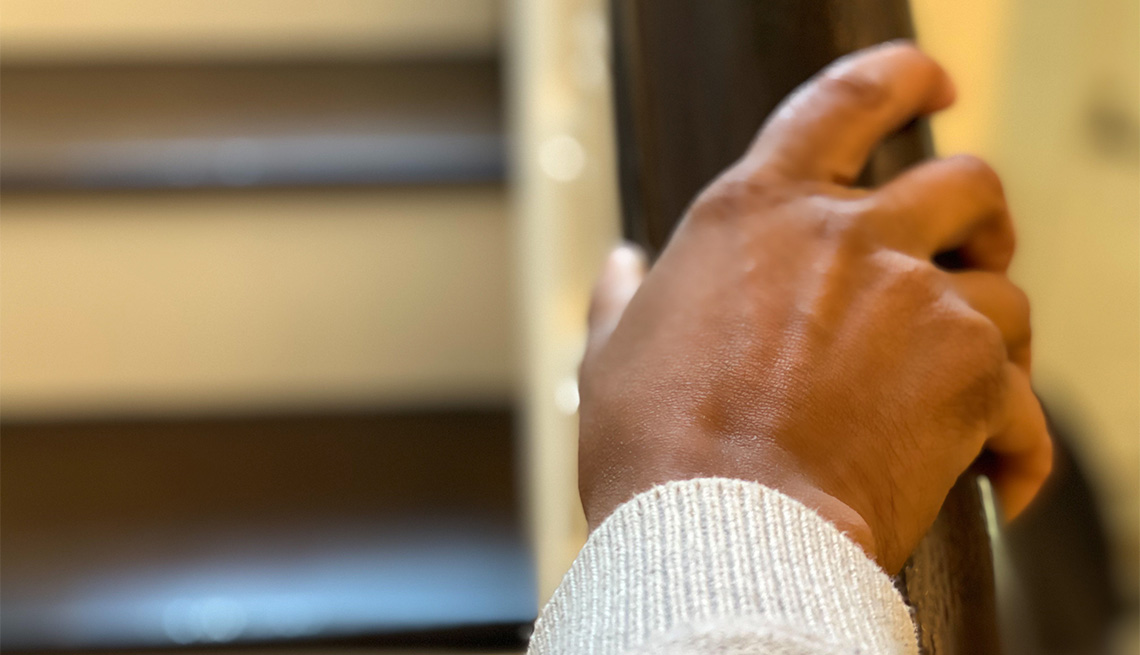
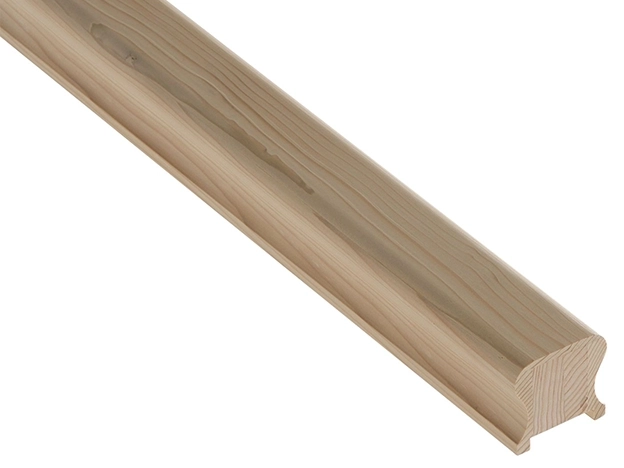
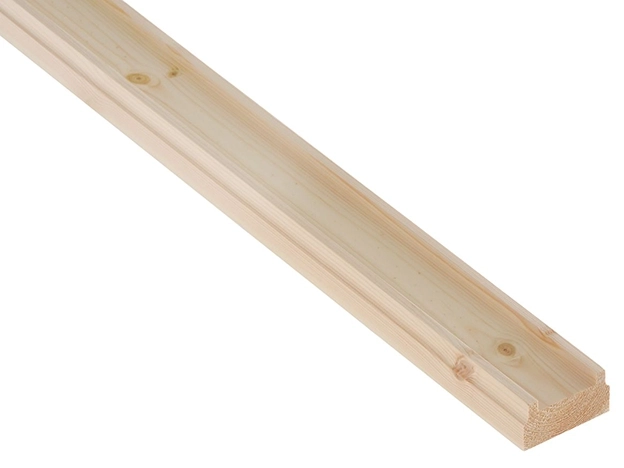
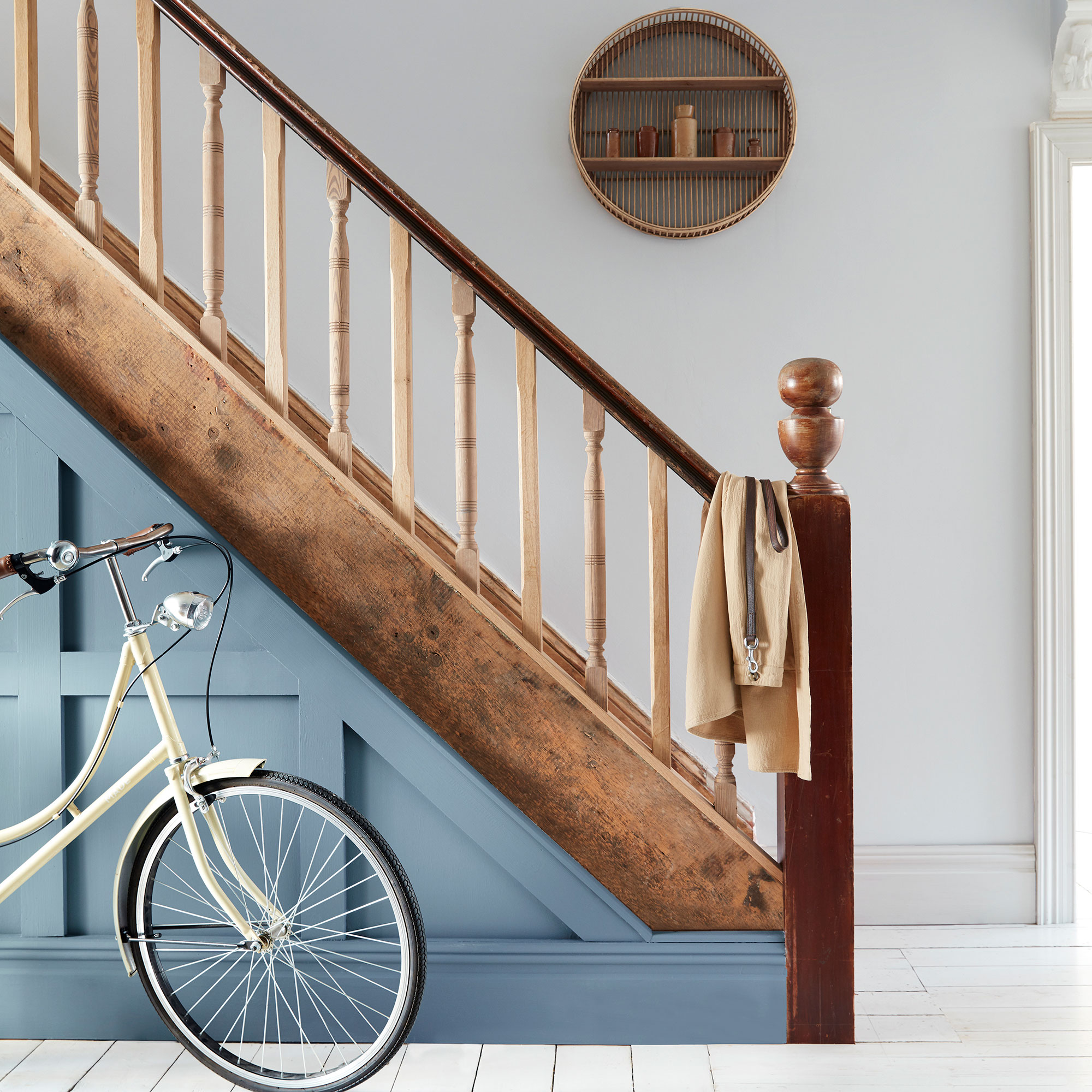
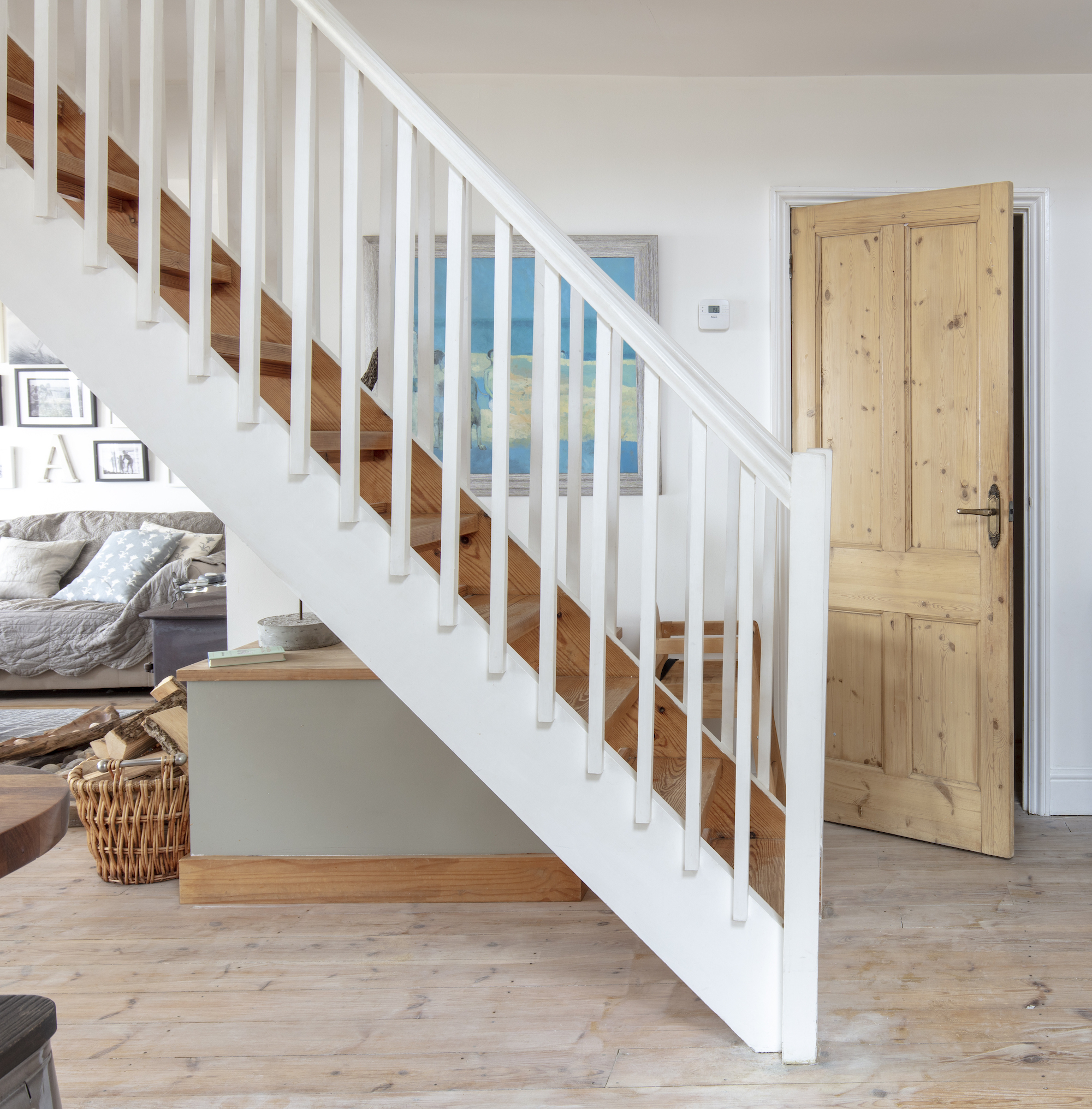
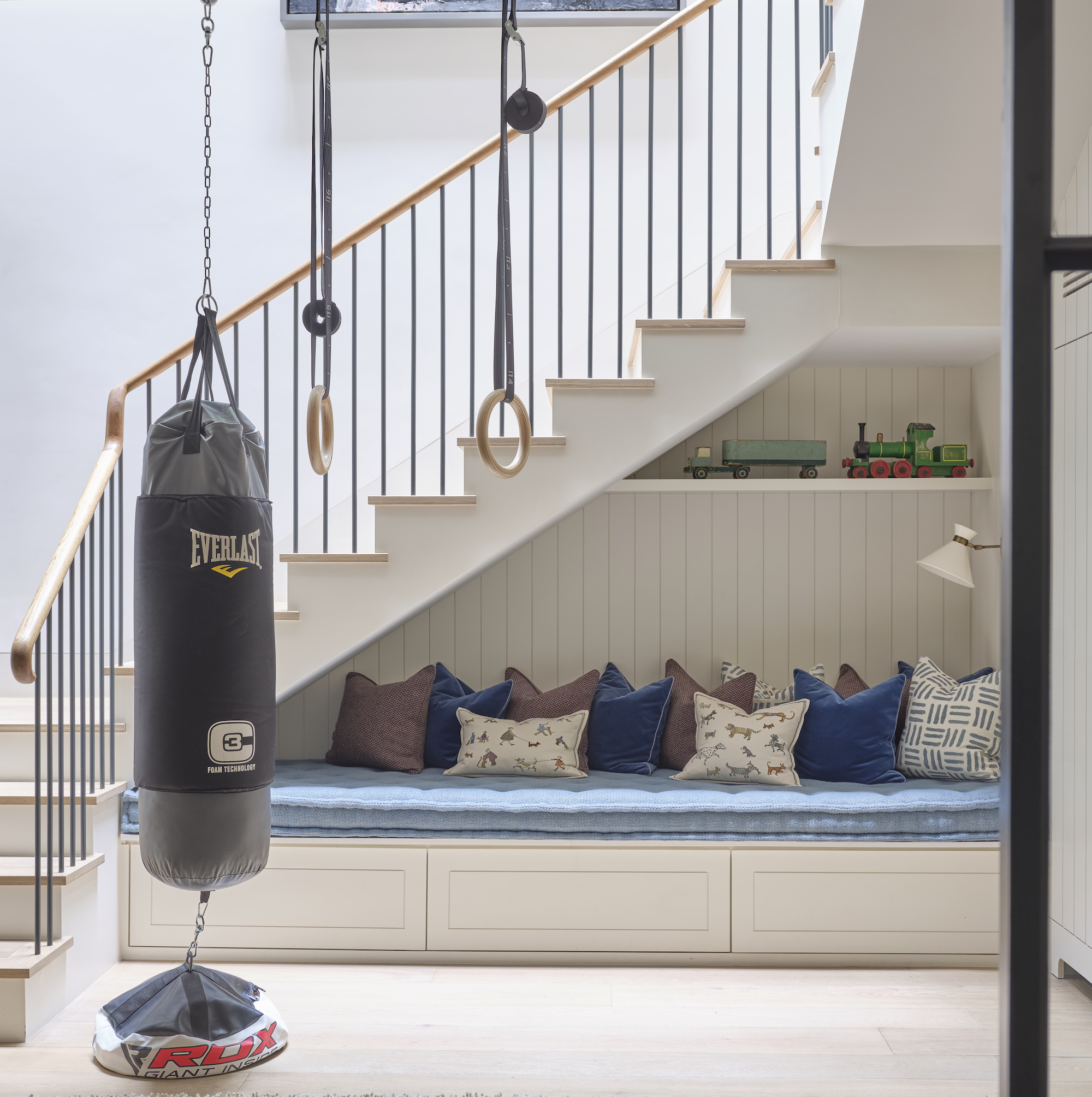
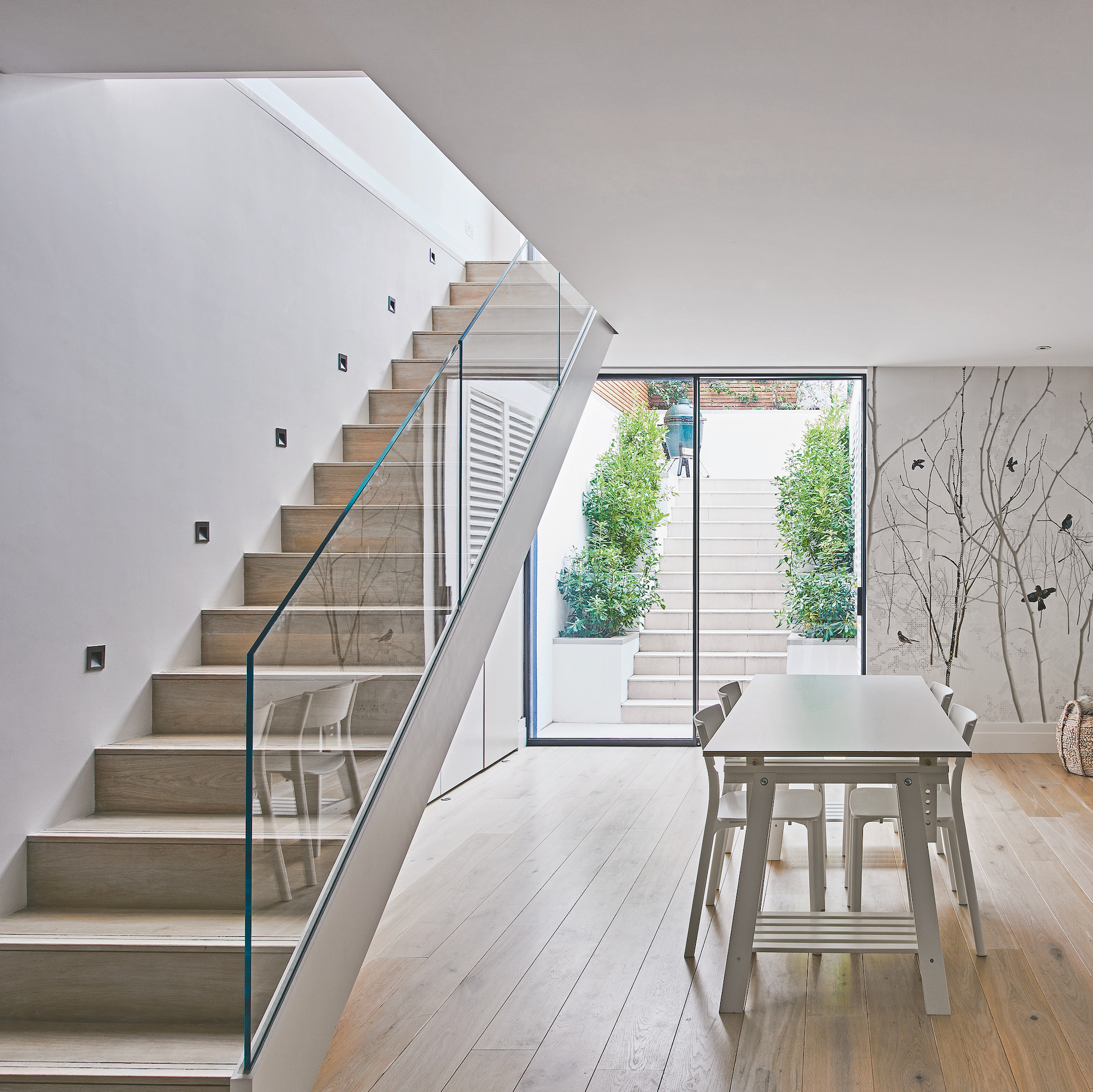
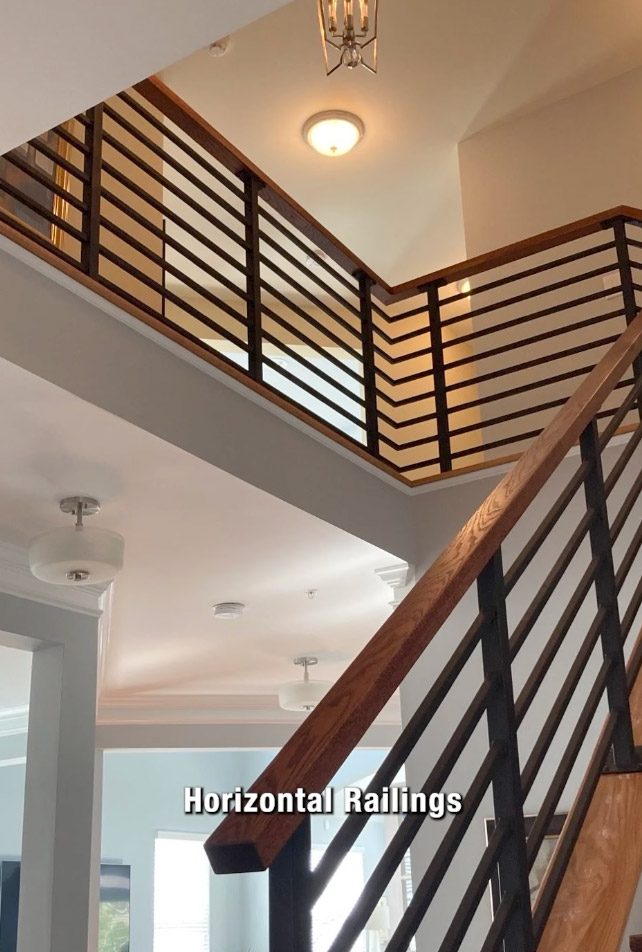
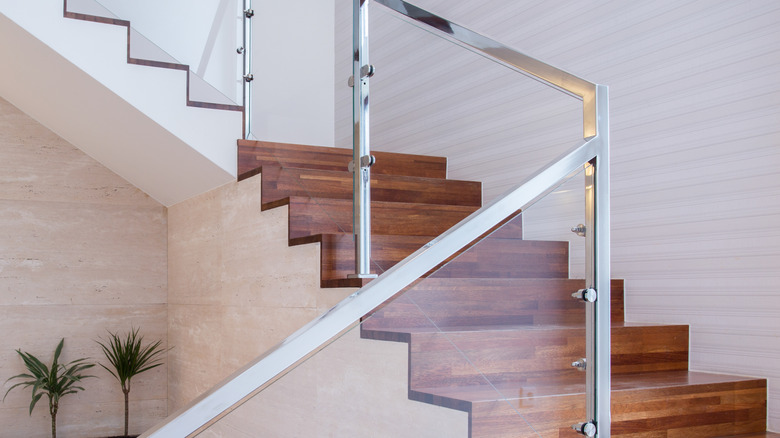
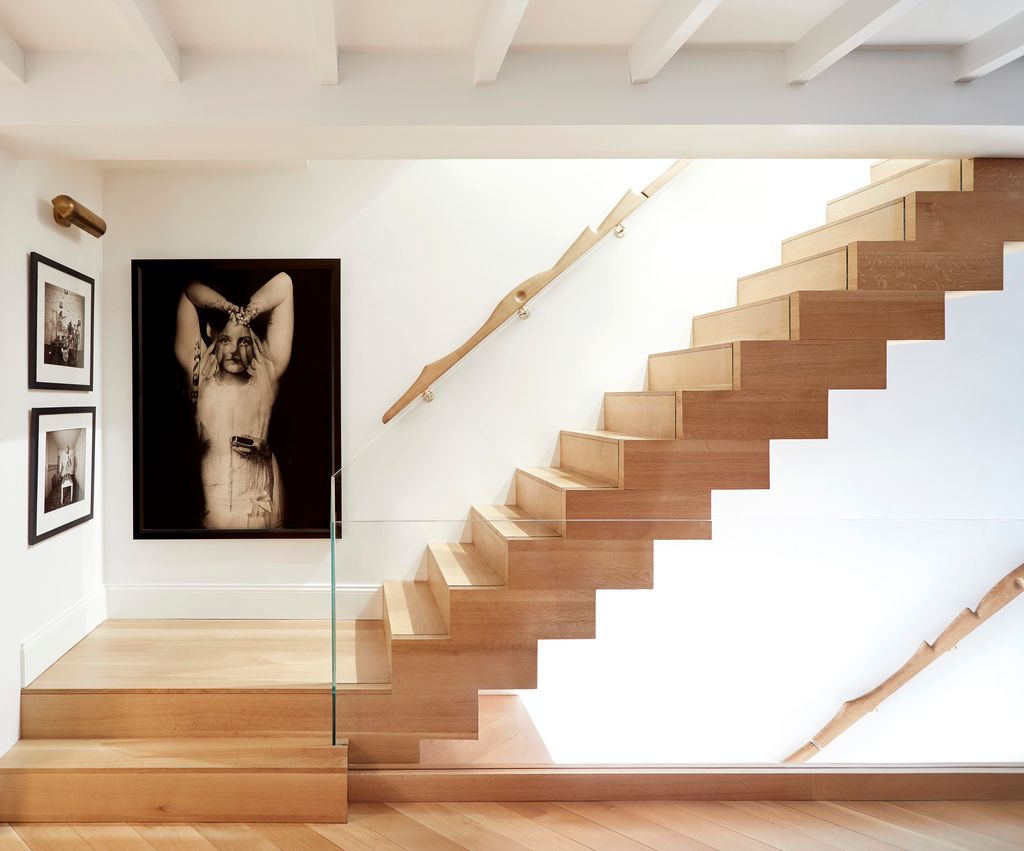
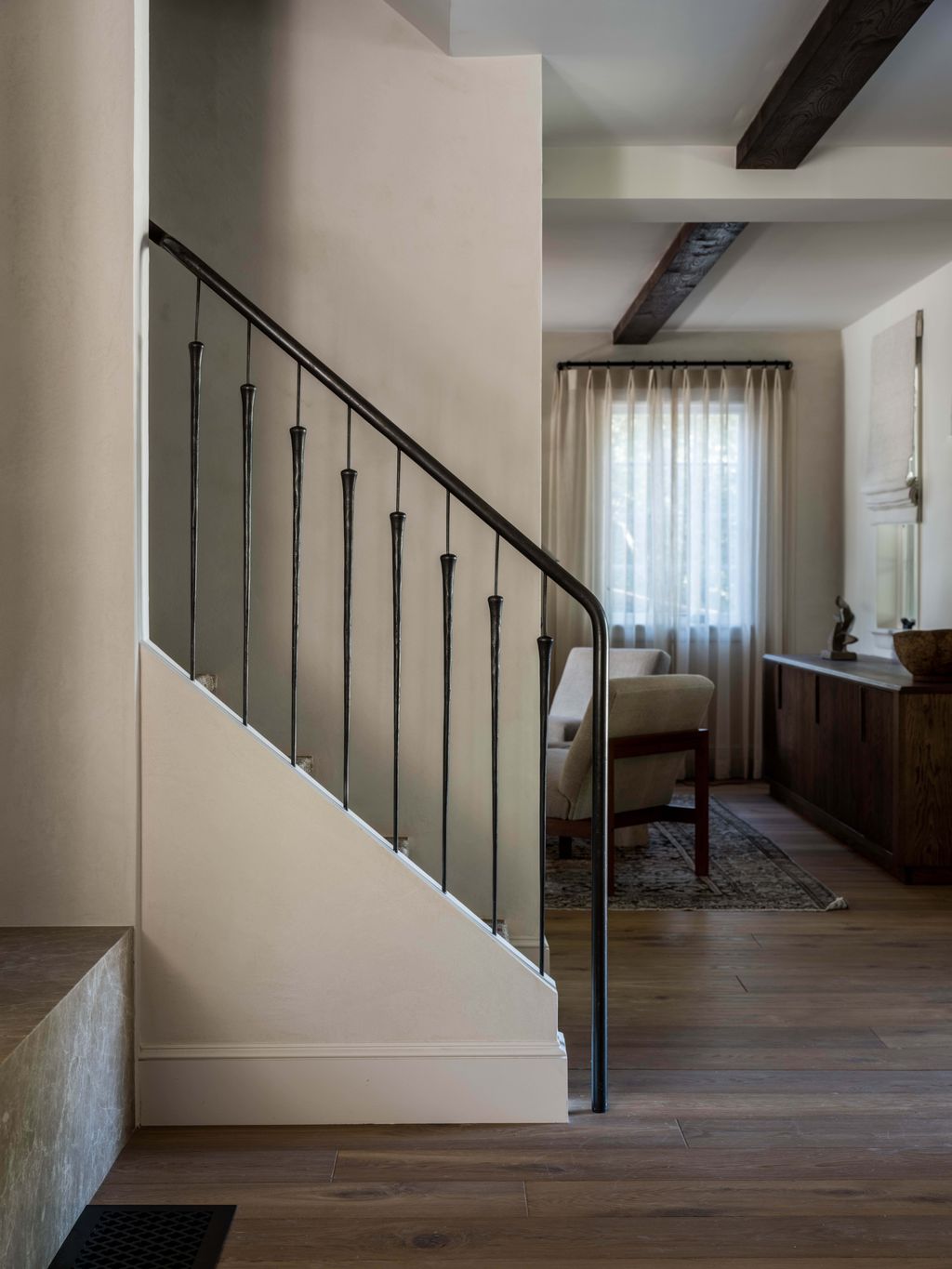
Beyond gates, properly installed handrails are vital for preventing falls and minimizing injury severity. Building codes dictate many design and installation aspects of handrails, including their continuous nature. While some code requirements might be challenging or costly to implement in older homes, installing at least one robust railing is paramount if none exists. Adding a second, lower handrail at a child-friendly height can offer additional support. Banister guards are another affordable and effective solution, especially in older homes where banister gaps might exceed safety recommendations, potentially allowing a child to fall through or get stuck. These guards, often made of netting or plastic, prevent children from climbing on or through railings. DIY options, such as using poultry netting or constructing wooden guards, are also available.
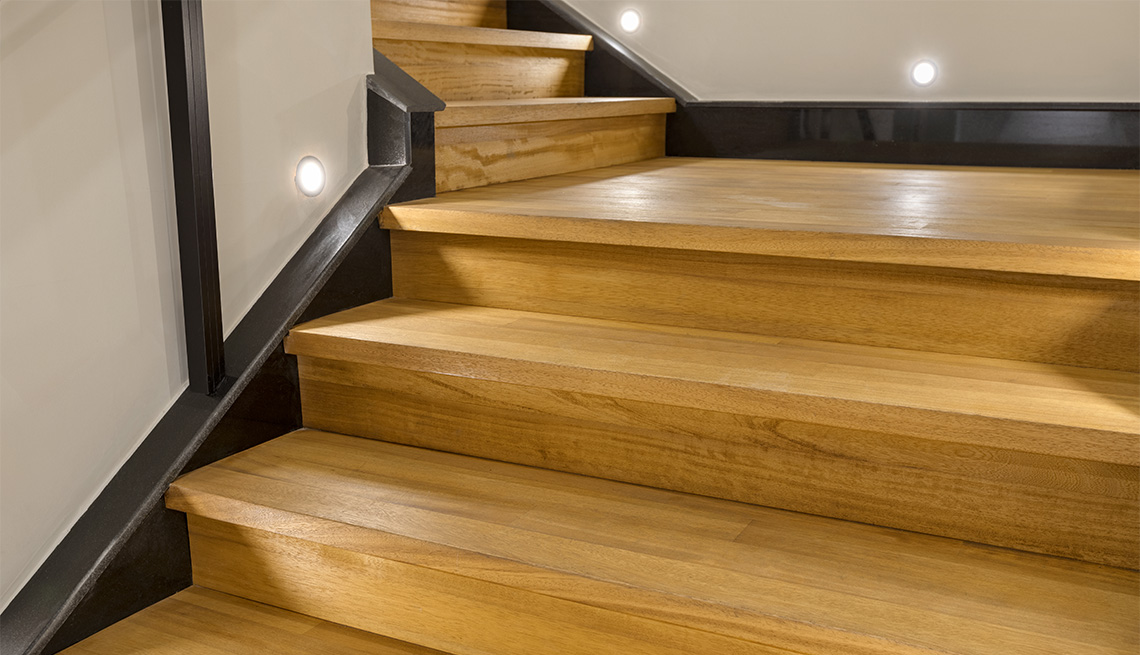
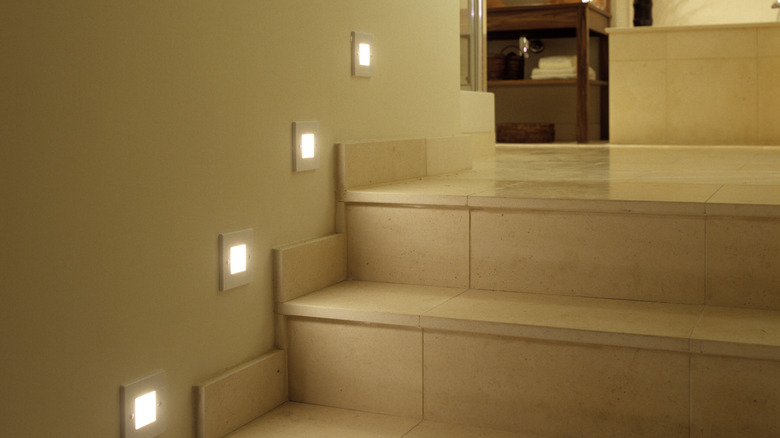
Regular maintenance and timely repairs of stairways are essential, as poorly maintained stairs pose significant risks regardless of other safety features. Loose steps, worn carpeting, and inadequate lighting all contribute to potential hazards. Homeowners should regularly inspect stairs for issues like loose treads, worn carpet, and obstructions. Addressing these issues can involve securing loose elements, replacing worn carpeting, or improving lighting. Cleaning stairs thoroughly and ensuring they are free of clutter also reduce slipperiness and tripping hazards. For slippery surfaces, anti-slip strips, tape, paint, or sealers can be applied. Proper lighting, with switches at both the top and bottom of the stairs, is crucial for visibility and safety.
Finally, educating children about stair safety and setting a positive example are crucial. Resources like the Stairbuilders and Manufacturers Association offer materials to teach children safe stair usage. Adults, by consistently modeling safe behavior, reinforce these rules. It is also noteworthy that a significant portion of stair-related injuries to infants occur while being carried by an adult, highlighting the importance of adult caution and adherence to safety practices when navigating stairs with young children.
#ChildProofing #StairSafety #HomeSafety #BuildingCodes #BabyGates #Handrails #BanisterGuards #StairMaintenance #AntiSlipMeasures #ChildEducation #ChildProofing #StairSafety #HomeSafety #BuildingCodes #BabyGates #Handrails #BanisterGuards #StairMaintenance #AntiSlipMeasures #ChildEducation
0 comment in total
 No comments yet
You may also like
8 Ways to Make the Stairs Safer at Home
13 Best Baby Safety Gates To Keep Your Kids Safe At Home In 2025

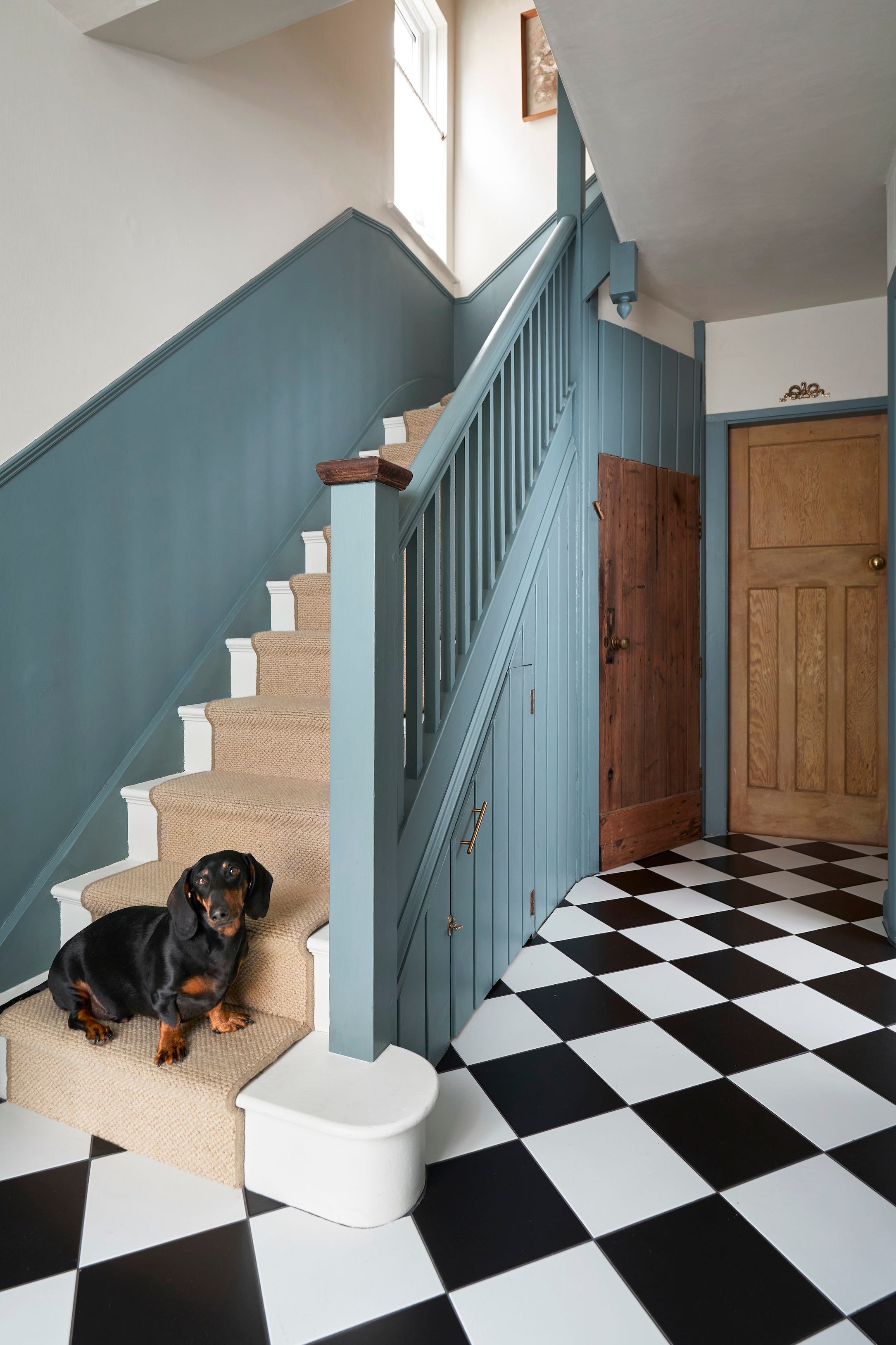
14 stylish staircase ideas to upgrade your space
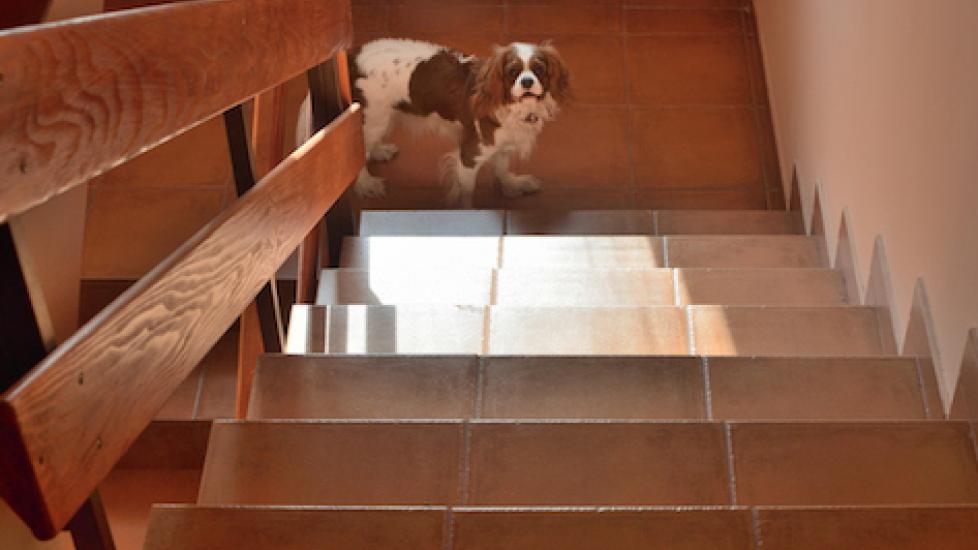
5 Stair Safety Tips for Dogs
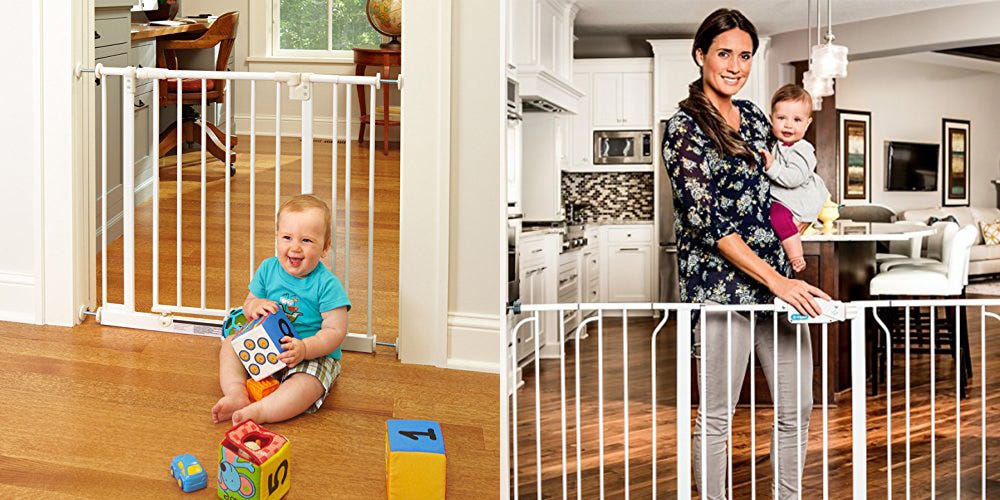
10 Baby Gates to Keep Your Child Safe


10 Best Covering for Stairs with Cats: Safe & Durable Picks

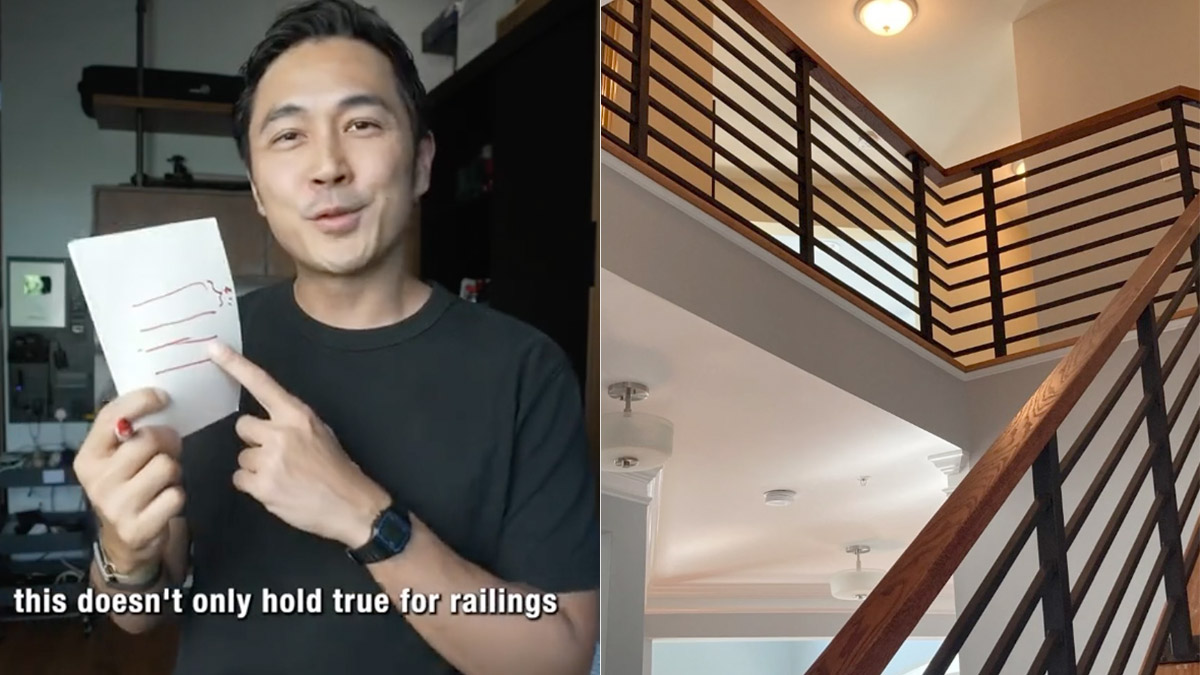
Slater Young’s home tip: No to horizontal railings


17 Stair Railing Ideas That Elevate Interior Design

Staircase Parts

Stairs well done

Staircase wall ideas – 10 ways to dress stair walls beautifully


How to make a style statement with your staircases

Stair Base Rails

Stair panelling ideas – 12 ways to step up your staircase decorating game
An Oft-Overlooked Staircase Project Is Gaining Traction With Remodelers

7 wow factor staircases
Step Up Your Staircase With These Decorating Ideas
Open stair ideas - 10 ways to take your staircase to the next level

Customize Your Staircase With These 13 Bold Ideas For A New Look In 2025
Ask Veronica: Why decorate with a stair runner?