1/11
10 Baby Gates to Keep Your Child Safe
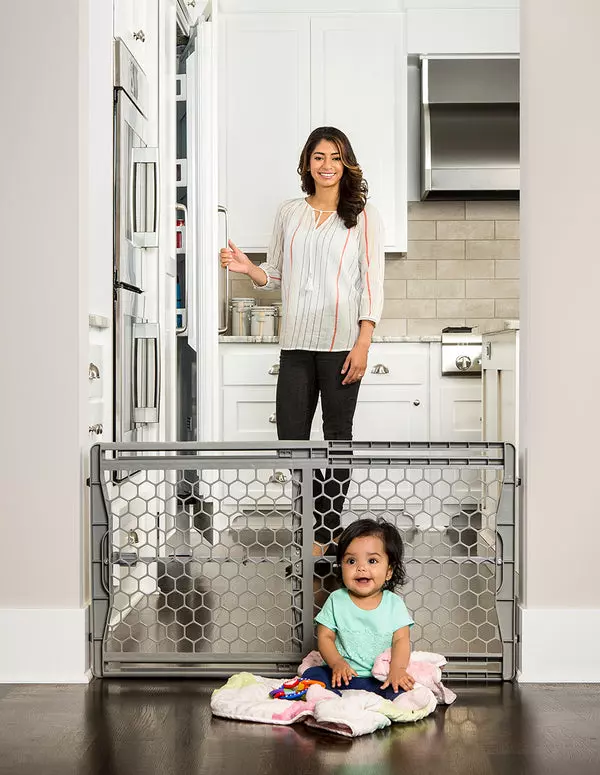
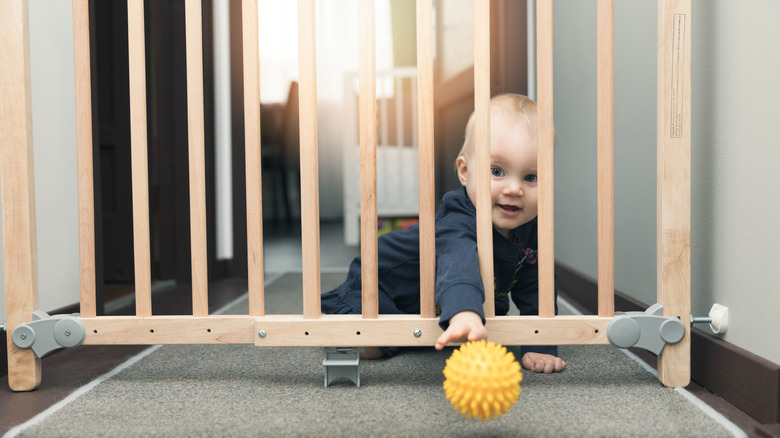
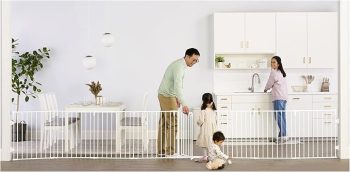
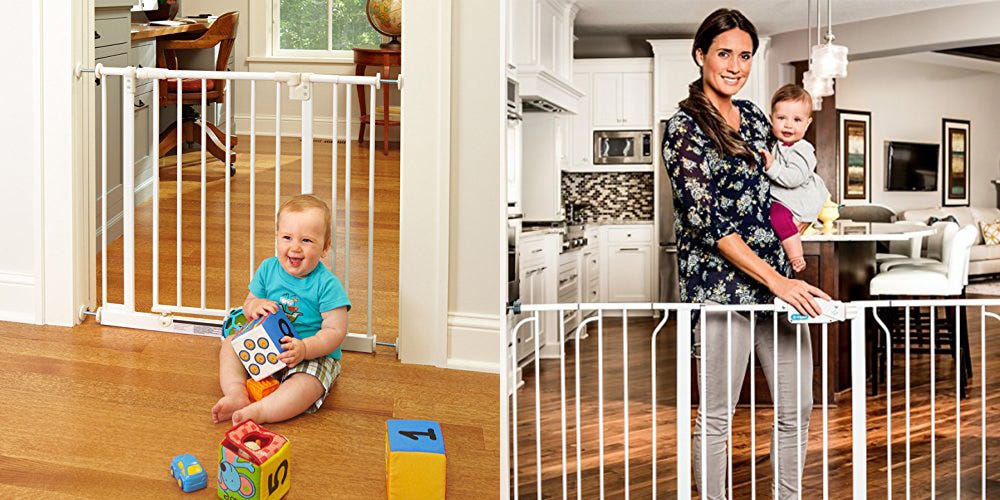
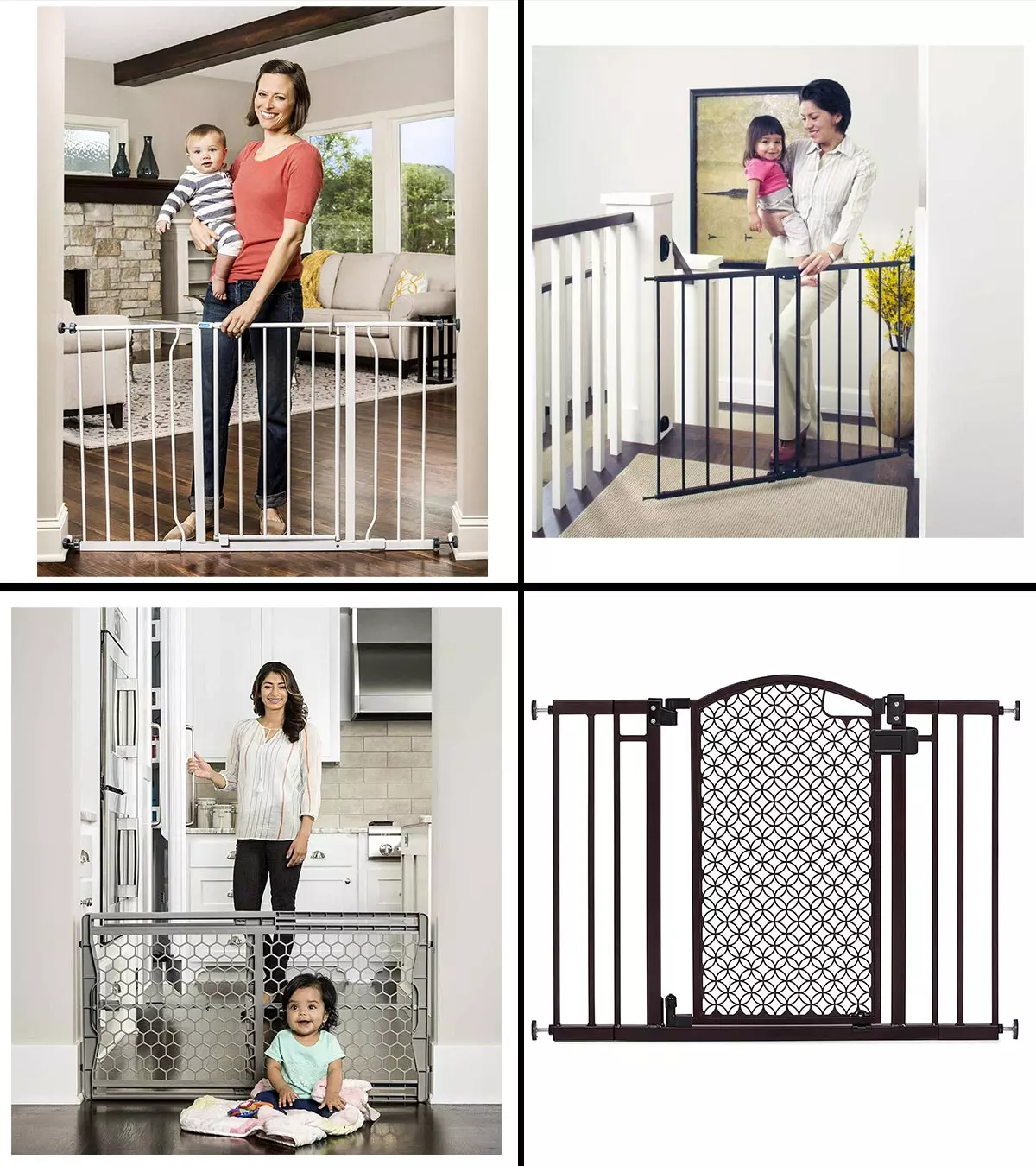
The article presents a comprehensive guide to selecting the best baby safety gates, emphasizing the crucial need for their installation once an infant begins to crawl, typically between six and nine months of age. This period marks a significant developmental milestone where a baby's newfound mobility necessitates heightened home safety measures to prevent access to potentially hazardous areas like staircases and kitchens.
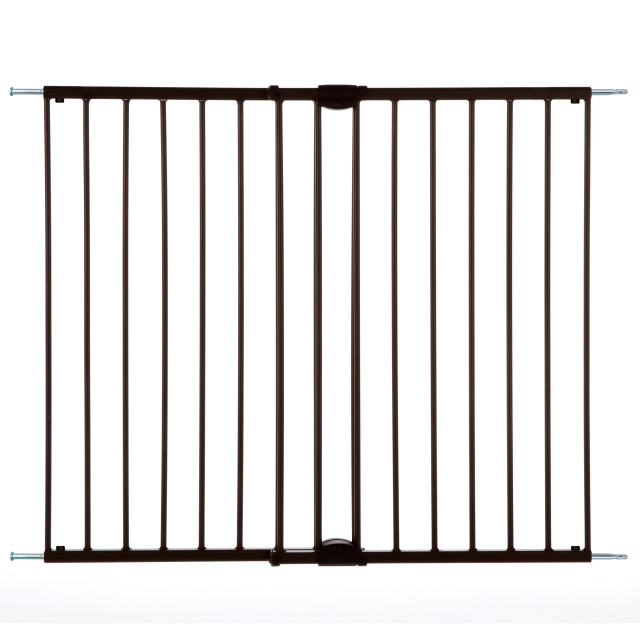
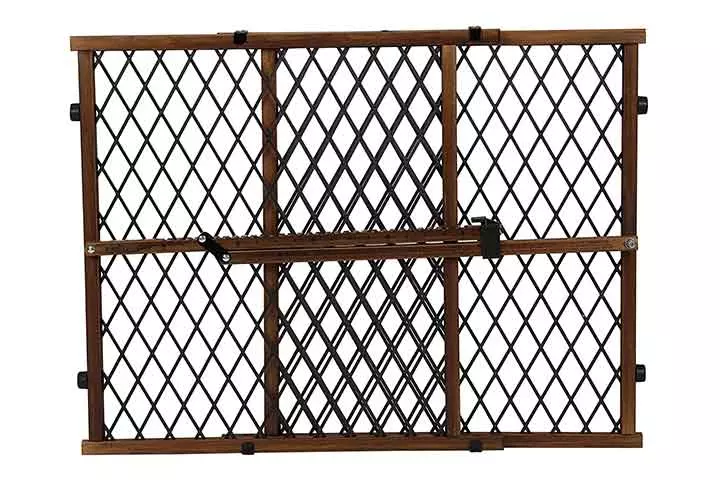
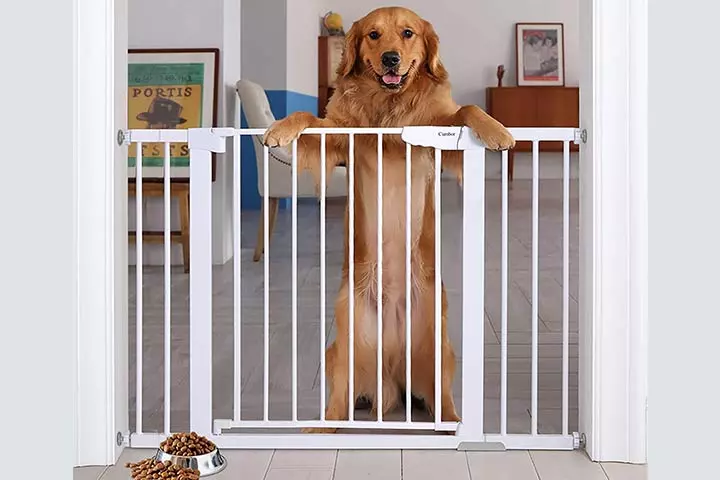
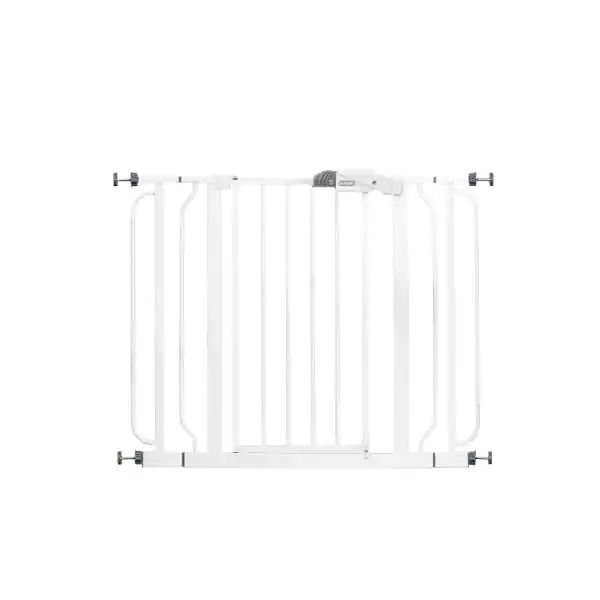
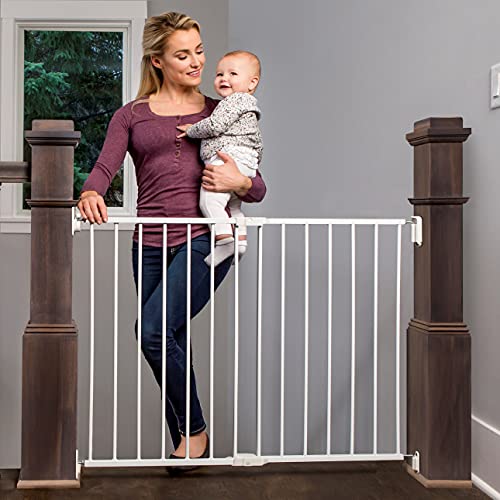
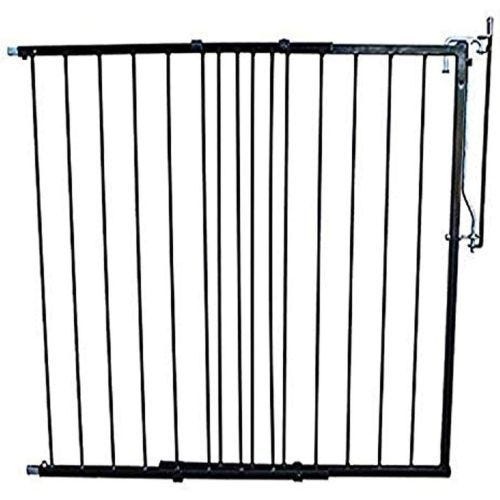
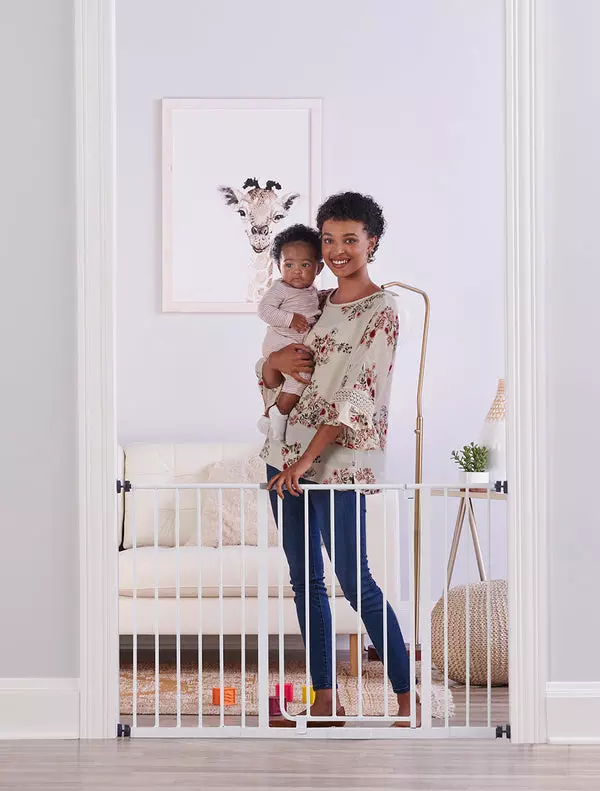
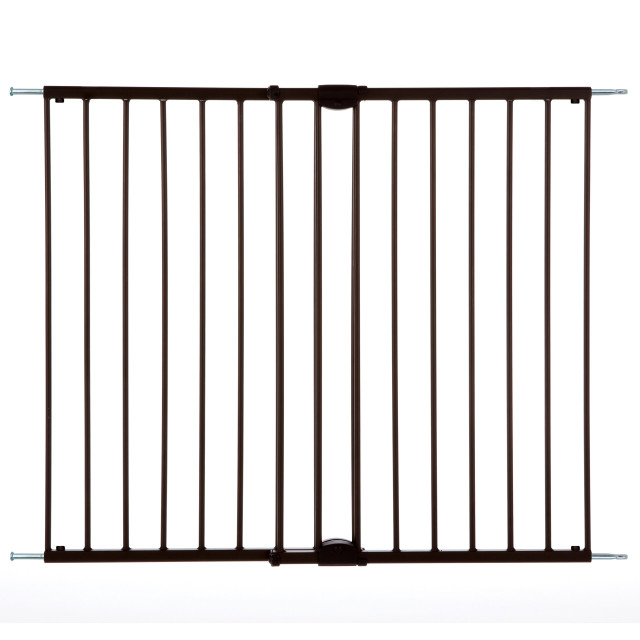
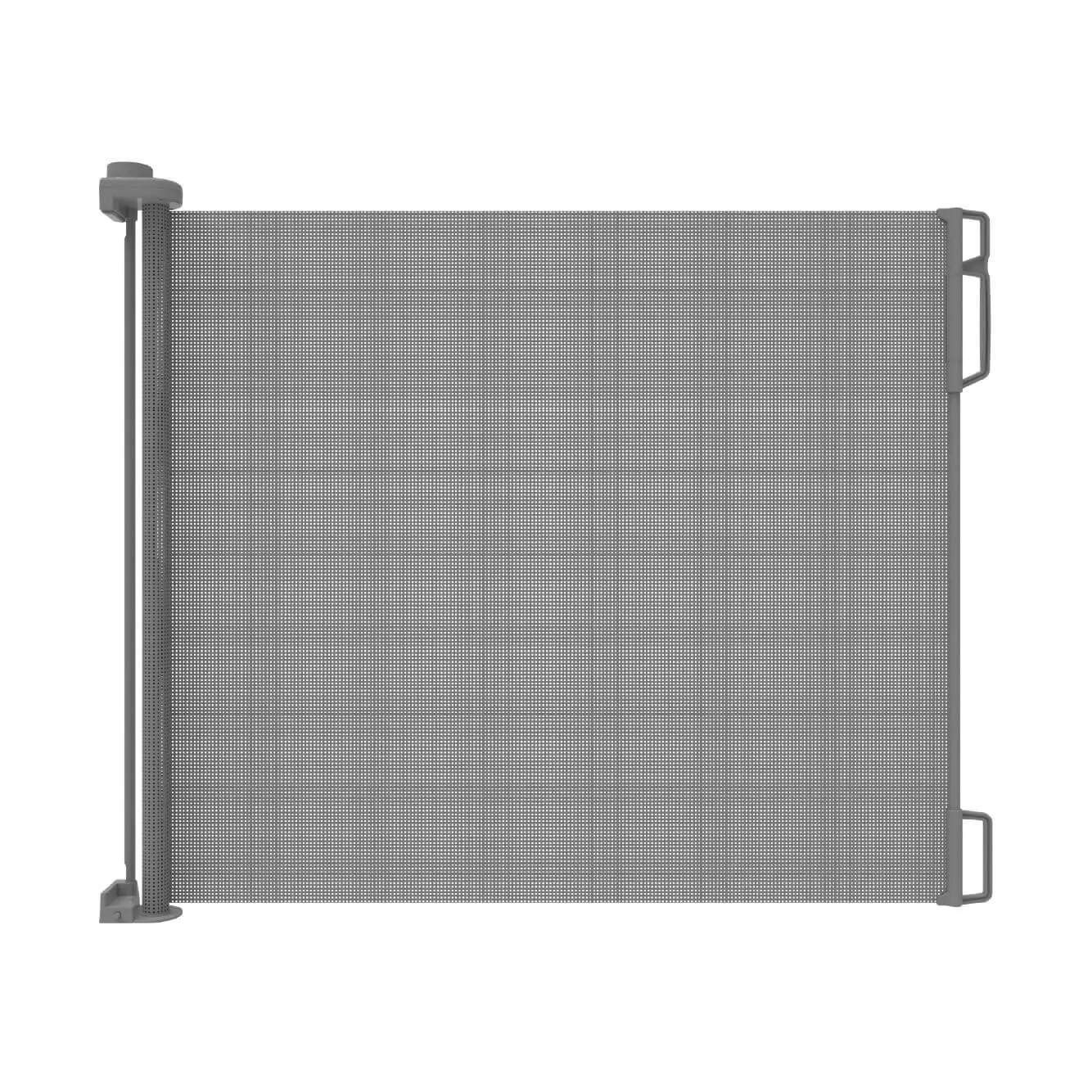
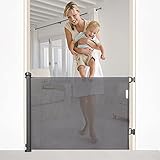
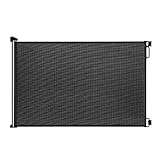
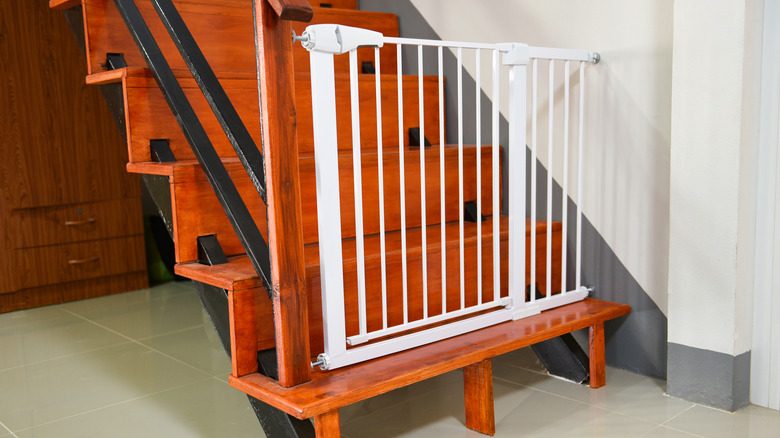
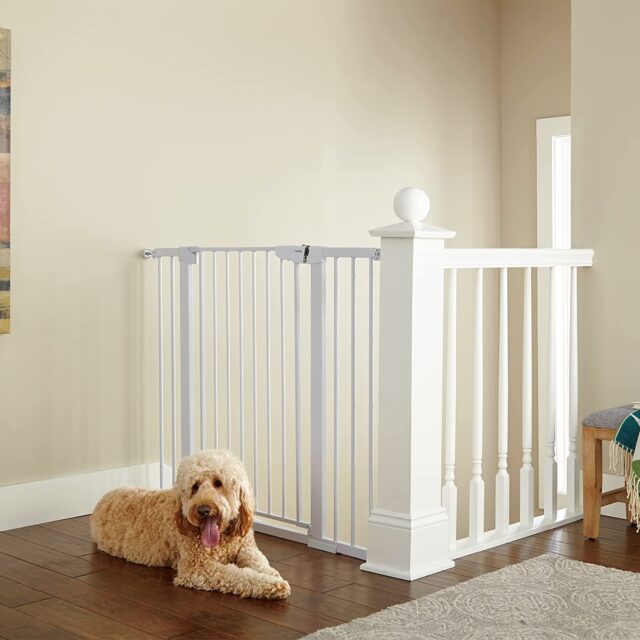
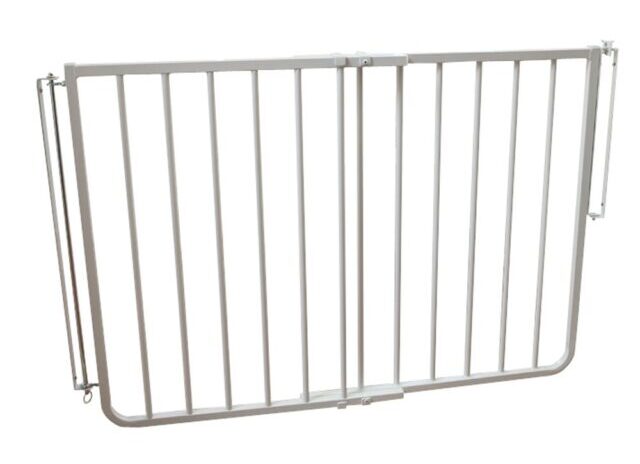
The Good Housekeeping Institute's parenting and product experts rigorously test various baby-related items. Their selection process for safety gates considers overall design, ease of assembly and use, and adherence to industry safety standards. The article categorizes the top ten safety gates for 2021, providing specific recommendations for different needs and environments. These include the KidCo Safeway Gate for overall performance, the Regalo Easy-Step Walk-Through Gate for value, the Toddleroo by North States Easy-Close Baby Gate for its self-closing feature, the Evenflo Top of Stairs Gate specifically designed for stairways, the Munchkin Easy Close Gate as a no-drill option, the Smart Retract Retract-A-Gate for its retractable design, the Summer Infant Extra Tall Walk-Thru Gate for additional height, the Regalo Widespan Extra Wide Baby Gate for broader openings, the Carlson Extra Wide Walk Through Pet Gate which includes a pet door, and the Toddleroo by North States Metal Superyard as a freestanding option.
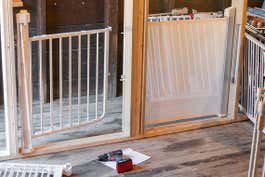
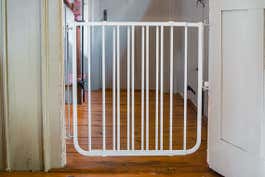
Two primary mounting techniques for baby gates are discussed: hardware-mounted and pressure-mounted. Hardware-mounted gates, which involve drilling into walls or infrastructure, are highlighted for their superior stability and are strongly recommended for use at the top of staircases, especially those without a step-over bar, to minimize tripping hazards. Pressure-mounted gates, in contrast, use tension rods for installation, requiring no drilling and allowing for easier disassembly, making them suitable for temporary use or travel, though they are more prone to misalignment and are not advised for stairways.
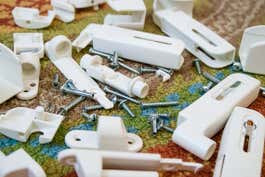
Key considerations for consumers when purchasing a baby gate include accurately measuring the installation space to account for architectural features like uneven surfaces or base molding, which might require additional mounting kits. The article advises prioritizing walk-through gates over climb-over models to prevent tripping, particularly for adults. Self-locking mechanisms are recommended to ensure the gate automatically secures itself, thereby enhancing safety by reducing the chance of human error in latching. Furthermore, checking for JPMA (Juvenile Products Manufacturers Association) certification is crucial, as it confirms the gate meets third-party safety standards regarding height and spacing. A critical safety guideline is to ensure that any gaps in the gate do not exceed three inches to prevent limb entrapment or escape, and gates should be mounted as close to the floor as possible, not exceeding three inches from the base. The article concludes by stressing the importance of correct assembly for all gates and suggests consulting a certified baby expert if installation assistance is needed.
#BabySafety #ChildProofing #BabyGates #HomeSafety #ProductReview #ParentingTips #StairSafety #InfantCare #JPMAcertified #BabySafety #ChildProofing #BabyGates #HomeSafety #ProductReview #ParentingTips #StairSafety #InfantCare #JPMAcertified
0 comment in total
 No comments yet
You may also like
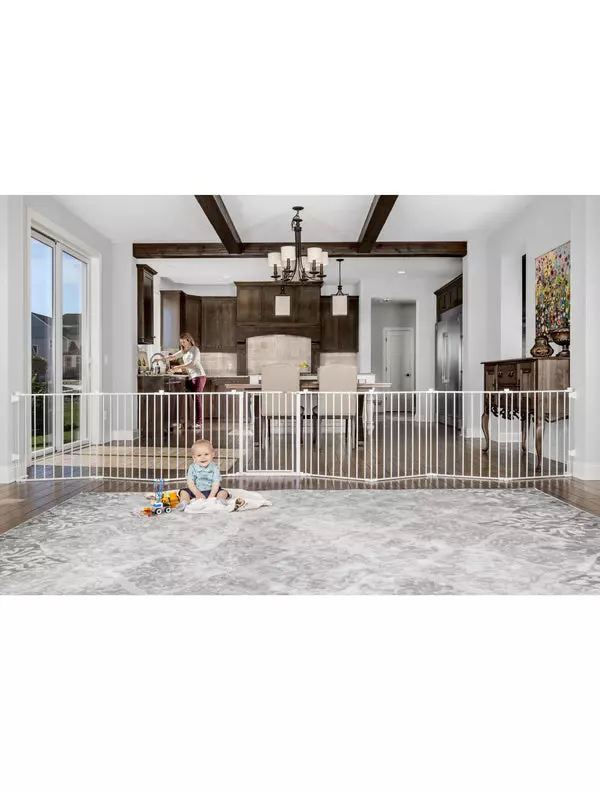
13 Best Baby Safety Gates To Keep Your Kids Safe At Home In 2025

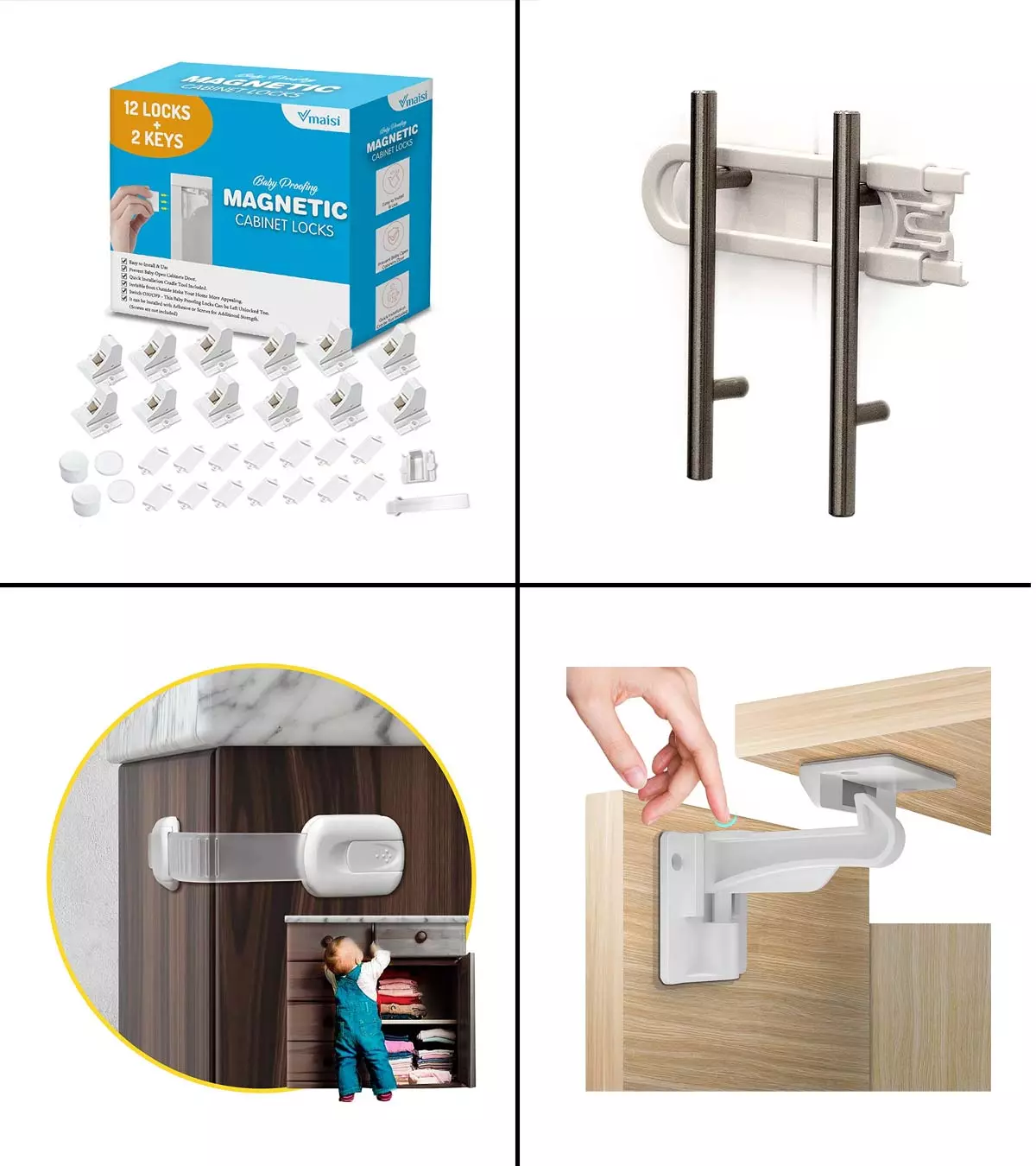
Baby Cabinet Locks: 11 Best Options For Child Proofing In 2025
11 Best Child-Proof Door Knob Covers In 2025

Slater Young’s home tip: No to horizontal railings

Herd the Little Ones: The Best Baby Gates for Keeping Your Kiddos Corralled


Our Favorite Baby-Proofing Tools | Reviews by Wirecutter
The Best Toddler Bed Rails To Keep Them Snug In Bed

20 Trendy Safety Door Designs to Elevate Your Home

Baby Safety Gates: 17 Top Picks For Your Home In 2025
Warm-weather safety: 7 tips to prevent kids from falling out windows

Tips On How To Make Your Stairs Child-Proof

We Tested The Best Door and Window Alarms to Keep Your Family Safe

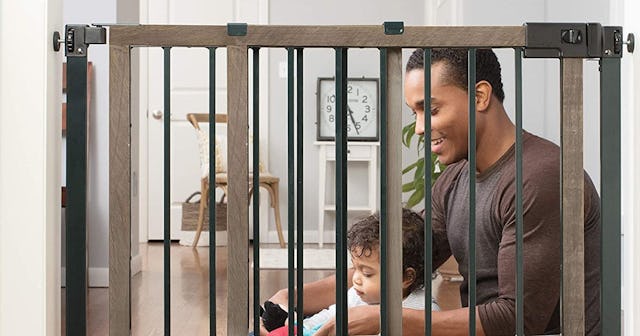
The Best Baby Gates That Keep LOs Safe & Mom’s Sanity Secure

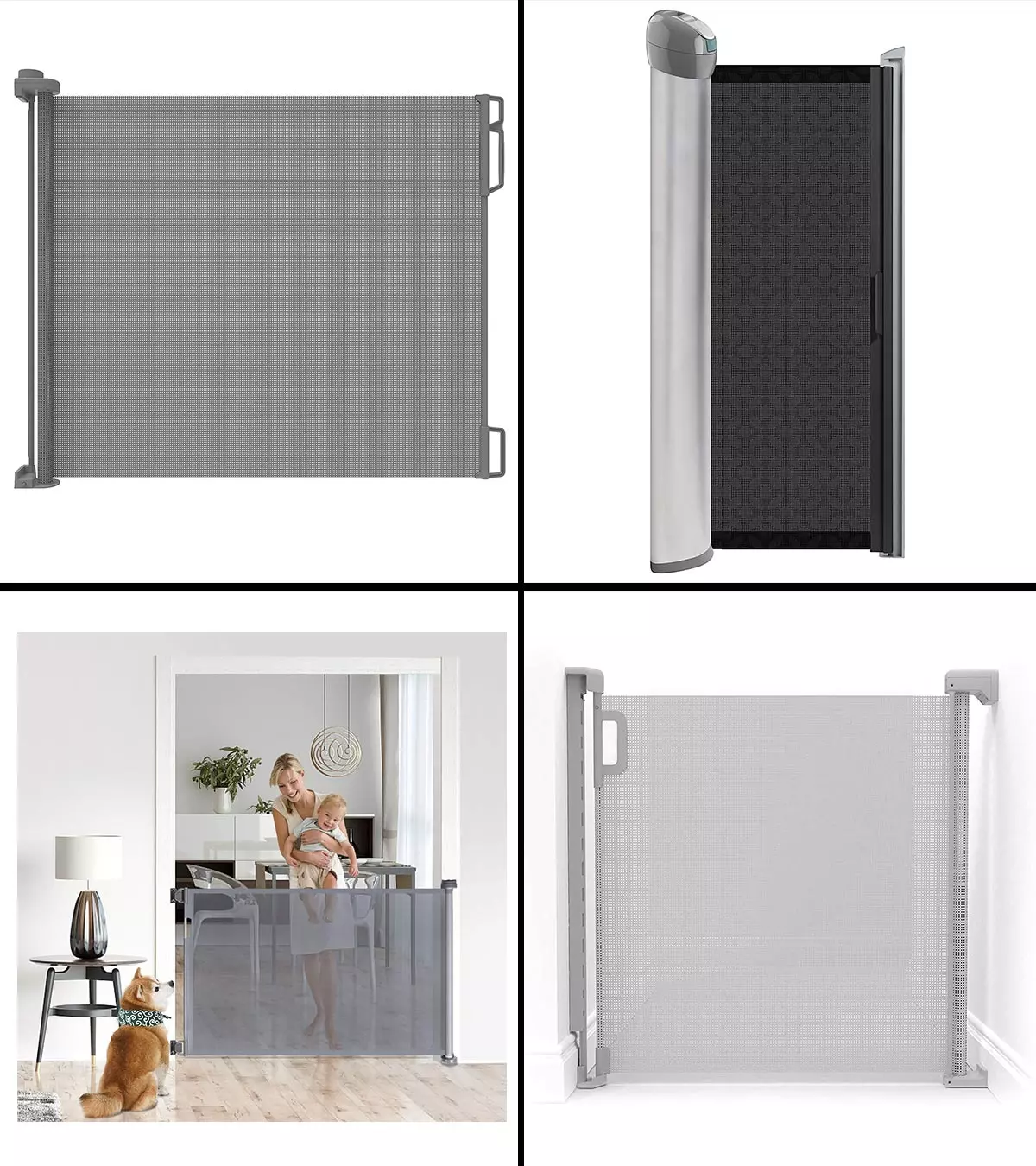
Retractable Baby Gates: 11 Best Safety Options For 2025
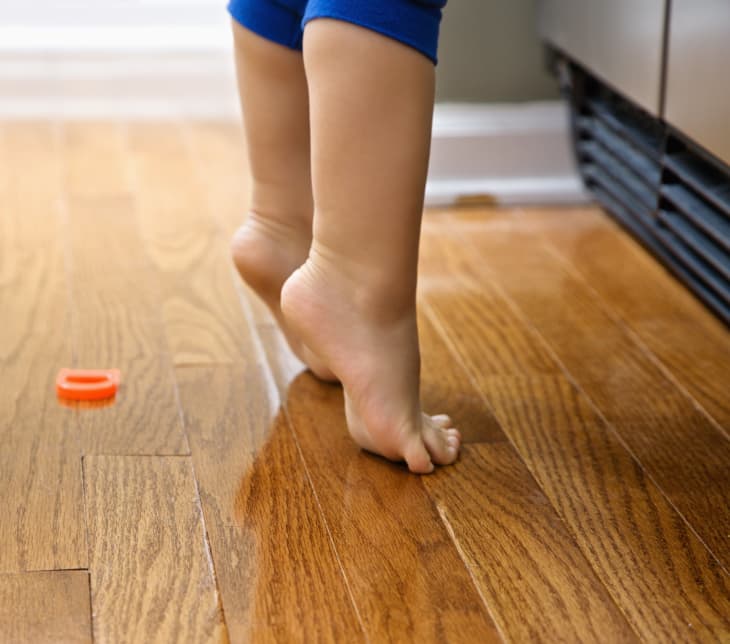
I Just Childproofed My Kitchen, and Here’s What I Did

10 Best Dog Gates


The Best Baby Gate | Reviews by Wirecutter
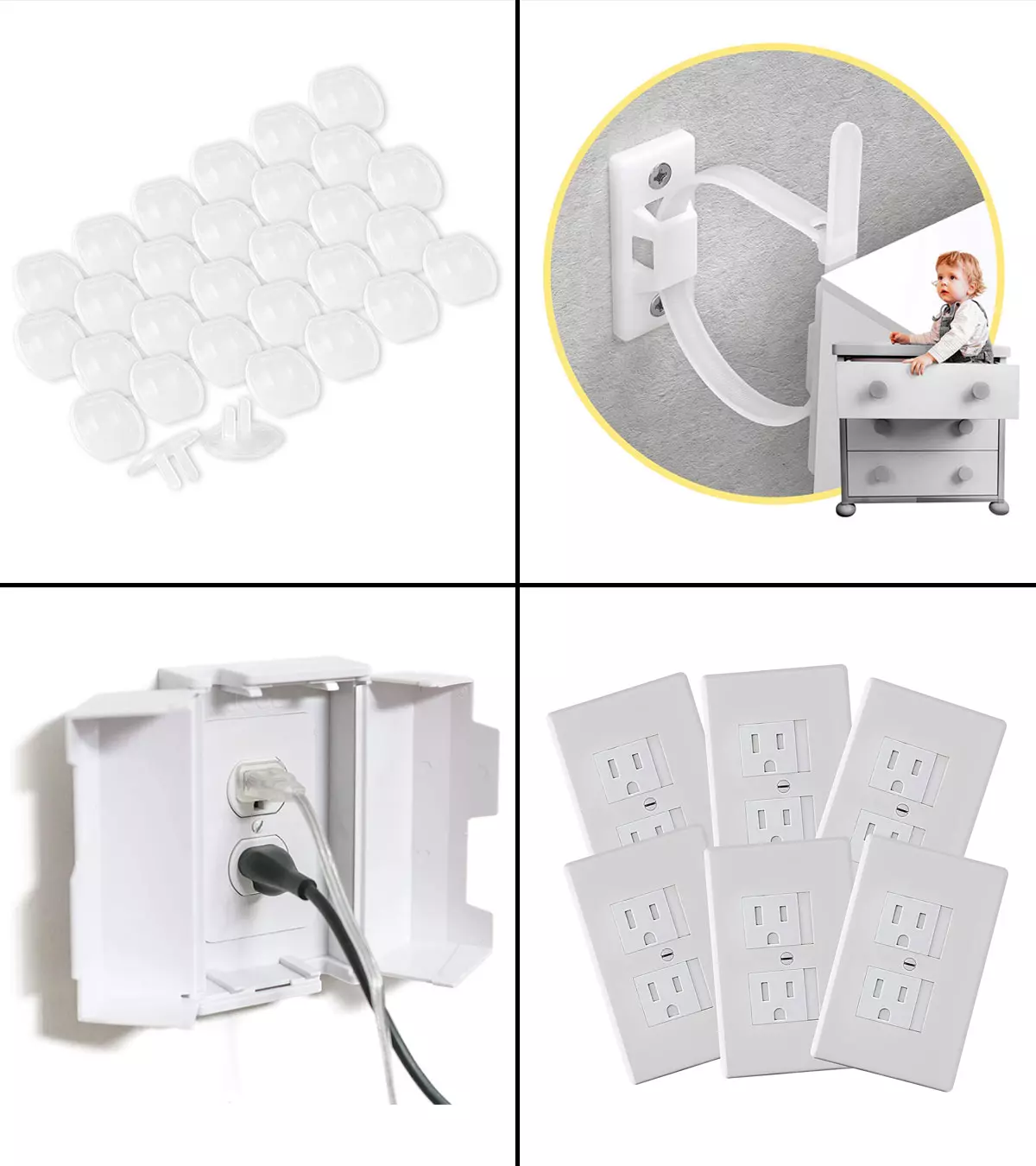
Baby Proofing Products: 15 Essential Safety Picks For 2025

The 13 Very Best Play Mats for Babies and Kids

How to Properly Babyproof a Fireplace