Think small when adding plants to a rock garden
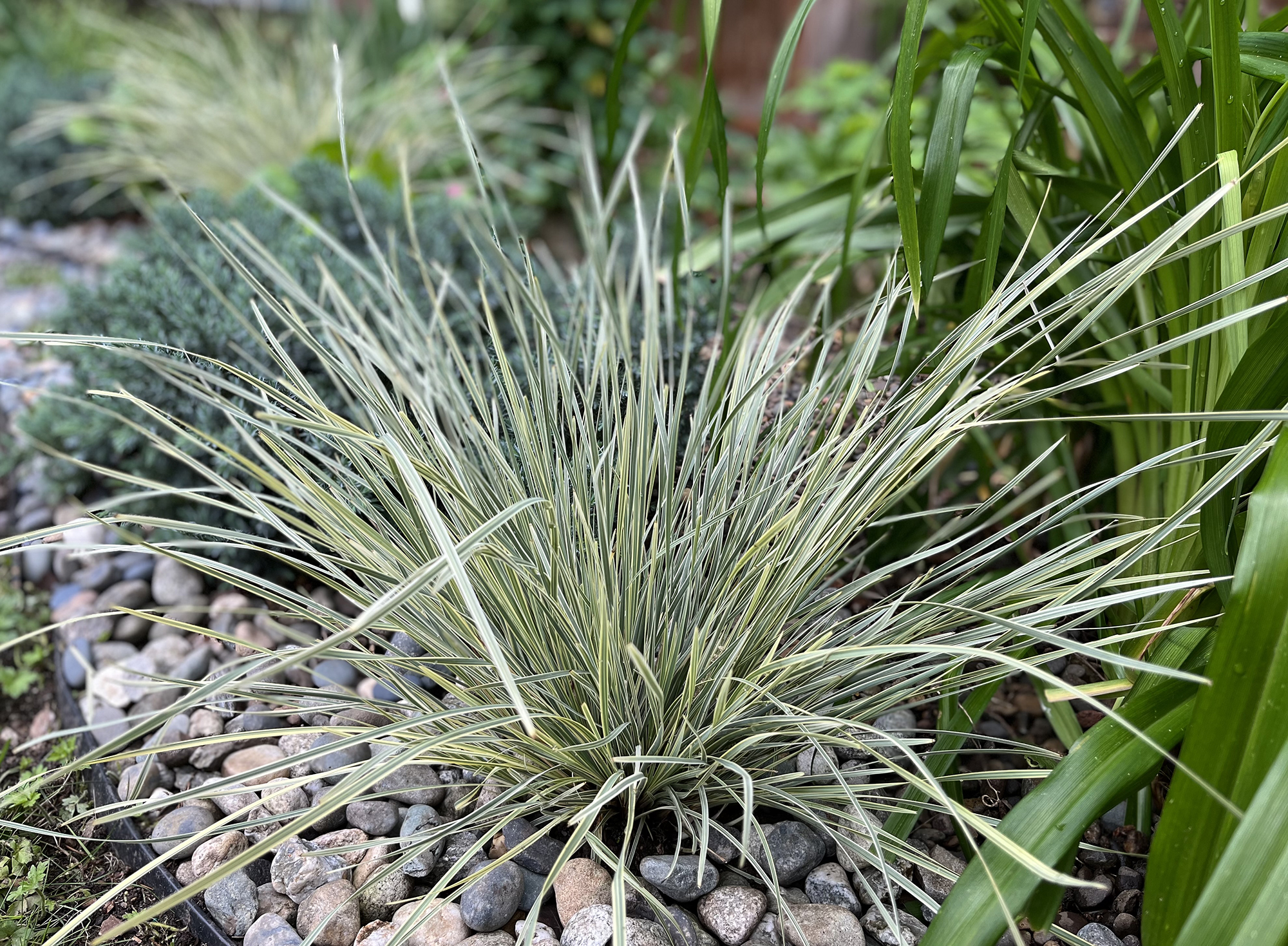
The art of rock gardening offers an alternative to traditional large-blooming flora, focusing instead on small, subtle, yet beautiful plants. As discovered by Ann Rosenberg on a 1985 trip to England, where she encountered small penstemons, these miniature plants can captivate with their distinct charm. Rock garden plants typically stand under four inches tall, though dwarf conifers and similar features might reach up to twelve inches. Despite their small stature, their flowers can exhibit vibrant colors and disproportionately large sizes, allowing for a high density of plants within a limited area.
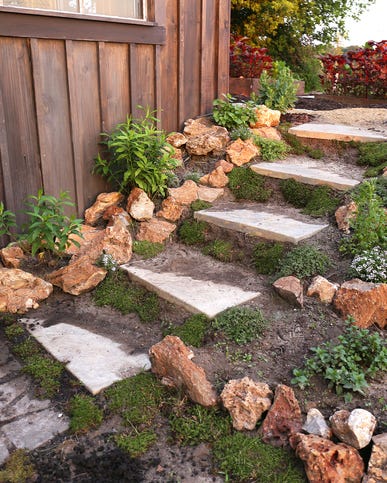
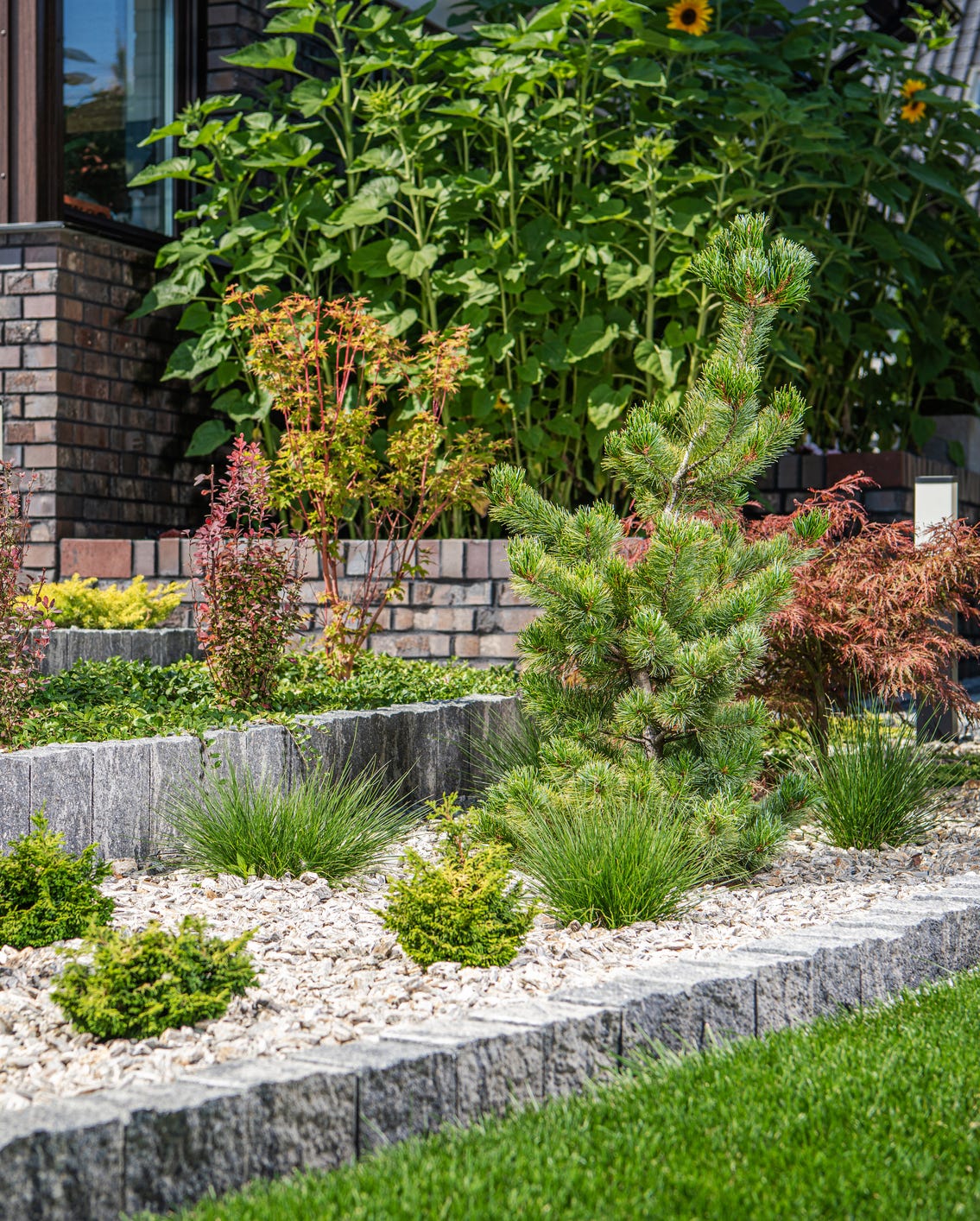
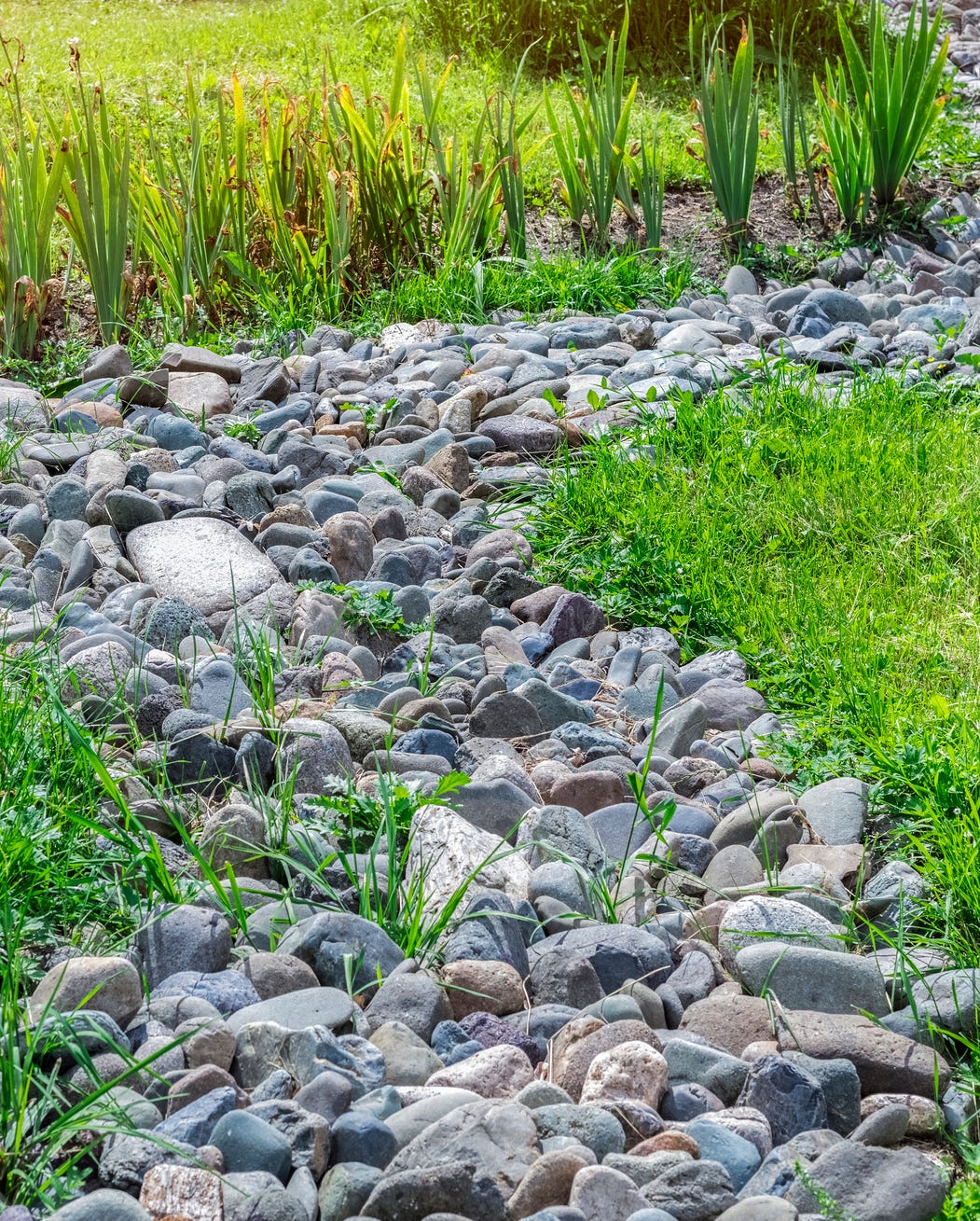
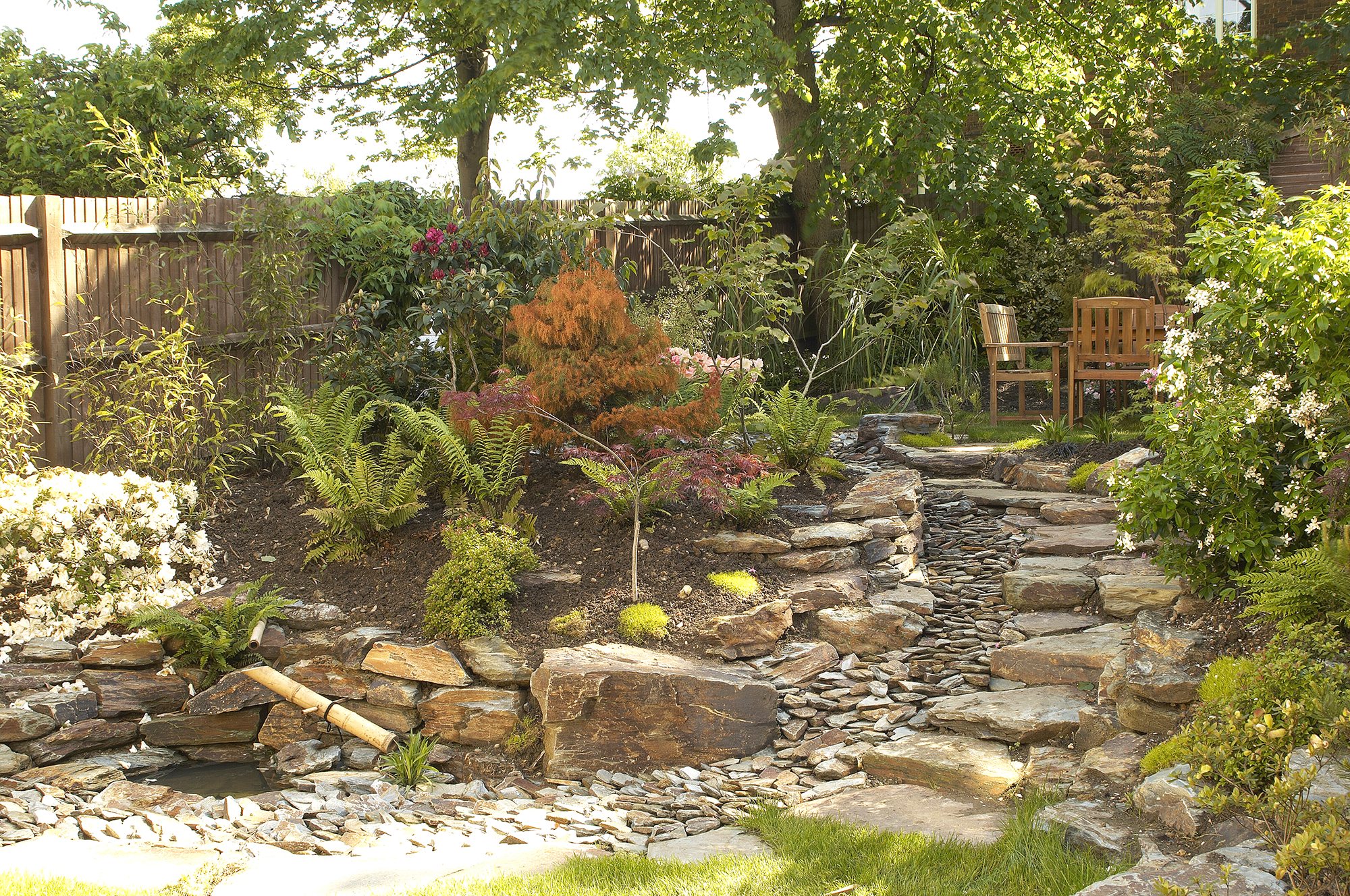
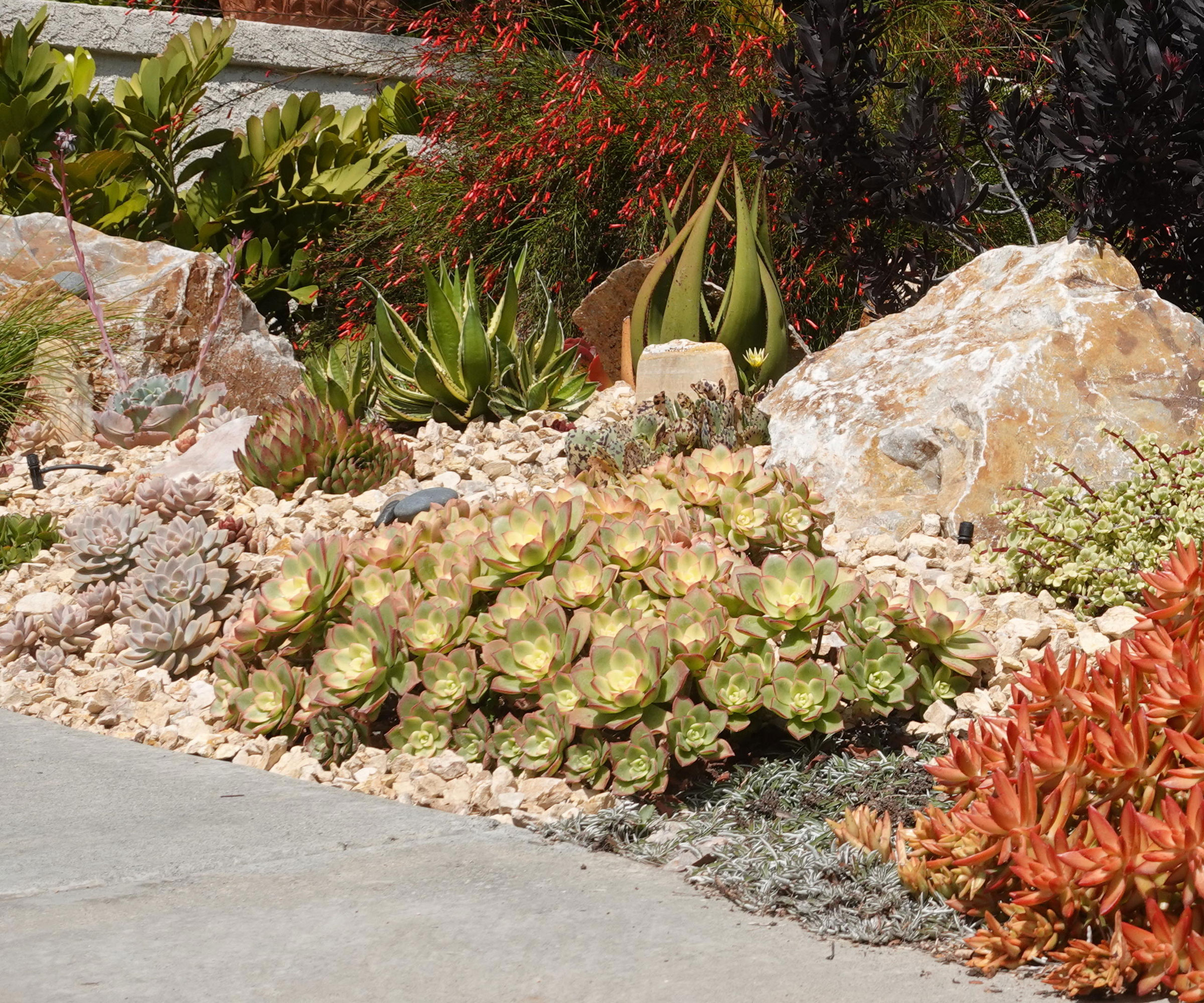
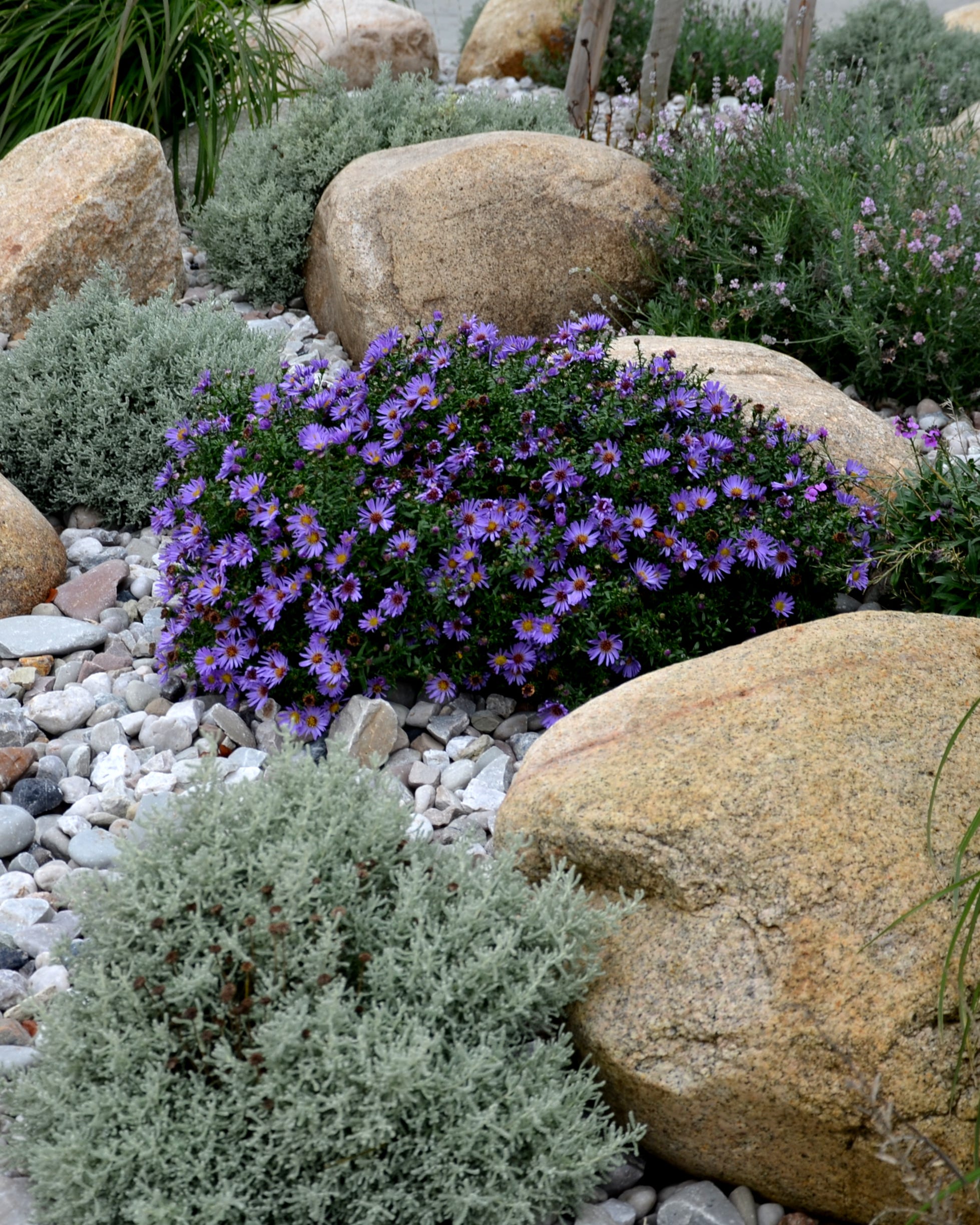
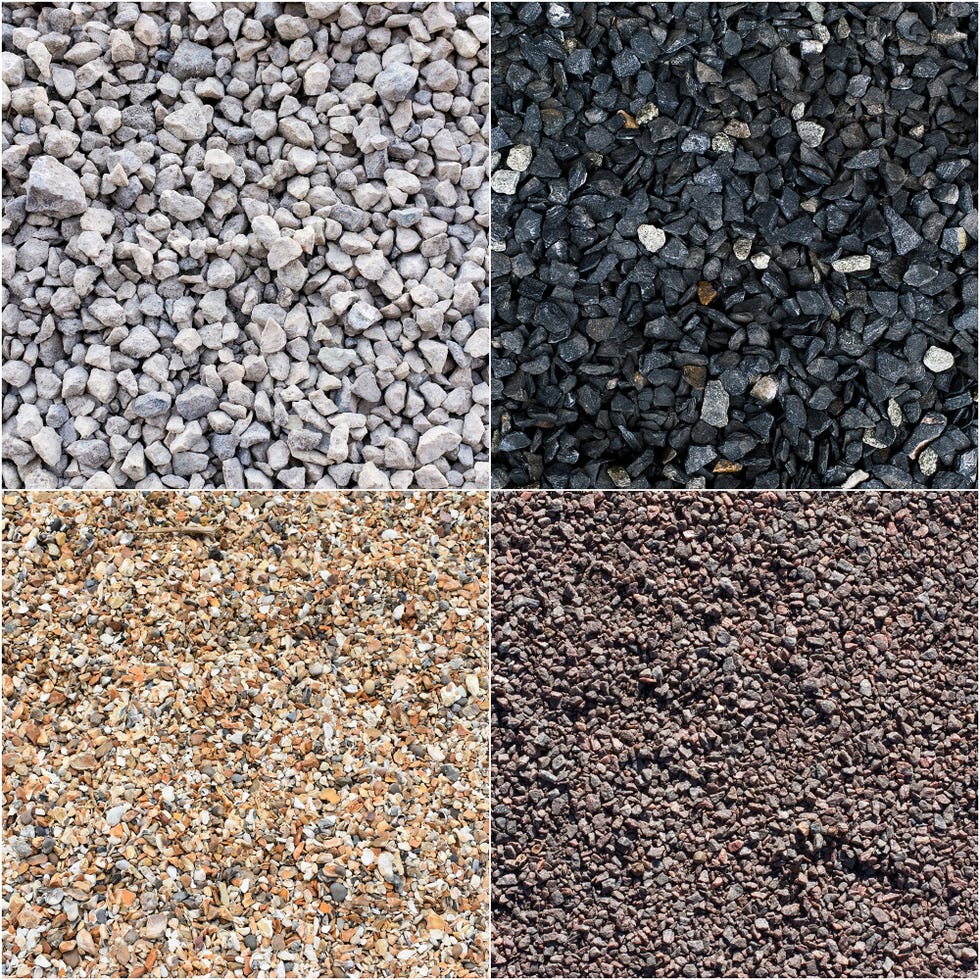
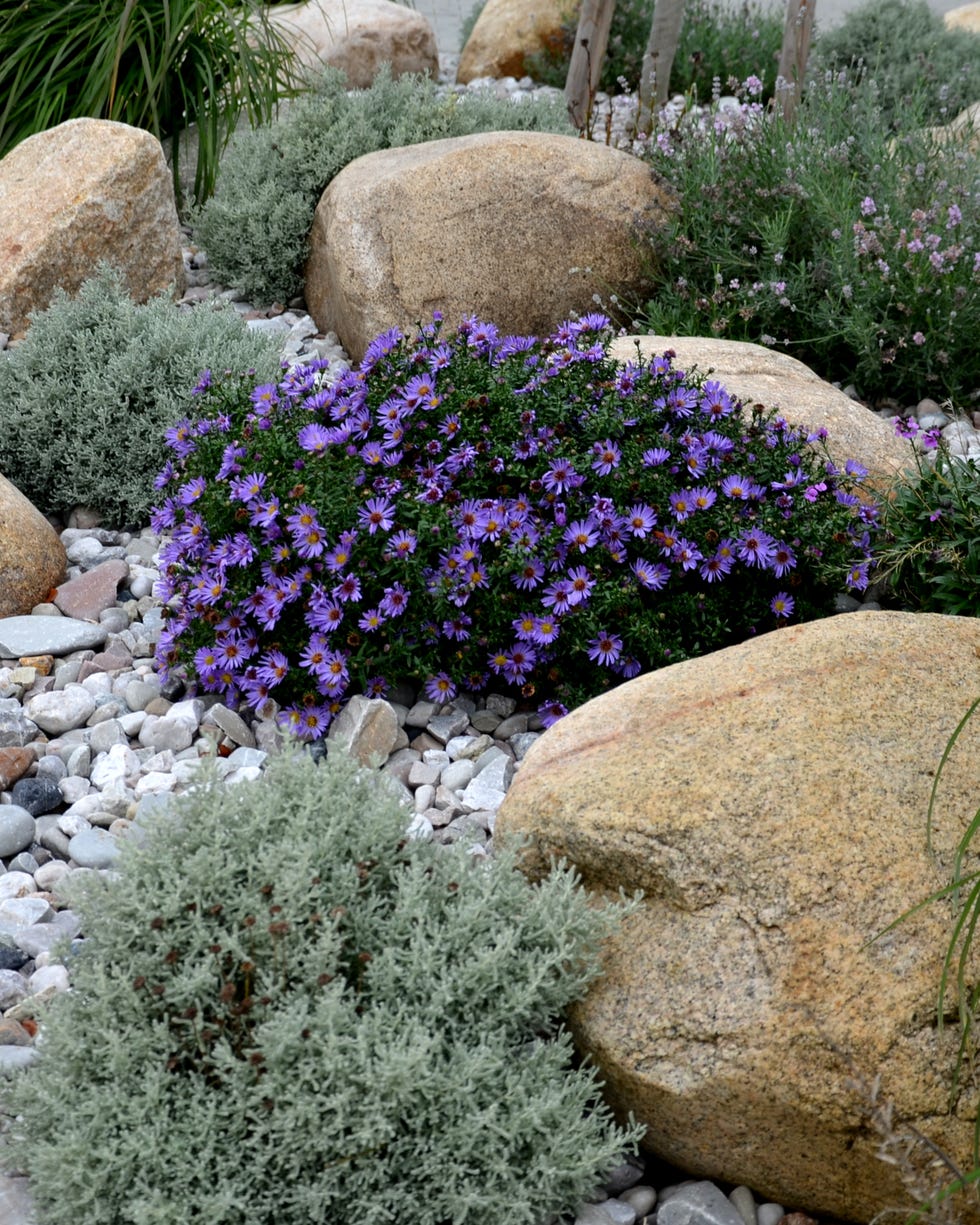
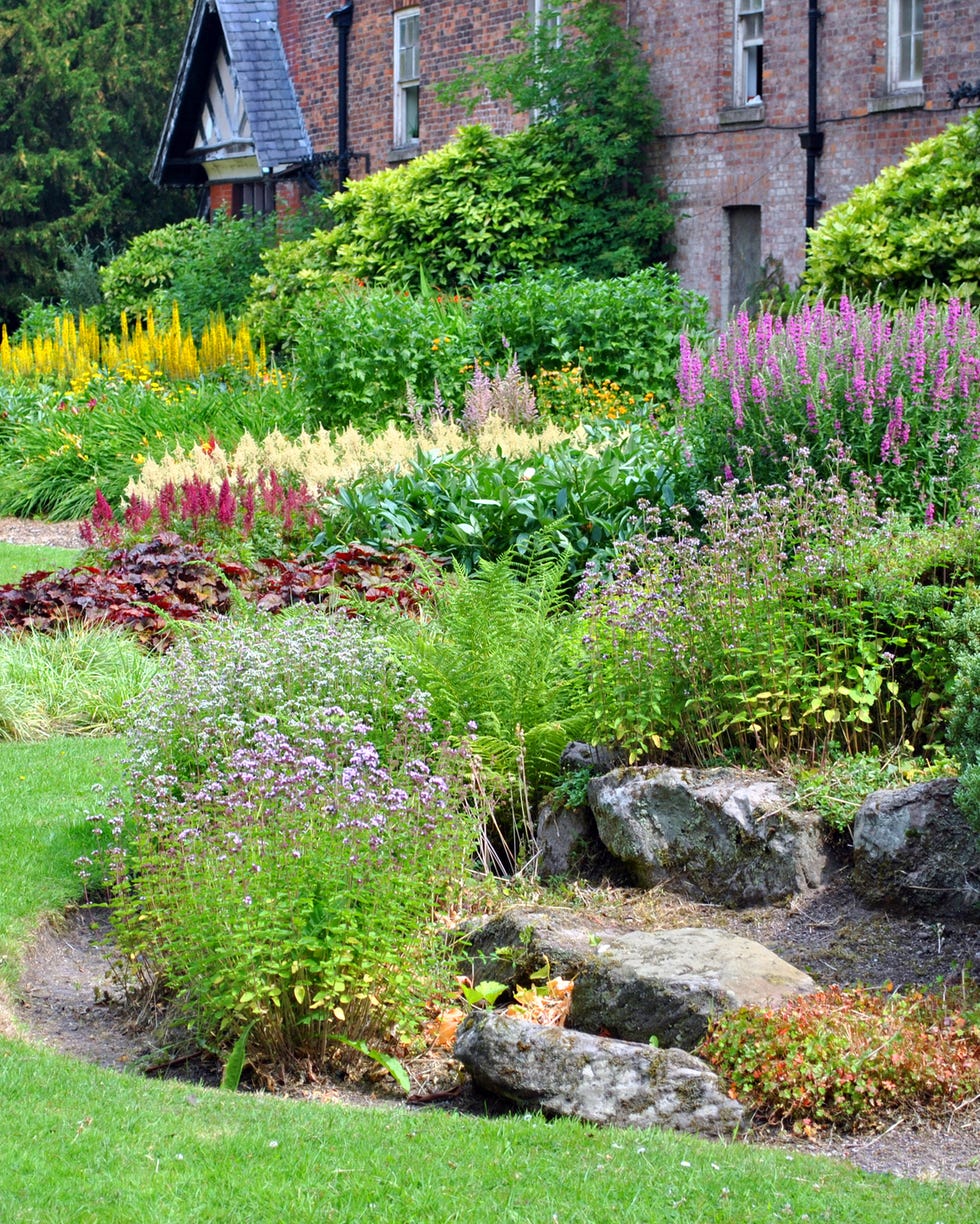
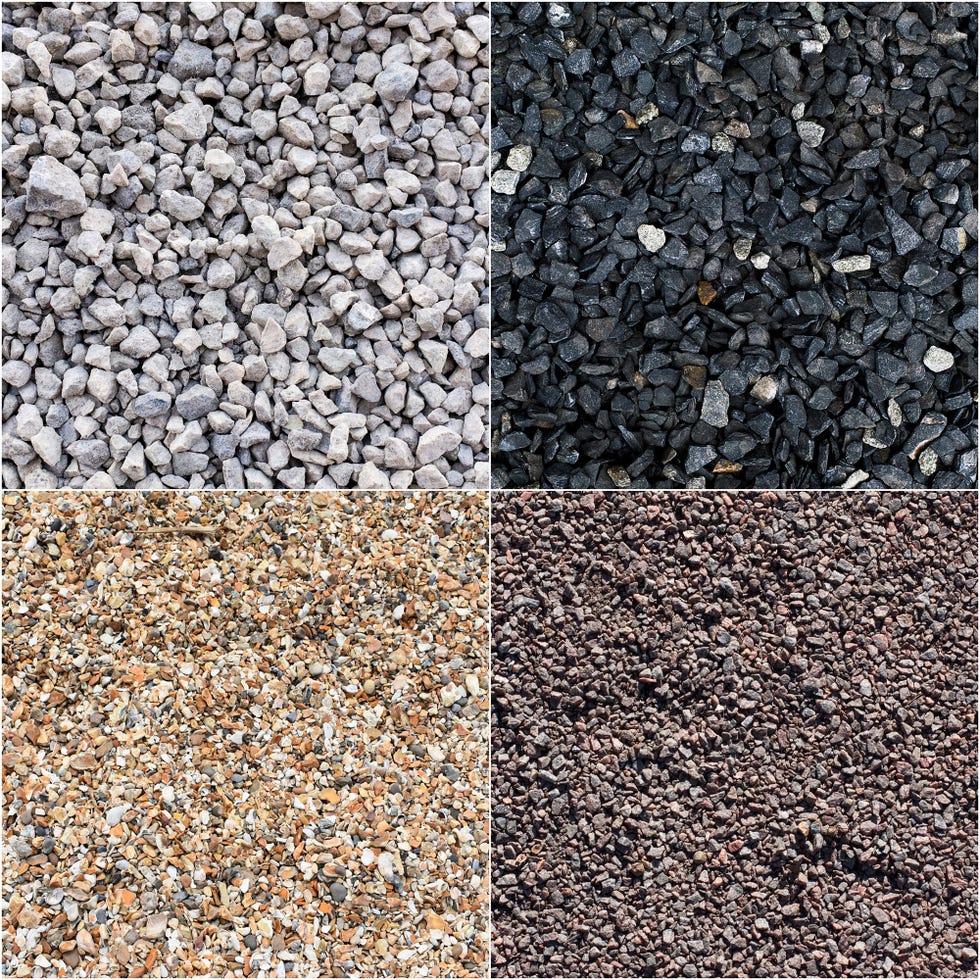
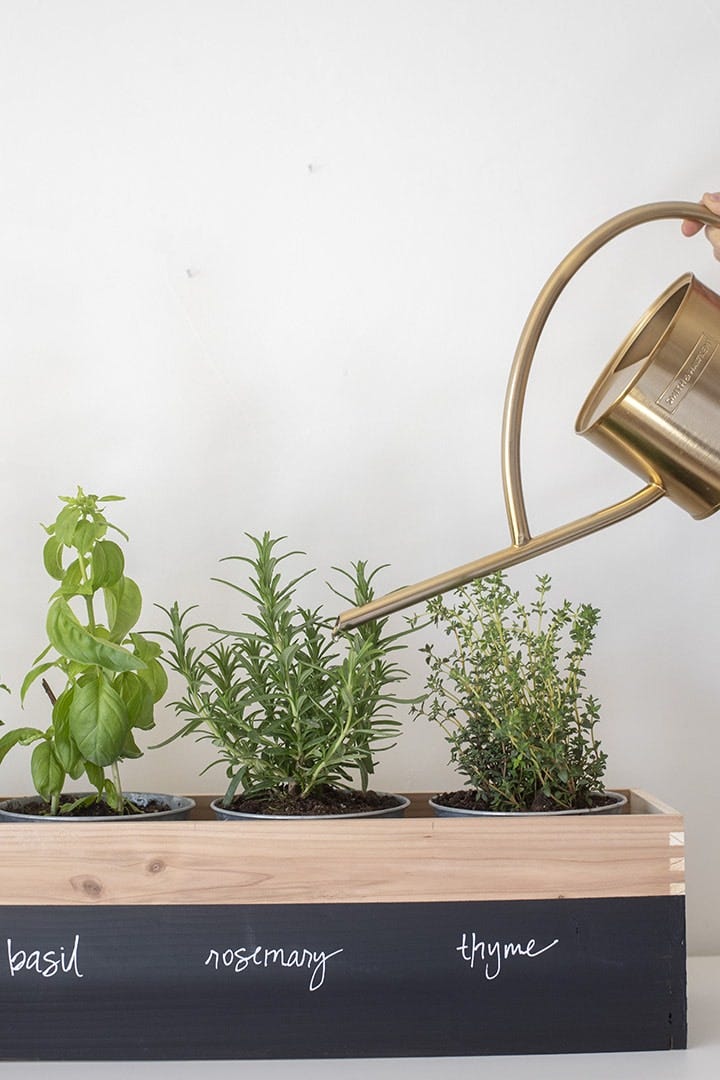
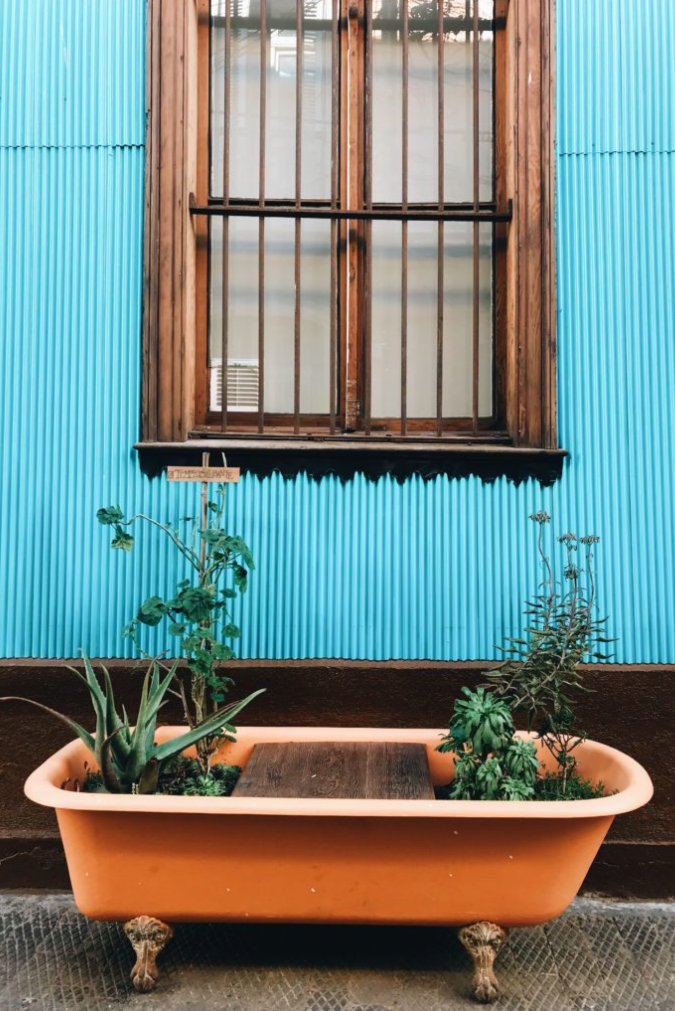
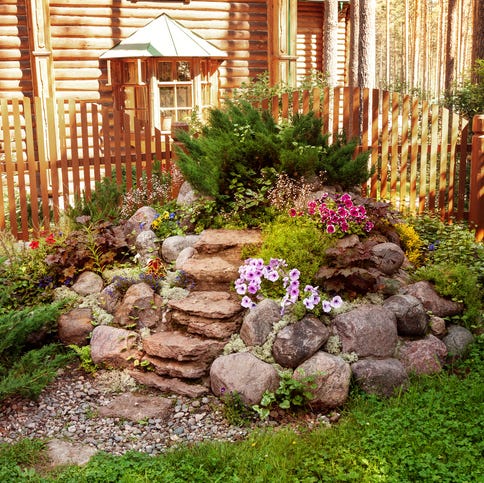
These tiny plants, often forming buns, mats, and cushions, are strategically placed in crevices and fissures where soil may be scarce. Their diminutive size serves to highlight the natural beauty—color, form, size, and texture—of the rocks surrounding them. A rock garden can be established in various forms, including containers, troughs, raised beds, bonsai dishes, antique sinks, or even perennial patches. The planting medium can range from a mix of topsoil and sand to gravel or scree, which are weathered rock fragments. Additionally, rock gardens can be integrated into walls, as exemplified by the Morris Arboretum in Philadelphia, which features a six-foot wall adorned with jewel-toned alpine plants.
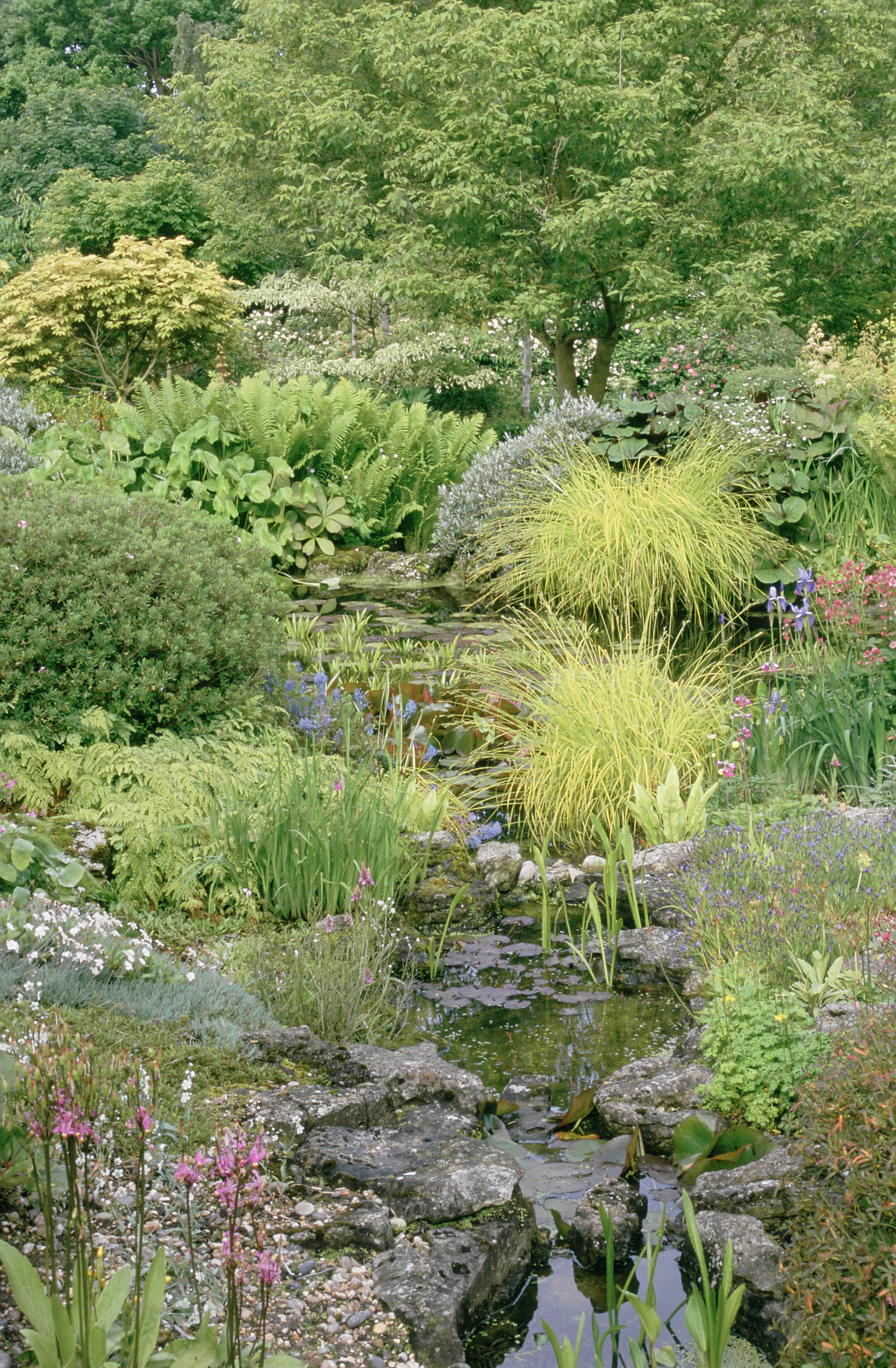
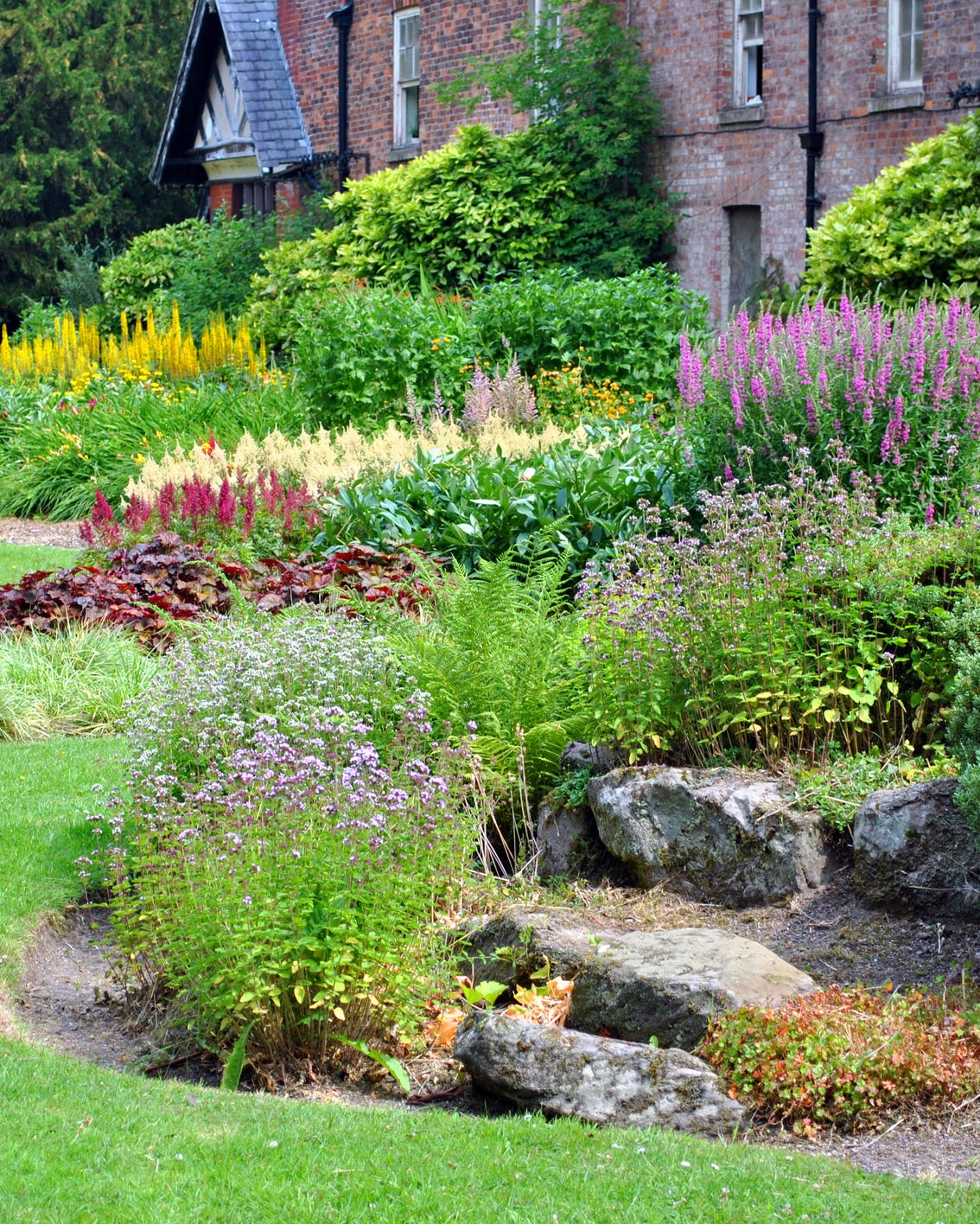
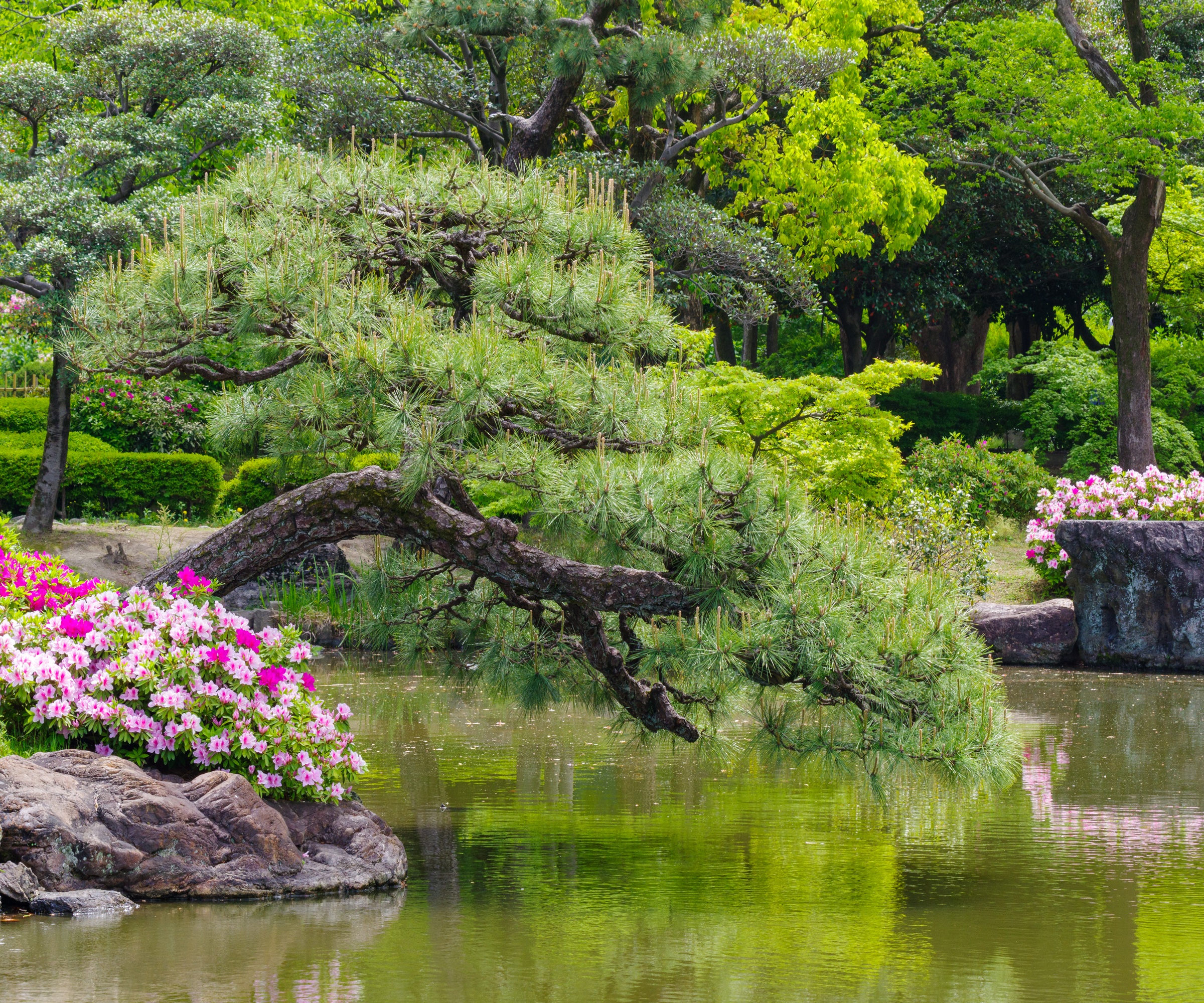
Ann Rosenberg, while not maintaining a strict rock garden, employs rock garden plants to create a woodland setting behind her home. Her landscape includes soft-blue forget-me-nots and ultraviolet bluets (Quaker ladies) that line curved paths, providing a vibrant contrast against the spring-green foliage. She also cultivates primula, armeria, daphne, dianthus, gentian, and miniature hostas and narcissus, some of which are grown in troughs crafted by her husband. Among her favorites is Gentiana acaulis, a four-inch-tall Alpine native with striking kingfisher-blue trumpet-flowers measuring two and a half inches long, which evokes the image of a hillside dotted with these blooms.
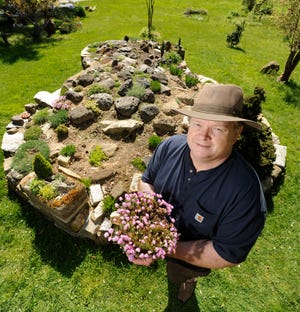
The essence of a well-executed rock garden lies in its natural appearance, suggesting an undisturbed, long-established scene. Pat Valentine, owner of Valentine Gardens, a specialty nursery in Coatesville, Pennsylvania, emphasizes the artistic aspect of rock gardening. He states that while it involves planting next to rocks, it's an intricate art form focused on replicating the natural growth found on mountain sides. Valentine’s nursery specializes in propagating and selling unusual plants suitable for various garden types, including rock, water, sun, and shade gardens. He has constructed a figure-eight rock garden in his sunny yard to demonstrate proper techniques.
Valentine shares Rosenberg's sentiment regarding the appeal of these miniature landscapes, describing them as "so cute." Visiting his rock garden requires close observation, encouraging visitors to bend down and meticulously examine the plants. The figure-eight garden, spanning 22 feet long and 10 to 12 feet wide with a central mound, takes nearly an hour to traverse due to the detailed scrutiny it invites. Valentine, with 47 years of experience in the nursery and landscape trade, finds these plants quirky and romantic, noting that working with them fosters "major character development." He incorporates various natural stones, such as feather rock, lichen-covered limestone, jagged lava rock, granite street stone, and quartz, emphasizing the importance of natural materials and appropriate scale.
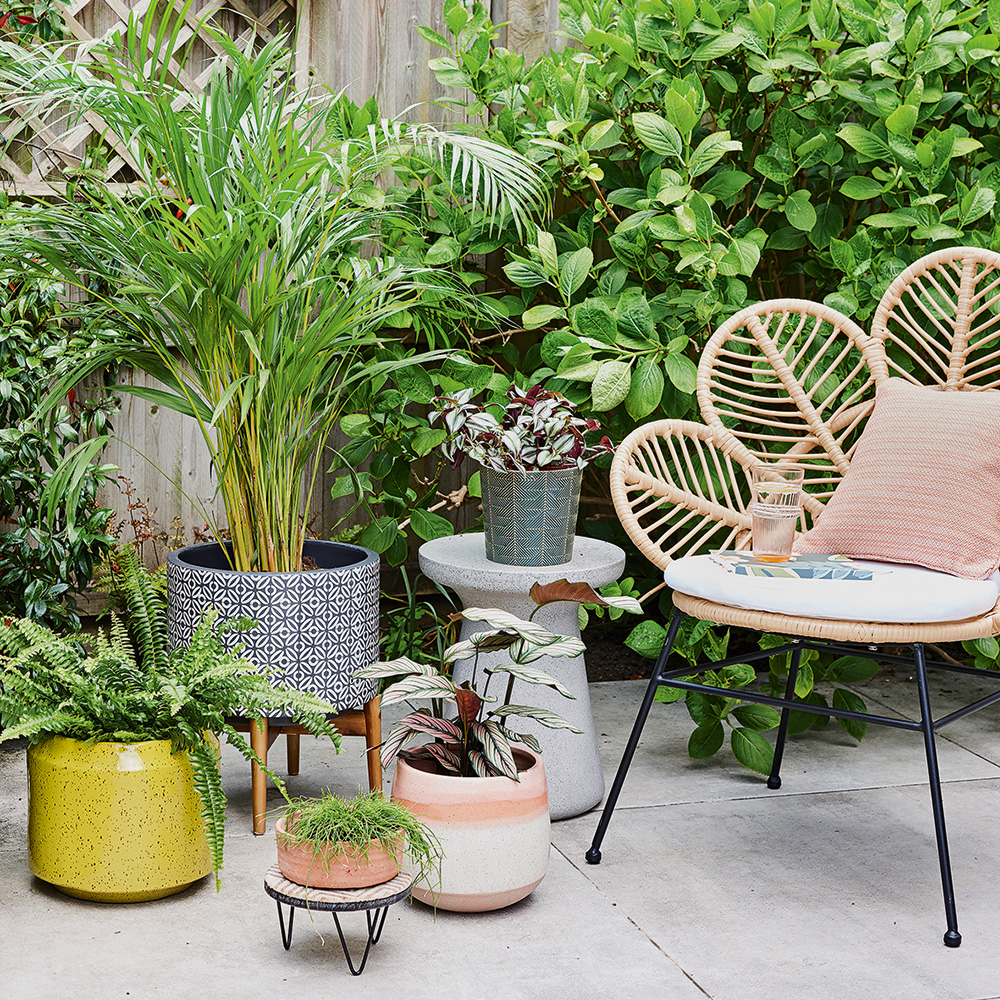
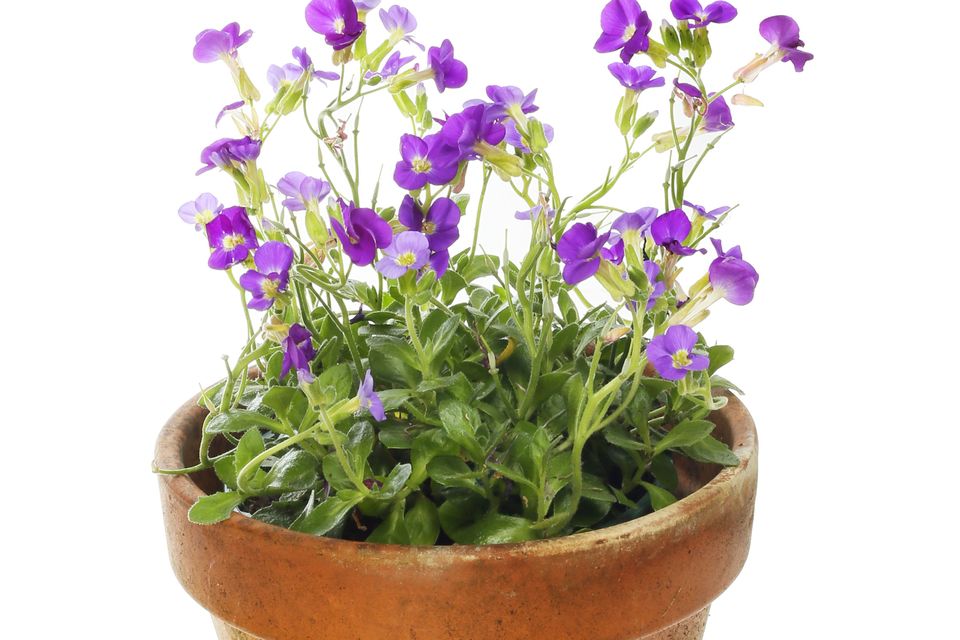
Bobby Ward, executive secretary of the North American Rock Garden Society, highlights the suitability of rock gardens for urban gardeners and those with limited space. He explains that these plants thrive in containers and troughs, which can be placed at eye level on porches or decks in condominiums. Ward acknowledges that rock gardens, regardless of their size, may not appeal to everyone due to their understated nature; they are neither garish nor overtly bold. They demand meticulous attention to detail, an artistic sensibility, and occasionally, patience for finicky plant habits. For those who embrace these requirements, the unique appeal of buns, mats, and cushions of rock garden plants can be deeply rewarding.
#RockGardens #SmallPlants #GardeningTips #LandscapeDesign #DwarfConifers #ContainerGardening #AlpinePlants #NaturalStone #Horticulture #RockGardens #SmallPlants #GardeningTips #LandscapeDesign #DwarfConifers #ContainerGardening #AlpinePlants #NaturalStone #Horticulture
0 تعليق إجمالاً
 لا توجد تعليقات بعد
قد تعجبك أيضًا
Upgrade Your Backyard with These Creative Rock Garden Ideas

Front yard landscaping with rocks and mulch: 8 expert ideas

8 low-maintenance gravel garden ideas

For the Garden | Zen and Now

Rock Gardens Are the Ultimate Hack for a Low-Maintenance Lawn
Easy garden ideas – 34 low-maintenance ways to enhance your outdoor space
Diarmuid Gavin’s rockery stars: the best alpine plants for cascading over natural stone walls, rocks or even pots
13 small garden design ideas that maximise space and greenery

You Have to See These Rock Garden Ideas for Every Type of Landscape

Use stone to update, add interest to your landscape

Budget-Friendly Ways to Transform Your Small Garden Into a Dreamy Oasis

10 Best Vertical Garden Planters

16 Rock Garden Ideas for a Beautiful, Low-Maintenance Landscape


Decorative Stones & Gravel

Garden Pros Say This Japanese Design Idea Is the Secret to an Easy Yard
A Self-Watering Pot, Gorgeous Watering Can, and More Great Gifts for Plant Lovers

Rock garden ideas – 20 ways to create a stylish rockery in your backyard
8 low-maintenance gravel garden ideas
You don't need much space or sun to have a flourishing garden
9 of the best plants for vertical gardens