1/16
15 Kitchen Design Trends From The '80s That Still Hold Up Today
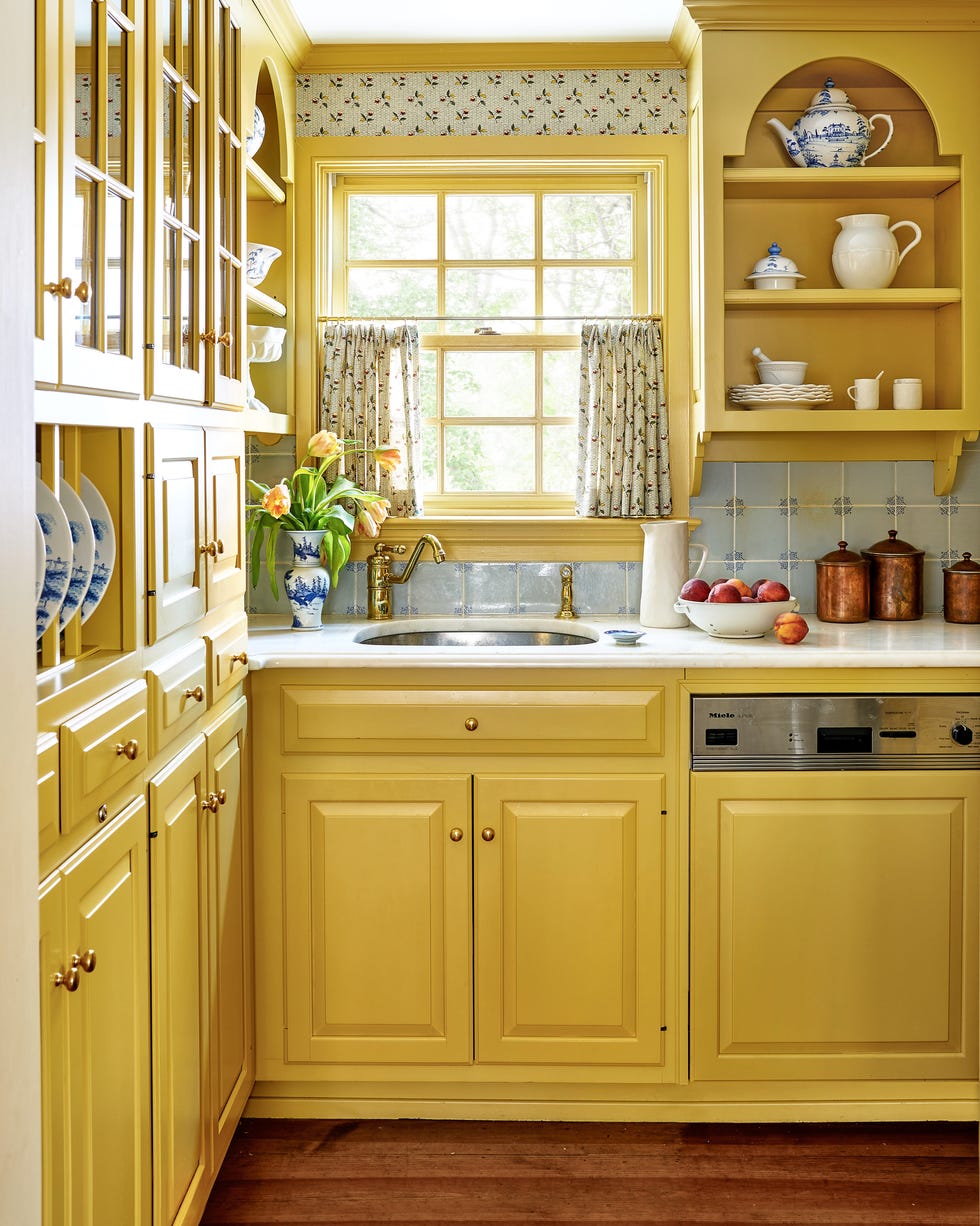
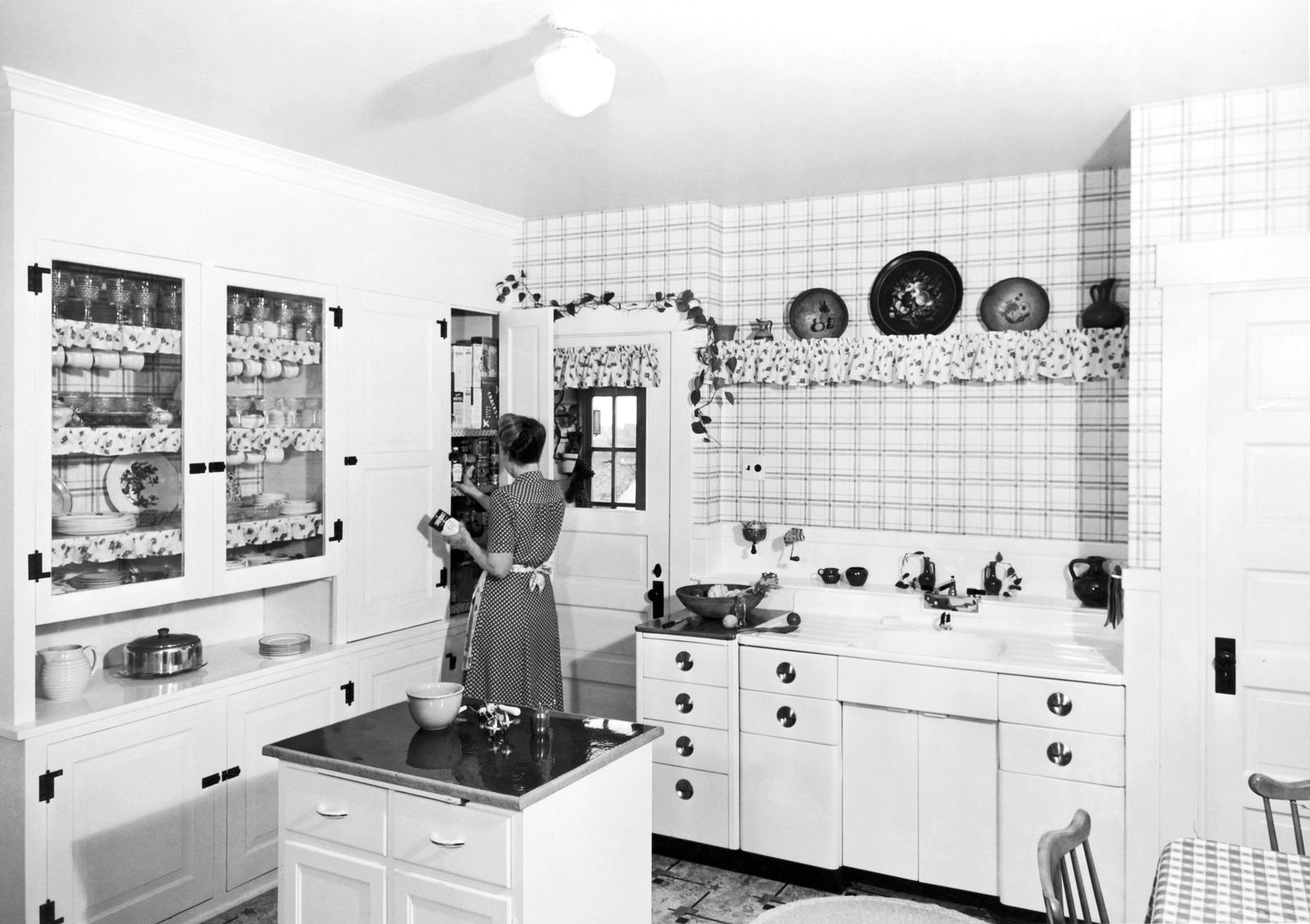
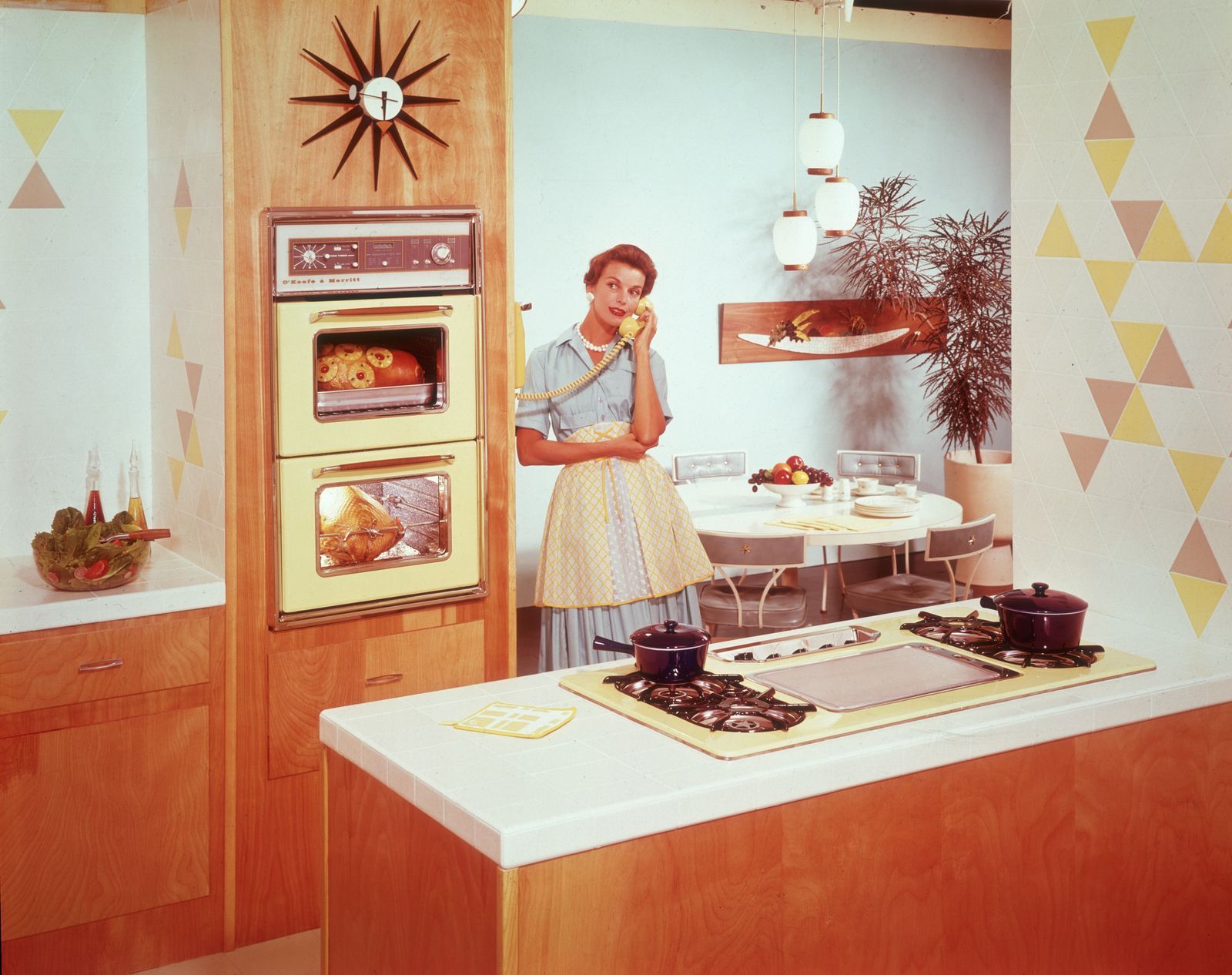
The 1980s, despite associations with feathered hair and polyester, left a significant and enduring mark on interior décor, particularly in kitchen design. Many elements from 80s kitchens are not only relevant today but are experiencing a strong resurgence. This trend is a reaction to the minimalist, all-white kitchens that dominated the previous decade, with people now seeking warmth and personality in their living spaces. Design cycles, and after 30 to 40 years, styles often make a comeback. The '80s combined fun and creativity with practical design, a balance that is appealing after a decade of sterile white kitchens.
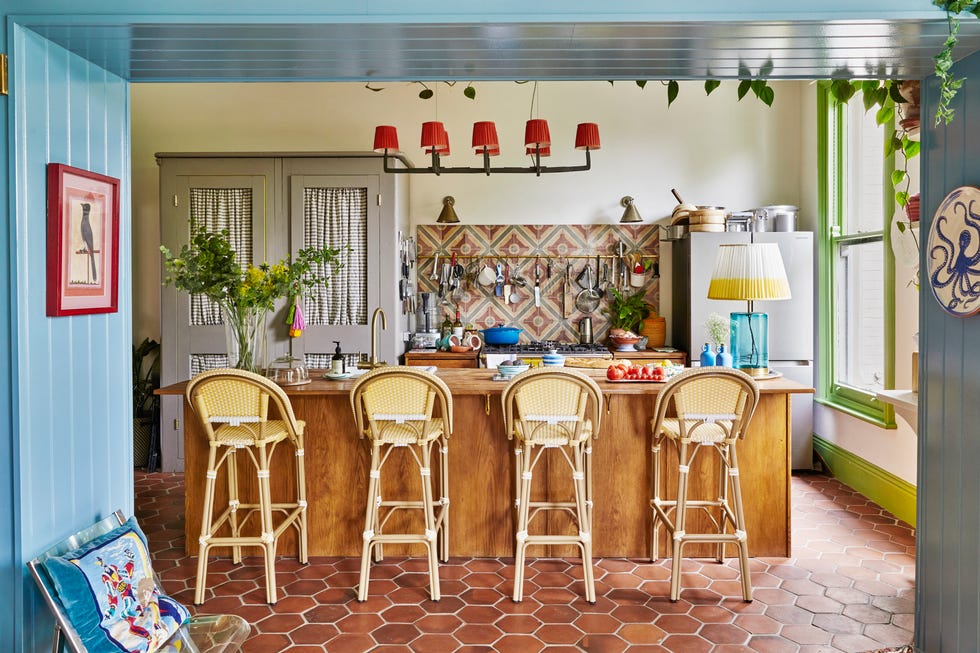
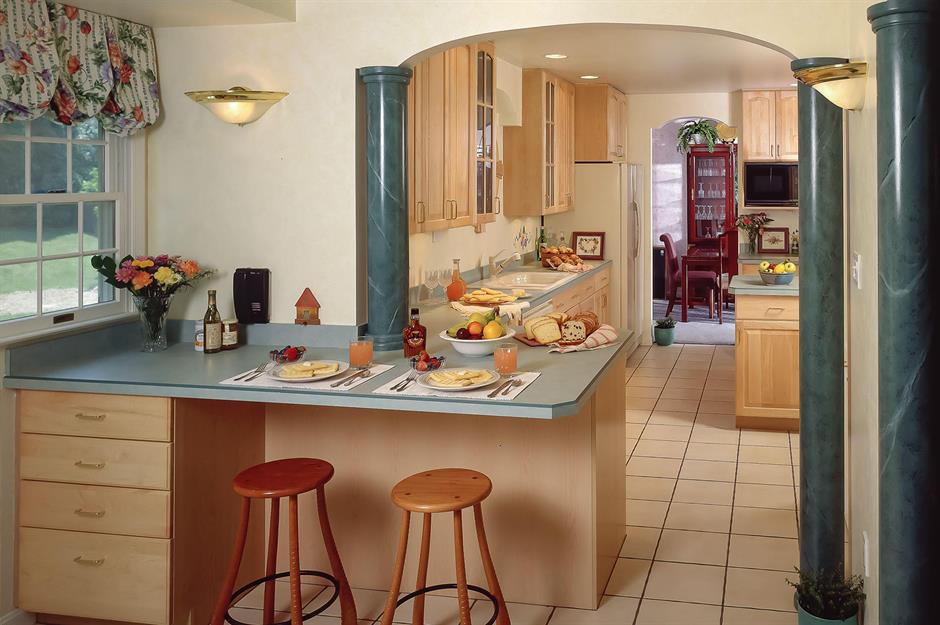
One of the most significant overarching trends from the '80s that continues to be popular is the open-plan kitchen. This design philosophy, which began gaining traction in the 1950s with architects like Frank Lloyd Wright, emphasizes togetherness and social gatherings by merging the kitchen with living or dining areas. While earlier kitchens were closed off to contain heat, noise, and smells, the '80s embraced the kitchen as a central hub, a concept that remains standard in modern home layouts. The continued popularity of open-plan kitchens highlights their ability to integrate the kitchen into the broader living space.
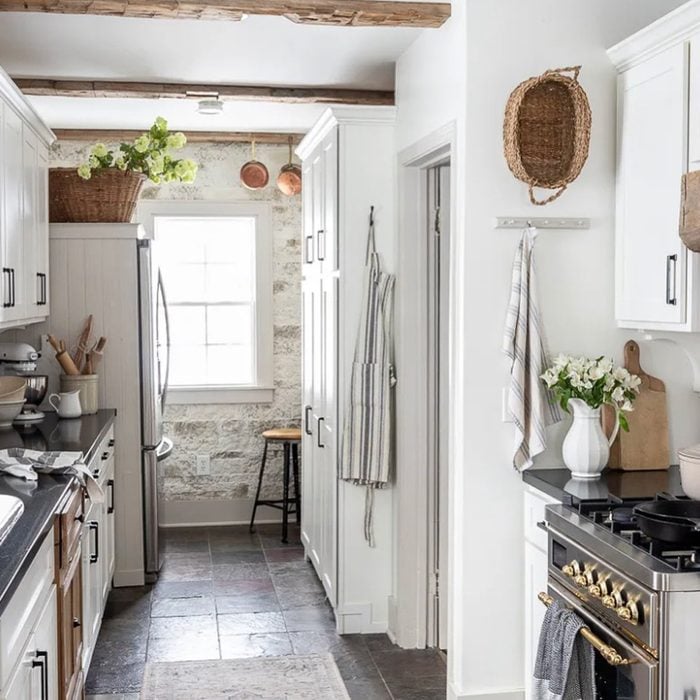
Beyond the open layout, the '80s also popularized the kitchen work triangle, an efficiency-driven design principle that places the refrigerator, stove, and sink in a triangular formation to minimize movement while cooking. This concept, focused on thoughtful workflow, is crucial for both aesthetic appeal and practical functionality in a kitchen. Experts agree that this principle is timeless, with some kitchens further integrating zones like desk areas or breakfast bars.
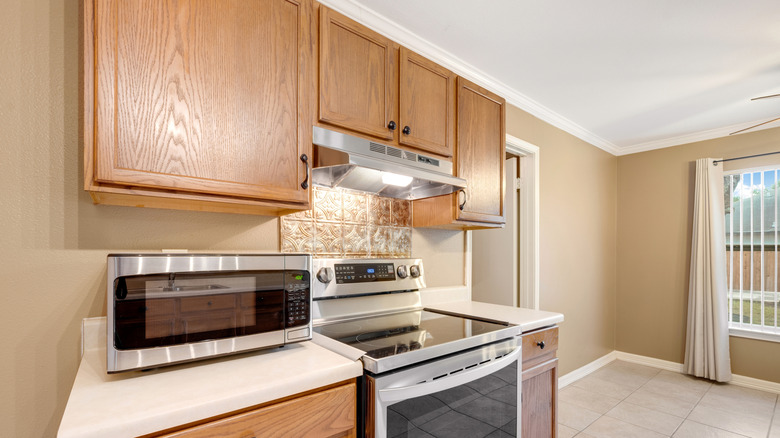
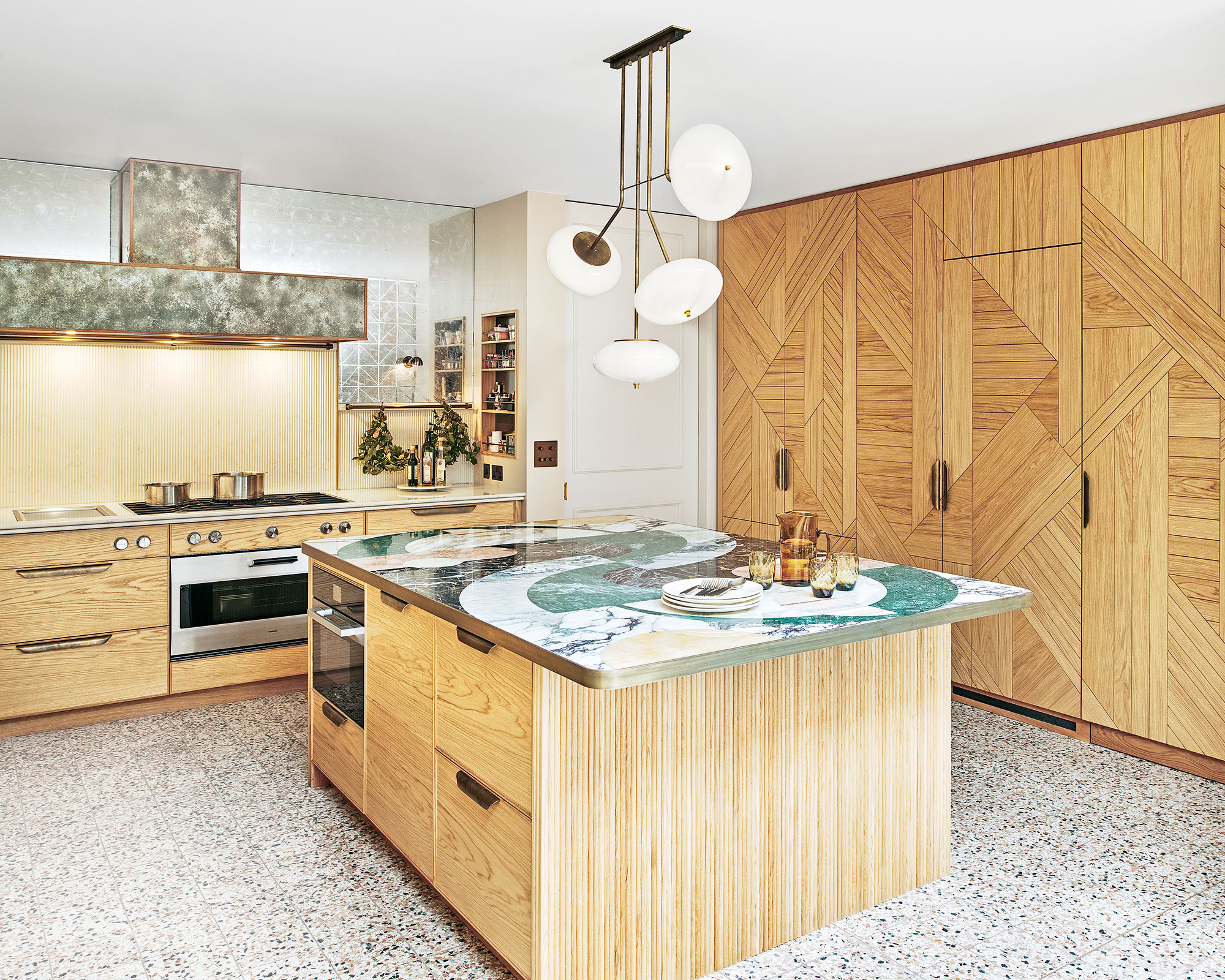
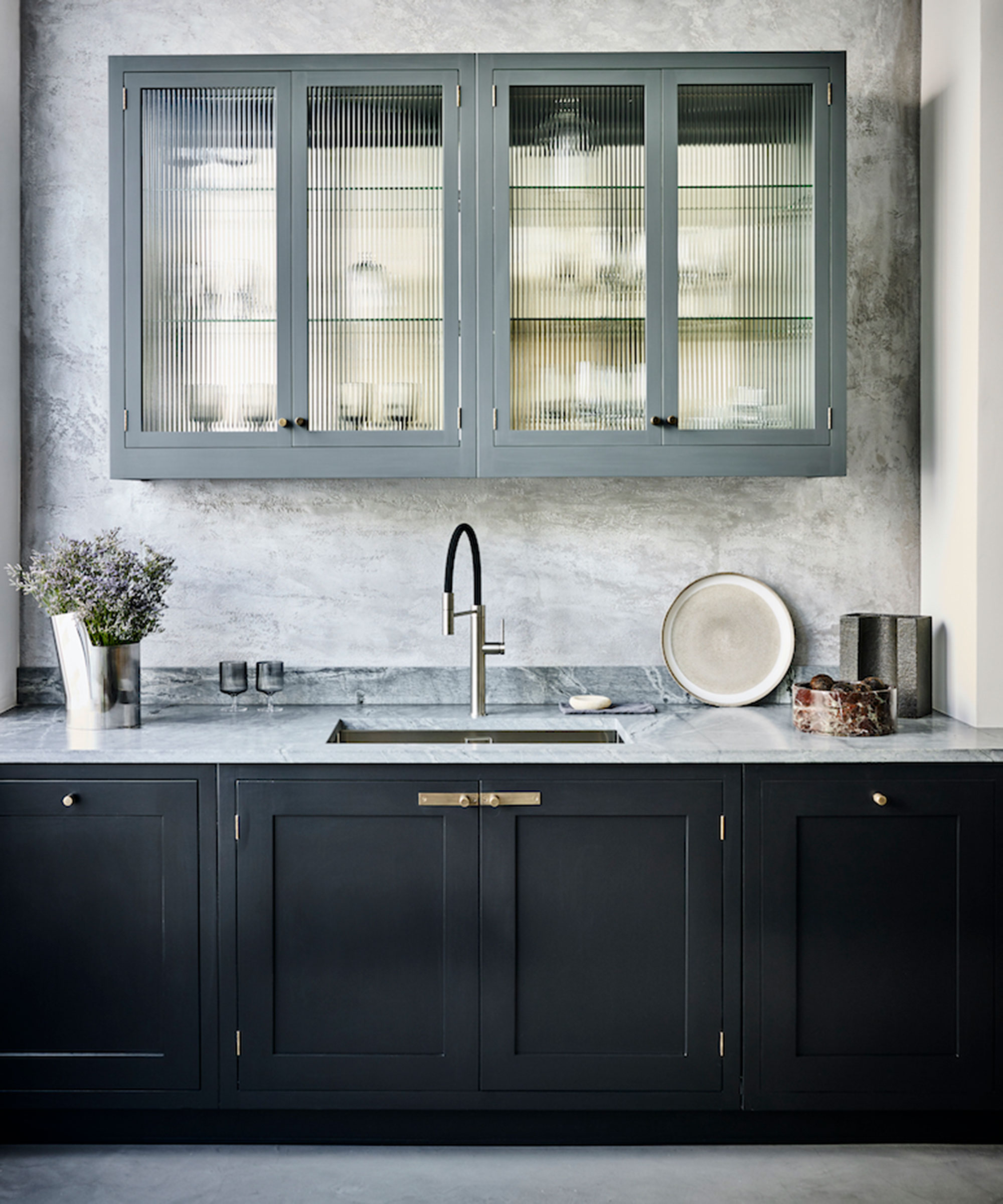
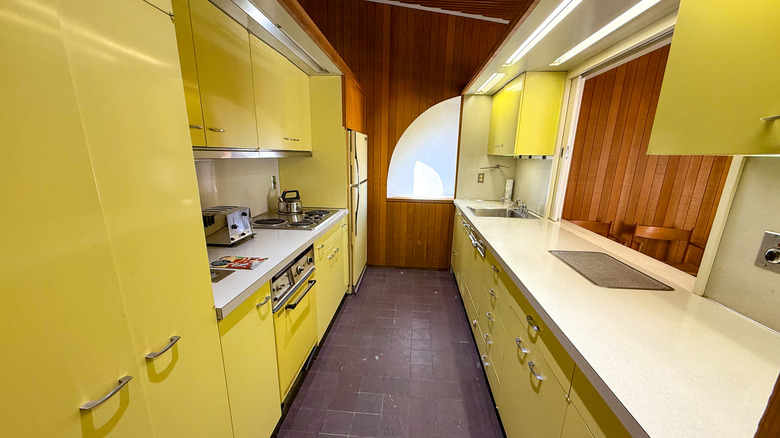
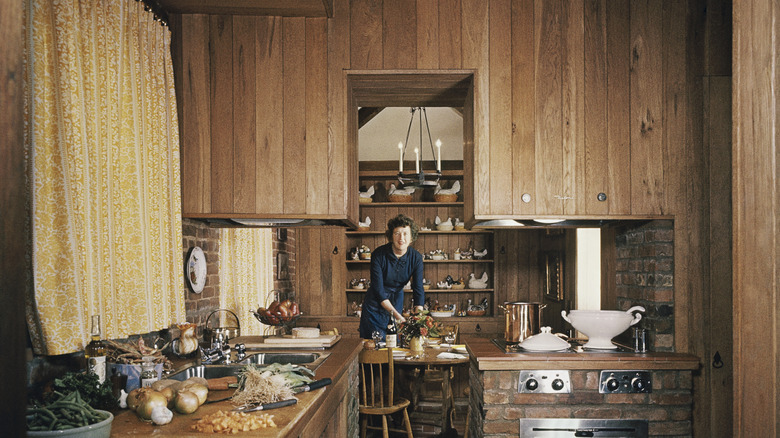
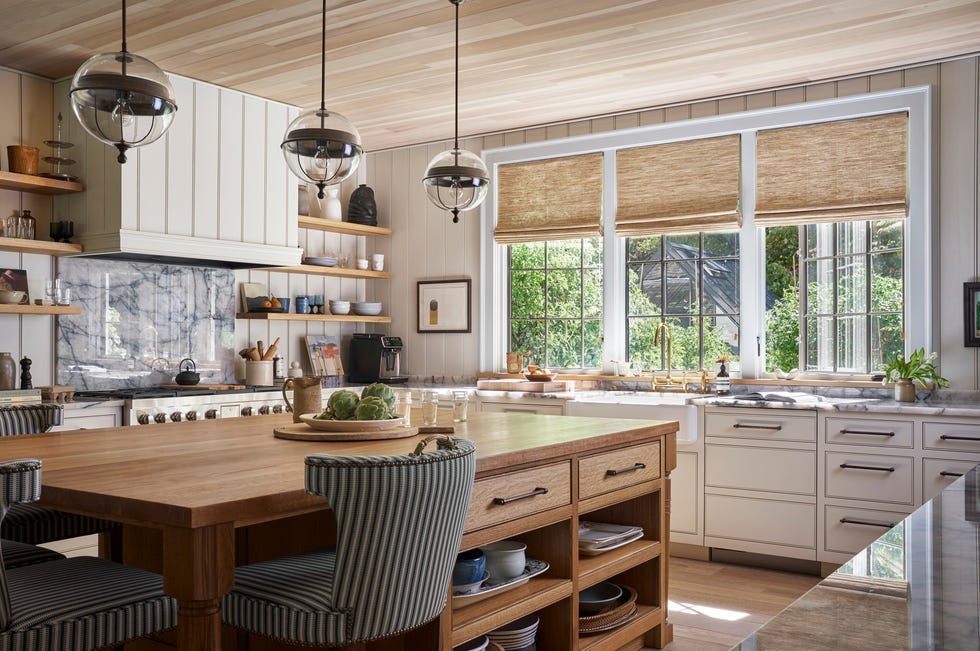
Glossy finishes were another hallmark of the '80s, reflecting the era's opulence. While updated, glossy surfaces in cabinets and backsplashes still offer a clean, light-catching look, often paired with matte finishes for striking contrast. Natural wood cabinets, particularly oak, are also making a comeback, moving beyond their dated reputation with contemporary stains and finishes. Slab-front and Euro-style cabinetry, characterized by flat panels without adornments, are also returning for their clean lines, ease of cleaning, and increased storage efficiency.
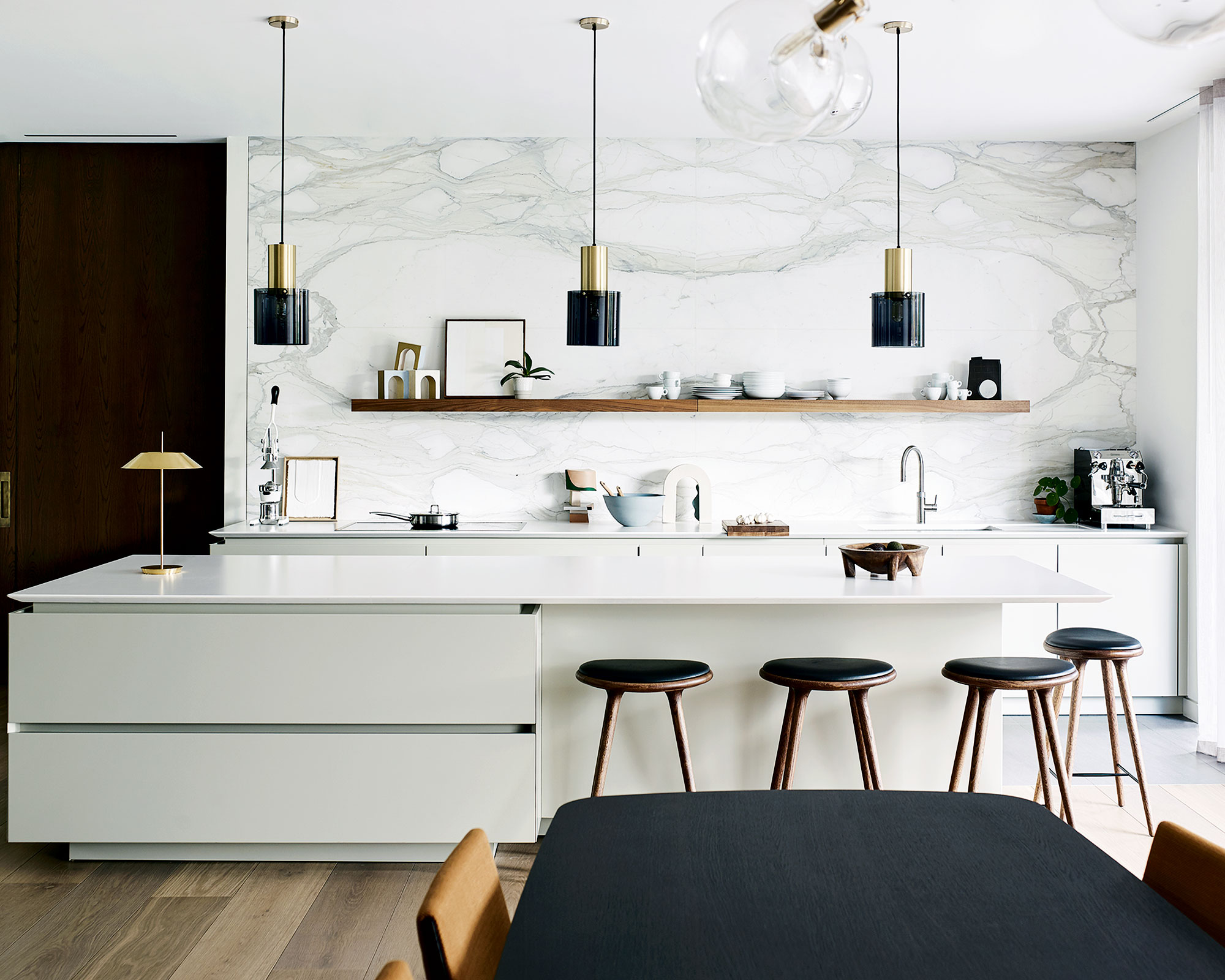
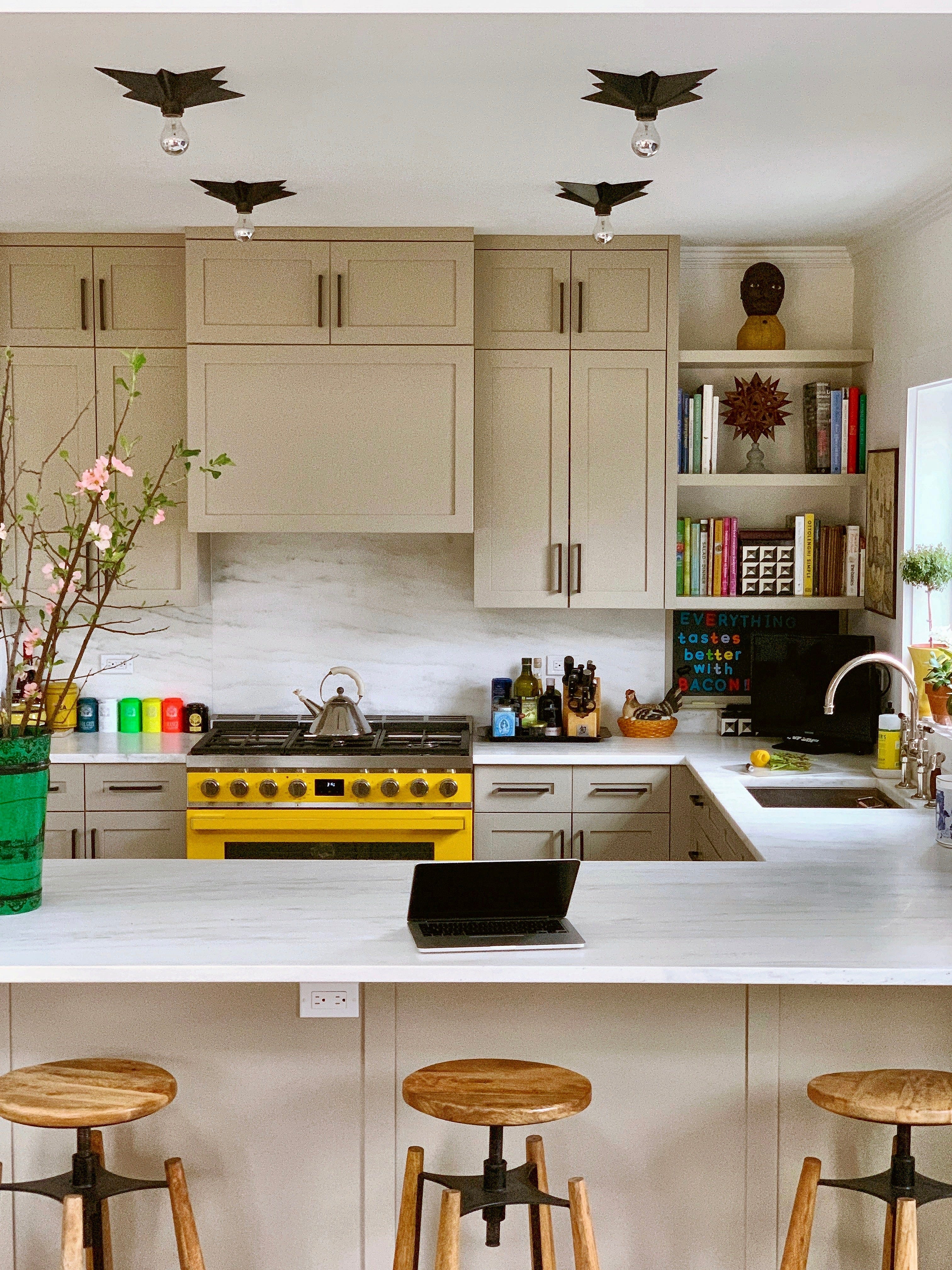
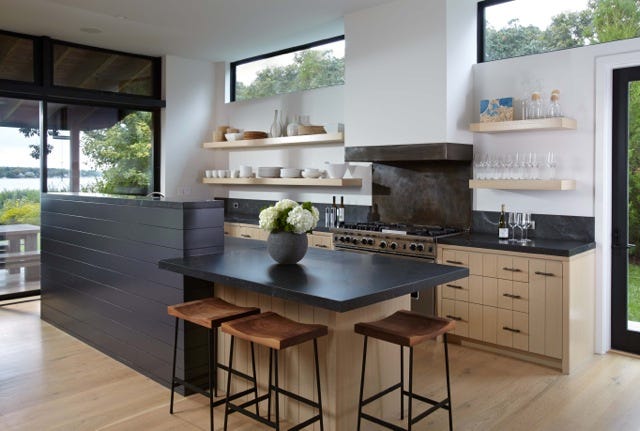
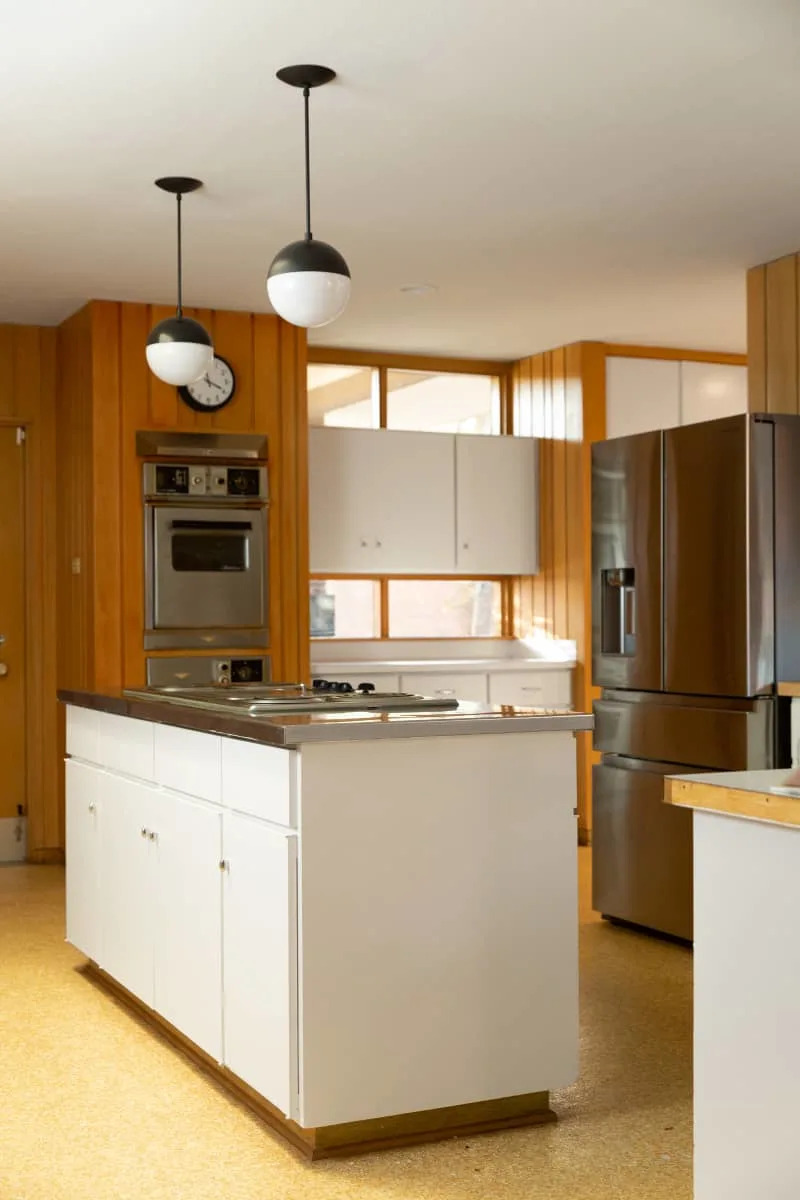
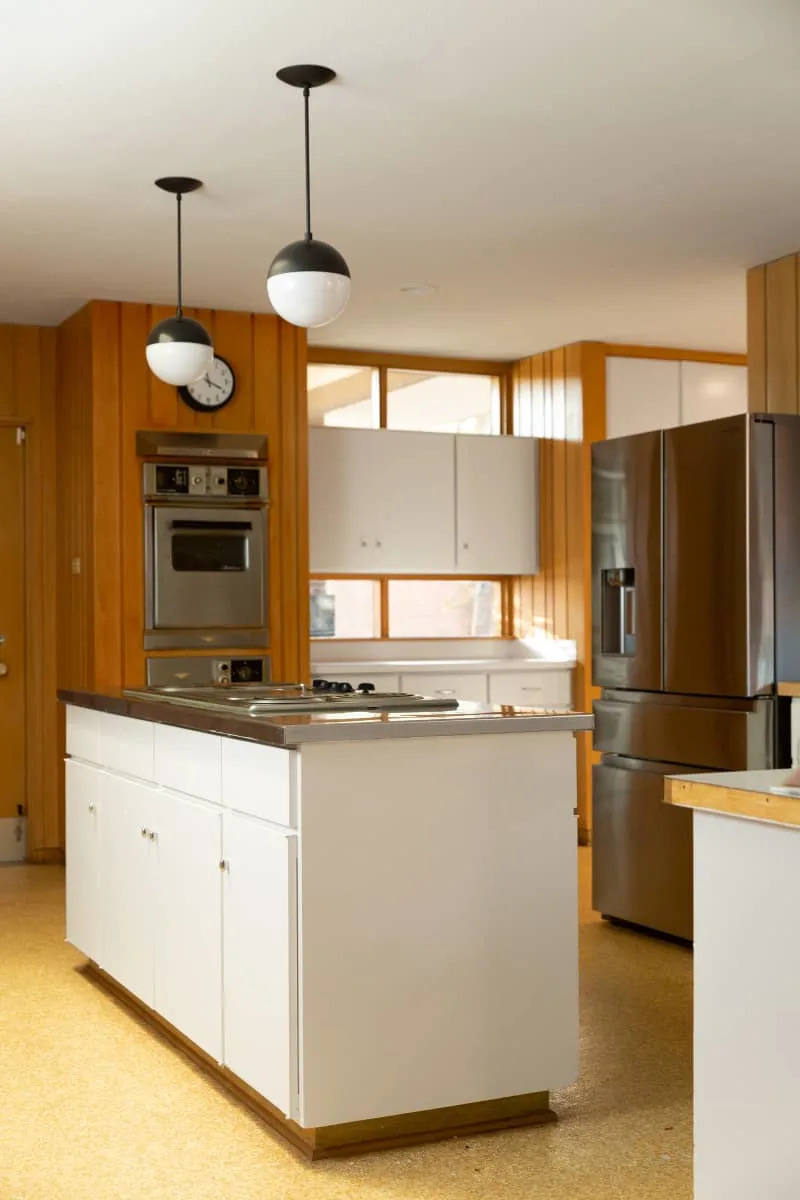
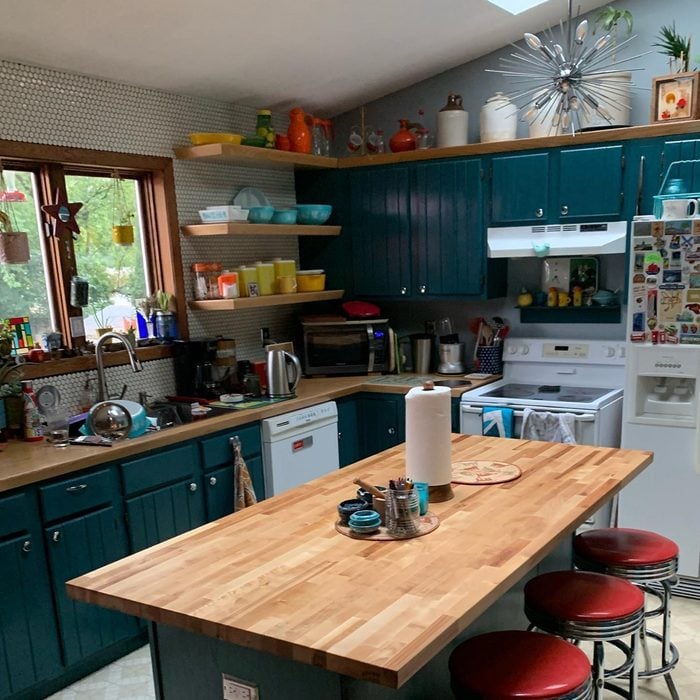
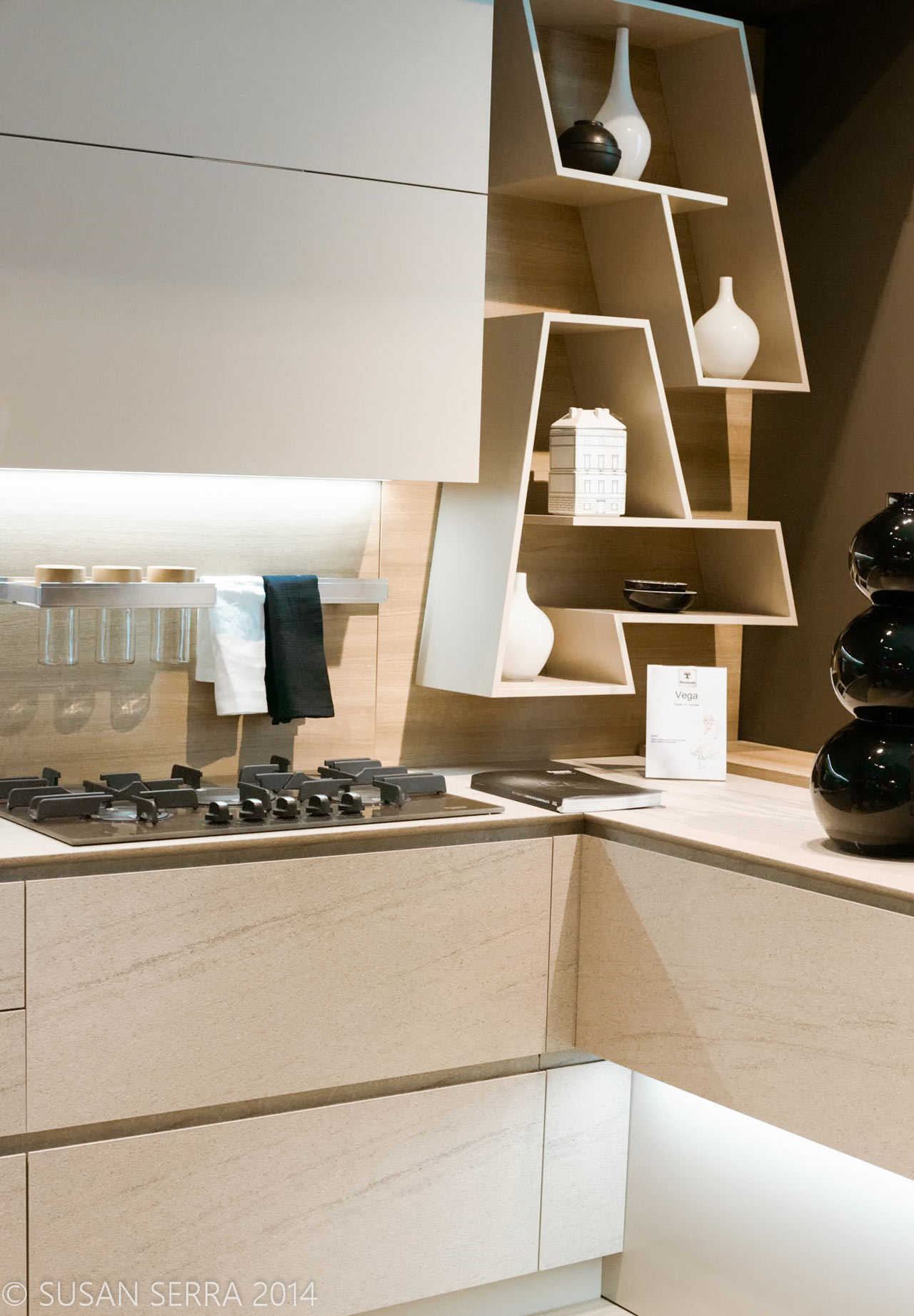
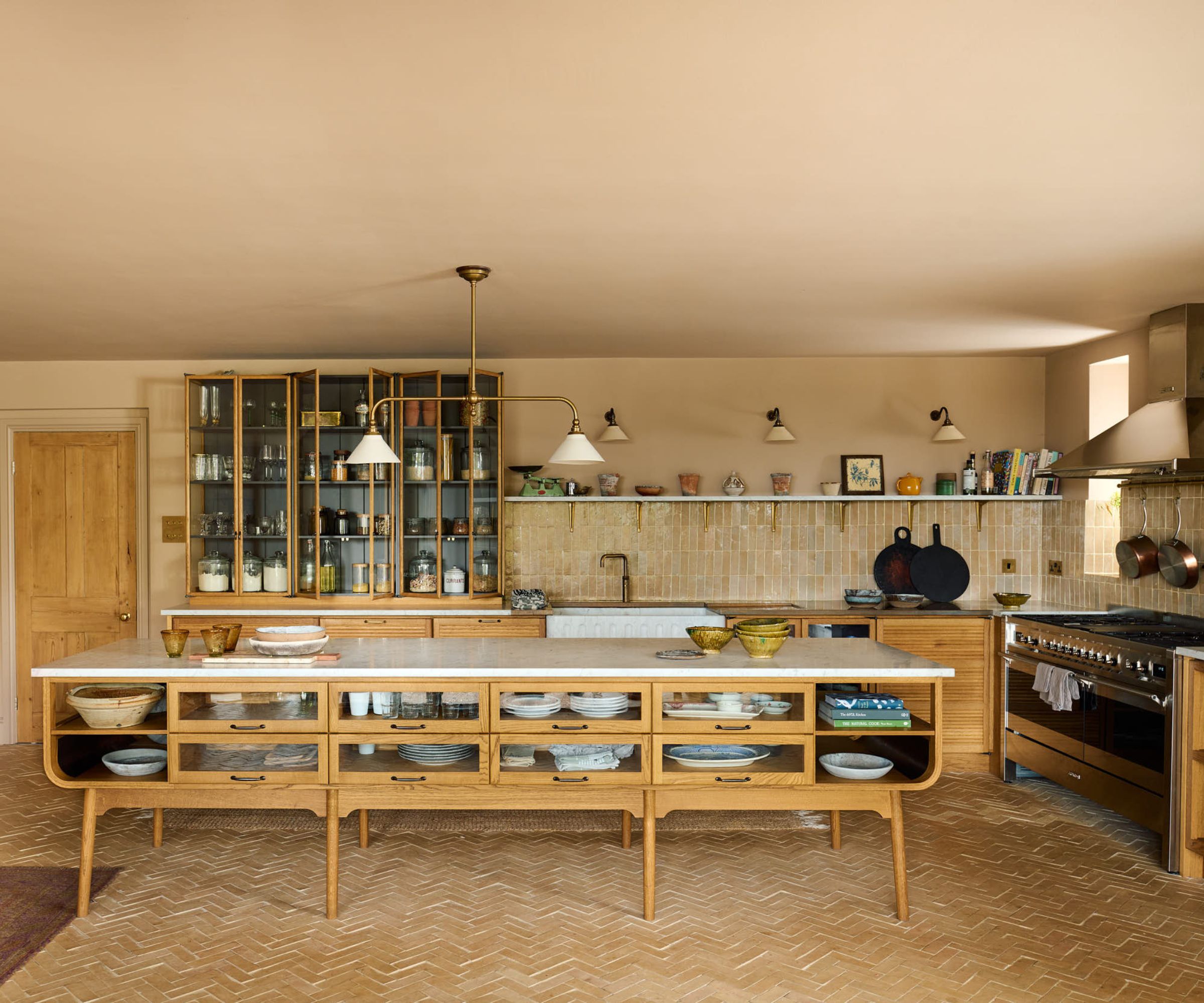
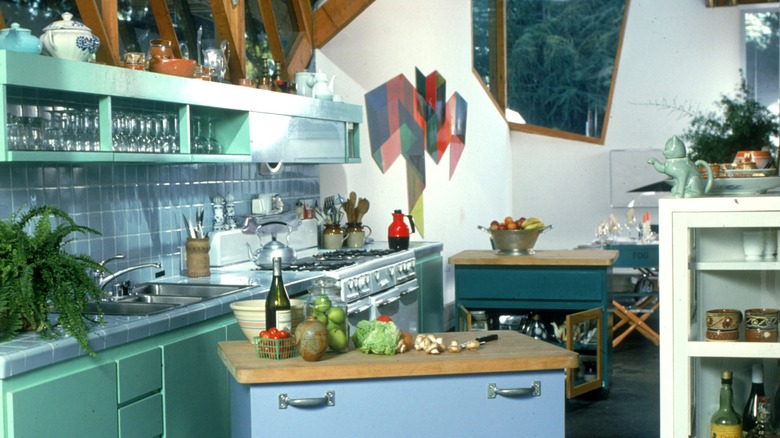
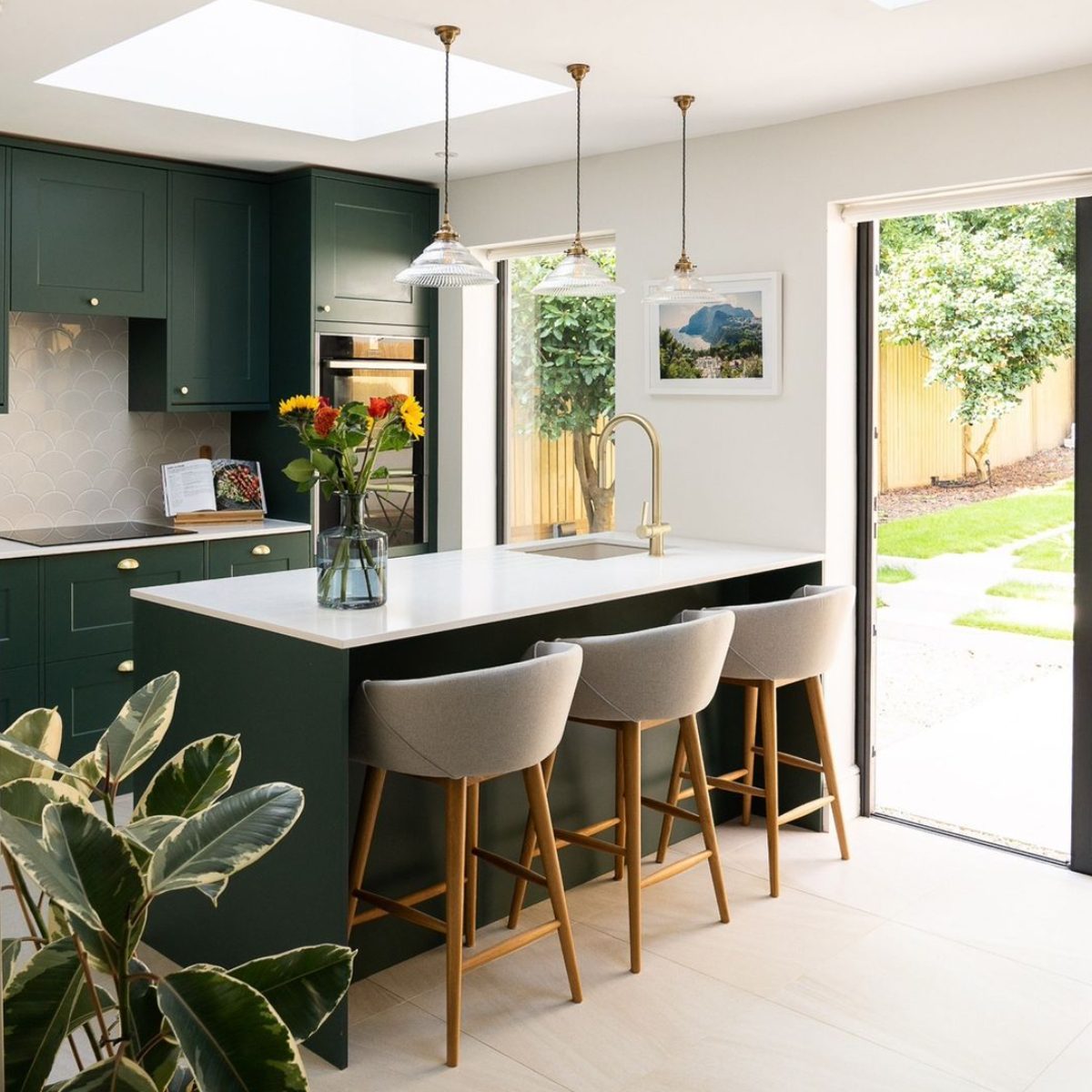
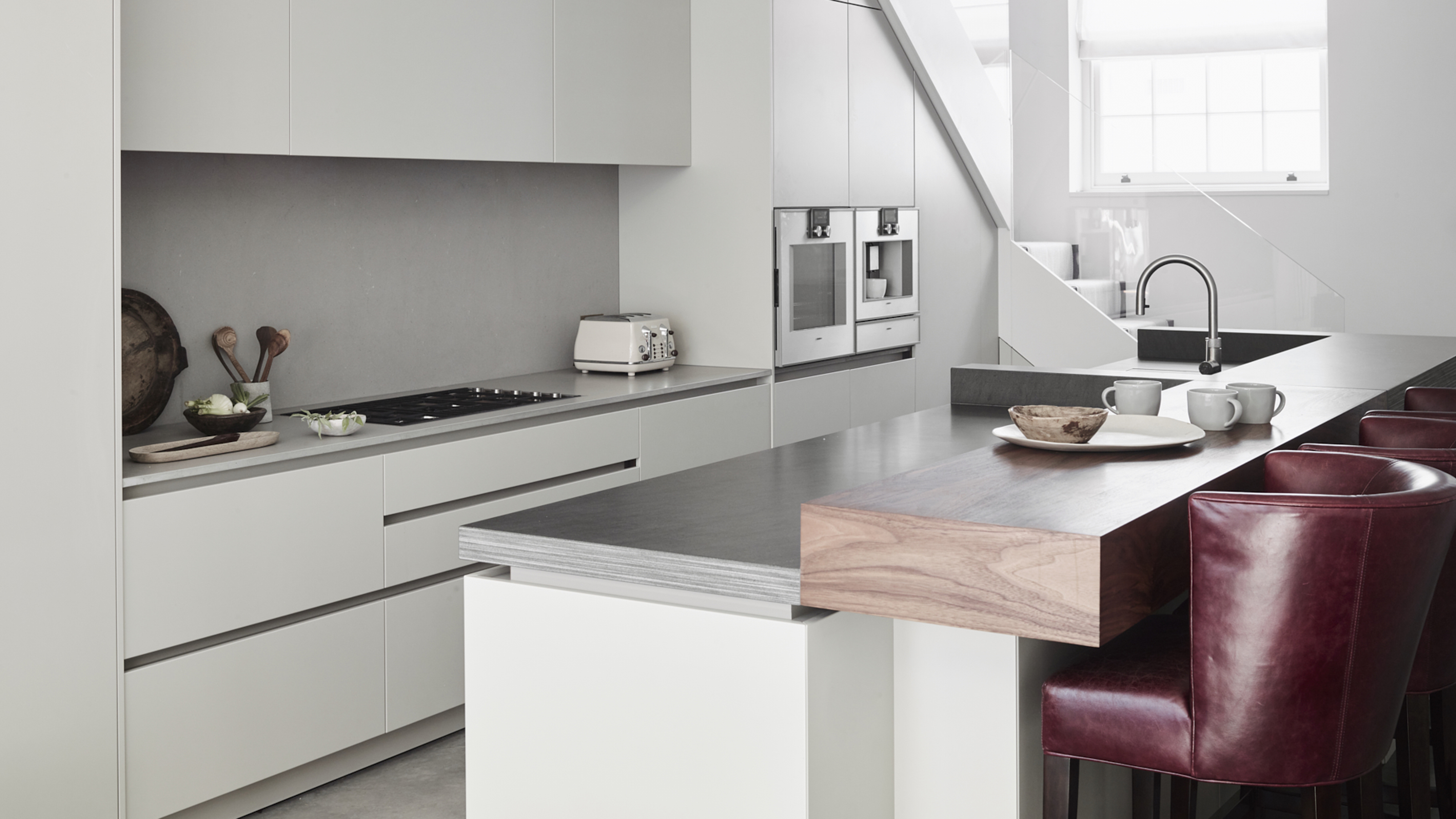
Large kitchen islands and peninsulas, which became focal points for social interaction and dining in the '80s, remain a staple. These provide ample counter and storage space and visually define areas in open-plan designs, sometimes featuring a double-height structure for added luxury and functionality. Asymmetric shelving, a nod to the quirky Memphis design movement, offers visual interest and a departure from conventional patterns, allowing for creative display and storage solutions.
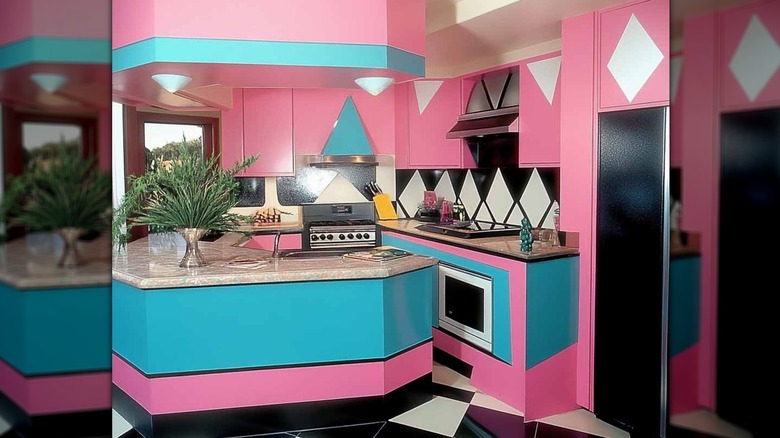
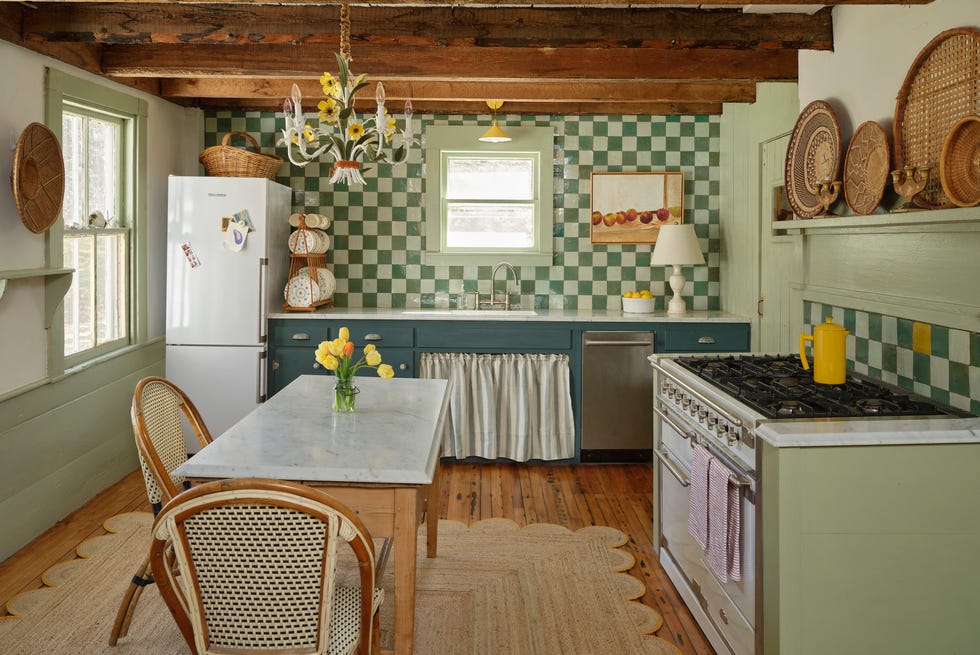
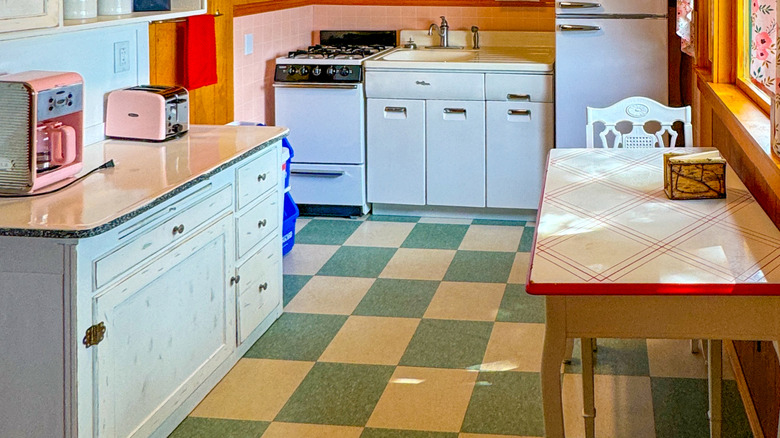
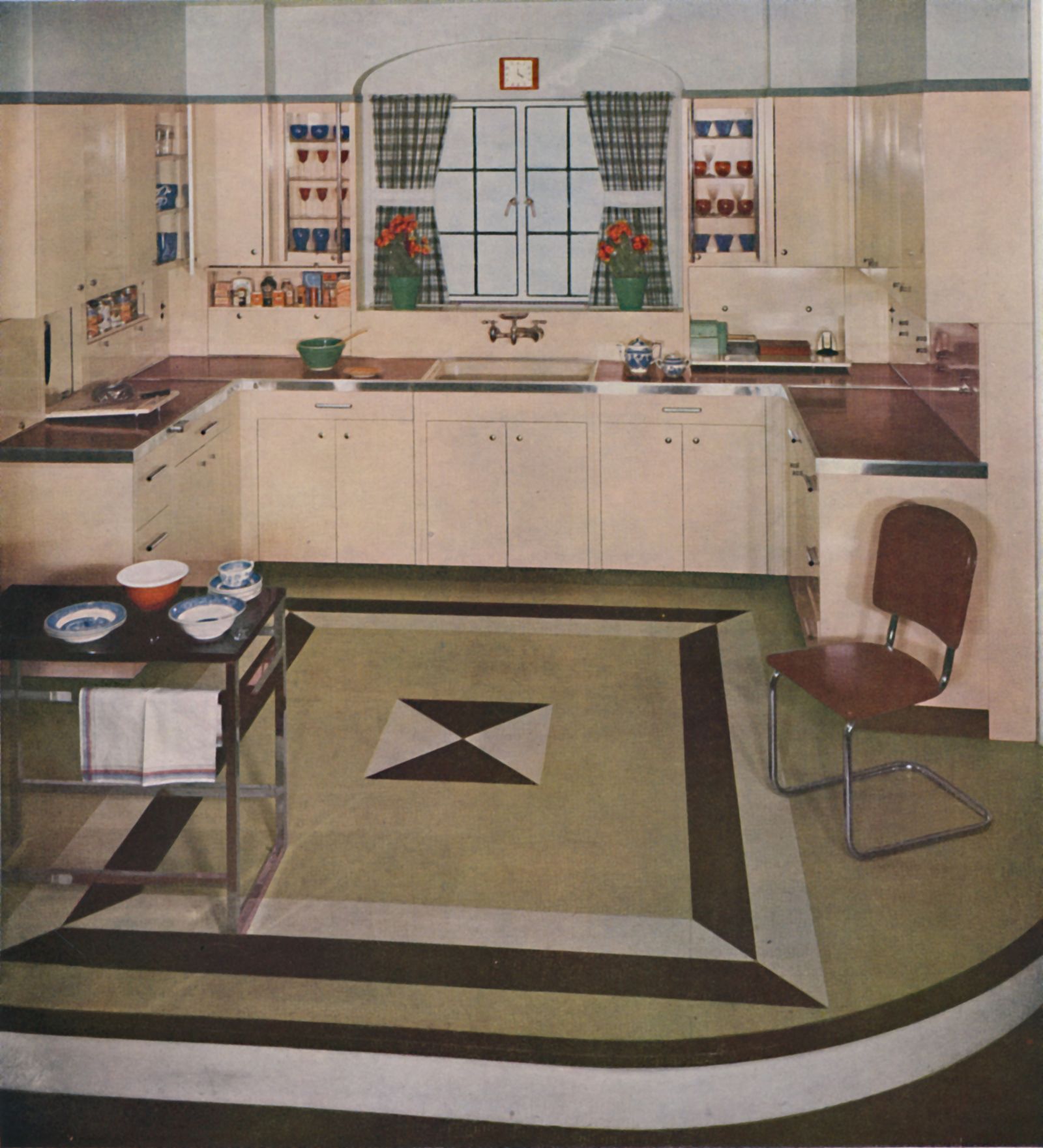
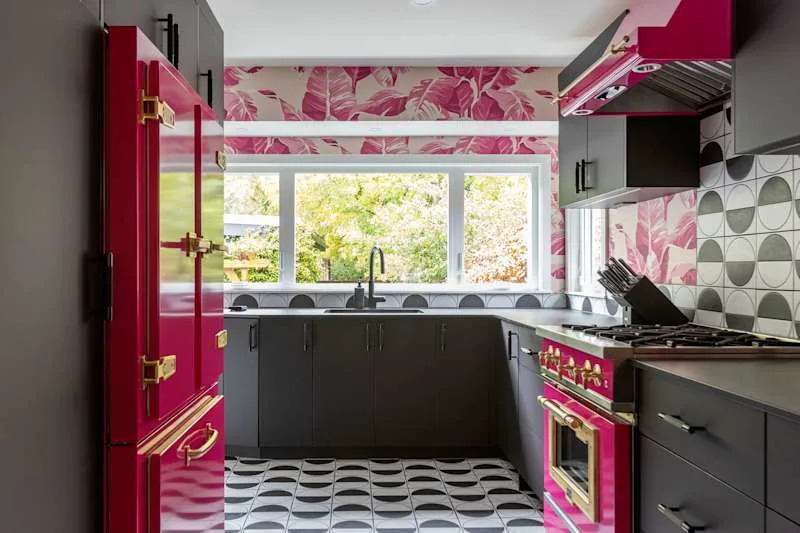
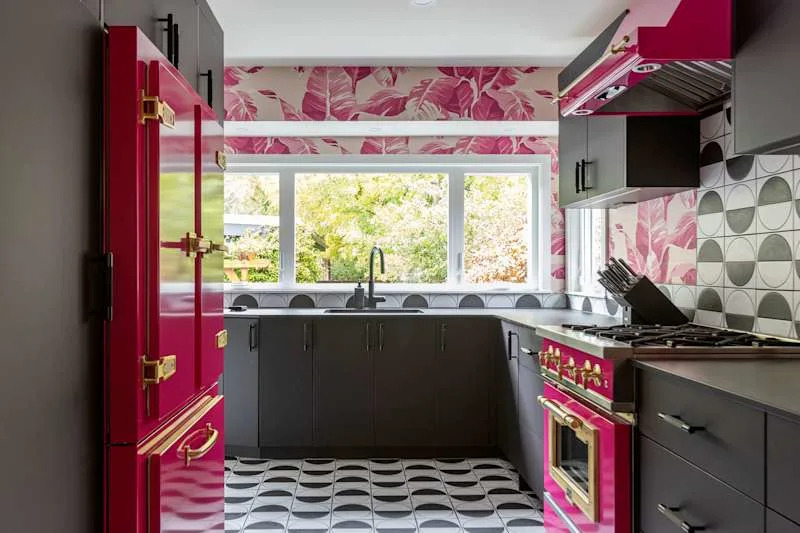
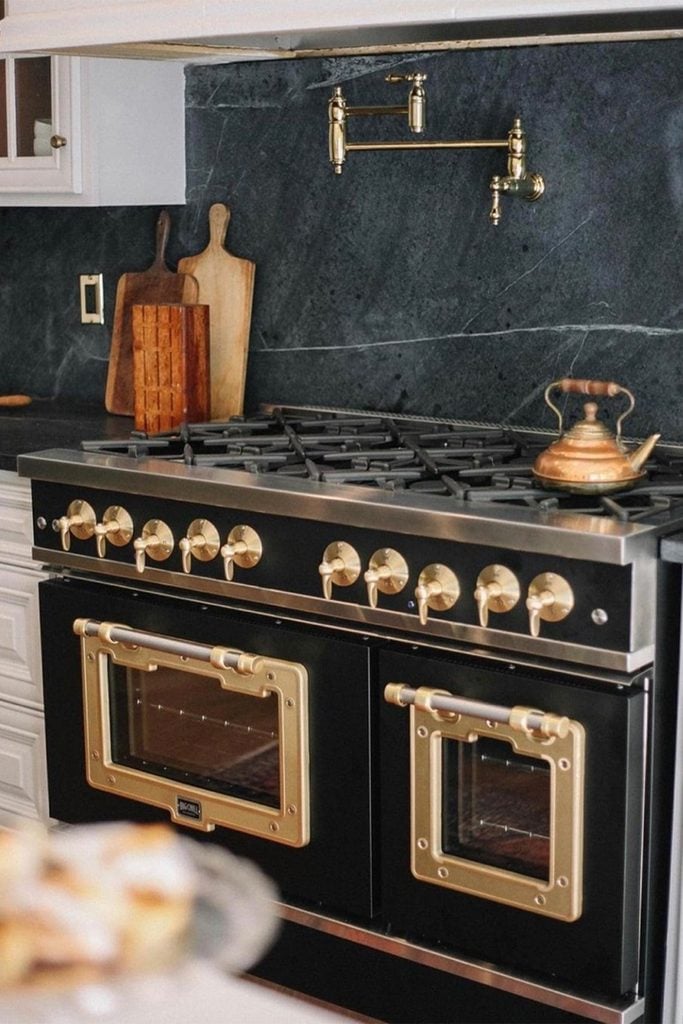
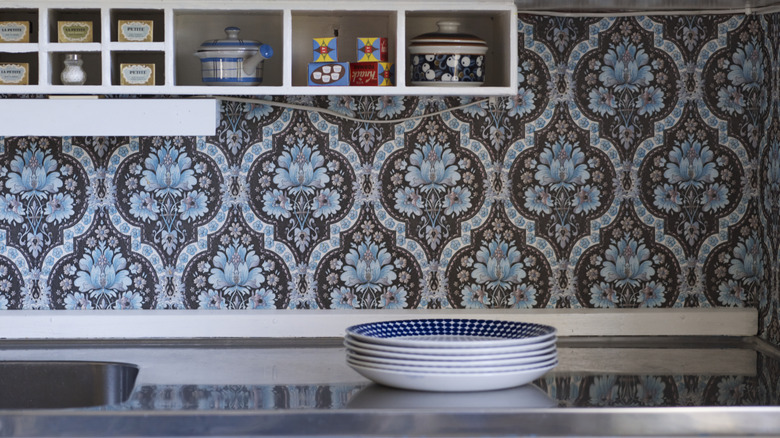
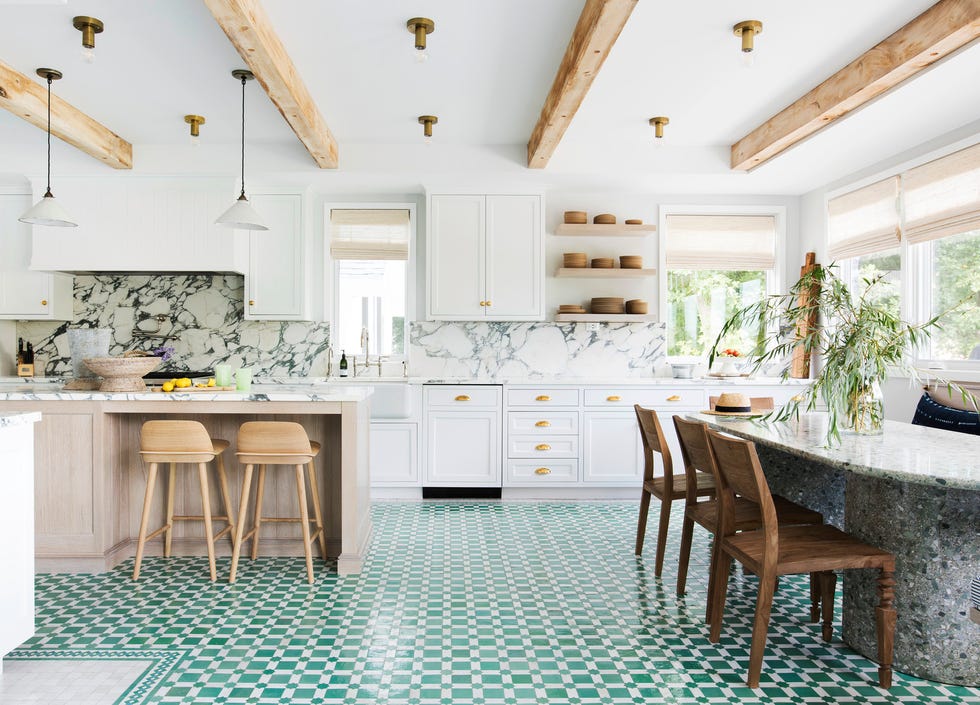
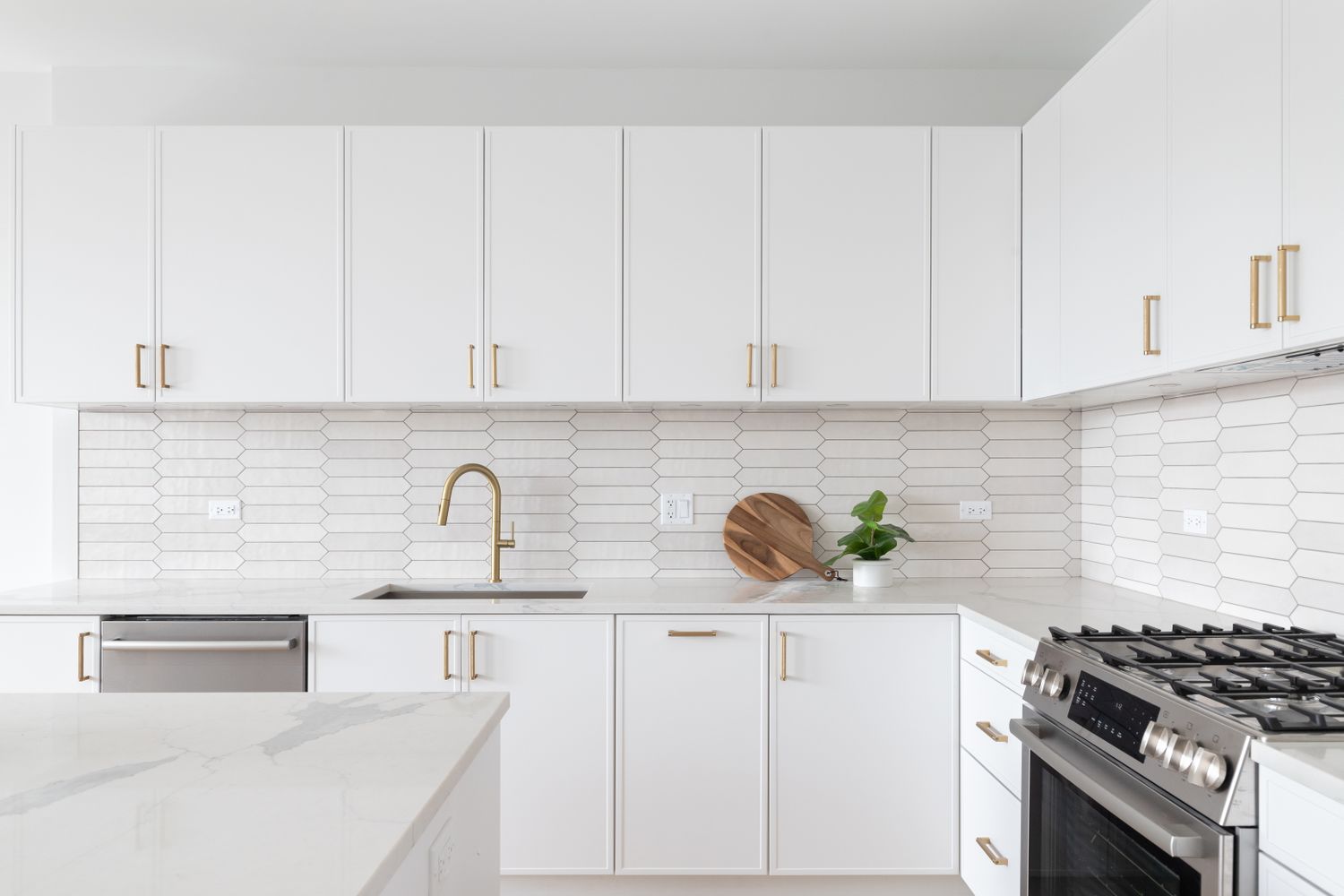
Geometric tiles were central to the '80s' maximalist aesthetic, appearing on floors, walls, and even countertops. Today, these tiles can make bold statements in backsplashes or floors, with various patterns and colors to customize. Unexpected color pairings and color blocking were also prominent, allowing for saturated hues in cabinets, lighting, and accents, though modern interpretations use more nuanced palettes. The '80s also embraced mixed materials like wood, metal, glass, and stone, a trend that continues with updated materials and elements like brass, chrome, and antique mirrors.
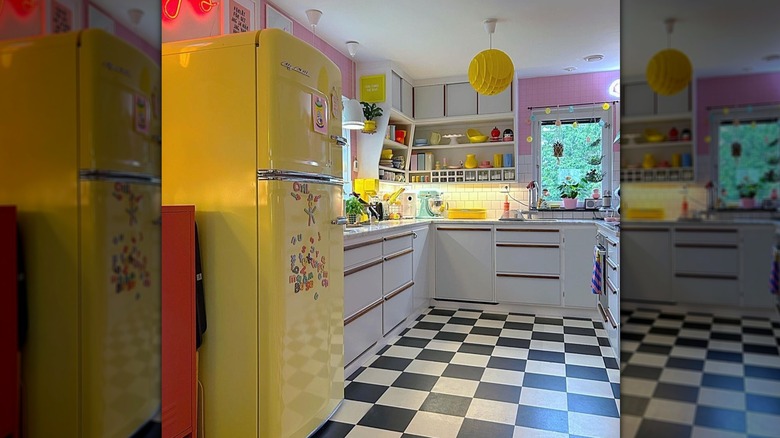
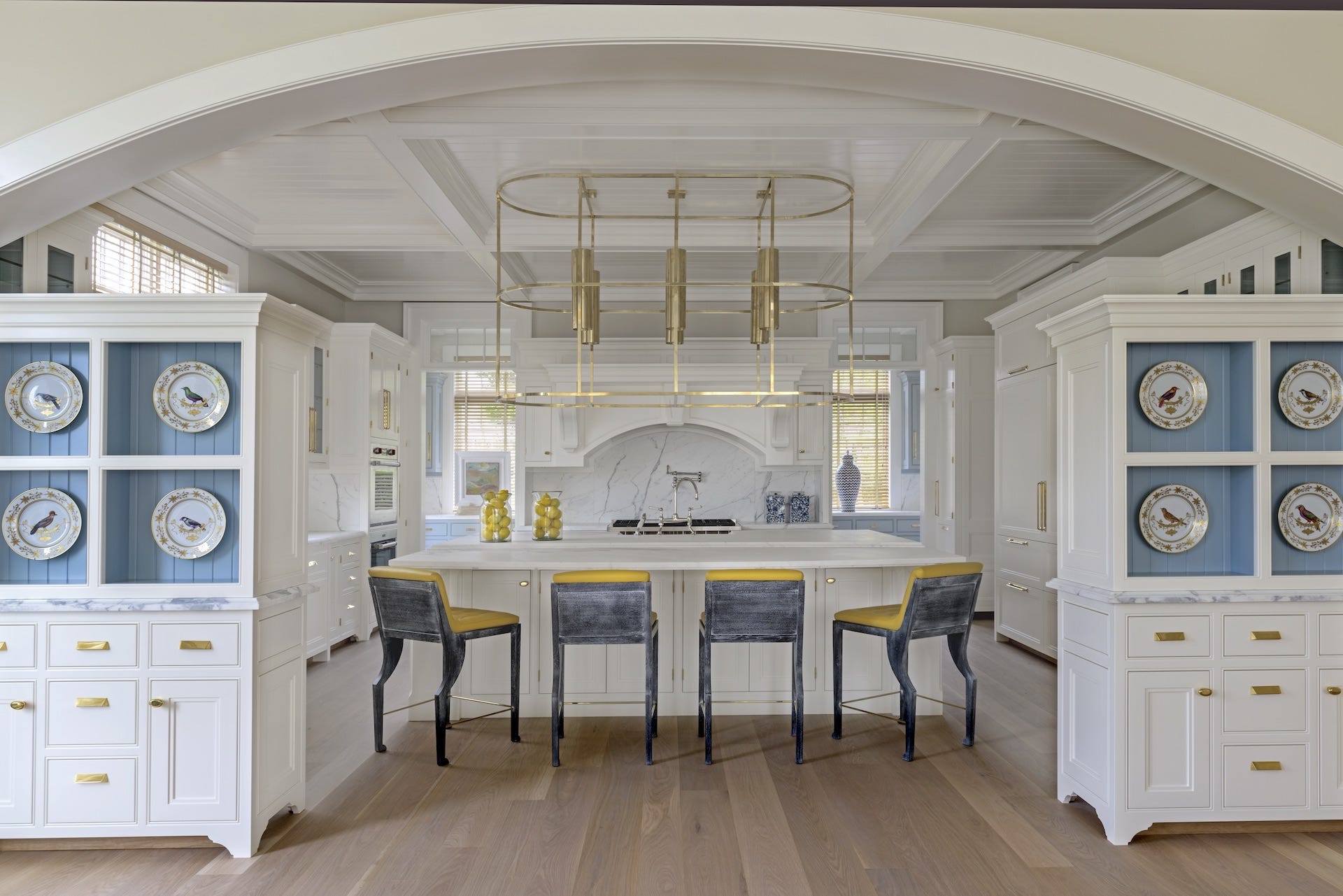
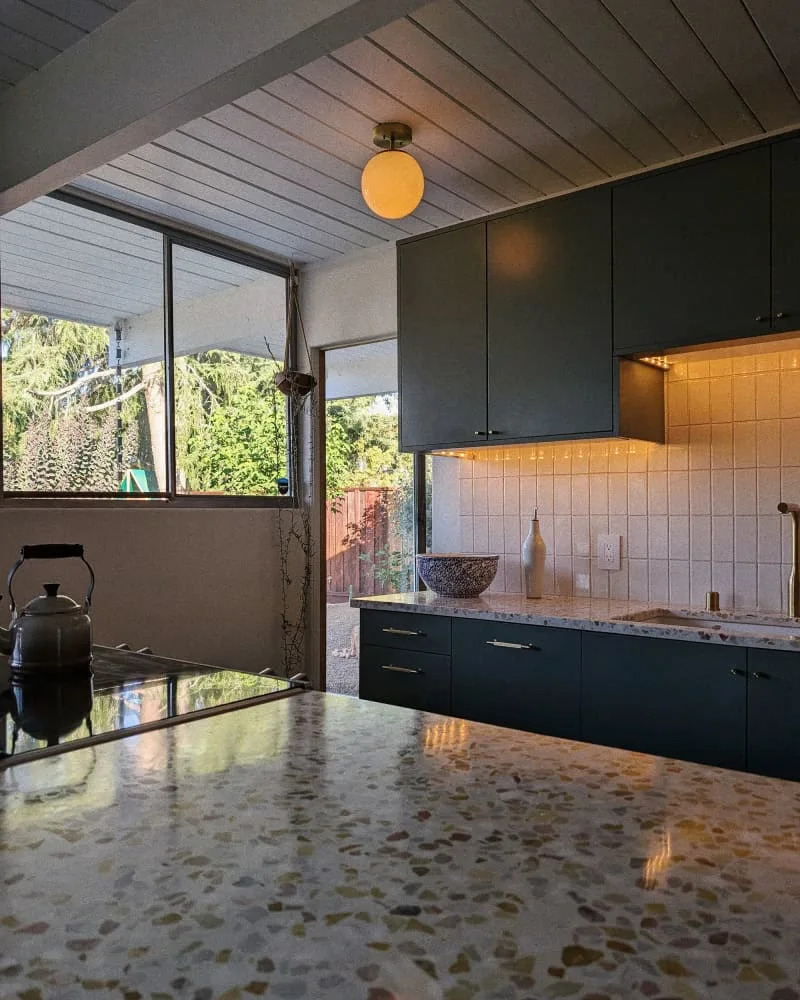
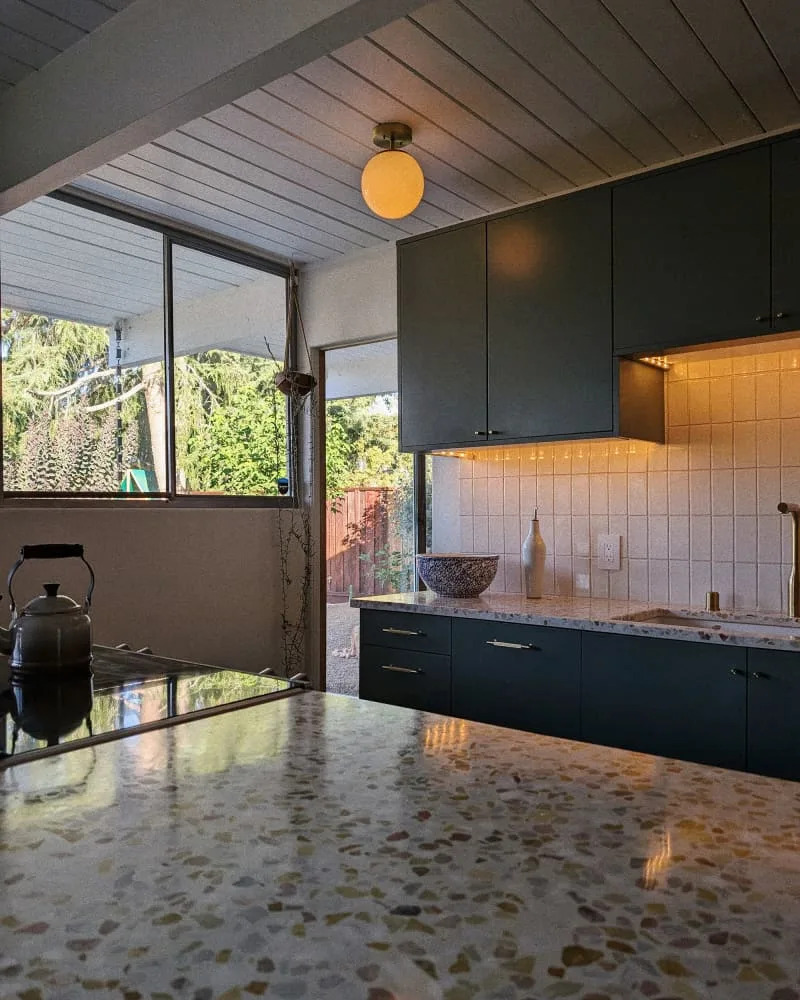
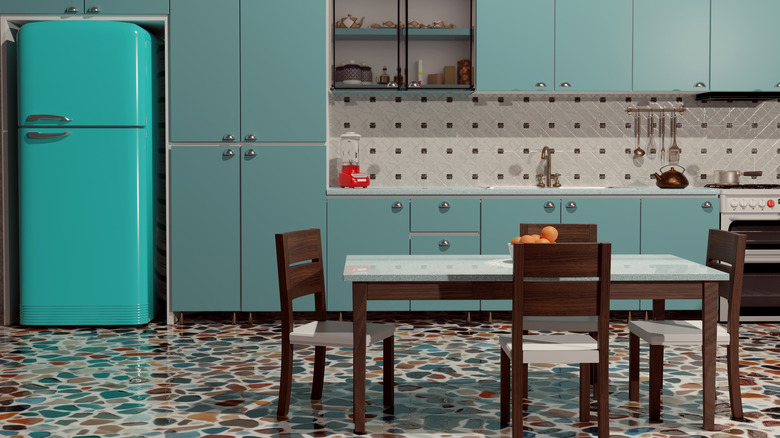
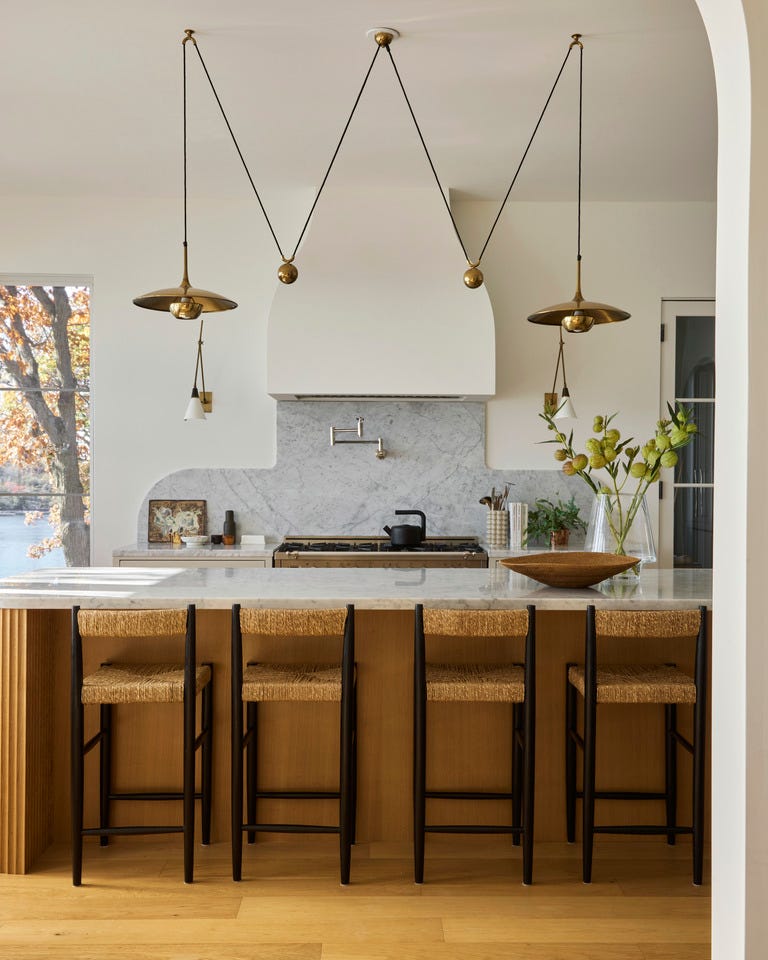
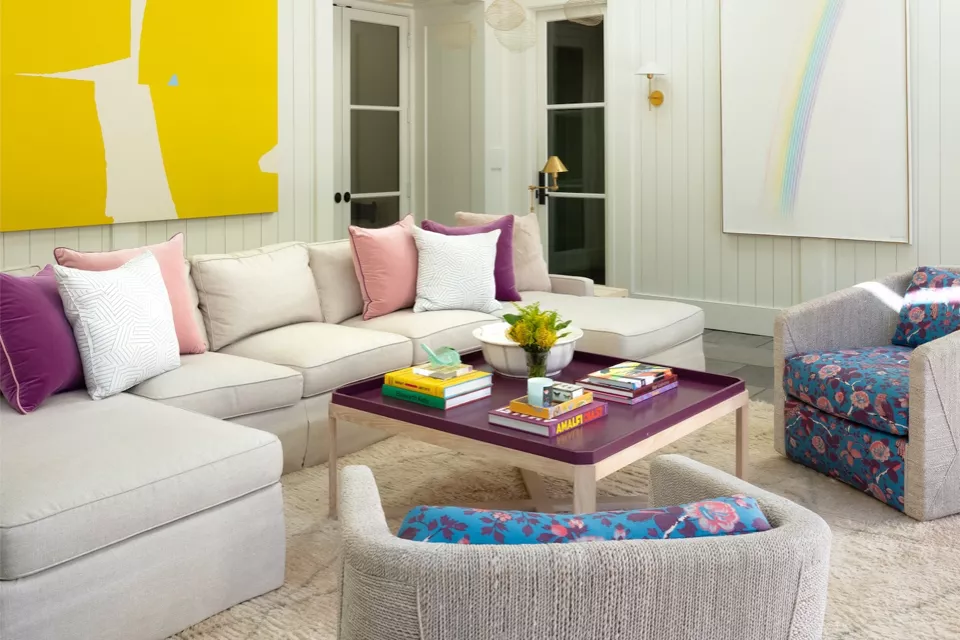
Pastel colors, used extensively in the '80s, are re-emerging in kitchens, often paired with saturated accents for a fresh yet refined look. Integrated lighting, such as recessed and under-cabinet LEDs, provides both functionality and mood-setting capabilities, evolving from fluorescent to modern, energy-efficient solutions. Statement lighting, particularly oversized pendant lights, gained momentum in the '80s and continues to highlight zones and add adventurous geometry to kitchens. Finally, curves and waterfalls, returning after a period dominated by sharp 90-degree angles, soften kitchen spaces with rounded islands and bullnose counters, making rooms feel more inviting. Chunky or integrated hardware on cabinets and drawers, often minimalist yet contrasting in material, completes the '80s revival, emphasizing strong shapes and playful details.
#KitchenDesign #EightyTrends #InteriorDecor #OpenPlanKitchens #KitchenWorkTriangle #GlossyFinishes #WoodCabinets #SlabFrontCabinetry #KitchenIslands #GeometricTile #PastelColors #IntegratedLighting #StatementLighting #CurvesAndWaterfalls #KitchenDesign #EightyTrends #InteriorDecor #OpenPlanKitchens #KitchenWorkTriangle #GlossyFinishes #WoodCabinets #SlabFrontCabinetry #KitchenIslands #GeometricTile #PastelColors #IntegratedLighting #StatementLighting #CurvesAndWaterfalls
0 تعليق إجمالاً
 لا توجد تعليقات بعد
قد تعجبك أيضًا
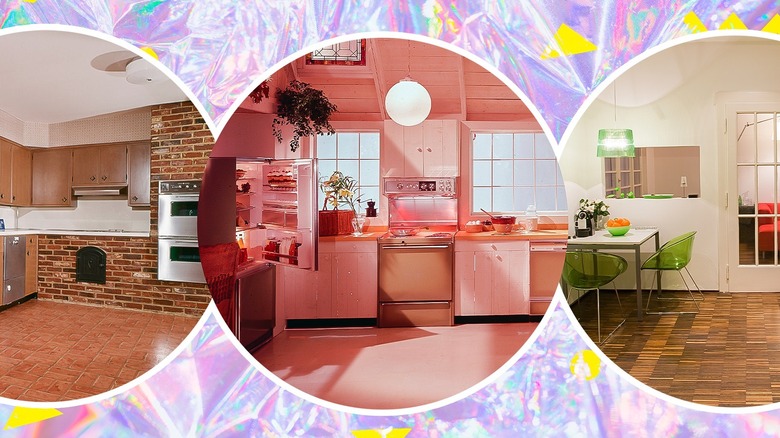
11 80's Kitchen Design Trends No One Remembers Anymore

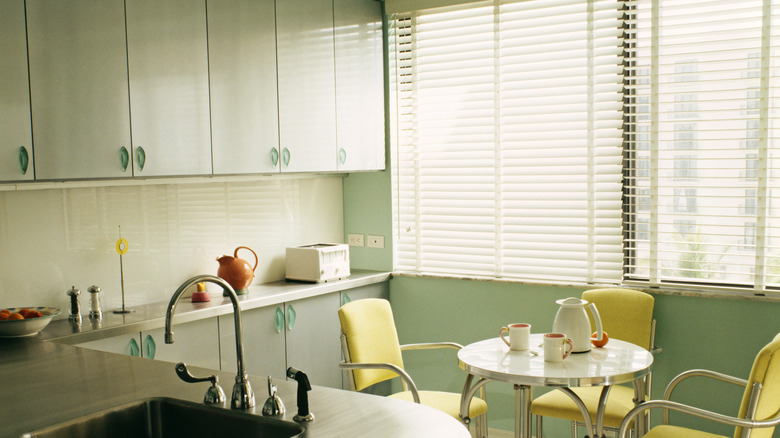
7 Vintage Kitchen Design Trends Boomers Remember Fondly

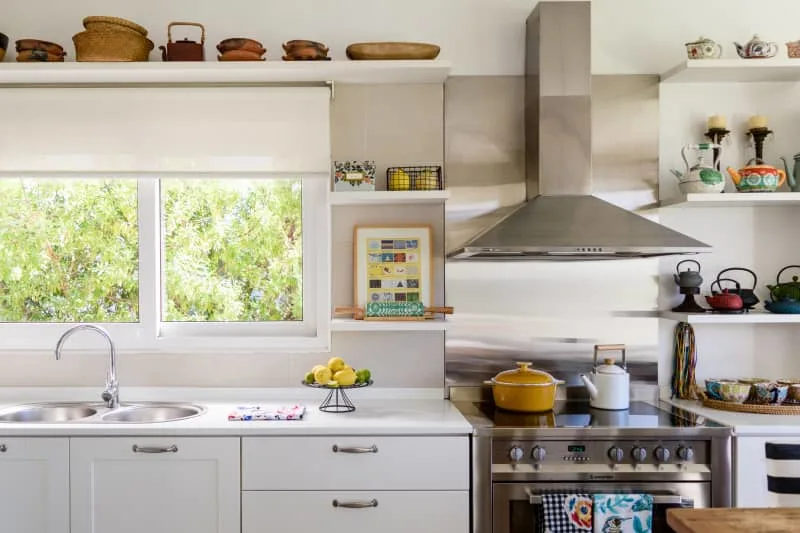
15 Gorgeous Modern Kitchen Ideas That’ll Never Go Out of Style
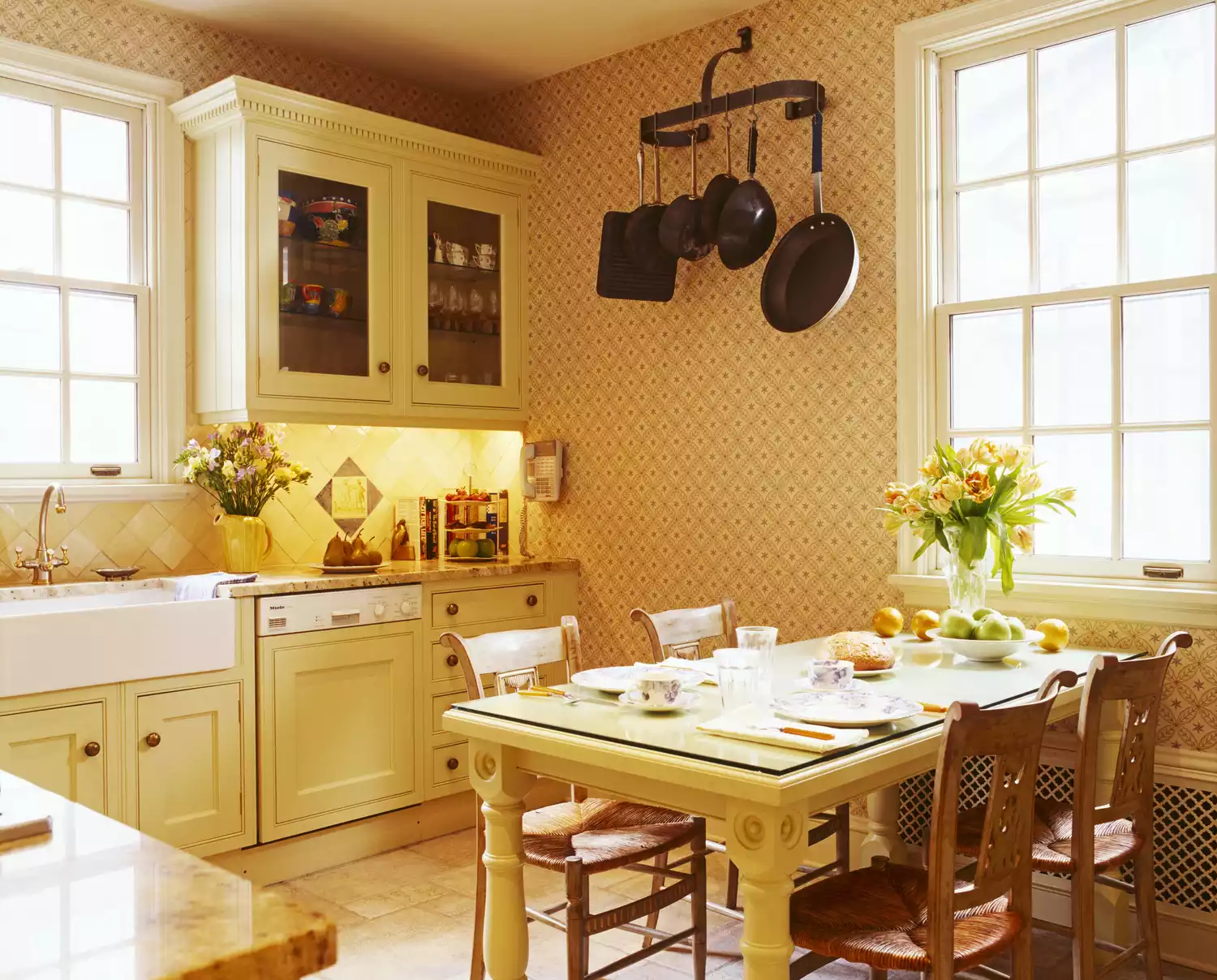
1990s Kitchen Trends We’re Falling In Love With All Over Again
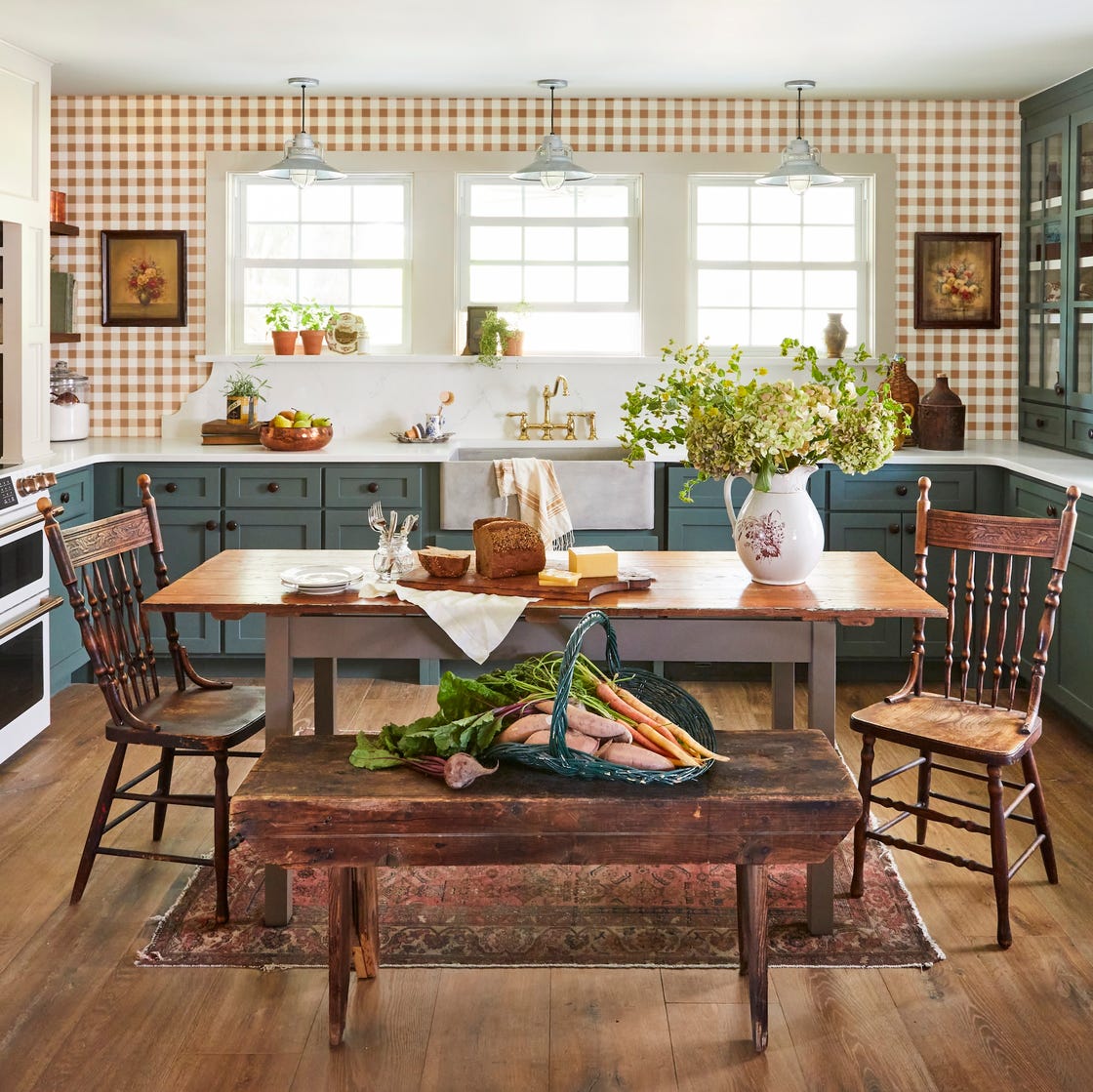
The Actually Charming ’80s Country Kitchen Trends Designers Are Loving Again
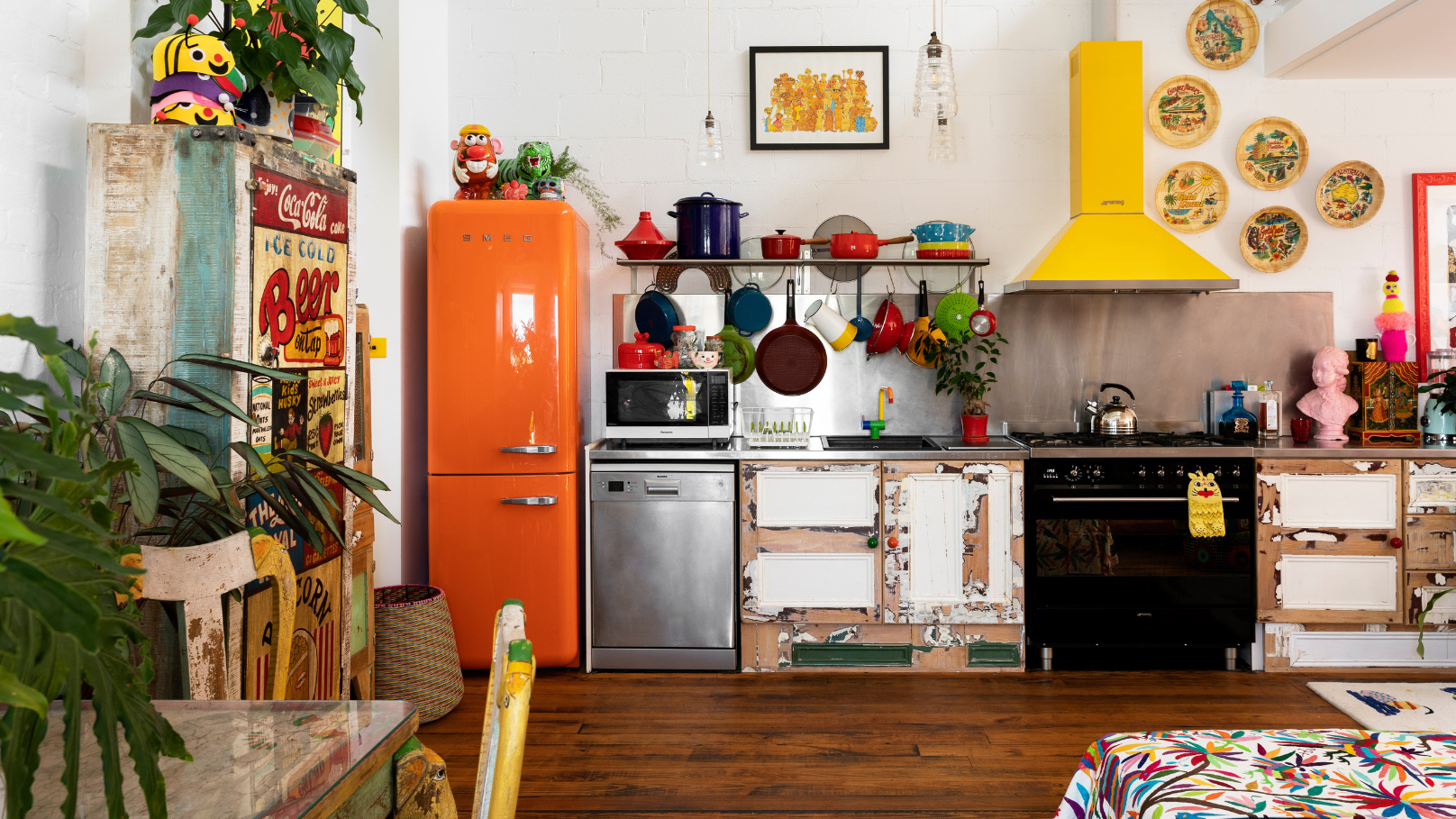
1920s and now: Kitchen design trends through the decades

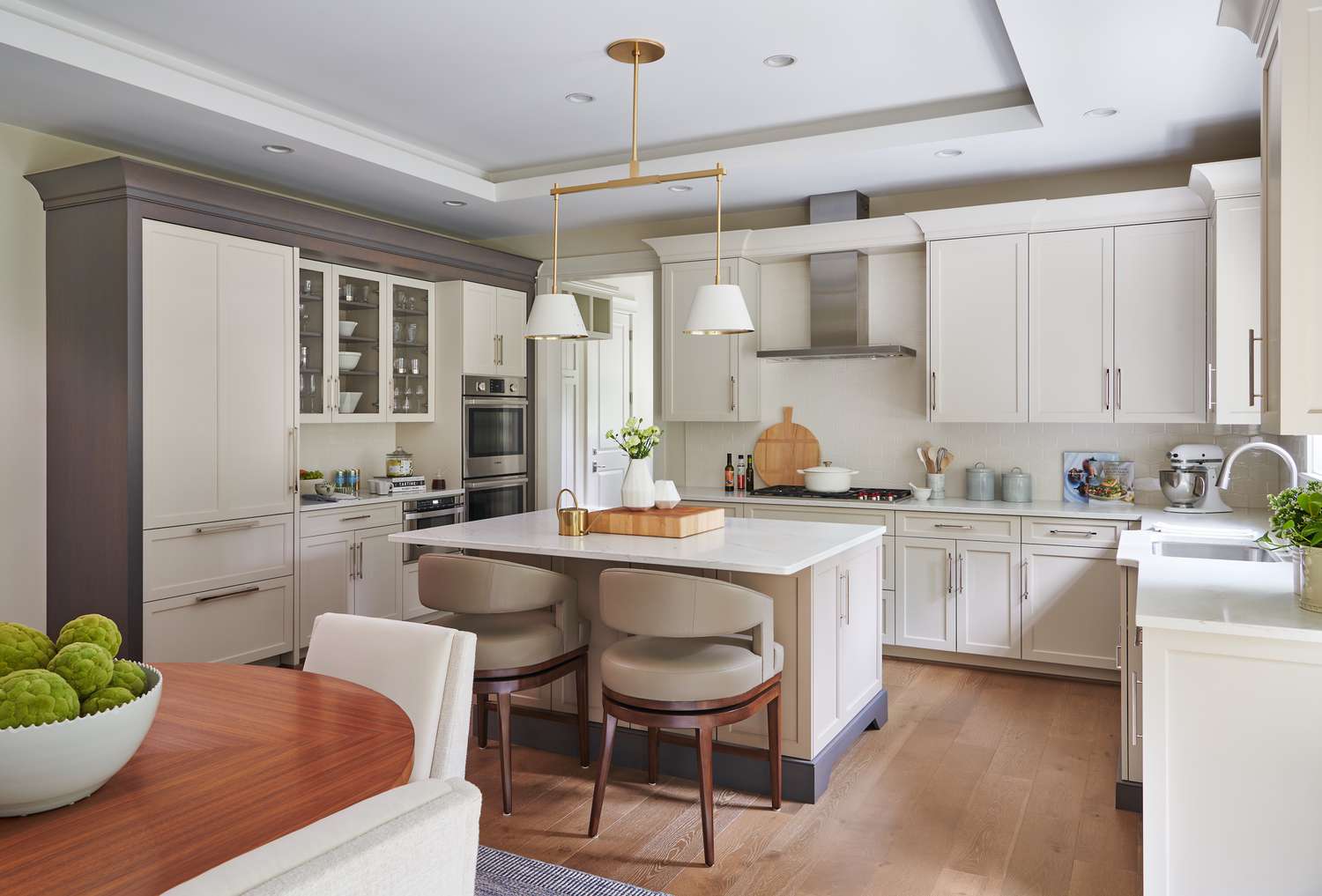
5 Kitchen Design Trends From the '90s That Are Back in Style (and We Can't Believe We Actually Love Them)

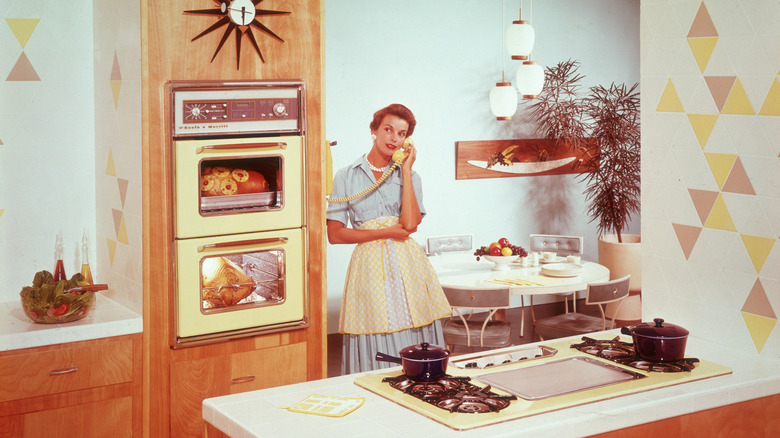
12 Vintage Kitchen Design Trends We Want To Bring Back

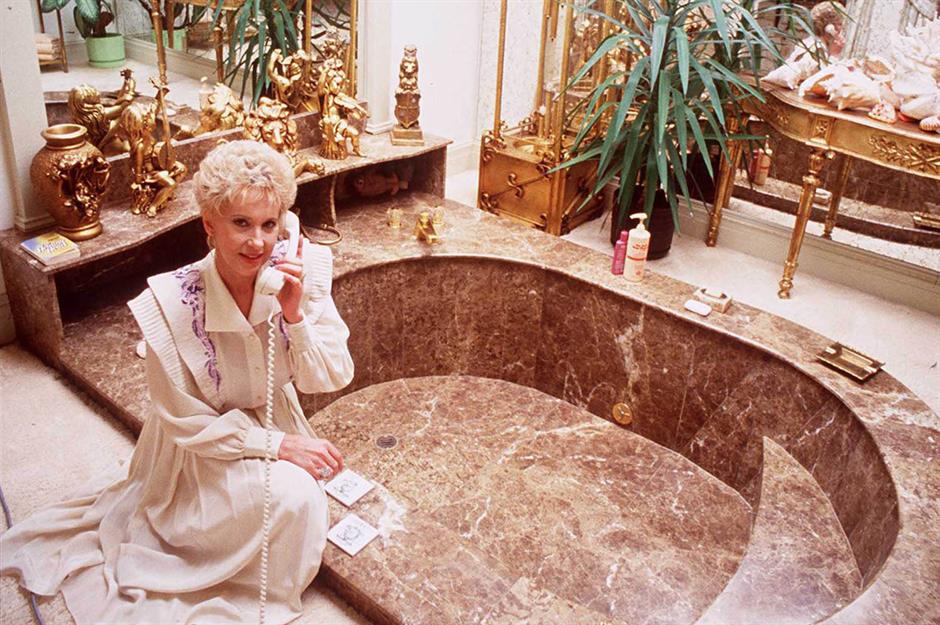
Remember 80s decorating? Iconic 1980s interior designs and home accessories
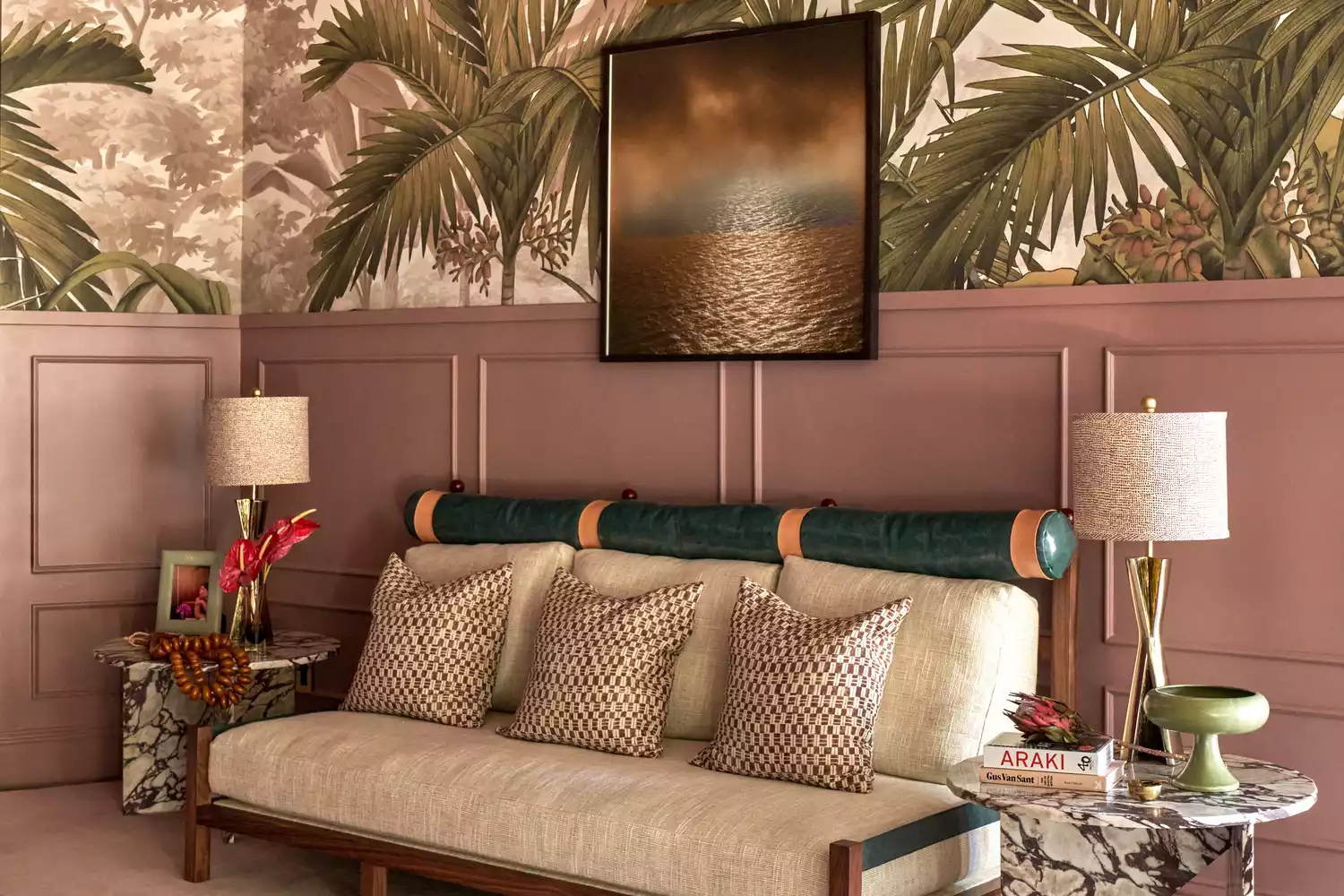
These '80s Home Décor Trends Are Back—Here's How to Try Them in Your Space
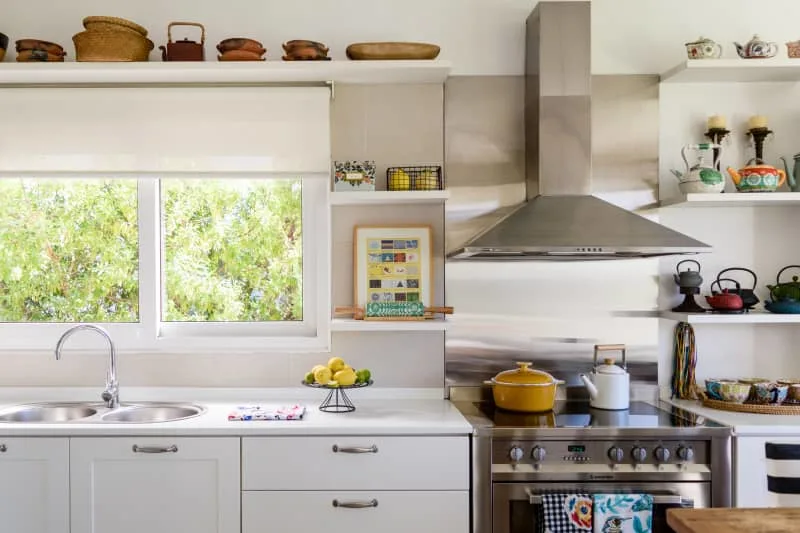
15 Gorgeous Modern Kitchen Ideas That’ll Never Go Out of Style

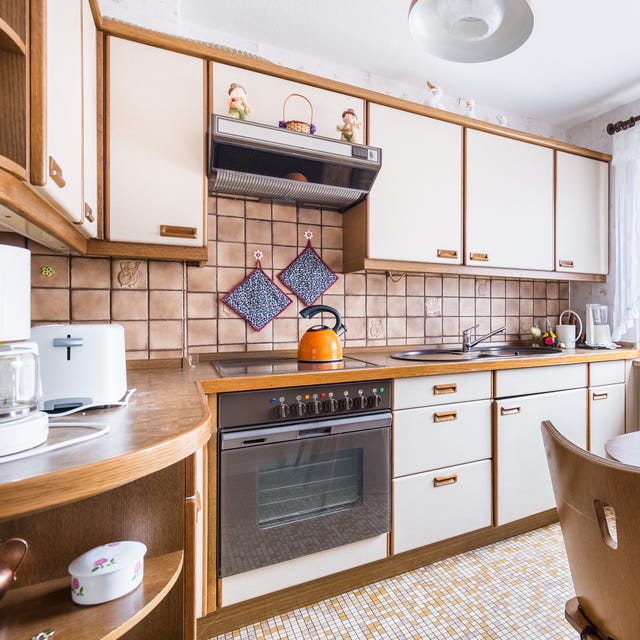
22 Outdated Things You Should Avoid in Your Kitchen, According to Designers

These ‘80s Home Trends Are Back—And More Stylish Than Ever
12 "Outdated" Kitchen Trends You Should Ditch In 2025 (But You Probably Have)

8 Kitchen Design Ideas

9 ideas to steal from the kitchens of the 1990s and how to make them actually look chic in 2025
3 old-fashioned '80s kitchen cabinet trends that everyone will want in 2025 – they are no longer undesirable

Top Designers Say These Kitchen Trends are Long-Lasting

Current Kitchen Interior Design Trends

5 Kitchen Styles That Are Definitely Out of Style, Designers Say