1/4
10 tips for using underfloor heating in a bathroom
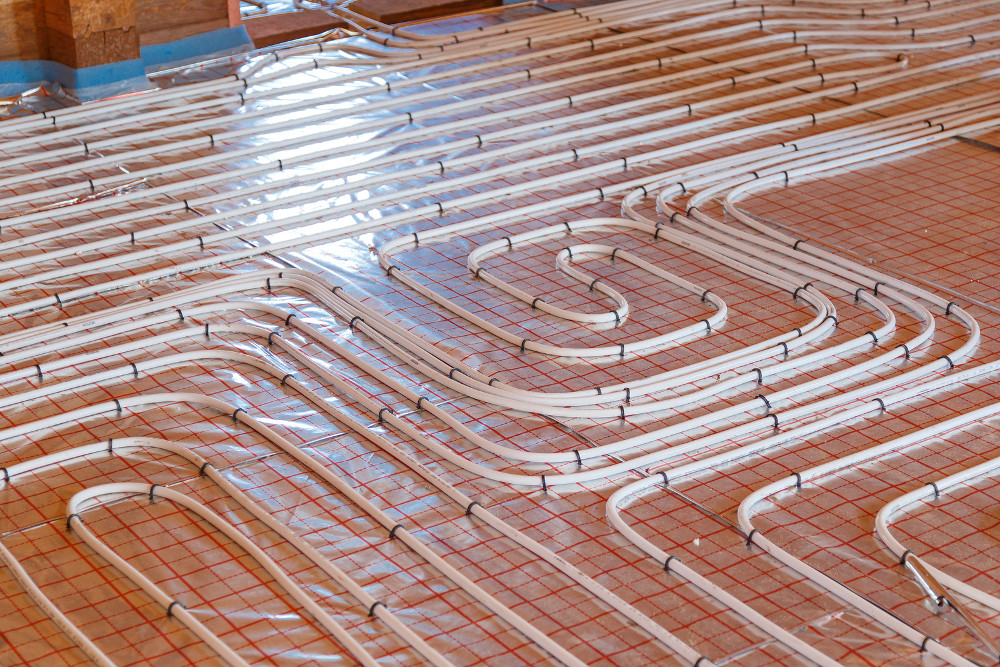
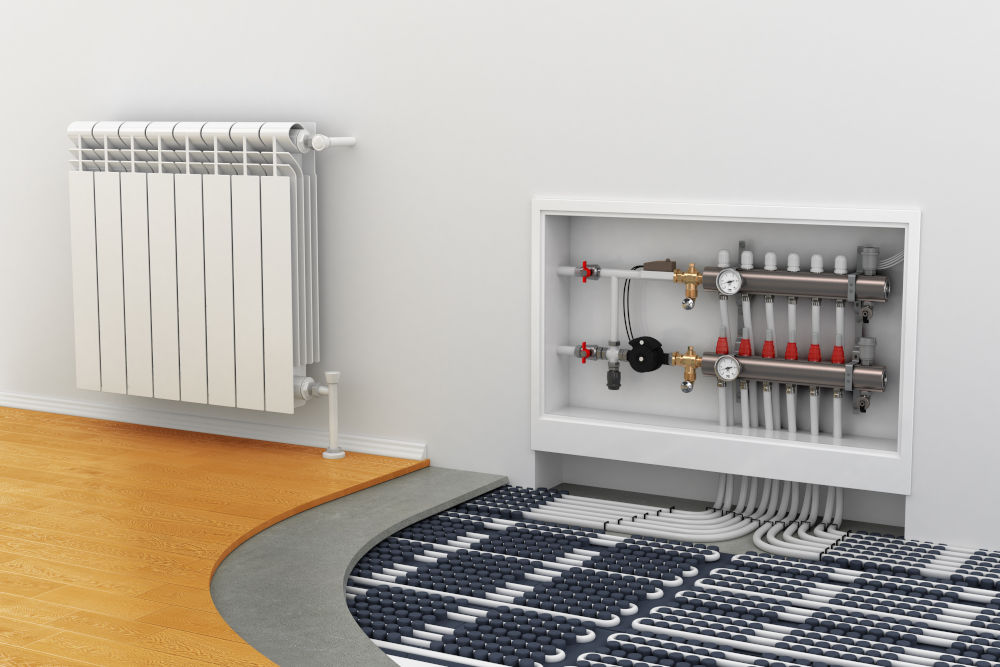
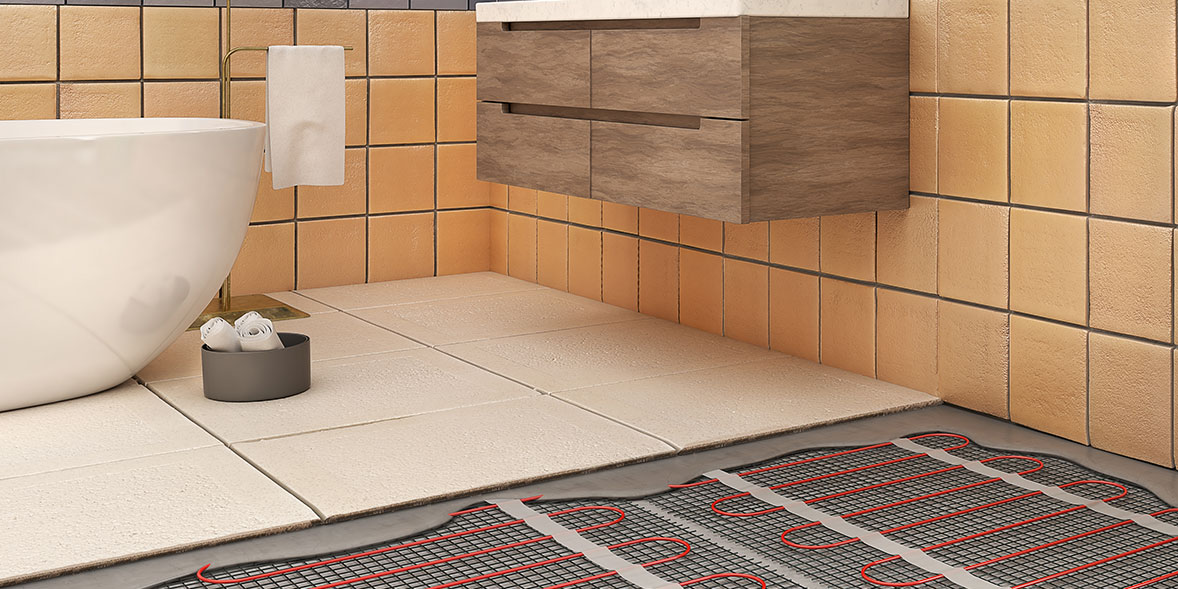
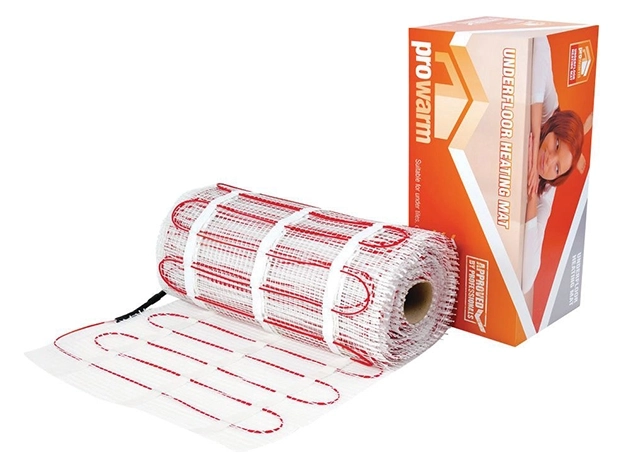
Underfloor heating (UFH) in bathrooms offers comfort, energy efficiency, and a clutter-free design by removing the need for traditional radiators. There are two primary types of UFH systems: electric and water-based. Electric systems are simpler to install, particularly in single rooms like bathrooms, as they cause minimal height build-up and can be laid directly over solid subfloors. They are suitable for irregularly shaped rooms and offer individual thermostat control, making them cost-effective for small spaces, especially with a programmable thermostat. Water-based systems, while more complex to retrofit, typically have lower monthly running costs.
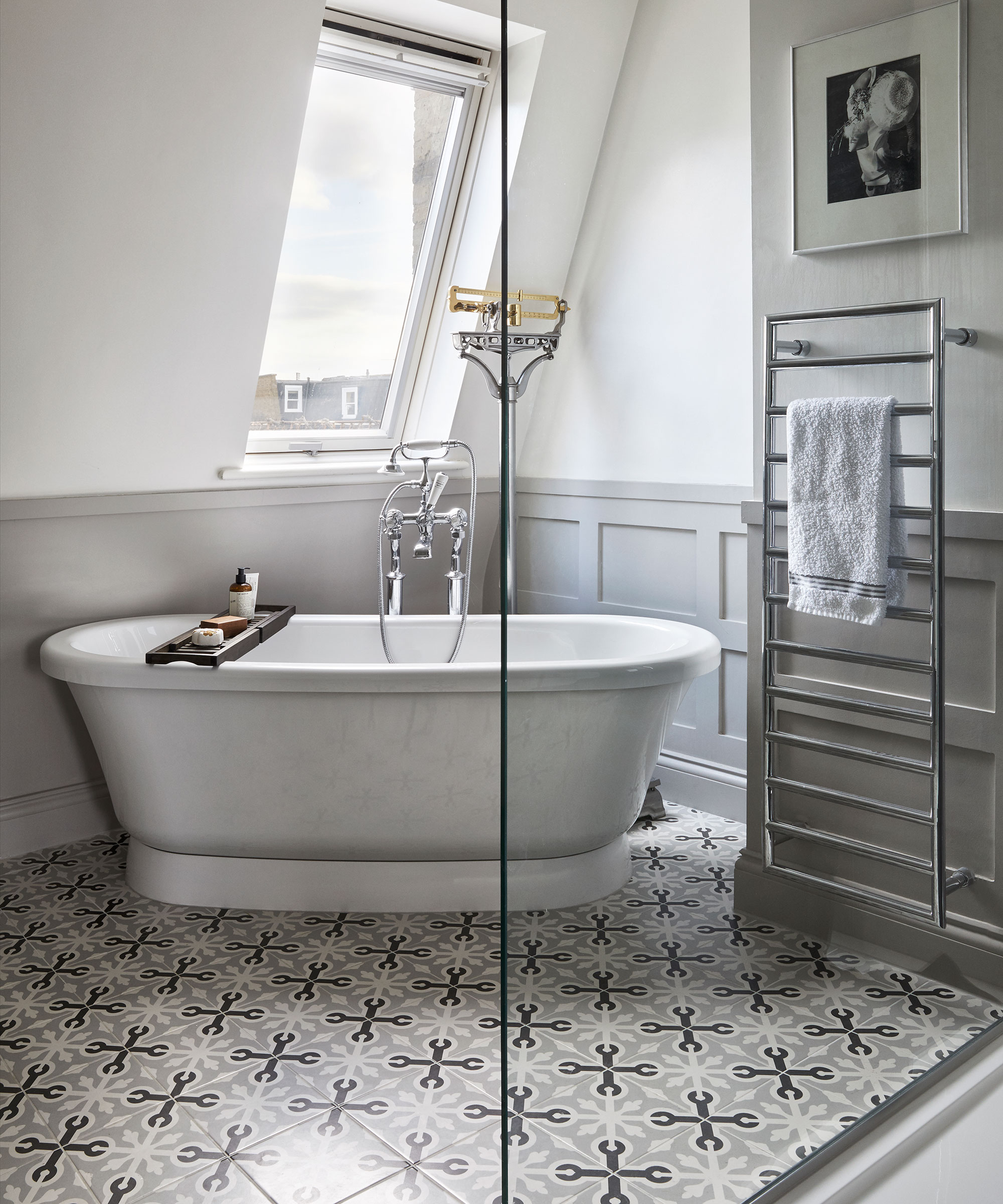
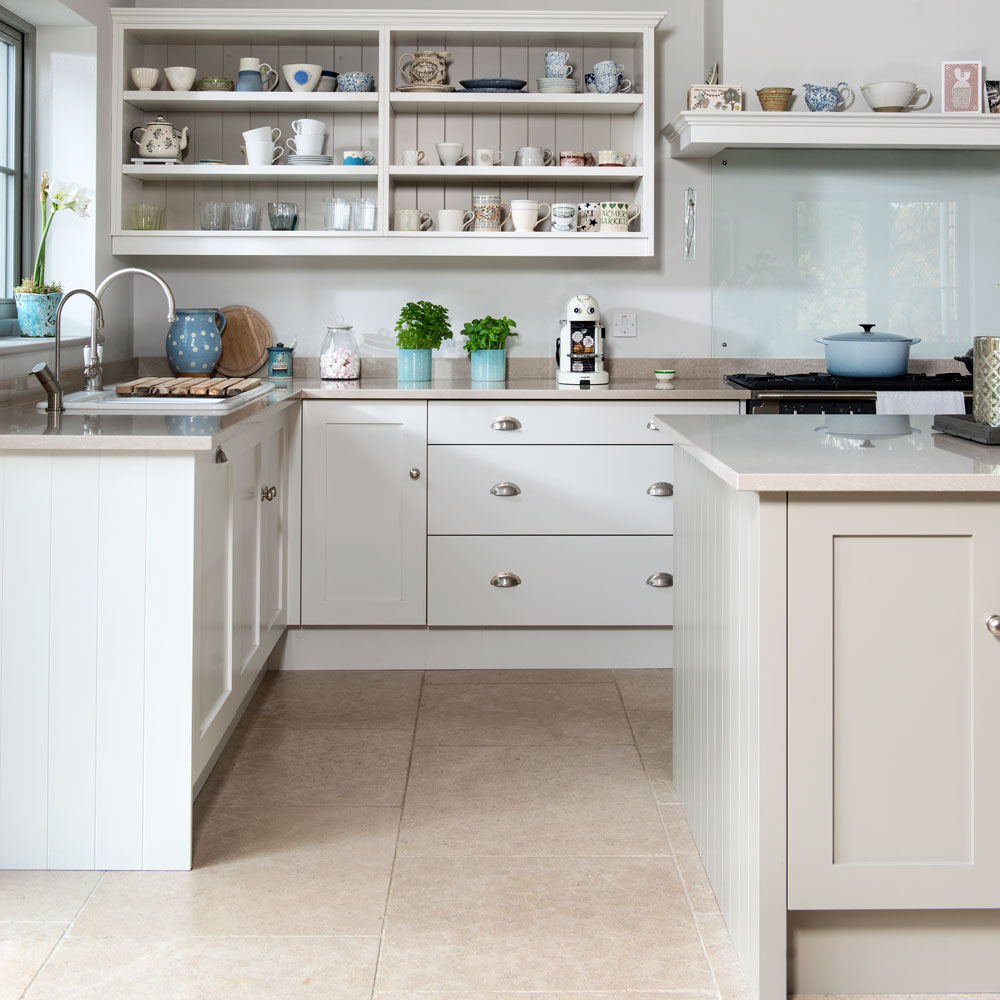
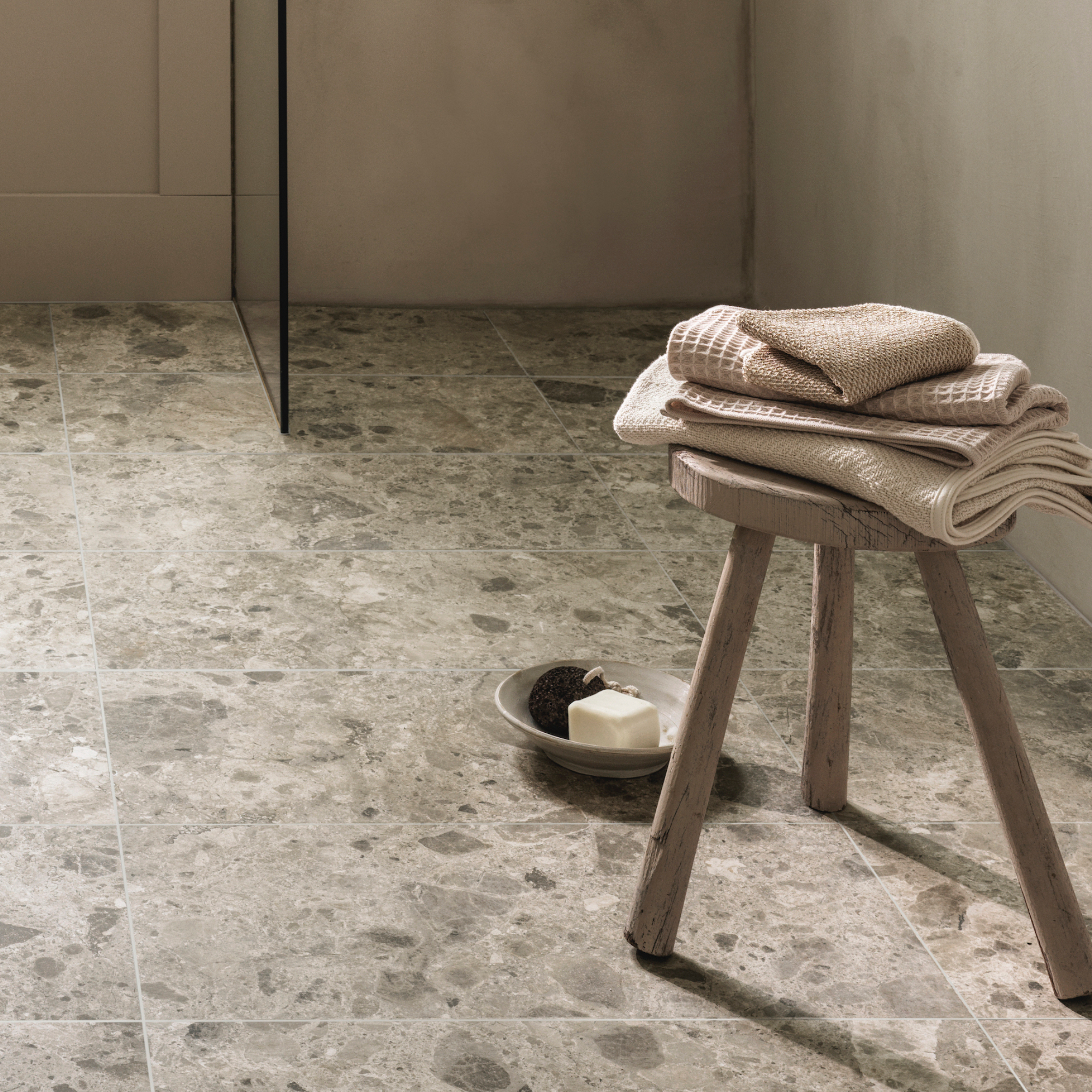
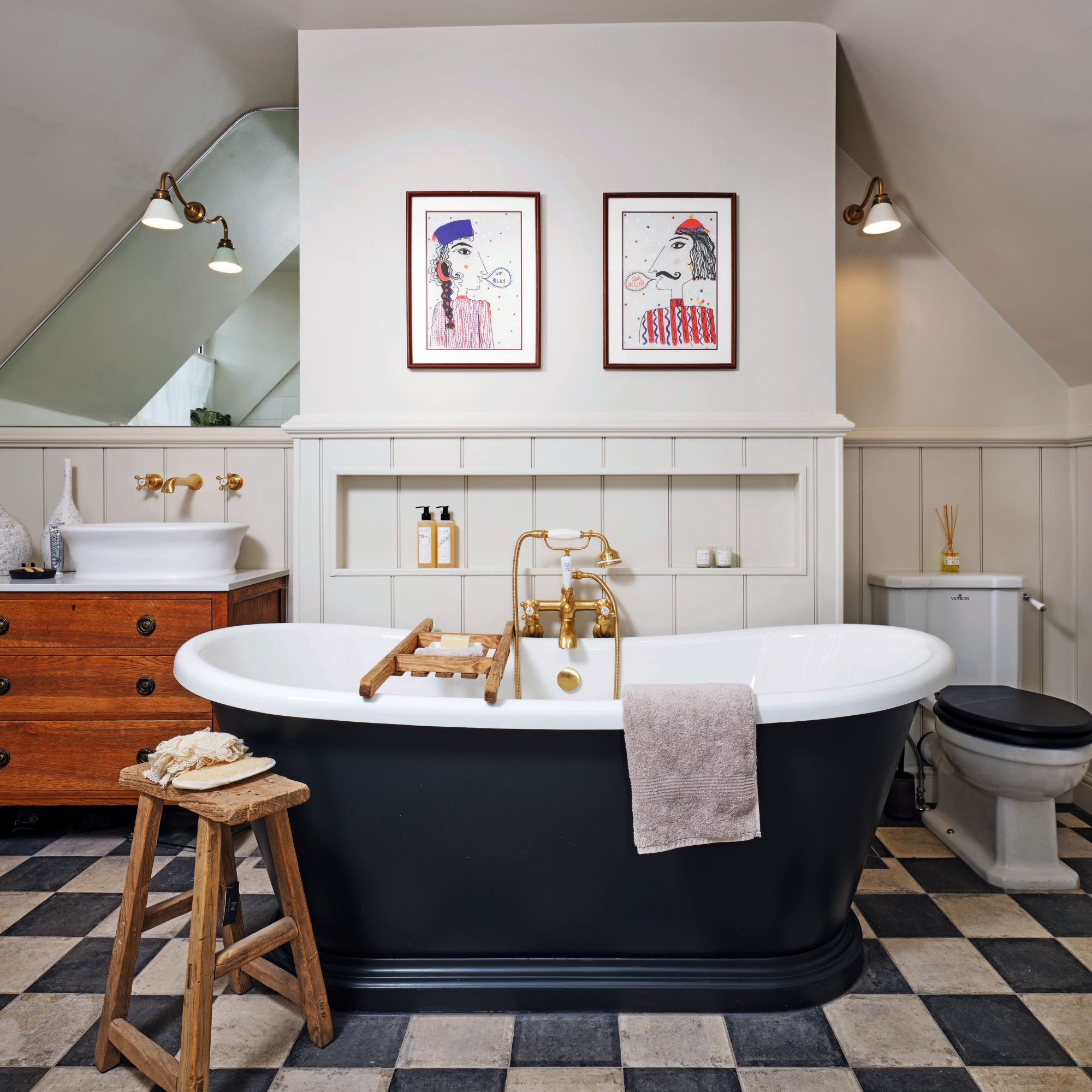
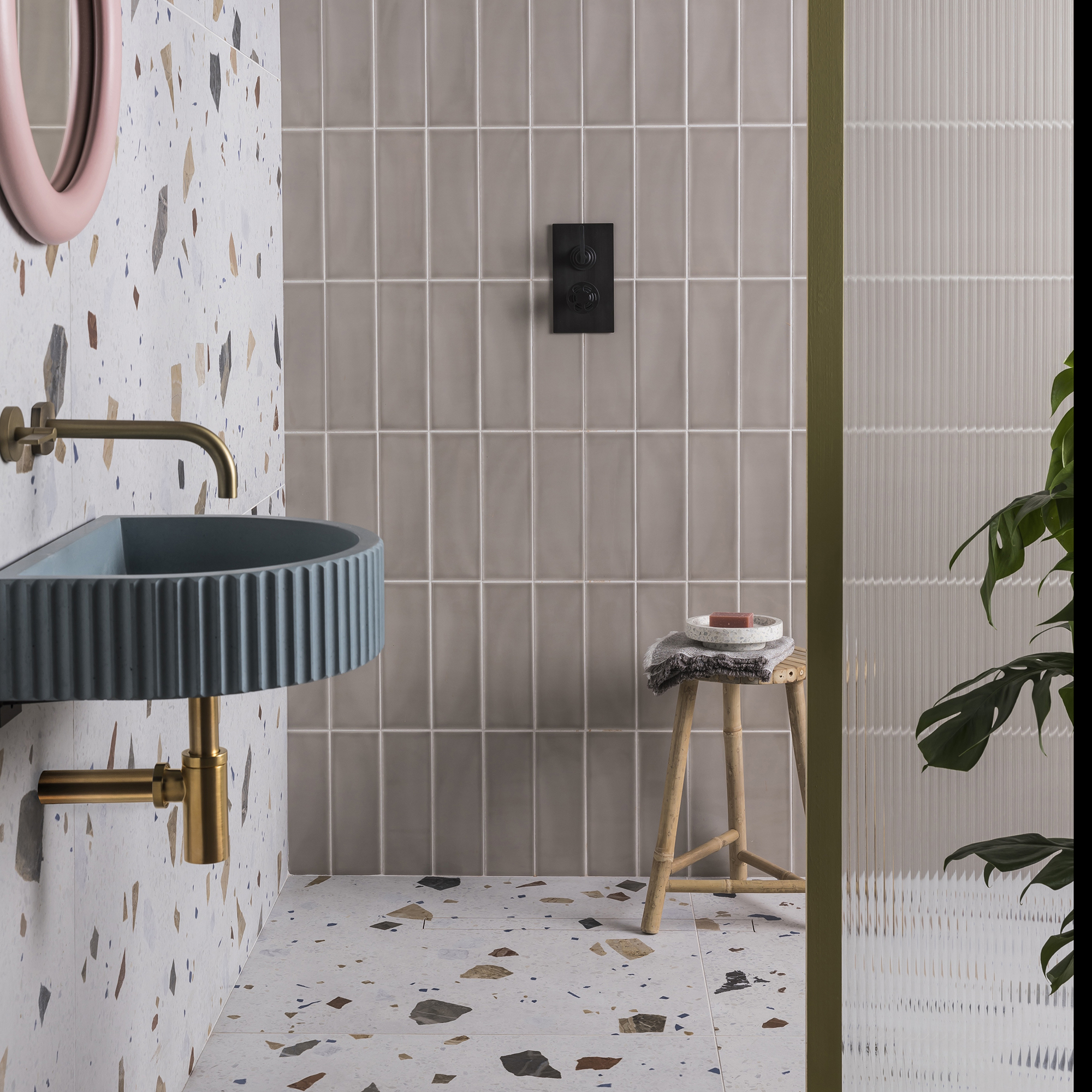
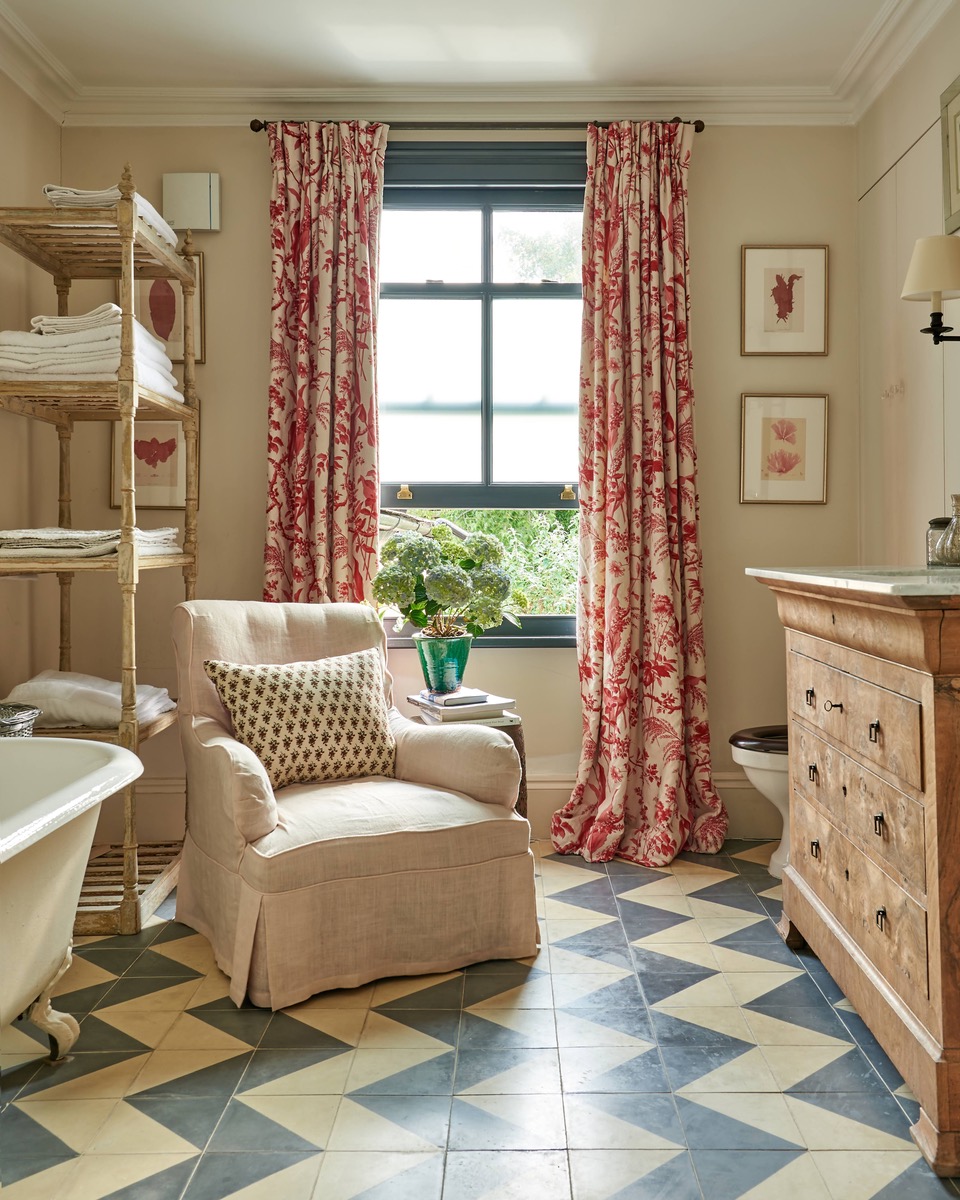
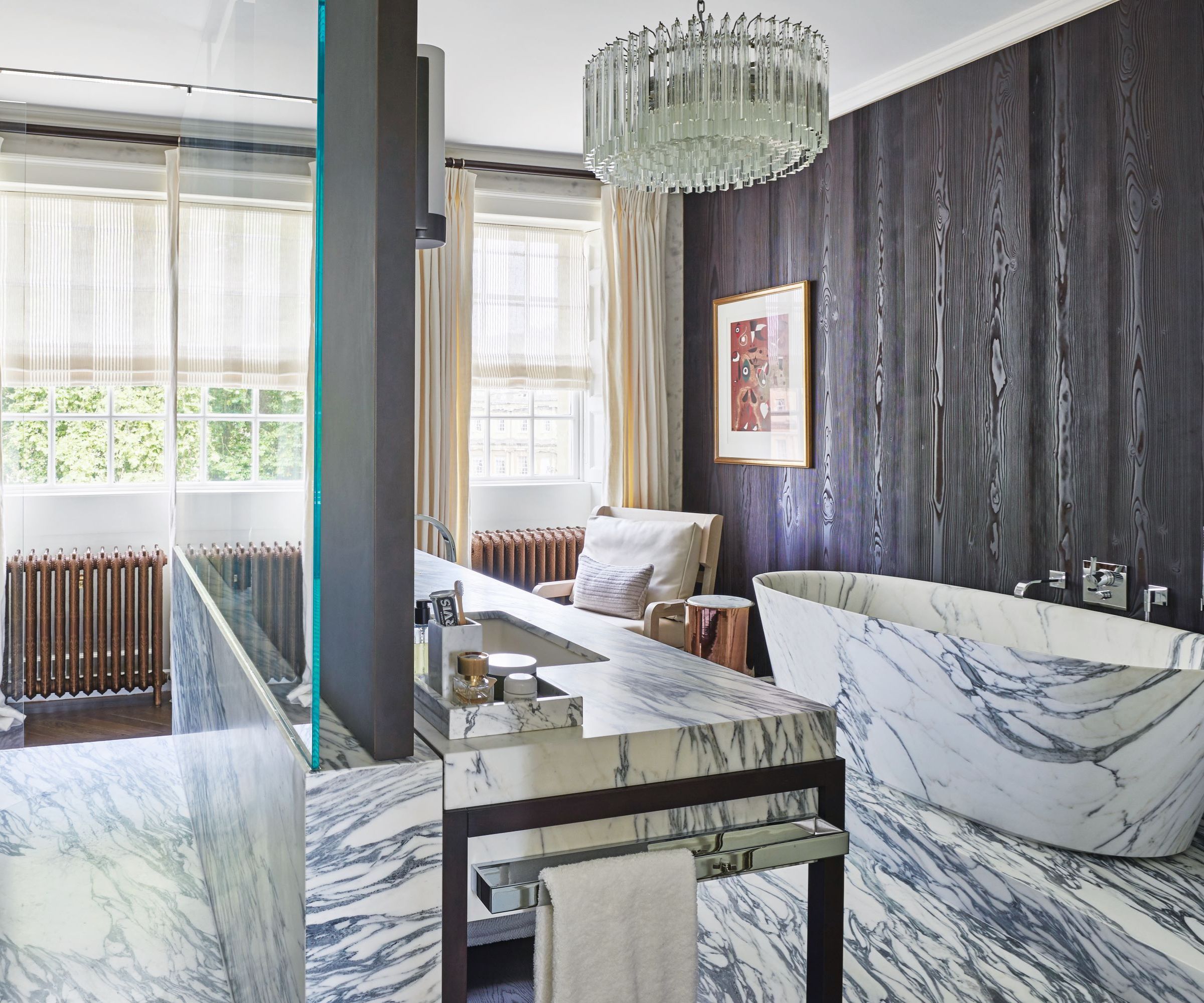
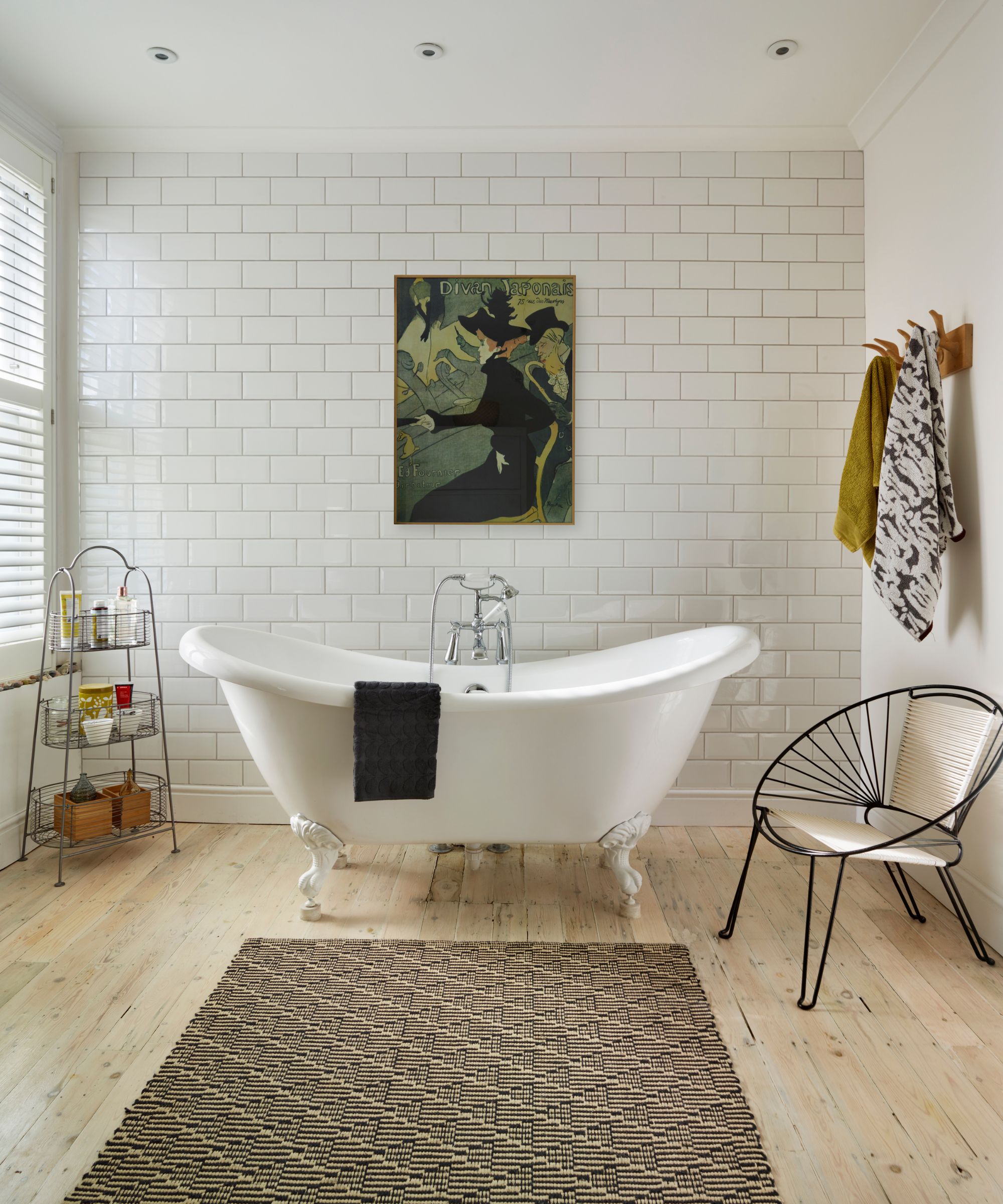
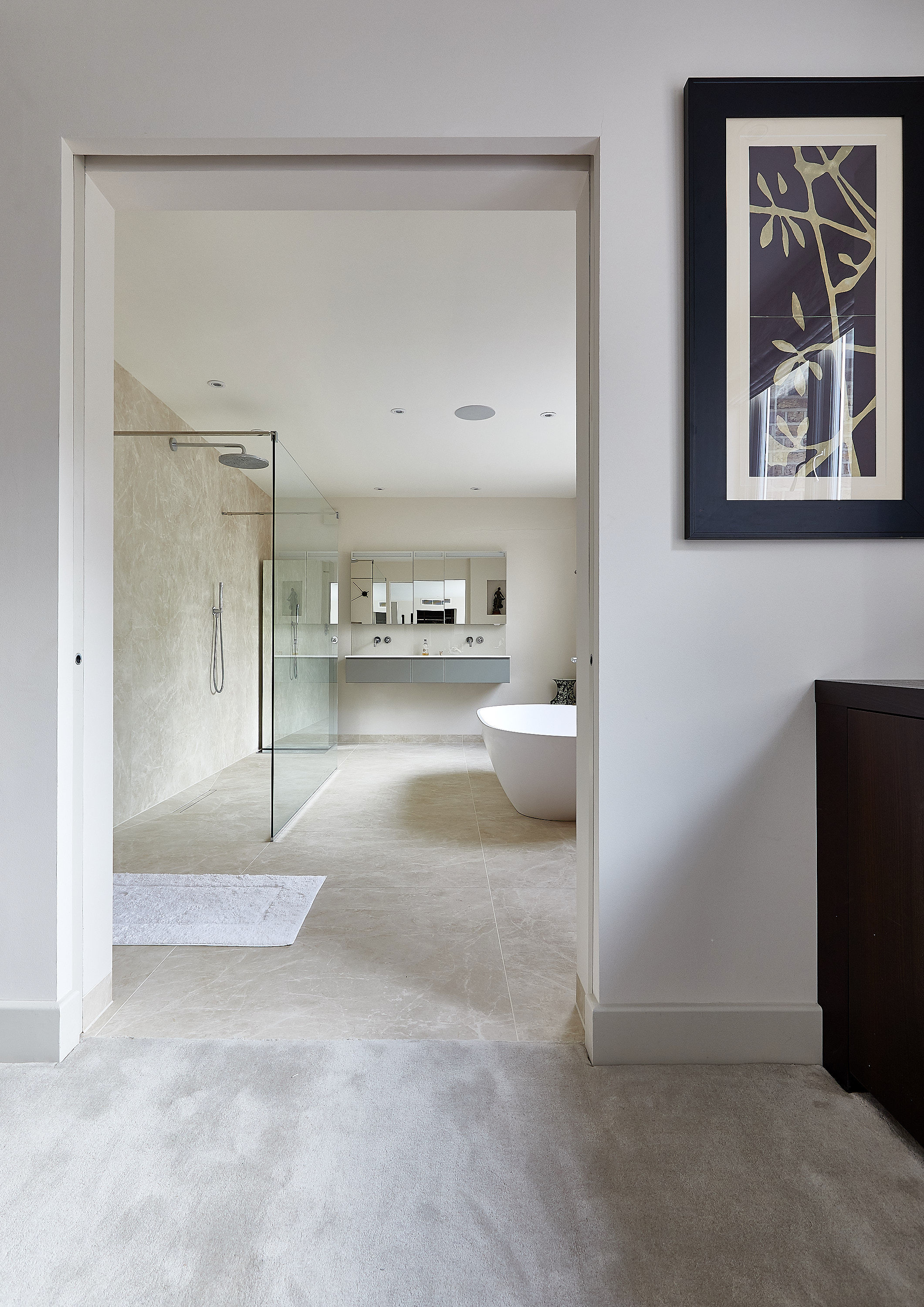
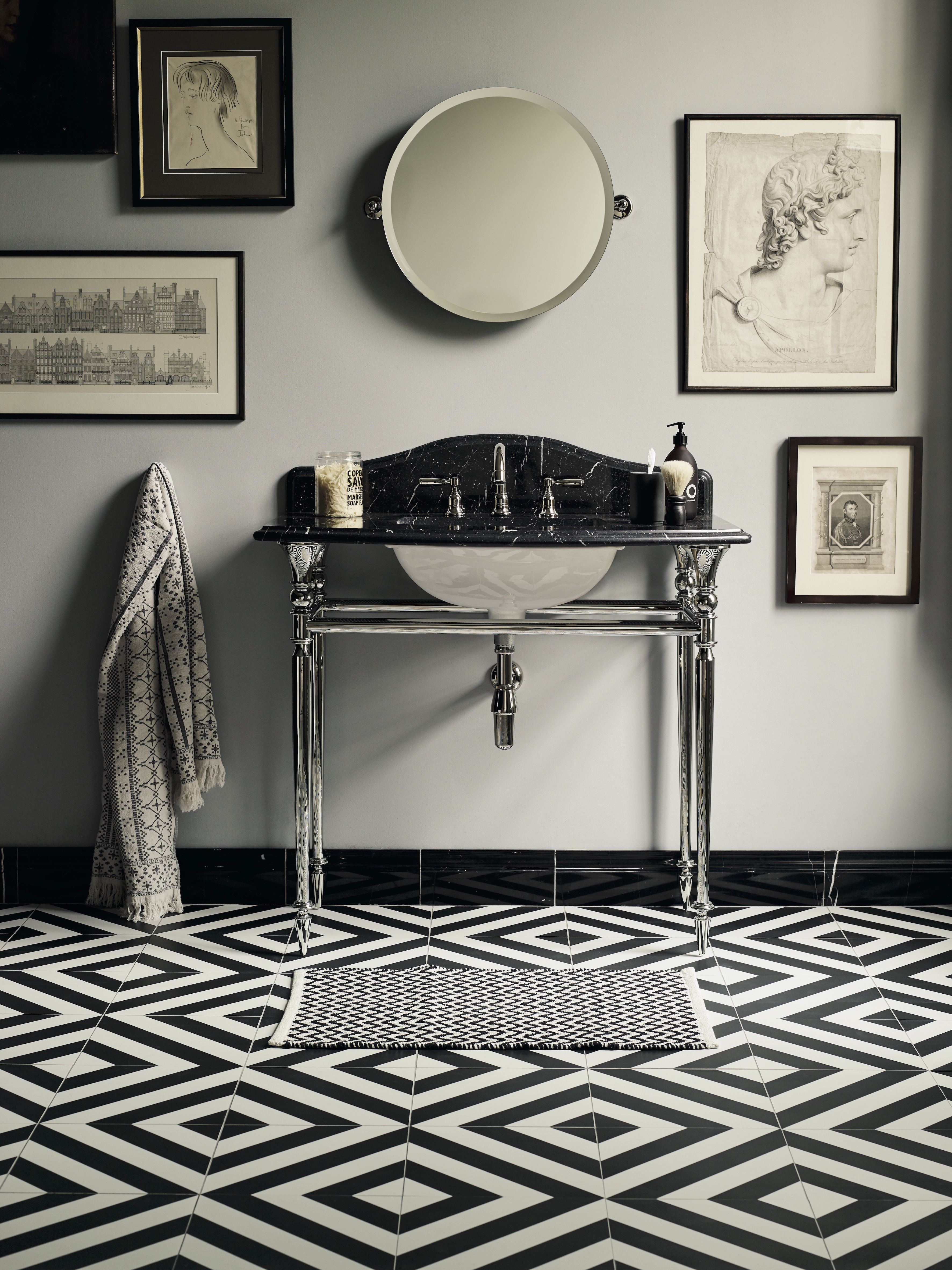
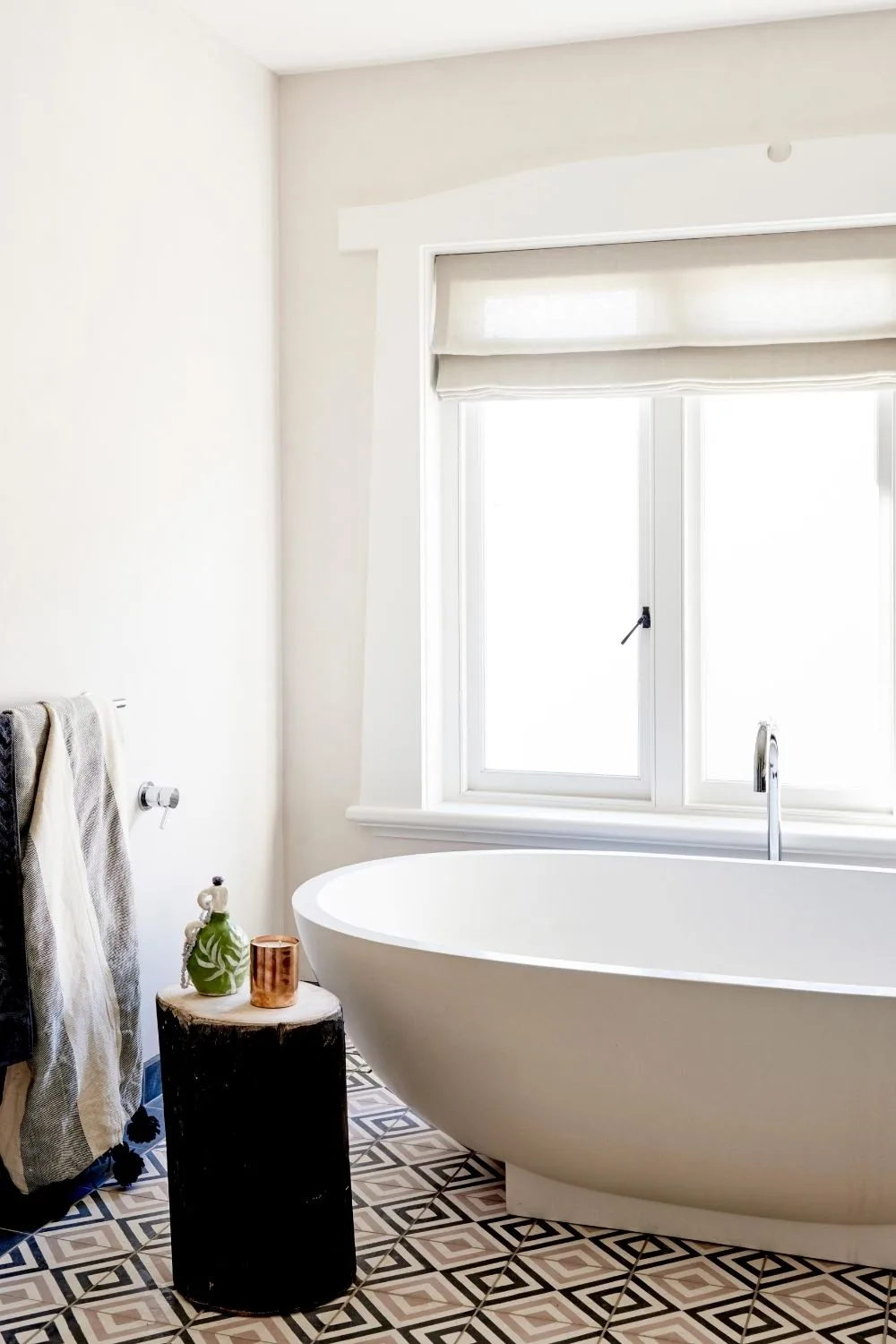
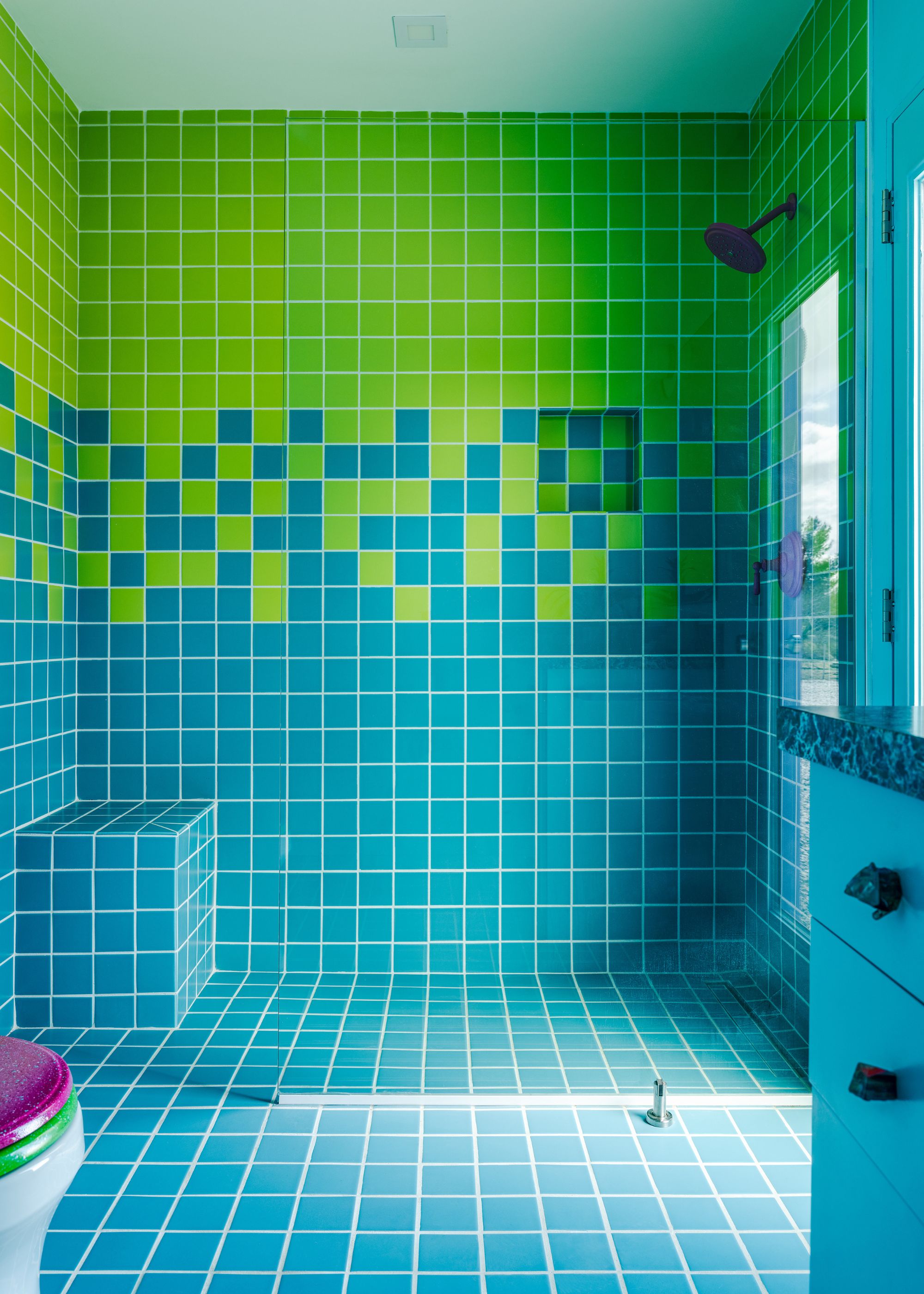
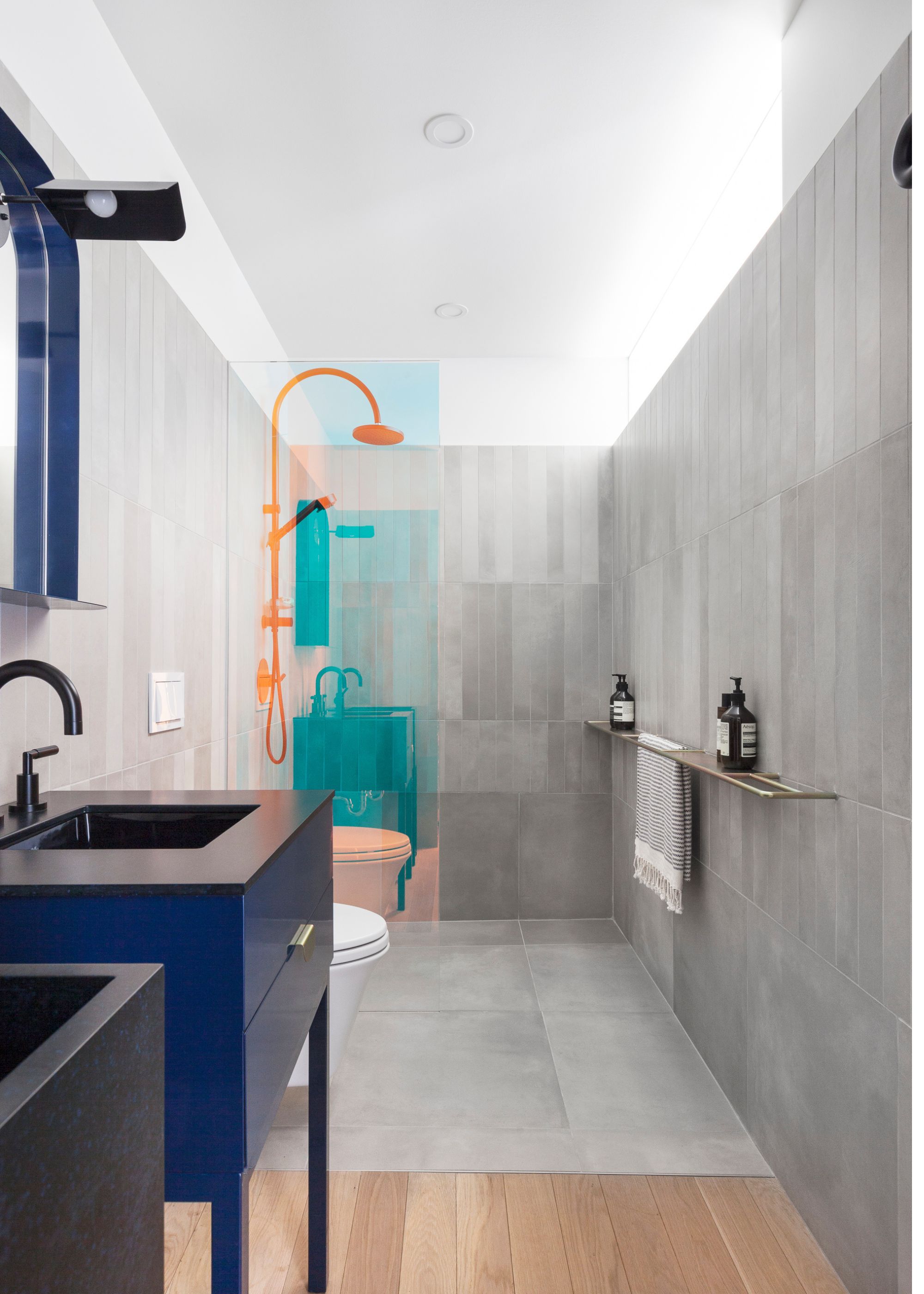
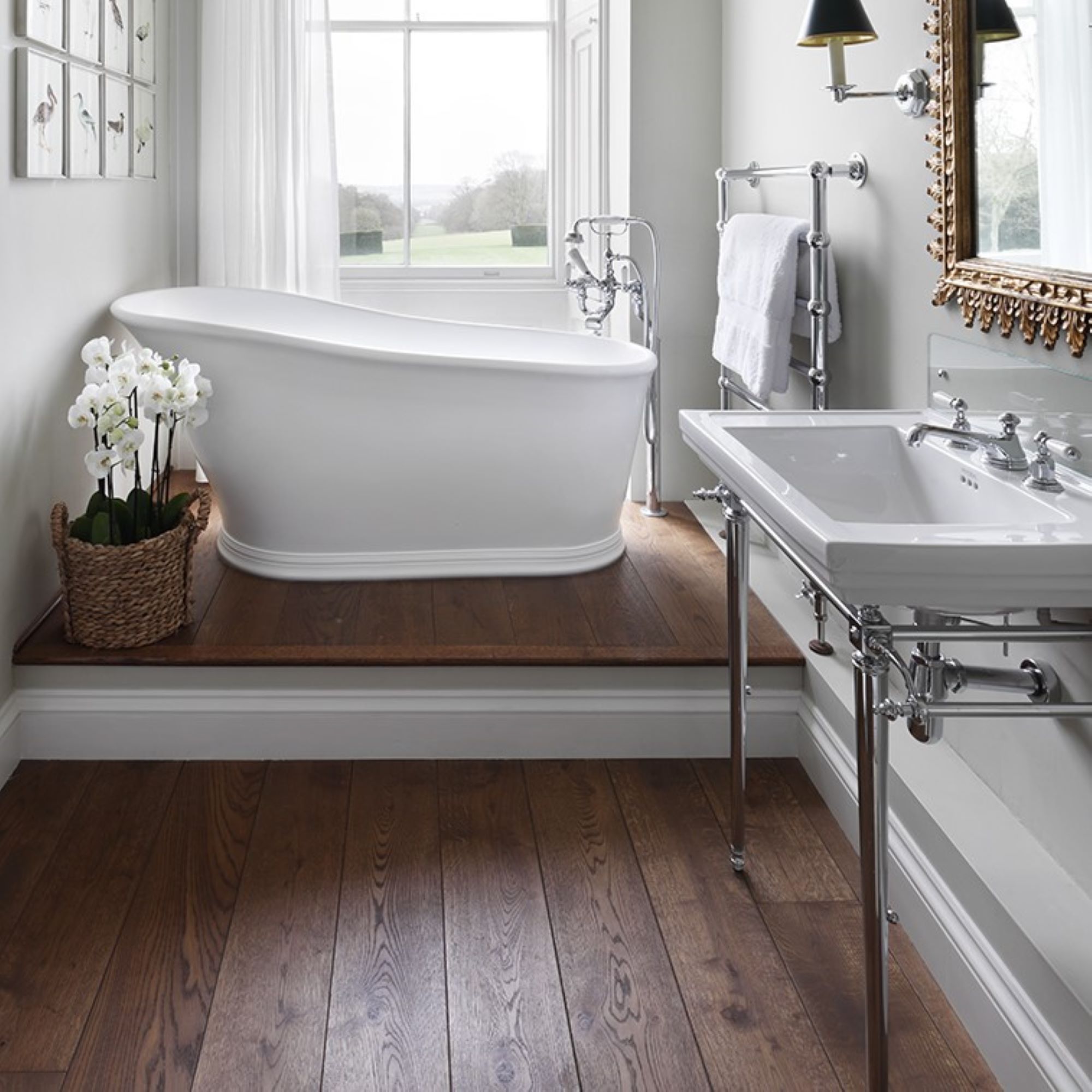
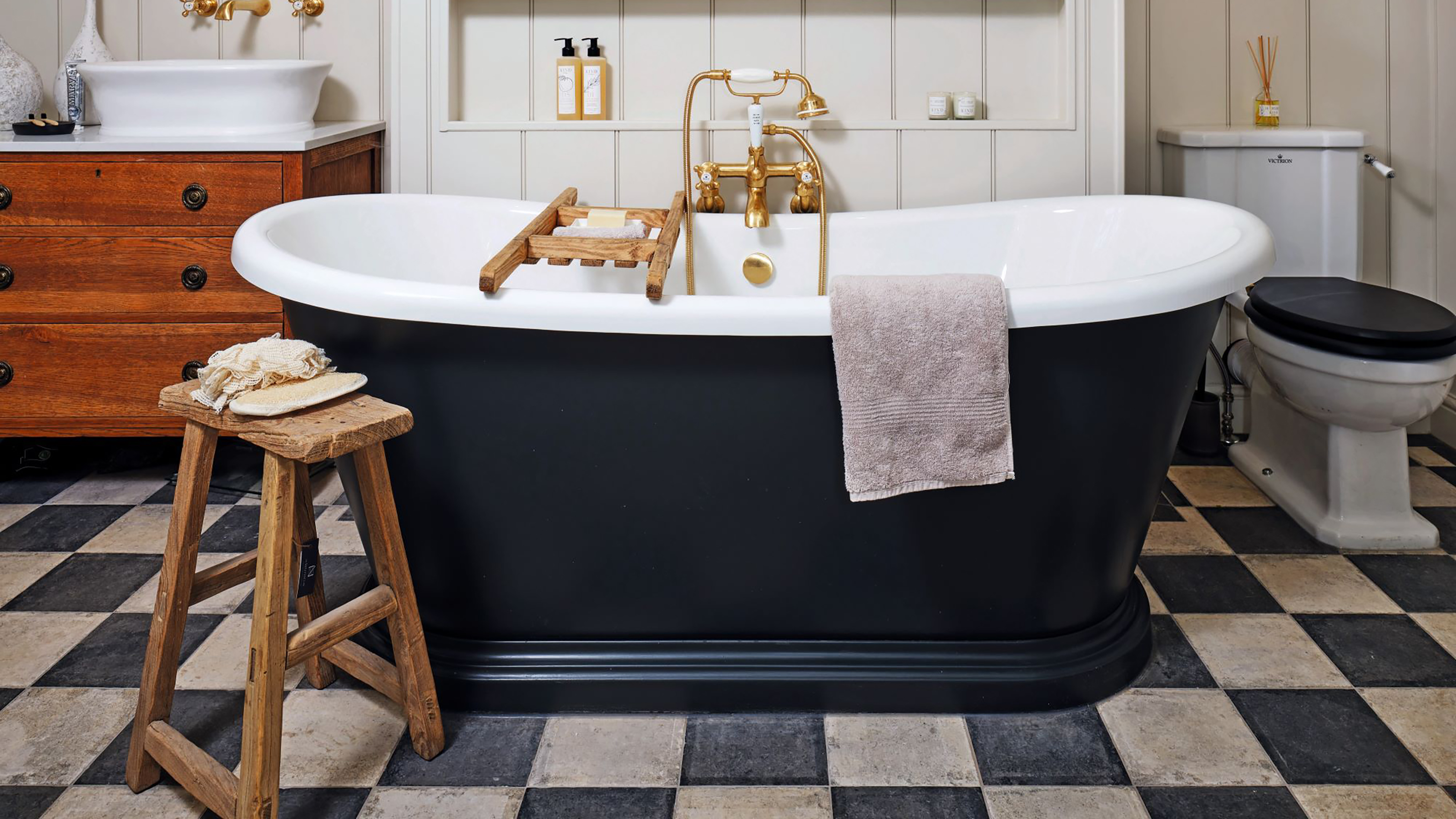
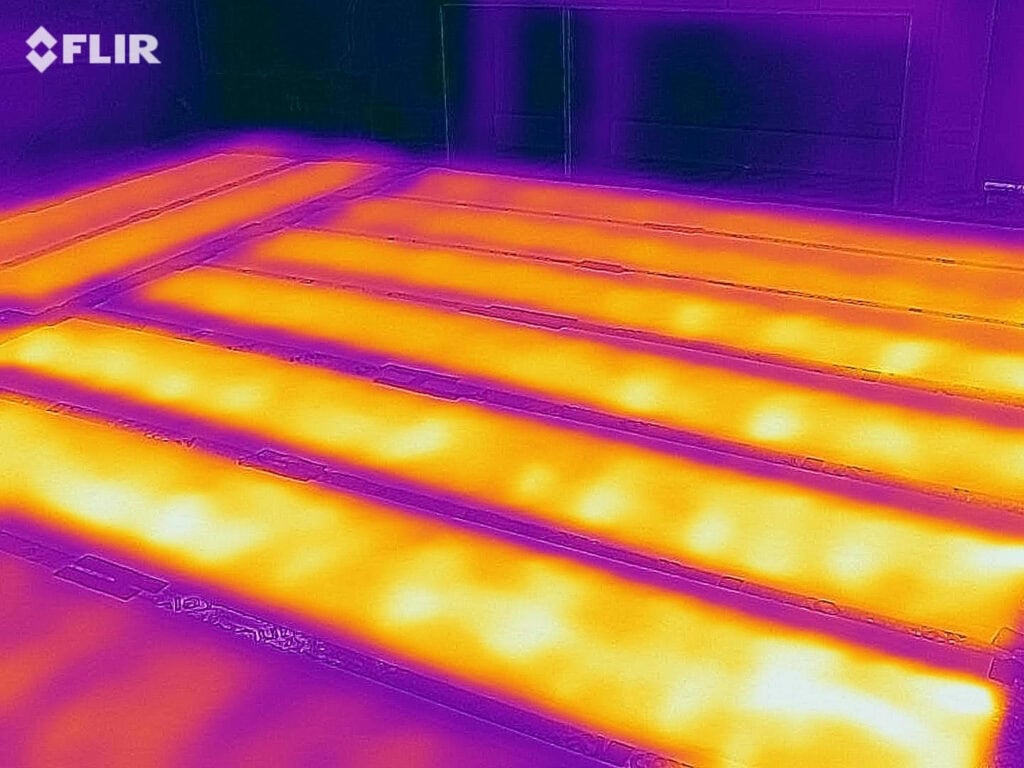
Proper positioning of heating elements is crucial for even heat distribution. Cables or pipes should be laid at regular intervals, with closer spacing for higher heat output. Loose wire systems are especially flexible for bathrooms due to irregular layouts. Some loose wire systems can even be installed behind wall tiles for added luxury. When selecting flooring, materials like wood, tiles, and stone work well with UFH. Smooth, hard surfaces such as porcelain and ceramic are particularly effective due to their excellent heat conductivity. Tiles are also easy to clean and durable but should have an anti-slip surface for safety. Certain laminate and vinyl products may not be compatible with electric UFH, so checking with the supplier is essential.
Effective temperature management is vital for energy efficiency. Setting the thermostat higher than necessary does not accelerate heating and can lead to wasted energy. An optimal temperature of around 21°C is generally sufficient for most bathrooms. Leaving the UFH system running continuously during colder months, rather than frequently turning it on and off, is more energy-efficient, with a recommended temperature range of 16°C to 25°C for consistent warmth.
While electric UFH typically requires little servicing if installed correctly, water-based systems benefit from annual maintenance, similar to a boiler, to ensure efficiency and proactively identify potential issues. A thorough heat loss survey by a heating engineer or plumber is necessary to determine the correct heat output for the bathroom, considering factors such as room dimensions, insulation levels, windows, and existing heating sources. The subfloor must be stable, rigid, and flat. If insulation is lacking, rigid insulation boards should be installed to prevent heat loss downwards. A fully-cured, level concrete floor between 60mm and 75mm is ideal, but the main goal is to ensure a completely level surface before UFH installation.
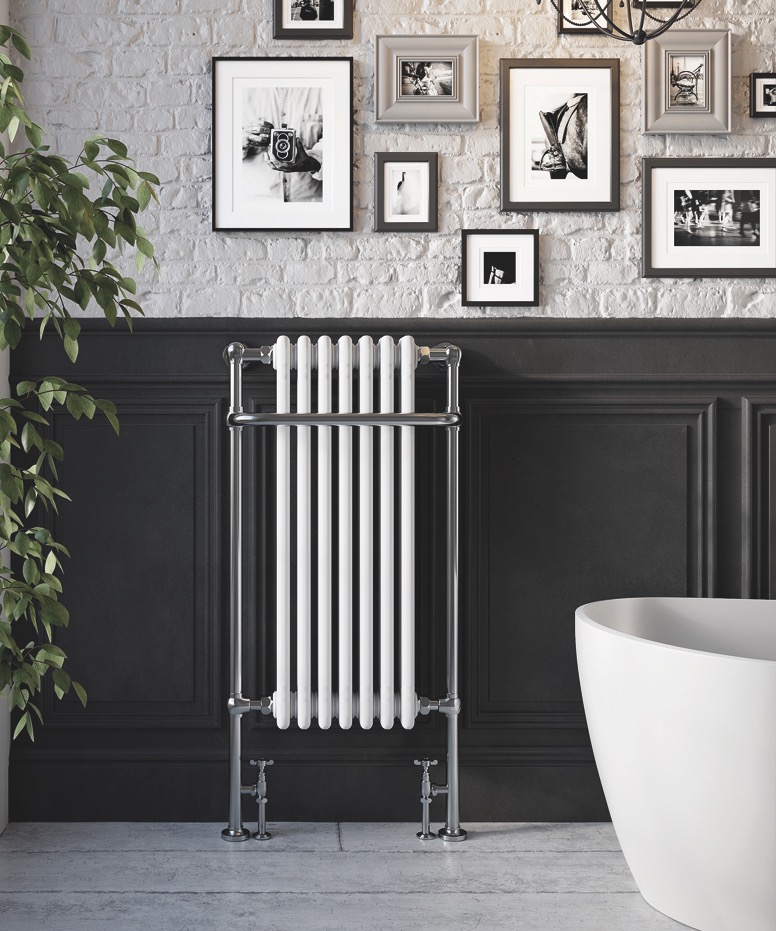
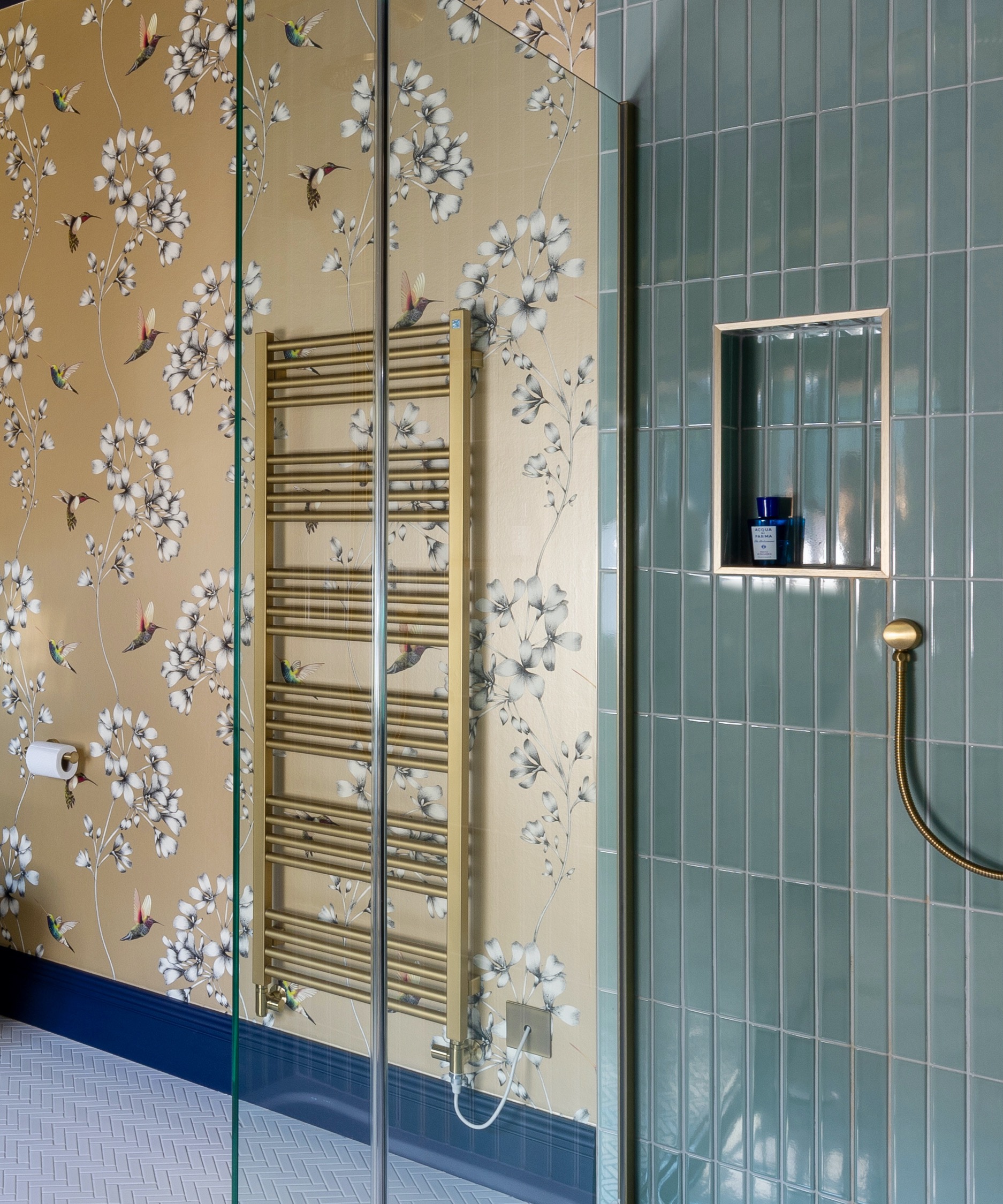
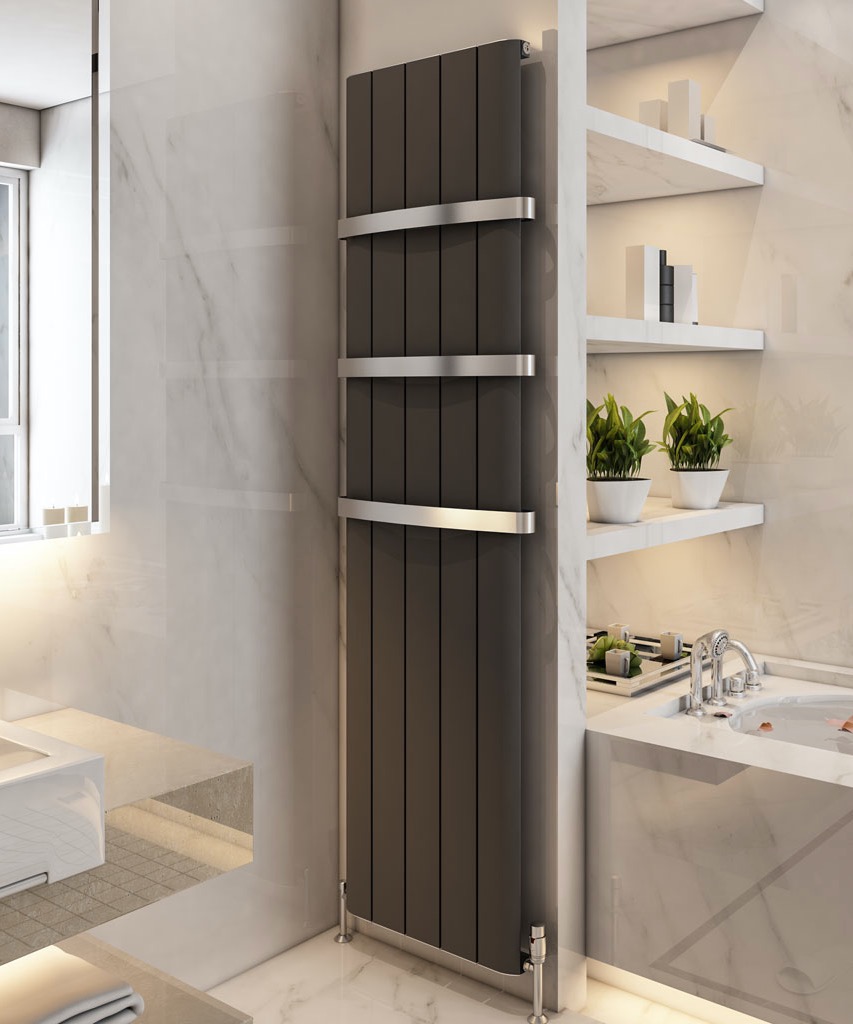
Integrating smart thermostats allows for advanced control, enabling remote management and automated heating schedules, which ensures the bathroom is warm when needed and helps conserve energy by avoiding unnecessary heating. Finally, a hybrid heating setup, combining UFH with a slim towel rail, offers both underfoot warmth and a convenient way to warm towels or clothes, maximizing comfort and functionality within the bathroom space.
#UnderfloorHeating #BathroomDesign #HomeHeating #EnergyEfficiency #SmartHome #RenovationTips #FloorCoverings #ThermostatControl #HomeImprovement #UnderfloorHeating #BathroomDesign #HomeHeating #EnergyEfficiency #SmartHome #RenovationTips #FloorCoverings #ThermostatControl #HomeImprovement
0 تعليق إجمالاً
 لا توجد تعليقات بعد
قد تعجبك أيضًا
How to choose bathroom flooring - everything you need to know, according to experts

Bathroom floor tile ideas – 15 ways to incorporate stylish tiles underfoot
Non-slip bathroom flooring ideas – 10 beautiful yet functional designs for underfoot

Simple and efficient underfloor heating system
6 affordable ways to heat your bathroom in winter

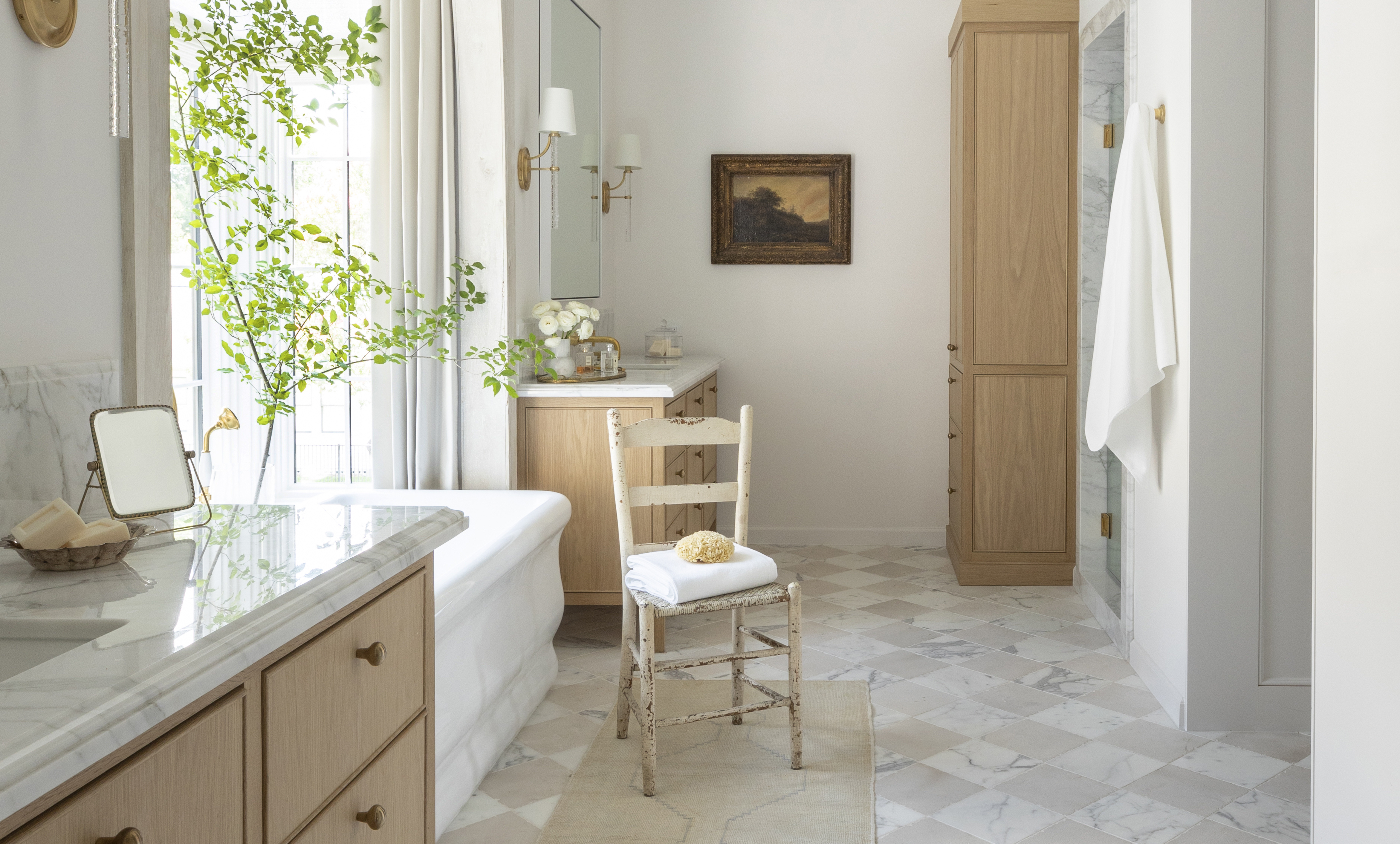
How to keep a bathroom warm in winter – to stay toasty even after hot showers
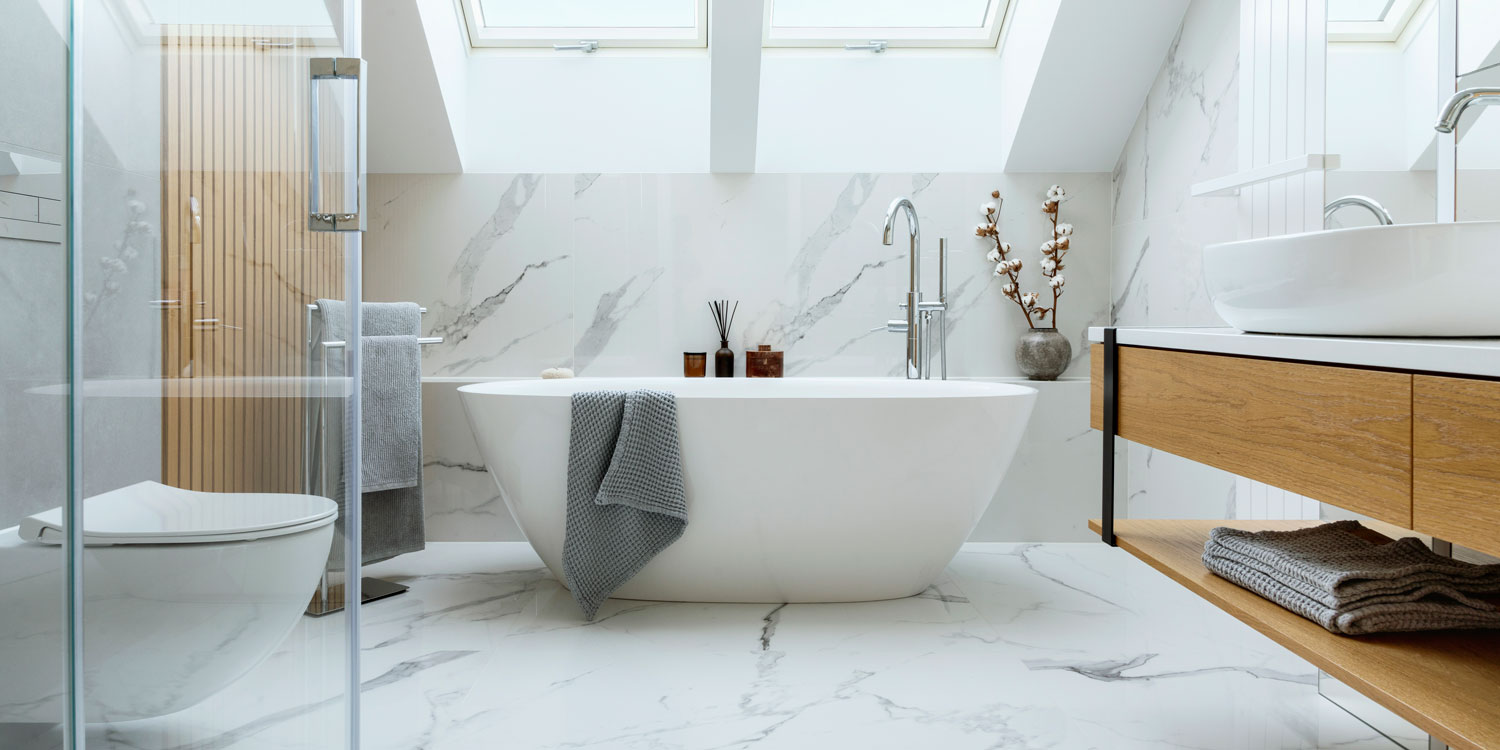
Underfloor heating pros and cons
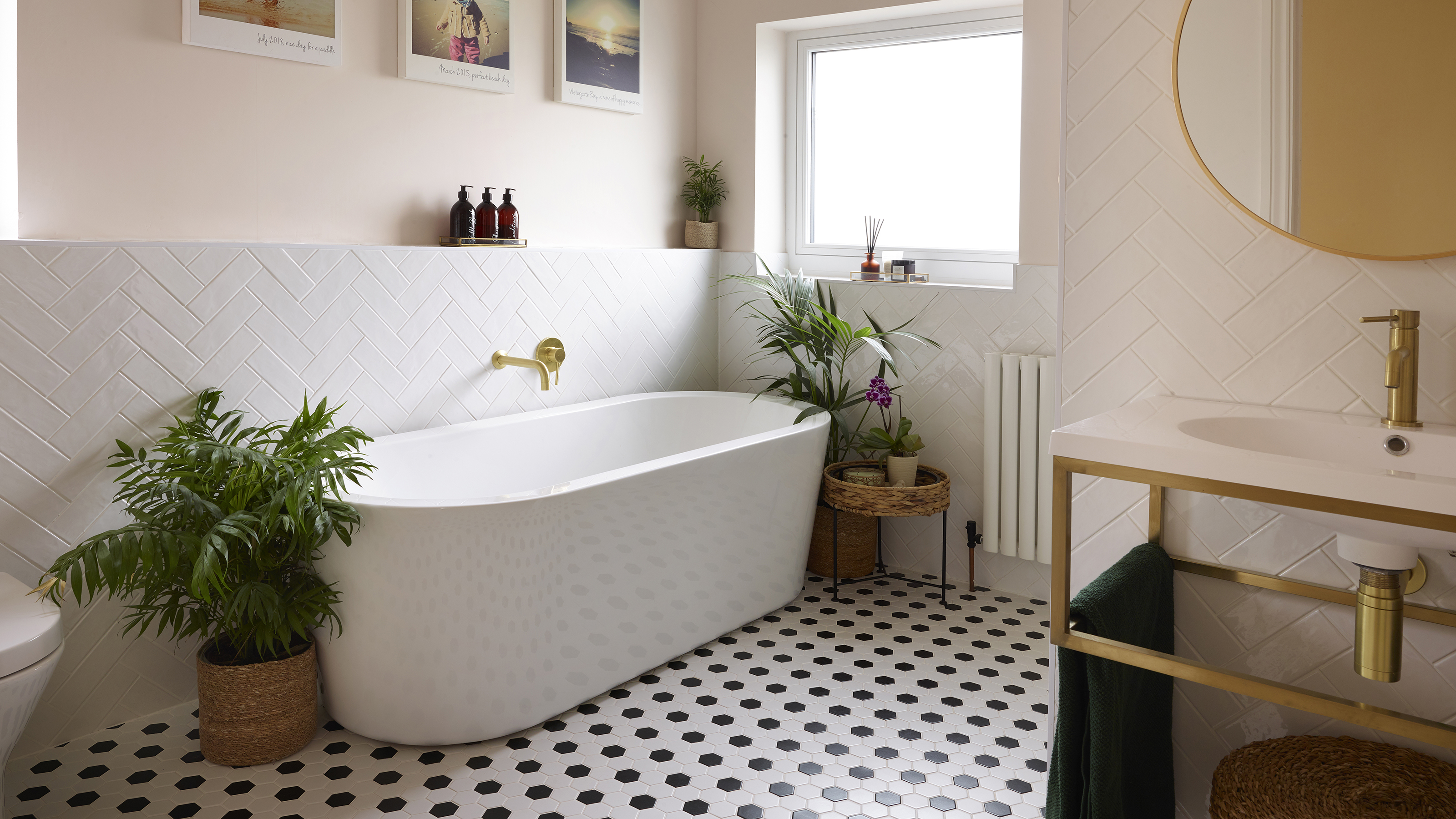
14 Bathroom flooring ideas to create a stylish and sensible space in 2025
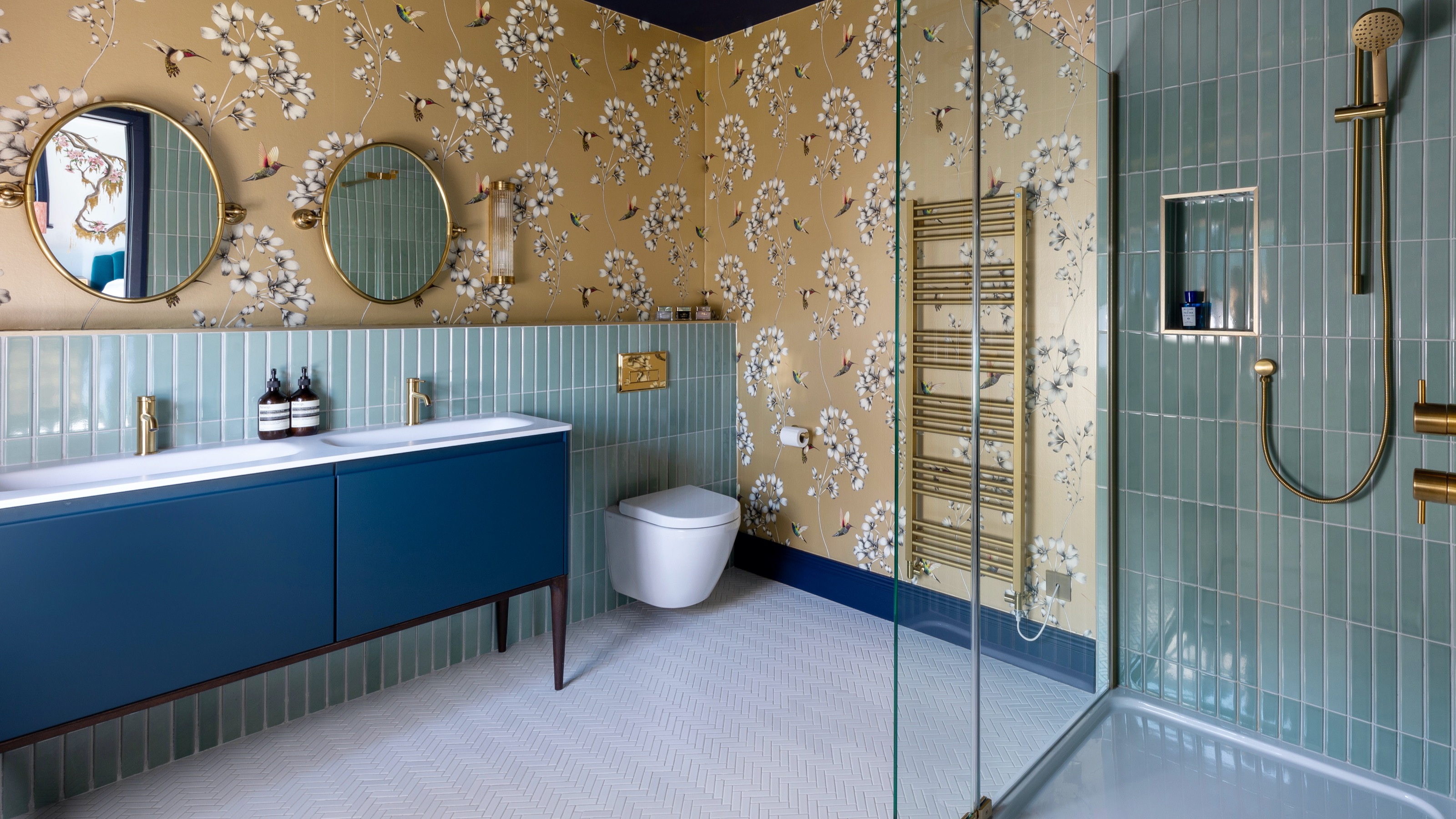
5 bathroom heating options, and our expert advice on which is best for you
Underfloor Heating

7 ways to winter proof your bathroom

After 56 Days of Testing, We Found the Best Bathroom Heater

How to retrofit underfloor heating – a complete guide
I've ripped out and redesigned 14 bathrooms – these are the 15 lessons I've learned
15 of the Most Important Bathroom Flooring Ideas You Need to Know When You're Planning a Makeover This Year
Experts warn against these 6 bathroom flooring mistakes - what to do instead
3 reasons I regret not putting underfloor heating in my home office – it’s definitely moving up my priority list
Best Heat Lamps & Bulbs for Your Bathroom To Keep You Warm & Comfortable

Why electric underfloor heating is gaining popularity in high-end interiors in 2025


Five underfloor heating myths debunked