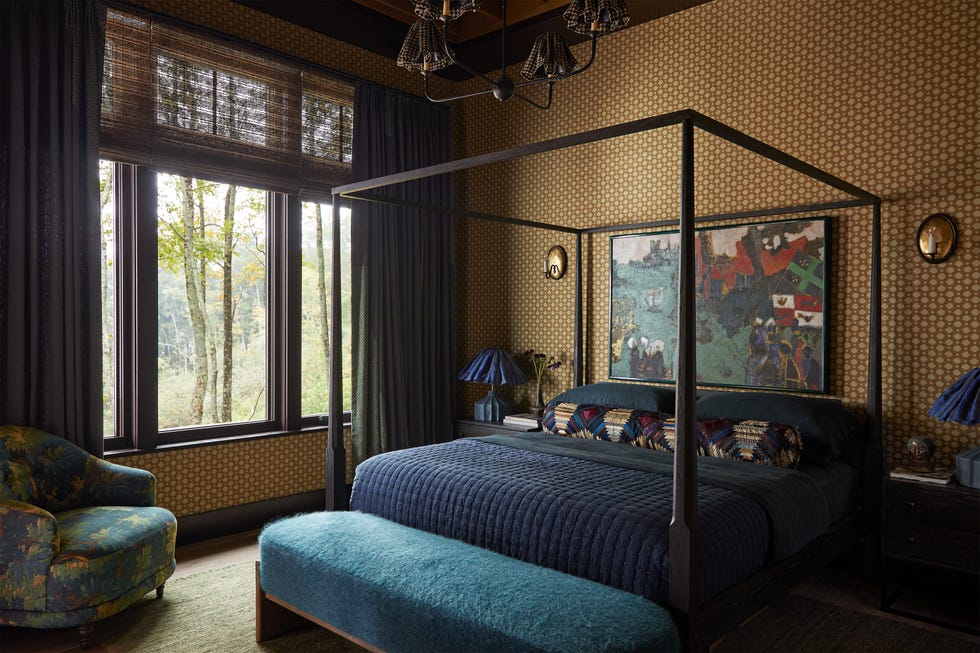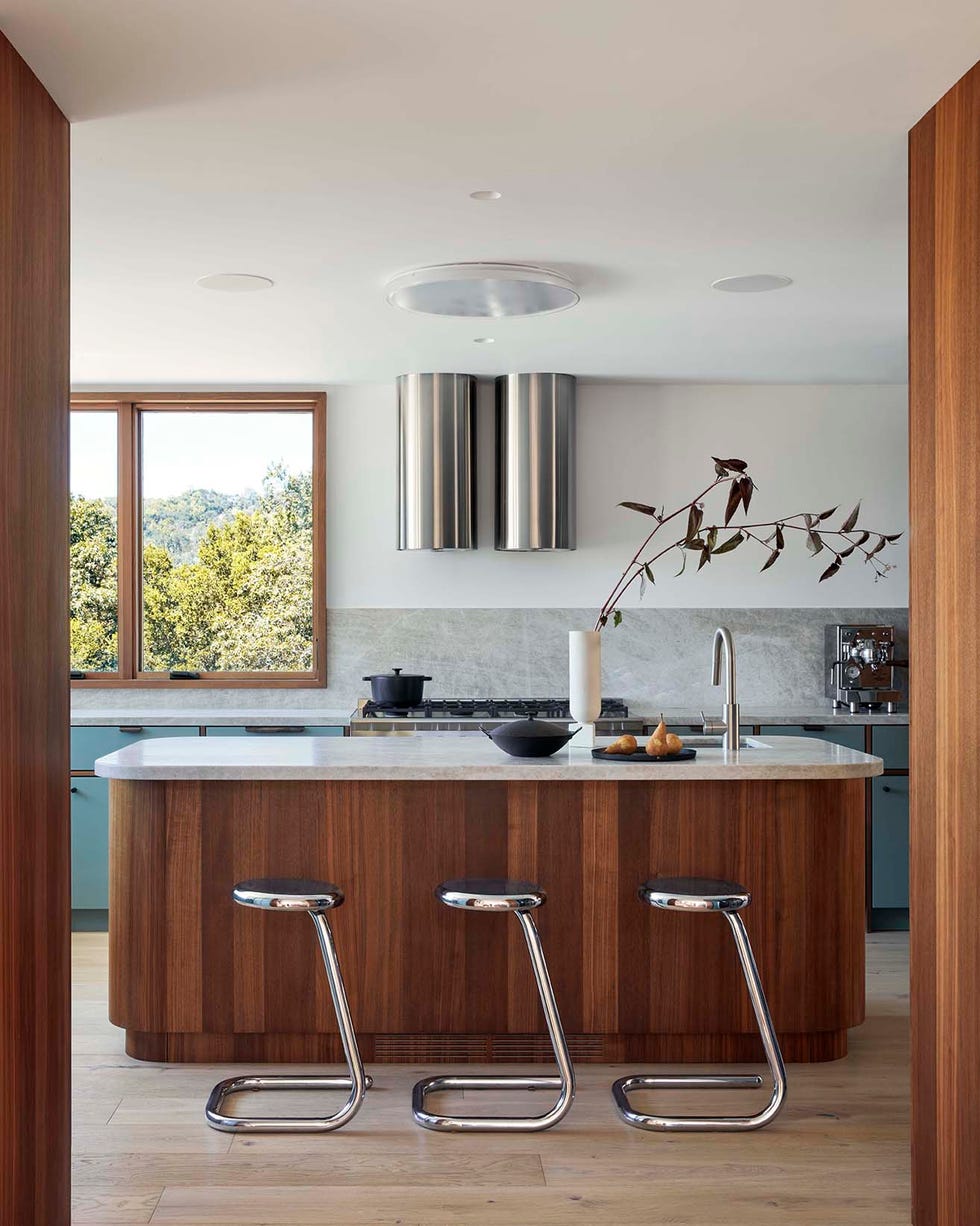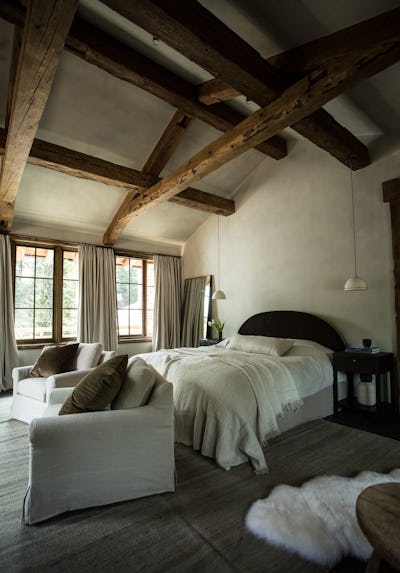
Textured Walls Are The Latest Interiors Trend For Adding Warmth To Your Space
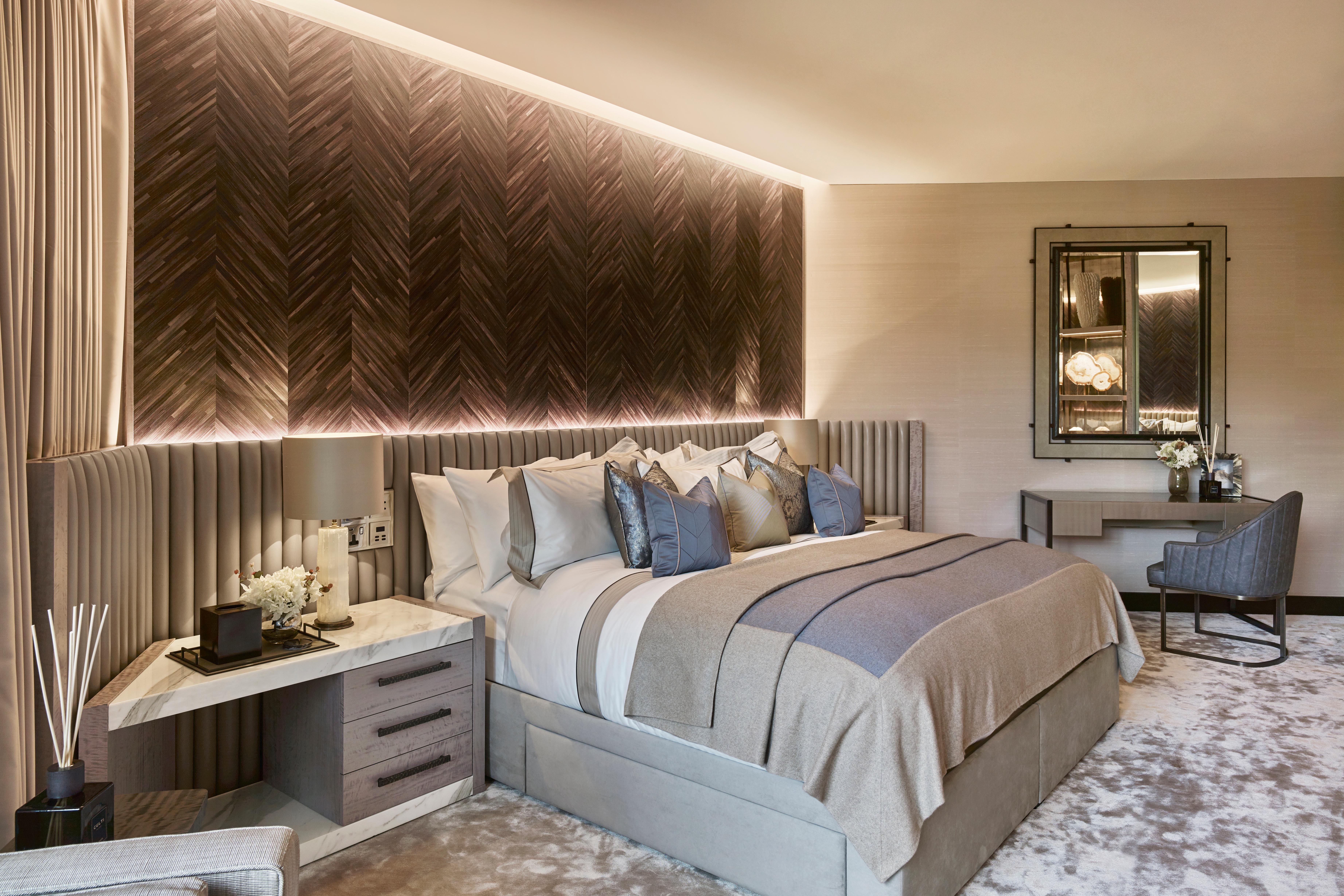
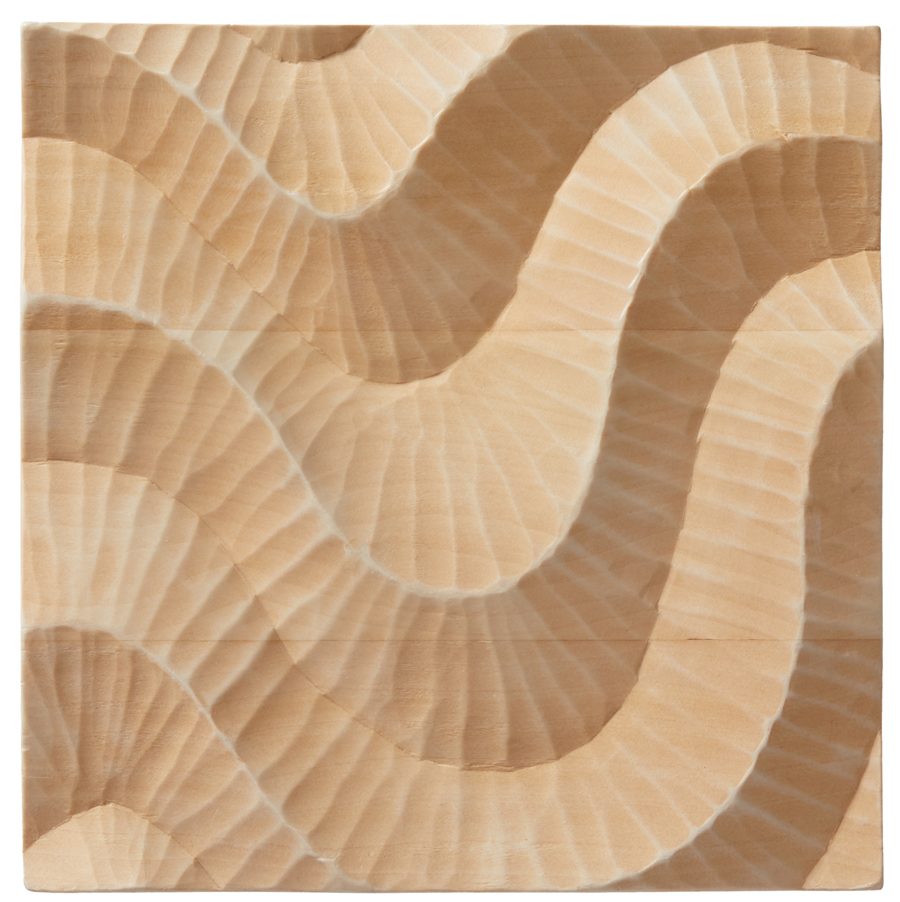
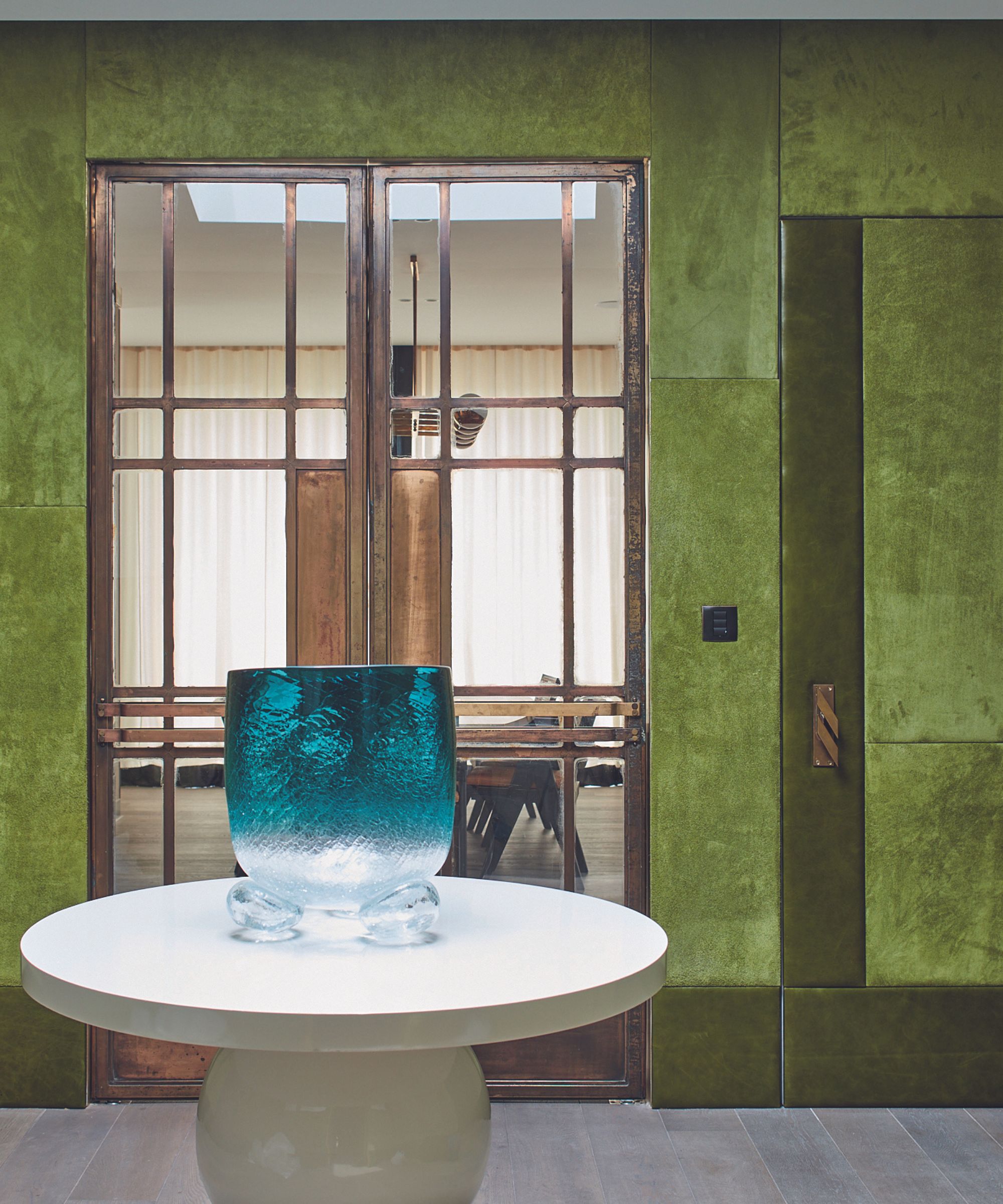
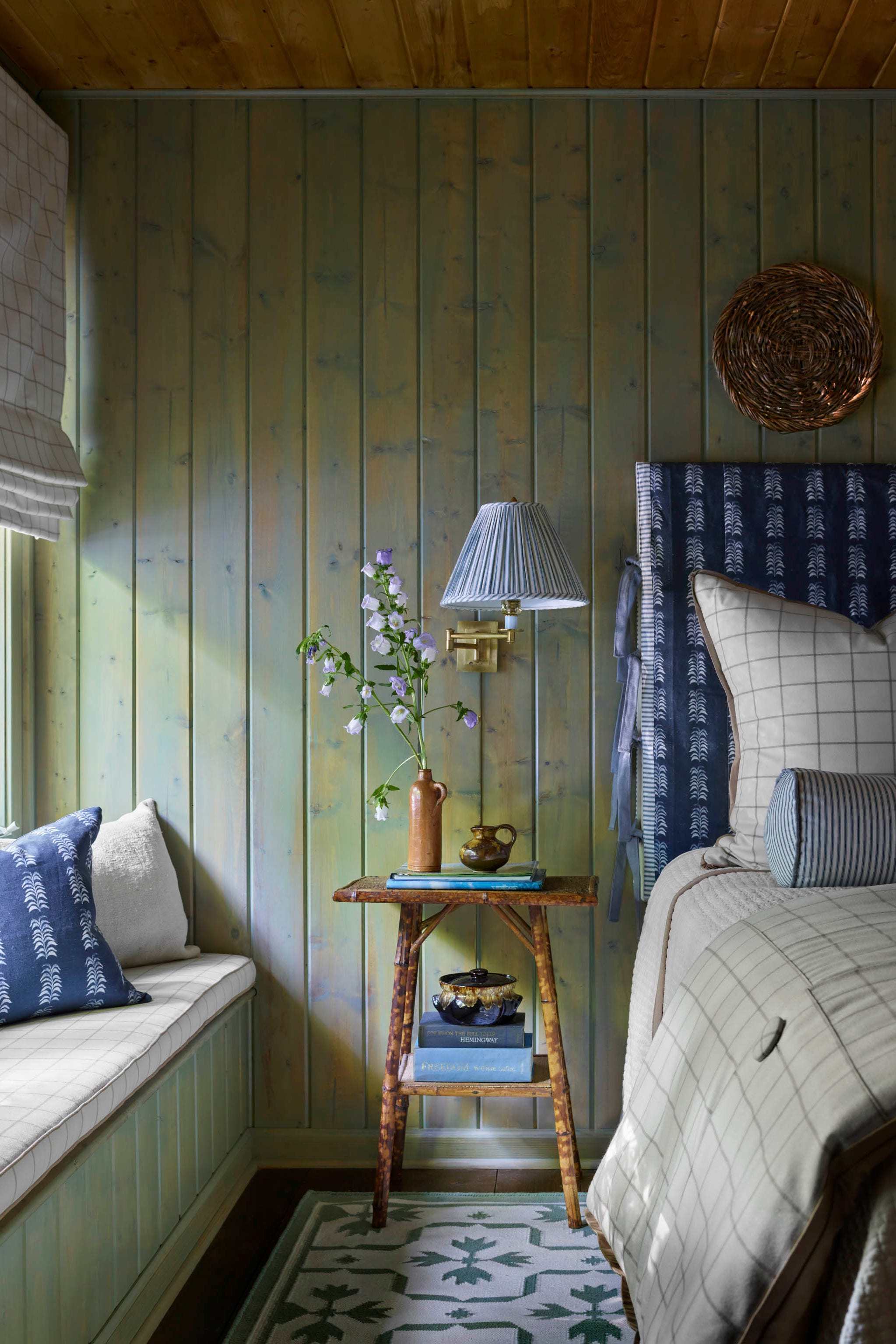
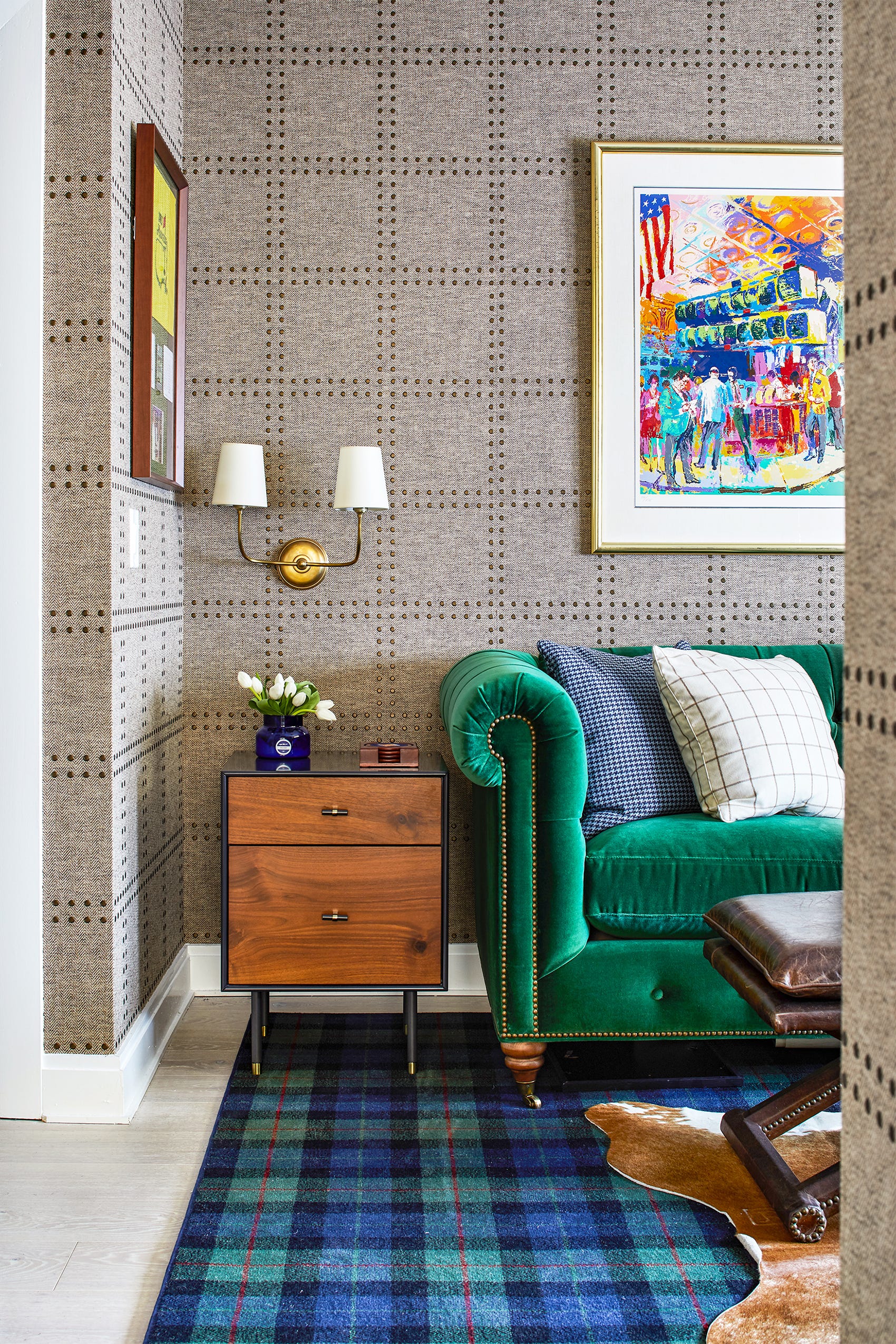
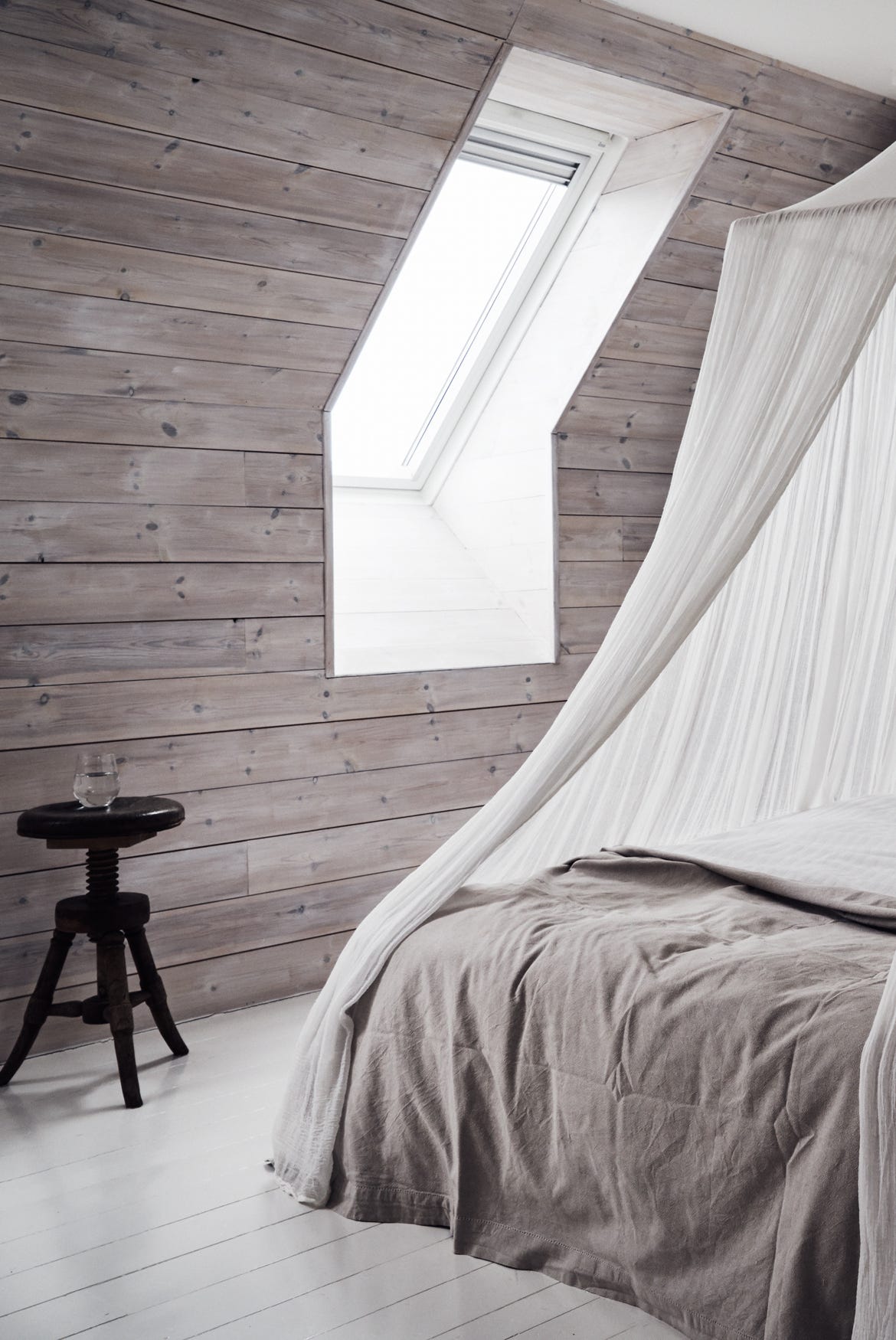
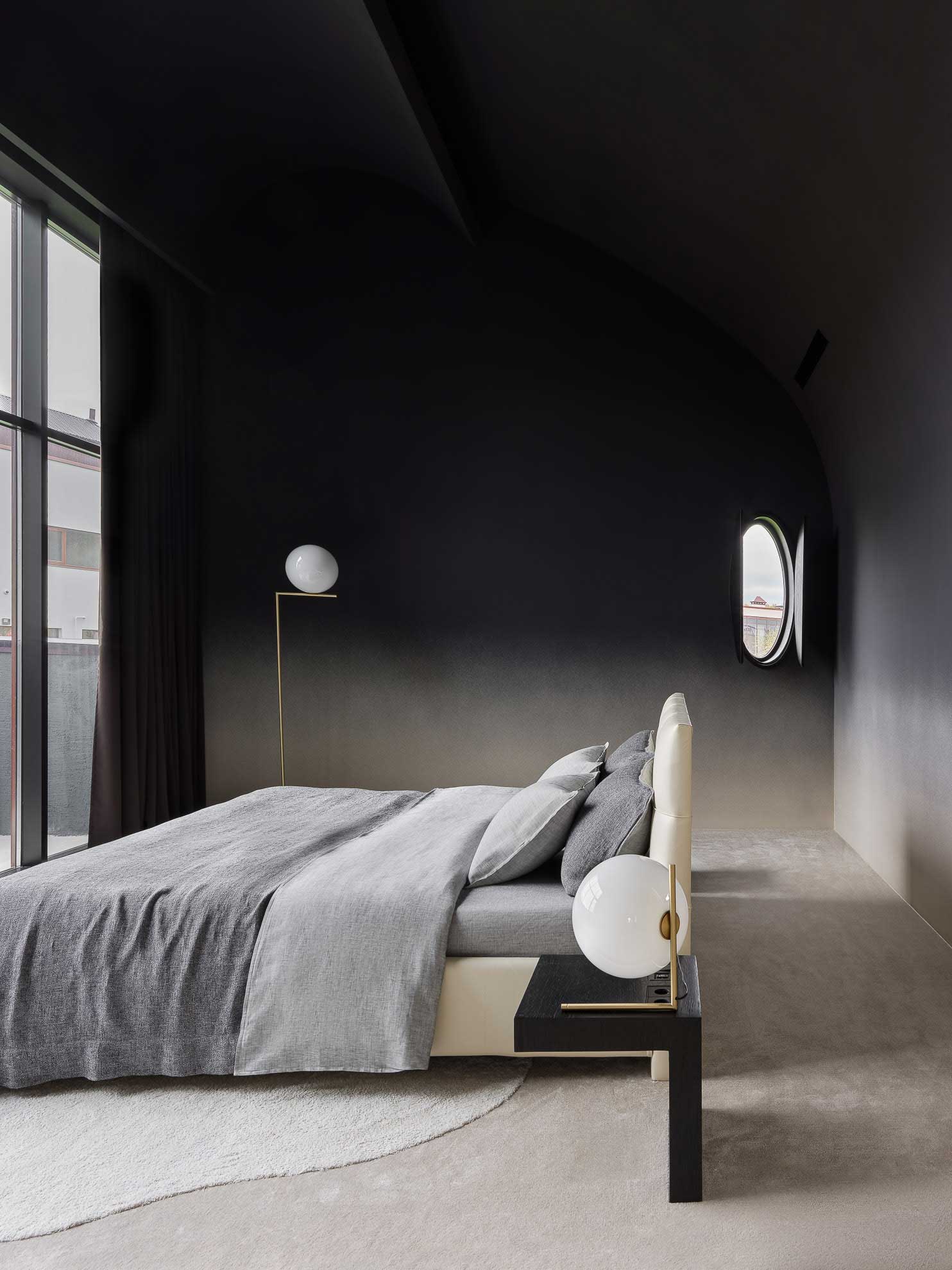
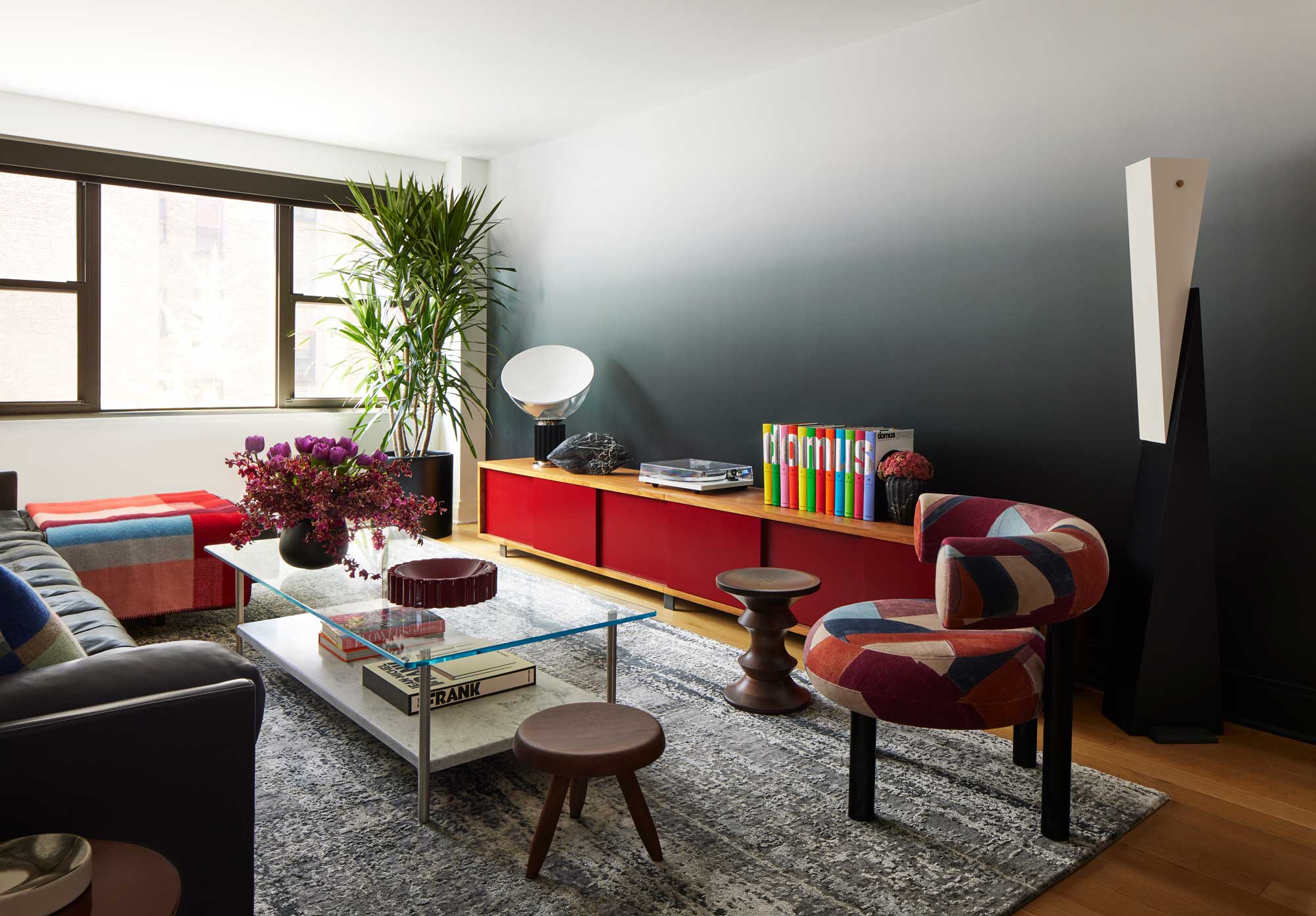
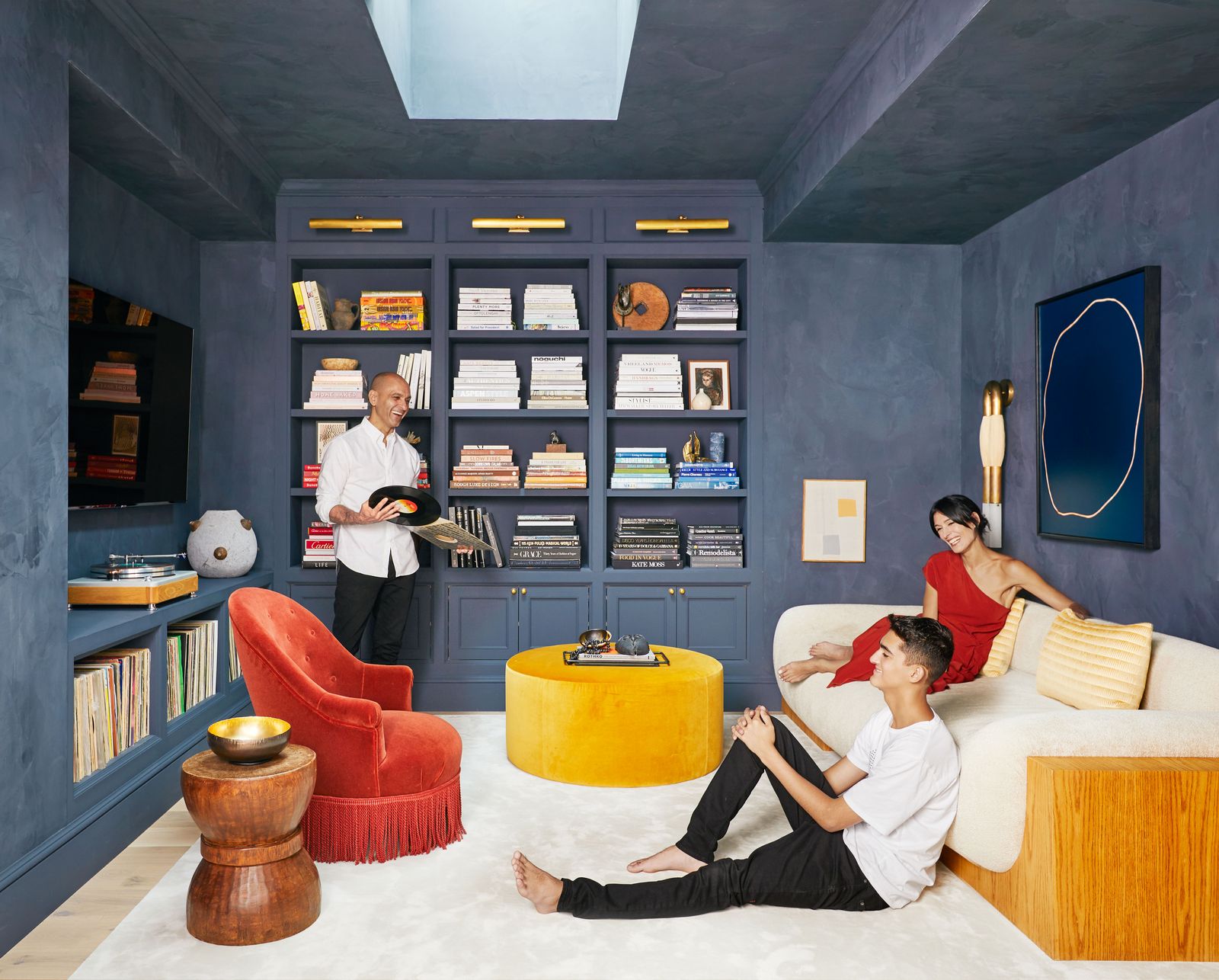
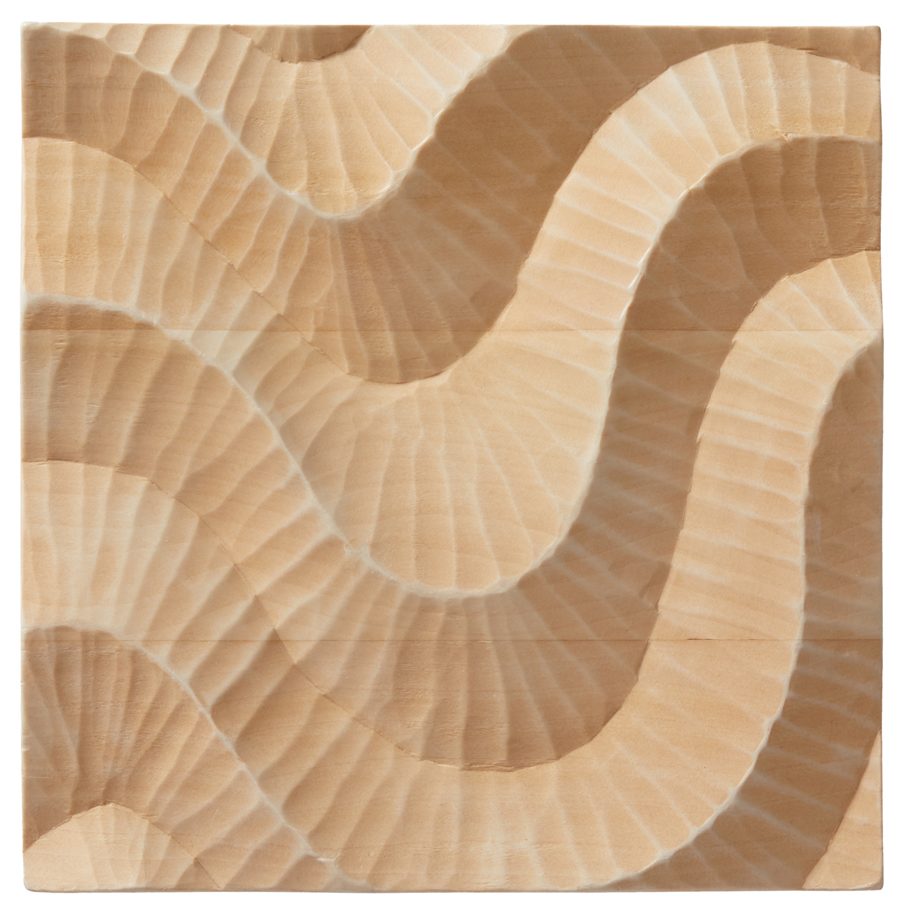
Textured walls are emerging as a significant trend in interior design, offering a modern alternative to traditional paint or wallpaper, and providing warmth and richness to living spaces. This approach contrasts sharply with the flat appearance often associated with regular paint, moving beyond outdated techniques like 90s sponge painting. The growing popularity of textured walls stems from a collective desire for earthy and natural elements within the home, a sentiment amplified by recent global events. Designers observe that many clients, while seeking change, are not yet ready for vibrant patterns and bold colors, making texture an ideal, sophisticated, and timeless solution. This trend emphasizes materiality as elemental, irregular, and sensorial, channeling a sense of nature through various mediums such as fabric, woven materials, or wood.
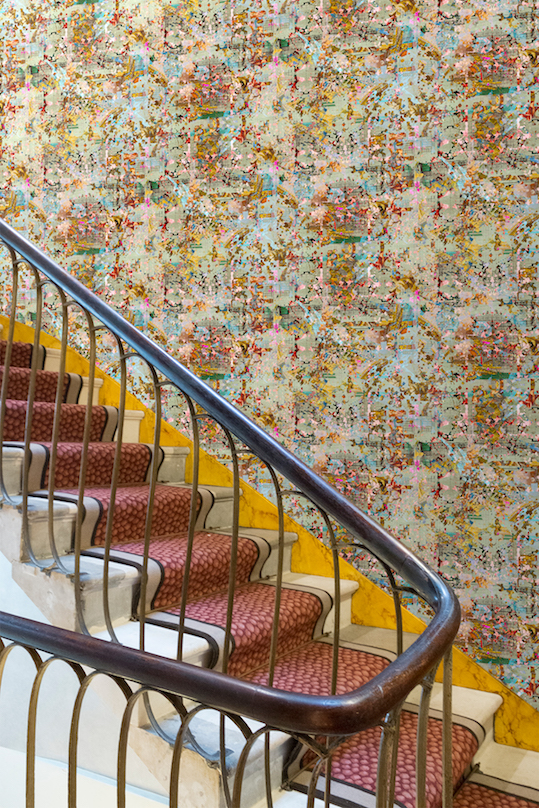
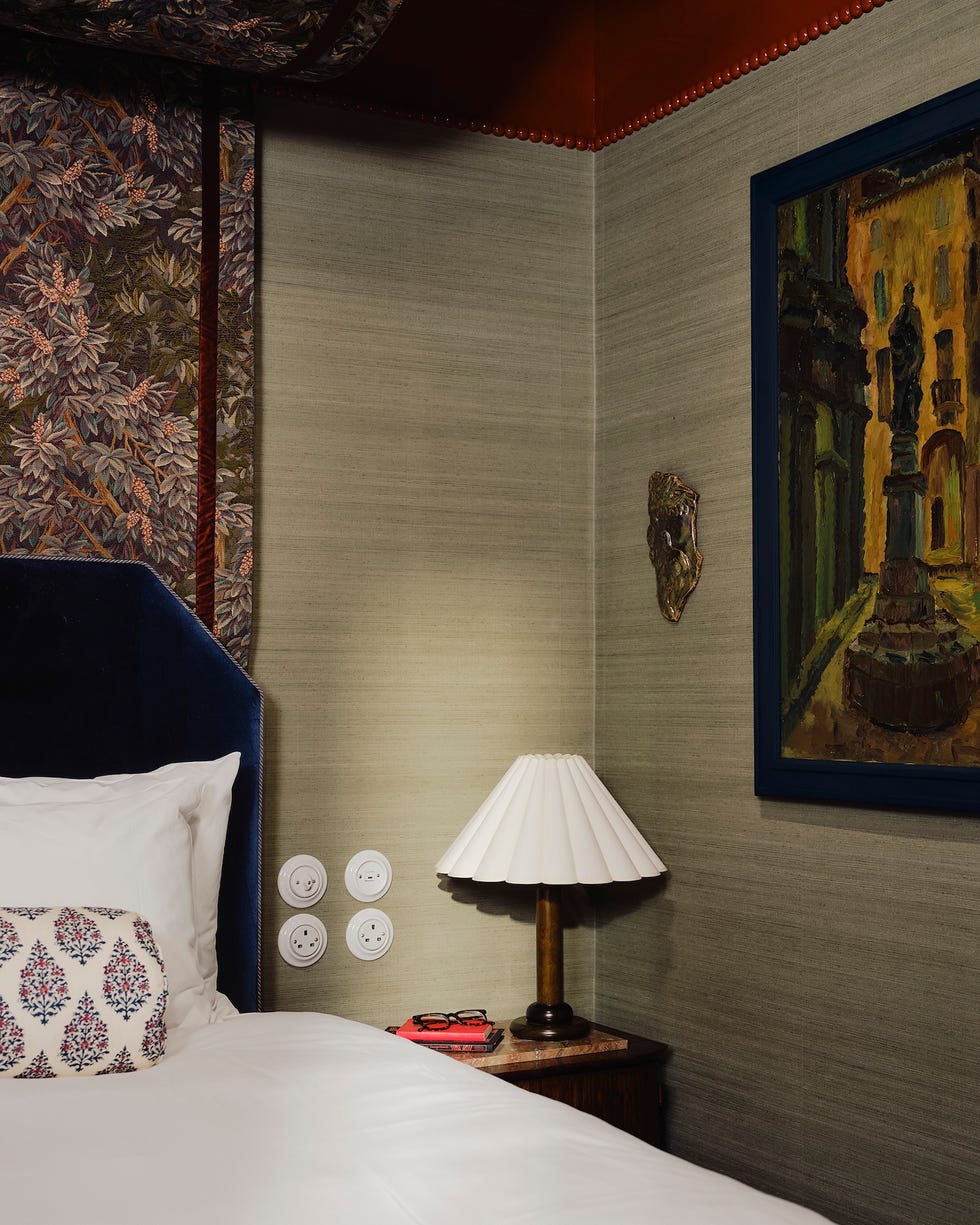
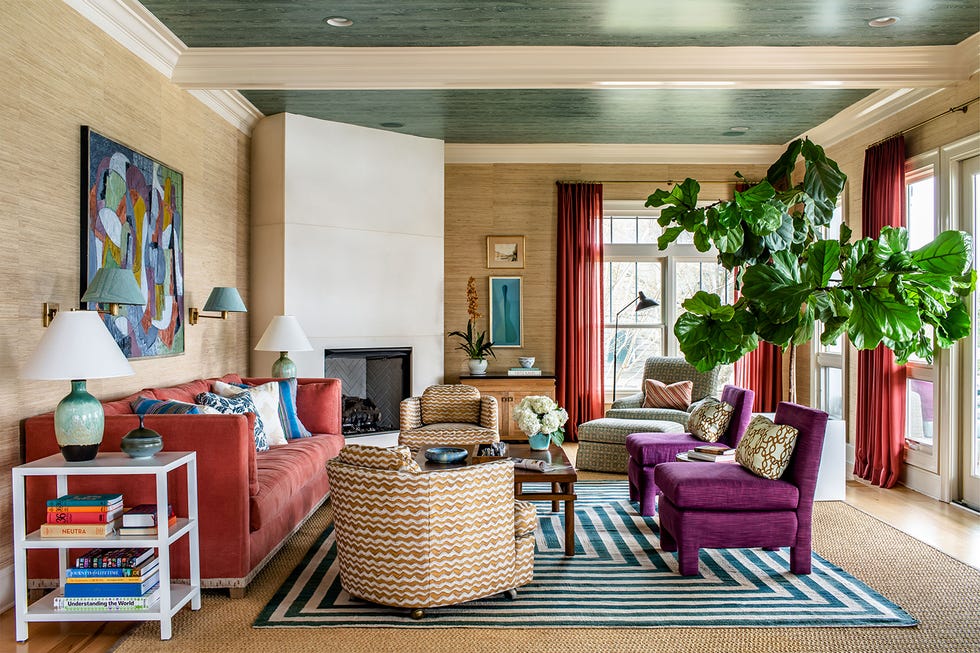
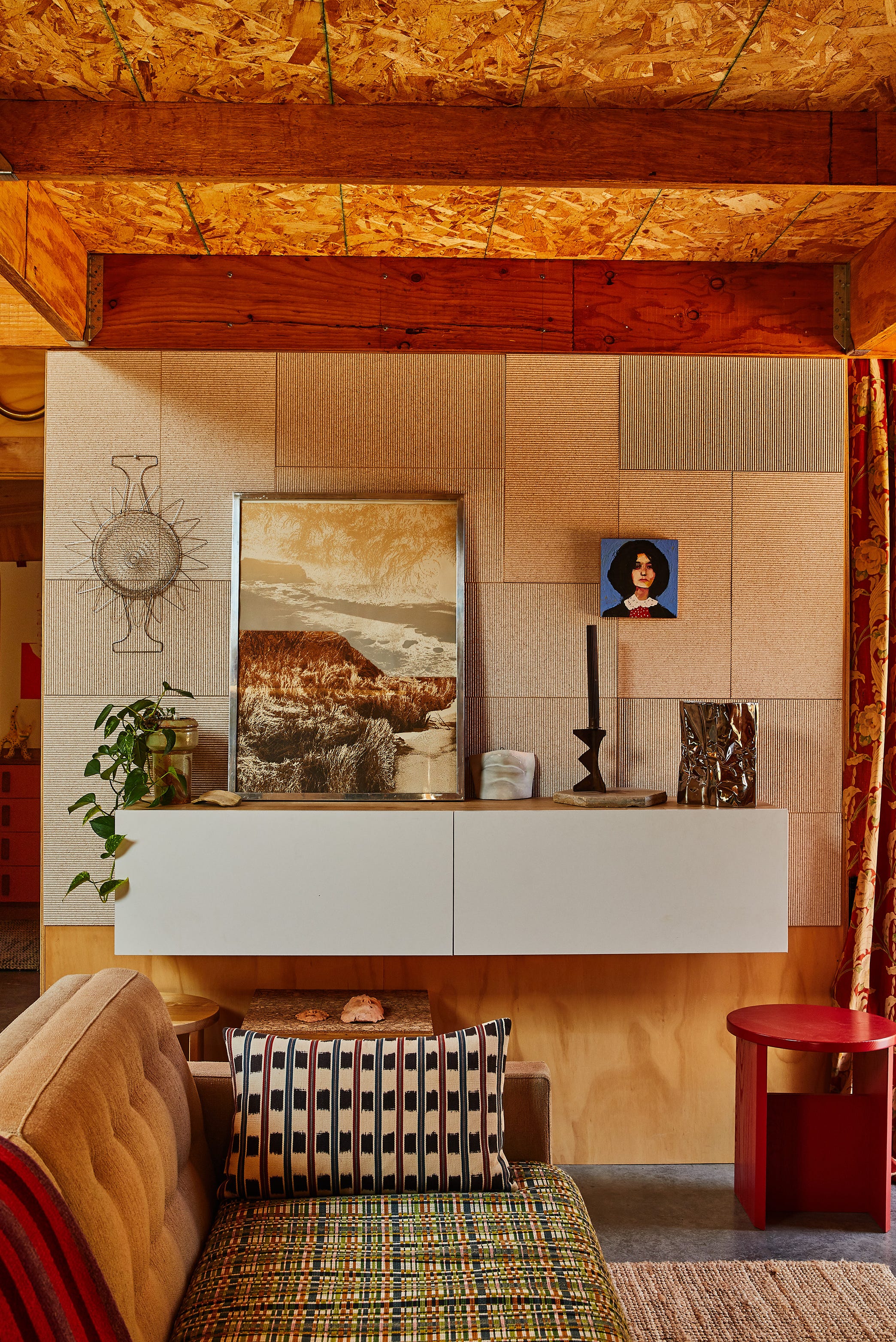
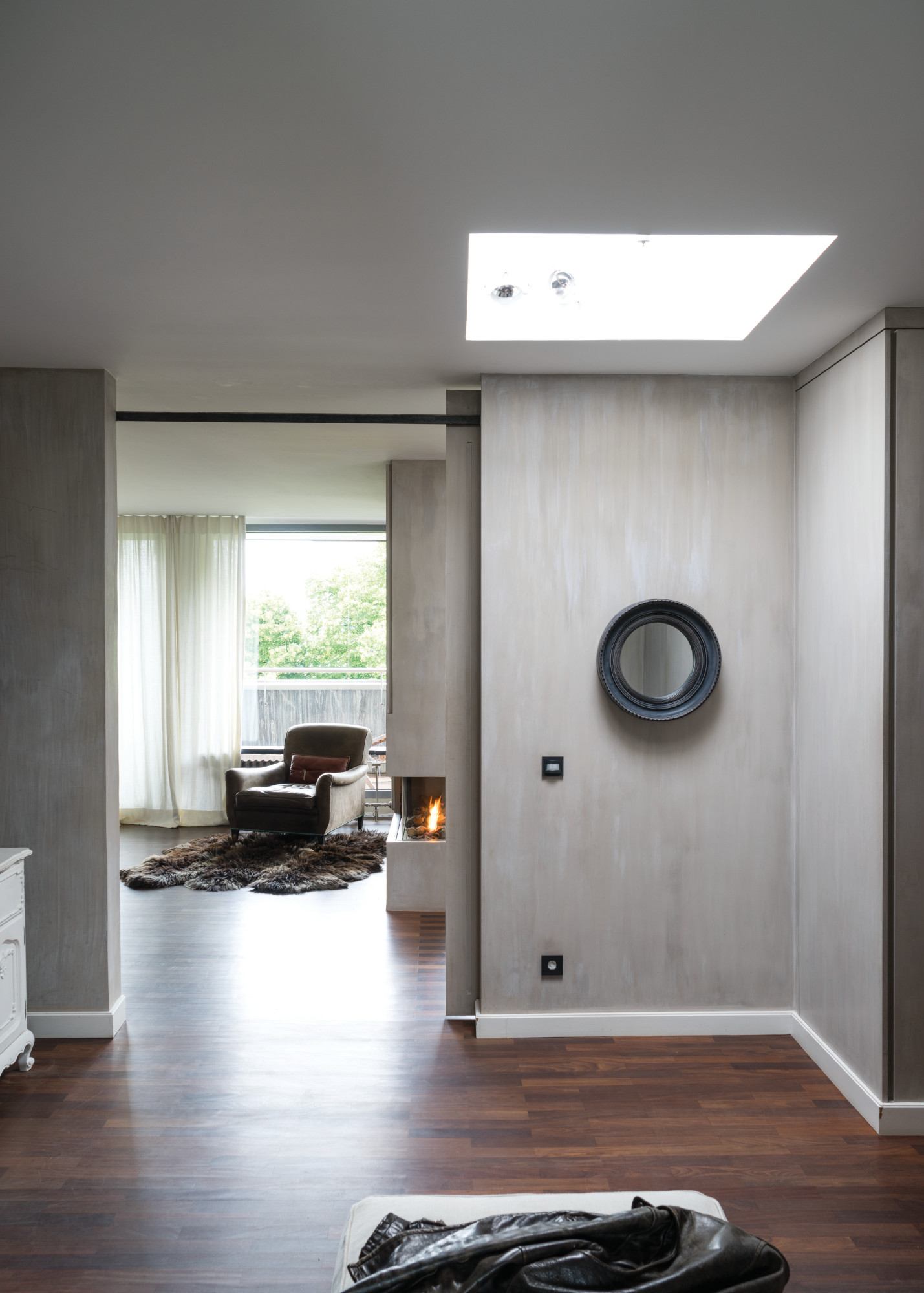
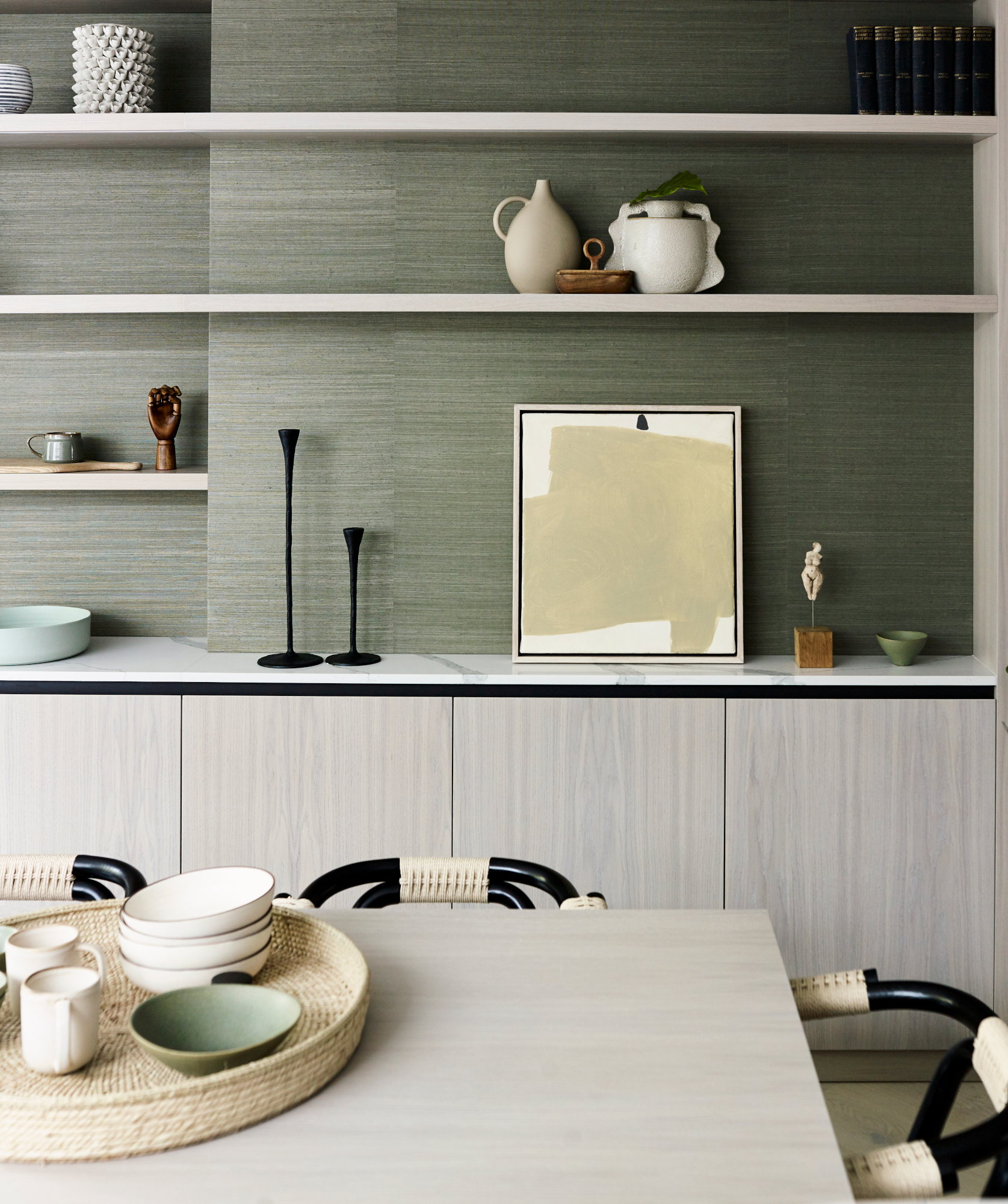
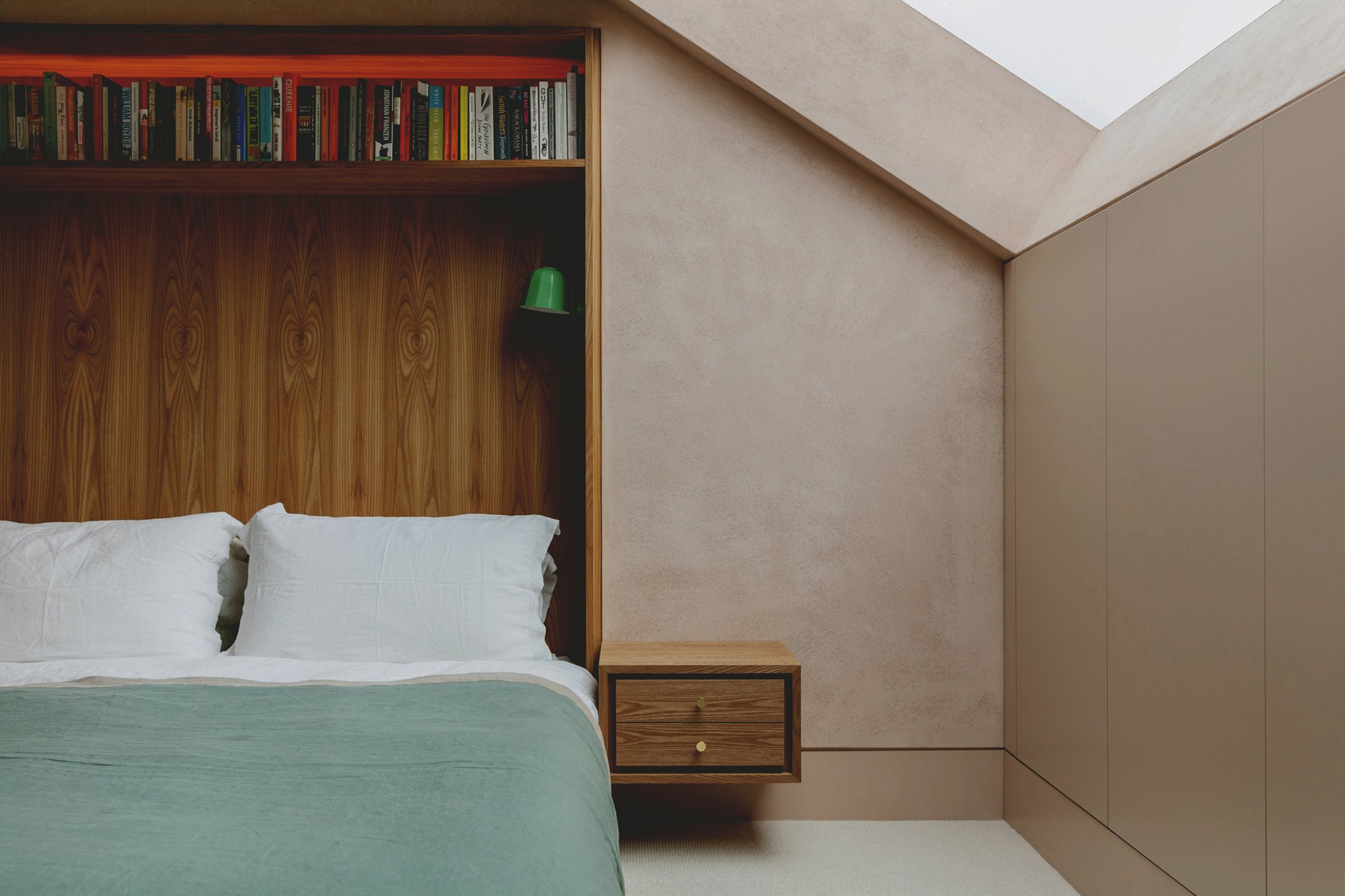
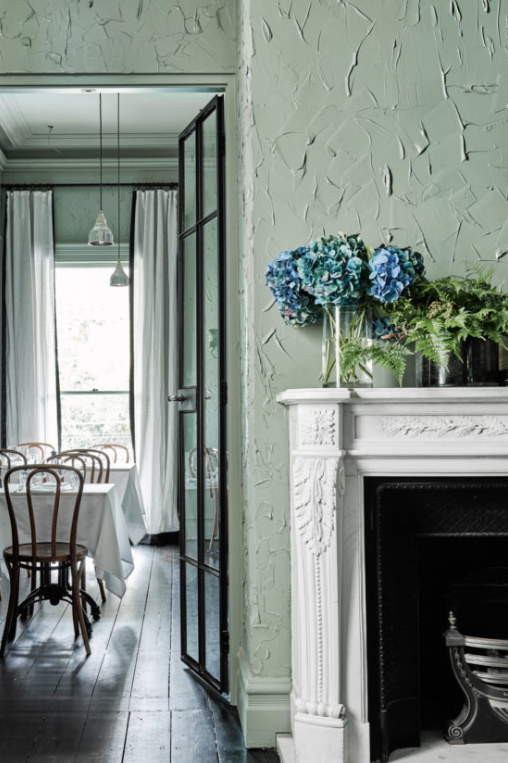
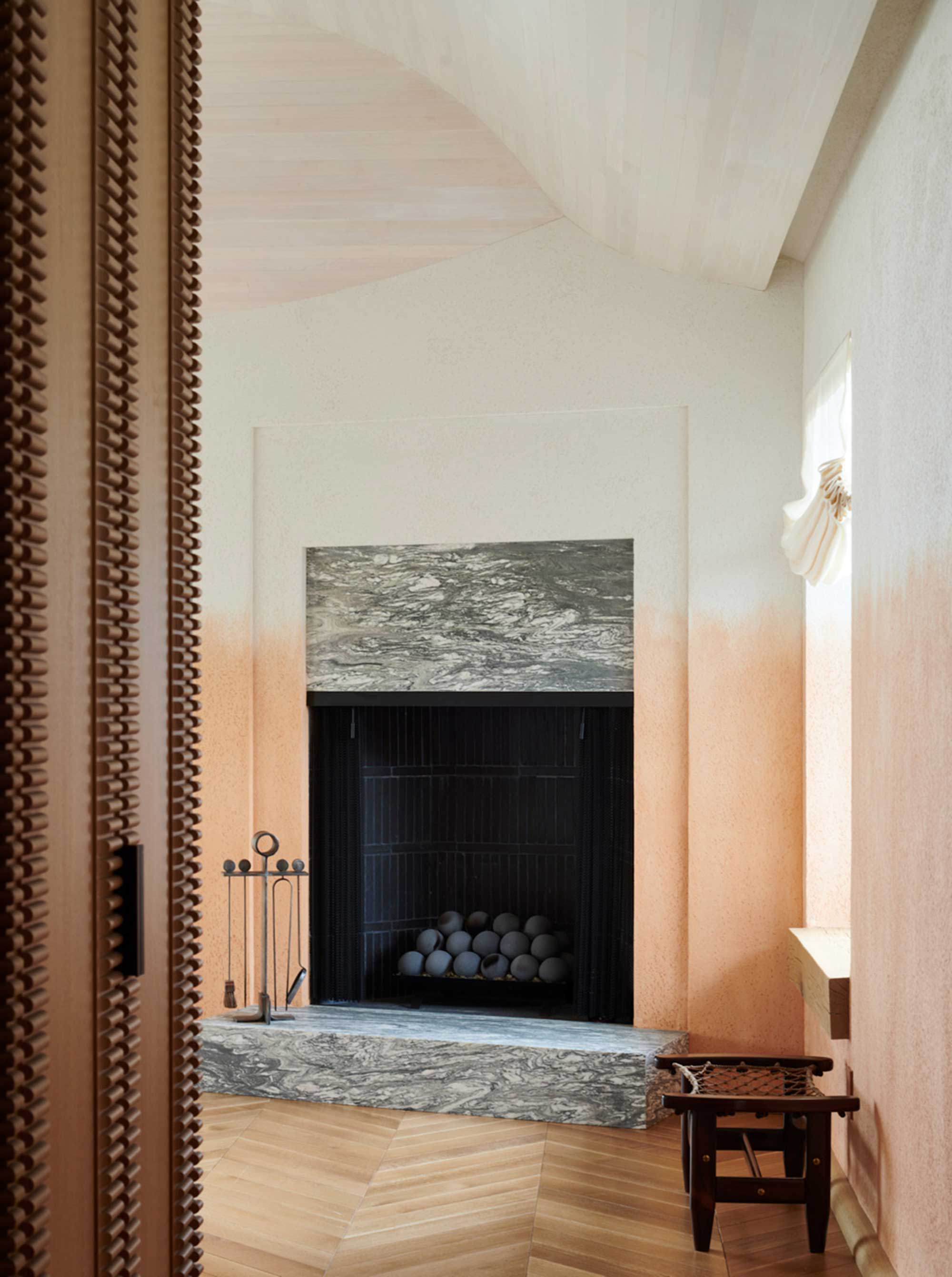
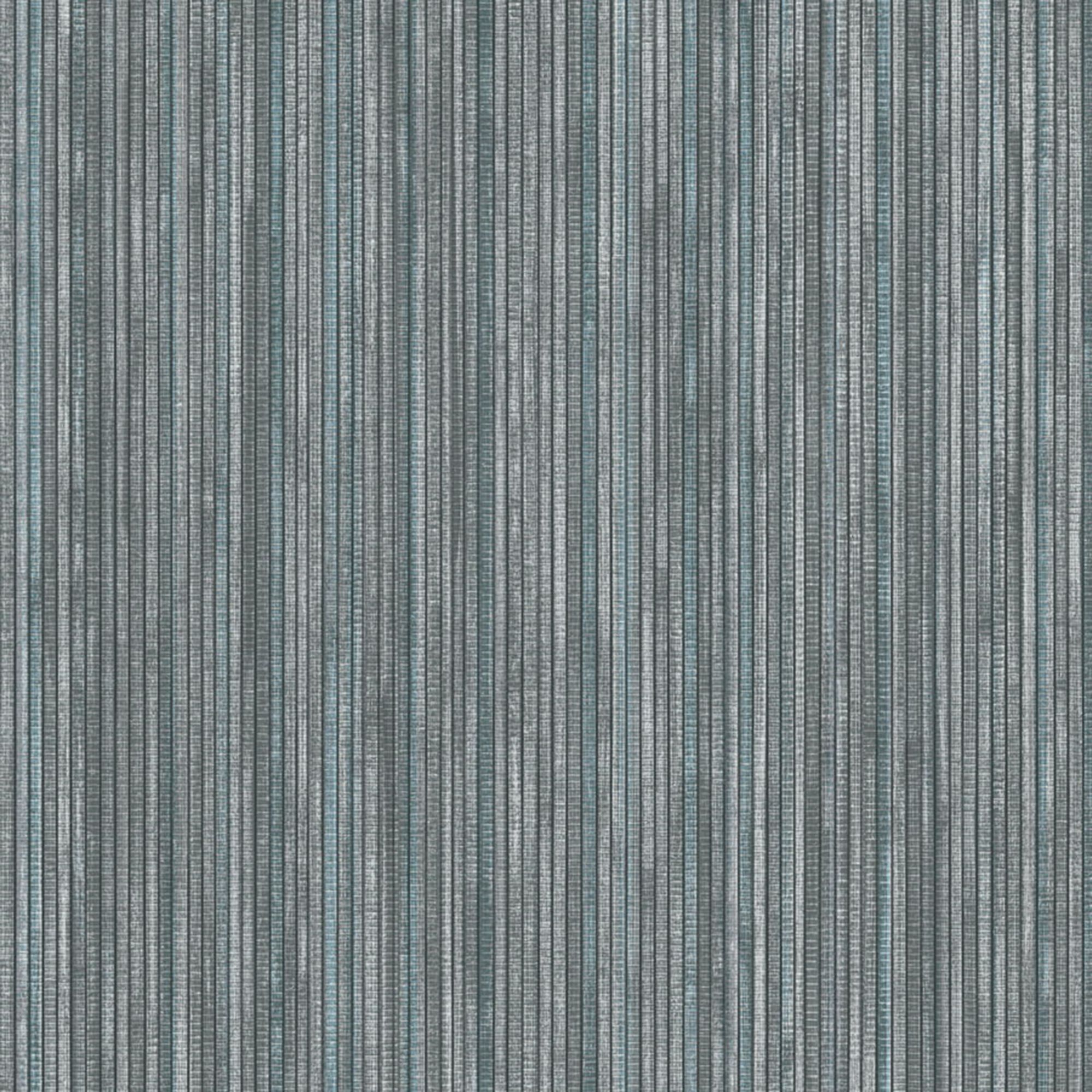
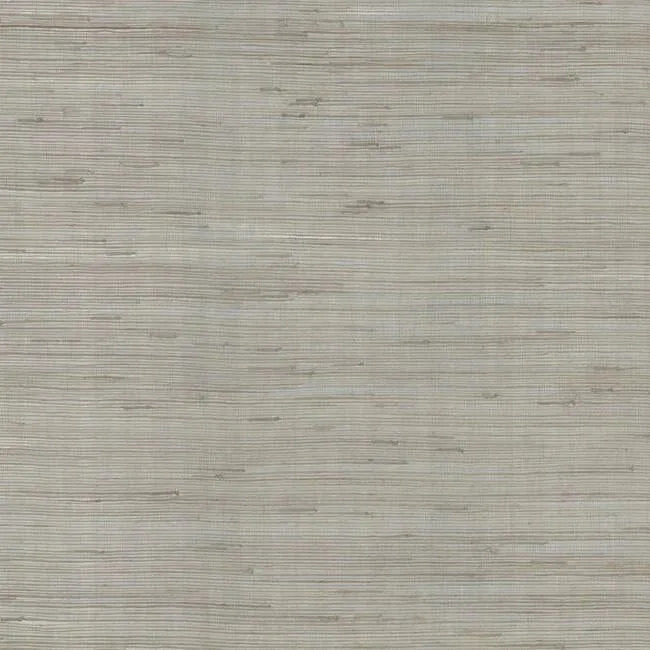
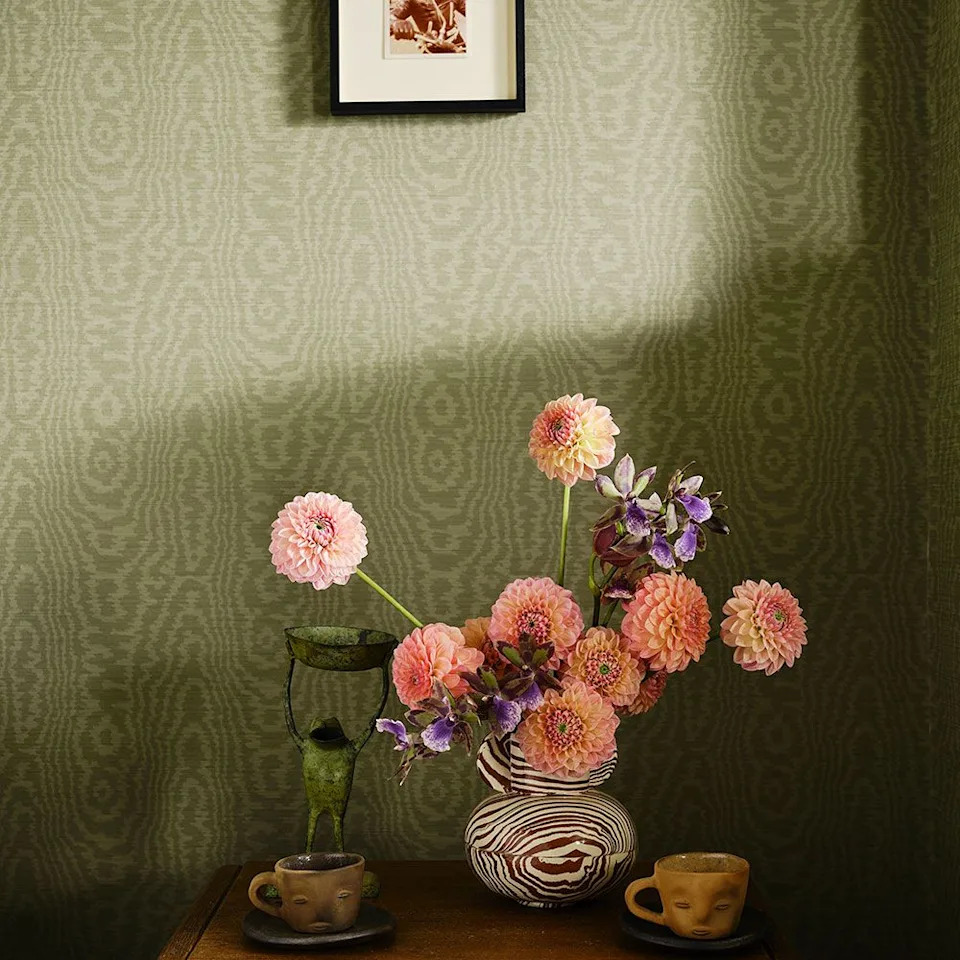
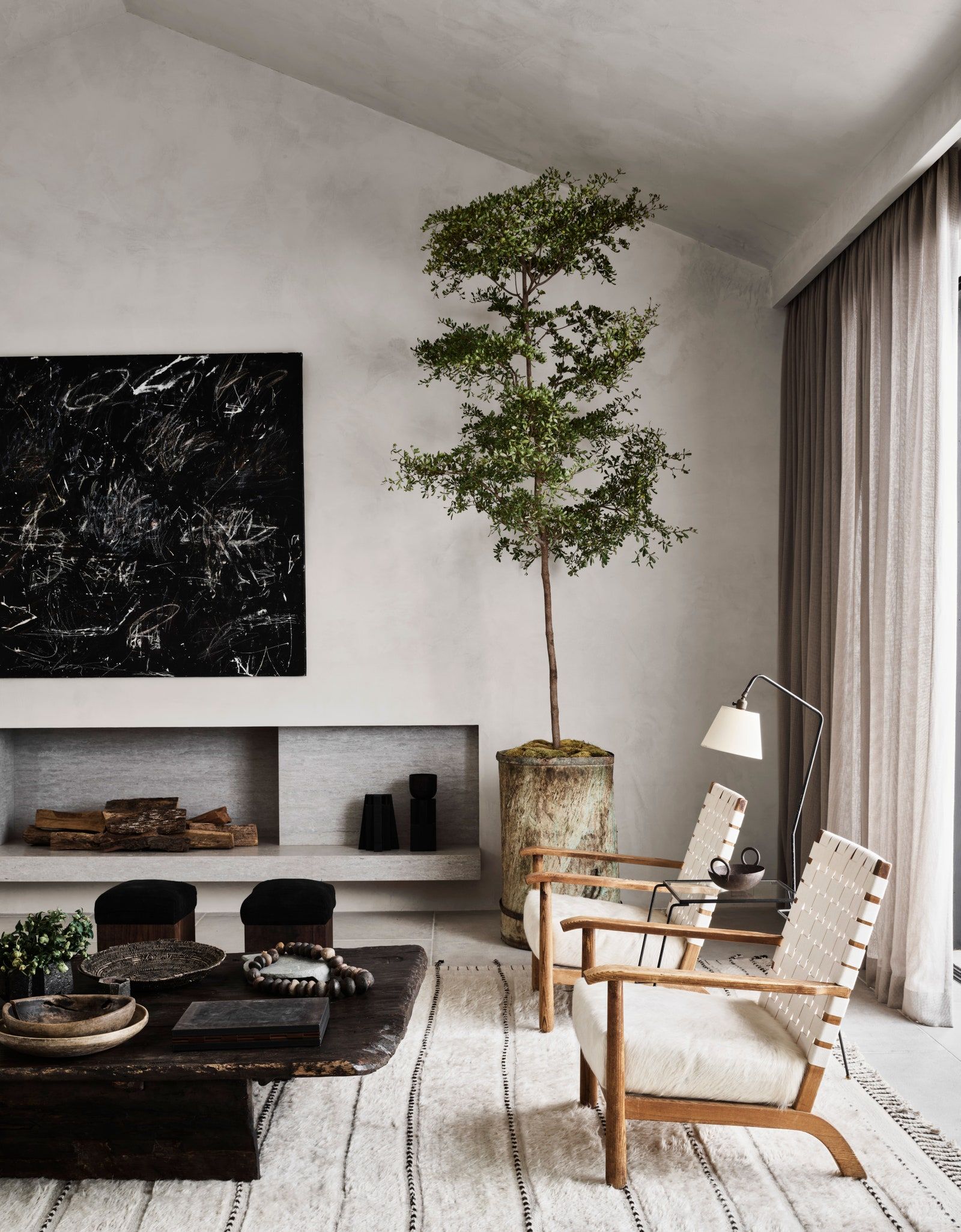
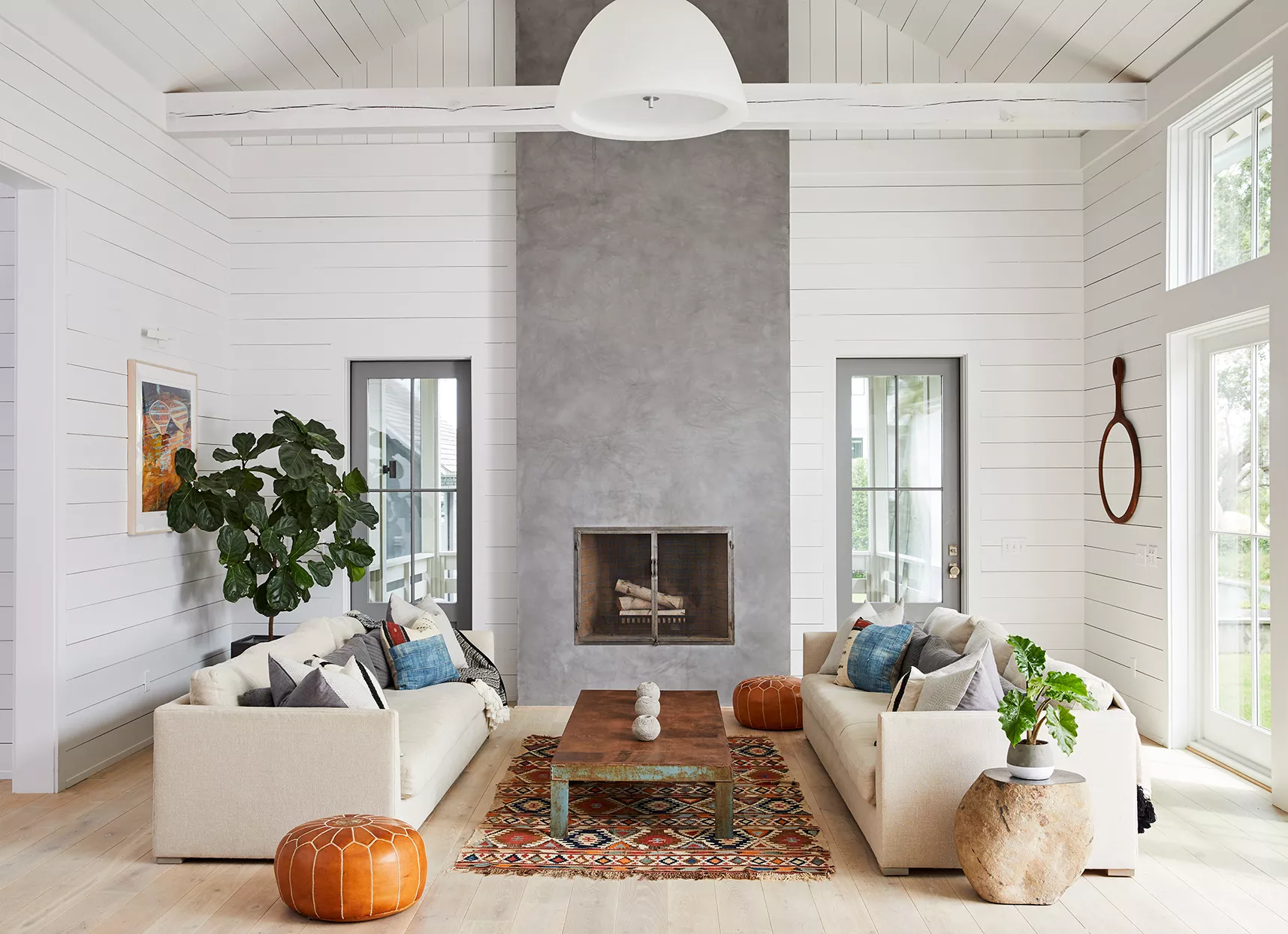
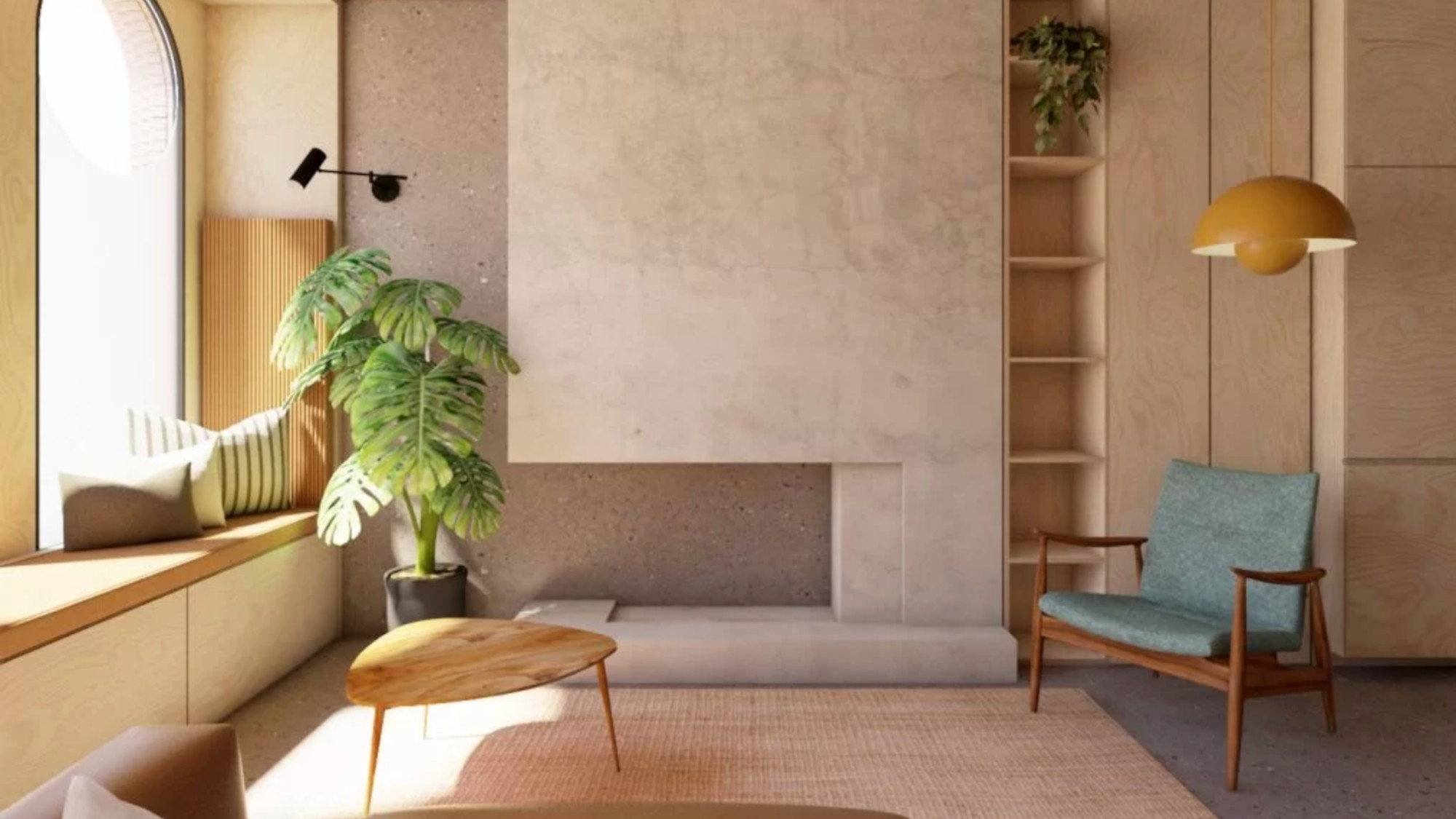
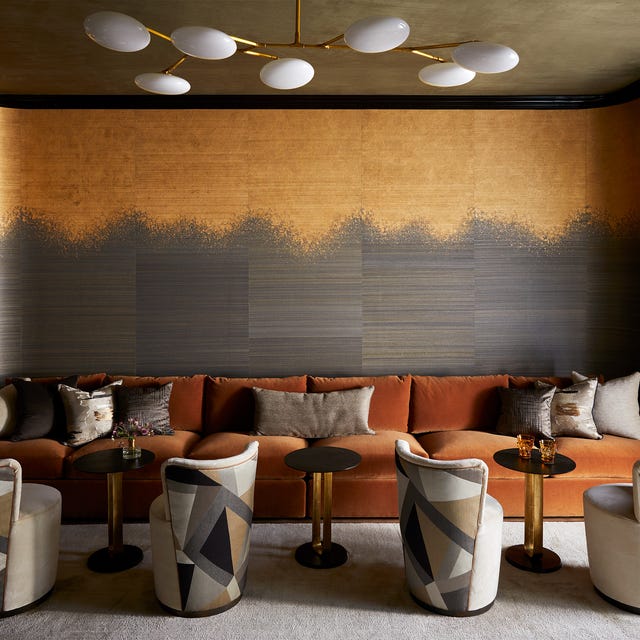
Textured wall options are diverse and can accommodate various budgets and aesthetic preferences. Plaster, for instance, is a popular choice, with designers frequently incorporating it into projects to add depth and an interesting aesthetic without necessitating new furniture. Plaster, especially in darker neutral and warm tones, can revamp a room and introduce color in a subtle, unsaturated manner. It also offers a wabi-sabi effect, embracing the natural beauty of age and patina. Beyond plaster, woven wall-coverings, such as grass or reed, offer a natural yet cozy and classic feel. These can range from subtle, light, and solid papers for a minimalist touch to speckled motifs or abstract patterns in neutral tones for added interest.
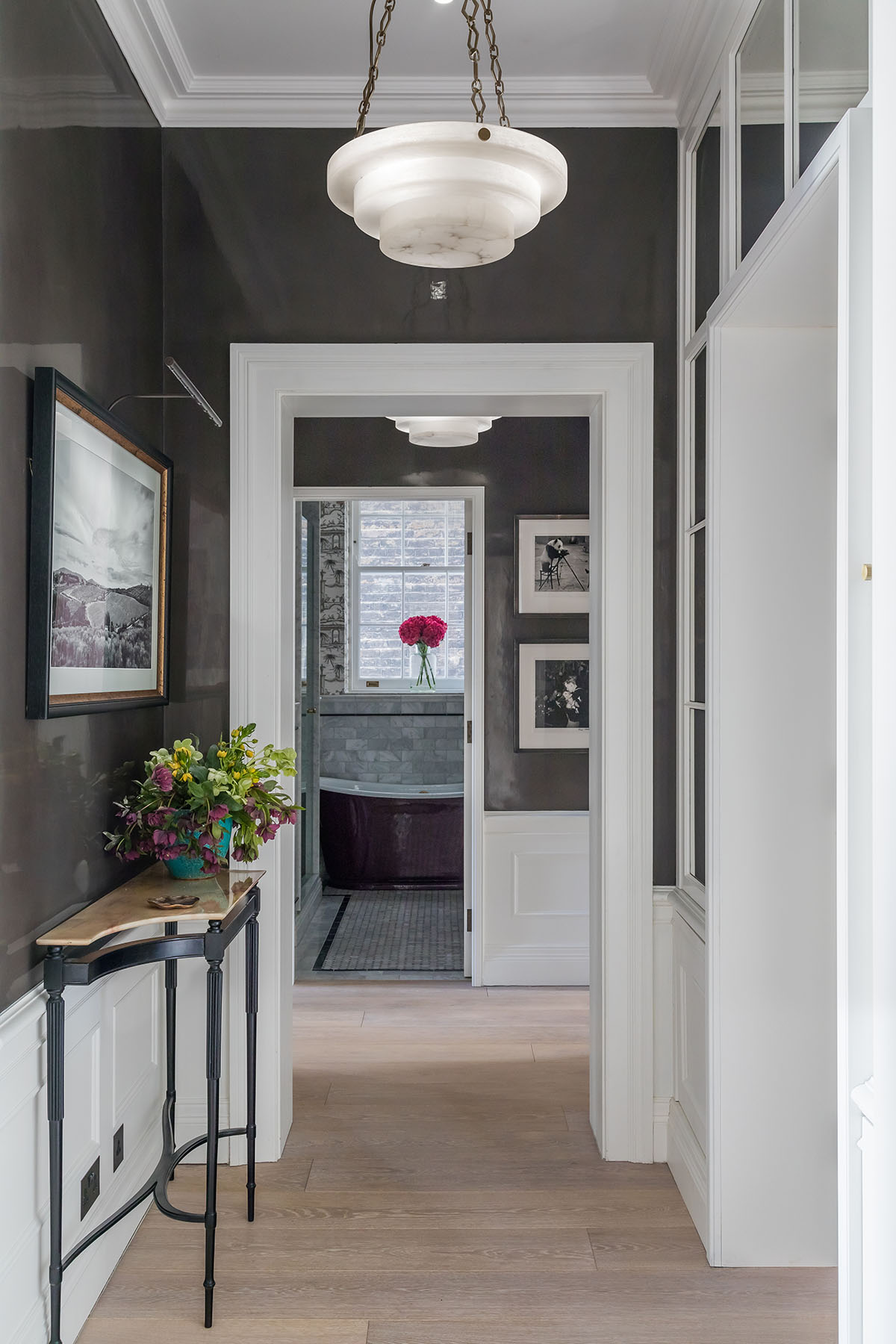
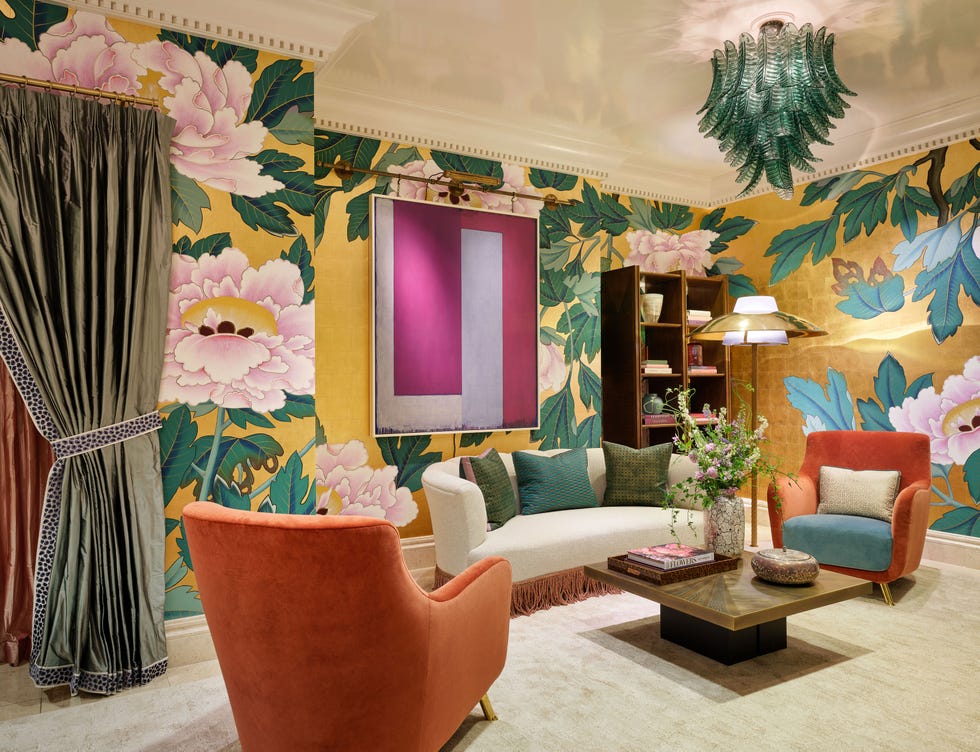
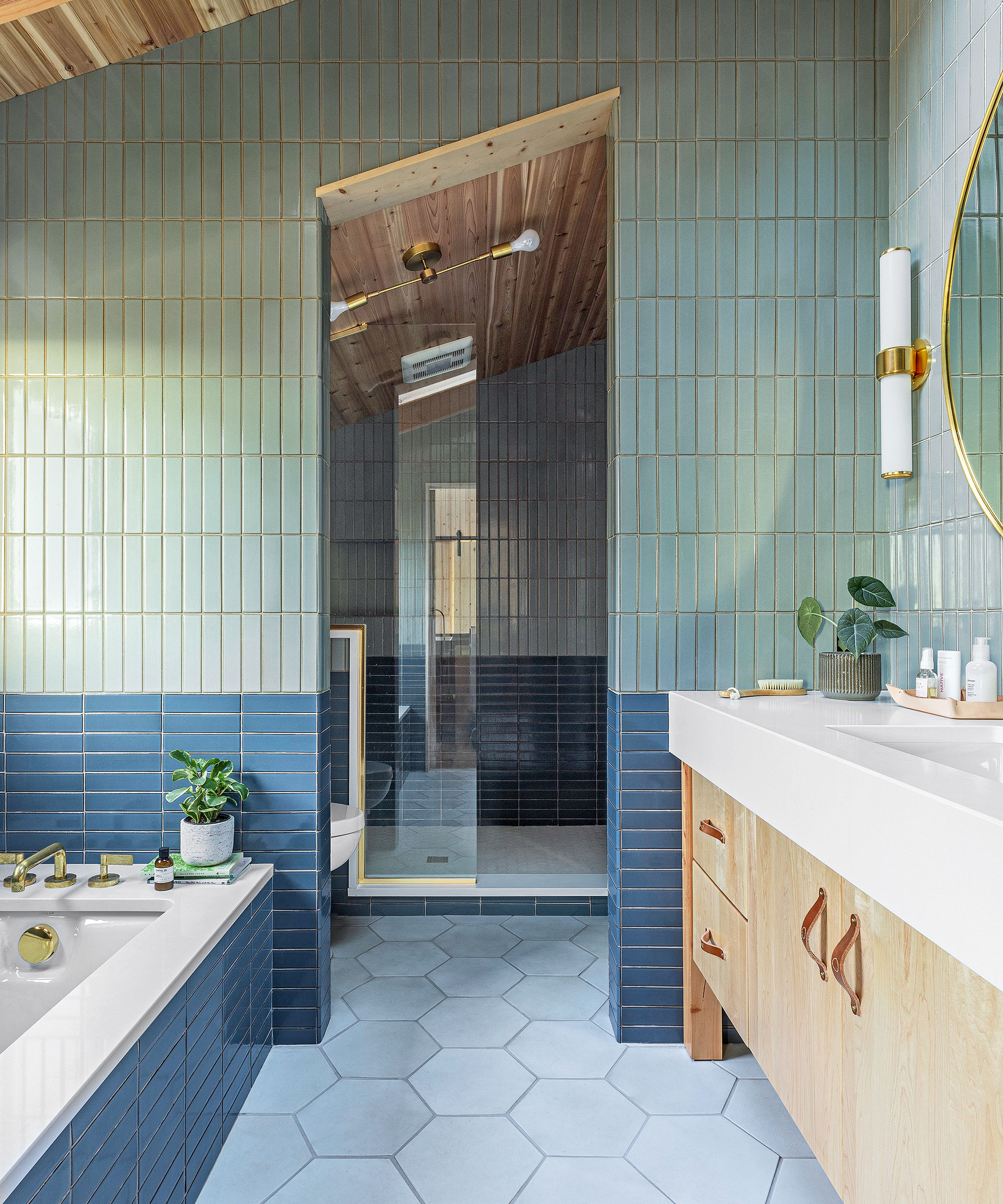
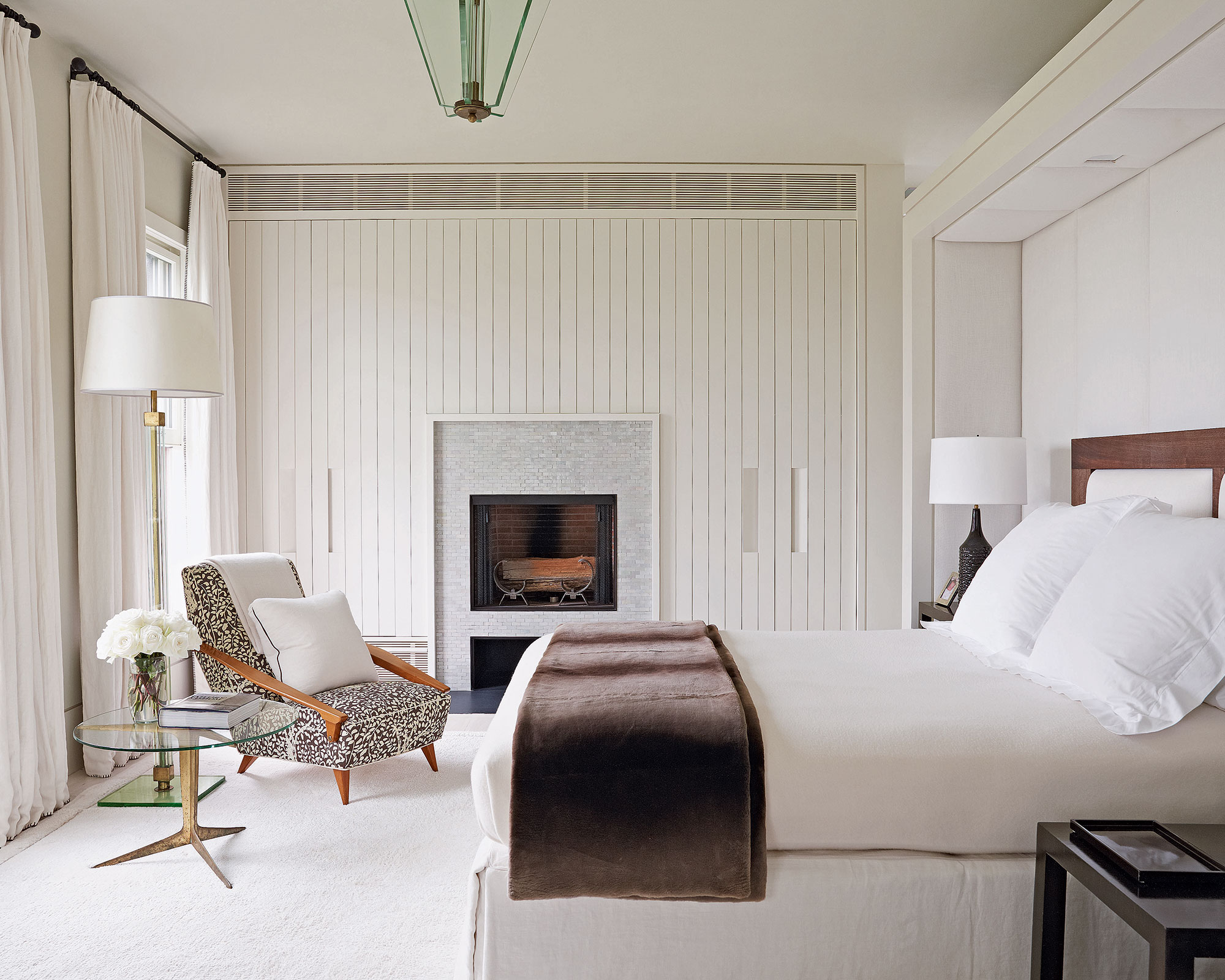
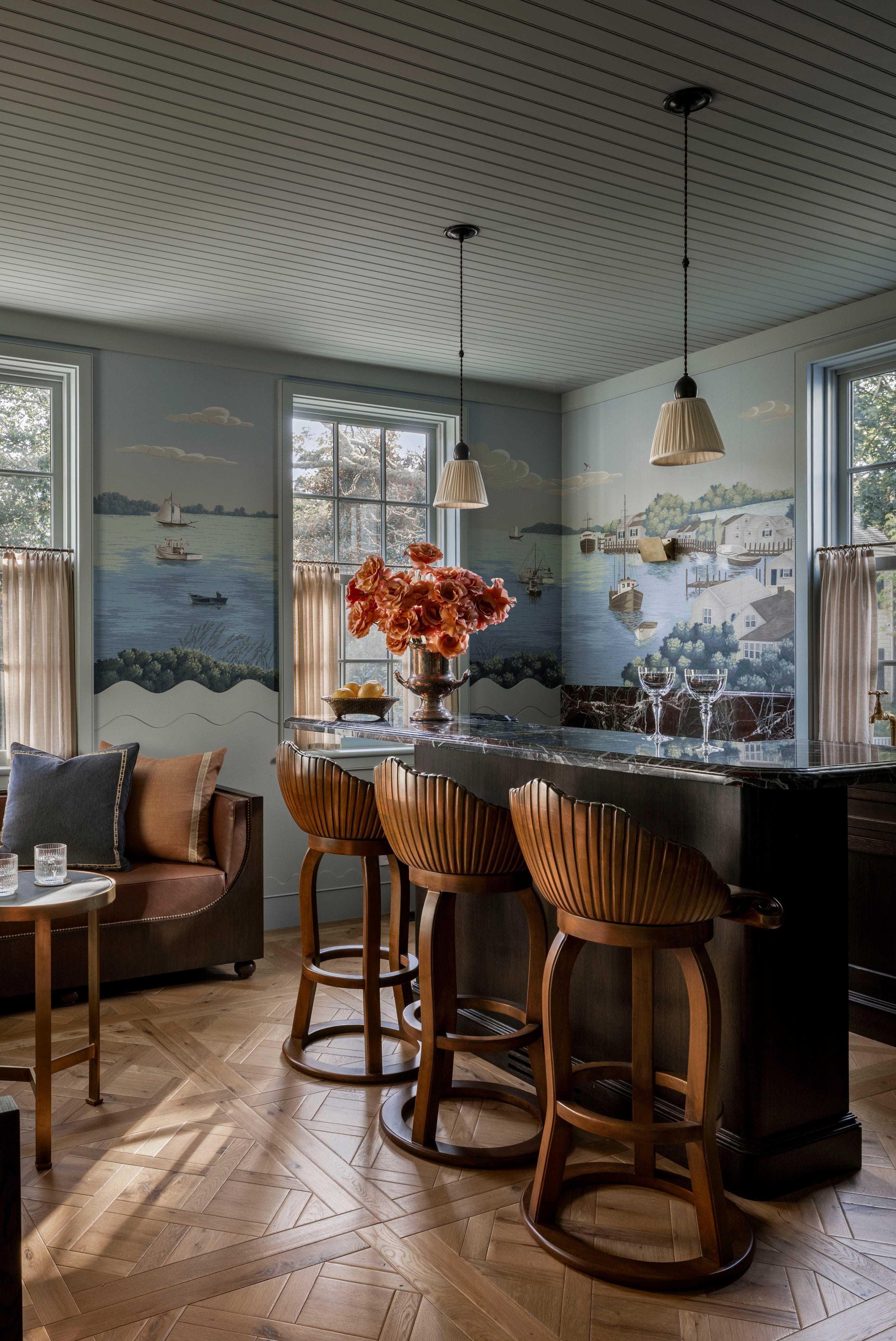
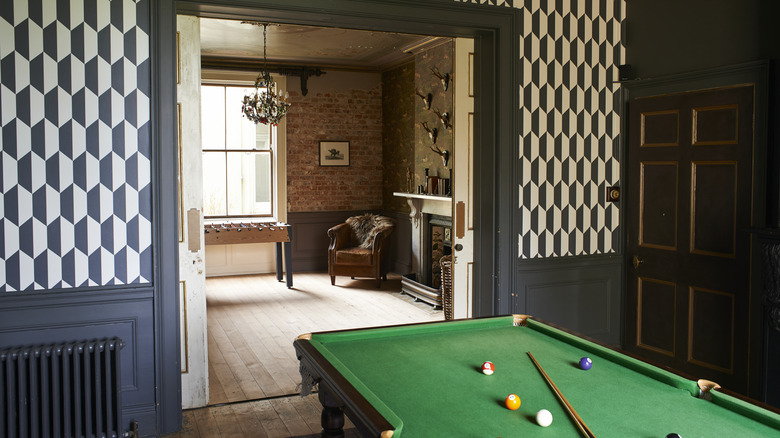
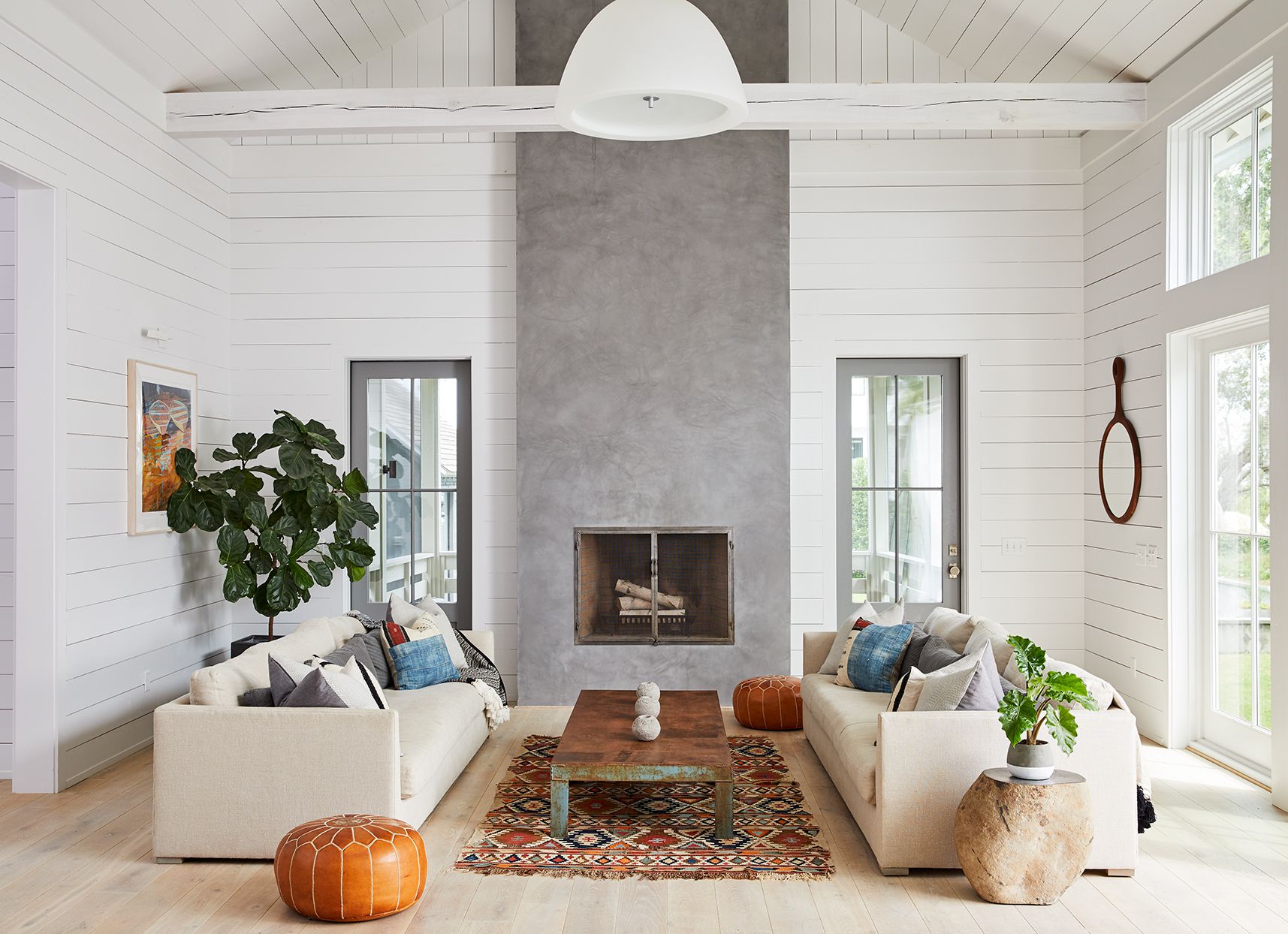
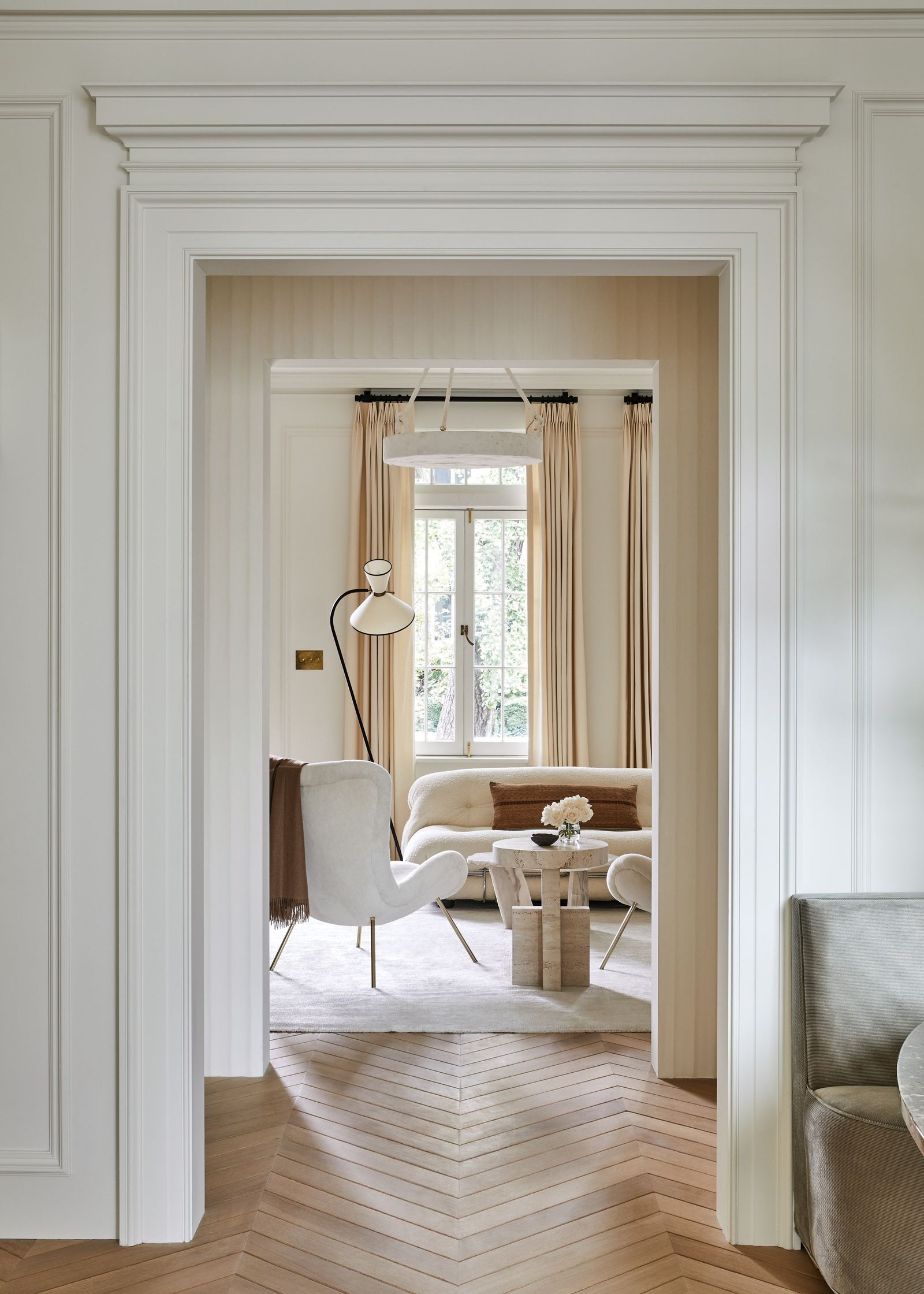
Designers recommend several tips for integrating textured walls effectively. One strategy involves mixing and matching different textured treatments. This approach allows for the creation of special spaces with character by using texture over pattern, providing an interesting yet quiet backdrop that is more engaging than a standard flat painted wall. Another tip is to enhance architectural elements by treating textured walls as integral architectural components rather than mere decoration. This involves keeping the texture tonal with elements like casings or molding to highlight the room's structure.
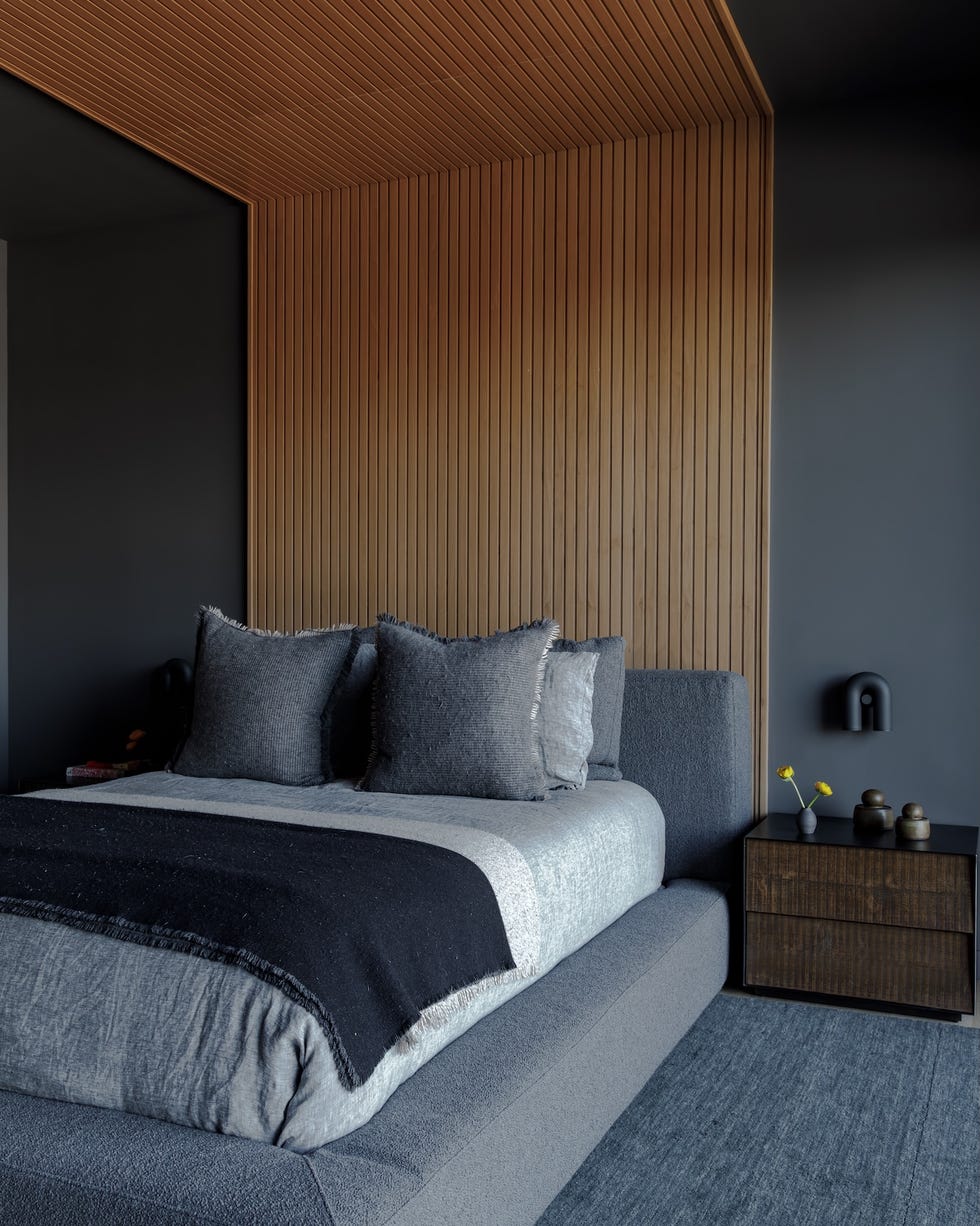
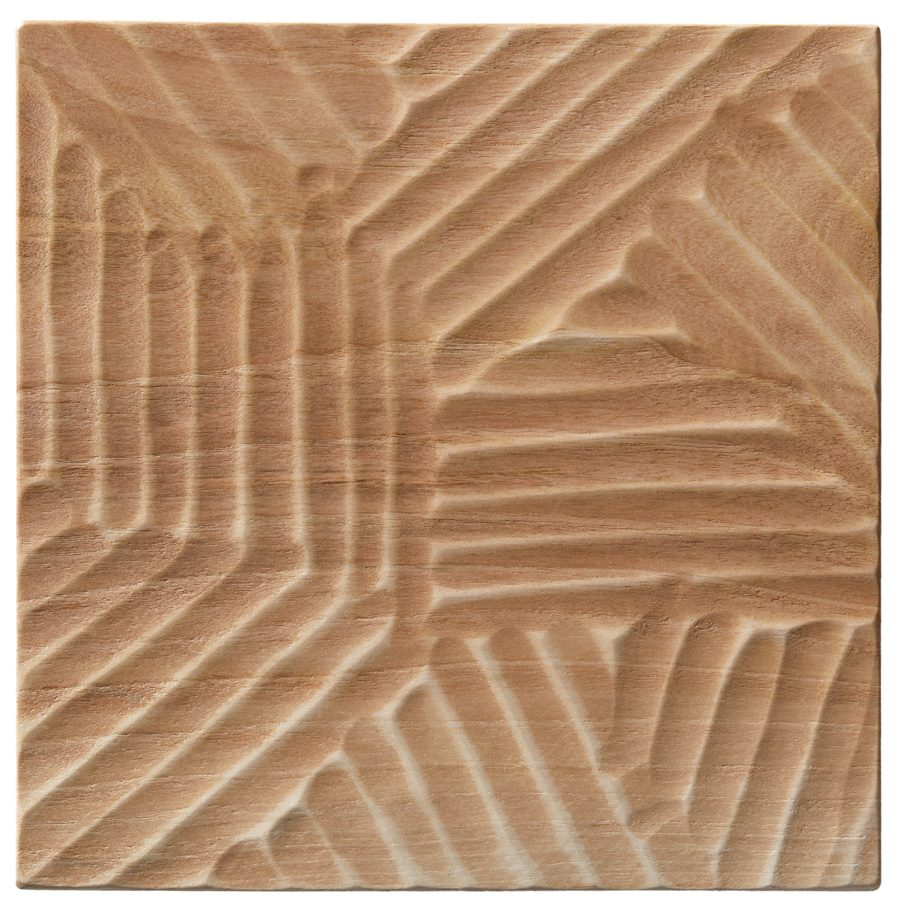
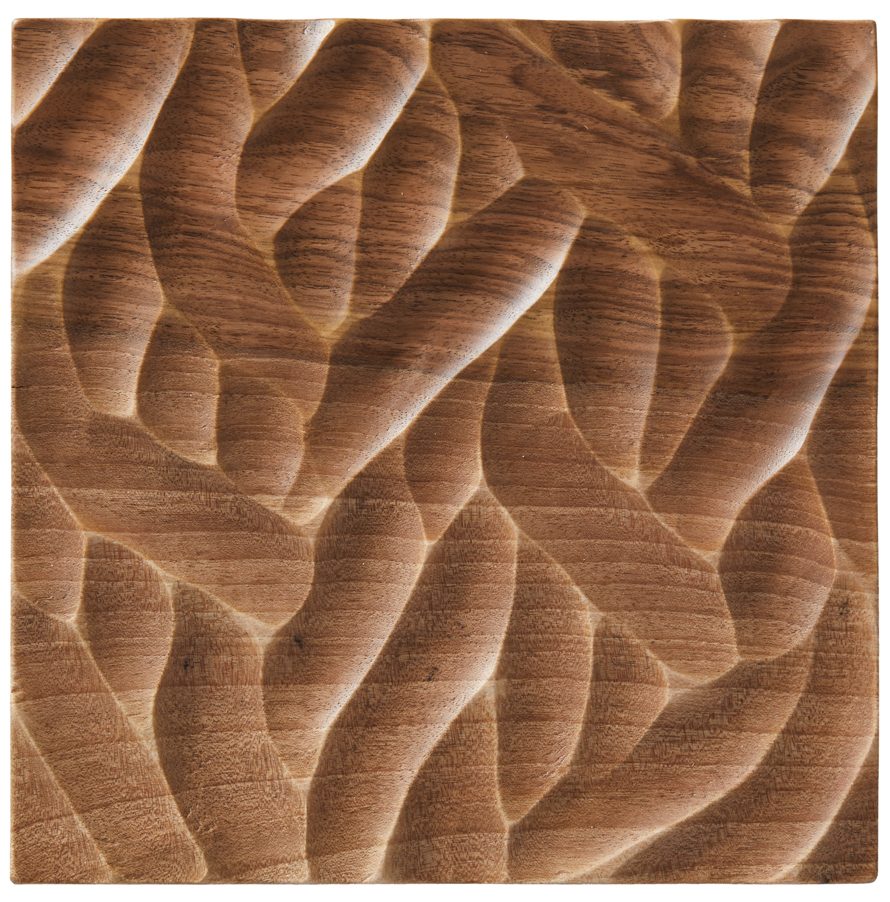
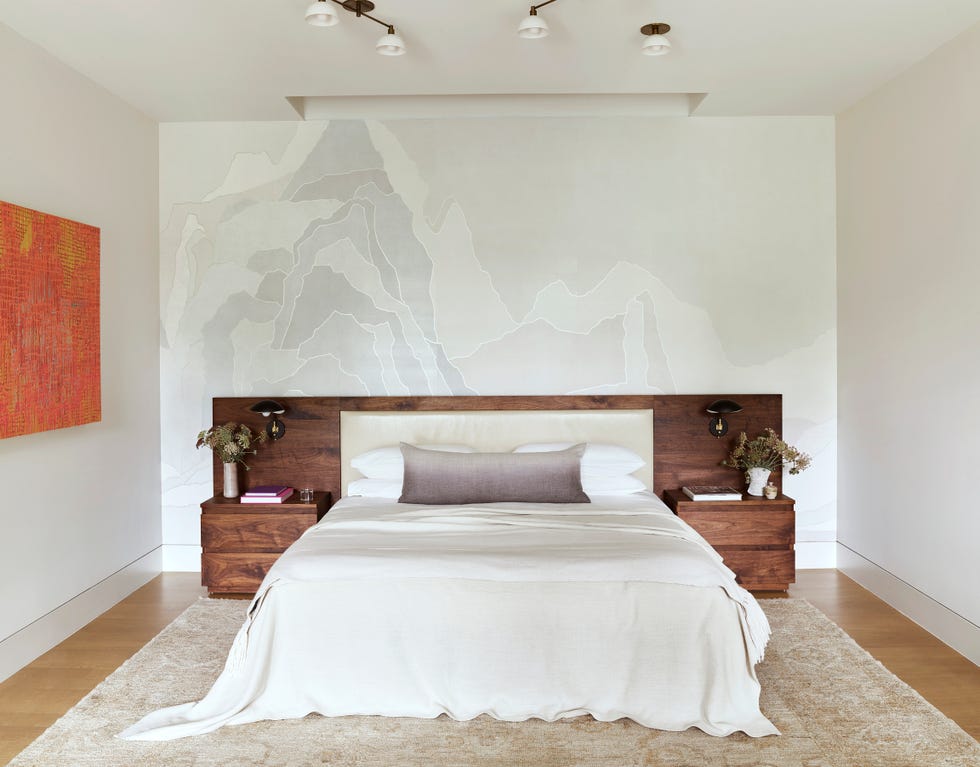
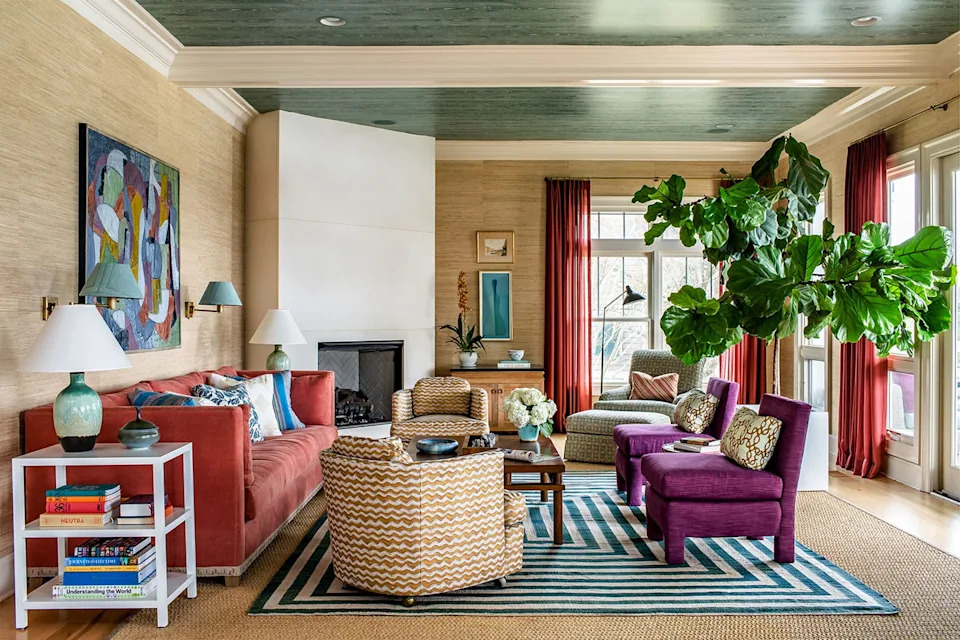
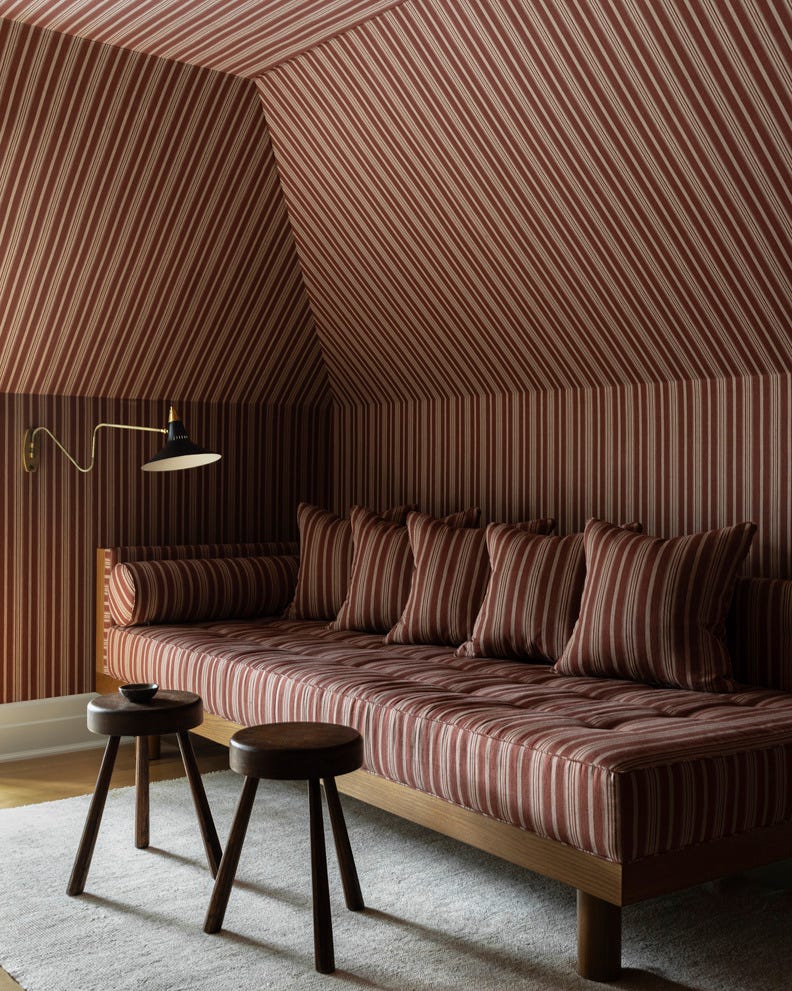
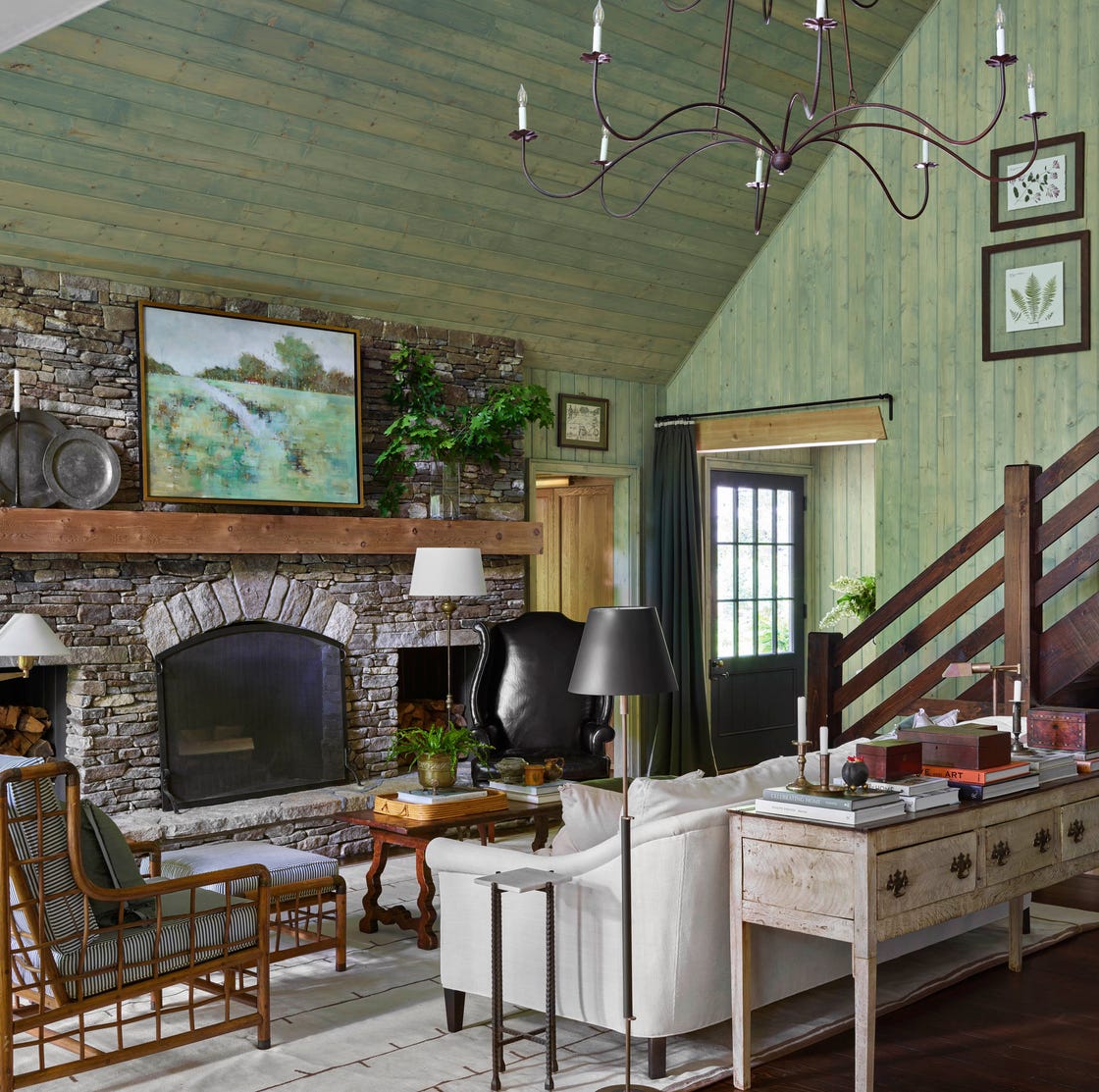
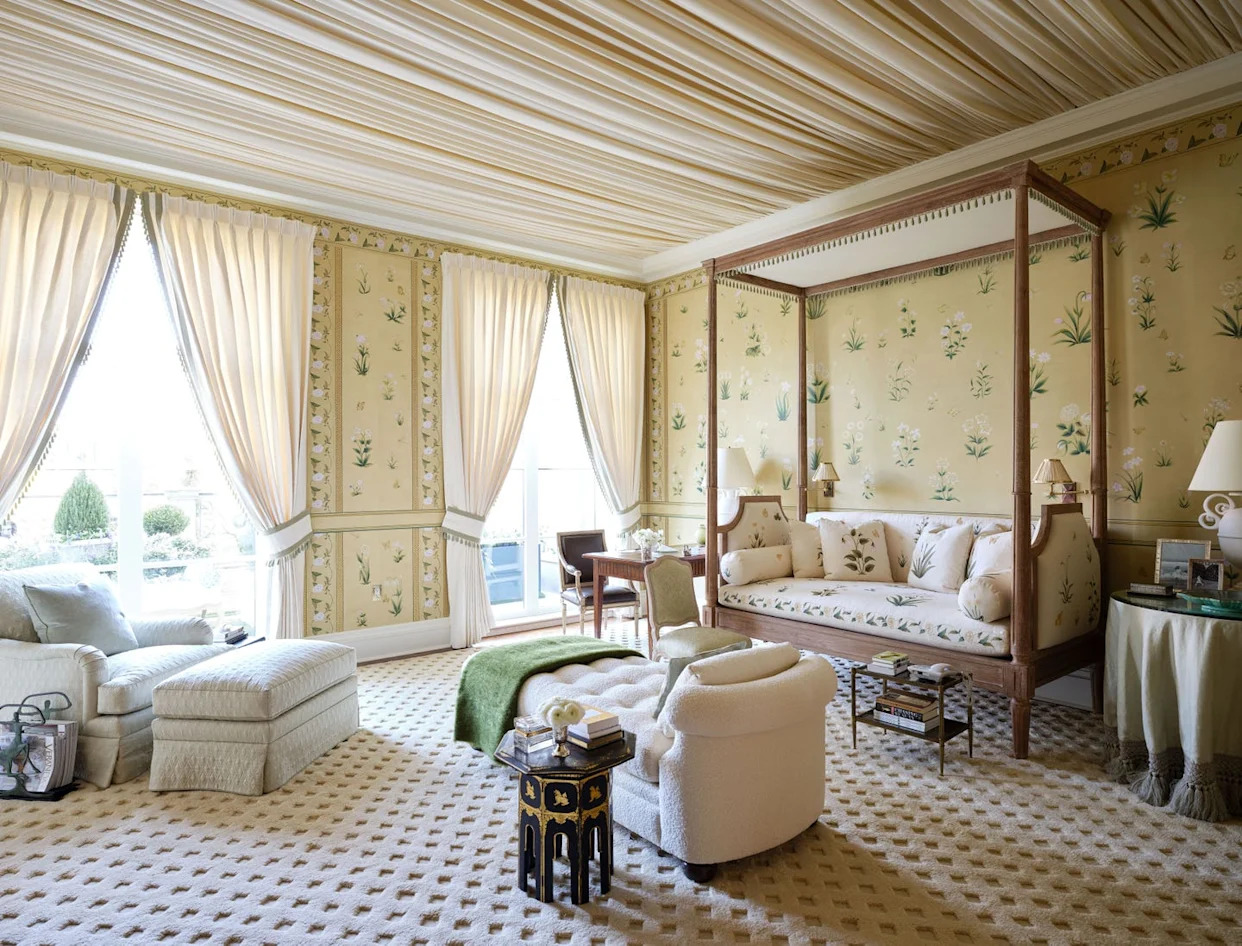
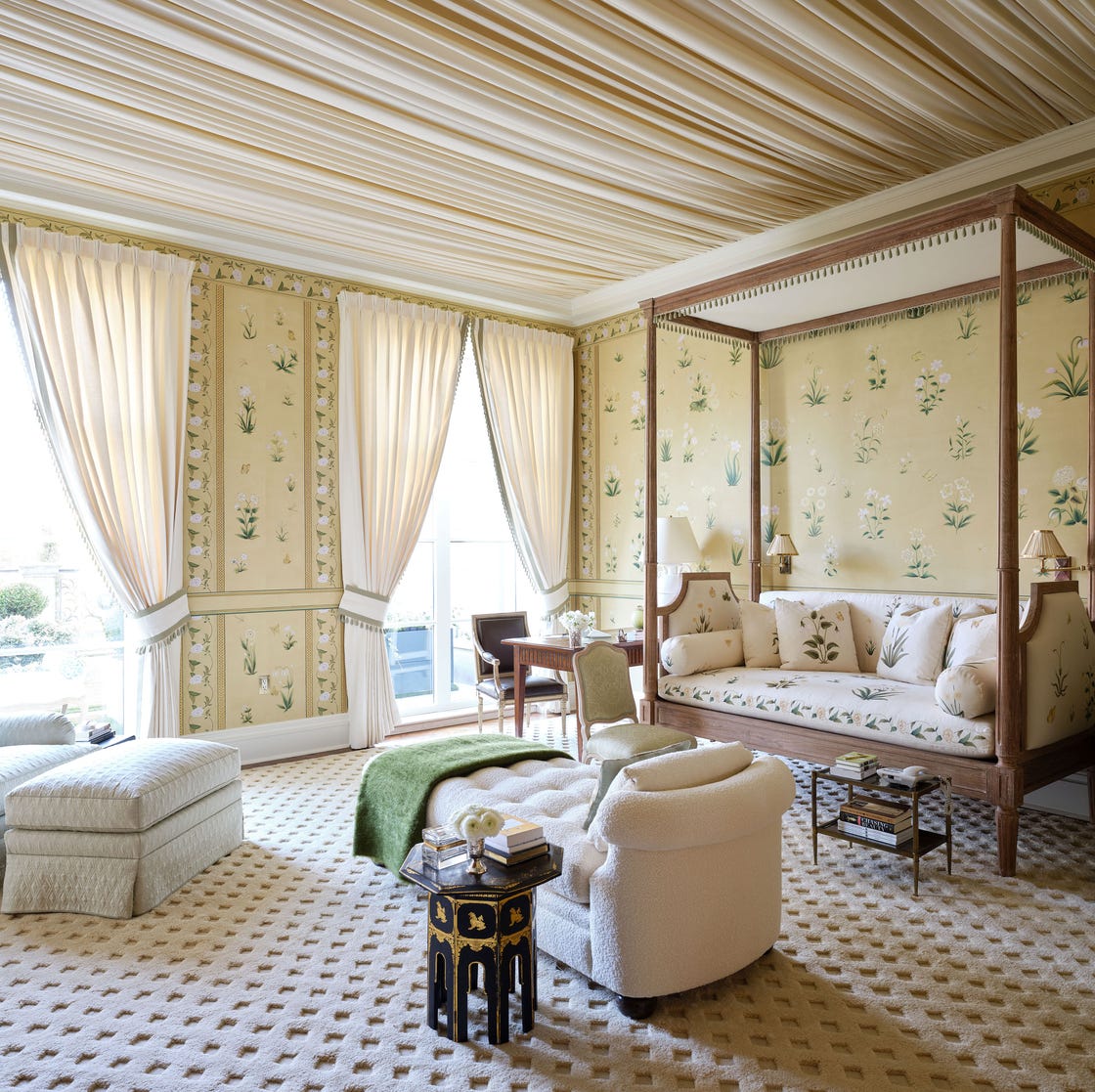
Extending texture to the ceiling is another design technique that can enhance the overall effect of textured walls. Alternatively, contrasting textured walls with super-smooth, glass-like painted ceilings can create incredible depth and visual interest. For minimalist spaces, incorporating textures involves embracing quiet neutrals; woven fibers or plaster in a muted palette, or limewash, provide a subtle yet sophisticated touch. For those with bolder tastes, wood veneers that pop, dyed fibers, or vibrant grasscloth can make a strong statement. Finally, considering the size of the space is crucial; in small rooms, texture on all four walls can create a cozy atmosphere, while in larger spaces, applying texture to the ceiling can reduce the feeling of vastness. These various applications demonstrate the versatility of textured walls in contemporary interior design, catering to a wide range of styles and preferences.
#TexturedWalls #InteriorDesign #HomeDecor #WallTreatments #PlasterWalls #WovenWallCoverings #DesignTrends #EarthElements #ArchitecturalElements #TexturedWalls #InteriorDesign #HomeDecor #WallTreatments #PlasterWalls #WovenWallCoverings #DesignTrends #EarthElements #ArchitecturalElements
共0条评论
 暂无评论
暂无评论你可能还喜欢
Forget painting your walls grey, it’s time to sparkle
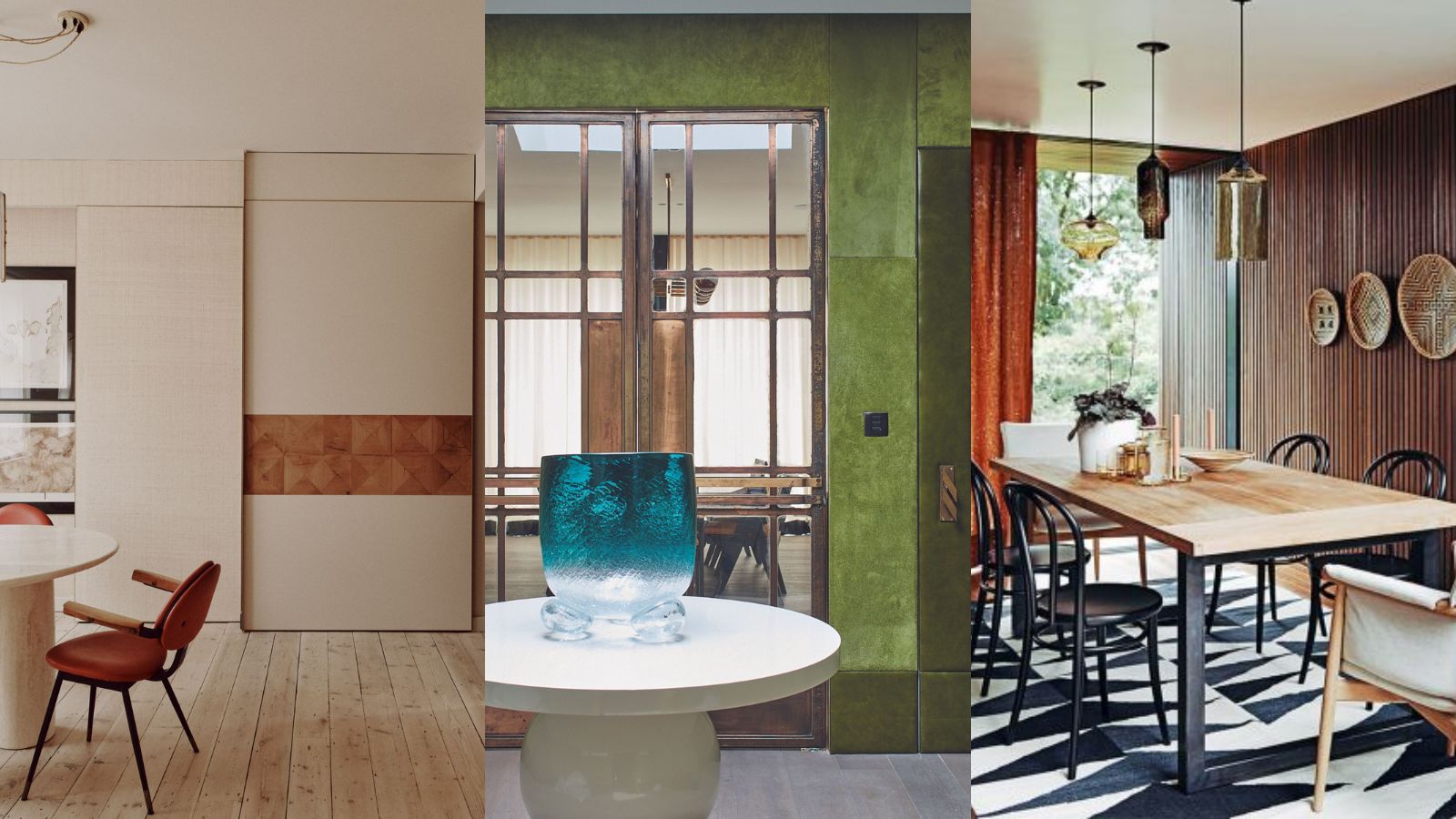
Textured wall ideas – 13 surfaces you'll want to reach out and touch

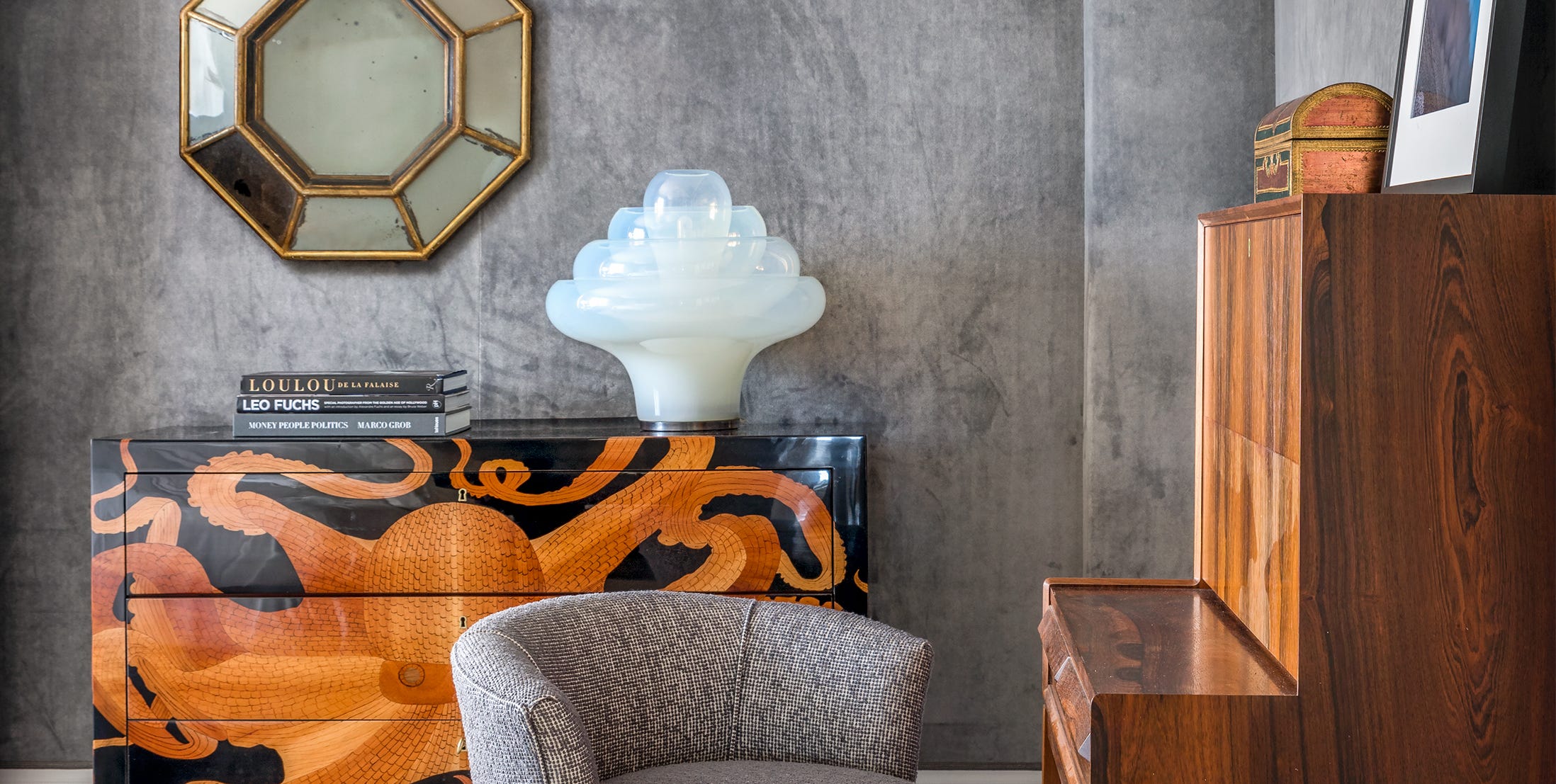
The Best Wall Texture Ideas for Adding Depth to Any Room
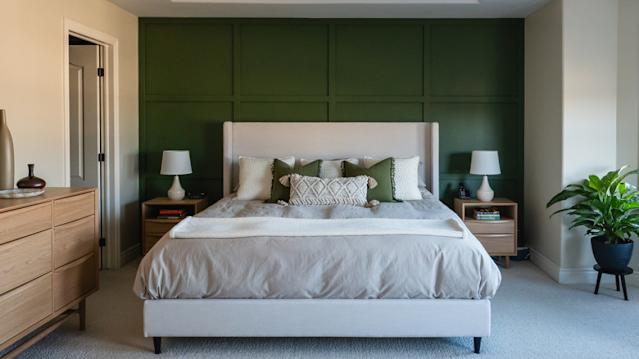
Forget Single Painted Accent Walls: This Stunning Trend Is Taking Over

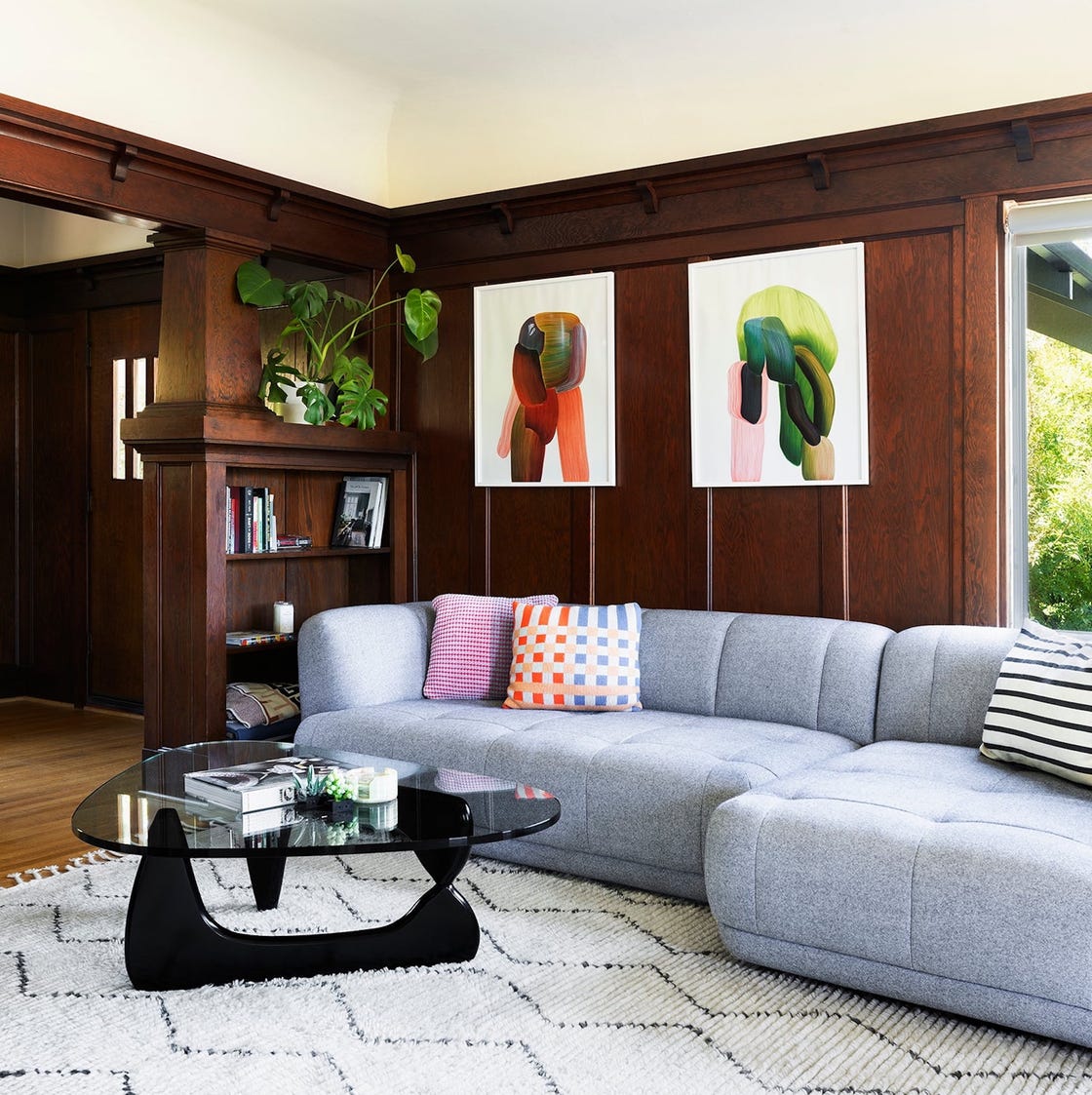
Designers Are Ditching "Flat Painted Walls" for THIS Unexpected Trend

Step Aside, Paint: These Are the 10 Most Creative Wall Treatments We Saw This Year
6 Living Room Trends That Will Be Big in 2025, According to Designers

So Long Accent Walls, Here Are the Biggest Wallpaper Trends of 2025

Textured walls: New season wallcoverings are going 3D |

29 Living Room Wall Decor Trends That Make Your Space Feel Updated Without Repainting Everything
Ombre walls are having a moment – these 5 rooms have the best, most elevated versions of them
Plaster Walls—a Signature of Warm Modernist Interiors—Are Having a Moment

We Asked Designers If Accent Walls Make Your Home Look Tacky—and They Didn’t Hold Back

How to add texture to your walls - a beginner's guide to the many beautiful plaster finishes

Christina Hendricks' landing sees a retro-inspired trend reimagined as a timeless staple
9 Design Trends From 2024 You’ll Still See Everywhere in 2025, According to Experts

So Long Accent Walls, Here Are the Biggest Wallpaper Trends of 2025

16 Accent Wall Ideas That You'll Start Seeing Everywhere In 2025
10 Painted Accent Wall Trends That Are On Their Way Out, And What To Do Instead
4 Wallpaper Trends You're About to See Everywhere in 2025, According to Designers