1/13
How to light a garden path – lighting designers reveal 8 ways to avoid the dreaded 'runway light'
Lighting a garden path effectively involves a balance between aesthetics and functionality, aiming to create a welcoming ambiance without harsh, overly bright illumination. The goal is to avoid the "runway light" effect, where lights are too numerous or intensely bright, making the path appear severe. Industry experts recommend several strategies to achieve this balance.
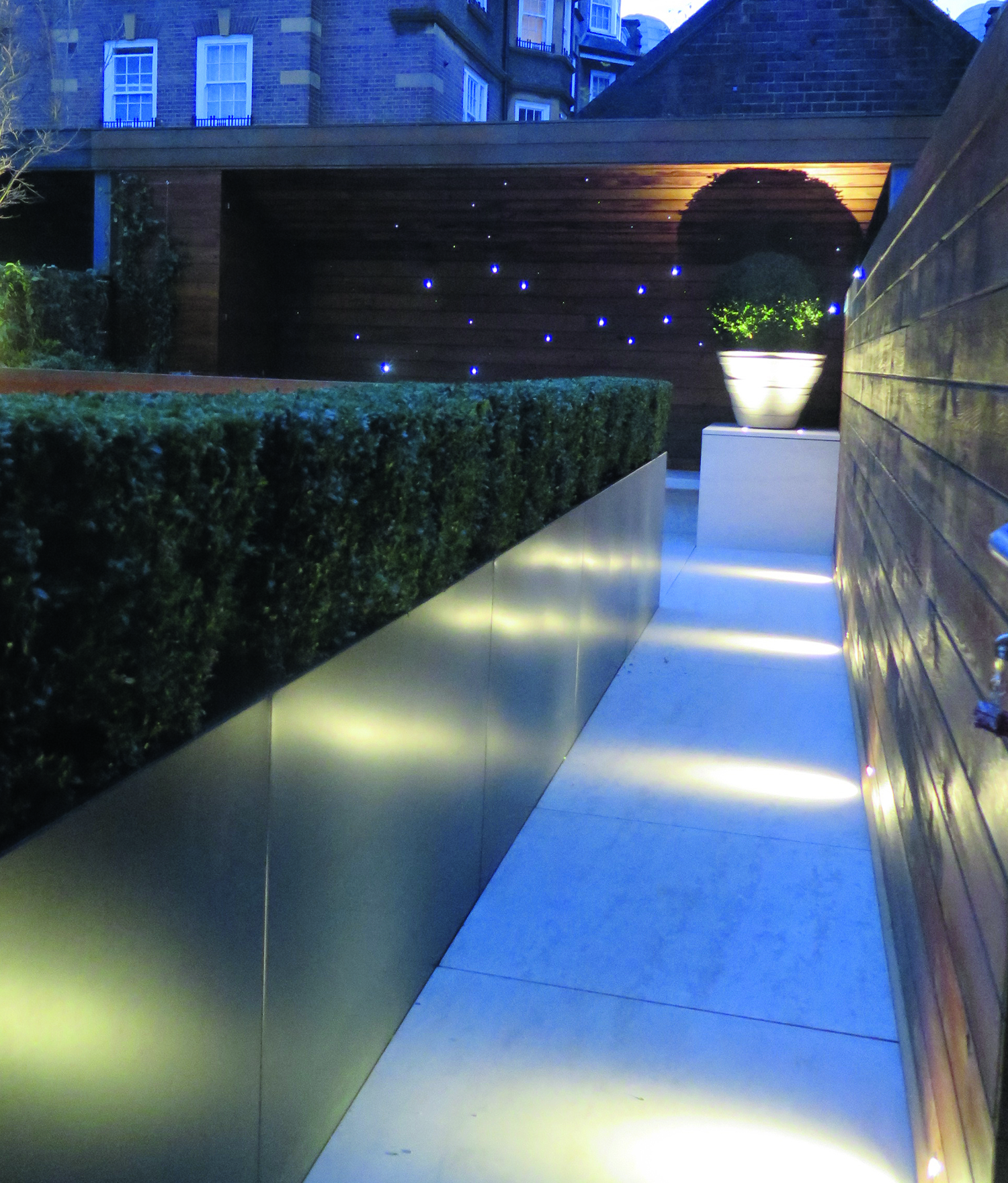
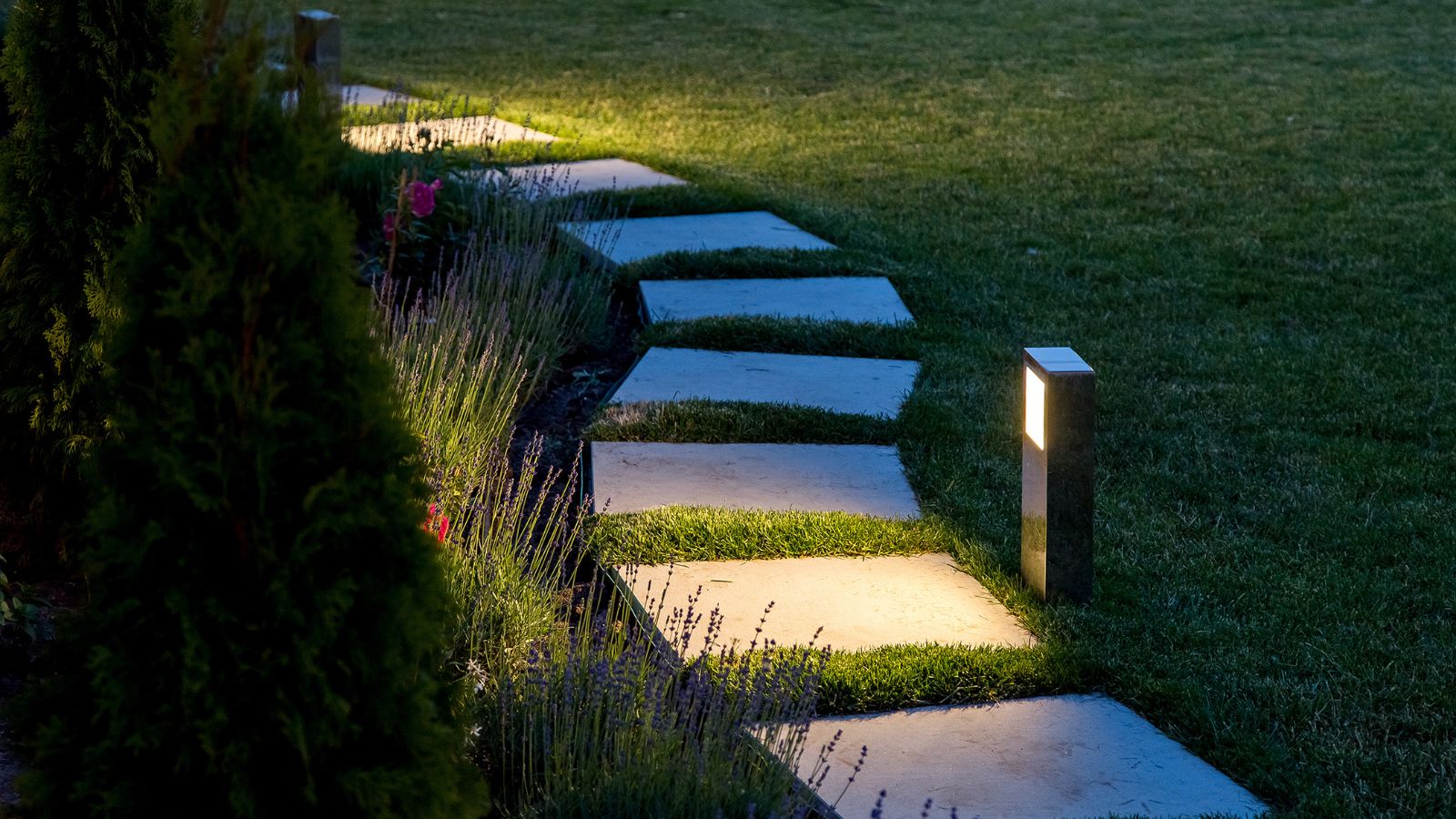
First, proper spacing of lights is crucial. Experts advise placing garden path lights approximately 8 feet apart, though this can vary slightly based on the path's length, layout, and the specific type of light fixture. The beam spread of the light also influences optimal spacing; fixtures with a wider spread may allow for greater distances between lights. The intent is to provide a gentle glow that guides movement rather than creating overwhelming brightness, promoting a sense of calm and relaxation.
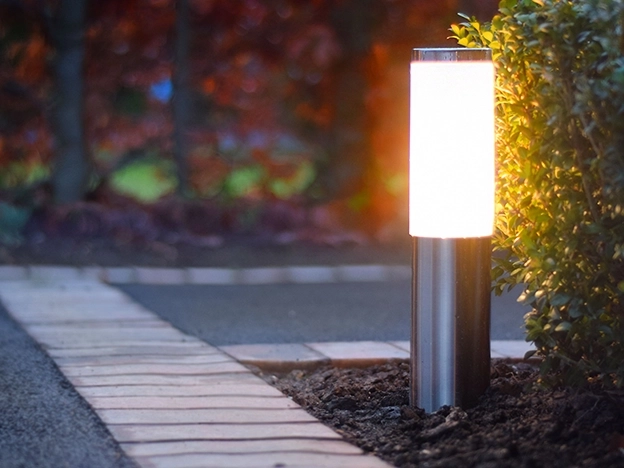
Second, the distance of the lights from the path is important for both visual appeal and practicality. A general rule for bollard lights is to place them at a distance equivalent to their height from the walkway. This prevents accidental collisions with the fixtures and offers space for snow removal. Integrating lights within low-growing flower beds or alternating them on either side of the path can add visual interest and break the monotony of a uniformly lit path, ensuring a balanced and visually appealing effect.
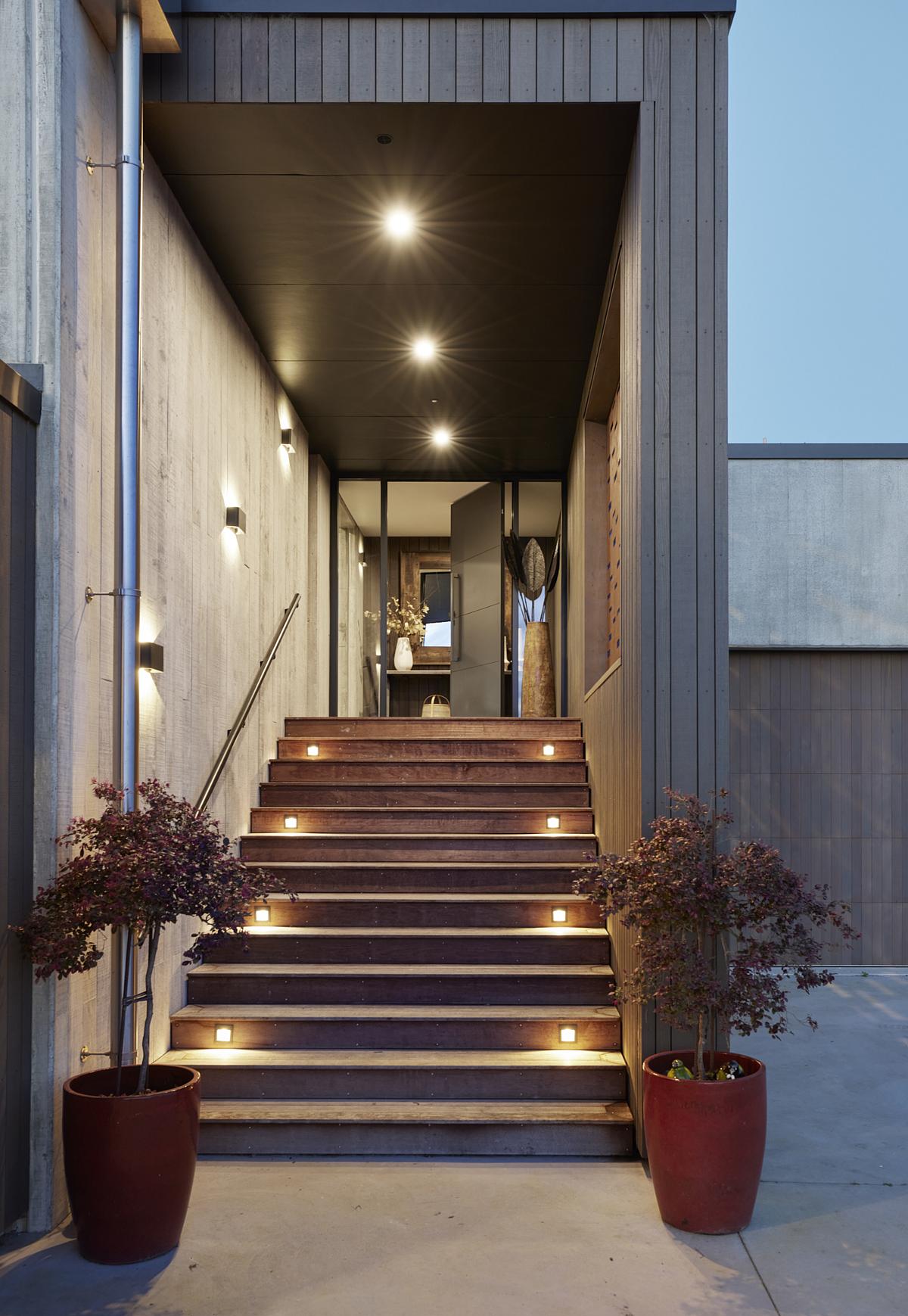
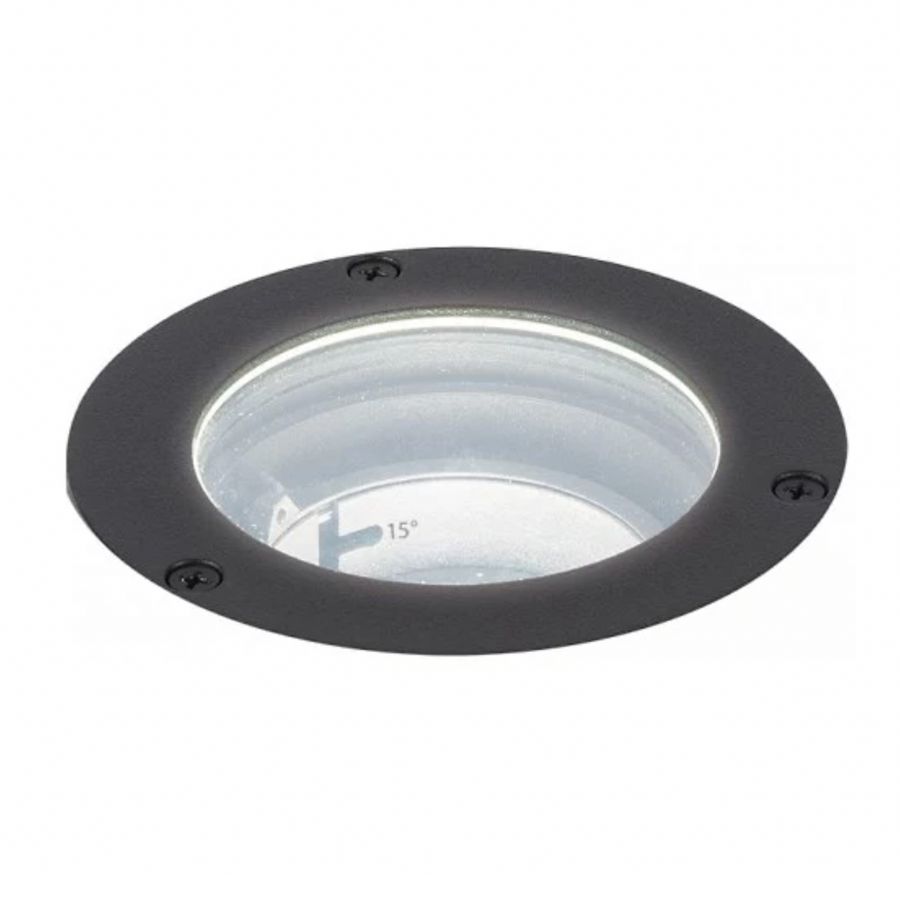
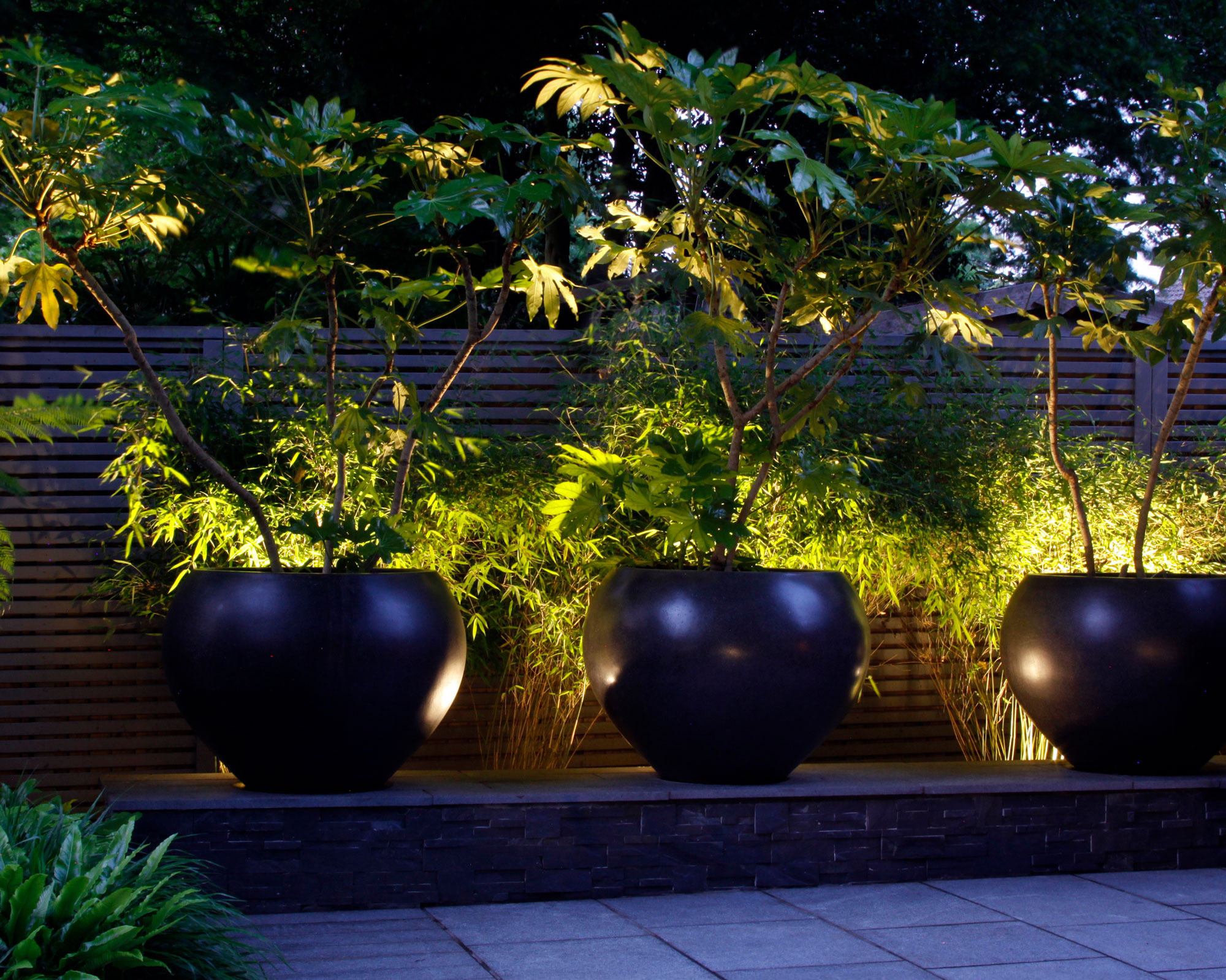
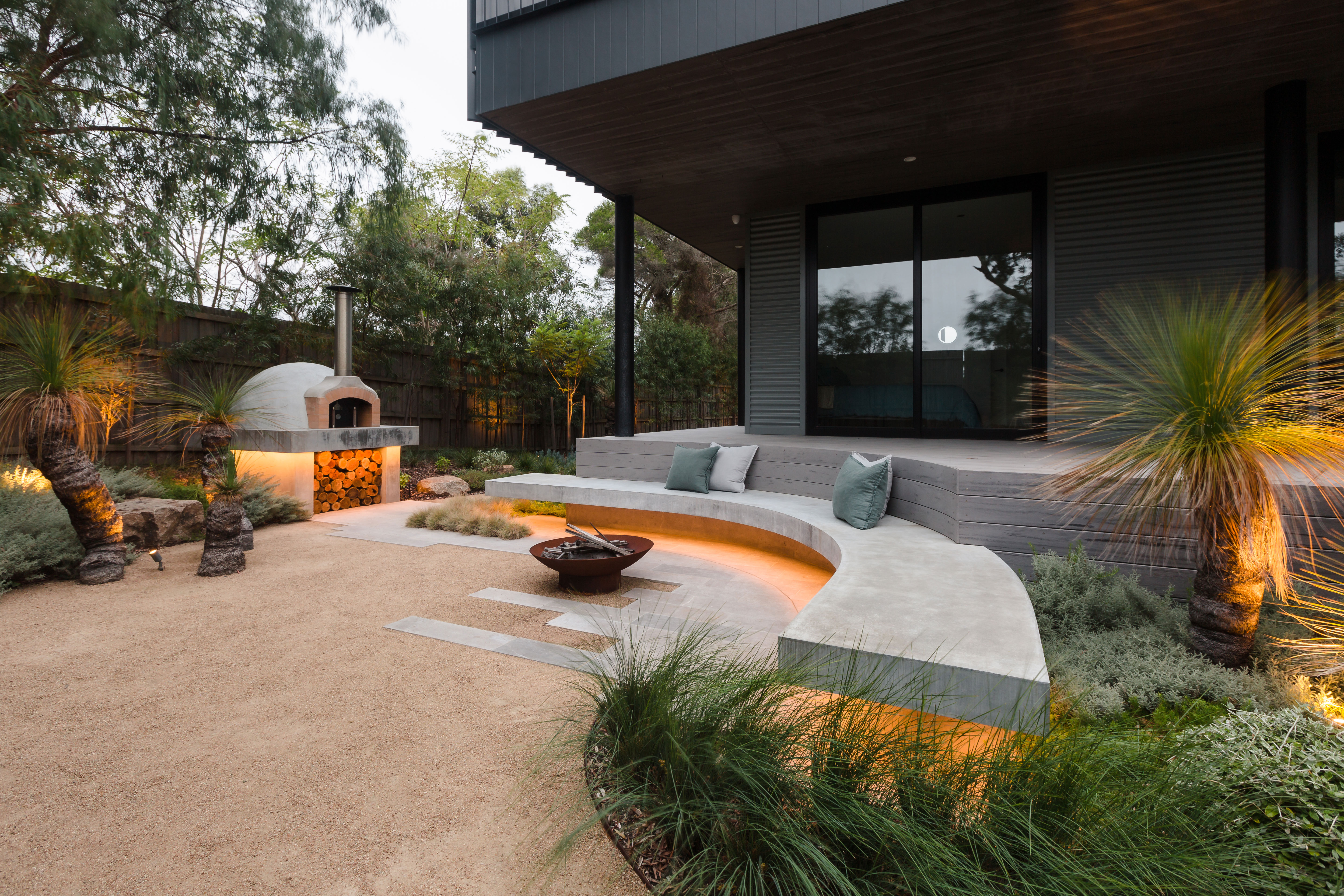
Third, the direction in which lights face significantly impacts the overall effect. Lights can be aimed directly across the path for even illumination, embedded in the ground as uplights for a dramatic effect, or positioned as downward-facing lights to illuminate with a soft glow while minimizing glare and light pollution, which is beneficial for local wildlife and stargazing.
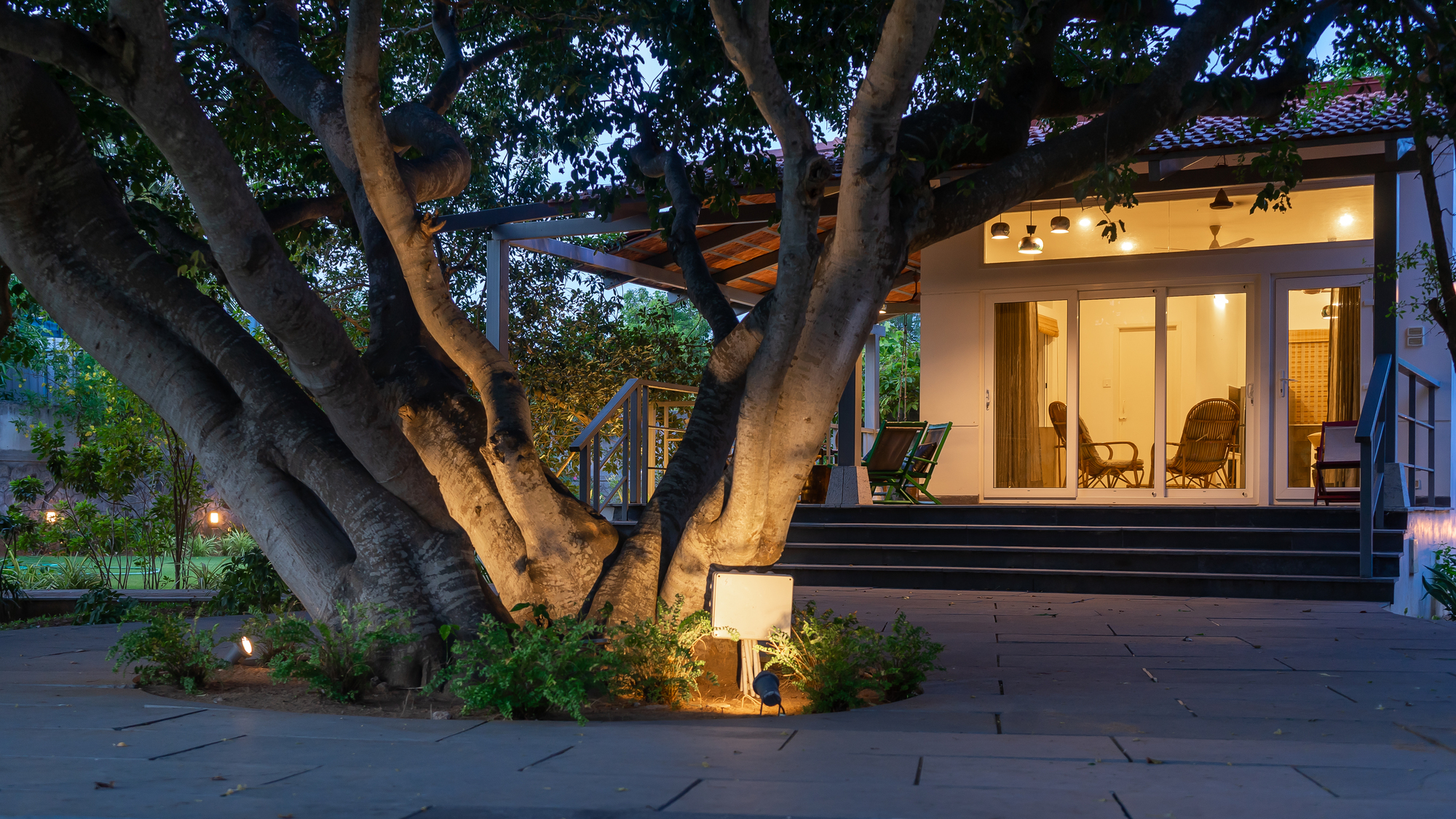
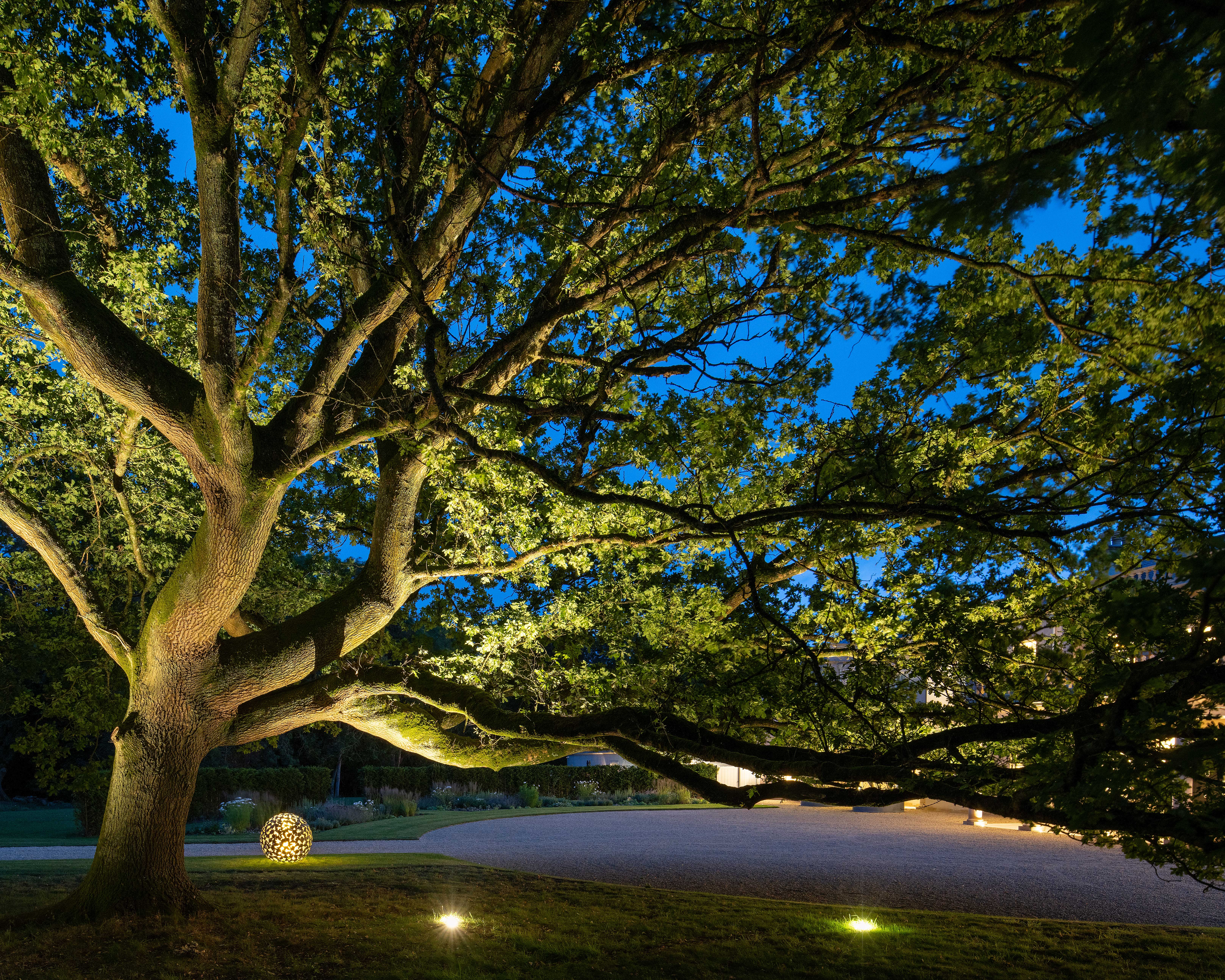
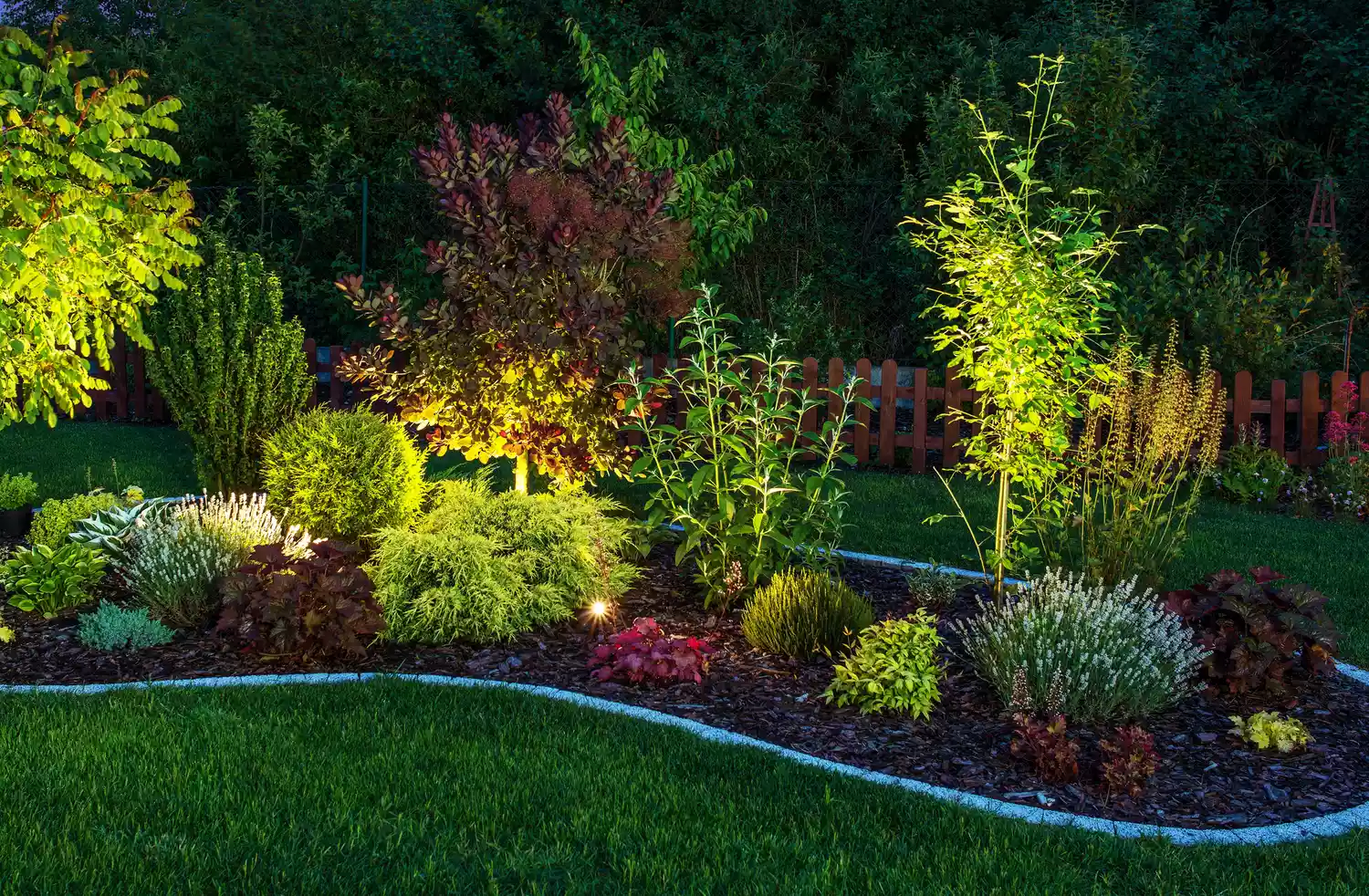
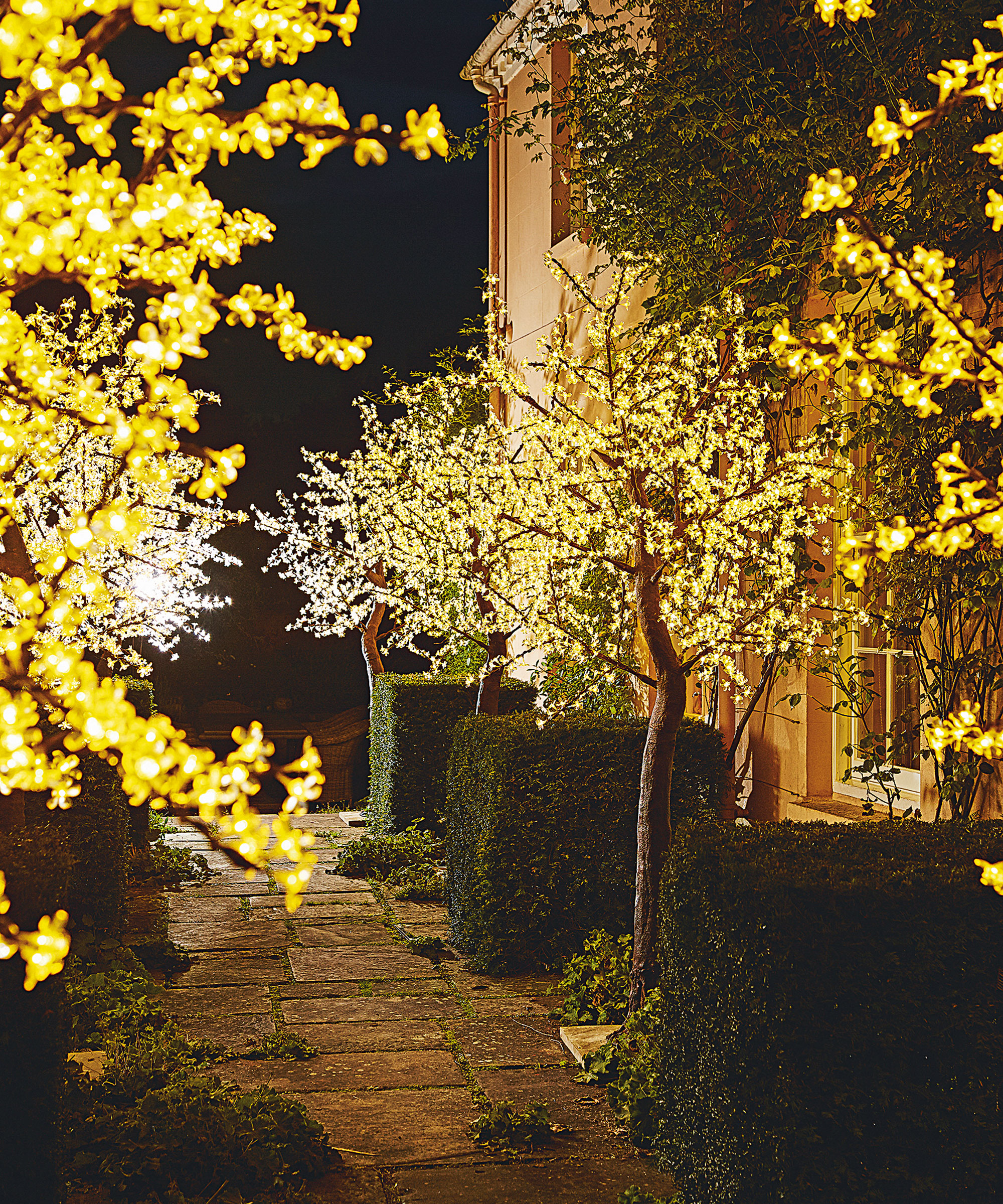
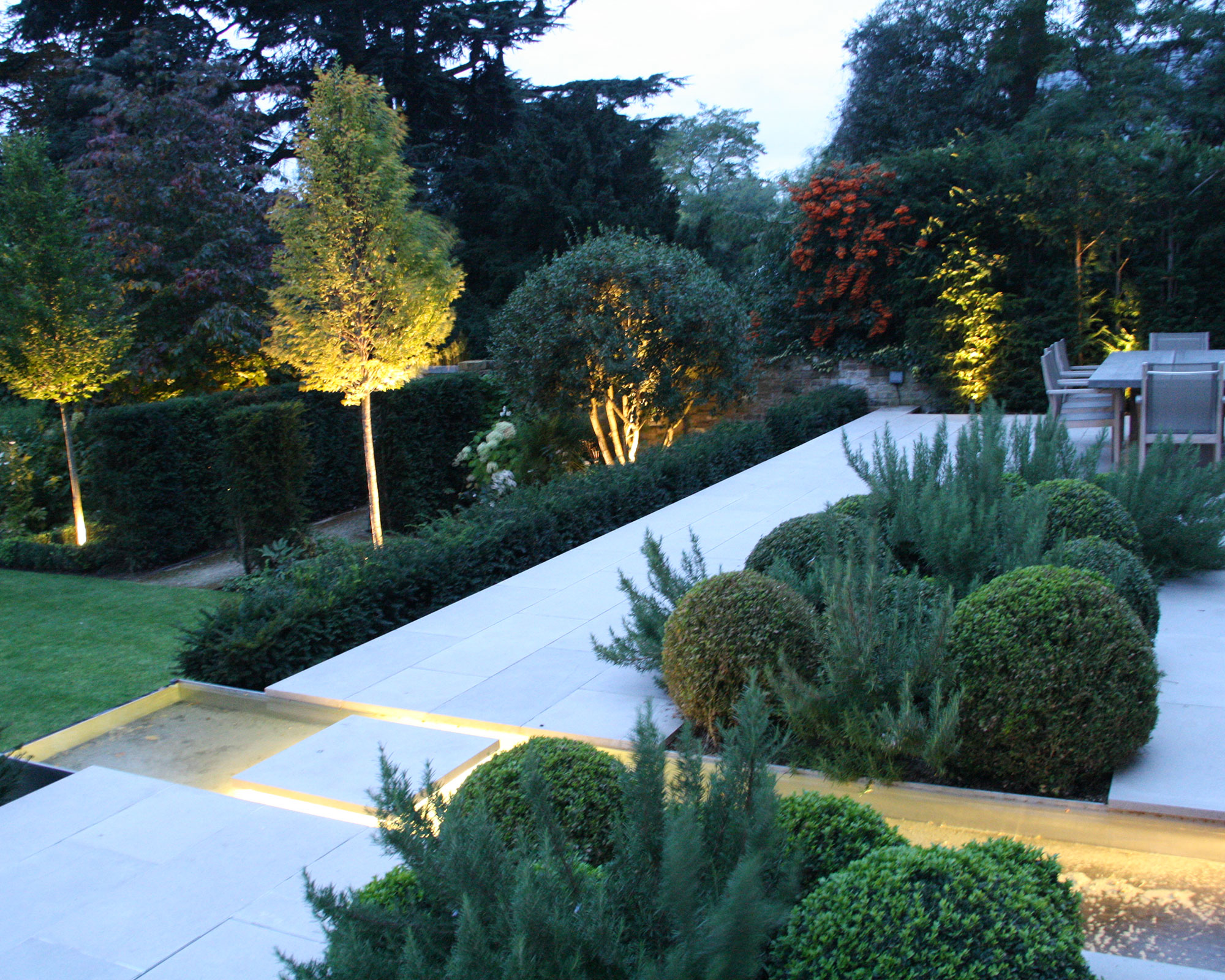
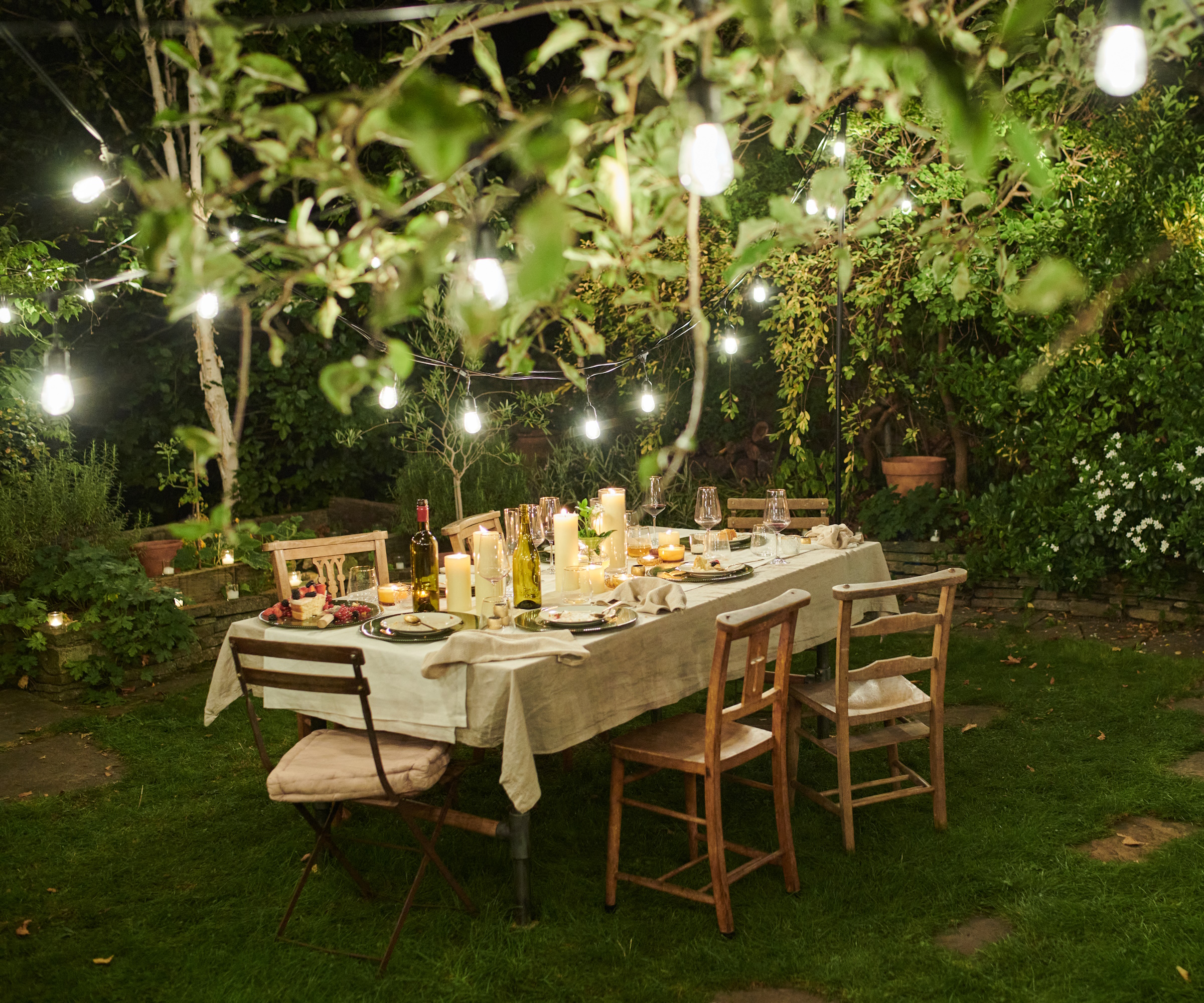
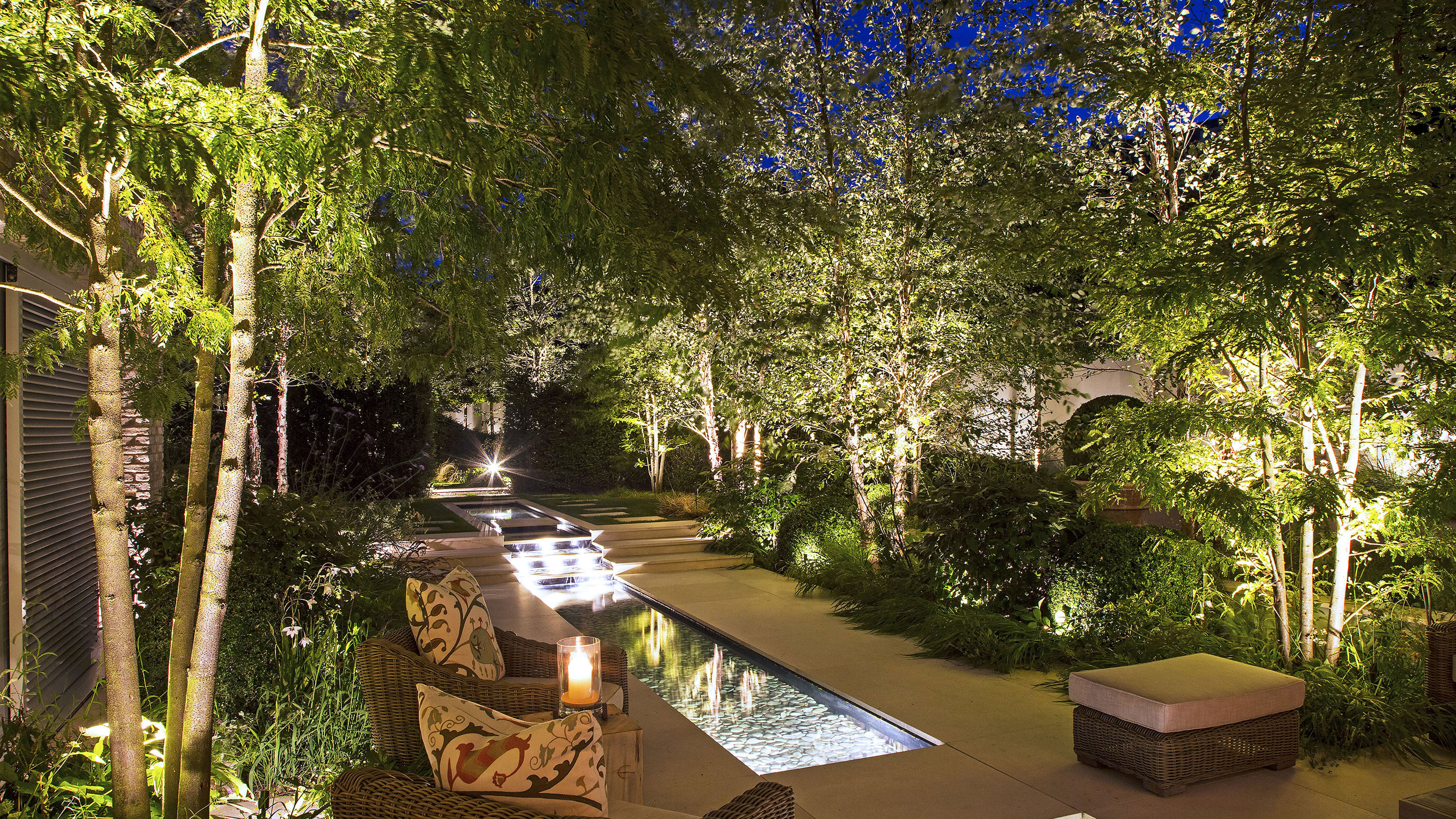
Fourth, downlighting from trees or structures, often referred to as "moonlighting," offers a natural and soft illumination. By hiding the light source within the trees, only the effect of the light is visible, casting interesting shadows from branches and leaves. This technique works best where adjacent trees are available.
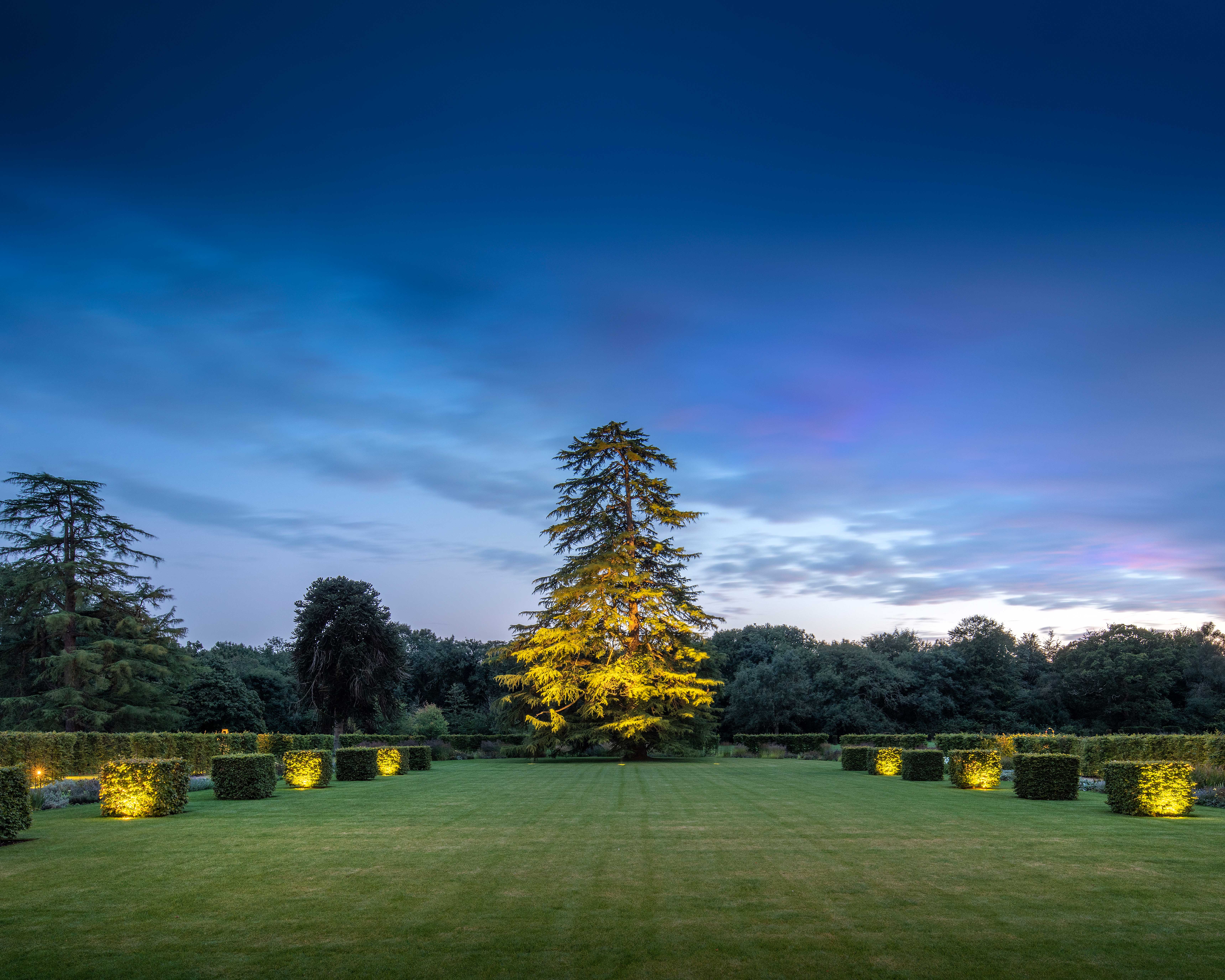
Fifth, the color temperature of the lights is critical for creating a warm and inviting atmosphere. Experts uniformly recommend lights with a color temperature below 3000 Kelvin, ideally around 2700K. This range produces a warm, gentle light similar to firelight, which is more comfortable for the eyes and renders colors more pleasingly compared to the harsh, bright white or blue tones of higher Kelvin lights.
Sixth, maintaining a dim light output, measured in lumens, is essential for a softly lit path. While lumens are not always specified, using fixtures with lower wattage or a lumen output of 200 lm or less is generally advisable. Diffused light, achieved through frosted glass covers, helps spread light evenly and gently. Dimmable lights offer flexibility, allowing for brighter light when needed and softer illumination for ambiance. Strategic planting or the use of garden mirrors can also soften harsh lights and integrate them with the landscape.
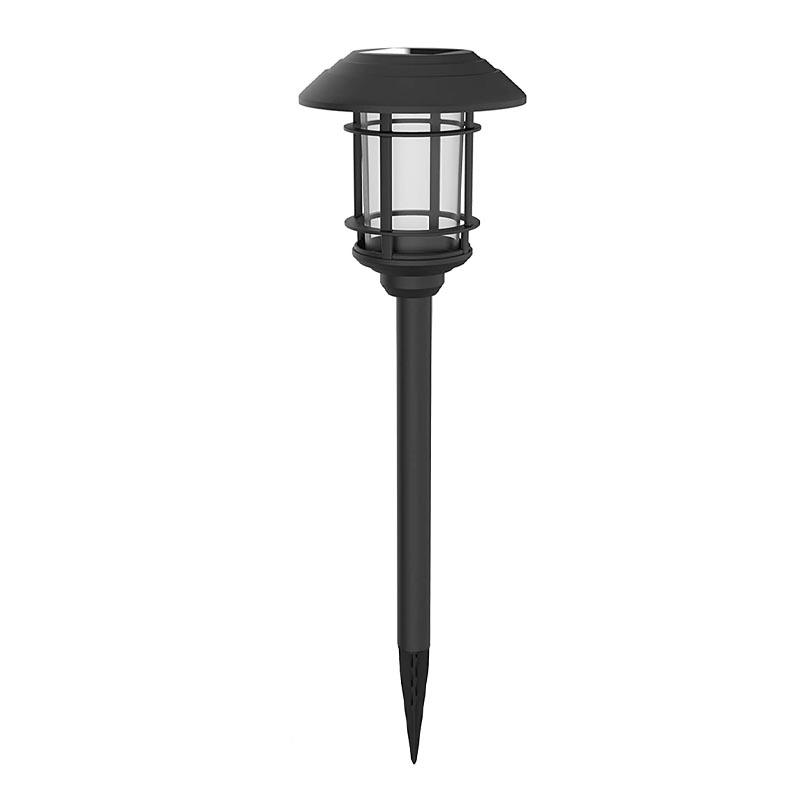
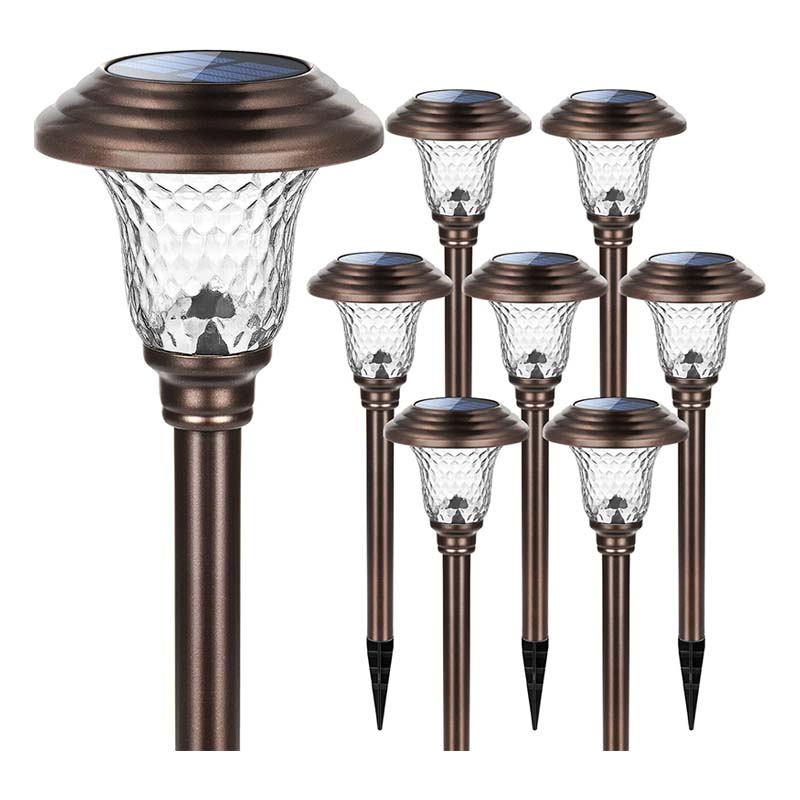
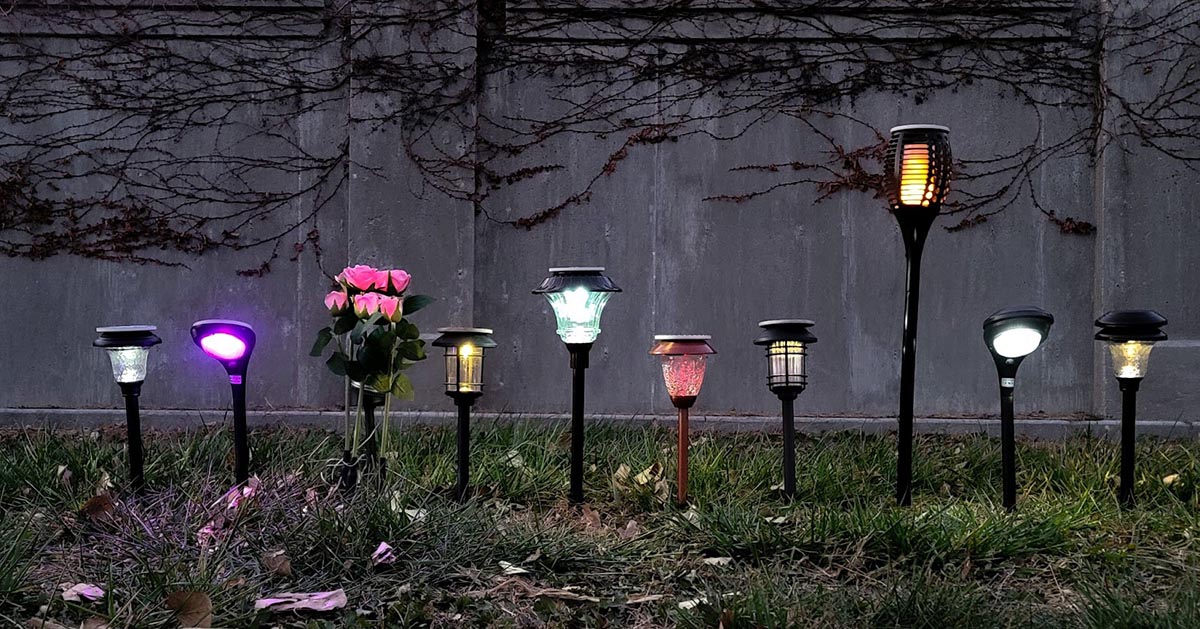
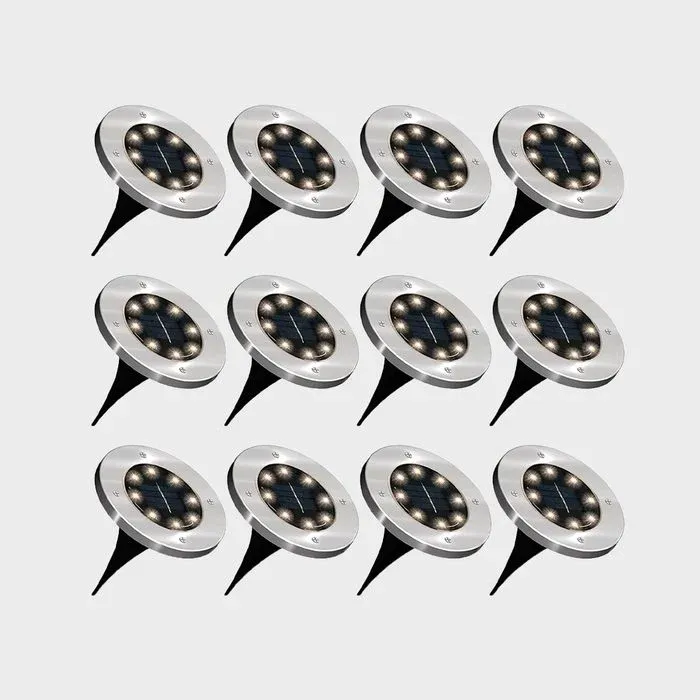
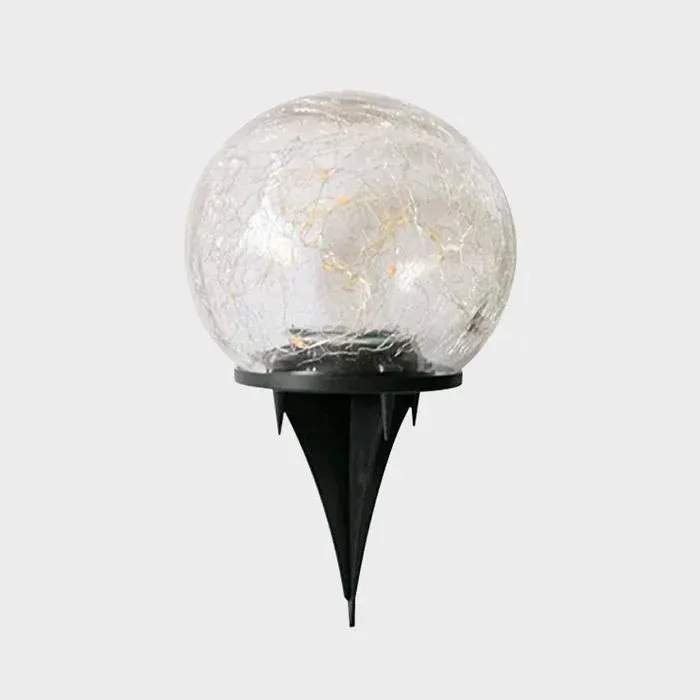
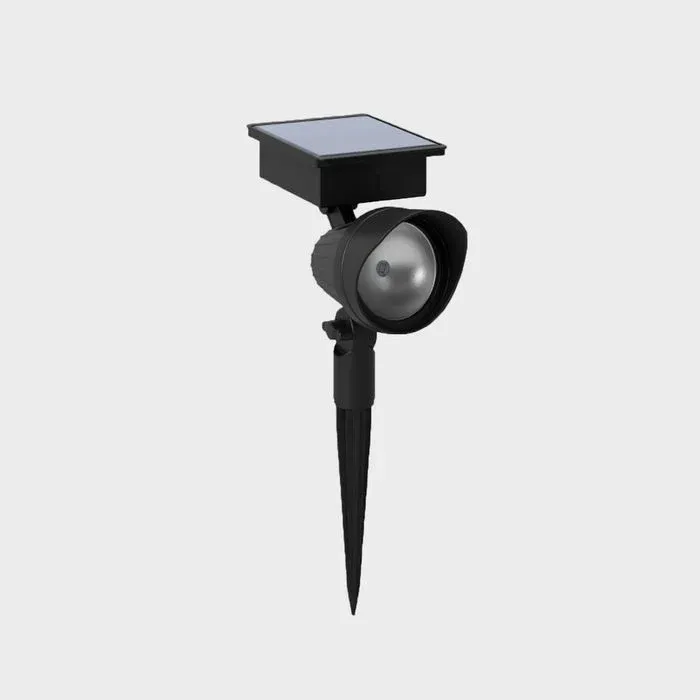
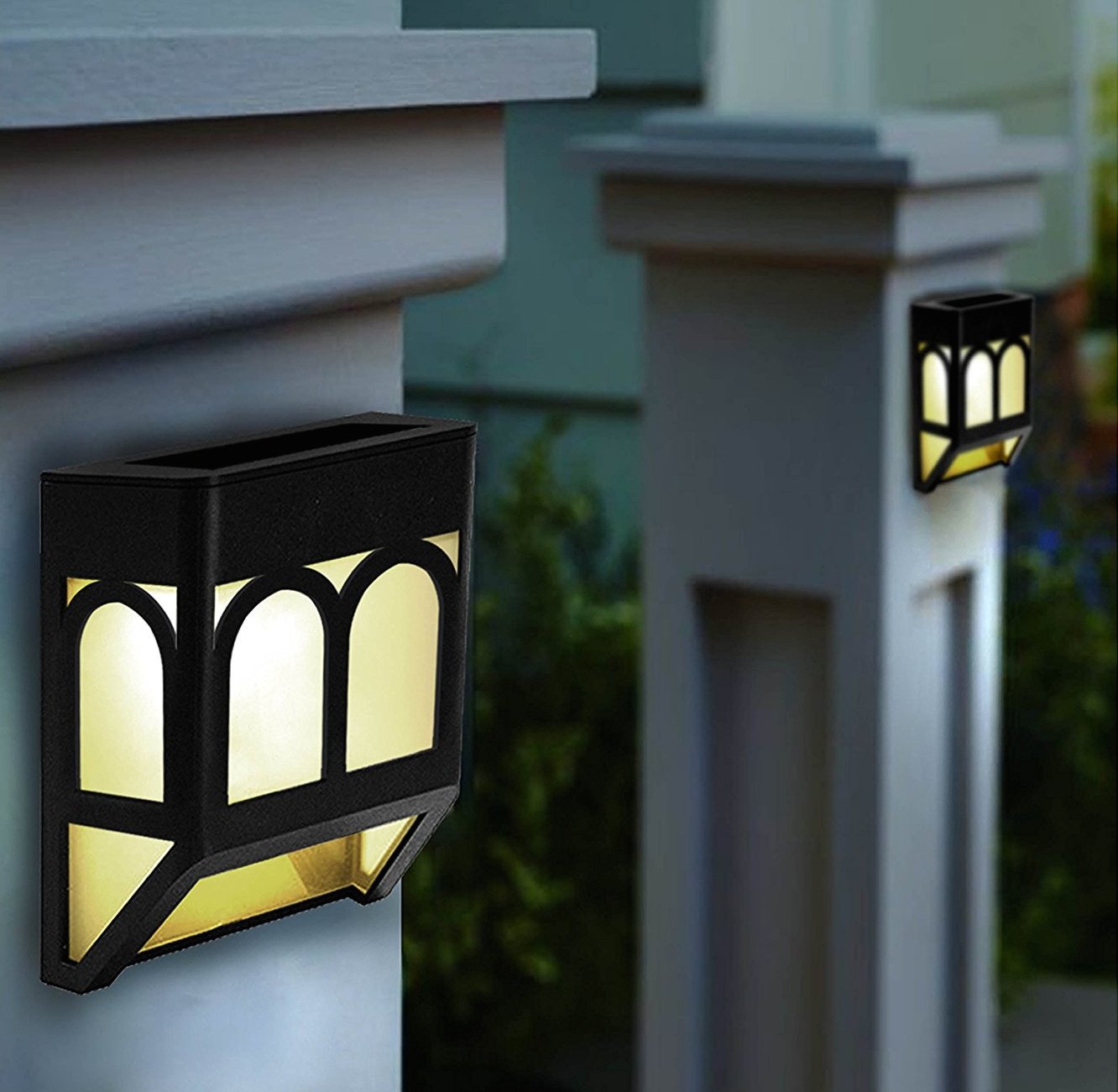
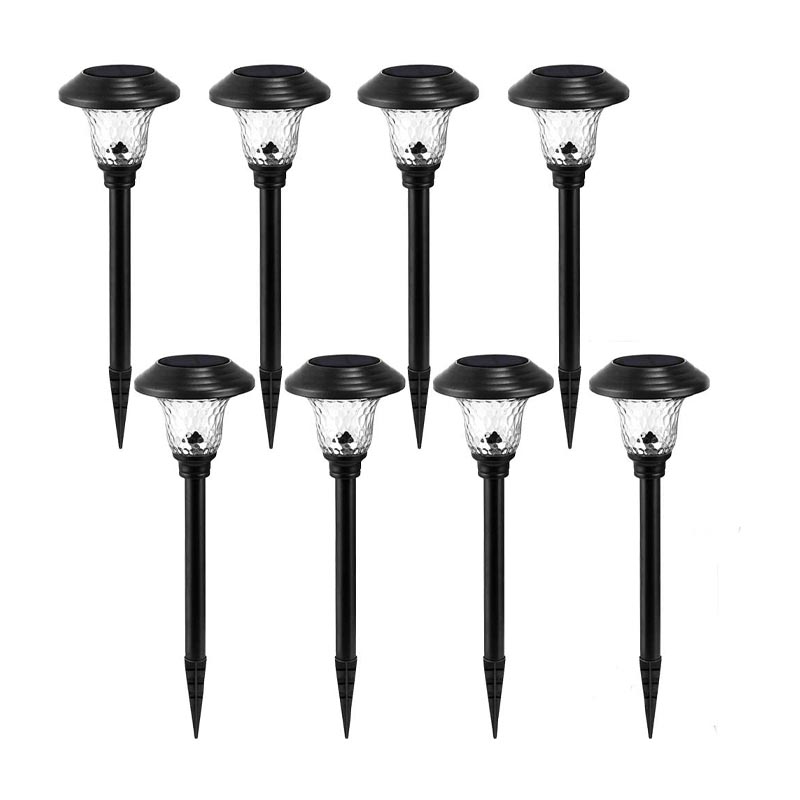
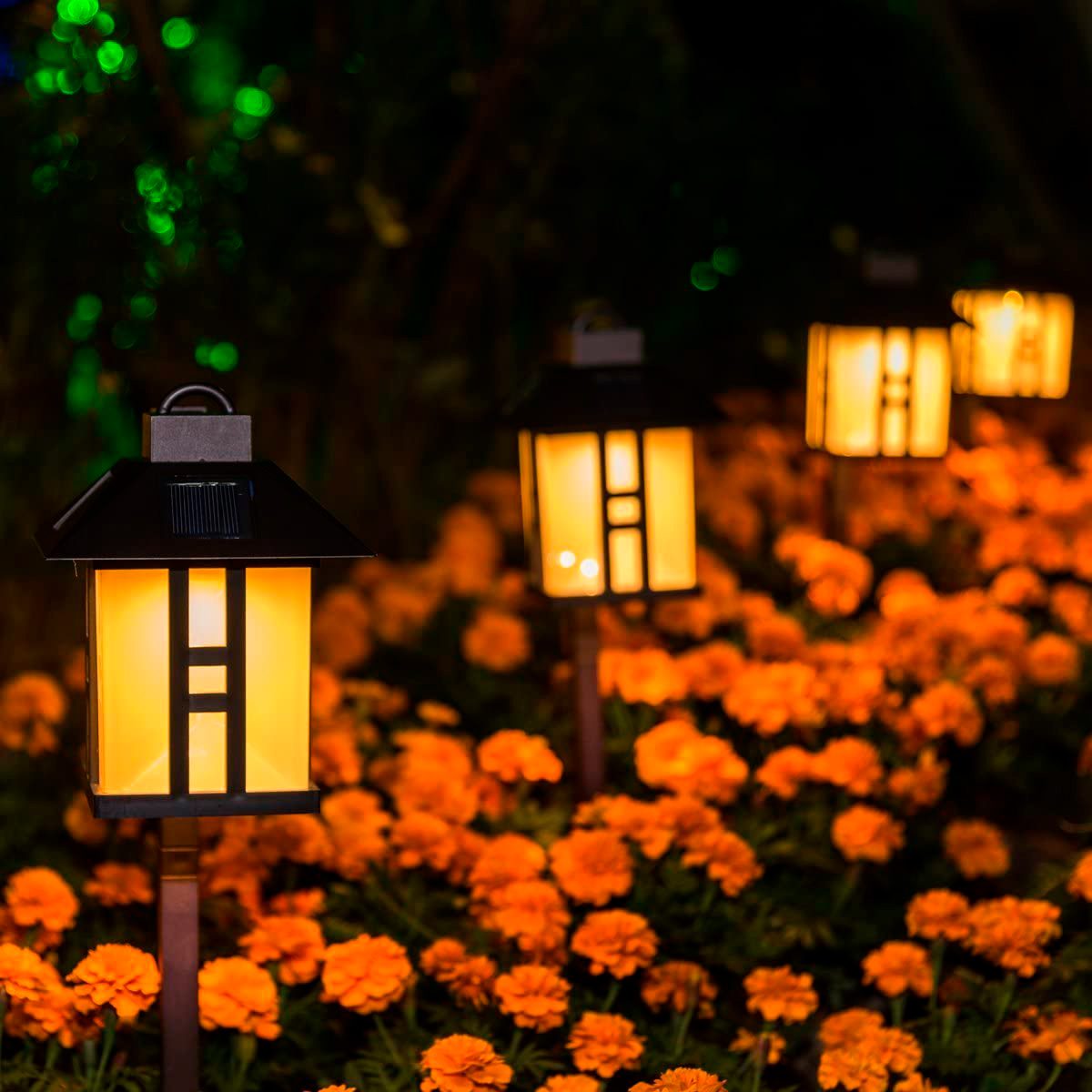
Seventh, solar lights are generally not recommended for primary path illumination due to their limited lifespan, often harsh color temperature (above 3000K), and inconsistent reliability. Professional low-voltage LED systems powered by a transformer are preferred for their durability, consistent output, and sustainability. However, high-quality solar options can be considered for specific applications, provided they have adequate battery life and brightness.
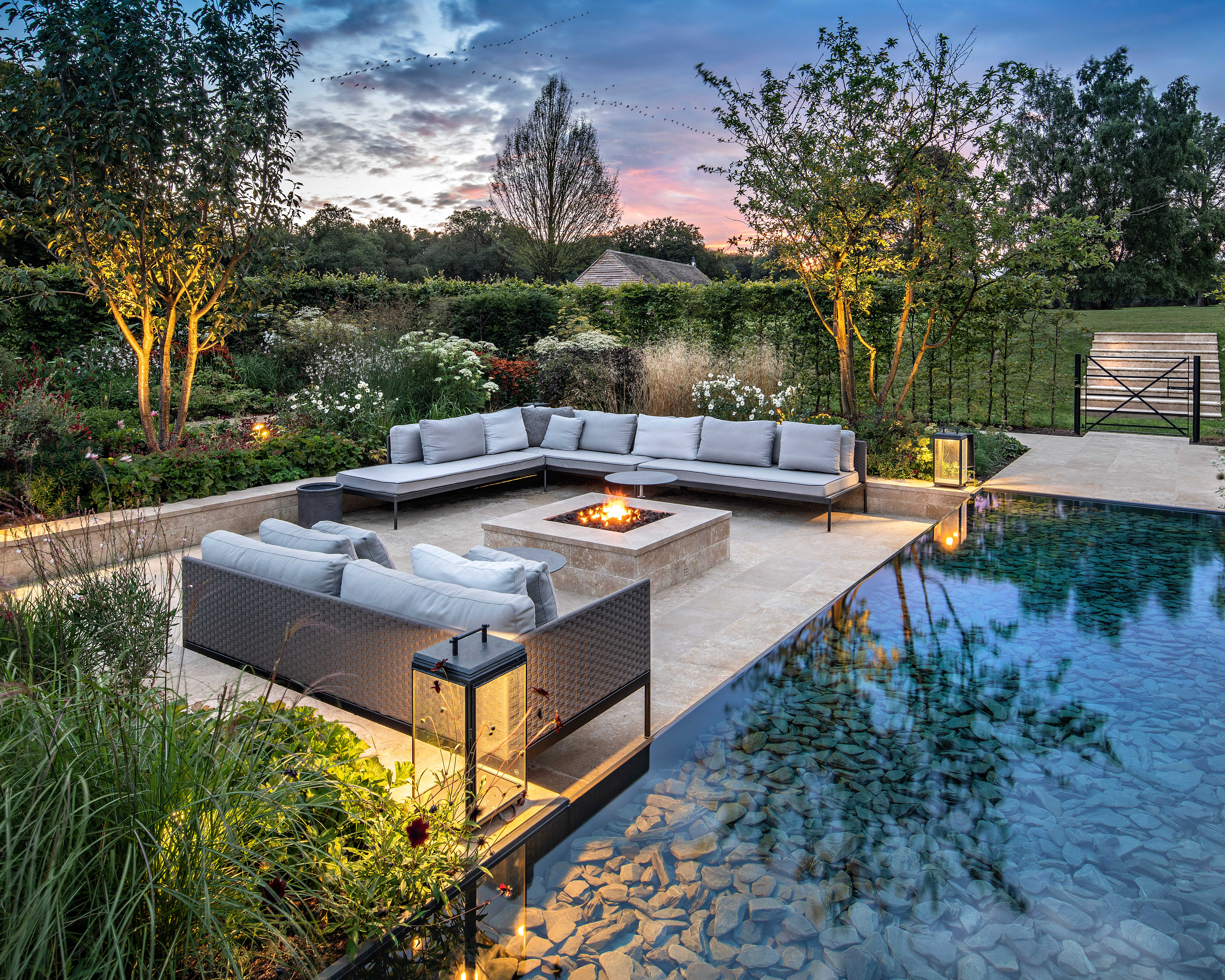
Finally, candles can provide a charming and enchanting touch for special occasions, creating a unique visual experience. For safety, candles in paper bags can be stabilized with sand to prevent tipping and extinguish flames. Votives should be placed in glass holders for added security. For regular use, LED candles can mimic the effect without fire hazards, though they may not fully replicate the authentic glow of real candles. These considerations help achieve a well-lit garden path that is both functional and aesthetically pleasing.
#GardenLighting #PathLighting #OutdoorDesign #LandscapeDesign #LightingDesignTips #WarmLighting #AmbientLighting #HomeGardens #ExteriorDecor #GardenLighting #PathLighting #OutdoorDesign #LandscapeDesign #LightingDesignTips #WarmLighting #AmbientLighting #HomeGardens #ExteriorDecor
共0条评论
 暂无评论
暂无评论你可能还喜欢
'The journey to the door is important!' 5 outdoor pathway lighting ideas for a better-looking and more practical yard

30 Garden Lighting Ideas to Make Your Plants Shine

Forget Basic Festoon Lights — I've Found These Much More Elevated Options for Your Garden's Lighting That Have Designer Good Looks
30 Outdoor Lighting Ideas Borrowed From Resorts, Rooftops, and Stunning Courtyards
How to position landscape lighting - the expert guide to bringing your outdoor space to life
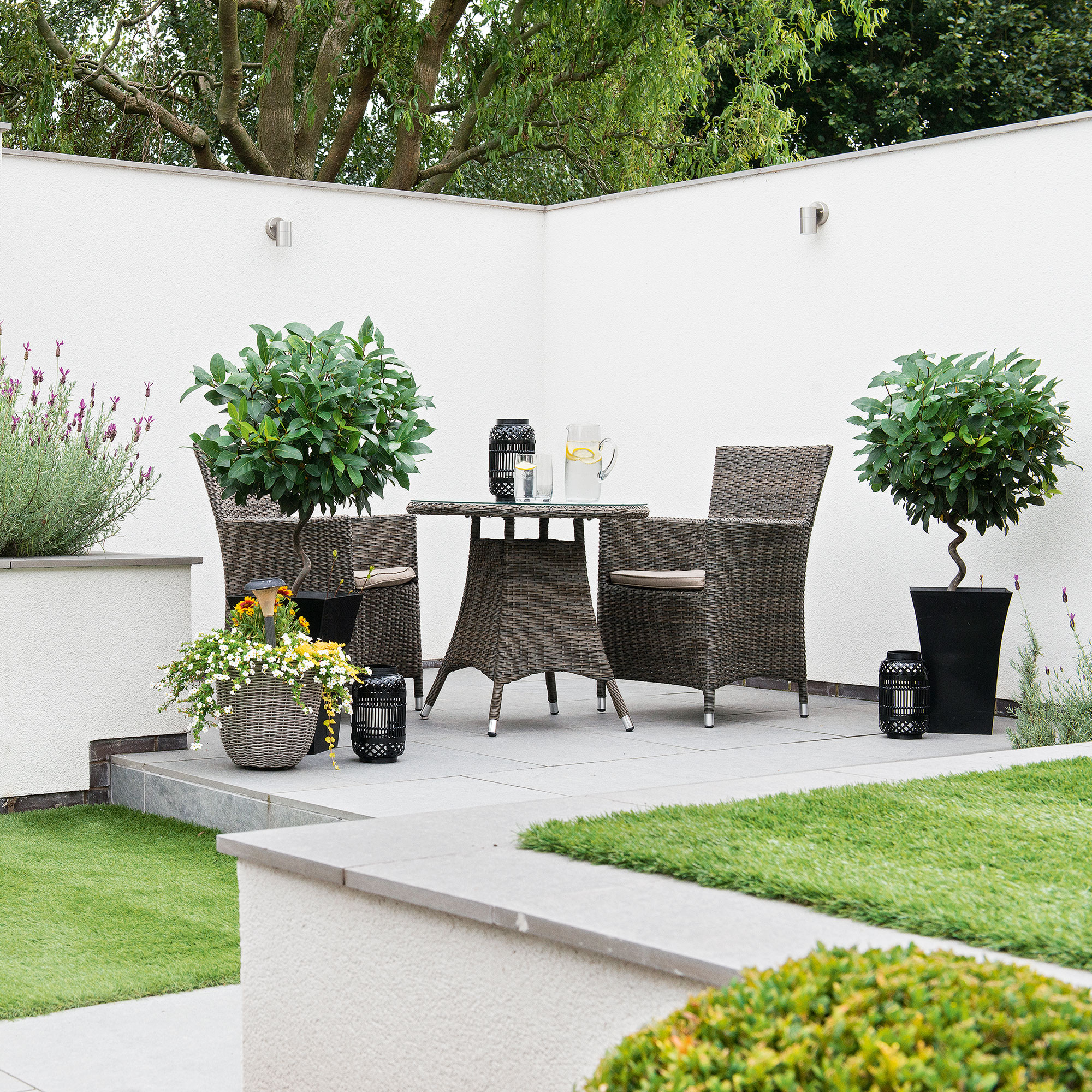
Outdoor wall lighting ideas to illuminate your garden to perfection
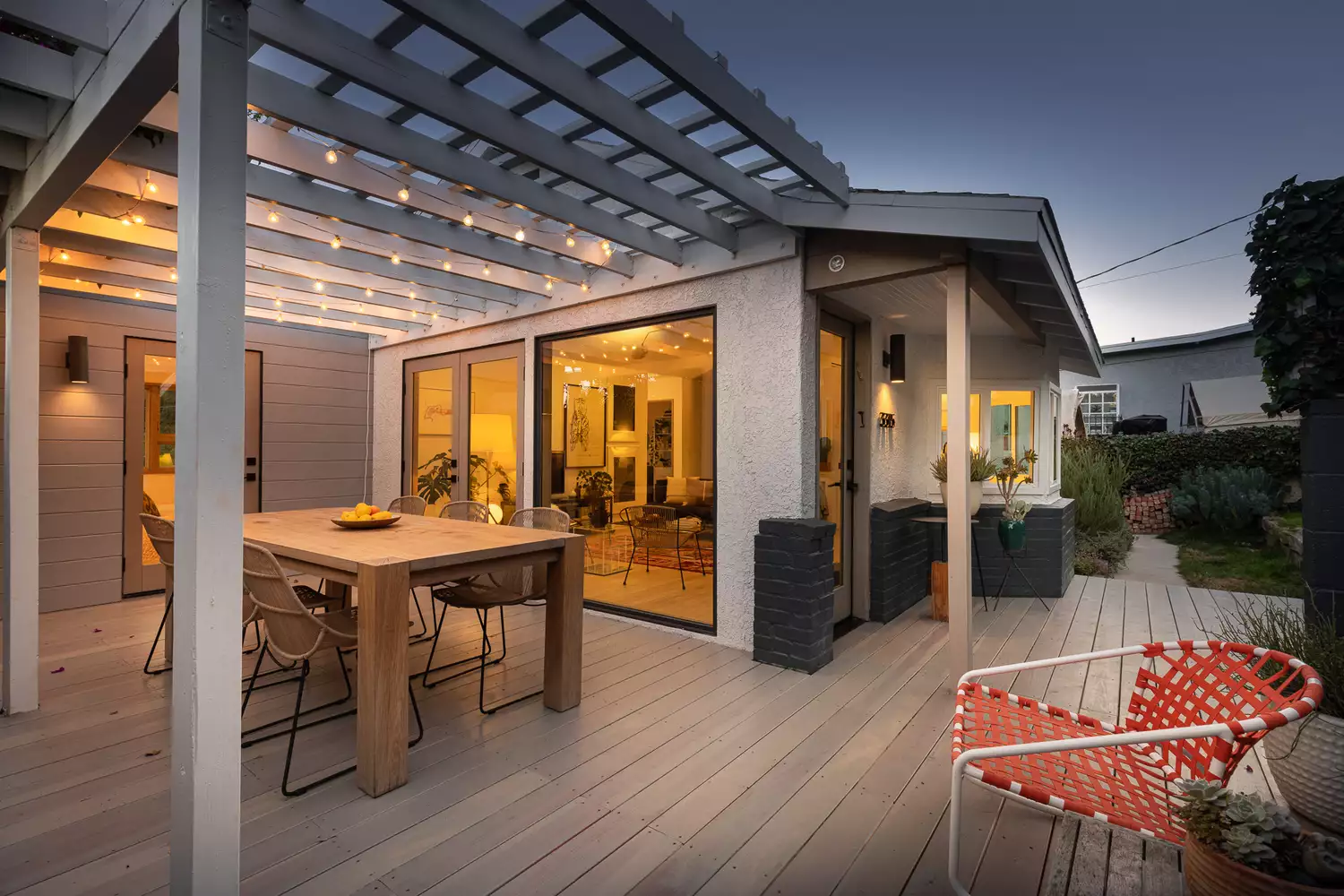
41 Outdoor Lighting Ideas to Brighten Up Your Yard
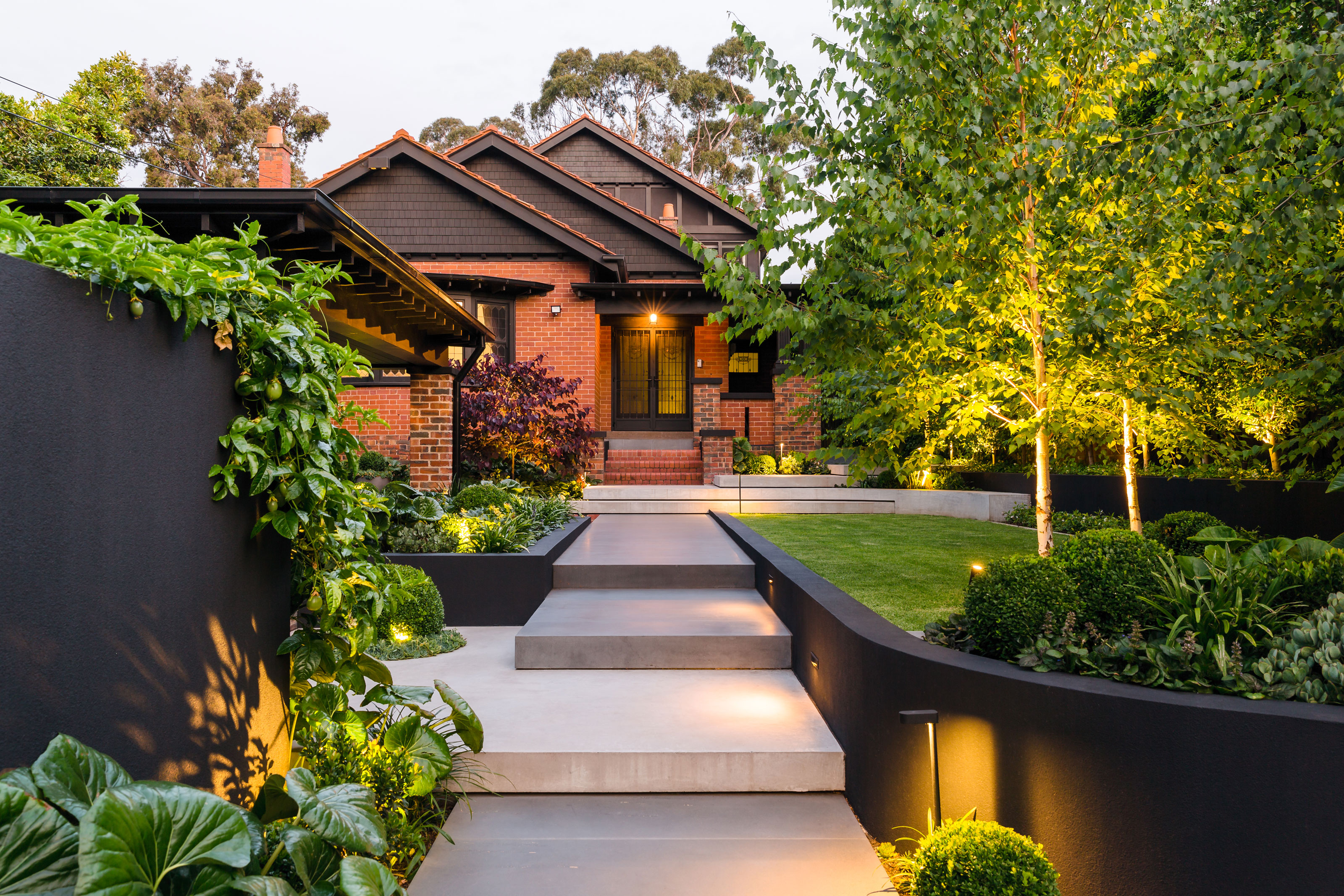
5 Outdoor Lighting Tricks People With Well-Lit Yards Always Use — They'll Make Your Yard Look 100 Times Better
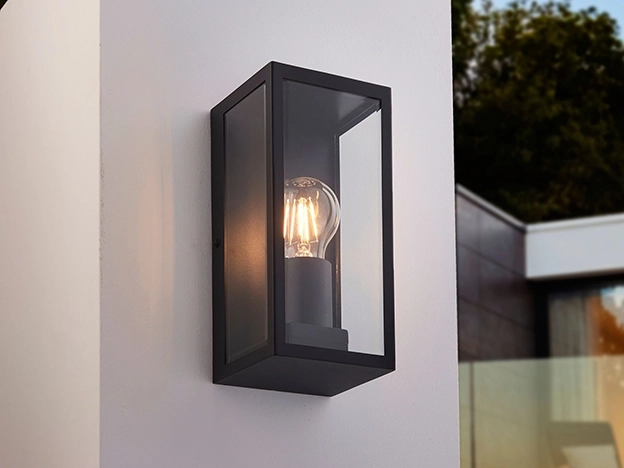
Outdoor Lights | Garden Lights

Gardening: The right lighting to get those seeds started for spring

Outdoor lighting: A beginner’s guide
Backyard lighting ideas – 15 ways to illuminate your space beautifully
Garden lighting tips from designer Kate Gould

Put to the Test: The Best Solar Path Lights for a Brilliant Walkway

How to Hide Outdoor Lighting Wires and Cables — 7 Tips for a Patio Free From Circuitry Eyesores
How to spruce up your backyard for summer hosting – Experts share 5 inspiring ideas to get rid of 'yard shame'
Outdoor lighting ideas – 30 best ways to use garden lighting
8 Best Solar Path Lights

Outdoor tree lighting ideas – 13 ways to highlight your planting once the sun goes down
5 Backyard Staples You Should Never Splurge on, According to Designers